Firefox starts letting you use AI chatbots in the sidebar

Like other browser makers, Mozilla is looking to bring more AI features into Firefox. The organization's latest effort is an experimental one for the Nightly build of the browser. Starting this week, you'll be able to add ChatGPT, Google Gemini, HuggingChat or Le Chat Mistral to the sidebar. Highlight some text on the web and you can right click to ask your preferred chatbot to summarize the information, simplify the language or test your memory and knowledge of the excerpt.

Mozilla says any chatbot use is entirely optional and none of them are integrated into Firefox's core functions. If you'd like to try one in Firefox, you'll need the experimental Nightly version of the browser (note that Mozilla describes this as a "unstable testing and development platform," so exercise caution). Go to Settings > Nightly Experiments and switch on the AI Chatbot Integration option, then pick a chatbot.

To add the chatbot to your sidebar permanently, select Customize toolbar after right clicking on the toolbar. After that, you should drag the sidebar icon to your toolbar.

Mozilla is pitching this as a way for you to try out chatbots and see which one works best for you (or find out if you want to use one at all). "All of these models are still being developed and improved," the organization noted in a blog post. "None are perfect, and they’re each good at some things and not at others." Mozilla added that it will refine the chatbot experience before bringing it to the beta and release builds of Firefox.

The organization is following several other browser makers in bringing chatbots to their products. Of course, Microsoft and Google have brought Copilot and Gemini to Edge and Chrome, respectively. The likes of Opera and DuckDuckGo have waded into these waters too.

This article originally appeared on Engadget at https://www.engadget.com/firefox-starts-letting-you-use-ai-chatbots-in-the-sidebar-144218734.html?src=rss
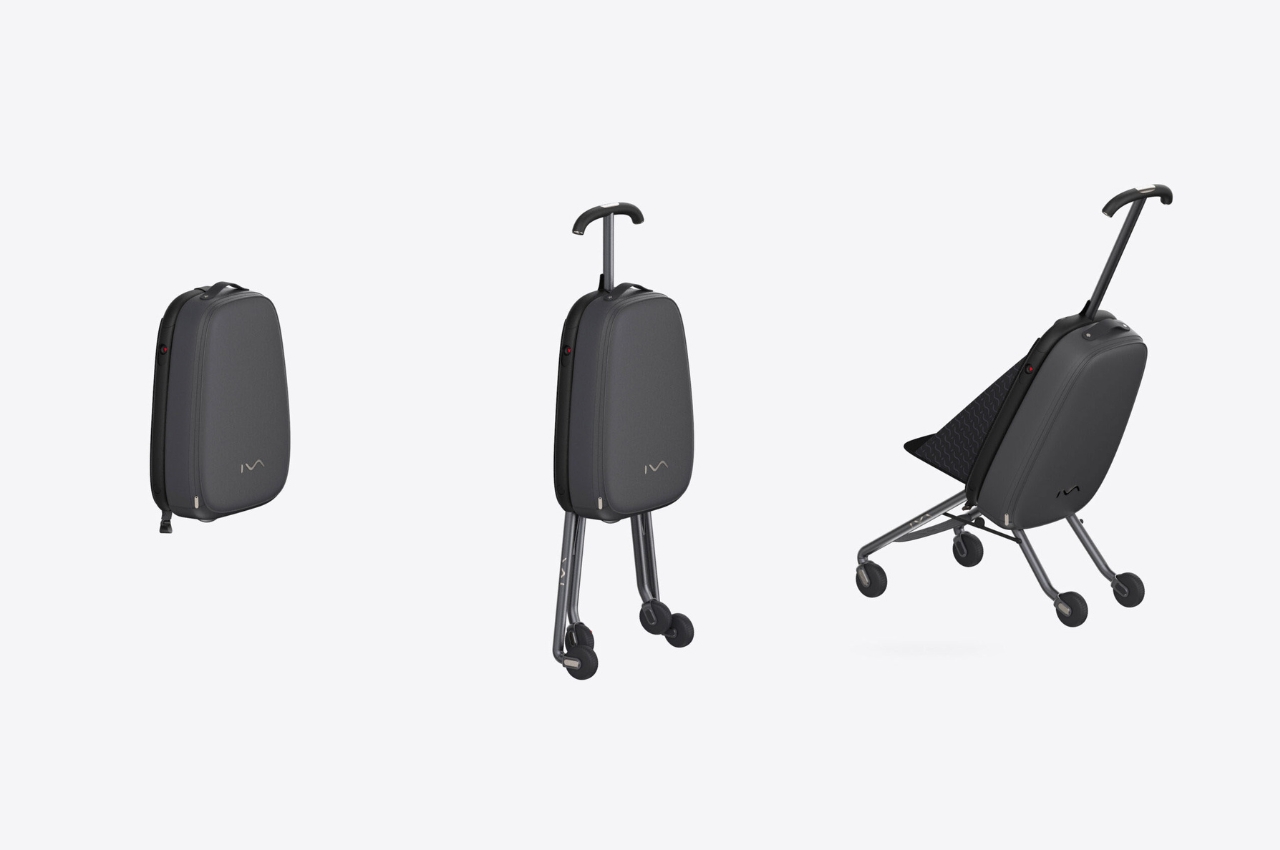
Lightweight stroller concept transforms into a backpack when not in use

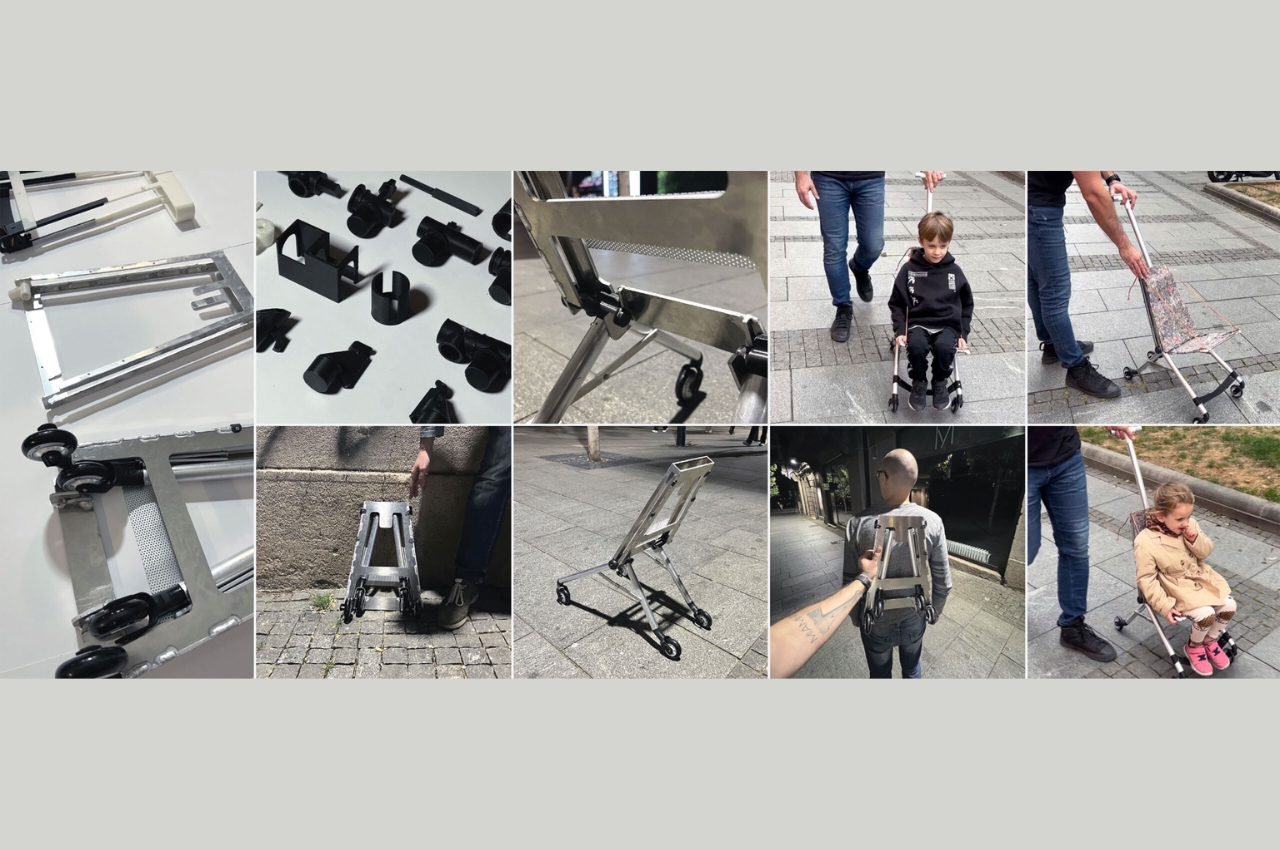
When I go to amusement parks, this single woman sometimes feels pity seeing parents lugging around heavy duty strollers for their kids who decided they prefer running around the area then later on deciding they’re too tired to walk. Most of the strollers are bulky and heavy, adding to back problems and joint problems for the parents (aside from the back pain from carrying the child around). This new concept says that it’s the most compact and lightest baby stroller even as the mechanism is still patent pending.

Designers: Mick Beliaev and David Popkov

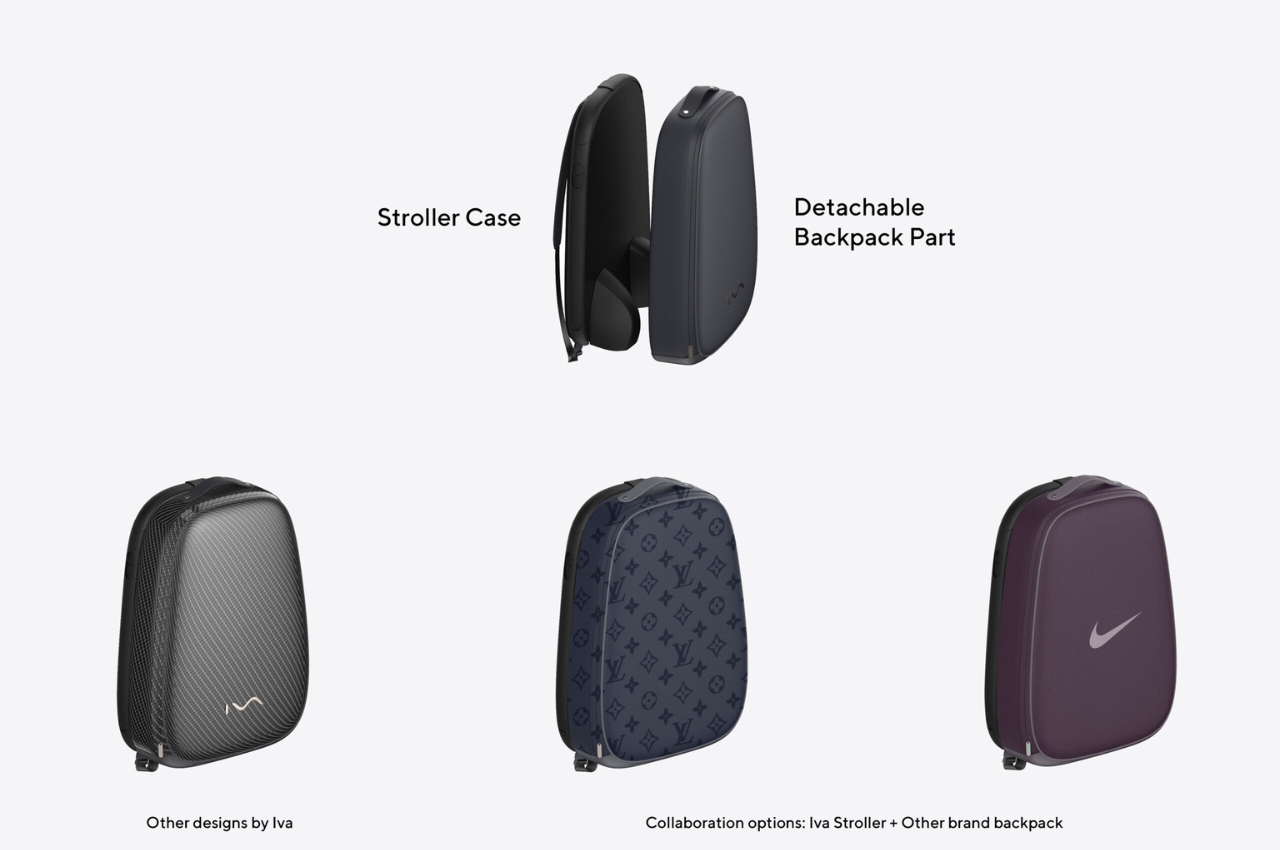
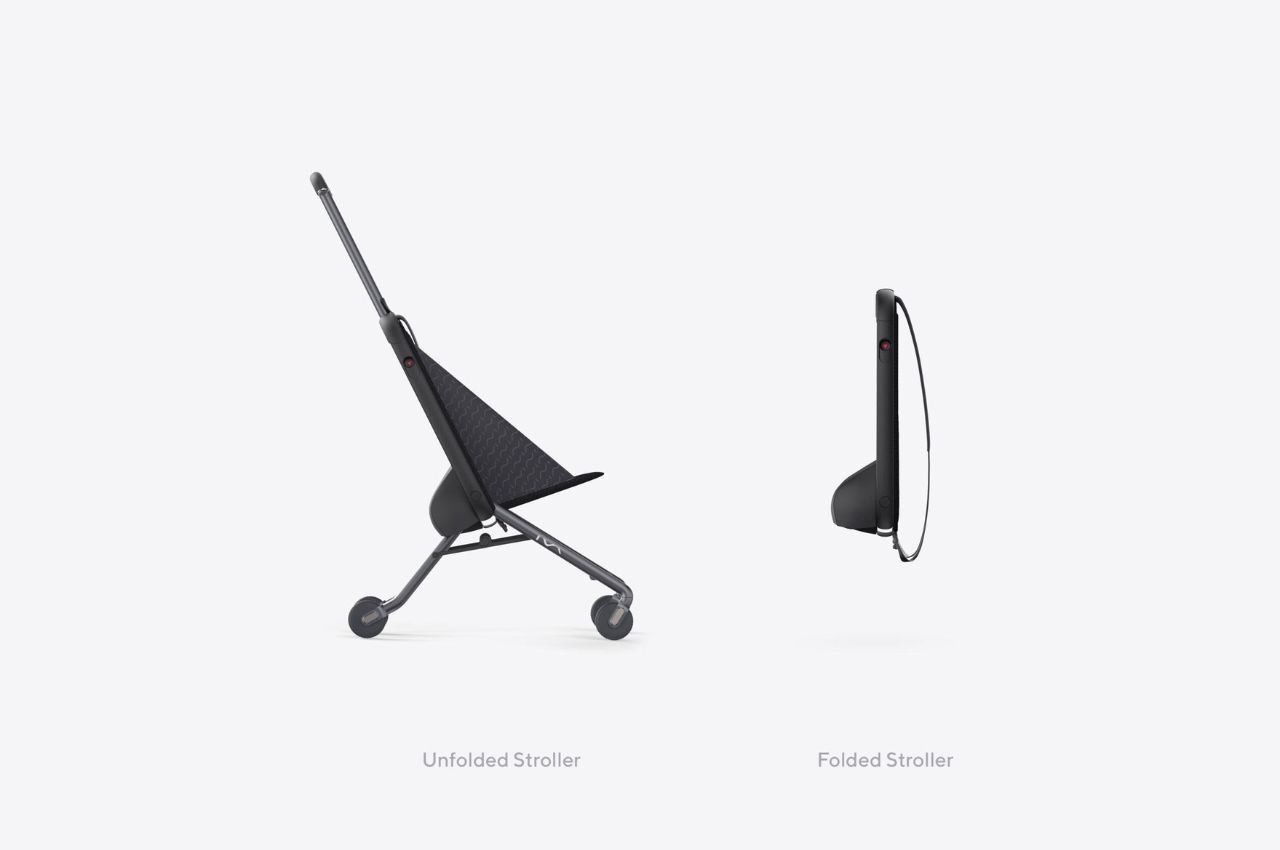
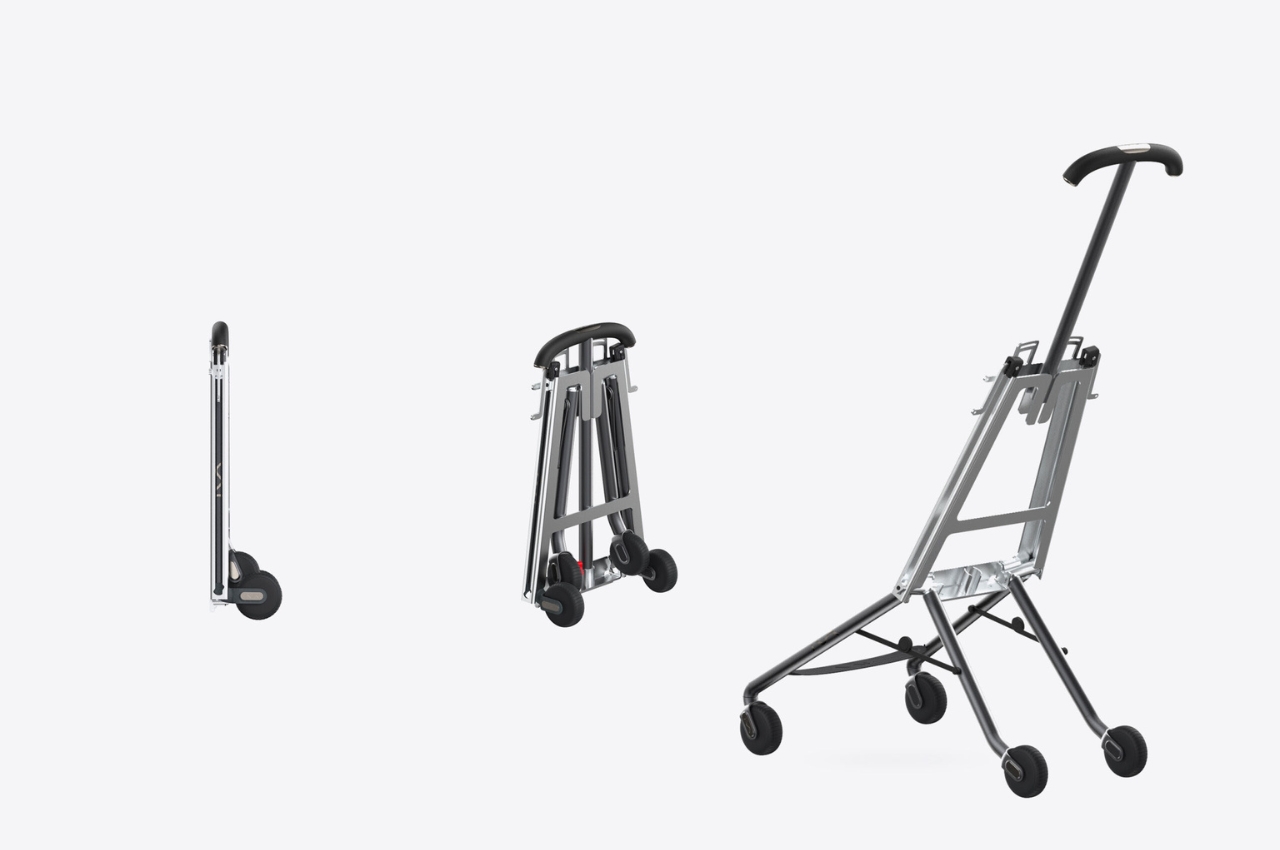
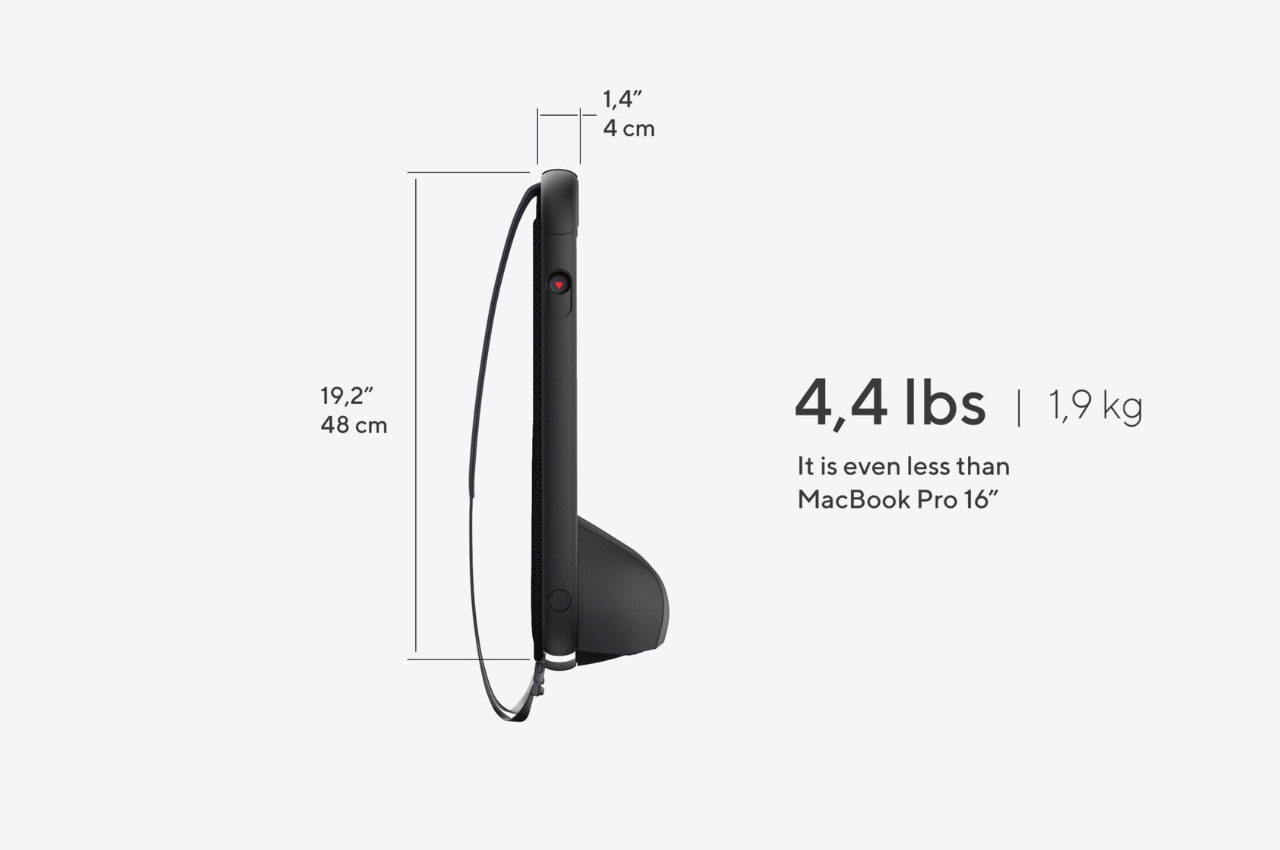
Iva is a stroller that can be stored into a backpack when not in use. It is 1.6 inches slim and 4.4 lbs light, which apparently is lighter than the 16-inch Macbook Pro. It is also pretty easy to assemble and pack, once you get the hang of the mechanism which seems a bit complicated at first. But once you’ve mastered it, it should only take around 60 seconds for you to fold and unfold.

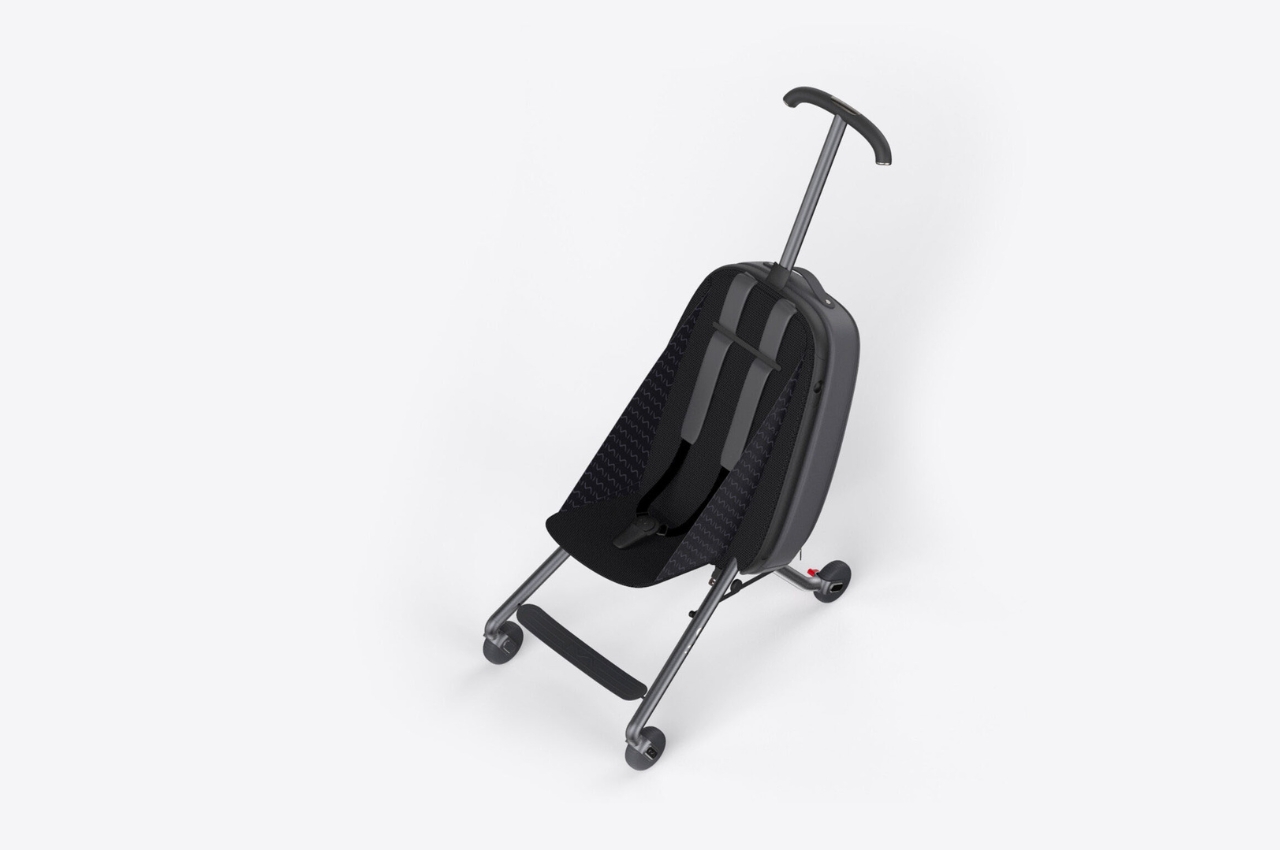
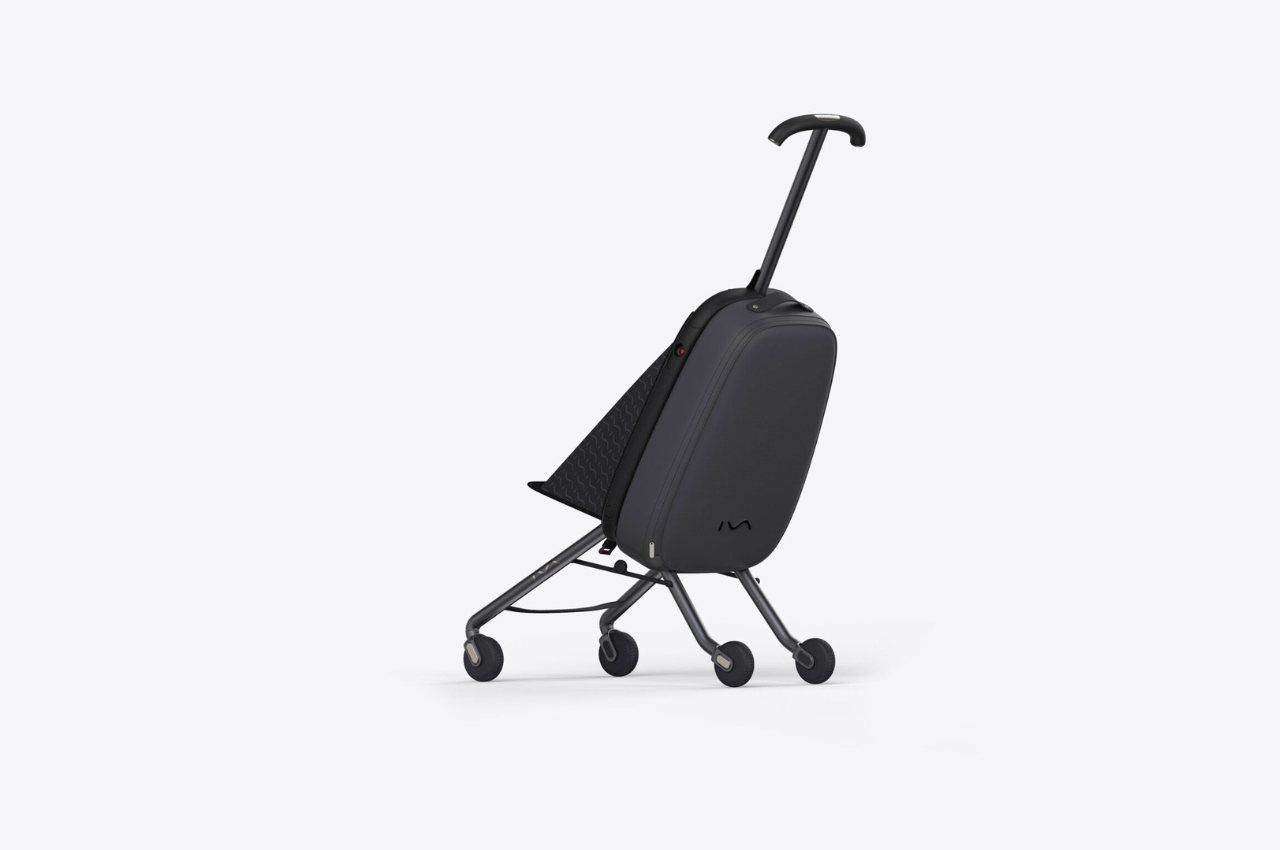
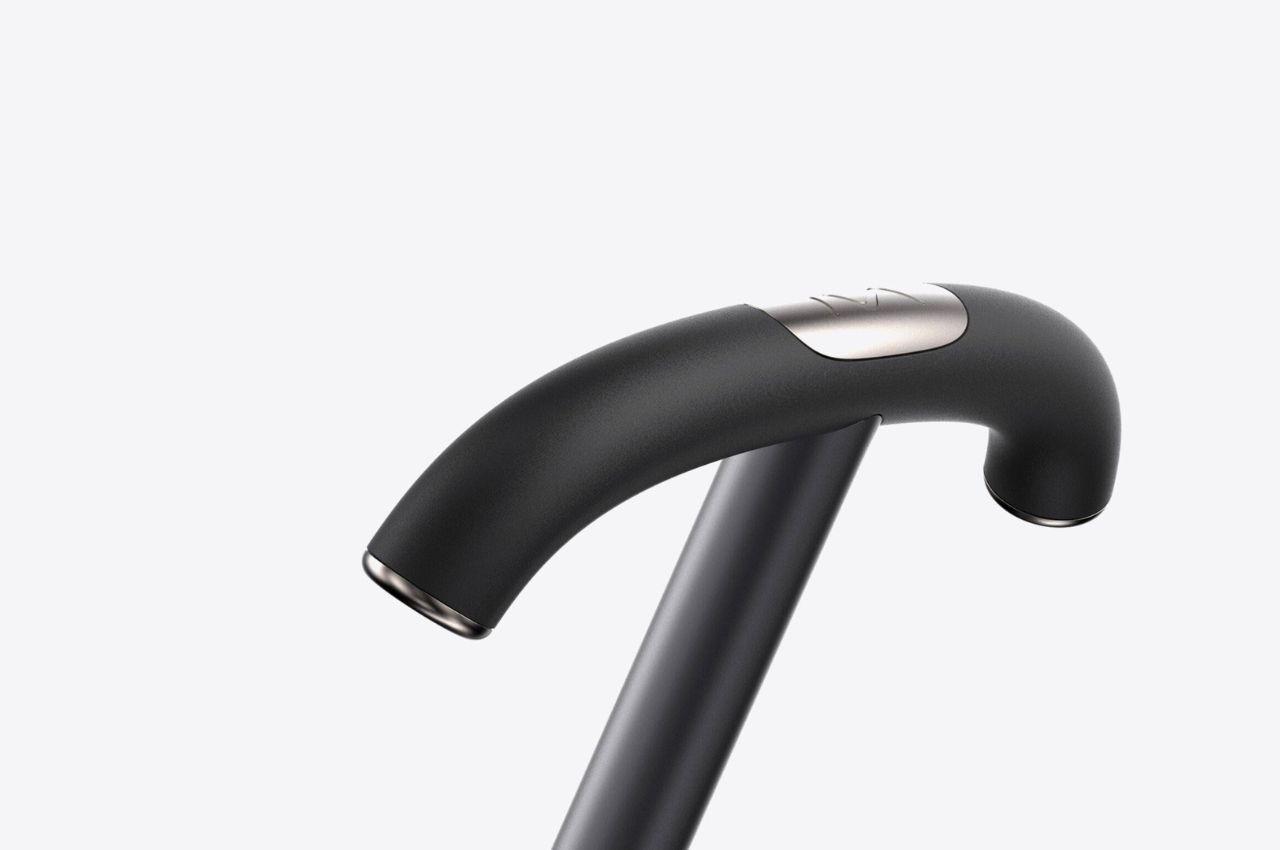
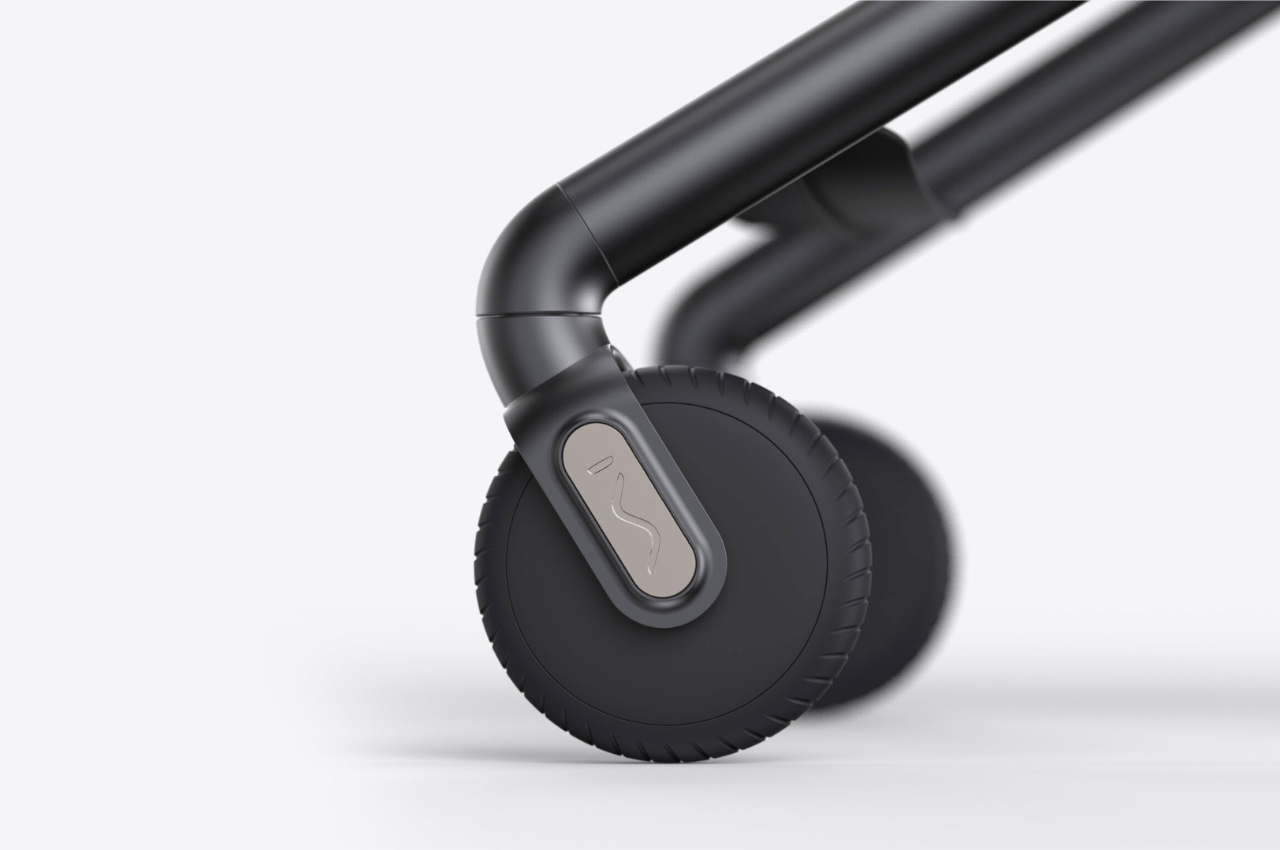
The stroller itself has an Aviation Aluminum 7075 frame-enclosure and includes four pipe-shaped legs with soft rubber wheels. It is designed according to the US Safety Standard F833 for carriages and strollers. You can also detach the backpack so if you want to get a new color or design, you can just buy a new backpack part. The video showing the designer’s 7-year old kid riding the stroller seems to show that it’s pretty durable and as comfortable as a stroller can get.

The Iva stroller isn’t as cushy or enclosed as most of the strollers we see in the market but those are probably some of the things you have to give up to create what is supposedly the lightest one. They said they are selling the project to a larger brand or it may also go on Kickstarter in the summer.

The post Lightweight stroller concept transforms into a backpack when not in use first appeared on Yanko Design.

Audi RS Q8 Performance Packs a Punch with 640PS

Audi RS Q8 Peformance

Audi has unveiled the new RS Q8 and the new RS Q8 Performance. The Audi RS Q8 Performance has emerged as a trailblazer in the SUV segment, setting new standards for power, performance, and advanced engineering. As the most powerful series-produced combustion model in the history of Audi Sport GmbH, the RS Q8 Performance features […]

The post Audi RS Q8 Performance Packs a Punch with 640PS appeared first on Geeky Gadgets.

Beats Pill speakers are back and have been redesigned from the inside out

In 2022, Beats discontinued the Pill+, the company's last remaining Bluetooth speaker. Prior to the move, Beats had decent run of smaller, portable speakers, including its original Pill and Pill XL models. Of course, that period wasn't without some headaches and there hadn't been a new model since 2015. Now it's time for a revival. Beats reintroduced its Pill speaker today with a new design that's been re-engineered from the inside out.

The first change you'll likely notice is the 20-degree upward tilt of the new Beats Pill, which the company says gives the unit improved sound projection. Beats is promising "more powerful, room-filling sound, bigger bass and improved tonality" thanks to an updated woofer and tweeter combo that should also minimize distortion. The new Pill is 10 percent lighter than the Pill+ and comes with a removable lanyard for carrying. The speaker is also IP67 rated for dust and water resistance, which should be good enough to protect the device if it accidentally takes a quick dip in the pool. 

The redesigned Beats Pill comes in red, black and gold.
Beats

Similar to previous models, you can sync two Pill speakers together for more robust sound. The company gives you the option of Amplify Mode, which is louder, or Stereo Mode that divides the left and right channels. Beats explains that it improved the speakerphone capabilities of the Pill, mostly thanks to the company's noise-learning algorithm. By combating environmental noise, the company says it can better pick up your voice during calls. 

The Pill still has on-device controls for music, volume, pairing and power, and the speaker charges via USB-C. That wired connection can also be used to charge your phone from the speaker's battery or to send lossless audio from a laptop or other device. Beats says you can expect up to 24 hours of battery life, plus there's a Fast Fuel feature that gives you two ours of use in 10 minutes. One-touch pairing is available on iOS and Android and there's compatibility for both Find My and Find My Device when you need it. 

The new Beats Pill is available for pre-order today in black, red and gold color options for $150. Beats says it will start shipping the speaker on June 27. 

This article originally appeared on Engadget at https://www.engadget.com/beats-pill-speakers-are-back-and-have-been-redesigned-from-the-inside-out-140055874.html?src=rss

Amazon Prime members can get this Blink Outdoor bundle with a video doorbell for 63 percent off in an early Prime Day deal

If you've been looking to improve your home's security but don't want to spend a fortune, Amazon Prime Day presents an excellent time to shop for some new gear. An early Prime Day deal discounts this Blink Outdoor bundle by 63 percent. For $120 — down from $320 — you can get a Blink Video Doorbell and three Outdoor 4 smart security cameras with Sync Module 2. Like most Prime Day deals, this one is exclusive to Prime members in the lead-up to the big day. 

The Blink bundle allows you to monitor your home, whether you're far away or right inside. You can use Video Doorbell to answer the door, get alerts when there's motion and speak to visitors. It uses infrared night vision and 1080p HD live view to give you insight during the day or night. The device requires two double AA batteries (included in the bundle) and should last for about two years. 

Then there are Blink's fourth-generation Outdoor Cameras, one of our picks for best smart home gadgets. The lens offers a 143-degree field of vision, 1080p HD video, two-way audio and Alexa integration. It also has better low-light vision and catches movement faster than its predecessors.

If you don't need three cameras and want to save some money, there's another option for you. This early Prime Day deal bundle includes a Blink Video Doorbell and just one Outdoor 4 smart security camera with Sync Module 2. The pair is also 63 percent off, with the deal dropping their price to $60 from $160. 

Your Prime Day Shopping Guide: See all of our Prime Day coverage. Shop the best Prime Day deals on Yahoo Life. Follow Engadget for Prime Day tech deals. Hear from Autoblog’s experts on the best Amazon Prime Day deals for your car, garage, and home, and find Prime Day sales to shop on AOL, handpicked just for you.

This article originally appeared on Engadget at https://www.engadget.com/amazon-prime-members-can-get-this-blink-outdoor-bundle-with-a-video-doorbell-for-63-percent-off-in-an-early-prime-day-deal-134858607.html?src=rss

Apple’s latest OS betas enable iPhone mirroring on Mac

One of the more compelling features Apple showed off for macOS at Worldwide Developers Conference 2024 earlier this month is the ability to mirror your iPhone to your desktop. Brave souls who don't mind installing developer betas on their devices can now check that out for themselves, as it's available in the latest iOS 18 and macOS Sequoia builds.

The first public betas of both operating systems are expected to arrive in July, but it's unclear whether the feature will be available in those at the outset. Folks in the EU will also have to wait longer to try the feature as Apple is delaying the rollout of iPhone mirroring, Apple Intelligence and SharePlay Screen Sharing. The company has pinned the blame on potential Digital Markets Act compliance concerns and how that "could force us to compromise the integrity of our products in ways that risk user privacy and data security."

Still, if you can't wait to check this out and you have a developer account with Apple, you can install the betas now (bearing in mind the usual risks that come with beta versions of operating systems). If you do, you'll be able to control your iPhone from your Mac while the former remains locked and in StandBy mode. You'll also get notifications from your iOS apps on your desktop.

Naturally, you'll need to be signed into the same Apple Account on both devices for this to work. You'll need to have Wi-Fi and Bluetooth on too. 

The virtual iPhone will run at 60 fps. It will typically operate in vertical mode unless you launch a game that runs horizontally, in which case it will flip to its side. Mirroring is said to use about the same amount of battery life as physically using your iPhone. If you unlock your handset, the mirroring window on your Mac will close instantly.

Apple has some other iPhone mirroring features planned for the future, such as the ability to drag and drop files and other things between your phone and Mac. This is expected to include support for third-party apps.

Per the iOS 18 and macOS Sequoia developer beta release notes, there are some known issues when it comes to the iPhone mirroring feature. For instance, you may not be able to launch lock screen apps or use Universal Clipboard on your iPhone while it's enabled, but those are bugs Apple will be attempting to iron out. It's also worth noting that it won't be possible (at least at first) to mirror your iPhone while mirroring your mac on Apple Vision Pro.

This article originally appeared on Engadget at https://www.engadget.com/apples-latest-os-betas-enable-iphone-mirroring-on-mac-133017417.html?src=rss

Gigabyte AMD Radeon PRO W7000 Series graphics cards

Gigabyte AMD Radeon PRO W7000

GIGABYTE has launched its latest AMD Radeon PRO W7000 series workstation graphics cards, including the flagship GIGABYTE Radeon PRO W7900 Dual Slot AI TOP 48G and the GIGABYTE Radeon PRO W7800 AI TOP 32G. These innovative graphics cards are powered by AMD RDNA 3 architecture and offer substantial memory capacities of 48 GB and 32 […]

The post Gigabyte AMD Radeon PRO W7000 Series graphics cards appeared first on Geeky Gadgets.

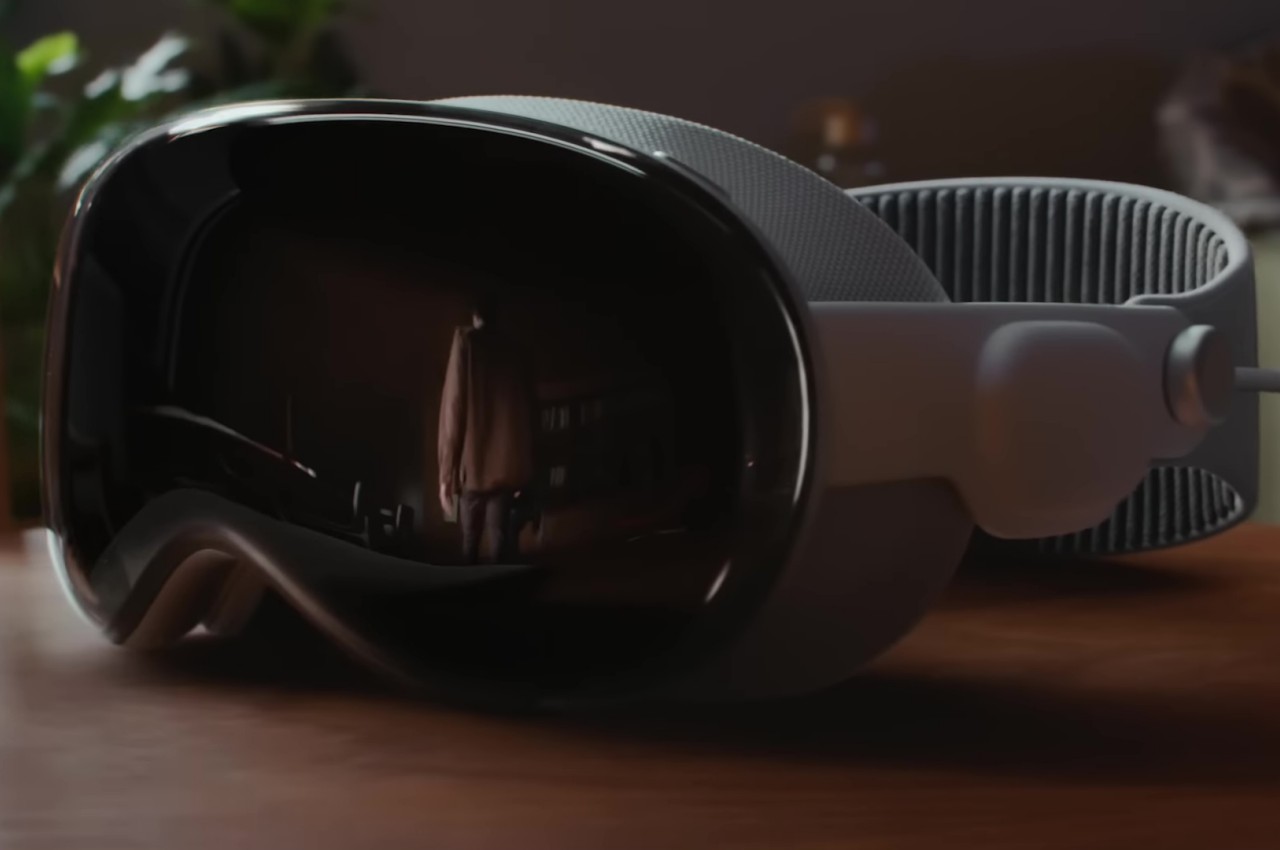
Cheaper Apple Vision design might have you connecting to an iPhone or Mac

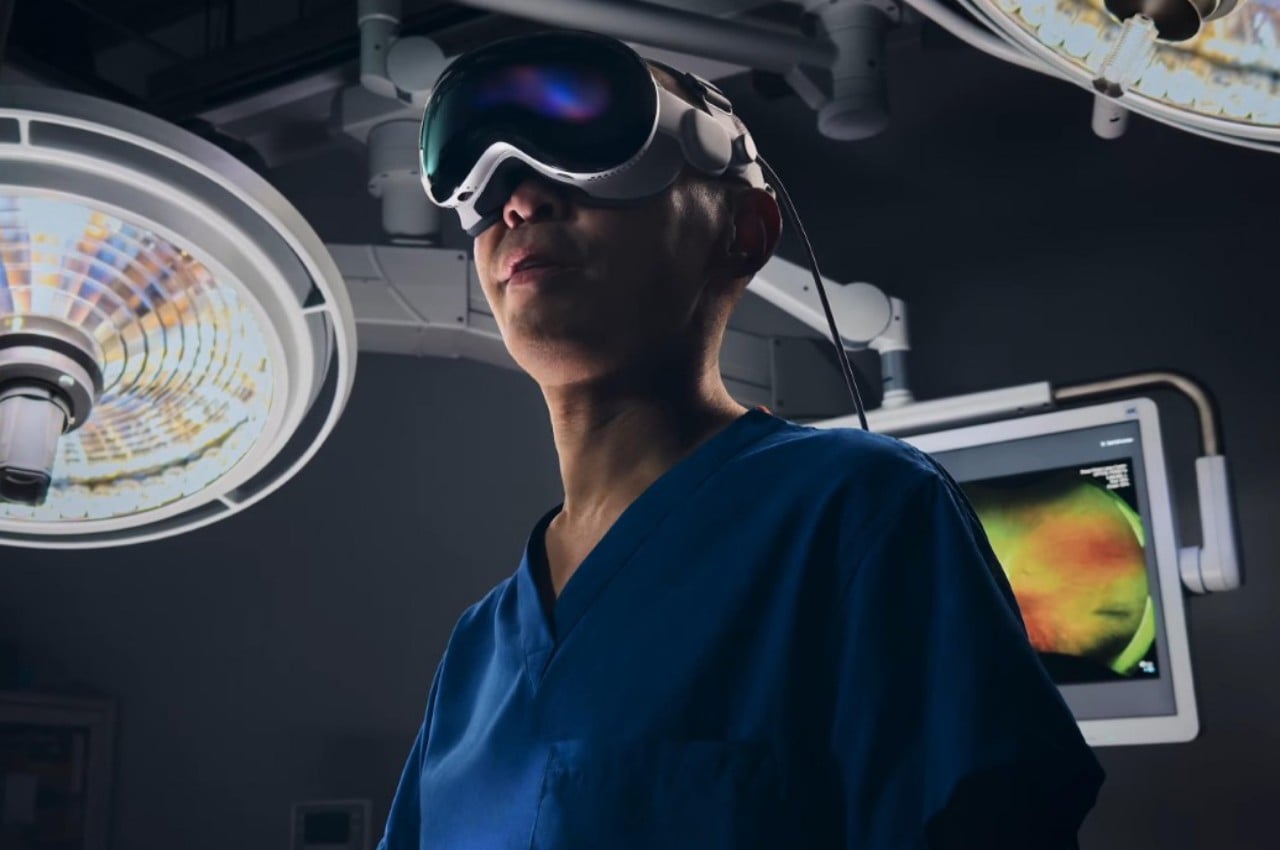
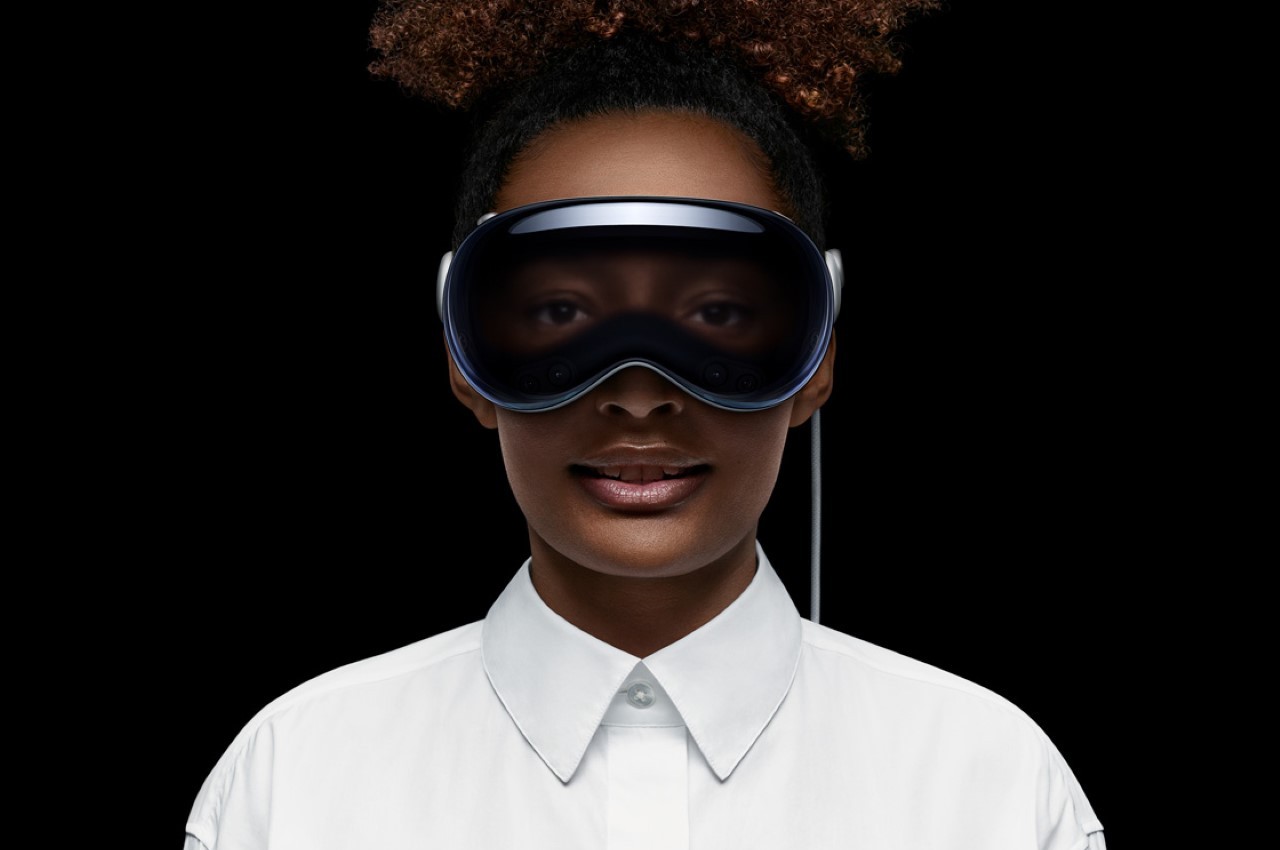
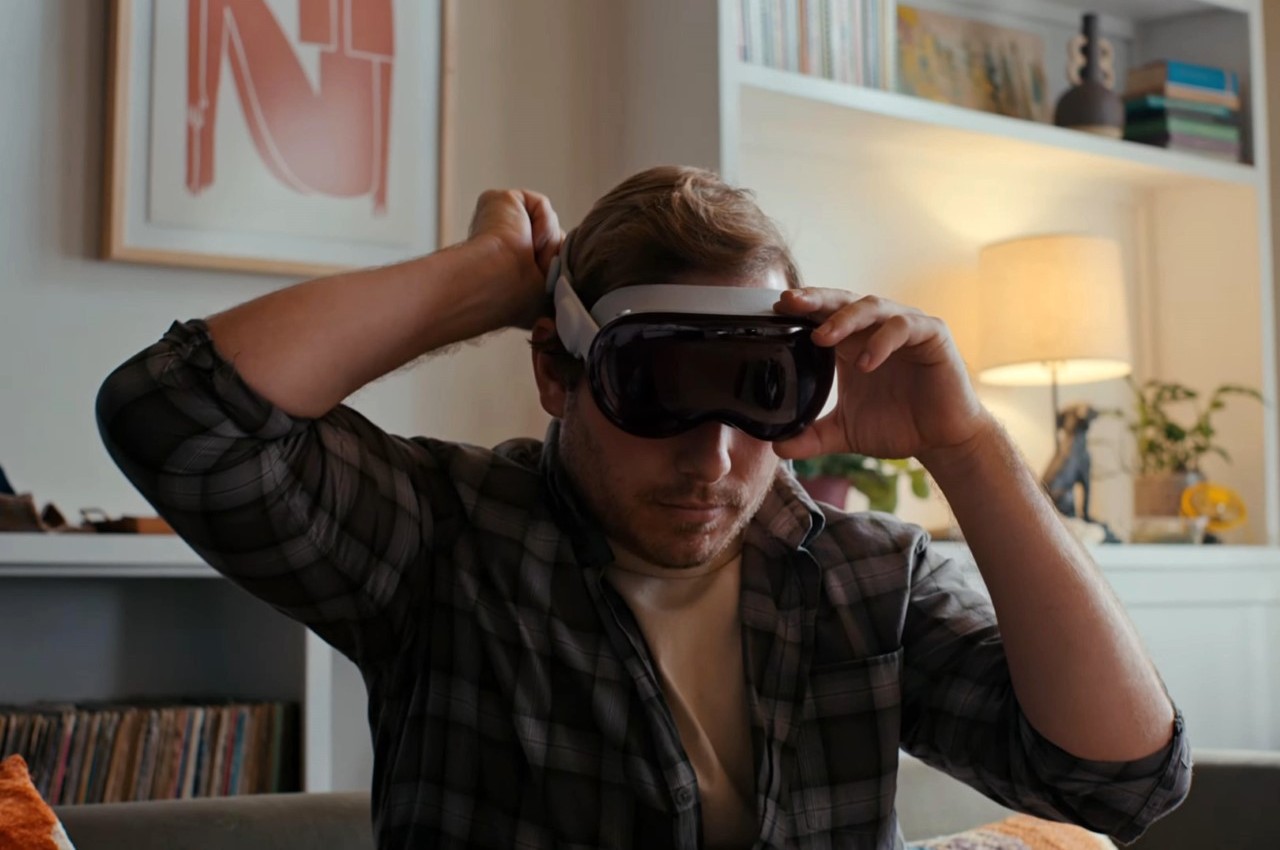
It hasn’t even been a year since it launched, but there are already talks of Apple’s next headset after the Vision Pro. No, it won’t be an upgrade that will make the $3,500 device obsolete but, instead, might even be considered a downgrade of sorts. In a way, this more affordable Apple Vision will be its own class, one that might have to make quite a few compromises to reach a desired price point. What those cuts will be is still unknown, but some insider insight suggests that the non-Pro Vision headset might offload its processing and software to an external device, requiring you to tether it to an iPhone or even a Mac or MacBook.

Designer: Apple (via Mark Gurman)

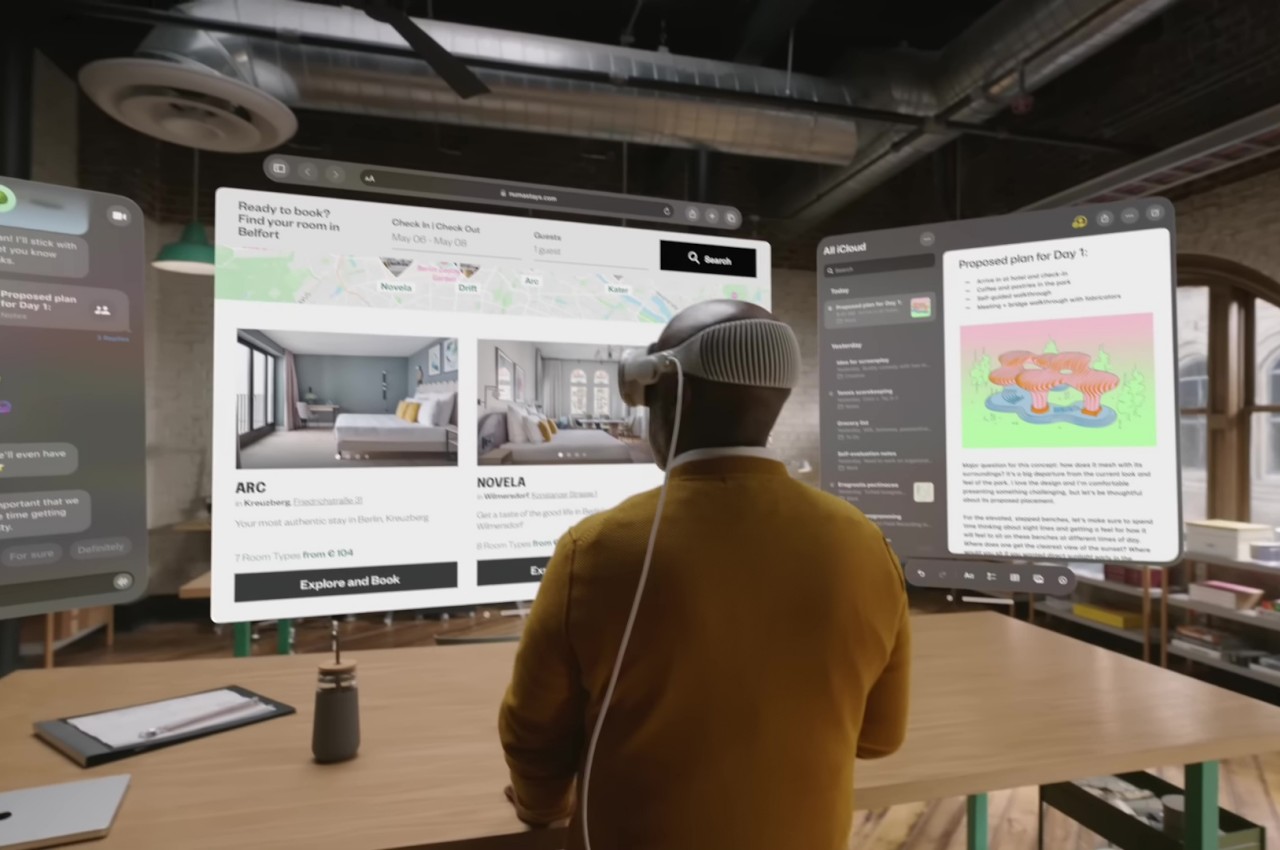
Impressive as the Vision Pro and visionOS might be, Apple’s spatial computing platform hasn’t yet taken the tech world by storm for one critical reason. The headset costs a whopping $3,500, far beyond the reach of developers without deep pockets or backing, let alone regular consumers. Apple has always planned on launching a more accessible Vision headset after the Pro model has taken root, but the big puzzle is how it would make it significantly cheaper without compromising on the experience too much.

The immediate answer would be to take the features down a few notches, throwing out EyeSight that shows your eyes to people on the opposite side of the glass, reducing image quality of passthrough visuals, or using less powerful processors. These, however, are the features that would differentiate the Vision from other mixed reality headsets, and a price tag of $1,500 would make it look even more expensive than the competition without these “killer features.” One alternative would be to have the headset connect to a device, either the iPhone or the Mac, making the Apple Vision focus solely on the optics and display.

This wouldn’t be the first phone-powered headset, and history has given us the advantages and disadvantages of that design. An iPhone would actually offer a bit more mobility and flexibility, especially if it will also power the Vision headset. It could, however, be the bottleneck considering the apps and experiences that visionOS supports. A MacBook, on the other hand, would deliver that much-needed power at the expense of freedom of movement and comfort.

This is definitely a conundrum for Apple, which isn’t always keen on degrading product quality in the name of price cuts. At the same time, however, it really has no choice but to make some concessions if it wants its spatial computing vision to be embraced by more people. It still hasn’t given up on the Vision Pro, whose successor is expected to arrive in 2026, but it will be pouring resources over the more accessible Vision for a 2025 launch, and hopefully, it will be able to hit the nail on the head in the end.

The post Cheaper Apple Vision design might have you connecting to an iPhone or Mac first appeared on Yanko Design.

Level Up Your Movie Nights with the Yaber Projector T2/T2 Plus

Yaber Projector T2/T2 Plus

Yaber has launched its latest portable projector, the Yaber Projector T2/T2 Plus. In recent years, portable entertainment projectors have transformed the way people enjoy movies, TV shows, and other multimedia content. These versatile devices have opened up a world of possibilities, allowing users to create immersive audiovisual experiences in various settings, from the comfort of […]

The post Level Up Your Movie Nights with the Yaber Projector T2/T2 Plus appeared first on Geeky Gadgets.