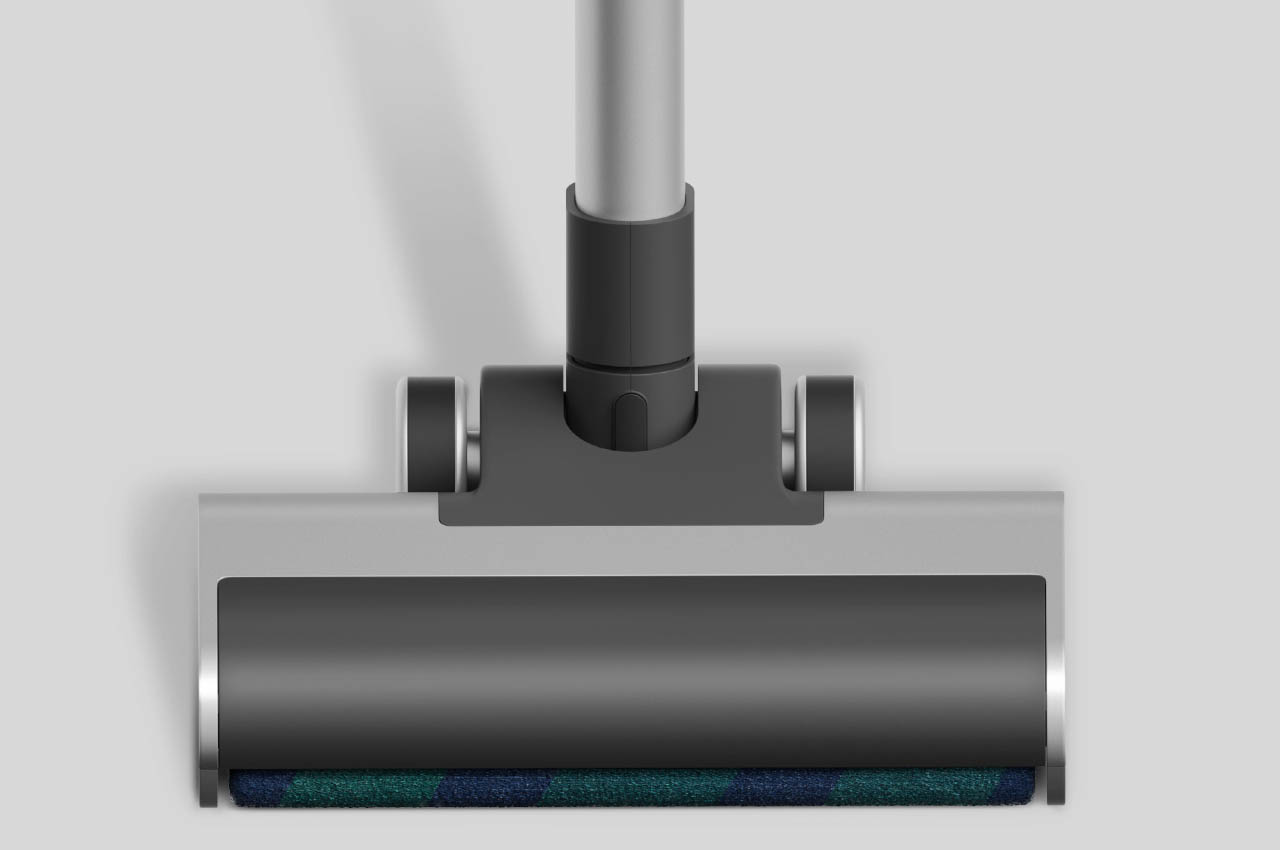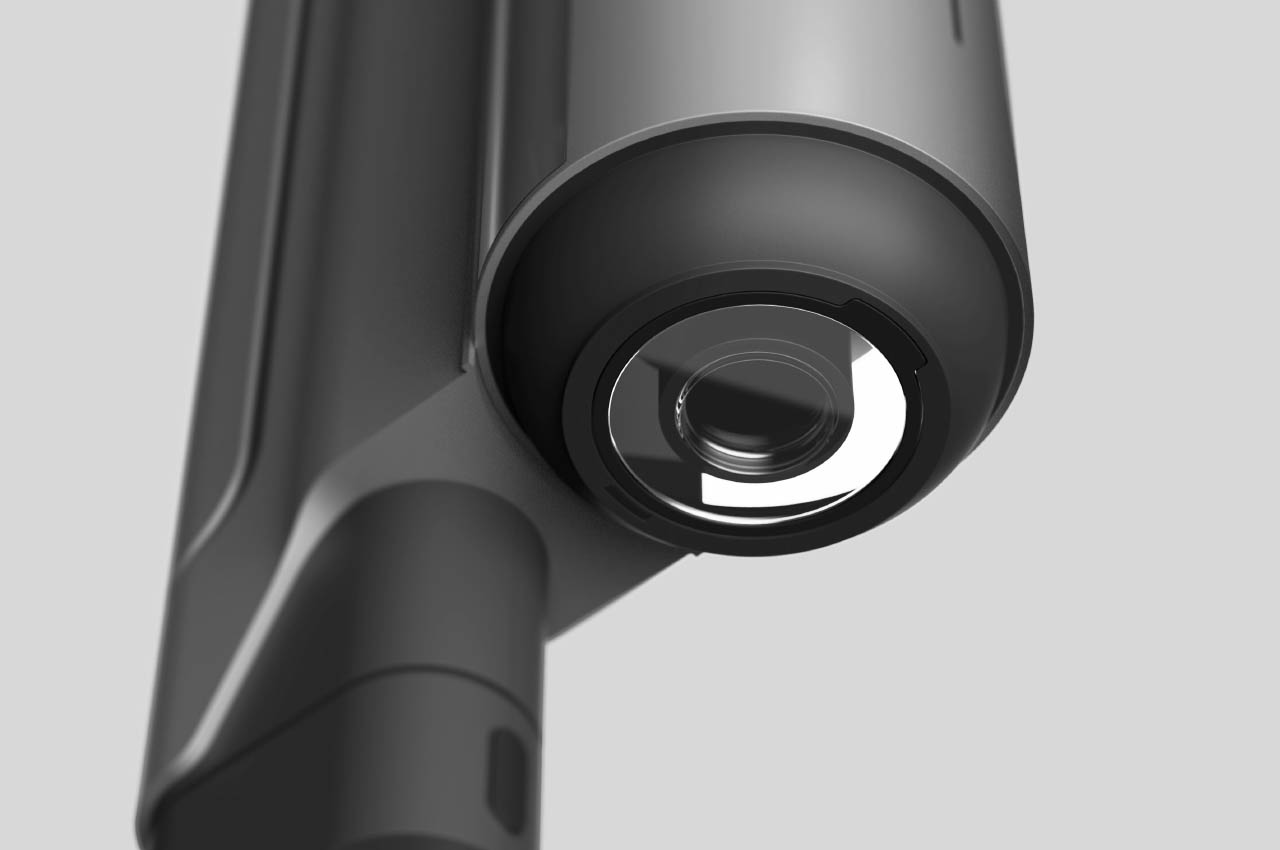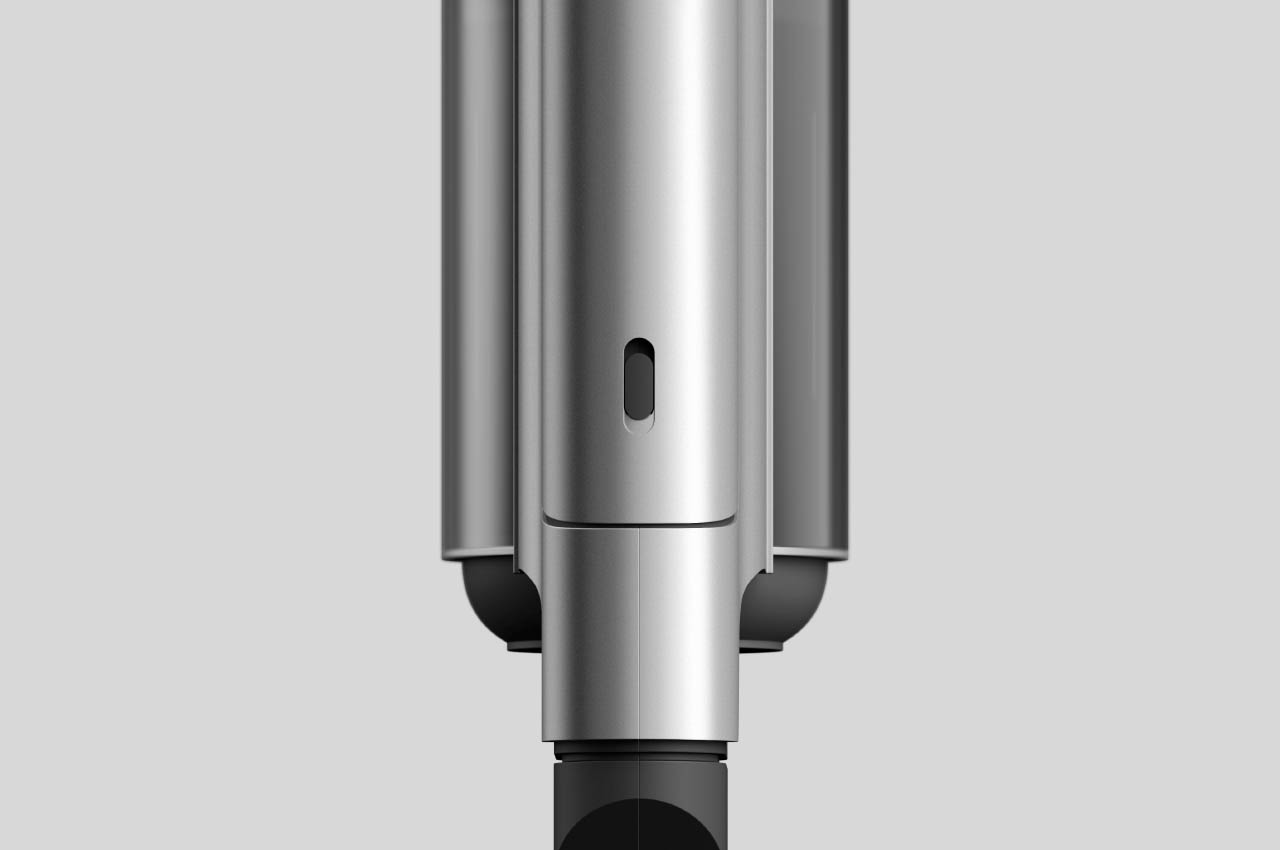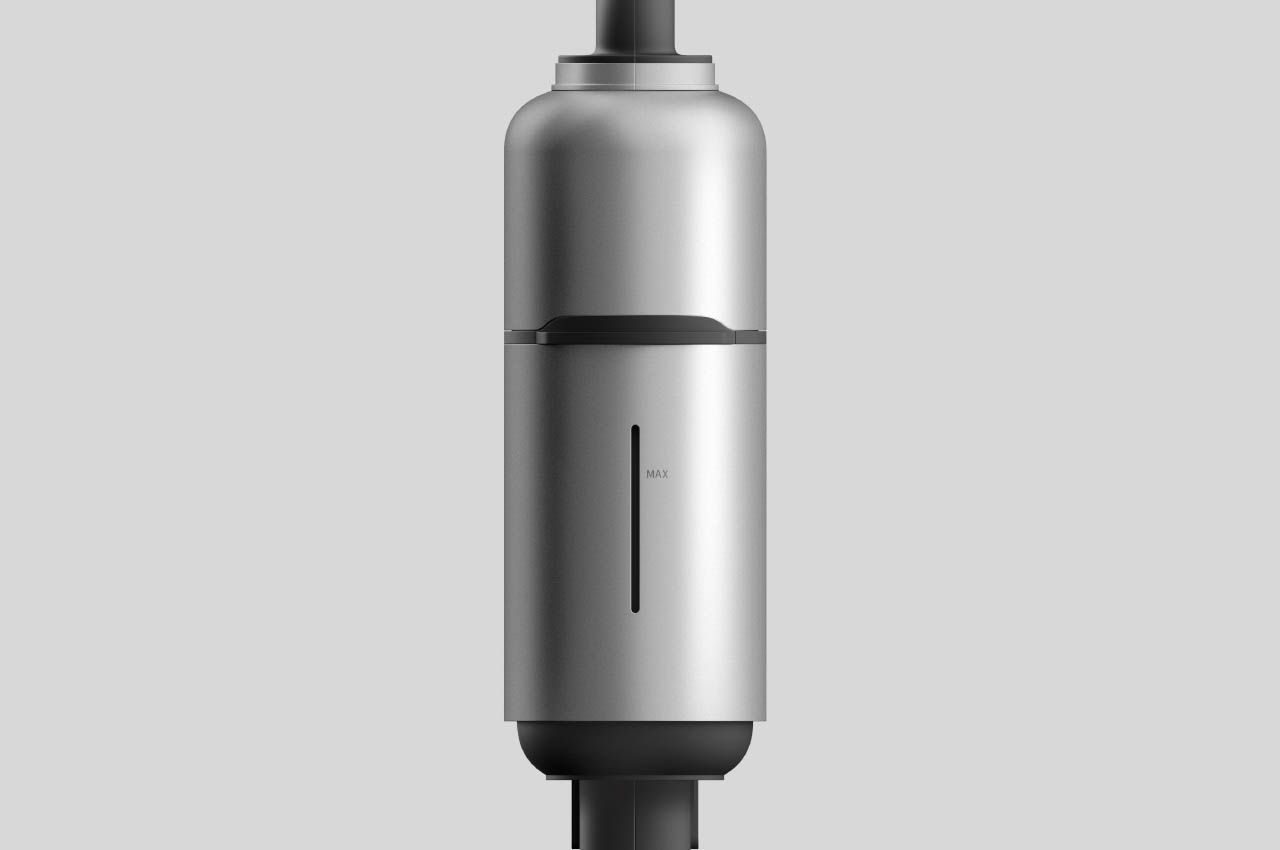
This vacuum cleaner gets a display uplift to sit with the other appliances at home

Vacuum cleaners have come of age. They have evolved to be noiseless, automatic, and big dust and grime gobblers that can clean our homes, removing all possible allergens. Irrespective of all the interesting form factors, choice of materials, and functionalities they come with, vacuums still remain in one corner of the house, preferably away from sight, sitting there for longer than being used. This is essential because vacuum cleaners lack decorative usability, which can put them into the mainframe of the living area.

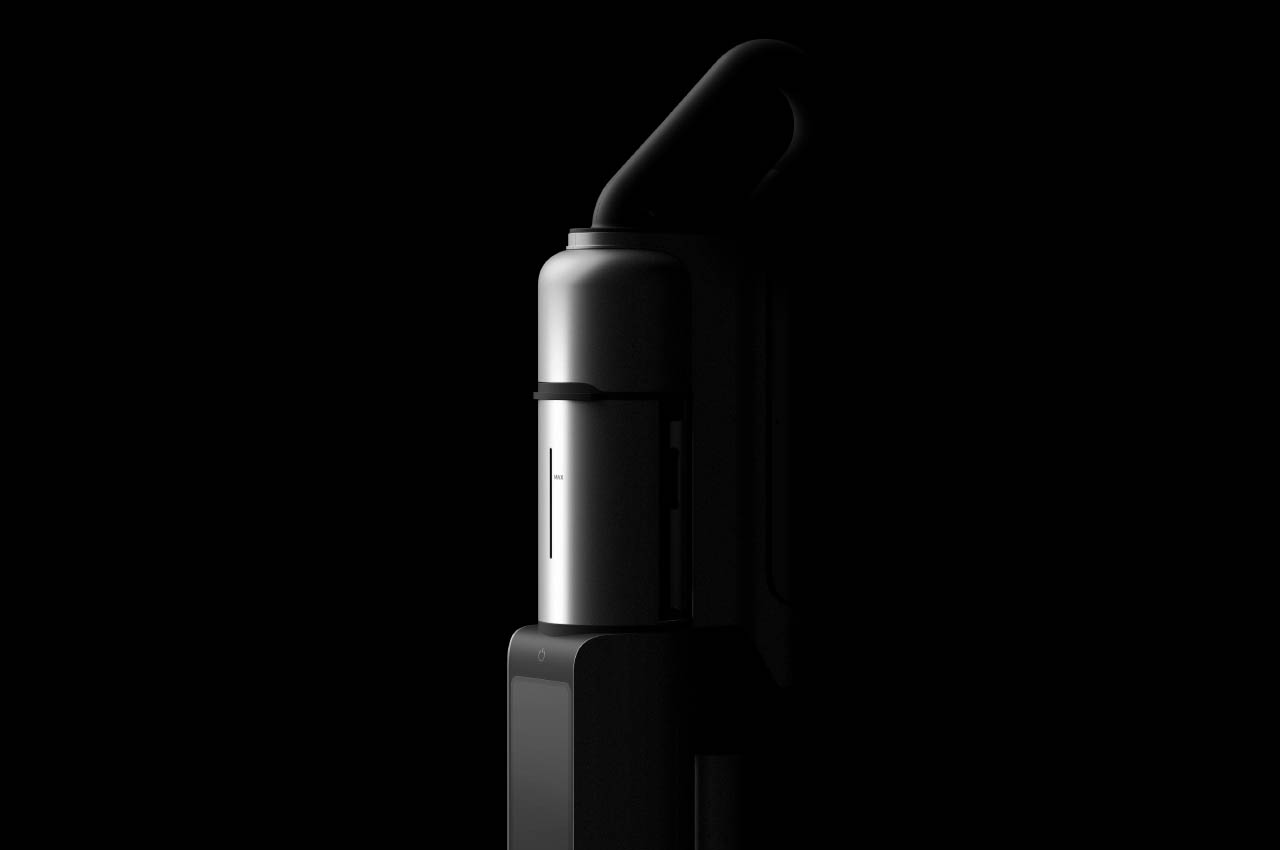
Vacuum cleaners are an everyday requirement we cannot do without on a daily basis now. Since their necessity, work is being done in shaping them to come out of the hiding to sit amid the other appliances in the house. But an appealing vac is yet to make the mainstream. Leaving scope for something like the BLEND I Vacuum Cleaner, which adds an interactive display to the vacuum cleaner’s stand.

Designer: Wootae Kim
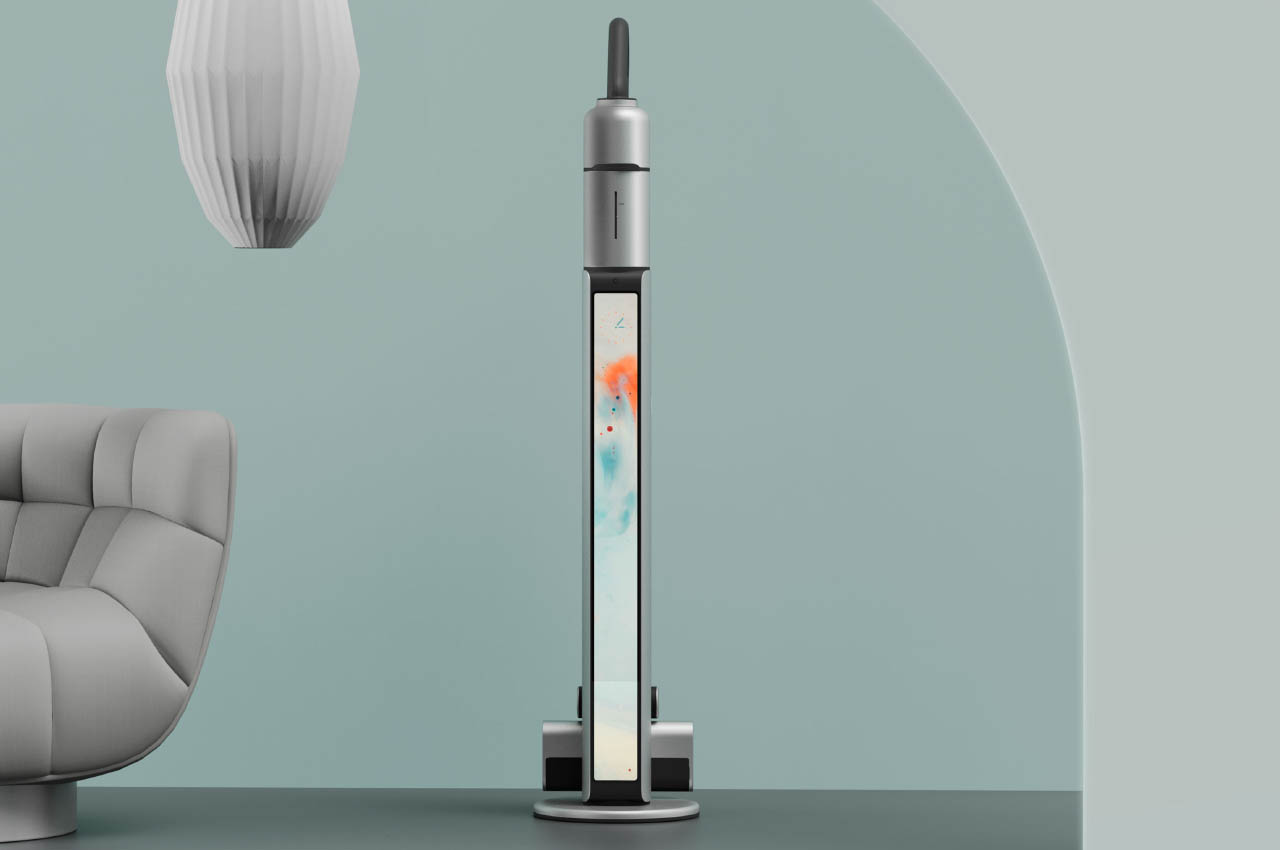
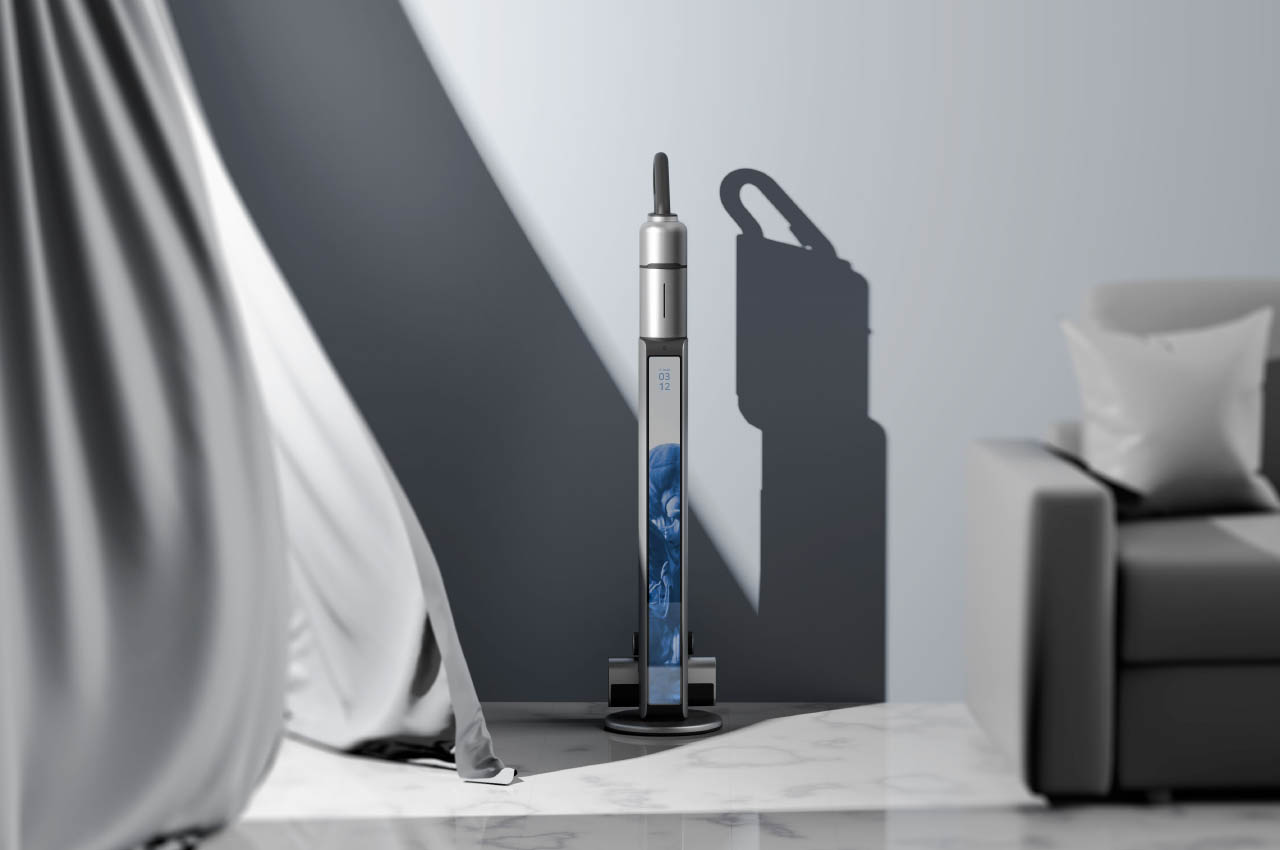
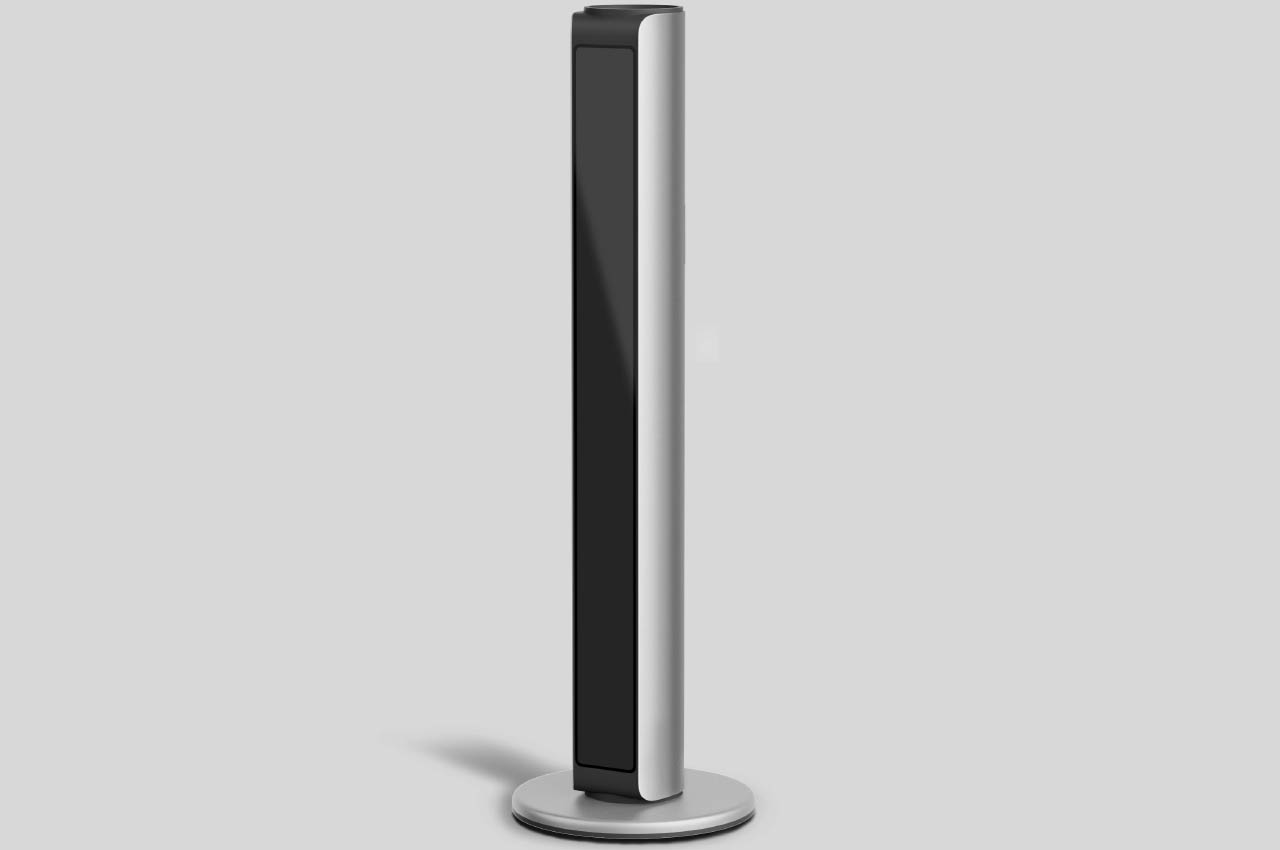
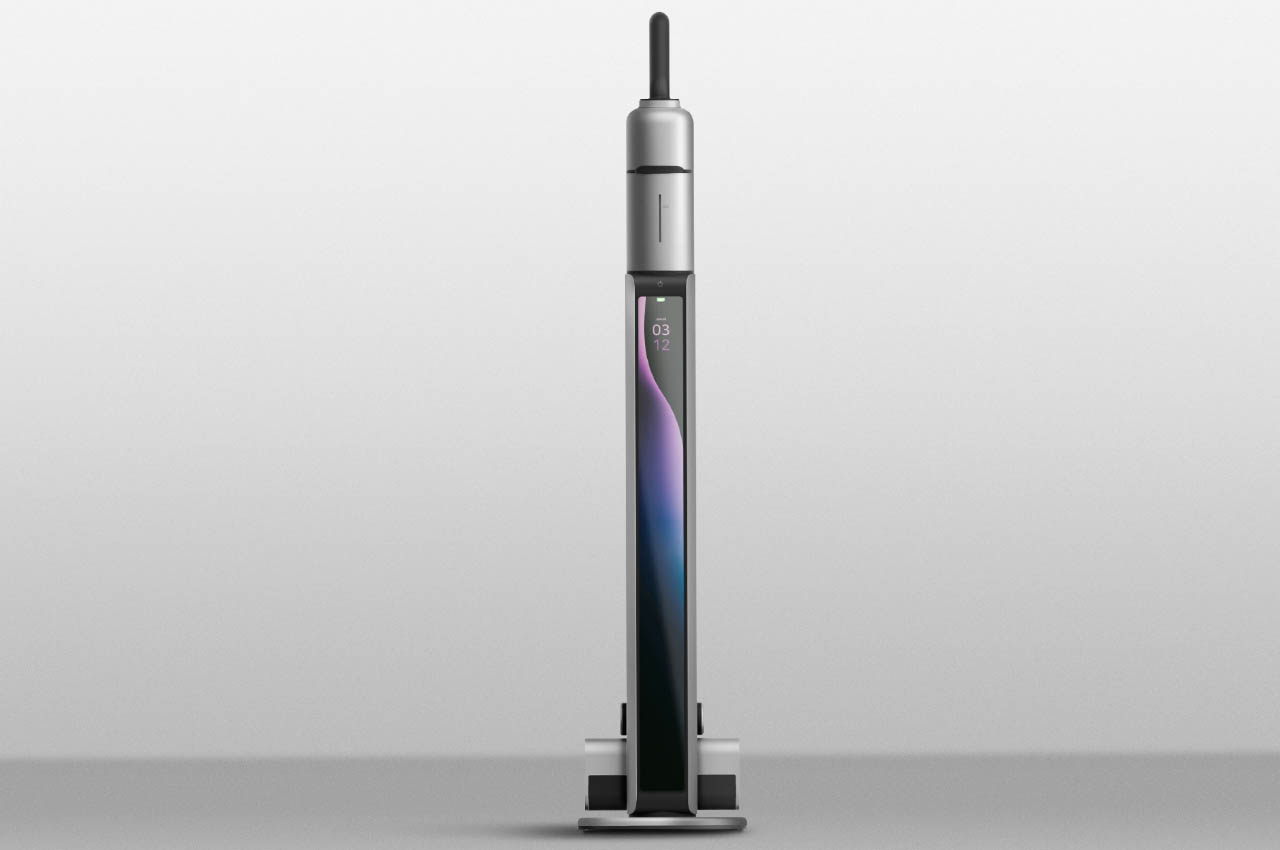
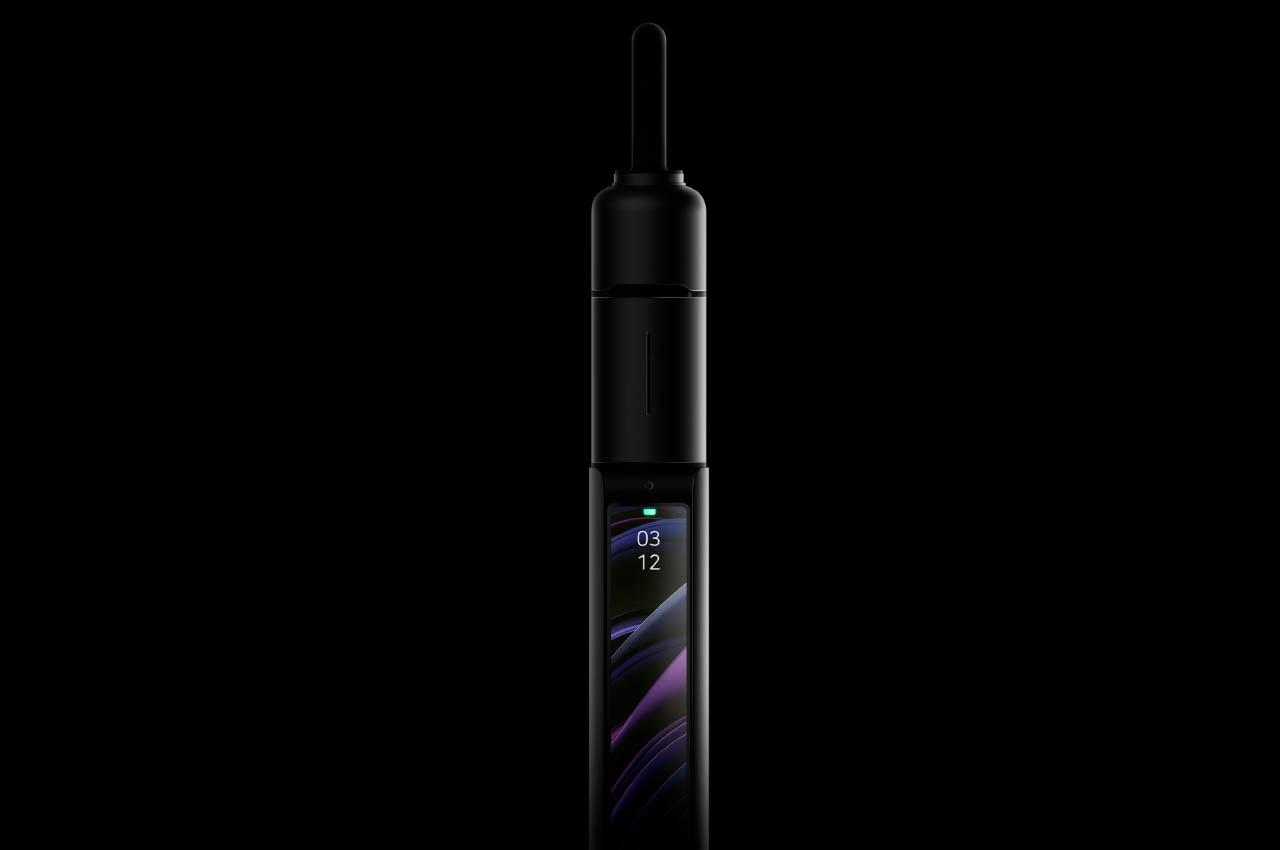
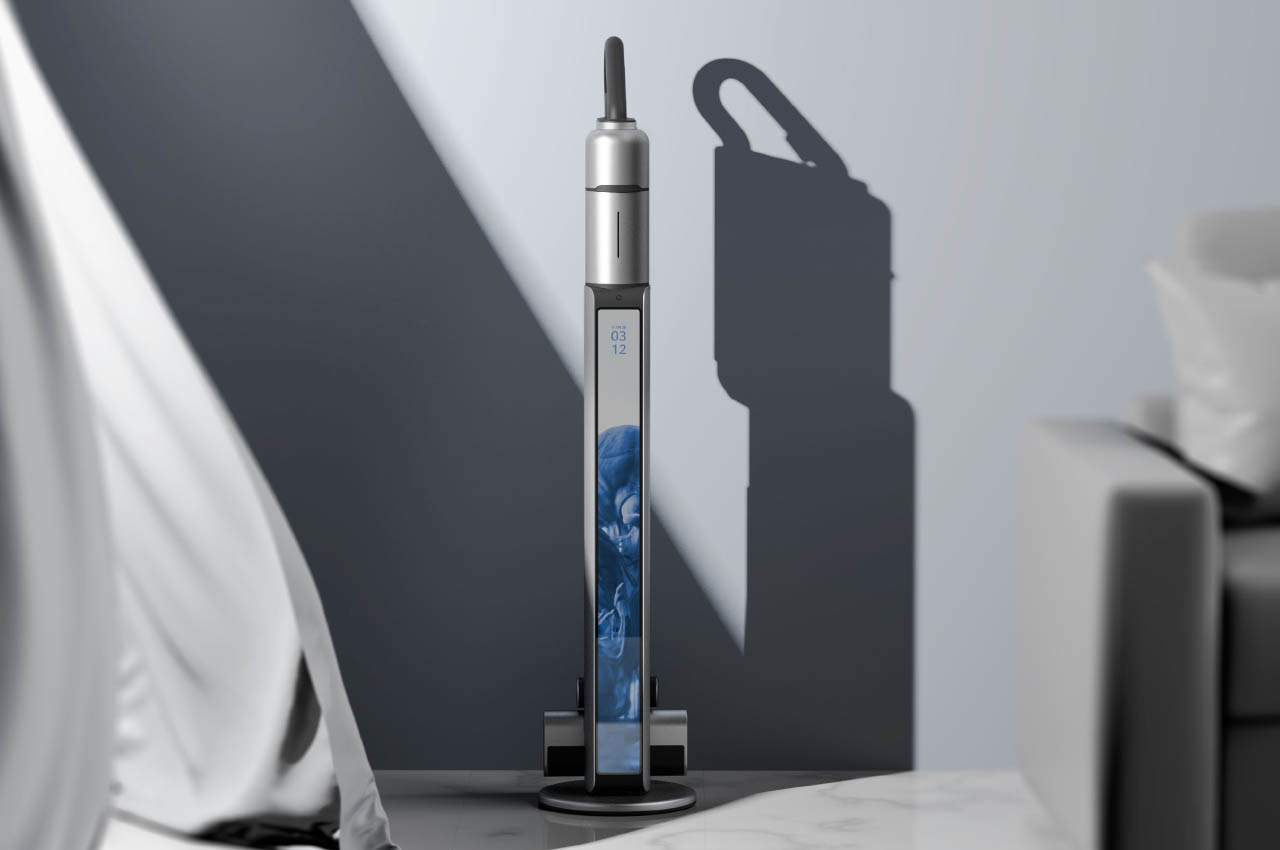
The display brings usability to the otherwise idle-lying appliance between uses. The display can be used to show information such as the time, temperature, notifications and more, along with giving the vacuum cleaner a better space in the interior décor.
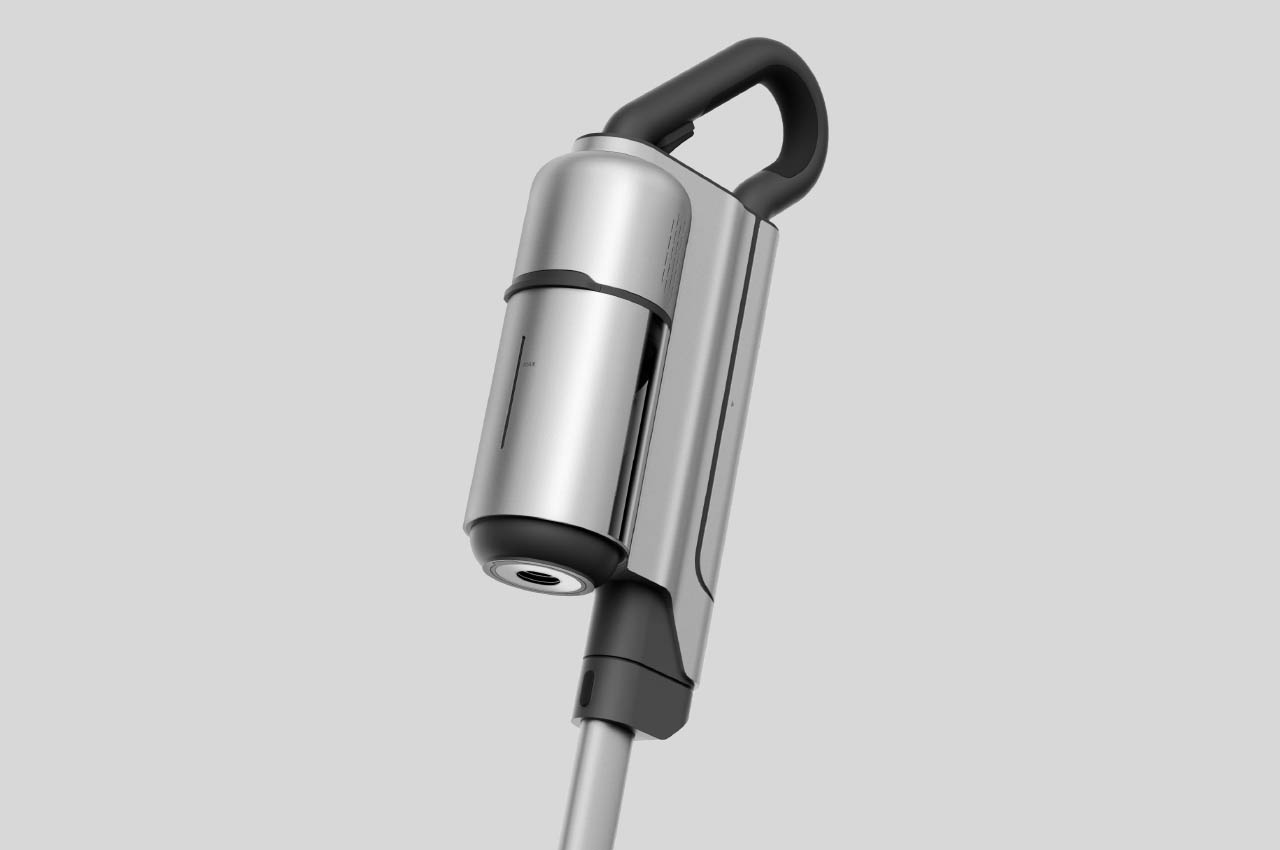
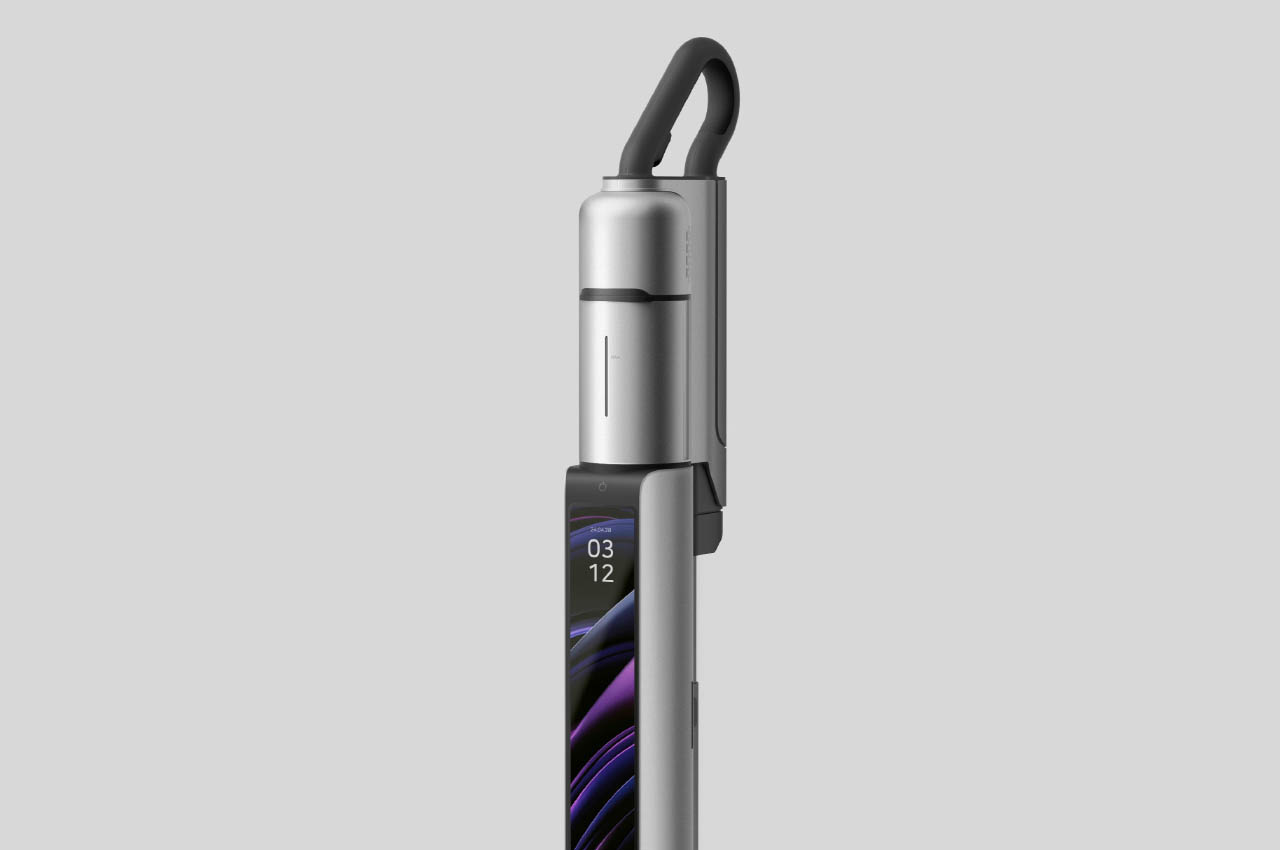
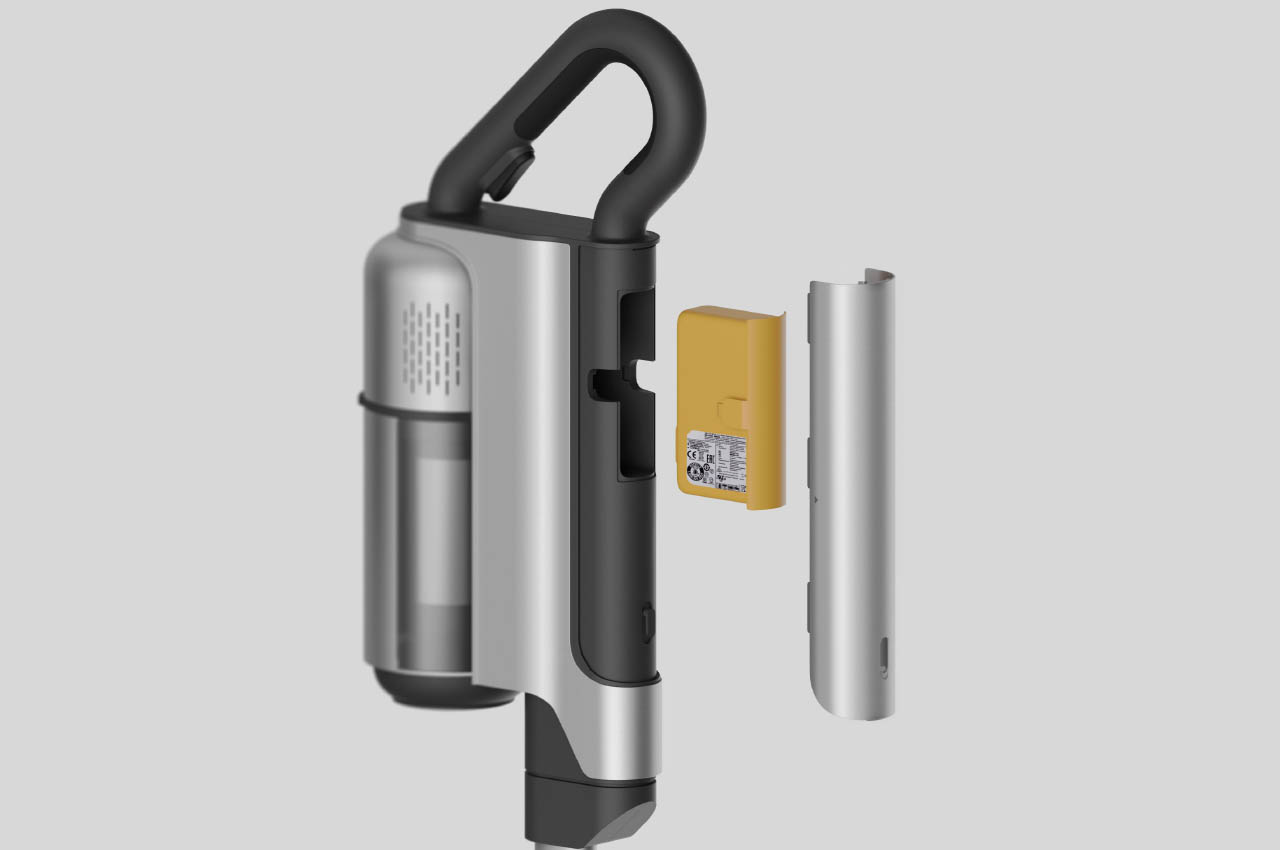
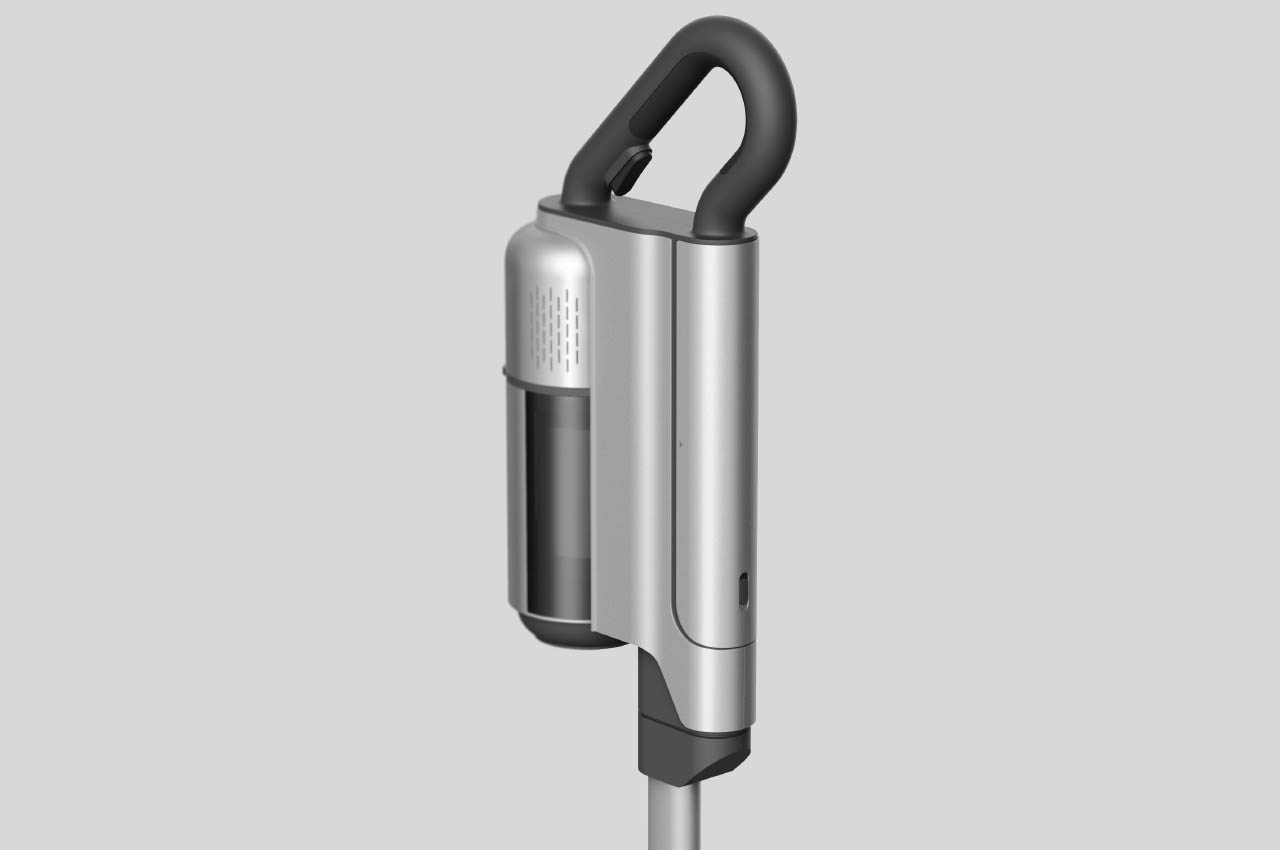
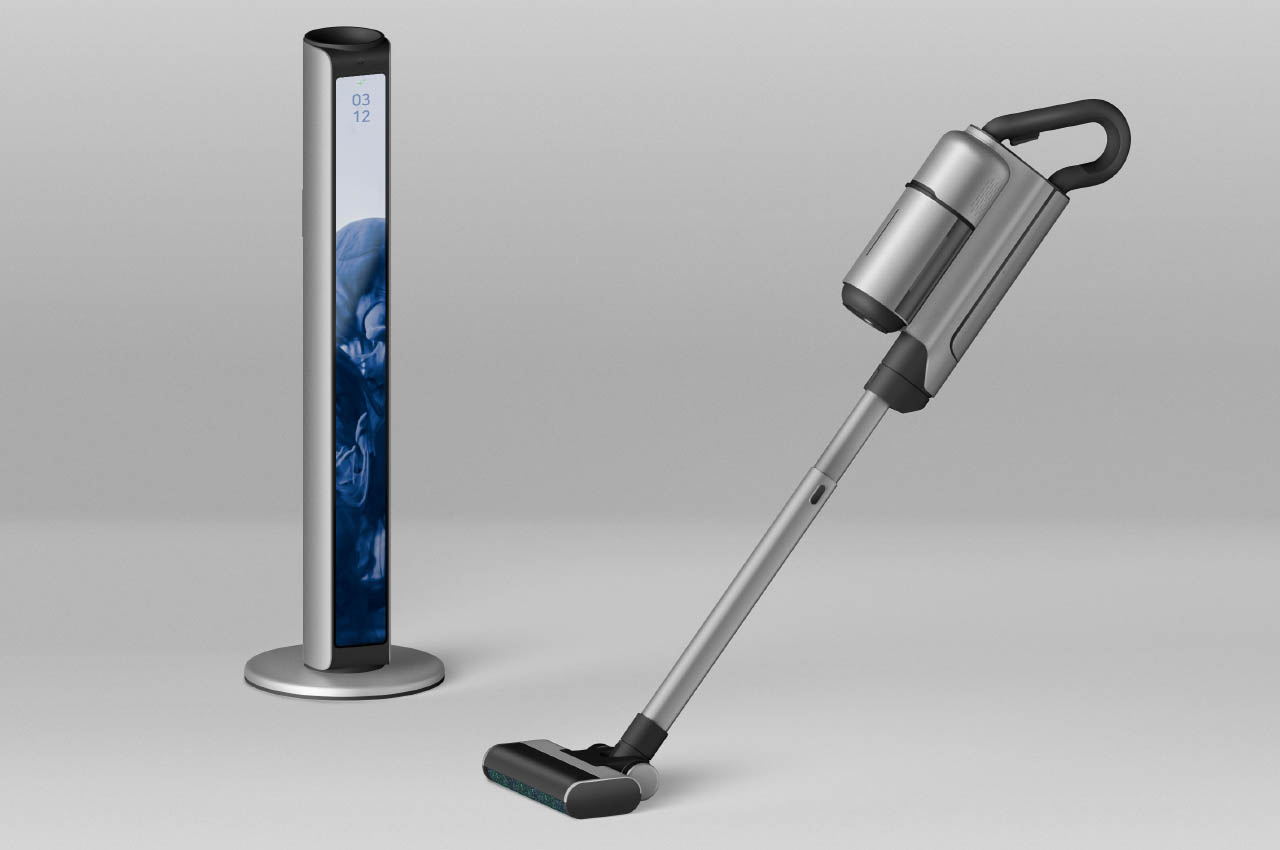
Drawing some design inspiration from a Dyson, the vacuum cleaner is conceived in metal, featuring harmonious curved and straight lines to create a luxurious body that can complement the novelty of the screen to gel with the interior like never before with a vacuum cleaner. The handle – with a curved finish at the top – has a conveniently angled design, which permits easy handling without straining the user’s wrist.
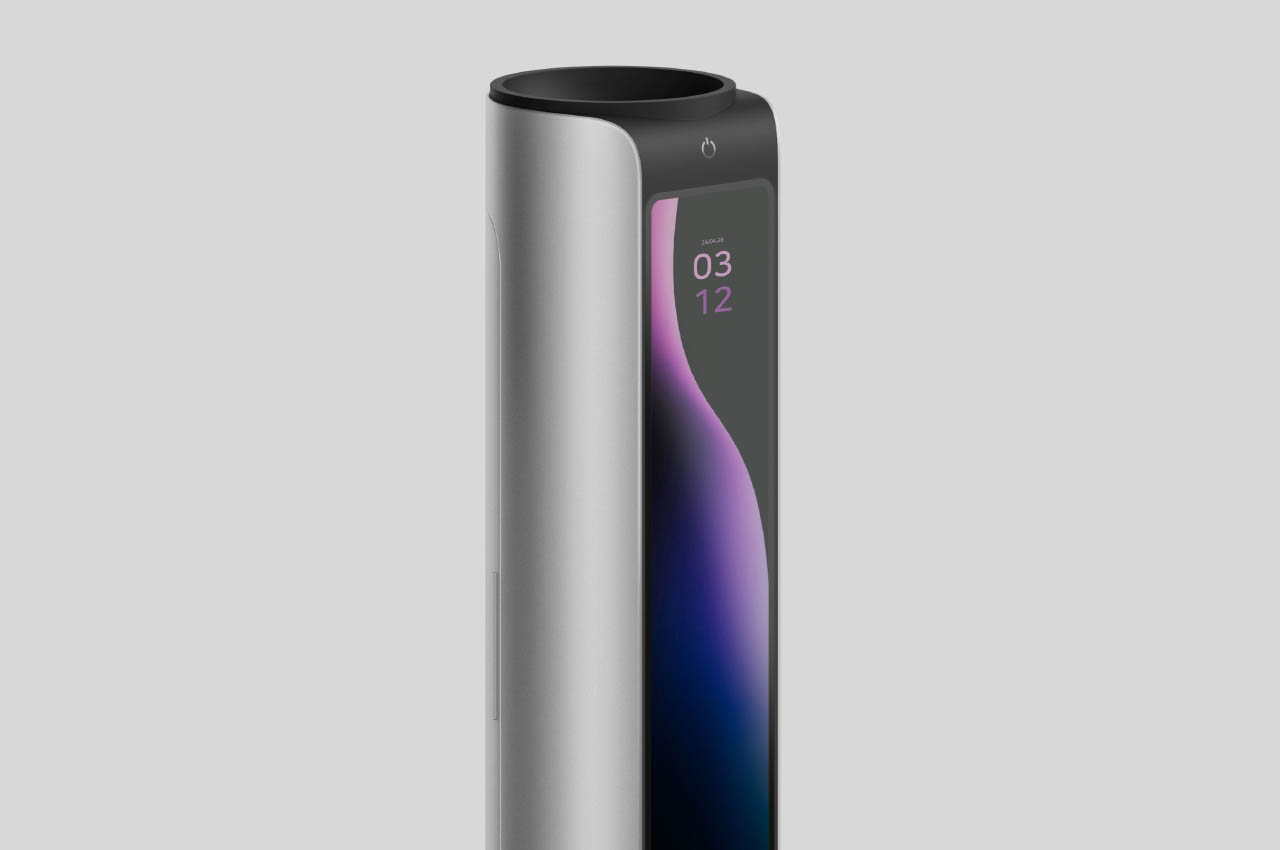
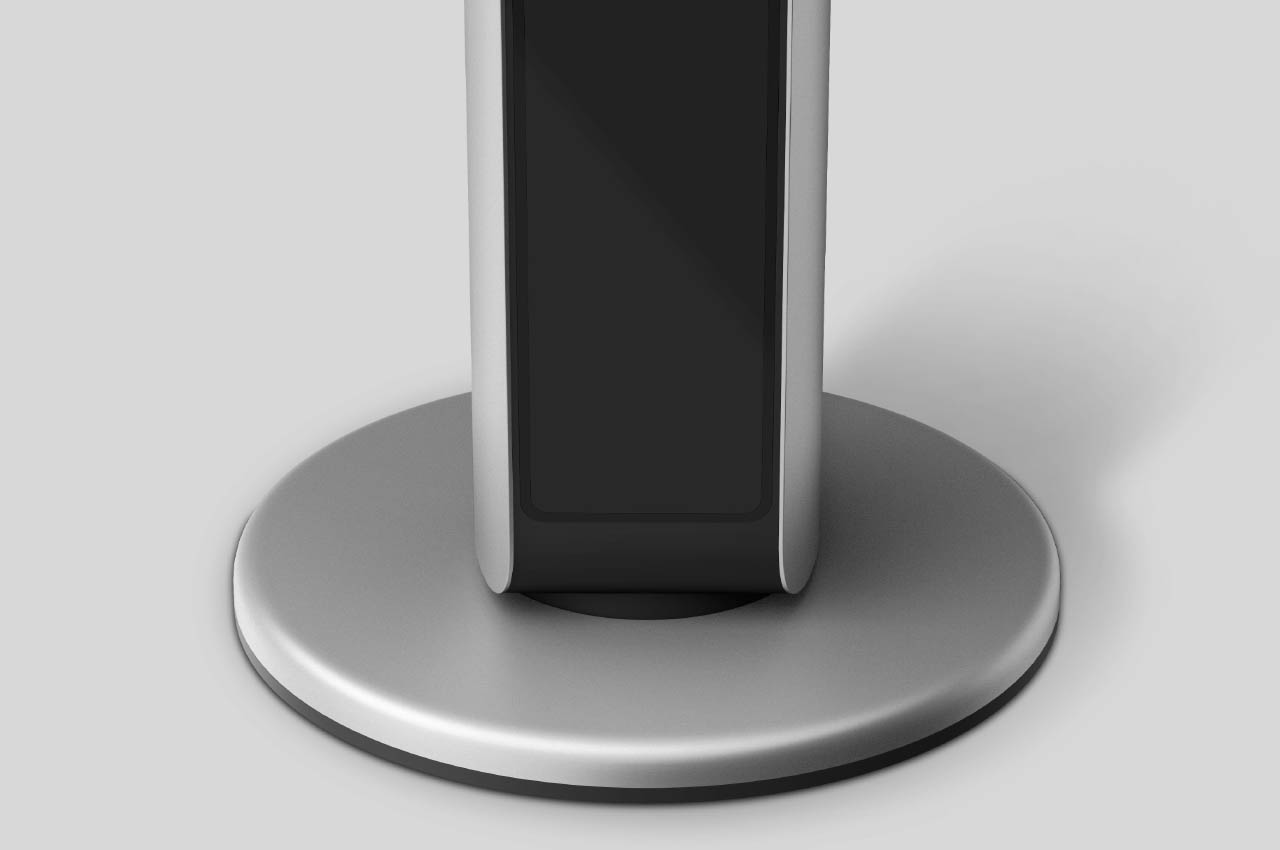
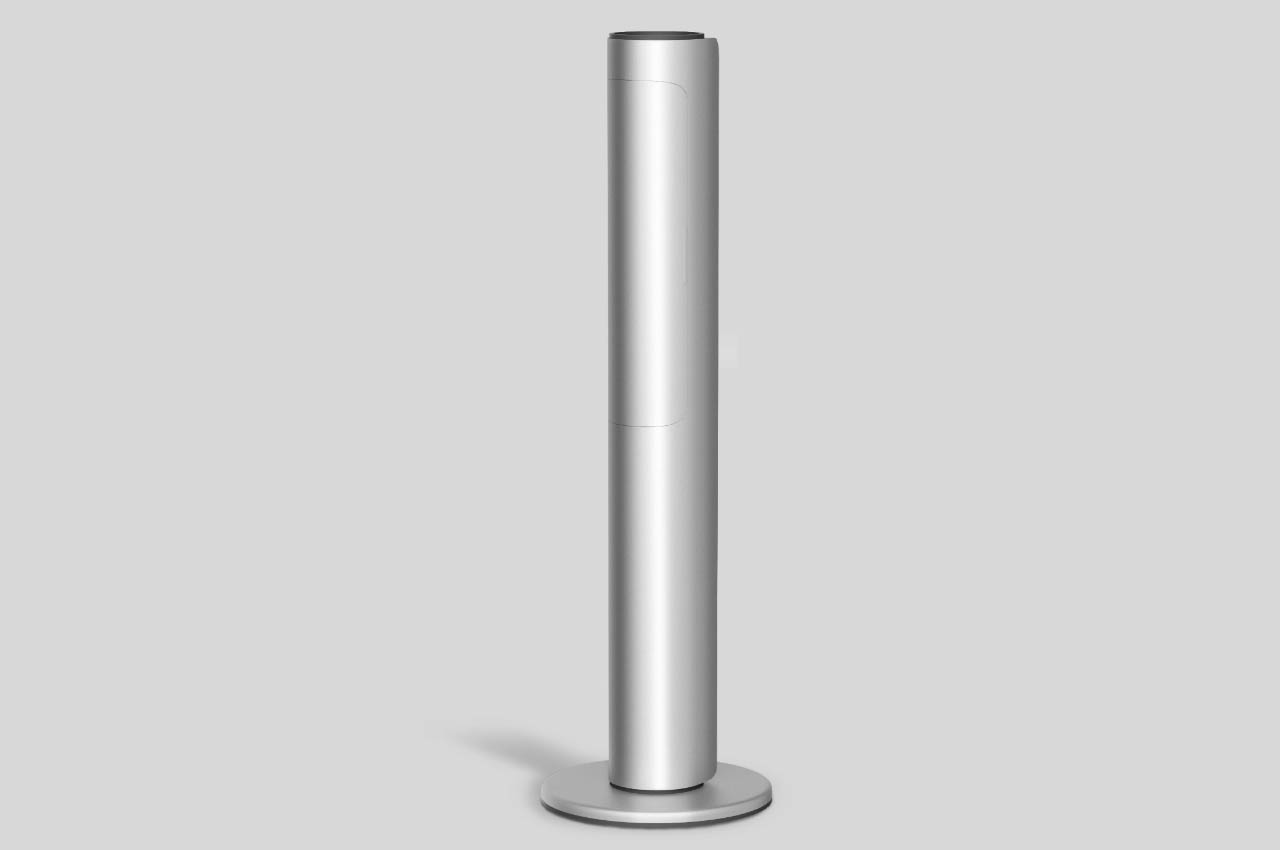
The display of the standing vacuum cleaner spans the entire height and width of its stand. Standalone it looks like a long thin screen with a steel body and round base. The vac when docked back into the stand for charging and security, becomes an interesting element of décor that you won’t mind placing alongside other essential appliances at home or in the office.
The post This vacuum cleaner gets a display uplift to sit with the other appliances at home first appeared on Yanko Design.

This is the 2024 BMW M2

2024 BMW M2

Following on from the recent launch of the new BMW 2 Series, BMW has launched its high-performance 2 Series, the 2024 BMW M2. The new M2 represents the latest evolution in the company’s lineup of compact high-performance sports cars. Building upon the success of its predecessors, the new M2 incorporates a range of enhancements and […]

The post This is the 2024 BMW M2 appeared first on Geeky Gadgets.

Phoenix Springs offers breathtaking beauty in a desolate neo-noir world

Take me to Phoenix Springs. 

I didn’t make it all the way to the remote desert oasis and its mysterious community of misfits while playing the Phoenix Springs demo at Summer Game Fest, but after spending a brief time in Iris Dormer’s neo-noir world, I’m desperate to get there. I want to find out what happened to Iris’ brother, a man I’ve only heard about in strange, sad tales. I want to hear Iris’ voice articulating in my ear, providing brusque context for every scene. I’m ready to get lost again in the game’s sickly green shadows. I’m wildly curious to find out what awaits me in the desert. Take me back.

Phoenix Springs
Calligram Studio

Phoenix Springs is a point-and-click detective game starring Iris Dormer, a reporter who’s looking for her estranged brother, Leo. Her search eventually leads beyond the city’s crumbling skyscrapers and across the desert, to an oasis community called Phoenix Springs. Iris investigates the area and its people using an inventory of mental notes, collecting ideas instead of physical objects as clues.

The Summer Game Fest demo covered the game’s initial stages, featuring Iris on a train and in the city, only teasing the oddities that might be hiding in the desert community of Phoenix Springs. Each scene in the game is a work of art and Iris is its historian, revealing threads of relationships and storylines as she reads documents and picks up information from strangers. In any situation, she has three options for interaction: talk to, look at, use.

Phoenix Springs
Calligram Studio

Iris’ mental inventory fills with names, dates, places and obscurities as she unpacks boxes, searches the net and tries to speak with her brother’s former neighbors. Leo’s last address is a building that’s been boarded up, abandoned by its landlords mid-remodel, and here she encounters the people that have been left behind. There’s a young boy making a plant dance with some kind of electronic box, and a middle-aged man sprawled, unconscious, on top of a shipping container. They’re called the orphans and neither of them are up for conversation. On the other side of the building, an intercom houses a separate voice that shares the history of the area, filling Iris’ inventory with words. Selecting an idea allows Iris to investigate her surroundings with that information, narrowing her focus and often unlocking solutions. It’s a clean and familiar investigation mechanic presented in a starkly beautiful format.

Phoenix Springs is gorgeous. Undeniably. Its canvas is menacing — dark green backgrounds are striped with even-deeper shadows, while pops of yellow, red and blue define the edges of important set pieces. The inventory bursts onto the screen as a bright white screen with black text, individual ideas separated by delicate thought bubbles. There's a papery sheen to the entire experience, as if it's an interactive interpretation of a mid-century sci-fi novel cover.

Phoenix Springs
Calligram Studio

Where the game lacks color, Iris provides it via narration, and her verbal palette is just as stark as the game’s appearance. She speaks dispassionately and with a posh nihilism that would feel at home in an Orson Welles detective noir. Her voice is comforting and foreboding, and it’s a welcome, near-constant companion in the demo.

In the middle of a busy trade show packed with compelling games, I wanted to keep playing Phoenix Springs, and that’s pretty much the highest praise I can give. Phoenix Springs feels utterly unique. It’s coming to Steam on September 16, developed and published by London-based art collective Calligram Studio.


Catch up on all of the news from Summer Game Fest 2024 right here!

This article originally appeared on Engadget at https://www.engadget.com/phoenix-springs-offers-breathtaking-beauty-in-a-desolate-neo-noir-world-130046288.html?src=rss

10 Awesome New iPhone Features Coming in iOS 18

iPhone Features Coming in iOS 18

Apple’s iOS 18 is set to transform the way you interact with your iPhone, introducing a wealth of new features and enhancements designed to streamline your daily tasks, enhance security, and provide a more personalized user experience. From scheduled messaging to granular battery management, iOS 18 promises to deliver a comprehensive upgrade that caters to […]

The post 10 Awesome New iPhone Features Coming in iOS 18 appeared first on Geeky Gadgets.

be Quiet Dark Rock 5 Single-Tower CPU air cooler launching soon

be Quiet Dark Rock 5 CPU air cooler

be quiet!, a renowned German manufacturer of premium PC components, has unveiled its latest innovation in air cooling technology: the Dark Rock 5 CPU Cooler. This single-tower cooler is designed to deliver exceptional cooling performance while maintaining low noise levels, making it an ideal choice for various PC builds, including gaming rigs, workstations, and home […]

The post be Quiet Dark Rock 5 Single-Tower CPU air cooler launching soon appeared first on Geeky Gadgets.

Posted in Uncategorized | Tagged

Blackmagic Spatial Camera for Apple Vision Pro looks like a mini spacecraft

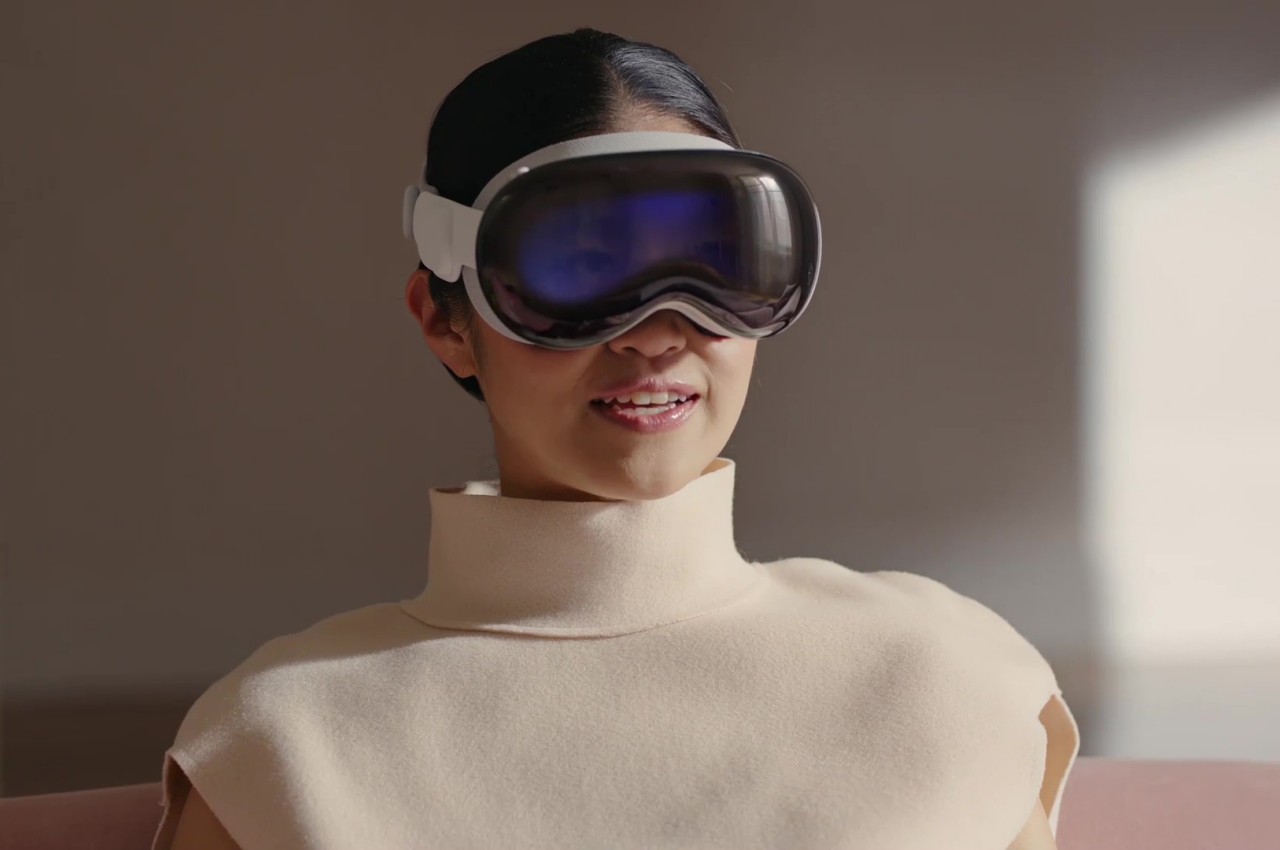
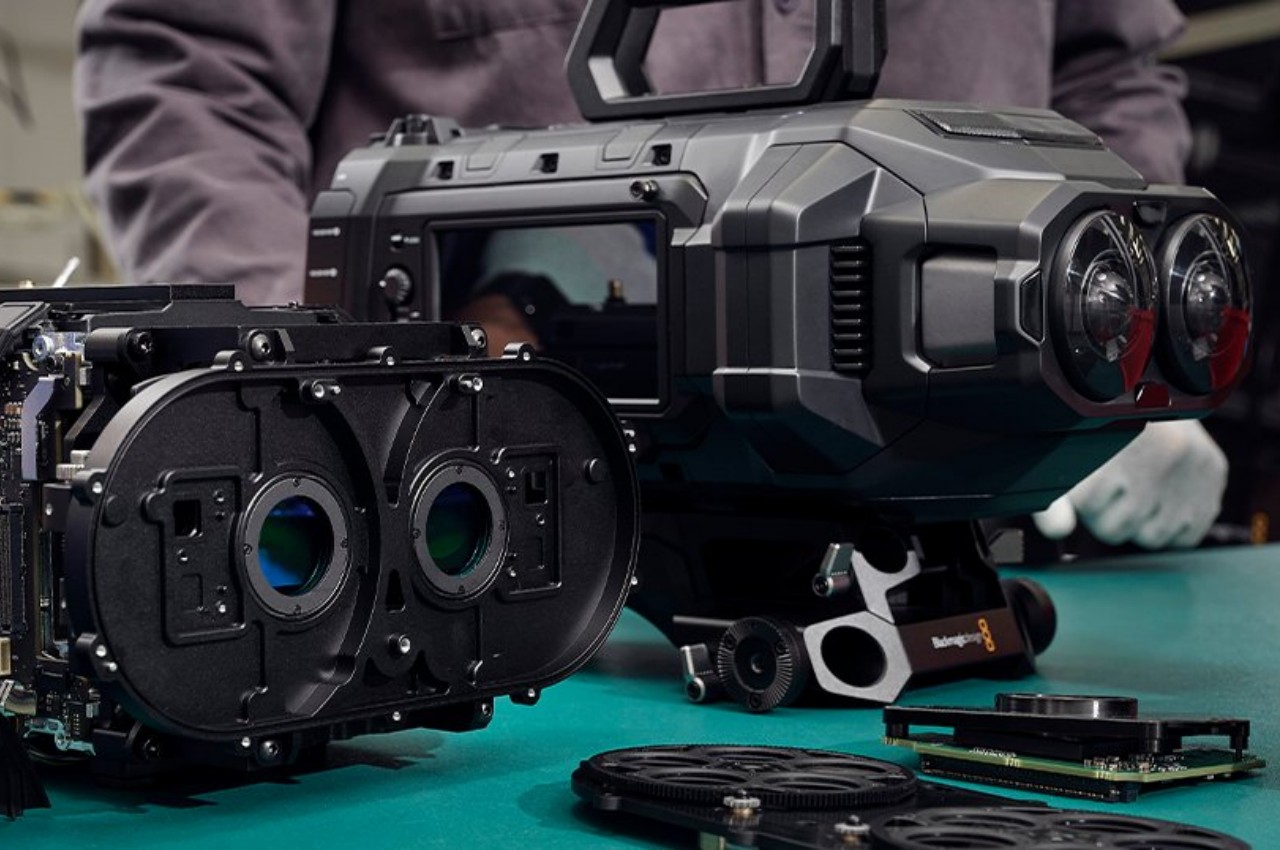
A lot of the focus at Apple’s WWDC event has so far revolved around the cleverly named Apple Intelligence and its features for iPhones and iPads. Of course, that’s hardly the only thing the company talked about this week, and one of its more highly debated products did get its fair share of attention as well. Although the initial hype seems to have died down and complaints about the device’s comfort have popped up here and there, Apple is showing that the Vision Pro is still going strong and growing strong, expanding not only its features but also its reach to other markets. In fact, Apple has just revealed how the platform will become an even bigger space thanks to devices that will let creators design content specifically for visionOS, like this two-eyed camera that looks more like a miniature version of a space-faring cargo ship.

Designer: Blackmagic Design

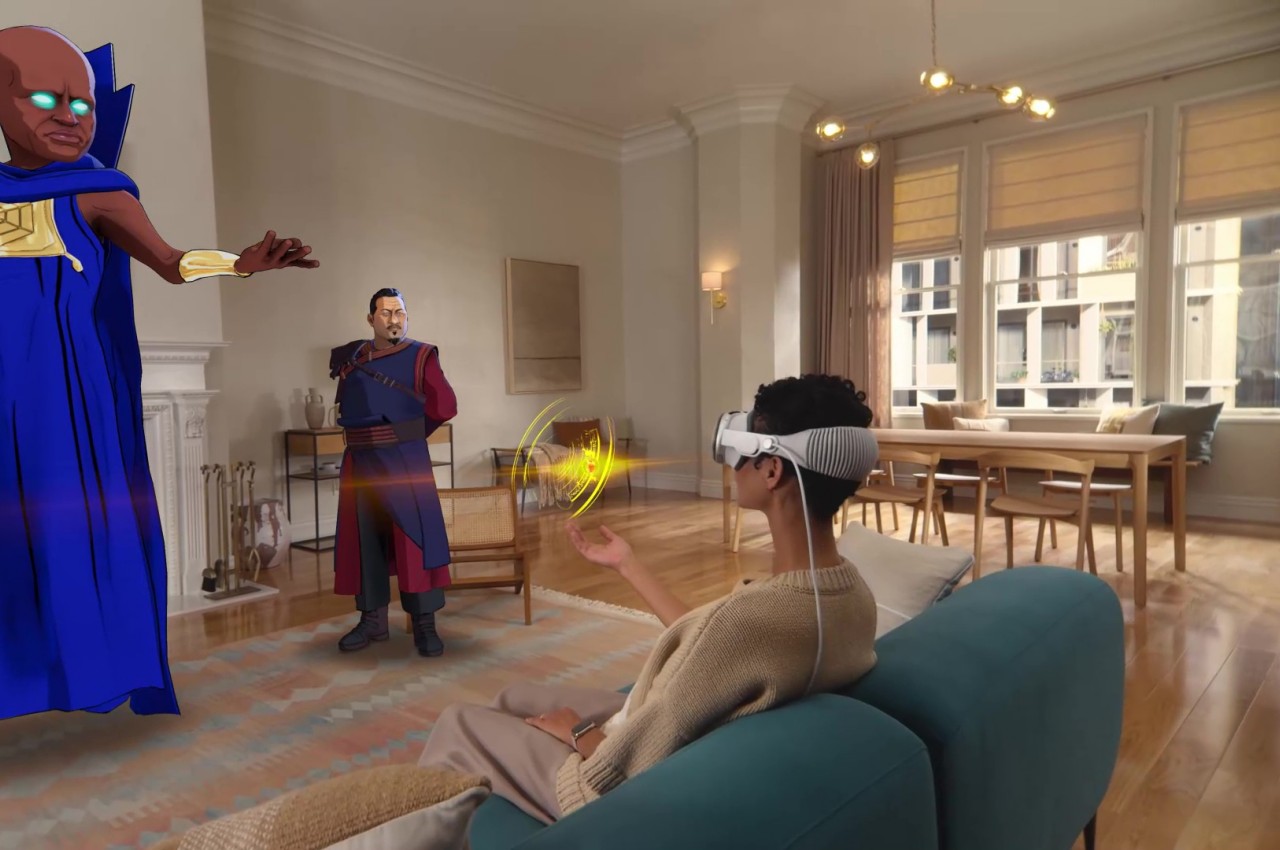
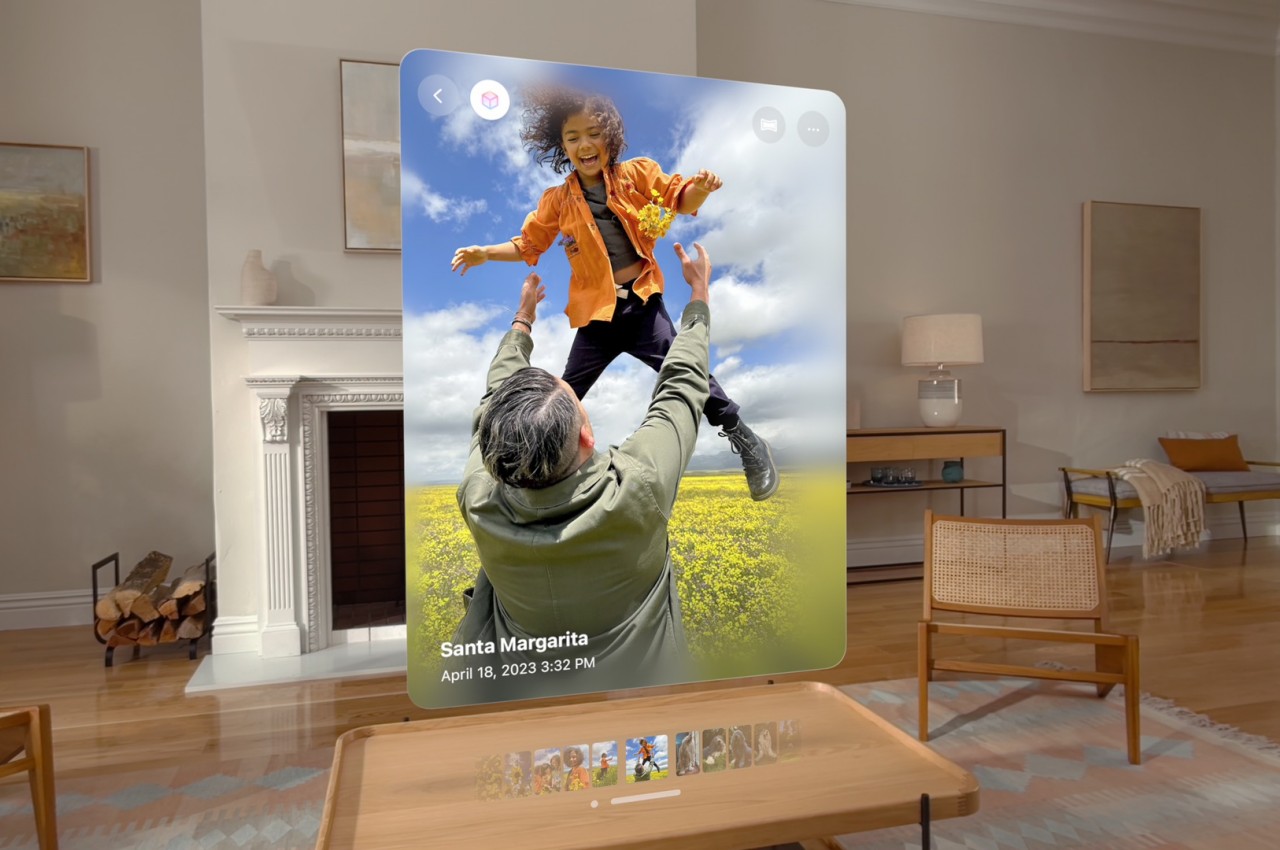
One of the strengths of Apple’s spatial computing platform is the seamless fusion of the physical and digital worlds, which means plain two-dimensional objects like apps and photos look almost natural while floating in the air in front of you. Of course, that doesn’t take full advantage of the strengths of the Vision Pro headset, which requires crafting content designed specifically for it. For that, you’ll also need the right tools for the job, and the upcoming Blackmagic URSA Cine Immersive camera is one such new device made especially for Apple’s visionOS.

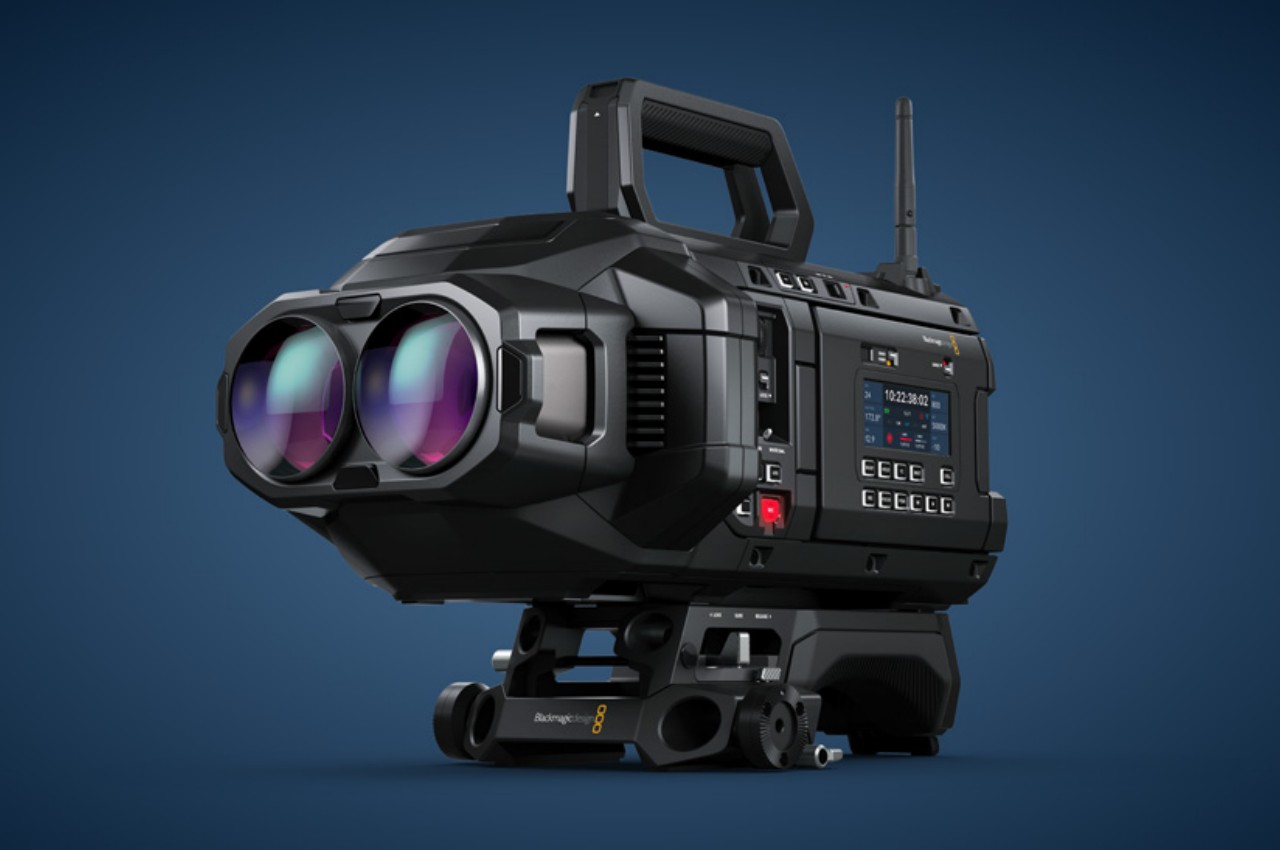
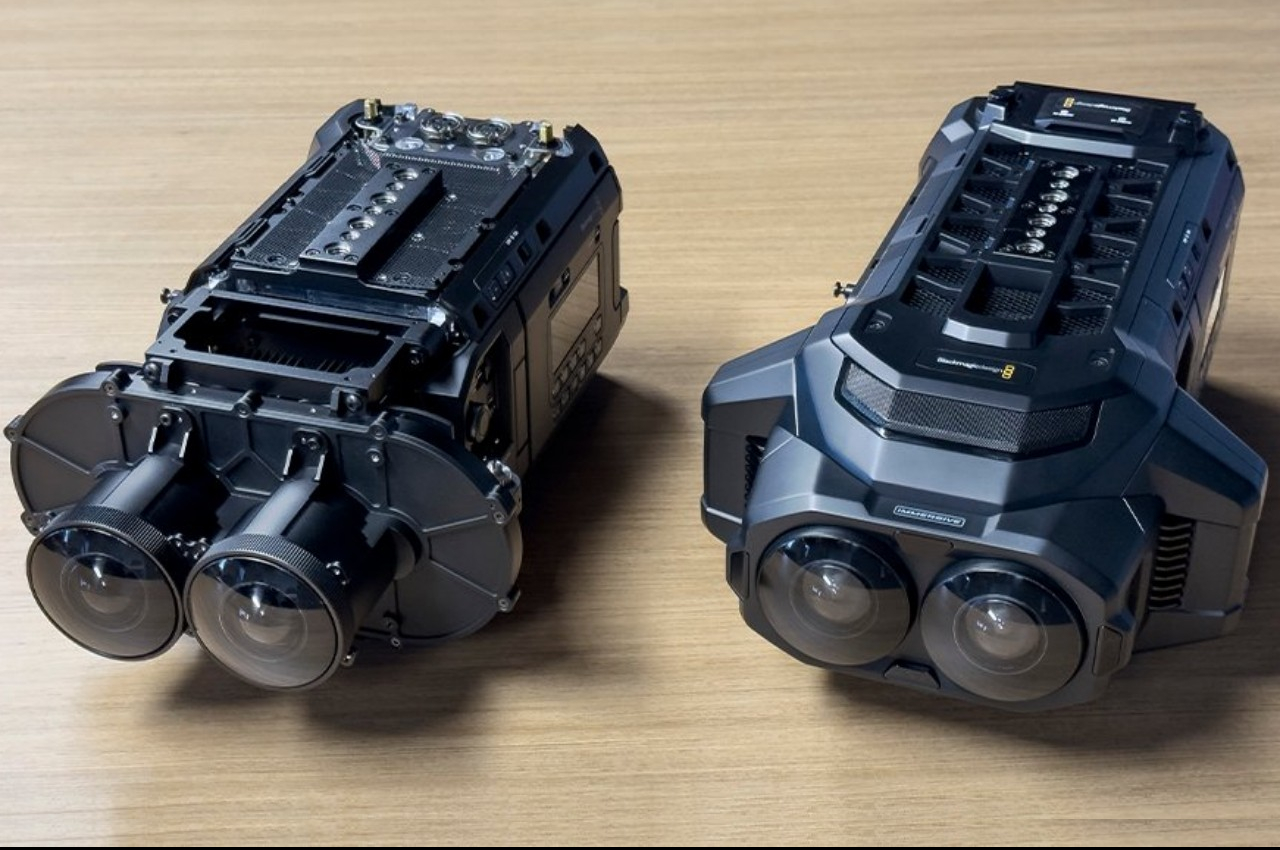
Like any camera system designed to capture stereoscopic 3D content, be it photos or videos, this Blackmagic Design spatial camera has two “eyes,” each of which boasts 8160×7200 sensor. The camera also has 16 dynamic range stops for better color quality and accuracy, and it supports recording 3D video at 90fps rates. This imaging is made possible with Blackmagic’s own RAW format as well as the built-in Blackmagic Media Module that provides 8TB of high-performance network storage. In theory, this would allow creators to record over two hours of 8K stereoscopic 3D immersive video in that high-quality format.

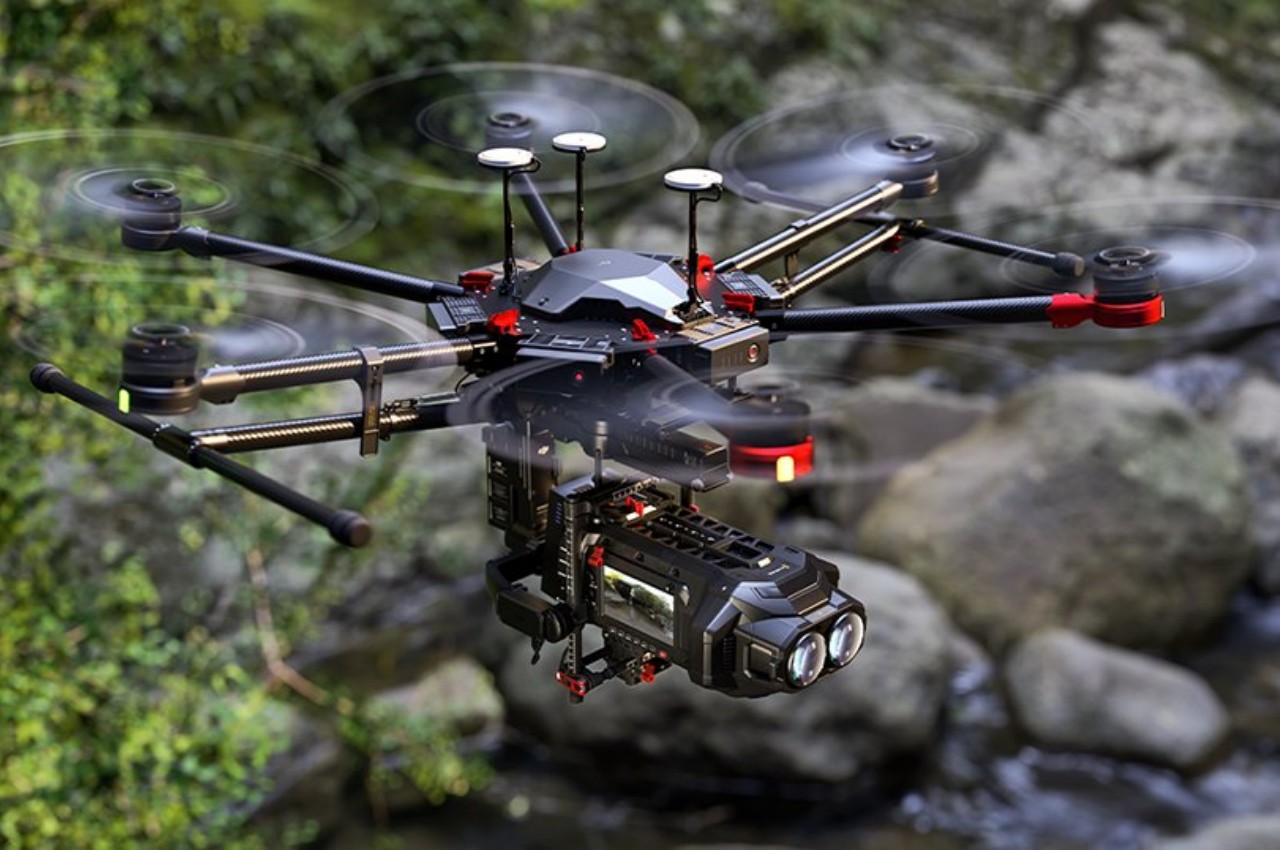
The camera’s design itself is as distinctive as its features. Made with a robust magnesium alloy chassis and lightweight carbon fiber polycarbonate composite skin, the camera is designed to keep up with filmmakers, regardless of where inspiration takes them. The URSA Cine Immersive’s blocky yet sleek aesthetic gives it a retro-futuristic flavor reminiscent of the design for spaceships in films and TV shows from the 80s and 90s. Add to the fact that it can be mounted beneath a drone for aerial shots, you shouldn’t be surprised if it gets mistaken for a UFO from afar.

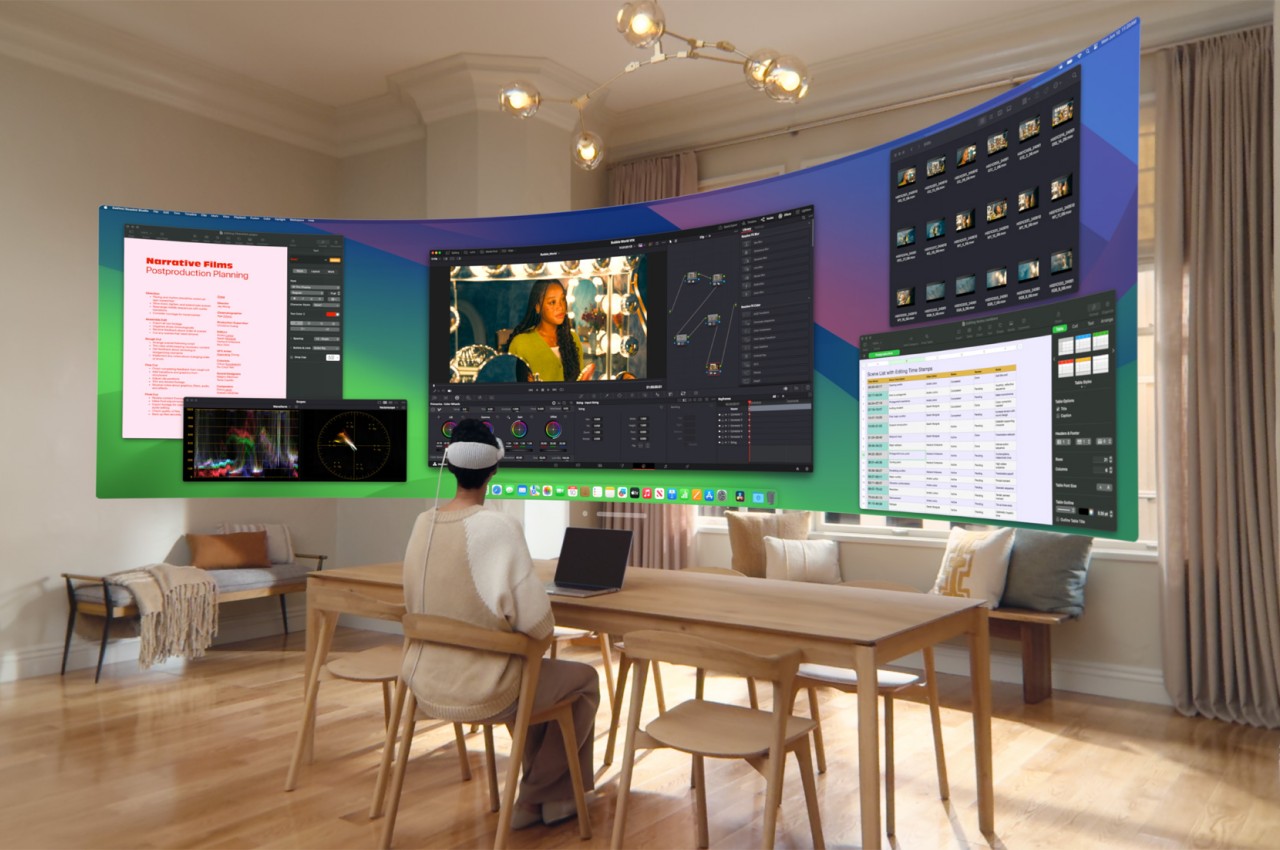
The Blackmagic URSA Cine Immersive camera and an upcoming update to the famed Da Vinci Resolve Studio software are some of the first tools designed for Apple’s new Immersive Video format for visionOS. This is just one of the new features that are coming to the Vision Pro, including the ability to turn any plain 2D image into a spatial photo, with no additional hardware or software required. The Vision Pro headset is also being made available to more countries this month, which will hopefully increase the testing of the headset’s design and its features to help future iterations of Apple’s spatial computing platform.

The post Blackmagic Spatial Camera for Apple Vision Pro looks like a mini spacecraft first appeared on Yanko Design.
Blackmagic Spatial Camera for Apple Vision Pro looks like a mini spacecraft

A lot of the focus at Apple’s WWDC event has so far revolved around the cleverly named Apple Intelligence and its features for iPhones and iPads. Of course, that’s hardly the only thing the company talked about this week, and one of its more highly debated products did get its fair share of attention as well. Although the initial hype seems to have died down and complaints about the device’s comfort have popped up here and there, Apple is showing that the Vision Pro is still going strong and growing strong, expanding not only its features but also its reach to other markets. In fact, Apple has just revealed how the platform will become an even bigger space thanks to devices that will let creators design content specifically for visionOS, like this two-eyed camera that looks more like a miniature version of a space-faring cargo ship.

Designer: Blackmagic Design

One of the strengths of Apple’s spatial computing platform is the seamless fusion of the physical and digital worlds, which means plain two-dimensional objects like apps and photos look almost natural while floating in the air in front of you. Of course, that doesn’t take full advantage of the strengths of the Vision Pro headset, which requires crafting content designed specifically for it. For that, you’ll also need the right tools for the job, and the upcoming Blackmagic URSA Cine Immersive camera is one such new device made especially for Apple’s visionOS.

Like any camera system designed to capture stereoscopic 3D content, be it photos or videos, this Blackmagic Design spatial camera has two “eyes,” each of which boasts 8160×7200 sensor. The camera also has 16 dynamic range stops for better color quality and accuracy, and it supports recording 3D video at 90fps rates. This imaging is made possible with Blackmagic’s own RAW format as well as the built-in Blackmagic Media Module that provides 8TB of high-performance network storage. In theory, this would allow creators to record over two hours of 8K stereoscopic 3D immersive video in that high-quality format.

The camera’s design itself is as distinctive as its features. Made with a robust magnesium alloy chassis and lightweight carbon fiber polycarbonate composite skin, the camera is designed to keep up with filmmakers, regardless of where inspiration takes them. The URSA Cine Immersive’s blocky yet sleek aesthetic gives it a retro-futuristic flavor reminiscent of the design for spaceships in films and TV shows from the 80s and 90s. Add to the fact that it can be mounted beneath a drone for aerial shots, you shouldn’t be surprised if it gets mistaken for a UFO from afar.

The Blackmagic URSA Cine Immersive camera and an upcoming update to the famed Da Vinci Resolve Studio software are some of the first tools designed for Apple’s new Immersive Video format for visionOS. This is just one of the new features that are coming to the Vision Pro, including the ability to turn any plain 2D image into a spatial photo, with no additional hardware or software required. The Vision Pro headset is also being made available to more countries this month, which will hopefully increase the testing of the headset’s design and its features to help future iterations of Apple’s spatial computing platform.

The post Blackmagic Spatial Camera for Apple Vision Pro looks like a mini spacecraft first appeared on Yanko Design.
New Dream Machine AI video generator by Luma Labs demonstrated

Luma Labs Dream Machine AI video creator

Luma Labs AI has introduced Dream Machine, an AI video generator that produces high-quality, realistic videos using both text and image inputs. This tool is currently accessible for free on their website, offering users the ability to create and animate content efficiently. Dream Machine stands out due to its scalability, efficiency, and the ability to […]

The post New Dream Machine AI video generator by Luma Labs demonstrated appeared first on Geeky Gadgets.

Samsung Unveils SmartThings Pro for Business

Samsung SmartThings Pro

Samsung has recently unveiled SmartThings Pro, a groundbreaking solution designed to transform business operations by bringing advanced intelligence and automation to various industries. Building upon the success of Samsung’s renowned smart home technology, SmartThings Pro extends its capabilities to cater to the unique needs of businesses, offering enhanced sustainability, operational automation, and improved overall experiences. […]

The post Samsung Unveils SmartThings Pro for Business appeared first on Geeky Gadgets.

Insta360’s GO 3S is its new tiny wearable camera with 4K video

If you're looking for a discreet action camera that can take Dolby Vision-ready 4K resolution videos, Insta360's latest model is a great candidate. The Insta360 GO 3S is an updated version of the GO 3 action camera the company released last year, and it comes with several upgrades in addition to its capability to capture 4K 30fps footage. It's equipped with a chip that has 50 percent more computing power than its predecessor's, and it has a new wide-angle lens that enables videos with less distortion and straighter edges. The model can also take smoother slow-motion footage with a 1080p resolution at 200fps or a 2.7K resolution at 100fps. 

Insta360's new action-camera is compatible with Apple's Find My network, which sounds incredibly useful for such a small device that could be easily misplaced. It also has native waterproofing for up to 33 feet, or twice that of the GO 3. If you want to switch from horizontal to vertical shooting, you can simply twist the camera. And if the device is out of reach, you can use its new hand gesture feature to start or to stop shooting, as well as to take photos. 

A person holding a phone with a tiny camera attached to it.
Insta360

For hands-free shooting, you can set a recording frequency and length if you want the camera to automatically record your day, thanks to its new Interval Video mode. Plus, you can use its app's new Auto Edit function to get an AI to combine several clips into one long video, with scoring, in case you'd rather not edit your footage manually. 

The model's Action Pod serves as its all-in-one housing, remote control and charger, and you can still preview your shots on its 2.2-inch touchscreen that you can flip up or down. Aside from the Action Pod, the Insta360 GO 3S standard bundle also comes with a magnet pendant and an easy clip that you can use to attach the camera to your cap, clothes, your pet's collar or anywhere else you want to. It also ships with a pivot stand and a lens guard. The standard bundle is now available for purchase around the world via the Insta360 website and retailers like Amazon. You can choose between the 64GB and the 128GB variant, which will set you back $400 and $430, respectively. 

This article originally appeared on Engadget at https://www.engadget.com/insta360s-go-3s-is-its-new-tiny-wearable-camera-with-4k-video-130044121.html?src=rss