Kunitsu-Gami: Path of the Goddess feels as luscious as it looks

Kunitsu-Gami: Path of the Goddess is lush. Set on the side of a mountain that’s been covered in a terrible black defilement, Kunitsu-Gami’s world is an ancient, psychedelic dreamscape packed with magic and otherworldly horrors. It’s also mechanically dense, with moments of slow strategizing and rapid-fire hack-and-slash combat. After playing for nearly an hour at Summer Game Fest, it’s clear that Kunitsu-Gami is much more than a beautiful screenshot.

The game is divided into day and night mechanics, but all of the action takes place in various camps along the mountainside, set under green canopies and among dense foliage. The defilement creates plants with glowing pink orbs and slathers some areas in an iridescent black goo, trapping villagers in putrid sacs and infecting the local deer population.

Players are tasked with protecting the Maiden Yoshiro from the Seethe, the monsters that spawn out of the defilement at night. Yoshiro is the key to cleansing the mountainside, but her ritual takes time and she’s incredibly vulnerable. It really takes a village to protect her.

During the day, players purge the defilement and rescue locals from their containment sacs, while also clearing a path for Yoshiro’s dance. Press B on the gamepad to assign an attack role to a villager, and then press RB to place them in the environment. At night, the Seethe pour out of the Torii Gates — the basic hordes are composed of globular, juicy monsters with long, thin arms and gaping mouths, their pink tongues dragging on the ground.

Kunitsu-Gami: Path of the Goddess
Capcom

Combat plays out in a rhythmic “sword dance” style, with simple inputs that can be combined into fancy combos. Using just two attack buttons and a 360-degree camera, players slash through the Seethe, make sure the creatures don’t get too close to Yoshiro, and manage their additional attack units. Combat flows smoothly, with satisfying swordplay and a challenging rush of monsters to defeat at each Torii Gate. After cleansing an area, players can hang out in the camp, upgrading their skills, unlocking new abilities, and learning about the food and culture of the region that’s been defiled.

There are also challenge areas with bigger, deadlier monsters to kill. Here, players are provided a small team of villagers plus upgrade materials to assign these units specific roles, like archer or woodcutter. The challenge enemy I encountered, Gakinyudo, was a giant, eyeless beast that ripped its own jaw in half before the battle began, revealing an even more disgusting form. The monsters in Kunitsu-Gami have distinct backstories dripping in vile details, and I adore the amount of attention their designs have been given.

Kunitsu-Gami: Path of the Goddess
Capcom

Here’s how Capcom describes the beast I battled: “The ravenous Gakinyudo are born from the corpses of lecherous monks who fell to defilement from their debauchery while alive. They prefer to dig up their meals from graveyards.” Metal.

I defeated the Gakinyudo, but it took some time, unit rearrangement and a new group-attack move to finish the job. I enjoyed every slice of my sword in this fight.

The game’s environments and character designs are dense with fascinating details. The Maiden Yoshiro wears layers of flowing fabrics, a delicate face covering and intricately adorned jewelry, and she dances with a slow, focused purpose. She feels both fragile and incredibly powerful. The distanced, third-person perspective and fully adjustable camera encourage players to investigate every corner of each new area, slashing plants to receive resource orbs and purging shrines that have been covered in ooze.

Kunitsu-Gami: Path of the Goddess
Capcom

As each night approaches, the game’s background music becomes more unsettling and discordant, until it’s overrun by hellish screams and the Seethe begin spawning. Details like this make Kunitsu-Gami memorable, even just in demo form. It's clear that there's much more to uncover in this game and I'm eager to explore its ancient, magical mountainside in full.

Kuntisu-Gami: Path of the Goddess is due to come out on July 19 for PlayStation 4, PS5, Xbox One, Xbox Series X/S and PC. It’ll be available on Game Pass at launch.


Catch up on all of the news from Summer Game Fest 2024 right here!

This article originally appeared on Engadget at https://www.engadget.com/kunitsu-gami-path-of-the-goddess-feels-as-luscious-as-it-looks-150059627.html?src=rss

Dragon Age: The Veilguard is a fantasy epic filled with big decisions

Dragon Age: The Veilguard was given a proper unveiling at Summer Game Fest, with an Ocean’s 11-style intro to the gang of heroes and fantasy character tropes that will make up your cadre. Bioware also invited me to a hands-off demo of Veilguard, where I got to briefly see the character creation setup and the opening chapter of the game, as you join the likes of Varric and other characters from Dragon Ages past.

It does look different, though. I’ve only dipped into the Dragon Age series in the past, but the character style of Dragon Age: The Veilguard (especially in the trailer) looked, initially, like some kind of League Of Legends-style spin-off or even a, gasp, mobile game. There’s undoubtedly a cartoonish spin on characters, although Solas, the primary antagonist (and sadsack elf), seems to be his miserable, mournful self.

The environments we saw during the demo are suitably fantastical. During parts of the game, several vantage points appear to show off all the mystical landmarks. Oh, and a large chunk of the opening chapter is a town under siege by dimensional beasts.

Other significant changes appear in combat. While you’ll still be able to pause to consider tactics and enemy targets in a controller-friendly move, unique attacks for your character can be launched from a quick launch menu while the battle continues around you. It appears that The Veilguard could be more fast-paced than its predecessors.

I watched several battles between Rook, your custom-made character, and allies, including crossbow-wielding Varrik, fan-favorite Harding the scout, and the frostmage (and detective?!) Neve. We weren’t able to issue commands to our allies, but you will be able to in the final game. We watched a rogue build in action, which combined bow attacks with close-quarters dagger moves. If you choose a warrior, expect to focus on defense and heavy strikes, while a mage seems to lean on ranged combat.

It’s an action RPG, though, and you’ll have to work with your party members to strip away armor and protection before doing damage. Parries seem to form the core defense mechanic for rogues, but Veilguard Game Director Corinne Busche noted that, alongside difficultly modes, there are custom difficulty settings you can make fast-twitch battle mechanics more forgiving.

While we only got a brief look at the character creation process, you’ll be able to choose from different voices, fantasy races, and even a cool triangular ‘build’ generator for the body of your character. The dadbod dwarf mage of your dreams is, finally, here.

For fans of the series, though, the latest installment is aimed at expanding the world you probably already love. Areas and spots mentioned in passing in previous games will open up for exploration later in the game, we’re promised. When crafting a character, you’ll be able to flesh them out with one of several back-stories, which will often tap into groups and organizations from the series’ past. They’ll also get referenced by both your companions and other characters in-game when relevant. Neve and our build of Rook had a connection through a group in Rook’s past.

The decision wheel is here, too. While the battles and the monsters and the dragons are a core part of Dragon Age, the series is best known for letting players take the story into their own hands, making decisions, forgiving enemies (or not) and more. That looks like it’ll be a core part again of Veilguard. As Rook reacts to Varrik’s approach to Solas, as he wields dimensional forces, you can say it’s a bad idea, and your companions will act accordingly. Was it a bad idea? You’ll have to wait for the release, which is sometime in fall 2024.


Catch up on all of the news from Summer Game Fest 2024 right here!

This article originally appeared on Engadget at https://www.engadget.com/dragon-age-the-veilguard-is-a-fantasy-epic-filled-with-big-decisions-150030570.html?src=rss

The latest Amazon Echo Buds are back on sale for $35

One of the bigger selling points of Apple's AirPods for some people is their unsealed design, which means they rest just outside of your ear canal instead of inserting all the way in. Open-style earbuds like these aren't good at blocking out ambient noise as a result, but they tend to be more comfortable to wear for those with sensitive ears.

AirPods aren't exactly cheap, though. If this idea sounds appealing but you're on a tighter budget, the latest Amazon Echo Buds are a similar alternative that we recommend in our guide to the best budget earbuds. They normally cost $50, but a new deal at Amazon has dropped them back down to $35. That matches the lowest price we've tracked.

We gave the Echo Buds a score of 77 in our review last year. So long as you're OK with earbuds that don't totally close off your ear canal, they're a good value when they're discounted to this extent. We found they needed a slight bit of EQ tweaking to sound their best — the treble range was a little too hot out of the box — but Amazon's Alexa app makes that simple enough. Once you dial them in, they sound perfectly decent for a sub-$50 pair of unsealed earbuds. You won't get much in the way of deep bass, as usual with open-style headphones, but there's at least some rumble and enough separation to keep tracks from sounding overly congested. 

The earbuds themselves are lightweight and comfortable in the ear, and their included charging case is easy to slip into a pocket. Unlike many cheap earbuds, they support wear detection — so they'll automatically pause when you remove an earbud — and the ability to connect to two devices at once. Call quality is passable, if unremarkable, while the customizable touch controls are generally reliable. Naturally, you can also access Alexa hands-free, though it's possible to mute the built-in mics if you want nothing to do with that voice assistant.

These are still cheap earbuds, to be clear, so they come with their share of trade-offs. Battery life is mediocre, for one, usually tapping out around five hours. The pair only has an IPX2 water- and dust-resistance rating, so they're not well-suited for sweaty workouts. There's no charging cable in the box, and the Alexa app, while fairly well-featured, is more bloated than other companion apps we've tested. Annoyingly, you also need to register with the Alexa app just to set the Echo Buds up. And again, don't get an open-style pair like this if you're looking for noise cancellation. Still, while there's a chance we see a lower price during Amazon's Prime Day sale next month, this is a solid deal for the right person right now.

Follow @EngadgetDeals on Twitter and subscribe to the Engadget Deals newsletter for the latest tech deals and buying advice.

This article originally appeared on Engadget at https://www.engadget.com/the-latest-amazon-echo-buds-are-back-on-sale-for-35-142612419.html?src=rss

Street number is a nesting space for tiny birds in the cities

I live in a city where seeing birds out in the concrete jungle is very rare since all the noise, smog, and the tall buildings have probably scared them away. So when I visited New Zealand and saw birds just “walking” around and mingling with people (and stealing their food at times), I was enchanted and wished our cities were bird-friendly as well. It’s a good sign when an urban space has birds freely flying around and not afraid of people and their environment.

Designers: Mikołaj Nicer and Paweł Frej

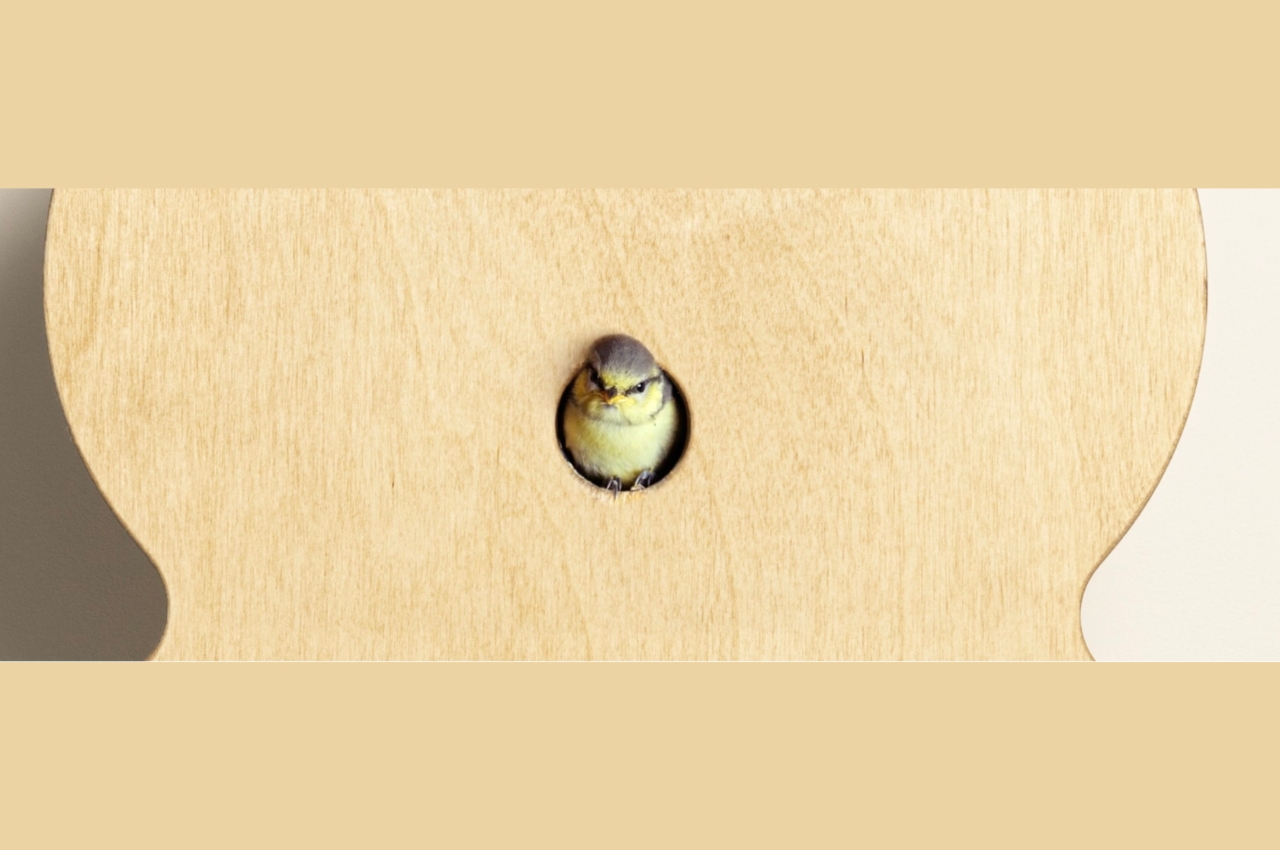
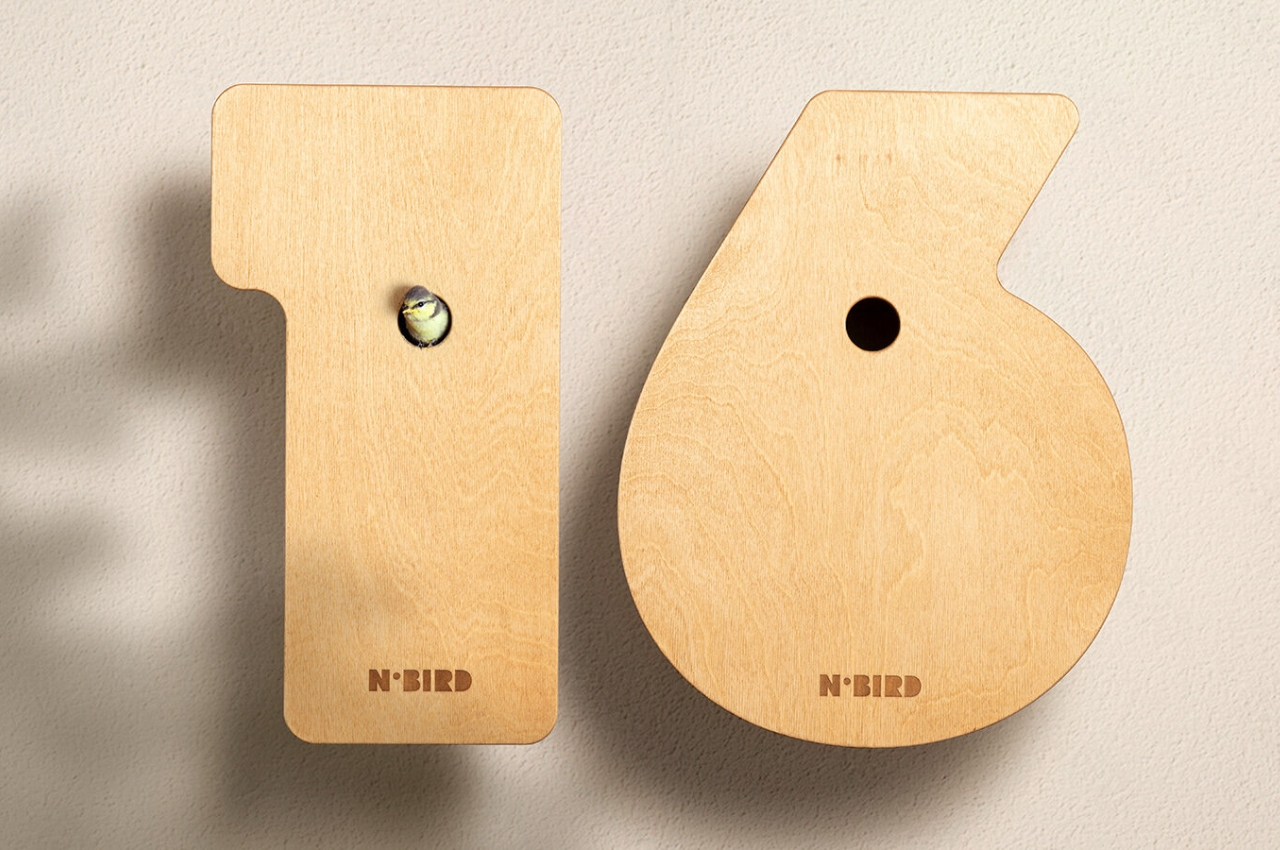
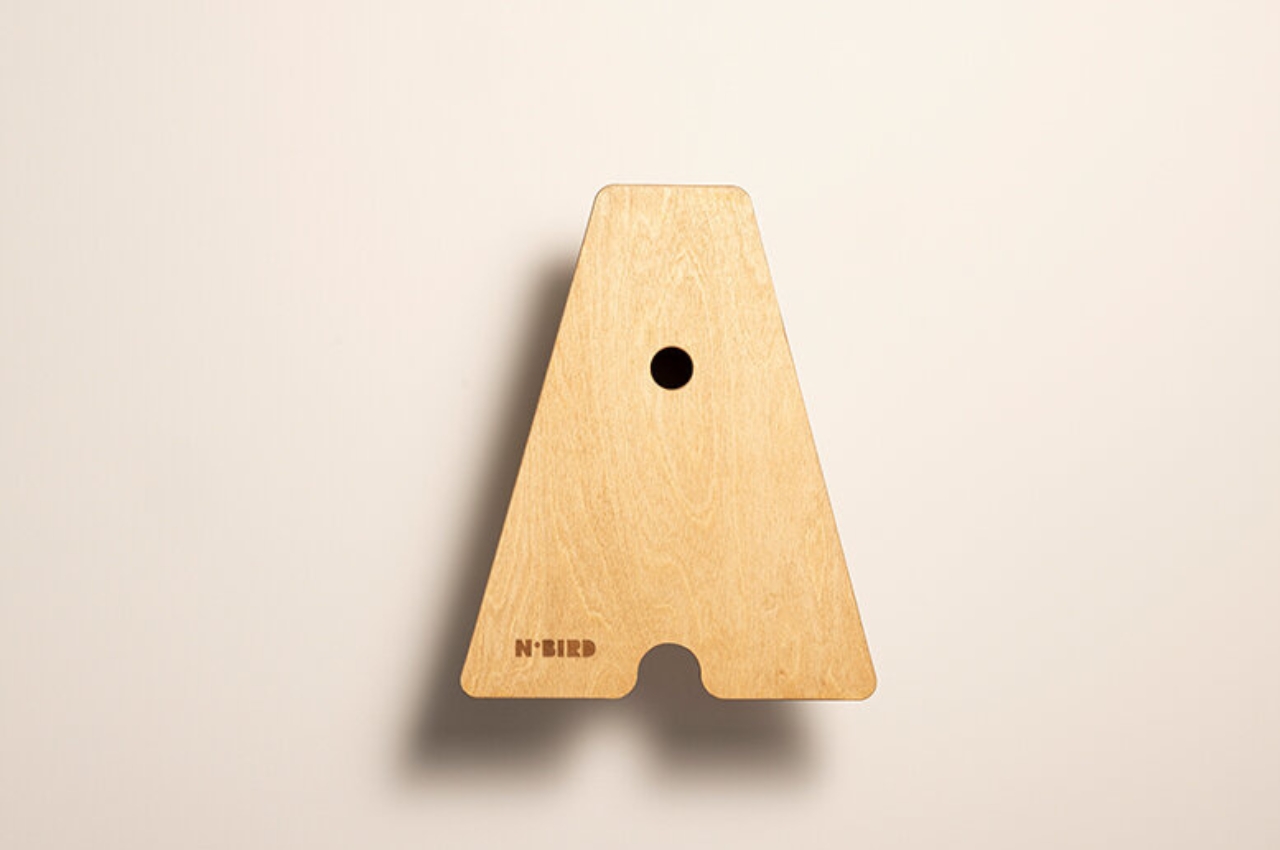
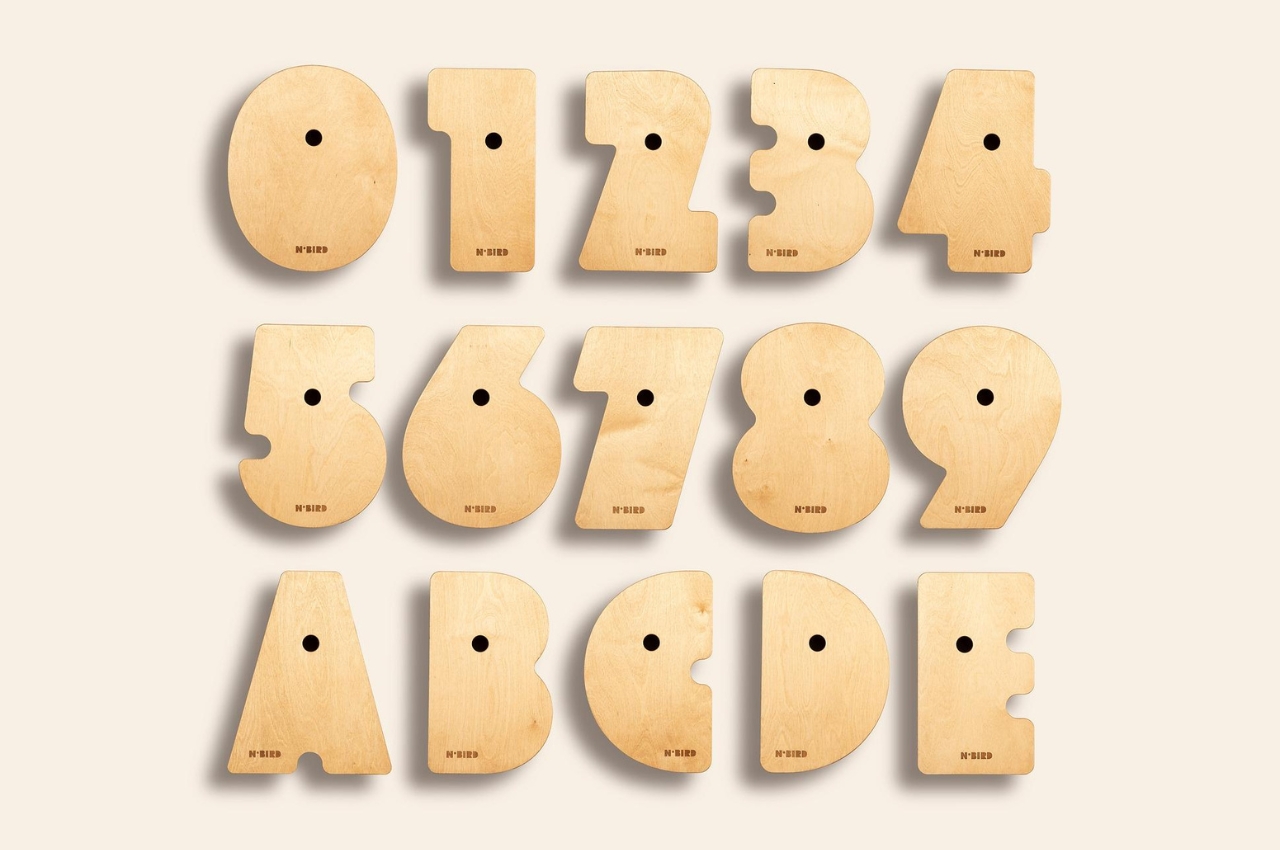
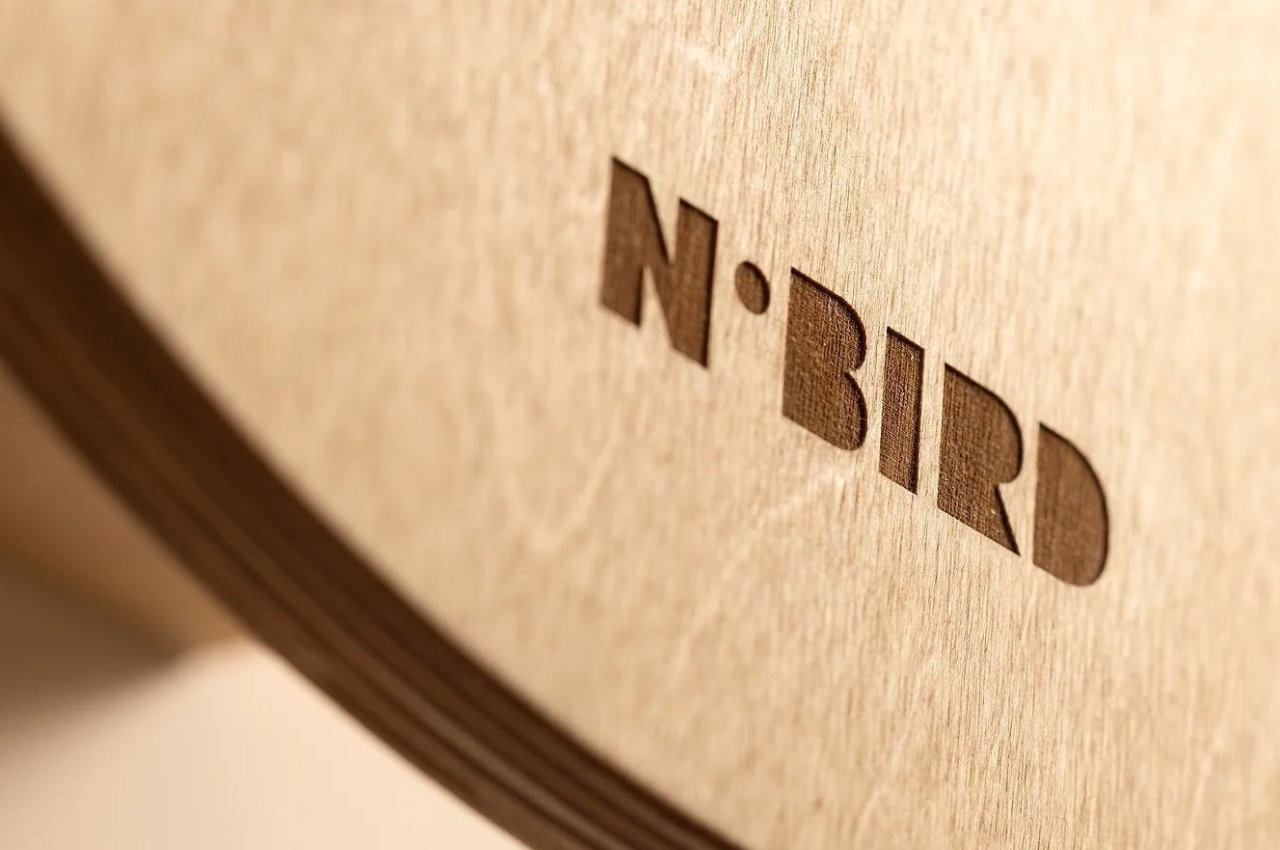
Numbird is a nesting box that can invite small birds to rest and stay in it while also doubling as a street address marker since they’re shaped as digits. There’s a small hole in the middle that serves as the space where the birds can nest. So it’s just tiny birds that can fit into that although the bigger birds can perch on the numbers if they wanted to. The birdhouses are easy to assemble so it can be a group activity in your family or it can also be a community project to show that people and birds can co-exist even in a highly urbanized area.

The nesting box is made from waterproof plywood components that were impregnated with natural oil. The kit has all the necessary parts and tools needed to put together the birdhouses that are also your house or building number. It looks pretty easy to assemble so both kids and grown-ups can have a fun and easy time putting them together. They say that the shared number is not only a practical thing but also a symbolic element into “improving the lives of all city inhabitants”.

A lot of the natural habitats of these birds, particularly the small ones, have been destroyed by rapid urbanization. These digit-shaped nesting boxes cannot bring back their original homes or make them less afraid of interacting with humans but it’s a step towards helping humans and the avian species in our urban spaces “co-exist peacefully”.

The post Street number is a nesting space for tiny birds in the cities first appeared on Yanko Design.

Spotify’s HiFi plan could finally arrive this year, but you may need to pay extra

Spotify first revealed its plan to roll out a high-fidelity option for music streaming some years ago, but that still hasn’t come to pass. This may finally be the year when the company’s HiFi streaming goes live, but you’ll likely need to pay extra for the privilege.

HiFi streaming is expected to arrive by the end of 2024 and it will be an add-on that costs users at least $5 more per month on top of an existing plan, according to Bloomberg. That's in addition to a Premium price increase that takes effect next month. As such, individual users who want to listen to high-fidelity music on Spotify may need to pay at least $17 per month, unless they're fortunate enough to be on the $6 student plan. It's not clear if the HiFi add-on will be available to those on the free tier.

HiFi audio is already factored into Apple Music ($11 per month for individuals) and Amazon Music Unlimited ($11 per month for those without Prime). It was a key selling point for Tidal at the outset of that service, which also now costs $11 per month. That places Spotify, which said in 2021 it would roll out its HiFi plan that year, well behind its rivals on that front.

That said, the so-called "Supremium" add-on is said to include other features, like an option to spin up custom playlists in a flash based on specific activities, dates and times of the year. Bloomberg reports that Spotify's tech will adjust playlists based on a user's behavior and eventually automatically create playlists without any input from them.

This article originally appeared on Engadget at https://www.engadget.com/spotifys-hifi-plan-could-finally-arrive-this-year-but-you-may-need-to-pay-extra-141610374.html?src=rss

7 Android Customization Apps You Need to Check Out

Android Apps

If you are looking for some interesting Android Apps, we have a great video from Mr Android FHD that shows us some awesome customization apps for your Android Phone. In the ever-evolving world of smartphones, Android users are constantly seeking ways to personalize their devices and streamline their daily interactions. With countless apps available on […]

The post 7 Android Customization Apps You Need to Check Out appeared first on Geeky Gadgets.

Thrasher, the psychedelic game from the artist behind Thumper, arrives in July

Thrasher, which its developers describe as a "mind-melting arcade action odyssey," will be available for the Meta Quest and the Apple Vision Pro on July 25. The SteamVR version will follow at a later date. Thrasher was first announced at The Game Awards last year as a new project by Brian Gibson, who was the artist and composer behind the nightmare-inducing rhythm game Thumper. For Thrasher, Gibson teamed up with Mike Mandel, known for working on games like Rock Band VR and Fuser, who took charge of the coding and research and development. 

The player takes control of a space eel in Thrasher, which they have to guide with "fast-paced gesture controls" through unsettling landscapes, so that it can evolve and defeat a cosmic baby god by the end of their journey. Based on the images and teasers the developers have released so far, the game's environments truly do look mind-bending with their psychedelic neon colors and their geometric patterns. Even the eel's powers sound trippy: Players can fight bosses with a rainbow spray of bullets or bulldoze environment elements in a blaze of color and light. 

The developers said that Thrasher's "music, visuals, and gameplay mesh into one transcendent experience" for the player. While the virtual reality version offers the most immersive option for gamers, Thrasher is also expected to be available for consoles and PC in the future

This article originally appeared on Engadget at https://www.engadget.com/thrasher-the-psychedelic-game-from-the-artist-behind-thumper-arrives-in-july-133026724.html?src=rss

Beautiful walking cane transforms into a compact wooden stool in a snap

No one can escape the passage of time or how the body grows old and frail. We can really only delay the inevitable with a healthy lifestyle, but there will always come a time when we’ll need someone or something to lean on while walking or need to sit down more regularly even if there’s not a chair in sight. Walking aids and stools are common sights in everyday life, and products that combine these two are also no longer alien to our eyes. Unfortunately, most of them, while functional, are also unattractive and sometimes even difficult to use. They’re often a cause of embarrassment for users who’d rather leave these at home and endure discomfort rather than be seen using them. Fortunately, all hope is not lost and this rather unique “sitting cane” shows how a well-designed tool can be functional, beautiful, and uplifting all at the same time.

Designer: Anker Bak

Made from a single piece of solid ash wood split in the middle and held together with six brass bolts, the SNILD, the Danish word for handy or dextrous, shatters expectations of what a walking aid should look like. Rather than a traditional stick or a rod that ends with legs at the bottom, it looks more like a tapered paper clip viewed from the front. The curved top and bottom edges along with the sloping sides give the tool a more elegant and stylish appearance, while also providing bigger surface areas for holding or standing on the floor. The loop at the top also lets you hoist the sitting cane over your shoulder if you need to make use of both hands.

Unlike walking aids that also function as stools, transforming the SNILD is as easy as pulling the top halves apart. This reveals a leather seat that is both durable and comfortable, and it uses simple physics to hold the person up. The rubber feet of the legs provide the necessary grip to prevent the stool or the cane from sliding.

More than its functionality, it’s the design and aesthetic that puts the SNILD above the rest. It has a dignified appearance that goes beyond a simple walking aid or seat, and that sense of dignity is transferred to the user who no longer feels the shame of carrying one. It is a part of the designer’s vision of Everyday Assistive Furniture (EAF) design furniture that’s not only a tool but can even be a source of pride and an heirloom for future generations.

The post Beautiful walking cane transforms into a compact wooden stool in a snap first appeared on Yanko Design.

15+ AI model fine tuning tips and tricks

fine tuning AI models

Fine-tuning AI models can be a complex and resource-intensive process, but with the right strategies and techniques, you can optimize it effectively to achieve superior results. This comprehensive guide offers practical tips and advanced methods to streamline your efforts, ensuring efficient use of computational resources and improved model performance. Fine Tuning AI Models Quick Takeaways […]

The post 15+ AI model fine tuning tips and tricks appeared first on Geeky Gadgets.

Posted in Uncategorized | Tagged

Apple watchOS 11 Fitness Features Revealed

watchOS 11

Apple has recently unveiled a comprehensive suite of new features for watchOS 11 at the Worldwide Developers Conference (WWDC). This update focuses on both fitness and non-fitness enhancements, aiming to significantly improve the user experience through detailed fitness tracking, enhanced mapping capabilities, and greater customization options. The video below from DC Rainmaker walks us through […]

The post Apple watchOS 11 Fitness Features Revealed appeared first on Geeky Gadgets.