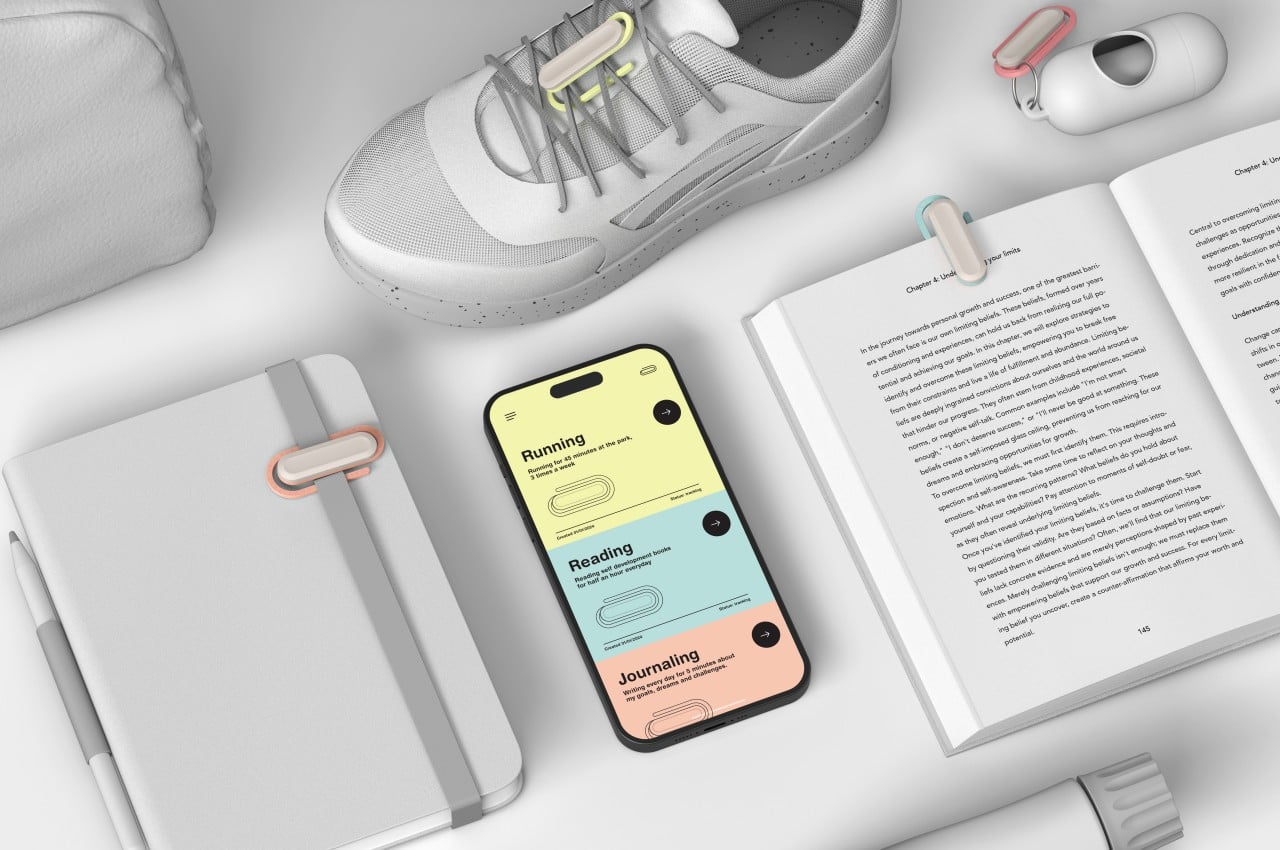
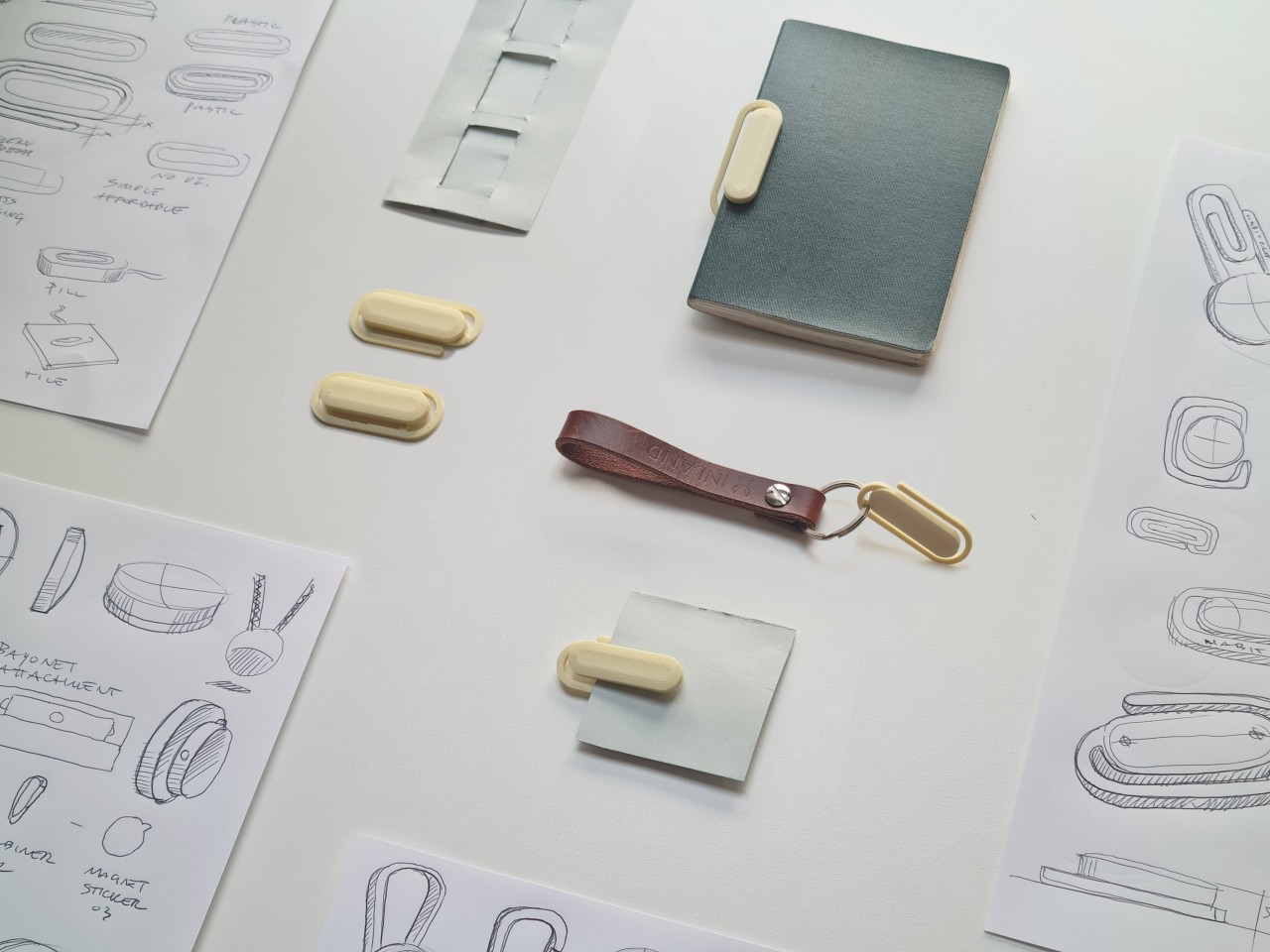
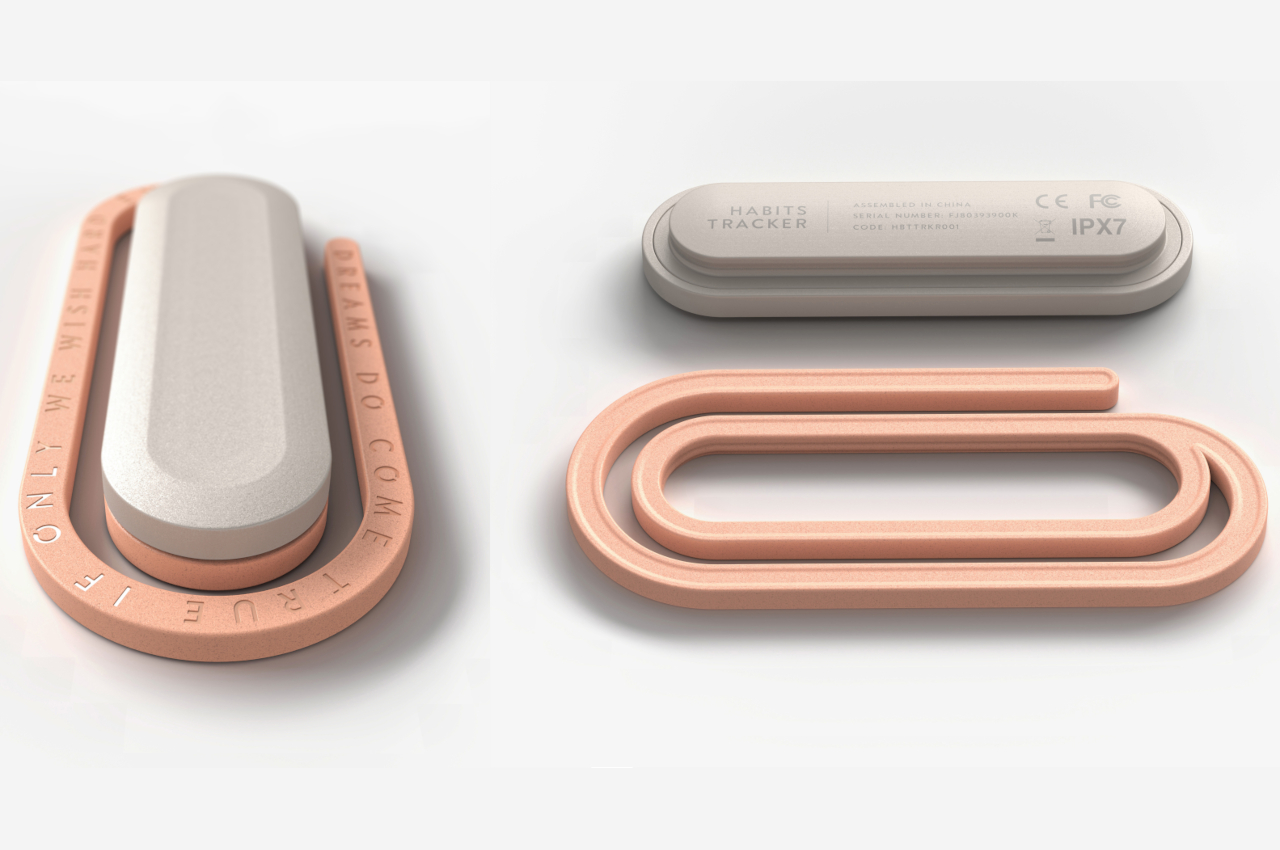
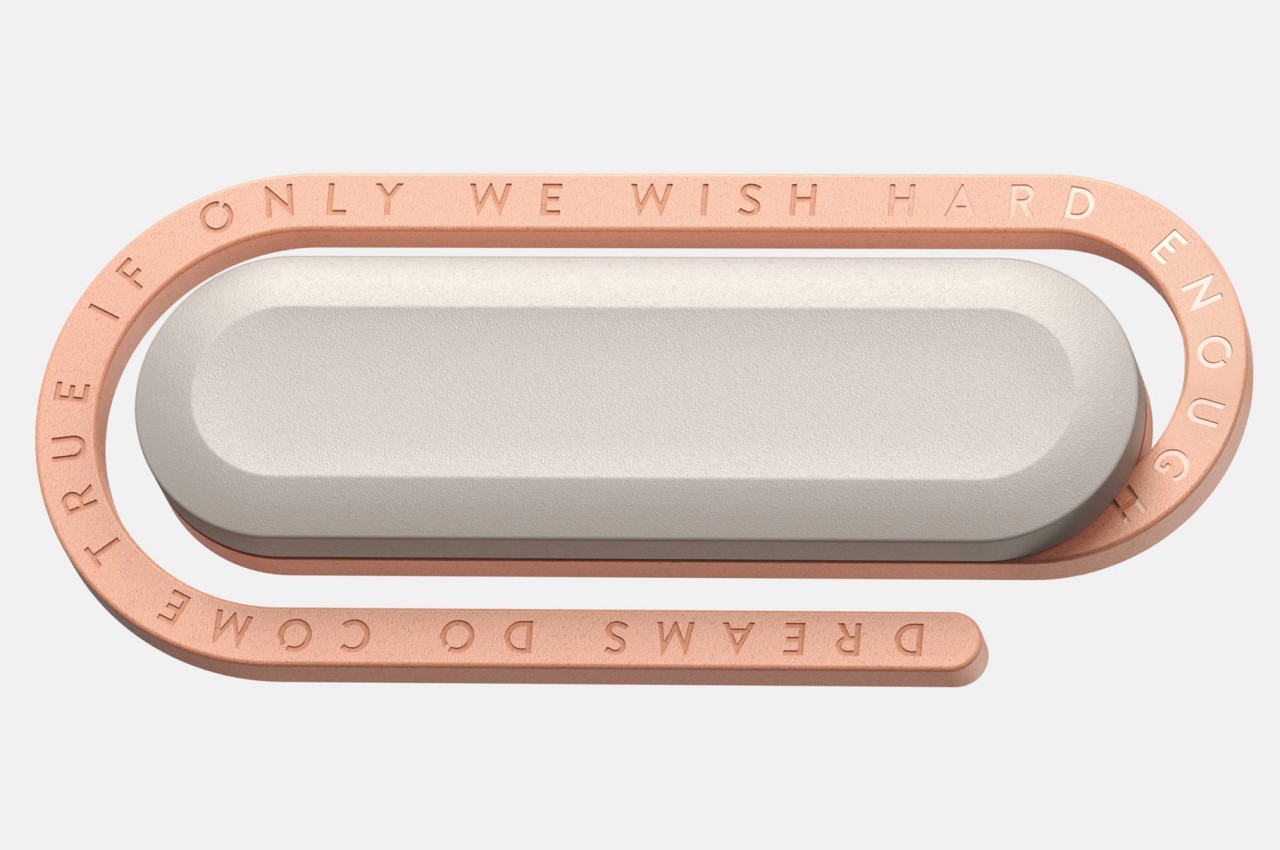
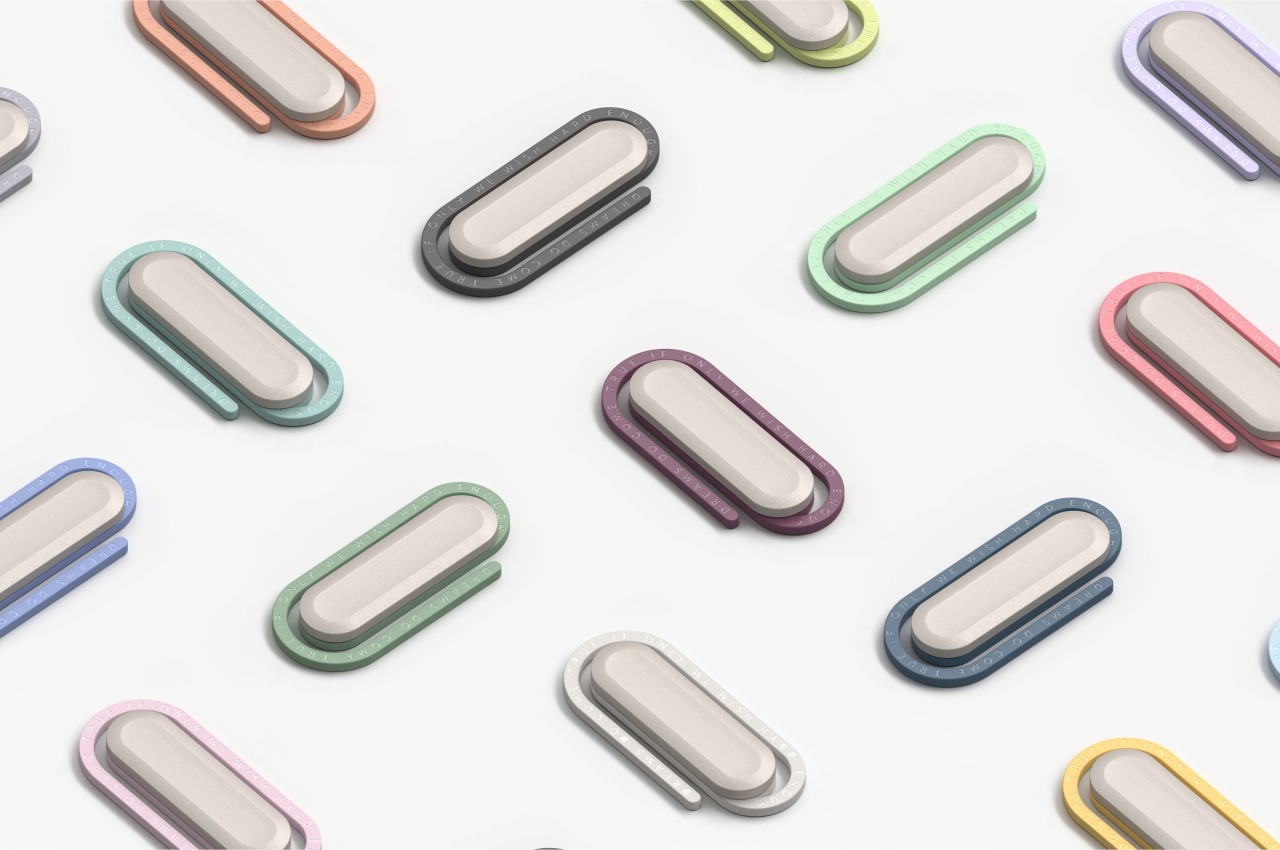
We have all these fancy hi-tech trackers today that monitor our health and our activities, ranging from simple fitness trackers to complex smartwatches. While these activities might be important on their own, they’re often made in some context like forming good habits. Unfortunately, these devices and their connected apps often simply log physical activities and states and file them under the category of healthy living. Trackers don’t take into account activities like reading a book, drinking water regularly, and things that a smartwatch can’t really monitor. That’s what this tracker design concept is trying to address, and it takes its inspiration from one of the most common things we attach to other objects: the classic paper clip.
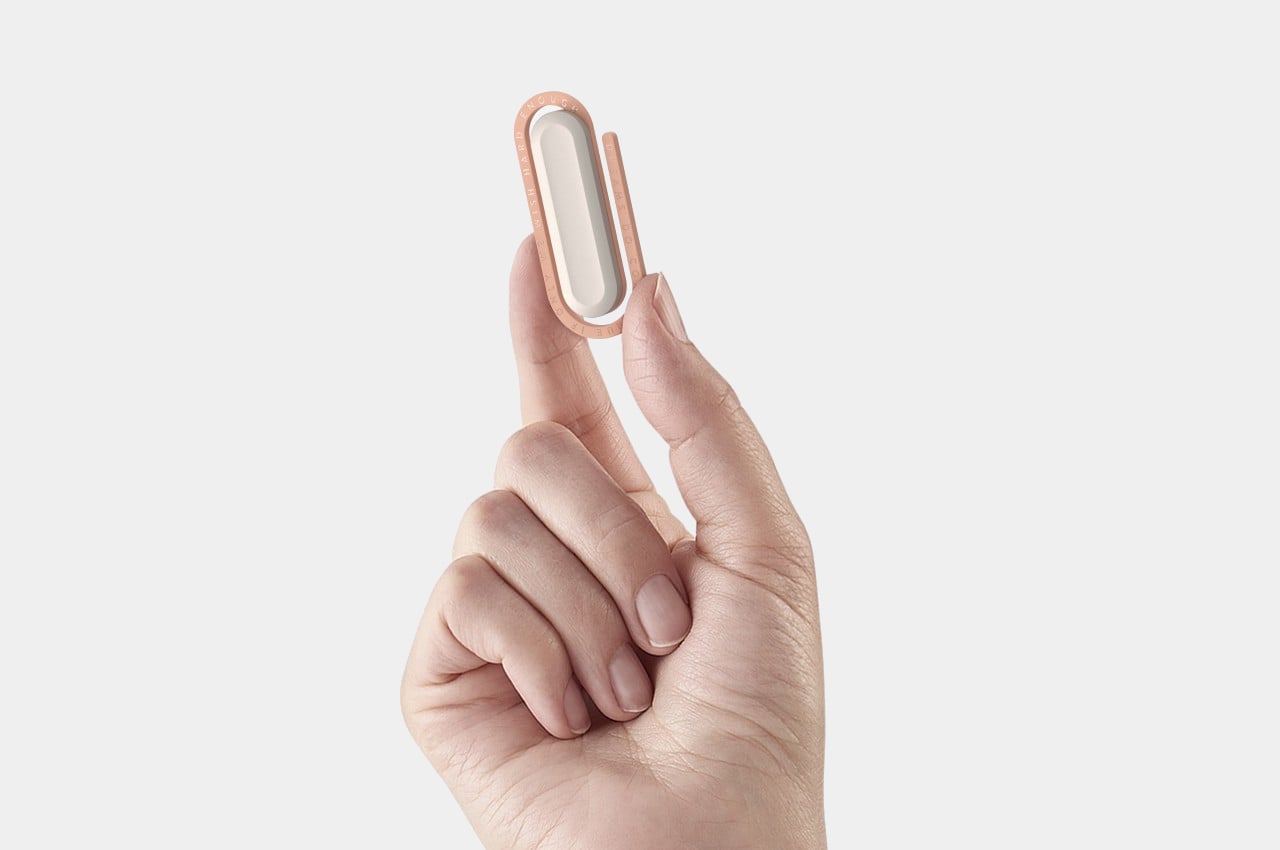
Although it does have “paper” on its name, we often see a paper clip attached to other objects, even those thick enough to bend the metal clip. The tool serves not only to put two things together but, more often than not, as a reminder to do something at a later time. Likewise, this activity tracker that takes the form of a large paper clip serves as a reminder to do the activity related to the object they’re attached to, and it actually tracks whether you did that or not automatically.
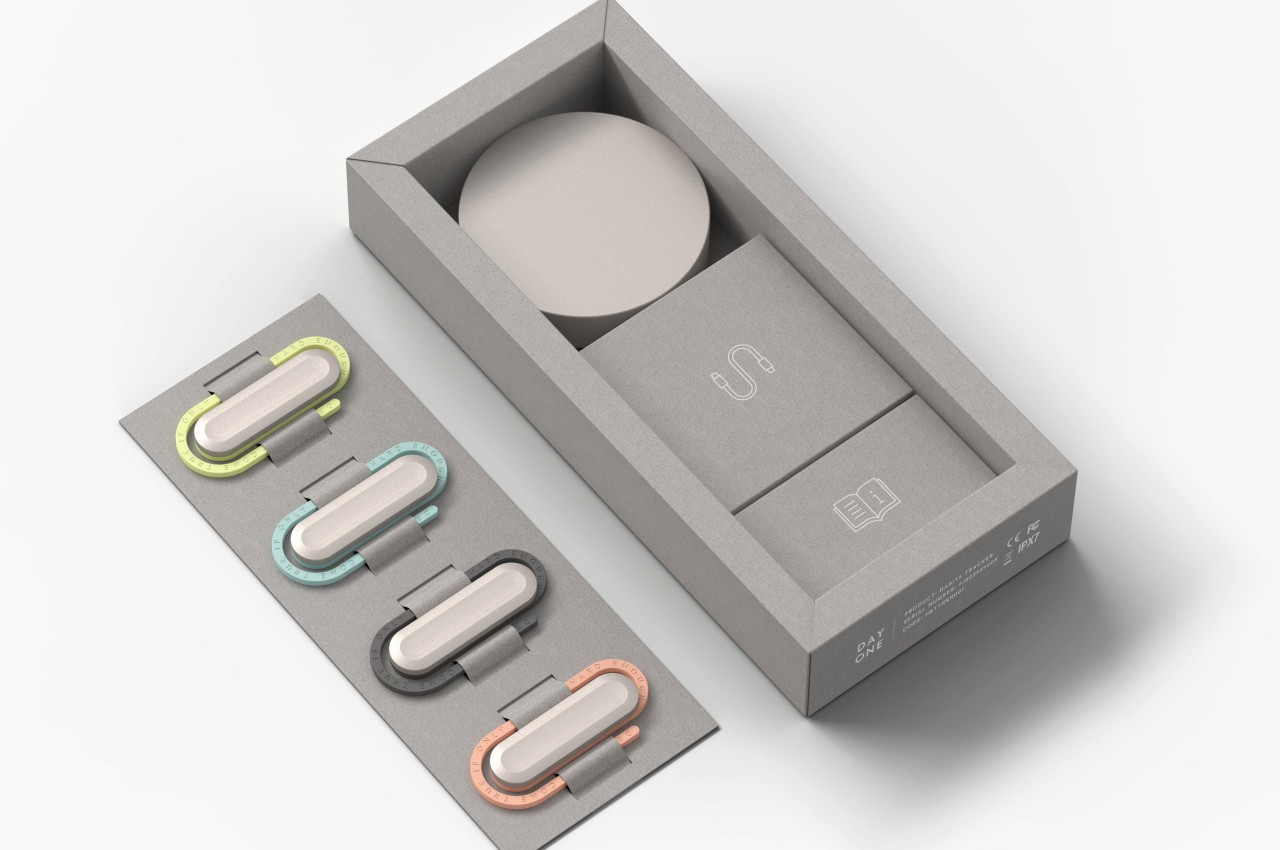
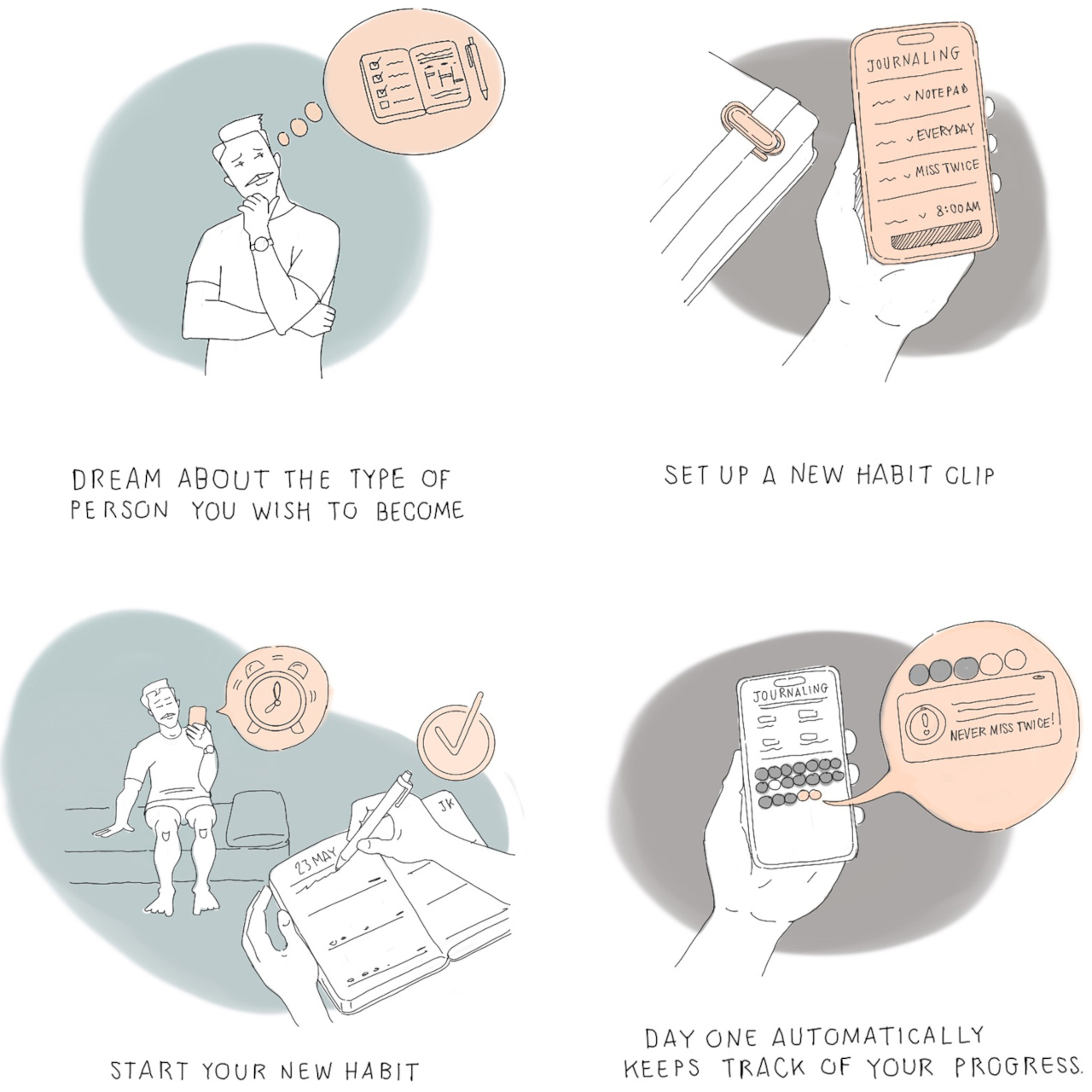
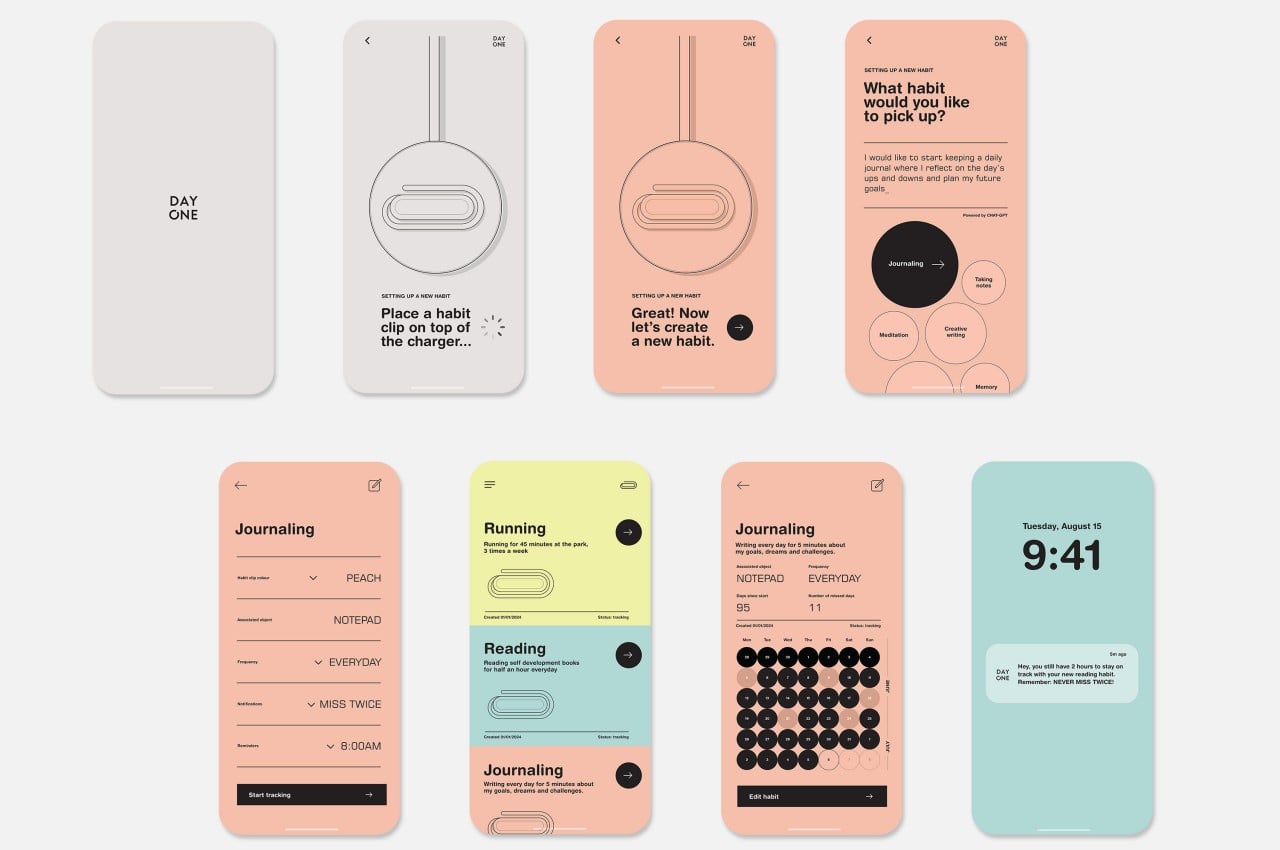
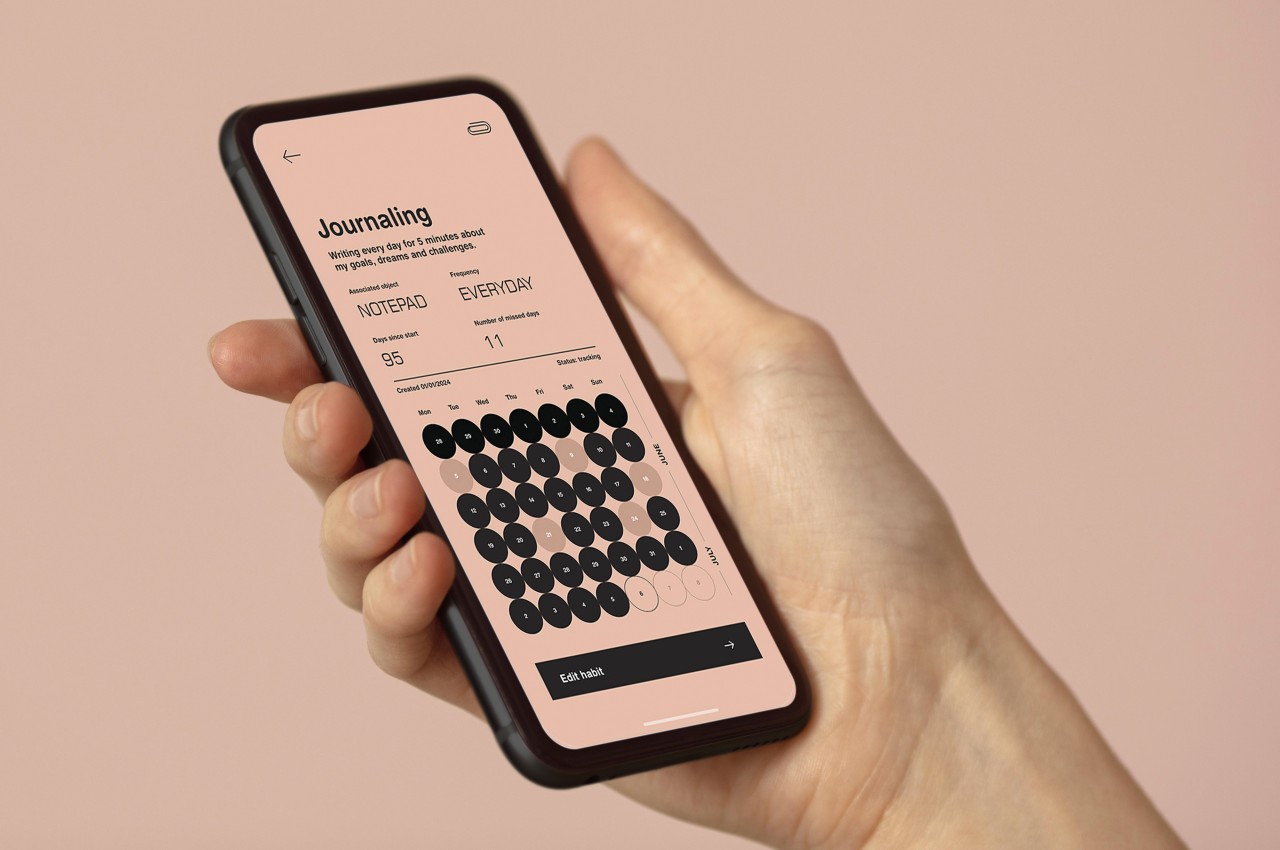
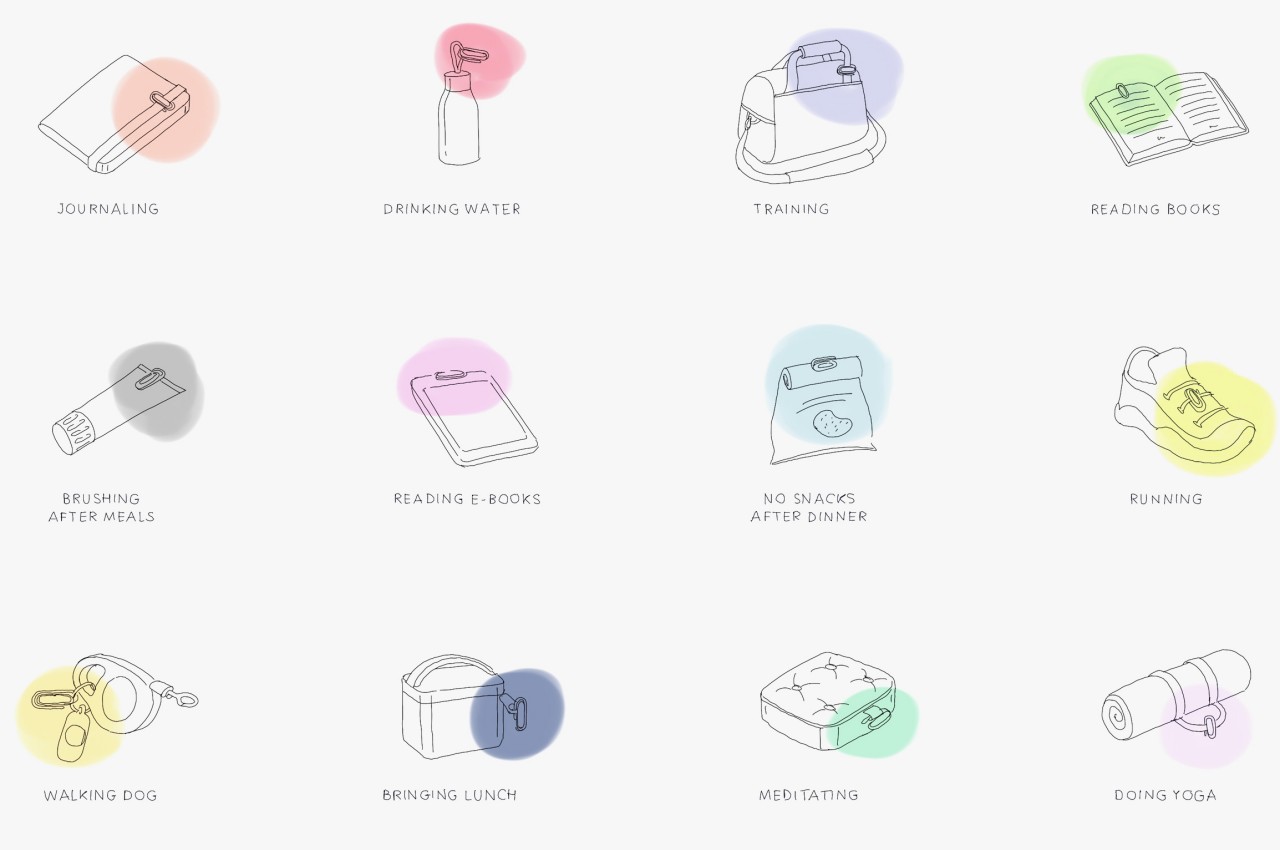
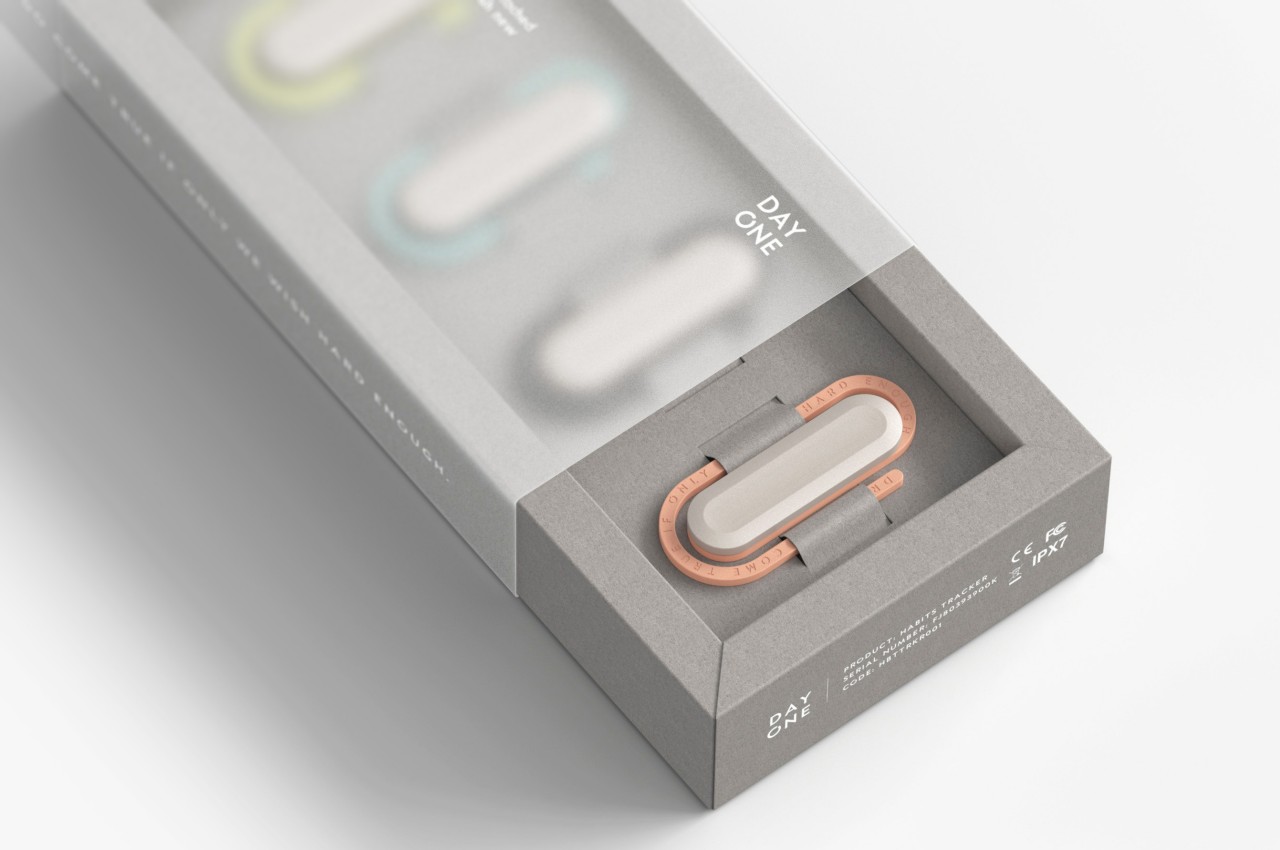
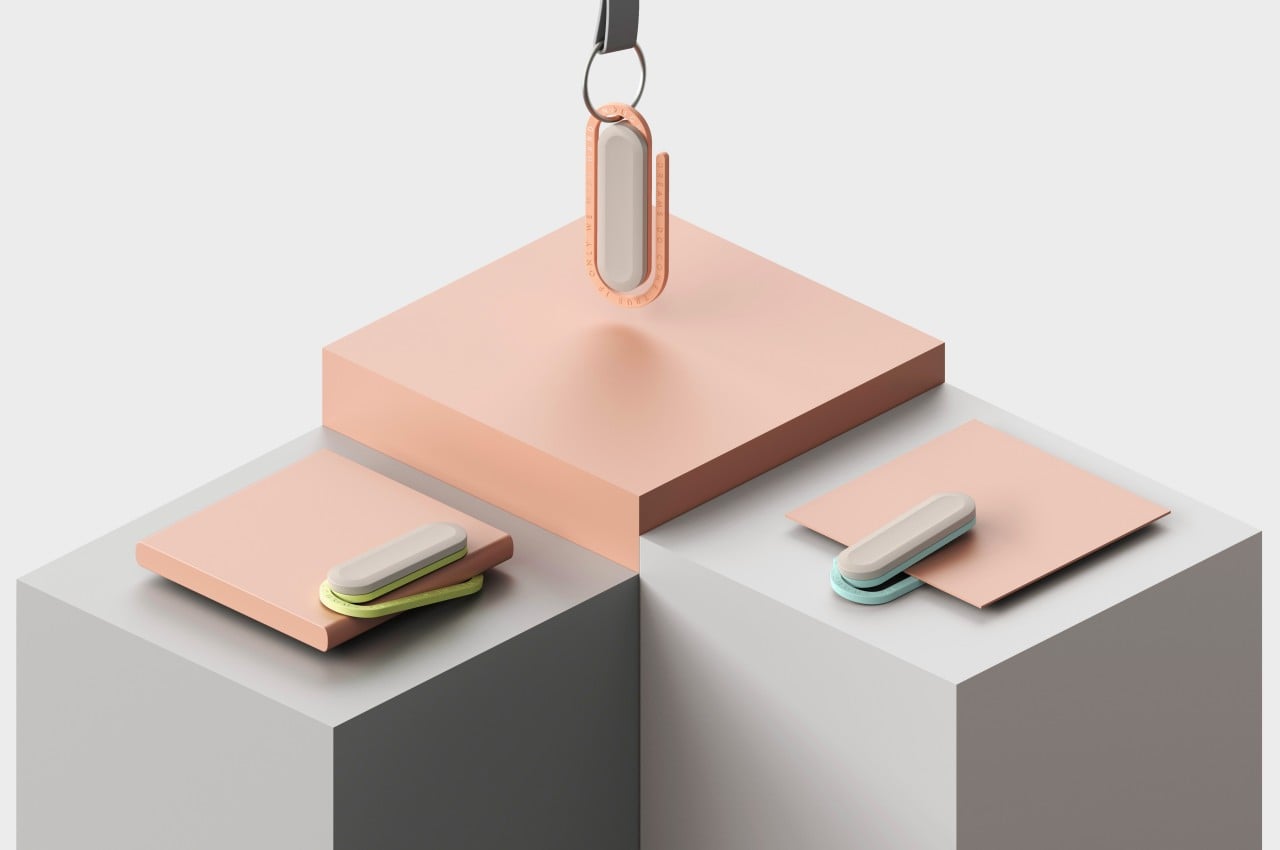
Named after a popular daily journaling app, the DAY ONE tracker combines the functionality of physical activity trackers with the behavior-forming features of habit-tracking apps in a simple yet pleasing design. In essence, you set one such clip-like tracker on a base accessory that’s connected to a smartphone, assign that tracker to a particular habit you want to build, and then attach it to the physical object associated with the habit, like running shoes, a book, or a water bottle. Whenever you pick up and use one of these items, their activity will be detected and registered on the app, sort of like checking a box to indicate that you’ve done that habit for the day.
The trick to ONE DAY is to clip it to objects that you use for that habit. This is where the paper clip design comes in handy as it allows the tracker to be attached to almost anything, regardless of the thickness. If it’s thin like a paper or a page of a book, you can simply slip it in like a regular paper clip. For something thicker like a tablet or a yoga mat, you use its longer side to attach to the object’s edge. Or you can simply hook it to a carabiner or loop, though that seems to also risk having it move around and drop accidentally.
DAY ONE is an interesting idea for giving more relevant contexts to activity trackers, making them relevant beyond exercise and physical activities. It still requires the person to exercise some willpower to actually put those into action, but the clips at least serve as a very visible reminder of what they need to pick up to develop the habit. That said, the paper clip design is a bit too bulky for something that might need to squeeze into tight spaces, and it could end up getting dislodged and lost somewhere along the way.
Sony promised earlier this year that it would free the PlayStation VR2 from the shackles of the PS5 by letting folks use it with their PC. We’re starting to get a fuller picture of what that might look like, as the company appears to be working on a PC adapter for the headset.
A Korean filing recently unearthed by VR and mixed-reality enthusiast Brad Lynch (as noted by The Verge) indicates that the company has created such a peripheral. There are no details on how the adapter works, what it looks like or how much it will cost, but it lends credence to previous evidence that the headset would have a wired PC connection.
It’s unclear what kind of connectivity Sony is looking at here. Unlike its convoluted predecessor, PS VR2 hooks up to the PS5 with a single USB-C cable. Meta Quest headsets, meanwhile, use a USB 3 connection for PC gaming. Perhaps Sony is looking at tapping into DisplayPort or HDMI ports to improve image fidelity.
The company will be hoping that PC support will help drive sales of its headset, which hasn’t exactly set the world alight. The PS VR2 hardware is actually pretty great, but it's been held back by several factors, including a limited library of games via PS5. Users will have a far larger selection of VR games to dive into on PC.
This article originally appeared on Engadget at https://www.engadget.com/sony-is-working-on-a-pc-adapter-for-the-playstation-vr2-151529342.html?src=rss
Meta caught an Israeli marketing firm using fake Facebook accounts to run an influence campaign on its platform, the company said in its latest report on coordinated inauthentic behavior. The scheme targeted people in the US and Canada and posted about the Israel-Hamas war.
In all, Meta’s researchers uncovered 510 Facebook accounts, 11 pages, 32 Instagram accounts and one group that were tied to the effort, including fake and previously hacked accounts. The accounts posed as “Jewish students, African Americans and ‘concerned’ citizens” and shared posts that praised Israel’s military actions and criticized the United Nations Relief and Works Agency (UNRWA) and college protests. They also shared Islamaophobic comments in Canada, saying that “radical Islam poses a threat to liberal values in Canada.”
Meta’s researchers said the campaign was linked to STOIC, a “a political marketing and business intelligence firm” based in Israel, though they didn’t speculate on the motives behind it. STOIC was also active on X and YouTube and ran websites “focused on the Israel-Hamas war and Middle Eastern politics.”
According to Meta, the campaign was discovered before it could build up a large audience and many of the fake accounts were disabled by the company’s automated systems. The accounts reached about 500 followers on Facebook and about 2,000 on Instagram.
The report also notes that the people behind the accounts seemed to use generative AI tools to write many of their comments on the pages of politicians, media organizations and other public figures.“These comments generally linked to the operations’ websites, but they were often met with critical responses from authentic users calling them propaganda,” Meta’s policy director for threat disruption, David Agranovich, said during a briefing with reporters “So far, we have not seen novel Gen AI driven tactics that would impede our ability to disrupt the adversarial networks behind them.”
This article originally appeared on Engadget at https://www.engadget.com/meta-caught-an-israeli-marketing-firm-running-hundreds-of-fake-facebook-accounts-150021954.html?src=rss
The Amazon Smart Air Quality Monitor aims to help users keep tabs on the air quality inside their homes, ensuring a healthier living environment.
Key Features
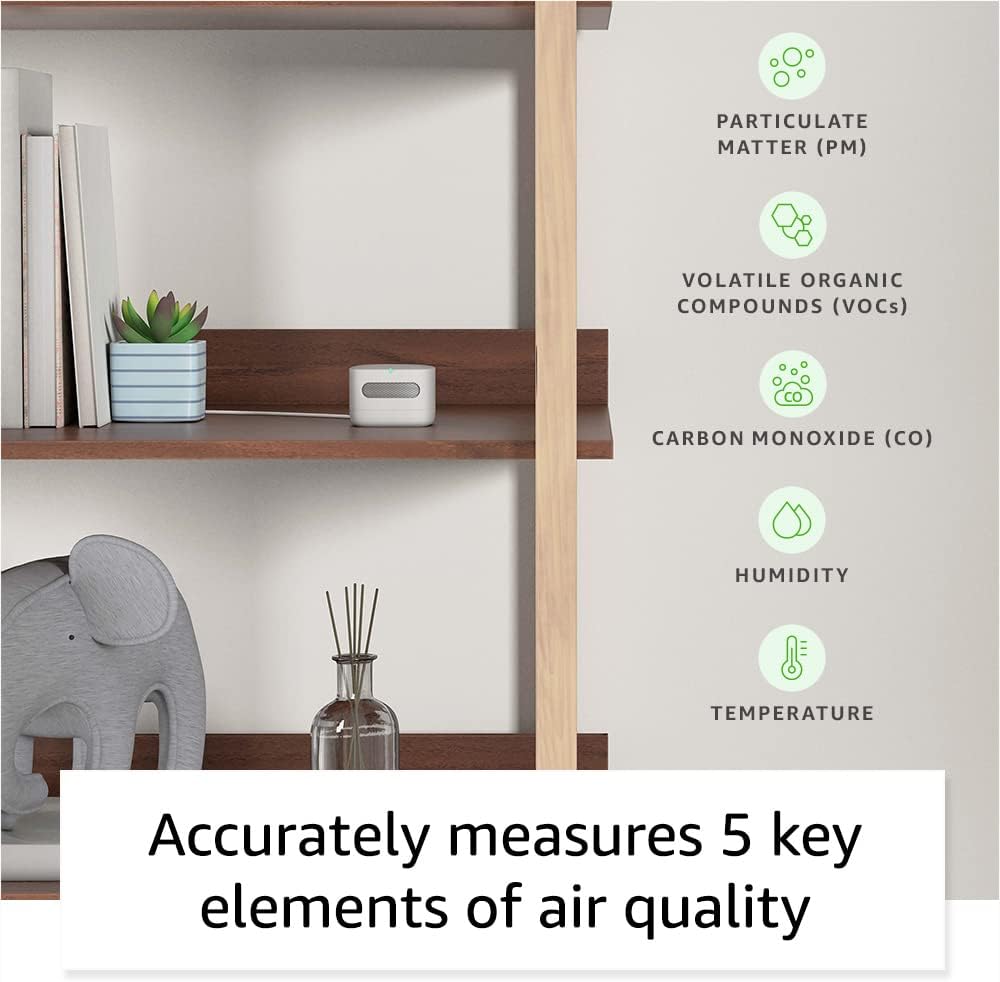
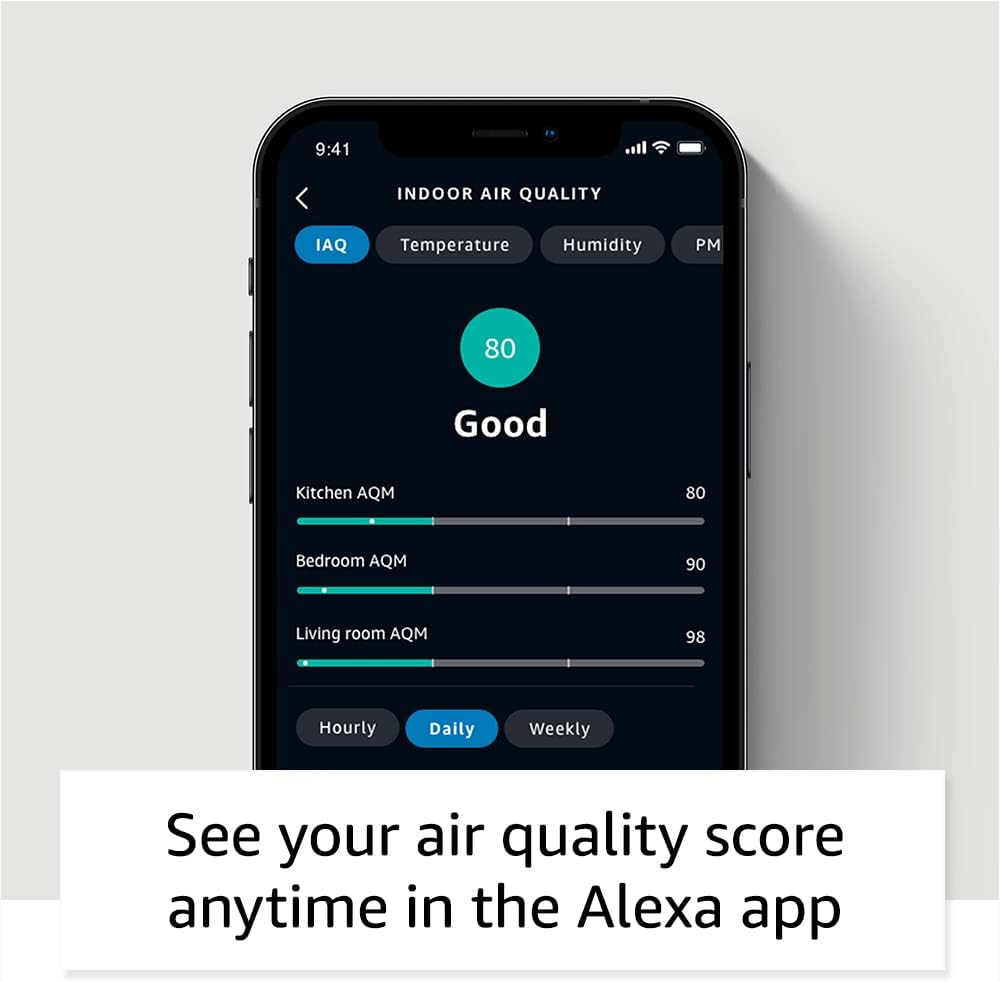
The Amazon Smart Air Quality Monitor tracks a range of pollutants, including particulate matter (PM2.5), volatile organic compounds (VOCs), carbon monoxide (CO), humidity, and temperature. It provides real-time updates and alerts through the Alexa app, allowing users to take immediate action if air quality falls below healthy levels.
Integration with Alexa
As expected, the monitor integrates seamlessly with Amazon’s Alexa. Users can ask Alexa about the current air quality or set up routines to automatically adjust other smart home devices based on the monitor’s readings. For example, if the air quality drops, Alexa can trigger an air purifier or fan to improve ventilation.
Easy Setup and Usage
Setting up the Smart Air Quality Monitor is straightforward. Users simply plug in the device, connect it to the Alexa app, and follow the on-screen instructions. The monitor is designed to be user-friendly, providing clear, easy-to-understand insights into your home’s air quality.
Health and Wellness Focus
With increasing awareness about indoor air pollution and its effects on health, the Amazon Smart Air Quality Monitor arrives at a critical time. Poor air quality can lead to various health issues, including respiratory problems and allergies. By keeping track of air quality, this device helps users create a healthier home environment.
Pricing and Availability
The Amazon Smart Air Quality Monitor is available for purchase now, priced at $69.99. It’s a small investment for a significant step towards better health and well-being at home.
For more details and to purchase the device, visit Amazon’s official product page.
Why It Matters
As smart home technology continues to evolve, devices like the Amazon Smart Air Quality Monitor highlight the potential of these innovations to improve daily life. By monitoring and improving air quality, Amazon is helping users create safer, healthier living spaces, showcasing the growing importance of health-focused smart home products.
Have you ever wondered what happens to all that water that customers leave at their tables in restaurants? We sometimes see glasses and pitchers left on the table which obviously, the staff can’t reuse anymore for drinking purposes. If the management or staff are conscious about water usage, then they will be used for other things like washing dishes or watering plants. But a lot of times, they’re just thrown into the sink. This concept proposes a more intelligent and eco-friendly way of saving and re-using that water and involving the customers in the process.
Designer: Sebastian Delerba
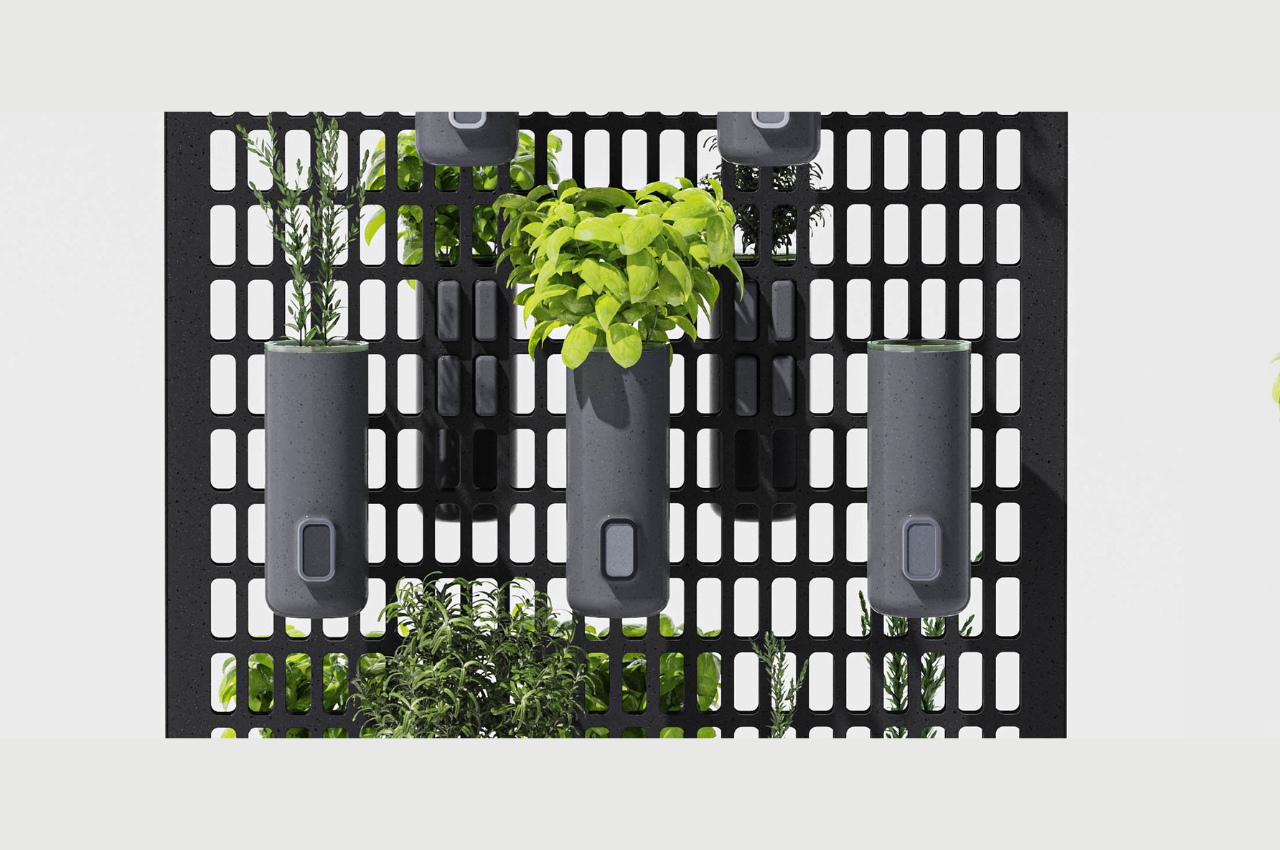
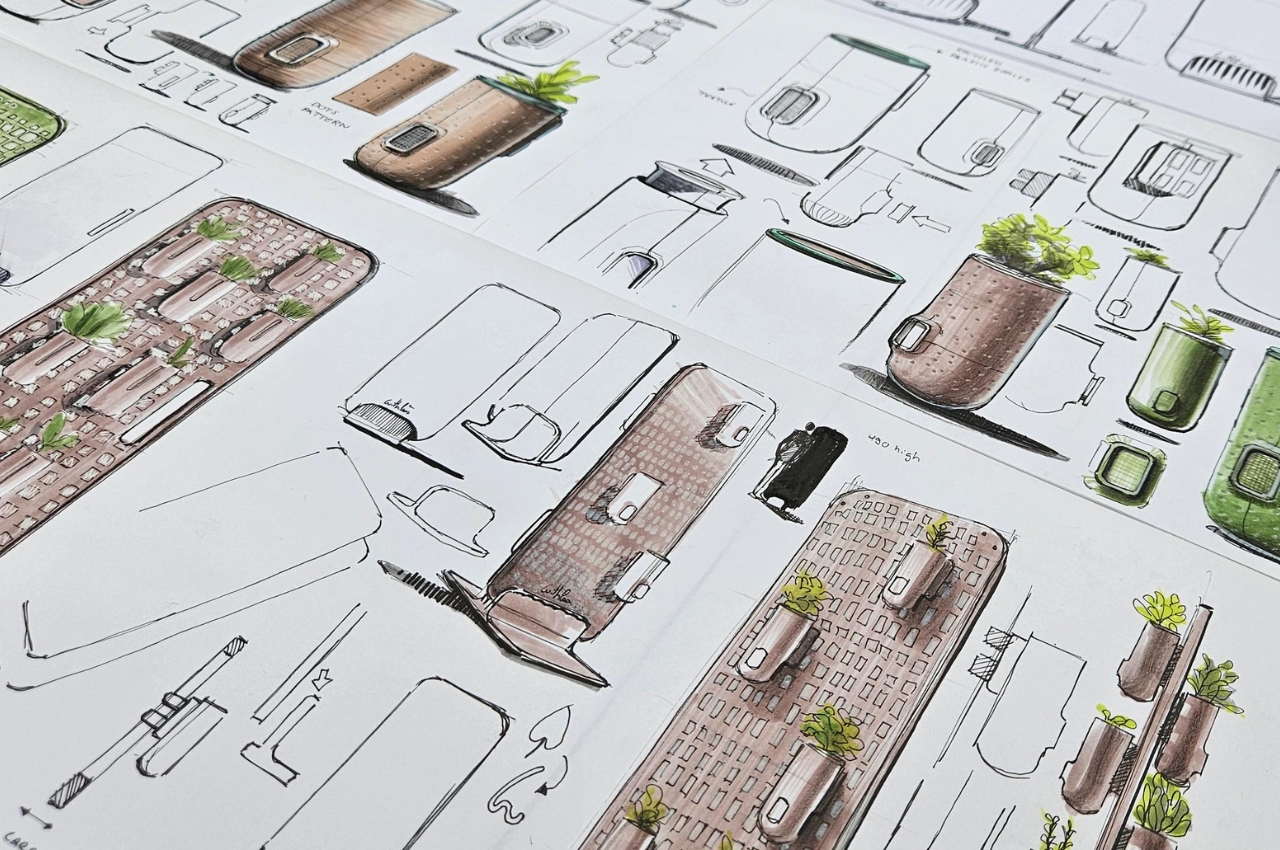
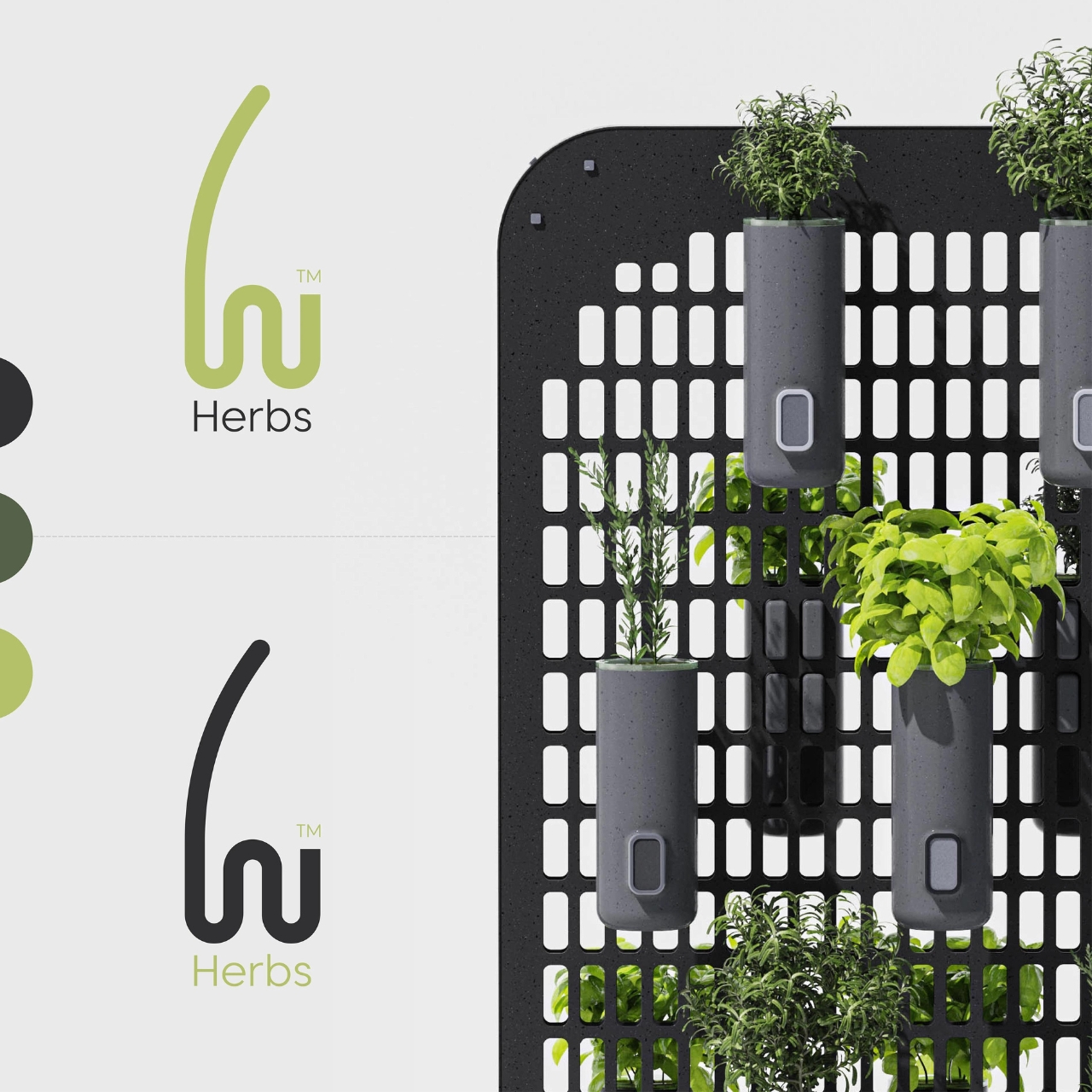
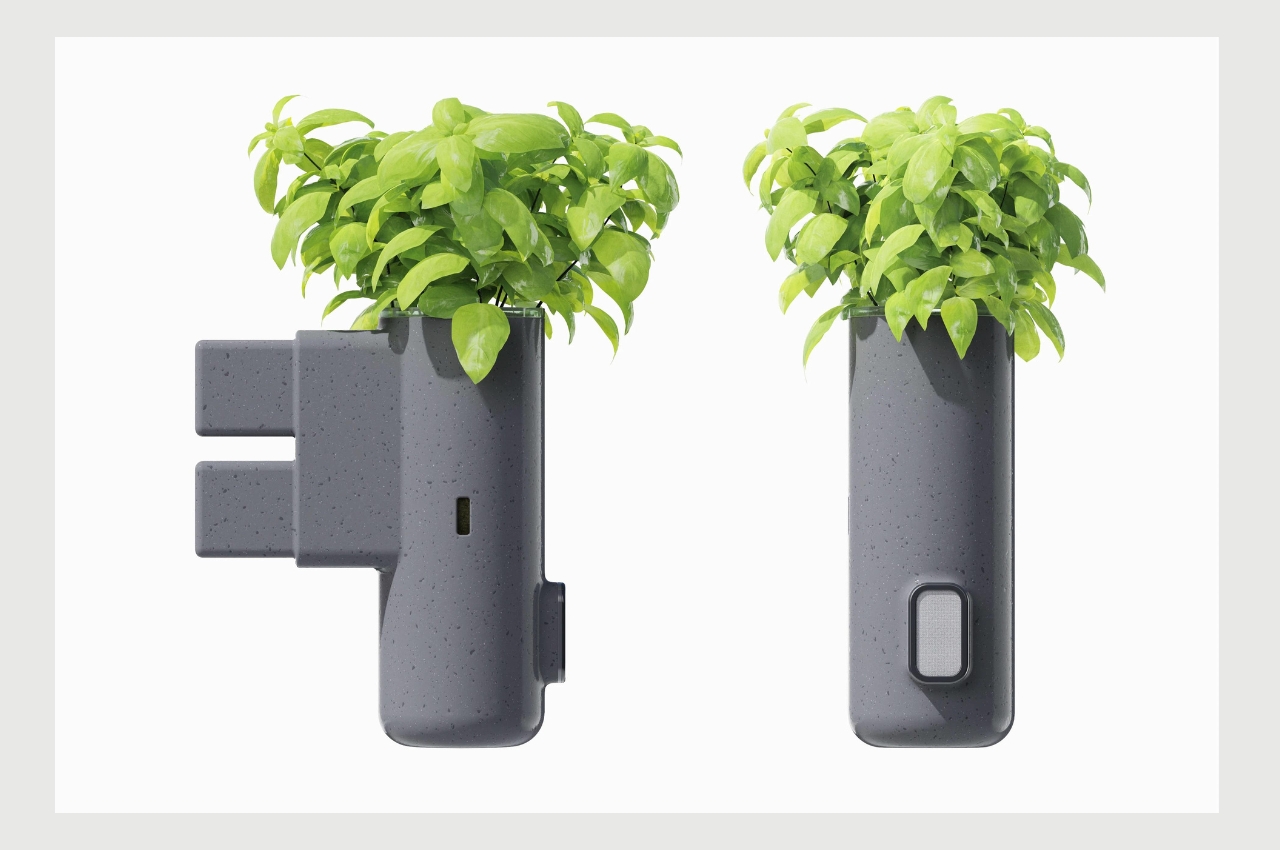
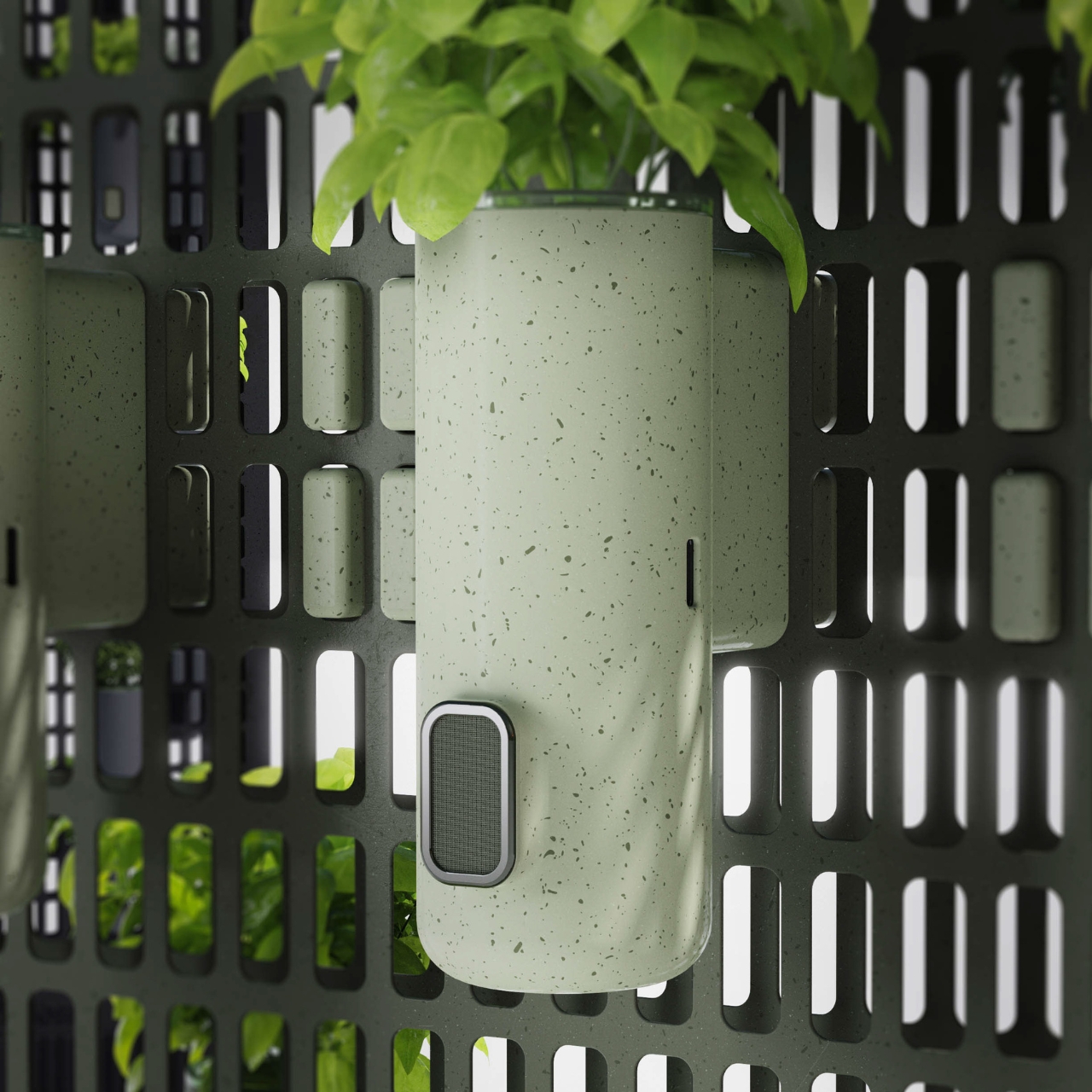
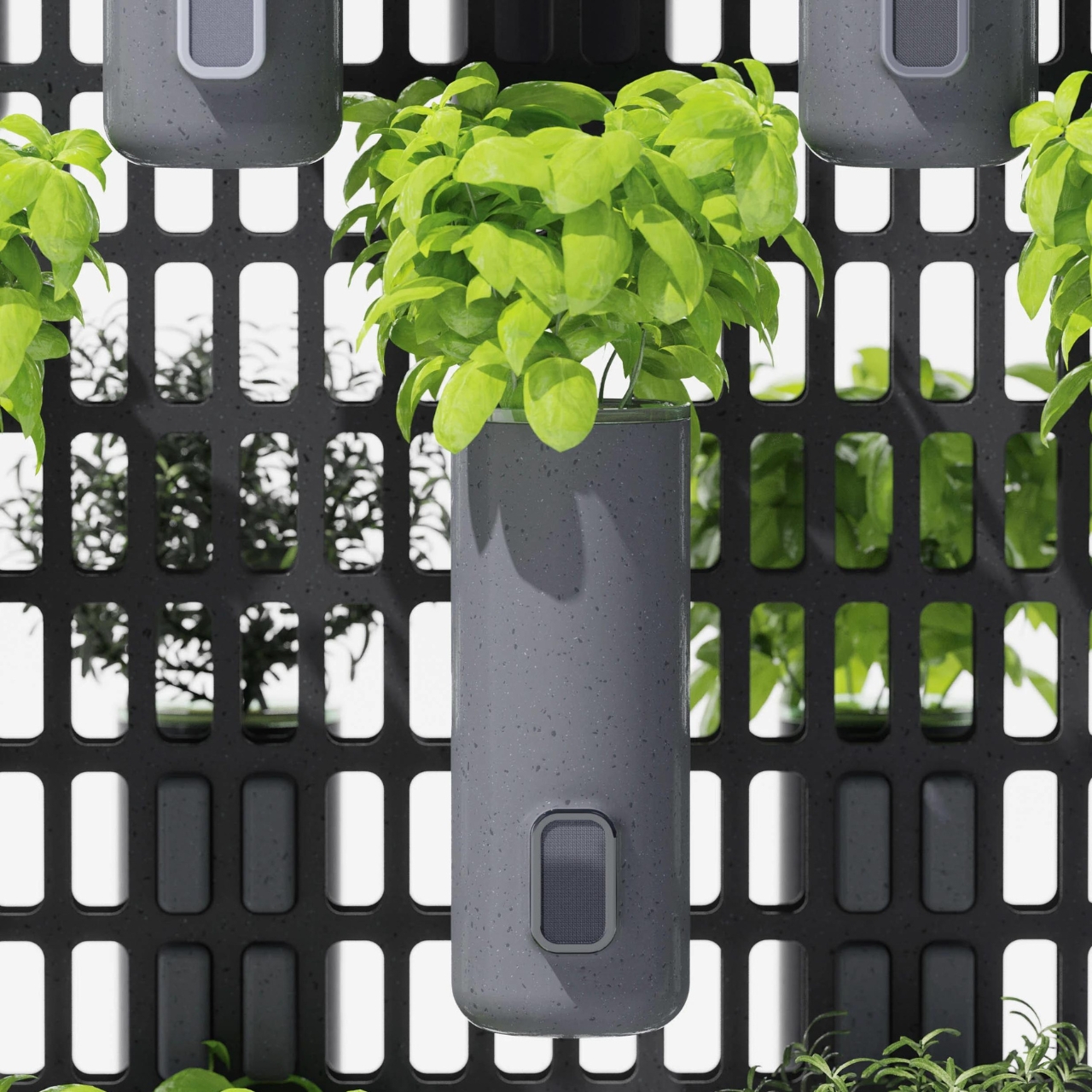
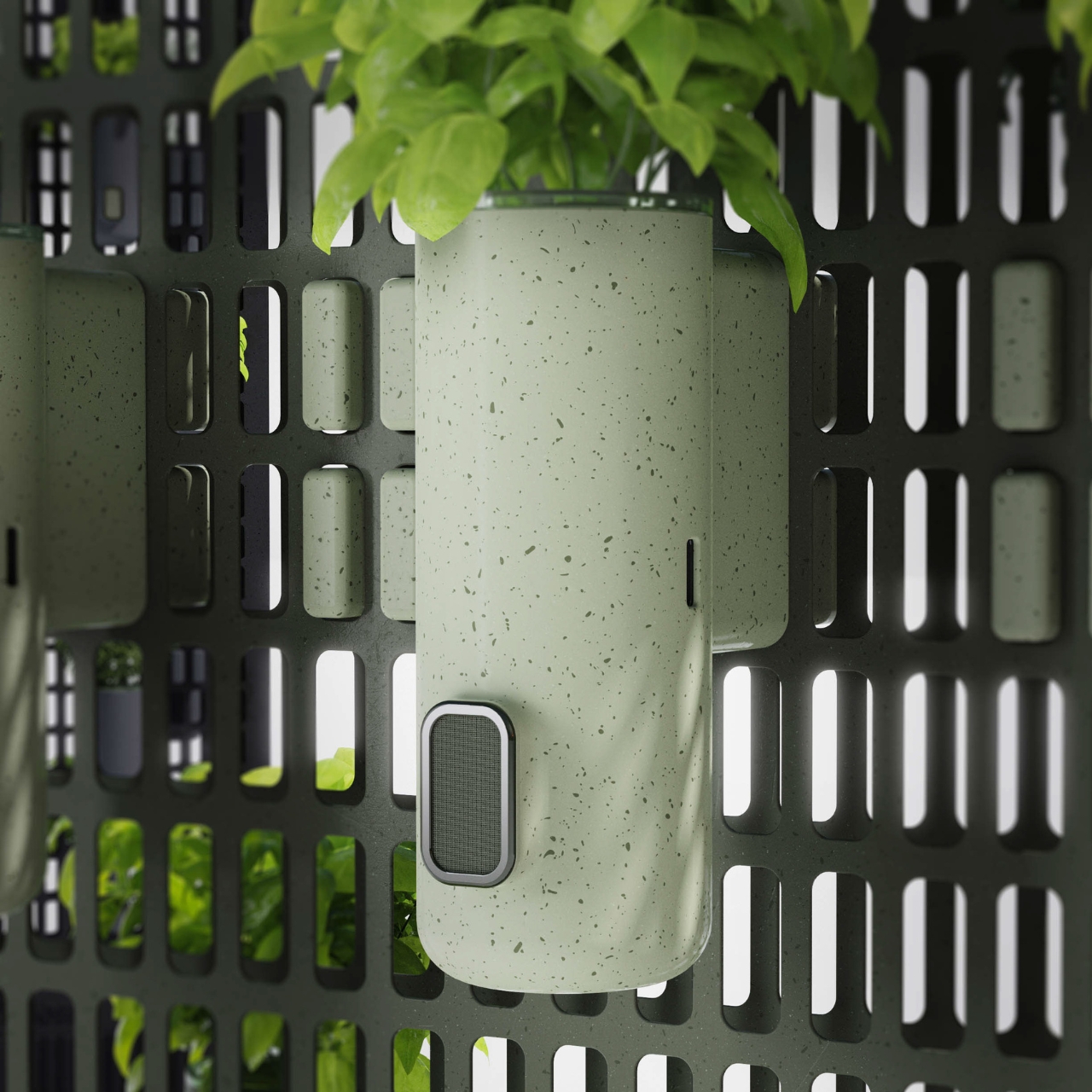
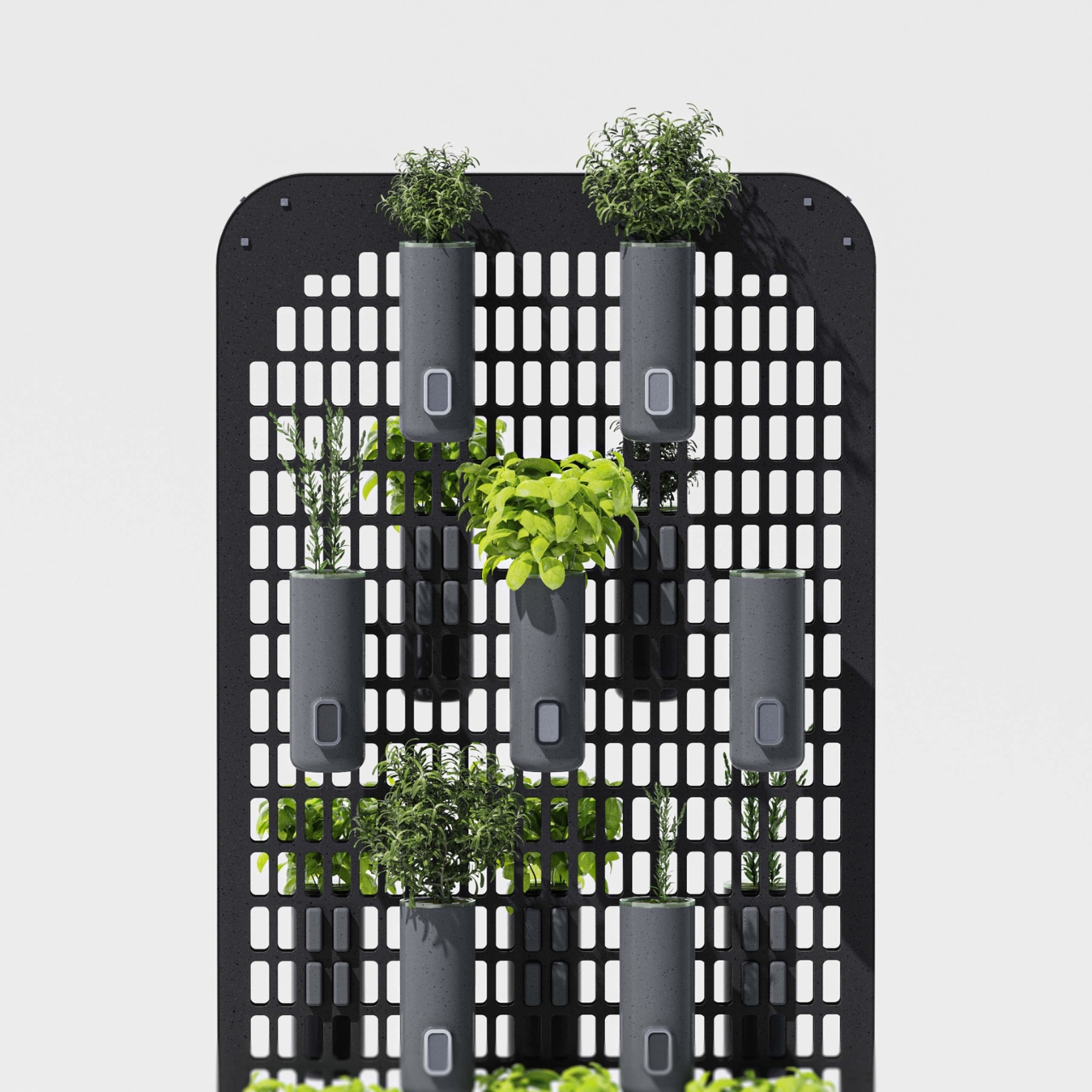
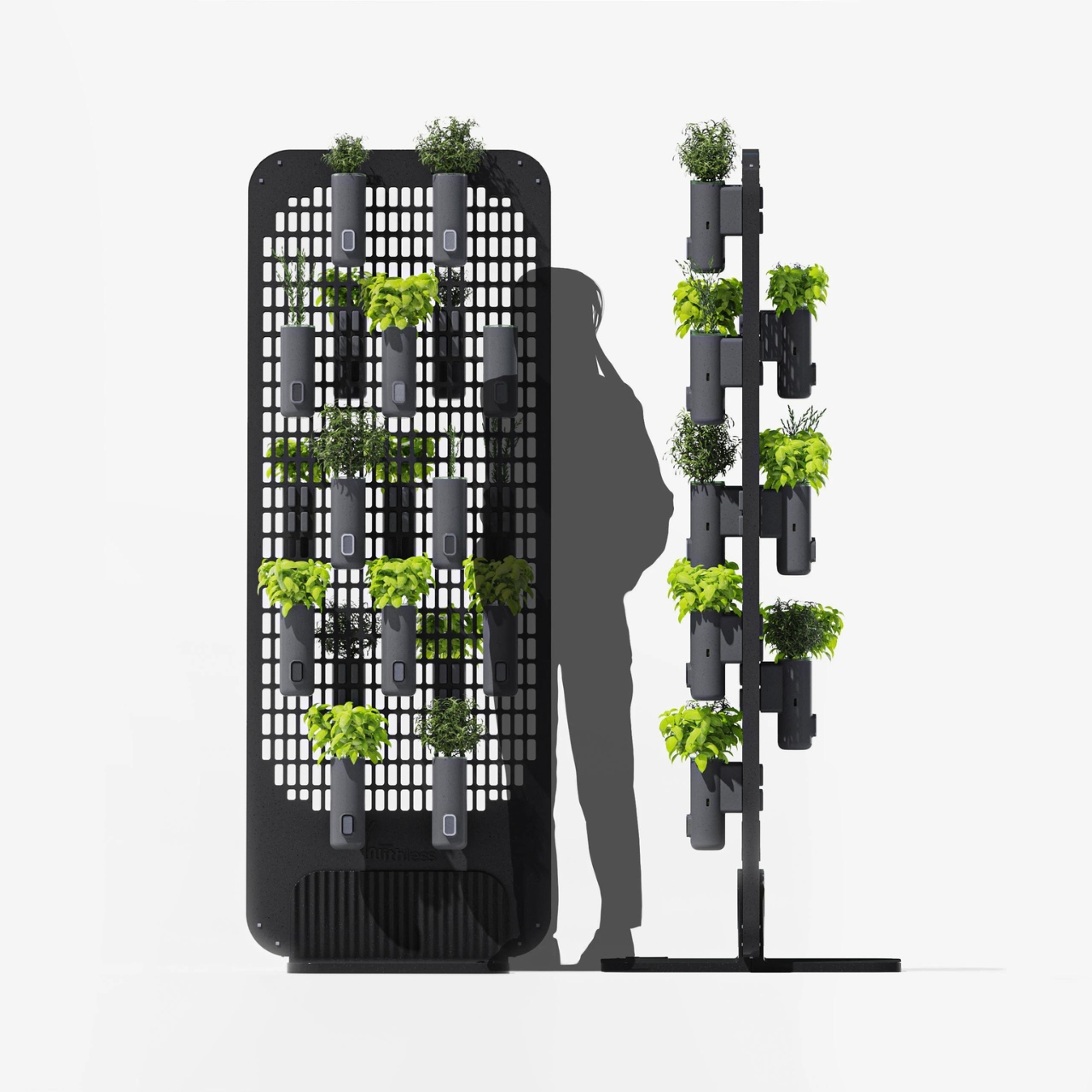
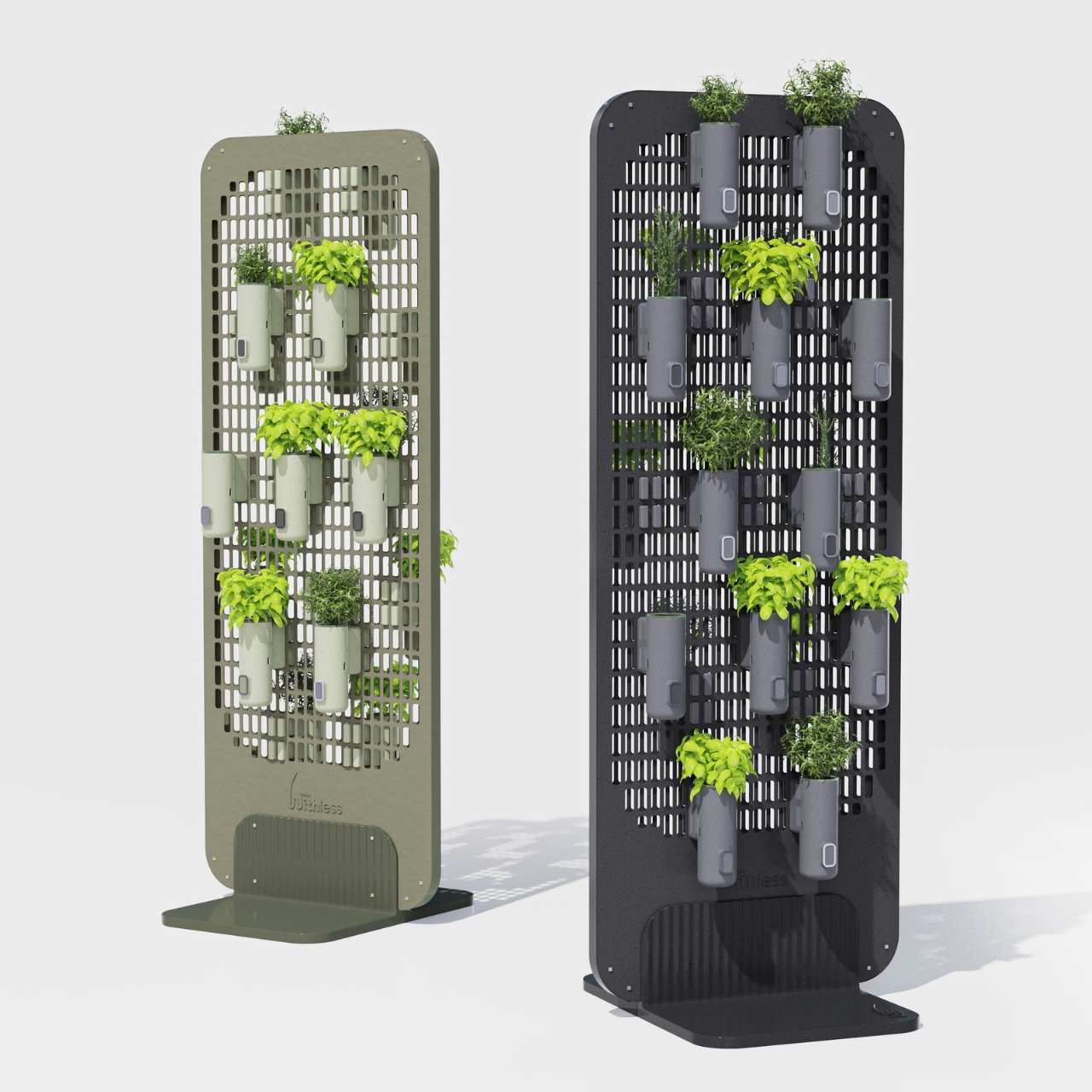
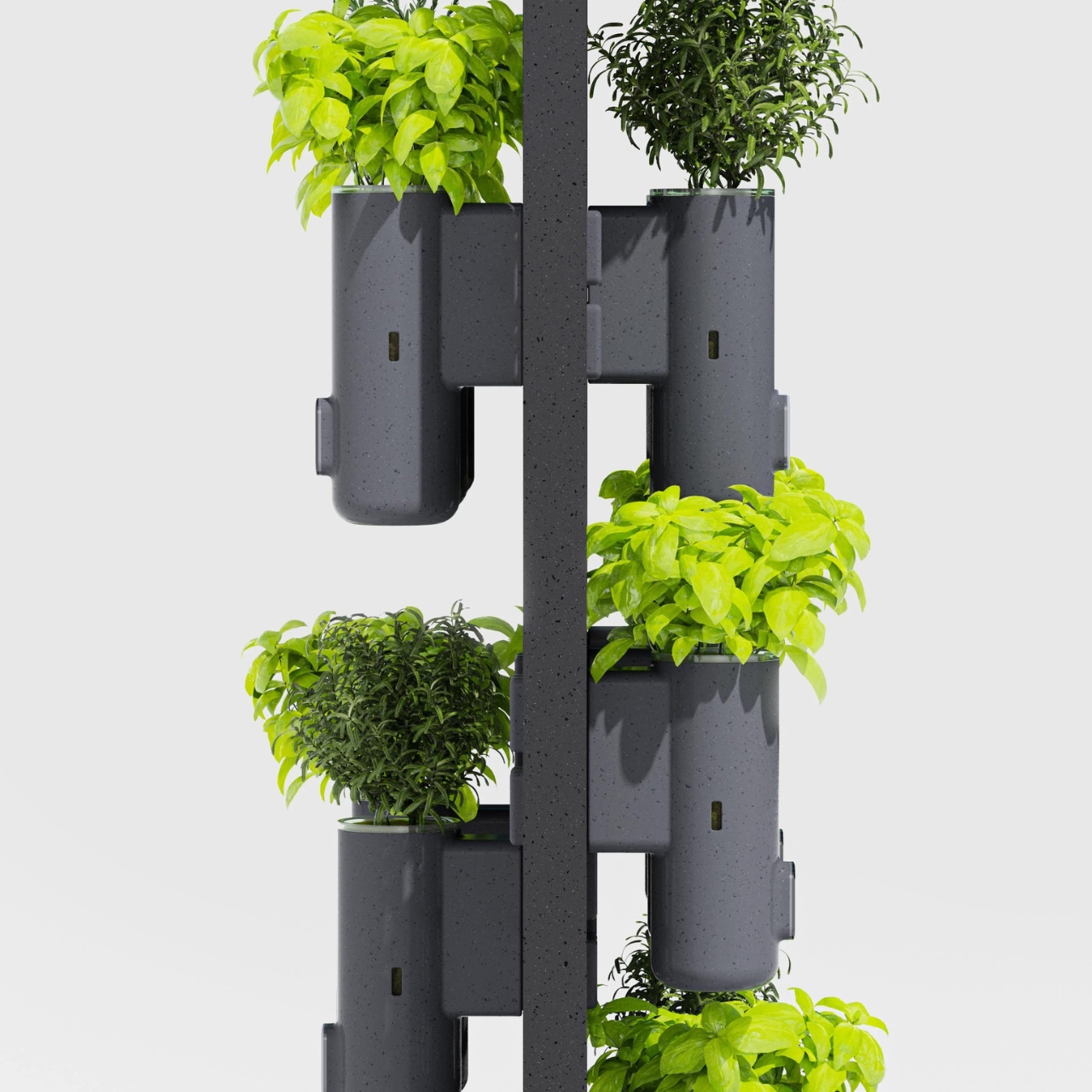
Withless is a concept for herb growing panels that restaurants can put up in their spaces. This way, not only do they have plants around for decoration and for environmental purposes, but they can also encourage customers to raise awareness in saving and reusing water. The stackable panel can hold up to twenty pots and has a grid design which can be expanded to multiple grids depending on the space and the needs of the establishment.
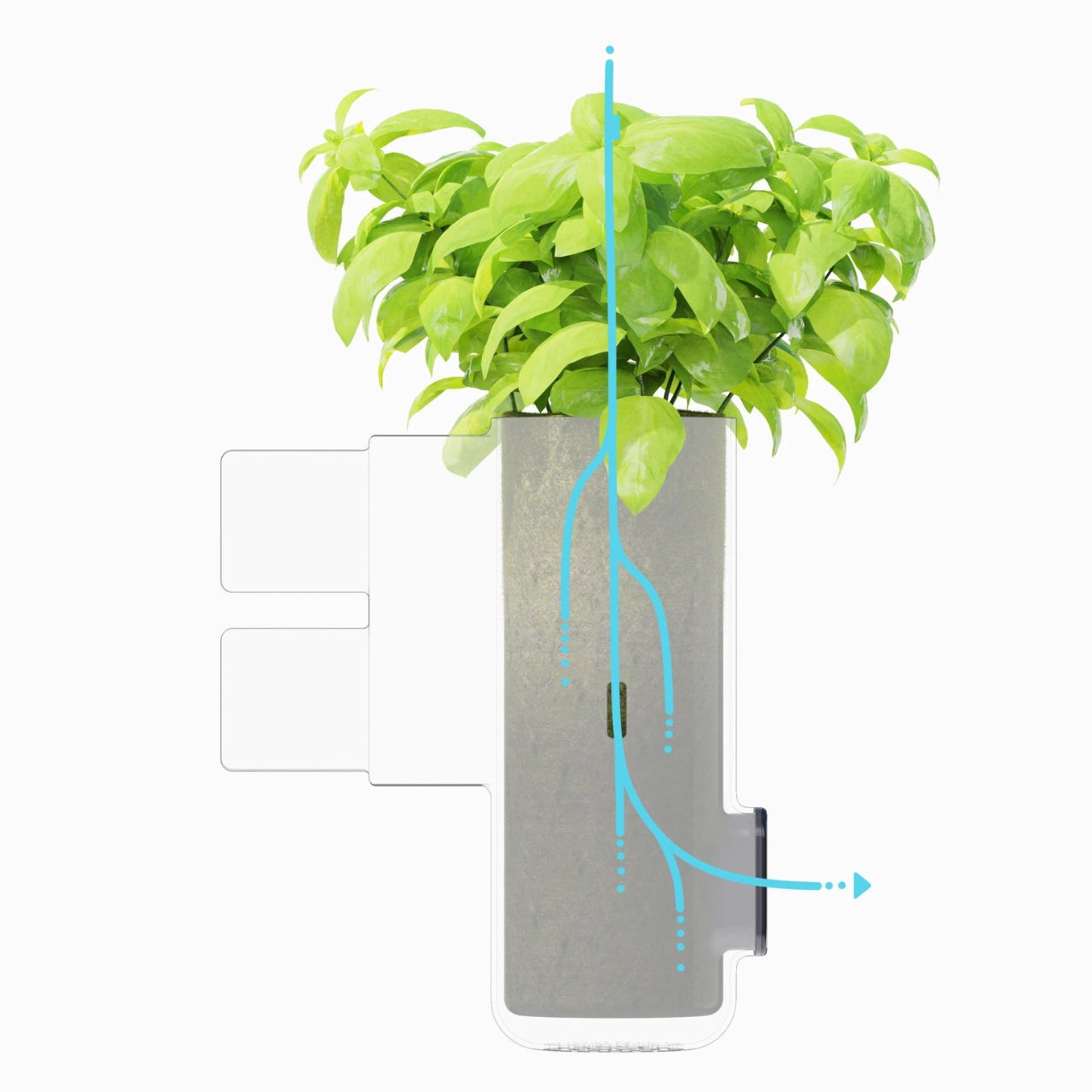
If you’re like me that doesn’t really know much about plants, there is a risk of over-watering plants if there’s no one to tell me that it’s too much. This is where the Withless concept comes in. The pot and the front area are connected so the water reaches the textile when you pour into it. It will show you when the ring and the textile have the same color which means the plant is growing efficiently. When there is a contrast to the color, then it means there needs to be some adjustments. The humidity of the area also affects this so it will reflect that as well.
The establishment can also use this to grow their herbs and other edible plants and get the customers to help them take care of the plants. This is an interesting way to teach people to reuse water and help grow plants as well. Hopefully, something like this gets made and that restaurants and cafes can adapt it.
We're inching toward that early June window previously occupied by E3 that will feature a ton of games showcases, including Summer Game Fest, an Xbox event, an Ubisoft Forward and a Nintendo Direct. Sony is getting a headstart on all of those though, as a PlayStation State of Play is set for Thursday, May 30. It starts at 6PM ET and you'll be able to watch it on YouTube, Twitch and TikTok.
Interestingly, Sony is opting not to use the PlayStation Showcase branding it usually opts for with its now-annual late-May stream. The company hasn't announced much in the way of first-party PlayStation games for the months and years ahead, and it will start padding out the slate here.
The stream will run for over 30 minutes and feature 14 titles that are coming to PS5 and PS VR2. It will include some PlayStation Studios games that will arrive later this year.
State of Play returns with a 30+ minute broadcast this Thursday at 3pm PT / 11pm BST: https://t.co/eJWbP09sv3
Tune in live for updates on 14 PS5 and PS VR2 titles, including a look at PlayStation Studios titles arriving later this year. pic.twitter.com/B6Uc6aLWKF
I have my fingers crossed that Sony will finally announce Ghost of Tsushima 2 — the timing makes sense as a stunning PC port of the original game dropped this month. Haven's Fairgame$ and Firewalk's Concordseem like safe bets to show face, while we'll surely get some hype from Bungie for The Final Shape, an expansion that will close out the Light and Darkness saga of Destiny 2. Reports suggest a new Astro game from Team Asobi is on the way.
We know that Guerrilla is working on more games in the Horizon universe, and a Lego spinoff has been rumored. Sony has a bunch of other studios working on unannounced projects, including Housemarque, Bluepoint, Santa Monica Studio, Bend, Media Molecule and, of course, Naughty Dog. So, here's hoping we hear from some of those studios.
This article originally appeared on Engadget at https://www.engadget.com/sonys-next-playstation-state-of-play-takes-place-may-30-141703664.html?src=rss
The BMW M3 has been a benchmark in the world of high-performance sedans since its introduction in 1986. Over the years, the M3 has undergone numerous transformations, each time pushing the boundaries of performance and technology. The latest iteration of the BMW M3 Sedan and M3 Touring continues this tradition, offering unmatched power, agility, and […]
Google is crossing genres with its latest wearable for kids, combining a gaming system and an activity tracker in the Fitbit Ace LTE. The company is pitching this as a “first-of-its-kind connected smartwatch that transforms exercise into play and safely helps kids lead more active, independent lives.” Basically, think of it as a Nintendo Switch pared down into an activity tracker for children aged 7 and up, with a few safety and connectivity features built in.
The main idea here is to get kids up and moving, in exchange for progress on the Ace LTE’s onboard games. But there are also basic tools that let parents (and trusted contacts) stay in touch with the wearer. Through the new Fitbit Ace app (that adults can install on iOS or Android), guardians can set play time, monitor activity progress and send calls or messages. On the watch itself, kids can also use the onscreen keyboard or microphone to type or dictate texts or choose an emoji.
The Fitbit Ace LTE’s hardware: Basically a Pixel Watch 2
Since the Fitbit Ace LTE uses a simplified version of the hardware on the Pixel Watch 2, it’s pretty responsive. One major difference, though, is that the kid-friendly tracker uses Gorilla Glass 3 on its cover, in addition to the 5 ATMs of water-resistance that both models share. Google does include a protective case with each Ace LTE, and it doesn’t add much weight.
There are also other obvious differences because the Pixel Watch 2 has a circular face while the Fitbit Ace LTE has a “squircle” (square with rounded corners) OLED with two large buttons on the right side. The latter’s band is also a lot narrower, and it comes “with technology built in,” according to Google’s vice president of product management Anil Sabharwal. That's just a fancy way to say that the Ace LTE recognizes when you swap in a new strap and each accessory comes with unique content.
Cherlynn Low for Engadget
The company is calling these straps “Cartridges” — another reminder of how the Fitbit Ace LTE is a gaming console wannabe. When you snap a new one on, you’ll see an animation of all the bonus material you just got. They include new backgrounds and items for your Tamagotchi-esque pet called “eejie.” Separate bands also add unique cartoony strips, called Noodles, that make their way around the edges of the watch's display every day which chart the wearer’s progress towards daily goals, similar to Apple's activity rings.
I’m dancing around the main part of the Fitbit Ace LTE’s proposition, because I wanted to get the hardware out of the way. The most interesting concept here is the idea of a wearable gaming system. The Ace LTE’s home screen looks fairly typical. It shows you the time and the Noodle activity ring around it, as well as some small font at the very bottom showing the number of points collected.
To the left of this page is what Sabharwal called a “playlist” — a collection of daily quests. Like on other iOS or Android games, this is a bunch of targets to hit within a dictated time frame to ensure you’re engaged, and achieving these goals leads to rewards.
Eejie: Like Tamagotchi but less cute
Most of these rewards are things you can use to jazz up your digital pet’s home over on the right of the home screen. Google calls these things “eejies” — that name doesn’t actually mean anything. Some engineers in a room looked at the letters “I” “J” and “I” and sounded them out and thought sure, why not. (No, those letters don't actually stand for anything, either.)
Cherlynn Low for Engadget
According to Google, “Eejies are customizable creatures that feed off daily activity — the more kids reach their movement goals, the more healthy and happy their eejie gets.” When daily activities are completed and each child earns arcade tickets (or when a new watch strap is attached), they can exchange them for new outfit or furniture items for their eejies.
Even though they’re supposed to be “customizable creatures,” the eejies are anthropomorphic and look like… well, kids. Depending on how you style them, they sort of look like sullen teenagers, even. Don’t expect a cute Pikachu or Digimon to play with, these eejie are two-legged beings with heads, arms and necks. I’d prefer something cuter, but perhaps the target demographic likes feeding and playing with a strange avatar of themselves.
When multiple Ace LTE wearers meet up, their eejie can visit each other and leave emoji messages. Of course, how fun that is depends on how many of your (kid’s) friends have Ace LTEs.
Gaming on the Fitbit Ace LTE
Even without that social component though, the Ace LTE can be quite a lot of fun. It is the home of Fitbit Arcade, a new library of games built specifically for this wearable. So far, I’ve only seen about six games in the collection, including a room escape game, a fishing simulator and a Mario Kart-like racer.
The first game I tried at Google’s briefing was Smoky Lake, the fishing game. After a quick intro, I tapped on a shadow of a fish in the water, and flung my arm out. I waited till the Ace LTE buzzed, then pulled my wrist in. I was told that I had caught a puffer fish, and swiped through to see more information about past catches. I earned five arcade tickets with this catch.
I gleefully tried again and caught what I was told was the “biggest pineapple gillfish” acquired that day. Other hauls the Ace LTE I was wearing had acquired included a “ramen squid” and a “blob fish,” and tapping an icon on the upper left brought up my library of things that had been caught.
Cherlynn Low for Engadget
I then played a round of Pollo 13, a racing game where I played as a chicken in a bathtub competing in an intergalactic space match against my arch nemesis. There, I tilted my wrist in all directions to steer, keeping my vehicle on track or swerving to collect items that sped me up. Just as I expected based on my prior Mario Kart experience (and also my general lack of skill at driving in real life), I sucked at this game and came in last. Sabharwal gently informed me that this was the poorest result they had seen all day.
I didn’t get to check out other titles installed, like Galaxy Rangers, Jelly Jam or Sproutlings but I was most intrigued by a room escape game, which is my favorite genre.
Google doesn’t want to encourage obsession or addiction to the Ace LTE’s games, though. “We don’t want kids to overexercise. We don’t want kids to feel like they have a streak and if they miss a day, ‘Oh my God, the world is over!’” Sabharwal said.
To that end, progress in each game is built around encouraging the wearer to meet movement goals to advance to new stages. Every two to three minutes, you’ll be prompted to get up and move. In Smokey Lake, for instance, you’ll be told that you’ve run out of bait and have to walk a few hundred steps to go to the bait shop. This can be achieved by walking a number of steps or doing any activity that meets similar requirements. Google is calling this “interval-based gaming,” playing on the idea of “interval-based training.” After about five to 10 sessions, the company thinks each wearer will hit the 60 to 90 minutes of daily required activity recommended by the World Health Organization.
Cherlynn Low for Engadget
The idea of activity as currency for games isn’t exactly novel, but Google’s being quite careful in its approach. Not only is it trying to avoid addiction, which for the target age group is a real concern, but the company also says it built the Ace LTE “responsibly from the ground up” by working with “experts in child psychology, public health, privacy and digital wellbeing.” It added that the device was “built with privacy in mind, front and center,” and that only parents will ever be shown a child’s location or activity data in their apps. Location data is deleted after 24 hours, while activity data is deleted after a maximum of 35 days. Google also said “there are no third-party apps or ads on the device.”
While activity is the main goal at launch, there is potential for the Ace LTE to track sleep and other aspects of health to count towards goals. Parts of the Ace LTE interface appeared similar to other Fitbit trackers, with movement reminders and a Today-esque dashboard. But from my brief hands-on, it was hard to fully explore and compare.
Though I like the idea of the Ace LTE and was definitely entertained by some of the games, I still have some reservations. I was concerned that the device I tried on felt warm, although Sabharwal explained it was likely because the demo units had been charging on and off all day. I also didn’t care for the thick bezels around the screen, though that didn’t really adversely impact my experience. What did seem more of a problem was the occasional lag I encountered waiting for games to load or to go to the home screen. I’m not sure if that was a product of early software or if the final retail units will have similar delays, and will likely need to run a full review to find out.
The Fitbit Ace LTE is available for pre-order today for $230 on the Google Store or Amazon and it arrives on June 5. You’ll need to pay an extra $10 a month for the Ace Pass plan, which includes LTE service (on Google’s Fi) and access to Fitbit Arcade and regular content updates. If you spring for an annual subscription, you’ll get a collectable Ace Band (six are available at launch) and from now till August 31, the yearly fee is discounted at 50 percent off, making it about $5 a month.
Update, May 29, 3:15PM ET: This story has been edited to clarify that the Fitbit Ace LTE's hardware is a simplified version of the Pixel Watch 2. It is not capable of sleep or stress tracking.
This article originally appeared on Engadget at https://www.engadget.com/fitbit-ace-lte-hands-on-wearable-gaming-to-make-exercise-fun-but-not-too-fun-140059054.html?src=rss