Acer launches two all-new 14-inch gaming laptops alongside updated 16-inch models

Acer’s midrange gaming laptop line has four new arrivals today following the company’s refresh of its flagship models at CES 2024. On Tuesday, the company unveiled a pair of new 14-inch entries alongside two refreshes of existing 16-inch models. The Intel-powered Predator Helios Neo 14 and Nitro 16 will join the AMD-fueled Nitro 14 and Nitro 16, launching globally later this spring.

As is often the case with pre-launch laptop announcements, Acer only reveals the devices’ minimum pricing rather than a full specs-to-cost breakdown (Acer says they aren’t yet finalized), making it impossible to gauge their overall value. You can expect that info closer to their respective launches in May and June.

Product marketing image for the Acer Predator Helios Neo 14 gaming laptop. An open version sits on th left, with a partially closed view from behind on the right. Grayish-blue background.
Acer

The Acer Predator Helios Neo 14, one of the two all-new models, is the first sub-16-inch variant in the high-performance line. (At $1,800 and up, it’s also the most expensive of the new batch.) That price gets you up to an Intel Core Ultra 9 processor 185H (with dedicated AI acceleration) paired with an Nvidia GeForce RTX 4070 Laptop GPU. The lower-cost models will downgrade those to Intel Core Ultra 7 155H or Intel Core Ultra 5 125H and RTX 4060 or 4050 graphics.

The top-of-the-line variant has a 14.5-inch WQXGA (3072x1920) display with a 165Hz refresh rate, 100 percent coverage of the sRGB color spectrum and NVIDIA G-Sync support. Its cheaper variants will drop the resolution to 2560 x 1600 or 1920 x 1200 with a 120Hz refresh rate.

The Windows 11 laptop has a 76Wh battery and offers up to 32GB of LPDDR5X SDRAM and 1TB of storage. It weighs 4.19 lbs, has a built-in 1080p webcam, and supports Intel Killer Wireless Wi-Fi 6E. It includes a USB-C/ThunderBolt 4 port with a microSD reader. On the cooling front, it uses a 5th Gen AeroBlade 3D fan and Vortex Flow tech.

The Predator Helios Neo 14 arrives in North America in May, starting at $1,800.

Product marketing image of the Acer Nitro 14 gaming laptop. Two models float dramatically in the air: one facing forward with its screen and keyboard visible, the other (behind it) showing a back view. Grayish-blue background.
Acer

The Nitro 14 is the first 14-inch variant in the company’s midrange Nitro line. It should offer solid performance with up to AMD Ryzen 7 8845HS processor and RTX 4060 graphics. Cheaper variants drop that down to a Ryzen 5 8645HS processor and RTX 4050 or 3050 graphics.

Its maxed-out model gives you a 14.5-inch 2560 x 1500 display with a 120Hz refresh rate, 9ms response time and sRGB 100 percent gamut support. The entry-level model drops that down to 1080p at 120Hz.

The laptop has USB 4 and USB 3.2 Type C ports, a pair of USB-A ports (including one with offline charging support), HDMI 2.1 and a microSD slot.

The Acer Nitro 14 arrives in North America in May. It starts at $1,300.

A gamer sits in a posh, modern-lit gaming room with an Acer gaming laptop. A second TV shows a different part of a game behind them.
Acer

The company’s updated Nitro 16 is launching in separate Intel and AMD variants with different model numbers (AN16-73 for Intel and AN16-43 for AMD). The former has up to an Intel Core i7-14700HX processor, while the AMD version has up to a Ryzen 9 8945HS (the same as the maxed-out Nitro 14). Otherwise, the two models are only separated by extremely minor weight differences (5.37 lbs for the AMD, 5.4 lbs for Intel) and Wi-Fi (Intel’s branded Killer Wireless Wi-Fi 6E vs. a nondescript Wi-Fi 6E for AMD).

As for the many specs the Intel and AMD variants of the Nitro 16 share, they both have Nvidia graphics, maxing out at RTX 4060 with 8GB of dedicated GDDR6 RAM. Cheaper models swap that for either an RTX 4050 or 3050.

Their screens have up to 2560 x 1600 resolution with 500 nits brightness, 165Hz refresh rates and a 3ms response time. The laptops each offer up to 32GB of DDR5 SDRAM and 2TB storage. They have 76Wh batteries with measly 720p webcams.

Both versions of the Nitro 16 will launch in North America in May. They start at $1,400. If you’re considering the new models, you can expect a more detailed configuration-pricing breakdown at or around launch time, so stay tuned.

This article originally appeared on Engadget at https://www.engadget.com/acer-launches-two-all-new-14-inch-gaming-laptops-alongside-updated-16-inch-models-160047740.html?src=rss
Starlink terminals are reportedly being used by Russian forces in Ukraine

Starlink satellite internet terminals are being widely used by Russian forces in Ukraine, according to a report by The Wall Street Journal. The publication indicates that the terminals, which were developed by Elon Musk’s SpaceX, are being used to coordinate attacks in eastern Ukraine and Crimea. Additionally, Starlink terminals can be used on the battlefield to control drones and other forms of military tech.

The terminals are reaching Russian forces via a complex network of black market sellers. This is despite the fact that Starlink devices are banned in the country. WSJ followed some of these sellers as they smuggled the terminals into Russia and even made sure deliveries got to the front lines. Reporting also indicates that some of the terminals were originally purchased on eBay.

This black market for Starlink terminals allegedly stretches beyond occupied Ukraine and into Sudan. Many of these Sudanese dealers are reselling units to the Rapid Support Forces, a paramilitary group that’s been accused of committing atrocities like ethnically motivated killings, targeted abuse of human rights activists, sexual violence and the burning of entire communities. WSJ notes that hundreds of terminals have found their way to members of the Rapid Support Forces.

Back in February, Elon Musk addressed earlier reports that Starlink terminals were being used by Russian soldiers in the war against Ukraine. “To the best of our knowledge, no Starlinks have been sold directly or indirectly to Russia,” he wrote on X. The Kremlin also denied the reports, according to Reuters. Despite these proclamations, WSJ says that “thousands of the white pizza-box-sized devices” have landed with “some American adversaries and accused war criminals.”

After those February reports, House Democrats have demanded that Musk take action, according to Business Insider, noting that Russian military use of the tech is “potentially in violation of US sanctions and export controls.” Starlink actually has the ability to disable individual terminals and each item includes geofencing technology that is supposed to prevent use in unauthorized countries, though it's unclear if black market sellers can get around these hurdles.

AHouse Democrats have demanded that Musk take action, ar. He took steps to limit Ukraine’s use of the technology on the grounds that the terminals were never intended for use in military conflicts. According to his biography, Musk also blocked Ukraine’s use of Starlink near Crimea early in the conflict, ending the country’s plans for an attack on Russia’s naval fleet. Mykhailo Podolyak, an advisor to Ukrainian President Volodymyr Zelensky, wrote on X that “civilians, children are being killed” as a result of Musk’s decision. He further dinged the billionaire by writing “this is the price of a cocktail of ignorance and a big ego.”

However, Musk fired back and said that Starlink was never active in the area near Crimea, so there was nothing to disable. He also said that the policy in question was decided upon before Ukraine’s planned attack on the naval fleet. Ukraine did lose access to more than 1,300 Starlink terminals in the early days of the conflict due to a payment issue. SpaceX reportedly charged Ukraine $2,500 per month to keep each unit operational, which ballooned to $3.25 million per month. This pricing aligns with the company’s high cost premium plan. It’s worth noting that SpaceX has donated more than 3,600 terminals to Ukraine.

SpaceX has yet to comment on the WSJ report regarding the blackmarket proliferation of Starlink terminals. We’ll update this post when it does.

This article originally appeared on Engadget at https://www.engadget.com/starlink-terminals-are-reportedly-being-used-by-russian-forces-in-ukraine-154832503.html?src=rss

Former oil refinery will be turned into renewal energy park

We’re seeing a lot of recreational places like amusement parks, public spaces, museums, etc that are looking for ways to use renewable sources of energy and to be more eco-friendly. There is also a slowly growing call to turn places that used to be major pollutants into something that can benefit mother nature as well as become places that are useful for the general public. One such place in Italy may soon be turned into a clean energy park in order to reconnect this area with the city and its neighbouring areas.

Designer: Carlo Ratti Associati (CRA)

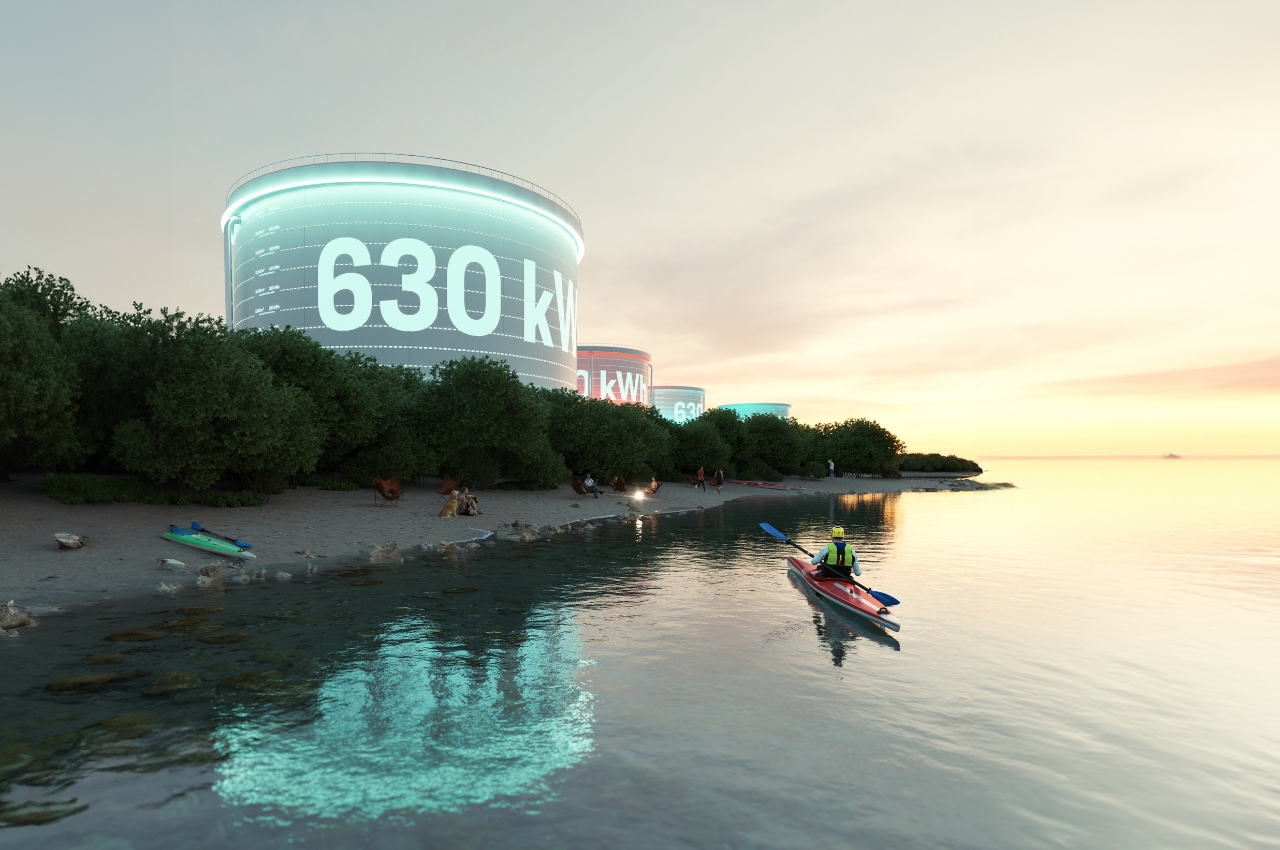
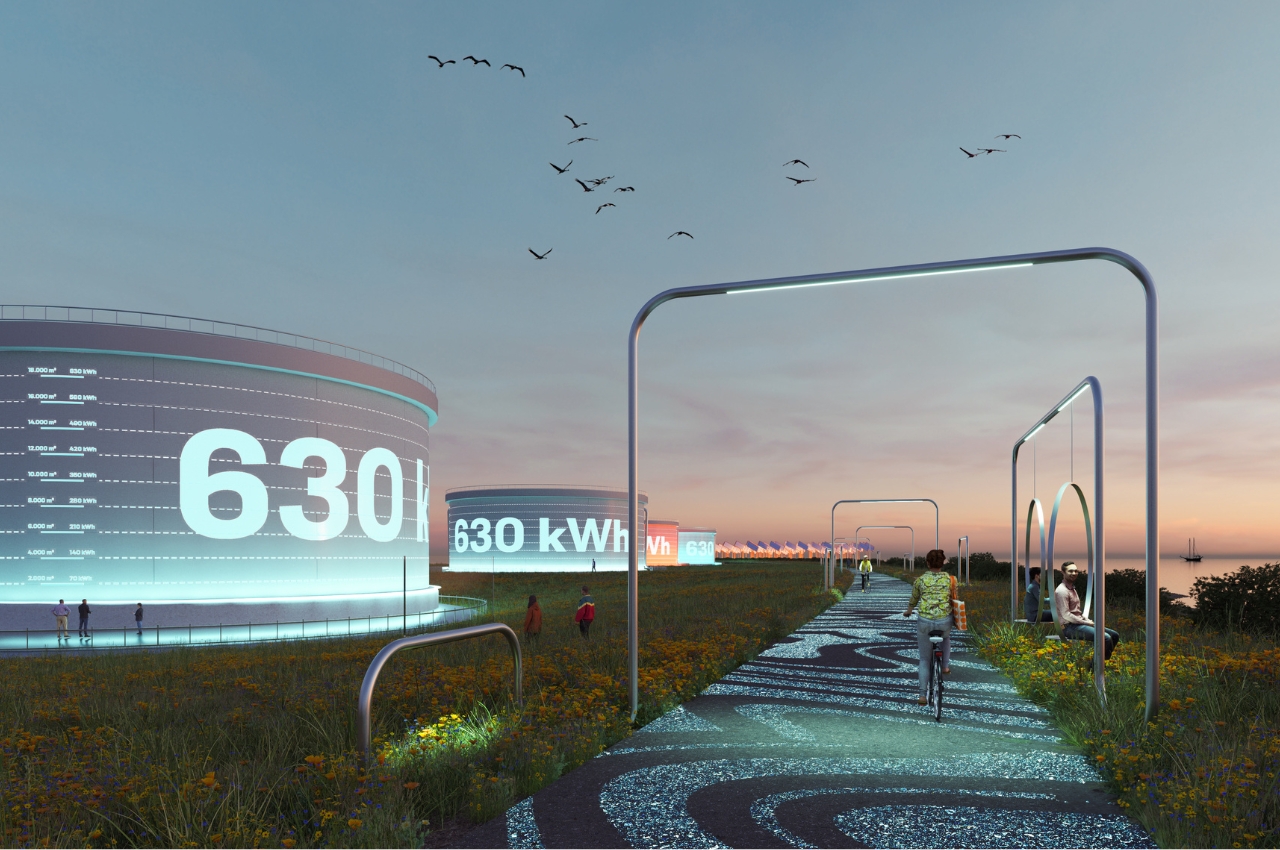
What used to be an oil refinery in Trieste, Italy may soon become a renewal energy park and become part of a 365,000 square meter reclaimed seafront park that will be open to the public. The six former oil reservoirs in the area will be converted into tanks with water batteries and will be used to power the needs of the park. The tanks are 15 meters tall and have a capacity of 110,000 cubic meters and can turn what was once an inaccessible area into a useful public space.

The tanks will be used to store power by having seawater pumped into them and turning them into potential energy. When the power is actually needed, the stored seawater will then be turned into hydroelectric energy and consequently, they will be pumping water back into the sea. The energy needed for this whole “pumped hydroelectric” plant process uses agrivoltaics or dual-use solar panels. The elevated photovoltaic panels will be located around the urban park.

Aside from the fact that it will turn a former pollutant into an environmentally-friendly place, it will also bring Trieste into a closer relationship with the neighboring municipality of Muggia. There are other spaces like green areas, urban farms, and even an Innovation Park with a biotech research facility included inside. Hopefully we’ll see more projects like this in various cities so they can become more sustainable in the future.

The post Former oil refinery will be turned into renewal energy park first appeared on Yanko Design.

The Razer Stream Controller is down to its all-time low price

Streaming can be an art form in its own right and made all the more enjoyable with the proper tools — though they don't always come cheap. That's why the 26 percent discount currently running on the Razer Stream Controller is so exciting. The sale brings the all-in-one keypad down from $270 to $200 — a return to its record-low price. 

Razor launched its Stream Controller back in 2022 as a competitor to Elgato's Stream Deck — albeit at a much higher price point. To be fair, the device offers quite a lot for the cost, including 12 haptic switchblade keys, six tactile analog dials and eight programmable buttons. The haptic switchblade keys have customizable icons and, of course, have adjustable haptic feedback. The tactile analog dials control audio levels and the programmable buttons can make regular actions all the more accessible — and speedy.

The Razor Stream Controller works with Mac or PC and has integrated support for platforms like Discord, Twitch and Spotify. It's also good for any artists looking for a new creative device, as it works with Photoshop, Premiere Pro, Illustrator and more. 

Follow @EngadgetDeals on Twitter and subscribe to the Engadget Deals newsletter for the latest tech deals and buying advice.

This article originally appeared on Engadget at https://www.engadget.com/the-razer-stream-controller-is-down-to-its-all-time-low-price-143755384.html?src=rss

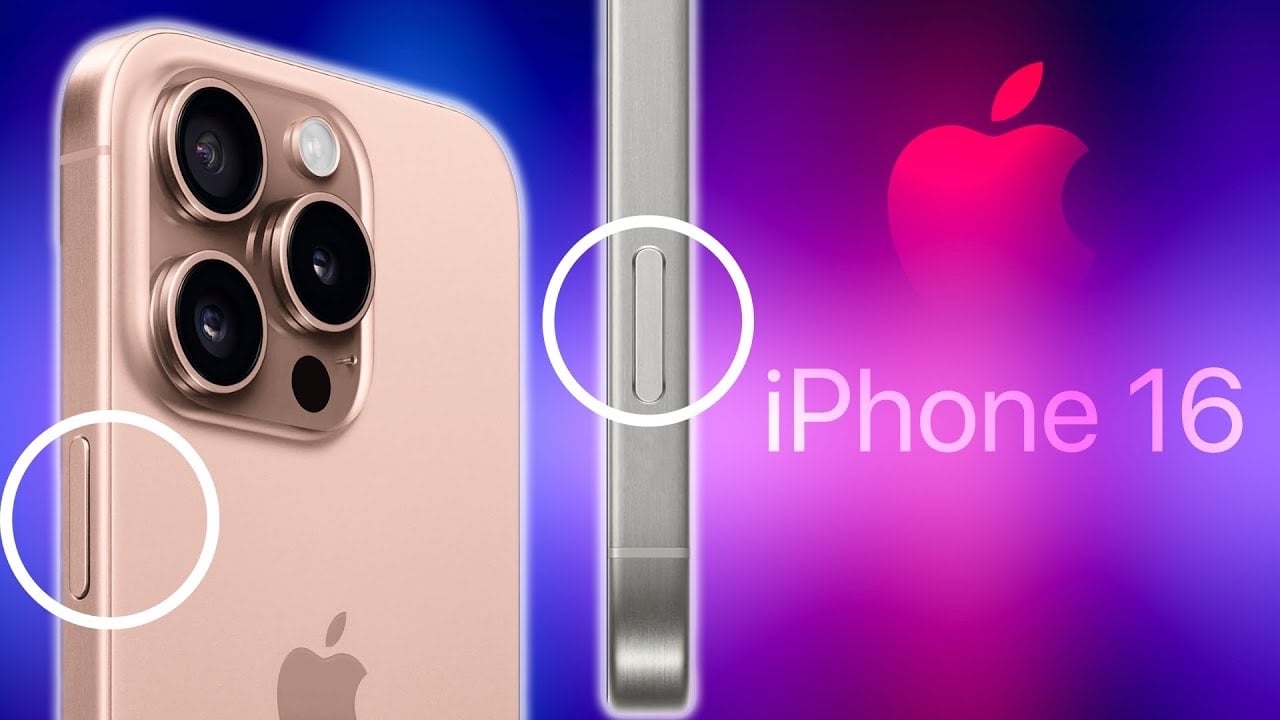
iPhone 16 Design and Colors Leaked

iPhone 16

Apple enthusiasts are eagerly anticipating the release of the iPhone 16 series, which promises to deliver a range of exciting new features and improvements. The iPhone 16 Pro and Pro Max are set to impress with their expansive displays, measuring 6.3 inches and 6.9 inches respectively. These larger screens are a direct response to consumer […]

The post iPhone 16 Design and Colors Leaked appeared first on Geeky Gadgets.

Shure’s MV7+ USB/XLR mic has a customizable LED panel and built-in audio tools

Shure's MV7 microphone has been a solid option for podcasters and streamers since its introduction in 2020. With it, the company introduced the first mic with both USB and XLR connectivity. This hybrid setup offers the ability to connect easily to a computer or more robust recording setups as needed. It's also $150 cheaper than Shure's workhorse SM7B that you've likely seen in professional podcast videos. Now the company is back with a new version of the MV7, dubbed the MV7+, with a "sleeker design" and a host of software features aimed at improving audio before you fire up any editing workflows. 

The most noticeable change is the new multi-color LED touch panel. Shure says this component is fully customizable with over 16.8 million colors for a visual indicator of your sound levels. You can also opt for "an ambient pulse effect." What's more, a tap on the LED panel mutes the MV7+ when you need to cough, sneeze or clear your throat. 

In what Shure calls a "Real-time Denoiser," the MV7+ employs digital signal processing (DSP) to eliminate background distractions. The company says this works alongside the mic's voice isolation to produce excellent sound in noisy scenarios. The MV7+ also features a Digital Popper Stopper to combat the dreaded plosives, but this microphone does so virtually without an unsightly filter making an appearance on your livestream. 

Shure says it improved the Auto Level Mode on the MV7+, a feature that makes gain adjustments based on distance, volume and room characteristics to automatically balance the sound profile. There's also onboard reverb, offering three settings (Plate, Hall and Studio) before you start tweaking things in your to-go DAW. And just like the MV7, the MV7+ still has hybrid XLR and USB outputs to connect to mobile devices and laptops in addition to a more capable audio mixer. Where the previous model had a micro-USB port for both USB-A and USB-C cables, this new model is all USB-C. 

With the MV7+, Shure is also announcing the MOTIV Mix app. In addition to tweaking the colors of that LED panel, the software provides a five-track mixer alongside the ability to adjust settings like sound signature, gain and more. There's also a Soundcheck tool to assist with the optimal gain setting and a monitor mix slider provides individual adjustments for mic output and system audio playback. The company explains that this new Mix app will be available for older mics like the MV7 and MVX2U, but for now it's only available in beta to use with the MV7+

The MV7+ is available now in black and there's a white version on the way "in the upcoming weeks." Both are $279, $30 more than the MV7 was at launch. Shure is also selling a "podcast kit" that bundles the MV7+ with a basic Gator desktop mic stand for $299. If you'd prefer the more versatile boom stand, that package is $339. A three-meter USB-C to USB-C cable is included in the box whether you purchase the standalone microphone or either of the kits. 

This article originally appeared on Engadget at https://www.engadget.com/shures-mv7-usbxlr-mic-has-a-customizable-led-panel-and-built-in-audio-tools-142940237.html?src=rss

The Fallout TV series is coming to Prime Video one day earlier than expected

Fallout, a TV adaptation of Bethesda's eponymous series of post-apocalyptic RPG games, will hit Prime Video earlier than expected. All eight episodes will hit the streaming service at 9PM ET on April 10.

This is actually the second time Amazon has brought forward the release date. The series was originally supposed to debut on April 12, but it moved one day earlier when a trailer dropped last month.

If you catch the first episode as soon as it hits Prime Video, you'll be able to take part in a live global fan premiere. You can pick your faction and interact with other viewers in a live chat.

Fallout was created by Jonathan Nolan and Lisa Joy, the same duo who were behind Westworld. Nolan (Christopher Nolan's brother) directed the first three episodes. The most recent trailer nailed the look and darkly comic tone of the games. Here's hoping the show itself sticks the landing by having a solid story and performances. Having a strong cast that includes Walton Goggins should definitely help on the latter front.

This article originally appeared on Engadget at https://www.engadget.com/the-fallout-tv-series-is-coming-to-prime-video-one-day-earlier-than-expected-140928124.html?src=rss