
Uber is cutting around 3,000 jobs in the name of efficiency
The company is also asking almost all remote employees to move to an office.
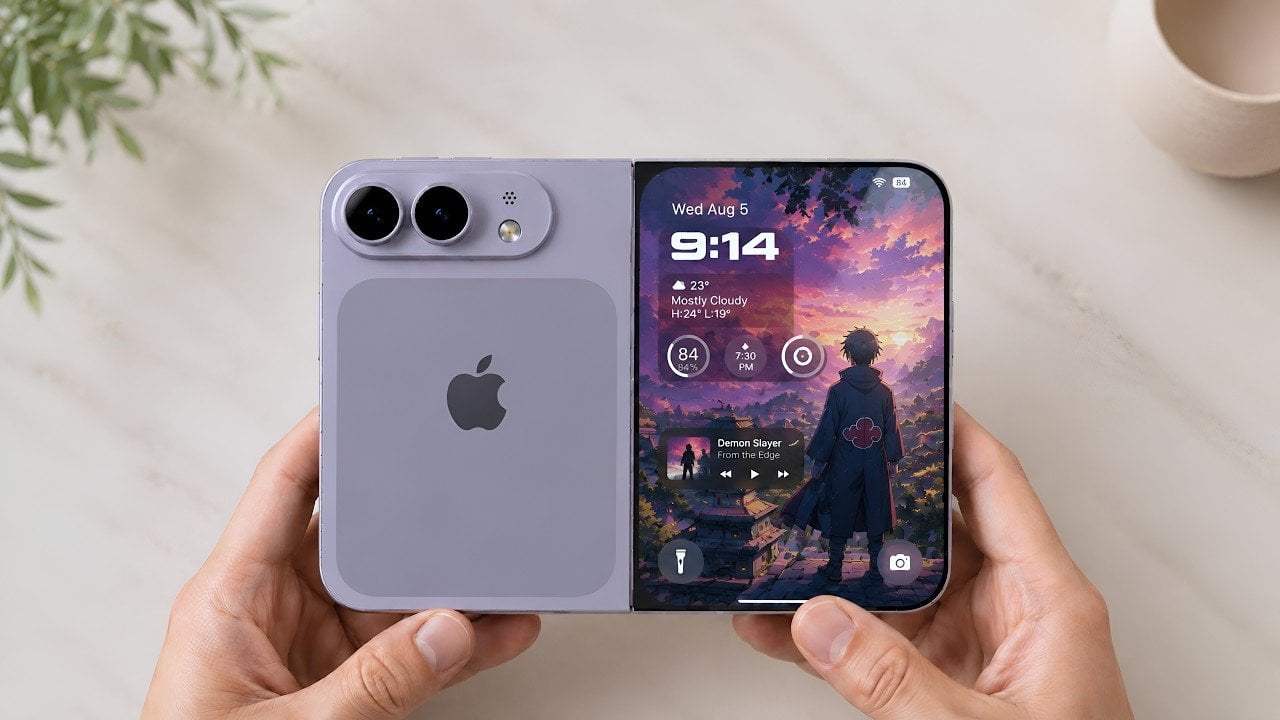
Apple is reportedly preparing to unveil its first foldable iPhone, the iPhone Fold Ultra, a device that could significantly reshape the boundaries between smartphones and tablets. This highly anticipated product is expected to feature a hybrid design, combining portability with enhanced productivity. Among its rumored innovations is a compact Apple Pencil, designed to elevate creative […]
The post Leaked: Apple Secretly Built a Pocket-Sized Apple Pencil for iPhone Fold appeared first on Geeky Gadgets.
Most storage furniture in an American home falls into one of two categories: too heavy to move without hurting yourself, or too flimsy to trust with anything heavier than folded T-shirts. You buy a dresser, it picks a room, and it stays there until you sell the house or drag it to the curb. There is rarely a middle option, something built to be light, mobile, and honest about the fact that furniture should adapt to how people actually live, not the other way around.
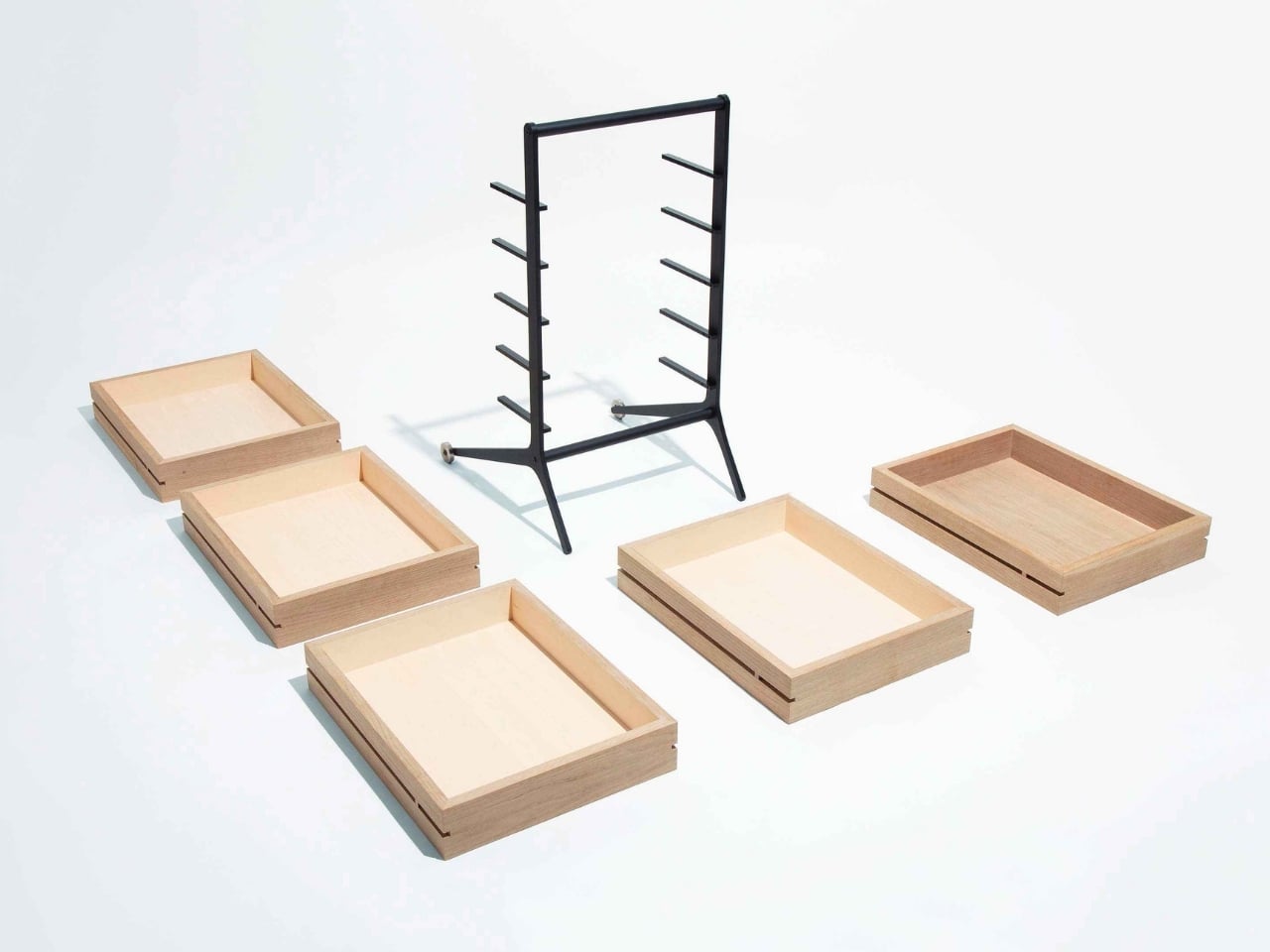
That gap is exactly where Keiji Ashizawa’s “Bon Drawer” sits, even though it was designed back in 2012 and never made it past the prototype stage. The piece is a lightweight steel frame on two wheels holding five stacked trays veneered in oak, and “bon” is simply the word for tray in Japanese, which tells you most of what you need to know about the concept. Pull a tray out of the frame and it stops being a drawer entirely. It becomes an object you can carry across a room, set on a table, hand to a guest. Push it back in and the frame does its job again, quietly, without asking for credit.
Designer: Keiji Ashizawa
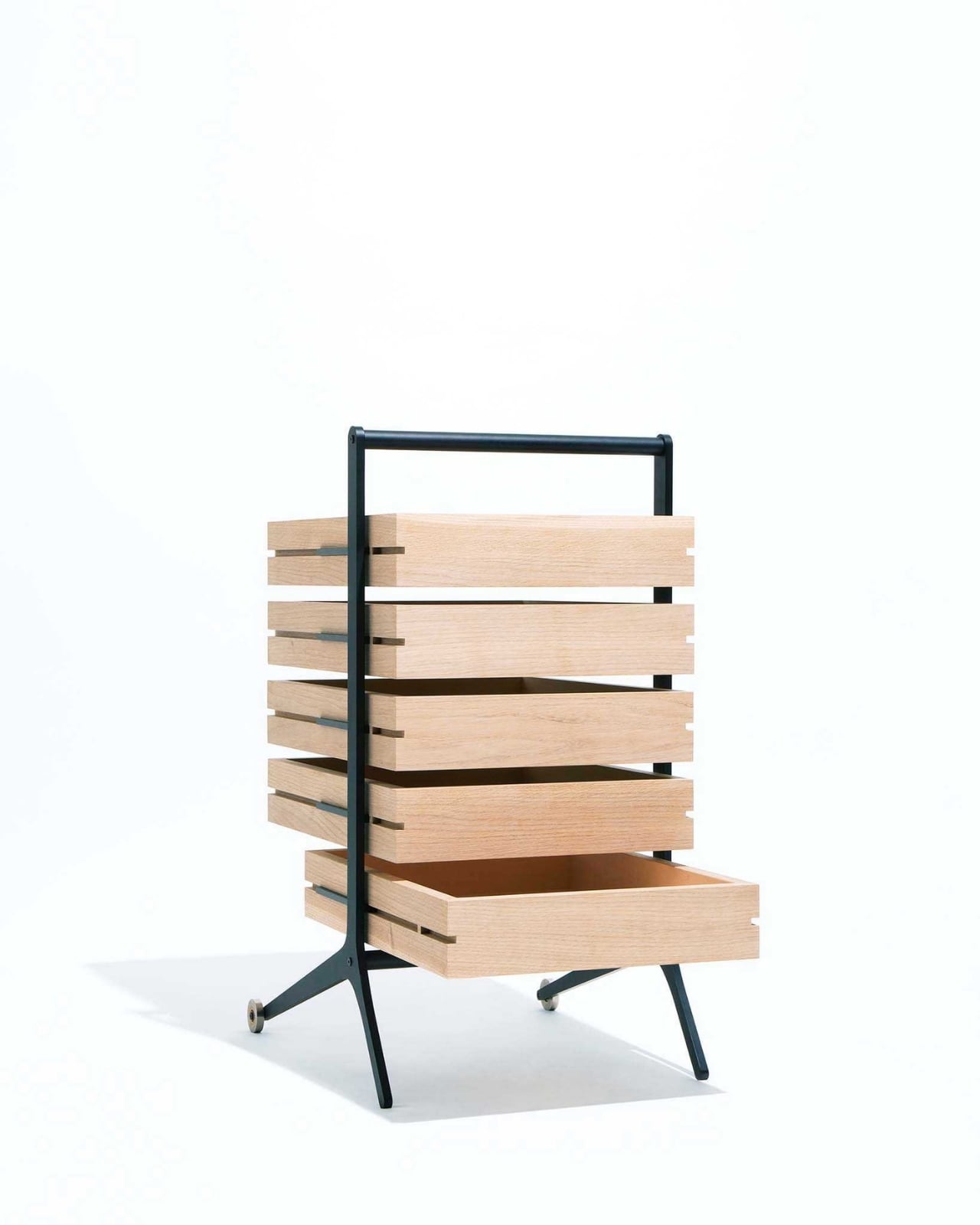
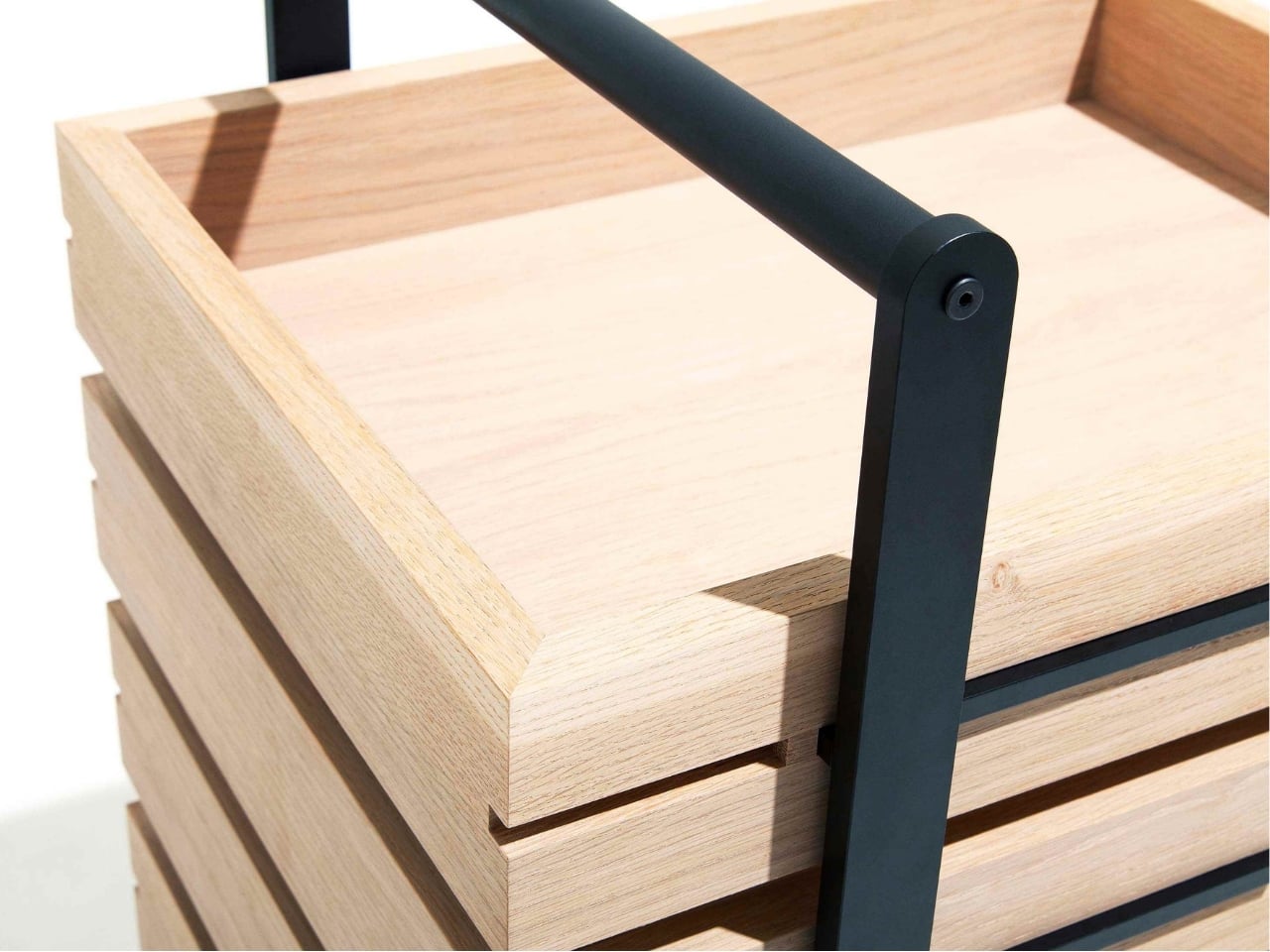
I like that Ashizawa came to this from an unusual angle. He trained as an architect but spent time early on at a metalworking shop that made furniture and lighting, and you can feel that in how sparingly steel gets used here. The rail system is nothing more than a flat bar attached to gestural side supports, with small stops so the trays do not slide out when the whole unit gets tipped back onto its wheels for moving. No hidden mechanisms, no soft-close hardware, no reason to call a repair person in five years. The frame even comes apart for flat storage, which is a small detail that says a lot about how the whole thing was thought through from the start rather than bolted on at the end.
What strikes me is how differently we tend to approach the same problem. American design has spent the last decade chasing modularity through plastic bins, stackable cubes, and closet systems sold in kits. Functional, sure, but rarely something you would want visible in a living room. Bon Drawer solves the same problem of flexible storage without pretending the solution has to look disposable. It reads more like a piece of furniture that happens to be practical than a storage product that happens to look nice.
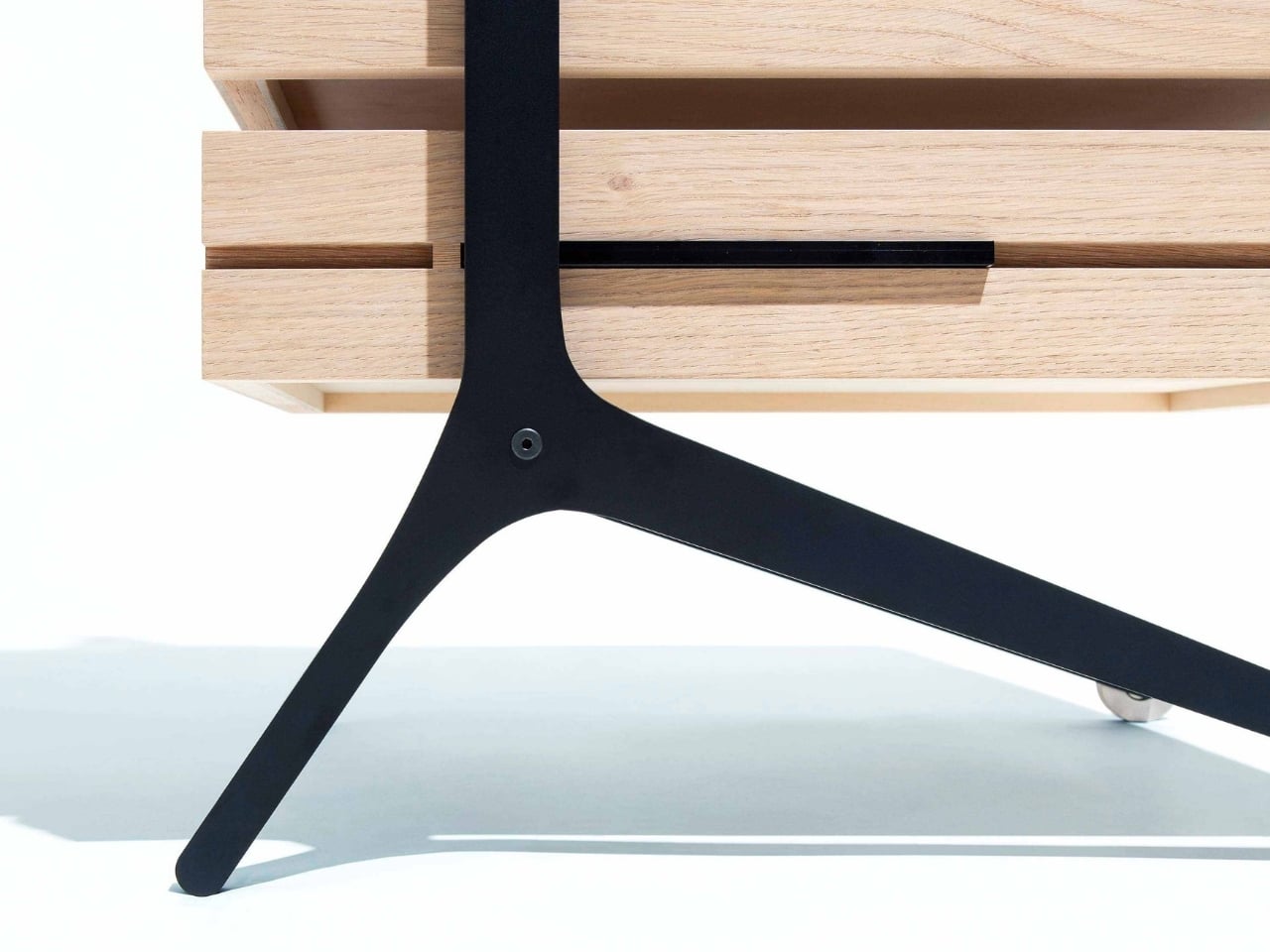
The part of this story that stayed with me is that it never got made. Ashizawa had it prototyped through Tanseisya and then it sat, undocumented outside a handful of design blogs, for over a decade, until Core77 resurfaced it late last month alongside a sibling piece called SLYBOX. Fourteen years is a long time for a good idea to wait for its moment, and I do not think that delay says anything bad about the design. If anything, it says something about how manufacturing decisions rarely track with how clever an idea actually is. Plenty of forgettable furniture gets mass produced every year. Plenty of smart, useful pieces sit in a portfolio because nobody made the case for them at the right time to the right buyer.
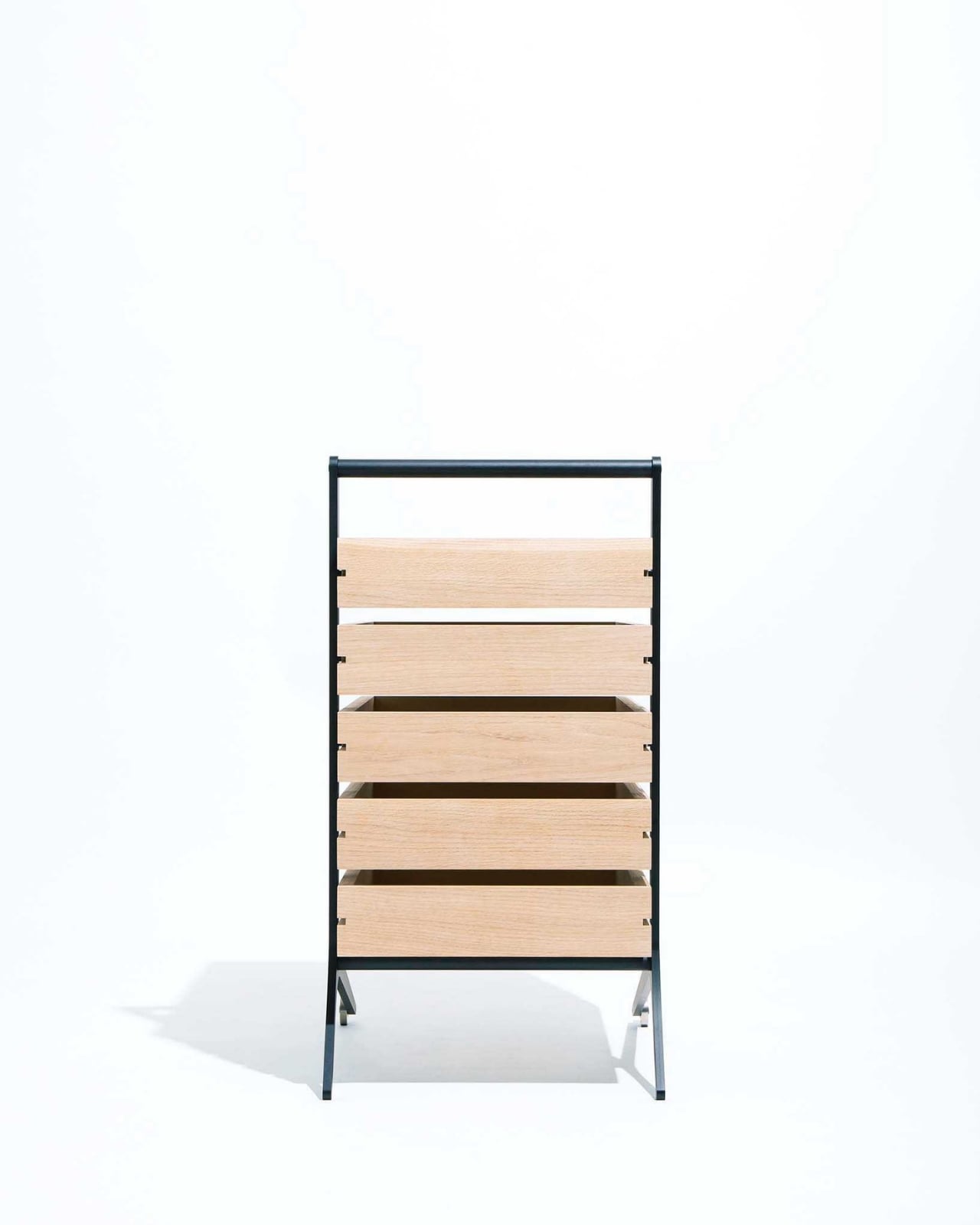
There is a reason Japanese design keeps finding new audiences in America right now, from Muji’s steady expansion to the wave of minimalist kitchenware showing up in design-forward apartments from Brooklyn to Los Angeles. It is not really about aesthetics. It is about restraint as a design principle, about trusting that a good idea does not need extra material to prove it is finished. Bon Drawer never sold a single unit, and it still manages to say more about smart storage than most of what is actually on the market. That is worth sitting with for a moment, especially the next time you are hauling a dresser up a narrow staircase and wondering why furniture has to be this heavy in the first place.
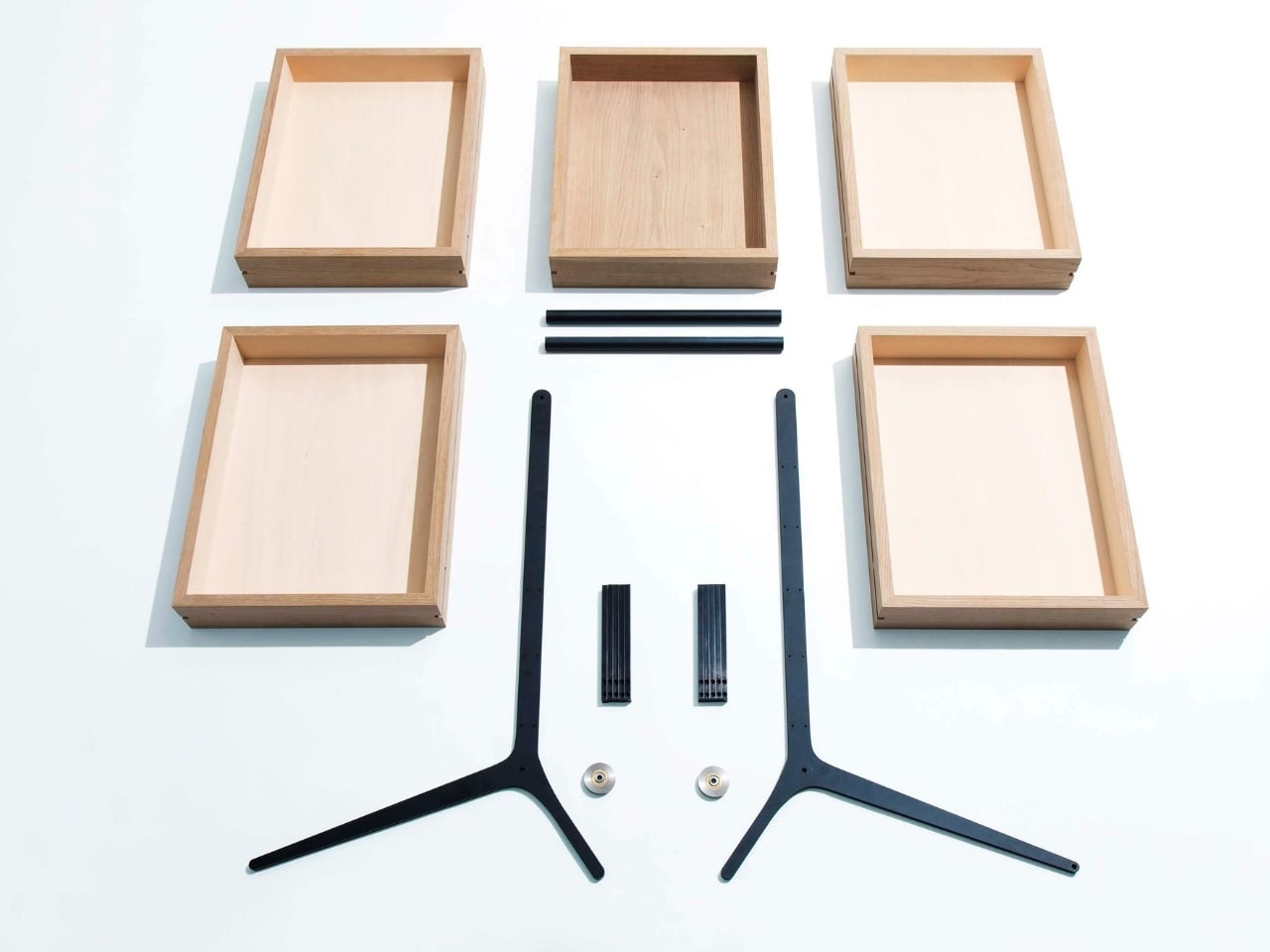
The post The Drawer That Actually Becomes 5 Portable Trays first appeared on Yanko Design.
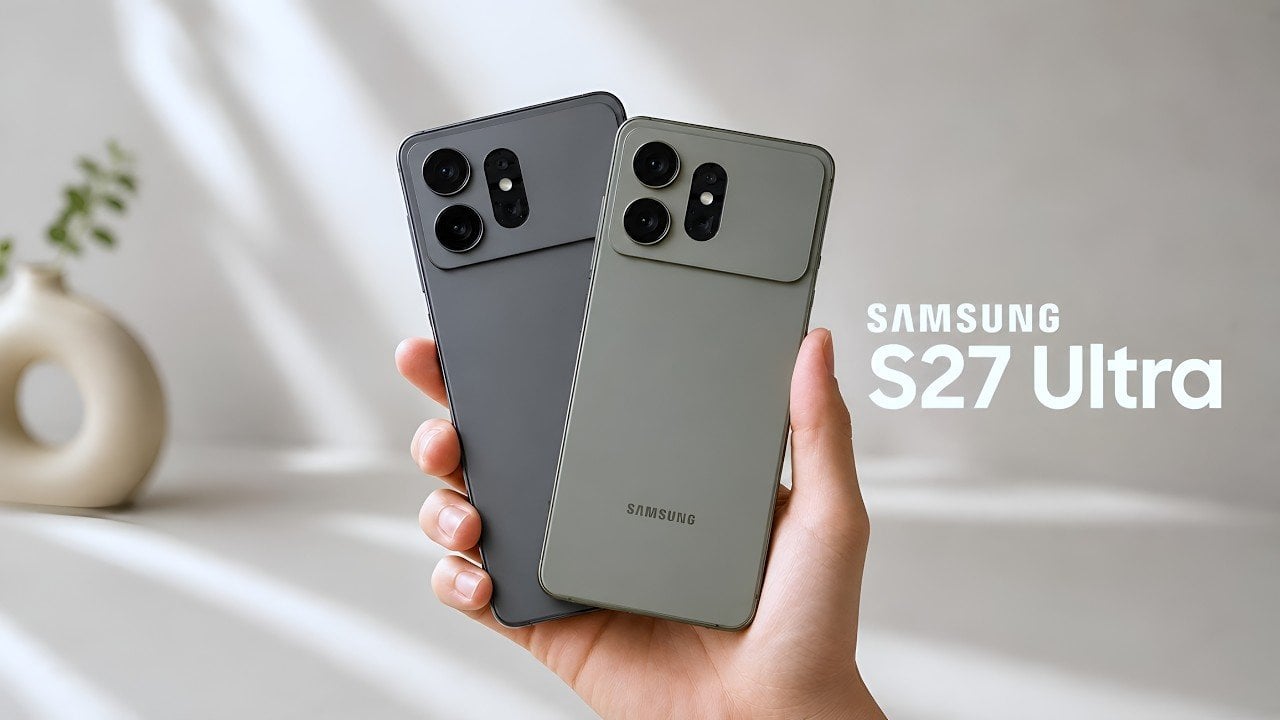
The Samsung Galaxy S27 Ultra is poised to redefine expectations in the smartphone industry with its rumored 7,000mAh battery, a feature that could set a new standard for battery performance. However, this ambitious upgrade may come at a significant cost: the potential removal of the iconic S Pen. This decision could reshape the Galaxy Ultra […]
The post The Truth About the 7,000mAh Samsung Galaxy S27 Ultra Battery Rumor appeared first on Geeky Gadgets.


VoxCPM2, developed by OpenBMBB, introduces a self-hosted approach to text-to-speech (TTS) technology, combining voice generation, cloning and multilingual synthesis into one cohesive system. Unlike cloud-based alternatives, this local AI model prioritizes data privacy and operational control, making it particularly appealing for industries with strict confidentiality requirements. For example, it allows users to create entirely new […]
The post VoxCPM2 Needs Just 8GB VRAM to Clone and Generate Any Voice Locally appeared first on Geeky Gadgets.
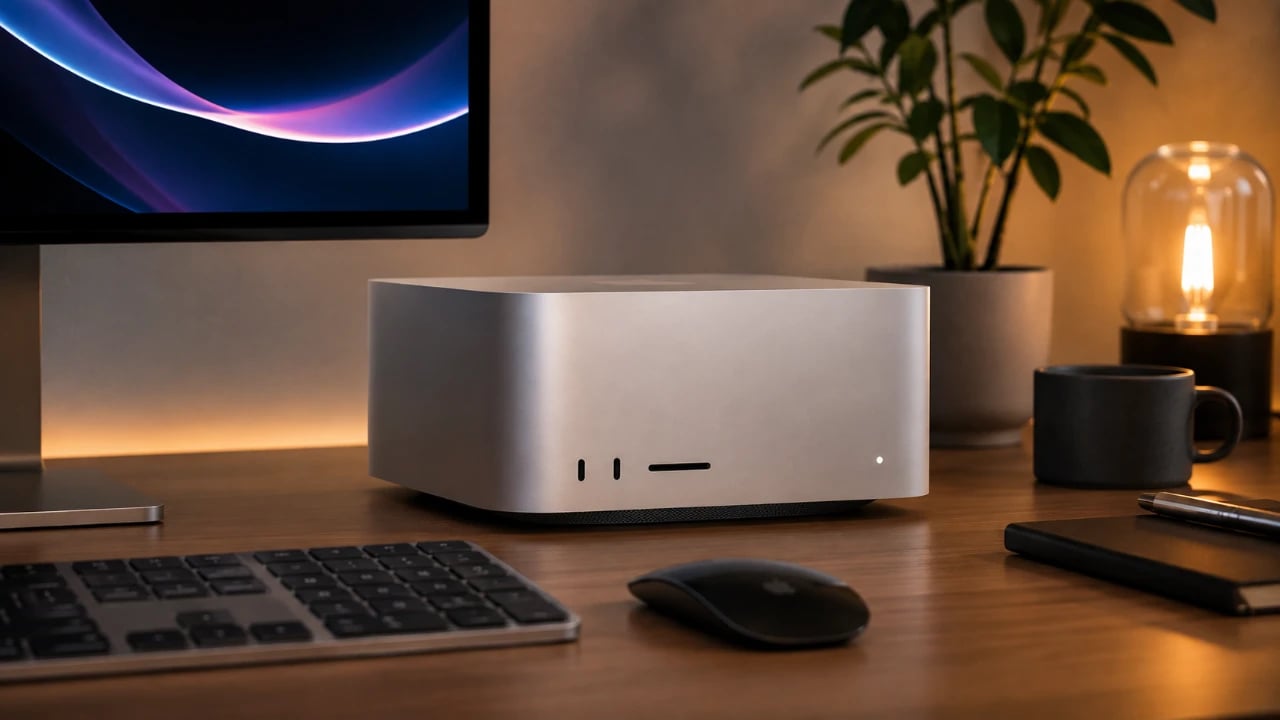
Apple’s latest Mac Studio, powered by the M5 Ultra chip, represents a significant step forward in high-performance computing. With its quad-die architecture, enhanced memory bandwidth, and innovative processing capabilities, the M5 Ultra is designed for professionals tackling demanding workloads such as AI development, 3D rendering, and video production. However, the steep upgrade costs and […]
The post Apple’s M5 Ultra Mac Studio Has a Hidden $1,300 Trap Most Buyers Miss appeared first on Geeky Gadgets.


The Anbernic RG55G1 is a retro gaming handheld that aims to balance affordability and performance, but its market positioning leaves much to be desired. Retro Game Corps explores this device in detail, highlighting its Snapdragon G1 Gen 2 chipset, ergonomic design and 1080p display as standout features. While the controls, including hall sensor sticks and […]
The post Why the $150 Anbernic RG55G1 is Caught in a Retro No Man’s Land appeared first on Geeky Gadgets.

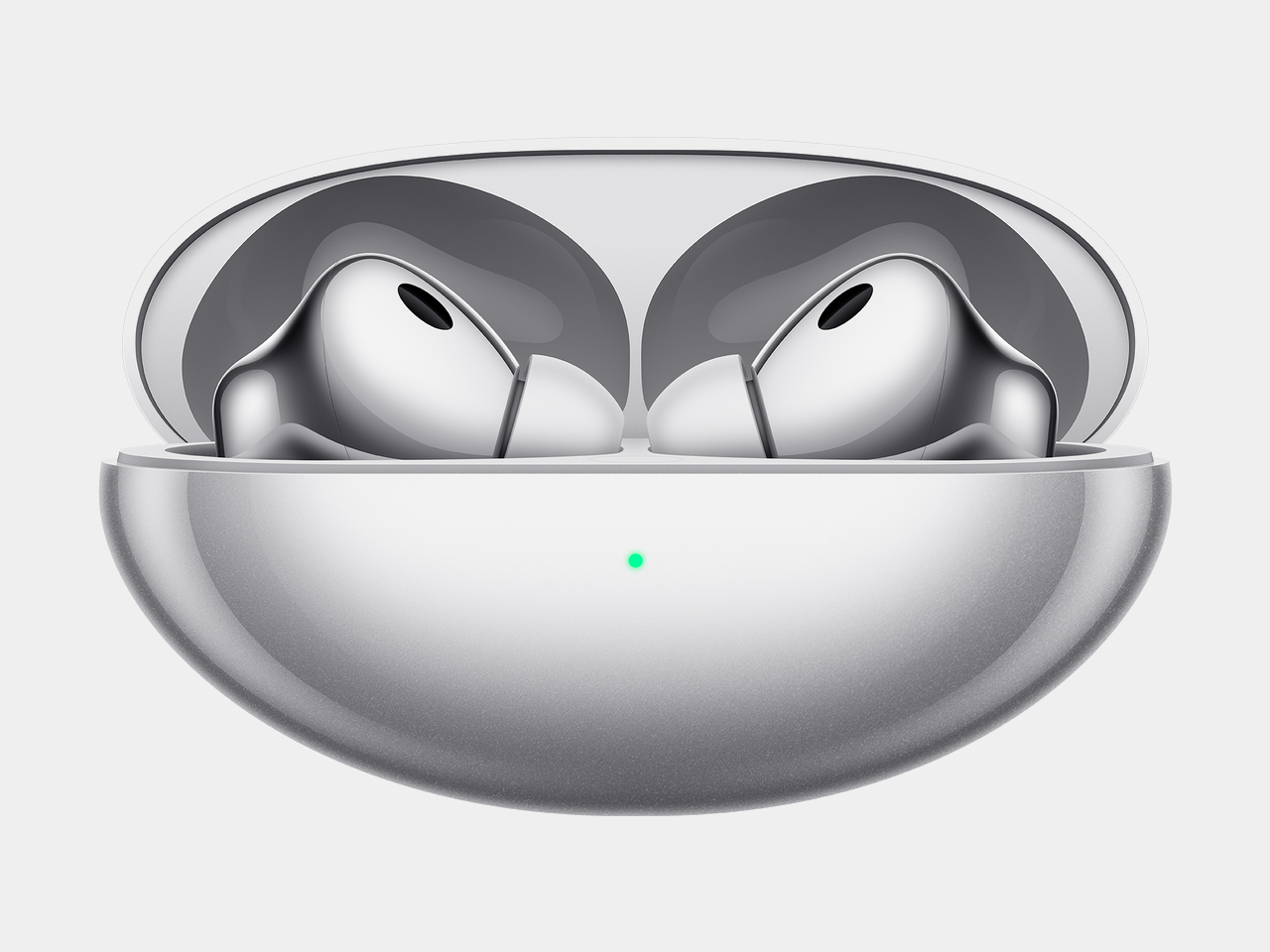
Huawei’s FreeBuds Neo makes a case for restraint, proving a pair of earbuds can shrink in size without shrinking in ambition. Announced globally to launch at IFA 2026, the FreeBuds Neo pairs noise cancellation with a shape built for long days of wear, arriving in four colorways that read more like a fashion accessory than typical tech hardware. It’s a design that treats comfort as a feature worth engineering around, not an afterthought.
That comfort starts with the numbers. Each earbud weighs only approximately 4.8 g, and Huawei built that lightness around a significant number of real human ear feature data points, delivering an ergonomic, pressure-relieving fit that achieves even pressure distribution for pain-free long-term wear. Simulation tests replicating high-frequency movement led to design tweaks in areas prone to loosening, so the buds stay anchored through workouts, commutes, and everything in between.
Designer: Huawei
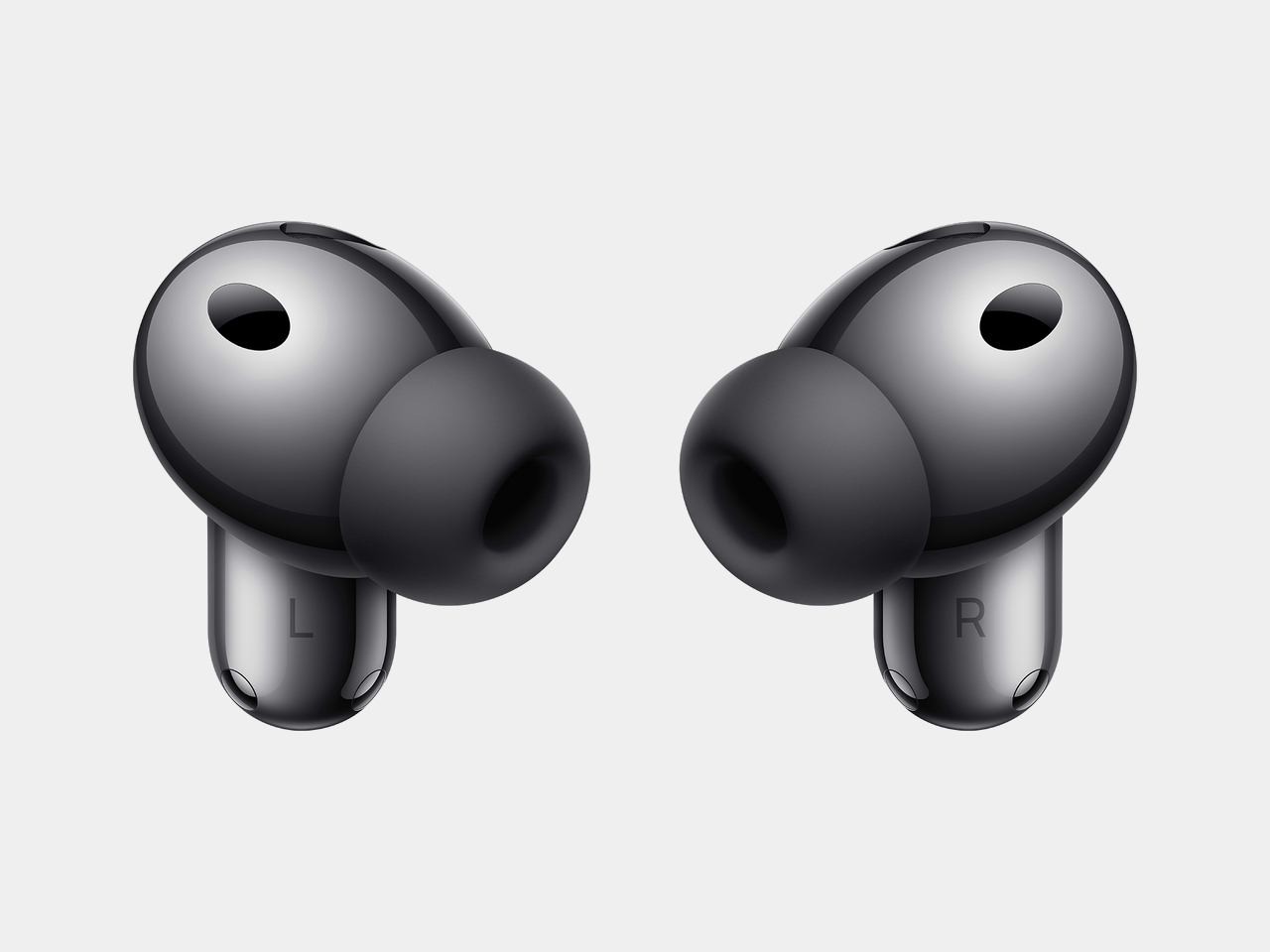
The Mini shuttle case carries that same restraint into its shape, presenting a fully curved form, with a sleek and minimalist silhouette and a lightweight body that slips into a pocket without adding bulk. Four color options, Stellar Silver, Nebula Pink, Ice White, and Starry Black, let the case double as a small style statement rather than a purely functional accessory. The Light Mini Stem carries that philosophy further, conforming to the ear’s contours for a fit that looks as refined as it feels.
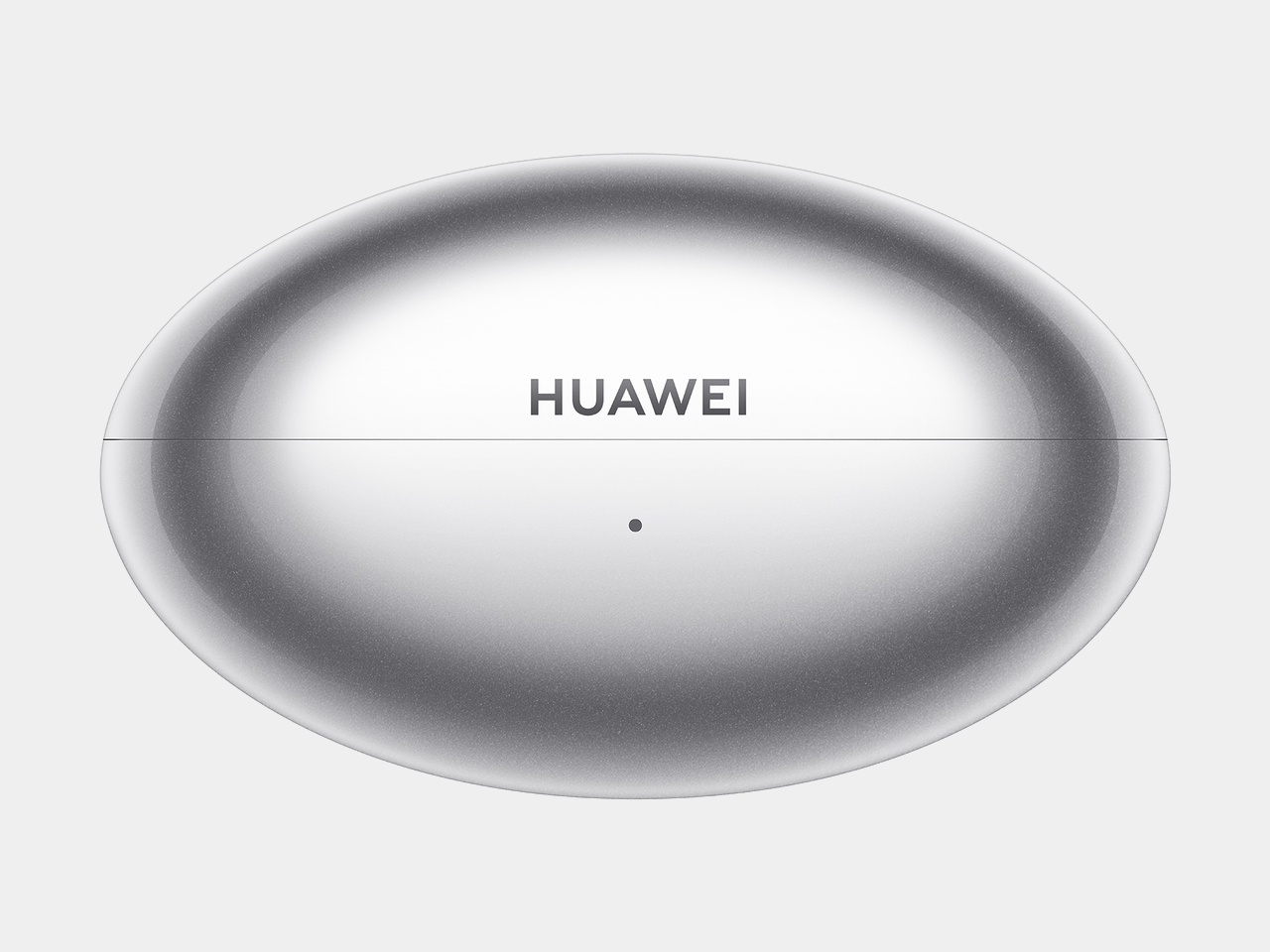
Underneath that compact shell, Huawei packs a dual-channel noise cancellation architecture that optimizes sound paths, cutting down medium and high-frequency noise, like wind and ambient chatter, for a full-frequency depth of up to 30dB. A third-gen audio chip handles the heavy lifting, reacting to shifting noise within milliseconds so a subway platform one moment and a quiet office the next don’t require manually adjusting anything.
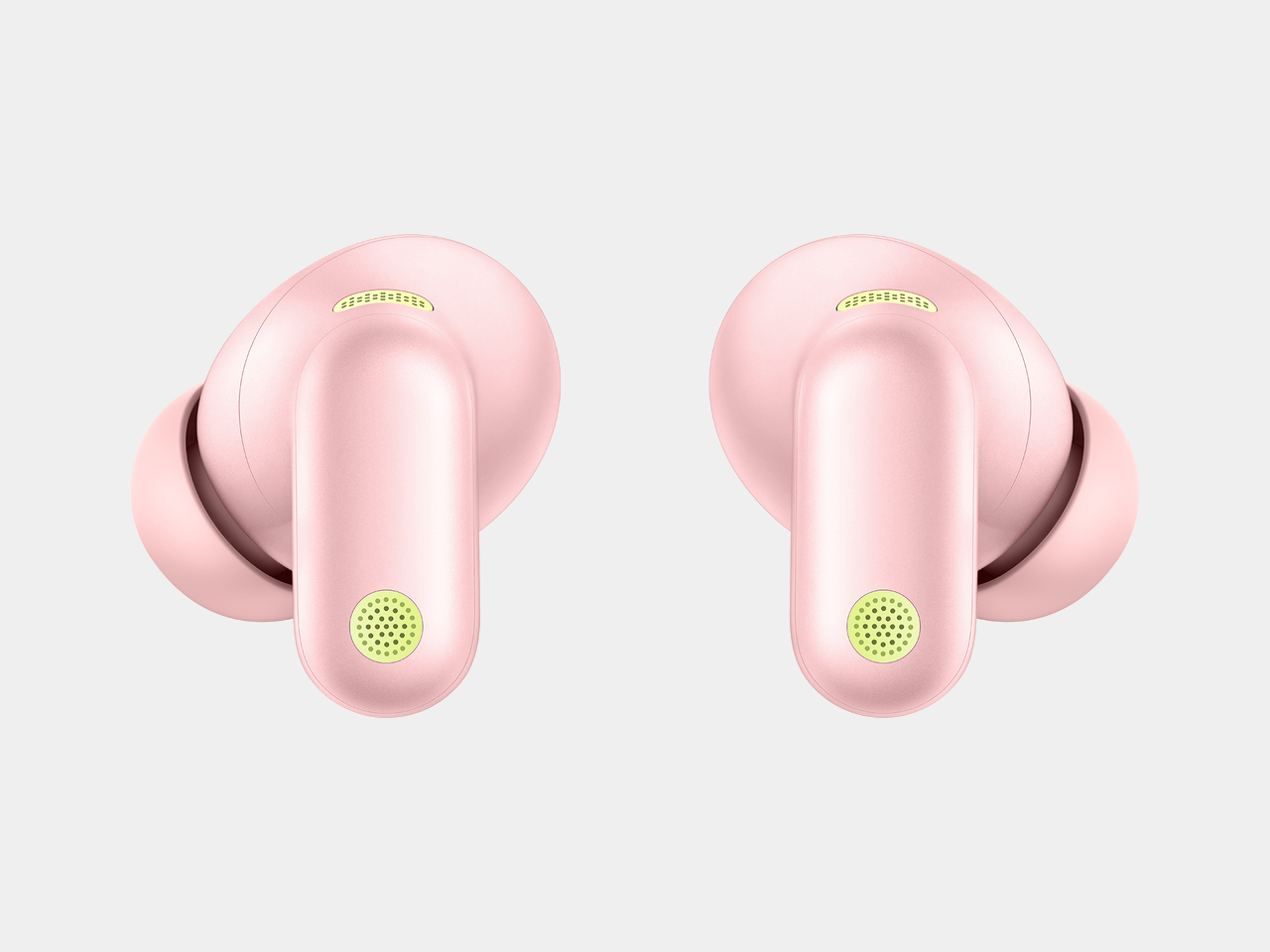

Sound quality gets its own upgrade courtesy of an all-new Turbo driver unit, stretching frequency response from 10Hz up to 48kHz. That range keeps bass hitting hard on a commute playlist while vocals and instruments stay clear during a podcast or a video call, recreating the texture of a live performance rather than a compressed streaming file. Paired with a Huawei phone, the buds support up to 2.3Mbps of lossless transmission, dropping to a still-respectable 990kbps over LDAC with other devices.
Huawei also built in unlimited spatial audio, using its own algorithms to wrap sound in a 360-degree soundstage regardless of source or device, so a movie watched on a laptop can feel as enveloping as one streamed through a dedicated app. Cross-platform support rounds out that flexibility, breaking down ecosystem barriers to work across Android, iOS, and Windows, with dual-device connections that let someone switch from a work laptop to a phone call without digging through Bluetooth menus.

Pricing lands at £119.99 (around $162) when the FreeBuds Neo arrives in the UK on 23 September 2026, positioning it as a mid-range option against pricier flagship earbuds. Between the lightweight fit, the four-color palette, and noise cancellation tuned for shifting environments, Huawei seems to be betting that people want earbuds that disappear into daily routines rather than demand constant attention.
The post Huawei’s FreeBuds Neo Are Small Enough to Forget, Loud Enough Not To first appeared on Yanko Design.