Xbox’s devastating July was inevitable
"It is neither possible nor desirable to own every great independent studio."

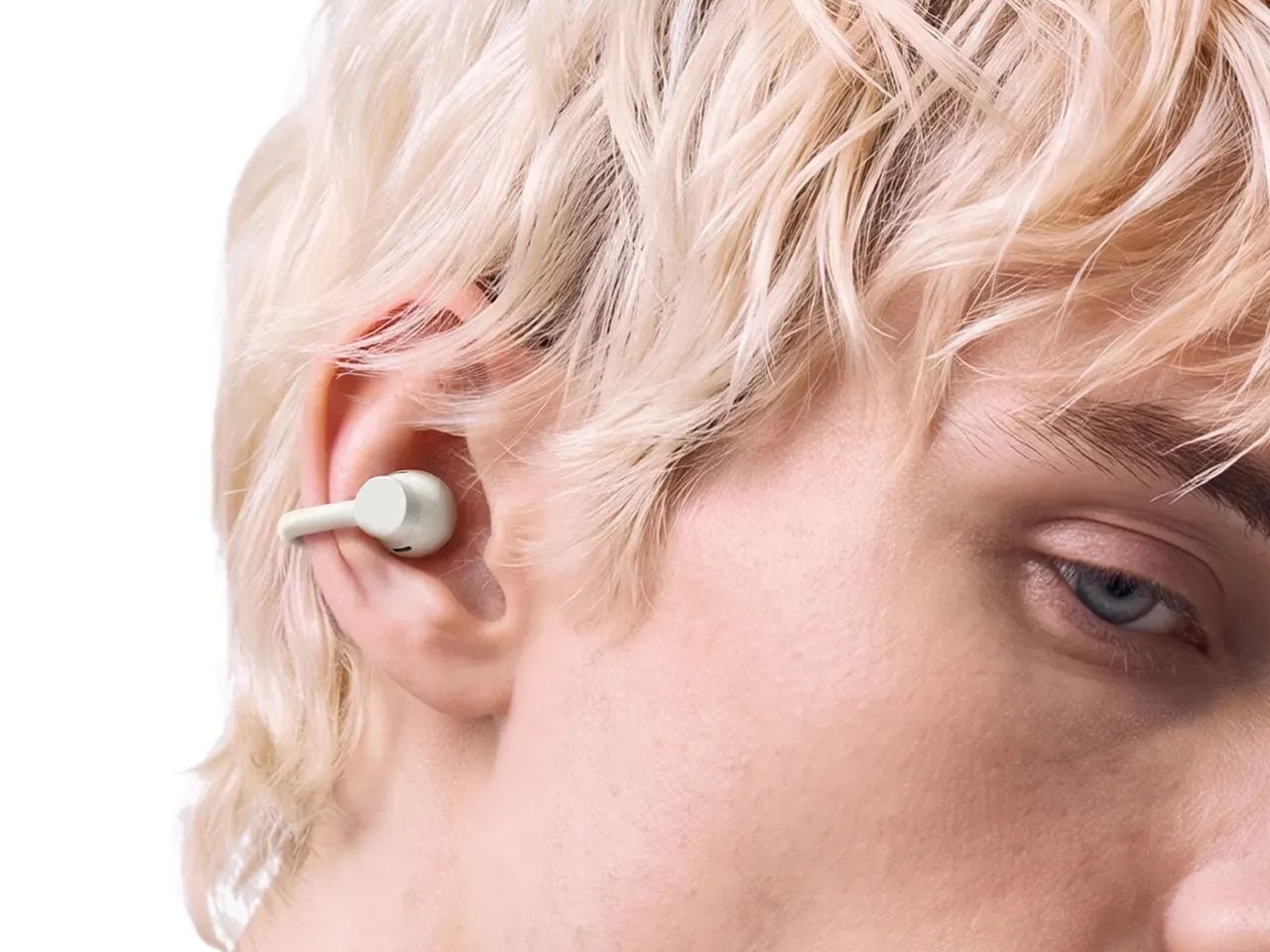
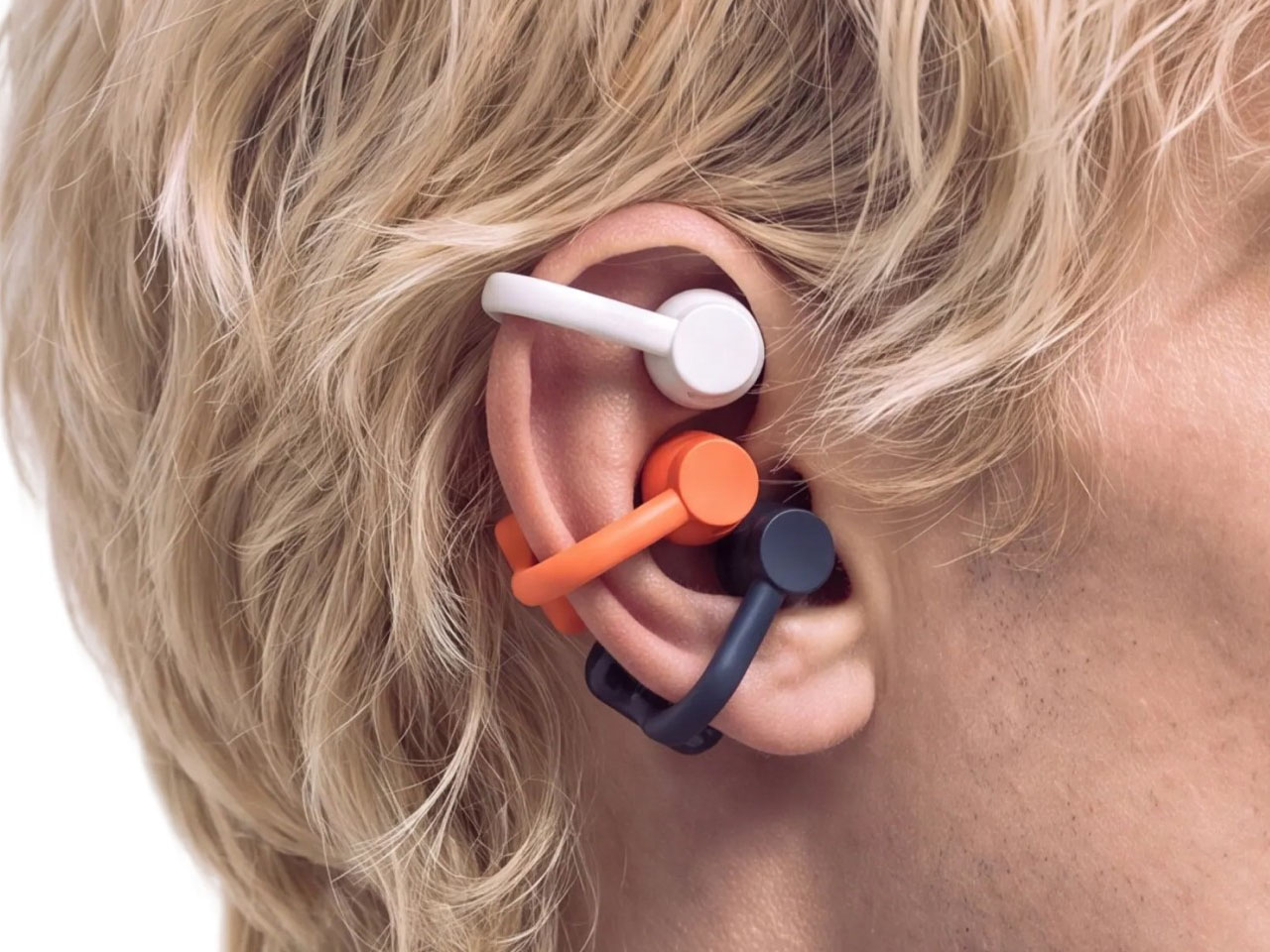
Clip-on-style earbuds are the new trend, and the fever is catching on fast across mainstream brands. While Nothing has already impressed with the Ear (open) buds released a couple of years ago, the budget sub-brand CMF has not had one in its line-up till now. That changes now as they’ve launched the first-ever clip-on earbuds, and they look impressive.
Like most open-ear earbuds, the CMF Clip Pro targets budget-conscious users who want to experience open-ear listening without spending too much. With offerings like Bose Ultra Open, Sony LinkBuds Clip, Anker Soundcore AeroFit 2, and Shokz OpenDots One, Huawei Freebuds 6 gives plenty of options for music lovers who don’t mind the steep price tag; the CMF’s offering fills in the gap for users constrained by the price tag. Priced at $99, they directly pit against the likes of Moondrop Pill.
Designer: CMF
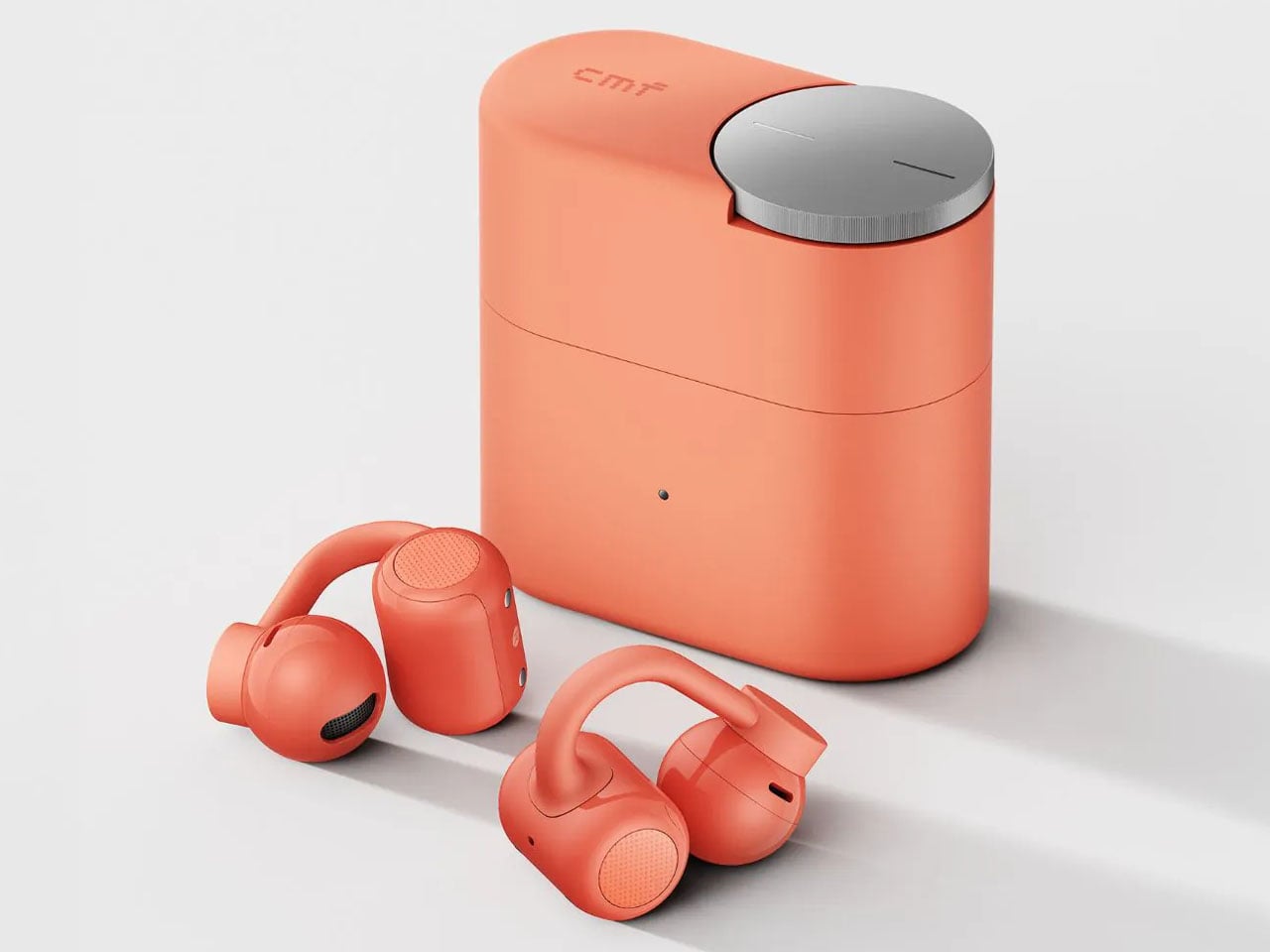

Comfort and long-term wearability are the USP of these IP54-rated earbuds as they cling to the ears with the 3-point Clip Design, which distributes the pressure during extended listening sessions. This reduces the pinching sensation attributed to some of the existing options on the market. On the inside, the elastic titanium wire structure keeps the structural bridge made out of skin-friendly material connected, resulting in a flexible fit that adapts to the individual’s unique ear shape. Weighing just 5.9 grams, each of the buds is designed to disappear in the ear.

CMF wants to polish out one quirk common with this style of earbuds: a very lean and dull low-end. The 10.8 mm dual-magnet dynamic driver tuned with Ultra Bass Technology (low-end enhancing) feature tweaks the sound signature to iron out the treble distortion and also refine the low end to a level that clip-on style earbuds hardly manage to achieve. I just hope the bass is not synthetic and masks all the other frequencies for a very bland audio output that audiophiles hate. The Hi-Res Audio certified LDAC codec should mean otherwise, but you never know with software-level tweaks of the audio signal. Other supported codecs include AAC and SBC.

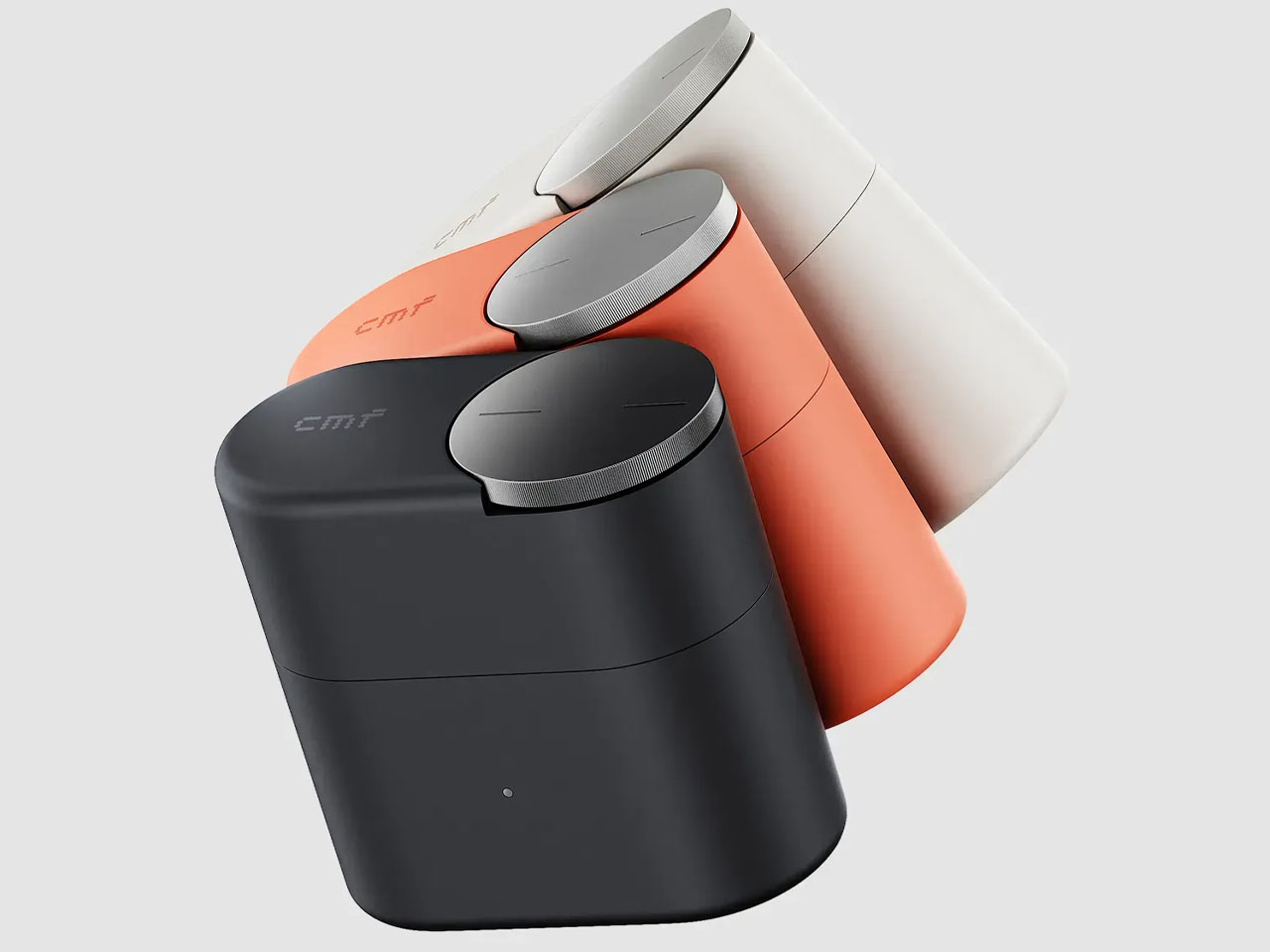
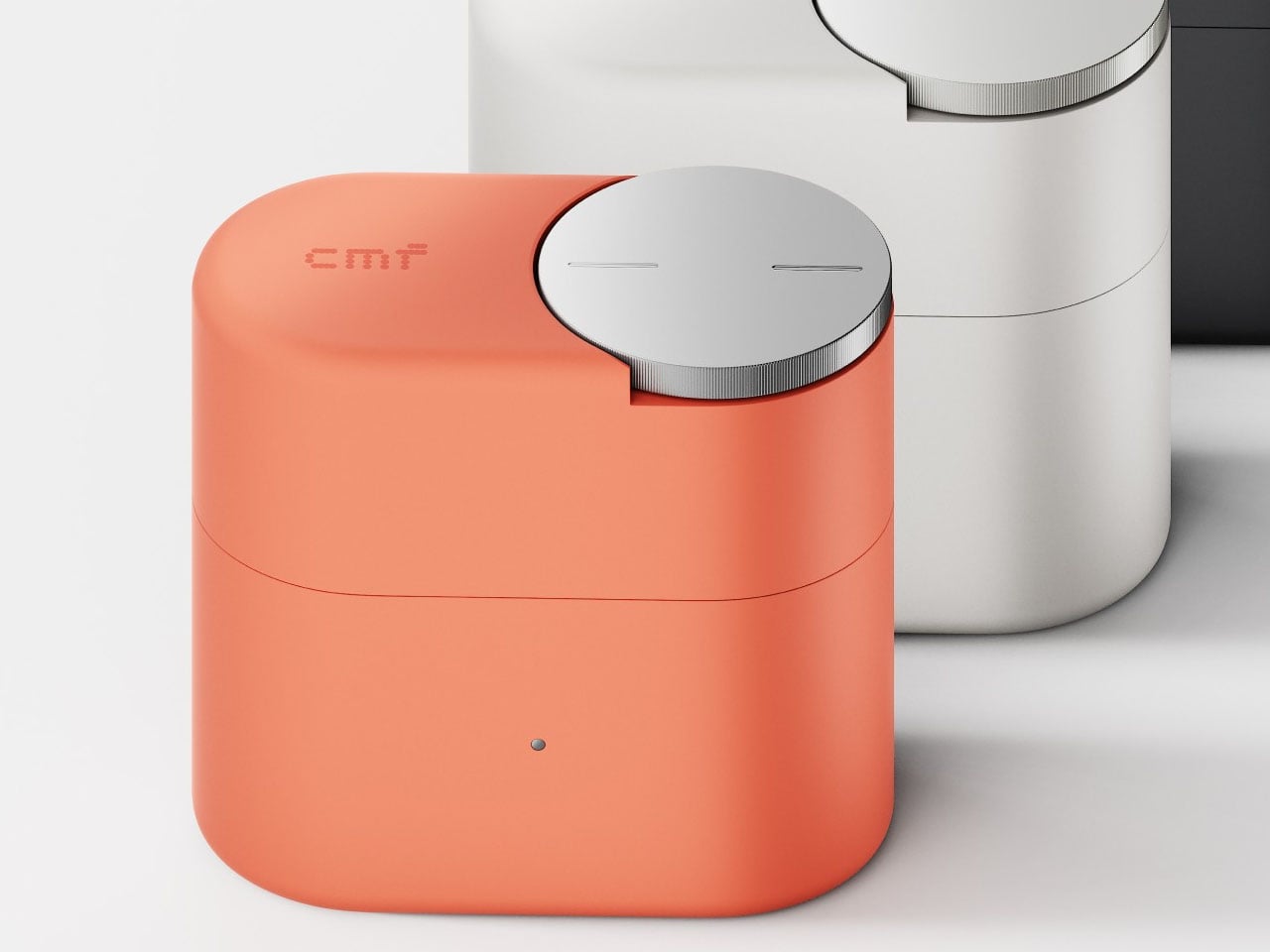
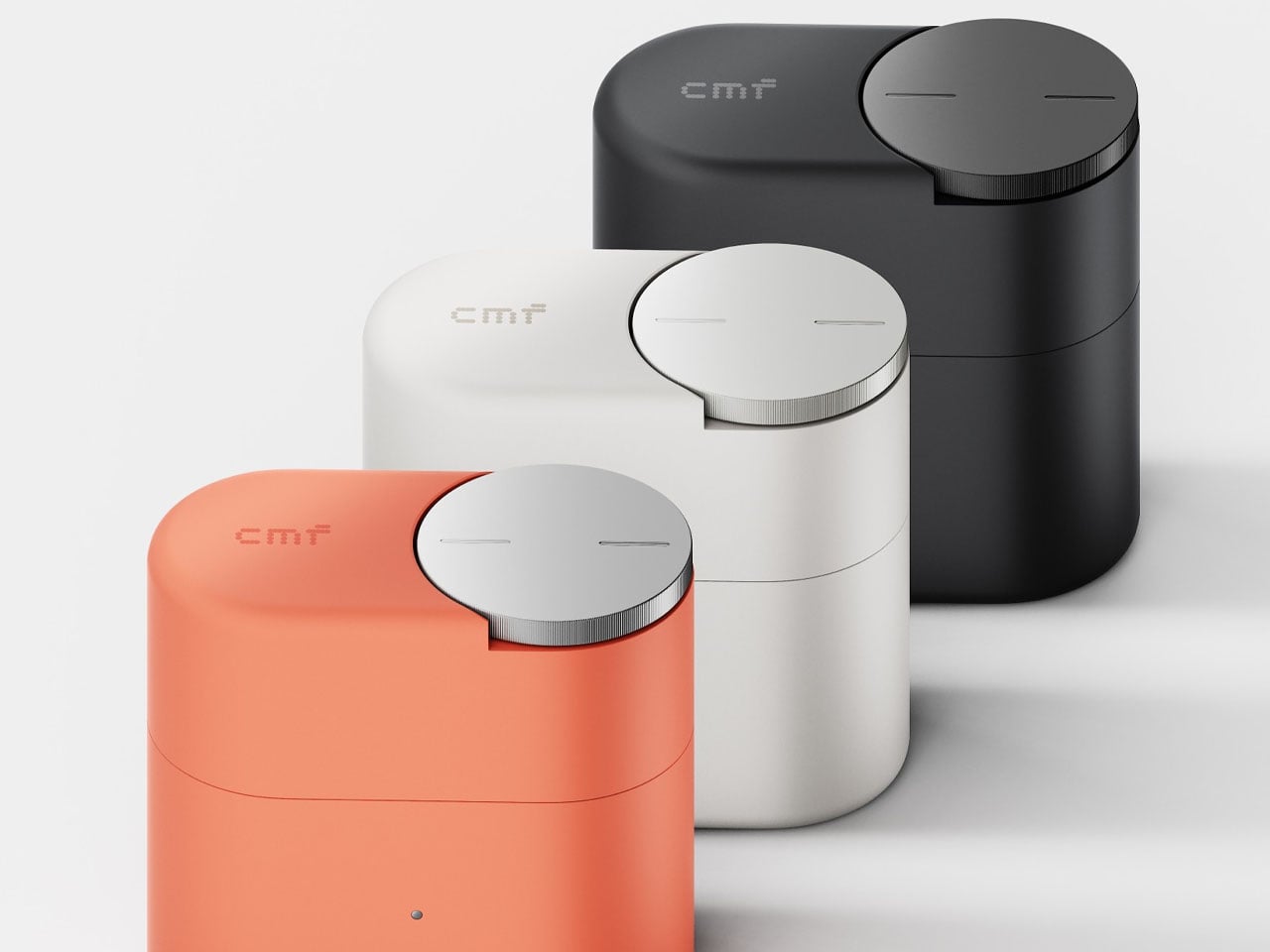
What intrigued me about these open-ear buds is the inclusion of a Smart Dial on the charging case, which adjusts the volume, controls the playback, or can even answer calls. The dual device Bluetooth 5.4 support means you can connect to two devices simultaneously. Battery life on the earbuds is going to be around 10 hours, with a total of 32.5 hours with the case, weighing 38.81 grams. A fast charge of 10 minutes should juice up the buds for 4 hours of playback if you are on the go more often than not.
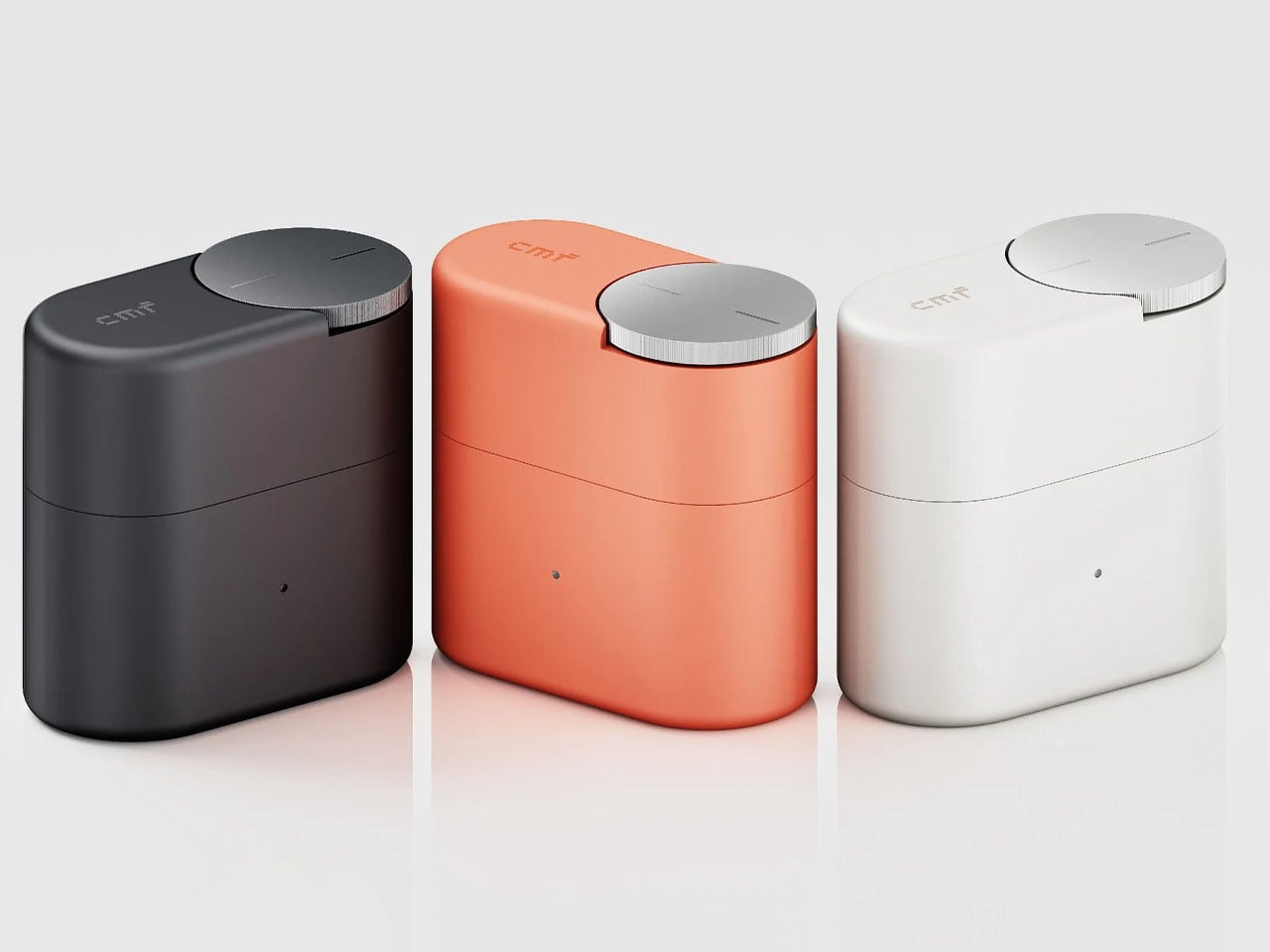

CMF will offer the Clip Pro open-ear buds in colors including gray, dark gray, and coral. The audio accessory is set to be available in the US, UK, and Japan from 15 August for $99 via the official website and retail partners. In Europe and other parts of the world, the buds will be available from 15 September.



The post CMF Clip Pro open-ear buds come with a charging case dial to take calls first appeared on Yanko Design.

Most original NES controllers haven’t seen active duty in decades. They survive in storage bins and attic boxes, physically intact and perfectly functional as controllers, but with nothing left to plug them into. The consoles they were paired with have long since been replaced or decommissioned. The hardware was always well built, but the form factor has been sitting idle for years.
This mod changes the job description of that controller shell entirely. The electronics inside a standard NES-style gamepad were stripped out and replaced with a Wemos ESP32-S2 Mini development board, a 1.54-inch 240×240 TFT display, a MicroSD card module, a 500 mAh lithium-polymer battery, a charging board, a speaker, and a slide power switch. From the outside, it still looks exactly like an NES controller.
Designer: Logic Gate Labs
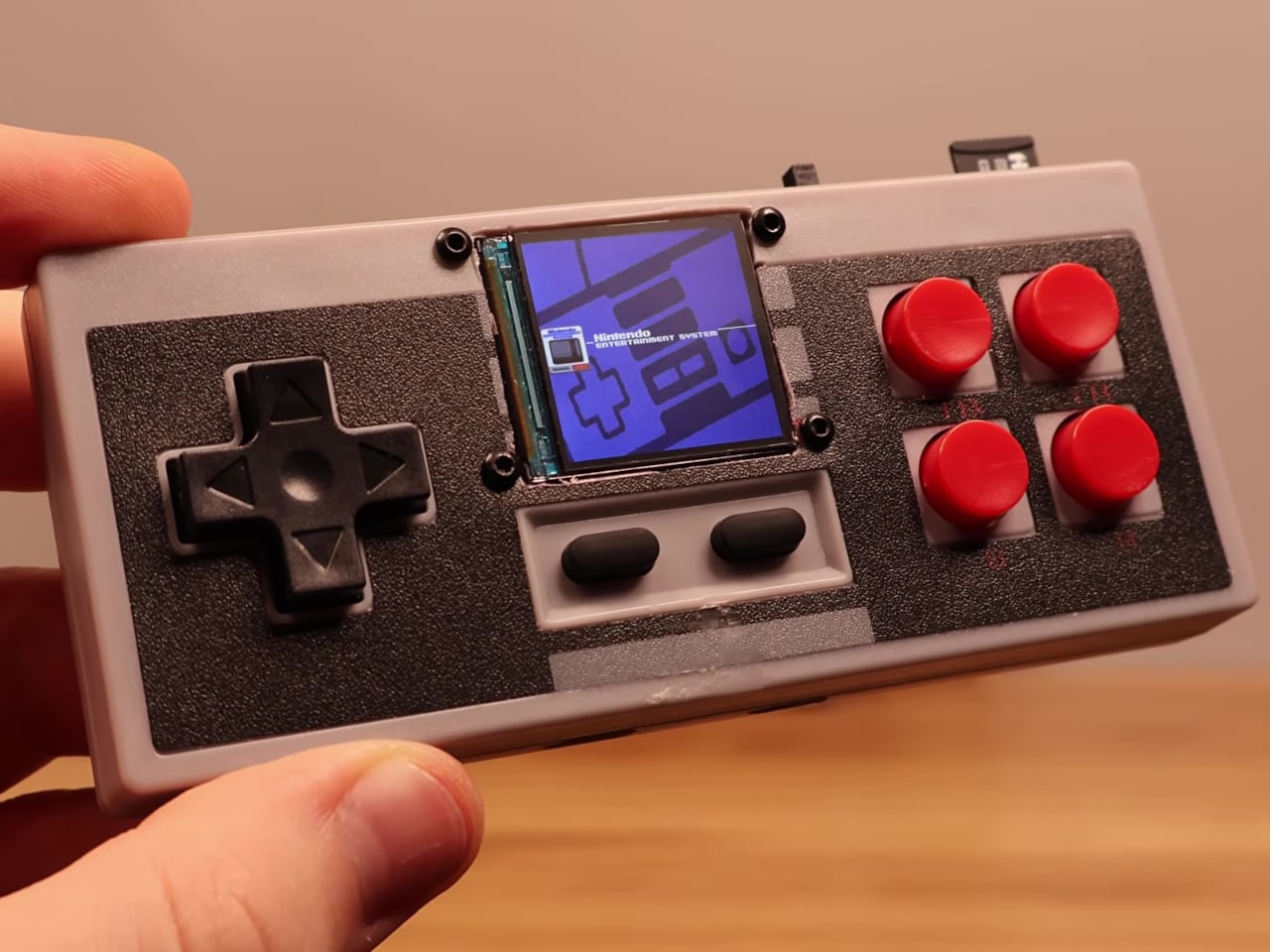
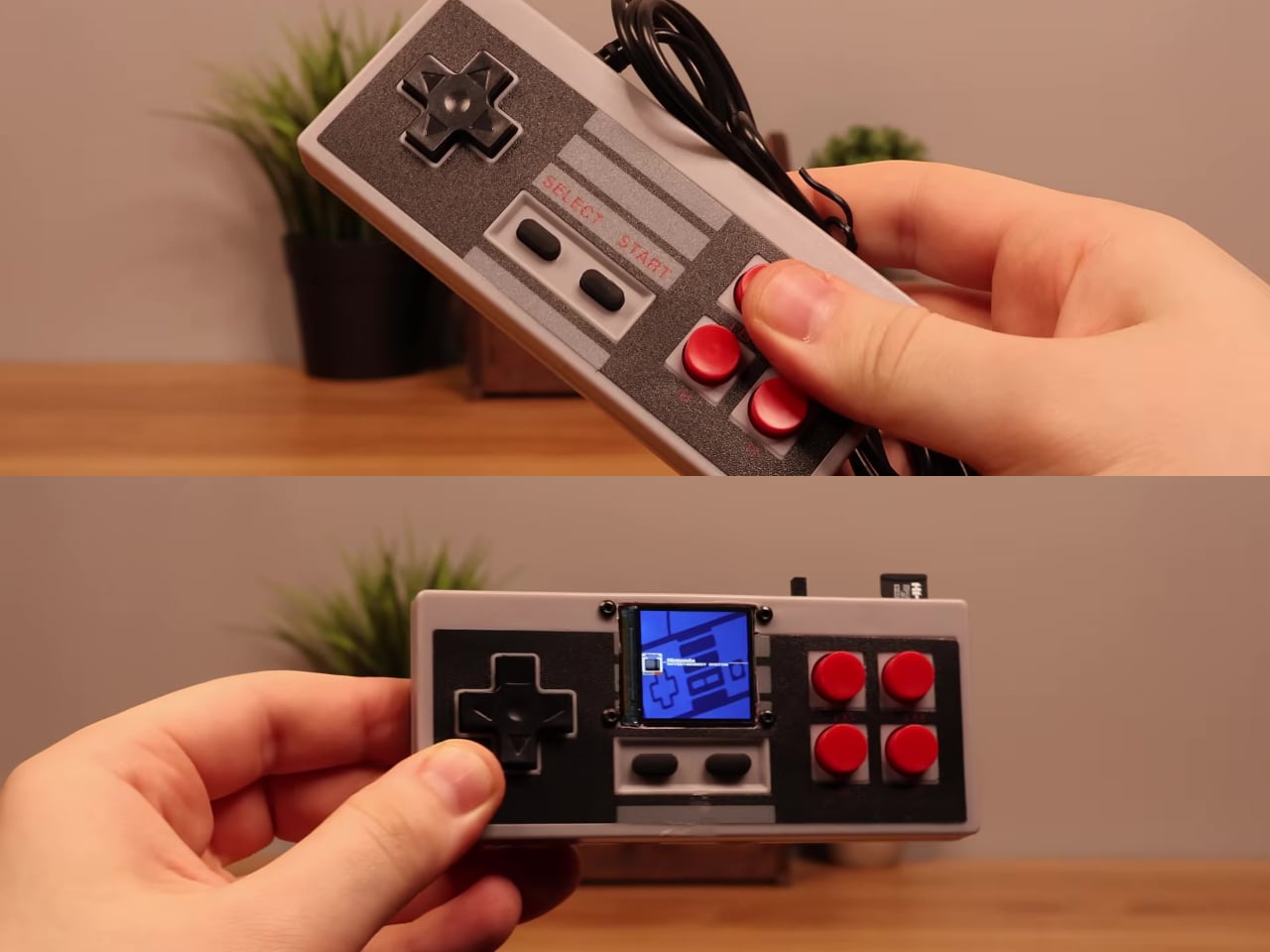
Choosing the right processor was essentially a geometry problem. A larger ESP32-S3 would have offered dual-core performance and enough PSRAM to keep entire game ROMs in memory, but it was too big to fit inside the housing. Smaller ESP32 variants without PSRAM lacked the memory for smooth emulation. The ESP32-S2 Mini landed in the narrow window between board size and processing capability that the build required.
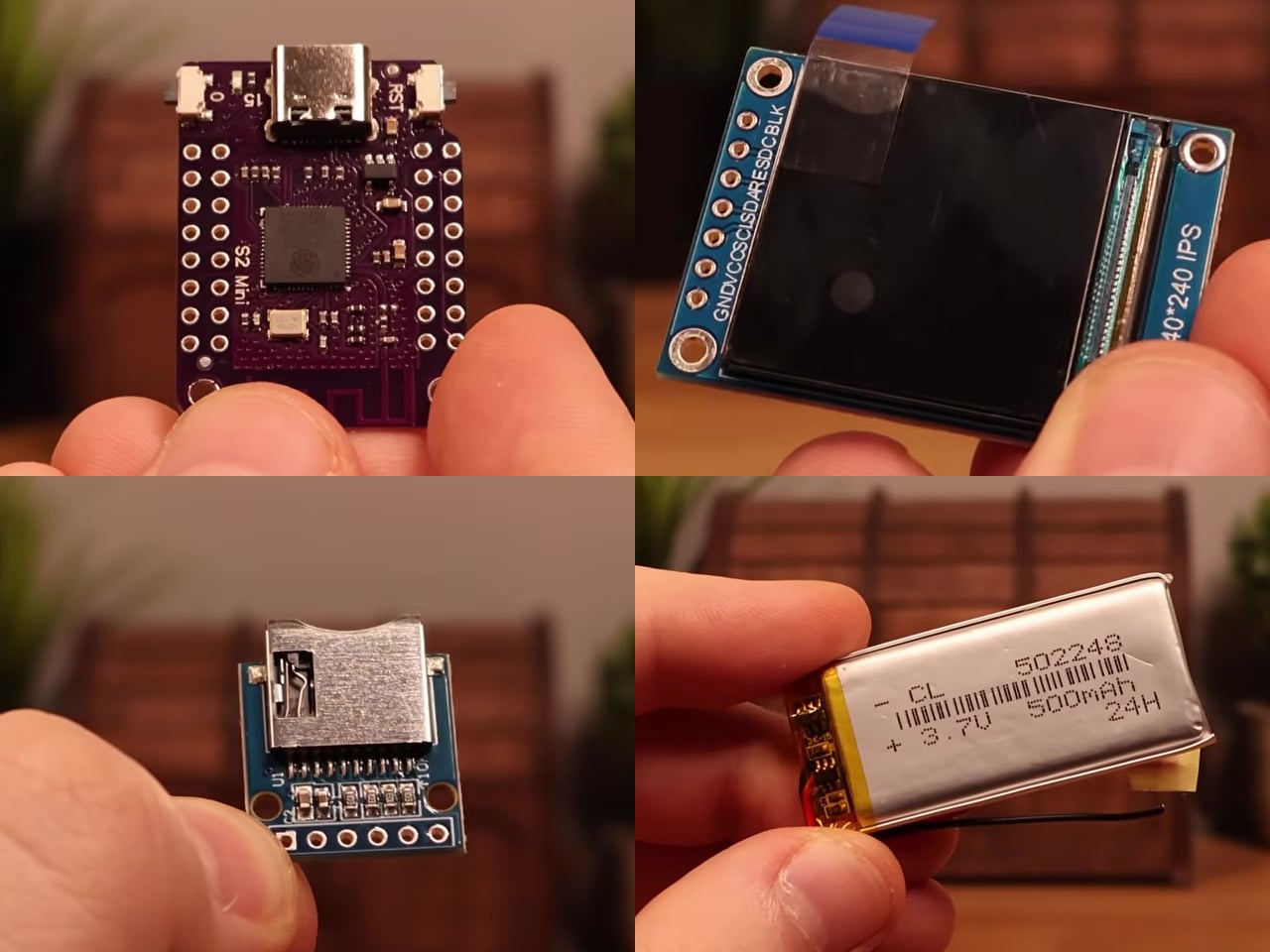
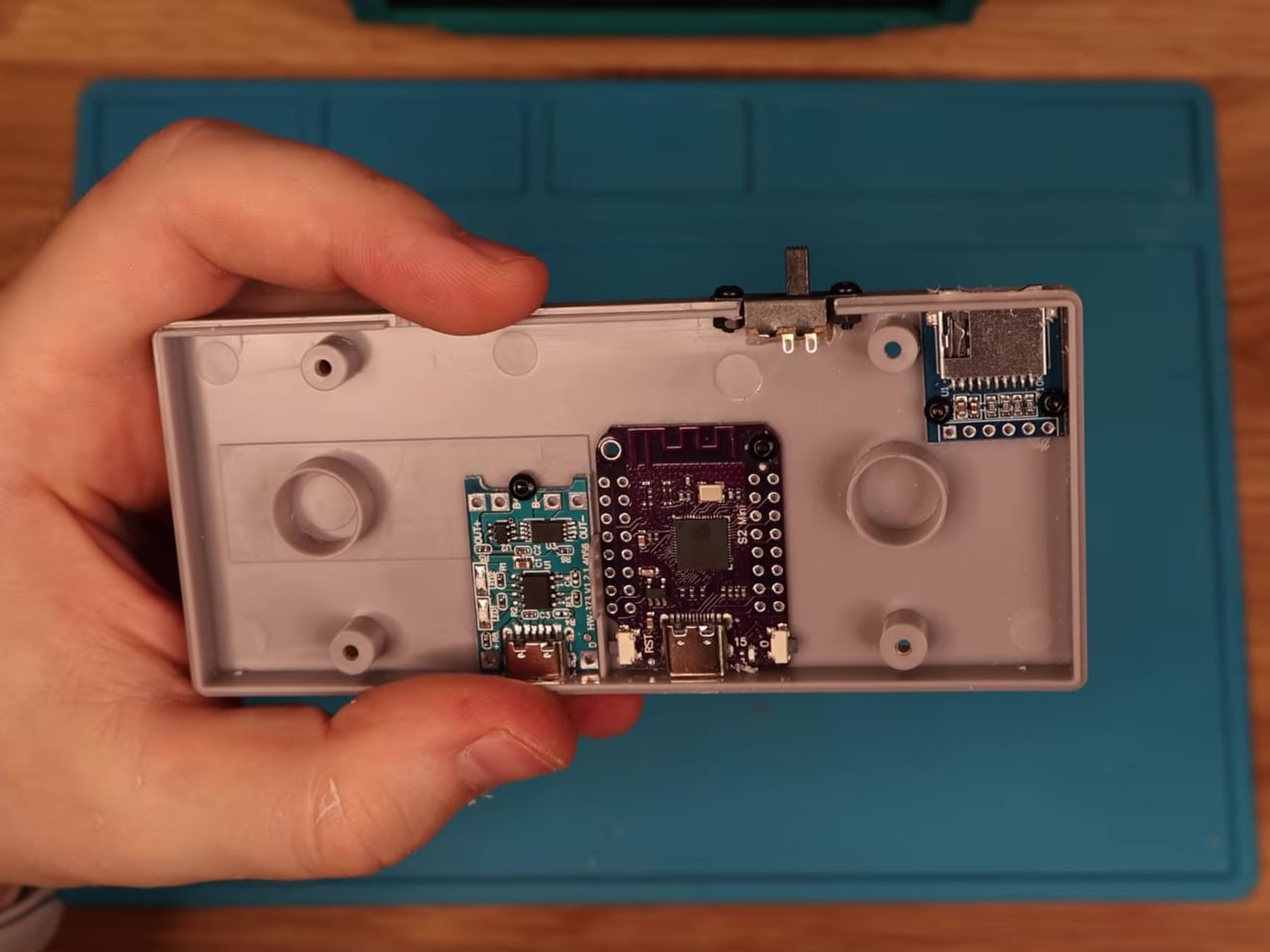
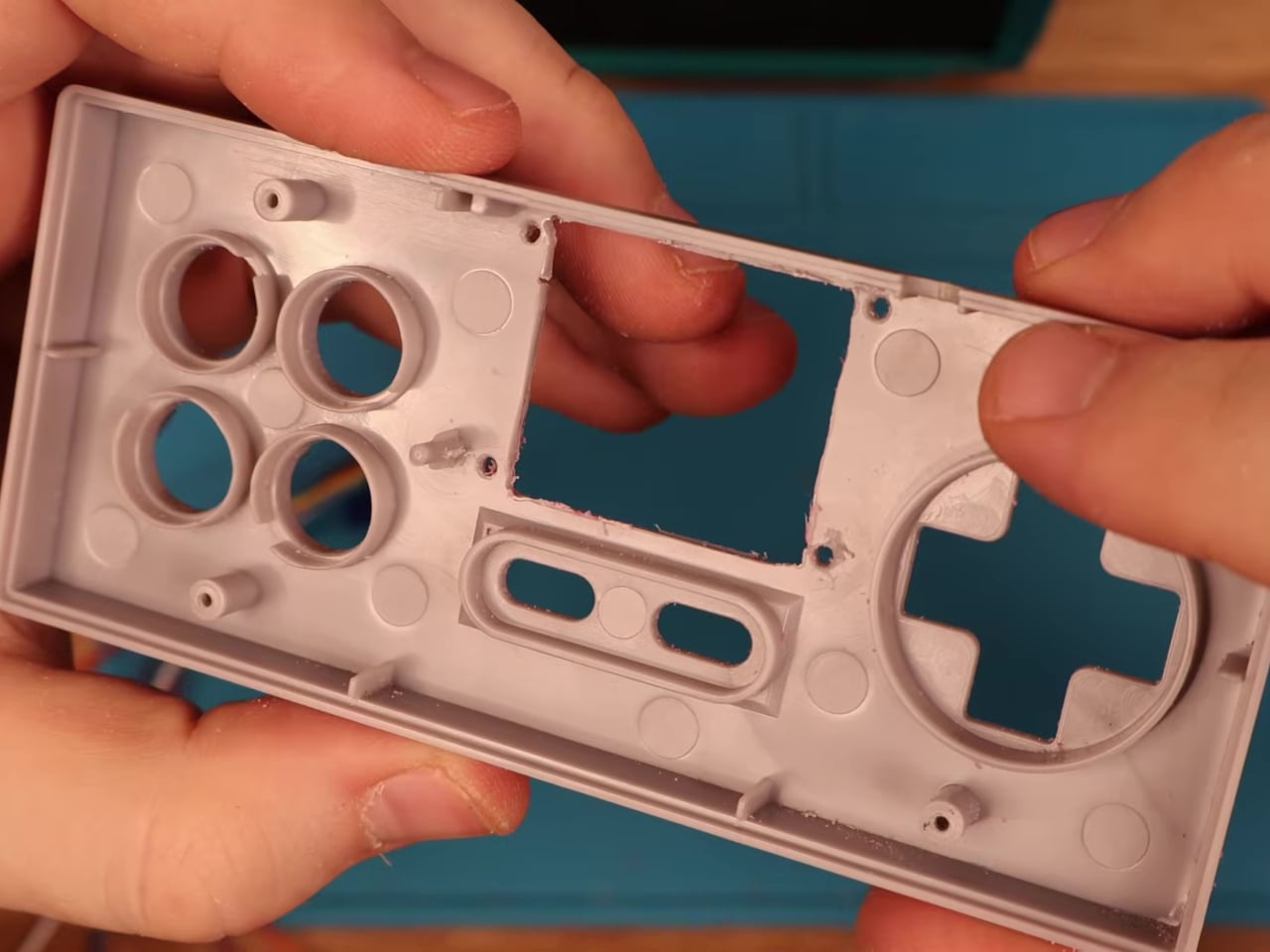
Getting everything to fit required real surgery on the shell. Internal plastic supports had to be trimmed back to make room for the display, and new openings were drilled for the screen, USB charging port, MicroSD slot, speaker, and power switch. A bare copper wire serves as a central ground distribution rail, cutting the number of individual ground wires needed and making it possible to actually close the controller afterward.
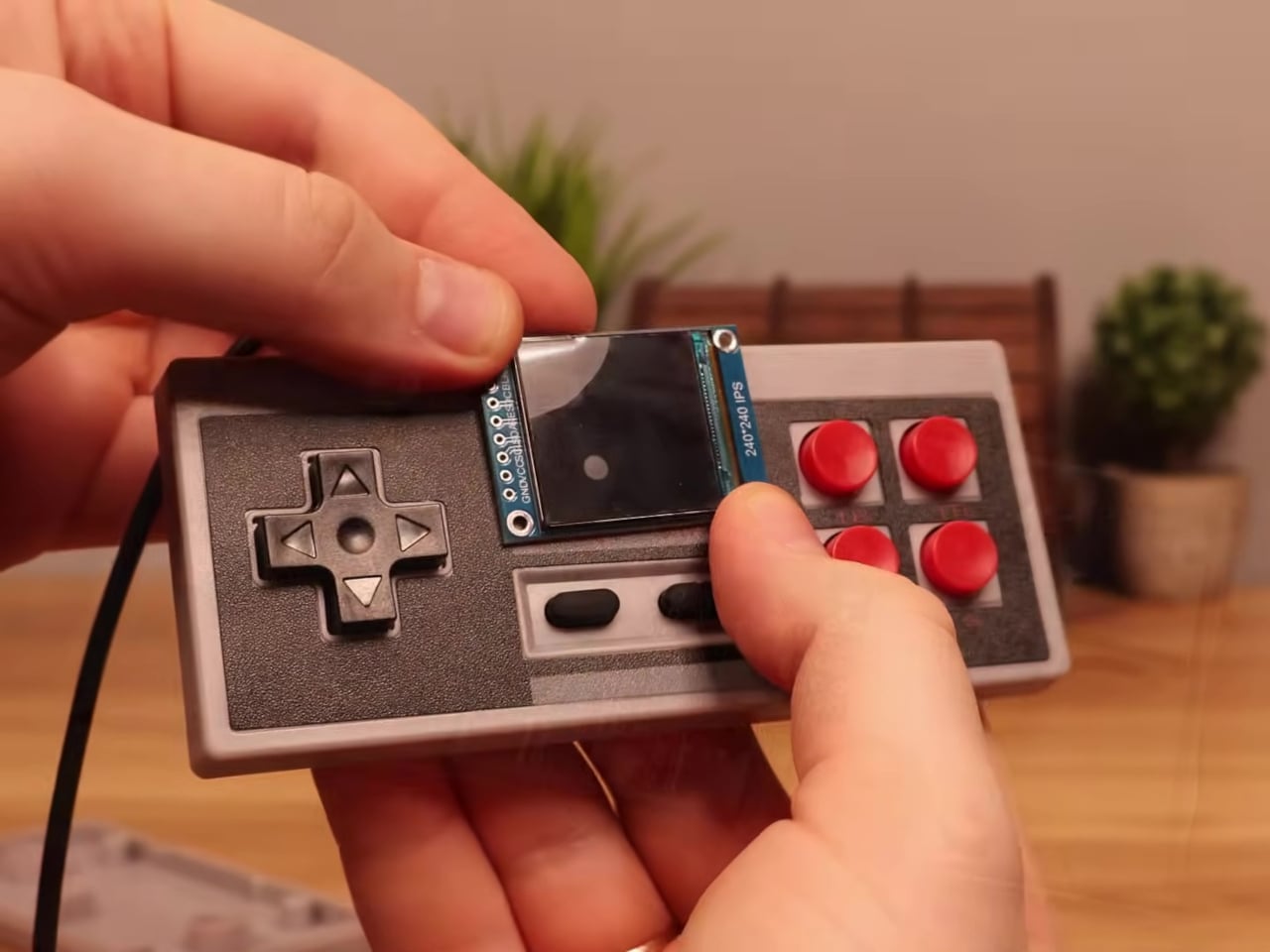
On the software side, the device runs the Retro-Go emulator framework, compiled using ESP-IDF and CMake since the ESP32-S2 isn’t a standard Retro-Go target. The result handles a range of classic 8-bit systems comfortably. As a bonus, Doom runs via PrBoom-Go from a Freedoom WAD file loaded on the MicroSD card, managing somewhere between five and 15 frames per second depending on the scene.
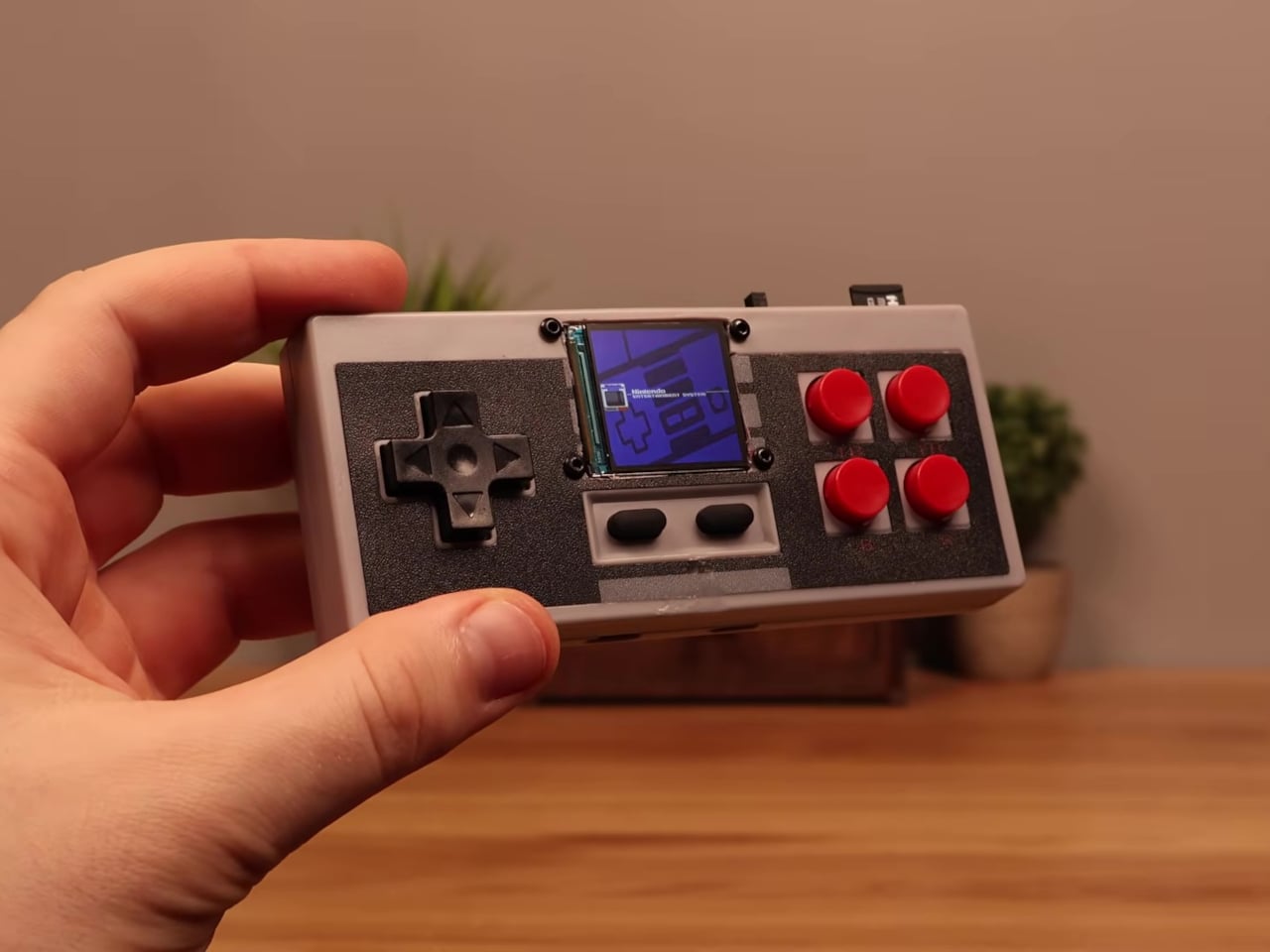
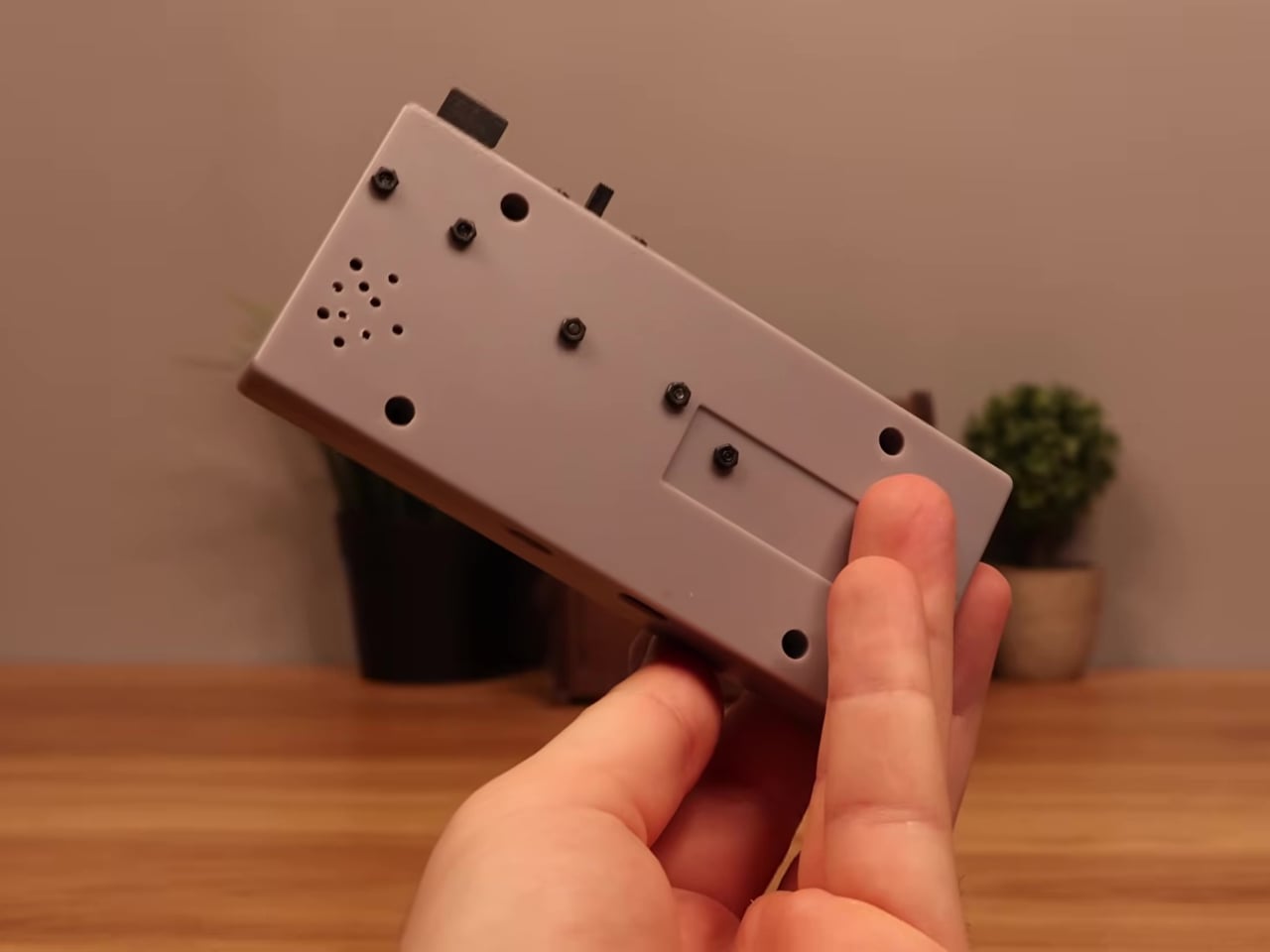
The total build cost runs about $17 using common suppliers, or closer to $8 when sourcing directly from overseas markets. That puts the project well under the price of a single modern game release. Flip the power switch, select a ROM from the MicroSD card, and the screen loads games that once required a dedicated console and television setup. No additional hardware is needed.
What makes this more than a novelty is how it reconsiders a form factor most people already have muscle memory for. The D-pad clicks the same way it always did, and the A and B buttons carry the same spring. What changed is where the signal goes after the press. Instead of traveling to a console that no longer exists, the controller now processes it directly inside its own shell.
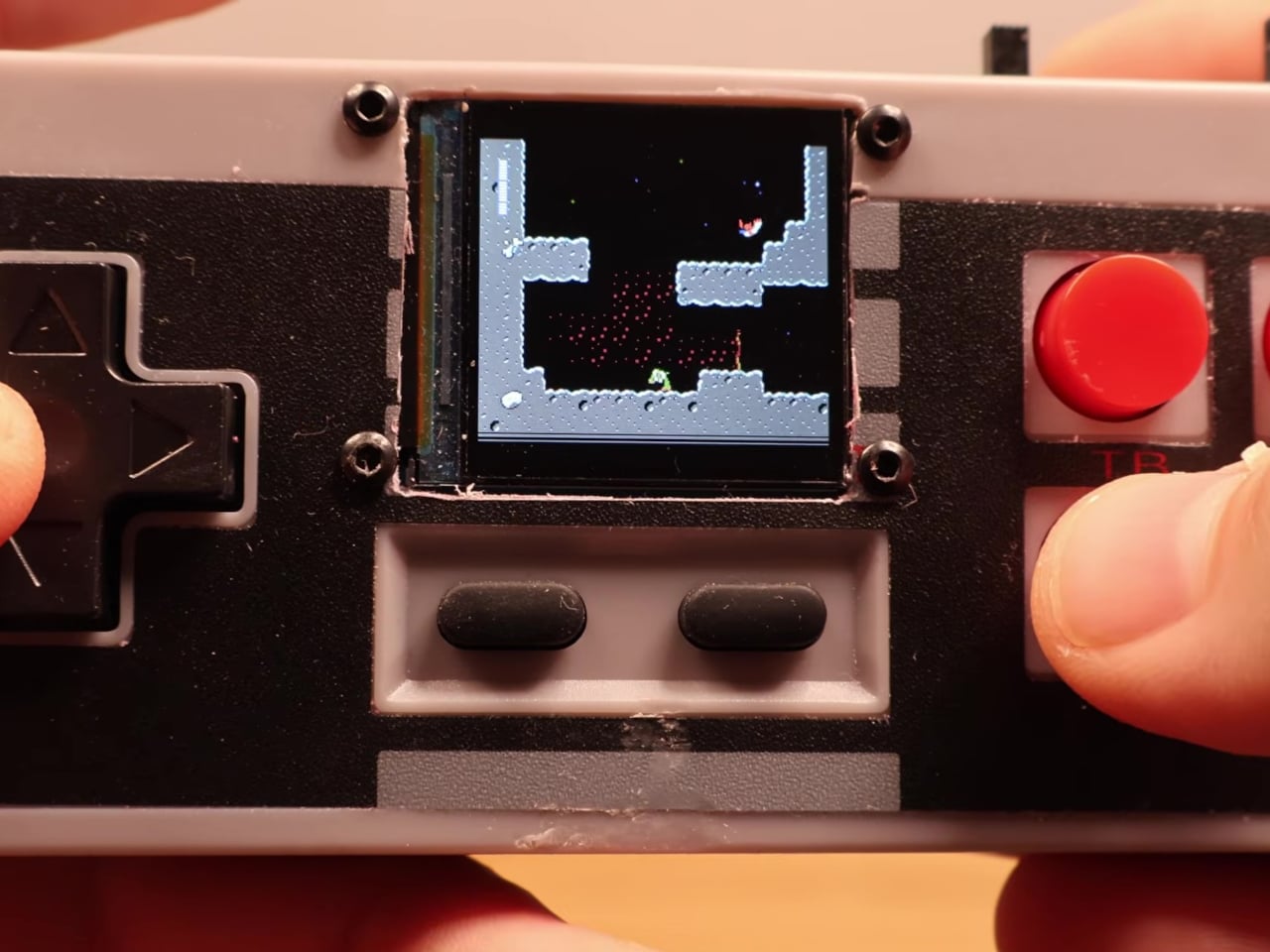
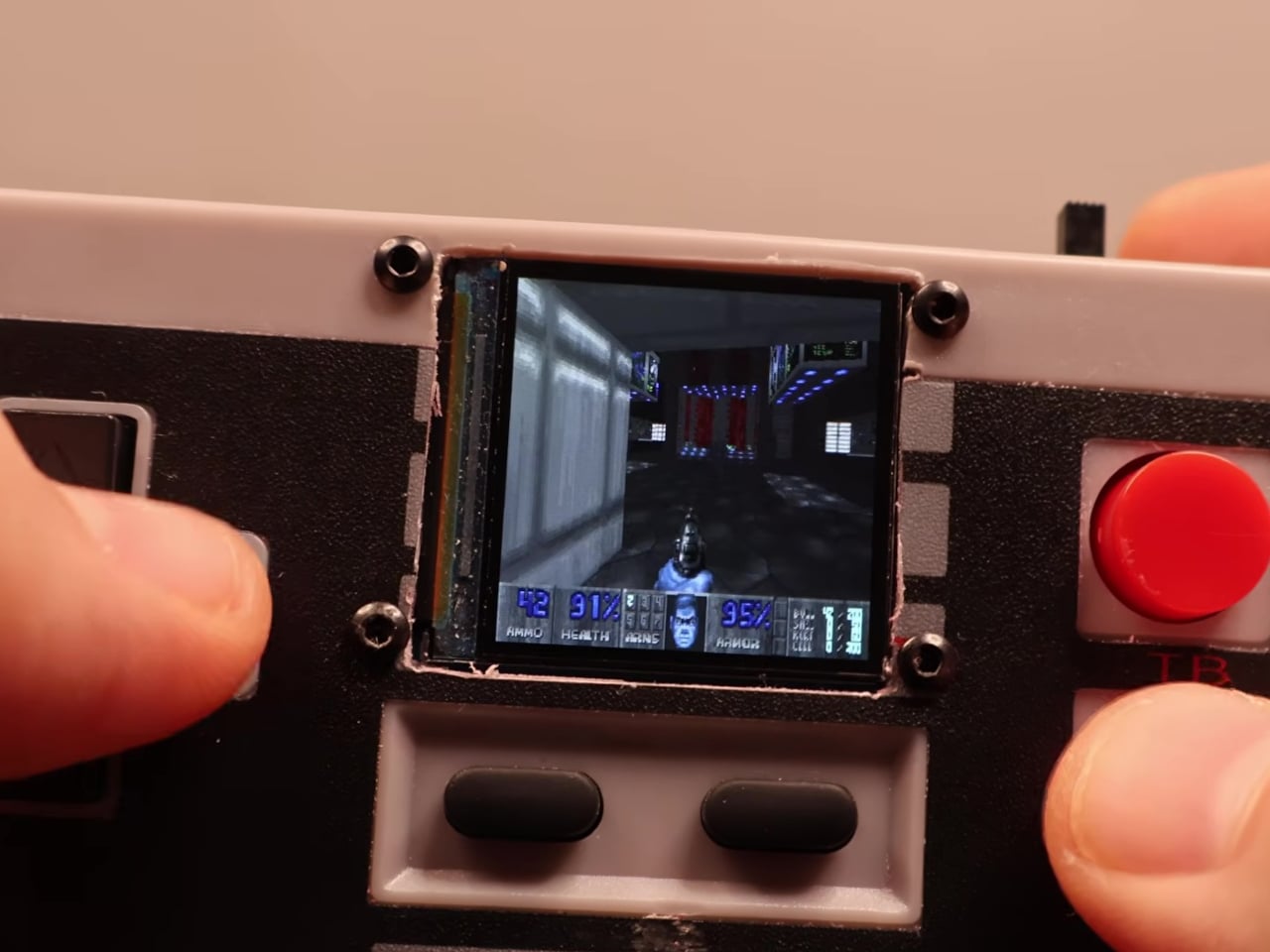
The Retro-Go framework is open source, the parts are widely available, and the NES controller shell is one of the most common pieces of vintage hardware still circulating through the secondhand market. Nothing about this build required specialized equipment or proprietary components. The total part list costs less than a single new game on any current platform and fits inside hardware that most people already own.
The post Someone Stuffed a Full Retro Console Inside an NES Controller for $17 first appeared on Yanko Design.
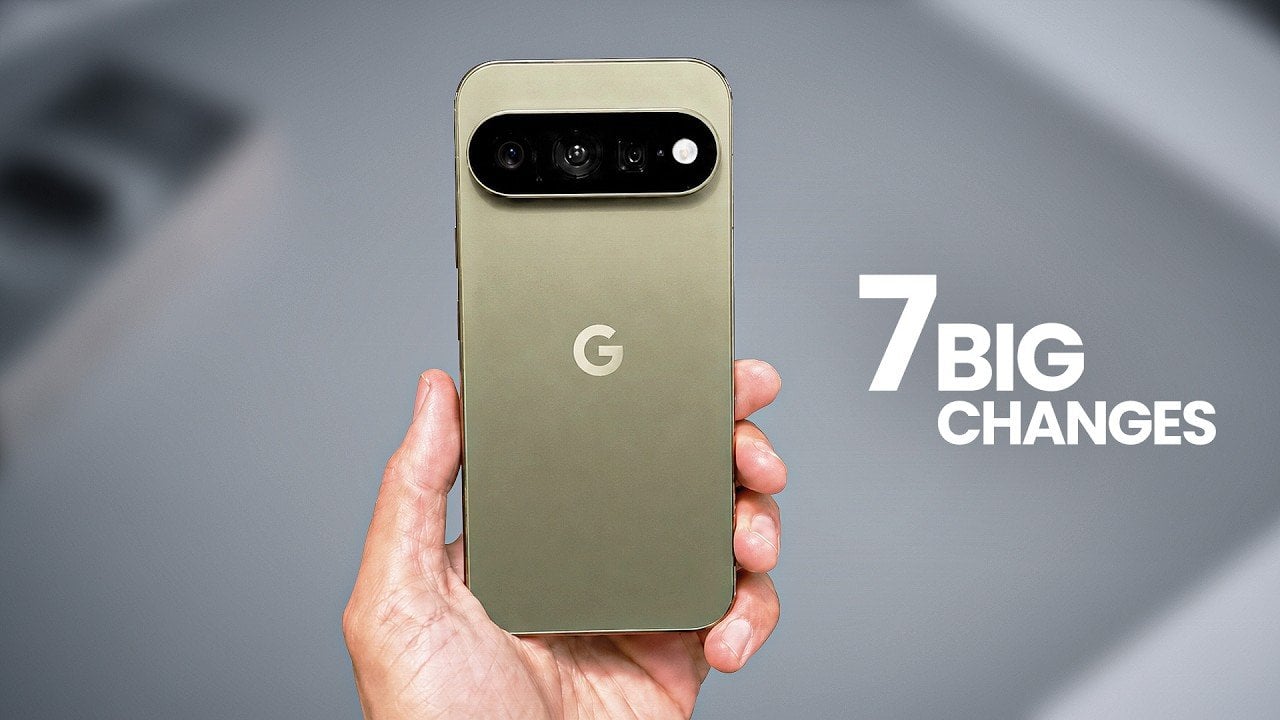
The Google Pixel 11 Pro represents a blend of advancements, refinements and compromises when compared to its predecessor, the Pixel 10 Pro. With notable upgrades in processing power, connectivity and storage, it also introduces some trade-offs, such as reduced RAM and a downgraded front camera. Whether upgrading is worthwhile depends on how these changes align […]
The post Google Pixel 11 Pro vs Google Pixel 10 Pro: Expected Updates appeared first on Geeky Gadgets.