
Netflix, Paramount, Sony and others are reportedly in talks to buy Letterboxd
The movie-centric social network is said to be seeking new ownership.

The Belgian coast has always attracted the slightly surreal — fishermen on horseback, a ship-shaped restaurant, and now, a concrete villa that looks like it was carved out of the dune rather than built on top of it. In Oostduinkerke, on a corner plot at the edge of a protected dune reserve along Belgium’s North Sea coast, architect Magalie Munters has built a home that appears to have emerged from the ground rather than been placed upon it. Completed in 2025, Villa Nouvelle Vague is 330 square metres of sculpted concrete — shaped by terrain, wind, and light rather than by facade composition.
The name borrows from the French New Wave cinema movement, and the reference earns its place. There is something filmic in how the house builds narrative as you move through it — compressed thresholds that open into volume, light sweeping across curved walls, deeply set openings that frame the dune landscape like a held shot. This is architecture with a point of view.
Designer: Magalie Munters Architecture


From the street, the facade reads as a protective shell. Munters gave the concrete surface a horizontal grain that recalls the striations left in wet sand when the North Sea withdraws at low tide. The texture is not decorative. It is a structural character — the surface behaves as if it has been sedimented rather than cast. The volume tapers toward the rear of the plot, a subtle geometric decision that creates a generous garden while allowing sunlight to reach both the southern and western facades simultaneously. In a compact building, that kind of continuous light is earned, not given.
The bedrooms sit half-buried in the dunes, anchored and sheltered. Above them, the living space rises toward the horizon — a vertical shaft cuts through the mass toward the roof, organizing movement and pulling light down through the interior. Munters cites Le Corbusier as a touchstone, specifically in how spaces contract and expand, and in the logic of a rooftop solarium that turns the roof into usable terrain. The ceiling is not incidental. It descends toward the kitchen, which sits lower and more intimate, and rises again over the main living space, where the curved walls catch the evening light with near-tactile presence.

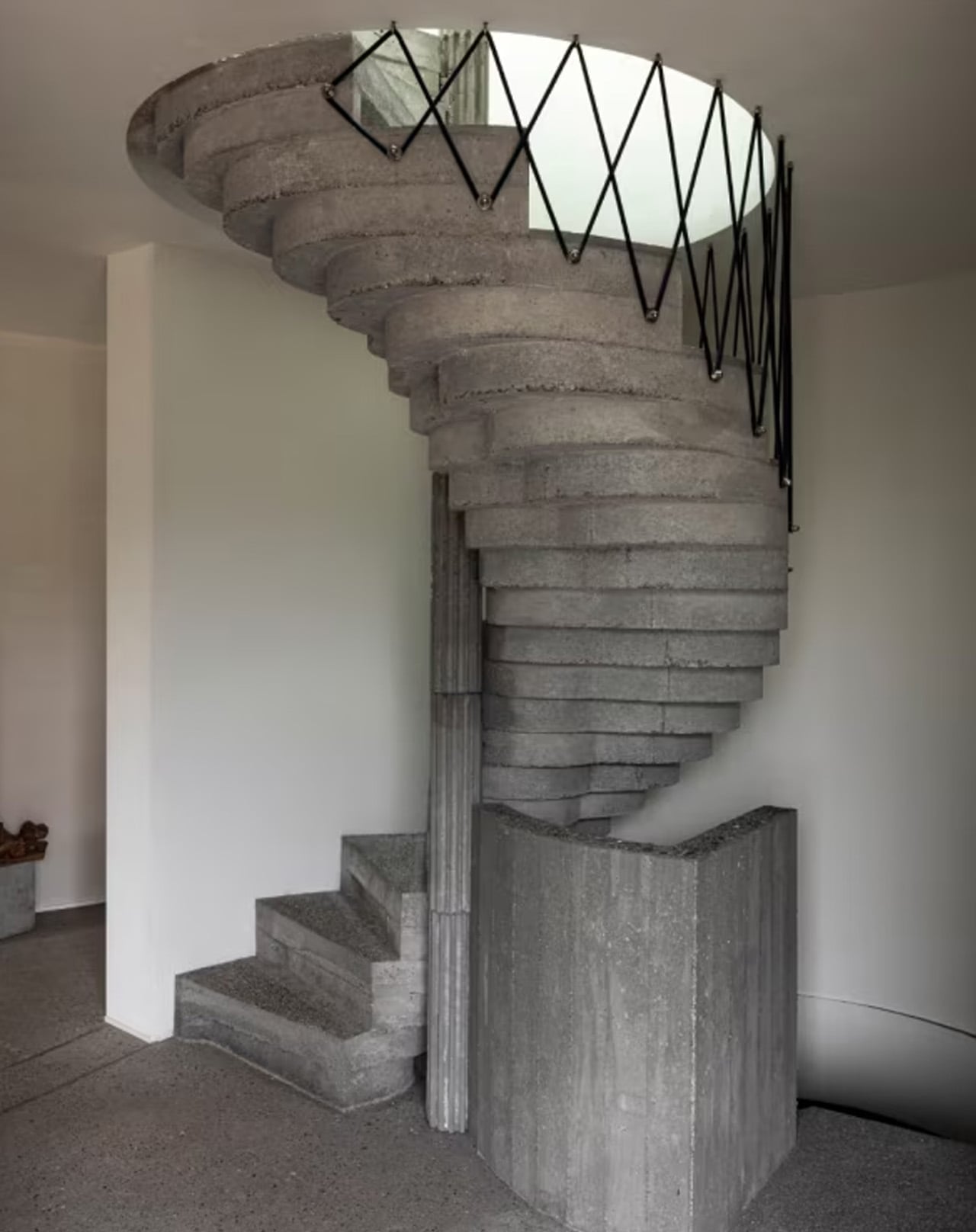
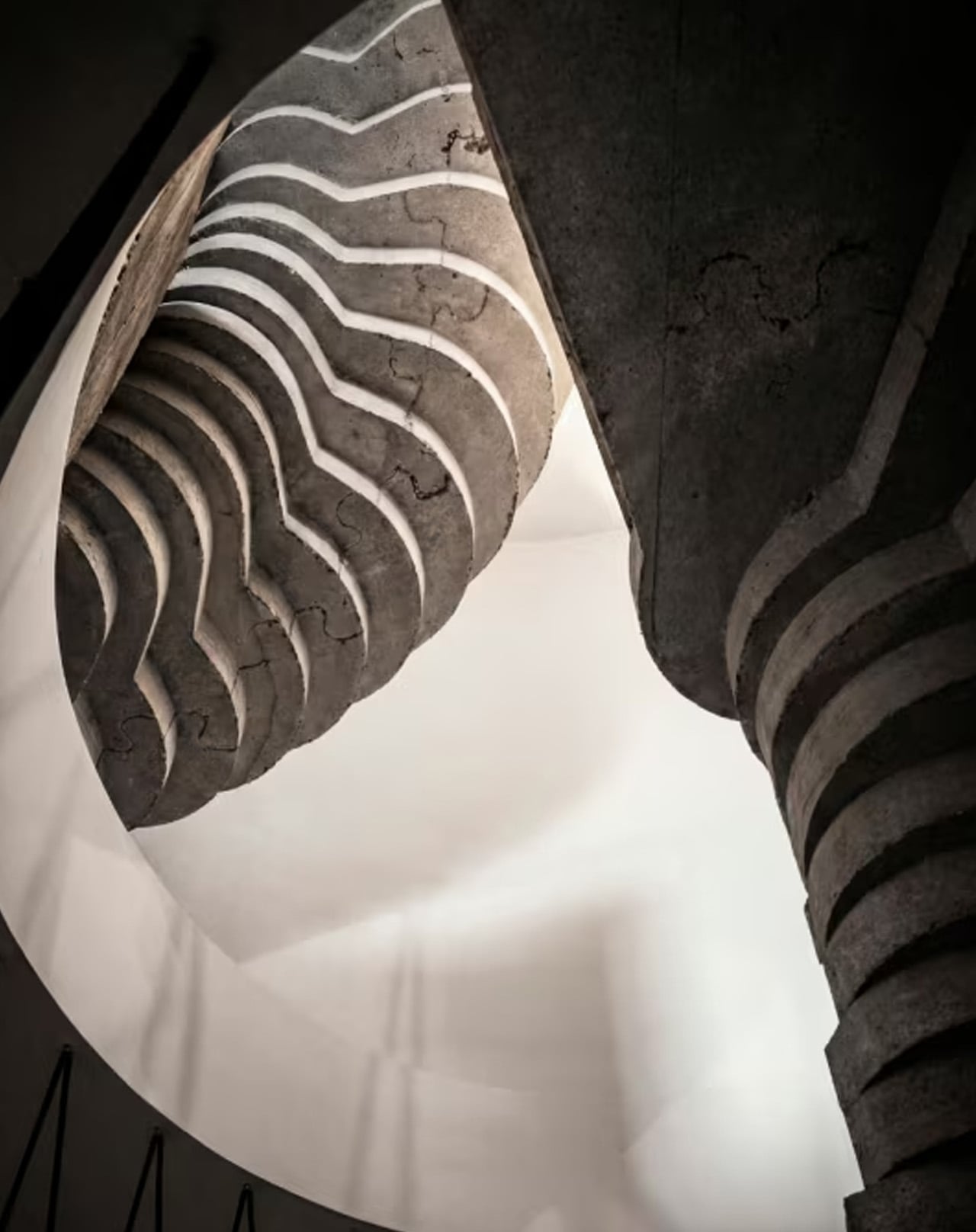
Inside, concrete is a spatial substance, not cladding. The staircase, bathrooms, built-in seating, and kitchen are each conceived as carved elements within the monolithic body — robust and unadorned. Lime-washed surfaces and sandblasted oak furniture soften the mineral presence without undermining it. The rooms feel less like interiors and more like the inside of a shell: enclosed, resonant, precise.
Munters describes the tension at the heart of the project as one between a hidden, highly controlled building logic and a more archaic material expression. That tension, held rather than resolved, is exactly what makes Villa Nouvelle Vague worth studying.



The post This Belgian Brutalist Villa Doesn’t Sit on the Dunes — It Grew Out of Them first appeared on Yanko Design.


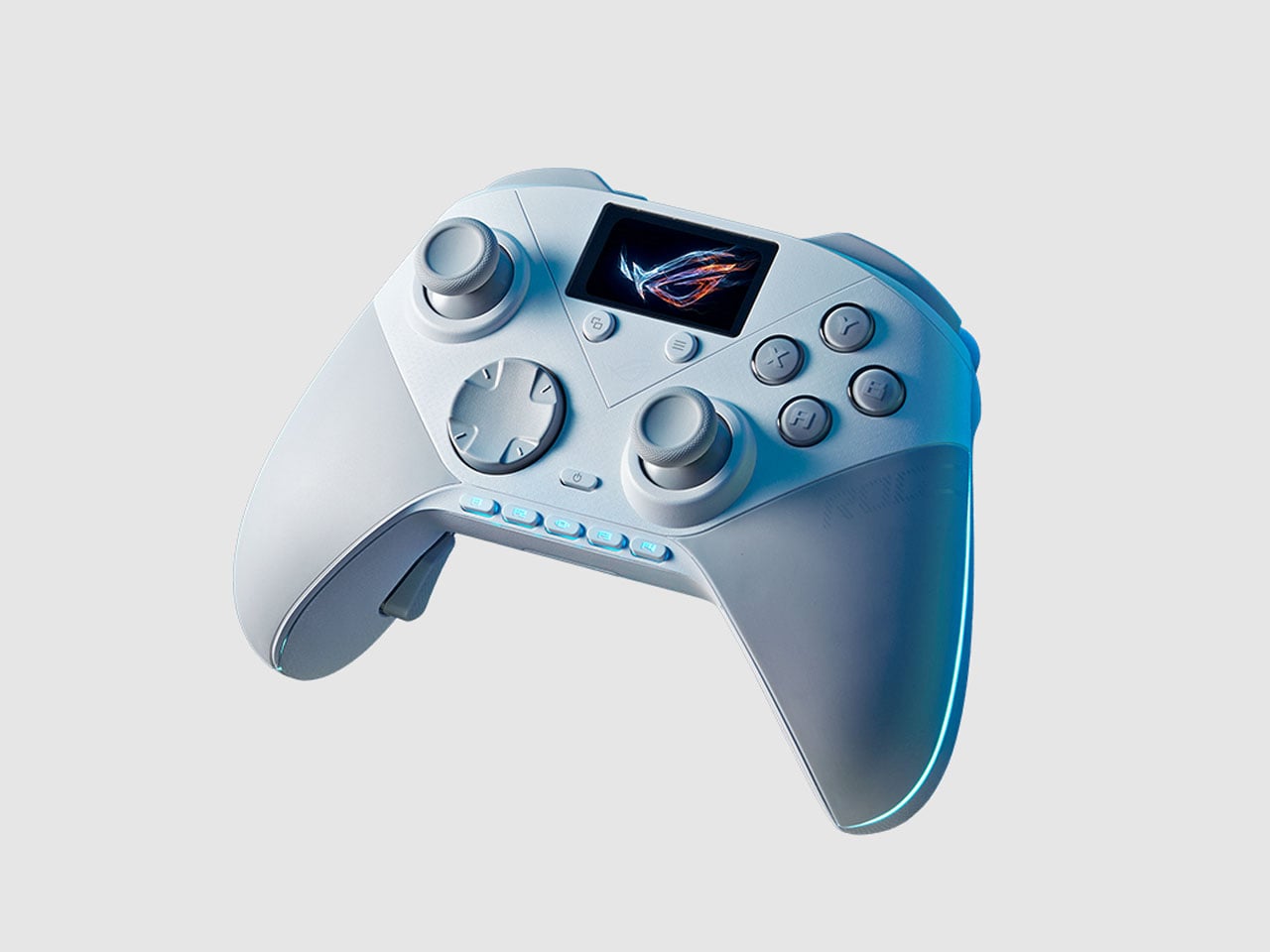
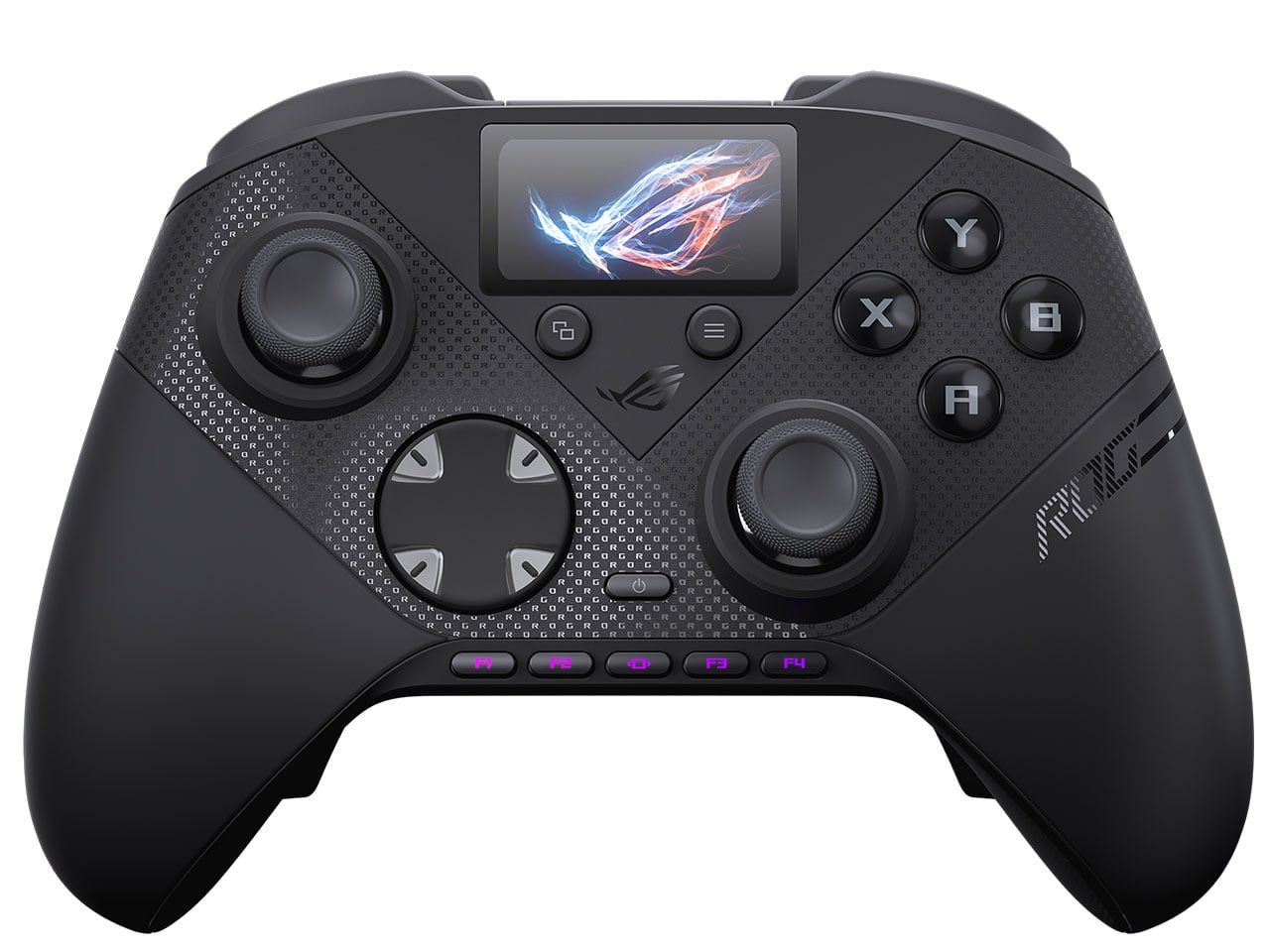
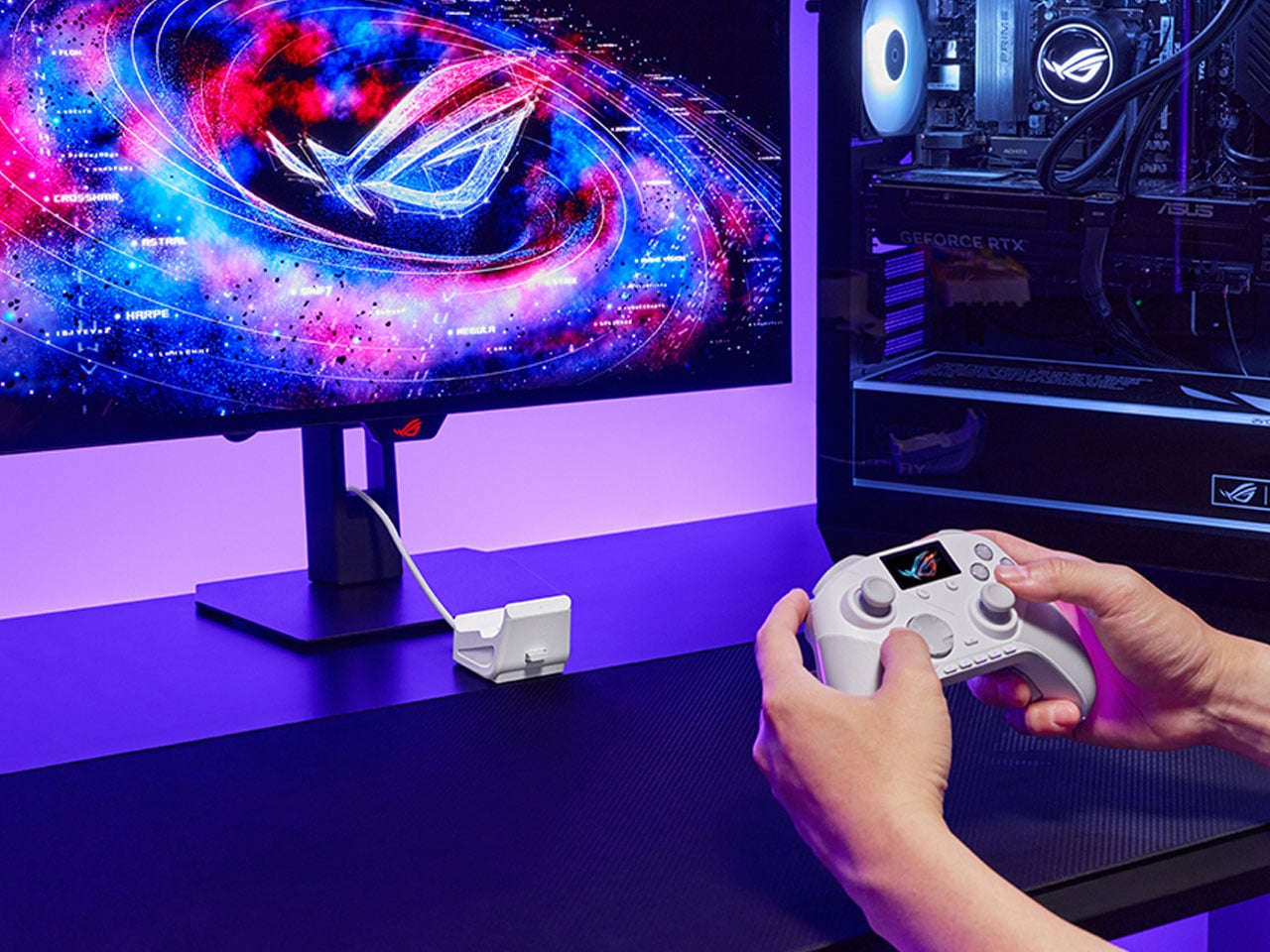
When the ROG Raikiri Pro controller burst onto the scene at CES 2023, the gamepad was ahead of its time courtesy of a dedicated 1.3-inch mini OLED display. Now, after nearly three years, Asus has revealed the next version of the controller with improved features and upgrades to entice gamers who are always on the lookout for the endgame accessories.
This comes on the back of Asus ROG’s 20th anniversary celebration, wherein other products, including the triple-mode gaming monitor and Gjallar Gaming soundbar, were also announced by the brand.
Designer: Asus
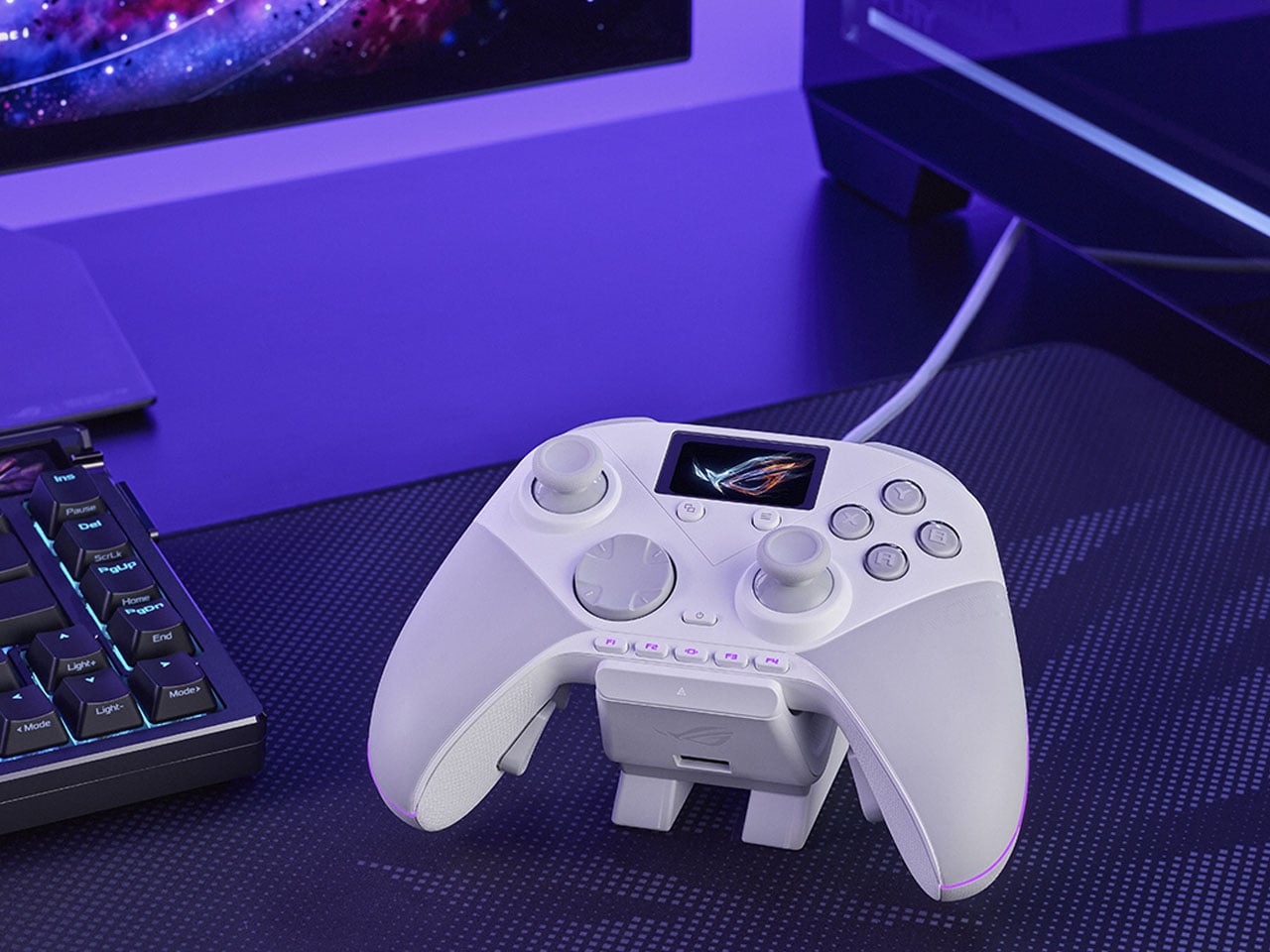
Unlike its predecessor, the new ROG Raikiri II Pro shifts its focus from flashy extras to competitive performance and precision. Built primarily for PC gamers, the controller delivers an impressive 8,000Hz polling rate in wired mode for ultra-low input latency, while ASUS’ SpeedNova wireless technology is designed to provide a fast and stable 2.4GHz connection with improved power efficiency. The controller also supports Bluetooth and USB-C connectivity, allowing players to switch between multiple gaming setups with ease.
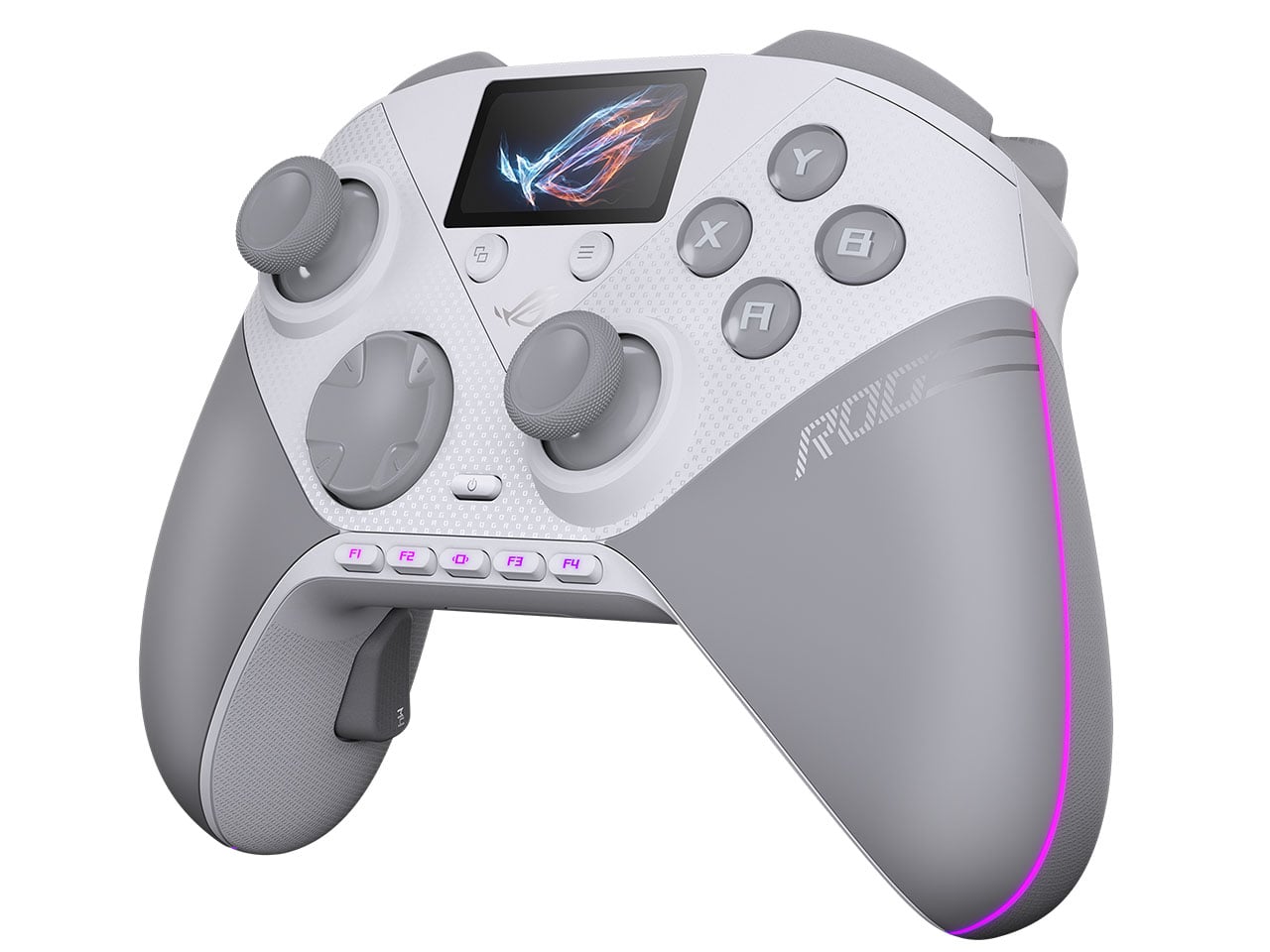
ASUS has also redesigned the controls to improve responsiveness during long gaming sessions. Every primary input, including the D-pad, ABXY buttons, shoulder buttons, and rear paddles, now uses micro switches that deliver crisp tactile feedback with faster actuation. The controller also introduces dual-mode triggers, letting users instantly swap between short-travel micro-switch triggers for competitive shooters and full-range TMR sensor triggers for racing titles or games that benefit from precise analog control. Combined with anti-drift TMR thumbsticks, the Raikiri II Pro controller offers consistent accuracy and longer durability than traditional analog sticks.
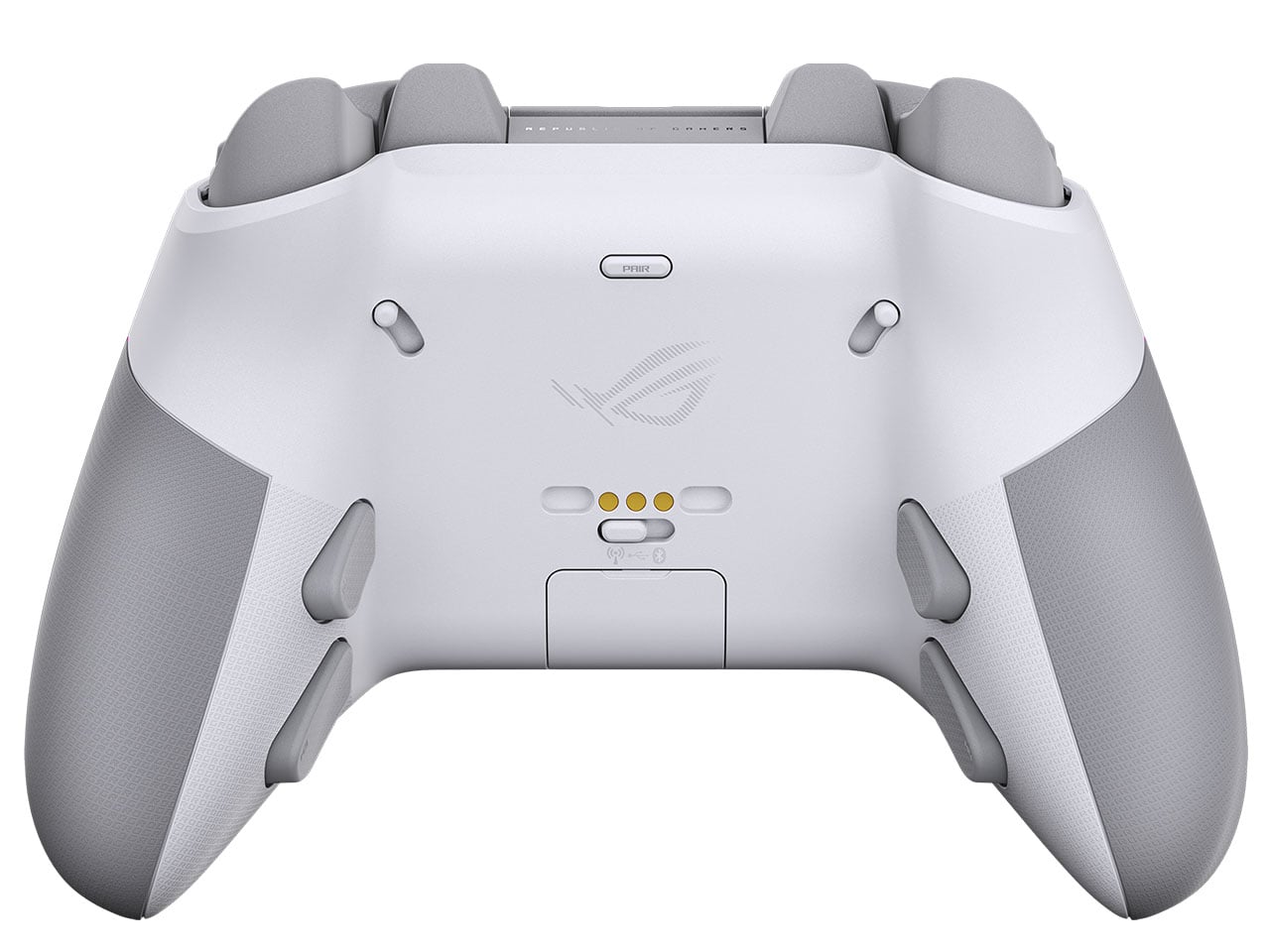
Customization remains one of the controller’s biggest strengths. Through ASUS Gear Link software, users can remap buttons, adjust stick sensitivity, fine-tune trigger dead zones, modify vibration levels, and create multiple profiles for different genres. RGB lighting, onboard profile storage, and interchangeable thumbstick caps further allow players to personalize both the aesthetics and feel of the controller. ASUS also bundles a charging dock and a protective carrying case that can recharge the controller while stored, making it easier to keep the accessory ready for travel or daily gaming.
Alongside the controller, ASUS also introduced the ROG Gjallar Gaming Soundbar as another premium addition to its gaming ecosystem. The 2.1.2-channel setup supports Dolby Atmos and combines front-facing speakers, dedicated tweeters, upward-firing drivers, and a 65W wireless 6.5-inch subwoofer to create a more immersive soundstage. The company says the system is tuned to improve positional audio, helping players better identify in-game movement and environmental cues.
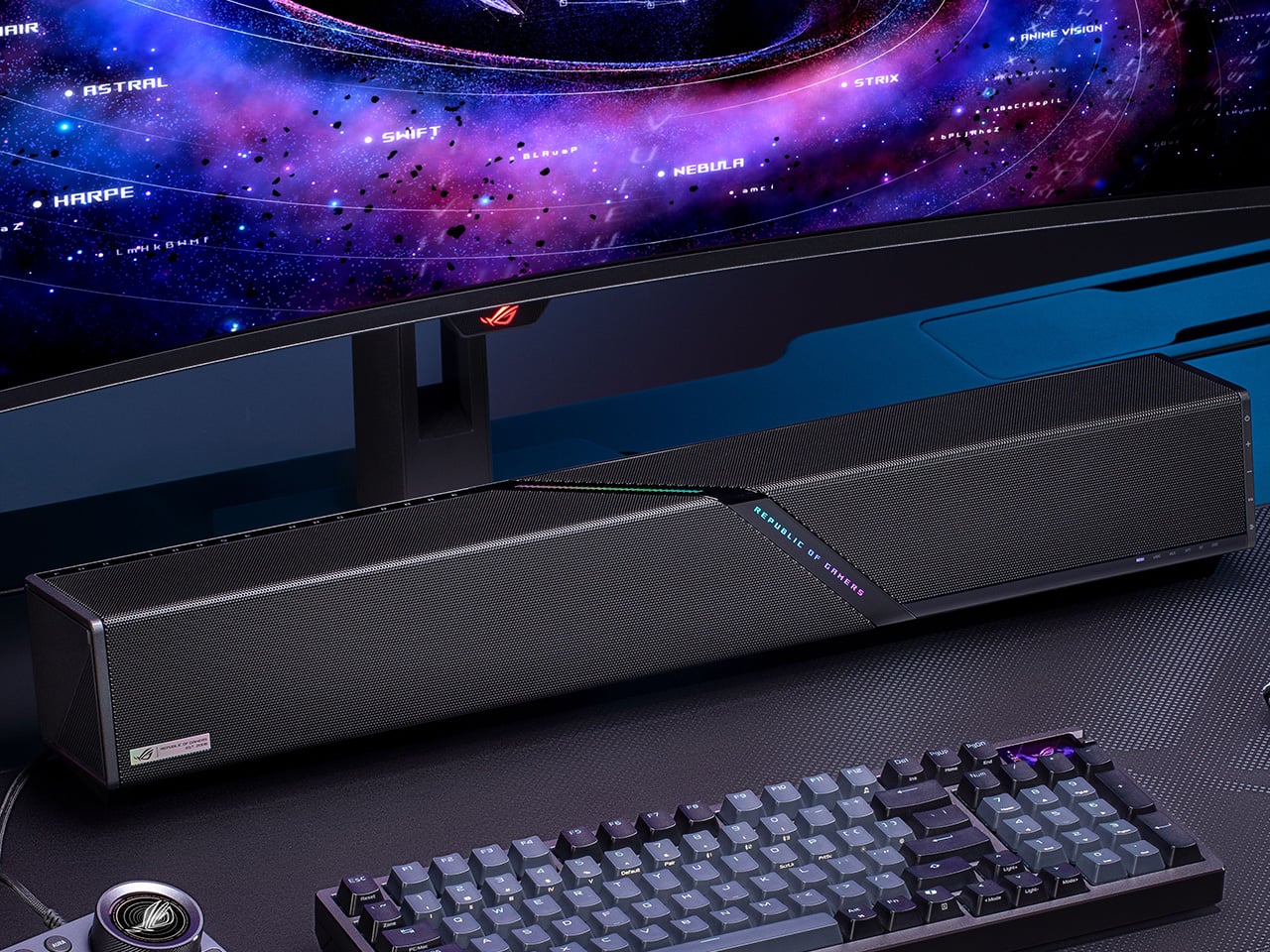
Like the Raikiri II Pro, the Gjallar supports ASUS Gear Link software, allowing users to customize audio settings and integrate it into a broader ROG gaming setup. The two new accessories showcase ASUS’s emphasis on high-performance gaming peripherals that prioritize responsiveness, customization, and immersion, while marking another milestone in the company’s two-decade journey as the Republic of Gamers brand!
The post ASUS ROG Raikiri II Pro adapts to every game with switchable triggers and 8,000Hz input speed first appeared on Yanko Design.
A Möbius strip walks into a design lab. That’s not the setup for a joke. It’s basically the origin story of Oakley’s Infiniloop, the brand’s latest creation and, arguably, one of the more conceptually ambitious pieces of eyewear to come out of any label in recent memory. If you’ve ever found yourself staring at a Möbius strip, that strange one-sided loop that mathematicians love and everyone else finds mildly unsettling, and thought it might look incredible on a face, Oakley has apparently been thinking the same thing.
The Infiniloop made its debut in the second chapter of Oakley’s Future Genesis series, a short film universe the brand has been steadily building that blurs the line between science fiction storytelling and real product design. The premise is ambitious, maybe a little theatrical, but it’s hard to deny that the results are genuinely striking. The sunglass was designed around a single, almost austere obsession: to use the absolute fewest number of lines to carry a lens across the face. That’s the entire brief. The whole design philosophy fits in one sentence, and sometimes that’s exactly as much as a great object needs.
Designer: Oakley

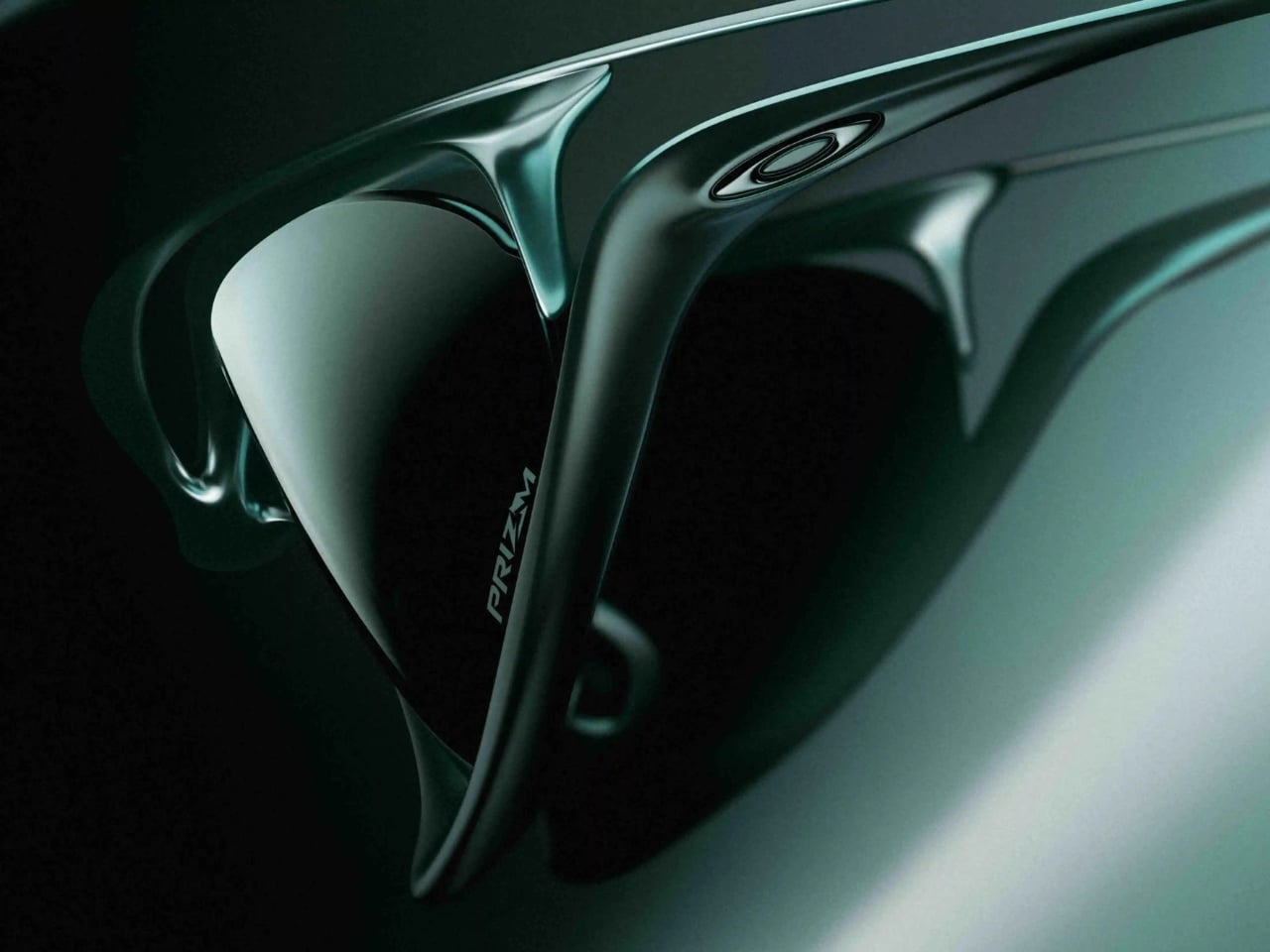
What Oakley landed on is a dual-material frame that pairs titanium on the upper line with their proprietary O-Matter material on the lower. The two meet at just a handful of delicate intersection points, and the space between them is left wide open on purpose. The result is a pair of lenses that appear to float inside the frame, their outer edges fully exposed, giving the whole thing a quality that feels more architectural than eyewear-like. It looks less like a sunglass and more like someone’s sketch of the idea of a sunglass. That’s a compliment.

The Infiniloop comes in Polished Chrome and Matte Black, fitted with Prizm Black lenses on a grey base. For anyone unfamiliar with Oakley’s Prizm technology, the short version is: enhanced color and contrast clarity, designed for performance in bright conditions. It’s the brand’s core lens system, and pairing it with a frame this unconventional is a smart creative decision. It keeps the Infiniloop tethered to functional reality while the rest of the design floats freely somewhere between a math textbook and a concept car.

At $997, the Infiniloop isn’t an impulse buy, and it was never meant to be. It drops July 14th in limited quantities, which in Oakley’s world usually means exactly what it says. Each pair also comes packaged with a collector’s set of Future Genesis Chapter 2 comics, a detail that tells you a lot about who Oakley imagines on the other side of this transaction. The collector crowd and the design-forward crowd intersect more than most people realize, and a piece like this lives right at that crossroads. Whether it ends up worn or displayed is, genuinely, beside the point.


Oakley has always been a brand that takes more swings than most. The X-Metal era gave us shapes that looked like they’d been engineered for a different species, and that specific kind of weirdness is a large part of why the brand has such a deeply loyal following. For a while, that creative ambition felt quieter than it once did. The Infiniloop feels like a reminder that it never fully went away. It’s not trying to be safe, and it’s not trying to appeal to everyone. In a market where a staggering amount of eyewear design amounts to subtle variations on shapes that already exist, that level of commitment to an actual concept is worth noting.
The geometry of infinity made wearable, shipped with comics, priced like a grail piece. Say what you want about whether any of that is practical, but Oakley has always treated practicality as a starting point, not an ending one. The Infiniloop is the kind of object that makes you feel something when you look at it, and in design, that’s rarely an accident.

The post Oakley Just Turned a Math Paradox Into a $997 Sunglass first appeared on Yanko Design.


Samsung continues to push boundaries in the foldable smartphone market with the Galaxy Z Fold 8 Ultra, reintroducing the S Pen, a feature absent from its predecessor, the Fold 7. However, there’s a notable limitation: the S Pen will only be available for the Ultra model, leaving the standard Fold 8 without this functionality. This […]
The post Leaked: Samsung Galaxy Z Fold 8 Ultra Gets the S Pen, But the Standard Model Pays the Price appeared first on Geeky Gadgets.