2025 Audi Q5 TFSI quattro Prestige Review: Evolution as a Design Strategy

PROS:


  • Interior material quality exceeds what the segment typically delivers

  • Screen integration feels intentional rather than bolted on afterward

  • Adaptive air suspension transforms ride character between driving modes

  • Acoustic glass creates genuinely quiet cabin at highway speeds

  • Real exhaust outlets signal design honesty throughout the vehicle

CONS:


  • Rearward visibility compromised by styling choices and roofline rake

  • No hands-free liftgate gesture system like competitors offer

RATINGS:

AESTHETICS
ERGONOMICS
PERFORMANCE
SUSTAINABILITY / REPAIRABILITY
VALUE FOR MONEY

EDITOR'S QUOTE:

Evolution as philosophy: when restraint becomes the boldest design choice.

I spent a week with the third-generation Audi Q5 Prestige in Tambora Gray Metallic, and what struck me first was not any single feature but the accumulation of considered choices. Built on Volkswagen Group’s Premium Platform Combustion architecture with a turbocharged 2.0-liter TFSI four-cylinder producing 261 horsepower and 273 lb-ft of torque, this compact luxury SUV occupies familiar territory at $63,290 as tested. The design decisions embedded in its surfaces, proportions, and material selections tell a more nuanced story. The Q5 represents what happens when a manufacturer chooses careful iteration over spectacle.

Designer: Audi

What distinguishes this generation from its predecessor is not a single dramatic gesture but rather an accumulation of details that reveal themselves over days rather than minutes, over highway miles rather than showroom walks, over lived experience rather than specification comparisons. The raked silhouette borrows visual vocabulary from the larger Q7, establishing family resemblance without direct mimicry. Panel gaps have tightened to tolerances that reward close inspection. The decorative exhaust finishers have been replaced with genuine rectangular outlets, a small change that signals larger philosophical shifts about authenticity in automotive design. These aren’t features that demand attention at first glance. They’re details that accumulate into a stance that reads as resolved rather than aggressive, as confident rather than desperate to impress, as the work of engineers and designers who understood that restraint requires more discipline than excess.

The vehicle’s proportions establish its intent before any specification sheet is consulted. Wheelbase dimensions remain close to the previous generation, but cargo volume has expanded to 56.9 cubic feet with rear seats folded, a gain of 2.8 cubic feet. That’s design as problem-solving.

Exterior Form Language

The singleframe grille anchors the front fascia with a presence that has become signature Audi vocabulary, wider and higher than before, flanked by functional air curtains that channel airflow along the body sides, reduce turbulence around the front wheels, and contribute measurably to the 25 mpg combined fuel economy figure while adding horizontal emphasis to the front that grounds the vehicle’s face as the LED lighting signatures lift the eye upward, creating a tension between opposing visual forces that produces dynamism without chaos. In person, the Tambora Gray Metallic finish shifts subtly between cool silver and warm graphite depending on the light, a $595 option that flatters the Q5’s surfacing without demanding attention, revealing the gentle curves of the fender flares and the controlled tension of door panel surfacing in ways that more dramatic colors would overwhelm. I walked around this vehicle at least a dozen times during my week with it, and each angle revealed something slightly different about how Audi’s design team approached the challenge of updating a successful shape without losing what made it work.

That’s restraint as design strategy.

The Prestige trim’s LED headlights plus with eight digital DRL signatures represent a departure from the notion that headlights are merely functional, allowing personalization within boundaries that maintain brand coherence, while the digital OLED taillights transform the vehicle’s nighttime presence entirely with a full-width light bar and dynamic animation sequences that other drivers will notice before they recognize the Audi badges. Front and rear lighting can now express personality. You can choose character, but the character stays on-brand, never straying into the visual vocabulary of competitors or aftermarket modifications.

The shoulder line carries through the side profile without interruption, a decision that prioritizes visual length over sculptural drama, that trusts the basic proportions to create interest rather than relying on creases and vents and stamped-in details that would only compete for attention. Where competitors might break this line, the Q5 maintains continuity. The 20-inch 5-arm design wheels from the $800 optional wheel package fill the arches convincingly, and the roofline’s rake creates forward momentum even at rest, suggesting capability without the aggressive stance that defines sportier alternatives.

Real exhaust outlets replace the decorative finishers of the outgoing model, communicating mechanical honesty in a market where many competitors still rely on chrome trim pieces that hide the actual exhaust routing somewhere underneath the bumper, a detail that speaks to broader shifts in automotive design thinking about authenticity versus theater, about what we show versus what actually exists, about whether buyers notice or care about such distinctions and what it says about a brand that assumes they do. The previous generation’s false tips suggested performance that the actual exhaust system didn’t support. What you see is what exists. Light catches the fender flares and door panels in ways that reveal gentle curves rather than aggressive angles, while the 12-volt mild hybrid system recovers energy during deceleration invisibly, feeding it back into the electrical architecture that powers the countless systems modern buyers expect, the design absorbing the technology rather than announcing it, integrating engineering advances into surfaces that look simpler than they are.

Interior Architecture

The cabin represents the most significant departure from the previous generation. Sliding into the Pearl Beige interior for the first time, you notice the difference immediately. Where the predecessor was criticized for visual austerity, the new interior addresses this through layered materials and deliberate contrast.

The 14.5-inch MMI touch display dominates the center stack with a presence that might overwhelm in lesser integrations, but here it sits within the dashboard architecture rather than perched atop it like an afterthought, paired with the 11.9-inch Audi virtual cockpit plus that renders navigation and vehicle information with the kind of clarity and customization that once defined luxury flagships, while the Prestige package adds a 10.9-inch MMI passenger display that allows front passengers to manage navigation or entertainment without distracting the driver, though I found myself wondering whether the additional screen complexity serves real needs or simply provides another differentiator on specification sheets that buyers compare without understanding what they actually want. Screen integration matters more than screen dimensions. Too many competitors treat displays as afterthoughts, floating tablets stuck to dashboards designed before touchscreens became standard. Here, the screens belong, and that belonging required more engineering effort than simply making them larger.

The driver’s position establishes immediate relationship to the controls. Power tilt-and-telescopic steering allows precise positioning. The head-up display projects information directly into the sightline. Tri-zone climate control divides the cabin into manageable thermal territories. These are ergonomic solutions dressed in premium materials.

Rear seat architecture employs a 40/20/40 split-folding configuration with sliding capability. The center section folds independently. This configuration solves real-world problems.

Storage solutions throughout the cabin demonstrate attention to daily use patterns, expanding door bins and reorganized center console compartments creating a space that feels designed by people who actually load groceries and manage coffee cups during commutes rather than by stylists optimizing photography angles, while the LED interior lighting pro package adds atmosphere without distraction, touching surfaces that matter at night, transforming the Pearl Beige leather into warmer tones under ambient illumination that makes the cabin feel like a different space after dark, more intimate, more considered, without requiring any adjustment from the driver beyond the simple act of driving into evening.

Material Composition

Material selection in the Q5 follows a hierarchy of touch frequency that allocates budget where it matters most to perceived quality, soft-touch plastics yielding appropriately under pressure on surfaces that hands contact regularly, leather wrapping appearing where fingers rest during normal driving, metal accents providing cool contrast to warmer materials, while lower surfaces that are seen but rarely touched employ more practical materials that clean easily and resist the wear that comes from thousands of entries and exits, from muddy shoes in winter and sandy feet in summer, from the accumulated debris of lives actually lived in vehicles rather than merely photographed in them. This graduated approach represents mature design thinking.

Run a hand across the dashboard, and you feel seams, grain, the subtle undulation of material stretched over structure.

Technology Integration

The MMI interface operates through that 14.5-inch touchscreen with a responsiveness that has improved markedly from previous generations, haptic feedback providing confirmation of inputs, menu structures reorganized to reduce navigation depth for common functions, Apple CarPlay and Android Auto integration appearing as expected equipment alongside smartphone mirroring that handles the connection without the lag that plagues some competitors, while navigation through the MMI Navigation plus system renders on either the center screen or the Virtual Cockpit depending on preference, allowing drivers to keep route guidance in their primary sightline rather than glancing repeatedly toward the center stack. The system works. It doesn’t delight, but it doesn’t frustrate either, which may be the more important achievement.

Driver assistance helps without replacing. Adaptive cruise assist maintains distance. Lane-keeping provides gentle input. Blind-spot monitoring illuminates warnings where they belong.

The Bang & Olufsen sound system with 3D sound represents the kind of feature that separates luxury from mainstream, speaker placement optimized for the cabin’s acoustic properties, resulting sound quality rewarding careful listening with spatial depth that the 3D processing enhances without artificiality, dialogue in podcasts and calls maintaining clarity at any volume level, bass response that never overwhelms or distorts, treble that sparkles without harshness, and an overall presentation that treats sound as part of the ownership experience rather than as a checkbox on a features list, though whether the additional cost over the standard Audi sound system justifies itself depends on how much time you spend with music versus podcasts versus phone calls versus the blessed silence that the acoustic front door glass enables.

That’s considered acoustic engineering. Not afterthought. Not badge upgrade.

Powertrain Character

The 2.0-liter turbocharged TFSI four-cylinder delivers 261 horsepower through a seven-speed S tronic dual-clutch transmission with standard quattro all-wheel drive, acceleration to 60 mph arriving in approximately 5.7 seconds. Quick enough to merge confidently. Not so aggressive that the Q5 pretends it’s something else.

The throttle response sharpens noticeably in Dynamic mode, and you feel the adaptive air suspension firm up within the first few corners, the brake pedal maintaining consistent firmness through repeated stops rather than going soft the way some competitors do when you start pushing harder than normal driving requires, which builds confidence when you find yourself on twisting roads that the Q5 wasn’t explicitly designed for but handles with more composure than its luxury SUV positioning might suggest, the steering weighting up appropriately, the body roll decreasing to levels that keep passengers comfortable rather than alarmed, the overall character shifting from relaxed cruiser to willing partner in ways that feel genuine rather than programmed, the 12-volt mild hybrid system contributing invisibly by recovering energy during deceleration and allowing the engine to shut down earlier during coasting and restart with less perceptible vibration than previous generations managed. Road surface changes come through the floor clearly enough to tell you about grip conditions without intruding on comfort.

Comfort mode isolates. Dynamic mode engages. The vehicle accommodates different moods.

Daily Reality

The quiet cabin emerges from engineering investments that never appear on feature lists, the Prestige’s acoustic front door glass joining sound-deadening materials lining the firewall and floor, upgraded door seals creating tighter barriers against road and wind noise, the panoramic sunroof’s surprisingly effective isolation preventing the drumming that open glass surfaces often produce at highway speeds, all of it combining to create a space where conversation happens at normal volume, where phone calls require no raised voice, where the outside world maintains a respectful distance, where you can think clearly during commutes that would exhaust you in lesser vehicles.

I fit a carry-on, camera bag, and weekend groceries back there without much fuss.

Cargo capacity numbers tell only part of the story, the 56.9 cubic feet available with rear seats folded accommodating large items in theory while the cargo floor’s height and liftgate opening dimensions determine what actually fits in practice, the Q5 managing these secondary measurements well with a floor sitting at reasonable height for loading, an opening wide enough to accept furniture and sporting equipment without excessive maneuvering, a power liftgate that operates with sufficient speed that waiting never feels burdensome, though I wished for a hands-free gesture system that competitors offer, the kind of feature you don’t appreciate until you approach with arms full and discover that someone else’s design team thought further ahead about your actual usage patterns.

The mild hybrid system represents the kind of engineering that never announces itself, recovering energy during deceleration and feeding it back into electrical systems that power climate control, screens, and driver assistance without drawing from the primary powertrain. The 12-volt architecture operates beneath conscious awareness, its presence detectable only in the slightly smoother restart behavior after traffic stops and the fractionally quicker throttle response during initial acceleration. Audi has chosen integration over declaration, embedding efficiency gains into the driving experience rather than celebrating them with dashboard displays or efficiency modes that remind you constantly of their existence.

Visibility from the driver’s seat balances the rakish roofline against practical sightline needs, rearward vision compromised somewhat by styling priorities, the top view camera system compensating effectively during parking maneuvers with its overhead perspective, the ventilated front sport seats proving their worth during warmer days, the side mirrors sized appropriately, the A-pillars intruding less than some competitors, the overall sense being adequate rather than exceptional outward vision, a common trade-off in the segment that the Q5 navigates without distinguishing itself positively or negatively, simply accepting the compromise that modern design priorities impose on driver awareness in exchange for the sleeker proportions that buyers say they want when surveyed about preference and prove they want by opening their wallets.

The ventilated seats earned their keep. The head-up display reduced my glances away from the road. The adaptive cruise made highway miles disappear.

Competitive Context

The compact luxury SUV segment has become perhaps the most contested territory in the automotive market, with the BMW X3 emphasizing driving dynamics, the Mercedes-Benz GLC projecting traditional luxury, the Lexus NX offering advanced hybrid technology, and the Volvo XC60 pursuing Scandinavian restraint, all targeting similar buyers with similar vehicles at similar price points, differentiating through philosophy rather than fundamental capability, through brand values rather than objective superiority, through heritage and design language rather than measurable advantages that would make one choice clearly correct and the others clearly wrong.

Buyers who prioritize sharp handling find the BMW more engaging. Those seeking hybrid efficiency examine the Lexus.

At $63,290 as tested, this Prestige-trimmed Q5 with the 20-inch wheel package enters territory where buyer expectations rise accordingly, the base Q5 starting at $52,200 before destination, the $8,400 Prestige package adding adaptive air suspension, head-up display, digital OLED taillights, panoramic sunroof, ventilated seats, and the Bang & Olufsen 3D sound system among extensive equipment, creating a vehicle that competes not only against segment rivals but against entry-level offerings from Porsche and higher-trim vehicles from mainstream luxury brands, forcing buyers to consider what they actually value and whether the Audi badge, the Virtual Cockpit interface, the specific execution of materials and technology justifies choosing this over alternatives that might offer more in one area while offering less in others.

Who Should Buy This

The Q5 Prestige suits buyers who have arrived, not those announcing their arrival. It rewards those who appreciate quality construction over attention-seeking design, who prefer refinement to drama, and who’ll notice the material choices and ergonomic solutions that accumulate into daily satisfaction. This isn’t a vehicle for people still trying to prove something.

If you want sharp handling, the BMW X3 will engage you more directly. If you want the most advanced hybrid technology, the Lexus NX deserves serious consideration. If you want Scandinavian minimalism, the Volvo XC60 delivers that aesthetic more purely. The Q5 Prestige targets those who want competence across all dimensions rather than excellence in any single one, those who value the cumulative effect of many good decisions over a few dramatic gestures.

Design Verdict

Audi has chosen evolution over revolution with this third-generation Q5, and the choice reflects confidence in the existing formula rather than desperation to change perception, the design improvements real but subtle in ways that require time to appreciate fully, better proportions becoming apparent only when parked beside the previous generation, more honest details revealing themselves only to those who look closely at exhaust outlets and lighting signatures and panel fit, richer interior materials rewarding touch rather than just sight, more advanced technology integrated more thoughtfully into an architecture that anticipates where drivers will look and reach rather than simply adding screens to surfaces that accommodate them.

I think the Q5 makes one of the stronger cases in this segment for quiet competence over dramatic gesture. Whether that philosophy connects depends on what buyers seek.

The post 2025 Audi Q5 TFSI quattro Prestige Review: Evolution as a Design Strategy first appeared on Yanko Design.
This Blade-Like eVTOL Makes the Cybertruck Look Like A Child’s Sketch

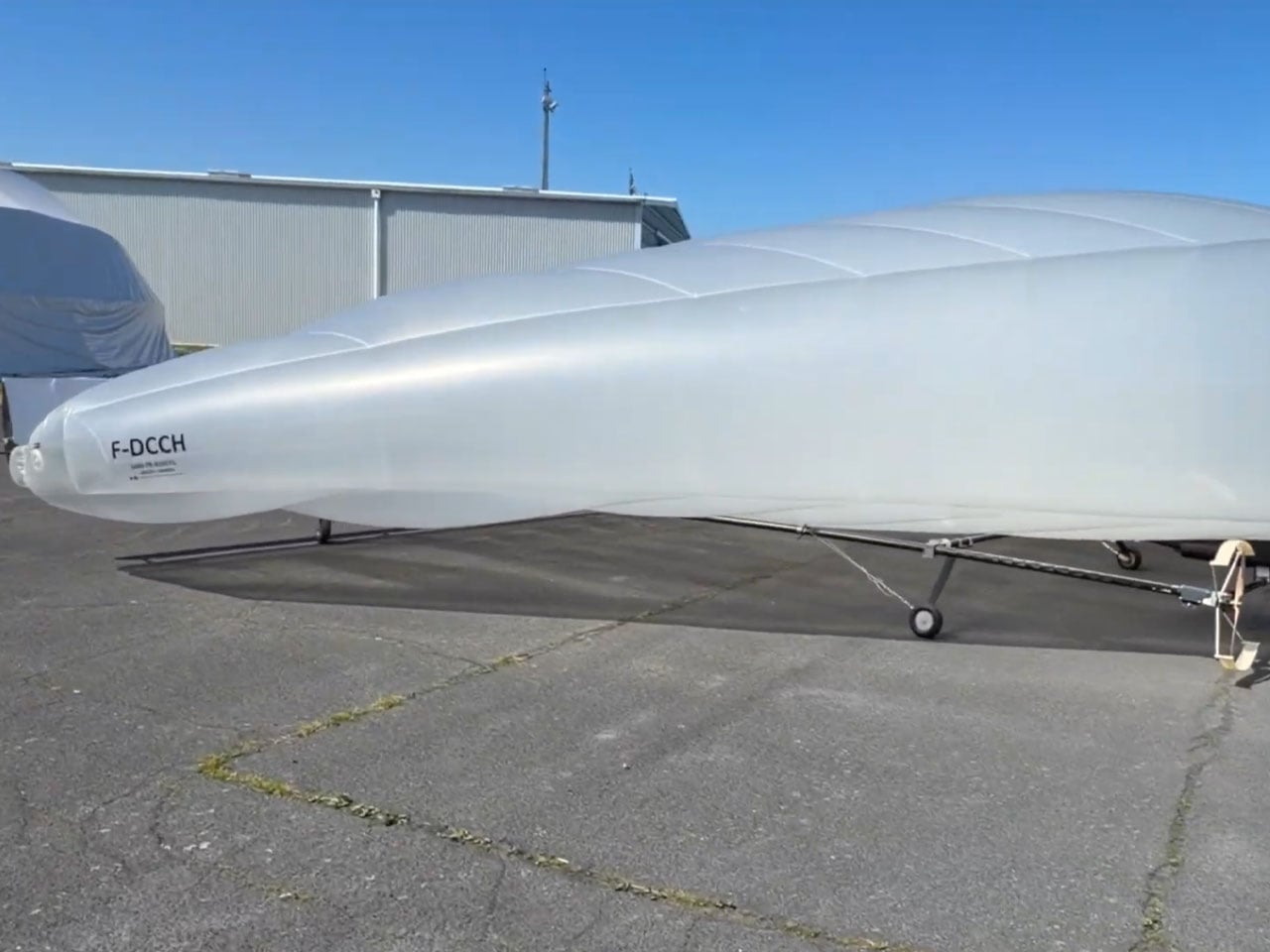
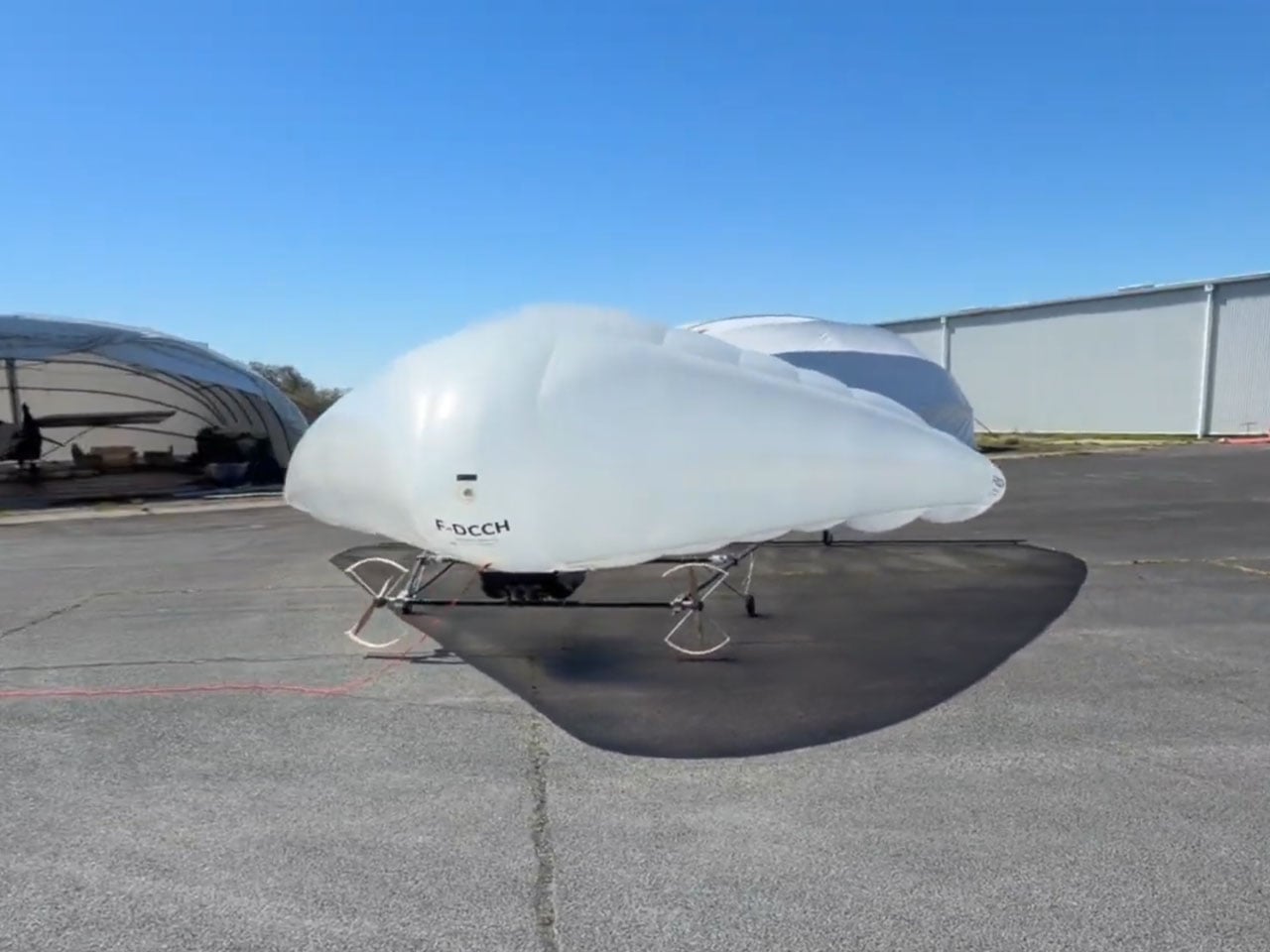
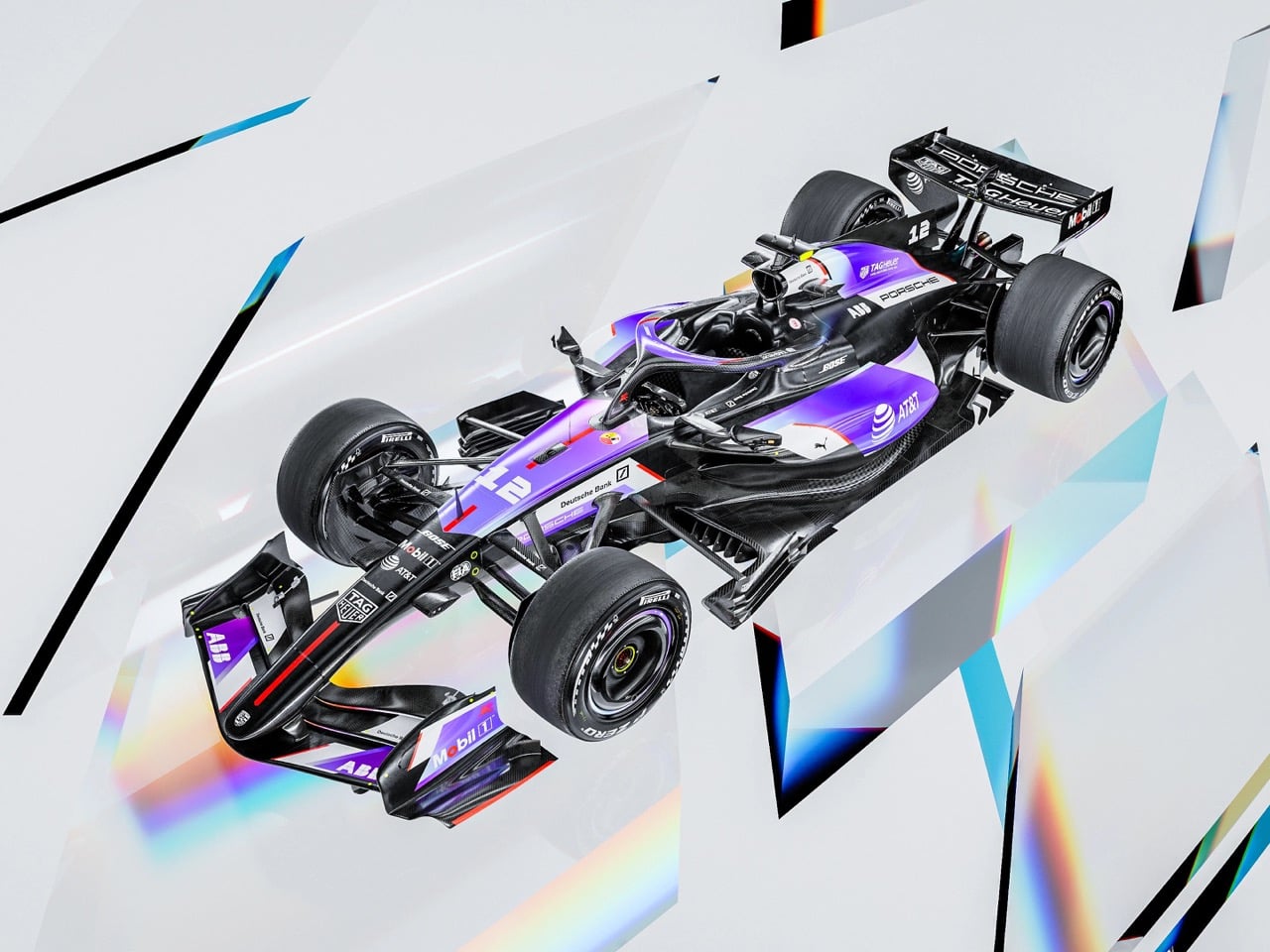
Flying cars have been vaporware for so long that most concepts blur together into the same generic pod-on-rotors aesthetic. Then MOSTAVIO’s MX1 lands in your feed, and suddenly you’re reminded why great industrial design still matters. The angular, almost origami-like bodywork earned this Toronto startup the 2025 Red Dot Award: Design Concept, validating what your eyes already know. Unlike the Cybertruck’s deliberately unfinished brutalism, the MX1 feels thought through to the last crease. Every facet serves both form and function, channeling the legendary design philosophy of masters like Giugiaro and Gandini.

The single-seat cockpit opens like a fighter jet, the panoramic window stretches wide for an unobstructed view, and the whole package sits on co-axial rotors that look more like sculptural elements than utilitarian hardware. MOSTAVIO wrapped these features in composite bodywork that appears to shift in the light, aggressive yet refined. The VR-based autonomous control system means you don’t need a pilot’s license to appreciate what they’ve built here, just an appreciation for design that refuses to compromise. This is what happens when someone actually cares about making future mobility look like it belongs in the future.

Designer: MOSTAVIO

What makes the angularity work here, where other attempts have failed, is the controlled complexity of the surfacing. The body isn’t made of simple, flat planes. Look at the way light travels across the fuselage in the photos; you can see subtle curvature and tension in every facet, creating highlights that define the form. This is sophisticated stuff, the kind of surfacing you see on a Lamborghini, where every crease is intentional and contributes to the whole. It’s a design that looks like it was sculpted, not just extruded. The result is a visual language that feels lightweight, technical, and incredibly sharp, like a high-end piece of architectural hardware given flight.

That design discipline extends to the integration of functional parts. The co-axial rotor arms blend into the body with carefully managed fillets, making them feel like organic extensions of the main form instead of bolted-on appendages. The canopy shut-lines follow the body creases perfectly, and the single rear light is tucked neatly into the tail. This is the hard part of vehicle design, where engineers and designers usually fight to a clumsy compromise. Here, it feels like the designers won. They took the necessary components of a quadcopter and made them integral to the aesthetic, creating a cohesive object that looks right from every angle.

Of course, winning a Red Dot for a concept is the design world’s equivalent of getting a screenplay optioned. It doesn’t mean the movie is getting made tomorrow, but it confirms the script is brilliant. So before you get your wallet out, know that the MX1 is a proof-of-concept. You can’t buy one. Its job is to attract attention, secure funding, and serve as a design study for a future 2-3 passenger vehicle that MOSTAVIO plans to develop. It’s a physical mission statement, a declaration of intent. And as far as intentions go, this one is about as compelling as it gets. We’ll be watching.

The post This Blade-Like eVTOL Makes the Cybertruck Look Like A Child’s Sketch first appeared on Yanko Design.
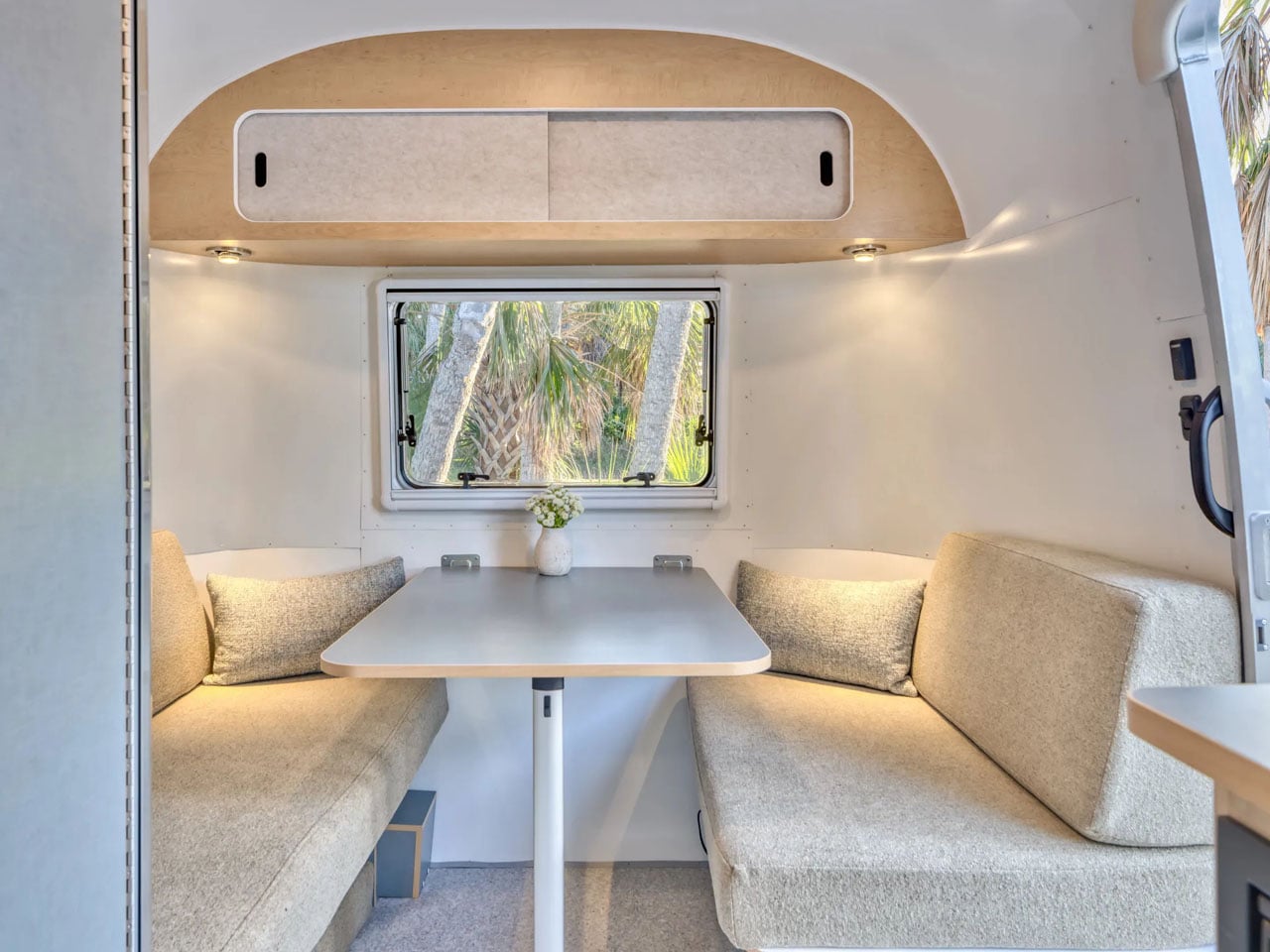
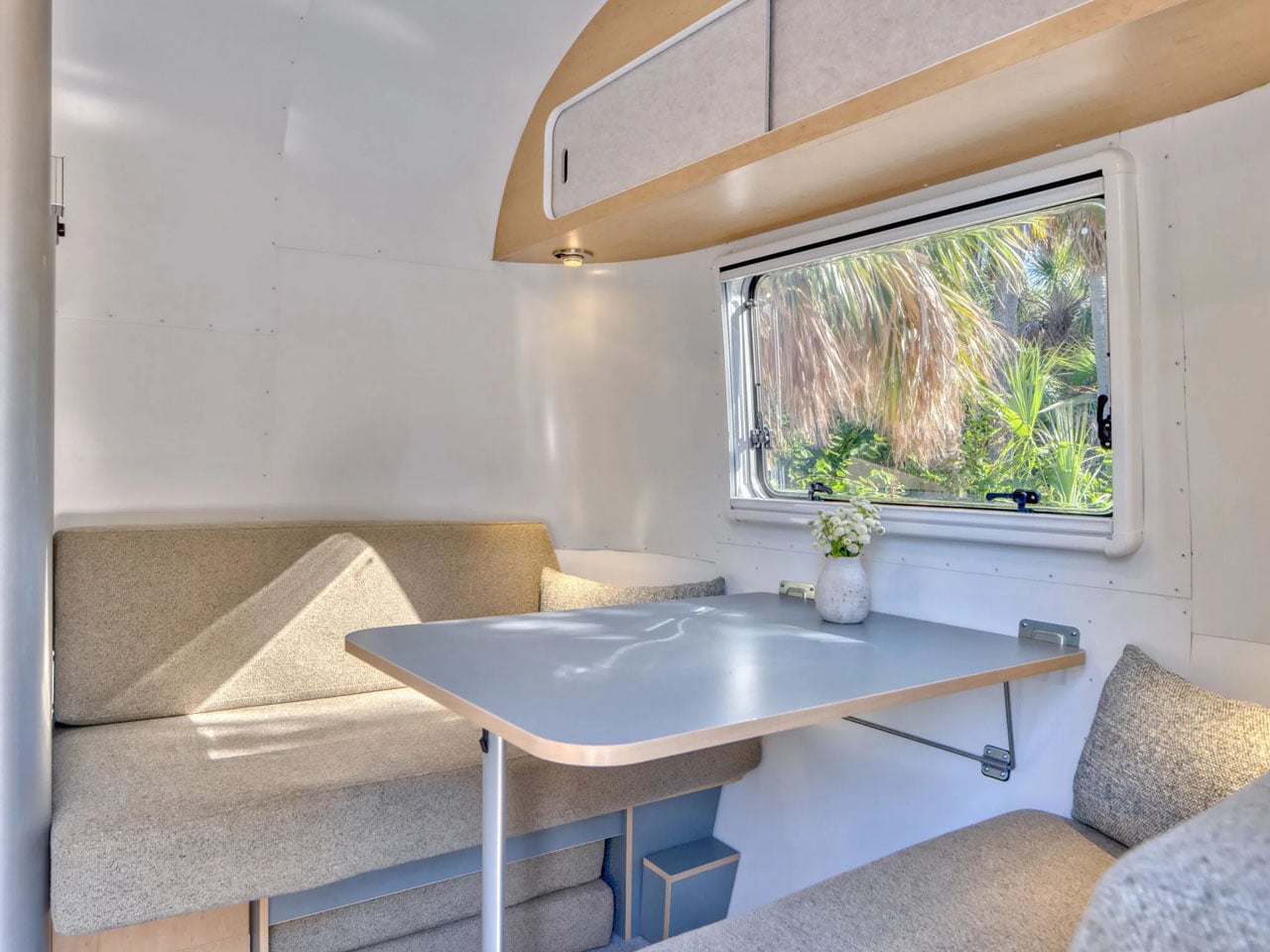
This teardrop trailer with fiberglass body tows efficiently behind an electric bike

For me, the ultimate luxury of biking is the combination of self-fitness and environmental friendliness. If there were another dimension to add, it would be the wonder of knowing where to sleep or relax after a tiring day riding up to the favorite spot in the wilderness. This is where the all-new bike camper, from Nirvana Van based in France, pedals in, towing behind a capable e-bike.

The makers argue, it can tow behind a regular bike without much effort on a level path, but that’s not what you want the trailer for. You want the towing residence to go where your electric bike, grit, and adventure take you, and that’s what the bike camper promises to do without a hiccup.

Designer: Nirvana Van

Bike campers like this one have been around for a while. Towable teardrop trailer from ModyPlast is a good example. Such compact teardrop trailers present the eco-conscious camping enthusiasts with an undeniable reason to ride, explore, and live at the place of their choosing. It is, in comparison, a cheaper and more environmentally-friendly way to spend a weekend in a picturesque location, something the regular trailers fail to do. They are luxurious and designed for more than a couple. But if you’re adventuring on a bike, surely you are doing so to go solo, and for that, the compact bike camper is a good choice.

If you remember the SpaceCamperBike, it was an electric bike you can ride, work, sleep, and camp in. The Nirvana Van’s idea of the teardrop trailer is pretty traditional: a trailer to tow behind. The company can customize the trailer hitch to suit a varied choice of electric bikes, making it compatible with whatever brand you own. The bike camper’s efficiency and durability have been put to the test by Raphaël Dakiche of Nirvana Van with over 1200 km journey across France: living out of the trailer riding behind the electric bike.

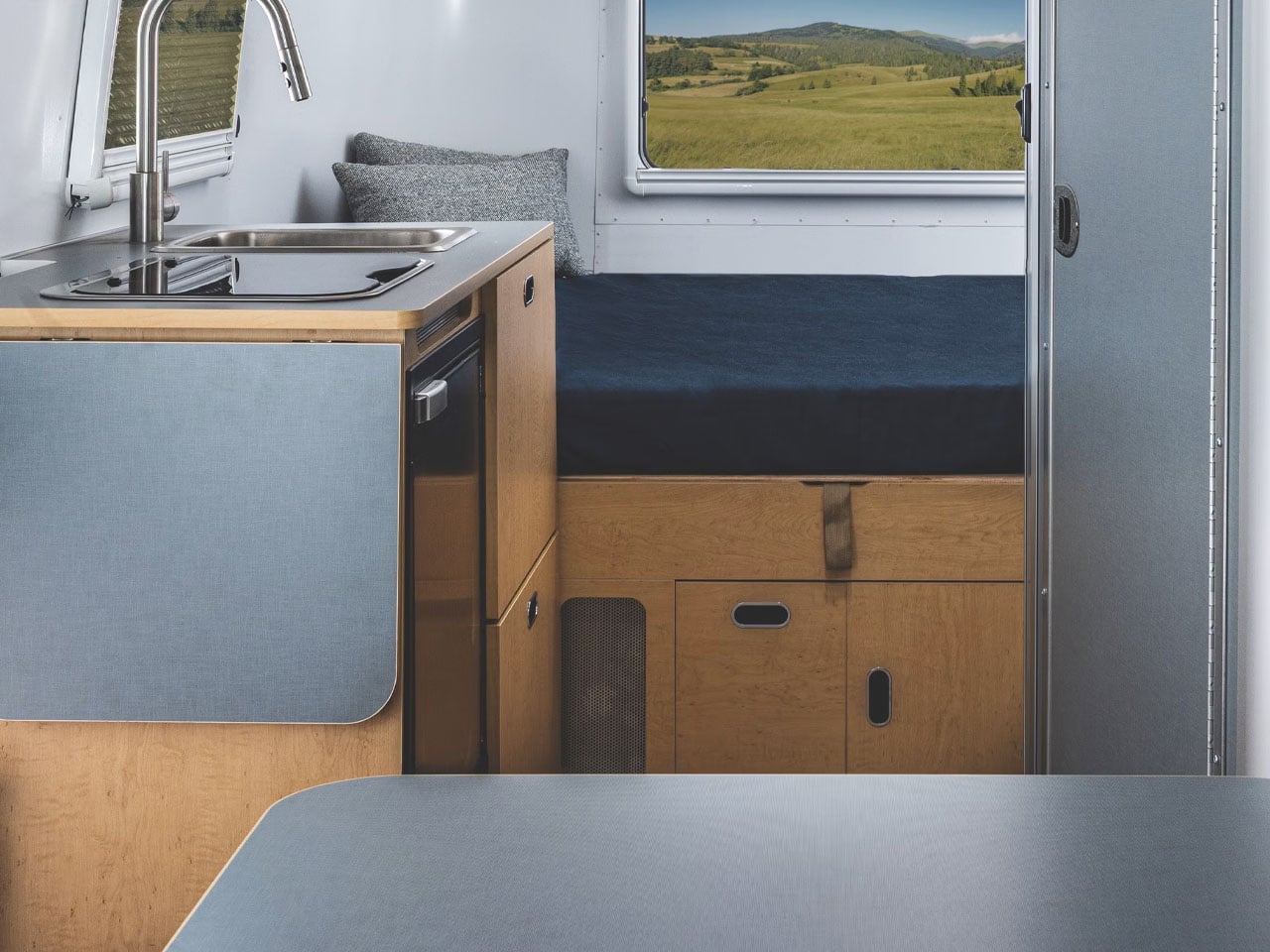
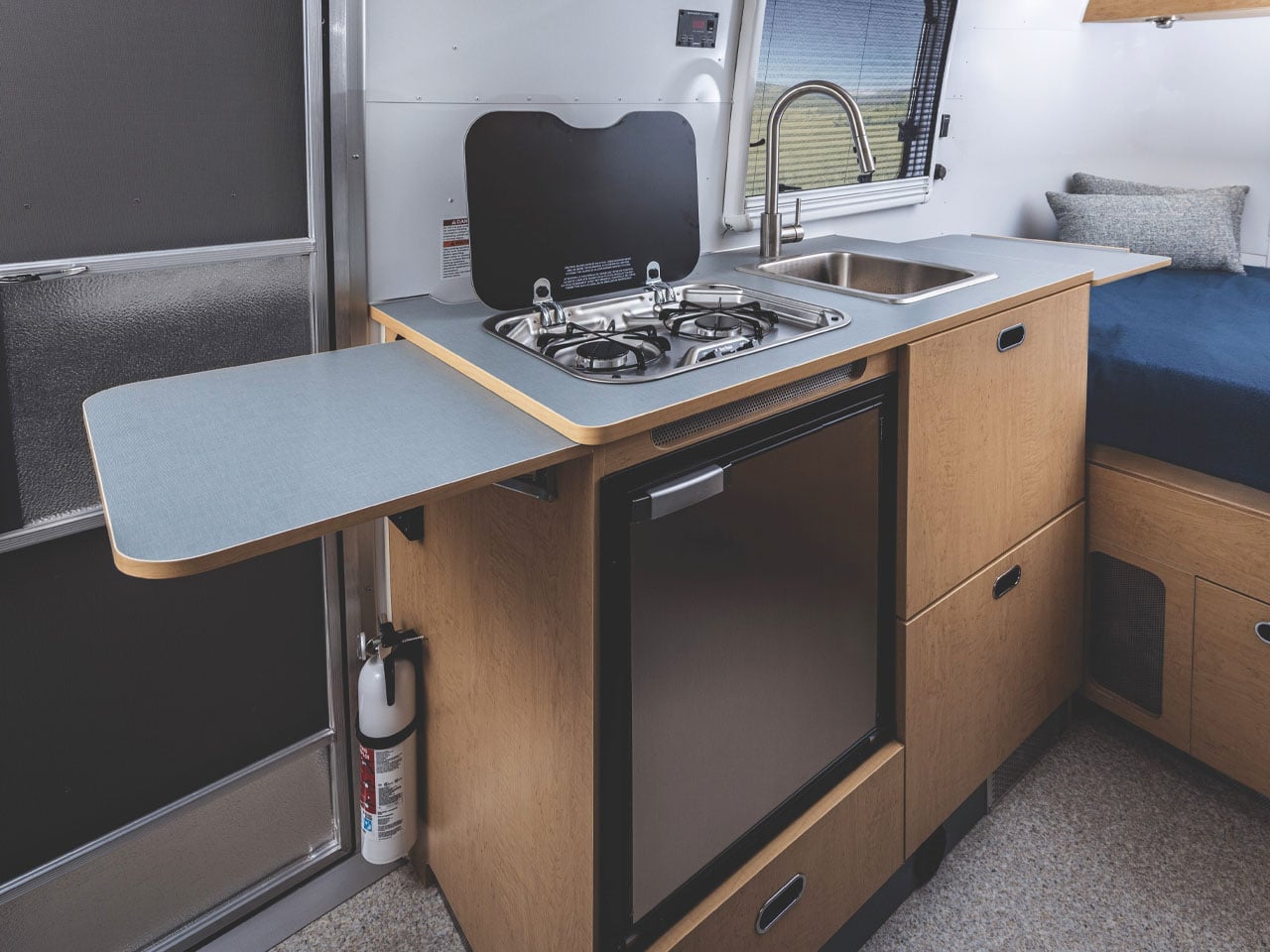
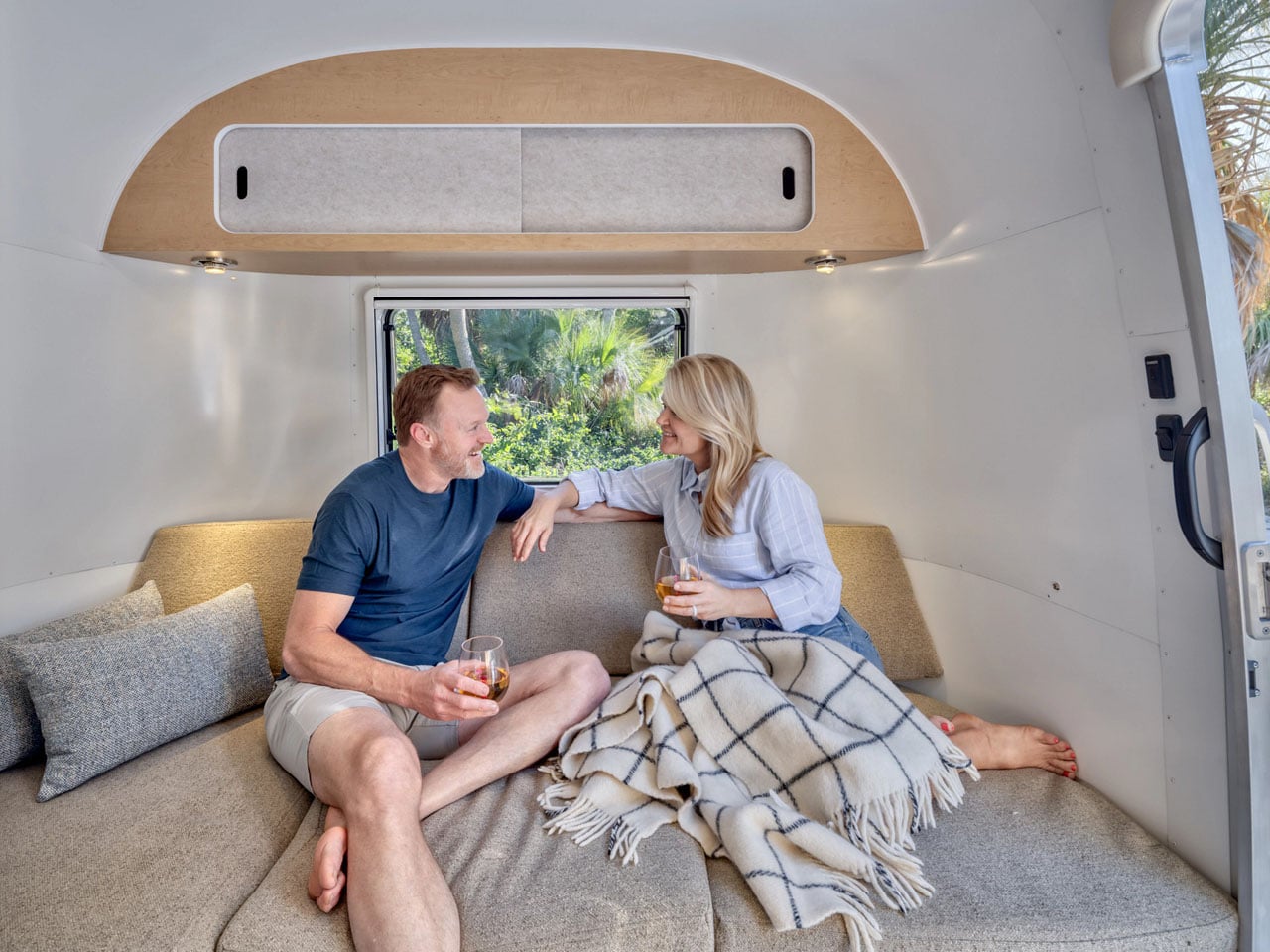
So, whether you are planning a long-distance adventure or just a short weekend trip, the camper is ready to go where you want it to. The easy-to-tow and set-up trailer, which is proposed to be a reliable and comfortable shelter at every stop, is made available in two variants: 67kg Classic and 57kg Premium. The former is made using a cellular polypropylene shell and a steel chassis, while the latter is a fiberglass shell on an aluminum chassis. These come with optional 250Wh or 850Wh batteries, and the choice of either 105W or 190W roof-mounted solar panels.

Irrespective of the model, the teardrop trailer is provided in a size measuring 6.8 feet long and 3.1 feet wide. The bike camper is made comfortable for year-round camping with 20mm extruded polystyrene (XPS) foam insulation and safety on the road is managed by the lockable door and leg stabilizers. The circular window makes for ventilation inside, where you get a bed and ample storage. The Classic starts at €3,500 ($4,100) and the Premium costs €3,900 ($4,300).

The post This teardrop trailer with fiberglass body tows efficiently behind an electric bike first appeared on Yanko Design.

Tech-savvy YouTuber builds a cardboard airplane with detachable landing gear

The Wright Brothers changed the course of history when they took the first ever flight on December 1903. Their biplane, crafted from wood and fabric, had a rudder for yaw control, wing warping for roll control, and front elevators for pitch control. The first flight lasted for just 12 seconds, driven by the custom 12-horsepower engine and propellers.

The aviation industry has come a long way since that decisive event, and it’s always good to have a similar nostalgic feel again. Peter Sripol, along with his team, has built a cardboard airplane that has plywood-structured wings (just like the Wright Brothers’ airplane) and is capable of flying one person with ease. Interestingly, the DIYer uses a Pizza box to fit in the altimeter, air speed gauge, and the attitude indicator. According to his estimation, the plane is a giant shipping box, given that it has around 95 percent cardboard parts, which in itself is a feat.

Designer: Peter Sripol

The shape of the fully assembled airplane is just like any other double-propeller plane that’s commercially produced. It is narrower on the tail end and wider near the seating section for aerodynamic efficiency. Just that it’s not as polished and fine-tuned since it is just a prototype for now. After putting together the fuselage, wings, and the custom-made wheel assembly that ejects once the thing is airborne to shed extra weight, Peter drove around the plane in taxing mode to check if all the basics are working fine. The wheels seemed to drag a little, and the batteries powering the thing were not enough for the flight speed.

After fixing the initial kinks, he managed to get off the ground a few feet, but as soon as the landing gear assembly detached, the cardboard airplane flew for a few feet and veered off course to land abruptly. Coming back to the design, the corrugated cardboard parts of the plane are glued together for structural integrity. There are small cutouts on the sides and on the front to have a clear view. The DIY project is in work, and the maker plans to install the controls on the sides and the rudder pedals on the floor. For now, Peter uses the wireless controller to actuate the inputs for the drive and flight tests. Fitting the flight controls inside is going to be touch-and-go, given that there is only one entry and exit opening on the plane from the front. The tail section has folded cardboard skins that take the shape of the stabilizers, elevator, and rudder.

The wing is the most challenging section to build, as during flight, cardboard is not the most ideal material due to its low compression tolerance, hence the small plywood plates embedded inside the wing structure. For a secure embodiment, the wings are attached to the fuselage with bolts and reinforced cardboard doublers. The electric motors for propulsion are mounted on the reinforced cardboard structure, while the batteries, speed controls, and the messy wiring are housed inside the fuselage. We’ll have to wait for a few weeks, when the next video arrives, and hopefully Peter will take flight in this DIY cardboard airplane.

The post Tech-savvy YouTuber builds a cardboard airplane with detachable landing gear first appeared on Yanko Design.

Shiver x Expandable 6×6 motorhome will deliver comfortable mobile lodging for a team of six

We have seen luxurious mobile homes, liveable work pods built on trailers, and compact campers to slide onto the truck beds. But this expandable rig is not going that route; it’s changing the spectrum by presenting itself as a first self-sufficient ‘dorm on wheels.’ Perhaps, Expandable Trailers, the company behind the build, will refrain from calling its dedicated creation something on those lines, but if you’re a team of six, requiring a ‘dependable space to rest, recharge, and regroup’ – before a game in the city or in the middle of a sandstorm – this expandable pod is all that you will want.

Expandable Trailers has custom-built this 30-foot expandable motorhome for Shiver Offroad, a prominent raid team that’s a regular at the Dakar Rally – a challenging desert race. It is based on a MAN 6×6 HD truck chassis for the team that needs a stable and comforting basecamp in the most remote place, without compromising space, facilities, and functionality necessary for all the individual and team needs. The compact Shiver Offroad mansion is designed to expand on location into a spacious living area for six.

Designer: Expandable Trailers

The Shiver x Expandable motorhome is not about pomp and show, even though it’s built on the Expandable Trailers’ signature expanding mechanism, which opens the interior on either side for all the necessary elements Shiver Offroad may need for its team of six. It is for all good reasons, a mobile space that puts functionality and comfort ahead of everything else. “No hassle with temporary tents or booking accommodations. Just pull up, expand, and get to work — or rest,” the company press information notes.

The glass exterior of this mobile rally base is topped with a full-size rooftop terrace. It starts as an open floor plan on the inside. For Shiver Offroad, it has, however, been customized to meet the team’s needs with fixed bunk beds for six members on one side (which presents itself like a shared dorm room). Each bed is provided with its own power outlet, a reading light, and a tiny storage compartment for stowing away personal belongings.

The pod is more than just an off-road capable mobile home. It is designed to be fully self-reliant with its own power supply from a generator and a battery. The expanding rig has a kitchen comprising a cooktop, sink, fridge, and storage cabinets. A dining area is also provided for the team members to have shared meals. Without the bathroom, this would be incomplete. We learn that it also features a separate shower room and a toilet, and a washer-dryer combo to handle the laundry. For when the team wants to wind down after the hustle, a small lounge space, along with a large window, makes it possible. Just outside – in the rear – is the spiral staircase leading to the terrace on the roof.

The post Shiver x Expandable 6×6 motorhome will deliver comfortable mobile lodging for a team of six first appeared on Yanko Design.
Your Car Now Has Its Own Fitness-Tracking ‘Smartwatch’, and It Costs Less Than $60

Your smartwatch does not just count steps. It listens to your heart, your sleep, your stress, and builds a holistic picture of how your body is doing. GOOLOO’s DS200 DeepScan treats a car with the same level of curiosity. Tucked into the OBD2 port, it becomes a kind of automotive smartwatch, constantly sampling signals from engine, transmission, ABS, airbags, and more, then turning them into an understandable health profile for the vehicle. It lives in that interesting space where hardware minimalism meets software depth, a trend we see in all the best modern tools.

Instead of a single blinking “check engine” icon, the DS200 surfaces trends, patterns, and causes. It calculates volumetric efficiency the way a smartwatch tracks oxygen uptake, logs fault histories like workout sessions, and wraps gateway unlocks and reset procedures in a guided interface. The hardware is a tiny Bluetooth dongle. The real product is the feeling that your car’s inner life is finally as legible as your own health dashboard. This approach shifts the entire user experience from reactive panic to proactive understanding, which is a significant design leap in a category full of cryptic tools.

Designer: GOOLOO

Click Here to Buy Now: $52.80 $89.99 (41% off, use coupon code “YANKODS”). Hurry, deal ends in 48-hours!

The physical unit itself is almost comically small, weighing just 2.89 ounces and measuring less than three inches long. It is the kind of object you plug in and forget about, a true set-and-forget sensor pod. The connection is handled over Bluetooth 5.0 with a reliable 33-foot range, so you are not tethered to the driver’s seat while you poke around in the app. All the heavy lifting, the real design intelligence, lives in the software on your phone. This is a deliberate choice. It keeps the hardware cost down and allows GOOLOO to push meaningful updates over Wi-Fi, evolving the tool’s brain without requiring new plastic.

That app is where the full-body scan happens, quite like how the smartwatch’s sensors ultimately send all the metrics to a fitness app for data-crunching. The DS200 performs a comprehensive sweep of all the vehicle’s major systems. We are talking about the engine, transmission, airbags, ABS, stability control, TPMS, immobilizer, gateway, steering, radio, and air conditioning. The AutoVIN feature automatically identifies the car, so you are spared the tedious process of manually entering model and year information. It is this depth of coverage that elevates the tool. It provides a complete diagnostic picture, showing how different systems are interacting, much like a health tracker correlating sleep quality with daytime stress levels.

This tool also provides active coaching – a fitness app might tell you to work on your cardio; the DS200 gives you the ability to perform an ABS bleed or force a DPF regeneration on your diesel truck. The software includes eight advanced service functions right out of the box, including resets for the oil light, electronic parking brake, steering angle sensor, and battery management system. This is where the DS200 moves beyond simple monitoring and becomes an active maintenance partner. These are functions that, until recently, were locked away in expensive, workshop-exclusive hardware, and having them in a sub-$100 dongle is frankly a little absurd in the best way possible.

What really gets my attention, though, is the inclusion of secure gateway unlock. If you have ever tried to perform a deep diagnostic on a modern FCA or Renault vehicle, you have certainly hit this wall. The gateway module blocks unauthorized tools from making changes. The DS200 has this authentication built in, with plans to add support for Nissan and Volkswagen in future updates. This single feature is a massive deal for serious DIYers and independent shops. It is the digital key that gets you past the velvet rope, allowing you to perform the resets and tests that other tools in this price bracket simply cannot.

Of course, this level of ongoing intelligence comes with a modern business model. You get the first year of full functionality for free, which is plenty of time to see if it fits your workflow. After that, it shifts to a subscription. The basic package runs $49.99 a year, while an enhanced tier with over 30 advanced special functions is $129.99. For a professional technician, this is a negligible cost of doing business. For a home gamer, it is a decision point. You are not just buying a piece of hardware; you are subscribing to an evolving diagnostic platform.

If you are thinking this might be the right tool for your garage, GOOLOO is running a promotion right now that sweetens the deal. They have tiered discounts, so you get $10 off a $150 spend, $20 off $200, and $50 off when you spend $400. Every order also ships with a free canvas bag. If you happen to cross the $268 threshold, they will throw in a 100W solar panel as well, which is a pretty hefty bonus. It is a good time to jump in if you have been looking for a way to get a clearer picture of your car’s health.

Click Here to Buy Now: $52.80 $89.99 (41% off). Hurry, deal ends in 48-hours!

The post Your Car Now Has Its Own Fitness-Tracking ‘Smartwatch’, and It Costs Less Than $60 first appeared on Yanko Design.
Mercedes-Benz reimagines the stellar Unimog with a sublime touch of luxury

Mercedes-Benz has unveiled what could be the most luxurious Unimog ever built, marking a distinctive moment in the model’s nearly eight-decade history. Created by Mercedes-Benz Special Trucks in collaboration with Hellgeth Engineering, this one-off show vehicle celebrates the Unimog’s 80th anniversary in 2026 by pairing its legendary go-anywhere capability with levels of comfort and sophistication previously unseen in the series.

The new luxury Unimog is based on the robust U 4023 chassis, a platform already respected for tackling extreme terrain in both civilian and military settings. It retains core mechanical DNA such as a flexible frame, portal axles that lift critical drivetrain components high above obstacles, selectable all-wheel drive, and differential locks on both axles. These features ensure the vehicle maintains the off-road competence that defines the Unimog name.

Designer: Mercedes-Menz Trucks

Under the hood, the standard four-cylinder engine has been replaced by a Mercedes-Benz OM 936 six-cylinder turbodiesel displacing 7.7 liters and producing around 220 kW (300 hp). This upgrade not only boosts performance over traditional configurations but also pairs with a recalibrated transmission for smoother power delivery and improved on-road manners, notable in a vehicle as rugged as the Unimog. Visually, the luxury Unimog blends utilitarian toughness with contemporary design cues inspired by Mercedes’ SUV range. Its matte grey exterior is punctuated by aluminum beadlock wheels for serious off-road durability, modern LED lighting, and the innovative MirrorCam system, which uses cameras and internal displays in place of conventional mirrors to improve visibility. While still unmistakably a Unimog, these refinements hint at a more premium character.

Inside the double cab, which accommodates four passengers, the transformation is most striking. Premium leather covers the seats, steering wheel, and even the floor mats, all detailed with contrasting stitching. LED ambient lighting enhances the cabin’s atmosphere, and ergonomically revised seating promotes comfort over long journeys. These elements create an experience far removed from the typically utilitarian interiors of traditional Unimogs. Mercedes-Benz Special Trucks frames this build as more than a static exhibit. After its public debut, the luxury Unimog will be handed to a customer for real-world testing in 2026. Feedback from this trial will help determine whether aspects of the project could evolve into a limited production or inspire future special editions.

The Unimog itself has a long legacy of versatility. Originally conceived as a “Universal-Motor-Gerät” in the aftermath of World War II, the model has served as everything from agricultural machinery to military transport and emergency-response vehicle. Its hallmark has always been exceptional adaptability and resilience across environments. Pricing for the existing U 4023 begins around the mid-six-figure mark (around $225,000), and with the bespoke powertrain and luxury appointments, this anniversary edition could command a significantly higher valuation should it ever reach limited production. For now, it stands as a bold reinterpretation of a vehicle long prized for its capability, signalling what might lie ahead if demand for ultra-premium off-road trucks continues to grow.

The post Mercedes-Benz reimagines the stellar Unimog with a sublime touch of luxury first appeared on Yanko Design.
2026 Toyota GR Supra MkV Final Edition Review: A Farewell Written in Carbon Fiber and Camber

PROS:


  • Refined chassis sharpens every driver input

  • Larger Brembo brakes resist fade confidently

  • Distinctive silhouette will age gracefully

  • Manual transmission available for enthusiasts

  • Premium Alcantara and leather interior

CONS:


  • No Android Auto connectivity

  • Limited cargo space and rear visibility

RATINGS:

AESTHETICS
ERGONOMICS
PERFORMANCE
SUSTAINABILITY / REPAIRABILITY
VALUE FOR MONEY

EDITOR'S QUOTE:

The most resolved Supra of this generation, built entirely for feel over flash.

The fifth-generation Toyota Supra has always carried the weight of resurrection, a nameplate revived after two decades of dormancy and built on a platform shared with BMW’s Z4. That partnership invited scrutiny from the beginning, with purists questioning whether the A90 could truly claim the Supra lineage when its heart beat with Bavarian engineering. Toyota’s response, refined across six model years, culminates in the MkV Final Edition: not a reinvention but a declaration that the conversation about authenticity matters less than the conversation about intent. The Final Edition does not chase new power figures or revolutionary technology. It chases feel, that elusive quality that separates cars people admire from cars people remember.

Designer: Toyota

Gazoo Racing’s philosophy has always emphasized the tactile over the theoretical, and this swan song embodies that principle with unusual clarity. Where competitors announce their final editions with horsepower increases and cosmetic packages, Toyota chose to invest in the parts that shape how the car communicates with its driver: bushings, braces, damper calibration, brake sizing. The engineering focus speaks to a different understanding of what makes a sports car meaningful. Numbers translate poorly to memory. The sensation of a chassis rotating precisely at the limit, the confidence of brakes that refuse to fade, the subtle feedback through a steering wheel that actually tells you something: these are the currencies that matter when the production line goes quiet.

The price positions the Final Edition in the upper 60s before destination, typically just over 70k as equipped, placing it firmly in the territory where a Porsche Cayman or BMW M2 becomes a reasonable cross-shop. That positioning is intentional. Toyota is not asking buyers to choose the Supra because it costs less or offers more features per dollar. The ask is simpler and more demanding: choose it because this is the most resolved version of a car that has spent six years learning how to be itself. I spent a week with the Final Edition, and that confidence comes through every time you turn the key.

Exterior Form Language

Few sports car silhouettes remain as distinctive as the GR Supra’s, a profile defined by the exaggerated length of its hood relative to the compact cabin and truncated tail. That proportion traces directly to the classic front-engine, rear-drive formula, but the execution here pushes further into sculptural territory than most modern interpretations. A double-bubble roof, functional in its origins as a nod to helmet clearance but now a visual signature, creates a centerline interruption that breaks what could have been a simple coupe arc into something more complex. Light catches the roof differently at every angle, revealing the depth of the sculpting work that photographs rarely capture.

The Final Edition adds visual weight through functional aero components that subtly alter the car’s stance without abandoning the base design’s intent. In person, the carbon ducktail changes the whole rear three-quarter view. A carbon fiber ducktail spoiler extends the rear deck with a lip that follows the body’s natural curvature rather than imposing an aggressive aftermarket aesthetic. Front wheel arch flaps and taller tire spats address airflow management at higher speeds, but their visual effect is equally significant: they emphasize the muscular fender bulges that have always been the Supra’s most overtly athletic element. The matte black 19-inch wheels specific to this trim level darken the car’s overall presence, pulling attention toward the body surfaces rather than the brightwork. That darkening strategy continues with available carbon mirror caps and the optional GT4 appearance package, which introduces matte paint finishes like Burnout and Undercover that transform surface reflections into something closer to fabric than glass. The lighting signature carries forward unchanged from previous model years, with the narrow headlamp clusters and integrated LED running lights that give the Supra its focused, almost predatory forward gaze. Rear lighting uses a full-width bar that connects the tail lamps and creates visual width when viewed from behind. The decision to keep lighting elements consistent with the broader Supra range rather than creating Final Edition-specific graphics reflects Toyota’s restraint. This is a car closing a chapter, not a special edition screaming for attention.

Surfacing across the body panels demonstrates the kind of complexity that requires time to appreciate. The door skins carry compound curves that transition from convex to concave as they approach the rockers, creating shadow lines that change character depending on the sun angle. Fender tops pull upward from the hood line with enough volume to be visible from the driver’s seat, a design choice that deliberately references the original A80 Supra’s visual cues. The hood itself stretches forward with a slight power dome that interrupts what would otherwise be a simple convex surface, adding muscularity without resorting to the aggressive venting common in performance car design.

Where the Supra’s form language succeeds most convincingly is in its refusal to chase visual aggression for its own sake. Many competitors in this price bracket layer on ducts, vents, wings, and diffusers that announce performance intent through visual noise. The GR Supra communicates through proportion and surface, trusting that buyers who appreciate the engineering beneath will also appreciate the design discipline above. I think it is one of the better looking sports cars you can buy right now, and it will age better than most of its rivals.

Interior Architecture

Cabin architecture establishes its priorities the moment the door swings open, presenting a cockpit organized around the driver with almost aggressive single-mindedness. Seat positioning sits low, with the hip point closer to the floor than most modern sports cars permit, creating the sensation of sitting in the car rather than on it. A relatively high door line and the upward sweep of the dashboard combine with that low seating to produce an environment that feels enclosed without claustrophobia, like a well-fitted helmet rather than a restrictive space. The center console rises between driver and passenger, creating both physical and psychological separation that reinforces the driver-focused intent. This is not a car designed for conversation during spirited driving.

The Final Edition’s interior trim elevates the cabin through Alcantara and leather surfaces with red contrast stitching and GR branding integrated into the headrests and door panels. That red accent strategy walks a careful line: visible enough to communicate the special edition status, restrained enough to avoid the boy-racer look that aggressive color blocking can create. Alcantara appears on high-contact areas where grip matters, and the texture variation it brings is welcome. Leather covers the surfaces where durability and easy cleaning take priority. The combination feels deliberate rather than decorated.

Spatial logic within the cabin follows the classic sports car compromise: adequate space for two adults, minimal accommodation for anything else. The 10.2 cubic feet of cargo behind the seats accepts weekend bags or a set of helmets, but the hatchback opening limits practical access compared with a traditional trunk. I fit a carry-on and a camera bag back there without much fuss. Seat adjustment range accommodates a reasonable spread of body types, though taller drivers may find the roof proximity notable, particularly with the double-bubble sculpting pressing down at the head area. The passenger seat offers less adjustment range, an honest acknowledgment that this space exists primarily to transport someone occasionally rather than to provide equivalent comfort to the driver’s position. The instrument cluster positions directly ahead of the steering wheel in a binnacle that creates visual focus, while the center-mounted infotainment screen angles toward the driver with enough tilt to be visible without requiring a full head turn.

Ambient quality within the Final Edition cabin achieves a level of refinement that earlier A90 models sometimes missed. Panel gaps align with acceptable precision, door closure sounds carry the solid thunk that buyers at this price expect, and the overall assembly feel reflects the maturation that comes with late-production-run refinement. The JBL audio system fills the cabin with competent sound quality that neither embarrasses the car nor elevates it to audiophile territory. Road noise penetration remains higher than in grand touring competitors but lower than in track-focused machines, positioning the Supra appropriately for its dual-purpose character.

Control surface placement follows established conventions without innovation, which in this context reads as confidence rather than laziness. The steering wheel rim thickness and diameter feel appropriate for the car’s performance envelope. Paddle shifters, on automatic-equipped models, position within natural finger reach. Climate controls operate through physical buttons rather than touchscreen menus, a decision that becomes increasingly welcome as more manufacturers abandon tactile interfaces. The overall ergonomic impression suggests a cabin designed by people who drive rather than by people who design interfaces.

Material Composition

Material selection within the Final Edition demonstrates the kind of thoughtful approach that distinguishes serious sports cars from dressed-up economy platforms. The Alcantara carries enough weight to feel genuine rather than synthetic, and the stitching on the leather surfaces maintains consistent spacing throughout. Hard plastics appear in lower visibility areas, but their matte finishes prevent the cheap, shiny look that dates an interior. Carbon fiber trim matches the exterior pieces in weave and clear coat.

The steering wheel leather provides grip during hard cornering without needing aggressive perforation. The shift lever moves through its gate with the mechanical precision you want from a sports car. Climate control knobs click with appropriate resistance, and even the key fob has the right heft. These details matter more than they should, and the Final Edition gets most of them right.


Sound enters the cabin intentionally. Road surface changes come through the floor clearly enough to tell you about grip conditions. Wind noise picks up above highway speeds, a tradeoff for that slippery shape. The inline-six sounds smooth and present without needing artificial amplification through the speakers. This is a car that wants you engaged, not cocooned.

Technology Integration

The 8.8-inch infotainment display runs older BMW iDrive software that works fine without impressing anyone. Apple CarPlay handles smartphone connectivity, though Android Auto remains unavailable, a gap that stands out as the market has largely standardized around both. The central controller with shortcut buttons takes some learning but becomes efficient with use. Response time is adequate, and the screen resolution reflects the platform’s age without embarrassing the car.

The head-up display projects speed, navigation directions, and basic vehicle info onto the windshield where it belongs. Brightness adjusts automatically, and the information density stays reasonable during spirited driving. Taller drivers may find the projection sitting lower than ideal.

Driver assistance on automatic models includes adaptive cruise, lane departure warning, emergency braking, and blind spot monitoring. These systems work competently without the refined calibration of the best current implementations. The technology overall reflects a transitional moment: physical buttons for climate and common functions, which many buyers will appreciate, but less visual sophistication than competitors increasingly offer. The tech is fine. You are not buying this car for its infotainment.

Powertrain Character

The 3.0-liter turbocharged inline-six produces 382 horsepower and 368 pound-feet of torque through a powerband that emphasizes breadth over peak drama. Torque arrives from 1,800 rpm and maintains presence across the usable range, eliminating the lag and surge that characterized earlier turbo applications and creating a delivery character that rewards varied driving styles. The engine note carries the mechanical smoothness inherent to inline-six architecture, with a refined exhaust sound that announces intent without the aggressive crackle and pop that some competitors employ. Power delivery feels linear and accessible, building predictably with throttle input rather than arriving in sudden bursts that complicate corner exit management.

Transmission choice between the six-speed manual and eight-speed automatic represents a philosophical decision as much as a practical one. The manual offers the engagement and control that enthusiasts prize, with a shift action that has improved across model years to provide shorter throws and more precise gate definition. The automatic matches revs competently during downshifts, executes ratio changes with appropriate speed during spirited driving, and proves unobtrusive during commuting duties. Toyota’s quoted acceleration times favor the automatic slightly, with 0-60 mph arriving in 3.9 seconds versus 4.2 seconds for the manual, though the differences in real-world driving feel less significant than benchmark testing suggests.

The Final Edition’s chassis improvements transform how the powertrain translates through the driving experience. The brake pedal firms up after a few hard stops rather than going soft, which builds confidence when you start pushing. Revised differential control maps improve traction deployment during corner exit, and you feel the rear step just a bit before the diff catches it rather than snapping into oversteer. The stronger front stabilizer bar and recalibrated adaptive dampers maintain body composure under the power application that the turbo six enables. These changes do not alter the powertrain’s fundamental character but refine how that character reaches you through the controls.

Daily Reality

Ownership experience with the GR Supra Final Edition confronts the compromises inherent to sports car design with varying degrees of success. The low seating position that creates driving involvement also complicates entry and exit, particularly in parking spaces where adjacent vehicles limit door swing. Visibility limitations from the small rear window and thick C-pillars require adjustment for drivers accustomed to more expansive glass areas, making parking lot navigation a conscious task rather than a casual one. The firm suspension tuning that provides communication and control on winding roads transmits surface imperfections with corresponding directness, making rough pavement a more present companion than luxury-oriented vehicles would permit.

Fuel economy according to manufacturer estimates reaches 22 mpg in city driving and 29 mpg on the highway, with a combined figure of 25 mpg that reflects the turbocharged six-cylinder’s efficiency when cruising and its appetite when pushed. Real-world numbers will vary with driving style, but the overall efficiency positions the Supra reasonably within its competitive set, neither punishing owners with sports car fuel bills nor pretending toward economy car frugality. Premium fuel requirements add to operating costs in a way that buyers at this price point typically accept as inherent to the category.

Reliability considerations for the Final Edition benefit from six years of production refinement and the BMW powertrain’s established service record in various applications. Early A90 models experienced some software and electronic issues that subsequent years addressed through updates and revisions. The mechanical components, including the engine, transmission, and differential, have demonstrated durability across the ownership community, with major failures remaining relatively uncommon in maintained examples. Service access through Toyota dealers provides convenience advantages over more exotic alternatives, though parts pricing for BMW-derived components can exceed expectations set by Toyota’s mainstream reputation. Warranty coverage follows Toyota’s standard terms, providing the assurance that comes with corporate backing during the initial ownership period.

Storage practicality remains the sports car compromise that no design can fully solve within this package’s constraints. The 10.2 cubic feet behind the seats accepts soft luggage or equipment bags, but the hatchback opening restricts the shapes and sizes that fit easily. The absence of a front trunk, common in mid-engine competitors, eliminates a supplementary storage option that some buyers might expect. Interior storage compartments provide adequate space for phones, wallets, and small items without offering the bins and cubbies that more practical vehicles include. The trunk floor sits high relative to the rear bumper, requiring a lift-over motion that larger or heavier items resist. Owners planning regular cargo duties will find the Final Edition uncooperative.

Competitive Context

Positioning against direct competitors reveals the Final Edition’s distinctive value proposition within a segment rich with alternatives. At approximately $63,000, the Porsche 718 Cayman offers mid-engine balance and the Porsche badge’s aspirational weight, but base models arrive with less power, while equivalently-equipped examples push beyond $80,000. Starting around $64,000, the BMW M2 shares platform architecture with the Supra but wears the M division’s identity, providing comparable performance with a different aesthetic philosophy and higher standard equipment levels. The Nissan Z presents a front-engine, rear-drive alternative at lower price points starting near $50,000, though with less refined chassis dynamics and a less developed interior environment.

Design differentiation within this competitive set reflects each manufacturer’s interpretation of sports car purpose. The Porsche approach emphasizes precision engineering expressed through minimalist design, with restrained surfaces and functional detailing that communicates seriousness without flamboyance. BMW’s M2 adopts a more aggressive stance, with widened bodywork and prominent air intakes that announce performance intent visually. The Nissan Z revives retro styling cues that connect to heritage models, creating emotional resonance through nostalgic reference. The GR Supra occupies a space between these approaches, modern in execution but proportionally classic, dramatic in silhouette but restrained in detailing.

Value assessment for the Final Edition depends heavily on buyer priorities and intended use. Those seeking maximum performance per dollar will find better acceleration numbers elsewhere. Those prioritizing interior luxury or technology features will find more comprehensive offerings at similar prices. Those wanting a daily driver with occasional sport driving will find more practical alternatives with comparable engagement. The Final Edition’s value proposition centers on something less quantifiable: the refinement of a platform that has spent six years developing its character, presented in the form Toyota believes represents its fullest expression. That refinement carries worth for buyers who understand what it represents and holds less meaning for those who prefer specification sheet comparison.

Who Should Buy This

The Final Edition makes the most sense for enthusiasts who already know they want a Supra and want the most sorted version Toyota will ever make. If you track your cars occasionally but mostly drive them on weekends, the chassis improvements and brake upgrade translate directly into confidence. If you care about owning something that will hold its value as a last-of-generation collectible, the limited production run and manual transmission availability help that case. If you need a daily driver that happens to be fun, the standard 3.0 or 3.0 Premium gets you most of the experience for less money. And if you cross-shop heavily on tech features or interior luxury, the Cayman and M2 offer more polish in those areas. The Final Edition is for people who prioritize how a car feels over what it offers on paper.

Design Verdict

The 2026 Toyota GR Supra MkV Final Edition represents a mature conclusion to a generation that arrived with controversy and departs with resolution. Toyota’s decision to invest the Final Edition’s development budget in chassis refinement rather than power increases or cosmetic drama reveals a design philosophy that prioritizes experience over specification. The car that results feels more complete than its predecessors, with the sharpened dynamics and improved braking confidence that track time and engineering iteration produce. Whether those improvements justify the price premium over standard models depends on the buyer’s sensitivity to the differences and the value they place on owning the definitive version of a platform reaching its end. The design choices, from the restrained exterior treatment to the driver-focused interior architecture to the material selections that emphasize quality over flash, communicate intentions clearly enough for interested buyers to evaluate alignment with their own priorities.

Longevity prospects for the Final Edition’s design suggest the kind of aging that rewards restraint. The absence of aggressive trend-chasing elements, the proportion-driven exterior language, the functional rather than decorative interior approach: these qualities tend to preserve relevance as years pass rather than dating the design to a specific moment. The limited production run adds collectability considerations that may influence future values, particularly for manual transmission examples in distinctive color combinations. Whether the GR Supra MkV will achieve the classic status of its A80 predecessor remains for time to determine. What the Final Edition demonstrates conclusively is that Toyota understood what made this generation worth building and chose to close its production run with the clearest expression of that understanding.

The post 2026 Toyota GR Supra MkV Final Edition Review: A Farewell Written in Carbon Fiber and Camber first appeared on Yanko Design.
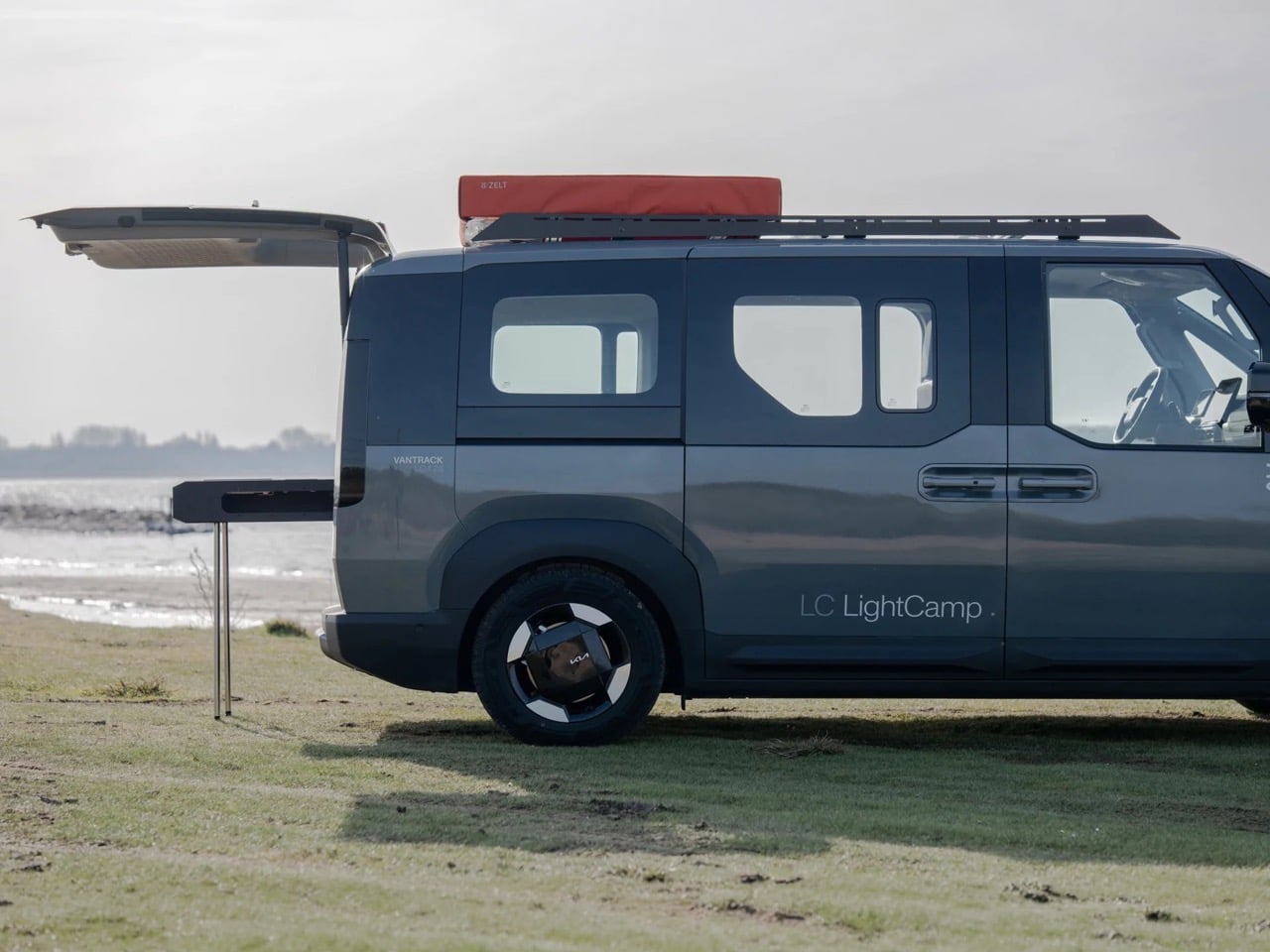
Tiny Camper Company’s Stubby is $2,900, all-composite slide-in camper built to last

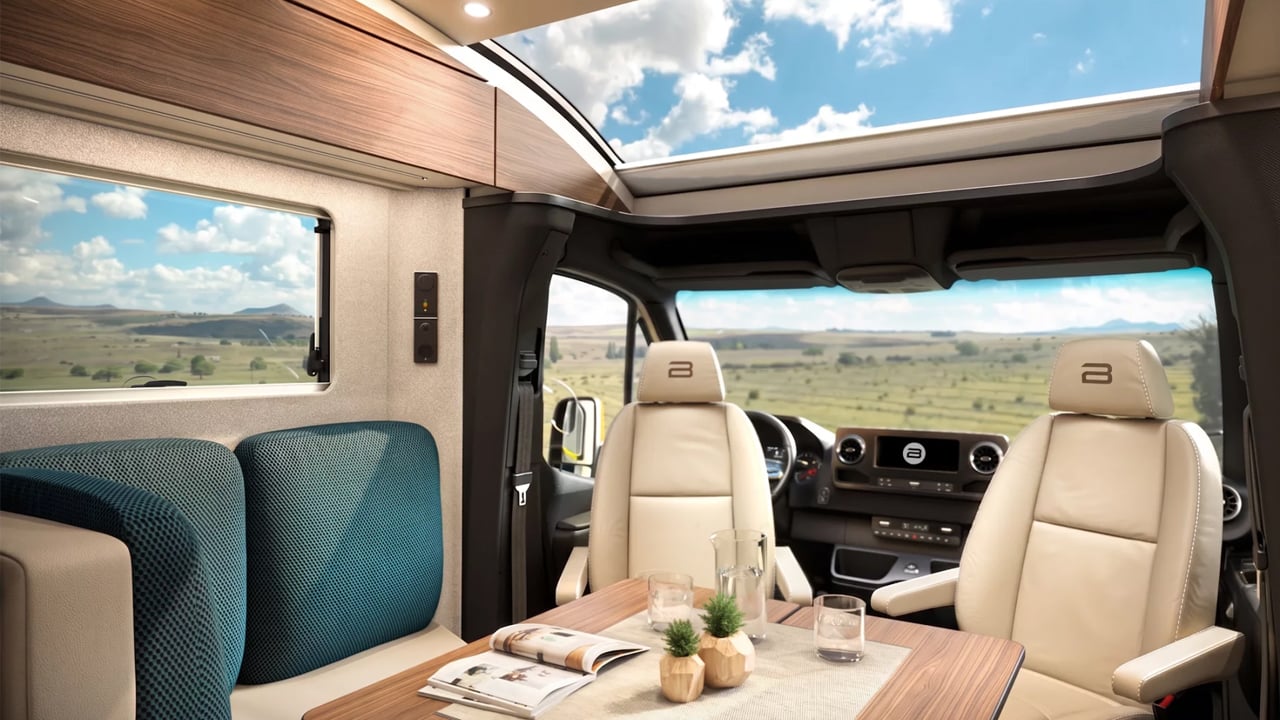
I’m in awe of how quickly the RV industry is transitioning from wood and metal builds to all-composite construction. Following the release of the Unit-1 rugged squaredrop off-roader from California-based Ecno Evil, which was constructed without wood yet designed to tackle untamed roads, another 100 percent wood-free camper makes its presence known. Called the Stubby, it is a bare-bones slide-in camper that starts at just $2,900, making it an accessible entry point for almost any type of adventurer.

Completely wood-free, all-composite construction means this slide-in camper, whether it’s stationed on the pickup truck bed or mounted on a platform, will remain leak-proof and corrosion-free for the lifetime of the vehicle. To stay put where you choose to place it, the camper features a pair of aluminium slides and built-in tie-down points so it’s secure and stable to transport.

Designer: Tiny Camper Company

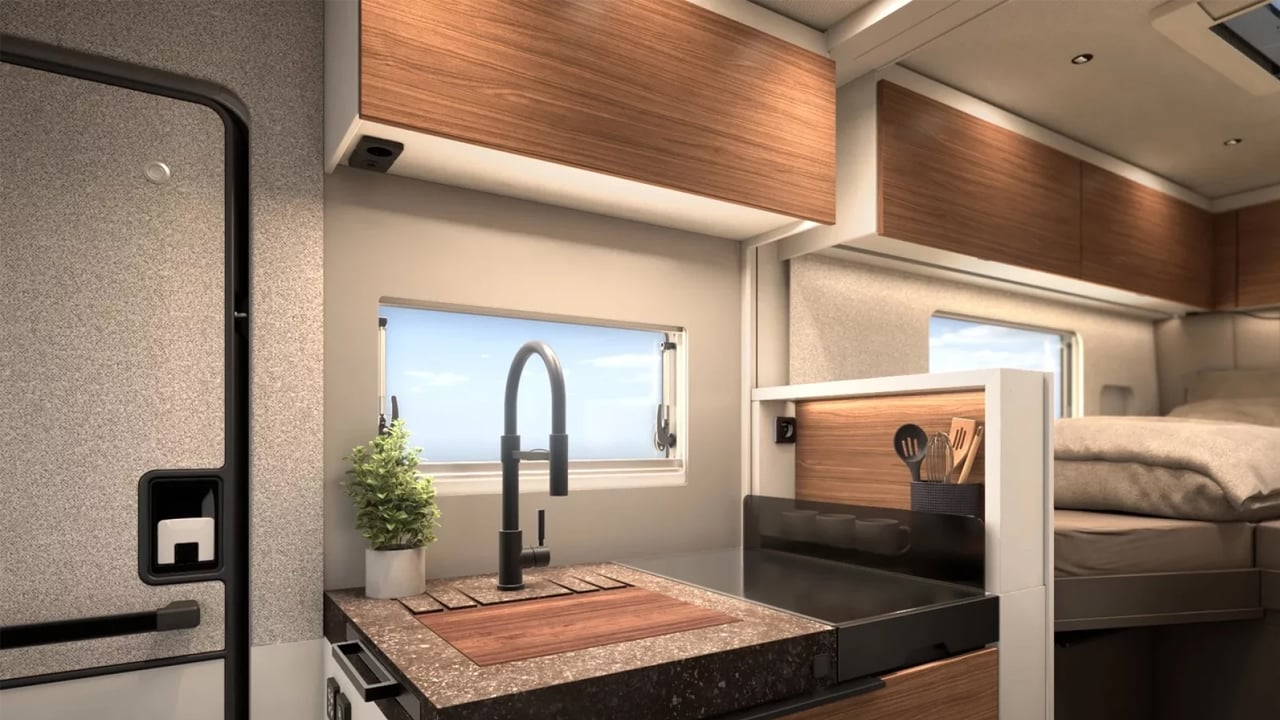
The Stubby is designed and engineered by the guys at the Tiny Camper Company in Florida, which has been creating affordable and compact RVs and has a decent portfolio to show. The Stubby slide-in can fit right into the back of a medium-sized truck with the help of only two people, who can lift and put it there. The cabin is absolutely lightweight at 280 lbs – largely because it’s only a sturdy and capable skeleton. If you want it out there in the wilderness with you, you will have to furnish it up at least with bedding, cooking, and toilet facilities.

Notably, Stubby makes provision for power with a 110V interior outlet and a Marine-grade exterior power connection, but an alternative power source would be necessary when you want to camp in it. With the optional Zero Breeze Mark 2 air conditioner (that comes for an additional $700) and other addons, the slide-in camper should be apt for off-grid adventures and as a quick sleeping solution when you want to “convert your truck into a resting spot.”

Crafted for utmost durability and maximum utility, the 48 inches wide x 6-foot 5 inches long Stubby may be bare bones on the inside to start with, but on the outside, it’s an impressive cabin. The rear access door, measuring 26 inches x 32 inches, is the only entrance. The periphery of the slide-in camper is marked by a set of 12-inch x 24-inch side windows that are strategically positioned to maximize natural light and ventilation. To ensure passive airflow, the Stubby also gets a half-moon air vent on either side. For an asking price of under $3,000, the Tiny Camper Company’s offering is surely enticing. Also, if you don’t like a lot of weight and side-protruding campers in your truck bed, the compact Stubby is a winner!


The post Tiny Camper Company’s Stubby is $2,900, all-composite slide-in camper built to last first appeared on Yanko Design.
Volvo XC60 T8 AWD Ultra Review: Scandinavian Calm in a Segment That Prefers to Shout

PROS:


  • Exceptional interior material quality – Nappa leather, open-pore wood, and real aluminum trim create a tactile experience that rivals vehicles costing significantly more

  • 455 hp with 32-35 miles of EV range – Strong plug-in hybrid performance covers daily commutes on electric power while delivering sports sedan acceleration when needed

  • Air suspension delivers outstanding ride comfort – The Ultra's adaptive suspension absorbs road imperfections while maintaining composed handling at highway speeds

  • Timeless Scandinavian design – Clean lines and understated styling will age gracefully, avoiding the dated look that trend-chasing designs often develop

  • Comprehensive standard equipment – Features like premium audio, advanced driver assistance, and the panoramic roof come included where competitors charge extra

CONS:


  • Infotainment requires too many menu taps – Basic functions like odometer readings are buried in the interface, and response times lag behind the best German systems

  • Premium pricing approaches $80k optioned – The T8 Ultra's as-tested price positions it against well-equipped German rivals with stronger brand prestige

RATINGS:

AESTHETICS
ERGONOMICS
PERFORMANCE
SUSTAINABILITY / REPAIRABILITY
VALUE FOR MONEY

EDITOR'S QUOTE:

The XC60 T8 Ultra proves that restraint can be its own form of luxury. In a segment where everyone is shouting, Volvo built something worth listening to.


The luxury compact SUV segment has become an arms race of aggressive styling, oversized grilles, and angular creases that shout for attention. Volvo refuses to participate. The 2026 XC60 T8 AWD Ultra arrives as a deliberate counterpoint, a vehicle that communicates confidence through restraint rather than visual aggression. This is Scandinavian design philosophy made tangible: every surface, every proportion, every material choice serves a purpose beyond mere aesthetics. The result is a plug-in hybrid that feels like a quiet room in a noisy building. Where competitors deploy sharp edges and exaggerated haunches, Volvo deploys calm.

Designer: Volvo

The XC60 occupies an interesting position in automotive design language. It neither chases trends nor ignores them entirely. Instead, it filters contemporary expectations through a distinctly Nordic lens, one that values negative space as much as positive form. The T8 AWD Ultra represents the fullest expression of this philosophy, combining Volvo’s highest specification levels with a powertrain that delivers 455 horsepower while maintaining the ability to commute silently on electric power alone. This duality, performance capability wrapped in visual serenity, defines the vehicle’s character. The tension between these elements creates something more compelling than either would achieve independently.

What makes the XC60 significant from a design perspective extends beyond surface treatment. The vehicle represents a mature interpretation of what luxury means in an era of environmental awareness and digital saturation. Rather than adding complexity, Volvo has systematically removed it.

Exterior Form Language

The XC60’s silhouette reads as a refined two-box shape with short overhangs and an upright tail. This proportion feels deliberately conservative compared to the swooping fastbacks and coupe-like rooflines that dominate the segment. The shoulder line runs cleanly from the Thor’s Hammer headlights to the vertical taillights, creating visual length without dramatic surfacing. Wheels ranging from 20 to 21 inches fill the arches appropriately without overwhelming the body. The overall effect suggests competence rather than performance, substance rather than flash.

Volvo’s signature lighting elements anchor the design. The Thor’s Hammer LED headlights have become as recognizable as BMW’s kidney grilles or Audi’s rings.
The 2026 refresh brings a cleaner grille treatment that echoes the larger XC90, with diagonal bar elements replacing previous iterations. Black internal housings within the headlight assemblies add depth and modernity without requiring additional brightwork. The lower fascia integrates real airflow openings at the corners, avoiding the fake vent epidemic that plagues the segment. Parking sensors and the forward camera system disappear into the design rather than appearing as afterthoughts. The front face communicates premium positioning through execution quality rather than aggressive styling, a distinction that matters as the vehicle ages. Designs that rely on current trends date quickly. Designs that prioritize proportion and finish quality remain relevant longer.

In profile, the XC60 reveals its proportional confidence. The greenhouse maintains a traditional three-box rhythm with proper A, B, and C pillars rather than the floating roof illusions that have become common. Window surrounds in chrome or black depending on specification provide subtle accent without excessive ornamentation. Roof rails sit low and functional. The overall side view could almost be mistaken for a wagon at certain angles, a reference to Volvo’s estate car heritage that feels intentional rather than accidental.

The rear design employs tall, smoked LED taillights that climb the D-pillars in a signature pattern. VOLVO block lettering spans the tailgate cleanly. T8, Recharge, and AWD badging identifies the powertrain without cluttering the surface. A subtle diffuser-style lower bumper treatment with integrated reflectors replaces visible exhaust outlets, acknowledging the plug-in hybrid’s ability to operate without combustion. The paint palette reinforces the design philosophy: Crystal White Metallic, Onyx Black Metallic, Denim Blue, and Vapour Grey. These colors reward close inspection rather than demanding attention from across a parking lot.

Interior Architecture

Opening the door reveals the XC60’s primary design statement. Where the exterior whispers, the interior speaks clearly about Volvo’s priorities. The immediate impression is of a cocoon, a space designed for occupants rather than spectators. Surfaces flow horizontally across the dashboard, creating visual width and calm.

The Ultra trim layers Nappa leather across the seating surfaces with substantial bolstering and careful stitching. Available colorways include Charcoal for those who prefer darker, more enveloping environments and Blond for an airier, more open feel. Both options demonstrate restraint in their application, avoiding the contrasting piping and excessive quilting that some competitors use to signal luxury. Material transitions occur at logical boundaries rather than arbitrary decorative lines. Real open-pore wood, metal mesh, and textured inlays provide tactile variety without visual chaos. The surfaces invite touch rather than discouraging it.

The center console demonstrates Scandinavian minimalism in practice. A portrait-oriented 9-inch touchscreen dominates the interface.

Below it, a small number of physical controls remain for frequently used functions. The volume knob uses a knurled metal finish that rewards tactile interaction. On higher specifications, an Orrefors crystal-style shifter replaces the standard gear selector, introducing a jewelry-like element that catches light without demanding attention. The panoramic moonroof, standard or widely available depending on market, brings natural light into what might otherwise feel cave-like in darker trim configurations. This interplay between enclosed comfort and external connection runs throughout the interior design.
Seating architecture prioritizes long-distance comfort over sports car support. The front seats offer heating, ventilation, and massage functions in Ultra specification, with adjustable lumbar support and thigh extenders for taller occupants. The seats themselves provide substantial cushioning without feeling soft, maintaining shape and support over extended drives. This is furniture designed for hours of use rather than showroom photography. Rear accommodations follow suit with a gently reclined backrest and support that favors two adults comfortably over three-across capacity. The cabin is honest about its size: this is a compact luxury SUV, not a full-size family hauler.

Storage solutions appear throughout the cabin without disrupting the visual calm. A larger-than-previous center console bin holds items out of sight. Cupholders position logically. Door pockets accommodate bottles and smaller items. Bag hooks and nets behind the front seats provide additional organization in some configurations. The cargo area maintains a broad, square opening with practical load floor height. Split-folding rear seats create a flat surface when more capacity is needed. The plug-in hybrid packaging, often a compromise in other vehicles, preserves useful cargo space without major intrusion.
Material Composition

Material selection in the XC60 Ultra reveals Volvo’s understanding of tactile luxury. Soft-touch surfaces cover the dashboard and upper door panels, providing warmth that cold leather cannot. The leather appointments on the seats use proper grain texture rather than the over-processed smoothness that signals synthetic origin. Stitching appears precise and consistent, following design lines rather than merely holding materials together. The contrast between different textures, matte leather, polished metal, open-pore wood, creates visual interest through material honesty rather than applied decoration. Each surface communicates what it is made from without pretense.
Lower cabin areas use plastics that feel dense and well-fitted rather than hollow and cost-reduced. Panel gaps remain tight and consistent throughout.

The metal trim elements, appearing on speaker grilles, door handles, and climate control surrounds, use actual aluminum rather than chrome-look plastic. These details matter because they accumulate into an overall impression of quality that either supports or undermines the purchase price. At this specification level, the details support the price consistently. The XC60 Ultra feels expensive because expensive materials have been used in places where human contact occurs.

Volvo’s approach to material selection extends to environmental considerations without compromising luxury perception. Leather alternatives appear in some configurations using recycled materials and more sustainable processing. Wood trim sources from responsible forestry programs. Metal finishes use processes that reduce environmental impact. These choices remain largely invisible to occupants but align with the brand’s stated values and appeal to buyers who consider lifecycle impact alongside immediate tactile experience.

Technology Integration

The XC60 T8 Ultra runs a Google-based infotainment system that represents Volvo’s commitment to simplicity over complexity. Google Assistant provides voice control. Google Maps handles navigation with traffic-aware routing. The Google ecosystem allows app access without requiring phone mirroring, though wireless Apple CarPlay remains available for those who prefer it. The 9-inch portrait touchscreen displays information clearly with quick response to inputs.

A 12-inch digital instrument cluster ahead of the driver offers configurable views including a large navigation map, trip data, and driver assistance status. Information hierarchy follows logical priorities: speed and essential warnings remain prominent while secondary data occupies peripheral positions. An available head-up display projects key information onto the windshield, reducing the need to look away from the road. The display can read speed limits and traffic signs, overlaying them in the driver’s line of sight. These technologies serve practical purposes rather than existing as specification sheet items. The question Volvo seems to have asked is not “what can we add” but “what should we show.”

Some functions require menu navigation that feels deeper than necessary. Odometer readings and certain vehicle settings live multiple taps into the interface.

Audio options include Harman Kardon and an available Bowers and Wilkins system depending on package and market. The latter delivers clarity and richness that transforms the cabin into a listening environment worth experiencing. The sound system represents genuine acoustic engineering rather than speaker count marketing. For a vehicle designed around calm and comfort, high-quality audio integration aligns with the overall philosophy. Poor sound reproduction would undermine the cabin’s premium character.

The technology package demonstrates appropriate restraint alongside capability. Rather than introducing features that require user adaptation, Volvo has implemented systems that work in expected ways. Climate controls respond logically. Navigation provides sensible routes. The instrument cluster communicates without confusion. This sounds like a low bar, but the automotive industry regularly introduces interfaces that prioritize novelty over usability. The XC60’s technology feels like it was designed by people who actually use cars rather than by teams seeking differentiation through complexity.

Powertrain Character

The T8 plug-in hybrid powertrain pairs a turbocharged 2.0-liter four-cylinder with an electric motor on the rear axle and a starter-generator between the engine and 8-speed automatic transmission. Combined output reaches approximately 455 horsepower and 523 pound-feet of torque, according to Volvo’s estimates and independent testing. Acceleration to 60 mph arrives in 4.4 to 4.5 seconds, figures that seem incongruous with the vehicle’s reserved styling. This is substantial performance delivered without visual announcement. The vehicle looks calm and moves quickly when requested.

The 18.8 kWh battery provides electric-only range of approximately 32 to 35 miles. This distance covers typical daily commuting for many drivers, allowing pure electric operation for routine trips.

When the battery depletes, combined efficiency settles around 28 mpg. Hybrid operation achieves approximately 63 MPGe. Multiple drive modes, including Hybrid, Pure/EV, Power, and configurable settings, allow drivers to prioritize electric operation, preserve charge for later use, or access maximum combined output. The powertrain flexibility means the XC60 can behave as a quiet urban electric vehicle or a responsive highway cruiser depending on circumstance and driver preference.

The driving experience prioritizes refinement over excitement. Throttle response feels progressive rather than aggressive. The transmission shifts smoothly in normal operation and responds quickly when more power is demanded. The engine remains quiet unless pushed hard, which the vehicle’s character rarely encourages. With the available air suspension on Ultra trim, ride quality emphasizes comfort over sporting sharpness. Body motions stay controlled without feeling harsh. Road imperfections disappear into the suspension rather than transmitting through the structure. Steering provides adequate feedback for confident placement without sporting precision. The XC60 T8 Ultra drives like it looks: composed, capable, and disinclined toward drama.

Daily Reality

Living with the XC60 T8 Ultra reveals strengths that matter more than specification numbers. The cabin’s noise isolation creates a quiet environment at highway speeds, making conversation easy and audio systems worth using. The seats remain comfortable over extended drives, maintaining support without creating pressure points. Climate controls work effectively, and the available air quality monitoring adds practical value in urban environments where exterior air quality varies.

The air suspension’s height adjustment proves useful beyond ride quality. Raising the vehicle provides additional ground clearance for rough roads or driveway approaches.

Lowering it at highway speeds improves aerodynamics and eases entry in low parking structures. The system operates automatically based on conditions, removing the need for driver intervention in most situations. The 360-degree camera system and parking sensors make placing the vehicle in tight spaces manageable despite dimensions that require awareness. The rearview camera displays clearly and inspires confidence during reversing maneuvers.

Some compromises exist within the daily experience. The infotainment system, while functional, lacks the polish of certain German competitors. Response is good but not instant. The interface is logical but not intuitive. This represents adequate execution rather than impressive achievement. Fuel economy, when operating in hybrid mode after battery depletion, requires more frequent stops than three-row crossovers or smaller luxury SUVs. The premium fuel requirement adds cost over regular-grade alternatives. Pricing for the T8 Ultra specification sits in the low to mid 70,000 dollar range before options, with well-equipped examples approaching 80,000 dollars. This positions the XC60 against mid-specification German rivals with established prestige and strong dealer networks.

The vehicle serves specific needs exceptionally well. Commuters with charging access at home or work can operate primarily on electric power, reducing fuel consumption dramatically. Families who prioritize cabin quality over maximum cargo flexibility will appreciate the material choices and seating comfort. Buyers seeking luxury without visual aggression will find the XC60’s restraint appealing rather than disappointing.

Competitive Context

The XC60 T8 Ultra competes against established German plug-in hybrids and traditional luxury crossovers. The BMW X3, Mercedes-Benz GLC, and Audi Q5 offer similar dimensions with different design philosophies. German competitors typically prioritize sharper styling, sportier dynamics, and more tech-forward cabins.

Volvo’s approach differs fundamentally. Where German brands emphasize cockpit-like driver focus with large screen arrays and aggressive surfacing, the XC60 creates a lounge-like environment that serves passengers equally to drivers. Material quality matches or exceeds German alternatives at similar price points. Design vocabulary speaks a different language entirely, one of restraint rather than assertion. The XC60 often offers a modest EV range advantage over many German plug-in rivals, providing practical benefit for drivers who can charge regularly. The power output, approximately 455 horsepower combined, exceeds most segment rivals while the acceleration times remain competitive with dedicated performance variants.

Value within the segment depends on buyer priorities. The XC60 T8 Ultra includes features that cost extra on some competitors: air suspension, premium audio, advanced driver assistance systems. Buyers who value standard equipment over brand prestige may find the Volvo offers more content for comparable money. Those who prioritize established luxury badge recognition or sportier driving dynamics may prefer the German alternatives. The competitive landscape rewards Volvo for differentiation rather than imitation.

The Design Verdict

The 2026 Volvo XC60 T8 AWD Ultra represents a coherent design philosophy executed with consistency and restraint. Every element, from exterior surfacing to interior materials to powertrain calibration, supports the same message: luxury does not require aggression. The vehicle proves that calm confidence communicates premium positioning as effectively as visual drama. This is design maturity applied to the luxury compact SUV segment, a category that often rewards excess over editing.

For buyers who recognize that vehicles shape daily experience through accumulated small interactions, the XC60 offers compelling value. The material quality supports years of use. The technology serves rather than complicates. The powertrain provides capability without demanding attention. The design will age gracefully rather than dating quickly. These qualities matter because vehicles occupy significant portions of our lives and our attention. The XC60 T8 AWD Ultra creates space for calm within transportation. In a segment defined by competition for visual attention, that restraint becomes its own form of statement. Volvo has built a vehicle that trusts its quality to communicate luxury without requiring volume. The execution justifies that trust.

The post Volvo XC60 T8 AWD Ultra Review: Scandinavian Calm in a Segment That Prefers to Shout first appeared on Yanko Design.