Stunning LEGO Sony Walkman Replica Features a Dockable Cassettes and Wearable Headphones

It’s weird to think that Walkmans were literally in my lifetime but if I were to give one to a kid born after 2000, they’d wonder what the hell they’re staring at. Sure, an iPod still feels intuitive because it’s still a relatively digital interface, and MP3 files are still a thing. But a cassette? Having to rewind and fast forward? They’re all relics of an age youngsters wouldn’t even recognize anymore!

If anything, there’s hope that a kid who’s seen Guardians of the Galaxy would recognize this particular model of cassette player. Featured in the movie as the device that Star Lord operated to play his legendary mixtapes, the Sony Walkman TPS-L2 achieved something remarkable: it made cassette technology cool again for people who’d never touched magnetic tape. Enter Headlight Bricks, a creator who channeled that same Marvel-inspired obsession into a breathtaking LEGO Ideas project. Their 520-piece homage recreates every iconic element from the transparent cassette window to the individually adjustable volume controls, all wrapped in that unmistakable Sony blue. Three buildable cassette tapes let you craft your own mini mixtapes, while the poseable orange headphones complete the authentic 1979 experience.

Designer: Headlight Bricks

Each cassette measures maybe an inch and a half across but manages to pack in customizable label areas where you can swap colored tiles to create different “album art.” One of them references Awesome Mix Vol. 1 from Guardians, probably the one piece of pop culture that did more for cassettes than anything else in the past decade. The cassettes made from LEGO don’t look entirely like you’d expect. They’re missing the gears on the middle that are characteristic of a cassette tape. The reason is simple – making that out of LEGO is a headache, and it does little to add to the original build, which is the player itself. The cassette does its role of fitting into the player, and Headlight Bricks did detail spindles on the inside to complete the illusion. If you want impressive detailing, however, look at that headphone strap, which uses a LEGO Technic part to enable flexibility and movement.

That specific shade of blue paired with light gray side panels captures exactly what Sony’s industrial designers were going for in 1979. They weren’t chasing premium materials or trying to make the TPS-L2 look like jewelry you wore on your belt. It had this utilitarian confidence that said “I do one thing, I do it perfectly, and I don’t apologize for looking like a piece of equipment.” The LEGO version gets that completely right by keeping the form clean and the details purposeful. Besides, everything is perfectly to 1:1 scale, which means this MOC (My Own Creation) accurately captures every single aspect of the Walkman TPS-L2… including even functional buttons.

Volume buttons move independently, which means Headlight Bricks had to engineer two separate mechanical systems in a space probably no bigger than a couple of studs wide. The cassette compartment opens with a pressable eject button, and the spindles inside actually rotate when you turn them. Most builders would’ve faked it with printed tiles or stickers, called it close enough, and collected their upvotes. Instead, this thing functions like you could actually thread magnetic tape through it if you were small enough and patient enough.

Right now the project has 4,735 supporters on LEGO Ideas with 445 days left to hit 10,000 votes. Ideas works on a threshold system where fan designs need 10K supporters to get reviewed by LEGO’s actual product team. Getting reviewed doesn’t guarantee production, but it gets your build in front of the people making those calls. They evaluate marketability, licensing complexity, manufacturing feasibility, whether it fits the brand… which this one surely does, with its iconic, retro-throwback fun design. Whether Sony agrees to comply is an entirely separate issue.

You want to see this become a real product you can order? Go to the LEGO Ideas Website and hit the Support Idea button!. You need a free LEGO account to vote, takes maybe thirty seconds to set up if you don’t have one already. Hit the support button, leave a comment if you feel like it, and you’re done. At 4,738 supporters (me included), this build is inching towards the 10,000 vote mark needed to put this build into the ‘Review’ phase. LEGO managed to produce a working typewriter you can buy. A Walkman with rotating cassette mechanisms and pressable buttons feels like the obvious next move in that category.

The post Stunning LEGO Sony Walkman Replica Features a Dockable Cassettes and Wearable Headphones first appeared on Yanko Design.

LEGO Shrek’s Swamp Build Captures What the Official Set Missed Entirely

Layers. Ogres have them, onions have them, and now this remarkable LEGO Shrek build has approximately 1,300 of them stacked into one of the most charming character tributes currently seeking support on LEGO Ideas. While collectors can already buy Shrek minifigures, this project offers something entirely different: a fully brick-built display model that brings sculptural ambition to Far Far Away’s most famous resident.

Creator Memorph has transformed roughly 1,300 LEGO pieces into a display model that perfectly balances character accuracy with structural ingenuity. Donkey finds himself in a friendly headlock while the Gingerbread Man perches on Shrek’s shoulder, both built at smaller scales to create a dynamic composition. The swamp base completes the scene with textured vegetation and the iconic “BEWARE OGRE” warning sign, making this a love letter to DreamWorks’ beloved franchise that goes far beyond what traditional minifigure sets can achieve.

Designer: Memorph

Shrek hit theaters in 2001 and immediately became the anti-Disney fairy tale everyone didn’t know they needed. DreamWorks took every princess trope, dunked it in swamp water, and gave us an ogre who just wanted to be left alone with his layers of emotional complexity. The film spawned three sequels, became a meme goldmine decades later, and somehow made Rufus Wainwright’s cover of “Hallelujah” the definitive version for an entire generation who’ll fight you about Leonard Cohen’s original.

Twenty-plus years later, people still quote the movie constantly, still reference the swamp aesthetic, and still have strong opinions about which sequel actually holds up. Memorph nailed this perfectly, with a build that accurately captures Shrek’s personality through curved slope pieces that form his rounded belly, strategic color blocking that transitions seamlessly from green torso to tan skin, and that trademark smirk with eyebrows raised in perpetual annoyance. His stubby fingers articulate, the arms have decent range of motion, and the vest sits with a slight rumple that makes him look lived-in rather than rigidly geometric.

Donkey stands at roughly a third of Shrek’s height, and the scale difference creates visual hierarchy that keeps your eye moving around the whole composition. Those big eyes and articulated legs pack surprising detail into a much smaller footprint. You can immediately tell it’s the motor-mouthed sidekick even without color cues. The Gingerbread Man perched up on Shrek’s shoulder is actually a modified minifigure, fitting the scene’s scale perfectly. The swamp base uses textured green plates and brown borders to ground everything, plus that warning sign with the printed “BEWARE OGRE” text. Yeah, it’s a sticker or print, but building those letters from bricks would have looked like garbage.

LEGO already makes a Shrek set with standard minifigures, the kind kids bash together during playtime. This exists in an entirely different category. You wouldn’t compare buying an action figure to commissioning a sculpture, right? Brick-built character models target adult collectors who want both the building experience and something shelf-worthy when they’re done. The brick-built Mickey Mouse sold well, BrickHeadz became an entire product line, and there’s clearly appetite for display pieces that require actual building skill. At 1,300 pieces, this hits that zone where the construction feels substantial without demanding you clear an entire weekend. You could knock this out over a few evenings and actually enjoy the process instead of grinding through repetitive sections.

Memorph submitted this through LEGO Ideas, which operates as crowdsourced product development. Projects need 10,000 supporters within a set timeframe to trigger an official review by LEGO’s team. Right now this Shrek build has 187 supporters with 425 days left on the clock. Hitting 10K doesn’t guarantee production since LEGO still evaluates manufacturing viability, licensing agreements with DreamWorks, and whether it fits their current lineup. Plenty of projects reach the threshold and still get rejected. But it’s literally the only mechanism for turning a fan concept into something you can buy at a store.

You want this on your shelf? Go to the LEGO Ideas page and click support. Takes thirty seconds if you have an account, maybe two minutes to create one if you don’t. The platform costs nothing, you’re just registering interest in the concept. We could use more brick-built character models that actually capture personality instead of looking like someone’s first attempt at geometric abstraction. Shrek proves organic curves and expressive faces work when the builder genuinely understands how LEGO pieces interact. Plus, any excuse to get Donkey in a headlock is worth supporting.

The post LEGO Shrek’s Swamp Build Captures What the Official Set Missed Entirely first appeared on Yanko Design.

LEGO Just Released a $120 Sea Otter Set That Connects So They Can Hold Paws

Sea otters hold hands when they sleep. It’s one of those facts that makes you stop scrolling and smile, the kind of detail that feels almost too charming to be true. But it is true, and now it’s immortalized in LEGO form.

The Floating Sea Otters set (21366) started as a fan submission by Maximilian Lambrecht and evolved into something even more endearing than the original design. What began as a single otter floating in kelp became a mother cradling her pup, complete with articulated arms and a secret feature that lets two sets connect so the otters can hold hands. The LEGO designers didn’t just approve the concept. They found ways to make it cuter.

Designers: LEGO & Maximilian Lambrecht

LEGO Ideas has always been the platform’s most interesting experiment in crowdsourced design, and this set demonstrates why the model works when it actually works. Lambrecht submitted his original concept in April 2024 after spending two months researching sea otter ecology and visiting the Berlin Zoo to nail the anatomical details. His submission hit 10,000 supporters, clearing the first hurdle, and then LEGO Designer Chris McVeigh got his hands on it. The transformation between fan concept and retail product tells you everything about how professional iteration elevates good ideas into genuinely compelling builds.

Lambrecht’s original design featured a single otter with movable paws, head, and mouth. Solid foundation, but McVeigh saw room to amplify the emotional hook. Adding the pup required rethinking the entire structural approach. The mother needed to be fully reclined rather than partially upright, which meant her arms had to articulate underwater to cradle the baby. That change cascaded into making the base thicker to accommodate the elbow joints, then extending the water elements over the edge of the base to maintain visual balance. Each decision triggered the next, the kind of iterative refinement that separates amateur builds from retail products.

Clear blue tiles layered over teal plates create the water surface, and the effect punches well above its complexity. You get depth and shimmer without overcomplicating the build or inflating the piece count. LEGO hasn’t released official specs yet, but based on the photos this looks like a 400 to 500 piece range, putting it in that sweet spot for display sets: complex enough to be satisfying, simple enough to finish in an evening. The technique isn’t revolutionary, but the execution nails the balance between realism and LEGO’s inherent abstraction. Sometimes the best design choices are the ones that don’t call attention to themselves.

Two sets can connect so the otters hold hands while floating. Real sea otters do this to avoid drifting apart while sleeping, and McVeigh could have easily skipped this feature in favor of simpler construction. But keeping that behavioral detail intact means the set works as both a display piece and an actual reflection of sea otter ecology. Lambrecht wanted the educational angle from the start. “The sea otter plays a key factor in maintaining and nurturing kelp forests as well as affecting rocky ecosystems,” he explained during development. “It was important to me to implement those aspects into my build as well.” McVeigh honored that intent instead of stripping it away for mass market appeal, which is rarer than you’d think in licensed product development.

Curved brown plates stack to suggest the otter’s rounded body, white shell pieces become claws, and the head construction uses enough articulation to give each build a slightly different personality. Lambrecht mentioned that “getting the head right was definitely a tough shell to crack,” which makes sense when you’re trying to capture organic shapes with rectangular bricks. The retail version keeps that challenge visible in a good way. You can see the construction technique, understand how it works, and still read it as unmistakably otter. Lambrecht’s kayaking encounter with a river otter stuck with him. “For me, this experience was truly magical. It’s a memory I wanted to cherish, brick by brick.” That kind of personal connection to source material shows up in the final product, which is probably why McVeigh’s team worked to preserve it rather than homogenize it.

The set is up for pre-order now at $119.99 and ships March 1, 2026. That’s steeper than I expected for the piece count, but Ideas sets have been creeping up in price across the board lately. You’re paying partly for the articulation engineering, partly for the fan designer royalty structure, and partly because LEGO knows people will pay premium for cute animal builds. If you want the hand-holding feature to actually work, you’re looking at nearly $240 for two sets, which is a tough sell unless you’re really committed to the bit. Still, for a single display piece with actual ecological messaging baked in, it’s competitive with other recent Ideas releases. Pre-orders tend to sell through fast on these, so if you’re interested, don’t sleep on it.

The post LEGO Just Released a $120 Sea Otter Set That Connects So They Can Hold Paws first appeared on Yanko Design.

LEGO Finally Made Luna Lovegood’s House and It Has a Working Light Projector

The Lovegood house appeared in just one Harry Potter film, yet its impact resonates throughout the entire Deathly Hallows storyline. Within those curved walls, Harry, Ron, and Hermione learned the truth about the Deathly Hallows. Within those same walls, they discovered the painful lengths a desperate father would go to save his daughter. The location became synonymous with both revelation and betrayal.

LEGO set 76467 transforms this cinematically significant dwelling into a buildable display piece. The design showcases half of the cylindrical structure, allowing access to meticulously crafted interior spaces across multiple floors. Five minifigures, including Luna in her distinctive purple outfit and a menacing Death Eater, let builders recreate the tense confrontation that defined this chapter of the story.

Designer: LEGO

LEGO’s decision to finally produce this set feels long overdue. The Harry Potter line has given us Hogwarts in every configuration imaginable, multiple iterations of Diagon Alley, the Knight Bus, the Burrow, and even Hagrid’s Hut. But the Lovegood residence, despite its narrative weight in Deathly Hallows Part 1, has remained conspicuously absent until now. Perhaps the unusual architecture made it a challenging prospect. That cylindrical tower, leaning slightly, covered in eccentric vegetation, doesn’t fit the typical LEGO building aesthetic. The cross-section approach solves this beautifully, giving you the iconic silhouette while making the interior actually playable.

At 764 pieces for $89.99, the pricing sits right in LEGO’s mid-range sweet spot. That breaks down to roughly 11.8 cents per piece, which aligns with their standard Harry Potter pricing model. The set measures 29 cm tall, 22 cm wide, and 10 cm deep when completed. For context, that’s roughly the height of a standard wine bottle, so it commands presence on a shelf without dominating your entire display space. The proportions work because the Lovegood house always looked like it defied physics anyway, so the compressed depth of the cross-section design feels authentic to the source material.

They stuck a light brick projector in there that casts images from the Tale of the Three Brothers onto a wall panel. Could they have just printed a tile with the Deathly Hallows symbol and moved on? Absolutely. Did anyone expect them to build a functional projection mechanism? Not really. But here we are. You can actually stage that scene where Xenophilius lays out the entire legend while Harry, Ron, and Hermione sit there processing the fact that they’ve been hunting MacGuffins this whole time. The Erumpent horn sits nearby waiting to explode and wreck everything, because of course it does.

The minifigure roster mirrors the famous Deathly Hallows scene. Harry and Hermione show up in their grim Deathly Hallows gear, not their Hogwarts uniforms. Xenophilius looks appropriately wrecked, which tracks for a father about to betray three teenagers to Death Eaters. Luna appears in purple pajamas because she’s literally imprisoned upstairs during this whole mess. Speaking of Death Eaters, one comes included to represent the threat bearing down on everyone. Then there’s that translucent blue Hare Patronus, part of LEGO’s 25th anniversary collectible series. If you’re chasing the full Patronus collection, you need this set. LEGO knows exactly what they’re doing with that incentive structure.

Available now at LEGO’s standard retail channels, this set fills a gap that honestly shouldn’t have existed this long. The Lovegood house carries weight in the Potter narrative that far exceeds its single-film appearance, and watching LEGO finally commit to that weird cylindrical architecture feels oddly validating. Will it fly off shelves like a Hogwarts Castle release? Probably not. But for people who actually care about Deathly Hallows beyond the surface-level plot points, having Xenophilius’s desperate gambit immortalized in brick form matters. Plus that light projector gimmick will look absurdly cool in low lighting, which might be reason enough to grab it before LEGO inevitably retires the set and secondary market prices get stupid.

The post LEGO Finally Made Luna Lovegood’s House and It Has a Working Light Projector first appeared on Yanko Design.

Someone Built a Working Mini Printing Press Out of LEGO and You Can Operate It

Before Gutenberg changed the world with movable type, knowledge traveled slowly, copied by hand from monastery to monastery. The printing press democratized information and sparked revolutions in science, religion, and politics. Now, a LEGO creator known as PrintNerd has brought that revolutionary technology into the hands of modern builders with a project that does more than sit on a shelf.

This LEGO Ideas submission features two fully functional printing presses built entirely from standard LEGO pieces. The lever-operated platen press and the roller-based press don’t just look the part. They actually work. Turn the handles, pull the lever, and watch centuries of engineering history play out in black, gray, and brown bricks. It’s a build that asks you to understand by doing, which is perhaps the most LEGO idea there is.

Designer: PrintNerd

The larger of the two models is a 312-piece platen press inspired by the Albion Press, which was the workhorse of letterpress printing for over a century. You operate it by rotating a handle that moves the printing bed into position, then pulling down a lever to bring the platen into contact with the paper. The mechanism is completely exposed, which means you can actually see how the force transfers through the system. There’s a yellow minifigure head perched on top that serves no functional purpose whatsoever, but somehow makes the whole thing feel more approachable, less museum piece and more desktop companion.

The roller press comes in at 163 pieces and takes a completely different approach to the same problem. Instead of applying pressure from above, it feeds the printing bed horizontally through a set of compression rollers. The cylindrical roller is the visual centerpiece here, flanked by gear mechanisms that let you crank the bed through manually. Both presses use that industrial black and gray color scheme that makes them look like miniature antiques, which is fitting since they’re based on machines that are still in active use by printmakers today.

PrintNerd built these for a community that already exists but has been working with a gap in their toolkit. There are LEGO enthusiasts who’ve been building relief plates from standard bricks for years, arranging studs and tiles into printable patterns, then taking them to external presses to make actual prints. The LEGO system has been perfectly capable of creating the artwork but incapable of providing the pressure. This project closes that loop. You can now build your plate, build your press, and complete the entire process without leaving the ecosystem. Color me impressed.

The project currently sits at 844 supporters with 376 days left to hit the 10,000 threshold needed for LEGO’s official review. It’s already earned Staff Pick status, which gives it better visibility on the platform but doesn’t guarantee production. LEGO Ideas has a notoriously unpredictable approval process. Plenty of worthy builds with strong support never make it to retail shelves. But this one has something going for it that most submissions don’t, which is genuine utility beyond novelty. You’re not just displaying it. You’re using it to understand how mechanical advantage works, how gears transfer motion, how centuries-old engineering principles still hold up. If you think that’s enough to make this MOC (My Own Creation) worthy of existing, go ahead and cast your vote for the build on the LEGO Ideas website!

The post Someone Built a Working Mini Printing Press Out of LEGO and You Can Operate It first appeared on Yanko Design.

This 1,048-Piece Grogu LEGO Set Is Perfect Movie Hype

There’s something universally irresistible about Baby Yoda, or as the purists insist we call him, Grogu. Those enormous eyes, the tiny green hands, that perfectly timed head tilt. We’ve missed seeing the little green guy on our screens but The Mandalorian and Grogu arriving in theaters later this year to solve that problem. There’s no better time to celebrate everyone’s favorite Force-sensitive toddler than with LEGO’s Grogu with Hover Pram set. This 1,048-piece buildable figure has become one of the most beloved Star Wars collectibles on the market, and it’s easy to see why.

The genius of this set lies in how it captures Grogu’s personality through thoughtful design choices. At 7.5 inches tall when nestled in his iconic hover pram, the buildable figure features posable ears, a tiltable head, and dial-operated arms that let you recreate those memorable moments from the series. Want him reaching for the shifter knob? Done. Prefer him clutching a cookie with both hands? Absolutely. The articulation gives you genuine creative control over how you display him, which means this isn’t just a static model collecting dust.

Designer: LEGO

LEGO clearly understood the assignment when it came to accessories. The set includes brick-built versions of Grogu’s most iconic items: a Sorgan frog (his favorite forbidden snack that caused so much trouble), the infamous Razor Crest shifter knob, and a little cookie. These aren’t random additions. They’re carefully chosen callbacks to specific moments that defined Grogu’s character throughout The Mandalorian series. Each piece tells a story, which makes the building process feel more like a journey through the show’s best moments.

The hover pram itself deserves special attention. LEGO nailed the weathered, functional aesthetic of the original prop. The muted grays and browns, the mechanical details, the way it closes protectively around Grogu when needed. It’s instantly recognizable to anyone who’s watched the show, but it also works as a standalone piece of design. You can display Grogu sitting comfortably inside or standing beside his transport, giving you flexibility depending on your mood or available space.

With the upcoming theatrical release putting Din Djarin and Grogu back in the spotlight, this set takes on new relevance. We’re getting a feature film that expands their story beyond the Disney+ series format, and having this physical representation of their journey feels particularly meaningful. It’s a way to keep that connection alive between viewings, a tangible reminder of why we fell in love with this unlikely duo in the first place.

The building experience itself offers something special for anyone who appreciates detailed construction. With over a thousand pieces, this provides hours of engaging assembly without becoming overwhelming. The instruction booklet guides you through creating Grogu’s expressive features, the mechanical elements of the hover pram, and all those character-specific details. There’s real satisfaction in watching this beloved character take shape brick by brick.

What makes this set particularly appealing is how it bridges multiple interests. Star Wars fans get authentic screen accuracy. LEGO enthusiasts get sophisticated building techniques and smart engineering solutions. Design lovers get a display piece with clean lines and a cohesive color palette that works in adult spaces. Pop culture collectors get a character at the peak of cultural relevance. It’s rare when a product genuinely delivers across so many categories.

The display stand includes an information plaque and even has space for the included Grogu minifigure with a smaller hover pram, adding another layer of presentation options. This attention to the display experience shows LEGO recognizes these sets live on shelves and desks, not in toy boxes.

While the set is expected to retire sometime in 2026, that’s not really the point. The point is that we’re in a moment where Grogu mania is about to hit peak levels again with a major theatrical release, and this beautifully designed set lets you bring that excitement home. Whether you’re preparing for the movie premiere, looking for the perfect display piece, or just want to spend a weekend building something that brings genuine joy, this hits all the right notes.

The post This 1,048-Piece Grogu LEGO Set Is Perfect Movie Hype first appeared on Yanko Design.

This LEGO Furby 30th Anniversary Build Comes With Working Eyes and a Secret Agent Hidden in Its Head

The Furby didn’t just sell 40 million units in its first three years. It created genuine paranoia. Parents whispered about hidden microphones. The NSA had to issue actual statements denying that these fuzzy toys were surveillance devices. Kids would wake up to unprompted Furbish babbling at 3 AM and wonder if their electronic pet had become sentient. Twenty-eight years later, those kids are adults, and one of them just submitted a 1,700-piece LEGO version to Ideas that’s already earned a Staff Pick designation.

Rancor1138’s Furby 30th Anniversary build stands nearly 19 inches tall in classic black and white, complete with working eyelids, articulated ears, and a movable mouth. The back panel opens to reveal the interior, where two Easter eggs wait. One is a brick-built heart, representing what Furbys were supposed to be. The other is a man in black hiding in the head, recording device in hand, representing what everyone feared they actually were. Both are perfect.

Designer: Rancor1138

The build uses helmet pieces from the buildable Buzz Lightyear sets for those opening eyelids, which captures the curved geometry needed even though they’re not available in black yet. Technic ball joints handle the ear articulation, giving them the full range of motion that made Furbys so expressive. The movable mouth works without gearing or complex mechanisms, keeping the design producible. At 46.6 centimeters tall with ears extended and 22.1 centimeters wide, this thing commands shelf space the way the original commanded attention in toy aisles. The 1,700-piece count puts it in the same territory as LEGO’s typewriter or piano, the kind of weekend project that adult collectors actually want to spend time on rather than snap together in an evening.

Tiger Electronics owns the Furby trademark, but this color scheme reads as “generic Furby” in a way that could survive legal review. You see those colors and ear shapes from across a room and your brain fills in the rest without needing specific commercial variants. The decision to include both the heart and the surveillance agent creates tension that reflects how people actually experienced these toys. They were supposed to be companions. They became sources of low-grade technological anxiety. Both truths exist simultaneously, and hiding them inside the build where you have to open the back panel to see them turns the discovery into a reveal rather than a punchline.

Rancor1138’s child developed an obsession with Y2K electronic toys despite being born decades after they mattered, which prompted the designer to build a LEGO version of the toy as a gift for their kid. The build went through three or four versions before landing to what we see now, and LEGO does have a tendency to tweak MOCs (My Own Creations) further before officially launching them, but this one absolutely needs no changing.

So why make a LEGO Furby in 2026 beyond just the fact that your child loves them? Well, Furby’s 30th anniversary hits in 2028, giving LEGO a marketing angle if this clears the Ideas review process. At 1,700 pieces, the probable price point lands somewhere between $170 and $220 based on how LEGO has priced recent Ideas sets. That positions it as a serious display piece for collectors who remember the original phenomenon and want something substantial to build, not an impulse grab for casual fans.

The man in black sitting inside the Furby’s head with recording equipment directly references conspiracy theories that required actual NSA clarification in 1999. These toys couldn’t record speech despite widespread belief otherwise, which feels simultaneously ridiculous and prescient given the smart speaker landscape two decades later. The heart in the chest cavity provides counterweight, acknowledging that underneath the paranoia these were designed to be loved. Both elements work because they’re physically integrated rather than existing as external commentary. Open the back panel and there they are, permanent features that reward closer inspection.

LEGO Ideas runs on a voting system where submissions need 10,000 supporters to enter review for possible production. This Furby currently sits at 2,622 votes with 563 days left to hit the next 5,000 milestone. The platform has produced genuinely strong sets over the years, proving community-driven design can match LEGO’s internal development when the right projects get traction. Anyone wanting to see this become an actual purchasable set needs to head over to the LEGO Ideas website and vote. The Furby deserves to exist as more than a digital render and some studio photos, if only because that man in black Easter egg is too good to stay conceptual.

The post This LEGO Furby 30th Anniversary Build Comes With Working Eyes and a Secret Agent Hidden in Its Head first appeared on Yanko Design.
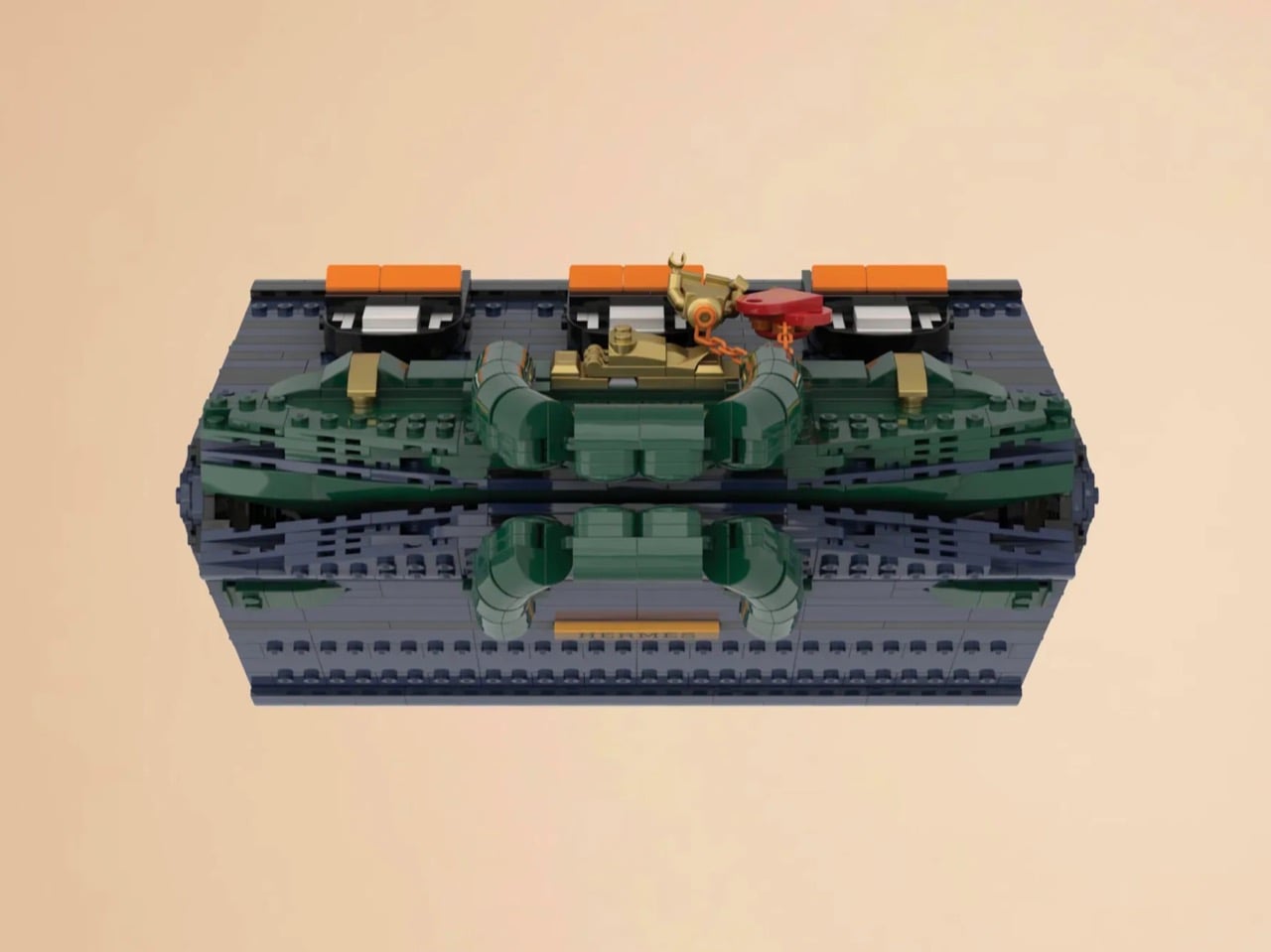
Functional LEGO Nintendo controller that you can also make

Gaming on your consoles with your preferred controller goes a long way in having an in-game strategic advantage. When you do want to go a bit casual, experimenting with a different-looking controller is a refreshing change. All the better when thegaming setup is built out of LEGO bricks. Take, for example, the detailed LEGO PS One console kit that emulates everything from the controller and CDs to the memory cards. But being a non-functional LEGO set takes away some of the charm. However, we’ve come across a build that may not be extensive, but sure is impressive with its complete functional approach.

The Nintendo Pro controller line-up comes at a premium price tag, and that prompted creator Brux to make one of his own in LEGO flavor. To keep things simple, the DIYer adapts the Nintendo controller’s original design. Piecing together the choice bricks to come up with the controller shape is hypnotic, and the best thing is that you can also make one for yourself. That’s because the DIY is not as complex as some of the other builds we’ve seen in our time.

Designer: Brux

The brain of the LEGO controller is the Waveshare ESP32-S3-Zero development board, which lies just beneath the thin brick layer. The sorcery is done by converting the button action into Switch understandable input, letting you play games just like you would with the official controller. If we go more technical, the DIY gamepad acts as a USB HID device. To make the button inputs precise, he put a lot of time into crafting the A, B, X, Y cluster, the D-pad, Home, and Capture bricks.

Similarly, the analog joysticks have bespoke circuit boards connected to the potentiometers for smooth in-game movements. The shoulder buttons get the potentiometers and the analog trigger pull for precision input, like the variable acceleration in racing games. Getting all the electronic components and the wires inside the limited space needs to be appreciated here. To add a bit of spice to the whole build, the controller docks the minifigure right beside the USB-C port that connects to the Switch.

The controller is wired to keep the technical complexity to a minimum. Brux has been kind enough to provide all the details of the DIY, and we would categorize it as a “Medium” difficulty project if you fancy the LEGO controller’s prospects. Of course, you can put in your input to make it compatible with other consoles or handhelds as well.

The post Functional LEGO Nintendo controller that you can also make first appeared on Yanko Design.
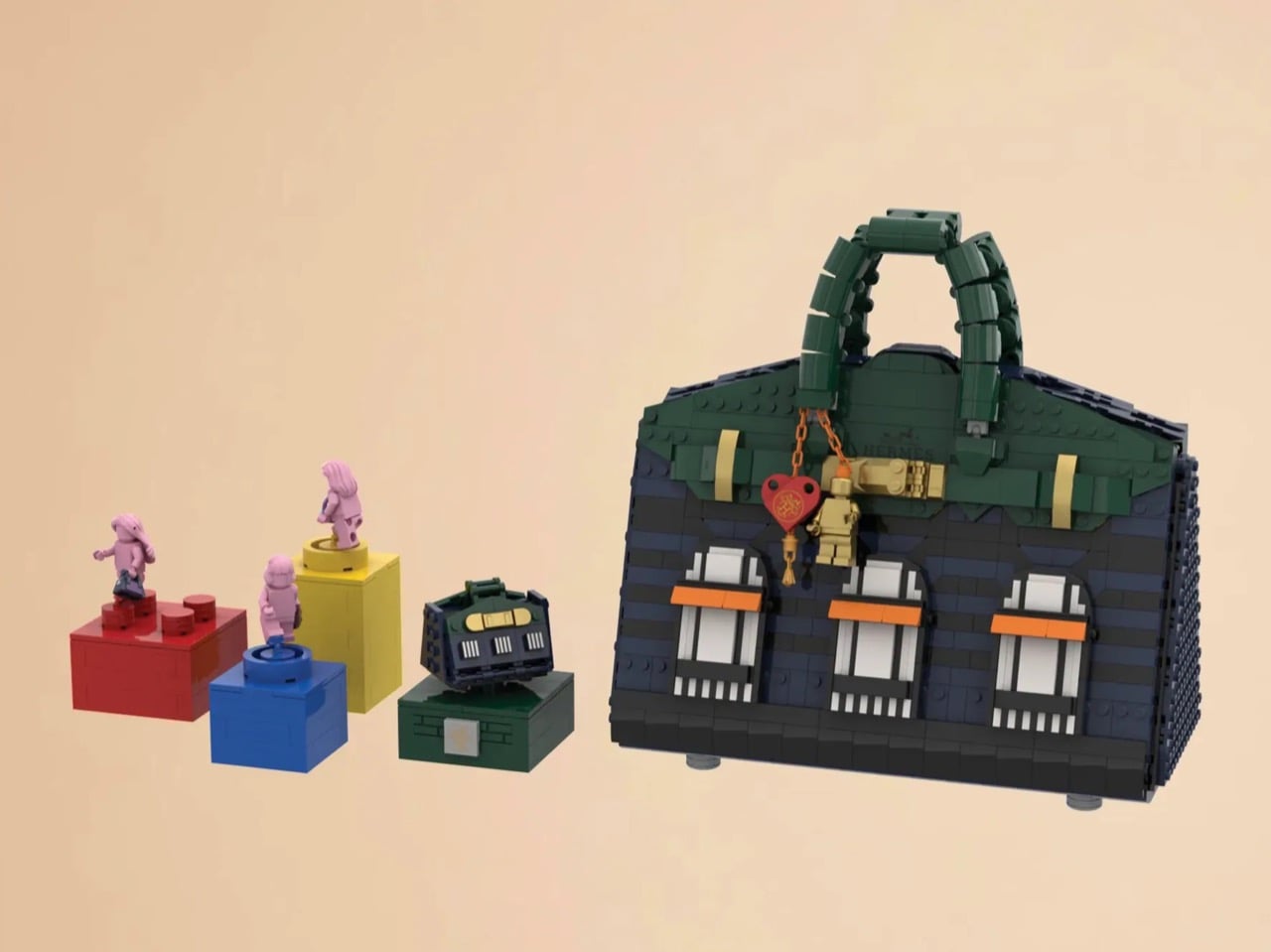
5 New LEGO Star Wars Smart Play Sets: Here’s What You Actually Get

Anyone who knows a Star Wars fan or is a fan themselves know that they are almost always collectors. They will collect anything from toys, clothes, shoes, and all other collectibles. LEGO is launching eight new Star Wars Smart Play sets in March 2026, bringing iconic ships and scenes from the original trilogy to life with interactive technology. But not all sets are created equal, and understanding the difference could save you from some serious buyer’s remorse.

The Smart Play system revolves around a battery-powered Smart Brick that responds to movement, recognizes special minifigures, and triggers sounds and effects. LEGO has split the lineup into two tiers: All-in-One Sets that include everything you need, and Compatible Sets that require you to buy the Smart Brick separately. Five of the eight new sets fall into that second category, including the headlining Millennium Falcon.

Designer: LEGO

The 885-piece Millennium Falcon ($99.99) is the marquee Compatible Set, recreating the galaxy’s most famous smuggling vessel. The build features a spot for the Smart Brick directly behind the cockpit, with a lever that interacts with the brick’s light sensor to trigger sounds and effects. It includes Smart Minifigures of Han Solo, Luke Skywalker, Chewbacca, and C-3PO, each embedded with RFID chips that the brick can detect and respond to with character-specific reactions. Without the brick, though, you’re left with a well-designed but completely analog LEGO set.

The 666-piece Mos Eisley Cantina ($79.99) recreates the cantina scene where Han shot first (or second, depending on which edit you believe). This Compatible Set lets you build the grungy spaceport tavern complete with Smart Minifigures and Tags that would trigger appropriate sound effects and character interactions when paired with a Smart Brick. It’s one of the more detailed environment builds in the lineup.

On the smaller end, Luke’s Landspeeder ($39.99) offers an entry point into the Compatible Sets. While piece count hasn’t been officially disclosed, this desert transport vehicle should be a quick build that still includes Smart Minifigures. The AT-ST Endor Attack ($49.99) brings the imposing Imperial walker to life, presumably with motion-activated sounds when you stomp it across your floor.

Yoda’s Hut and Jedi Training ($69.99) recreates Luke’s training on Dagobah. This Compatible Set likely includes Yoda, Luke, and R2-D2 as Smart Minifigures, with the potential for the brick to trigger Yoda’s iconic backwards speech patterns and training sequences.

To actually activate any of these Compatible Sets, you need one of three All-in-One Sets that include the crucial Smart Brick and charger. Darth Vader’s TIE Fighter ($69.99) is the most affordable entry point, packaging the brick with the Dark Lord’s personal starfighter. This set comes with its own Smart Minifigures and functions perfectly as a standalone experience.

Luke’s Red Five X-wing ($89.99) is another All-in-One option, building the Rebel starfighter that destroyed the Death Star. This set includes the Smart Brick, charger, and X-wing-specific Smart Minifigures. The brick can detect when you’re flying the ship or positioning it for attack runs, responding with appropriate sound effects.

The premium All-in-One Set is the Throne Room Duel & A-wing ($139.99), which packages two builds in one: the climactic Emperor’s throne room scene and a Rebel A-wing starfighter. This set gives you the most bang for your buck if you’re investing in the Smart Play ecosystem, since you get diverse building experiences and the essential Smart Brick.

The Smart Brick itself works across all these sets. You can detach it from Vader’s TIE Fighter and snap it into the Millennium Falcon, instantly activating all the interactive features. Each Smart Minifigure has a unique personality programmed into its chip, so bringing Han Solo close to the brick triggers different reactions than placing Darth Vader there.

The fragmented approach means building a Smart Play collection requires careful planning. If you want the Millennium Falcon with full functionality, you’re looking at a minimum $170 investment (the Falcon plus the cheapest All-in-One Set). For completists wanting all eight sets, that’s a significant commitment, though you technically only need one Smart Brick to rotate between builds.

The sets all launch March 1, 2026, recreating some of the most memorable moments from the original Star Wars trilogy. Whether the Smart Play system becomes a must-have innovation or a forgotten gimmick will depend on how well these interactive features enhance the core building and playing experience. For now, just make sure you know whether you’re buying a Compatible Set or an All-in-One Set, because that small distinction makes all the difference.

The post 5 New LEGO Star Wars Smart Play Sets: Here’s What You Actually Get first appeared on Yanko Design.
5 New LEGO Star Wars Smart Play Sets: Here’s What You Actually Get

Anyone who knows a Star Wars fan or is a fan themselves know that they are almost always collectors. They will collect anything from toys, clothes, shoes, and all other collectibles. LEGO is launching eight new Star Wars Smart Play sets in March 2026, bringing iconic ships and scenes from the original trilogy to life with interactive technology. But not all sets are created equal, and understanding the difference could save you from some serious buyer’s remorse.

The Smart Play system revolves around a battery-powered Smart Brick that responds to movement, recognizes special minifigures, and triggers sounds and effects. LEGO has split the lineup into two tiers: All-in-One Sets that include everything you need, and Compatible Sets that require you to buy the Smart Brick separately. Five of the eight new sets fall into that second category, including the headlining Millennium Falcon.
Designer: LEGO

The 885-piece Millennium Falcon ($99.99) is the marquee Compatible Set, recreating the galaxy’s most famous smuggling vessel. The build features a spot for the Smart Brick directly behind the cockpit, with a lever that interacts with the brick’s light sensor to trigger sounds and effects. It includes Smart Minifigures of Han Solo, Luke Skywalker, Chewbacca, and C-3PO, each embedded with RFID chips that the brick can detect and respond to with character-specific reactions. Without the brick, though, you’re left with a well-designed but completely analog LEGO set.
The 666-piece Mos Eisley Cantina ($79.99) recreates the cantina scene where Han shot first (or second, depending on which edit you believe). This Compatible Set lets you build the grungy spaceport tavern complete with Smart Minifigures and Tags that would trigger appropriate sound effects and character interactions when paired with a Smart Brick. It’s one of the more detailed environment builds in the lineup.

On the smaller end, Luke’s Landspeeder ($39.99) offers an entry point into the Compatible Sets. While piece count hasn’t been officially disclosed, this desert transport vehicle should be a quick build that still includes Smart Minifigures. The AT-ST Endor Attack ($49.99) brings the imposing Imperial walker to life, presumably with motion-activated sounds when you stomp it across your floor.

Yoda’s Hut and Jedi Training ($69.99) recreates Luke’s training on Dagobah. This Compatible Set likely includes Yoda, Luke, and R2-D2 as Smart Minifigures, with the potential for the brick to trigger Yoda’s iconic backwards speech patterns and training sequences.

To actually activate any of these Compatible Sets, you need one of three All-in-One Sets that include the crucial Smart Brick and charger. Darth Vader’s TIE Fighter ($69.99) is the most affordable entry point, packaging the brick with the Dark Lord’s personal starfighter. This set comes with its own Smart Minifigures and functions perfectly as a standalone experience.

Luke’s Red Five X-wing ($89.99) is another All-in-One option, building the Rebel starfighter that destroyed the Death Star. This set includes the Smart Brick, charger, and X-wing-specific Smart Minifigures. The brick can detect when you’re flying the ship or positioning it for attack runs, responding with appropriate sound effects.

The premium All-in-One Set is the Throne Room Duel & A-wing ($139.99), which packages two builds in one: the climactic Emperor’s throne room scene and a Rebel A-wing starfighter. This set gives you the most bang for your buck if you’re investing in the Smart Play ecosystem, since you get diverse building experiences and the essential Smart Brick.

The Smart Brick itself works across all these sets. You can detach it from Vader’s TIE Fighter and snap it into the Millennium Falcon, instantly activating all the interactive features. Each Smart Minifigure has a unique personality programmed into its chip, so bringing Han Solo close to the brick triggers different reactions than placing Darth Vader there.

The fragmented approach means building a Smart Play collection requires careful planning. If you want the Millennium Falcon with full functionality, you’re looking at a minimum $170 investment (the Falcon plus the cheapest All-in-One Set). For completists wanting all eight sets, that’s a significant commitment, though you technically only need one Smart Brick to rotate between builds.

The sets all launch March 1, 2026, recreating some of the most memorable moments from the original Star Wars trilogy. Whether the Smart Play system becomes a must-have innovation or a forgotten gimmick will depend on how well these interactive features enhance the core building and playing experience. For now, just make sure you know whether you’re buying a Compatible Set or an All-in-One Set, because that small distinction makes all the difference.

The post 5 New LEGO Star Wars Smart Play Sets: Here’s What You Actually Get first appeared on Yanko Design.