Hyper Light Drifter studio workers form union after rounds of layoffs

Workers at Heart Machine, the independent studio behind Hyper Light Drifter and Solar Ash, have formed a union with Communications Workers of America (CWA) Local 9003. The wall-to-wall unit covers all 13 frontline employees at the studio, which voluntarily recognized the union in February after a supermajority of eligible workers voted for the measure.

The organizing effort follows a rough stretch at Heart Machine, after the studio laid off employees in November 2024, then announced in October 2025 that it would end development on its early access title Hyper Light Breaker and cut further staff.

"I decided to get involved in organizing my studio because I've seen so many peers in the industry stand up to protect the craft we all care so deeply about. Watching that momentum grow made me realize that if we love this work, we have to protect it, especially now," said Steph Aligbe, a gameplay tools engineer at the studio.

Heart Machine joining the CWA extends the union's gaming footprint even further. The union counts thousands of employees at Microsoft subsidiaries among its members, as well as staff at EA, Id Software and others. CWA also runs the United Videogame Workers, a direct-join union that launched in 2025, allowing individual game workers in the US and Canada to sign up on their own without elections or employer consent. Large gaming studios like Ubisoft have been undergoing a seemingly endless string of layoffs, and workers are increasingly demanding to have their voices heard.

This article originally appeared on Engadget at https://www.engadget.com/gaming/hyper-light-drifter-studio-workers-form-union-after-rounds-of-layoffs-165828565.html?src=rss

Anthropic sues US government over supply chain risk designation

Anthropic has filed a lawsuit to prevent the Pentagon from adding the company it a national security blocklist. This comes days after the Department of Defense sent a letter to Anthropic confirming the company was labeled a supply chain risk; at the time CEO Dario Amodei had all but guaranteed Anthropic would fight back with legal action.

The lawsuit claims the designation is unlawful and violated free speech and due process rights. “These actions are unprecedented and unlawful. The Constitution does not allow ​the government to wield its enormous power to punish a company for its protected speech," Anthropic said in a statement published by Reuters.

Engadget received the following statement from an Anthropic spokesperson:

 “Seeking judicial review does not change our longstanding commitment to harnessing AI to protect our national security, but this is a necessary step to protect our business, our customers, and our partners. We will continue to pursue every path toward resolution, including dialogue with the government.” 

The lawsuit characterizes the government’s actions as an “unprecedented and unlawful [...] campaign of retaliation.” It goes on to say that “the Constitution does not allow the government to wield its enormous power to punish a company for its protected speech. No federal statute authorizes the actions taken here."

Today’s legal action comes after several weeks of back-and-forth between the AI company and the government. In late February, news broke that the Department of Defense and Defense Secretary Pete Hegseth were pressuring Anthropic to remove certain safeguards from its AI systems, but Amodei made it clear the company would refuse to allow its model to be used for mass surveillance or development of autonomous weapons.

On the February 27 deadline, Amodei refused to budge, leading Hegseth to threaten the company with the supply chain risk designation; he also said the US government would cancel its $200 million contract with the company. The same day, President Trump ordered all federal agencies to cease using Anthropic as well. Despite all this, according to the lawsuit, Anthropic had agreed to “collaborate with the Department on an orderly transition to another AI provider willing to meet its demands.”

Anthropic rival OpenAI stepped into this chaos and quickly made a deal with the Department of Defense. At the time, OpenAI CEO Sam Altman said that two of OpenAI’s most important safety principles are “prohibitions on domestic mass surveillance and human responsibility for the use of force, including for autonomous weapon systems” — the same issues that got Anthropic in hot water. OpenAI then doubled down on the surveillance issue, writing into its contract that “the AI system shall not be intentionally used for domestic surveillance of U.S. persons and nationals.”

Depsite this, OpenAI’s head of robotics hardware resigned from the company this weekend in response to the Defense Department deal. Caitlin Kalinowski wrote on X that “surveillance of Americans without judicial oversight and lethal autonomy without human authorization are lines that deserved more deliberation than they got.”

This article originally appeared on Engadget at https://www.engadget.com/ai/anthropic-sues-us-government-over-supply-chain-risk-designation-152838128.html?src=rss

Anthropic sues US government over supply chain risk designation

Anthropic has filed a lawsuit to prevent the Pentagon from adding the company it a national security blocklist. This comes days after the Department of Defense sent a letter to Anthropic confirming the company was labeled a supply chain risk; at the time CEO Dario Amodei had all but guaranteed Anthropic would fight back with legal action.

The lawsuit claims the designation is unlawful and violated free speech and due process rights. “These actions are unprecedented and unlawful. The Constitution does not allow ​the government to wield its enormous power to punish a company for its protected speech," Anthropic said in a statement published by Reuters.

Engadget received the following statement from an Anthropic spokesperson:

 “Seeking judicial review does not change our longstanding commitment to harnessing AI to protect our national security, but this is a necessary step to protect our business, our customers, and our partners. We will continue to pursue every path toward resolution, including dialogue with the government.” 

The lawsuit characterizes the government’s actions as an “unprecedented and unlawful [...] campaign of retaliation.” It goes on to say that “the Constitution does not allow the government to wield its enormous power to punish a company for its protected speech. No federal statute authorizes the actions taken here."

Today’s legal action comes after several weeks of back-and-forth between the AI company and the government. In late February, news broke that the Department of Defense and Defense Secretary Pete Hegseth were pressuring Anthropic to remove certain safeguards from its AI systems, but Amodei made it clear the company would refuse to allow its model to be used for mass surveillance or development of autonomous weapons.

On the February 27 deadline, Amodei refused to budge, leading Hegseth to threaten the company with the supply chain risk designation; he also said the US government would cancel its $200 million contract with the company. The same day, President Trump ordered all federal agencies to cease using Anthropic as well. Despite all this, according to the lawsuit, Anthropic had agreed to “collaborate with the Department on an orderly transition to another AI provider willing to meet its demands.”

Anthropic rival OpenAI stepped into this chaos and quickly made a deal with the Department of Defense. At the time, OpenAI CEO Sam Altman said that two of OpenAI’s most important safety principles are “prohibitions on domestic mass surveillance and human responsibility for the use of force, including for autonomous weapon systems” — the same issues that got Anthropic in hot water. OpenAI then doubled down on the surveillance issue, writing into its contract that “the AI system shall not be intentionally used for domestic surveillance of U.S. persons and nationals.”

Depsite this, OpenAI’s head of robotics hardware resigned from the company this weekend in response to the Defense Department deal. Caitlin Kalinowski wrote on X that “surveillance of Americans without judicial oversight and lethal autonomy without human authorization are lines that deserved more deliberation than they got.”

This article originally appeared on Engadget at https://www.engadget.com/ai/anthropic-sues-us-government-over-supply-chain-risk-designation-152838128.html?src=rss

Live Nation settlement avoids breakup with Ticketmaster

To keep Ticketmaster, Live Nation is going to have to make some major changes. As first reported by Politico, Live Nation reached a settlement with the Department of Justice in its antitrust case that accused the live entertainment giant of monopolistic practices. Live Nation will reportedly pay at least $200 million in damages to states that were part of the lawsuit filed in May 2024, but avoid selling off Ticketmaster.

Live Nation will also be required to make a few changes to its business practices. According to NBC News, Ticketmaster, a subsidiary of Live Nation, will be required to create a "standalone ticketing system" that allows third-party competitors like SeatGeek and Eventbrite to sell tickets on.

The settlement aims to loosen some of Live Nation's control over venues as well. 13 amphitheaters that Live Nation previously had exclusive booking arrangements with will move to an open booking model which will let other promotors book at the venues. The company is also prohibited from retaliating against venues that choose another ticket seller over Ticketmaster.

The settlement comes less than a week after the case went to trial. While the matter may be concluded with the Justice Department, many of the states' attorneys general who were part of the lawsuit will be continuing their legal action separately.

"The settlement recently announced with the U.S. Department of Justice fails to address the monopoly at the center of this case and would benefit Live Nation at the expense of consumers," New York State Attorney General Letitia James wrote in a press release. "We will continue our lawsuit to protect consumers and restore fair competition to the live entertainment industry." 26 other attorneys general signed onto continuing the lawsuit with James.

Update, March 10, 2026, 11:37AM ET: This story was updated to clarify that Live Nation moved to an open booking model with 13 venues that it previously had exclusive booking rights with. Those venues were not owned by Live Nation.

This article originally appeared on Engadget at https://www.engadget.com/entertainment/music/live-nation-settlement-avoids-breakup-with-ticketmaster-155031214.html?src=rss

Live Nation settlement avoids breakup with Ticketmaster

To keep Ticketmaster, Live Nation is going to have to make some major changes. As first reported by Politico, Live Nation reached a settlement with the Department of Justice in its antitrust case that accused the live entertainment giant of monopolistic practices. Live Nation will reportedly pay at least $200 million in damages to states that were part of the lawsuit filed in May 2024, but avoid selling off Ticketmaster.

Live Nation will also be required to make a few changes to its business practices. According to NBC News, Ticketmaster, a subsidiary of Live Nation, will be required to create a "standalone ticketing system" that allows third-party competitors like SeatGeek and Eventbrite to sell tickets on.

The settlement aims to loosen some of Live Nation's control over venues as well. According to NBC News, the company will have to divest up to 13 amphitheaters and be prohibited from retaliating against venues that choose another ticket seller over Ticketmaster.

The settlement comes less than a week after the case went to trial. While the matter may be concluded with the Justice Department, many of the states' attorneys general who were part of the lawsuit will be continuing their legal action separately.

"The settlement recently announced with the U.S. Department of Justice fails to address the monopoly at the center of this case and would benefit Live Nation at the expense of consumers," New York State Attorney General Letitia James wrote in a press release. "We will continue our lawsuit to protect consumers and restore fair competition to the live entertainment industry." 26 other attorneys general signed onto continuing the lawsuit with James.

This article originally appeared on Engadget at https://www.engadget.com/entertainment/music/live-nation-settlement-avoids-breakup-with-ticketmaster-155031214.html?src=rss

First look of new OnePlus 15T revealed, hints two new colors and high-end features

OnePlus has recently redefined what it means to “never settle” with its OnePlus 13 and 13T smartphones. Now, the company is back in the spotlight amid rumors of another device that appears similar in design but is expected to come with a more capable approach.

Over the past week, the OEM has faced growing speculation and anticipation surrounding the possible launch of this new smartphone. And now it seems OnePlus is openly teasing the device, sharing its images that reveal two new colorways along with details about the phone’s design and the layout of its camera array.

Designer: OnePlus

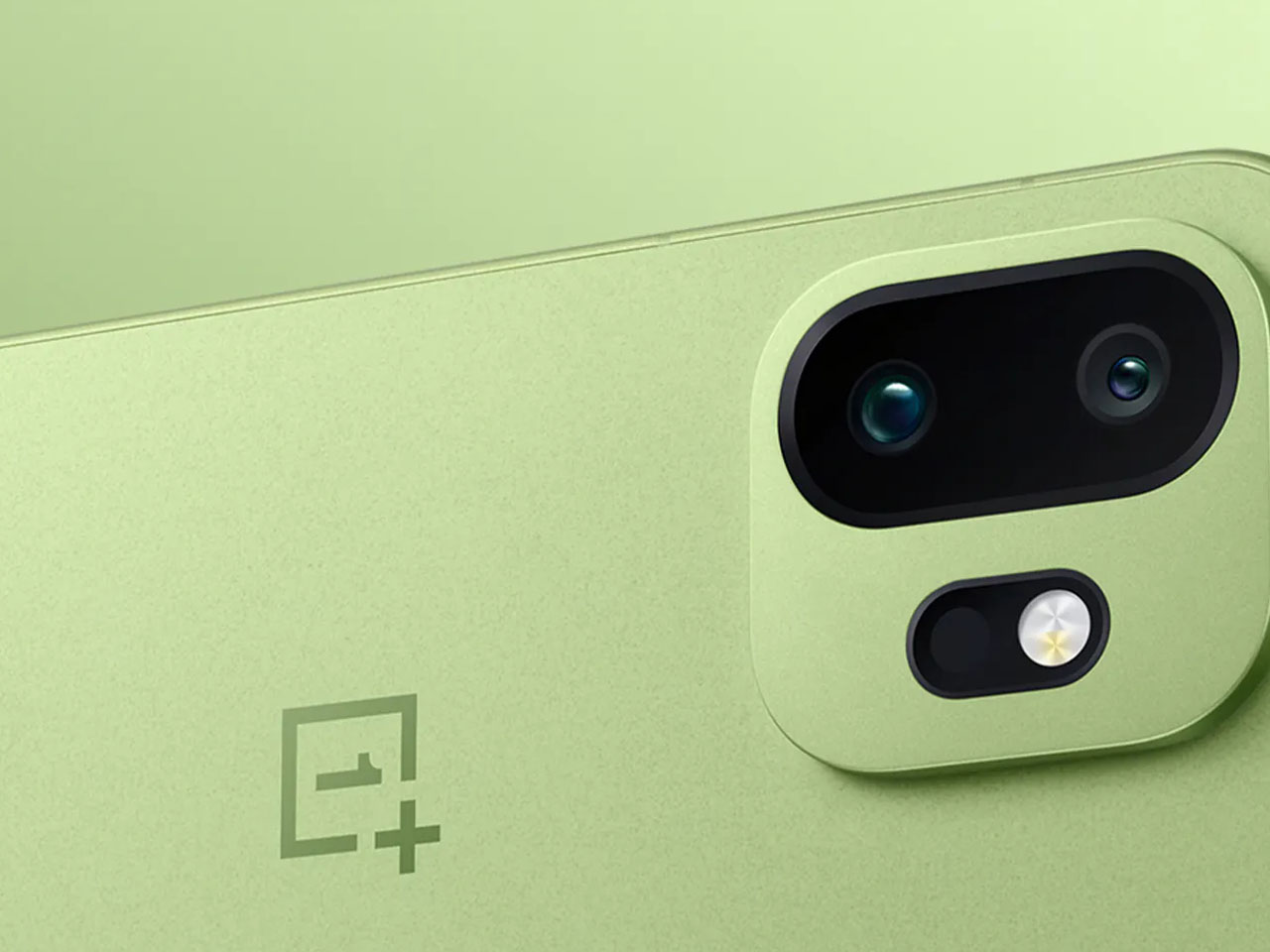
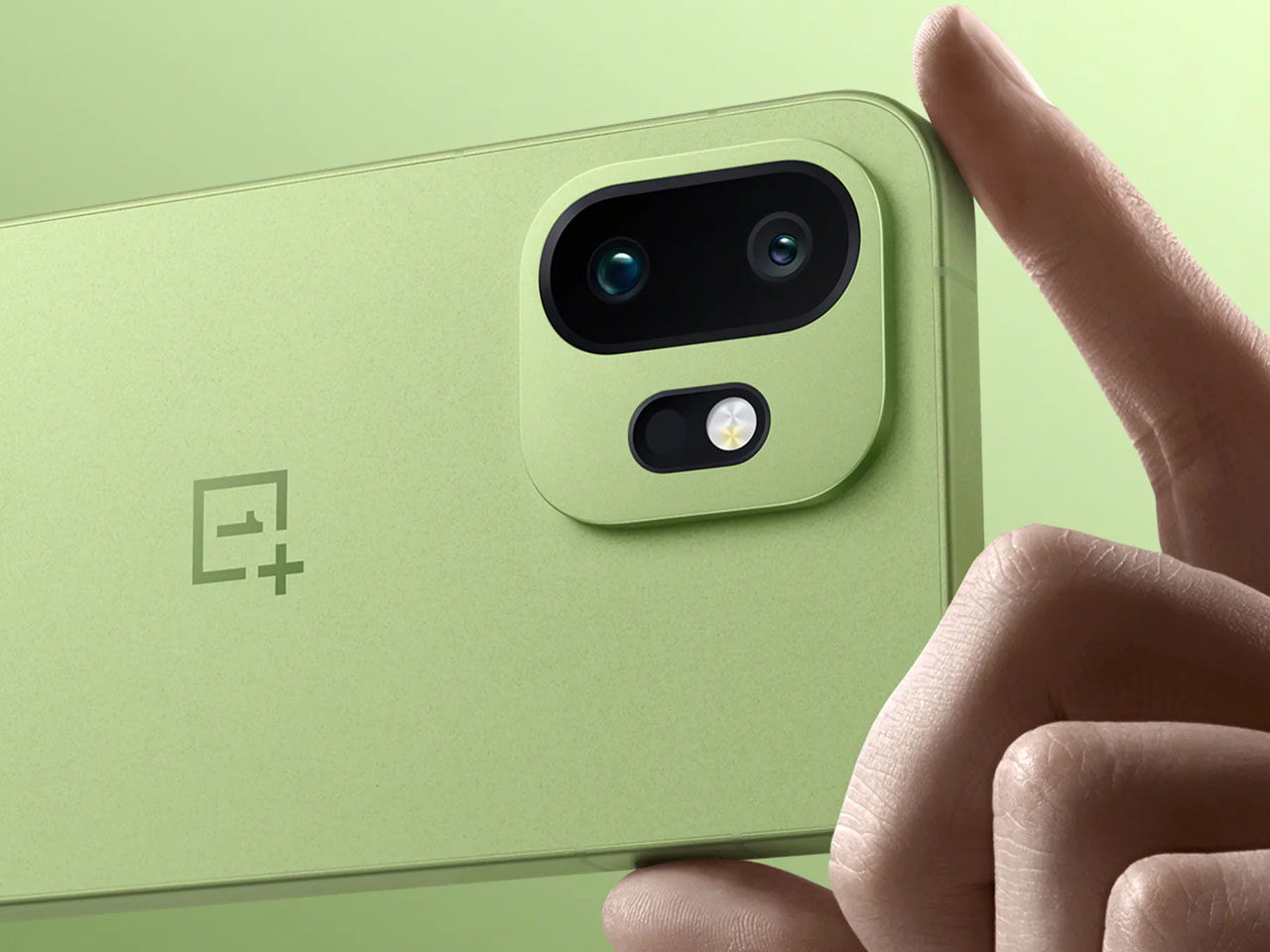
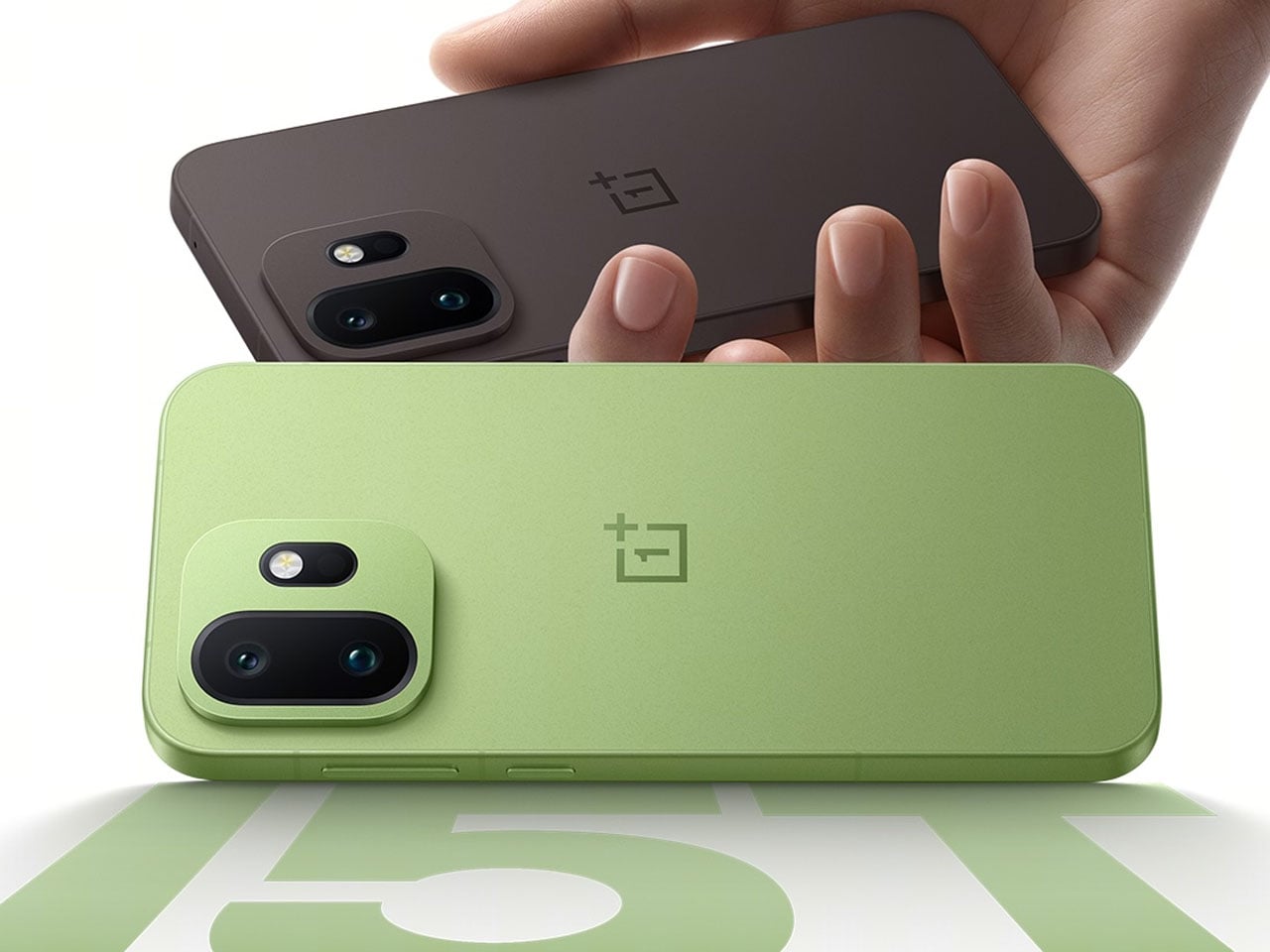
In the images that were shared on Weibo, a Chinese microblogging website, the upcoming phone is revealed in green and brown colors, but with a design that seems very much inspired by the 13T. The phone in question is the OnePlus 15T, which is showing up in its real self – ahead of a launch – for the first time. Most of what we have been able to know about the handset in the recent past has been by way of speculations and hearsay only.

Now, for the first time, we are getting an official update about how the OnePlus 15T will look and the color options you should be able to get. When it comes to looks, from the available pictures, the 15T appears very similar to the 13T. Phone could have a similar 6.32-inch AMOLED display and a rounded off design with a slim bezel, and as seen, would come in new green and brown colorways.

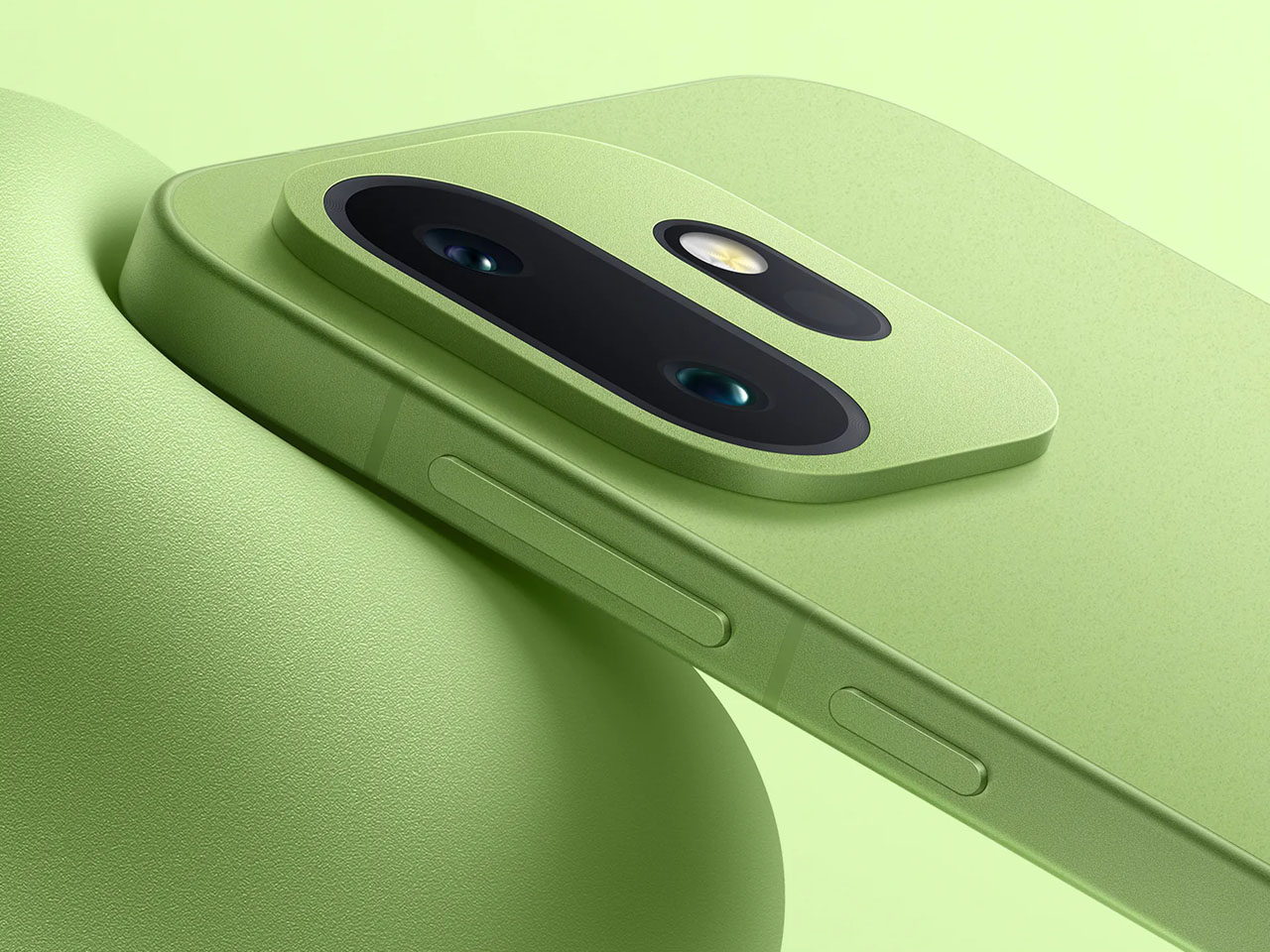
On the reverse side, the phone reveals a dual rear camera housed within a rounded square module toward the top left corner of the phone. Inside the camera housing are the two rear sensors and an LED flash. A setup which – like the design – is similar to that of the predecessor in the same size segment. With the design and new colors, the revealed images also show that the new phone will get a matte finish on the rear panel.

According to the other details already confirmed, the OnePlus 15T will feature a slim bezel and rounded corners for a comfortable grip and usage. Arriving with an AMOLED display only 6.32 inches in size and an upgraded periscope telephoto camera alongside the 3.5x optical zoom, the OnePlus 15T, despite its compact size, gets some high-end features. The phone is likely to draw power from a Snapdragon 8 Elite Gen 5 SoC with 16GB of RAM. It will feature up to an IP69K rating, making the handset capable of handling dust, water dips, and high-pressure water sprays with equal confidence.

Before you consider size and durability as top facets of the OnePlus 15T, just spare a thought for its 7,500mAh battery, rumored to support 100W wired and 50W wireless fast-charging. OnePlus 15T is likely to launch in China later this month, and that’s really when we will have the definite details about the phone. Before that, most of it was only rumors!

The post First look of new OnePlus 15T revealed, hints two new colors and high-end features first appeared on Yanko Design.

Samsung’s 2026 Foldable Strategy: Why the Galaxy Z Flip 8 is All About Ergonomics

Samsung’s 2026 Foldable Strategy: Why the Galaxy Z Flip 8 is All About Ergonomics Side profile illustration comparing a thinner Galaxy Z Flip 8 body with a previous model’s hinge thickness.

Samsung continues to push the boundaries of foldable phone technology with its Galaxy Z Flip series, and the anticipated Galaxy Z Flip 8 could represent a significant step forward. While the series has consistently delivered innovative features, a recently uncovered patent suggests the Galaxy Z Flip 8 might introduce a dual external display, a feature […]

The post Samsung’s 2026 Foldable Strategy: Why the Galaxy Z Flip 8 is All About Ergonomics appeared first on Geeky Gadgets.

Posted in Uncategorized

Amazon’s Zoox will test its robotaxis in Dallas and Phoenix

Amazon’s self-driving subsidiary Zoox announced on Monday that it will begin testing its autonomous vehicles in Dallas and Phoenix. The company will initially deploy retrofitted Toyota Highlander SUVs with human safety drivers to map the new cities before eventually rolling out its purpose-built robotaxis.

Zoox says these two cities will offer a chance to test its sensors and battery performance in unique conditions its cars haven't yet encountered in existing markets. Phoenix experiences extreme heat, dust and high-speed roads, while Dallas has more sprawling roads and varied weather compared to other cities where Zoox operates. The company is also opening new depots in both cities and a command hub in Scottsdale, Arizona which will handle fleet operations, remote guidance and rider support.

The move brings Zoox’s footprint (between actual launches and test markets) to 10 US cities. It's other areas of operation are Las Vegas, San Francisco, Seattle, Austin, Miami, Los Angeles, Atlanta and Washington, DC. Amazon acquired the self-driving startup for $1.3 billion in 2020 and has been steadily expanding its reach, with the company saying its fleet has driven over one million autonomous miles and served more than 300,000 riders to date.

Zoox’s expansion comes as competition in the robotaxi market intensifies. Alphabet-owned Waymo has continued its rapid spread across the US, while Tesla's Robotaxis launched last year, though those are currently limited to parts of Austin, Texas. US regulators are set to hold a self-driving safety forum on Tuesday, with the CEOs of Waymo, Zoox and Aurora all expected to attend.

The regulatory framework has dragged behind the rapid rollout of these vehicles as companies test and iterate the technology on public streets. Just in the last year, autonomous vehicles have struck a child near a school, blocked emergency services responding to a mass shooting and, at least in the case of Teslas, appear to be crashing at higher rates than human drivers.

This article originally appeared on Engadget at https://www.engadget.com/big-tech/amazons-zoox-will-test-its-robotaxis-in-dallas-and-phoenix-143828899.html?src=rss

Someone Finally Made a Nail Holder That Won’t Smash Your Fingers

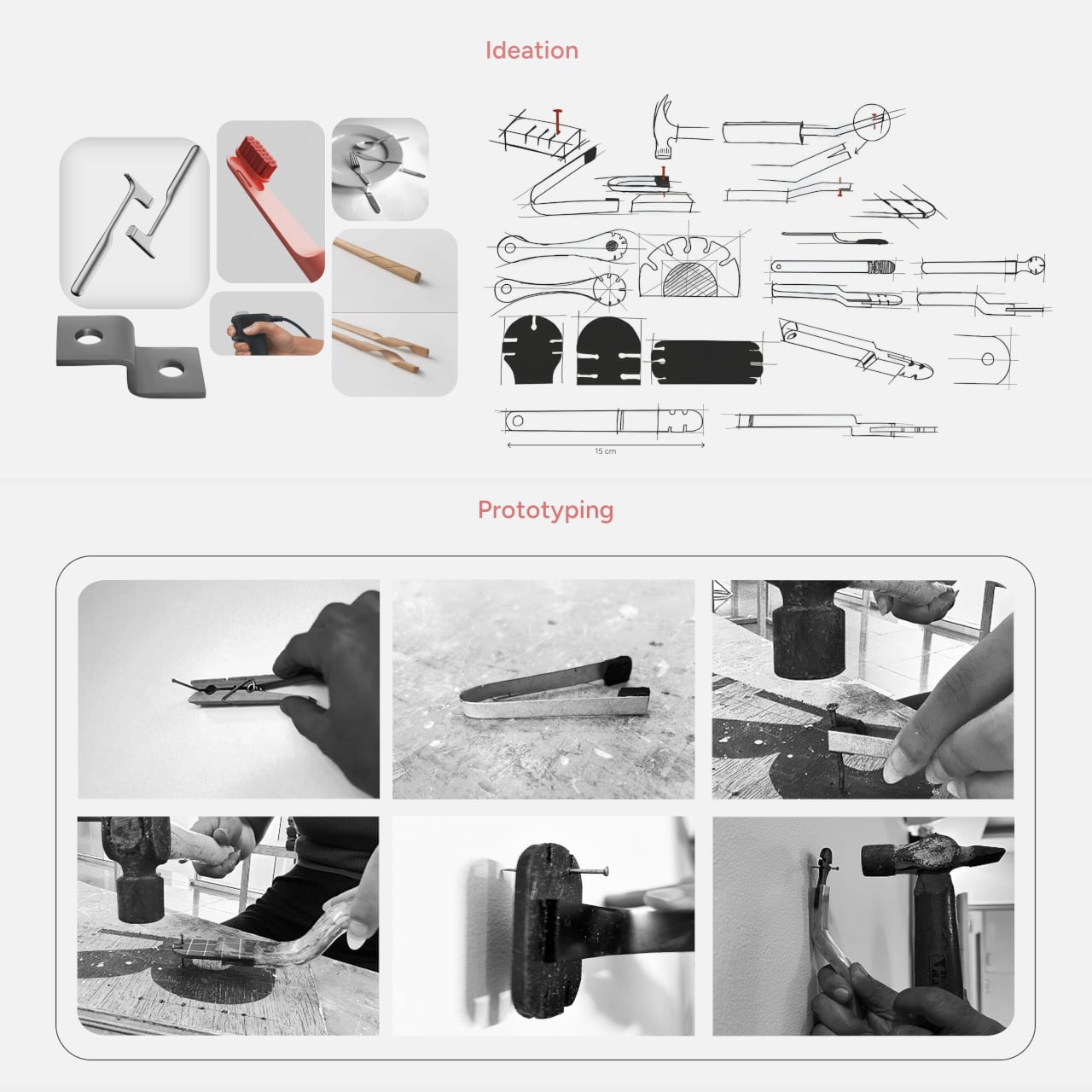
Hammering a nail is one of those tasks that sounds simple until you miss. The strike lands on a knuckle instead of the nail head, and a two-minute hanging job becomes a few minutes of genuine regret. It happens to beginners more than seasoned carpenters, but experience only reduces the odds rather than removing them entirely. That gap between “simple enough” and “actually safe” is what the Nailmate concept is set out to bridge.

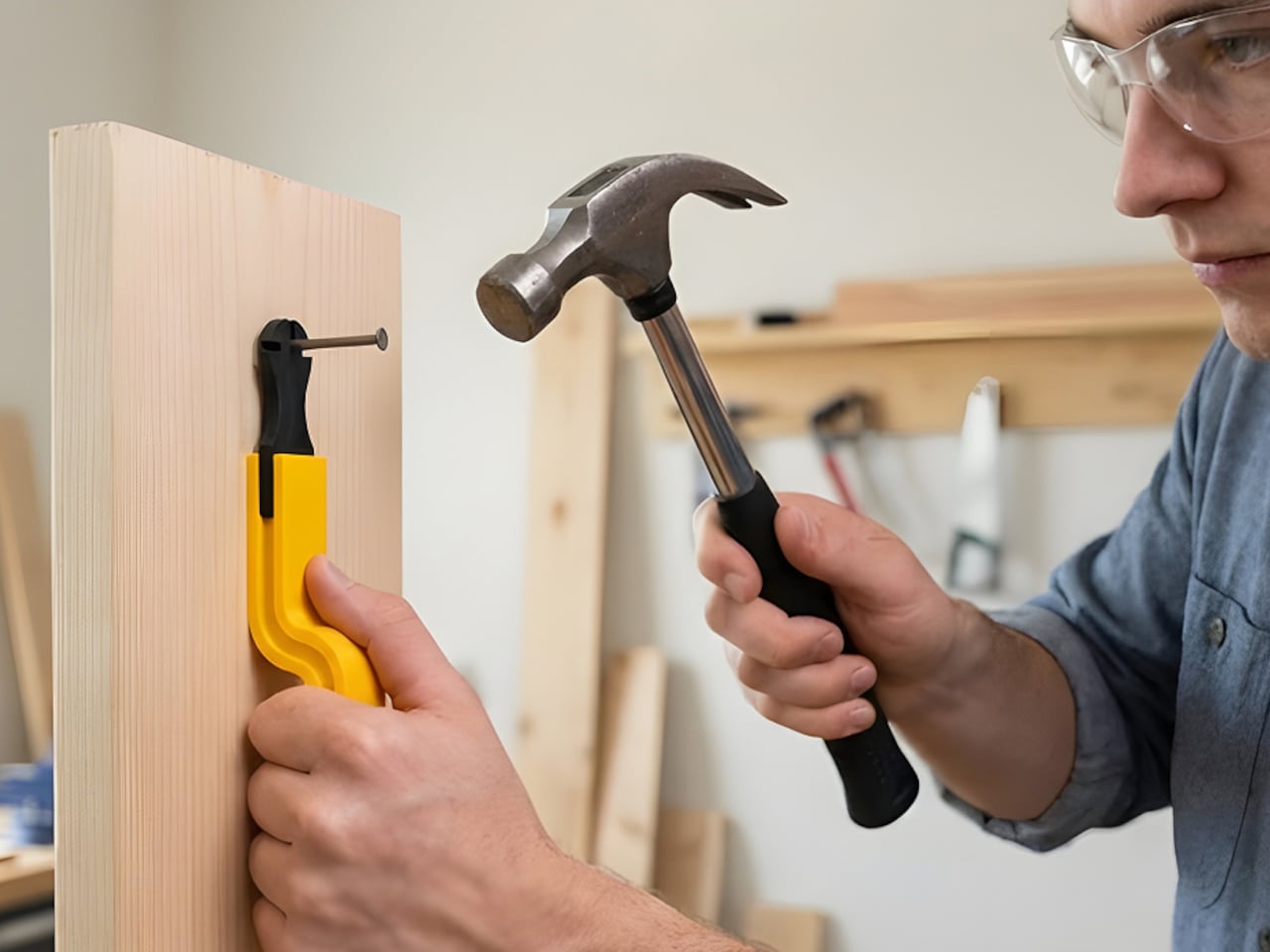
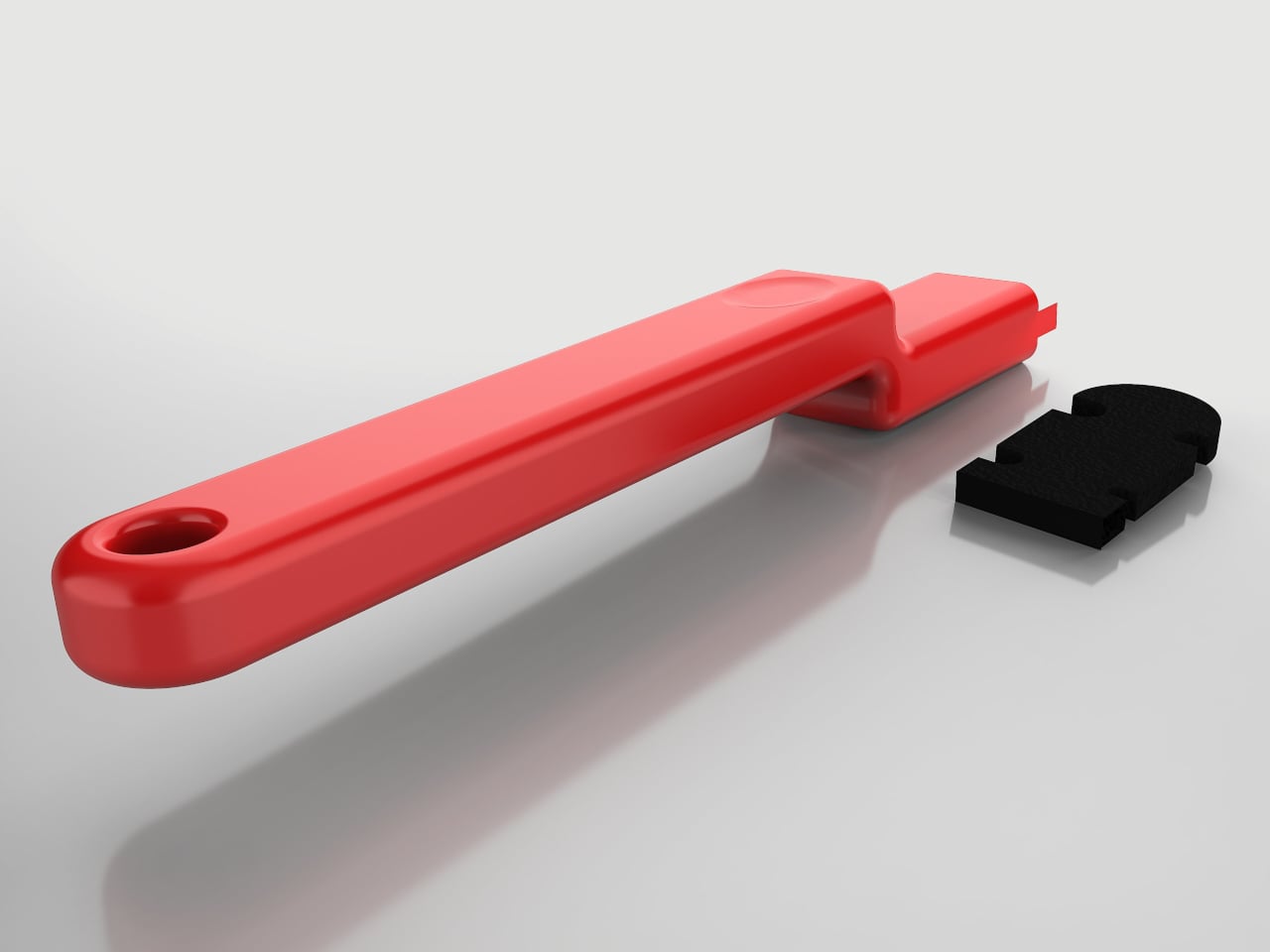
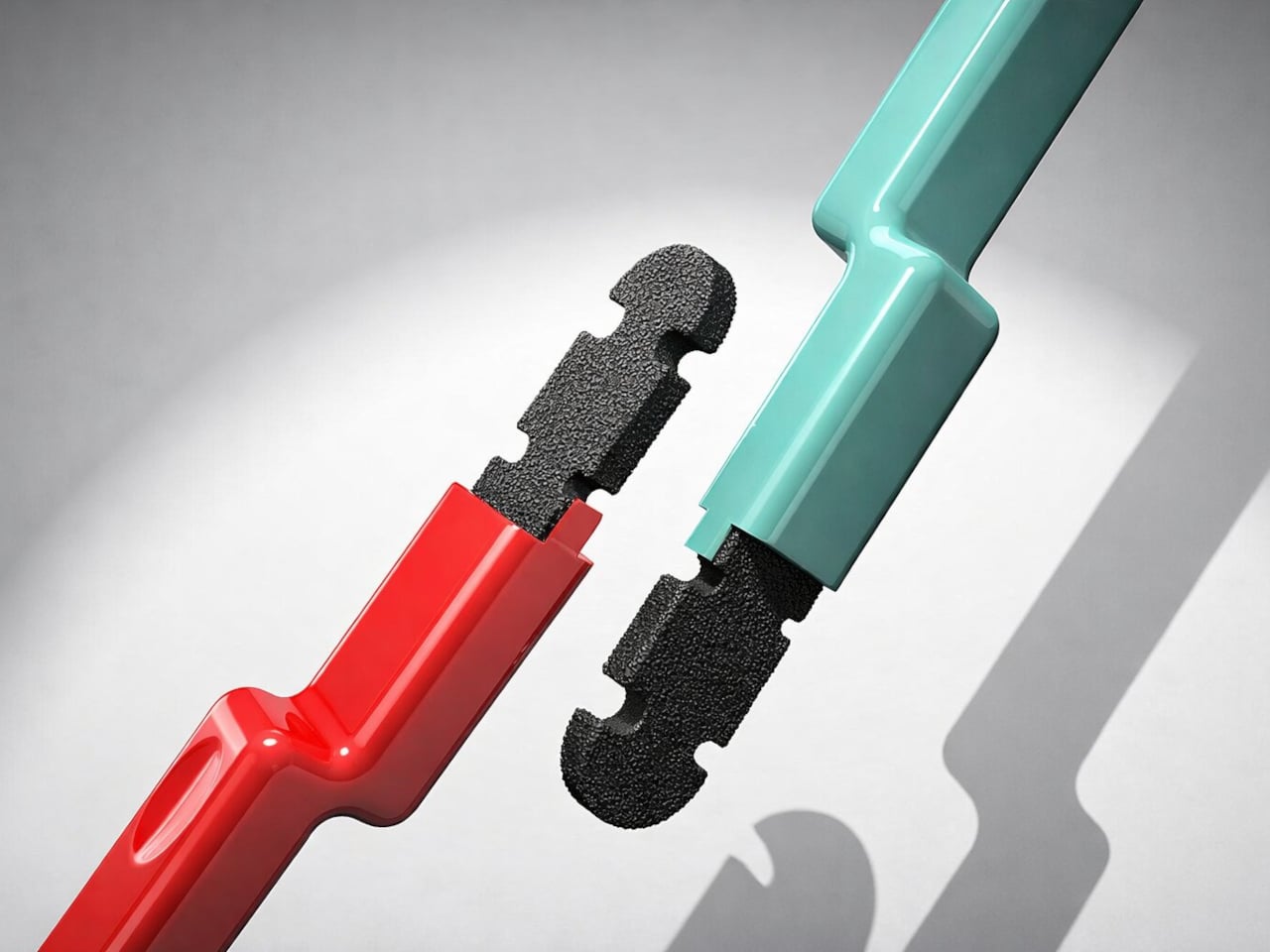
The premise is quite simple, really. Nailmate is a hand-held positioning tool made from ABS plastic with a TPU rubber gripping head. It holds a nail upright while keeping the user’s fingers well below the impact zone, with no springs, clamps, or adjustable parts to configure before the first swing. The elongated form puts meaningful distance between the hand and where the hammer lands.

Designer: Hargun Kaur

Existing nail-holding solutions have real shortcomings worth naming. Small plastic holders keep fingers close enough to still be at risk. Plier-style holders work but are bulky enough that most people leave them in a drawer. Magnetic holders struggle with heavier nails and offer no guarantee against slipping. Nailmate addresses all three failure modes by doing less mechanically and more through considered geometry.

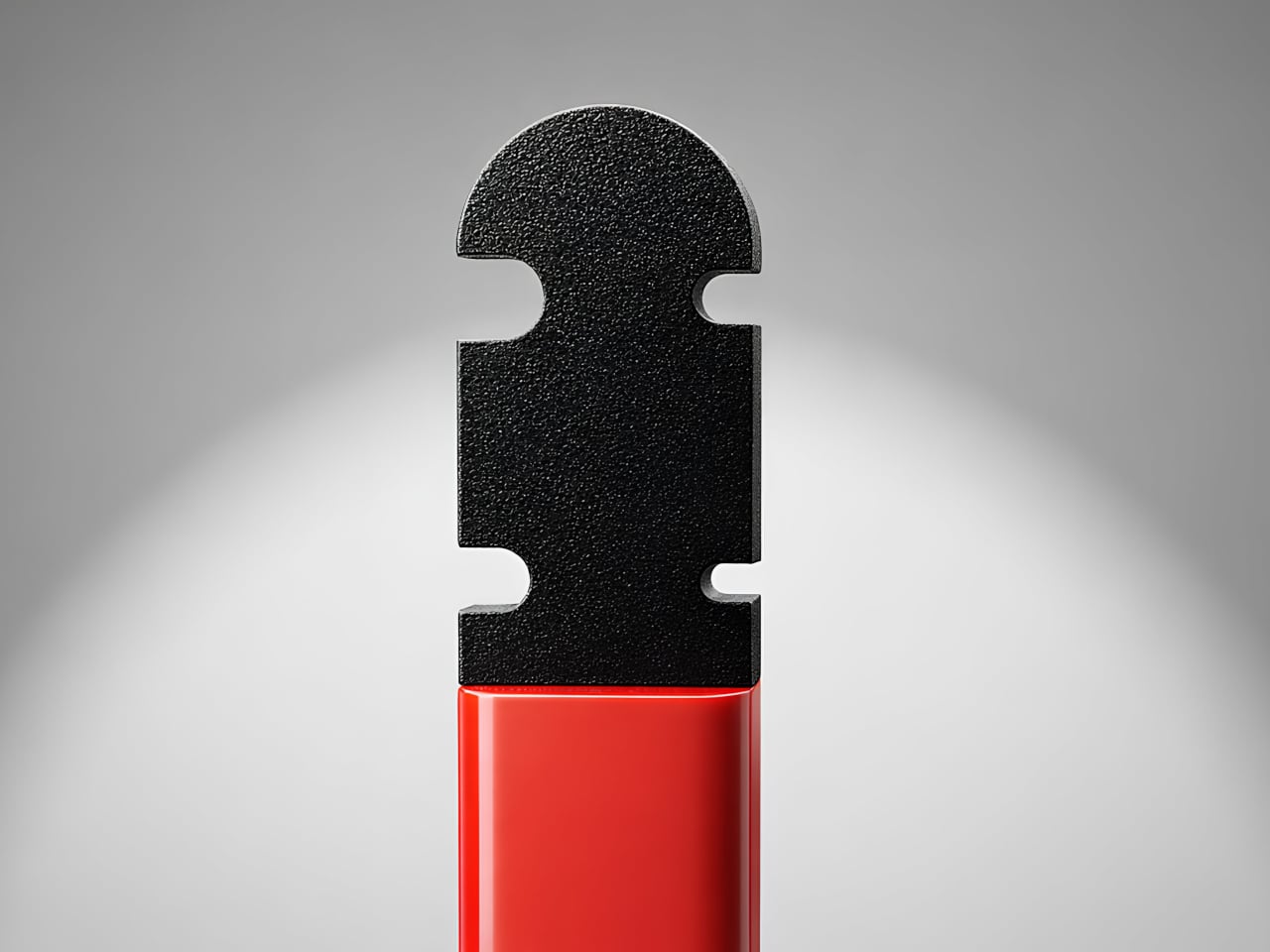
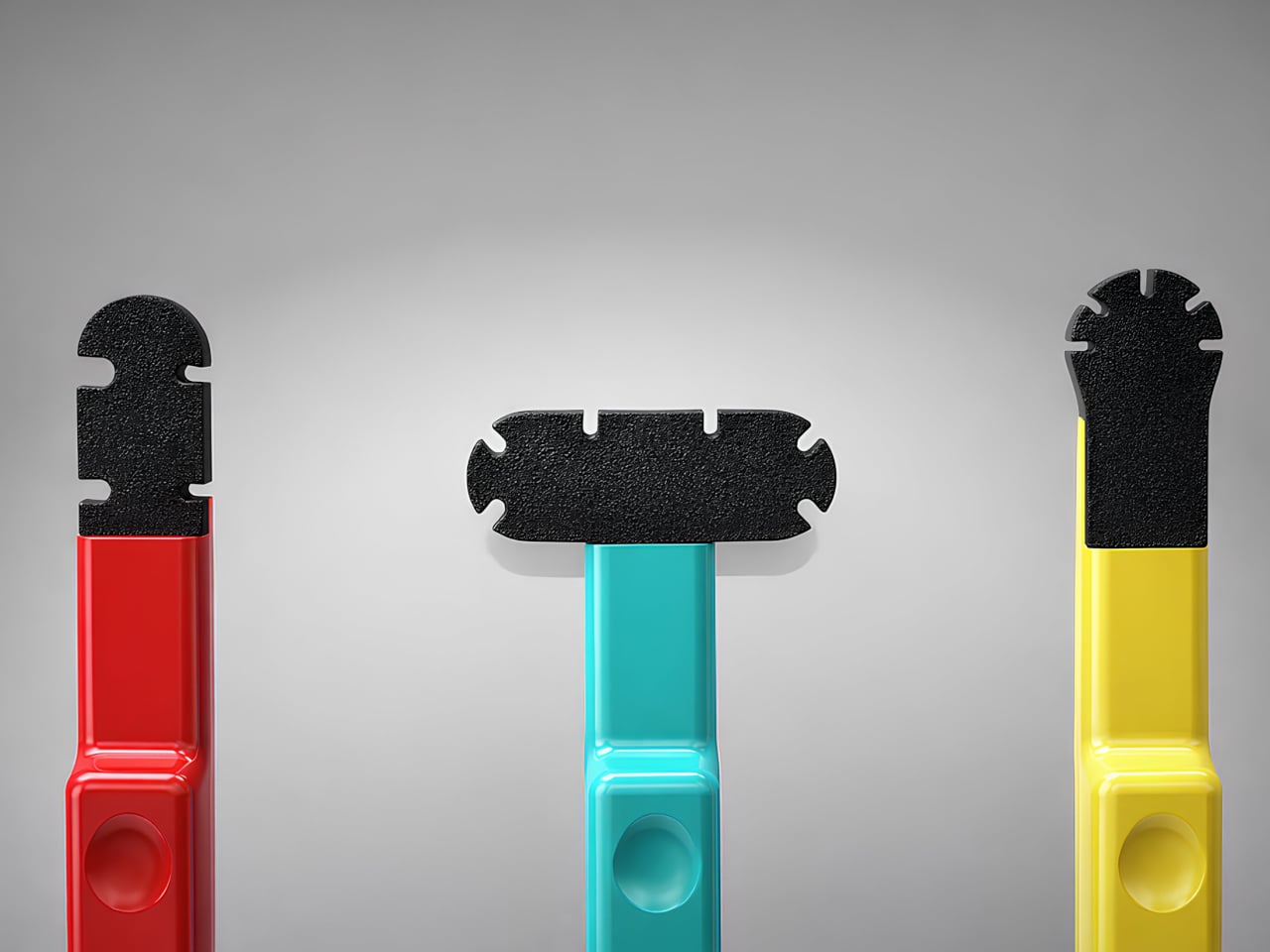
The tool comes in three variants, each color-coded for different working conditions. The red Stable version is built for flat, open surfaces like wooden boards or wall panels, where the hammer has a full vertical swing. The teal Expanded version has a wider horizontal head that supports a nail from multiple contact points, for situations where a perfectly vertical swing is not possible. The yellow Precise version handles curved, rounded, or edge-based surfaces where standard positioning gets awkward.

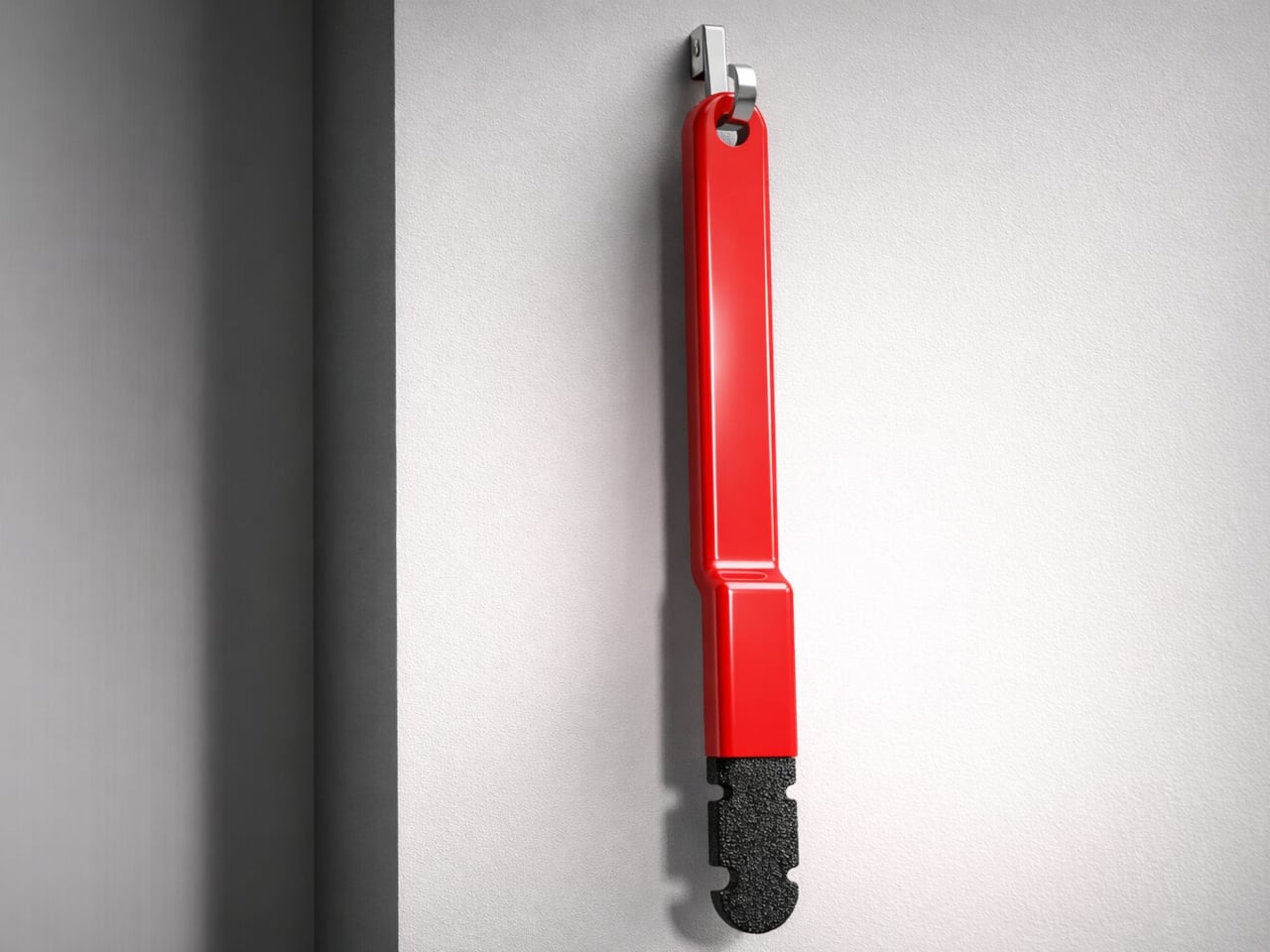
The color distinction is practical rather than decorative. On a cluttered workbench, making each variant visually distinct reduces the small but real friction of grabbing the wrong tool. The TPU head grips the nail shaft without scratching it, and the angled body sits naturally in the hand while maintaining a clear line of sight to the nail tip. A hanging hole at the base keeps it on a hook near the toolbox rather than lost in a drawer.

Where the design raises questions is around the TPU head’s durability after repeated use. It sits close enough to the nail that a slightly off-center hammer strike would occasionally land on it, and how the material holds up over months of regular work is something only extended testing would confirm.

The post Someone Finally Made a Nail Holder That Won’t Smash Your Fingers first appeared on Yanko Design.

AI Superpowers Workflow : Parallel Sub-Agents for Brainstorming, Specs & Tasks

AI Superpowers Workflow : Parallel Sub-Agents for Brainstorming, Specs & Tasks Rust Space Invaders test scene showing frame rate readout near 20,000 FPS with audio and power-ups enabled.

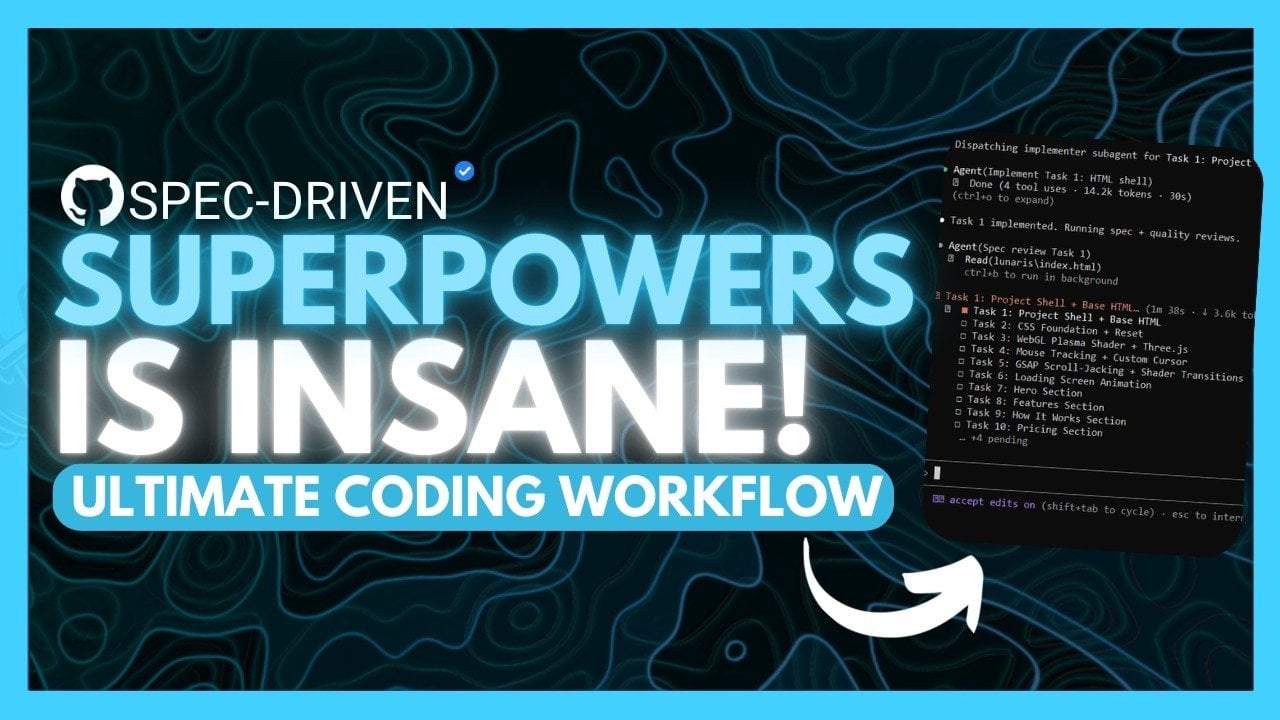
The latest analysis from World of AI explores how the Superpowers framework is reshaping software development by automating the entire engineering lifecycle. Unlike traditional systems like OpenSpec and SpecKit, which focus primarily on specification generation, Superpowers extends its capabilities to include autonomous planning and execution. For instance, it can break down complex projects into manageable […]

The post AI Superpowers Workflow : Parallel Sub-Agents for Brainstorming, Specs & Tasks appeared first on Geeky Gadgets.

Posted in Uncategorized