Valve appears to be discontinuing self-repair parts for the LCD Steam Deck at iFixit
An iFixit staffer told a Steam Deck user that the company had no plans to stock replacement OEM batteries.

The first time I saw footage of a neighborhood completely leveled by wildfire, nothing left but chimneys and twisted metal, I had the same thought most people do: why do we keep building the same way? We’ve watched communities in California, Colorado, and beyond get erased in a matter of hours, and the standard response has largely been to rebuild in the same spot with slightly better fire-resistant cladding. It’s determined, in its own way. It’s also starting to feel like wishful thinking.
HiberTec Homes is proposing something entirely different. Their fully patented design allows a modular home to automatically lower itself underground when a wildfire or tornado threat is detected, then resurface completely unharmed once the danger has passed. The whole process takes 15 minutes or less. You press a button, the utilities shut off automatically, a fire-retardant system activates, a protective shell seals the structure, and the house descends into a sealed underground vault. Then you wait. Then you come back to a home that’s still standing.
Designer: HiberTec Homes

Founder Holden Forrest first conceived the idea in 2019 and spent several years developing it with a team of engineers specializing in thermal systems and structural design. He self-funded the project to the tune of $500,000 before appearing on Shark Tank Season 17, where he secured a deal with Barbara Corcoran for $1 million at 20% equity, plus a contract to build the first real working model at $1,000 per square foot. That price point is admittedly steep, but HiberTec’s stated goal is to eventually bring costs down to around $400 per square foot, which would put it within reach of a much wider audience.
And the audience that needs it is enormous. Over 300,000 homes are destroyed globally every year. In the U.S. alone, more than 25,000 homes are lost annually to wildfires and high winds. Perhaps the most staggering figure: more than 8 million American homeowners currently cannot obtain property insurance. The economic losses from Southern California wildfires alone have crossed $300 billion. At some point, fire-resistant landscaping and defensible space stop being sufficient answers to what has become a genuine housing crisis.

Beyond the visual drama of a house literally sinking into the earth, what makes HiberTec’s approach feel genuinely smart is its open platform model. Rather than operating as a closed, proprietary system, the company has designed its hydraulic technology to integrate with dozens of existing homebuilders and their modular models, with little to no modification required. That’s a meaningful distinction. It means this isn’t a niche luxury product for a handful of custom home clients. It’s being positioned as infrastructure, something that can scale across the industry instead of living at the edges of it.

The skeptics will have fair points to raise. The technology is still in the prototype phase, and until a real home descends underground and resurfaces in an actual fire event, all of this lives in the realm of engineering promise. Hydraulic systems are complex. Underground environments bring their own challenges around moisture, soil shifting, and structural integrity. These aren’t small details to work out. There’s also the question of what happens to everything around the home. You save the structure, but the neighborhood, the trees, the infrastructure that connects you to the rest of the world, all of that remains vulnerable.
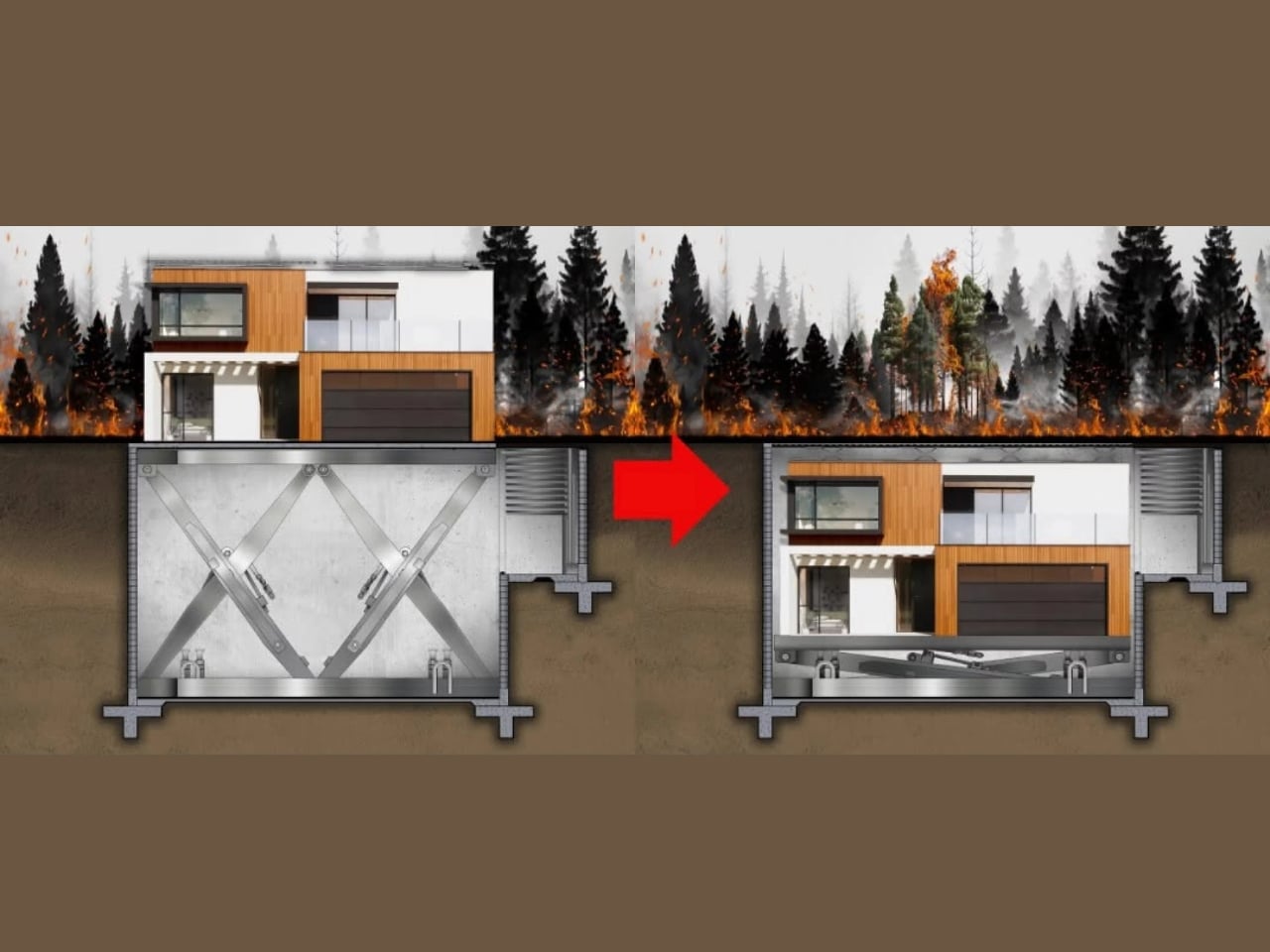
Still, the premise refuses to leave your mind. We’ve spent decades trying to make homes better at withstanding fire. HiberTec’s answer is to simply remove the home from the equation entirely, if only for a few hours. It’s the kind of lateral thinking that sounds absurd right up until you realize the conventional approach keeps failing people at catastrophic scale.
Whether HiberTec becomes the future of housing or a fascinating proof-of-concept that reshapes the conversation, it’s already doing something valuable: forcing the question of whether we need to rethink not just how homes are built, but how they survive. When whole towns can disappear in a single afternoon, that question deserves a serious answer.

The post Burying Your House Sounds Extreme. HiberTec Makes It Make Sense. first appeared on Yanko Design.


France is shown the door, and Spain has triumphed into the final of the FIFA World Cup, now waiting patiently for either England or the favorites, Argentina. While who will make it to the final to contest for the most coveted trophy against Spain remains uncertain, at the time of writing, what’s certain is that Louis Vuitton has readied the bespoke trunk that will be used by the winners to carry the golden trophy out of the New York New Jersey Stadium on Sunday, July 19.
Like it has been doing in the last four editions, LV has unveiled its licensed 2026 FIFA World Cup Trophy Trunk to showcase and transport the most iconic cup in sports. It has previously designed trophy trunks for the 2010 edition of the FIFA World Cup in South Africa, followed by the 2014 Brazil, 2018 Russia, and 2022 Qatar editions.
Designer: FIFA and Louis Vuitton
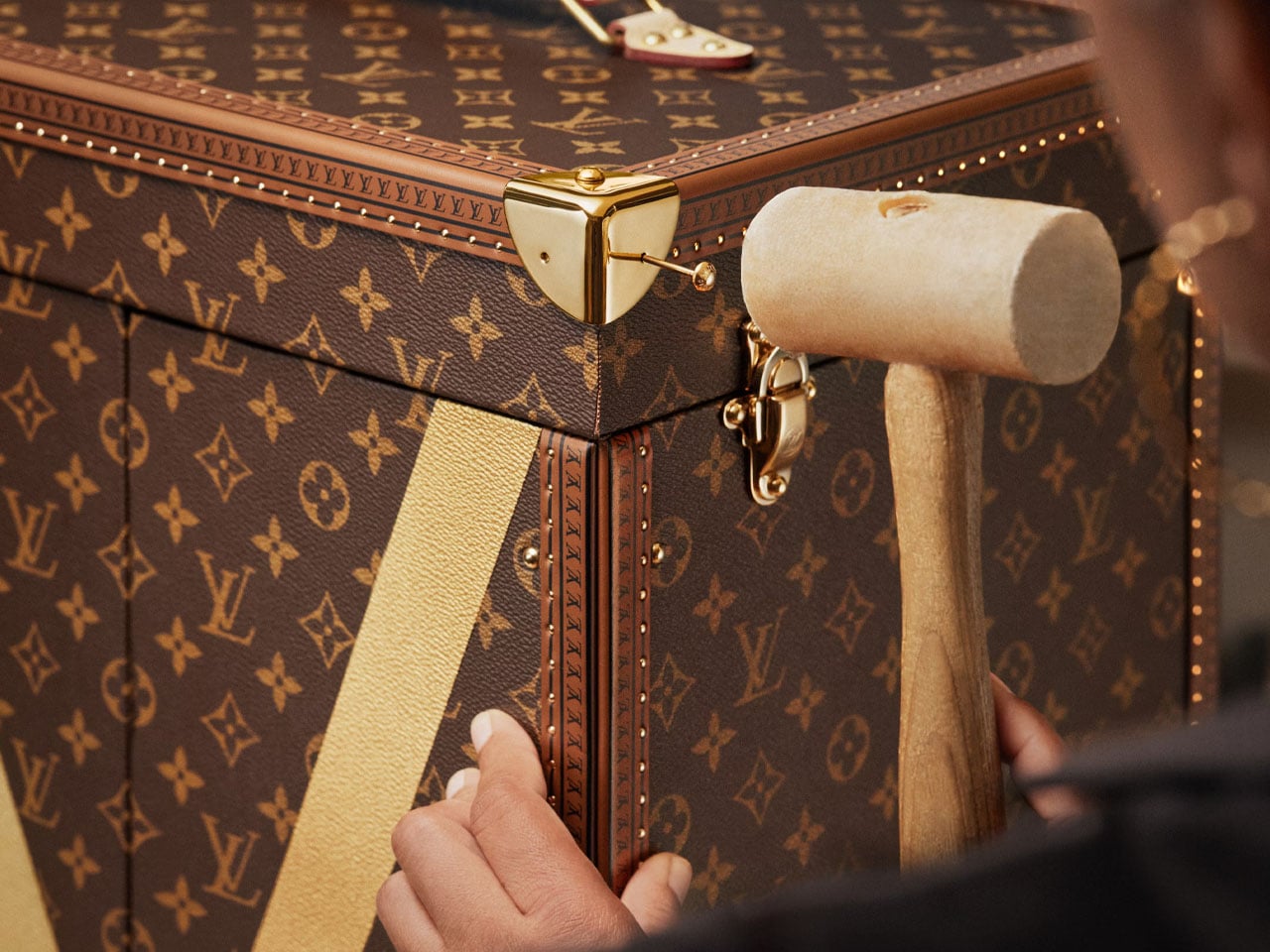
The fifth such trunk, in as many editions of the World Cup, is made by Maison’s artisans in its Asnières-sur-Seine workshops near Paris. It is meticulously covered in the iconic Louis Vuitton monogram canvas and will, for the first time, be officially disclosed at the final match of the World Cup.
The 2026 FIFA World Cup Trophy Trunk will be brought onto the pitch for the finals ceremony and will become part of the music and entertainment programs when football’s greatest achievement is celebrated. Making its presence etched in the annals of history, the 2026 FIFA World Cup Trophy Trunk comes enclosed in an all-LV Monogram canvas cover and features a pair of front panels adorned with a golden “V,” which, according to the press statement, stands for both Vuitton and Victory.
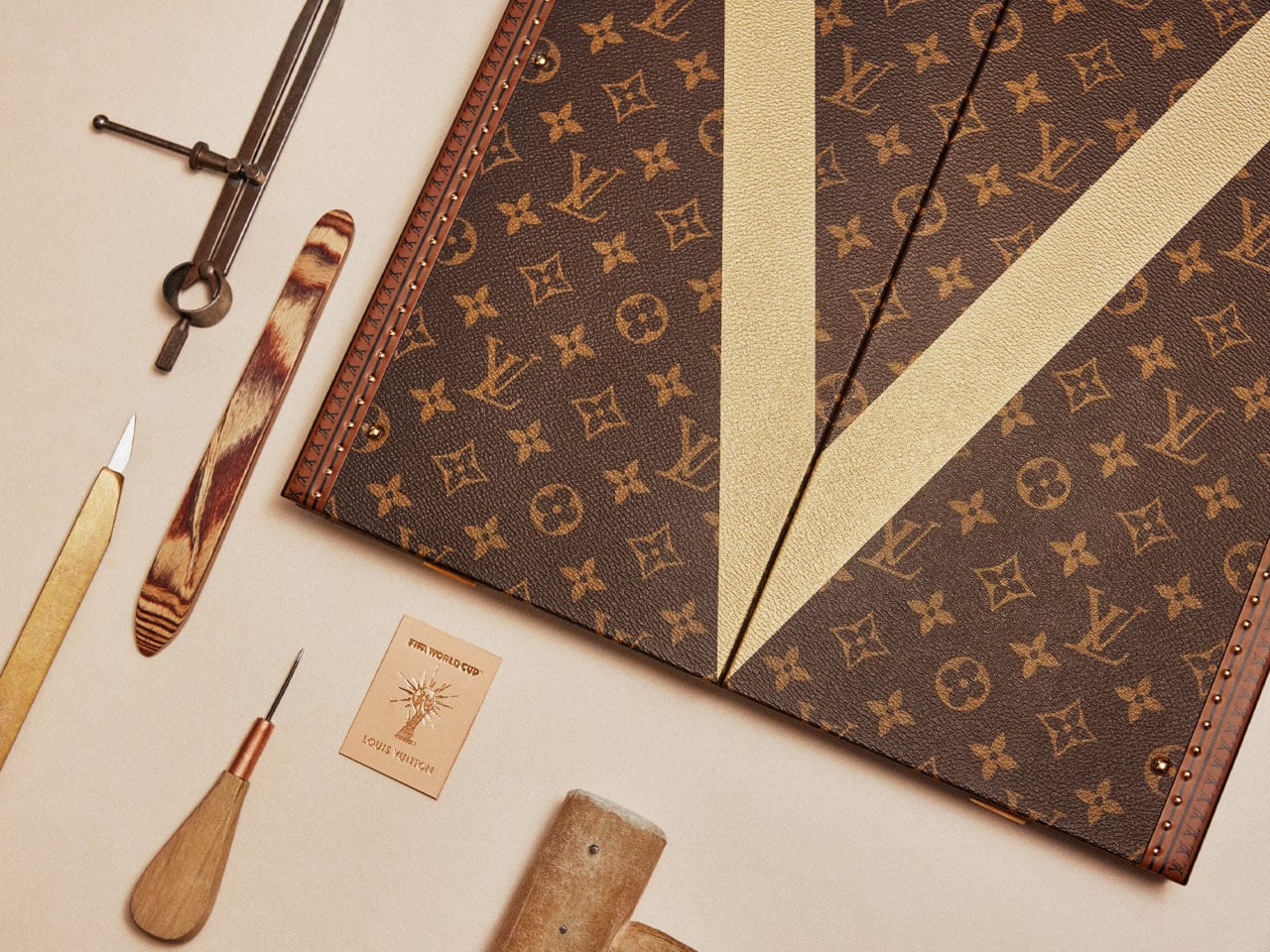
The exterior doesn’t give out much about the official partnership. It is more reserved for the interior, which is done in light beige leather and a space in the center for the “world’s most coveted trophy—a symbol of dedication, collective ambition, and the ultimate celebration of victory.” Here, a patch on the lid is used to showcase the partnership logo between Louis Vuitton and FIFA.
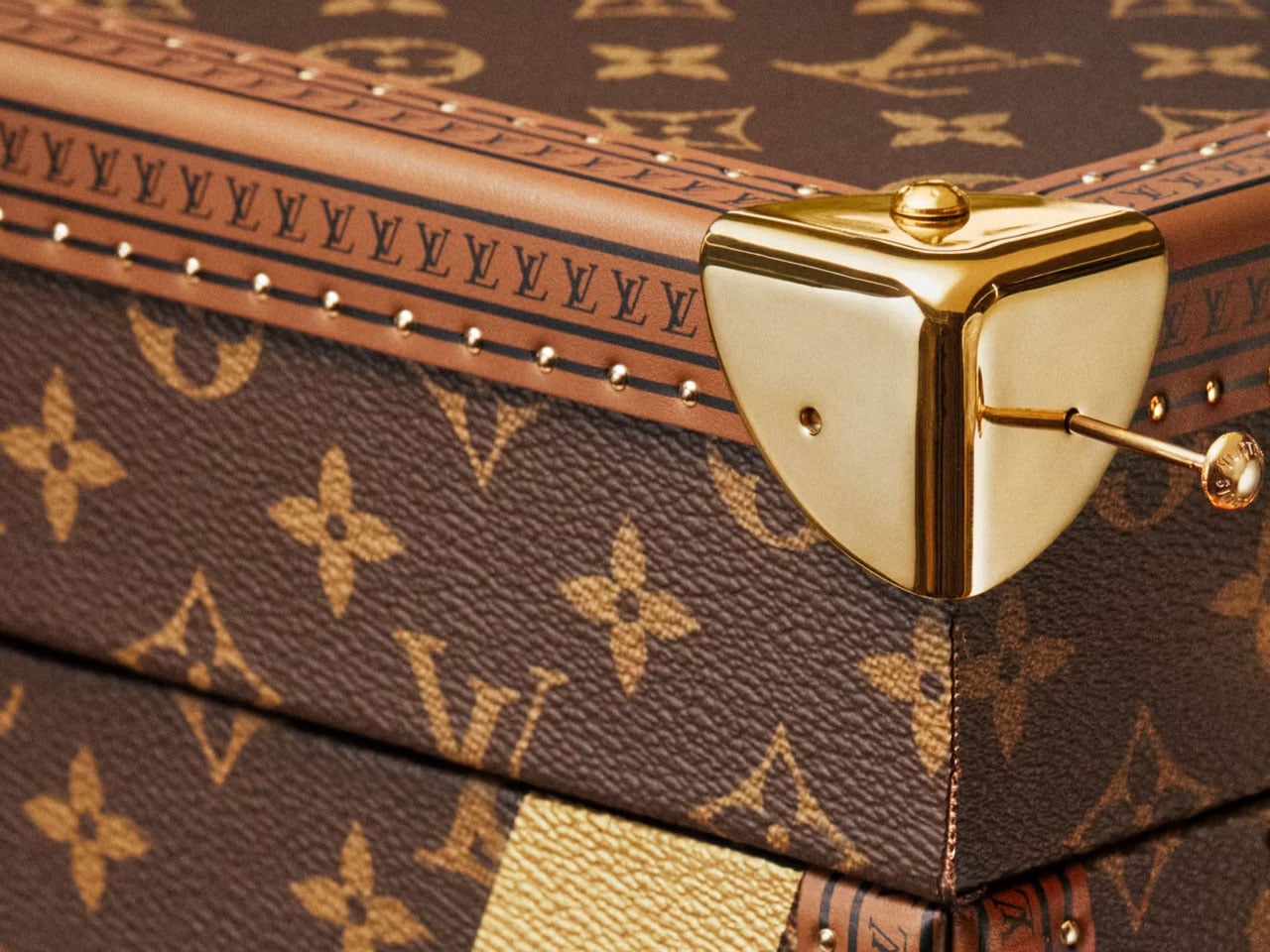
Returning to the exterior, it features LV’s signature leather trim known as “lozines.” The trunk corners are protected with gold-plated brass, while clasps and a lock are used to secure the precious trophy inside. Lock and clasp design is reminiscent of those used by the maison since the 1860s.
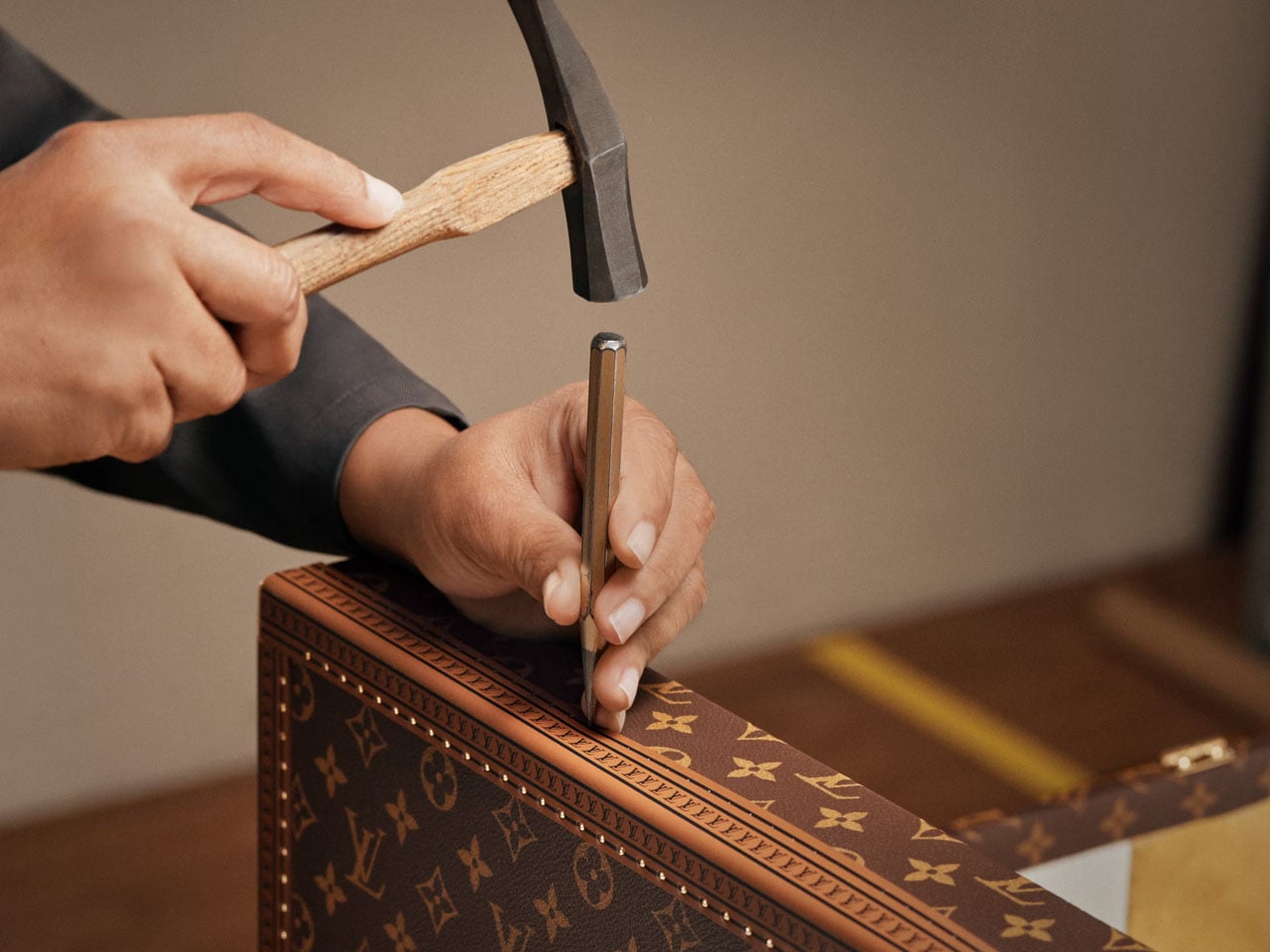
Unless you are the FIFA museum in Zurich, Switzerland, there is no chance you can keep the trophy or the trunk. Louis Vuitton understands it better than any of us and has therefore created three look-alike limited edition trunks. Since each of these is inspired by the trunk designed for the original solid gold trophy, they feature monogram canvas, a hand-painted FIFA World Cup logo, and the golden “V”.
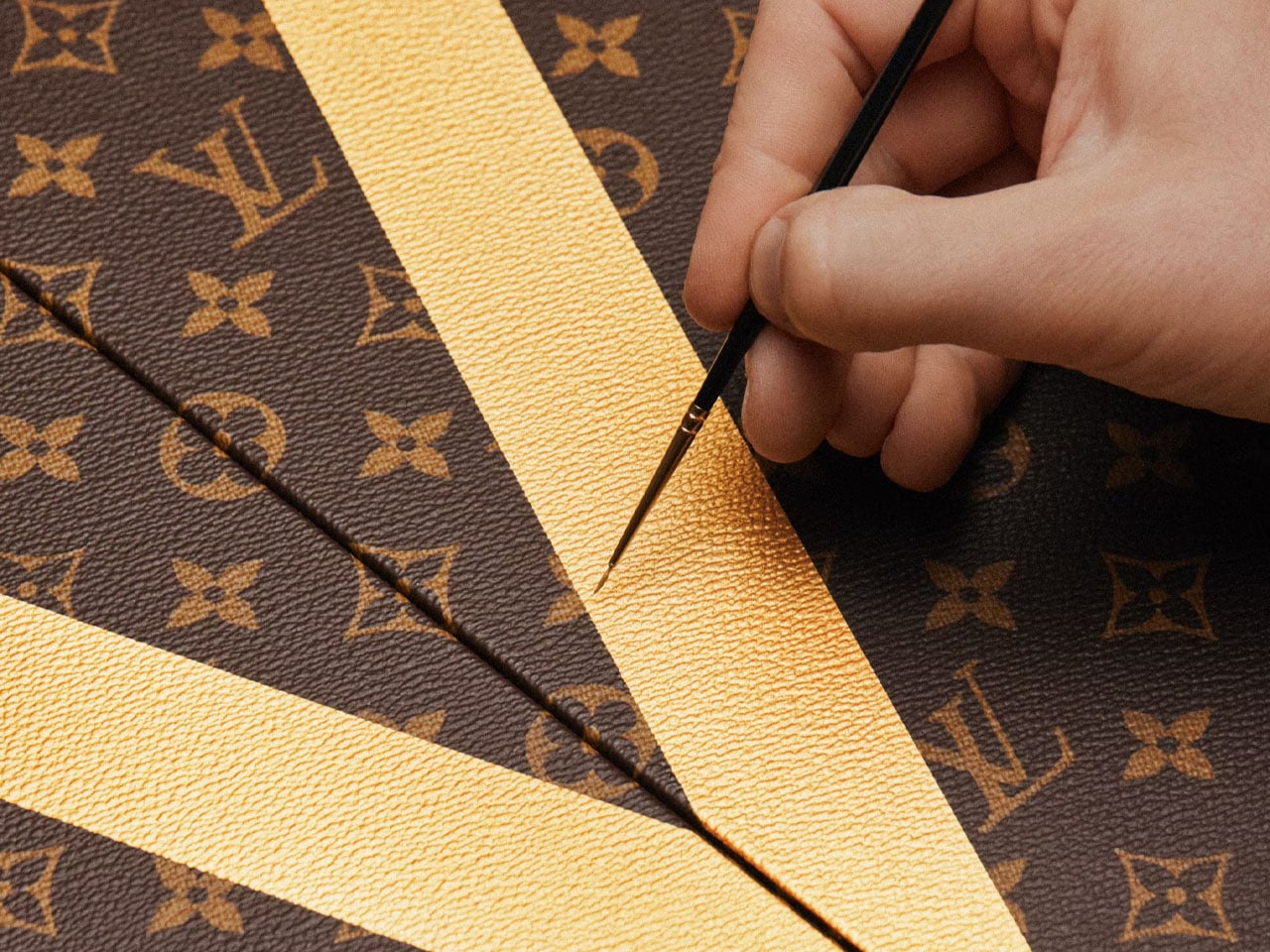
The first of the three iterations is the Coffret 8 Montres, made to hold eight watches; the Cotteville 16 Montres is designed for the same purpose but with the capacity to store 16 watches. Malle Courrier Lozine 110 is a different breed; it is a trunk for the purpose of carrying luggage. There is no word on how each of these will be priced, but we learn that users will have an option to personalize their purchase with their initials.

The post Louis Vuitton unveils bespoke Trophy Trunk for FIFA World Cup 2026 ahead of the final first appeared on Yanko Design.



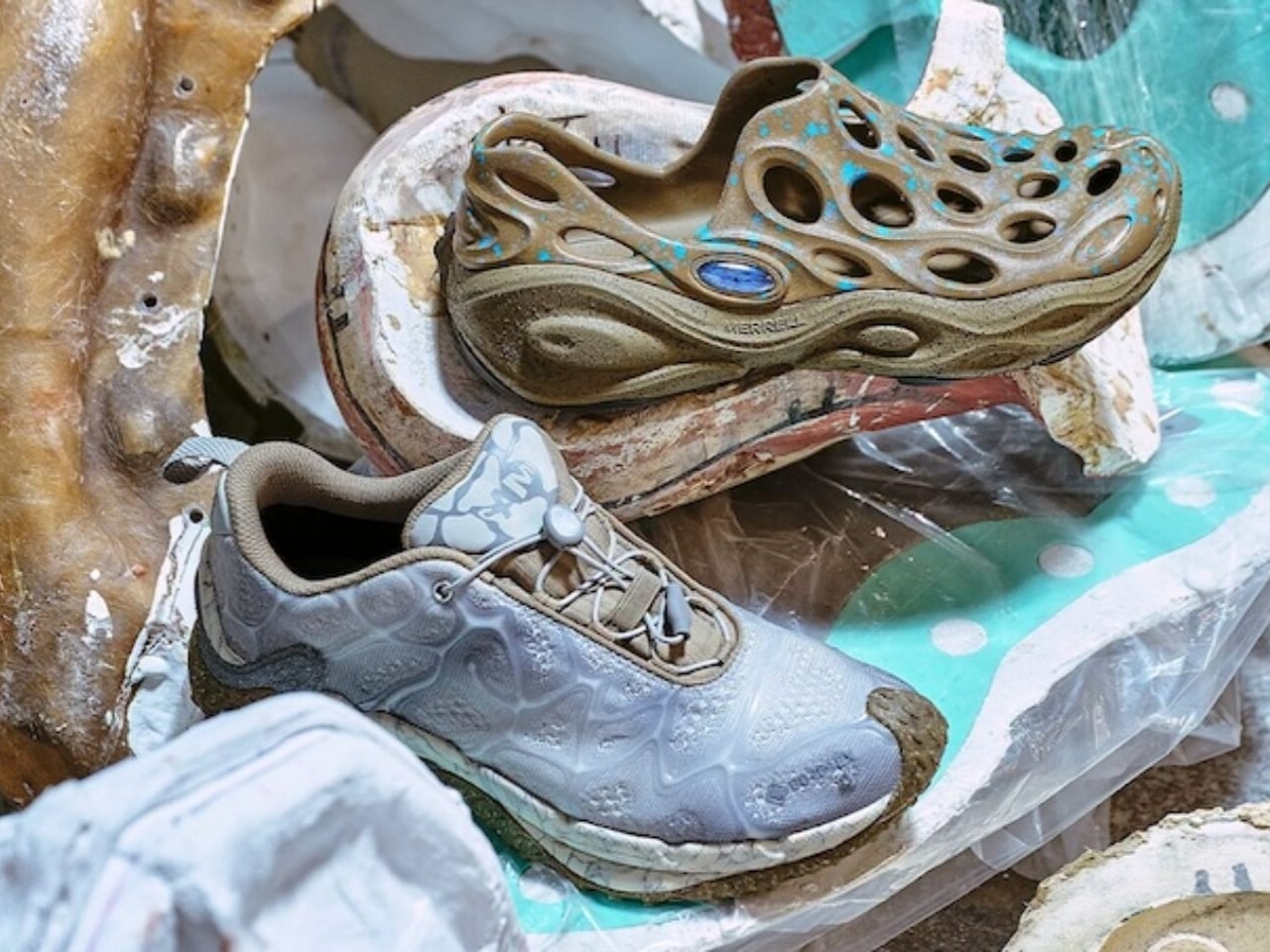
The shoes that make you look twice usually have a story behind them. The Merrell x P.A.M. (Perks and Mini) collaboration is that kind of story, and it starts, surprisingly, in a swamp.
The Australian creative label Perks and Mini teamed up with Merrell to explore two silhouettes you already know: the Chameleon and the Hydro Moc. But the brief wasn’t to simply freshen them up with new colorways or slap a logo on the tongue. The directive was weirder and much more interesting than that: explore amphibian life through form, texture, and function. The result is the Cham Storm GTX and the Hydro Next Gen Moc, two shoes that feel like they were designed at the intersection of a nature documentary and a design school thesis.
Designers: Merrell x P.A.M. (Perks and Mini)
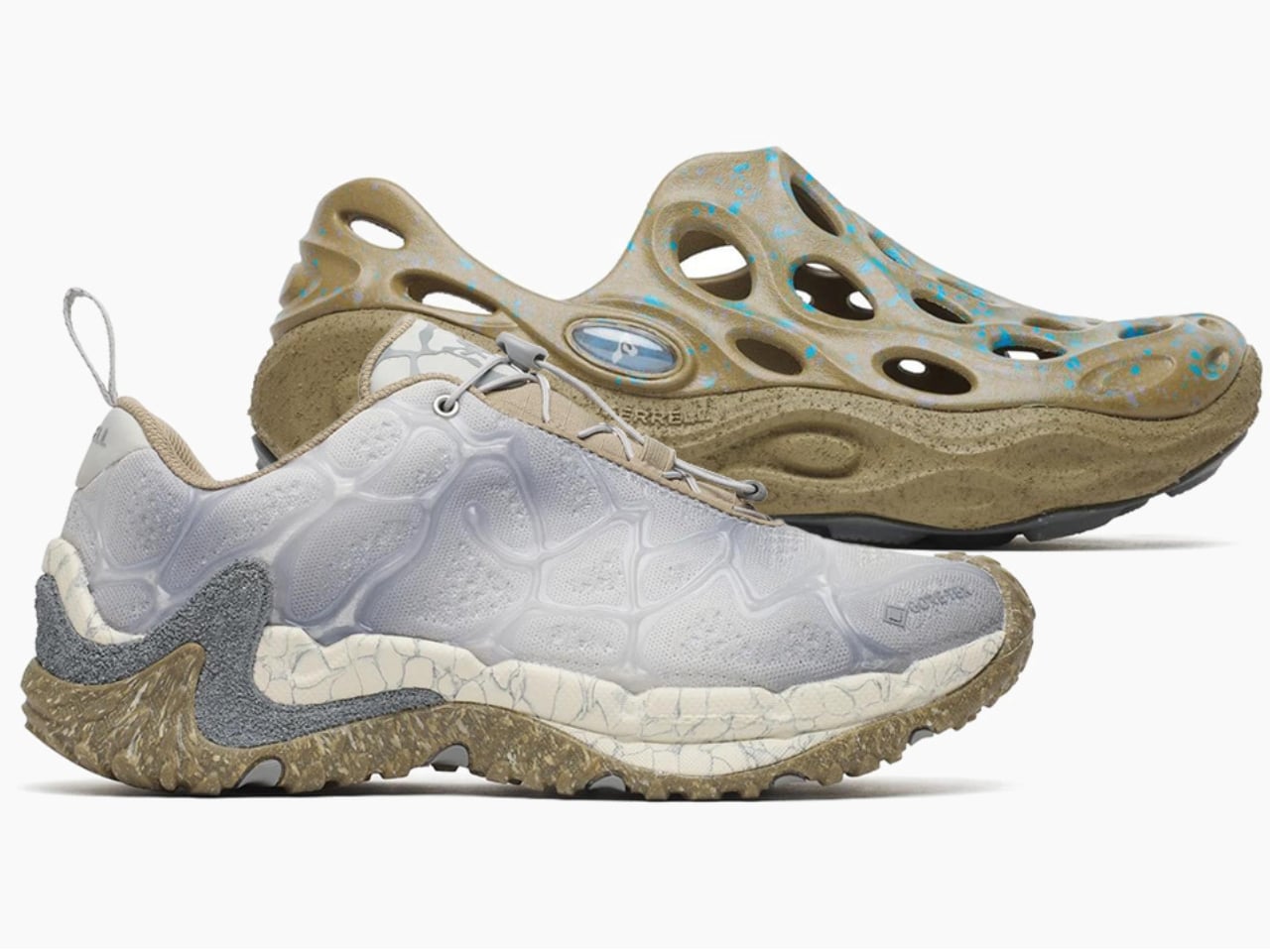
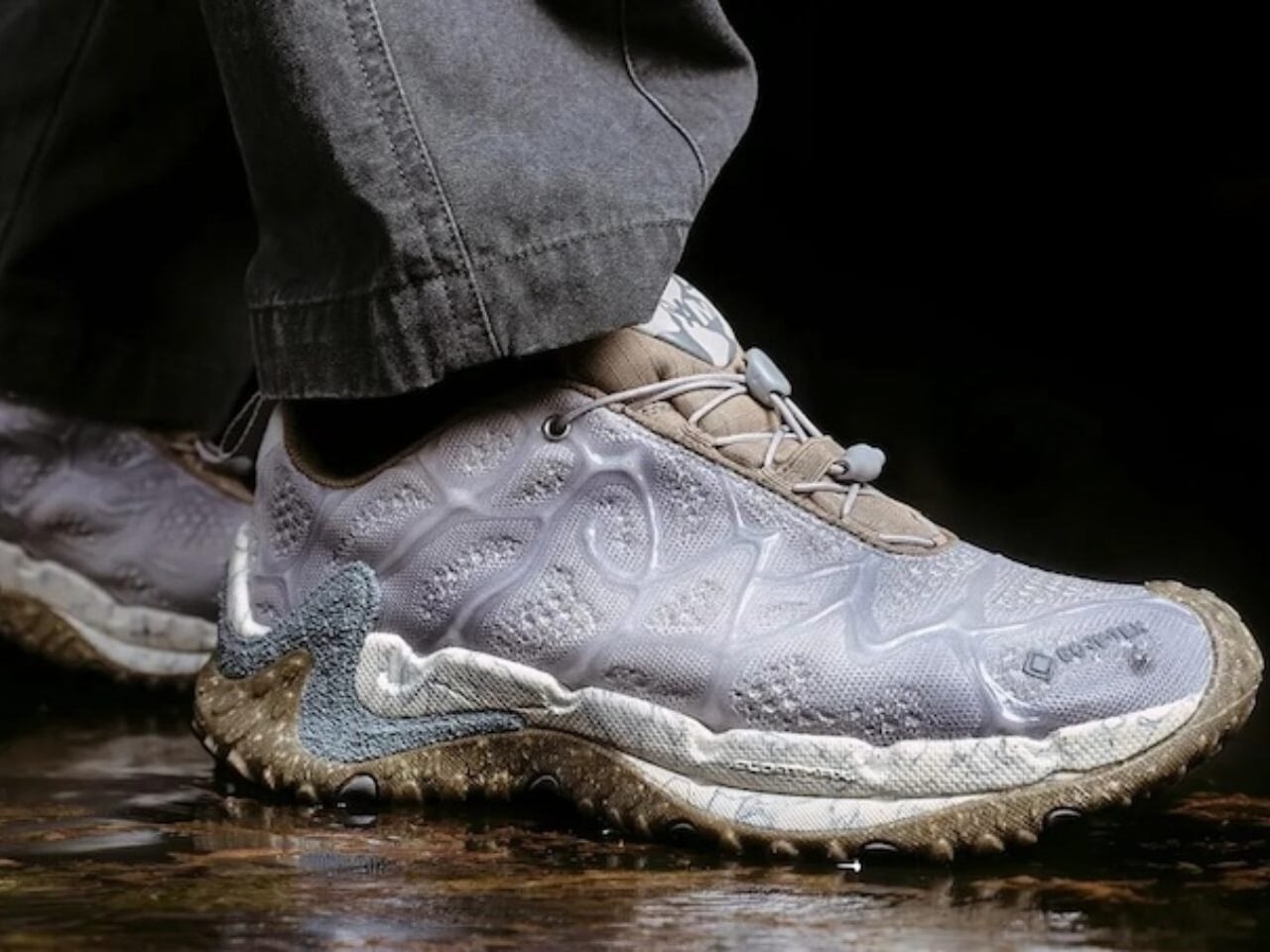
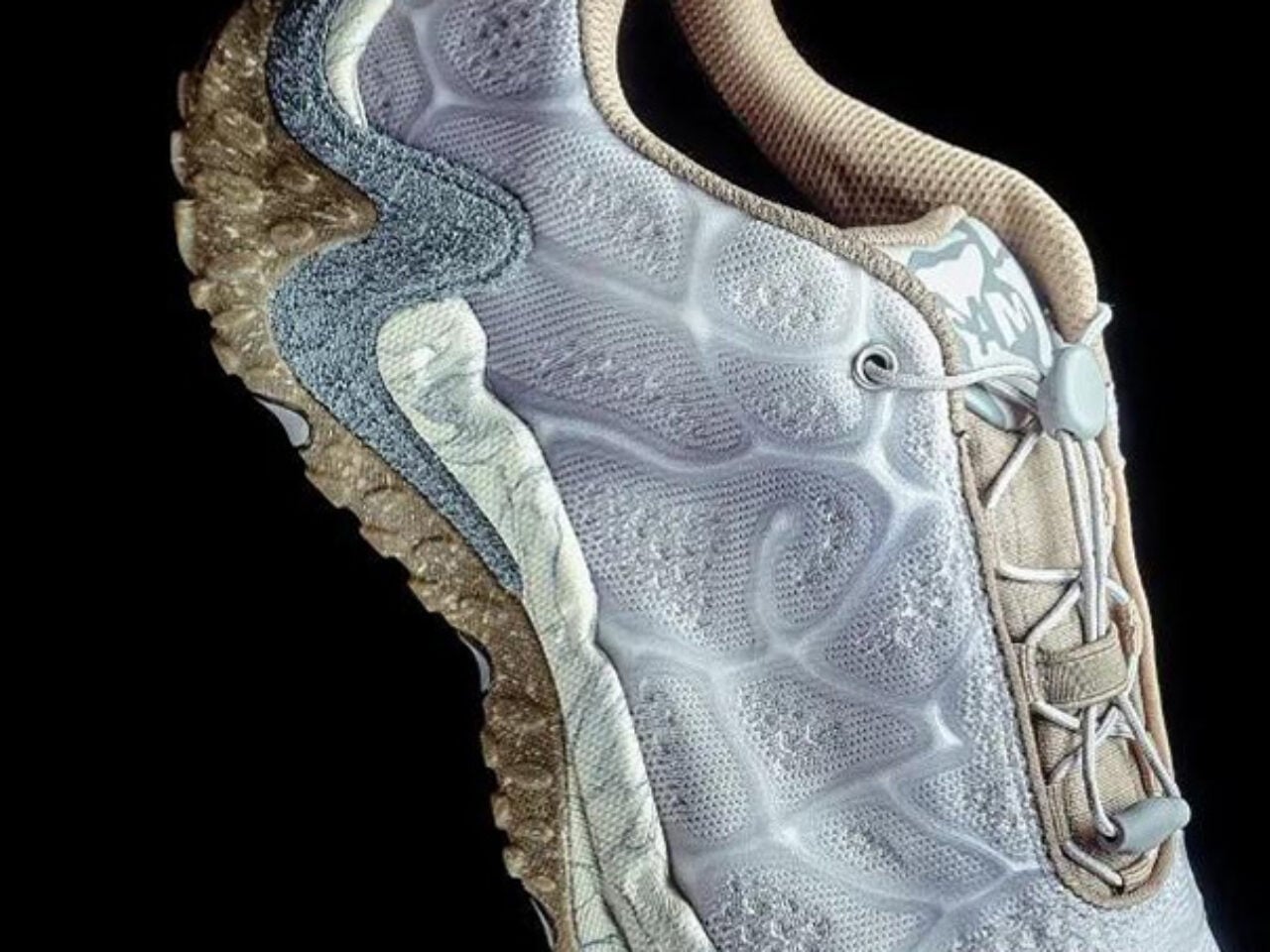
I’ll start with the Cham Storm GTX because it’s the one I keep staring at. The engineered mesh upper gets a custom 3D silicone treatment that reads, unmistakably, as reptile skin. Not in a costume-y way, but in a way that feels considered and intentional, like the design team spent real time studying scale patterns before drawing a single line. A rough sand spray finish adds another layer of texture, and the molded TPU heel counter keeps the whole thing structurally anchored. Underneath all that visual storytelling is a FloatMax foam midsole and Gore-Tex waterproof technology, which means this shoe isn’t just doing aesthetic work. It can handle rain, trails, and whatever else you decide to put it through. The toggle quick-lace system makes getting in and out effortless, which is a small detail but one that matters when you’re moving quickly between environments.
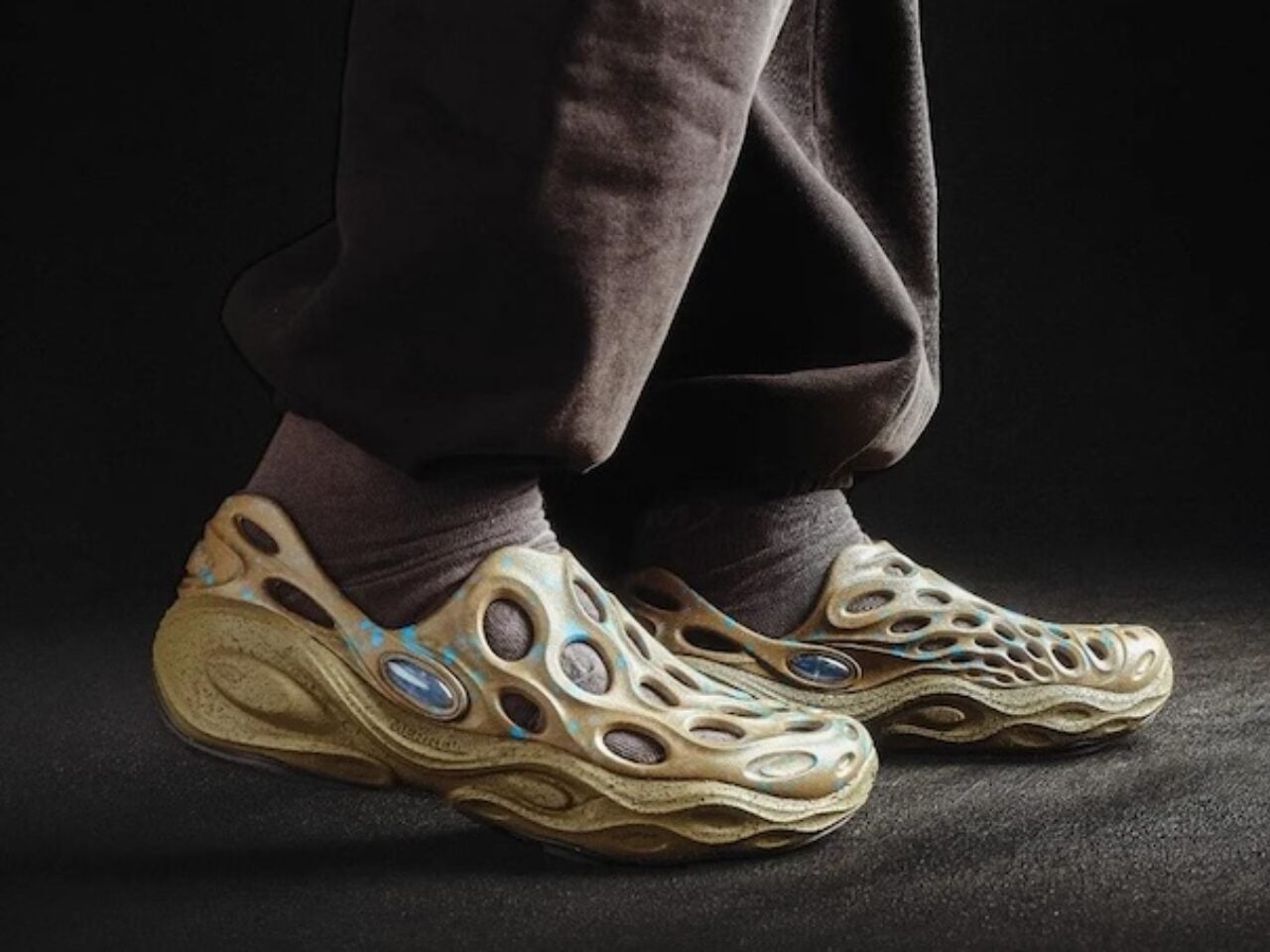
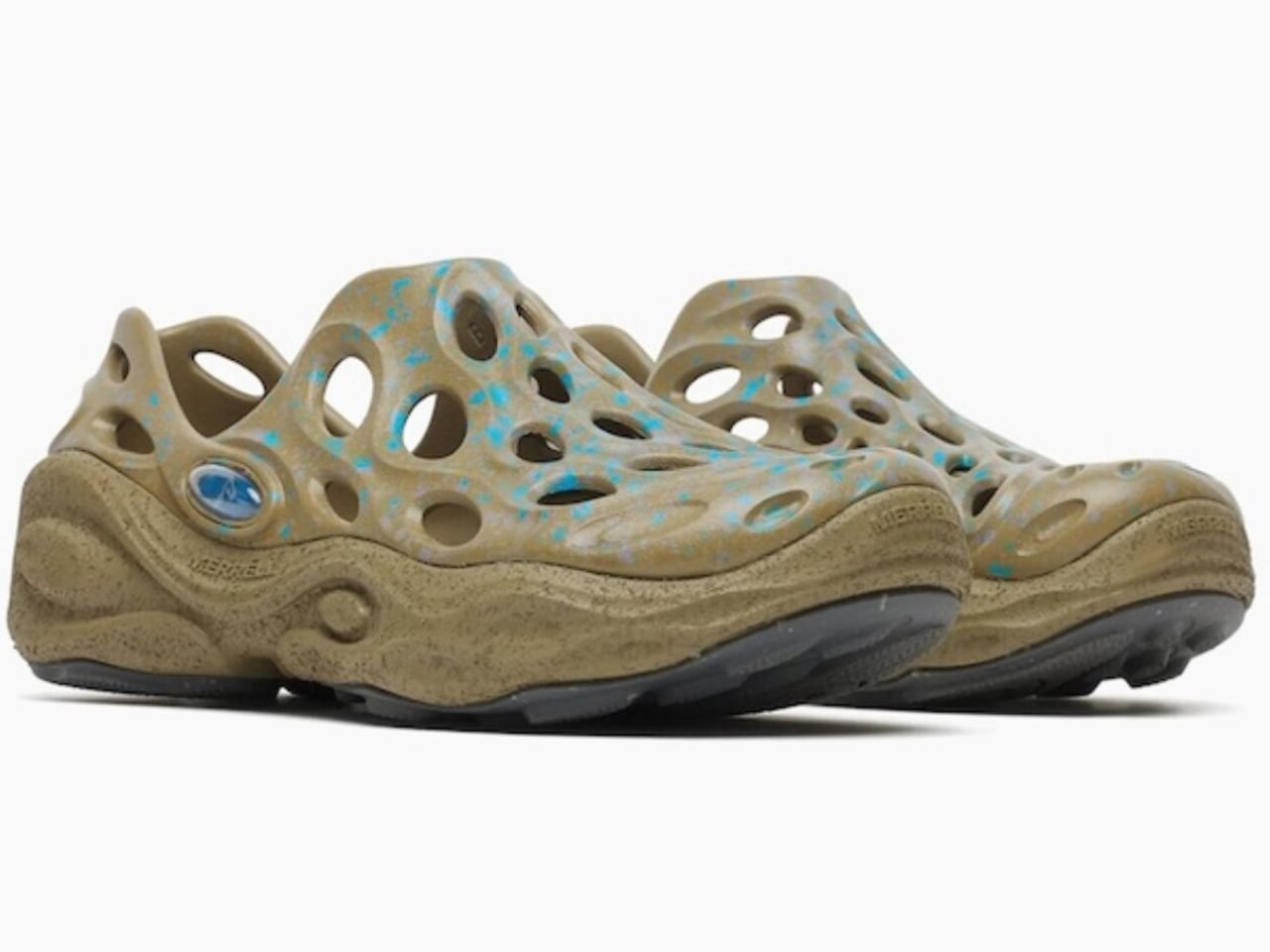
The Hydro Next Gen Moc takes a softer approach. Where the Cham Storm is textured and almost aggressive in its visual language, the Hydro Moc leans into speckle. The EVA foam upper carries a speckled pattern with flecked sidewalls that reads less like armor and more like a frog’s underbelly, in the most complimentary possible way. It’s still loaded with FloatMax foam cushioning, and the easy on/off design makes it the kind of shoe you’ll reach for on days when you need to move from the house to the street to somewhere else without thinking too hard about your feet. The weight barely registers.
What makes this collaboration feel different from the usual outdoor-brand-meets-streetwear-label formula is the conceptual rigor behind it. P.A.M. didn’t just bring an aesthetic direction; they brought a worldview. Amphibious creatures exist in a perpetual in-between state, equally at home on land and in water, which is exactly the kind of cultural positioning that resonates right now. The boundaries between outdoor gear and everyday style have been dissolving for years, and the Merrell x P.A.M. shoes lean into that rather than apologizing for it.
Merrell has always been a brand that lives and dies by its performance credibility. Adding Gore-Tex to a shoe that could easily have coasted on aesthetics alone is a deliberate statement. It’s saying the design and the function are non-negotiable, and that you shouldn’t have to choose between looking interesting and being properly equipped for the day.
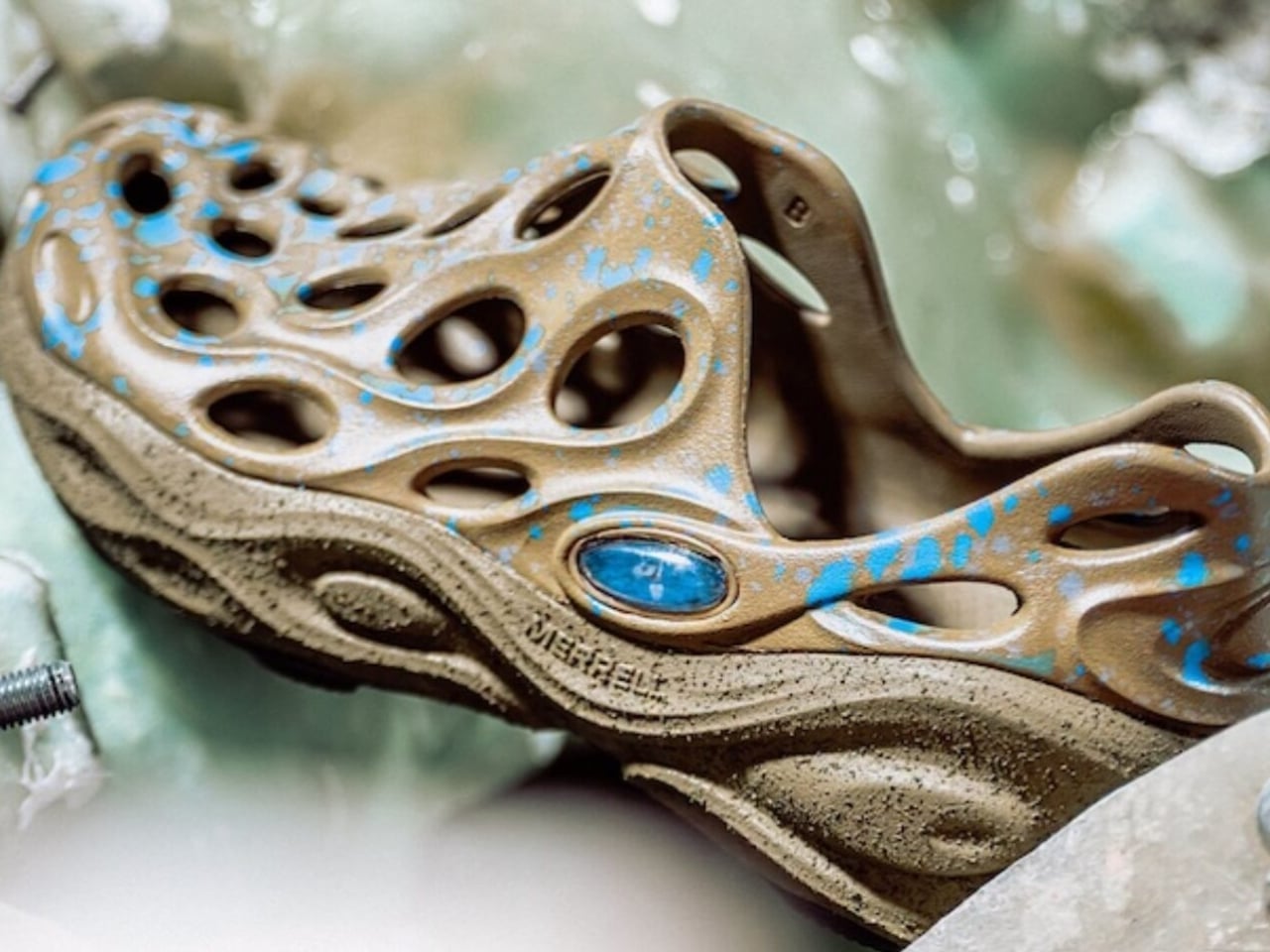
The broader conversation this drop enters is about what outdoor footwear is allowed to be. For a long time, “technical” meant beige, and “style-forward” meant sacrificing waterproofing. The Merrell x P.A.M. collaboration doesn’t accept that trade-off. It asks whether a shoe can be inspired by a chameleon, built for wet conditions, carry the creative vision of an independent Australian label, and still be worth wearing on a Tuesday afternoon when nothing remotely swamp-like is happening. The answer, based on what Merrell and P.A.M. put together, is yes.
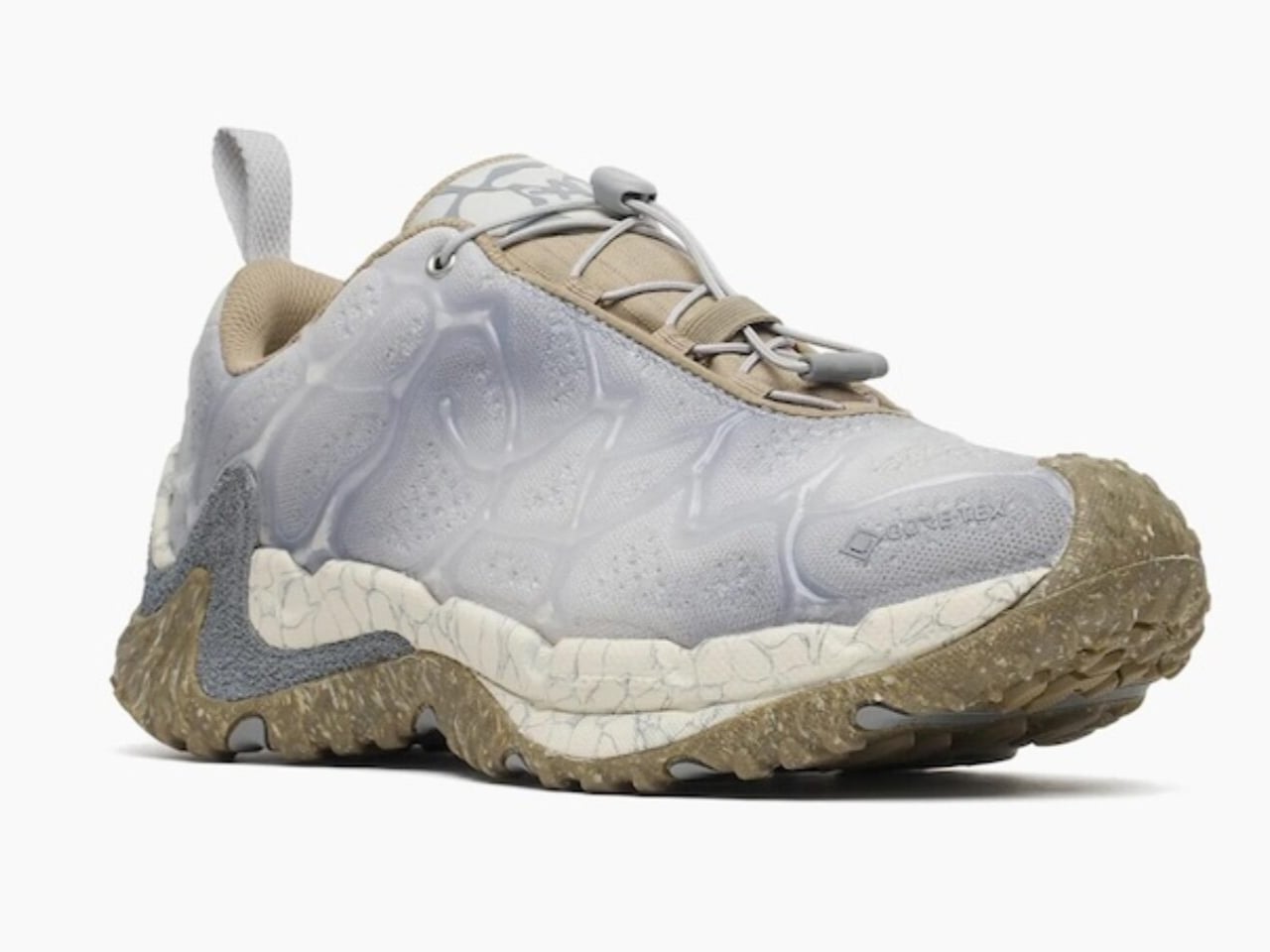
The Cham Storm GTX and Hydro Next Gen Moc are both available now. Whether you’re buying them for the design, the function, or just the sheer novelty of wearing something that nods to a salamander, they’re worth a closer look.
The post Merrell Just Made Hiking Shoes That Look Like They’re Alive first appeared on Yanko Design.
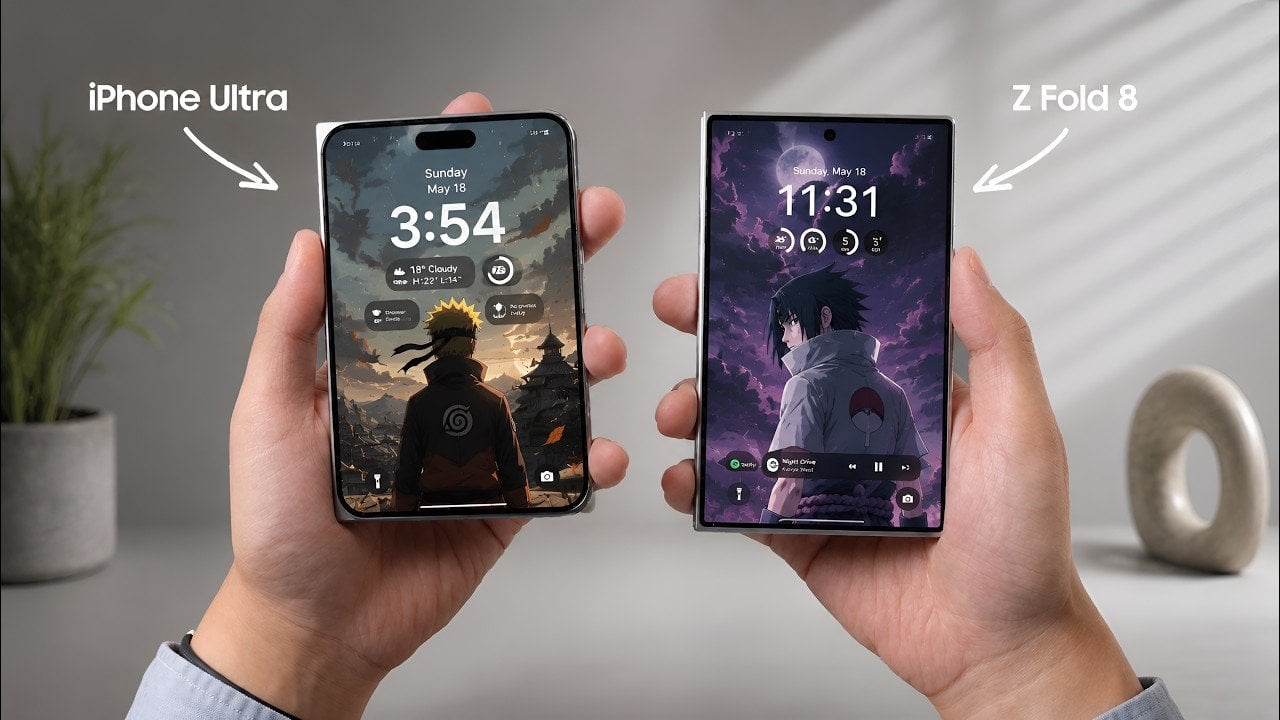
Apple is reportedly preparing to make its debut in the foldable phone market with a device rumored to be called the iPhone Ultra. Early leaks suggest this innovative device could feature a dual-cell battery with a combined rated capacity of 4,883 mAh. If accurate, this would position the iPhone Ultra as a direct competitor to […]
The post iPhone Ultra Fold vs. Galaxy Z Fold 8: Which Foldable Packs the Bigger Battery? appeared first on Geeky Gadgets.