Sony's 2025 PlayStation Wrap-Up is now available. The recap, which is similar to those from music streaming services, sums up gaming habits from throughout the year. It shows players how many hours they used their PS4 or PS5, what games they played the most, preferred genres, trophy counts and more.
These digital cards are shareable on social media, which is kind of the whole point. Nothing says "bragging rights" more than offering definitive proof of how long you spent on a couch grinding in Clair Obscur: Expedition 33 or wandering the wasteland in Death Stranding 2.
Sony
This year, the recap provides insight into how much players interacted with accessories like the PlayStation Portal and PS VR2. It also details the "most used DualSense wireless controller design."
The 2025 Wrap-Up will be available until January 8. Once completed, players also get a "unique glass-themed avatar." It's only available for adults.
The PlayStation Wrap-Up has been around since 2017, though it ran into some issues with accessibility in 2024. Spotify introduced the basic idea with Wrapped back in 2015. Since then, the concept of a shareable year-end streaming list has spread like a virus. Just about everyone does it now, from Apple Music to Nintendo and even YouTube. We love to reflect on things we recently experienced, don't we folks?
This article originally appeared on Engadget at https://www.engadget.com/gaming/playstation/playstations-2025-wrap-up-is-here-so-you-can-see-how-many-hours-youve-sunk-into-death-stranding-2-191508693.html?src=rss
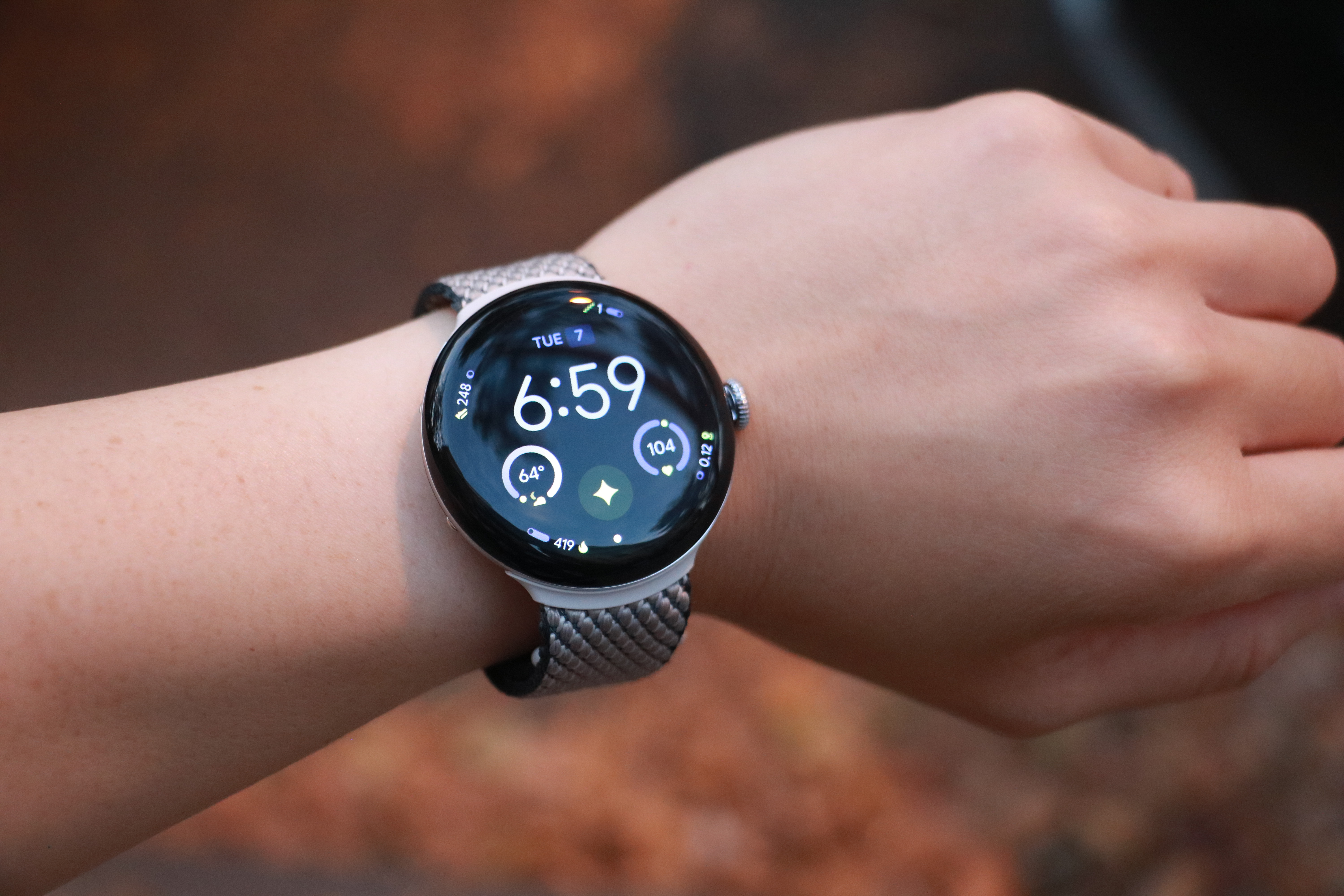
It has been two months since Google released the Pixel Watch 4 and now the company is introducing new updates to the wearable. In our review, Engadget managing editor Cherlynn Low was impressed enough with the watch to give it an 86, but called out the lack of gesture-based interactions. The new one-handed gesture features, like double pinch and wrist turn, should make up for that.
In an industry that involves constant borrowing of ideas, it should come as no surprise that these features are very similar to those available on the Apple Watch. Double pinch works much the same to the Apple Watch's double tap. Pixel Watch 4 users should be able to pinch their fingers together twice on the same hand to do things like answer or end a call and pause timers. The Pixel Watch will also offer "context hints" on its screen about when a person should consider using double pinch.
Then there's wrist turn, Google's answer to Apple's wrist flick. It should allow Pixel Watch 4 users to take actions like dismissing incoming calls by turning their wrist.
Currently, users can rotate their wrist to scroll through notifications. They can also summon Gemini by bringing their wrist to their mouth, but it's a bit finicky, requiring them to start at the homepage and be extremely accurate in their movements. Google is rolling out a new step-by-step tutorial for this raise to talk feature, so hopefully it becomes a bit easier to use moving forward.
This article originally appeared on Engadget at https://www.engadget.com/wearables/google-pixel-watch-4-gets-double-pinch-and-wrist-turn-features-170024210.html?src=rss
Pebble just announced the Index 01, a smart ring for recording thoughts. It's a little ring with a built-in microphone and that's about it. The Index 01 is almost anti-tech in its simplicity. There's no needless AI component shoehorned in, aside from speech-to-text. It's a ring with a microphone that you whisper ideas into and I want one.
Here's how it works. You get an idea while walking down the street, so you quietly whisper it into the ring. The ring sends the idea to a notes app or saves it for later review. Pebble founder Eric Migicovsky calls this an "external memory" for the brain, but I call it a nice way to avoid having to dig the phone out of a pocket or bag just to utter something like "pizza, but for cats."
The ring doesn't record unless a button is pushed, so it won't be listening in on private conversations, and it doesn't require a paid subscription of any kind. It's on the smaller side, about the size of a wedding band, and is water-resistant.
The battery also lasts for "years" and never needs to be charged. The ring is designed to be worn at all times, so users develop the muscle memory of holding down the little button when they have something to share. See what I mean? I want one, and I've quite literally never worn a ring in my life.
Pebble
Migicovsky says this is an open source product and that Pebble is "leaving the side door open for folks to customize." He envisions people will integrate AI voice agents and that the ring will eventually work with stuff like ChatGPT, Beeper, Google and other services.
The Pebble Index 01 works with iPhone and Android and is available for preorder right now. It costs $75 during this preorder period, but the price jacks up to $99 when shipments start going out in March.
This article originally appeared on Engadget at https://www.engadget.com/wearables/pebble-is-making-a-weird-little-smart-ring-for-recording-thoughts-161723645.html?src=rss
When someone asks me for gadget buying advice, I normally tell them to stick with their current device. In 2025, most new tech products aren't a worthwhile upgrade over even something that was released a few years ago — and with the price of everything going up, that new iPhone can wait. But things aren't normal right now.
On December 3, The Wall Street Journal reported memory manufacturer Micron would wind down Crucial, its consumer business, to focus on components for the AI industry. The PC I'm writing this article on has an SSD and RAM from Crucial. Overnight, Micron decided to end a business it spent decades building, and from a certain perspective, I guess it makes sense. In recent months, OpenAI has signed more than $1.4 trillion worth of infrastructure deals, creating unprecedented demand for server-grade solid-state storage and RAM.
To meet the moment, manufacturers have been allocating more of their production capacity and wafers to high-margin commercial customers. For consumers, the result has been skyrocketing RAM prices, with some DDR5 kits now costing as much as two or three times as much as they did a couple of months ago. Recent analysis from TrendForce shows the price of some consumer-grade SSDs increased between 20 and 60 percent in November for the same reason. Then there's LPDDR5X memory, which is used in both smartphones and NVIDIA's Grace Blackwell and Vera Rubin platforms. In 2026, it's expected to increase in price as well. The demand for AI infrastructure is such that all consumer electronics may cost more in the coming months.
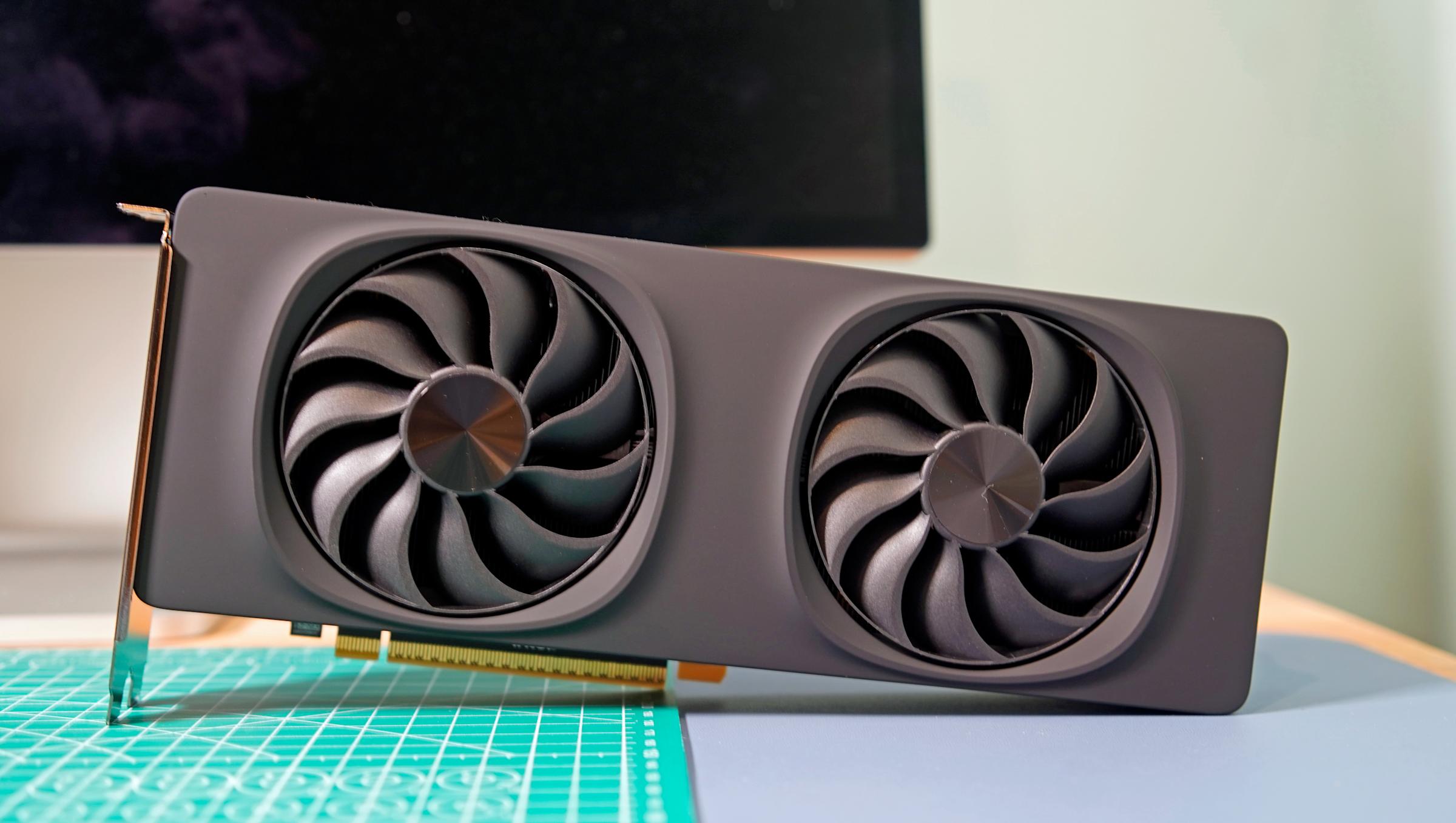
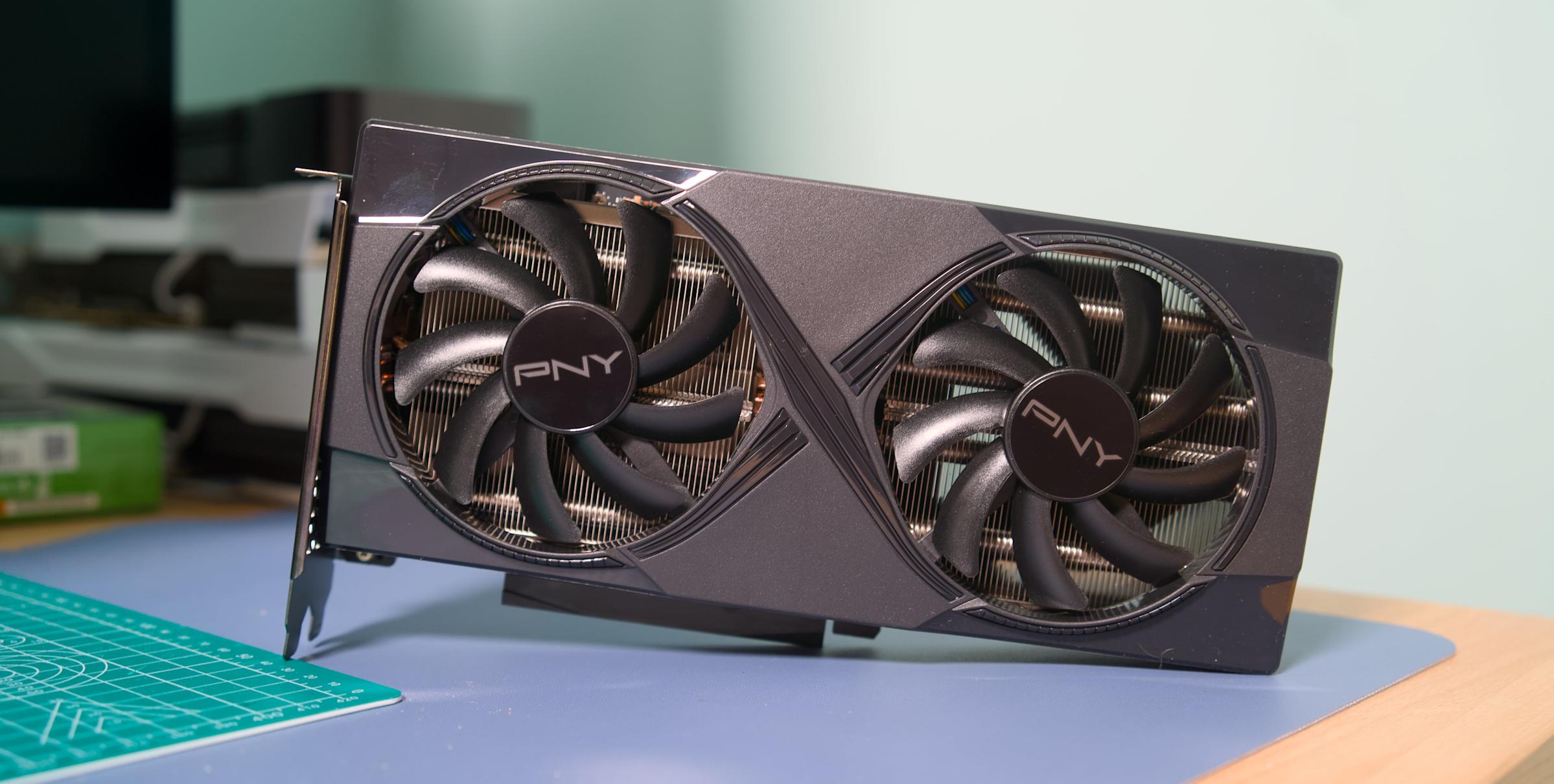
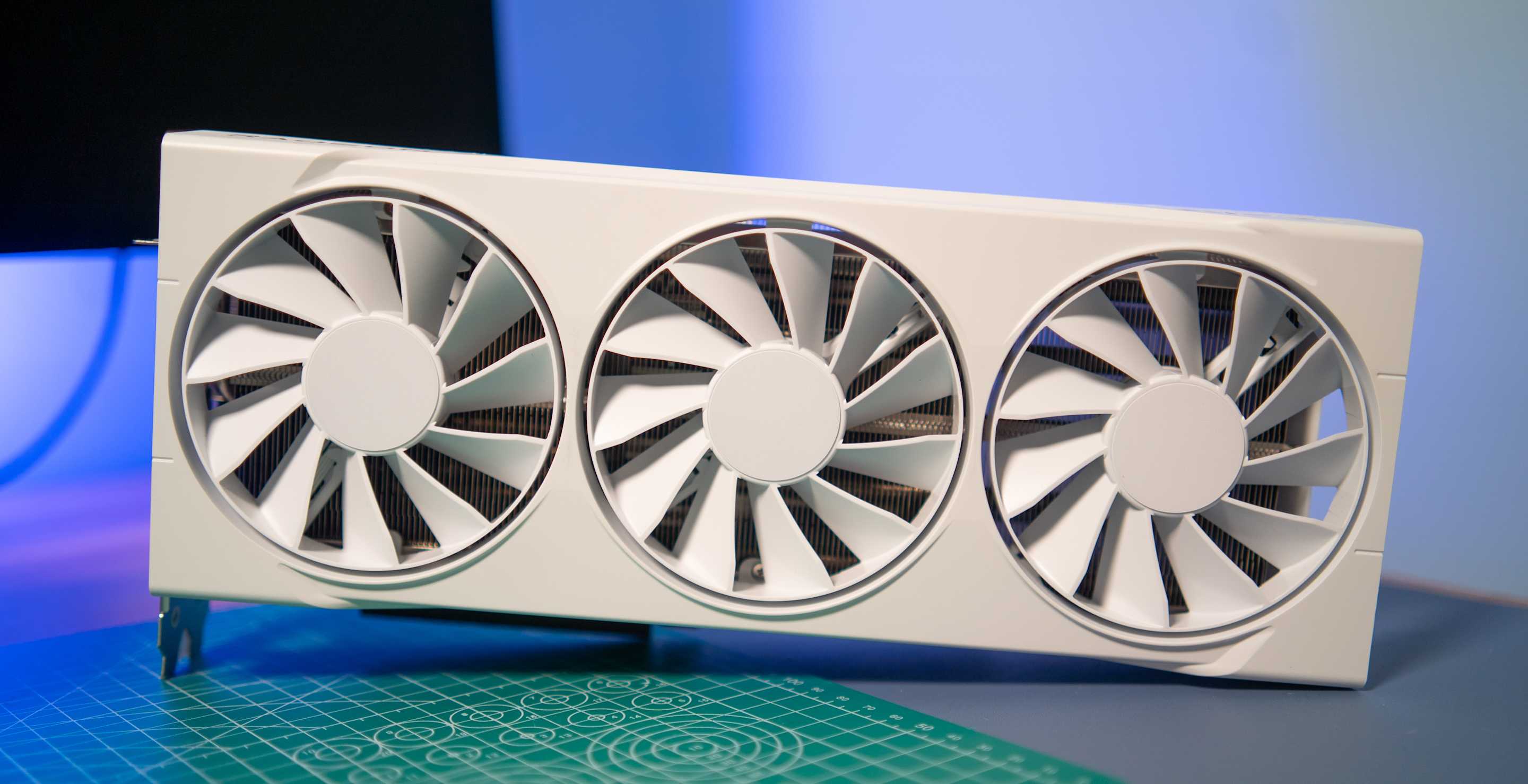
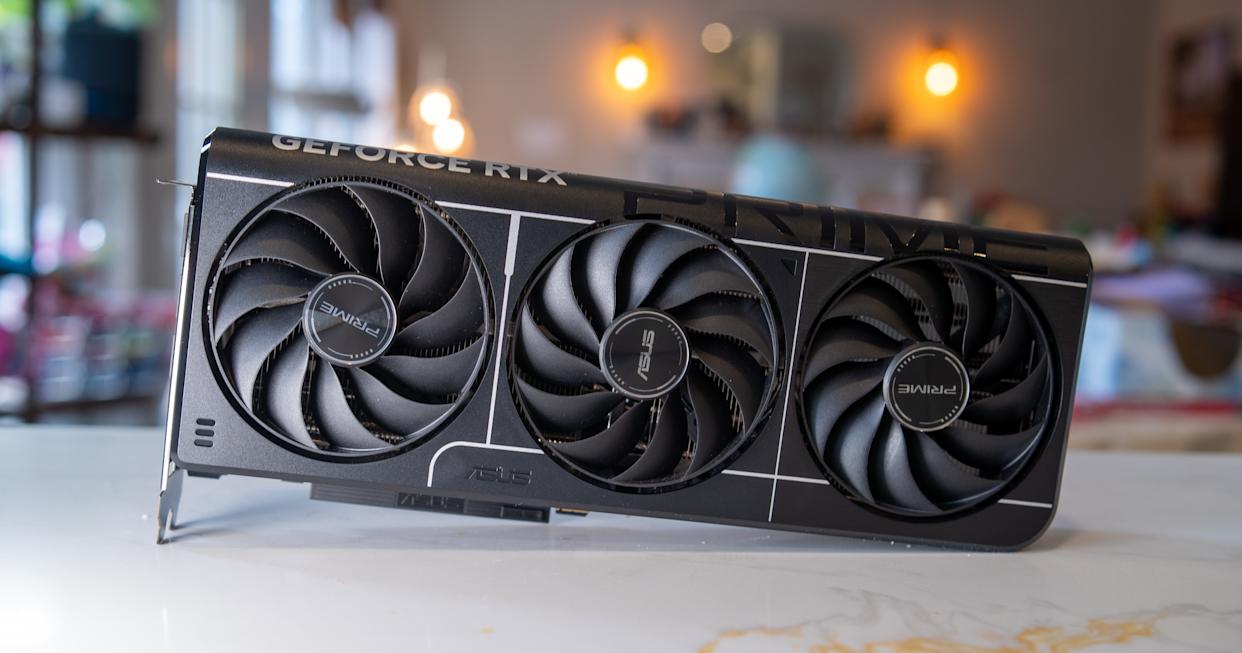
That gets me to the purpose of this article. If you've been thinking about upgrading to a new graphics card, I would recommend you buy one sooner rather than later. The AI boom came for RAM first, and there are already signs it will come for GPU pricing next. A recent report suggests AMD is considering raising the MSRP of its 8GB models by $20 and 16GB models by $40 due to the price of GDDR6 memory. NVIDIA, meanwhile, is rumored to have recently told its board partners it would no longer supply them with VRAM for their cards.
Neither NVIDIA nor AMD responded to comment requests from Engadget requesting they share how they plan to work with their board partners to ensure GPU prices remain stable. NVIDIA also did not comment on reports the company will stop providing VRAM to its board partners.
Separate from the memory shortage, neither NVIDIA nor AMD are expected to release new GPUs soon. According to recent rumors, the earliest a Super refresh of the Blackwell line could arrive is sometime in the middle of 2026 — not at CES in January as the 40-series Super cards did in 2024. The memory crunch could complicate things there too, since the company has typically relied on more and faster VRAM to offer better performance on its Super cards. With 50-series Super GPUs, it might not be the case that NVIDIA announces them at the same MSRP as their non-Super predecessors, which was the case with the 40-series.
As for AMD, the company debuted its RDNA 4 cards at the start of the year. We know it's already working on RDNA 5, and if a recent chat with Sony's Mark Cerny is any indication, the new architecture will be a major step change for AMD. However, right now rumors indicate the earliest RDNA 5 could arrive is sometime in 2027.
In other words, with nothing new on the horizon and pricing of existing stock likely to increase, there might be only a short window where you can get a new GPU at a reasonable price. It's impossible to predict the future, but if you're in need of an upgrade and have the means to purchase, there might not be a better opportunity before the end of 2026.
Recommendations
The recommendations in Engadget's recent GPU guide are still as relevant today as they were a few months ago. Once again, the best advice I can give is to buy a card with at least 12GB of VRAM, and preferably 16GB if your budget allows for it. Unless you mostly plan to play older games on a 1080p monitor, it's not worth considering a model with 8GB of VRAM — it won't last you long enough to warrant the purchase price.
Our recommendations are grouped from most affordable to most expensive. Where possible, I've tried to find options from both Newegg and Amazon. You won't find any high-end picks like the RTX 5080 since if you can afford that card, this guide isn't for you.
Intel Arc B580
Intel's Arc B580 is a great budget option, as long as you can put up with some driver issues.
Devindra Hardawar for Engadget
For those on a tight budget, I would start and end my search with the Intel Arc B580. Newegg has models from ASRock and Onix at or under the card's $250 MSRP. I can't speak to the quality of ONIX cards, but ASRock is well-regarded. Over on Amazon, you can find the B580 for $300. With Intel cards you sometimes need to put up with odd driver issues, but as far as budget options go, the B580 offers value that's hard to beat. The one thing about budget cards like the B580 is they’re likely to face the most pricing pressure from the memory crunch due to the smaller margins manufacturers are making on them.
NVIDIA RTX 5060 Ti 16GB
If you decide to go with the RTX 5060 Ti, be sure to buy the 16GB model.
Devindra Hardawar for Engadget
If you have more than $250 to spend on a GPU, the RTX 5060 Ti is the GPU to buy. Avoid the 8GB model and go straight for the 16GB variant. NVIDIA announced the 5060 Ti at an MSRP of $429, and luckily as of the writing of this article, you can still find one close to that price.
Newegg, for instance, is selling the MSI Ventus Black Plus version of the card for $440. Amazon has the silver colorway of that same GPU listed for $460 currently. The retailer also has models from Gigabyte and Zotac in and around that same price.
If I had to pick between the 5060 Ti and 5070, which NVIDIA only offers with 12GB of VRAM, I would pick the former. The 5060 Ti is a safer bet, and offers nearly as much performance, particularly in games that include ray tracing as an option.
AMD Radeon RX 9070 and RX 9070 XT
If you're a fan of Team Red, the Radeon RX 9070 and 9070 XT are among the best cards of this generation.
Devindra Hardawar for Engadget
For a mid-range option, the Radeon RX 9070 and 9070 XT offer excellent value. Of the two cards, the 9070 is the better purchase for most people due to its less demanding power requirements, but if you got a PSU that can handle the 9070 XT, go for it.
Right now, Newegg has a few 9070 models from ASRock and Sapphire just under the card's $549 MSRP. My friend recently bought the Sapphire card linked above, and has had nothing but good things to say about it. You'll pay more going through Amazon, but the company has a couple of options around $600 from XFX and Gigabyte.
When it comes to the 9070 XT, Newegg has an ASRock model priced right at the card's $599 MSRP. Many of the other options from Sapphire and XFX are unfortunately priced between $650 and $700. The same is true on Amazon, where the cheapest model I could find was $630.
NVIDIA RTX 5070 Ti
If you have more money to spend, the RTX 5070 Ti is a performance beast.
Devindra Hardawar for Engadget
For our final recommendation, consider the RTX 5070 Ti. It's a great option if you want to play games at 4K for less than what the 5080 and 5090 cost. Newegg has MSI and Zotac models on sale for $750, the card's recommended price. There are also a handful of other options from ASUS and Gigabyte that are just over $800. Amazon, meanwhile, is selling one Gigabyte variant for $749.
This article originally appeared on Engadget at https://www.engadget.com/gaming/pc/the-ai-boom-could-soon-send-gpu-prices-soaring-so-nows-a-good-time-to-buy-one-153000063.html?src=rss
We’ve all been there: You can’t (or won’t) get help when something breaks, but the YouTube clip doesn’t cover your specific issue. It’s what repair gurus at iFixit want to solve with FixBot, an AI-enabled app that talks you through whatever repair you’re doing. The chatbot will help you diagnose the problem and then walk you step-by-step through the fix. Plus, it’s voice-enabled so you won’t have to get your phone all smeary when you’re elbows-deep in a job. After all, iFixit’s guides don’t just cover fixing your electronics, but everything you might fancy doing yourself, from appliances through to cars and trucks.
Unlike traditional AIs, FixBot has been trained on iFixit’s library of 125,000 guides, its forum and database of repair manuals. The company says there’s less risk of hallucination as it pulls from and shows you the schematics it’s referencing to ensure you don’t order the wrong gear. Users can even upload images from their phone, so the app can point out which bit is which. The company is open about its limitations: It’s an AI, so it’s not bulletproof, and its knowledge only runs as far as its library. It can hunt elsewhere for manufacturer data and on other repair forums but you’ll be warned about the information it pulls from it.
In addition, FixBot will keep an eye on your phone’s battery health in real time to tell you when it’s time to get a replacement. The tool is, for now, in beta, thanks to the fuzzy way some companies track their battery health, but iFixit is promising greater detail than what you currently get. Plus, when it is time to swap out your battery, you can order the parts and kit all within the app.
FixBot is launching for free on both the App Store and Google Play but it won’t remain that way forever. At some point, free users will switch to a version with access limits, and will be prompted to upgrade to the paid tier for $4.99 a month or $50 a year.
This article originally appeared on Engadget at https://www.engadget.com/general/ifixits-new-app-uses-ai-to-help-you-repair-your-stuff-130000091.html?src=rss
Google and Apple have long existed as polar opposites, each ruling over their tech kingdoms with little interest in cooperation. But the latest build of Android's Canary operating system hints at an unusual instance of collaboration between the brands, with a new feature that seems aimed at making data transfer simpler between Android and iOS mobile device during the setup phase. It is expected to also be available in a future developer beta of iOS 26.
A representative for Google confirmed that the report from 9to5Google on this development is accurate, but didn't provide any additional details on how the transfer will work. Each brand already has their own dedicated Switch to Android and Switch to iOS apps for making the swap between ecosystems, but making the transition easier at the operating system level and adding support for moving more types of data certainly sounds promising. That said, features can go through a fair bit of iteration between the dev betas and the final launch, and Android Canary is a very early stage of development, so we'll be curious to see what actually arrives on our smartphones.
This article originally appeared on Engadget at https://www.engadget.com/mobile/smartphones/google-and-apple-partner-on-better-android-iphone-switching-204738960.html?src=rss
Rivian is about to give the public and its investors another taste of its future with an event focused on autonomy and AI on December 11. The company's Autonomy and AI day starts at 12PM ET. You can watch the event via the Rivian website. We'll be liveblogging the Autonomy and AI day right here on Engadget, so we'll be recapping the major news as it happens and sharing our reactions.
As for what to expect, the name of the event clearly indicates that Rivian will be talking about autonomous operation of its vehicles. RivianTrackr speculates, quite reasonably, that the company will share more about what CEO RJ Scaringe has referred to as a Universal Hands Free feature. Scaringe recently said he'd spent two hours traveling around Palo Alto, California, in a second-gen Rivian R1 with the vehicle taking care of everything by itself. It stands to reason that Rivian will at least offer up a demo of Universal Hands Free ahead of the company’s more affordable R2 model making its debut in 2026.
Earlier this year, Rivian said that, for 2026, "a hands-off/eyes-off feature is planned for controlled conditions with our current Gen 2 vehicles." So, this Autonomy and AI day seems as good an opportunity as any for the company to share more details about that. When Rivian unveiled the first-generation R1T and R1S in 2018, it said those would support Level 3 autonomy, allowing for the driver to take their hands and eyes off the road for short spells while they're on the freeway.
RivianTrackr also suggests that we may hear more about Rivian's sensor strategy as well as its AI and fleet-learning initiatives. The company may offer up a more detailed autonomy roadmap as well. However, the publication suggests Rivian isn't quite ready to announce rollout retails or firm pricing for full hands-off driving features.
This article originally appeared on Engadget at https://www.engadget.com/transportation/evs/how-to-watch-rivians-autonomy-and-ai-day-and-what-to-expect-192838410.html?src=rss
Every December, the Engadget staff compiles a list of the year’s biggest winners. We scour over articles from the previous 12 months to determine the people, companies, products and trends that made the most impact over the course of the year. Not all of that influence is positive, however, and some selections may also appear on our list of biggest losers. Still, sit back and enjoy our picks for the biggest winners of 2025.
Nintendo Switch 2
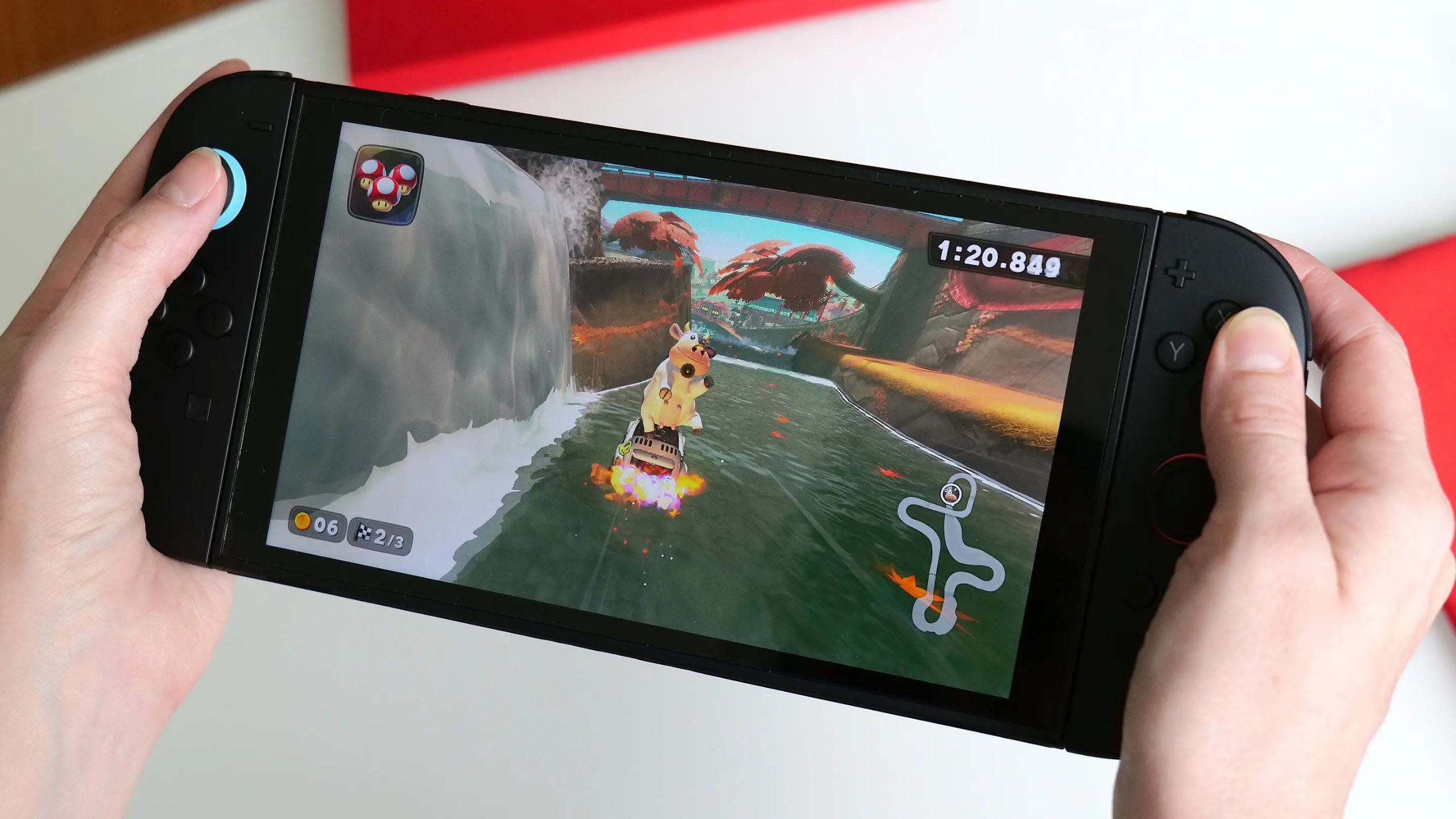
Playing Mario Kart World on the Switch 2 in handheld mode.
Sam Rutherford for Engadget
Aside from a big bump in battery life that many were hoping for, Nintendo took just about everything that made its last console such a phenomenon and upgraded it on the Switch 2. A sleeker design with magnetic Joy-Cons that are less likely to break, a larger (albeit LCD) 1080p display with HDR, much stronger performance, mouse controls and a boost to the base storage were all very welcome.
Of course, the vast majority of Switch games run on the Switch 2 (often with visual improvements or other upgrades), so the new console had a vast library right from the jump. Nintendo is building out its slate of first-party games with treats like Donkey Kong Bananza and Metroid Prime 4, and the third-party support is seriously impressive too. Cyberpunk 2077, Street Fighter 6 and Hitman: World of Assassination are already available, and the likes of Final Fantasy VII Remake Intergrade and FromSoftware's Switch 2 exclusive The Duskbloods are on the way.
The Switch 2 is an iteration, not a revolution, but Nintendo didn't need to reinvent the wheel to make another great system. It's little surprise, then, that we gave the Switch 2 a score of 93 in our review. The console is surpassing Nintendo's sales expectations as well. The company said in November that it believes it will sell 19 million units (up from 15 million) by the time its current fiscal year ends in March. — Kris Holt, Contributing reporter
NVIDIA
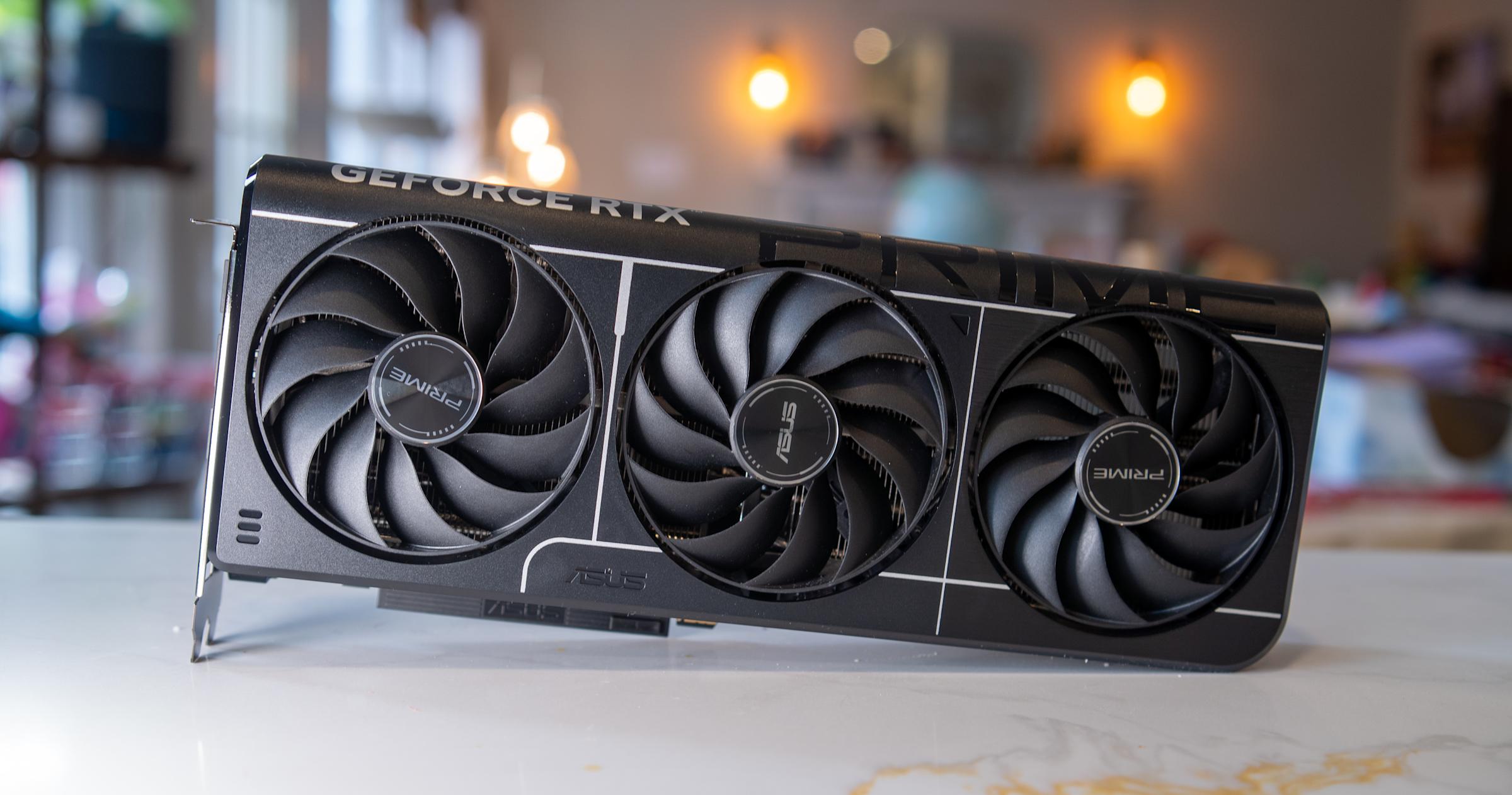
NVIDIA GeForce 5070 Ti
Devindra Hardawar for Engadget
Could things be any rosier for NVIDIA? Once just a video card company for gamers, NVIDIA's GPU hardware is now directly tied to the rise of the AI industry. Its stock has jumped a whopping 1,235 percent over the past five years, going from $13.56 per share in 2020 to a peak of $202.49 this past October. NVIDIA's server-grade cards are being used en masse to train AI models, as well as to power AI inferencing. At home, its GeForce GPUs are enabling local AI development and they're still the gaming cards to beat, despite AMD's steadily improving competition.
Clearly, the company's bet on parallel processing has paid off enormously. Its GPUs can handle tons of computations simultaneously, making them ideally suited for the demands of the AI industry. They're not exactly efficient — that's why neural processing units, or NPUs have sprung up to power consumer AI features — but it's hard to deny NVIDIA's raw computational power.
NVIDIA's AI success may not last forever, though. Companies like Google and Microsoft are already working on their own AI chips, and it's still unclear if consumers actually want widespread AI features as much as tech companies think. If the AI industry crashes, NVIDIA will be one of the first victims. — Devindra Hardawar, Senior reporter
Tech billionaires
US President Donald Trump speaks during a news conference with Elon Musk (L) in the Oval Office of the White House in Washington, DC, on May 30, 2025.
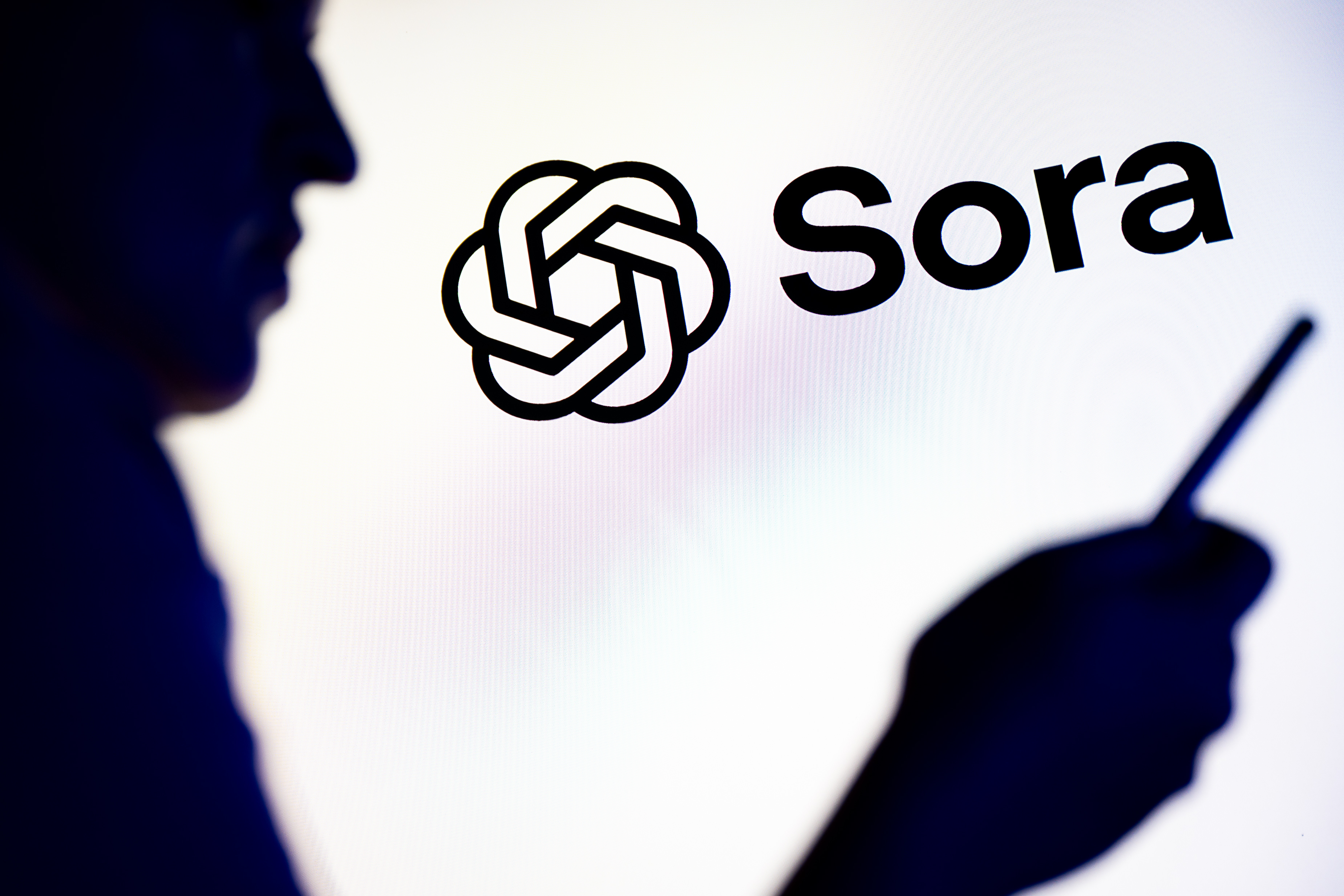
A silhouetted individual is seen holding a mobile phone with a Sora of ChatGPT OpenAI logo displayed in the background
SOPA Images via Getty Images
AI slop didn't start in 2025, but it reached new heights thanks to updates from Meta, Google, OpenAI and others that made it easier than ever to create a real-ish (emphasis on the ish) looking clips from nothing but your most unhinged mad libs. Now, AI-generated videos are just about impossible to avoid. Some platforms, like Pinterest and TikTok, have even begun offering people the ability to ask their algorithms to show less AI content in their feeds. Unfortunately, there's no way to stuff Shrimp Jesus back into the bottle.
AI video is everywhere and it's here to stay. It's not only overtaken Facebook and Instagram's recommendations, Meta created an entirely separate feed just for users' AI-generated fever dreams. OpenAI's Sora, which lets you make AI videos of real people, was downloaded a million times in just a few days. Google's Veo, which generated more than 40 million videos in a matter of weeks, is now built-in to YouTube Shorts.
It's now trivially easy for creators to churn out fake movie trailers, cute animal videos that never happened or viral clips of made up ICE raids. Hell, the president of the United States regularly shares bizarre, sometimes poop-themed, AI videos on his official social media channels. During the government shutdown, the official X account for Senate Republicans shared a deepfake of Senate minority leader Chuck Schumer.
AI video is winning not just because it's everywhere, but because so many are unable, or unwilling, to understand what's real and what isn't. More than half of Americans say they are not confident in their ability to distinguish between human and AI-generated content, according to Pew Research. Similar numbers of people report being "more concerned than excited about the increased use of AI in daily life." But those concerns have done little to stop AI slop from dominating all of our feeds, and there's no sign it will ever slow down. — Karissa Bell, Senior reporter
Galaxy Z Fold 7
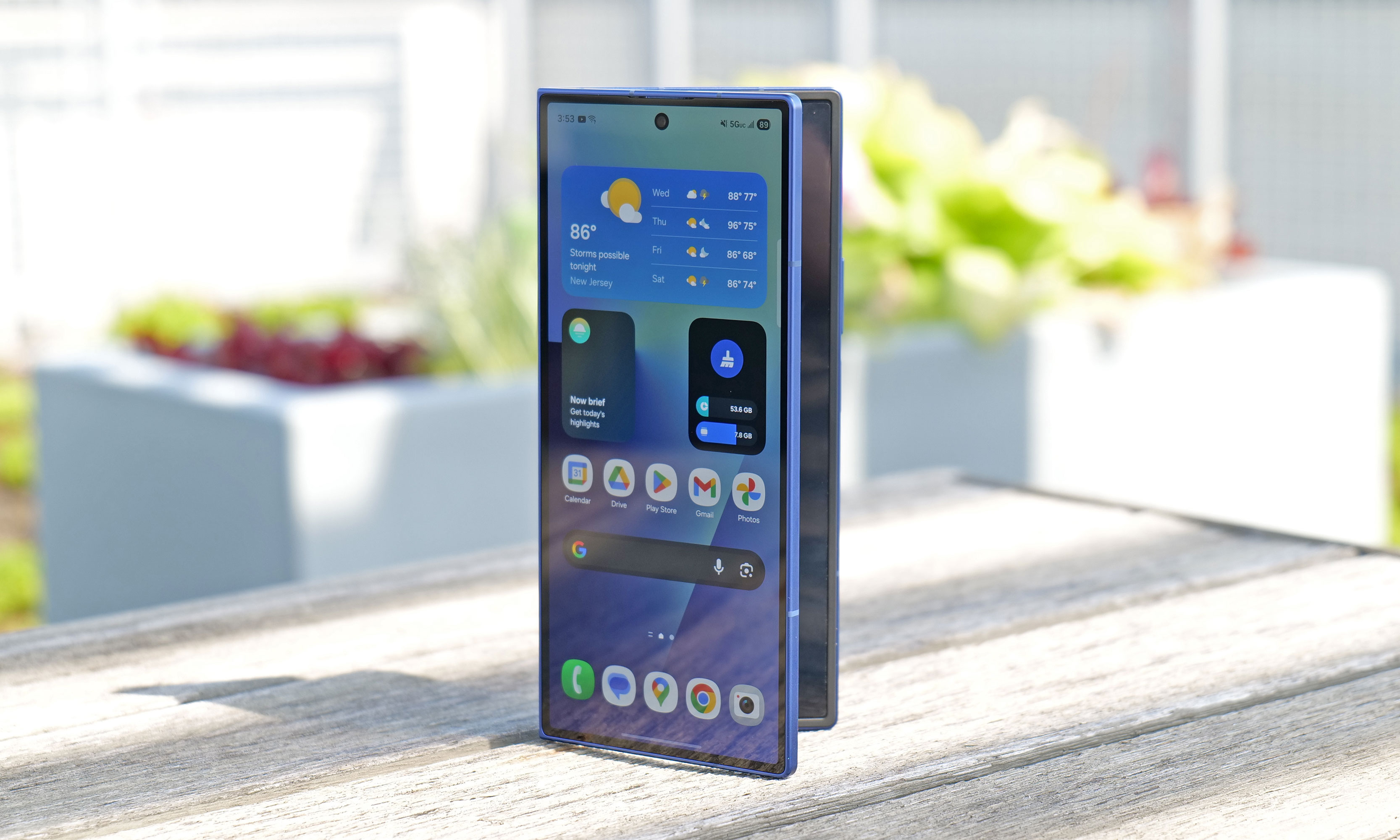
Samsung Galaxy Z Fold 7
Sam Rutherford for Engadget
After seven generations, Samsung reached an important milestone this year with its Galaxy Z Fold line: It made a foldable phone that’s the same size as a regular handset. In fact, weighing 7.58 ounces and measuring 72.8mm wide, the Galaxy Z Fold 7 is actually lighter and narrower than an S25 Ultra, while being practically just as thin at 8.9mm (folded). It’s a real marvel of engineering, especially when you consider the phone also features a 200MP main camera, an IPX8 rating for water resistance and a 5,000 mAh battery with 45-watt wired charging. And of course, there's that huge 8-inch main screen hiding inside, which makes the Z Fold 7 both a phone and a tablet in one device. The only thing it's really missing is the improved dust resistance Google gave to the Pixel 10 Pro Fold.
But perhaps more importantly, the Z Fold 7's reduced size and weight have created a device with wider appeal. This has propelled sales of Samsung's latest flagship foldable up 50 percent compared to the previous generation while pushing shipments of foldables as a whole to record highs. Who knew that when Samsung focuses on creating world-class hardware instead of overindexing on AI, good things happen? Okay, maybe that’s a bit harsh. Regardless, for a phone category that has struggled with excess weight and bulk since its inception, the Z Fold 7 feels like a revelation and the beginning of a new era for handsets with flexible displays. Now, can we just bring their prices down, please? — Sam Rutherford, Senior reporter
Smart glasses
Senior reporter Karissa Bell wearing a pair of Ray Ban Display glasses.
Karissa Bell for Engadget
Like it or not, smart glasses are having a moment. Propelled by new devices like the Meta Ray-Ban Display and upcoming models like Xreal’s Project Aura, the idea of wearing specs with built-in screens suddenly became an attractive proposition. And that means a lot for a category of gadgets that’s often best remembered by the fashion tragedy that was Google Glass in 2013.
However, this development isn’t purely by chance. The latest generation of smart glasses has only just now become a reality due to the convergence of several branches of tech — including improved optics, lightweight batteries and, of course, AI. Now that last one might sound silly considering how many big companies seem to be betting the farm on machine learning being the next big thing, but AI will be a critical feature for enabling the hands-free experience that you need to make smartglasses work when you can’t rely on touch input. While this category is still in its early stages of development, the increased momentum we've seen from smart glasses this year seems poised to carry them towards being a future pillar of people's core tech kits. — S.R.
Fast charging
Fast charging on the Pixel Watch 4 is one implementation that impressed us this year.
Cherlynn Low for Engadget
Devices like tablets and smartwatches have matured to the point where each generation mostly sees iterative upgrades, making covering them seem boring. But this year, as the hardware review season came to a close, I noticed an interesting trend. One feature, across various product categories, genuinely excited myself and other reviewers at Engadget and around the internet: impressively fast charging.
By itself, high-speed charging isn’t new. But when I reviewed the Pixel Watch 4 in October, I was shocked that one seemingly little update changed how I went about my day. The new power system on Google’s smartwatch was so efficient that after about ten minutes on a cradle, the wearable went from below 20 percent to past 50 percent. With that boost, I stopped having to remind myself to plug the watch in — any time I ran low or was about to run out the door, I just plopped it on the charger and would have enough juice for hours.
Google wasn’t the only company to make fast-charging a meaningful addition to one of its 2025 products. Apple’s iPad Pro M5 is the first iPad to support the feature, and while in our testing it fell a little short of the 50 percent charge in 30 minutes that the company promised, our reviewer Nate Ingraham still found it a meaningful improvement.
Observers of the smartphone industry will likely point out two things. First, battery technology can be volatile, and larger, faster-charging cells might lead to exploding phones. So my optimism about this development is not without caution. Secondly, we’ve already seen all this come to handsets, especially in phones that launched outside the US first. OnePlus is known for its SUPERVOOC fast charging system, for example, and we’re seeing even more novel battery tech show up abroad. Calling fast charging a winner of 2025 may feel untimely to some.
Sure, it’s not the most eye-catching or novel technological development. But when counted in terms of precious time saved, fast charging coming to more types of devices certainly amounts to a greater good in gadgets in 2025. — Cherlynn Low, Managing editor
Magnets
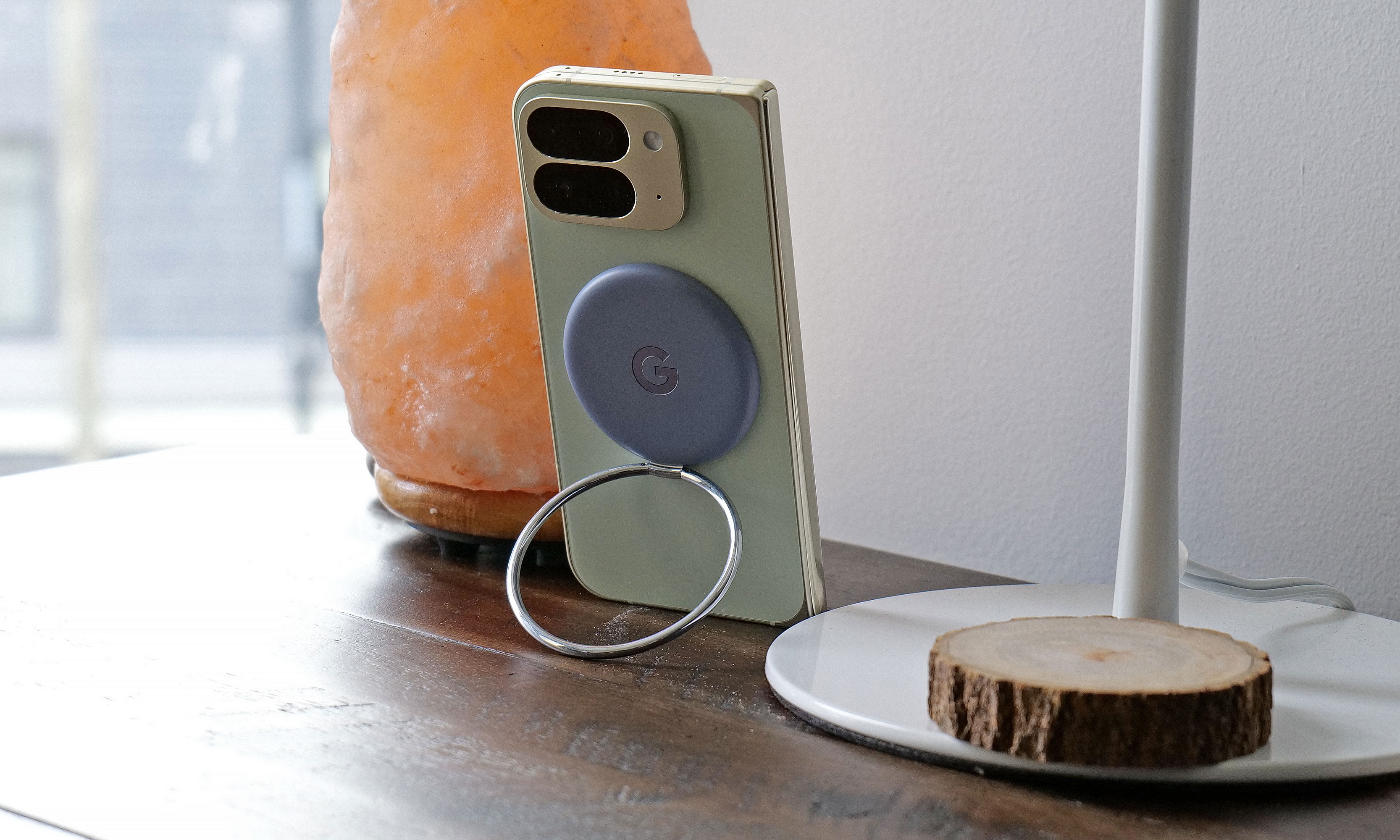
The Pixel 10 Pro Fold and the Pixel Ring Stand
Sam Rutherford for Engadget
Two years after the announcement of the Qi 2 wireless charging standard and its support of magnetic attachment accessories (a la Apple’s MagSafe), we’re finally seeing one of the more mainstream Android devices adopt it. In 2025, Google became the first Android phone maker that’s not HMD to do so, bringing such magnetic capabilities to the Pixel 10 series. It also introduced Pixelsnap — its own version of a MagSafe accessory ecosystem, including a slim puck with a fold-out kickstand that you can snap onto a phone.
I love the Pixel Ring Stand and make sure to bring it with me whenever I can. It works perfectly with my iPhone 17 Pro, and has a compact footprint that makes it easy to take anywhere. Of course, it’s not the first of its kind — Case-Mate and PopSocket, among others, already make similar products but they’re either pricier or rated poorly.
But it’s not just Google that made a magnetic accessory I unexpectedly adored. When reports of Apple’s Crossbody Strap first trickled out, I was underwhelmed. Who cares about a crossbody strap for an iPhone? But when I was presented with one to try at the iPhone 17 launch event, my cynicism quickly melted into desire.
Setting aside the convenience of having your phone on your person when you don’t have pockets or a purse, the way magnets play a part here also won me over. To adjust the length of the straps, you just separate the two overlapping pieces that stick together magnetically, move them along each other till you’re satisfied with the length and let them snap back in place.
I’m sure Apple isn’t the first to make a crossbody strap accessory for iPhones, nor is it the first to use magnets to adjust such straps. But like many Redditors, I’ve slowly come to realize the differences between those products and the Crossbody Strap for iPhone 17. It’s far from perfect, but in 2025 it was another implementation of magnets in tech that caught my attention and brought convenience to my life. — C.L.
This article originally appeared on Engadget at https://www.engadget.com/techs-biggest-winners-of-2025-180000177.html?src=rss
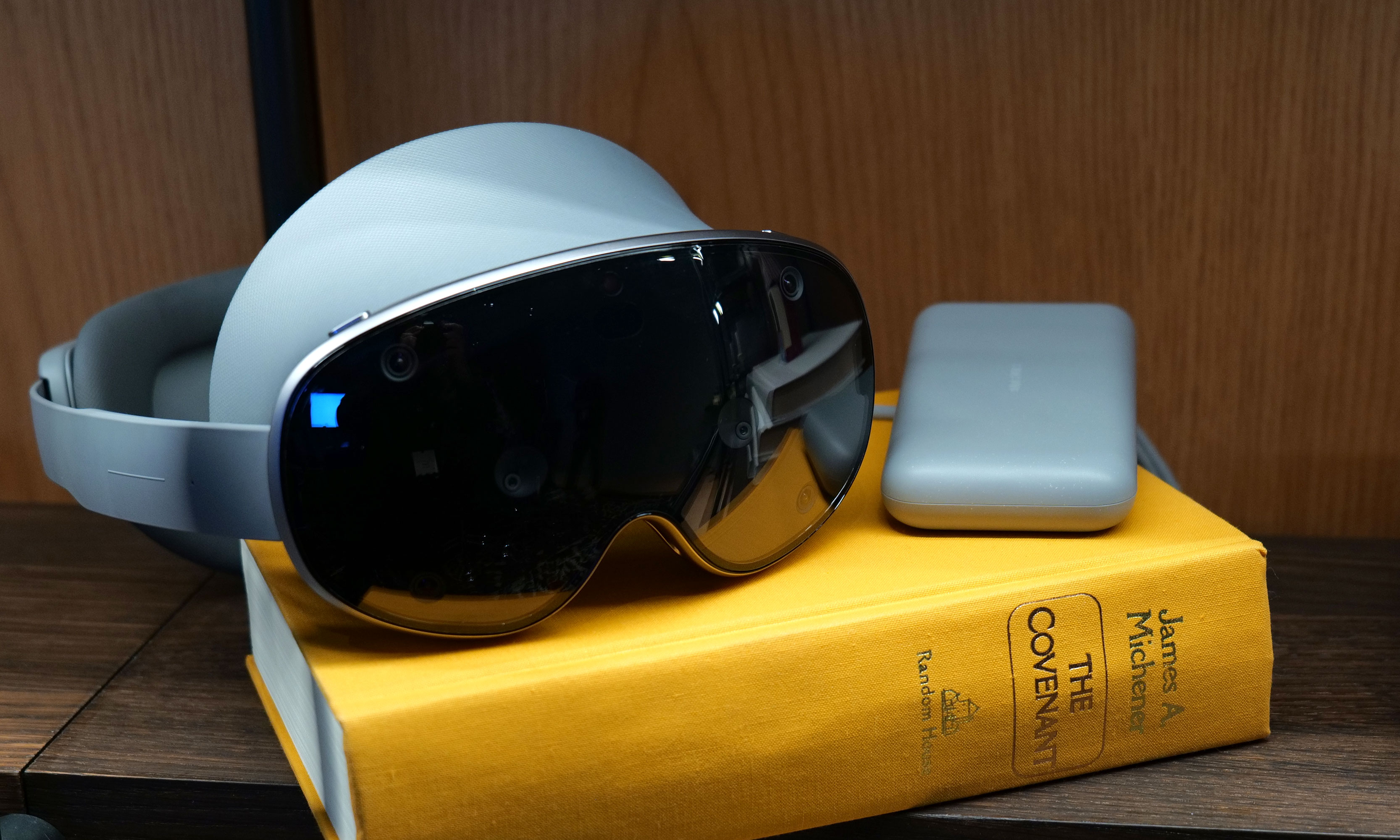
Today, during the XR edition of The Android Show, Google showed off a bunch of updates and new features headed to its mixed reality OS. And while most of the news was aimed at developers, I got a chance to demo some of the platform's expanded capabilities on a range of hardware including Samsung's Galaxy XR headset, two different reference designs and an early version of Xreal's Project Aura smart glasses and I came away rather impressed. So here's a rundown of what I saw and how it will impact the rapidly growing ecosystem of head-mounted displays.
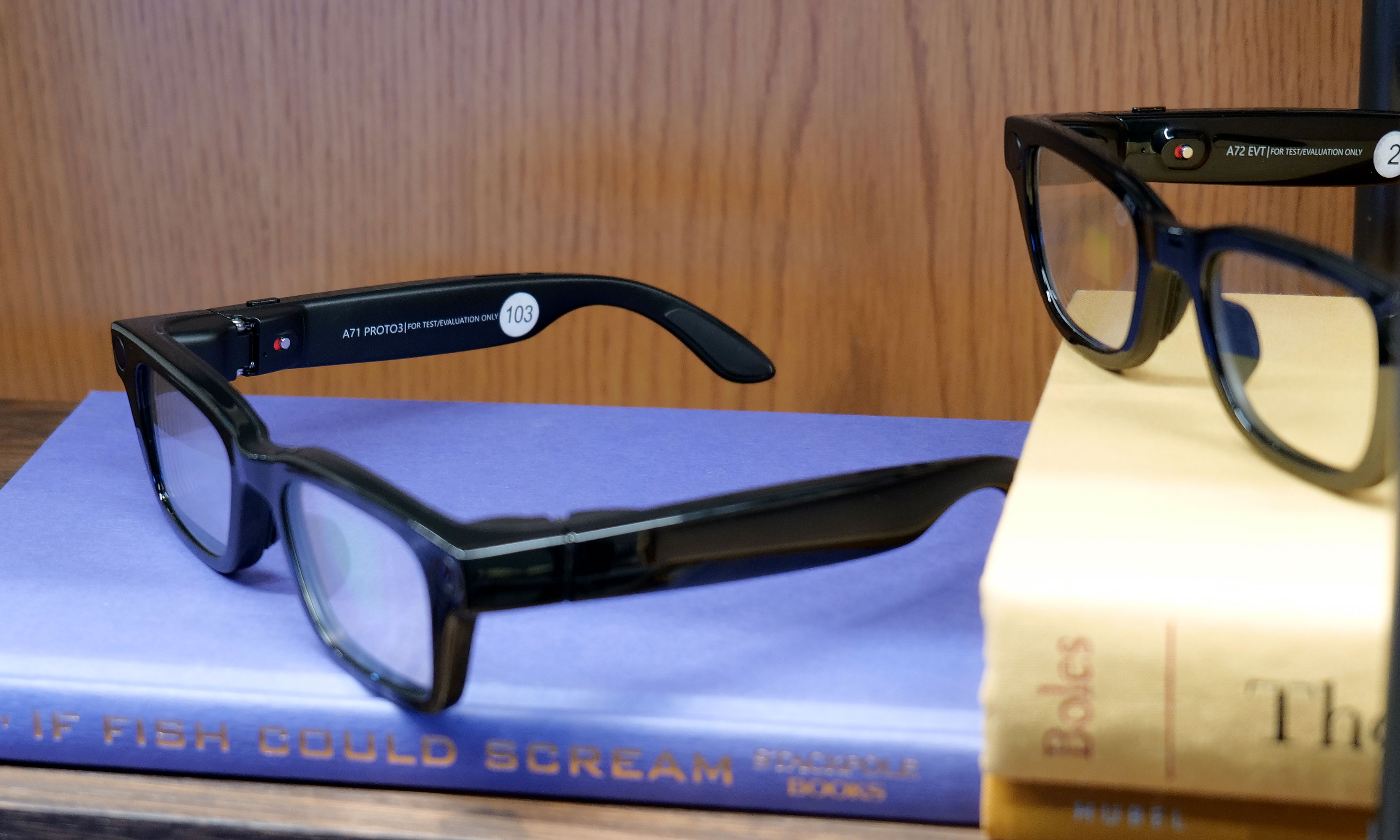
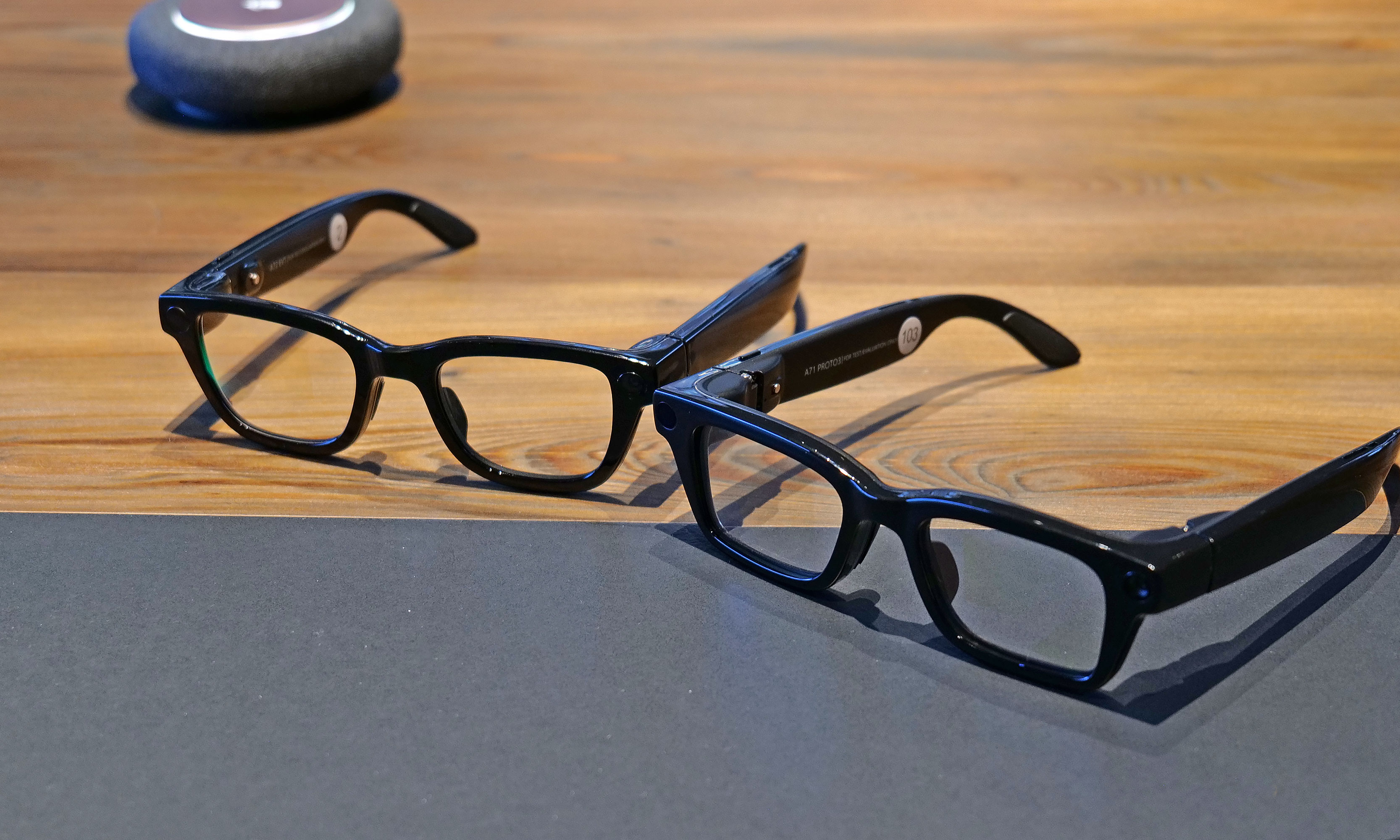
First up was one of Google's reference design smart glasses with a single waveguide RGB display built into its right lens. I've included a picture of it here, but try not to read too deeply into its design or aesthetics, as this device is meant to be a testbed for Android XR features and not an early look at upcoming models.
Try not to read too much into the appearance of Google's reference design smart glasses, as they are explicitly labeled as prototypes meant to test upcoming features in Android XR.
Sam Rutherford for Engadget
After putting them on, I was able to ask Gemini to play some tunes on YouTube Music before answering a call simply by tapping on the touchpad built into the right side of the frames. And because the reference model also had onboard world-facing cameras, I could easily share my view with the person on the other end of the line.
Naturally, I was curious about how glasses had the bandwidth to do all this, because in normal use, they rely on a Bluetooth or Bluetooth LE connection. When asked, Max Spear, Group Product Manager for XR, shared that depending on the situation, the device can seamlessly switch between both Bluetooth and Wi-Fi, which was rather impressive because I couldn't even detect when that transition happened. Spear also noted that one of Google's focuses for Android XR is making it easier for developers to port over the apps people already know and love.
This means for devices like the reference design I wore that feature a built-in display (or displays), the OS actually uses the same code meant for standard Android notifications (like quick replies) to create a minimalist UI instead of forcing app makers to update each piece of software to be compliant with an ever-increasing number of devices. Alternatively, for models that are super lightweight and rely strictly on speakers (like Bose Frames), Google has also designed Android XR so that you only need mics and voice controls to access a wide variety of apps without the need for visual menus.
This is the picture Google's reference design smart glasses created (via Gemini ) when I asked it to transform a photo I took of some pantry shelves into a sci-fi kitchen.
Sam Rutherford for Engadget
Meanwhile, if you're hoping to take photos with your smart glasses, there's a surprising amount of capability there, too. Not only was I able to ask Gemini to take a photo, the glasses were also able to send a higher-res version to a connected smartwatch, which is super handy in case you want to review the image before moving on to the next shot. And when you want to inject some creativity, you can ask Gemini to transform pictures into practically anything you can imagine via Nano Banana. In my case, I asked the AI to change a shot of a pantry into a sci-fi kitchen and Gemini delivered with aplomb, including converting the room into a metal-clad setting complete with lots of light strips and a few bursts of steam.
However, one of the most impressive demos was when I asked Google's reference glasses to look at some of that same pantry environment and then use the ingredients to create a recipe based on my specifications (no tomatoes please, my wife isn't a fan). Gemini went down an Italian route by picking pasta, jarred banana peppers, bell peppers (which I thought was a somewhat unusual combination) and more, before launching into the first steps of the recipe. Sadly, I didn't have time to actually cook it, but as part of the demo, I learned that Gemini has been trained to understand human-centric gestures like pointing and picking things up. This allows it to better understand context without the need to be super specific, which is one of those little but very impactful tricks that allows AI to feel way less robotic.
This is how Google Maps will look on Android XR. Note that this is the flat 2D version instead of the more detailed stereoscopic view available on smart glasses with dual displays.
Sam Rutherford for Engadget
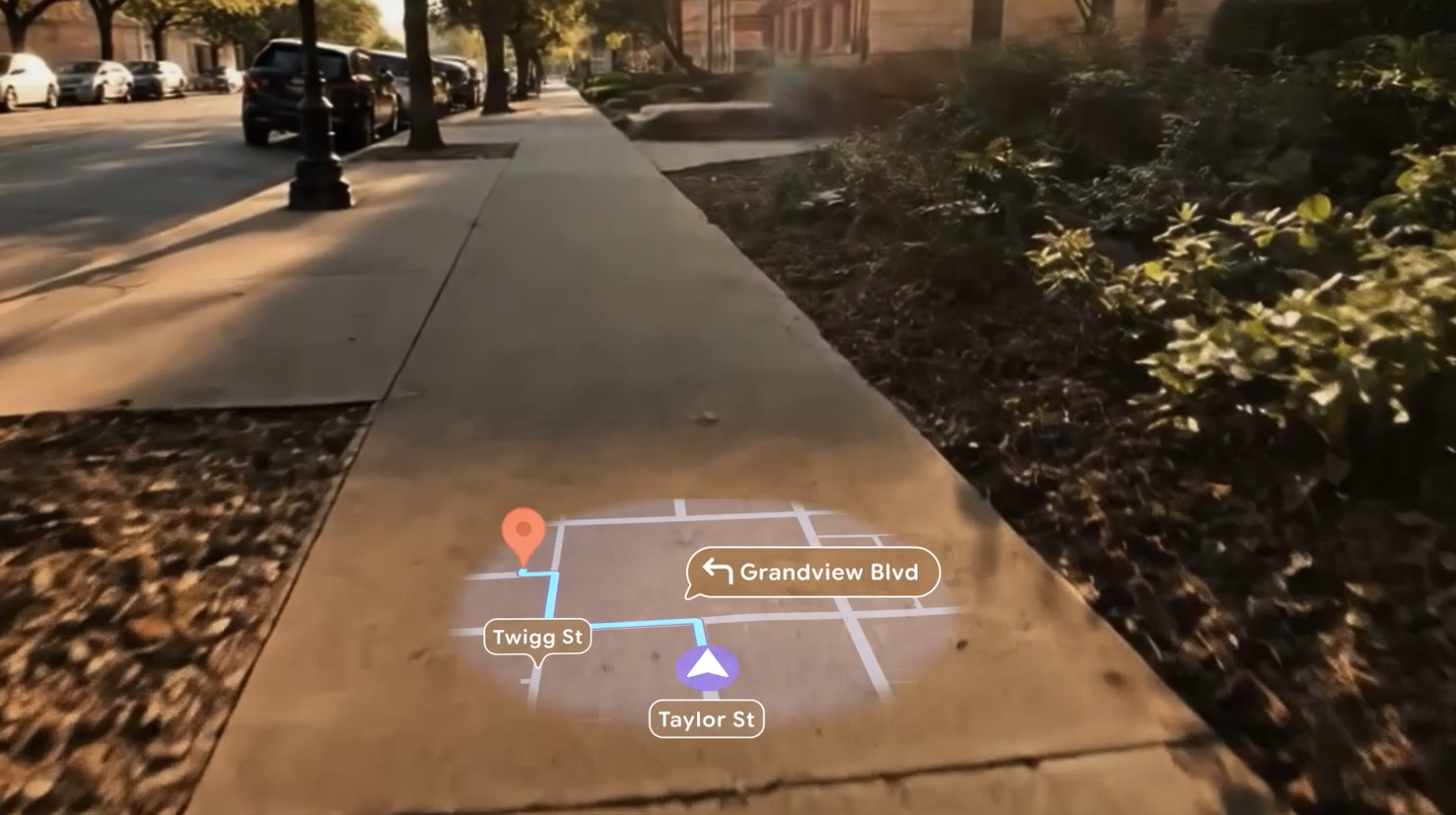
Then I had a chance to see how Uber and Google Maps ran on the reference glasses, this time using models with both single and dual RGB displays. Surprisingly, even on the monocular version, Maps was able to generate a detailed map with the ability to zoom in and out. But when I switched over to the binocular model, I noticed a significant jump in sharpness and clarity along with a higher-fidelity map with stereoscopic 3D images of buildings. Now, it may be a bit early to call this, and the perception of sharpness varies greatly between people based on their head shape and other factors, but after seeing that, I'm even more convinced that the smart glasses with dual RGB displays are what the industry will settle on in the long term.
The second type of device I used was the Samsung Galaxy XR, which I originally tried out when it was announced back in October. However, in the short time since, Google has cooked up a few new features that really help expand the headset's capabilities. By using the goggle's exterior-facing cameras, I was able to play a game of I Spy with Gemini. Admittedly, this might sound like a small addition, but I think it's going to play a big part in how we use devices running Android XR, because it allows the headset (or glasses) to understand better what you're looking at in order to provide more helpful contextual responses.
Even though it was announced not long ago in late October, Samsung's Galaxy XR headset is already getting some new features thanks to some updates coming to Android XR.
Sam Rutherford for Engadget
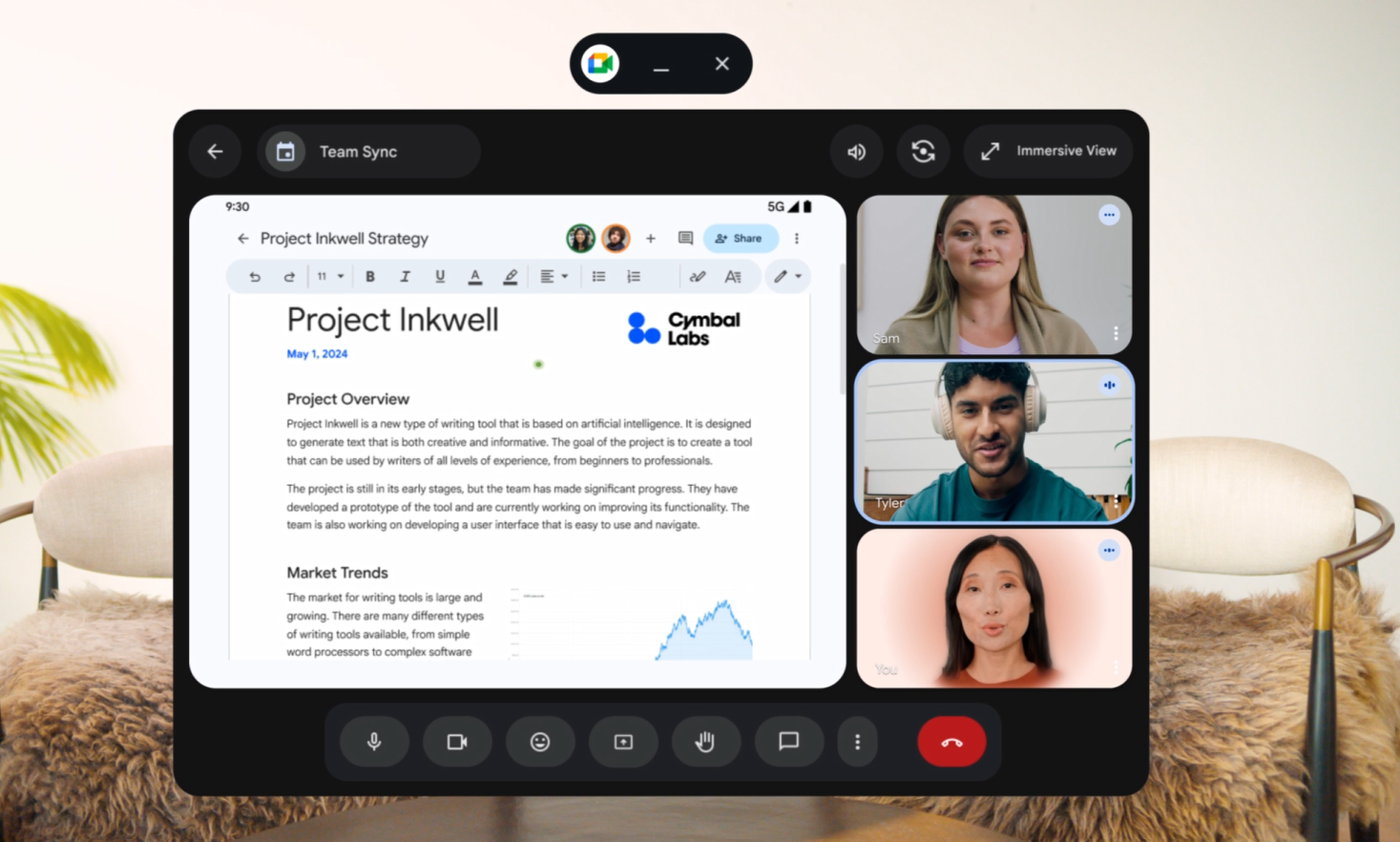
However, the biggest surprise was when I joined a virtual call with someone using one of Google's new avatars, called Likeness. Instead of the low-polygon cartoony characters we've seen before in places like Meta Horizon, Google's virtual representations of people's faces are almost scary good. So good I had to double-check that they weren't real and from what I've seen they're even a step up from Apple's Personas. Google says that headsets like the Galaxy XR rely on interior sensors to track and respond to facial movements, while users will be able to create and edit their avatars using a standalone app due out sometime next year.
The person in the bottom right is using a Likeness, which during my demo looked surprisingly responsive and realistic.
Google
Next, I got a chance to test out the Android XR's PC connectivity by playing Stray on the Galaxy XR while it was tethered wirelessly to a nearby laptop. Not only did it run almost flawlessly with low latency, I was also able to use a paired controller instead of relying on hand-tracking or the laptop's mouse and keyboard. This is something I've been eagerly waiting to try because it feels like Google has put a lot of work into making Android XR devices play nicely with other devices and OSes. Initially, you'll only be able to connect Windows PCs to the Galaxy XR, but Google says it's looking to support macOS systems as well.
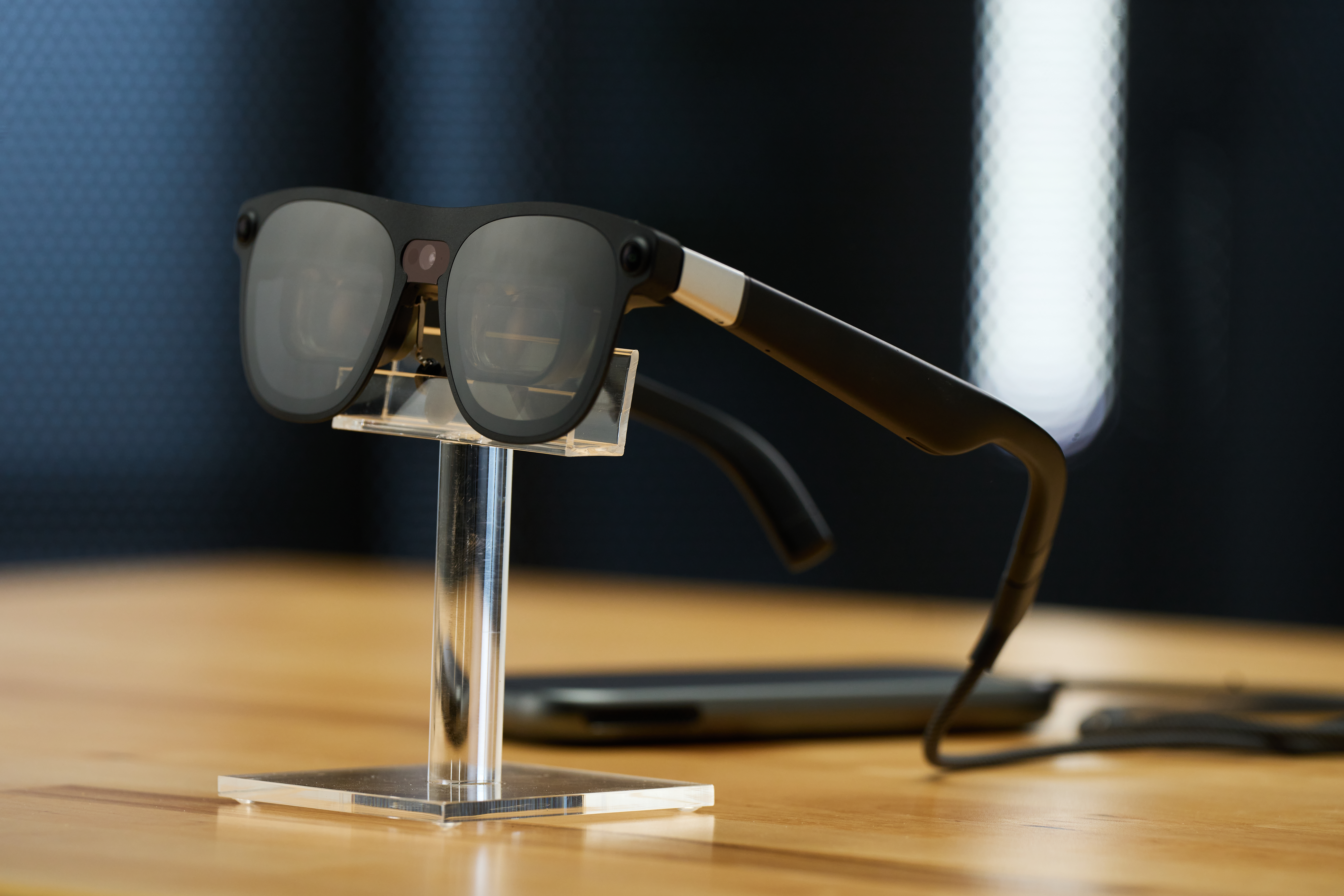
Finally, I got to try out Xreal's Project Aura glasses to see how Android XR works on a device primarily designed to give you big virtual displays in a portable form factor. Unfortunately, because this was a pre-production unit, I wasn't able to take photos. That said, as far as the glasses go, I was really impressed with their resolution and sharpness and the inclusion of electrochromic glass is a really nice touch, as it allows users to change how heavily the lenses are tinted with a single touch. Alternatively, the glasses can also adjust the tint automatically based on whatever app you are using to give you a more or less isolated atmosphere, depending on the situation. I also appreciate the Aura's increased 70-degree FOV, but if I'm nitpicking, I wish it were a bit higher, as I occasionally found myself wanting a bit more vertical display area.
Unfortunately, I wasn't allowed to take photos of Xreal's Project Aura smart glasses, as the model I used was still an early pre-production unit. So here's a shot provided by Google instead.
Google / Xreal
As a device that's sort of between lightweight smart glasses and a full VR headset, the Aura relies on a wired battery pack that also doubles as a touchpad and a hub for plugging in external devices like your phone, laptop or even game consoles.
While using the Aura, I was able to connect to a different PC and multitask in style, as the glasses were able to support multiple virtual displays while running several different apps at the same time. This allowed me to be on a virtual call with someone using a Likeness while I had two other virtual windows open on either side. I also played an AR game (Demeo) while I moved around in virtual space and used my hands to reposition the battlefield or pick up objects with my hands.
Now I will fully admit this is a lot and it took me a bit to process everything. But upon reflection, I have a few takeaways from my time with the various Android XR devices and prototypes. More than any other headset or smart glasses platform out now, it feels like Google is doing a ton to embrace a growing ecosystem of devices. That's really important because we're still so early in the lifecycle for wearable gadgets with displays that no one has really figured out a truly polished design like we have for smartphones and laptops. And until we get there, this means that a highly adaptable OS will go a long way towards supporting OEMs like Samsung, Xreal and others.
But that's not all. It's clear Google is focused on making Android XR devices easy to build for. That's because the company knows that without useful software that can highlight the components and features coming on next-gen spectacles, there's a chance that interest will remain rather niche — similar to what we've seen when looking at the adoption of VR headsets. So in a way, Google is waging a battle on two fronts, which makes navigating uncharted waters that much more difficult.
A major focus for Android XR while people are still figuring out how to make smart glasses is to support a wide variety of designs including those with single displays, dual displays or models without any displays that rely on cameras and speakers.
Sam Rutherford for Engadget
Google is putting a major emphasis on Android XR's ability to serve as a framework for future gadgets and support and address developer needs. This mirrors the approach the company takes with regular Android and the opposite of Apple's typical MO, because unlike the Vision Pro and visionOS, it appears Google is going to rely heavily on its partners like Xreal, Warby Parker, Gentle Monster and others to create engaging hardware. Furthermore, Google says it plans to support smart glasses that can be tethered to Android and iOS phones, as well as smartwatches from both ecosystems, though there will be some limitations for people using Apple devices due to inherent OS restrictions.
That's not to say that there won't be Pixel glasses sometime down the road, but at least for now, I think that's a smart approach and possibly a lesson Google learned after releasing Google Glass over a decade ago. Meanwhile, hi-res and incredibly realistic avatars like Likenesses could be a turning point for virtual collaboration, because, in a first for me, talking to a digital representation of someone else felt kind of natural. After my demos, I had a chance to talk to Senior Director of Product Management for XR Juston Payne, who highlighted the difference between smart glasses and typical gadgets by saying "Smart glasses have to be great glasses first. They need to have a good form factor, good lenses with prescription support, they need to look good and they have to be easy to buy."
That's no simple task and there's no guarantee that next-gen smart glasses and headsets will be a grand slam. But from what I've seen, Google is building a very compelling foundation with Android XR.
This article originally appeared on Engadget at https://www.engadget.com/wearables/heres-how-google-is-laying-the-foundation-for-our-mixed-reality-future-180000716.html?src=rss
The makers of ICEBlock, the community-based reporting app for ICE sightings and activity, are suing the federal government, alleging "unlawful threats" made by Trump administration officials led to the app's removal from app stores. The suit centers on free speech violations and accuses the administration of coercing Apple into taking down the app in October. Google began taking down similar apps around the same time.
Josh Aaron developed ICEBlock in response to the Trump administration's crackdown on illegal immigration. The app allowed users to pin ICE agent locations on a map as well as add notes such as what agents were wearing or the kind of vehicle they were driving. The app would then alert users within a five-mile radius of the sighting. The White House called the app "an incitement of further violence against… ICE officers" and sought its removal.
“A lesson we should all take from this is when we see our government is doing something wrong, it is our duty to stand up,” Aaron told the New York Times.
This isn't the first time Apple has faced controversy for an app takedown. In 2019, the company removed an app that protesters in Hong Kong were using to track police after facing pressure from the Chinese government.
Apple, for its part, said it took the app down in response to "information we've received from law enforcement about the safety risks associated with ICEBlock." Federal officials said the gunman who attacked an ICE facility in Dallas had used tracking apps, including ICEBlock.
"Fundamentally, ICEBlock neither enables nor encourages confrontation — it simply delivers time-limited location information to help users stay aware of their surroundings in a responsible and nonviolent way," Aaron's suit reads.
Engadget has reached out to Apple for comment and will update if we hear back.
This article originally appeared on Engadget at https://www.engadget.com/general/the-developer-behind-iceblock-is-suing-the-federal-government-165111674.html?src=rss