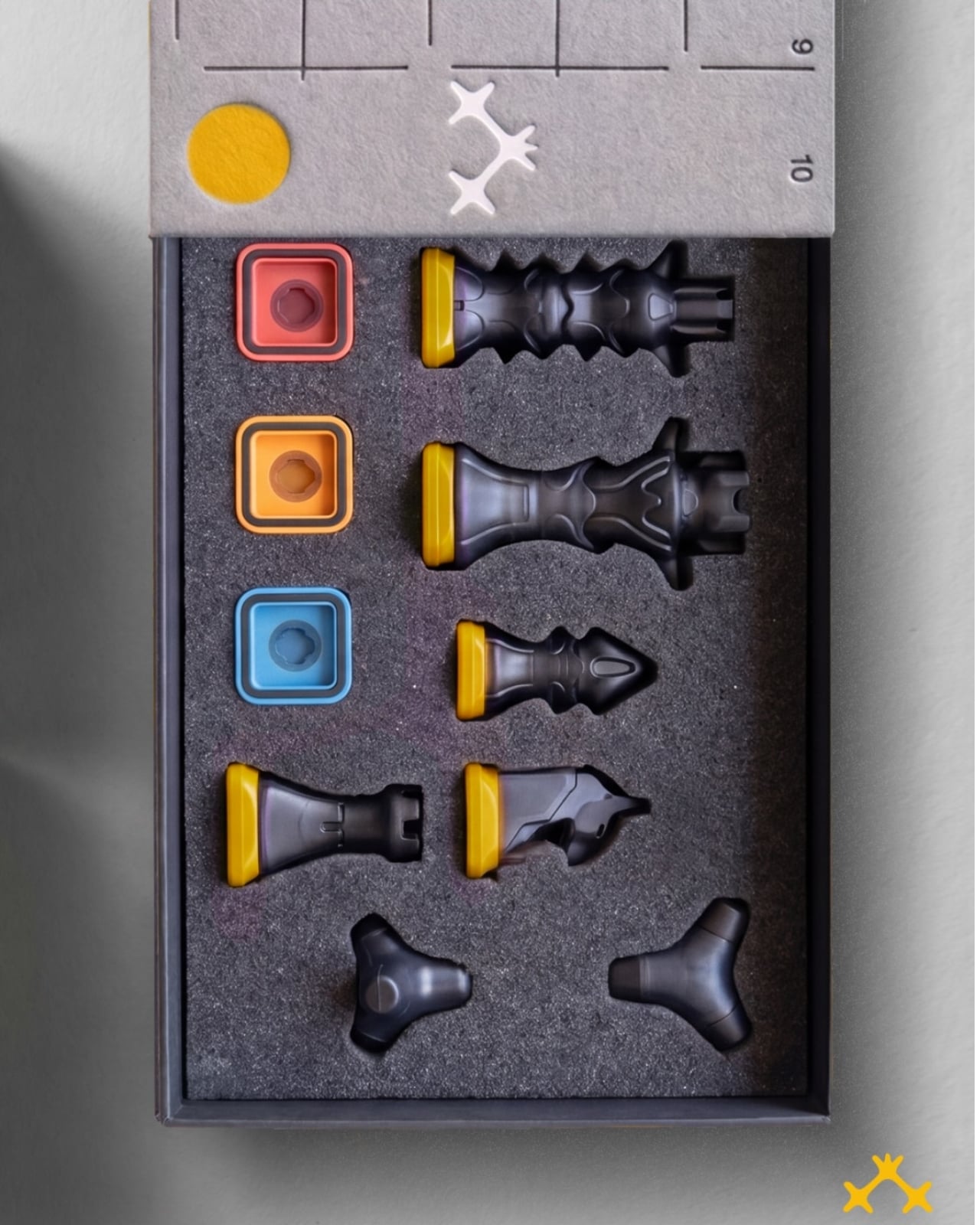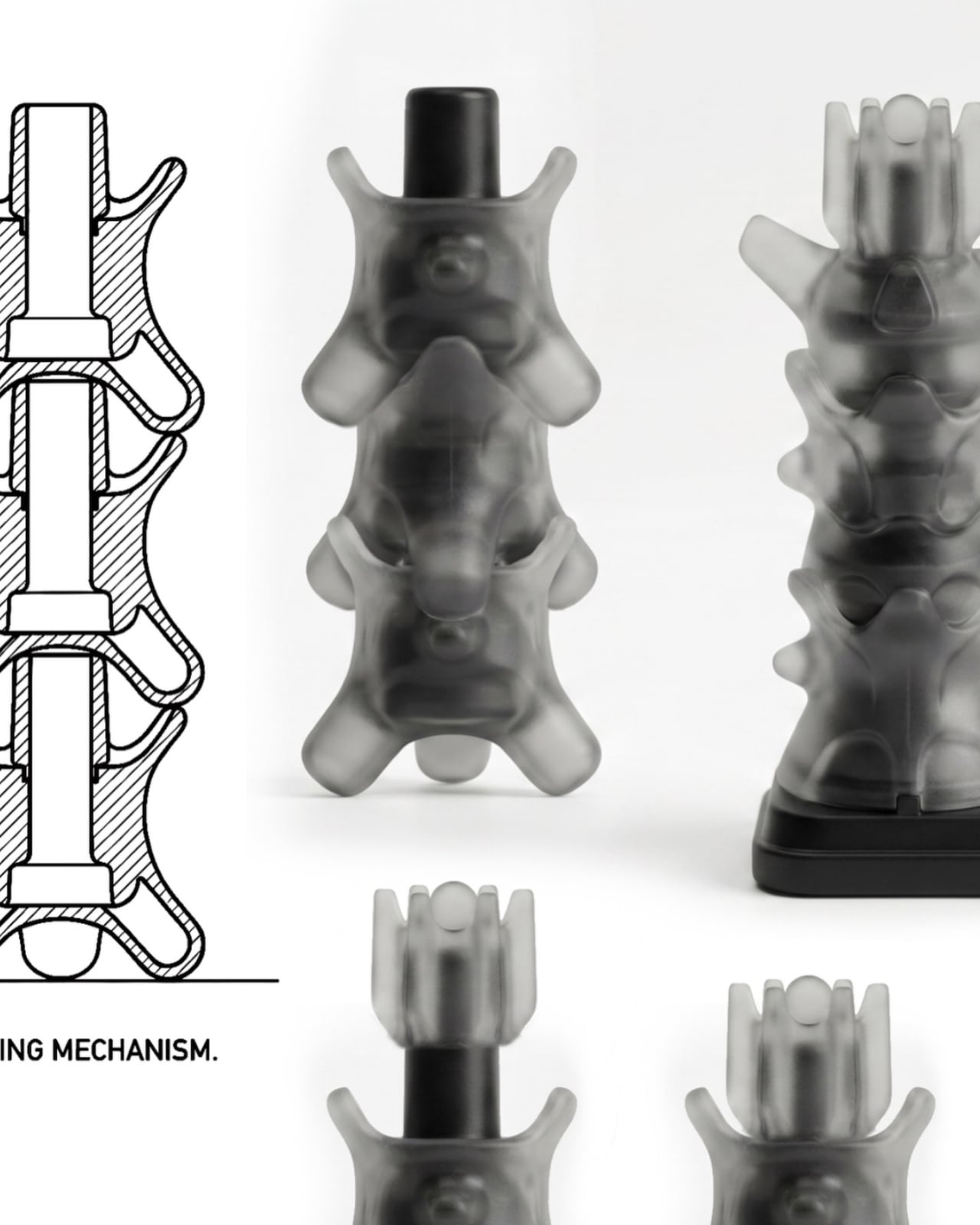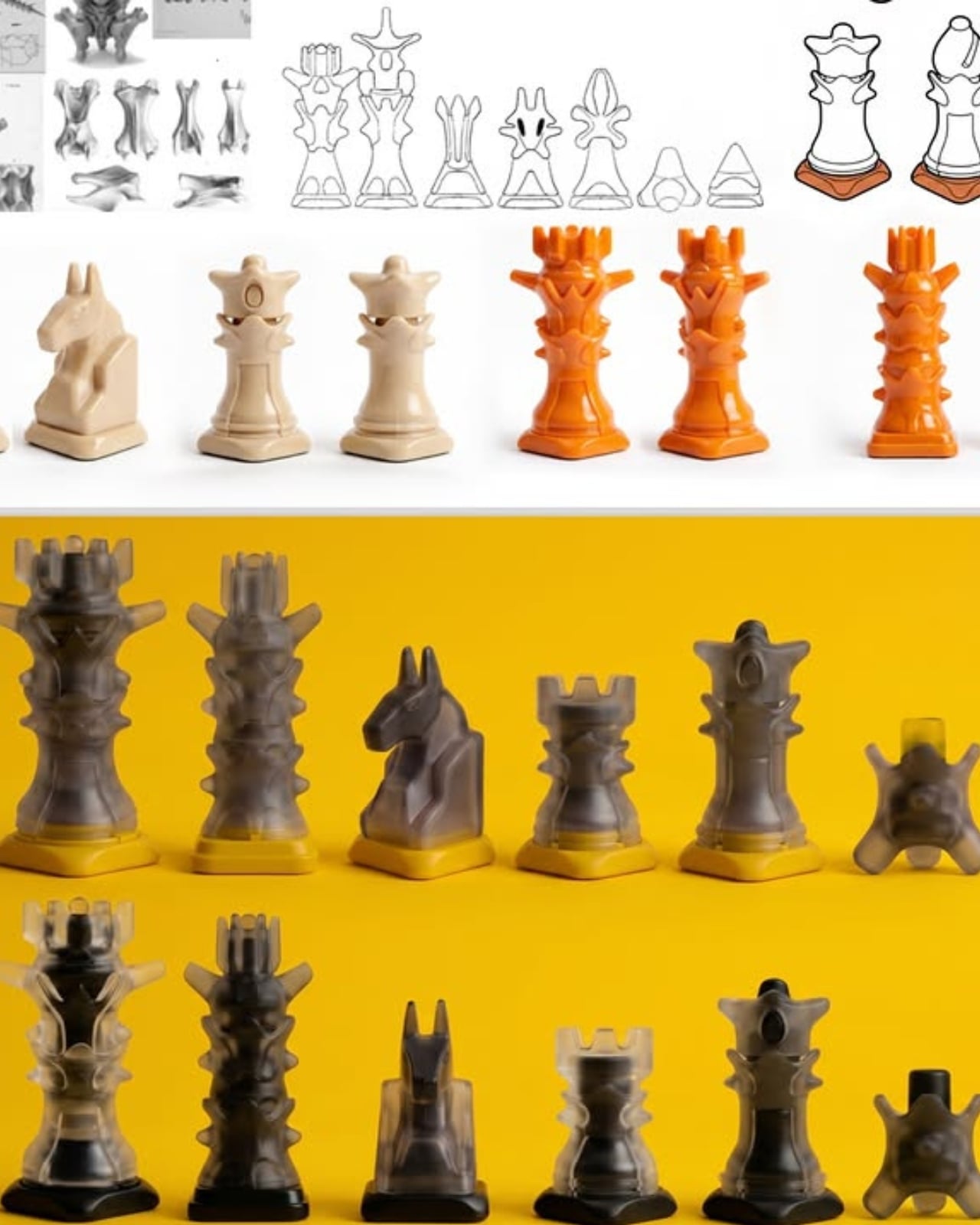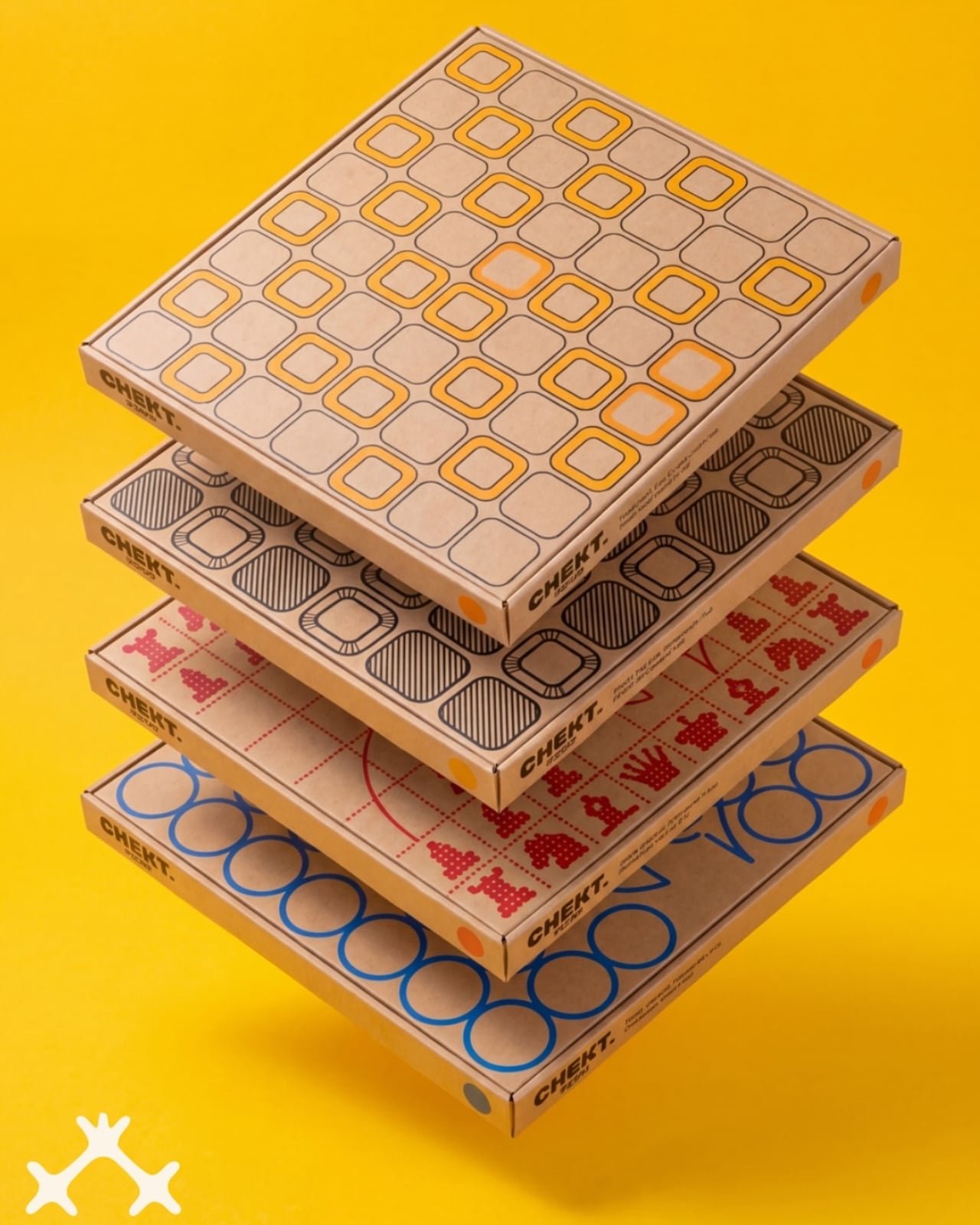
Designers Just Built the Chess Set Brutalism Fans Wanted

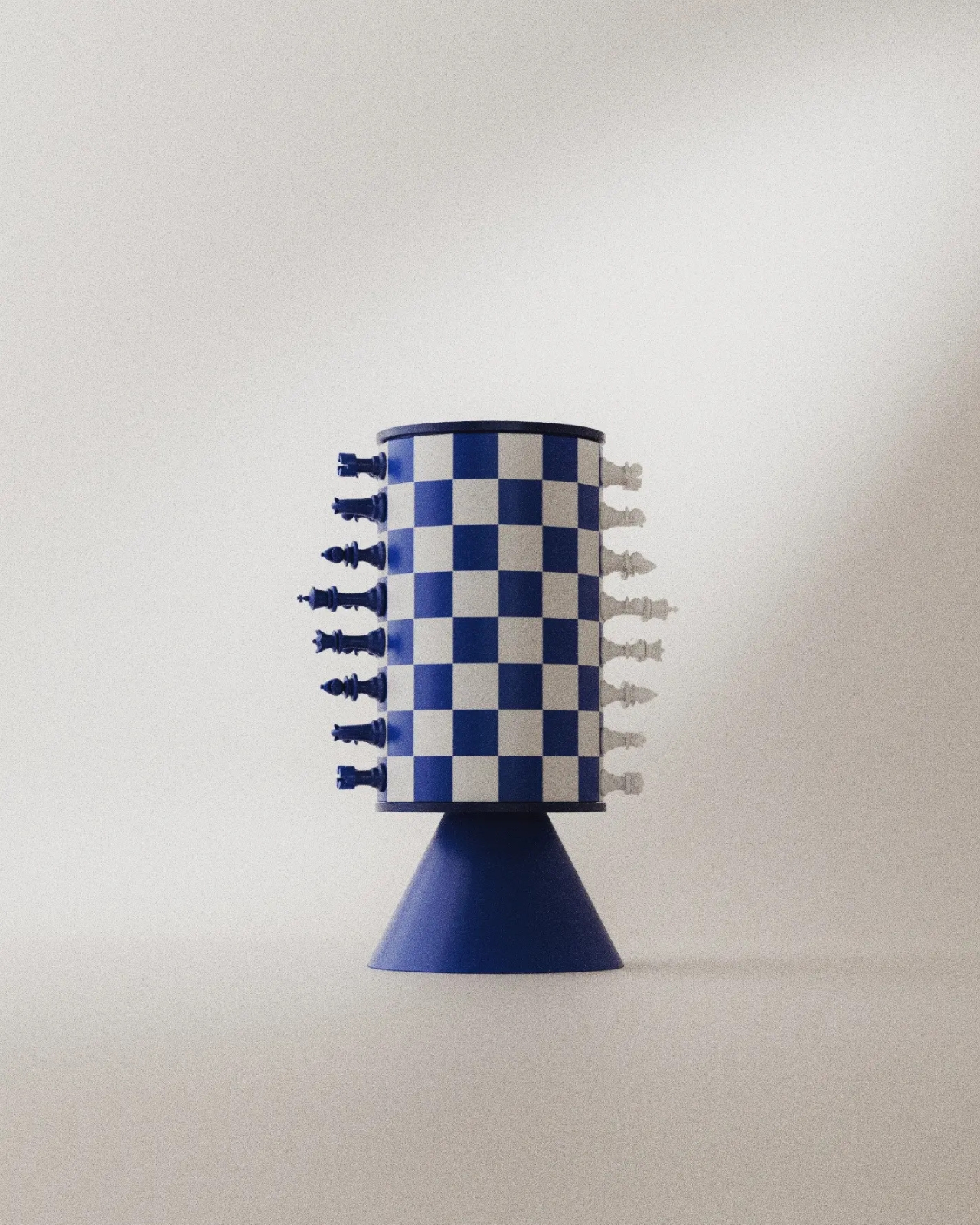
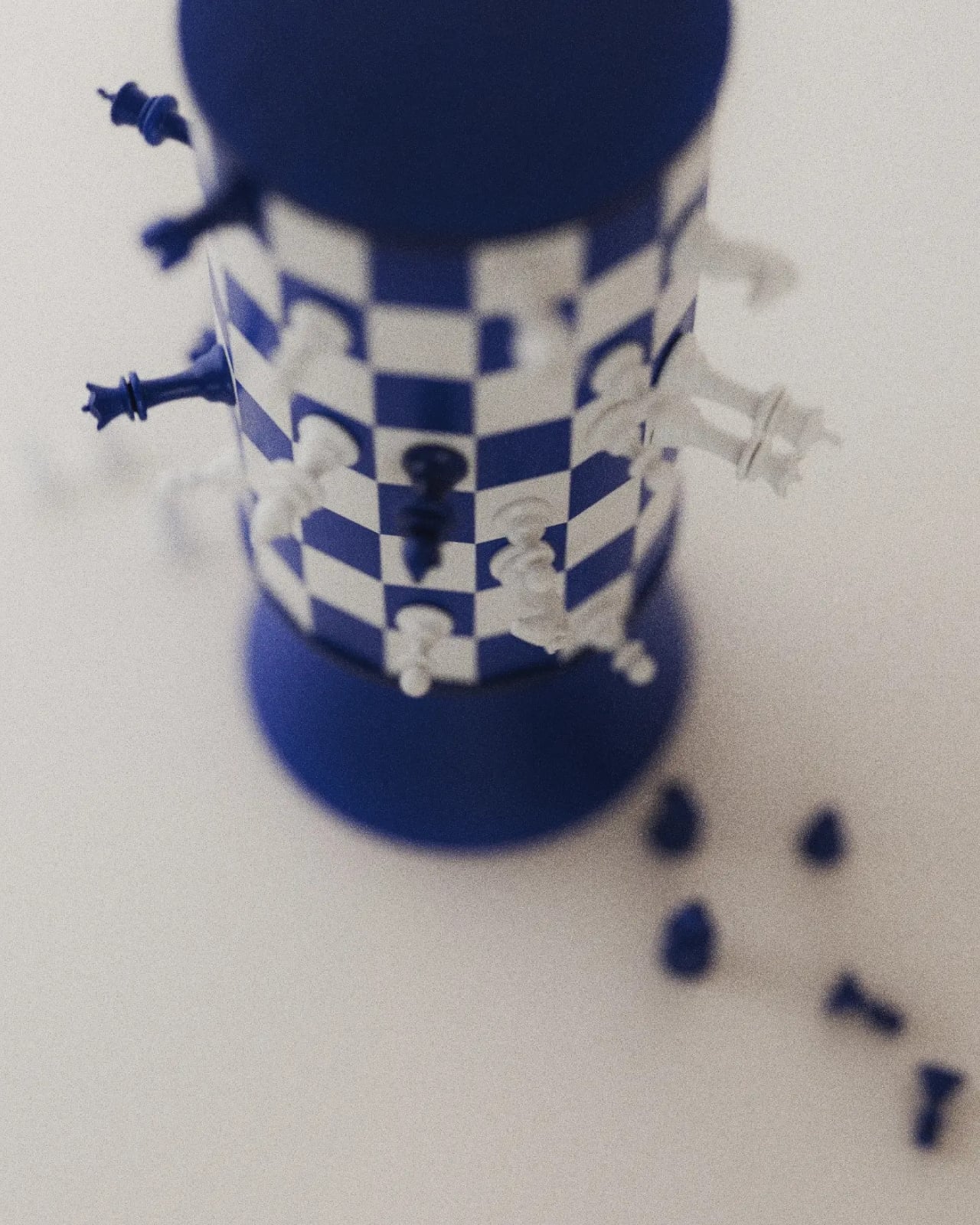
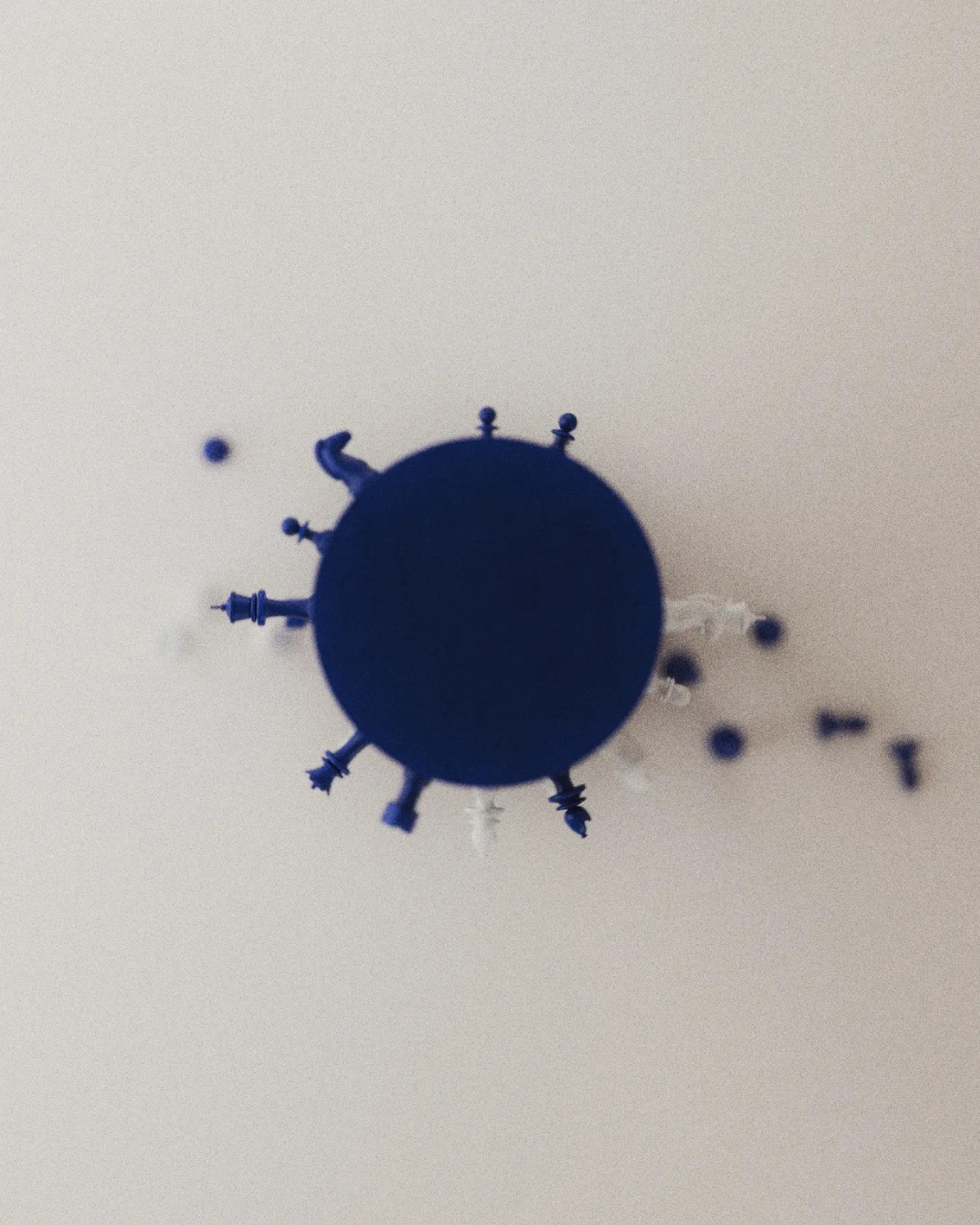
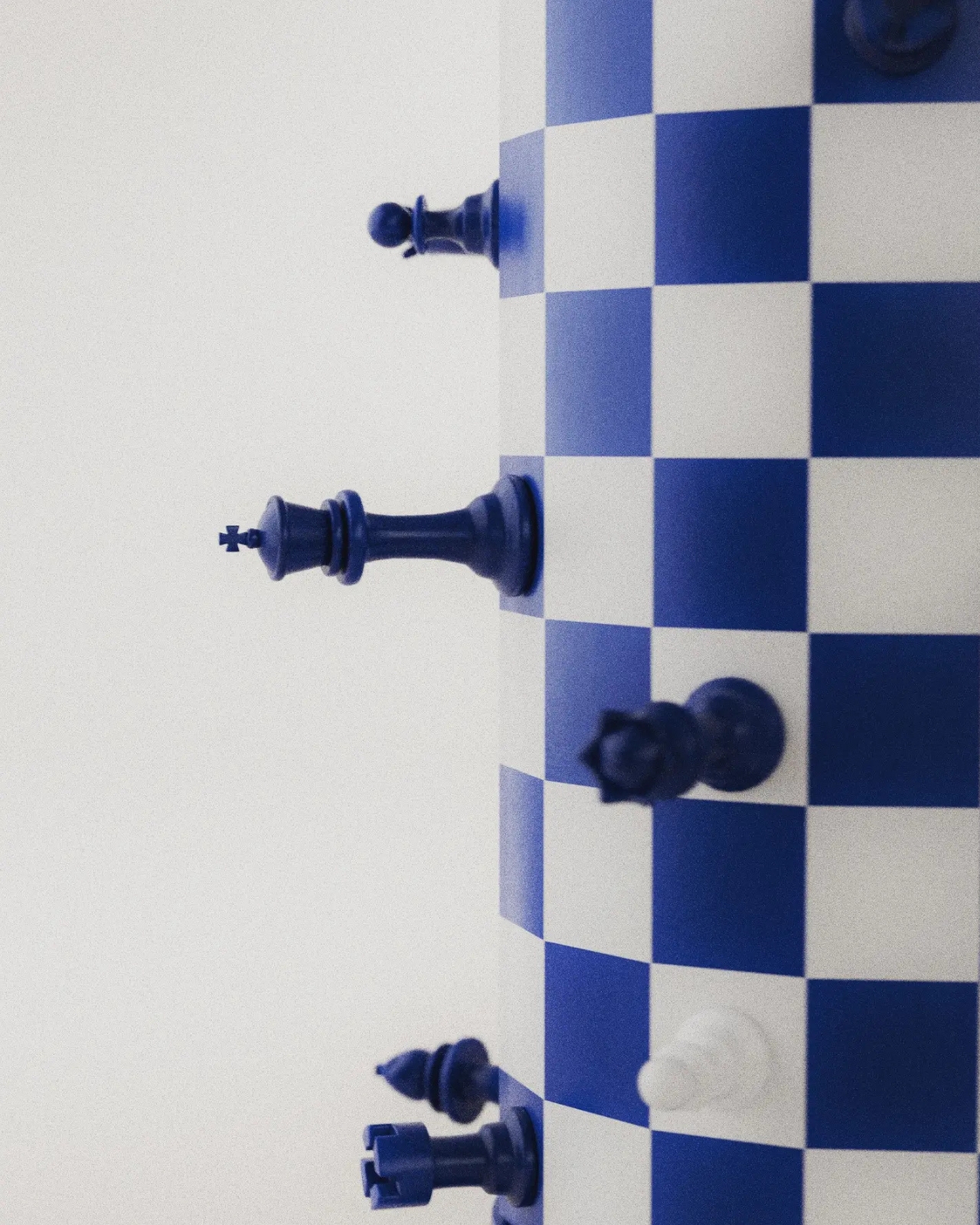
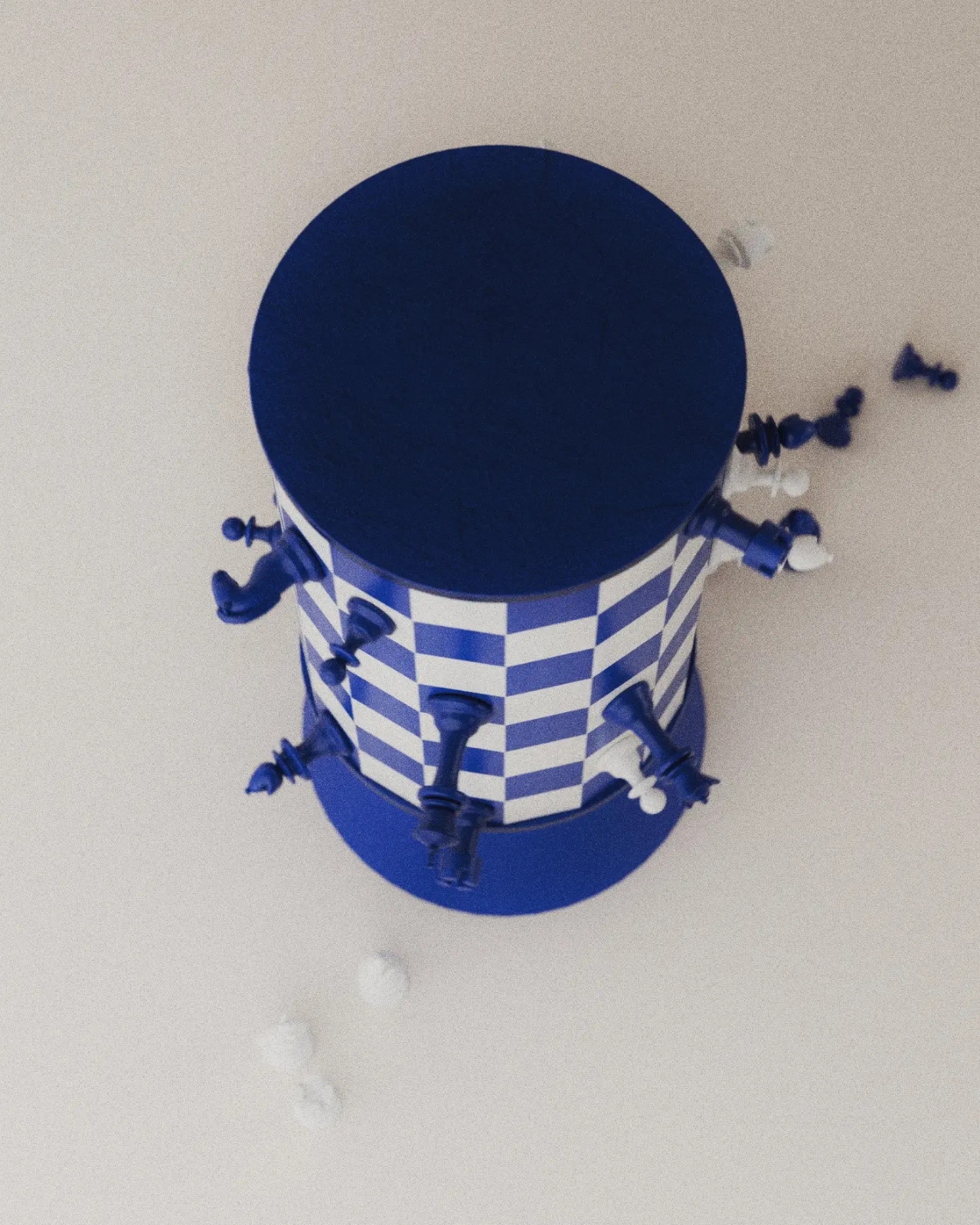
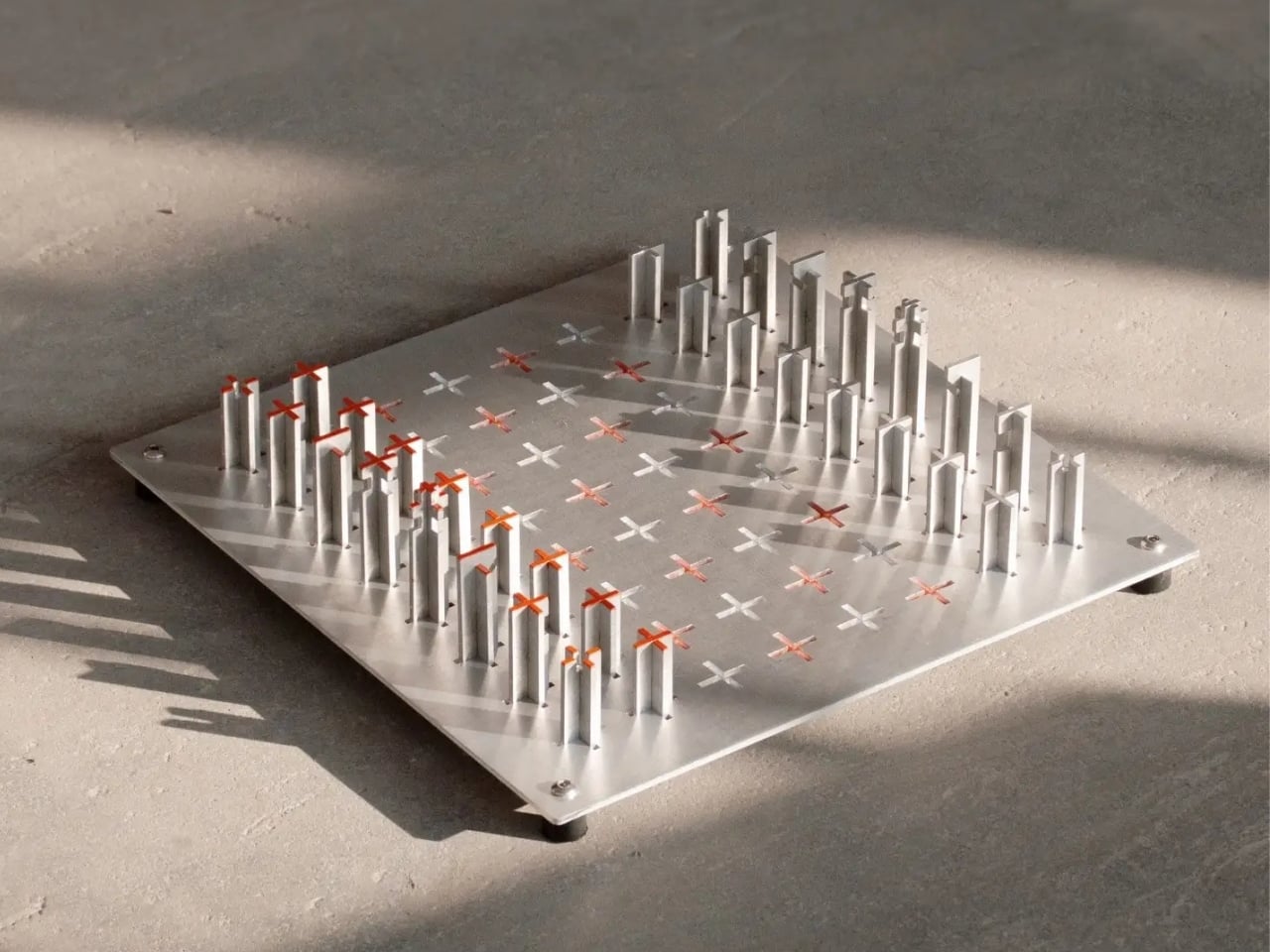
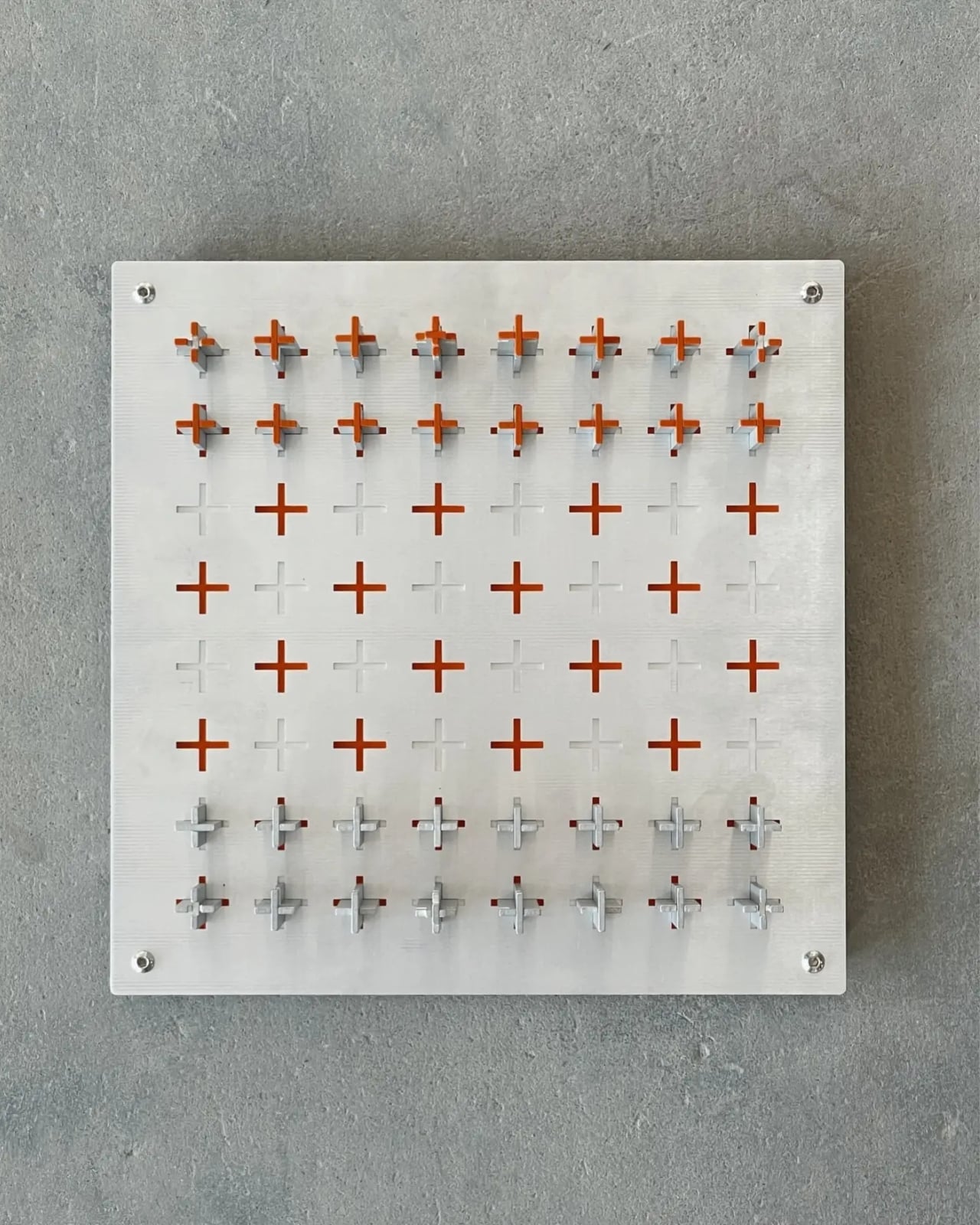
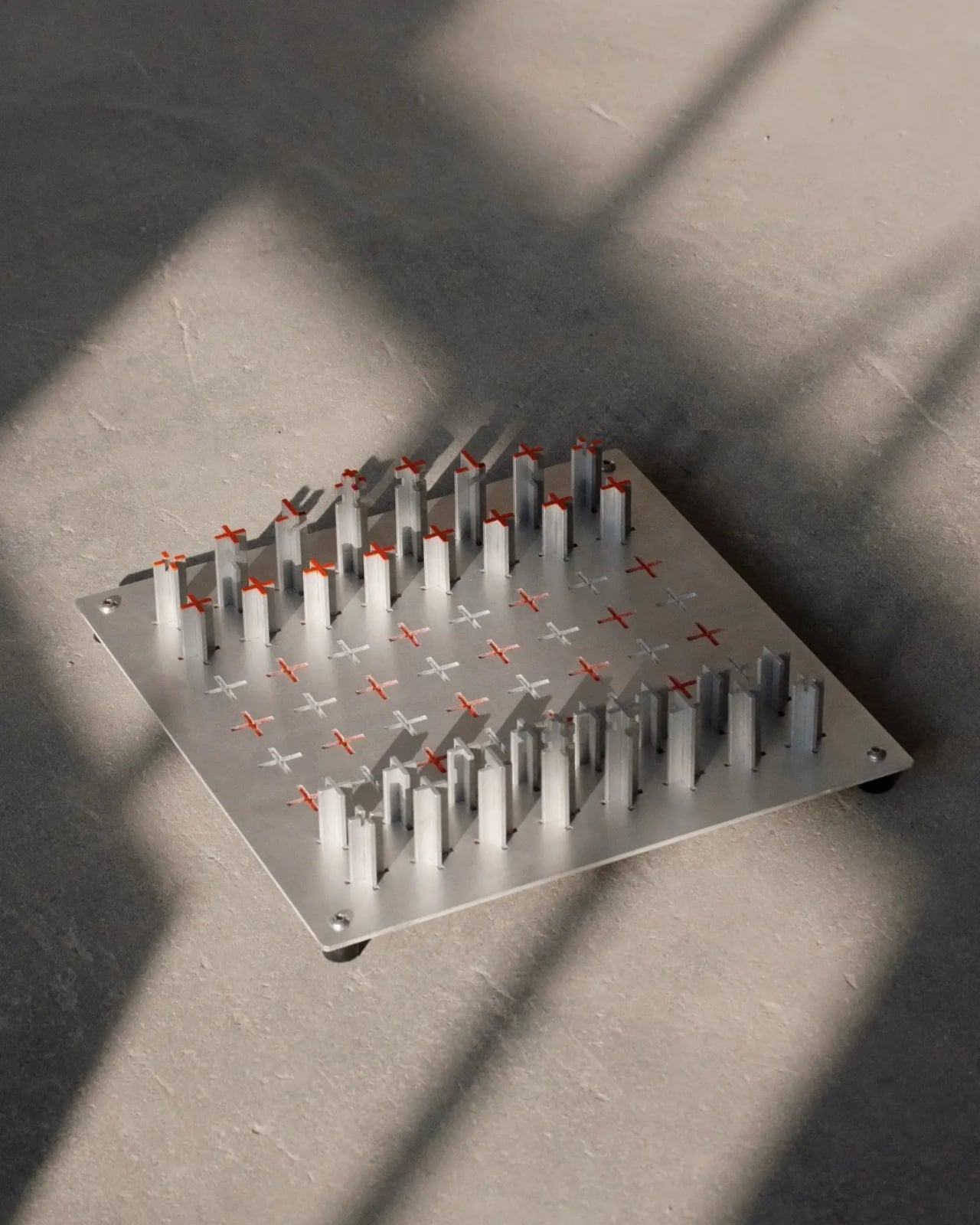
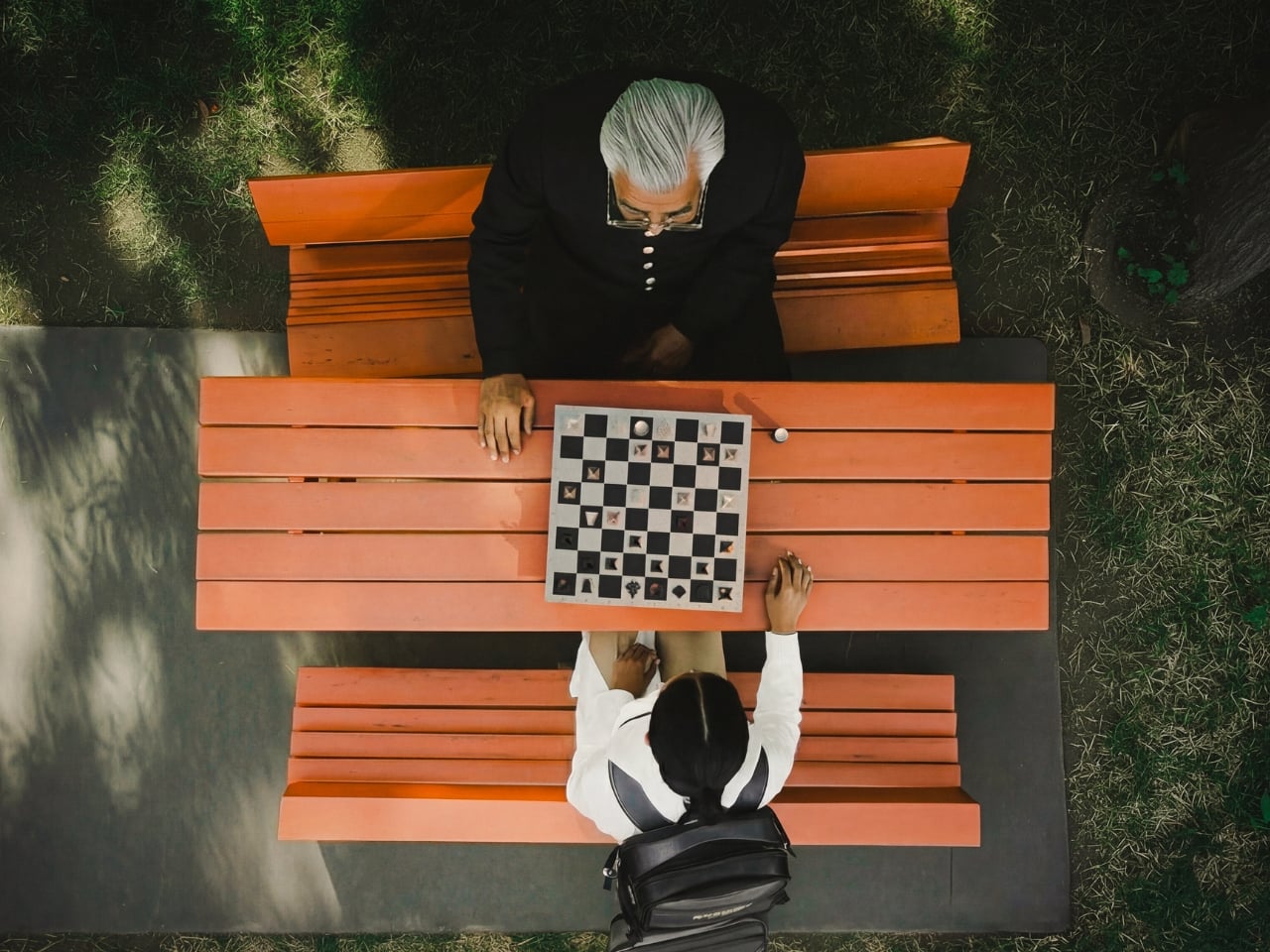
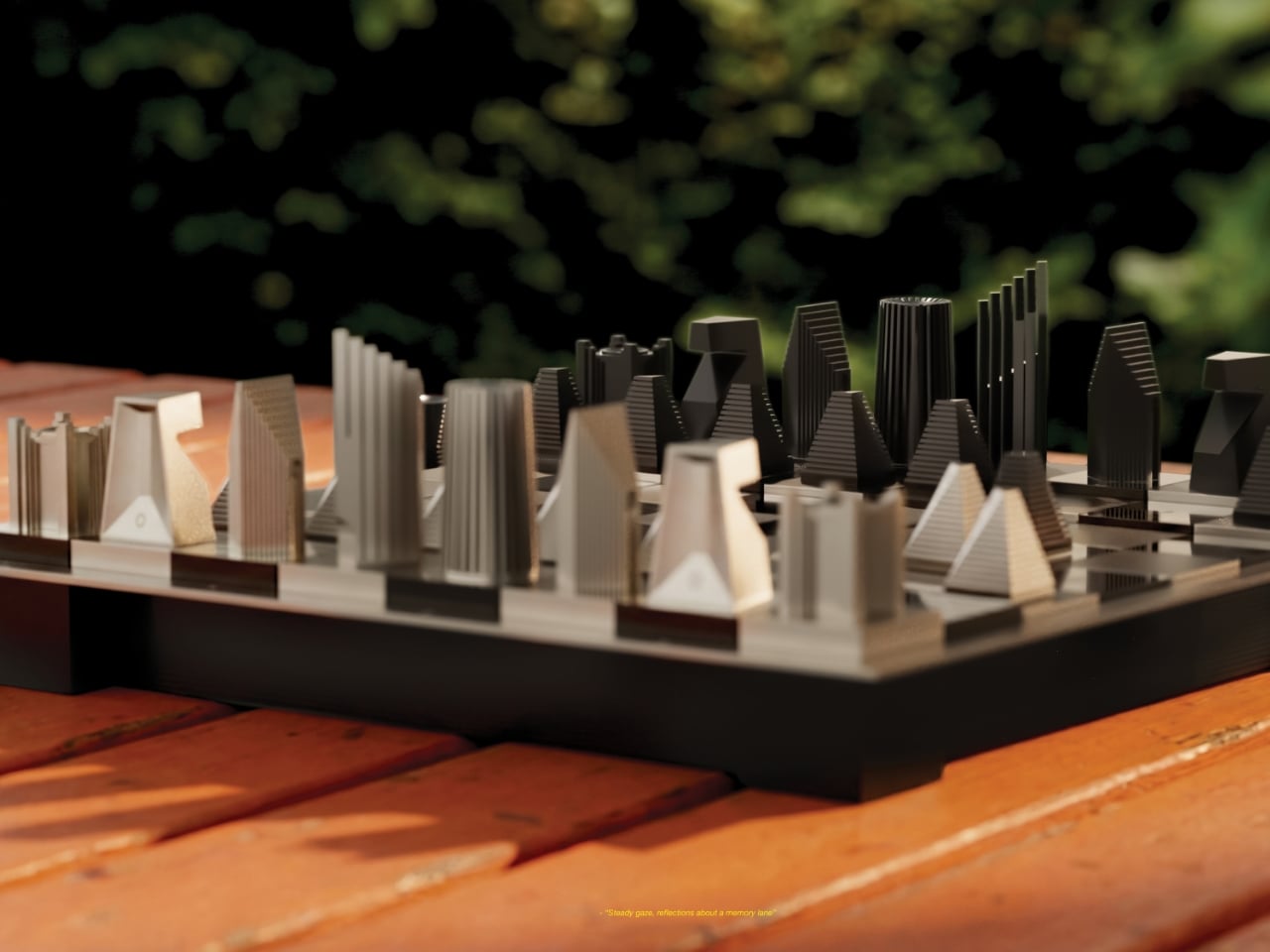
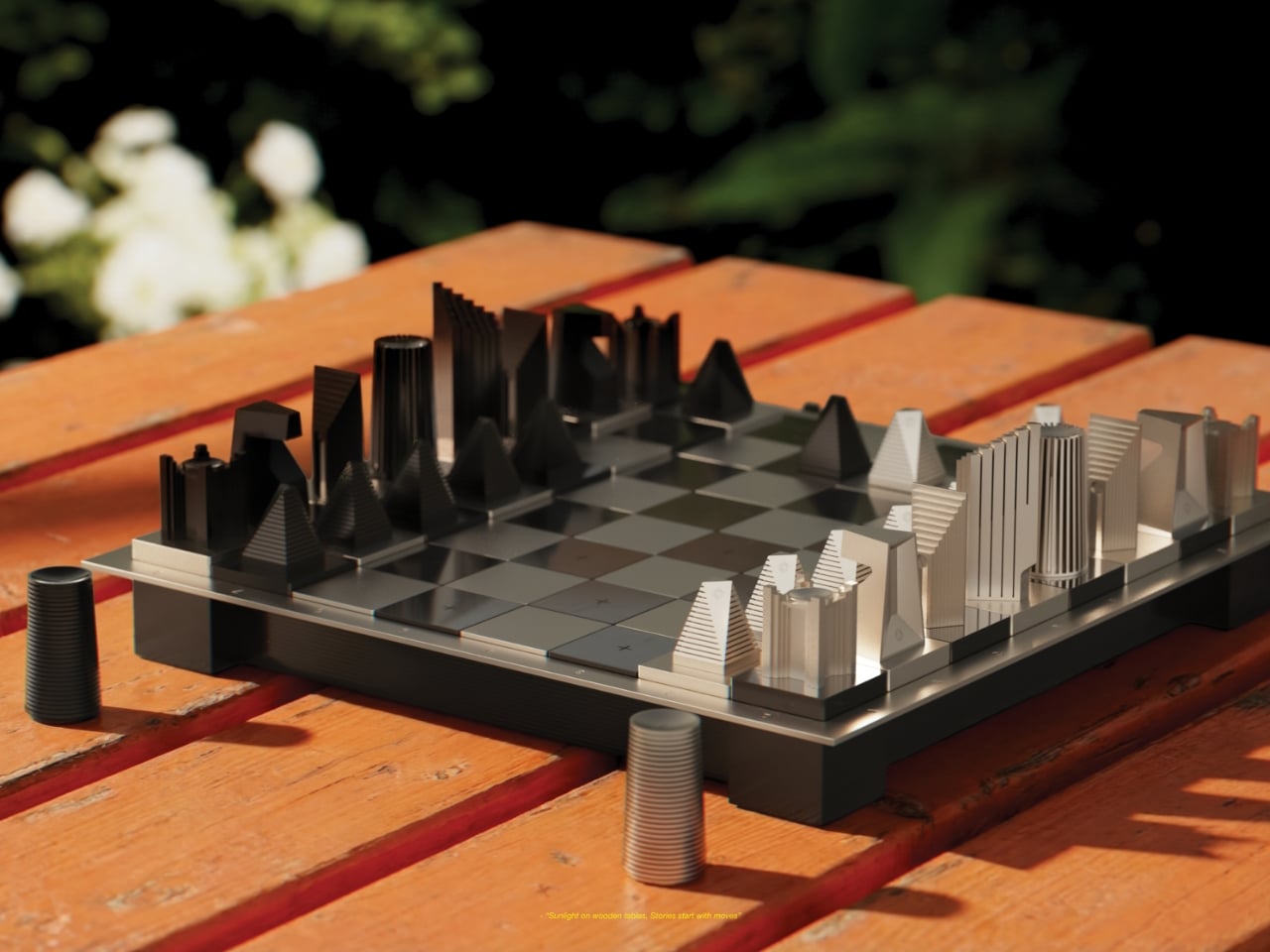
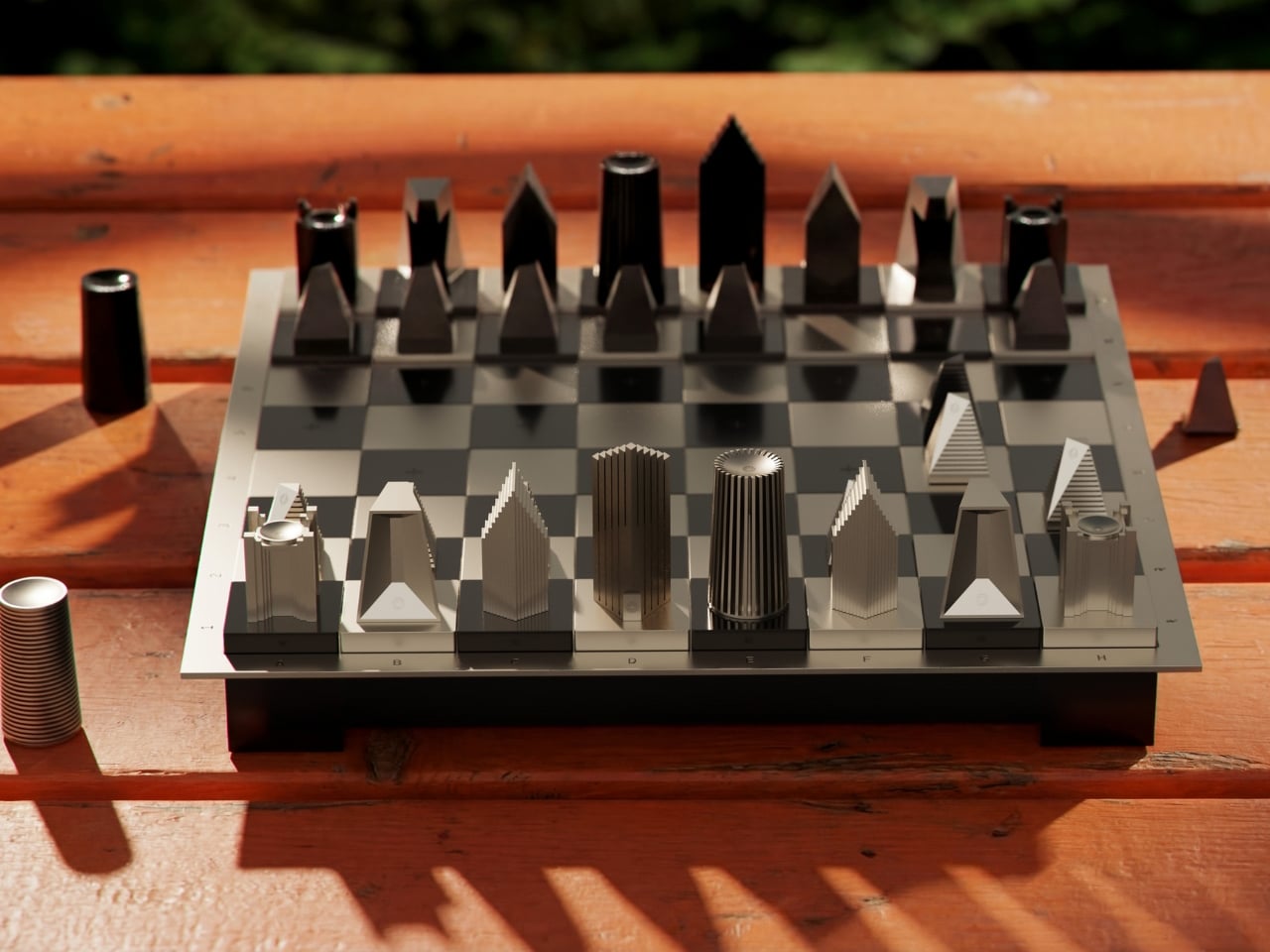
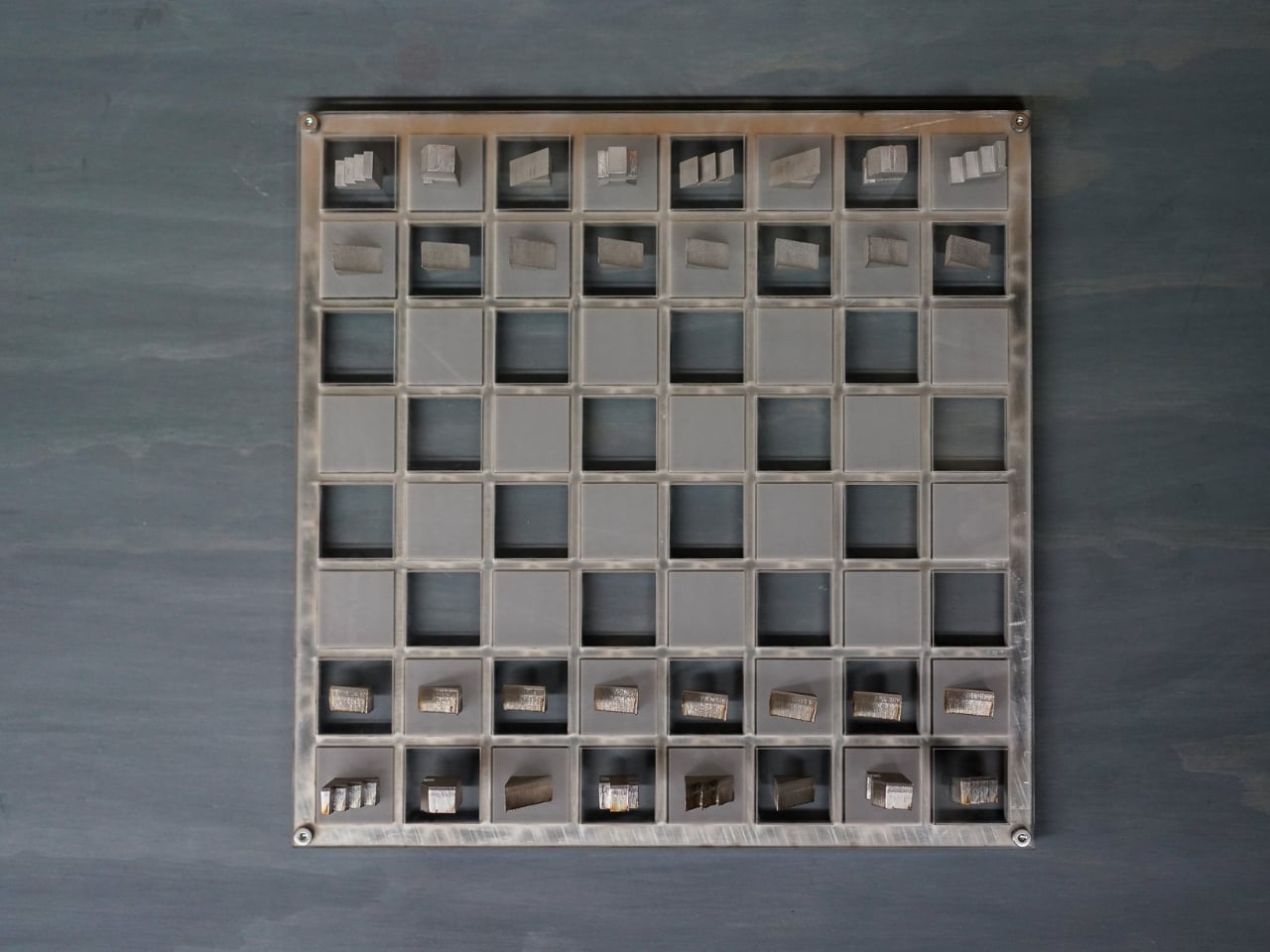
There’s something deeply satisfying about watching a familiar game get completely reimagined. The Mohmaya chess set does exactly that, turning the classic battlefield into a three-dimensional landscape where every move feels like navigating through a modernist city.

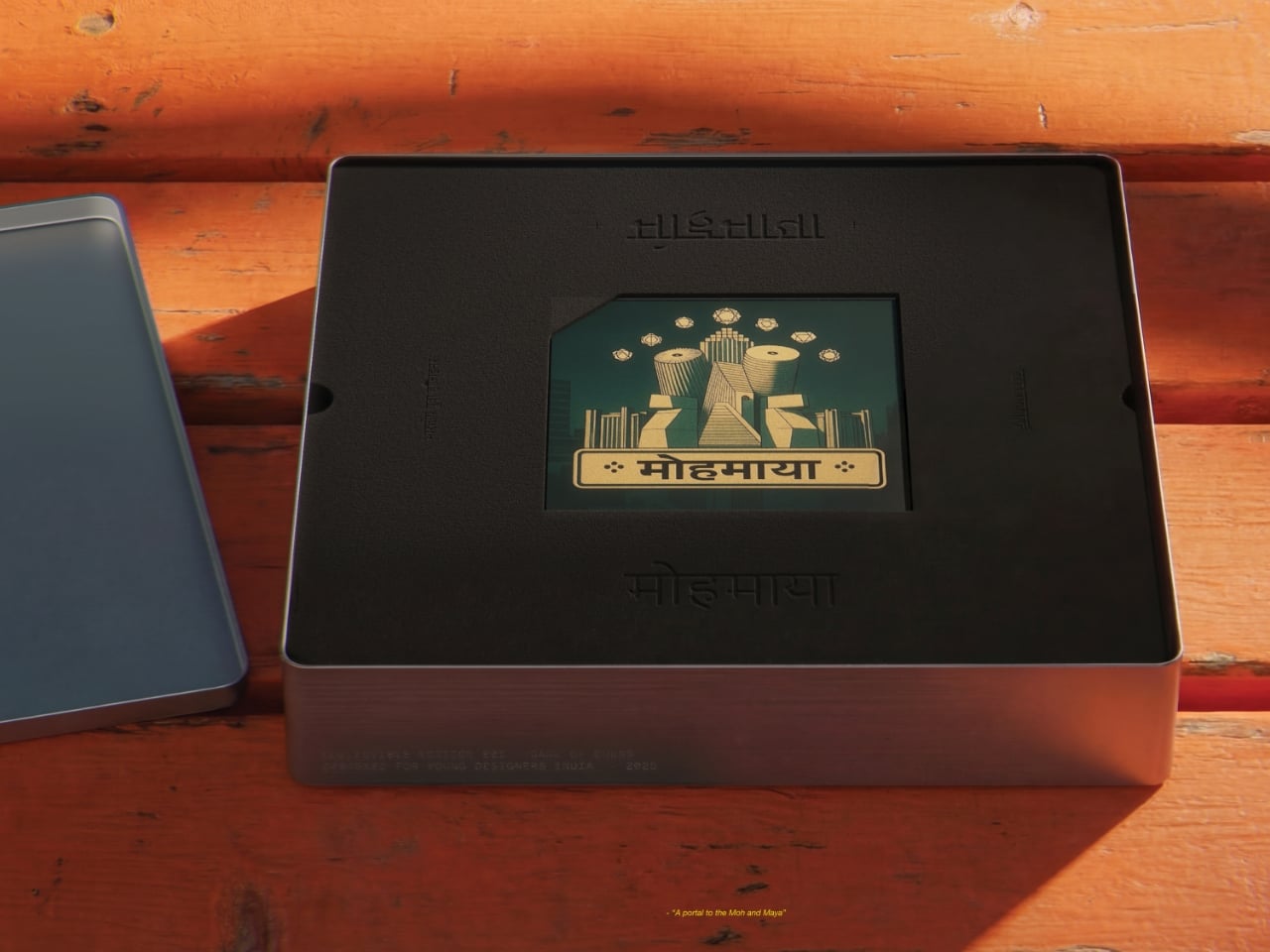
Designed by Tanay Vora, Vidushi Gupta, Hardik Sharma, and Yaman Gupta, this isn’t your grandmother’s chess set. Though actually, it kind of is, if your grandmother happened to appreciate mid-century Indian modernism and spiritual philosophy. The name “Mohmaya” translates to “illusion,” which feels perfect for a game that’s all about deception, strategy, and seeing through your opponent’s tricks.

Designers: Tanay Vora, Vidushi Gupta, Hardik Sharma, Yaman Gupta

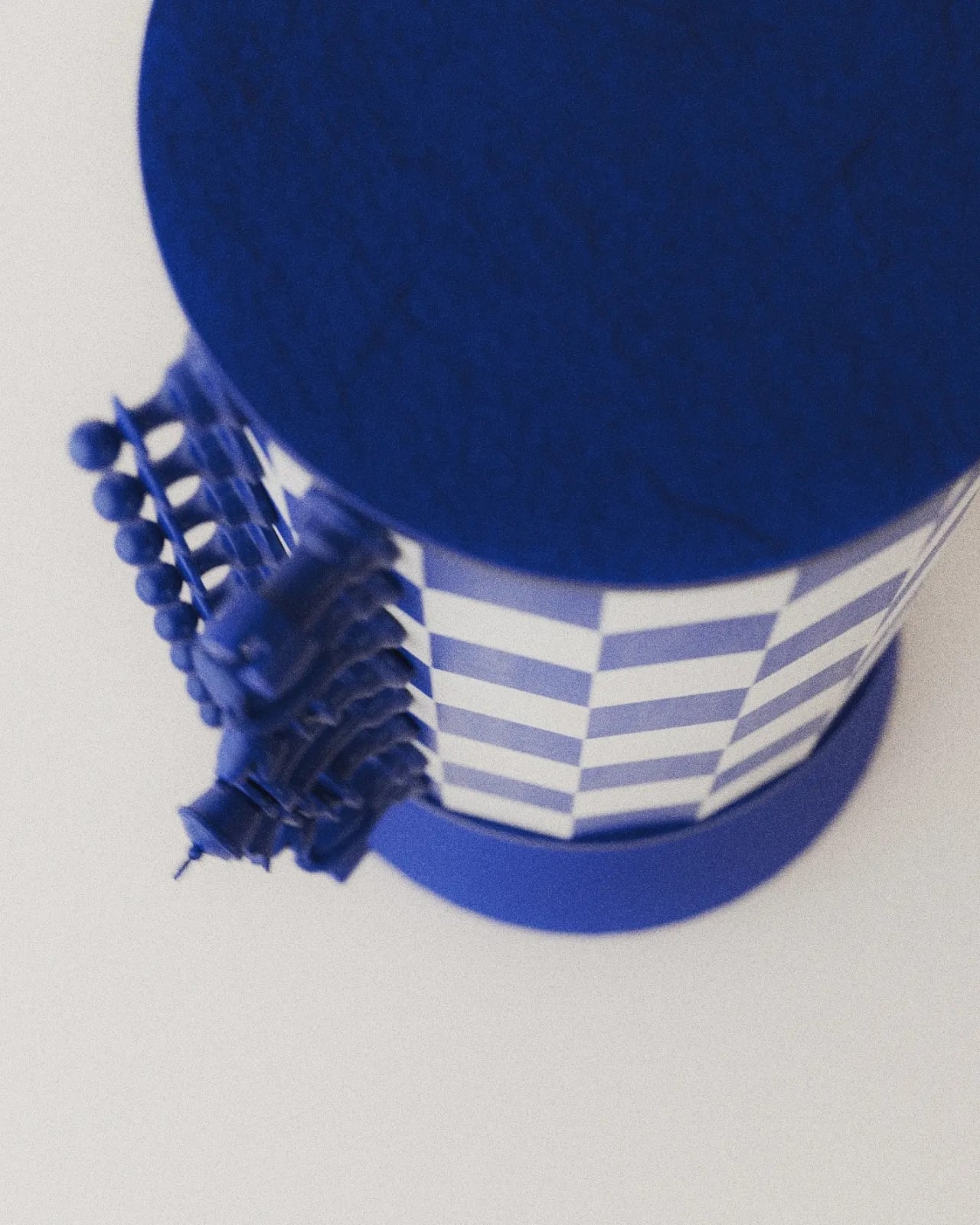
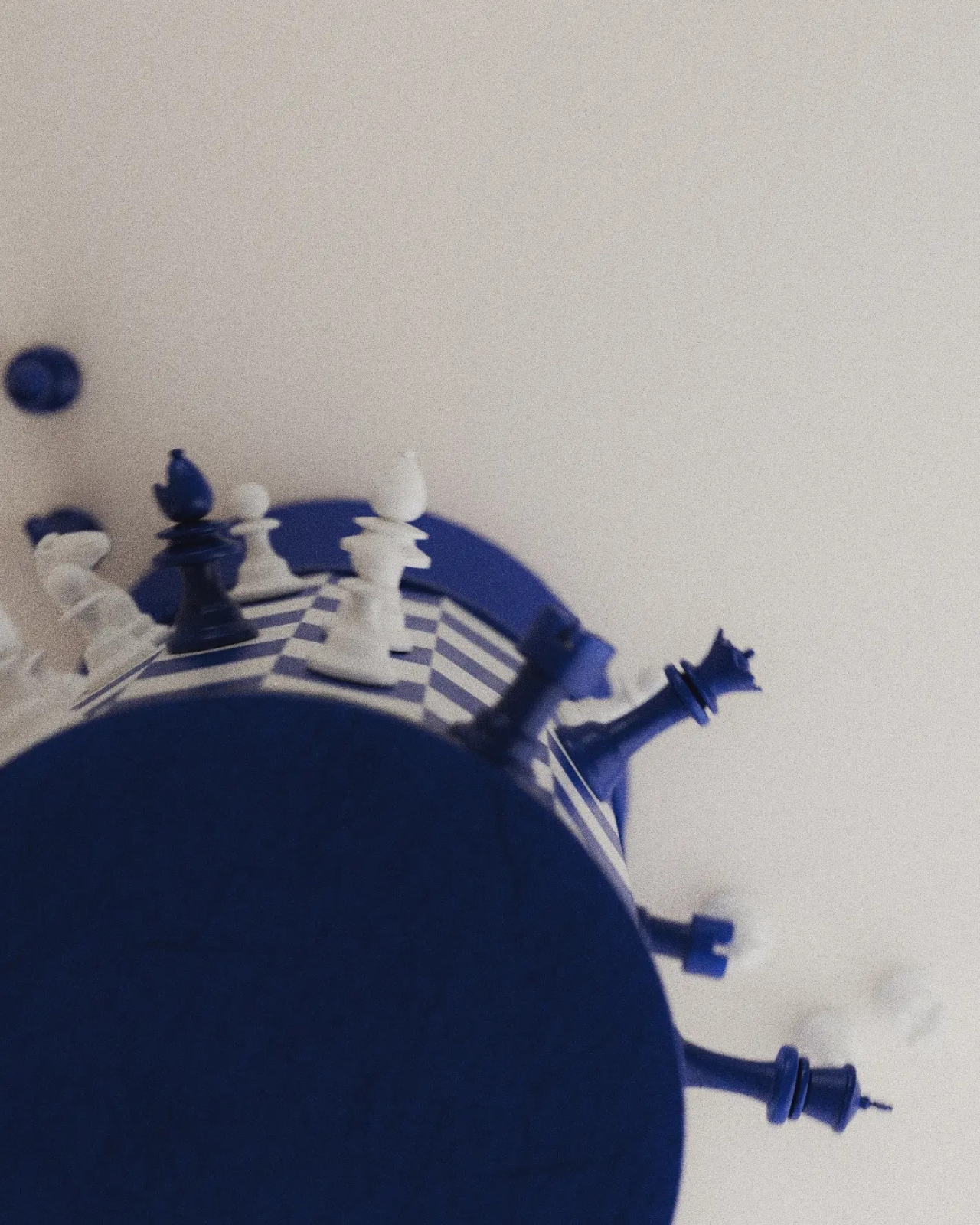
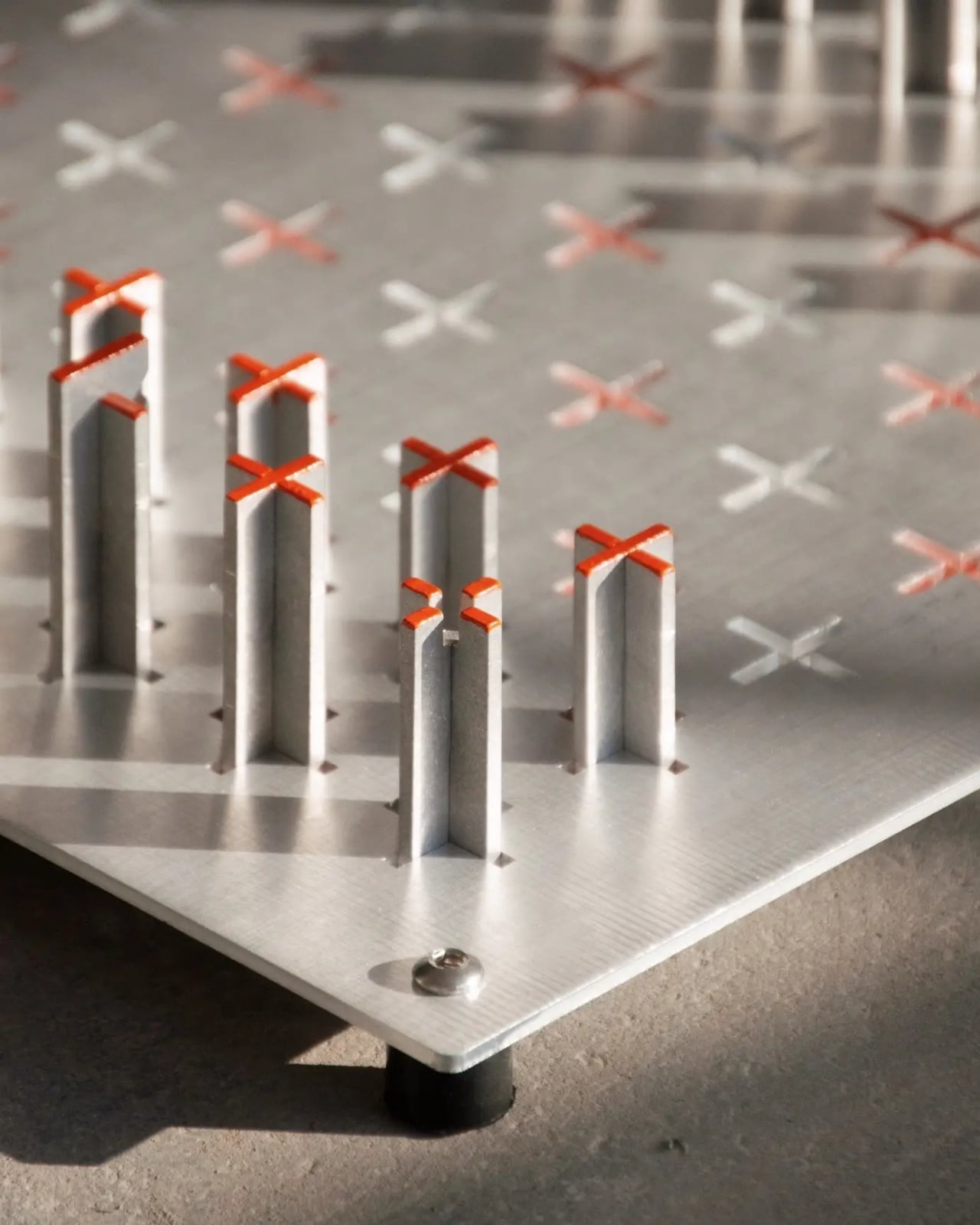
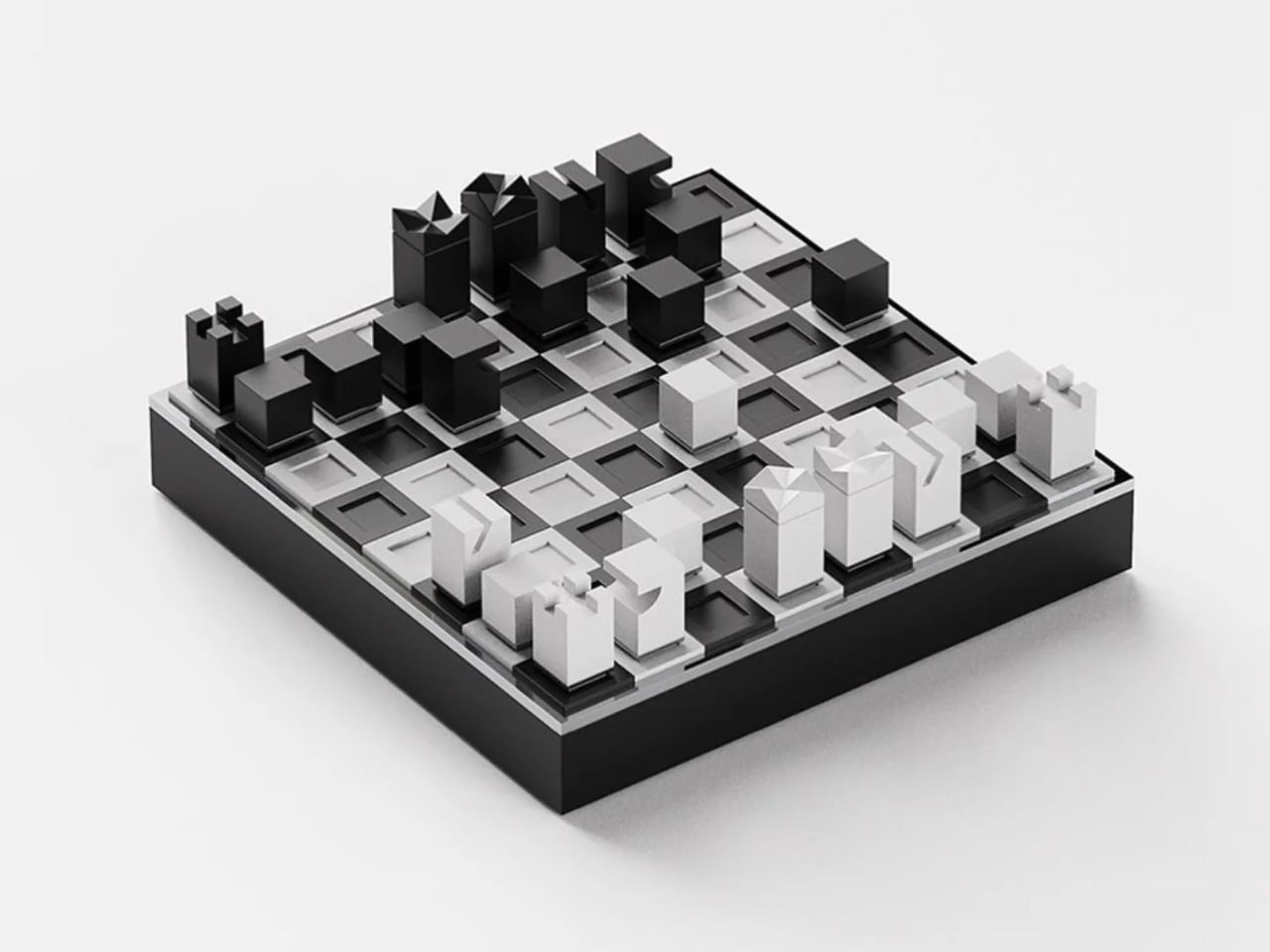
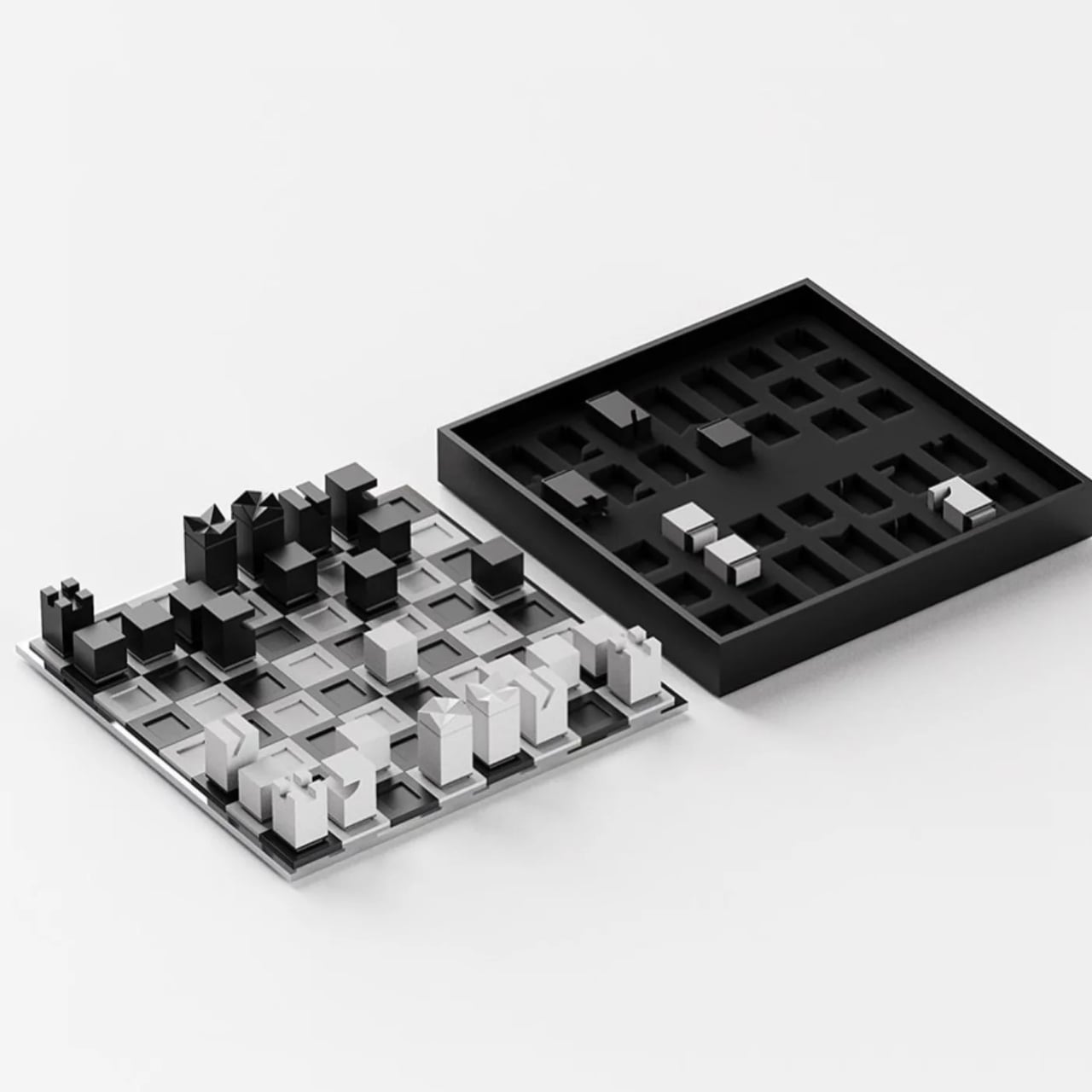
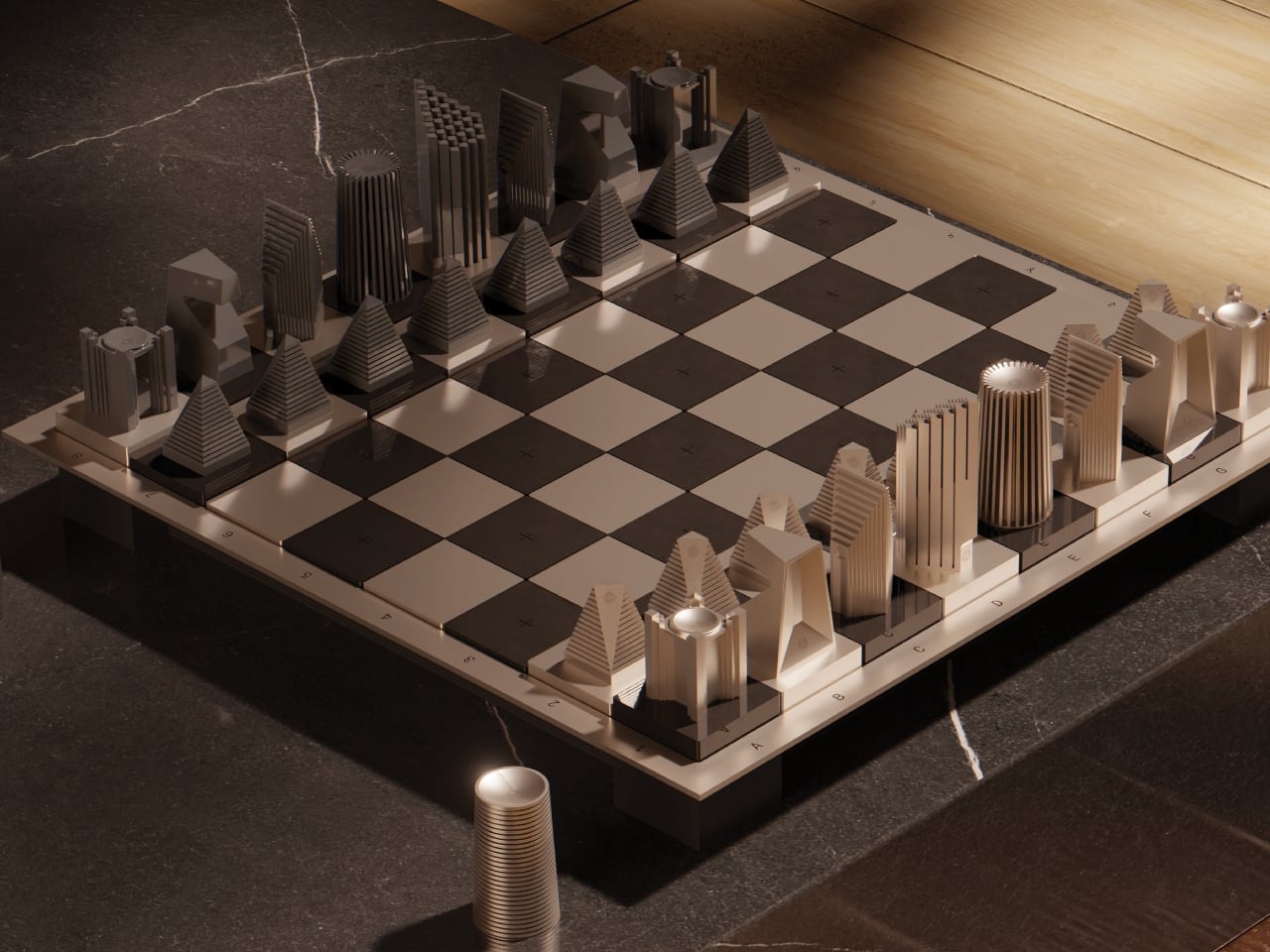
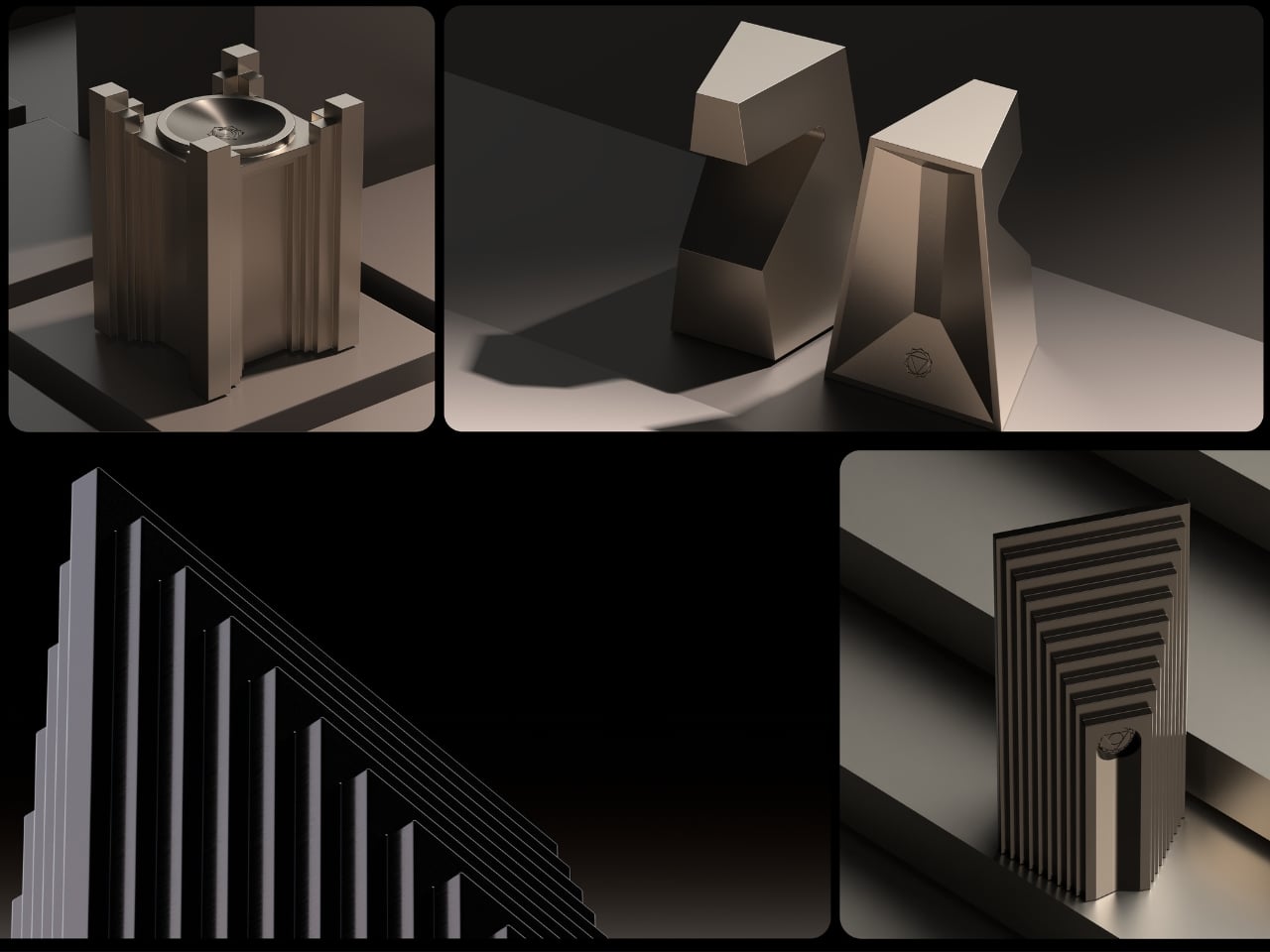
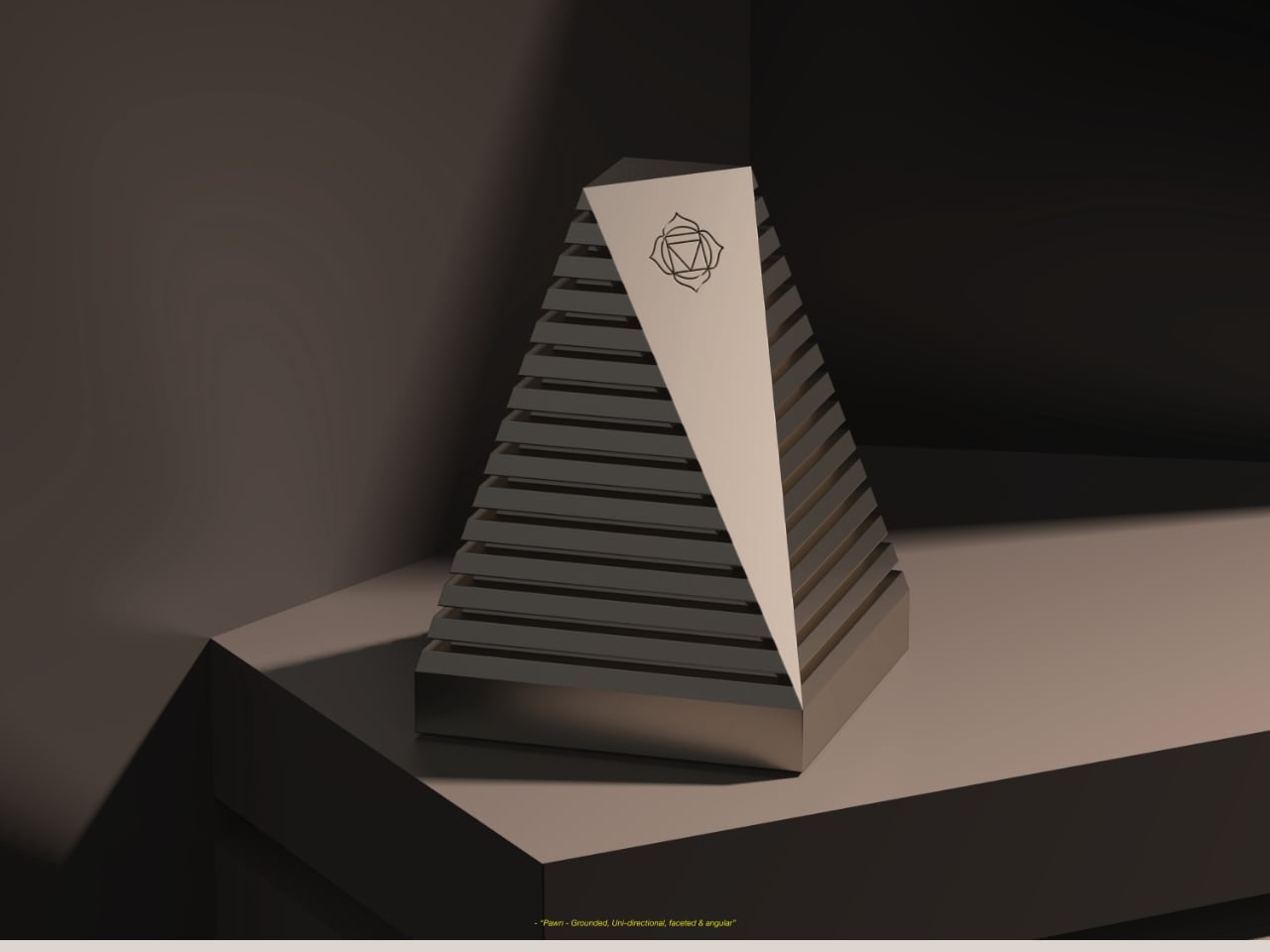
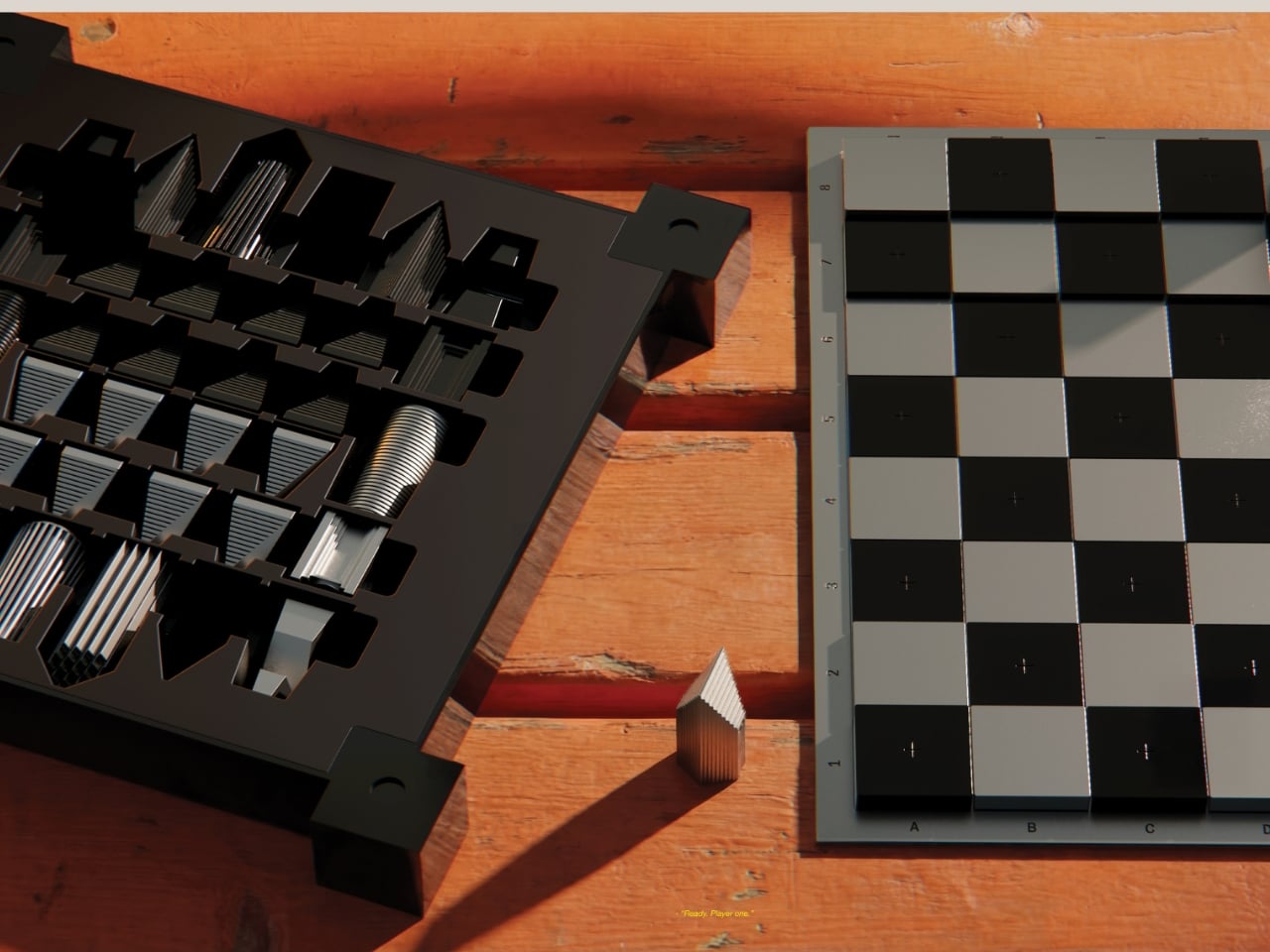
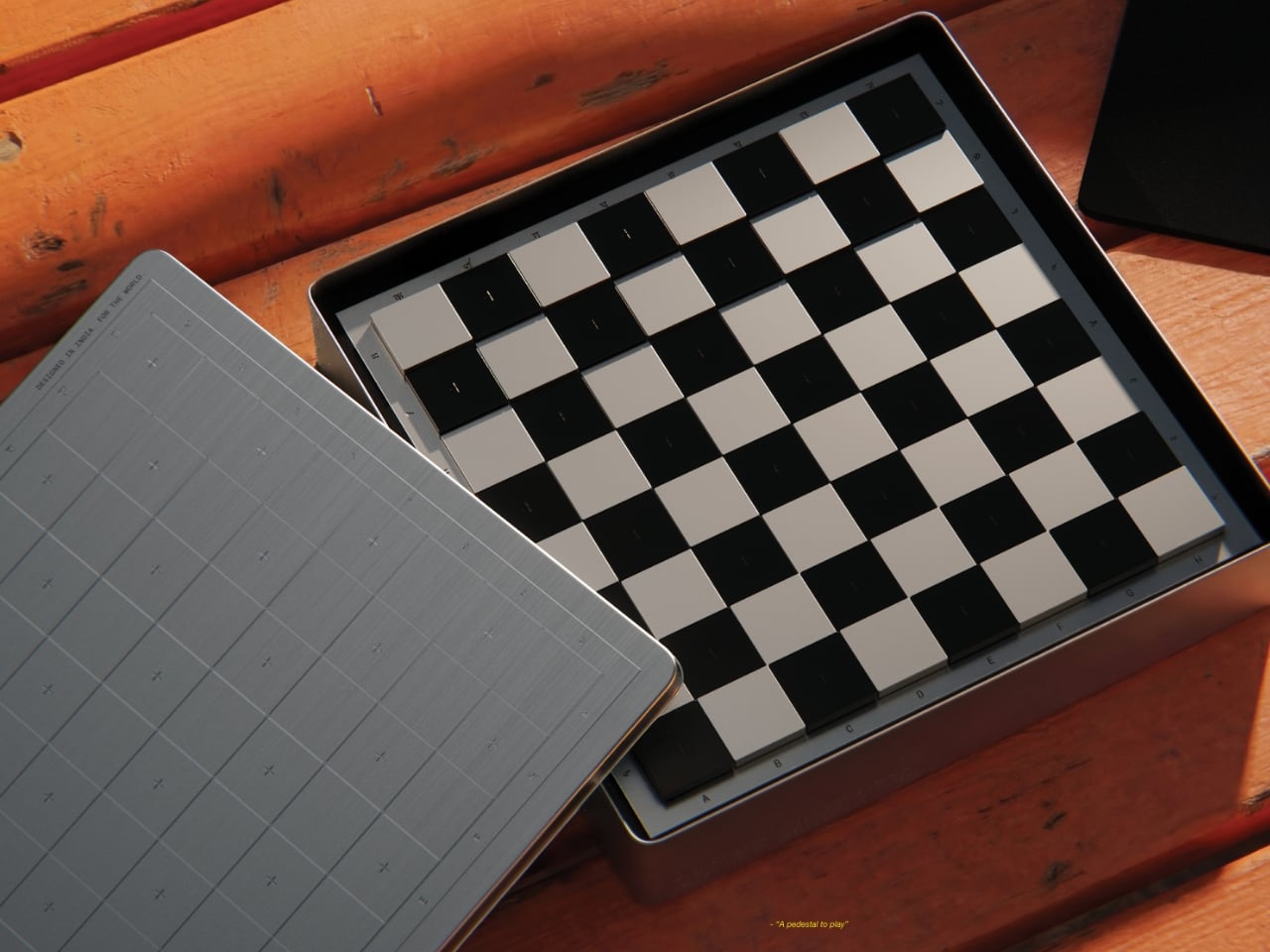
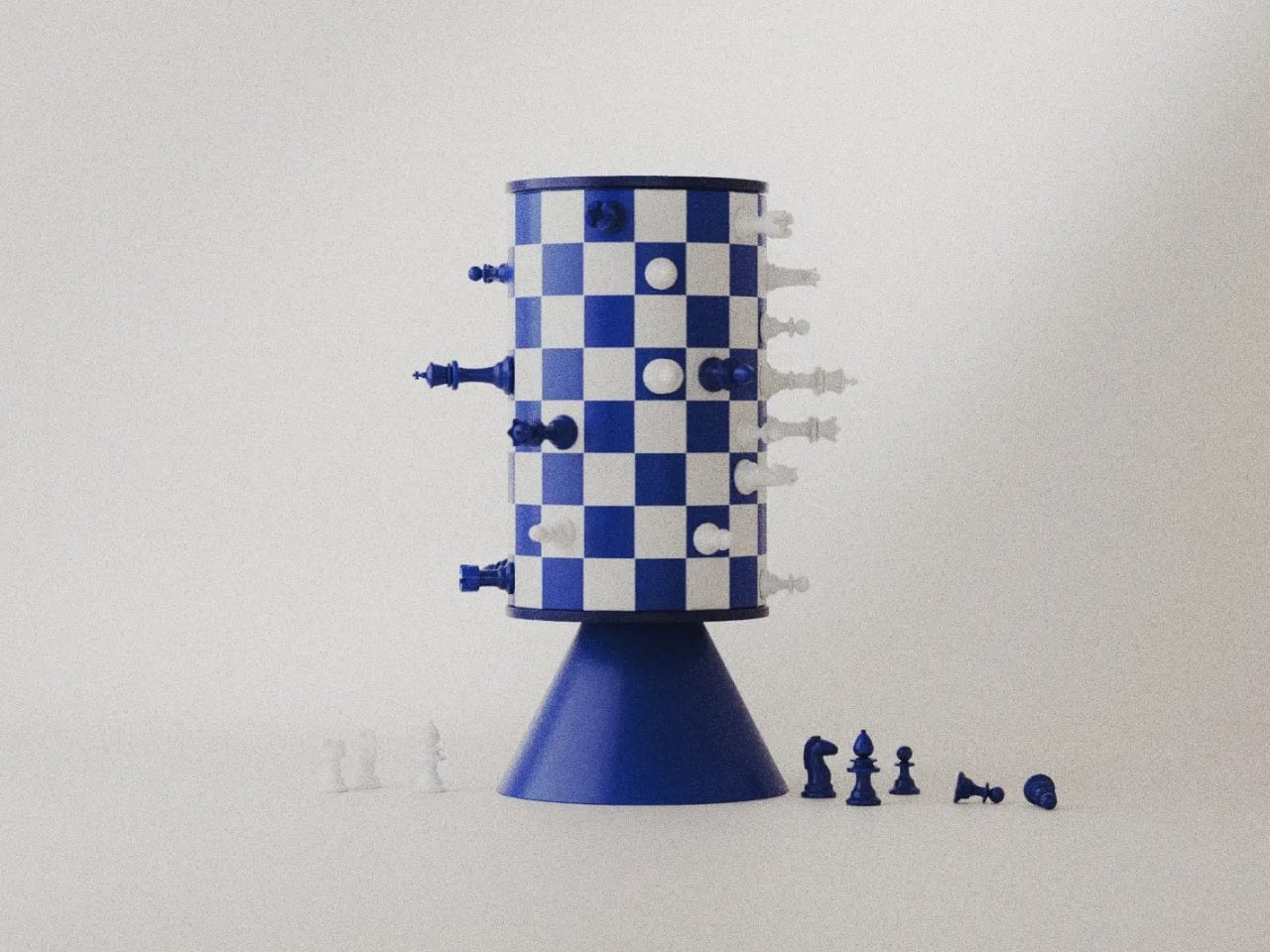
What makes this set visually striking is its refusal to stay flat. Unlike traditional chessboards that exist on a single plane, Mohmaya creates a topography. Pawns start on the lowest level, grounded and humble. The center of the board sits even lower, like a valley where the real drama unfolds. Then the back row rises highest, where kings and queens preside over everything like architectural monuments on a hilltop. Playing on this board means you’re not just moving pieces across squares but navigating elevation changes, climbing through terrain with every strategic advance.

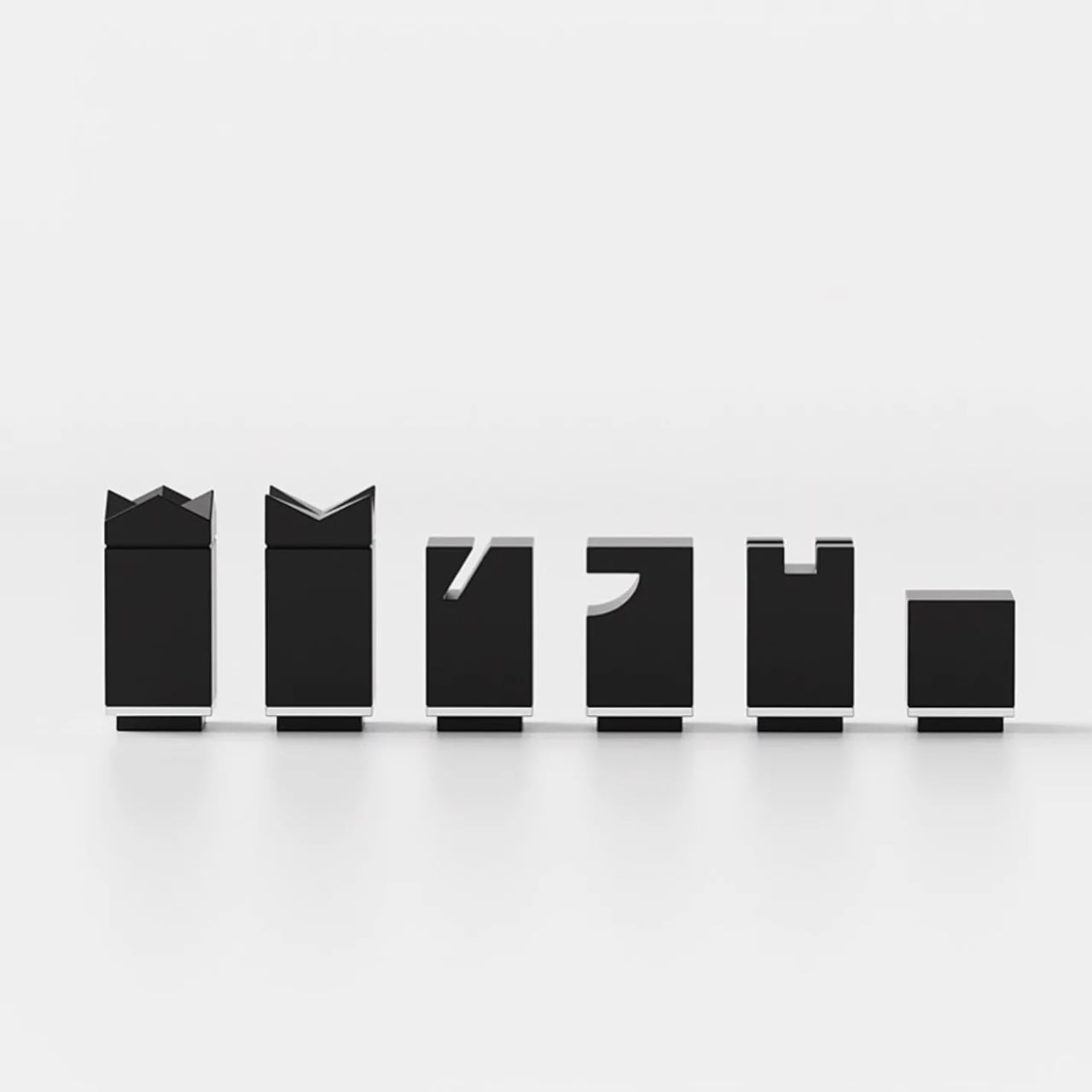
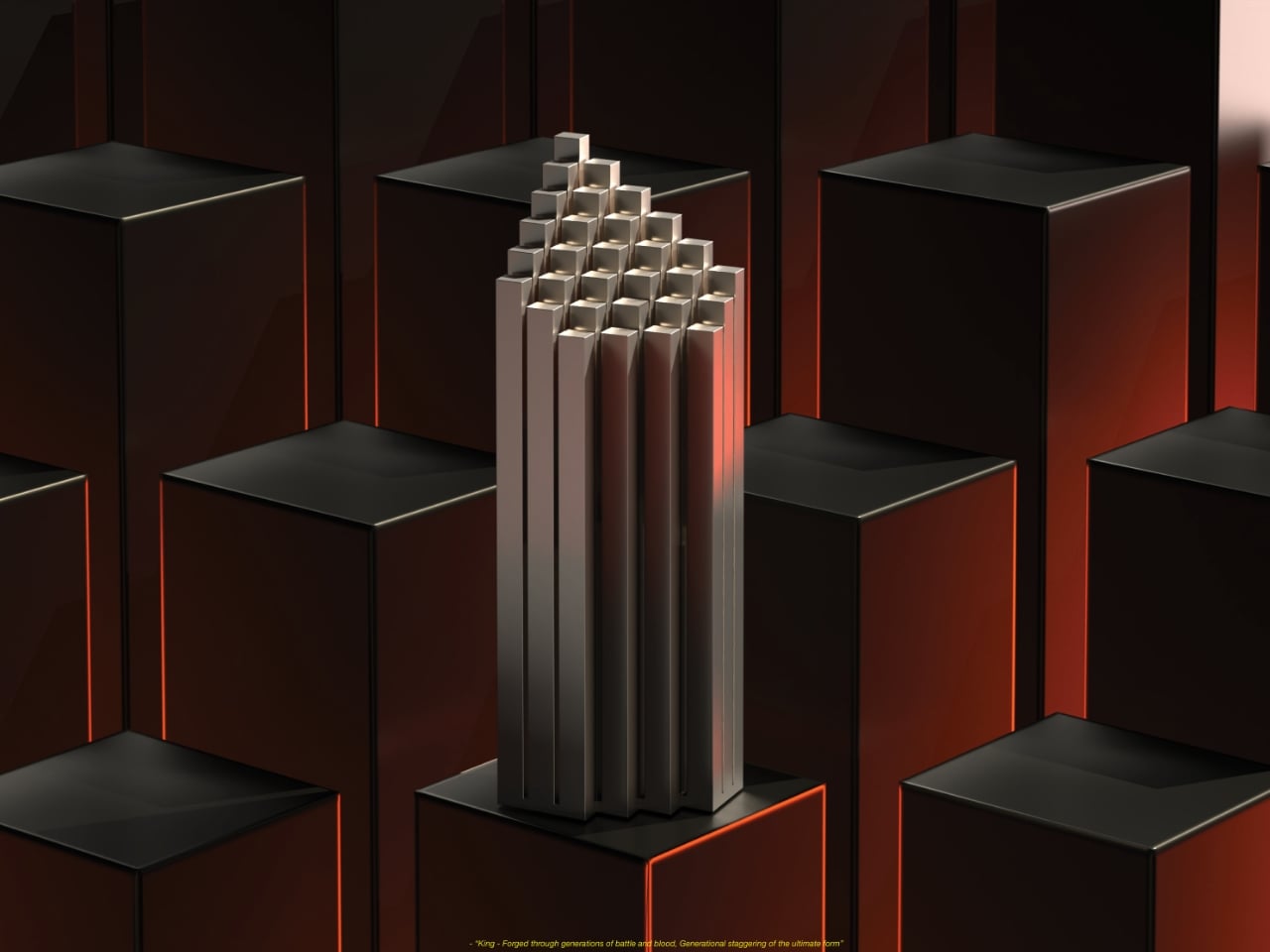
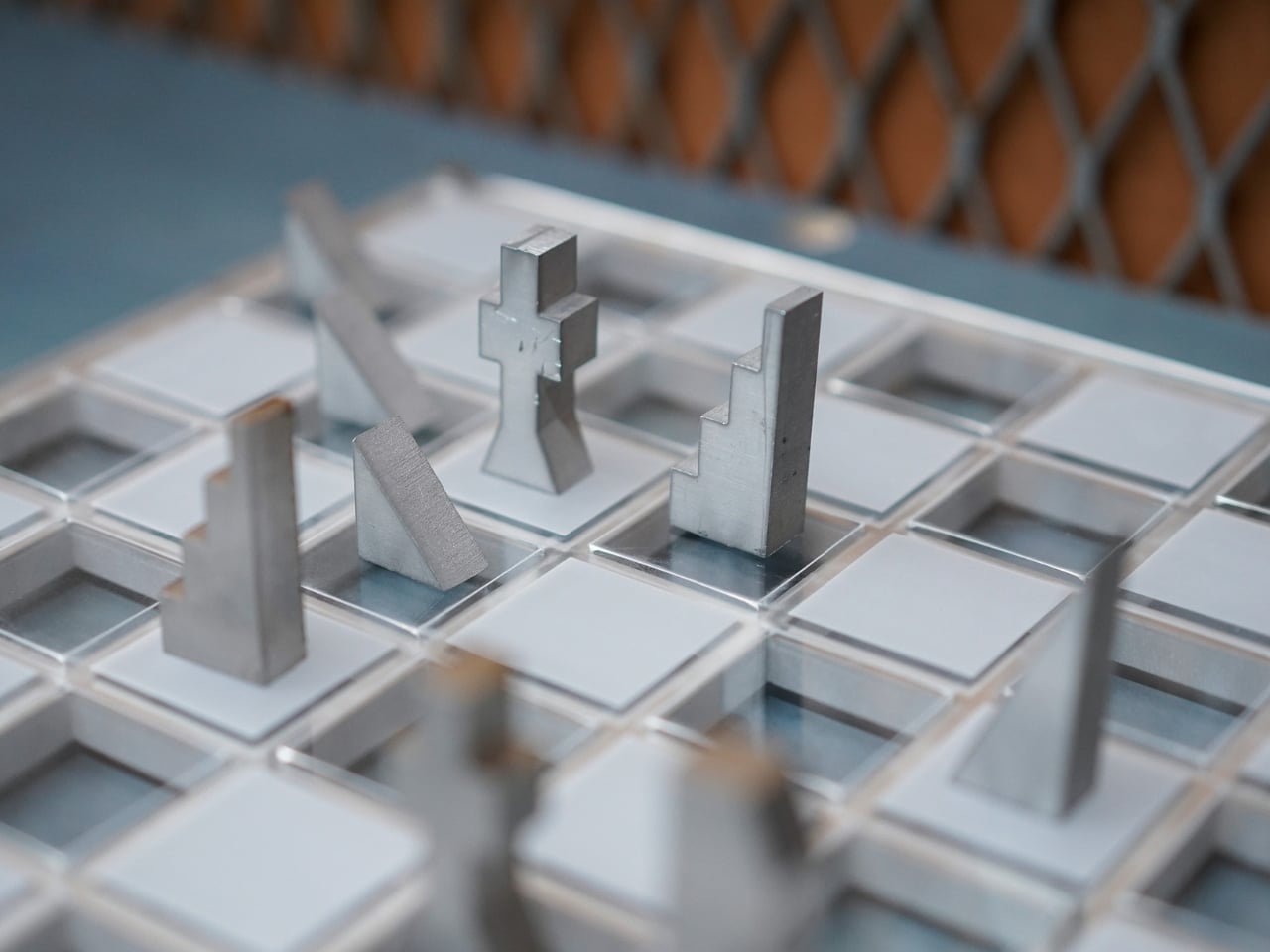
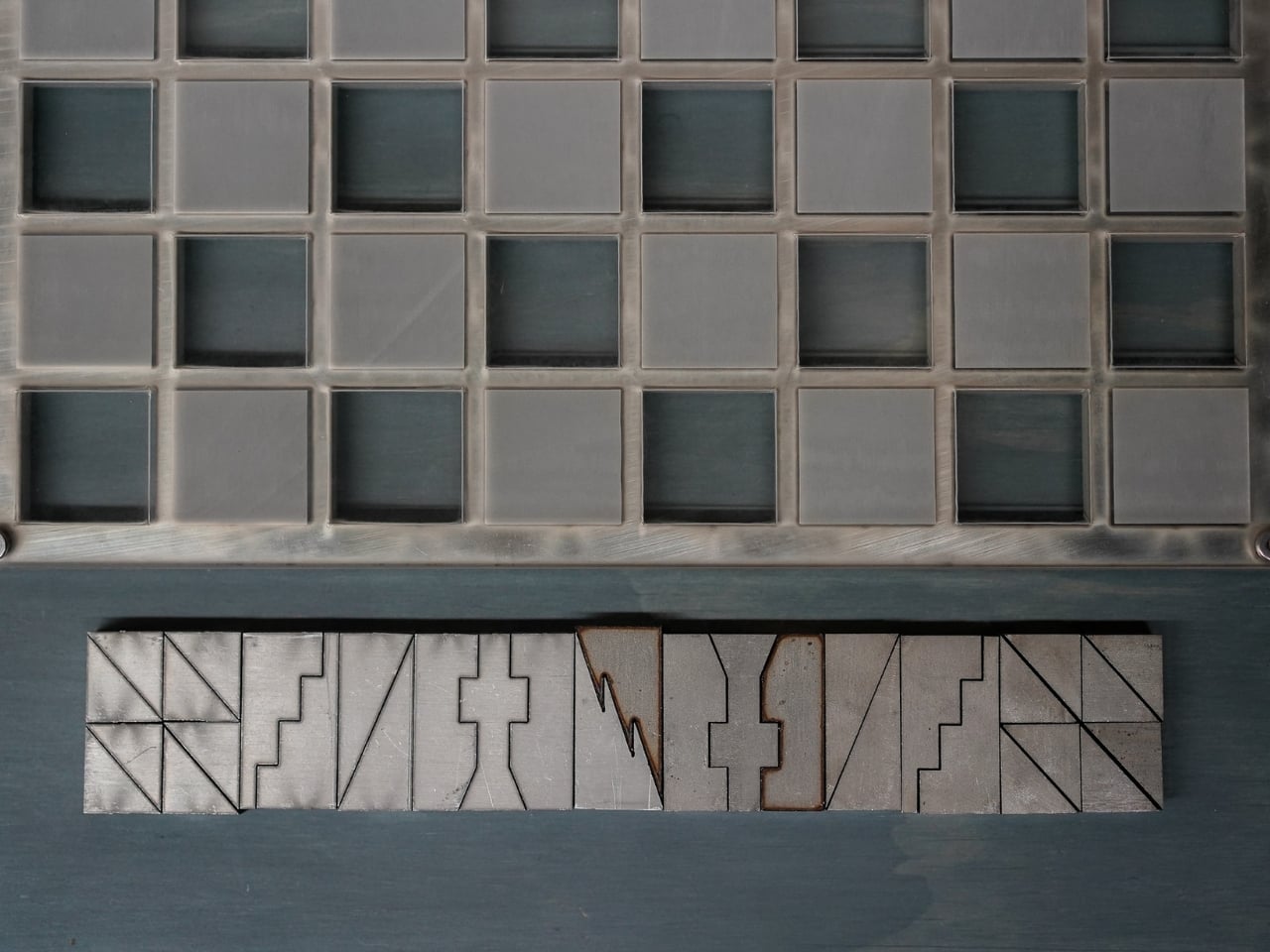
The pieces themselves are love letters to India’s architectural golden age. Each one draws from the concrete geometry, bold lines, and structural balance of mid-century modernist buildings. Think of the work of BV Doshi, Louis Kahn’s Indian Institute of Management in Ahmedabad, or Amit Raje’s brutalist visions. These weren’t architects who whispered. They made statements in poured concrete and dramatic forms, and Mohmaya channels that same confident energy.

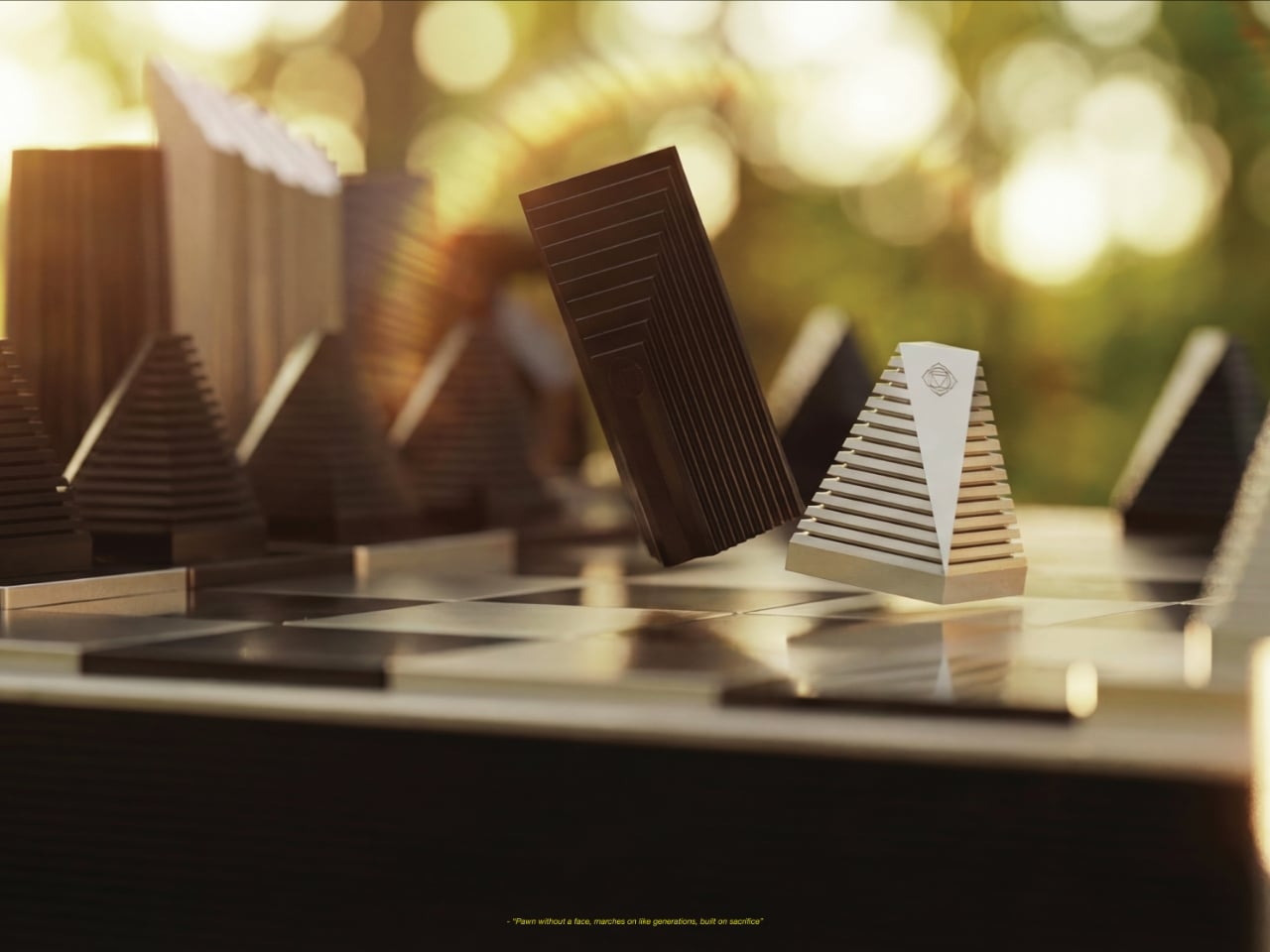
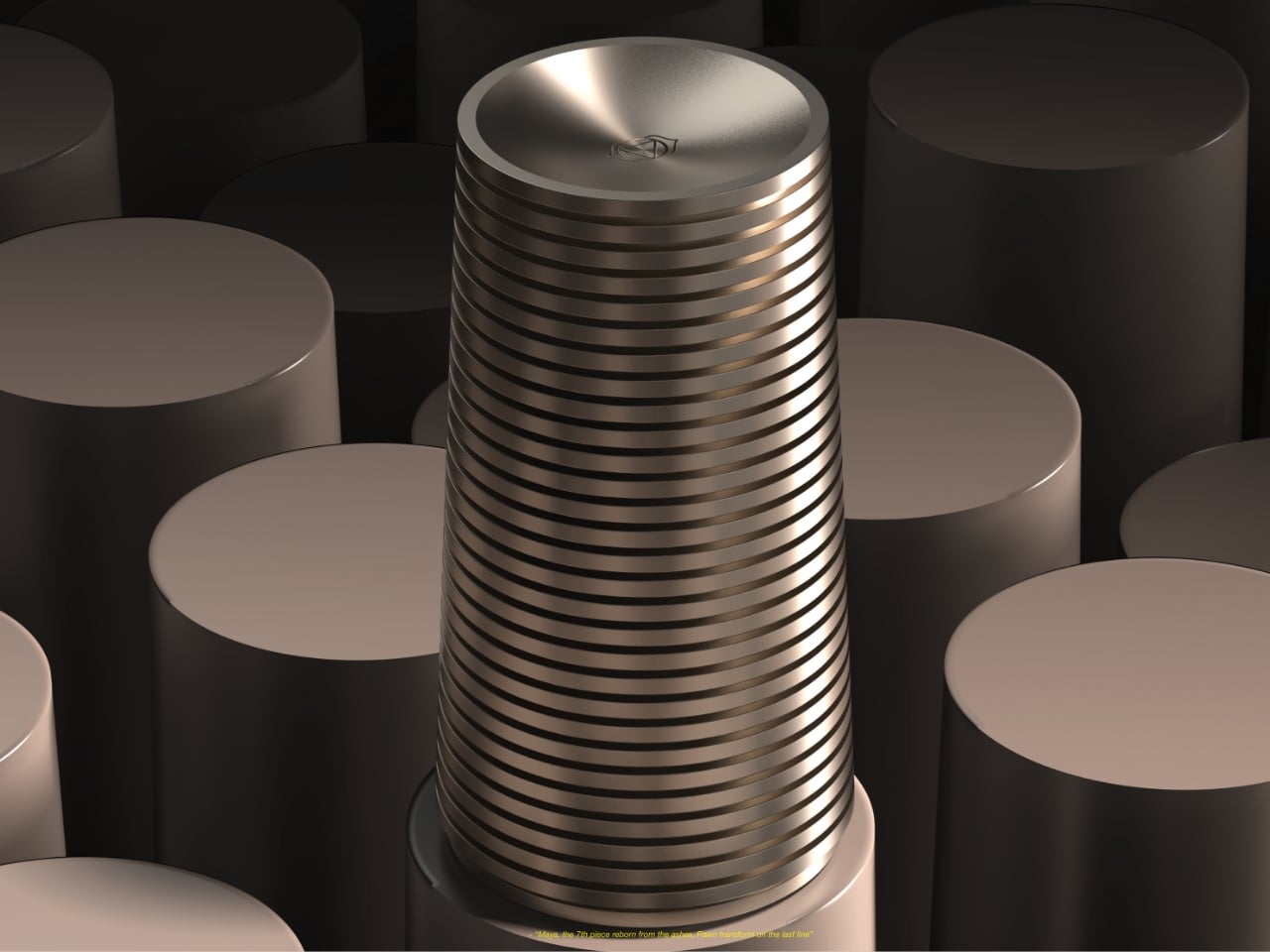
But there’s another layer here that elevates the design beyond pure aesthetics. Each chess piece aligns with chakra symbolism, giving every element a metaphysical dimension. Pawns connect to the Root Chakra, representing stability and patience. Knights embody the Sacral Chakra with their creative, playful energy, always in motion. Bishops hold the Solar Plexus, focused and powerful in their diagonal precision. Rooks align with the Heart Chakra, protective yet generous. Queens carry the Throat Chakra’s voice, expressing leadership across the board. And the king stands with the Crown Chakra, the quiet center of wisdom and balance.

This symbolic framework isn’t just decorative philosophy. It actually affects how you think about each piece’s role in the game. When your rook moves, you’re activating that protective heart energy. When your queen sweeps across the board, she’s literally voicing your strategy. It adds a narrative dimension to every match, making the board itself part of the story.

Speaking of story, Mohmaya introduces one fascinating rule variation. When a pawn reaches the opposite end of the board, it transforms into an additional queen, just like in traditional chess. But here, that transformation carries extra weight. It’s the awakened queen, a reminder that even the smallest, most grounded pieces can undergo radical change. It’s a beautiful metaphor for growth and potential, wrapped in gameplay mechanics.

What really resonates about this project is its underlying mission to reframe how people see Indian design. For too long, the global perception has been narrow, viewing Indian aesthetics through a lens of nostalgia, ornamental patterns, or folkloric charm. Mohmaya pushes back against that limiting view. This is Indian design that’s bold, globally conversant, forward-thinking, and philosophically deep. It draws from a culture that has always asked big questions about life, reality, and meaning, then translates those questions into something you can hold in your hands and play with.

The design team describes it as an homage to Indian utopian modernism, that brief moment when tradition and innovation mixed without hesitation. That period produced some of the most exciting architecture in the world, buildings that weren’t afraid to be both contemporary and rooted in local context. Mohmaya carries that same spirit into object design.

Whether you’re a chess enthusiast, a design collector, or someone who just appreciates objects with intention behind them, this set offers something rare. It’s functional art that doesn’t sacrifice playability for concept. It’s culturally specific without being exclusive. It takes an ancient game and makes it feel fresh by connecting it to a different kind of history, one that deserves more recognition in global design conversations.

The post Designers Just Built the Chess Set Brutalism Fans Wanted first appeared on Yanko Design.

The Chess Set That Plays By Touch, Ships Flat, Wastes Nothing

There’s something deeply satisfying about watching a designer solve multiple problems at once. William Young’s Jigsaw Chess Set is one of those rare designs that makes you wonder why nobody thought of it sooner. It’s a chess set, yes, but it’s also a sculptural object, an accessibility tool, and a logistics solution all rolled into one beautifully executed package.

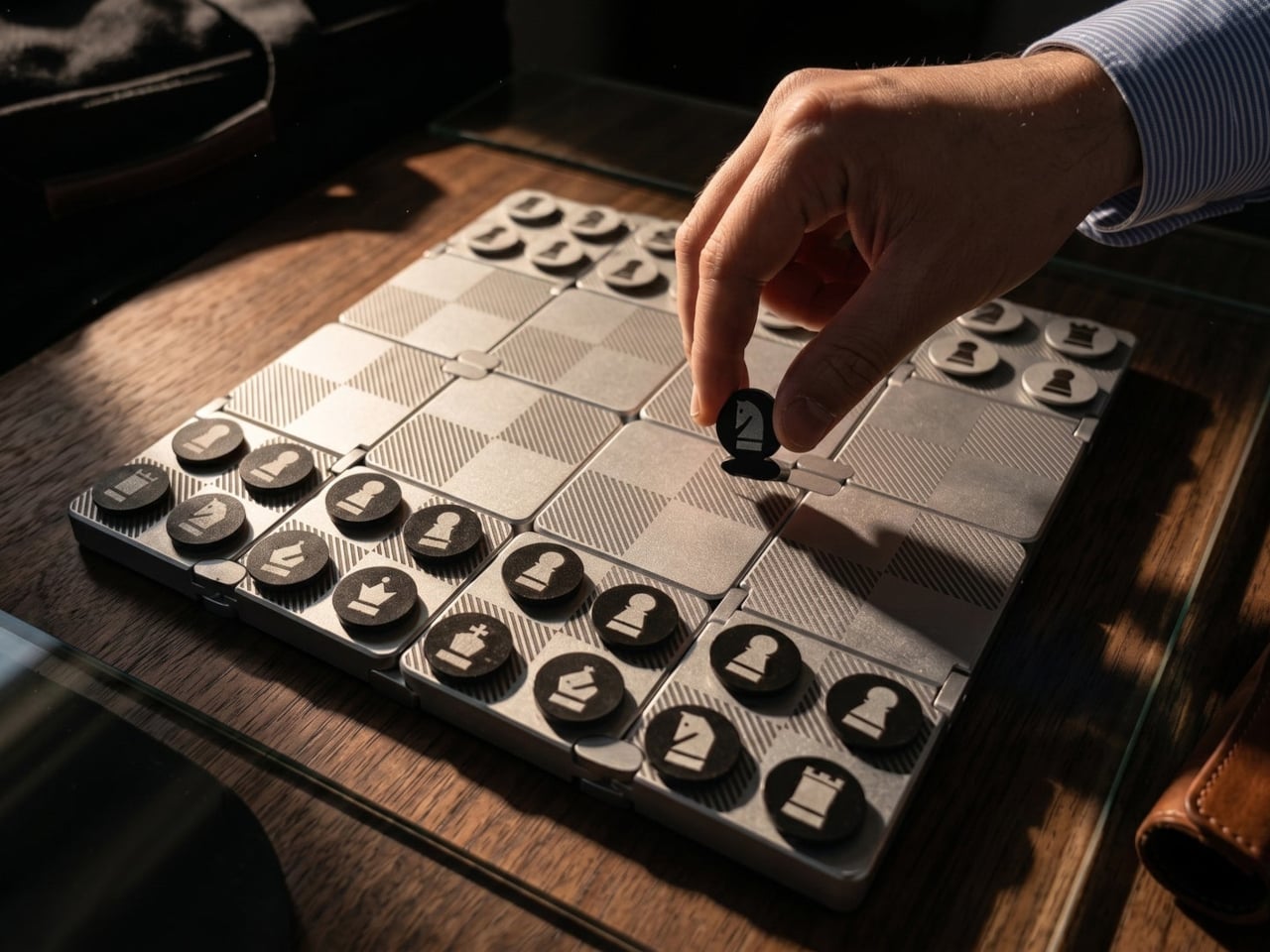
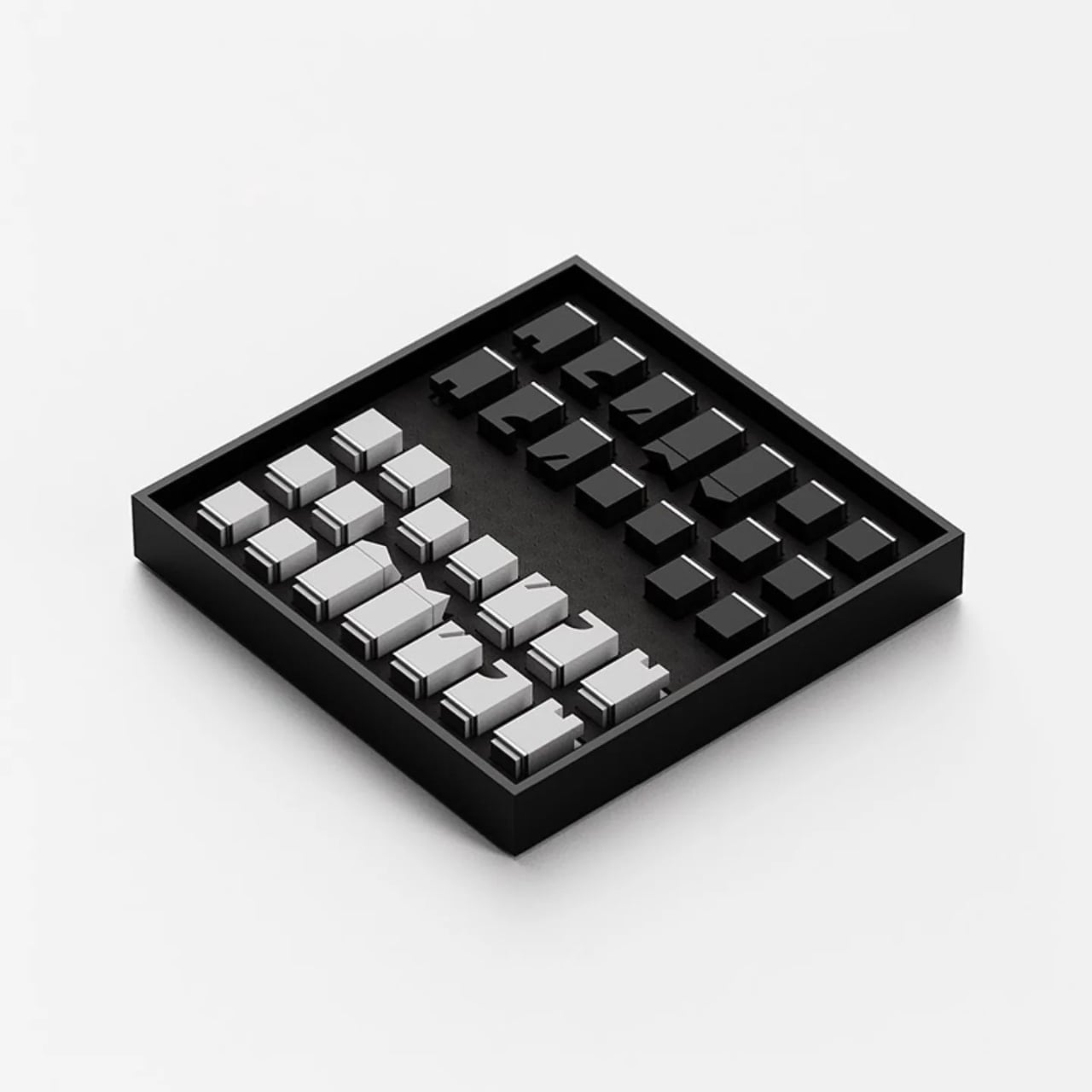
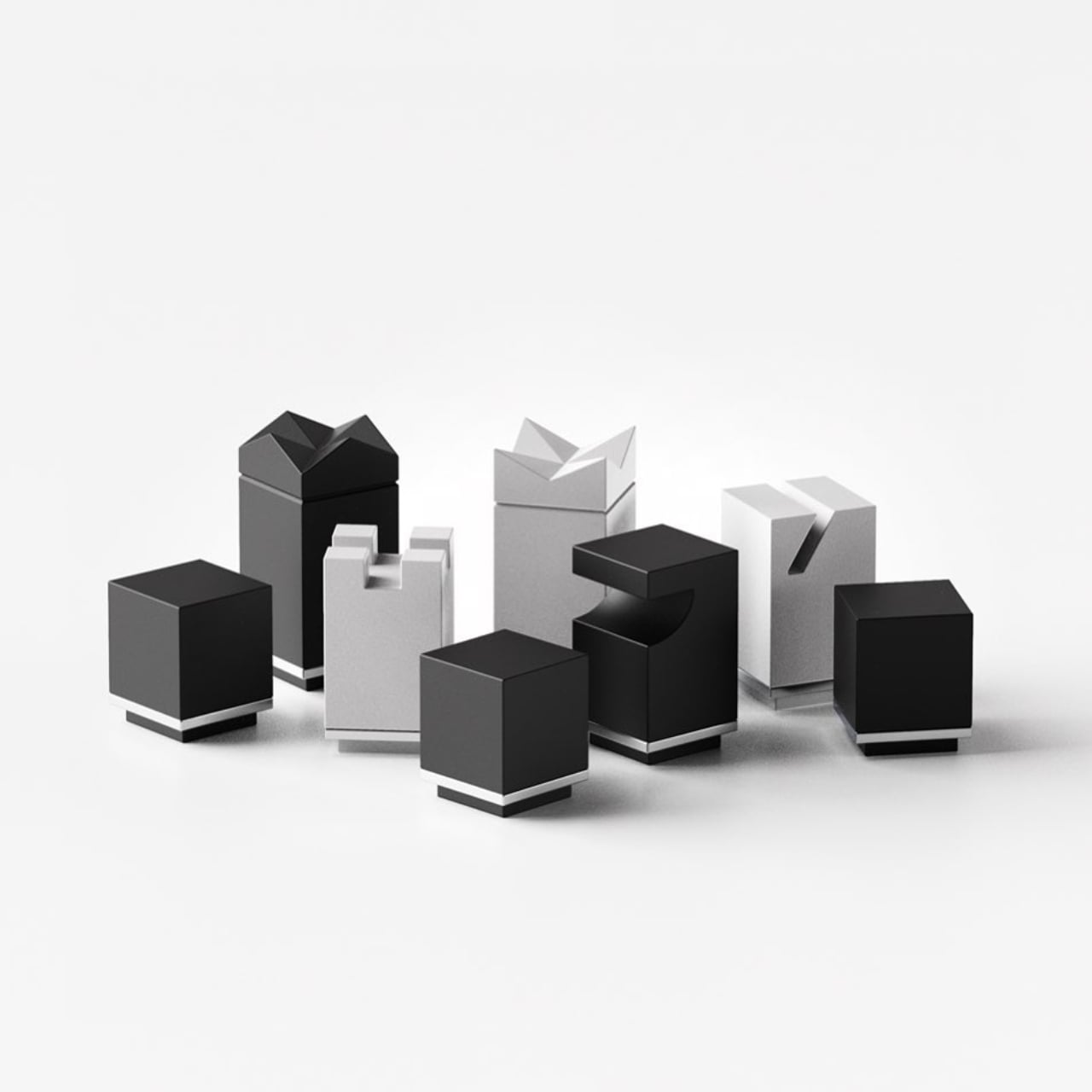
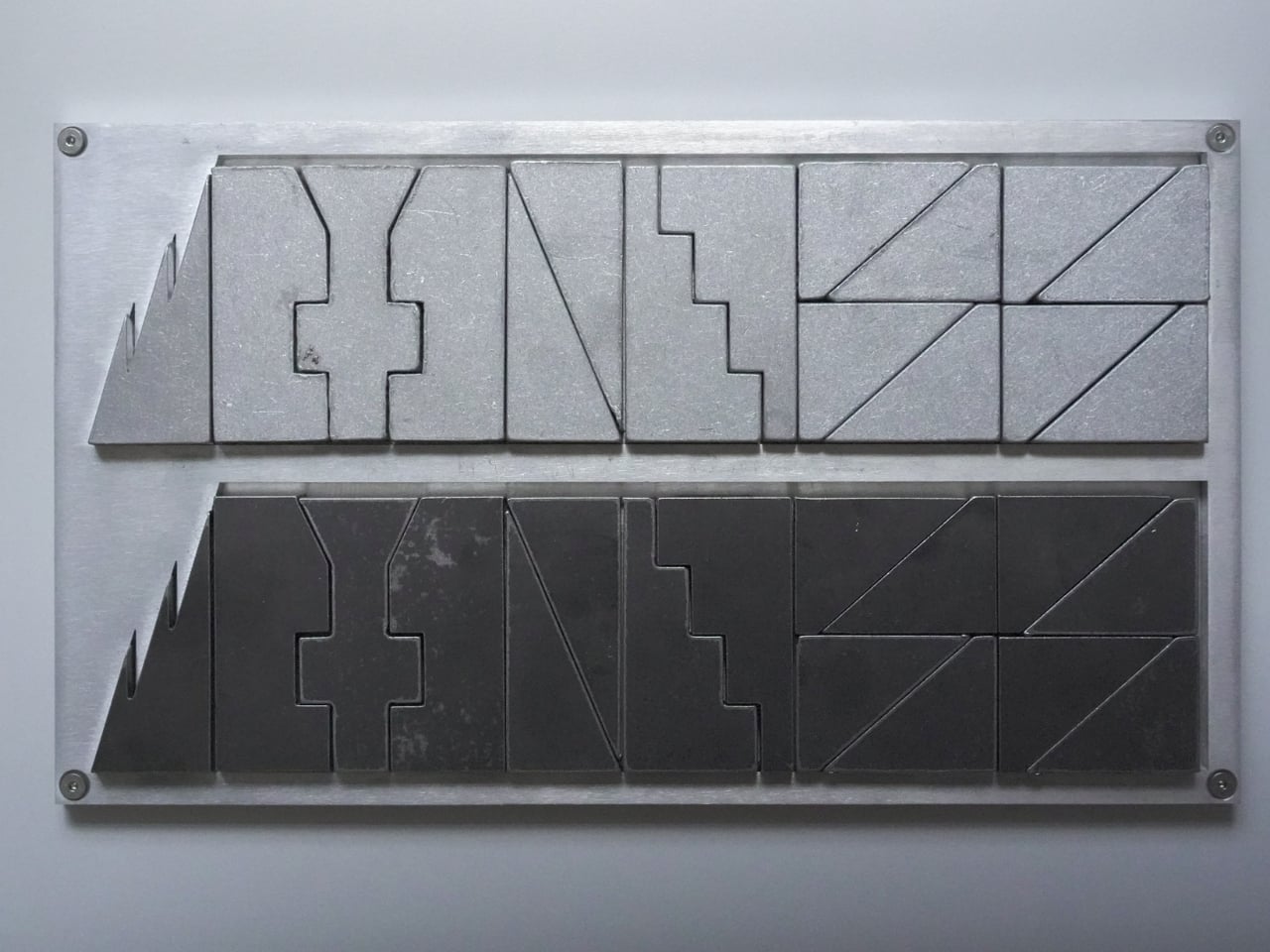
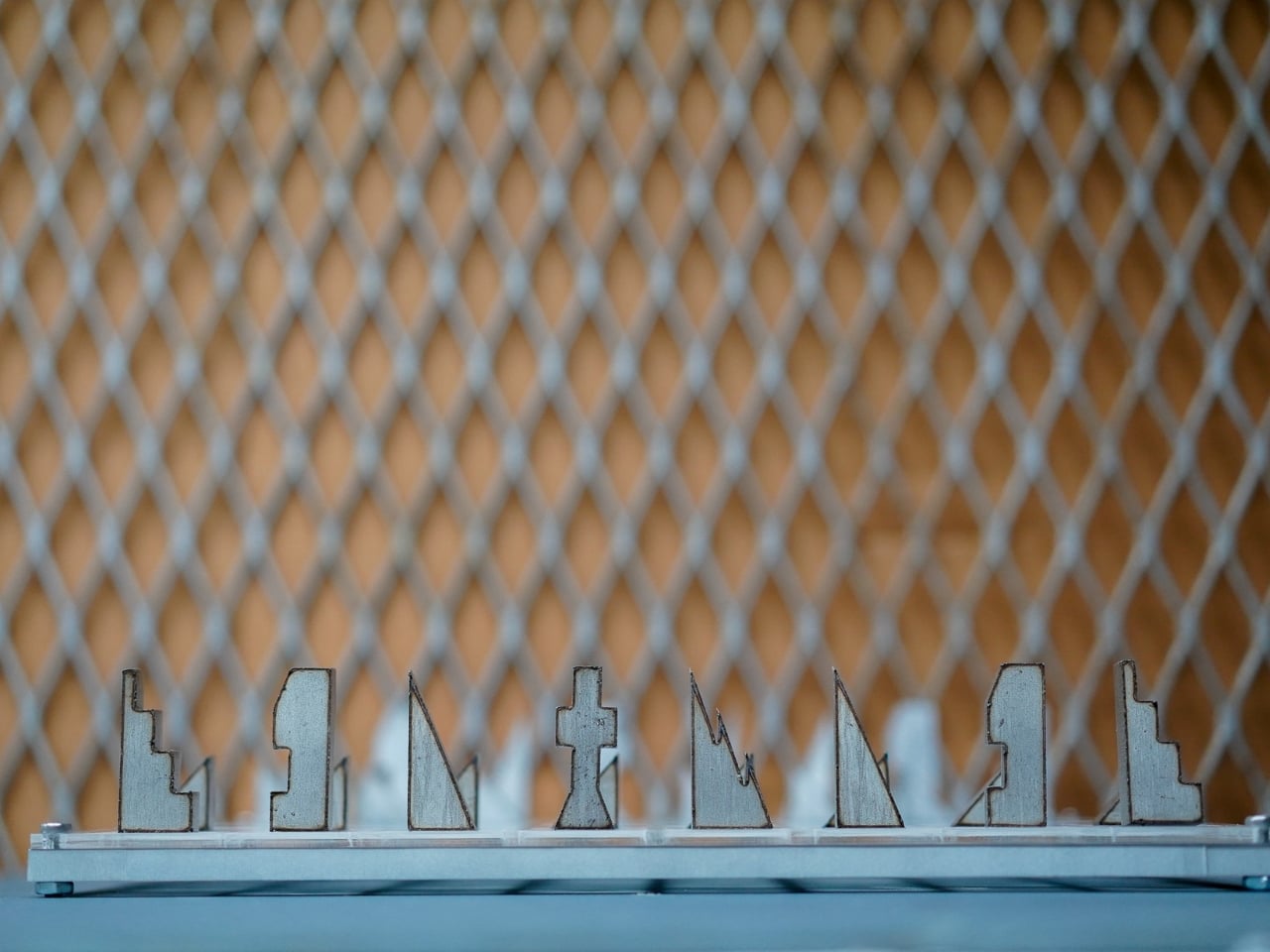
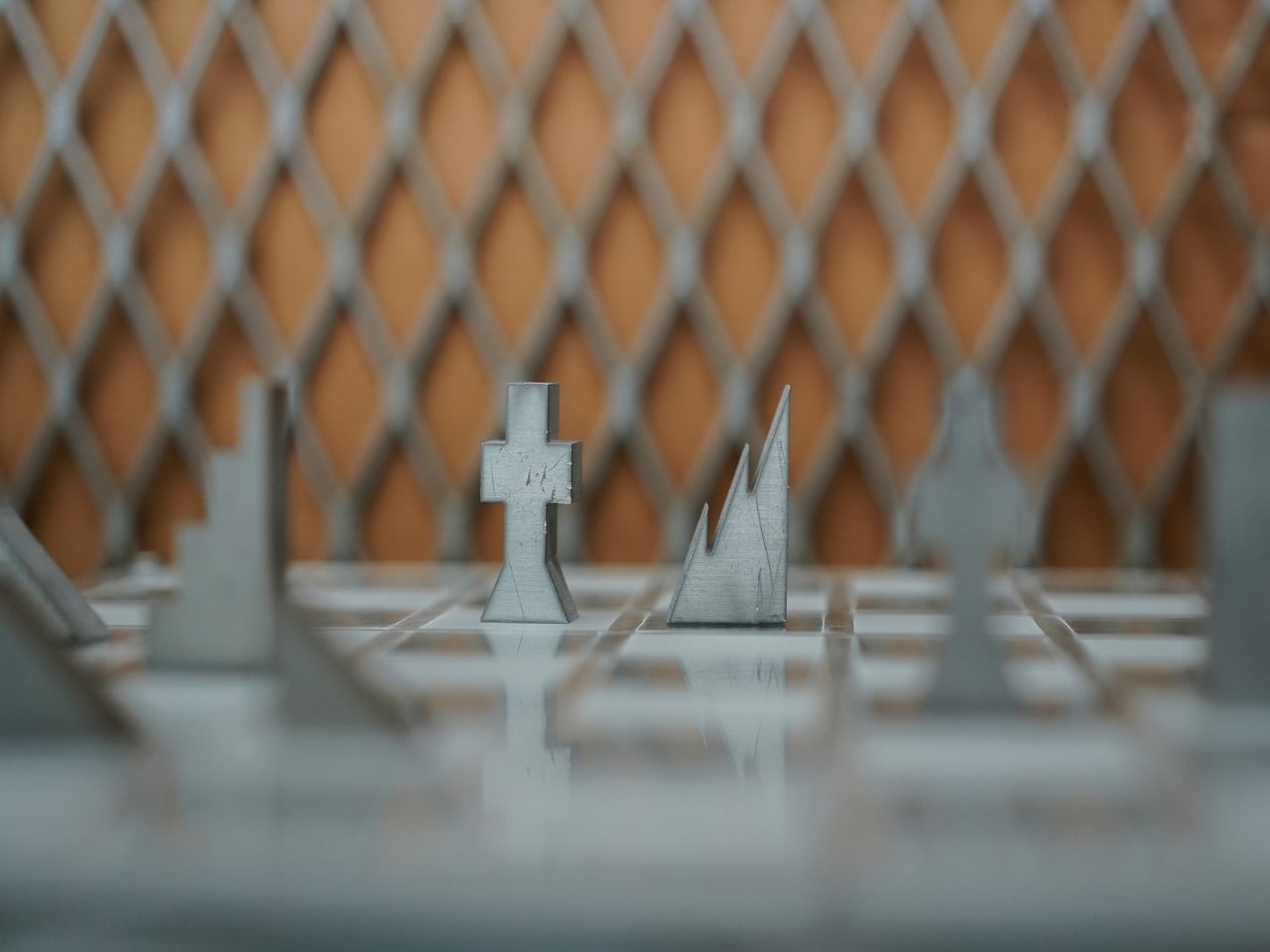
At first glance, the set looks like something you’d find in a modern art museum. The pieces are geometric, almost brutalist in their simplicity, fabricated from contrasting steel and aluminum. One side gets the cool, dark patina of steel, while the opposing army gleams in lighter aluminum. They’re angular, tessellated forms that look more like miniature architectural models than traditional chess pieces. But this isn’t just aesthetic posturing. Every design choice serves a purpose.

Designer: William Young

The most compelling aspect of the Jigsaw Chess Set is how it approaches accessibility. Most chess sets rely entirely on visual distinction. You know a knight from a bishop because you can see the carved horse head or the pointed mitre. But what if you can’t? Young’s design flips the script by making tactile identity the primary means of recognition. Each piece has a distinctive weight and texture that immediately identifies it in your hand. The king feels different from the rook, the pawn from the bishop. You could play this game with your eyes closed and know exactly what you’re moving across the board.

This isn’t a novelty feature. For visually impaired players, most chess sets require specialized modifications or Braille labels that still mark them as “other.” Young’s design makes accessibility intrinsic to the aesthetic, not an afterthought. The result is a set that works beautifully for everyone, regardless of visual ability. It’s inclusive design at its best, where accommodation becomes innovation.

Then there’s the fabrication process, which deserves its own moment of appreciation. The pieces are created using a zero-waste cutting method. Picture a sheet of metal that gets sliced into interlocking forms, like a precision jigsaw puzzle where every cut produces a usable piece. Nothing gets tossed in the scrap bin. In an era where we’re increasingly aware of material waste and manufacturing impact, this approach feels refreshingly thoughtful. Each piece is then hand-finished, giving the set that tactile quality that makes it so satisfying to handle.

But wait, there’s more. (I know, I know, but genuinely, there’s more.) When you’re done playing, the entire set interlocks back into a dense, self-contained block. All 32 pieces fit together like a three-dimensional puzzle, creating a compact square that takes up minimal space. This is where the “jigsaw” name really earns its keep. The design is scalable too, meaning different size versions can be produced while maintaining the same interlocking logic.

From a shipping and storage perspective, this is genius. Traditional chess sets are bulky, awkward to pack, and wasteful in their use of space. Young’s design ships flat (well, flatish), reducing packaging materials and transportation costs. For consumers, it means easier storage when the set isn’t in use. For retailers, it means more efficient inventory management. Again, multiple problems solved with one elegant solution.

What really strikes me about the Jigsaw Chess Set is how it challenges our assumptions about what a chess set should be. The game is over 1,500 years old, and the basic design language of its pieces has remained relatively stable for centuries. Young doesn’t throw that all away, but he does ask: what if we started from scratch with contemporary materials, modern manufacturing techniques, and a genuine commitment to universal design?

The answer is something that feels both familiar and radically new. You can still play chess exactly as you always have, but now you’re doing it with an object that works harder, thinks smarter, and includes more people in the experience. It’s a reminder that even the most traditional games have room for innovation when designers are willing to question the fundamentals. Whether you’re a chess enthusiast, a design collector, or someone who simply appreciates objects that do multiple things exceptionally well, the Jigsaw Chess Set deserves your attention. It’s proof that good design isn’t about adding features. It’s about rethinking everything from the ground up.

The post The Chess Set That Plays By Touch, Ships Flat, Wastes Nothing first appeared on Yanko Design.

3D printed chess pawns transform into queens thanks to magnets and springs

Chess is a game that has existed for centuries, and it hasn’t really changed much during that time, especially in recent decades. The rules of the game are pretty much the same, which includes “power-ups” that were invented way before the term even showed up in video games. Of course, these moves don’t require any special piece outside of what’s already included in the entire set, but that doesn’t mean we can’t do anything to spruce it up.

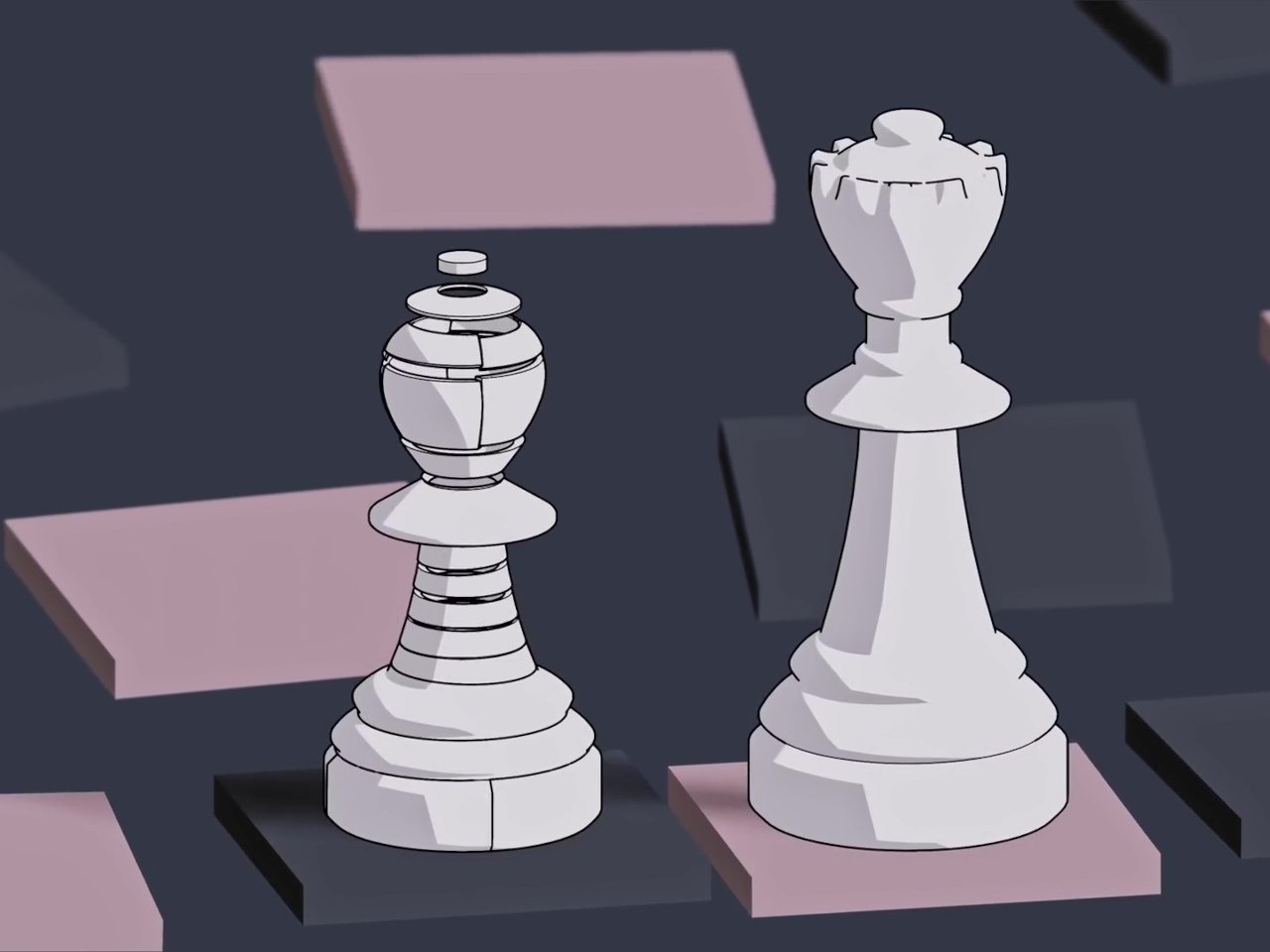
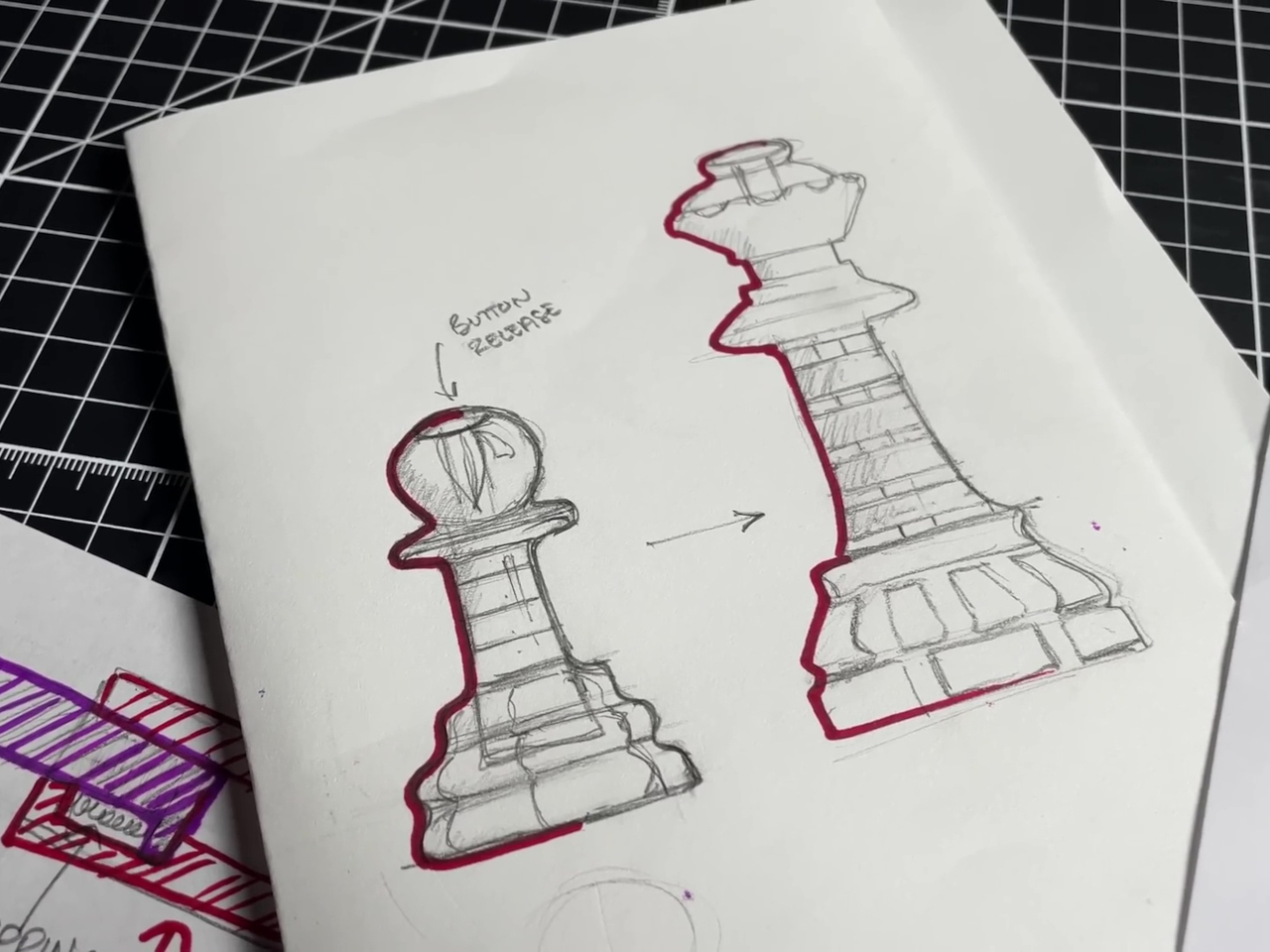
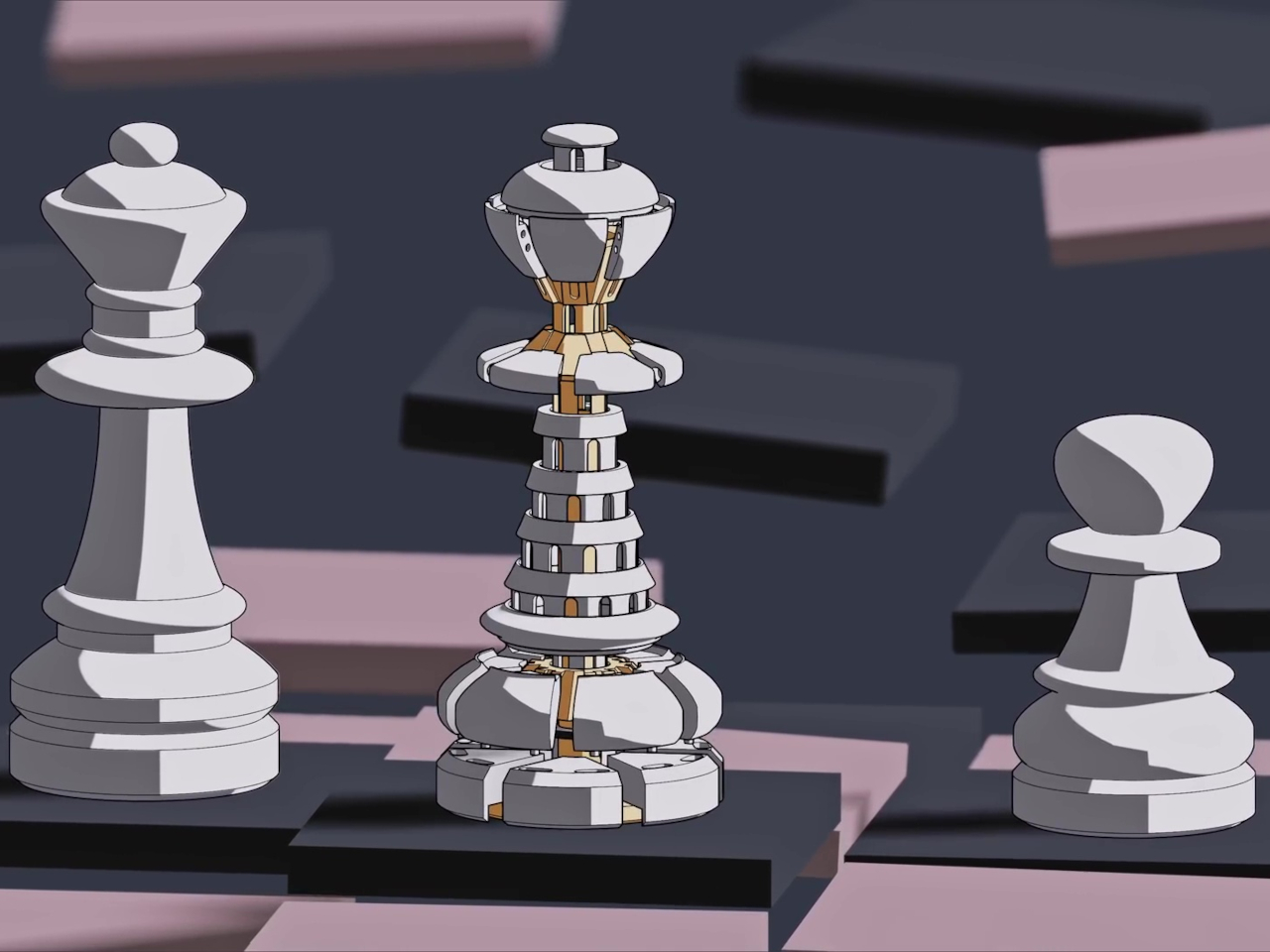
This rather elaborate 3D printed design, for example, solves the practical problem of how to represent a pawn that has reached the opposite end and “evolved” into a queen. Sure, you can just try to remember which is which, but wouldn’t it be easier if you had spare queen pieces instead? Better yet, why not just literally evolve the pawn instead, keeping the chess set simple, relatively?

Designer: Works By Design

“Queening” is what happens when a pawn is crowned and gains the queen’s large movement powers when it reaches the opposite end of the board. In some cases, when your queen has already been captured, you can simply swap out the pieces. But what if your queen is still there or, by some stroke of luck, you have two pawns that become queens?

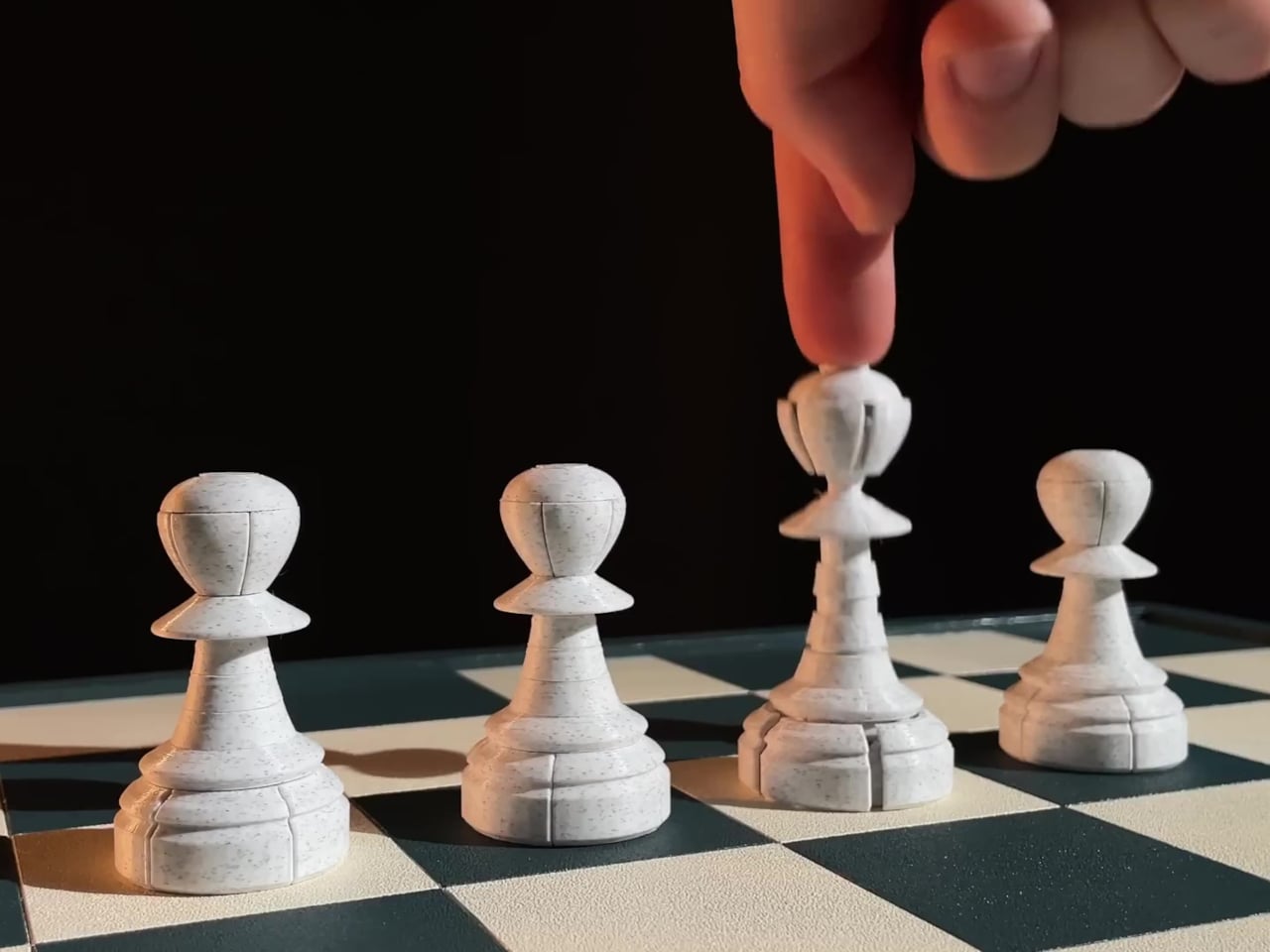
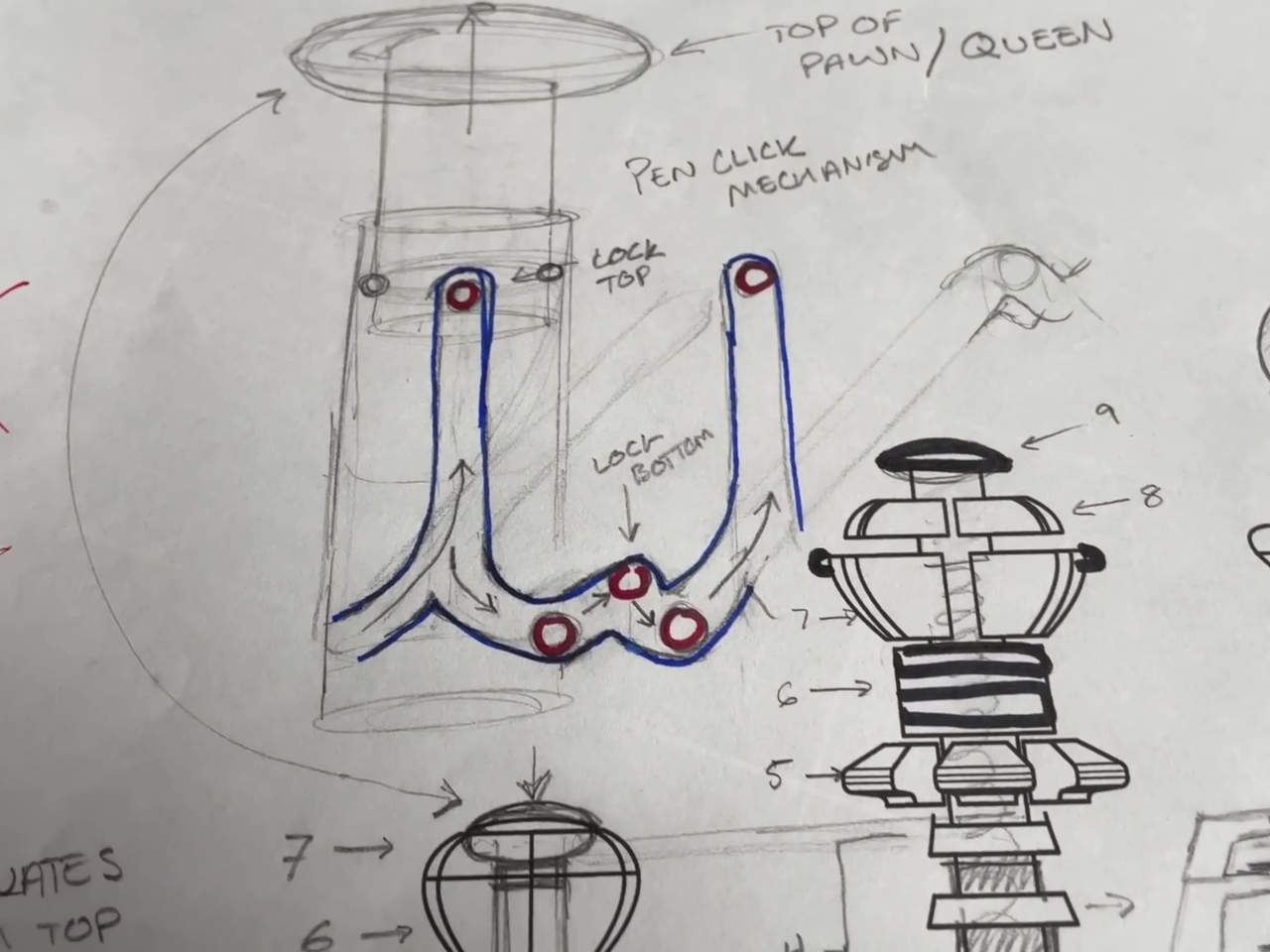
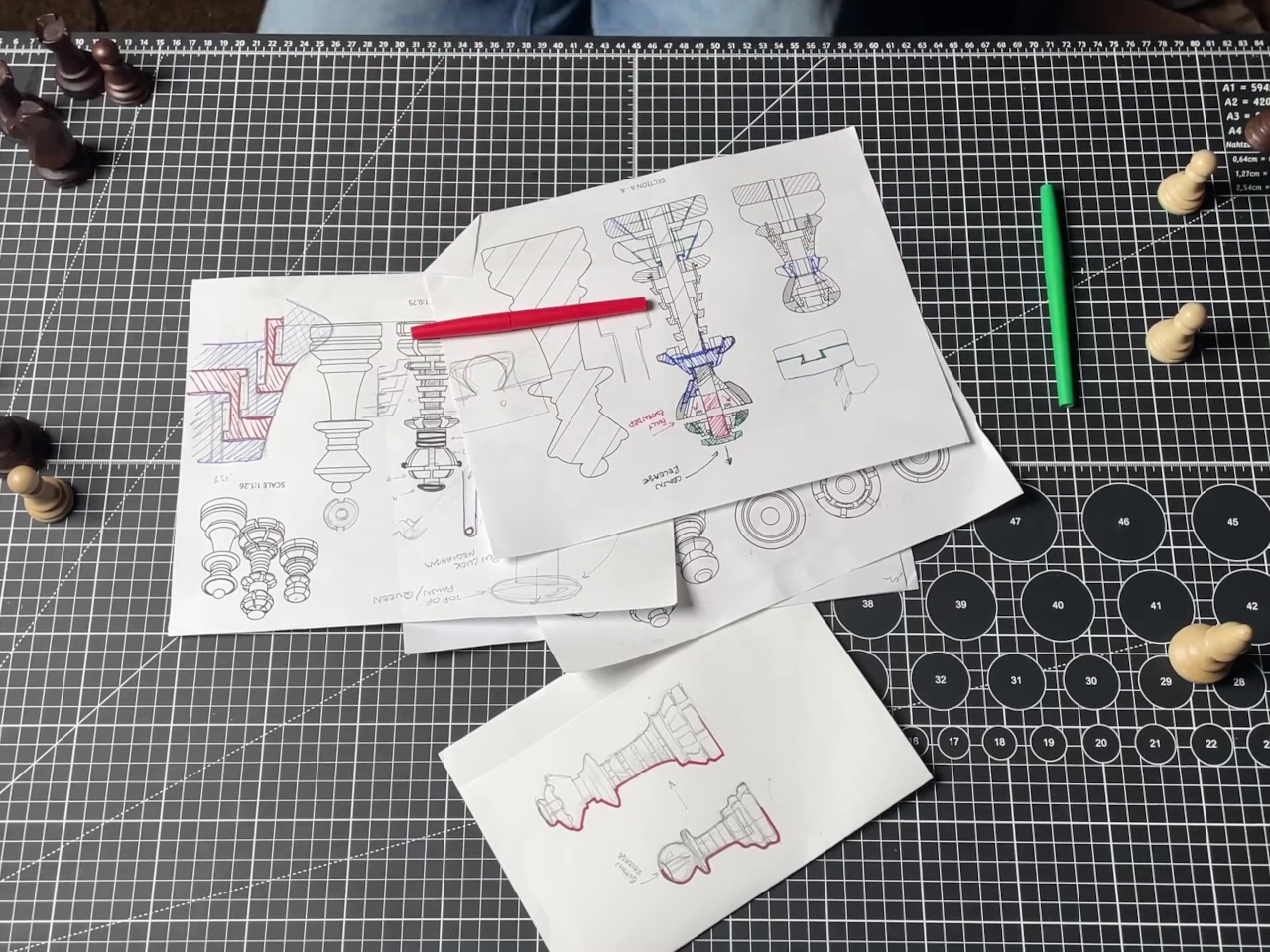
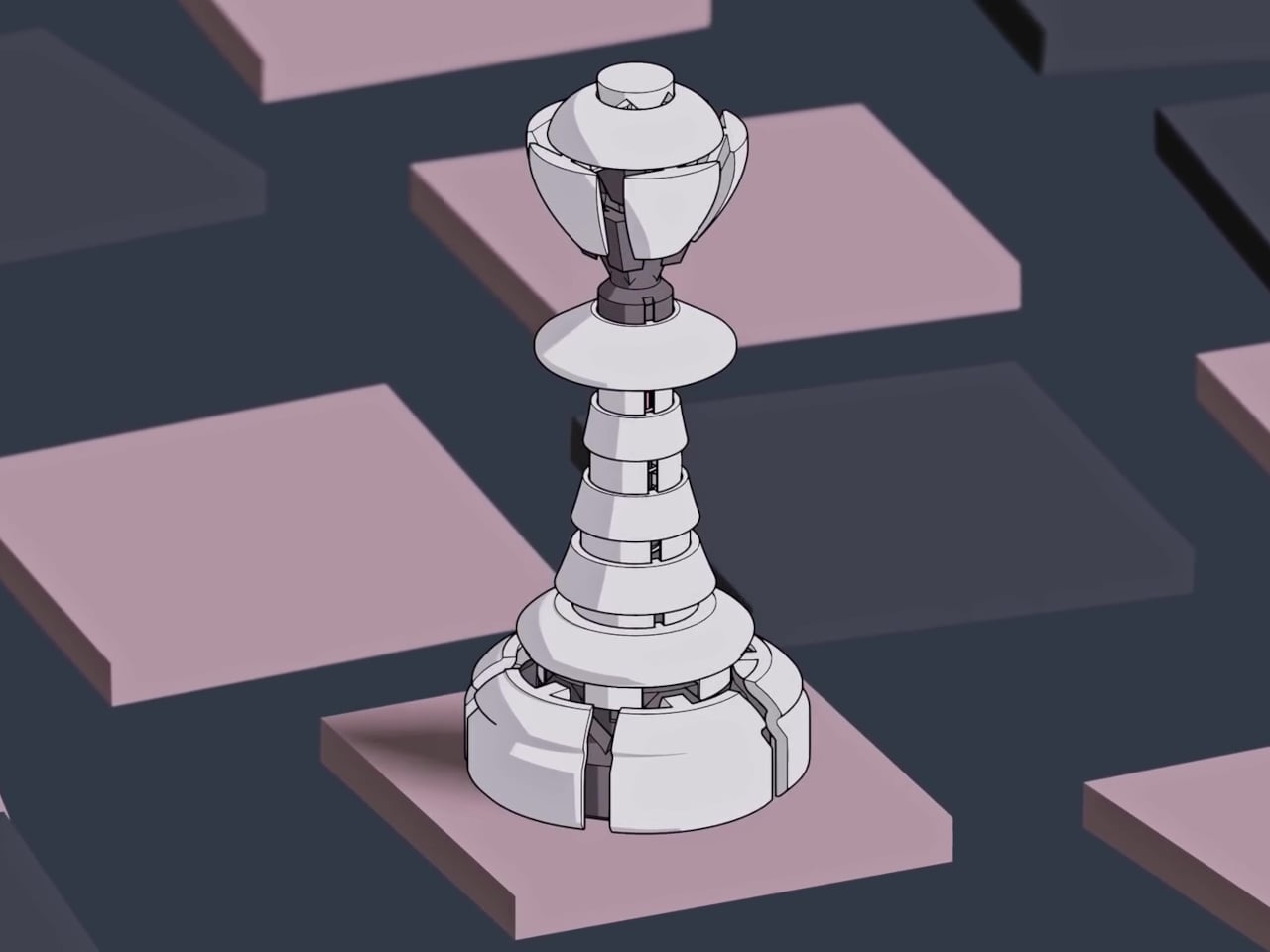
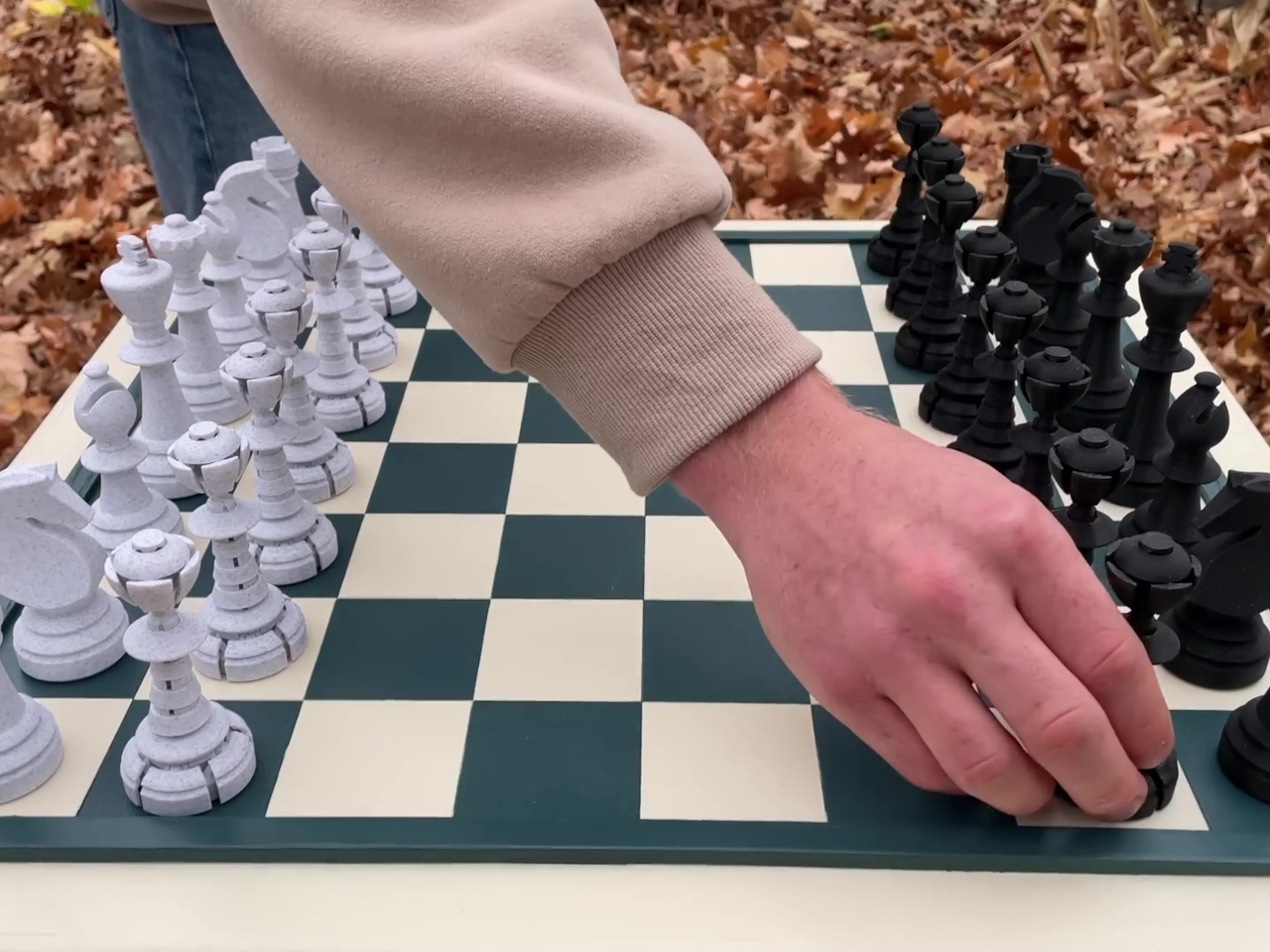
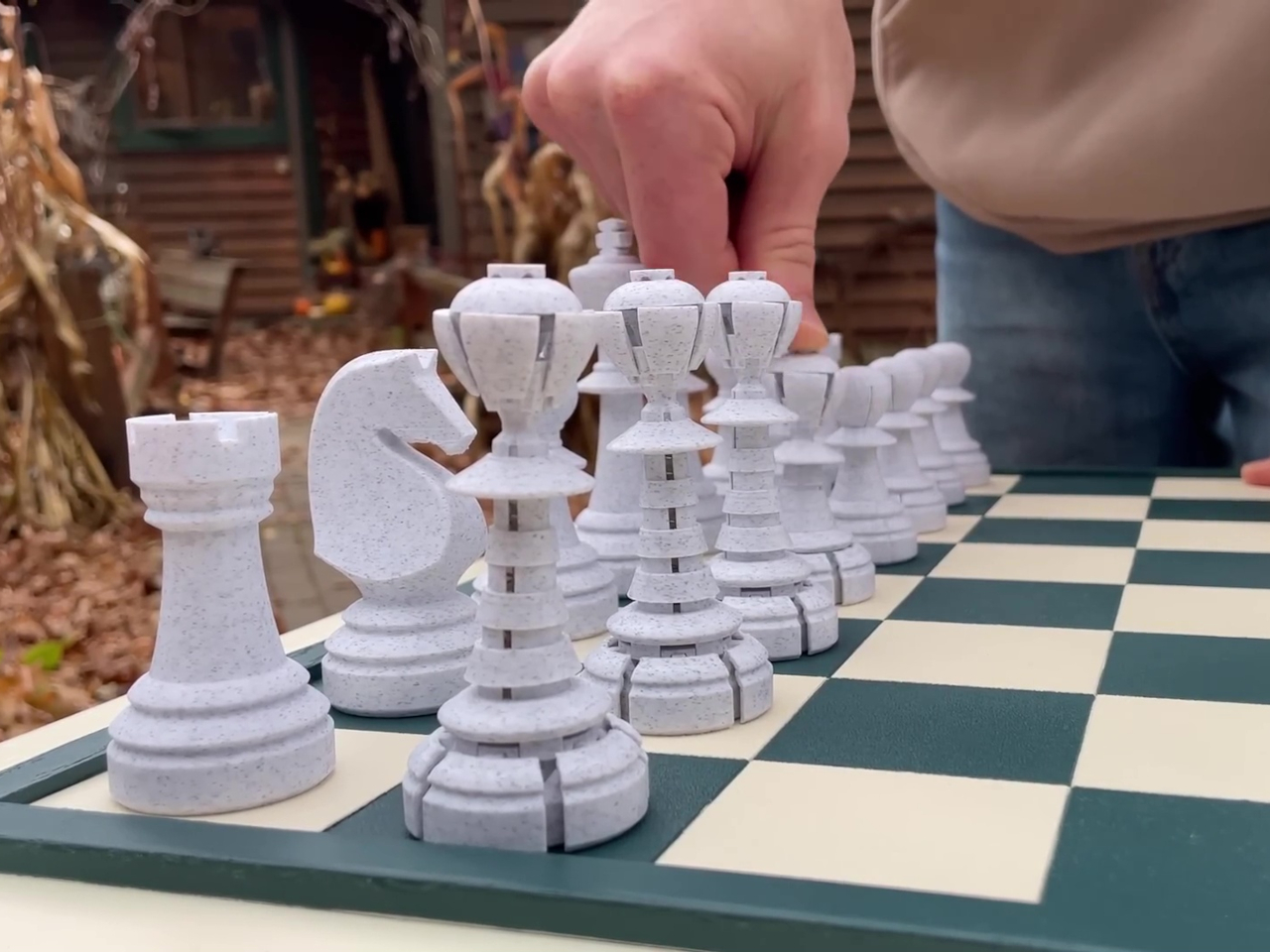
This form-changing pawn is one solution that utilizes 3D printing, springs, magnets, and a rather complicated internal design. The challenge was to take a regular-sized pawn and have it not only expand to the size of a queen but also exhibit its features, particularly its flared crown. If you’ve ever watched Transformers, then you might get the idea more or less.

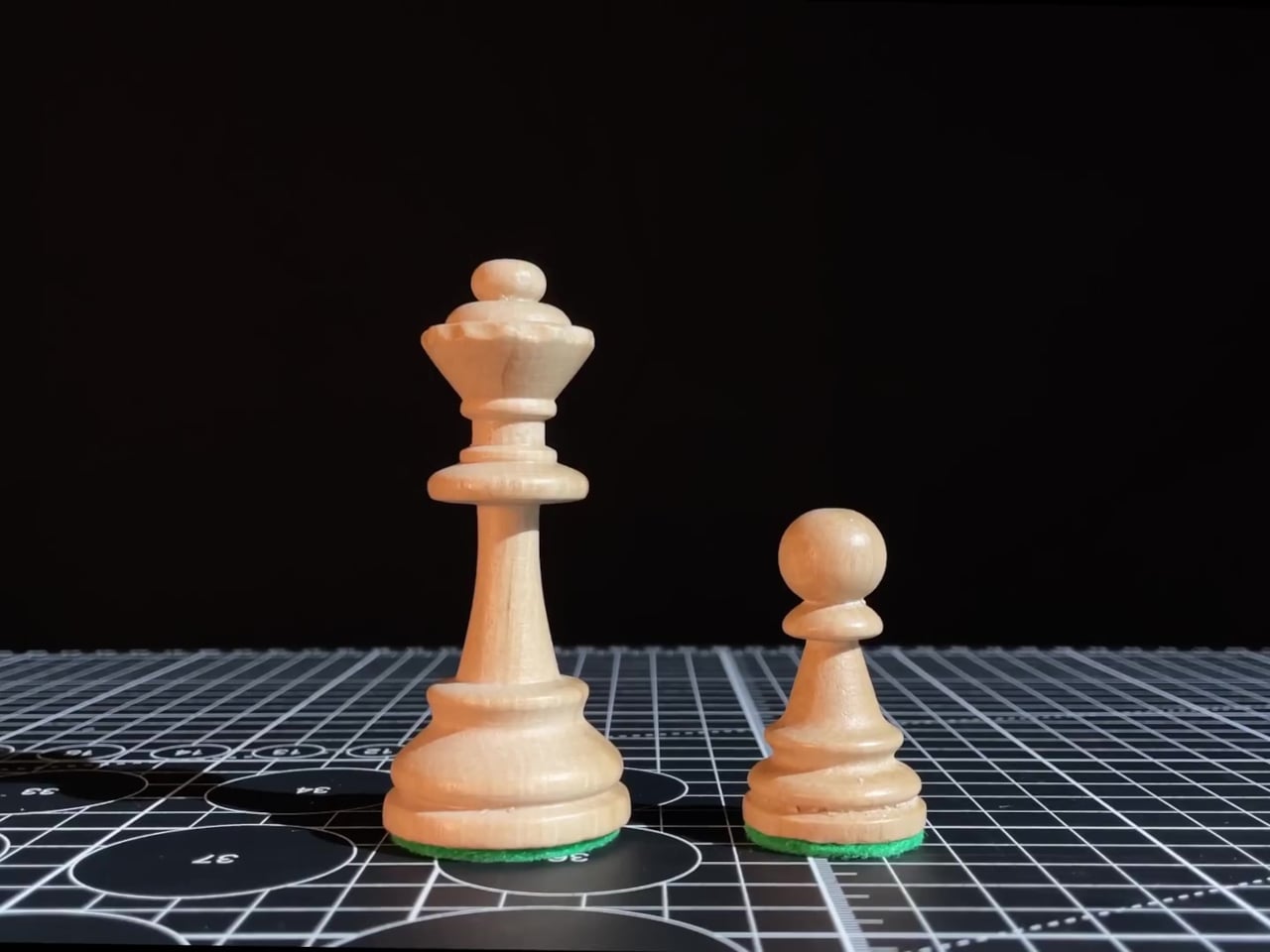
The design underwent several iterations, particularly with the spring mechanism that holds the pieces together and then pushes them out to expand. In the end, the simpler version won out, though the final pawn size was definitely larger than normal. Fortunately, it still fits within international standards, so it probably won’t be contested in an official match.

The 3D-printed pawn uses magnets in its feet to trigger the expansion mechanism, so placing it on any metal surface, like the back row of this custom-made chess board, would make it spring into action, so to speak. It’s definitely a convoluted design for a rather simple problem, but it also adds a bit of excitement and thrill to the game, becoming a goal of its own in addition to actually winning the match.

The post 3D printed chess pawns transform into queens thanks to magnets and springs first appeared on Yanko Design.

Wearable chess set turns one of the oldest games into a fashion statement

Although video games today have become a multi-billion dollar industry, there are analog games that have existed for centuries and continue to be a beloved pastime and sport today. Chess, for example, is still going strong across peoples of all ages, but it isn’t just players who find the game to be a treasure trove of inspiration.

The variety of chess set designs shows how the game is so open to interpretation, much more than most video games, resulting in products ranging from artistic to technological. This rather unusual take on the classic strategy game takes chess in a slightly different direction, presenting a game you can literally wear and take with you anywhere, ready to set up a match at a moment’s notice.

Designer: Louis Le Joly Senoville

We’ve seen many interpretations of the classic chess set design, from minimalist to brutalist to self-playing technological marvels. Most of these sets are designed to be installed in one location, while portable chess sets are sometimes too small because they’re meant to fit inside bags. They still take up space, of course, so that means giving up room that’s meant for your other, equally important stuff.

Ha Mat, which is short of “eched ha mat,” (“checkmate” in Breton) solves this problem by turning the chess set into something completely inconspicuous when not in use. In this case, the chess board becomes a scarf, the pieces become rings, and the timer becomes a watch. It’s literally a chess set you can wear as a fashion piece, allowing you to play anywhere there’s a flat plane to place everything on.

Of course, Ha Mat needs to actually look fashionable to qualify as a fashion statement, and it definitely fits the bill. The “board” takes inspiration from silk maps and military training scarves on antiquity, and the color scheme even tries to pay homage to luxurious hues used on chess boards in the past, particularly leather and wood. The watch that’s part of the set is quite peculiar because it can split in half and act as a timer for both sides.

The most interesting designs, however, are the chess pieces themselves. They have flat bottoms so they can stand on the “board,” but they have holes in the middle to wear as rings on your fingers. The pieces have tops that are more symbolic and iconic to identify their position on the board, simplifying their identity in order to fit the need to have flat pieces.

Of the 32 chess pieces, you can wear 16 on eight of your fingers if you pair similar pieces together. These would make you look like you’re wearing knuckle dusters, so they might not exactly be safe to wear in public. Still, the concept is quite intriguing, as it transforms one type of product into a completely different kind, without losing either one’s identity. In fact, it elevates the chess set from a game to something that’s an integral part of your life.

The post Wearable chess set turns one of the oldest games into a fashion statement first appeared on Yanko Design.
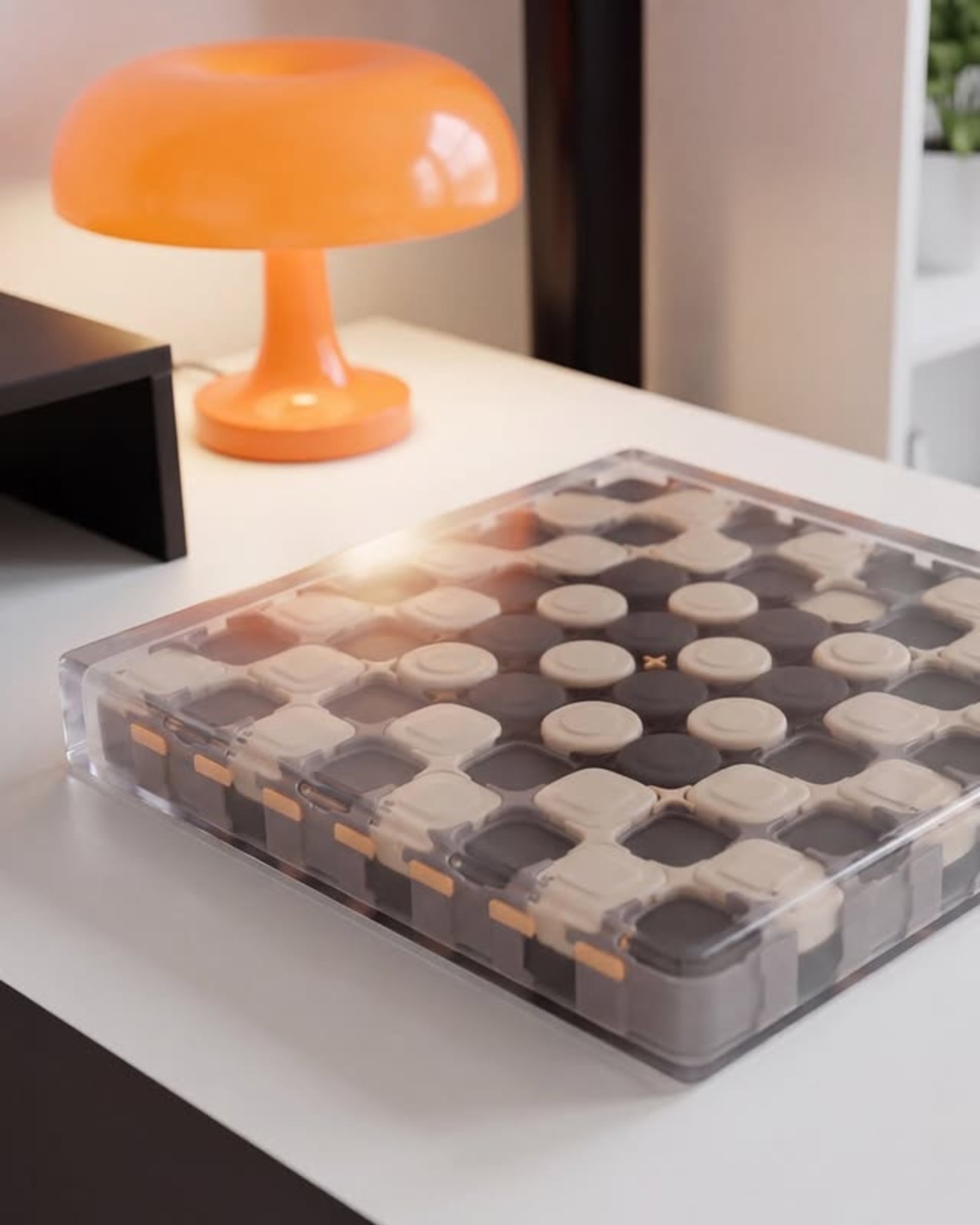
3D Printed Chess Set pays respect to the Ukraine invasion with a poignant war-themed design

Unless you are Elon Musk and believe chess is “too simple to be useful in real life,” you know, chess is a strategic and competitive game. It requires meticulous planning and clear objectivity. If you don’t have an objective in mind, your moves will be directionless and you will end up wasting time thinking and moving without purpose. Through the gameplay, it instills cognitive thinking, benefits mental well-being, and can now be a source of thoughtful restoration in the war-torn Ukraine.

Cuibiono, a design-first not-for-profit, has been at the forefront of providing aid to the regions where geopolitical conflicts like war have damaged humanity. With the new chess set, it has conceived using recycled biomaterials (PLA) and 3D printing, the NGO is giving everyone a chance to jump onto their journey of creativity, sustainability, and giving back, helping make a difference and restore homes in Kharkiv, Ukraine.

Designer: Cuibiono

The stackable chess set is inspired by the war-torn and displaced Kharkiv, which has been on the receiving end of the Russian invasion. Called the Kindachess – S, this set 3D-printed from naturally degradable bioplastics – features a board segmented to depict the nation under war. It is designed as fractures on the earth’s crust. But when it’s stacked to be stored, the dividing lines on the board form the Ukrainian flag to depict unity and the satisfaction of returning home.

The idea of a chess set whose profit from sales proceeds would go into restoring homes in Kharkiv is the brainchild of designer Liam Hwang of Cuibiono. The compact, stackable chess set is 3D printed sustainably in Hackney, London. It measures 200mm x 200mm when laid out for playing and fits into a case measuring 290mm x 164mm after use.

This is not Cuibiono’s first such sustainably driven product with the idea of giving back. The NGO states, “we are committed to sustainability.” All the products designed in their facilities are crafted with eco-friendly materials (like recycled PLA in the case of the chess set). The chess set, selling in two color contrasts: wheat and sky, ivory and walnut, is now available at £200 (approximately $250). Buy now, and support the cause becoming a part of the community that cares.

The post 3D Printed Chess Set pays respect to the Ukraine invasion with a poignant war-themed design first appeared on Yanko Design.
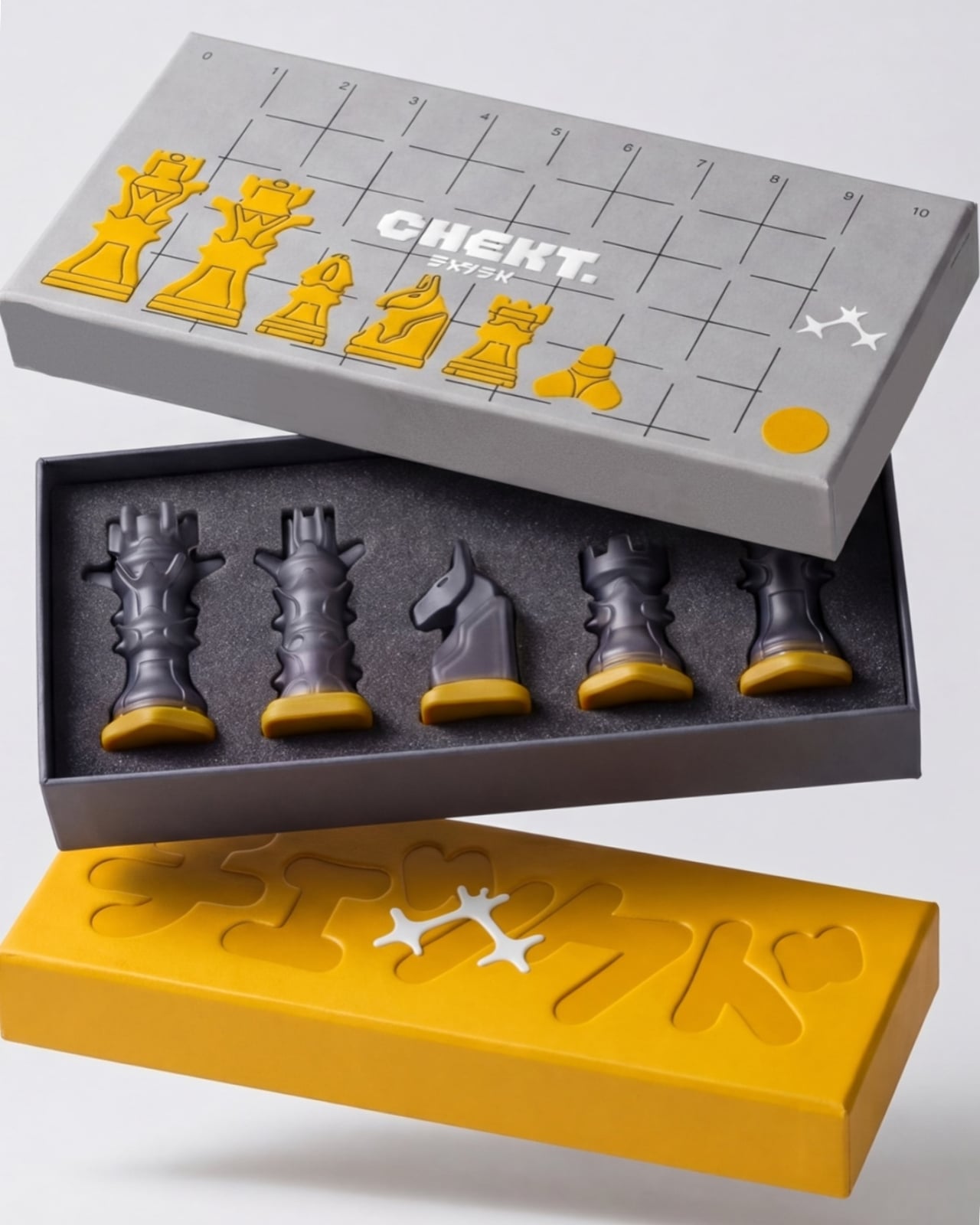
Chess set concept commemorates Nakhchivan’s 100th anniversary

If you’re the type to collect special edition chess sets, you’re probably always on the lookout for those that have a pretty unique design. You also probably don’t really play these sets on a regular basis but you’re more likely to display it somewhere in your space or if you’re planning to open a chess museum or something. If you’re also into sets that seem to belong on a set of fantasy epics like Game of Thrones, then this is something you might want to look at if this becomes a reality.

Designer: Adam Yuniso and Hatam Yunisli

Nakhchivan may not be a household name when it comes to places that you’d like to visit someday but based on what I’ve “researched” (read: Googled) so far, it is a place worth considering. The official name is Nakchivan Autonomous Republic, and is a “landlocked enclave” of the Republic of Azerbaijan bordered by Armenia, Iran, and Turkey. To celebrate its 100th anniversary, a souvenir project was proposed and it’s a stunning looking chess set (that also seems expensive).

Instead of the usual chess pieces, each one is designed to represent various Nakhchivan architecture like the Garabaghlar Mausoleum, Nakhchivan Memorial Museum, and several other mausoleums that hold significance to the republic. They look like they would look right at home at a classic castle that displays awesome-looking chess sets. Instead of being positioned in the traditional way that the pieces are placed, the designers said that they are placed in relation to the other chess pieces.

Now I don’t know if that means the rules are quite different ofr this Nakhchivan Chess Set but it does look pretty impressive based on the product renders. It may also not be something you’d play on a regular basis but a chess set that can be displayed especially if you have a strong connection to Nakhchivan.

The post Chess set concept commemorates Nakhchivan’s 100th anniversary first appeared on Yanko Design.
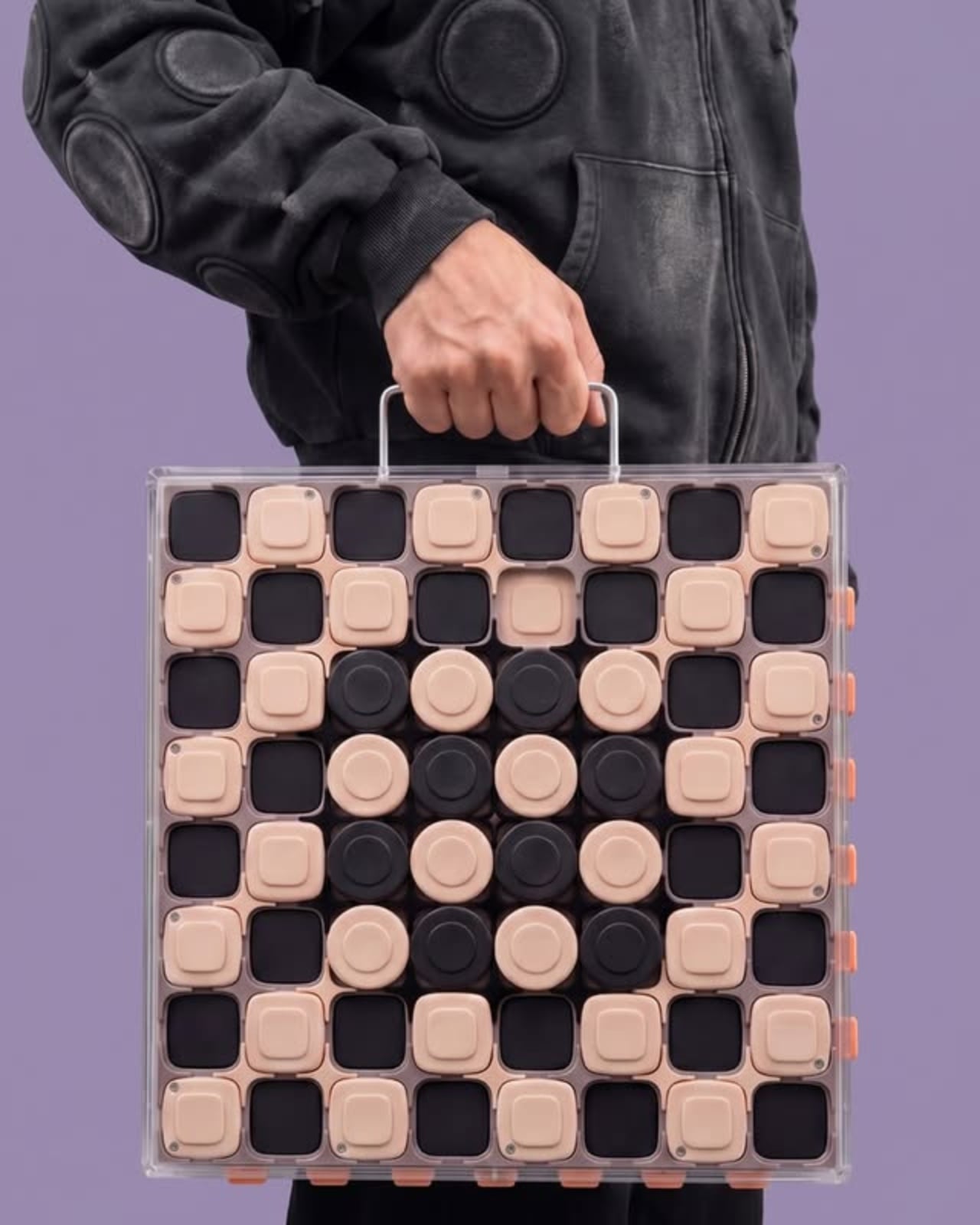
Take your chess game on the road with unique, portable set

I never really properly learned chess or at least remembered the basic rules, although I did enjoy Netflix’ The Queen’s Gamit. I also have close friends who really enjoy playing the game or watching people play the game. But the problem sometimes is that chess sets are pretty hard to carry around if you wanted to play outside your home like in the office or when traveling. There are some small, portable chess sets that you can bring around but it’s probably not as stylish as this one.

Designer: Sofia Gegunde

The Hyde Chess set is built for practicality and portability but is also designed to look like something different from your usual chess sets. For one, the pieces aren’t the traditional ones that you see but are a re-imagining of the pawns, rooks, knight, bishop, queen, and king but in circular pieces that can fit easily into the smaller and portable set and box. They’re all the same height except for the king and queen. There is a cylindrical holder inside to store the pieces when they’re not in use and there are also slots on the chess board to “stabilize” them when you’re actually using them to play a game of chess.

When not in use, everything is just stored inside a small box. But when it’s time to actually play chess, just open it and assemble the chess board with the rectangular pieces. You can then remove the circular chess pieces from their storage and arrange them on the board like you would a regular set and start the game whenever you’re ready. The pieces are made with a CNC router while the wooden parts are made from guatambu and dark cedro.

The assembly and disassembly are pretty easy and learning the different pieces should be pretty easy. Even though they’re circular pieces, the designs are based on the traditional chess pieces. If they actually produce and sell this, it would be a pretty neat gift item for my chess-loving friends and they may even eventually convince me to play with them.

The post Take your chess game on the road with unique, portable set first appeared on Yanko Design.
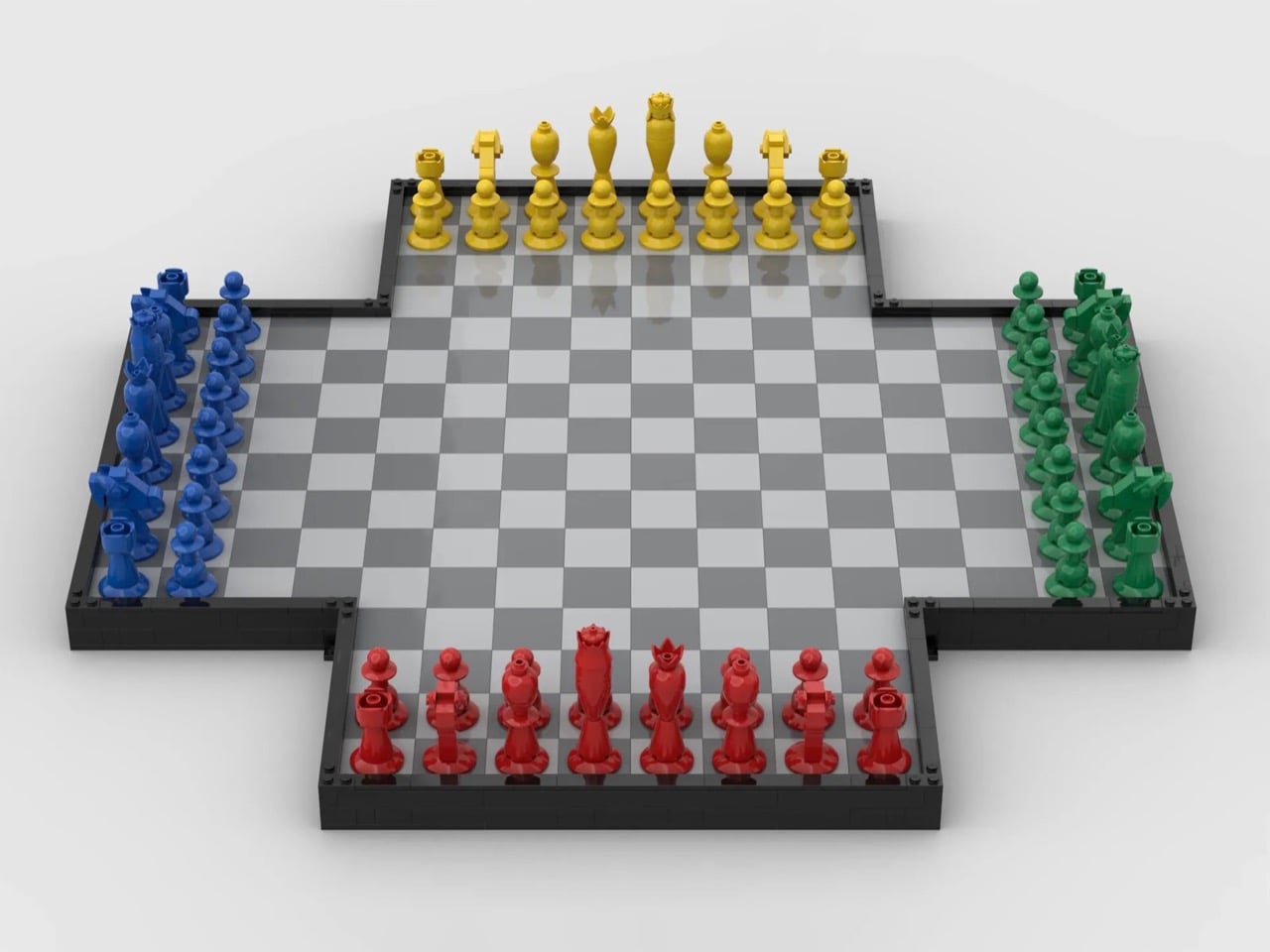
Rimowa Chess Attache offers a luxurious way to carry your luxurious game pieces

Chess is a game that spans centuries and while the basic mechanics haven’t changed much, it has taken various forms over the course of its very long history. Chess sets today come in a variety of styles, from cheap plastic to fragile class, from classic designs to abstract geometric shapes. Some sets, usually the expensive ones, are kept safely at home, while others go wherever their owners go, ready to challenge a fellow enthusiast at a moment’s notice. Rimowa, best known for making premium luggage and bags, is trying its hand at striking a middle ground with a high-quality aluminum chess set housed in a signature Rimowa case, ready to travel and make you the envy of all your chess colleagues.

Designer: Rimowa

Portable chess sets do exist, but the most common design you might see is a thick wooden board that folds in the middle to transform into a miniature suitcase for the wooden pieces. It’s practical and, to be fair, a bit sustainable, but also terribly uninspiring. Nothing lights a chess enthusiast’s fire better than a captivating and elegant chess set, one that embodies the long-lasting legacy of a game that had enchanted and beguiled even monarchs.

The new Rimowa Chess Attache is both a homage to the classic chess design but also a rejuvenation with a more modern aesthetic. Each chess piece is crafted from black and silver (for white) anodized aluminum, emblazoned with a laser-engraved Rimowa monogram. The board, though made of wood, is wrapped in leather materials and has magnets that keep the pieces steadily in place until you or your opponent is ready to make the next move. That board’s aluminum frame also bares Rimowa’s logo, signifying its place in the brand’s selection of premium products.

Of course, this wouldn’t be a Rimowa product if there is no travel container involved, and indeed, a major part of the Chess Attache’s appeal is exactly that attache case. The small suitcase’s rounded edges and ribbed faces carry the hallmarks of Rimowa’s iconic design language. Inside, the chess pieces like in compartments cut out from foam and a suede-like microfiber, securing them in place until the time comes for them to be taken out and played. A delicate protective leather layer then sits in between the pieces and the magnetic wooden board that’s secured to the attache with premium leather straps.

Of course, there’s also plenty of Rimowa branding to be found inside, from the black leather lining down to the monogram-engraved snaps of the leather straps. Every inch of the design screams luxury product, and it’s probably good that a metallic lock system is integrated directly into the case’s shell. Whether it’s the chess set itself or the case that carries them, this Rimowa Chess Attache elevates not just your game but also your traveling experience.

The post Rimowa Chess Attache offers a luxurious way to carry your luxurious game pieces first appeared on Yanko Design.
Home tools displayed as chess pieces in unique metal display

When you’re living alone for the first time, one of the things that people advice you to have at home is a box of tools for whenever something needs tinkering or fixing. I do have one but it’s mostly just stuck in a drawer somewhere since I don’t really know how to tinker or fix things. But for those who use these tools a lot, this concept for a set of tools and how they are stored would be pretty interesting.

Designer: Seongjae Park

Tips for Chess combines metal tools and a chess set so fans of these two will probably be interested to have such a thing displayed in their homes. In fact, even if you don’t use them a lot, it’s still an interesting piece to have in your home and may fool people into thinking you’re a toolhead or a chess aficionado. This is mainly made from metal, from the “chess board” to the various tools included in the set.

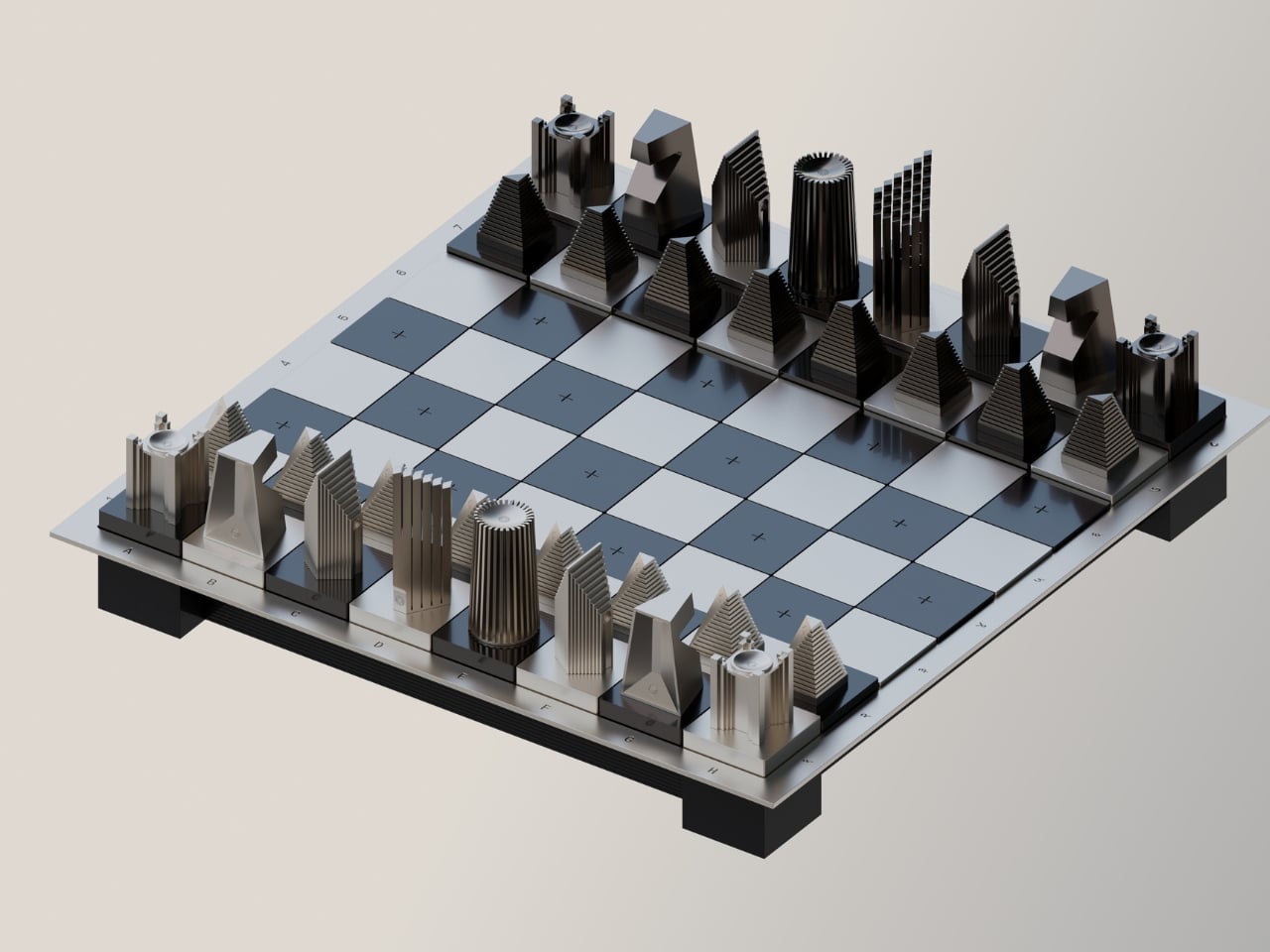
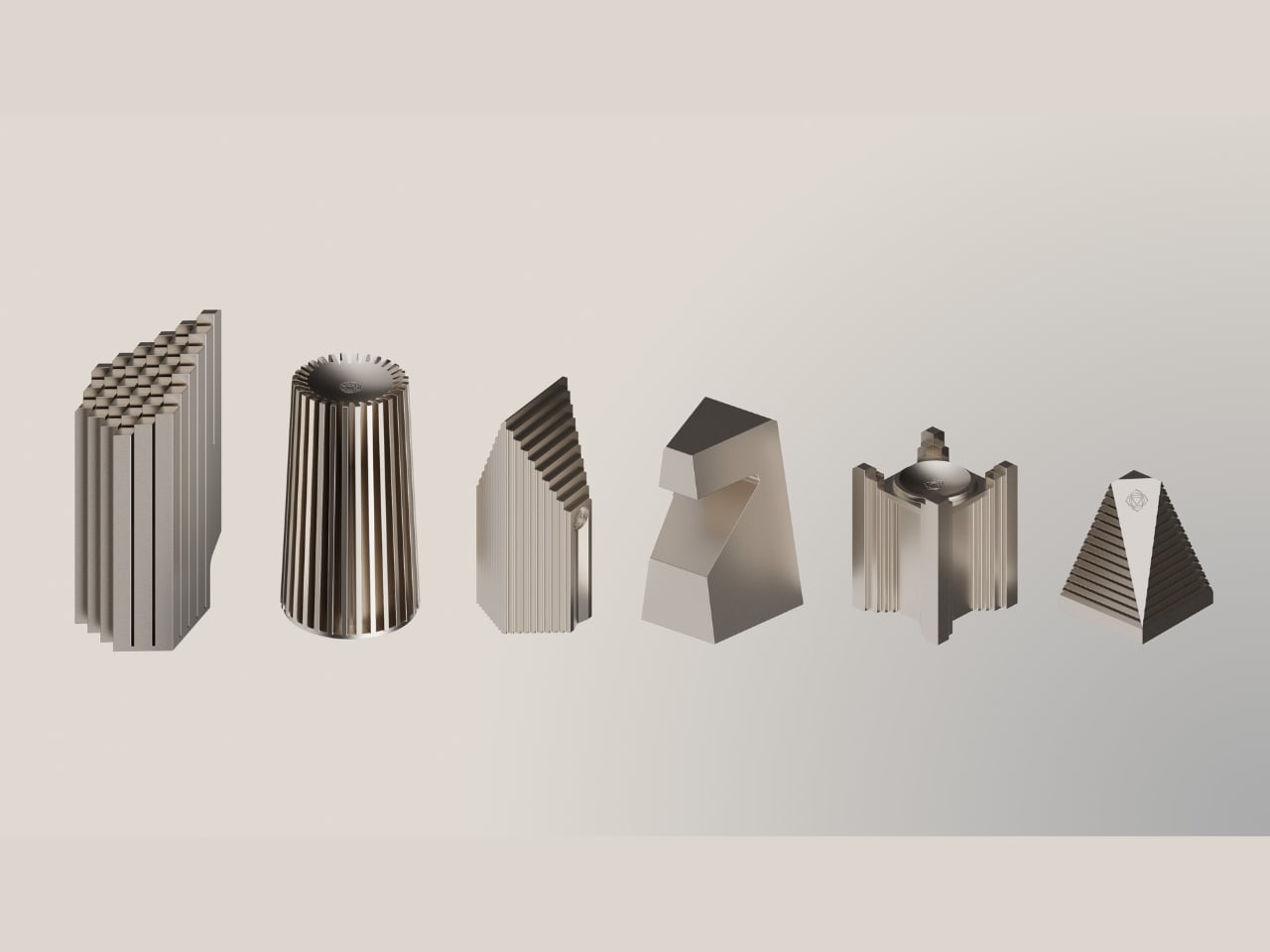
The different chess pieces are represented by different kinds of tools. You get hexagonal wrenches with different sizes to serve as your pawns. The rook is the square and triangular wrench, the Bishop is the crosshead screwdriver, while the Knight is a a flat-blade screwdriver. Representing the main pieces are the hexagonal wrench as the Queen and the U-shaped screwdriver as the King. In case you won’t be able to remember which is which, the chess roles and the tool roles are imprinted on the bottom of the tip.

To make it even more interesting (or confusing to people like me) the chessboard itself also provides information. The coordinate system (right angle and straight line) provides a scale of cm and inches. I would probably just have this as a display since it’s too pretty to actually use although they are built to be functional. Also, as mentioned, I don’t know how to use them so they’ll just be on display at home.
The post Home tools displayed as chess pieces in unique metal display first appeared on Yanko Design.