The Titanium Chess Set That’s Also the Best EDC Object We’ve Seen

Chess has had a genuine cultural resurgence lately, finding its way into cafés, offices, and living rooms that wouldn’t have bothered with it a decade ago. But for all the renewed enthusiasm, the portable chess set hasn’t really evolved. Most options are flimsy plastic affairs that feel like an afterthought, with the same old problem of pieces scattering the moment you set the bag down.

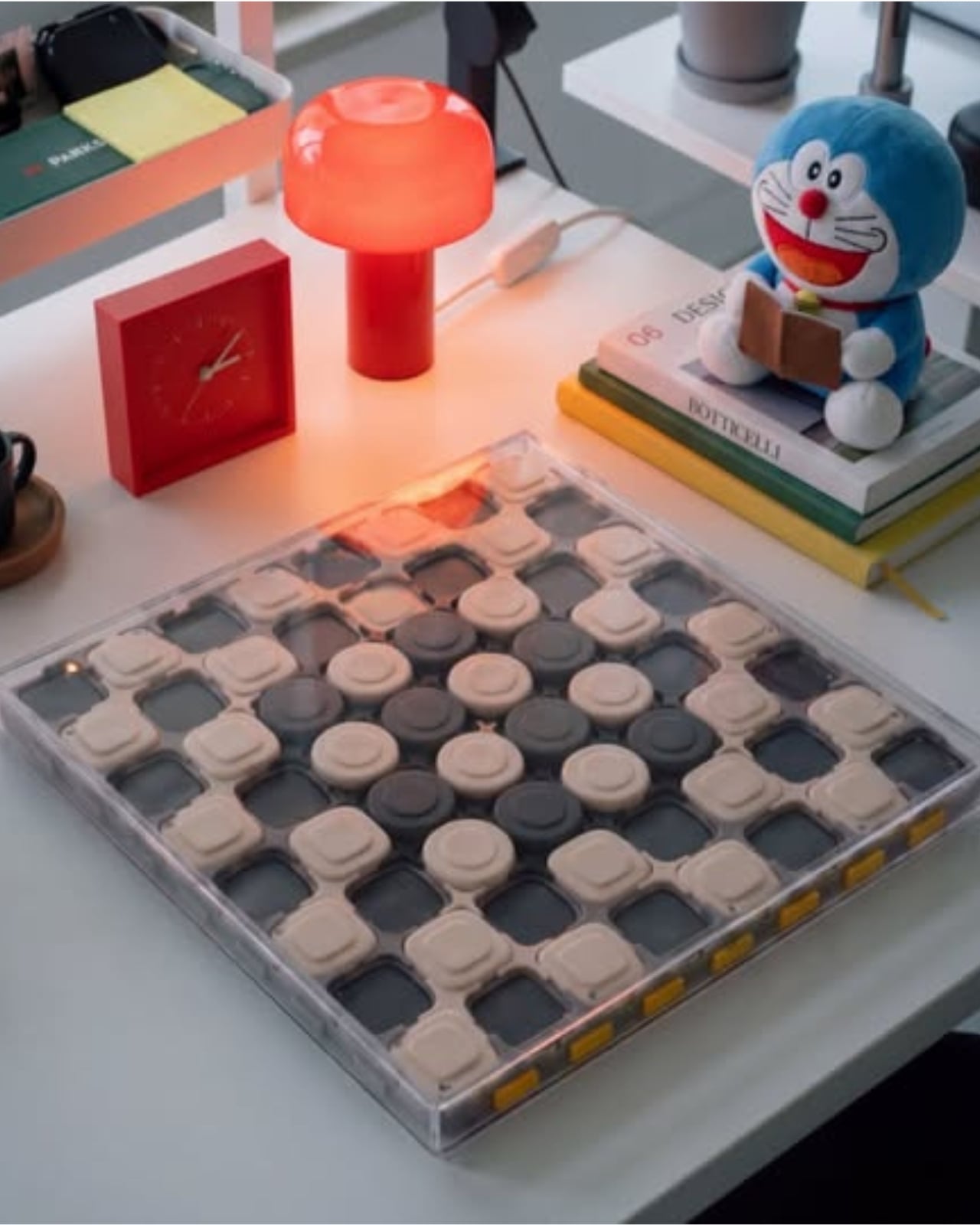
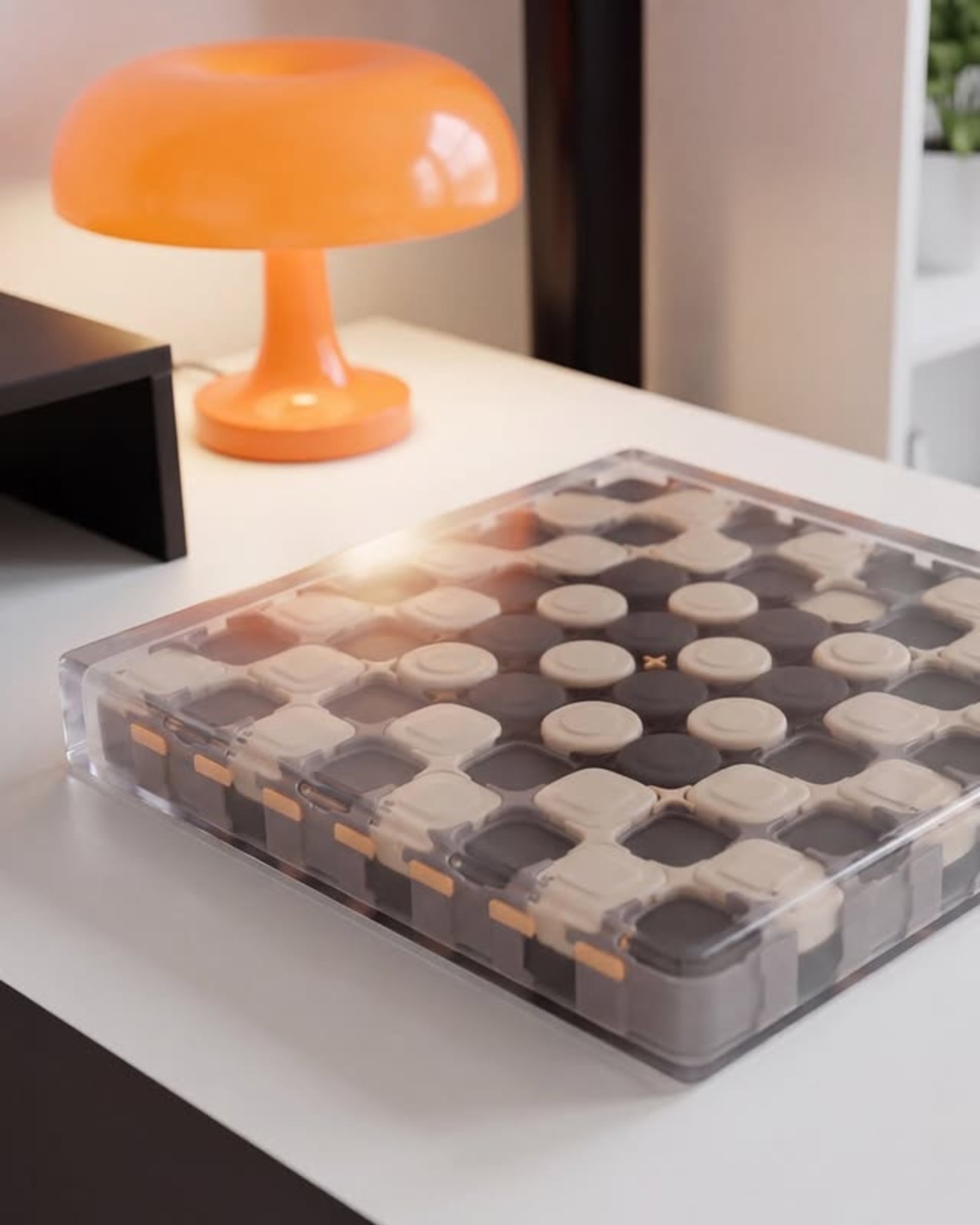
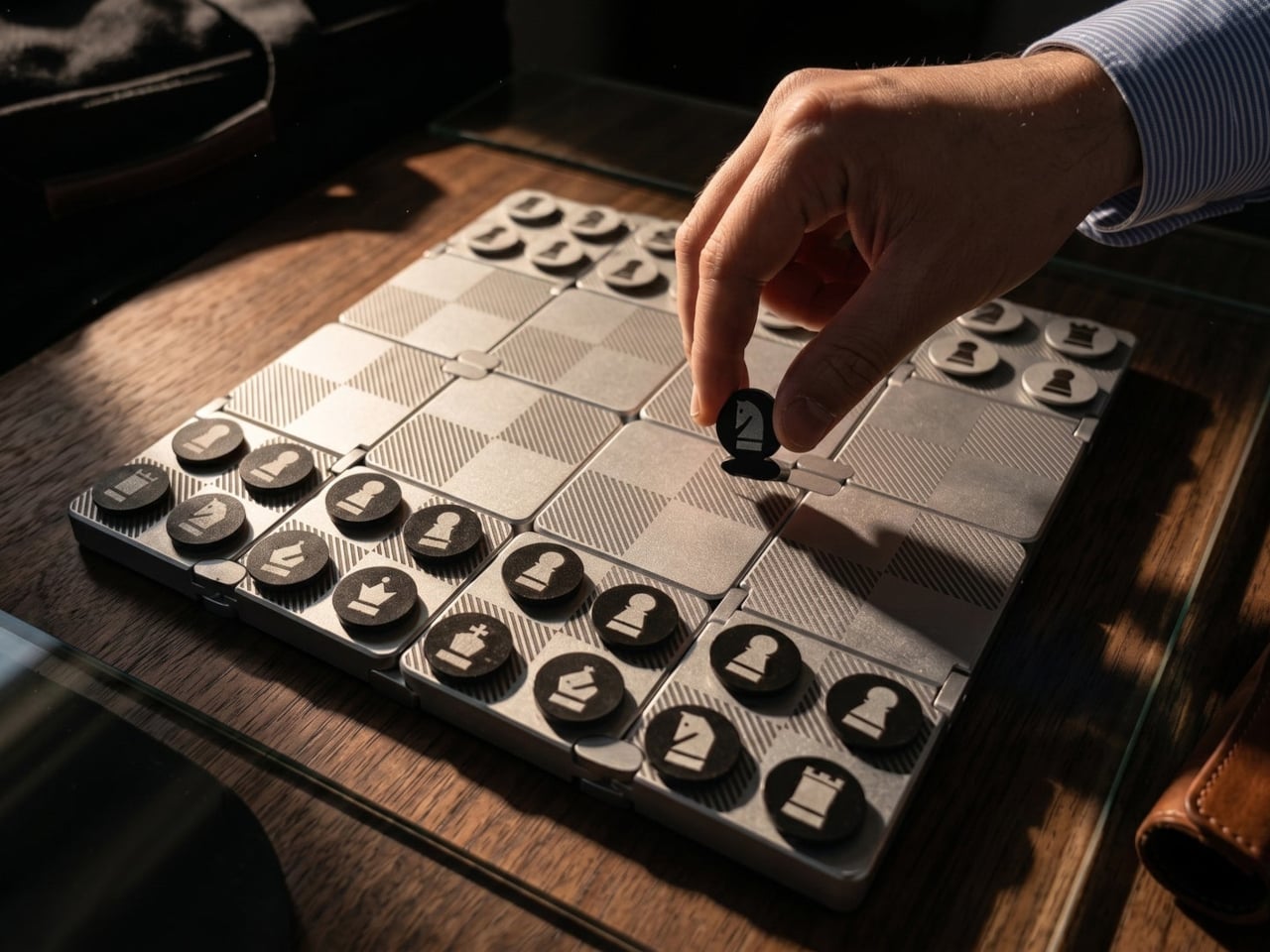
BESIDAR’s Victory approaches the problem differently, treating the portable chessboard as an engineering challenge rather than a sizing exercise. It’s built entirely from titanium, uses a mechanical folding structure that collapses the board into something genuinely pocketable, and relies on magnets to keep all 64 pieces organized and secure. It also happens to support several other games on the same set of pieces, which we’ll get to.

Designer: BESIDAR

Click Here to Buy Now: $69 $130 (50% off). Hurry, 128/1000 left! Raised over $111,000.

The defining feature is the board itself. Victory’s playing surface consists of multiple hinged titanium panels that interlock mechanically, letting you fold and unfold them endlessly without resistance or wear. It sounds like a gimmick until you have it in your hands, because the action is satisfying in the way a good infinity cube is. You’ll end up folding it between moves or absentmindedly during a thinking pause.

1

1

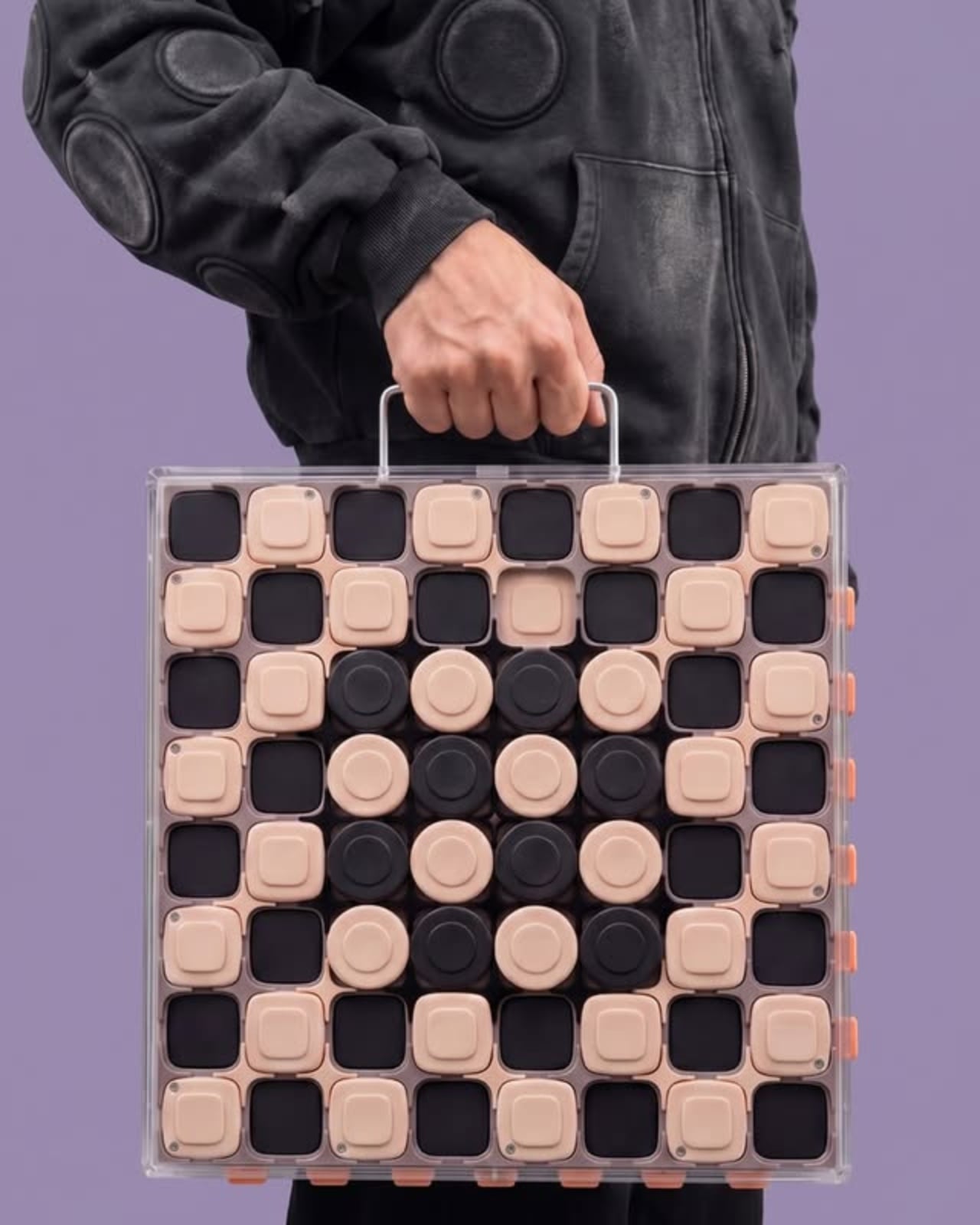
All 64 pieces attach magnetically to the board’s surface, staying in place during play and holding firm when the board is folded for transport. The two board halves also connect to each other magnetically, so the whole set becomes one compact, integrated unit. There’s nothing loose rattling around, no separate case to hunt for, and no tedious piece-sorting ritual before you can sit down and actually start playing.

1

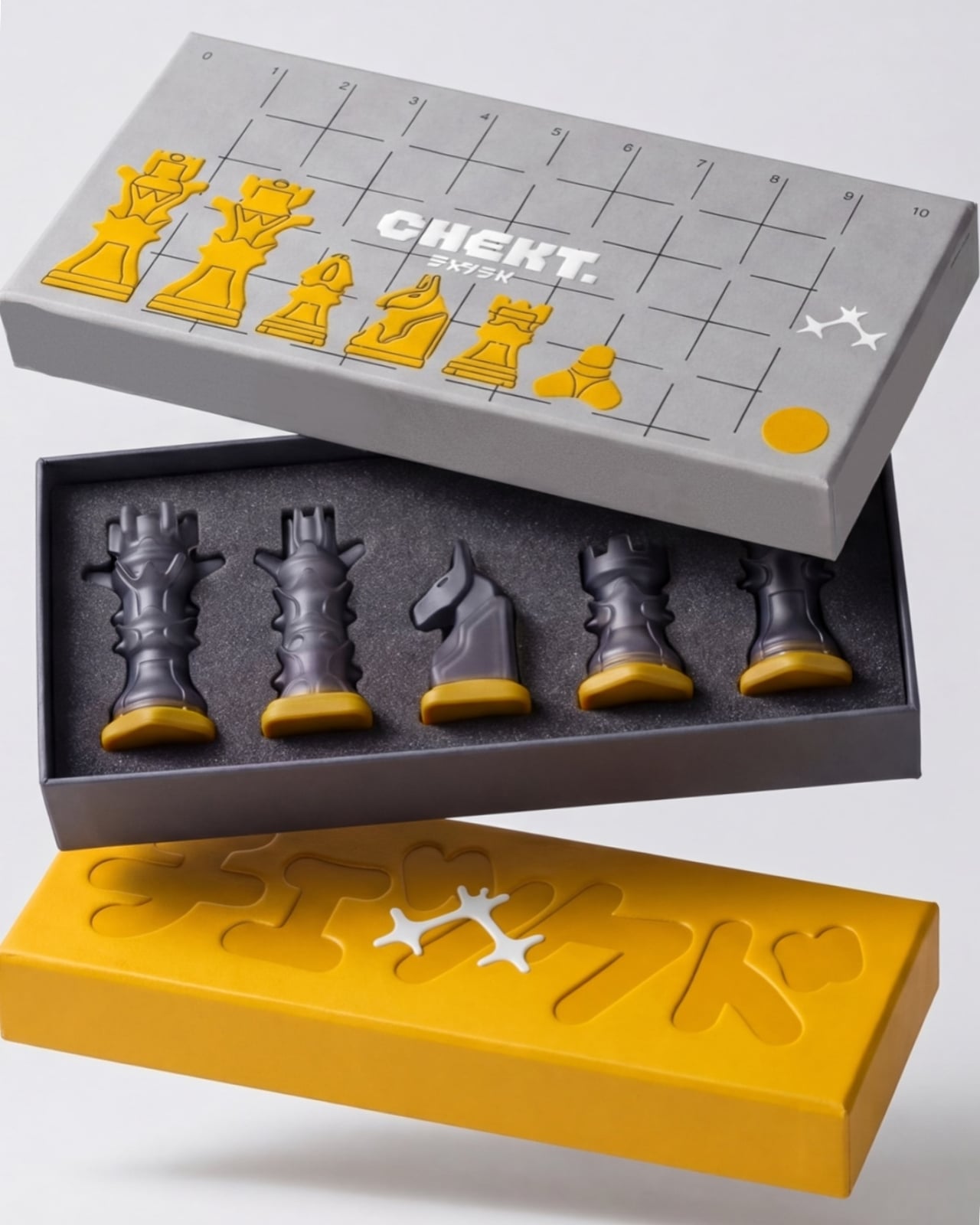
The two-sided pieces also give the set a wider range of use than expected. One face carries a surface pattern while the other is a solid contrasting color, and that choice alone supports chess, Go, Gomoku, international checkers, and Othello. That’s five strategy games from one set of 64 pieces, with the folding board itself counting as a sixth mode when you just want something satisfying to fidget with.

1

What makes Victory feel genuinely premium is the material. Both board and pieces are CNC-machined from titanium, giving the set a density and tactile precision that plastic travel versions can’t replicate. It’s cool to the touch, holds its finish, and doesn’t feel like something you’d toss carelessly into a bag. Left on a desk between games, it reads less like a board game and more like a well-made EDC object.

1

1

At 5.24 inches (133.20 mm) across and just 7 mm thick when folded, Victory fits in a pocket without creative gymnastics. The two-board structure means each player’s pieces are already arranged on their own half, so you unfold, connect the two sections, and you’re ready in seconds. Whether it’s a café table, a park bench, or a few spare minutes between meetings, there’s no setup ritual to slow things down.

1

What you end up with is a chess set that’s genuinely interesting to own, even if you’re not a serious player. The mechanical folding keeps your hands busy, the titanium build makes it worth displaying, and the magnets mean you can bag it and go without a second thought. It won’t replace the full-sized board on your shelf, but for everything else, it’s the set that actually comes with you.

Click Here to Buy Now: $69 $130 (50% off). Hurry, 128/1000 left! Raised over $111,000.

The post The Titanium Chess Set That’s Also the Best EDC Object We’ve Seen first appeared on Yanko Design.

This Architect Built a Chess Set Where the Hardware Is the Design

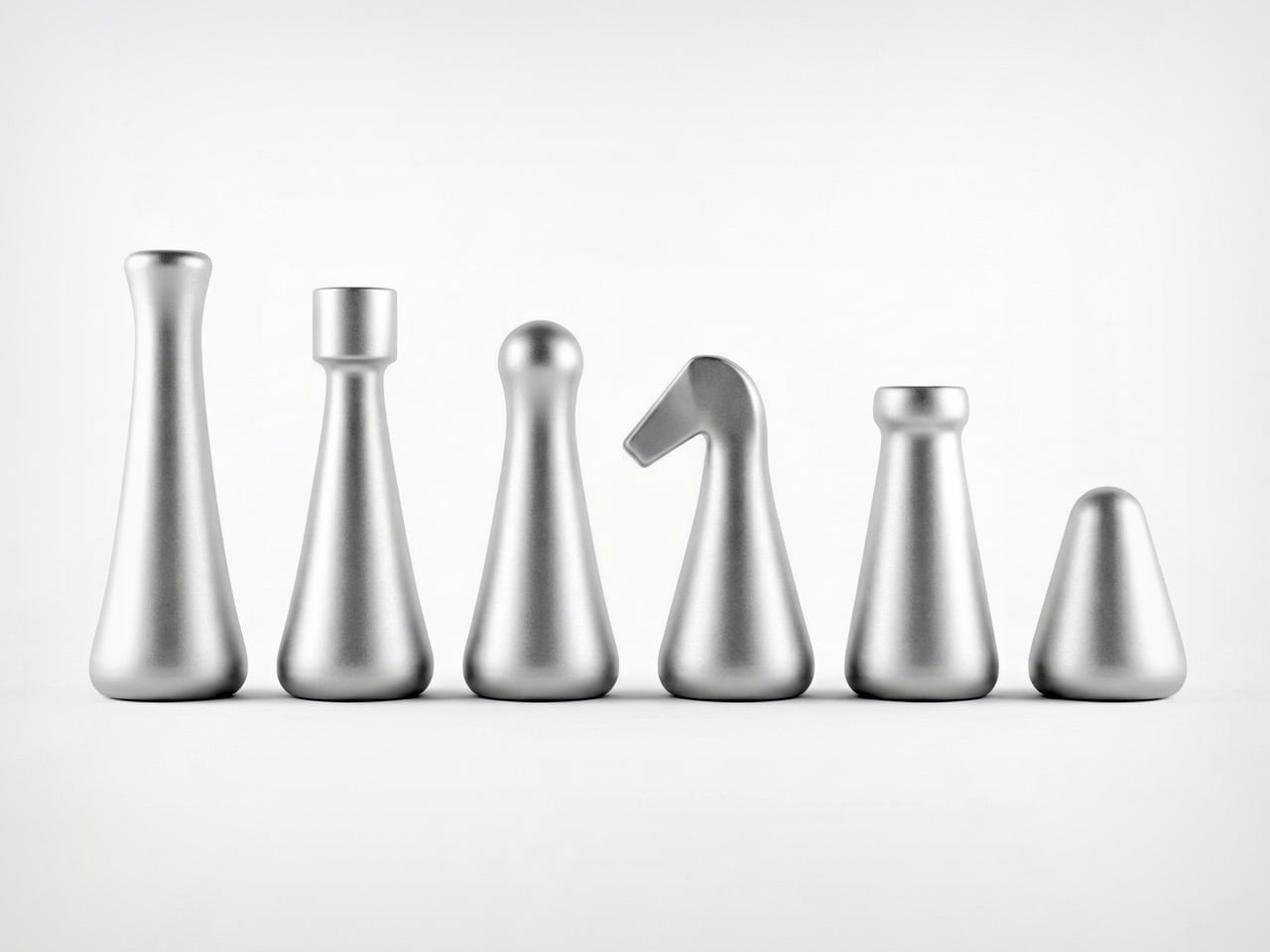
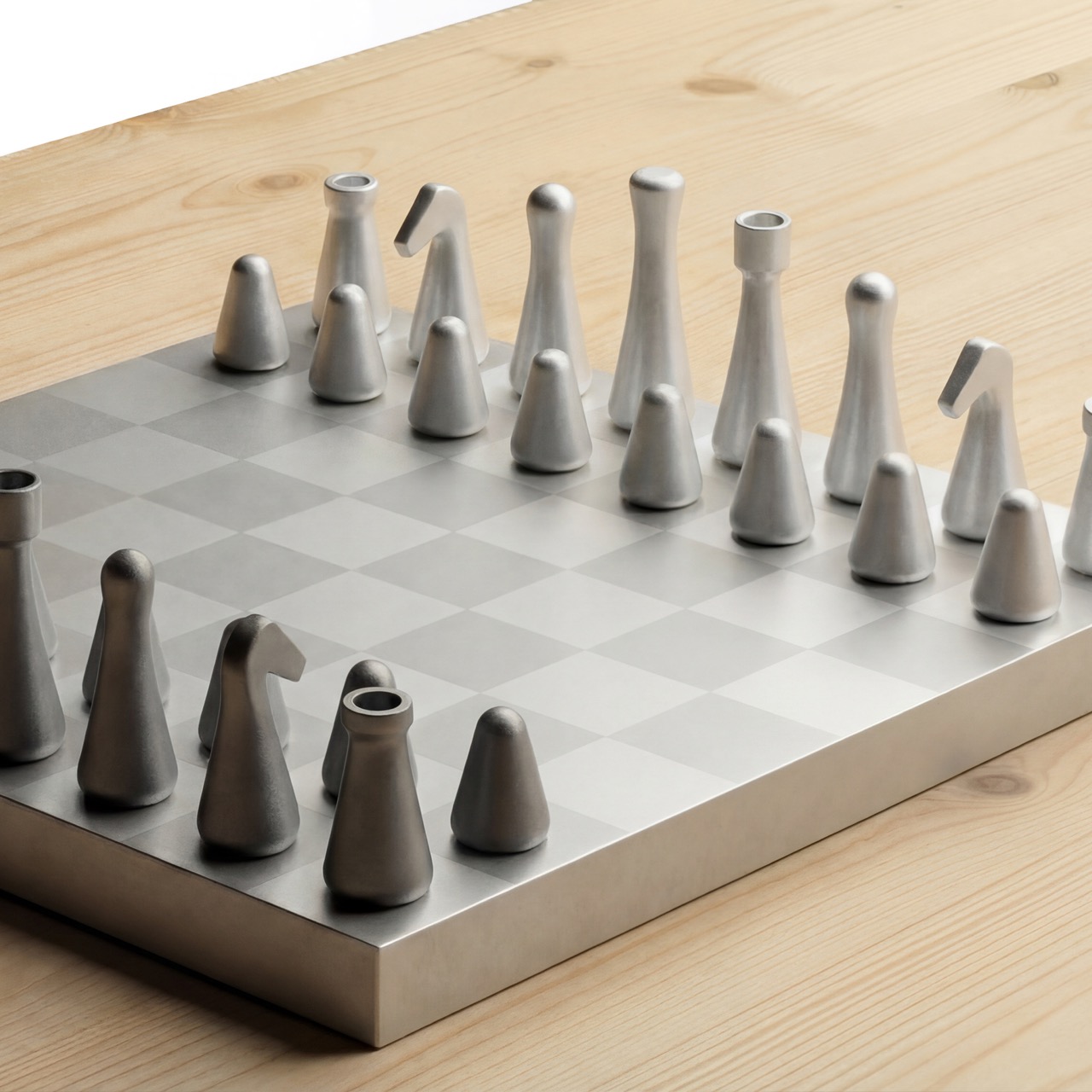
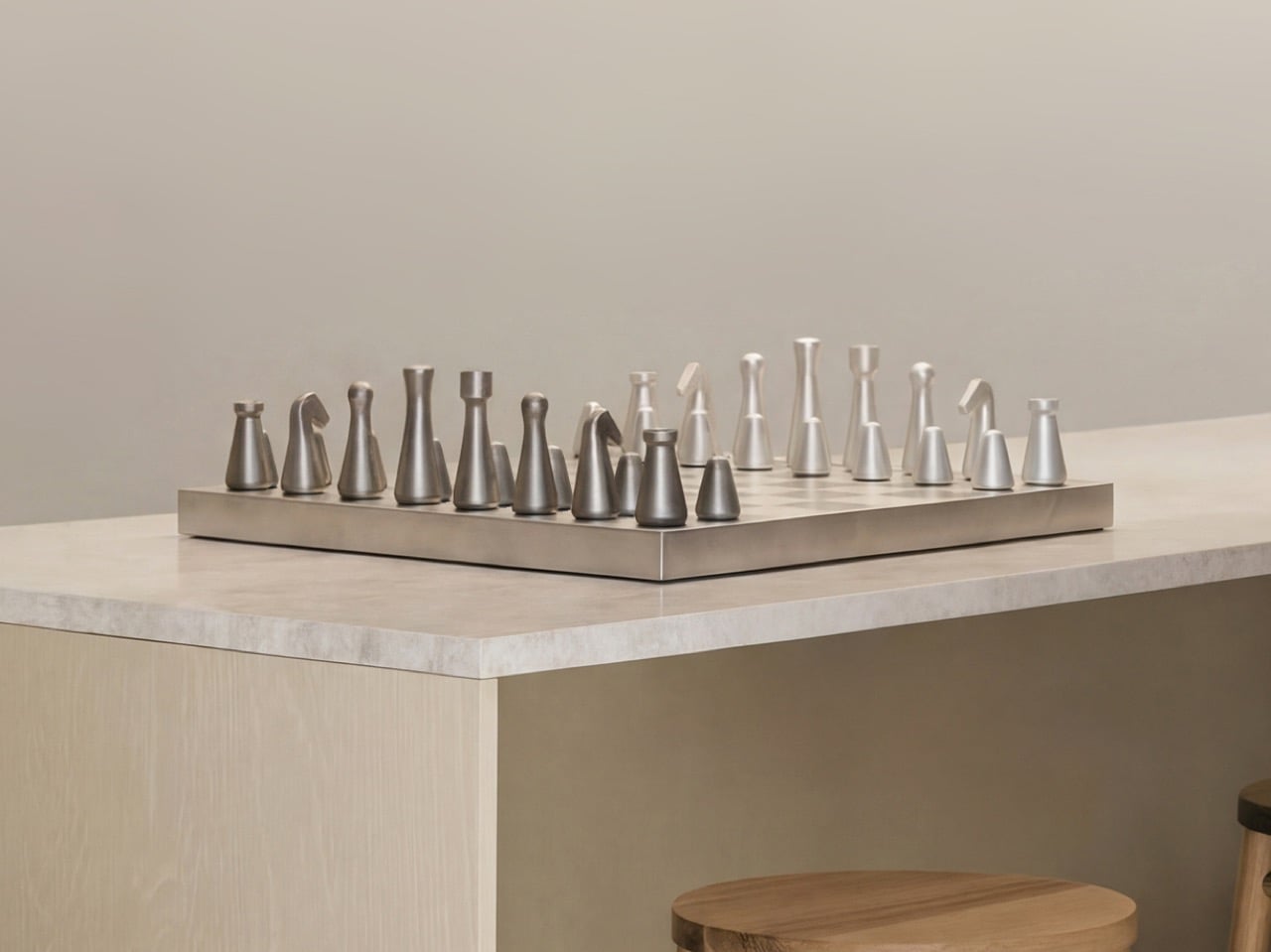
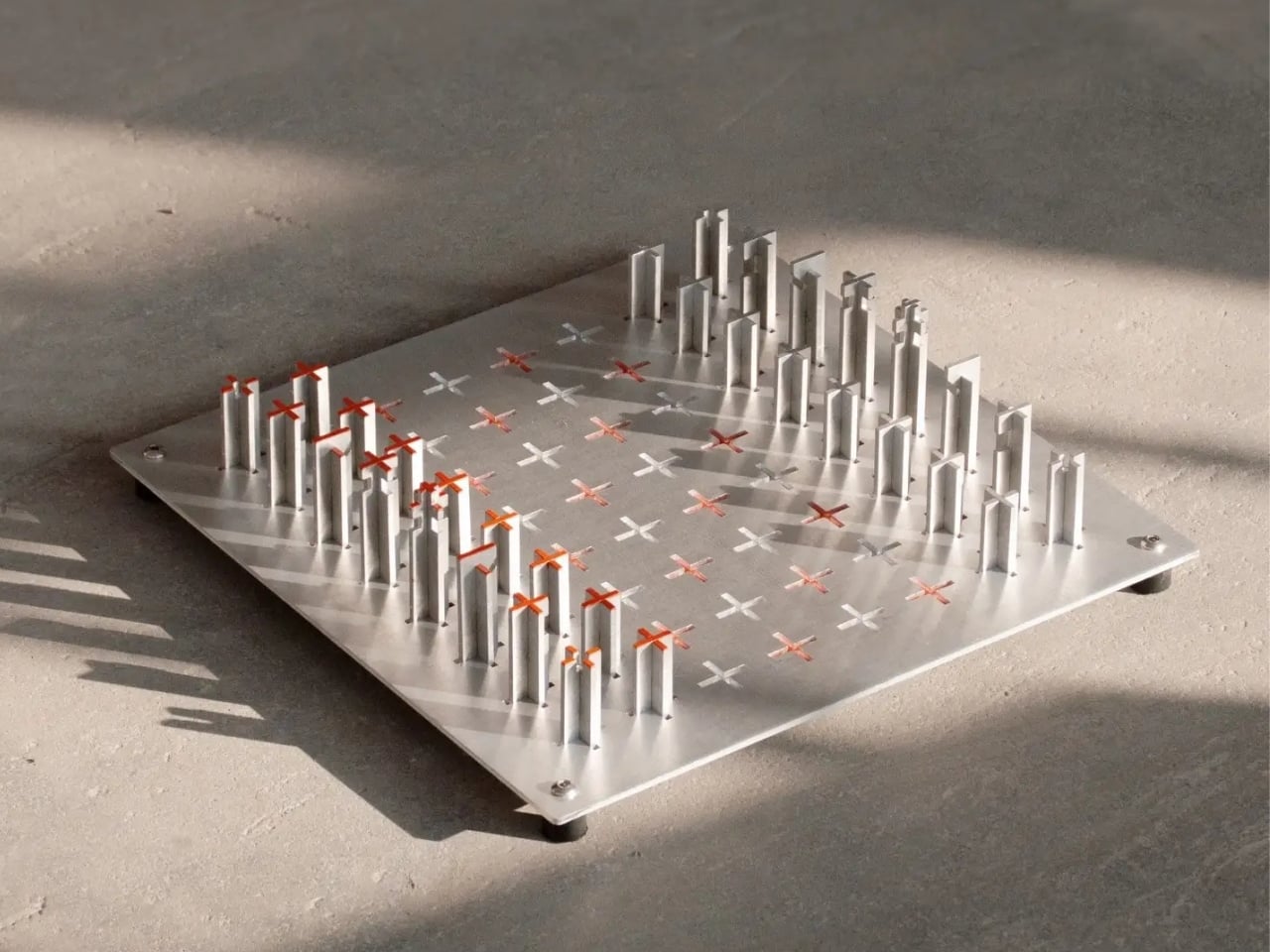
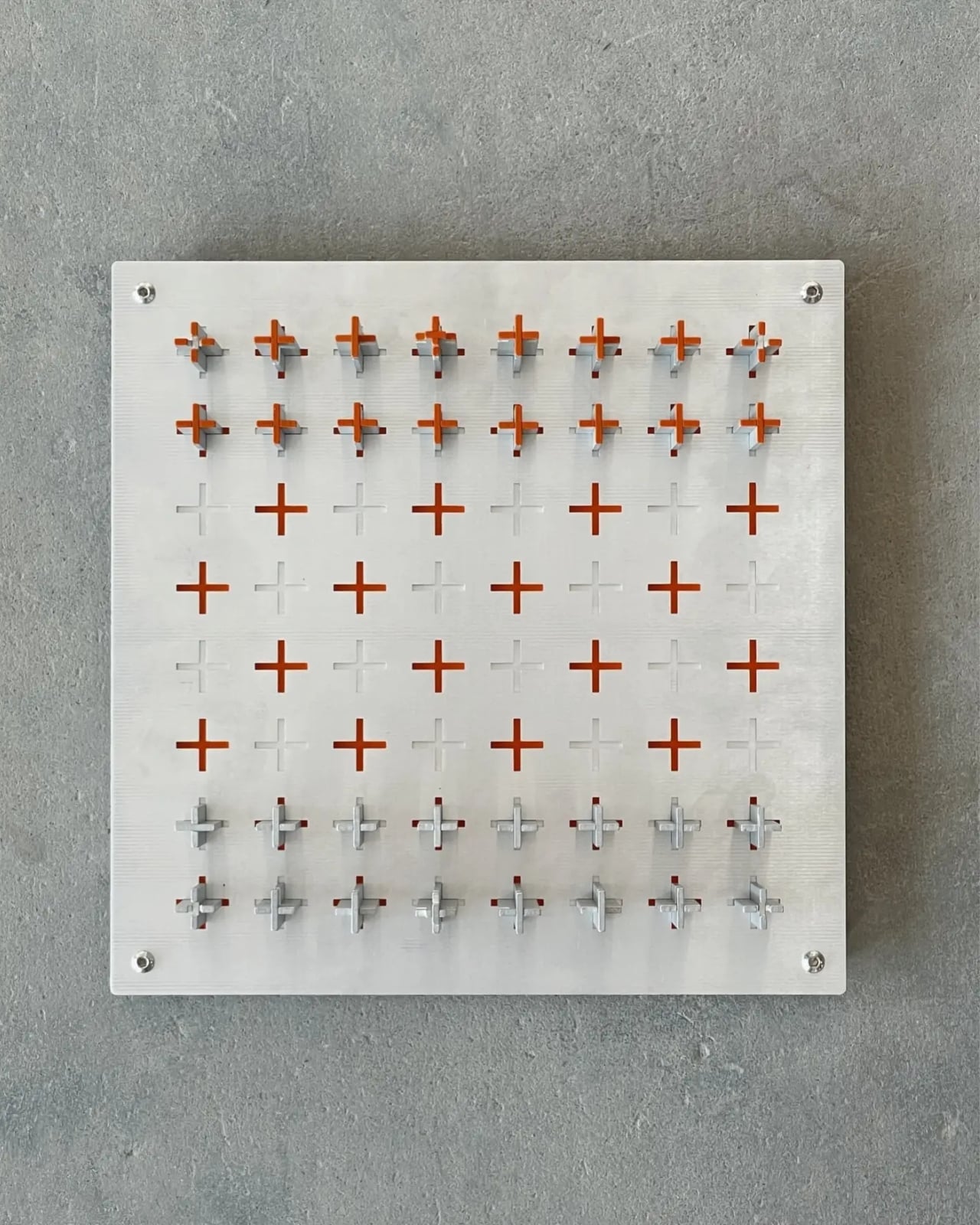
Chess has been around for roughly 1,500 years, and in that time, the chess set has been reimagined in almost every conceivable way. You’ve seen the hand-carved wooden sets passed down through generations, the marble ones that live on coffee tables as decor, the kitschy themed sets with medieval knights and castle towers. Every few years, someone tries to reinvent the most iconic board game in history, and most of those reinventions end up looking like a design school project that got a little too excited. Christian Borger’s CS-01 is different, and I think it matters that it’s different in the quietest possible way.

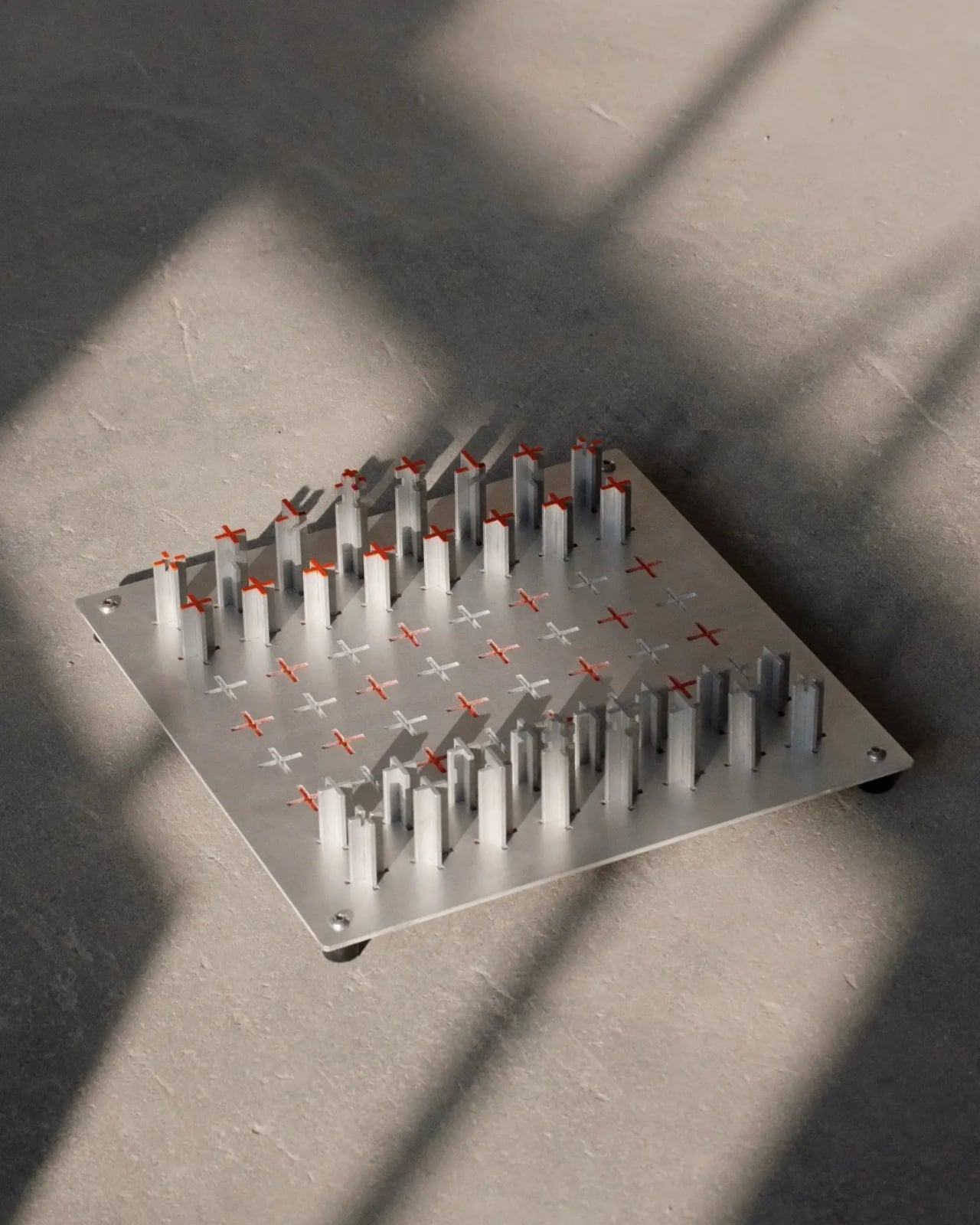
Borger, an architect and industrial designer based in New York, approaches furniture and objects the way an engineer approaches a problem: with an obsession over materials, weight, and structural honesty. His portfolio, if you haven’t gone through it yet, is worth a slow afternoon. It’s full of lightweight furniture experiments, chairs built from tensioned fabric and skeletal frames, tables that look like they’re barely touching the ground. CS-01 follows that same design instinct, just compressed into a 14 x 14 x 5-inch object that you play chess on.

Designer: Christian Borger

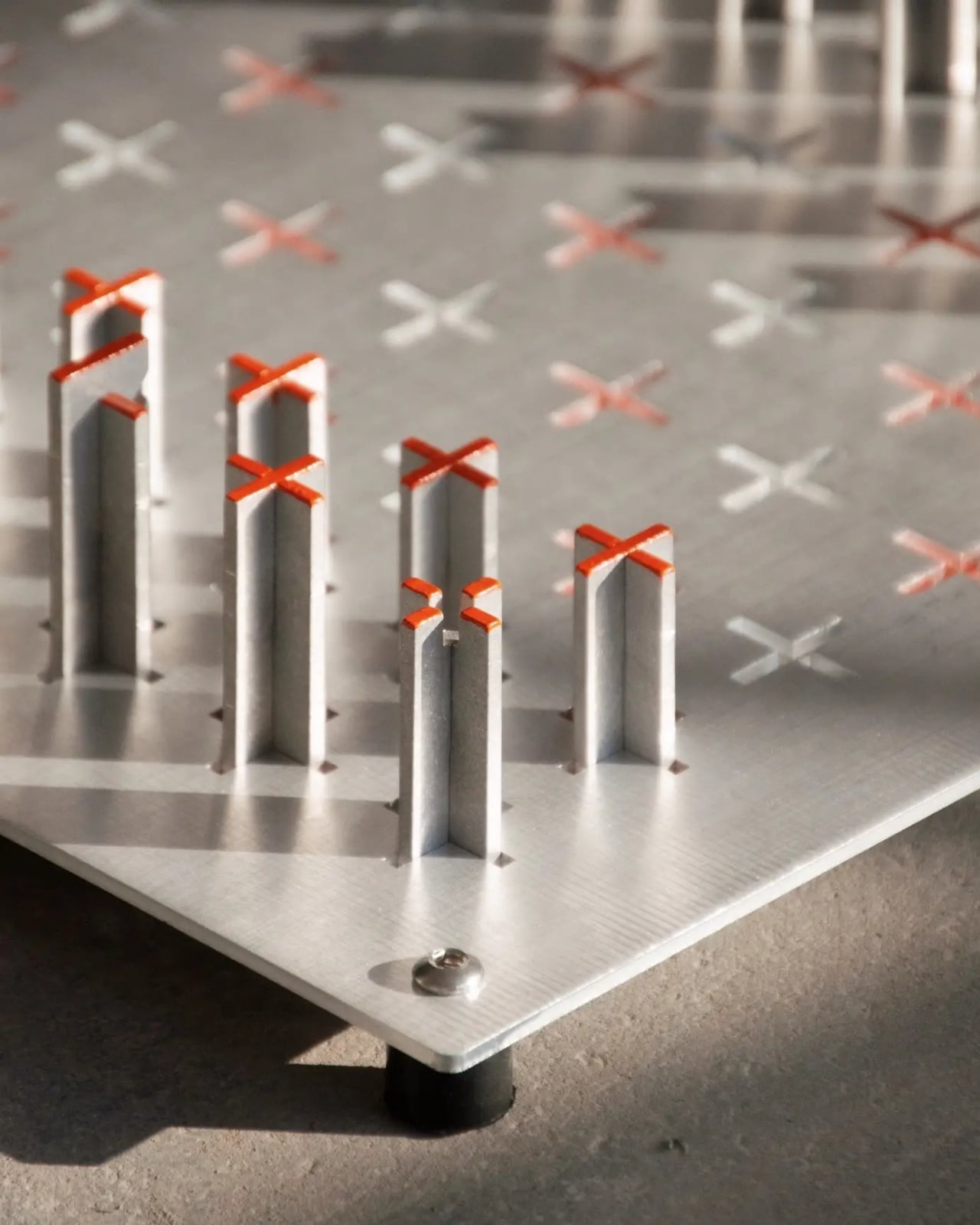
The set is built from aluminum, stainless steel hardware, rubber bumpers, and enamel paint. Powder-coated aluminum surfaces contrast against exposed stainless steel, and that word “exposed” matters here. Nothing about the assembly hides from view. The hardware isn’t tucked away or finished into invisibility. It’s right there, part of the aesthetic, because Borger seems to believe that a well-made object shouldn’t have to be embarrassed about how it’s put together. That kind of structural honesty doesn’t show up in chess sets often enough, and it’s genuinely refreshing to see it applied somewhere so unexpected.

The pieces sit at five inches tall, which keeps the whole set compact enough to live on a desk, a shelf, or a credenza without demanding too much space or attention. It integrates into a room rather than dominating one. That restraint is intentional. The design privileges clarity and permanence over decoration, which is a principle worth sitting with. Not because it’s some kind of grand manifesto, but because it’s a genuinely difficult thing to execute. Decoration is the easy default. Clarity requires real decisions.

I’ll be upfront: there’s a legitimate conversation to be had about whether chess sets even need to be redesigned. The traditional Staunton set, which has been the global standard since the 1800s, is already a near-perfect solution. It’s legible, tactile, and elegant in its conventionality. Reinventing it for the sake of reinventing it usually results in something beautiful but unplayable, or worse, something that’s more display piece than game. CS-01 seems fully aware of that tension. It doesn’t abandon functionality to make a statement. The pieces are still readable by proportion and hierarchy. The board is still a board.

Where it distinguishes itself is in how it asks you to notice the object itself, not just the game being played on it. The cold touch of powder-coated aluminum. The small, deliberate weight of a piece lifted and placed. The hardware that catches light at the corner of your vision while you’re thinking three moves ahead. It turns the physical act of playing into something worth paying attention to, which is a pretty ambitious ask from a chess set, and one that CS-01 quietly delivers on.

Borger describes it as a prototype, and it still carries that energy of something being actively worked out rather than finished and packaged. That’s part of what makes it compelling. It reads less like a product and more like a point of view, one that argues you shouldn’t have to choose between an object that performs well and one that rewards close attention. That’s a harder case to make than it sounds. The most interesting design objects are the ones that make you rethink something you assumed was already solved. A chess set, of all things. Here we are.

The post This Architect Built a Chess Set Where the Hardware Is the Design first appeared on Yanko Design.

Stoa Turns Chess Into Quiet Architecture for the Modern Home

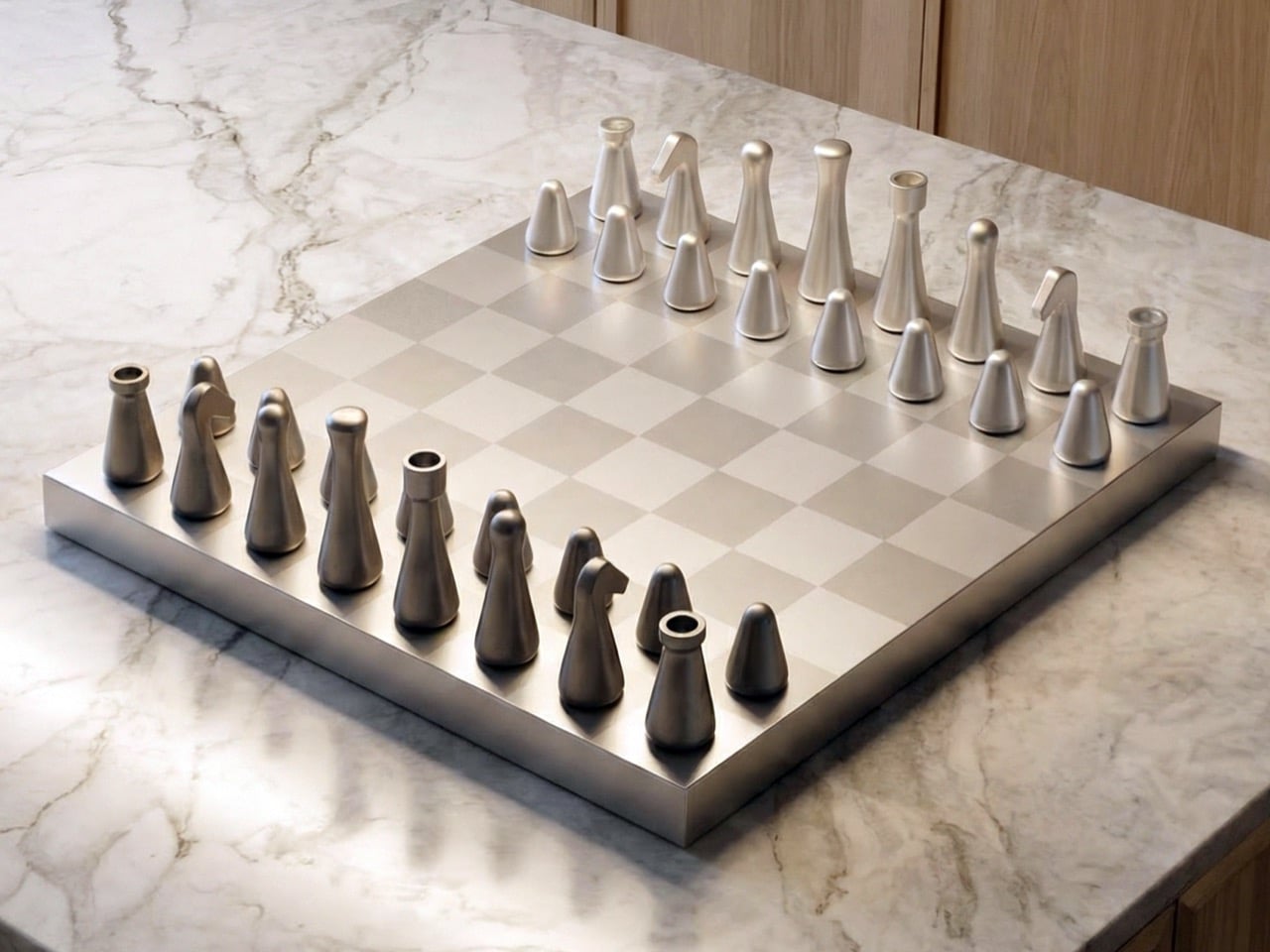
Chess has always been a game of structure, strategy, and symbolism. The pieces carry centuries of visual language: the authority of the King, the movement of the Knight, the strength of the Rook, the quiet repetition of the Pawns. Many chess sets lean into that history through ornament, carving, and decorative detail. Stoa takes a different path. It looks at the same familiar game and asks what can be simplified without losing meaning.

Inspired by Scandinavian design principles, Stoa is shaped by clarity, balance, and calm visual expression. Its forms are clean, architectural, and restrained, giving the set a quiet presence that feels natural in modern interiors. The pieces do not feel overly decorative or nostalgic. They feel composed, almost like small spatial objects arranged across a board. This gives Stoa a visual language that is contemporary, but still deeply connected to the traditions of chess.

Designer: Fabian Haydt

The strength of the design lies in its balance between reduction and recognition. Each piece is simplified to its essential geometry, yet remains easy to identify during play. This is an important distinction. Minimal chess sets can sometimes become so abstract that they ask too much from the player. Stoa avoids that by treating simplicity as a careful design decision rather than a visual shortcut. The King, Queen, Bishop, Knight, Rook, and Pawn each have their own identity, but none of them rely on unnecessary detail to communicate their role.

That clarity matters because chess is a game of focus. A player should be able to read the board quickly, understand the position of each piece, and make decisions without visual distraction. Stoa supports that experience through uncluttered forms and restrained proportions. The pieces are easy to recognize, comfortable to hold, and stable on the board. Their visual calmness allows attention to stay on the game itself.

The Knight becomes one of the most interesting moments in the set. In traditional chess design, the Knight is often the most expressive piece, usually represented by a horse’s head. Reducing that form into a minimal object while keeping its character intact is a difficult challenge. Stoa handles it through proportion, silhouette, and a subtle sense of personality. It does not imitate the traditional Knight literally, but it preserves enough of its identity to make the piece immediately understandable.

Materiality adds another layer of refinement. Each piece is CNC-machined from solid recycled aluminum, giving the set a precise and durable foundation. After machining, the surfaces are polished and treated with fine glass bead-blasting to achieve a uniform matte texture. The pieces are then anodized for durability. This process gives Stoa a soft, premium finish that feels controlled rather than flashy.

The tactile experience is equally considered. Internal brass weights give the pieces a grounded feel, while leather pads on the bases provide stability and protect the board surface. These details make each move feel deliberate and satisfying. The weight, touch, and surface finish all contribute to a more immersive playing experience. Nothing feels accidental. Every material choice supports both function and atmosphere.

The proportions are compact and precise. The King stands at 68 mm, followed by the Queen at 62 mm, Bishop at 58 mm, Knight at 52 mm, Rook at 47 mm, and Pawn at 32 mm. The board measures 280 mm by 280 mm. This scale gives the set a refined presence without overwhelming the space around it. It can sit comfortably in a living room, study, or studio, carrying the elegance of a design object while remaining fully playable.

The development process focused on refining visual clarity, balance, and ergonomics. Multiple prototype stages helped test how the pieces felt in the hand and how quickly players could recognize them during faster gameplay. The challenge was not simply to make chess look minimal. It was to preserve the logic of the game while reducing each piece to a cleaner, more contemporary form. That required careful iteration, especially in maintaining distinction between pieces with similar proportions.

What remains is a chess set that feels calm, tactile, and quietly luxurious. Stoa brings a centuries-old game into a modern design language without disconnecting it from its roots. It respects tradition by understanding it, then translates that tradition through geometry, material precision, and visual discipline. The result is a set that feels made for contemporary life: thoughtful enough to admire, clear enough to play, and restrained enough to last.

The post Stoa Turns Chess Into Quiet Architecture for the Modern Home first appeared on Yanko Design.

Chess Hasn’t Looked Like This in a Thousand Years

Chess has been redesigned hundreds of times. Most attempts stay within the same visual vocabulary: carved figures, medieval references, stylized horses and crowns. The king still wears his crown, even when the designer strips everything else away. That iconography is stubborn. It follows the game everywhere it goes. Seoul-based designer Lee Jinwook decided not to follow it.

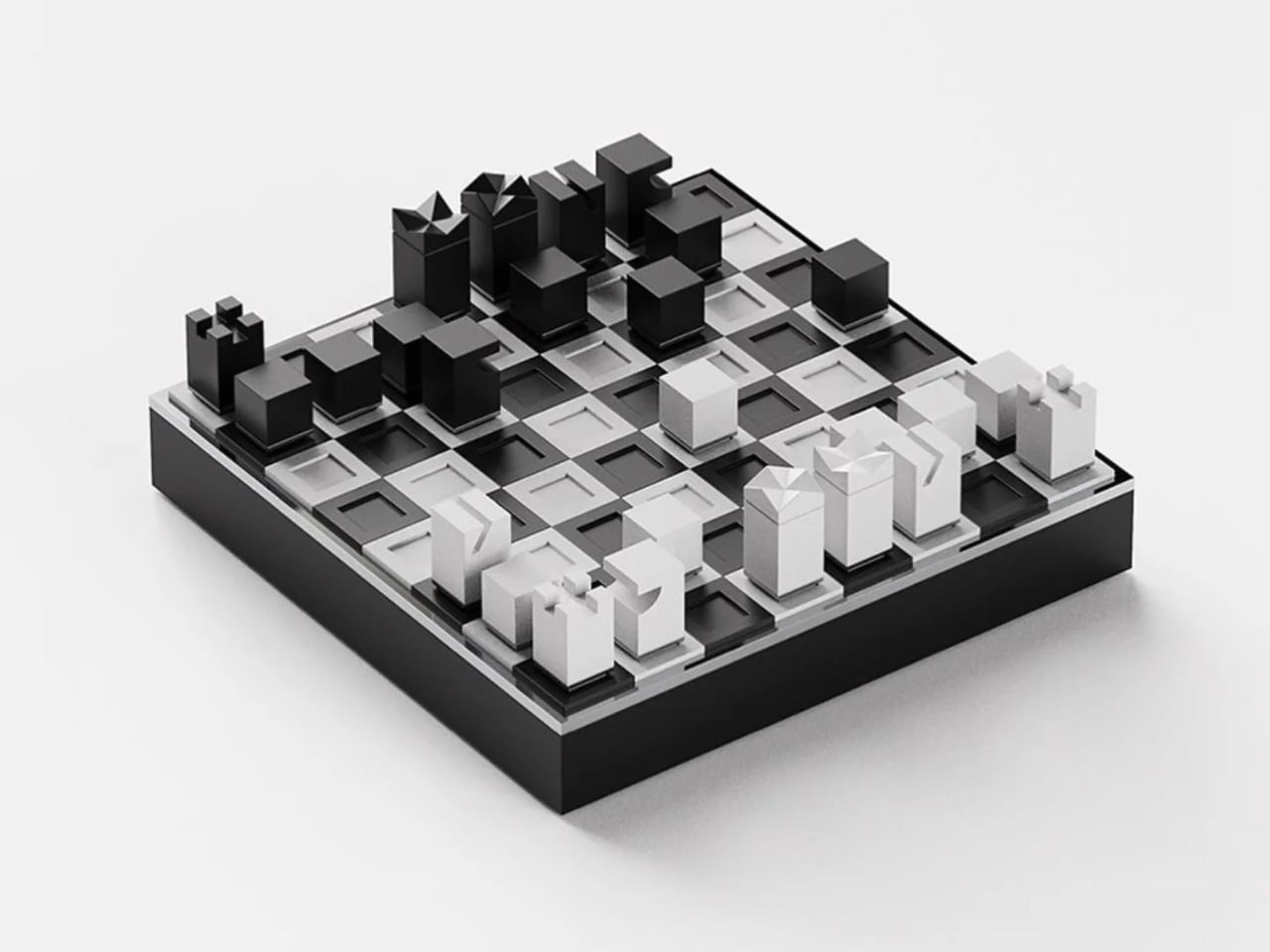
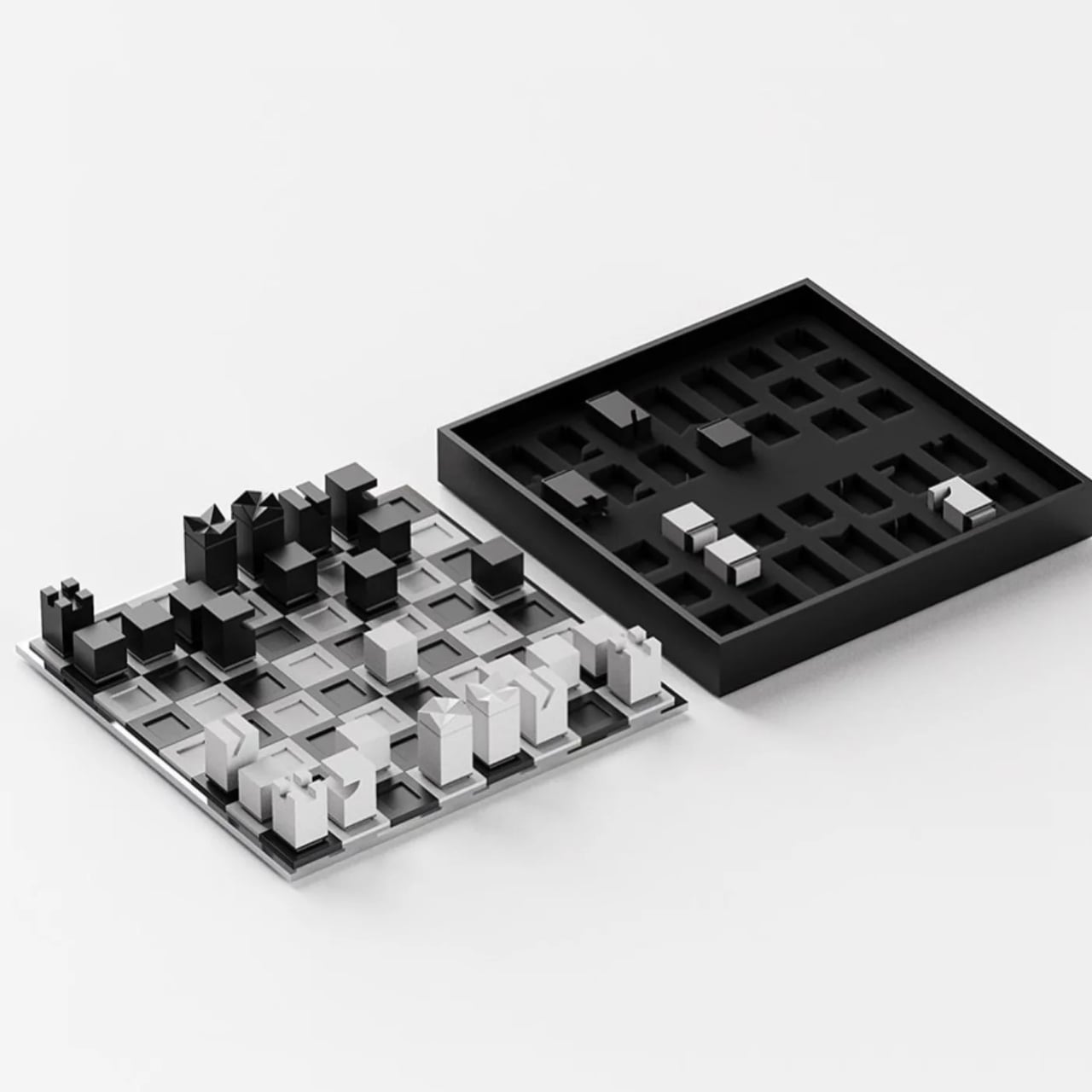
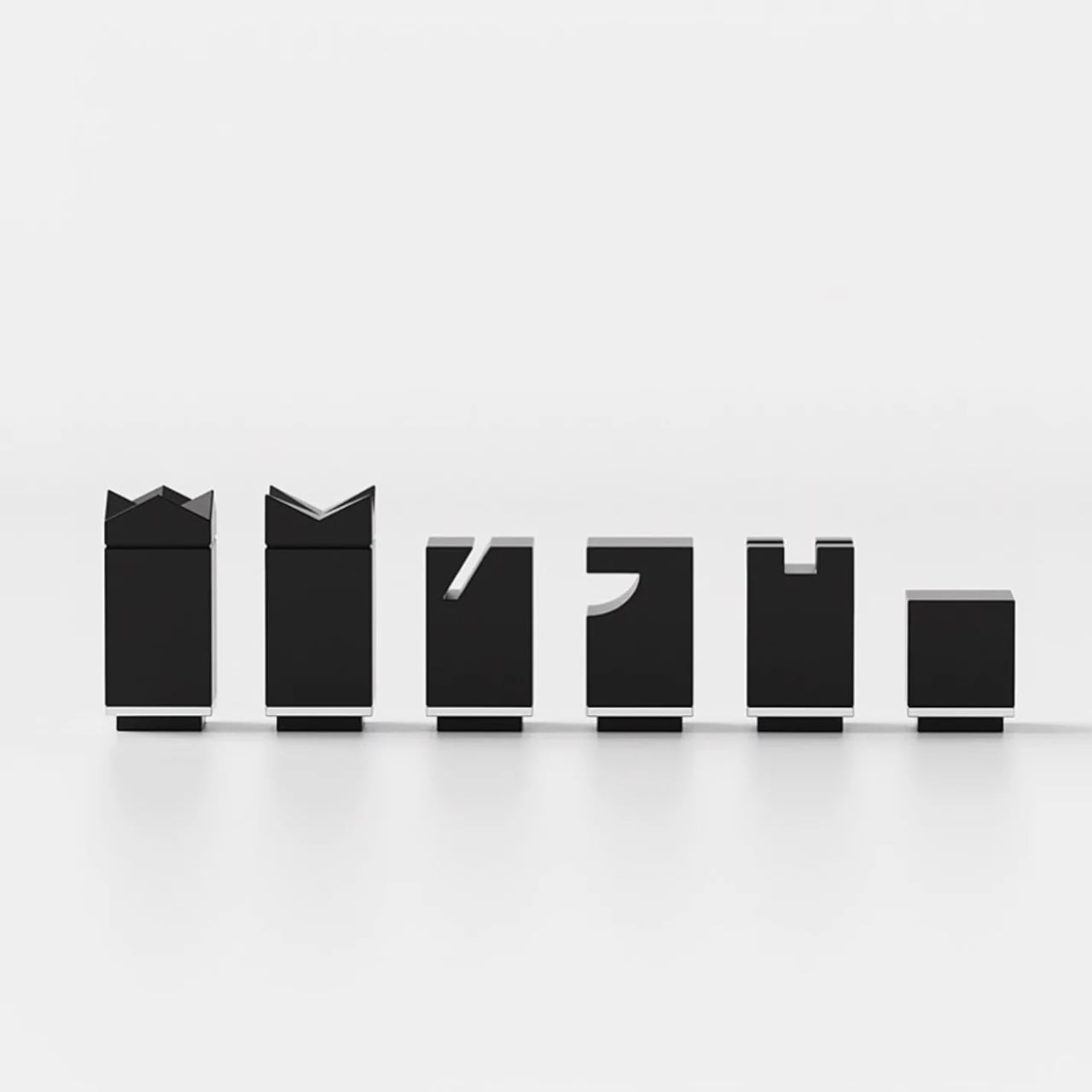
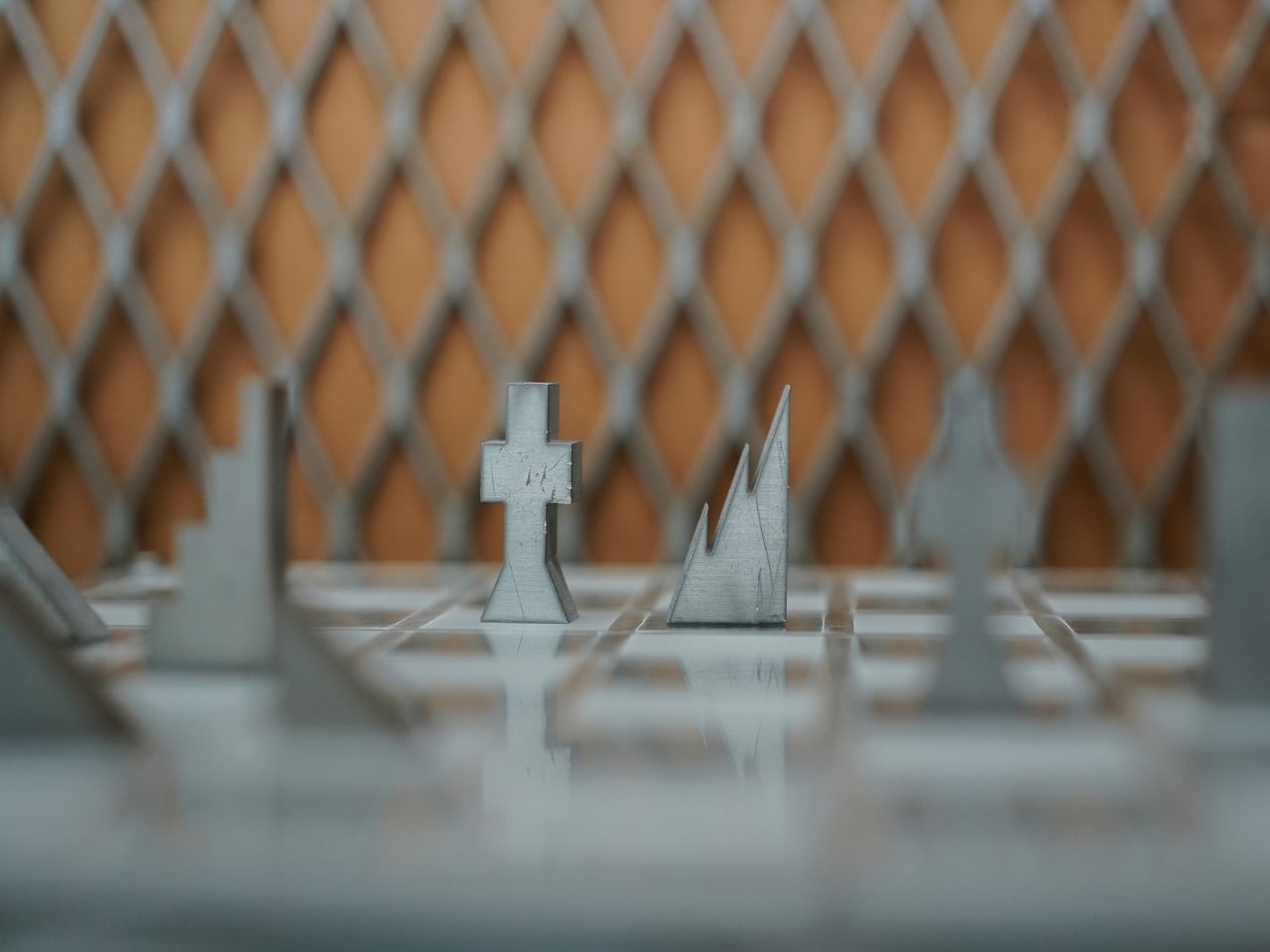
His Chess Matt Edition doesn’t borrow from that history. It doesn’t nod to it, deconstruct it, or pay ironic homage to it. Each piece is reduced to its essential geometric form, differentiated only by the minimal cuts and angles that distinguish one from another. The king wears a notched crown-like geometry, but it reads more like a Brutalist building than a monarch. The bishop has a diagonal slice through its block. The knight, traditionally the most ornamental piece on any board, is just a rectangle with a curved indent. You’d know each piece by its shape, and you’d know each shape by nothing but itself.

Designer: Lee Jinwook

That restraint is genuinely hard to achieve, and it’s rarer than it looks. Plenty of minimal chess sets still carry the weight of nostalgia by leaning on proportions that echo traditional forms. Lee’s approach feels more rigorous, like the design equivalent of starting with a blank document and refusing to import anything from a previous draft.

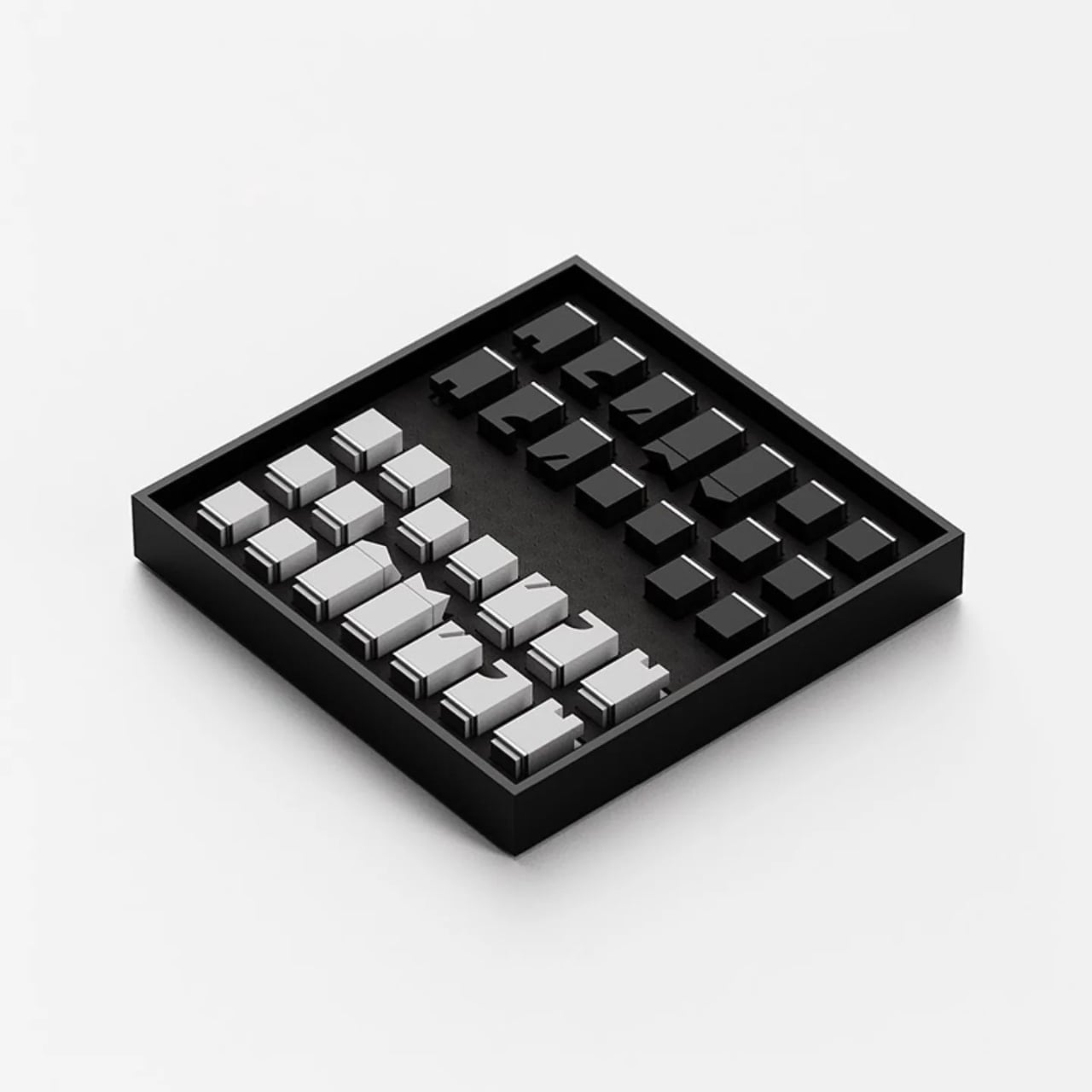
The Matt Edition is part of a series, each version produced in a different material. This one uses powder-coated pieces with brushed metal accents along the base. The contrast between the matte surface and the slim metallic band at the bottom of each piece is subtle, but it matters. It gives the set a quiet luxury without announcing it. The board itself doubles as the case cover when flipped, and the entire set packs down into a 115mm cube. That last detail sounds like a footnote but it’s actually the whole point. It means you can take it somewhere. It means the design serves life, not the other way around.

When the pieces are set up and no one is playing, the board looks like a miniature city. A grid of black and white geometric forms at different heights, each one casting its own small shadow. The intention was for the set to read as sculpture between moves, and it absolutely does. The photograph of it mid-game is more compelling than most things sold specifically as decorative objects.

I’ll admit I’m skeptical of design objects that prioritize aesthetics at the cost of function. A beautiful chair that isn’t comfortable is just a sculpture with pretensions. But this set doesn’t ask you to choose. The geometric forms are readable. The scale feels right for actual play. The packaging is considered down to the way the board flips over. The aesthetics and the utility are working in the same direction, which is what good design is supposed to do, and which a lot of objects in this category fail to deliver.

What Lee has also built, whether intentionally or not, is a quiet argument about chess itself. The game doesn’t need its medieval costume to function. Strip away the kings and queens and rooks and what remains is a grid, a set of movement rules, and the cognitive pleasure of solving something in real time. The Chess Matt Edition reminds you of that. It separates the game from its accumulated mythology and puts the focus back on the act of playing.

That’s worth paying attention to right now. The design world is saturated with products that perform a cultural identity rather than express one. This chess set doesn’t perform anything. It just is what it is: precise, considered, and fully confident in its own logic. When you see it sitting on a shelf, black pieces against a white board, matte surface catching a little natural light, it earns the space it occupies. Everything fits into a 115mm cube. The whole set sits in your hand. Not everything that fits in your hand deserves to be considered art, but this one comes close.

The post Chess Hasn’t Looked Like This in a Thousand Years first appeared on Yanko Design.

The Chess Set That Plays By Touch, Ships Flat, Wastes Nothing

There’s something deeply satisfying about watching a designer solve multiple problems at once. William Young’s Jigsaw Chess Set is one of those rare designs that makes you wonder why nobody thought of it sooner. It’s a chess set, yes, but it’s also a sculptural object, an accessibility tool, and a logistics solution all rolled into one beautifully executed package.

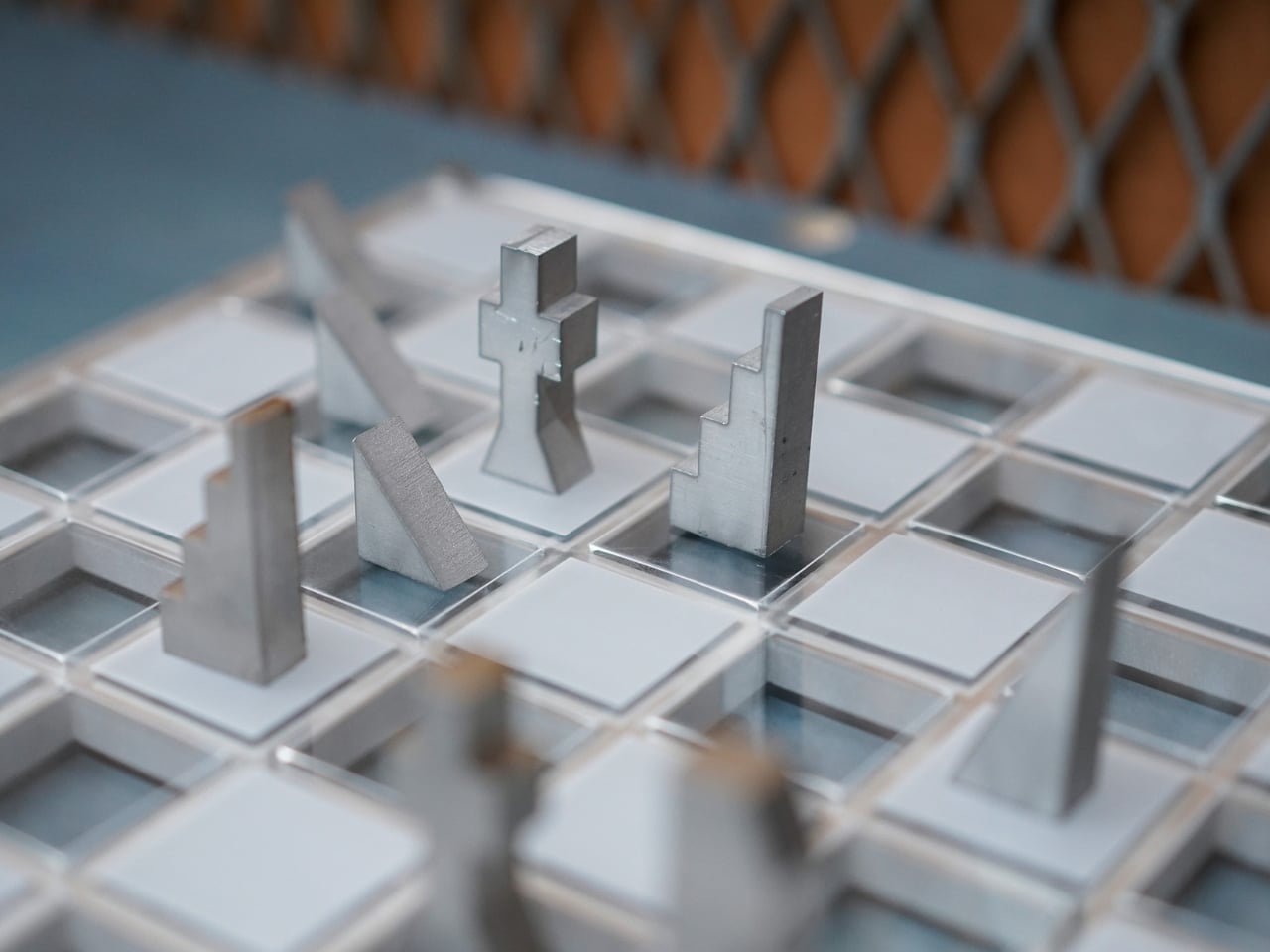
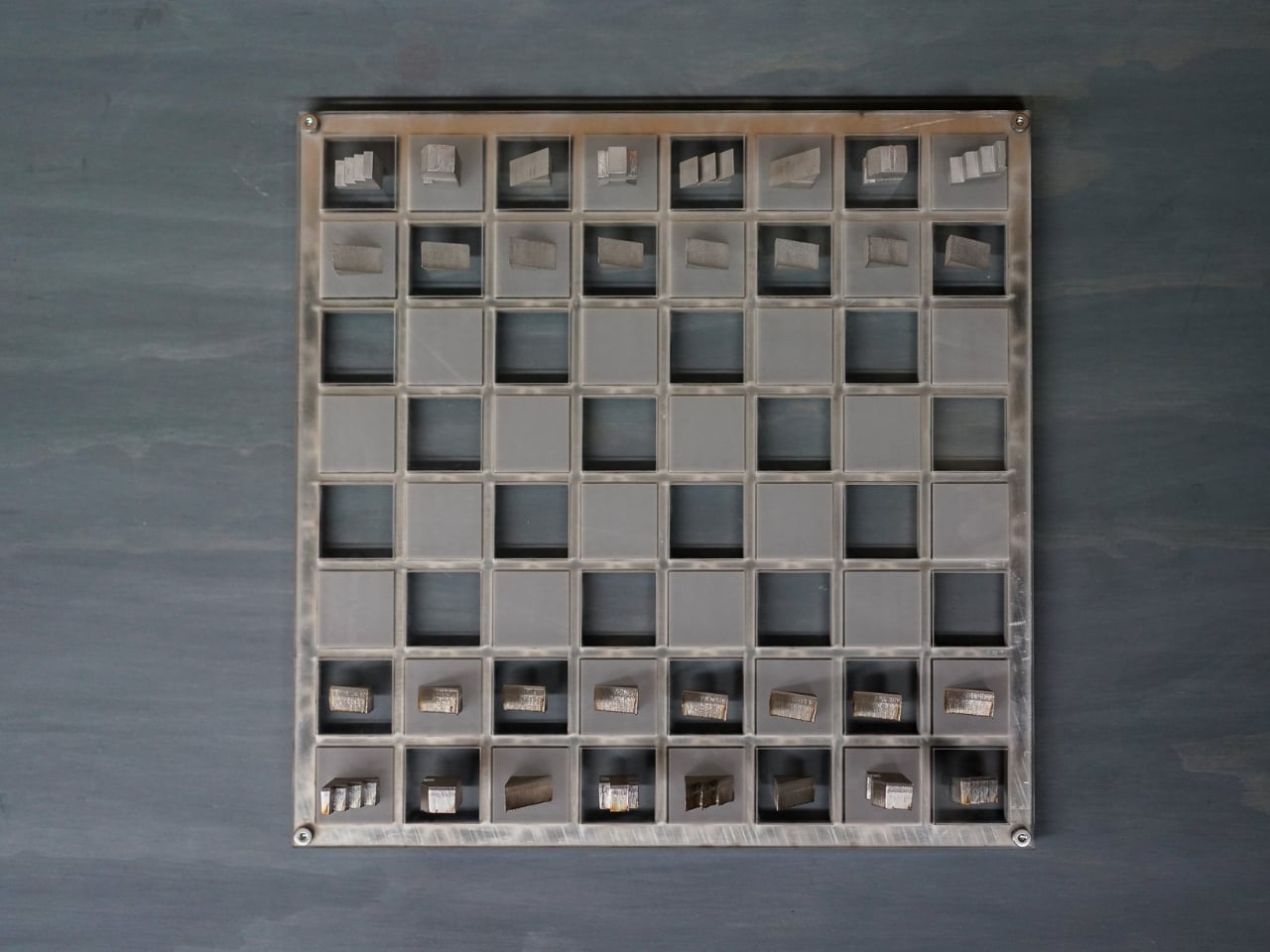
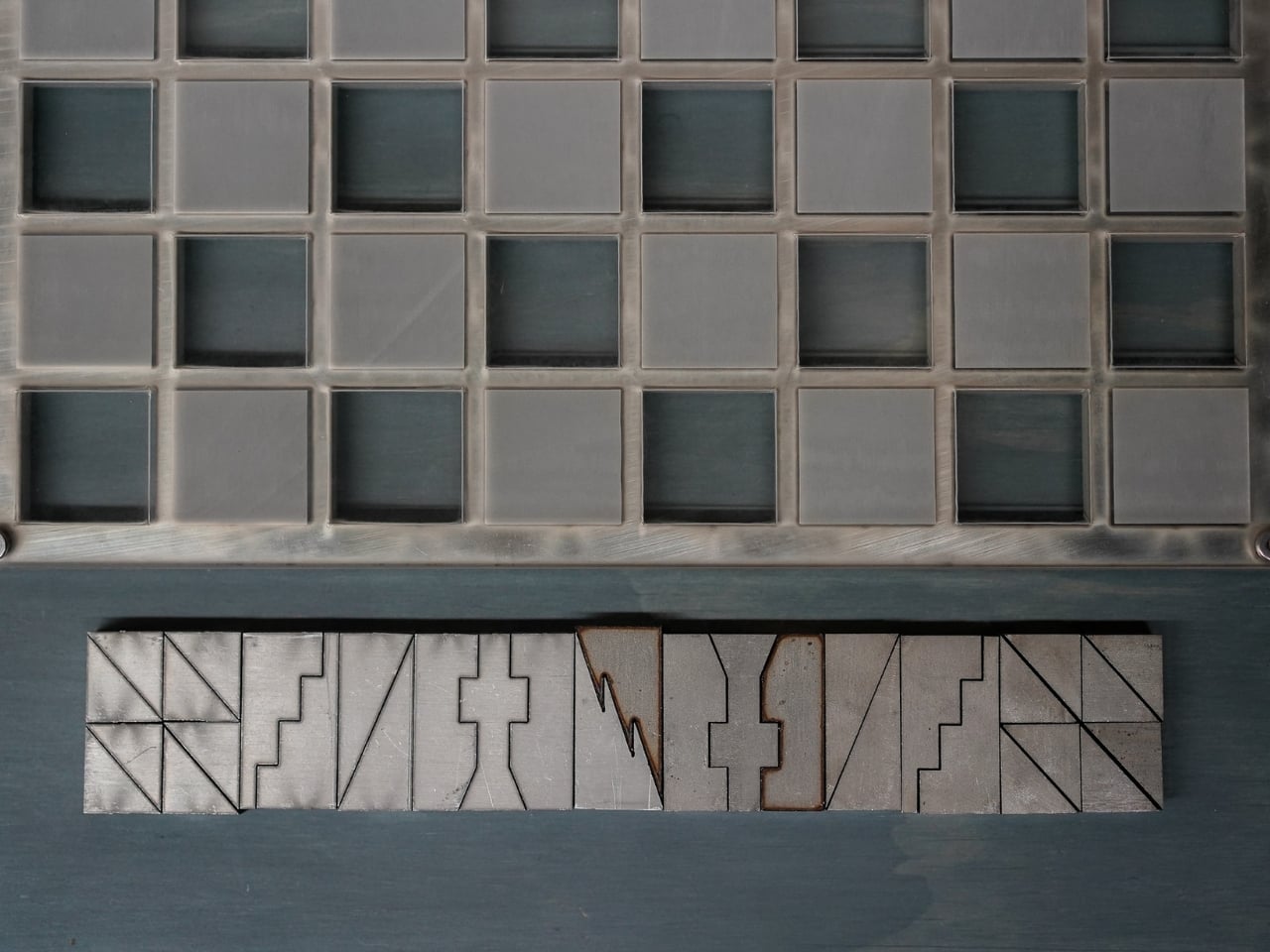
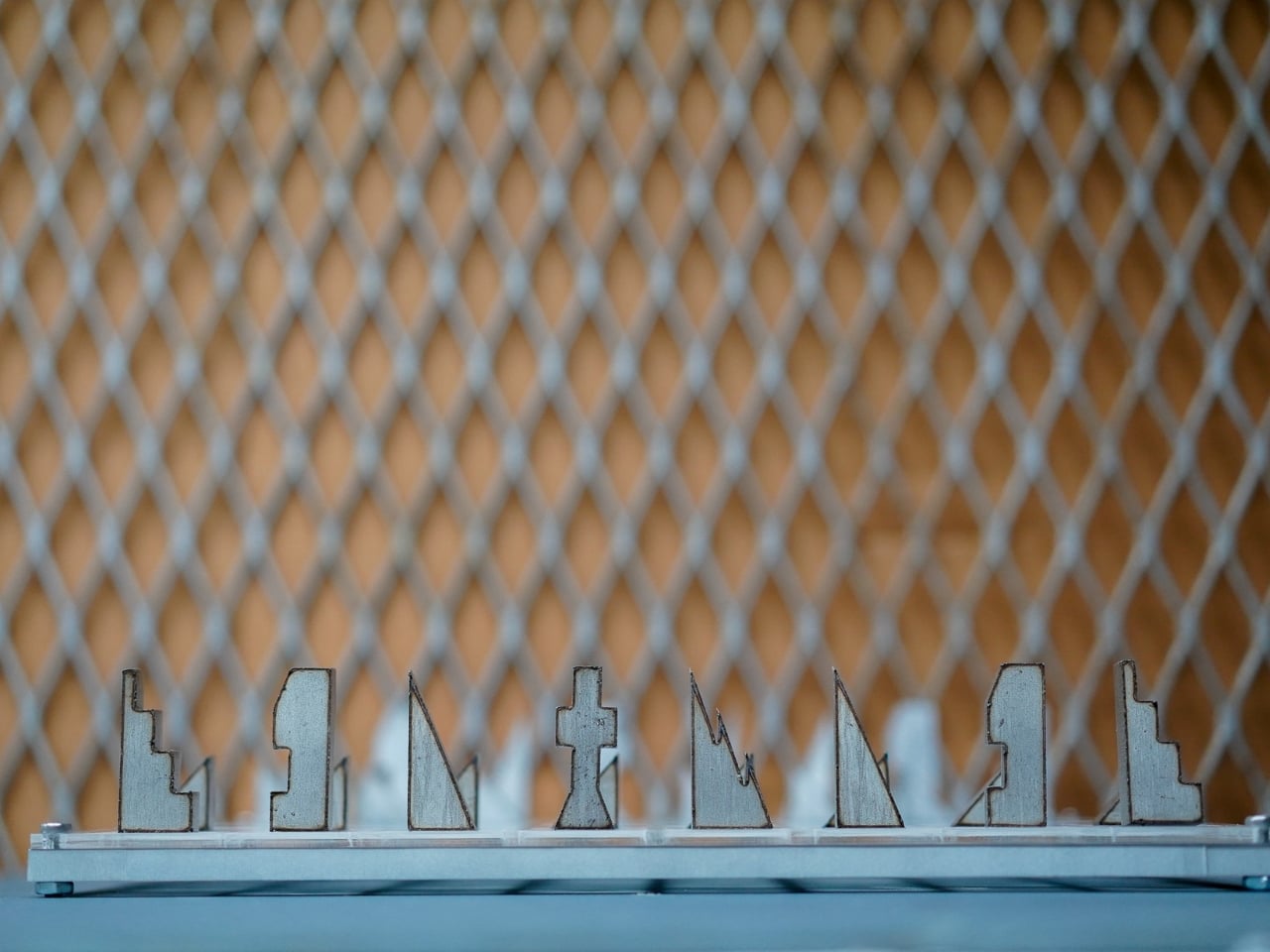
At first glance, the set looks like something you’d find in a modern art museum. The pieces are geometric, almost brutalist in their simplicity, fabricated from contrasting steel and aluminum. One side gets the cool, dark patina of steel, while the opposing army gleams in lighter aluminum. They’re angular, tessellated forms that look more like miniature architectural models than traditional chess pieces. But this isn’t just aesthetic posturing. Every design choice serves a purpose.

Designer: William Young

The most compelling aspect of the Jigsaw Chess Set is how it approaches accessibility. Most chess sets rely entirely on visual distinction. You know a knight from a bishop because you can see the carved horse head or the pointed mitre. But what if you can’t? Young’s design flips the script by making tactile identity the primary means of recognition. Each piece has a distinctive weight and texture that immediately identifies it in your hand. The king feels different from the rook, the pawn from the bishop. You could play this game with your eyes closed and know exactly what you’re moving across the board.

This isn’t a novelty feature. For visually impaired players, most chess sets require specialized modifications or Braille labels that still mark them as “other.” Young’s design makes accessibility intrinsic to the aesthetic, not an afterthought. The result is a set that works beautifully for everyone, regardless of visual ability. It’s inclusive design at its best, where accommodation becomes innovation.

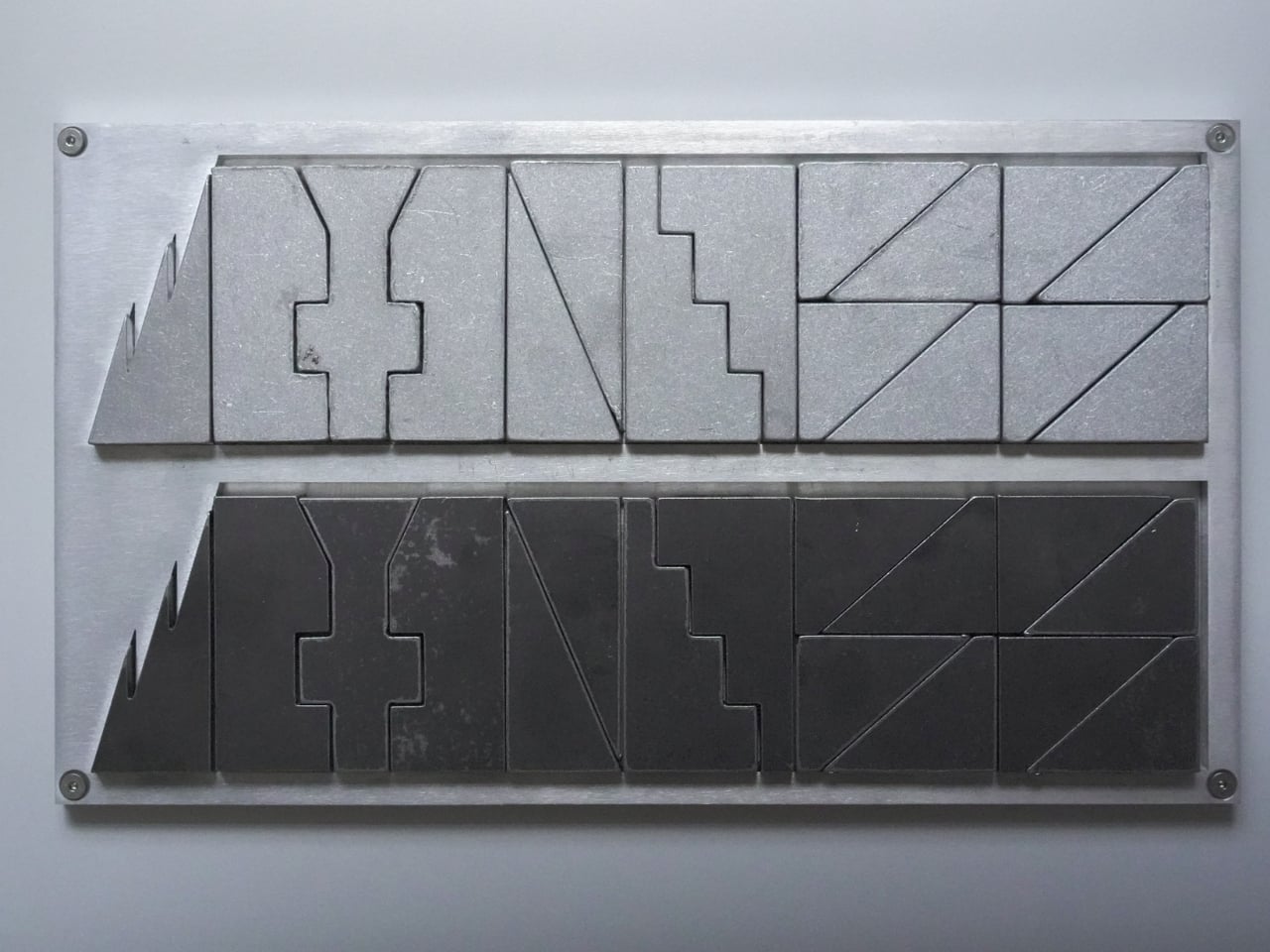
Then there’s the fabrication process, which deserves its own moment of appreciation. The pieces are created using a zero-waste cutting method. Picture a sheet of metal that gets sliced into interlocking forms, like a precision jigsaw puzzle where every cut produces a usable piece. Nothing gets tossed in the scrap bin. In an era where we’re increasingly aware of material waste and manufacturing impact, this approach feels refreshingly thoughtful. Each piece is then hand-finished, giving the set that tactile quality that makes it so satisfying to handle.

But wait, there’s more. (I know, I know, but genuinely, there’s more.) When you’re done playing, the entire set interlocks back into a dense, self-contained block. All 32 pieces fit together like a three-dimensional puzzle, creating a compact square that takes up minimal space. This is where the “jigsaw” name really earns its keep. The design is scalable too, meaning different size versions can be produced while maintaining the same interlocking logic.

From a shipping and storage perspective, this is genius. Traditional chess sets are bulky, awkward to pack, and wasteful in their use of space. Young’s design ships flat (well, flatish), reducing packaging materials and transportation costs. For consumers, it means easier storage when the set isn’t in use. For retailers, it means more efficient inventory management. Again, multiple problems solved with one elegant solution.

What really strikes me about the Jigsaw Chess Set is how it challenges our assumptions about what a chess set should be. The game is over 1,500 years old, and the basic design language of its pieces has remained relatively stable for centuries. Young doesn’t throw that all away, but he does ask: what if we started from scratch with contemporary materials, modern manufacturing techniques, and a genuine commitment to universal design?

The answer is something that feels both familiar and radically new. You can still play chess exactly as you always have, but now you’re doing it with an object that works harder, thinks smarter, and includes more people in the experience. It’s a reminder that even the most traditional games have room for innovation when designers are willing to question the fundamentals. Whether you’re a chess enthusiast, a design collector, or someone who simply appreciates objects that do multiple things exceptionally well, the Jigsaw Chess Set deserves your attention. It’s proof that good design isn’t about adding features. It’s about rethinking everything from the ground up.

The post The Chess Set That Plays By Touch, Ships Flat, Wastes Nothing first appeared on Yanko Design.

Wearable chess set turns one of the oldest games into a fashion statement

Although video games today have become a multi-billion dollar industry, there are analog games that have existed for centuries and continue to be a beloved pastime and sport today. Chess, for example, is still going strong across peoples of all ages, but it isn’t just players who find the game to be a treasure trove of inspiration.

The variety of chess set designs shows how the game is so open to interpretation, much more than most video games, resulting in products ranging from artistic to technological. This rather unusual take on the classic strategy game takes chess in a slightly different direction, presenting a game you can literally wear and take with you anywhere, ready to set up a match at a moment’s notice.

Designer: Louis Le Joly Senoville

We’ve seen many interpretations of the classic chess set design, from minimalist to brutalist to self-playing technological marvels. Most of these sets are designed to be installed in one location, while portable chess sets are sometimes too small because they’re meant to fit inside bags. They still take up space, of course, so that means giving up room that’s meant for your other, equally important stuff.

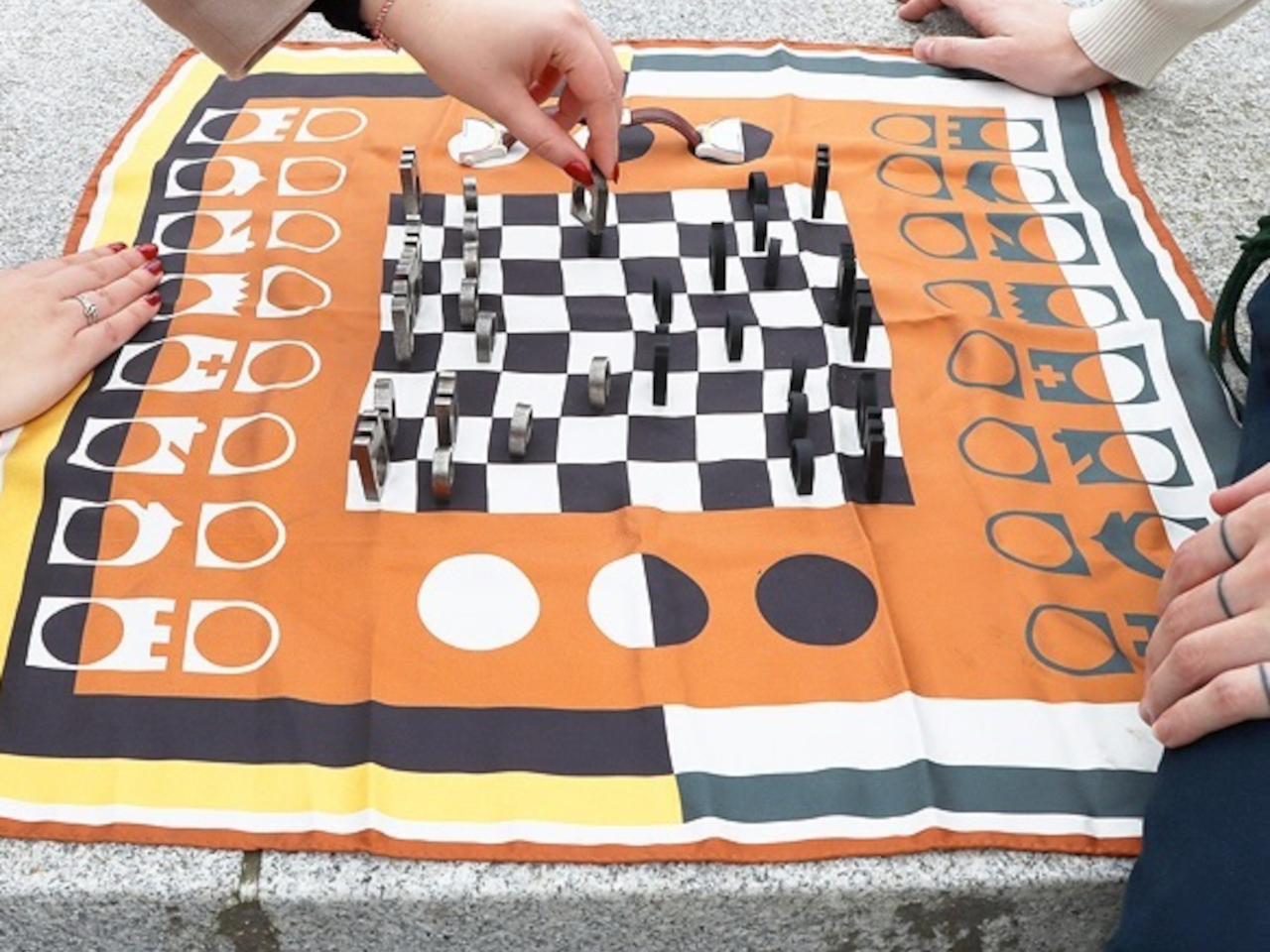
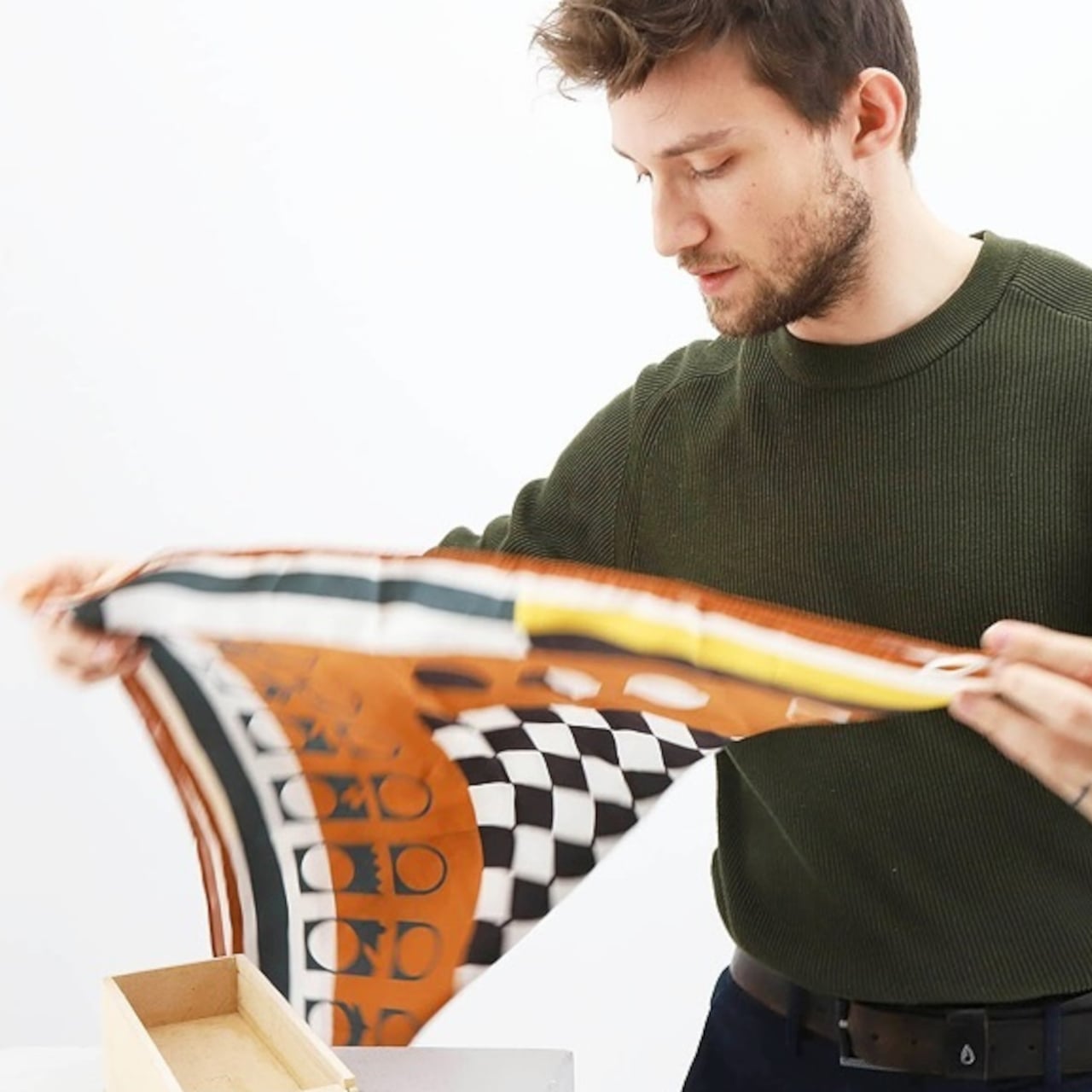
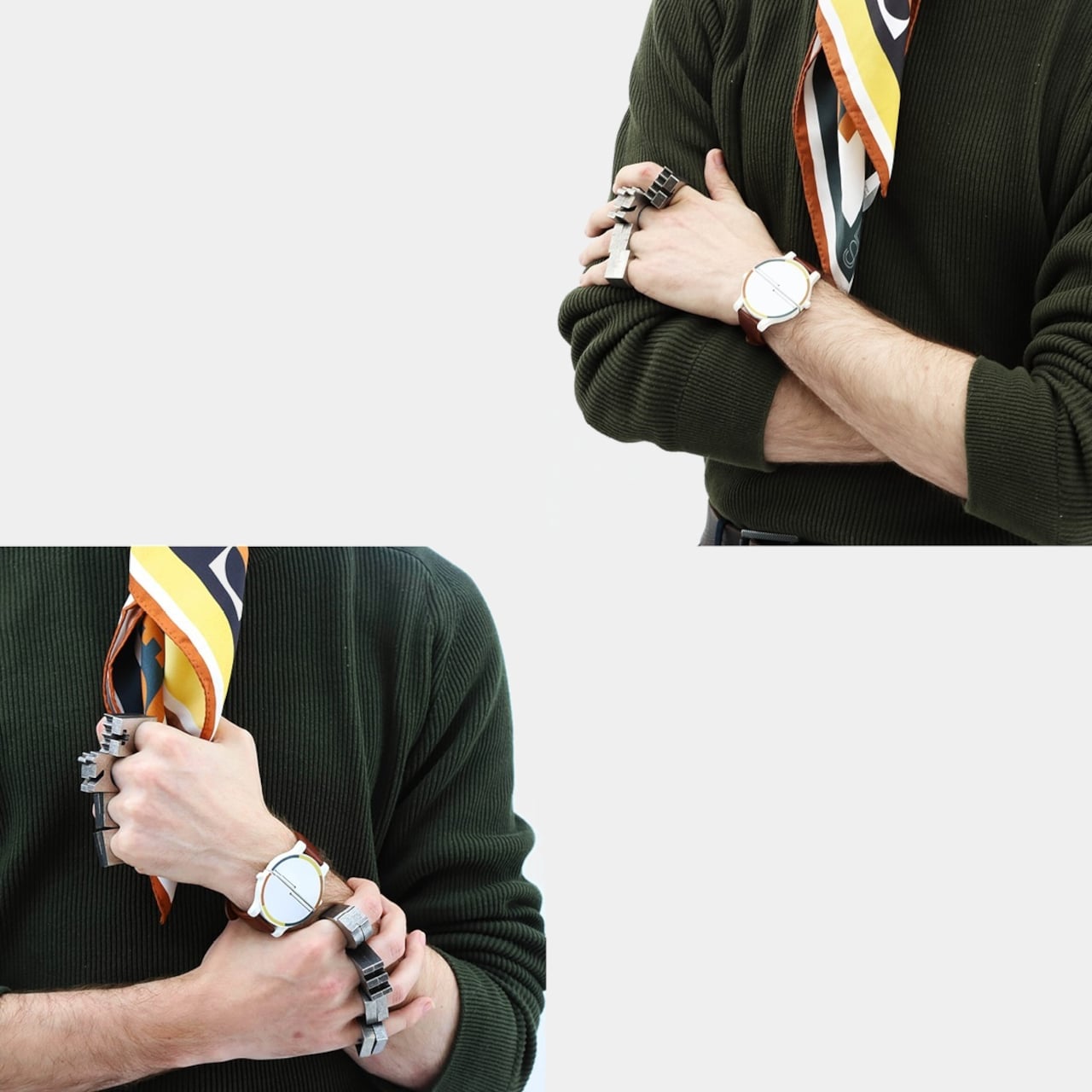
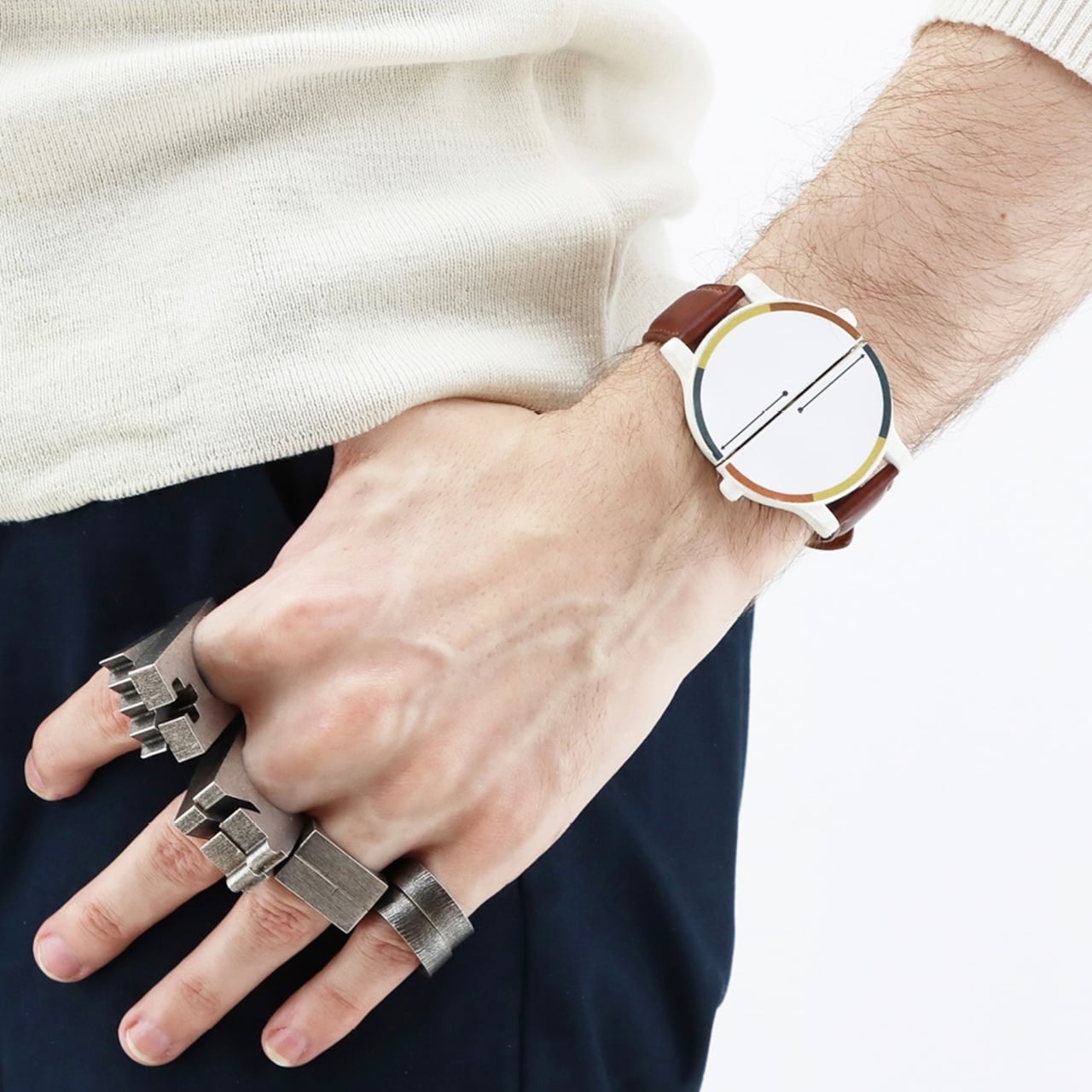
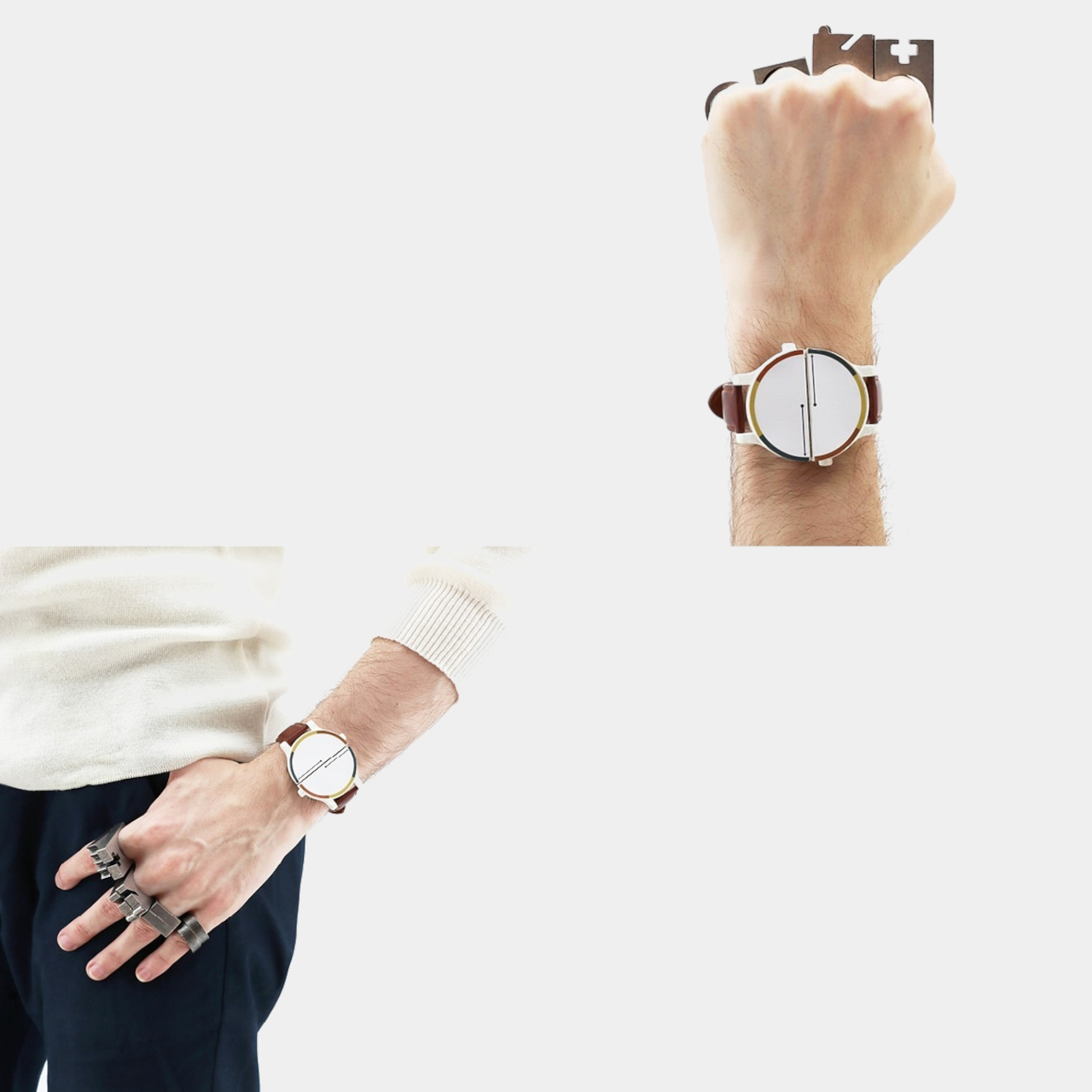
Ha Mat, which is short of “eched ha mat,” (“checkmate” in Breton) solves this problem by turning the chess set into something completely inconspicuous when not in use. In this case, the chess board becomes a scarf, the pieces become rings, and the timer becomes a watch. It’s literally a chess set you can wear as a fashion piece, allowing you to play anywhere there’s a flat plane to place everything on.

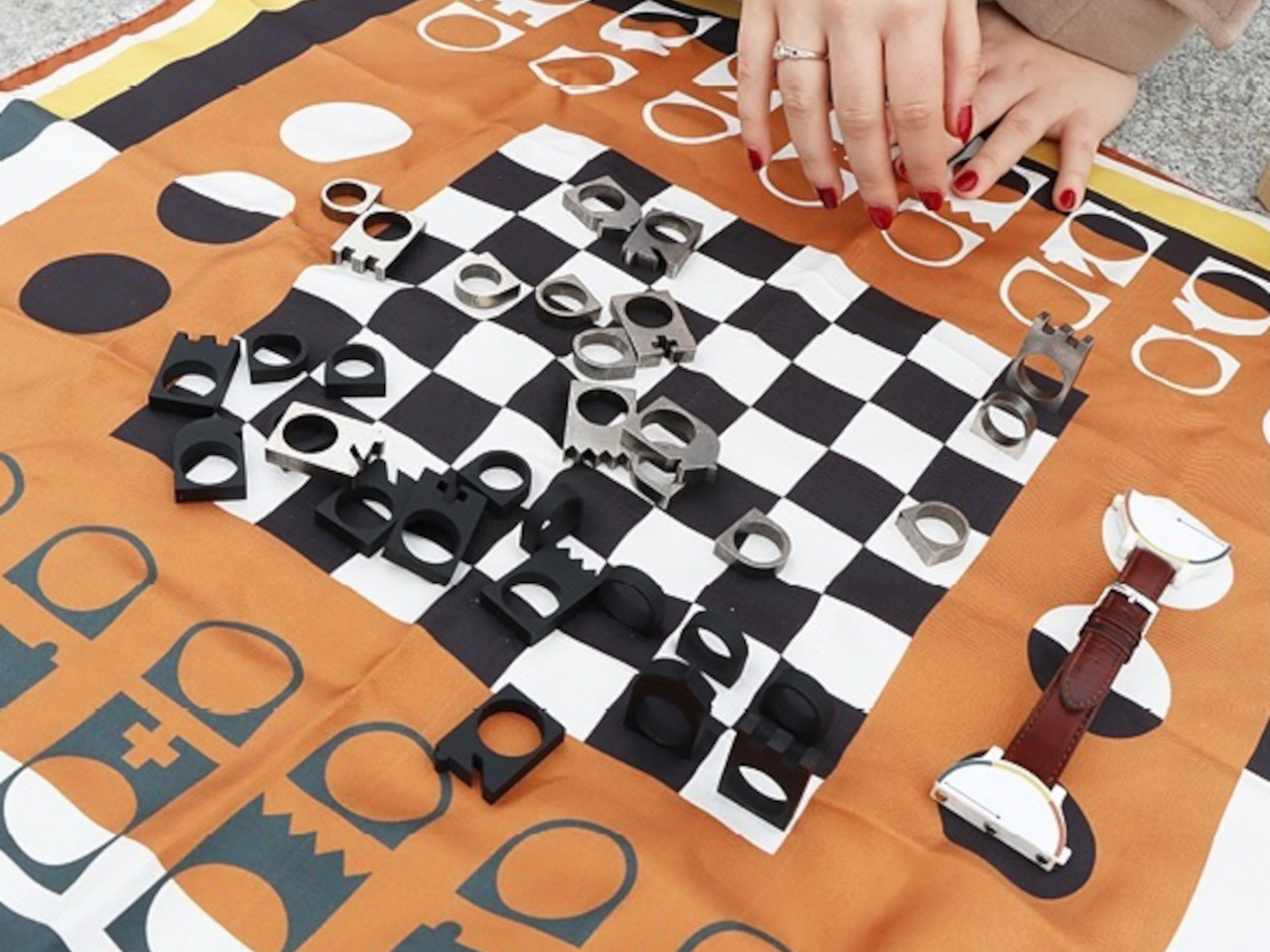
Of course, Ha Mat needs to actually look fashionable to qualify as a fashion statement, and it definitely fits the bill. The “board” takes inspiration from silk maps and military training scarves on antiquity, and the color scheme even tries to pay homage to luxurious hues used on chess boards in the past, particularly leather and wood. The watch that’s part of the set is quite peculiar because it can split in half and act as a timer for both sides.

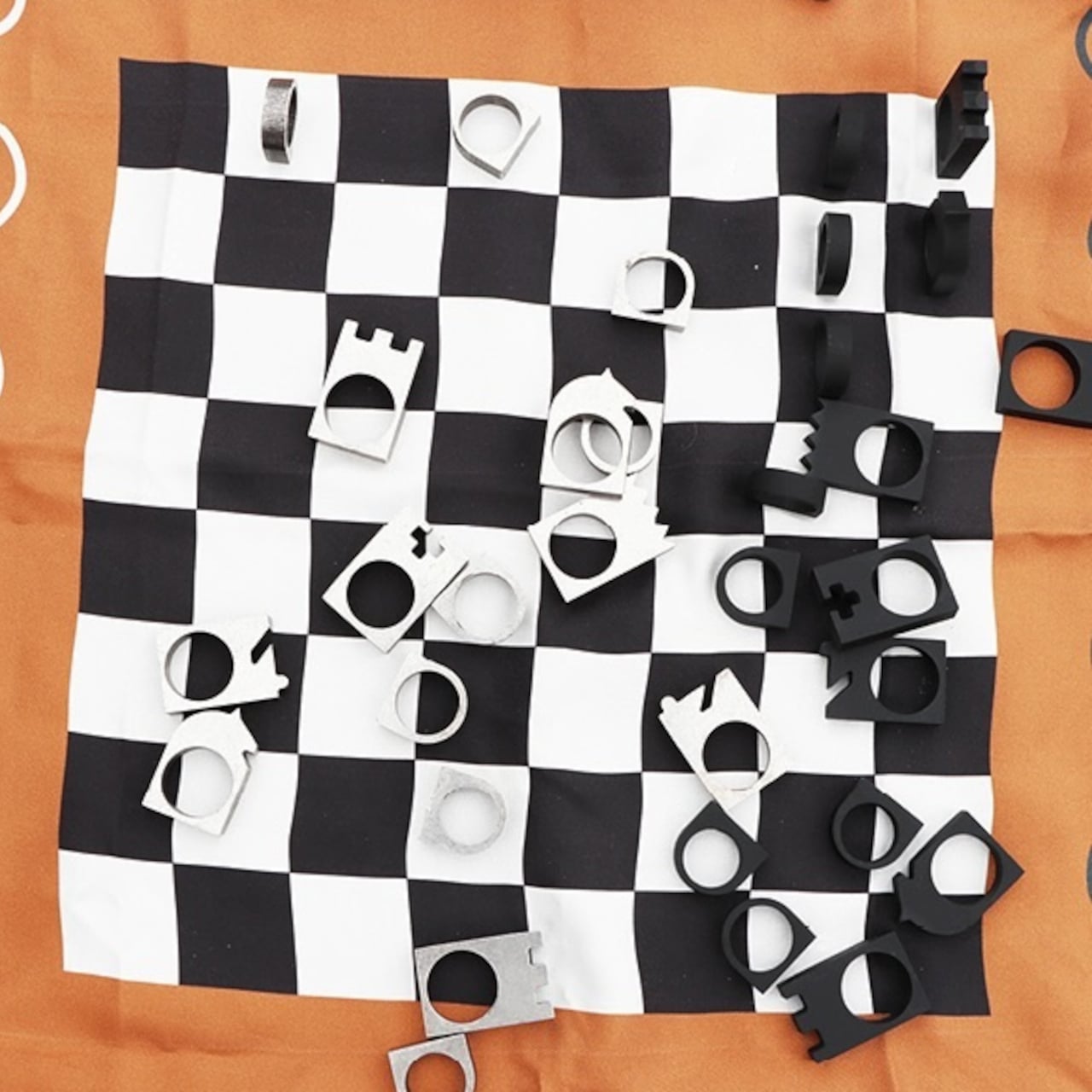
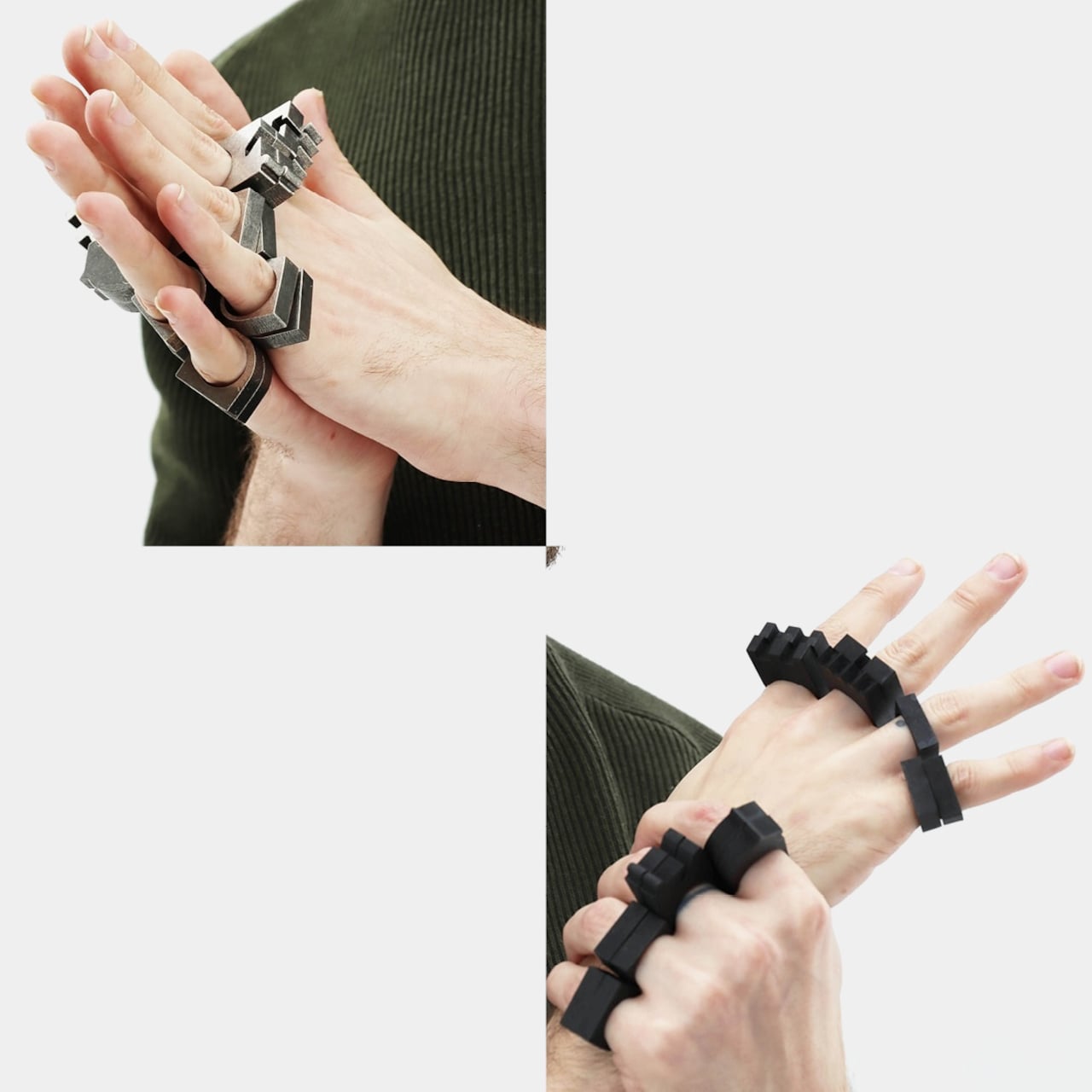
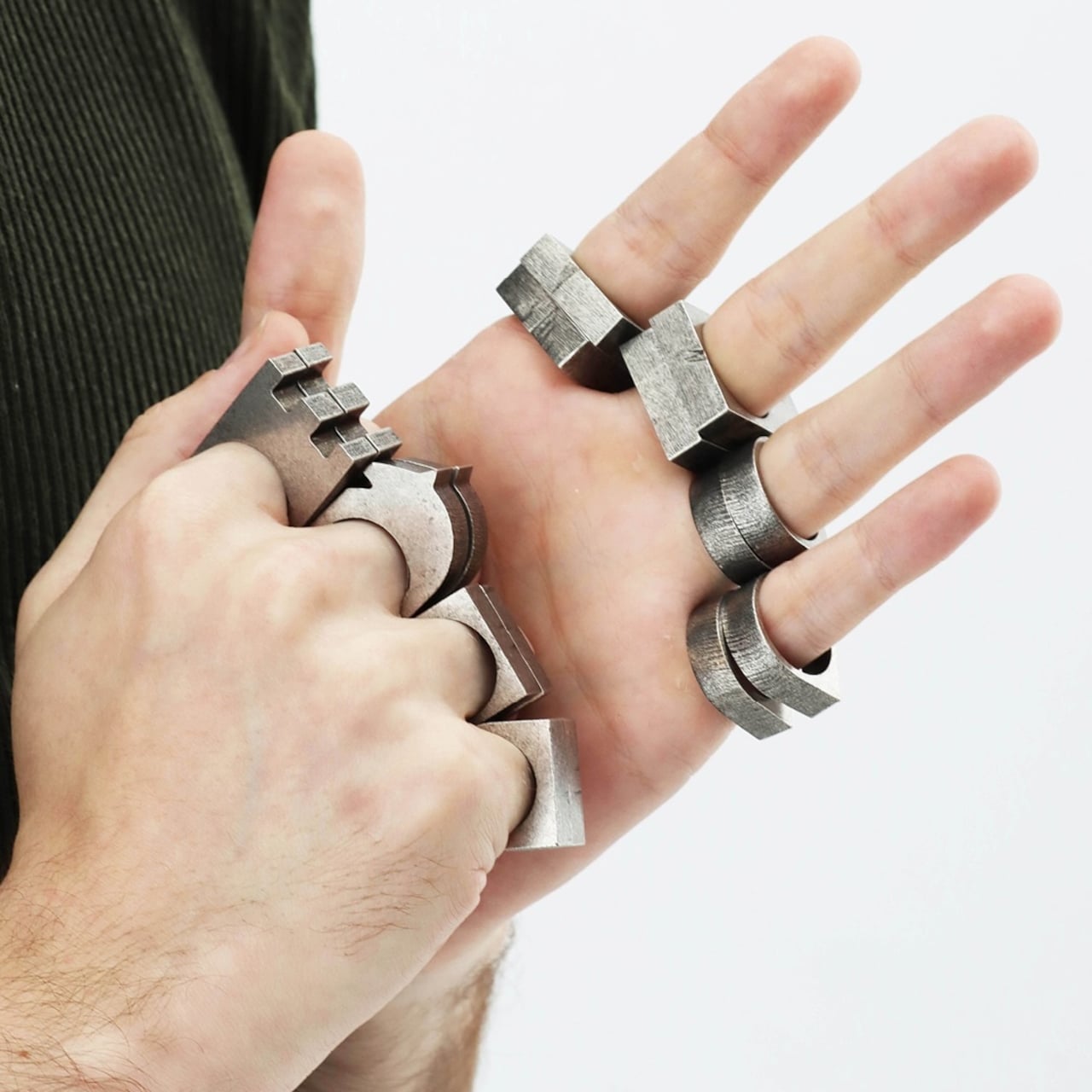
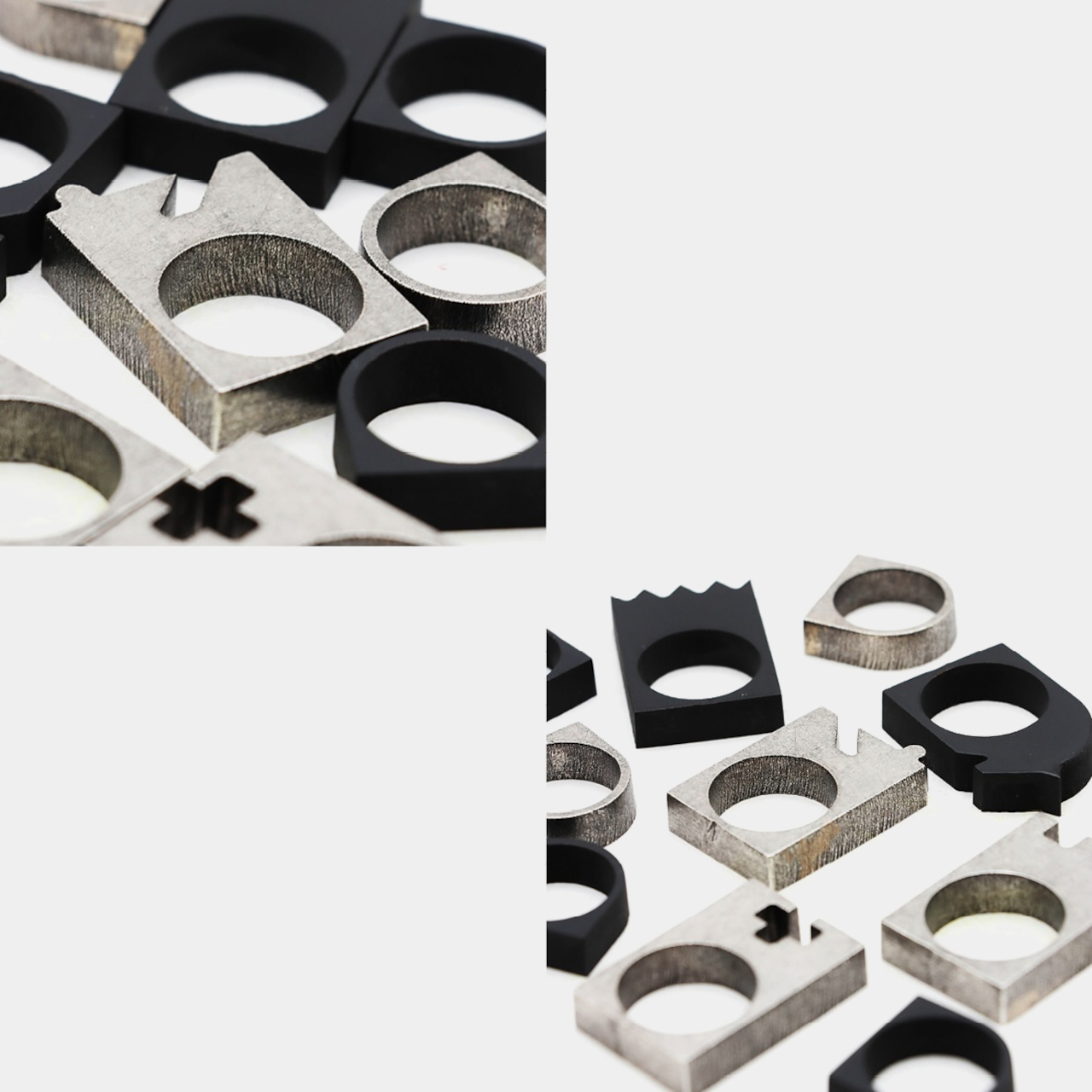
The most interesting designs, however, are the chess pieces themselves. They have flat bottoms so they can stand on the “board,” but they have holes in the middle to wear as rings on your fingers. The pieces have tops that are more symbolic and iconic to identify their position on the board, simplifying their identity in order to fit the need to have flat pieces.

Of the 32 chess pieces, you can wear 16 on eight of your fingers if you pair similar pieces together. These would make you look like you’re wearing knuckle dusters, so they might not exactly be safe to wear in public. Still, the concept is quite intriguing, as it transforms one type of product into a completely different kind, without losing either one’s identity. In fact, it elevates the chess set from a game to something that’s an integral part of your life.

The post Wearable chess set turns one of the oldest games into a fashion statement first appeared on Yanko Design.

This beautiful medieval chess set has a cute story to go with – deserves LEGO Ideas official set status

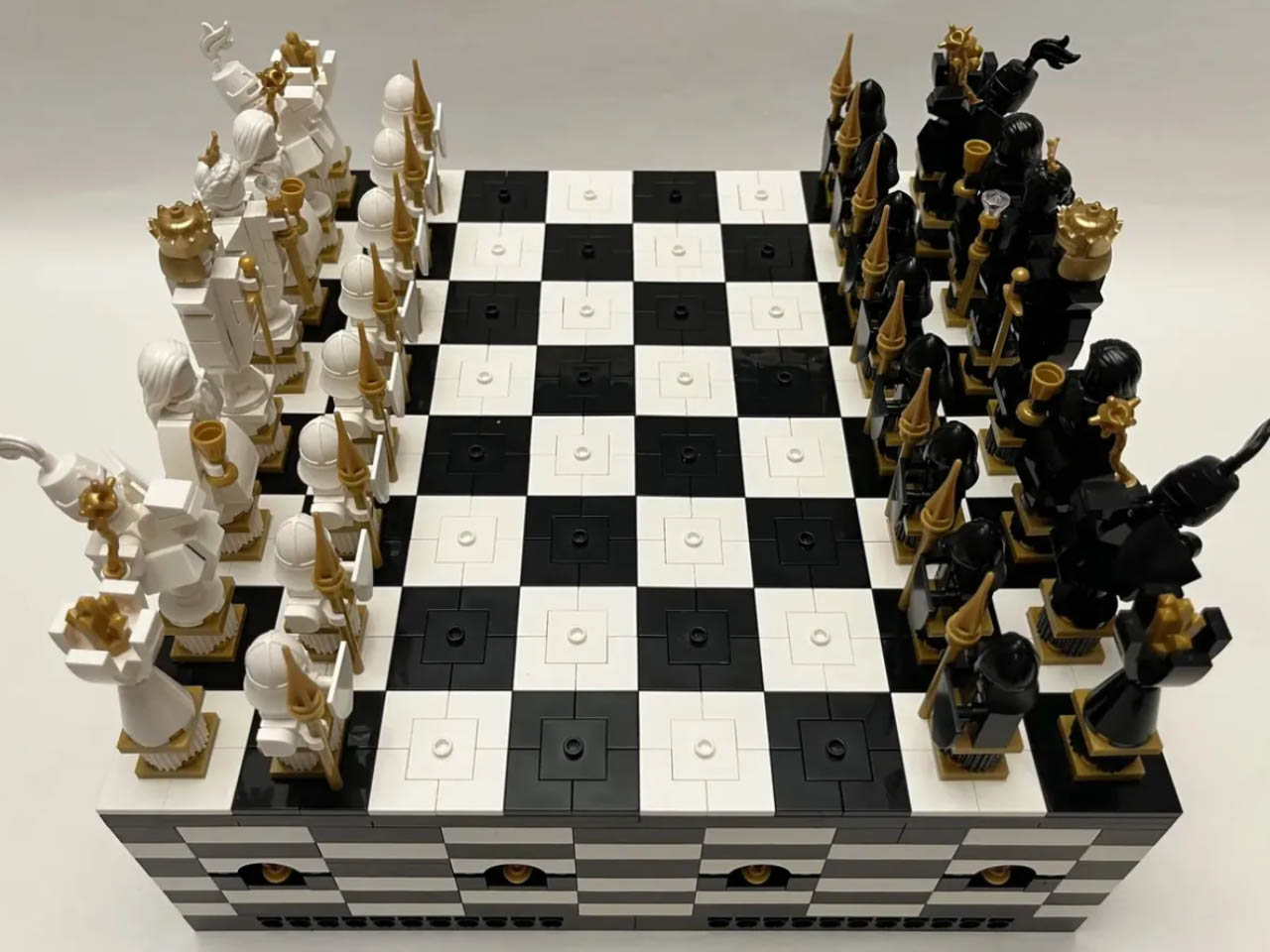
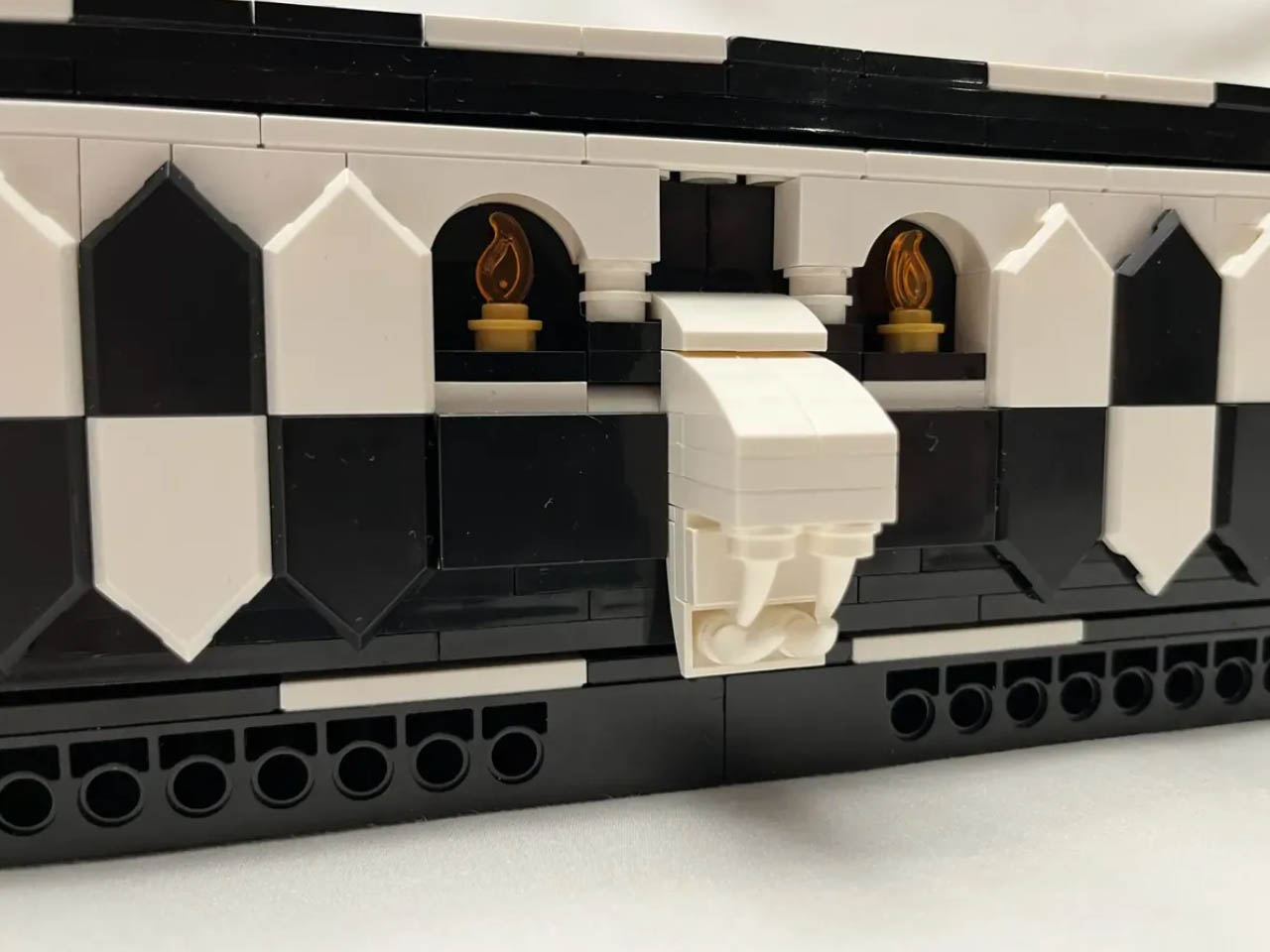
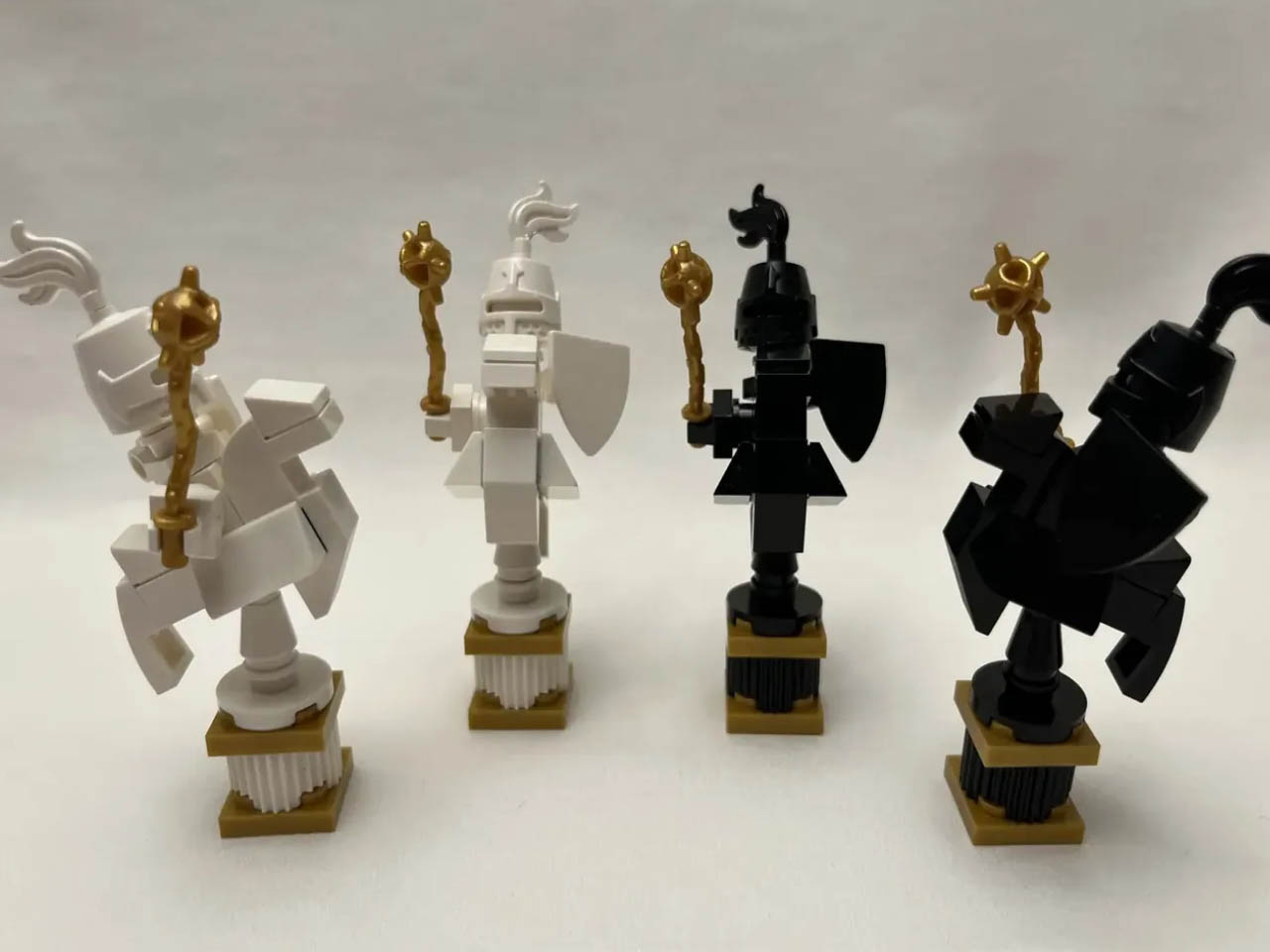
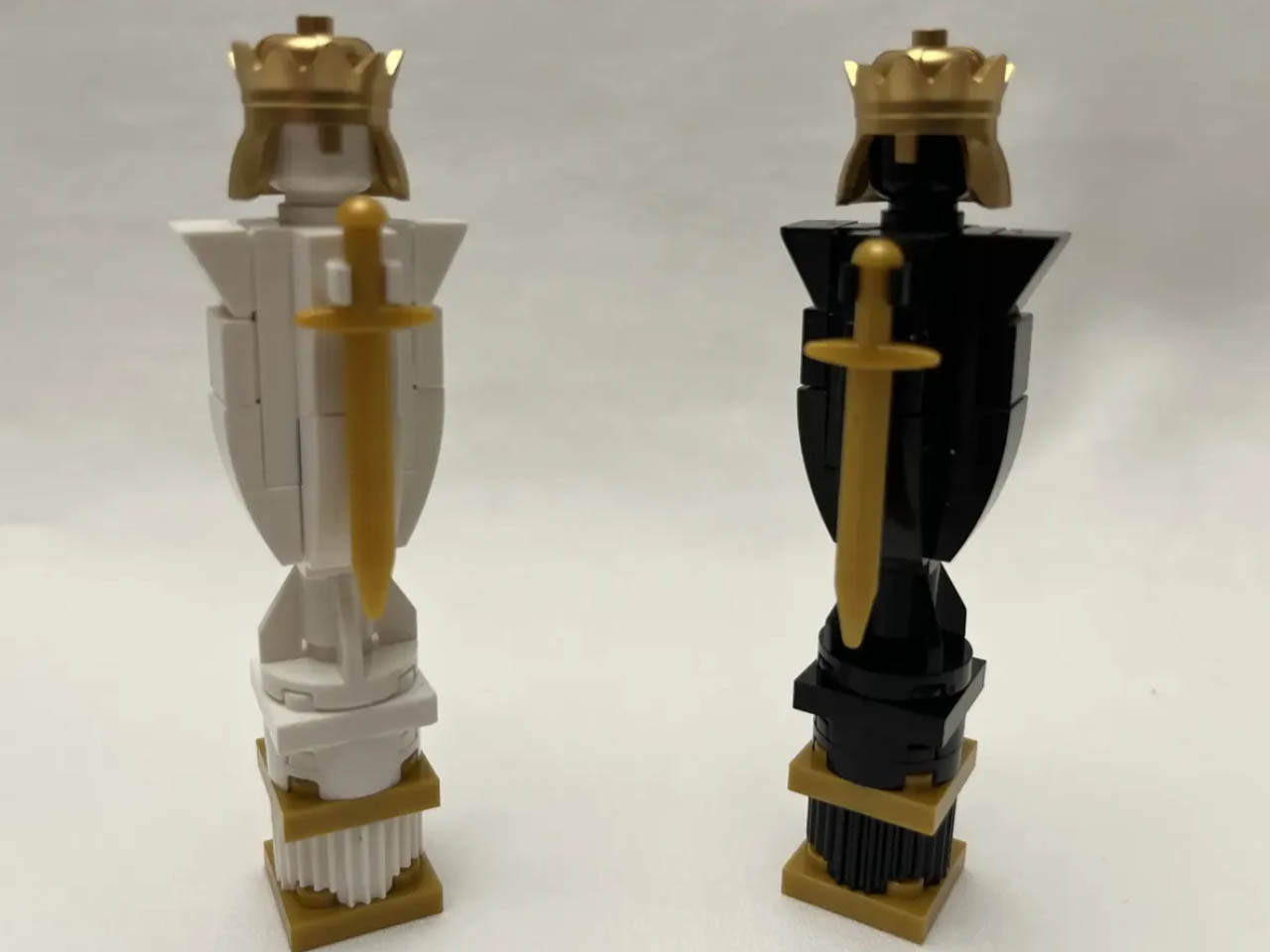
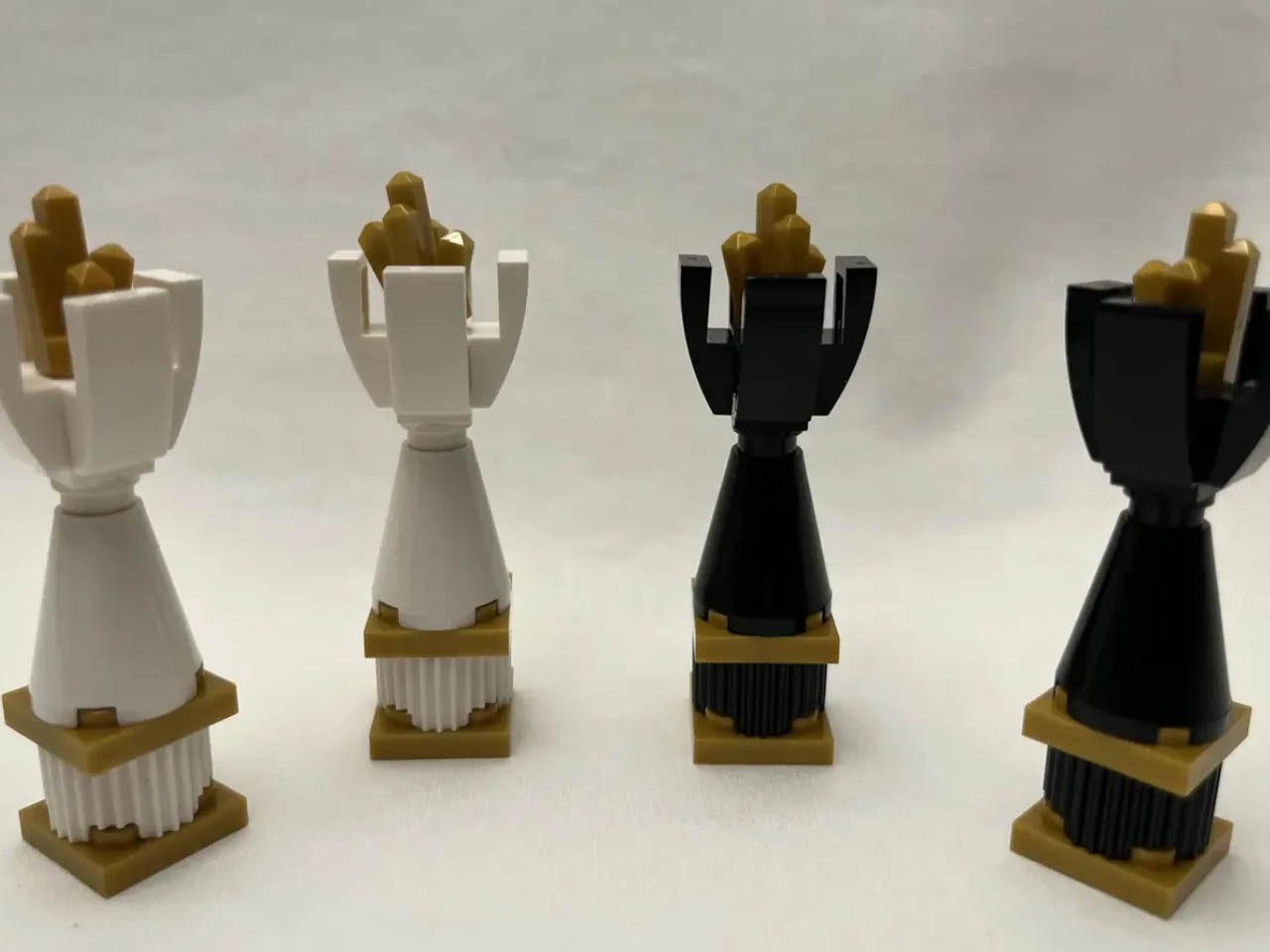
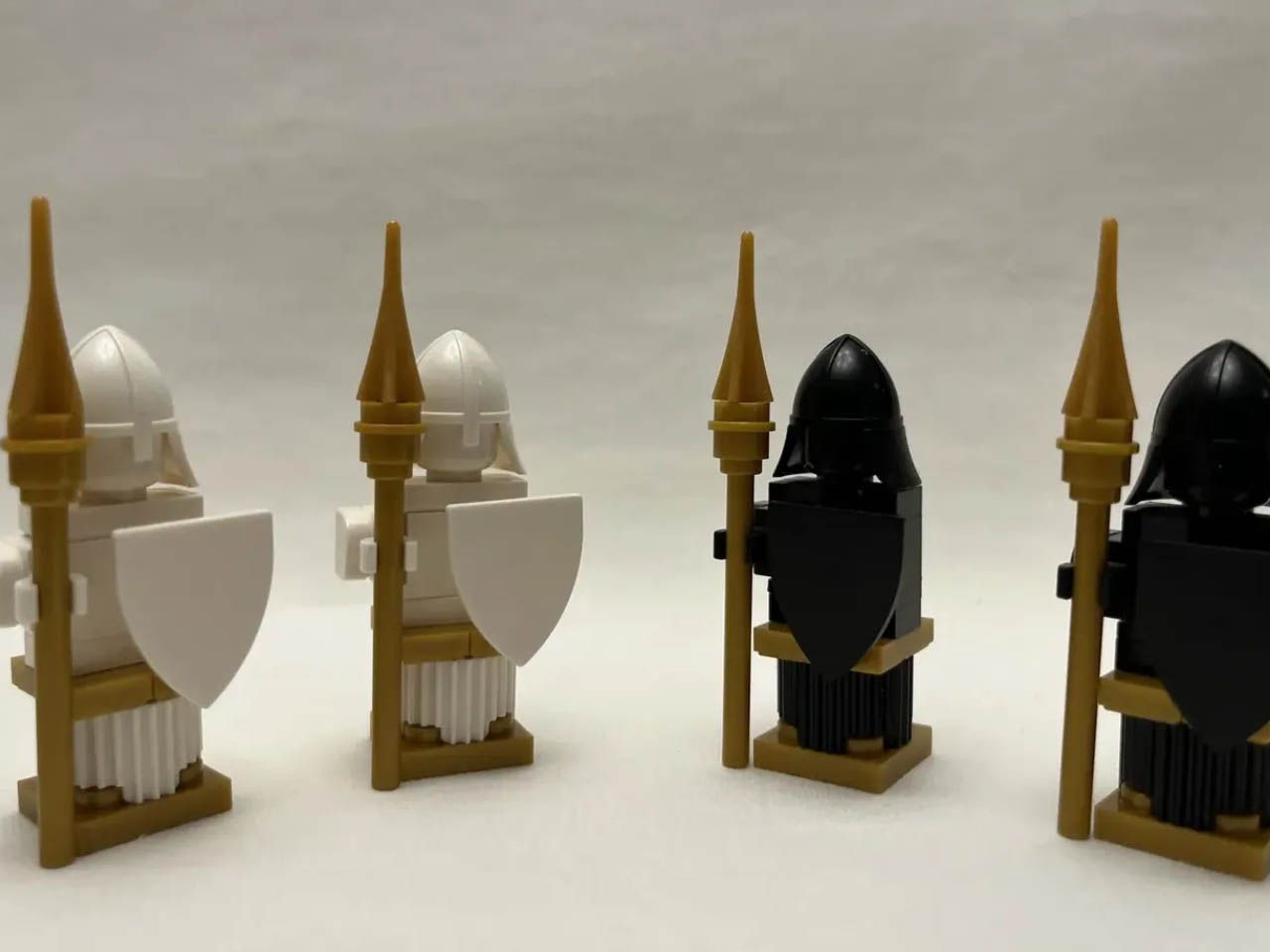
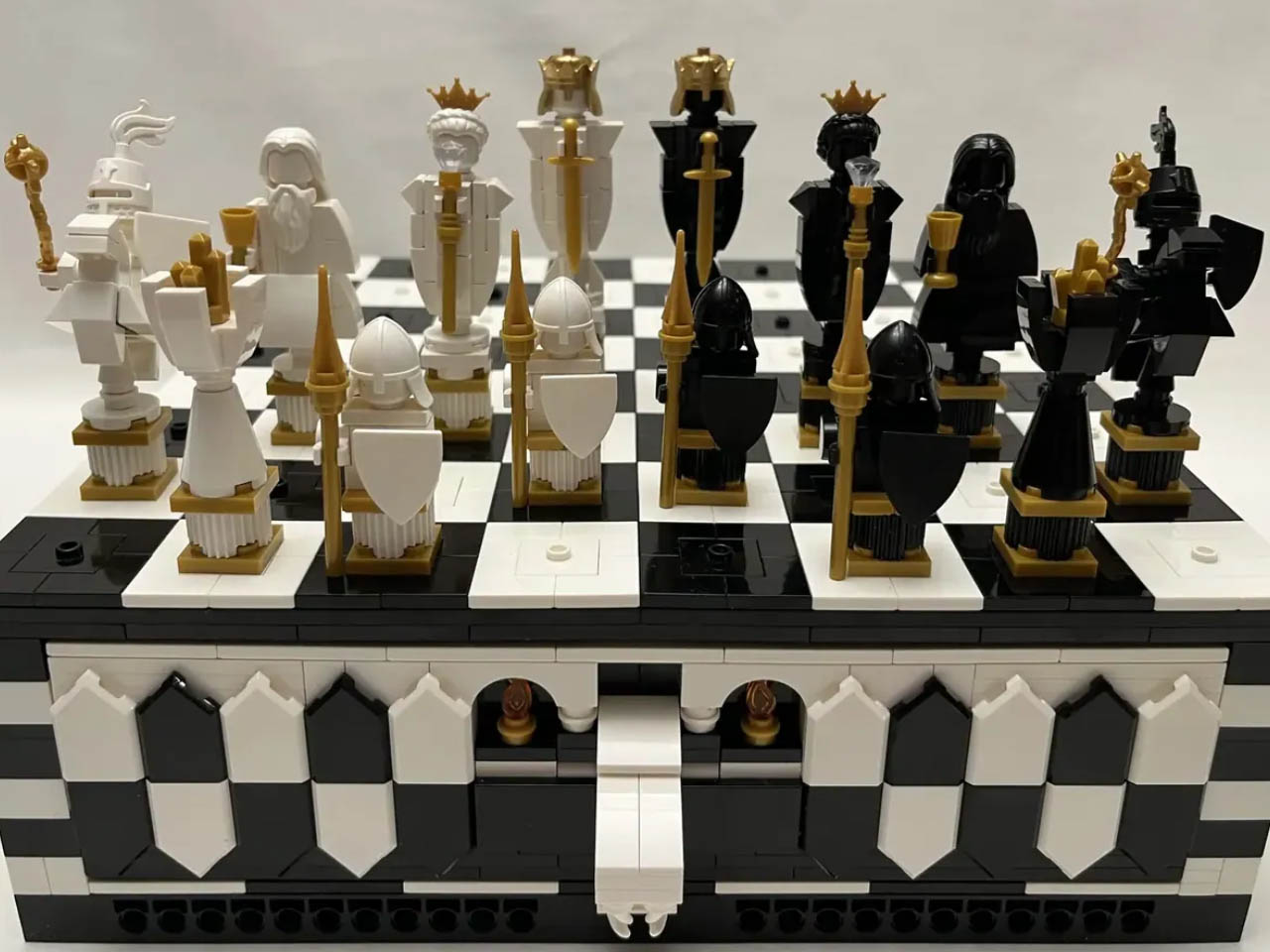
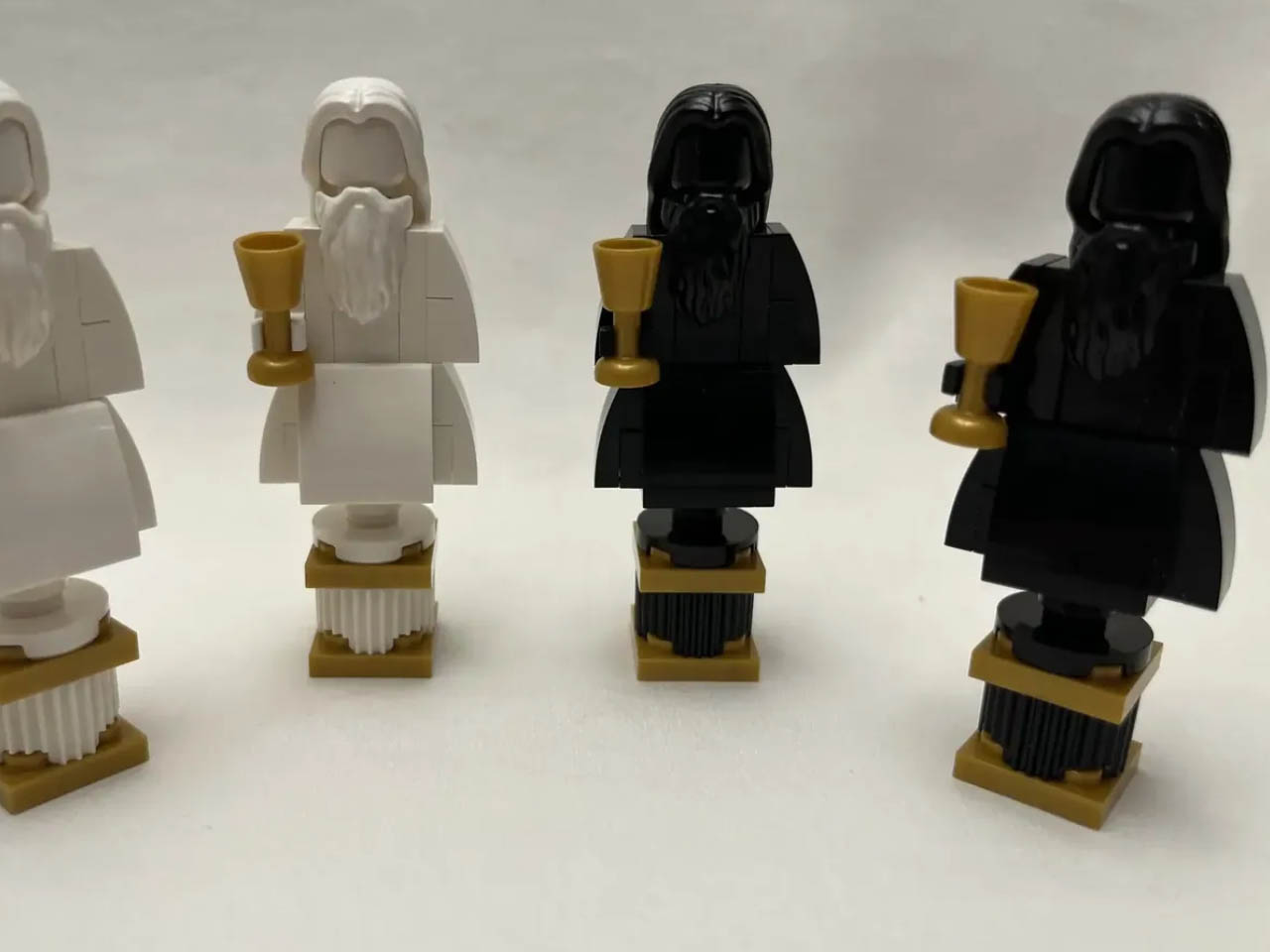
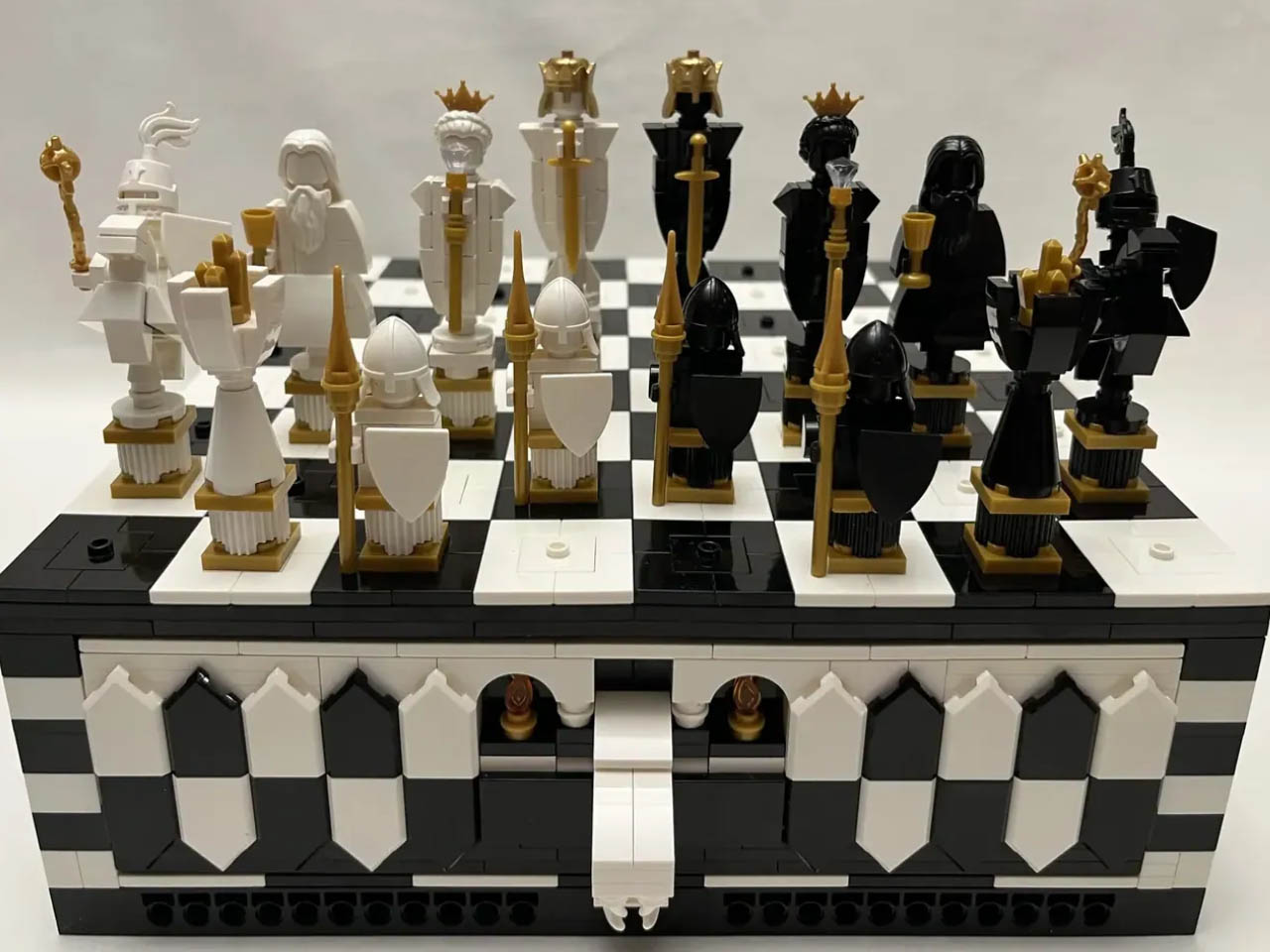
Why buy a chess set that looks like any other on the market shelves when you can carve them yourselves? That kind of inspiration you are bound to derive when your little daughter picks up the game so well at a very early age. LEGO Ideas user [JonnyBrickz1820] has one of the cutest stories behind this inspiring medieval chess set design proposed to become a LEGO set.

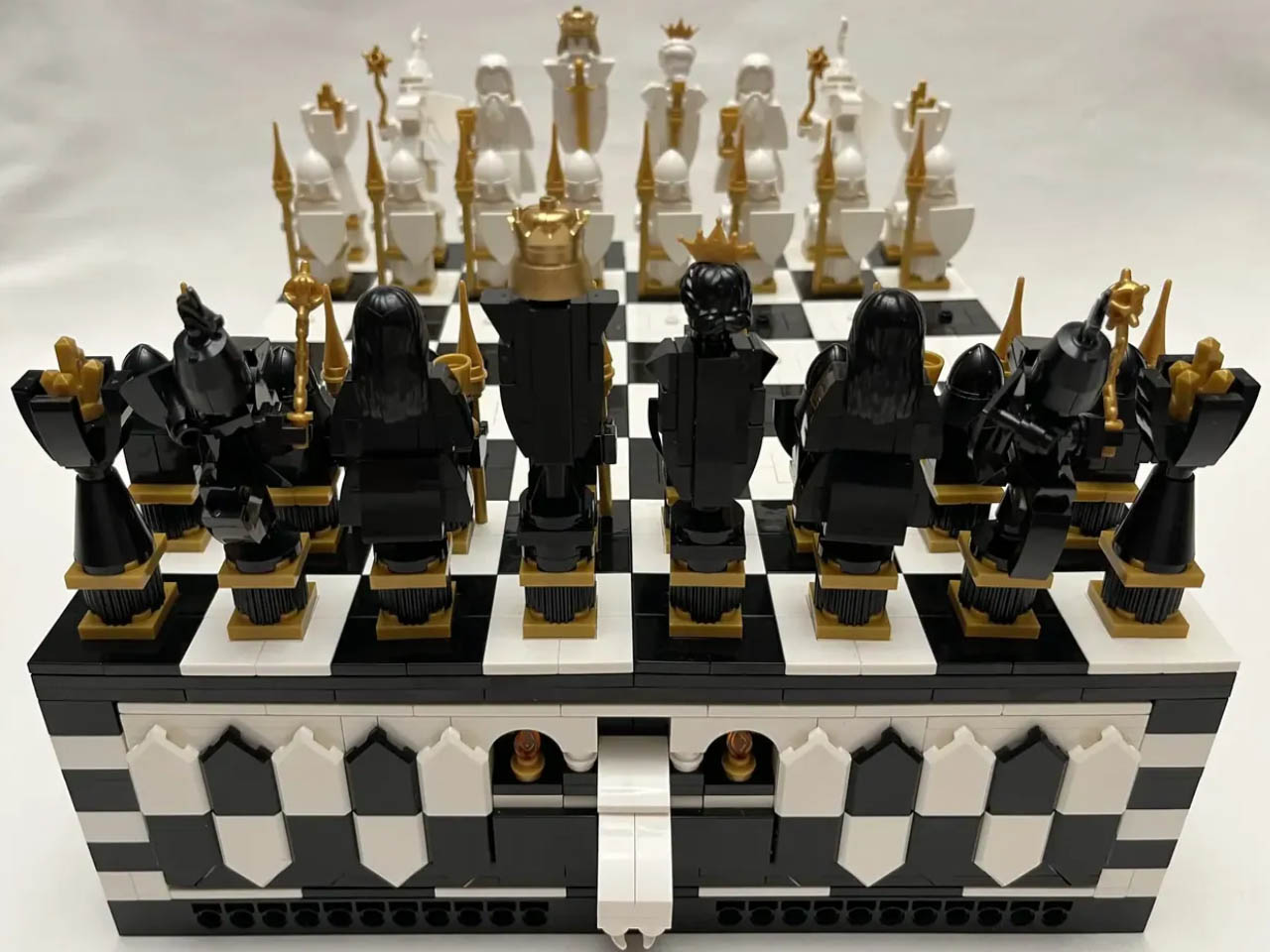
The idea is to LEGO’fy a chess set with a medieval theme while maintaining its aesthetics to accommodate the pieces when not in use. As a novice chess player I have to say the design looks amazing, and one that’ll lure me into playing a game with my best buddies. The project has already been backed by 1,400 users and I hope this one becomes an official LEGO set one day.

Designer: [JonnyBrickz1820]

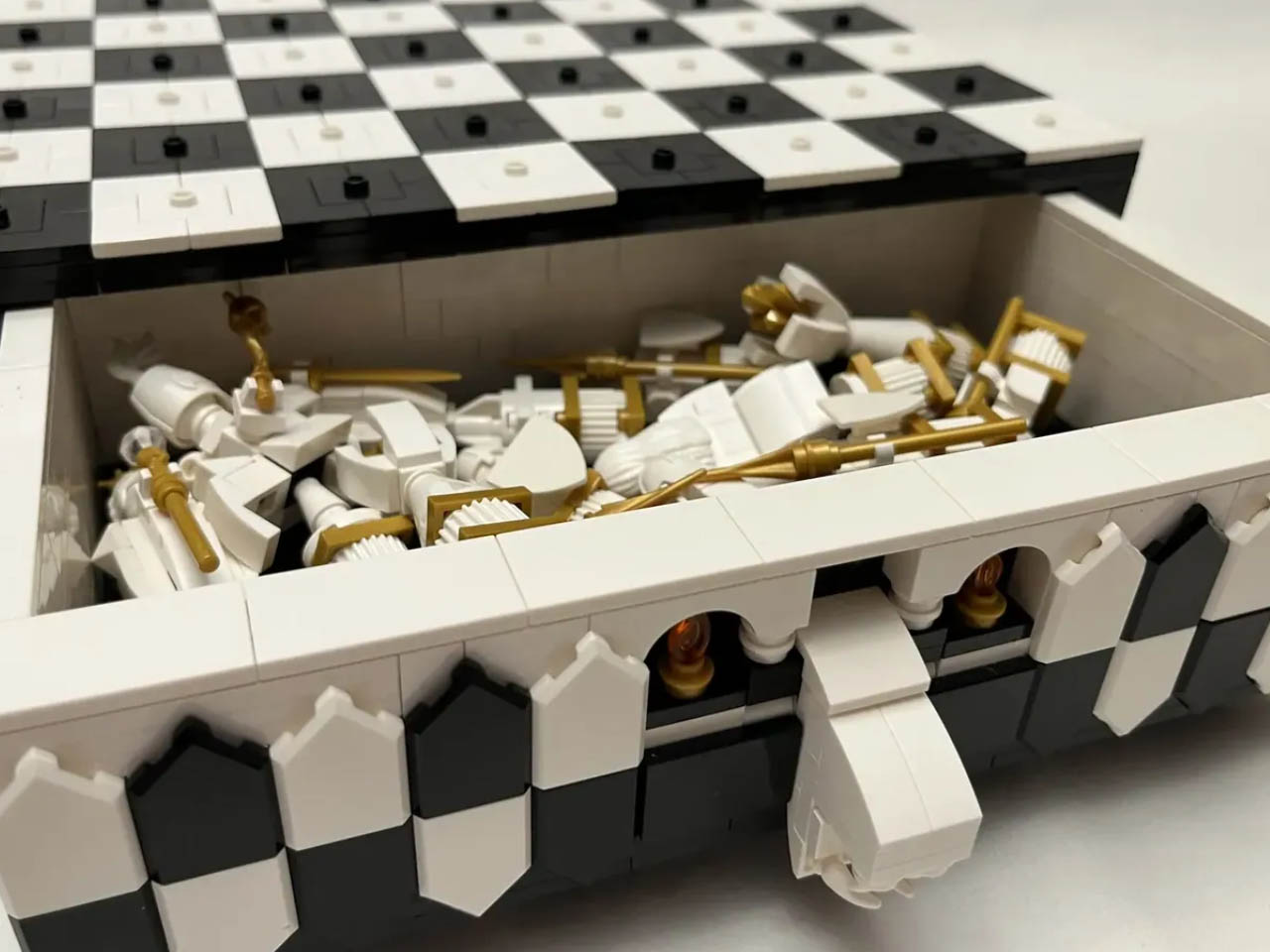
It all started when Jonny noticed his 5-year-old daughter playing chess on his phone and castling against him. A few months later, she came up and asked him, if she could get her own chess set. Then came the inspiration to design one, instead of buying one since she had a keen interest in the game. After a lot of thinking and trials, he started off the crafting process for each of the pieces. Some pieces like the rook and pawns took less time while the knight was a bit of a grind for him. The major challenge was to craft them in a medieval theme while ensuring they fitted snug inside the box at the bottom when now in use.

Once the basic design was sorted, it was time to embellish the chess set in gold accents to make it pop. To maintain continuity of the design, he located weapons or items in similar pearl gold finish, or ones that could be assembled using smaller pearl gold pieces. Thereafter, it was time to design the board which derives inspiration from other LEGO creations. After much brainstorming, he decided to use a single drawer design with two separate sections for stashing the color pieces.

The interesting thing is this build is crafted without using any computer-aided design and purely on trial and error. In the end, it turned out better than any other chess set on the market!

The post This beautiful medieval chess set has a cute story to go with – deserves LEGO Ideas official set status first appeared on Yanko Design.

A Chess Set That Takes You On An Architectural Journey Through Azerbaijan

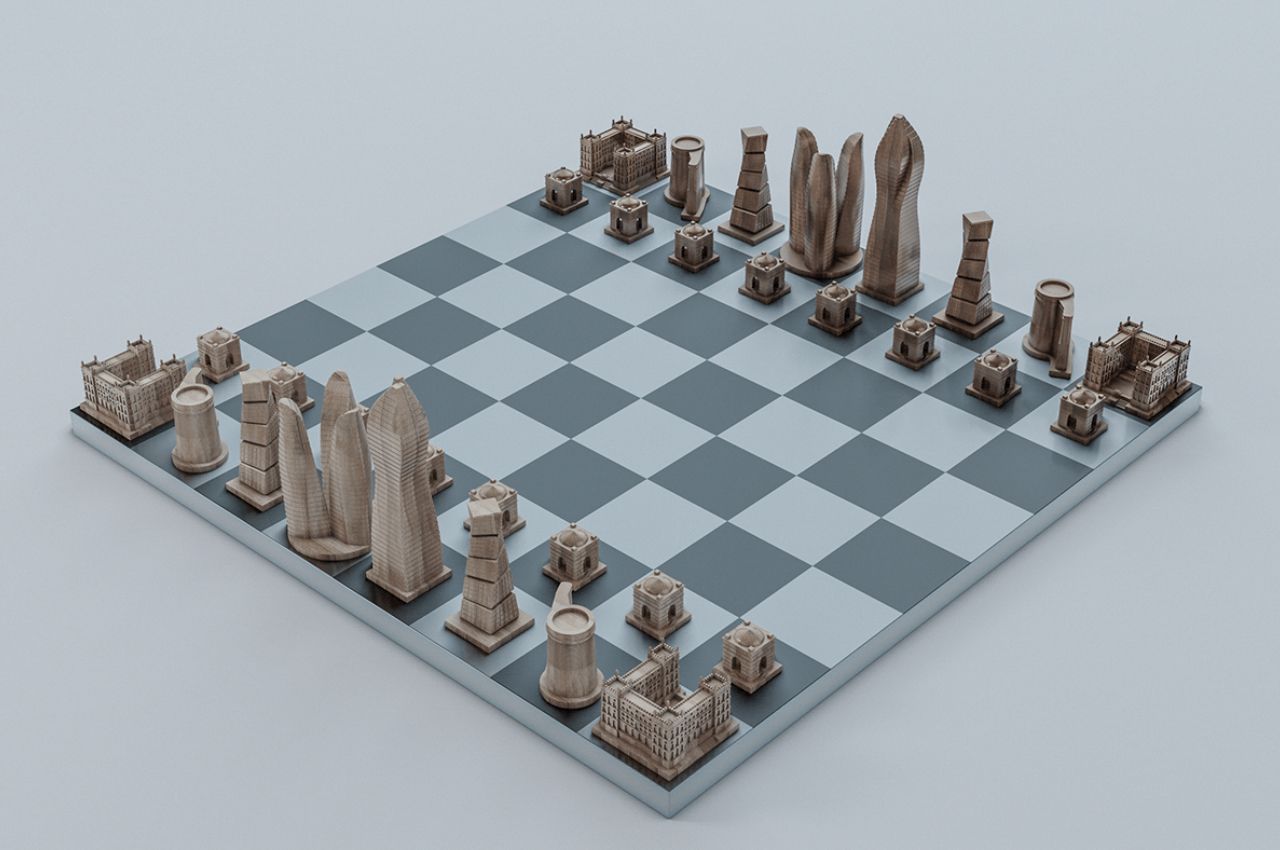
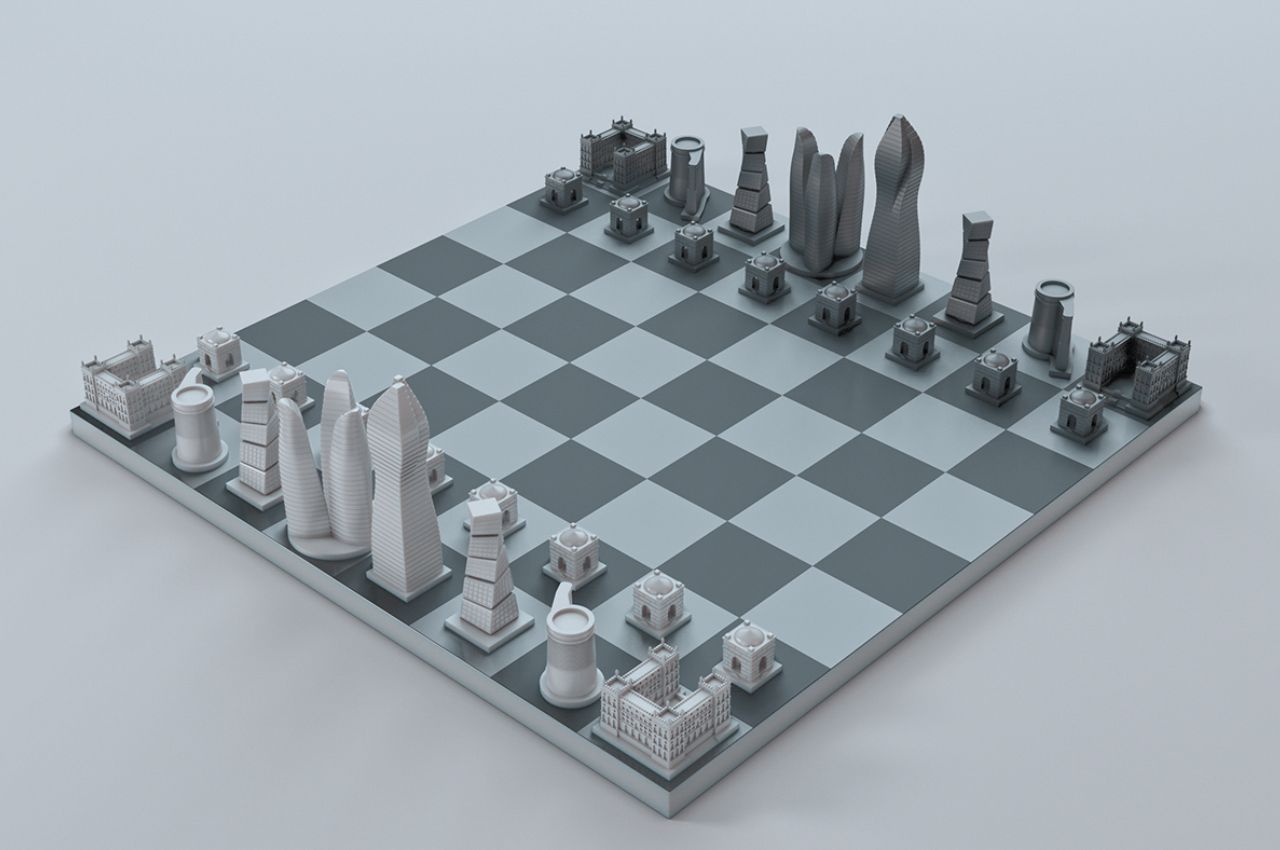
Chess, a game that transcends time and culture, has found a unique expression in the city of Baku. This exceptional souvenir chess set seamlessly combines the ancient and modern architectural wonders of Baku, Azerbaijan, creating a captivating chessboard that doubles as a miniature cityscape.

Designers: Element Visual Studio (Hatam Yunisli and Adam Yunisov)

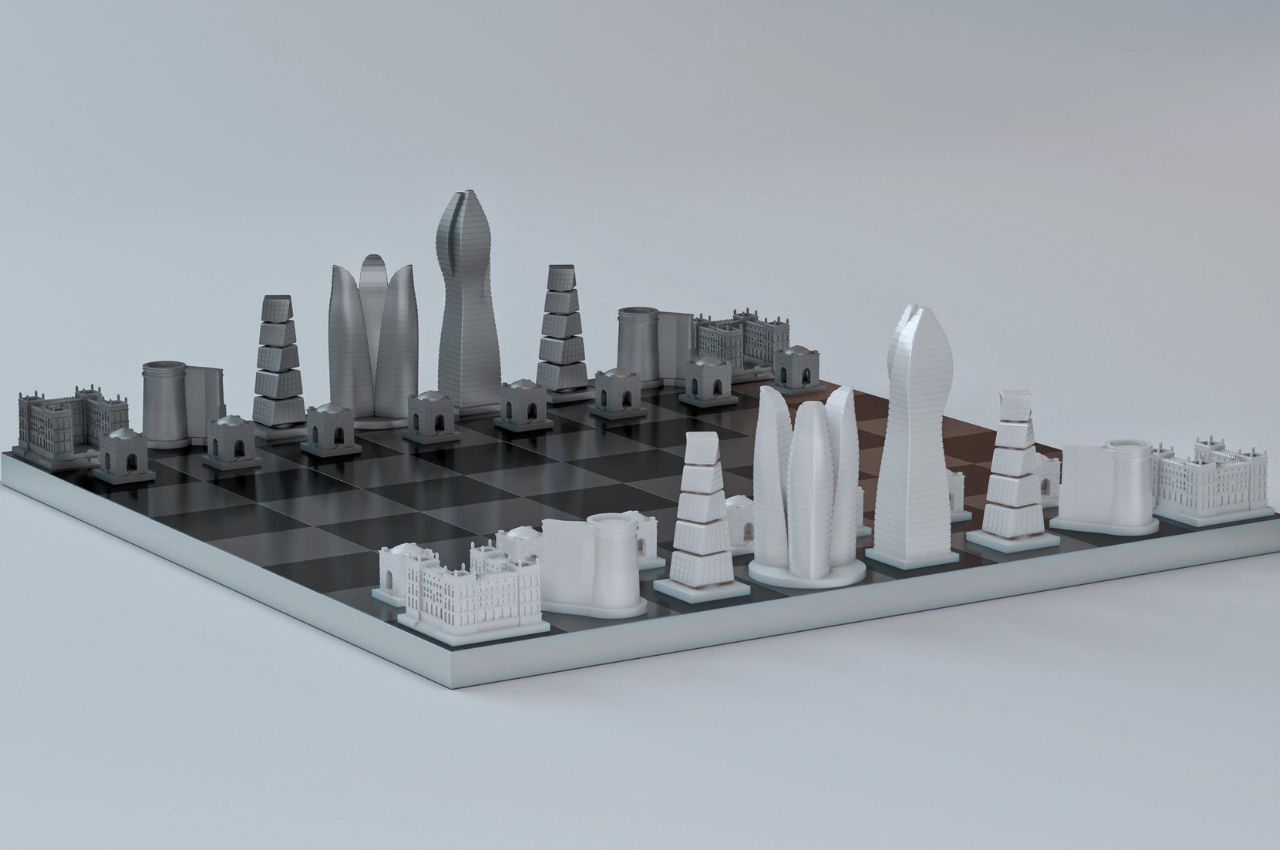
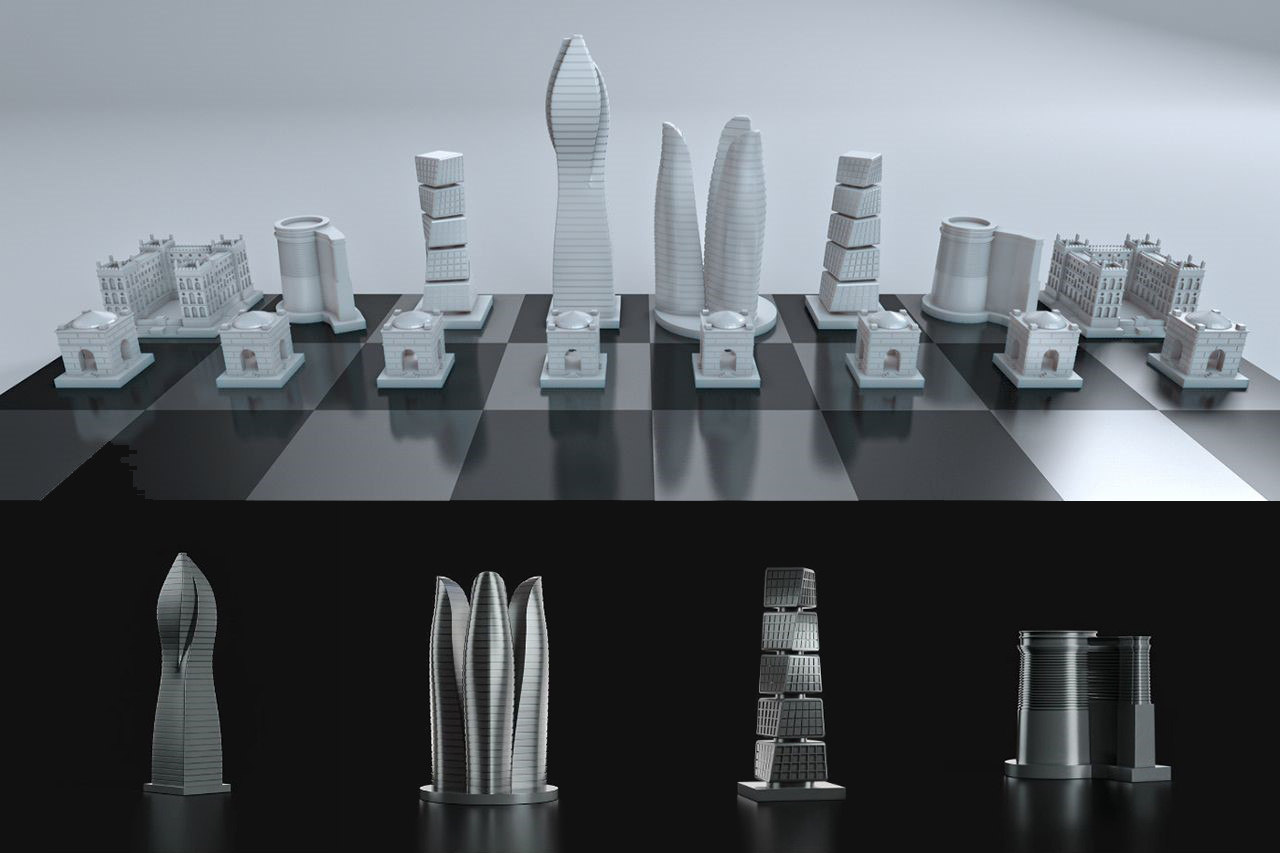
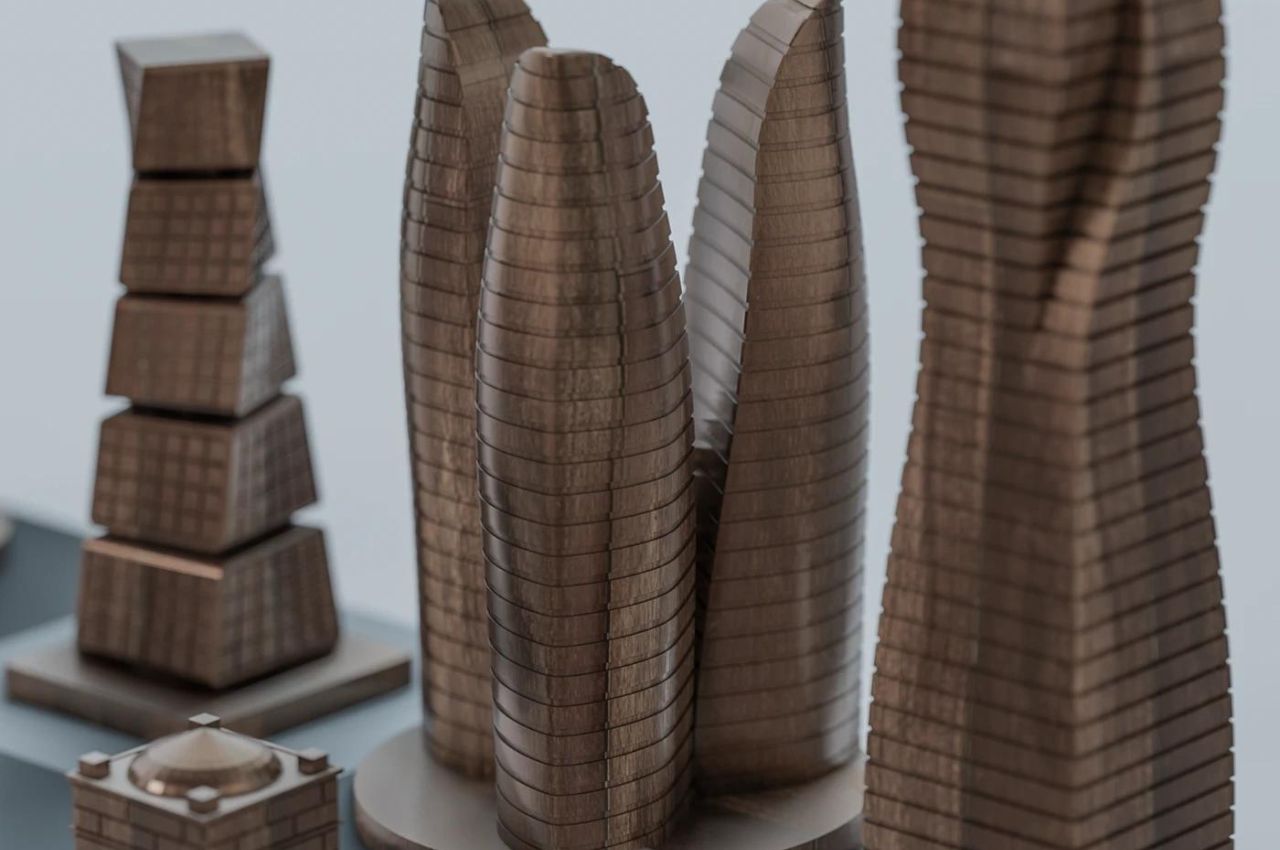
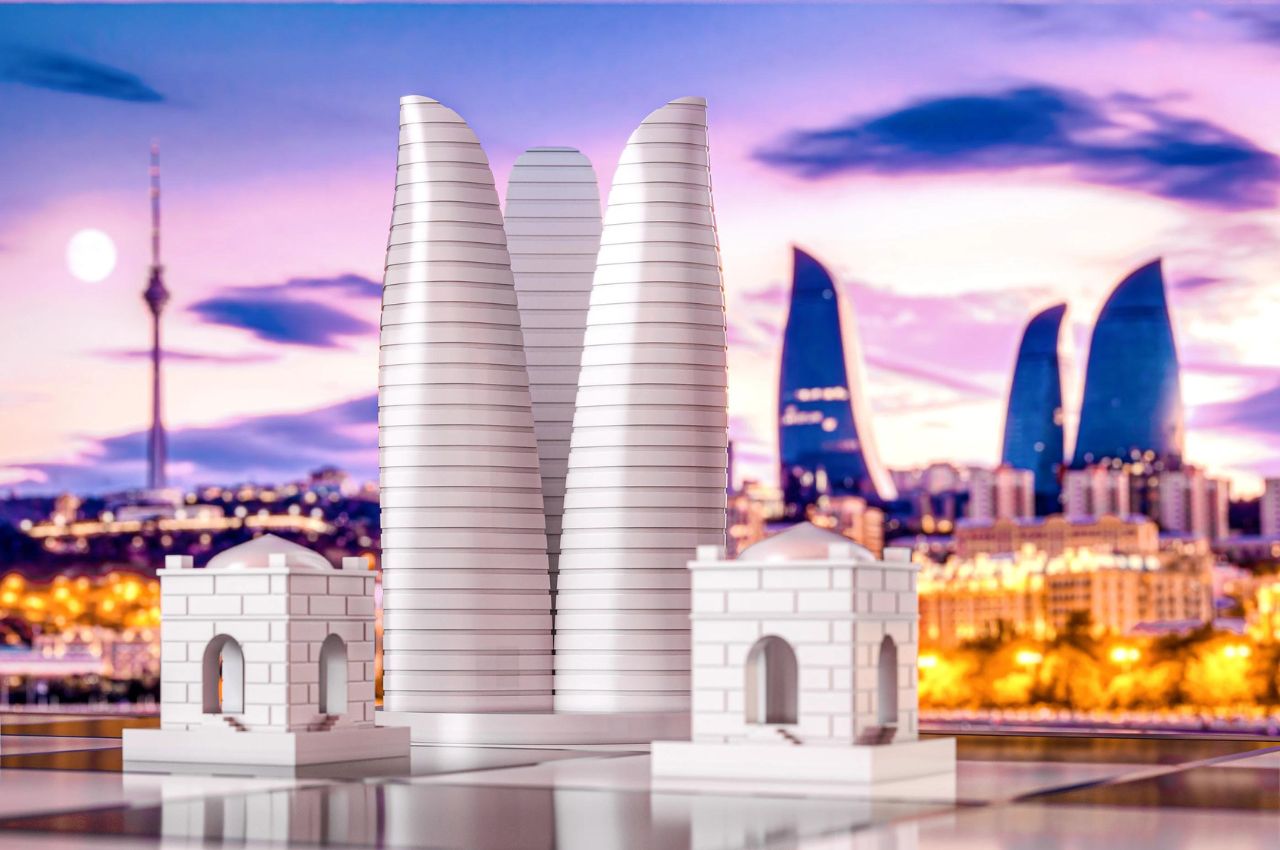
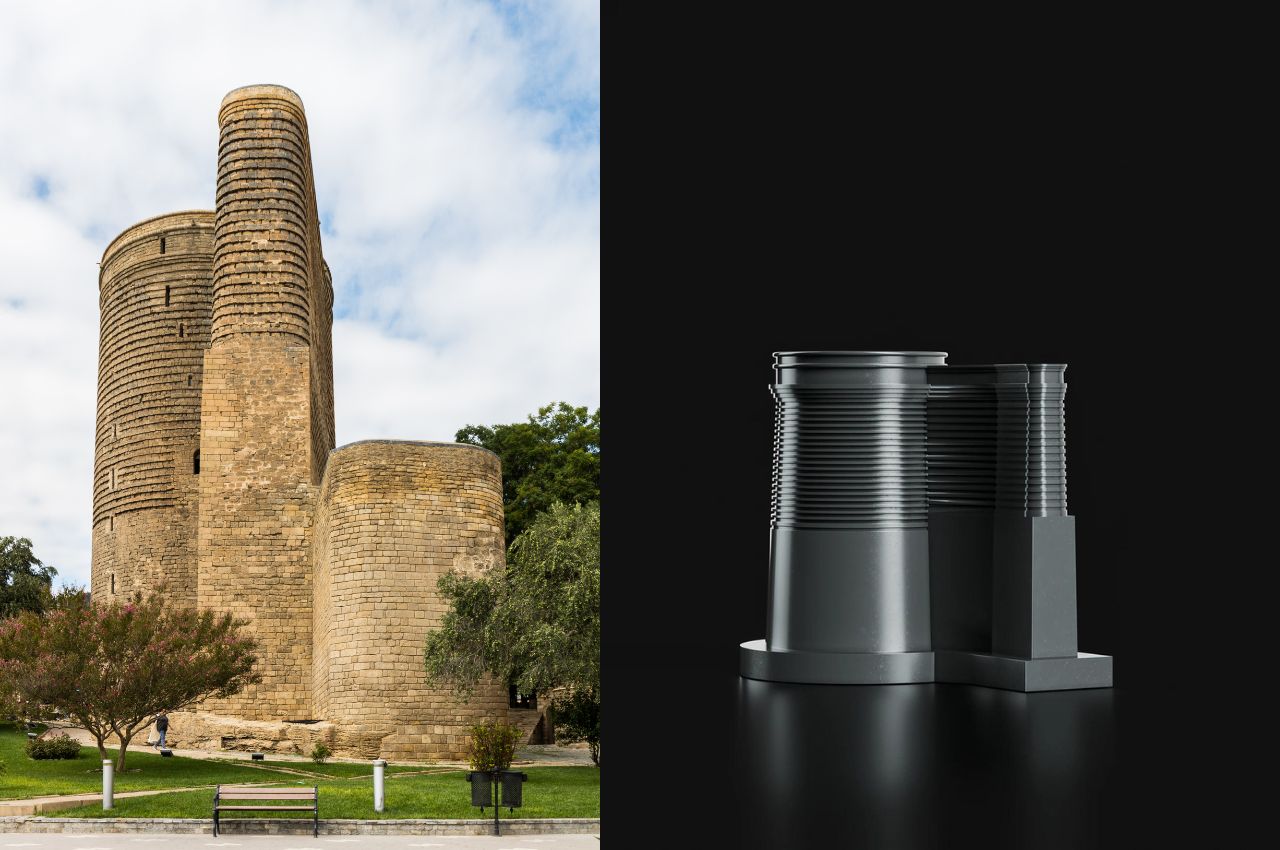
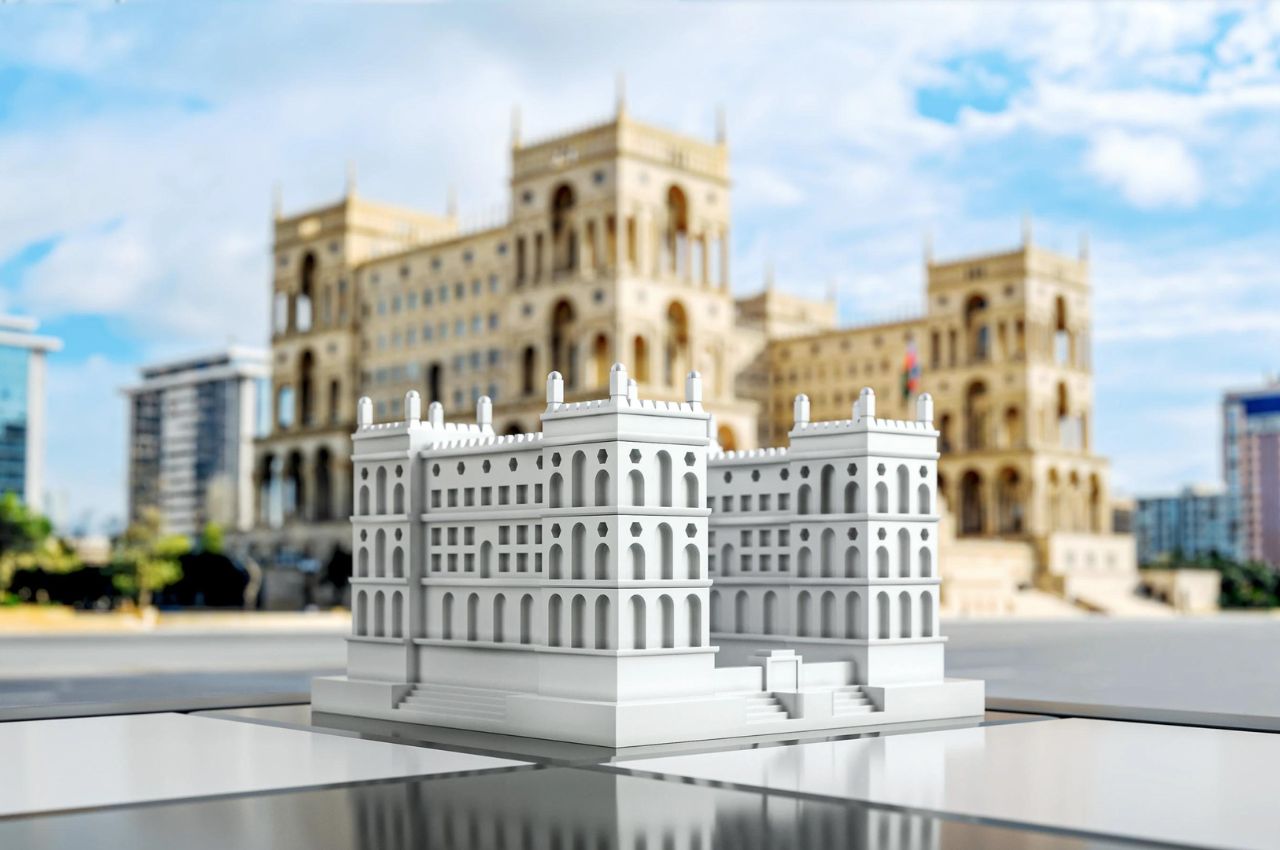
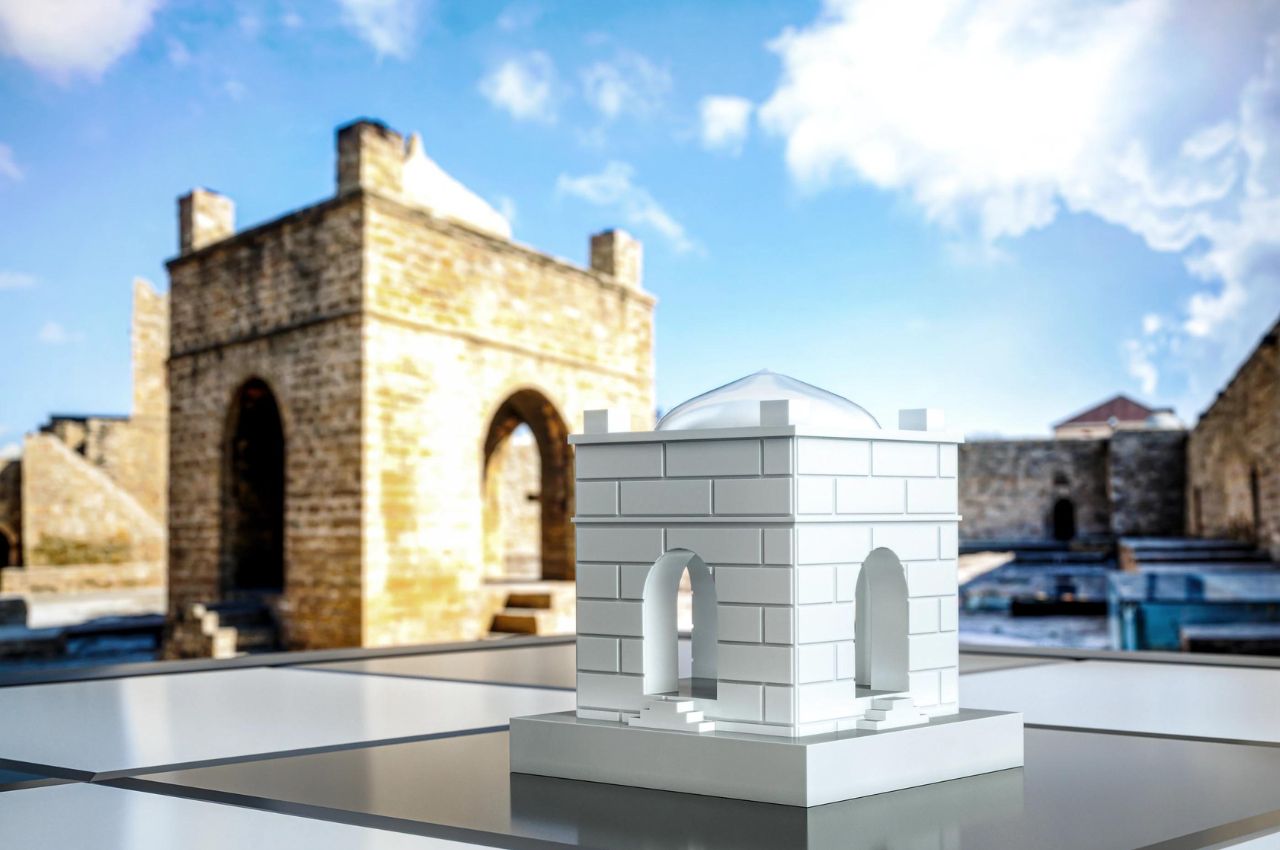
The Baku Chess Set stands out as a remarkable fusion of chess tradition and architectural innovation. Instead of traditional chess pieces, this set features intricately modeled replicas of Baku’s iconic landmarks. Baku, the capital of Azerbaijan, boasts a rich tapestry of historical and modern architecture that has gained international praise. Designers of the Baku Chess Set have ingeniously replaced traditional chess pieces with miniature representations of some of Baku’s most significant structures.

Baku is renowned for its architectural splendor, leaving tourists in awe of its historical and contemporary landmarks. The Baku Chess Set captures the essence of this awe-inspiring city, allowing players to engage in a game of chess while navigating through the streets and structures that define Baku’s skyline. This innovative take on the classic game breathes new life into the age-old tradition of chess, transforming it into an immersive experience that reflects the city’s rich cultural heritage.

For those visiting Baku, the Baku Chess Set is more than just a game; it’s a creative and meaningful souvenir. The inclusion of important buildings in the chess set offers a unique way for visitors to take a piece of Baku home with them. It’s almost like laying out the city on a chessboard, allowing players to engage in a strategic battle while appreciating the architectural marvels that make Baku a standout destination.

Azerbaijan has been gaining popularity as a tourist destination in recent years, and initiatives like the Baku Chess Set exemplify the country’s commitment to showcasing its cultural and architectural richness. The inclusion of landmarks such as the Socar Tower, Maiden Tower, Flame Towers, The Ministry of Economy, Azerbalian House of Government, and the “Ateshgah” Fire Temple reflects Azerbaijan’s desire to share its unique blend of history and modernity with the world.

The modern architectural marvels include:

Socar Tower:

Built in 2016, standing at a height of 200 meters, constructed by Tekfen Construction and Installation Co., Inc.

Flame Towers:

Constructed in 2013, towering at 182 meters, and built by DIA Holding, the Flame Towers symbolize the modern skyline of Baku.

The Ministry of Economy:

Completed in 2021, with a height of 168 meters, constructed by Tekfen Construction and Installation Co., Inc., this building showcases Baku’s contemporary architectural prowess.

The historical architectural gems include:

Maiden Tower:

Dating back to the 12th century, with a height of 28 meters, this historical gem adds a touch of ancient allure to the chess set.

Azerbaijan House of Government:

Built-in 1952 and designed by Lev Rudnev and Vladimir Munts, this historical structure adds a classic touch to the chess set.

“Atesgah” Fire Temple:

Dating back to the 16th to 18th centuries, this ancient temple brings a spiritual and historical dimension to the chess set.

The Baku Chess Set stands as a testament to the creativity and ingenuity that can be achieved when tradition meets innovation. By integrating the architectural marvels of Baku into a classic game, the designers have not only created a visually stunning chess set but also a symbol of Azerbaijan’s rich history and vibrant present. As tourists explore the streets of Baku, they can now take a tangible piece of the city’s soul home with them through this captivating and culturally significant chess set.

The post A Chess Set That Takes You On An Architectural Journey Through Azerbaijan first appeared on Yanko Design.
Chess set concept commemorates Nakhchivan’s 100th anniversary

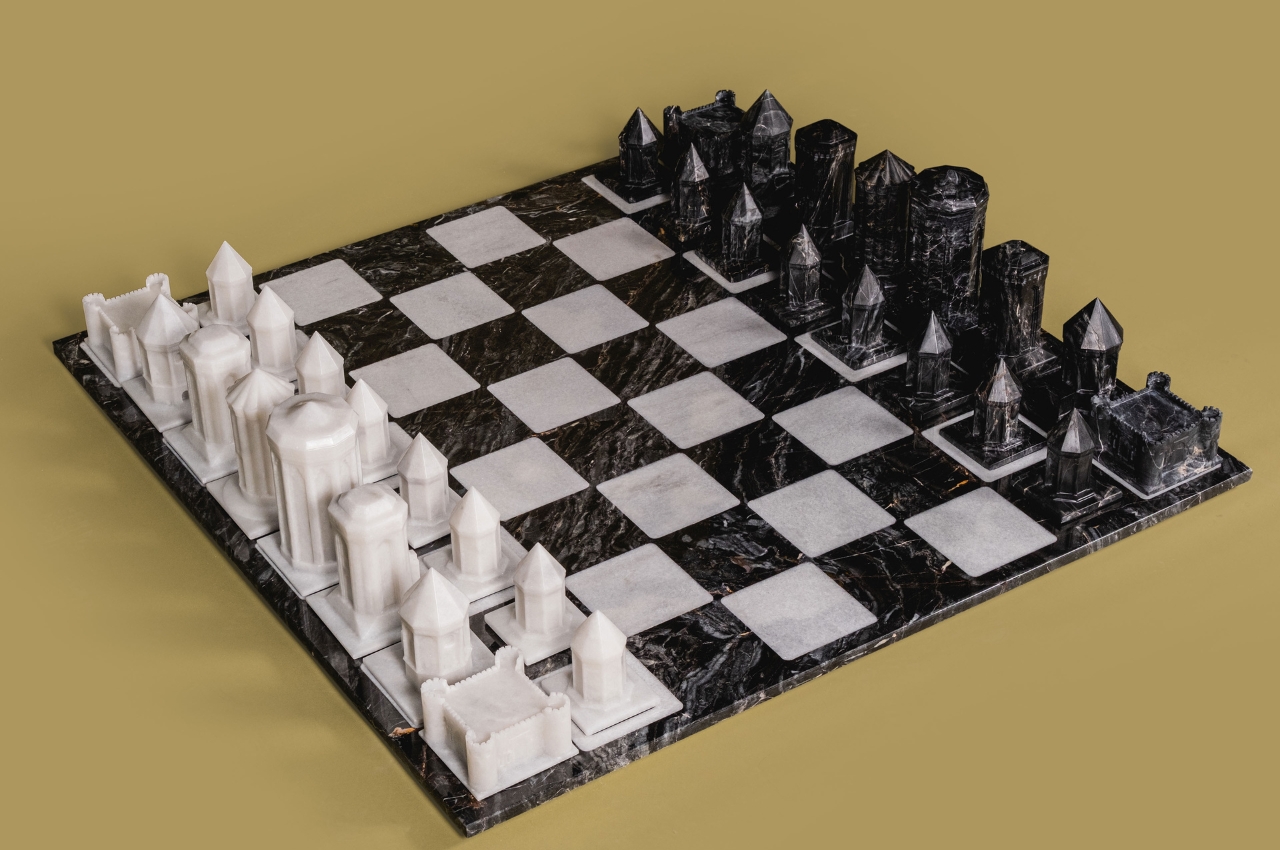
If you’re the type to collect special edition chess sets, you’re probably always on the lookout for those that have a pretty unique design. You also probably don’t really play these sets on a regular basis but you’re more likely to display it somewhere in your space or if you’re planning to open a chess museum or something. If you’re also into sets that seem to belong on a set of fantasy epics like Game of Thrones, then this is something you might want to look at if this becomes a reality.

Designer: Adam Yuniso and Hatam Yunisli

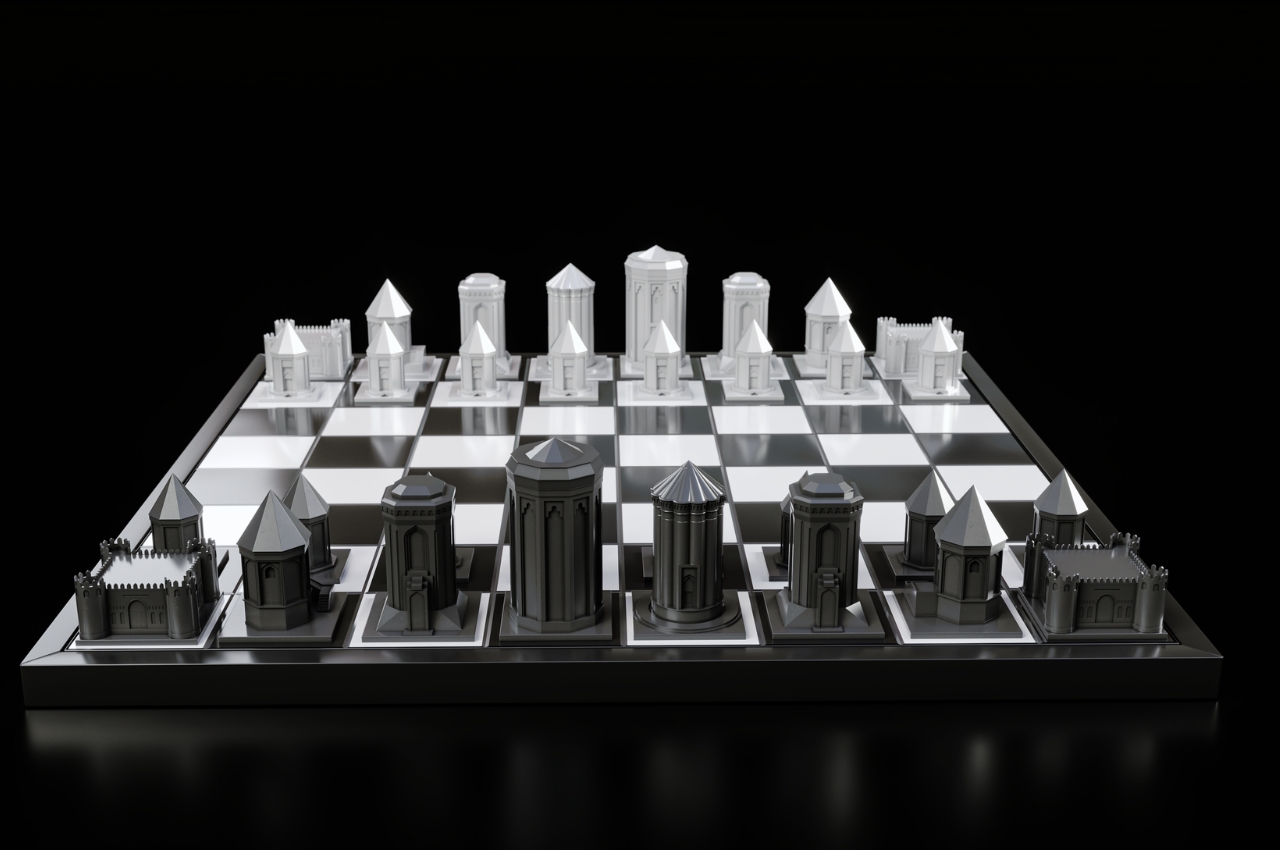
Nakhchivan may not be a household name when it comes to places that you’d like to visit someday but based on what I’ve “researched” (read: Googled) so far, it is a place worth considering. The official name is Nakchivan Autonomous Republic, and is a “landlocked enclave” of the Republic of Azerbaijan bordered by Armenia, Iran, and Turkey. To celebrate its 100th anniversary, a souvenir project was proposed and it’s a stunning looking chess set (that also seems expensive).

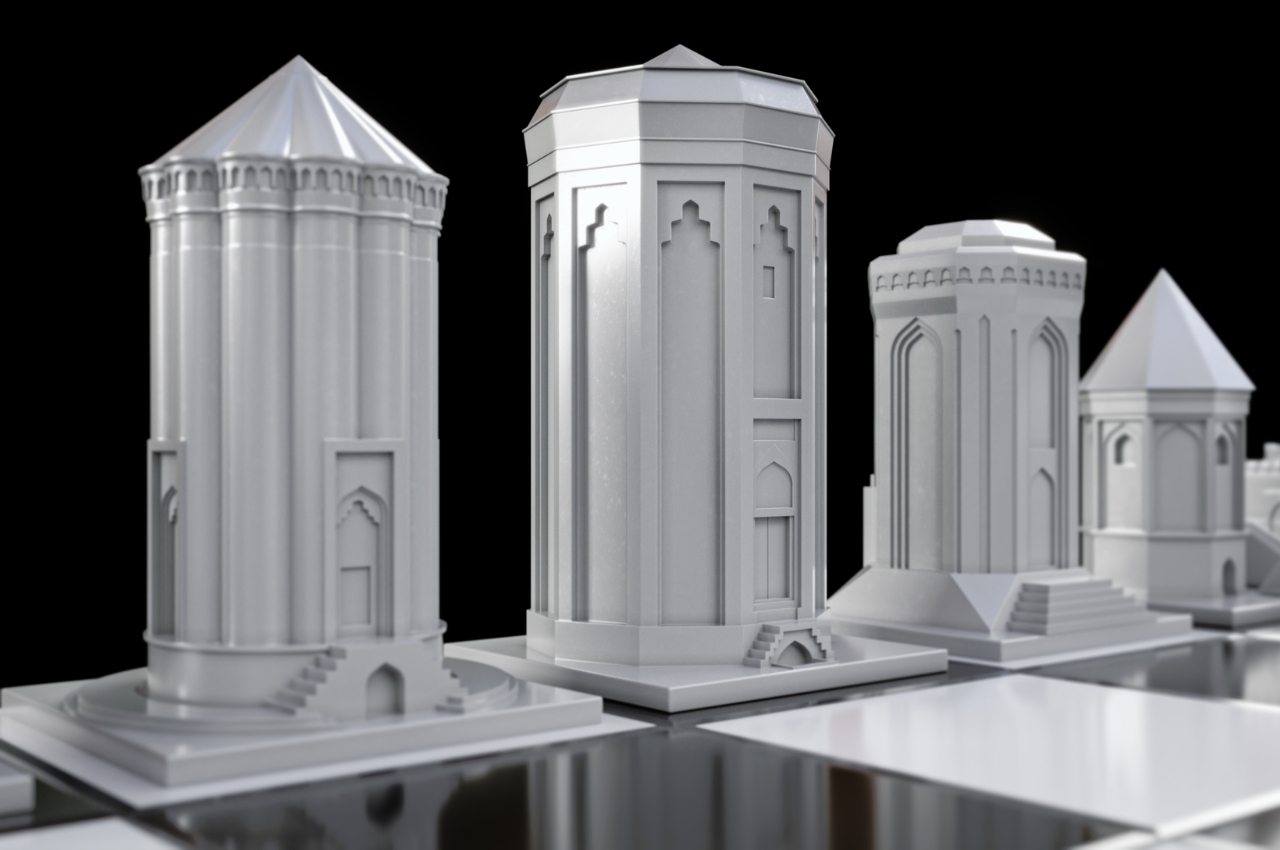
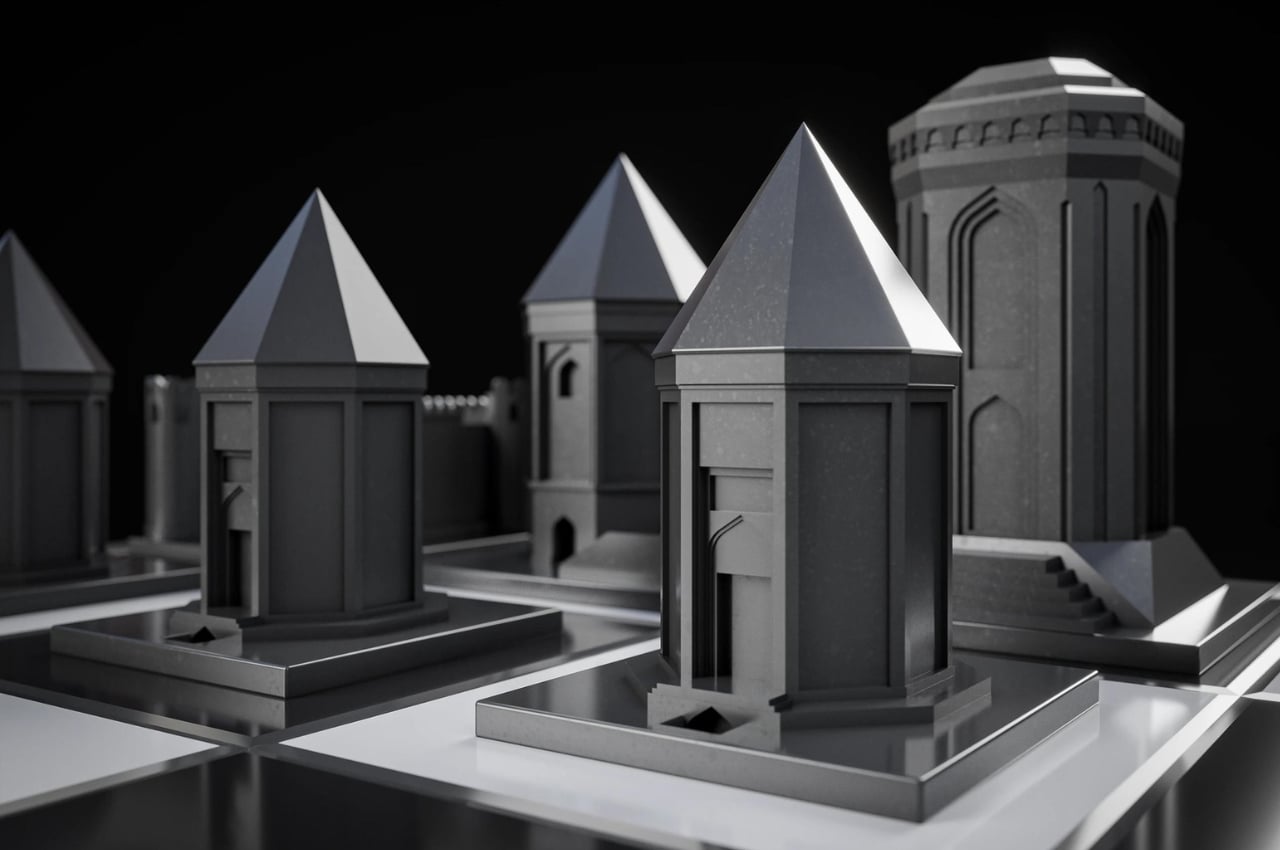
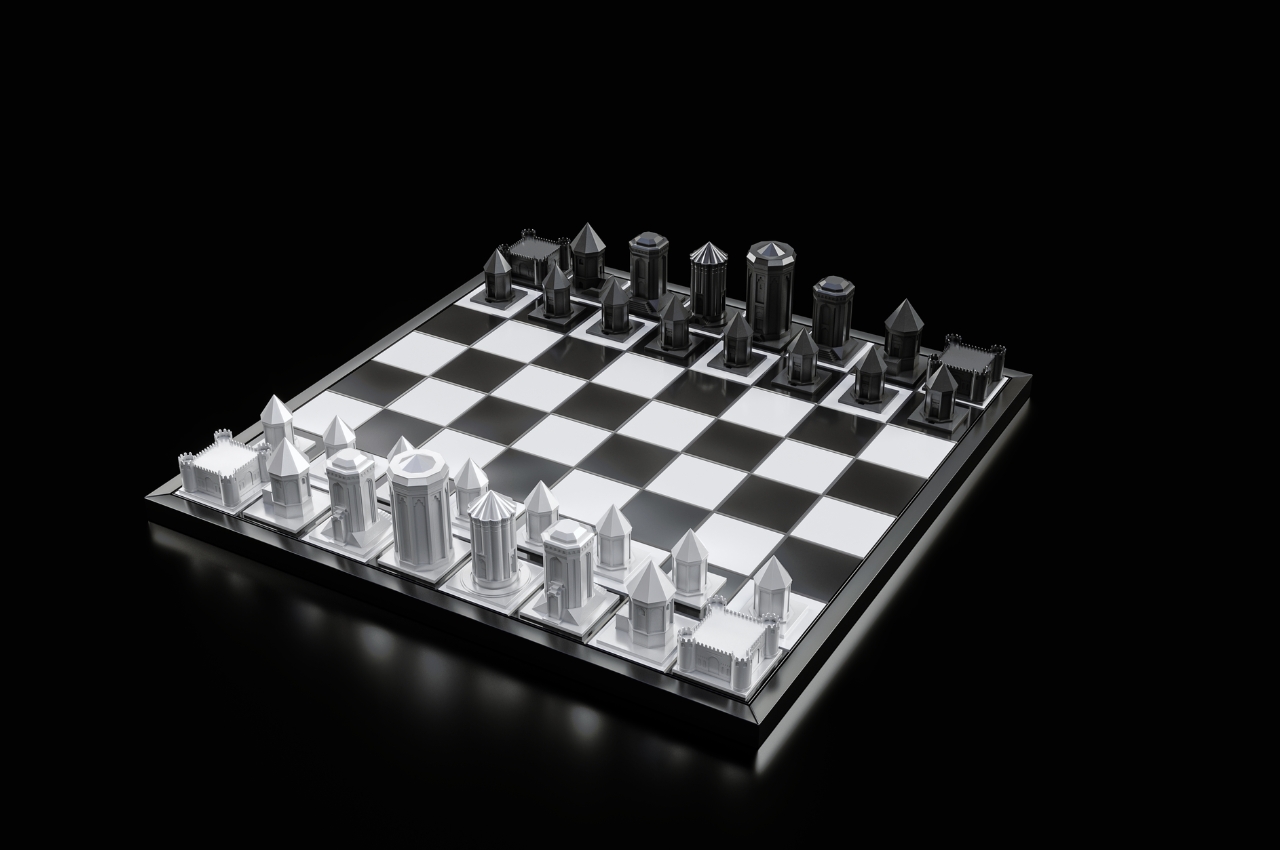
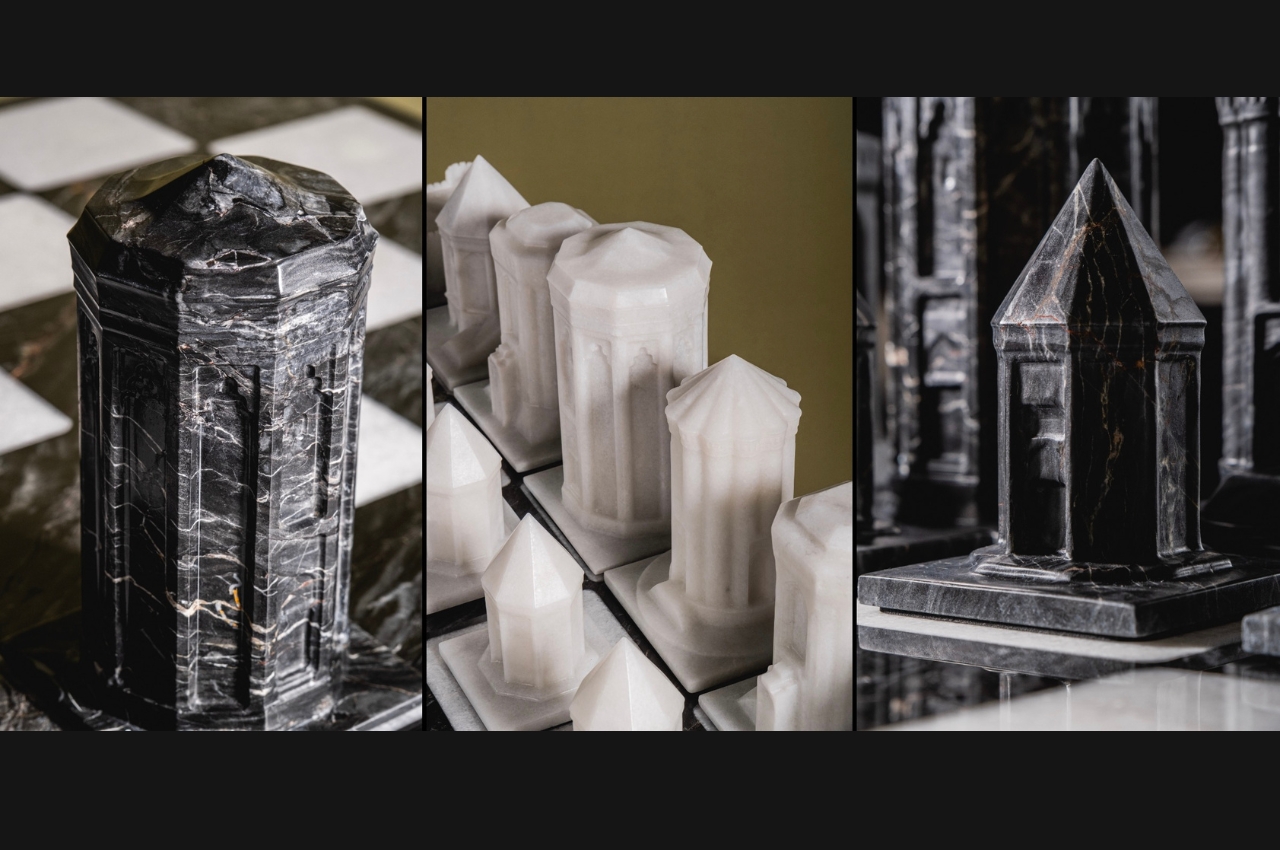
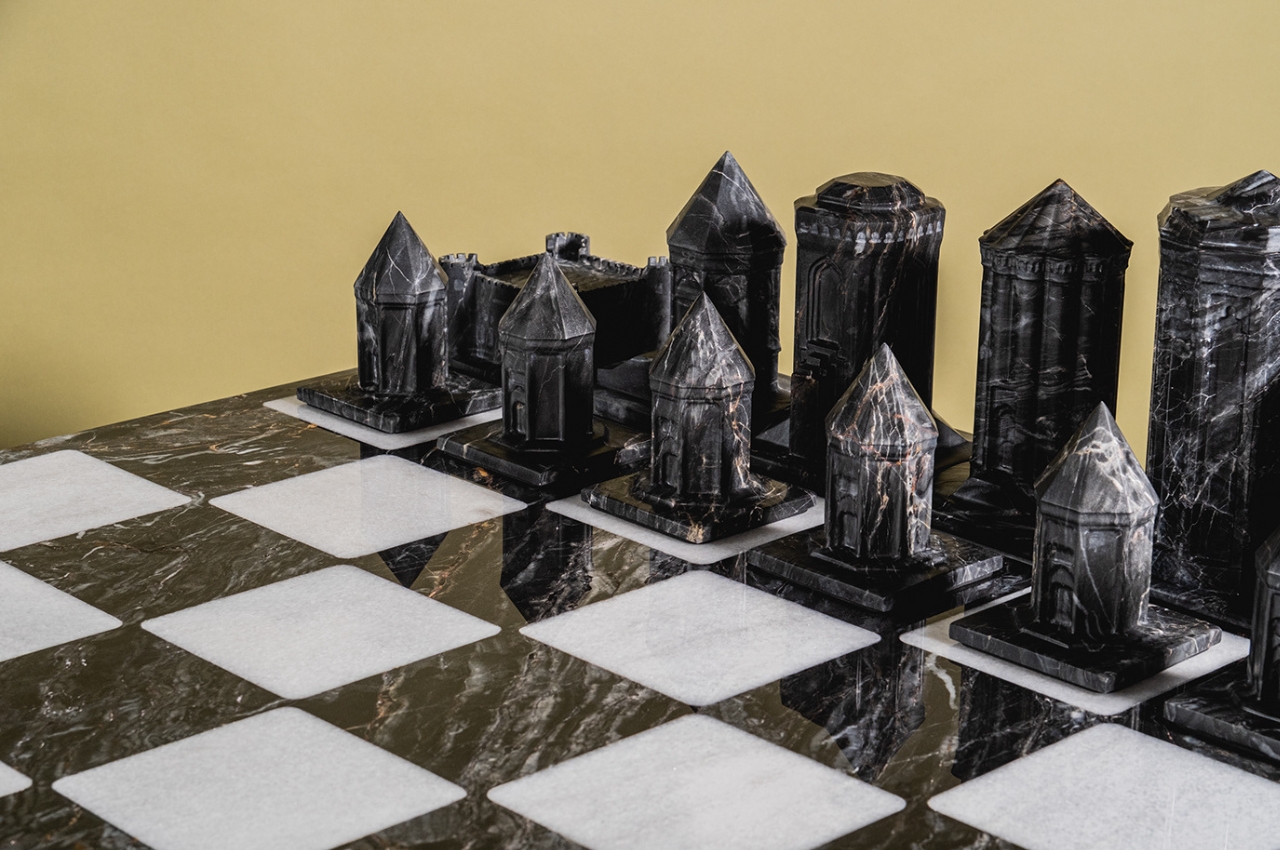
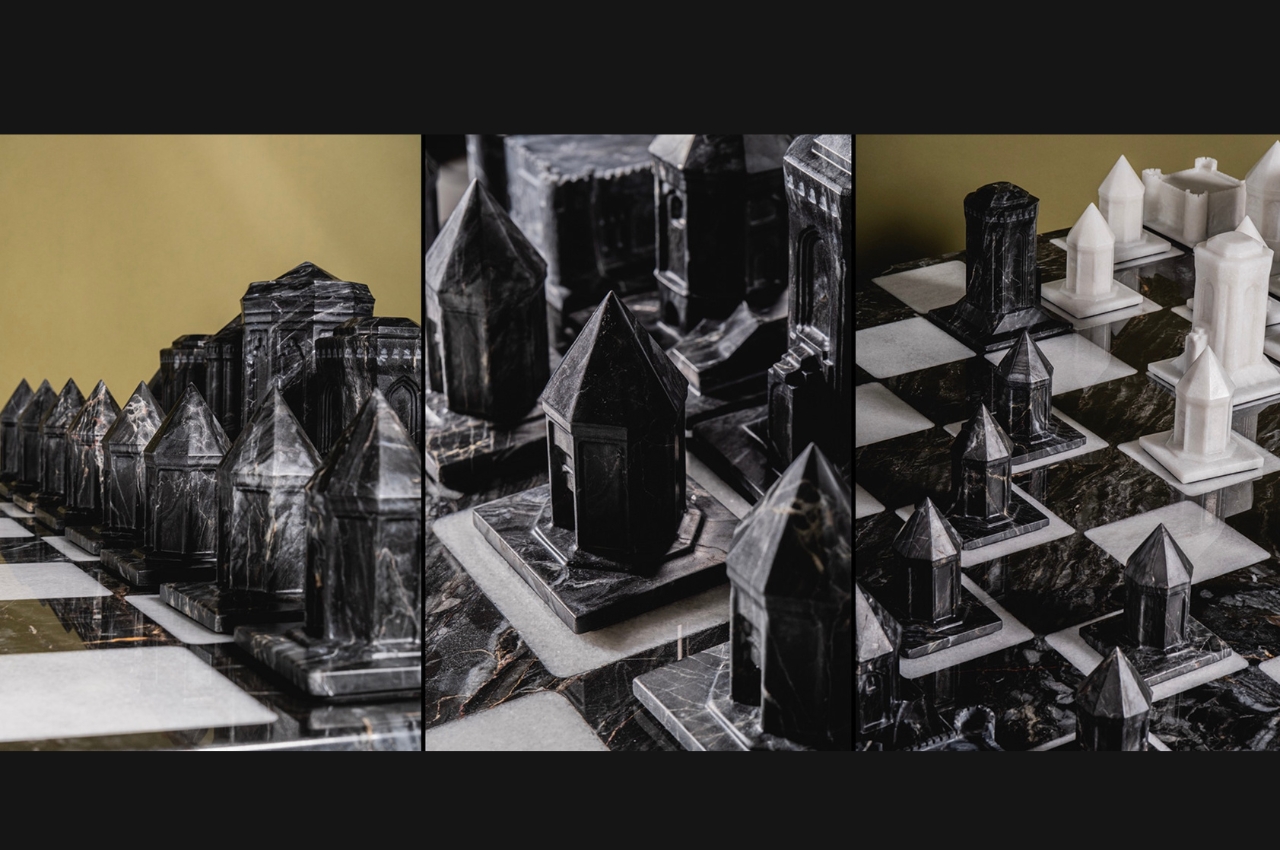
Instead of the usual chess pieces, each one is designed to represent various Nakhchivan architecture like the Garabaghlar Mausoleum, Nakhchivan Memorial Museum, and several other mausoleums that hold significance to the republic. They look like they would look right at home at a classic castle that displays awesome-looking chess sets. Instead of being positioned in the traditional way that the pieces are placed, the designers said that they are placed in relation to the other chess pieces.

Now I don’t know if that means the rules are quite different ofr this Nakhchivan Chess Set but it does look pretty impressive based on the product renders. It may also not be something you’d play on a regular basis but a chess set that can be displayed especially if you have a strong connection to Nakhchivan.

The post Chess set concept commemorates Nakhchivan’s 100th anniversary first appeared on Yanko Design.
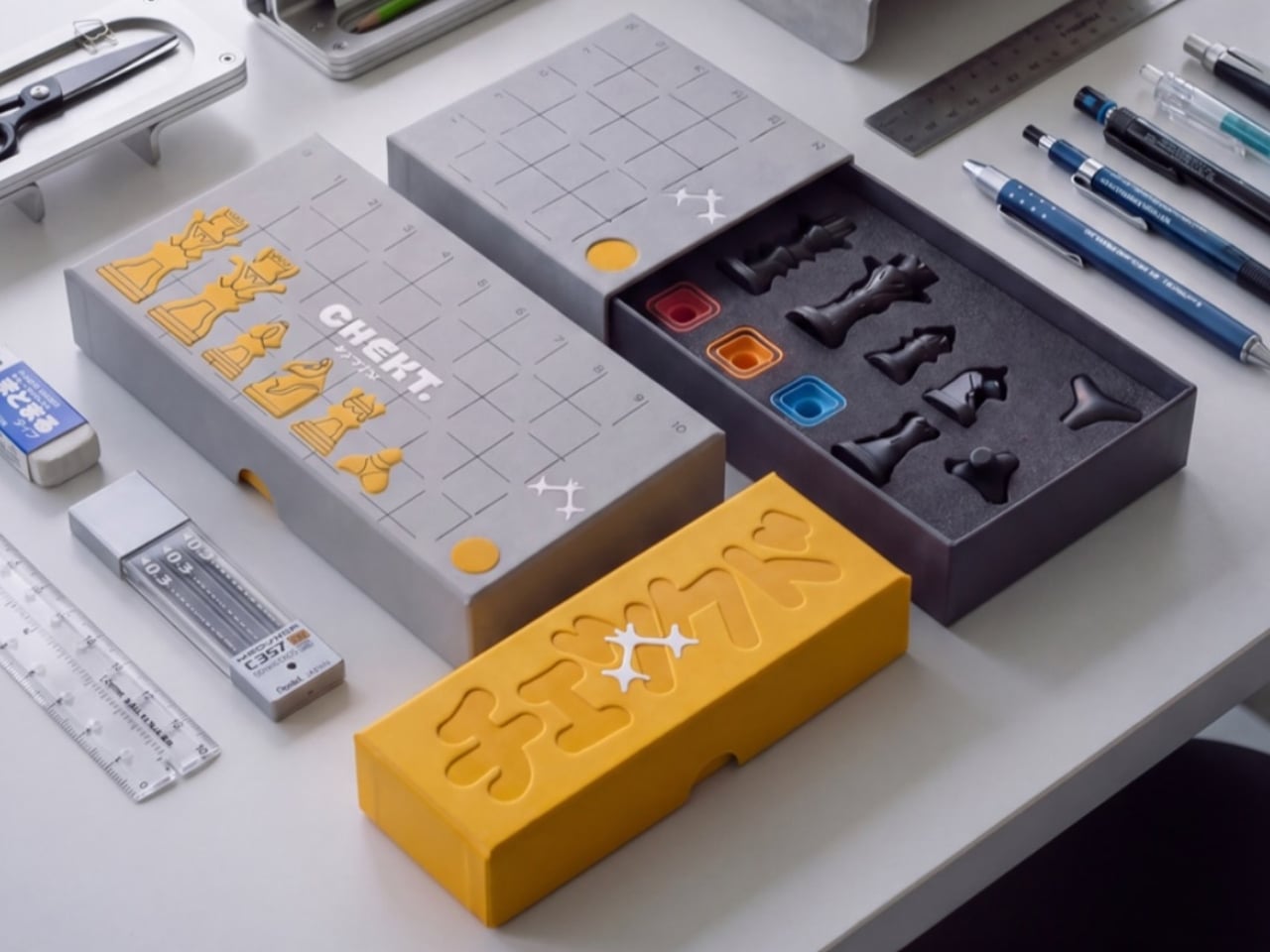
Take your chess game on the road with unique, portable set

I never really properly learned chess or at least remembered the basic rules, although I did enjoy Netflix’ The Queen’s Gamit. I also have close friends who really enjoy playing the game or watching people play the game. But the problem sometimes is that chess sets are pretty hard to carry around if you wanted to play outside your home like in the office or when traveling. There are some small, portable chess sets that you can bring around but it’s probably not as stylish as this one.

Designer: Sofia Gegunde

The Hyde Chess set is built for practicality and portability but is also designed to look like something different from your usual chess sets. For one, the pieces aren’t the traditional ones that you see but are a re-imagining of the pawns, rooks, knight, bishop, queen, and king but in circular pieces that can fit easily into the smaller and portable set and box. They’re all the same height except for the king and queen. There is a cylindrical holder inside to store the pieces when they’re not in use and there are also slots on the chess board to “stabilize” them when you’re actually using them to play a game of chess.
When not in use, everything is just stored inside a small box. But when it’s time to actually play chess, just open it and assemble the chess board with the rectangular pieces. You can then remove the circular chess pieces from their storage and arrange them on the board like you would a regular set and start the game whenever you’re ready. The pieces are made with a CNC router while the wooden parts are made from guatambu and dark cedro.

The assembly and disassembly are pretty easy and learning the different pieces should be pretty easy. Even though they’re circular pieces, the designs are based on the traditional chess pieces. If they actually produce and sell this, it would be a pretty neat gift item for my chess-loving friends and they may even eventually convince me to play with them.

The post Take your chess game on the road with unique, portable set first appeared on Yanko Design.