Dyson’s $499 Camera Toothbrush Is So Advanced, They Had To Redesign The Toothpaste For It

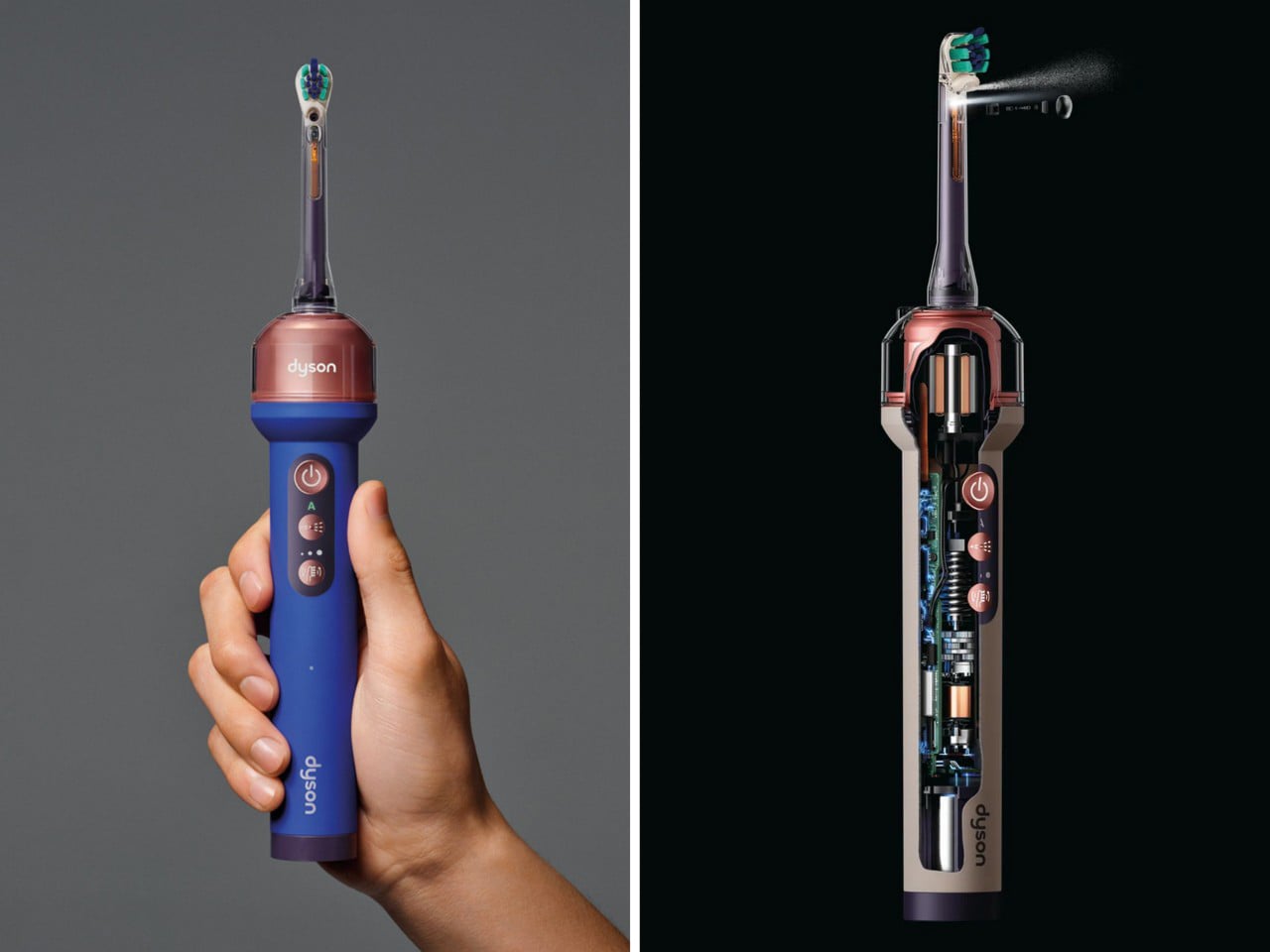
Dyson’s new $499 CameraJet hides a 1mm camera under the brush head, reading 28 images a second, and within 100 milliseconds of spotting a gap between your teeth it fires a cone of mouthrinse straight into it. That single lens is why Dyson also had to formulate its own non-foaming toothpaste, because bubbles blind a camera. It is also why the 12.5ml tank runs a diaphragm pump and pressure chamber, so the jet still fires when you tilt the handle sideways to reach your back molars. One optical decision rewrote the rest of the product. That cascade is the actual story here, and it is a lovely bit of design logic.

James Dyson unveiled it in Paris this morning, capping six years of work, 661 engineers and 38 patents. The vision system is called Gap Optical Targeting, trained on 470,000 dental images and running 16 million lines of code, all so a toothbrush can find the spaces nine in ten of us never floss. It ships today at $499, or £419.99 in the UK, in Ceramic Ultra Blue and Ceramic Pink. You also get a dock that refills the tank in three seconds and RFID brush heads that count their own cleans. Every one of those parts exists because somebody decided the brush should be able to see.

Designer: Dyson
The jet took years of refinement on its own, because the shape of the water matters as much as the camera aiming it. Traditional water flossers use what Dyson calls a needle jet, a narrow, piercing stream that punches through a plaque deposit without actually lifting it away. Dyson’s engineers went hunting for a shape that would sweep plaque off the tooth instead of tunneling through it, and landed on a broad conical spray fired at lower pressure. To test that idea without running a clinical trial every time they tweaked the nozzle, Dyson spent five years building its own synthetic plaque with the National University of Singapore’s Faculty of Dentistry. That is the unglamorous groundwork that never makes the keynote slide but decides whether the whole idea holds up.
None of that fluid engineering matters if the tank runs dry the moment you tilt your head back, which is the next problem the camera created. Conventional reservoirs use a straw-in-a-cup setup that draws air and loses pressure on an angle, fine for a kitchen gadget, useless inside a mouth that never sits still. Dyson’s fix is the anti-gravity tank, built around a pump that adjusts as you move so the jet fires whether the brush is upright, angled, or flat against a back molar. The brush head carries its own logic too, firmer bristles inside for stains, softer ones outside for the gumline, contoured to actually hug a tooth rather than sit flat against it. Even the sonic oscillation varies its angle mid-stroke so bristles do not stall in the tighter corners.
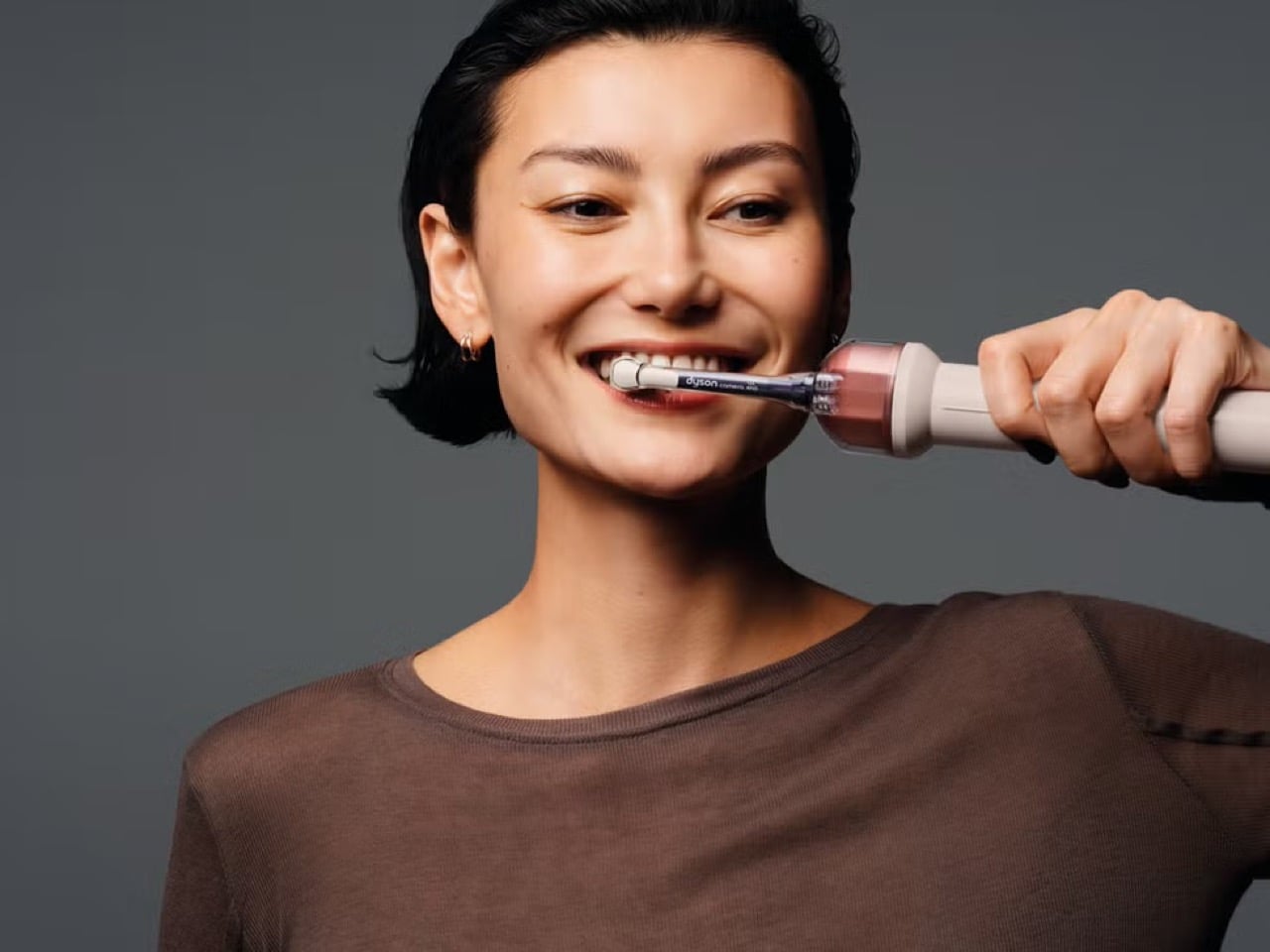
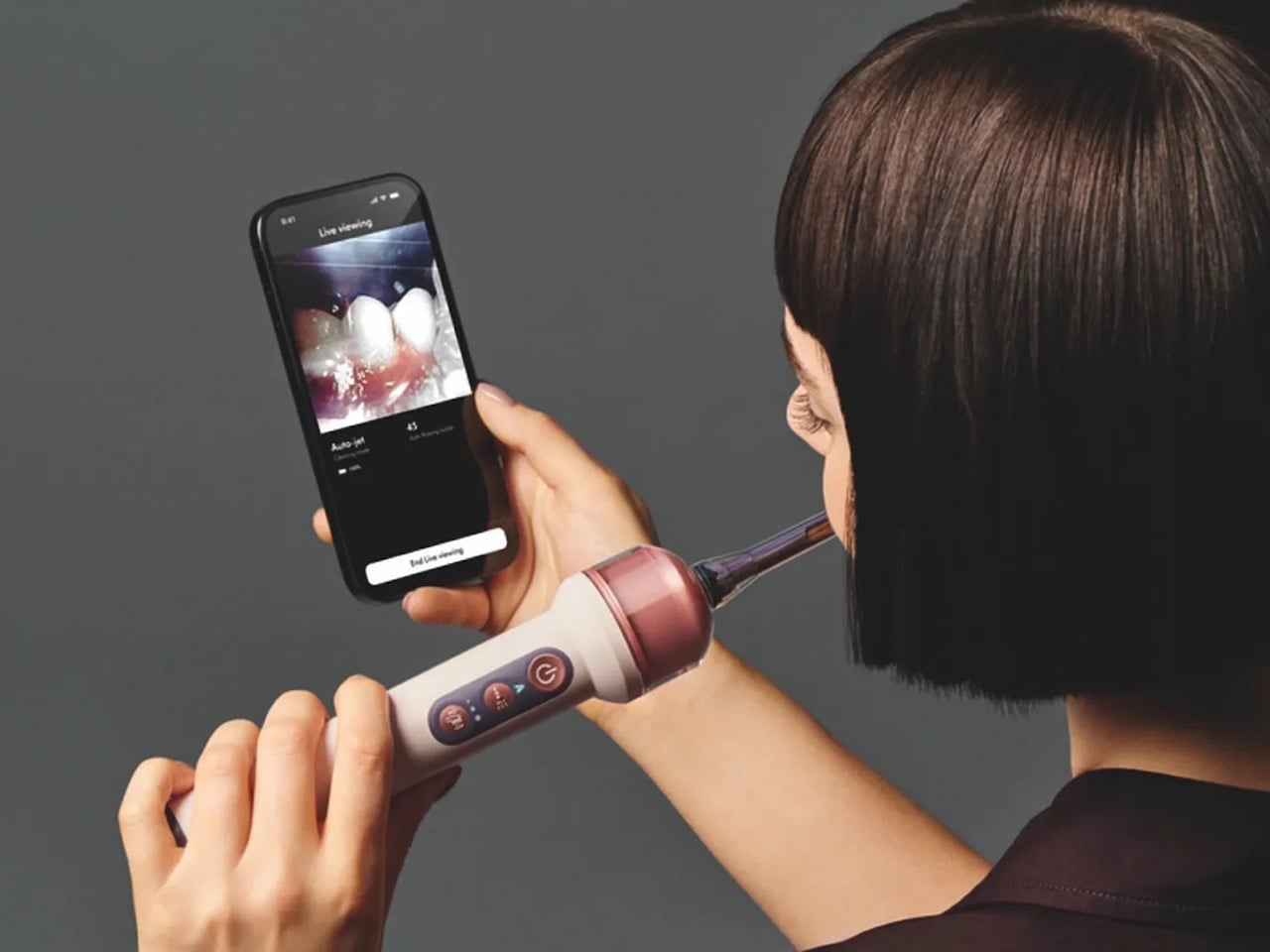
The camera does double duty as a diagnostic tool, streaming live through the MyDyson app so the brush briefly becomes a tiny endoscope. Dyson says nothing is recorded or stored, on the device or in the cloud, and a light on the handle shows when the lens is active. Cameras inside toothbrushes are not new. A Chicago dentist named Craig Kohler built one back in 2016 called the Prophix, a video-streaming brush that let people watch their own mouths on an iPhone in real time. It never went mainstream, and its own website still reads coming soon, a decade on. What Dyson brings that Prophix never had is the industrial muscle to turn that footage into an automated response, steering a jet instead of just showing a picture.
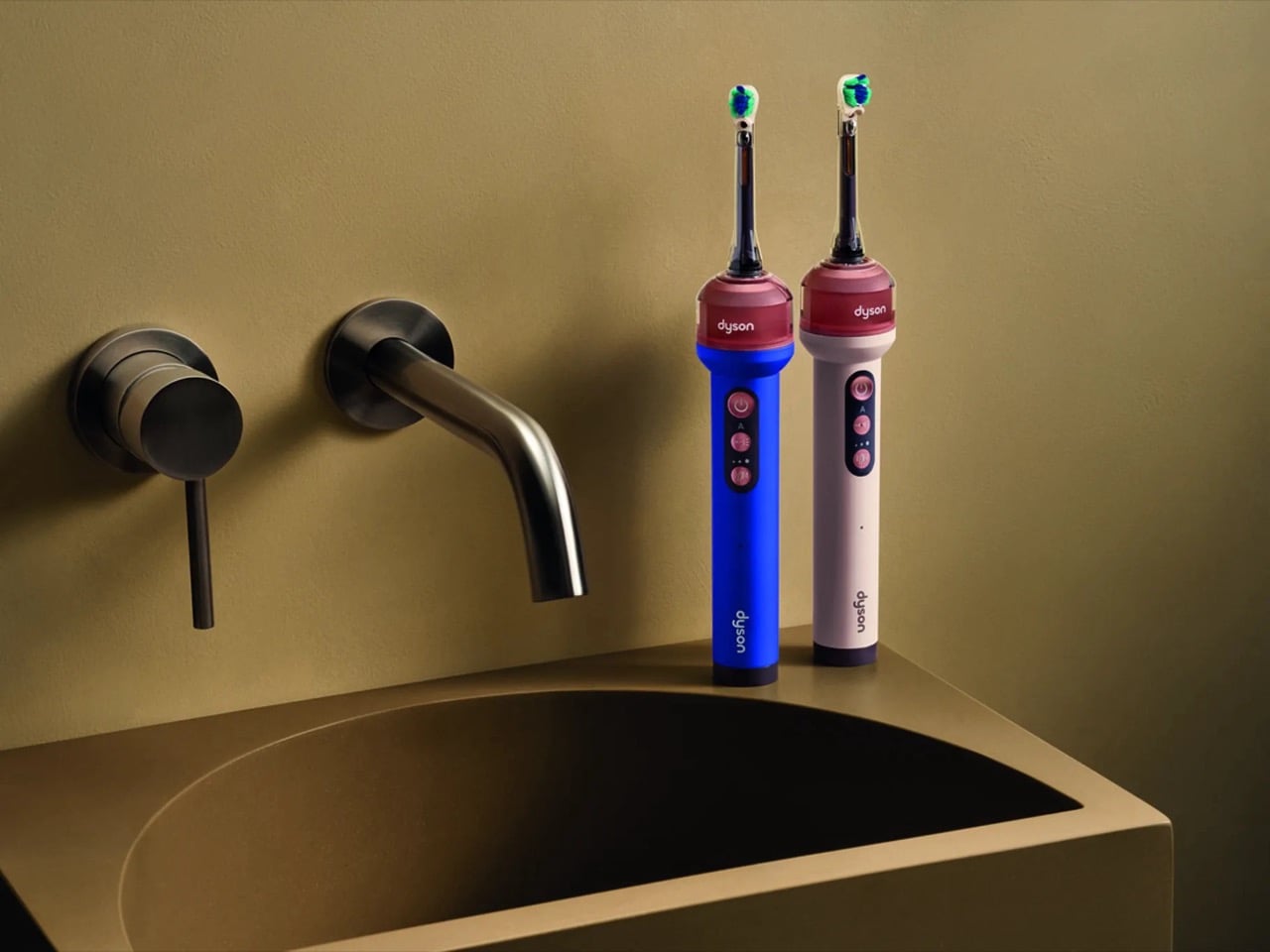
Dyson CameraJet in situ imagery, JPEG, PSD

Dyson has spent decades arguing that the dirt you cannot see is the dirt worth engineering around, first in carpets, then in bathroom air, now in the gap between your incisors. The CameraJet is that philosophy at its smallest scale yet, a lens standing in for the clear bin that made a bagless vacuum’s dust visible for the first time. What makes it worth writing about as design, rather than just as gadgetry, is how completely one sensor reorganized everything around it, the chemistry of the paste, the physics of the pump, the shape of the bristle. That is a rare thing to see fully worked through in an object that costs less than a laptop. Whether $499 buys cleaner teeth is a question for your dentist in six months. Whether it buys a masterclass in constraint driven design is not really a question at all.

The post Dyson’s $499 Camera Toothbrush Is So Advanced, They Had To Redesign The Toothpaste For It first appeared on Yanko Design.

Bixdo Glossonic Brush Air (W30) Review: The Toothbrush That Replaces Your Whitening Strips

PROS:


  • Striking design with ambient light effect when docked

  • 120-day battery life greatly simplifies portability

  • Effective whitening process combined with brushing

CONS:


  • Handle might be too large for some hands

  • Very limited color options

RATINGS:

AESTHETICS
ERGONOMICS
PERFORMANCE
SUSTAINABILITY / REPAIRABILITY
VALUE FOR MONEY

EDITOR'S QUOTE:

By making the whitening happen in the background, the Bixdo Glossonic Brush Air (W30) electric toothbrush doesn't overhaul a bathroom routine so much as quietly upgrade it.
award-icon

At-home teeth whitening has never been more accessible, yet most people can’t stick with it. Whitening strips take 30 to 45 minutes and often cause sensitivity. Whitening toothpastes rely on mild abrasives that can wear down enamel over time. Professional treatments work well, but they’re expensive and require appointments that take time out of your schedule. The category has a compliance problem that no stronger formula or new packaging seems to fix.

The Bixdo Glossonic Brush Air (W30) takes an entirely different approach. Rather than adding another product to the routine, it builds whitening into the process of brushing, something most people already do twice a day. Paired with a Bixdo’s whitening toothpaste and blue light technology, it turns a daily habit into a gradual brightening system that doesn’t ask much of the person using it.

Designer: Bixdo

Click Here to Buy Now: $139.99.

Aesthetics

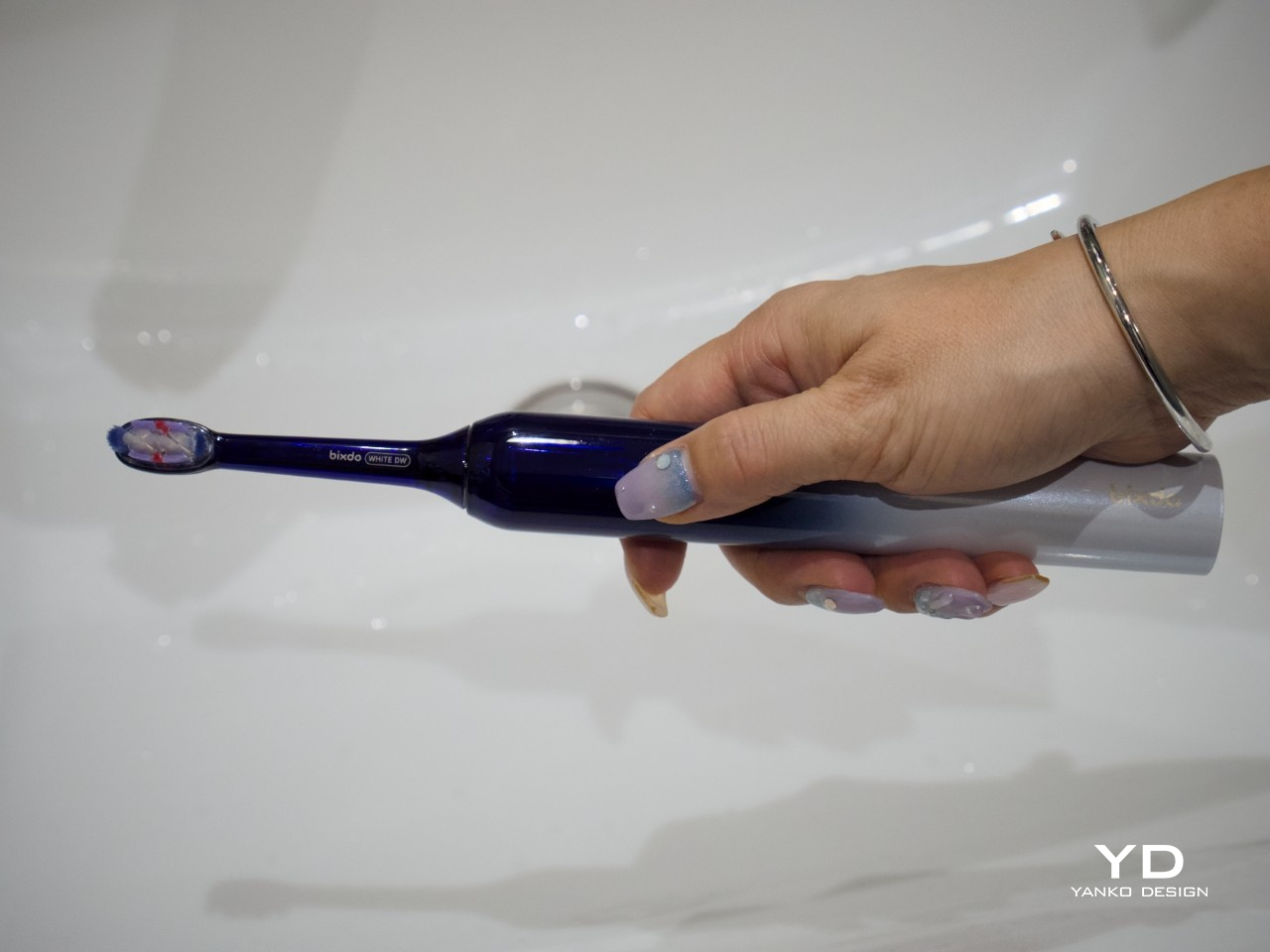
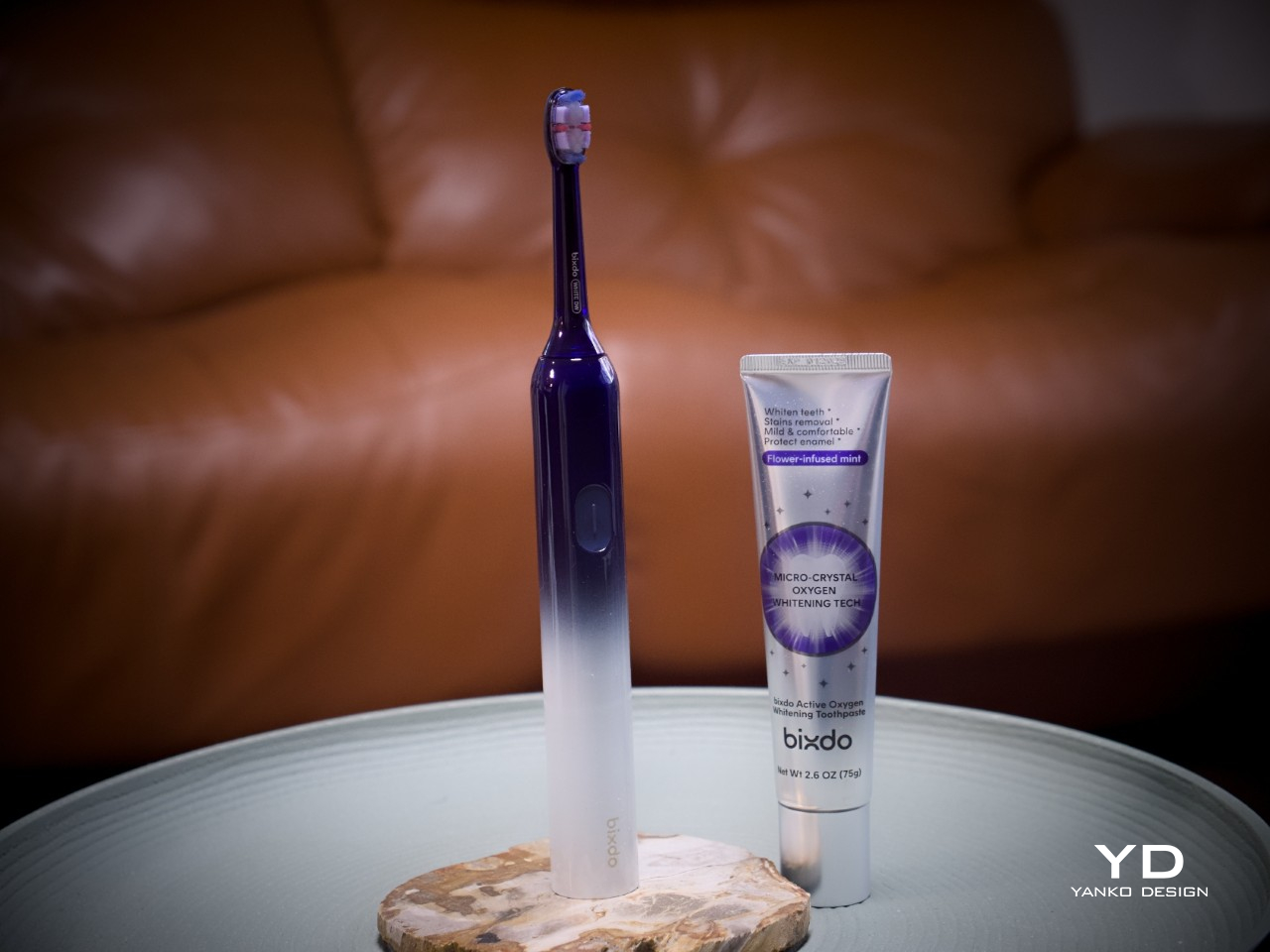
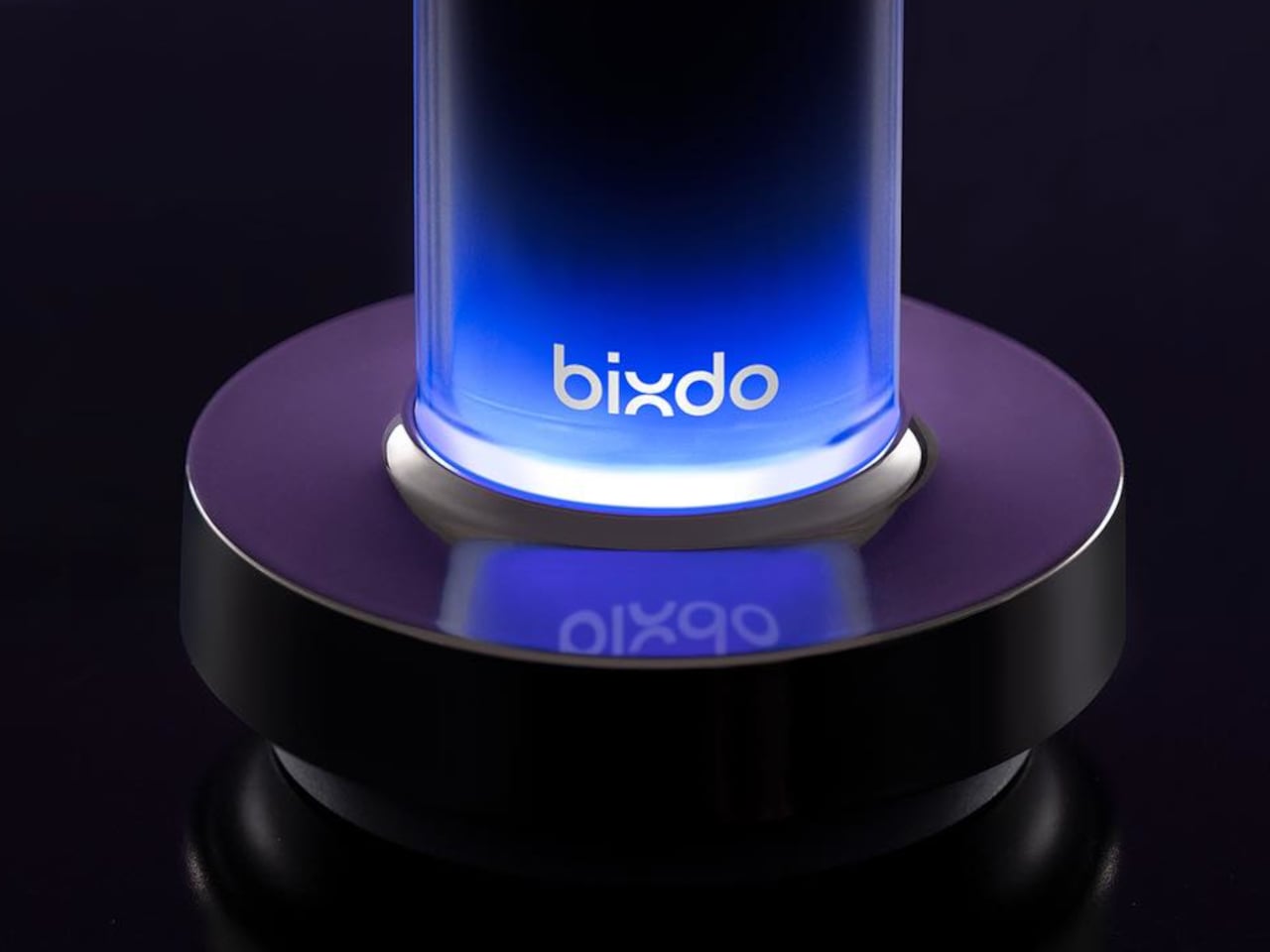
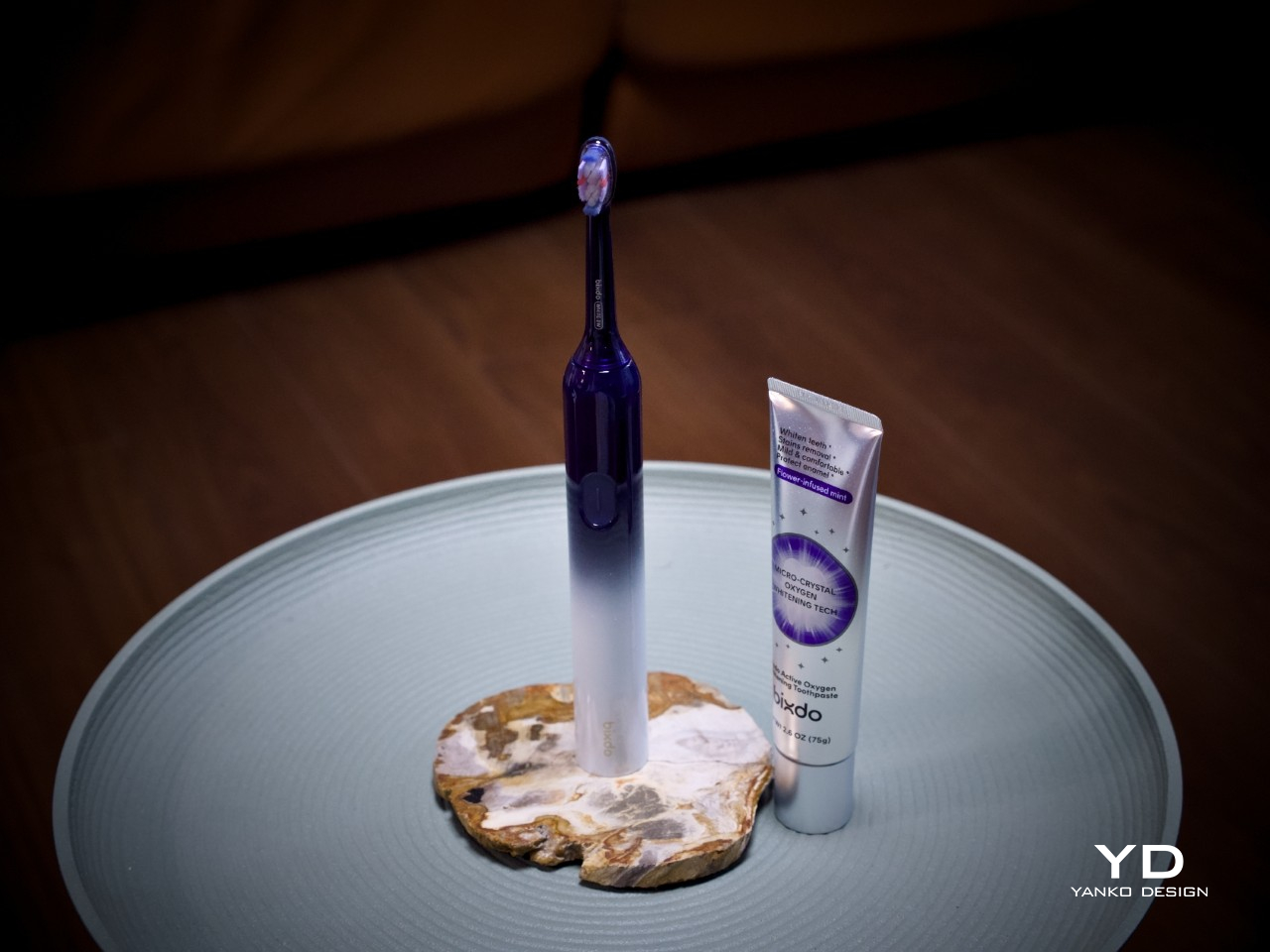
Most electric toothbrushes lean into a clinical aesthetic. The Bixdo W30 departs from that with a sleek, lacquered silhouette in deep navy blue fading into a frosted white at the base, a gradient that’s genuinely eye-catching for a toothbrush. That finish gives it a quality closer to personal-care hardware than a dental appliance, and it’s the kind of object you’d actually want on a vanity rather than stashed under the sink.

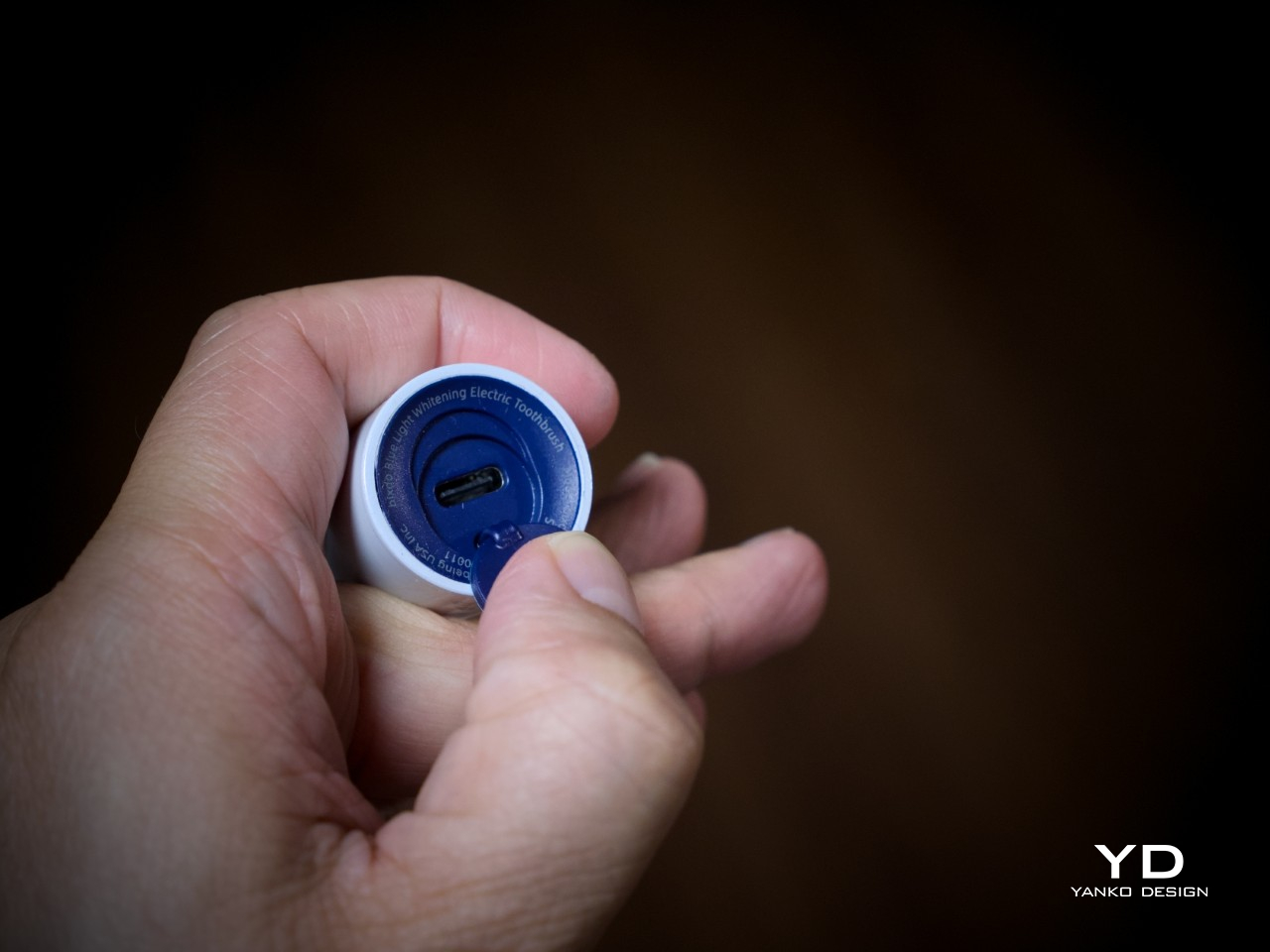
The Bixdo W30 charges via a USB-C port built into the base of the handle, which is a small but telling design choice. It keeps the whole package clean and self-contained, with no proprietary dock or cradle to misplace. For a bathroom counter that’s already busy, that kind of restraint matters. It’s the kind of detail that doesn’t announce itself but would be noticeably annoying if it were handled differently.

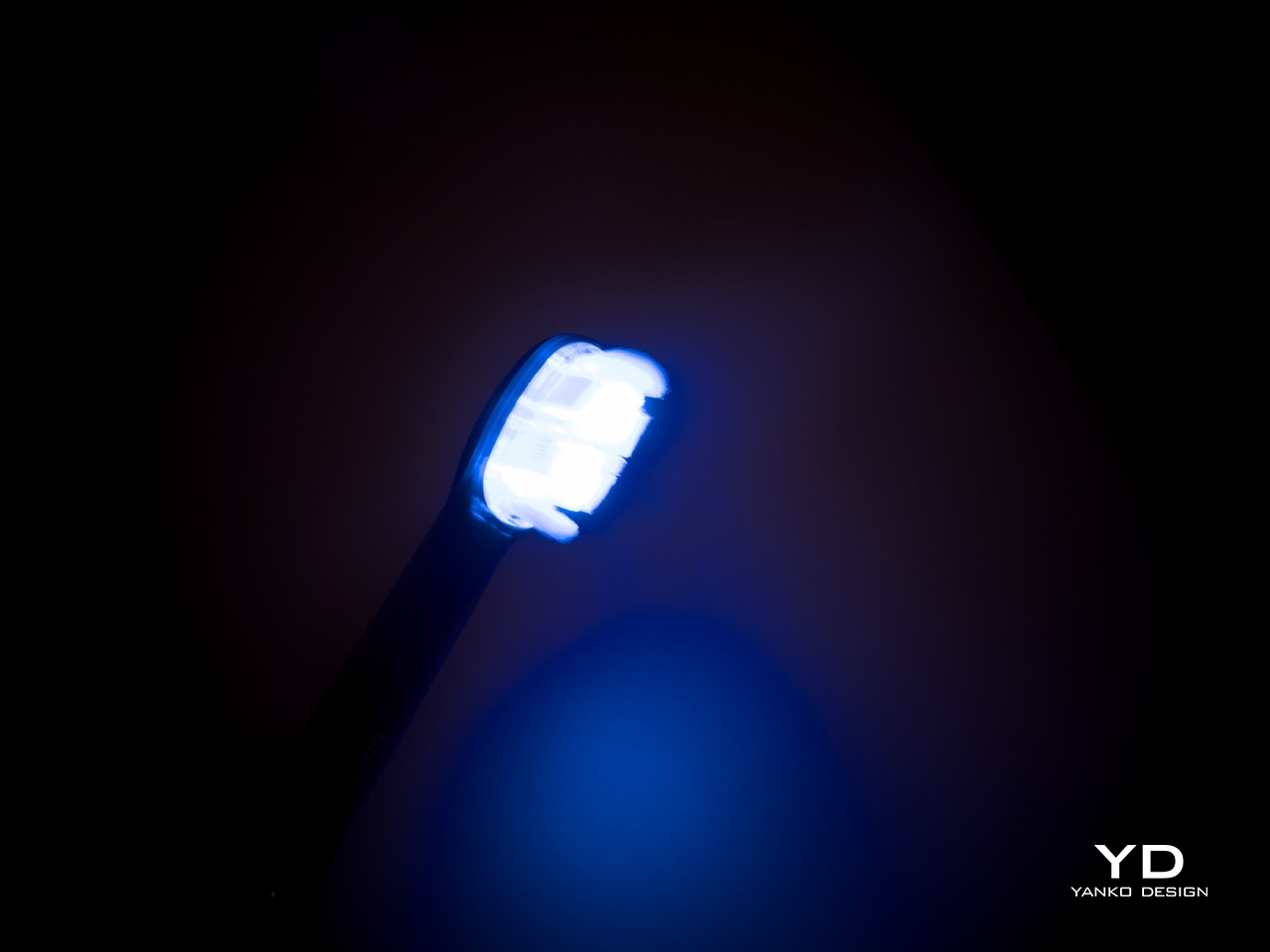
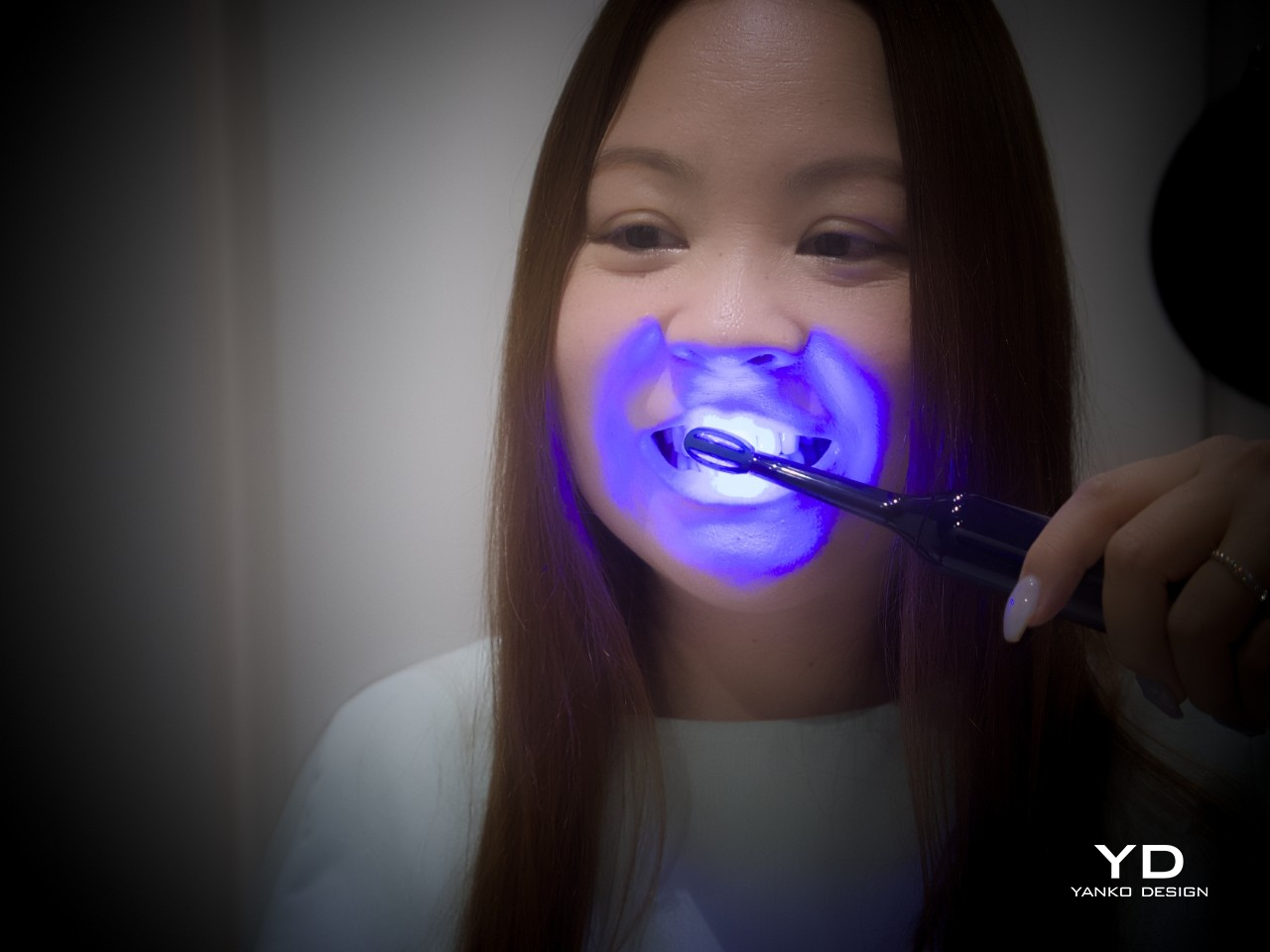
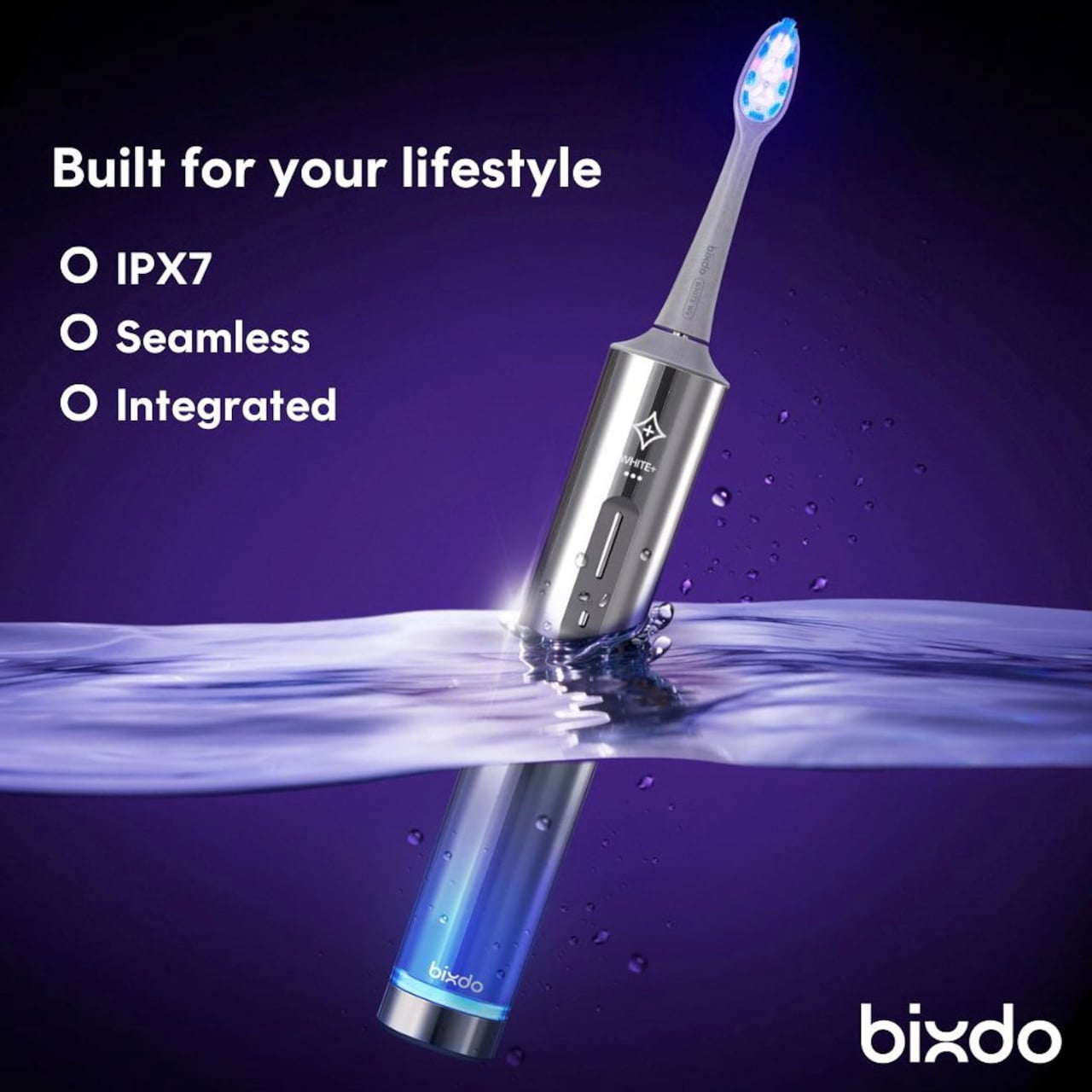
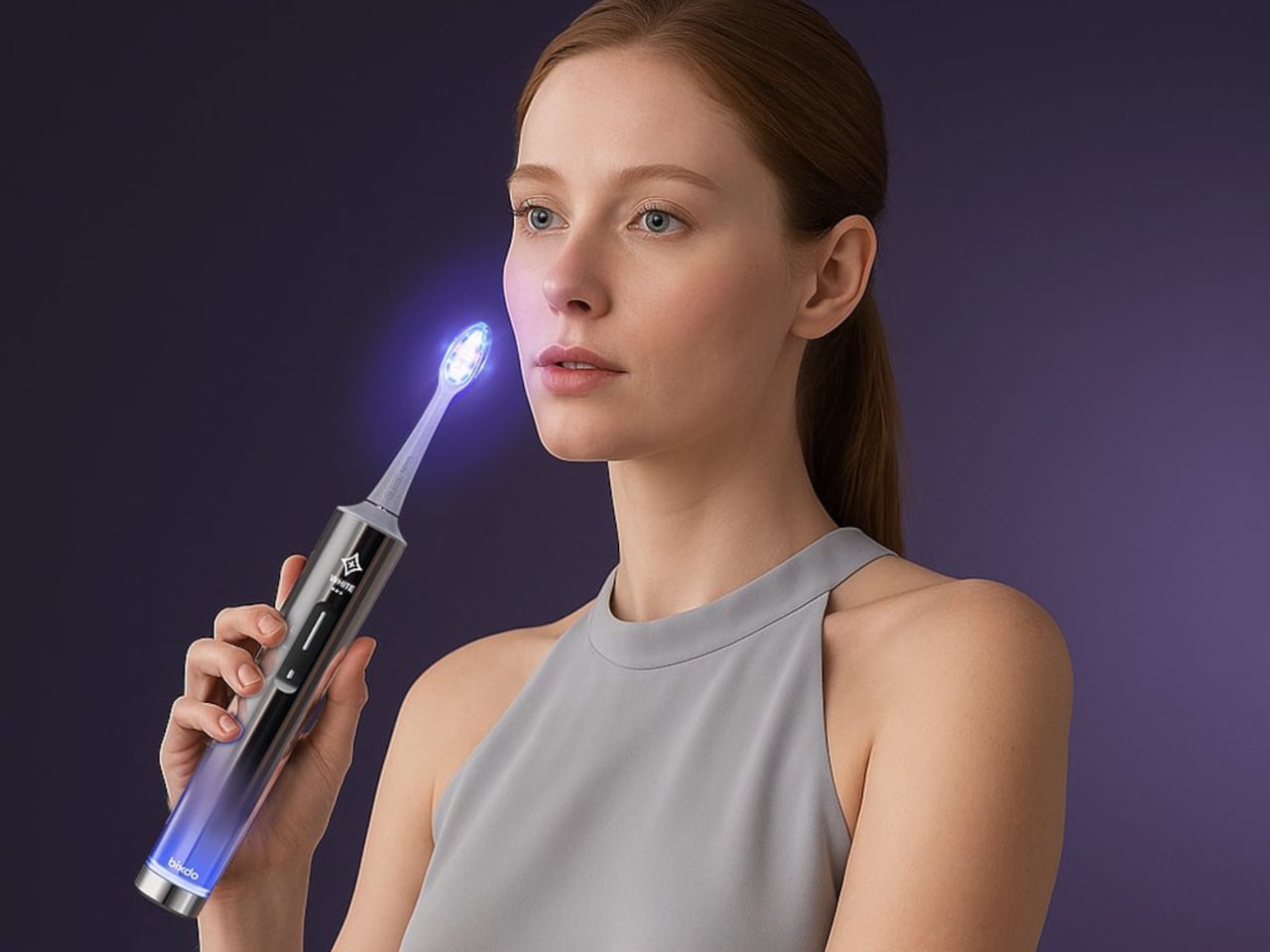
The brush head is where the design gets interesting. The filaments are made from translucent material specifically to channel blue light from inside the handle outward to the tooth surface, supporting the Bixdo whitening system directly at the point of contact. The effect is genuinely dramatic: when active, the entire head blazes with a vivid blue glow, making the whitening feel tangible rather than abstract.

Ergonomics

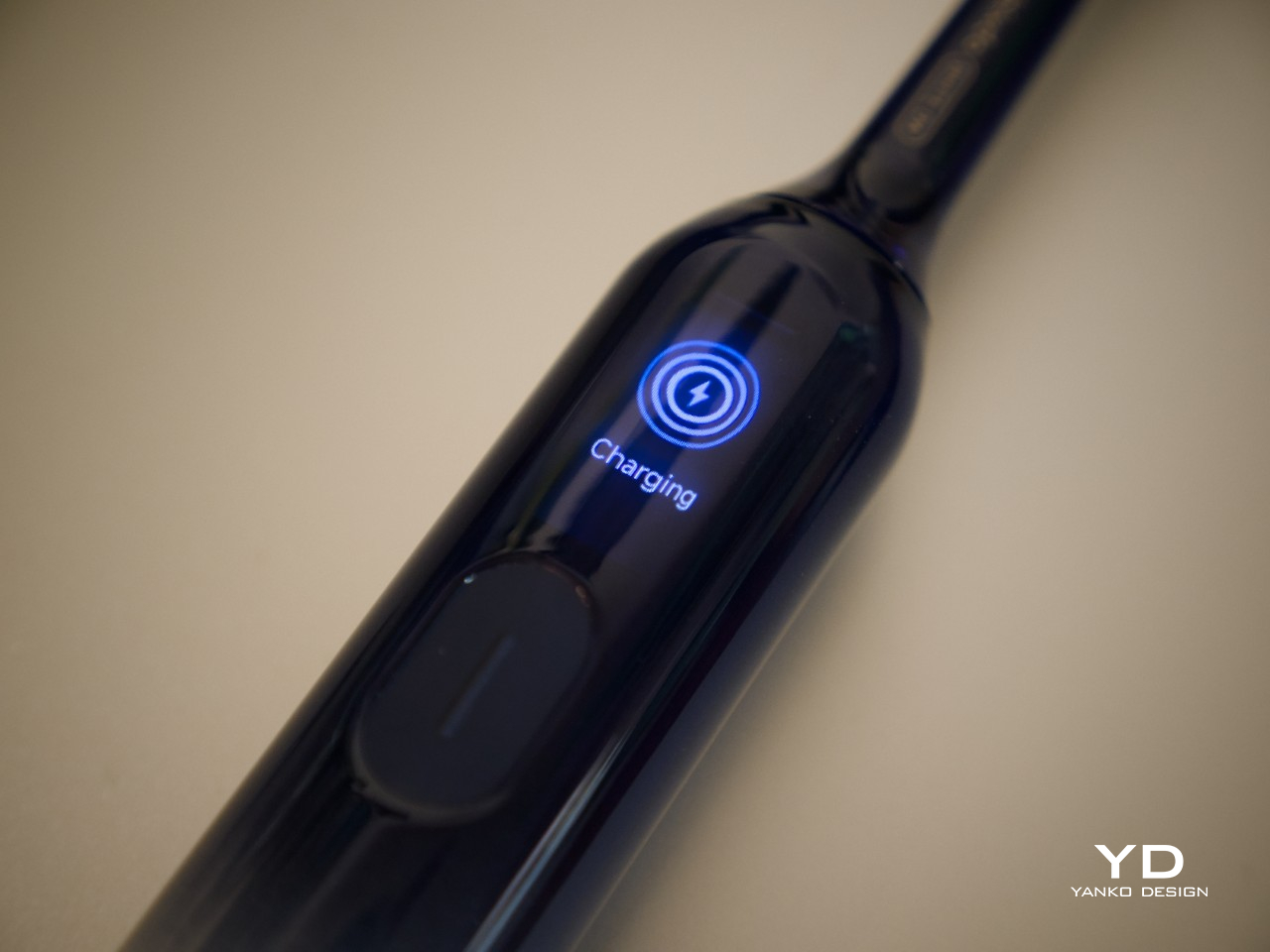
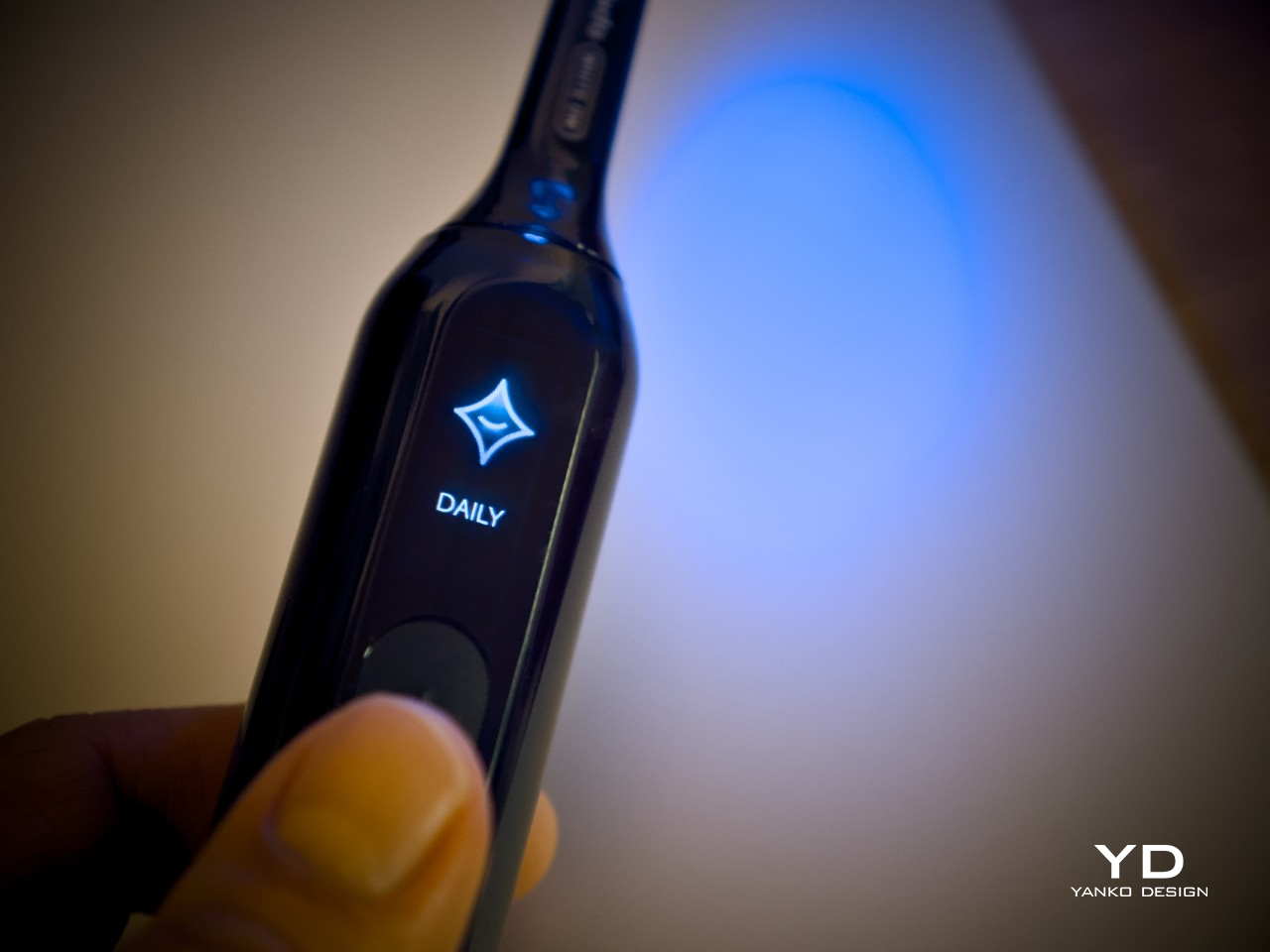
Picking up the Bixdo Glossonic Brush Air (W30), the weight feels deliberate, and the glossy finish stays comfortable without feeling slippery. A single oval button sits below a small embedded display on the handle face, keeping the interface minimal and uncluttered. The display shows mode icons and labels clearly at a glance. The form is easy to grip, whether the brush is used straight on or at an angle for back teeth.

A single press of the button gets the brushing started, and the display confirms the active mode at a glance. The brush sends a brief vibration every 30 seconds as a prompt to shift to the next brushing zone, a useful nudge that keeps the routine thorough rather than habitual. When the session ends, the screen shows a brushing result to indicate how the session went.

Performance

The cleaning side of the Bixdo W30 isn’t an afterthought. Its sonic brushing action drives a thorough clean across the tooth surface and into the spaces between teeth, putting it on level ground with mainstream premium electric toothbrushes in terms of mechanical cleaning power. Teeth feel noticeably cleaner and smoother after each session, and it performs that way consistently, before the whitening layer even factors in.

The whitening mechanism is built around the Bixdo whitening system, where the blue light works together with the PAP-based whitening toothpaste and light-guiding brush head to address everyday surface stains. Many devices use blue light, but how those elements are designed to work together determines whether it actually does anything useful. The Bixdo W30 is built around that coordination rather than around any single feature.

The system pairs with a PAP-based whitening toothpaste specifically designed for everyday whitening care. Unlike many whitening products that rely on hydrogen peroxide and are intended for occasional high-intensity use, the PAP-based formula fits naturally into a twice-daily brushing routine. It’s the kind of formulation that makes sense for something meant to be used consistently, day after day, rather than as an occasional treatment.

There are four brushing modes: DAILY, DIAMOND, and GENTLE, which all activate the blue light in three-minute sessions at varying intensities, and GUM CARE, a two-minute vibration-only option for users with sensitive teeth and gums. Results build gradually with consistent use, which suits the broader logic of a product designed to work within a daily routine rather than deliver a single dramatic result.

Battery life is another standout. The Bixdo W30 is rated for 120 days on a single charge, which means charging it roughly twice a year at most. For anyone who travels regularly, this essentially eliminates the charger from the packing list entirely. The brush is also IPX7 waterproof, so rinsing it off or using it in the shower isn’t a problem.

Sustainability

The 120-day battery life has an environmental dimension worth noting. Most electric toothbrushes get charged weekly or more often, adding up to dozens of charge cycles a year that slowly degrade the battery’s overall capacity. The W30’s extended battery means fewer cycles, less energy consumed over time, and a device that’s more likely to stay in good working condition longer before the battery becomes an issue.

The brush head is designed to be replaced at least every three months, in line with standard dental guidance, which gives the routine a clear and easy-to-follow maintenance rhythm. That’s a more sustainable ownership model than replacing the full device. The refill toothpaste and replacement-head model together mean the handle stays in service rather than becoming disposable hardware when something wears out.

Value

The Bixdo W30 sits at the premium end of the consumer toothbrush market. But its intended comparison isn’t other electric toothbrushes. It’s meant to replace a combination of products: a capable electric brush and a separate whitening system. Professional in-office treatments run anywhere from $350 to $1,200 per session, and most people need more than one session a year to maintain results.

Compared to whitening strips, the math becomes even more interesting. A pack of good-quality strips can run $40 to $60, lasts a couple of weeks, and needs to be repurchased on a regular cycle. The Glossonic Brush Air’s ongoing cost is the companion PAP toothpaste, a reasonable daily-use repurchase for something doing double duty as both toothpaste and whitening treatment. As a consolidated system, that recurring expense starts to look quite reasonable.

Most whitening products separate plaque removal and whitening into two different steps. The Bixdo W30 brings both together, with brushing handling the mechanical clean while the blue light, PAP-based toothpaste, and light-guiding brush head work as part of the Bixdo whitening system. The toothpaste refill is the only recurring cost once the brush is in hand, which is a straightforward trade-off for a product that effectively replaces two separate categories.

Verdict

After extended use, the Bixdo W30 comes across as a product that’s been thought through rather than simply assembled. The results are gradual, building up like good skincare, and no increased sensitivity was experienced throughout the testing period. Teeth look noticeably brighter after two to three weeks of consistent daily use, particularly along the edges where stain buildup from coffee tends to accumulate first.

For regular coffee or tea drinkers who’ve struggled to stay consistent with strips, the Bixdo Glossonic Brush Air (W30) is genuinely worth considering. It doesn’t overhaul a bathroom routine so much as quietly upgrade it, one session at a time. The whitening happens in the background while the brush does its cleaning job, which is a pretty elegant way to address a problem most people have quietly given up on.

Click Here to Buy Now: $139.99.

The post Bixdo Glossonic Brush Air (W30) Review: The Toothbrush That Replaces Your Whitening Strips first appeared on Yanko Design.
This Blue Light Toothbrush Whitens Teeth 2.7x Brighter in 14 Days

Most bathroom counters tell a story of good intentions. There’s the electric toothbrush, the whitening strips half-squeezed out of their foil, maybe a tray or a pen that got used twice before disappearing behind the moisturizer. Whitening has always been a separate ritual, something you commit to on top of brushing, which is exactly why most people don’t stick with it. The Bixdo W60 is built around a simpler idea: that the best whitening routine is the one you’re already doing.

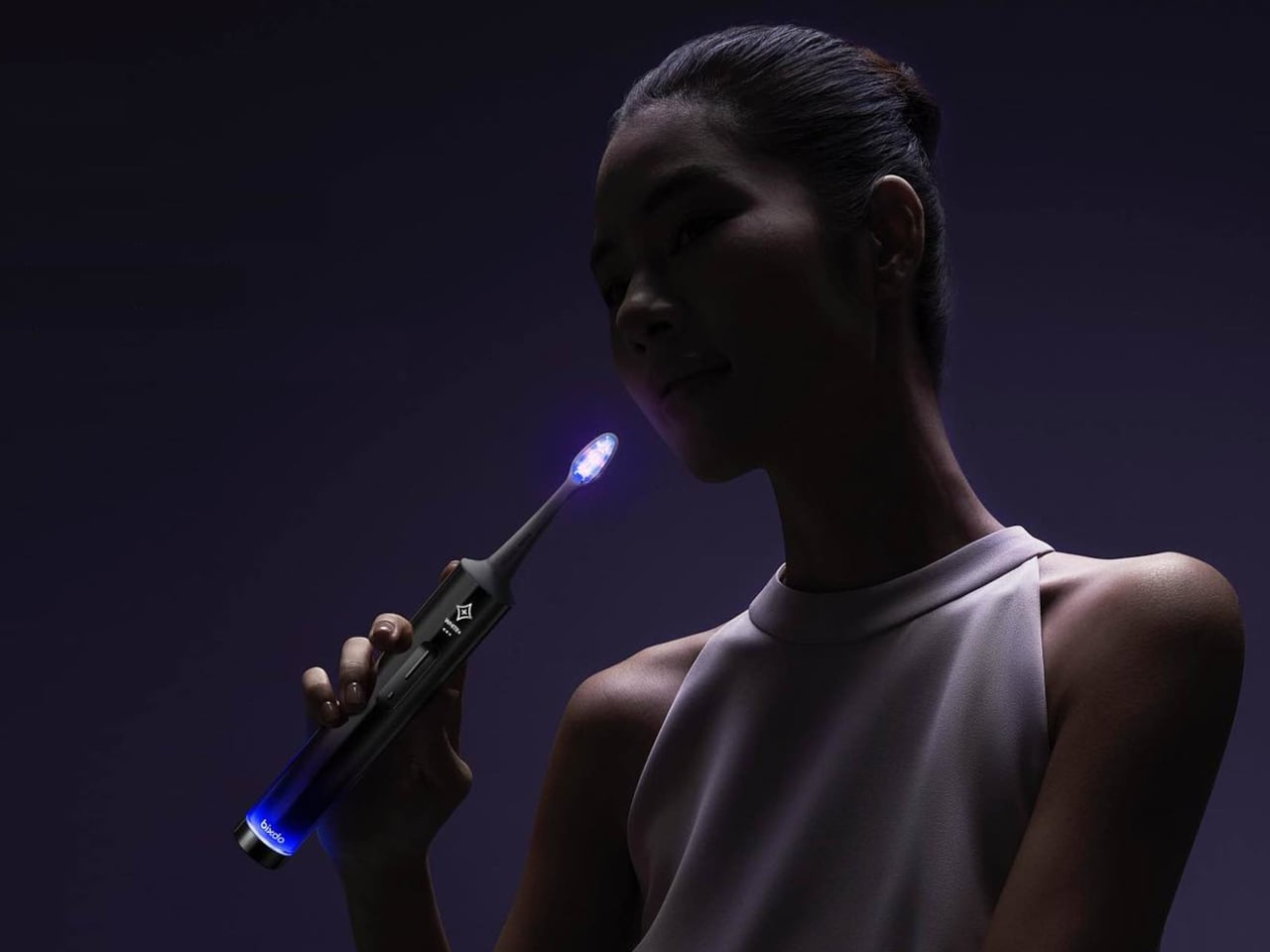
The W60 is a sonic electric toothbrush with a built-in 460 nm blue-light whitening system, designed to whiten and clean in a single three-minute session. No trays, no strips, no extra step to talk yourself out of skipping. It’s the kind of consolidation that sounds obvious once someone makes it, but actually took real engineering to pull off.

Designer: Bixdo

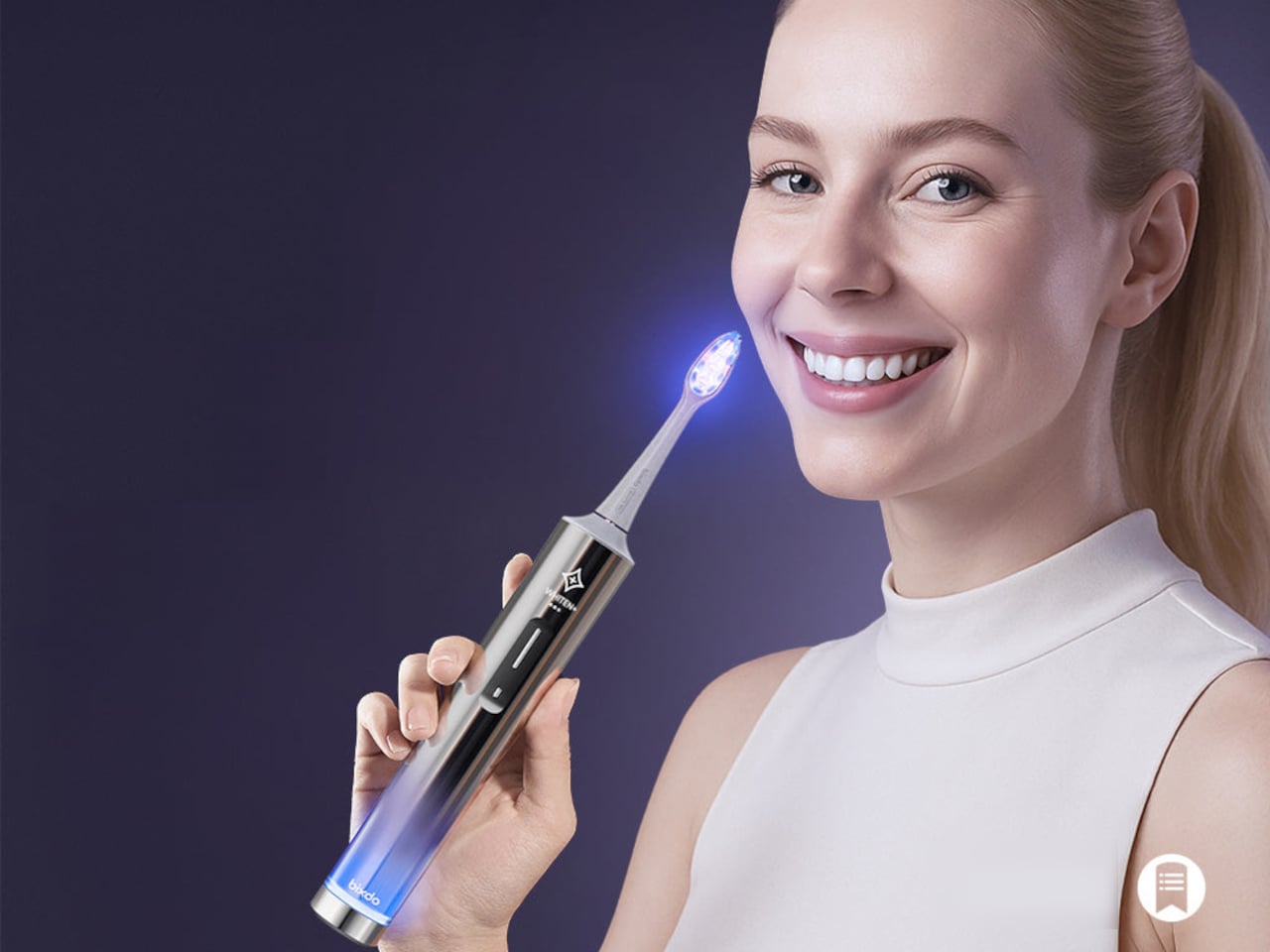
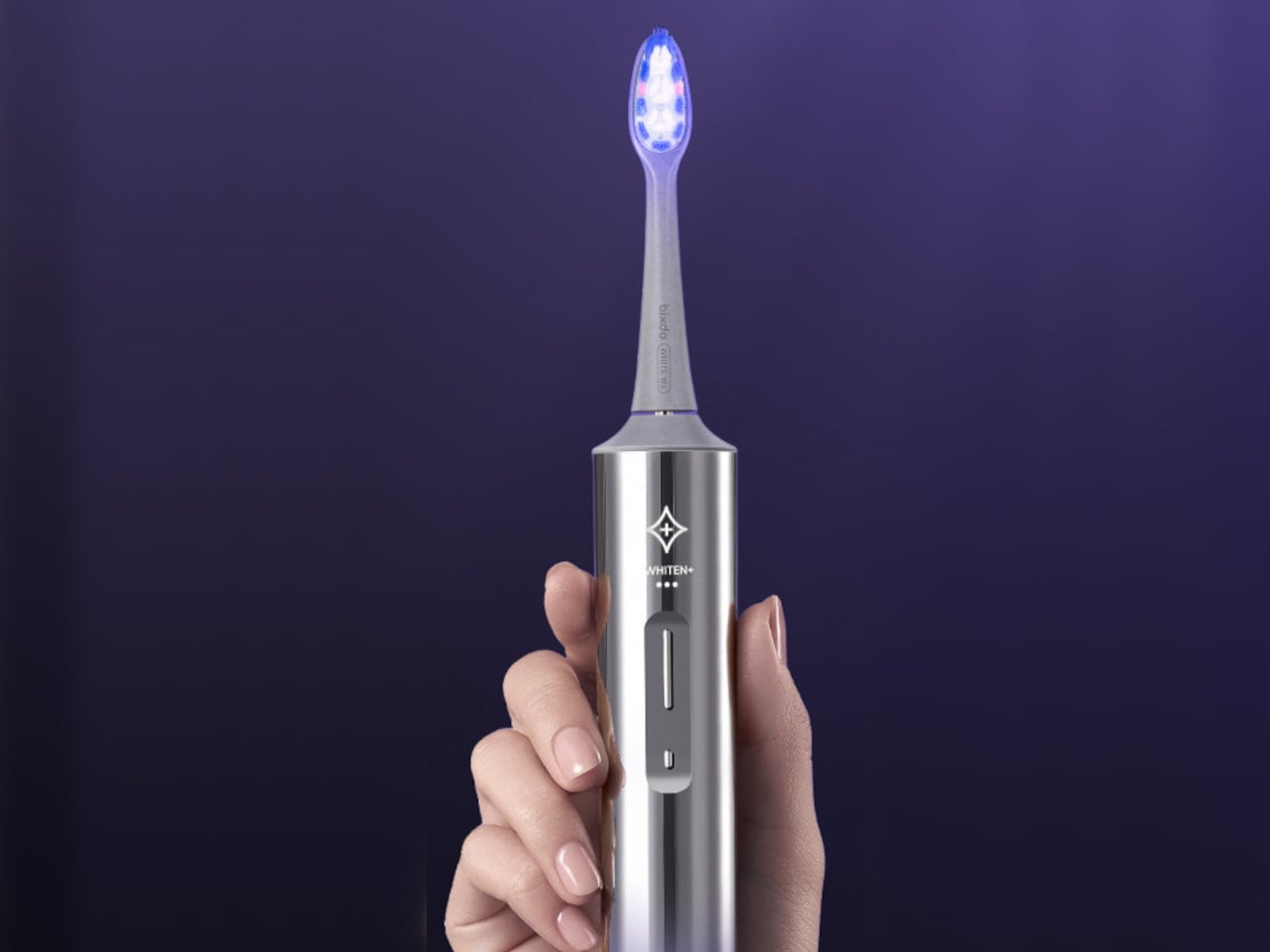
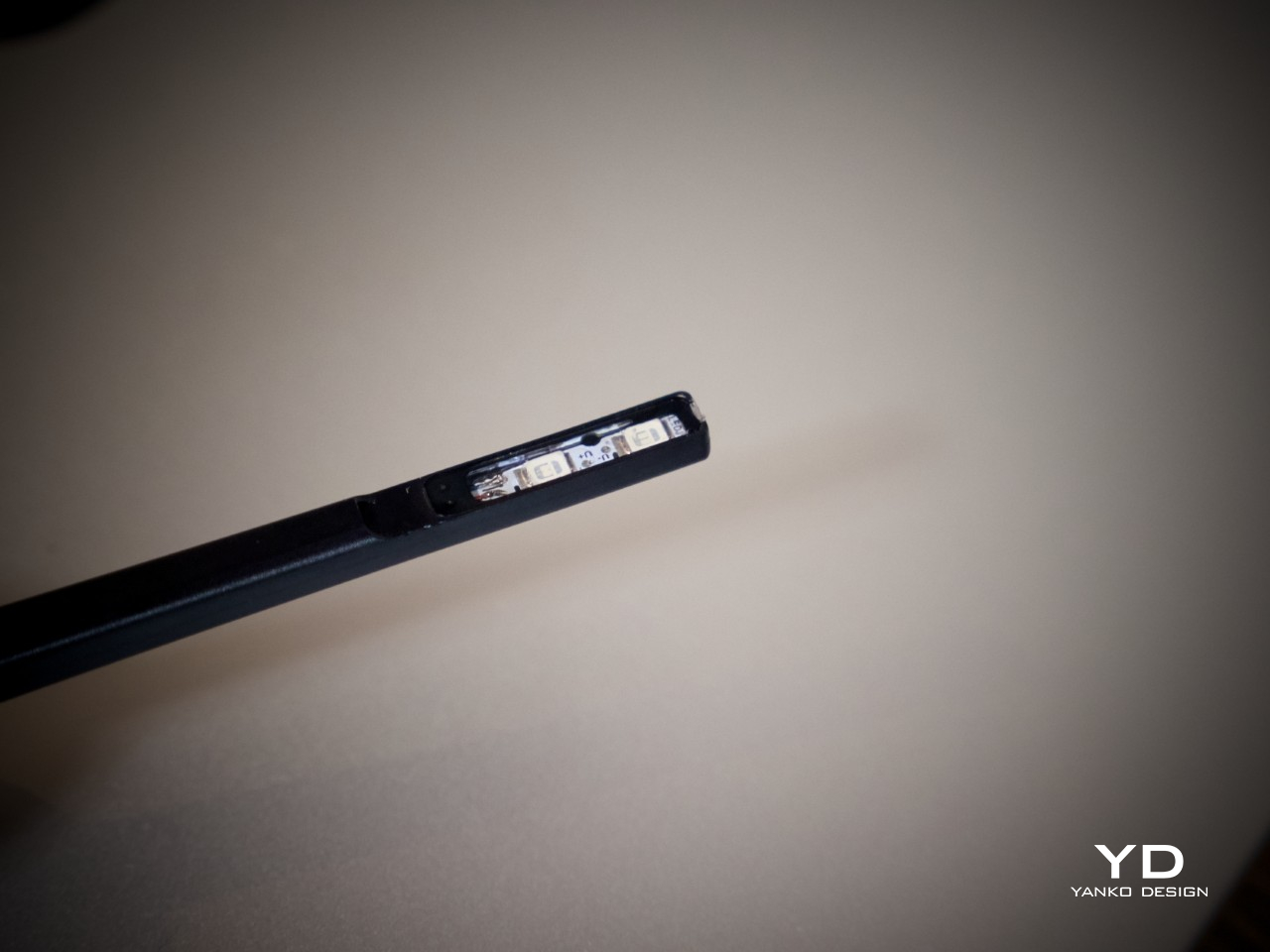
Getting stable light output from a toothbrush handle all the way to a tooth surface is not straightforward. Bixdo solved it with a patented energy-delivery system paired with Perlon® filaments, a fiber type chosen for how well it transmits light. These route the 460nm output directly where it needs to go, while separate Tynex® filaments handle the cleaning. One brush head, two jobs running at the same time.

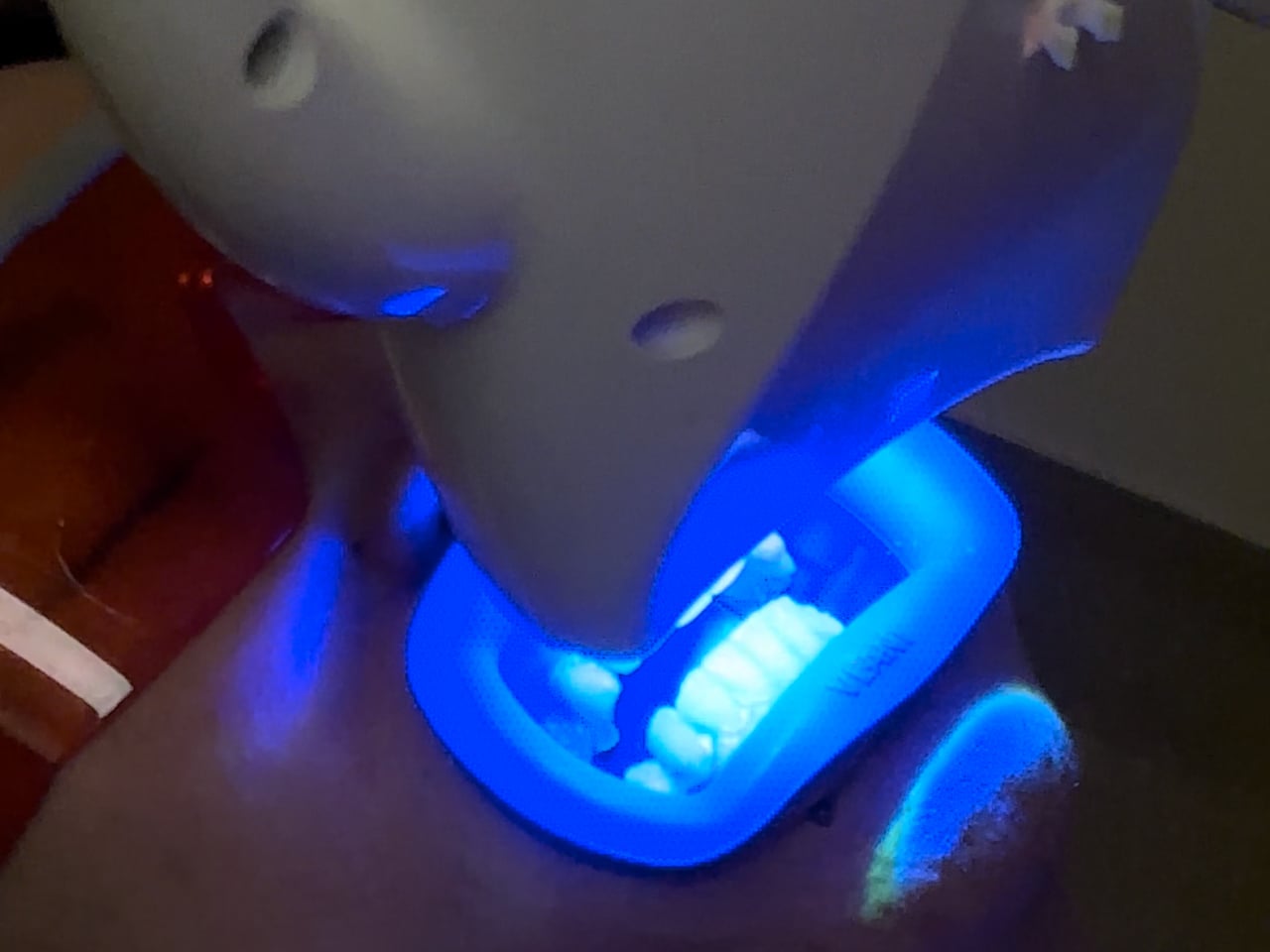
The whitening agent is PAP, or phthalimidoperoxycaproic acid, a peroxide-free compound that breaks down stain molecules without the free radicals that cause sensitivity. It’s gentle enough for daily use, which matters because the whole point is building it into a habit rather than rationing it out once a week. The 460nm blue light activates the PAP in Bixdo’s Active Oxygen Whitening Toothpaste directly at the enamel surface, with the two working together to speed up stain breakdown. Third-party testing across 32 participants found up to 2.7 times brighter-looking teeth in 14 days using the brush with Bixdo’s Active Oxygen Whitening Toothpaste.

The rest of the package is well put together. Four brushing modes cover most situations: WHITEN+ for the full session, FAST for a quick two-minute morning clean, DEEP for a thorough three-minute scrub, and SOFT for sensitive days. A handle display gives real-time brushing guidance, and the base flashes orange if you’re moving too quickly between quadrants. Battery life is up to 180 days on a single charge, which is a pleasant surprise for this category, and a one-touch travel lock stops it from switching on inside a bag.

The W60’s real argument is a behavioral one. Whitening works when it happens consistently, and consistency is much easier when it’s attached to something you’re already doing every day. Brushing is the existing habit, and the W60 is designed to fold into it rather than sit beside it as another thing to remember. The blue light, the PAP chemistry, the smart brushing feedback, none of it requires a separate session, a separate product, or a separate place on the bathroom counter. They all just come along for the ride.

The post This Blue Light Toothbrush Whitens Teeth 2.7x Brighter in 14 Days first appeared on Yanko Design.