9 Fall Camping Gadgets That Actually Earn Their Pack Weight in September 2026

The best camping gear doesn’t announce itself. It disappears into your pack, shows up when things go sideways, and handles the job without drama. Most outdoor gear fails this test in predictable ways: battery doors that ice shut, handles that bend under load, plastic panels that feel like props the moment you’re actually outside. What survives the cut tends to be smaller, smarter, and more carefully considered in its construction.

Fall raises the stakes in ways summer doesn’t. Daylight disappears faster than expected, temperatures drop sharply once the sun clears the treeline, and the gap between a manageable evening and a rough one closes quickly. These nine picks earned their spot because they perform in that specific context without adding unnecessary weight or complexity. Each one solves a real problem in a considered way, which turns out to be a narrower category than it sounds.

1. Lumitwin DL700
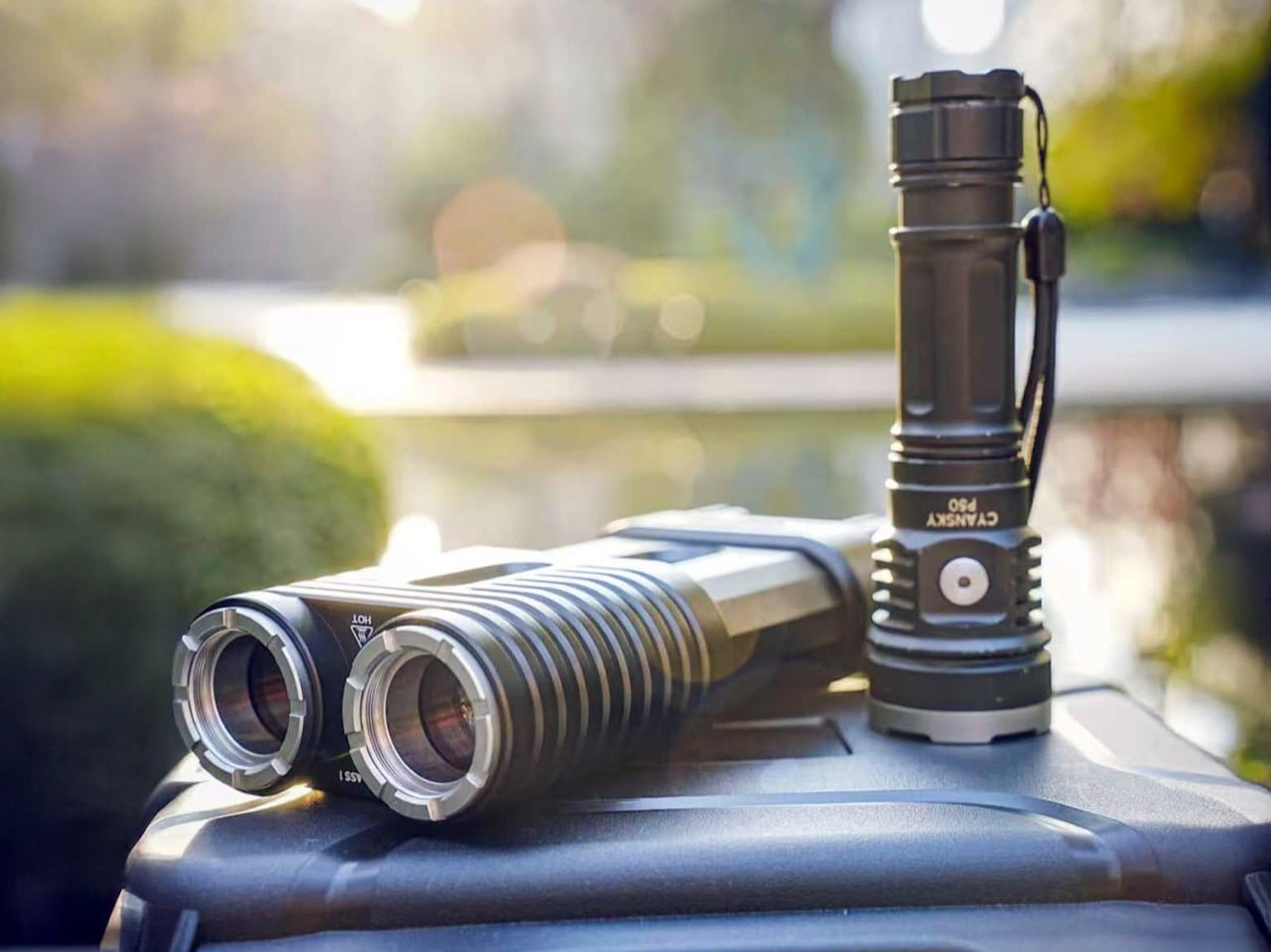
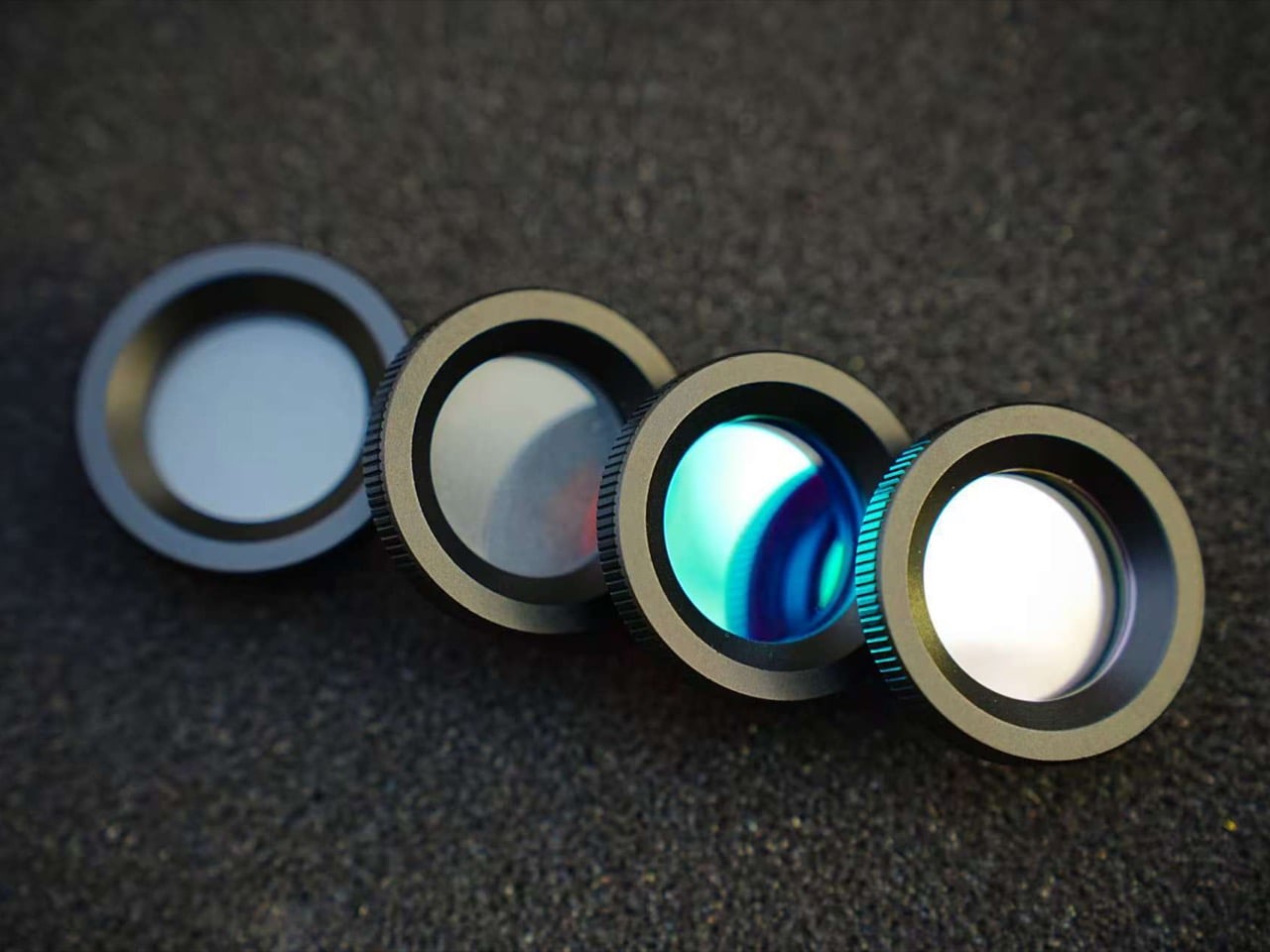
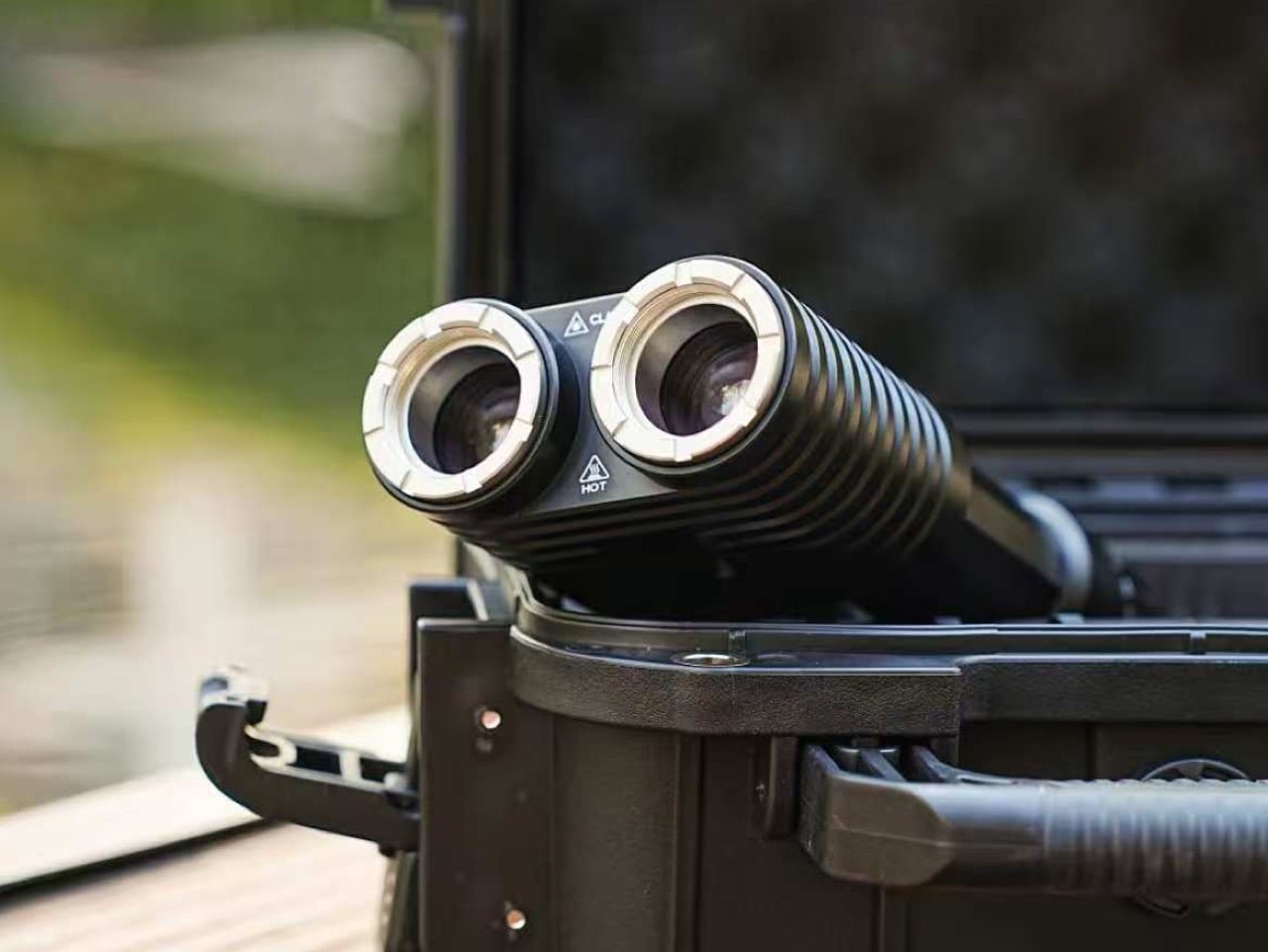
Most EDC flashlights make a trade: compact body, compromised throw. The Lumitwin DL700 refuses that deal. Using laser-excited phosphor technology, the same light source found in high-end automotive laser headlights, it produces 1,100 lumens and a combined 958,000 candela when both barrels fire together, pushing a coherent beam two kilometers into the dark. That is 1.24 miles of reach from a body machined from 6061 aerospace aluminum, IP68-rated to 1.5 meters, and built to survive a ten-foot drop.

Each barrel operates independently with its own switch and brightness control, letting you run different configurations at once: red filter on one barrel for night-vision preservation while the other throws white for distance spotting, or flood mode for close-range work around camp. At 1,032 grams and $329, it asks for commitment on both fronts. What you get in return is a flashlight that sits in a different performance category than anything else currently clipped to your pack.

What we like:

  • 958,000 cd combined output and 2km throw from a carabiner-clippable body
  • Swappable red, green, and flood filters give you six functional configurations in a single unit

What we dislike:

  • 1,032 grams is real weight that belongs on a belt clip rather than a jacket pocket
  • $329 is a deliberate purchase, not an impulse one

2. RetroWave Radio
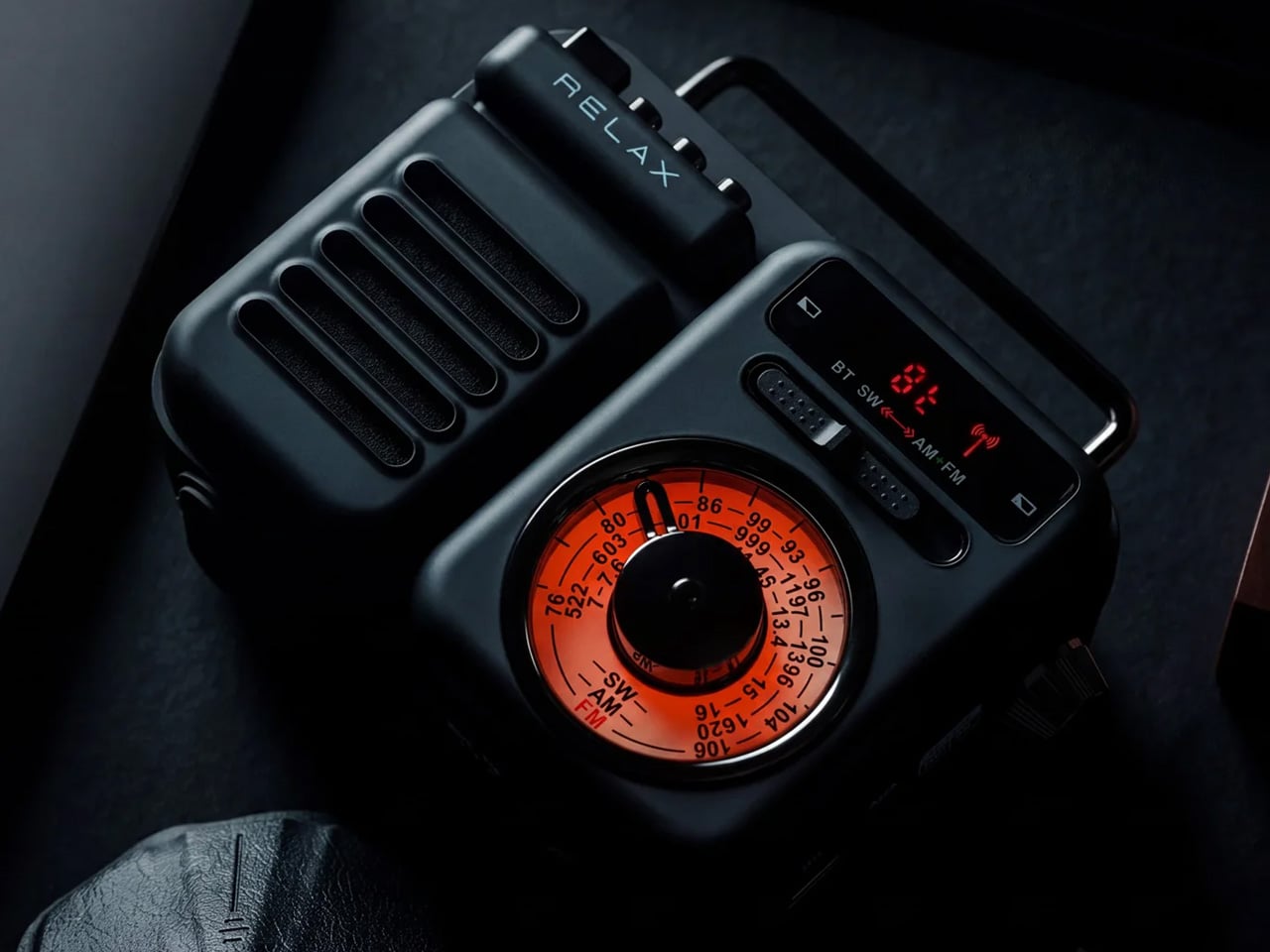
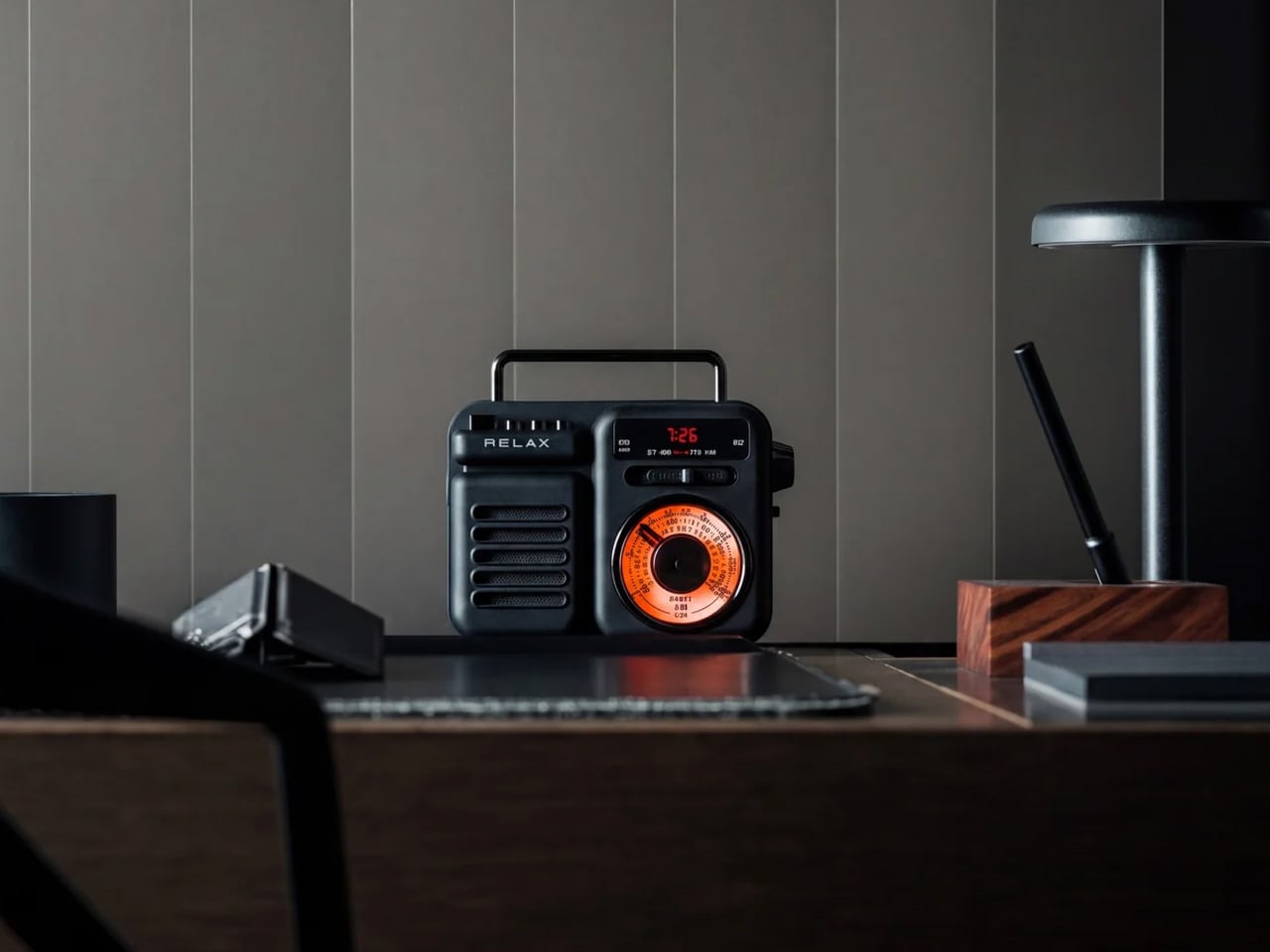
Weather shifts fast in fall, and a radio that receives NOAA weather alerts reads less like a retro novelty and more like actual preparation. The RetroWave pulls in AM, FM, and shortwave bands alongside dedicated NOAA weather channels, with Bluetooth for streaming when you have signal. It charges via a built-in solar panel or a hand crank, meaning you won’t find yourself rationing its runtime against your phone. That range of power inputs separates genuinely useful camp electronics from decorative ones that fail first.

The design language leans toward mid-century Japanese radio, warm and industrially restrained in a way that holds up as well on a desk at home as it does on a picnic table. For fall camping specifically, having a dedicated weather channel available without burning through your power bank is a genuine advantage. Dual charging paths mean it survives multi-day trips where sunny hours aren’t guaranteed. It earns its place before you’ve left the driveway and keeps justifying that decision every night after dark.

Click Here to Buy Now: $89.00

What we like:

  • NOAA weather band combined with solar and hand-crank charging covers every outdoor power scenario
  • Design language that works equally well off-trail and at home

What we dislike:

  • Shortwave reception varies significantly with terrain and atmospheric conditions
  • Bluetooth adds weight for a function most campers skip on a real multi-day trip

3. Camprit TiStove
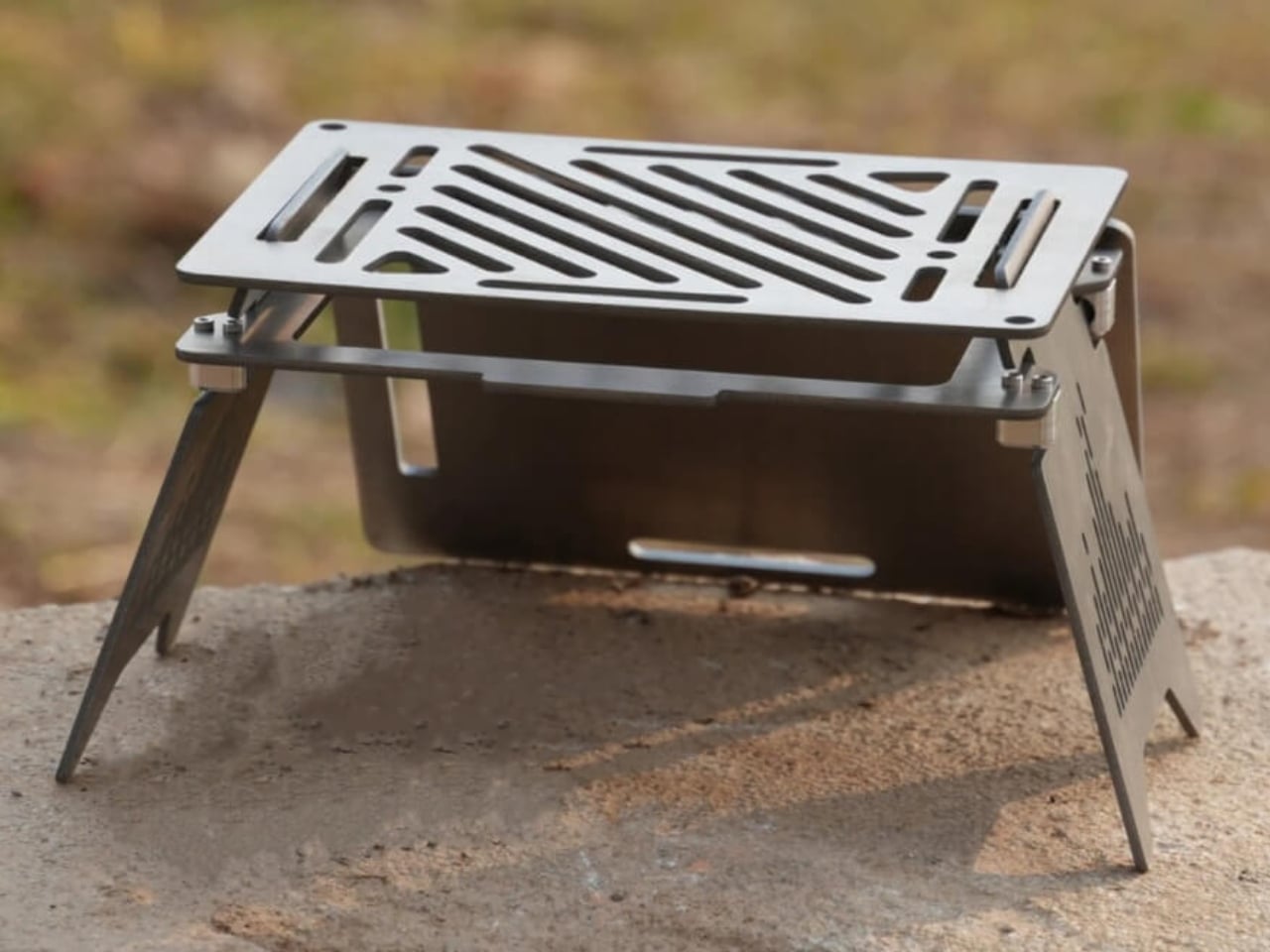
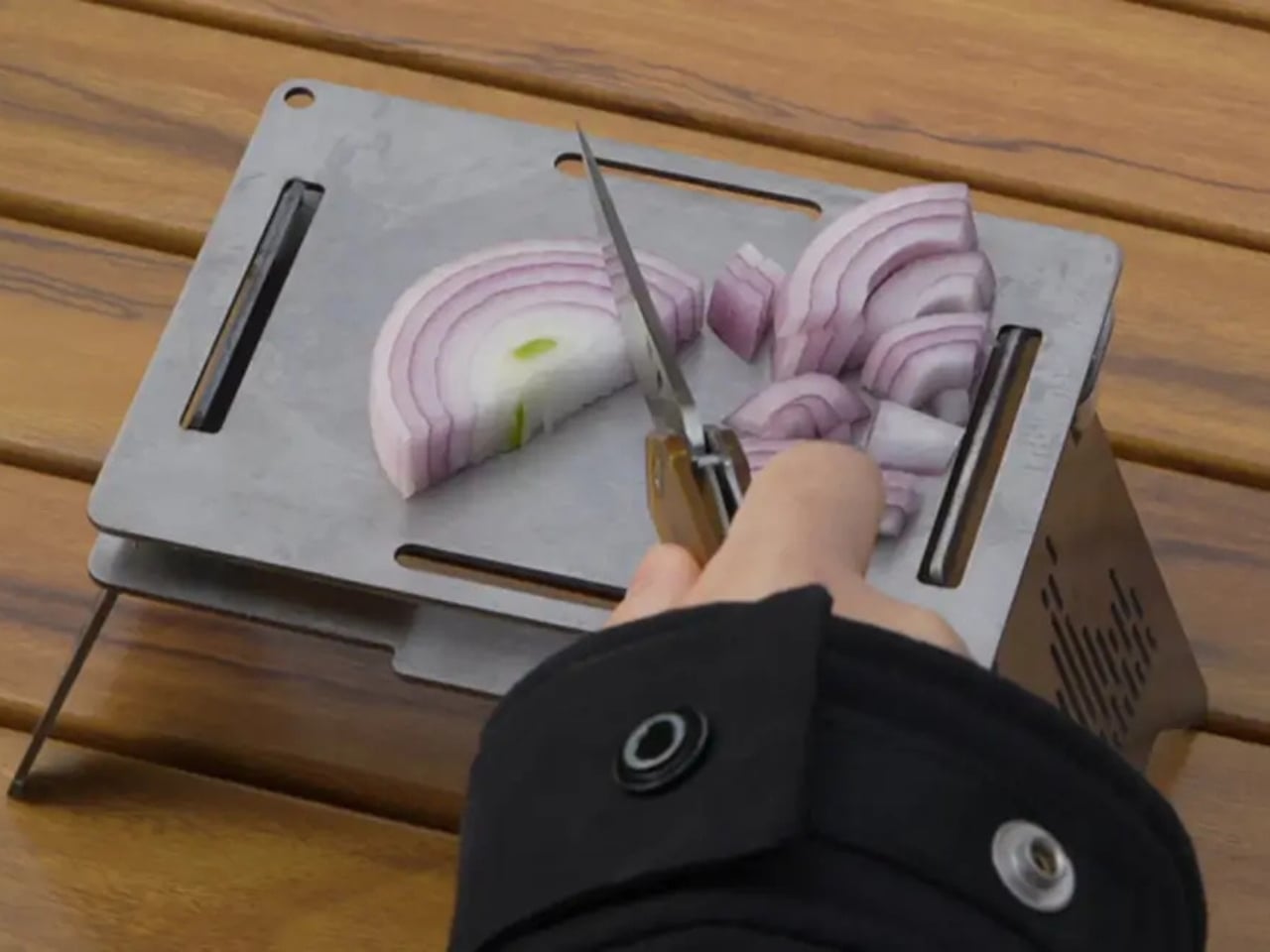
Titanium camp stoves have been around long enough to feel familiar, but the Camprit earns its place by solving the thing most of them get wrong: modularity. The body reconfigures for boiling, grilling, or searing across different heat sources without a dedicated ignition system to fail. That detail matters more than it sounds on a cold fall morning when a butane lighter won’t click. No moving ignition parts means fewer opportunities for your gear to let you down at exactly the wrong moment.

The titanium construction delivers a weight-to-durability ratio that camp cooking has been chasing since aluminum reached its ceiling. You get a stove that handles open flame, direct contact, and rough packing without deforming or trapping residue in ways that become a hygiene problem by day three. For fall trips where you’re cooking real food rather than just boiling water, the Camprit makes that effort feel like a deliberate design choice rather than a compromise you’re tolerating until you get back to a real kitchen.

What we like:

  • Fuel-agnostic design with no ignition system to fail in cold weather
  • Titanium build that handles rough packing without warping or trapping residue

What we dislike:

  • Modular configuration takes a few trips to feel intuitive and fast
  • No integrated windscreen is a real limitation on exposed ridge or clifftop sites

4. Blavor PN-W43 Solar Power Station
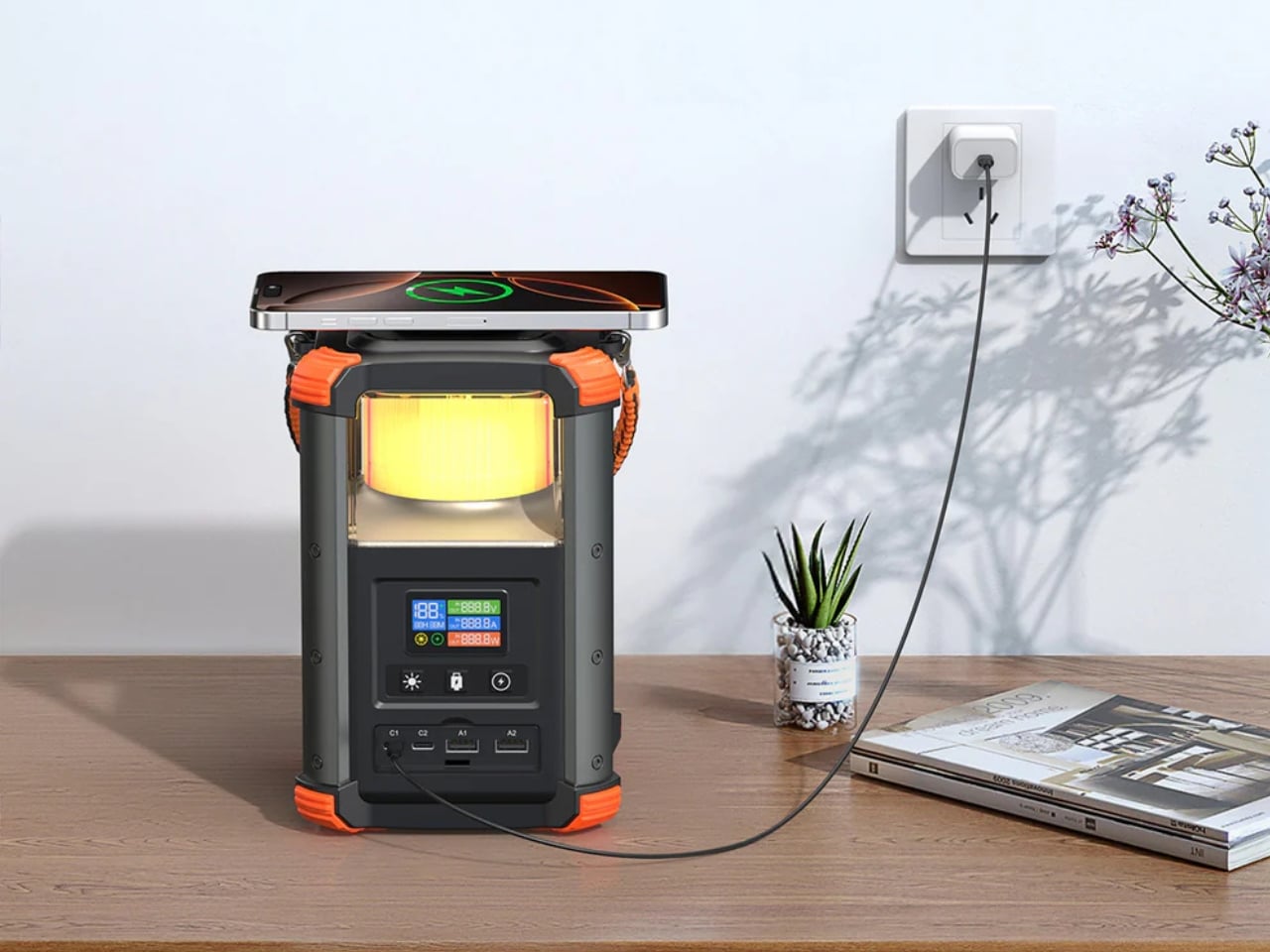
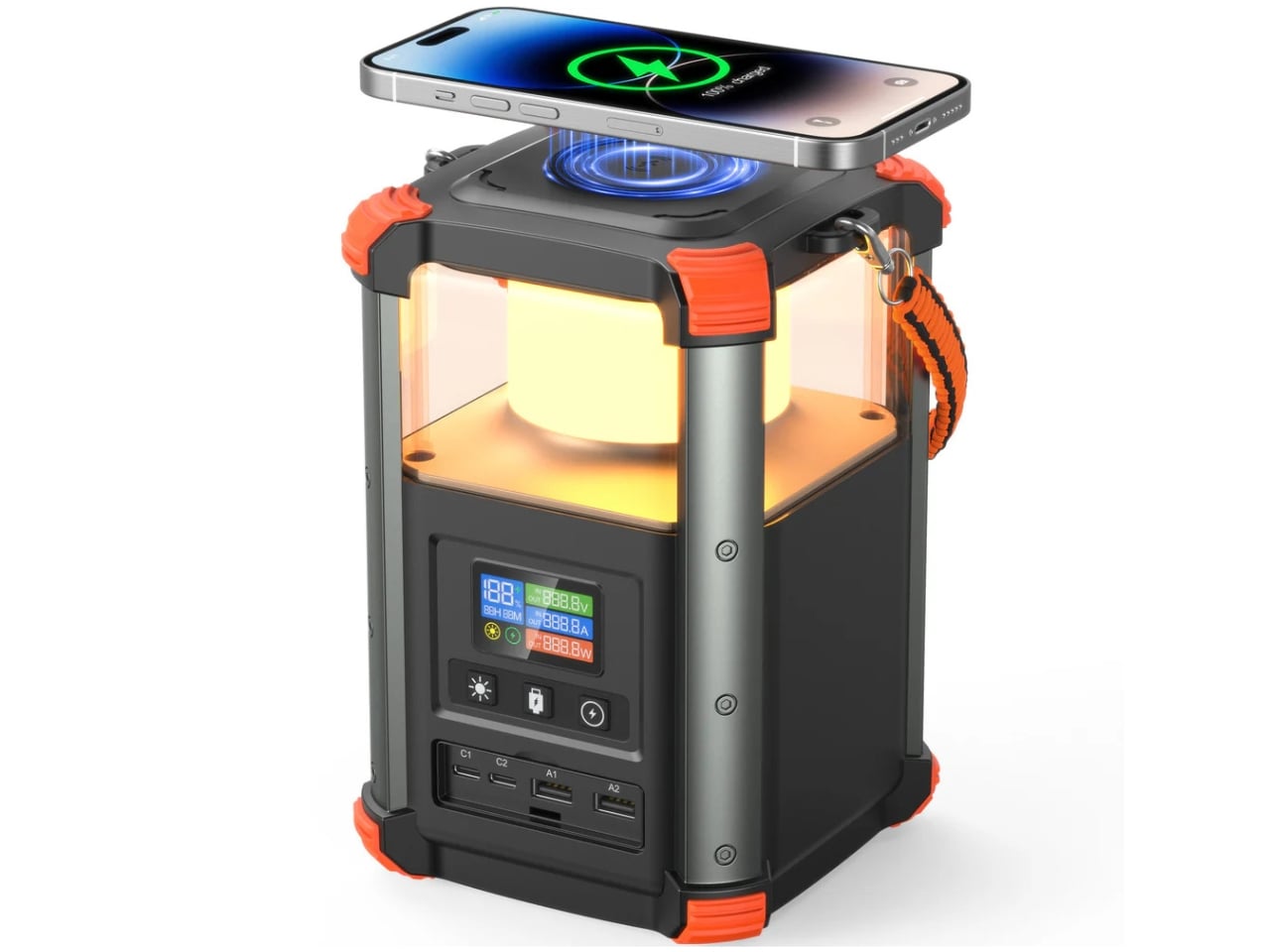
A power bank that also functions as a camp lantern isn’t a new concept, but the Blavor PN-W43 executes it better than most. The built-in LED panel delivers diffuse light across a tent interior without the directionality problem you get from propping up a flashlight. Five charging inputs, solar and AC among them, cover nearly every scenario between a home base and a remote campsite. For fall trips where dusk arrives earlier each week, having light and power in a single unit removes one item from the checklist entirely.

The high-capacity cell gives you meaningful device runtime across a multi-day trip without making compromises about which things get priority. Five charging inputs mean you’re not locked into a single power source, which matters when plans change, and the solar window turns out shorter than forecast. The lantern mode alone justifies the carry weight. Everything else the PN-W43 does reads as a bonus that makes it increasingly difficult to leave behind the longer and colder the trip gets.

What we like:

  • Five charging inputs, including solar, cover variable outdoor power conditions
  • Integrated lantern mode eliminates a separate light source from the kit entirely

What we dislike:

  • High capacity means more weight than a dedicated power bank or standalone lantern
  • Casing is larger than ultralight alternatives in either category

5. NoxTi Tritium Keychain
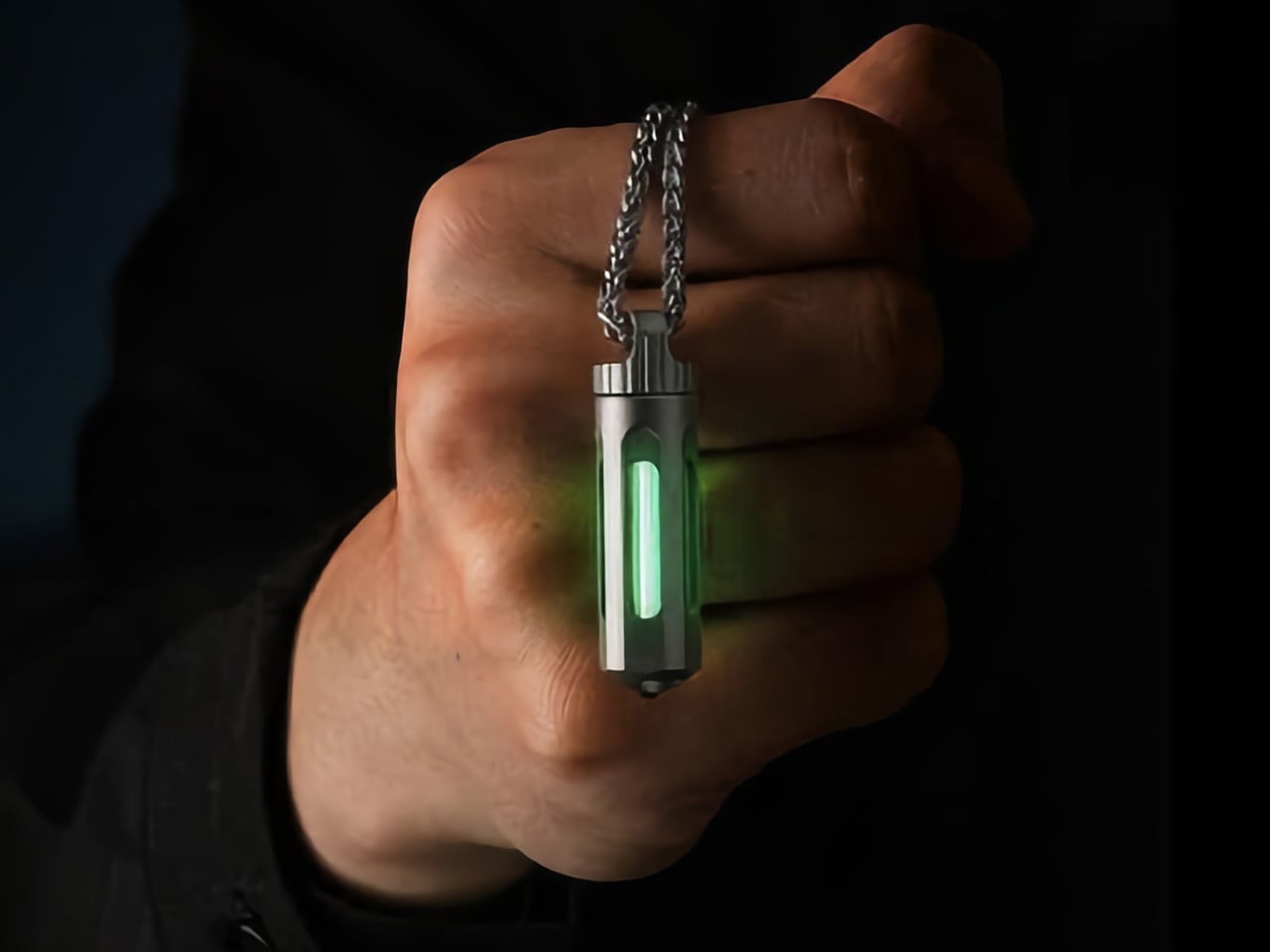
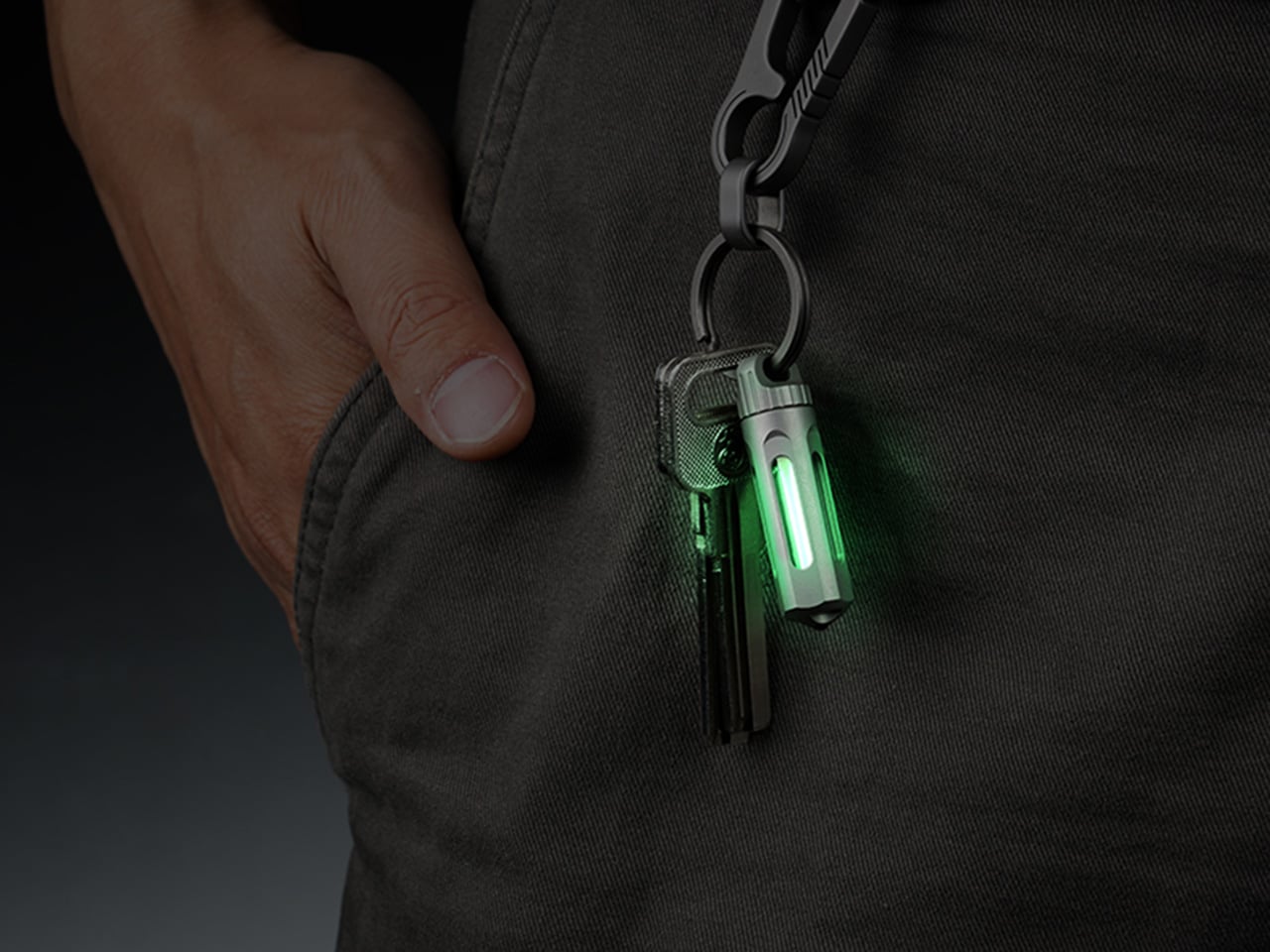
A tritium vial needs no battery, no button, no charging cable. It produces light through a sealed self-luminous reaction that continues for roughly twenty-five years at consistent brightness with zero input from you. The NoxTi packages that chemistry inside a CNC-machined Grade 5 titanium shell compact enough to ride alongside your house keys without adding meaningful weight. For fall camping, it gives you a minimum-weight emergency reference light that is always on and findable by feel in a pitch-black tent.

The design strips away everything that isn’t structural. Titanium resists corrosion without adding weight, and the sealed tritium element requires zero maintenance across its full service life. It won’t flood a campsite with task-level light, and it isn’t designed to. What it gives you is orientation in the dark at zero battery cost: the thing you reach for when the main light is dead, and the spare has sunk to the bottom of a bag you simply can’t see into.

What we like:

  • Twenty-five-year self-luminous service life with zero battery dependency
  • Grade 5 titanium construction that handles weather and impact without corroding

What we dislike:

  • Ambient glow only, not functional as a task or reading light
  • Visibility is subtle in anything less than near-complete darkness

6. VSSL Camp Supplies

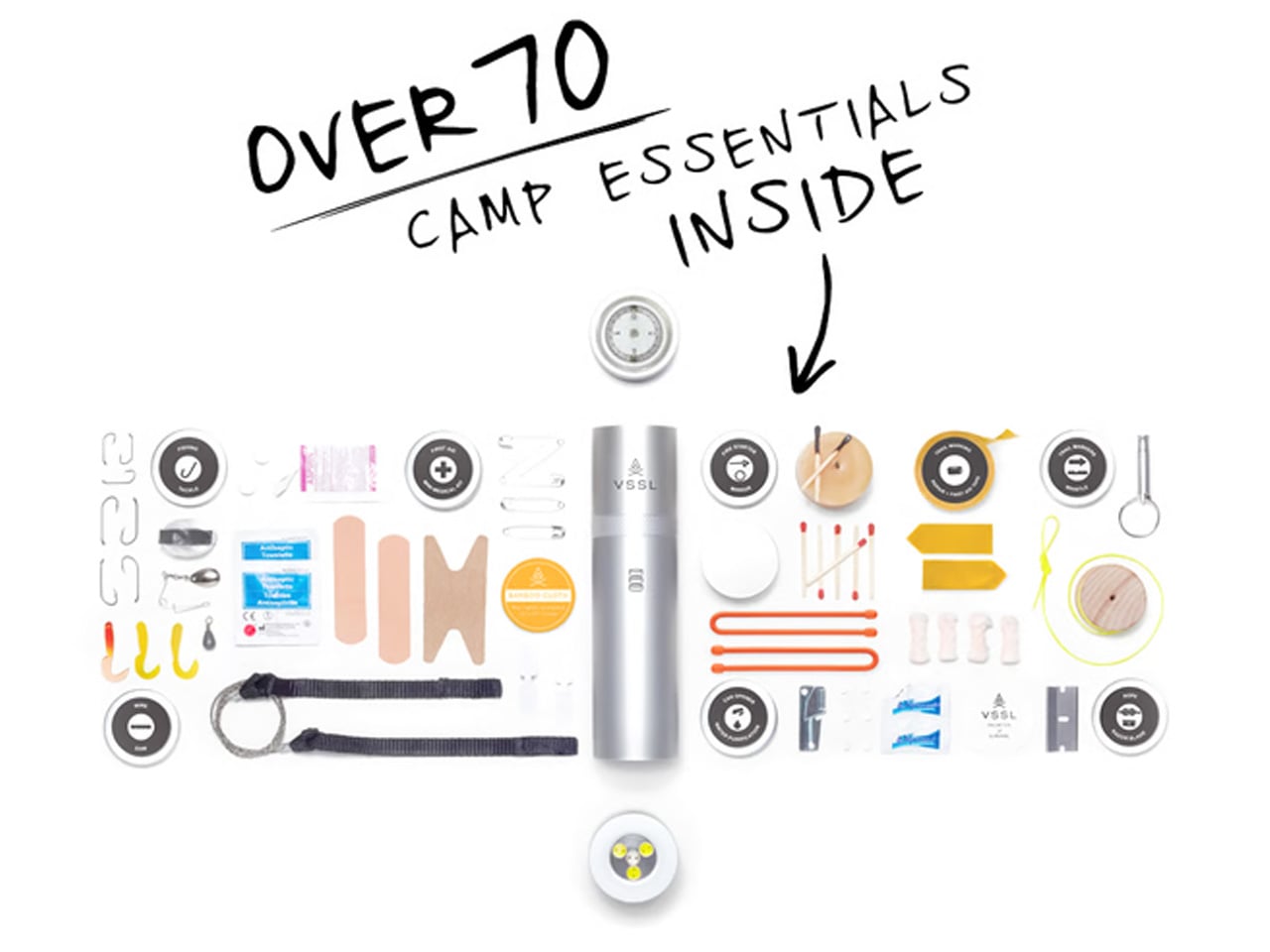
The VSSL Camp Supplies cylinder reads as a storage object until you open it, at which point it reads as a complete kit in miniature. The machined aluminum shell packs tight and absorbs impact without compromising the contents. The canister format keeps small essentials organized: the kind of gear that typically scatters across the bottom of a bag and turns a simple task into a ten-minute search at exactly the wrong moment. On a fall trip with shorter days and less margin for fumbling, knowing where everything is has real value.

VSSL built this one with practical priorities in mind, and that focus shows in the execution. No features are included for novelty value. Every element in the kit is there because someone eventually needed it at a campsite and didn’t have it. The cylinder integrates with any pack layout without creating pressure points or awkward bulk. It disappears into your system until the moment it’s relevant, which is the highest compliment you can give a piece of camp gear.

What we like:

  • Canister format keeps small essentials organized and protected without scattering across the pack
  • Machined aluminum shell handles rough packing without compromising the contents

What we dislike:

  • Fixed form factor means the contents aren’t easily customizable to your specific kit
  • The cylinder shape rolls in open pack pockets without a tether

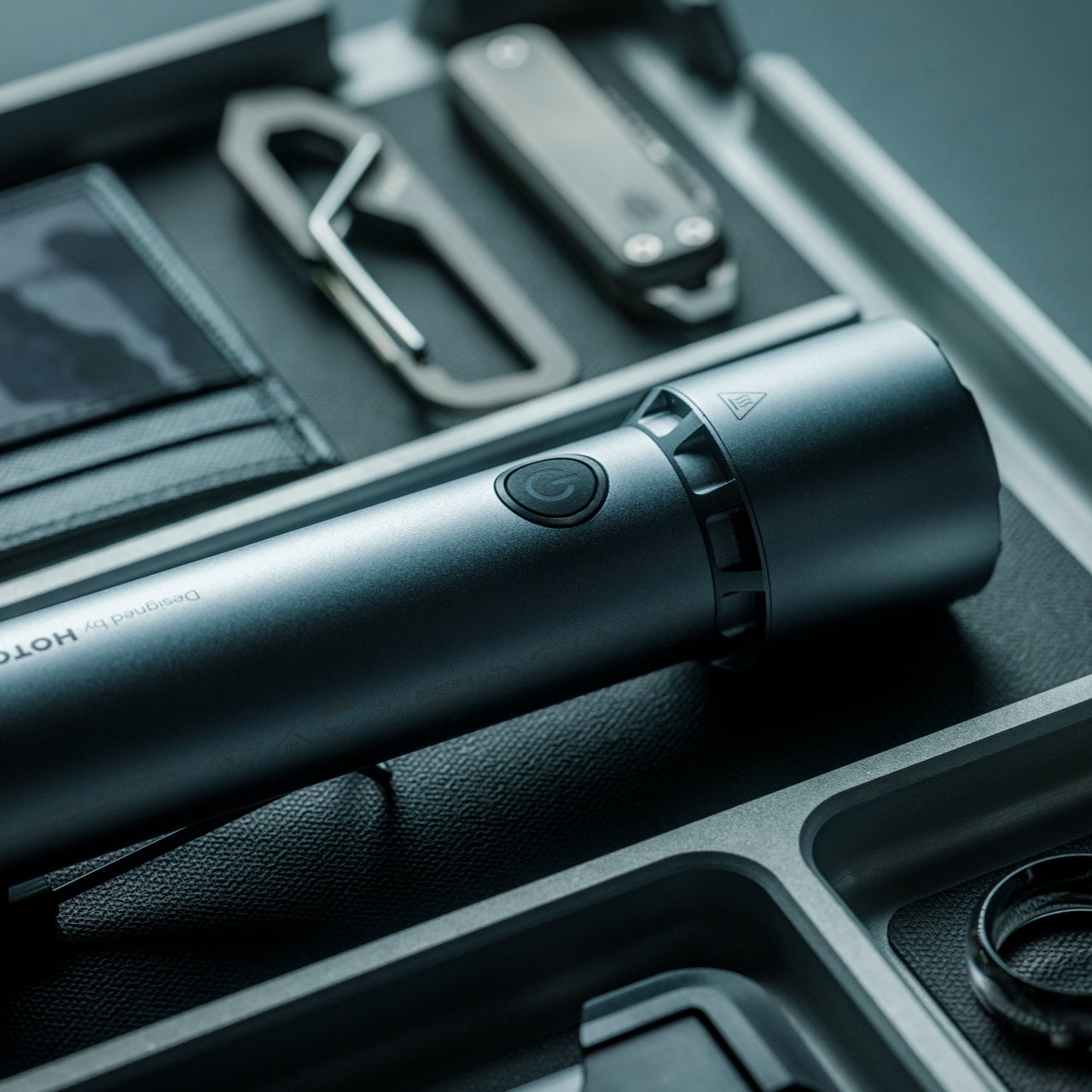
7. Blackout Beam Tactical Flashlight
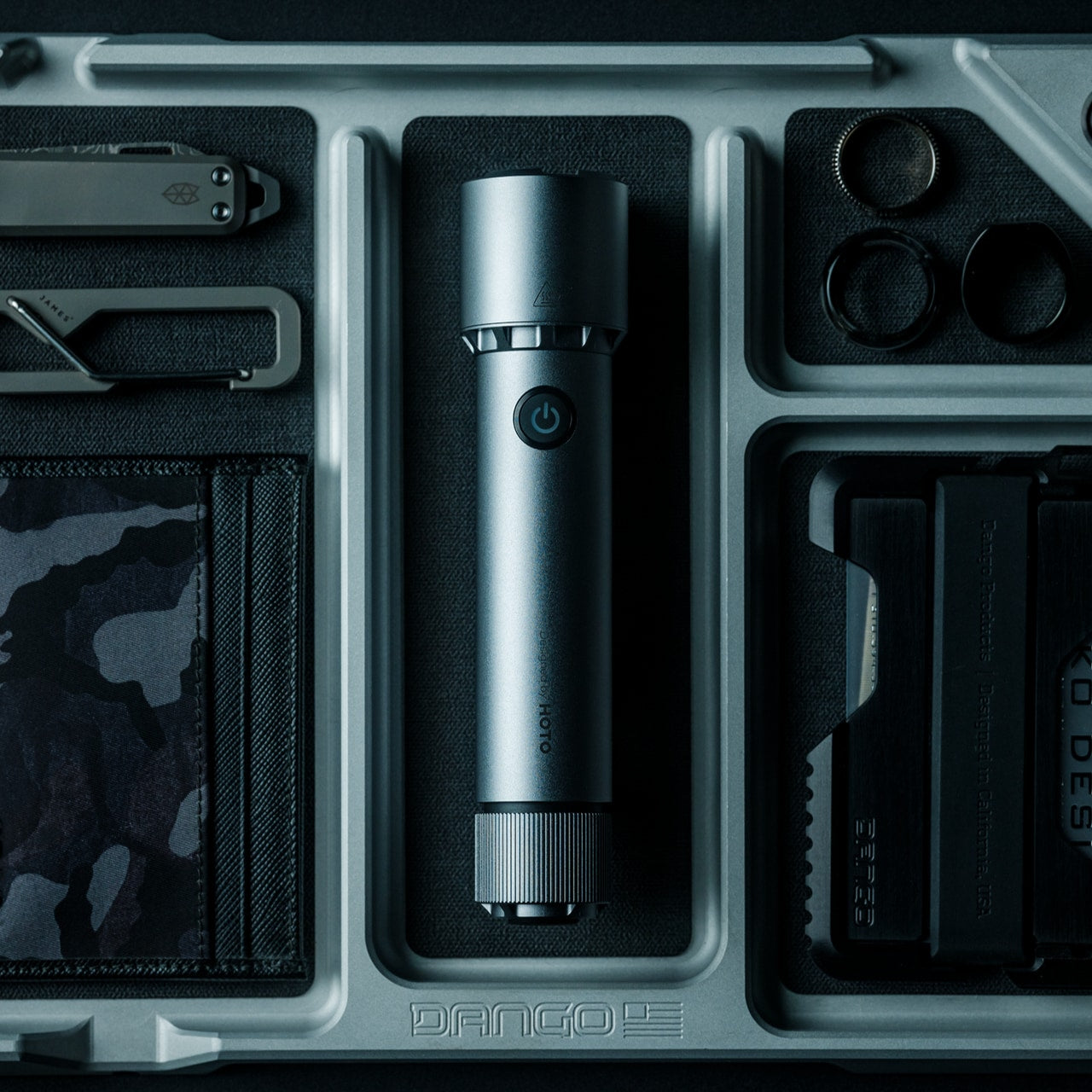
Not every camp scenario calls for maximum throw distance. The Blackout Beam approaches flashlight design from the tactical side of the category, prioritizing controlled high-output illumination and a grip profile engineered for extended handheld use. The body handles the conditions you would expect from a product built for demanding environments: weather resistance, impact tolerance, and a switching mechanism that works reliably with cold hands or gloves on. For fall trips where temperatures drop sharply after sundown, operational reliability matters as much as any output specification.

What separates a tactical light from a conventional camp flashlight is the intentionality of its beam control. The Blackout Beam gives you deliberate, high-output illumination in a format that doesn’t compromise build quality to hit a price point. It covers the scenarios where you want a serious grip-ready handheld source rather than a mounted lantern or a clipped EDC piece. Its presence in the kit means you’re covered across every kind of darkness fall camping tends to produce, from a tent perimeter check to an unexpected late-night navigation call.

Click Here to Buy Now: $90.00

What we like:

  • Tactical grip profile designed for extended handheld use and reliable cold-weather operation
  • Controlled output that fills a distinct role from the other lights in this lineup

What we dislike:

  • Bulkier than EDC flashlight alternatives at comparable output levels

8. GoSun Flow Solar Water Purifier
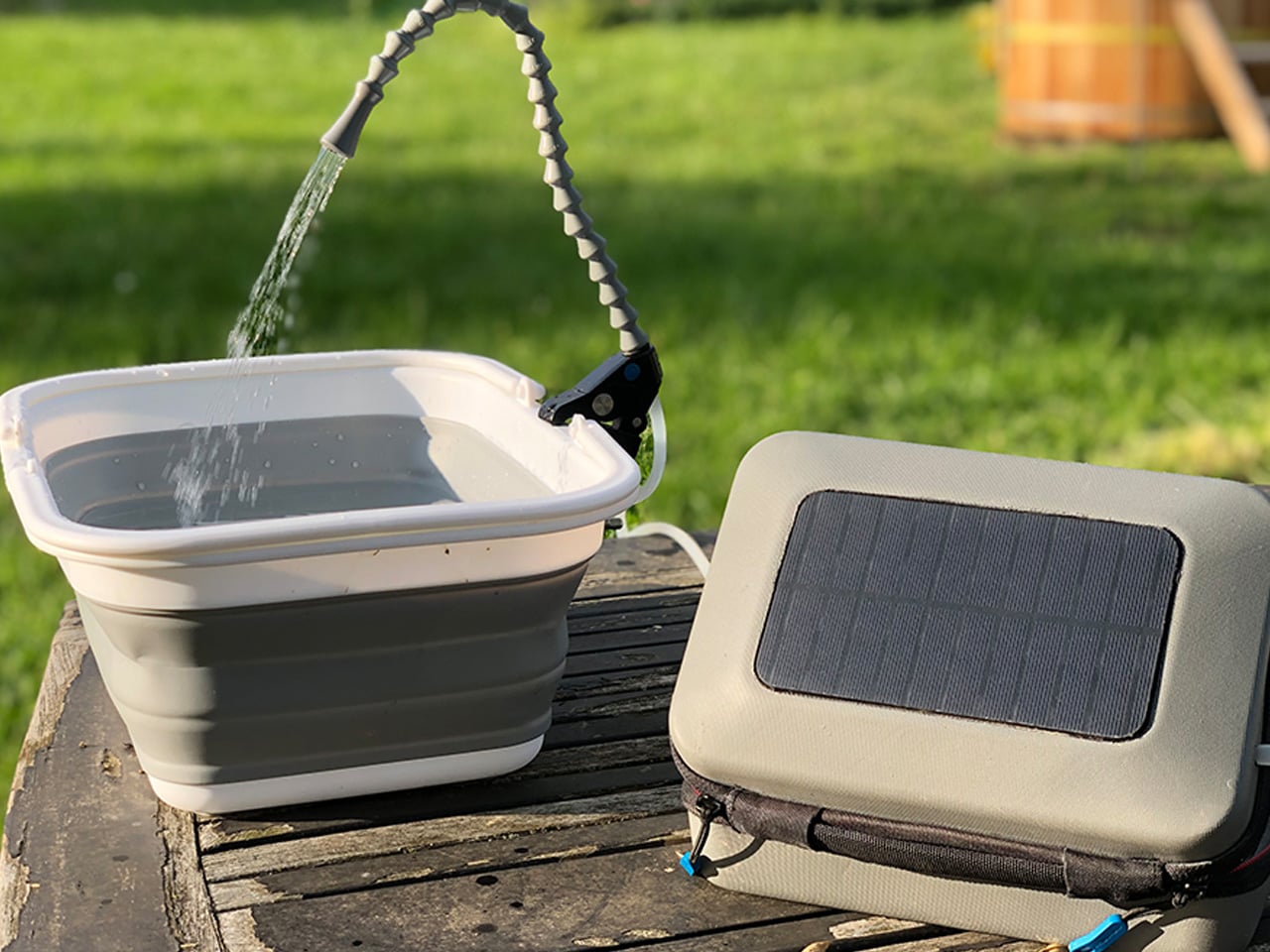
Water is the one thing you can’t improvise on a backcountry trip, and most solutions to that problem add significant bulk or require chemical inputs that change the taste of everything you drink. The GoSun Flow approaches purification differently, using solar power to drive the filtration process rather than hand pressure or chemical treatment. For fall camping, where natural water sources are abundant but treatment capacity matters, having a system that runs on available sunlight removes a critical dependency from your daily camp routine.

The design keeps the process simple enough to become automatic after a single use. Solar input drives the pump, filtered water comes out, and the system resets without cartridge replacement on the trail. That frictionless operation is what makes it genuinely valuable on a multi-day trip rather than just functional on a weekend one. Paired with the power station and stove elsewhere in this lineup, it closes the last real gap in a fall camp setup built around reducing single-use dependencies.

What we like:

  • Solar-powered filtration removes both the physical effort of hand-pump systems and the taste compromise of chemical treatment
  • Intuitive operation that becomes automatic after a single use, with no mid-trail cartridge management

What we dislike:

  • Solar input means filtration rate slows on overcast fall days when you may need it most
  • Higher upfront cost than conventional filter or chemical treatment alternatives

9. Analog Capsule Camera
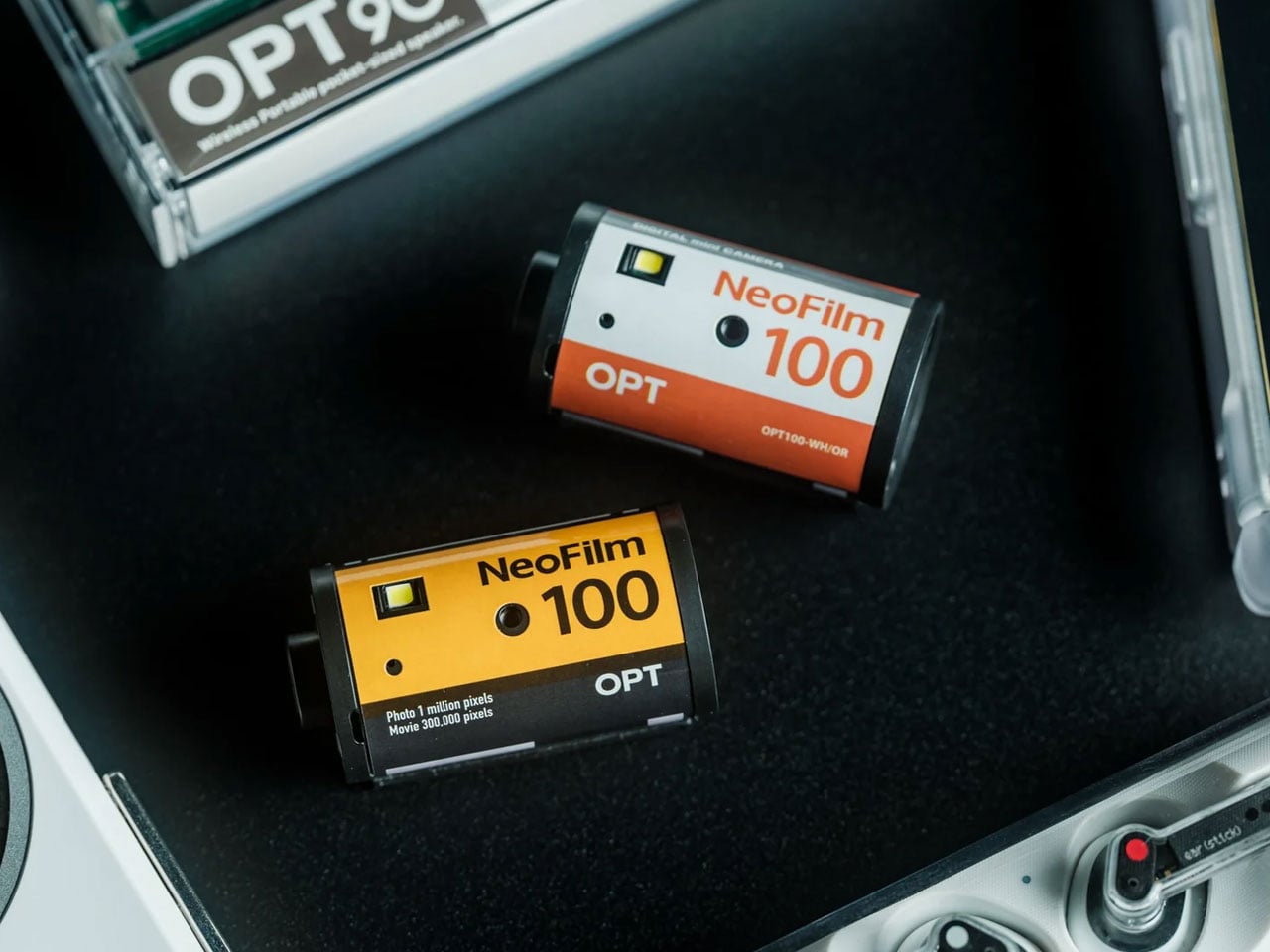
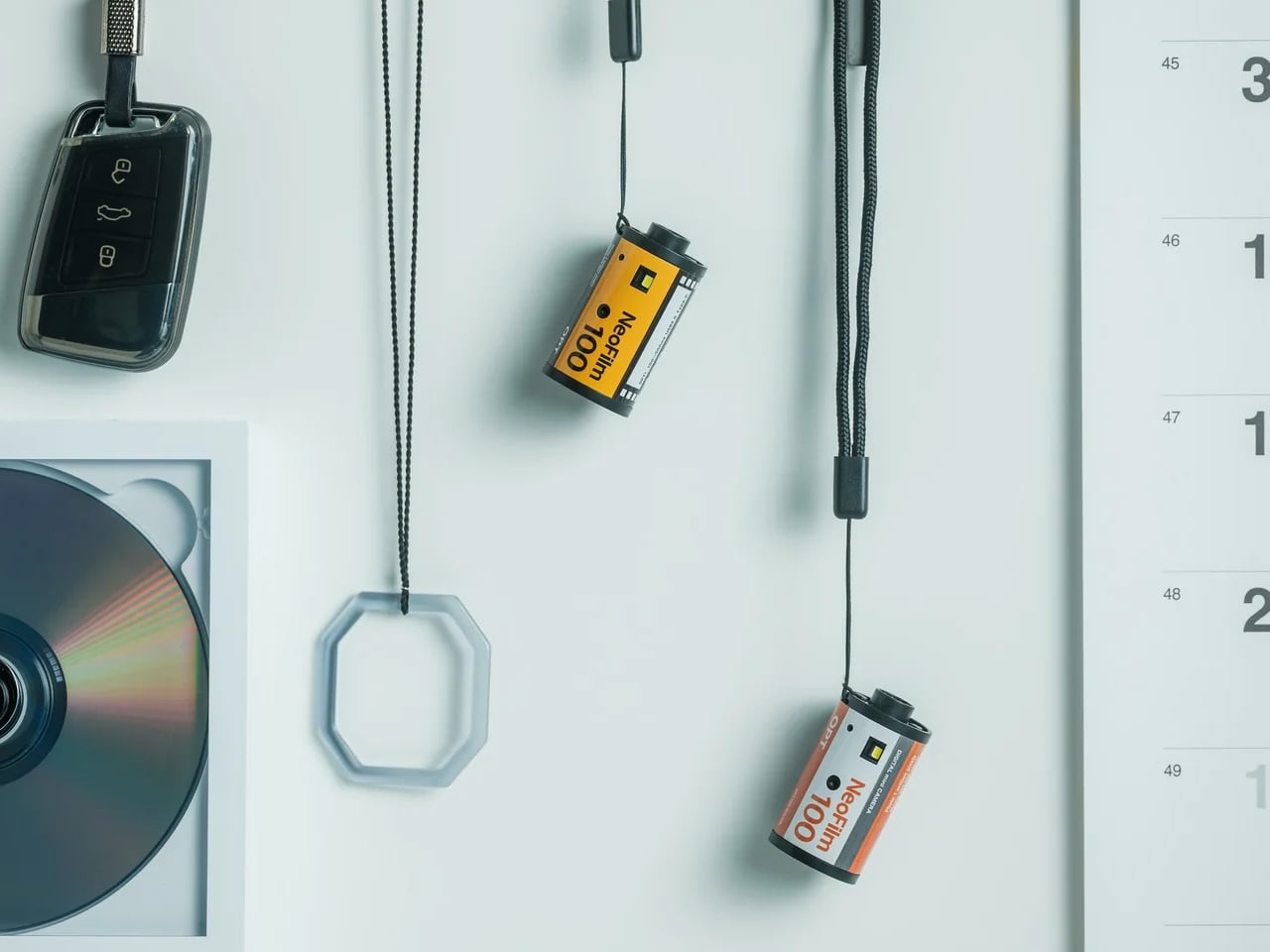
The case for bringing an analog camera on a fall camping trip isn’t nostalgia. It’s constraint. Shooting on film removes the infinite-scroll mentality from the act of taking photographs, leaving you with a fixed frame count and the awareness that each exposure carries a real cost. The Analog Capsule Camera distills that discipline into a form compact enough to justify the carry weight without feeling like a gear compromise. For a trip where the goal is presence rather than documentation, it reframes what taking a photograph actually means.

The capsule format is the right choice for camping specifically. It packs without bulk, survives the light impacts that would concern you with a more complex camera body, and requires no battery management across the full length of the trip. Shooting on film produces a different quality of attention to light and framing than digital capture allows. The images from a fall trip tend to feel like artifacts of the experience rather than a record of it, and that difference is worth more than any specification printed on the box.

Click Here to Buy Now: $55.00

What we like:

  • Film constraint encourages intentional, presence-first shooting that changes how you experience the trip
  • No battery dependency across the full trip length

What we dislike:

  • Film stock and development add an ongoing cost beyond the initial purchase price
  • No image review between exposures

Pack Smart, Go Further

Fall camping asks different things from your gear than summer does. The days are shorter, temperatures drop faster, and the margin for equipment failure narrows when conditions turn. Each pick on this list was chosen because it performs in that specific context without adding unnecessary complexity. Solving one real problem in a considered way turns out to be a narrower category than it sounds when you’re standing in front of a gear wall deciding what actually deserves a slot in the bag.

Most of them also look good enough to live on a shelf between trips. That’s a small thing until you’re deciding what to pack, and then it becomes a useful filter: gear that integrates into daily life tends to be gear you actually carry. Pick two or three that address the specific gaps in your current kit and build from there. Fall is short. The right gear makes it feel considerably longer than it is.

The post 9 Fall Camping Gadgets That Actually Earn Their Pack Weight in September 2026 first appeared on Yanko Design.
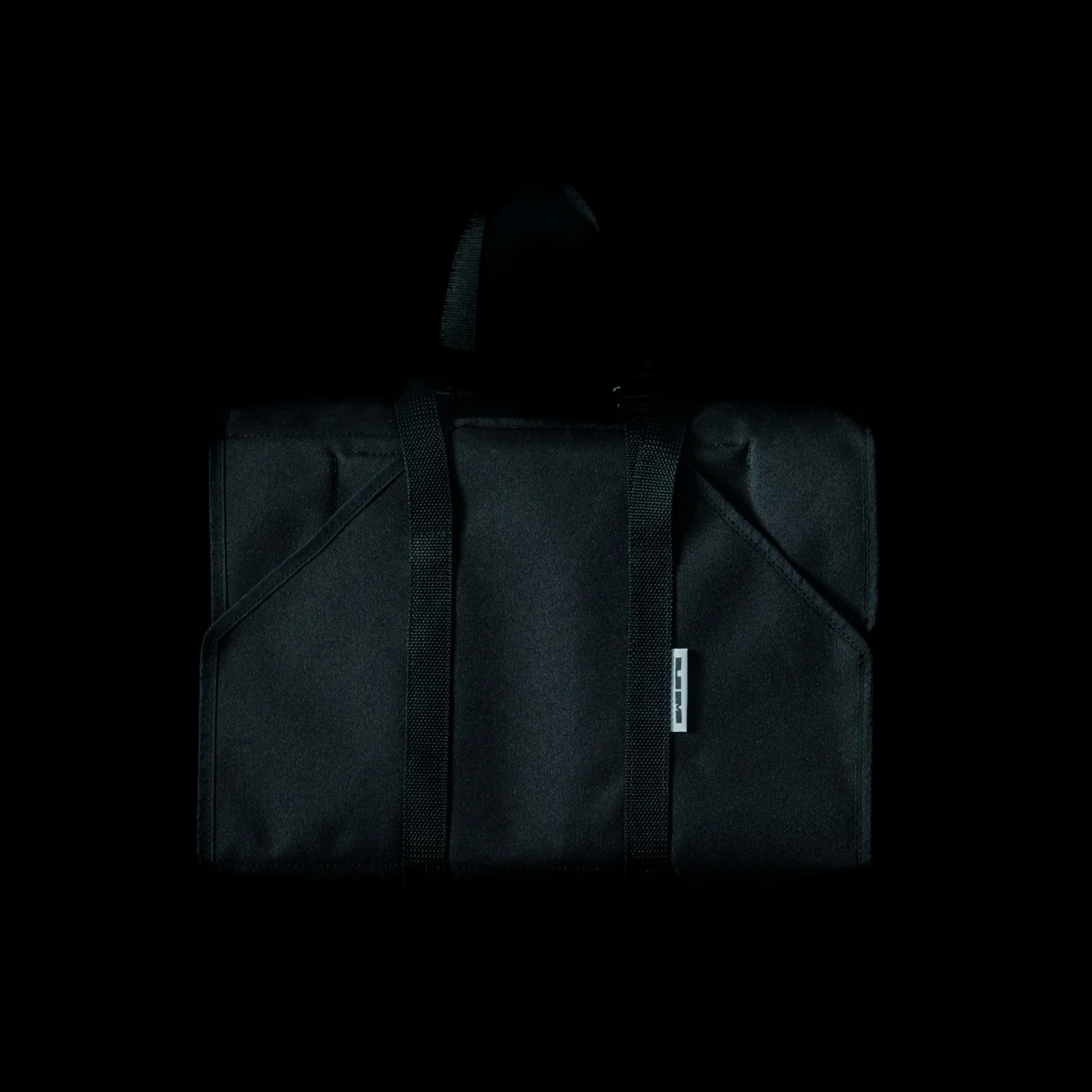
The Fire Pit That Quietly Solved the Smoke Problem

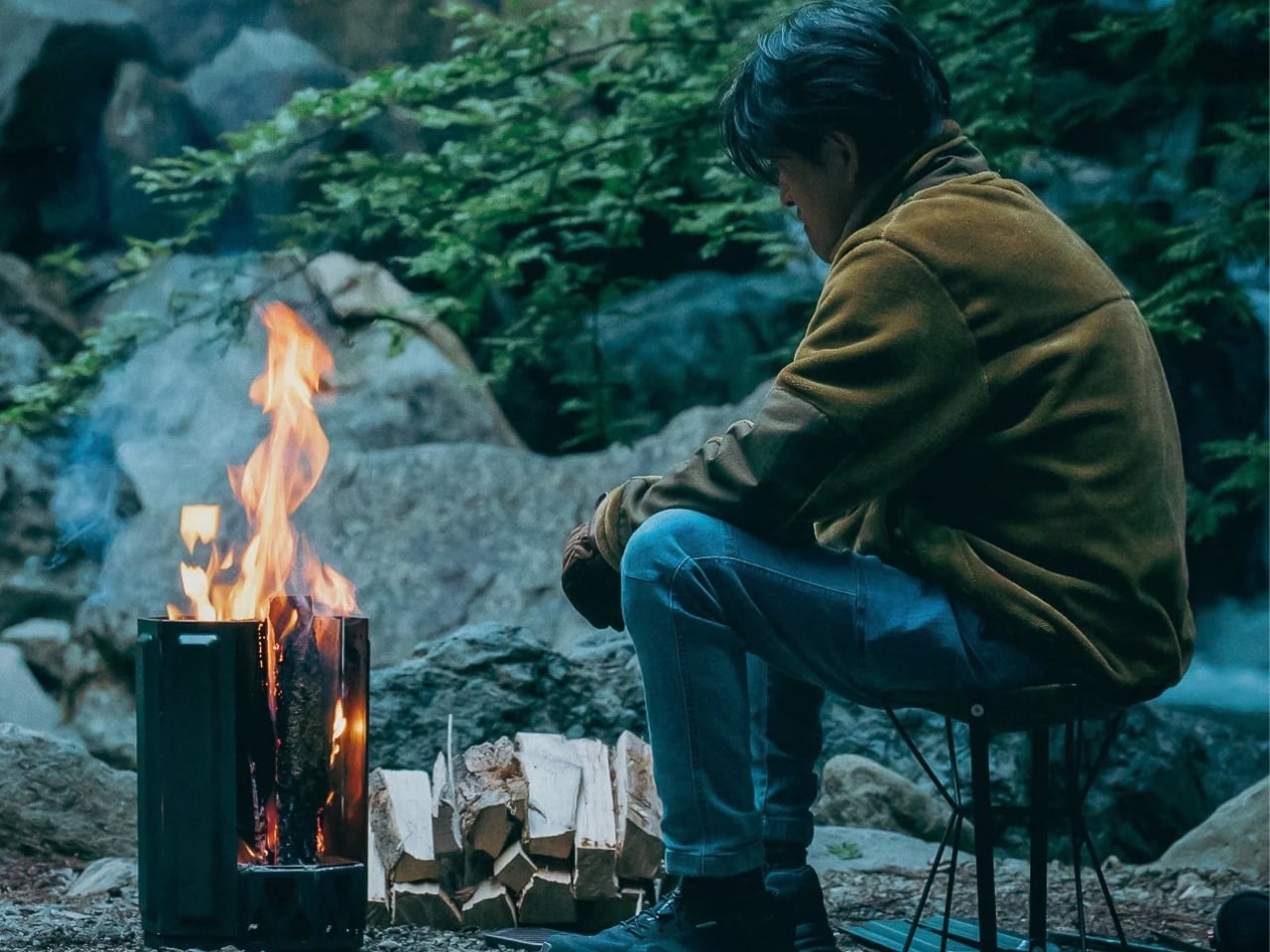
Every fall, the same ritual plays out in backyards across the country. Someone drags out the fire pit, gets the flames going, and within twenty minutes the whole group has rearranged their chairs at least three times, all chasing the same goal: getting away from the smoke. It’s such a normal part of fire pit ownership that most people just accept it as the cost of doing business. You want warmth and ambiance, you pay for it with watery eyes and a jacket that smells like a campfire for the next two days.

That’s the actual problem the AirFlow 8-Panel Fire Pit is built to solve. Smoke isn’t some unavoidable side effect of burning wood outdoors. It’s mostly a sign that the wood isn’t burning completely, and Sanyo Works, the Japanese company behind this design, spent decades in metal processing before deciding to fix that at the source instead of asking people to just deal with it.

Click Here to Buy Now: $325

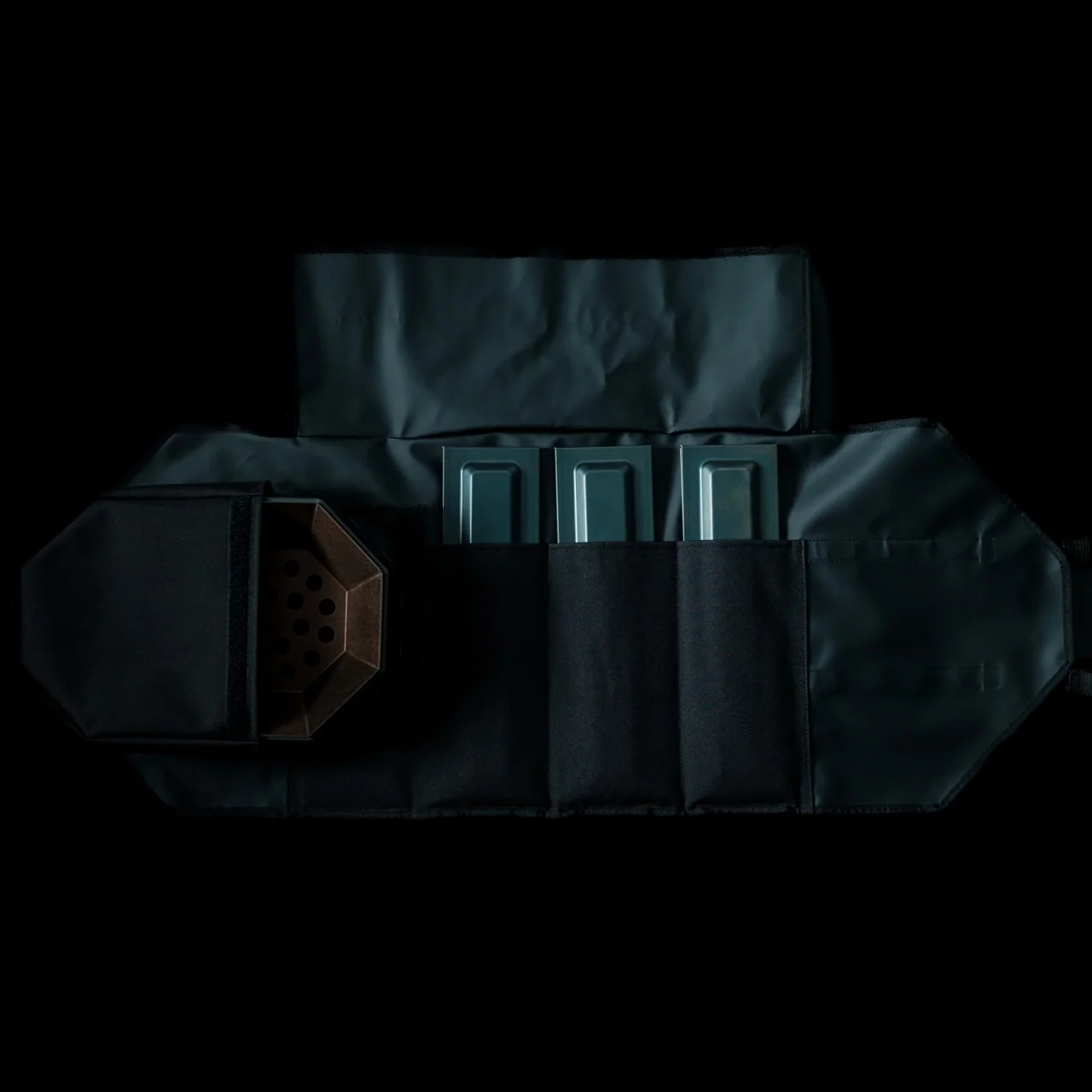
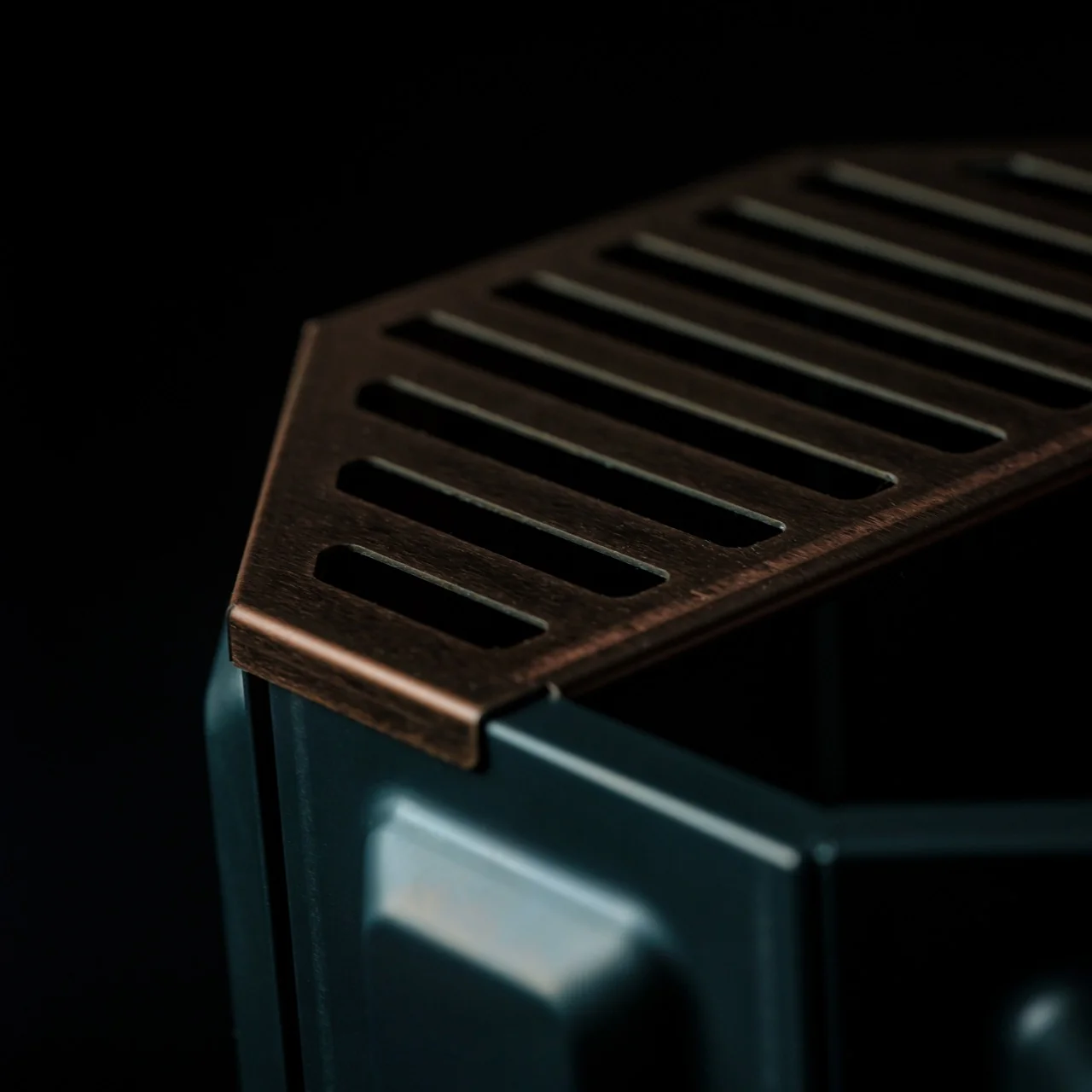
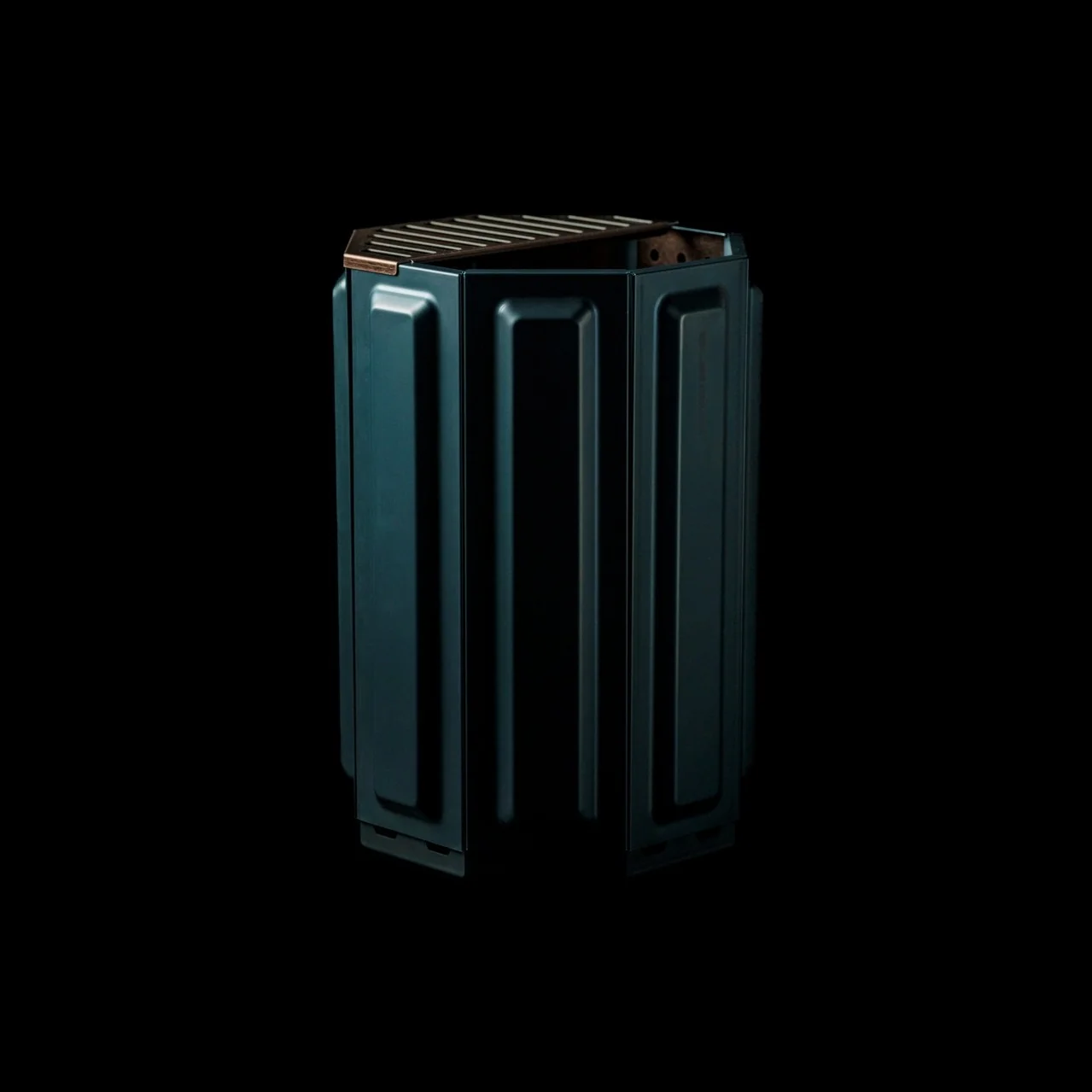
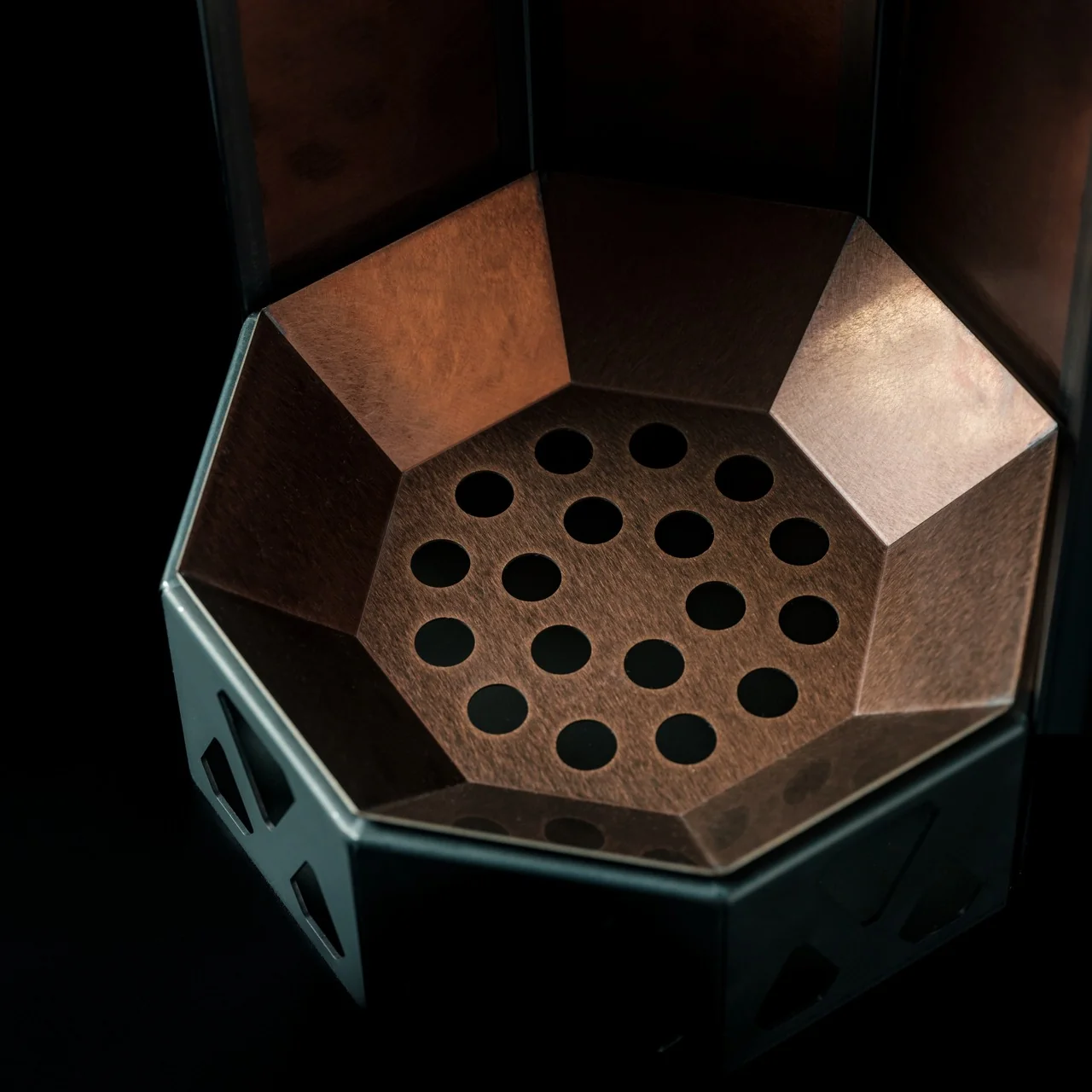
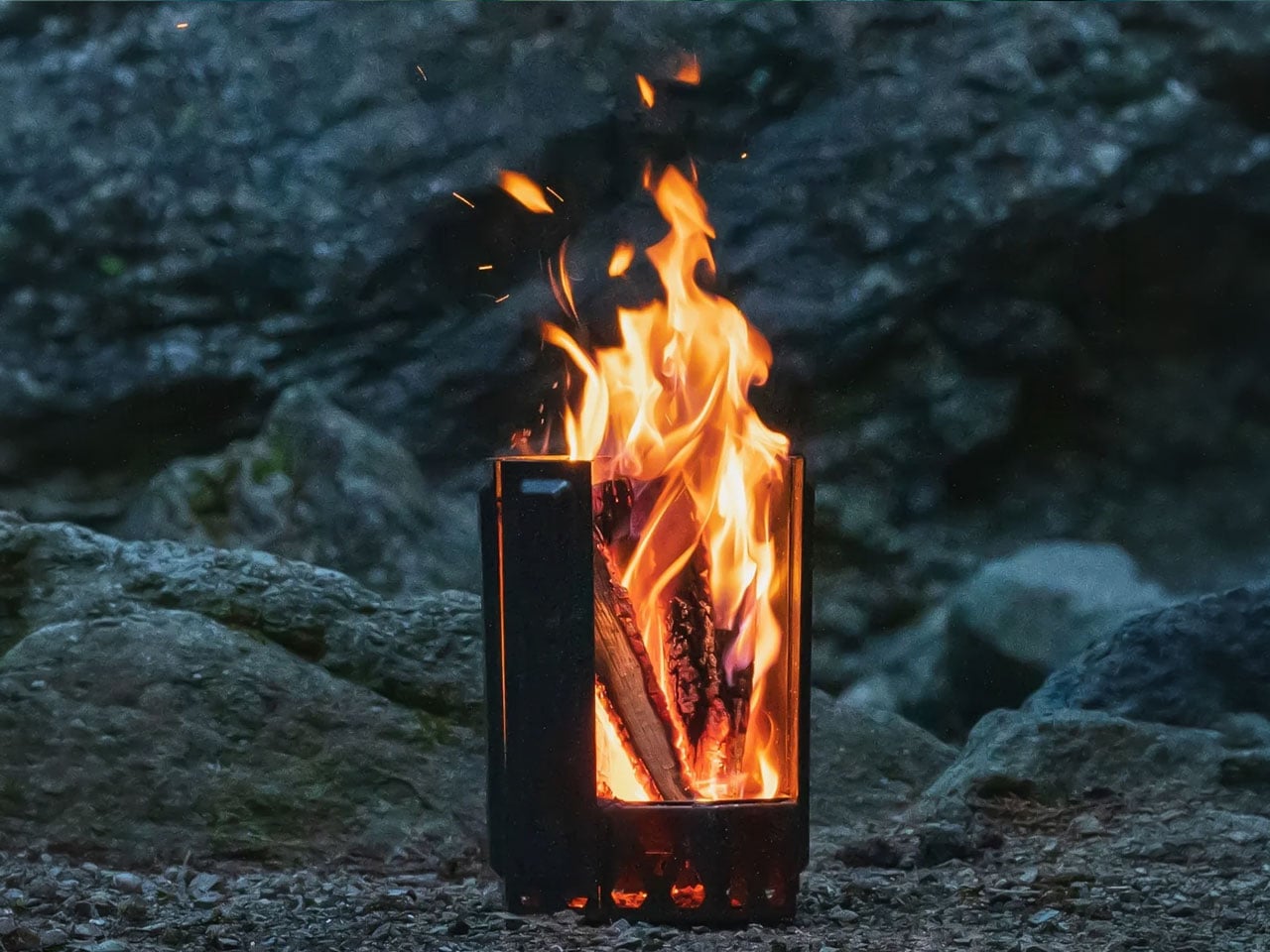
The engineering here is simple once you understand it, even if the payoff feels like magic in practice. Eight removable panels lock together into an octagonal cylinder, and each panel has holes at the base that feed fresh air straight to the wood for primary combustion. That’s step one, and it’s not particularly novel on its own. What makes this pit different is what happens next. The heated air doesn’t just disappear. It rises through a double walled cavity and exits through vents near the top, where it reignites gases that would normally just float away as smoke. That second burn is called secondary combustion, and it’s the reason a Yanko Design review of this exact pit called the smoke reduction “physics, not a marketing claim.” I appreciate that framing, because it’s easy for outdoor gear to lean on vague promises. This one has a mechanical reason for working the way it does.

I’ll admit the modular panel system is what actually sold me on this thing as a design object, separate from the smoke science. You can pull one or two panels off mid-evening and change how the fire breathes entirely. Want a roaring blaze while you’re cooking dinner? Leave it fully assembled. Want something calmer for the part of the night where everyone’s just talking and the temperature has dropped? Pull a panel and let it settle. Most fire pits give you one setting, and you either build a bigger fire or a smaller one and hope for the best. This one lets you adjust the actual airflow, which feels less like a workaround and more like the product was designed by people who understood fire before they started welding steel.

The materials back that up too. The interior uses corrosion resistant stainless steel that’s meant to age into a natural patina rather than just rust out and get replaced, while the exterior panels are built to take the abuse a real campsite delivers. There’s a grill grate attachment included as well, which turns the whole setup into a cooking platform without messing with the airflow logic that makes the pit work in the first place. Ash falls and collects at the bottom, so cleanup is mostly a matter of dumping it out rather than scraping char off a grate.

None of this matters much in July, but fall is exactly when a fire pit stops being a novelty and starts being the actual center of gravity for a backyard. Evenings get dark earlier, the air turns crisp enough that people actually want to stand near a flame, and suddenly the fire pit you own either makes those nights better or gives everyone a reason to go back inside. At $325, this one isn’t an impulse buy, but it’s priced like something meant to be a long term fixture rather than a seasonal throwaway.

What I keep landing on is that good outdoor design usually solves a problem people stopped noticing because they’d just gotten used to it. Nobody wakes up thinking their fire pit smokes too much, they just accept it as part of the deal. The AirFlow 8-Panel Fire Pit quietly argues that they shouldn’t have to.

The post The Fire Pit That Quietly Solved the Smoke Problem first appeared on Yanko Design.
5 EDC Gear Upgrades for Fall 2026 That Prove Pockets Are Still the Best Accessory You Own

Something happens in September that carries habits nobody quite plans for. The lighter pockets of summer, built around a phone, a card, and a key, suddenly feel under-equipped for the longer evenings, the heavier jackets, and the seasonal shift from outdoor spontaneity to structured routine. Fall is when everyday carry earns its name. The tools you reach for in August are no longer the same tools that September asks for.

These five picks address that transition directly. Each one is featured for a strong reason, and each one fits the fall brief: dark materials, tighter tolerances, and a function-to-footprint ratio that earns a permanent pocket slot rather than cycling in and out of a bag. Fall is a wardrobe edit. It should also be a carry edit.

1. Olight Baton 4 Premium Edition

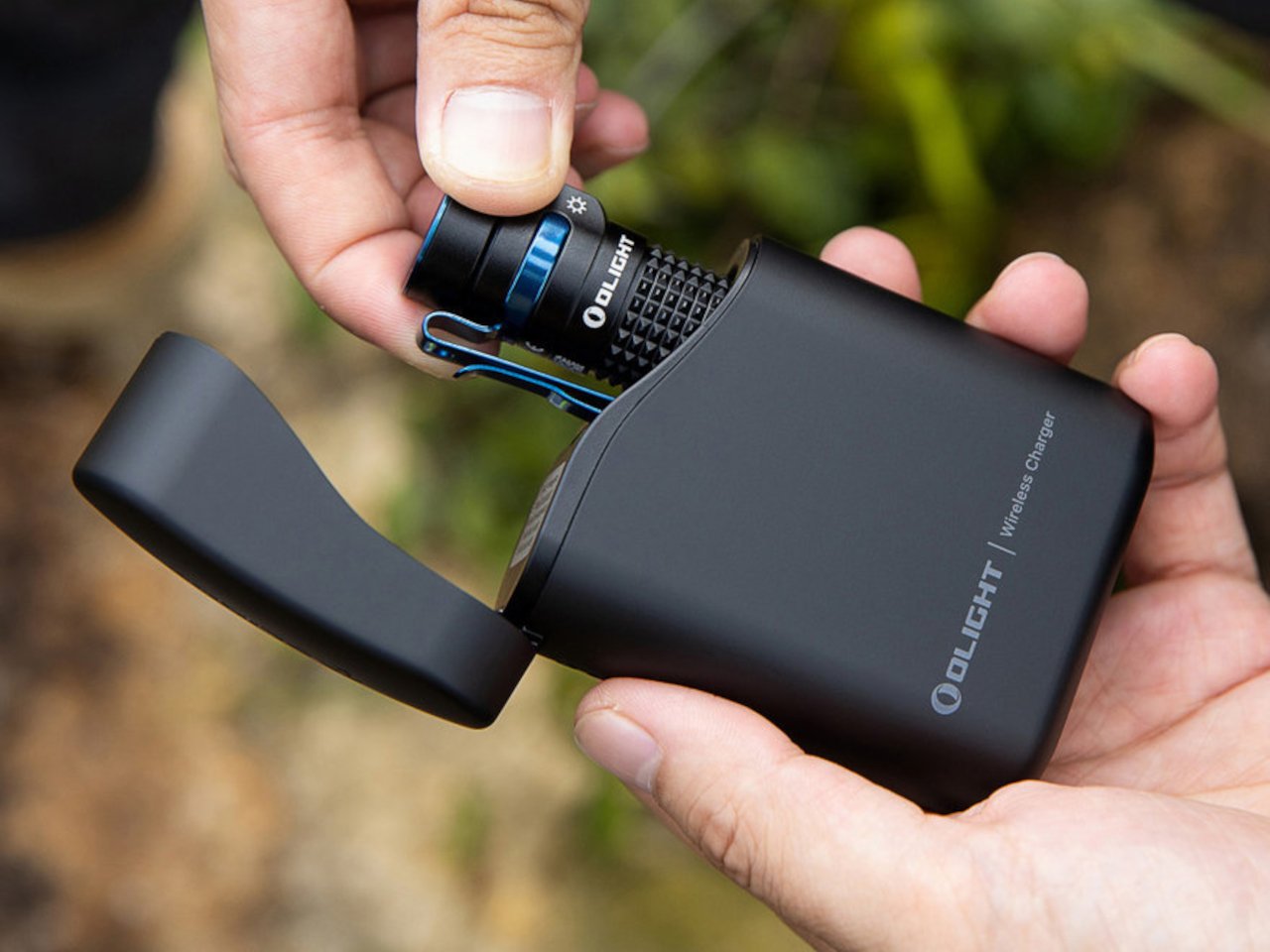
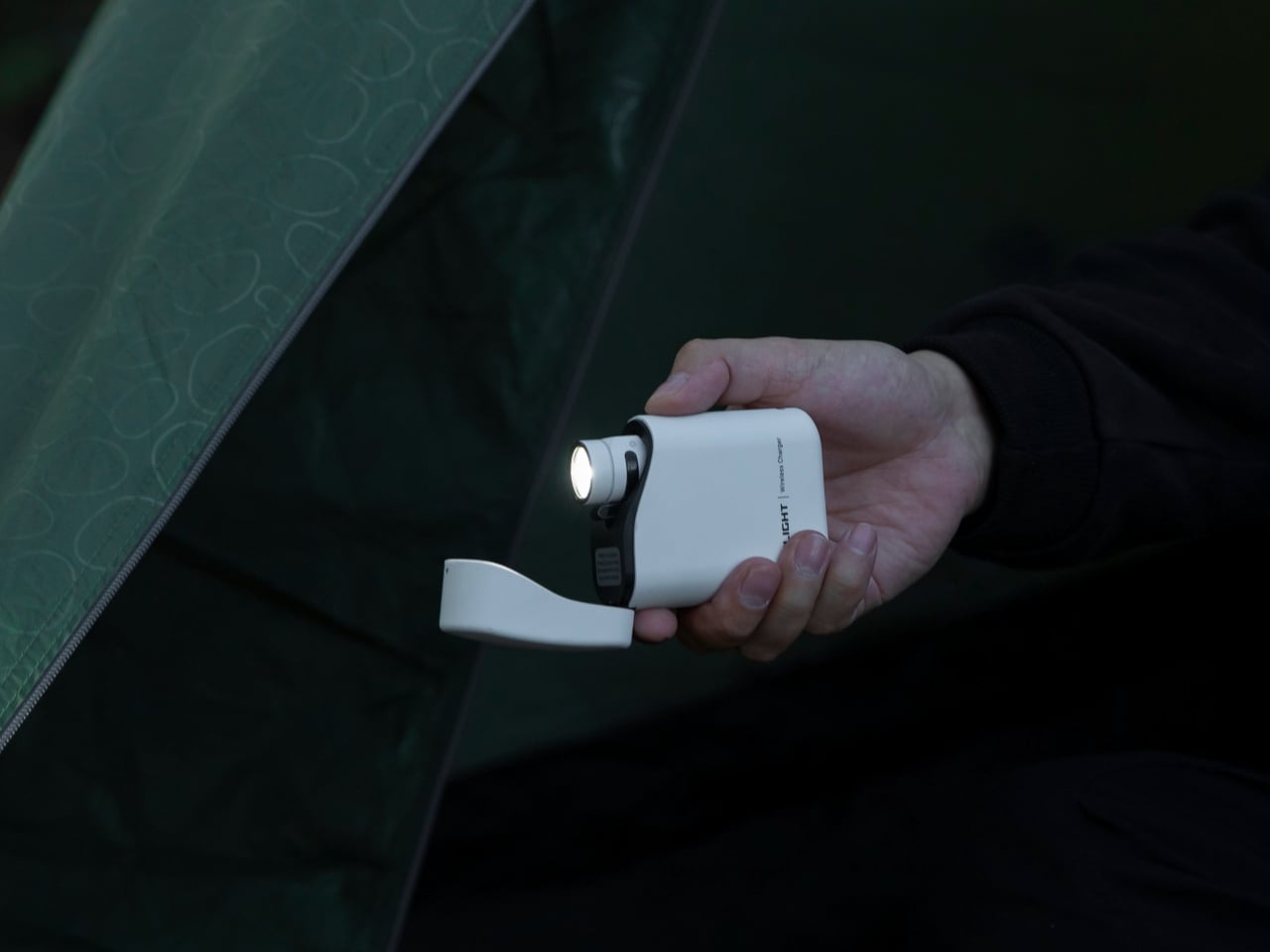
Most compact flashlights solve half the problem. They produce light, and then they ask you to carry a separate charging solution for them. The Olight Baton 4 Premium Edition takes a cue from the wireless earbud category and ships the flashlight inside a 5,000mAh case that charges the light, charges a phone as a power bank, and doubles as an operational housing — flip the lid and press the side button, and the Baton 4 fires without ever leaving the case.

The flashlight itself reaches 1,300 lumens with a 170-meter throw distance, with LED indicators for brightness level and remaining battery charge. None of that is the story. The story is a single object that consolidates a flashlight, its charger, and a phone power bank into one pocket-sized unit, which removes three separate things from the bag before fall even starts. For longer evenings that arrive earlier than expected, the case-as-charger logic stops being a clever feature and starts being the only sensible way to carry a light.

What we like

  • The 5,000mAh case charges both the flashlight and a phone, removing the need for a separate power bank and flashlight charger from the carry kit entirely
  • The flip-top lid allows the Baton 4 to be used while still seated in the case, which removes the fumbling that makes most compact flashlights slower to deploy than they should be

What we dislike

  • The case adds meaningful bulk compared to carrying the flashlight alone, which makes the tradeoff most worthwhile for those who genuinely need the power bank function regularly
  • Compatibility for the case-on functionality is limited to Olight’s own Baton 3 and Baton 4, so the ecosystem lock-in is real if you carry lights from other brands

2. Gerber Shard

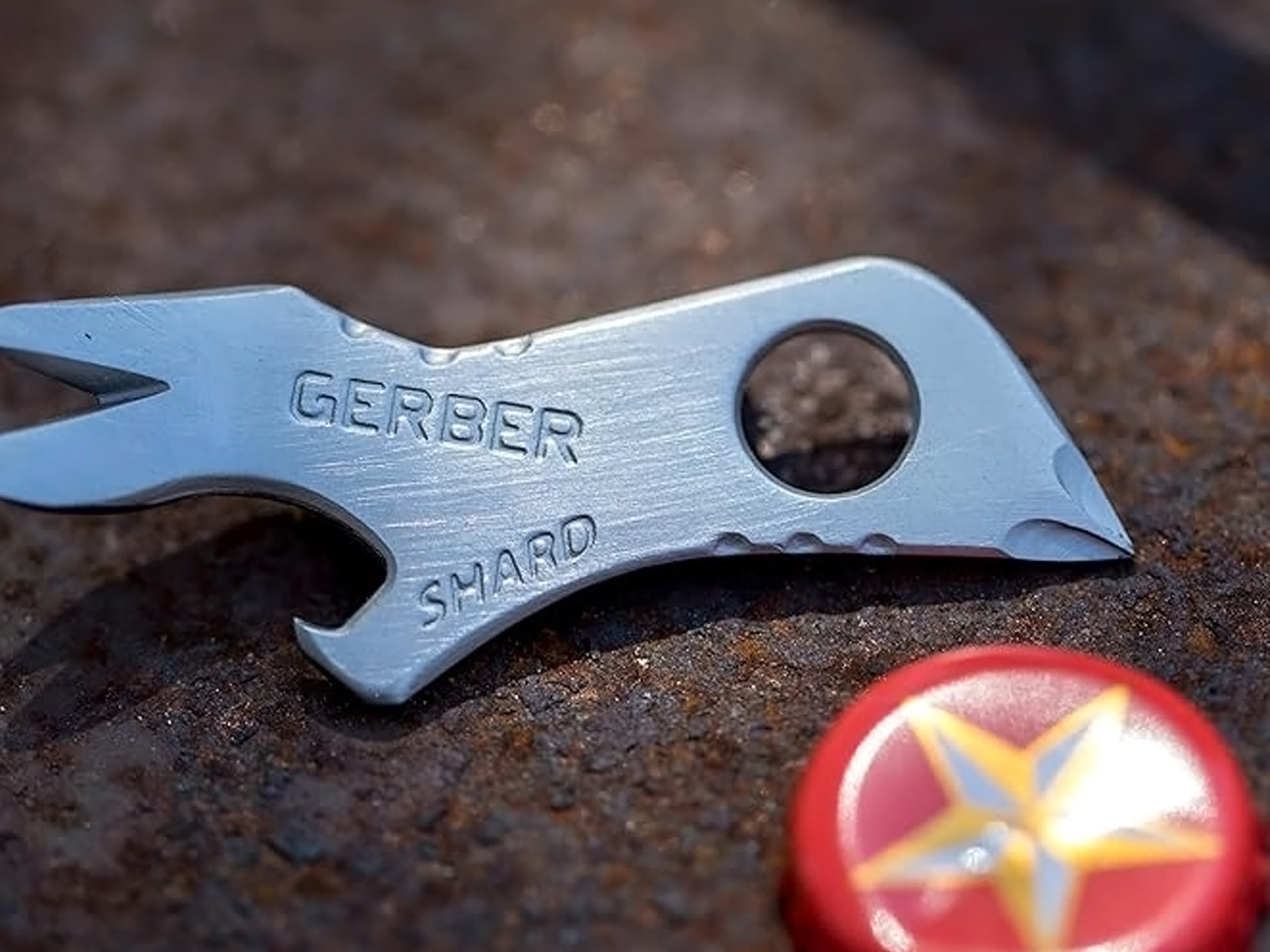
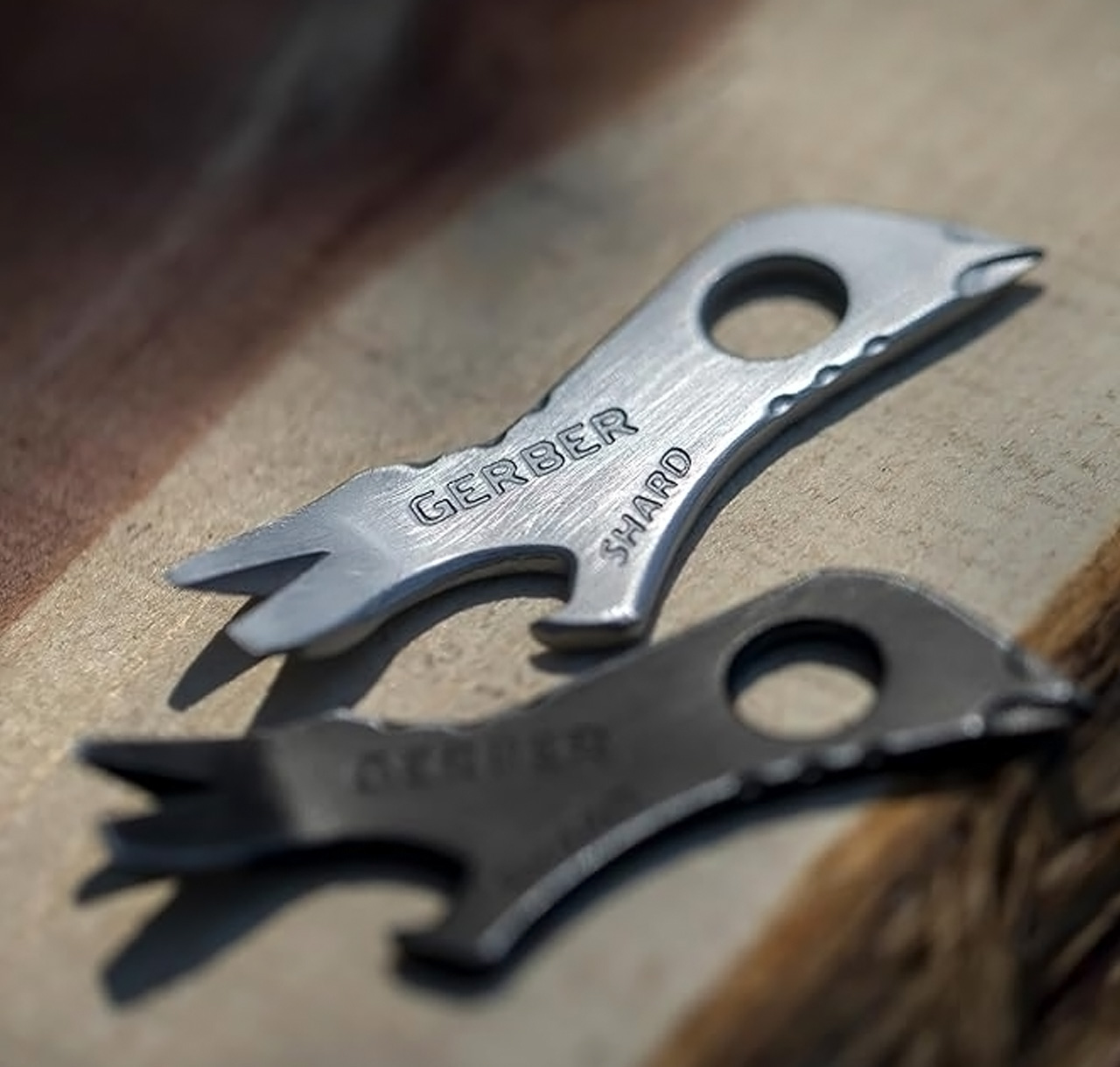
Start here if you have quietly accepted that your keychain is useless. The Gerber Shard is a single piece of stamped steel with no hinges, no springs, and no moving parts, which means nothing in it can jam, seize, or fail on a Tuesday evening when you actually need it. Six functions live in that flat body: a pry bar, bottle opener, small flathead slot, cross-driver tip, O2 tank wrench, and wire stripper. All of it weighs under ten grams.

What makes the Shard worth including alongside tools that cost ten times more is its clarity of purpose. It does not try to be everything. It identifies the handful of tasks a keychain tool is realistically asked to handle and solves those alone. At $13, it passes through airport security without any conversation about blade classifications. Clip it alongside whatever else you carry, and it will earn at least three genuine interactions a week before winter arrives.

What we like

  • No moving parts means the Shard is the one carry tool that cannot fail mechanically at the wrong moment, regardless of how long it sits on the keychain unused
  • TSA compliance and a sub-10-gram weight remove every excuse not to carry it, which is the most useful thing any $13 object can do

What we dislike

  • Single-material stamped construction limits what it can handle, and tasks requiring real leverage or grip pressure fall outside its honest capability
  • The utilitarian aesthetic reads as practical rather than designed, which will not satisfy anyone who treats their carry as a considered, visually coherent set

3. Fantom X Wallet

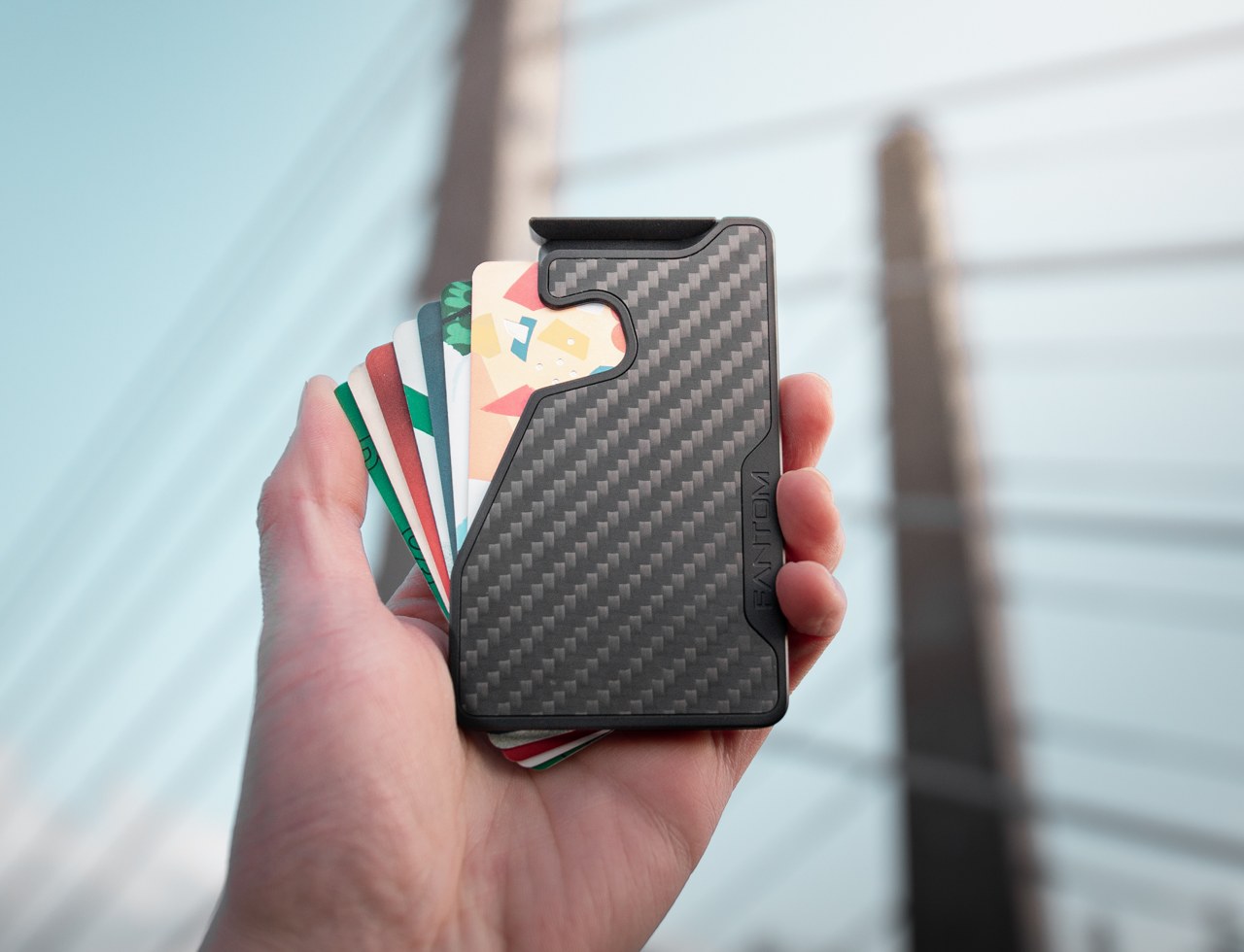
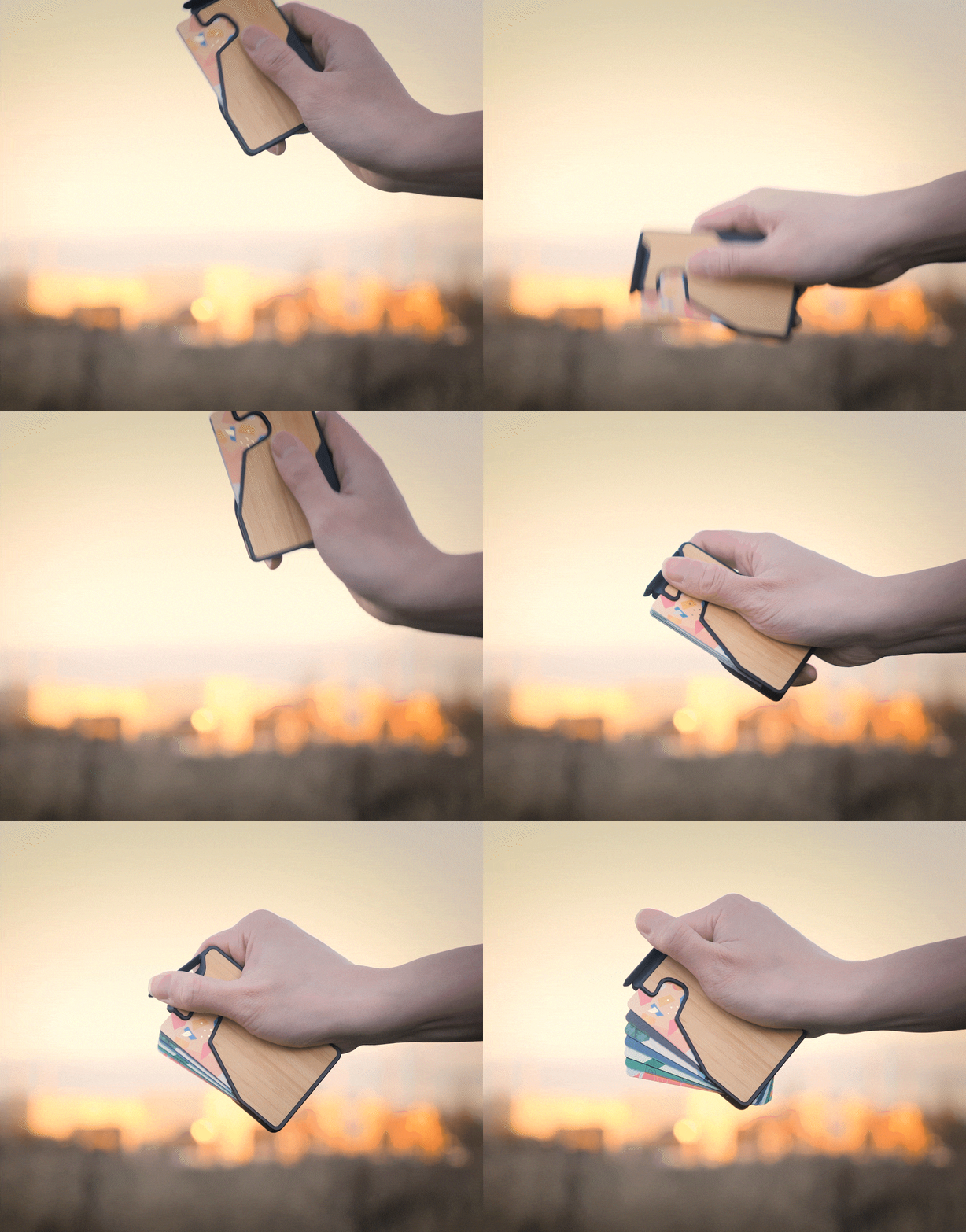
The wallet is the most frequently underestimated carry upgrade, partly because most people tolerate the one they have until it structurally fails rather than reconsidering it deliberately. The Fantom X builds the wallet chassis from machined aluminum, introducing zero soft materials into the construction. Nothing here stretches, cracks, or absorbs the contents of a jacket pocket across six months of daily carry. A spring-loaded ejection system fans cards in sequence at the press of a button, organized by frequency of use.

Fall is when wallets start competing with a heavier jacket for pocket real estate, and the Fantom X wins that negotiation by holding its slim dimensions through any season. The bead-blasted aluminum finish handles daily contact without developing the surface texture that leather wallets acquire by November. Switching from a bifold introduces a one-week adjustment period while the ejection sequence settles into your actual card hierarchy. After that week, the old wallet does not come back out.

What we like

  • Machined aluminum construction makes the wallet immune to the slow structural failure that defines the lifespan of every leather alternative, regardless of what the leather costs
  • The spring-loaded card ejection removes fumbling entirely, which becomes specifically useful in cold weather when dexterity drops alongside the temperature

What we dislike

  • The rigid form does not adapt as card count changes, which creates real friction once a work badge or additional card pushes the configuration past its ideal capacity
  • Cash carry is minimal depending on the setup, which still matters in environments where notes are the expected currency at a market or small café

4. Pininfarina Aero Ethergraf

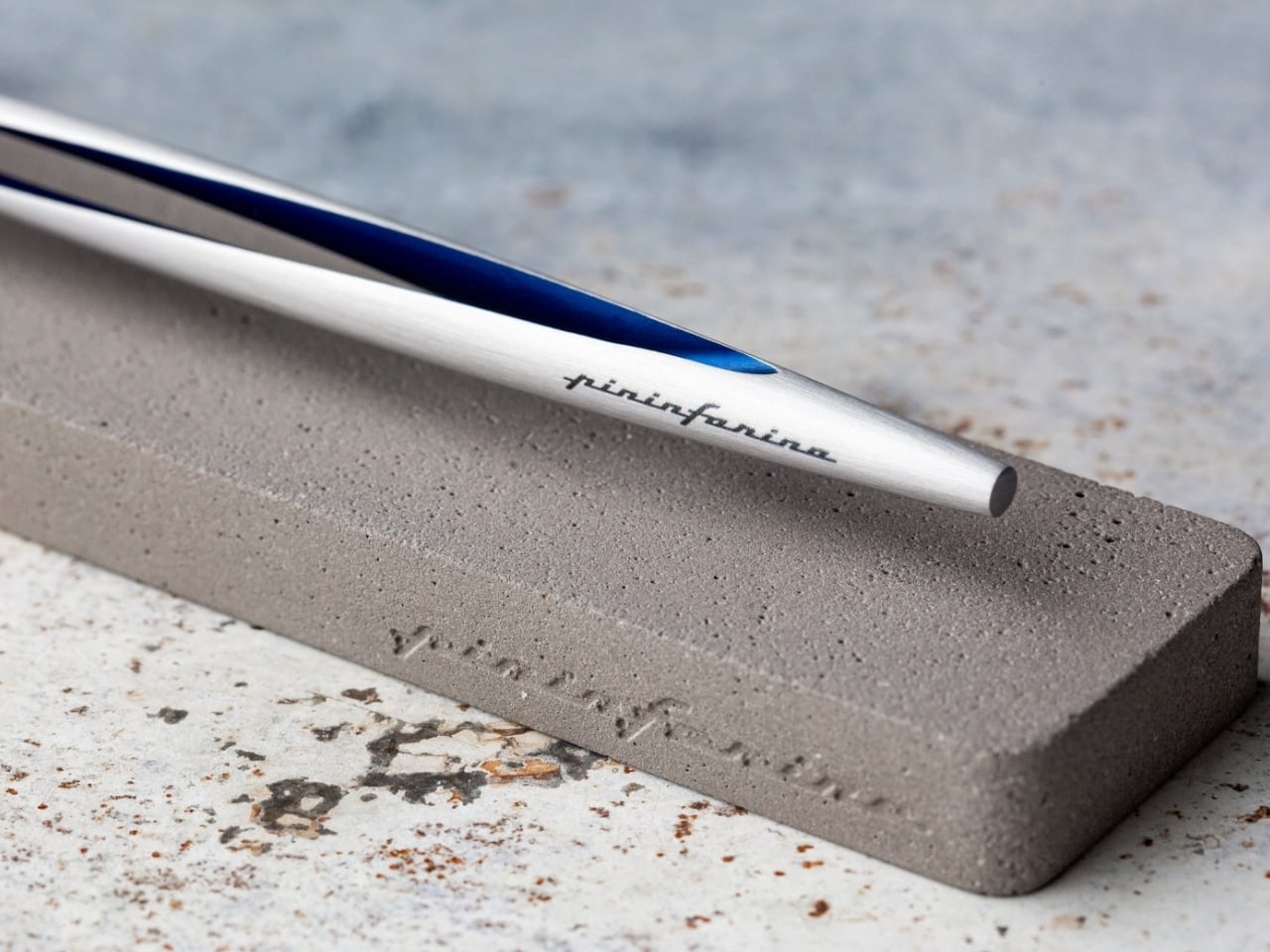
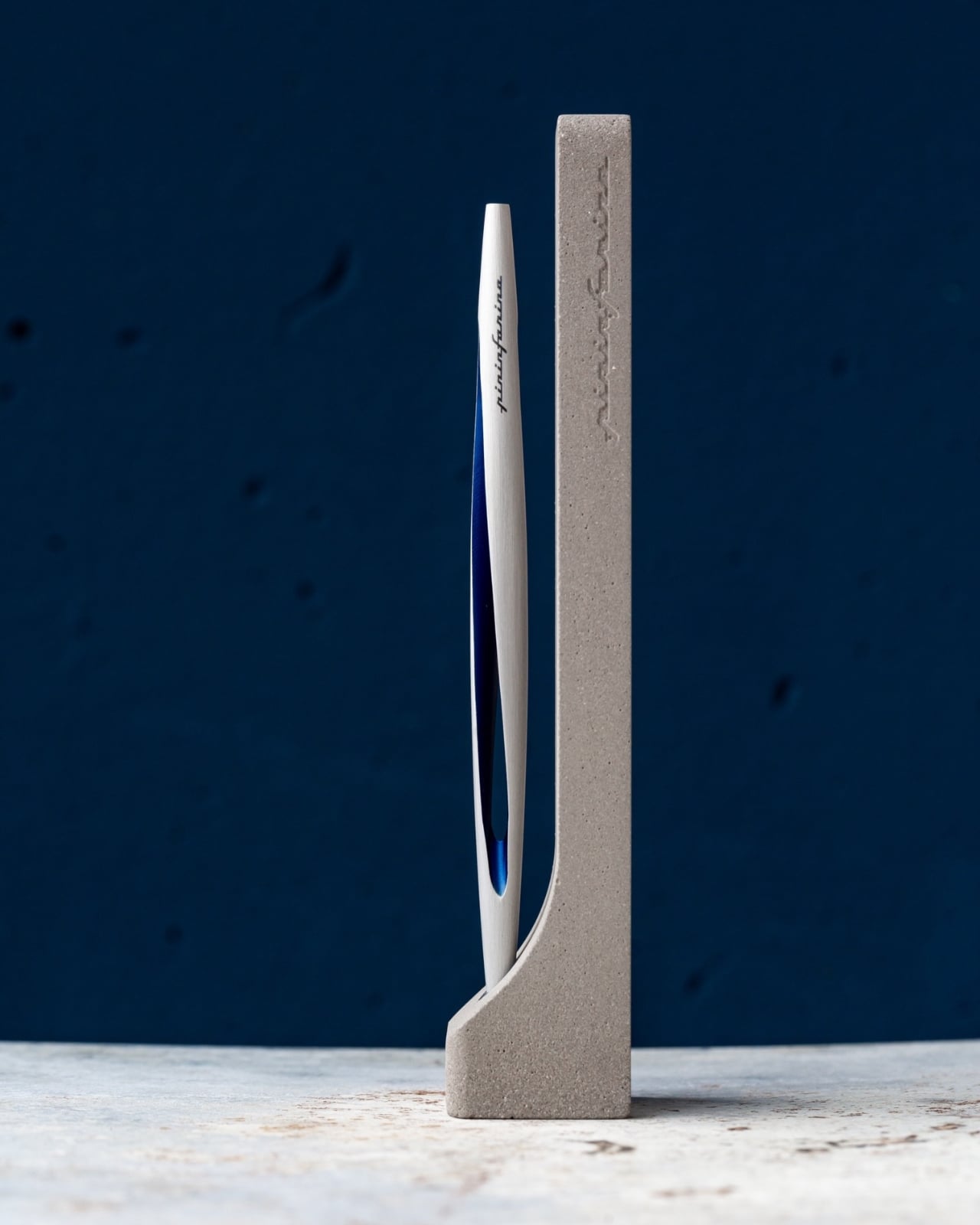
The ink pen is a carry category with a built-in expiration date, which most people accept as simply the nature of the tool. Pininfarina disagreed. The Aero Ethergraf writes through an Ethergraf metal alloy tip that leaves a permanent, graphite-like mark on paper via oxidation rather than ink transfer. There is no refill, no cartridge, and no dry-out. The tip writes identically on day one and three years later, producing a line that does not smudge and does not bleed through paper.

The pen is aerospace-grade aluminum, 17 grams, and 160mm long. Pininfarina, the Italian studio responsible for Ferrari and Maserati bodywork, applied that same economy of means: a single confident form, a blue accent visible from the right angle, and nothing present that serves no purpose. It ships with a raw concrete desk cradle. Switching a carry pen from refillable to the Aero reads less as an upgrade and more as a correction to something that should have been addressed earlier.

What we like

  • No ink or refill means this pen performs identically at the start and end of a season, removing the replacement cycle that every other pen eventually demands at the least convenient time
  • The aerospace aluminum body and Italian design pedigree give it the presence of a considered object that earns a permanent desk position, not just a pocket slot

What we dislike

  • The Ethergraf line is lighter than ballpoint output and requires slightly more deliberate pressure on thinner paper stocks to produce consistently confident marks
  • The metal tip performs best on standard paper and produces inconsistent results on coated or glossy surfaces, which limits its range on certain materials

5. Streamlight Wedge SL

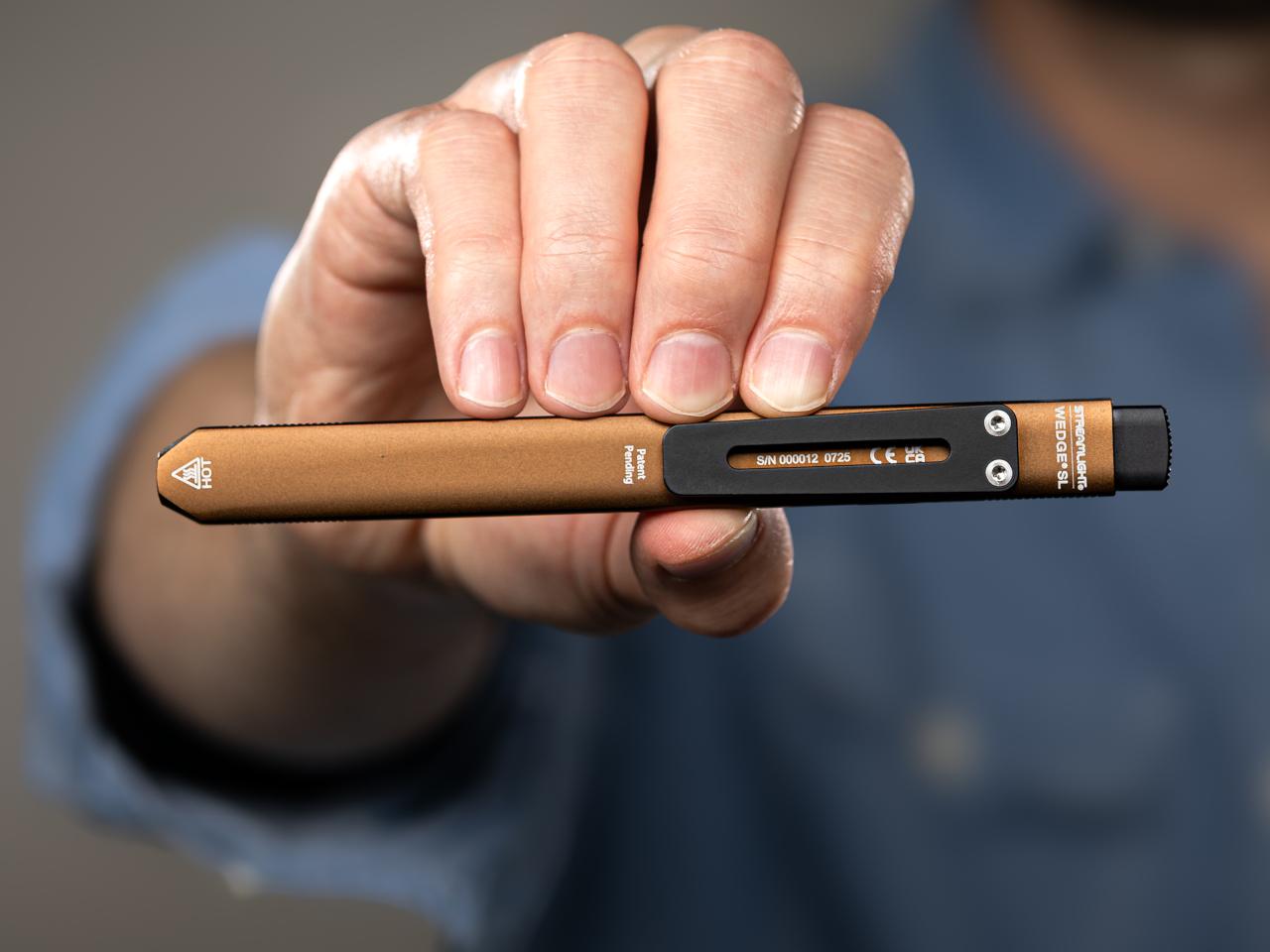
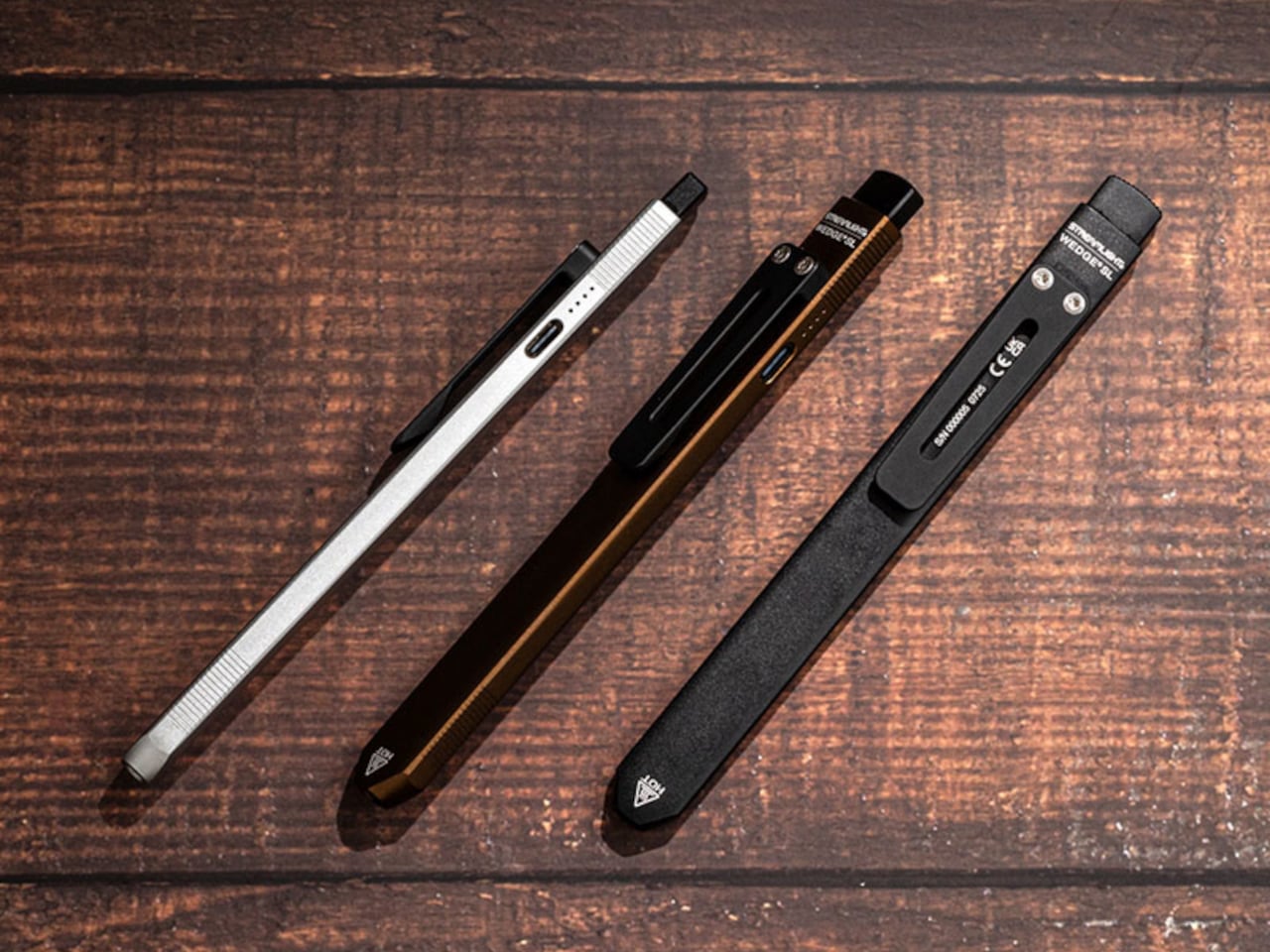
Most people leave a flashlight at home because it is too large to carry comfortably and too rarely needed to justify the space. The Streamlight Wedge SL removes that reasoning by measuring 5.65 inches long, 0.28 inches thick, and 1.14 ounces. That profile fits alongside a phone without competing for space, and the stainless steel clip secures it to a shirt pocket or tool pouch without adjustment. Fall means the sun sets earlier than anyone is quite prepared for, and the tool that solves that problem needs to actually be in the pocket.

Three output modes cover the realistic range of carry use. Constant-on High runs 100 lumens for 1.75 hours. Low delivers 50 lumens for 3.5 hours. THRO mode produces 500 lumens at an 80-meter beam on a three-second press, fast enough for genuine emergencies without being easy to trigger accidentally. The USB-C lithium polymer cell charges in four hours and is field-serviceable and user-replaceable. Type II MIL-Spec anodized aluminum and IPX4 water resistance mean fall weather is not a relevant variable.

What we like

  • At 0.28 inches thick, it carries without compromising any pocket it shares space with, which directly solves the reason most flashlights get left on a bench at home
  • THRO mode reaches 500 lumens without any mode cycling, making maximum output accessible the moment the situation asks for it rather than three button presses later

What we dislike

  • Output is calibrated for inspection and everyday carry use rather than long-distance throw, so it will not work for anyone whose primary need is maximum beam distance
  • At four hours for a full charge, it is slower than some current competitors in a category where charging speed has become a meaningful differentiator

The Only EDC Rule That Actually Matters: Carry What You’ll Use

The five tools above do not ask for a lifestyle adjustment. They drop into a pocket, clip to a keychain, or live on a desk without demanding explanation or a dedicated bag compartment. What each one requires is a single deliberate decision at the point of acquisition: that the things you carry every day are worth choosing carefully rather than defaulting to whatever has been there since last winter.

Start with one. The Olight Baton 4 consolidates a flashlight and a power bank into a single case that makes carrying both easier than carrying either separately. The Gerber Shard costs $13 and will change what you notice about the physical world around you. The Fantom X removes a daily friction you have probably stopped registering because you have lived with it long enough that it feels normal. Any one of these improves the carry. All eight make pockets the most useful part of the outfit before the season ends.

The post 5 EDC Gear Upgrades for Fall 2026 That Prove Pockets Are Still the Best Accessory You Own first appeared on Yanko Design.
7 Best Fall-Inspired Designs That Ditch Basic Pumpkin Décor

Autumn is a study in warmth, texture, and tone – a season that favours depth over decoration. While others reach for pumpkin spice everything and orange plastic gourds, these designs capture fall’s essence through terracotta and forest green, reflecting the quiet transformation of nature. In design, these colours bring calm energy and grounded elegance, transforming functional objects into tactile expressions of comfort and craftsmanship.

These seven designs prove you don’t need seasonal clichés to celebrate fall. Through texture, materiality, and muted richness, each product embodies a connection to nature – one that is subtle, enduring, and timeless. Together, they form a narrative of balance, where modern living meets the organic beauty of autumn’s tones without a single jack-o’-lantern in sight.

1. Clay Products – Design That Begins with the Earth

Forget foam pumpkins – clay offers something far more authentic. This ancient material’s tactile texture and thermal balance make it ideal for creating objects that breathe, cool, and connect with their environment. The natural terracotta palette radiates warmth, grounding modern interiors in authenticity and quiet beauty that lasts beyond October.

Beyond its function, clay represents craft, culture, and continuity. Whether shaped into planters, vessels, or humidifiers, it invites sustainability through simplicity. Each curve and imperfection tells a story of touch – a perfect reflection of autumn’s imperfect yet graceful rhythm between art and earth.


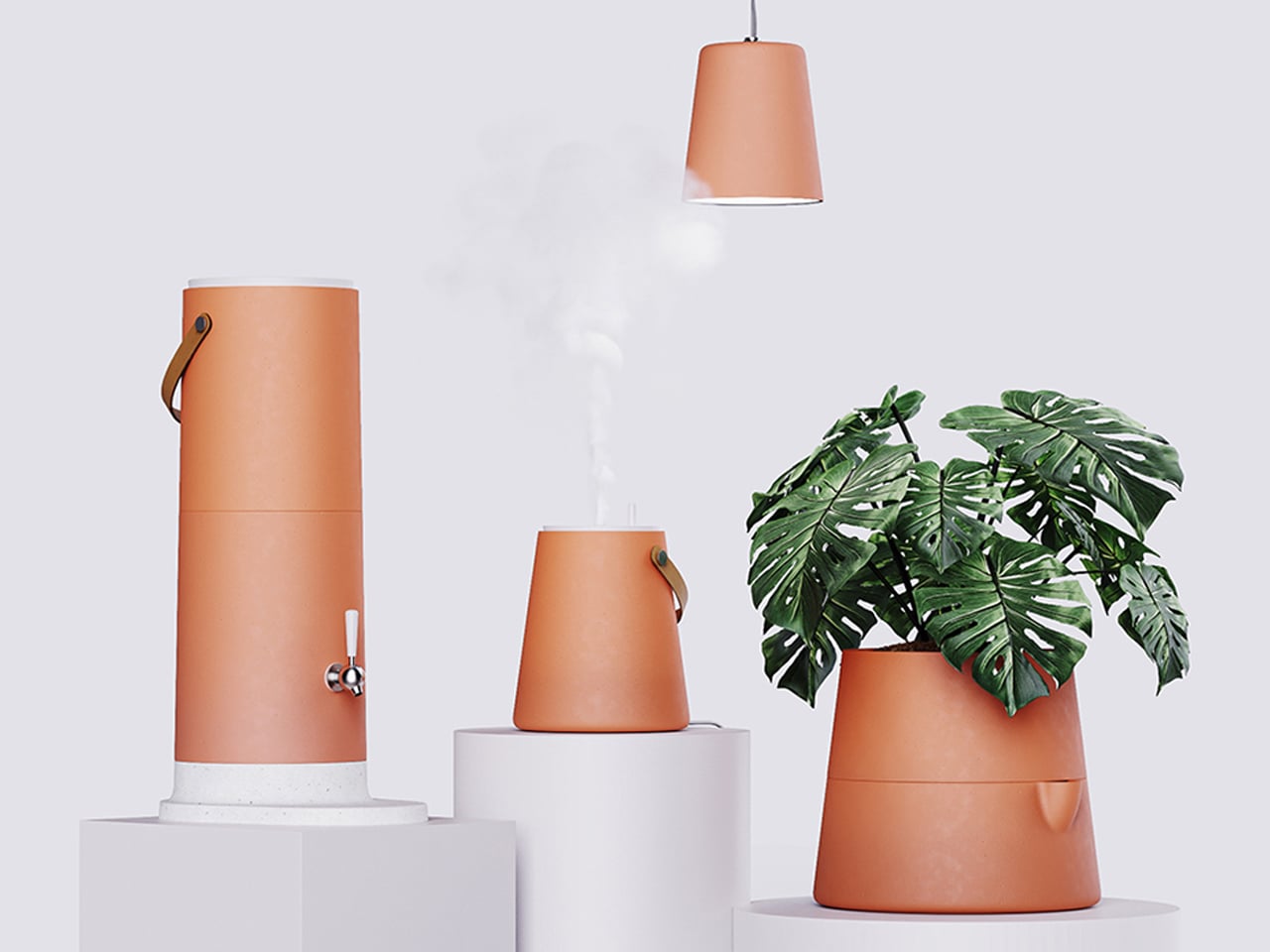
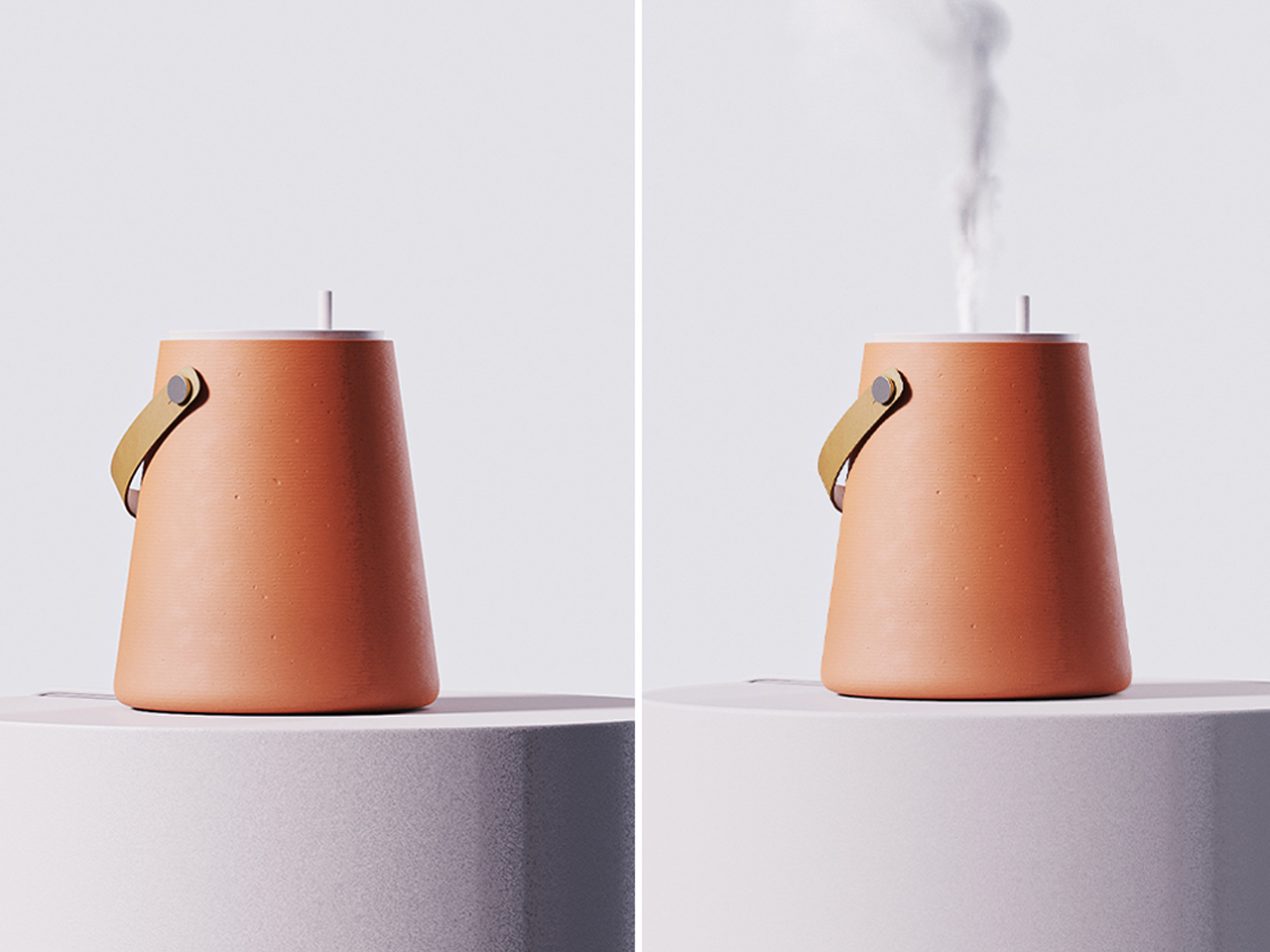
Clay filters are a household staple in Brazil, and designer Lucas Couto extends their legacy by incorporating clay into lamps, filters, and humidifiers. Celebrated for its natural, affordable, and versatile qualities, clay brings both warmth and function to contemporary homes. Couto honours traditional craftsmanship while adding thoughtful details like a handle for the upper reservoir and a base for supporting a glass, drawing inspiration from clay’s natural cooling properties.

His creations offer a multi-sensory experience through terracotta’s rich colour, texture, and earthy aroma. The collection includes a humidifier, planter, and lamp, each blending tactile beauty with functionality, celebrating clay’s organic elegance in everyday living—no seasonal gimmicks required.

2. Lighting Design – Where Warmth Takes Shape

Real fall ambiance comes from light, not plastic harvest decorations. Lighting defines the mood of a space, especially during fall, when days shorten and evenings invite softness. Designs in forest green or amber tones mimic nature’s fading glow, evoking warmth and intimacy. Sculptural silhouettes and modular forms bring visual rhythm to otherwise quiet interiors.

Modern lighting celebrates both geometry and emotion. Whether diffused or directional, it transforms function into atmosphere. In terracotta and brass, it glows with autumnal richness, capturing the transient beauty of sunlight filtered through changing leaves – subtle, poetic, and endlessly comforting.

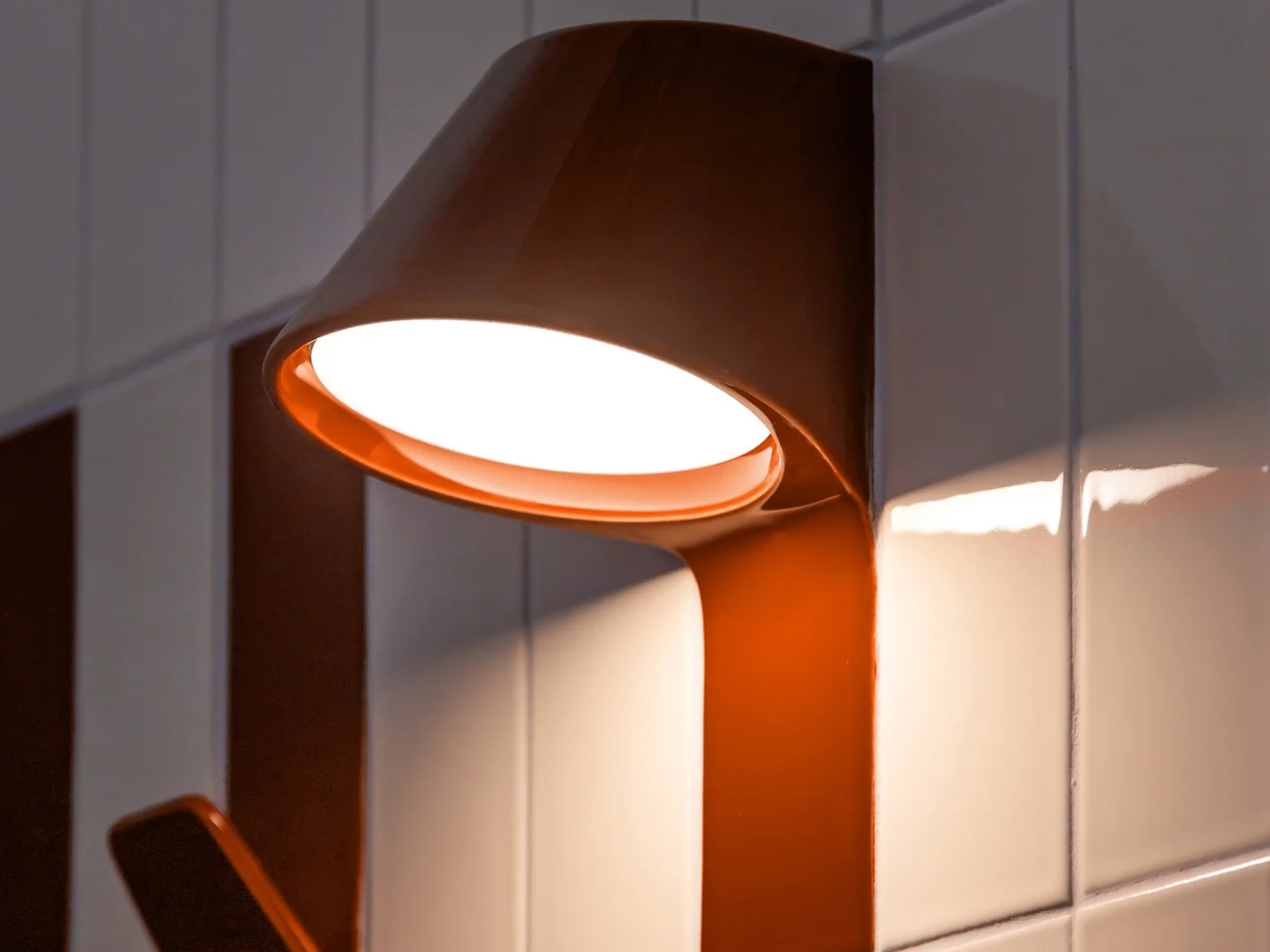
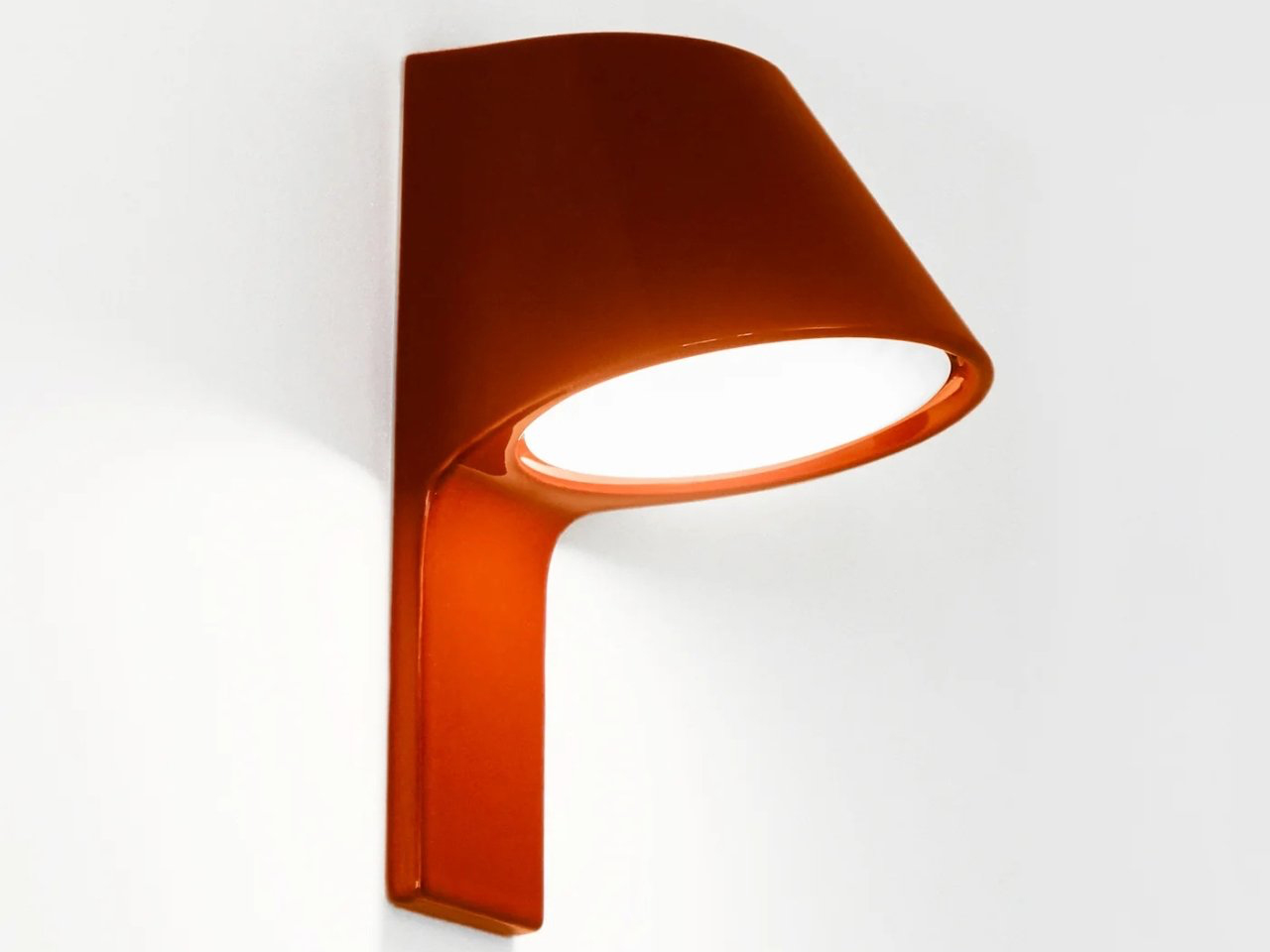
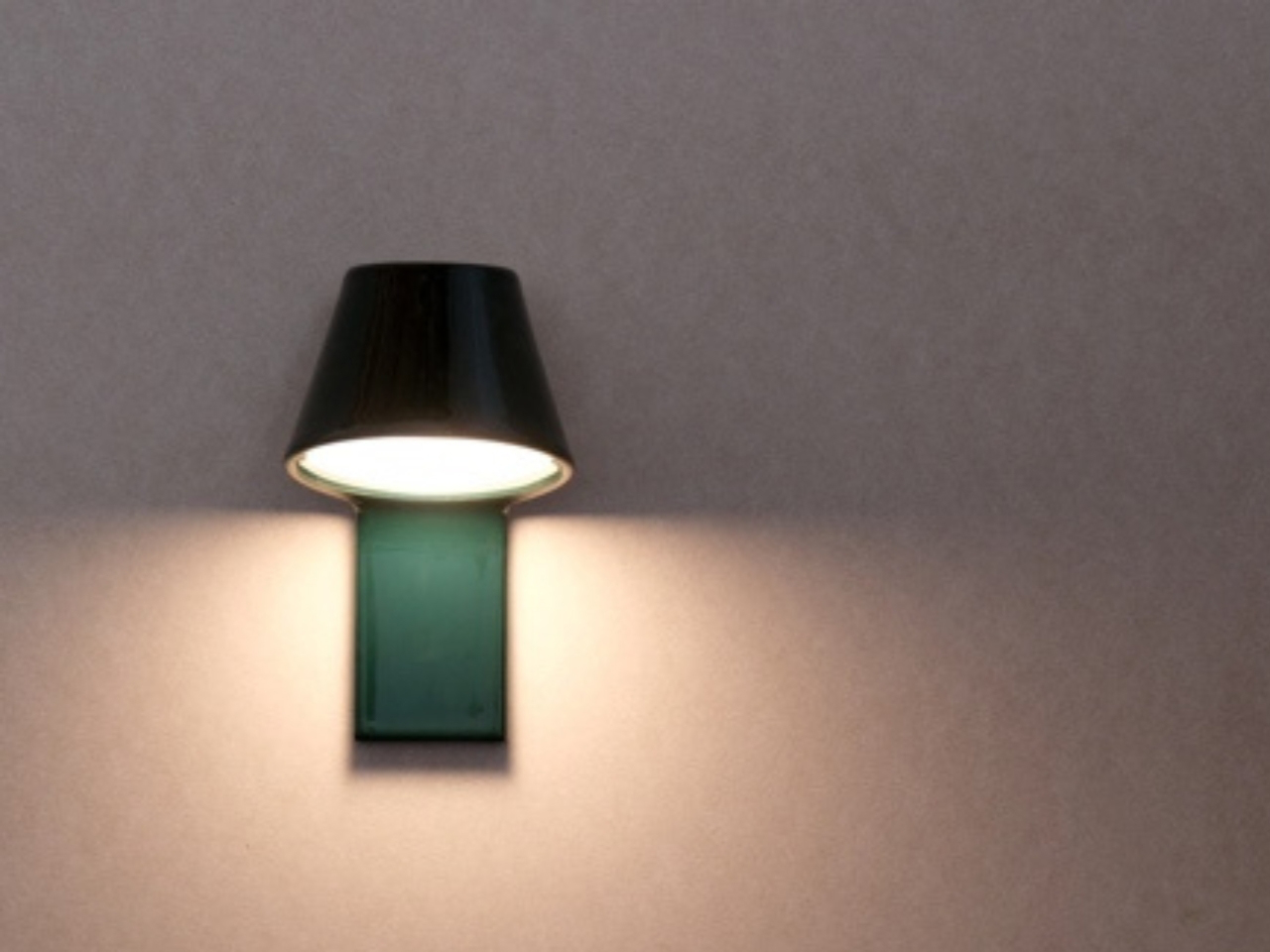
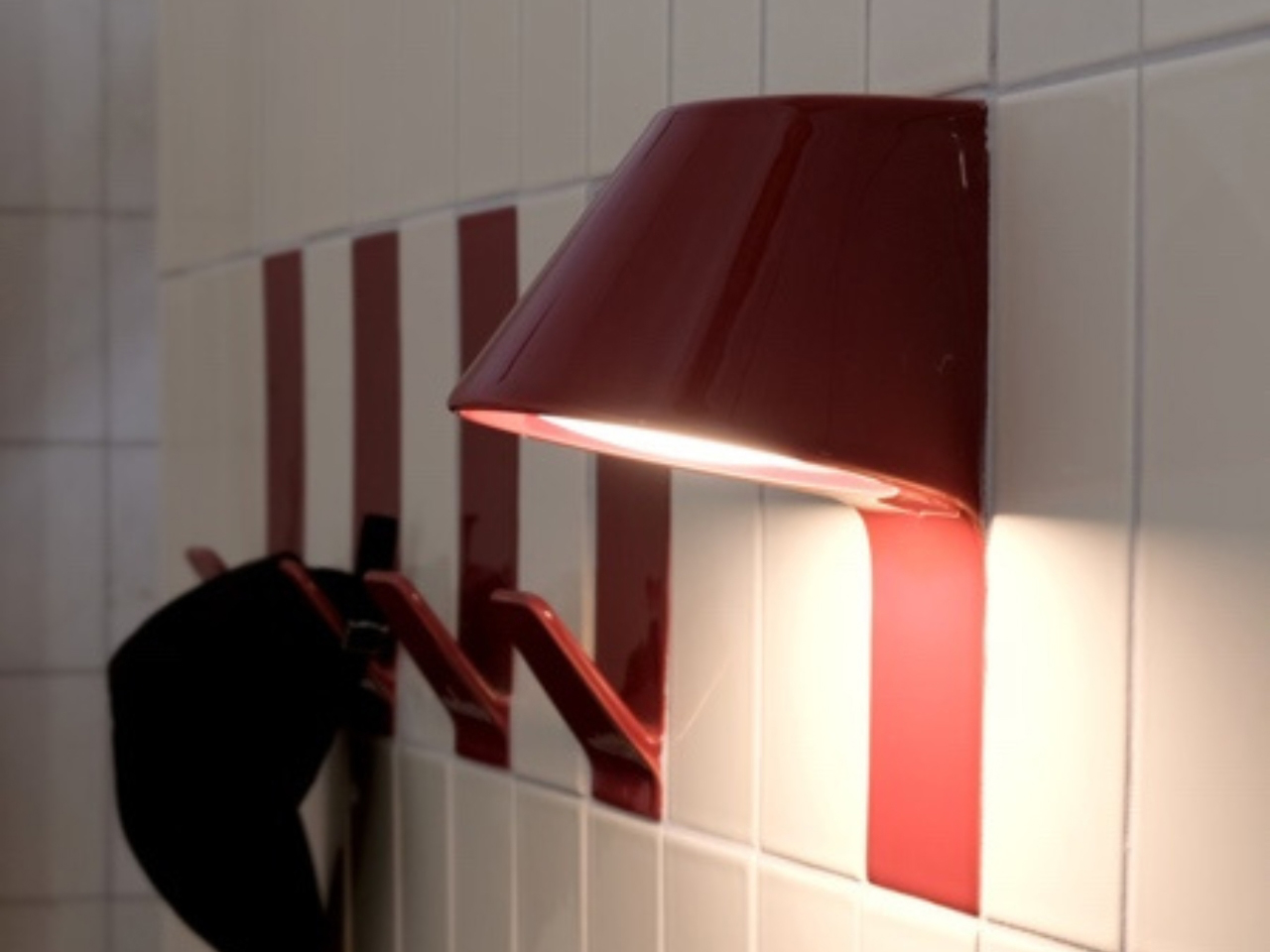
The UU Tiles project by Paris-based studio Unknown, Untitled represents a refined synthesis of functionality and aesthetic innovation. Drawing subtle parallels to the organic warmth of terracotta and the rich tones of autumn, these minimalist tiles integrate lighting, electrical access, and airflow directly into their architectural framework. The result is a contemporary design solution that harmonises practicality with visual sophistication, transforming ordinary surfaces into interactive, multi-sensory elements that feel seasonal without screaming Halloween.

At the core of this collection lies the UU Tiles Lamp, a seamless extension of the wall that emits a gentle, autumn-inspired glow. More than a lighting fixture, it functions as a sculptural architectural component, embodying the studio’s pursuit of balance between form, atmosphere, and functionality.

3. Fluid Furniture – A Sculptural Embrace

Sophisticated fall style flows like autumn winds – not inflatable yard décor. Fluid furniture celebrates the art of continuous motion. With its seamless lines and organic curves, it reflects the natural flow of wind and water – a harmony that is echoed in autumn’s quiet transitions. Crafted from wood, leather, or resin, it embodies a craftsmanship that feels both tactile and timeless.

Each piece balances strength and grace, offering structure without rigidity. The use of rich materials and sculpted contours creates a visual softness ideal for modern interiors. It’s furniture that feels alive – breathing with the space around it and evolving with the season’s changing light, far more elegant than any seasonal tchotchke.

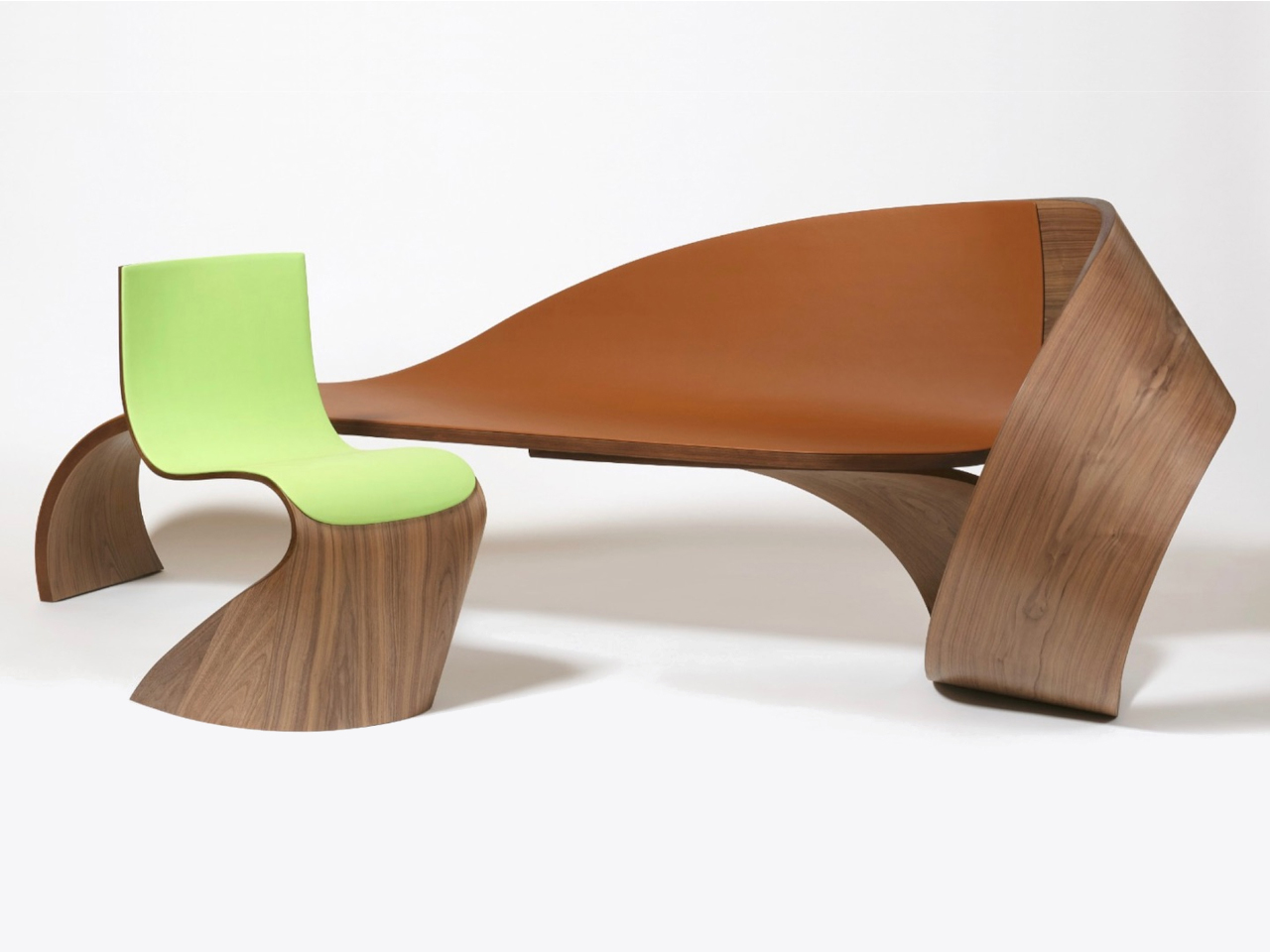
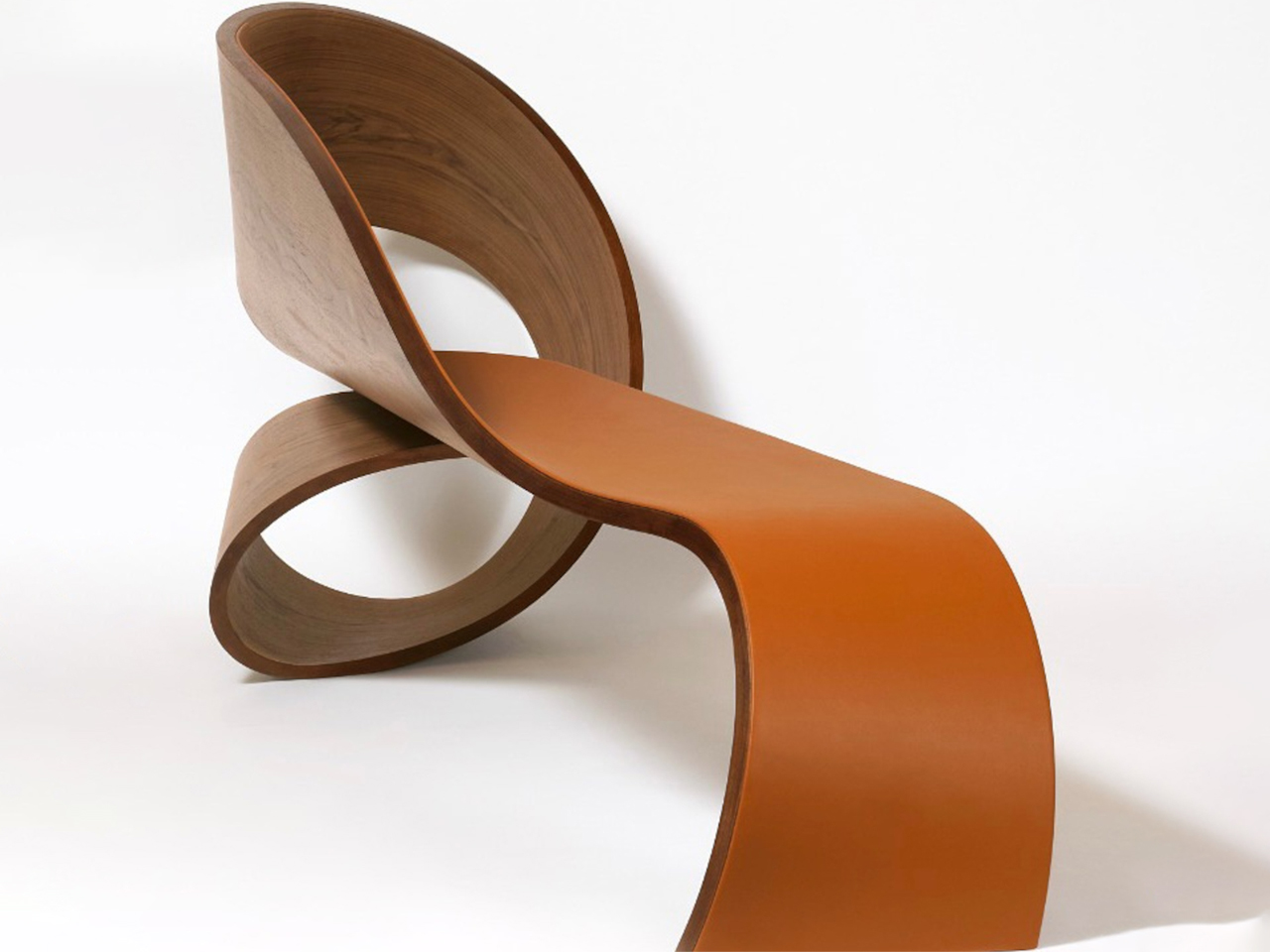
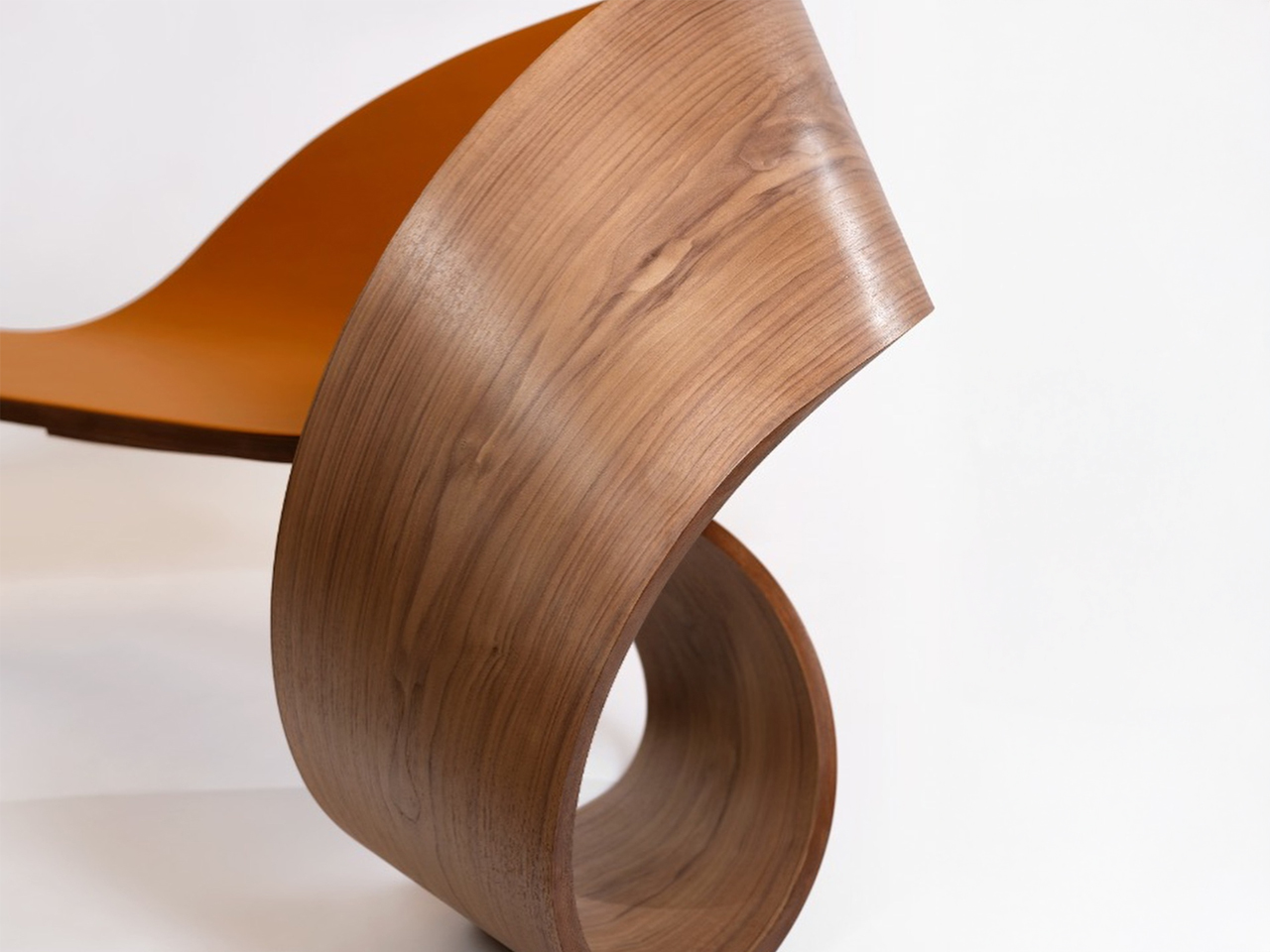
French fashion house Longchamp brings a touch of autumn warmth to interiors with its first furniture collection, created in collaboration with designer Pierre Renart. Echoing the earthy tones of terracotta and the organic spirit of fall, the collection fuses Longchamp’s renowned leather craftsmanship with Renart’s fluid woodworking. The Wave bench, upholstered in cashew-toned leather, captures the softness of natural materials and the gentle movement of fabric, embodying elegance and warmth.

The Ruban chairs complement this palette with shades inspired by forest greens and sunlit browns, evoking the hues of fall foliage. Together, they celebrate craftsmanship, sustainability, and timeless seasonal beauty that never goes out of style when November arrives.

4. Coffee Table – A Bold Accent in Clay Red

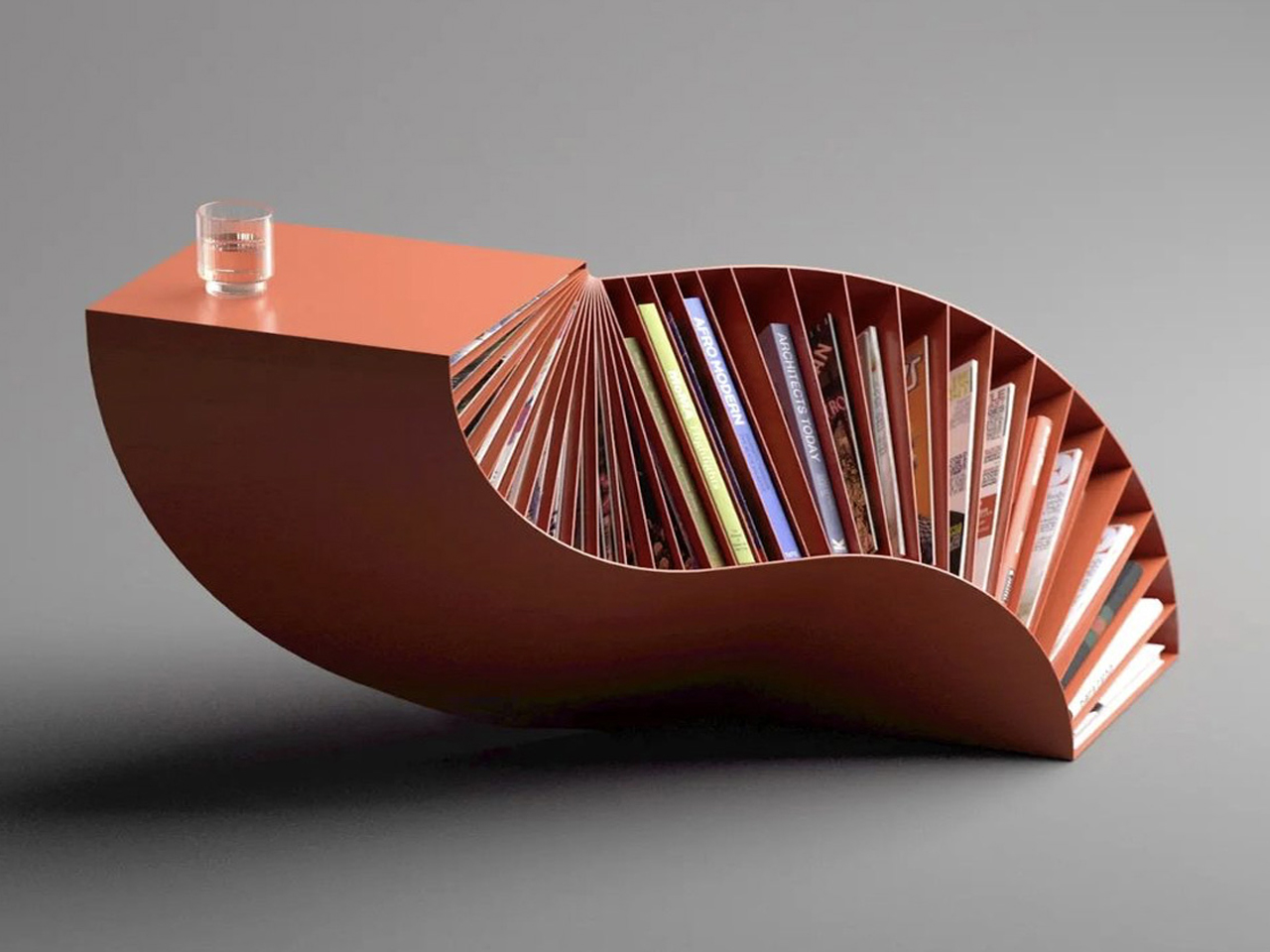
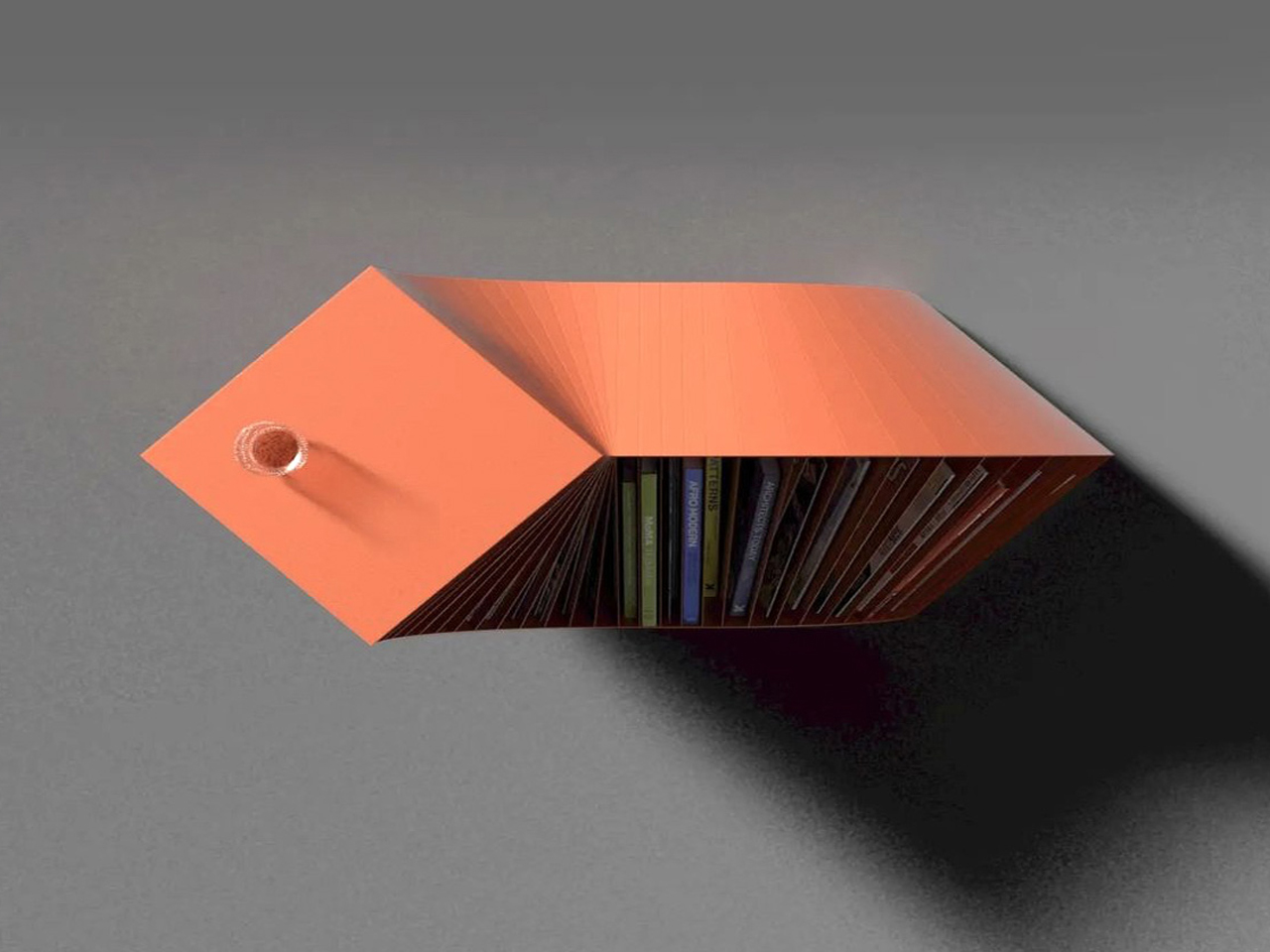
Skip the pumpkin-shaped serving trays – a statement coffee table grounds your fall aesthetic. A coffee table anchors a living room, both visually and functionally. In earthy tones like terracotta or deep red, it becomes the focal point – a grounding presence that radiates warmth. Designs often combine geometry and storage, merging practicality with expressive form.

Beyond its purpose, the coffee table invites connection – a surface for books, conversation, and ritual. Whether minimal or sculptural, it captures the essence of modern living: simplicity enriched by texture, colour, and thoughtful proportion.

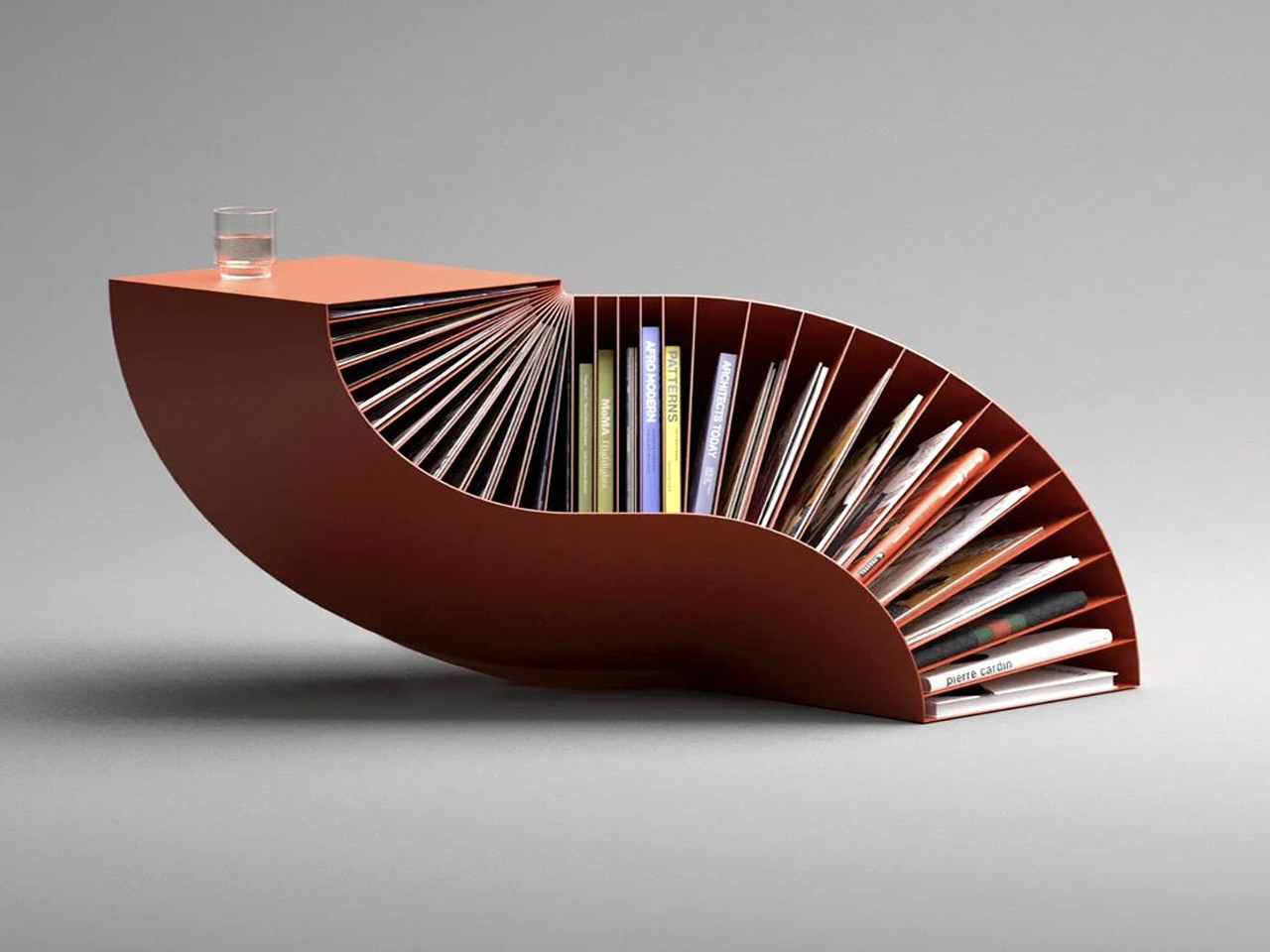
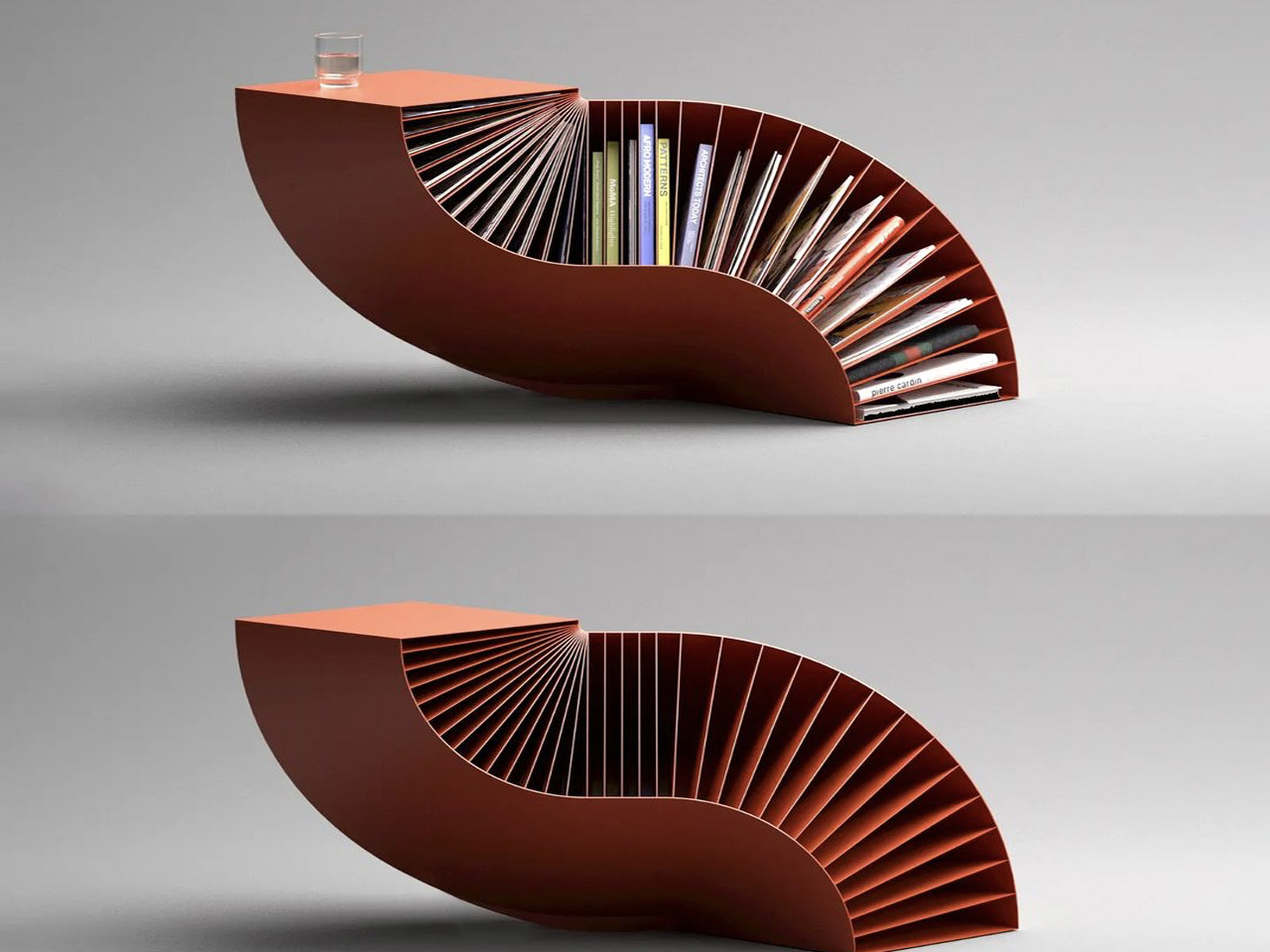
The Bookpet coffee table by designer Deniz Aktay embodies the warmth and elegance of terracotta hues, perfectly echoing the rich tones of autumn interiors. Crafted from a double-bent cuboid structure, its sculptural silhouette adds visual depth while offering built-in storage for books and magazines. The fluid lines and earthy palette create a sense of movement and comfort, making it a statement piece for contemporary living spaces.

Designed for compact modern homes, Bookpet balances form, function, and seasonal warmth. Its terracotta-inspired finish complements fall décor, while the integrated nooks provide practical organisation – capturing the essence of cosy, organic, and thoughtfully crafted design that celebrates the season year-round.

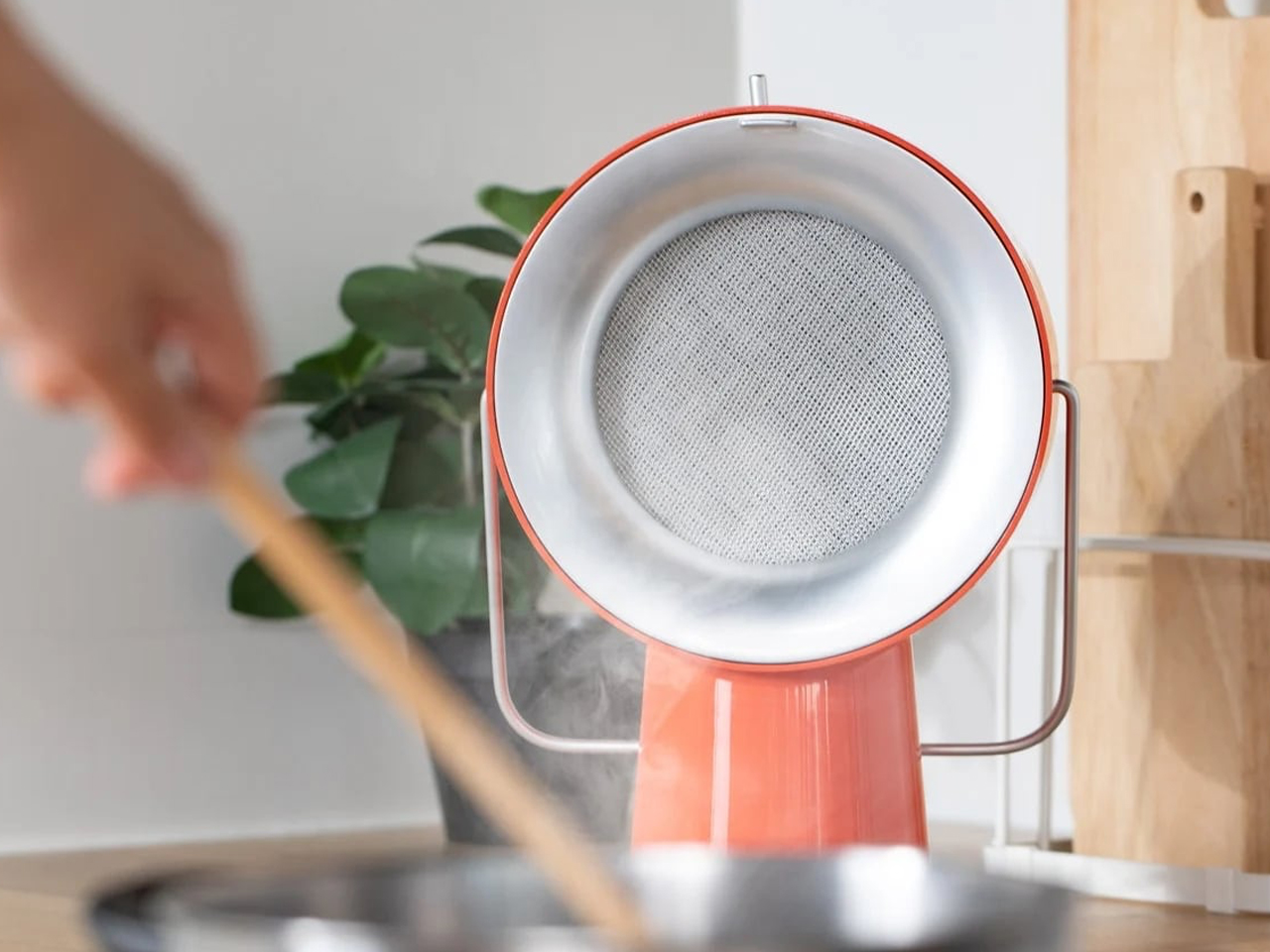
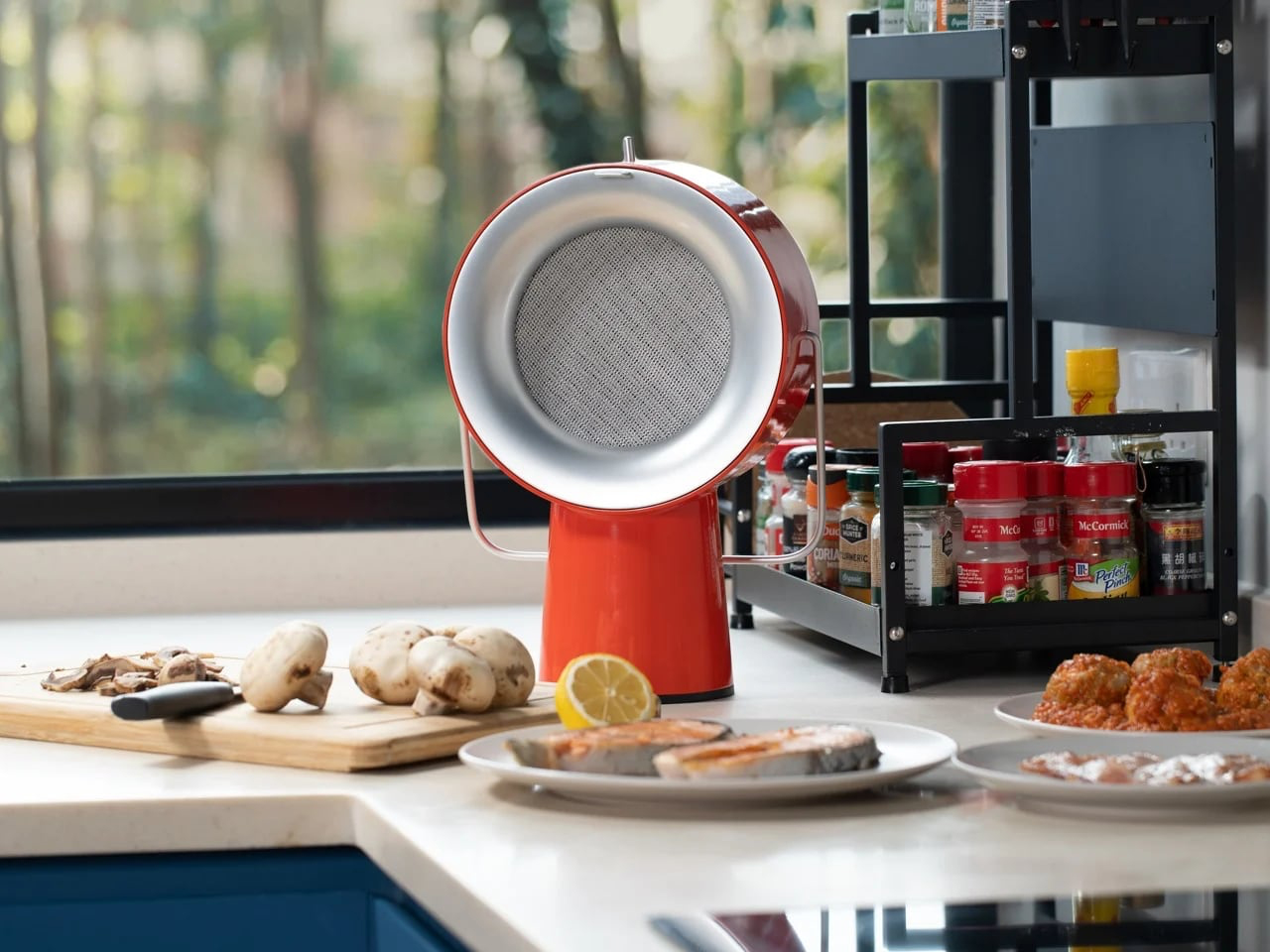
5. Range Hood – Clean Air, Clear Mind

Nothing says sophisticated fall cooking like a kitchen that doesn’t rely on pumpkin spice candles to mask odours. The range hood is where performance meets aesthetic restraint. In contemporary kitchens, it’s no longer just an appliance but a quiet design statement. Compact, sleek, and minimal, it ensures clean air while blending into its surroundings with seamless precision.

Muted finishes like matte green or brushed metal soften its presence, allowing harmony within the cooking space. It represents how innovation can coexist with calm – a balance between efficiency and beauty that aligns perfectly with fall’s unhurried spirit.

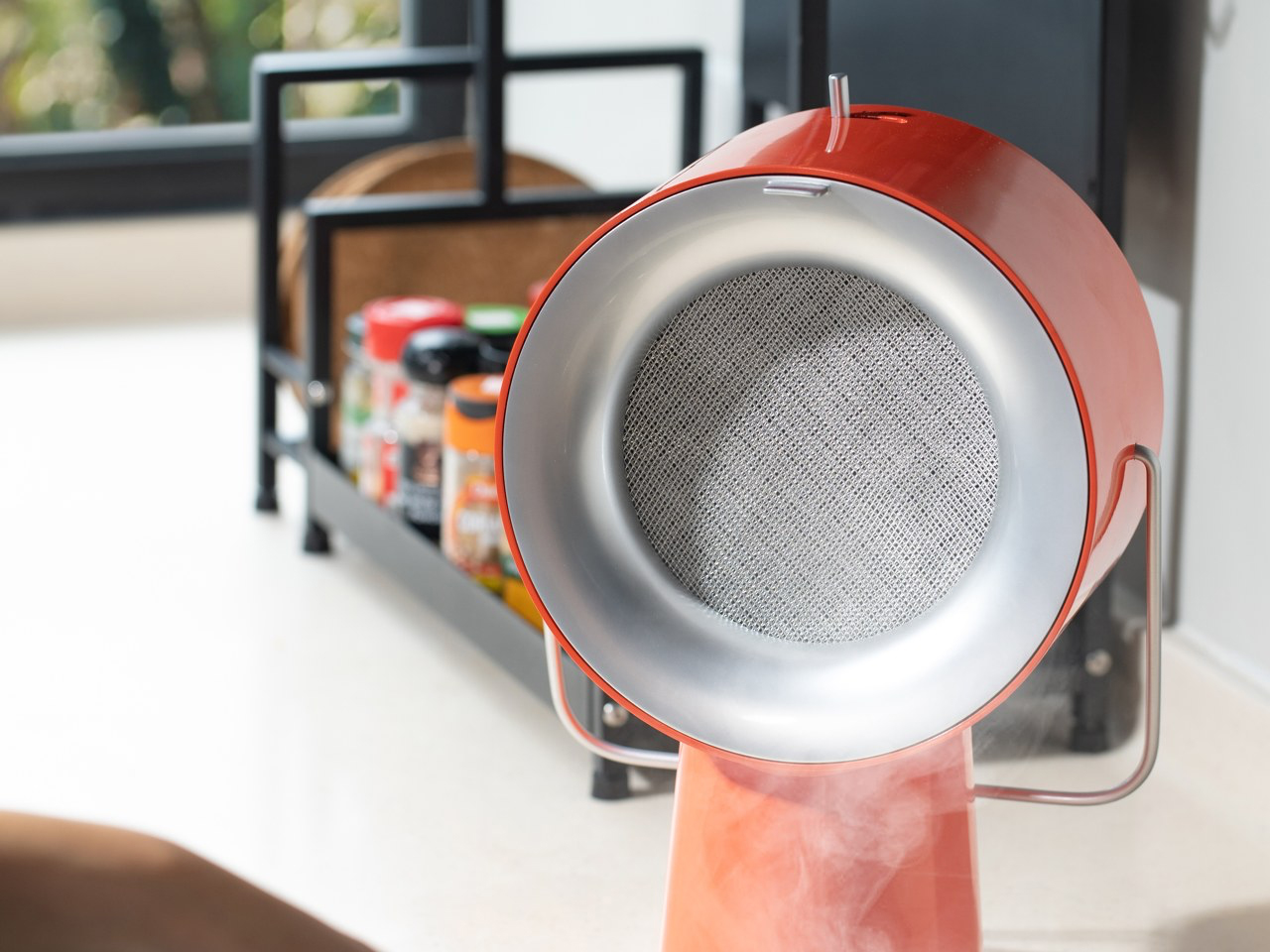
Home-cooked meals are ideal, but the mess and lingering smells from stovetop cooking often discourage the habit. The AirHood solves this by drawing in smoke and oily fumes before they stain walls and counters, helping you cook without dreading the clean-up. Its warm terracotta finish blends beautifully with autumn-toned kitchens and cosy seasonal palettes.

Charcoal filters neutralise odours, while a stainless-steel oil filter traps grease that would otherwise cling to surfaces. Both are easy to remove and clean. Portable and optionally wireless, the AirHood delivers a calm, cleaner cooking ritual – especially welcome as kitchens shift to earthier fall hues without the kitsch.

6. Desk Organizer – Nature’s Order at Your Fingertips

Bring fall to your workspace without the miniature pumpkin parade. A well-designed desk organiser creates visual calm amid daily chaos. Drawing inspiration from leaves, pebbles, or branches, it brings organic balance to modern workspaces. The use of natural textures and earthy colours evokes tranquillity while maintaining functionality.

Each element, including a tray, stand, or holder, becomes a sculptural accent rather than clutter. Terracotta or forest tones add grounded beauty to productivity, turning everyday organisation into a design ritual rooted in mindfulness and grace – not seasonal gimmicks.

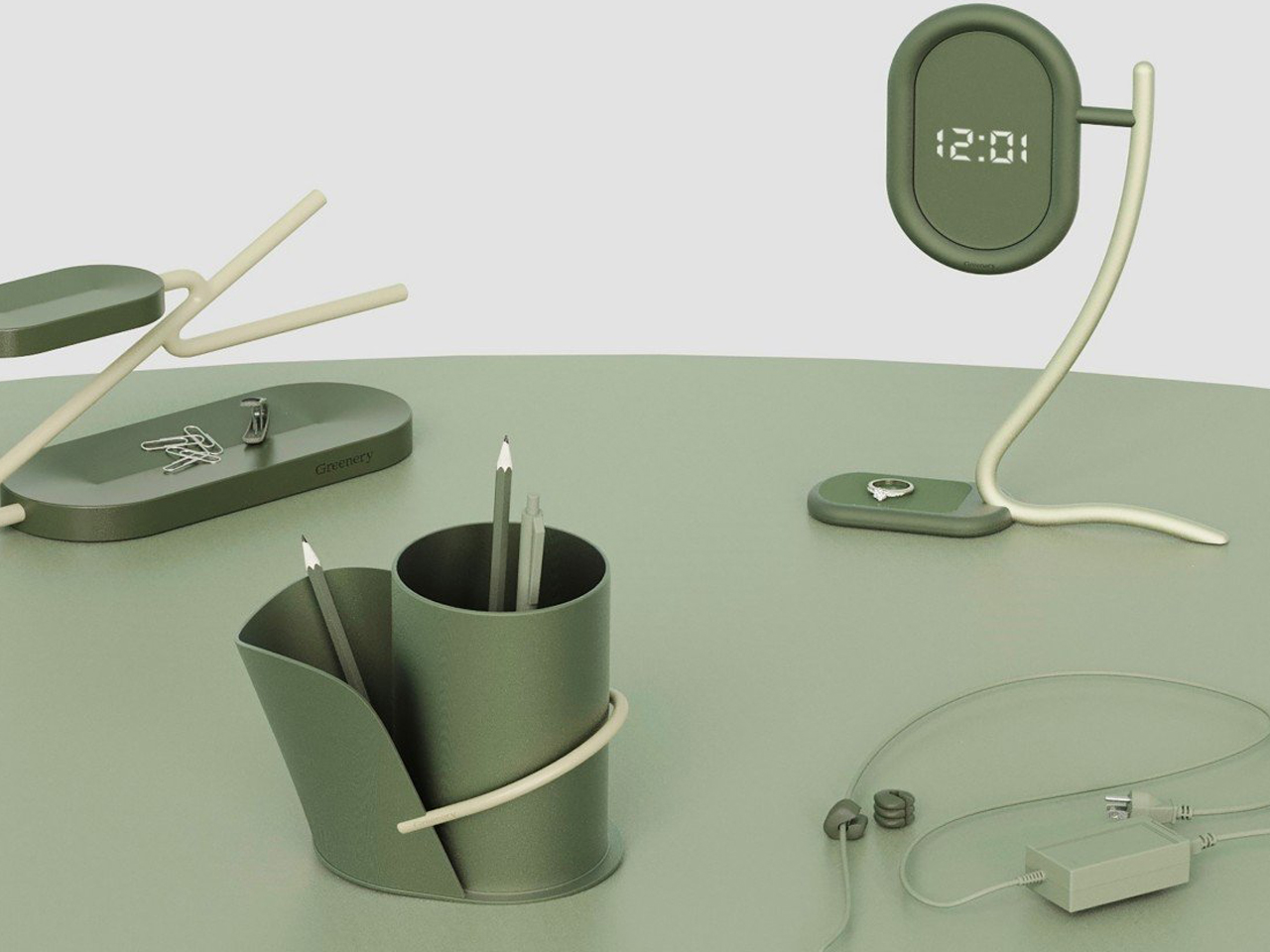
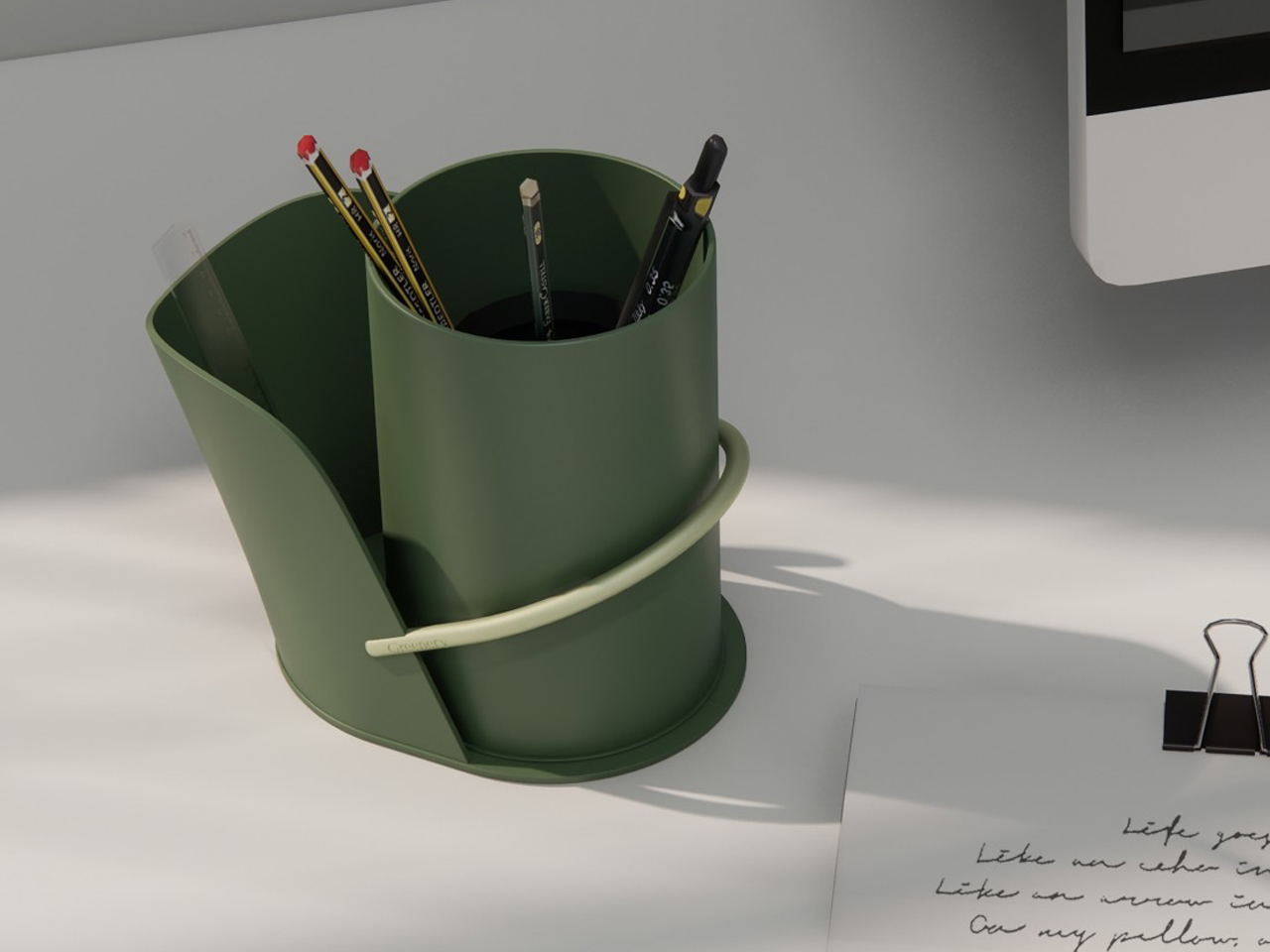
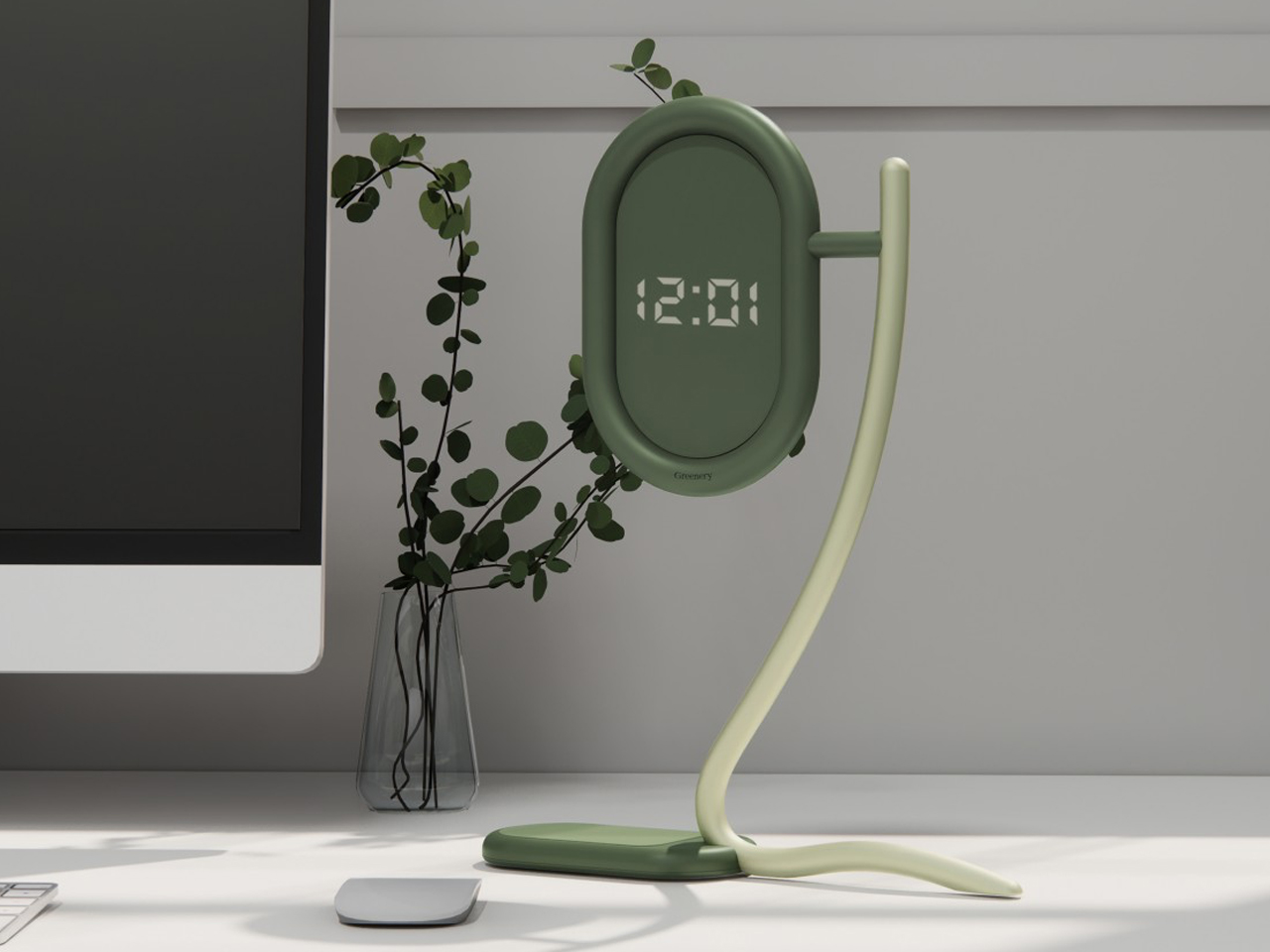
Workplace stress is often addressed with tidy desks, inspiring objects, and a touch of greenery, although real plants aren’t always practical. These nature-inspired accessories offer the same calming cue without maintenance. Rendered in deep forest green and muted autumn hues, they bring a grounded, seasonal warmth to the desktop while keeping the footprint minimal.

Rather than mimic plants literally, each piece abstracts stems and leaves into useful forms: a bamboo-like pencil holder with dual compartments, a curved “leaf” clock with a built-in tray, a tiered tray with hooks, and a subtle cable holder. Simple, elegant, and timeless – the anti-pumpkin approach to fall design.
7. Watch – Time, Reimagined in Metal and Fire

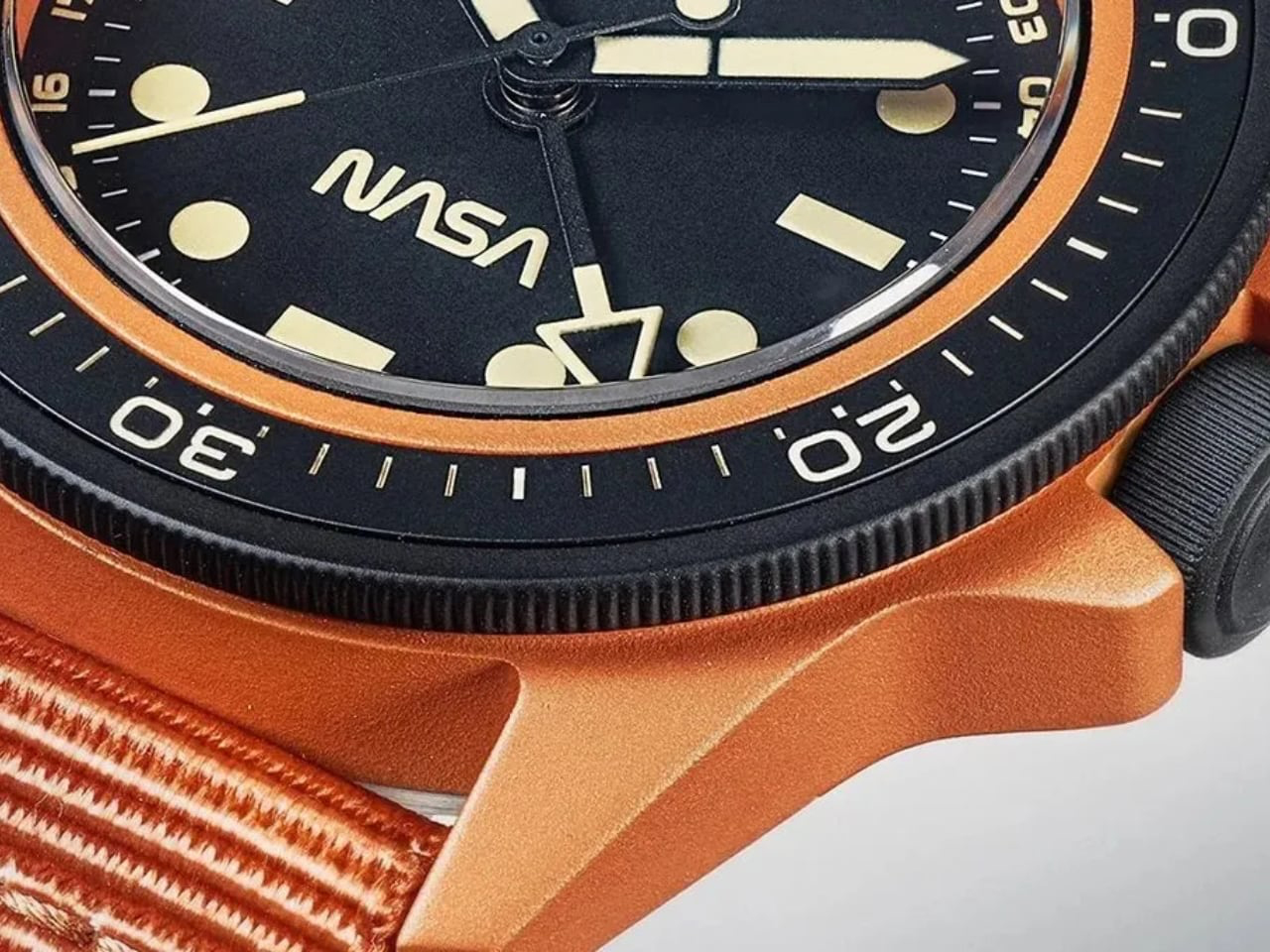
Why wear a watch with cartoon pumpkins when you can wear NASA’s rocket? A watch transforms timekeeping into personal expression. Modern designs balance technical precision with craftsmanship, often blending metals, ceramics, and glass. When accented with copper or red undertones, it mirrors the warmth of fall’s shifting light.
The watch embodies rhythm – not just in seconds but in seasons. Its enduring form reminds us that design can reflect both progress and pause, merging function with emotion in a single glance.

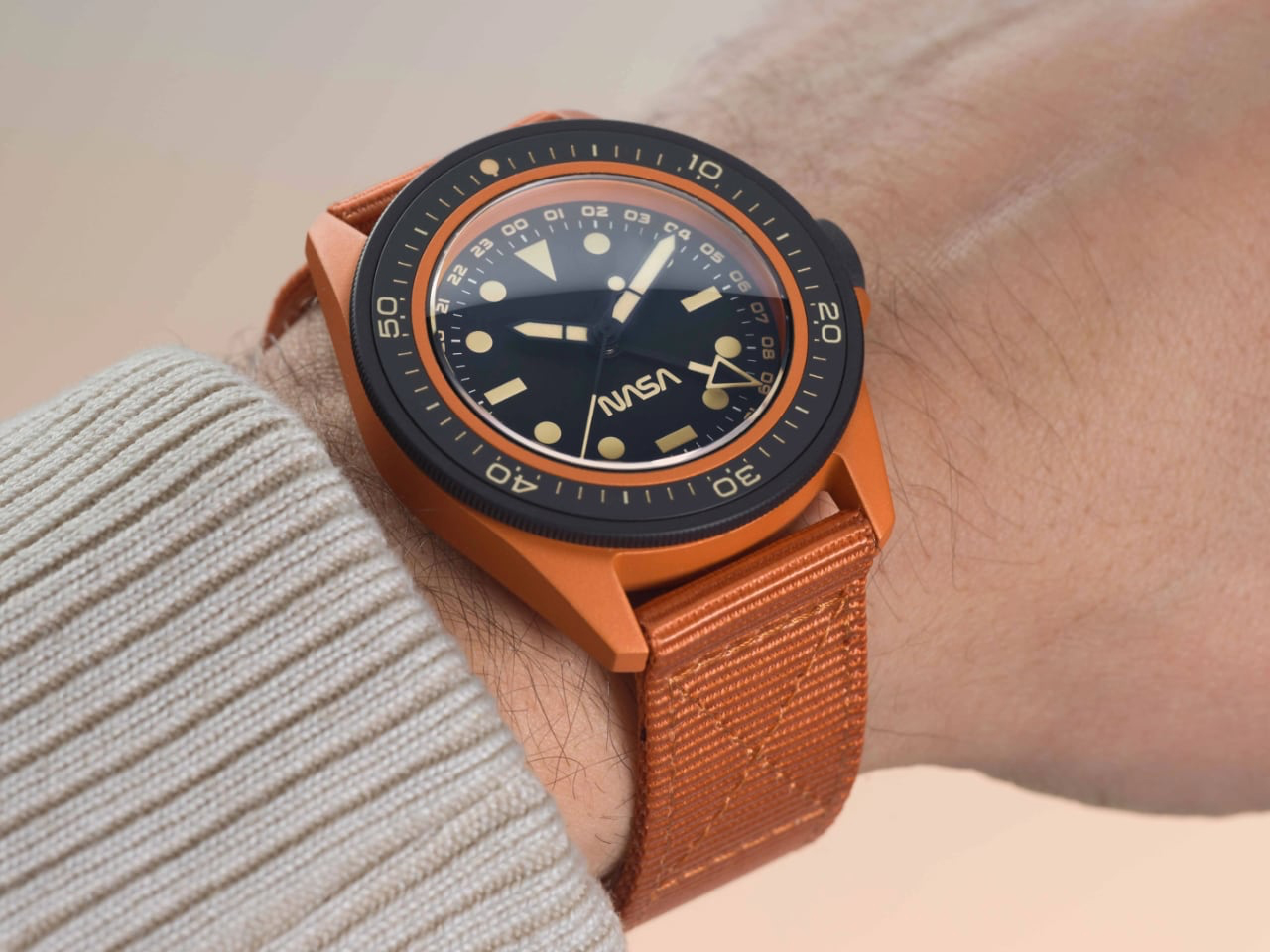
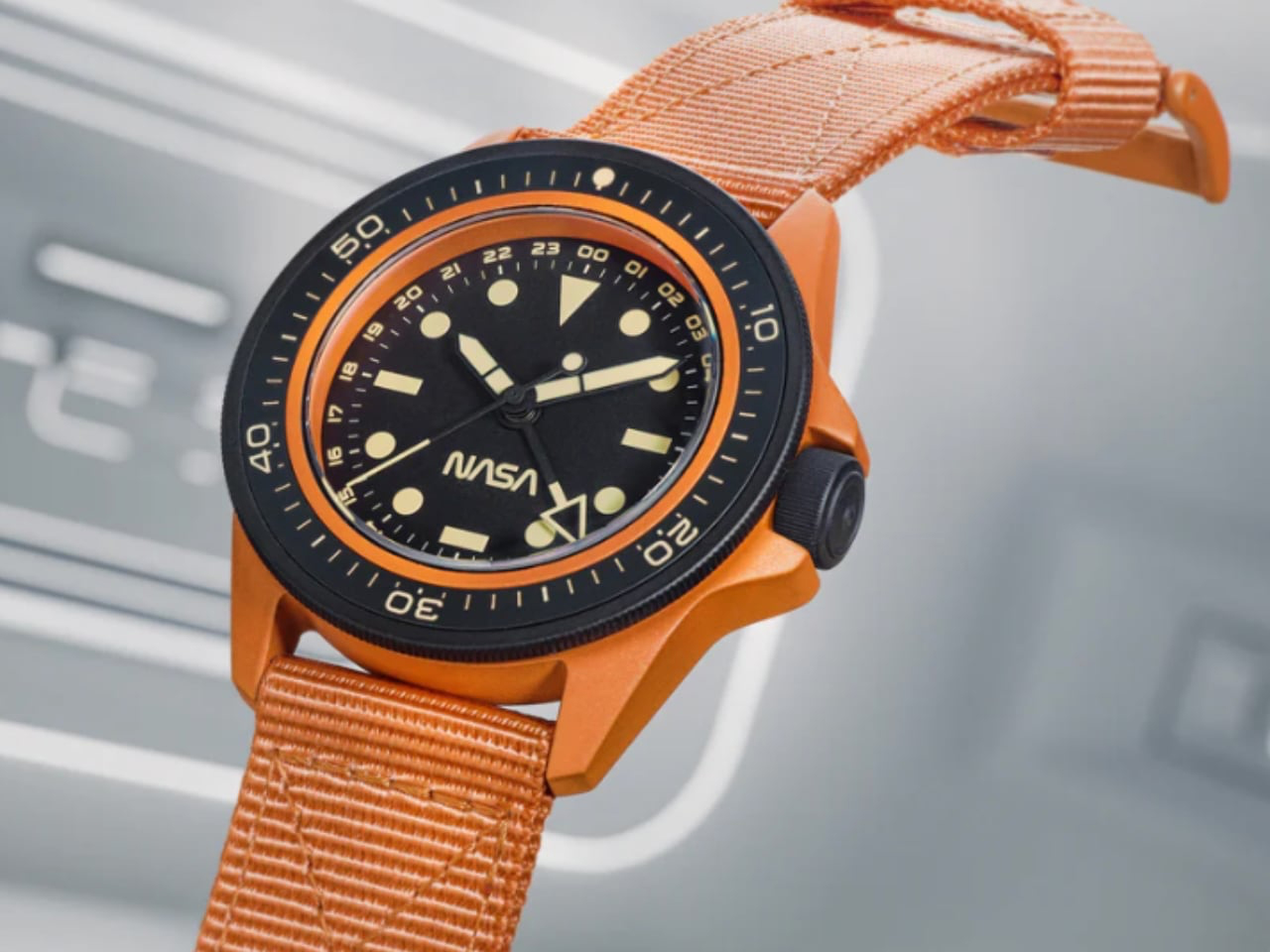
The U1-SPG “NASA Artemis” Limited Edition from Unimatic x Massena LAB translates the burnt-orange glow of NASA’s Space Launch System to the wrist. Limited to 99 pieces, its 40mm steel case wears a terracotta-hued Cerakote finish, evoking autumn warmth while honouring the Artemis rocket. A charcoal bezel, GMT hand, and Old Radium luminescent markers provide functional contrast, balancing style with practicality.

Rated to 300m and powered by the reliable Seiko NH34A movement, it comes with autumn-toned straps and a NASA mission patch. This limited-edition watch blends collectible prestige with everyday wearability, offering cosmic ambition wrapped in seasonal hues – proof that fall style doesn’t need to be literal.

These terracotta and forest-green designs capture the essence of fall through sophisticated, earthy tones and seasonal warmth. Without relying on traditional pumpkin motifs or throwaway seasonal décor, they bring autumn-inspired style, comfort, and personality into your home and lifestyle – designs that work in September, stay beautiful through November, and never feel like they belong in a clearance bin come December.

The post 7 Best Fall-Inspired Designs That Ditch Basic Pumpkin Décor first appeared on Yanko Design.