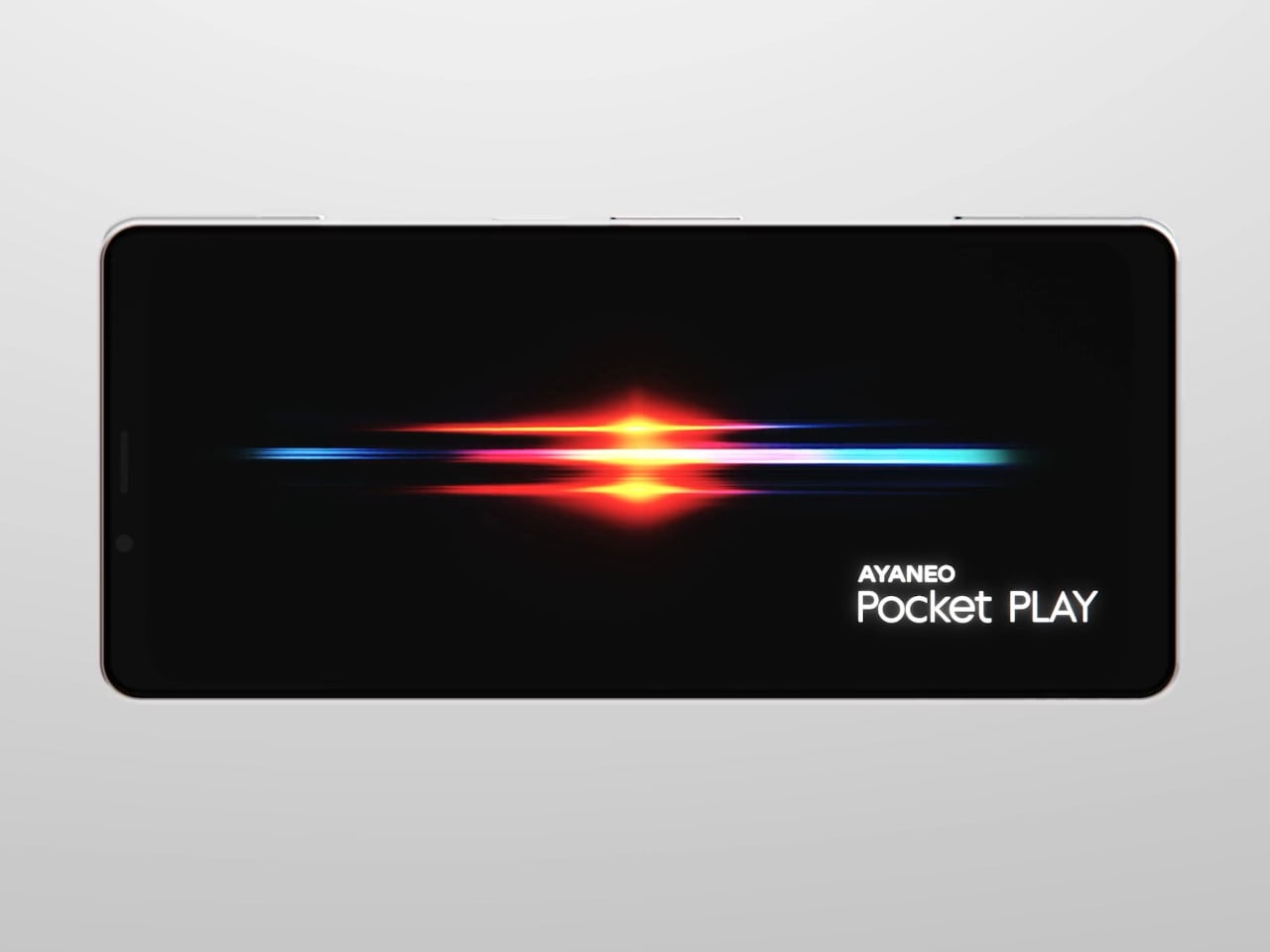
AYANEO Pocket PLAY Brings Back the Slider Phone, Now With D-Pad

AYANEO is known for gaming handheld devices that run Windows and, sometimes, Android, but not phones. Most gaming phones still feel like regular slabs with RGB lights and higher refresh rates, treating games as an app category instead of the reason the device exists. Pocket PLAY is AYANEO’s first smartphone, and they are not shy about calling it “more than a phone,” framing it as a handheld console that happens to live on a SIM card instead of a desktop operating system.

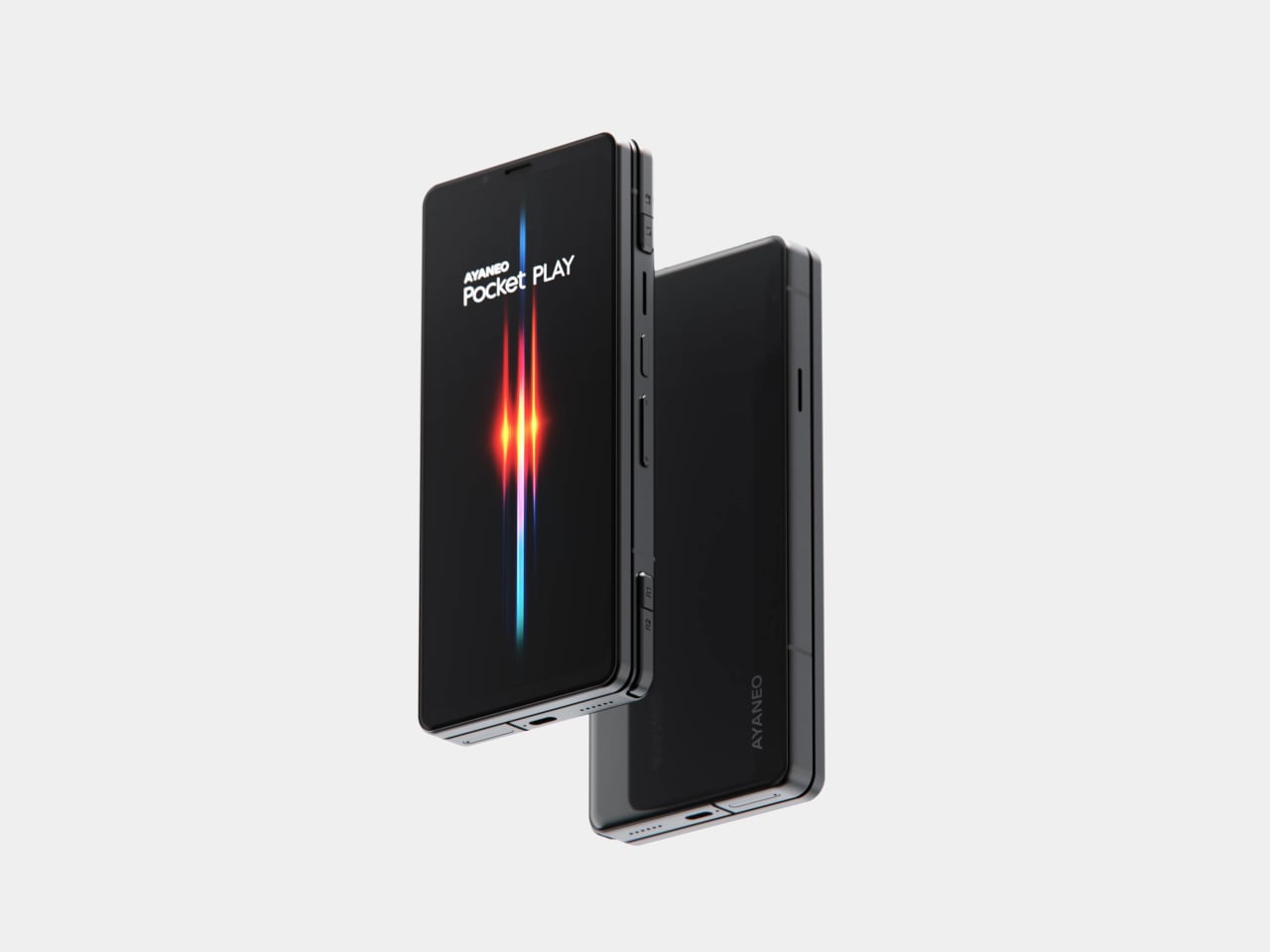
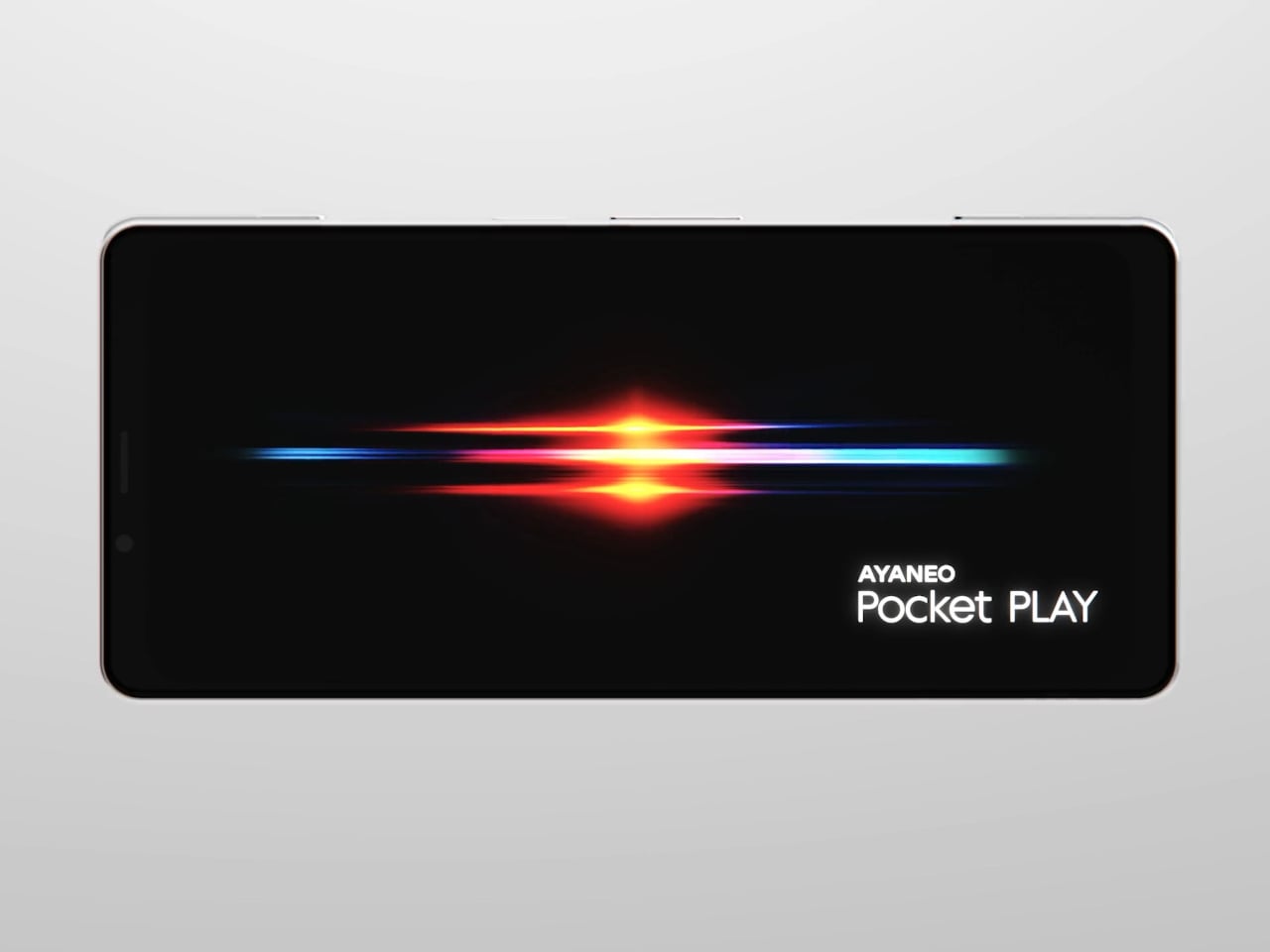
AYANEO calls it “the ultimate fusion of mobile phone and gaming handheld,” built “in the name of games, made for the dreams of gamers.” The minimalist front follows golden-ratio proportions and AYANEO’s “handheld artistry” philosophy, looking like a clean black slab until you slide it open and the real personality appears. The idea is that it should not shout gamer aesthetic when you are checking email, only when you want to play.

Designer: AYANEO

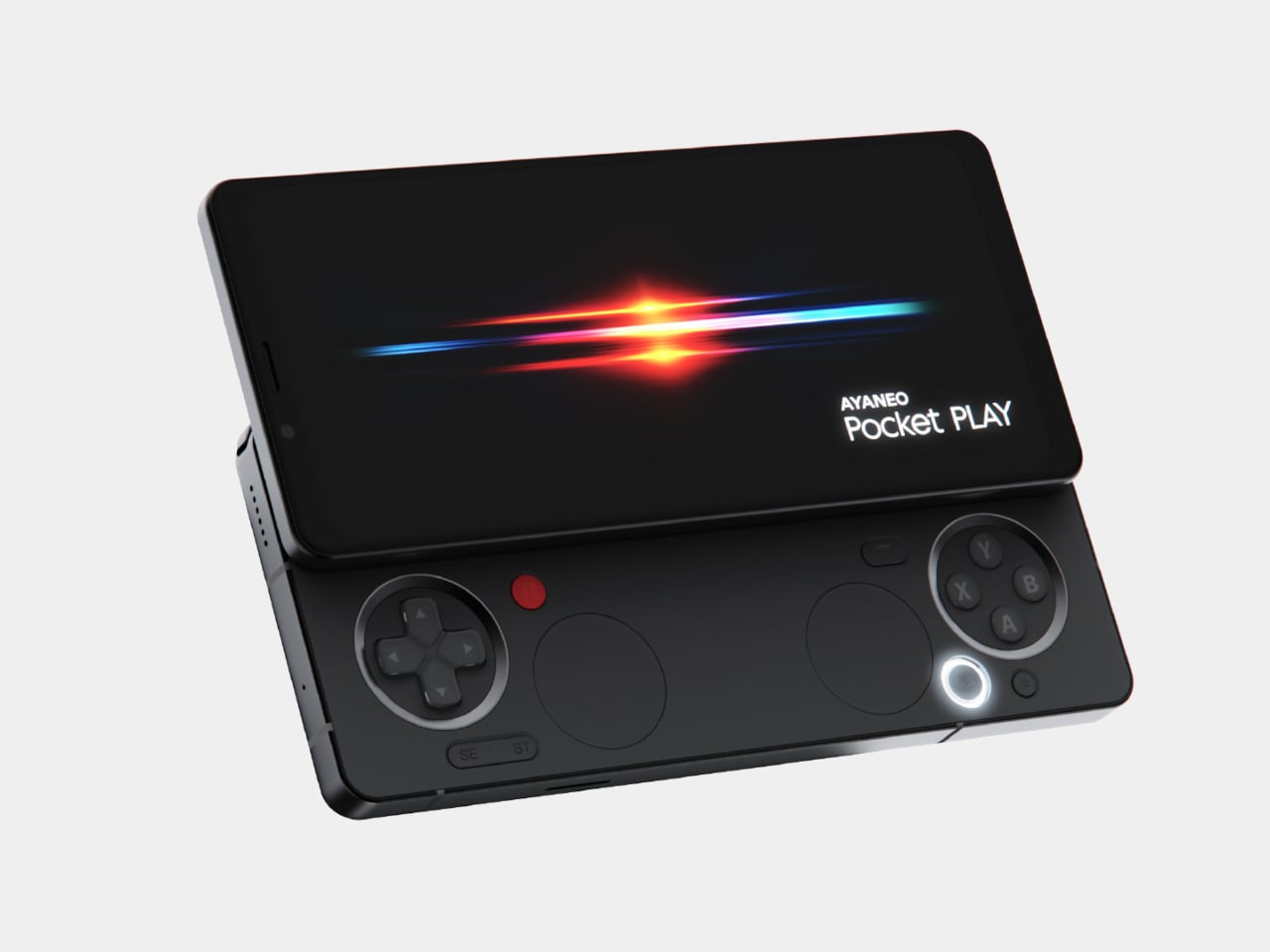
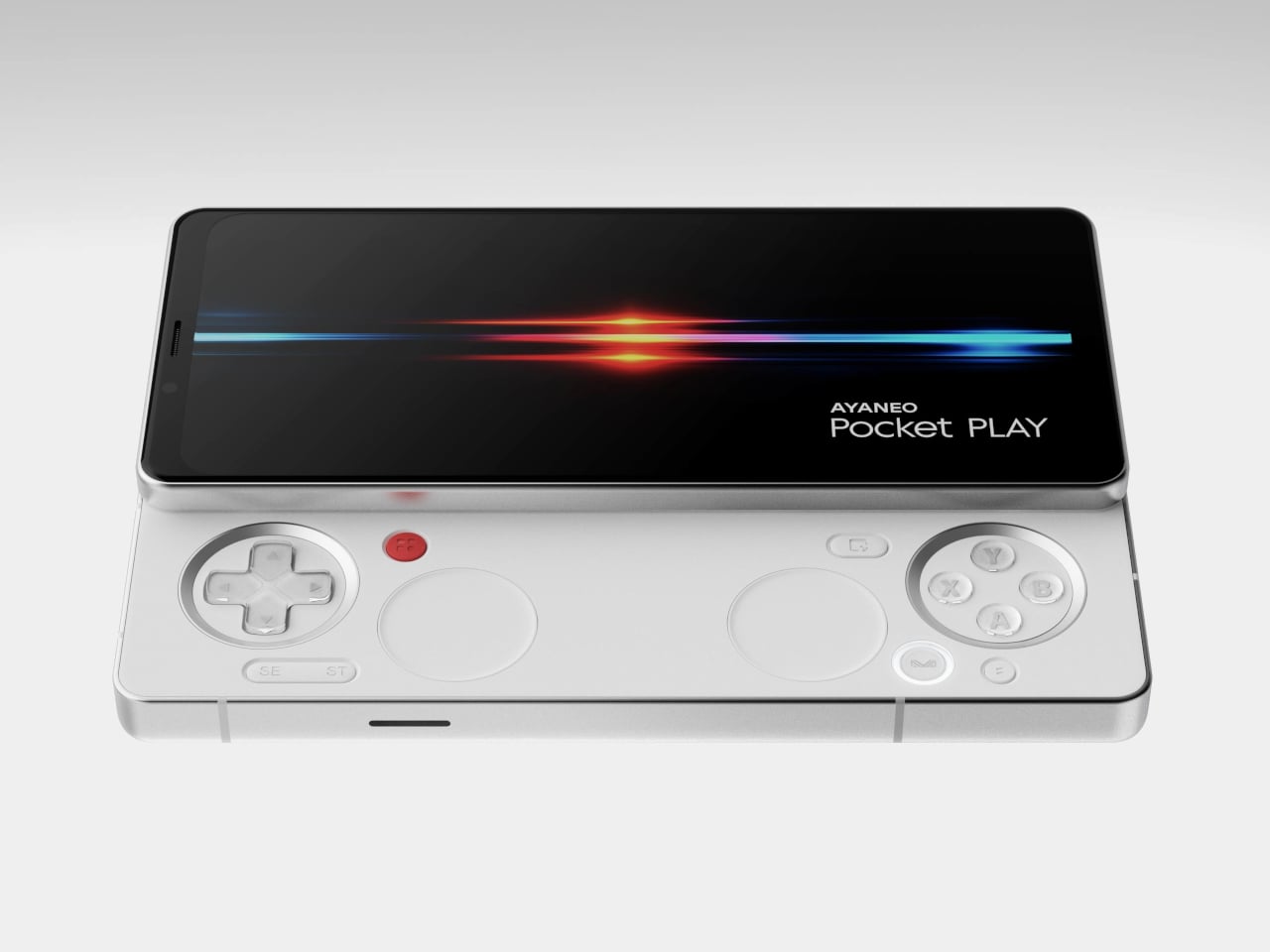
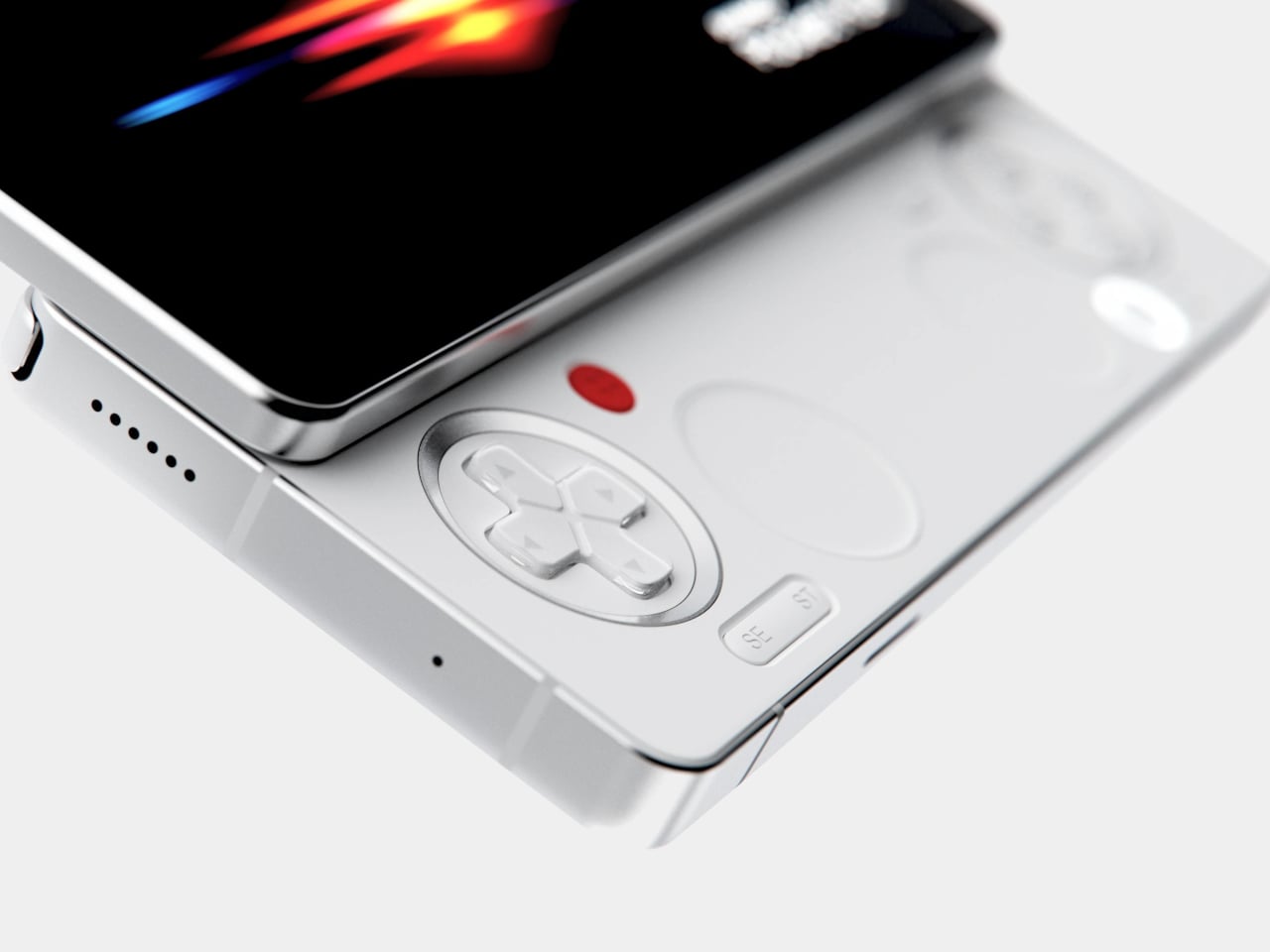
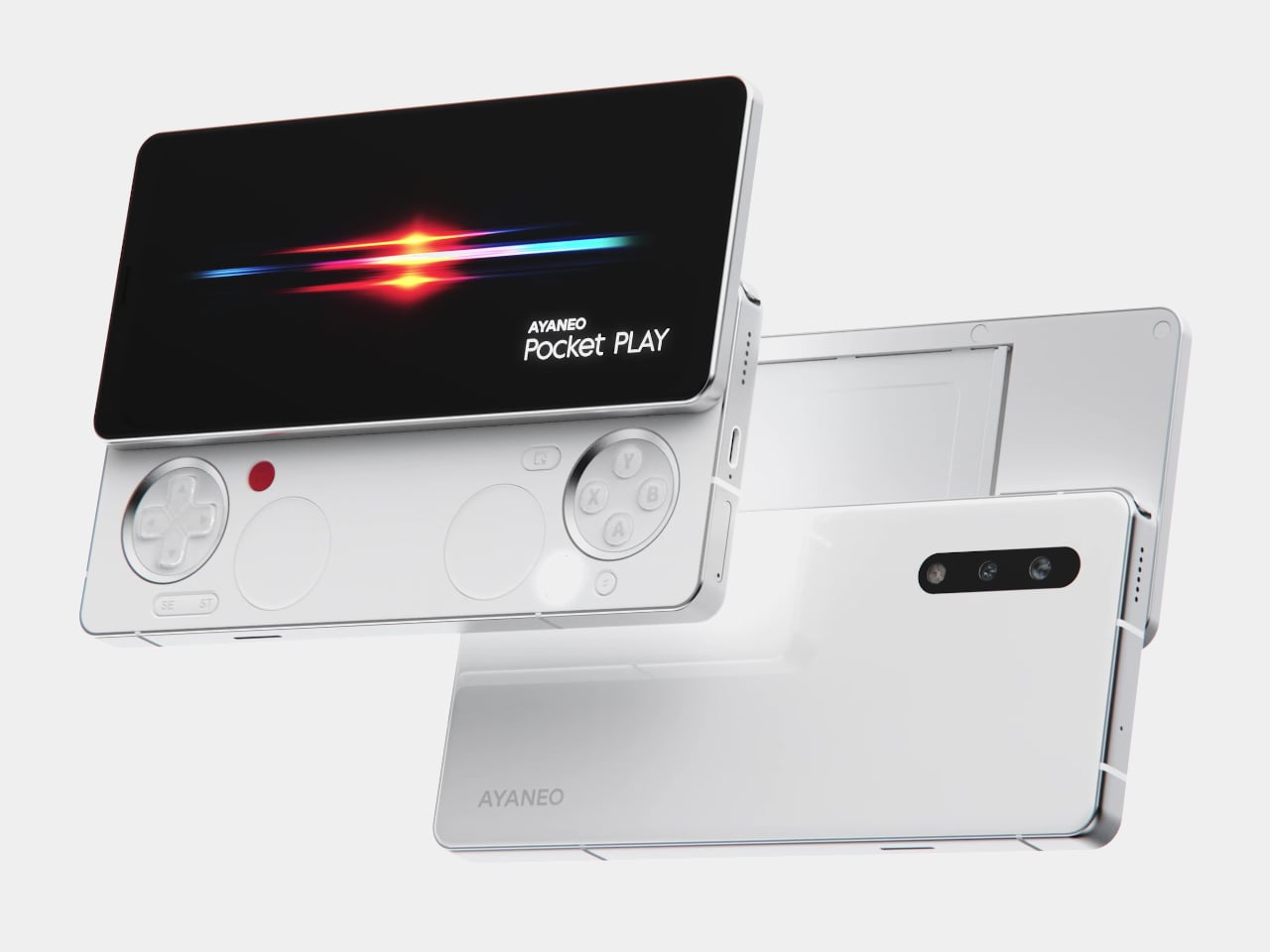
The classic side-slide mechanism is a light push that reveals a full controller under the screen. Anyone who remembers Sony’s Xperia Play will feel a flicker of déjà vu, another Android phone that hid a gamepad under a slider. The difference is that Pocket PLAY arrives in a world where handheld gaming and emulation are mainstream, and AYANEO has spent years building hardware for that exact crowd, not for casual mobile gamers who might try it once.

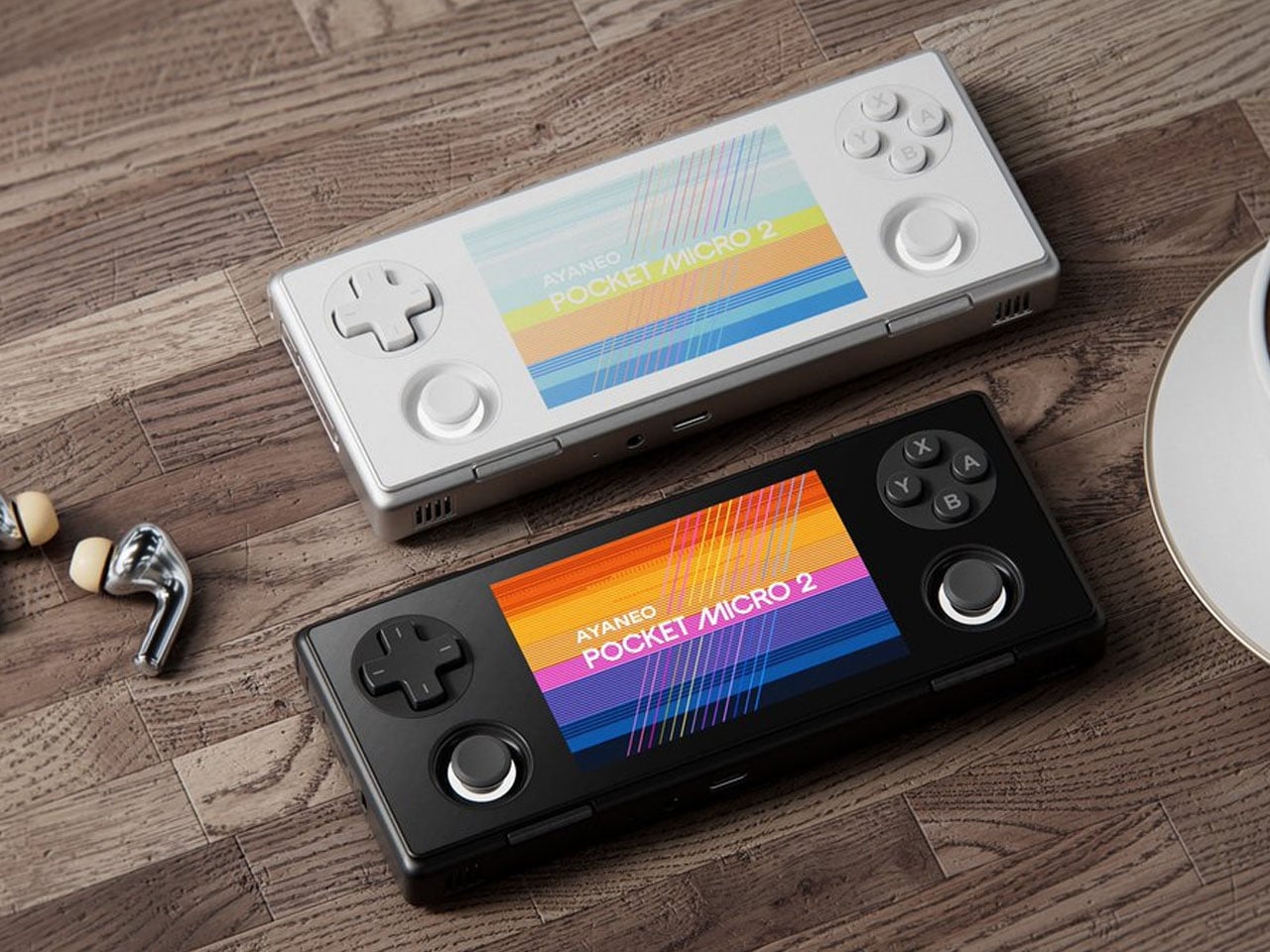
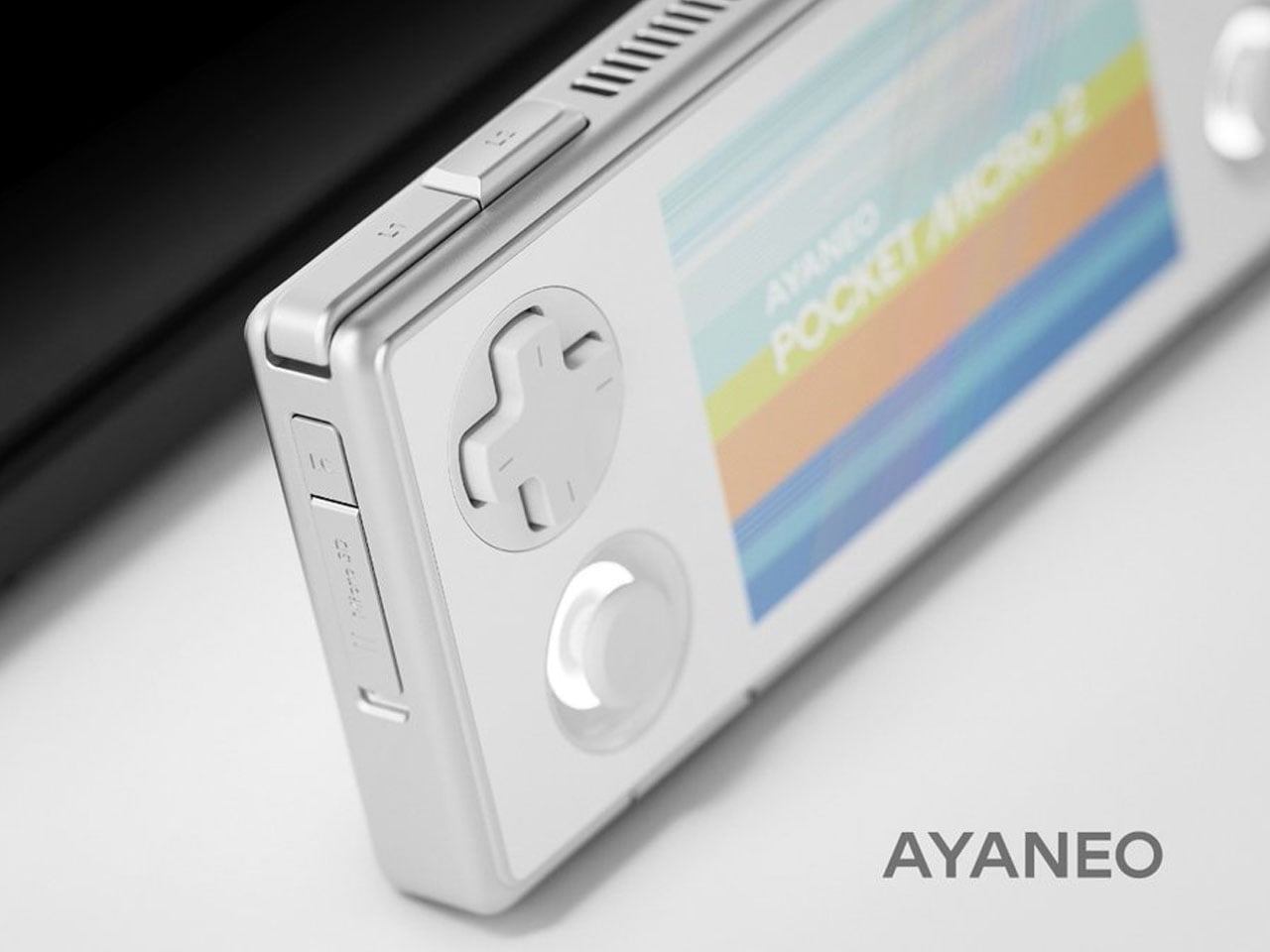
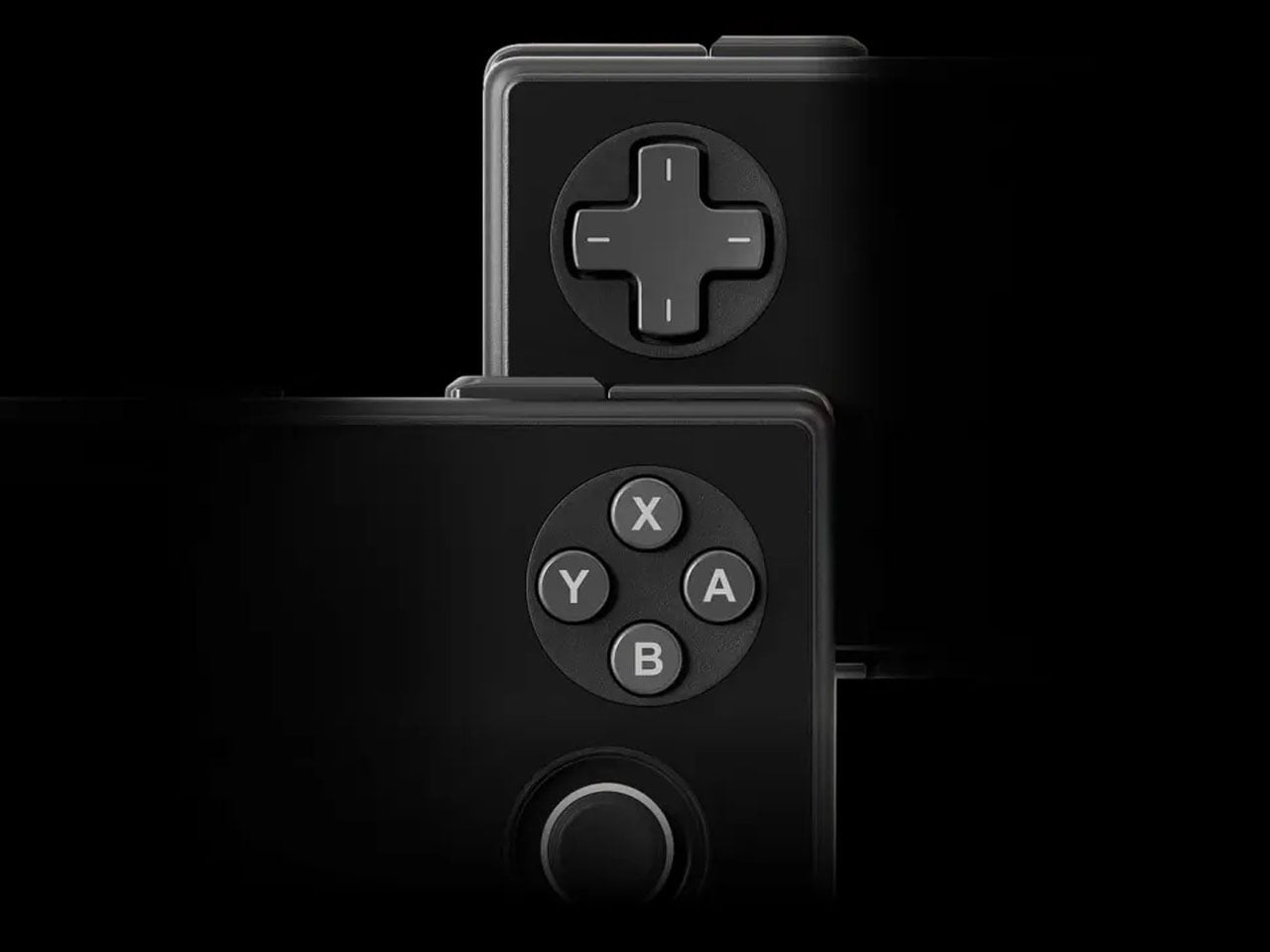
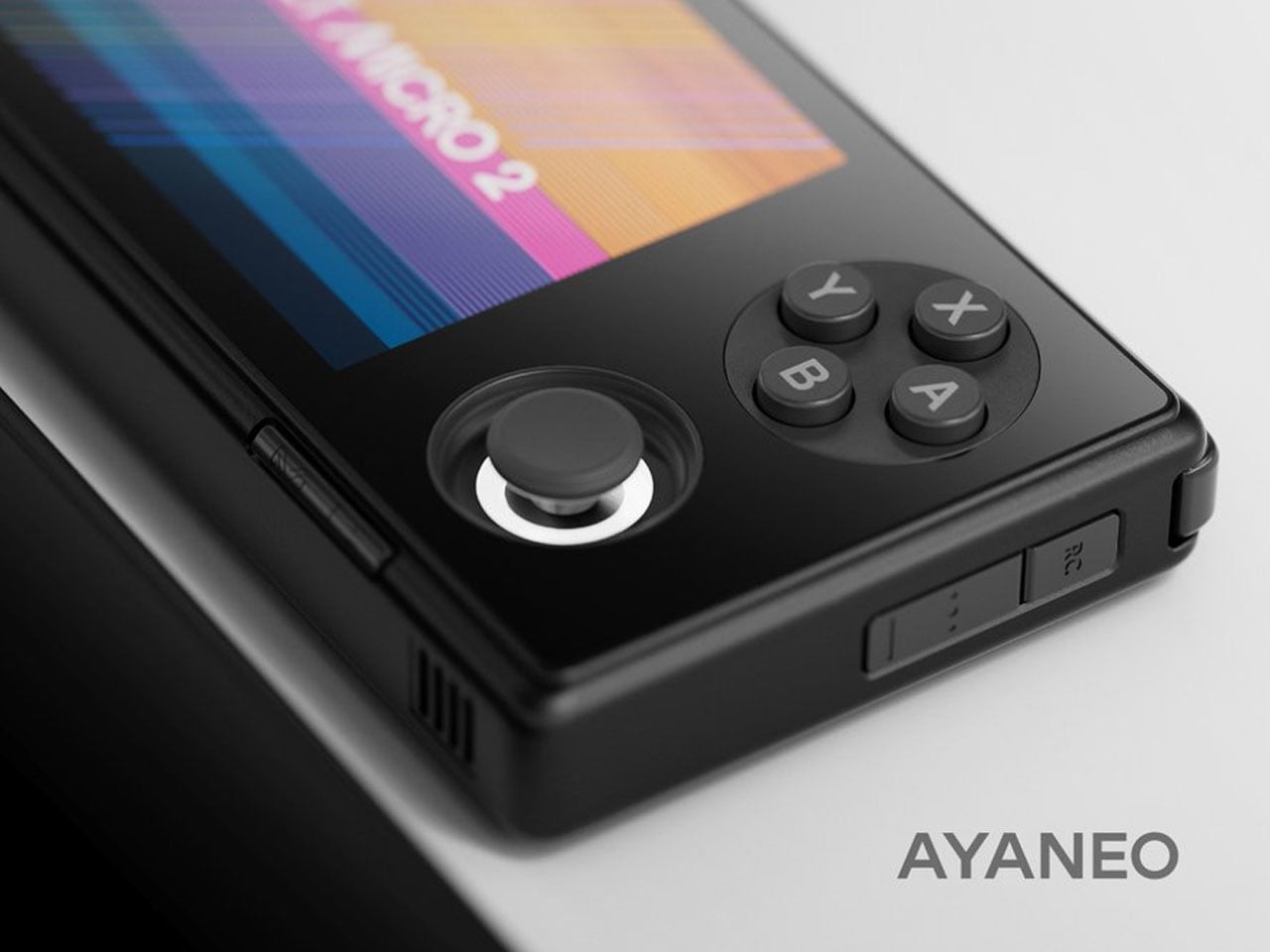
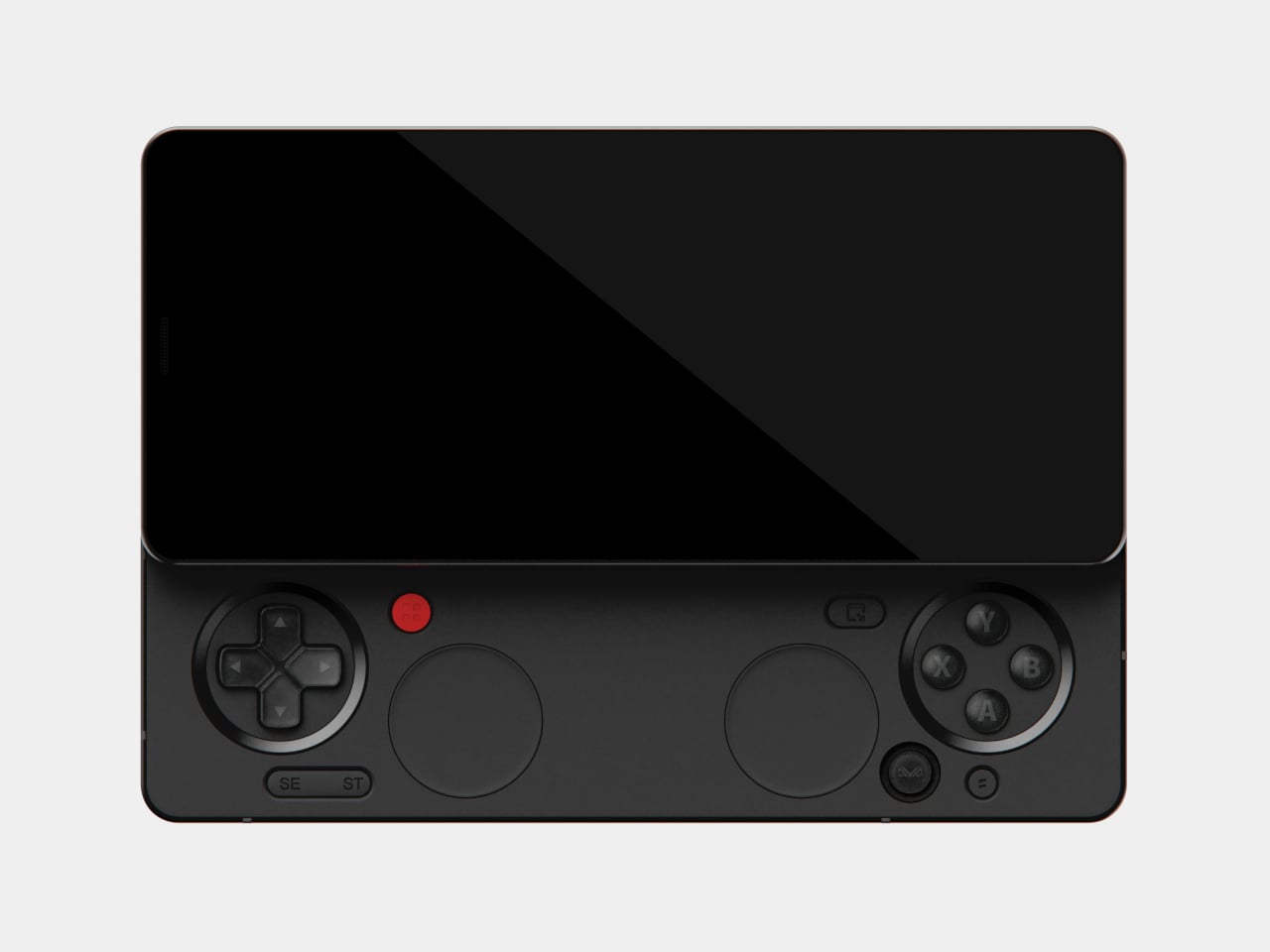
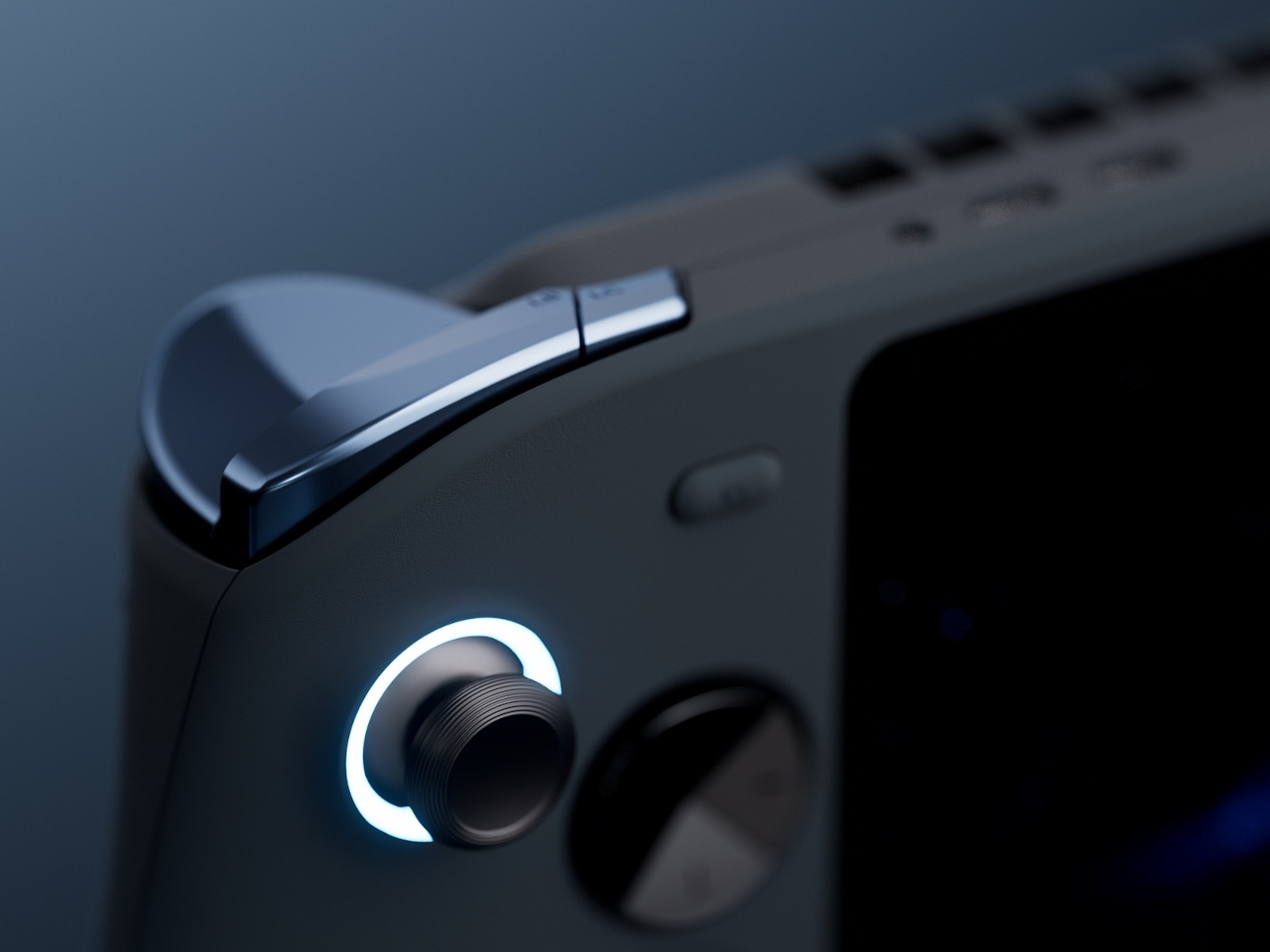
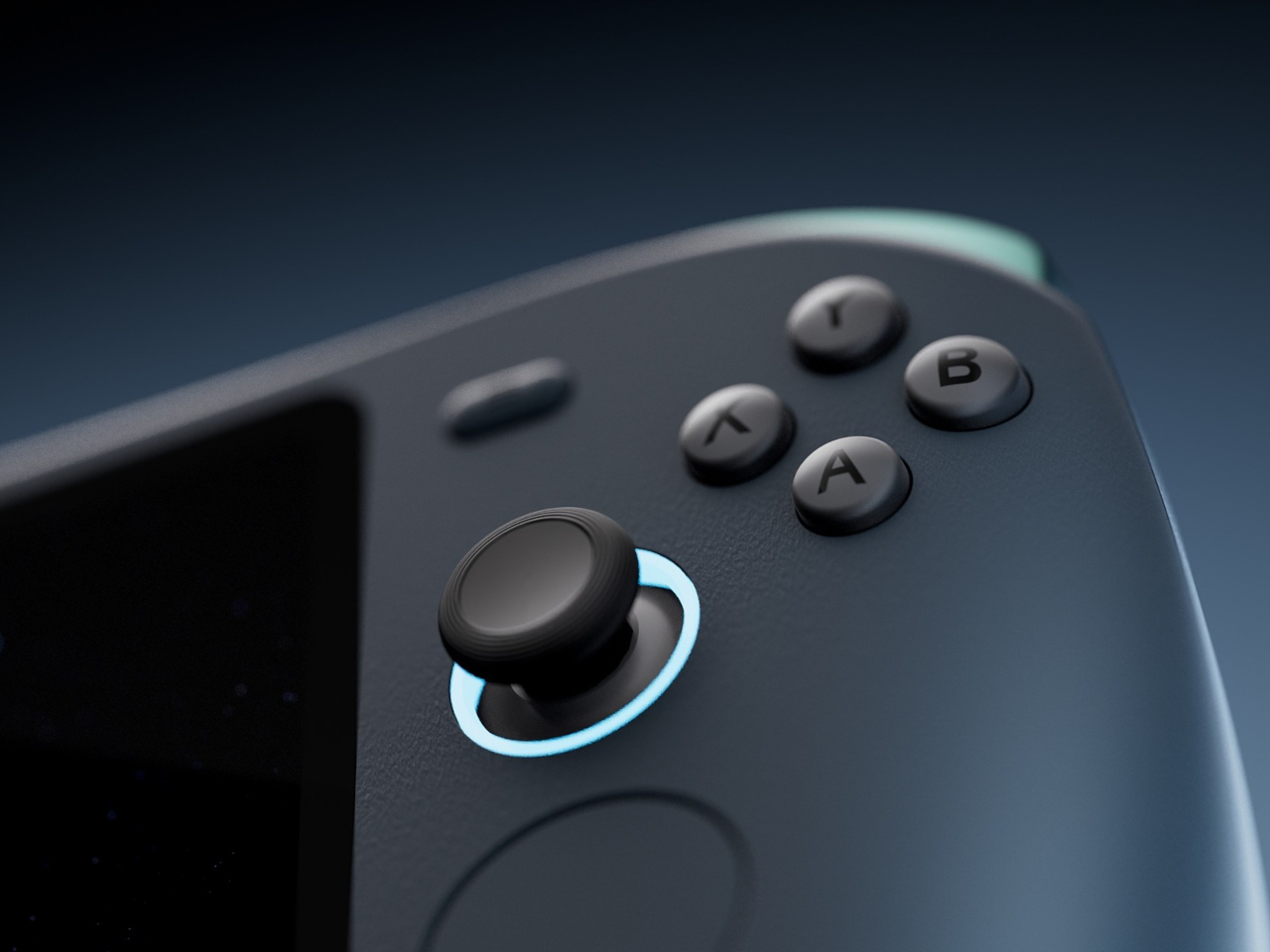
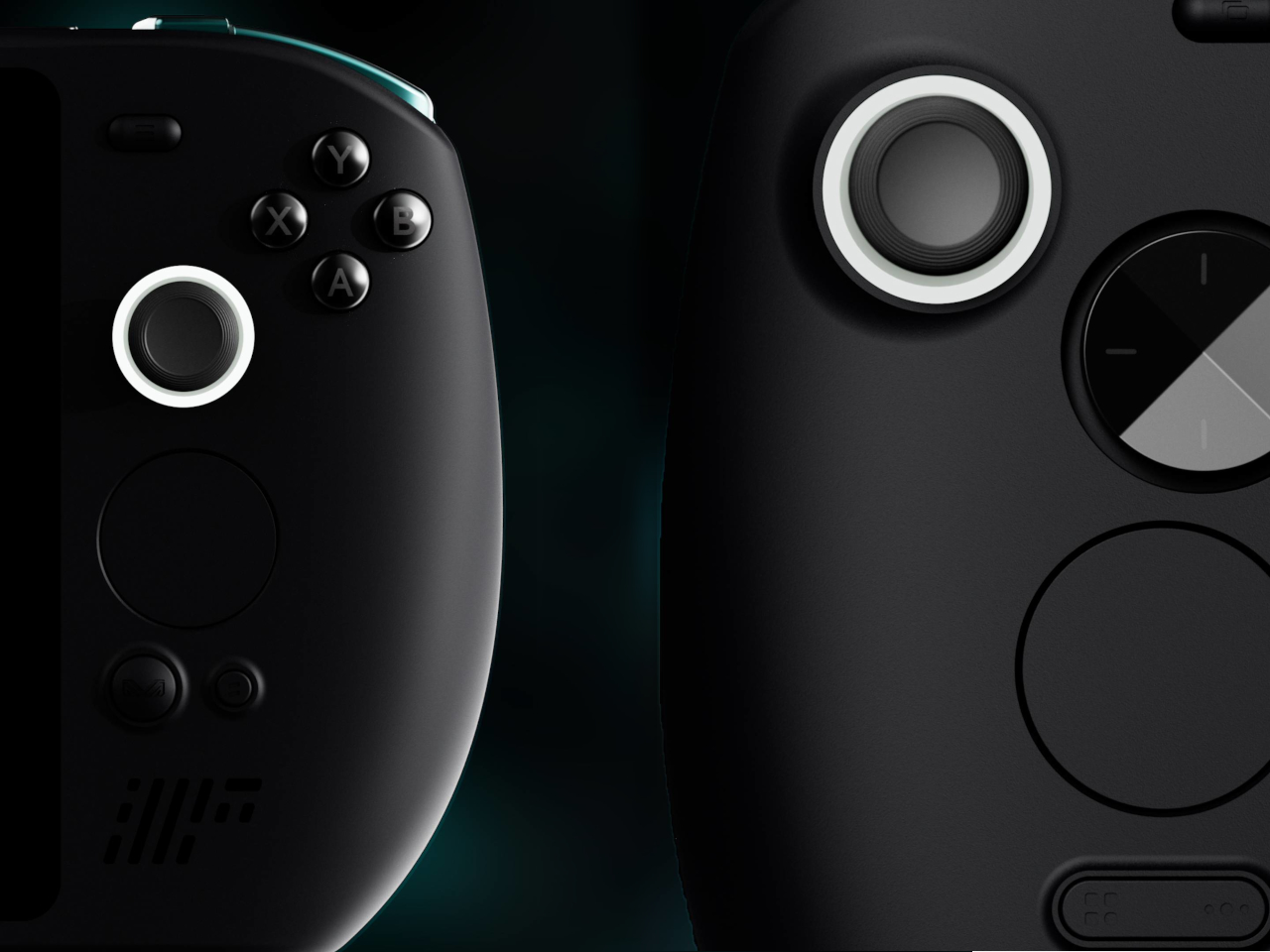
Pocket PLAY reinterprets a standard gamepad layout in a compact way, with a D-pad, ABXY buttons, and shoulder controls tuned for the sliding mechanism. AYANEO promises crisp, light presses and fast response, and a grip shaped so your fingers land where you expect. The idea is that you slide, and you are instantly in handheld mode, no adaptation period or clip-on accessories. The D-pad and buttons are meant to bring back the pure, satisfying feel of classic handheld gaming.

The dual intelligent touchpads sit where analog sticks might go, and they can map virtual joysticks, act as traditional touch surfaces, or trigger custom input combinations. That opens up camera control, mouse-like input for streaming PC games, or macro shortcuts for complex titles. The positioning is ergonomic, and the goal is to make every swipe and tap feel natural, closing the gap between a dedicated handheld and a phone that also runs Genshin Impact or emulators.

AYANEO leans into “cyber-romanticism” language, calling handhelds a culture and a shared emotional language among players. Pocket PLAY is pitched as a tribute to classic designs and an exploration of how handheld spirit can extend to a new medium. It is meant to feel like a daily-carry extension of the devices people already use for emulation and retro gaming, not a generic Android gaming phone with triggers and marketing.

Xperia Play hinted at this form factor years ago, but the ecosystem and audience were not ready. Pocket PLAY picks up that thread with modern hardware, a serious controller, and a brand that already lives in handheld culture. For players who want a phone that slides into a console instead of just another slab with shoulder buttons, it feels like a very specific dream finally getting another shot, this time built by people who actually understand why sliders and D-pads still matter.

The post AYANEO Pocket PLAY Brings Back the Slider Phone, Now With D-Pad first appeared on Yanko Design.
AYANEO Pocket PLAY Brings Back the Slider Phone, Now With D-Pad

AYANEO is known for gaming handheld devices that run Windows and, sometimes, Android, but not phones. Most gaming phones still feel like regular slabs with RGB lights and higher refresh rates, treating games as an app category instead of the reason the device exists. Pocket PLAY is AYANEO’s first smartphone, and they are not shy about calling it “more than a phone,” framing it as a handheld console that happens to live on a SIM card instead of a desktop operating system.

AYANEO calls it “the ultimate fusion of mobile phone and gaming handheld,” built “in the name of games, made for the dreams of gamers.” The minimalist front follows golden-ratio proportions and AYANEO’s “handheld artistry” philosophy, looking like a clean black slab until you slide it open and the real personality appears. The idea is that it should not shout gamer aesthetic when you are checking email, only when you want to play.

Designer: AYANEO

The classic side-slide mechanism is a light push that reveals a full controller under the screen. Anyone who remembers Sony’s Xperia Play will feel a flicker of déjà vu, another Android phone that hid a gamepad under a slider. The difference is that Pocket PLAY arrives in a world where handheld gaming and emulation are mainstream, and AYANEO has spent years building hardware for that exact crowd, not for casual mobile gamers who might try it once.

Pocket PLAY reinterprets a standard gamepad layout in a compact way, with a D-pad, ABXY buttons, and shoulder controls tuned for the sliding mechanism. AYANEO promises crisp, light presses and fast response, and a grip shaped so your fingers land where you expect. The idea is that you slide, and you are instantly in handheld mode, no adaptation period or clip-on accessories. The D-pad and buttons are meant to bring back the pure, satisfying feel of classic handheld gaming.

The dual intelligent touchpads sit where analog sticks might go, and they can map virtual joysticks, act as traditional touch surfaces, or trigger custom input combinations. That opens up camera control, mouse-like input for streaming PC games, or macro shortcuts for complex titles. The positioning is ergonomic, and the goal is to make every swipe and tap feel natural, closing the gap between a dedicated handheld and a phone that also runs Genshin Impact or emulators.

AYANEO leans into “cyber-romanticism” language, calling handhelds a culture and a shared emotional language among players. Pocket PLAY is pitched as a tribute to classic designs and an exploration of how handheld spirit can extend to a new medium. It is meant to feel like a daily-carry extension of the devices people already use for emulation and retro gaming, not a generic Android gaming phone with triggers and marketing.

Xperia Play hinted at this form factor years ago, but the ecosystem and audience were not ready. Pocket PLAY picks up that thread with modern hardware, a serious controller, and a brand that already lives in handheld culture. For players who want a phone that slides into a console instead of just another slab with shoulder buttons, it feels like a very specific dream finally getting another shot, this time built by people who actually understand why sliders and D-pads still matter.

The post AYANEO Pocket PLAY Brings Back the Slider Phone, Now With D-Pad first appeared on Yanko Design.
AYANEO Pocket PLAY Brings Back the Slider Phone, Now With D-Pad

AYANEO is known for gaming handheld devices that run Windows and, sometimes, Android, but not phones. Most gaming phones still feel like regular slabs with RGB lights and higher refresh rates, treating games as an app category instead of the reason the device exists. Pocket PLAY is AYANEO’s first smartphone, and they are not shy about calling it “more than a phone,” framing it as a handheld console that happens to live on a SIM card instead of a desktop operating system.

AYANEO calls it “the ultimate fusion of mobile phone and gaming handheld,” built “in the name of games, made for the dreams of gamers.” The minimalist front follows golden-ratio proportions and AYANEO’s “handheld artistry” philosophy, looking like a clean black slab until you slide it open and the real personality appears. The idea is that it should not shout gamer aesthetic when you are checking email, only when you want to play.

Designer: AYANEO

The classic side-slide mechanism is a light push that reveals a full controller under the screen. Anyone who remembers Sony’s Xperia Play will feel a flicker of déjà vu, another Android phone that hid a gamepad under a slider. The difference is that Pocket PLAY arrives in a world where handheld gaming and emulation are mainstream, and AYANEO has spent years building hardware for that exact crowd, not for casual mobile gamers who might try it once.

Pocket PLAY reinterprets a standard gamepad layout in a compact way, with a D-pad, ABXY buttons, and shoulder controls tuned for the sliding mechanism. AYANEO promises crisp, light presses and fast response, and a grip shaped so your fingers land where you expect. The idea is that you slide, and you are instantly in handheld mode, no adaptation period or clip-on accessories. The D-pad and buttons are meant to bring back the pure, satisfying feel of classic handheld gaming.

The dual intelligent touchpads sit where analog sticks might go, and they can map virtual joysticks, act as traditional touch surfaces, or trigger custom input combinations. That opens up camera control, mouse-like input for streaming PC games, or macro shortcuts for complex titles. The positioning is ergonomic, and the goal is to make every swipe and tap feel natural, closing the gap between a dedicated handheld and a phone that also runs Genshin Impact or emulators.

AYANEO leans into “cyber-romanticism” language, calling handhelds a culture and a shared emotional language among players. Pocket PLAY is pitched as a tribute to classic designs and an exploration of how handheld spirit can extend to a new medium. It is meant to feel like a daily-carry extension of the devices people already use for emulation and retro gaming, not a generic Android gaming phone with triggers and marketing.

Xperia Play hinted at this form factor years ago, but the ecosystem and audience were not ready. Pocket PLAY picks up that thread with modern hardware, a serious controller, and a brand that already lives in handheld culture. For players who want a phone that slides into a console instead of just another slab with shoulder buttons, it feels like a very specific dream finally getting another shot, this time built by people who actually understand why sliders and D-pads still matter.

The post AYANEO Pocket PLAY Brings Back the Slider Phone, Now With D-Pad first appeared on Yanko Design.
AYANEO Just Built a 115Wh Strix Halo Handheld and Killed Portability

Gaming handhelds are supposed to fit in your hands, but AMD’s new Strix Halo processors generate serious heat and drain batteries faster than you can finish a boss fight. The GPD Win 5 and OneXFly Apex responded by strapping external battery packs to their backs, which works, but looks like your handheld is wearing a fanny pack in the wrong spot. It’s practical but awkward, and it raises an obvious question: if you’re adding external batteries anyway, why not just make the whole device bigger?

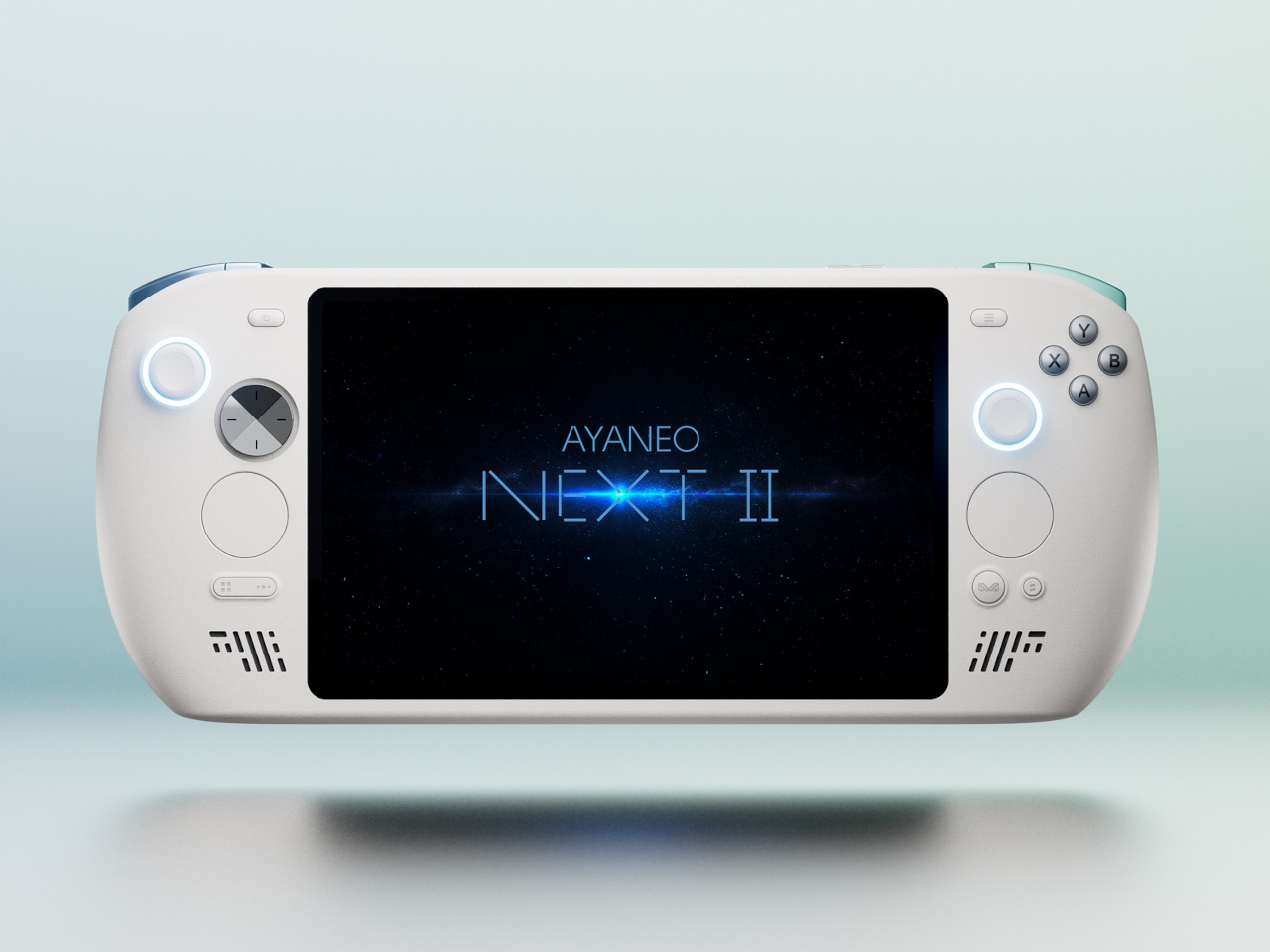
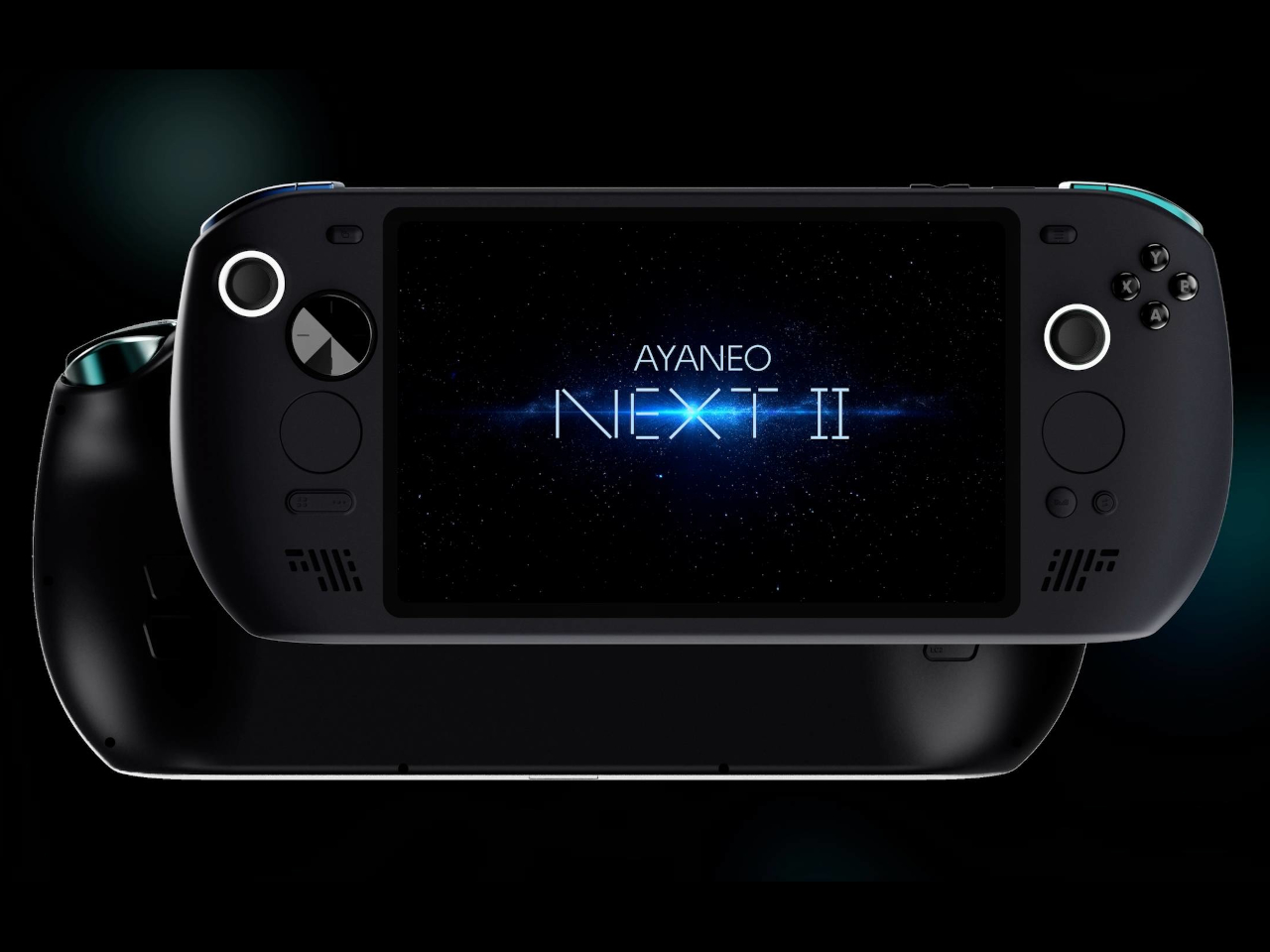
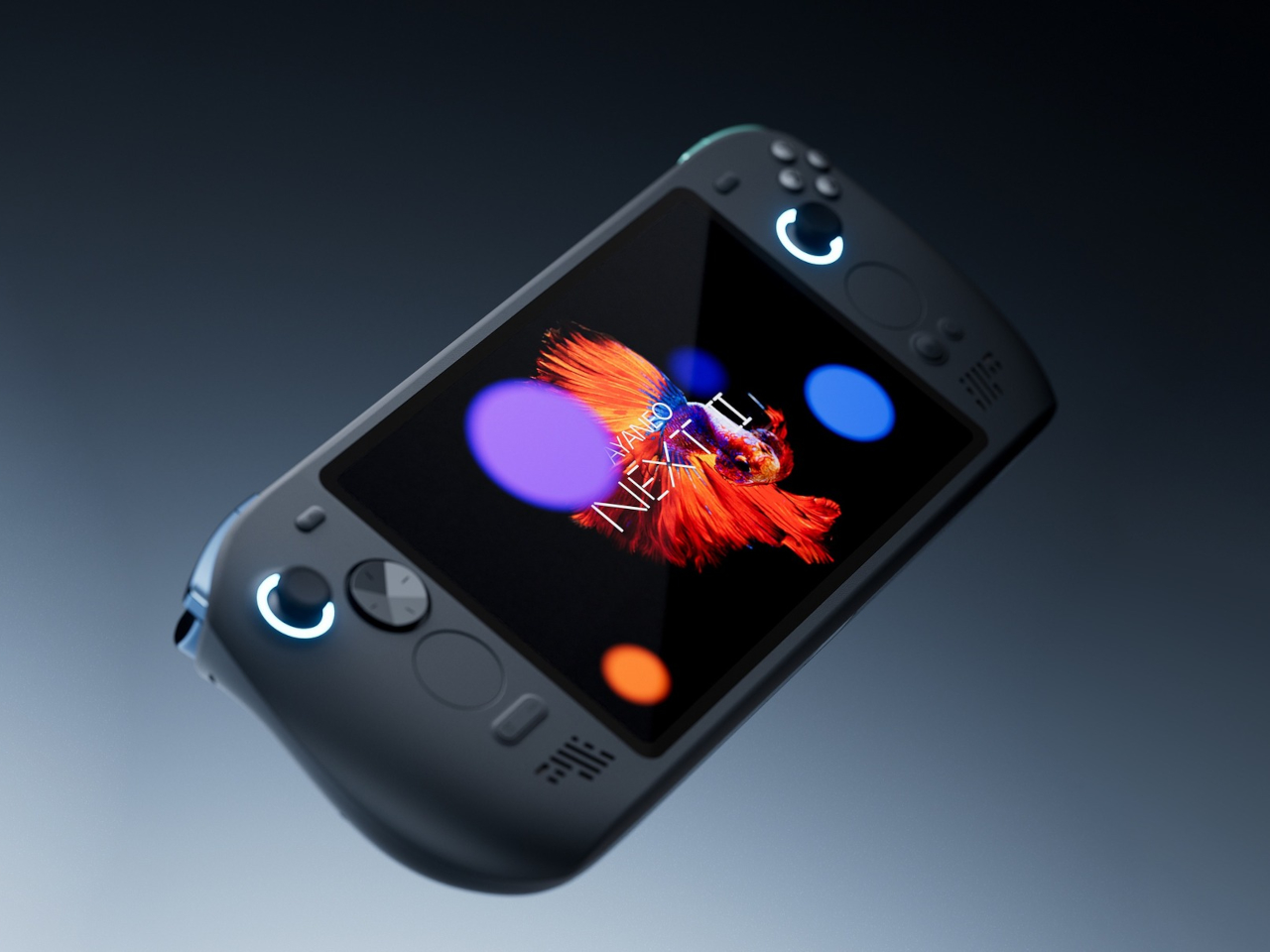
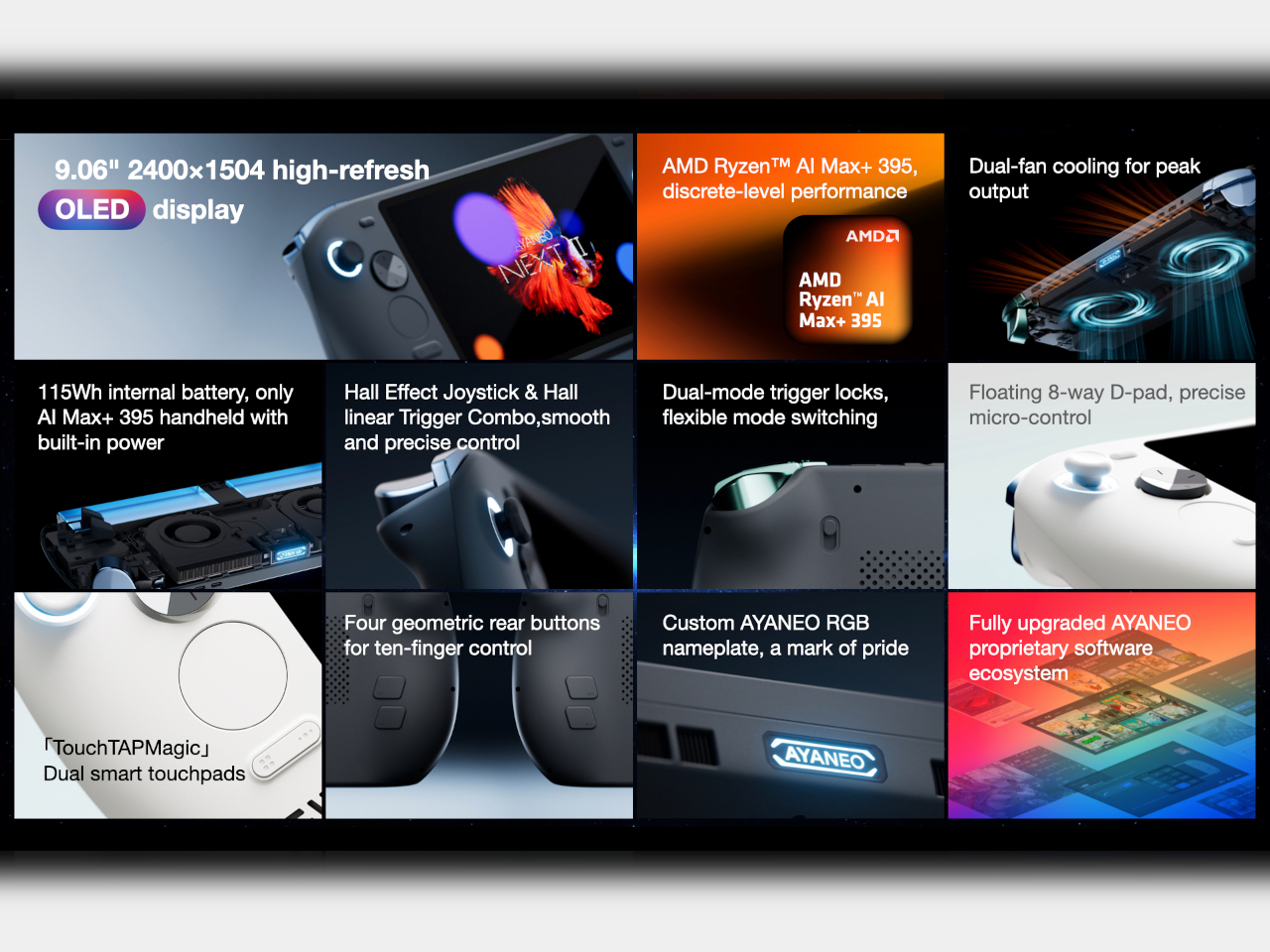
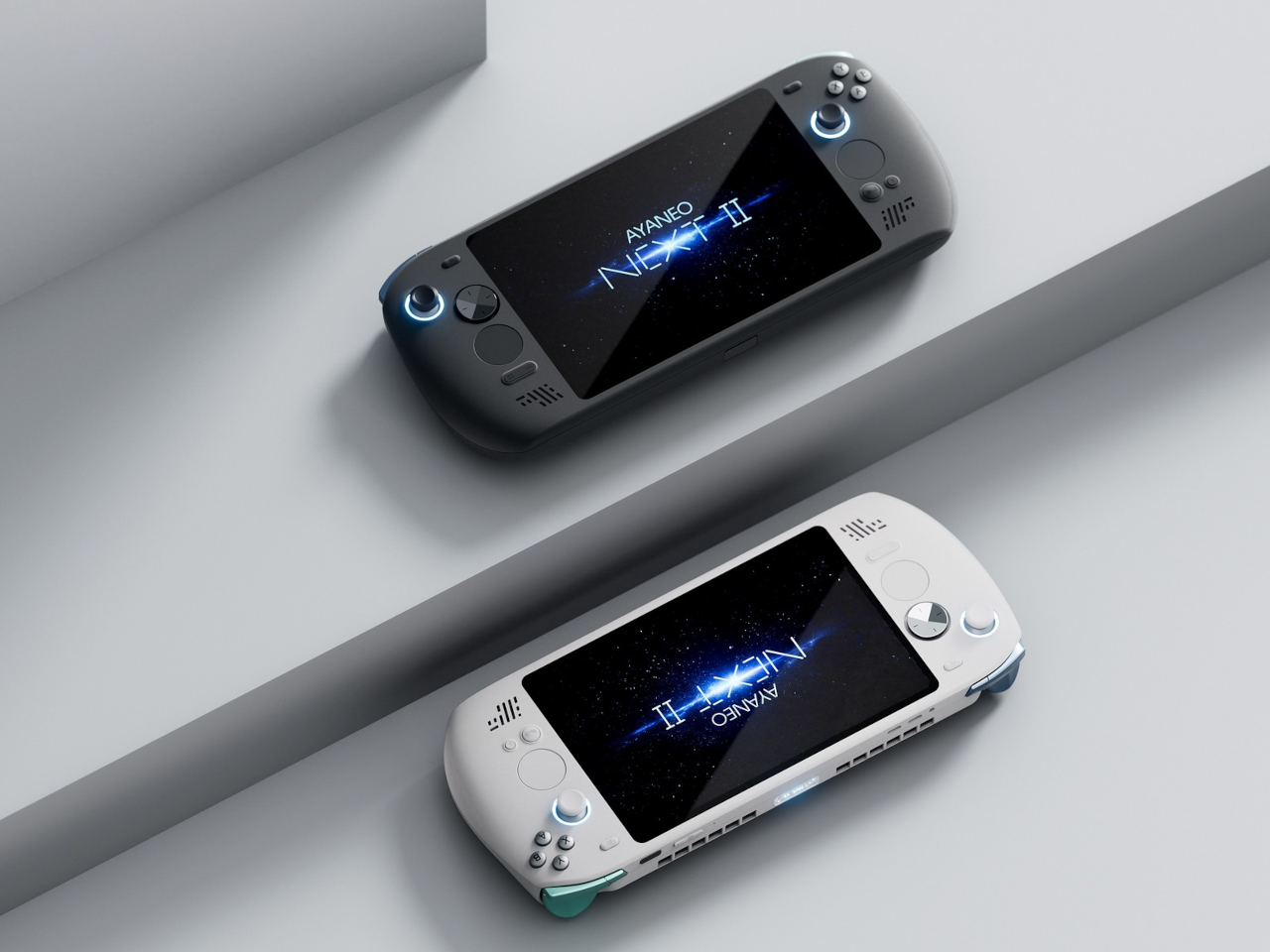
AYANEO apparently asked that same question and decided to run with it. The AYANEO NEXT II skips external packs entirely, hiding a massive 115Wh battery and a 9.06-inch OLED inside a thick, sculpted body that feels more like a portable gaming monitor with grips than something you’d slip into a backpack. It’s AYANEO’s answer to Strix Halo’s power demands, and the solution involves simply accepting that this thing was never going to be pocketable in the first place.

Designer: AYANEO

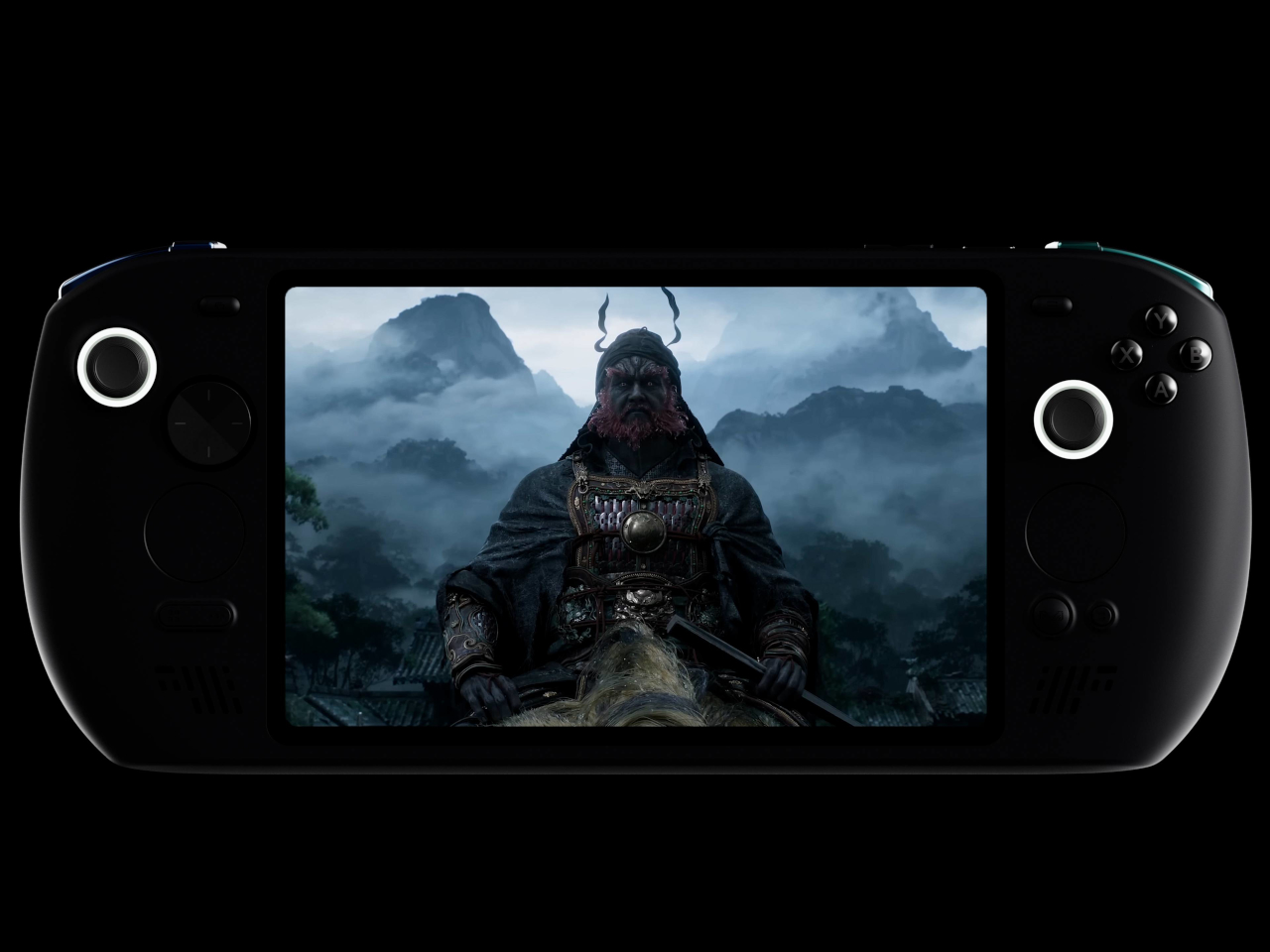
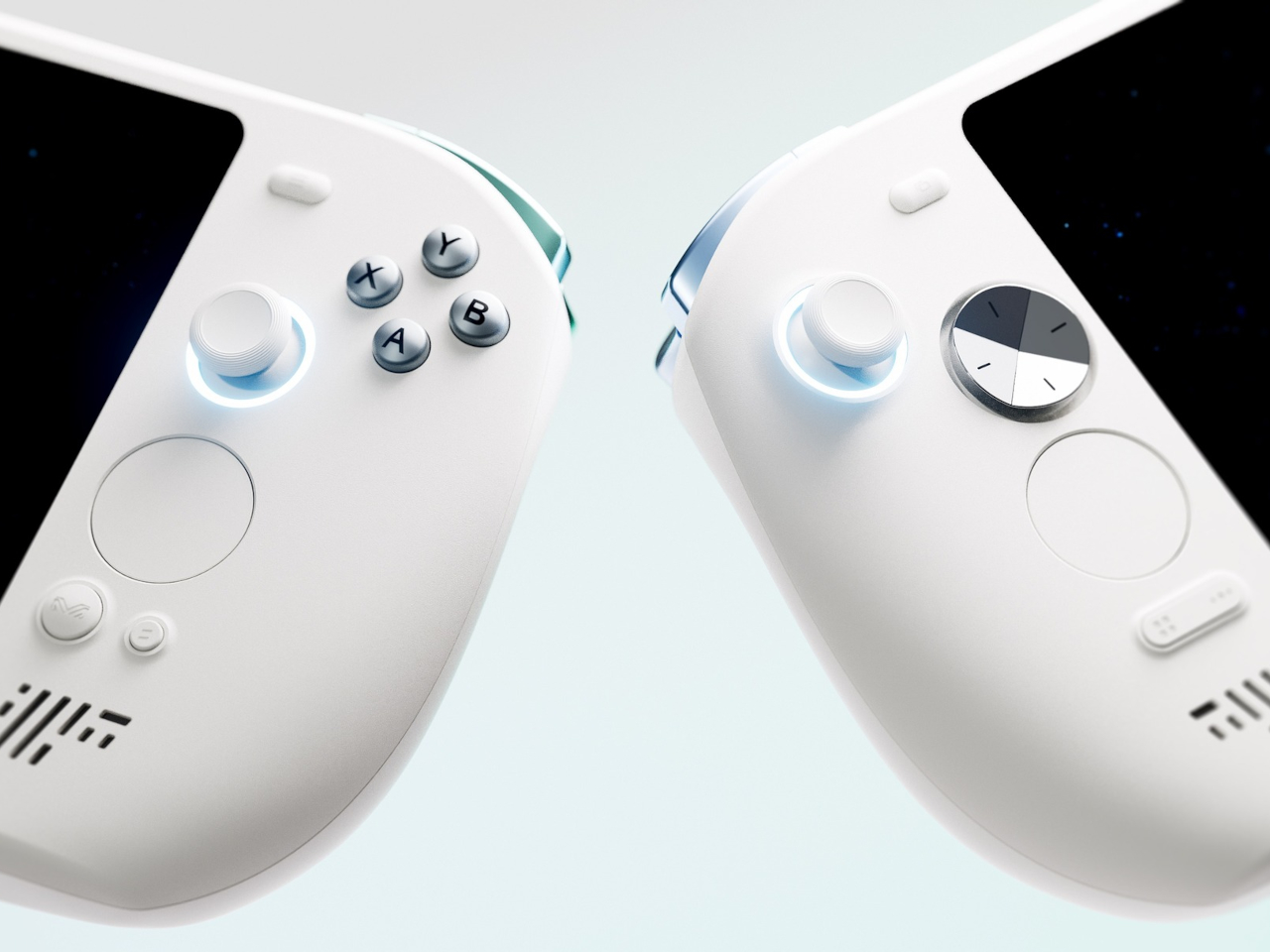
The design doesn’t apologize for its size. Deep grips flare outward like a proper gamepad, and the body is thick enough to house dual cooling fans without turning into a space heater. Hall effect sticks sit where your thumbs expect them, surrounded by a floating D-pad, dual touchpads, and speakers that actually face you instead of firing sound into your lap. It looks less like a Switch rival and more like someone decided gaming monitors needed handles attached.

That 9.06-inch screen uses an unusual 3:2 aspect ratio instead of the typical widescreen shape most games expect. You get a gorgeous OLED panel with refresh rates up to 165Hz and brightness that peaks at 1100 nits, which sounds fantastic until you realize most games will either add black bars or run nowhere near 165 frames per second at this resolution anyway. Still, it’s lovely for desktop windows and emulators that appreciate the extra vertical space.

The 115Wh battery is where things get complicated. Everything stays hidden inside for a cleaner look and more console-like feel, but that capacity might cause questions at airport security since many airlines cap carry-on batteries at 100Wh. You also can’t swap batteries when one dies, and constantly feeding an 85-watt processor means faster charge cycles and potential long-term wear. You’re looking at two to three hours of heavy gaming before hunting for an outlet.

The dual cooling fans work hard to keep Strix Halo from overheating, and you’ll definitely hear them during intense sessions. AYANEO claims it can sustain up to 85 watts, which should let the integrated Radeon graphics handle modern games at respectable settings, though you’ll also feel warmth radiating from the vents. This is less a grab-and-go portable and more something you carry from the couch to the desk when you need a scenery change.

AYANEO loaded the NEXT II with premium controls that enthusiasts will genuinely appreciate. Hall effect sticks and triggers promise zero drift, dual-stage trigger locks switch between smooth analog and clicky digital modes, and rear buttons plus dual touchpads give you more inputs than a standard controller. A magnetic haptic motor adds feedback that tries to mimic console vibration, and the AYASpace software hides Windows behind a console-style launcher with performance tuning options built in.

The AYANEO NEXT II essentially stops pretending to be portable. It won’t fit in a jacket pocket, might get flagged at airport security, and is almost certainly too heavy for comfortable one-handed play in bed. But if you want something that feels more like a small gaming monitor with built-in controls rather than a device you’d actually carry around town, this oversized approach makes a strange kind of sense. You just have to accept that portability took a back seat to screen size and battery capacity.

The post AYANEO Just Built a 115Wh Strix Halo Handheld and Killed Portability first appeared on Yanko Design.
Ayaneo Pocket VERT reimagines Game Boy form factor with a touchpad and long-lasting 6,000mAh battery

In the rapidly evolving landscape of handheld gaming, Ayaneo continues to stand apart by treating portability as an experience rather than a specification. Its newest handheld embodies that philosophy with quiet confidence, merging high-end performance with a level of craftsmanship and material intention that feels decidedly premium. Every curve, texture, and component has been considered not just for function, but for how the device lives in the hand, resulting in a compact form factor that feels effortlessly capable and thoughtfully designed.

Meet the upmarket Pocket Vert, which has an Android-powered handheld that’s crafted out of a full CNC-milled unibody construction. The handheld has a full glass front panel fitted with a 3.5-inch high-resolution LTPS display having 1600×1440 resolution (at 615 ppi), 60Hz refresh rate, and 450 nits peak brightness level. In their latest teaser video, Ayaneo has revealed that the device will be positioned flush in between the flagship Pocket DMG and budget gaming controllers like Anbernic RG40XX V. This certainly will fill the gap, and the sweet spot mobile gamers were craving.

Designer: Ayaneo

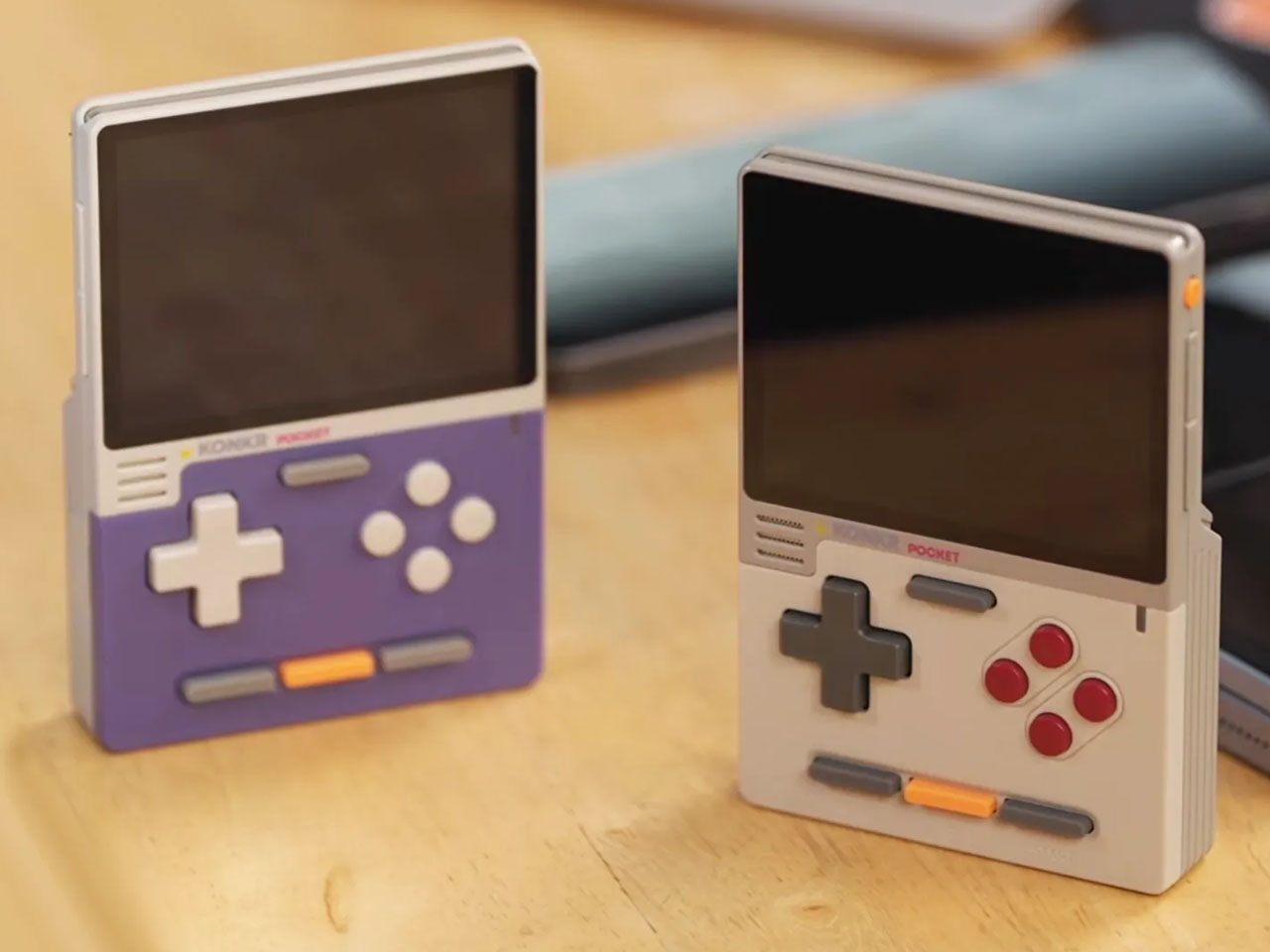
The company teased the handheld earlier this month on November 5, revealing the design and some specifications. Now, in a fresh Product Sharing Session, they’ve revealed multiple prototypes that’ll ultimately morph into the compact handheld. Touted as a premium Game Boy clone, it’ll come in three color options: Black, White, and Red, with matching buttons. Measuring 86x143x20mm, the classy little gadget is smaller than the Pocket DMG. Despite the petite form factor, it has a 3.5mm jack and a USB-C port at the bottom. The Pocket Vert should have enough power under the hood as it is seen running the God of War title, which requires a good amount of processing fuel.

Section below the D-Pad and buttons is a touchpad, which the player can map to various button configurations or sticks. The touchpad is completely invisible and beyond the physical buttons for a less intrusive functionality. Just like the DMG, this one has a wheel called the MagicSwitch key for added functionality. It is used to toggle the volume control levels, short-pressed to mute, and long-pressed to trigger the function menu. As is clear from the naming convention, the handheld is targeted towards vertical retro handheld enthusiasts.

Ayaneo has confirmed the device packs a 6,000mAh battery and bottom-firing speakers for a satisfying playing experience. Depending on the processor fitted inside, the battery life could be excellent for such a small gadget. That said, there is no detail about the release date and other vital hardware information. We can expect the remaining fog to clear with another official sharing session in the coming days.

The post Ayaneo Pocket VERT reimagines Game Boy form factor with a touchpad and long-lasting 6,000mAh battery first appeared on Yanko Design.
AYANEO 3 handheld gaming PC brings a smootherr, gentler design to the market

Given how they’re targeted at gamers, it’s not surprising that handheld gaming PCs adhere to the conventions and stereotypes of gaming aesthetics. Most have angular and blocky shapes that exude a sense of roughness, and while not as numerous as on PCs or laptops, they do have their fair share of RGB lighting. It’s not a bad design language, but it appeals to only a small subset of PC gamers.

Gamers are, of course, more diverse, and their taste in devices and accessories can’t be easily generalized. It’s not just a matter of choosing between dark or light motifs, a choice that is rarely offered for these handheld computers anyway, but also about the general form and flow of the design. AYANEO’s next entry into this still niche market tries to change the formula a little bit by paying closer attention to its design than its predecessors.

Designer: AYANEO

Given the sheer number of powerful hardware and components that need to be crammed inside a small body, it’s only logical that these devices would stretch the definition of the word “handheld” quite a bit. In addition to their bulk and heft, the large majority of them seem to also embrace sharp edges and angular corners. That’s fine for a laptop or desktop, but not so much for an object you will always hold in your hand while using.

The AYANEO 3 iterates over the conventional design by introducing a lot of smooth and pleasing curves that make the product look less intimidating. It’s not just on the back of the devices where the fingers rest but also on the corners of the devices. There’s no denying that it’s a device designed for gaming, but now it looks more like a welcoming toy than a cold gadget.

There are also important ergonomic changes in the next version of AYAENO’s flagship device. The orientation of the analog joysticks and D-Pad/Face buttons are now diagonal, mirroring the arrangement of controls on an Xbox controller. There are also larger back buttons, though their odd placement could prove to be cumbersome, resulting in accidental presses.

The AYANEO 3 will really be taking a big leap of faith by offering options that go beyond just black or white colors. You’ll be able to select the kind of AMD Ryzen processor you want, depending on your budget, and even choose between LCD or OLED screens. All in all, it looks like a more refined version both in terms of aesthetics as well as options, inching closer to parity with gaming laptops.

The post AYANEO 3 handheld gaming PC brings a smootherr, gentler design to the market first appeared on Yanko Design.
AYANEO Retro Power Bank is a cute homage to the Nintendo Super Famicom

Retro gaming consoles kicked off a trend in the computing and gaming industries that saw the revival of many old-school designs. While the majority of these try to recreate decades-old experiences in a functional manner, some simply go for the aesthetics. After all, the designs can be eye-catching in their own right, regardless if they’re working like the original. Some put modern computing hardware inside shells from a time when monitors didn’t even have color, while others repurpose the design into some desktop or fidget toy only. This tiny retro console, for example, looks like a Super Famicom that’s no larger than your smartphone, but it isn’t actually a device that you can play but is simply AYANEO’s newest throwback: a 12,000mAh power bank in disguise.

Designer: AYANEO

The Nintendo Super Family Computer, a.k.a. “Super Famicom,” might be familiar to gamers in name, but those who live outside Japan might be more familiar with its other moniker and design. The Super NES (Nintendo Entertainment System) wasn’t as divergent as the NES from the Famicom, but there were subtle design differences, like the color scheme and placement of buttons. For whatever reason, AYANEO opted to pattern its tiny device on the Japanese Super Famicom, though that actually works in its favor in one specific detail.

The Retro Power Bank, which avoids any legal landmine by using as generic a name as possible, adopts the dual-tone gray color scheme of the famed console as well as the raised section in the middle that delineates the main point of interest in the device. It even has the same sliding switch and button duo, but their locations have been moved around to avoid an exact copy of a copyrighted design. There’s also a small display strip that’s unsurprisingly absent from consoles of that bygone era, but is now almost a staple in high-capacity power banks.

Unlike the SNES, the Super Famicom used a sliding switch for its power button, a mechanism that the Retro Power Bank uses for navigating through menus and changing settings like units used, language, and screen off time, just to name a few. The reset button now becomes a function button that cycles through different display features. That 0.91-inch monochrome OLED screen is just small enough to show discharge and charging power, temperature, and other essential information at a glance.

Adorable as the design might be, some might be a little disappointed in its performance as an actual power bank. 12,000 mAh is admittedly plenty for most phones, but the 45W output will leave some waiting a bit to fully top up their phone. And when you use both USB-C ports at the same time, you’re down to 15W each. There’s also no wireless charging, which is probably for the best since you don’t want to cover that nice tribute to the Super Famicom, which is the entire point of the design in the first place.

The post AYANEO Retro Power Bank is a cute homage to the Nintendo Super Famicom first appeared on Yanko Design.
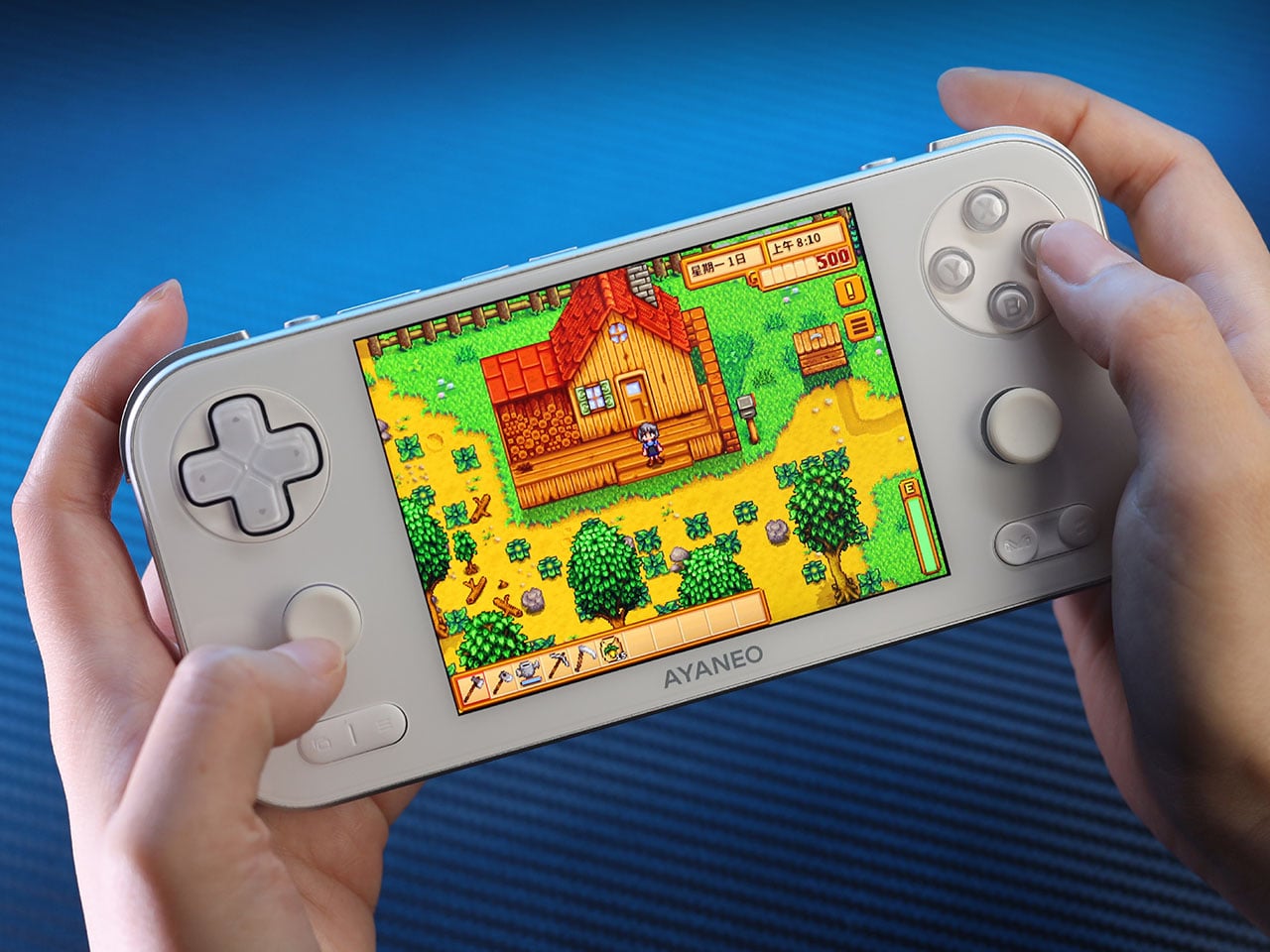
AYANEO Pocket EVO: A Powerful Evolution in Android Handheld Gaming with a 120Hz OLED Display

It seems like Android gaming hasn’t had a moment in a while. With Nintendo Switch 2 news circling around, and Sony’s PlayStation Portal, and also the news of Assassin’s Creed coming to iPhones, it truly does feel like Android gaming got left in the past for a hot minute. Thankfully that minute didn’t last too long, considering players like AYANEO are always cooking something new. It just seems like yesterday that the company dropped the Next Lite console, and now they’re gearing for their next move in handheld gaming.

The AYANEO Pocket EVO seamlessly integrates exceptional performance with a sleek, user-friendly design. The world’s first Android handheld with a 7″ 1080P OLED 120Hz high-refresh-rate display, it boasts a Qualcomm Snapdragon G3x Gen 2 chipset that provides the muscle to effortlessly power through demanding high-resolution mobile games, streaming services, and cloud gaming. This combination makes the Pocket EVO a versatile and unmatched powerhouse in the large-screen Android handheld market.

Designer: AYANEO

The name “EVO” perfectly embodies the Pocket EVO’s philosophy – evolution. It represents a complete overhaul of the Android handheld experience, offering unparalleled advancements in performance, aesthetics, display technology, and control configurations. The design draws inspiration from AYANEO’s award-winning Windows handhelds, inheriting a touch of refined elegance often missing in the Android handheld space. The Pocket EVO boasts a meticulously crafted new mold, resulting in a remarkably slim and lightweight body. The contours are carefully considered to enhance both visual appeal and comfortable gripping. The streamlined screen design and use of OLED technology deliver breathtaking color reproduction and a slimmer overall profile, pushing the boundaries of handheld display technology.

Under the hood, the Qualcomm Snapdragon G3x Gen 2 Gaming Platform delivers 15W of esports-grade performance, making light work of even the most demanding retro games and graphically intensive Android titles on the highest settings. The larger form factor allows for a more comprehensive cooling system, incorporating a larger heatsink and fan comparable to those found in X86-based devices. This translates to significant improvements in active cooling efficiency, extending sustained performance output and keeping heat dissipation in check.

The control configuration breaks new ground for Android handhelds. The Pocket EVO is the first to feature hall-sensing joysticks, providing a wider range of motion and precise feedback, free from drift and dead zones. The meticulously designed button layout ensures that intense gameplay sequences won’t hinder your grip, striking a perfect balance between aesthetics and comfortable control.

The highly regarded ergonomic grip has been further refined with adjusted curves for a more natural and comfortable experience. The Pocket EVO also features the largest HD linear motor ever implemented in an Android handheld. This, coupled with the comprehensive vibration settings offered through AYASpace software, delivers nuanced, multi-dimensional vibration feedback that deepens immersion across various gaming scenarios.

Despite its slim profile, the AYANEO Pocket EVO manages to pack in a massive battery exceeding 8000mAh, making it the Android handheld with the largest battery capacity among 7-inch devices. Gamers who enjoy streaming and cloud gaming will appreciate the support for the latest high-speed WiFi protocol, offering theoretical speeds of up to 30Gbps for lower latency and more stable data transmission.

Continuing the tradition of AYANEO’s software innovation, the Pocket EVO comes pre-installed with the AYA Home desktop launcher and AYA Space management software. These user-friendly interfaces offer features like performance mode customization, device spoofing for compatibility, button mapping, and optimized game library management. Future software upgrades promise to introduce even more functionalities, further enhancing the user experience.

The post AYANEO Pocket EVO: A Powerful Evolution in Android Handheld Gaming with a 120Hz OLED Display first appeared on Yanko Design.
AYANEO AG01 graphics dock puts a retro-style spaceship on your desk

Nostalgia is a very powerful (and lucrative) emotion, but the retro designs don’t necessarily have to be just based on past products. In fact, they don’t need to be based on real things at all. Retro designs only need to incorporate elements from the past, whether that’s a historical past or a fictional one. The latter especially applies to what has become known as retro-futuristic styles that try to blend past and future in a way that makes some sense in the present. This upcoming graphics dock, intended to give handheld gaming PCs a performance boost, is one such example, bringing a unique visual accent to your workspace by taking on the appearance of a miniature spacecraft with the blocky and rugged aesthetics of the past.

Designer: AYANEO

Although external graphics enclosures have existed for a while now, it was only with the advent of handheld PCs that they started to become smaller and slightly more portable. The purpose remains the same, providing significantly more powerful graphics capabilities than the portable computer can manage, but in a form factor that can also be carried around in a bag if desired. Many of these so-called graphics docks take on the form of uninspiring rectangular bricks, but the AYANEO AG01 bucks the trend with a design that is almost literally out of this world.

As part of its next batch of REMAKE products, AYANEO is including its very own graphics dock with a design that doesn’t really resemble any existing product from the past. The company describes it as a starship, though it might not immediately strike one as similar to those from hit sci-fi shows like Star Trek or even Star Wars. It has a more blocky shape, not unlike other graphics docks, but with an overabundance of panels and grilles. Its rough edges and dark color scheme contrast with the usual smooth curves and lighter motifs of futuristic spacecraft. This is a spaceship that humans would first produce for exploration and perhaps even militaristic action. Space-efficient, rugged, and a little menacing.

Underneath that retro-futuristic shell, however, is a very typical graphics dock, one that even houses a slightly dated AMD Radeon RX 7600M XT graphics from last year. There’s a plethora of connectivity options, including USB4 and the newer Oculink technology. It does also function as a typical data hub when connected to a computer, which means USB ports and even an Ethernet jack for faster network connectivity. Although technically compatible with any computer that supports external GPU via USB4, the AYANEO AG01 is specifically designed for the brand’s handheld gaming computers that have a significantly weaker GPU compared to laptops.

There’s also some RGB lighting, but that’s curiously limited to the ring around the dome on one end of the dock and three “vents” near it. It’s a purely aesthetic element, though one that admittedly looks too modest for what should be a space-faring vehicle. Availability details about the AYANEO AG01 are still unknown at this point, but the graphics dock’s unique design will surely catch the fancy of many collectors, whether they have an AYANEO handheld PC or not.

The post AYANEO AG01 graphics dock puts a retro-style spaceship on your desk first appeared on Yanko Design.
AYANEO’s Mini Gaming Console borrows NES persona to satisfy Retro-geeks

The AYANEO Mini PC AM01 boasting the nostalgic Mac design got the tech pundits excited and for good measure. With the looks of the classic Mac and the innards of a Windows 11 PC, the cool little desk accessory is a gaming console at large for gamers who love retro flavors.

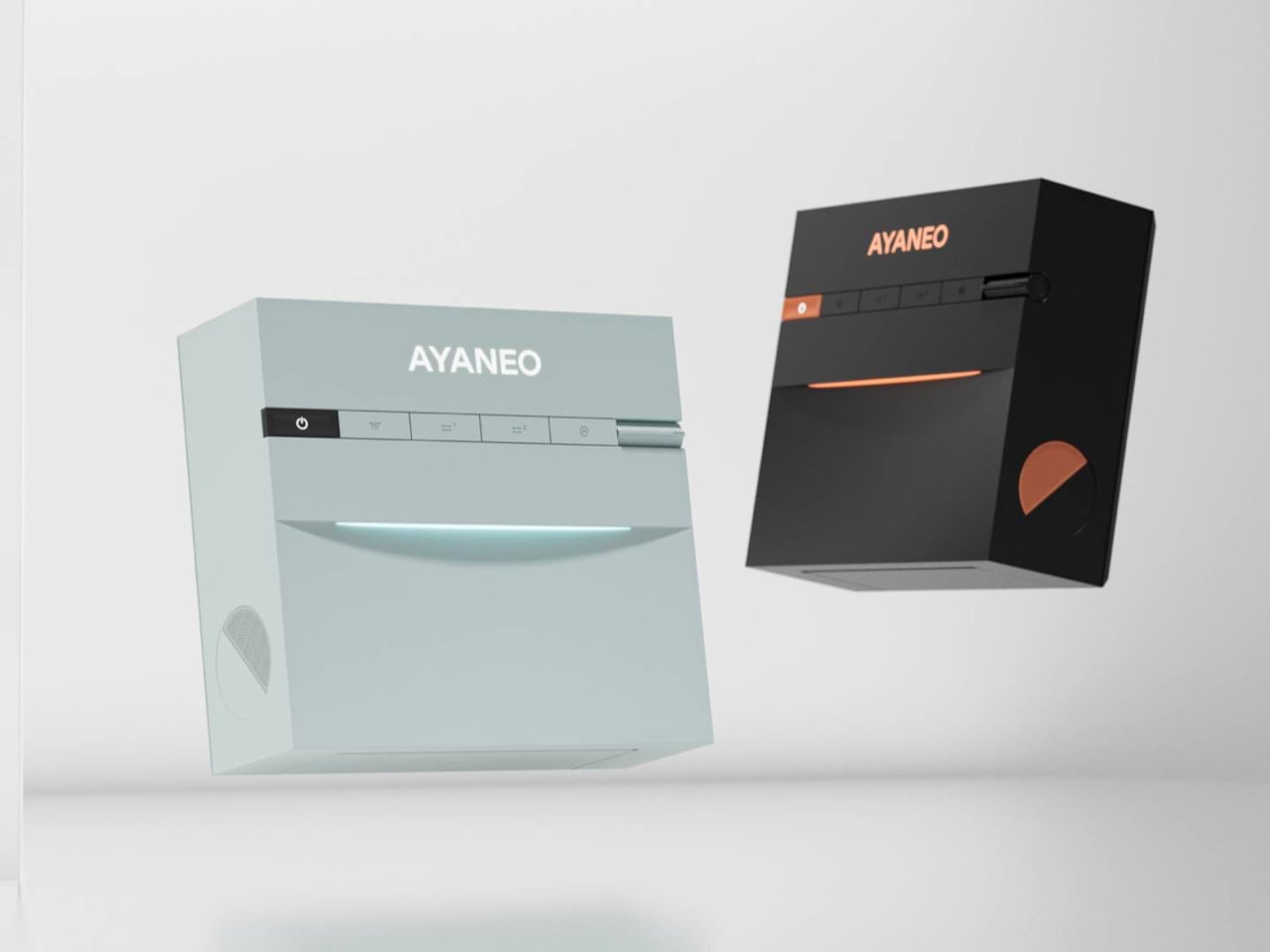
When we first got you acquainted with this little bundle of joy, there were already talks of the Retro Mini PC AM02 which emulates the design of the classic NES. A mini PC at heart, this one too balances out the retro and contemporary design scheme to perfection. Obviously, Nintendo fans will fancy this one over the AM01, but other users will also be drawn by its 4-inch touchscreen, considering most of the rivals don’t offer this luxury.
Designer: AYANEO

This mini gaming console blends unique design aesthetics with high-performance hardware without any compromise in the compact form factor. Keep it on your desk or mount it on a wall or anything in the vicinity, the mini gaming console weighing just 538g is equally impressive. The recreated front cover tactfully hides all the input/output ports for a clean look which is another resounding plus. This cover can be click opened with a red button opposite the power button, adding to the cool trickery.

The on-board AMD Ryzen 7 7840HS APU, DDR5 RAM (16/32 GB) and 512GB/1TB SSD on the AM02 are well-equipped for PC gaming or tasks like video editing or music composition. To keep the internal temperature down, the mini gaming console has a potent four-copper pipe heat dissipation structure, aided by the 45W large-size turbine fan. Coming onto the screen it displays vital statistics for nerds including CPU data, current FPS, temperature and fan speed. For normal users, a left swipe on the screen toggles the view to the current date and time. One more swipe displays the virtual volume control and the option to toggle the display on or off.

For gamers, the company has an in-built launcher or you can use your own preferred launcher like the Launchbox/BigBox to run Steam or Epic titles, but that option requires a bit of working around. The AYANEO Mini PC AM01 will set you back anywhere between $440 – $630 depending on the chosen configuration. For that starting price you can get yourself a PS5, so the mini gaming console is at a more premium spectrum of the market choices.

The post AYANEO’s Mini Gaming Console borrows NES persona to satisfy Retro-geeks first appeared on Yanko Design.