A Korean Designer Just Built the Lucky Charm Gen Z Always Wanted

I’m not a huge believer in horoscopes or fortune-telling, but I do enjoy reading those random fortune cookie sayings. I also like those “screenshot your fortune” or “tap to see your horoscope for today” posts on Instagram. So when I saw TOBI and how simple but fun this little accessory is, I knew I’d want one if it ever becomes an actual product I can buy.

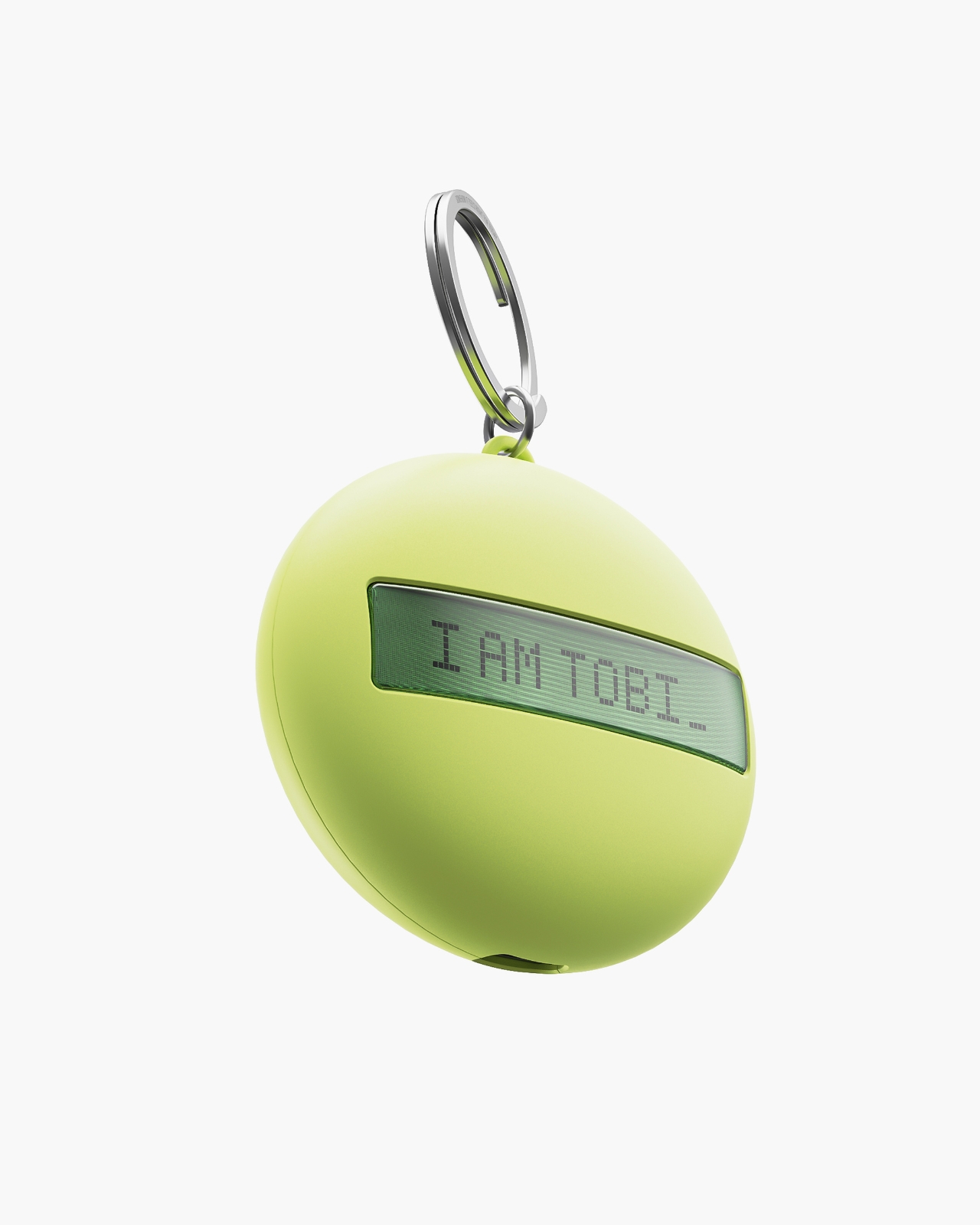
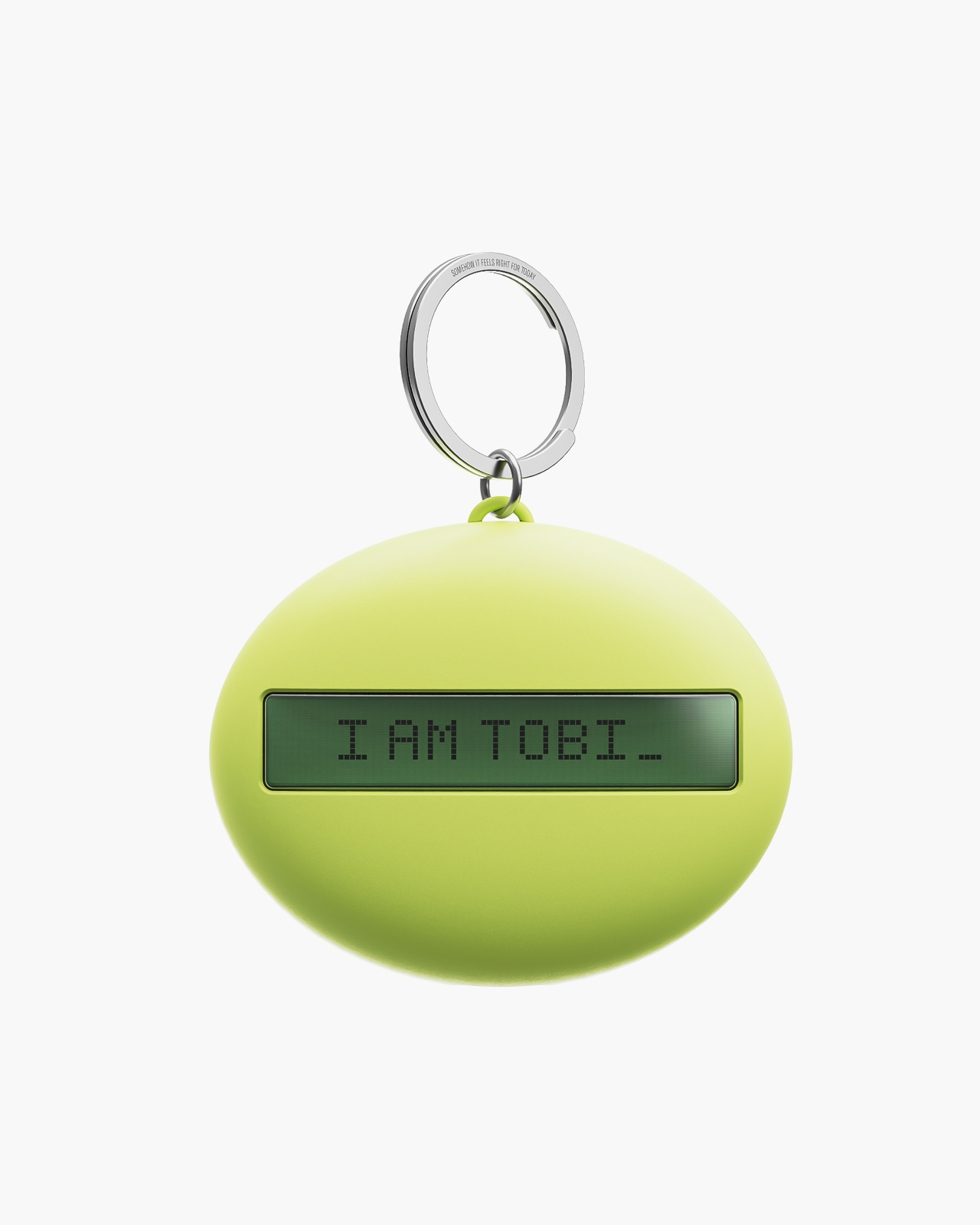
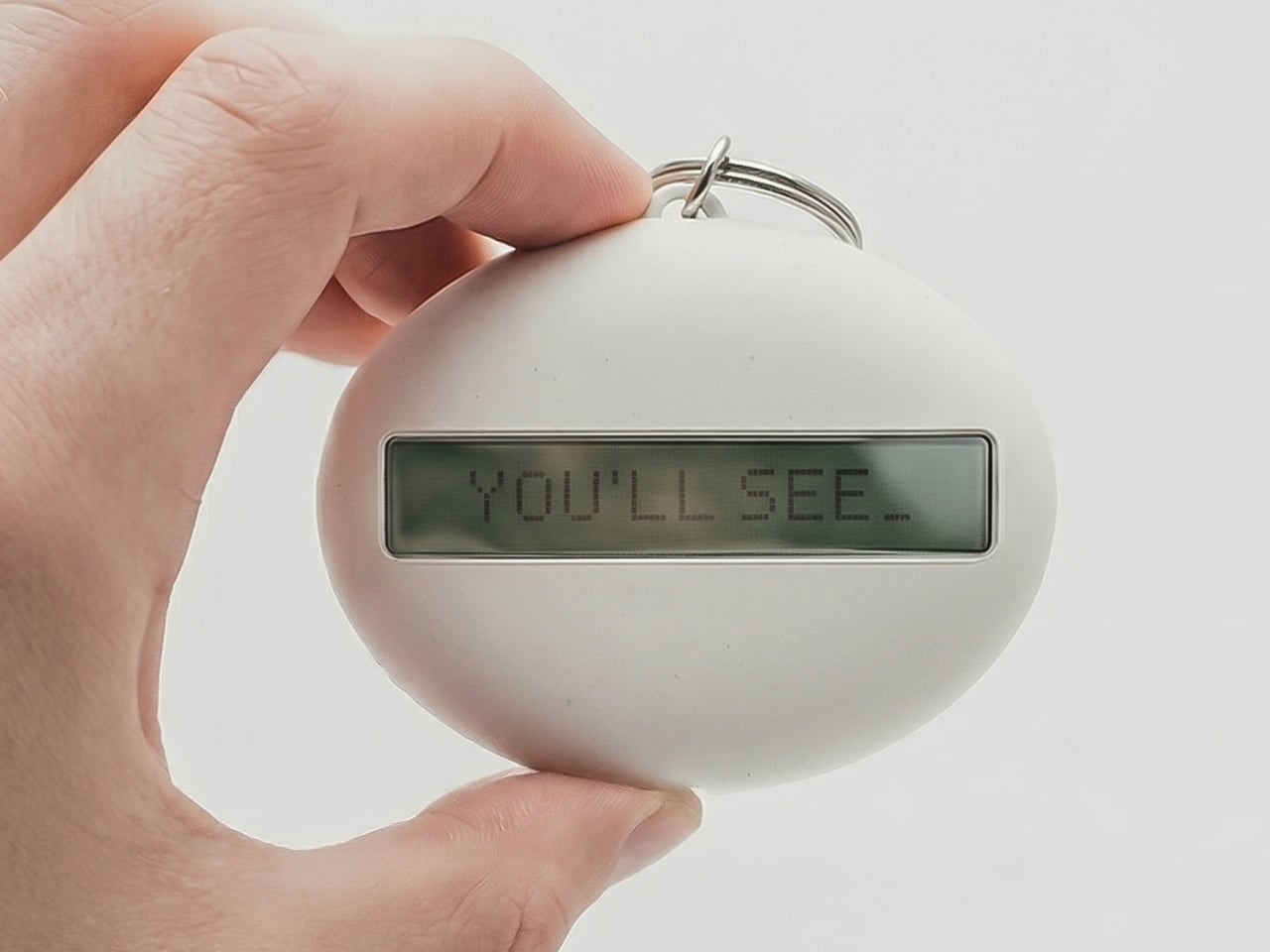
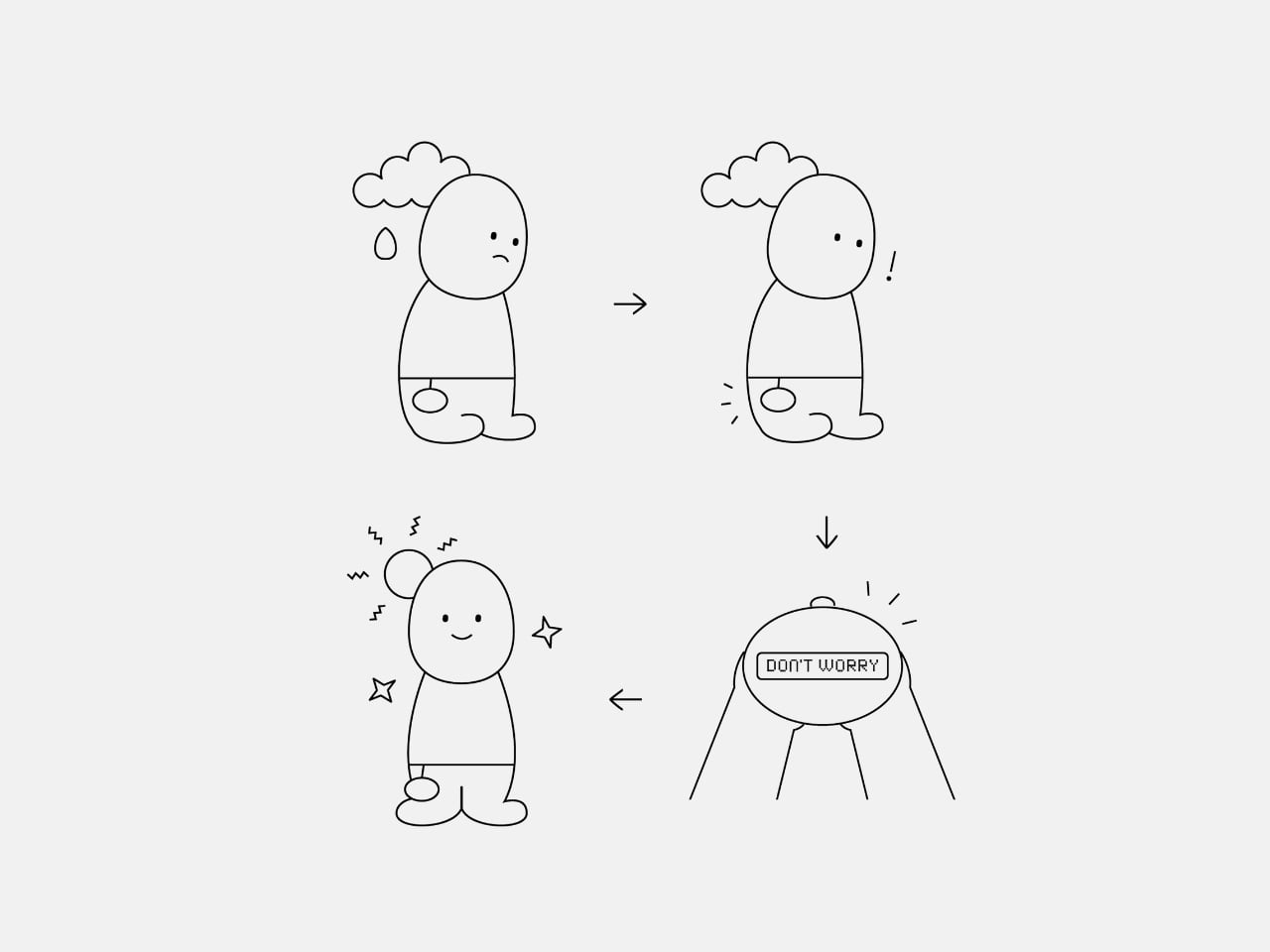
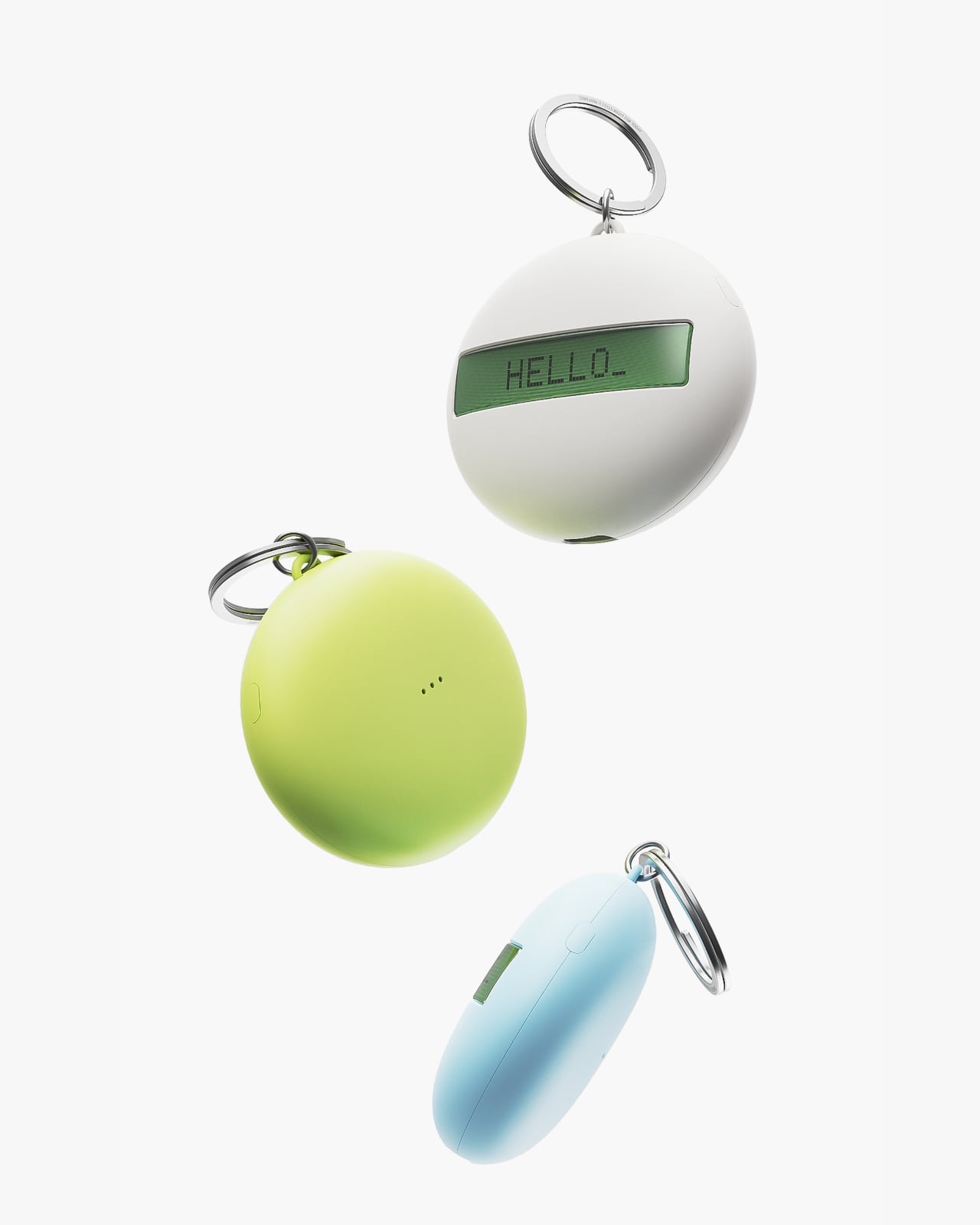
TOBI is a concept for a Tamagotchi-like device that gives you random one-line fortune messages every time you press the button. Rather than just a machine spewing out these lines, it is a keyring-sized device designed to have a personality and be your “friend,” giving you advice or horoscopes whenever you need some random motivation.

Designer: YuJung Jung
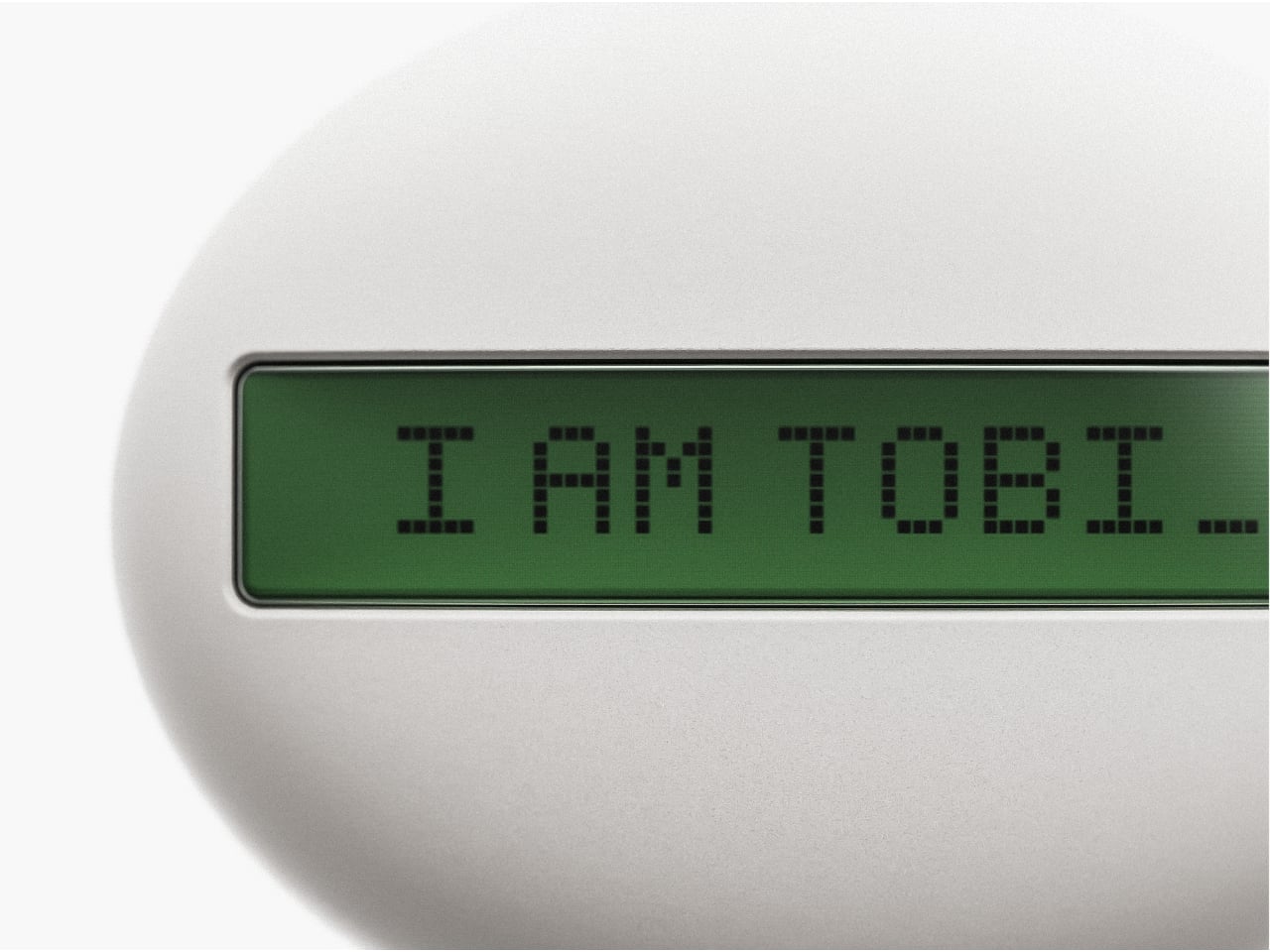
This “cyber friend” comes in a compact oval design that can fit into your wallet, bag, or even clip onto a belt loop. Just hold the button for a couple of seconds and it will introduce itself to you, then give you the one line you may be looking for to kickstart your day. There are no additional features, just a message whenever boredom or curiosity strikes. Instead of reaching for your phone and doom-scrolling, you just press the button and get your one line.
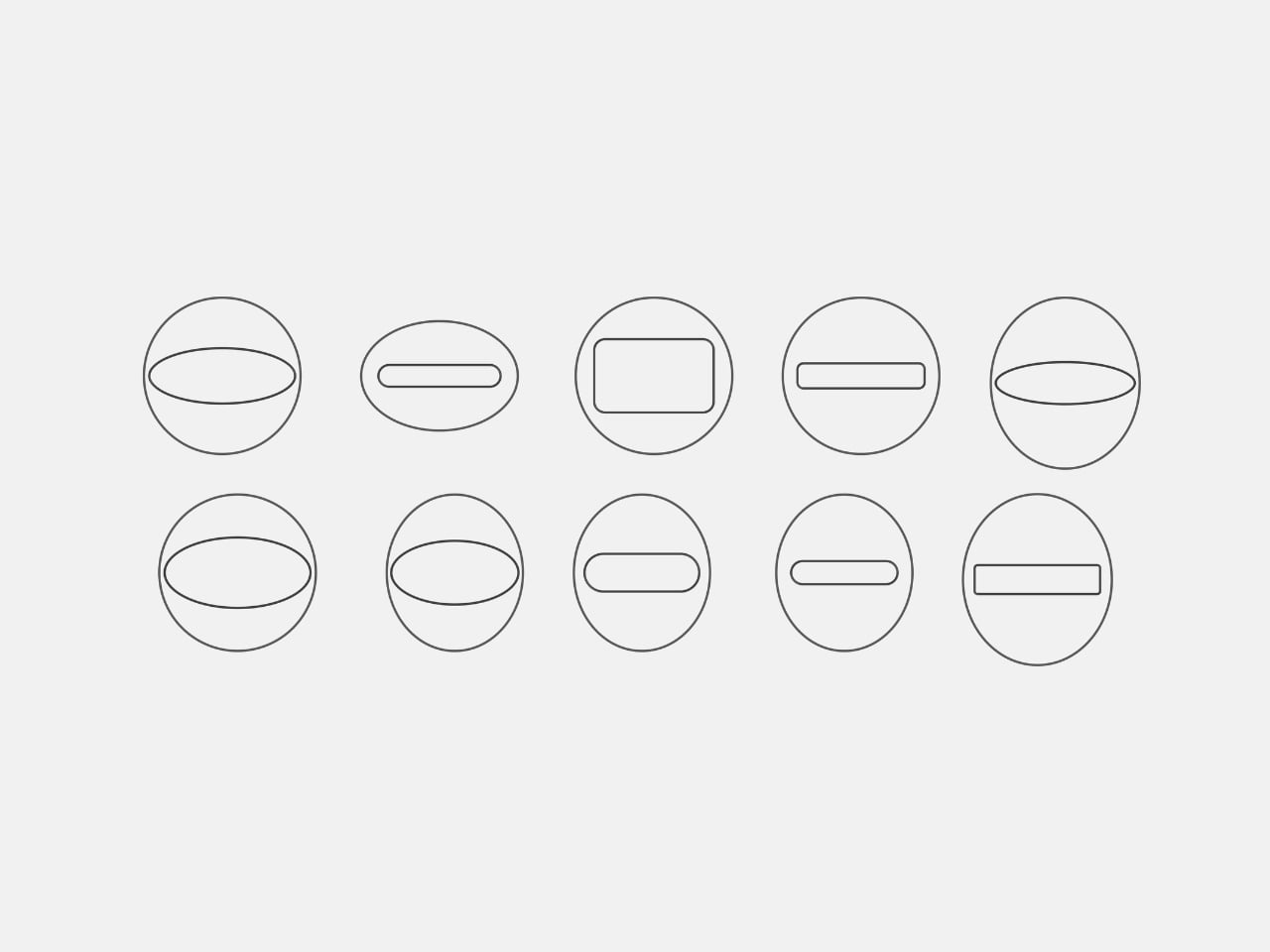
The renders show that it will come in different colors to match your preference. The screen that shows the message takes up about a third of the surface. It scrolls horizontally in a computer-like font, just like unfurling a slip of paper from a fortune cookie. Even though it’s just a keyring, it’s designed to feel like a little companion you’ll want to keep close, like a pocket-sized pet, except you don’t need to feed it or keep it alive.
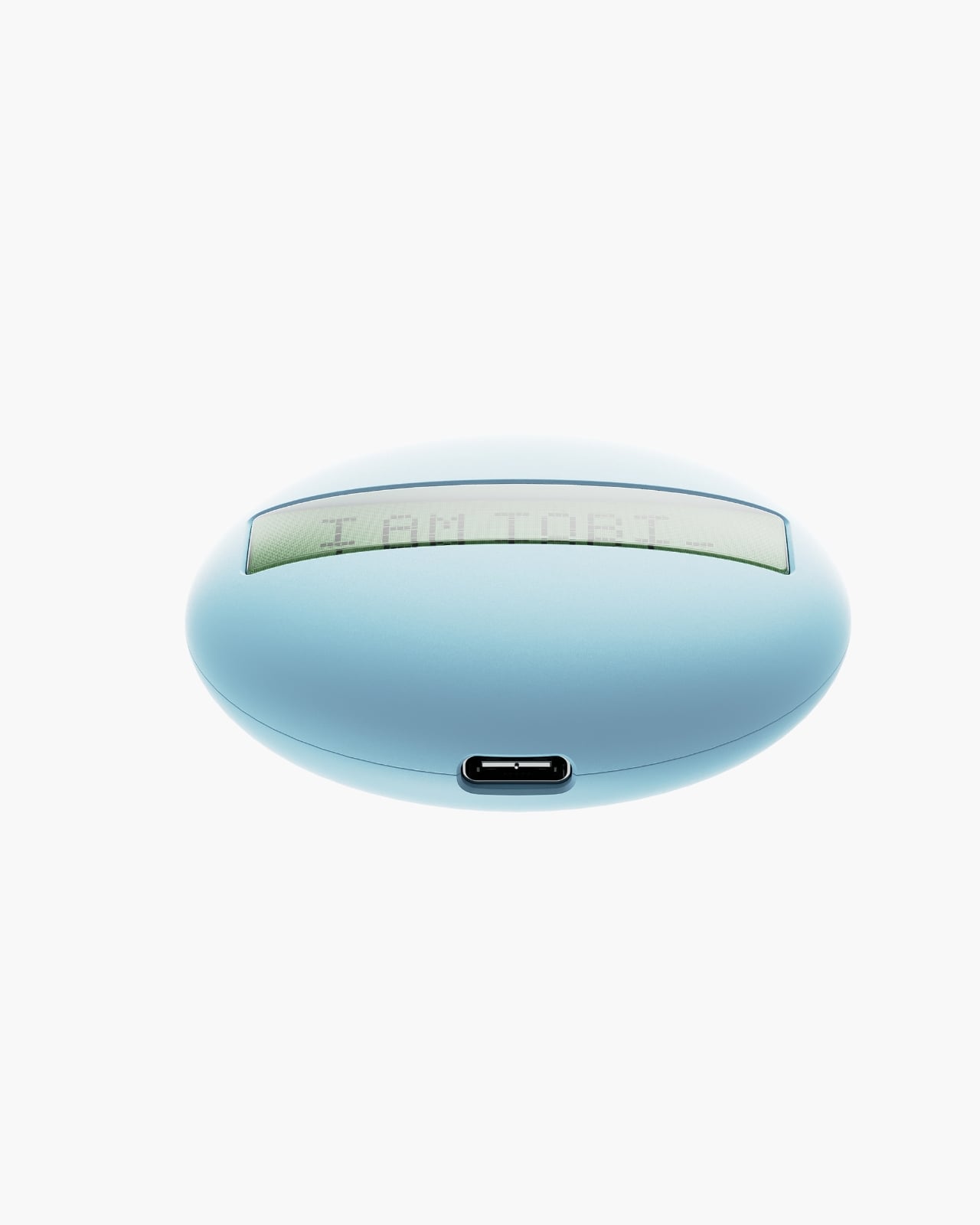
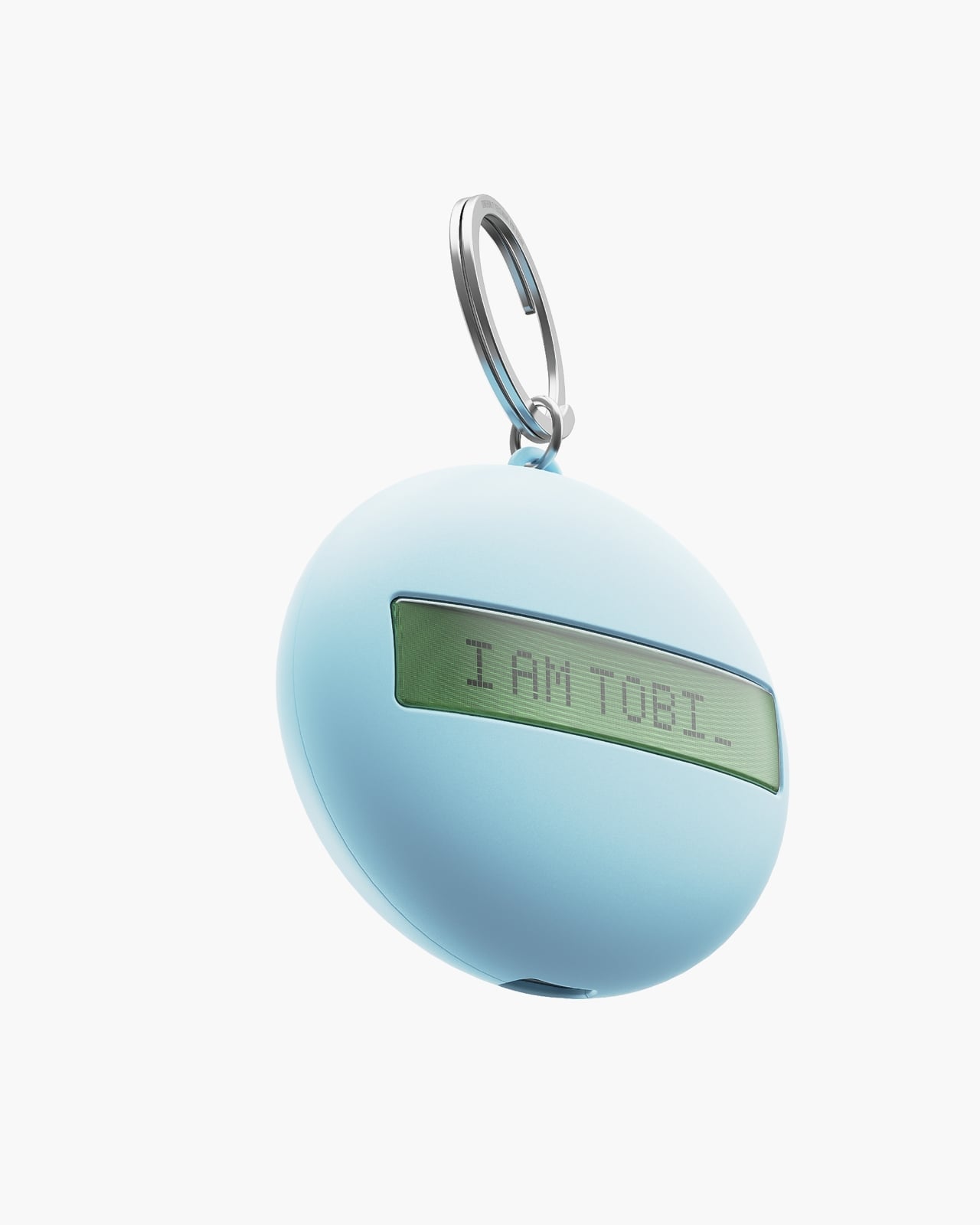
What makes TOBI stand out from the sea of minimalist gadgets being designed right now is the emotional intent behind it. Seoul-based industrial designer YuJung Jung didn’t set out to build another piece of tech. The goal was to create something that sits closer to a charm or a lucky trinket than an actual device, the kind of object you carry not because you need it, but because it means something to you, or at the very least, makes you smile. Jung even developed the proportions through repeated sketches, and the familiar metal keyring was a deliberate choice, one that places TOBI squarely in the same category as the amulets and lucky charms people have carried for centuries. That’s a surprisingly rare thing to aim for in the world of product design, and it’s exactly what makes TOBI feel so different.
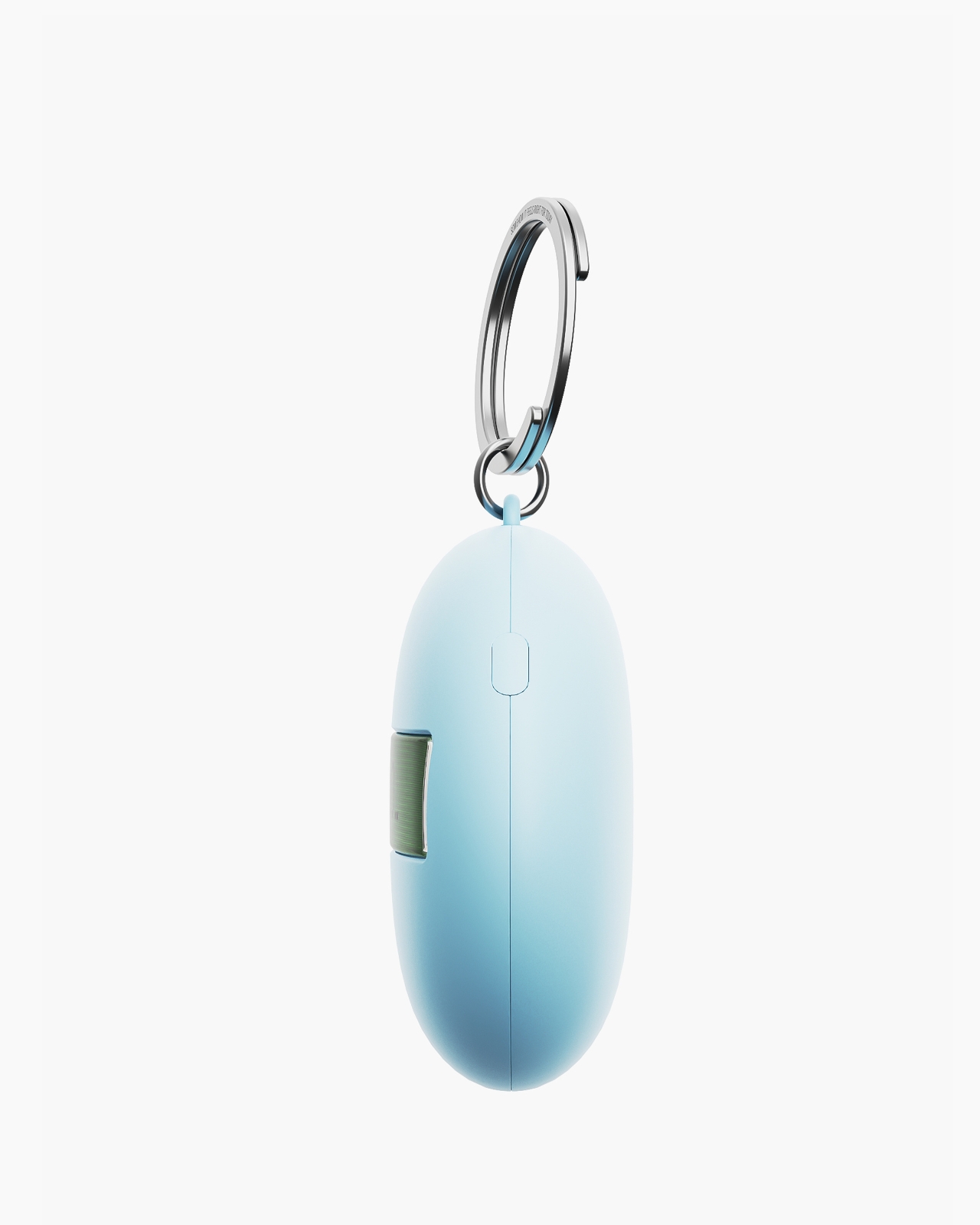
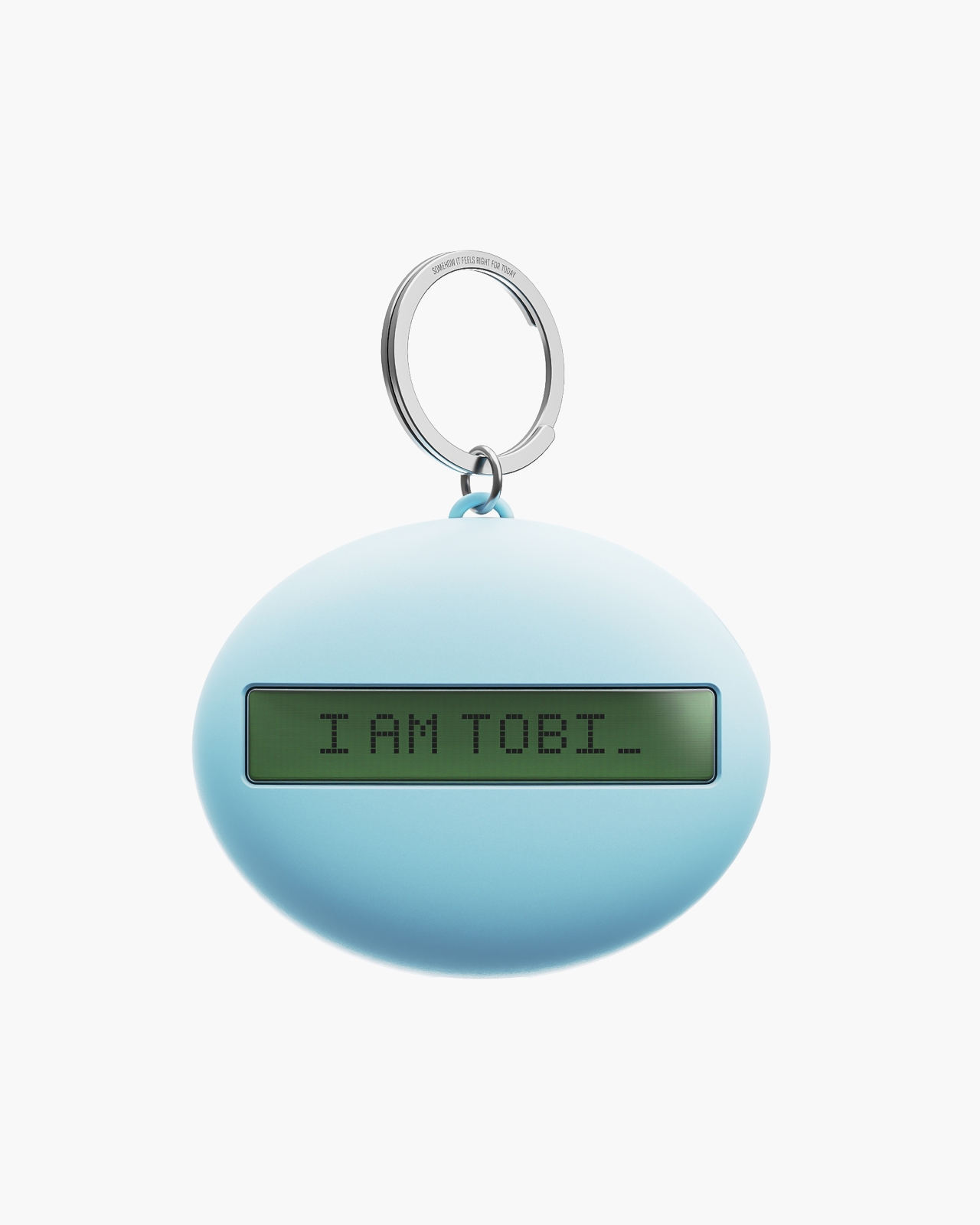
There’s also something quietly rebellious about the whole concept. TOBI is deliberately, almost stubbornly, simple. In a time when every app, gadget, and wearable is competing for your attention with notifications, feeds, and endless features, TOBI offers exactly one thing: a single sentence, delivered when you choose. No algorithm deciding what you see. No pressure to keep scrolling. Just one line that you can carry with you, or choose to let go of.
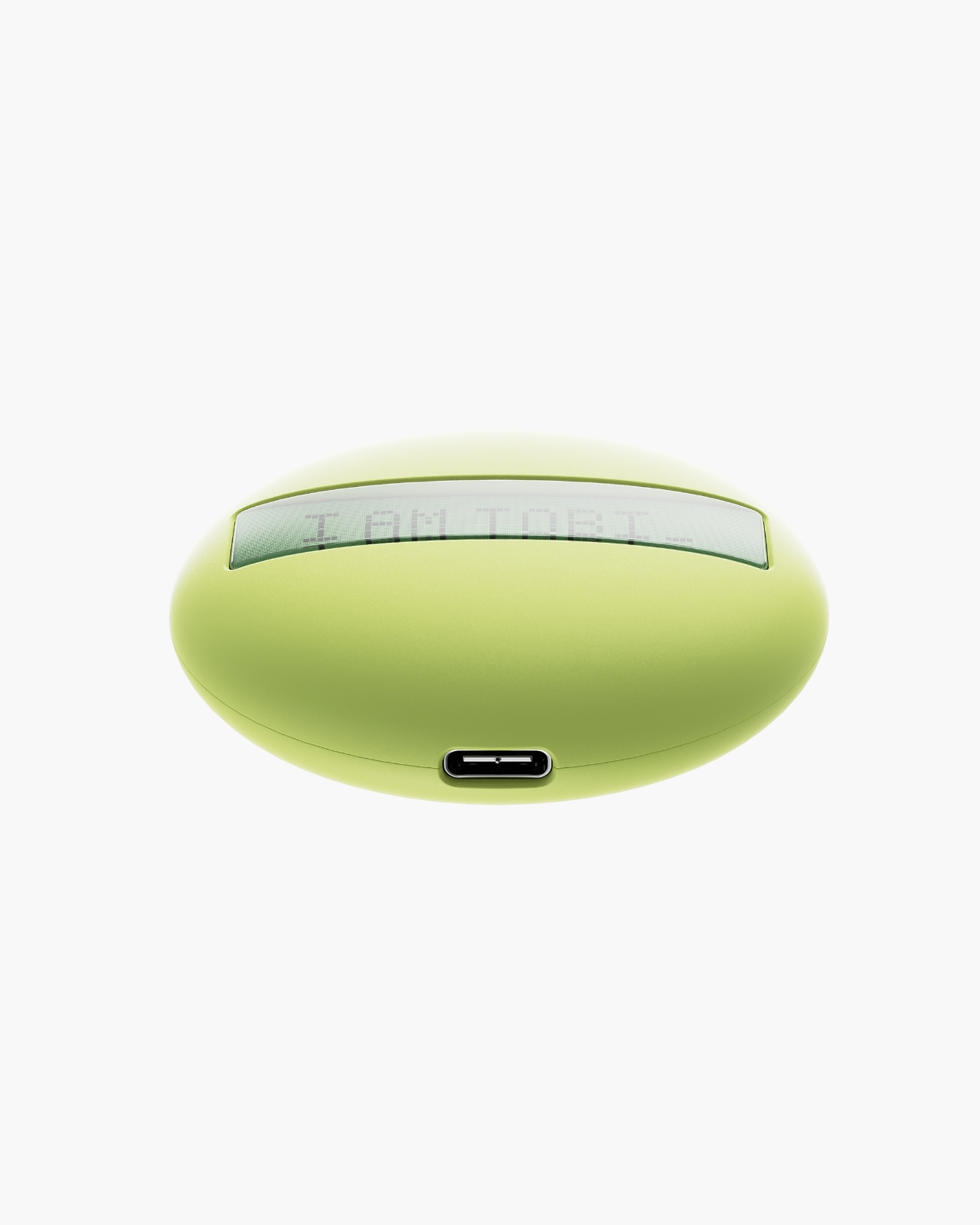
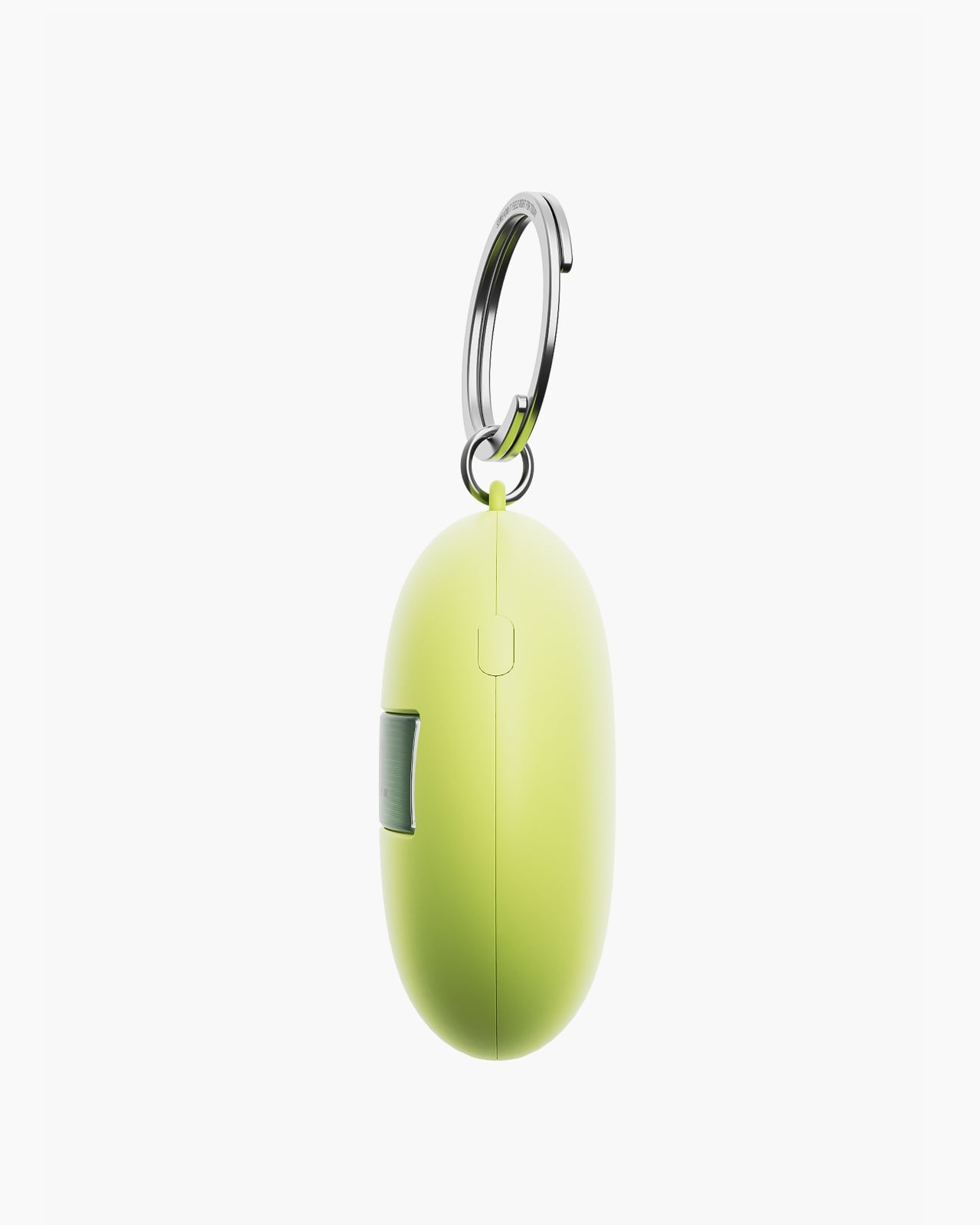
It also lands right at the intersection of two things that are genuinely having a moment, tactile collectible objects and fortune-telling culture. Whether it’s tarot cards, birth chart apps, or manifestation journaling, people are leaning hard into mystical rituals right now. TOBI takes that same energy and wraps it in something you can hold in your hand and clip onto your keys. That’s a combination that feels both timely and timeless, the kind of thing you’d gift to a friend who already has everything.
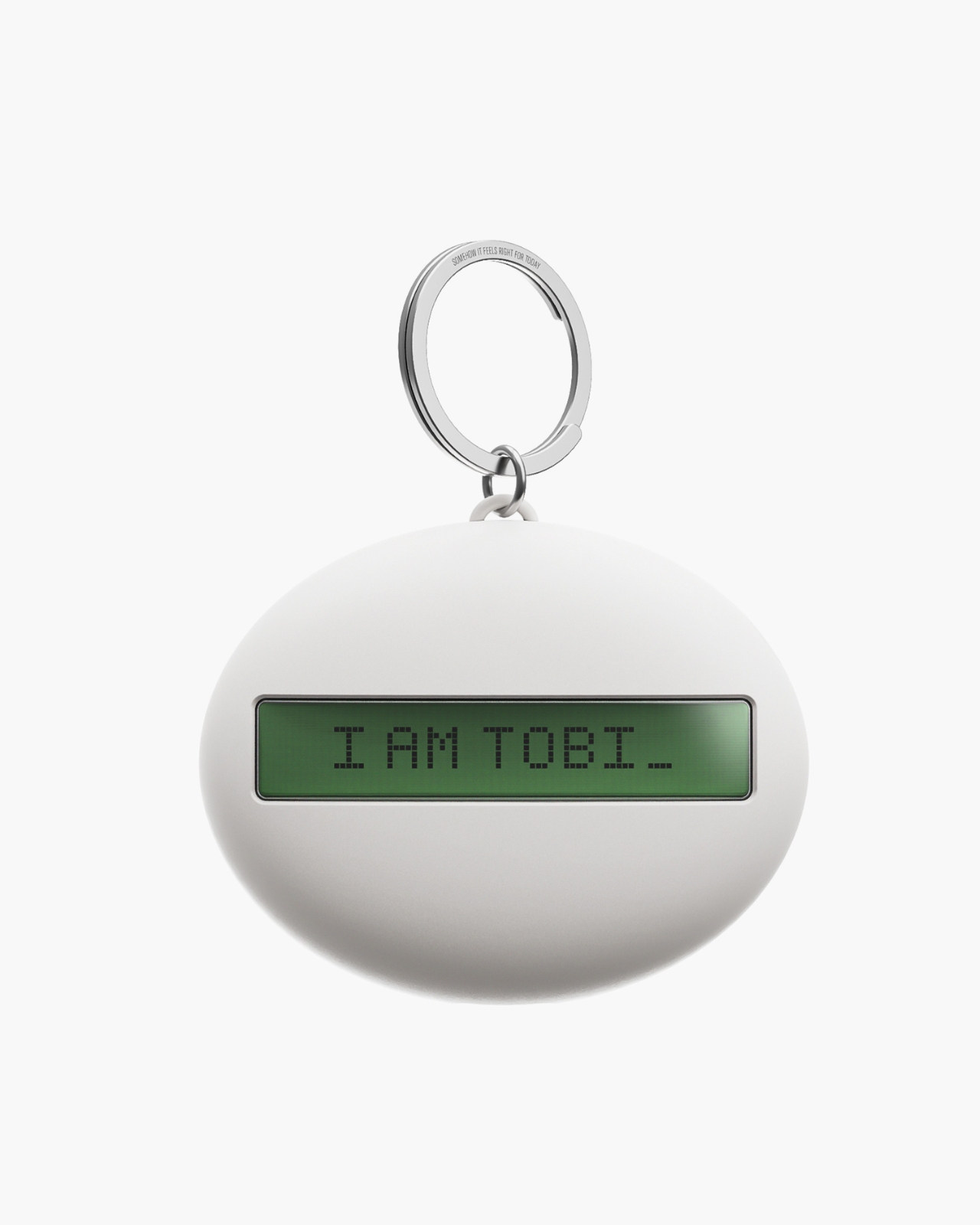
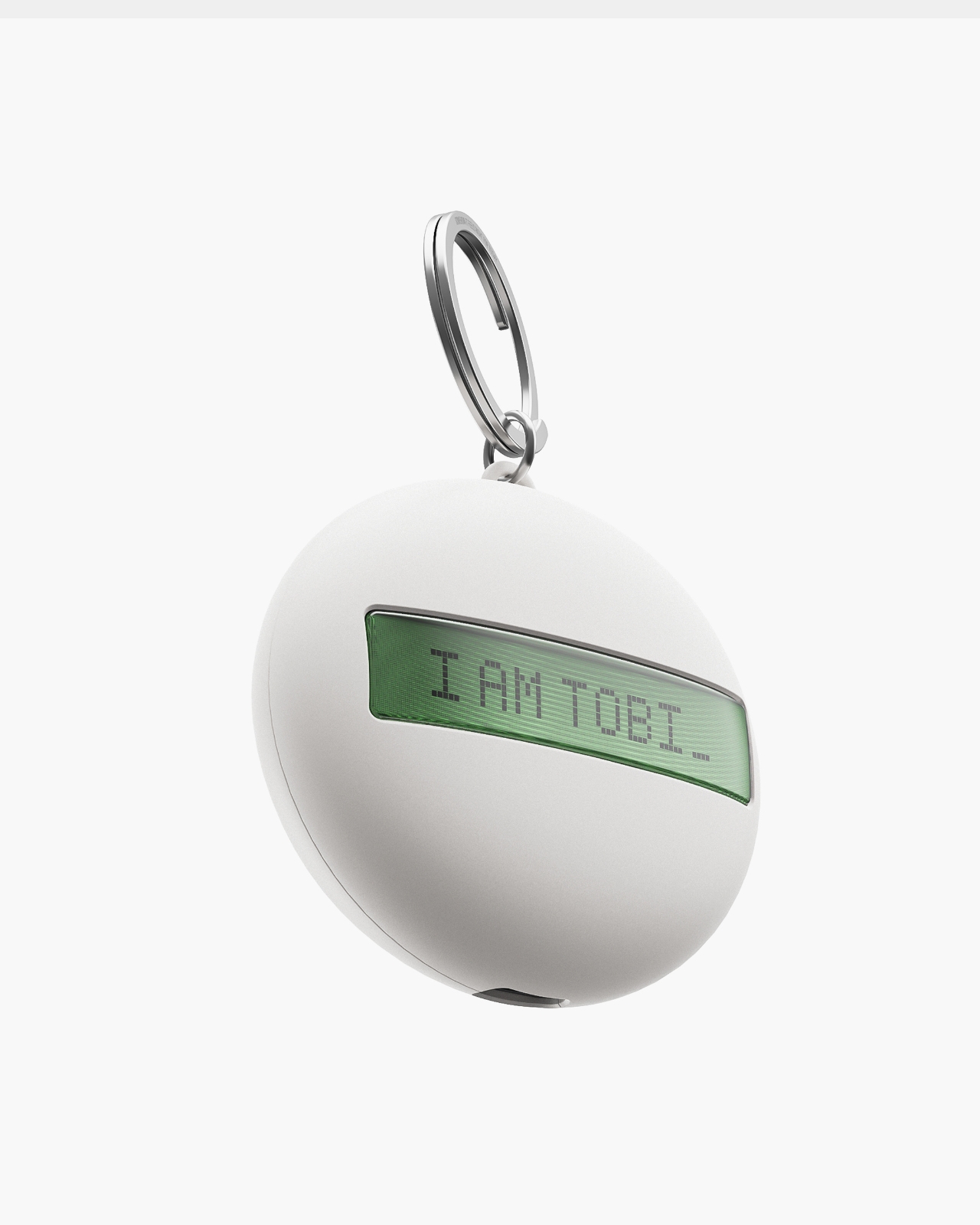
For now, TOBI remains a concept, a beautifully realized one, but a concept all the same. There’s no release date, no crowdfunding page, and no price tag attached just yet. But honestly, the fact that it doesn’t exist yet somehow makes it more exciting to follow. Thoughtful, specific designs like this don’t always stay as renders forever. And if TOBI ever does make it to shelves, I have a feeling the waitlist would be very, very long, and I’d be somewhere near the front of it.
The post A Korean Designer Just Built the Lucky Charm Gen Z Always Wanted first appeared on Yanko Design.
The $29 Key Ring That Finally Fixed a 130-Year-Old Problem

While I have a lot of keychains, from pop culture to K-pop to travel-themed, I am truly annoyed with keyrings. To be honest, I don’t have any ability to open and close them, so I have to wait for my brother or a friend to attach my keychain of choice. It’s something we use every single day, yet there hasn’t been any improvement to them for the past hundred years or so, and they cause annoyance and sometimes even pain. That oversight, I think, is finally getting corrected.

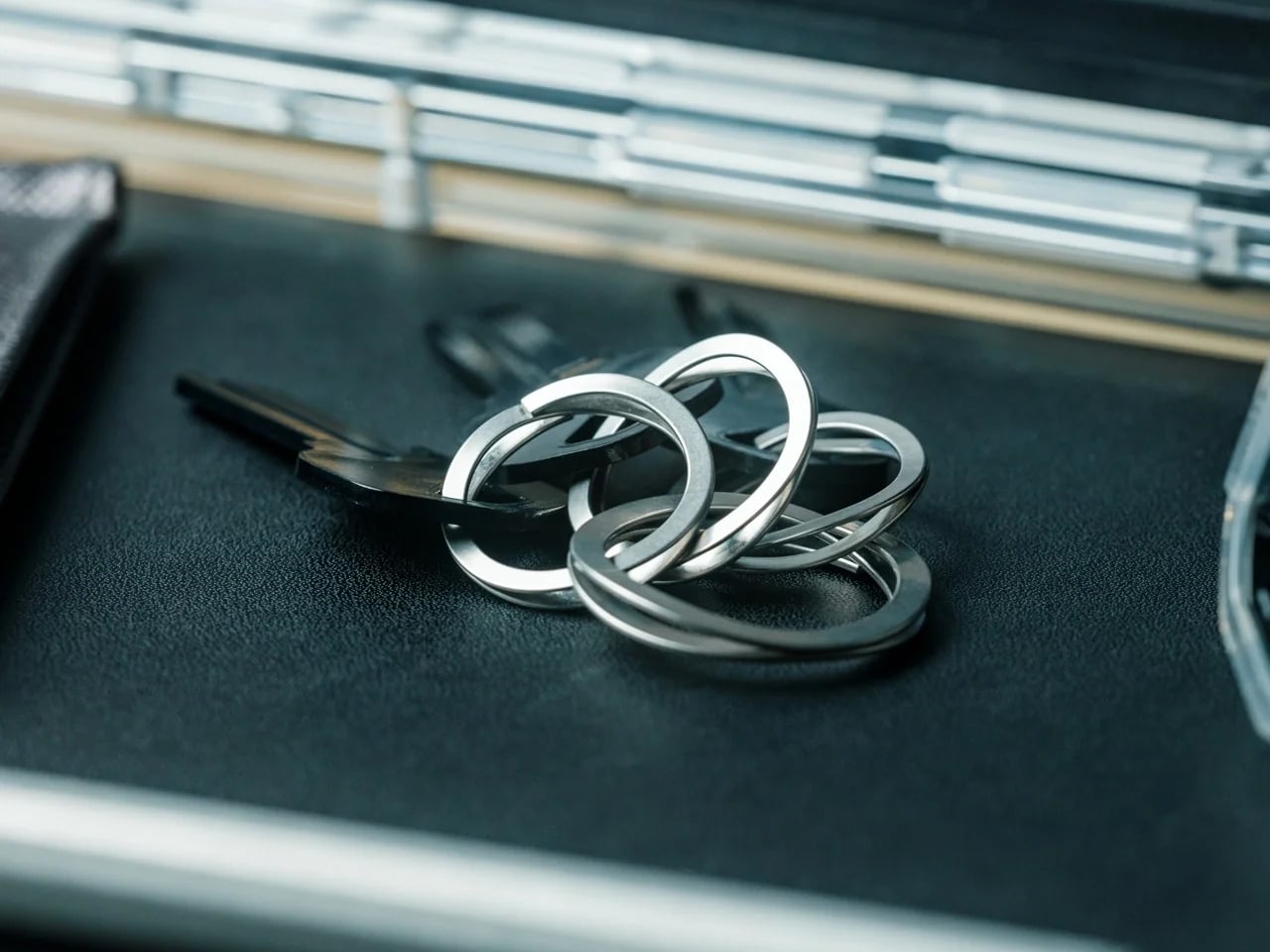
The Painless Key Ring is exactly what its name promises, which is both its greatest strength and possibly why it is not getting the attention it deserves. It sounds almost too simple. A key ring without the pain. But when you consider that the double-coiled split ring design has not meaningfully changed in over 130 years, a product that actually reimagines it from the inside out starts to feel less like a novelty and more like something that was long overdue.

Click Here to Buy Now: $29.00

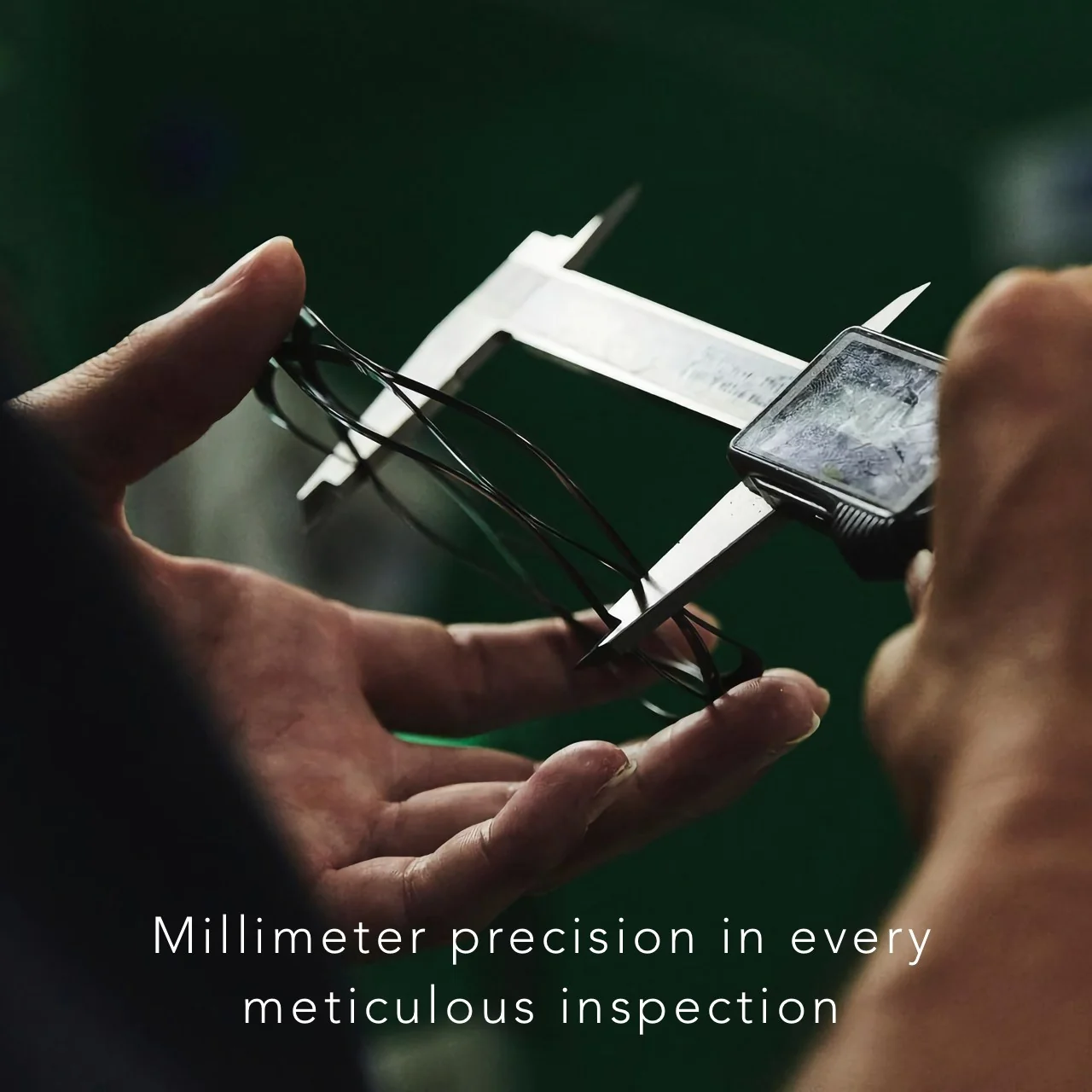
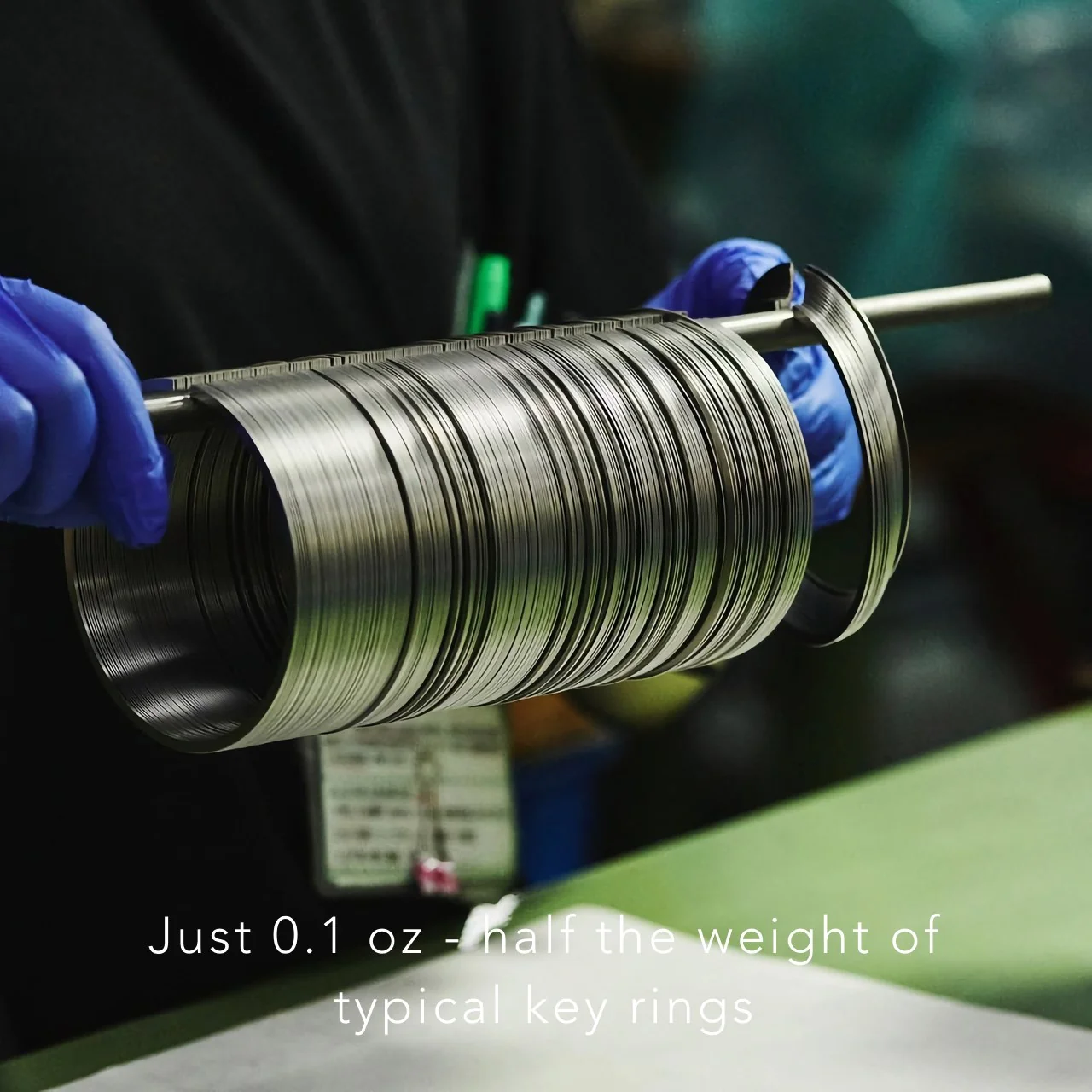
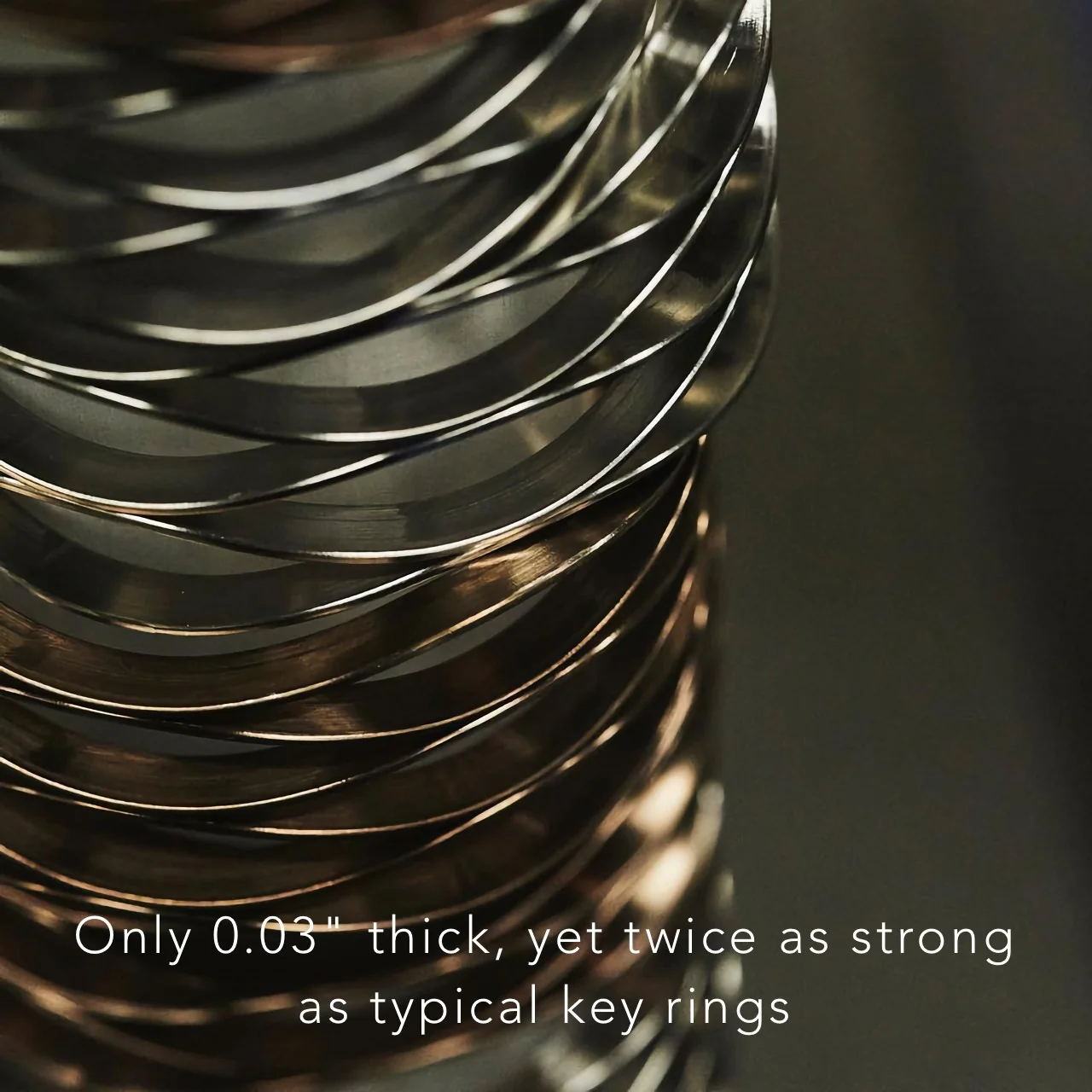
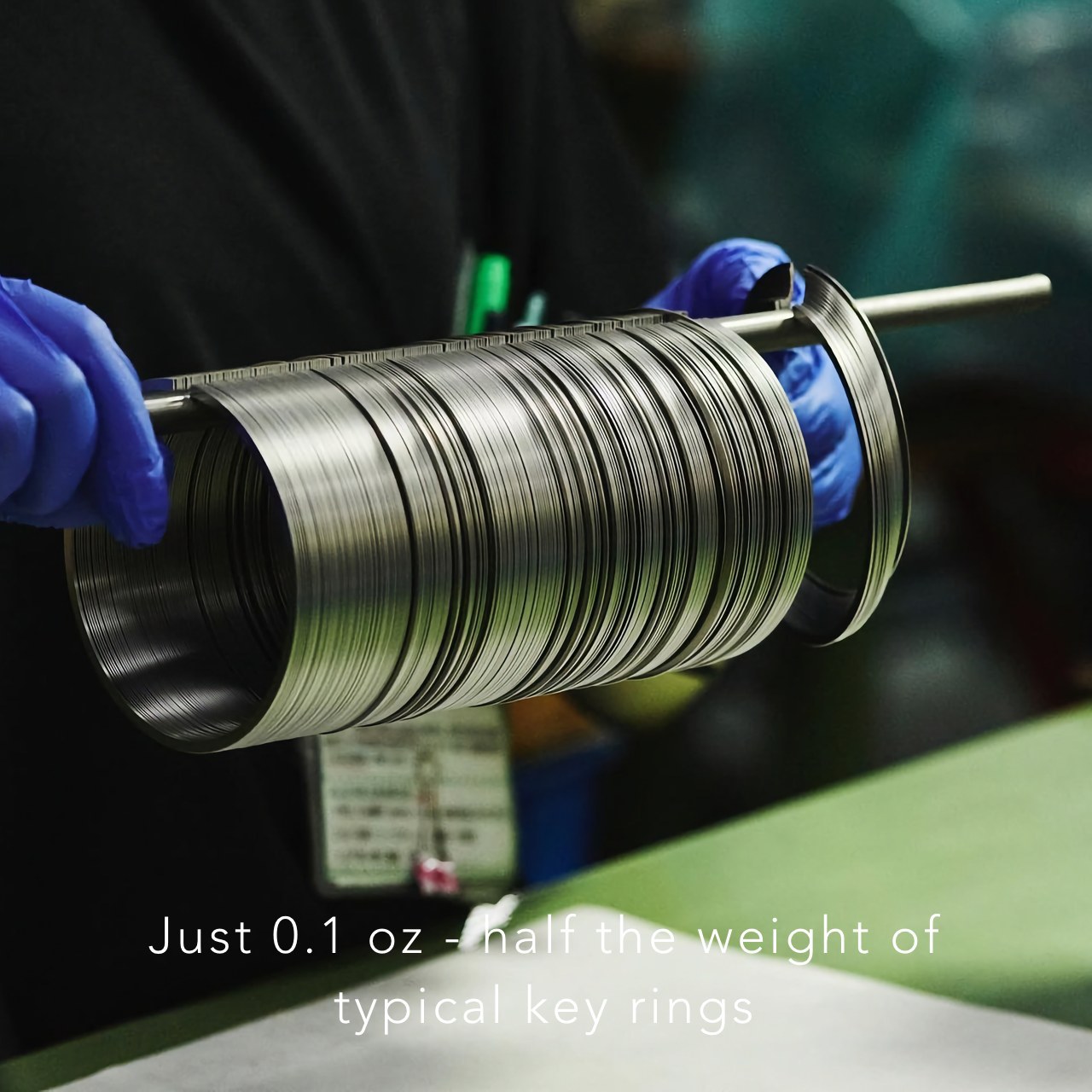
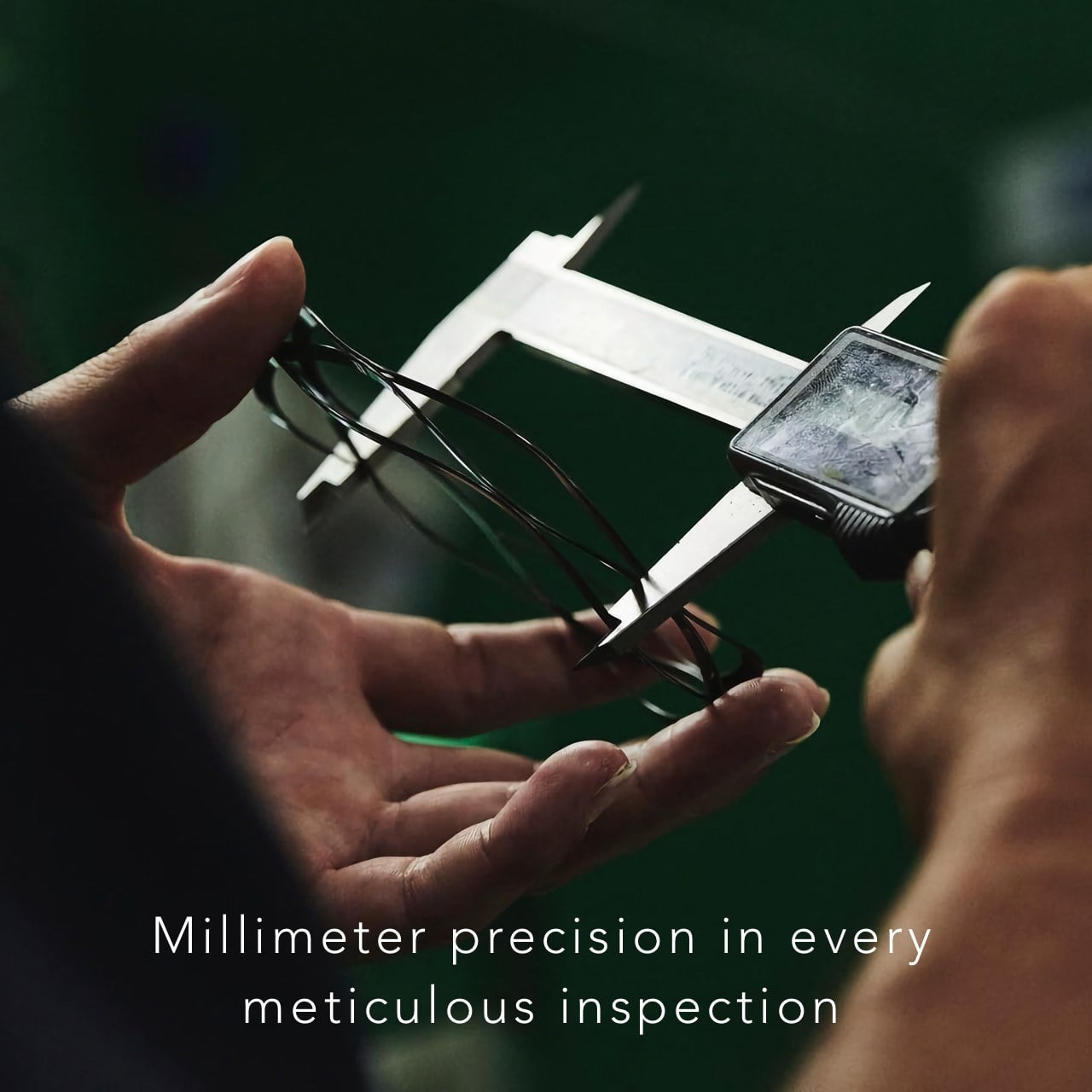
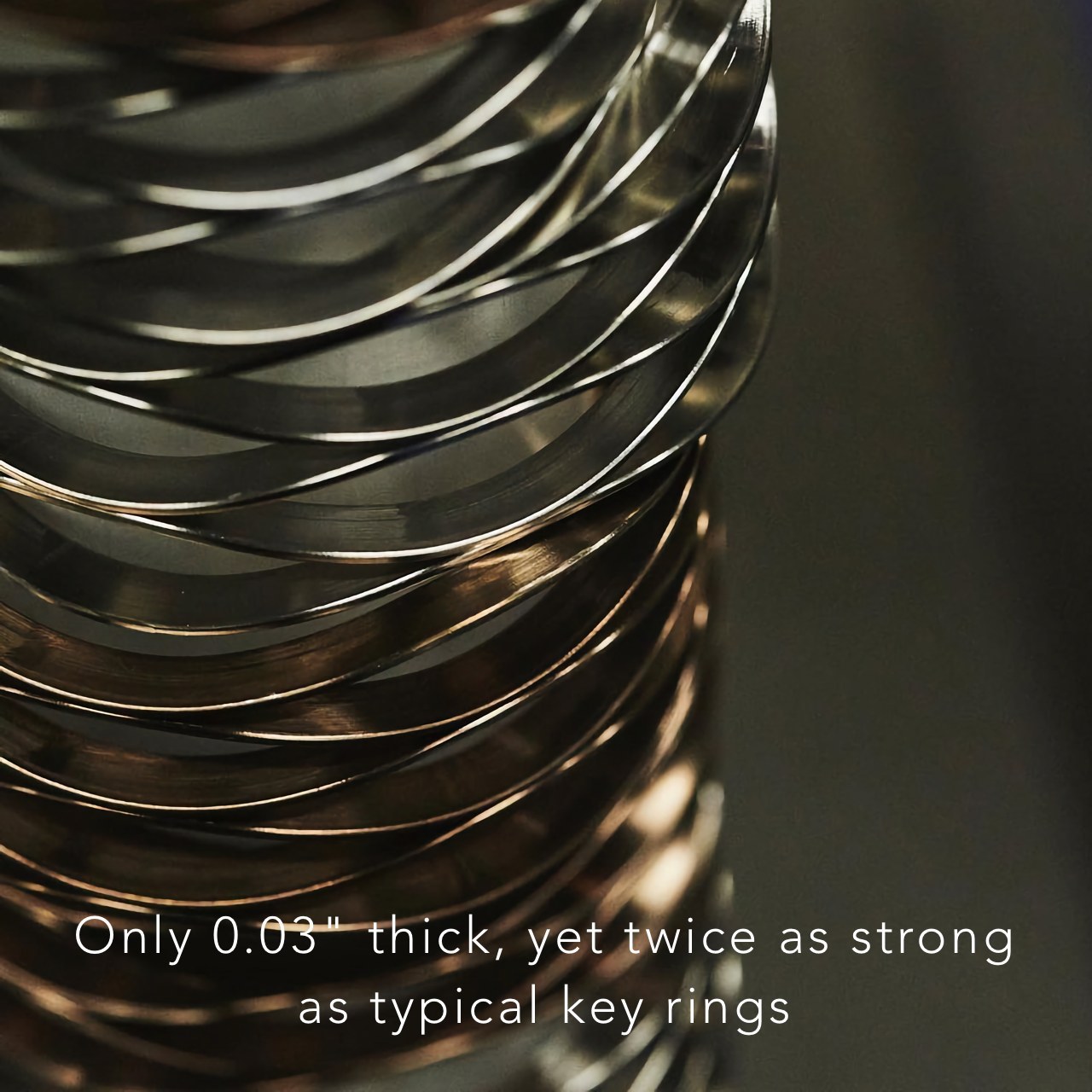
The engineering behind it borrows from places you would not typically associate with your front door key. The coiled wave spring technology used in this ring is the same mechanism found in aerospace equipment and bullet train systems. Japan, where the ring is made, is not exactly known for cutting corners on precision, and that pedigree shows in the numbers. At just 0.1 oz for the large version, it is half the weight of a standard key ring. At 0.03 inches thick, it is noticeably slimmer. And despite being lighter and thinner, it is twice as strong as a conventional ring, thanks to the high-tensile steel used in its construction.

The functional difference comes down to one motion. A traditional split ring makes you hunt for the gap in the coil, wedge a fingernail underneath, and pry it open millimeter by millimeter while the metal digs into your skin. The Painless Key Ring opens when you press the release point. Let go, and it closes. That is the entire operation. No gap hunting, no skin damage, no compromised manicure. The wave spring structure creates what you could describe as a “pre-warped” design, where the natural flex of the ring accommodates keys of any size without warping under stress or losing its shape over time.

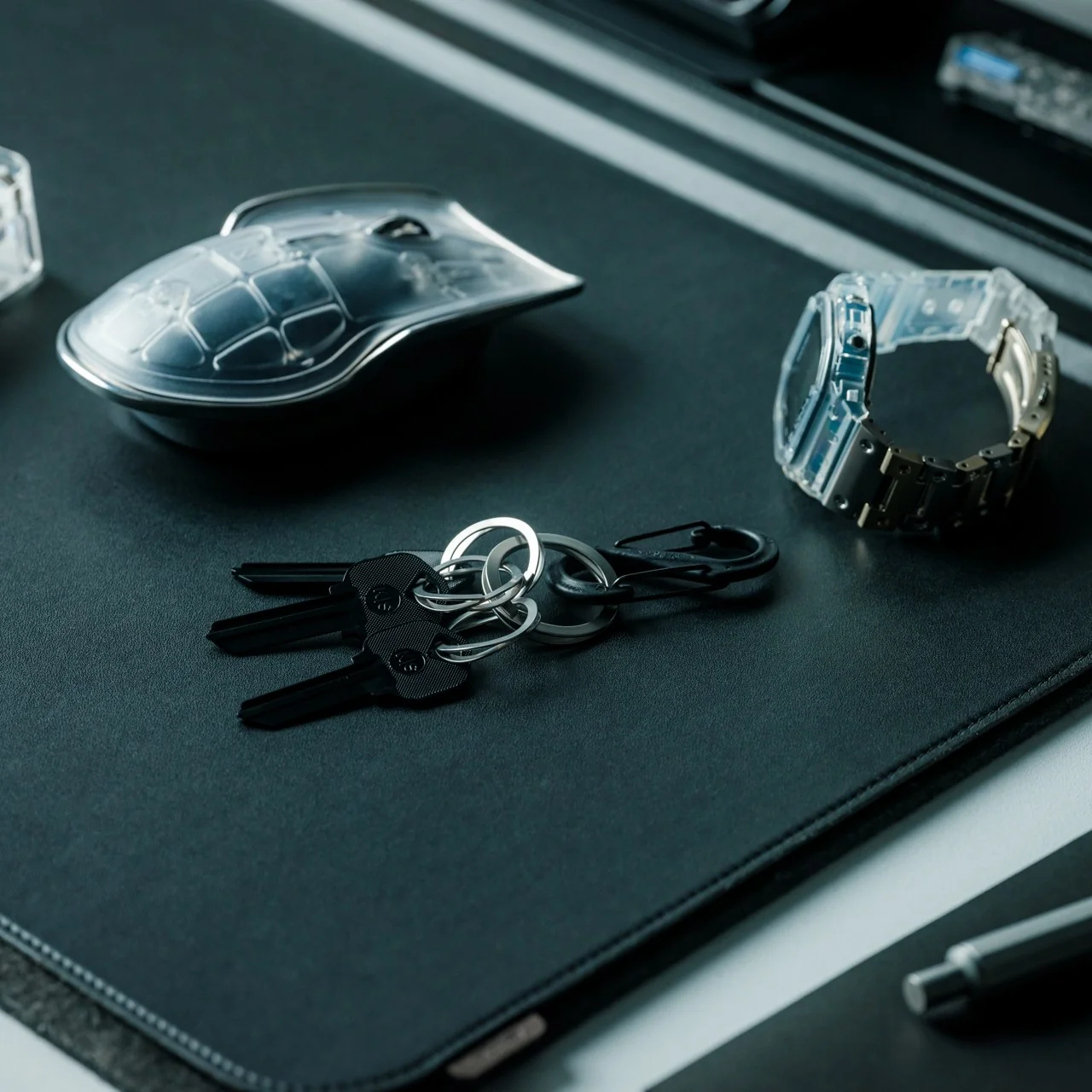
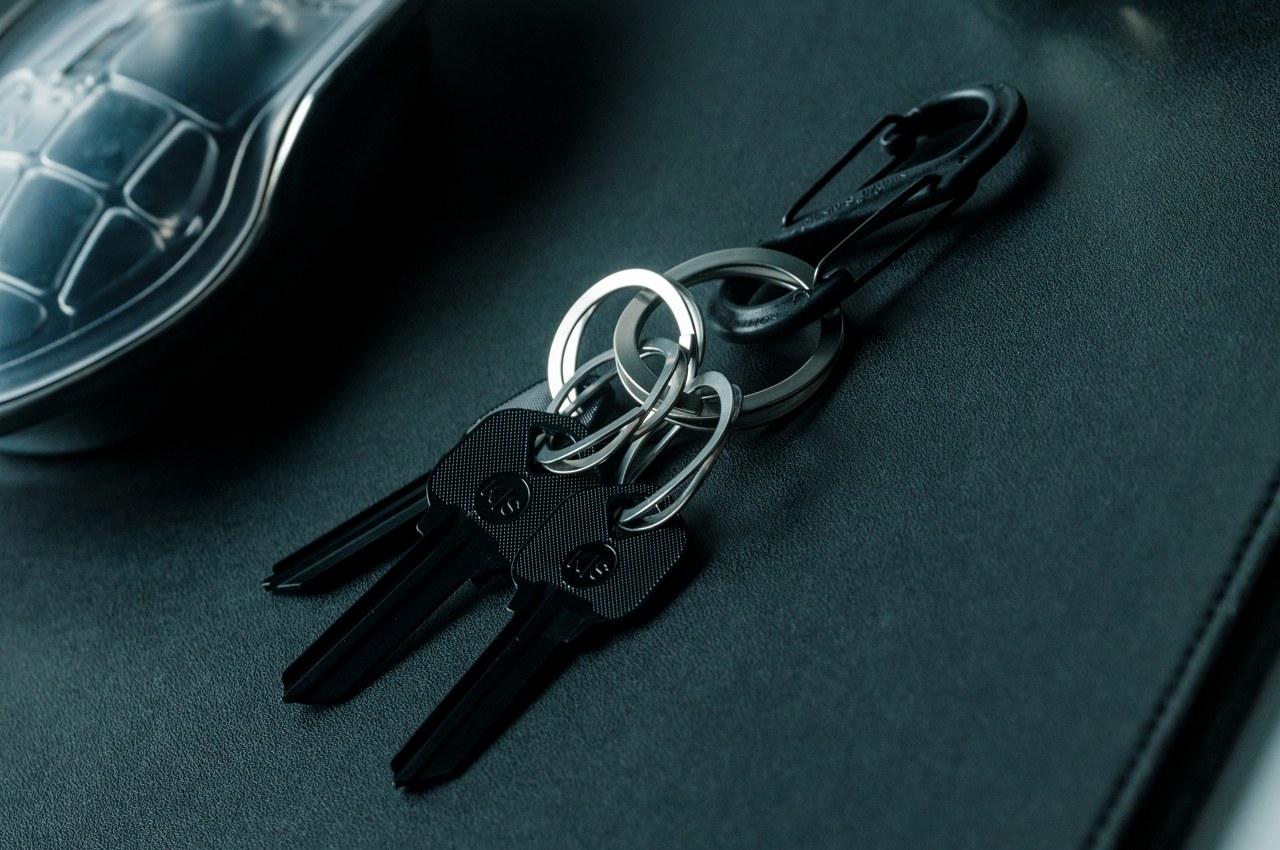
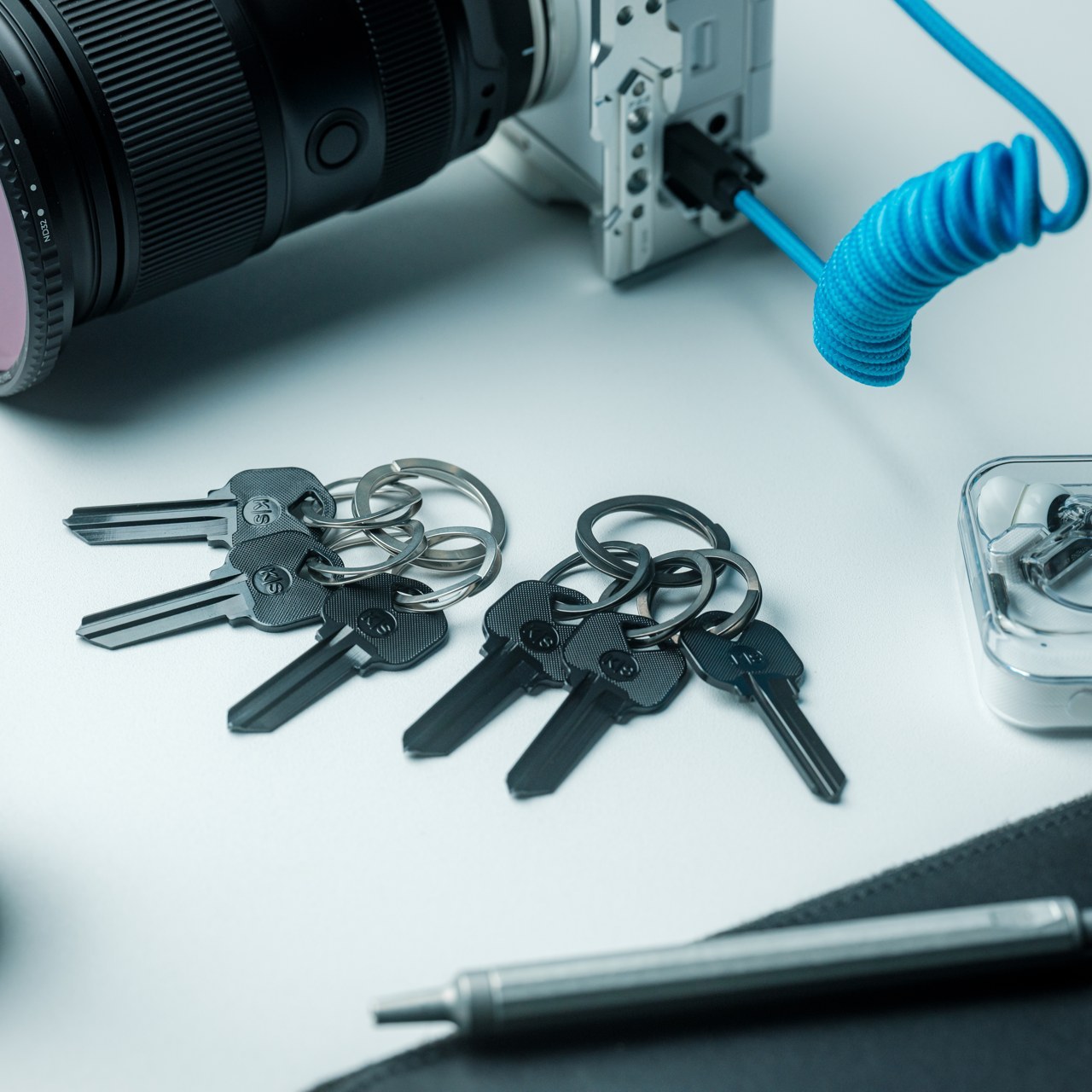
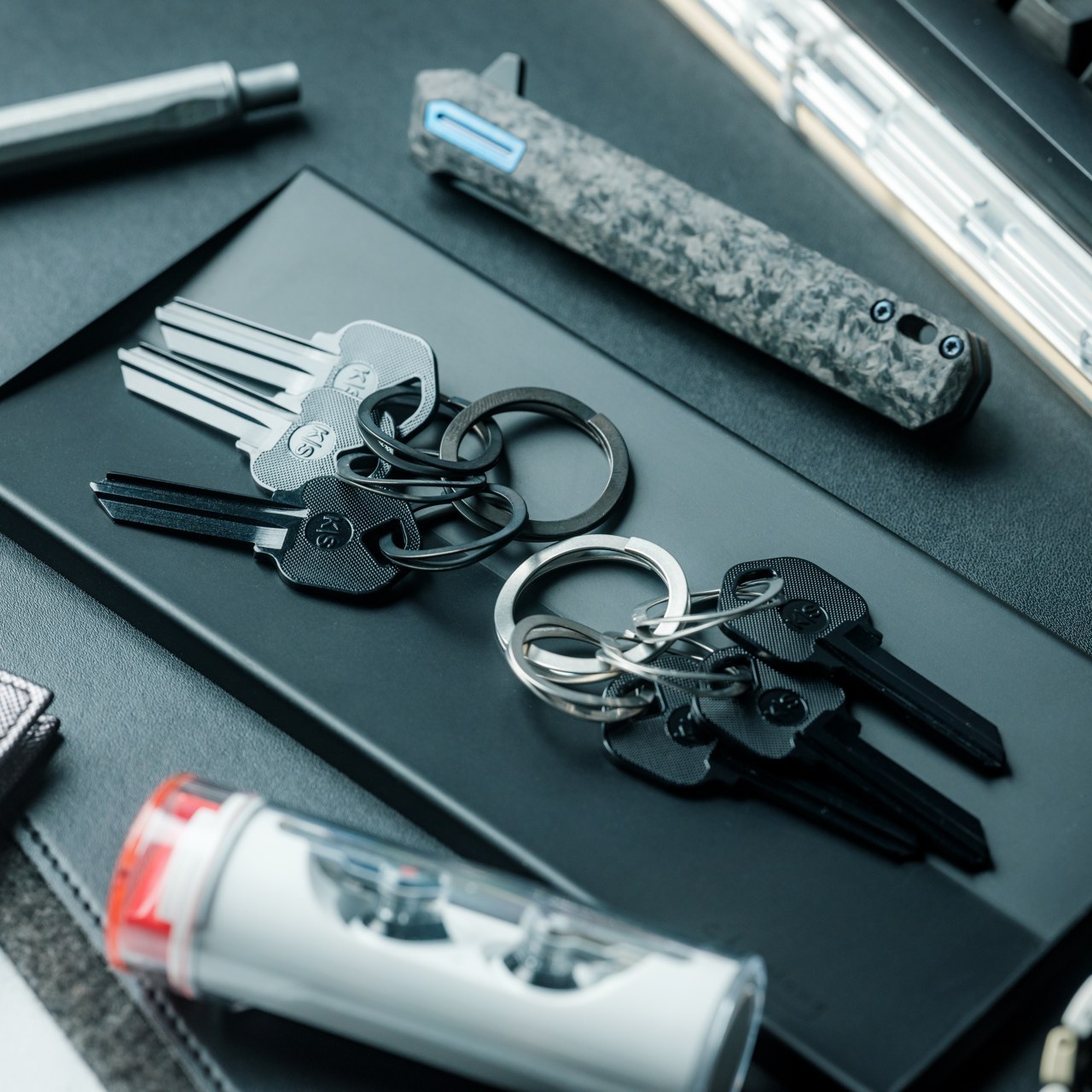
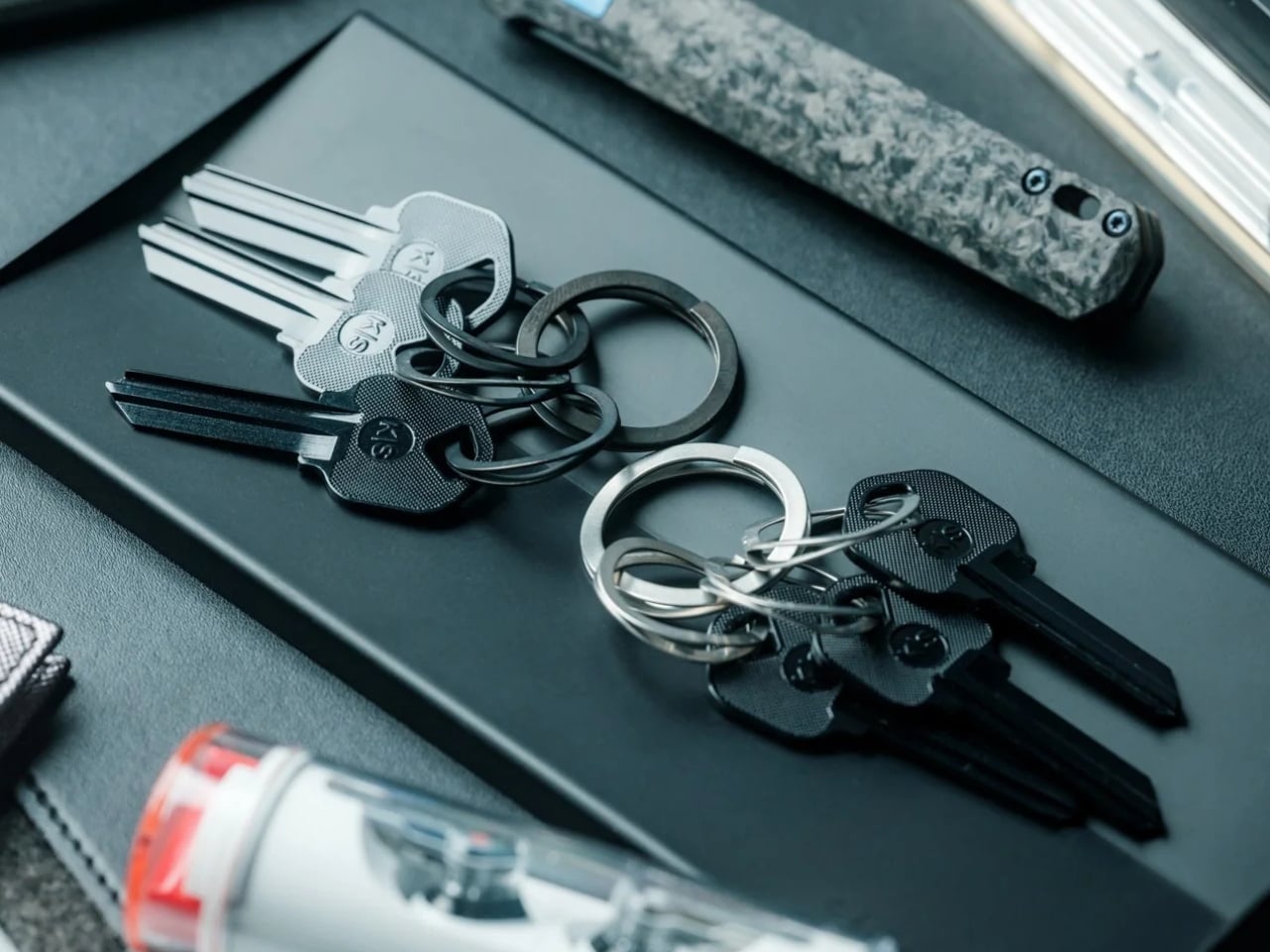
It comes as a set of one large ring and three smaller rings, available in silver and black. The black version is dyed rather than painted, which makes it more resistant to wear and scratches, not just aesthetically different. Both finishes hold up well against the daily context of being thrown into a bag, clipped to a carabiner, or dropped on a desk, which is most of our actual key ring experience.

At $29 for a set, the price sits in a range that feels proportionate to what you are getting. It is not an impulse buy, but it is also not a hard sell when you consider that most people spend more on a single decent pen without much deliberation. The comparison that keeps coming to mind is the razor that replaced the old disposable, or the notebook that made you stop picking up freebies at conferences. Once you use something engineered to actually work, the previous version becomes very difficult to go back to.

The design community talks a lot about objects that deserve more attention than they receive, and the key ring is probably the most obvious example of that gap. We carry our keys every day without any particular feeling about them, which is fine until you realize that feeling nothing about a daily object usually means it is only doing the minimum. The Painless Key Ring sets a different bar, one that takes the smallest, most neglected piece of your everyday carry and applies genuine engineering logic to it. Whether you are someone who obsesses over EDC setups or someone who just wants to stop destroying their nails every time you need a spare key, the upgrade reads the same either way.

The post The $29 Key Ring That Finally Fixed a 130-Year-Old Problem first appeared on Yanko Design.

Save your nails and beat the stress with this innovative wave spring key ring

We all know that it’s a good idea to keep keys together in one place, but no one talks about how painful that can actually be. Key rings are basically a single piece of metal bent to coil in a circle, and that design hasn’t changed one bit in decades. It’s a simple design that’s meant to keep your keys secure to the point that you’ll break a sweat or break a nail when actually trying to add a key to the ring. Worse, the rings that do try to be more flexible and easy on the nails end up being less reliable instead because of their softness. Fortunately, the solution isn’t as complicated as you might think, as demonstrated by this distinctive key ring that takes its smarts from the design of aerospace equipment and cars.

Designer: MAENI

Click Here to Buy Now: $25

The common key ring is really just a flattened coil of metal, the most practical shape not just for holding a bunch of keys but also for securing them in place. In order to prevent those keys from accidentally getting loose, that coil provides no gap in between and is often quite rigid, requiring you to exert a lot of force to open one end for a key to get through, which often ends up with broken nails. Conversely, there are rings that are so thin and pliable that they get easily deformed the moment you deal with thicker keys and objects.

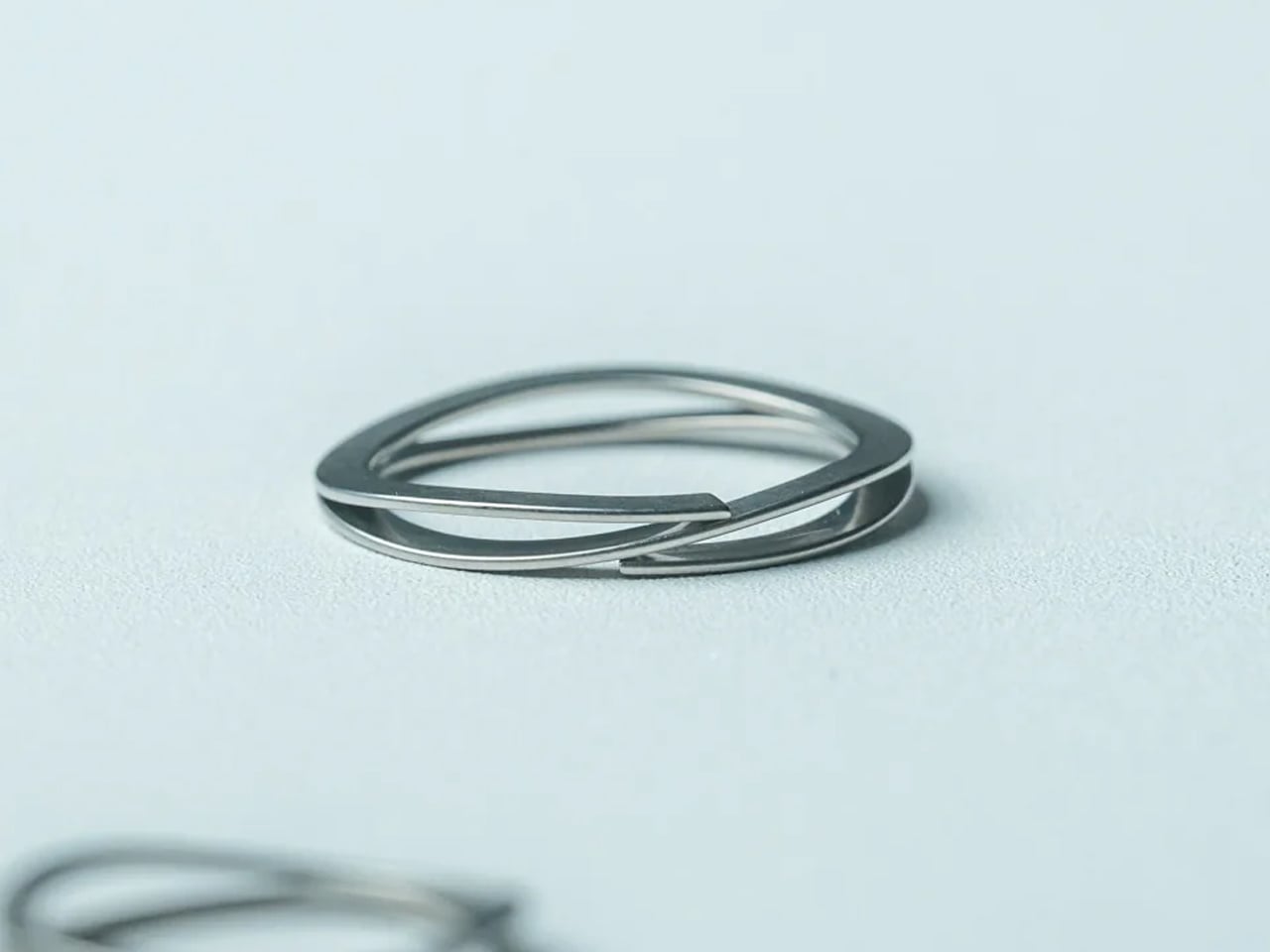
The simple answer to this decades-old probably is apparently to change the kind of structure used. Instead of that traditional coil spring, this key ring employs a “coiled wave spring” shape instead. This kind of spring is heavily used in heavy-duty vehicles and equipment, from aerospace to automobiles. Turns out that this same wavy shape is perfect for a more user-friendly key ring that won’t break nails or test your patience.

With this wave spring design, inserting a key is as easy as sliding it into the ring through the natural gaps made by the waves. To remove a ring, simply lift the tip without worrying about damaging your nail. The key ring is designed to be as stress-free to use as possible, removing any hurdle to keeping your keys organized and safe in a single place.

Despite its uncommon appearance, this stress-free key ring is actually lighter than a typical keyring at only 3 grams. That’s thanks to a thinner material, only 0.8mm thin, and its beautiful waveform shape. At the same time, it’s actually twice as strong with a high-tension stainless steel SUS304 body so it won’t get bent out of shape even if you insert a thick key. Whether it’s to protect your nails or to protect your sanity, this one-of-a-kind key ring will give you peace of mind knowing all your keys are in one place and that you can add or remove them easily as often as you want.

Click Here to Buy Now: $25

The post Save your nails and beat the stress with this innovative wave spring key ring first appeared on Yanko Design.
The TITANIUM Utility Knife is an elegantly designed EDC for everyday use

Everyday Carry (EDC) is everywhere, and they come in all shapes and sizes with what appears to be an unlimited laundry list of features. However, if you’re the type of person who wants a simple yet elegantly designed utility knife that lives side by side with your keys, then the KIWI, a titanium trapezoid utility knife, could be considered as striking the perfect balance between functionality and convenience that stand out as indispensable tools. With its focus on precision cutting and ease of use, unlike the conventional multitools that aim to cover a broad range of functionalities, the KIWI carves its niche by excelling in what it does best: cutting with unparalleled precision and reliability.

Designer: Ying Wang for DailyGizmo

Click Here to Buy Now: Starting at $59 $79 (25% off). Hurry, only 39 left!

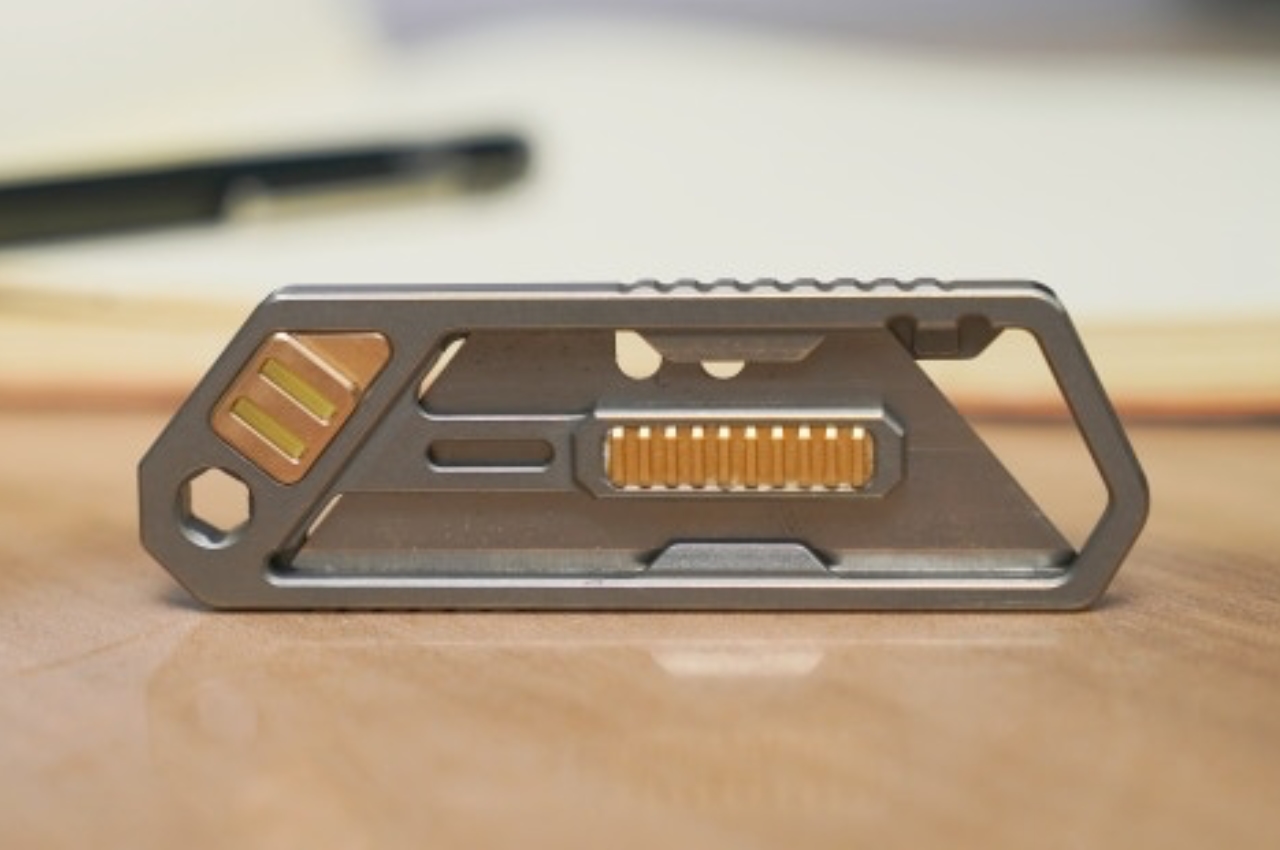
The design philosophy of the KIWI is rooted in minimalism, stripping away the unnecessary to focus on the essential. It boasts a sleek titanium blade holder that houses a standard trapezoid utility blade, epitomizing the “less is more” approach. This design choice enhances the knife’s aesthetic appeal and ensures its functionality, allowing for smooth and effortless blade deployment and retraction. I respect the idea that simplicity can coexist with efficiency, offering a seamless cutting experience without the fuss.

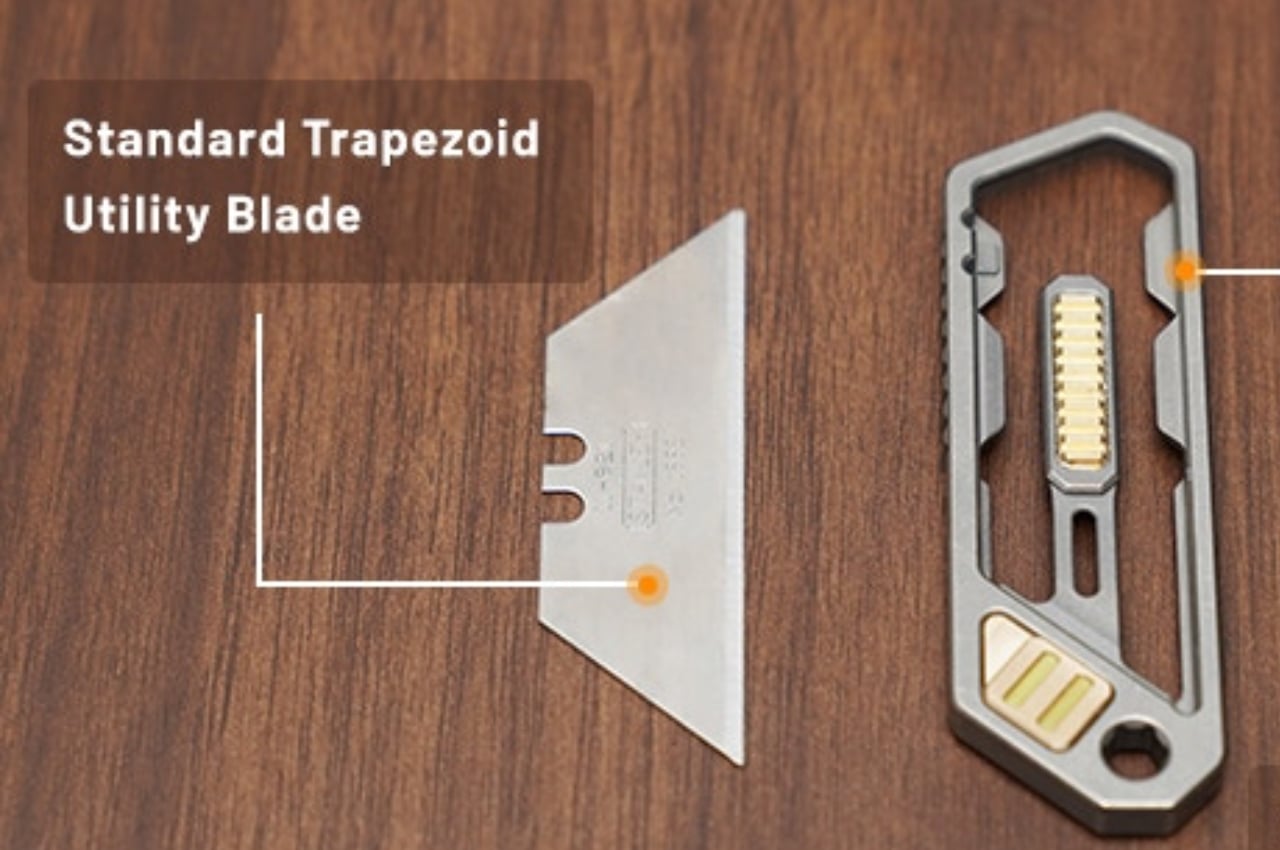
Crafted for standard trapezoid utility blades, KIWI boasts a quick-release design for effortless blade replacement

One of the most notable features of the KIWI is its quick-release blade mechanism. This thoughtful design addresses the common issue of maintaining a sharp edge in utility knives. This feature allows for easy and quick blade replacement, ensuring that you’re always carrying around a knife that’s always ready for action. The knife’s lightweight yet robust construction is another hallmark of its design. By hollowing out a significant portion of the titanium sheet, the KIWI achieves an impressive lightness akin to a quail egg without compromising strength or durability.
Changing the blade is exceptionally convenient—effortless for anyone, ensuring a hassle-free experience.

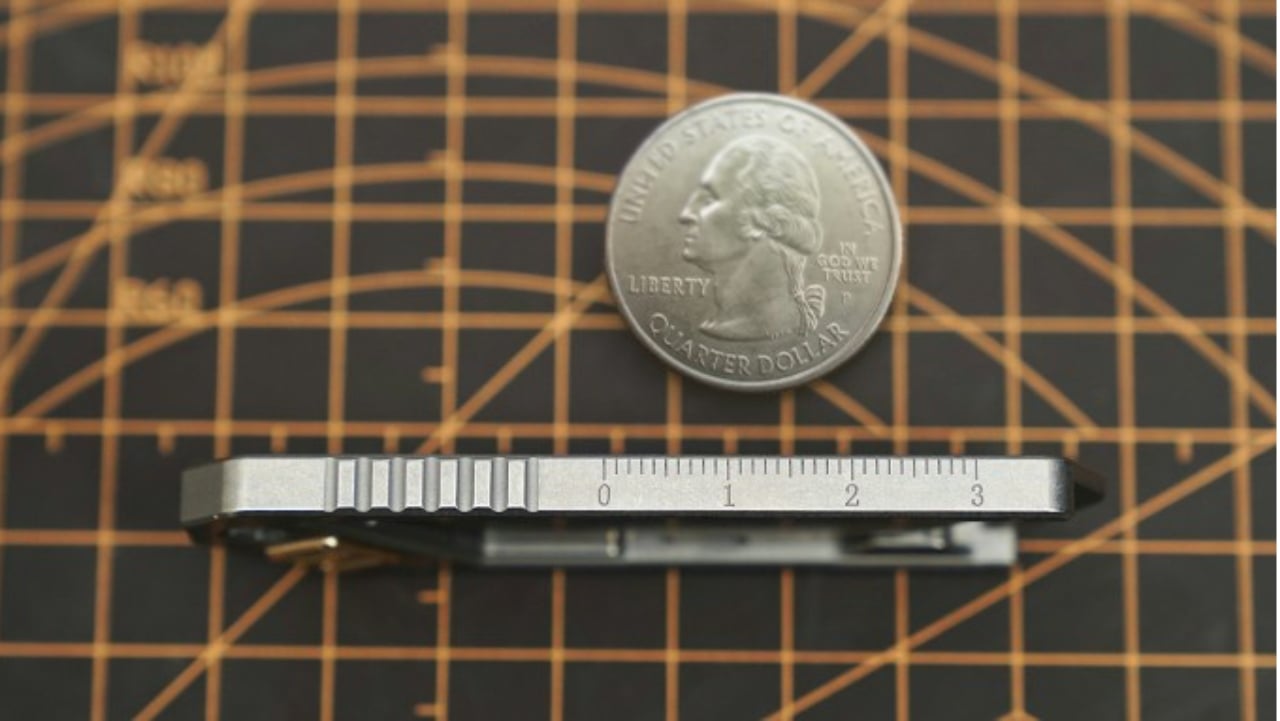
The one-piece structure, specifically designed to work with standard trapezoid utility blades, measures 5.2mm in width, 25.1mm in height, and 76.6mm in length. I like comparing the Kiwi to a bespoke Italian suit for an everyday utility blade, which can be easily replaced when dull. Changing blades in small knives can often be a cumbersome and risky task, but the KIWI addresses this issue with a blade change mechanism that is both safe and simple.

KIWI’s user-friendly method of changing blades involves merely pressing and pushing the blade all the way out to remove it and doing the reverse to install a new one. This approach underscores KIWI’s commitment to a hassle-free experience, ensuring the knife is accessible and convenient for users of all skill levels.

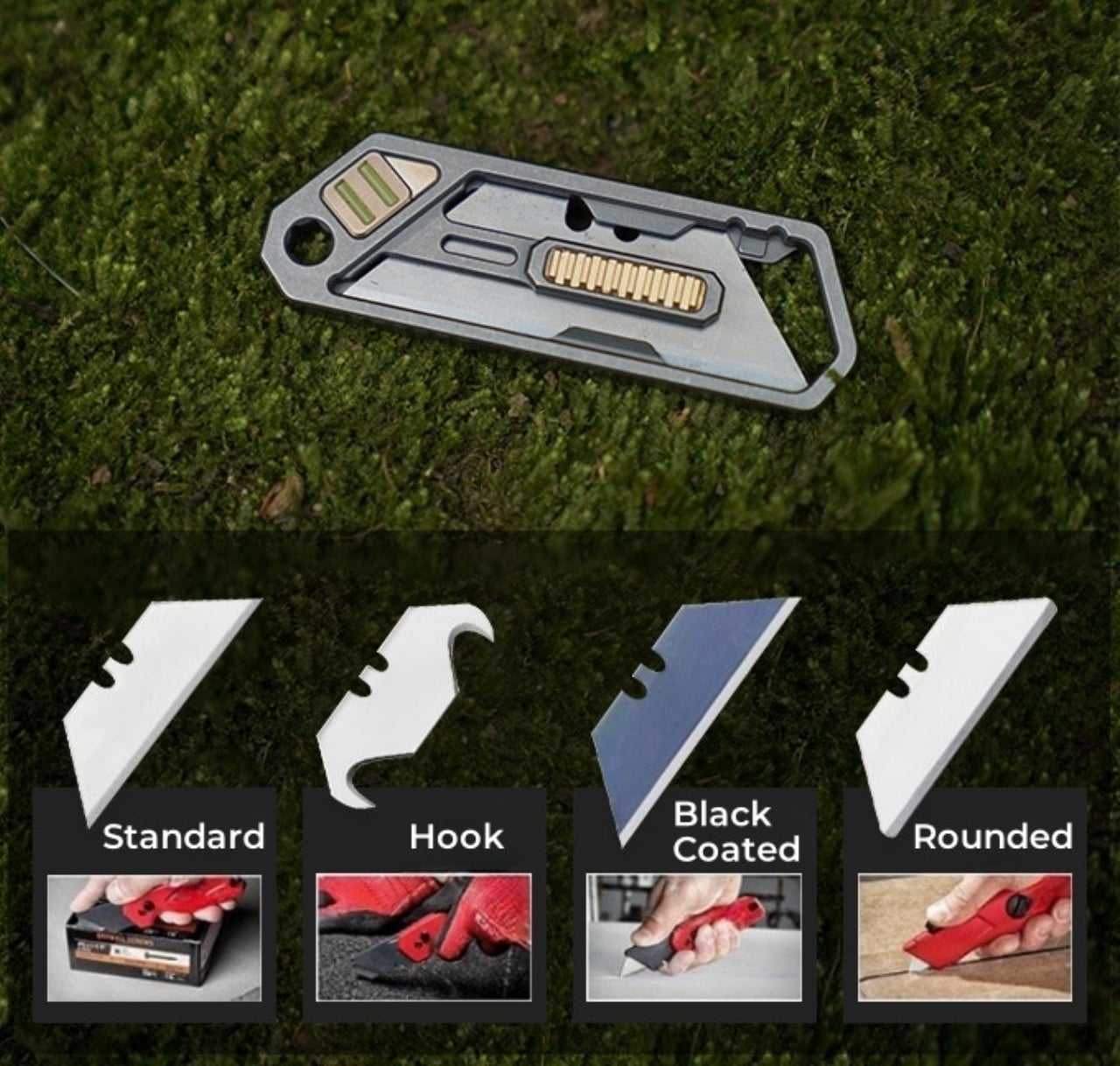
In terms of blades, the housing is compatible with the standard blade and the hook, black-coated, and rounded-edge blades.

Safety is a paramount concern in the design of the KIWI, with a reliable locking mechanism that securely holds the blade in place, eliminating concerns for accidental slips leading to injuries thanks to a milled bump inside the trail serves to halt the blade, allowing precise control over the extension length. This focus on safety and the knife’s versatility makes the KIWI a trustworthy companion for many tasks, from delicate crafting projects to the rugged demands of outdoor adventures.

The addition of the built-in mini ruler, meticulously milled for precision, adds another layer of functionality, offering a convenient measuring tool that complements the knife’s primary purpose.

Its single-hand operation ensures unparalleled convenience, allowing for effortless use in various situations.

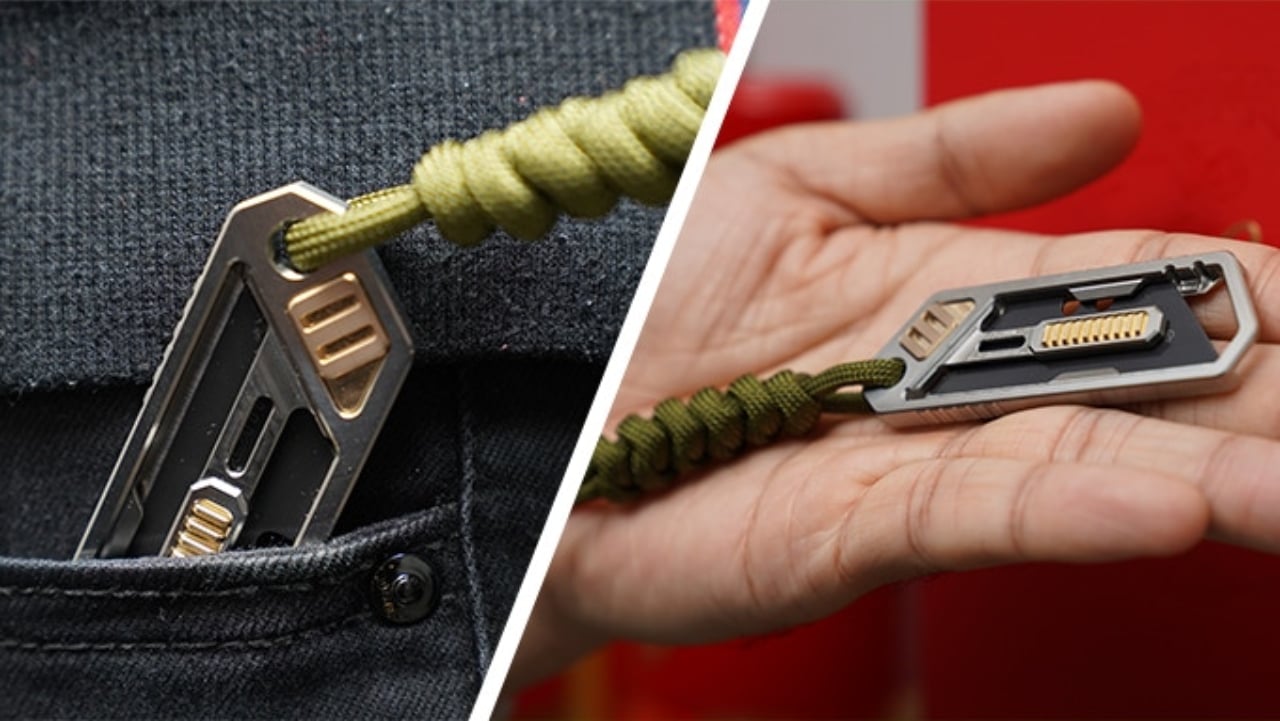
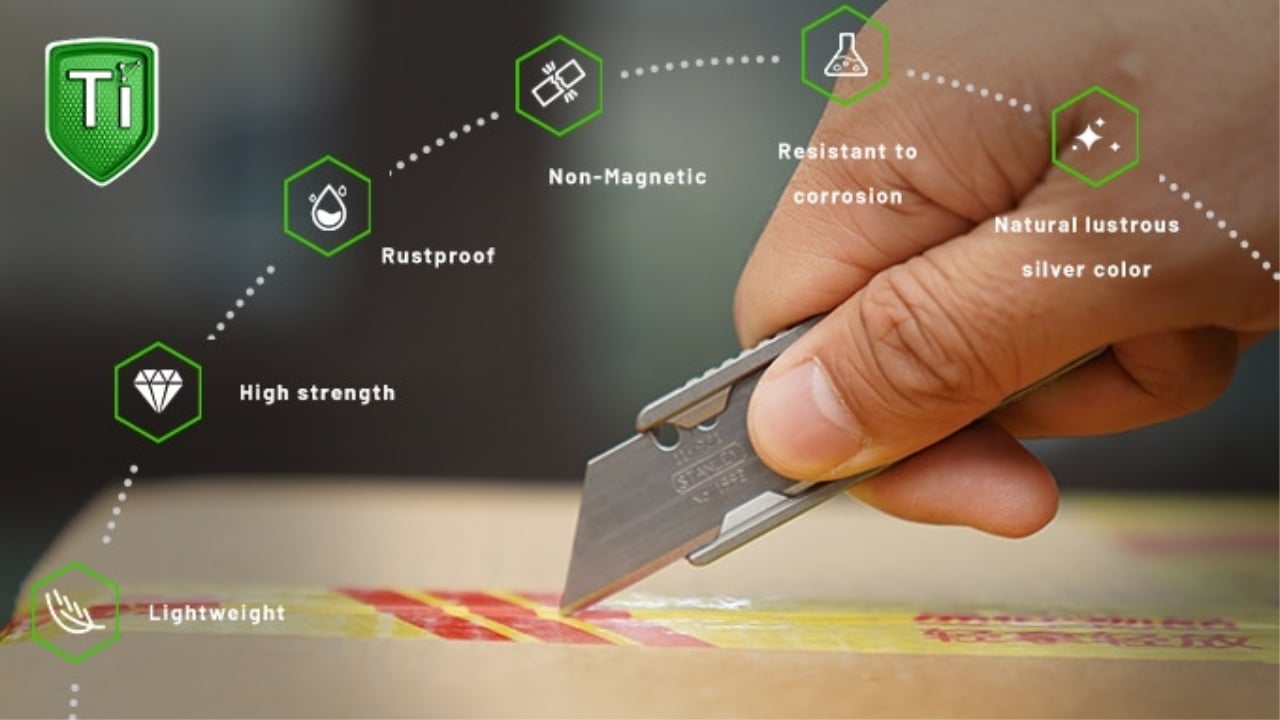
The choice of GR5 Titanium and brass for the knife’s construction contributes to its durability and stability and adds a touch of design elegance with the brass inlay decoration. This blend of materials sets the KIWI apart from its counterparts, making it a tool and a piece of art that lives on your keyring. The convenience of single-hand operation further elevates the user experience, allowing for effortless use across various use cases, from quick adjustments to precise cutting tasks.

The KIWI holds the blades safely and you don’t need to worry about the blade dropping or cutting your lap at all.

The robust mechanism, derived from the intrinsic properties of titanium and precision CNC machining, ensures a secure and reliable blade operation. The ergonomic grip, enhanced by CNC-machined grooves, provides comfort and control, even in challenging conditions, making the KIWI a tool and an extension of the user’s hand.

Once the blade is mounted, the locking bar securely locks it, preventing any accidental openings.

As a regular creator of unboxing videos for Yanko Design, I don’t require a large EDC. A beautifully crafted tool like the Kiwi enhances the production value of my videos. Since I often hold a camera or iPhone in one hand while opening a box, the ease of deploying the blade makes it both safe and effortless.

KIWI excels in a myriad of tasks, ensuring accuracy and adaptability for a wide range of uses.

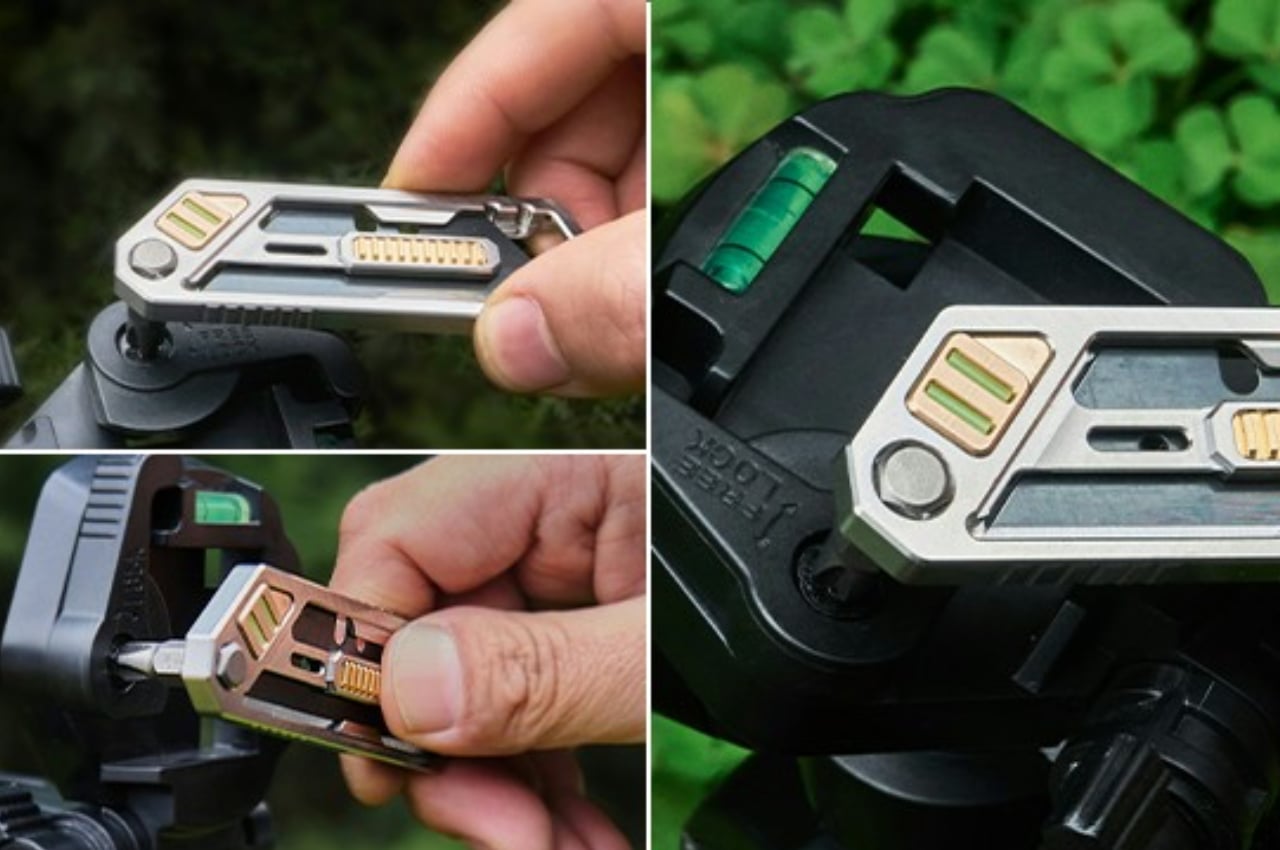
A couple of convenient features include the ability to attach a 1/4 bit for times when you need to tighten or loosen screws. I use various photography accessories and mounts that require tightening; often, a hex tool is not readily available! Two tritium slots are on each side if you need to add tritium tubes.

Featuring a distinctive keychain hole, KIWI employs a 1/4 bit for effortless tightening or loosening of screws.

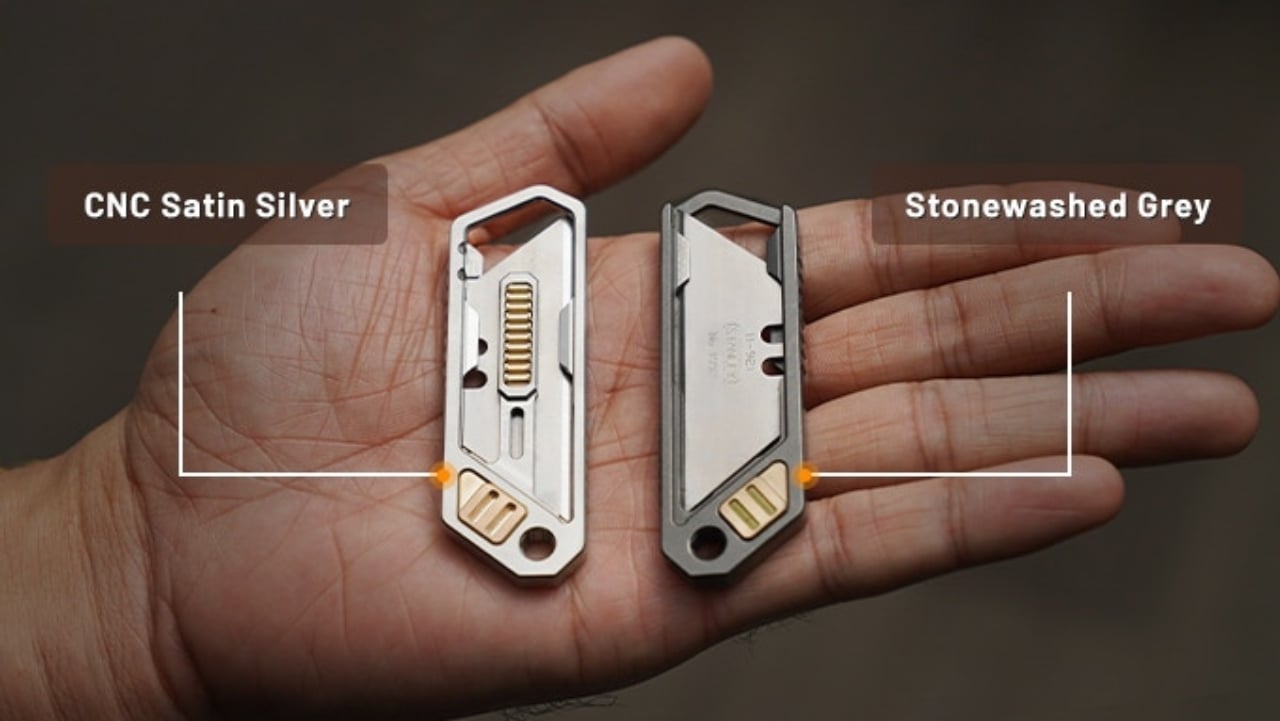
Lastly, the KIWI Titanium Trapezoid Utility Knife comes in two colorways: CNC satin silver or stonewashed grey. I personally prefer the latter because it creates a nice contrast between form and function.

Its minimalist design, innovative features, and premium materials make it an indispensable tool for a wide range of activities. Whether for everyday repairs, precision cutting, or outdoor adventures, I can see the KIWI being an essential addition to my EDC collection because it lives up to my expectations of an everyday carry with elegance and efficiency.

Click Here to Buy Now: Starting at $59 $79 (25% off). Hurry, only 39 left!

The post The TITANIUM Utility Knife is an elegantly designed EDC for everyday use first appeared on Yanko Design.