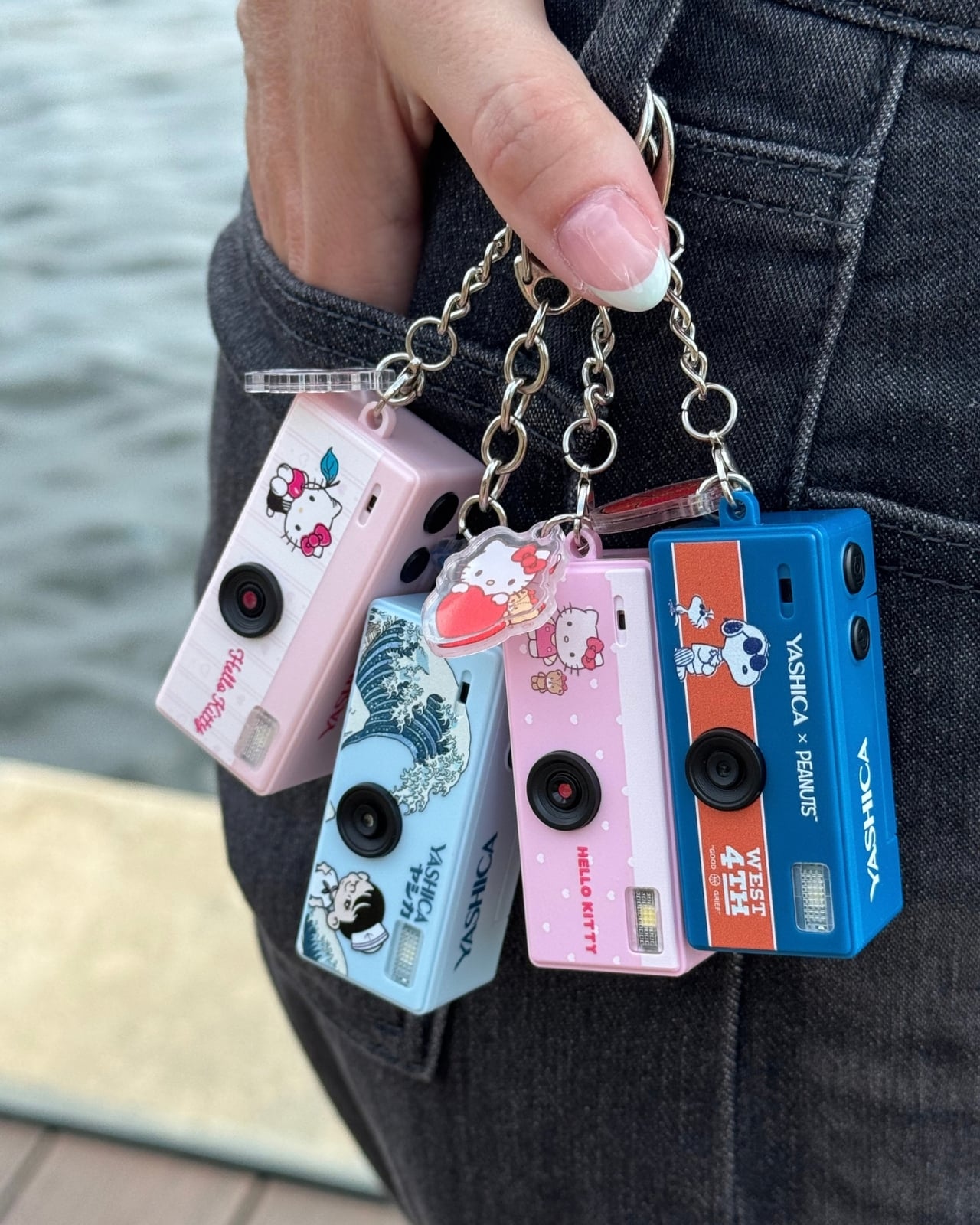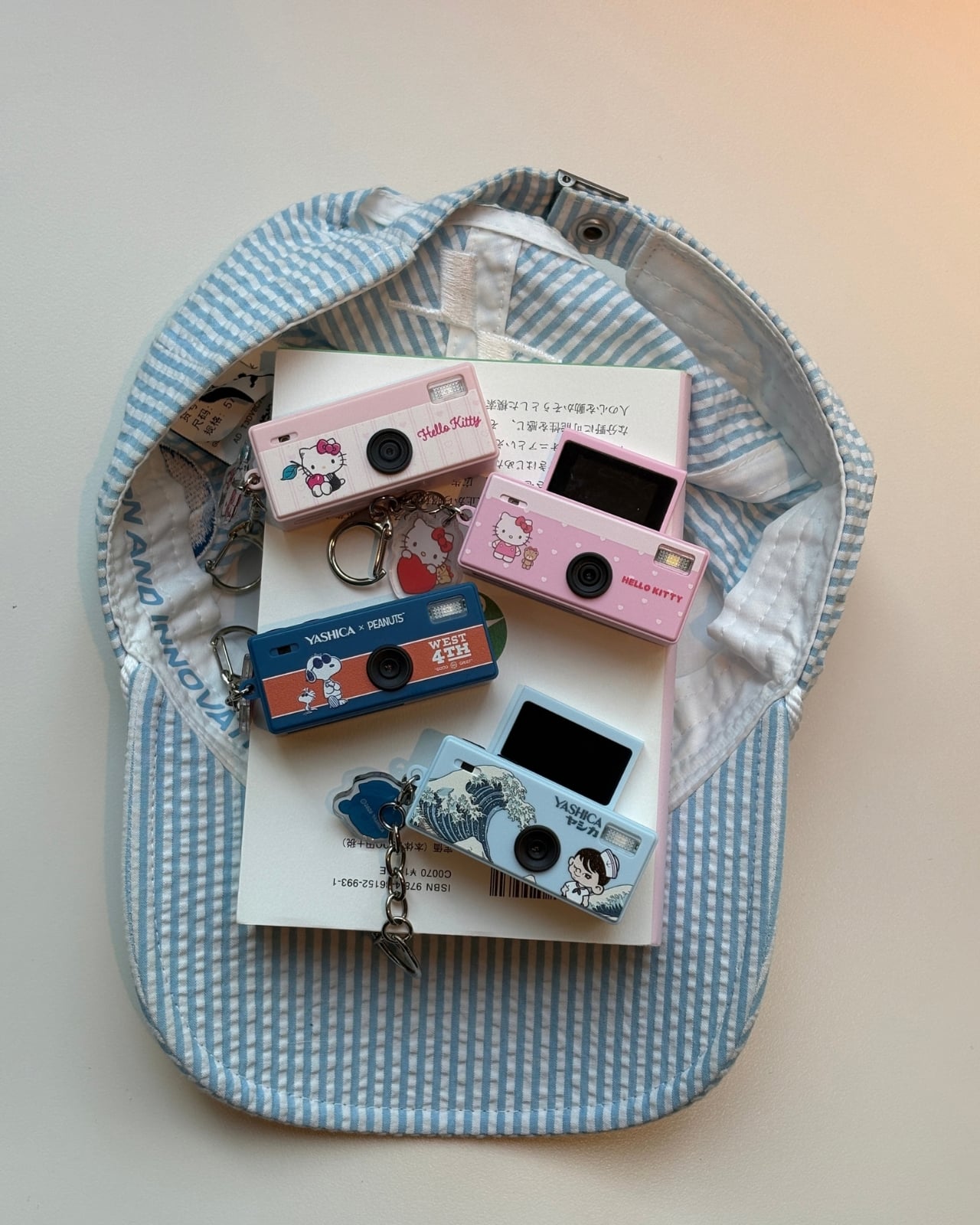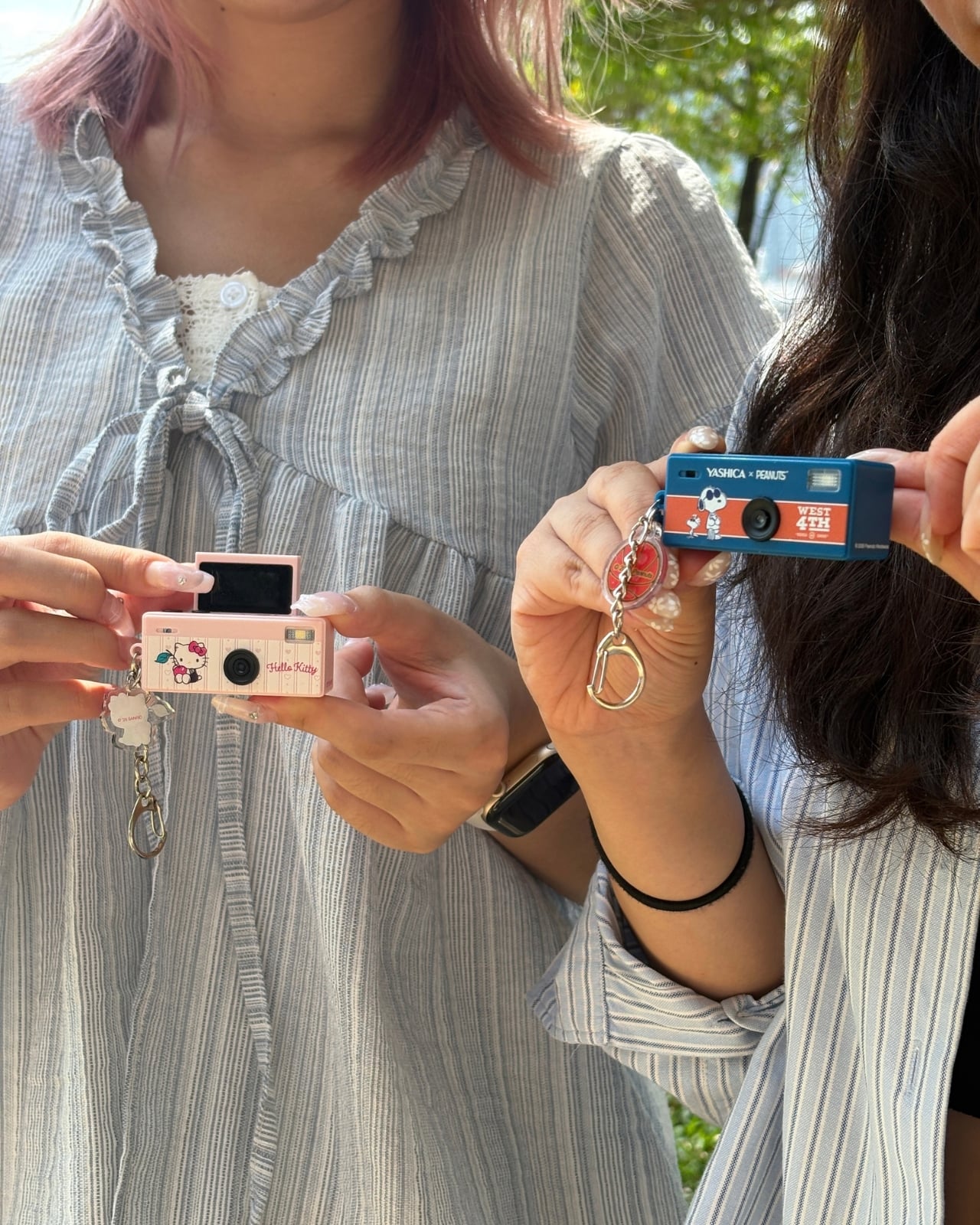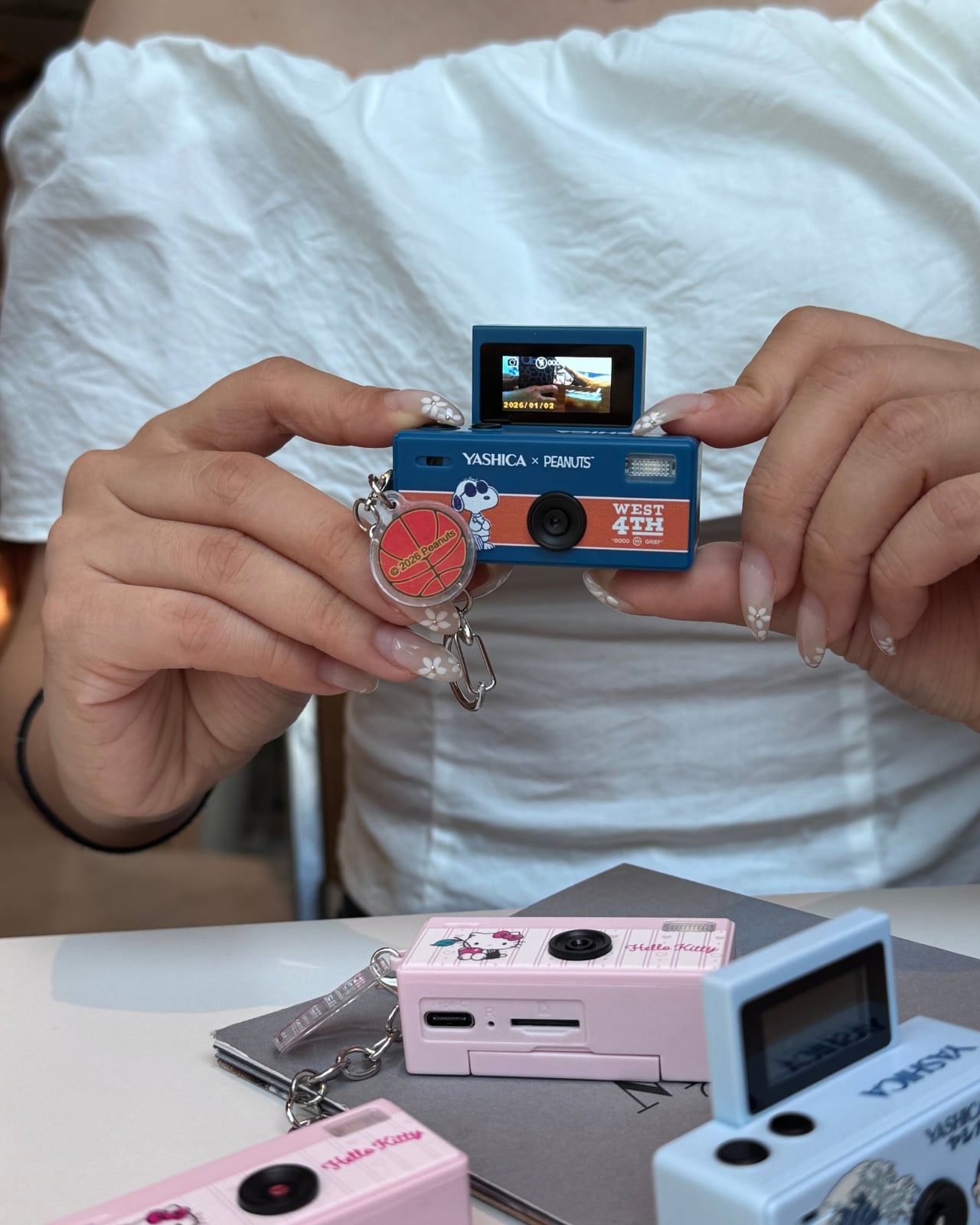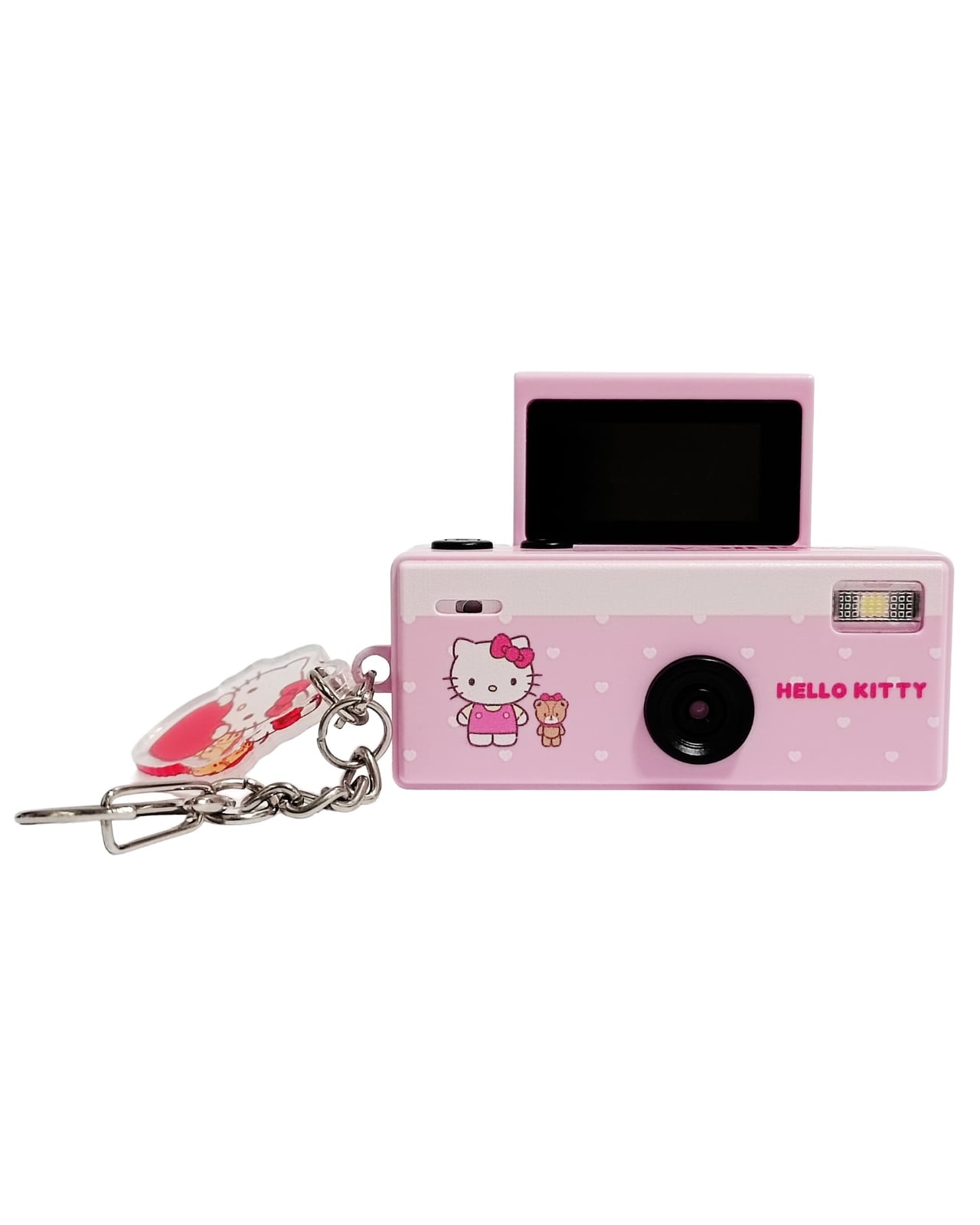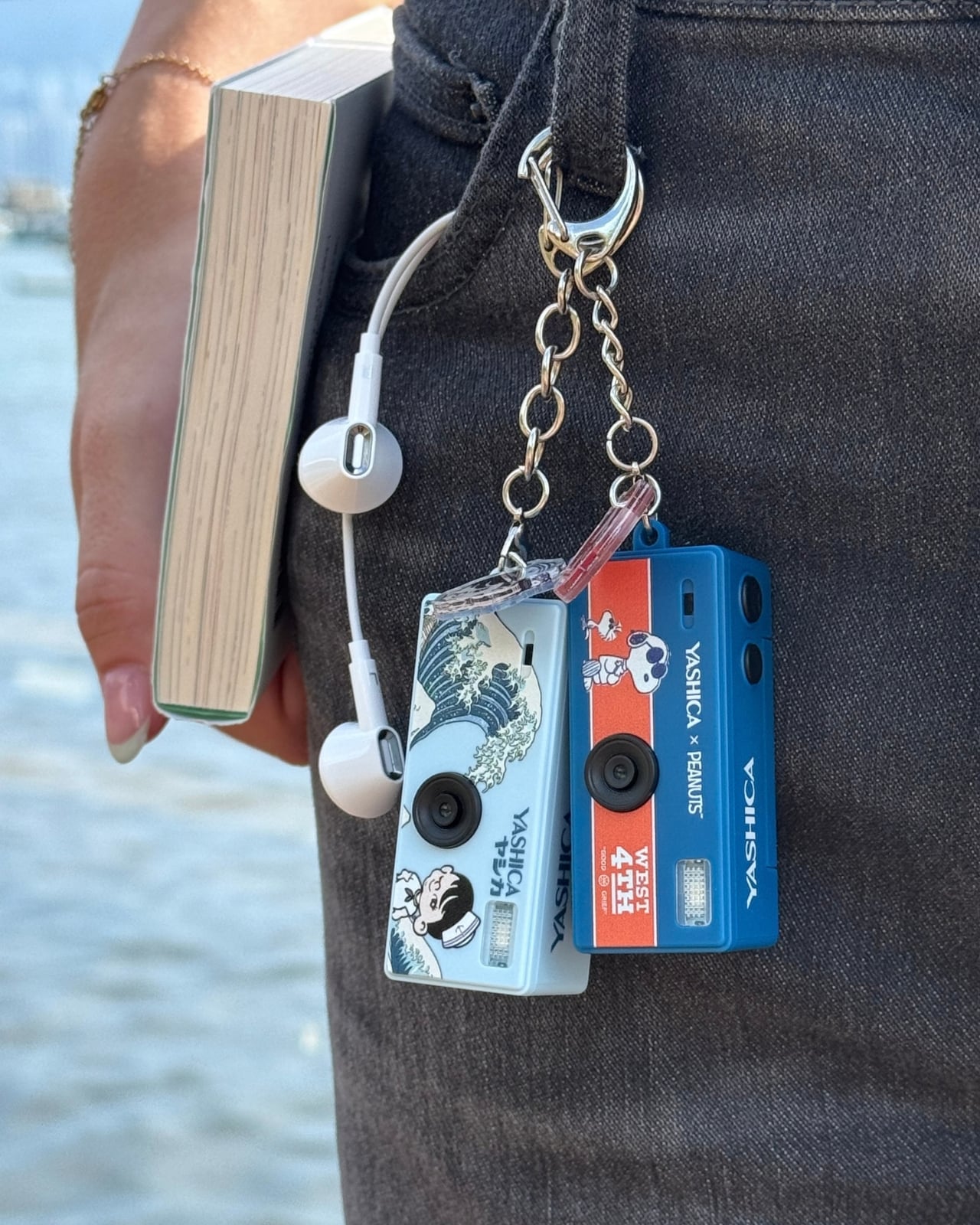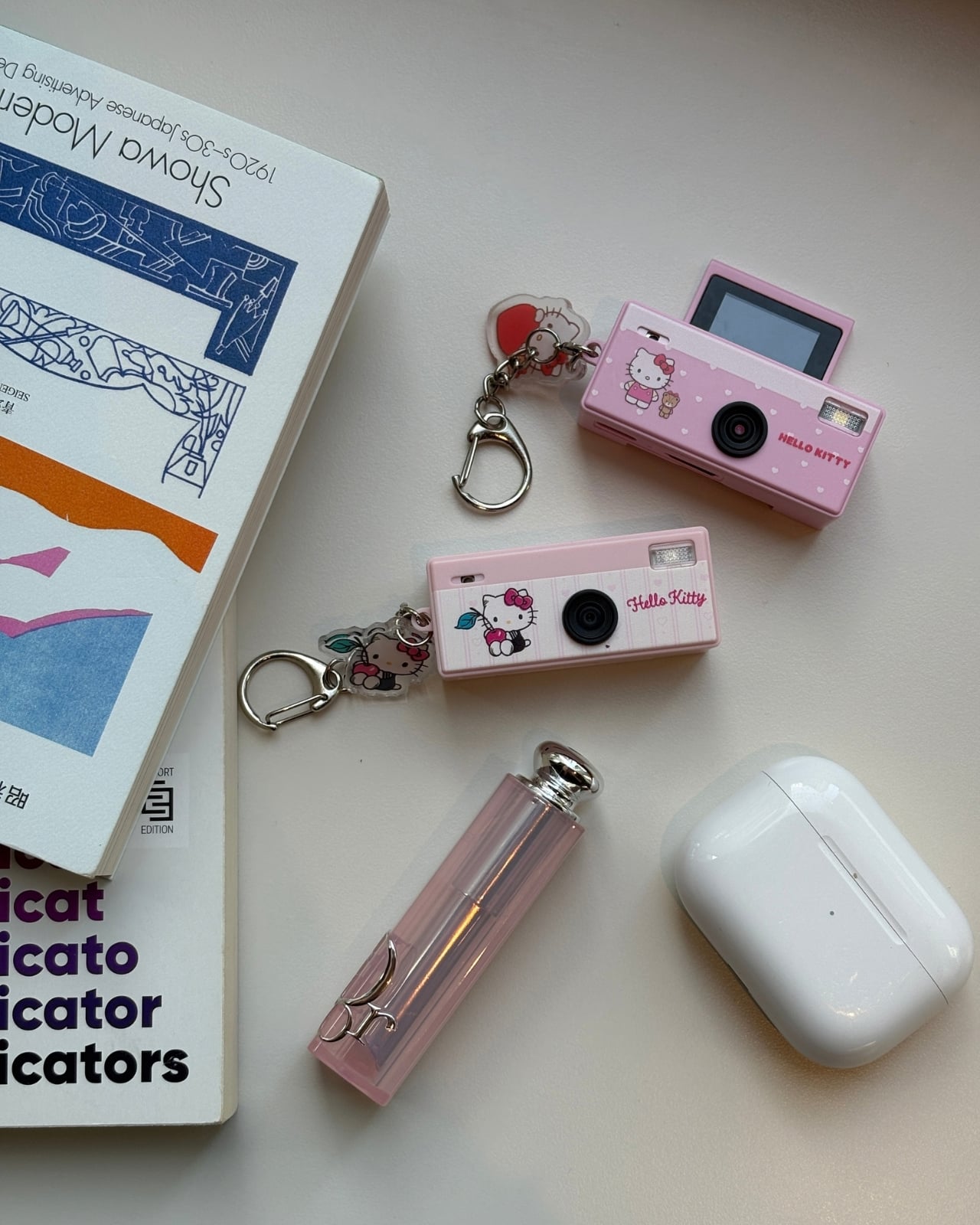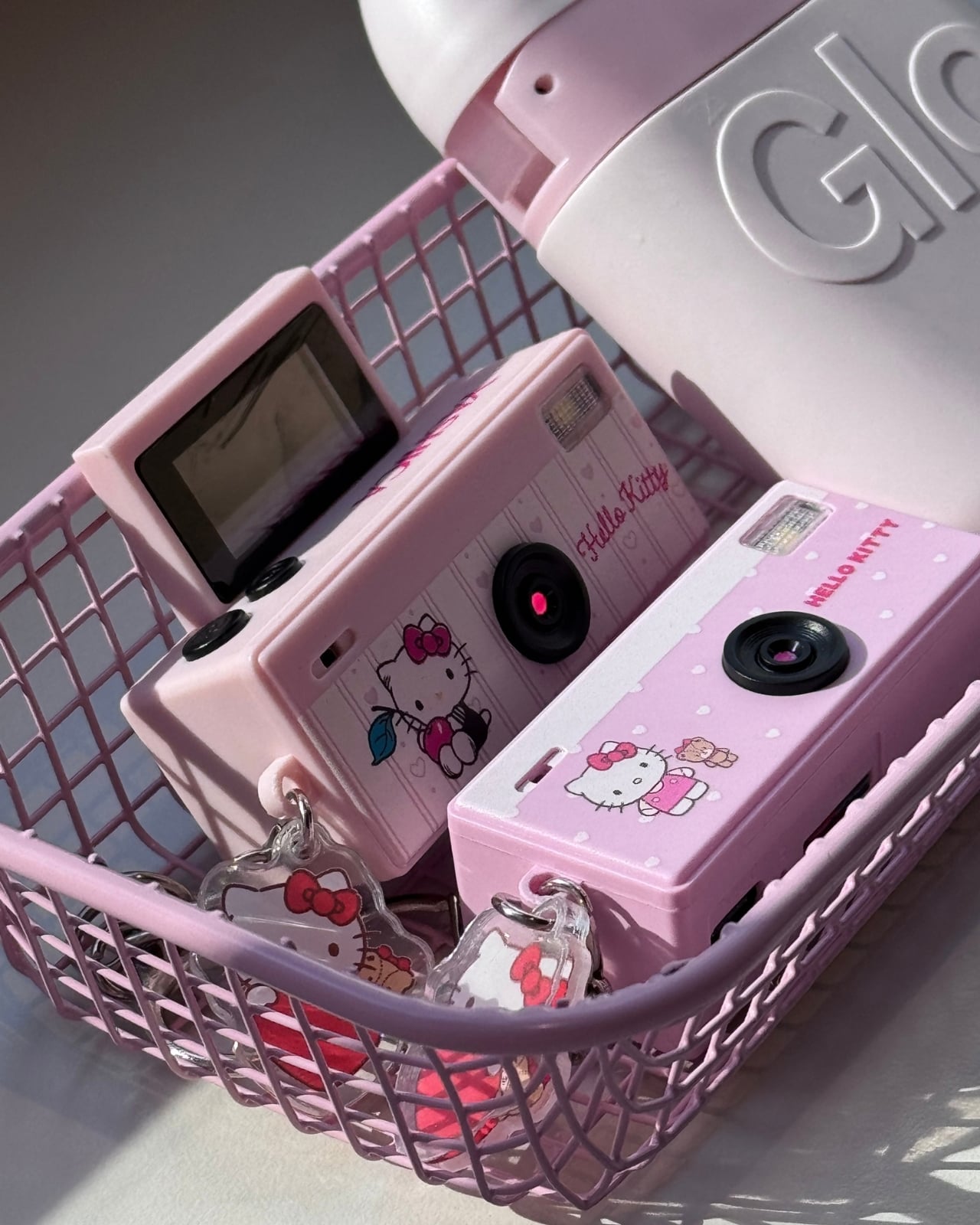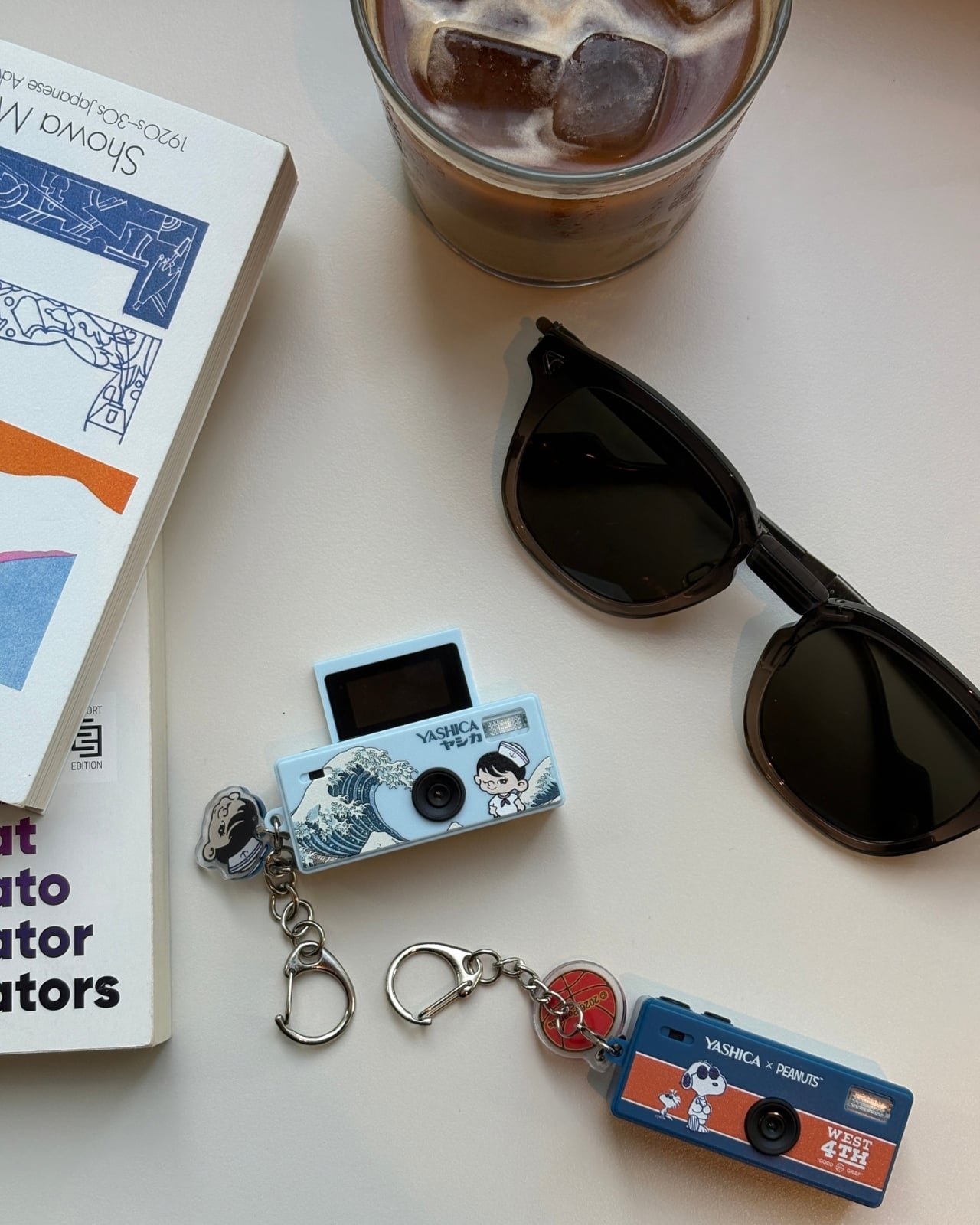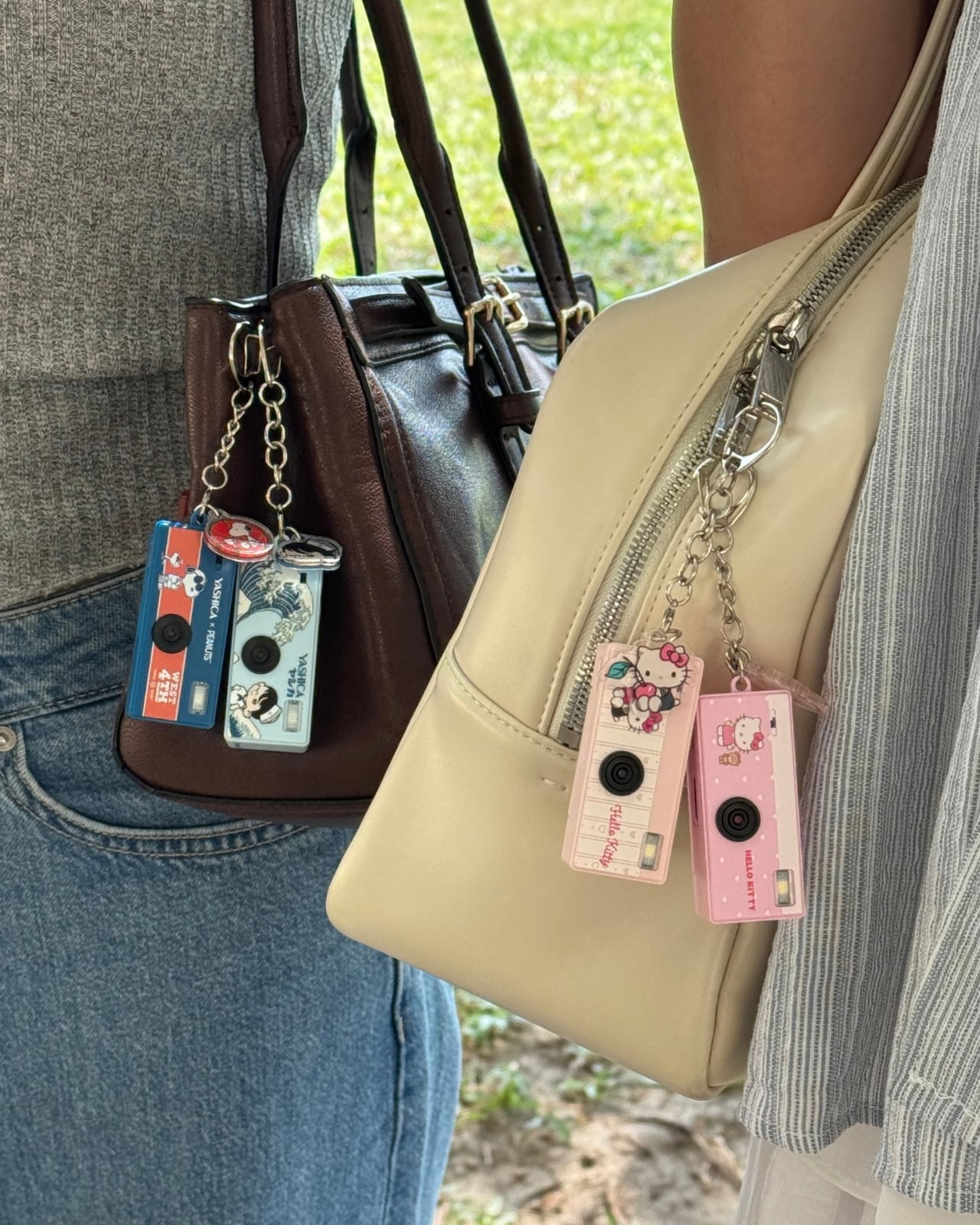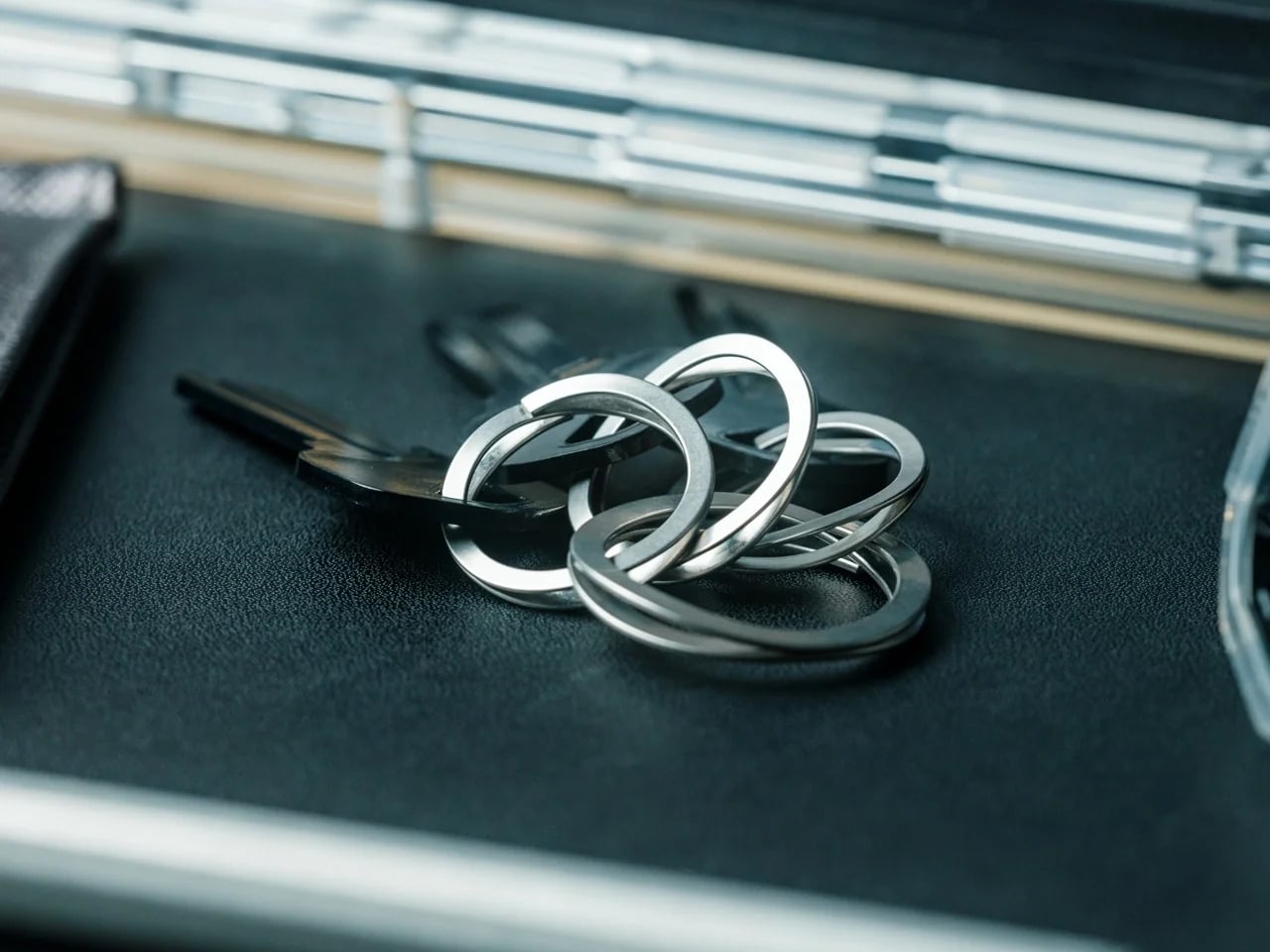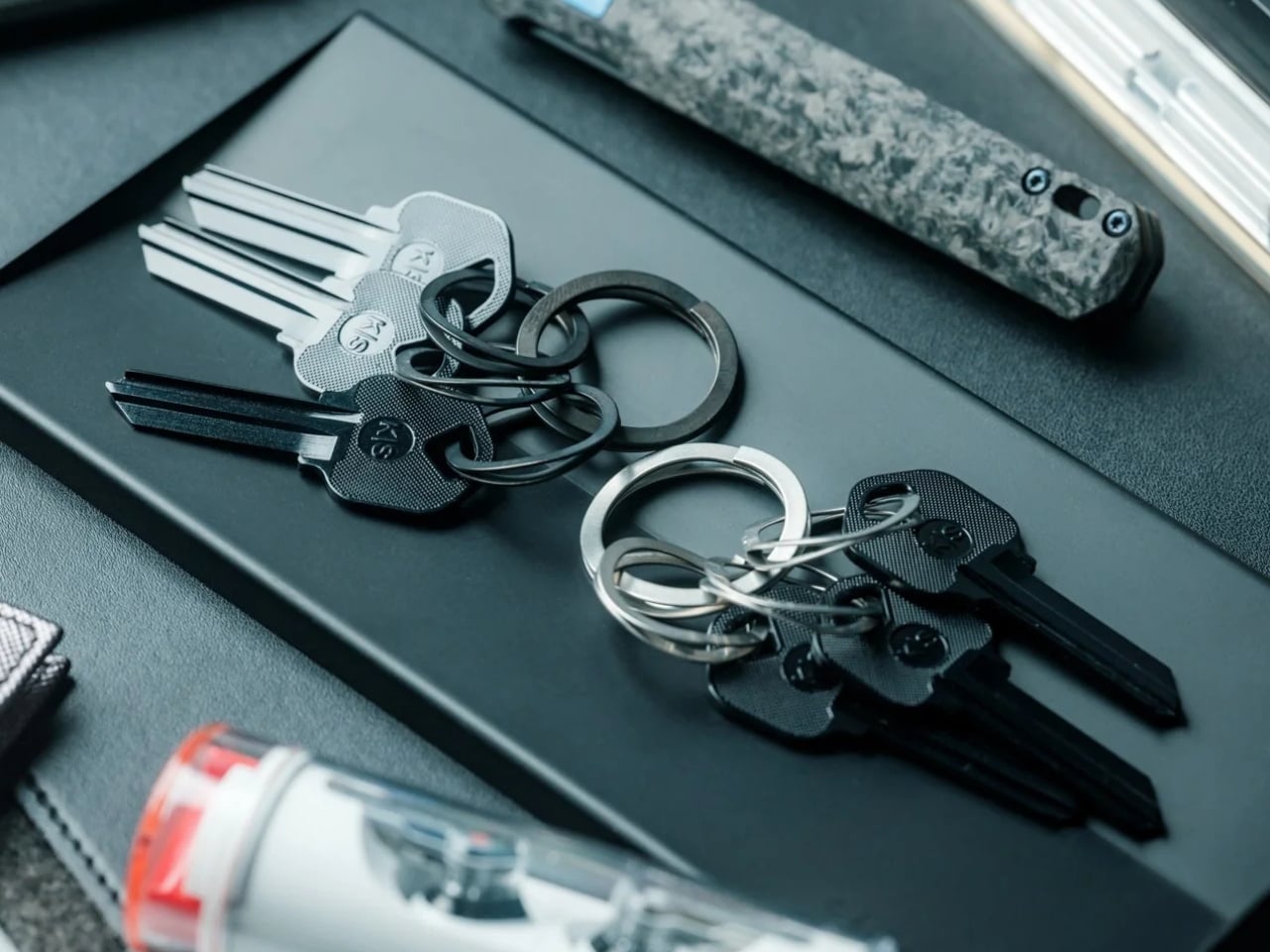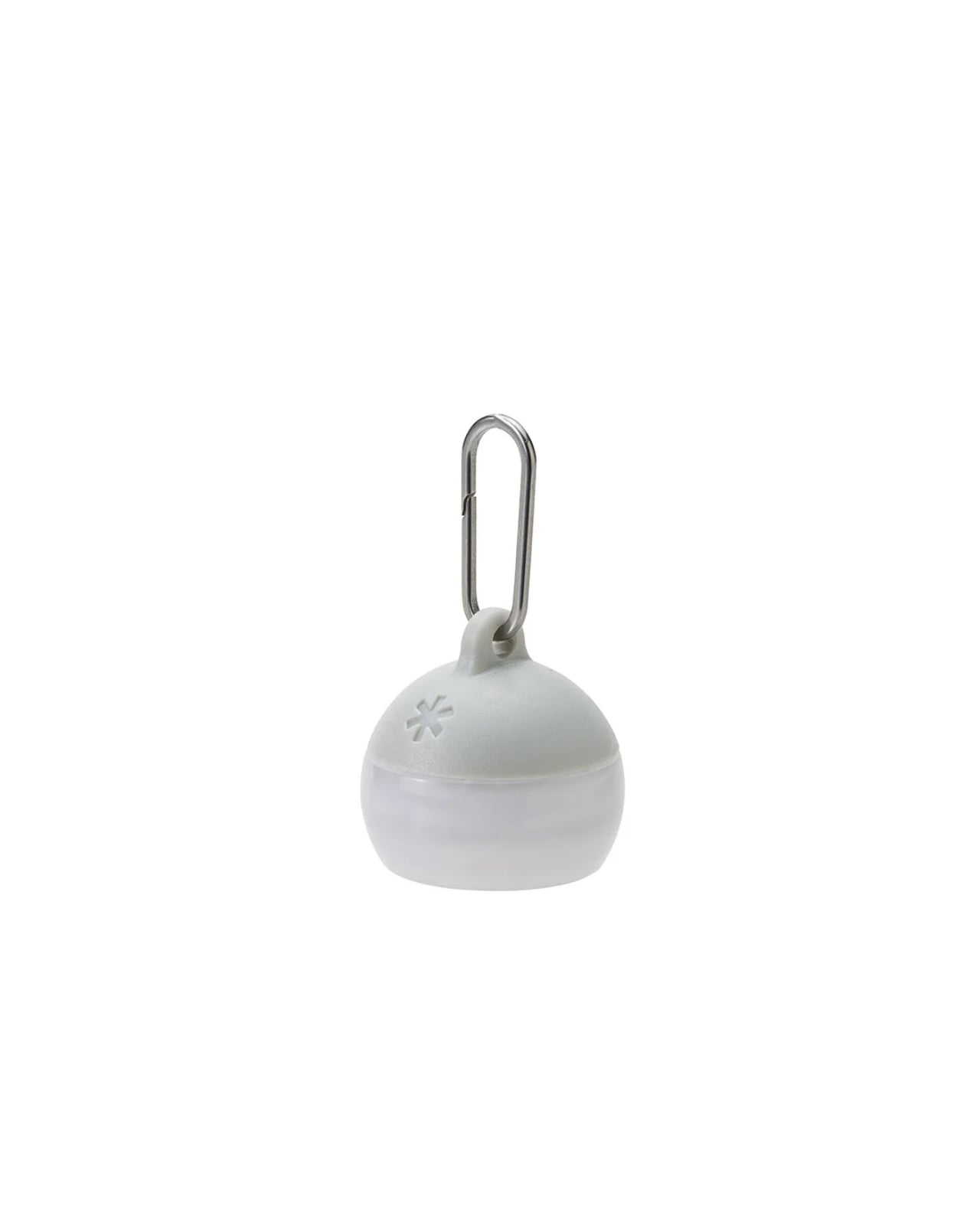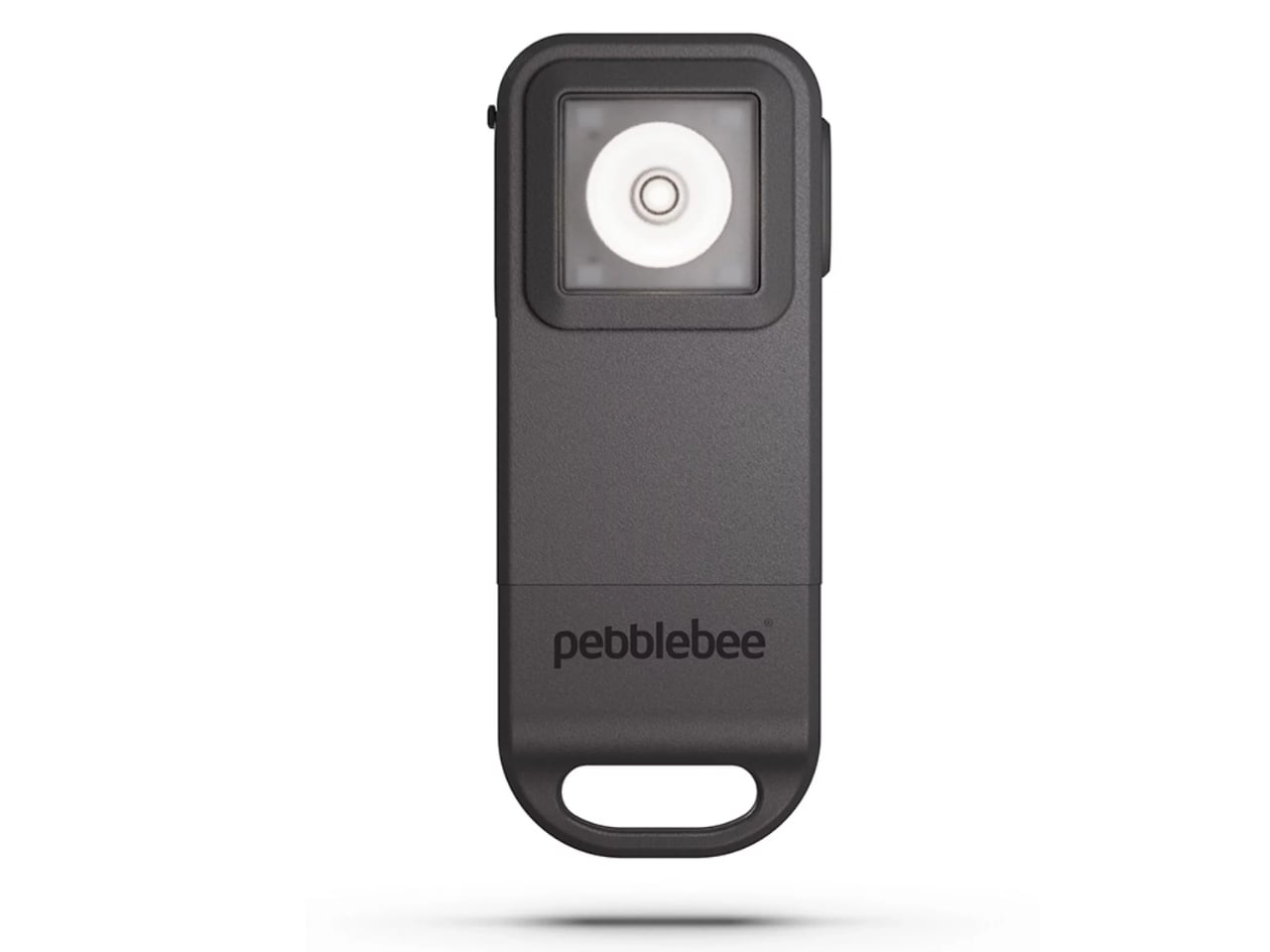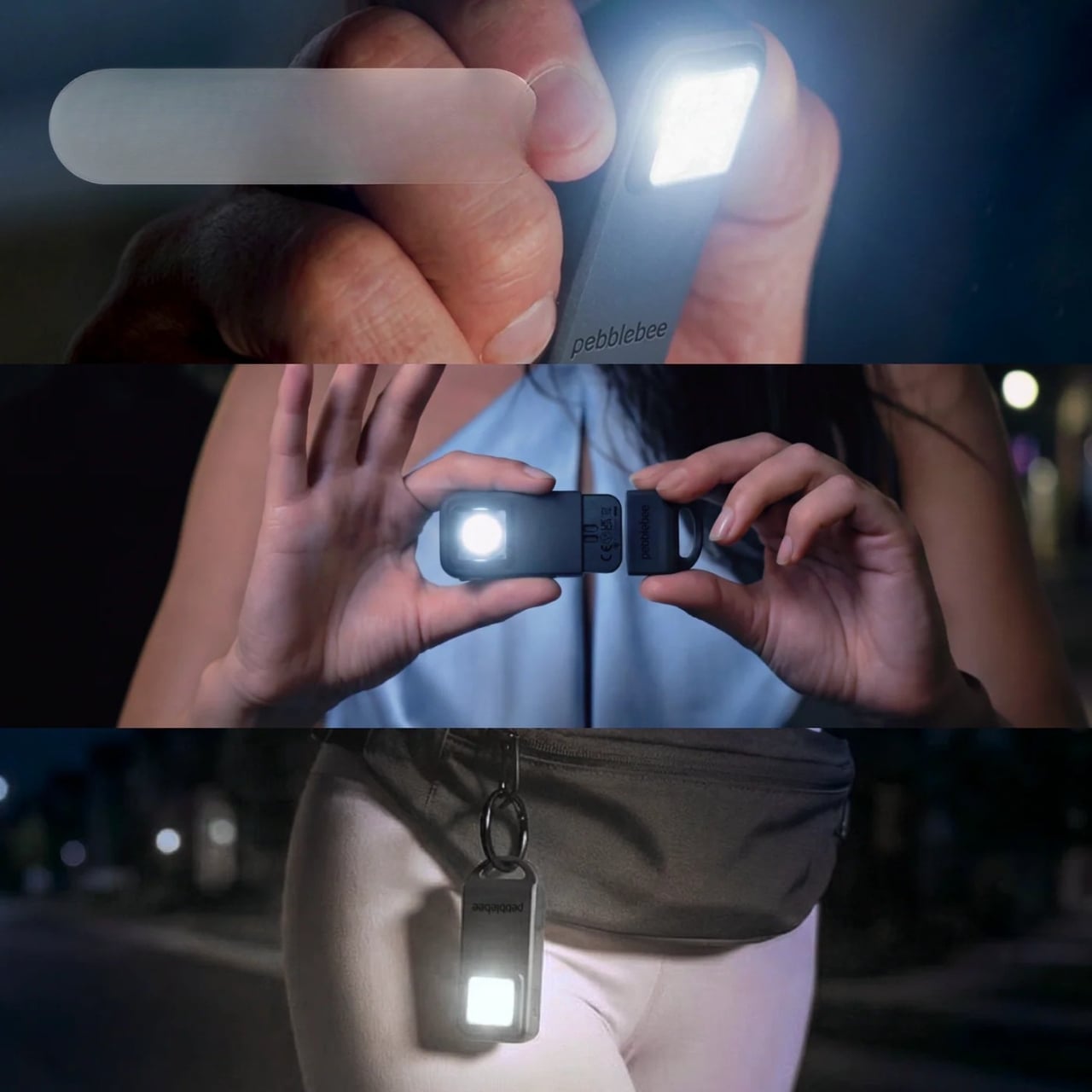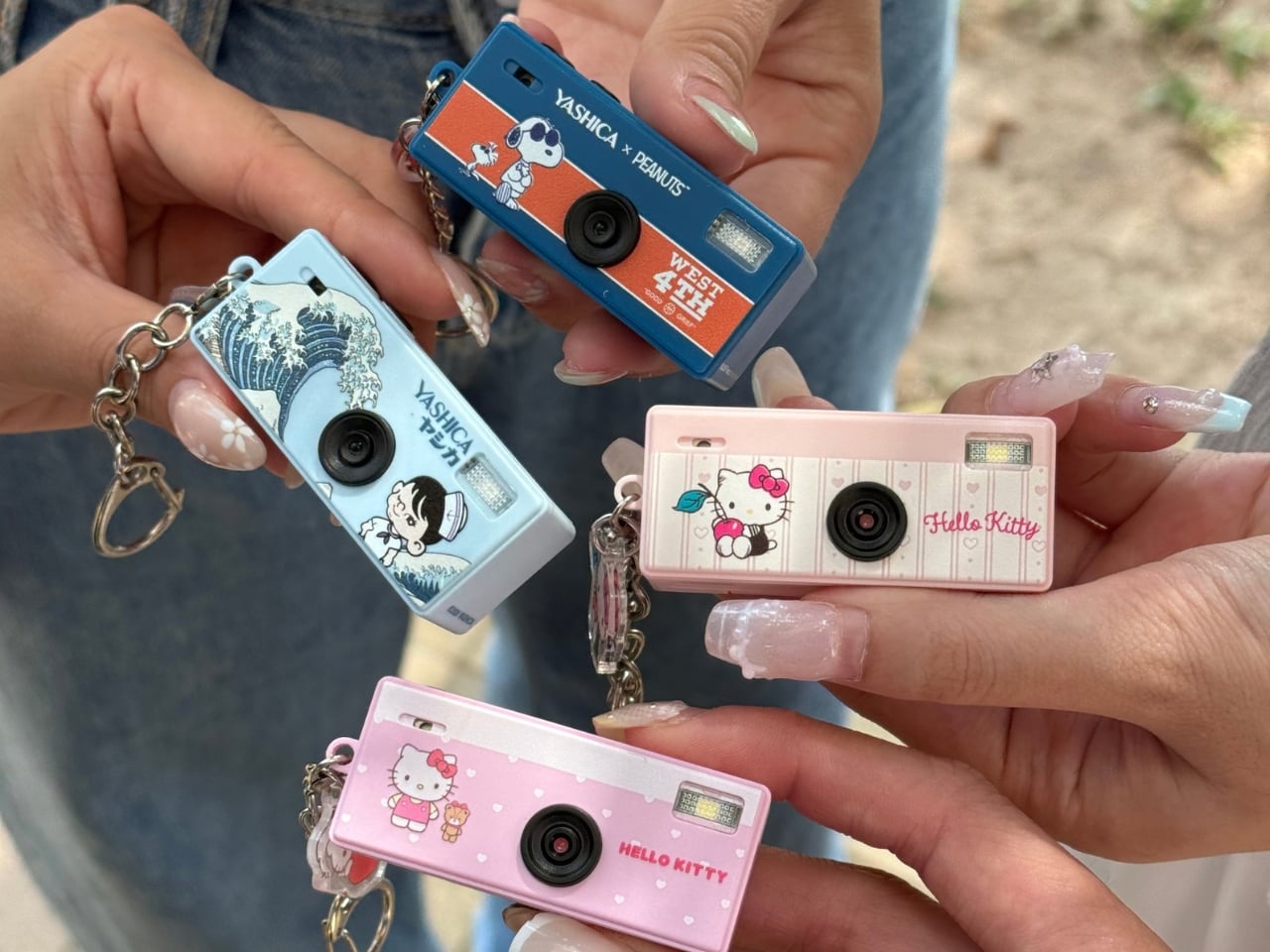
This Keychain Camera Shares Photos Over Its Own Wi-Fi, No App Needed

Keychain cameras have been enjoying a quiet revival, driven largely by a growing appetite for lo-fi photography and a general fatigue with the algorithmic complexity baked into smartphone cameras. Most of what’s available comes pre-assembled and pre-decided, right down to the app you’re expected to use and whose cloud account your photos end up in. That framing leaves very little room for the person actually taking the pictures.

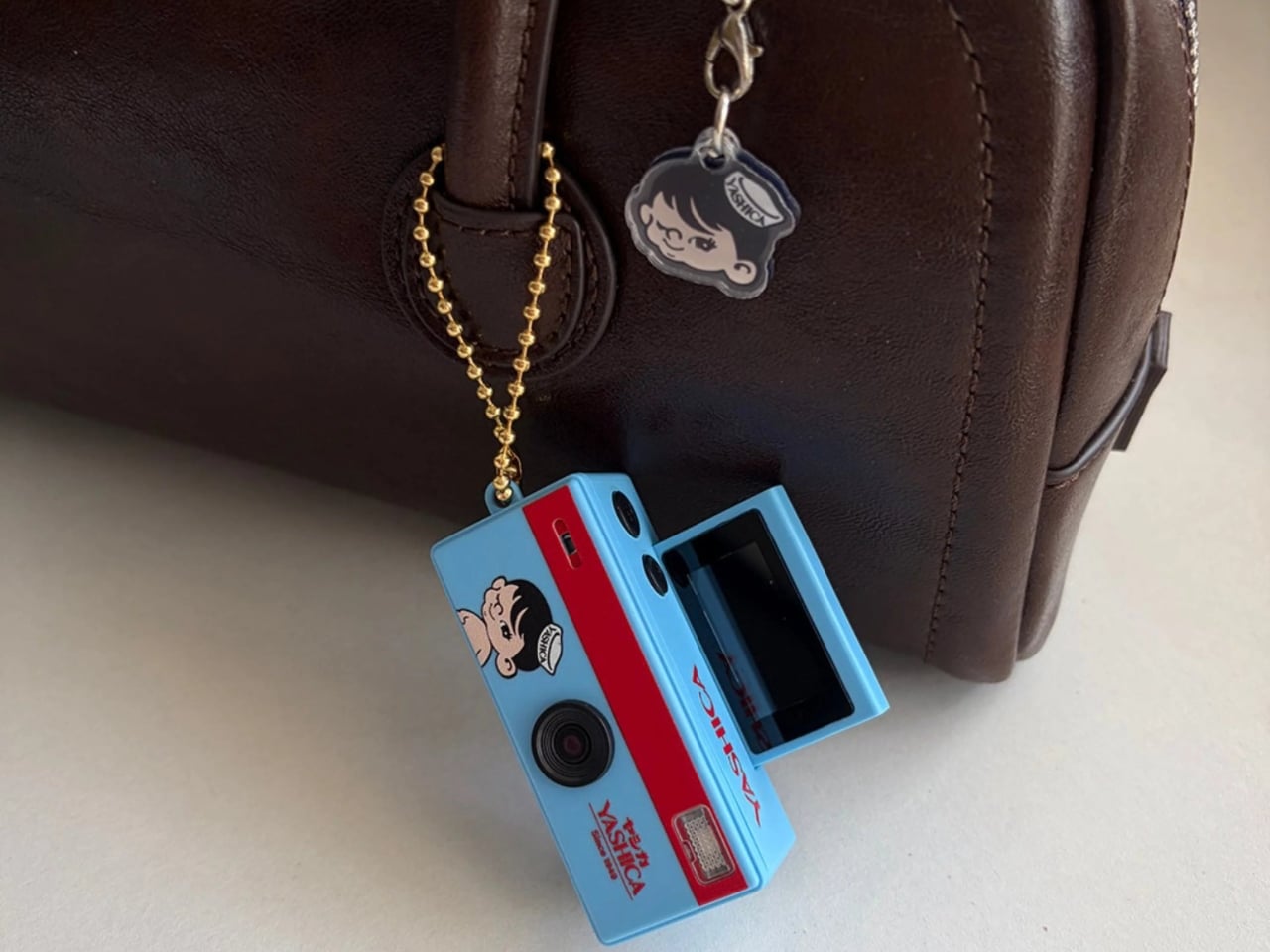
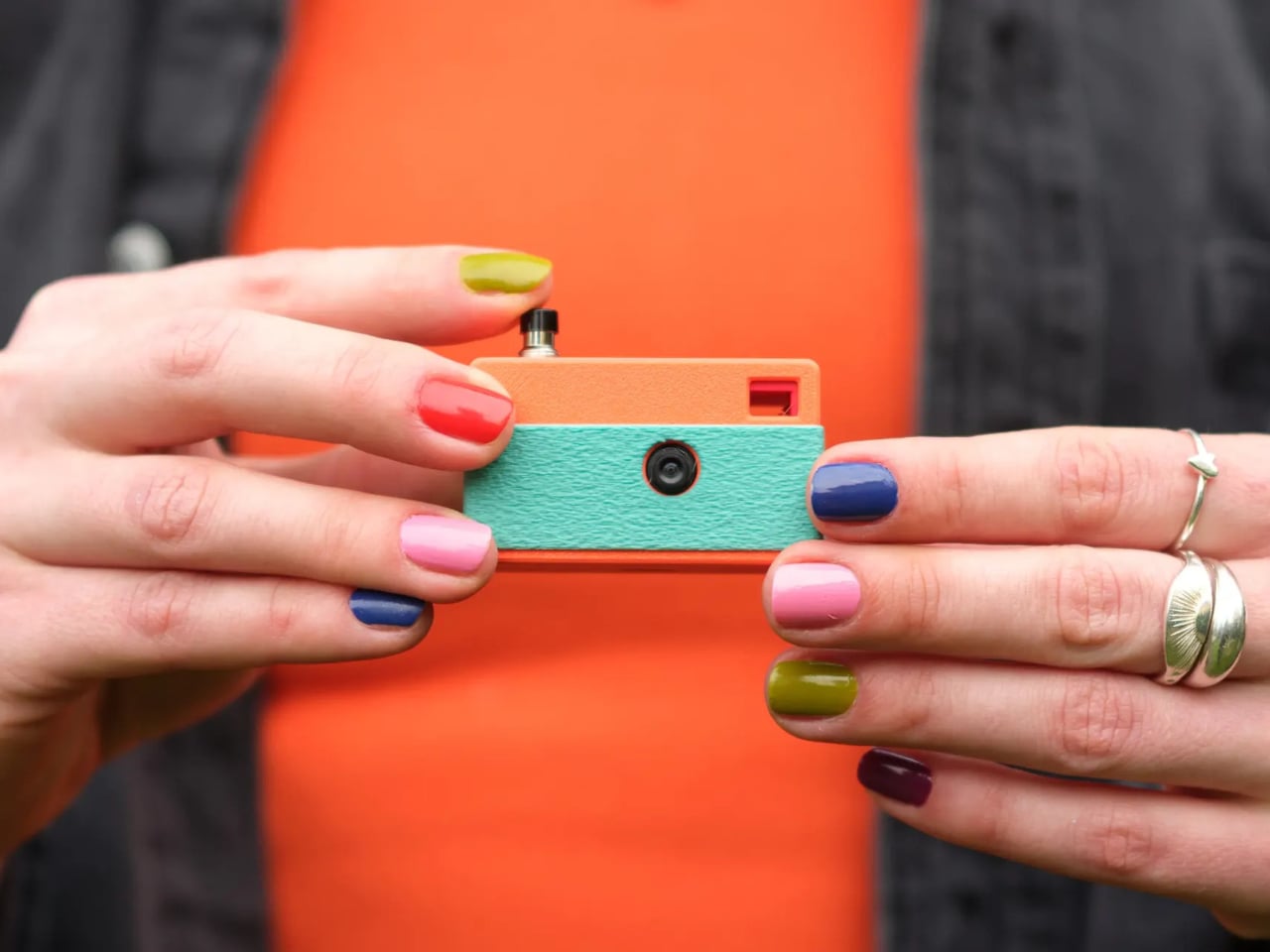
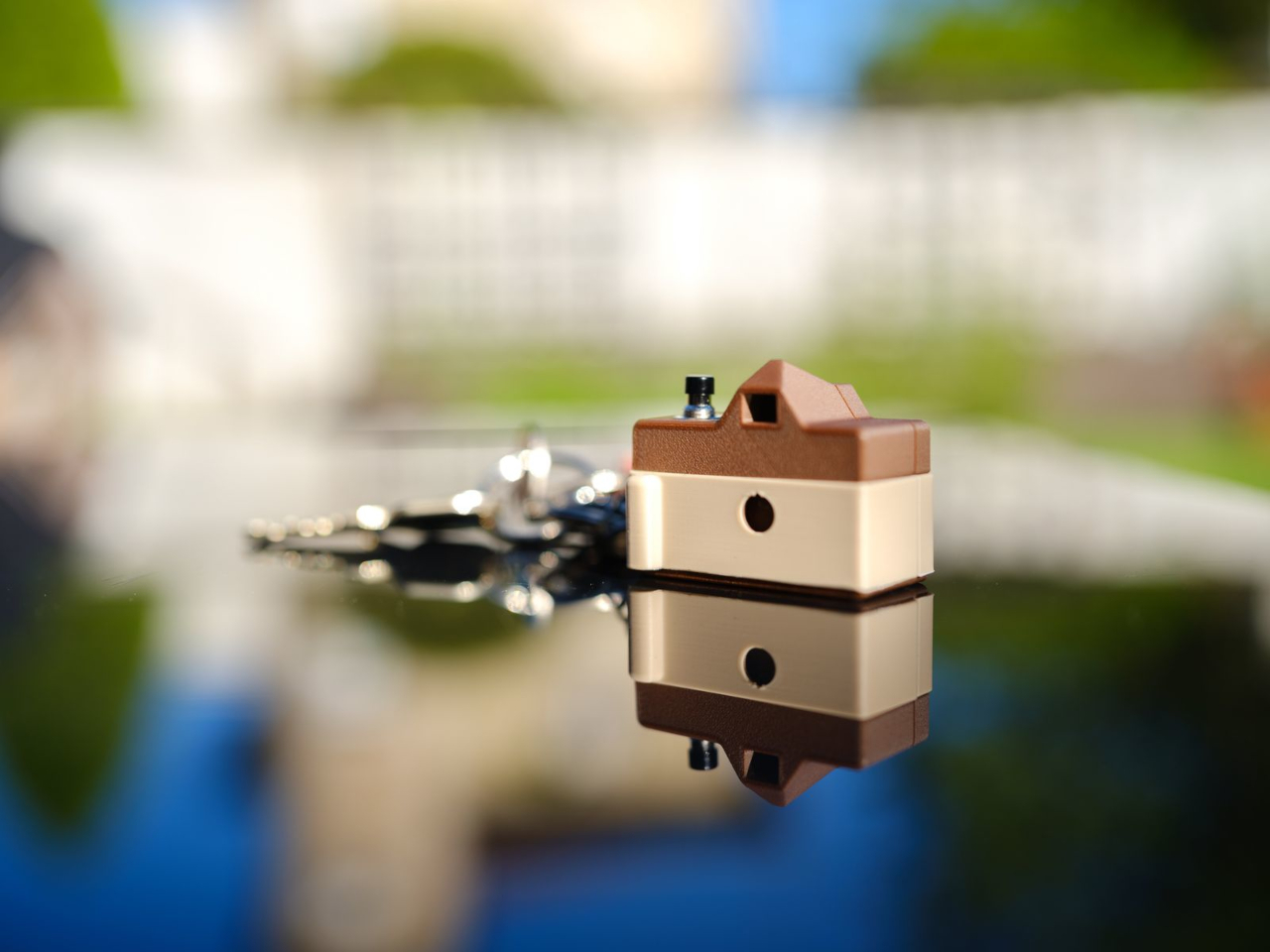
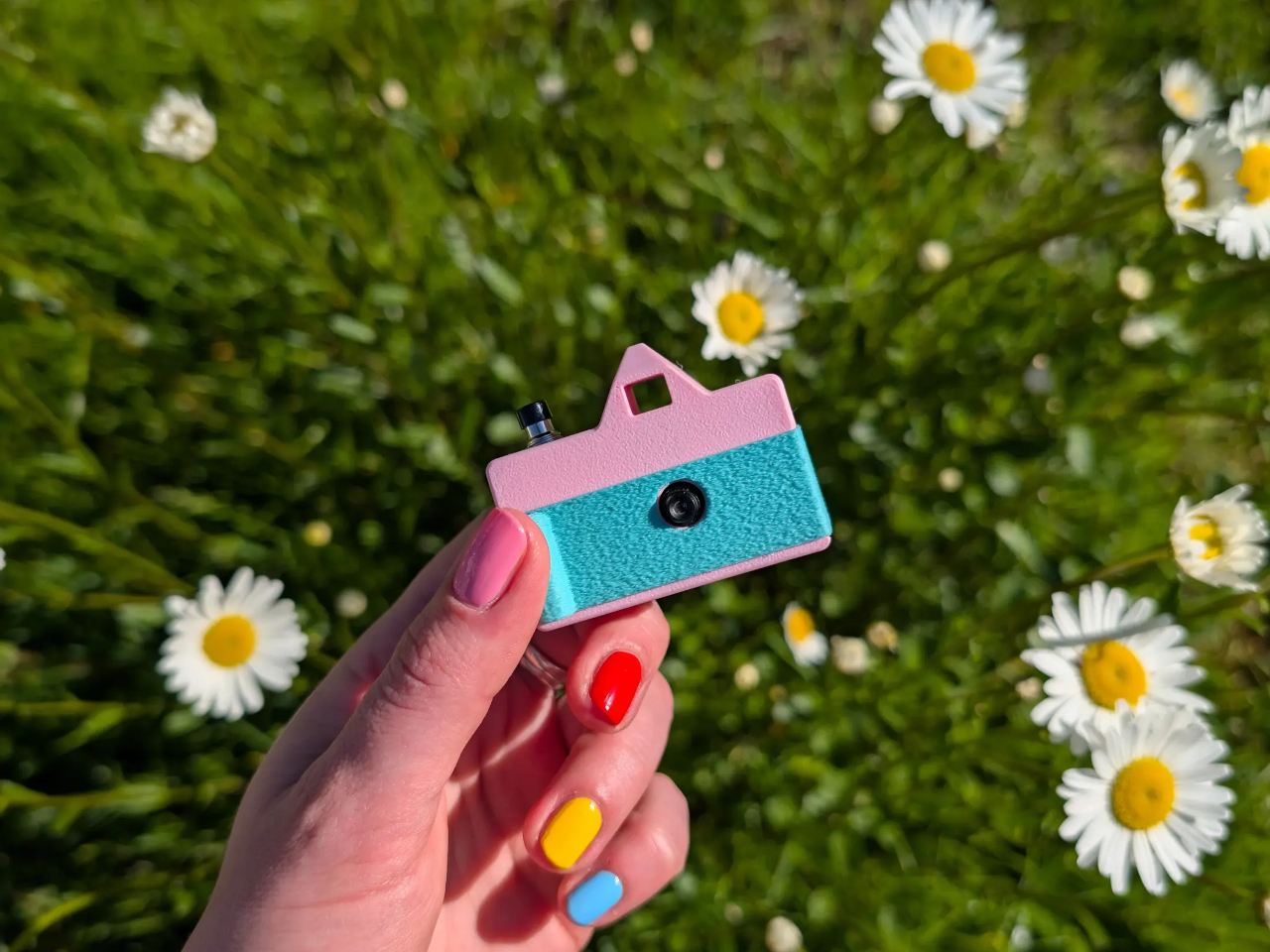
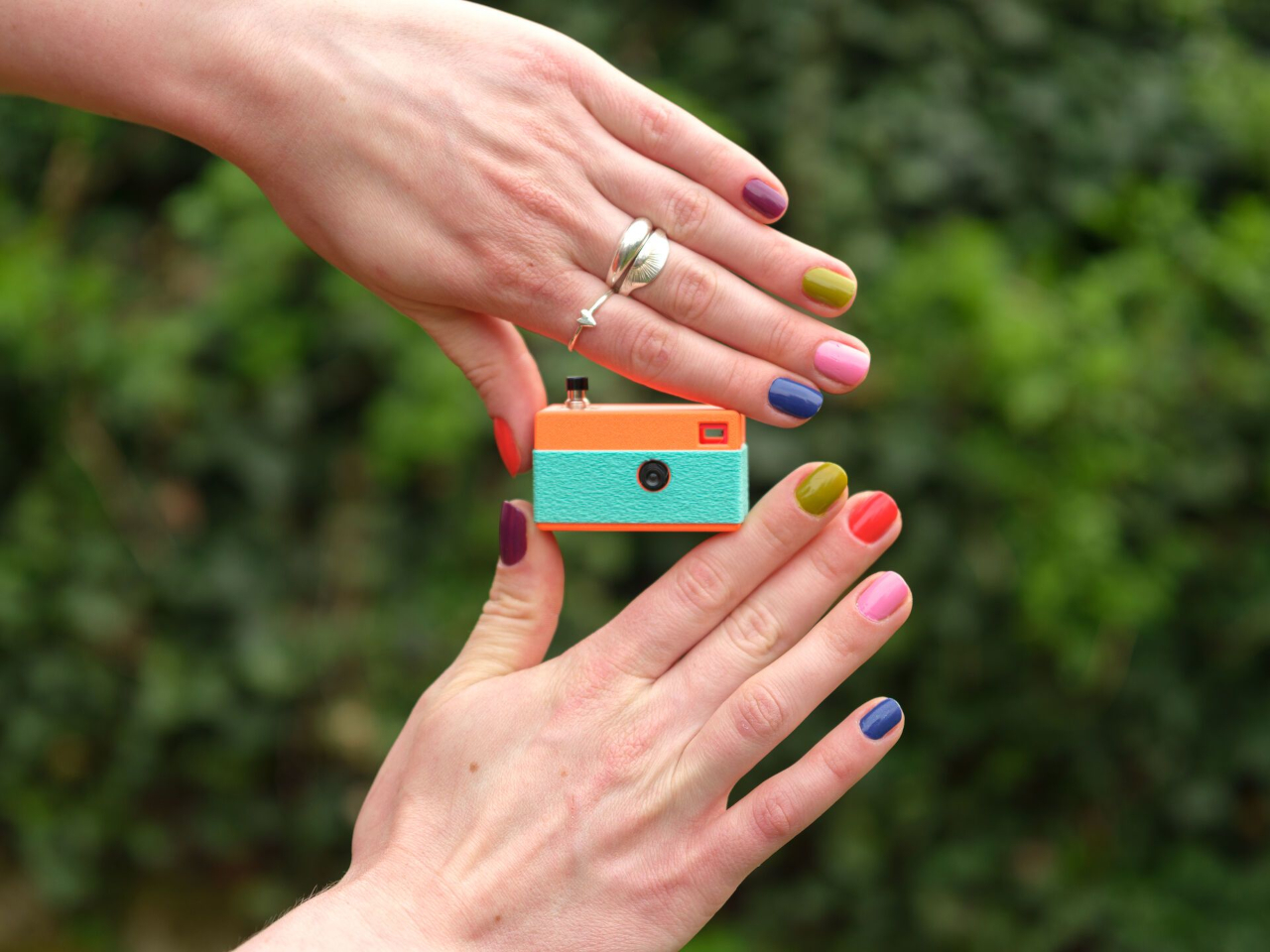
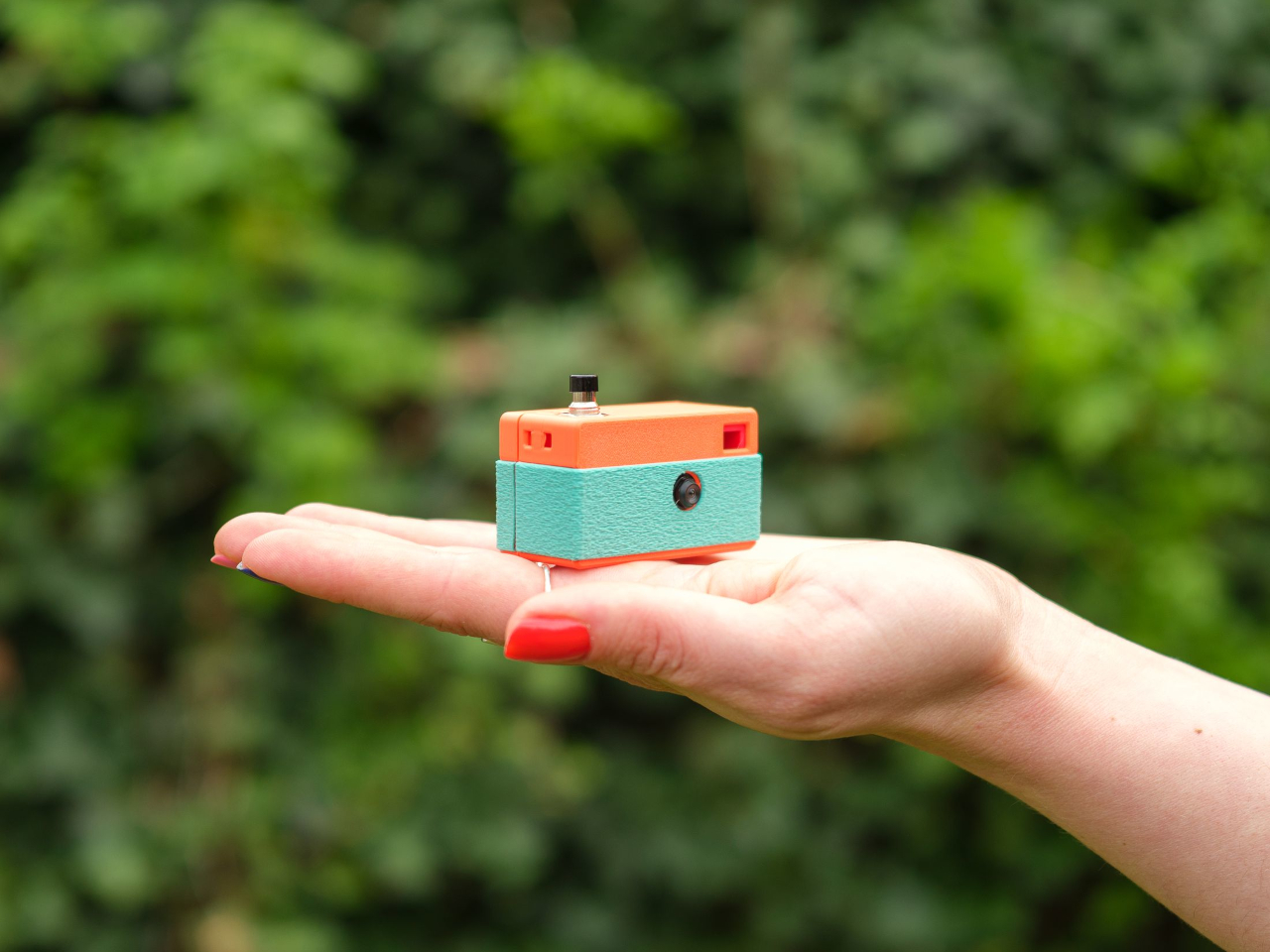
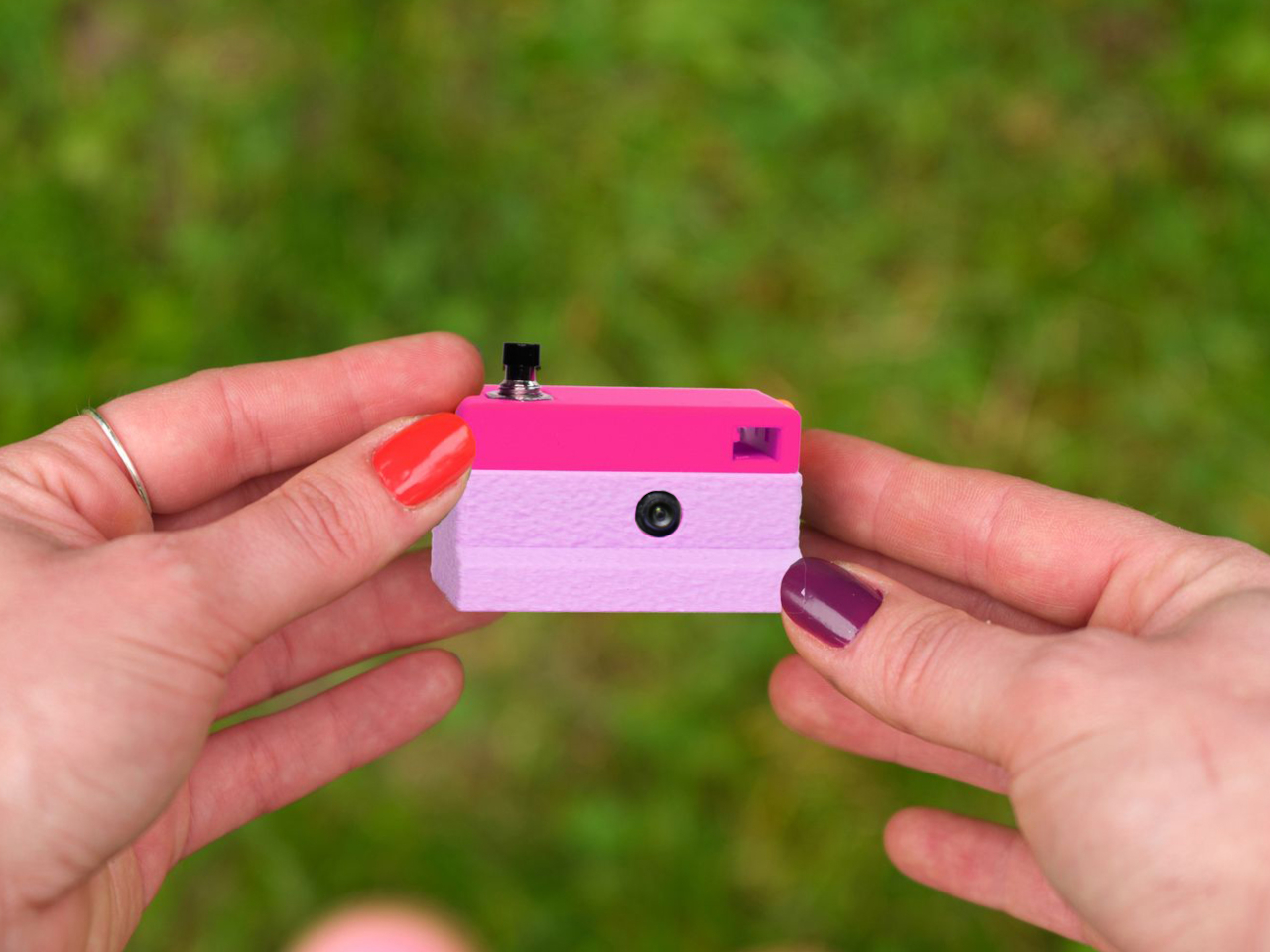
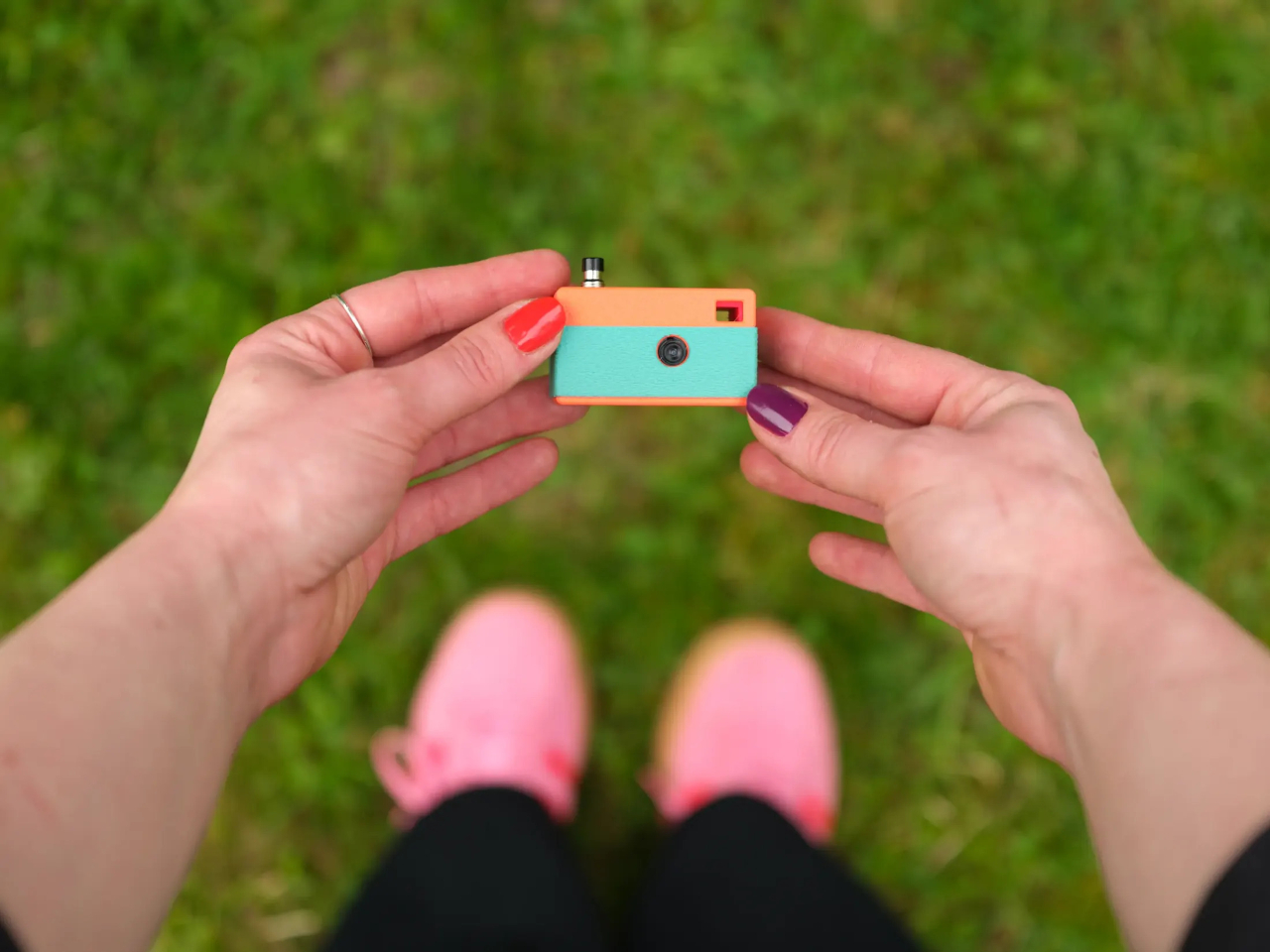
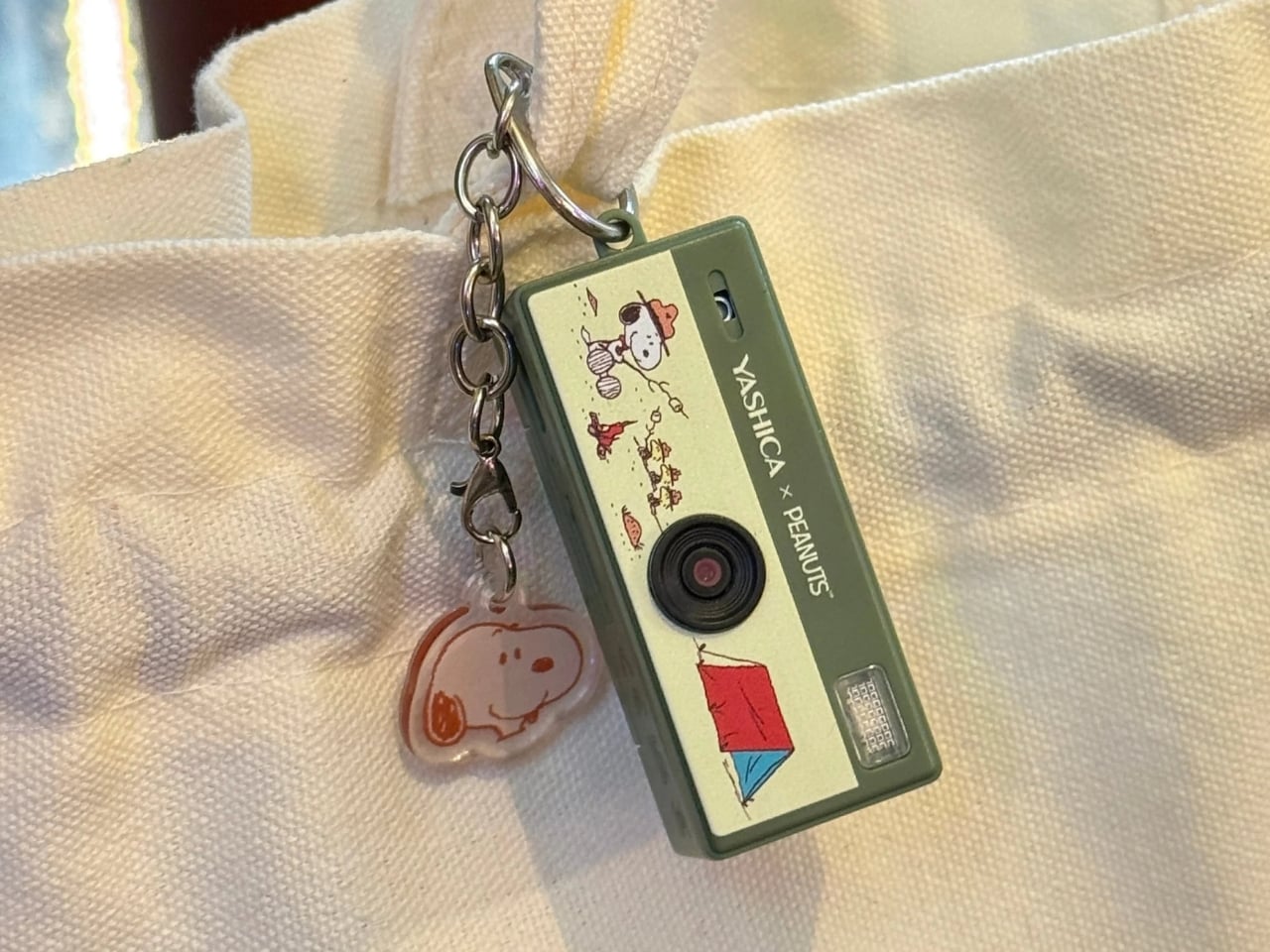
Designer Matej Nahtigal built an answer to that problem, and it’s small enough to hang off your keyring. The Keymera is a fully functional camera that you 3D print and assemble yourself, built around just five printed parts and four electronic components. It takes real 3 MP photos, stores them locally, asks for nothing in return, and fits roughly in the same space as a car key fob.

Designer: Matej Nahtigal

The build is intentionally minimal. The electronics stack consists of a Seeed Studio XIAO ESP32S3 Sense board, a 3 MP OV3660 image sensor, a small LiPo cell, and a single tactile button, connected with four solder joints. Print the shell, wire the components, flash the firmware, and press-fit everything together. No screws, no glue. The whole process takes about an hour to print and another hour to assemble.

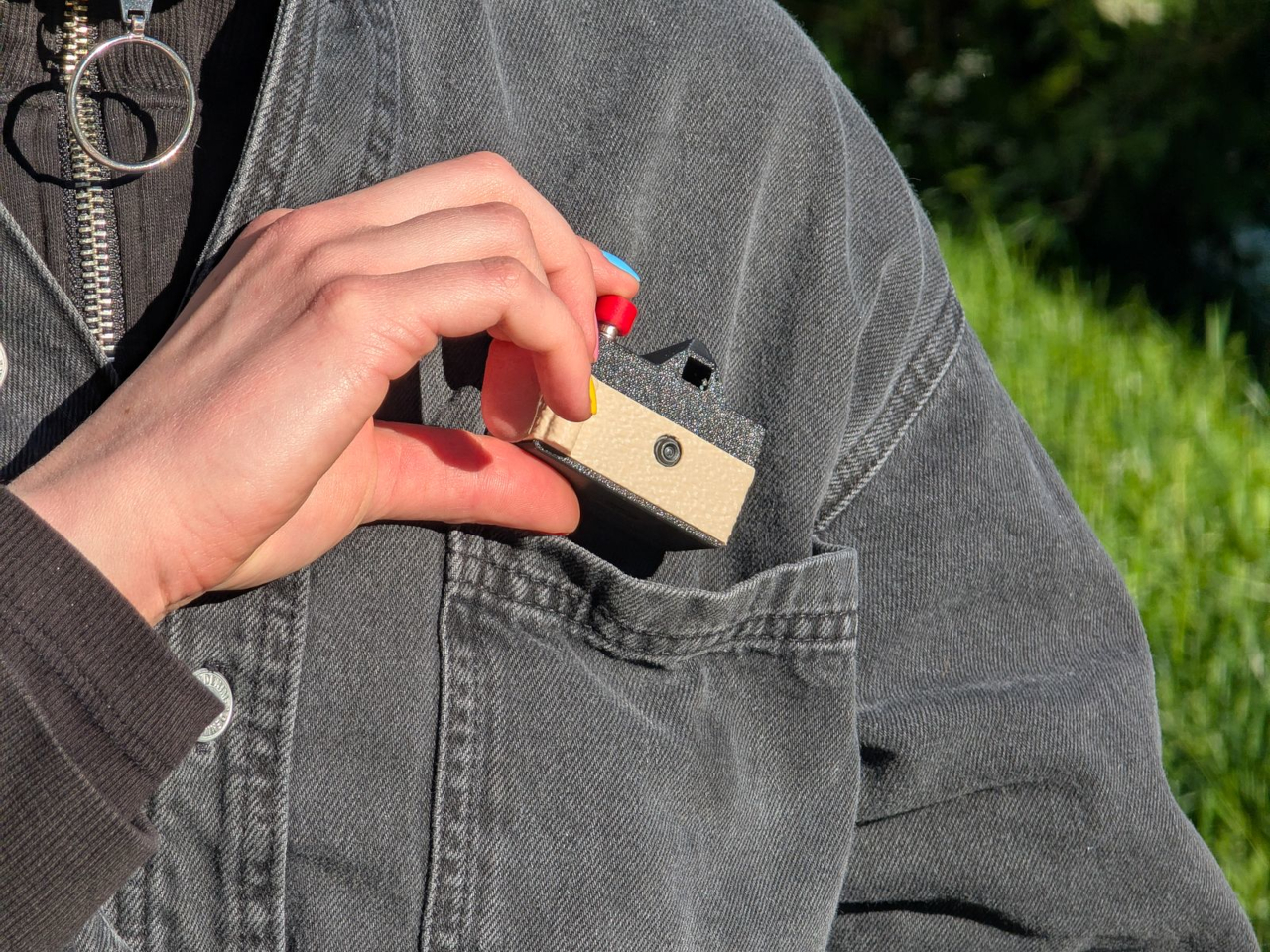
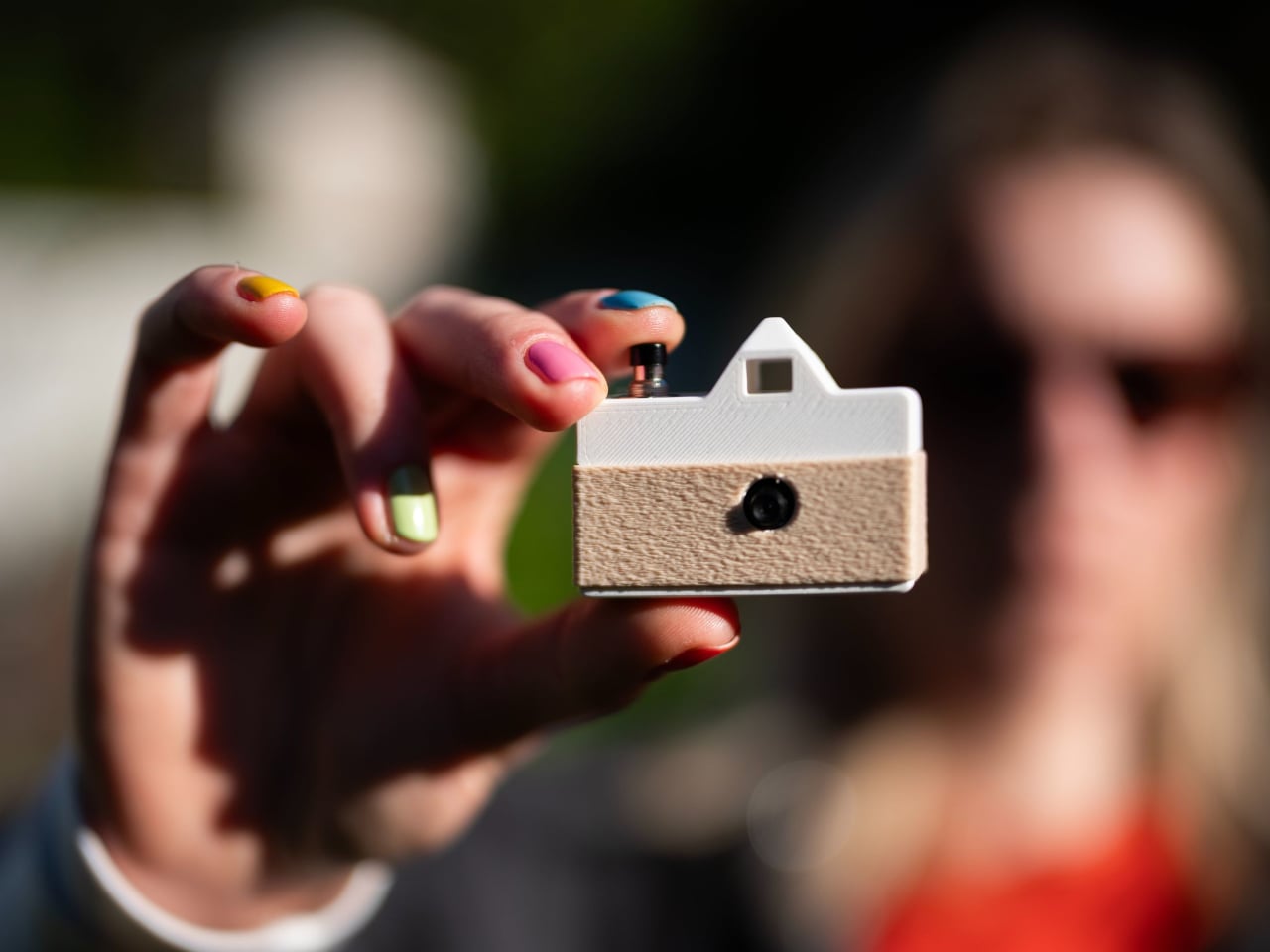
Using it is even simpler. A single button does everything. Press it once, and the camera wakes, captures a photo, saves it to a microSD card, blinks an LED to confirm, and goes back to sleep. On standby, it draws roughly 10 µA, which means it can sit on your keyring for weeks between charges without running dry. The logic behind all of it couldn’t be simpler.

Getting your photos off the camera doesn’t require a cable or an app. Hold the button, and the Keymera broadcasts its own Wi-Fi network. Connect any phone or laptop, and a gallery page opens directly in the browser. You can scroll through your shots, view them full-size, and download them from there. That gallery lives entirely on the device. No account required, no metadata harvested, no service to subscribe to.

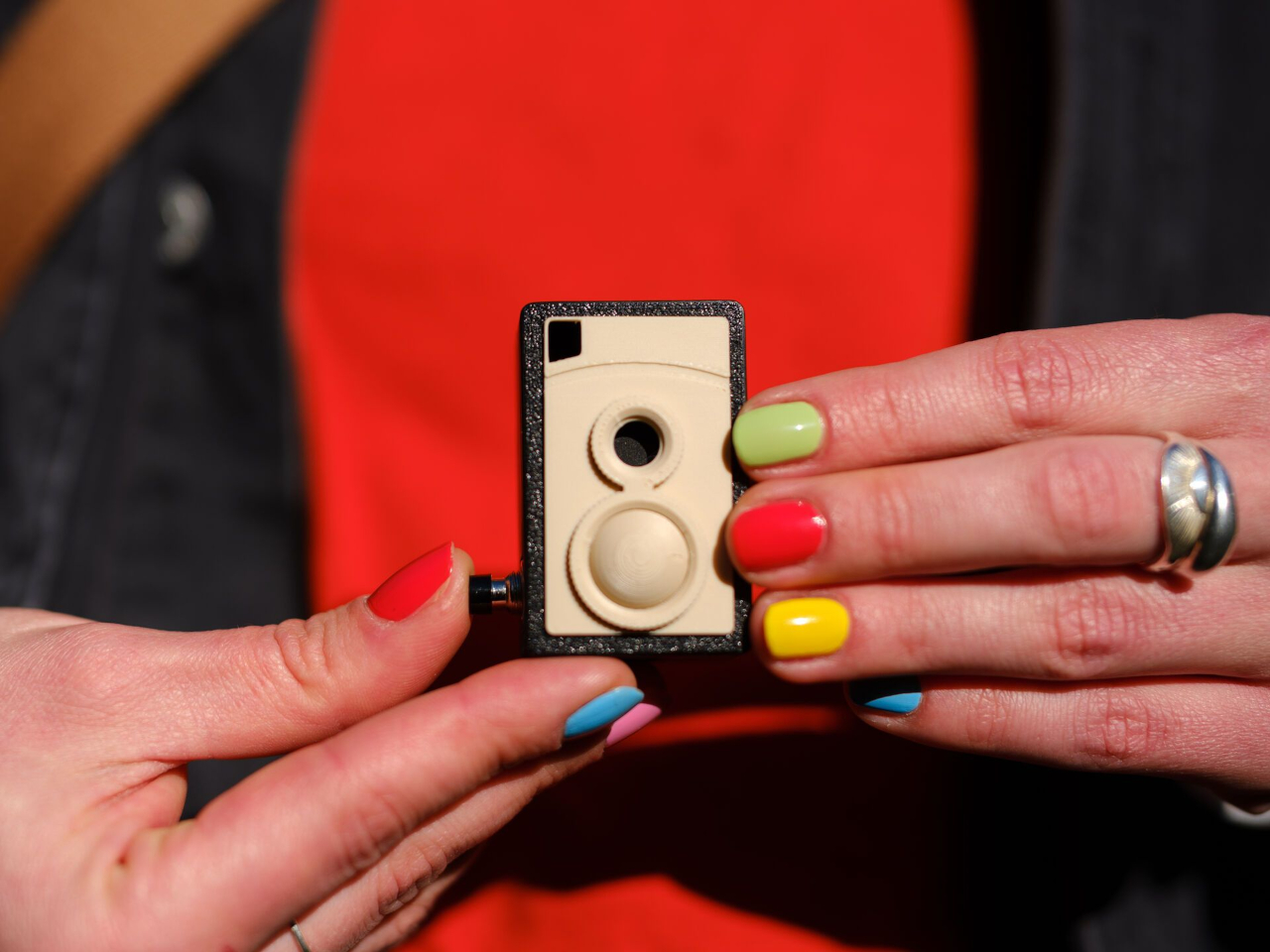
What makes the Keymera a design object rather than just a circuit board in a box is the shell system. One electronics core fits into interchangeable outer shells, each inspired by a different camera era. The original three designs reference a rangefinder, an SLR, and an instant camera, with a twin-lens reflex (TLR) added as a fourth. Any color or filament finish is yours to choose.

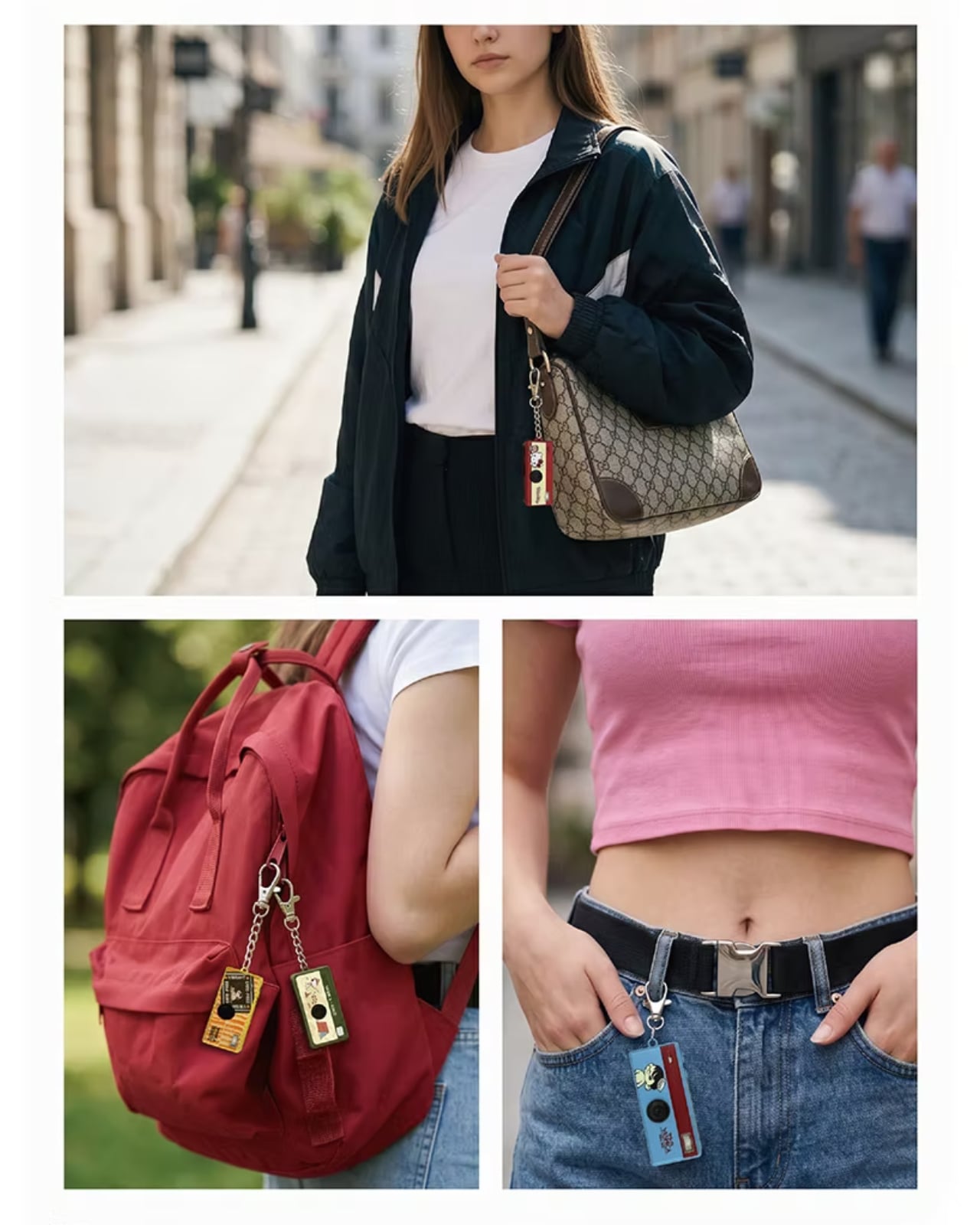
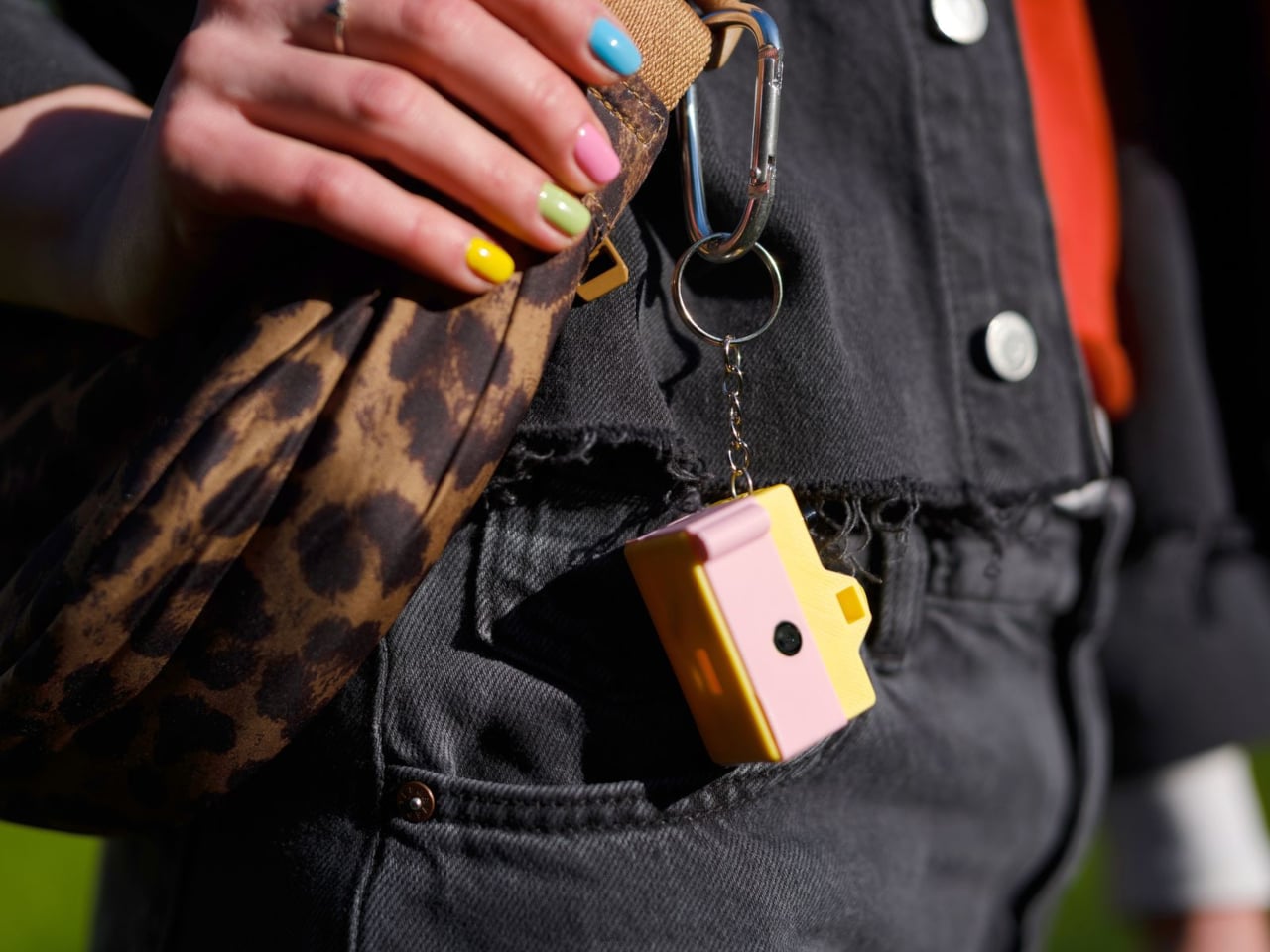
That idea, that a camera should fit in your pocket, behave honestly, and let you own the experience from print to final photo, reflects Nahtigal’s deliberate pushback against a moment when phones are adding AI features to everything. There’s no computational processing, no hidden metadata collection, and no account to manage. You clip it to your bag, your belt loop, or your keyring, and it’s simply there when something happens.

The Keymera’s files are sold as licensed digital products, not released as open-source files, which keeps the design controlled and the project financially sustainable for a single maker. The photos it produces are lo-fi and unprocessed, captured on a fixed 3 MP sensor with no computational adjustments applied afterward. For something this small and this honest, that kind of clarity is very much the point.

The post This Keychain Camera Shares Photos Over Its Own Wi-Fi, No App Needed first appeared on Yanko Design.

DIYer turns tiny GameCube keychain into a fully-functional controller

Controllers come in all shapes and sizes, depending on the gamers’ needs, and most importantly, their holding comfort. Things get really interesting as a lot of big tech companies invest a lot of effort in designing a one-size-fits-all controller, which holds good for long gaming sessions. While most controllers are more or less the same size, there’s always that element of curiosity for accessories that are radically different from the standard proportions.

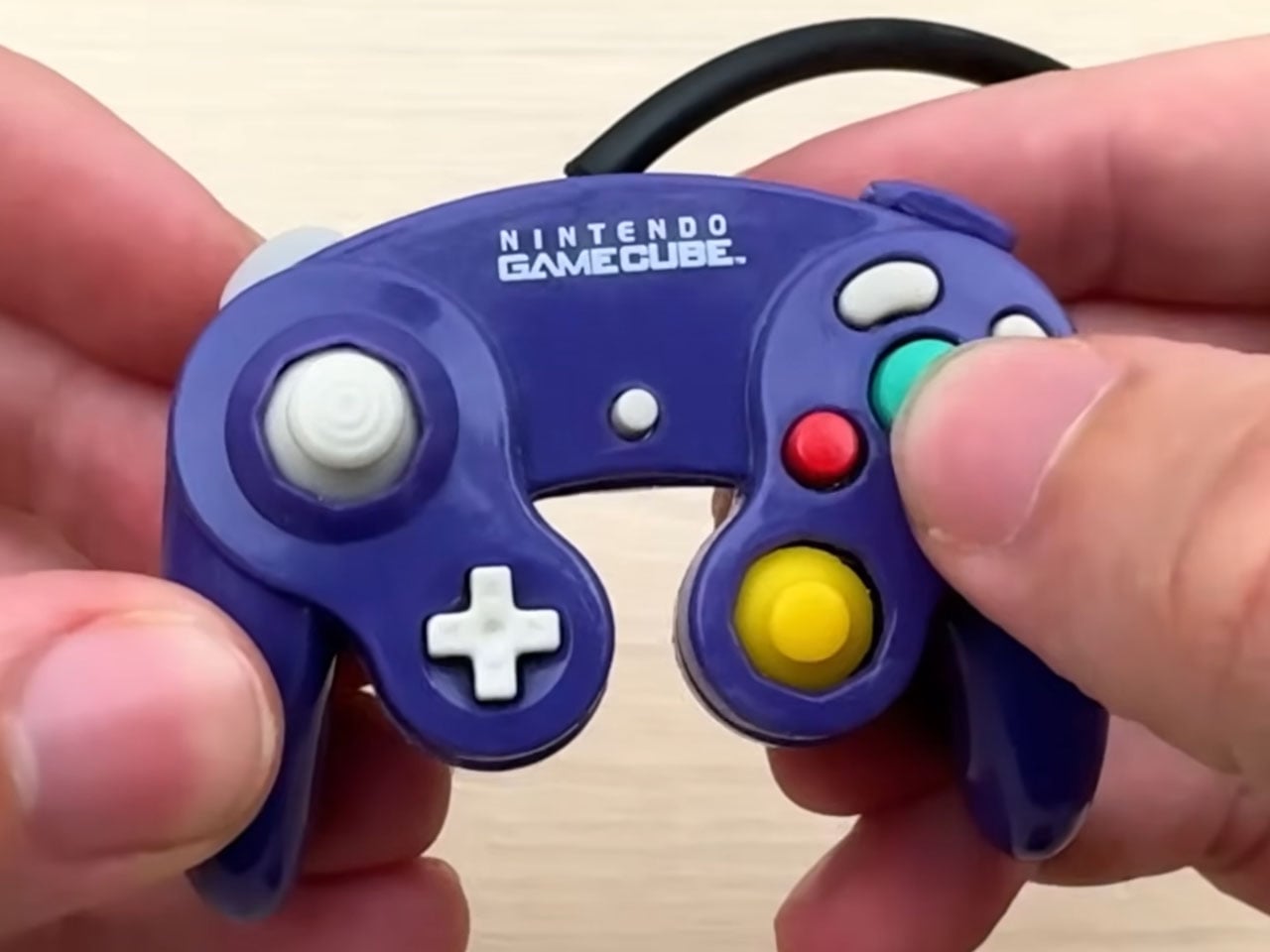
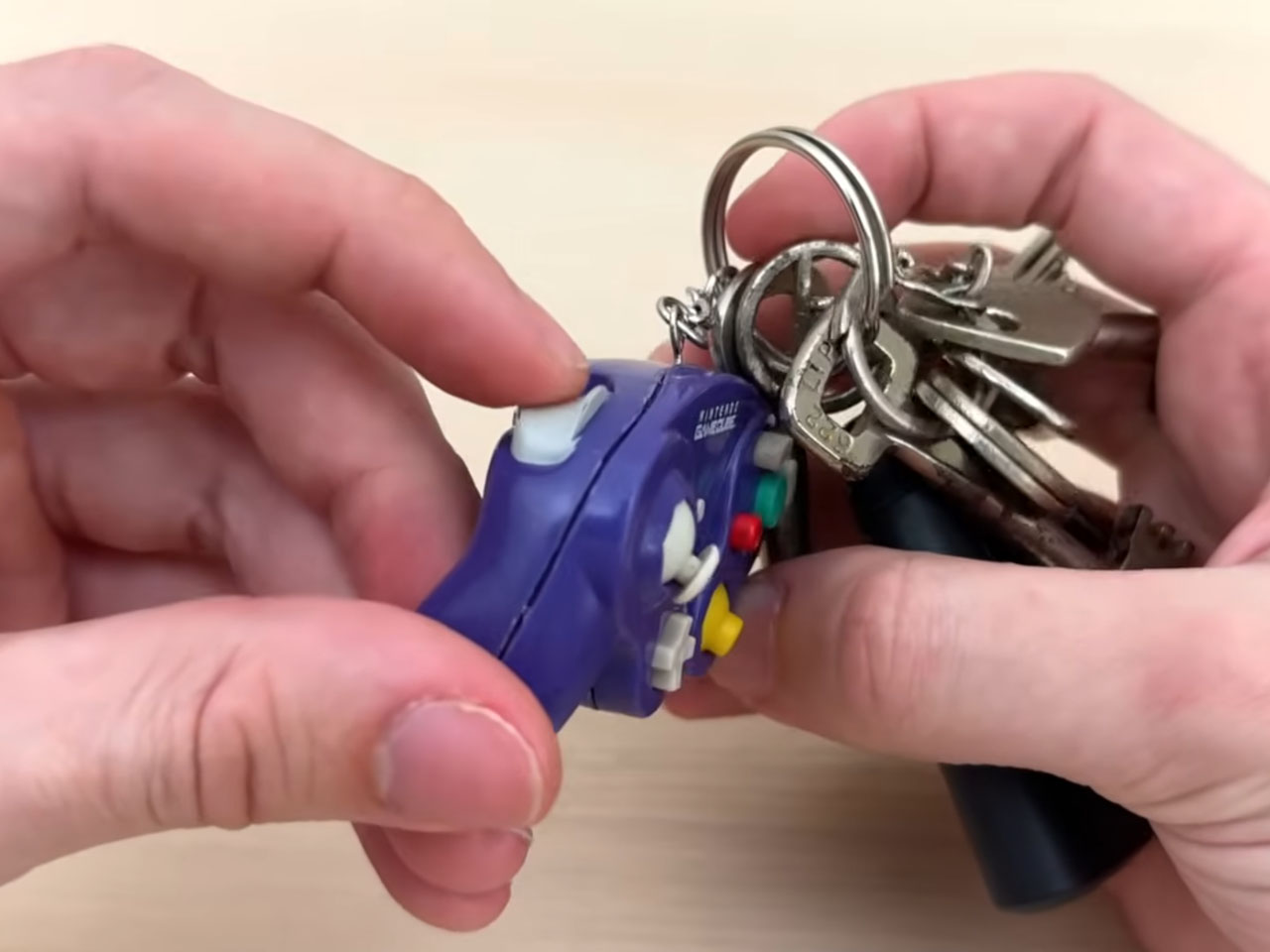
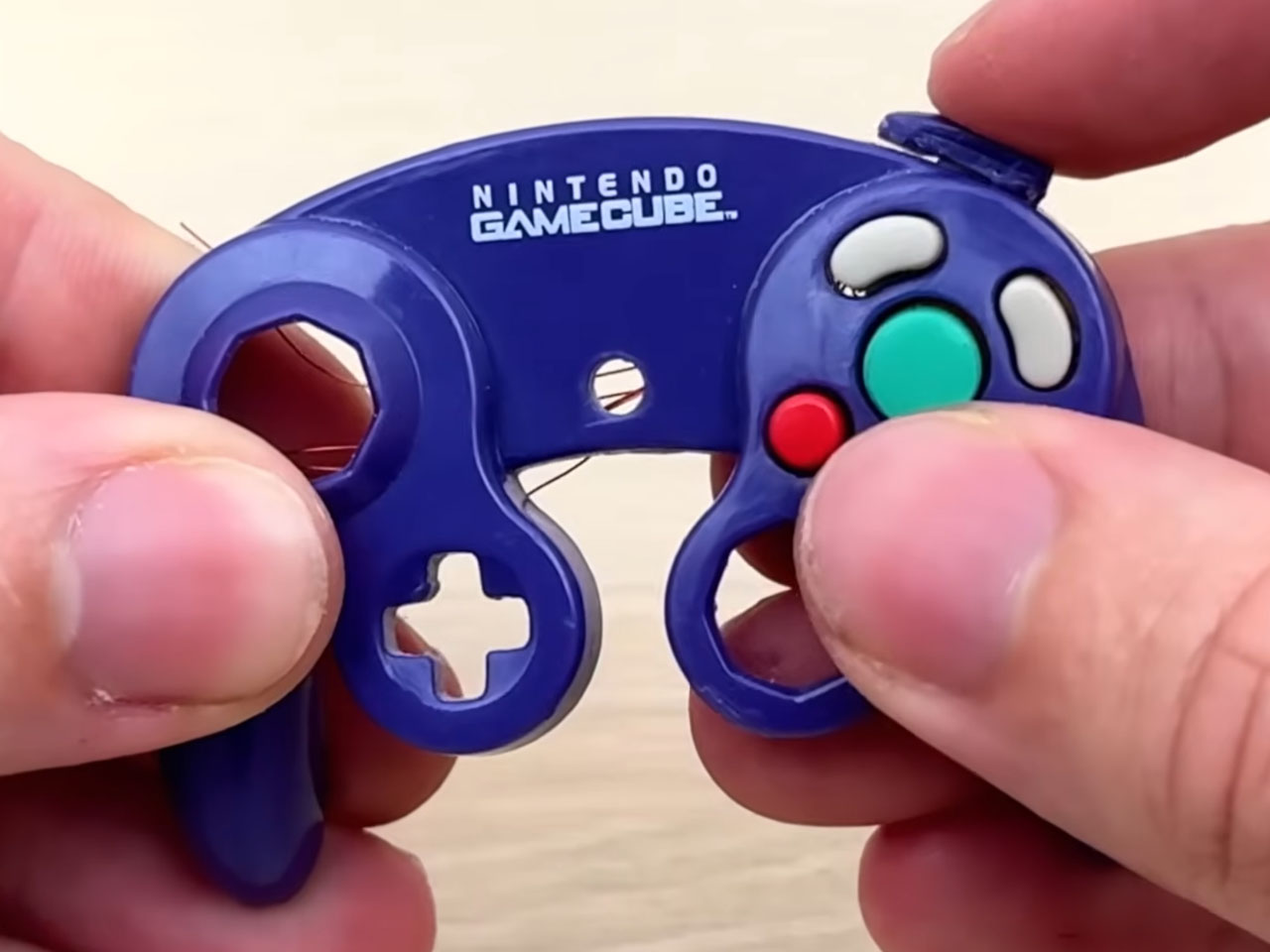
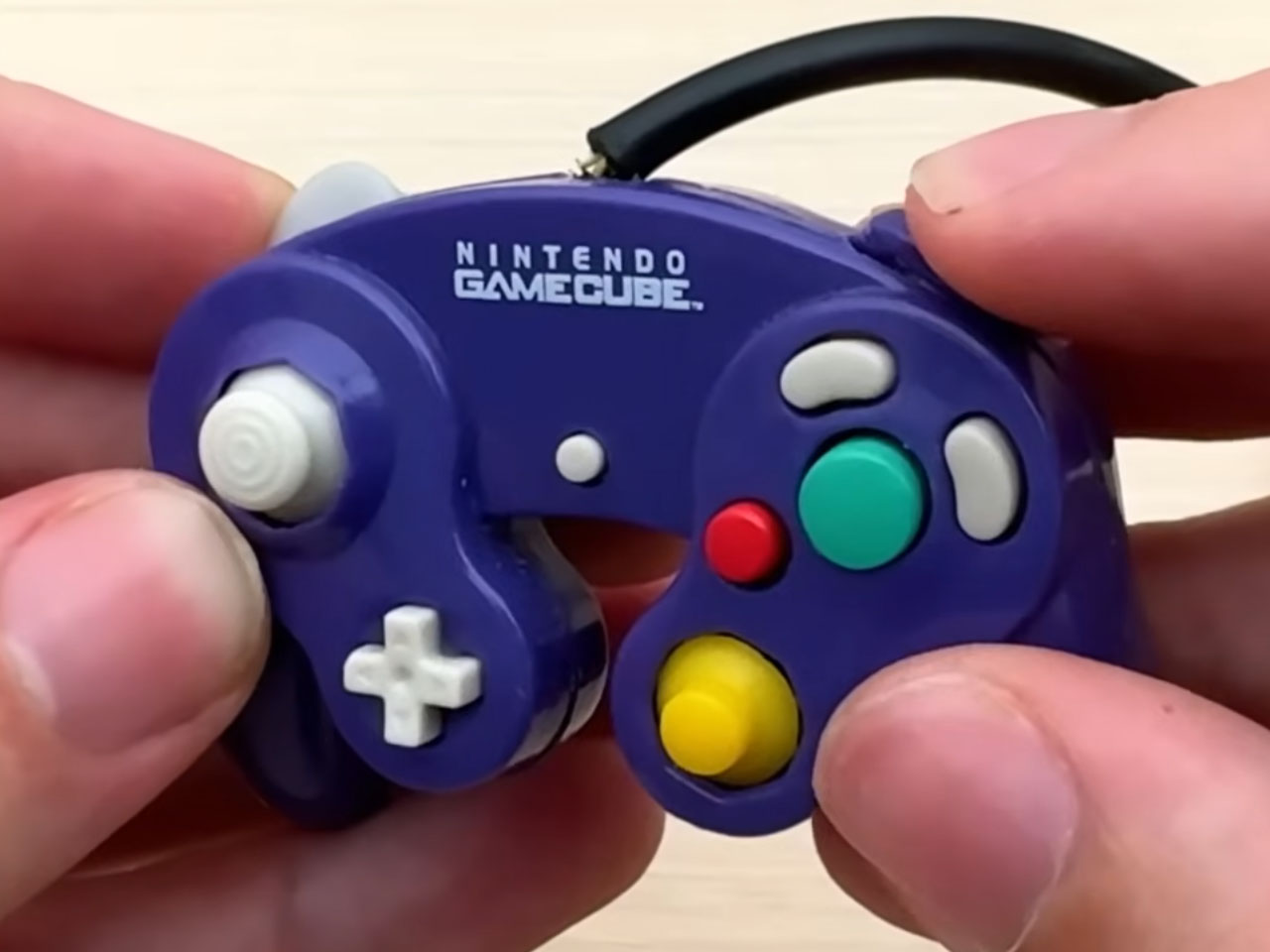
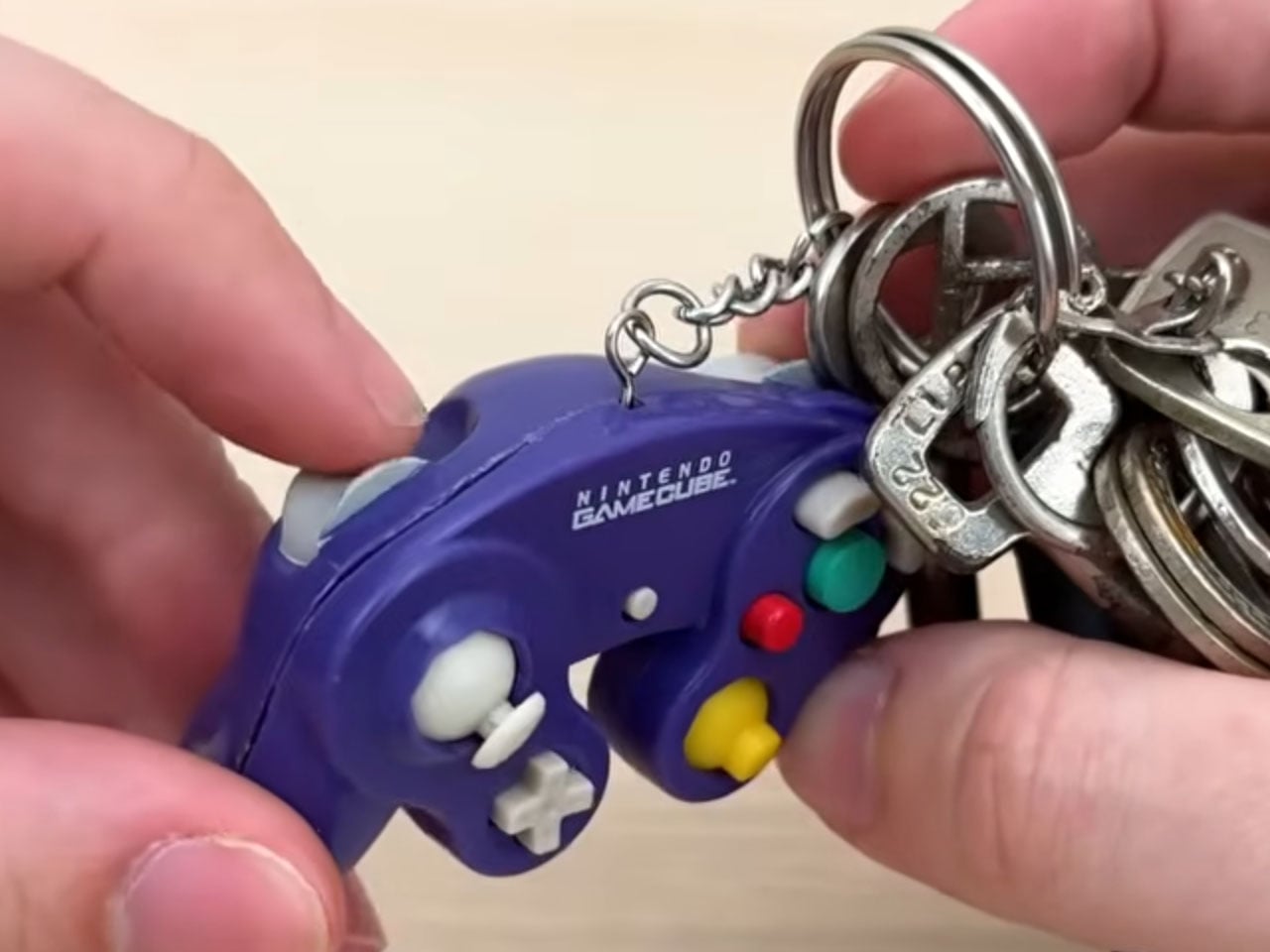
YouTuber Crux, who’s known for interesting creations with an infusion of gaming, has crafted a mini controller out of pure curiosity. Having got the Backpack Buddies GameCube controller keychain, he asked himself the question – can this be turned into a functional controller? That led to this interesting DIY project that is as intricate as things can get, since the maker is dealing with the super small size of things.

Designer: Crux

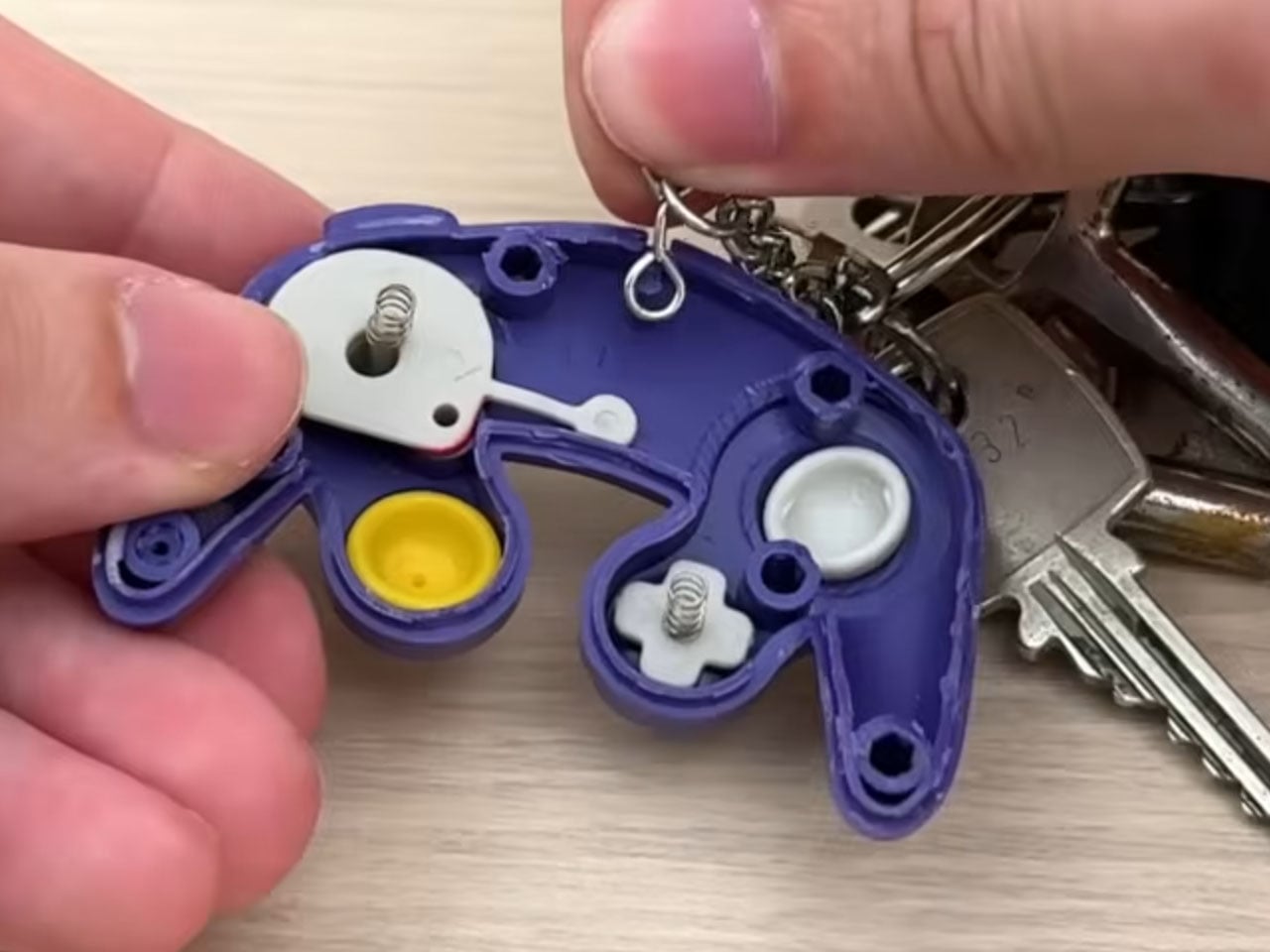
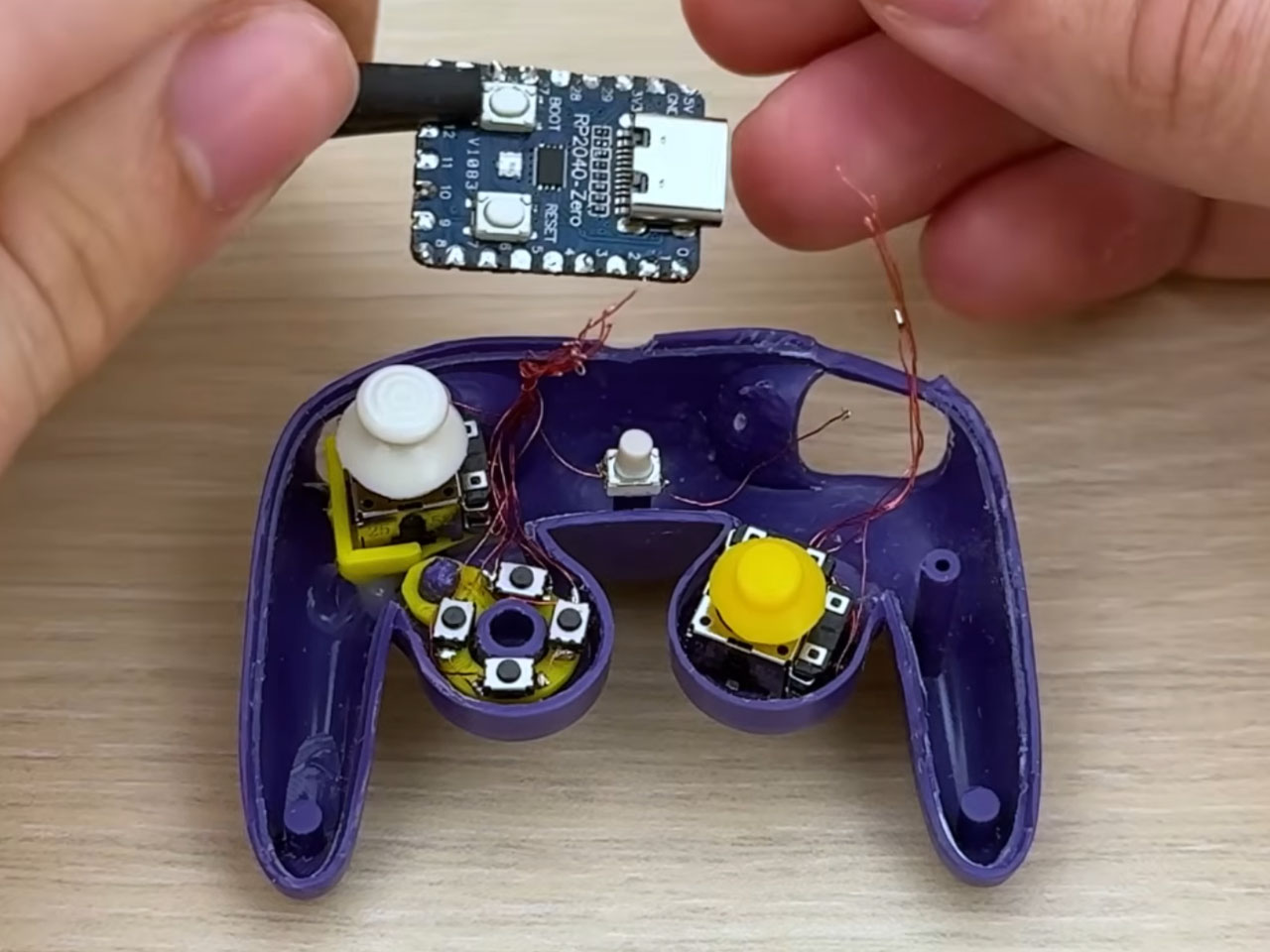
We all have keyrings in some form or another, and these cute little accessories evoke the feeling – what if these were functional? The DIYer addresses this curiosity with the functional GameCube controller keychain that looks extremely satisfying as it takes shape. Since he was dealing with very small proportions here, the rotary motor tool does the trick of shaving off the extra bit on the inside of the keychain controller to make space for all the electronics. To put together the intricate joysticks, D-Pad, and other buttons, the DIYer goes down the 3D printing lane. Of course, the button controls and the joysticks had to be mounted on a sturdy base on the inside; that’s why Crux goes for the surface-mount tactile switches.

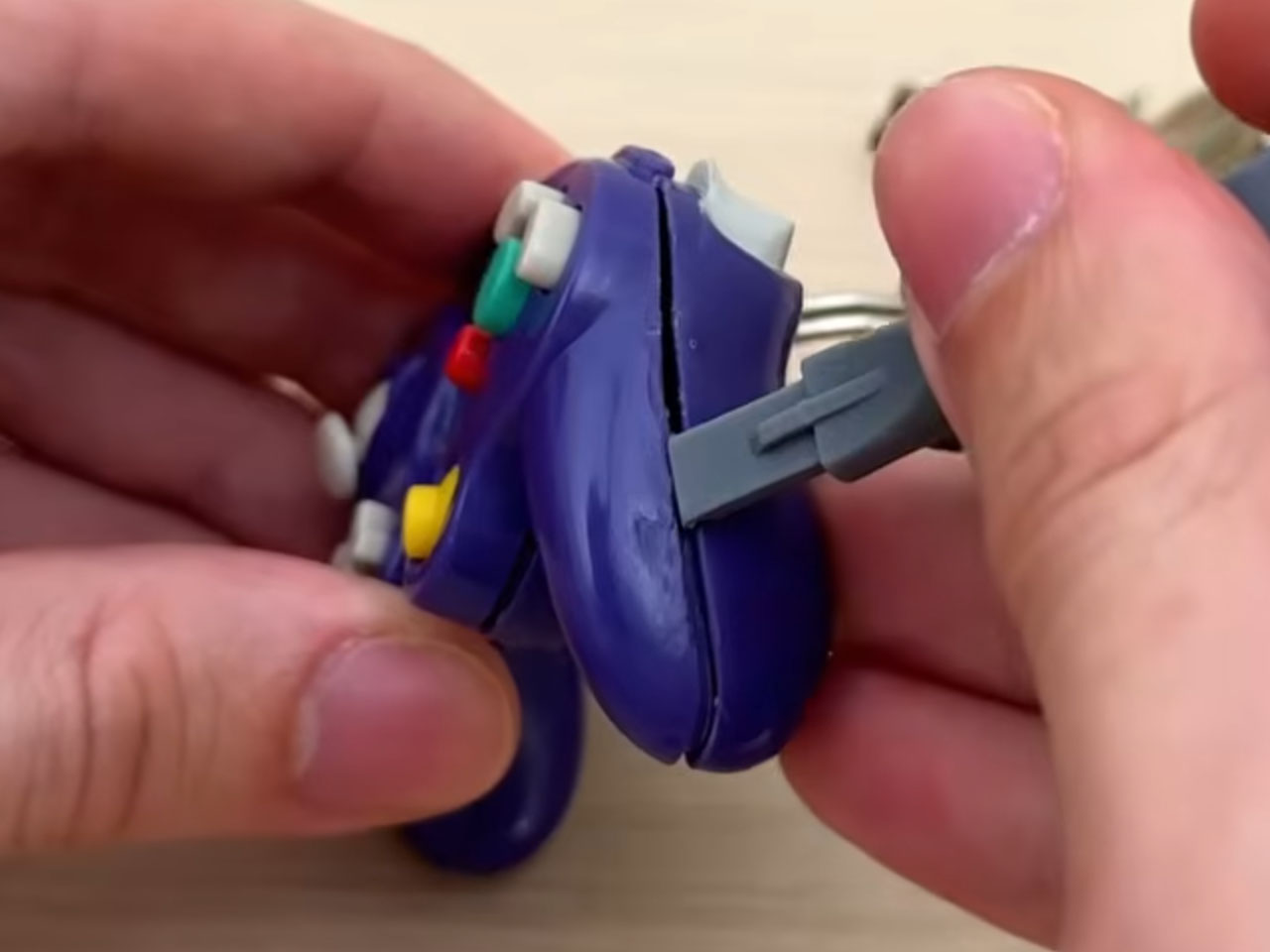
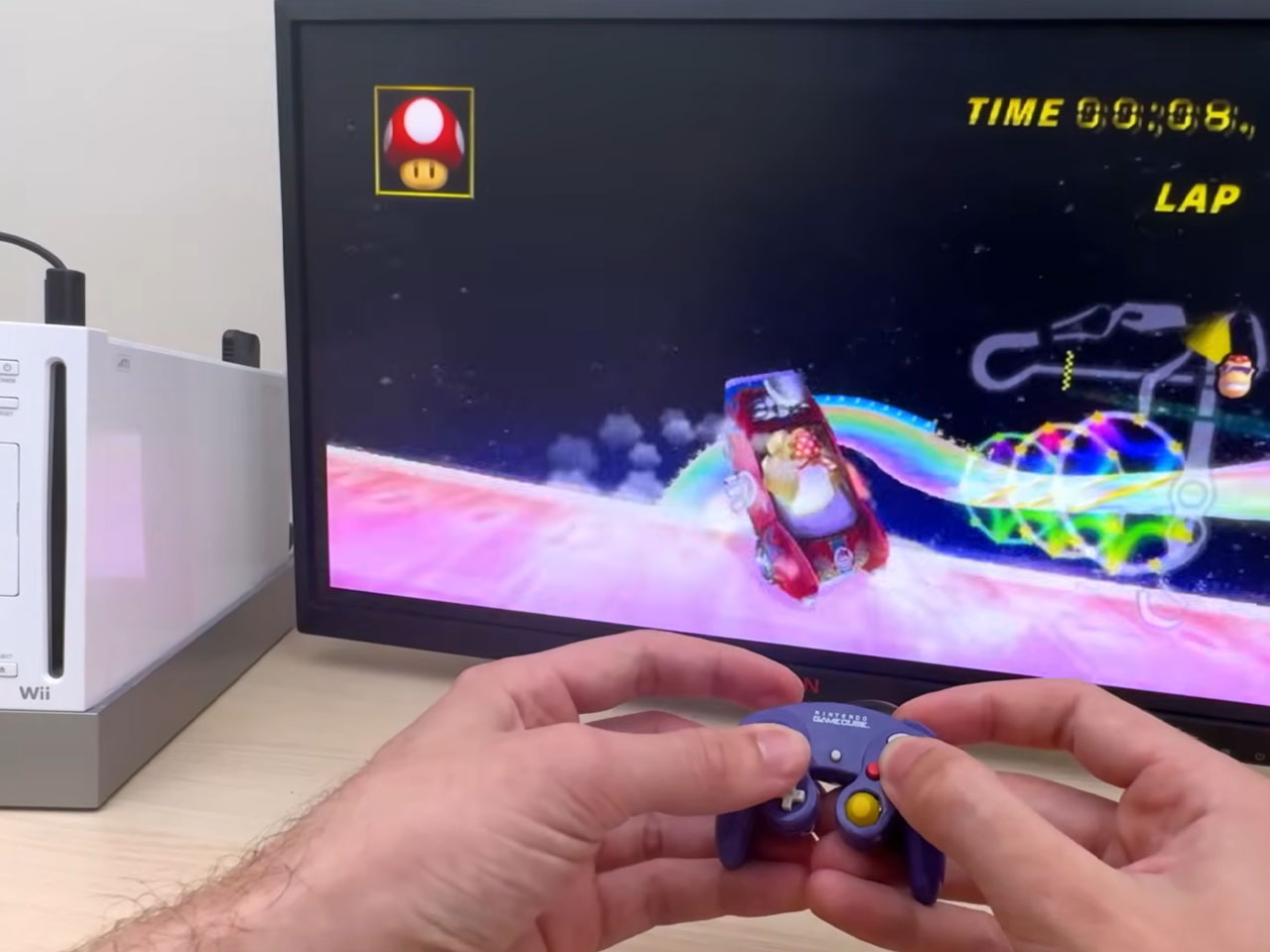
The DIY progresses with splitting the two controller halves and making up the necessary space to fit the electronics. The ultra-thin enameled wires connect the different components to the Waveshare RP2040-Zero microcontroller board, which is programmed with firmware that makes the cute little keychain gamepad act like a native GameCube controller. The final step involved salvaging the wire and plug from the real controller and attaching it to the output ports. Once everything is in place, it’s time to connect the controller to the port and enjoy some gaming. He demonstrates a session of Fortnite and then moves to Mario Kart Wii. All the inputs work as intended, and you just wish this thing were available to grab right away.

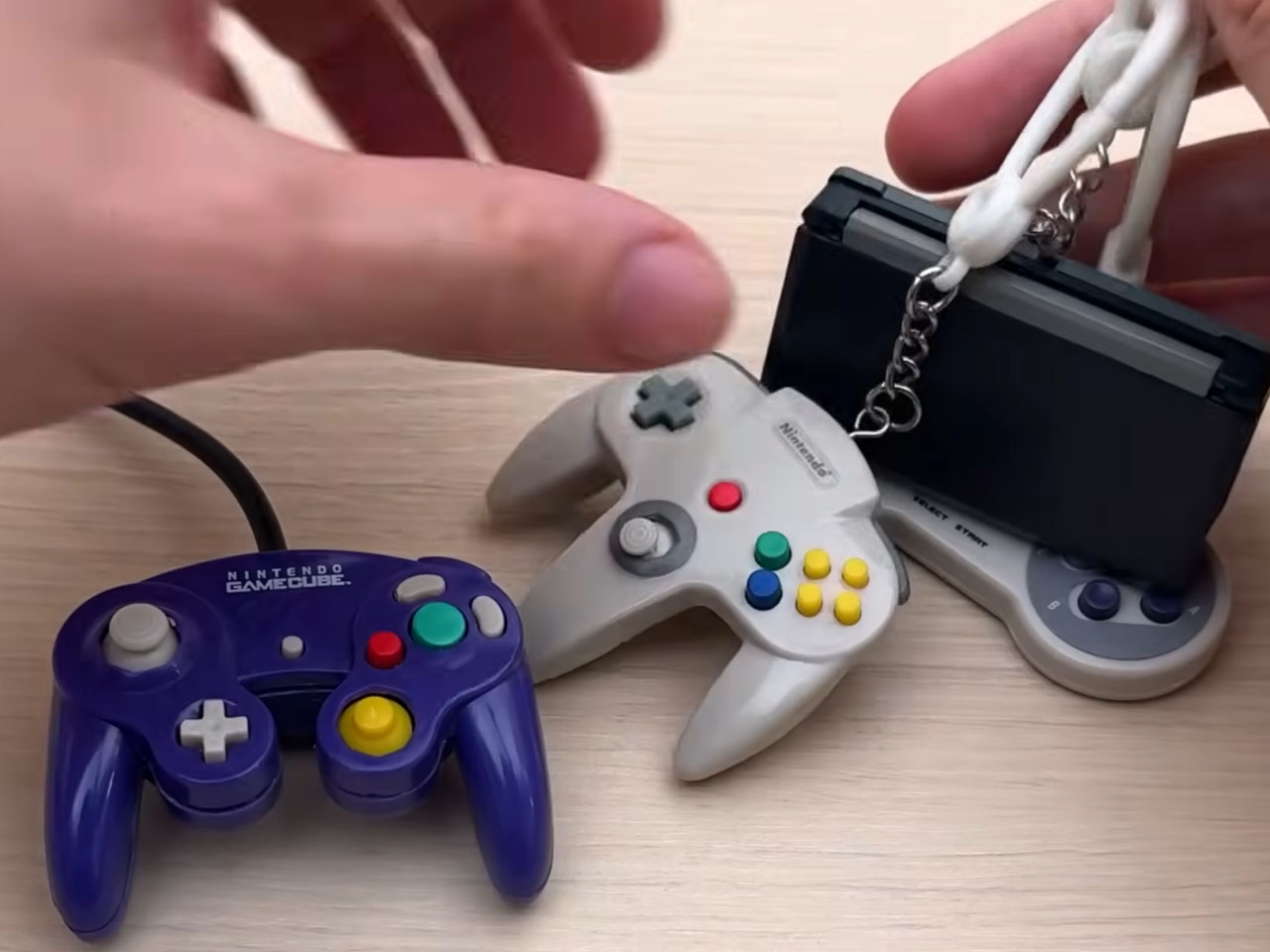
If you manage to check out the complete video till the end, Brux hints at more keychain projects in the future. These include the SNES controller, N64 controller, and 3DS controller, which are absolutely cool. Somehow, if he can manage a wireless keychain controller DIY, that would be sublime.

The post DIYer turns tiny GameCube keychain into a fully-functional controller first appeared on Yanko Design.
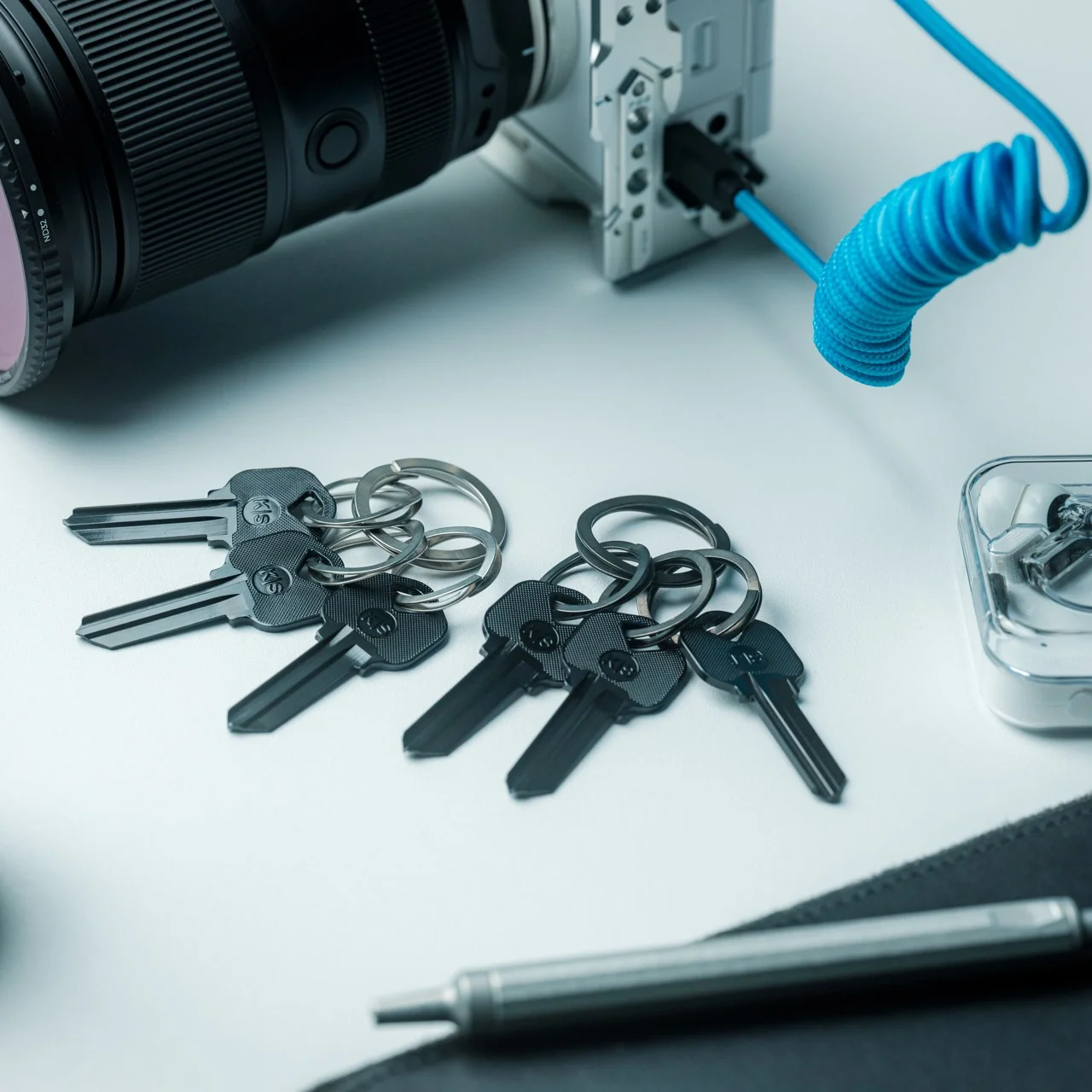
This Rotating Titanium Keychain Glows for 25 Years Without a Battery

Most everyday carry accessories are built on compromise. Flashlights need batteries. Multi-tools go through pockets without ever being opened. Tiny gadgets get charged for a few days, forgotten about, and eventually lost to a drawer somewhere. The smaller something is, the more disposable it tends to feel, and the less likely it is to stick around long enough to actually earn its place on your keys.

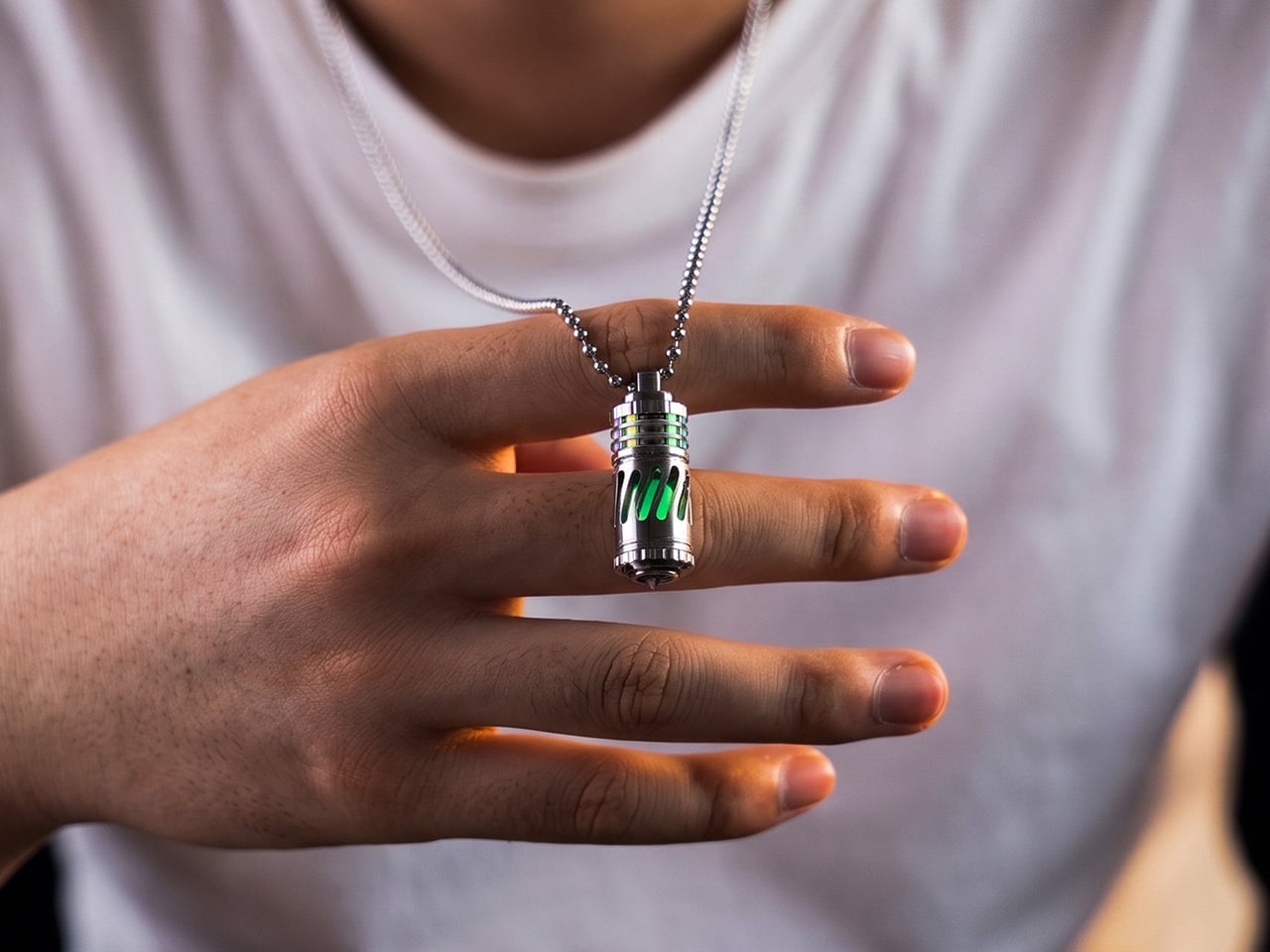
The SpinTi is a different kind of answer to that problem. Machined from Grade 5 titanium and measuring just 35mm at 8g, it’s a rotating tritium keychain that doesn’t need a power source, battery replacements, or a switch to activate. Its glow is passive and constant, driven by the natural properties of the tritium vials sealed inside. Once it’s on your keychain, it simply does its thing.

Designer: COMANDI

Click Here to Buy Now: $43 $59 (27% off). Hurry, only 98/100 left! Raised over $52,000.

At 8g, it’s as light as a single credit card, and its 35mm frame is shorter than an AA battery. You’d clip it to your keys, toss it in your bag, or hang it from a zipper and forget about it for weeks. Then one night, in a dark room or a pitch-black campsite, your hand finds the keys, and there it is, that quiet, steady glow.

What sets SpinTi apart from other tritium markers is that spinning body. The body rotates on a solid-state pivot with no bearings, while the core is secured by a full-metal compression system instead of rubber O-rings. It’s the kind of thing your fingers gravitate toward during a long commute or a slow afternoon, giving it a secondary life as a tactile object that goes well beyond locating your keys in the dark.

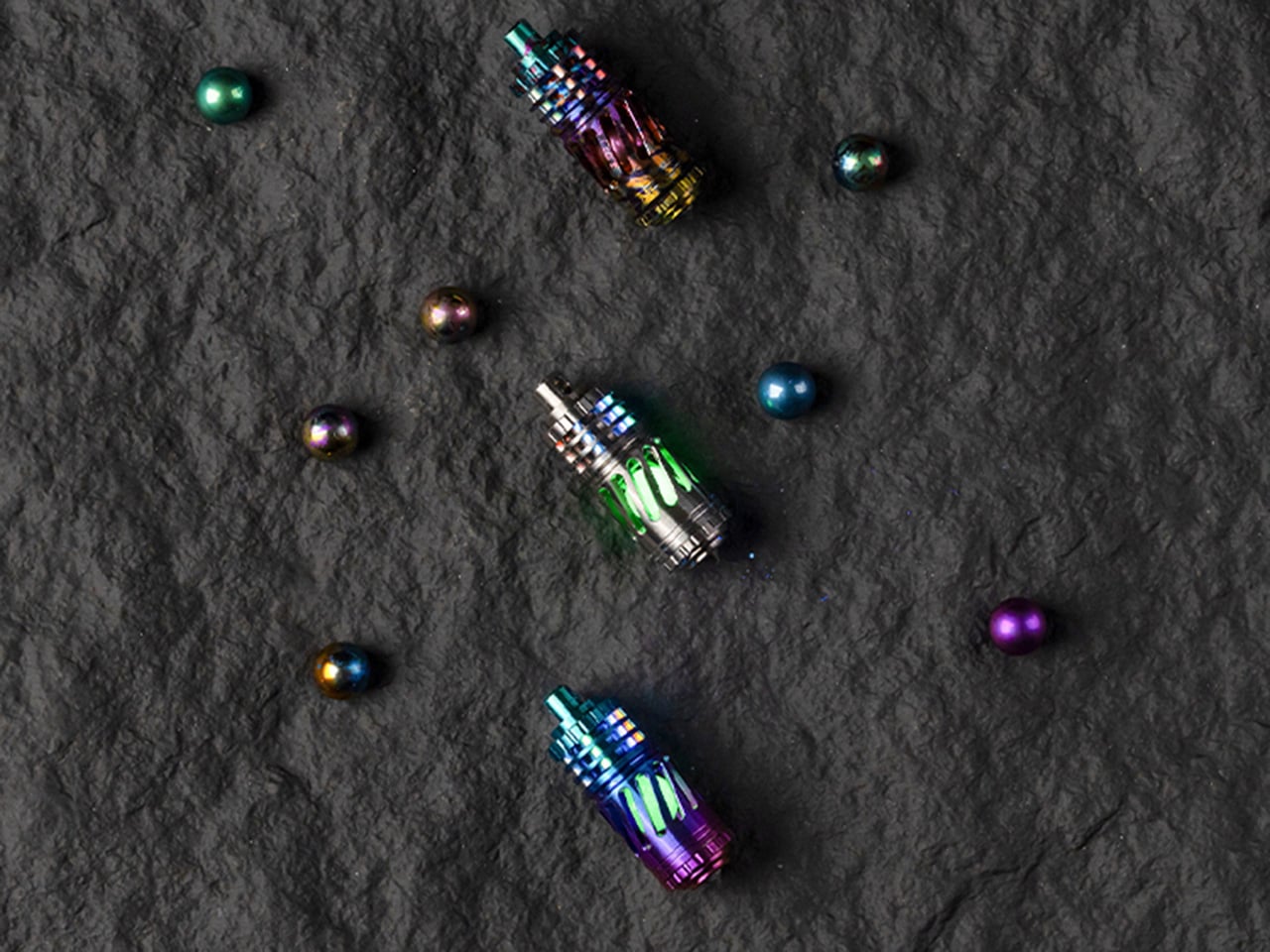
The glow itself comes from tritium vials seated inside a six-slot core. As tritium decays, the beta particles it releases hit a phosphor lining, producing continuous light without any power source at all. It’s not meant to flood a room with light, and it doesn’t try to. What it offers instead is a low-level, always-on glow that stays usable over roughly 25 years, even as brightness gradually declines.

The body is CNC-machined from Grade 5 titanium, the same material used in aerospace components and surgical hardware. The skeletonized exterior has generously cut slots that expose the luminous core from every angle, while a precision metal compression system holds the vials firmly without relying on epoxy or rubber. It’s built to genuinely outlast the phone in your pocket by several decades.

SpinTi isn’t limited to keychain duty either. It can hang around your neck as a pendant, clip to a zipper pull for finding your bag in the dark, or attach to a tactical pack as a quick identifier. The tail end has a hardened glass-breaker tip for emergencies, and the hollow interior can carry small items like emergency pills or a micro memory card.

There’s room to make SpinTi feel personal, too. The vials come in six colors, from ice blue and apple green to midnight violet, and you can mix them across all six slots however you like. Three finish options are available for the titanium shell: raw titanium for a minimal look, a splash finish for something bolder, and a gradient anodized finish for something closer to wearable art.

And since the core unscrews for service, you’re not locked into any one configuration. Swap a dimming tube after years of use, change the color to suit your mood, or drop in glass luminous tubes as a more affordable alternative. SpinTi is built to be updated and refreshed over time, and that’s part of what makes it feel less like a purchase and more like a long-term companion.

Click Here to Buy Now: $43 $59 (27% off). Hurry, only 98/100 left! Raised over $52,000

The post This Rotating Titanium Keychain Glows for 25 Years Without a Battery first appeared on Yanko Design.
Pebblebee’s $60 Keychain Screams 130dB So You Don’t Have To

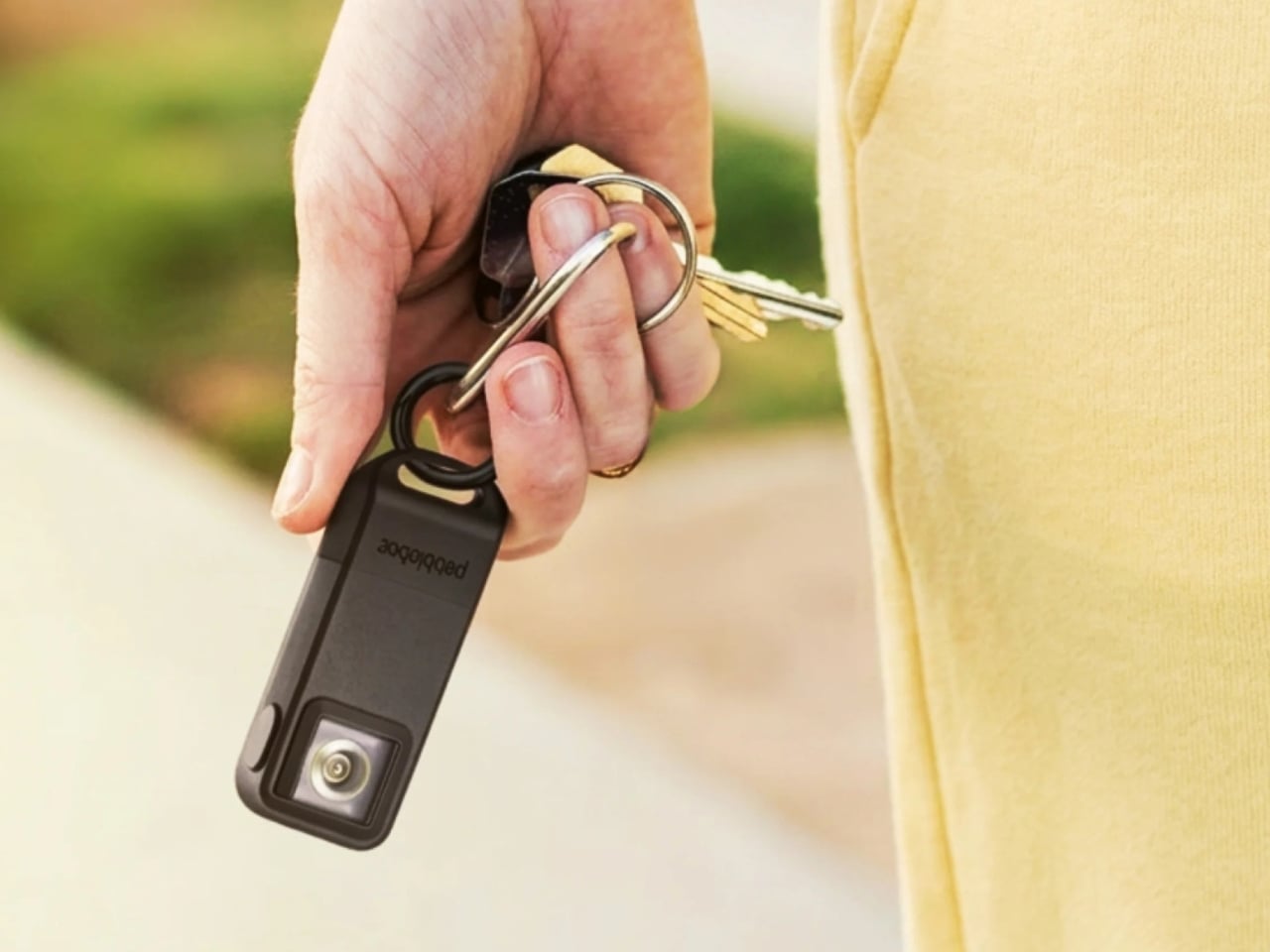
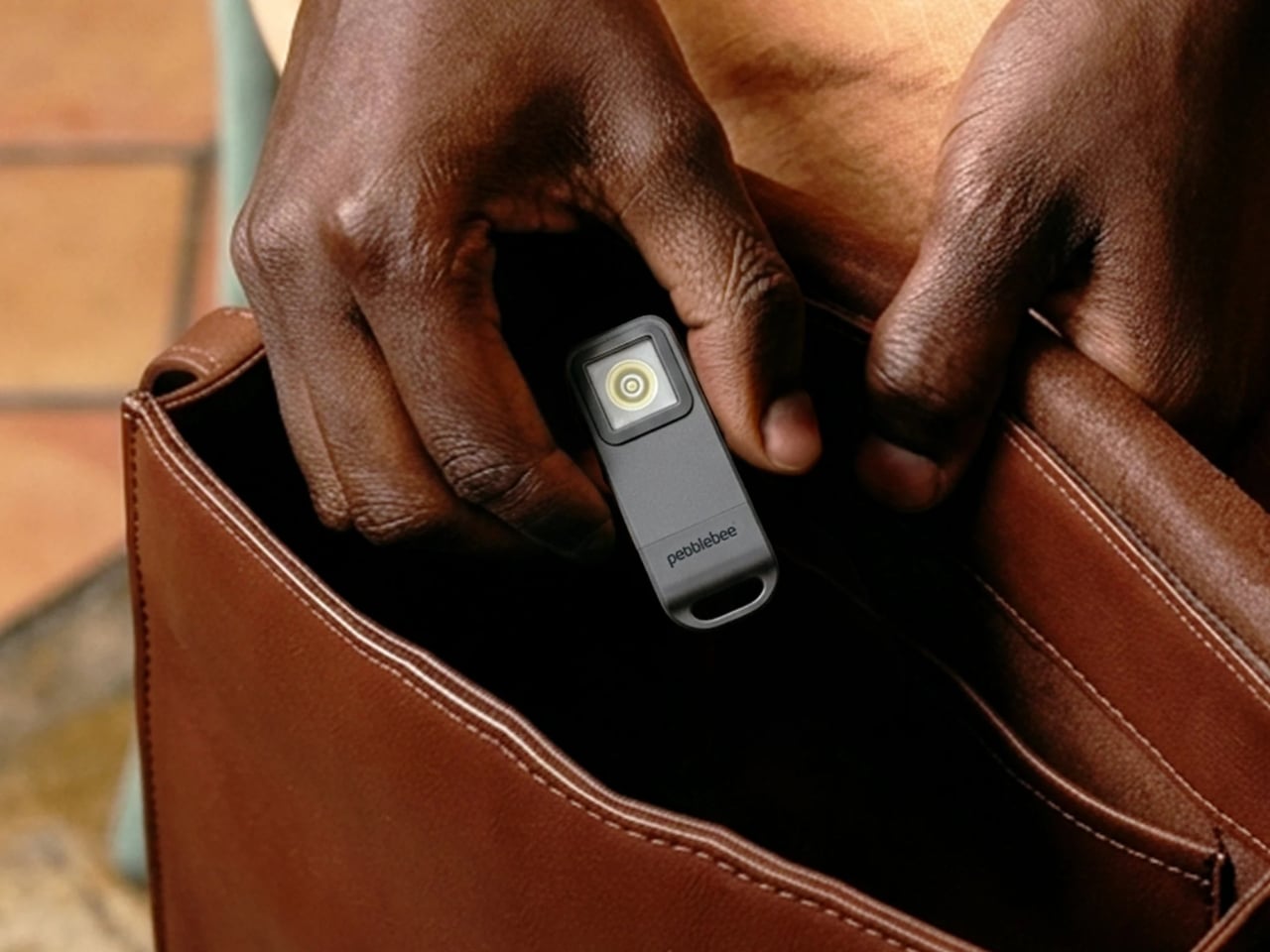
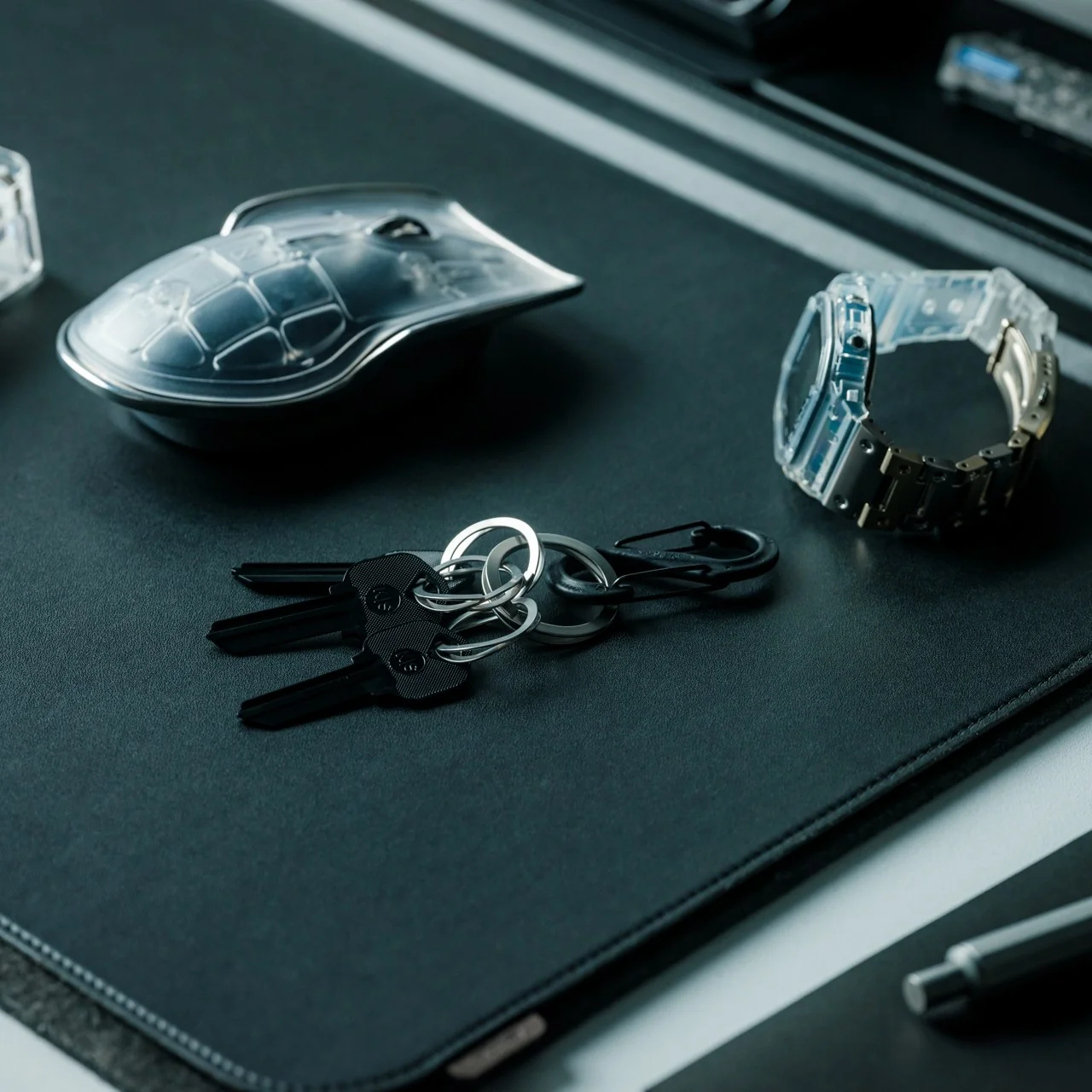
Most of us run through the same mental checklist before leaving the house. Phone, wallet, keys. Pebblebee is quietly making a case for adding one more item to that list: a keychain-sized device called the Halo that can track your lost items, light up a dark parking garage, and scream at 130 decibels if things go wrong. That last part is what makes it genuinely interesting.

Personal safety gadgets have had a bit of an awkward adolescence in tech. Standalone alarm keychains, panic button apps, and GPS trackers each do one thing with varying degrees of reliability. The Halo, launched by Seattle-based Pebblebee in April 2026, makes the more ambitious argument that all three functions belong in a single device you already carry everywhere. It clips onto your keychain, weighs just one ounce, and is priced at $59.99 with a 12-month Alert Live subscription included.

Designer: Pebblebee

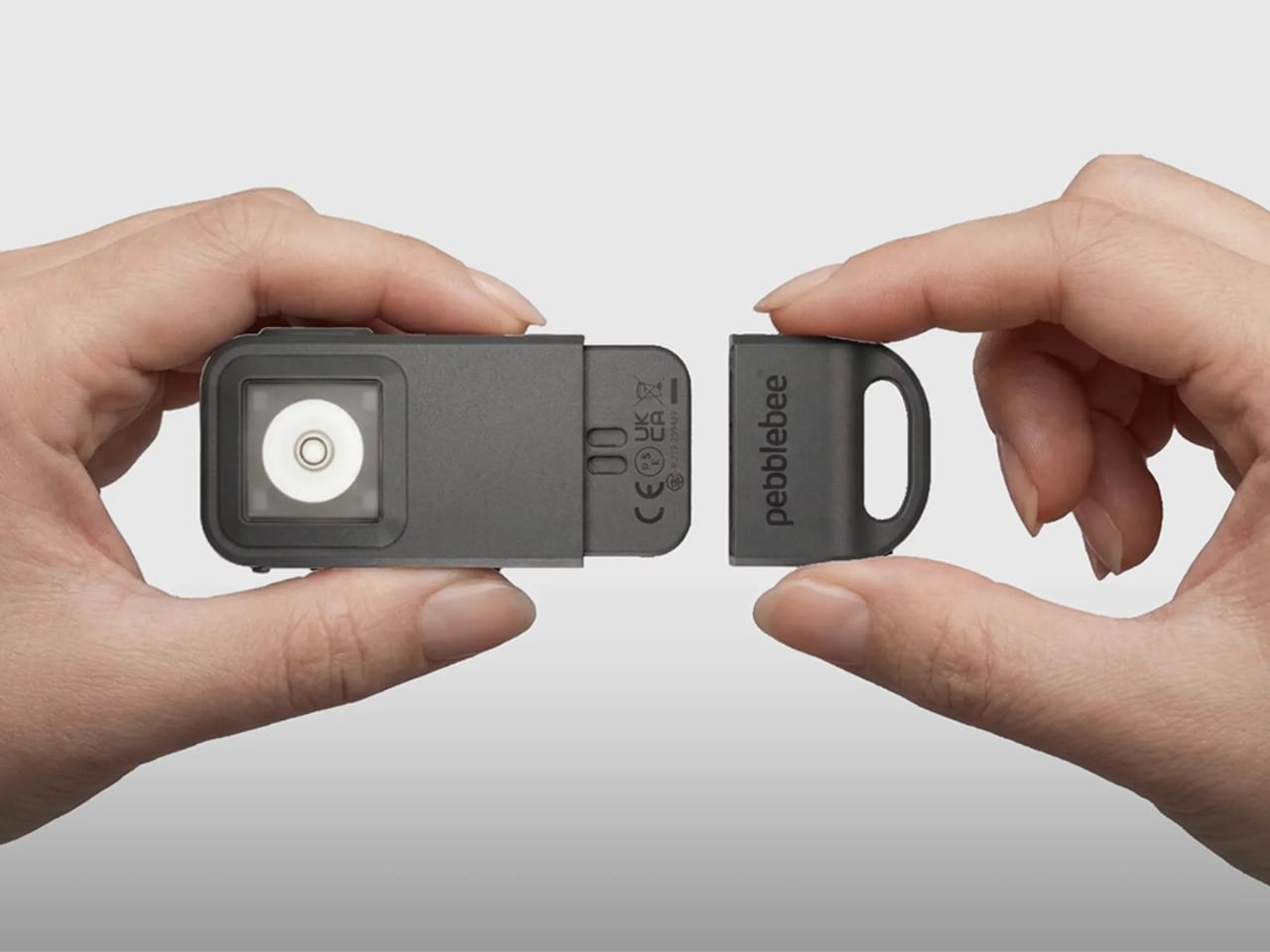
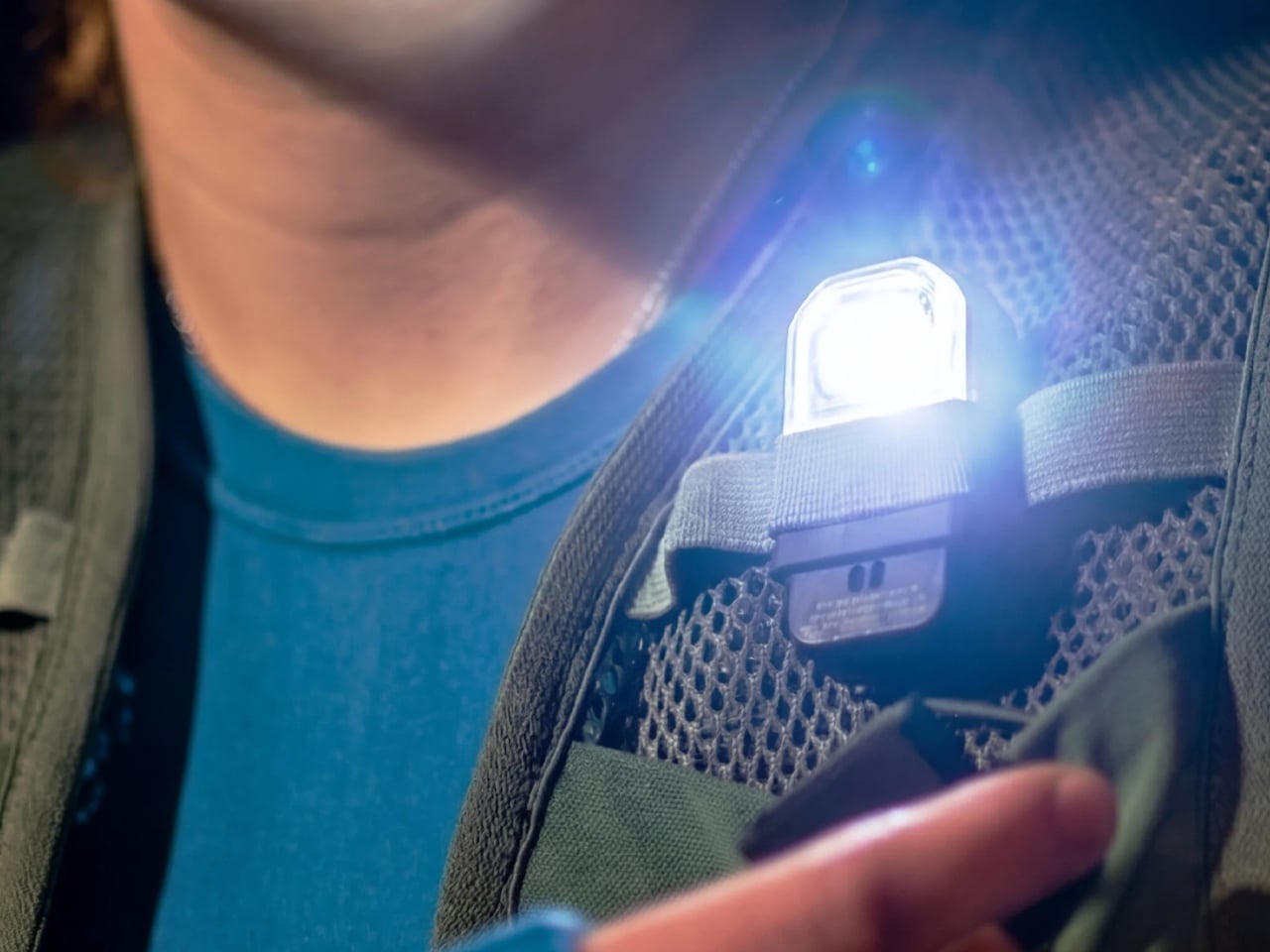
The activation mechanism is intuitive and, frankly, smart. Pull the device apart and three things happen at once: a 130dB siren activates (roughly the volume of a jackhammer at close range), a 150-lumen strobe light starts flashing, and your real-time location is shared with up to five trusted contacts in what Pebblebee calls your Safety Circle. The pull-apart trigger works in your favor because it’s instinctive. You don’t have to navigate an app or remember a button sequence when your adrenaline is already running.

There’s also a quieter option. Rapid presses of the side button send a silent alert to your Safety Circle without triggering the siren or the lights. That kind of discretion matters more than people give it credit for. Not every unsafe situation benefits from making a scene.

On the tracking side, the Halo works with Google’s Find Hub on Android, tapping into a crowd-sourced network to help locate misplaced items. It’s IP66 water-resistant, handles rain without issue, and the battery lasts up to a year on a full charge. These are specs that feel like they belong to a product that actually thought things through.

The bigger question is whether a product like this can shift how people think about daily carry. I think it might, and I say that as someone who has dismissed this category before. The AirTag normalized putting a small tracker on your keys. The Halo takes that familiar habit and layers in real utility that most people weren’t actively seeking until they actually see it. Pebblebee says the device was built with the late-night campus walker, the solo runner, and the traveler navigating an unfamiliar city in mind. That description covers most adults at some point in any given week.

It would be easy to read a product like this as capitalizing on anxiety. But the Halo doesn’t feel cynical in that way. The pull-apart mechanism, the silent alert, the 150-lumen flashlight that’s actually useful rather than just a line in a spec sheet. These details suggest a team that ran through realistic scenarios before finalizing the design. The way a product handles edge cases usually tells you more about its intentions than the headline features do. The Alert Live subscription becomes a paid plan after the included first year. It’s required for live location sharing and expanding your Safety Circle beyond five contacts. Worth keeping in mind, but as a first-year value proposition, the package holds up well.

Personal safety gadgets have a habit of ending up in the junk drawer after the initial enthusiasm fades. The novelty wears off, the routine doesn’t stick. The Halo’s real advantage is that it gives you no particular reason to leave it behind. It lives on your keys, goes wherever you go, and the flashlight earns its keep on a regular Tuesday night. If you ever need the siren, you’ll be glad the upgrade was a keychain addition and not a drawer item. The most thoughtful design decisions are often the ones that make something so easy to carry, you forget it’s there until the moment you really need it. The Halo seems to understand that.

The post Pebblebee’s $60 Keychain Screams 130dB So You Don’t Have To first appeared on Yanko Design.
This 11g Keychain Knife Has a Tungsten Tip You Swap, Never Sharpen

Most keychain cutters feel like afterthoughts. Plastic shells with soft blades that struggle with packing tape, bend on zip ties, and disappoint when needed. The gap between how often a small sharp edge would be useful and how rarely those tools work is frustrating. Small does not have to mean flimsy, but most micro knives settle for exactly that, leaving you hunting for scissors or borrowing someone else’s blade when boxes arrive.

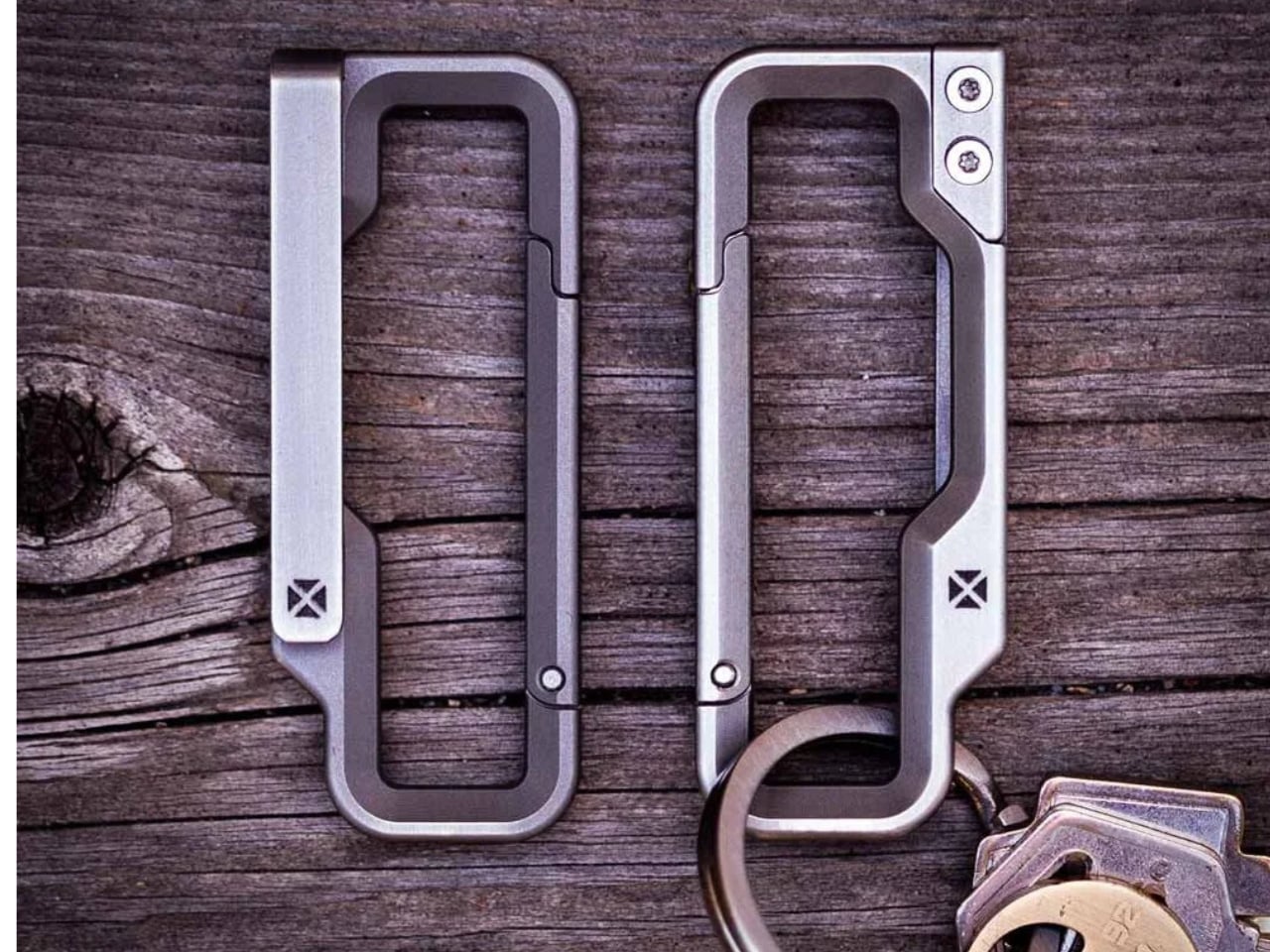
The Z3RO mini knife rebuilds the category from the materials up. It weighs 11g, measures around 5cm, and combines a tungsten cutting tip, carbon fiber body, and titanium backbone in a package that fits on a keychain without feeling like a toy. Instead of plastic or aluminum, Z3RO feels closer to pocket tech or minimalist jewelry, something you notice when you pick it up rather than ignore until it breaks.

Designer: YSMART Design Team

Click Here to Buy Now: $74 $120 (38% off). Hurry, only a few left!

The cutting tip is tungsten alloy, the same material used in surgical blades and industrial cutters, rated at Mohs hardness nine. It shrugs off cardboard, cord, plastic tags, and thick tape without dulling quickly or chipping like softer steel. It handles tasks that show up constantly, opening boxes, slicing cable ties, trimming threads, and cutting shrink wrap. Sharp enough to feel precise, hard enough to stay that way through months of daily cutting and abuse.

Instead of sharpening a tiny, ultra-hard edge, Z3RO uses a replaceable cutter head that swaps out in seconds without tools. When the tip eventually loses its bite, you pop in a fresh one. The body becomes a long-term object while the working edge is treated like a precision consumable. You replace the blade, not the tool, and the carbon fiber shell ages gracefully without looking worn after weeks of heavy pocket carry.

Most small knives lean on plastic or aluminum to save weight. Z3RO goes for woven carbon fiber wrapped around a titanium core, keeping the weight at eleven grams while still feeling solid. The material combination offers natural resistance to rust, sweat, moisture, and impacts, so it does not corrode in damp pockets or degrade from drops. It is the kind of material choice expected in high-end gear, not something dangling from house keys.

The mechanism is a magnetic quick-release using internal neodymium magnets instead of fiddly sliders. One firm pull separates the body, the cutter snaps into position with a click, and it is ready. The magnets hold everything with zero wobble, so it feels precise rather than loose. This matters when your other hand is holding a box, rope, or bag you do not want to drop while fumbling for a blade.

Everyday moments shift when a sharp, instantly accessible cutter lives on your keychain or neck lanyard. Cutting packing tape becomes one motion instead of clawing at it. Freeing a stuck zipper pull takes seconds. Trimming a cable tie or slicing shrink wrap happens without hunting for scissors. The tool turns minor annoyances into quick actions, and that quiet utility adds up, making it something you reach for multiple times daily without thinking.

The carbon fiber sheen, titanium accents, and slim silhouette make Z3RO look more like gear art than a utility blade. Color options like Stealth Black, Neo Blue, and Volt Green add personality without sacrificing the minimalist shape. It is the sort of object people notice when you set keys down, even if they do not immediately realize it cuts. The woven texture and metal details read as intentional design rather than generic hardware fare.

Z3RO exists because everyday carry has matured past cheap freebies into a space where materials, mechanics, and longevity matter. A tiny knife built from tungsten, carbon fiber, and titanium, with a magnetic quick-release and replaceable head, feels like a natural evolution. It reminds you that even the smallest tools can be designed with the same care as big ones, and sometimes the best gear is what you forget you are carrying until you actually need it.

Click Here to Buy Now: $74 $120 (38% off). Hurry, only a few left!

The post This 11g Keychain Knife Has a Tungsten Tip You Swap, Never Sharpen first appeared on Yanko Design.
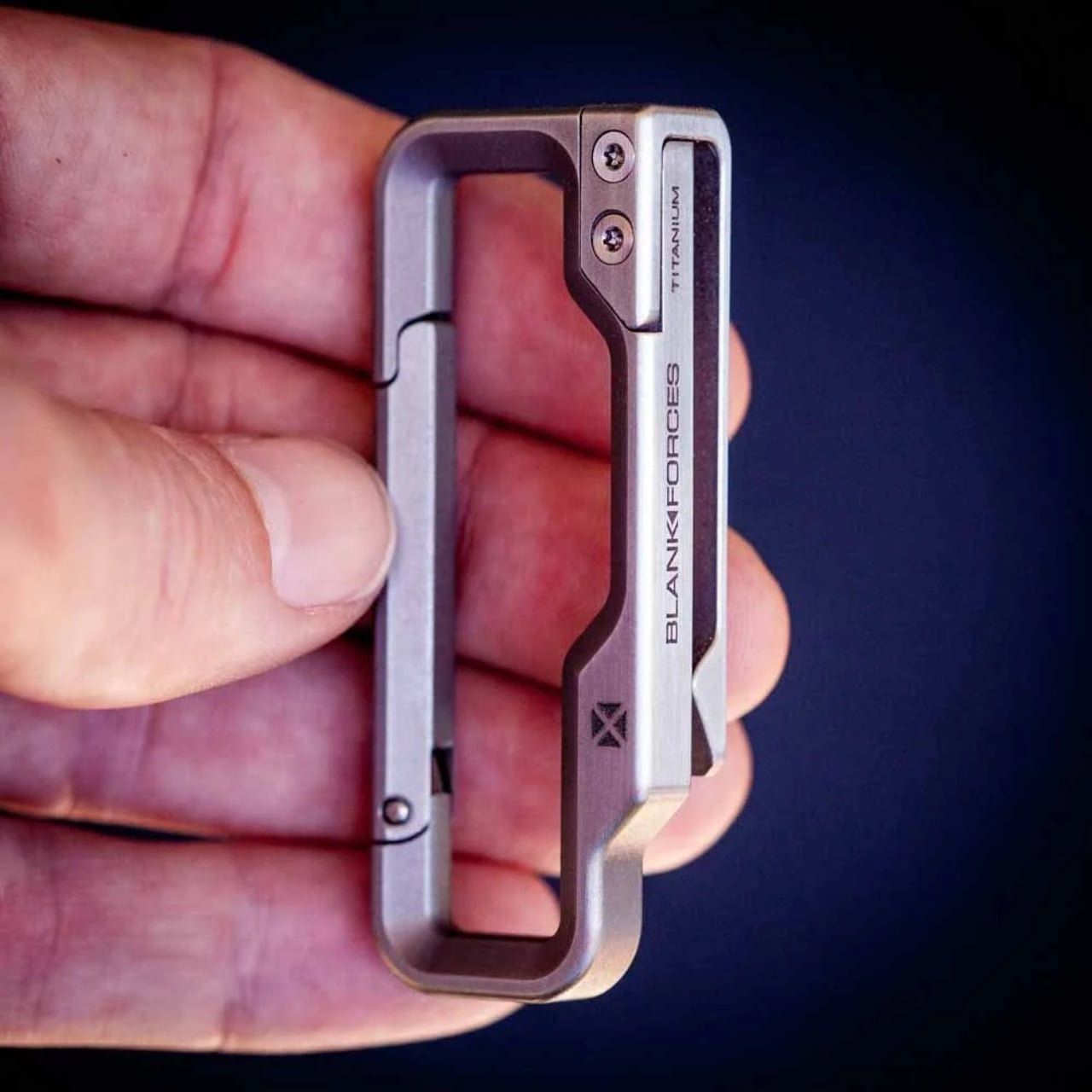
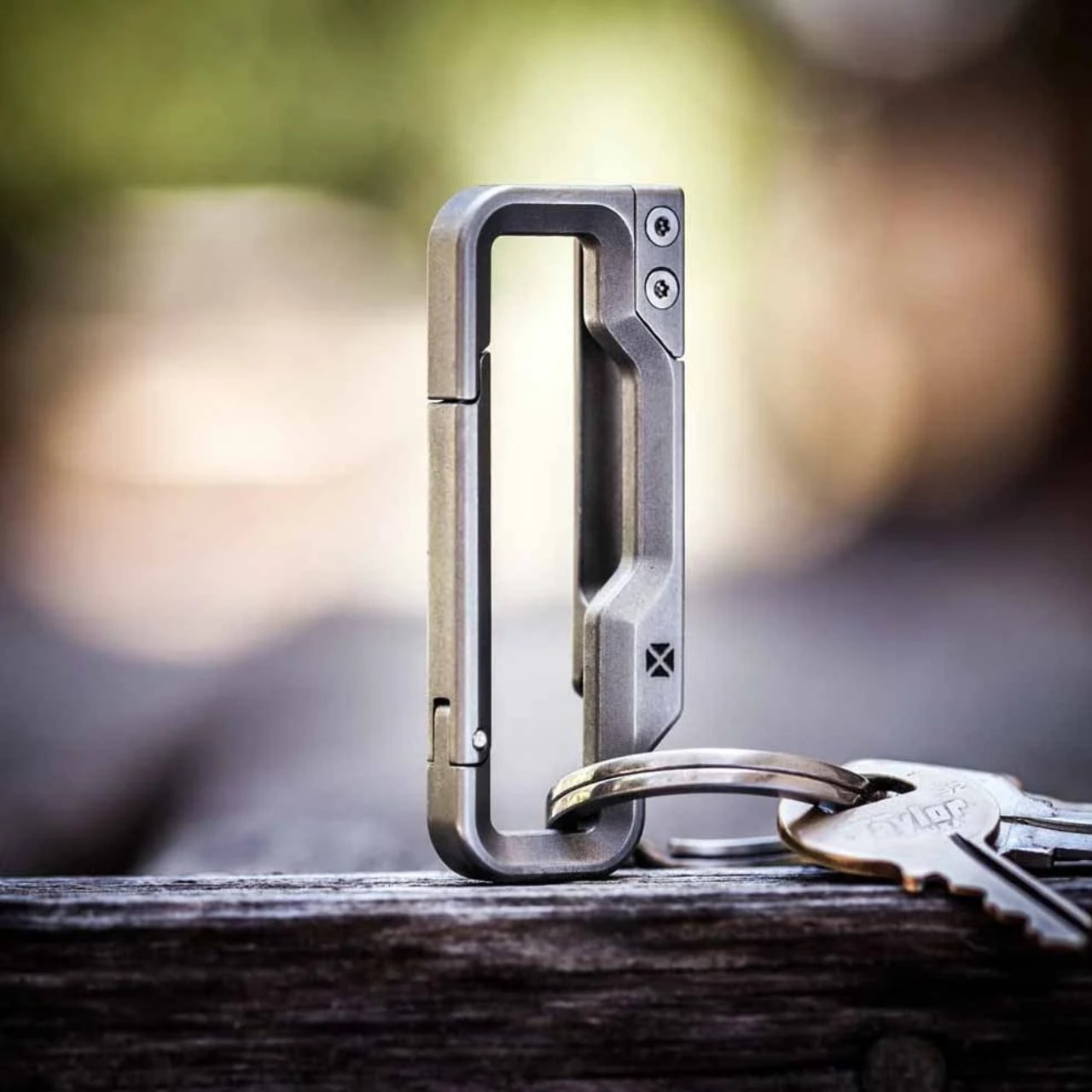
This 6.5g Quick-Release Titanium Keychain Opens With One Hand

Most of us have struggled with key rings that jam in your pocket, carabiners that tangle with everything else in your bag, or split rings that pop open at the worst possible moment when you’re rushing to unlock something important. Everyday carry should be about readiness and preparation, not frustration and fumbling with gear that fights you instead of helping you stay organized and efficient throughout your day.
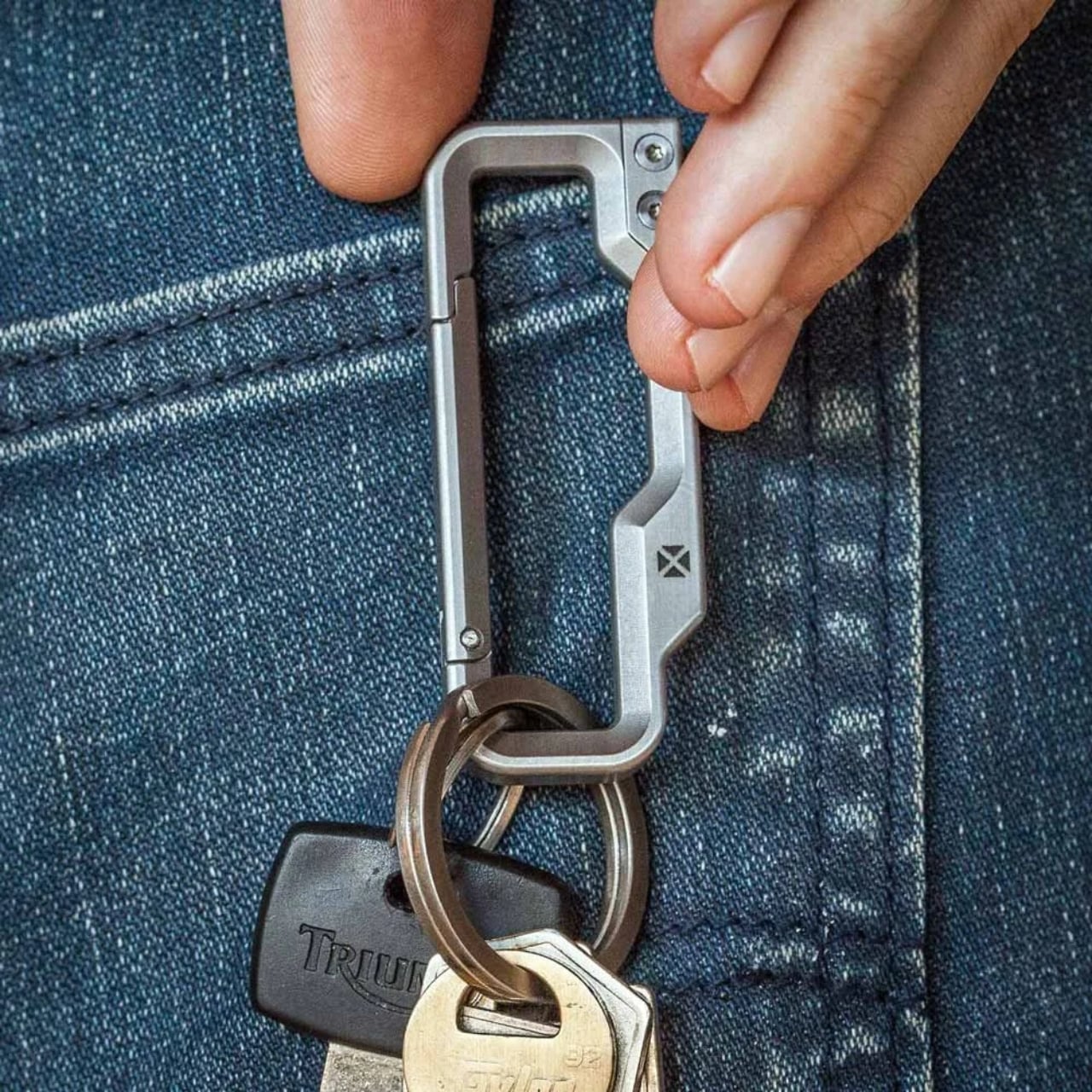
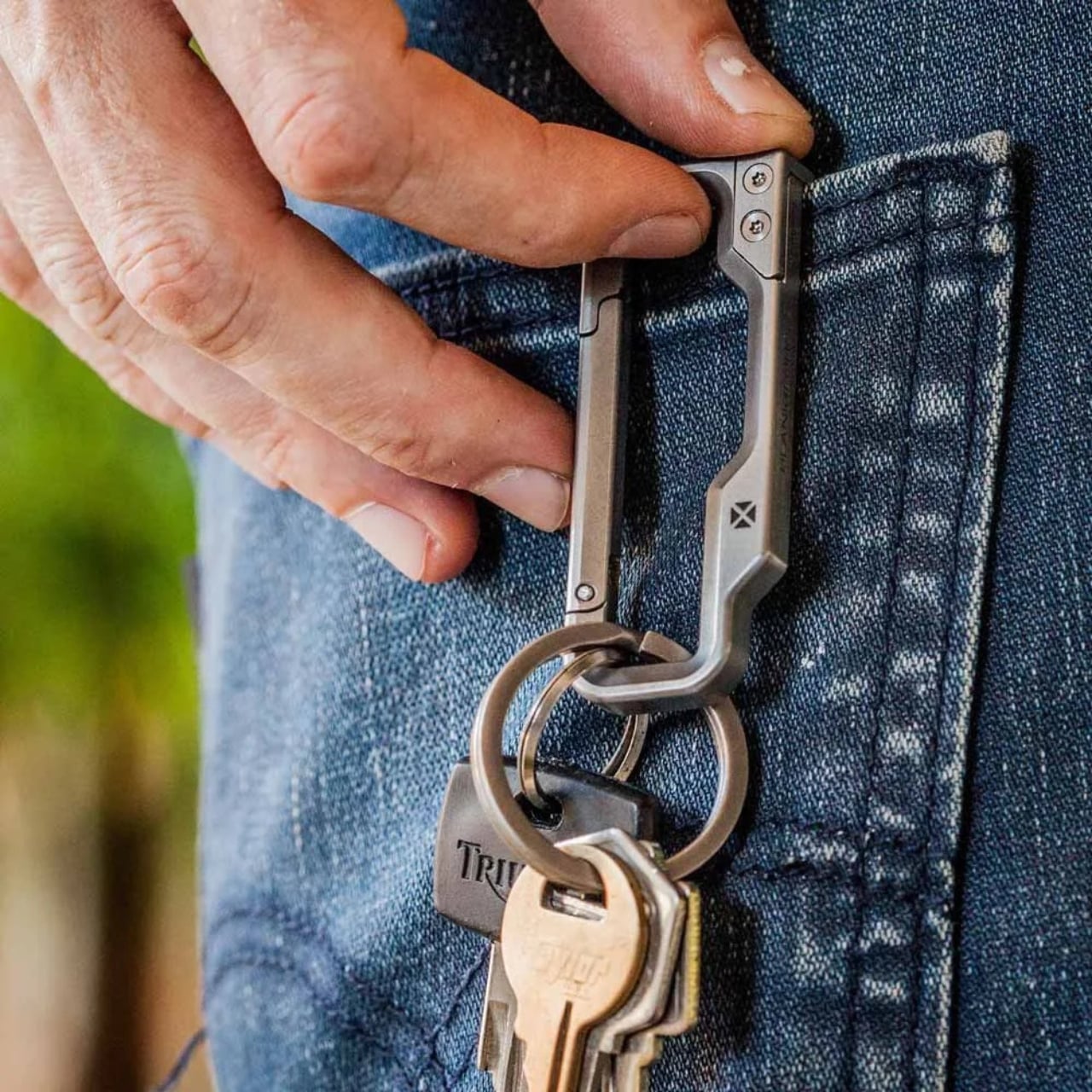
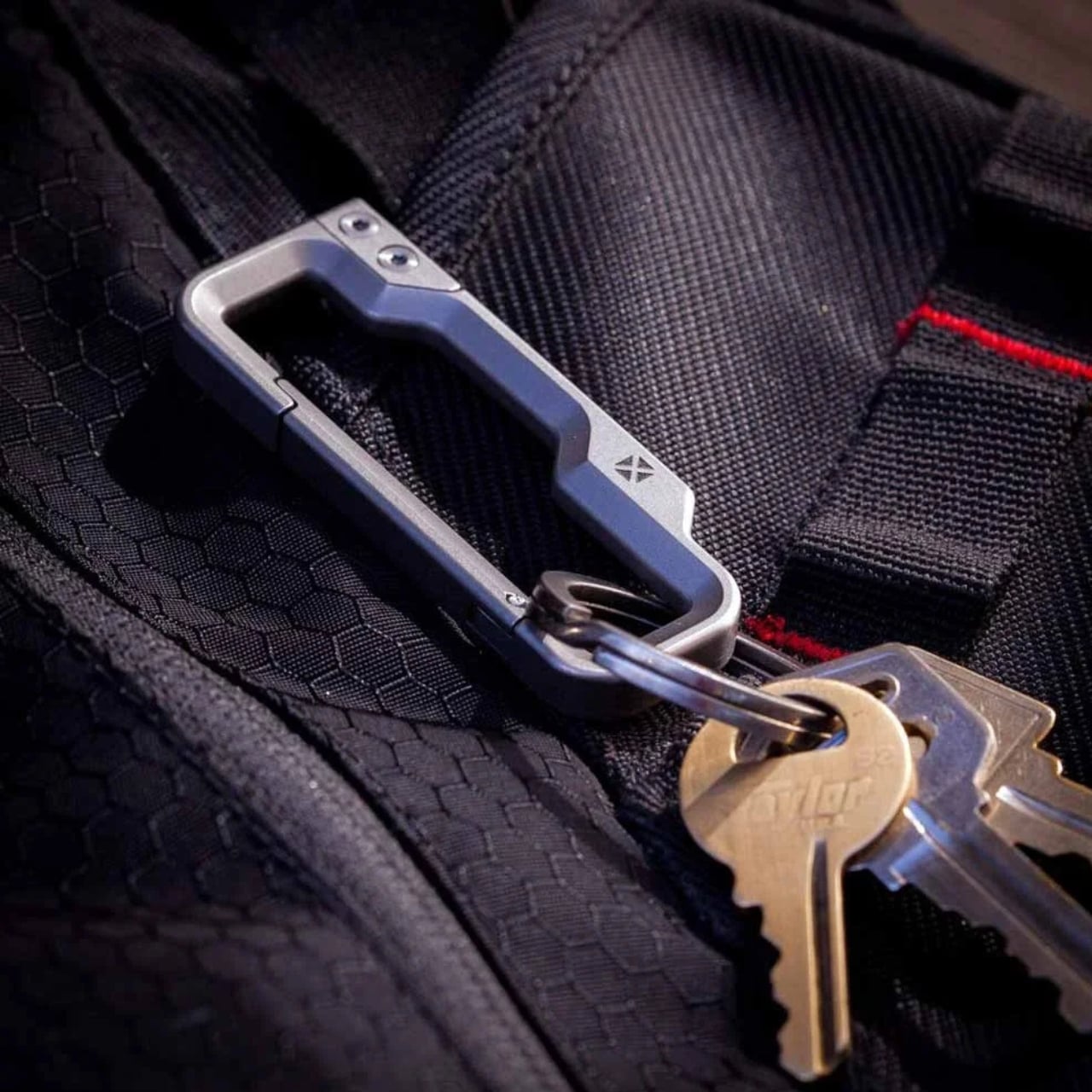
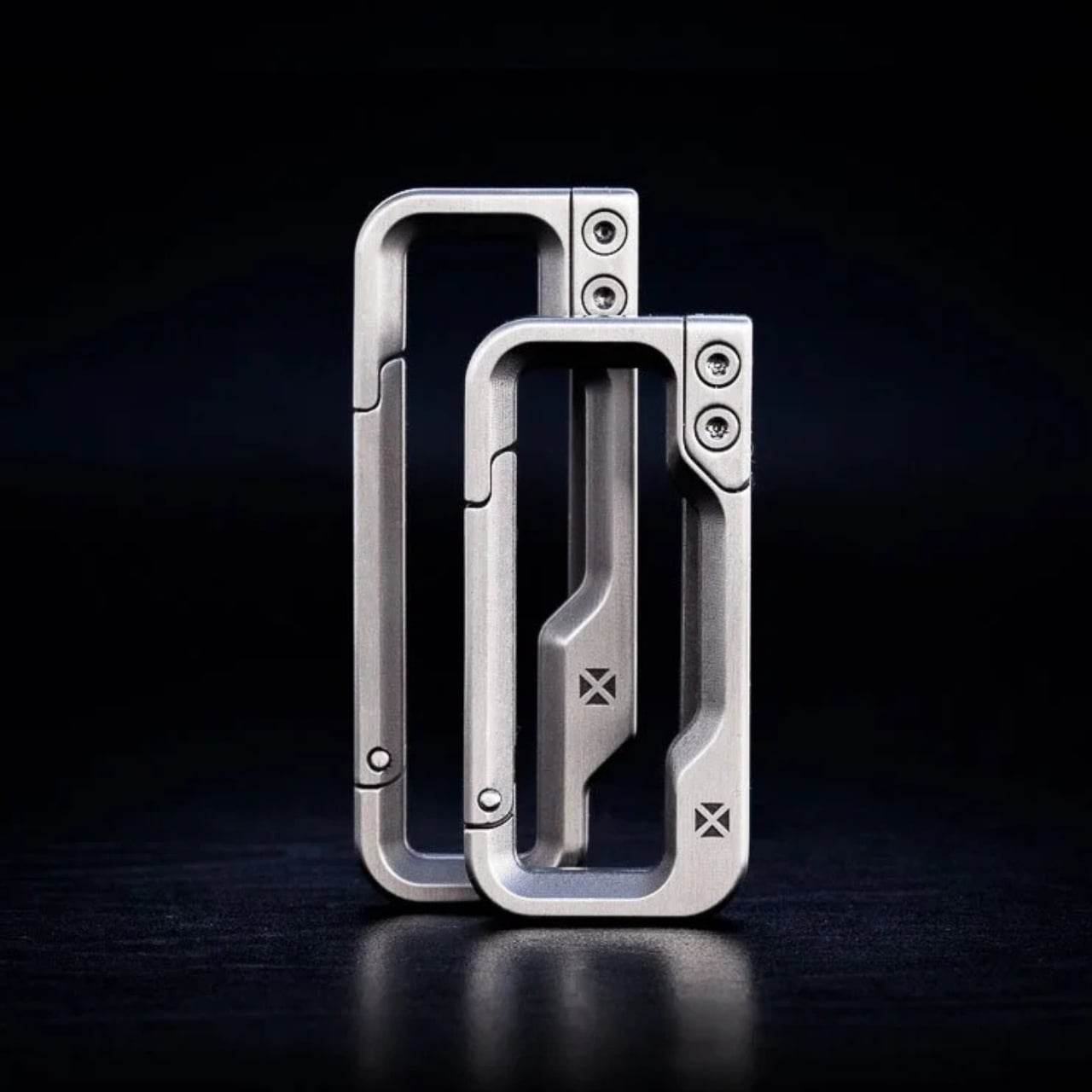
The Titaner Quick-Release EDC Carry System offers a completely different approach by blending aerospace-grade GR5 titanium, a patented magnetic-mechanical lock, and a modular design that adapts to your gear and your daily routine without adding unnecessary bulk or complexity. It features four sub-connectors that support various carrying use cases, from everyday carry to professional outdoor gear. Best of all, it feels as good as it looks, engineered to disappear into your pocket until the exact moment you need quick, one-handed access to whatever you’re carrying.

Designer: Titaner

Click Here to Buy Now: $36 $65 (45% off). Hurry, only a few left! Raised over $94,000.

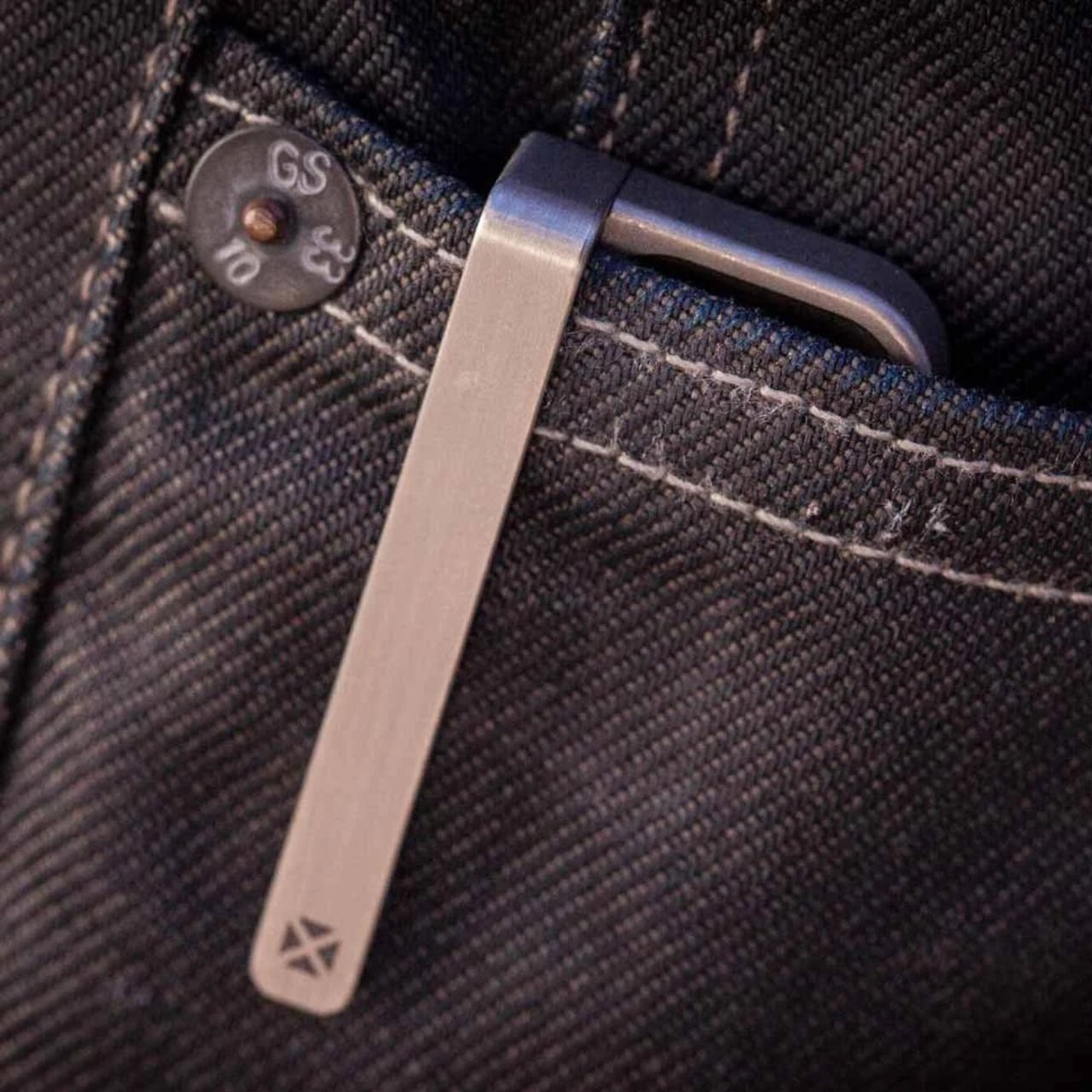
Crafted entirely from GR5 titanium, the Titaner system manages to be both ultra-light and incredibly strong for its compact size. Each connector is CNC-machined with precision tooling and finished with careful attention to edge smoothness, available in your choice of stonewashed, machine, or bold anodized finishes in yellow and blue. The result is gear that feels warm and tactile rather than cold and industrial.

The minimalist form follows function precisely without wasting a single millimeter on unnecessary features or decorative elements. Weighing just 6.5 grams, lighter than two sheets of paper, the main connector is barely noticeable in your pocket yet tough enough to survive years of daily use and harsh outdoor environments without failing. The titanium construction means it will never rust, discolor, or irritate your skin during extended contact with sweat or seawater.

The heart of the system is a patented dual-action lock combining an N56 neodymium magnet for effortless alignment with a physical GR5 titanium lock for absolute security you can trust completely. Connecting your gear is as simple as snapping the pieces together with a satisfying, audible click that confirms proper engagement, but releasing them requires a deliberate press and 90-degree twist motion that prevents accidental detachment.

This dual-action approach ensures your keys, tools, or tech never detach by accident during daily activities, no matter how much you pull, shake, or jostle your bag during commutes, hikes, or outdoor adventures. The connector maintains its hold through vibration, snagging, and heavy use in demanding conditions, providing peace of mind for carrying expensive equipment you can’t afford to lose unexpectedly or replace on short notice.

The newly launched EDC Connector modular system eliminates the need for traditional key rings entirely through four distinct sub-connector types that attach directly to the main buckle. This direct-attach approach removes bulk, weak points, and the annoying jingle that comes with metal rings clanking together in your pocket. Each sub-connector is purpose-built for specific carry needs, from single items to webbing straps, letting you build a setup that actually makes sense for your lifestyle.

There are four types of sub-connectors that work seamlessly with the main buckle for different purposes. The U-Series provides balanced carry for single items, the X-Series features a reinforced titanium pin for tools with small attachment holes, the D-Series stacks keys quietly like pages in a book for flat carry, and the E-Series creates ultra-stable anchor points for webbing and backpack straps.

Whether you’re organizing house and car keys for daily commutes, hanging a flashlight or multitool from your belt, attaching gear to a backpack for outdoor adventures, or keeping pet tags secure during walks through the neighborhood, the system adapts seamlessly to different scenarios throughout your day. The 360-degree swivel keeps everything tangle-free and automatically positions gear in the most convenient orientation for immediate, effortless access.

Every edge is finished smooth for absolute comfort, and the connector’s action is so precise and crisp that you’ll find yourself clicking it open and closed just for the tactile satisfaction and stress relief it provides. The titanium is hypoallergenic and completely corrosion-resistant, maintaining its appearance and performance even after years of sweaty hikes, rainy commutes, or daily handling without showing degradation or requiring special maintenance.

The finishes let you match your gear to your personality and specific use case preferences. Stonewashed provides a rugged texture that hides daily wear and tells your adventure story, machine finish showcases pure titanium with clean technical elegance, and anodized versions make a bold visual statement with vibrant color that distinguishes your carry from typical EDC gear most people settle for every day.

The Titaner Quick-Release EDC Carry System delivers minimalist design, technical innovation, and everyday practicality in a package that feels both premium and approachable for serious users who demand quality. For anyone who wants their gear to be as reliable and refined as the rest of their daily routine, this titanium connector system offers a thoughtful alternative to the clunky key rings and unreliable split rings most people simply tolerate.

Click Here to Buy Now: $36 $65 (45% off). Hurry, only a few left! Raised over $94,000.

The post This 6.5g Quick-Release Titanium Keychain Opens With One Hand first appeared on Yanko Design.