Tesla is suing California's Department of Motor Vehicles (DMV) to reverse a ruling that prevented the automaker from using the terms "Autopilot" and "Full Self-Driving" to sell cars, CNBC reported. That follows a December ruling by a California administrative law judge that forced Tesla to clean up its marketing language or risk a suspension of its sales license. Last week, the DMV determined that Tesla had made the necessary changes, including changing the name to "Full Self-Driving (Supervised)," and that no suspension would occur.
However, if you had "Tesla is going to sue them back" in your office pool, you can go ahead and claim your prize. The company filed a complaint on February 13 alleging that the DMV "wrongfully and baselessly" called Tesla a false advertiser. Calling the order "factually wrong" and "unconstitutional," Tesla demanded that order be set aside.
The DMV had originally argued that Tesla's terms for its driver assistance program gave consumers the impression that its cars were safe to drive without a human at the wheel. However, Tesla said that the DMV never proved that buyers were confused and that it was "impossible" to buy a Tesla without seeing "clear and repeated statements" that its systems aren't fully autonomous.
Tesla's appeal of the ruling isn't a shocker given that the company is essentially betting its future on autonomous vehicles. CEO Elon Musk has long promised buyers that its vehicles would eventually become fully autonomous and that you'd even be able to rent them out to provide robo-taxi services. "If you fast forward a year, maybe [15 months], we'll have over a million robo-taxis on the road," he wrongly predicted back in 2019.
Following a sales decline last year that was particularly steep in Europe, Tesla is banking on its Cybercab two-seater to boost its fortunes. The company has started limited testing of automated vehicles as part of its Robotaxi pilot in Austin, Texas.
Last week, however, Tesla lost an appeal in a $243 million lawsuit verdict over a 2019 crash of a Model S — largely over its use of the terms "Autopilot" and "Full Self-Driving." Last month, the company canceled Autopilot, its basic of advanced driver assistance tier, on new Model 3 and Model Y vehicles and switched its FSD (Supervised) tier to subscription-only.
This article originally appeared on Engadget at https://www.engadget.com/transportation/evs/tesla-sues-california-dmv-after-it-banned-the-term-autopilot-090845766.html?src=rss
Apple is gearing up for its much-anticipated March 4th event, where it plans to unveil a range of new products designed to cater to diverse user needs. This year’s focus is on affordability and practicality, with devices tailored for students, casual users, and home entertainment enthusiasts. The event is expected to showcase a budget-friendly MacBook, […]
AI hacking, a specialized area of cybersecurity, focuses on uncovering vulnerabilities in artificial intelligence systems to ensure their security and reliability. As explained by Network Chuck, this field is becoming increasingly important as AI technologies are integrated into applications like virtual assistants, autonomous vehicles, and fraud detection systems. Ethical hackers in this domain work to […]
The Samsung Galaxy S26 Ultra represents a significant leap forward in smartphone technology, combining innovative camera advancements, AI-driven tools, and robust privacy features. With pre-orders beginning on February 25th and retail availability starting March 11th, this flagship device is designed to deliver a seamless, secure, and highly personalized user experience. Samsung continues to push the […]
Apple has officially rolled out iOS 26.4 Beta 2, introducing a series of updates, feature enhancements, and bug fixes aimed at improving the overall user experience. Initially available to developers, this beta version will soon be accessible to public testers, offering a glimpse into the future of iOS. Alongside iOS, updates for iPadOS, macOS, watchOS, […]
The Samsung Galaxy S26 Ultra has captured attention ahead of its official release, thanks to a leaked hands-on video that reveals its innovative features, refined design, and powerful performance capabilities. This early look highlights several advancements, including a privacy-focused display, a redesigned body, and impressive hardware benchmarks. However, as the device is still operating on […]
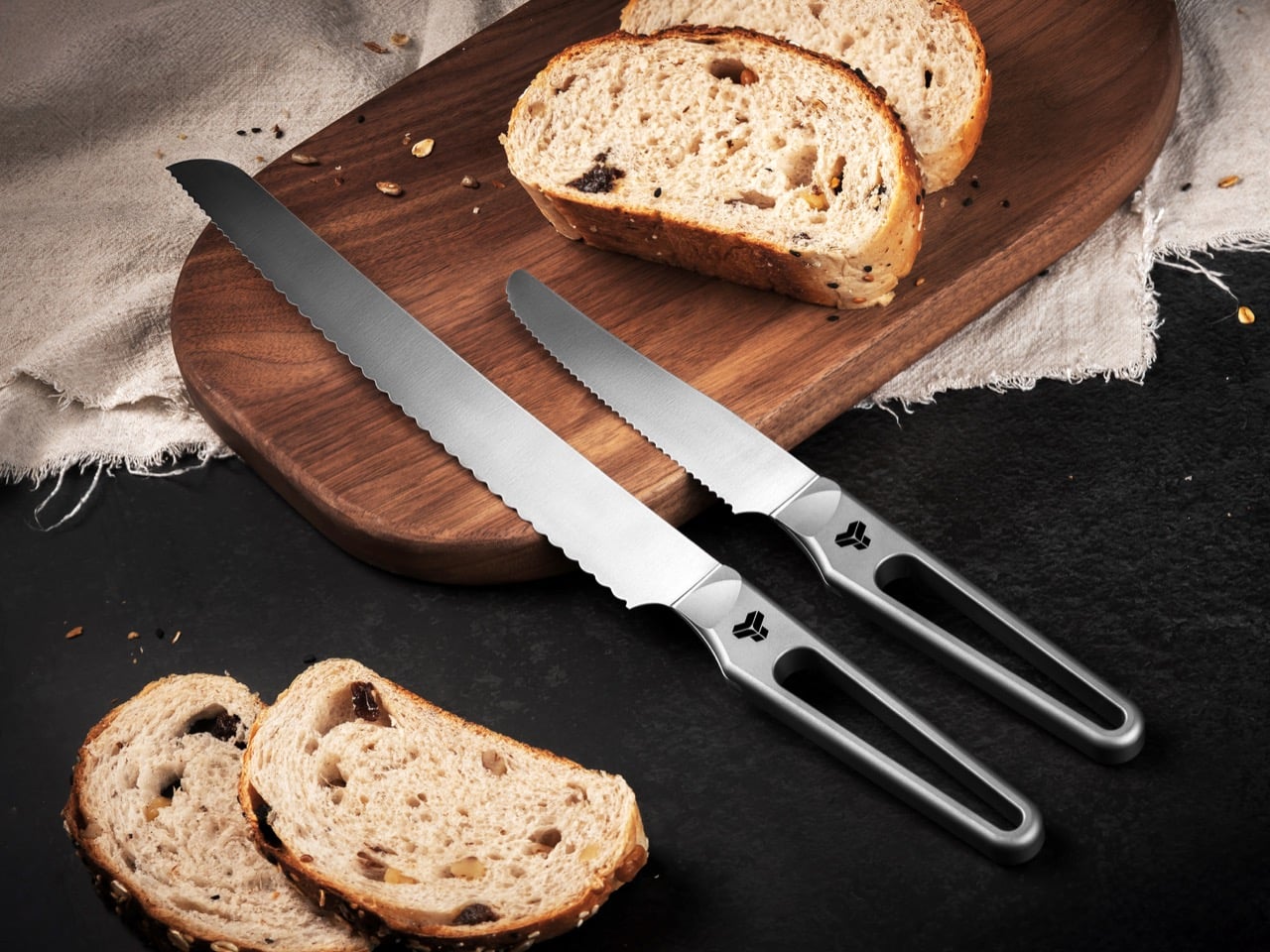
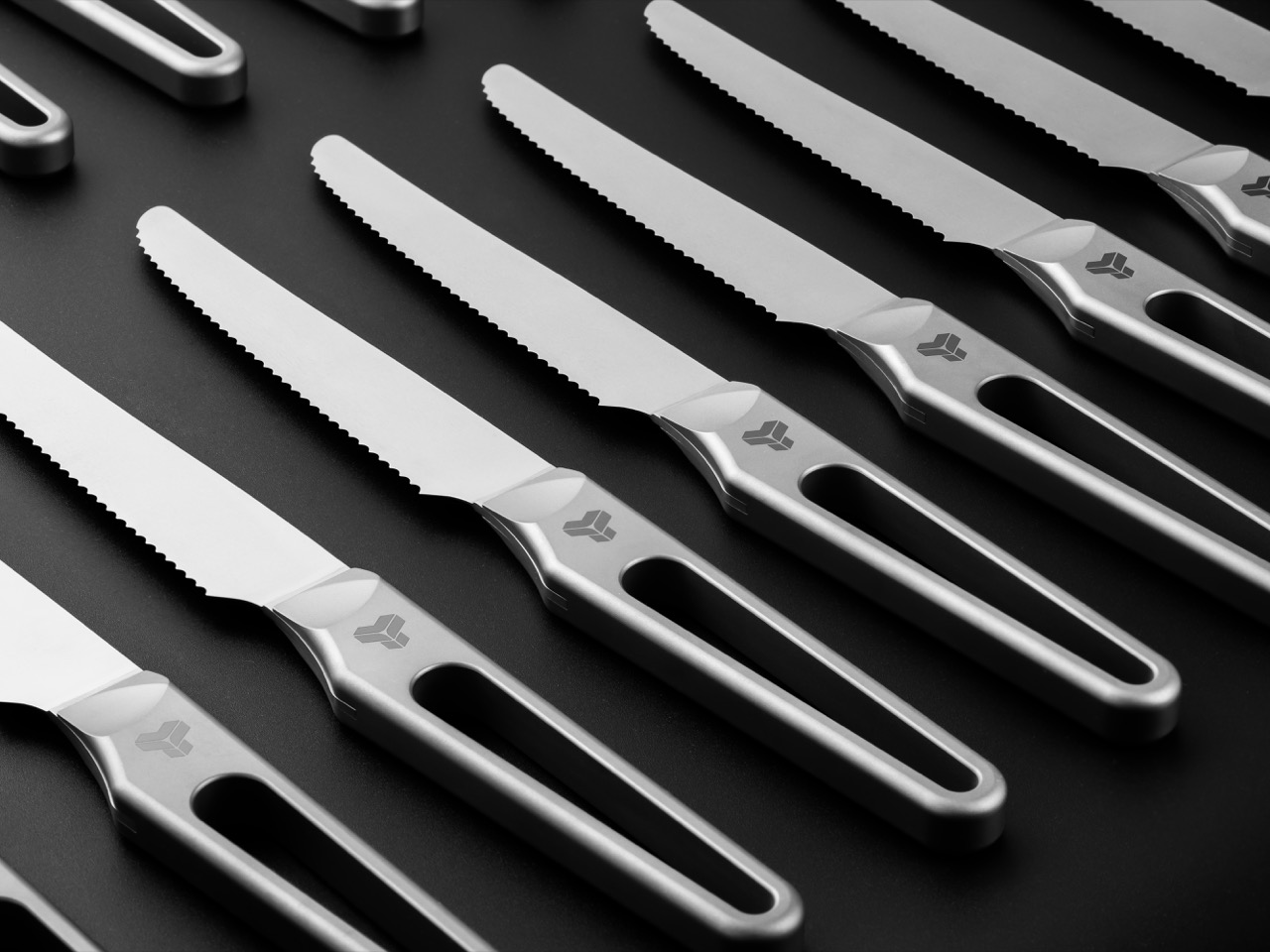
That elongated oval cutout running through the handle of the Titanion APEX catches attention first. It reads almost like a tuning fork, or a beautifully machined piece of industrial hardware that ended up on a cutting board. The form is deliberate on multiple levels: it trims weight from the handle end, which naturally shifts the balance point forward toward the blade. For cooks who prefer that blade-forward feel, the shift is immediately noticeable. And because the whole knife is machined from a single continuous piece of TC4 titanium alloy, there are no separate components, no rivets to rust, no scales to loosen over years of daily use. The result is a full-tang construction by default, which, in a knife made from one of the strongest lightweight metals on the planet, makes for an exceptionally robust tool.
Titanion is a Hong Kong-based brand with three years of focused research into bringing aerospace-grade titanium materials into everyday kitchen use. Their previous tools have already attracted over 5,000 professional chefs and dessert masters as loyal users. The APEX series is their most knife-forward move yet: two serrated blades, a Titanium Bread Knife and a Titanium Multifunctional Serrated Knife. The blade is forged from high-performance 10Cr15MoV steel with precision serrated edges, boasting outstanding hardness, wear resistance, and long-lasting sharpness. Titanion claims this is the first serrated kitchen knife on the market to feature a titanium alloy handle.
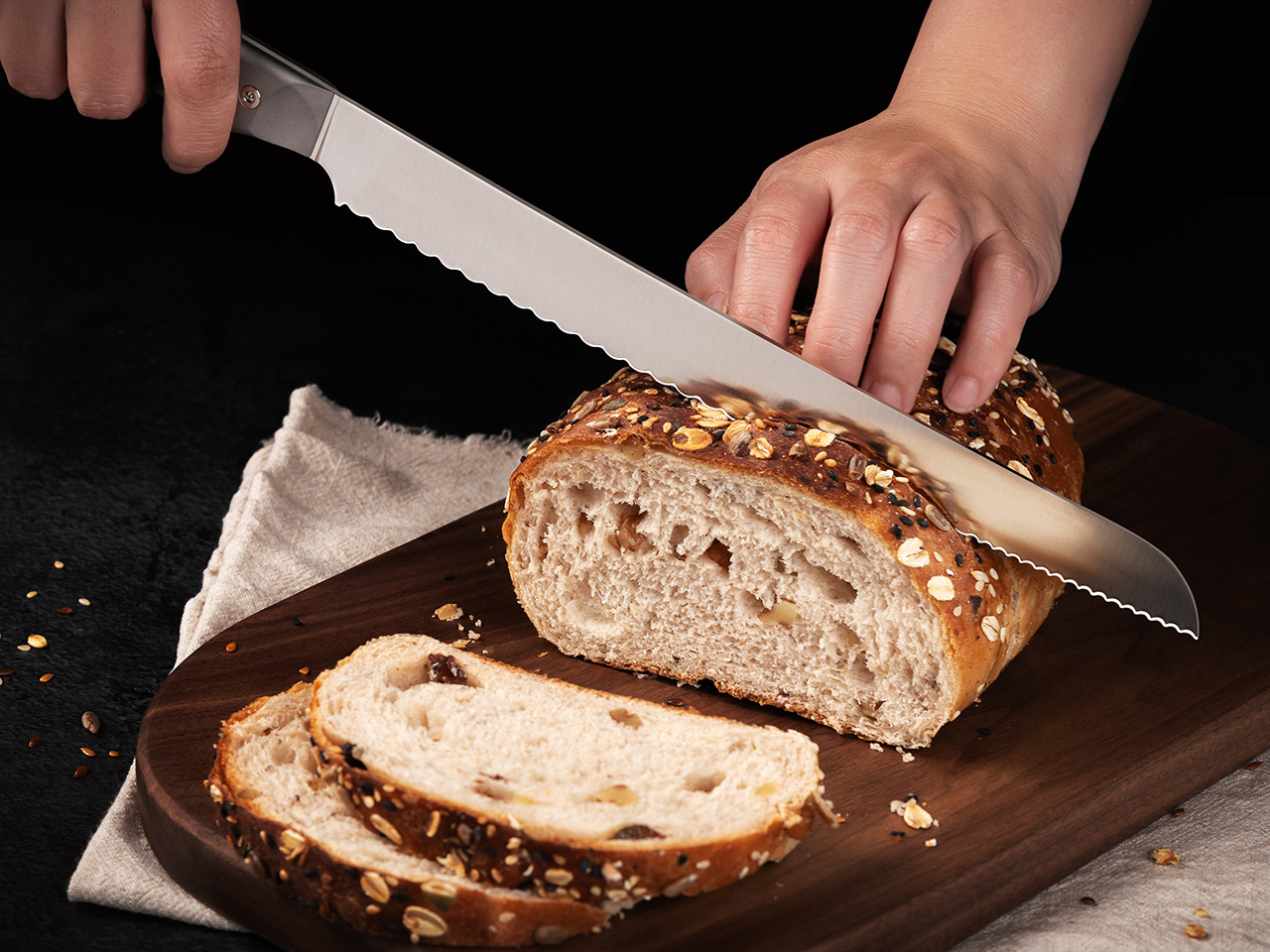
The bread knife runs 13.98 inches (35.5cm) total, sitting on the longer end of the bread knife category, which means more stroke per pass and fewer awkward repositions on a large loaf. Titanion uses a segmented serration pattern: larger wavy serrations on the main cutting area for smooth strokes without crushing the crumb, and finer serrations at the tip for piercing hard outer crusts, croissant shells, and thick-skinned fruit. That dual-geometry setup sounds like marketing until you’ve worked through a dense sourdough and realized the tip teeth were doing actual work before the wavy section ever takes over. Blade thickness sits at 0.06 inches (0.15cm), keeping the profile lean enough for clean slicing without wedging. The longer format also makes it useful beyond bread, handling anything that benefits from a long, smooth sawing stroke.
The utility knife at 9.45 inches (24cm) takes a completely different approach: consistent serration from base to tip, the same tooth geometry across the entire blade for stable and uniform cutting performance on whatever it’s working through. That uniformity makes it a genuine generalist, handling root vegetables, steaks, small pastries, and protein foods with equal confidence. Roughly half the length of the bread knife, it’s maneuverable enough for intricate prep but substantial enough for harder cuts, and the compact size pairs well with the ergonomic titanium handle during active cooking. Consistent serration also makes future sharpening more predictable, something the bread knife’s dual-geometry complicates. The two knives fill completely different roles and work as actual complements in daily kitchen use.
TC4, or Grade 5 titanium alloy, runs about 40% lighter than stainless steel while combining superior strength, corrosion resistance, and heat tolerance. The same alloy shows up in aircraft structural frames and orthopedic implants, both of which make the kitchen counter look like a retirement post for the material. In a culinary context, the relevant properties are direct: no moisture absorption, no odor retention, no degradation over time, and full corrosion resistance against acidic ingredients like citrus or vinegar. The 10Cr15MoV steel on the blade side is a high-carbon, high-chromium martensitic stainless that maintains stable sharpness and holds its edge under heavy use significantly better than standard stainless steel options. Together, the materials spec reads closer to precision tooling than kitchen cutlery.
The hollow-out handle is an ergonomic device as much as a visual one. It enhances tactile feedback through the grip, ensures a secure hold even in damp or greasy environments, and significantly reduces fatigue during use. Titanion built in distinct finger grips and a thumb support area, with a flowing contour that allows users to naturally position their thumb and index finger close to the blade’s balance point for a comfortable and precise grip. The oval opening doubles as a hanging point for wall or rail storage, with no extra hardware required. On a knife that gets reached for multiple times a day, small ergonomic decisions like that compound quickly into meaningful quality of life.
Pricing runs $100 for the bread knife, $75 for the utility knife, and $175 for the twin set at the Super Early Bird tier, amounting to a 30% discount on the original price. A discount you should absolutely grab if you’ve made it this far. International shipping is a flat $15 worldwide, with knives delivering starting August 2026. That’s because machining single-piece titanium knives individually takes way more time than snapping components together with glue and rivets. Also, Titanion doesn’t necessarily provide a warranty on the knives, because they don’t need to. Rest assured your GR5 titanium knife will probably outlast you, and then your grandkids too. Wait, why are you still reading? The link’s down below!
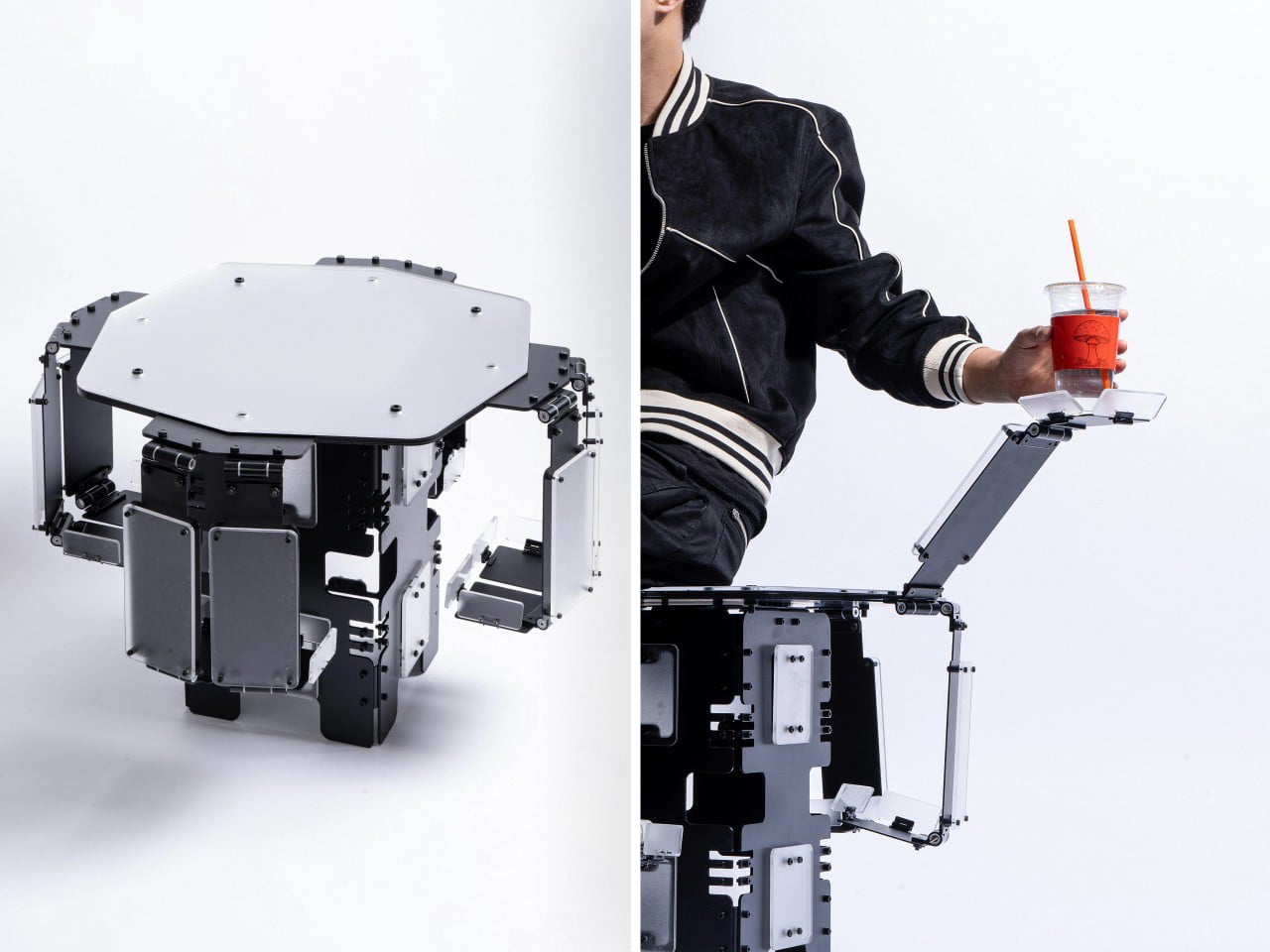
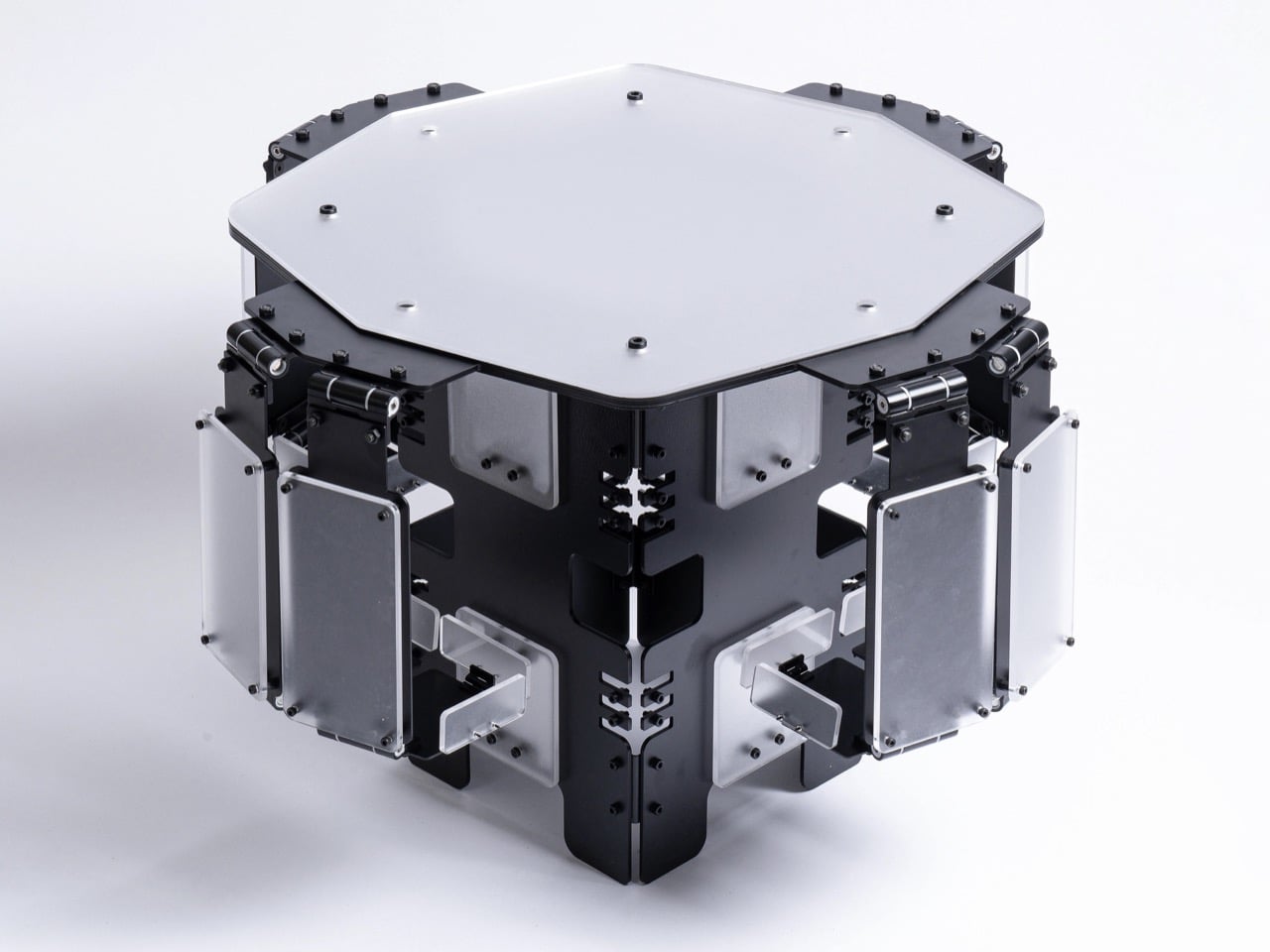
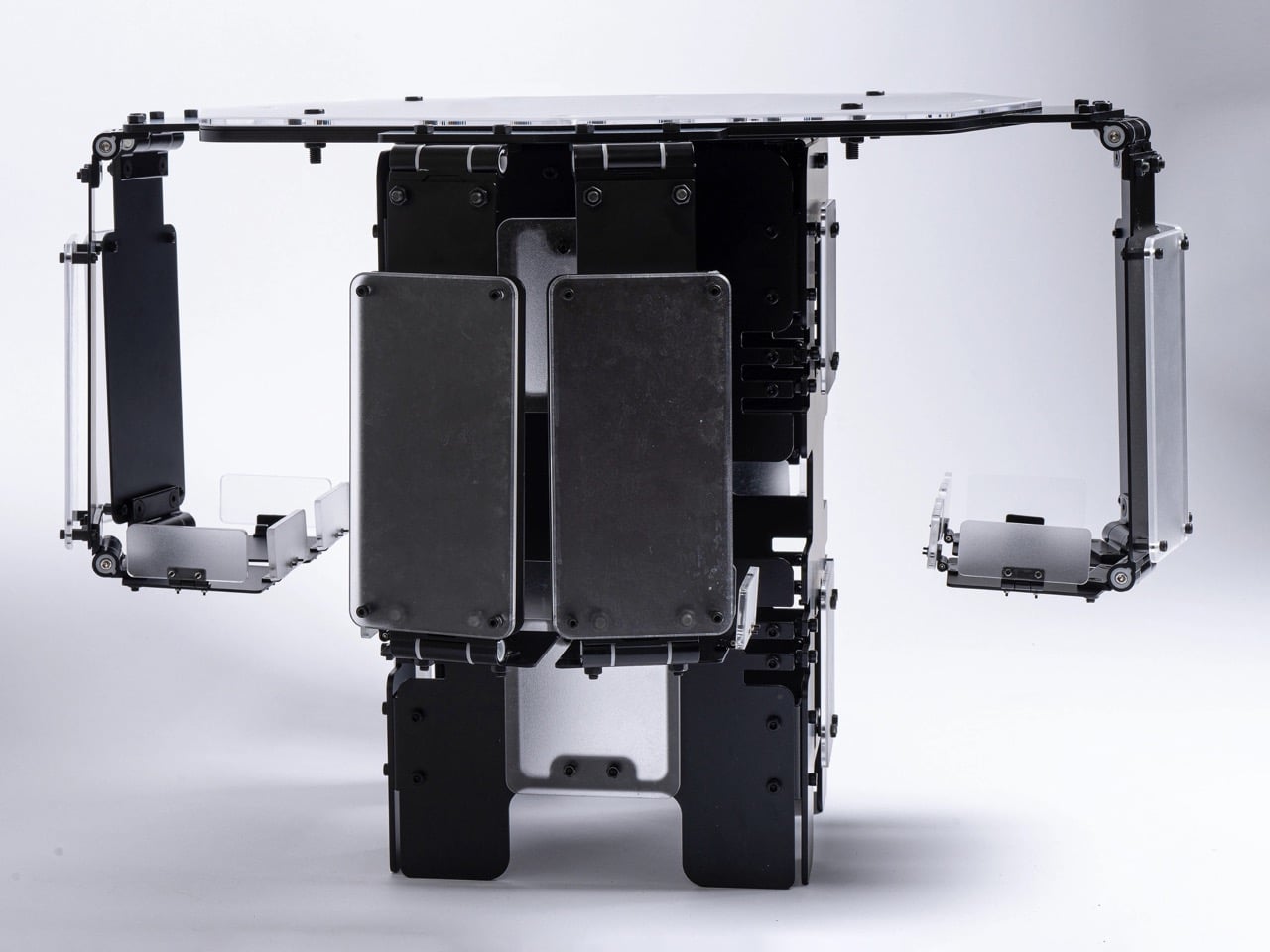
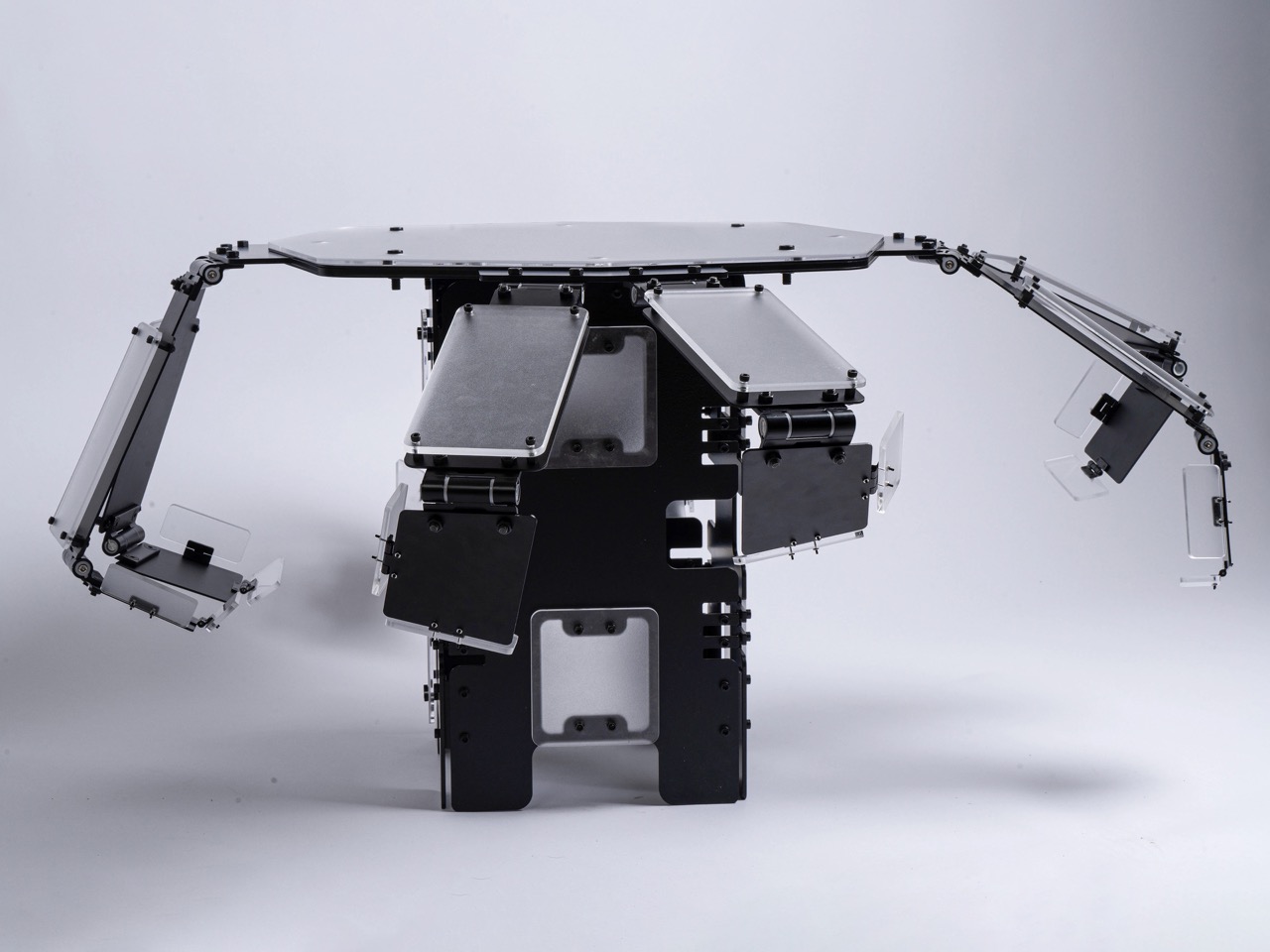
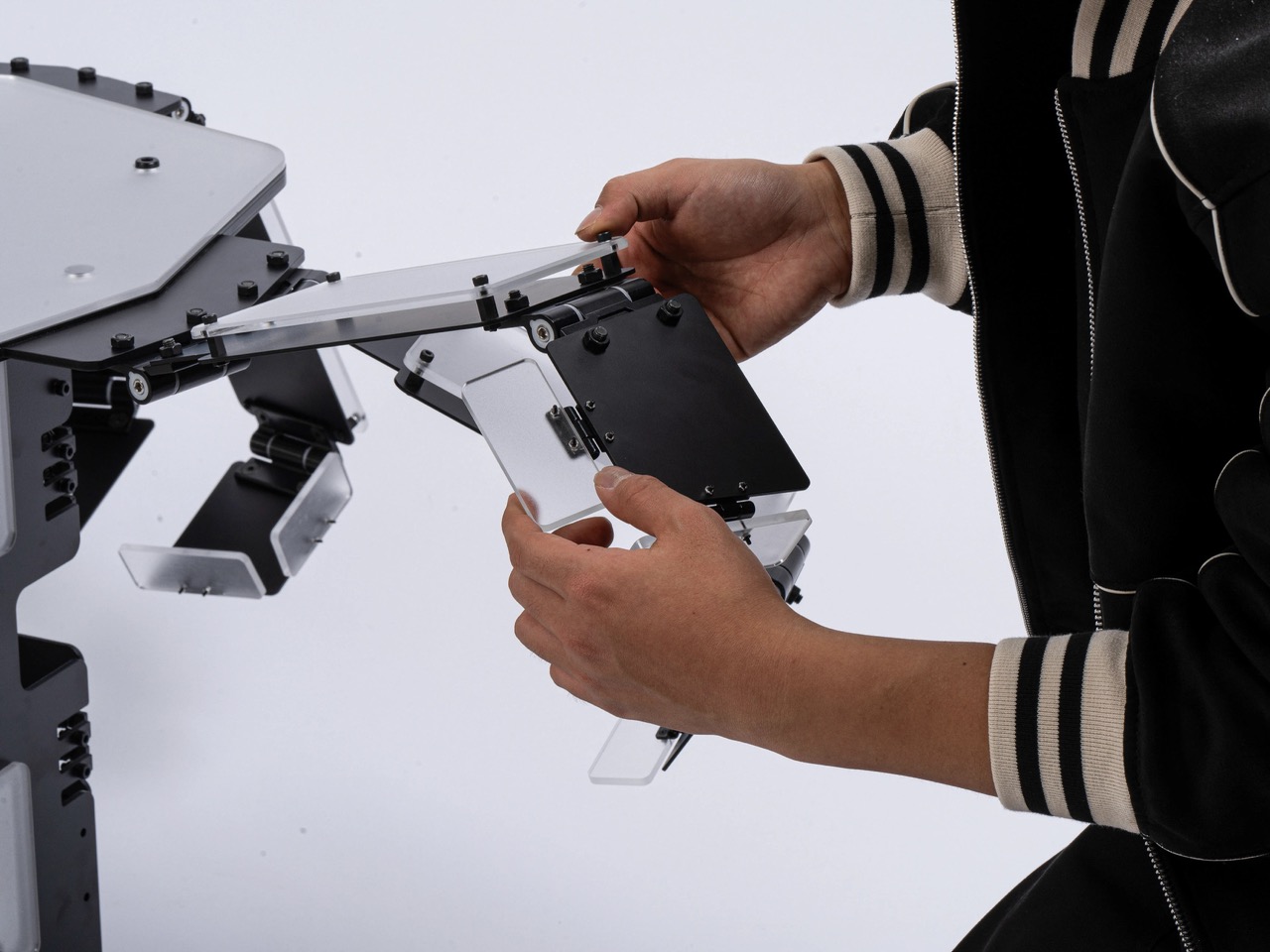
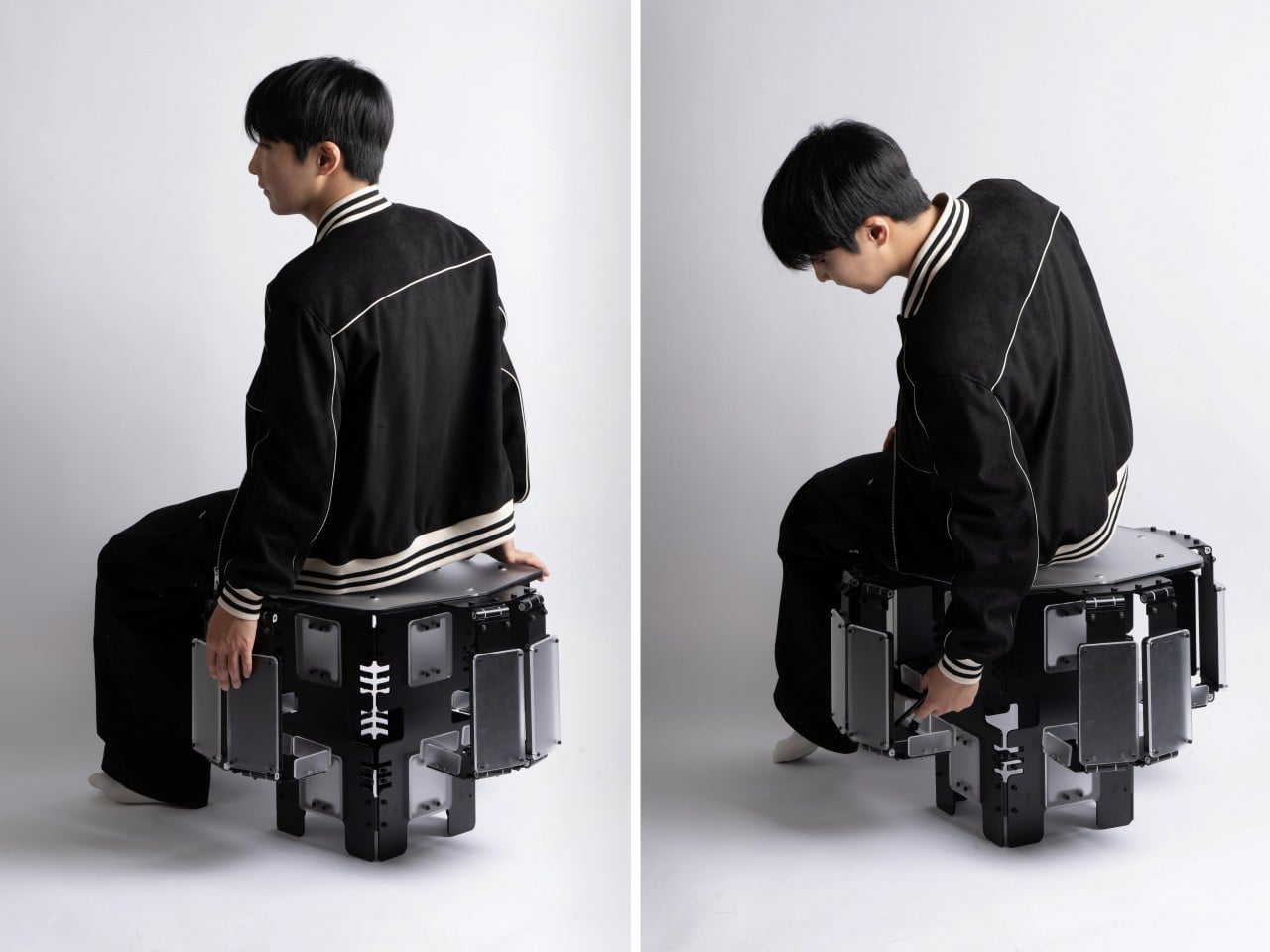
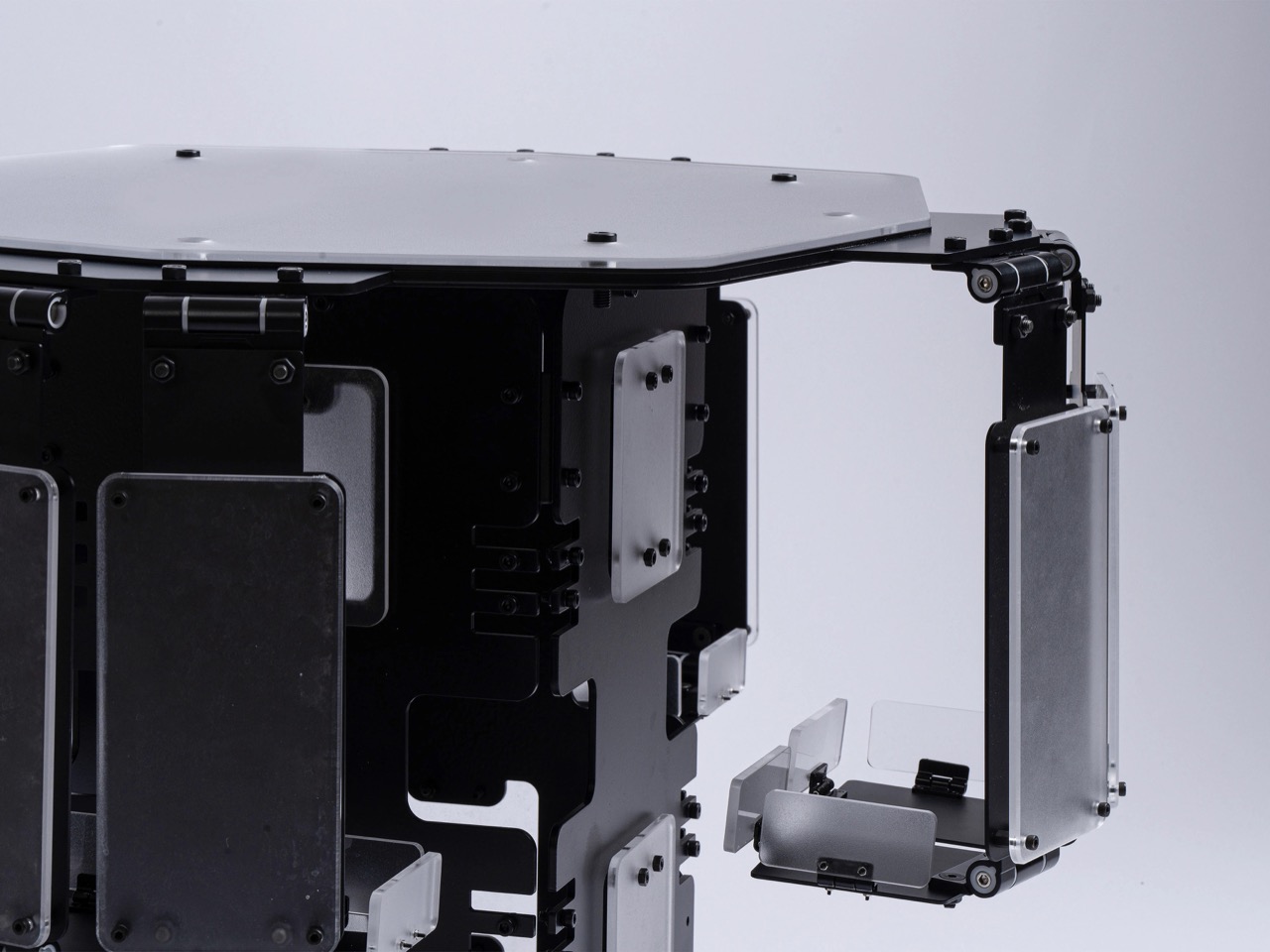
I’ll admit, I’ve never seen ‘Cyberpunk’ furniture before I saw the Toadstool by Seongmin Kim. Inspired by poisonous mushrooms (hence the name), this futuristic piece of furniture is both appealing and unsettling at the same time. The stool features a sitting surface, but is also armed with (literally) 8 appendages that can be folded inwards or extended outwards. The reason? I honestly don’t know. The practicality? Well, with enough practice, the appendages could be used as tables, or even armrests/backrest.
If I told you to think of a stool inspired by a toadstool, chances are you absolutely would’ve never come up with something like this. This aesthetic is so alien and foreign to furniture design, it might just spark a new design movement. Think utilitarian, highly engineered office furniture but on steroids. There’s no cushioning, no fancy ergonomics. Just function and futuristic-form.
Designer: Seongmin Kim
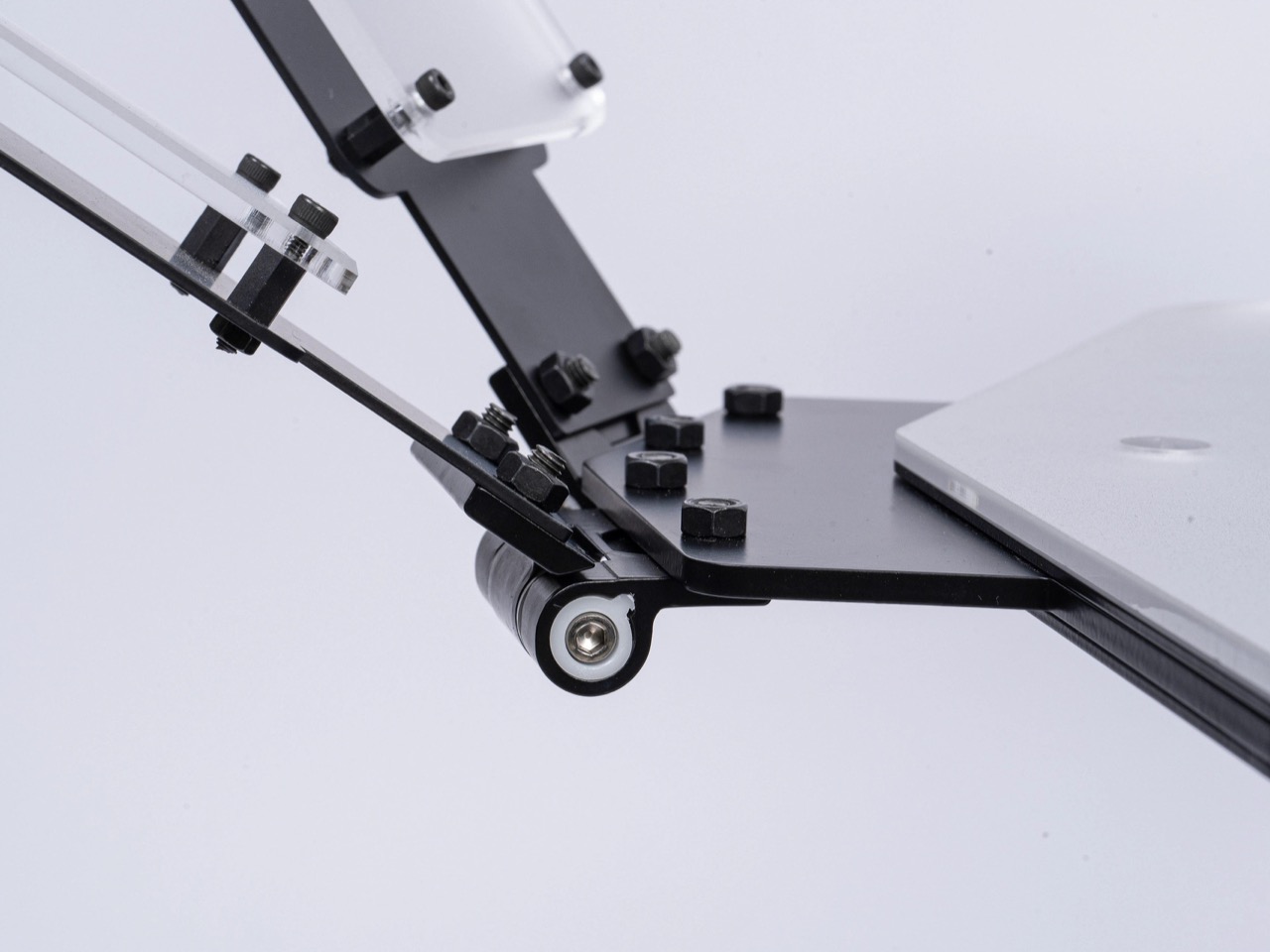
The chair is made using a series of metal plates screwed together, with hinges to enable the moving action, and sandblasted acrylic plates for that matte aesthetic appeal. “I think the small limitation of crafts is that they are based on practicality,” Kim says. Practicality and maybe indigenous materials, I’d add. You don’t expect a stool to employ such ‘industrial’ materials, but once you try and imagine a chair made from metal plates and acrylic, a DNA quite similar to the Toadstool tends to form.
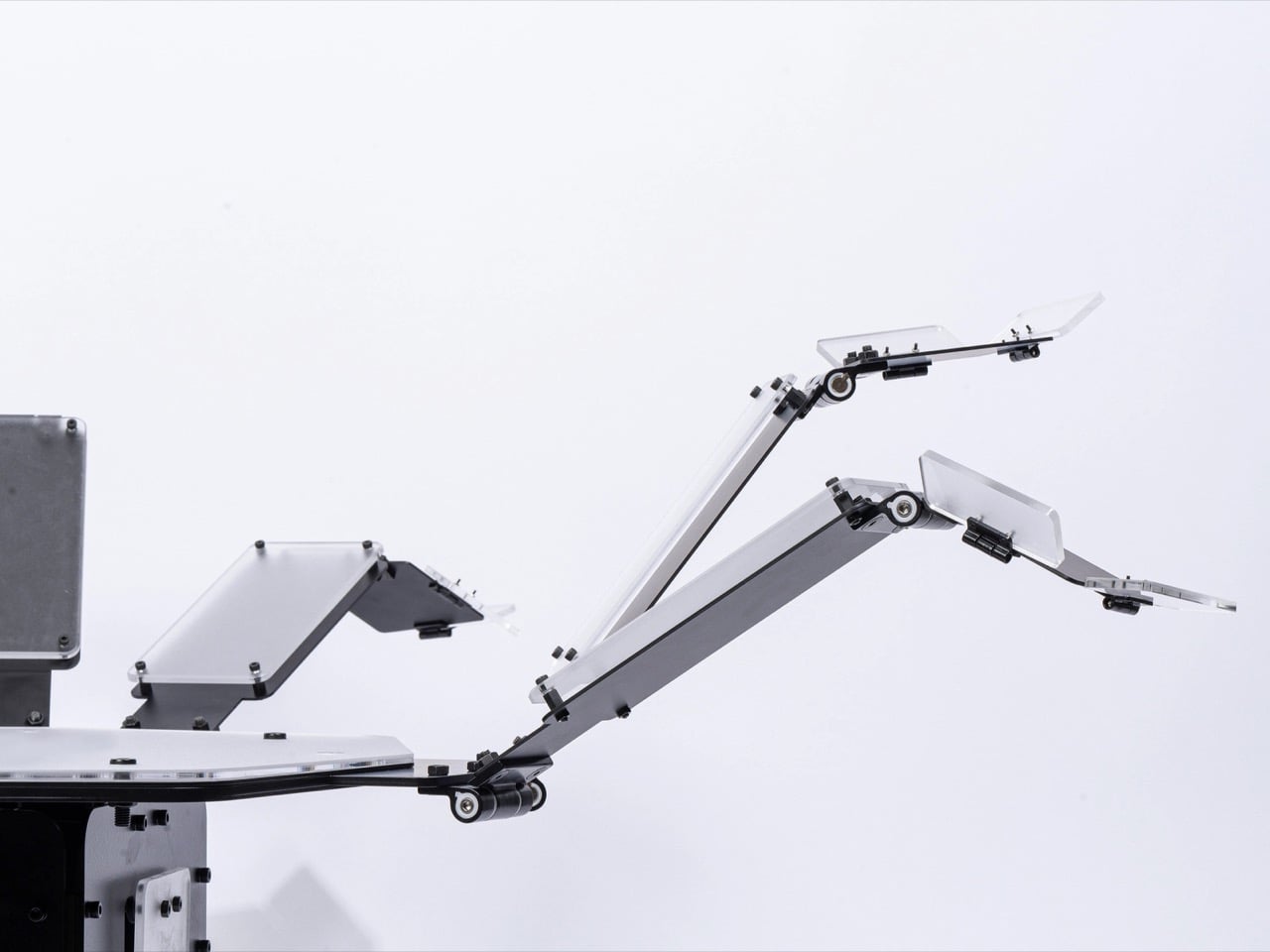
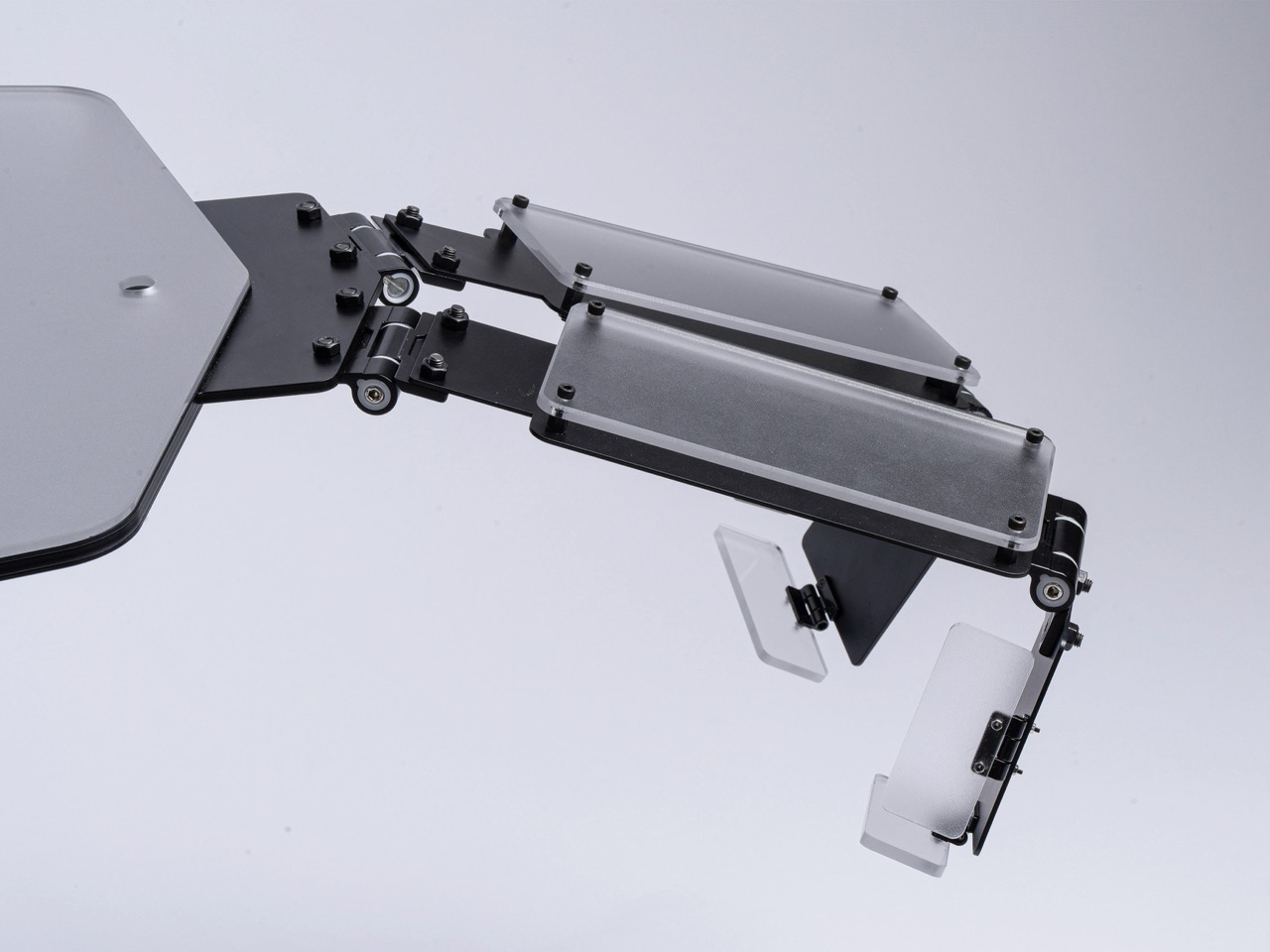
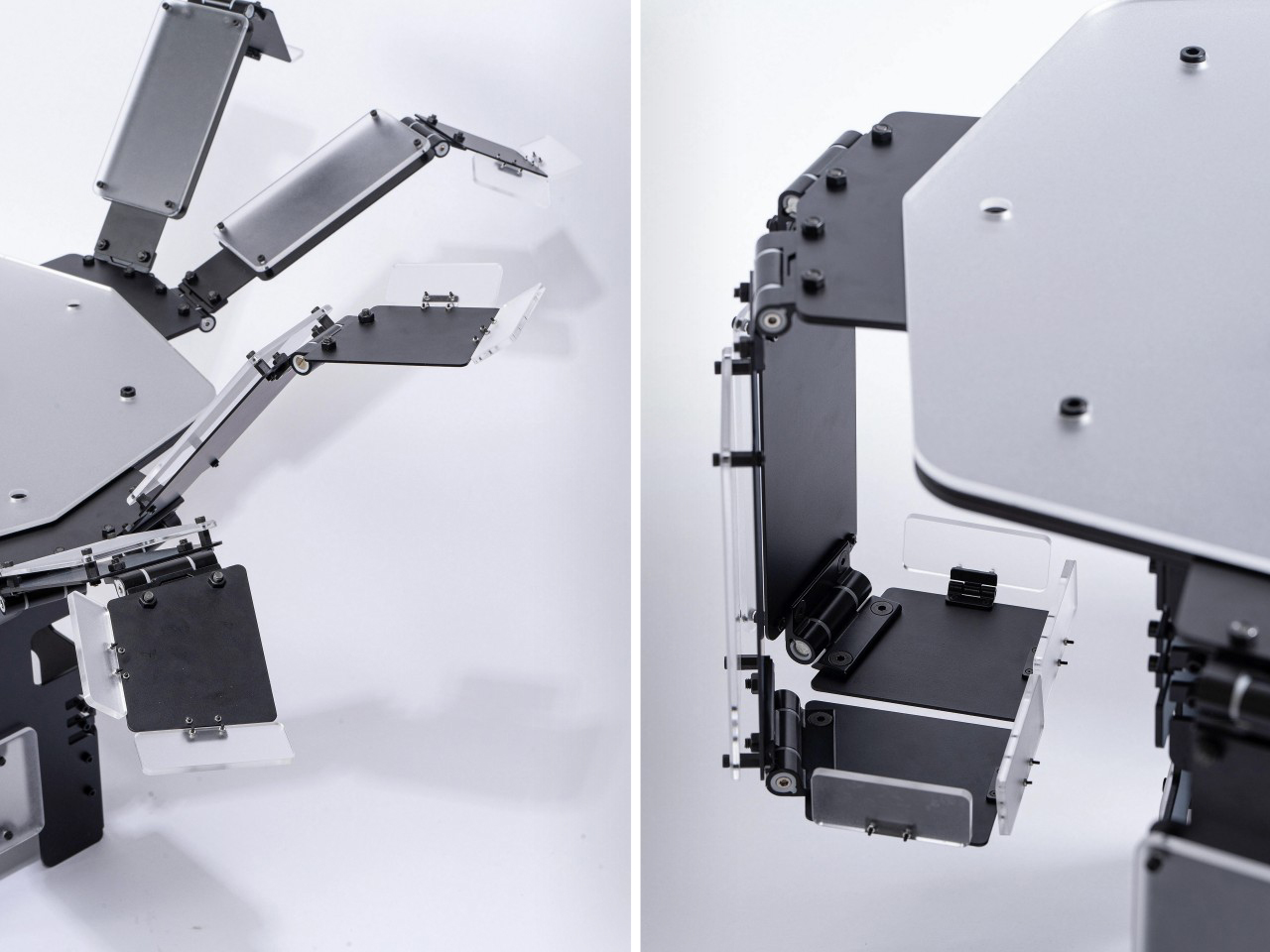
The chair’s unsettlingly beautiful arms are easily its most alluring feature. Keep them down if you want the toadstool to feel ‘shy’, or unfold them if you’re looking to have your furniture make a statement. Each arm is dual-hinged, and features three flaps that have the appeal of ‘fingers’, but work in a functional way. Keep the flaps horizontal and you’ve got a wider table surface. Fold them upwards and the smaller table has a lip around the edge, preventing things from falling down.
Once could assume that the hinges used on the Toadstool have friction-holding capabilities, which means they’ll retain their shape/position whenever opened or closed. Perfect for when you want to use the arms as a table for keeping light objects like your matcha latte, your phone, power bank, AirPods, notepad, etc. I doubt a laptop would fit on the arms, or even hold its position given how some laptops can weigh upwards of 3.5-4 lbs.
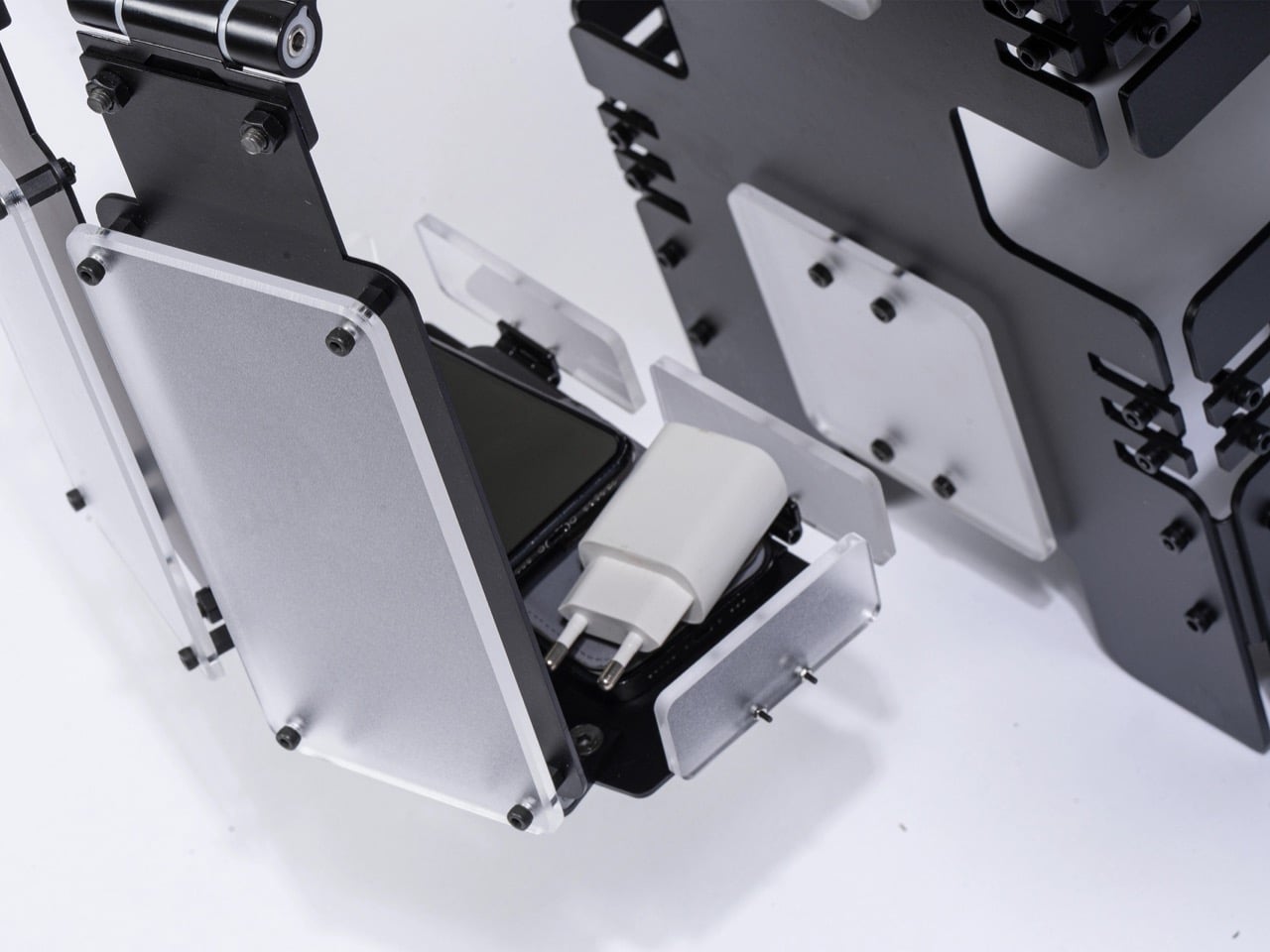
That being said, the closed Toadstool is useful too. Apparently when the arms are folded shut, they can be used to discreetly store items like your phone or wallet… turning the table into a cabinet of sorts. It’s convenient, given that each stool has 8 arms. Fold 4 out for using as tables, keep 4 more folded in to use as hidden cabinets to store bits and bobs.
Unfortunately, the Toadstool doesn’t have a website or a price tag. It’s merely a concept from the mind of a rather quirky designer with an odd blend of sensibilities. I don’t mean that in a bad way at all. I find the Toadstool fascinating. Not just for its function, but also for its form. Like I said, you rarely (if never) hear Cyberpunk and furniture in the same sentence. With how Kim executed his design, maybe we should more often.
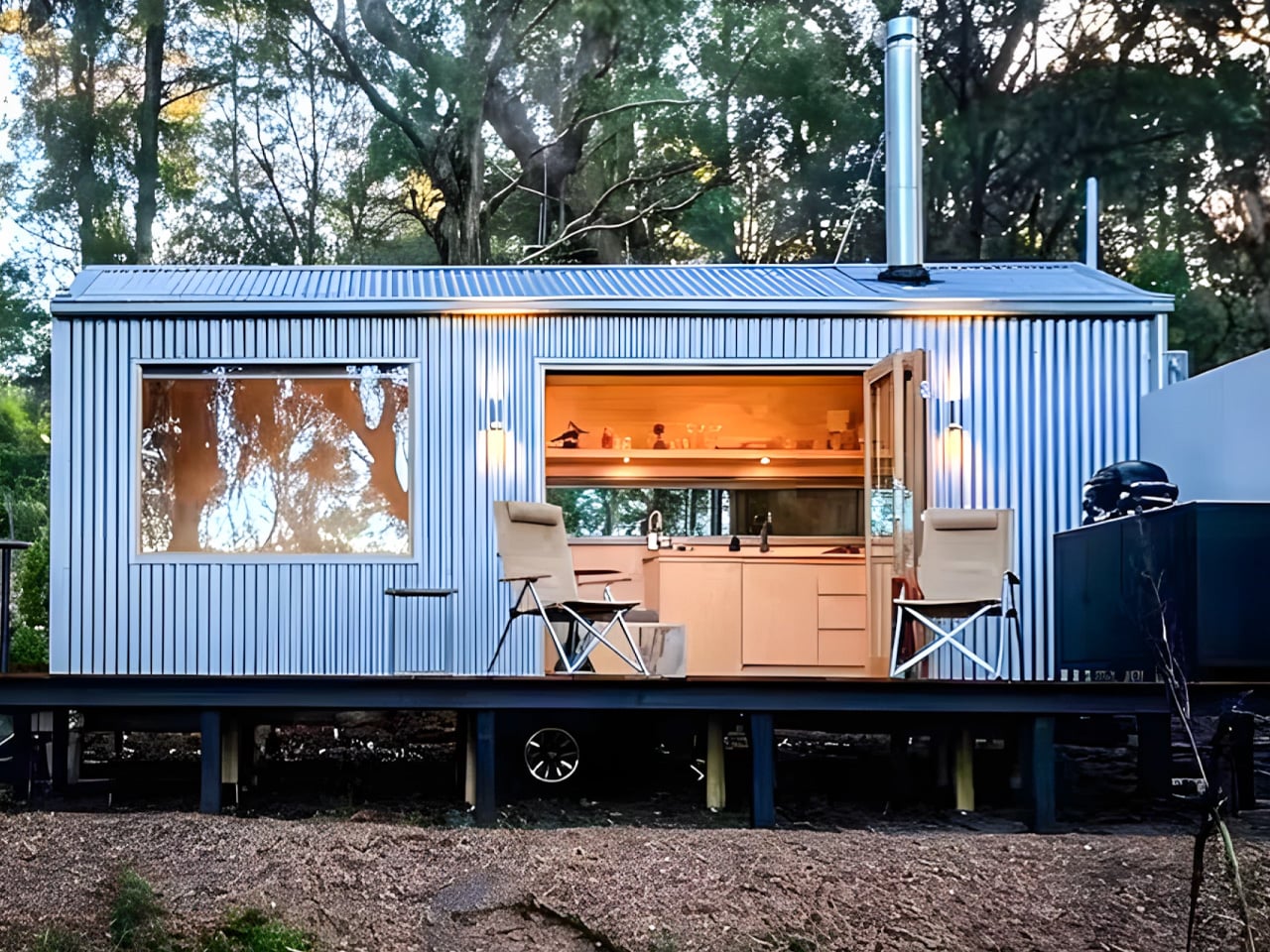
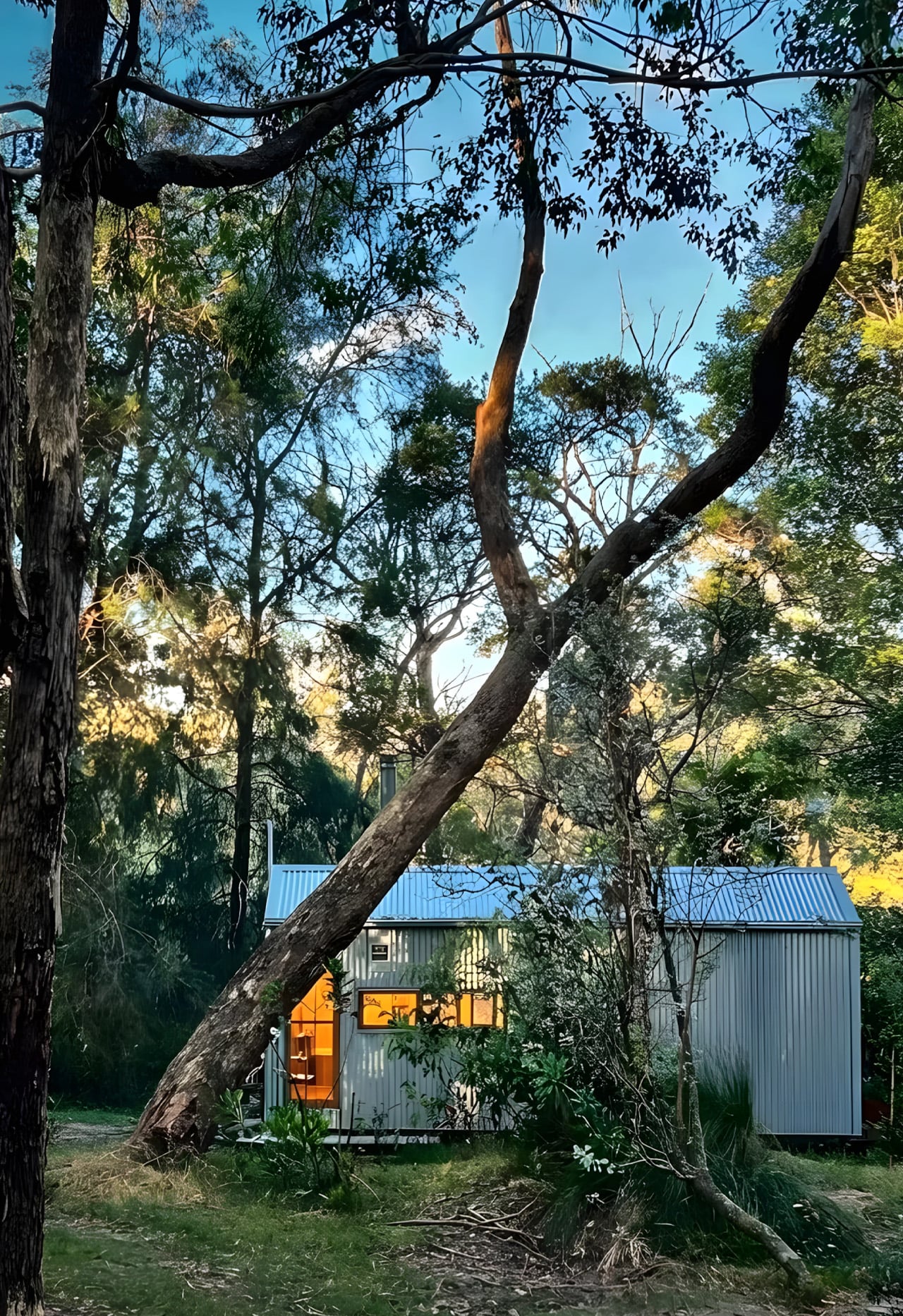
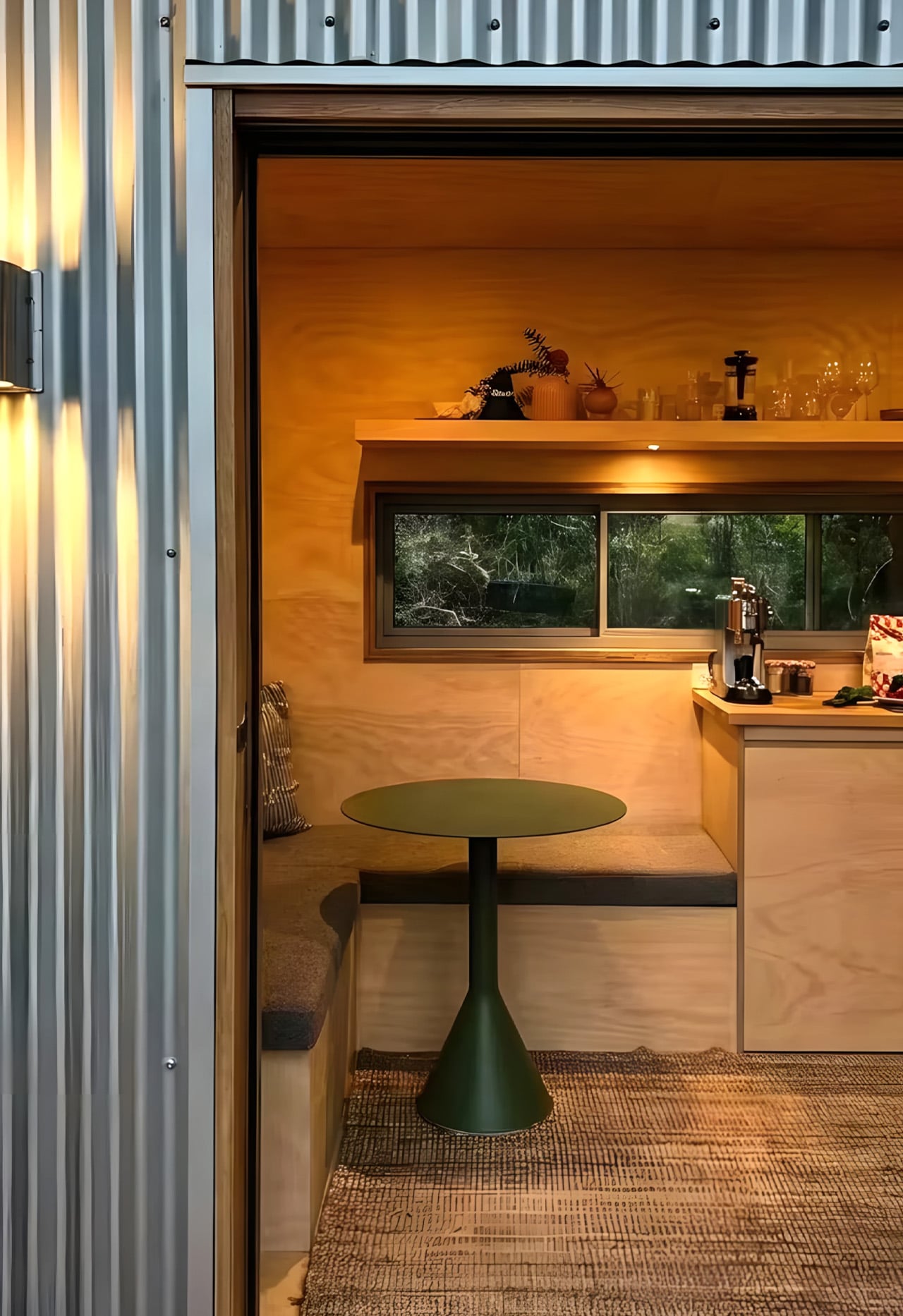
The Zinc Studio Cabin looks like a shed. That’s entirely the point. It pulls from the corrugated iron sheds and shearers’ quarters of rural Australia — those weathered, no-fuss outbuildings that have quietly shaped the country’s built landscape — and re-engineers that heritage into something genuinely architectural. It doesn’t try to be a house pretending to be modern. It’s a prefab that knows exactly what it is, and that confidence shows in every detail.
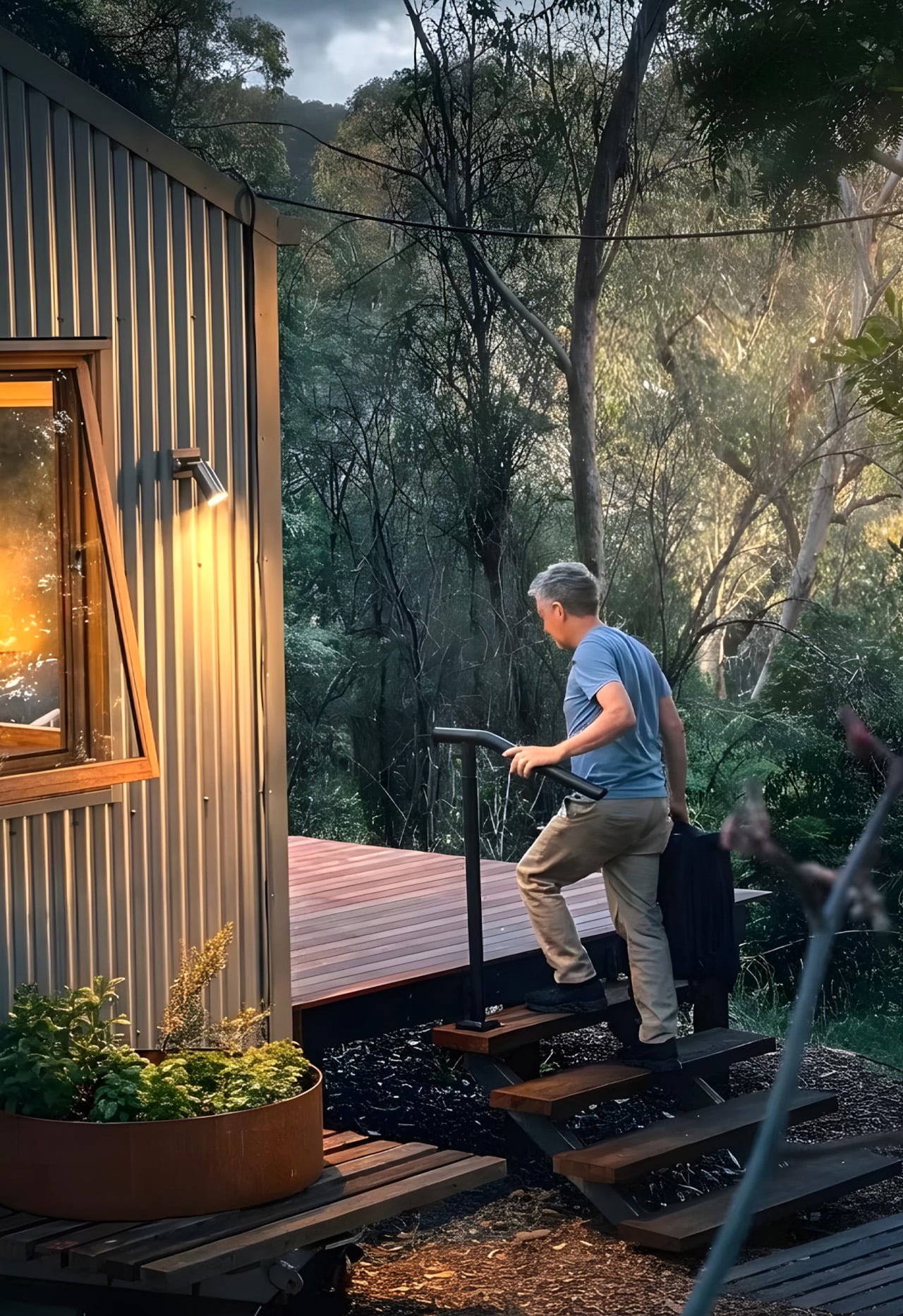
Built on a steel skid foundation and delivered by truck, the cabin arrives turn-key in as little as eight weeks. The standard model runs seven meters in length, though bespoke configurations stretch to twelve, making it adaptable across residential plots, farm stays, and short-term accommodation sites. The process feels less like commissioning a build and more like receiving a very well-resolved object — one that can be live-in ready the same day it lands on site.
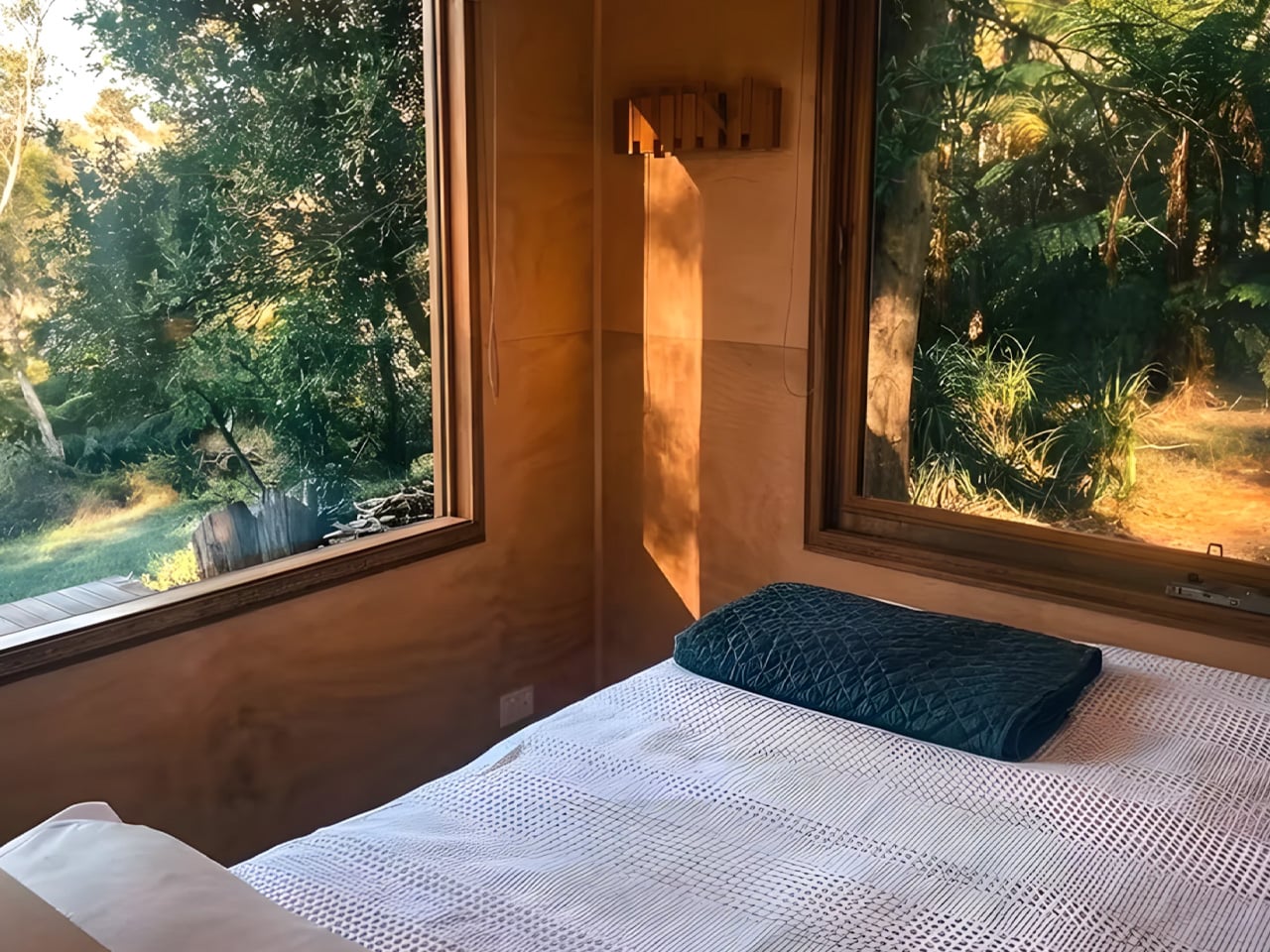
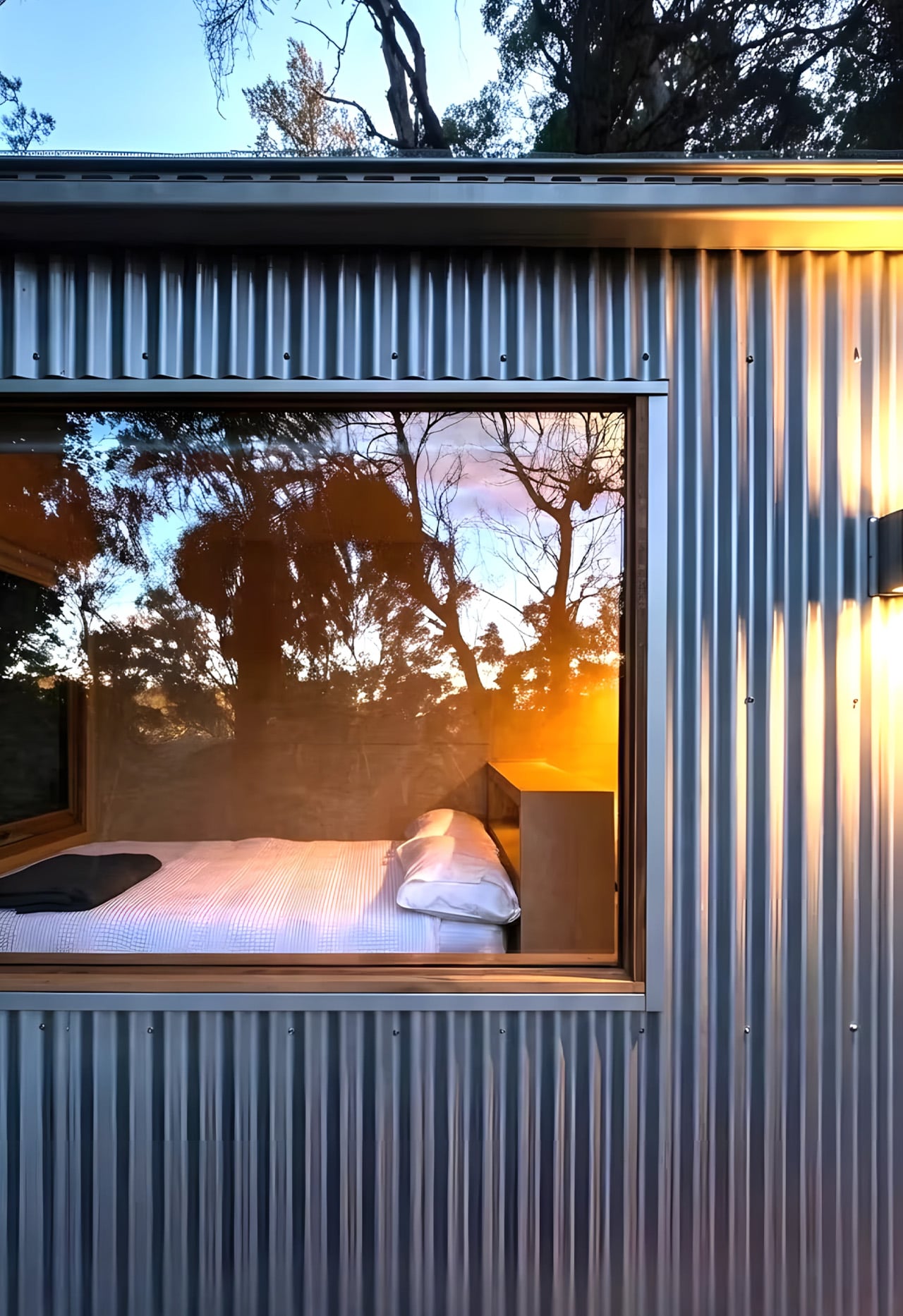
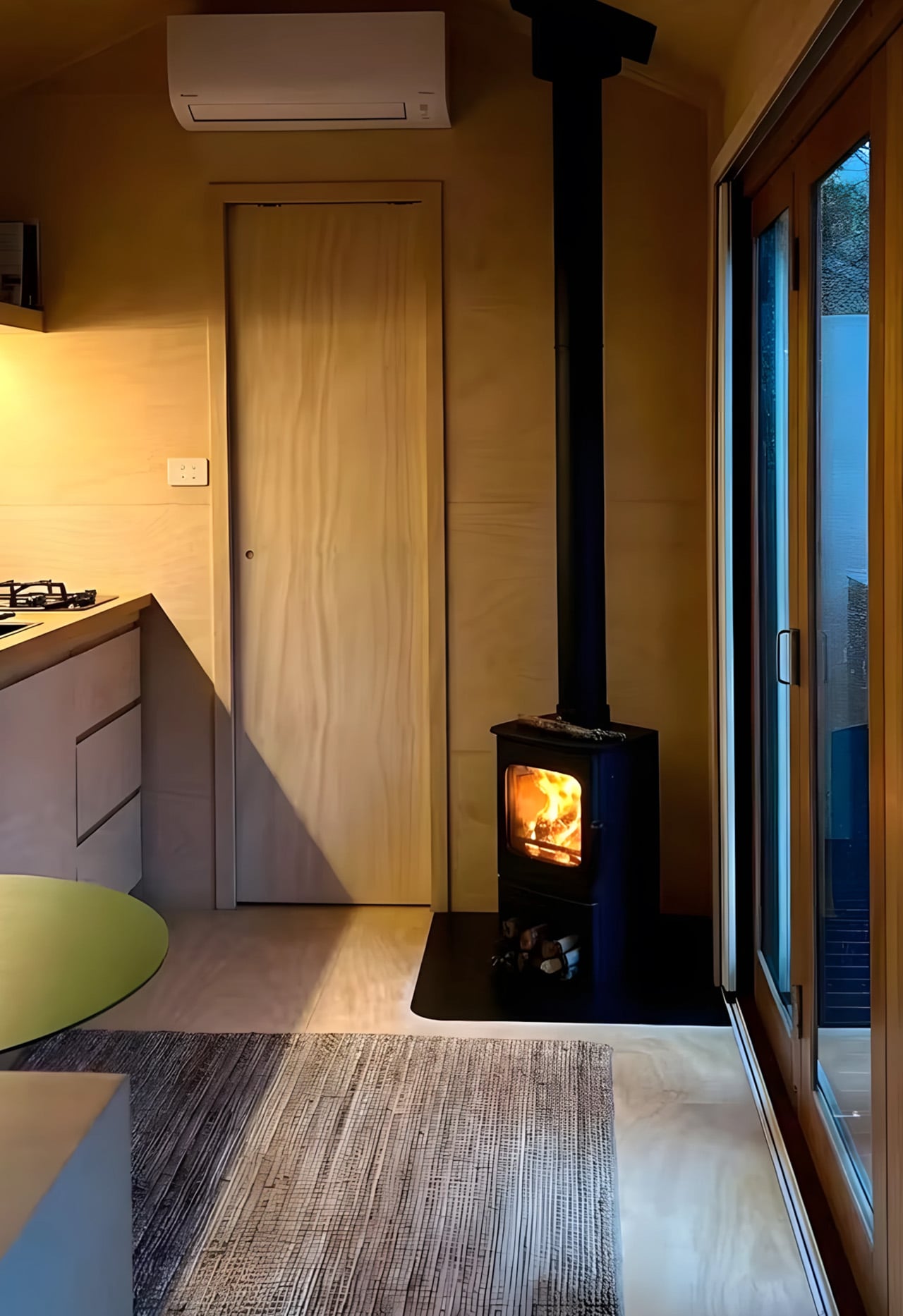
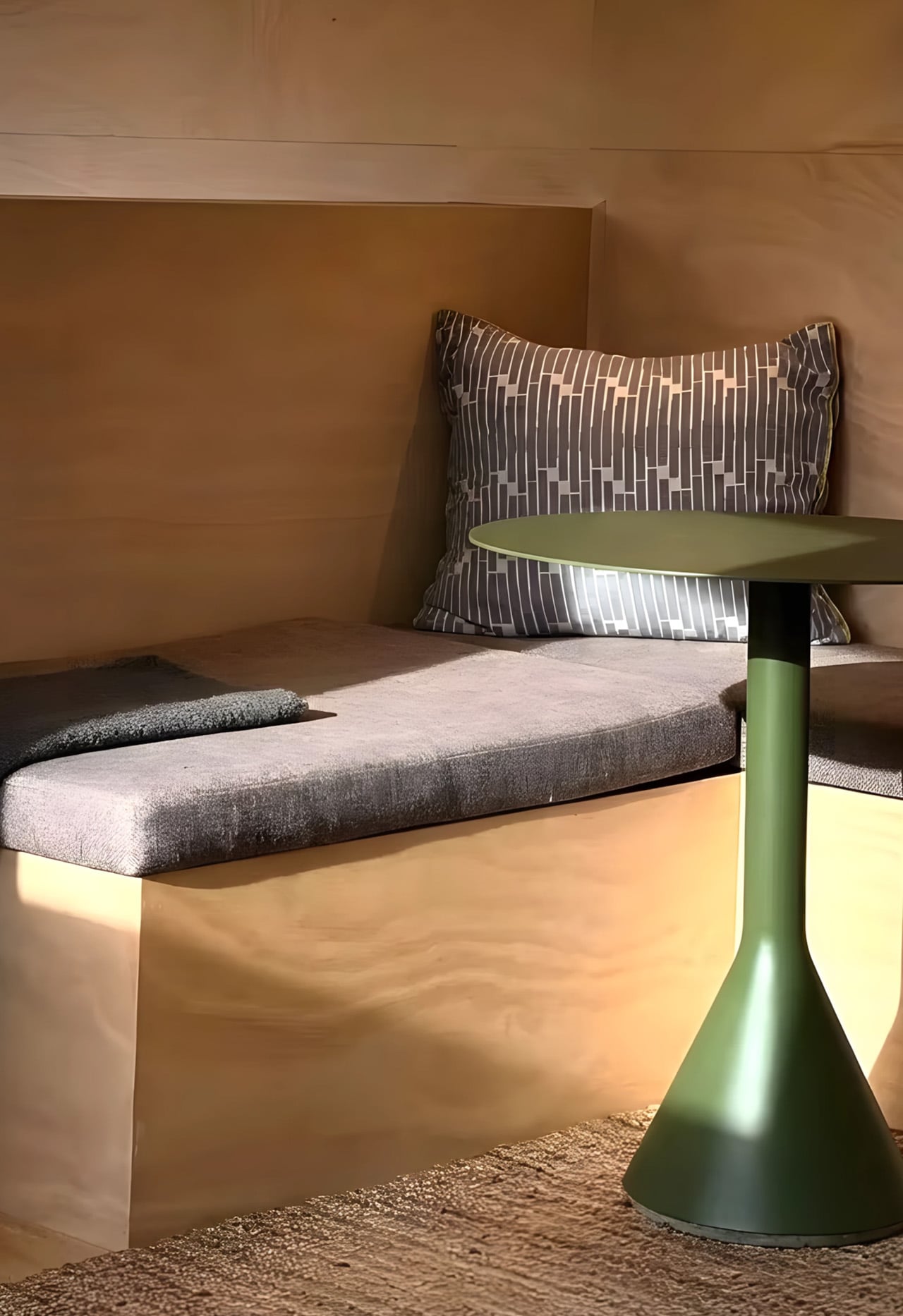
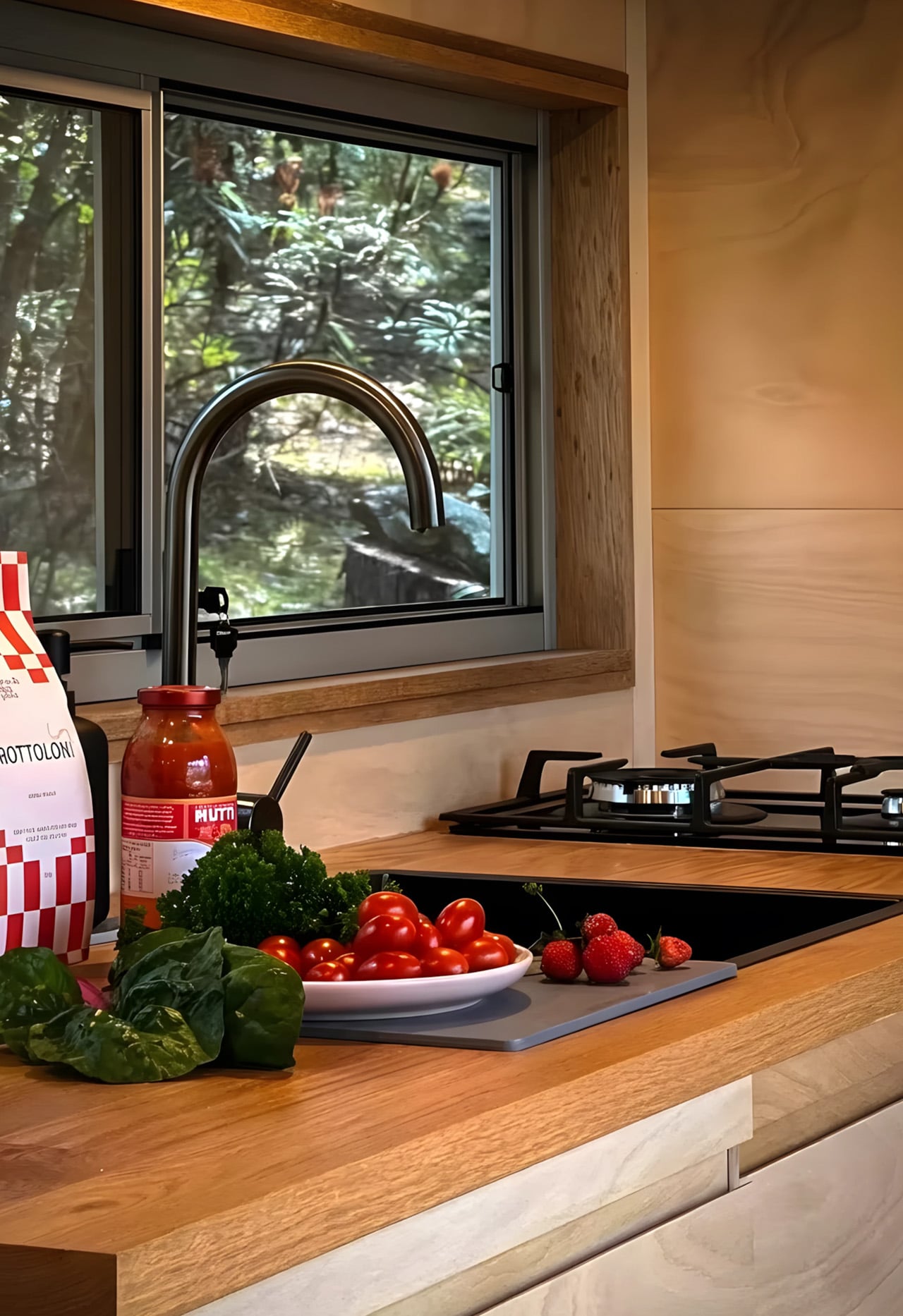
Inside, the single-level layout is open without feeling bare. Architectural-grade plywood lines the walls, hardwood trim works through the details quietly, and a run of generous glazing keeps the cabin in conversation with whatever landscape surrounds it. The tri-fold glass doors are where the design earns its keep — folding back entirely to collapse the boundary between interior and deck, shifting the whole space into something closer to a pavilion. Natural light moves through the cabin freely, making the footprint feel more expansive than its dimensions suggest.
The bathroom is considered complete, with a glass-enclosed shower, vanity, and toilet that sit neatly within the overall material language. A log-burning stove near the entry brings warmth that the plywood and hardwood already hint at. The zincalume exterior handles the elements with minimal upkeep, and Colorbond colour options let the finish be dialled to suit the site. Full off-grid capability rounds out a specification list that holds up whether the cabin is sitting on a remote rural block or a working vineyard.
Zinc Studio has also positioned the cabin as a genuine short-stay income vehicle, and their own hosted properties back that up in practice. What makes the cabin worth paying attention to isn’t any single feature — it’s the consistency. For a structure that arrives fully resolved on the back of a truck, the level of design rigour on display is something the broader prefab market is still working to catch up with. Australia has been building corrugated iron structures for over a century. Zinc Studio is simply doing it better than most.