I’m fascinated by AI cooking robots which, as far as I’m concerned, automate the one fun bit of cooking. Sadly, it’s far easier to make something that can stir a pan of ingredients as they cook compared to building something that would successfully peel a carrot. Nosh is the latest unit to use CES to announce itself to the world, gearing up for its launch in the next few months. Like its many rivals, you load ingredients into the unit and then Nosh will assemble them for you. Unlike its many rivals, you can have more than one ingredient tray, opening up the possibility that you could prep multiple meals at the same time.
Even if you’re not familiar with the category you can guess how this thing works: You’ll select a recipe from the hardware’s 500-dish strong repertoire. Then you’ll prepare the necessary raw materials and slide them into individual compartments in the trays. Once done, you’ll be able to push the tray into the unit when you’re ready to eat and let it get on with the job of cooking. There are water and oil reservoirs, a spice rack mounted in the top, and a camera that uses computer vision to keep an eye on the meals as they cook. As each morsel is added, a mixer arm spins to ensure the food never stays in one place for too long.
From the marketing materials (as well as my own common sense) it’s clear Nosh works best with sauce heavy meals. Pasta dishes, soups and curries will work pretty well in the system, which may limit how often you’ll want to use it across a regular week. That said, the idea of having this as a low-effort alternative to pre-prepared meals from the oven or microwave is preferable. I’m just not sure how engaged I’ll be in finely julienning carrot batons after an 18-hour day at the content factory.
Nosh is launching in the near future but early birds can already put some cash down to get the unit for $1,200, a deep discount on its $2,000 retail price. And, for all my snootiness about the utility of AI cooking robots in general, I’ll admit — I am looking forward to trying one of these out.
This article originally appeared on Engadget at https://www.engadget.com/home/kitchen-tech/nosh-is-an-ai-cooking-robot-for-the-meal-prep-crowd-170000610.html?src=rss
If you thought LEGO couldn’t possibly get any cooler, think again. At CES 2026, the iconic toy company just dropped what they’re calling their biggest innovation since the Minifigure debuted back in 1978. That’s nearly 50 years of building history, so yeah, this is kind of a big deal.
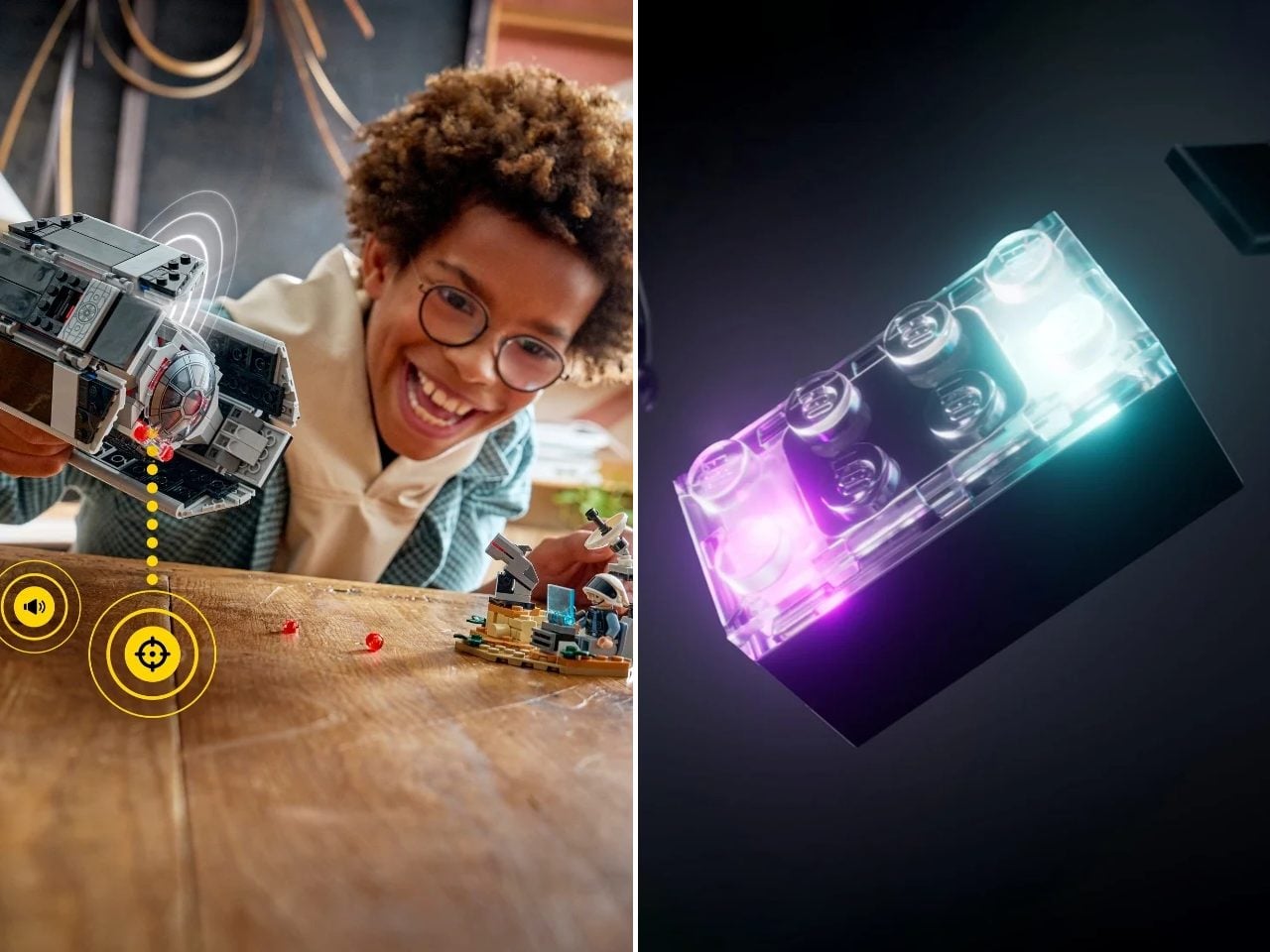
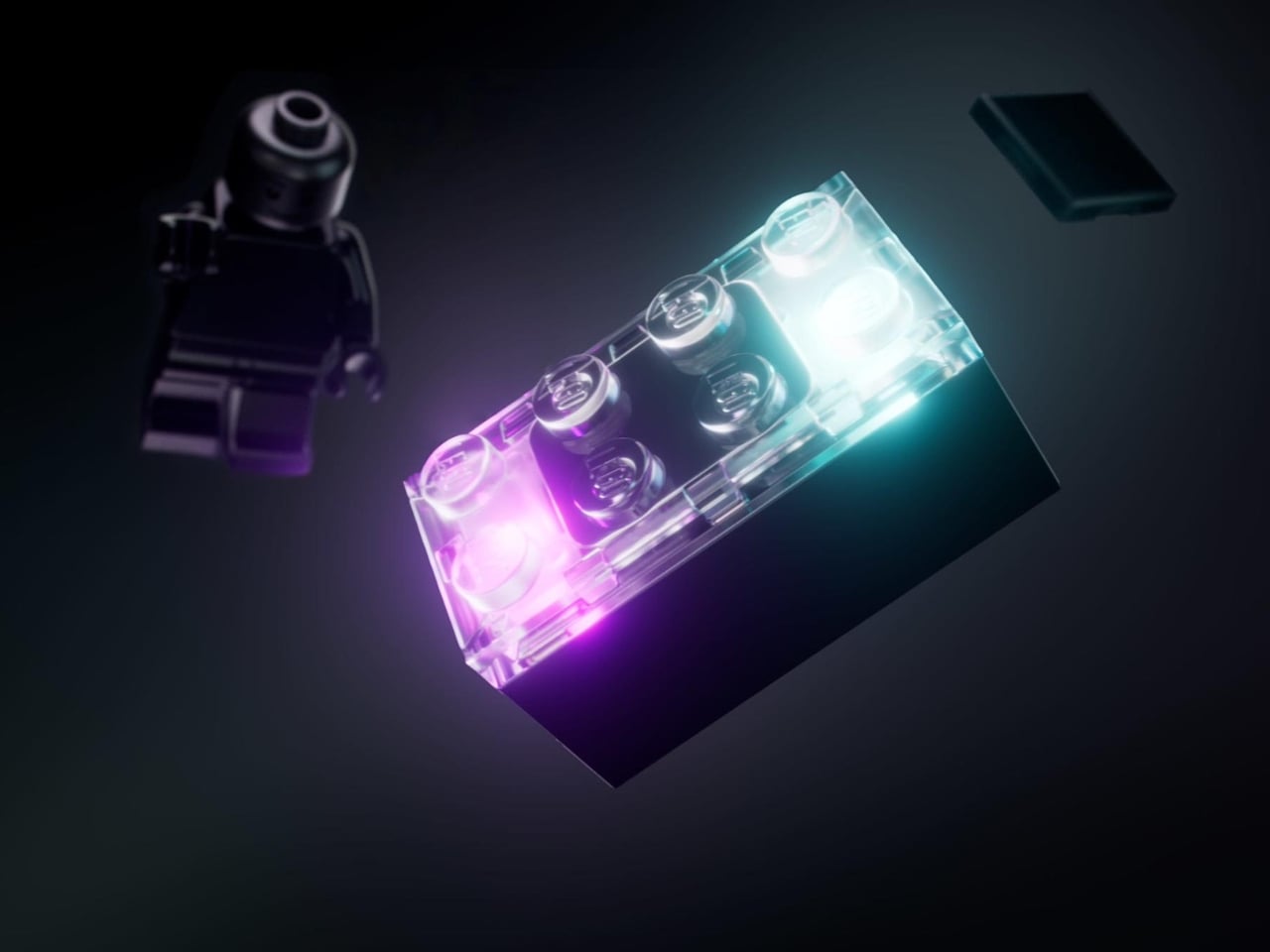
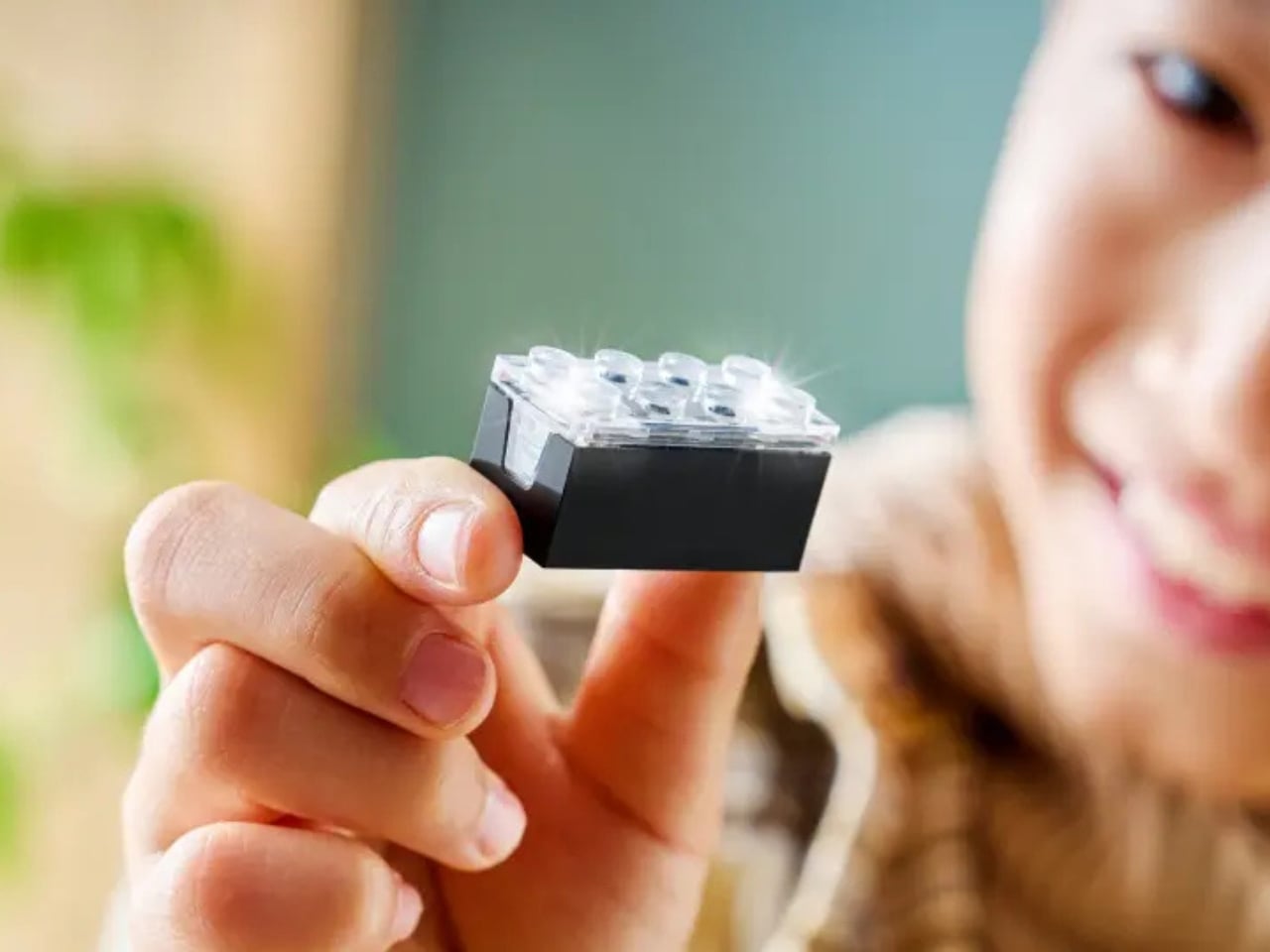
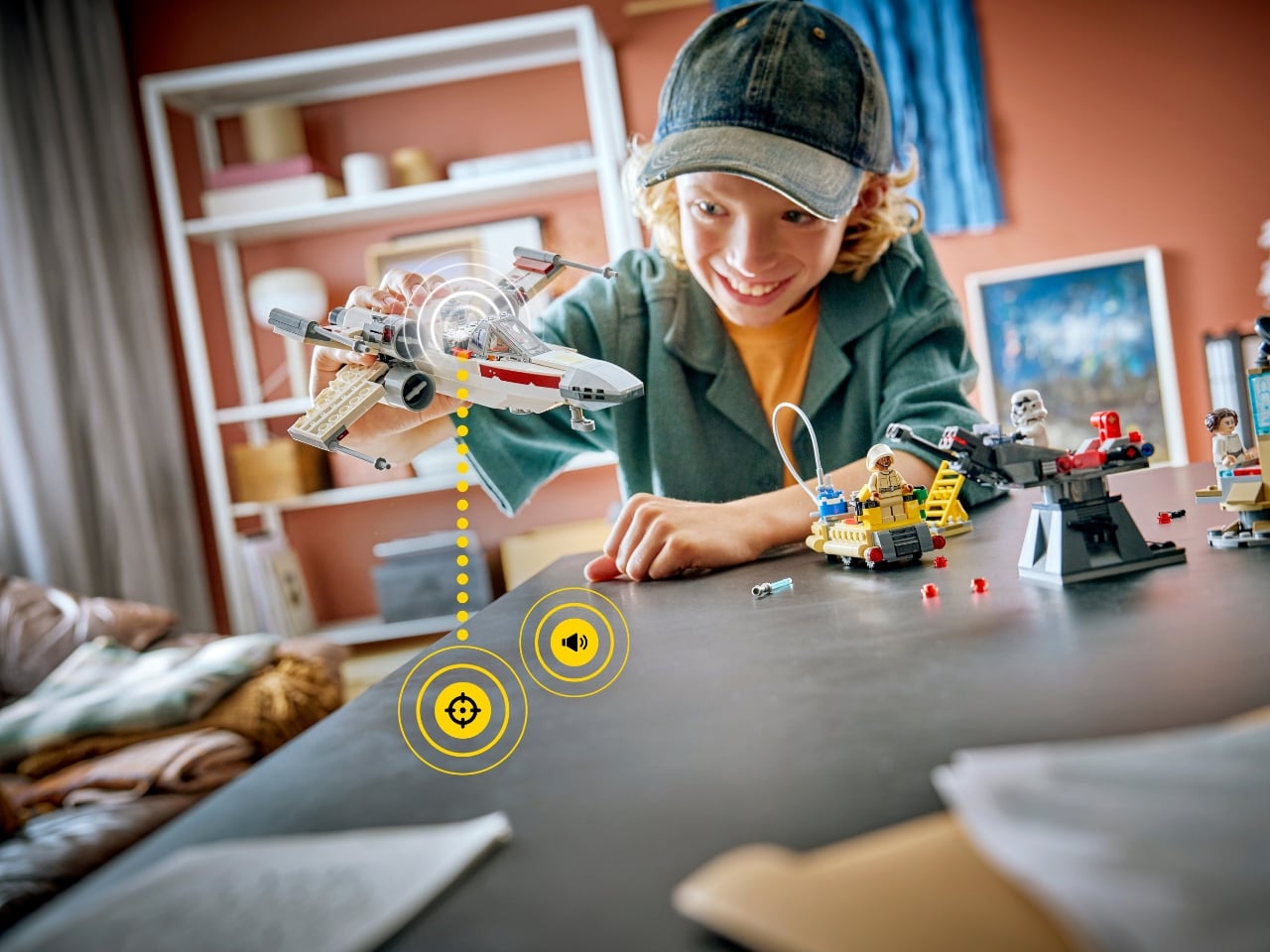
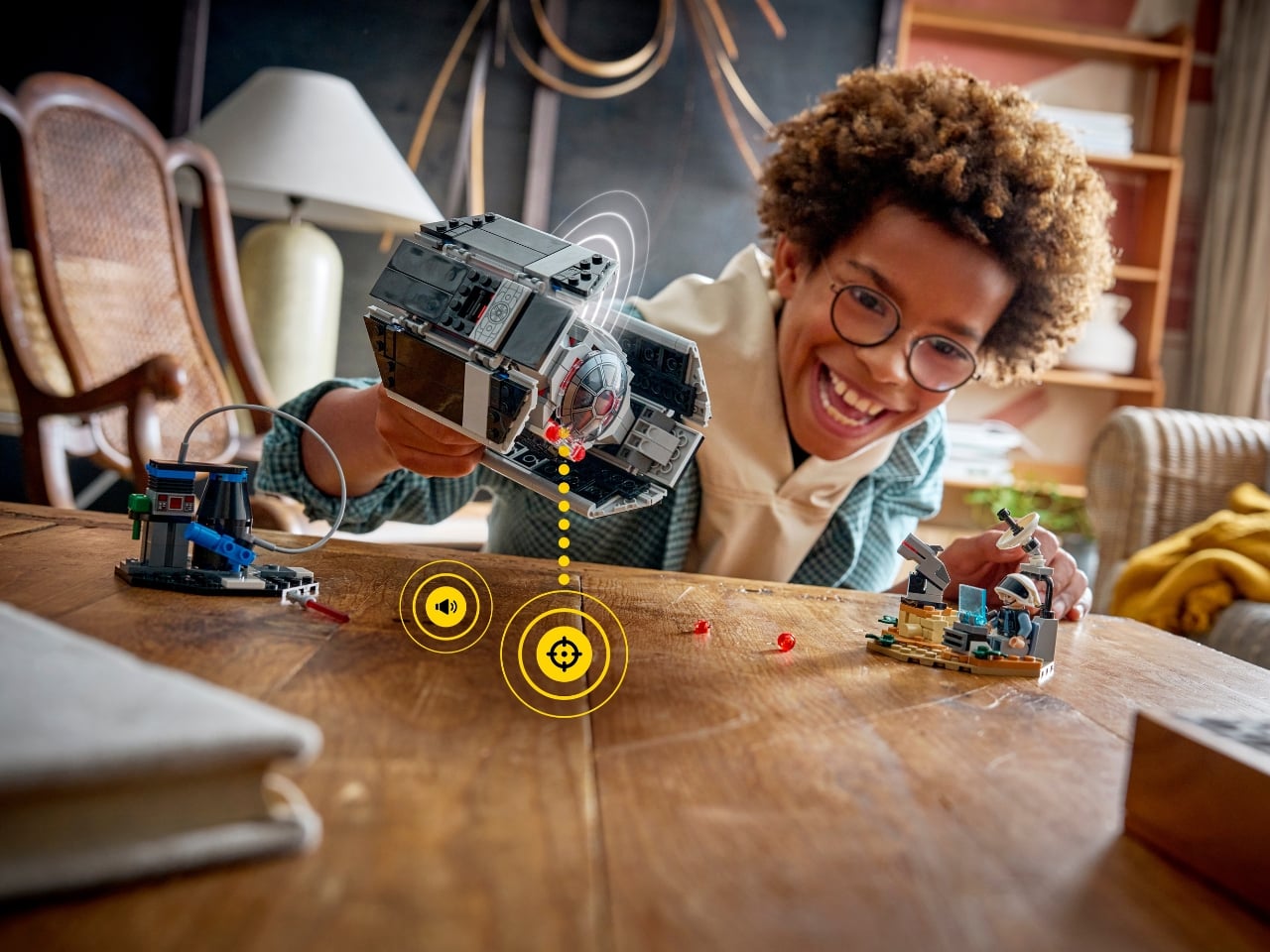
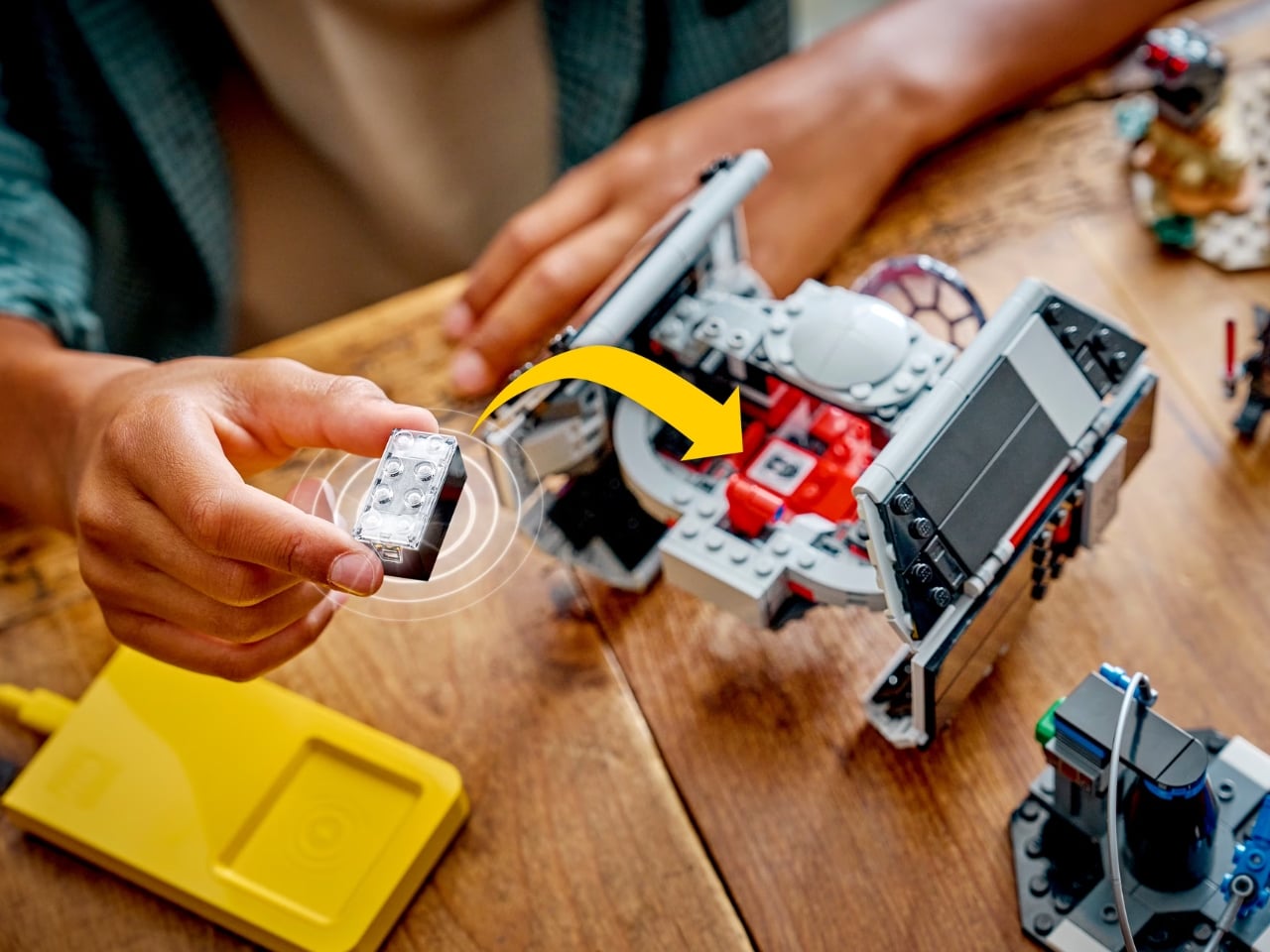
Meet the LEGO Smart Brick: a standard 2×4 brick that looks totally normal on the outside but is secretly packed with more tech than you’d think possible. We’re talking motion sensors, LED lights, a tiny speaker, and a custom-made computer chip that’s literally smaller than a single LEGO stud. The result? Your builds can now react to how you play with them, complete with authentic sounds and lighting effects. And the best part? No app or screen required.
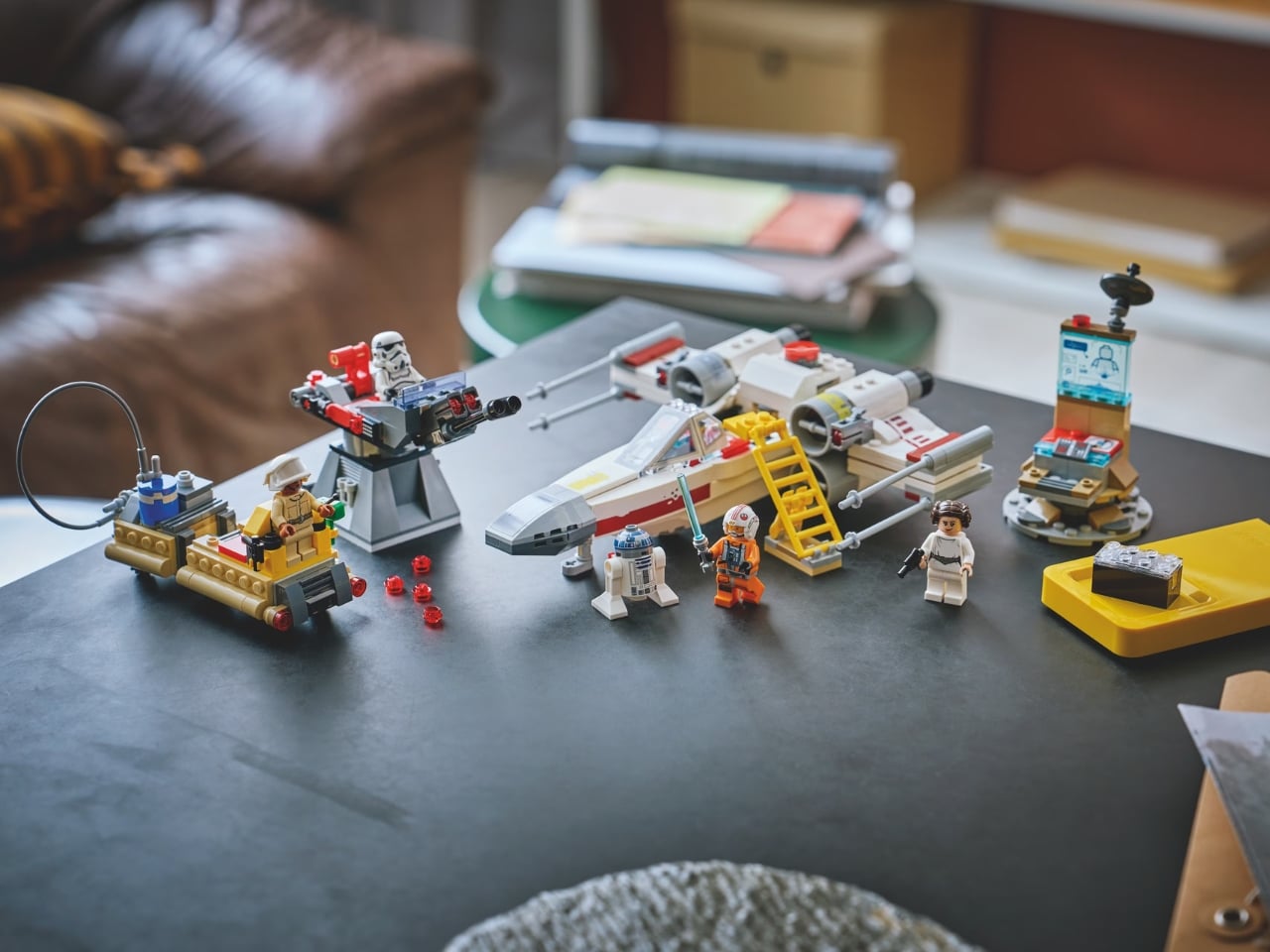
LEGO is launching this new Smart Play system with three Star Wars sets hitting stores on March 1, and honestly, they picked the perfect franchise to showcase this technology. Because if there’s any universe that deserves the full immersive treatment, it’s Star Wars. And if there’s any fandom that would gobble these builds up, it’s those that love the galaxy from far, far away to bits.
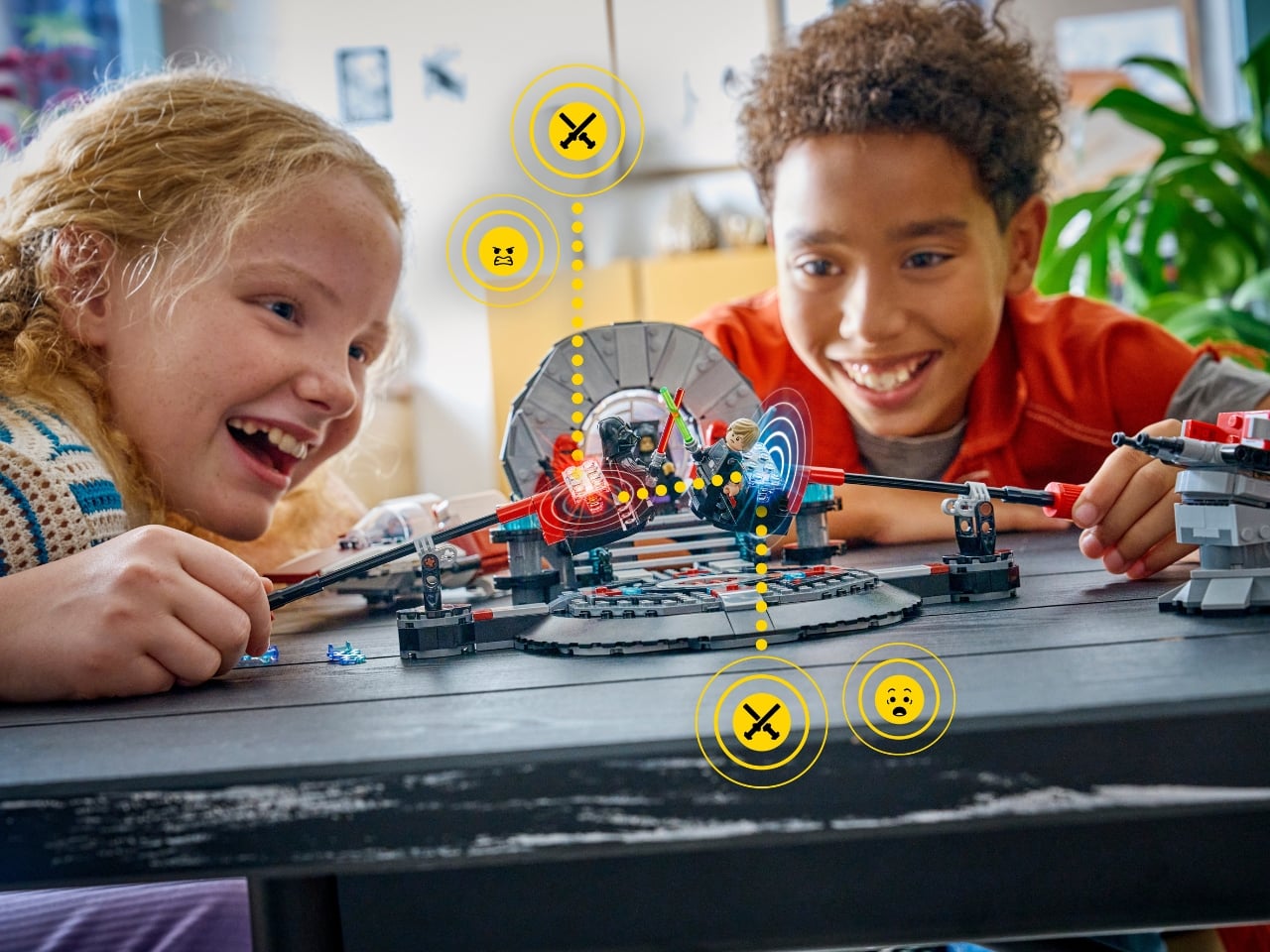
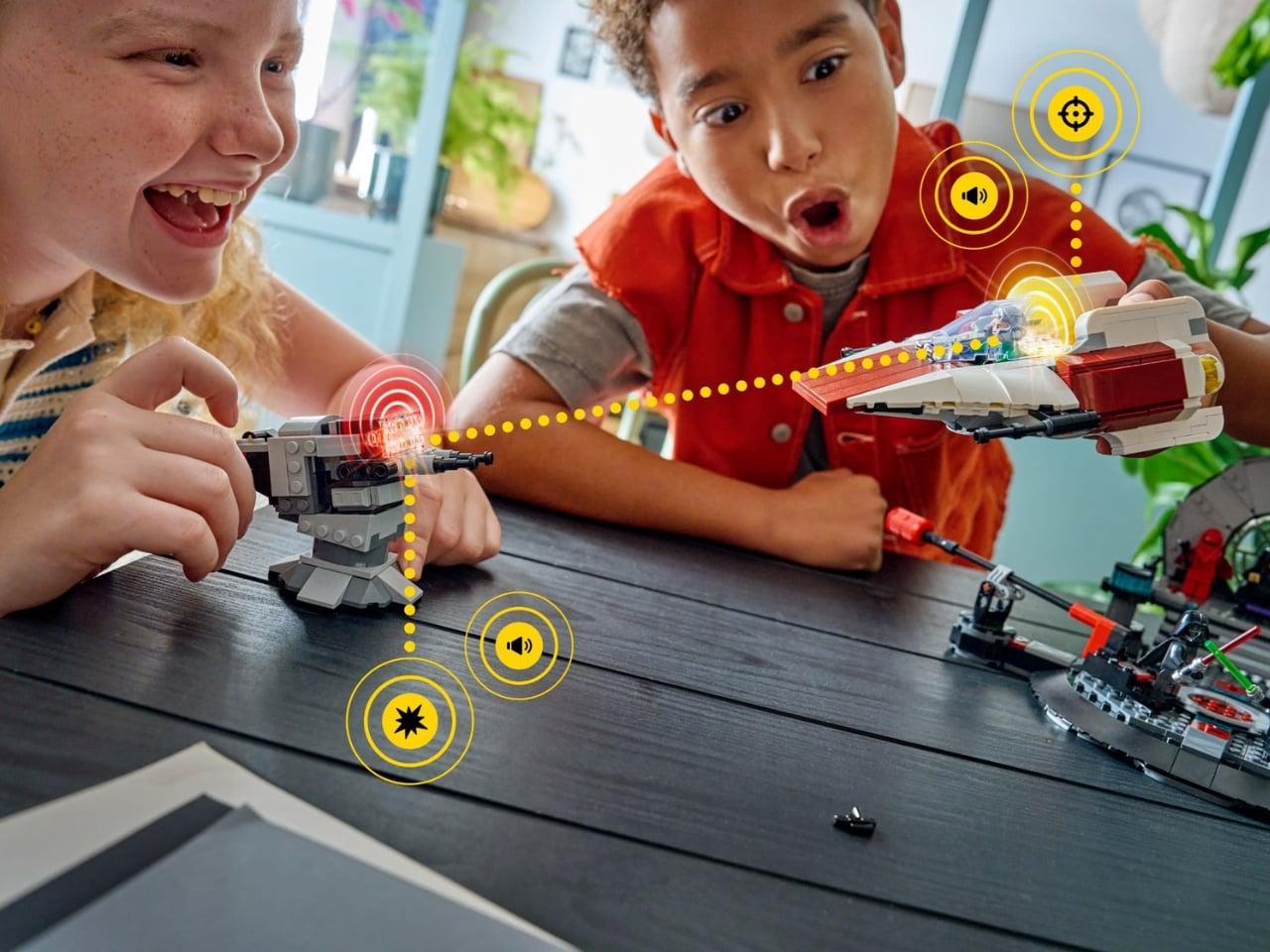
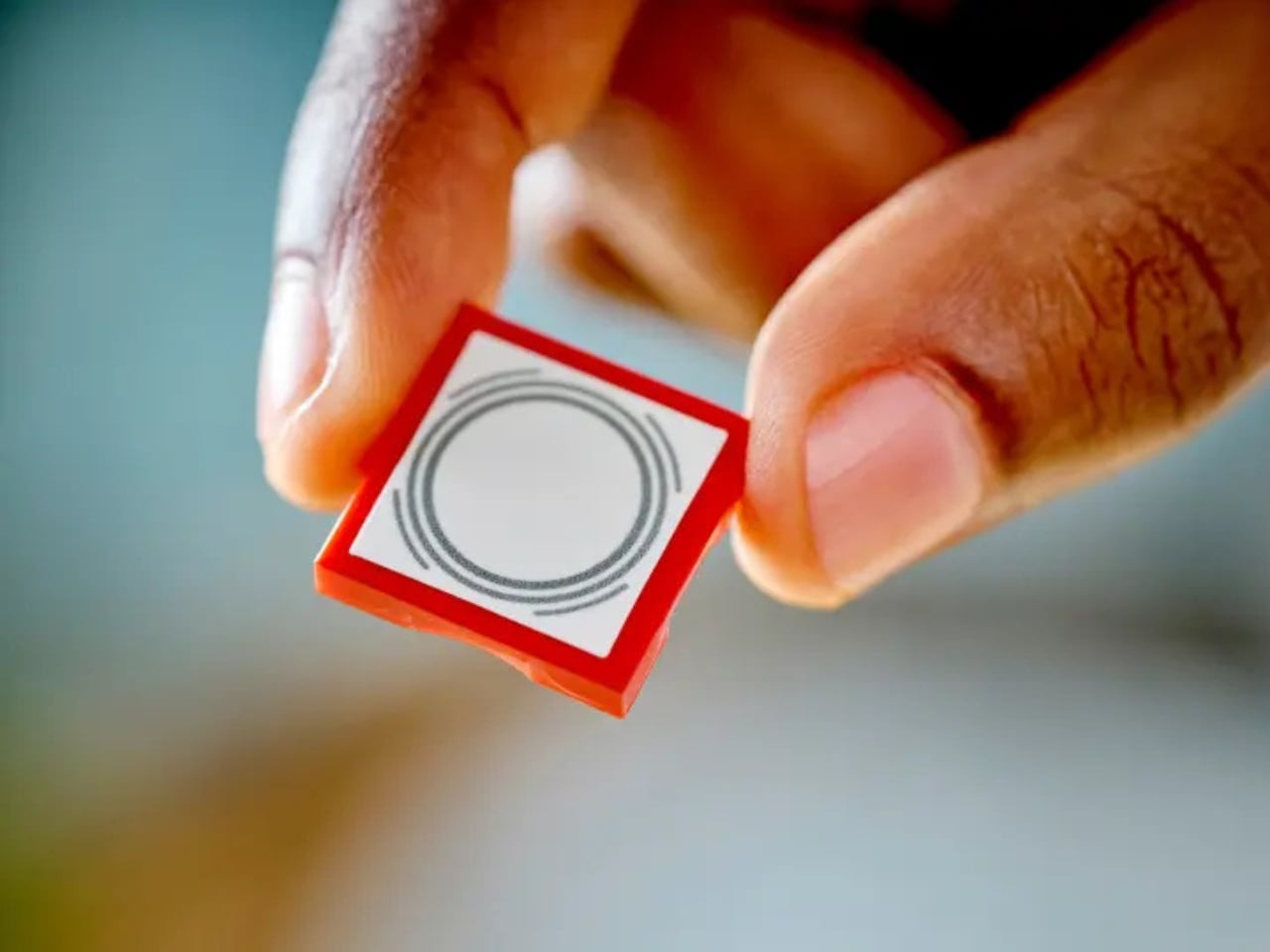
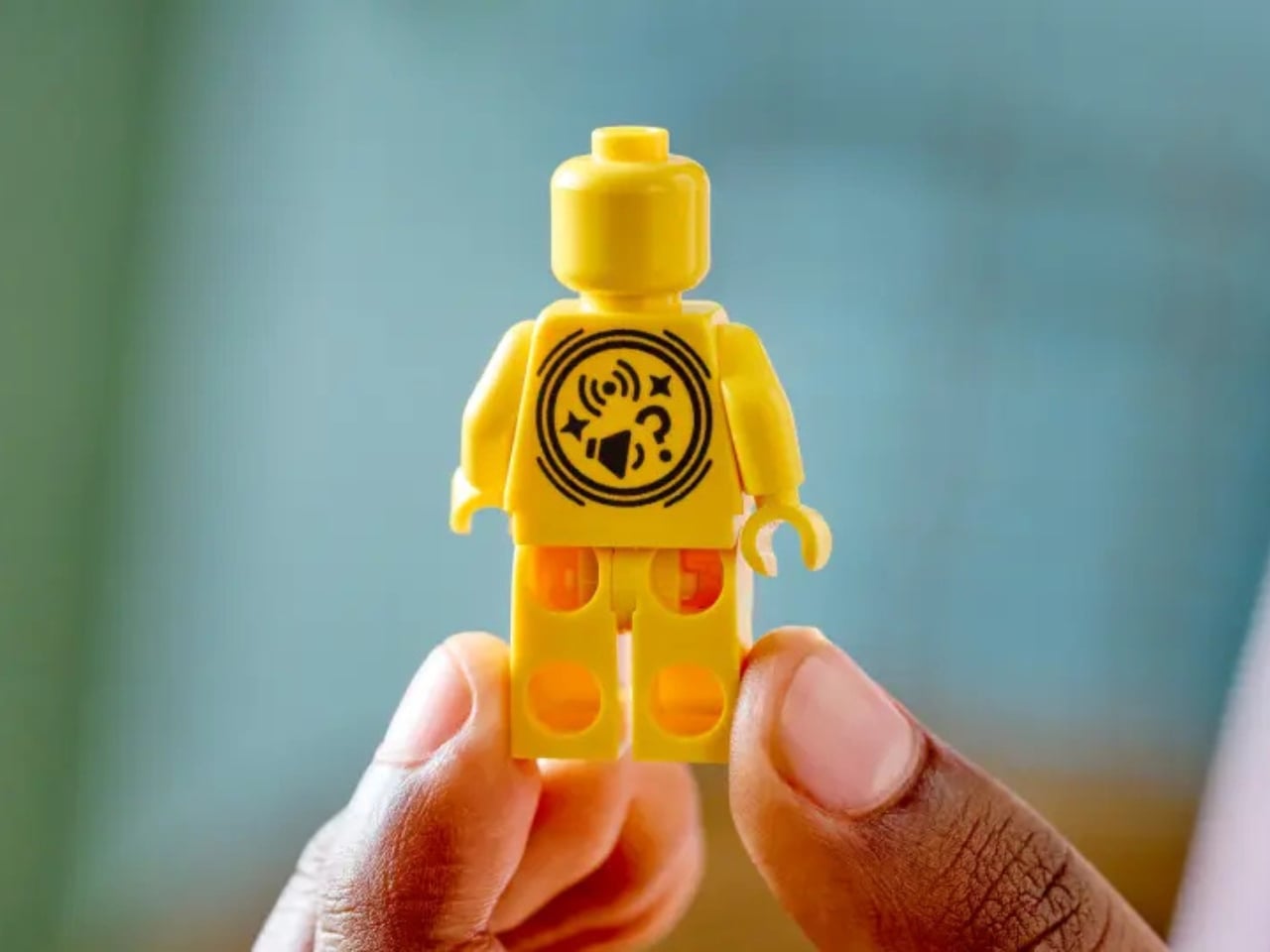
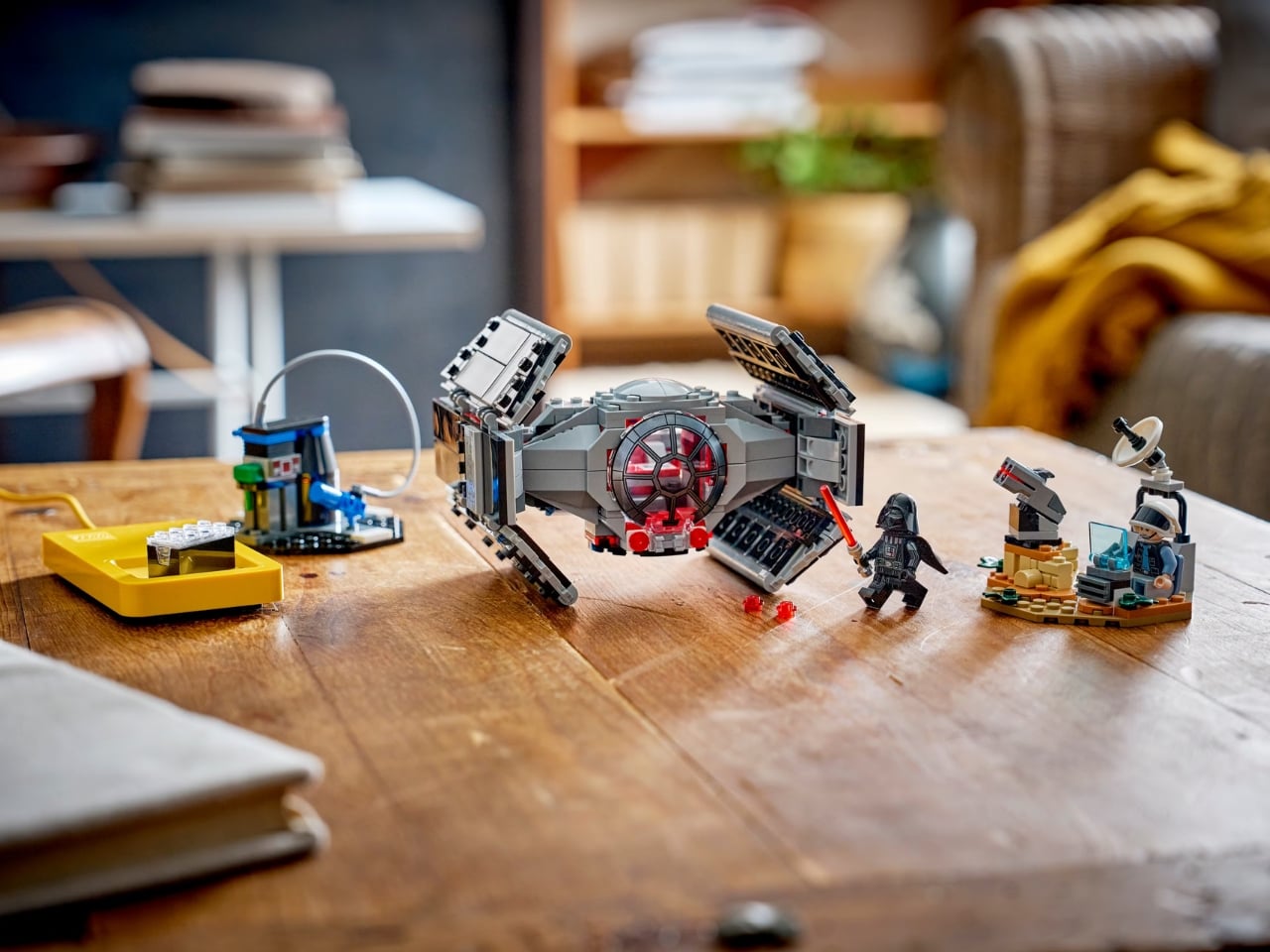
The Smart Play system works through three components working together. There’s the Smart Brick itself, which is the brain of the operation. Then you’ve got Smart Tags, which are special tiles that trigger specific responses when the brick detects them. Finally, there are Smart Minifigures that activate character-specific sounds and interactions. The bricks communicate with each other using something LEGO calls BrickNet, a proprietary wireless system that creates what they describe as a “decentralized network” of interactivity.
In practice, this means when you place a Smart Brick into Luke’s X-wing and fire it up, you hear authentic engine sounds. Move it around, and the accelerometer responds with appropriate whooshes and laser blasts. Park it at the command center, and you’ll hear refueling sounds. Put Emperor Palpatine on his throne, and the Imperial March starts playing. It’s the kind of detail that makes Star Wars fans absolutely giddy.
The three launch sets cover different price points and iconic moments from the original trilogy. The most affordable is Darth Vader’s TIE Fighter at $69.99 with 473 pieces. It includes a Smart Darth Vader minifigure who breathes menacingly and delivers his famous lines. The mid-range option is Luke’s Red Five X-wing at $99.99 with 584 pieces, featuring Smart versions of Luke and Princess Leia, plus good old R2-D2. The premium set is the Throne Room Duel and A-wing at $159.99 with 962 pieces, which recreates that unforgettable final confrontation from Return of the Jedi. This one comes with two Smart Bricks and three Smart Minifigures, including Luke, Vader, and Palpatine.
What makes this feel different from LEGO’s previous tech experiments is how seamlessly integrated everything is. There’s no coding required like with Mindstorms, no video game component like Dimensions, and no augmented reality app like Hidden Side. The Smart Play system enhances the physical building and storytelling experience without pulling you into a digital world. For parents worried about screen time, that’s actually a pretty compelling selling point.
Of course, some play experts have raised concerns about whether adding technology might diminish the imaginative play that makes LEGO special in the first place. But LEGO’s approach here seems thoughtful. The tech is designed to respond to creativity rather than dictate it. Kids still build whatever they want, but now their creations can talk back.
Pre-orders open January 9, and LEGO has already teased that more Smart Play sets are coming later in 2026, including a Millennium Falcon, Mos Eisley Cantina, and a Landspeeder. They’re clearly betting big on this platform.
For collectors, these inaugural Smart Play sets represent something special: the ground floor of what LEGO is positioning as their most significant evolution in decades. Whether that claim holds up remains to be seen, but one thing’s certain. The Force is definitely strong with this one, and your childhood dreams of building Star Wars worlds that actually come alive just got a whole lot closer to reality.
CES 2026 is nearly over and it’s been a fruitful one with a lot of new, weird and impressive tech. But you don’t have to wait until later this year to get your hands on some of the things announced this week in Las Vegas. A surprising number of gadgets are up for pre-order, if not outright available to buy already, from chargers and docks to projectors, keyboards and smart home gear. CES remains a place for companies to showcase concepts and big ideas, but these are the gadgets that have real prices and real order buttons as of today. Check out all of the CES 2026 gadgets you can buy right now below.
This article originally appeared on Engadget at https://www.engadget.com/19-ces-gadgets-you-can-buy-right-now-164325541.html?src=rss
It's been six years since Sony first rolled out its prototype car at CES 2020. It was called the Vision-S back then, and I remember everyone endlessly debating just how serious the consumer electronics powerhouse was about making a car. Over the subsequent half-decade, Sony has proven it is not only serious, but absolutely hell-bent on making this thing a reality.
At CES 2026, we're still somehow about 12 months away from that car hitting the roads. Now called the Afeela 1, instead of being built by Sony proper it will come from the joint venture Sony Honda Mobility. It will start at $89,900, offer around 300 miles of range, and wear an exterior design so sedate that even the 31.5-inch-wide "Media Bar" micro-LED integrated into the nose barely makes an impact.
With the Afeela up on stage again this year, what's new in 2026? I'm fresh from getting a closer look at the sedan here in Las Vegas and, sadly, there's little more to see than what so underwhelmed me last year. From the outside, 2026's Afeela looks nigh identical to 2025's, save for one change: I'm happy to report that the unfortunate seam running down the middle of last year's nose-mounted Media Bar has been fixed. It now appears to be a single, contiguous panel.
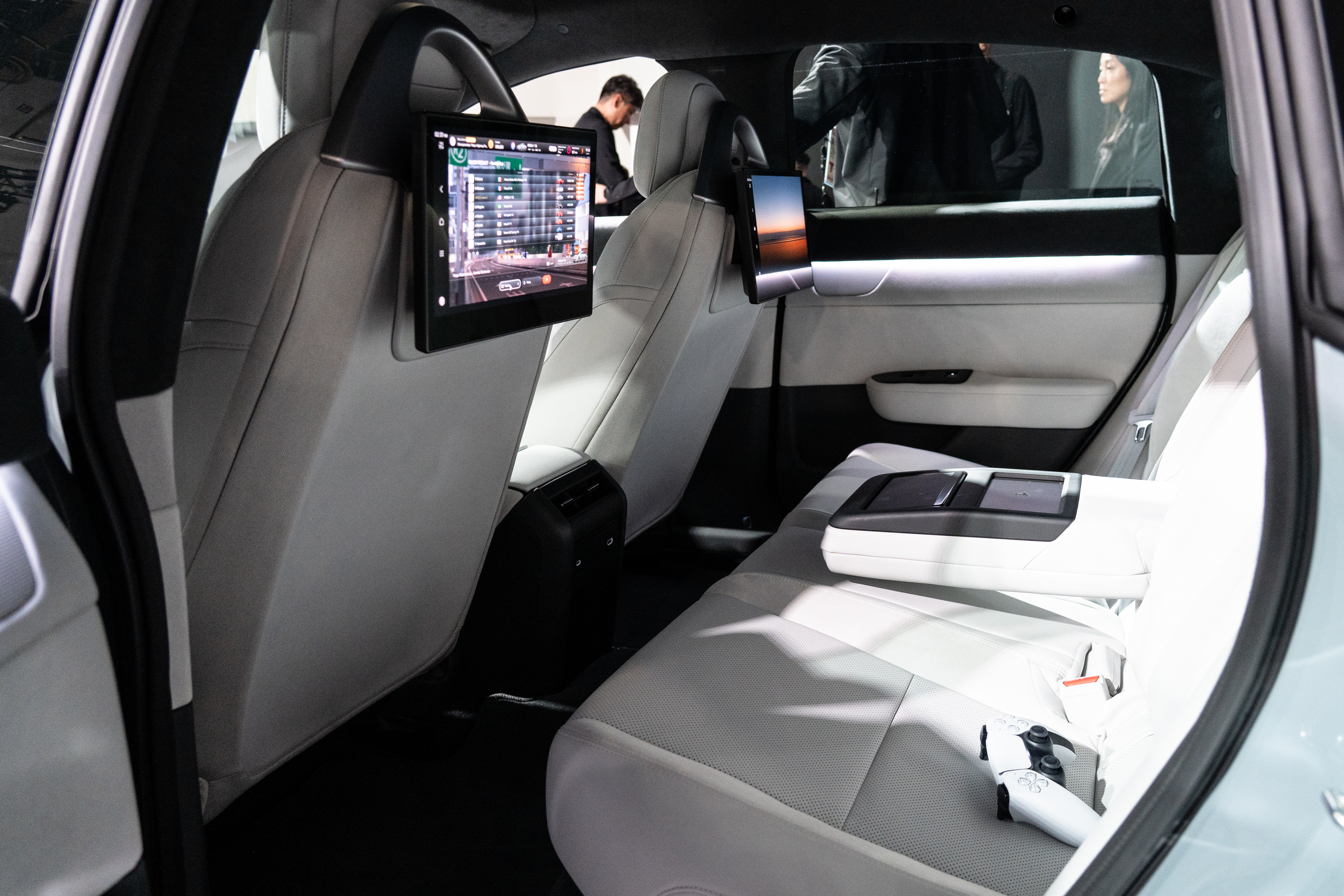
On the inside, the interior seems to have a higher degree of fit and finish than last year's. To get in, you either push on a little button hidden in the trim or pull out the smartphone app and request that the door open automatically. There are no door latches as such, something that might raise a few eyebrows given Tesla's current door handle woes. (I was told there are physical door releases hidden below the car on the outside, and low in the door card on the inside.)
Sony Honda Mobility at CES 2026
Tim Stevens for Engadget
The door closes automatically once you're inside, instantly hushing the manic drone of the crowd on the always-packed CES floor. This creates a great soundscape for the whopping 28 speakers Sony is deploying here. The car's interior shape was actually designed to optimize the placement of those speakers, and the few moments of music I heard were impressive.
There's Dolby Atmos support, so you can take full advantage of the spatial audio features in the cockpit. You can even toggle the sound on or off for individual seats, perhaps helping a little one stay asleep in the back seat — or simply sparing your kids from the depths of your guilty pleasure playlist.
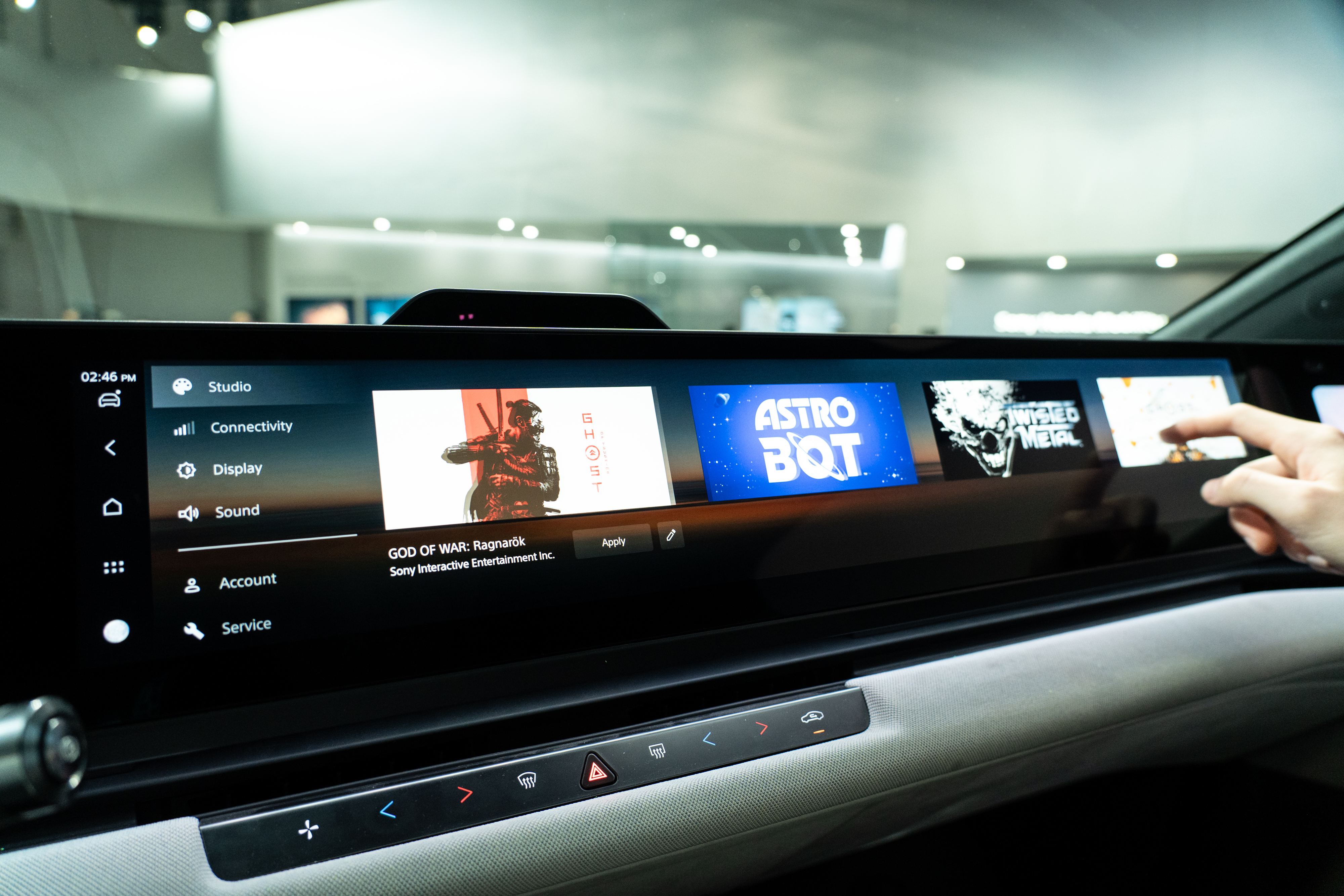
The most noticeable feature inside the car, though, is the sweeping display that runs across the dashboard. There's a 12.3-inch LCD gauge cluster on the left conjoined with a 28.5-inch display that goes all the way to the right. Sony's infotainment software effectively splits that rightmost panel in two, enabling you or the passenger to drag apps left or right as needed.
Media or other distracting apps running on the passenger's side of the display will trigger an integrated privacy shield, blacking it out ensuring minimal distraction for the driver. But Sony is still pushing the envelope a bit here in a few other areas. You can dial into Zoom meetings from the driver's seat, for example, and while the Afeela 1 won't be the first car to do this (Mercedes-Benz included the service in the car in its 2024 E-Class), Sony will actually let the driver participate in the video while driving. This seems a little unnecessary to me.
Sony Honda Mobility at CES 2026
Tim Stevens for Engadget
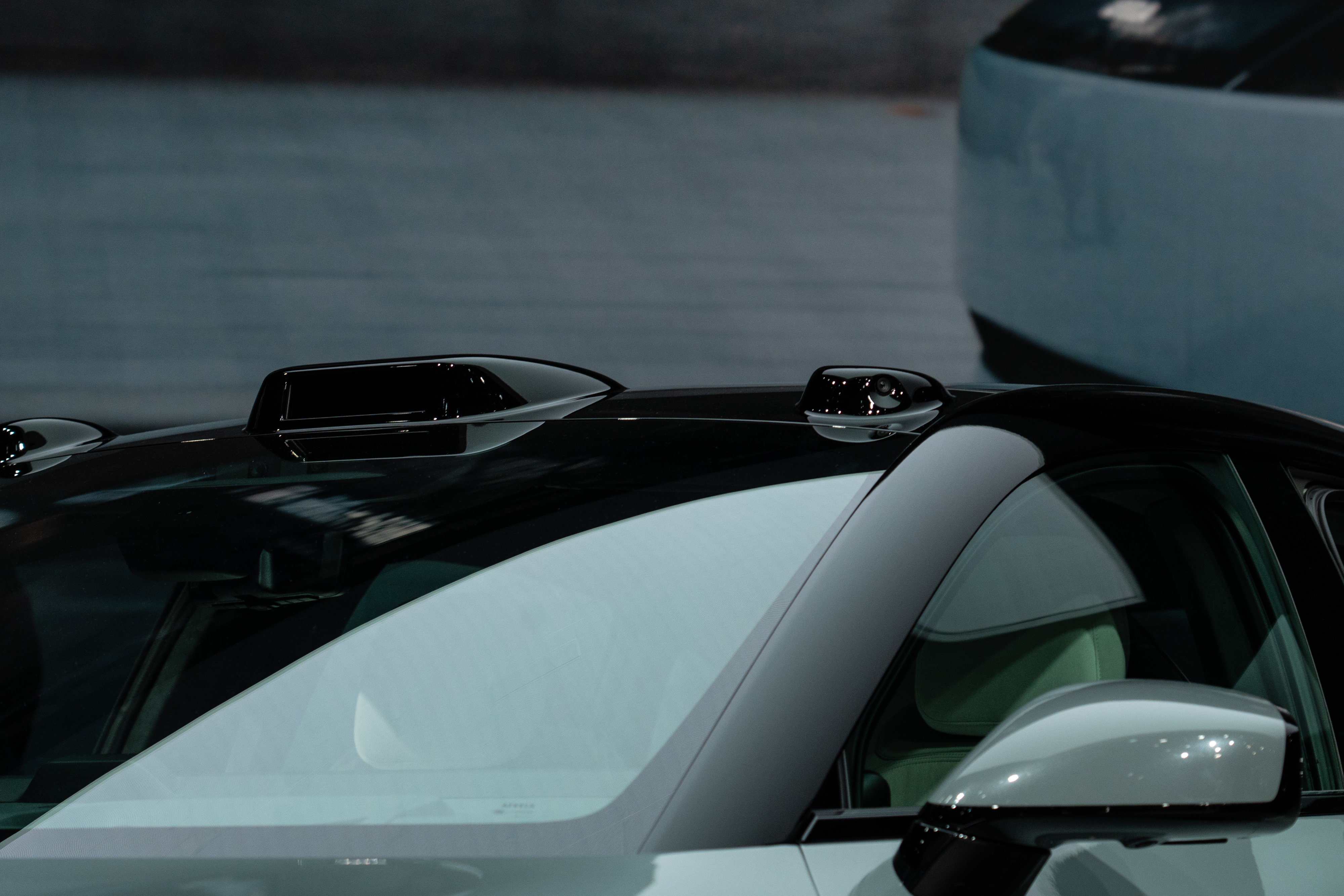
Zoom uses the ceiling-mounted camera, one of 40 sensors in and around the Afeela 1. That includes the pods for a LiDAR sensor and more cameras protruding rather conspicuously from the roof. These sensors will provide Level 2+ driver assistance at launch. Over time, Sony promises to upgrade the car to Level 4, meaning that you, the driver, could theoretically take a nap behind the wheel. The car certainly looks to have enough sensors and processing power to make that work, but as we saw with Tesla's Full Self Driving, these sorts of automotive upgrades have a tendency to take longer than anticipated.
Some of that digital processing power comes courtesy of Qualcomm's Snapdragon Digital Chassis, which also powers the infotainment experience. The software that runs the dashboard and rear seat experience looked far more comprehensive than before. That includes a functional AI voice assistant providing advanced routing guidance, like telling you which of the dozen taquerias on your route has the best guac.
Personalization is a big part of the sales pitch here, with downloadable packages changing everything from the car's ambient lights to the gauge cluster, engine sound, and even whatever's displayed on the nose-mounted display.
The idea here is to give you an emotional connection with the car -- despite its decidedly emotionless exterior design.
Sony Honda Mobility at CES 2026
Tim Stevens for Engadget
"Our brand, Afeela, is built on a vision to redefine the relationship between people and mobility," Izumi Kawanishi, Sony Honda Mobility's president and COO, said. "Being in a car will no longer be about driving. It will be about making the most of your time and space while you move."
I got to sample a number of these customizations at the show, including a particularly cool one that replicated the dashboard of Honda's first-ever Grand Prix-winning machine, 1965's RA272. The Afeela even picked up the raspy sound of its 1.5-liter V12.
The pre-production car on the Afeela stage had about a dozen such experiences installed, but the plan is for many, many more. Sony Honda Mobility will launch what it's calling the Afeela Co-Creation Program, a set of software developer tools and interfaces enabling third-party developers to not only create their own customizations, but to sell them.
Yes, alternate revenue streams are a big part of the equation here, including premium audio and video purchases, but Sony seemingly isn't factoring that in to help make the Afeela 1 more affordable. Again, you're looking at $89,900 to start, a price that hasn't changed from last year.
In fact, the biggest change to the Afeela 1 since CES 2025's showing is a delay. The sedan now isn't hitting the road until the very end of 2026, with first, limited deliveries happening in California. Arizona is next in 2027, but it could be years more before it's available anywhere else in the world.
Don't call it vaporware, though, because it is coming. Trial production work is already happening at Honda's plant in Ohio. In fact, the Afeela 1 you see here is an early, pre-production machine assembled there.
But just because it's going to happen doesn't mean that it will be a compelling product. An EV that costs $20,000 more than a more-powerful, longer-range Lucid Air Touring is a difficult proposition today, never mind 2027 or later, when the Afeela 1 will finally become readily available.
Sony Honda Mobility at CES 2026
Tim Stevens for Engadget
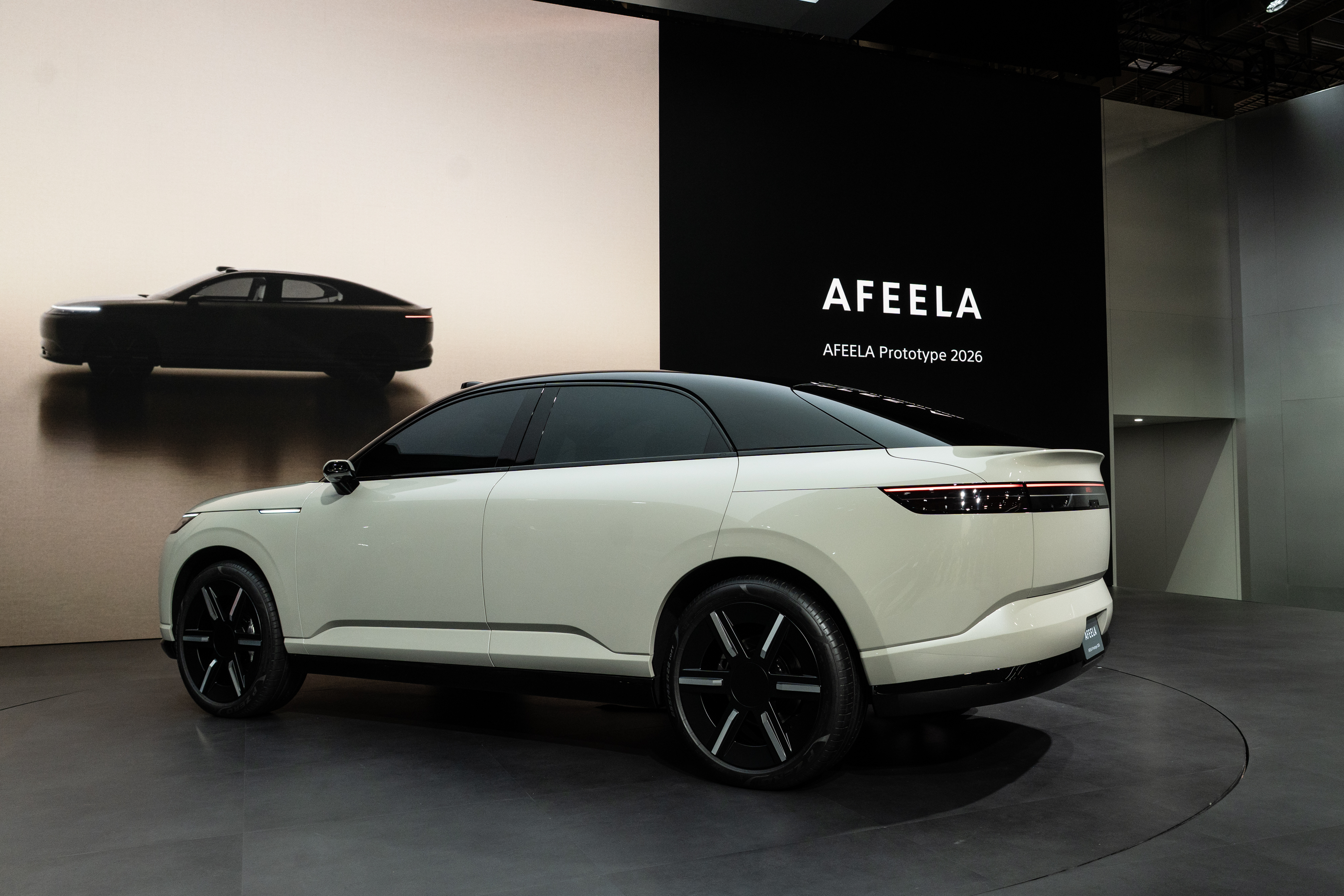
With sedans increasingly on the outs in the American market, an SUV shape would make more sense. Sony confirmed that one is coming by rolling out the Afeela 2026 Prototype, but despite its name, it isn't coming until 2028 at the earliest.
As much as I respect Sony's stubborn commitment to this project, the numbers are just not working out in the Afeela 1's favor. I asked Sony Honda Mobility America president and CEO Shugo Yamaguchi what would make the car stand out in an EV segment that's increasingly crowded with quality machines, many available for tens of thousands less.
"We do have that LiDAR, which is expensive, and introduces more safety. We have better entertainment, amazing displays and 800 TOPS of processing power. So, we believe that through our applications and our development, we are going to more than make our customers happy," he said.
Will customers pay more for a luxury and safety experience topped off by an expensive sensor that likely won't be fully utilized for years to come? After making a similar pitch in its 2025 EX90, Volvo has decided to delete LiDAR from the 2026 model. I can't say I'm more bullish here.
The Afeela 1 was an audacious product when it was announced at CES 2020, but with each subsequent year it feels more and more out of touch. It'll undoubtedly be the ultimate expression of brand loyalty for the true PlayStation fans out there. But with even established luxury brands like BMW and Mercedes-Benz shifting their focus to more affordable EVs like the new CLA, a $90,000 sedan with specs that sounded good in 2020 makes it awfully hard to stay excited for this PlayStation on wheels.
This article originally appeared on Engadget at https://www.engadget.com/transportation/evs/at-ces-2026-sony-honda-mobilitys-latest-afeela-1-still-feels-woefully-out-of-date-163513001.html?src=rss
Roblox Corporation, the company behind the popular online game platform Roblox, announced today that age verification will now be required for any users wishing to use in-game chat in all regions where the feature is available. This comes after mounting pressure to protect underage players and lawsuits from multiple state attorneys general like Louisiana and Texas.
Starting January 7, players in the US and abroad will need to submit to facial age estimation via a selfie. Users 13 years of age or older may opt for ID-based checks. These features were given a trial rollout late last year in Australia, New Zealand and the Netherlands, where Roblox says half of the daily active users have already completed verification. The company says facial estimation is done via its third-party vendor Persona and that images are deleted immediately after processing. Age verification remains optional to play the game itself and is only required to use chat for now.
Once a player's age is verified, they will be placed in one of six age groups, the youngest being under 9, and the oldest being 21+. Players in these groups can only chat with their own group, as well as age groups directly below and above theirs. Roblox says players who are 13 or older can still chat more freely with players beyond their immediate age group by using the "Trusted Connections" feature within Roblox. This feature is intended for friends imported via a user's phone, or contacts added by QR codes shared outside of Roblox. Age verification is still required by both parties to use this feature.
Players under 9 years old will have chat turned off by default unless a parent approves its use after age verification. Roblox says it may ask users to resubmit verification if their behavior suggests they are substantially older or younger than they claimed.
Roblox has faced repeated accusations that it was not doing enough to protect younger players. In 2024, the company banned players under 13 from accessing certain types of in-game content, as well as restricting their ability to direct message with other players outside of specific games. Last year the company cracked down on user-created content, after a lawsuit from the state of Louisiana alleged some disturbing in-game "experiences" that minors may have been exposed to.
This article originally appeared on Engadget at https://www.engadget.com/gaming/roblox-now-requires-age-verification-to-use-in-game-chat-163213512.html?src=rss
WhatsApp just rolled out some upgrades to group chats. Perhaps the most interesting is the addition of member tags, which lets users give themselves a tag that's customized for a specific group.
Meta gives examples of a user assigning themself the role of a dad in one chat and a soccer goalkeeper in another. This could actually be pretty useful to people who use WhatsApp group chats to role play as characters, organize fantasy sports leagues and other stuff like that.
The platform is also rolling out text stickers to group chats. This lets users turn just about any word into a sticker via an integrated search engine. Folks can gather their most-used stickers together for easy access.
Finally, there are event reminders. This is fairly self-explanatory. The tool lets people create early reminders for upcoming events. Meta says that "this helps everyone remember to commute to the party you're hosting or hop on the call at the right time."
This article originally appeared on Engadget at https://www.engadget.com/apps/whatsapp-upgrades-group-chats-with-member-tags-and-text-stickers-161420141.html?src=rss
Samsung has introduced the Galaxy Book6 series at CES 2026, unveiling three distinct models: the Galaxy Book6 Ultra, Galaxy Book6 Pro, and Galaxy Book6. Designed to cater to professionals, gamers, and creatives, these laptops combine innovative hardware, AI-powered tools, and seamless connectivity. With a focus on performance, portability, and user-centric features, the Galaxy Book6 series […]
Vision tests are an important part of life, but they aren’t always the most convenient things to work into your schedule. It’s an issue Eyebot thinks it has solved with its kiosk, which shrinks the time taken from 20 minutes to closer to three minutes. Plus, you don’t need to book an appointment where an optician will lean too close in to your face while trial and error-ing corrective lenses. As mundane as a subject as a visit to the eye doctor is, this device could have some fairly massive ramifications. And, having tested it, I can certainly see the benefits.
Eyebot CEO Matthias Hofmann said that, despite the popularity of online glasses retailers like Warby Parker, 85 percent of Americans prefer to buy glasses in person. But accessibility is a big issue, especially in areas where there aren’t enough eye doctors to efficiently process tests. Hofmann added that this issue is far worse in rural areas, where people may need to drive for an hour or more to see an eye doctor, and then wait two weeks for their prescription to be filed. It’s these two maladies that Eyebot’s kiosk is meant to address, allowing people to walk up and complete their vision test whenever they want.
The test itself is very simple, you just walk up to the kiosk and let the big touchscreen walk you through the steps. You’ll answer some basic screening questions — this test is suitable for those aged 18 to 64 — and then complete a fairly perfunctory letter test. Once that’s done, you’ll be asked to stare at a picture of a hot air balloon (but not the picture you’re thinking of). Once that’s done, you just need to share your email address and then wait for your prescription to be filed.
But you don’t need to worry that your eye health is being left to some algorithm making its best guess. Eyebot explained that each of its prescriptions are sent to an eye doctor working remotely who can look at the data the kiosk has generated, signing off on the prescription. Thankfully, I was able to compare this prescription with my last eye test (conducted by a professional) from the previous year, and found that Eyebot’s results matched it perfectly. It is worth noting, however, that Eyebot can’t run any medical tests; like the little puff of air blown onto your eyes to measure the pressure your eyes can withstand, which shows your risk of glaucoma. Consequently, while you can get your prescription with this process, you’ll still be advised to take regular visits to see a clinician.
Eyebot is presently operating in limited numbers in some Walmart and Sam’s Club stores in Pennsylvania, with plans to roll this out across the US in the near future. For the former, you’ll need to pay, while the latter comes as a benefit of your membership. Hofmann said that he envisages a future where there are Eyebot kiosks in shopping malls or at brick and mortar stores for online glasses retailers to grease the wheels of getting that fancy new pair of specs.
This article originally appeared on Engadget at https://www.engadget.com/general/eyebot-promises-an-accurate-vision-test-in-a-couple-of-minutes-160000184.html?src=rss
CES 2026 isn't the first year we've seen a wave of interesting robots or even useful robots crop up in Las Vegas. But it's the first year I can remember when there have been so many humanoid and humanoid-like robots performing actually useful tasks. Of those, Switchbot's Onero H1 has been one of the most intriguing robot helpers I've seen on the show floor, especially because the company says that it will actually go on sale later this year (though it won't come cheap).
Up to now, Chinese company Switchbot has been known for its robot vacuums and smart home devices. Much of that expertise is evident in Onero. The unexpectedly cute robot has a wheeled base that looks similar to the company's robot vacuums, but is also equipped with a set of articulated arms that can help it perform common household tasks.
I was able to see some of its abilities at Switchbot's CES booth, where Onero dutifully picked up individual articles of clothing from a couch, rolled over to a washing machine, opened the door, placed the items inside and closed the door. The robot moved a bit slowly; it took nearly two minutes for it to grab one piece of clothing and deposit it inside the appliance which was only a few feet away.
I'm not sure if its slowness was a quirk of the poor CES Wi-Fi, a demo designed to maximize conference-goers attention or a genuine limitation of the robot. But I'm not sure it matters all that much. The whole appeal of a chore robot is that it can take care of things when you're not around; if you come home to a load of laundry that's done, it's not that concerning if the robot took longer to complete the task than you would have. The laundry is done and you don't have to do it. That's the dream.
Under the hood, Onero is powered by RealSense cameras and other sensors that help it learn its surroundings, as well as on-device AI models.
The demo of course only offered a very limited glimpse of Onero's potential capabilities. In a promotional video shared by Switchbot, the company suggests the robot can so much, much more: serve food and drinks, put dishes away, wash windows, fold clothes and complete a bunch of other — frankly, impressive — tasks. The Onero in the video also has an articulated hand with five fingers that gives it more dexterity than the claw-hand one I saw at CES. A Switchbot rep told me, though, that it plans to offer both versions when it does go on sale.
Which brings me to the most exciting part about watching Onero: the company is actually planning on selling it this year. A Switchbot rep confirmed to me it will be available to buy sometime in 2026, though it will likely be closer to the end of the year. The company hasn't settled on a final price, but I was told it will be "less than $10,000."
While we don't know how much less, it's safe to say Onero won't come cheap. It also seems fair to say that this will be a very niche device compared to many of Switchbot's other products. But, if it can competently handle everything the company claims it can, then there's probably a lot of people and businesses that would be willing to pay.
This article originally appeared on Engadget at https://www.engadget.com/home/smart-home/switchbot-came-to-ces-with-a-laundry-robot-you-might-actually-be-able-to-buy-153000025.html?src=rss
The Samsung Galaxy S26 Ultra marks a significant evolution in the premium smartphone market. By introducing practical innovations while maintaining the same price as its predecessor, the Galaxy S25 Ultra, Samsung has demonstrated a commitment to balancing innovative technology with consumer value. This strategy reflects the company’s focus on addressing user needs without inflating costs, […]