OpenAI is looking for a new Head of Preparedness who can help it anticipate the potential harms of its models and how they can be abused, in order to guide the company's safety strategy. It comes at the end of a year that's seen OpenAI hit with numerous accusations about ChatGPT's impacts on users' mental health, including a few wrongful deathlawsuits. In a post on X about the position, OpenAI CEO Sam Altman acknowledged that the "potential impact of models on mental health was something we saw a preview of in 2025," along with other "real challenges" that have arisen alongside models' capabilities. The Head of Preparedness "is a critical role at an important time," he said.
Per the job listing, the Head of Preparedness (who will make $555K, plus equity), "will lead the technical strategy and execution of OpenAI’s Preparedness framework, our framework explaining OpenAI’s approach to tracking and preparing for frontier capabilities that create new risks of severe harm." It is, according to Altman, "a stressful job and you'll jump into the deep end pretty much immediately."
Over the last couple of years, OpenAI's safety teams have undergone a lot of changes. The company's former Head of Preparedness, Aleksander Madry, was reassigned back in July 2024, and Altman said at the time that the role would be taken over by execs Joaquin Quinonero Candela and Lilian Weng. Weng left the company a few months later, and in July 2025, Quinonero Candela announced his move away from the preparedness team to lead recruiting at OpenAI.
This article originally appeared on Engadget at https://www.engadget.com/ai/openai-is-hiring-a-new-head-of-preparedness-to-try-to-predict-and-mitigate-ais-harms-220330486.html?src=rss
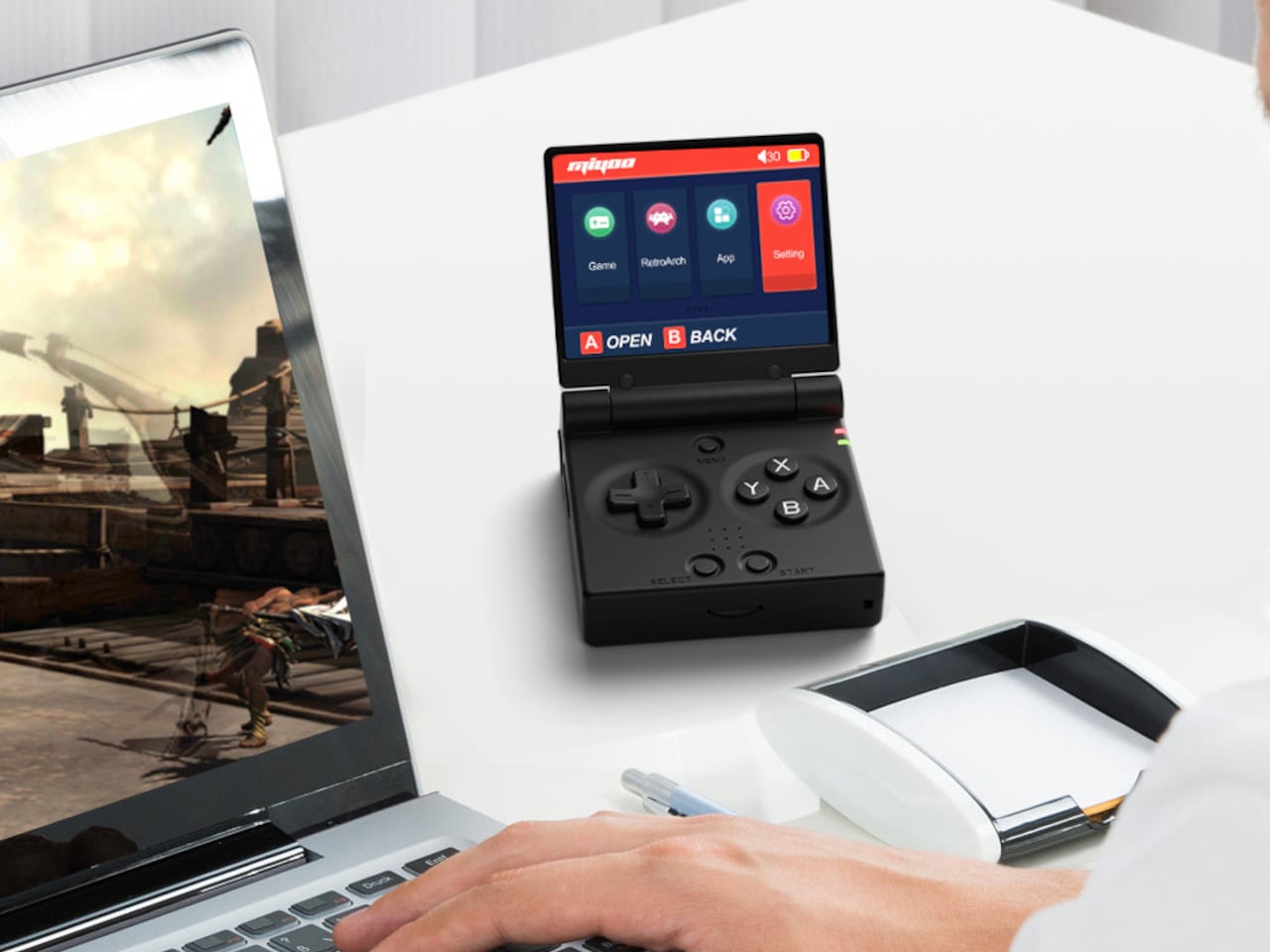
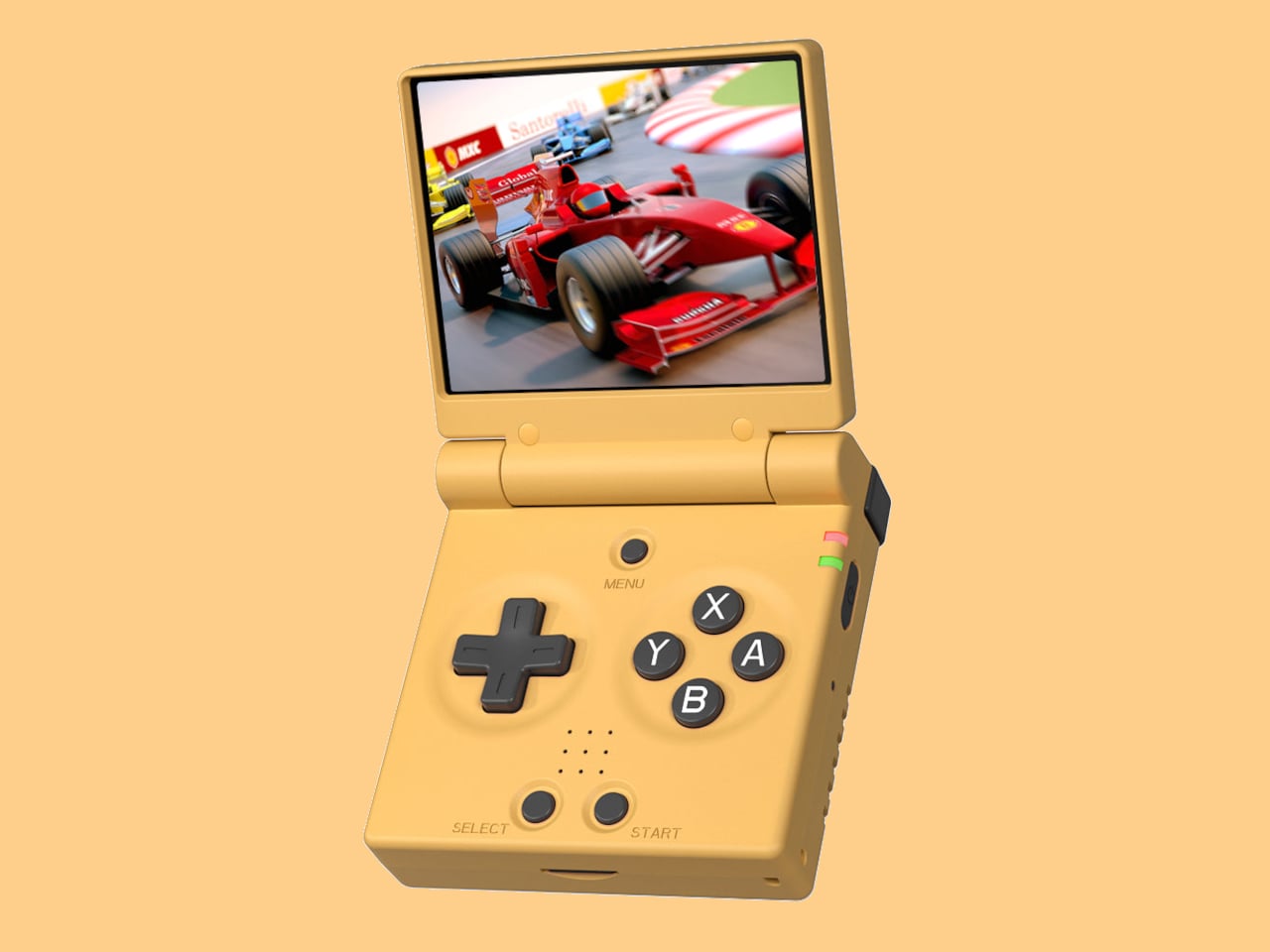
Retro handhelds have exploded in the last few years, from chunky bricks to tiny keychain consoles, and a lot of them still feel like little Linux boxes with buttons bolted on. The Game Boy Advance SP’s clamshell still lives rent-free in people’s heads, that satisfying snap when you close it, and the way it fits into a pocket without scratching the screen. The Miyoo Mini Flip is a modern answer to that memory, scaled for pockets and commutes.
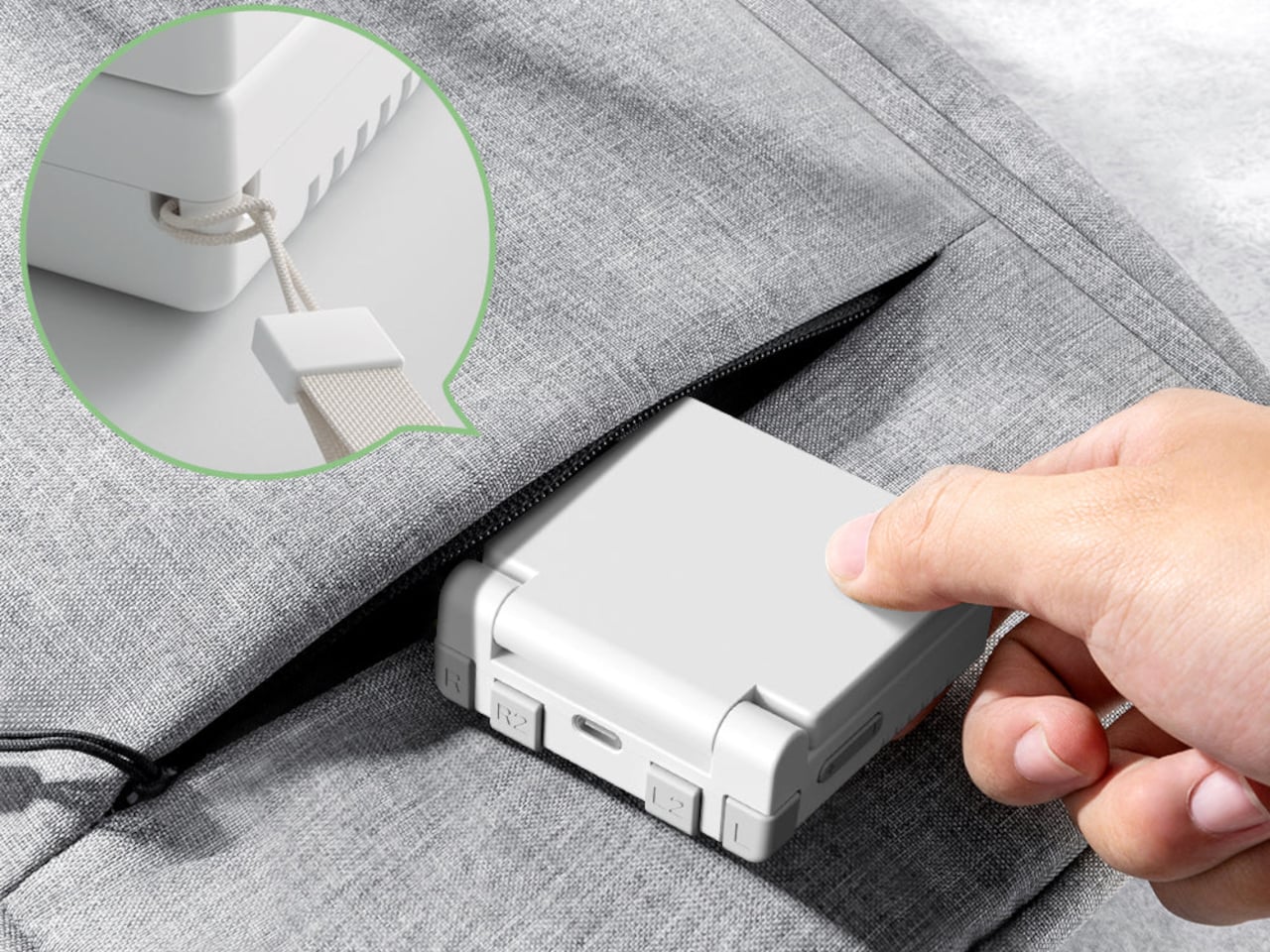
The Miyoo Mini Flip is a folding version of Miyoo’s tiny emulation handheld, now with an upgraded hinge for better durability. Closed, it is a 2.68‑inch square about 0.79 inch thick, small enough to disappear into a jeans pocket or bag. Open it up, and you get a full control deck and a 2.8‑inch screen, turning idle minutes into quick sessions of 8‑bit and 16‑bit comfort food without needing to commit to a full setup.
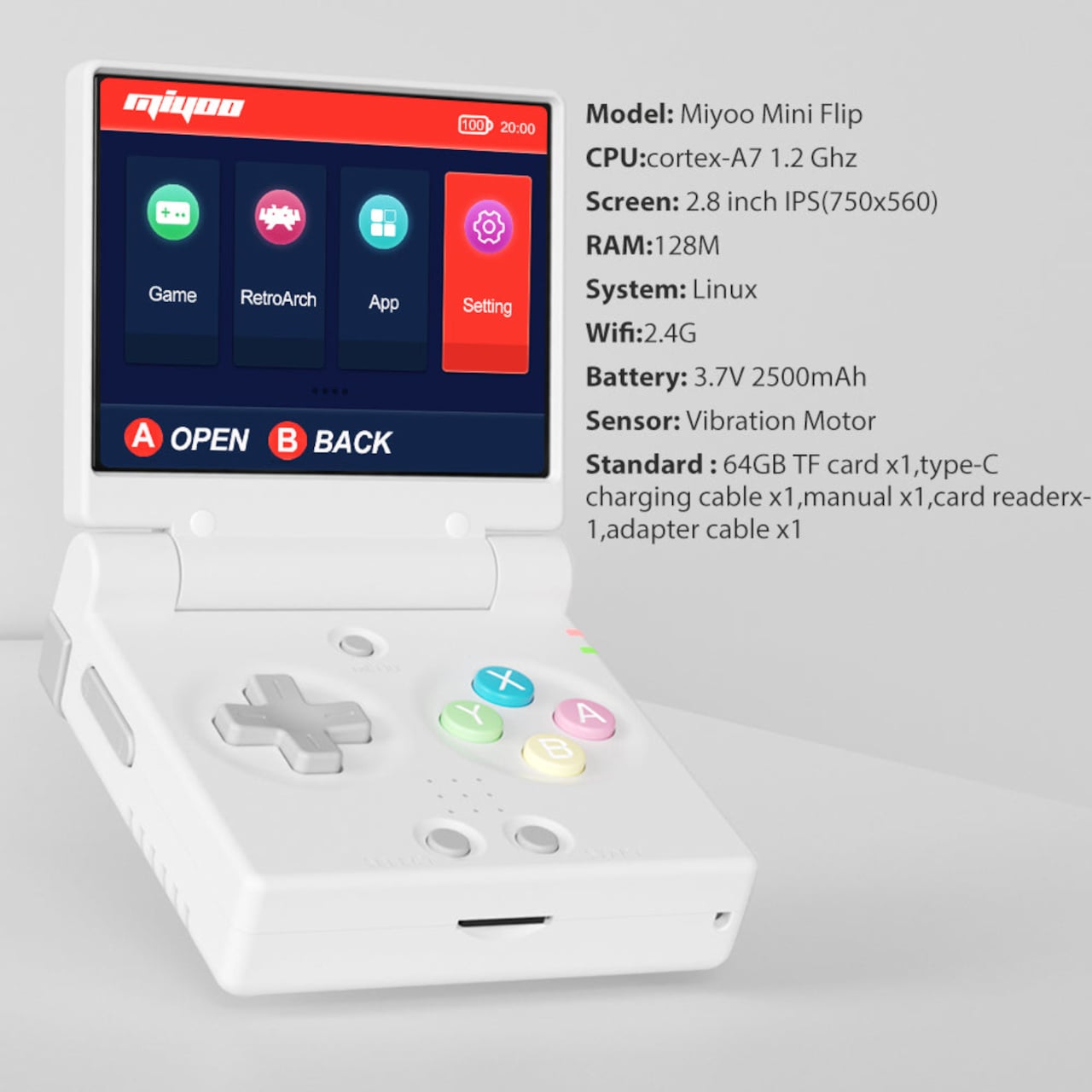
The 2.8‑inch IPS panel runs at 750 × 560 with a 4:3 aspect ratio, which lines up nicely with most classic consoles. The marketing calls it “3× pixel perfect,” hinting at clean integer scaling for certain systems, so sprites and tiles look crisp instead of smeared. Wide viewing angles and decent colour make pixel art and old racing games feel surprisingly alive on such a small canvas, bright enough to play outdoors or on a dimly lit train.
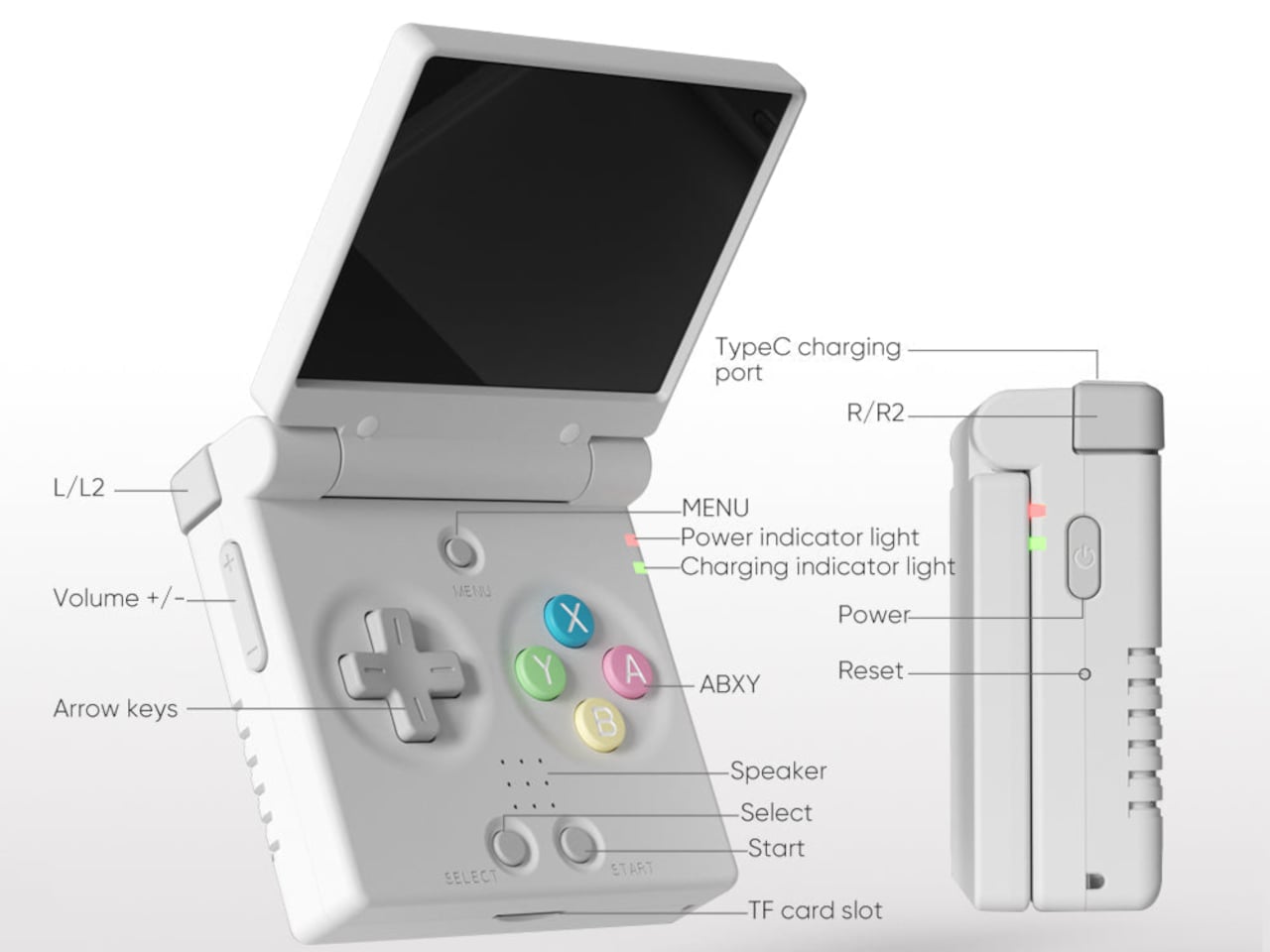
The control scheme mixes classic D-pad, ABXY face buttons, Select and Start, a Menu key, and L/L2 and R/R2 shoulder buttons tucked along the back edge. Volume and power live on the sides, with a front speaker and a TF card slot underneath. The layout feels like a mashup of modern controllers and old handhelds, giving thumbs familiar landmarks without overcomplicating a device that is meant to be grabbed and played.
The hardware is a Cortex‑A7 at 1.2 GHz, 128 MB of RAM, Linux under the hood, 2.4 GHz Wi‑Fi, and a 3.7 V 2500 mAh battery. It is tuned for NES, SNES, GBA, PS1, and similar eras, not chasing Switch-level performance. The bundle usually includes a 64 GB microSD card and USB‑C cable, so you are not hunting for storage or adapters before you can start tinkering with ROMs and emulator settings.
The hinge‑enhanced durability callout addresses early batches where people worried about wobble and wear. Closed, the Flip feels like a small, dense square you can toss into a pocket, backpack, or travel pouch without babying it. Marketing leans into travel, outdoor, waiting, and “back childhood” scenarios, which is exactly where a device like this shines, filling dead time with a few more runs of your favourite platformer or racer.
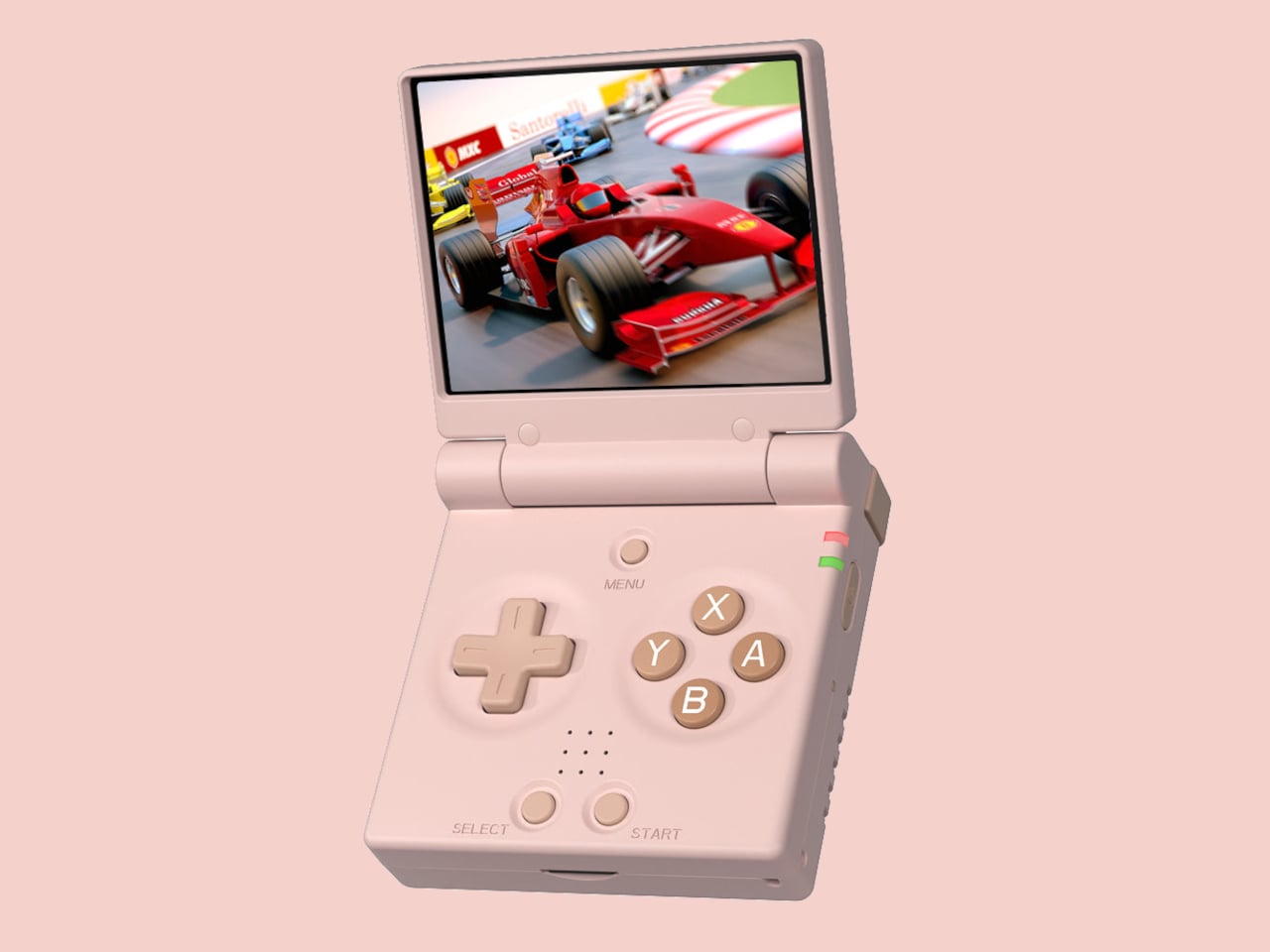
The Miyoo Mini Flip stands out beyond the emulator list. The clamshell form, upgraded hinge, sharp 4:3 IPS screen, and toy-like colours make it feel like a considered object, not another PCB in a shell. Retro games live as a small ritual in a pocket rather than a full setup on a desk, and this little folding square hits a very specific, very charming note without demanding much more than a microSD card and a willingness to revisit Super Mario World one more time.
The Retroid Pocket 6 may have gotten off to a rocky start, but the gaming handheld is officially completed and going to see its first shipments soon. The handheld maker revealed the final product shots of the Retroid Pocket 6 in black and orange on X. Along with in-person product pics, Retroid revealed gameplay videos of its handheld, running emulation of PlayStation 2 games.
For those looking to relive some classic Nintendo or PlayStation titles, the Retroid Pocket 6 offers a great entry point into the retro handheld world since it can emulate games up to Nintendo Switch and PS2. However, Retroid did have some initial blowback about its design and decided to go back to the drawing board. Following the early criticisms, Retroid decided to add an option for customers to choose between having the D-pad or a thumbstick at the top of the handheld's left side.
Retroid
The problems persisted for Retroid, as the handheld maker had to then cut short the early bird pricing thanks to the widespread memory shortage. Instead of offering the handheld for $209 until January, Retroid removed the discount in late December, leaving new buyers paying the full retail price of $229. However, the internal specs remained the same, with a Snapdragon 8 Gen 2 processor, up to 12GB of memory and up to 256GB of storage that's expandable with a TF card slot.
Despite the hiccups, Retroid looks ready to start shipments of its latest retro gaming handheld as evidenced by the new photos and videos. According to the website, the first batch of Retroid Pocket 6 preorders are due to start shipping in January. Second bath preoders are still available on Retroid's website, which are expected to get to customers in March.
This article originally appeared on Engadget at https://www.engadget.com/gaming/heres-the-first-real-look-at-the-retroid-pocket-6-running-ps2-games-193624145.html?src=rss
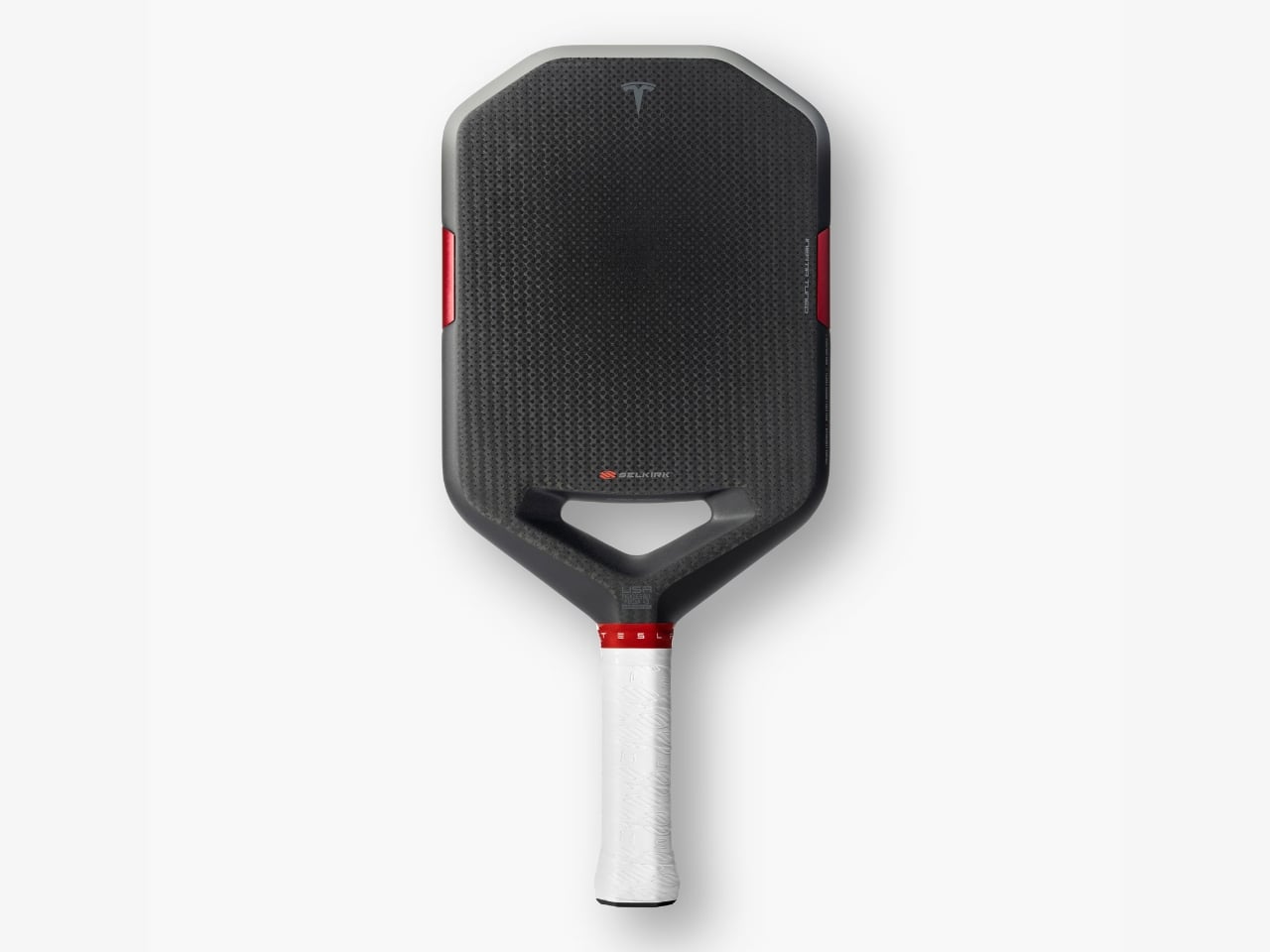
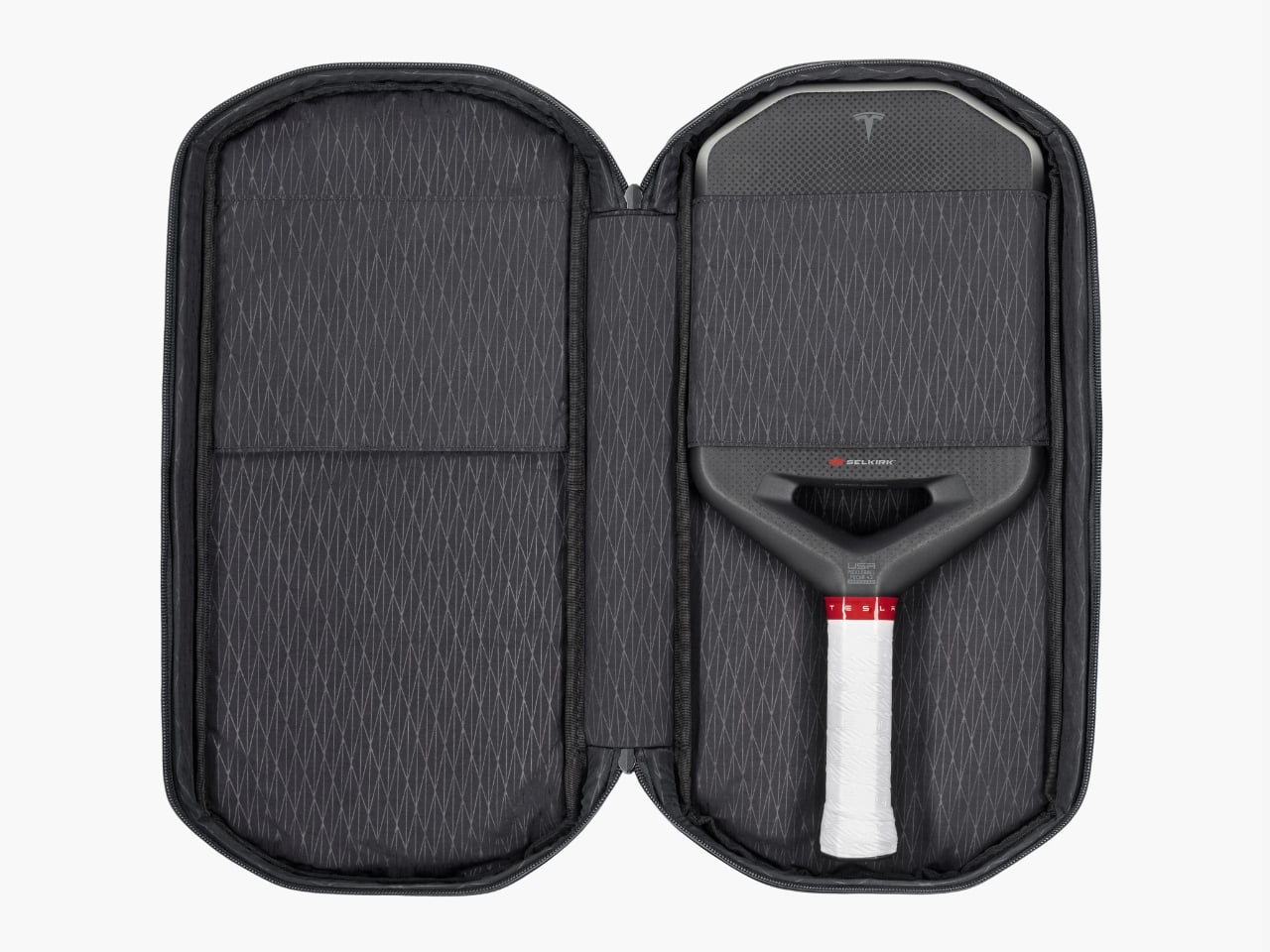
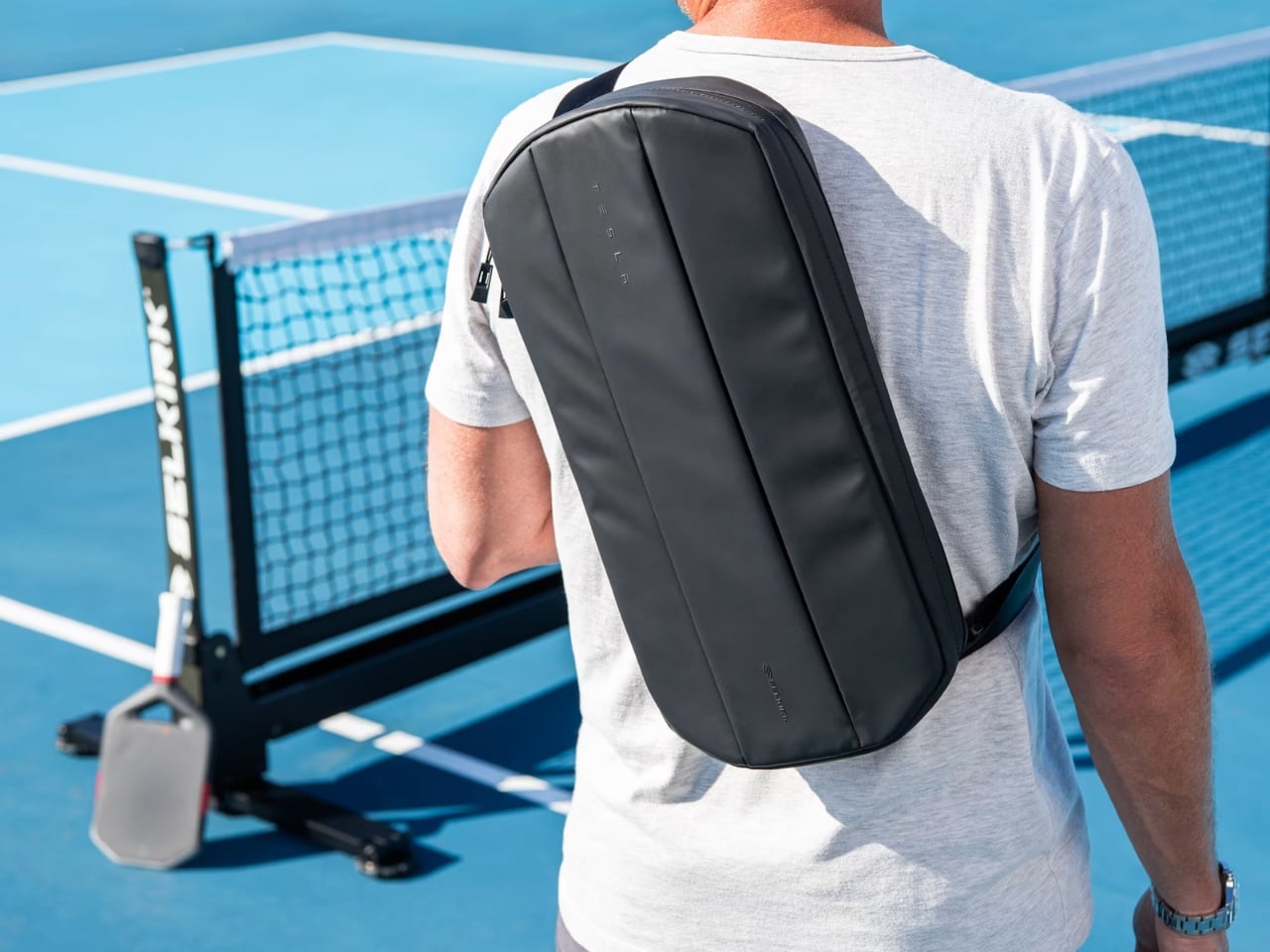
When your car company starts selling pickleball paddles, you know we’ve officially entered a new dimension of brand expansion. Tesla, the same company that brought us electric vehicles and the occasional flamethrower, has teamed up with Selkirk Sport to create the Tesla Plaid Pickleball Paddle, a limited-edition piece of sports equipment that costs more than some people’s monthly car payments.
Let’s talk about that price tag first. At $350, this paddle is basically the Hermès Birkin of the pickleball world. For context, professional tennis players like Carlos Alcaraz swing rackets that cost $299. But here we are, in a timeline where a paddle designed to hit a plastic ball over a net somehow commands a higher price than equipment used at Wimbledon. The paddle sold out in under three hours during its initial release, which either says something profound about consumer behavior or absolutely nothing at all.
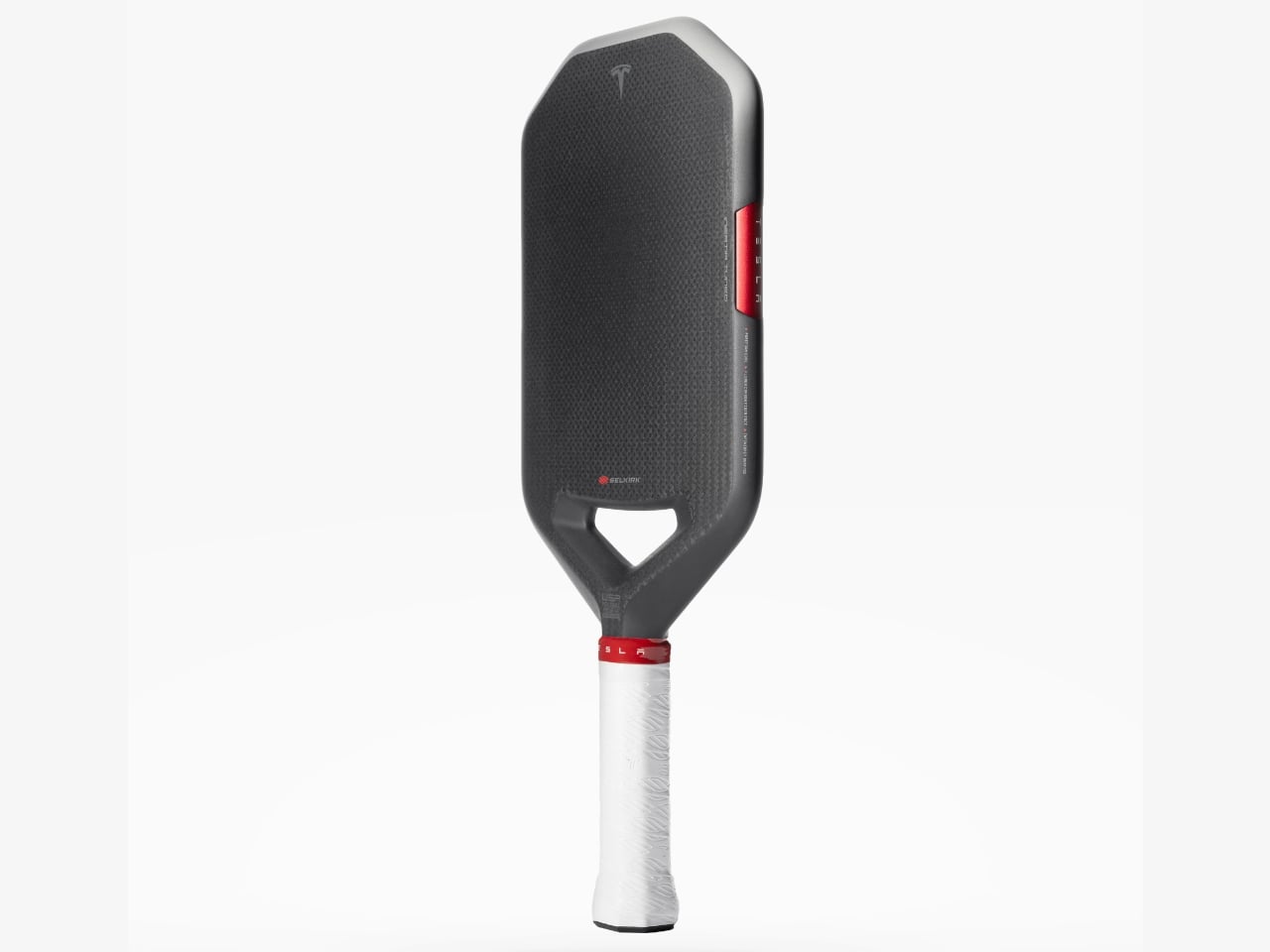
So what exactly are you getting for that eye-watering price? According to Tesla and Selkirk, this isn’t just some branded merchandise with a logo slapped on it. This is apparently a genuine engineering collaboration that involved actual wind tunnel testing. Yes, the same aerodynamic technology that helps Tesla vehicles slice through air resistance has now been applied to your weekend hobby. The paddle features an elongated form with an open-air throat design and rounded, edgeless perimeter, all calculated to reduce drag while increasing your reach on the court.
The specifications read like something from a tech blog rather than a sports equipment catalog. We’re talking about a two-ply carbon fiber face, a full-foam core, and Selkirk’s patent-pending InfiniGrit Surface designed to generate spin. There’s also a MOI Tuning System integrated into the design, because apparently moment of inertia is now a critical concern when you’re playing a sport that was invented in someone’s backyard. The paddle weighs between 7.8 and 8.1 ounces, measures 16.4 inches by 7.5 inches, and comes USAP approved, which means it’s actually legal for official tournament play.
But here’s where things get interesting from a design perspective. This collaboration isn’t just about Tesla lending its name to boost sales. Selkirk’s co-owner and Director of Research and Development has emphasized that Tesla’s aerodynamics expertise was key in determining the paddle’s overall shape. The elongated form and sharp edgeless style weren’t arbitrary aesthetic choices but the result of actual testing in Tesla’s facilities. In a world where most sports equipment collaborations are purely cosmetic exercises, there’s something almost refreshingly nerdy about bringing automotive engineering to a paddle sport.
The secondary market has predictably gone wild. The paddle spawned a thriving resale ecosystem on eBay almost immediately, because of course it did. When something is both expensive and artificially scarce, collectors and resellers descend like moths to a very expensive flame. The paddle dropped again in an even more limited quantity recently, ensuring that the hype cycle continues churning.
From a pure design standpoint, the Tesla Plaid Paddle represents an interesting collision of worlds. It’s where automotive engineering meets recreational sports equipment, where brand extension becomes an engineering challenge, and where price points lose all connection to reality. The paddle looks sleek in its black and red colorway, clearly drawing visual cues from Tesla’s Plaid mode branding. It’s undeniably cool looking, and there’s genuine innovation in applying aerodynamic principles to paddle design.
But it’s also kind of ridiculous. Pickleball, for all its recent popularity surge, remains a sport most people play on converted tennis courts at their local park. Bringing wind tunnel testing and automotive-grade engineering to that equation feels simultaneously impressive and completely absurd. It’s the design world equivalent of using a sledgehammer to crack a walnut, except the sledgehammer costs $350 and you can’t even buy one because it sold out in three hours.
Whether this paddle actually improves your game or just your Instagram aesthetic is almost beside the point. What it really represents is how far we’ve come in blurring the lines between technology, sports, fashion, and brand identity. And honestly? That’s kind of fascinating.
Stardew Valley is truly the gift that keeps on giving. Fans of the farm life simulator, specifically those who already own it for the Nintendo Switch 2, can download a free upgrade that introduces new features and multiplayer modes.
If you have StardewValley on the Switch 2, you can download the Upgrade Pack that introduces mouse controls to make it easier to place furniture and organize your inventory. The upgrade also adds local split-screen co-op for up to four players and online multiplayer that maxes out at eight players. On top of the co-op modes, the free content pack includes Game Share compatibility, meaning only one player needs a copy of Stardew Valley to share it with three others.
This Upgrade Pack may not have as much content as a numbered update, but some players are already reporting bugs. According to user accounts, the online multiplayer mode isn't working, while other reports noted that some crafting recipes had inaccurate material requirements or quantities. In a post on X, Eric Barone, the game's developer who's better known as ConcernedApe, said that he's taking "full responsibility for this mistake" and that the development team "will fix this as soon as possible." Later that day, Barone posted that online co-op should be fixed on both the Nintendo Switch and Switch 2 versions, adding that "we are investigating and will follow up with patches as needed" for the remaining issues.
On top of addressing the bugs from the latest Upgrade Pack, Barone and the rest of the development team are also working on the upcoming 1.7 update for Stardew Valley, while Haunted Chocolatier is still under development.
Update, December 28 2025, 10:45AM ET: This story has been updated to reflect Barone's latest update that online co-op has been fixed.
This article originally appeared on Engadget at https://www.engadget.com/gaming/nintendo/stardew-valley-players-on-the-nintendo-switch-2-get-a-free-upgrade-174849697.html?src=rss
Public art is often seen as a standalone feature, a striking sculpture or colorful mural that decorates a park or plaza. Yet its true impact goes far beyond visual appeal. When guided by thoughtful design, public art doesn’t just fill a space; it redefines it, shaping how people move, interact, and emotionally connect with their surroundings.
This seamless blend of art and environment is where design becomes transformative. By carefully considering scale, sightlines, materials, and community involvement, designers ensure that art integrates naturally into its setting. The result is a space that feels alive, engaging, memorable, and deeply connected to its community’s identity.
1. Designing Art with Context
For public art to truly connect, it must feel like it belongs. A site-specific approach begins with the environment itself, its history, architecture, pedestrian flow, and climate. By understanding these layers, designers ensure the artwork feels naturally rooted rather than placed, reflecting the spirit of its surroundings.
This thoughtful process helps art and place work in harmony. A sculpture in a historic district might echo local materials, while an installation in a park could invite interaction and rest. The goal is unity, where art enhances its setting and deepens the public’s connection to the space.
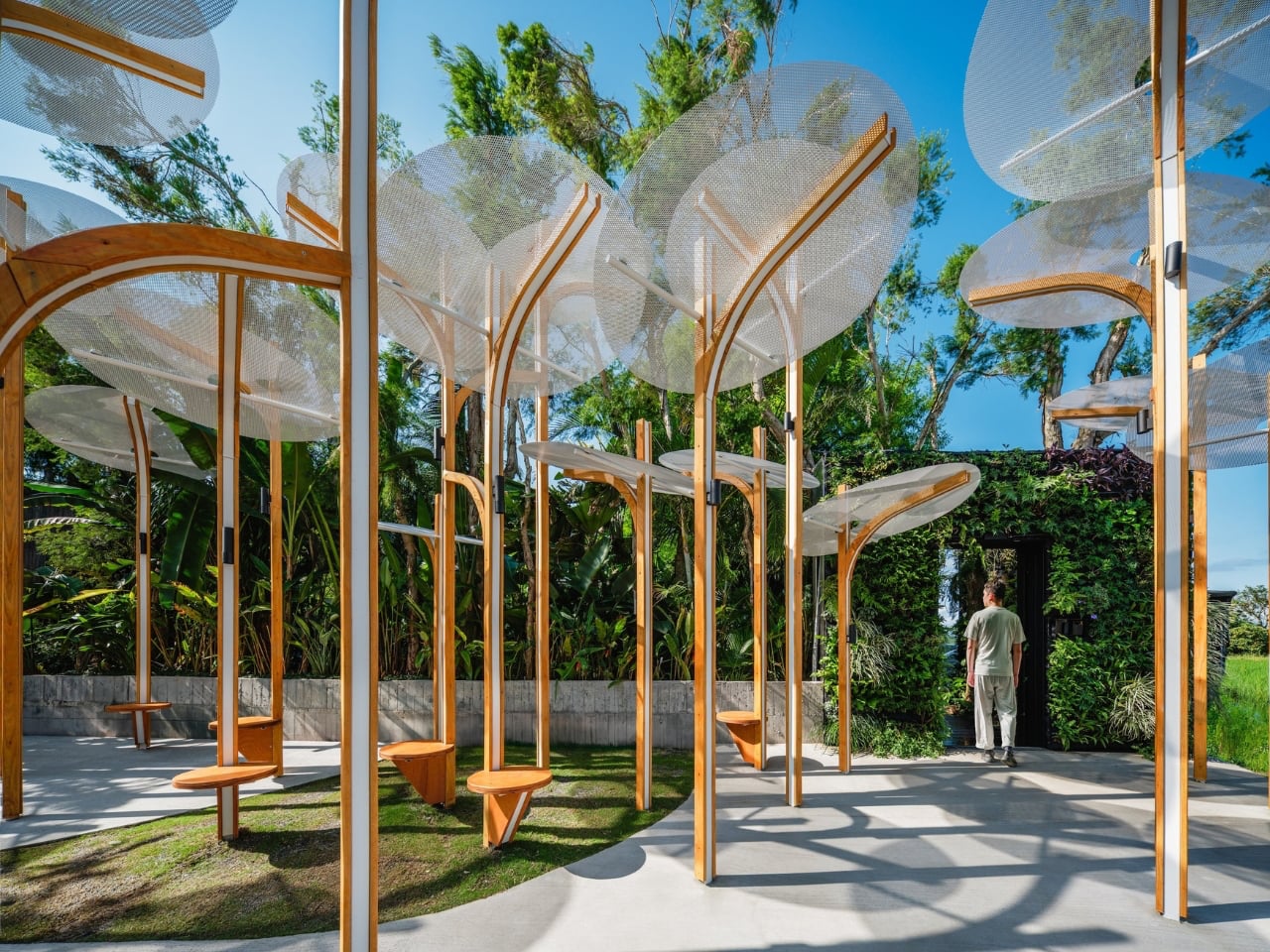
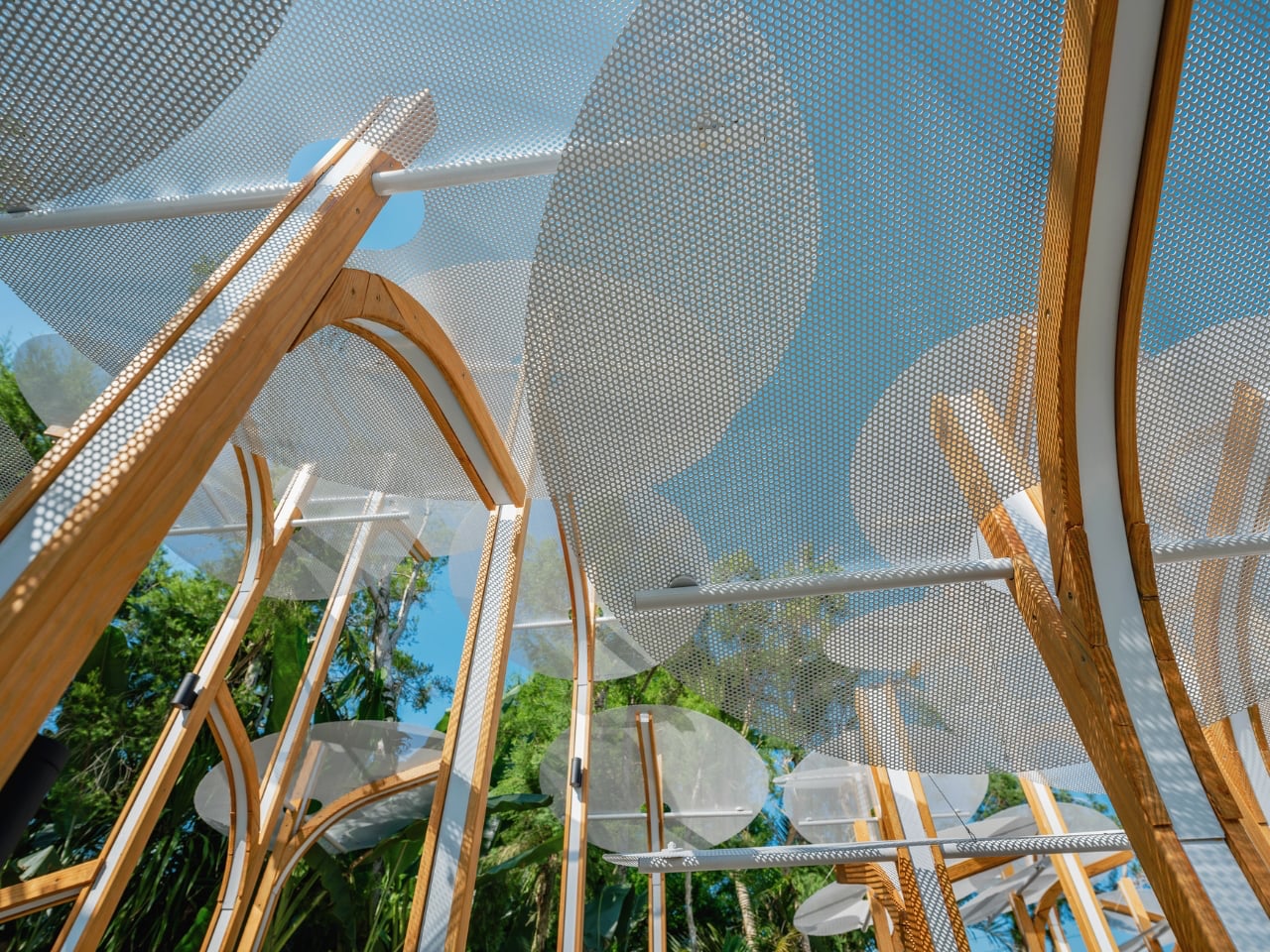
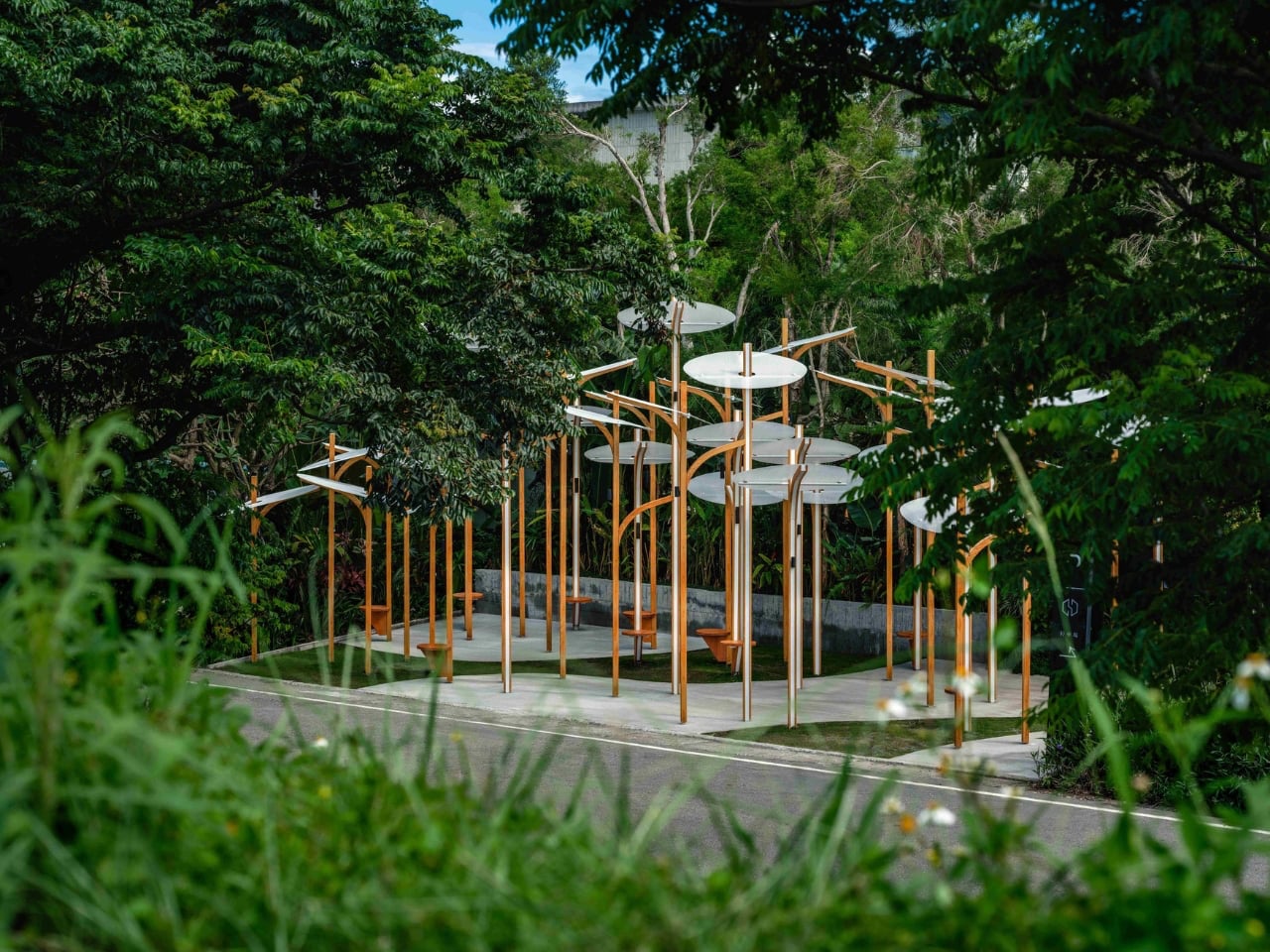
Cheng Tsung FENG’s Structural Botany: 25AP-263-43 is a compelling exploration of the intersection between art, nature, and modular construction. Installed at Swiio Villa Yilan in Zhuangwei, the work draws inspiration from the upright, clustered growth patterns of native plants, translating botanical forms into a sculptural rhythm. Standing between 2.5 and 5 meters tall, the installation consists of repeated modular “stems” that rise independently while maintaining deliberate spacing, echoing the equidistant patterns found in plant communities. FENG’s abstraction focuses on structural qualities rather than literal representation, highlighting resilience, interdependence, and the hidden patterns that govern natural growth.
The modular design allows the work to adapt to different spaces, expanding or contracting like living plants responding to their environment. Its clean lines and muted palette integrate gracefully with the surrounding landscape, inviting visitors to move among the vertical forms. 25AP-263-43 transforms the space into an immersive experience, revealing how art can reflect the processes of growth, rhythm, and community inherent in nature.
2. Design That Shapes Interaction
The true power of design in public art lies in its ability to shape human behavior and foster connections. A well-placed installation isn’t static; it invites curiosity, conversation, and movement. The position of a sculpture, for instance, can turn it into a meeting point or encourage people to explore it from different angles, subtly guiding social flow through space.
Inclusive design ensures that everyone can experience this interaction. By considering pathways, seating, and lighting, designers make art accessible and inviting. The result is not just an artwork but a functional, social space that fosters comfort, inclusion, and community.
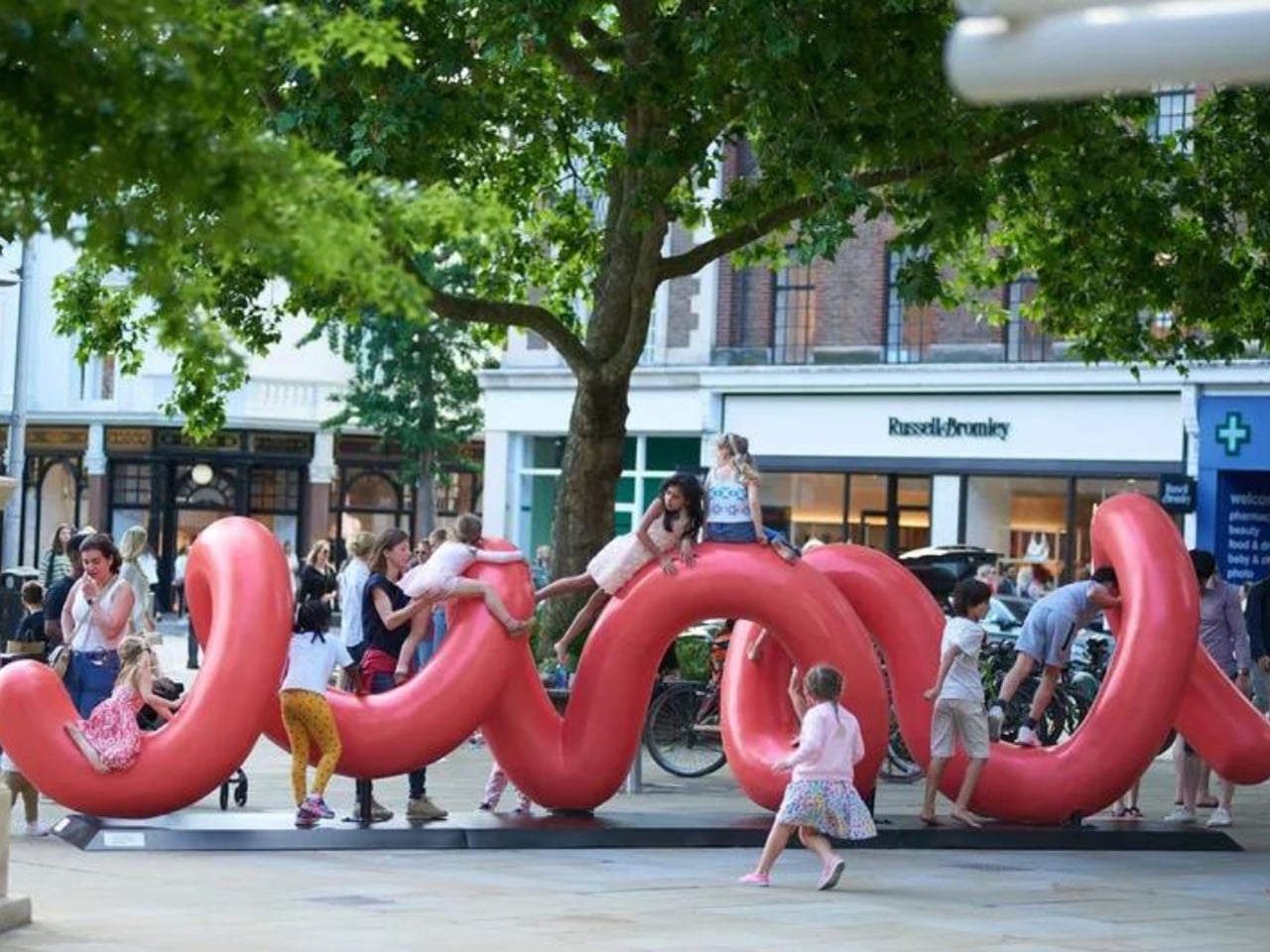
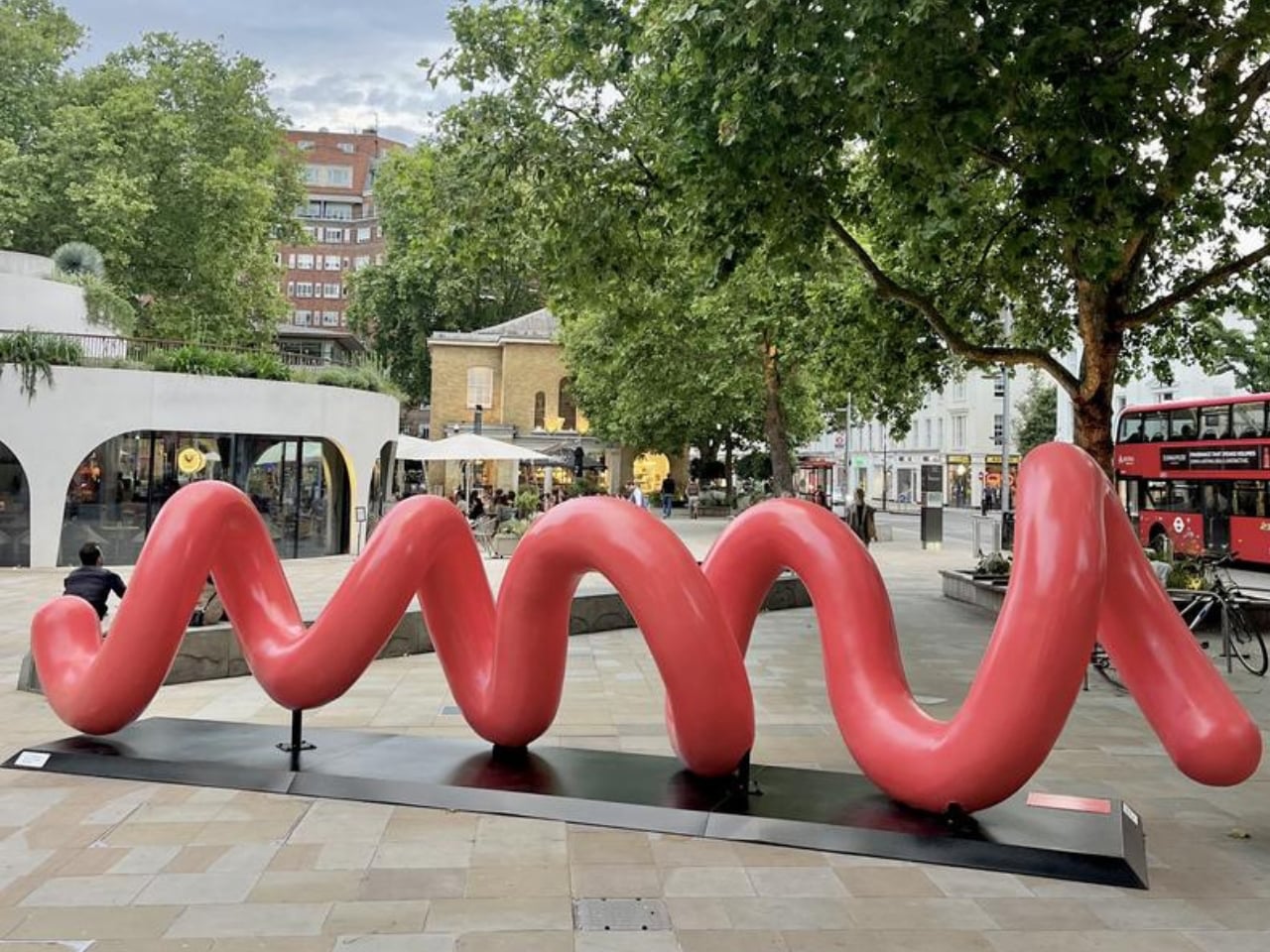
Interactive public art has a unique charm, and Love Continuum in London’s Chelsea area exemplifies this beautifully. Installed at Duke of York Square as part of Kensington + Chelsea Art Week, the piece immediately invites viewers—kids and adults alike—to touch, climb, or simply explore its form. At first glance, it appears to be a giant red spring or whimsical squiggly “worm,” a playful addition to the urban landscape.
The sculpture’s clever twist reveals itself from a certain angle: the word “love” emerges in elegant cursive, turning observation into a joyful discovery. Measuring 7.5 meters in length, Love Continuum continues artist Alter’s exploration of colorful, interactive forms that encourage engagement and play. Its hidden message adds a layer of delight, creating a shared experience for those who notice it. This combination of tactile fun, visual surprise, and thoughtful design makes it a memorable stop on London’s art trail.
3. The Power of Material and Durability
Material choice is one of the most crucial design decisions in public art, shaping its longevity and impact. Unlike gallery pieces, outdoor installations face constant exposure to weather, pollution, and human touch. Designers must therefore balance artistic vision with strength and endurance, using materials that preserve both beauty and integrity over time.
Selecting durable, often local options such as weathered steel, treated stone, or advanced composites ensures resilience and low maintenance. This thoughtful approach keeps the artwork safe, sustainable, and visually compelling for years, safeguarding the artist’s intent while respecting the realities of public spaces.
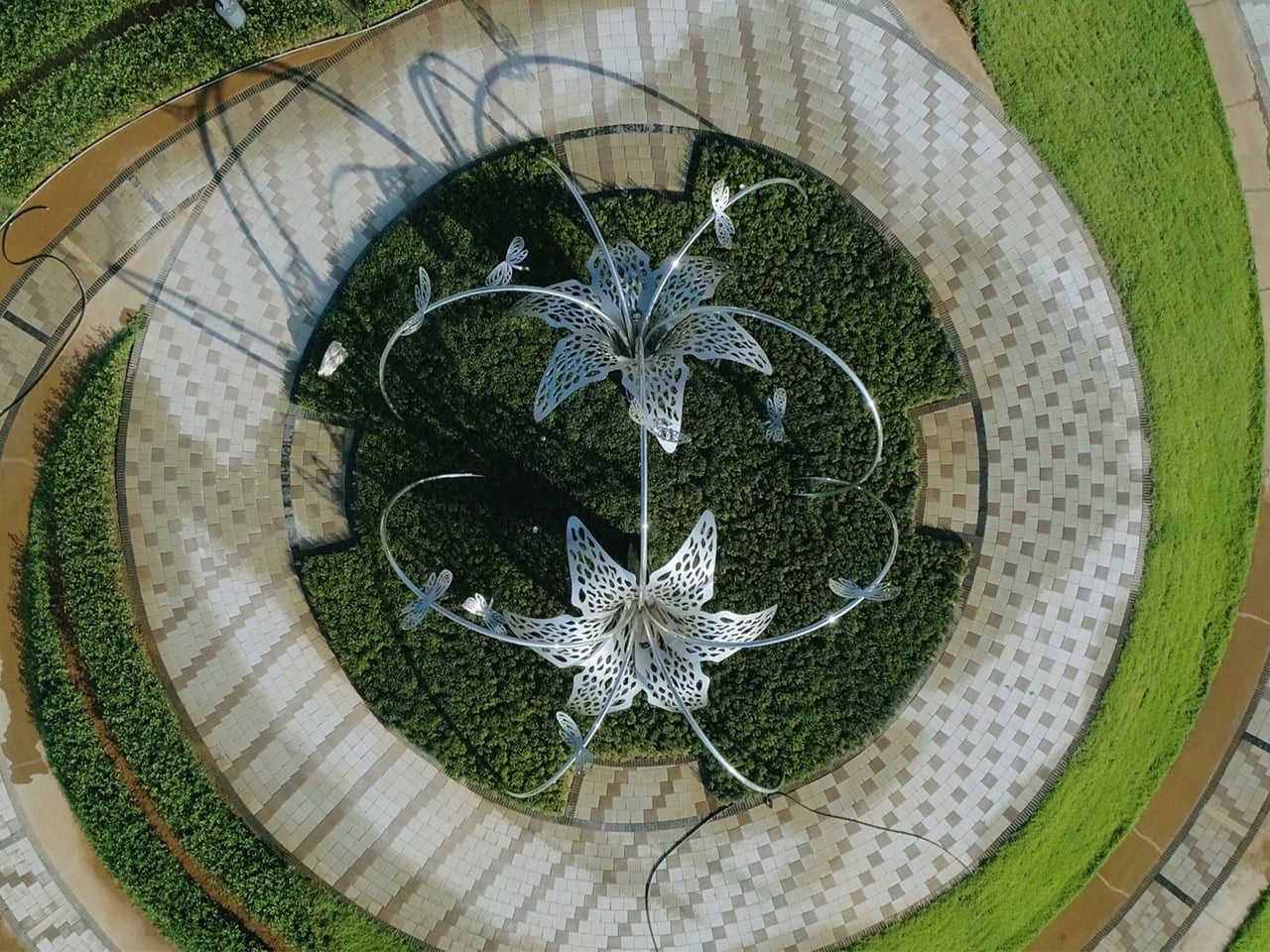
Kuo Hsiang Kuo’s “Flowers and Butterflies Are Dancing”, created for the 2018 Taichung World Flora Exposition in Taiwan, showcases the essence of contemporary public art. Using polished stainless steel, Kuo embraces the material’s reflective quality to mirror the vibrant flowers below and shifting clouds above, creating a constantly evolving dialogue with its surroundings. Sweeping arcs suggest the flutter of butterflies and the sway of flowers, while perforated panels cast intricate shadows. By night, strategically placed lighting transforms the sculpture into a glowing spectacle of purples and pinks, giving it a dynamic day-to-night presence.
The installation balances structural precision with ethereal beauty, inviting visitors to explore it from multiple angles. Referencing Taiwan’s native Formosa Lily and butterfly motifs, it connects local identity with universal themes of transformation and renewal. Its multi-layered appeal engages children, adults, and design enthusiasts alike. “Flowers and Butterflies Are Dancing” proves that public art can be both visually stunning and deeply meaningful, transforming spaces and perspectives.
4. Lighting and Experiential Impact
Public art should shine even after sunset, and this is where thoughtful lighting design transforms perception. Proper illumination enhances textures, casts dramatic shadows, and can introduce dynamic colors, turning a daytime piece into a captivating nighttime feature and making the artwork a continuous part of the cityscape.
Lighting also serves safety and experiential purposes. By subtly brightening pathways while highlighting the art, designers create secure, inviting spaces. This blend of functionality and drama deepens emotional engagement, turning ordinary public areas into memorable, enchanting urban stages that captivate visitors day and night.
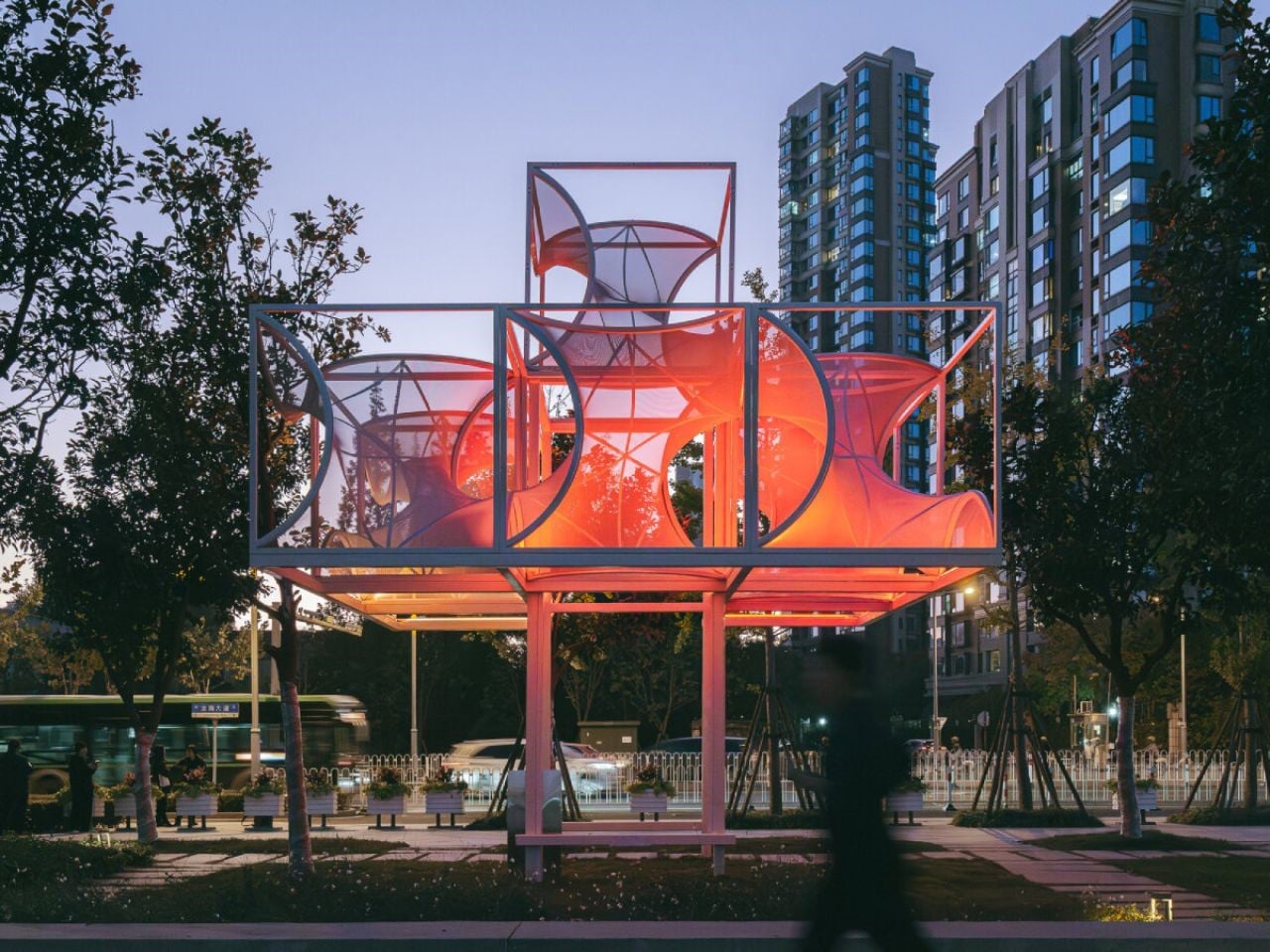
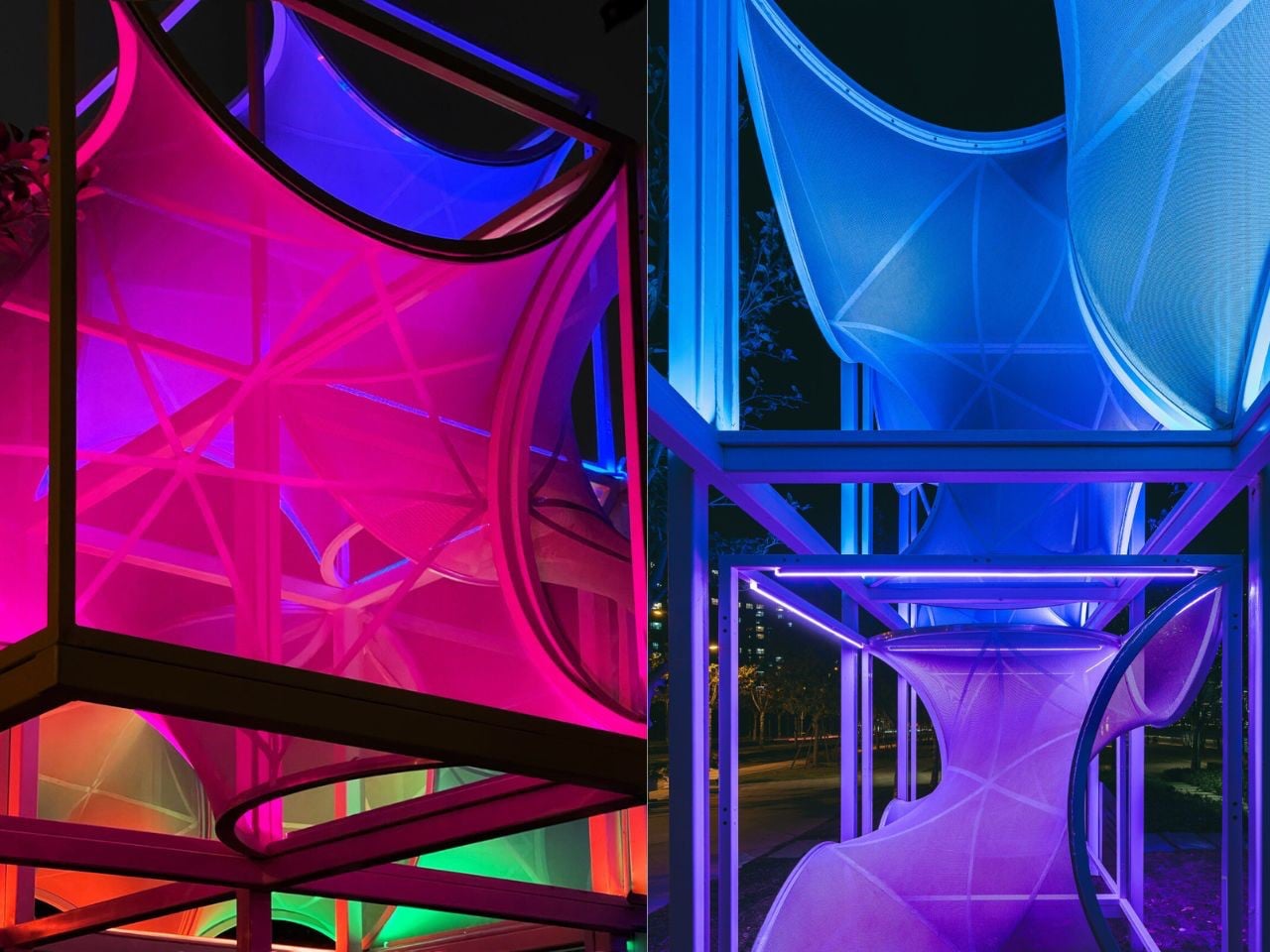
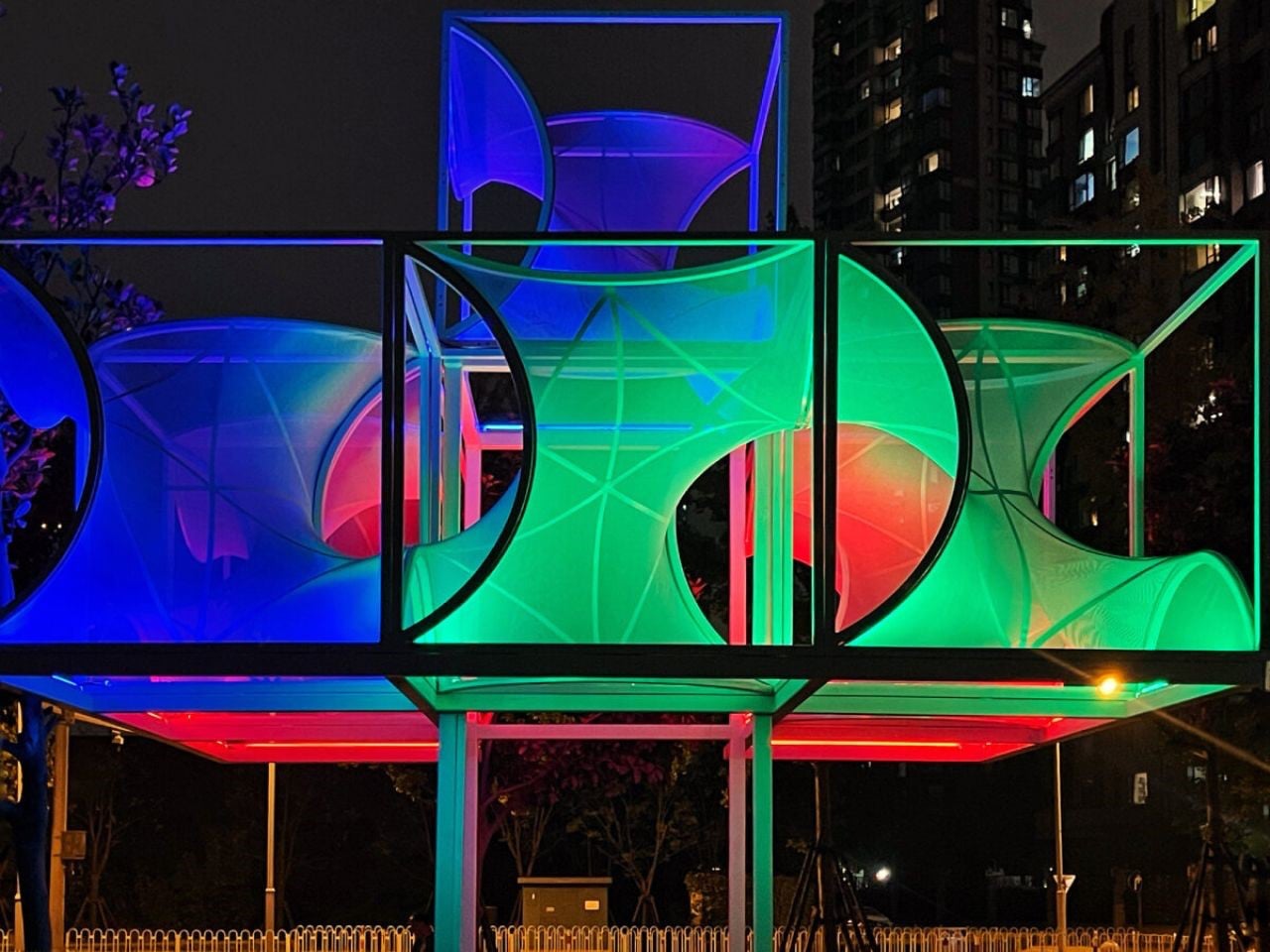
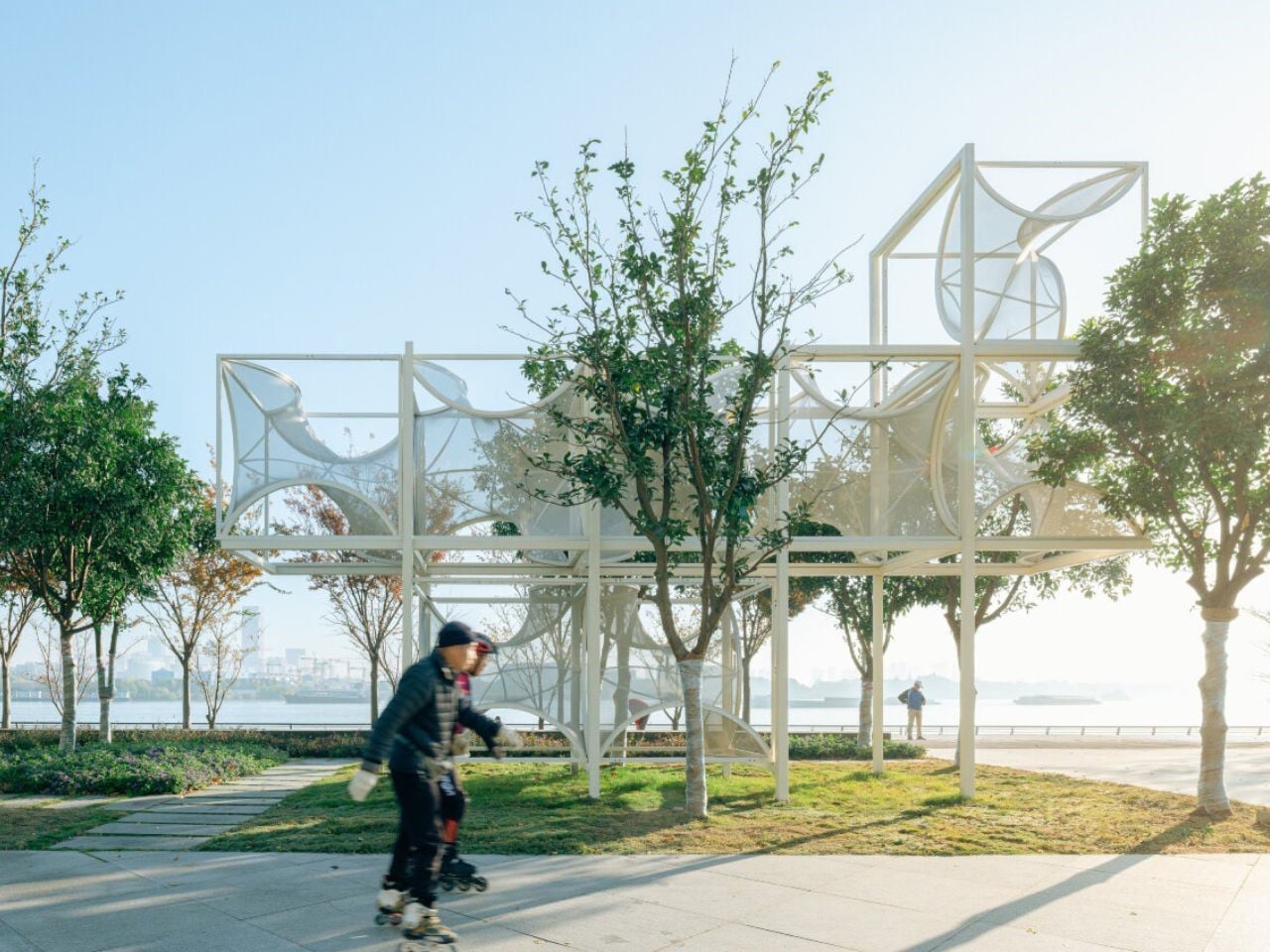
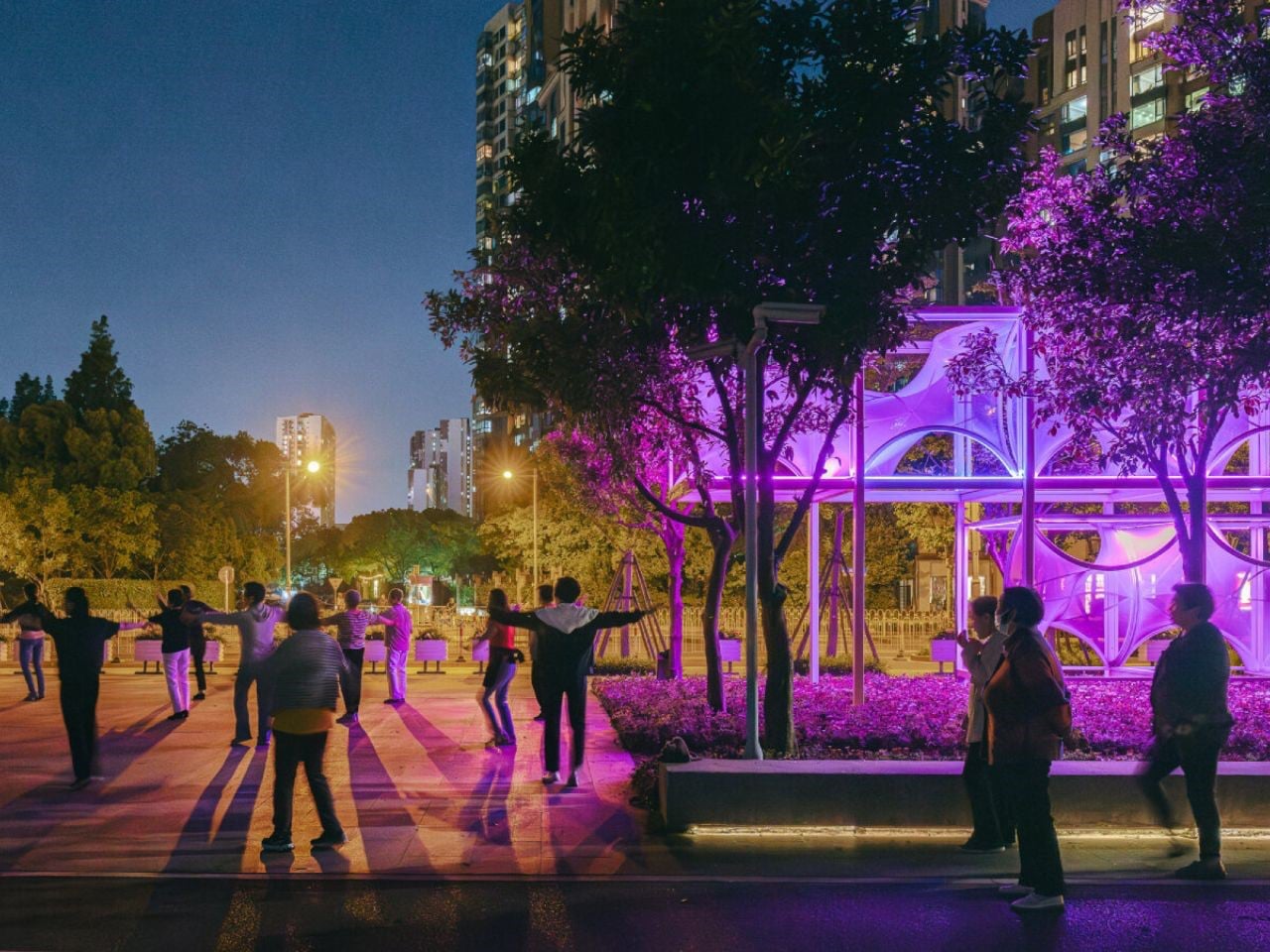
Along Shanghai’s Huangpu River, visitors encounter Curly Cube, a striking modular installation by the People’s Architecture Office (PAO). Combining flowing curves with sharp angles, it transforms an ordinary urban space into a dynamic playground of light, shadow, and interaction. Inspired by the Gyroid minimal surface, a natural form bridging mathematics and nature where the structure employs curvilinear tensile membranes stretched over lightweight square frames. The result is a form that appears both futuristic and organic, soft yet structured. By day, the translucent membranes filter sunlight into gentle, diffused patterns, offering shaded pockets where people can pause, explore, or relax amid the city’s bustle.
At night, integrated lighting casts shifting gradients across the silver membranes, turning the installation into a glowing social hub. Its modular design allows stacking, reconfiguration, or relocation, encouraging tactile and participatory engagement. Curly Cube showcases how adaptable public art can transform urban environments, transforming everyday walkways into immersive and memorable experiences for all visitors.
5. Community and Co-Creation
The most impactful public art grows from the community it serves, making co-creation essential. Designers act as bridges, translating local stories, needs, and identities into physical form. By involving residents, businesses, and leaders from the start, the artwork becomes a true reflection of the neighborhood’s spirit rather than an imposed object.
This collaborative process often enriches the project, making it more meaningful and relevant. When people see their ideas influence themes, materials, or placement, they become invested advocates. Inclusive design fosters public ownership, ensuring the artwork’s lasting cultural, social, and emotional impact.
Sitting on a public bench often reflects our comfort with social interaction. Extroverts may happily share a seat with strangers, while others prefer solitude. Martin Binder’s Balance Bench in Einbeck, Germany, challenges these habits by transforming a simple act of sitting into a shared experience. Constructed from oak slats atop a sleek steel frame, the bench rests on a single central cylinder, requiring at least two people on opposite ends to achieve balance. Attempting to sit alone either forces careful adjustment or playful observation, turning rest into cooperation and communication.
Located in the Garden of Generations, the 4.5-meter-long installation can accommodate up to eight people, encouraging dialogue and collective effort. By combining functional seating with interactive design, Binder’s work exemplifies how public art can foster connection, cooperation, and community engagement while making everyday urban experiences more playful and thought-provoking.
By harmonizing art with its site, guiding movement and interaction, ensuring durability, and creating safe, engaging environments day and night, thoughtful design transforms spaces into vibrant destinations. The result is artwork that enriches well-being, fosters community pride, and leaves a lasting social and cultural impact.
Apple is poised to enter the foldable device market with its first-ever foldable iPhone, marking a significant step in its product evolution. Unlike competitors such as Samsung and Google, Apple is adopting a unique tablet-first approach, aiming to merge the portability of a smartphone with the functionality of a tablet. This strategy could reshape user […]
What if your coding assistant could not only debug your code in real-time but also manage multiple tasks simultaneously, solve complex problems with advanced reasoning, and even integrate seamlessly with your favorite platforms like Slack and Chrome? In the latest breakdown by WorldofAI, the fantastic new update to Claude Code is explored in detail, showcasing […]
Apple is preparing to introduce a significant redesign of its MacBook Pro, expected to debut in 2026 or 2027. This next-generation laptop will feature an OLED display, a sleeker profile, and a host of advanced technologies. These updates aim to elevate the user experience, blending performance, usability, and design into an innovative portable computer. The […]
What if you could harness the power of advanced AI to enhance your productivity and creativity in everyday tasks? That’s exactly what Google’s Gemini 3 delivers. In the video below, Kevin Stratvert and team break down how this innovative platform is reshaping the way we engage with artificial intelligence. From simplifying research to generating stunning […]