Meta is reportedly planning steep cuts to its metaverse division, according to Bloomberg. This is happening just a few years after the company changed its name from Facebook to reflect its renewed interest in that same metaverse.
Bloomberg notes that the metaverse department could get hit with significant budget cuts in the near future, with layoffs potentially occurring early next year. The budget cuts could go as high as 30 percent and will likely impact the virtual worlds product Meta Horizon Worlds and the Quest virtual reality headset. The publication did note that this isn't a done deal just yet.
Company insiders say this is all part of Meta's annual budget planning for 2026 and that the cuts were discussed at a series of meetings at CEO Mark Zuckerberg's compound in Hawaii. The metaverse team was reportedly asked for deeper-than-average cuts because the technology hasn't exactly taken the world by storm.
As a matter of fact, the whole metaverse idea has been a dud with investors, who see it as a drain on resources. Consumers aren't exactly keen on the idea either, even if they still buy VR headsets and traditional games. It's one thing to throw on a headset to shoot bad guys for 20 minutes but it's a whole other thing to, well, wander around a fake Abercrombie & Fitch for hours looking to spend real money on fake clothing for an avatar.
The report does suggest that Zuckerberg still believes that people will one day spend the majority of their time in virtual worlds, but these cuts signal that he understands that this idea is still years or decades away from fruition. The metaverse sits within a company division called Reality Labs that has lost more than $70 billion since 2021. Zuckerberg has also largely refrained from mentioning the metaverse in public and in earnings calls.
So what will Meta be spending money on instead? It's reportedly focused on further developing large AI models and chatbots, in addition to hardware products linked to AI experiences like those Ray-Ban smart display glasses.
This article originally appeared on Engadget at https://www.engadget.com/ar-vr/meta-is-reportedly-going-to-slash-spending-on-the-metaverse-164547153.html?src=rss
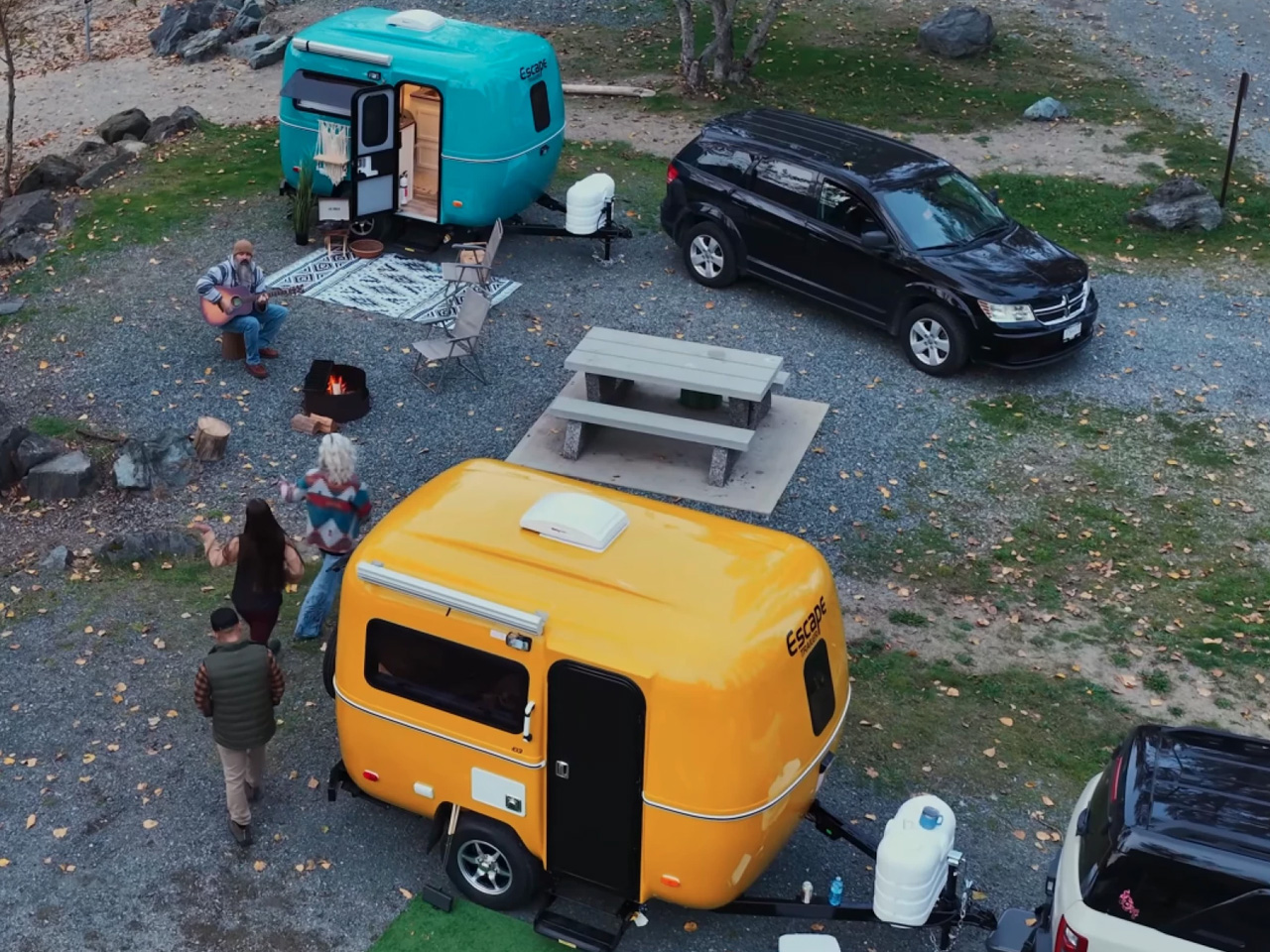
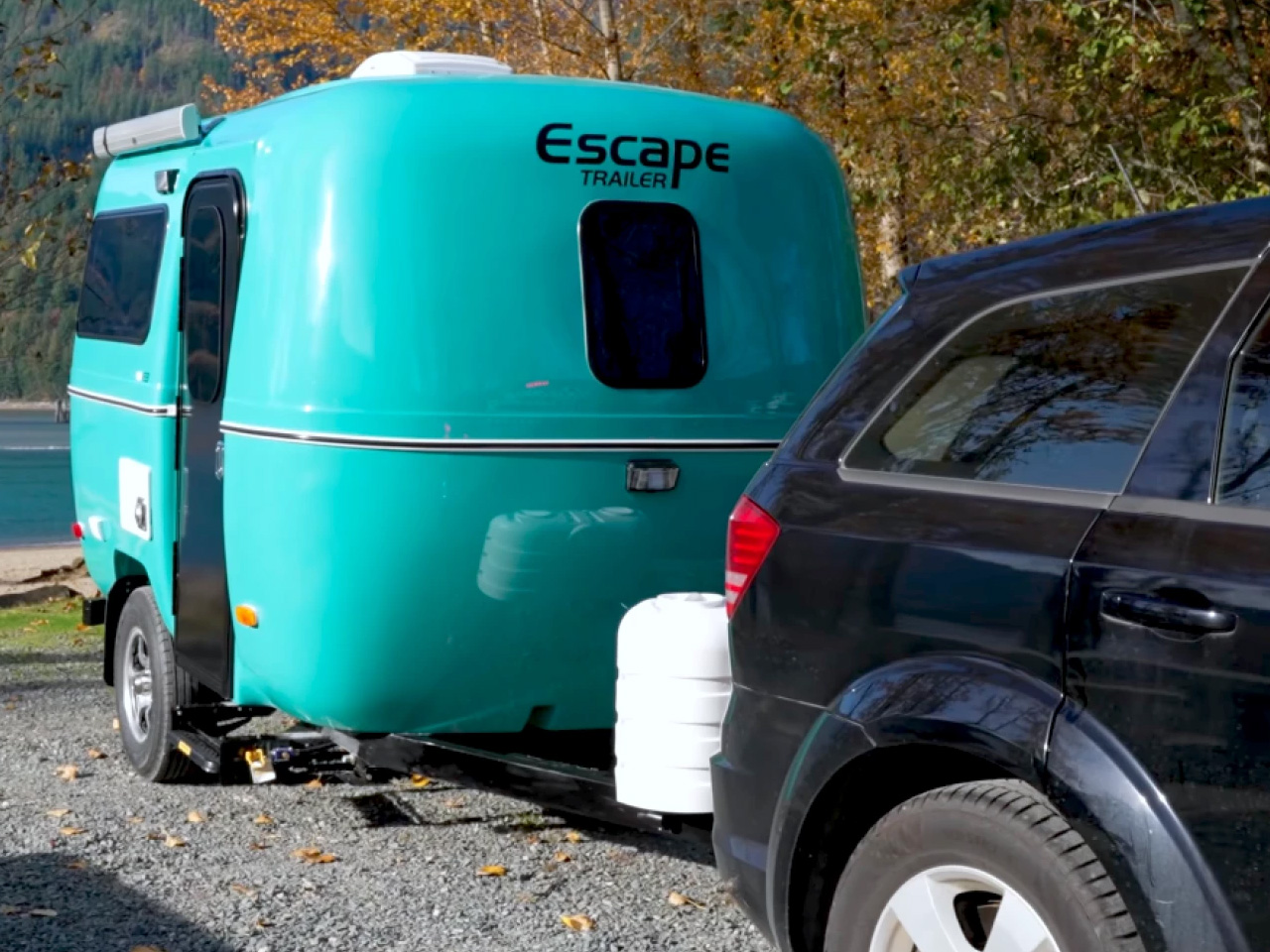
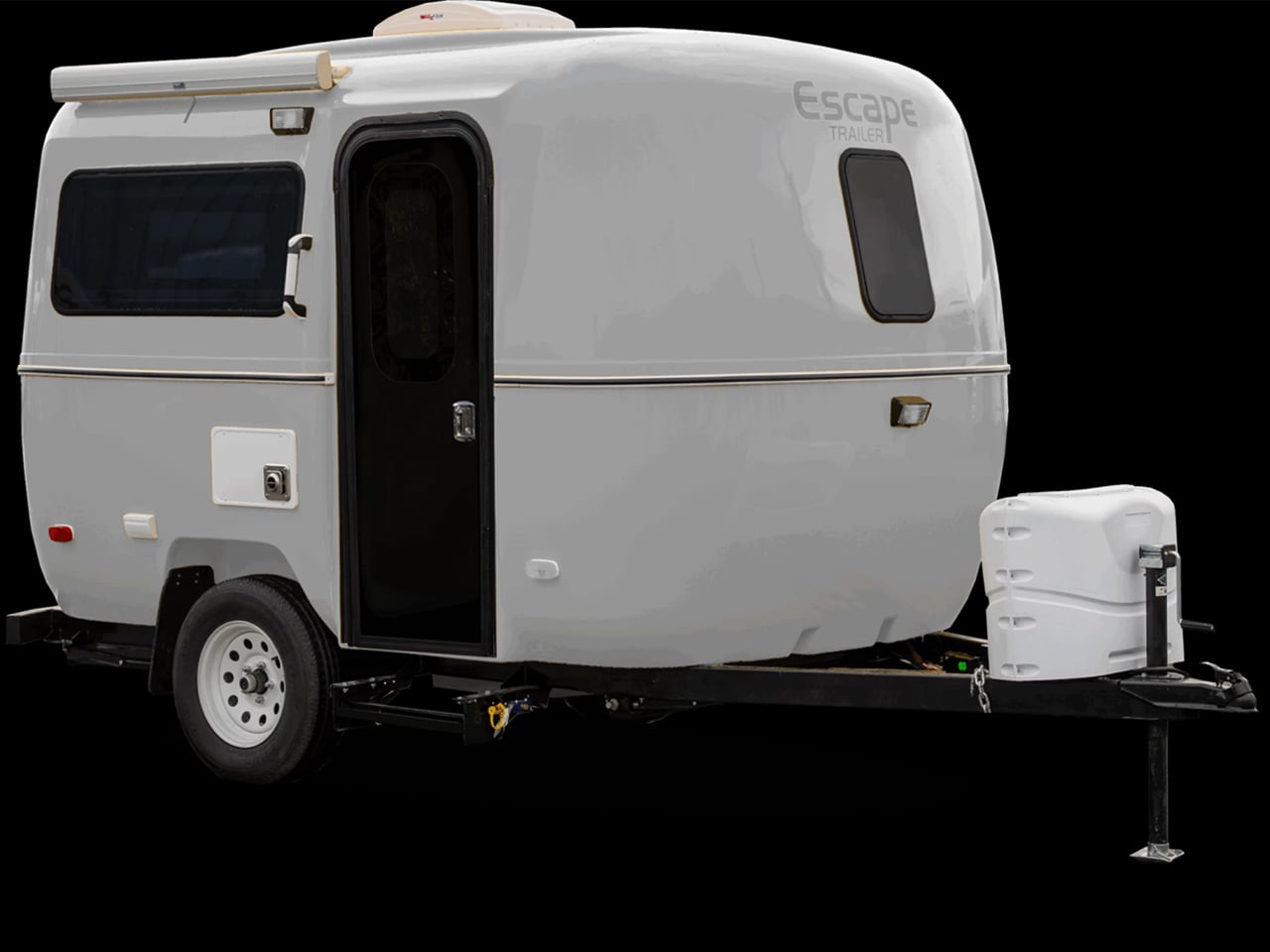
There is a little of everything in an Escape Trailer. It’s compact yet spacious and lightweight yet robust. The Chilliwack, Canada-based trailer manufacturer has been through five fiberglass “egg trailers” and now for the sixth edition, it has launched the Escape 13’, which according to the company is ‘it’s lightest and most compact trailer yet.’
With decades of experience behind their conviction and handling of fiberglass, Escape Trailer has stayed true to its signature construction style allowing it to trim the weight. For the interested, the E13 is built with 100 percent molded fiberglass creating a true one-piece shell. To the tiny camping trailer, it means a lightweight and incredibly durable body, which is fuel-efficient to tow and easy to maintain over the decades.
In the past few days (if we doubted it in any little) a couple of new compact trailers, Escape 13 included, have proven that great adventures can pack well in small packages. A little space can be tailored to feel spacious enough to live without a compromise in convenience and safety. This was substantiated recently by the Scamp X off-road trailer. The first molded fiberglass egg trailer from Scamp Trailers, a popular Minnesota–based RV manufacturer of the ‘70s.
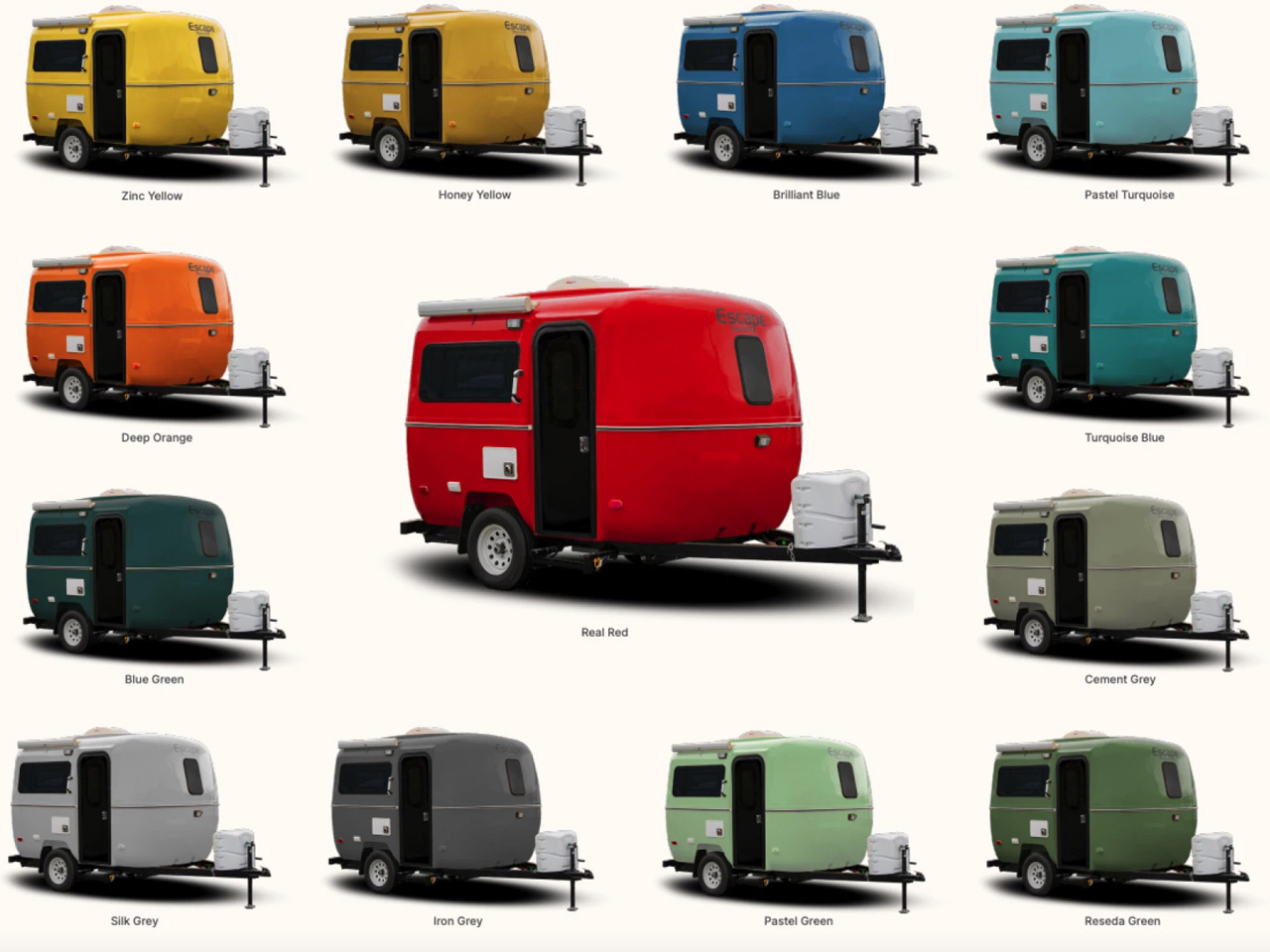
Purpose-built to tread off-the-paved-roads, Scamp X transforms the beloved egg camper into a serious off-roader, which the Escape 13 doesn’t really match up, but the latter’s interior makes up for it. On the outside, the two trailers are molded fiberglass shells but, on the inside, the E13 is created to maximize space and ensures small-scale camping is done right. If you love the vibe, the new trailer comes in 13 different exterior colors to choose from.
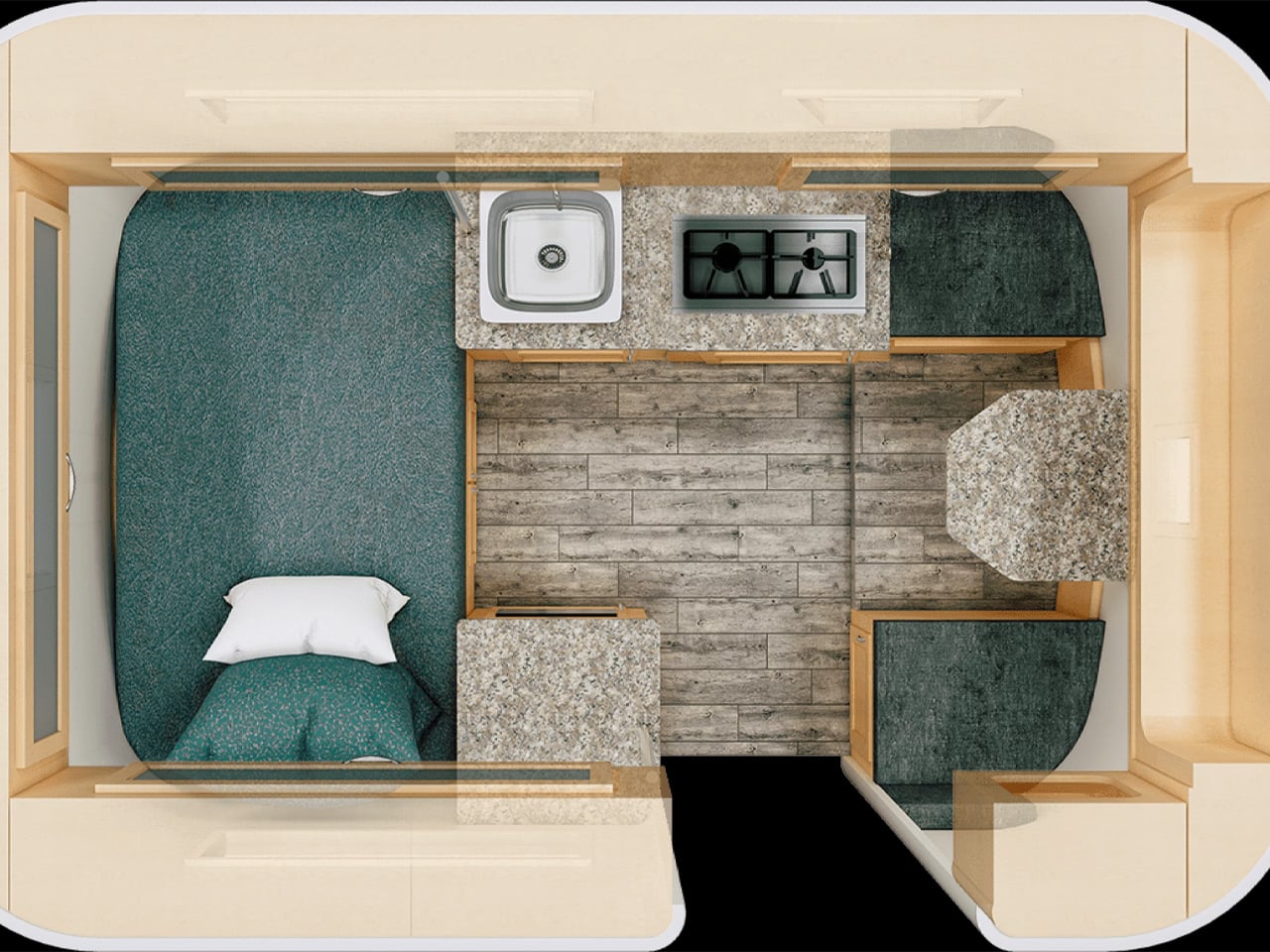
At 13 feet, the aerodynamic Escape 13 measuring 13’8” L x 6’7” W x 6’1” H is built on a single 3,500 lb. axle to make towing it easier even with smaller vehicles. With its dry weight of just 1,850 lbs and a GVWR of 2,500 lbs. the camper should be towable easily by small SUVs and even crossovers.
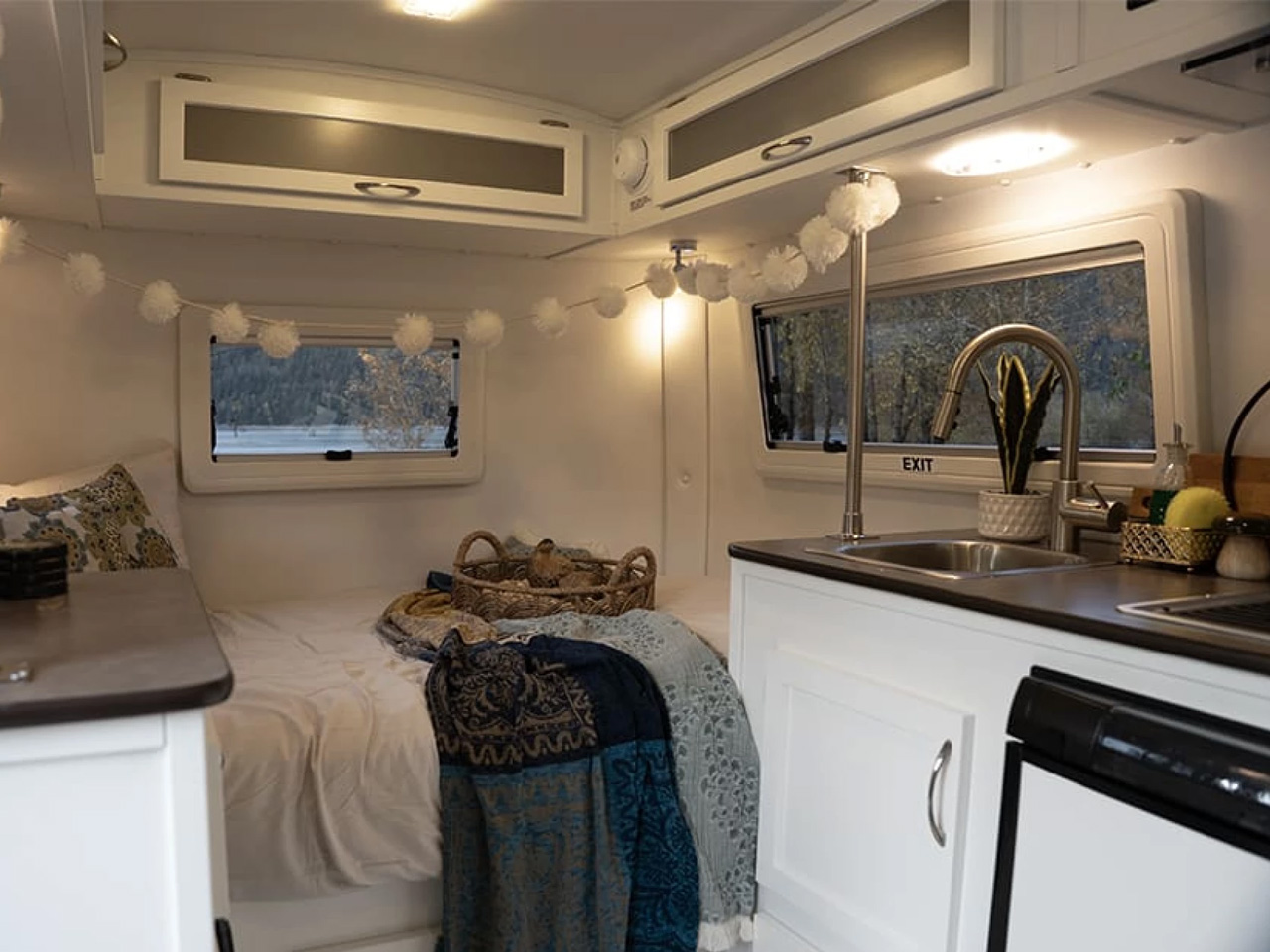
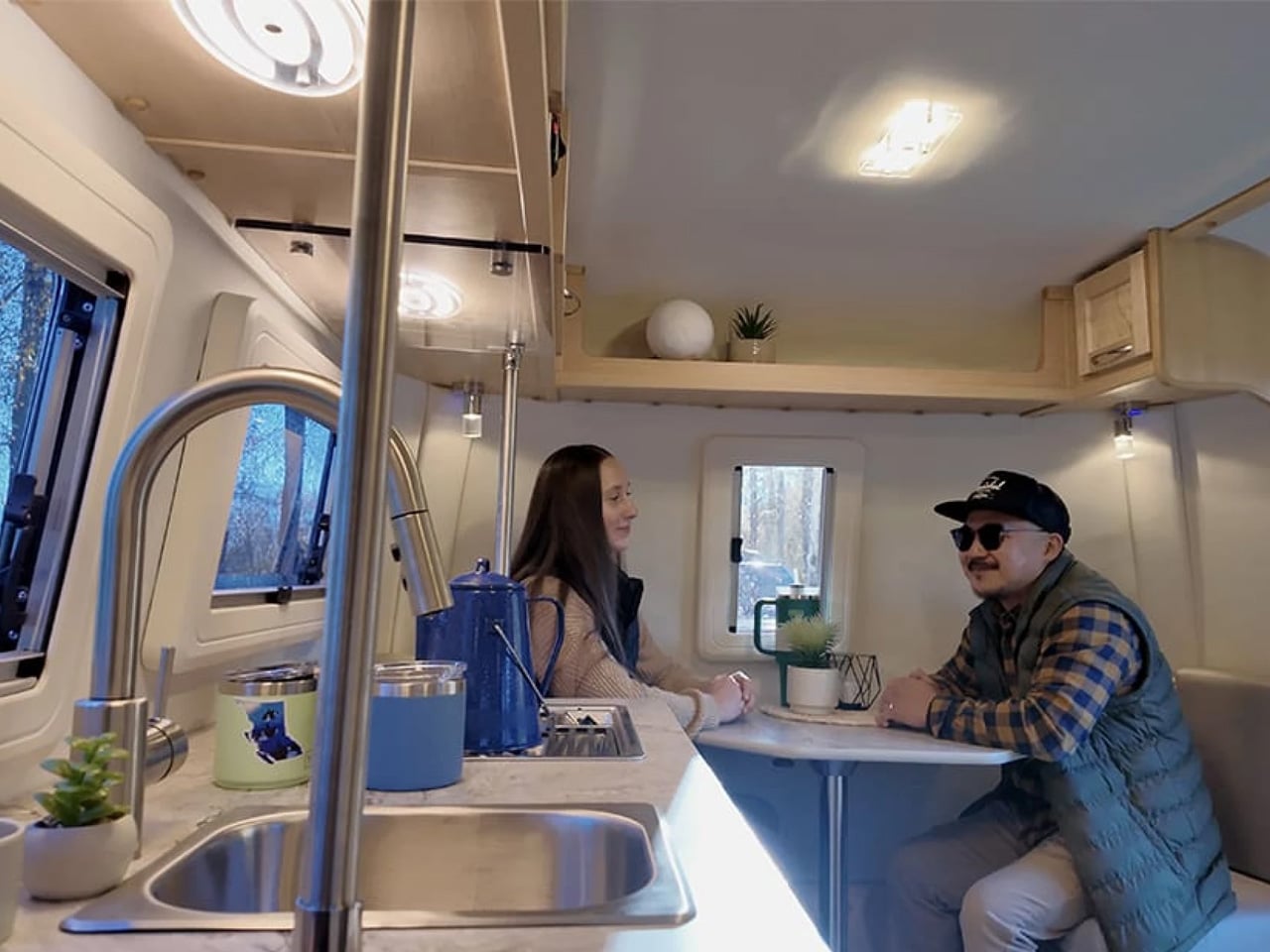
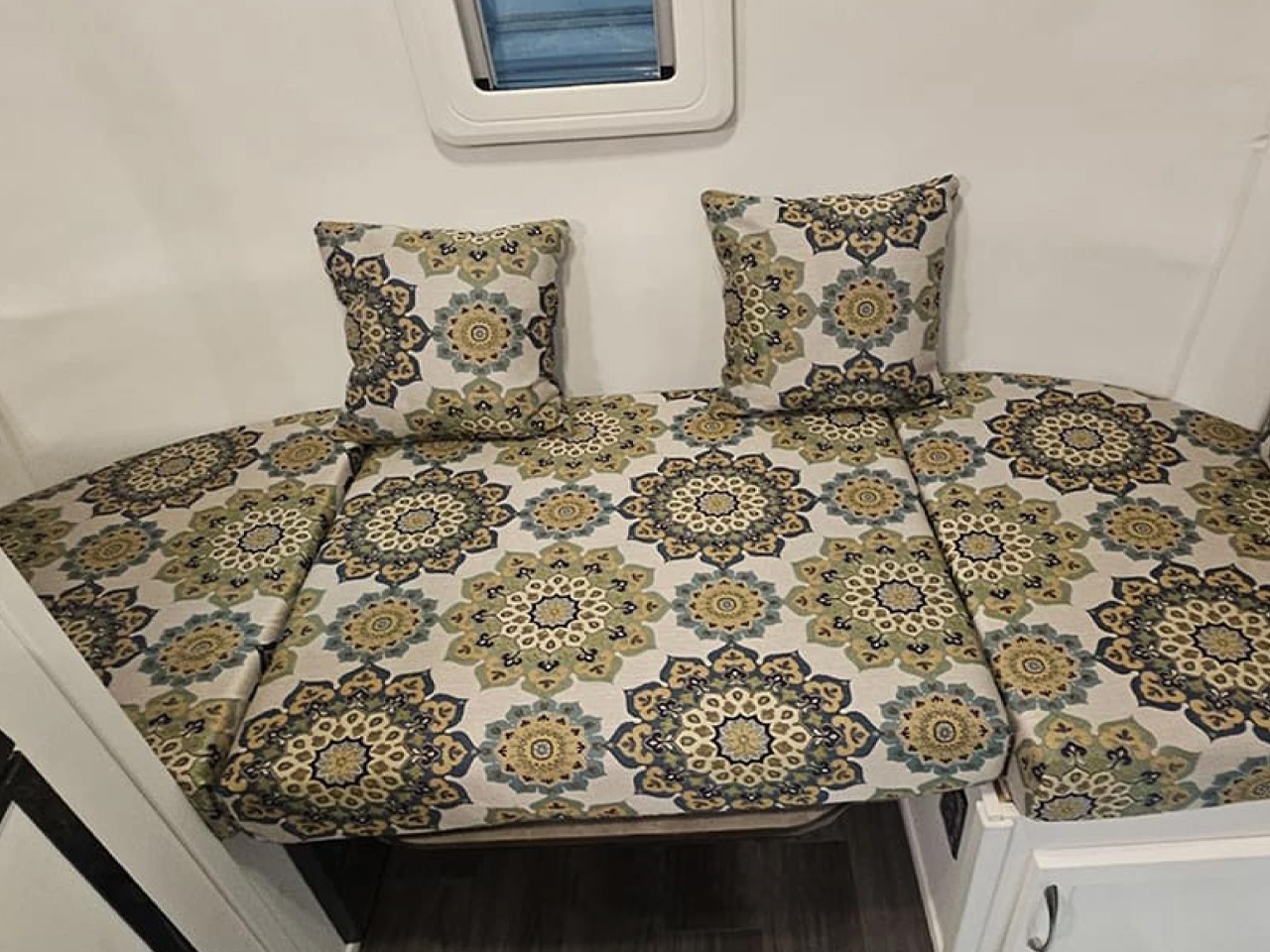
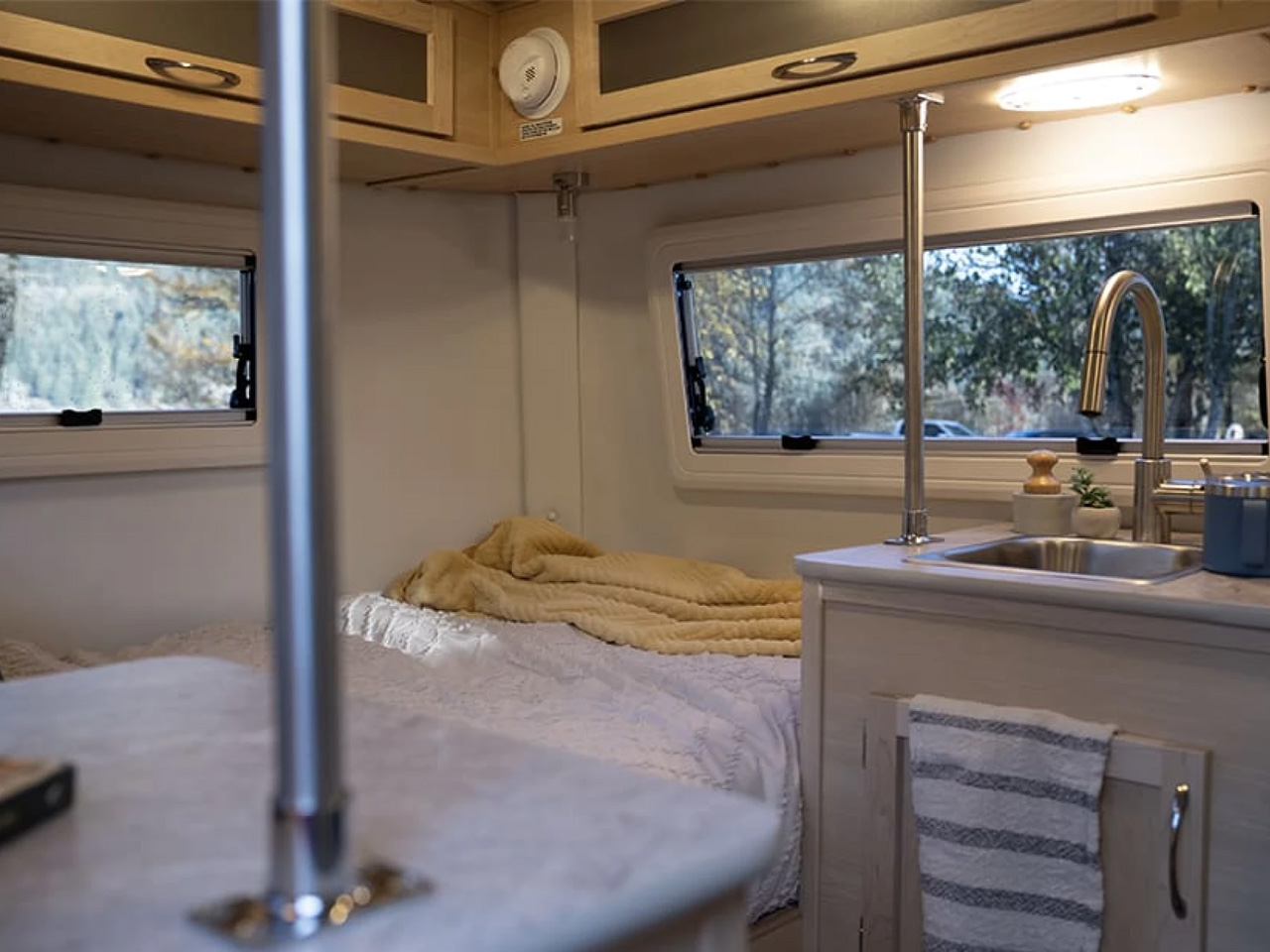
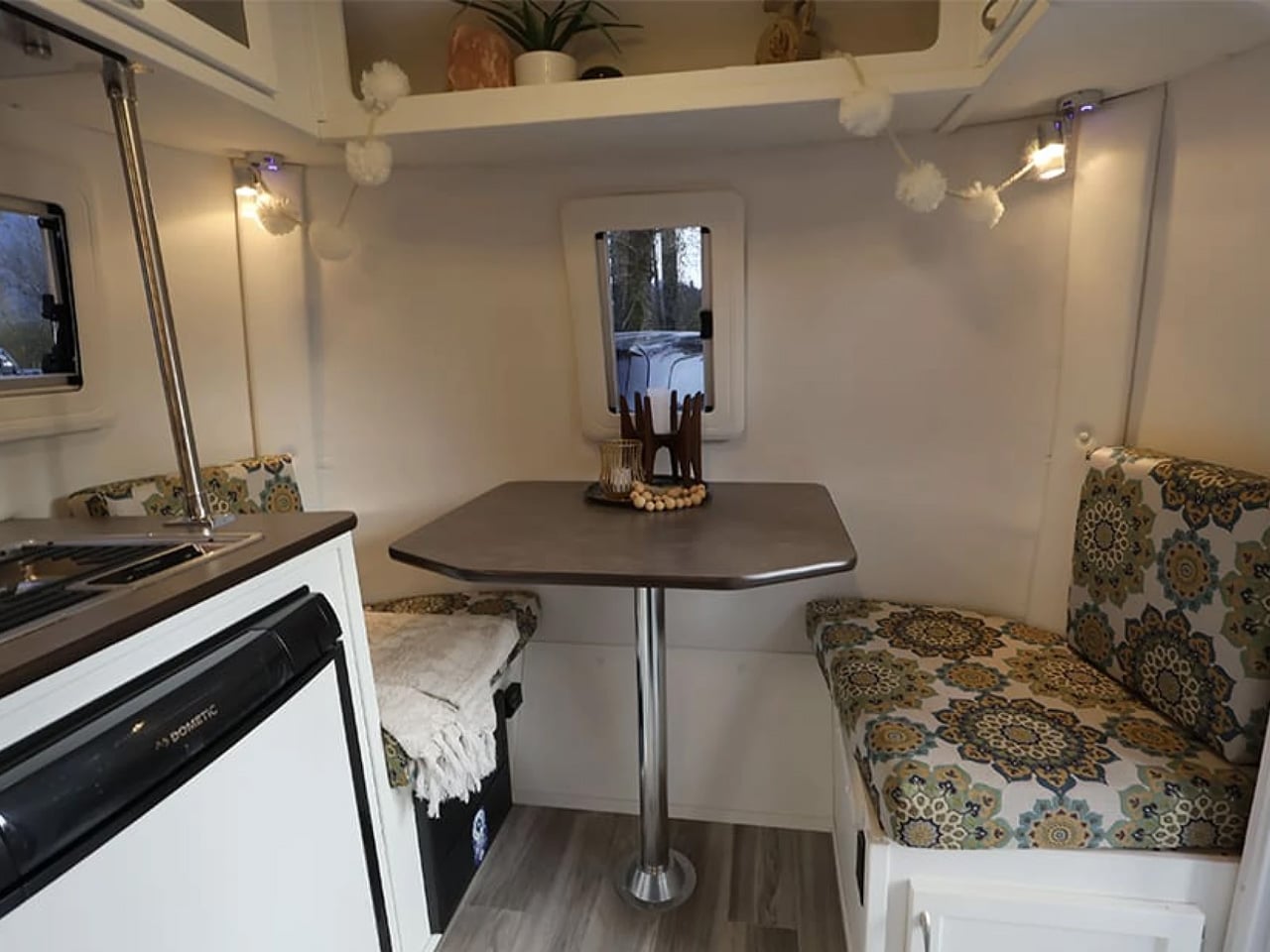
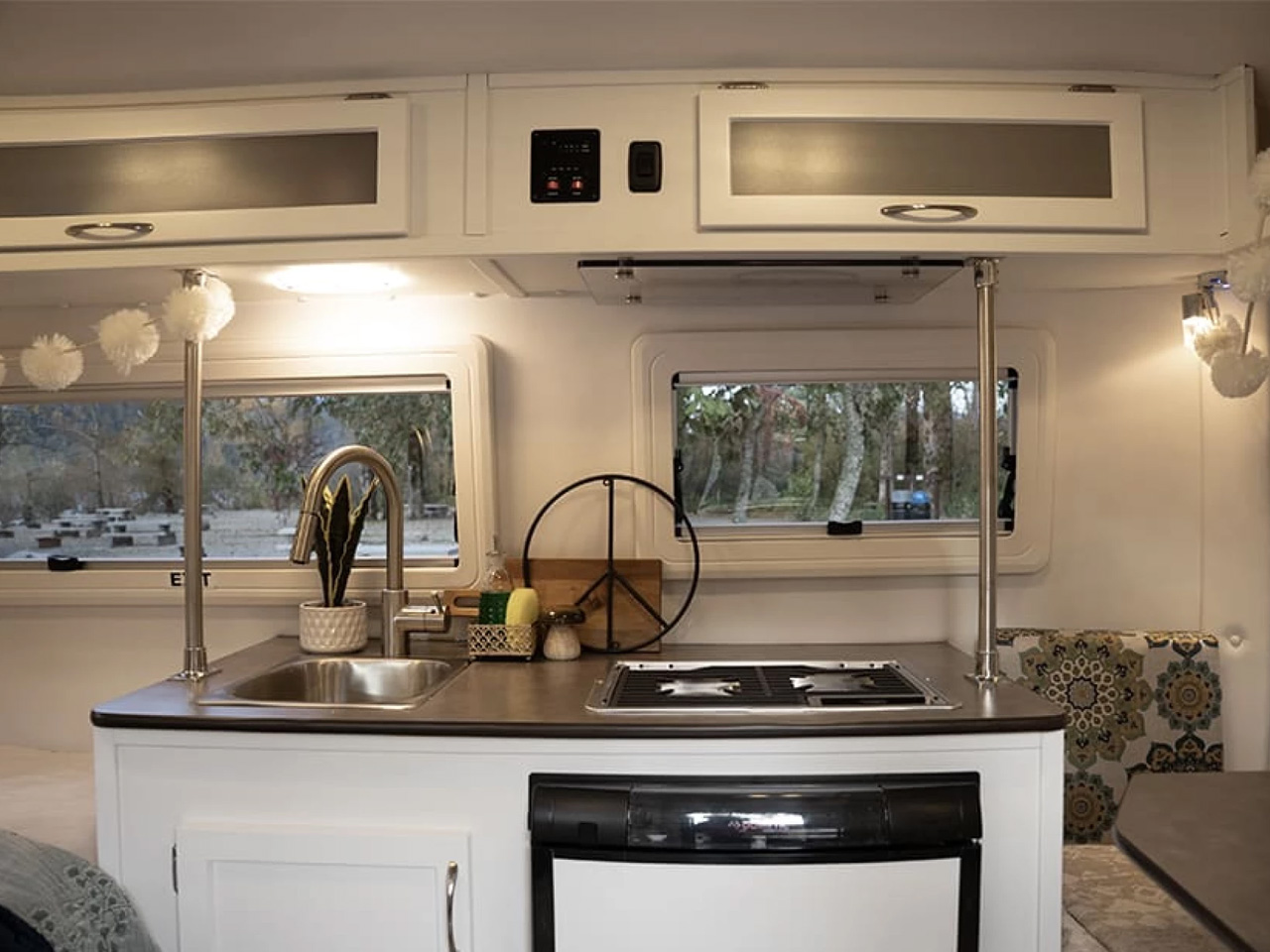
When you hop in through a side entry you witness a small, but surprisingly spacious interior that is planned to sleep three people comfortably. For this, the trailer is equipped with a double bed, a convertible dinette, and a well-equipped kitchen area. The compact galley kitchen has a dual burner stainless steel cooktop, a sink, and a 3 cu.ft. refrigerator.
A 12,000 BTU furnace keeps the residence in a cozy temperature, while Escape Trailer provides the E13 with porta potty that hides away from sight in one of the wooden cabinets. The maple wood cabinetry and overhead compartments span almost the entire part of the interior, sufficing the users’ storage requirements. The trailer features a screen door, while the acrylic windows allow natural light to make the interior feel slightly more expansive. All of this, Escape Trailers is making available starting at CA$33,600 ($24,000).
The December Pixel Drop introduces a wealth of exciting updates to Pixel phones, tablets, and watches, elevating their functionality and user experience to new heights. This comprehensive update brings forth a range of enhancements, including Gemini’s advanced AI capabilities, improved photo-sharing tools, and expanded safety features, all designed to make your Pixel devices smarter, more […]
Apple is preparing to make a significant impact in the external monitor market with the anticipated release of its new Studio Display models in early 2026. These displays are expected to deliver notable advancements in display technology, performance, and usability, catering specifically to creative professionals and Mac users who demand high-quality solutions. Reports suggest that […]
If you like both electric vehicles and emotional roller coasters, 2025 was an excellent year. However, for those of us whose nerves are already sufficiently frazzled, the highs and lows of the last 12 months were a bit hard to stomach.
In 2025, we saw the introduction of new, compelling models like the Lucid Gravity and refreshed Nissan Leaf, the latter available at a price on par with its internally combusted competition. From a product availability standpoint, 2025 was the year the EV market started feeling more mature and less manic.
But 2025 also saw new heights of anti-EV vitriol stirred up during a particularly traumatic election cycle. The means of propulsion or badge on the hood of your commuter machine suddenly became an indicator of your political affiliations. Put simply, the car you drive is now a political statement, and it’s the latest unprecedented situation in an exhaustingly long and dire string of unprecedented situations. Yes, it's been a long year, and the pessimism of 2025 will surely carry us well into 2026, but not all hope is lost for EVs.
Tesla and the DOGE effect
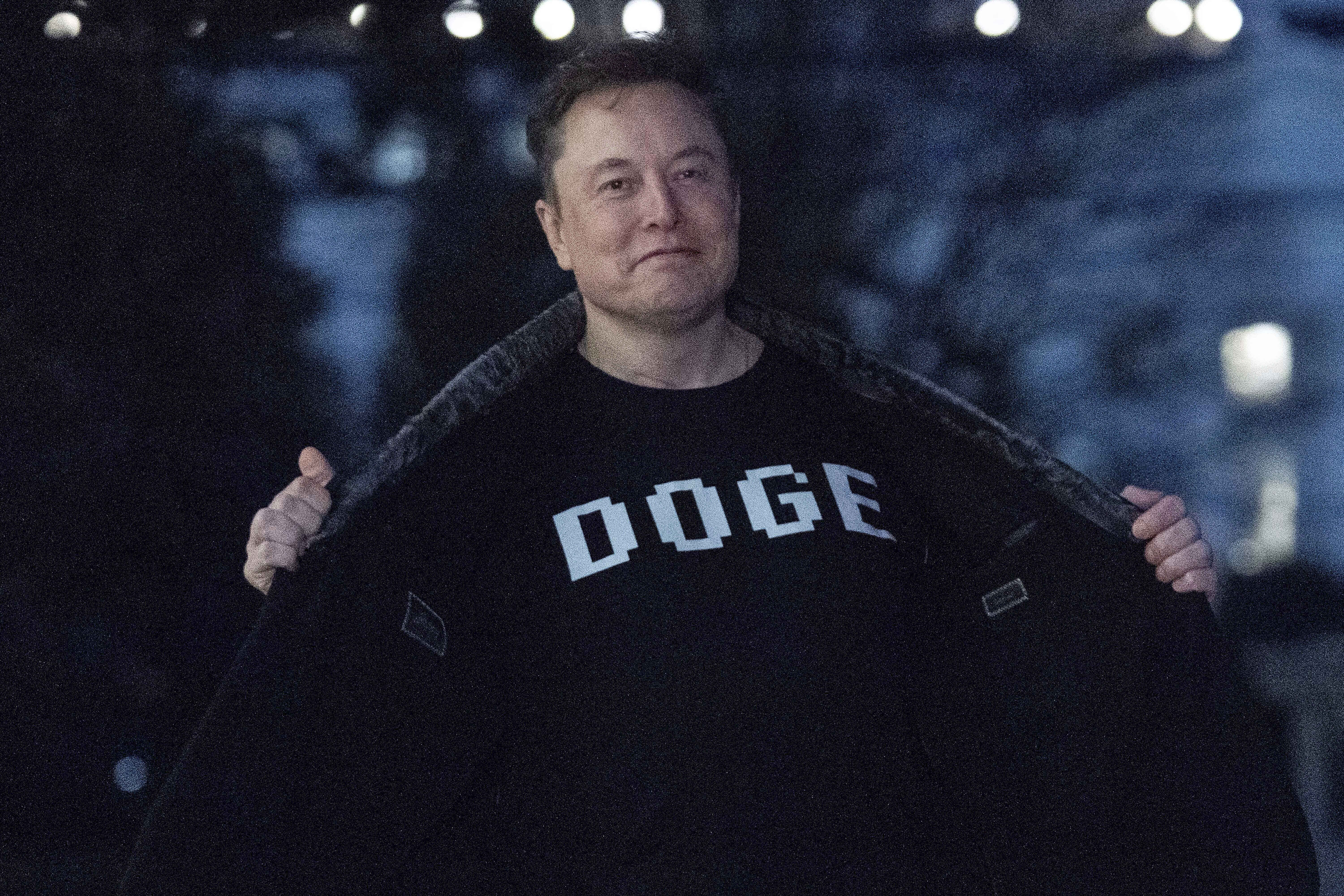
Elon Musk flashes his T-shirt that reads "DOGE" to the media as he walks on South Lawn of the White House, in Washington, March 9, 2025.
ASSOCIATED PRESS
We've certainly seen some civic-minded CEOs in the past as auto executives have a long history of mixing their corporate interests with their political panderings. Chrysler CEO Lee Iacocca was even considered a potential presidential candidate once upon a time. However, we have never seen the kind of ass kissing and cronyism we were privy to in this year's fickle friendship between Elon Musk and President Trump.
Musk was (hyper) active on the Trump campaign trail, and wasted no time digging into what he described as government overspending. While the Department of Government Efficiency's efficacy is debatable, it certainly proved quite effective at decimating the accounts of Tesla investors. Between January and March, Tesla's stock price dropped by nearly half. Things didn't turn around until Musk left DOGE in May.
Since then, Tesla's price has returned to its highs before the DOGE debacle. Its sales, however, have not. Q1 deliveries declined by 13 percent, then 14 percent in Q2. Deliveries bounced back 7 percent in Q3 as everyone scrambled to buy before the EV credits expired, but profits plunged 37 percent. Tesla's market share in the US electric vehicle space has halved, leading perennial pitchman Musk to start hawking everything from AI agents to spandex-clad robots — anything to distract from the numbers.
And it's apparently working. Musk's $1 trillion pay package was approved by Tesla’s shareholders without much worry. This could make him the world's first trillionaire, but only if he meets a series of aggressive targets and deadlines for sales, an area where the man has struggled in the past.
The big, beautiful sales spike
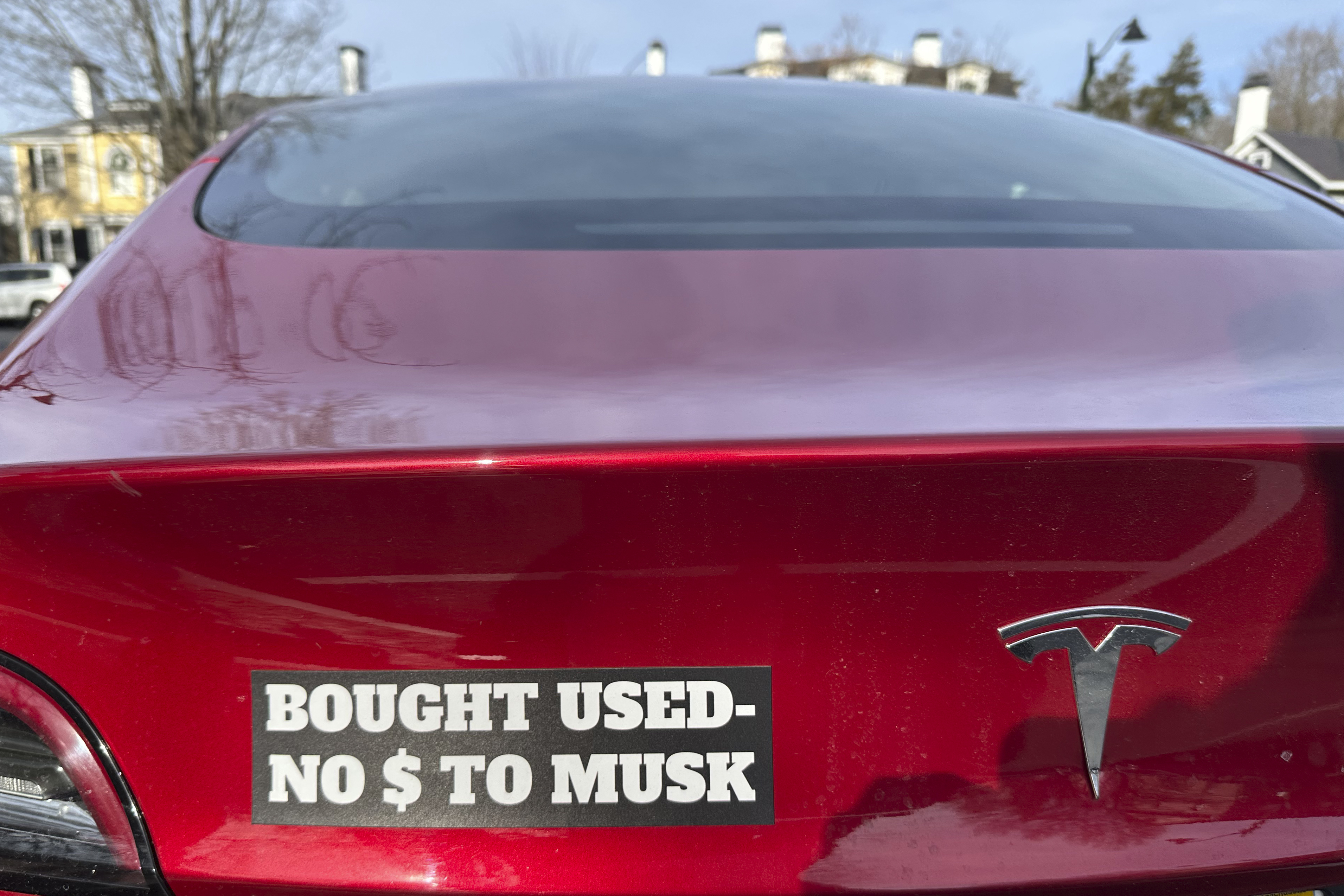
A Tesla with a sticker referring to the car's purchase is shown on Sunday, Dec. 15, 2024 in Concord, Mass.
ASSOCIATED PRESS
Elon Musk and Donald Trump's bromance wasn't the only fallout from the latter's second term. So, too, died the $7,500 federal EV incentive, which expired in September as part of President Trump's "Big Beautiful Bill." That actually spurred a short-term sales spike ahead of the deadline. Many manufacturers even set new EV sales records riding that wave, but there's a disconcerting trough to come.
We still need to wait a bit to see just how bad Q4 EV sales are going to be, but early indications are not looking good. J.D. Power's October report says that EV sales in September were a record high, making up 12.9 percent of new vehicle sales in the US. In October, after the credit expired, they fell to a mere 5.2 percent.
That's a worrying drop, and it's already affecting product planning.
Cuts in EV production
Honda's Super-One Prototype isn't coming to the US.
Tim Stevens for Engadget
When I was in Japan last month, getting an early look at some next-gen hybrids from Honda, I wasn't expecting to hear talk of midterm American elections from the company's executives. But that's what was on CEO Toshihiro Mibe's mind. He's watching American voting trends closely to determine the nature of the company's upcoming releases.
Mibe said that Honda has already canceled plans for some EVs here in America, instead focusing on a broader selection of hybrid models. It's not the only company to do so. Ram also canceled its 1500 EV truck, but the hybrid version is still supposedly on the way.
Scout Motors, too, has been focusing more on its extended-range hybrid offerings. The company's initial pitch was purely electric trucks and SUVs. Lately, it's been prioritizing its extended-range EV options based on the feedback from its 130,000 pre-orderers. 80 percent of them want the onboard generator, an add-on that may prove a saving grace for this EV startup.
There is reason for optimism
Some manufacturers may be throttling back on their EV aspirations, but others are forging ahead. There's a delightful collection of battery-powered machines coming next year, and that's worth getting excited about.
Again, the 2026 Nissan Leaf should be a hugely popular choice as its production ramps up. It's already hitting dealerships now, and with a starting price under $30,000, it'll be hard to beat. But, Chevrolet is going to try with a refreshed Bolt EV for similar money.
If you've got more to spend, you've got more options. BMW's stellar iX3 crossover SUV is due soon, as are both the electric CLA sedan and GLC SUV.
The most anticipated EV of the year, though, might just be the Rivian R2. This electric SUV will join the stellar R1S and R1T, expanding Rivian's segment footprint while also hopefully expanding its market reach. A $45,000 starting price makes it far more attainable than any of the company's previous offerings.
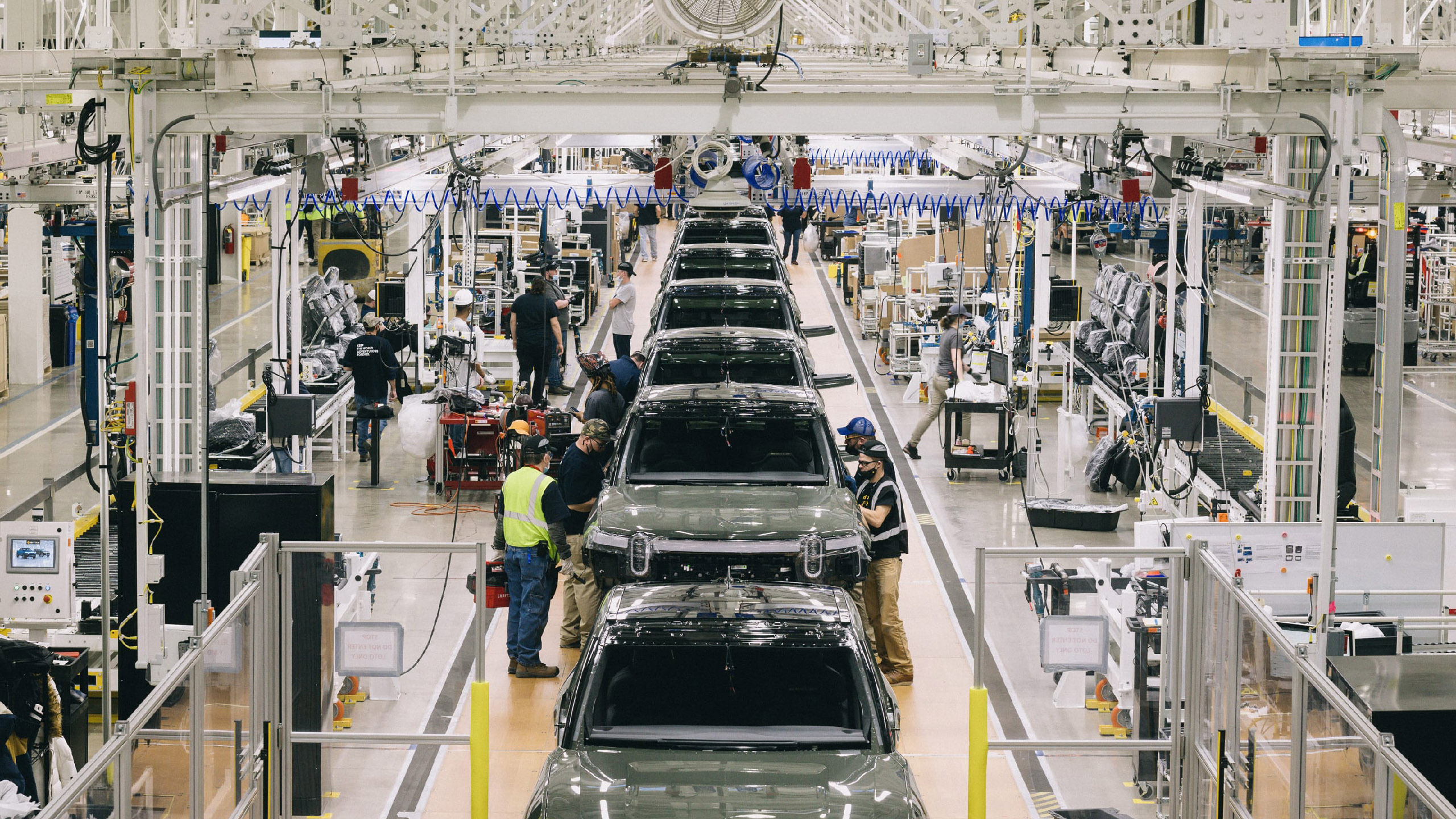
A photograph of the Rivian factory producing the company's R1 SUV variant.
Nathan Heleine / Rivian
If the prospect of a fun, affordable SUV from Rivian doesn't have you excited for the upcoming year in EVs, maybe some promising news from Europe will. After cutting its own EV incentive program in 2023, Germany's EV sales fell off a cliff, dropping 28 percent in 2024. Cue the predictions of the demise of EVs by many local pundits.
Since then, though, EV sales slowly climbed back up, and lately they've been booming, with German road traffic agency KBA saying the total number of newly registered electric vehicles increased by nearly 50 percent in October (year over year). Electric cars now make up 19 percent of the market there, and that's despite Tesla's sales cratering.
There's no guarantee that the American market will follow a similar rebound, especially if the anti-EV political messaging continues. Me, though, I've decided I'm staying optimistic, as exhausting as that can be these days.
This article originally appeared on Engadget at https://www.engadget.com/transportation/evs/a-shaky-year-for-american-evs-could-set-the-tone-for-2026-153000210.html?src=rss
Apple is preparing for a fantastic year in 2026, with its iPhone lineup showcasing a blend of refined updates and bold innovations. From the anticipated debut of a foldable iPhone to enhanced premium models and budget-friendly options, the company is redefining its approach to smartphone design and strategy. A staggered release schedule further highlights a […]
Sony Interactive Entertainment has signed a deal to produce and publish a game from Bad Robot, JJ Abrams’ production company. The two sides are keeping most of the details close to their chest for now, but the game is a four-player co-op shooter for PlayStation 5 and PC directed by someone who knows a thing or two about that genre: Left 4 Dead creator Mike Booth.
Bad Robot Games — which is a fully remote studio — was formed in 2018 with the help of Tencent. It has lent a hand on games including Weird West (as an investor and creative consultant) as well as interactive streaming series Silent Hill: Ascension. This new game is the first one that Bad Robot Games is developing in-house.
A few months back, Booth dropped into the Left 4 Dead subreddit to say that he was working on a new co-op game “built on the foundations of what made L4D special. If you enjoyed the teamwork, tension and replayability of my past games, you’ll probably find this one interesting. It expands on the co-op formula in ways I’ve wanted to explore for a long time.” He added that, while the game was still in early development, Bad Robot was opening up a waitlist for access to playtests.
According to a press release, “Bad Robot Games is a dedicated game studio working on new and existing transmedia franchises.” So, this project could well be part of an entirely new franchise, but the prospect of co-op shooter from the designer of Left 4 Dead that’s set in the Cloverfield universe is pretty darn intriguing.
This article originally appeared on Engadget at https://www.engadget.com/gaming/playstation/playstation-teams-up-with-bad-robot-and-the-creator-of-left-4-dead-for-a-co-op-shooter-144637802.html?src=rss
Amazon is reportedly considering discontinuing use of the US Postal Service and building out its own shipping network to rival it, according to The Washington Post. The e-commerce behemoth spends more than $6 billion a year on the public mail carrier, representing just shy of 8 percent of the service's total revenues. That's up from just shy of $4 billion in 2019, and Amazon continues to grow.
However, it sounds like that split might be due to a breakdown in negotiations between Amazon and the USPS rather than Amazon proactively pullings its business. Amazon provided Engadget with the following statement regarding the Post's reporting and its negotiations with the USPS:
"The USPS is a longstanding and trusted partner and we remain committed to working together. We’ve continued to discuss ways to extend our partnership that would increase our spend with them, and we look forward to hearing more from them soon — with the goal of extending our relationship that started more than 30 years ago. We were surprised to hear they want to run an auction after nearly a year of negotiations, so we still have a lot to work through. Given the change of direction and the uncertainty it adds to our delivery network, we're evaluating all of our options that would ensure we can continue to deliver for our customers."
The auction Amazon is referring to would be a "reverse auction," according to the Post. The USPS would be offering its mailing capabilities to the highest bidder, essentially making Amazon and other high-volume shippers compete for USPS resources. This move would reportedly be a result of the breakdown in talks between Amazon and the USPS.
Over the past decade, Amazon has invested heavily in shipping logistics, buying its own Boeing planes, debuting electric delivery vans and slowly building out a drone delivery network. Last year, Amazon handled over 6.3 billion parcels, a 7 percent increase over the previous year, according to the Pitney Bowes parcel shipping index. USPS, for its part, handled roughly 6.9 billion, just a 3 percent increase over 2023. That is to say that Amazon's shipping network can already handle over 90 percent of the volume of the US Postal Service (at least by sheer numbers).
The USPS has been in dire financial condition for some time, losing billions of dollars a year. Negotiations between Amazon and the public carrier have reportedly stalled, which, together with the agency's need to keep raising its prices, may create more urgency for the company to eliminate its reliance on the service altogether.
The Postal Service has struggled to modernize and adapt (its attempt to electrify the truck fleet was a bust) in a market where the likes of Amazon and Walmart are investing billions in delivering packages around the country at lightning speed. The ever-accelerating digitization of communication and heavy investment in privately owned shipping operations threatens the very existence of one of the country's greatest public goods.
Update, December 4, 2025, 2:24PM ET: This story has been updated with a statement from Amazon and more details about the "reverse auction" the USPS reportedly wants to conduct if it no longer works with Amazon.
This article originally appeared on Engadget at https://www.engadget.com/big-tech/amazon-reportedly-considering-ending-ties-with-the-us-postal-service-144555021.html?src=rss
Apple is preparing to introduce a new budget-friendly MacBook in 2026, with an anticipated price range of $599 to $699. This device, potentially named the MacBook E, MacBook SE, or MacBook Mini, is designed to appeal to students, families, and casual users seeking an affordable yet functional laptop. By using older MacBook designs and integrating […]
Pantone has officially called it: the prevailing mood for 2026 is exhaustion. This marks a sharp departure from recent years, when the annual announcement felt like a conversation happening in a different room. The world was navigating a pandemic hangover and digital burnout, while Pantone was prescribing electric purples for creativity and defiant magentas for bravery. Each choice, while commercially friendly, felt like a wellness influencer telling a tired person to simply manifest more energy.
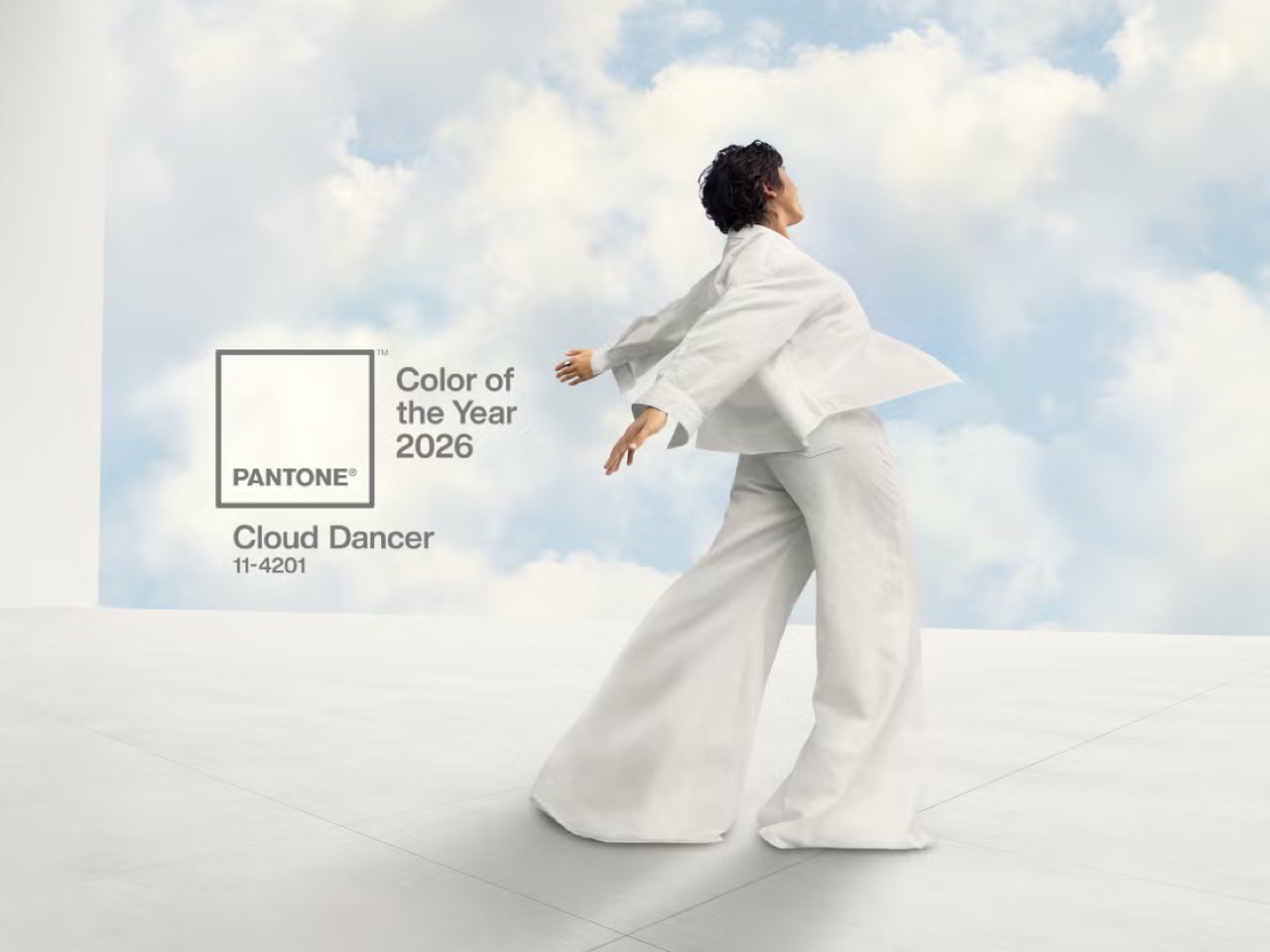
This year, however, their choice of Cloud Dancer, a soft, billowy white, functions less like a statement and more like a surrender. It is the color of a blank page, an empty inbox, a quiet sky, a white flag, if you will. By choosing a hue defined by its peaceful lack of saturation, Pantone is finally acknowledging the dominant cultural mood – burnout. They are admitting that the most aspirational feeling right now is not vigor or joy, but rest.
Designer: Pantone
To understand why this feels so significant, you have to look at the recent track record. The disconnect between Pantone’s narrative and the world’s reality has been the core of the critique, which I made back in 2022, calling Pantone’s Very Peri an exercise in blind futility. The argument was that Pantone was no longer reading culture but trying to write it, pushing a top-down color prophecy that served its own marketing ecosystem more than it reflected any genuine grassroots sentiment. This critique felt especially potent with the last two selections, Peach Fuzz and Mocha Mousse.
Peach Fuzz, the choice for 2024, was sold with a story of tenderness, community, and tactile comfort. It was a lovely, gentle shade, but it landed in a year defined by rising inflation, geopolitical instability, and a pervasive anxiety about the acceleration of artificial intelligence. The narrative felt like a beautifully packaged lie of omission. Then came Mocha Mousse for 2025, a comforting brown meant to evoke groundedness and stability. It was a safe, aesthetically pleasing choice that aligned perfectly with coffee-shop interior trends, but it felt more like an algorithmic pick from a Pinterest board labeled “cozy” than a meaningful cultural statement. It was a color for a lifestyle, not for a life.
Which brings us to Cloud Dancer. On the surface, choosing white seems like the ultimate cop-out. It is the absence, the default, the non-choice. But Pantone’s justification is, for the first time in a long while, deeply resonant. Leatrice Eiseman, the executive director of the Pantone Color Institute, describes it as a “conscious statement of simplification” meant to provide “release from the distraction of external influences.” Laurie Pressman, the vice president, is even more direct, stating, “We’re looking for respite, looking for relief… we just want to step back.”
This is not the language of aspirational marketing; it is the language of burnout. Pantone is explicitly naming the problem: overstimulation, digital noise, and the overwhelming “cacophony that surrounds us.” Cloud Dancer is positioned as the visual antidote, a quiet space in a world that refuses to shut up. It is a breath of fresh air, a lofty vantage point above the chaos. By framing the color as a tool for focus and a symbol of a much-needed pause, Pantone has shifted from prescribing an emotion to validating one. It feels less like they are telling us how to feel and more like they are saying, “We hear you. You’re tired.”
Of course, we should not mistake this newfound self-awareness for a complete abandonment of the marketing machine. The Color of the Year is, and always will be, a commercial enterprise. But the choice of Cloud Dancer is a savvier, more sophisticated move. Choosing white cleverly sidesteps the pressure to project forced optimism. It aligns perfectly with existing design trends like soft minimalism and quiet luxury, making it an easy sell to brands. Most importantly, it allows Pantone to craft a story about retreat and renewal, a narrative that feels both authentic and highly marketable in a wellness-obsessed culture.
So, is the ‘marketing fluff’ gone? Not entirely. But it has been supplemented with something much more compelling. Instead of a tone-deaf declaration, we have a confession that feels a little more aware of a global sentiment. Cloud Dancer works because it is an admission of defeat. It is a white flag, a symbol of surrender to the relentless pace of modern life. In a world saturated with color, demanding our attention at every turn, the most radical and desired hue might just be the one that asks for nothing. Pantone did not just pick a color for 2026; it picked a feeling, and for the first time in a long time, it feels like our own.