There is a specific quality to well-made Japanese stationery that is difficult to name and easy to recognize. It is not about price or brand recognition. It is the sense that the object was designed by someone who used a pen every single day and got quietly frustrated with everything that did not work right about existing options. That frustration, refined into object form, is what separates Japanese stationery from what fills the rest of the market.
The five pieces here cover different parts of a writing practice: what you write in, what you write with, how your tools sit on your desk, and the one object that turns the act of putting a pen down into something worth watching. None are flashy. None announce themselves with features. What they share is a commitment to getting one specific thing exactly right, which is the design logic Japan has always understood better than anyone else producing stationery today.
1. Inseparable Notebook Pen
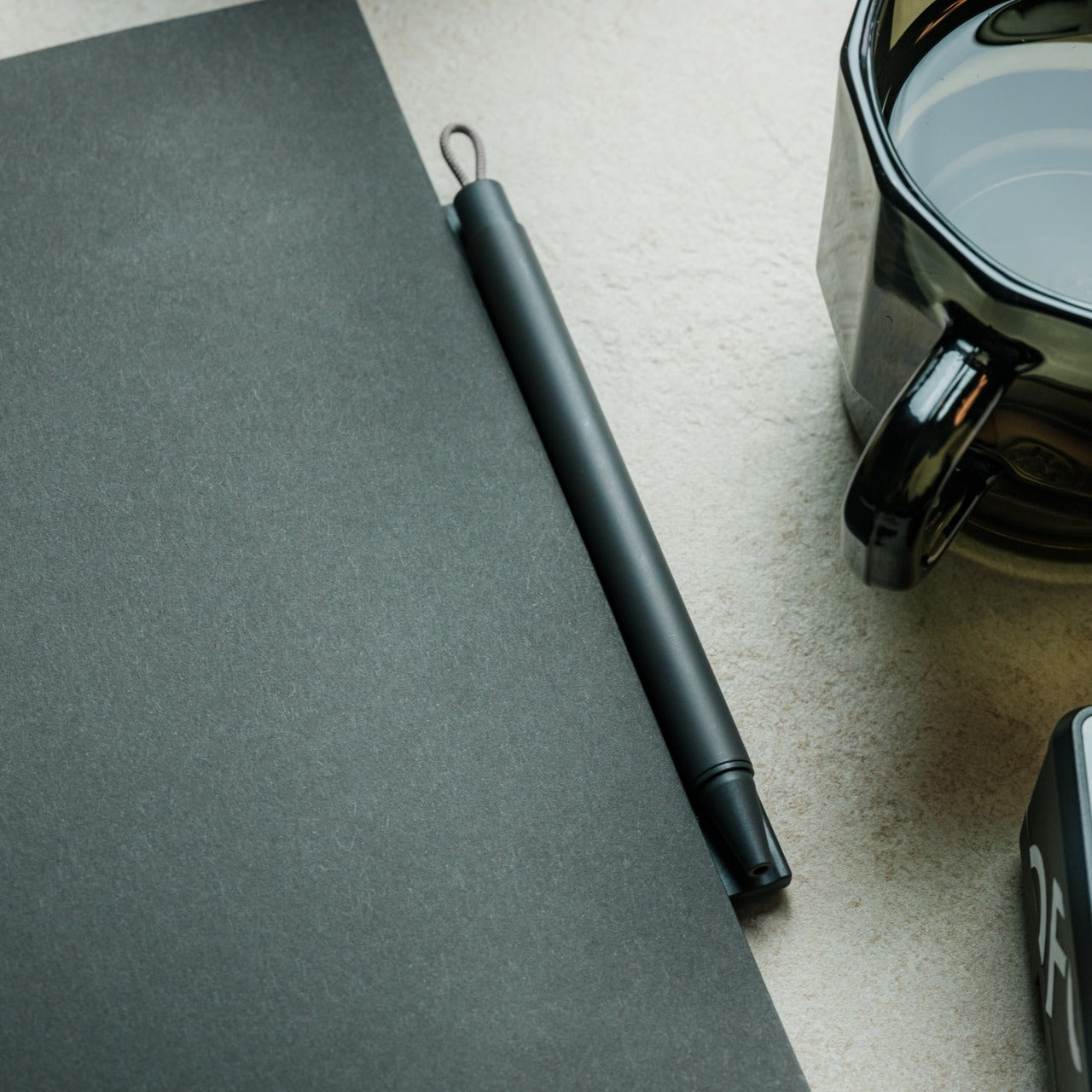
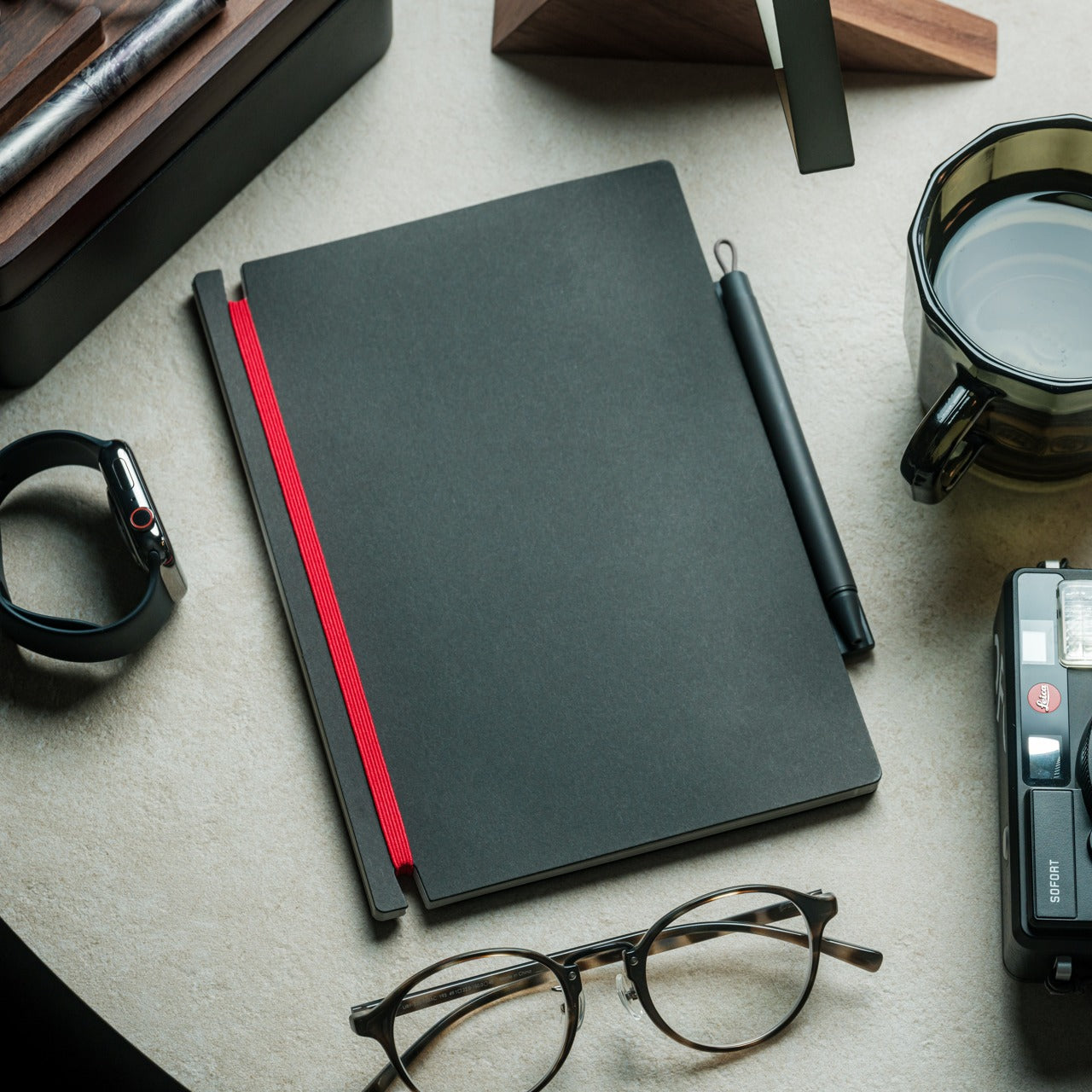
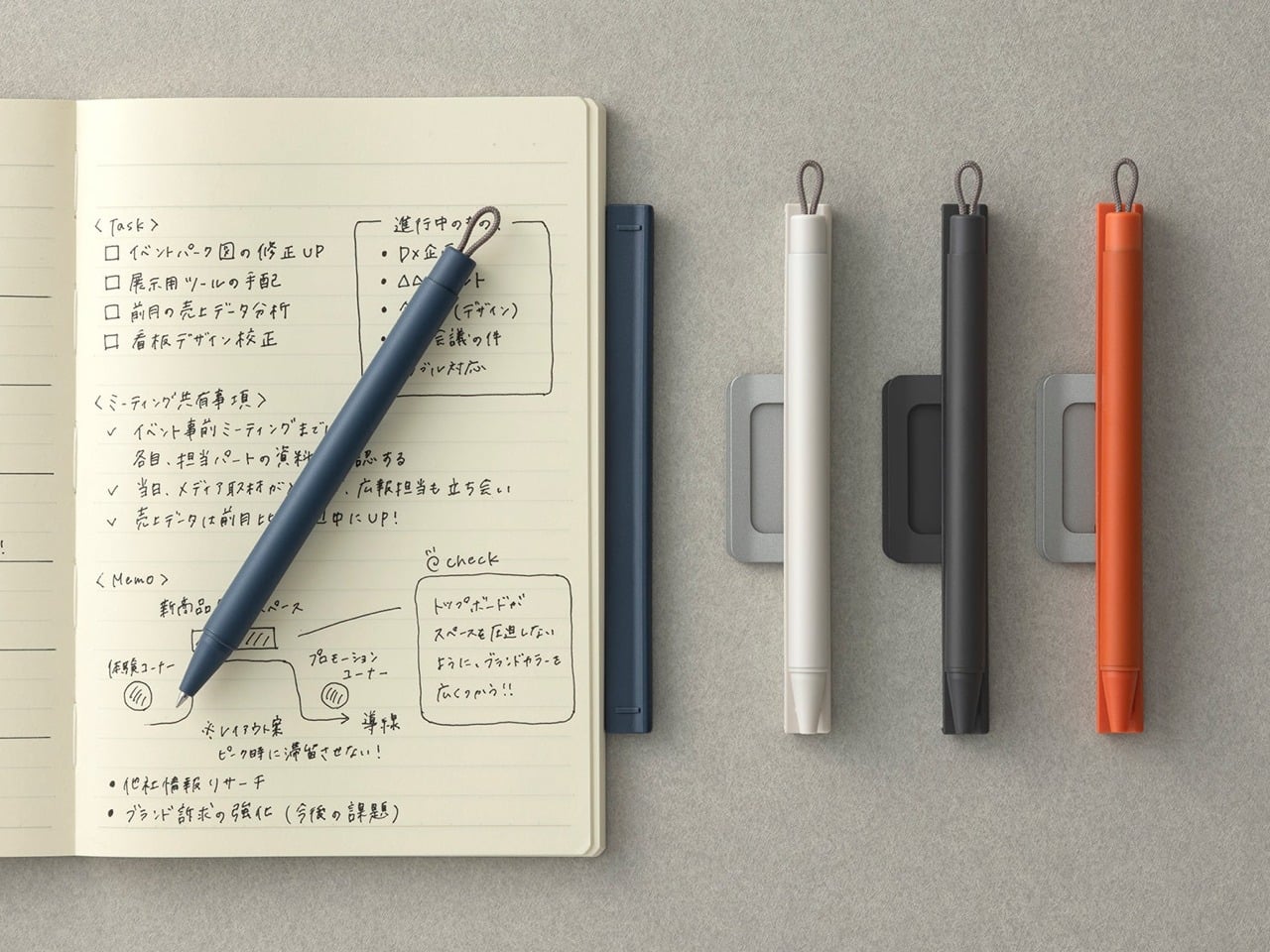
The Inseparable Notebook Pen begins with a problem every notebook user has encountered and simply accepted: the pen is never where the notebook is. These two are designed as a single unit. A magnetic clip system holds the pen flush against the cover with a precise, silent click, leaving no visual noise on the notebook’s exterior. When you reach for your notebook, the pen arrives with it, and the act of writing becomes one motion instead of two.
Beyond the mechanism, the design restraint throughout is the thing worth paying attention to. The pen body sits at a diameter that feels balanced in the hand without being engineered for drama. The attachment is strong enough to remain secure across a full day of carrying while remaining easy to retrieve mid-thought. For anyone who writes by hand regularly, this pairing restructures the small rhythms of the day without ever announcing itself. Tools that work this quietly are, by a significant margin, the ones worth keeping.
What we like
- The magnetic attachment sits completely flush with the cover, adding nothing visible to the notebook’s exterior
- One-motion retrieval removes the small interruption between thinking and writing
What we dislike
- The pen works best paired with specific notebook covers, so testing compatibility with a preferred journal before committing is worthwhile
- Cartridge replacement requires sourcing a compatible format rather than any standard refill
2. Stalogy Editor’s Series 365 Days Notebook A6
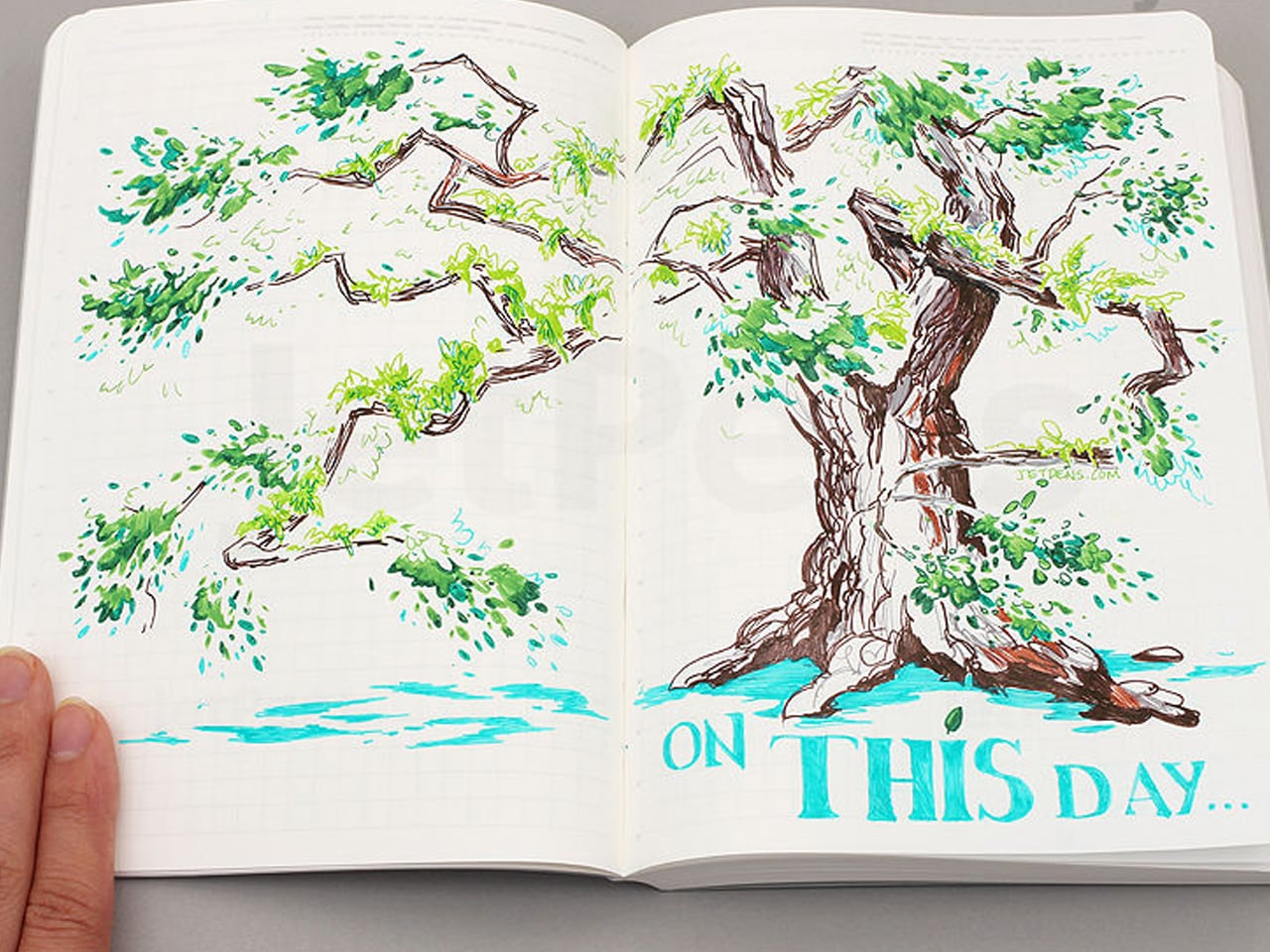
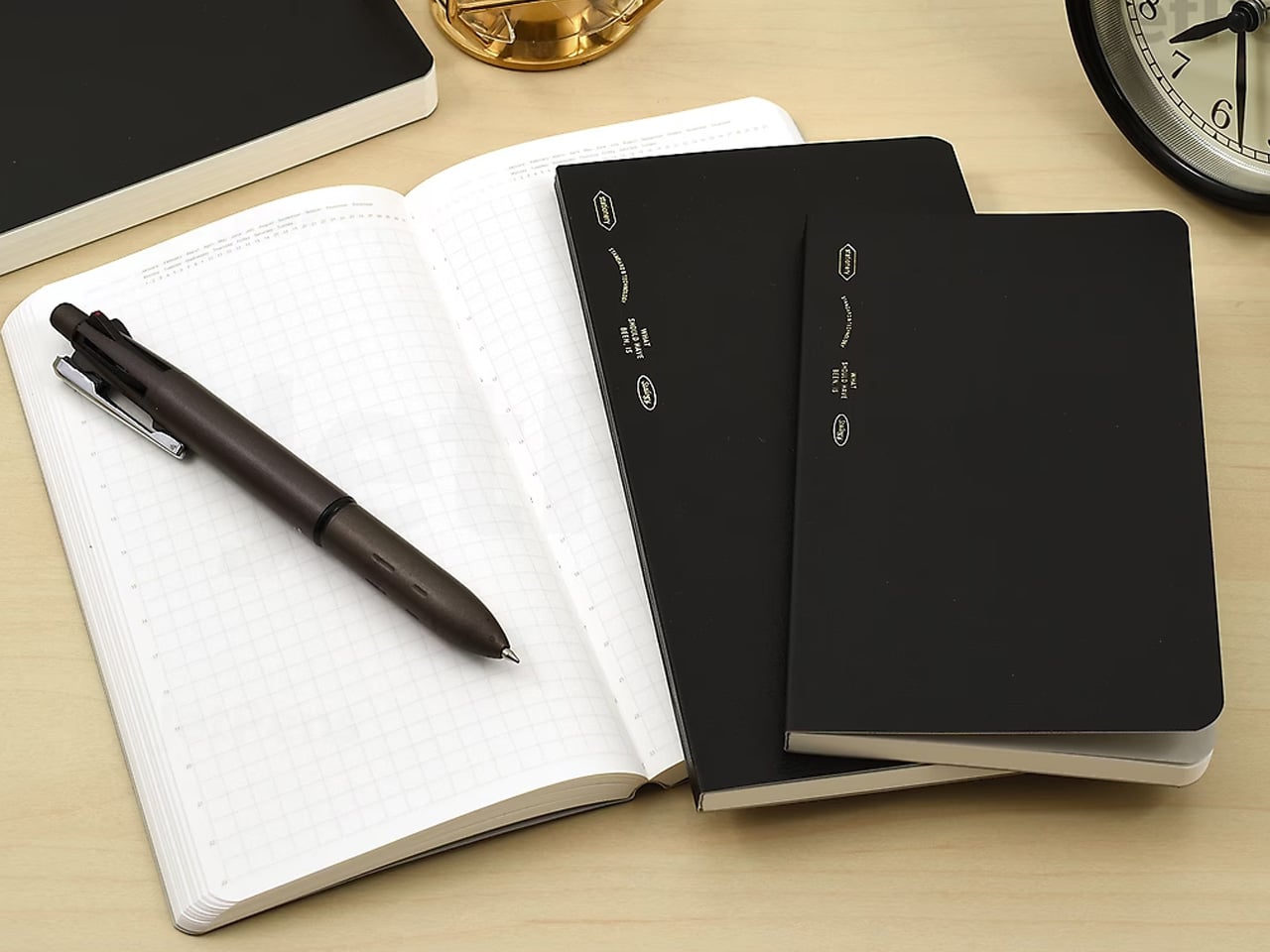
The Stalogy 365 Days Notebook carries no branding on its exterior. Just a clean cover and a precisely placed spine. Inside, 368 pages of cream-toned dot grid paper sit light enough that the notebook does not feel precious, yet substantial enough to last a full year of daily use. At A6, it fits a coat pocket without folding or flexing. That combination, nothing decorative on the outside and nothing wasted inside, is the brief Japanese stationery executes better than anyone.
The dot grid is subtle enough to disappear under handwriting but present enough to keep lines honest across a full page of notes. Minimal page markings give the notebook equal footing for structured planning, freeform writing, and quick sketches without any of those uses feeling like a compromise. For anyone carrying a notebook every day, the Stalogy provides the space and steps aside, which turns out to be the more useful and respectful approach any planner could take.
What we like
- The bare cover carries no visual identity, making it entirely the user’s object rather than a brand’s
- 368 pages at A6 gives a full year of writing without adding meaningful bulk to a carry
What we dislike
- Date and time markings are printed small, making them difficult to read in low light or at a glance
- Heavier fountain pen inks will ghost through the thin paper, limiting compatibility for dedicated nib users
3. Sailor 1911 Casual L Stable Fountain Pen
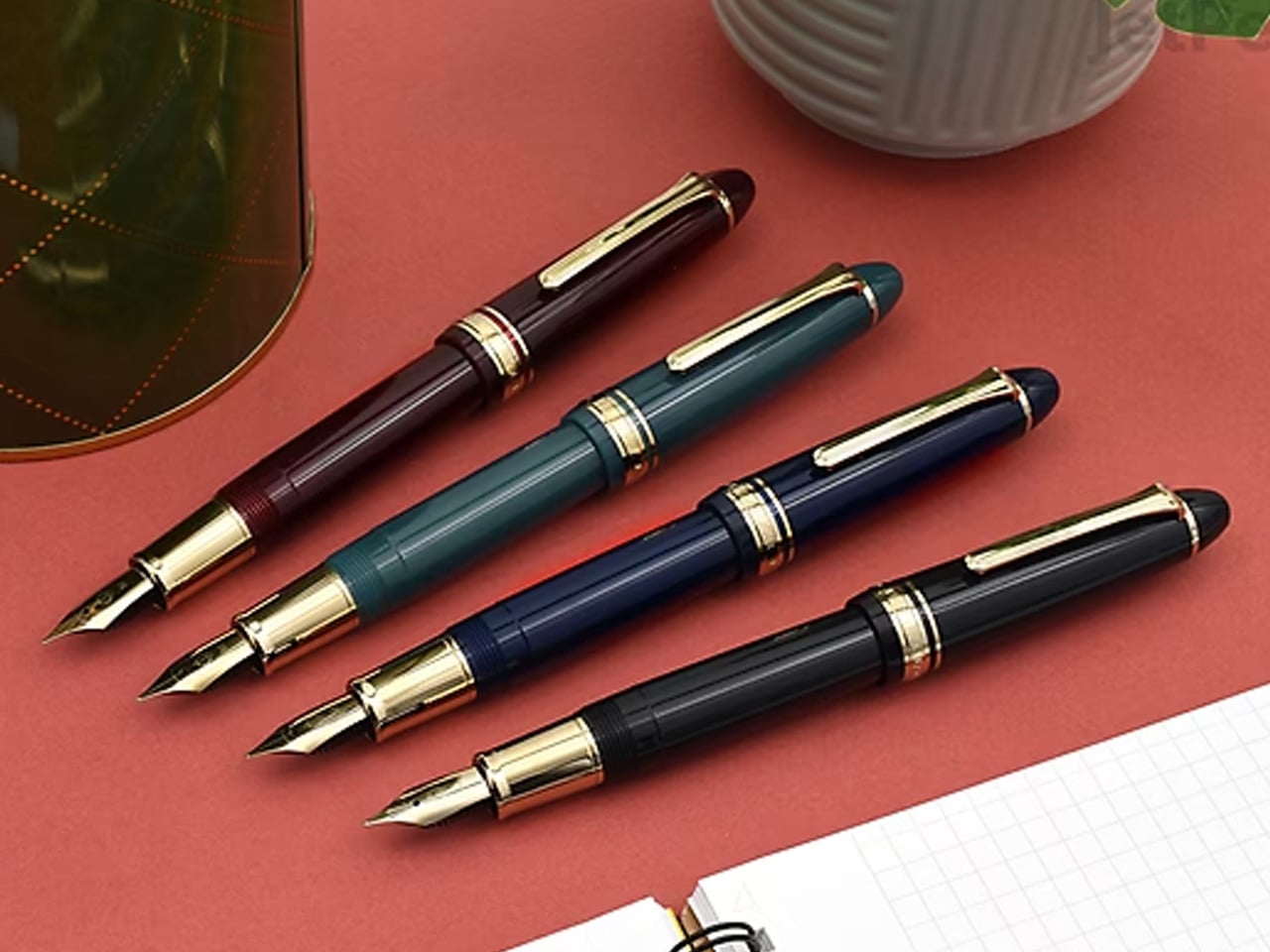
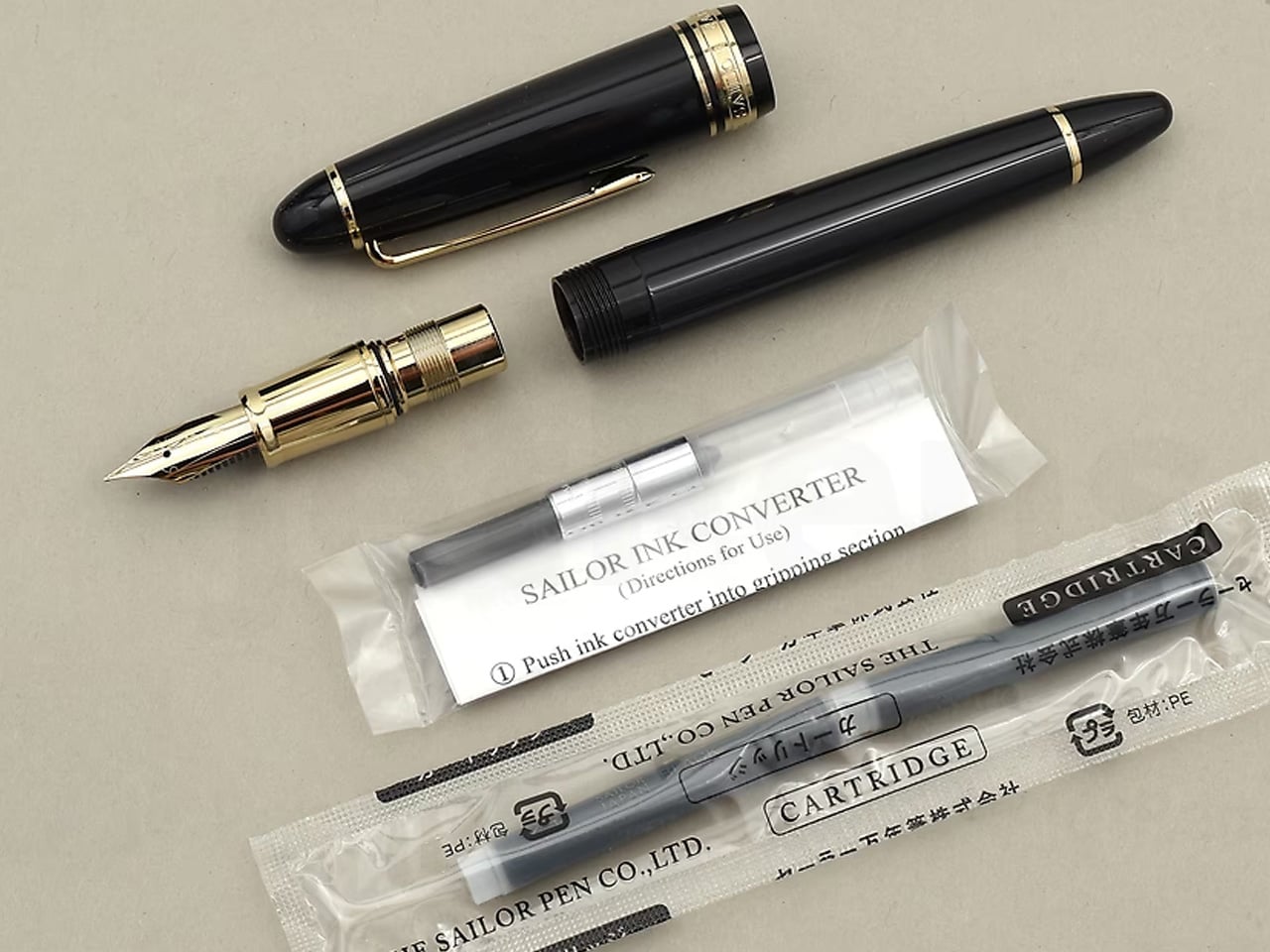
Sailor has been producing fountain pens in Japan since 1911, and the 1911 Casual L Stable, winner of the 2026 Japan Stationery Awards Fountain Pen category, represents what 115 years of that practice produces when the brief is balance over spectacle. The metal grip section sits low on the body, shifting the center of gravity toward the nib end. The result is a pen that writes with less deliberate effort, where the hand guides rather than grips across a page.
The 14k gold nib is the argument. Gold nibs flex slightly under the pressure of each stroke, returning to their original position in a way that steel nibs do not, and that quality is what writing enthusiasts describe as the nib feeling alive. For anyone who writes regularly by hand, a quality fountain pen changes the experience in a way that is difficult to reverse. The 1911 Casual L Stable is the specific pen that makes returning to anything else feel like a visible step backward.
What we like
- The metal grip section lowers the center of gravity toward the nib, making sustained writing sessions measurably less tiring
- The 14k gold nib’s flex produces a writing experience that steel nibs at any price point cannot replicate
What we dislike
- Fountain pen ownership requires maintenance, including regular cleaning and occasional nib adjustment, which first-time users should factor into the decision
- The pen performs best with Sailor inks for optimal flow, which means an additional purchase for those starting out
4. Levitating Pen 3.0
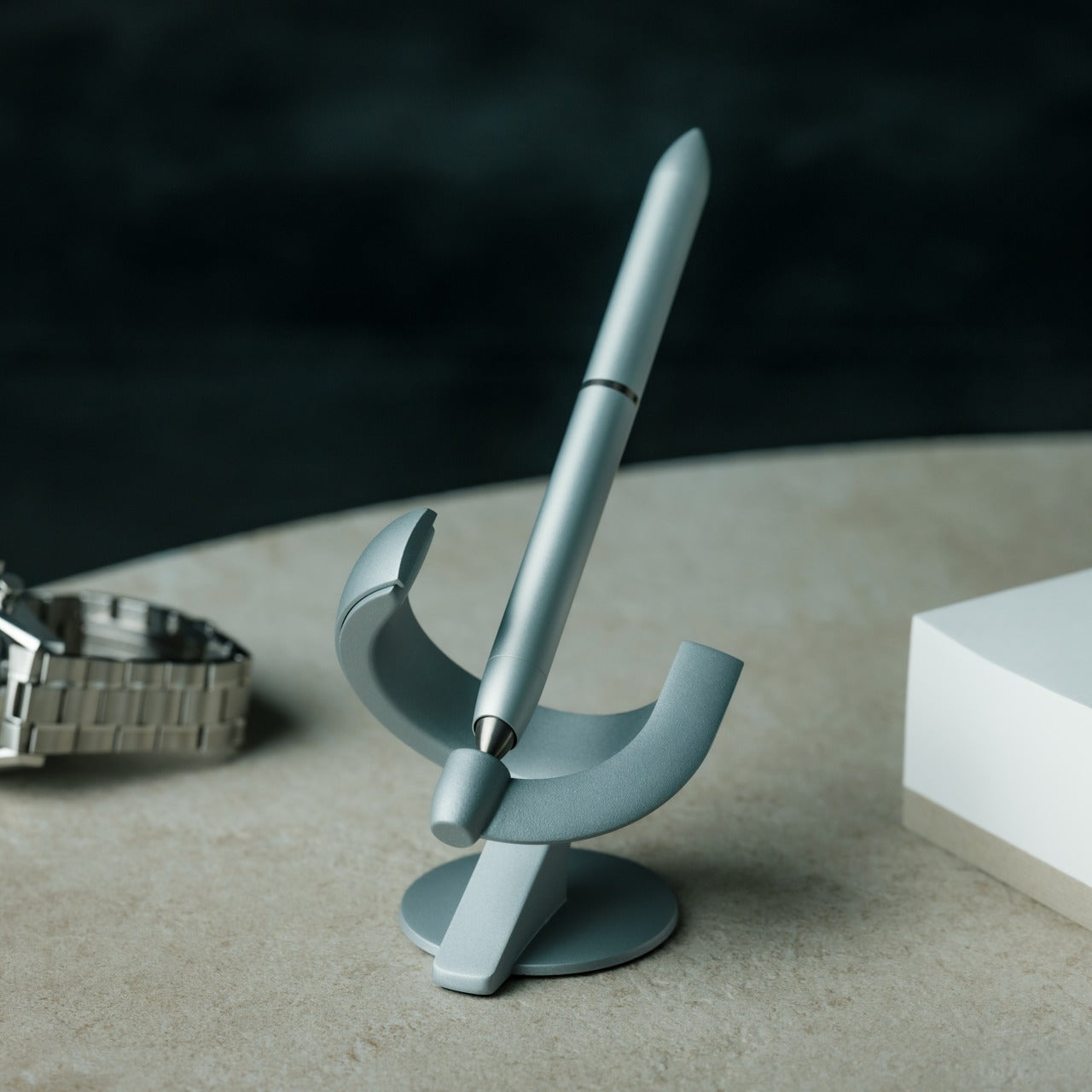
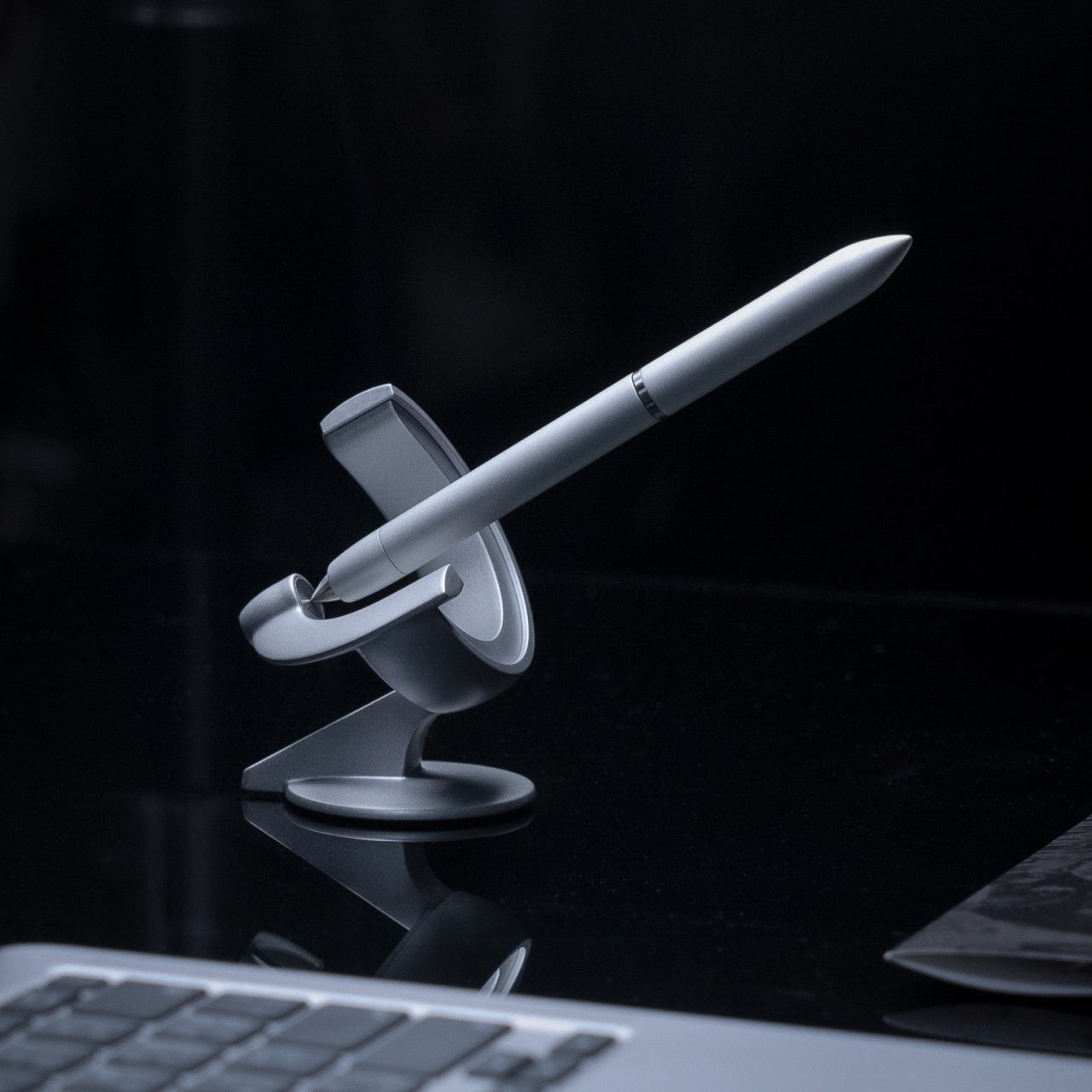
Most pens are designed to disappear into the background of your workday. The Levitating Pen 3.0 operates from an entirely different premise. Built from aerospace-grade aluminum, titanium, and brass, it hovers one inch above its base at a 60-degree angle, bobbing gently and spinning for up to 30 seconds when twisted. That behavior changes the ritual of writing before you have even picked it up. Reaching for a pen that genuinely rewards the act of reaching for it is something else entirely.
It still writes. A rollerball with a Schmidt cartridge, a fountain pen with a fine 0.5mm nib, or a 2-in-1 that lets you swap between both. The floating posture gets your attention. The ink earns it over time. The original design took its angle from Earth’s axial tilt at 23.5 degrees, a philosophical decision into a physical object. The 3.0 revises that to 60 degrees with a taller pedestal, giving the levitation the visual room it was always building toward.
Click Here to Buy Now: $129.00
What we like
- The magnetic levitation base holds the pen visibly above the desk, making it a display object worth having when it is not being used
- Available as a rollerball, fountain pen, or 2-in-1, so the writing experience can match personal preference without changing the design
What we dislike
- At $129, the value sits in the full object and its desk presence rather than the writing instrument alone
- The levitating base requires a charged surface to function, adding a power dependency that standard pen stands do not have
5. Midori MD Notebook A5
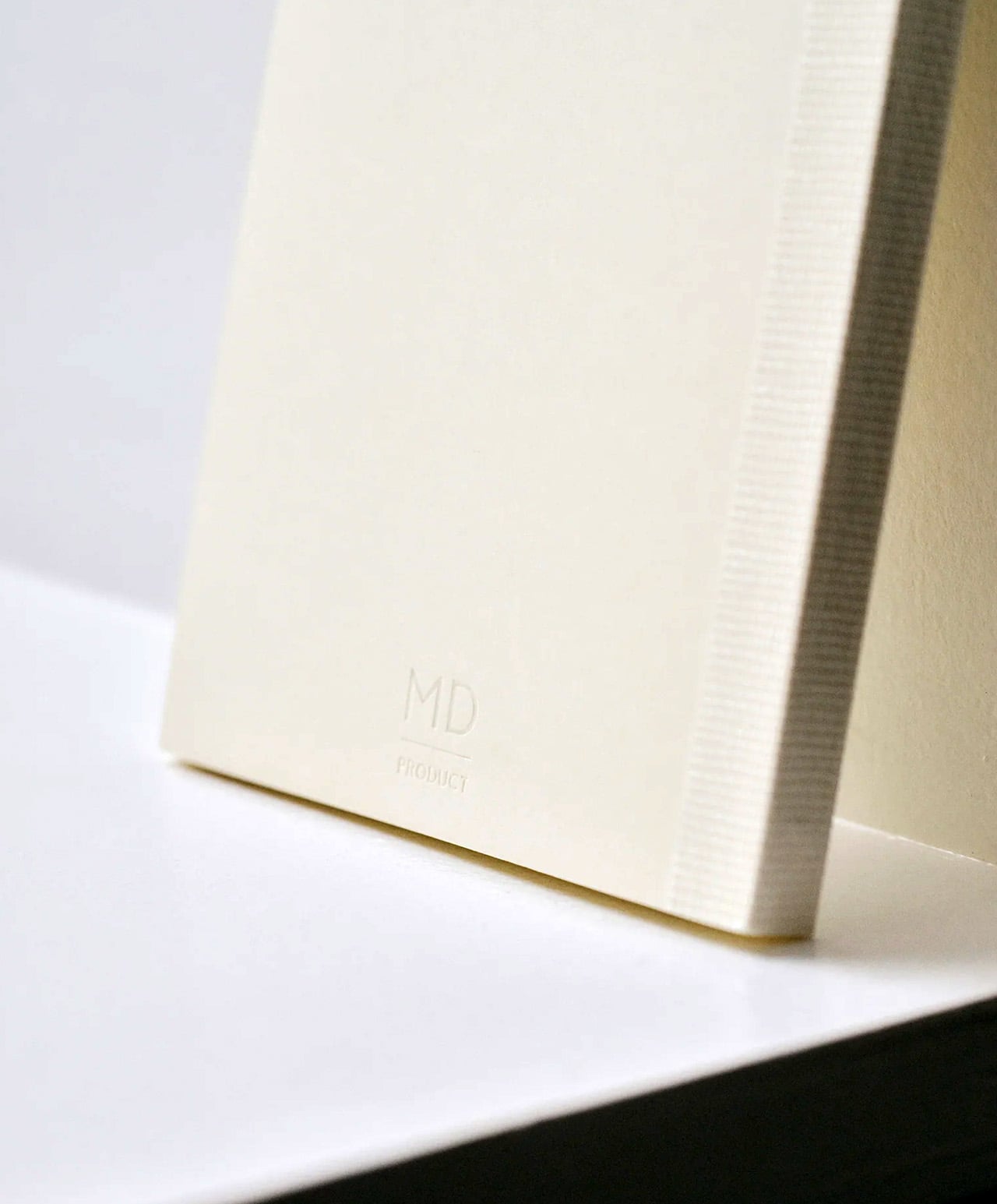
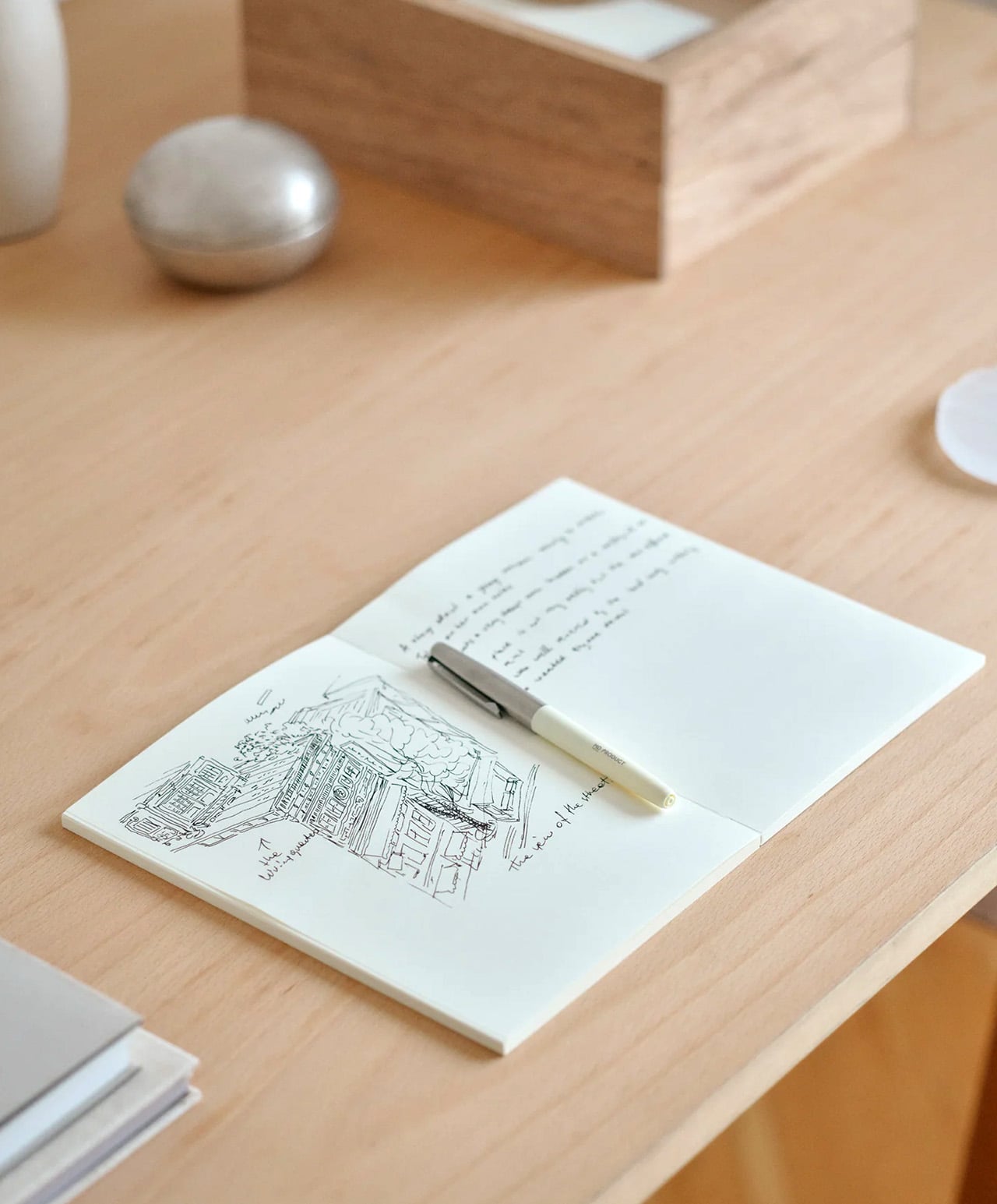
Midori developed MD Paper for one specific purpose: to write on it. The result handles fountain pen ink without feathering into surrounding fibers. Gel pens do not bleed through to the reverse side. Fine-liners hold their edge rather than spreading at the tip. That consistency across pen types removes the constraint of choosing your tools around your paper, which is a trade-off most notebook users have been making without realizing it was ever a trade-off to begin with.
Thread binding holds the quires together and allows the notebook to open completely flat from the first page to the last, with no resistance pulling the spread closed mid-writing. The same paper runs across the cover, endpapers, and text block, a material consistency most notebooks do not consider worth pursuing. A glassine wrapper protects the exterior.
What we like
- MD Paper’s compatibility across fountain pens, gel pens, and fine-liners removes the need to choose tools around paper constraints
- Thread binding allows 180-degree flat opening from the first to the last page, eliminating the resistance glue-bound notebooks create mid-spread
What we dislike
- The cream-toned paper suits most writing but does not work for illustrators who need a bright white surface for accurate color reference
- The glassine cover wrapper shows handling wear with heavy daily use and offers less protection than synthetic or hardcover alternatives
Once You Write With the Right Tools, Going Back Isn’t Really an Option
Japanese stationery earns its reputation not through marketing but through the accumulated weight of small decisions made correctly. Paper that accepts ink without complaint. A pen that arrives with your notebook without asking. A tool that makes picking it up feel like choosing something. None of these are dramatic accomplishments. Together they remove the friction between a thought and its written form, which turns out to be the only friction worth engineering against.
The best reason to write by hand is that the right objects make it feel worth doing. These five make that case without effort. A desk set up with tools this considered starts to function differently, not because the objects are precious, but because they remove the small interruptions that accumulate across a working day. Once you are used to that standard, returning to tools that merely function becomes a visible and permanent downgrade.
The post 5 Japanese Pens & Notebooks So Beautifully Made You’ll Never Want to Type Again first appeared on Yanko Design.