Xbox is advancing its next-generation plans with Project Helix, a console that combines elements of PC and console gaming into a unified system. This new flahship next gen Xbox is expected to feature a PC-hybrid architecture, which could enhance graphical performance and enable better integration across platforms. In addition, Xbox is reportedly considering a significant […]
Apple has officially rolled out iOS 26.5 RC (Release Candidate) to developer beta testers, signaling the imminent public release of its latest operating system update. This version introduces a blend of new features, security enhancements, and performance upgrades aimed at improving user experience while addressing global regulatory requirements. While some updates may appear subtle, their […]
When considering premium noise-canceling headphones, the AirPods Max 2 and Sony XM6 stand out as two of the most compelling options available today. Both models deliver exceptional performance and innovative features, but they cater to different user preferences and priorities. The video below from Mark Ellis Reviews explores key factors such as pricing, design, sound […]
Battery anxiety has become a familiar part of modern daily life. Smartphones, wireless earbuds, tablets, and handheld gaming devices all run down faster than most people expect, and the window between a full charge in the morning and a dead battery by mid-afternoon keeps shrinking. Portable chargers exist precisely to solve that, but most of them are still too thick and heavy to carry comfortably every day.
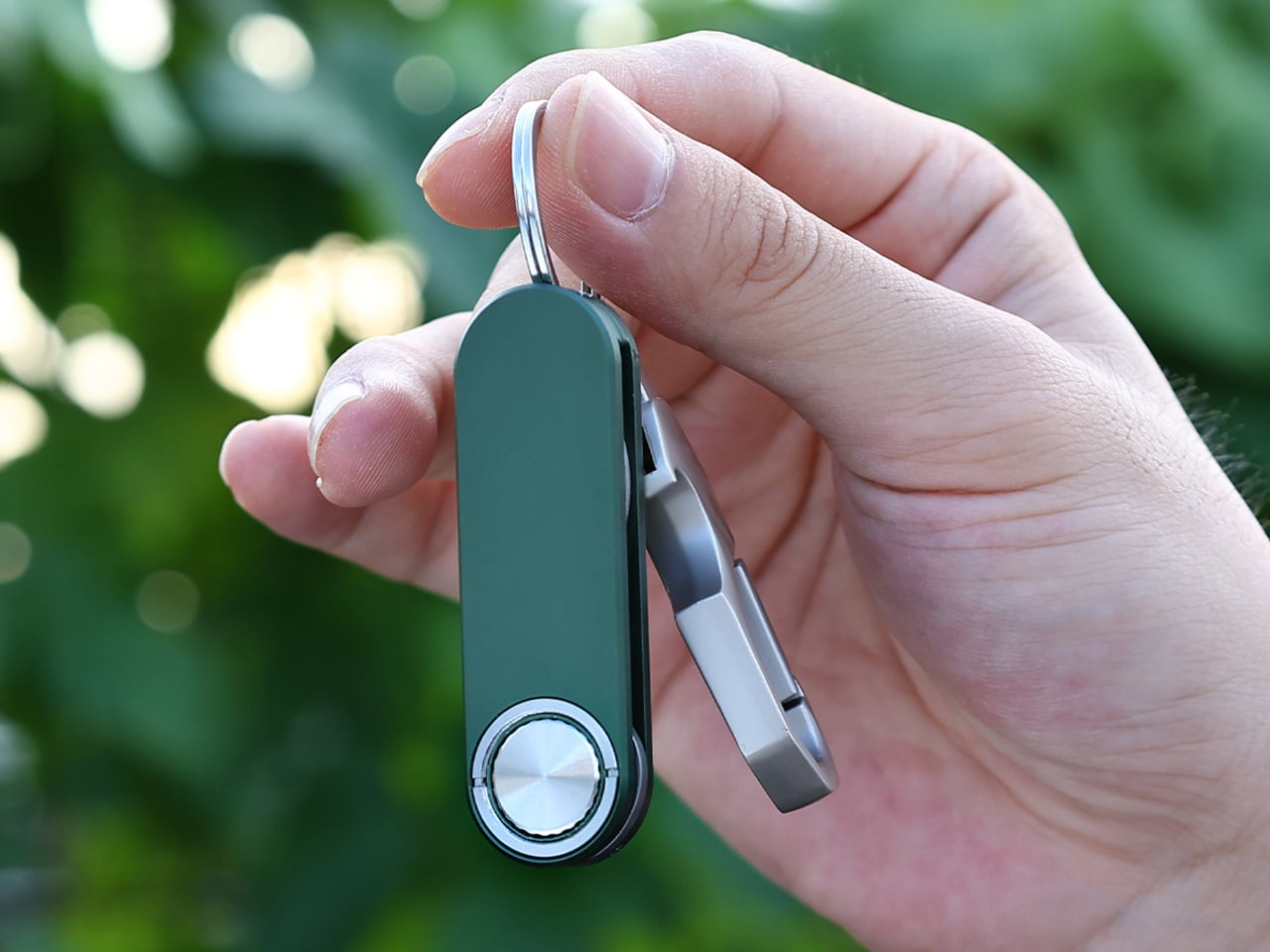
The INIU Pocket Rocket P50 tries to change that calculation. It’s a compact 10,000mAh power bank with 45W fast charging, packed into an ultra-light 160g body that’s small enough to fit in a pocket. With advanced thermal management for stable charging on the go and a built-in USB-C cable for ease of use, INIU built it around a fairly straightforward premise: the best backup charger is the one you’ll actually have with you when you need it most.
Think about the kind of day that starts early and doesn’t slow down. You’re out the door before your phone is fully charged, the bag’s already heavier than you’d like, and by mid-morning, the battery indicator has already started to creep downward. Having the INIU P50 Pocket Rocket in your pocket means you don’t have to plan around outlets or change your route just to find somewhere to charge.
Travel is another situation where the INIU P50 earns its keep. Long airport layovers, train rides, and road trips have a way of draining devices faster than expected, and spending time hunting for a free outlet while juggling luggage isn’t how anyone wants to spend their time. With its compact and lightweight 160g body, this 10,000 mAh portable charger fits easily into a carry-on or daypack without taking up the kind of space better reserved for actual travel essentials.
Of course, a small form factor only tells part of the story. The 45W fast charging is what keeps the INIU P50 Pocket Rocket from feeling like just a novelty. That’s fast enough to charge an iPhone 17 to 70% in 25 minutes. Rather than slowly inching a phone battery up over an hour, it pushes out enough power to make a noticeable difference in a short window, which is exactly what most people need when they’re moving between tasks with little time to spare.
Whether it’s a quick top-up during a lunch break, a longer charge during a flight, or just keeping a pair of earbuds alive through a long afternoon of calls, the speed makes those short windows count for more. It shifts the INIU P50 from something you carry just in case to something that actively keeps your devices running through whatever the day ends up looking like.
Not every feature on the INIU P50 is about speed or capacity. There’s a USB-C GoCord lanyard cable that’s integrated into the unit but detaches when needed, so there’s always one ready without having to dig through a bag for a spare. A real-time smart display shows exactly how much charge is left, and an optional engraving for names or icons makes the whole thing feel genuinely personal. Advanced thermal management also offers peace of mind, knowing you’re getting not only the most stable but also the safest charging experience possible.
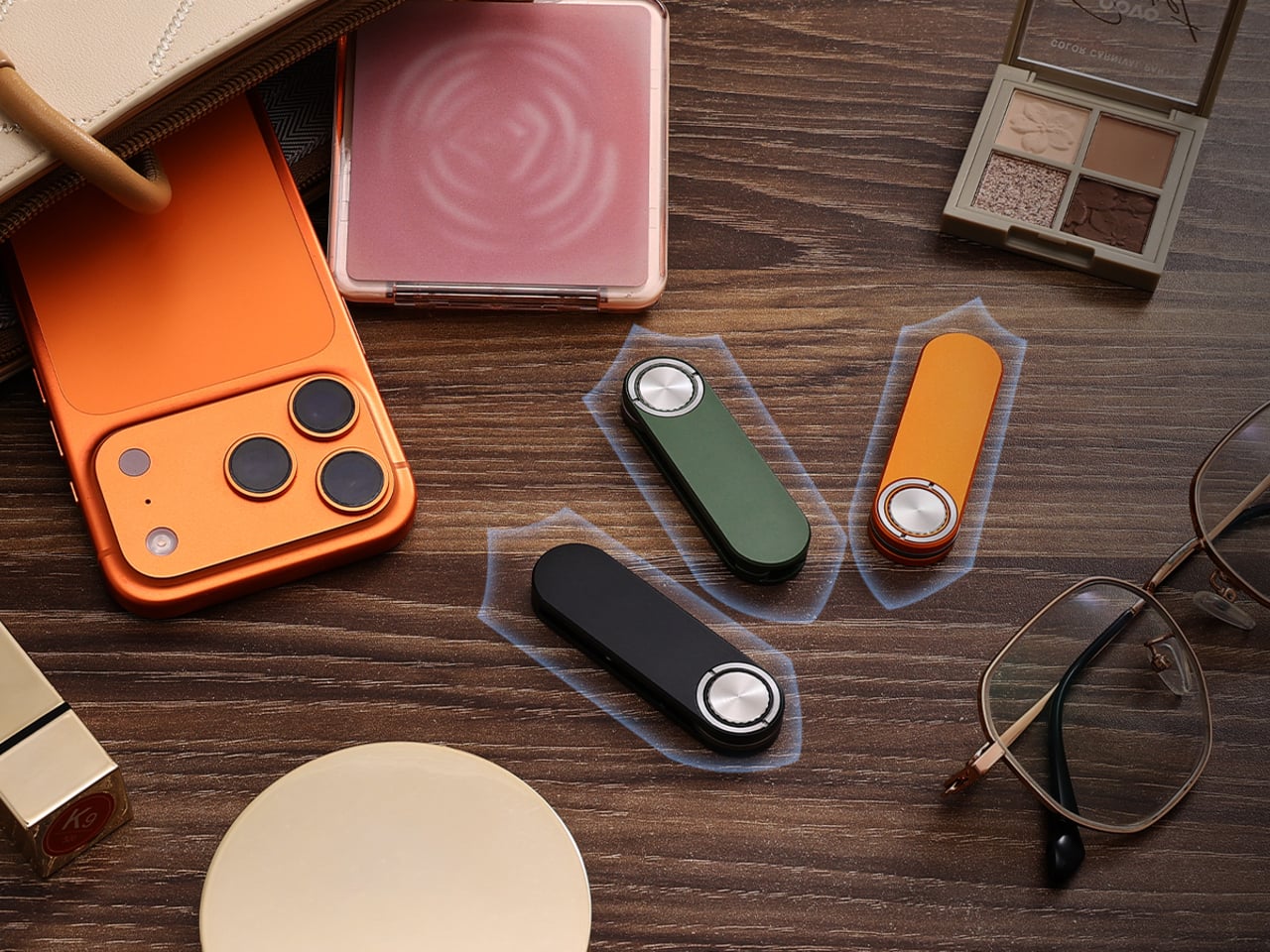
Then there’s the question of how it looks, which isn’t as superficial a concern as it might seem. Most power banks are anonymous black or grey bricks, designed with no apparent interest in how they appear outside of a drawer. The INIU P50 Pocket Rocket comes in a range of colors that let it feel like a considered personal accessory rather than a piece of emergency hardware you apologize for pulling out.
Portable chargers have been around long enough that the category can start to feel routine, but the INIU P50 Pocket Rocket is a good reminder that there’s still room to do it better. Getting 10,000mAh of capacity and 45W of output into something genuinely pocketable, with enough design character to make it feel intentional rather than incidental, takes more thought than most people might expect.
I truly love a well-designed tiny home — one that doesn’t just compress living into a smaller footprint but genuinely rethinks how space can work harder. The Rasa by Simplify Further Tiny Homes is exactly that. Born from three years of hands-on Airbnb hosting experience and 16 active listings, this 20-foot home on wheels isn’t a design exercise. It’s a tested, refined answer to what guests actually need and what hosts actually want.
At 224 square feet, the Rasa measures 8 feet wide, 20 feet long, and stands 13 feet 6 inches tall. Those numbers might sound modest until you realize the layout sleeps up to six people across two queen-sized sleeping lofts. A 7×8-foot master loft accessible via open stairs, and a 7×5-foot second loft reached by ladder. The height under the lofts clears 6 feet 4 inches, which means the main living level doesn’t feel compressed; it feels considered. Black metal railings frame the lofts with a clean, architectural edge that keeps the interior from tipping into cabin territory.
The kitchen punches above its weight. A two-burner electric cooktop, mini fridge, and a pull-down stainless steel sprayer sink cover the essentials without crowding the counter. Built-in barstool seating lines one side, though Simplify Further will swap that out for additional cabinetry if storage matters more than a social kitchen setup. The bathroom follows the same logic: shower stall, vanity, flush toilet, and storage, all functioning without the usual trade-offs that plague tiny home bathrooms. Nothing is squeezed. Everything has a place.
What makes the Rasa genuinely interesting is its design origin story. Simplify Further didn’t sit down with a mood board. They sat down with data. Three years of short-term rental hosting taught them what makes turnover fast, what keeps maintenance low, and what makes guests leave five-star reviews.
The result is a home where minimalism isn’t aesthetic posturing. It’s an operational strategy. Clean lines mean easy cleaning. Durable materials mean fewer call-outs. A NOAH-certified RV chassis means it can legally move, park, and host across a wide range of properties.
Simplify Further has now delivered over 100 tiny homes nationwide, earning a 3-time Best In Show and Best Tiny Home award at the Florida Tiny Home Festival, alongside a BBB Accredited A+ rating. The Rasa is the flagship that makes that reputation legible. It’s a tiny home that thinks like a busi
Living in a compact home does not mean giving up on greenery. The “plant parent” mindset has evolved beyond simple pots on a sill, growing into a refined blend of nature and design. Indoor gardens today are thoughtful, space-conscious, and visually striking so that even the smallest home can feel vibrant and alive.
With clever use of vertical surfaces, layered placement, and smart technology, limited square footage becomes an opportunity rather than a constraint. Here is how a tiny studio, apartment, or room can transform into a calming, air-purifying refuge where plants soften edges, add movement, and create the illusion of a more expansive, breathing space.
1. Geometric Shape Terrariums
Geometric shape terrariums bring an architectural, design-forward approach to indoor gardening. Ideal for minimalist spaces, these sharp-edged glass vessels act as tiny greenhouses for succulents and air plants. Their clean lines and transparent surfaces create a sense of precision, turning greenery into a curated visual statement.
The multifaceted glass catches and reflects light, adding depth, brightness, and a subtle play of shadows. Within these structured forms, you can craft a miniature ecosystem that feels closer to a sculptural object than a conventional garden, perfectly suited to compact homes seeking elegance without visual clutter.
A glass terrarium transforms nature into a sculptural object, bringing balance and tranquillity into your interior. Compact yet visually striking, it recreates a miniature landscape within transparent walls, allowing layers of soil, stone, and greenery to form a harmonious composition. Its egg-like silhouette feels organic and fluid, making it especially fitting during Easter, when symbolic forms take centre stage. Yet beyond the seasonal reference, the clarity of glass keeps the design light and refined. Whether placed on a console, desk, or coffee table, it becomes a subtle focal point that quietly elevates the space.
Housing succulents, ferns, or preserved moss, it introduces calming greenery while requiring minimal maintenance. Personal touches such as stones or soft string lights can shift its mood, keeping this elegant glass enclosure relevant and serene throughout the year.
2. Automated Hydroponics Gardens
Automated hydroponics gardens redefine indoor growing by blending technology with convenience. These soil-free systems use LED grow lights, controlled nutrient delivery, and built-in water circulation to cultivate herbs and leafy greens year-round. Designed for efficiency, they eliminate many traditional challenges, making plant care precise, predictable, and remarkably clean.
For busy urban lifestyles, they offer a true “set it and forget it” experience. Compact, sleek, and kitchen-friendly, these units sit neatly on a countertop while delivering a steady supply of fresh, homegrown produce.
Created by Tilden Cooper (Assoc. AIA), Nutraponics redefines the concept of an indoor garden by seamlessly merging natural growth with intelligent technology. It creates a carefully regulated, year-round growing environment within your home, removing the uncertainty of changing seasons, inconsistent produce quality, and the limitations of outdoor cultivation.
This smart indoor garden operates on an automated hydroponic system, replacing soil with a nutrient-rich water solution that encourages efficient plant growth. It’s integrated Grow Ring emits a balanced light spectrum to support every stage of development, while a precision-controlled pump delivers nutrients directly to the roots. Built-in sensors continuously monitor temperature, pH levels, water balance, and nutrient quality, alerting you only when intervention is required. You simply plant the seeds, personalise the settings, and enjoy a consistent harvest of fresh, healthy produce with minimal effort.
3. Hanging Vase Displays
Hanging vase displays offer a graceful solution when floor space is limited. By shifting greenery toward the ceiling, you unlock an often-overlooked design zone while keeping surfaces clear. Transparent glass or metallic finishes enhance the airy effect, allowing trailing plants to appear as though they are floating within the room.
Ideal for cascading varieties like pothos or philodendrons, this vertical styling draws the eye upward and subtly amplifies perceived height. The greenery forms a soft, living curtain that adds movement and texture without interrupting circulation. The result feels light, elegant, and perfectly suited to compact interiors seeking visual lift.
Lighting may illuminate a room, but greenery transforms it. The Poetic Beauty Vase is designed precisely for that purpose, which is to introduce living plants into an interior with sculptural elegance. Created by Yeonsu Ra, this ceiling-hung indoor garden reimagines the traditional chandelier as a suspended arrangement of thirteen delicate vases. Arranged across two tiers, the installation combines botanical freshness with visual drama, allowing foliage to cascade gently from above. Whether your space leans minimalist, Nordic, bohemian, or mid-century, the presence of suspended greenery instantly softens hard lines and brings emotional warmth to the room.
Beyond its striking form, the product integrates a thoughtful self-watering mechanism. Two central trays distribute water to all thirteen vases through a discreet pipe system. Each planter sits in a buoyant container that rises or lowers according to the water level, offering a clear visual cue for refilling. As the water is absorbed, the planters gradually descend, signalling when nourishment is needed turning maintenance into a simple, almost meditative ritual.
4. Horticulture Gardening Tables
Horticulture gardening tables embody the brilliance of multi-functional design. Perfect for compact homes, these innovative pieces integrate a planting bed into the heart of a coffee or dining table, often shielded beneath a glass surface. The result is furniture that seamlessly merges practicality with living greenery.
By transforming plants into the literal centerpiece, the table creates a constant connection with nature. You can dine, read, or work while surrounded by a thriving micro-garden just inches away. It’s a refined, space-saving solution that elevates both décor and daily experience, adding freshness, texture, and a quiet sense of vitality to the room.
Horticultural therapy has long been recognised for its ability to improve mood, stimulate memory, and encourage social interaction, particularly within healthcare and residential environments. Designed by Yu-Chin Gao, Lively Greens reinterprets this practice through an intelligent product that supports elderly users, including those experiencing dementia. The piece functions as a dedicated horticultural therapy table, thoughtfully developed to reduce the cognitive demands often associated with plant care while still delivering its emotional and psychological benefits.
At its core, Lively Greens operates through an aquaponic system that merges aquaculture with hydroponics. The design integrates a fish tank beneath five planting pots, allowing nutrient-rich water produced by the fish to circulate upward and nourish the plants. As the aquatic ecosystem naturally generates fertiliser, the greenery above flourishes with minimal intervention. Users are only required to plant the seeds initially, after which the self-sustaining cycle maintains growth. By removing the need for regular watering and complex upkeep, the product enables therapeutic engagement without overwhelming its users.
5. Hanging Wire Shelving & Modular Systems
Hanging wire shelving and modular systems offer a flexible, industrial-inspired solution for cultivating greenery in compact spaces. Their open, lightweight framework maximizes vertical real estate while maintaining an airy visual feel. Ideal for plant lovers who enjoy evolving displays, these structures provide both function and a bold design statement.
Adjustable shelves adapt easily as plants grow, allowing your arrangement to shift without replacing furniture. The modular nature makes expansion effortless and begins with a single unit and gradually builds a layered living wall. The result is a scalable vertical garden that feels dynamic, organized, and perfectly suited to small-footprint living.
Planterior is an innovative indoor garden system inspired by LEGO’s iconic building-block logic, designed to bring adaptable greenery into your workspace. Created by Dasol Jeong, the system features a wall-mounted base platform similar in proportion to a traditional bulletin board. Onto this structured frame, modular planters can be attached and rearranged, allowing you to transform a blank wall into a living, evolving garden. Conceived during the rise of work-from-home culture, Planterior responds to the growing desire to make home offices feel warmer, more personal, and connected to nature.
The product adopts LEGO’s stacking principle, enabling each planter to click securely onto the base and be repositioned with ease. This modular construction encourages flexibility, letting you experiment with layouts and configurations depending on your space and aesthetic preferences. By merging playful assembly with functional design, Planterior turns gardening into an interactive experience while seamlessly integrating greenery into compact, contemporary interiors.
Compact living no longer limits your connection to greenery. With thoughtful design choices from vertical displays to tech-enabled gardens, nature integrates seamlessly into everyday spaces. The key lies in working smarter with space, allowing even the smallest home to feel fresh, balanced, and beautifully alive.
On Christmas Eve 1968, astronaut Bill Anders looked out of Apollo 8’s window and saw something no human had ever seen before: Earth, whole and luminous, rising above the lunar horizon. He grabbed a camera and took what became arguably the most reproduced environmental photograph in history. That single image reframed humanity’s relationship with our planet, a pale blue marble suspended in the absolute black of space. Fifty-eight years later, the Artemis II crew did something almost identical, pointing their cameras backward as Orion swung behind the Moon and capturing Earth in the act of setting below the lunar limb.
That photograph, taken April 6, 2026, existed for barely nine days before LEGO builder BuildingDreams submitted an Ideas project to immortalize it in brick form. The Earthset mosaic is a 48 by 32 centimeter wall-art panel that translates the soft curves of Earth’s atmosphere, the brown and blue patchwork of continents and ocean, and the pale grey sweep of lunar regolith into a grid of plastic studs with a faithfulness that genuinely stops you mid-scroll.
Designer: BuildingDreams
The build sits in the tradition of LEGO’s own Art series, that line of large-format mosaic panels designed to function as legitimate wall decor rather than shelf clutter. BuildingDreams has clearly studied the format carefully. The panel frame is clean and silver-edged, the depth a slim 2.8 centimeters, and the overall composition respects the original photograph’s balance: vast black space occupying the upper field, the Earth arc sweeping across the middle, and the lunar surface anchoring the bottom in tan and brown. What makes it work as a mosaic is the restraint. The builder resists the temptation to over-detail the Earth itself, letting the contrast between white cloud cover, deep ocean blue, and brown landmass do the compositional heavy lifting.
The detail that elevates this above a flat mosaic exercise is the Orion spacecraft, rendered in three dimensions and mounted to the left edge of the panel, solar panels spread wide, jutting out into the room. It breaks the picture plane in exactly the right way, a reminder that this photograph had a photographer, that four humans were inside that capsule watching Earth disappear below the Moon. Beneath the spacecraft, four minifigures stand on a small stepped platform labeled ARTEMIS II, representing Commander Reid Wiseman, Pilot Victor Glover, and Mission Specialists Christina Koch and Jeremy Hansen. The orange Orion Crew Survival System suits are printed with NASA and CSA mission patches. The minifig work is precise enough that you can tell which figure represents Hansen by the Canadian Space Agency insignia on his chest.
BuildingDreams has noted that Earthset is designed as a companion to their previous Earthrise project, the two panels intended to hang side by side as a kind of 58-year conversation between Apollo 8 and Artemis II. That framing is genuinely compelling, and for anyone who has the wall space, the pair would be remarkable.
LEGO Ideas is the community platform where fan-designed builds gather votes toward a 10,000-supporter threshold, at which point LEGO’s internal team formally reviews the submission for potential production as a retail set. Earthset is currently sitting at just over 530 supporters with nearly 586 days left on the clock. If you want to see this one make it to store shelves, head to the LEGO Ideas page and cast your vote.
At just $30,000, the Shanti by Simplify Further Tiny Homes might be the most honest tiny home on the market right now. No gimmicks, no inflated square footage promise, just a clean, well-built 20-foot home on wheels that does exactly what it says it will. For a space category that has a habit of creeping toward six figures before you’ve even added a kitchen, the Shanti lands like a breath of fresh air.
The Shanti measures 8’5″ wide, 20 feet long, and stands 13’6″ tall, translating to 133 square feet of main-level living space. Unlike most tiny homes where sleeping is relegated to a loft you have to climb into every night, the Shanti puts the queen-sized bed on the ground level — a decision that alone sets it apart. The loft exists, but it’s purely for storage, which makes the Shanti a natural fit for older residents, guests, or anyone who’s simply done negotiating with a ladder.
Inside, the layout is deliberately open. A kitchenette, a bathroom with a shower stall, a flush toilet, and a mini sink round out the essentials without overcomplicating the floor plan. Upgrade options include shiplap interior walls, a washer/dryer combo unit, and full furnishing — meaning a move-in-ready Shanti fully finished starts at $35,000, which remains remarkably low for a certified build. The entire structure is NOAH certified as an RV and sits on a hand-built chassis with thick gauge steel, double axles rated at 5,000 lbs each, trailer brakes, and DOT-approved highway lighting — built to travel, not just to sit.
Simplify Further, based out of Lake Butler, Florida, built the Shanti as their very first model, and it’s arguably still their most versatile. The company describes it as a blank canvas, and the use cases back that up: guest house, mother-in-law suite, home office, Airbnb rental, teen housing, healing arts studio, or emergency shelter. Several Shanti units have already been listed on Airbnb near Florida’s crystal clear springs, giving prospective buyers a chance to actually sleep in one before committing.
For a builder that has delivered over 100 tiny homes nationwide and holds a 3-time Best in Show award from the Florida Tiny Home Festival, the Shanti is a quiet statement. It’s proof that the best entry point into tiny living doesn’t have to compromise on quality — it just has to be honest about what space you actually need.