Everyday carry culture has done something interesting to the way we think about the small objects in our pockets. Lighters, pens, and multi-tools have long been redesigned with premium materials, tighter tolerances, and better finishes. Oral care, however, hasn’t really gotten the same treatment. Most dental accessories are still disposable, plastic, and designed to be forgotten the moment they’ve served their purpose.
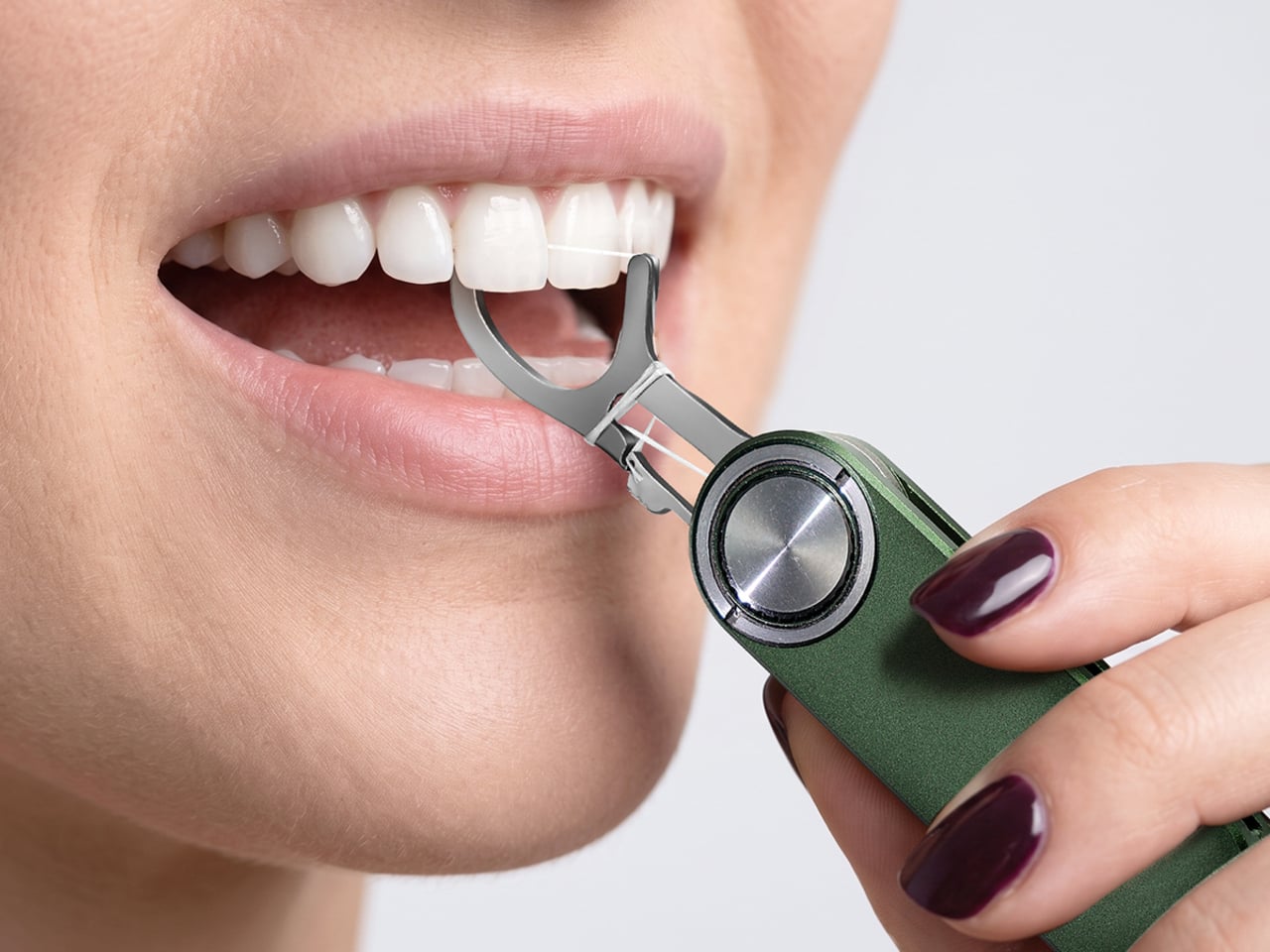
That’s what makes TiFloss from TIKZER feel like a timely idea. Rather than treating flossing as something that happens strictly over a bathroom sink, it takes the whole experience outdoors, into pockets, bags, and keychains. It’s a compact, all-metal floss tool built for daily carry and repeated use, and it makes a decent case that oral care doesn’t have to be tied to one room of the house.
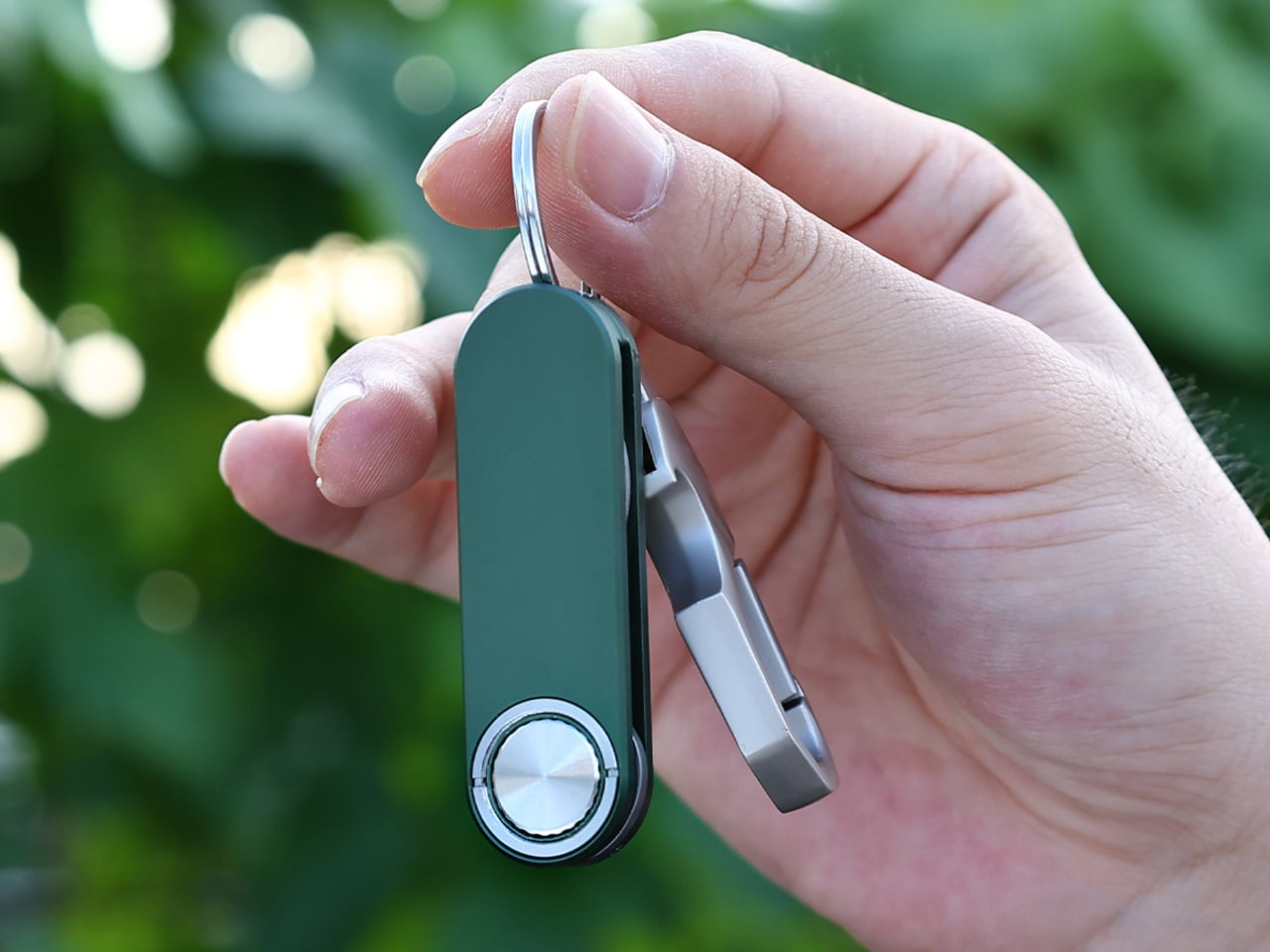
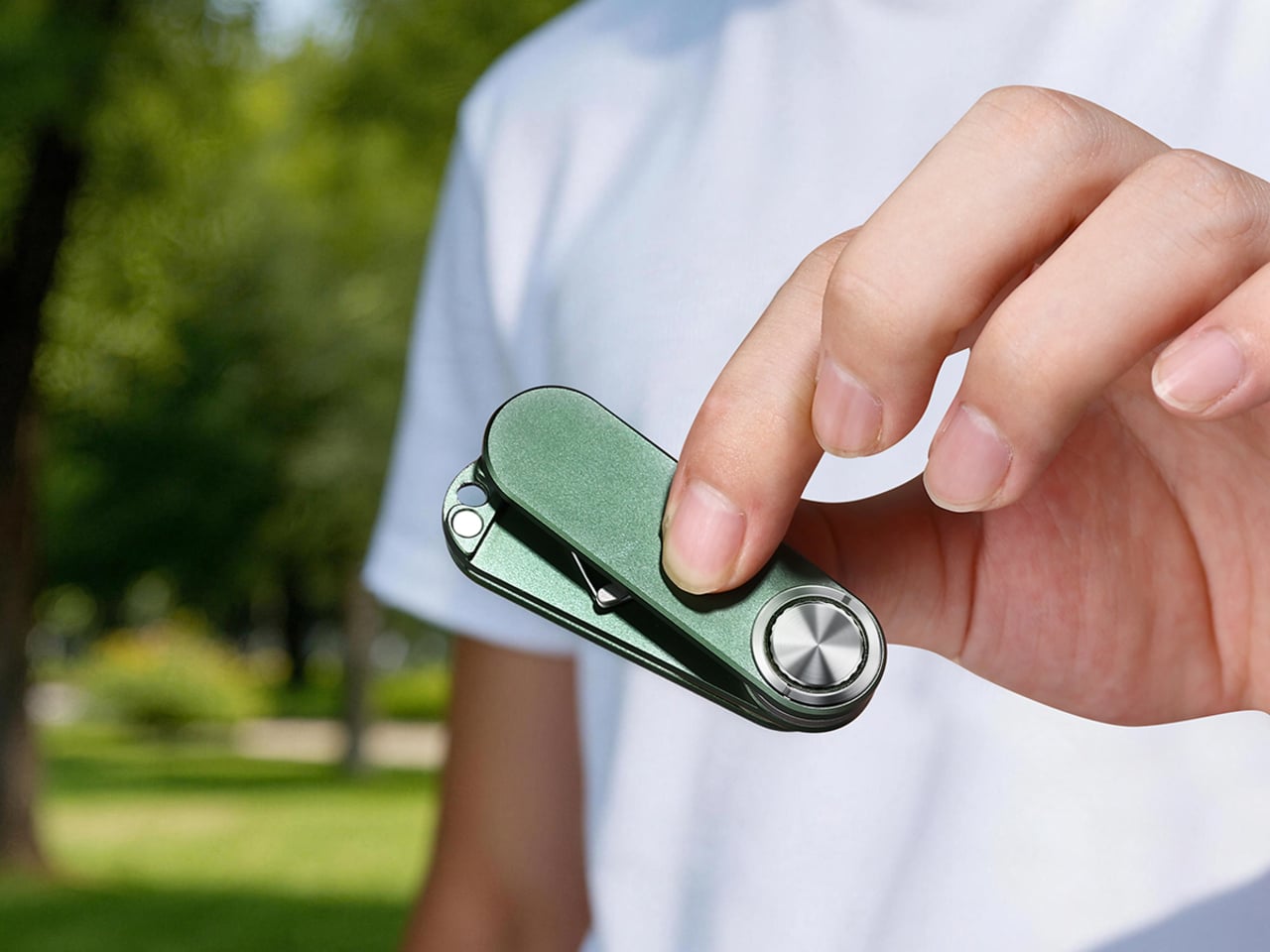
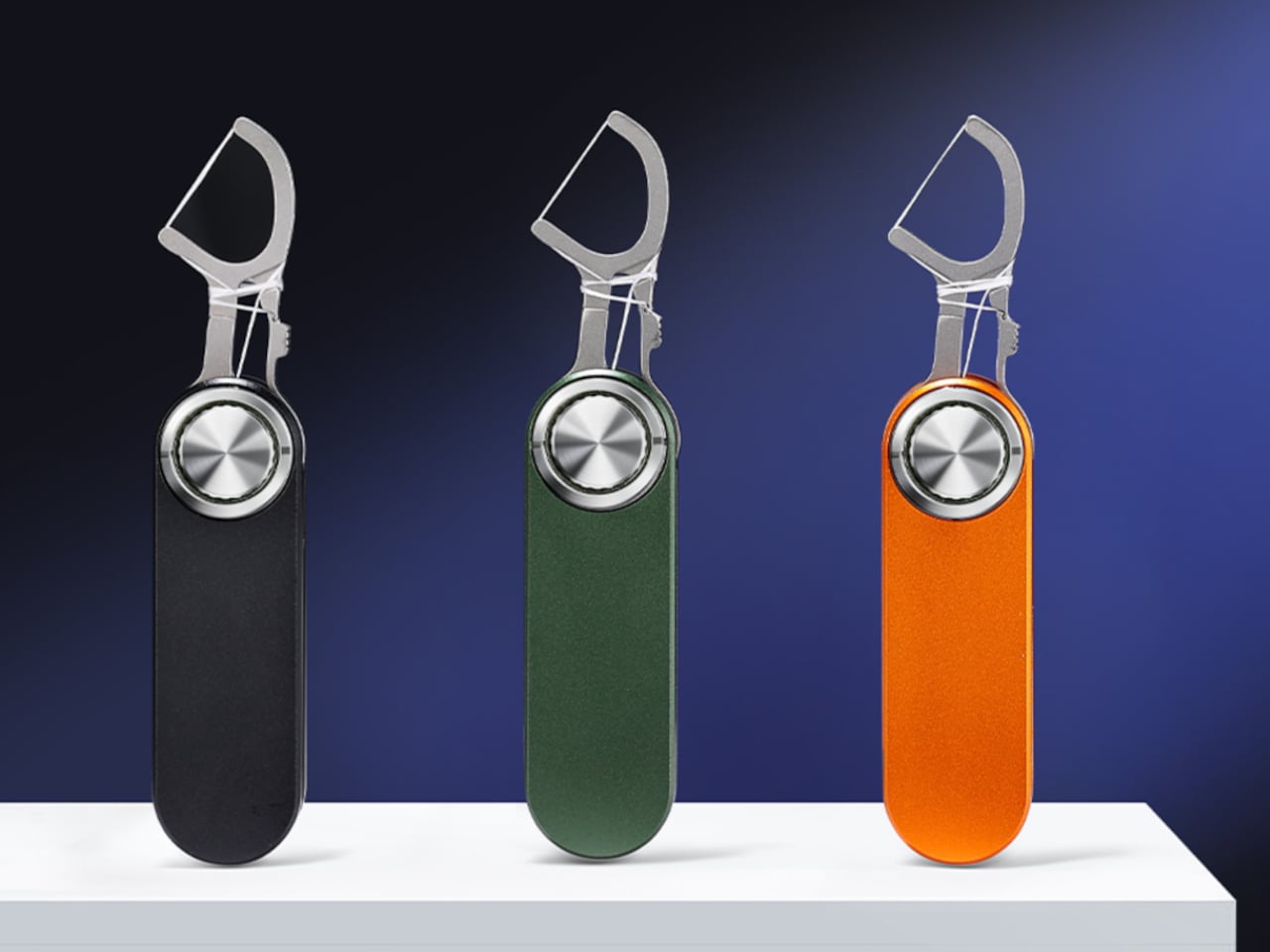
The construction is deliberately premium. The folding frame is made from Grade 5 titanium, the body from aluminum alloy, and the floss spool from stainless steel. Each material has a purpose: the titanium resists corrosion, the aluminum keeps weight manageable, and the stainless steel spool holds tension reliably across multiple refills. At 59.3g and 62mm long when closed, it fits comfortably alongside a set of keys.
The value becomes clearest after a meal away from home. Getting food stuck between your teeth at lunch, on a flight, or during a long commute is a small frustration that usually goes unresolved because the right tool isn’t nearby. TiFloss is designed specifically for those moments. Its enclosed folding design keeps the floss head protected while it sits in a pocket or bag.
Refilling it is straightforward once you get the hang of it. The magnetic spool detaches from the body, letting you wind on a fresh length of floss and snap it back in place. A retention groove keeps everything taut during use, and it works with a range of floss types, including PTFE, flat, and expanding varieties, so there’s no need to hunt for proprietary refills.
What this also means is that the tool itself doesn’t get thrown away after a single use. Most disposable floss picks last a few minutes before ending up in a bin, but TiFloss is built to stay in rotation for years. A quick rinse is enough to keep it clean between uses, and its all-metal construction handles water and everyday wear without any special care required.
There’s also something to be said for how it feels to use it. The frame pivots on a precision ball-bearing system, and a magnetic detent mechanism creates a satisfying click at the end of each rotation. It’s the kind of tactile feedback that makes an unremarkable task feel slightly more considered, and it’s part of what gives TiFloss a natural crossover appeal among EDC enthusiasts.
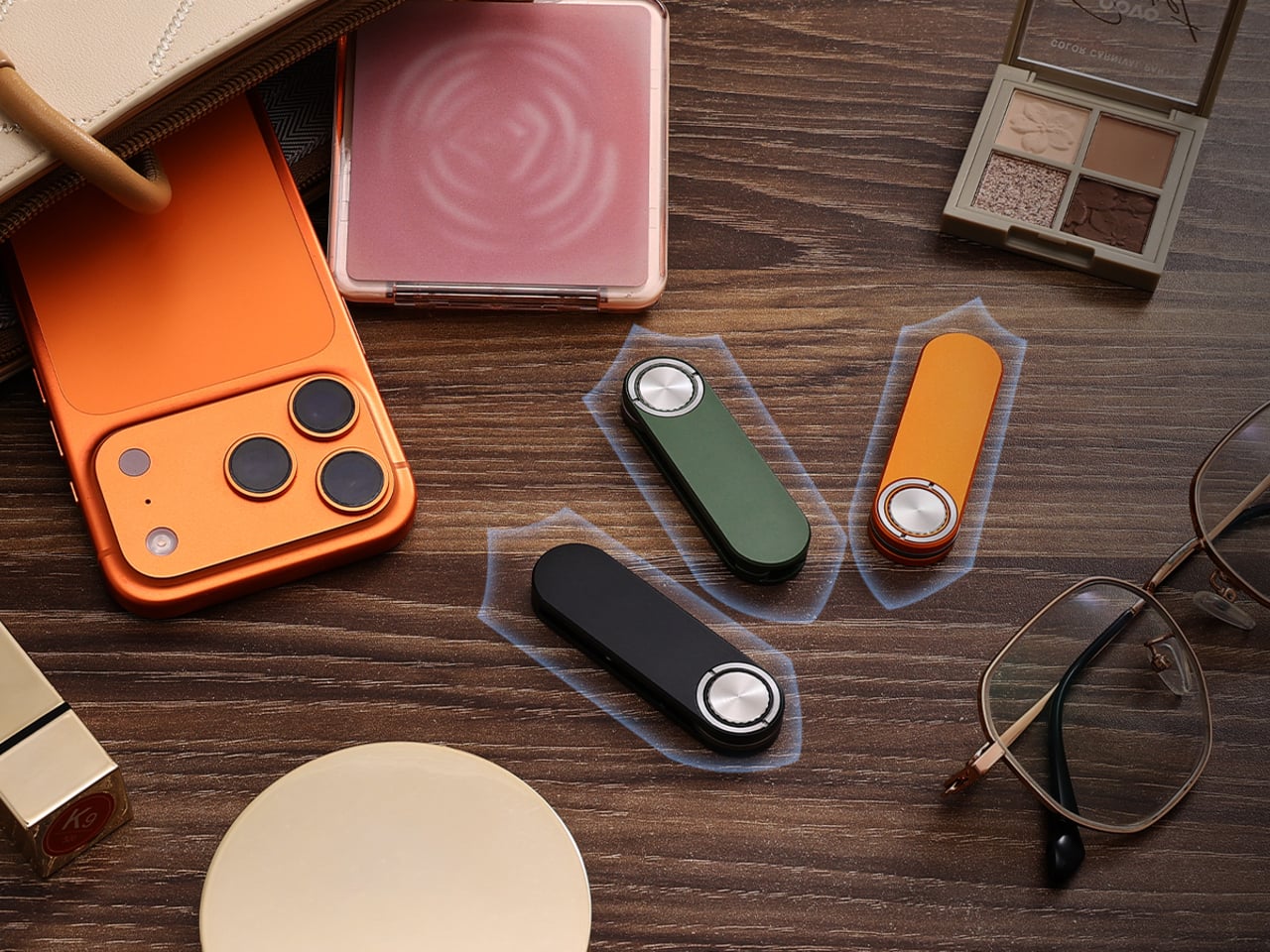
That crossover makes sense given how the product is sized and carried. At just 12.4mm thick and shorter than most key fobs, it attaches to a keyring, drops into a jacket pocket, or disappears into a bag without adding bulk. TIKZER offers it in orange, black, and green, which keeps the aesthetic grounded without feeling sterile, and gives it enough personality to feel like a deliberate choice.
There’s something quietly satisfying about an object that does exactly what it promises without making a fuss about it. TiFloss doesn’t ask you to change your flossing method or adopt a new routine. It simply makes the tool smaller, better built, and easier to have nearby whenever a meal ends somewhere other than home. For something as mundane as oral care, that’s a genuinely useful shift.
Everyday carry culture has done something interesting to the way we think about the small objects in our pockets. Lighters, pens, and multi-tools have long been redesigned with premium materials, tighter tolerances, and better finishes. Oral care, however, hasn’t really gotten the same treatment. Most dental accessories are still disposable, plastic, and designed to be forgotten the moment they’ve served their purpose.
That’s what makes TiFloss from TIKZER feel like a timely idea. Rather than treating flossing as something that happens strictly over a bathroom sink, it takes the whole experience outdoors, into pockets, bags, and keychains. It’s a compact, all-metal floss tool built for daily carry and repeated use, and it makes a decent case that oral care doesn’t have to be tied to one room of the house.
The construction is deliberately premium. The folding frame is made from Grade 5 titanium, the body from aluminum alloy, and the floss spool from stainless steel. Each material has a purpose: the titanium resists corrosion, the aluminum keeps weight manageable, and the stainless steel spool holds tension reliably across multiple refills. At 59.3g and 62mm long when closed, it fits comfortably alongside a set of keys.
The value becomes clearest after a meal away from home. Getting food stuck between your teeth at lunch, on a flight, or during a long commute is a small frustration that usually goes unresolved because the right tool isn’t nearby. TiFloss is designed specifically for those moments. Its enclosed folding design keeps the floss head protected while it sits in a pocket or bag.
Refilling it is straightforward once you get the hang of it. The magnetic spool detaches from the body, letting you wind on a fresh length of floss and snap it back in place. A retention groove keeps everything taut during use, and it works with a range of floss types, including PTFE, flat, and expanding varieties, so there’s no need to hunt for proprietary refills.
What this also means is that the tool itself doesn’t get thrown away after a single use. Most disposable floss picks last a few minutes before ending up in a bin, but TiFloss is built to stay in rotation for years. A quick rinse is enough to keep it clean between uses, and its all-metal construction handles water and everyday wear without any special care required.
There’s also something to be said for how it feels to use it. The frame pivots on a precision ball-bearing system, and a magnetic detent mechanism creates a satisfying click at the end of each rotation. It’s the kind of tactile feedback that makes an unremarkable task feel slightly more considered, and it’s part of what gives TiFloss a natural crossover appeal among EDC enthusiasts.
That crossover makes sense given how the product is sized and carried. At just 12.4mm thick and shorter than most key fobs, it attaches to a keyring, drops into a jacket pocket, or disappears into a bag without adding bulk. TIKZER offers it in orange, black, and green, which keeps the aesthetic grounded without feeling sterile, and gives it enough personality to feel like a deliberate choice.
There’s something quietly satisfying about an object that does exactly what it promises without making a fuss about it. TiFloss doesn’t ask you to change your flossing method or adopt a new routine. It simply makes the tool smaller, better built, and easier to have nearby whenever a meal ends somewhere other than home. For something as mundane as oral care, that’s a genuinely useful shift.
Everyday carry culture has done something interesting to the way we think about the small objects in our pockets. Lighters, pens, and multi-tools have long been redesigned with premium materials, tighter tolerances, and better finishes. Oral care, however, hasn’t really gotten the same treatment. Most dental accessories are still disposable, plastic, and designed to be forgotten the moment they’ve served their purpose.
That’s what makes TiFloss from TIKZER feel like a timely idea. Rather than treating flossing as something that happens strictly over a bathroom sink, it takes the whole experience outdoors, into pockets, bags, and keychains. It’s a compact, all-metal floss tool built for daily carry and repeated use, and it makes a decent case that oral care doesn’t have to be tied to one room of the house.
The construction is deliberately premium. The folding frame is made from Grade 5 titanium, the body from aluminum alloy, and the floss spool from stainless steel. Each material has a purpose: the titanium resists corrosion, the aluminum keeps weight manageable, and the stainless steel spool holds tension reliably across multiple refills. At 59.3g and 62mm long when closed, it fits comfortably alongside a set of keys.
The value becomes clearest after a meal away from home. Getting food stuck between your teeth at lunch, on a flight, or during a long commute is a small frustration that usually goes unresolved because the right tool isn’t nearby. TiFloss is designed specifically for those moments. Its enclosed folding design keeps the floss head protected while it sits in a pocket or bag.
Refilling it is straightforward once you get the hang of it. The magnetic spool detaches from the body, letting you wind on a fresh length of floss and snap it back in place. A retention groove keeps everything taut during use, and it works with a range of floss types, including PTFE, flat, and expanding varieties, so there’s no need to hunt for proprietary refills.
What this also means is that the tool itself doesn’t get thrown away after a single use. Most disposable floss picks last a few minutes before ending up in a bin, but TiFloss is built to stay in rotation for years. A quick rinse is enough to keep it clean between uses, and its all-metal construction handles water and everyday wear without any special care required.
There’s also something to be said for how it feels to use it. The frame pivots on a precision ball-bearing system, and a magnetic detent mechanism creates a satisfying click at the end of each rotation. It’s the kind of tactile feedback that makes an unremarkable task feel slightly more considered, and it’s part of what gives TiFloss a natural crossover appeal among EDC enthusiasts.
That crossover makes sense given how the product is sized and carried. At just 12.4mm thick and shorter than most key fobs, it attaches to a keyring, drops into a jacket pocket, or disappears into a bag without adding bulk. TIKZER offers it in orange, black, and green, which keeps the aesthetic grounded without feeling sterile, and gives it enough personality to feel like a deliberate choice.
There’s something quietly satisfying about an object that does exactly what it promises without making a fuss about it. TiFloss doesn’t ask you to change your flossing method or adopt a new routine. It simply makes the tool smaller, better built, and easier to have nearby whenever a meal ends somewhere other than home. For something as mundane as oral care, that’s a genuinely useful shift.
Most rooftop tents still act like tents. You climb in, you’re surrounded by fabric, you sleep, you leave. The Sky Cruiser is going for something a little different, it wants to feel like a room you happen to be sleeping in above your truck, complete with a skylight and windows doing the job curtains and walls usually do back home.
That shift in identity starts the moment you arrive at camp, honestly, because you barely have to lift a finger to get there. The X-frame construction pops open and locks in place in seconds, no wrestling with poles or praying the wind cooperates. Once it’s up, the GlowRail lighting kicks in after dark like a little mood setting feature, and the SkyHold storage keeps your gear from turning the place into chaos. It’s less “put up a tent” and more “open a room with a very good view.”
Designer: Cinch Outdoors
The skylight is doing most of the emotional labor here, and it earns the attention. Instead of a fabric ceiling that separates you from the sky, Cinch swapped in a clear panel that turns your bedtime routine into a low-key planetarium show. Pair that with the panoramic side windows and you’ve basically got a tent with no bad seats. It’s a small architectural decision with a big payoff, since most rooftop tents treat the view as a bonus you get through a mesh door, not the whole point of the design.
Getting up there is handled by the WideTrak ladder, which telescopes out in one motion and locks with a click, so you’re not fumbling with separate rungs at 9pm with a headlamp between your teeth. Once you’re inside, ThermaSoft flooring and a high-density foam mattress do the unglamorous but essential work of keeping the whole setup comfortable regardless of season. None of this is flashy on its own. What’s smart is how Cinch bundled it together so the tent doesn’t just look good in photos, it actually holds up once you’re lying in it at 2am wondering why you forgot a blanket.
Cinch isn’t new to the instant setup game, which is worth mentioning briefly before we move on. Their Air Cruiser leaned on an inflatable Air Frame to get you from flat pack to full tent in minutes, no poles required. The Sky Cruiser swaps that approach for a mechanical X-frame instead, trading the pump for a fold and lock system that holds its shape in rough weather without needing air pressure to stay rigid. Different mechanism, same obsession with cutting the setup time down to almost nothing.
At $4,999, the Sky Cruiser is planting itself firmly in premium territory, right alongside tents like the Thule Widesky that treat rooftop camping as a lifestyle upgrade rather than a budget workaround. That price buys you a hardshell that survives rough weather, a skylight that makes stargazing effortless, and enough small conveniences (the ladder, the lighting, the storage) that the whole experience feels considered rather than cobbled together. Whether it’s worth it depends entirely on how much you value showing up at a campsite and doing almost nothing before the best part of the night starts. For a certain kind of camper, that’s not a luxury. That’s the entire pitch.
Plastic has long been the default choice for packaging because of its durability, flexibility, and low cost. Today, however, designers are proving that high-performance packaging does not have to come at the expense of the environment. Advances in renewable materials, circular design, and biodegradable alternatives are reshaping the industry. The result is they’re replacing conventional plastics with solutions that are just as functional while generating far less waste.
By 2026, sustainable packaging design has moved beyond prototypes and niche applications into everyday retail. Seaweed packaging films, molded pulp, mono-material packaging, compostable foams, and dissolvable packaging are protecting everything from food and cosmetics to consumer goods without relying on single-use plastics. These seven innovative packaging concepts showcase how thoughtful material choices and intelligent engineering are creating plastic-free packaging products and biodegradable packaging 2026 that are durable, practical, and designed with their entire lifecycle in mind.
1. Seaweed and Mono-Material Paper Finally Reach Store Shelves
The biggest shift in sustainable packaging design isn’t a futuristic material, but its accessibility. In 2026, innovations such as seaweed packaging films and mono-material packaging have moved beyond experimental concepts into mainstream retail. These next-generation materials deliver the durability and shelf life brands expect while significantly reducing their environmental impact.
Instead of relying on complex multi-layer plastic composites that are difficult to recycle, designers are using simplified material systems that can be recycled, composted, or naturally dissolve after use. Sustainable packaging design is no longer driven by marketing claims alone but by thoughtful engineering that minimizes waste throughout a product’s lifecycle. The result is packaging that combines functionality, visual appeal, and circular design principles while leaving little to no trace once its purpose has been fulfilled.
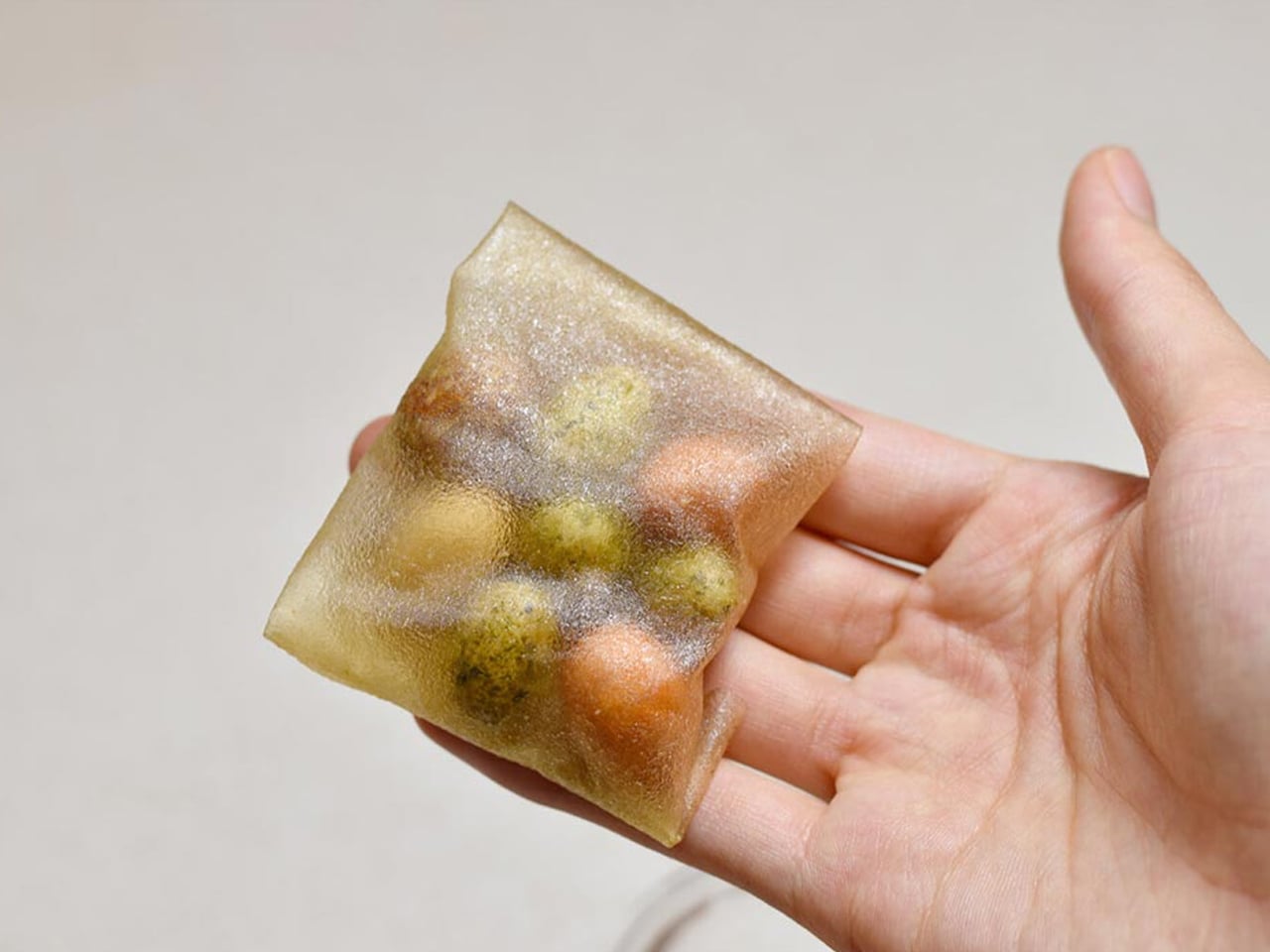
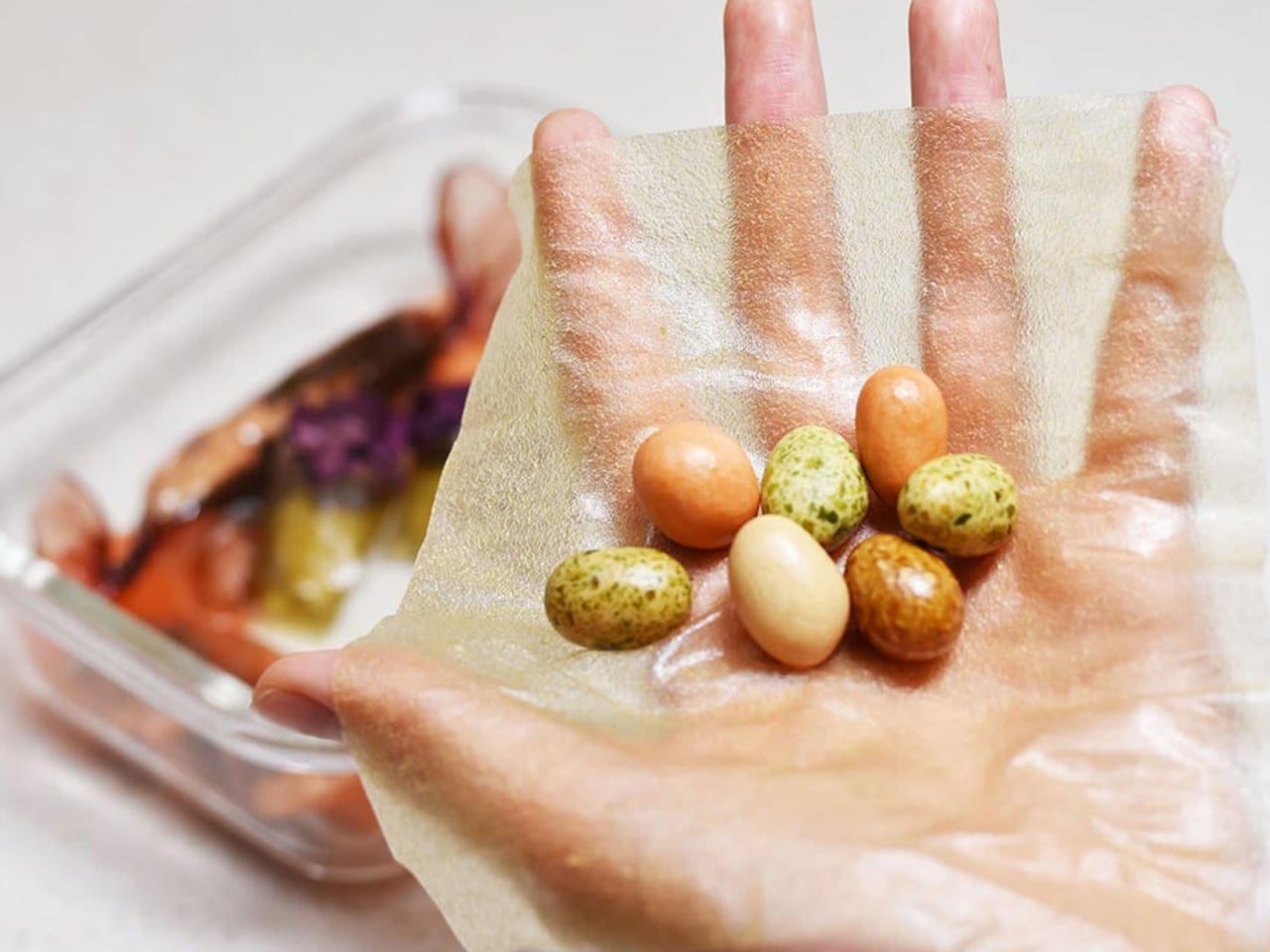
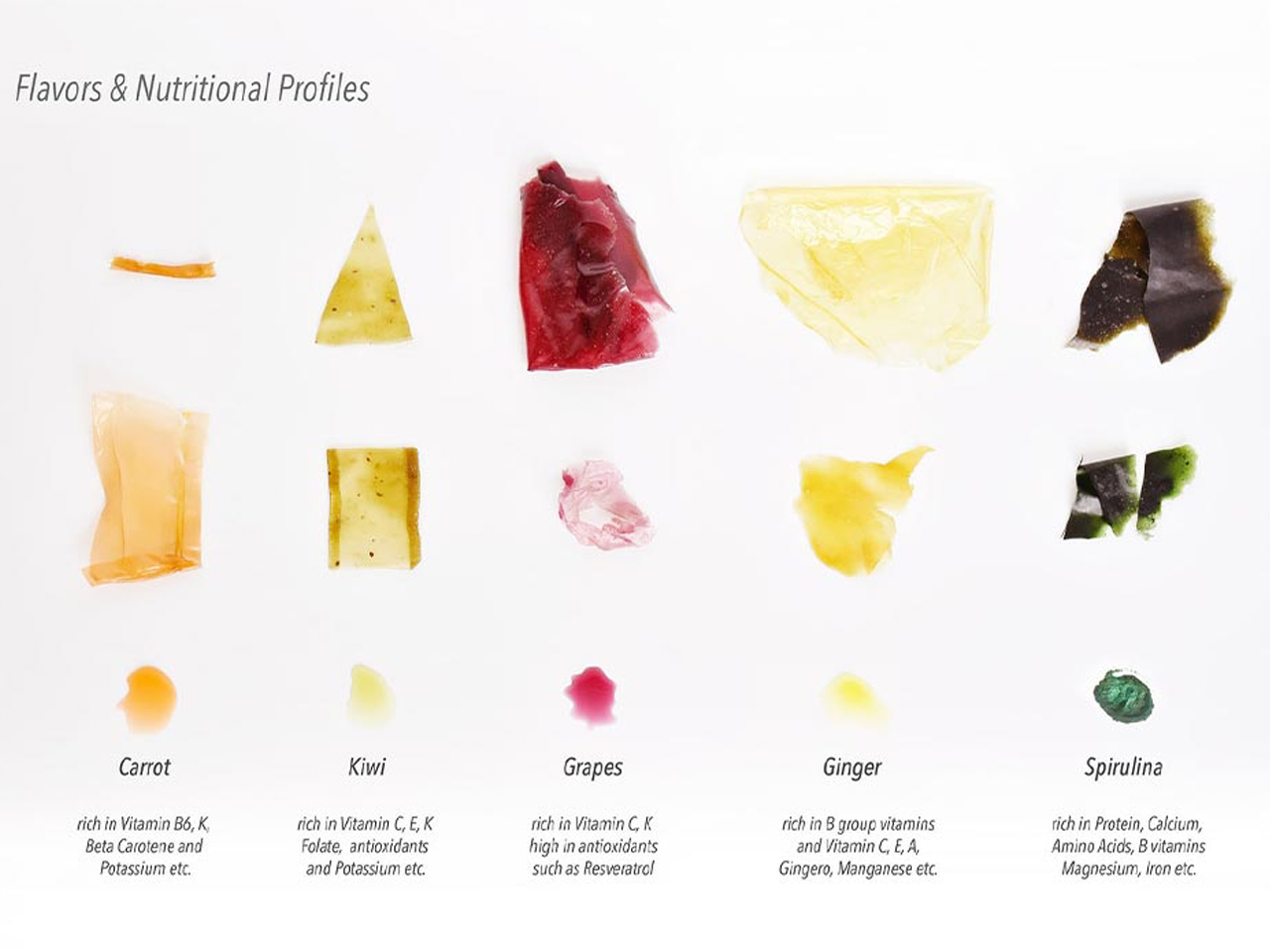
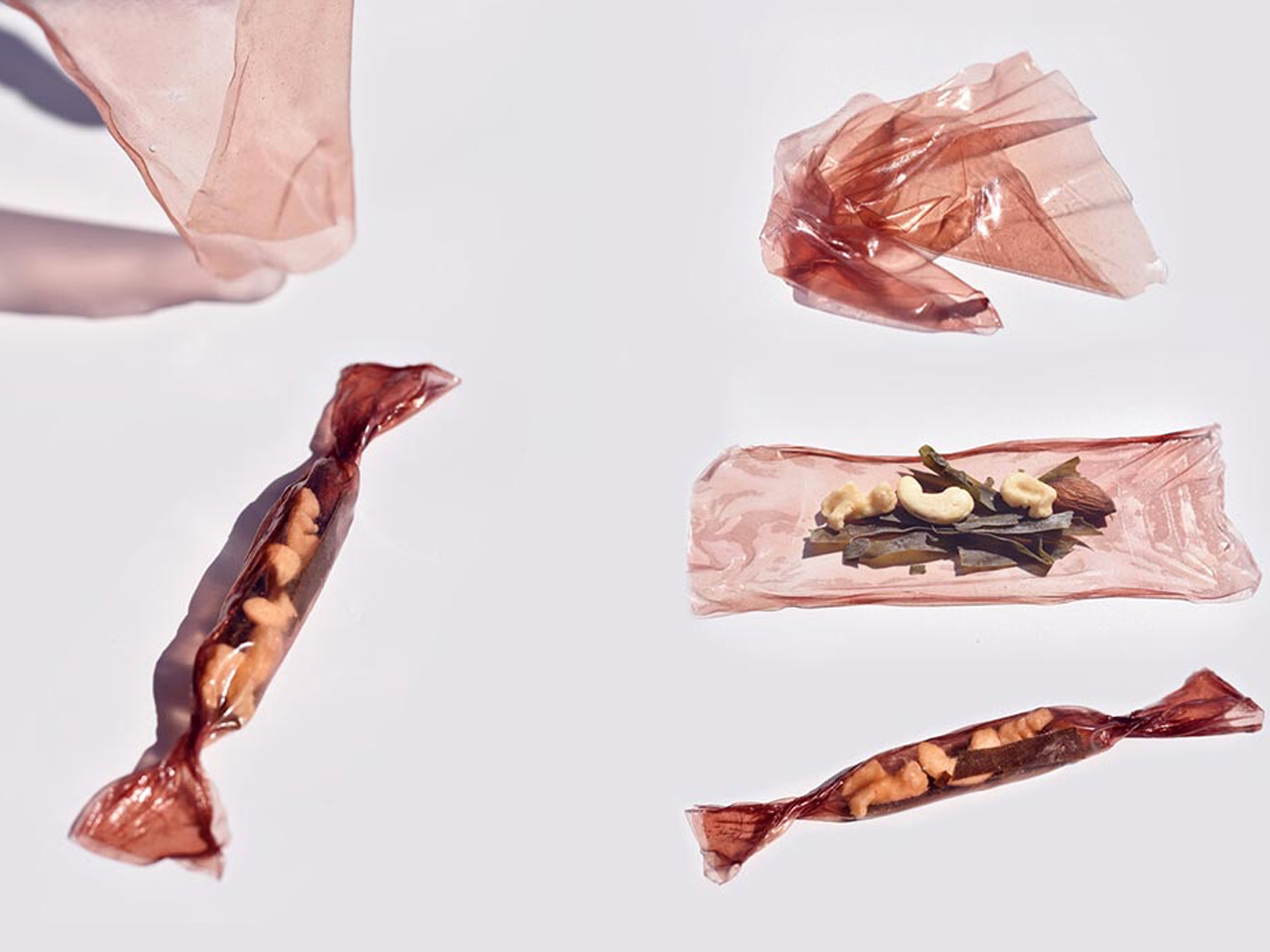
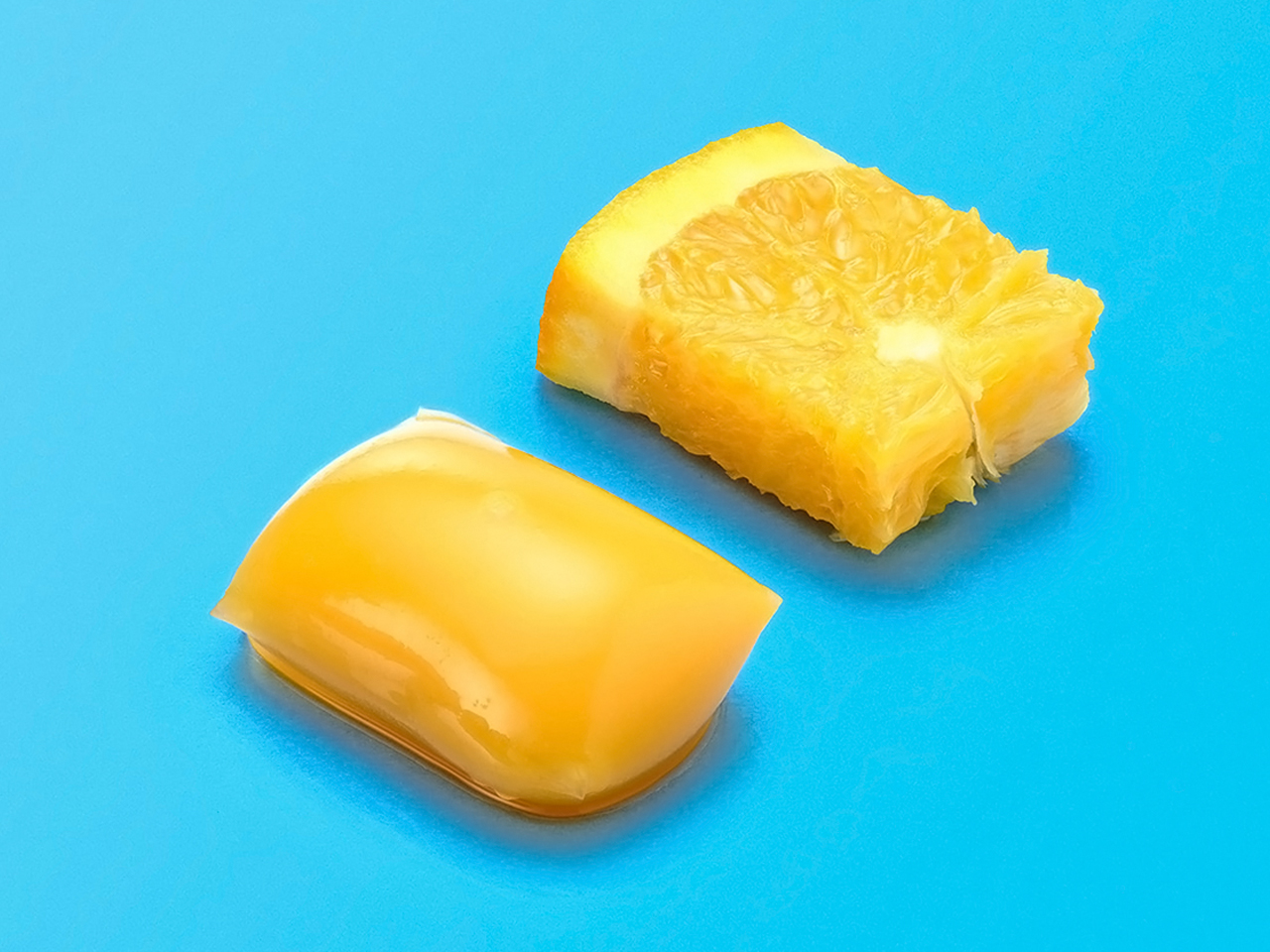
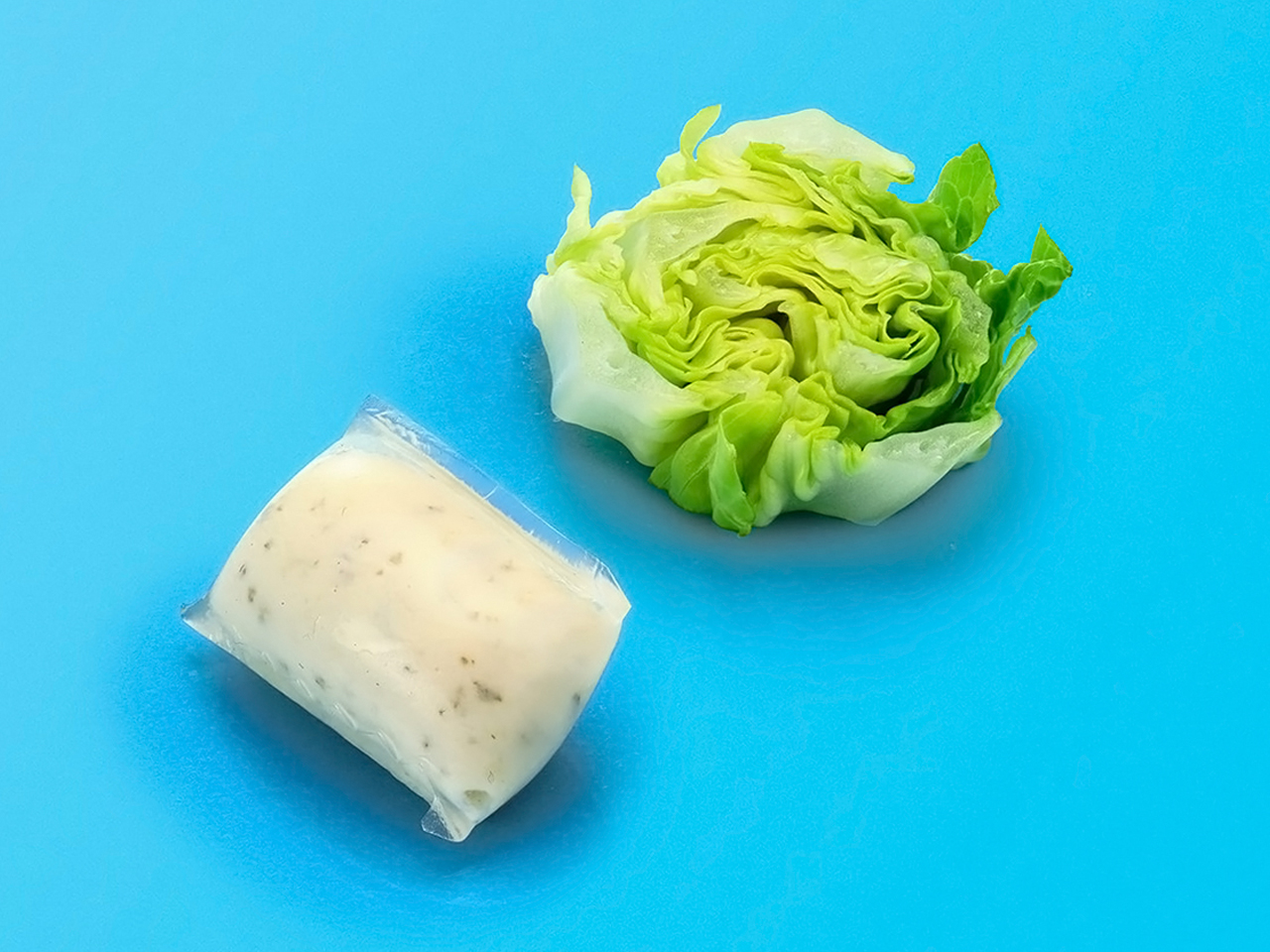
Seaweed packaging is proving to be a practical alternative to single-use plastic, and Seaweed U showcases its potential through edible food packaging. Crafted from seaweed extracts and plant-based ingredients, the wrappers and dissolvable pouches protect snacks while becoming part of the meal itself. Instead of generating waste, the packaging delivers vitamins, minerals, and gut-friendly polysaccharides. The material is dehydrated and tested for durability, temperature resistance, and water resistance, ensuring it performs as a functional, sustainable replacement for conventional plastic packaging.
Seaweed U goes beyond replacing plastic by transforming packaging into an interactive food experience. Its range includes fruity edible snack wrappers, dissolvable meal pouches, and versatile sheets that inspire creative cooking. By blending convenience with nutrition, the product makes seaweed more approachable for everyday consumption while eliminating unnecessary waste.
2. Seaweed Packaging Replaces Plastic Without Looking Fragile
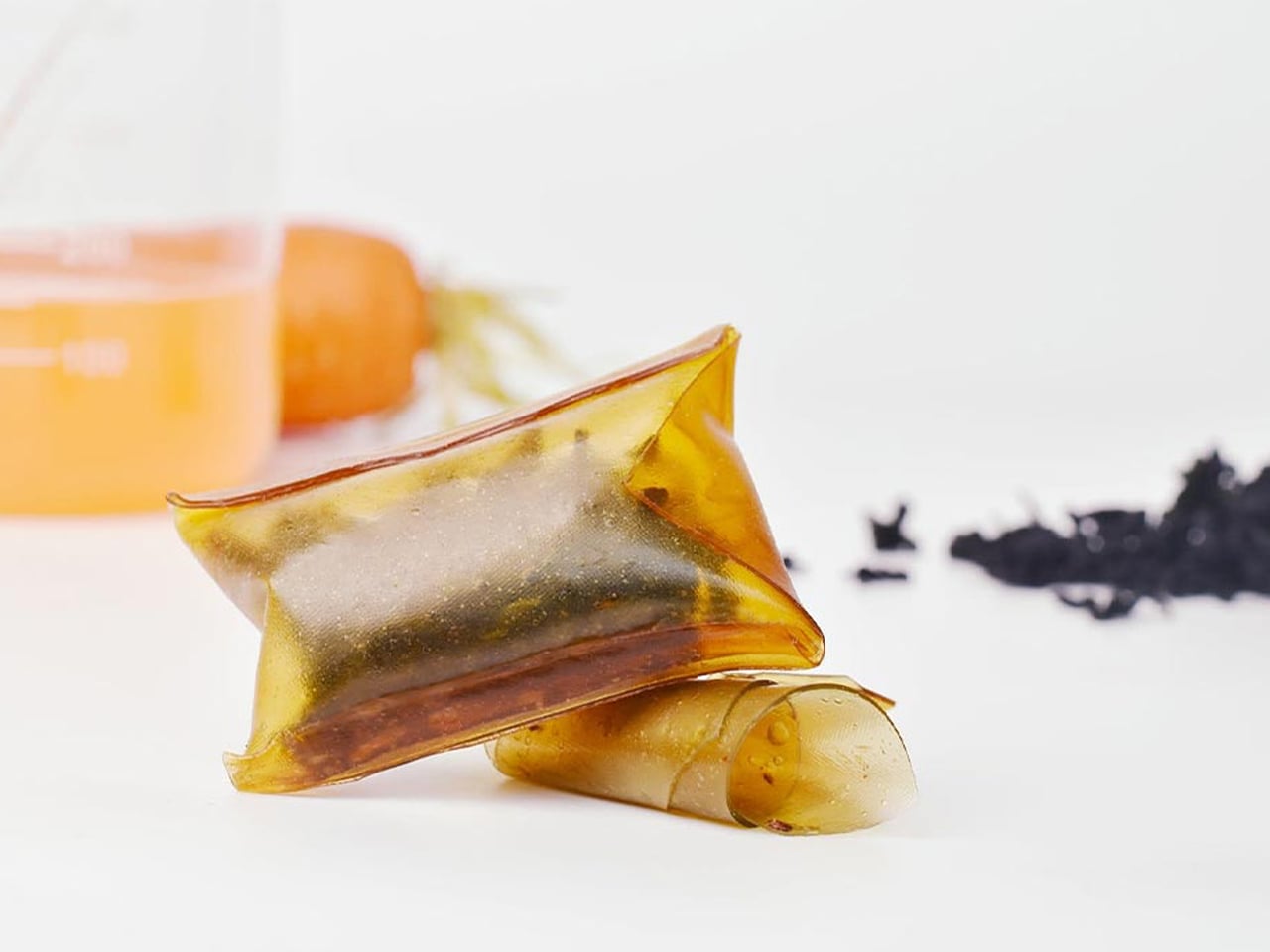
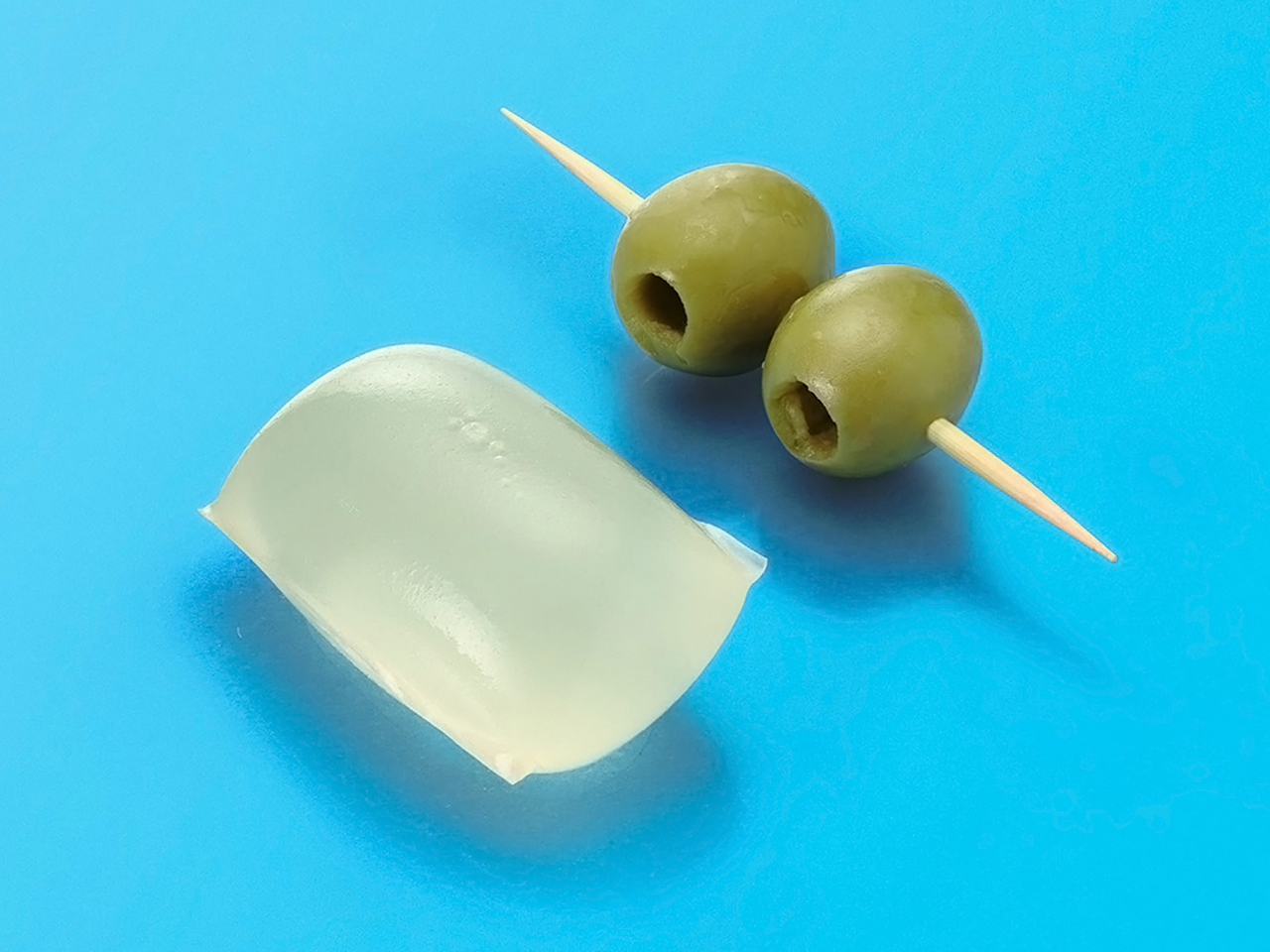
Among the most exciting innovations in sustainable packaging are seaweed-based films developed by companies like Notpla and Sway. Made from marine algae, these materials offer a fresh alternative to conventional plastic while maintaining the flexibility needed to wrap food, sachets, and everyday consumer products. They have a soft, silky feel yet remain durable enough to protect their contents.
What makes these sustainable packaging designs stand out is what happens after use. Some dissolve safely in water, while others naturally decompose in compost within a matter of weeks, leaving behind no long-lasting plastic waste. Their translucent finish and subtle organic texture reflect the material’s natural origins, resulting in packaging that feels honest, thoughtfully designed, and perfectly aligned with the growing demand for environmentally responsible products.
Plastic pollution continues to threaten ecosystems worldwide, making sustainable packaging more important than ever. Notpla offers a compelling alternative by replacing single-use plastic with a biodegradable material made from brown seaweed and plants. Strong enough for food packaging, condiment sachets, cups, thin films, and paper coatings, the material performs like conventional packaging without leaving behind centuries of waste. Since seaweed grows rapidly without freshwater, fertilizer, or agricultural land, it is a renewable resource that supports a more sustainable production cycle while reducing dependence on fossil-fuel-based plastics.
What sets Notpla apart is its end of life. Instead of lingering in landfills or breaking into harmful microplastics, the material naturally decomposes within four to six weeks and can be composted at home. It has already been used at major sporting events and by food delivery and consumer brands looking to reduce their environmental footprint.
3. Molded Pulp Has Become Precision Packaging
Molded pulp has quietly evolved from humble egg cartons into one of the most sophisticated forms of plastic-free packaging available today. Engineered fiber structures now protect electronics, cosmetics, and premium products with precisely molded forms that eliminate the need for foam inserts. The material has a warm, matte finish with a subtle texture that feels more refined than expanded polystyrene while providing impressive impact absorption during shipping and handling.
Advances in fiber molding have enabled greater precision, allowing molded pulp trays to achieve tight tolerances and elegant structural details. Clean edges, sculpted contours, and carefully engineered forms elevate the material beyond its recycled origins, giving it a premium appearance without compromising sustainability. Instead of simply replacing plastic, molded pulp offers a packaging solution that combines protection, functionality, and understated aesthetics in a single renewable material.
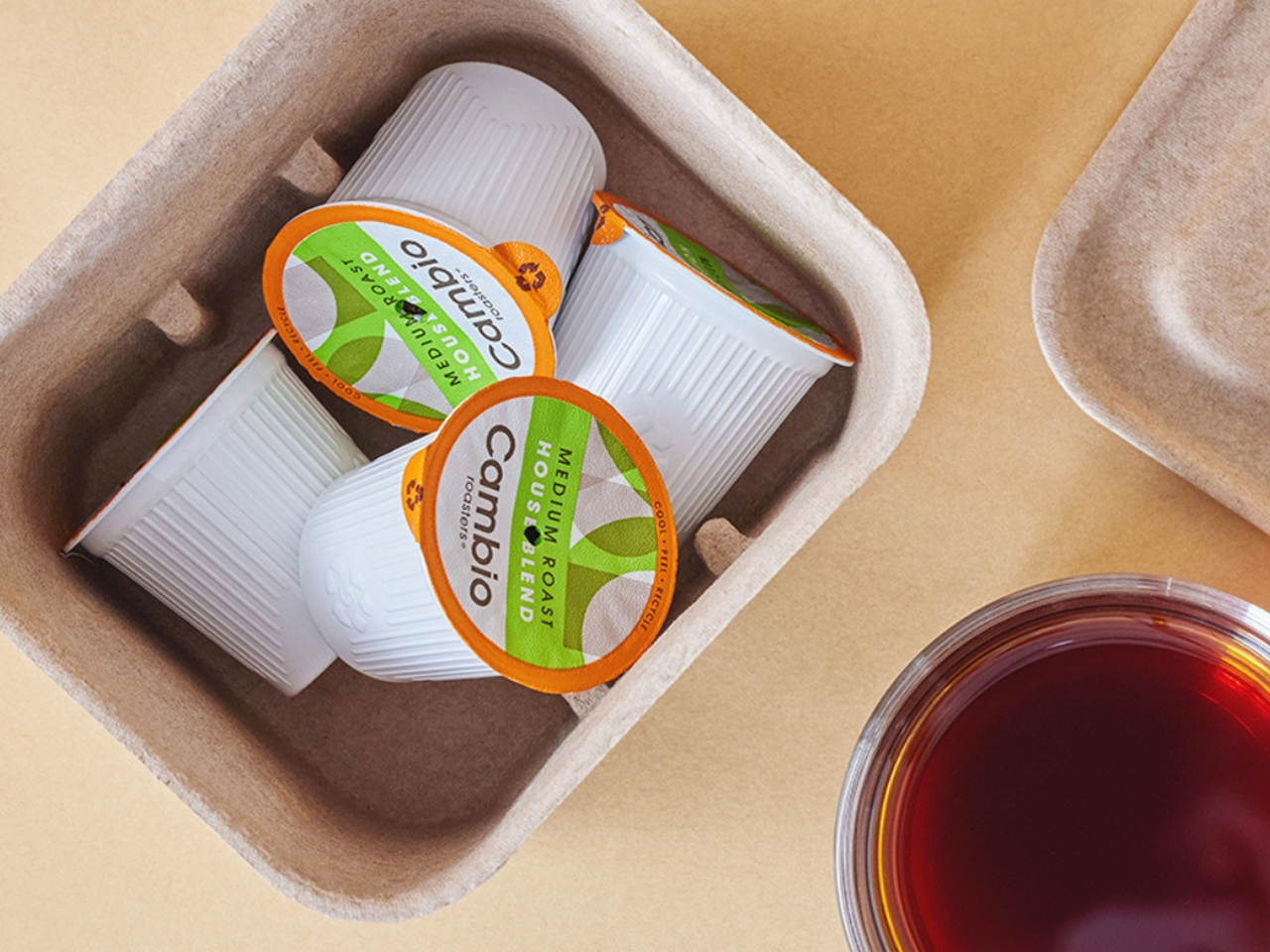
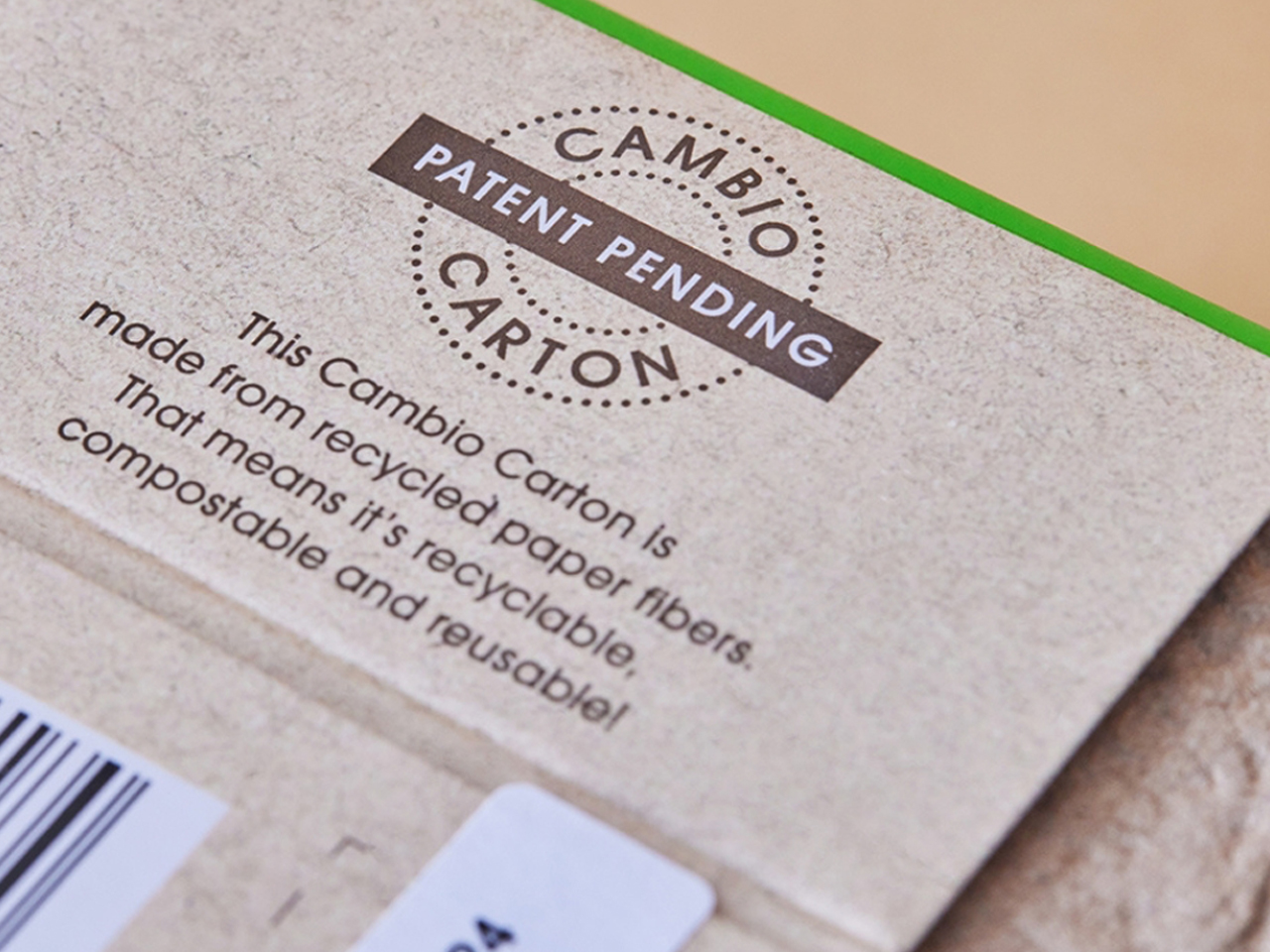
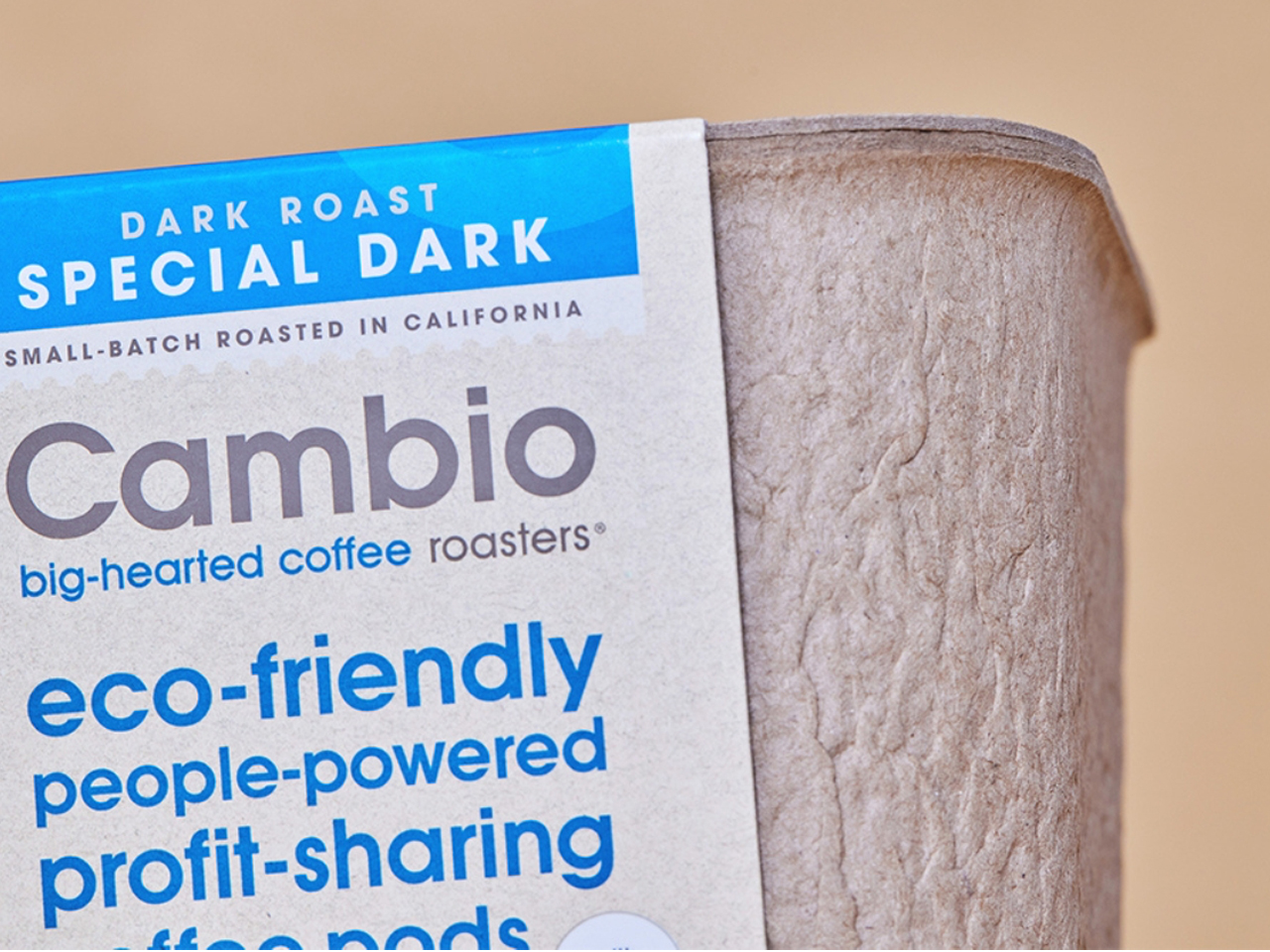
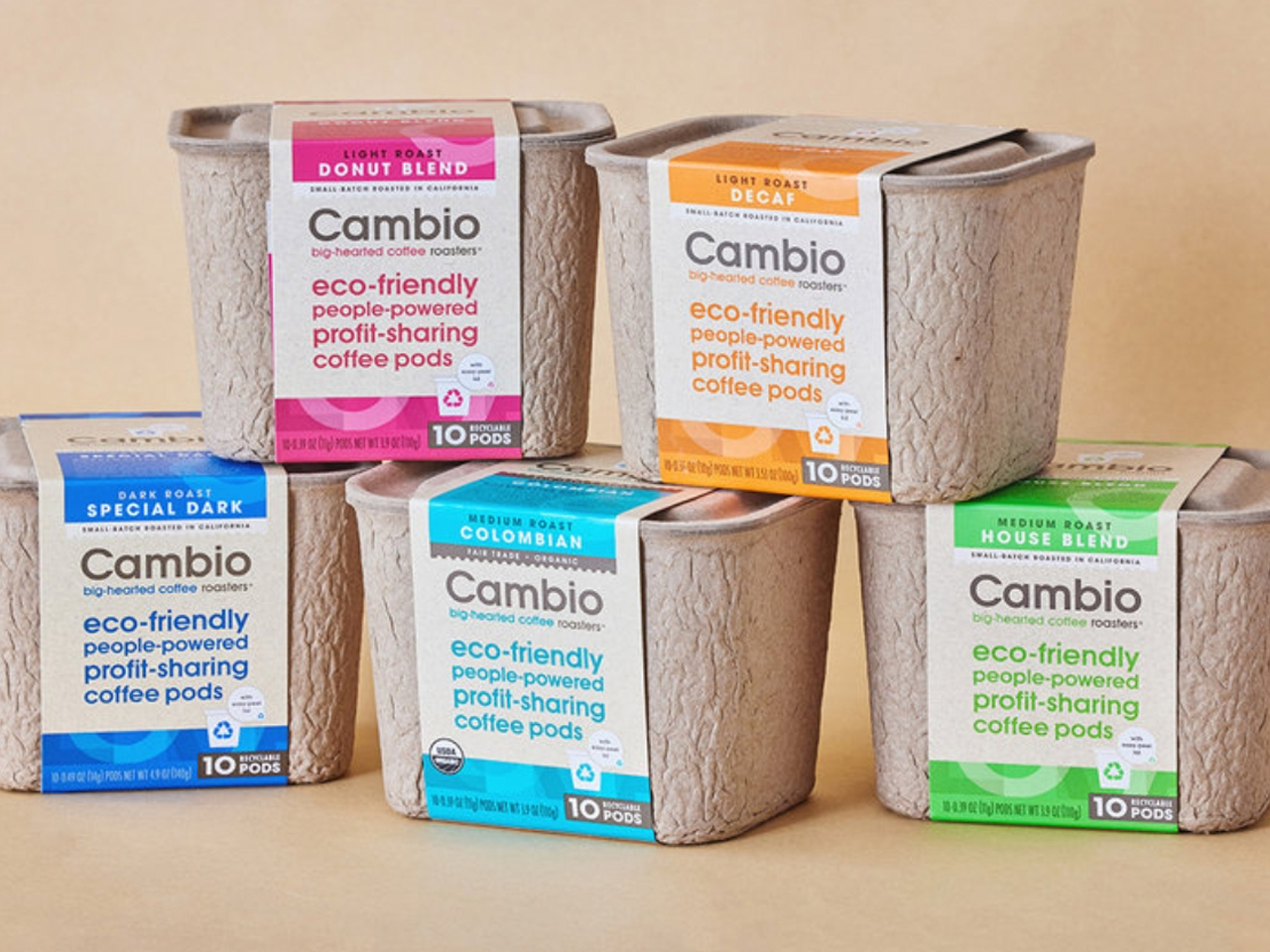
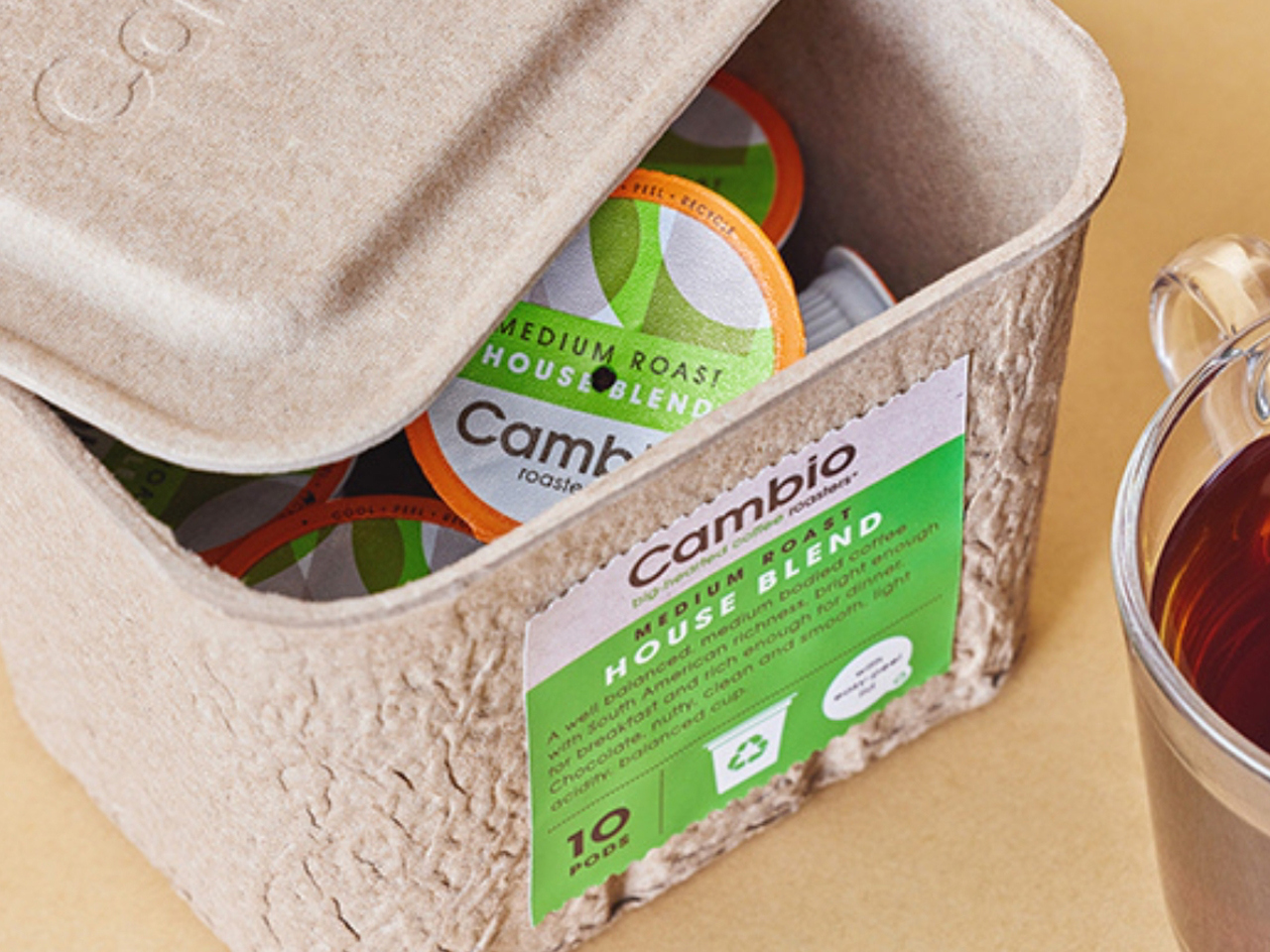
Created for Cambio Roasters, this molded pulp packaging transforms a simple coffee pod container into a practical, waste-reducing product. Made entirely from renewable fiber, the lightweight yet sturdy container features vertical ribs that strengthen its structure while securely holding up to ten coffee pods during transport and storage. A glue-free paper belly band replaces conventional adhesive labels, making every component easier to recycle. The clean, minimal design keeps material use to a minimum while delivering the durability expected from modern food packaging.
The sustainable packaging design continues to serve a purpose even after the coffee pods have been used. It functions as a convenient storage bin for collecting spent pods before recycling and can also be reused as a small compost container for coffee grounds and other kitchen scraps. By combining renewable molded pulp with thoughtful multi-use functionality, the product reduces unnecessary waste and encourages more sustainable everyday habits without sacrificing convenience or practicality.
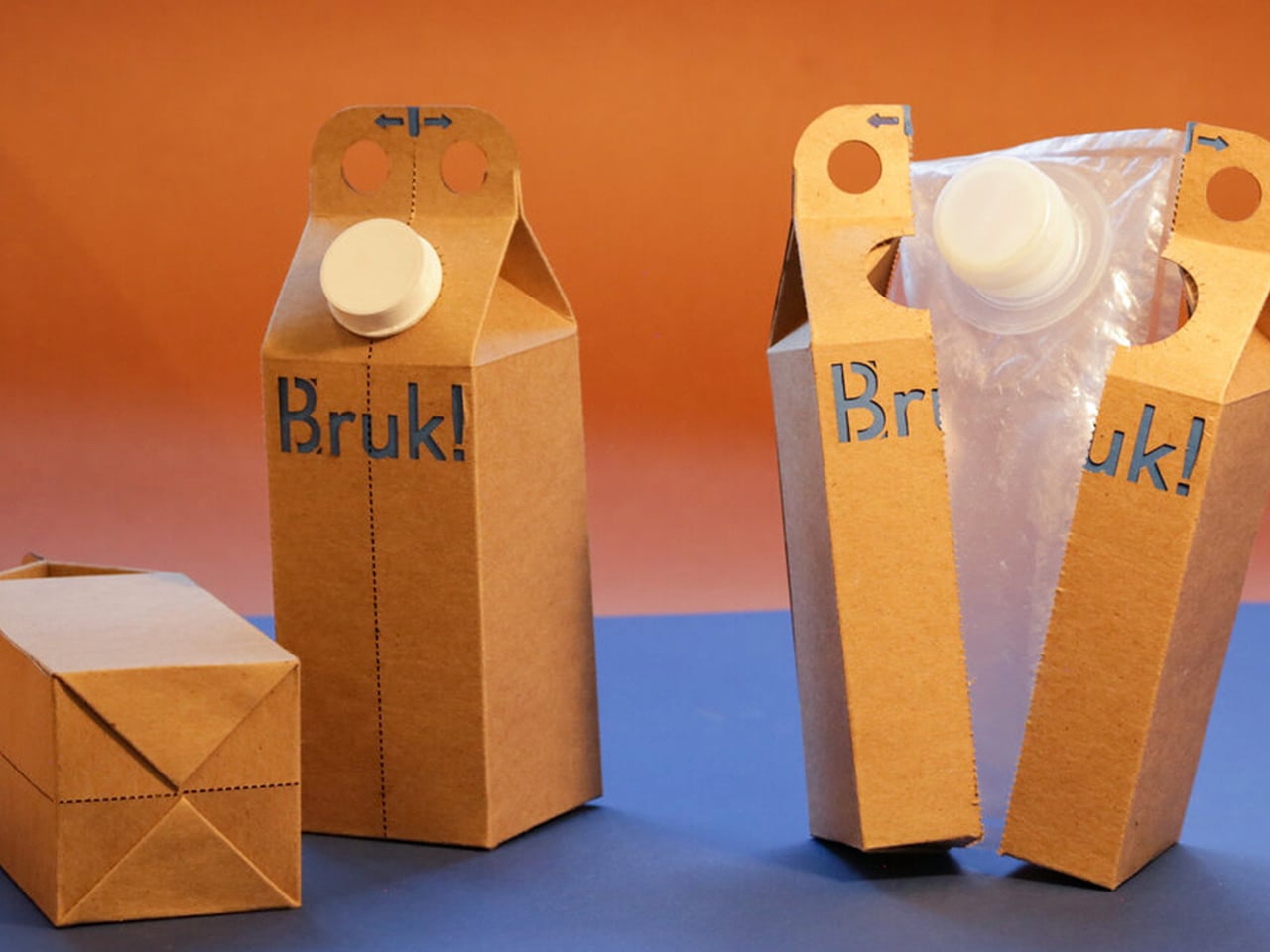
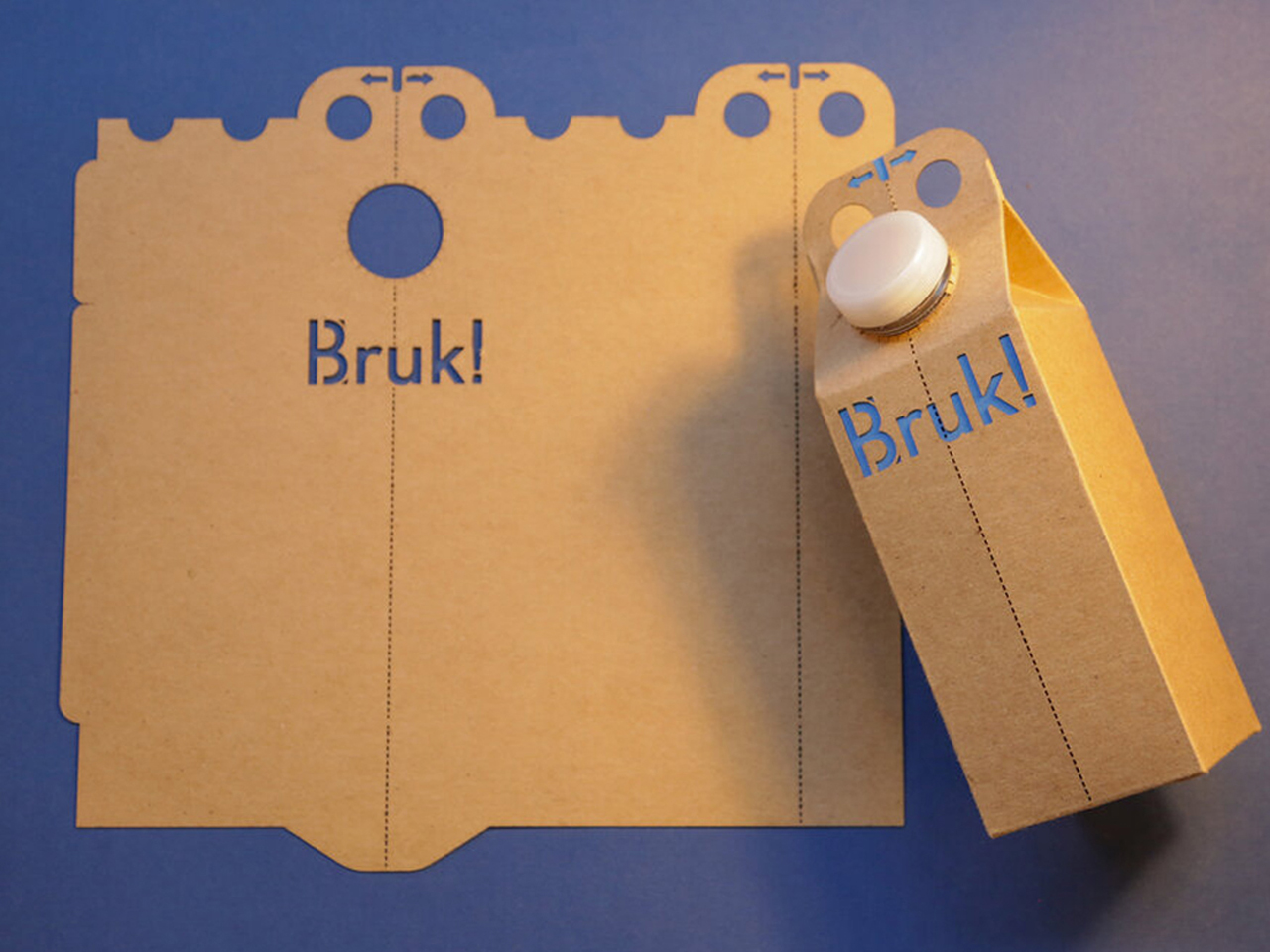
Conventional paper beverage cartons may appear eco-friendly, but their layered construction makes recycling far more complicated than most consumers realize. Typically, they combine paper with a thin plastic lining, requiring specialized facilities to separate the two materials before they can be recycled. Since this infrastructure is limited, recycling rates remain low despite the widespread use of paper cartons.
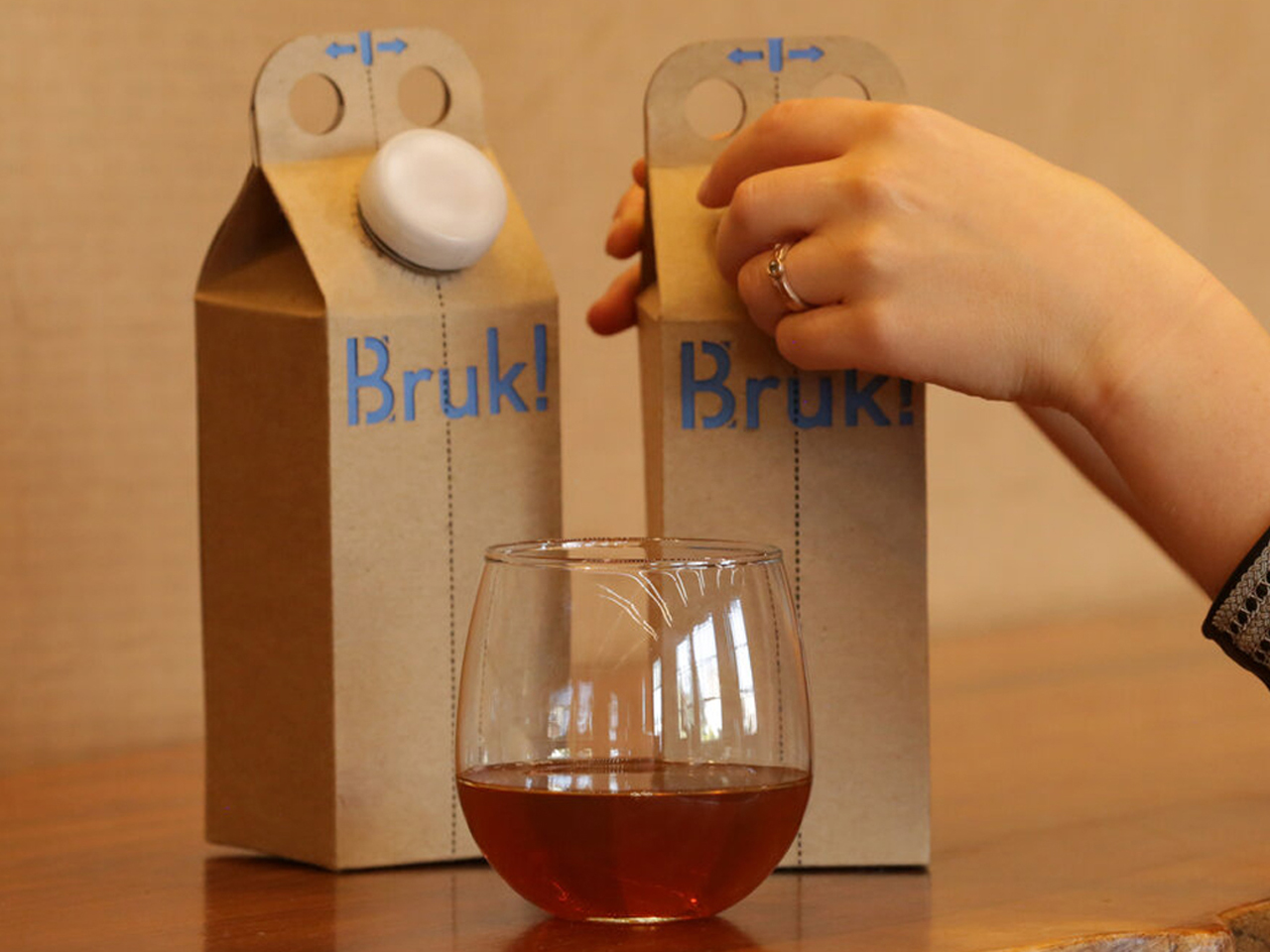
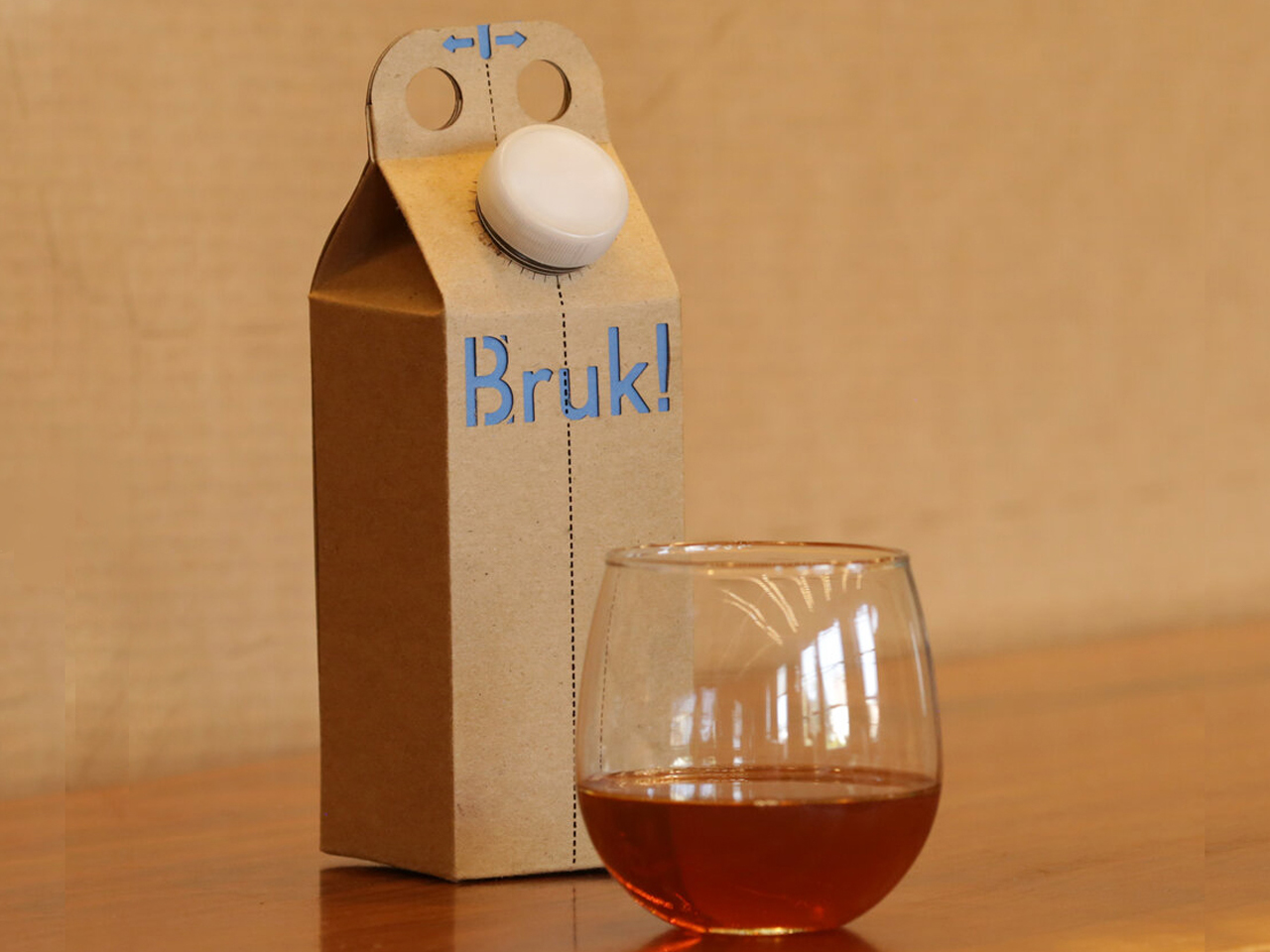
Designed by Pushan Panda, Bruk addresses this challenge with a simple yet intuitive solution. The sustainable packaging concept allows users to split the carton open from the top, much like peeling a banana, easily separating the paper shell from the HDPE liner. By enabling materials to be recycled independently using conventional equipment, Bruk simplifies the recycling process while using less plastic than traditional plastic bottles and eliminating the need for complex separation systems.
4. Mono-Material Paper Laminates Make Recycling Easier
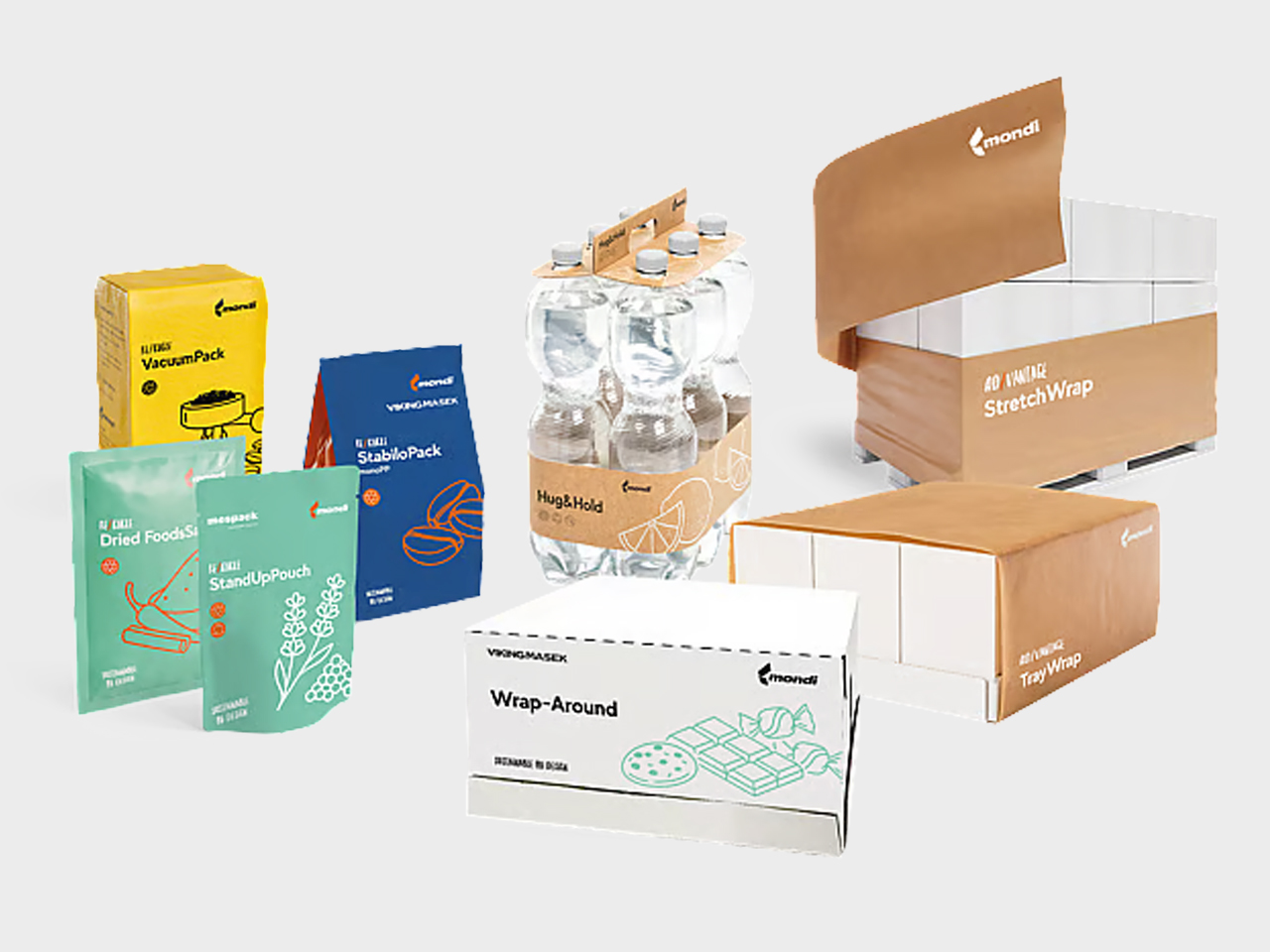
Traditional flexible packaging often combines plastic, foil, and adhesives into complex structures that are difficult for recycling systems to separate. Mono-material packaging changes that equation by relying almost entirely on engineered paper. Recent paper laminate innovations deliver impressive durability while remaining compatible with kerbside recycling infrastructure, making them a more sustainable alternative to conventional flexible packaging.
Under compression, these paper-based packs feel firmer than standard paper while retaining the flexibility needed for folding and sealing without cracking. The absence of hidden plastic layers creates an authentic material expression, allowing the natural texture, fibers, and color of the paper to become part of the design language.
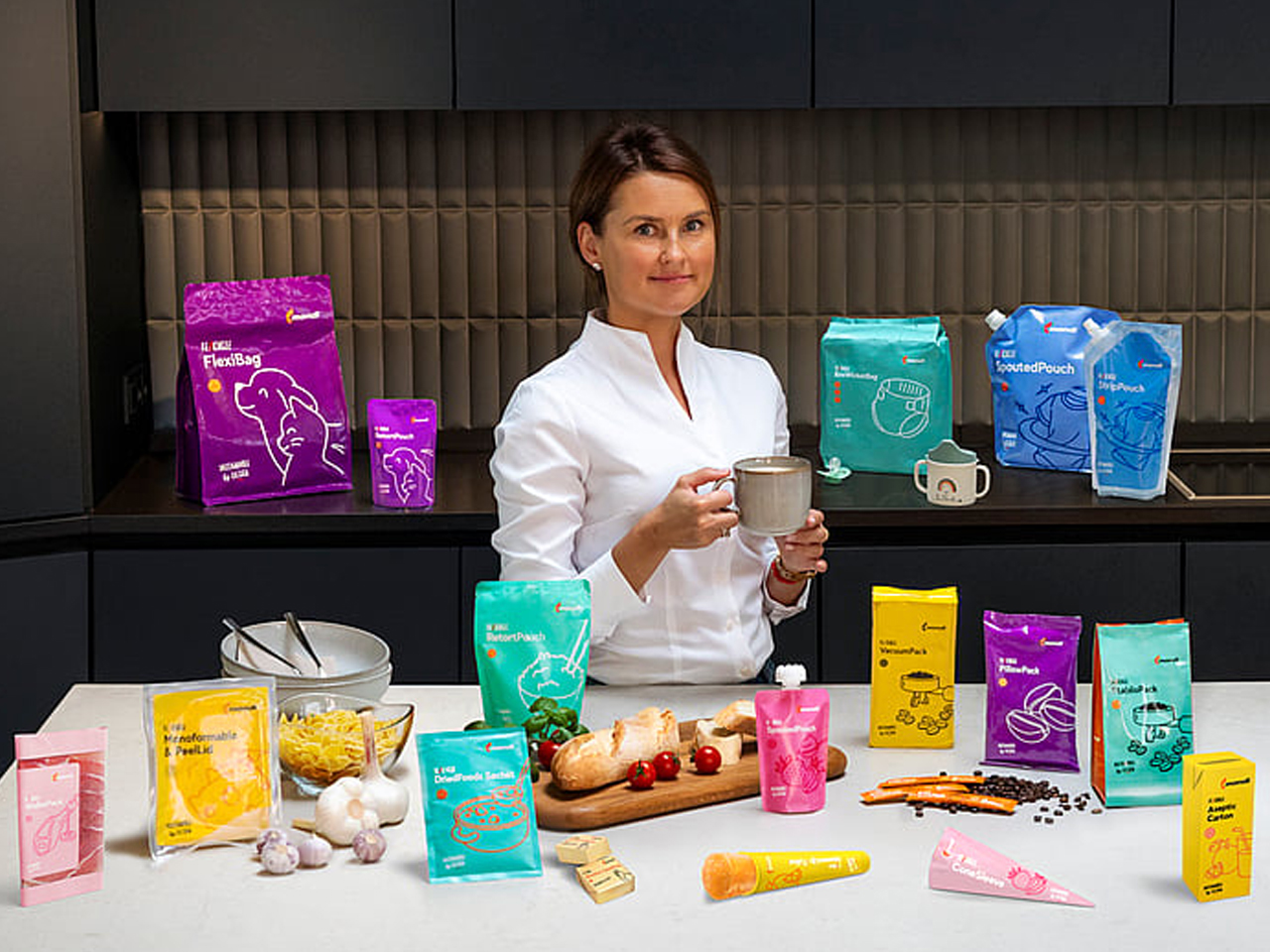
FlexiBag Reinforced is Mondi’s latest recyclable pre-made packaging solution made from mono-polyethylene (mono-PE), designed to deliver enhanced strength and performance. The bag features improved puncture resistance, increased stiffness, and superior sealability, making it suitable for demanding packaging applications. Its customizable barrier properties provide medium to high protection against moisture, oxygen, and grease, helping maintain product freshness while remaining recyclable where PE film collection and recycling systems are available.
FlexiBag Reinforced can be tailored to specific customer requirements and incorporates customizable levels of post-consumer recycled (PCR) content through a mass-balance approach. By combining recyclable mono-material construction with high mechanical performance and flexible barrier protection, the packaging offers a sustainable alternative to conventional multi-material plastic bags
5. Mycelium and Paper Foam Add Texture to Sustainable Design
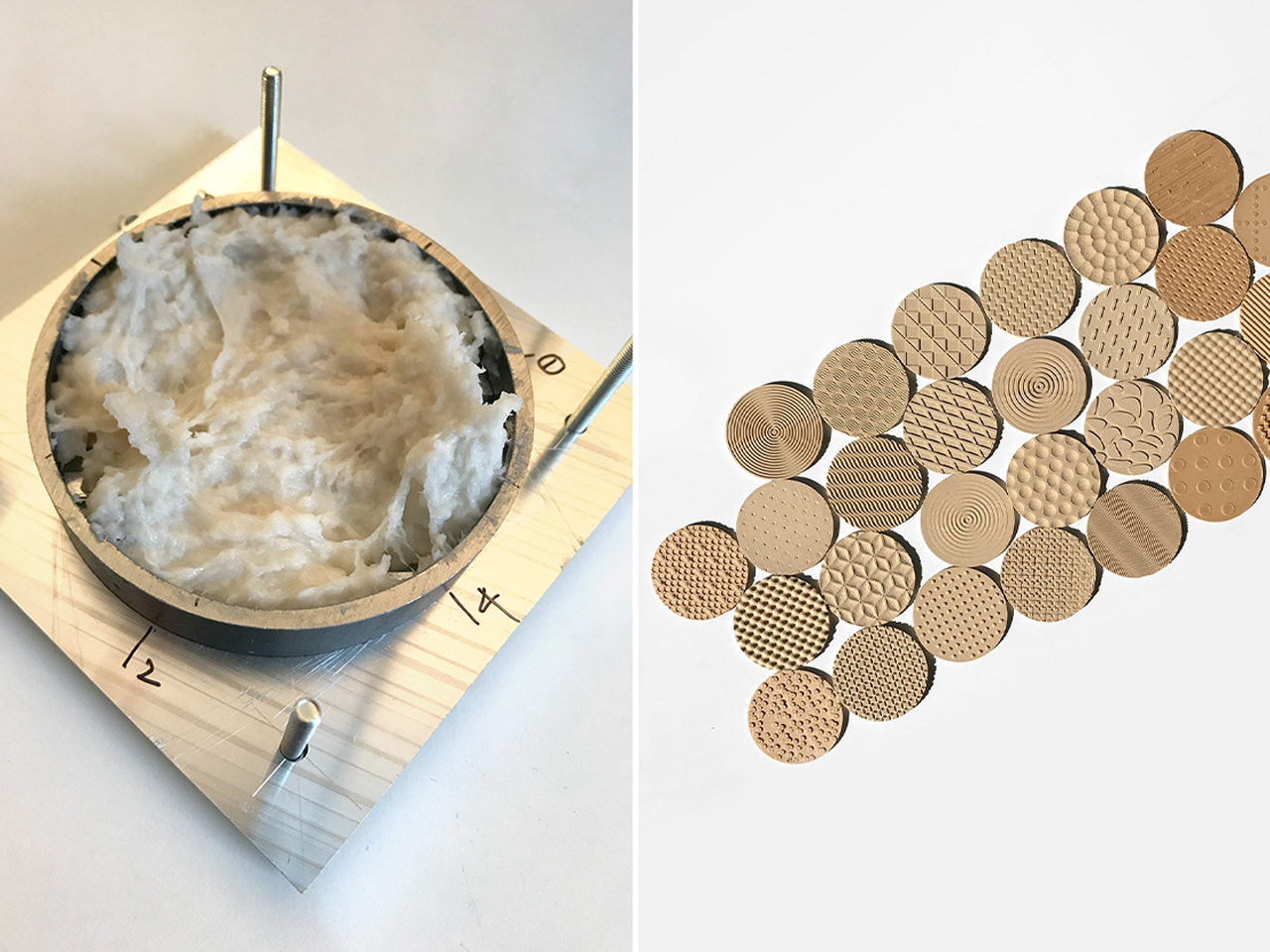
Some of the most compelling biodegradable packaging innovations of 2026 are grown or molded from natural materials rather than manufactured from fossil fuels. Mycelium, cultivated from fungal roots, forms lightweight protective shells that naturally replace expanded foam, while PaperFoam, made from renewable starch and natural fibers, offers a lightweight, molded alternative for protective trays, food packaging, and delicate consumer products. Both materials bring distinctive tactile qualities that set them apart from conventional plastics. Mycelium has a soft, velvety surface with naturally irregular textures, while PaperFoam feels smooth, airy, and gently resilient despite its strength.
Neither material nor paper products tries to imitate plastic perfectly. Instead, both celebrate their organic appearance and texture, transforming packaging into a sensory experience. By engaging consumers through touch as much as visual design, these materials reinforce sustainability in a way that feels authentic rather than relying solely on environmental messaging.
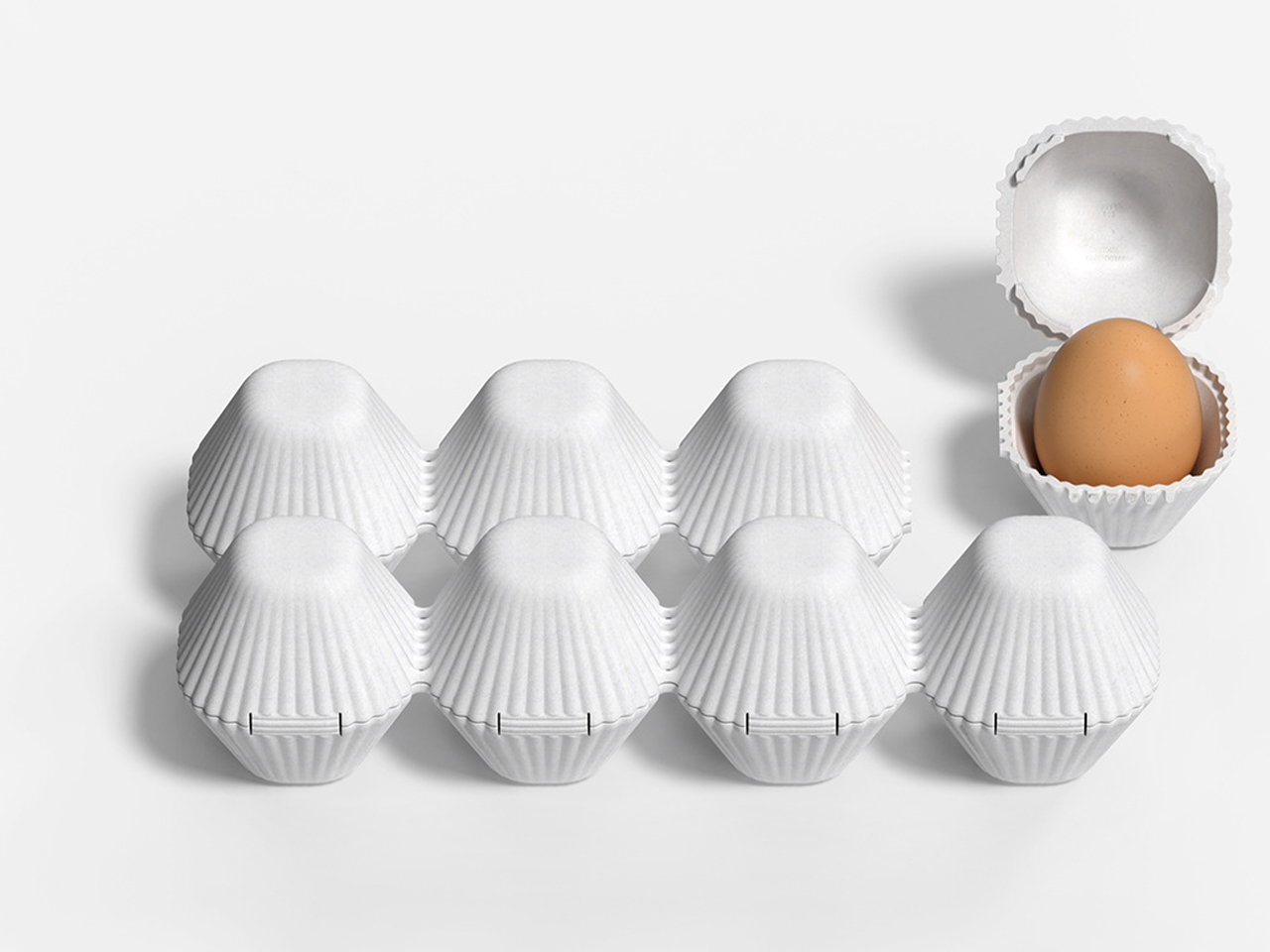
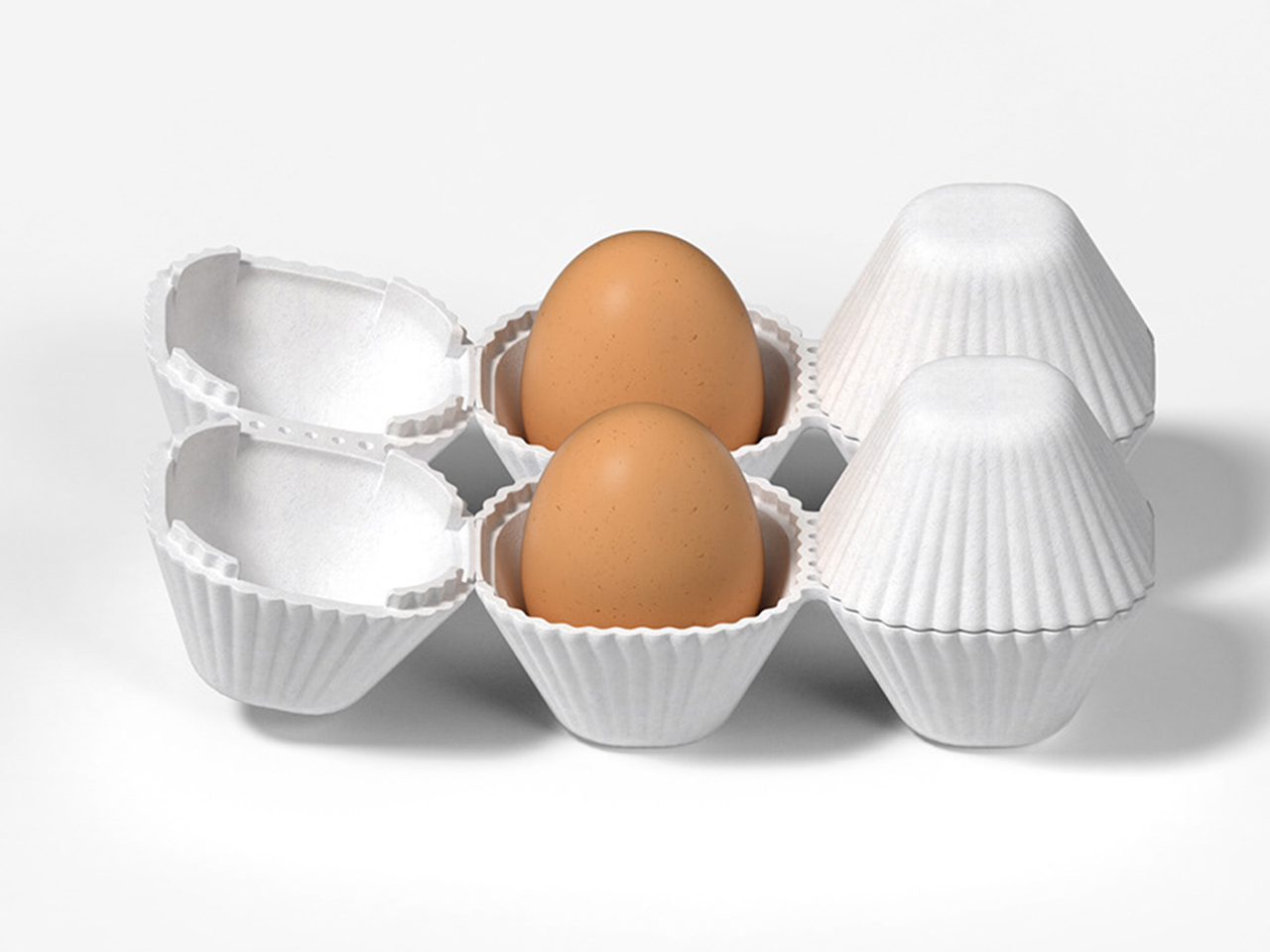
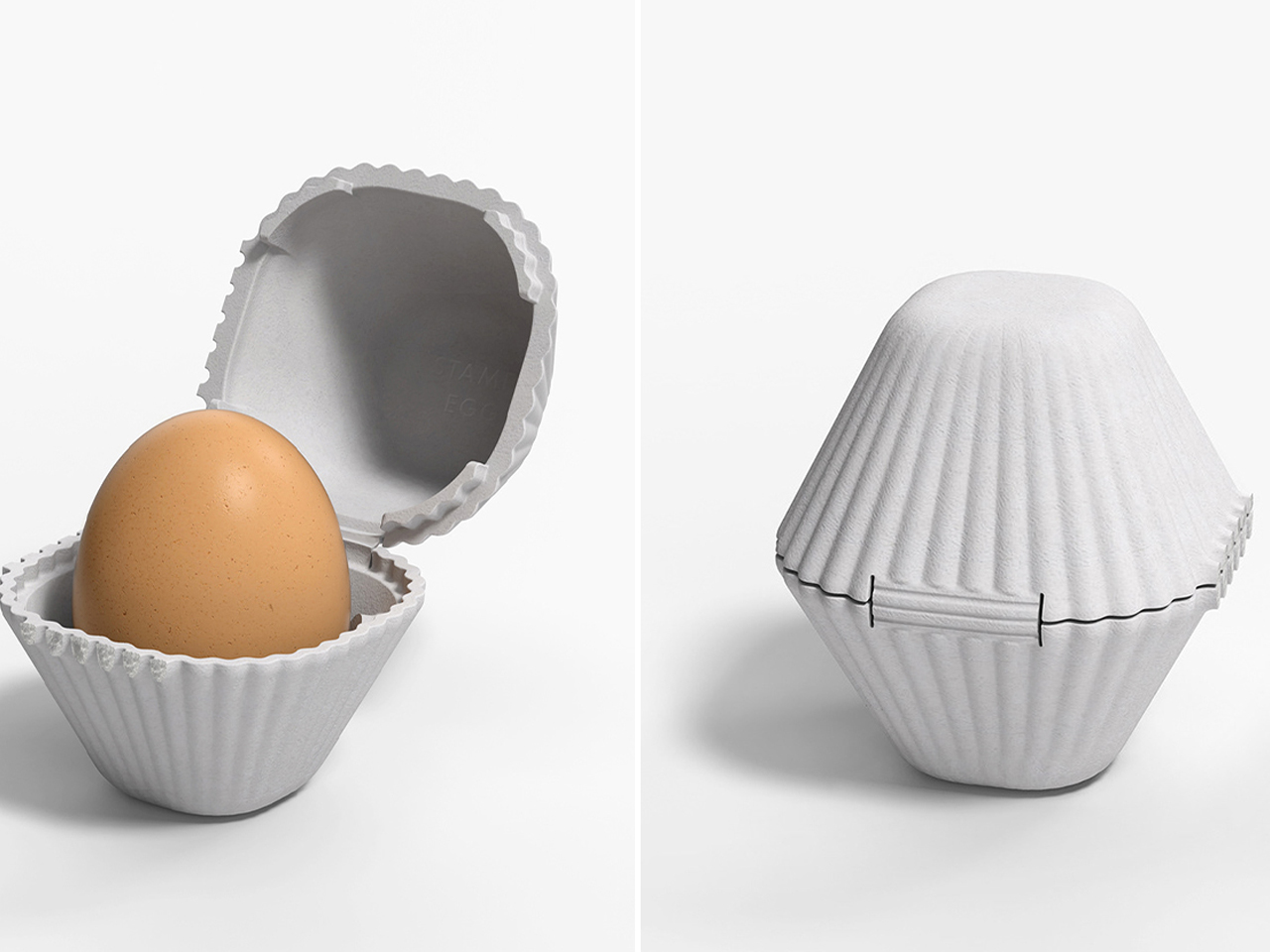
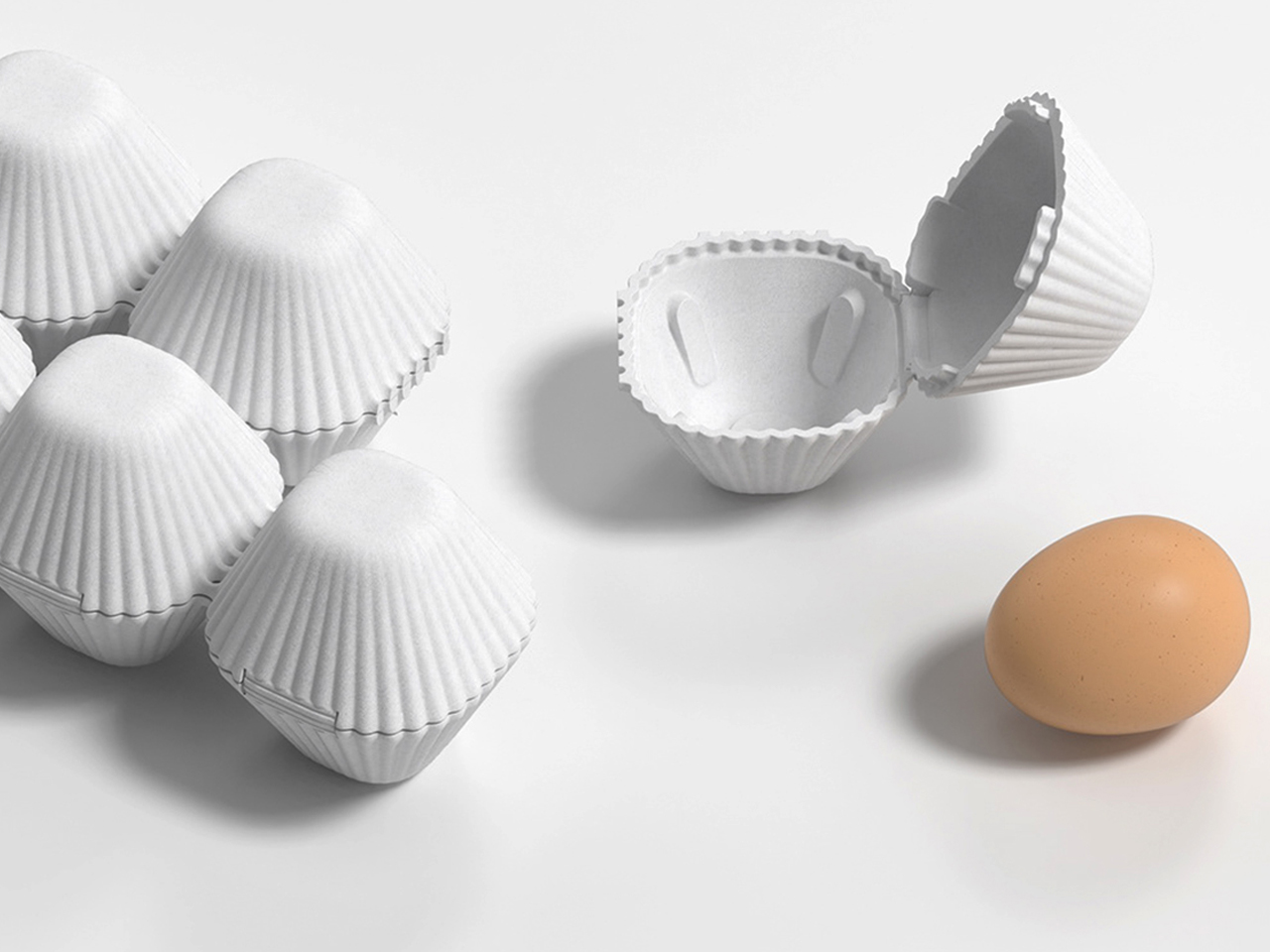
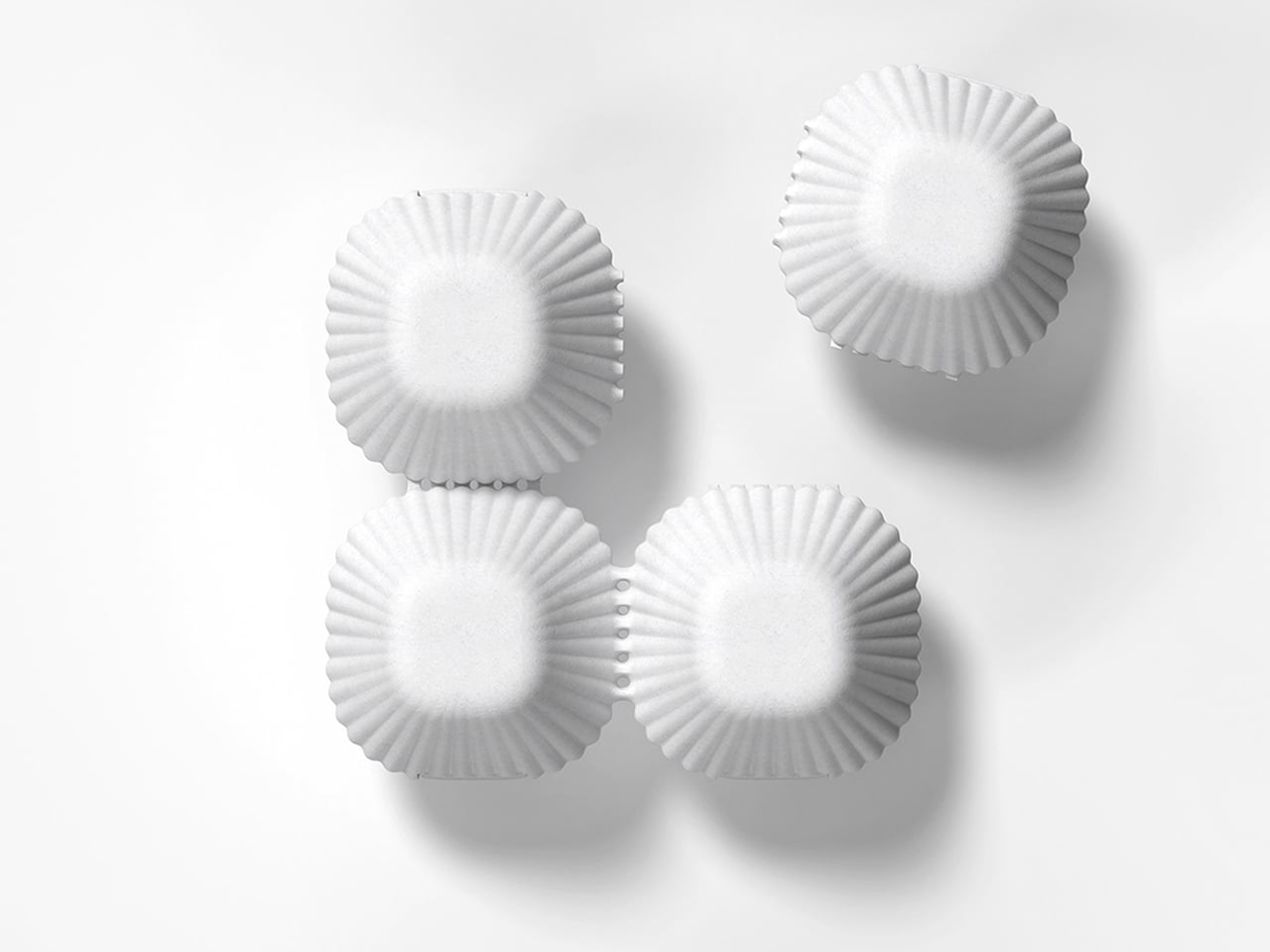
Stamp Egg is a thoughtfully designed egg packaging concept that reimagines the traditional carton using PaperFoam, a bio-based material made from starch, cellulose fibers, and water. Lightweight, highly recyclable, and home-compostable, the packaging offers a low-carbon alternative to plastic and pulp trays without compromising protection. Inspired by the perforated layout of postage stamps, the detachable design allows each egg compartment to be separated into individual protective pods. The stackable structure makes storage more efficient, simplifies transport, and enables users to carry single eggs for lunches or picnics while keeping them securely protected.
The molded PaperFoam construction provides the strength needed to cushion eggs while maintaining a lightweight profile. Its dimpled form prevents eggs from touching each other, while an improved hinge makes each compartment easy to detach without reducing durability. The natural material can be embossed directly with branding and product information, eliminating the need for additional labels and simplifying recycling. Combining practical functionality with sustainable materials, Stamp Egg demonstrates how innovative packaging can reduce waste while enhancing convenience, product protection, and overall user experience.
6. Packaging That Is Designed to Disappear
Perhaps the most radical innovation in sustainable packaging isn’t the material itself but its intended end-of-life behavior. Designers are increasingly engineering packages that actively encourage disassembly, separation, or disappearance after use. Water-soluble films dissolve intentionally, peel-apart constructions separate materials for easier recycling, and compostable wraps break down into natural matter without leaving synthetic residues behind. Every interaction after opening has become part of the design brief.
Instead of creating objects that persist indefinitely, these systems are carefully planned to vanish efficiently once their protective function ends. The result is packaging whose final act is just as thoughtfully designed as its first.
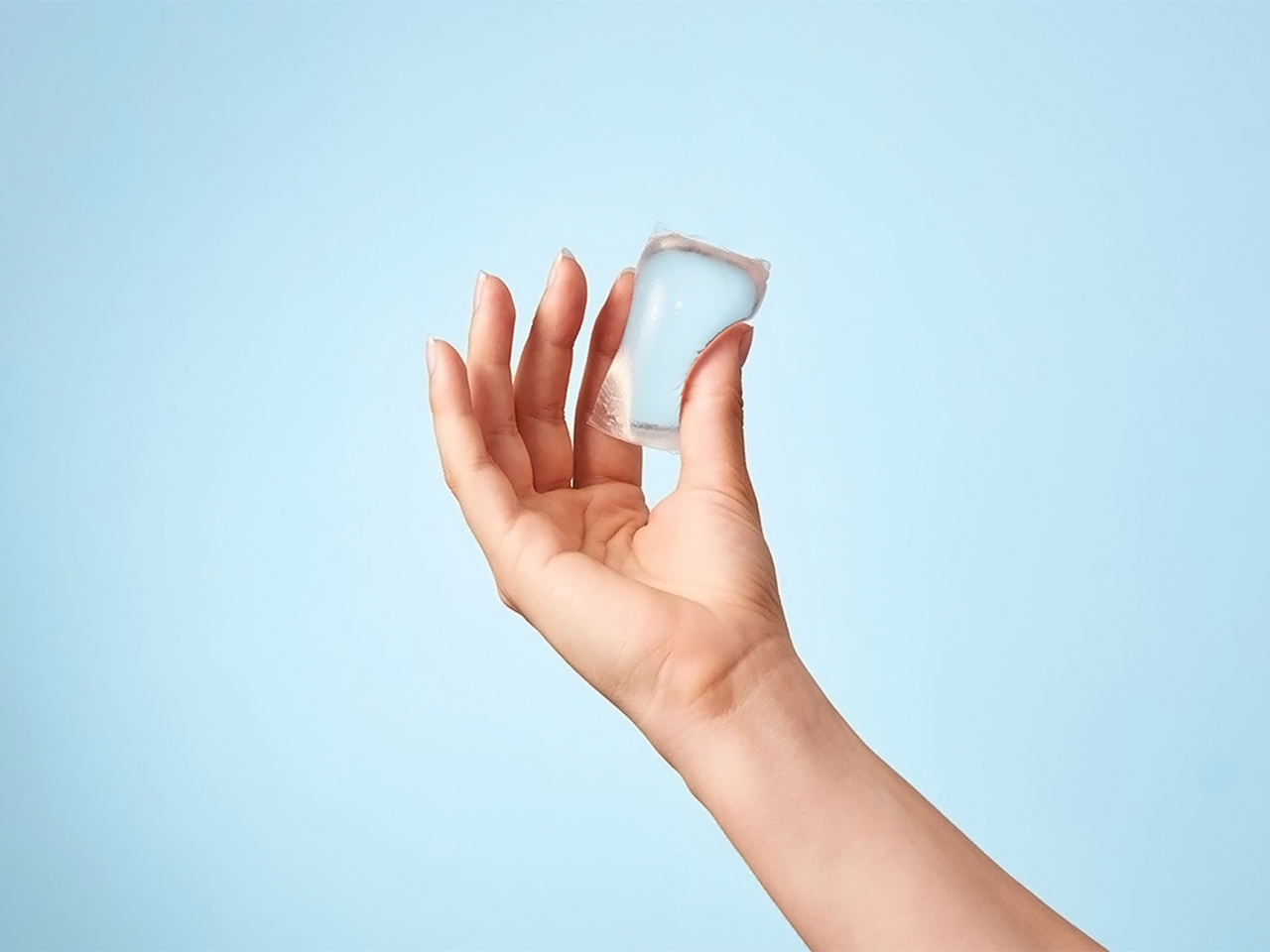
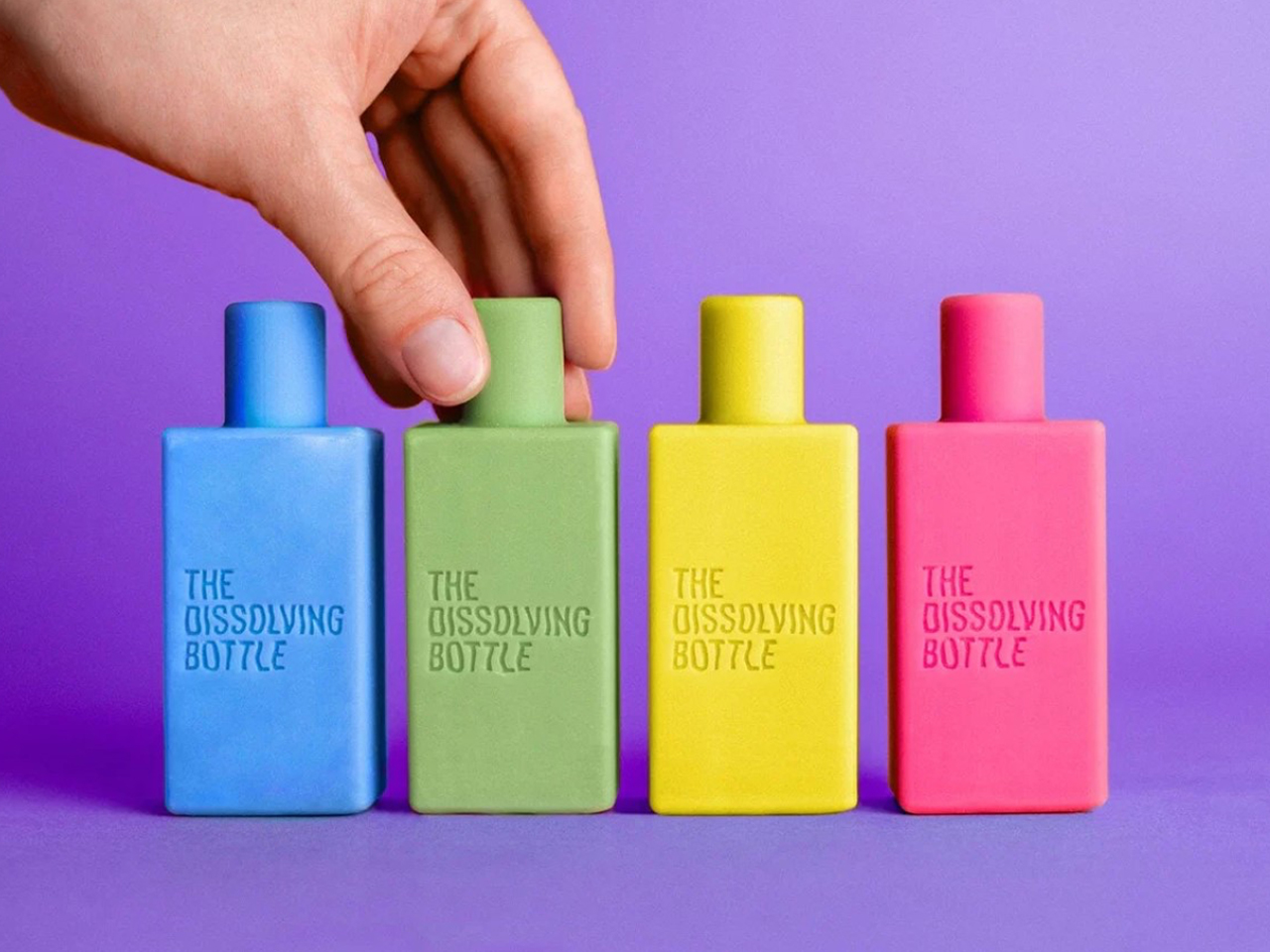
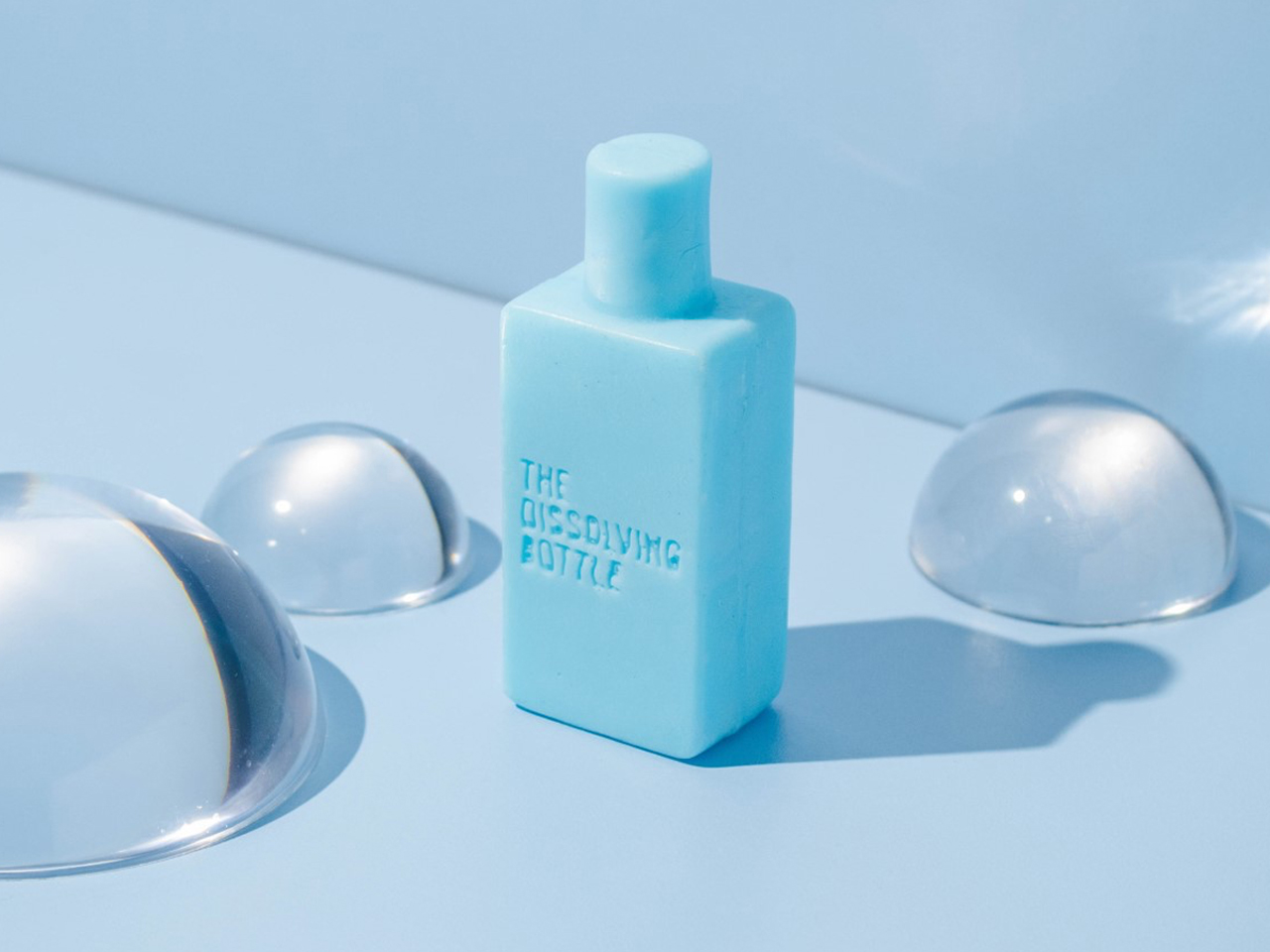
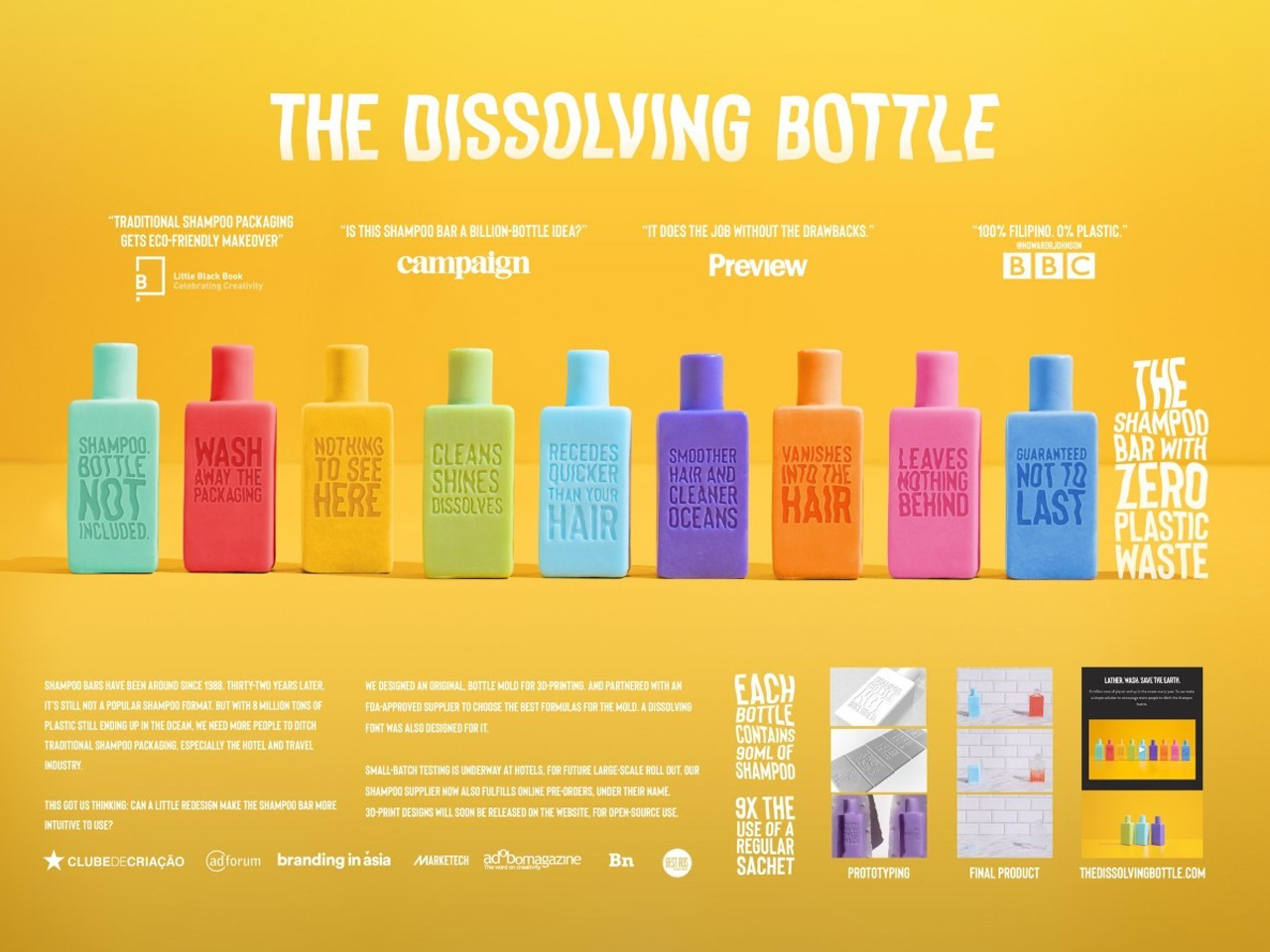
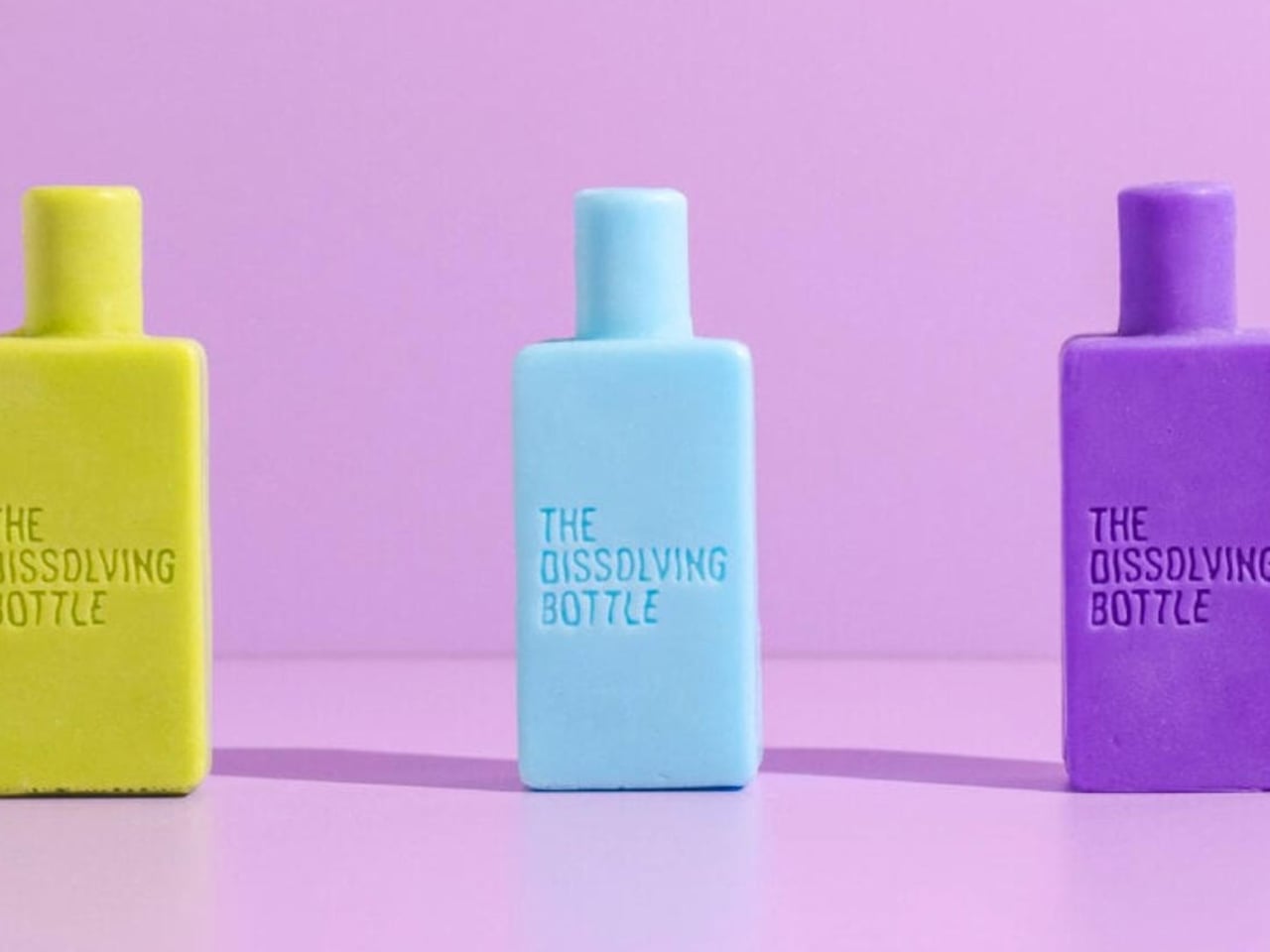
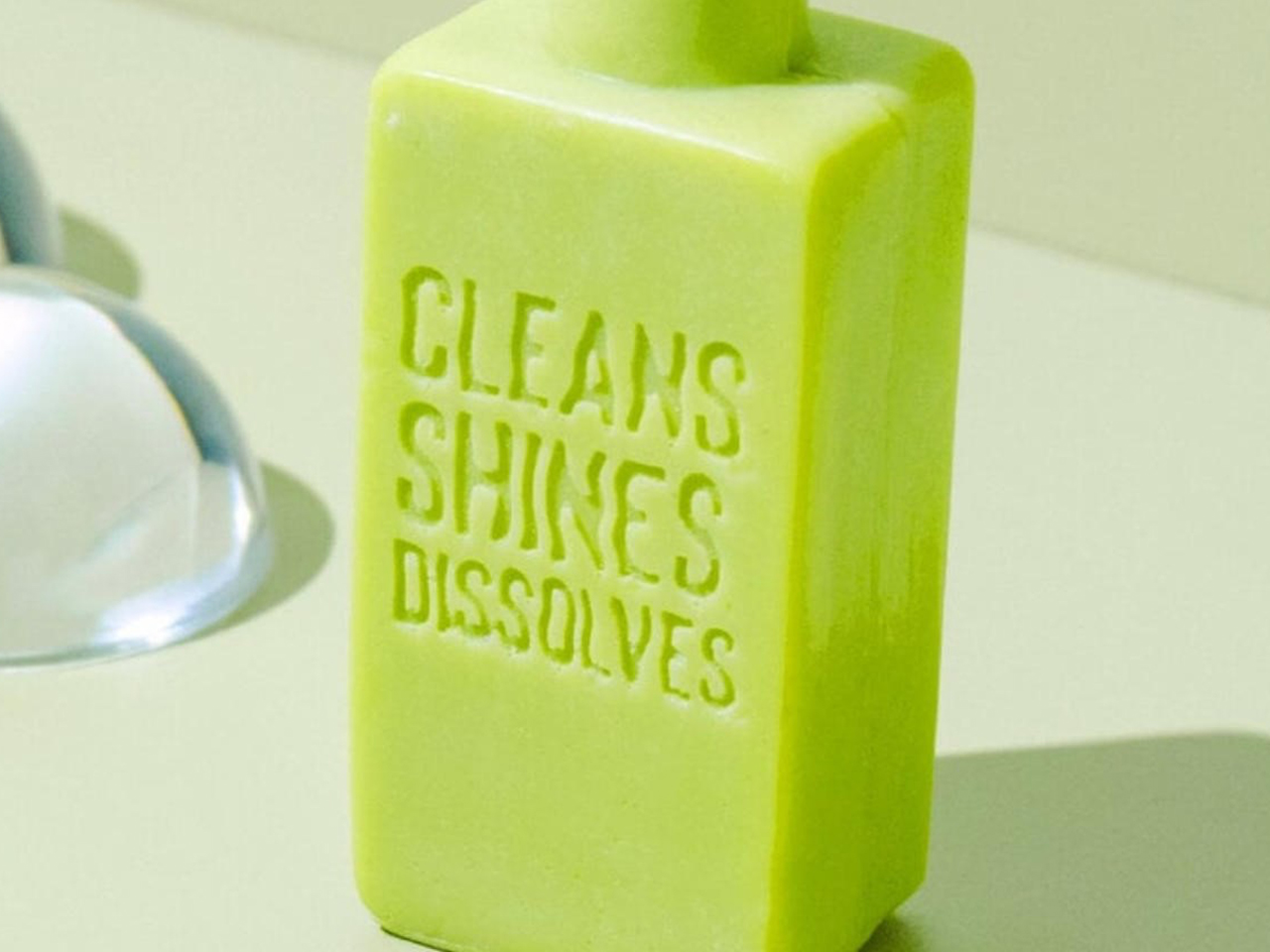
The Dissolving Bottle reinvents shampoo packaging by transforming the container itself into the product. Created as a bottle-shaped solid shampoo bar, it eliminates the need for single-use plastic packaging by gradually dissolving with every wash until nothing remains. Sculpted to resemble a conventional shampoo bottle, the design makes the transition from liquid shampoos to solid bars more familiar while offering a practical, plastic-free alternative for everyday hair care. Made to leave zero packaging waste behind, the product combines daily functionality with an innovative approach to sustainable personal care.
Designed by Philippine creative agency BBDO Guerrero, the Dissolving Bottle balances environmental responsibility with user-friendly design. The solid shampoo bar is embossed with playful messages directly onto its surface, removing the need for additional labels or plastic sleeves. Its compact, all-in-one format simplifies storage and travel while encouraging consumers to rethink disposable packaging.
7. Focus on Honest Industrial Design
In 2026, seaweed films and mono-material paper packs have moved beyond pilot projects into mainstream retail. Brands are choosing materials that naturally decompose without compromising shelf life or visual appeal. Instead of layered plastic composites that linger in landfills for centuries, designers are embracing simplified material systems that can be recycled, composted, or dissolved with minimal intervention.
Sustainable packaging design has become less about marketing claims and more about engineering packaging that performs efficiently while leaving almost nothing behind after its job is done.
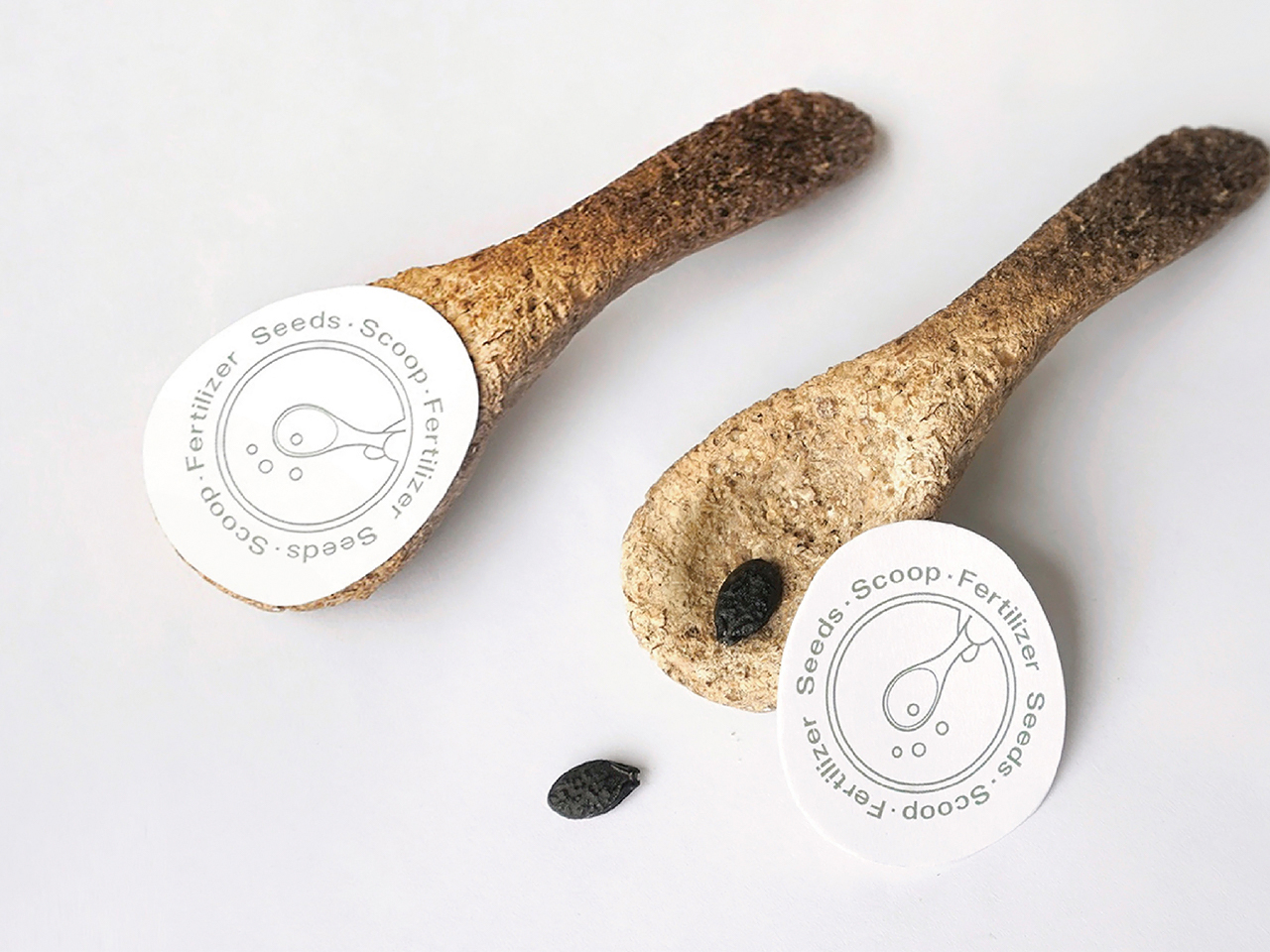
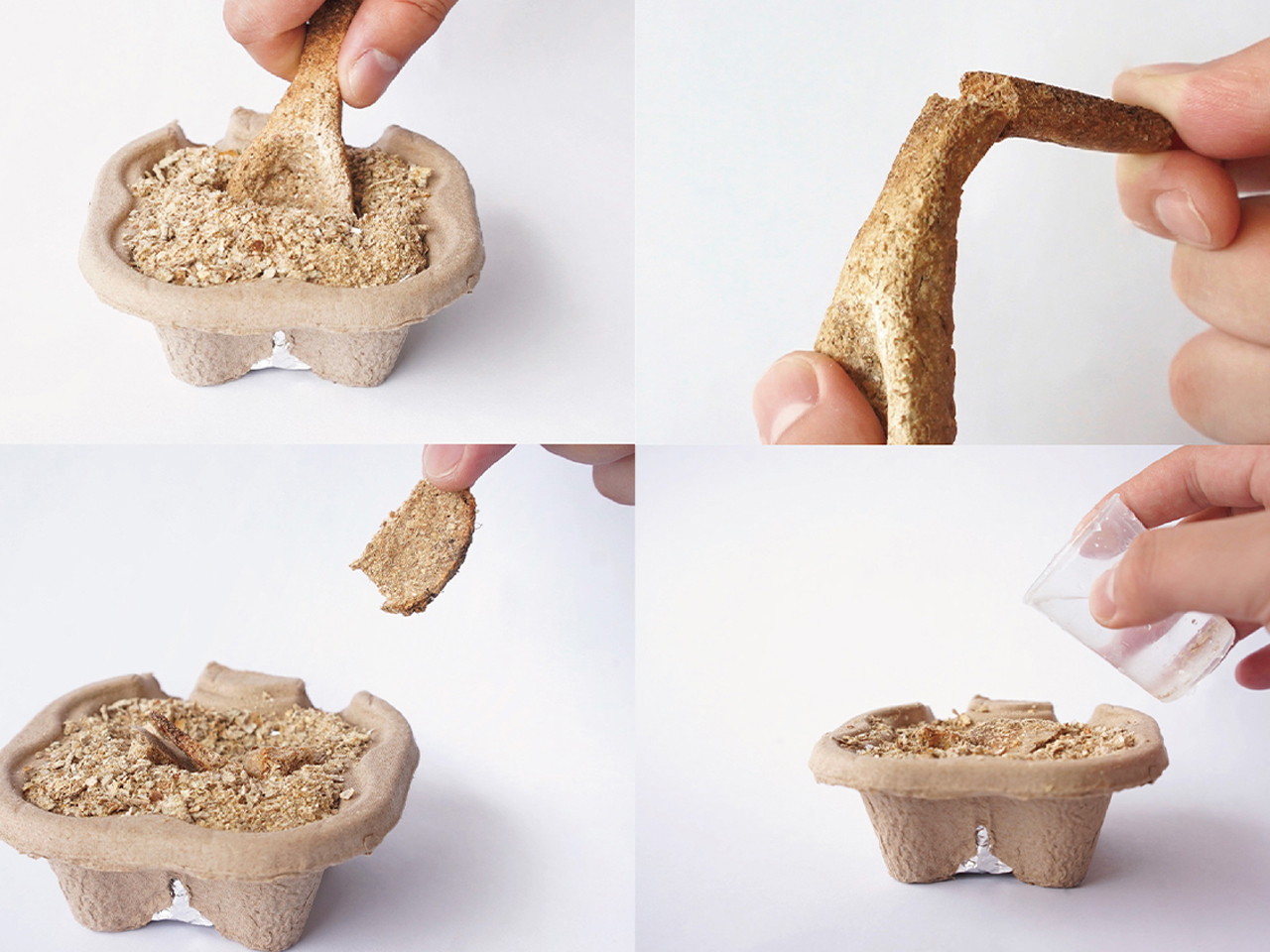
Seed Scoop Fertilizer is an innovative packaging concept that combines seed storage, a planting tool, and fertilizer into a single zero-waste product. Designed by students from the Royal College of Art, the package includes a scoop made from nutrient-rich peanut shell material that protects the seeds during storage while serving as a practical gardening tool. Users first remove the seeds, then use the scoop to dig the soil and plant them, allowing every component of the package to serve a functional purpose before disposal.
Once planting is complete, the biodegradable scoop can be broken into pieces and mixed into the soil, where it gradually decomposes into a natural fertilizer. Made from discarded peanut shells, the material repurposes agricultural waste into a nutrient-rich resource that supports plant growth instead of ending up in a landfill.
These sustainable packaging designs and biodegradable packaging 2026 show that the future of design is becoming more human, intuitive, and environmentally conscious. Together, these packaging innovations show that the future of packaging isn’t just plastic-free, but it’s designed to perform well, minimize waste, and leave a lighter footprint long after the product has been used.
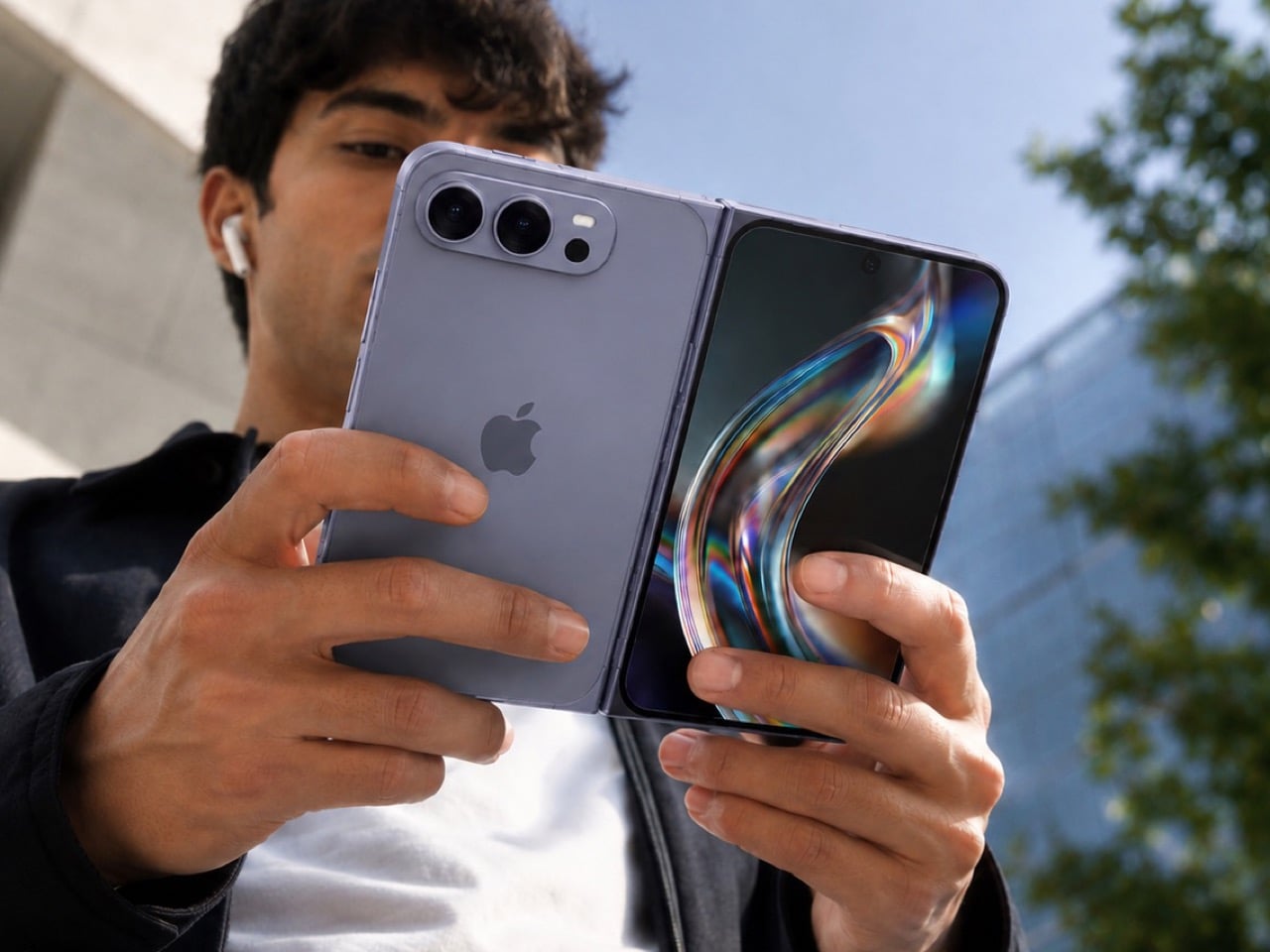
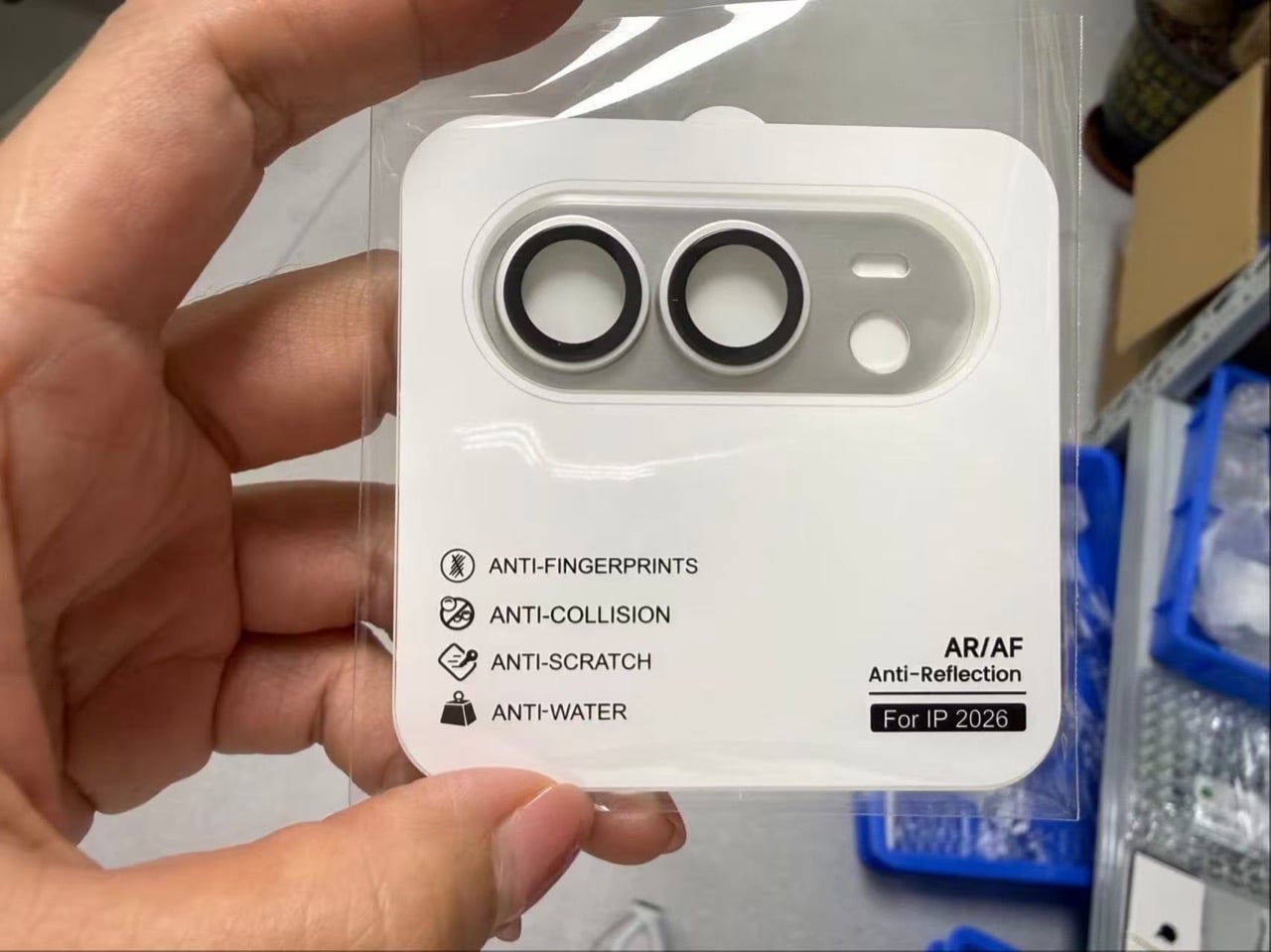
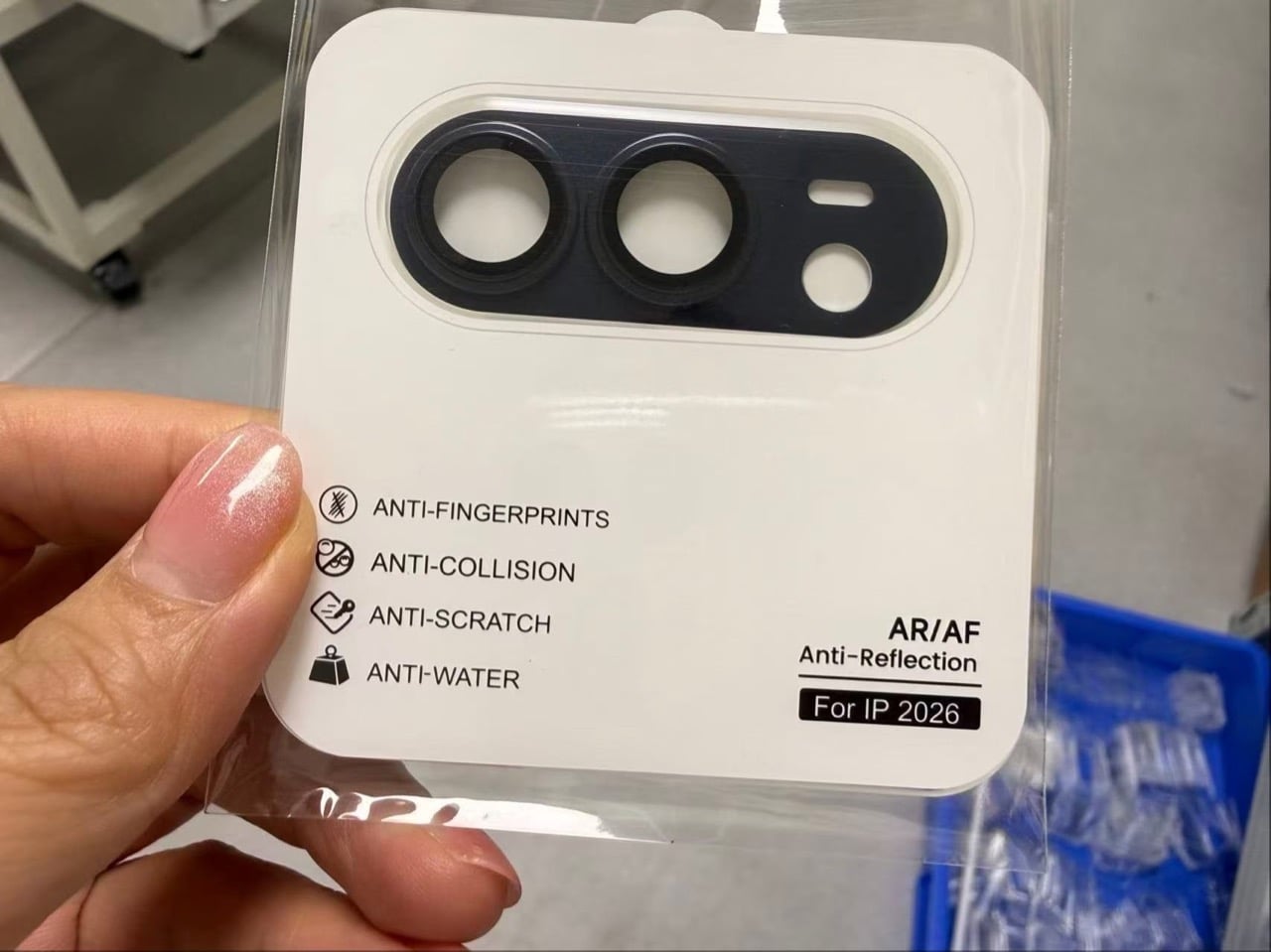
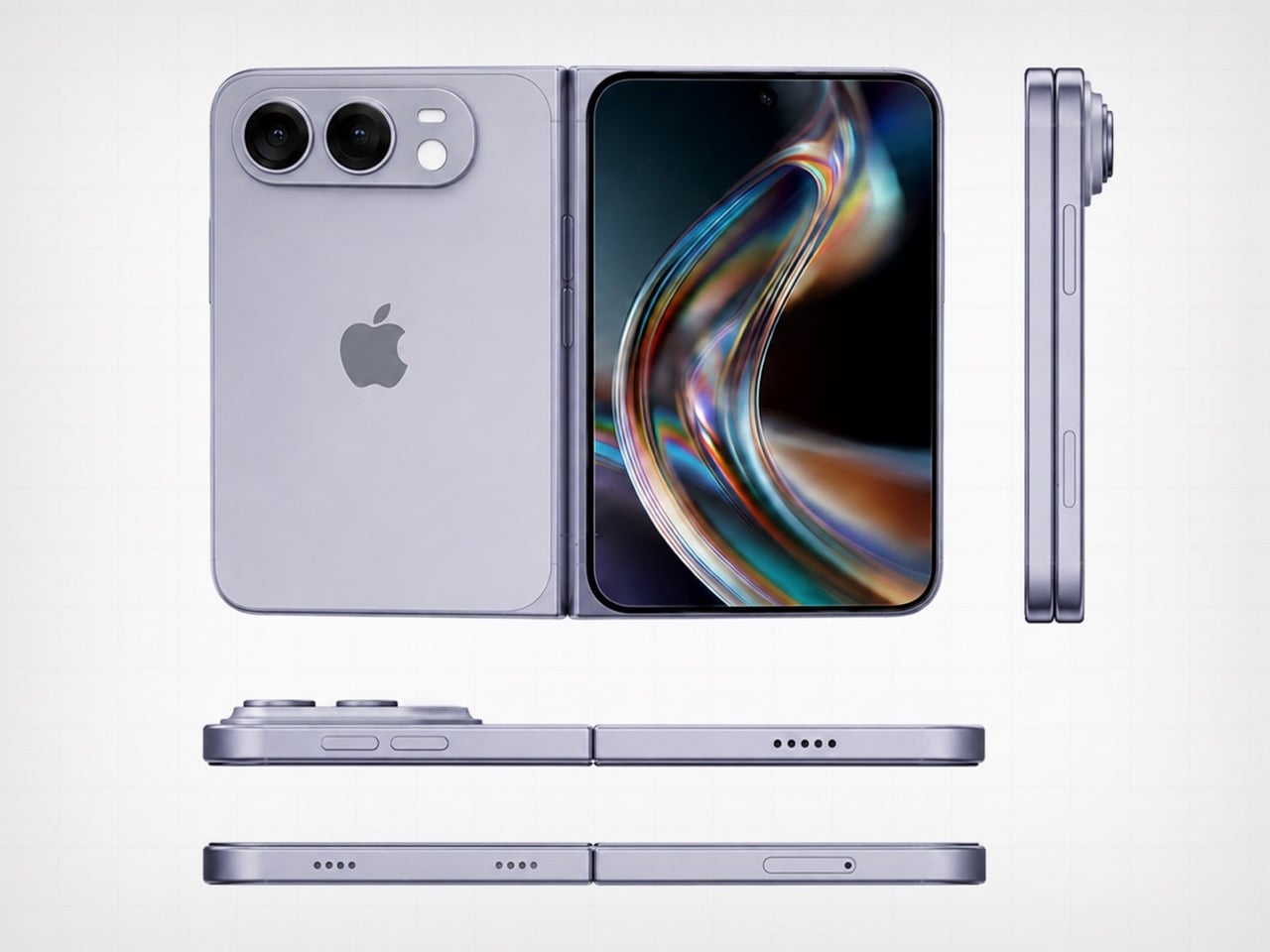
Apple’s foldable iPhone is shaping up to be the most expensive iPhone in the company’s history, and possibly the first flagship in years to skip a lens. Fresh leaks point to camera covers in silver and a blue so dark it practically photographs as black, plus a module with four cutouts crammed into a space that thin. Two lenses, a flash, and a LiDAR scanner, all fighting for room on a phone that’s supposedly under 5mm thick when unfolded.
Squeeze a foldable hinge, a huge inner screen, and a battery big enough to survive the day into that body, and something has to give. Rumor has it the telephoto lens is the sacrifice. Meanwhile, the volume buttons got exiled to the top edge because apparently there was nowhere left on the sides to put them. For two grand, Apple’s asking you to zoom with your feet.
The camera cover leak traces back to serial leaker Sonny Dickson, who posted photos this week of two protective covers made for the phone’s pill-shaped camera housing. Silver on one, a near-black midnight blue on the other, both hinting at a two-tone finish similar to what the iPhone 17 Pro already does with metal and glass. Worth noting these are third-party accessories, so the exact shades could shift once Apple reveals the real thing, but the design language tracks with everything else we’ve seen leak out of the supply chain this year.
The missing telephoto lens has actually been floating around since a leak from Jukanlosreve earlier this year, which described the rear camera setup as just a main and an ultra-wide, no zoom lens included. That’s a real gut punch for a device expected to start north of $1,999. Every other Pro-tier iPhone has shipped with three rear cameras for years, so watching Apple’s most expensive model potentially step backward on optics is the kind of contradiction that makes leak season fun.
The button situation is its own small mystery. Weibo leaker Instant Digital called the top-edge, right-aligned volume buttons back in February (similar to the iPad mini), and case cutouts from third-party manufacturer iFunSmart later lined up with that placement. No Action Button either, which has been a Pro lineup staple since the iPhone 15. Small details, but they paint a picture of a phone where every millimeter of internal real estate got fought over.
I’ve been tracking this device for a while, and the specs keep circling the same core tension. Concept work based on leaks pegged the battery at a massive 5,700mAh and the hinge at a liquid metal build engineered to erase the usual foldable crease entirely. Add a titanium frame and an A20 Pro chip on a 2nm process, and you’ve got a phone that’s clearly engineered within an inch of its life. It’s just wild that with all that effort going into thinness and battery life, the zoom lens ended up on the cutting room floor.
Apple’s expected to make everything official in mid-September (I can’t believe we’re exactly a month away), and if Dickson’s photos are accurate, we already know what the colorway conversation is going to look like. Safe, metallic, a little moody. The bigger story might not be the color at all. It might be everything Apple had to leave out to build this phone.
A pink, faceted sculpture sits on the edge of a former industrial wasteland in northern Sweden, catching the river and forest across its mirrored steel skin. It looks like something that fell from a fever dream. Or like a prop someone left behind after filming a sci-fi movie. Look closer and you’ll realize it’s a sauna. A fully functioning, publicly accessible sauna shaped like a giant lithium crystal. And it’s one of the most quietly radical things built in 2026.
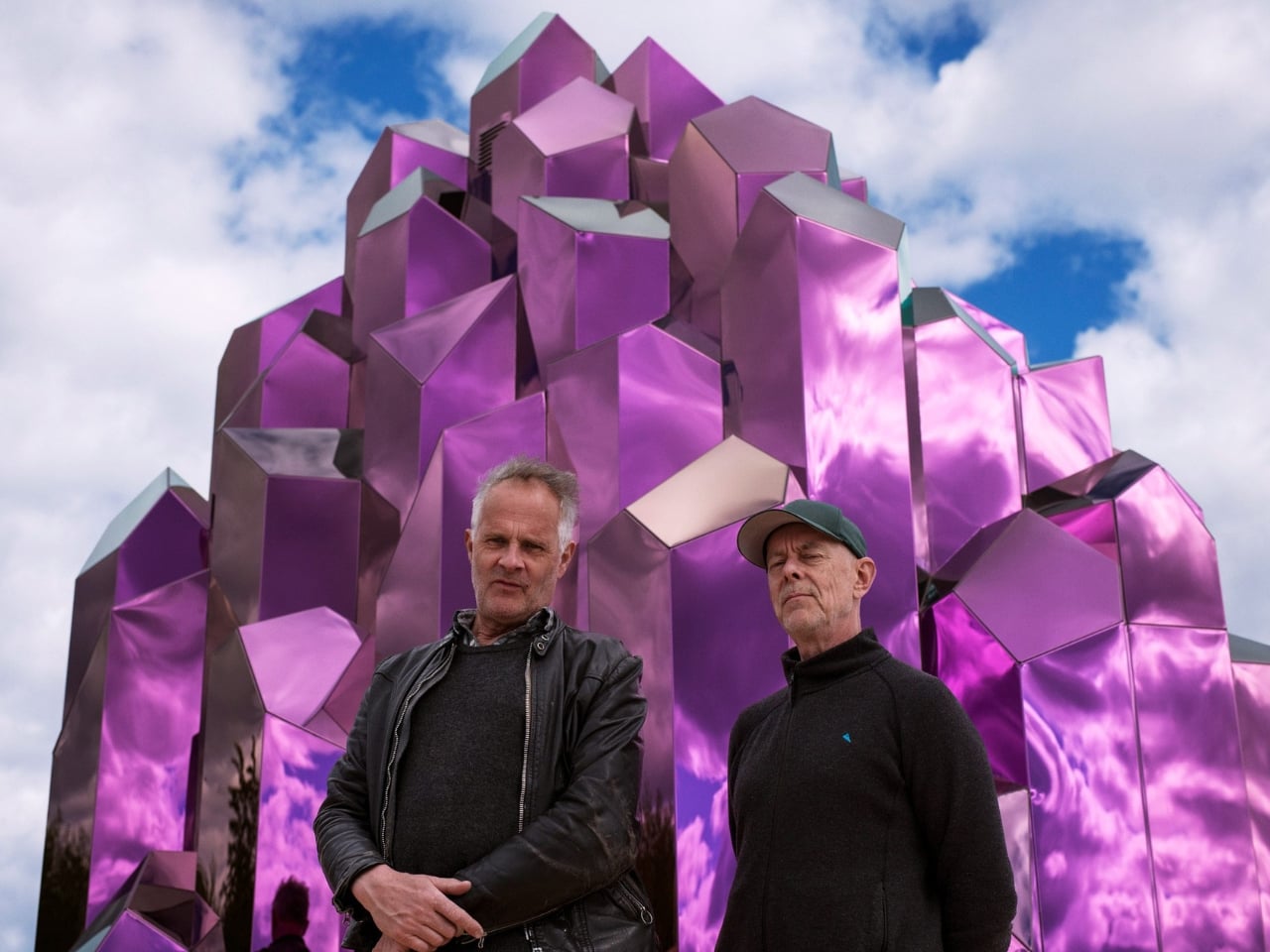
The Lithium Crystal Sauna is the work of Stockholm-based artist duo Bigert & Bergström, installed at WasteLand, a newly inaugurated climate action park in Skellefteå, Sweden. The park sits on land that was, not long ago, a polluted industrial site, a place shaped by a century of extraction, production, and environmental consequence. That context is not incidental to the work. It’s the entire point.
Designer: Bigert & Bergström
From the outside, the sauna is clad in pink titanium-coated mirror steel, its asymmetrical facets borrowing their geometry from the structure of an actual lithium crystal. It doesn’t blend into the landscape. It confronts it. The mirrored panels throw back whatever surrounds it: the recovering forest, the river, the sky, and presumably your own reflection looking slightly baffled and very impressed. As a sculptural object, it earns its place on a shortlist of the most visually arresting public art installations of recent memory.
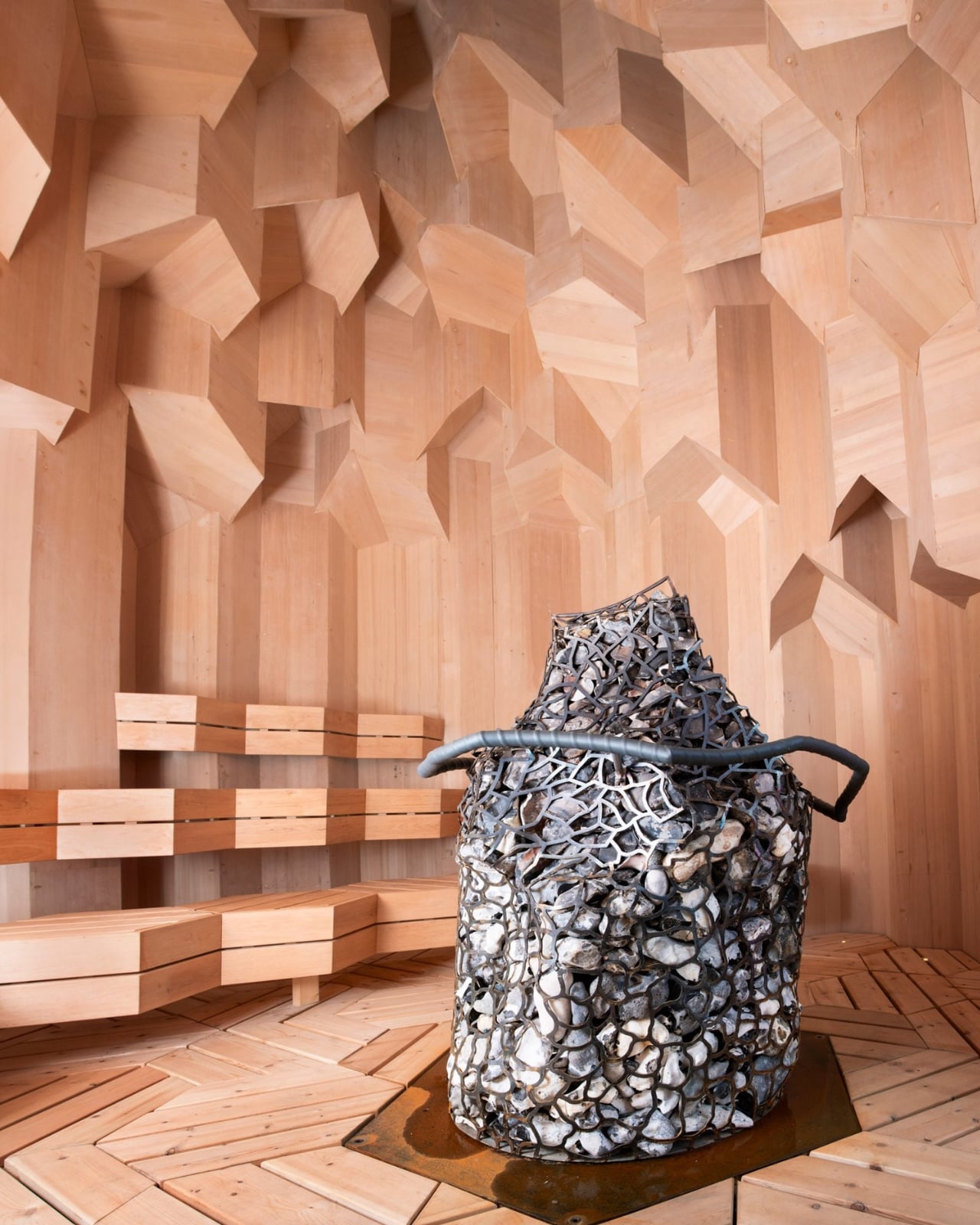
But walking through the door changes everything. Inside, the industrial exterior gives way completely to a warm wooden grotto lined with alder and heartwood pine. Flint and olivine stones sit around the heater. Copper, glass, and LEDs complete the interior. The hexagonal seating echoes the crystal geometry of the outer shell, a small detail that rewards anyone paying attention. The whole space is built to create what the designers describe as a contrasting sensory experience, and the contrast delivers. Going from a mirrored shell to a wood cave is as disorienting as it is beautiful, and I mean that as a compliment.
The material choice of lithium is pointed. Lithium is the mineral at the center of the global battery economy, the thing inside electric vehicles and renewable energy storage systems, and also the driver of a new wave of mining pressure on landscapes not unlike the one WasteLand now occupies. By building a sauna in the shape of a lithium crystal and powering it with a battery, Bigert & Bergström make an argument without saying a word. The Lithium Crystal Sauna is the world’s first battery-powered sauna, running on electricity from standalone batteries and electric vehicles. Through the “Vehicle-to-Sauna” project, Swedish energy company Skellefteå Kraft is developing technology that allows an electric vehicle battery to power both the sauna and the surrounding park. It is, depending on your disposition, either delightfully clever or almost too on-the-nose. Possibly both.
For those familiar with Bigert & Bergström’s earlier work, the Solar Egg, a golden egg-shaped sauna installed in Kiruna where mining had literally forced the city to relocate, this feels like a continuation of a practice that consistently uses warmth, community, and the ritual of the sauna to process what we do to the land we live on. Both works are beautiful. Both carry weight. The difference is that Lithium Crystal Sauna arrives at a moment when the conversation around the green transition has grown more complicated, when the environmental cost of the technologies we’re counting on to save us is harder to look away from.
That’s the tension the piece holds without resolving. It doesn’t tell you how to feel about lithium mining or energy transition or the long afterlife of industrial landscapes. It puts you inside all of that, quite literally, makes it warm, and lets you sweat. Good art makes you sit with the uncomfortable question. Great art makes that sitting feel almost pleasant. This one heats you up and lets you figure out the rest.
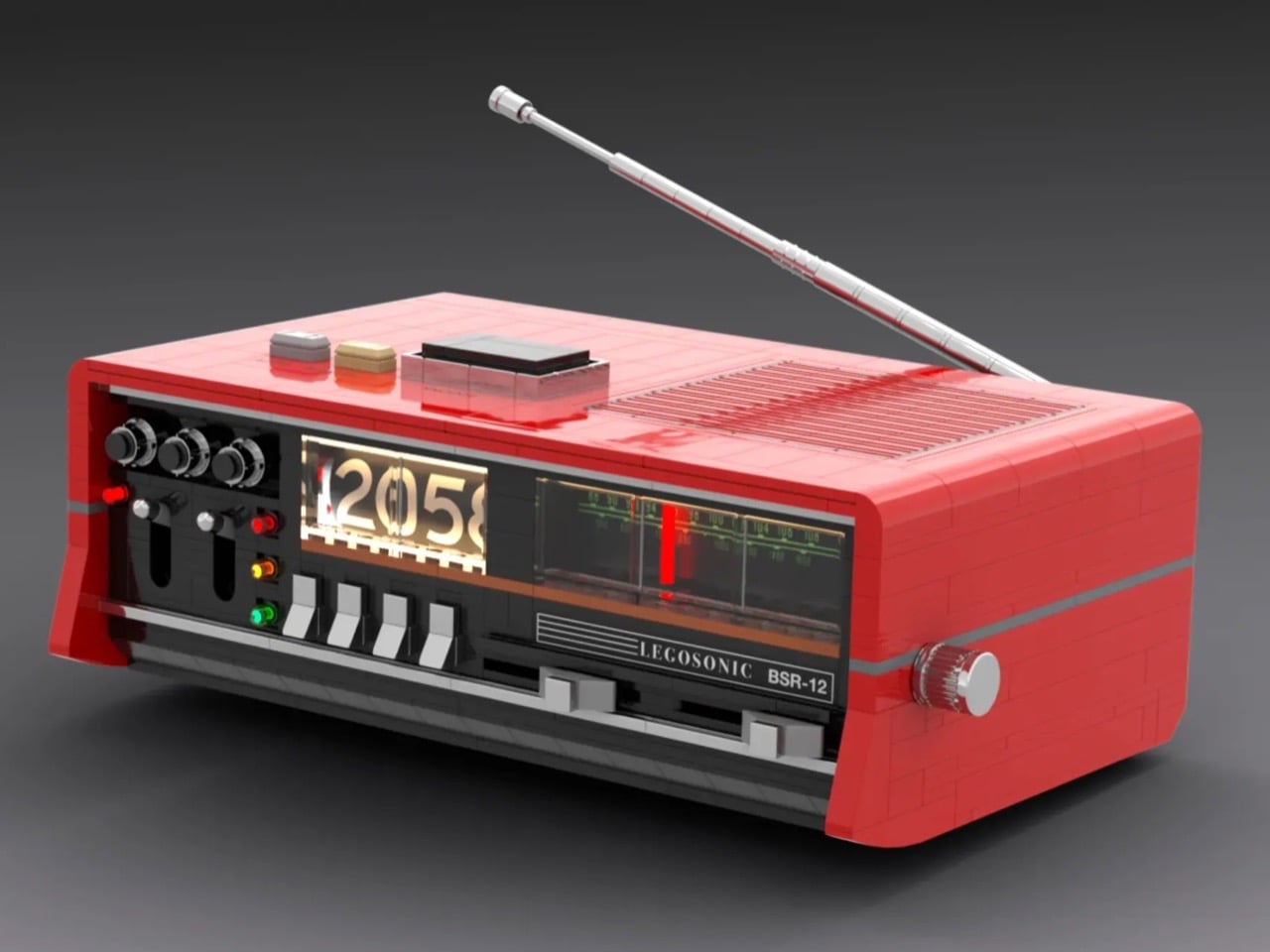
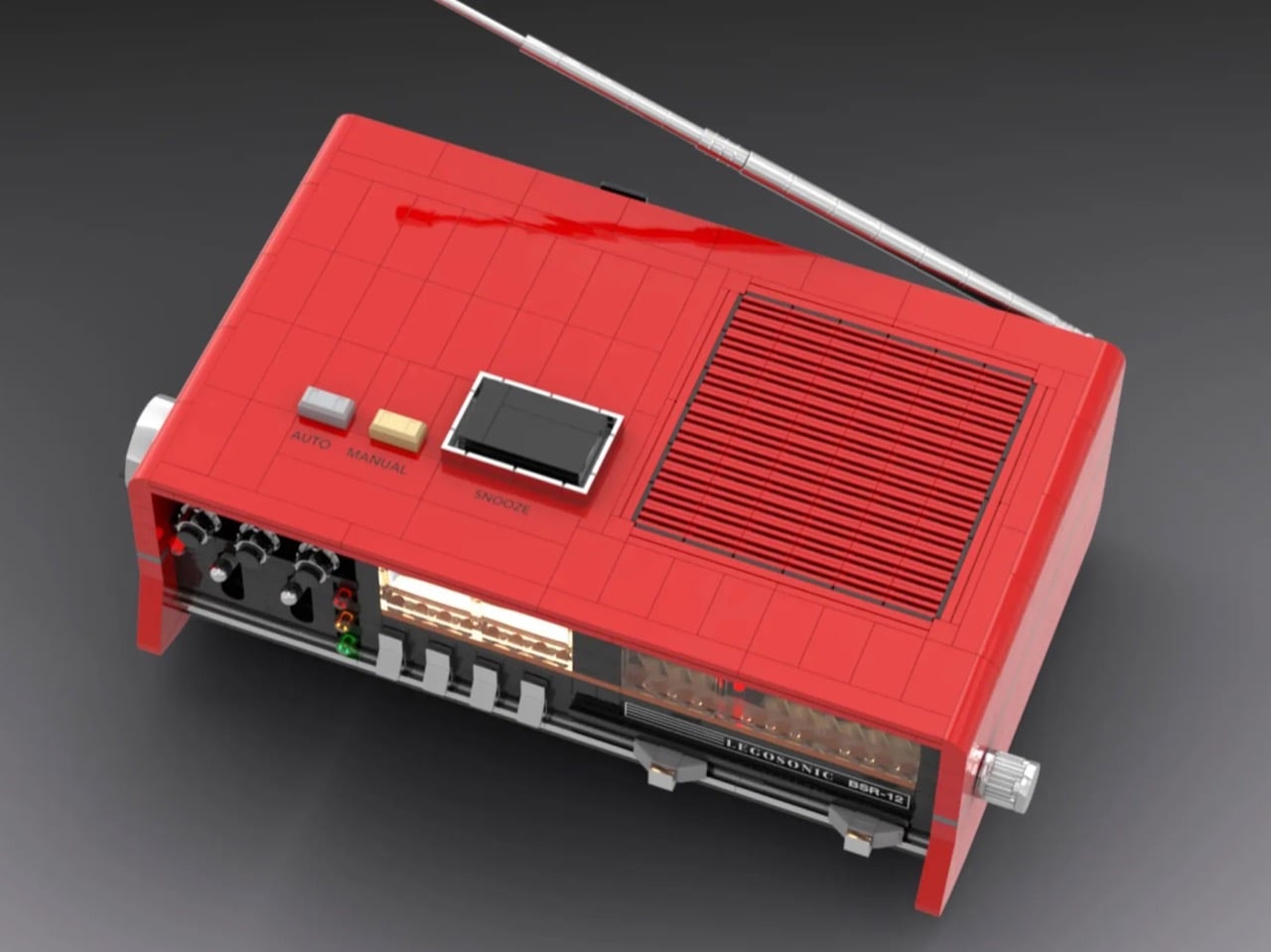
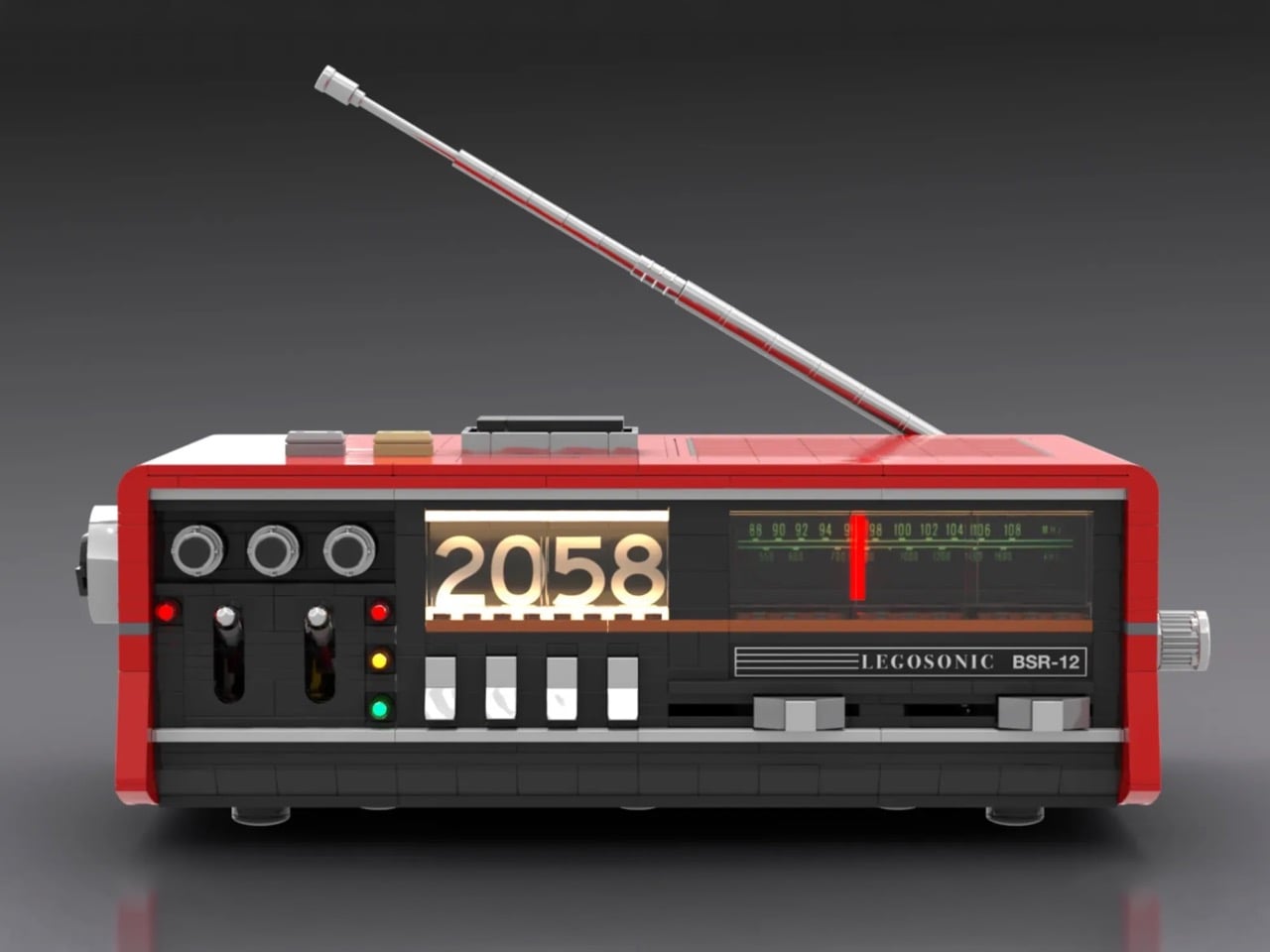
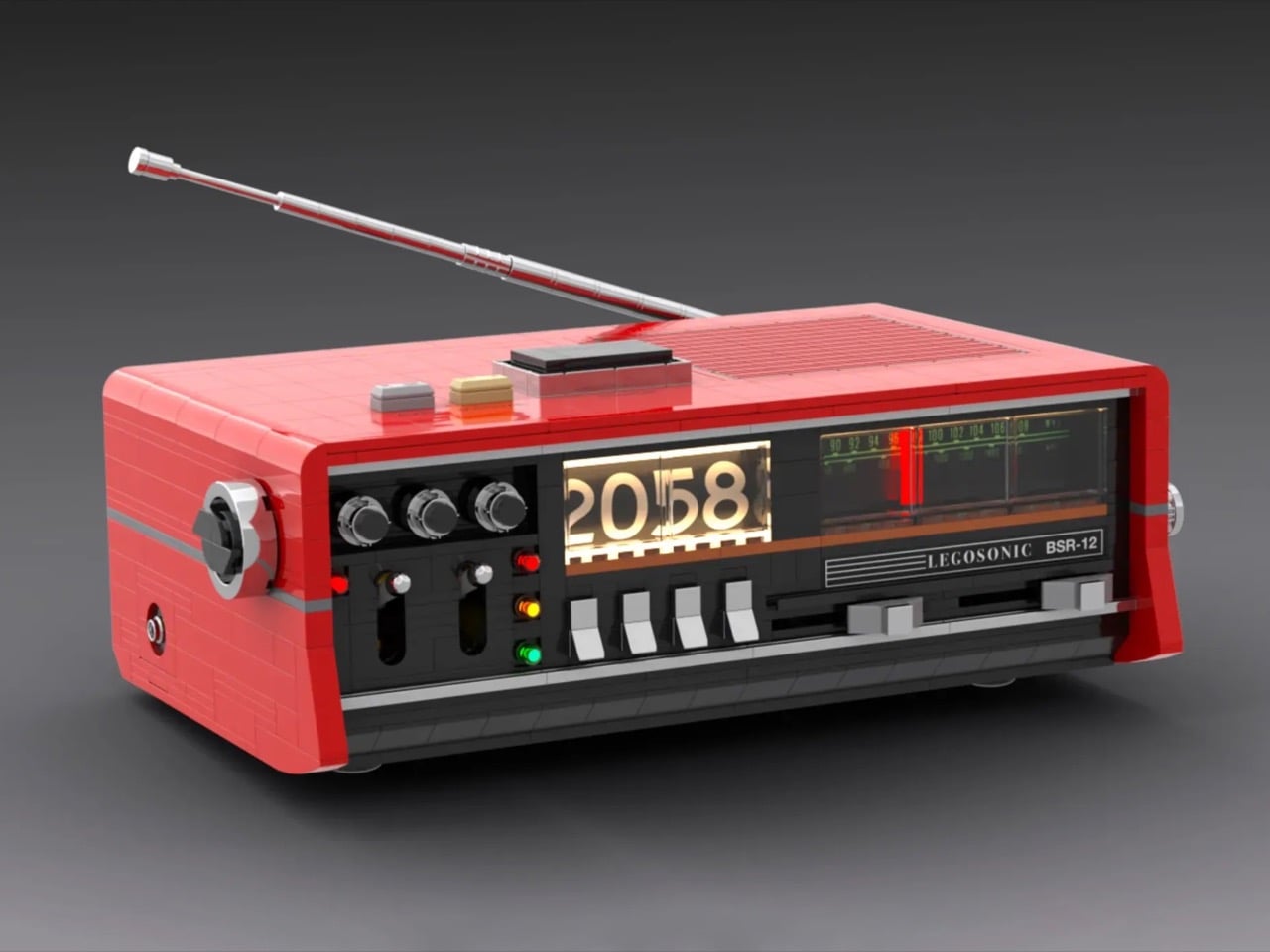
Remember when clock radios had personality? Before phones ate every function a bedside table used to need, you had this chunky little box with dials that clicked, buttons that thunked, and a display that glowed just enough to bug you at 3am. That exact vibe is what 91-Brickdesigns set out to capture with the Legosonic BSR-12, a LEGO Ideas build modeled on the radio alarm clocks that ruled nightstands in the late 70s and early 80s. And they didn’t just nail the look, they nailed the fidgetiness of the thing too.
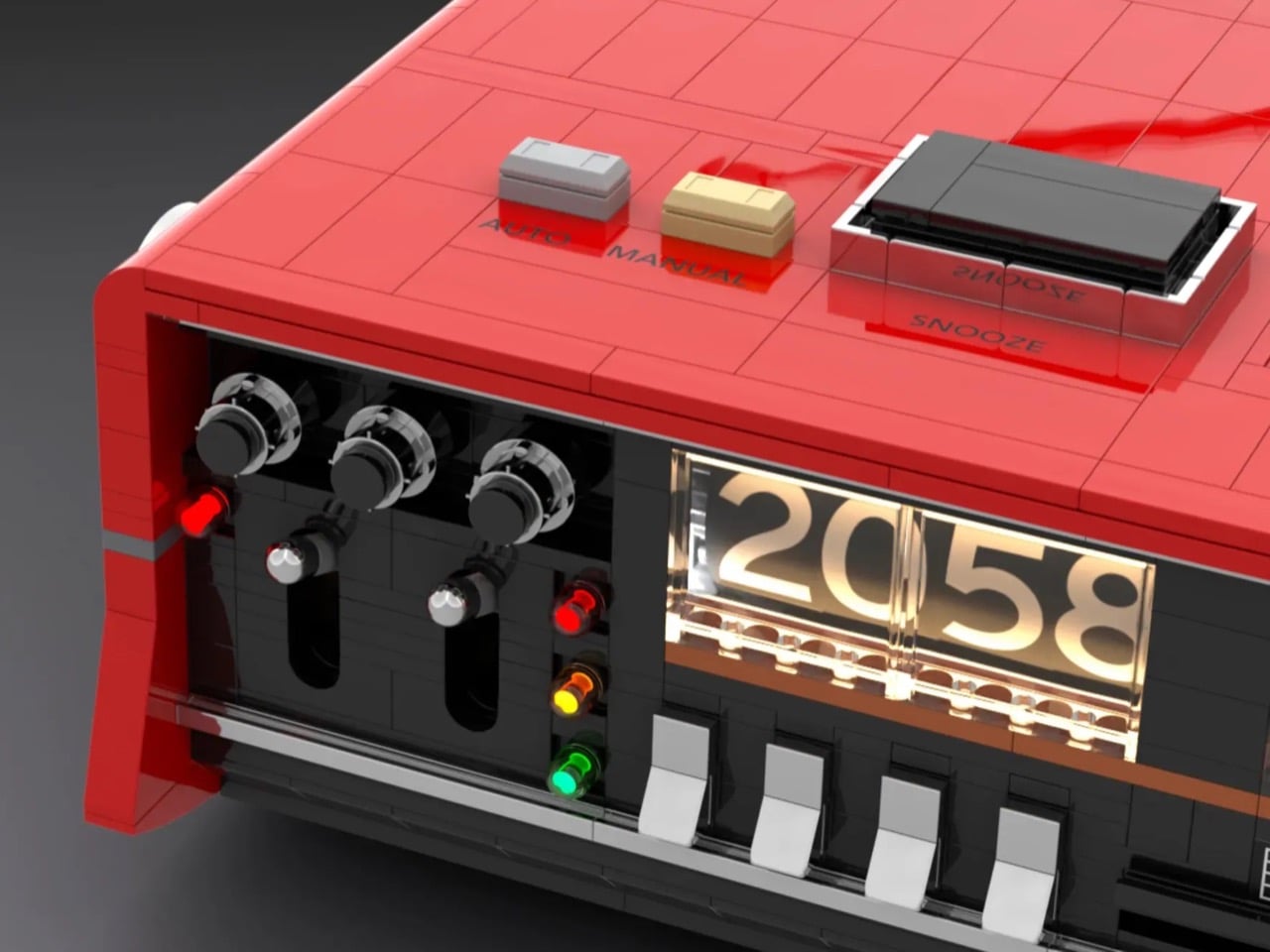
Around 1400 pieces went into this build, and a big chunk of that count is doing unnecessary, delightful work. The toggle switches have actual spring mechanisms so they click when you flip them. The sliders drive a gear underneath just so they feel smoother in your hand, despite doing literally nothing. Even the snooze button is a running joke, since pressing it accomplishes exactly zero. It’s the kind of overbuilt charm we loved in the LEGO Classics Computer a while back, cranked up another notch.
Designer: 91-Brickdesigns
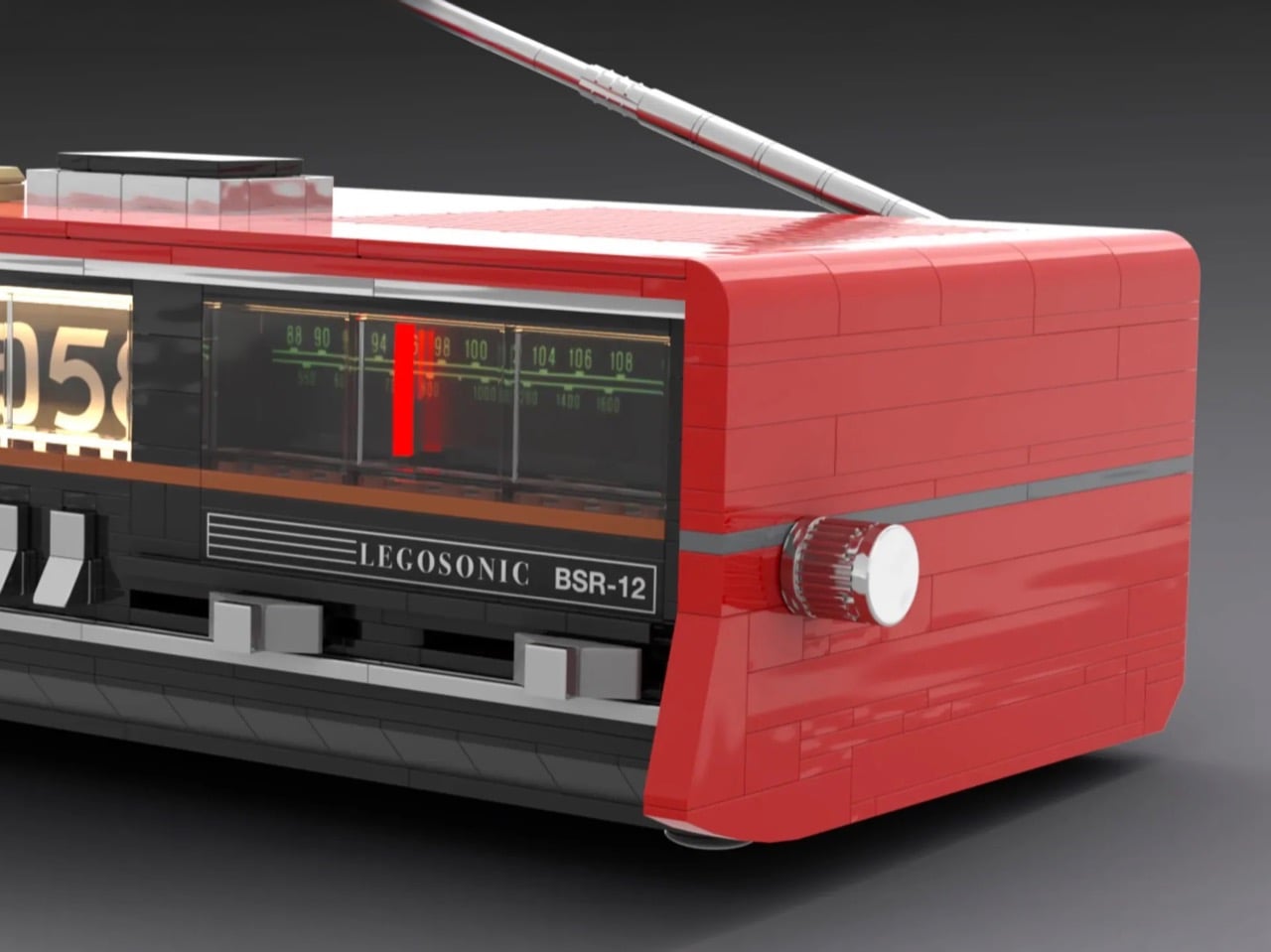
The front panel alone is a lot to take in. You’ve got three round dials up top that turn but don’t actually control anything, a row of colored indicator lights, and a genuinely functional time-set system where you spin the big dial and lock it in with a couple of chrome buttons. Next to that sits a flip clock style display frozen at 20:58, glowing like it just woke up from a nap, and a tuning window with a red needle you can slide across a fake FM and AM band using a little wheel on the side. None of it plays actual music, but every piece of it looks like it should.
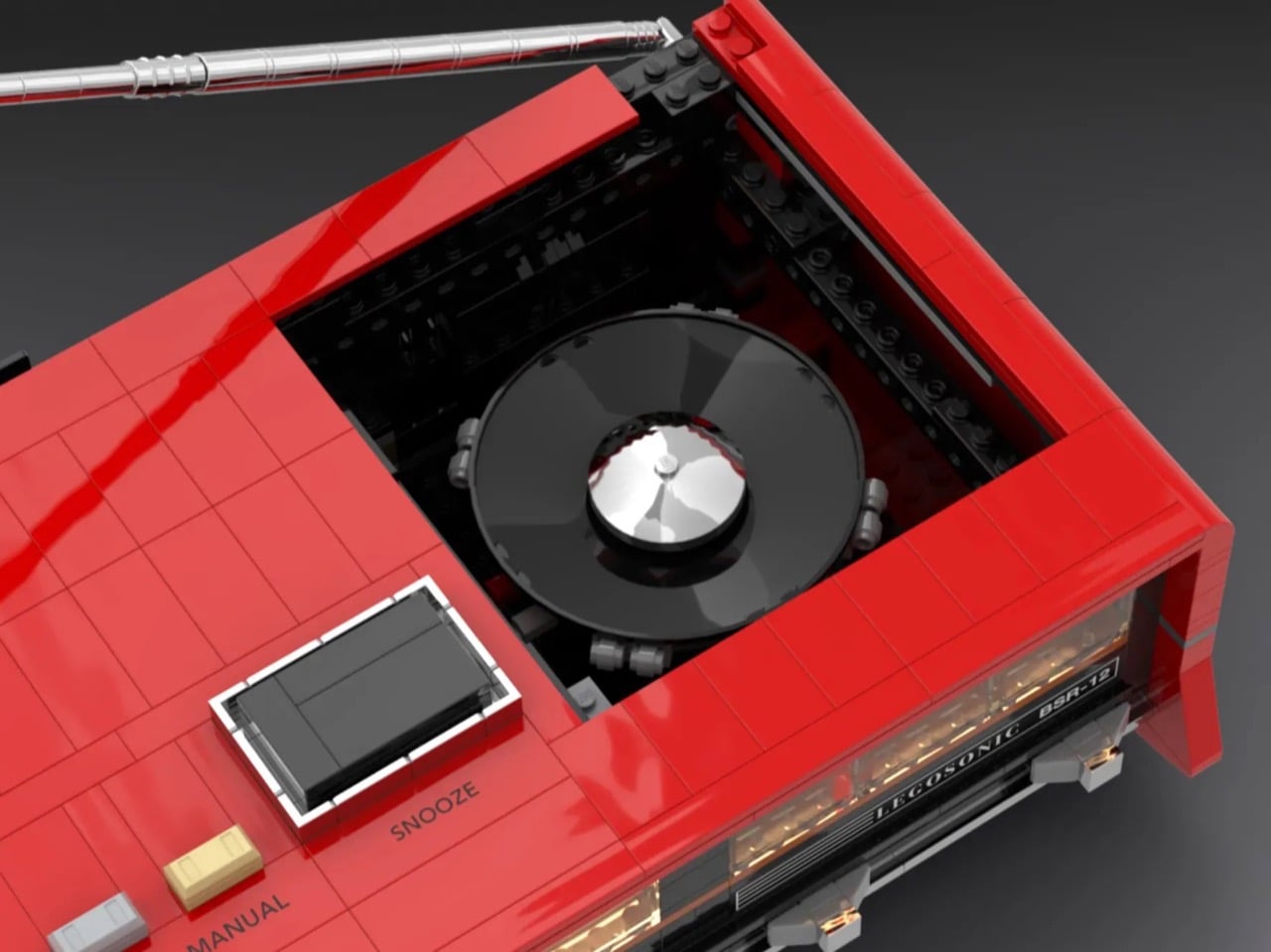
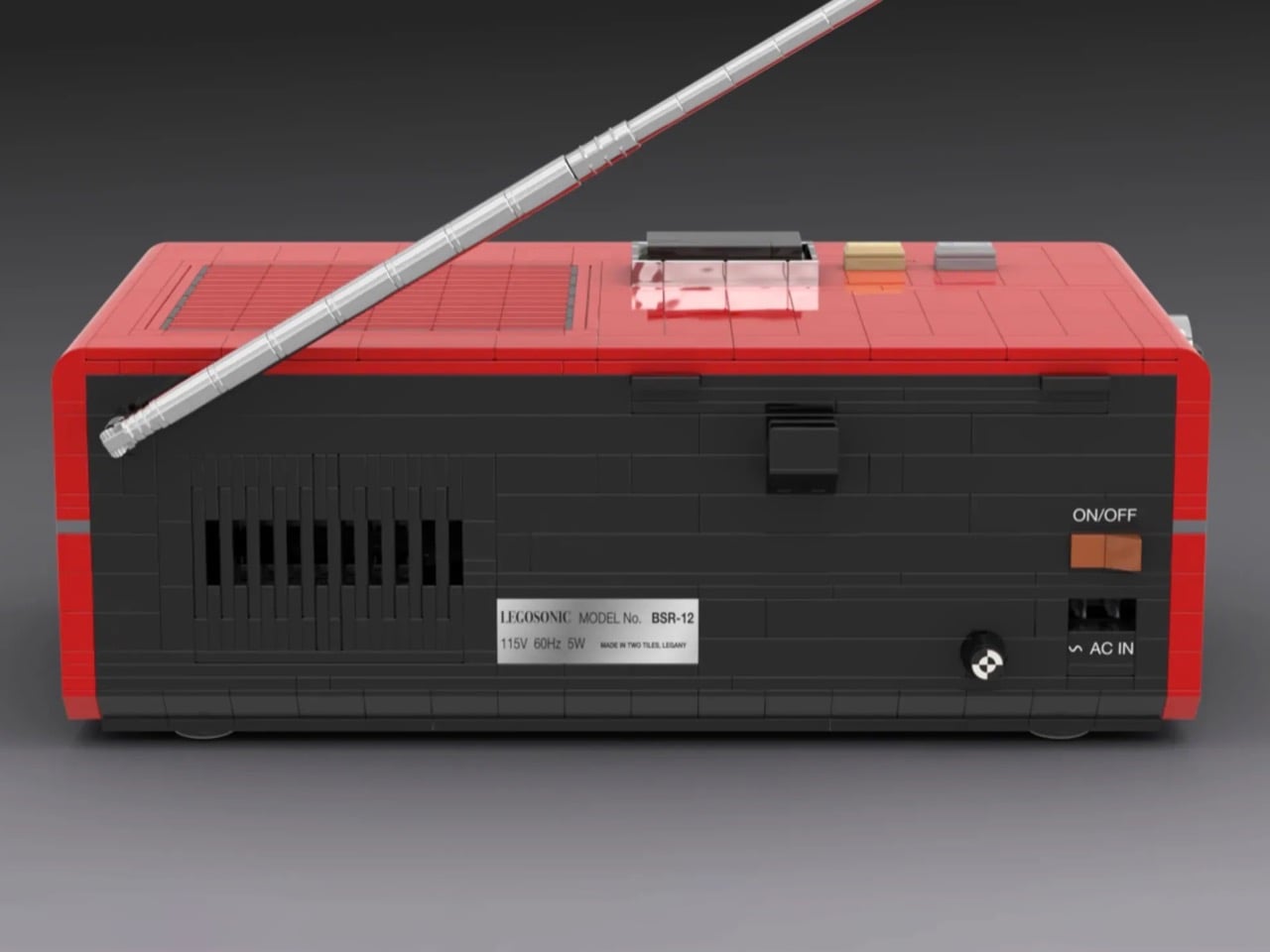
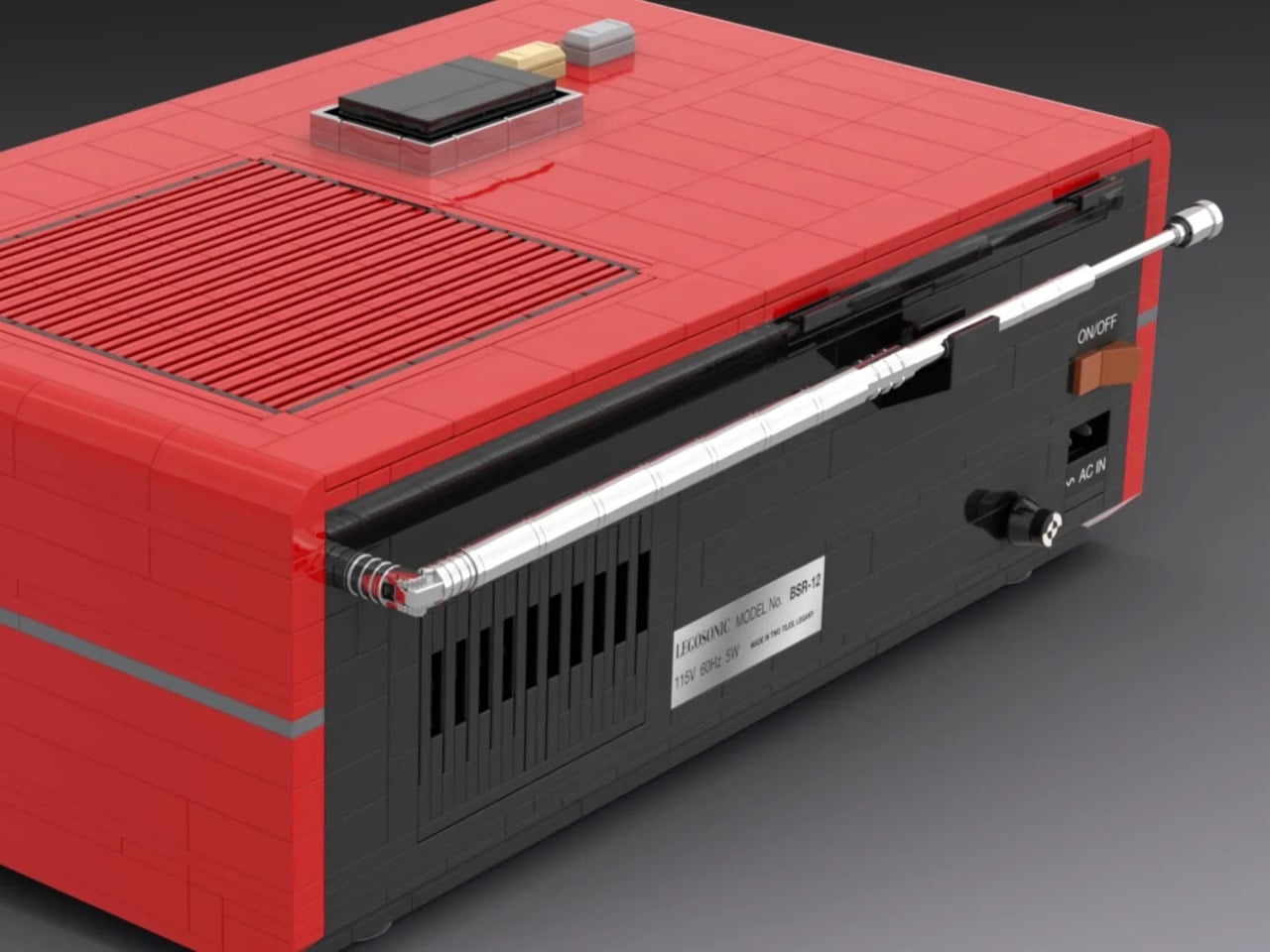
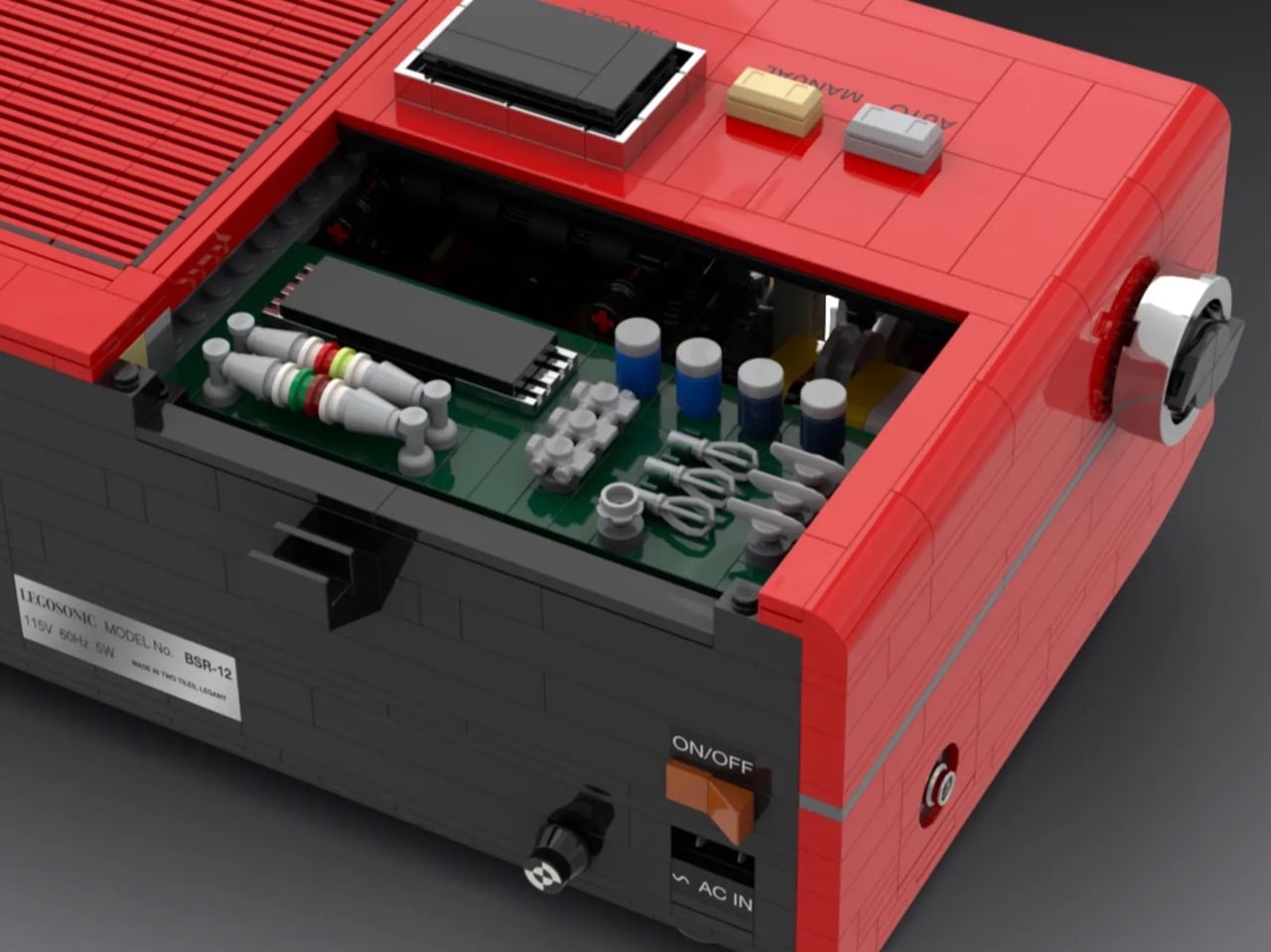
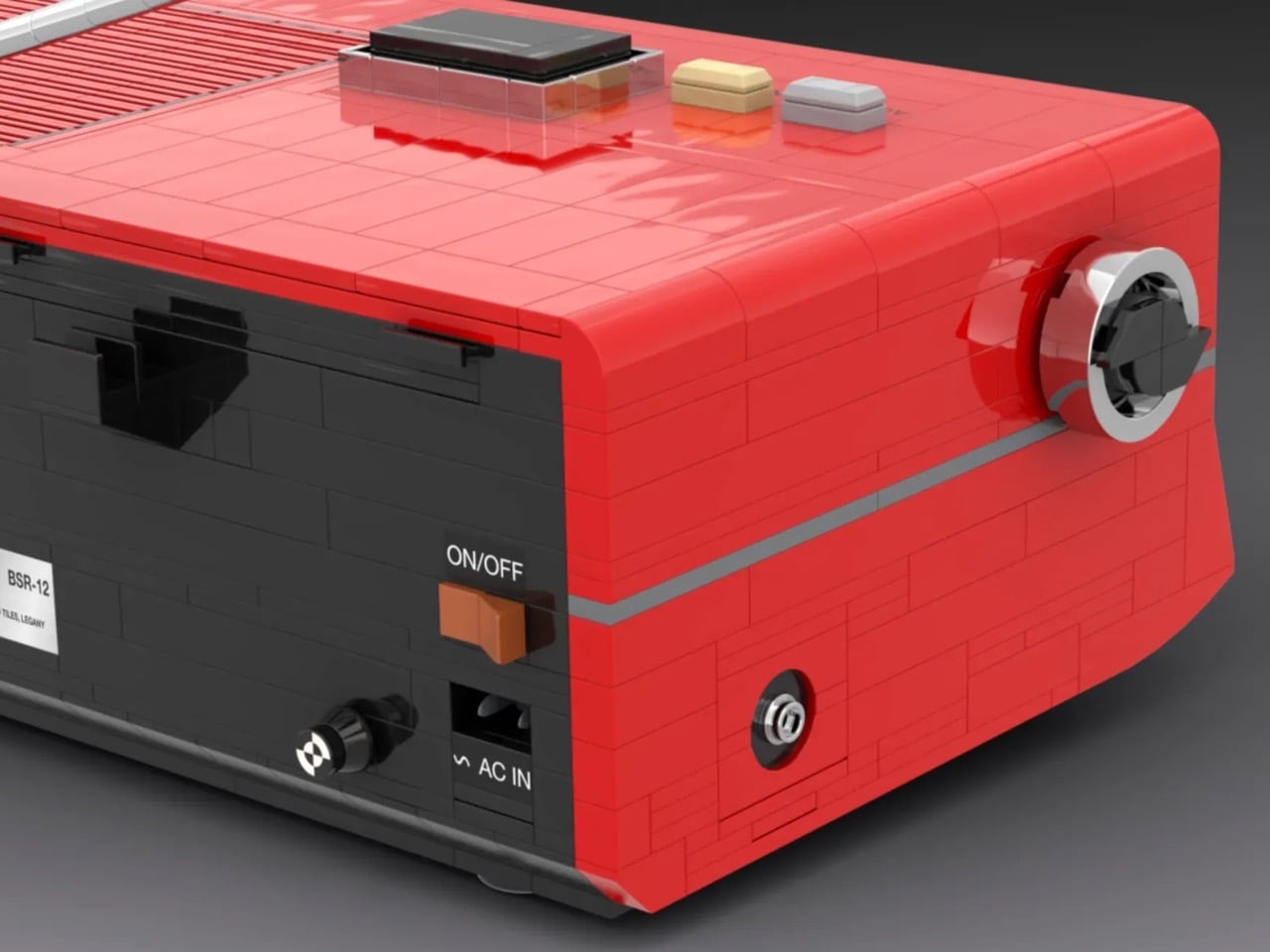
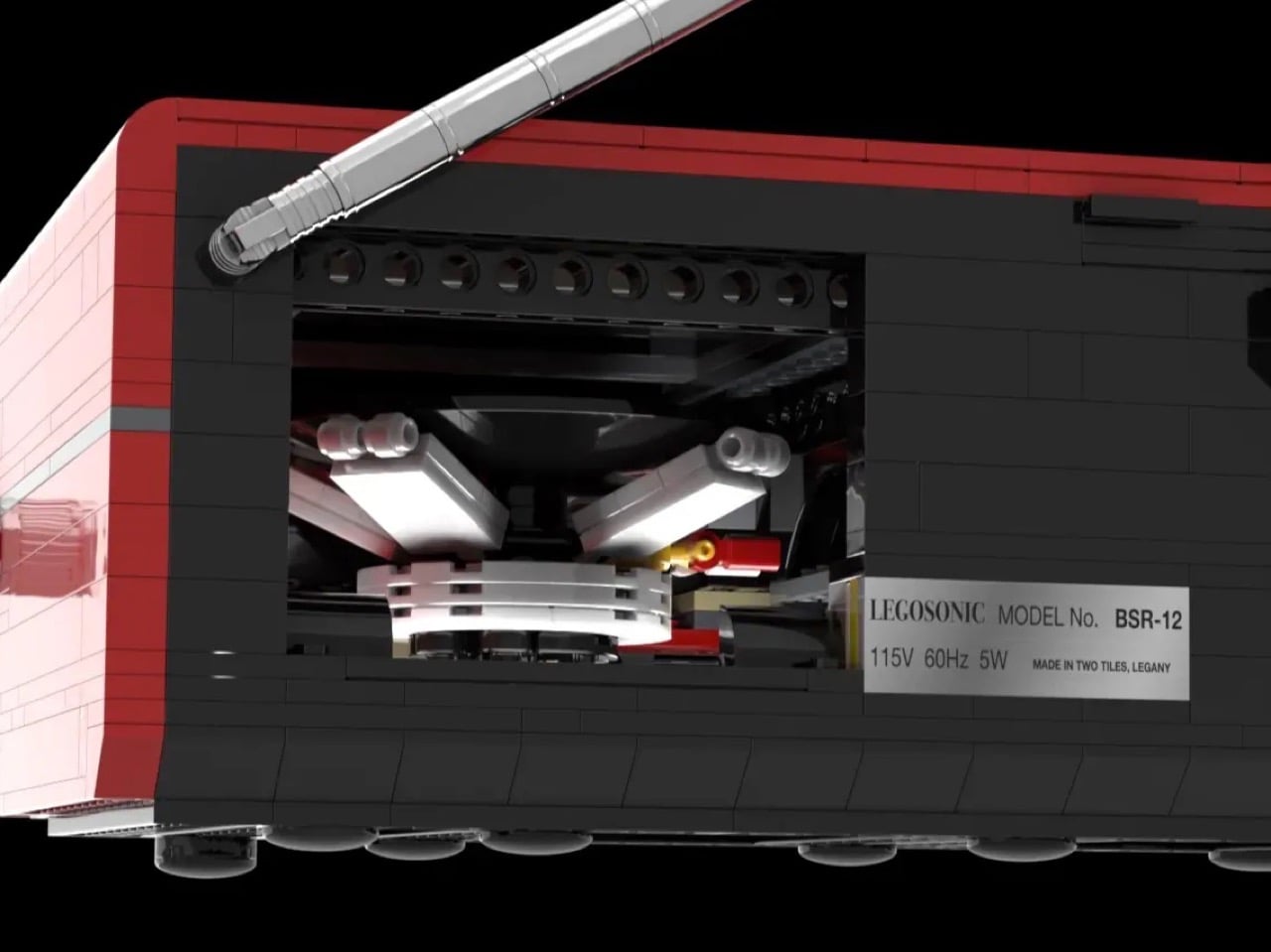
Pop the top cover and there’s a full circuit board hiding under there, with brick built resistors color coded the way real resistors are, a couple of capacitors, and a chip sitting exactly where you’d expect one on an actual PCB. Slide the ventilation grille open and there’s a speaker cone waiting behind it. Flip the whole thing around and the back has a proper spec plate, an AC input, and an on off switch that wouldn’t look out of place on a real appliance from a Best Buy circa 1983. My favorite detail might be the plate itself, which reads “Made in Two Tiles, Legany,” because apparently even fictional radio manufacturers deserve a pun.
This isn’t the first time we’ve watched builders chase this exact strain of nostalgia. The JVC pyramid TV that hit LEGO Ideas earlier this year leaned on the same appeal, and LEGO’s own Icons Retro Radio proved there’s real demand for gadgets that remind adults of a time when electronics had weight and character instead of just a glass slab and a charging port. The Legosonic BSR-12 fits right into that lineage, except it goes further than most by building the guts as carefully as the shell.
The build currently sits at Staff Pick status with 589 days left to hit its 5,000 supporter mark, on the way to the 10,000 votes needed for LEGO’s official review. If you’re the kind of person who misses a nightstand that made noise when you touched it, head over to LEGO Ideas and give it a vote.