How to use Workout Buddy with Apple Watch and iOS 26

Apple’s iOS 26 and watchOS 26 introduced a new fitness companion called Workout Buddy. This feature uses Apple Intelligence to provide spoken feedback during workouts and give motivation based on your activity history. Workout Buddy analyzes your pace, heart rate, distance and other metrics to deliver real-time encouragement and performance insights directly through connected Bluetooth headphones. It works in conjunction with the Workout app on Apple Watch and is partially controlled through the Fitness app on iPhone. This guide walks you through everything needed to set up and use Workout Buddy effectively during workouts.

It’s important to note that Workout Buddy is not a full coaching program. Instead, it adds to your workout with spoken cues that reflect how your session is going. Workout Buddy can remind you of your weekly activity totals, alert you to personal bests or performance milestones and provide an overview when you’re finished. It is designed to feel like a supportive training partner rather than a strict coach.

The feature operates in English by default and uses a text-to-speech model trained on voices from Apple Fitness+ trainers. It is available for a subset of workout types, including running, walking, cycling, high-intensity interval training (HIIT) and strength training. It requires on-device Apple Intelligence, which means you’ll need to keep one of the latest iPhones running updated software nearby during workouts. 

Supported models include iPhone 15 Pro, iPhone 15 Pro Max and any iPhone 16 model. You’ll also need an Apple Watch running watchOS 26.  

Before Workout Buddy appears in your Fitness app or Workout app you must ensure a few things are in place. First, your Apple Watch must be running watchOS 26 or later and paired to an iPhone with iOS 26 installed. Second, your iPhone must be capable of on-device Apple Intelligence, meaning you must own one of the supported iPhone models we mentioned above and have Apple Intelligence enabled in the phone’s settings.

You’ll also need Bluetooth headphones paired with either your iPhone or your Apple Watch. Workout Buddy’s audio feedback cannot play through the watch speaker so headphones are essential. Lastly, your device language must be set to English, at least initially. If any of these things are missing, the option to enable Workout Buddy may not appear.

While much of the interaction with Workout Buddy happens on Apple Watch during workouts, you can enable it and choose voice options from the Fitness app on iPhone.

Open the Fitness app on your iPhone and tap the Workout tab at the bottom. Scroll through the list of workout types until you find one you plan to use with Workout Buddy. Tap the waveform bubble icon associated with that workout. This will bring up settings where you can turn on Workout Buddy. Flip the toggle to enable it and choose a voice from the available options. Once you have selected a voice, close that screen and your choice is saved. When you start this workout type on Apple Watch, Workout Buddy will activate.

Enabling Workout Buddy for a workout type on iPhone means you do not need to toggle it on separately on Apple Watch each time for that specific workout. However, you may still adjust it from the watch interface for more granular control.

To use Workout Buddy during a session, open the Workout app on your Apple Watch. Turn the Digital Crown to scroll through and select the workout you want to do, such as Outdoor Run, Outdoor Walk, Outdoor Cycle, HIIT or Strength Training. If you want to see all available workouts, tap the Add button at the bottom.

Once the workout type is selected, look for the Alerts button on screen. Tap Alerts then scroll until you see Workout Buddy. Tap Workout Buddy and flip the switch to on. You will then be asked to choose a voice if one is not already selected on your iPhone. After selecting the voice, return to the previous screen and tap Start. Workout Buddy will begin working as soon as the workout does.

Once you start an exercise on your Watch or iPhone, Workout Buddy will speak to you through your connected headphones. The feedback is designed to be encouraging and relevant to your pace, performance or milestones. It may mention your current progress toward activity goals, pace, splits, personal bests or other highlights from your fitness data. At the end of your session Workout Buddy will offer a summary of key metrics like duration distance and calorie burn.

While a workout is active, you can temporarily mute the audio if you need silence. On Apple Watch during the session, swipe right to reveal controls then tap Mute. This pauses Workout Buddy’s spoken commentary without disabling the feature entirely.

Workout Buddy is enabled on a per-workout-type basis. If you prefer voice feedback for running but silence for strength training, you can enable it for one and leave it off for the other. The Fitness app on iPhone allows you to set a default voice preference for each workout type. On Apple Watch you can quickly toggle the feature on or off before starting a session.

If Workout Buddy does not appear as an option for a particular workout type, you may need to check compatibility. Apple’s documentation indicates that only certain types* are supported initially and that the option will not appear for unsupported workouts.

*Apple Watch SE (2nd generation), Apple Watch SE 3, Apple Watch Series 6, Apple Watch Series 7, Apple Watch Series 8, Apple Watch Series 9, Apple Watch Series 10, Apple Watch Series 11, Apple Watch Ultra, Apple Watch Ultra 2, Apple Watch Ultra 3

If Workout Buddy fails to activate make sure your devices meet the requirements outlined above. Confirm that your iPhone with Apple Intelligence is nearby and that Bluetooth headphones are connected. If audio feedback is missing, ensure headphones are paired correctly and that the language is set to English. Some users have reported that if the headphones are paired only to the Watch rather than the iPhone, it can interfere with feedback. Switching to the iPhone often resolves that issue.

For workout types where Workout Buddy previously worked but suddenly does not appear, you may try toggling the feature off and on again in the Fitness app or rebooting both devices. In rare cases removing and re-adding the workout type on Apple Watch can refresh the settings.

This article originally appeared on Engadget at https://www.engadget.com/wearables/how-to-use-workout-buddy-with-apple-watch-and-ios-26-130000922.html?src=rss

5 Best Transparent Tech Of January 2026 That Just Beat Nothing at Its Own Game

Transparent technology has moved far beyond its novelty phase to become a legitimate design movement reshaping how we interact with our devices. What started as a nostalgia trip courtesy of Nothing’s transparent phones has evolved into a full-blown aesthetic revolution where seeing the guts of your gadgets is no longer just acceptable but desirable. The best transparent designs do more than simply expose circuitry; they create visual narratives about how technology works while delivering genuine functional benefits that justify their existence beyond mere eye candy.

January 2026 has given us a particularly strong lineup of transparent tech that ranges from retro-futuristic audio devices to gaming powerhouses wrapped in see-through shells. These designs prove that transparency works across every category of consumer electronics when executed with intention and intelligence. The following five products represent the pinnacle of this movement, each bringing something unique to the table while celebrating the beauty of visible mechanics and electronic components in ways that feel fresh rather than gimmicky.

1. Transparent Sony Walkman Concept

This transparent cassette recorder concept represents everything compelling about retro-futurism executed with modern design sensibilities. The device combines the tactile satisfaction of analog media with visual transparency that transforms mechanical components into the main attraction. Those exposed gears and rollers work their magic through crystal-clear housing that makes the entire mechanism visible during operation, creating a mesmerizing display of analog technology in motion. The top-mounted mechanical elements evoke luxury watch movements where visible complexity becomes the primary selling point rather than something to hide behind opaque shells.

The design succeeds because it creates genuine tension between old and new technologies rather than simply copying vintage aesthetics. A digital display nestles among analog components, suggesting computational intelligence working alongside mechanical systems. Those pixel-perfect UI elements visible through transparent housing indicate this isn’t merely a playback device but something with smart capabilities. The tiny control buttons along the top edge deliberately reference 80s Sony recorders while embracing modern miniaturization techniques. This Walkman concept could easily exist in Blade Runner’s world or on a contemporary design enthusiast’s shelf with equal credibility.

What We Like

  • The visible gear systems create a hypnotic viewing experience during tape playback.
  • The combination of analog mechanics and digital intelligence feels genuinely innovative.
  • The transparent housing transforms mechanical movement into visual entertainment.
  • The design language successfully bridges multiple decades of technology evolution.

What We Dislike

  • Physical media dependence limits practicality for streaming-era consumers.
  • The concept status means you cannot actually purchase this beautiful object.

2. Pomera DM250 Crystal Neon Yellow

The limited-edition Pomera DM250 in Crystal Neon Yellow ditches conventional white or black finishes for a vivid, almost glowing green shell that channels cyberpunk aesthetics straight out of futuristic cinema. The transparent design feels deliberately pulled from a William Gibson novel, mixing nostalgia for vintage computing with an ultra-modern sensibility that makes the device feel both retro and cutting-edge simultaneously. This isn’t just a writing tool but a statement piece that announces your commitment to focused creativity before you type a single word.

The core philosophy here centers on unwavering dedication to one task: getting words onto the screen without distractions. The DM250 sports a compact yet full-size 80-key keyboard paired with a crisp monochrome LCD that strips away every possible distraction. The software is deliberately minimal, offering everything a writer needs for text creation while providing nothing that might derail focus or waste precious writing time. That transparent shell showcasing the device’s internal components serves as a visual reminder of its pure functionality, where every element exists to support the writing process rather than tempt you toward multitasking.

What We Like

  • The monochrome display eliminates distractions that kill writing productivity.
  • The full-size keyboard delivers proper typing ergonomics in a compact form.
  • The Crystal Neon Yellow finish makes a bold visual statement.
  • The single-purpose design philosophy respects writers’ focus needs.

What We Dislike

  • The monochrome display feels dated compared to modern screen technology.
  • Limited functionality beyond text editing restricts versatility for mixed workflows.

3. RedMagic Astra Gaming Tablet

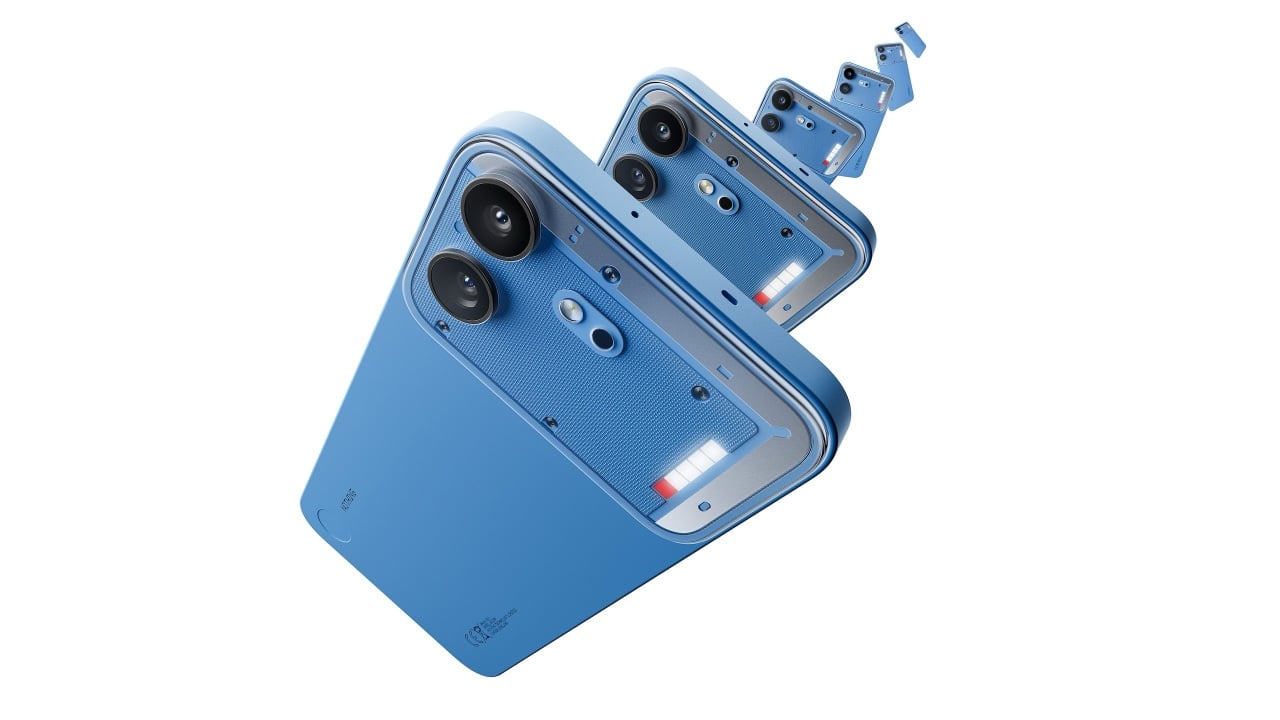
Nothing spent years teasing transparent design language, while RedMagic simply dropped the Astra with a full transparent strip down its back panel, complete with faux circuit board details that scream technological prowess. The visual trickery taps into tech enthusiast psychology that made transparent Game Boys and iMacs cultural phenomena decades ago. Those faux components create an impression of hardware sophistication perfectly aligned with gaming tablet expectations. RedMagic effectively claimed transparent tablet territory before Nothing could plant their flag, proving that execution speed sometimes matters more than brand heritage in emerging design categories.

The transparent strip serves as eye candy on what might be the most compelling compact gaming tablet available. RedMagic packed the Astra with the Snapdragon 8 Elite processor and hardware that puts most full-sized tablets to shame. The 9.06-inch form factor feels genuinely manageable for handheld gaming while maintaining enough screen real estate for immersive experiences. Aggressive pricing makes the iPad Mini look overpriced and underpowered by comparison. The Astra knows exactly what it wants to be: a gaming powerhouse that happens to work as a tablet, rather than a tablet that sorta plays games. This focused approach pays dividends across every aspect, from display technology to thermal management systems.

What We Like

  • The Snapdragon 8 Elite processor delivers flagship performance in a compact package.
  • The transparent design differentiates it from generic black rectangles flooding the market.
  • The 9.06-inch size balances portability with usable screen space for gaming.
  • Aggressive pricing undercuts competitors while delivering superior hardware specifications.

What We Dislike

  • Faux circuit board details might feel inauthentic to purists wanting real component exposure.
  • Gaming focus means it might not excel at productivity tasks that some users expect from tablets.

4. Nothing-Inspired Transparent Robot Vacuum

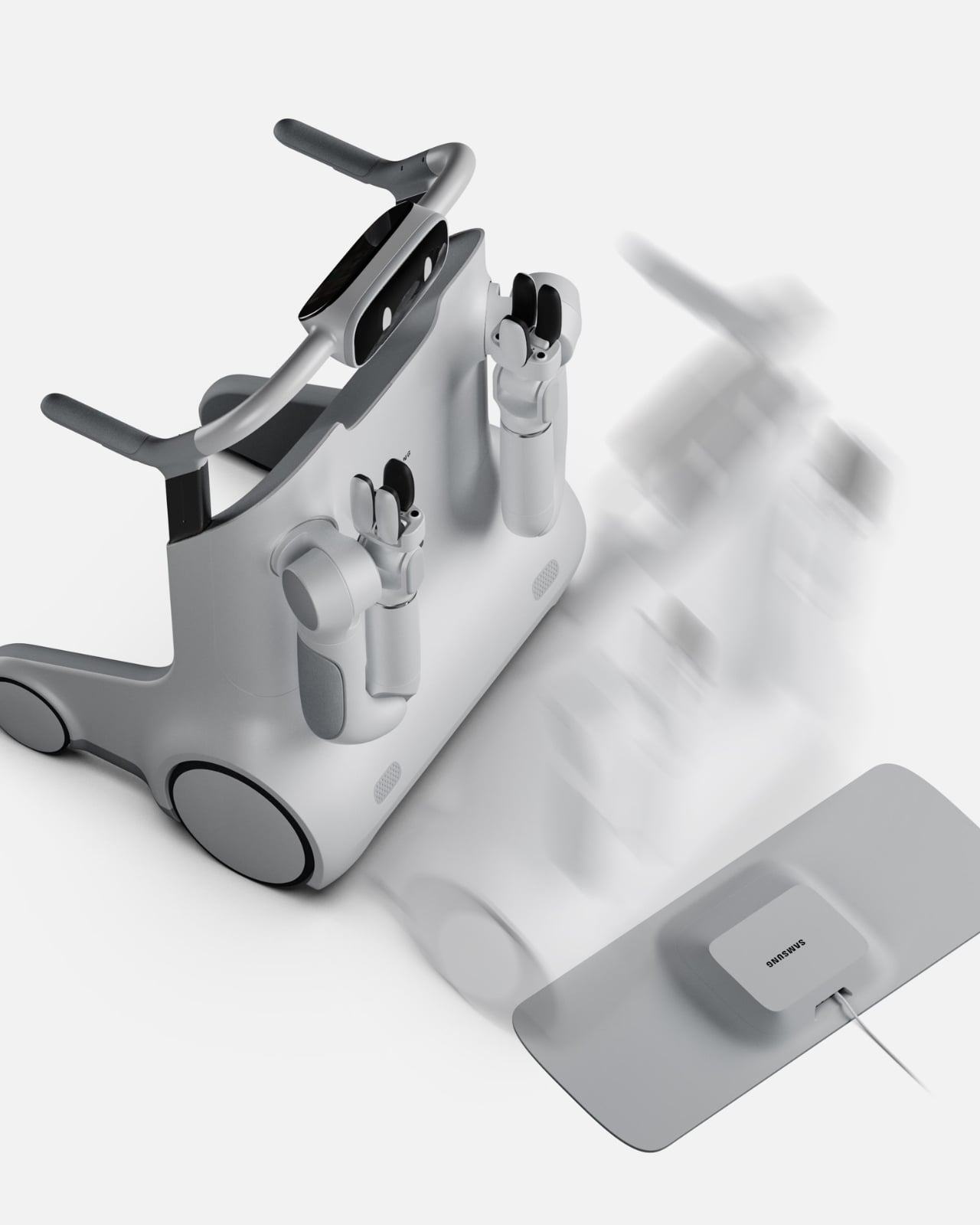
Designer Taeyeon Kim took the transparent tech aesthetic and applied it to one of the most mundane household appliances imaginable, creating an independent concept that reimagines how cleaning technology could integrate into daily life. The transparent philosophy celebrates inner workings rather than hiding them behind opaque plastic shells that make appliances invisible and forgettable. This vacuum features a completely clear shell exposing all internal components from the motor and sensors to the circuitry, making it function, transforming utilitarian hardware into something worth displaying prominently.

Most robot vacuums are designed for invisibility, tucked away in corners where they won’t interfere with carefully curated interior design schemes. Kim’s concept takes the opposite approach entirely, embracing transparency and modularity to create a cleaning system that actually wants to be seen and interacted with regularly. The exposed components serve educational purposes, helping users understand how their cleaning technology actually works while making maintenance and troubleshooting more intuitive. The modular design philosophy means components can be swapped or upgraded without replacing the entire unit, extending product lifespan while reducing electronic waste that plagues the appliance industry.

What We Like

  • The transparent shell transforms a mundane appliance into an interesting design object.
  • Exposed components make maintenance and troubleshooting more intuitive for users.
  • The modular philosophy extends product lifespan through component upgrades.
  • The design challenges the appliance industry norms around hiding technology from view.

What We Dislike

  • Visible dirt accumulation in transparent components might require more frequent cleaning.
  • The concept status means this innovative design isn’t available for purchase yet.

5. Sony WF-C710N Glass Blue Earbuds

The Glass Blue variant of Sony’s WF-C710N earbuds challenges the industry’s tendency toward either clinical white or anonymous black with a design choice that celebrates rather than conceals technological sophistication. The transparent housing goes beyond mere novelty to create a visual narrative about the engineering packed into these tiny devices. Sony offers four color options, but the Glass Blue stands out by making the internal components part of the aesthetic rather than something requiring concealment. The naturally elegant, compact form factor prioritizes both aesthetics and functionality in ways that prove transparent design works even at this miniature scale.

Sound quality remains Sony’s primary focus despite attention-grabbing aesthetics that could easily overshadow performance. The unique 5mm drivers deliver powerful bass and crystal-clear vocals across all music genres, while Digital Sound Enhancement Engine processing restores high-frequency elements often lost in compressed digital audio files. This technical prowess ensures the WF-C710N earbuds sound as impressive as they look, delivering an audio experience satisfying even discerning listeners who prioritize performance over style. The noise-canceling capabilities work seamlessly with the compact design, proving that transparent housings don’t require compromises in acoustic performance or active noise management systems.

What We Like

  • The Glass Blue finish makes a bold statement against boring black or white alternatives.
  • The 5mm drivers deliver impressive audio quality from compact components.
  • Digital Sound Enhancement Engine processing restores lost audio details effectively.
  • Active noise canceling proves transparent design doesn’t compromise acoustic performance.

What We Dislike

  • The transparent design might show dirt and debris accumulation more visibly than opaque alternatives.
  • The 5mm drivers might not satisfy audiophiles seeking maximum bass response depth.

The Transparent Future

Transparent technology has matured from gimmick to genuine design movement with staying power. The five products showcased here demonstrate how exposure of internal components can serve both aesthetic and functional purposes when executed thoughtfully. Designers are moving beyond simply slapping clear cases on existing products to creating devices where transparency informs every aspect of the user experience, from interaction patterns to maintenance accessibility. The visual honesty of exposed mechanics and circuitry creates connections between users and their technology that opaque housings cannot replicate.

What makes January 2026’s transparent offerings particularly compelling is their diversity across product categories and price points. From retro-futuristic Walkman concepts to pragmatic writing tools and gaming tablets, transparent design proves its versatility. These products suggest we’re entering an era where seeing how our devices work isn’t just acceptable but expected by consumers who want deeper relationships with their technology. The transparent revolution is just beginning, and these five designs point toward a future where every electronic device might celebrate rather than hide its technological sophistication.

The post 5 Best Transparent Tech Of January 2026 That Just Beat Nothing at Its Own Game first appeared on Yanko Design.

Engadget review recap: Valerion VisionMaster Max, Canon EOS R6 III and Samsung Bespoke Fridge

Our reviews team is rested up after the CES grind and we’re back to business. This week we reviewed the latest devices from Valerion, Canon, Samsung and Sony, covering a wide range of product categories in the process. Grab yourself a beverage and cozy up with all the reviews you might’ve missed.

The weeks leading up to the Super Bowl are a popular time to upgrade home theater setups before the big game. One way to do that is Valerion’s VisionMaster Max — if you’re willing to splurge. “The Valerion VisionMaster Max is a highly capable indoor projector that offers the best image quality I’ve seen thanks to the dynamic iris and Enhanced Black Level features,” contributing reporter Steve Dent discovered. “However, it’s also a lot more expensive than rival models at $5,000. It’s pretty hard to justify that extra money, unless you’re really fussy about picture accuracy and gaming performance, or need other features like the 1Gbps ethernet port.”

If you’re primarily shooting video these days, contributing reporter Steve Dent just wrapped up testing with the Canon EOS R6 III. While he said it’s great for video, the photo quality isn’t the absolute best you can get right now. “If it’s mainly photography you’re interested in, though, Sony’s $2,900 A7 V is a better choice,” he said. “It matches the R6 III’s resolution, price and autofocus but offers superior dynamic range and lower rolling shutter distortion.”

We don’t often review appliances here at Engadget, but Samsung’s AI-infused refrigerator caught the attention of senior reporter Sam Rutherford. You may not think you need a 32-inch display in your kitchen or cameras in your fridge, but Sam argues once you try them you may never go back. “You may not agree or want to pay this much for features like this just yet, but Samsung's Bespoke AI 4-Door French Door refrigerator has convinced me there's a happy home for smarter iceboxes,” he concluded.

Clip-on earbuds have been constantly popping up over the last few years. Many of the key players in headphones have tried their hand at the open-wear form factor with Sony being the latest to jump on board. While the company embraces the inherent perks of these designs, the LinkBuds Clip doesn’t do enough to rise above the competition. “Subpar bass performance and the omission of some of Sony’s more attractive features (and even some basic ones) mean the company hasn’t done enough to distinguish the Clip from the competition in an obvious way,” I wrote.

This article originally appeared on Engadget at https://www.engadget.com/engadget-review-recap-valerion-visionmaster-max-canon-eos-r6-iii-and-samsung-bespoke-fridge-123000849.html?src=rss

Move Over Meta: Google’s New Smart Glasses with Detachable Earbuds Just Leaked

Move Over Meta: Google’s New Smart Glasses with Detachable Earbuds Just Leaked

Google is reportedly working on a new wearable device that combines smart glasses with dockable earbuds. This hybrid innovation is designed to streamline how users interact with audio technology, offering a seamless blend of functionality and convenience. By integrating features such as automatic audio switching, privacy-focused listening, and built-in charging, these smart glasses aim to […]

The post Move Over Meta: Google’s New Smart Glasses with Detachable Earbuds Just Leaked appeared first on Geeky Gadgets.

Posted in Uncategorized

More Cult of the Lamb, a World War II computer mystery and other new indie games worth checking out

Welcome to our latest roundup of what's going on in the indie game space. It’s been a very busy week of fun game releases (next week will be too!), so let’s get into some of them after a quick reflection on gaming while traveling.

I love my Steam Deck. I really truly do. It’s a fantastic machine. And yet when I brought it with me on a five-week trip over the holidays, I used it for barely an hour the entire time. That doesn’t really justify the space and weight it takes up in my bag. The same holds true for my Nintendo Switch 2 and PlayStation Portal. 

I’ll be leaving them all at home next time. I’ll take a small controller (probably OhSnap's MCON) so I can play the odd game on my laptop or phone. I’ll bring my Playdate as well. I adore that little yellow console, and I haven’t spent nearly enough time using it. I have a lot of neat-looking indie games to catch up on there (Diora looks particularly interesting). I’m more likely to play something on a flight if it’s on a device I can pull out from my pocket. I just wish Panic had put a backlight in the Playdate. 

Massive Monster and publisher Devolver Digital gave Cult of the Lamb fans a whole bunch of reasons to jump back into the game this week with the arrival of the Woolhaven expansion. You'll need to get close to the end of the base game (though you don't need to beat the final boss) before you can experience what the DLC has to offer. It includes weather effects, a new mountain area with a pair of fresh dungeons, a ranching system (which allows you to raise animals as pets or for food) and much more.

Folks who dig Cult of the Lamb seem to get really into the game. After a few years of free updates from Massive Monster, Woolhaven is a major expansion that's similar in scope to the base game, so it should keep fans busy for quite a while if they want to try everything. The DLC is out now on PC, Nintendo Switch, PS4, PS5, Xbox Series X/S and Xbox One. It costs $17 if you already have the base game.

Inkle, the studio behind Overboard! and the wonderful A Highland Song is back with TR-49, a puzzle game with a World War II computer at its core. Over five decades, an array of books, letters and journals were fed into the machine as part of an effort to "crack the code of reality." But now you're tasked with finding and destroying one specific book before a timer runs out.

It all seems rather mysterious. To give you a sense of what's going on here, Inkle says it drew inspiration from narrative deduction games like The Roottrees are Dead, The Return of the Obra Dinn and Her Story, as well as audio dramas. I can't see myself having the time or patience to figure out the enigma of this particular machine (I imagine many players will need a notebook for this one), but I'm intrigued enough to at least watch a Let's Play at some point. You can experience this mystery for yourself on Steam (normally $7, but there's a 10 percent launch discount until January 28).

Another week, another Metroidvania, but MIO: Memories in Orbit has a more striking art style than most. This game from Douze Dixièmes and publisher Focus Entertainment debuted to positive reviews this week. After the AI caretakers on a forgotten spaceship stop working, you'll have to help the robot MIO explore the spacecraft "to revive its lost memories" and save it from doom. Naturally, you'll discover some new abilities along the way, including a grappling hook and air gliding.

MIO: Memories in Orbit is available on PS5, Xbox Series X/S, Nintendo Switch, Switch 2, Steam, the Epic Games Store and the Microsoft Store for $20 (with a 10 percent launch discount on some platforms). You can also check it out via Game Pass Ultimate and PC Game Pass.

Perfect Tides: Station to Station is a pixel-art point-and-click narrative adventure and a sequel to Three Bees' Perfect Tides. Over the course of an in-game year, you'll help 18-year-old Mara explore the big city and find her place in the world.

The early 2000s vibes of the trailer are immaculate, so I'm going to have to try to play this at some point. Perfect Tides: Station to Station is out now on Steam for PC and Mac for $20.

Cozy cafe sim Tailside debuted in early access on Steam (normally $11, but there's a 10 percent discount until January 28) this week. I'm bummed I haven't had a chance to try this one from Coffee Beans Dev yet, because it looks lovely. 

Along with serving snacks and drinks to your furry customers, you can learn more about the visitors to your cafe by reading stories about them in the newspaper (hopefully nice ones!). You can play at your own pace as you draw latte art and decorate your cafe. Eventually, you'll be able to visit other players' cafes and open a flower shop. Like I said, it looks lovely.

One of my favorite games of last year is getting a free update on January 26. Just when I thought I was out of Ball x Pit, Kenny Sun and friends (along with publisher Devolver) are pulling me right back in to check out two new characters, eight fresh balls with their own abilities, more passives and some kind of surprise. 

I adore Ball x Pit and this update is going to be a drop everything and play immediately deal for me. The Regal Update will be available on all platforms: Steam, PS5, Xbox Series X/S, Nintendo Switch and Switch 2. Ball x Pit costs $15. It's available via Game Pass Ultimate and PC Game Pass too.

I'm interested to check out the demo for Vampire Crawlers, a Vampire Survivors spin-off. Poncle will release it on February 23 at Steam Next Fest as well as on Xbox. Your progress will carry over into the full game, which will be on Game Pass on day one.

As a rule, turn-based games aren't really my jam, and nor are roguelike deckbuilders. But I'm a big fan of Vampire Survivors, so I'm definitely willing to give this a shot. It helps that Vampire Crawlers seems to be fast-paced and that it draws from the chaotic visuals of the original game. Vampire Crawlers is coming to Steam, Xbox Series X/S, PS5, Nintendo Switch, iOS and Android later this year.

Speaking of interesting demos, one for Ratcheteer DX is available now on PC ahead of the full game's release on Switch, Steam (PC and Mac) and the Mac App Store on March 5. It'll normally cost $13, but a limited-time discount will reduce the price to $9.75. If the game's name sounds familiar, that's because this is a color version of the Playdate season one title Ratcheteer

This take on the pixel-art action-adventure has multiple visual filters, a "CD-quality stereo soundtrack" and support for more languages. Playdate creator Panic is publishing Ratcheteer DX, whose developers are Shaun Inman, Matthew Grimm and Charlie Davis.

Let's wrap things up for this week with a cinematic trailer and release date for Aethus, a story-driven survival-crafting and base-building game from a solo developer at Pawsmonaut Games. It's coming to Steam on March 6.

Aethus is a game about "carving out a future from the ruins of corporate greed" in a dystopian sci-fi world. As ex-mining engineer Maeve, you start with basic gear and a drone companion by your side. You'll explore what's left of a failed science expedition and abandoned facilities as you try to establish your own mining claim after leaving a company that drains planets of their resources. 

Of course, you'll upgrade your gear and build out your base as you progress. You can modify settings like the base's air supply, how quickly your hunger and thirst needs change and how much you can carry to fine tune the experience. 

This article originally appeared on Engadget at https://www.engadget.com/gaming/more-cult-of-the-lamb-a-world-war-ii-computer-mystery-and-other-new-indie-games-worth-checking-out-120000807.html?src=rss

Will Al Slop Save The Internet? Crash Big Platforms & Kickstart a New Internet Era

Will Al Slop Save The Internet? Crash Big Platforms & Kickstart a New Internet Era

Is the internet drowning in a sea of meaningless content? Marcus Werner explains how the rise of AI-generated material, often dismissed as “AI slop” is reshaping the digital world in ways that are both exciting and deeply unsettling. Imagine scrolling through your favorite platform, only to realize that much of what you’re consuming wasn’t created […]

The post Will Al Slop Save The Internet? Crash Big Platforms & Kickstart a New Internet Era appeared first on Geeky Gadgets.

Posted in Uncategorized

Forget ChatGPT: iOS 27 is Turning Siri into the Ultimate AI Assistant

Forget ChatGPT: iOS 27 is Turning Siri into the Ultimate AI Assistant

Apple is poised to reshape the virtual assistant landscape with a significant upgrade to Siri, transforming it into a fully conversational AI chatbot. Internally referred to as “Campos,” this enhanced version of Siri is set to debut with iOS 27. Designed to rival advanced AI platforms such as ChatGPT and Google Gemini, the new Siri […]

The post Forget ChatGPT: iOS 27 is Turning Siri into the Ultimate AI Assistant appeared first on Geeky Gadgets.

Posted in Uncategorized

Qwen 3 TTS AI Released : Clone Any Voice for Free and Craft Rich Speech

Qwen 3 TTS AI Released : Clone Any Voice for Free and Craft Rich Speech

What if you could replicate any voice, yes, any voice—with just a few audio samples? In this overview, Sam Witteveen explores how the Qwen 3 TTS AI model has shattered barriers in voice cloning and text-to-speech technology, making it accessible to everyone, not just tech giants. Imagine creating a voice assistant that sounds like your […]

The post Qwen 3 TTS AI Released : Clone Any Voice for Free and Craft Rich Speech appeared first on Geeky Gadgets.

Posted in Uncategorized

Galaxy Z Fold 8 Ultra: Samsung is Solving the Biggest Complaints About Foldables

Galaxy Z Fold 8 Ultra: Samsung is Solving the Biggest Complaints About Foldables

  Samsung is set to redefine the foldable smartphone market in 2026 with the launch of its Galaxy Z Fold 8, Z Flip 8, and an all-new “wide fold” model. These devices aim to address key challenges in foldable technology, such as weight, battery life, and overall usability, while solidifying Samsung’s leadership in this competitive […]

The post Galaxy Z Fold 8 Ultra: Samsung is Solving the Biggest Complaints About Foldables appeared first on Geeky Gadgets.

Posted in Uncategorized

First Steam Machine Accessories Arrive : From Glow Skins to Native ‘GeForce NOW’ App on Ubuntu

First Steam Machine Accessories Arrive : From Glow Skins to Native ‘GeForce NOW’ App on Ubuntu

What if your gaming setup could reflect not just your playstyle, but your personality? Deck Ready walks through how the latest Steam Machine accessories are transforming customization in gaming. From modular designs that allow seamless component swaps to glow-in-the-dark skins inspired by everything from graffiti to Halo, these accessories go beyond functionality, they’re a bold […]

The post First Steam Machine Accessories Arrive : From Glow Skins to Native ‘GeForce NOW’ App on Ubuntu appeared first on Geeky Gadgets.

Posted in Uncategorized