
When are portable Apple CarPlay screens actually worth it?
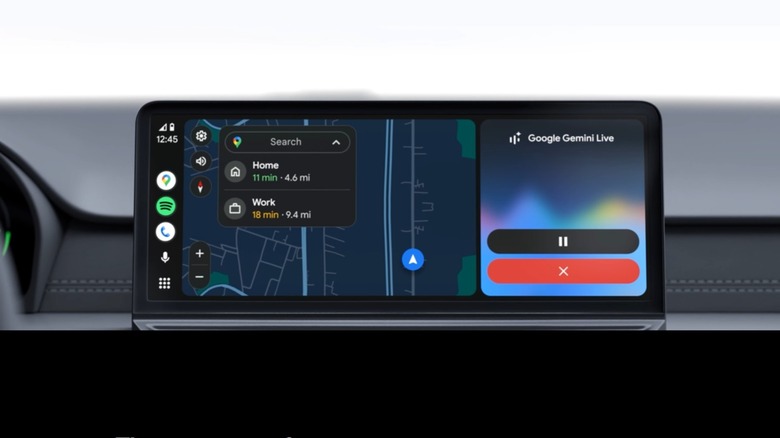
Many recent vehicles had CarPlay and Android Auto built in, but if yours doesn't, you can add a portable one to your dash.
The desk is the one surface in your life that shows exactly where your head is. Cluttered means overwhelmed. Bare means uninspired. Getting it right is less about organizing what you already own and more about deciding what deserves to be there. These nine picks span the categories that matter most: what you type on, what lights the page, what holds your tools, and what the whole surface rests on.
None of them are here to fill space. Some solve a problem you have accepted as permanent. Some reframe a category you stopped thinking about years ago. Every one of them changes something specific about how a desk feels to sit at, which is a harder thing to achieve than it sounds, and the only standard worth holding a desk object to.
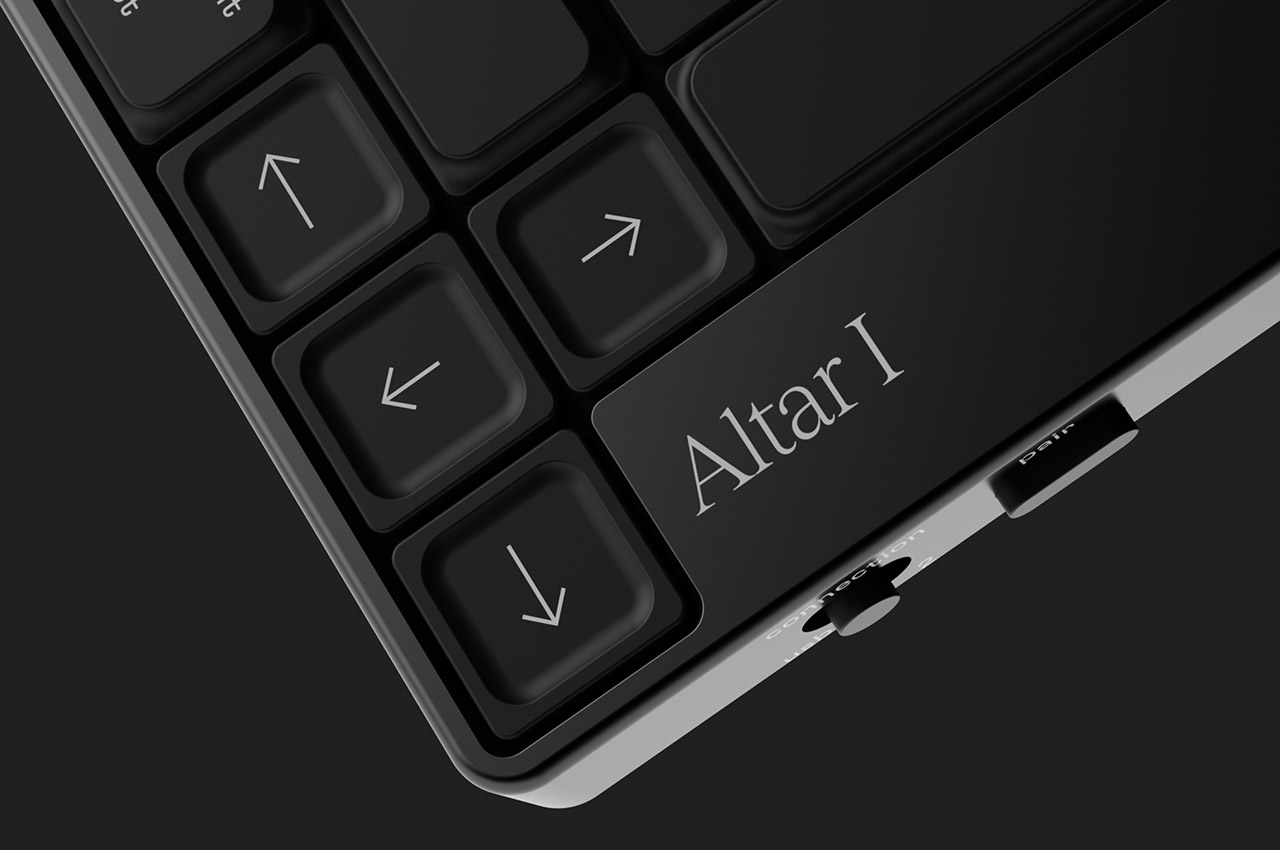
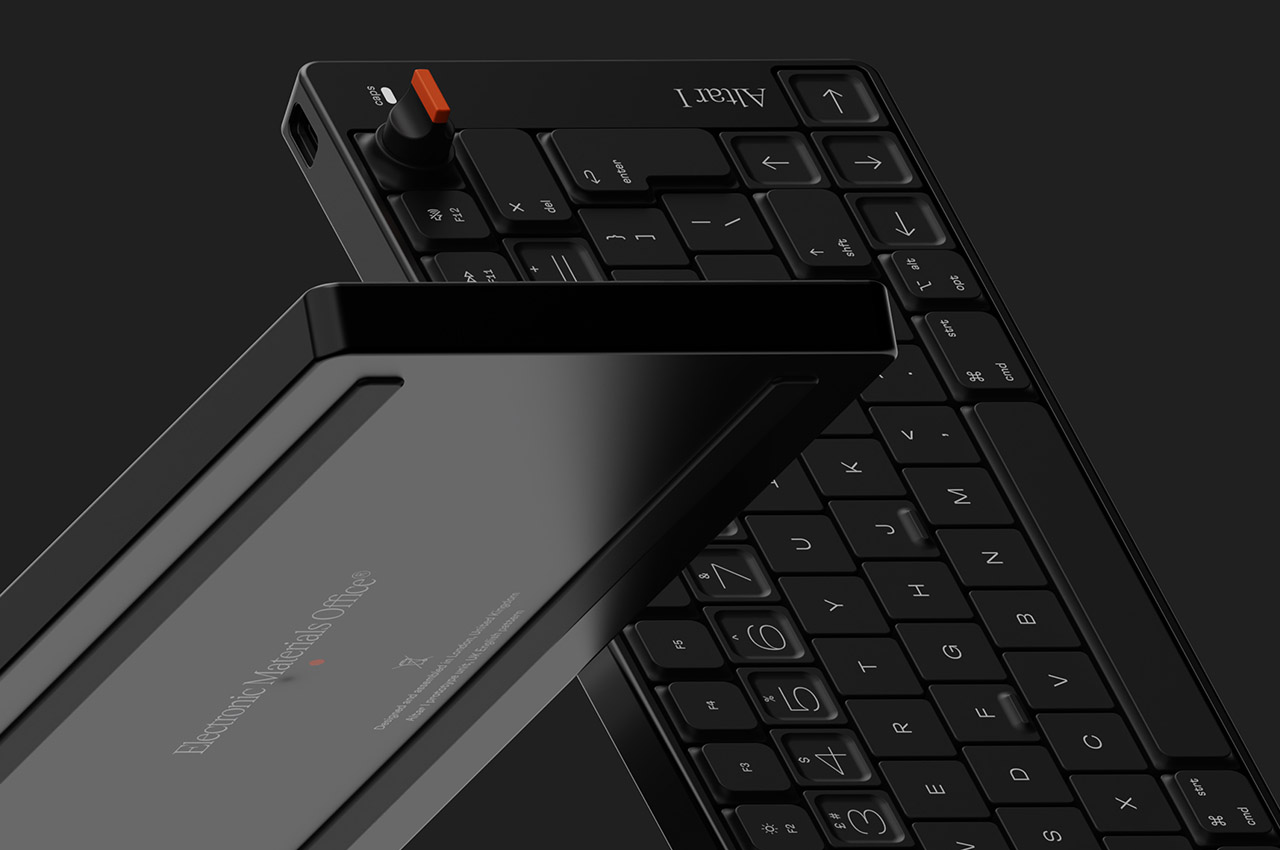
The keyboard is the piece of hardware your hands never leave, which makes it the most personal object on a desk and the one most people compromise on. Electronic Materials Office, a London startup, built the Altar I around one clear idea: sustainability should not mean sacrifice. The chassis is machined from aluminum. The plastic parts are made from post-consumer waste. The result is an ultra-low-profile mechanical keyboard as considered as anything from Teenage Engineering, without carrying that brand’s price tag.
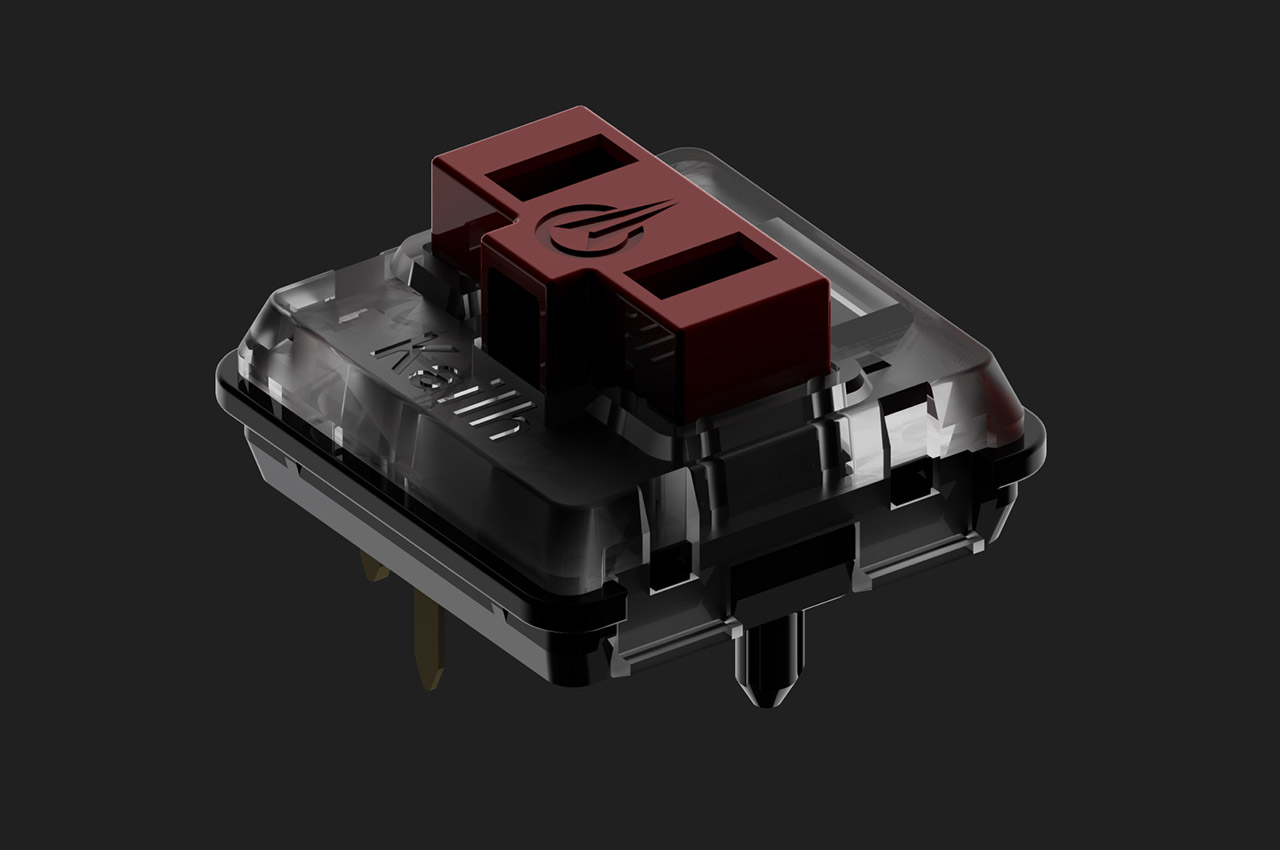
What draws you in is the 75% layout and the rotary encoder knob at the top right, a dial that gives analogue control over whatever function you assign it. The switches are low-profile mechanical, the keycaps are doubleshot PBT, and the casing sits at 1.5 centimeters, thin enough to shift the geometry of typing without abandoning the feedback that makes mechanical keyboards worth owning. Compatible with Mac and Windows, and built around material convictions most keyboard manufacturers never bother to name.
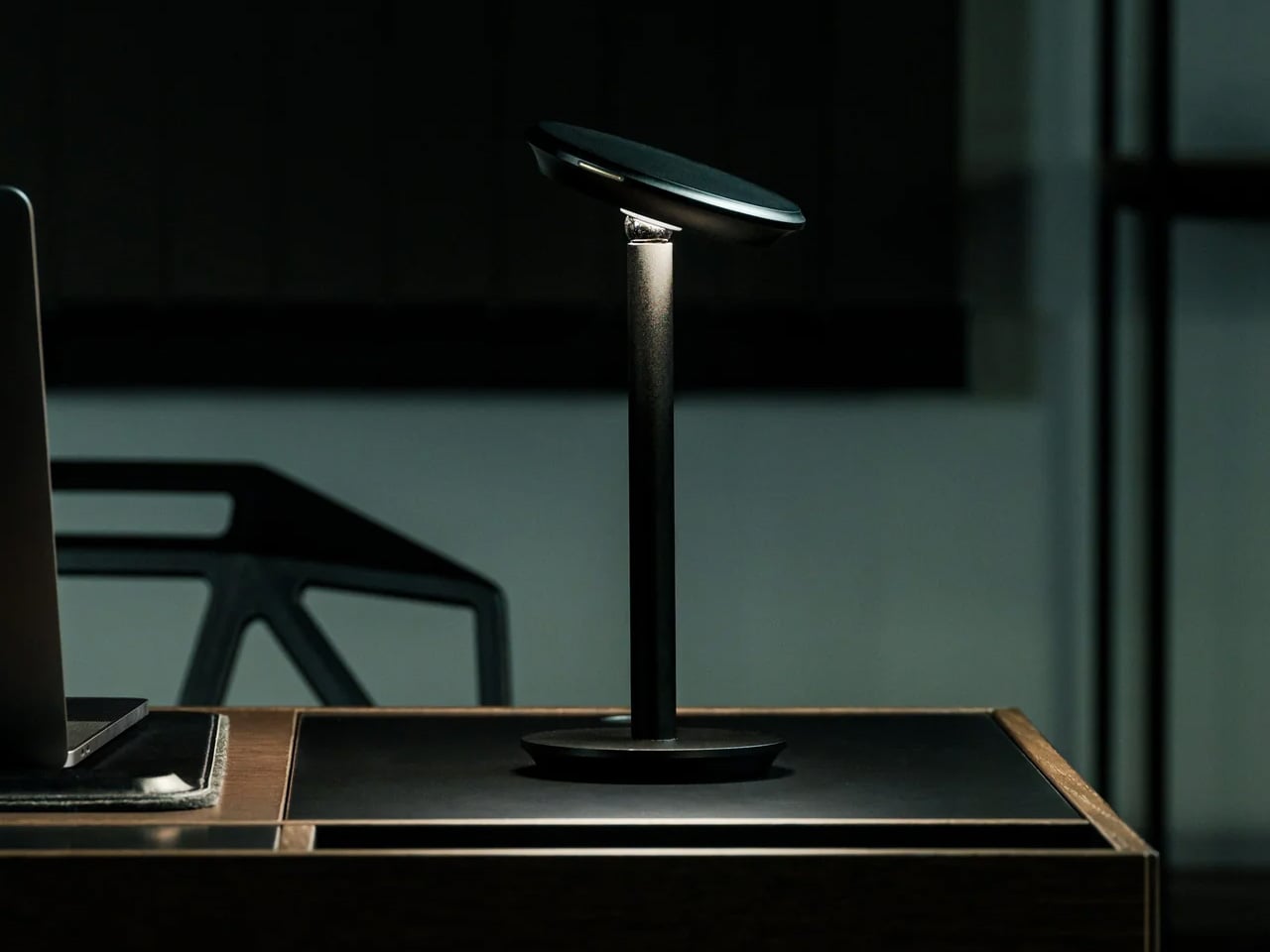
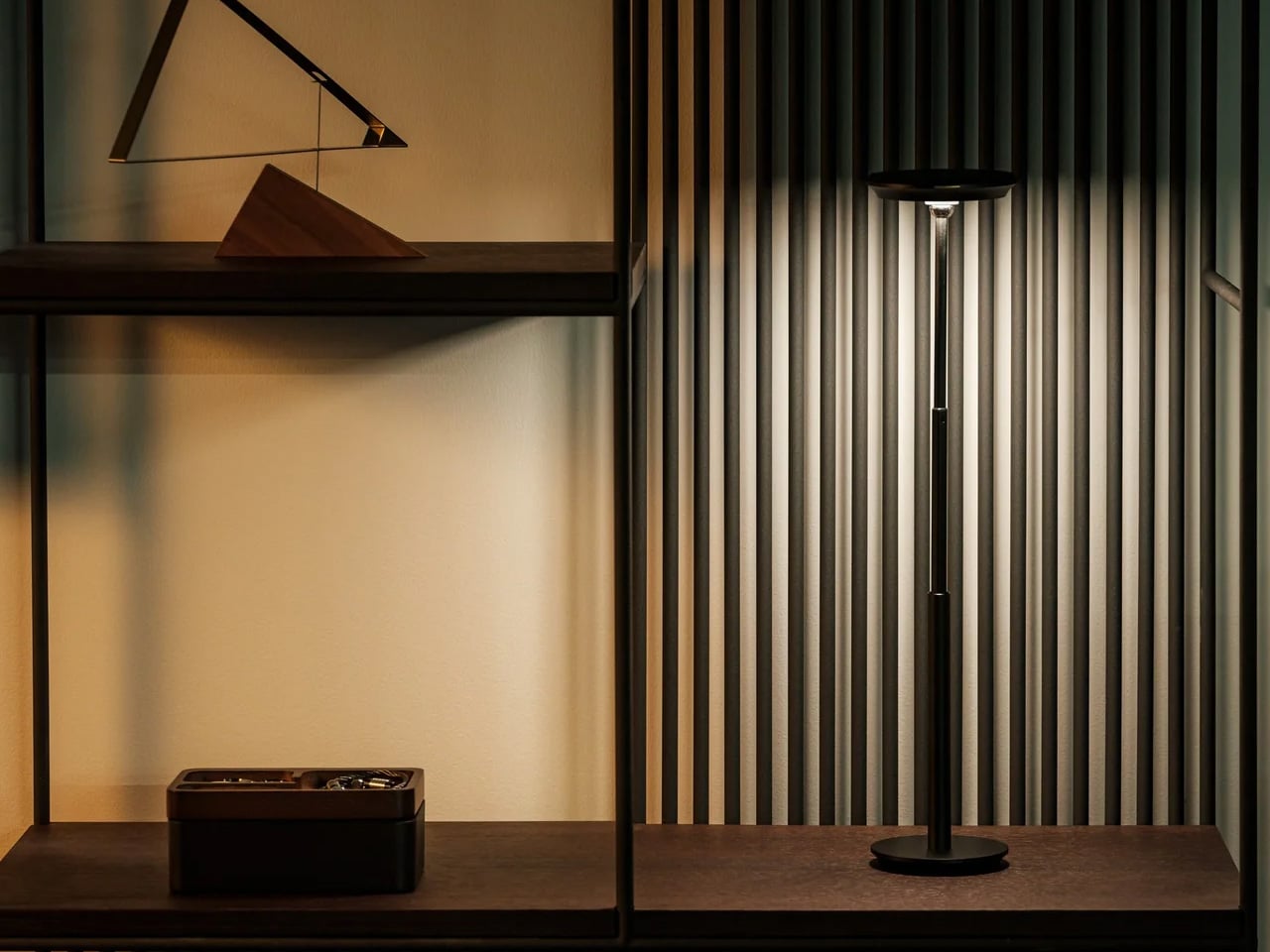
Most desk lamps are a wire, a bulb, and an arm you adjust once and never touch again. The Infinite Solas Lamp, designed by Koki Sato, is a different proposition entirely. It is wireless, machined from aluminum with an anodized finish, and adjustable in four directions: height, angle, brightness, and warmth. The magnetic ball-joint head moves freely and holds its position without tightening a knob. At $325, it earns its place not just as a light source but as the most considered object on the desk.
The two colorways, black and warm champagne, are finished to a standard that makes the lamp feel like a display object even when it is off. The absence of a cord changes the desk in a way that is difficult to articulate until you have lived with it – there is simply nothing to route, nothing to hide, and no outlet to negotiate with. A single charge lasts approximately three days of use, which means it travels as easily as it stays still. The light you work under is not a minor consideration.
Click Here to Buy Now: $325.00
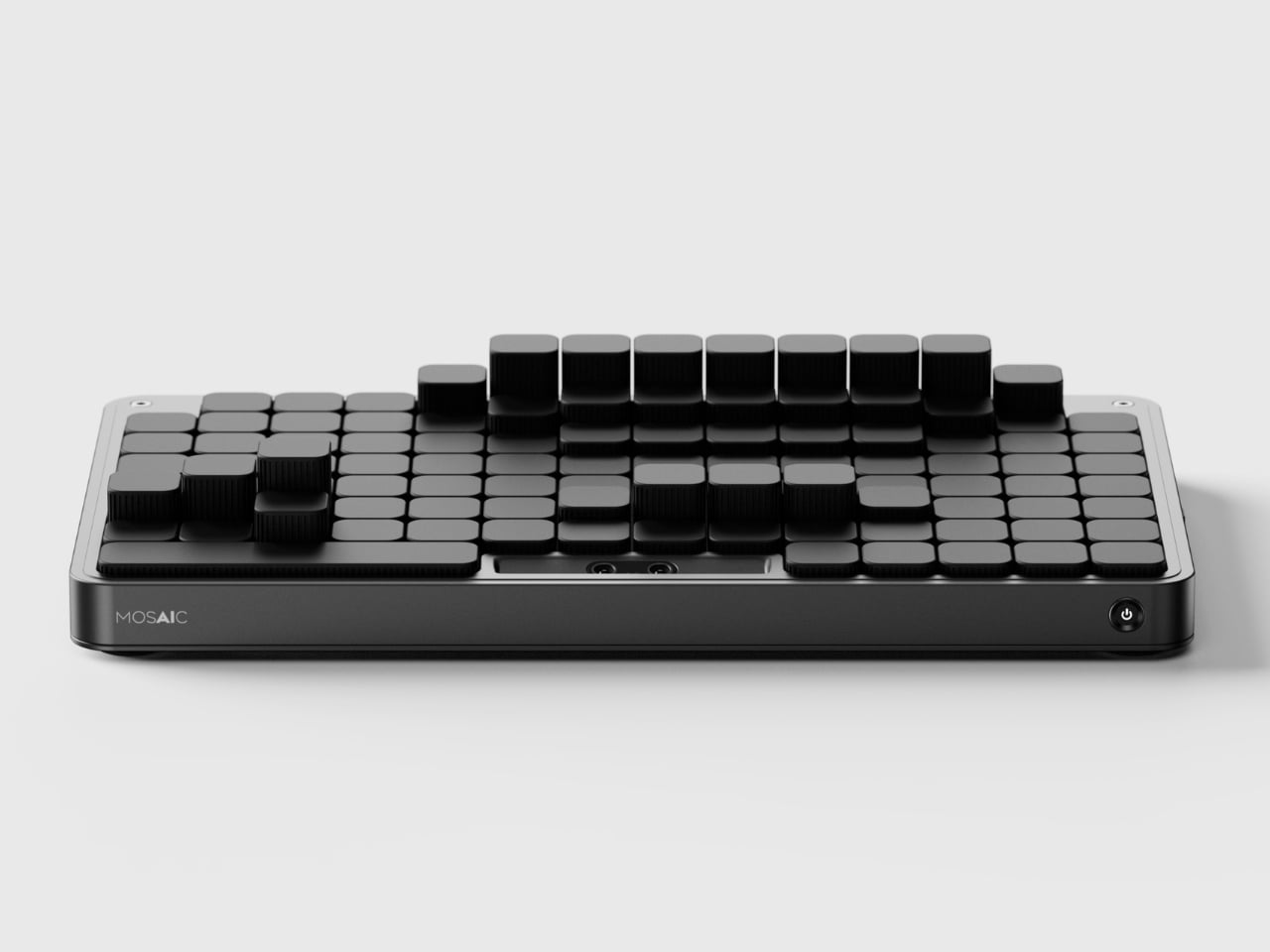
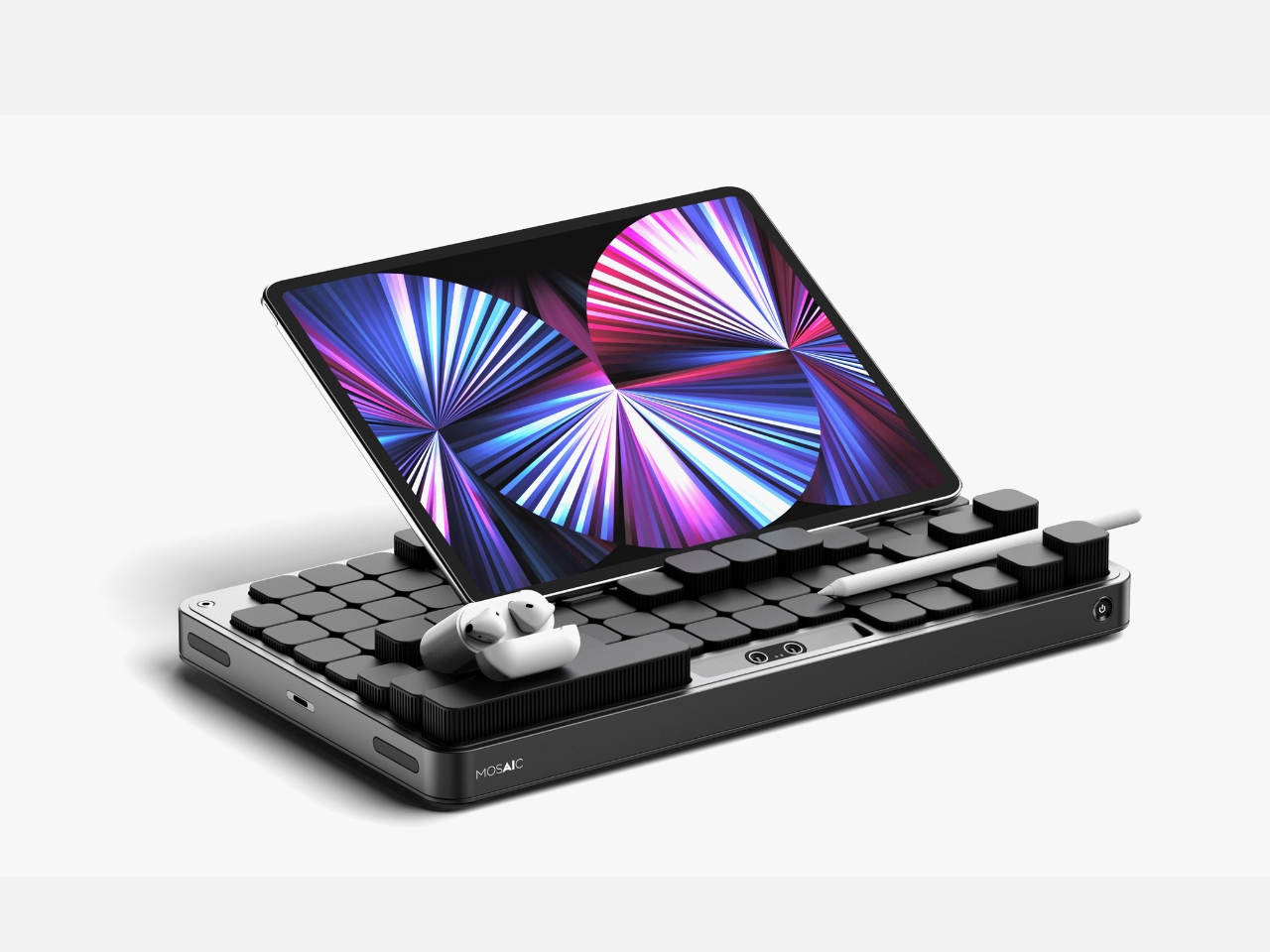
Most desk organizers ask you to adapt to them. You get a tray with fixed compartments, you shove your things in, and either it fits or it does not. The Mosaic takes the opposite approach, replacing fixed compartments with an AI-powered modular surface that shifts its configuration around whatever you place on it. The layout changes when your desk changes, which is something no standard tray has ever managed, and the reason most desk organizers stop being used within weeks of being bought.
The black, low-profile form reads closer to a keyboard deck than a conventional tray, which helps it disappear into the desk rather than announcing itself as the thing you added to manage the other things. The intelligence lives in the shifting surface beneath, not in any visible technology. For anyone who has bought and abandoned a desk organizer because it was designed for someone else’s setup and someone else’s habits, the Mosaic is the version of that object that was worth waiting for.
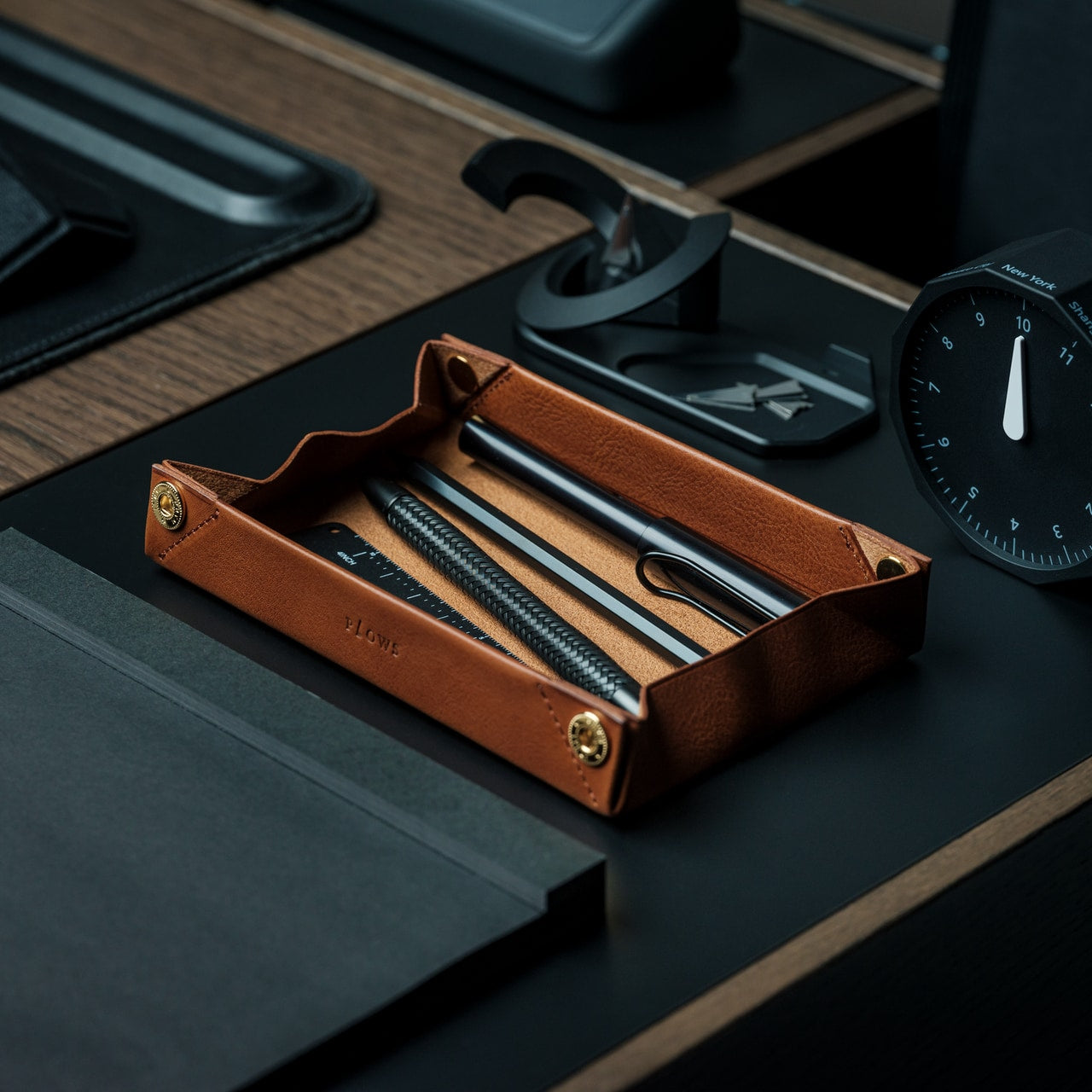
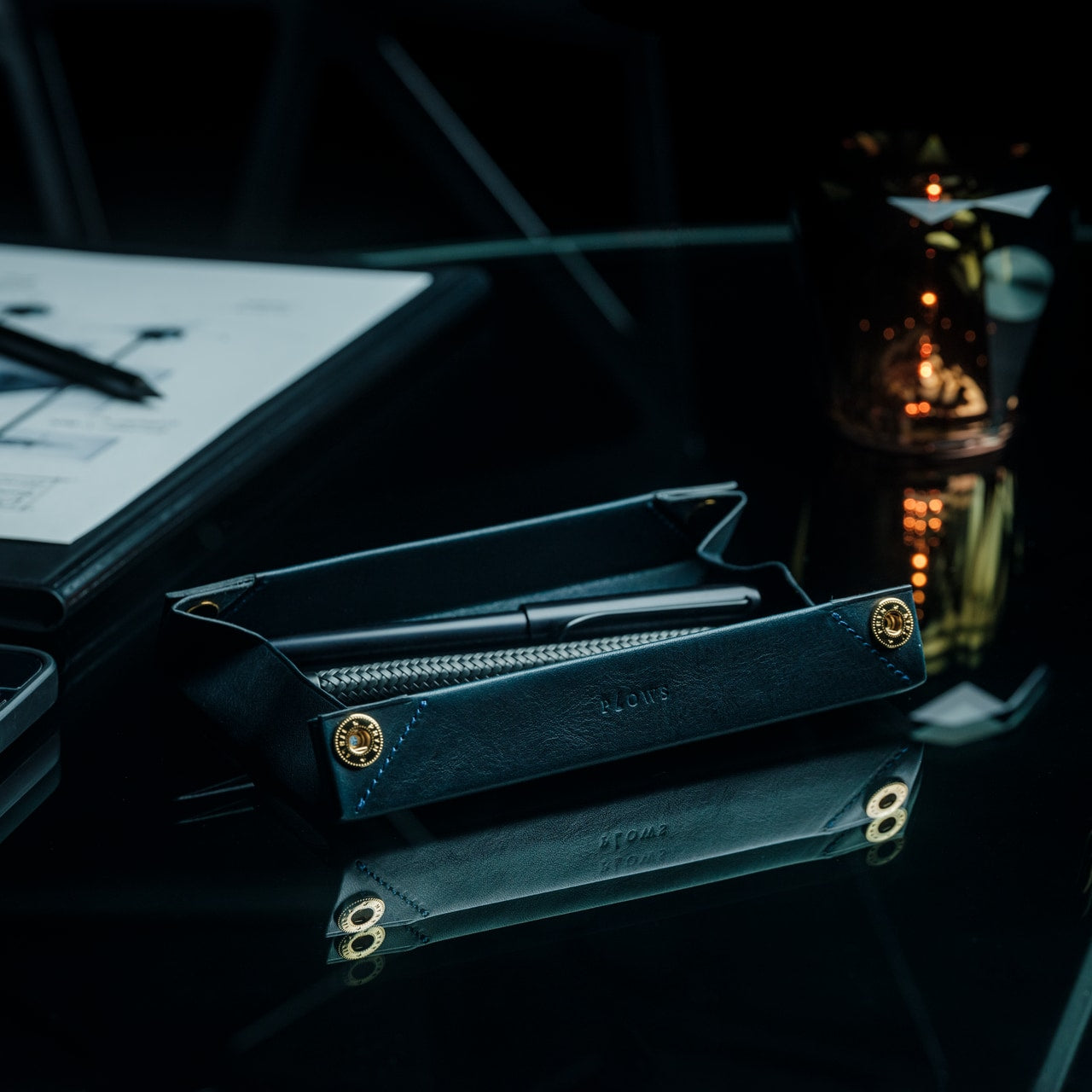
There is a version of the pen roll that is purely about storage – something you zip shut and throw in a bag. The FoldLine is not that. Cut from a single piece of Italian Minerva Box leather, it folds from a flat carrying case into a structured desk tray in under two seconds, using an origami-derived geometry that requires no buckles, no snaps, and no secondary parts to hold its form. At $135, it is one of those objects that photographs poorly and reads perfectly the moment you first use it.
The way it works changes how you relate to your pens and tools during a working day. They are no longer packed away in a case sitting somewhere to the side. They are visible, accessible, and arranged in a tray that earned its form through a single material decision. Minerva Box leather develops a patina over time, which means the object improves alongside the writing habit it is built to support. For anyone trying to give their desk a cleaner start, this is one of the few pen cases that actually stays on the surface.
Click Here to Buy Now: $135.00
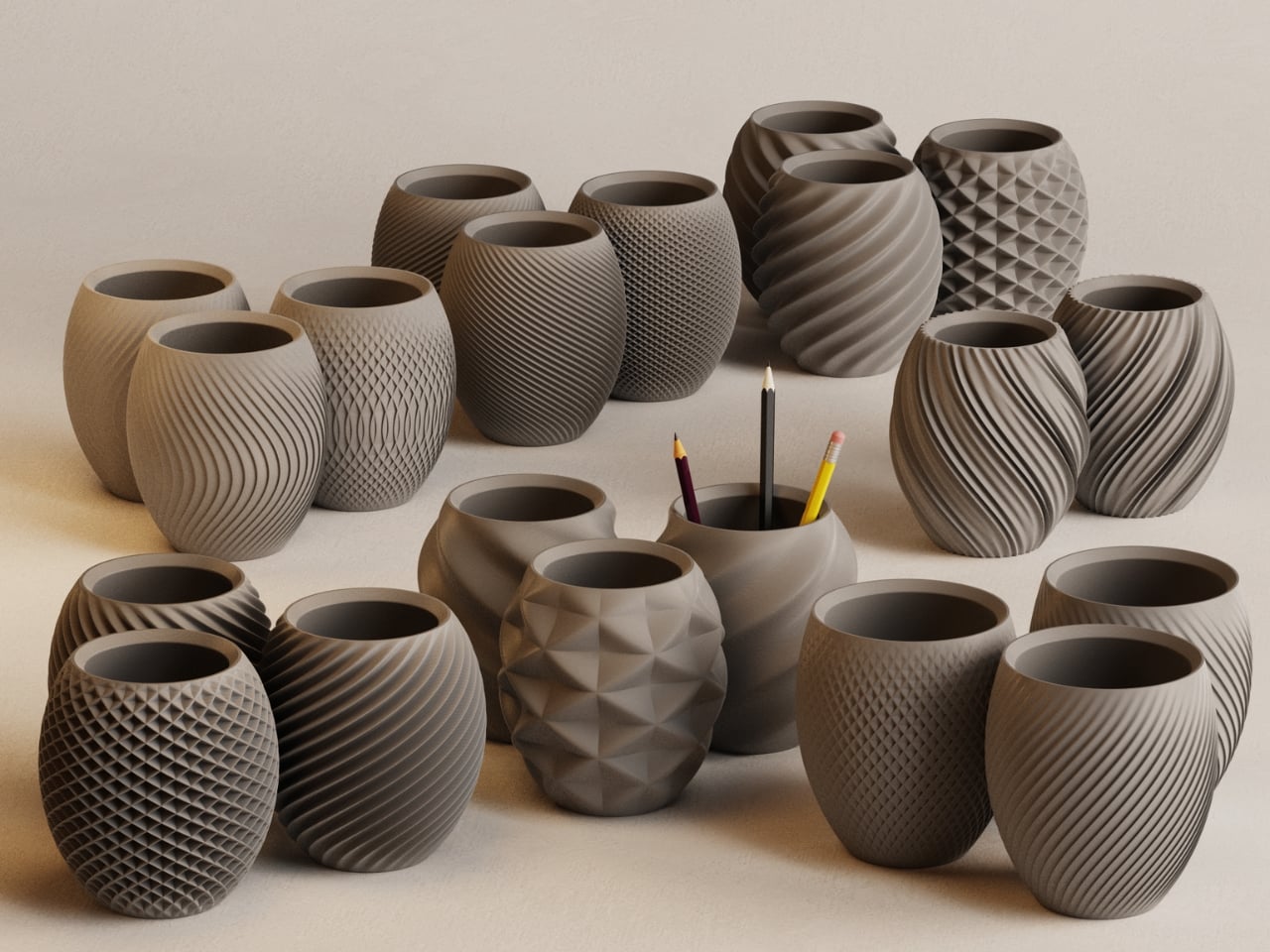
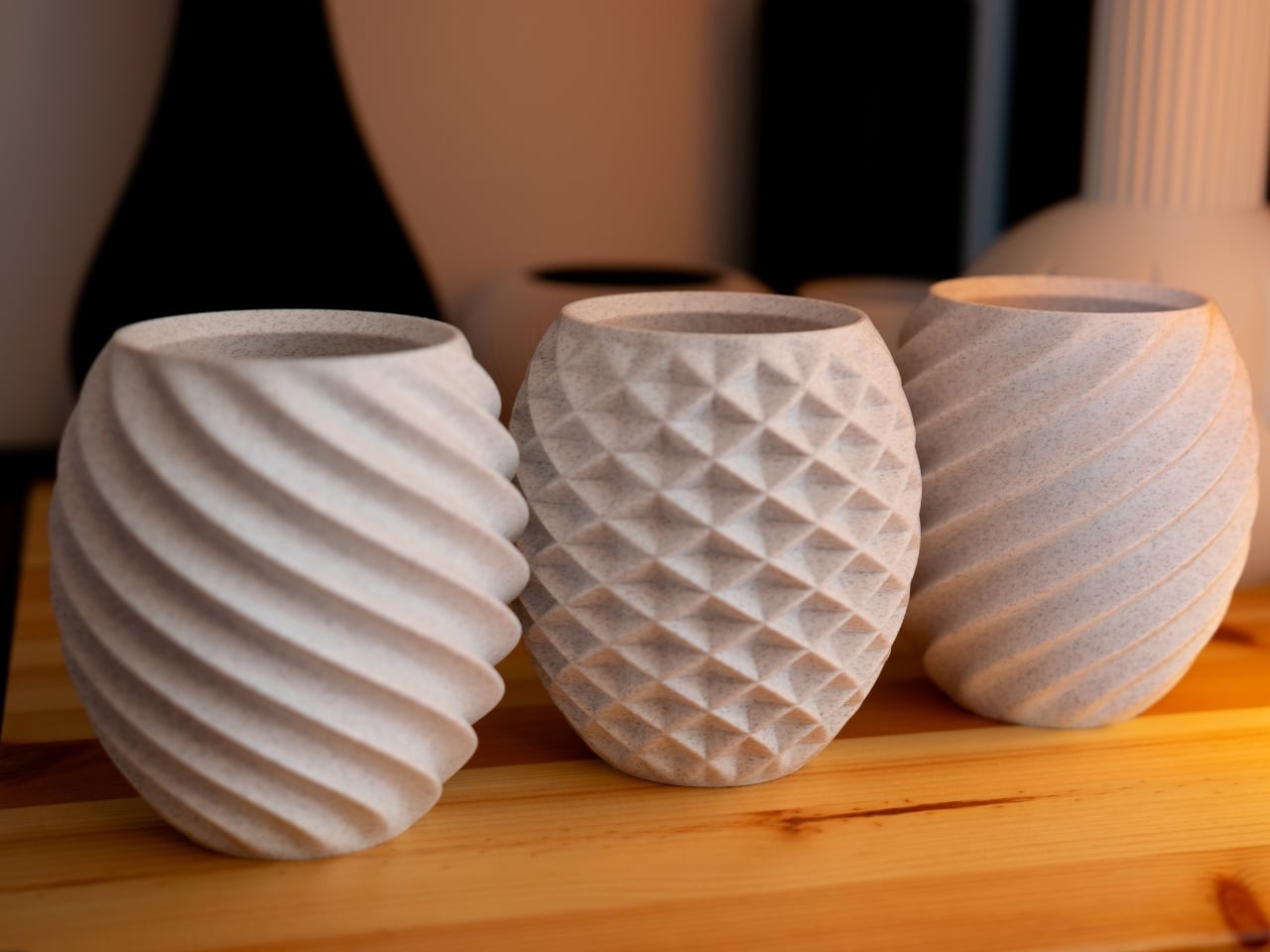
Ikigaiform began with full-size self-watering planters, and Aya and Sfera carry that thinking directly. Both pieces belong to a collection of organic-form pots built through parametric design, with intricate surface patterns brought to life through 3D printing. The desk versions are a scaled-down translation of that same thinking: compact cups that sit on a work surface with the surface detail and proportional precision of something designed for a gallery shelf rather than a pen holder. They hold what a pen cup holds, but the conversation they start is a different one entirely.
A desk that has one beautiful, considered object on it feels different to sit at than one that does not. Aya and Sfera are that object for the corner of the surface you were previously ignoring – the patch of desk where pens accumulate, or where a glass ends up, or where nothing particularly useful ever lives. Parametric design rarely produces something this quiet, and quiet, in the context of a desk with a lot going on, is exactly the quality worth seeking out.
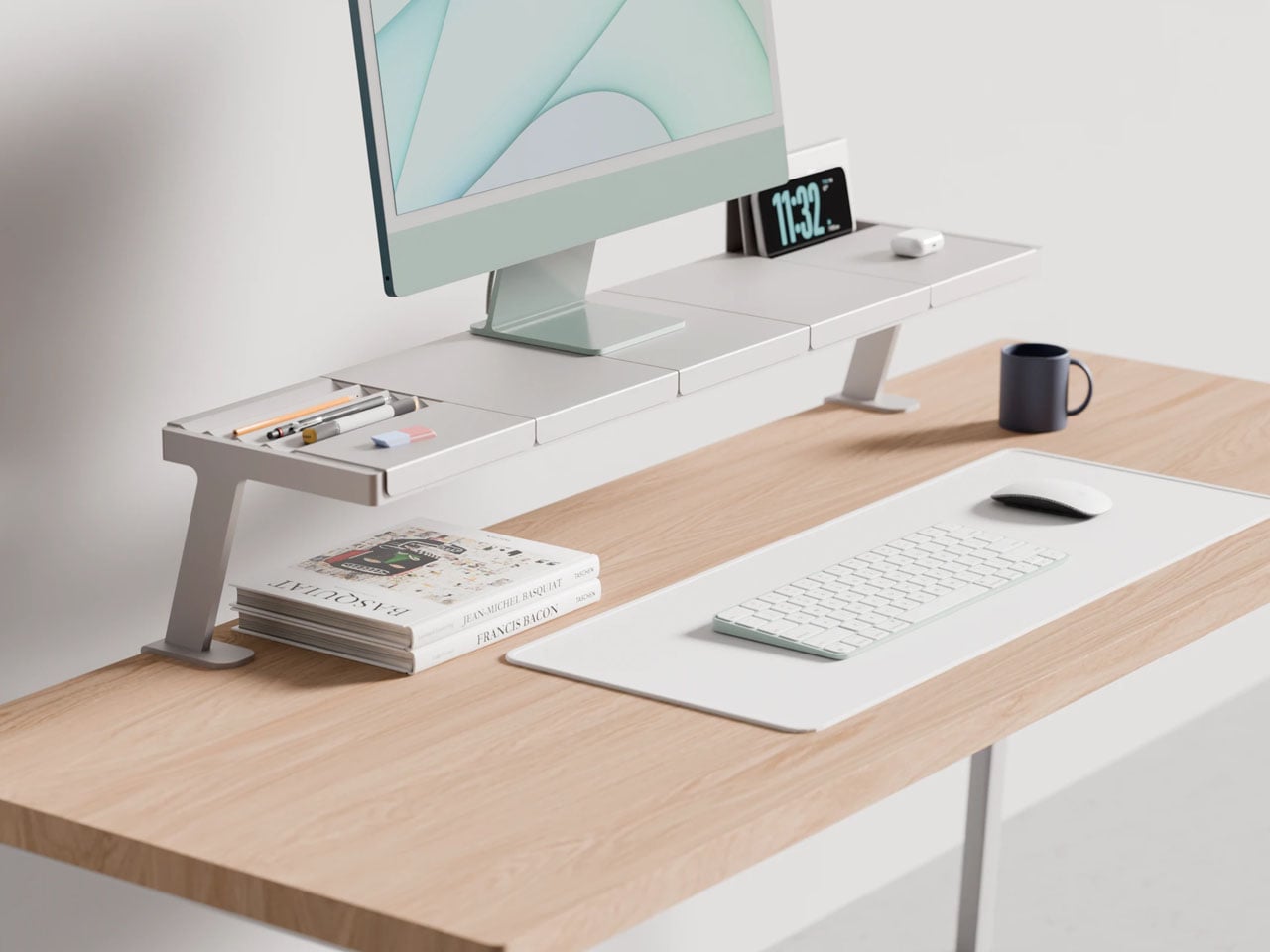
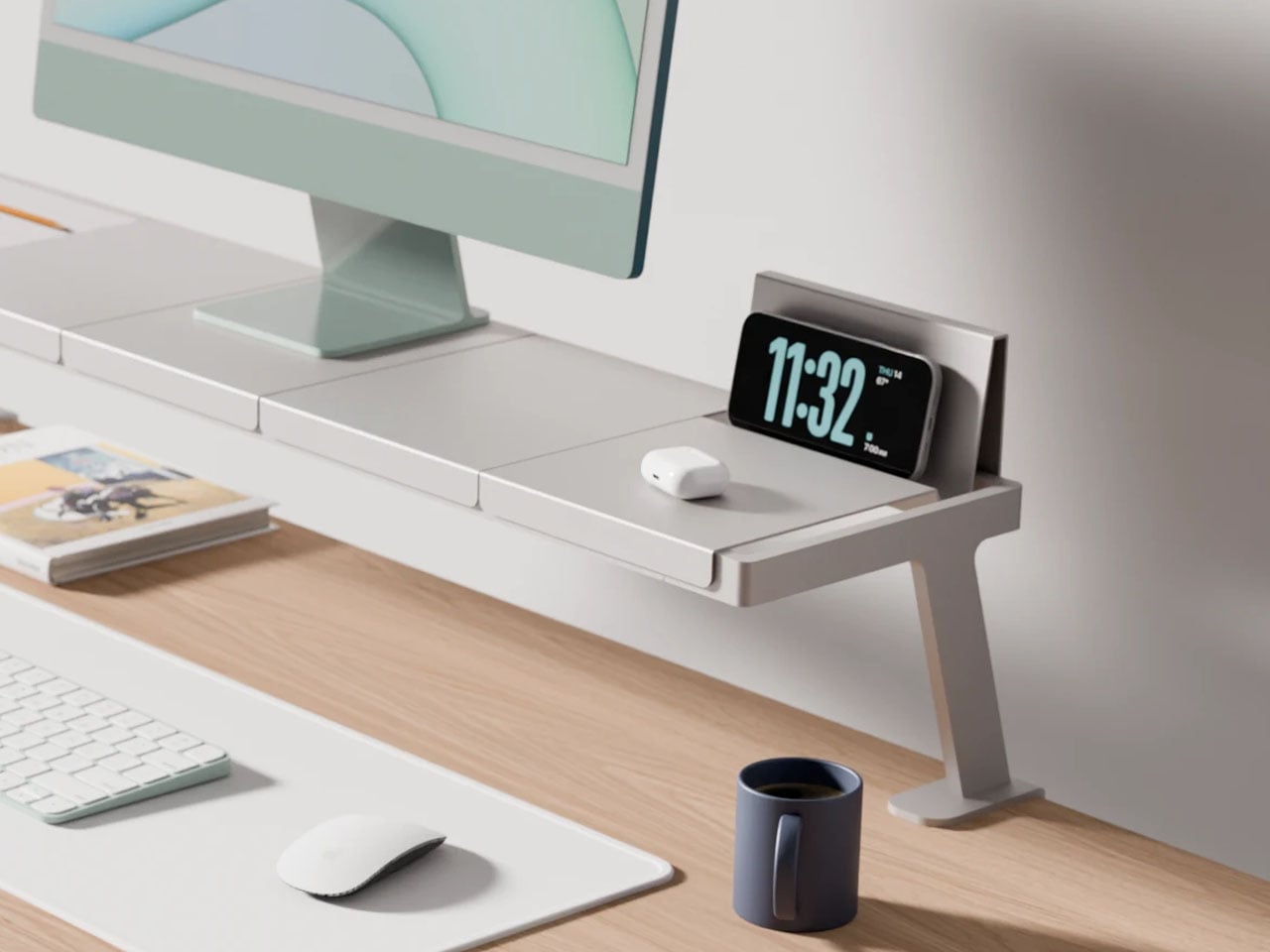
The problem with a multi-device desk is not the number of devices. It is the number of solutions – one arm for the monitor, one stand for the phone, one dock for the laptop, one tray for the cables, each from a different brand, in a different finish, at a different height. Lorenzo Vega’s Modular Monitor Stand is built around the idea that all of this should be one object: a single aluminum structure that manages the monitor, the devices around it, and the cable situation that follows, without requiring negotiation between three separate manufacturers.
The modular sectional tray system mounts to the desk edge rather than claiming space on the surface below the monitor, which means the desk opens up rather than getting more crowded. The aluminum construction gives it the material credibility to sit alongside considered objects rather than reading as a productivity accessory purchased out of necessity. For anyone running more than one screen, or a laptop alongside a tablet, this stand frames a useful question: what if all of it was the same thing?
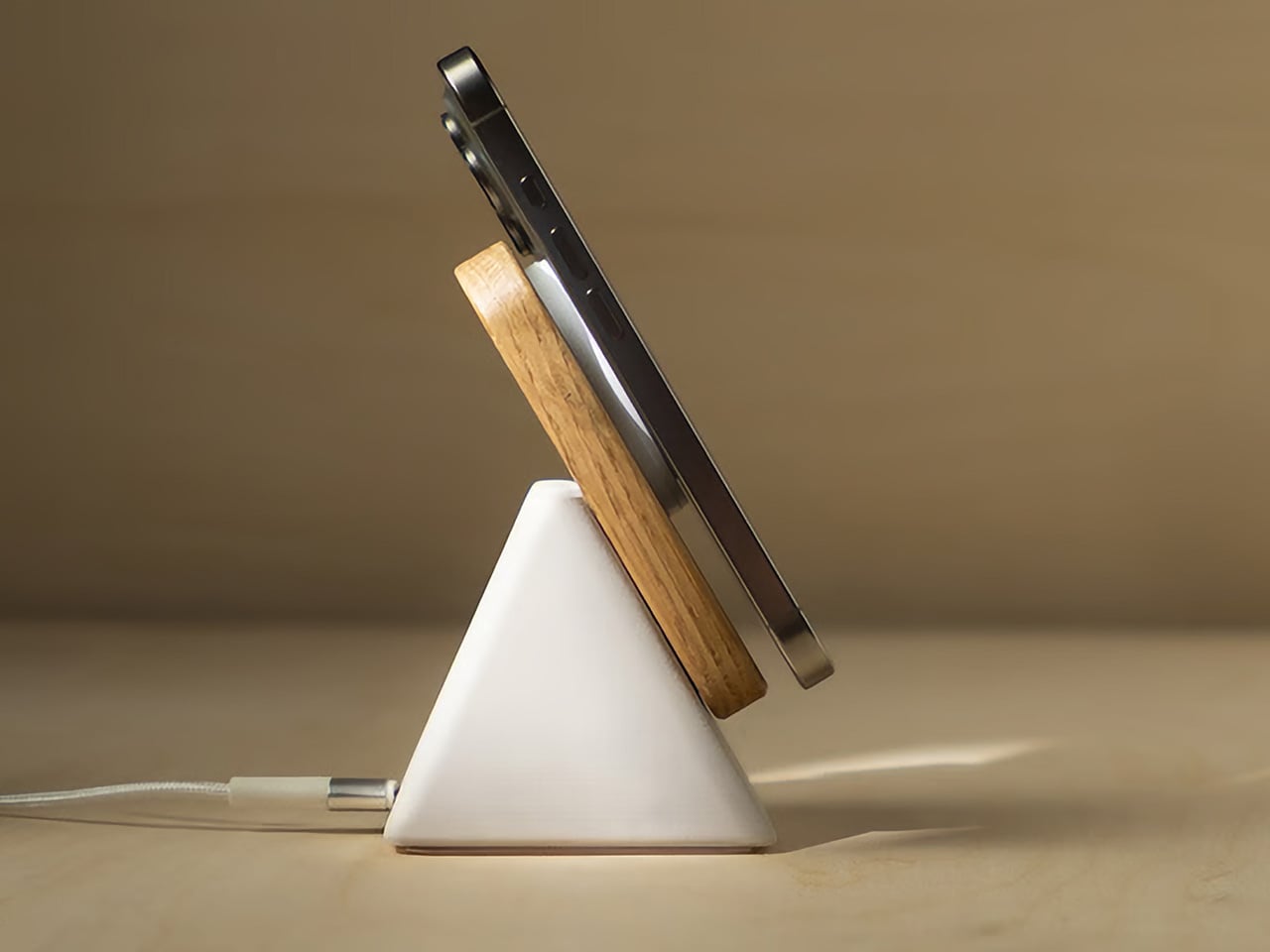

Wireless chargers tend to be either flat, which puts the phone face-down and invisible, or vertical, which makes them bulky, plasticky, and in the way. The Upright, designed by Aaron von Kreisler of Modhaus, takes the vertical format and rebuilds it from materials with no obvious business being inside a charging product: concrete and hardwood. The form is a tapered pyramid, weighted at the base so that docking a phone feels deliberate rather than fumbled. It delivers 25W Qi2 wireless charging and raised over $63,000 in backing.
Six finishes across three wood tones and two concrete colorways mean it integrates into most desk aesthetics without asking you to compromise in either direction. The desk charger has been an overlooked category for too long – most people accept a plastic puck because charging is a background task, and background tasks rarely earn beautiful objects. The Upright argues the opposite: that the thing you reach for most often on the desk is precisely the one most worth designing well.

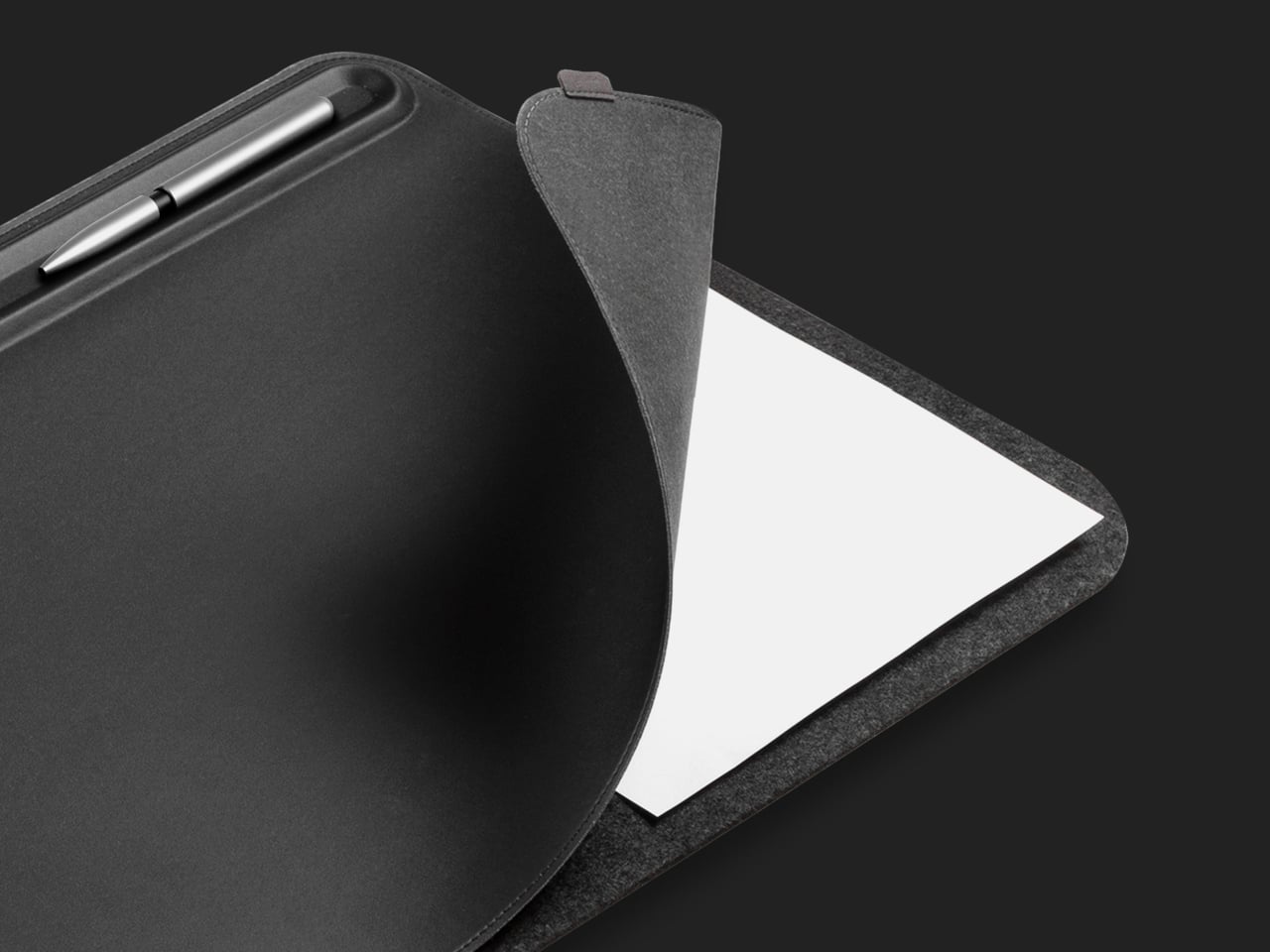
The desk mat is the upgrade most people make last, after the keyboard and the lamp and the stand, which is the wrong order. Everything you own sits on the mat, which means the mat determines whether the setup reads as cohesive or assembled from whatever was nearby. The Orbitkey Desk Mat is built from premium vegan leather on top and 100% recycled PET felt underneath, making it water-repellent on the surface and stable on whatever desk it covers. It won both the Red Dot and iF Design Awards.
The magnetic cable holder built into the mat’s edge is a zinc alloy component that positions a cable exactly where you need it without coiling across the surface. At $99.90 for the large, it is the kind of purchase that is difficult to justify in the abstract and immediately obvious once it is in place. The desk stops looking like a collection of individual objects and starts reading as a setup. For a fresh start at work or at school, this is the piece that ties everything else together.
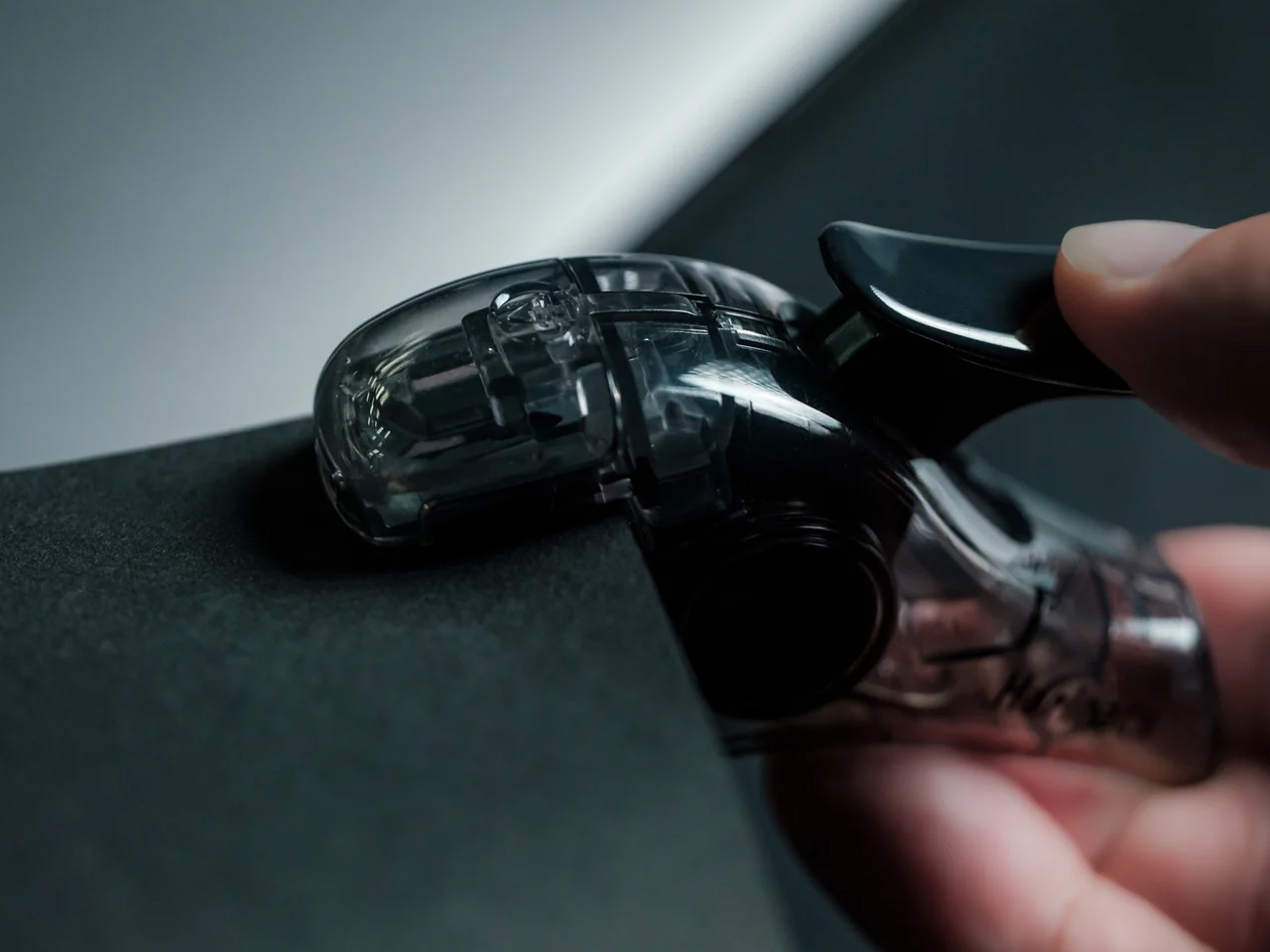
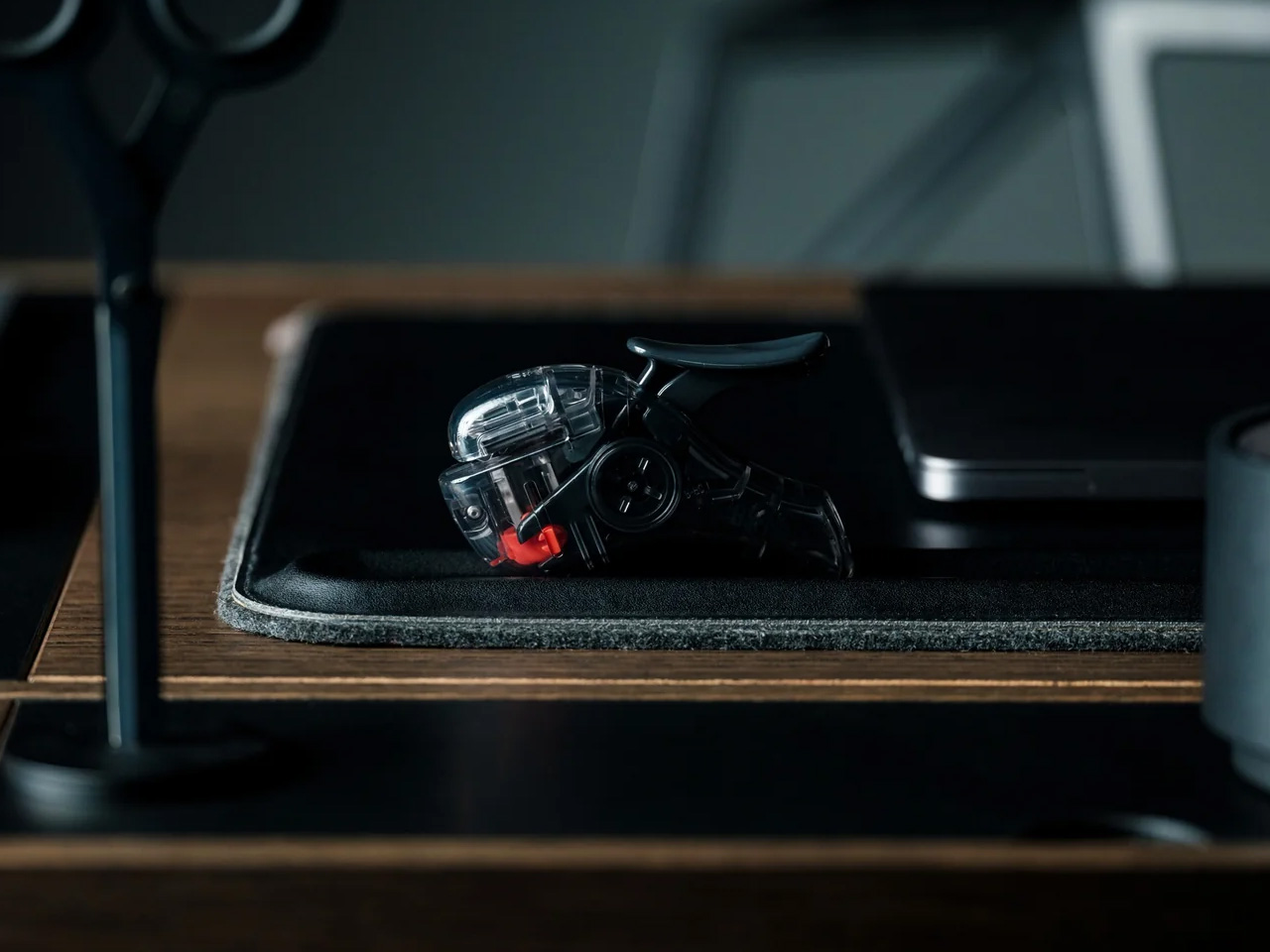
The stapler is the desk object most people replace with the cheapest available option and never reconsider. PaperLock asks you to reconsider. Press the lever and a small cutting element punches through the stack, folding the paper back through itself to create an interlocked join. No metal passes through the page. No staple is added. The paper becomes its own fastener, which means nothing needs removing before a document reaches the recycling bin, and nothing can run out at the moment you most need it to work.
The transparent body puts the internal mechanism on full display, and pressing the lever becomes something closer to watching a small machine operate than completing a piece of office admin. A viewing window shows exactly where the joint will land before you commit. A corner guide keeps placement consistent across an entire stack. The lever works pressed against a surface or held in the palm, with no adjustment required between the two. At $35, it is the most affordable item on this list and the one most likely to change how you think about what a desk tool should be doing.
The desk is not furniture. It is the place where the things you are actually trying to do either happen or they do not. The objects you bring to it either support that or get in the way. None of the nine picks here earned their place by looking good in a photograph alone. Each one changes something specific about the experience of sitting down at the start of a day.
Start with one. The keyboard if your hands spend most of the day on it. The lamp if the light has been wrong for longer than you have admitted. The mat if the desk has never felt like a setup. A fresh semester or a fresh start does not require all nine at once. It requires one decision that signals to yourself that this time, you are taking the desk seriously.
The post 9 Desk Upgrades for a Fresh Semester, or Just a Fresh Start at Work first appeared on Yanko Design.

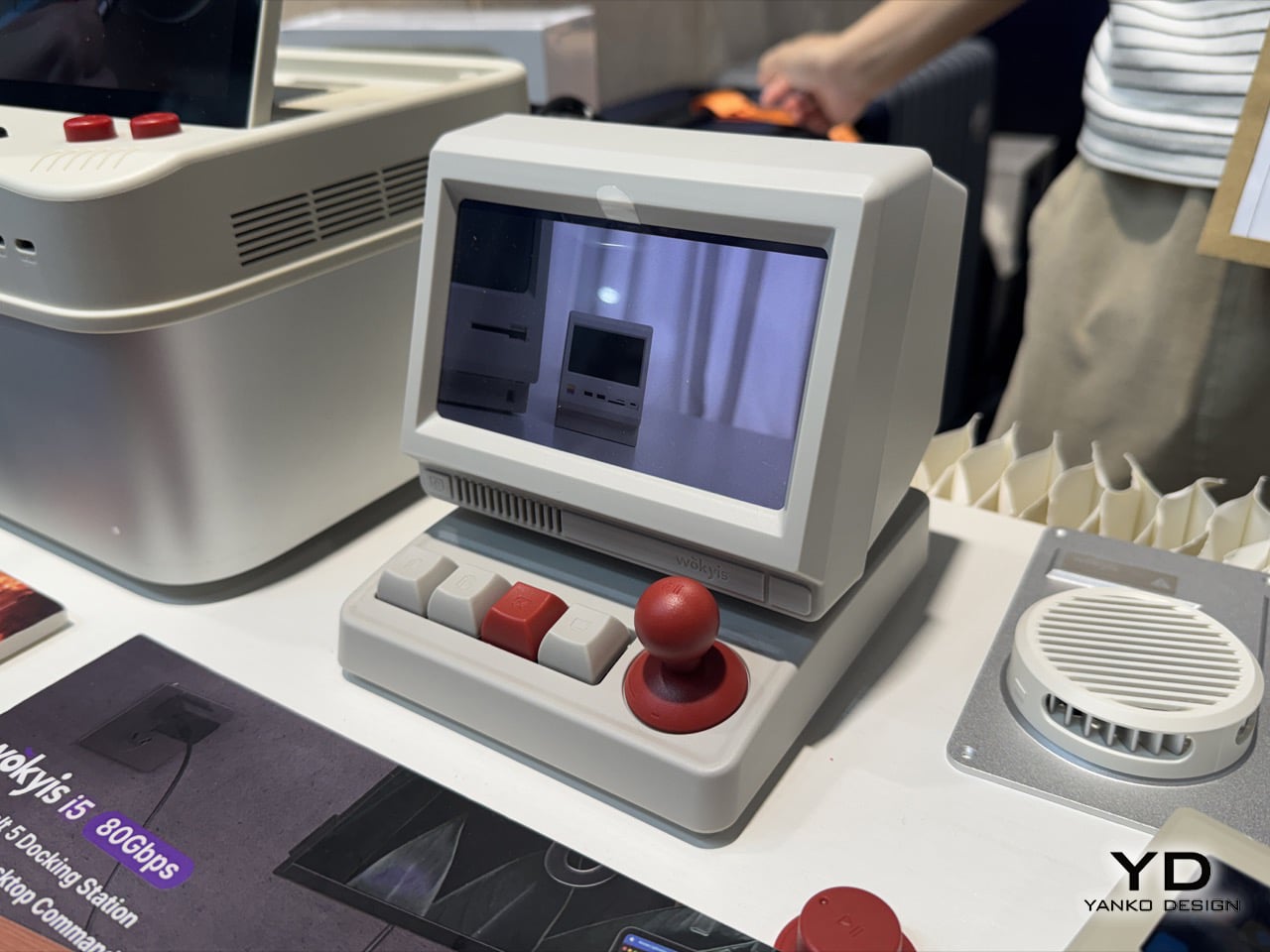
Everything on my desk right now is some shade of gray aluminum, and I’m starting to resent it a little. Every dock, every stand, every accessory wants to be a slab of cold metal that photographs well and feels like nothing in your hand. Wokyis clearly misses the old days too, back when computers were made of warm, slightly yellowed plastic that looked friendly instead of expensive. Their newest release, the i5, leans hard into that feeling, right down to the off white shell that actually looks like it wants to sit on your desk rather than intimidate it. It splits into two pieces, a tilted head up top holding a small screen, and a control deck below packed with real, clicky buttons.
That plastic shell isn’t just a style choice, it’s basically the whole argument. Anodized aluminum is sleek, sure, but it’s also cold to the touch and forgettable within a week. This off white finish has warmth to it, the kind that made old Macs feel approachable instead of like expensive jewelry. Underneath the throwback shell, the i5 works as a genuine secondary display for your Mac or laptop, mirroring or extending your desktop, with four shortcut keys for copy, paste, screenshot, and screen lock, plus a central knob that clicks for play and pause and rotates for volume. Wokyis brought the 80Gbps Thunderbolt 5 version to IFA 2026 in Berlin, sitting above the 10Gbps model already selling on their site for $169.99.
Designer: Wokyis
The design lineage here is not subtle, and I mean that as a compliment. That tilted head sitting atop a boxy base is a direct nod to the original Macintosh and its compact successors, the machines that first convinced people a computer could look like a friendly little appliance rather than a beige filing cabinet. Wokyis isn’t the first accessory maker to borrow that silhouette, but the i5 commits harder than most, right down to a boot screen greeting that echoes the smiling Mac startup chime era without actually copying Apple’s own iconography. It’s homage rather than imitation, and it lands because the proportions genuinely feel considered instead of slapped together for nostalgia points.
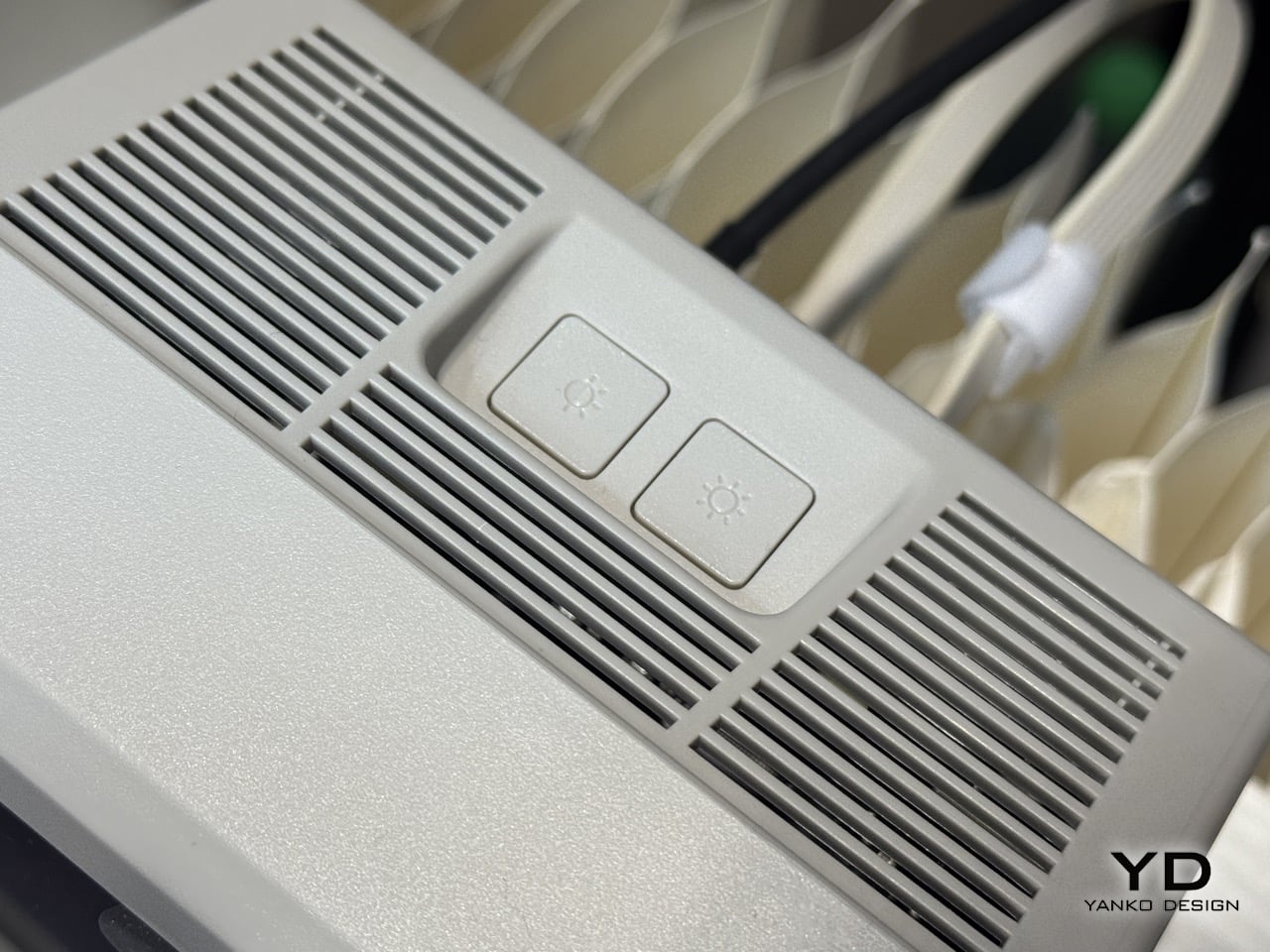
The screen itself deserves a second look before you touch it, mostly because you can’t. It’s a 5 inch, 1280×720 IPS panel, sharp enough to sit next to a real monitor without embarrassing itself, but it skips touch input entirely. There’s no finger smudging that pretty glass, no accidental taps while you reach for your coffee. You either mirror your main display onto it or extend your desktop across it, treating it like a dedicated spot for a music player, a chat window, or scrolling lyrics while the rest of your screen stays clear. It’s a small, deliberate decision in a market obsessed with adding touch to everything, and it works because the i5 never pretends to be anything other than a second monitor.
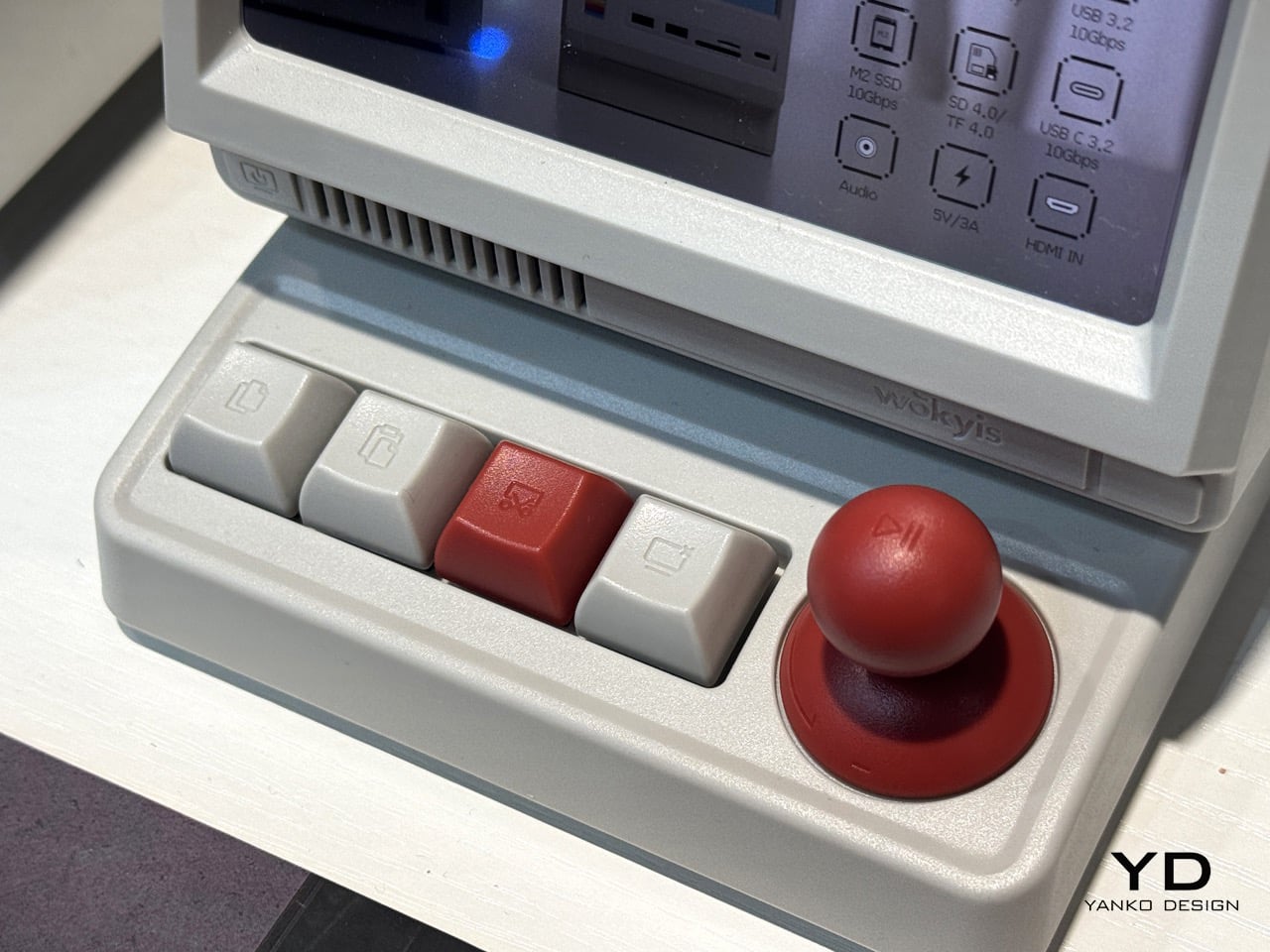
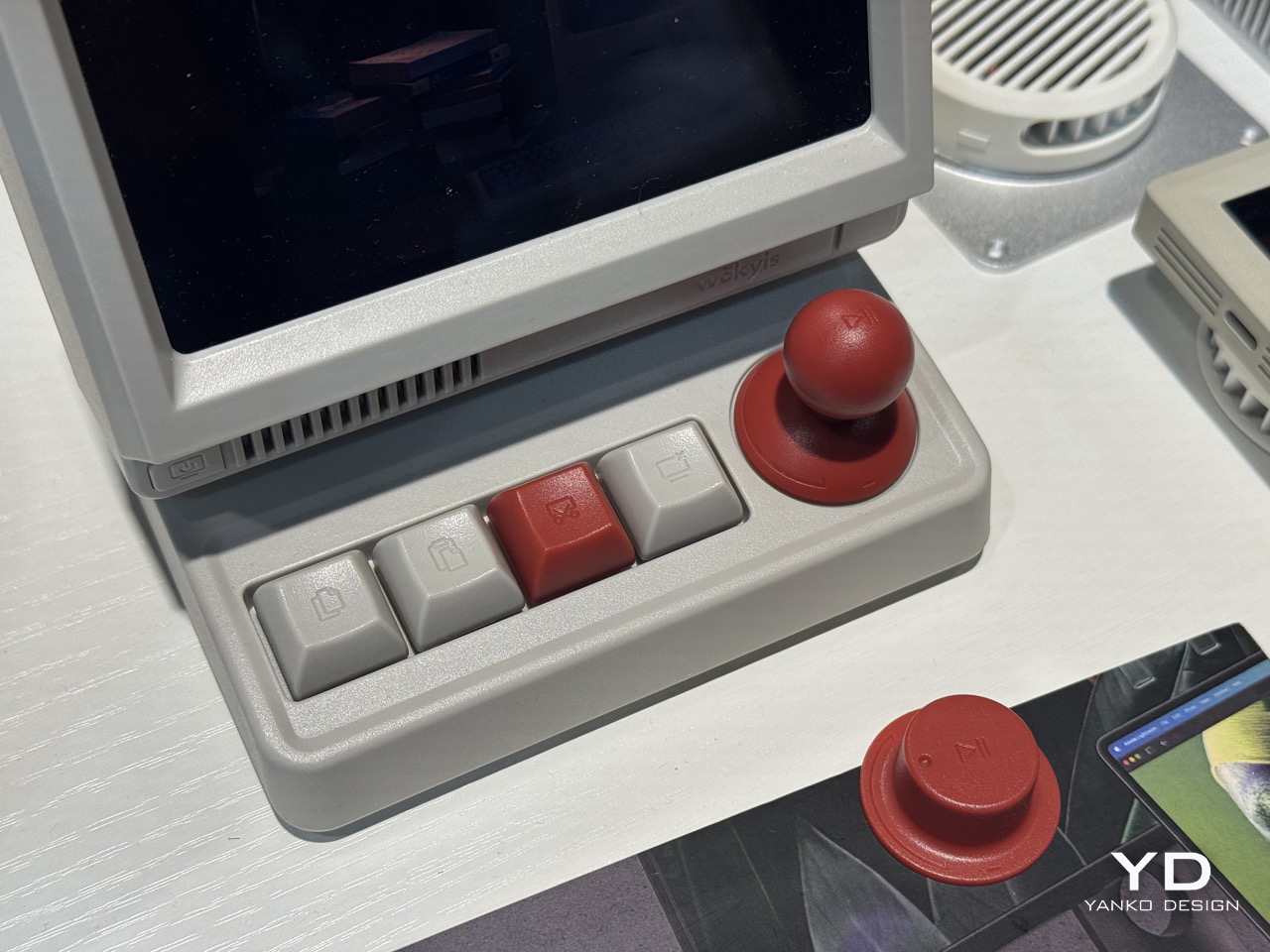
The control deck below is where the personality really lives. Four mechanical keys handle copy, paste, screenshot, and screen lock, each one a satisfying, precision click that beats fumbling for a keyboard shortcut. The centerpiece is a chunky red knob that clicks down for play and pause, then rotates like a volume dial, doing the job of two separate controls without adding a second component. It’s tactile in a way that most modern hubs never bother with, and it turns a boring task like adjusting volume into something you almost look forward to doing.
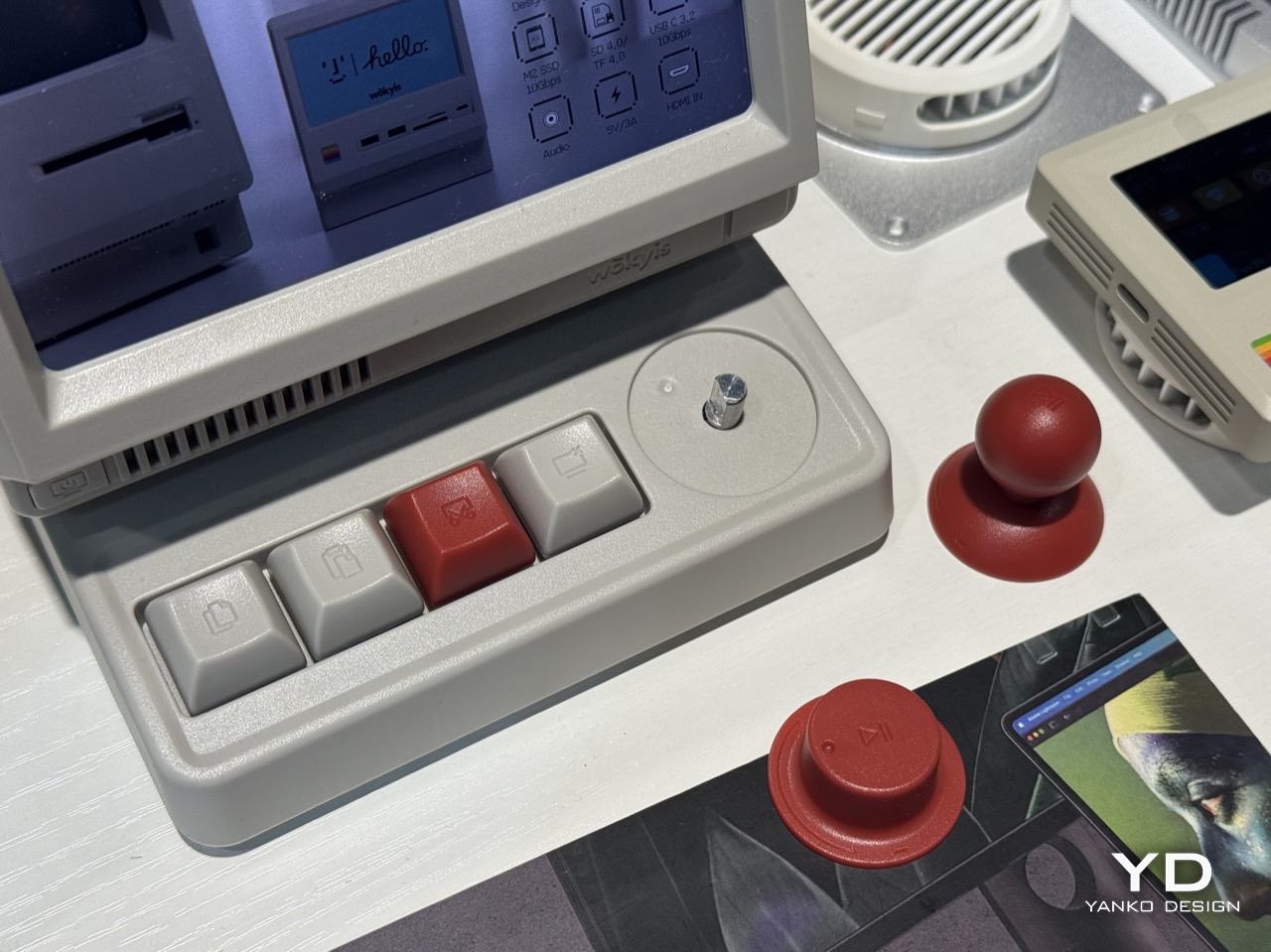
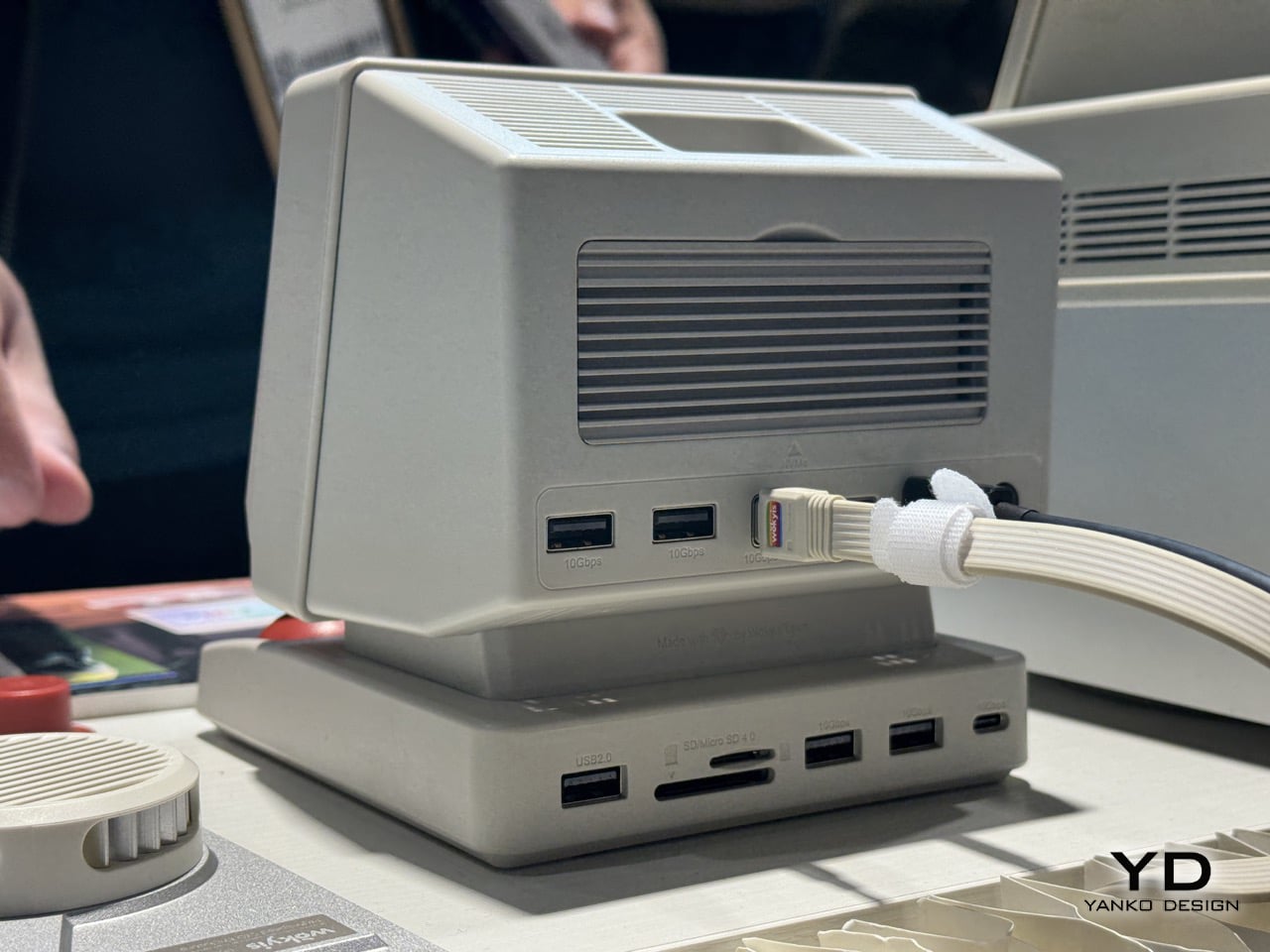
Connectivity is where the i5 earns its keep as an actual workstation rather than a desk toy. The 10Gbps model packs an M.2 NVMe slot good for up to 8TB, four USB-A ports, a USB-C port, simultaneous SD and microSD readers, a 3.5mm audio jack, and HDMI-in, all wrapped around a body that measures 145 by 131 by 154mm. The new 80Gbps Thunderbolt 5 variant shown at IFA presumably pushes that bandwidth ceiling considerably higher, though Wokyis hasn’t published pricing or a ship date for it yet.
I like that Wokyis is betting on plastic when everyone else is betting on metal, and I like it more that the bet actually pays off in how the thing feels to use. The i5 won’t replace your monitor and it isn’t trying to. It just wants to sit there, warm and a little goofy, doing real work while looking like it walked out of 1984. That’s a good trade.
The post This Macintosh-Inspired Hub Adds SSD Storage, Ports, Shortcuts, and a Mini Screen: Hands-on at IFA 2026 first appeared on Yanko Design.

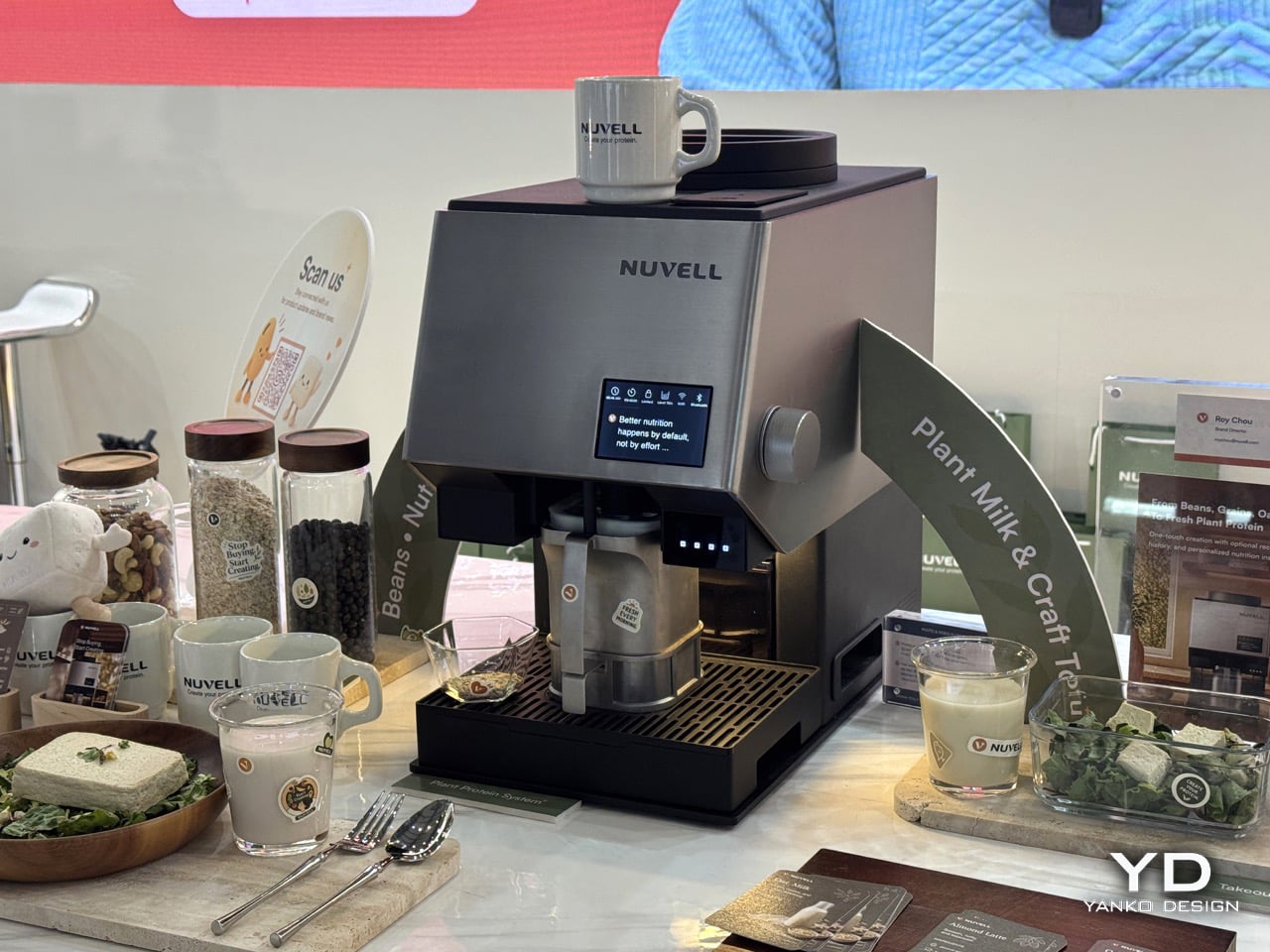
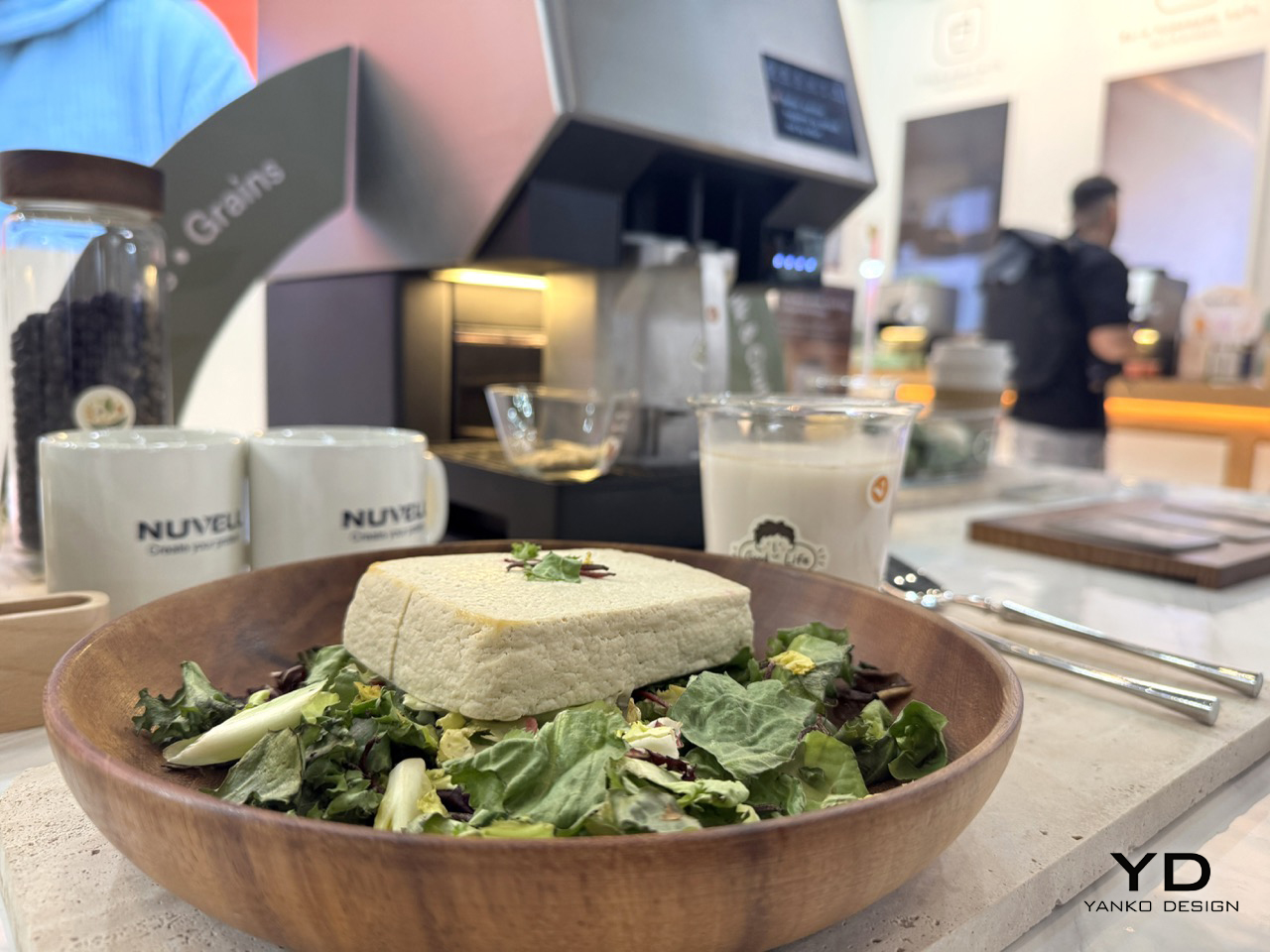
I will admit it outright, I have never once thought about how tofu gets made, the same way most people never think about how gasoline gets made, it is just there, cold and vaguely virtuous in the produce aisle. Roy Chou, brand director at a young company called Nuvell, wants to change that, one countertop machine at a time. At IFA Berlin 2026, his team unveiled the Plantein, built like a superautomatic espresso machine, dial and touchscreen included, except it turns soybeans into warm, fresh tofu in about forty minutes instead of a shot. It also whips up plant milk from oats, almonds, or soy in roughly twenty, no soaking. Chou walked me through it like a proud parent, and I genuinely wanted one on my counter by the end.
The mechanics are simpler than they sound, soybeans and water go in one side, a natural coagulant Chou described as an ocean derived salt goes in too, and heat and pressure do the rest. That coagulant is almost certainly nigari, the traditional Japanese setting agent, which explains why Chou insisted the texture comes out cleaner and sweeter than gypsum set blocks. Firmness gets dialed in by extending the cycle, and Chou hinted at flavored versions already tested in-house, a matcha batch and a berry one meant for dessert. Pre-orders open at CES 2027, with a price tag within the $1000-$1300 range, according to Chou.
Designer: Nuvell
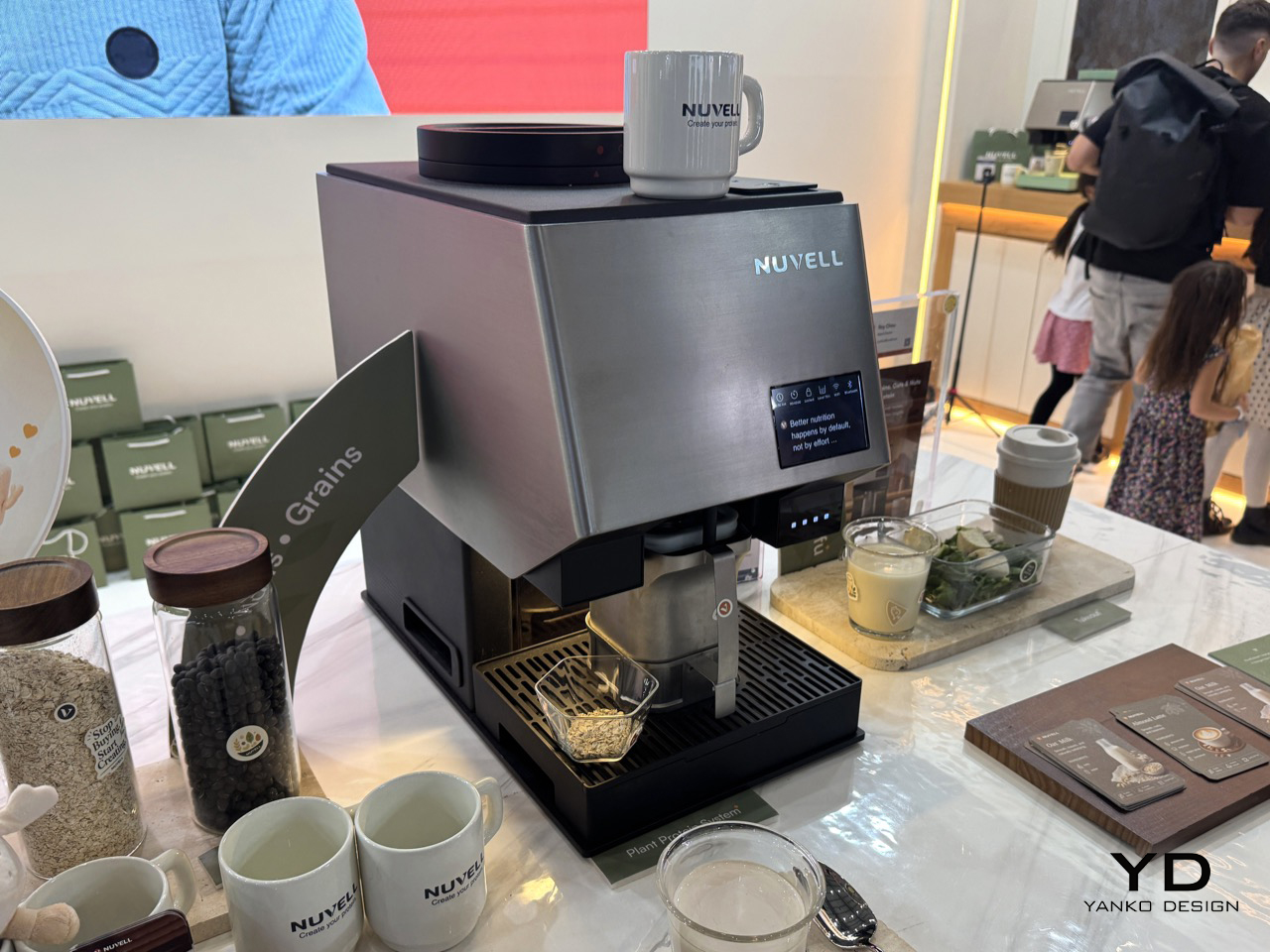
The Plantein wears a brushed stainless front over a matte black chassis, one knurled aluminum dial on its cheek, a small touchscreen up top, and a mug parked on a warming plate exactly where a cappuccino would sit. A swing arm lever holds the press module over a slotted drip tray, and the whole assembly detaches for cleaning the way a portafilter does. It is a smart borrow, since home tofu making has always meant cloth, a mold, and a stack of cookbooks, not an appliance anyone photographed. Leaning on Jura and Breville’s design language buys instant kitchen credibility, even if the guts underneath do something completely unrelated to coffee.
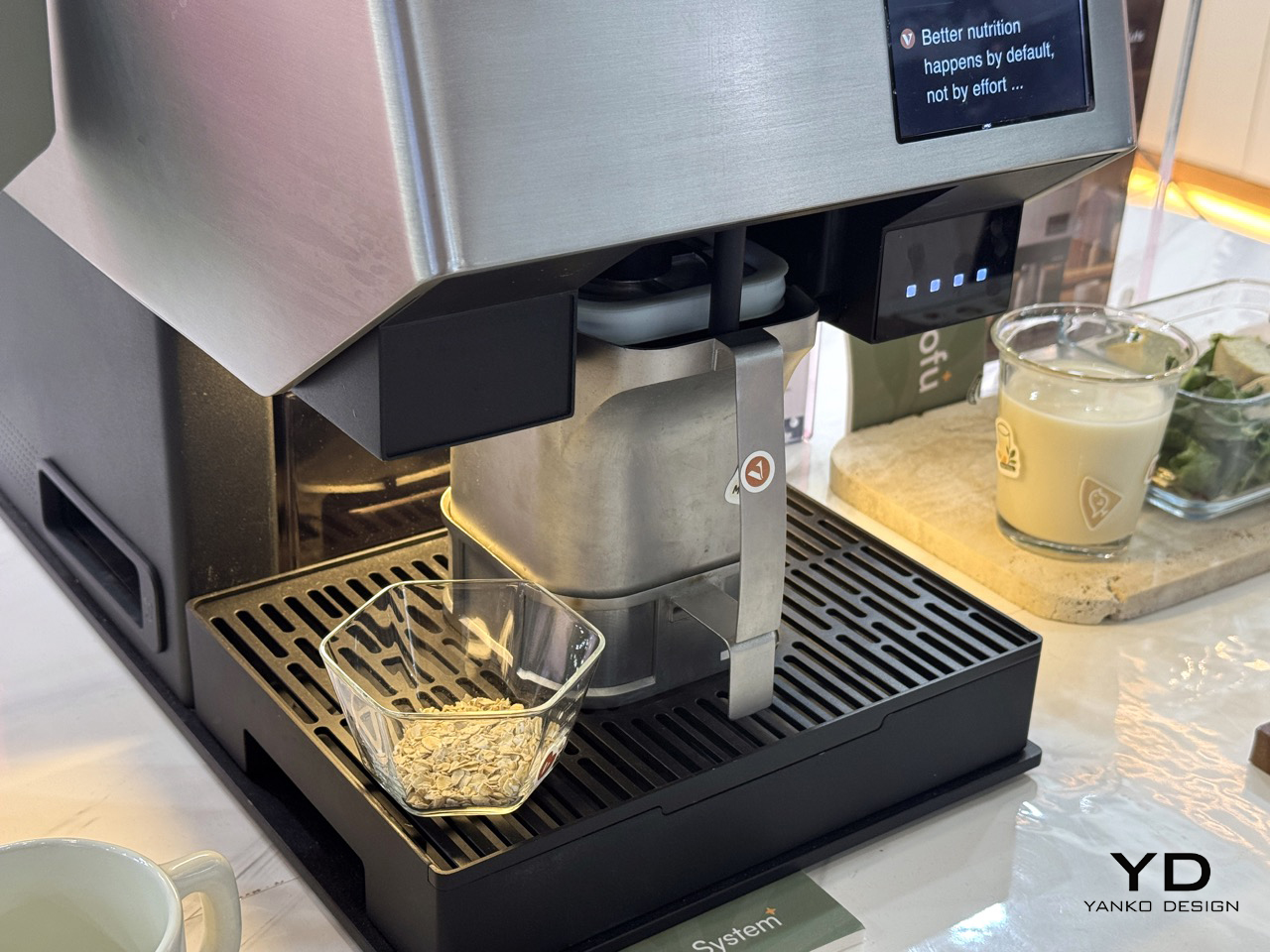
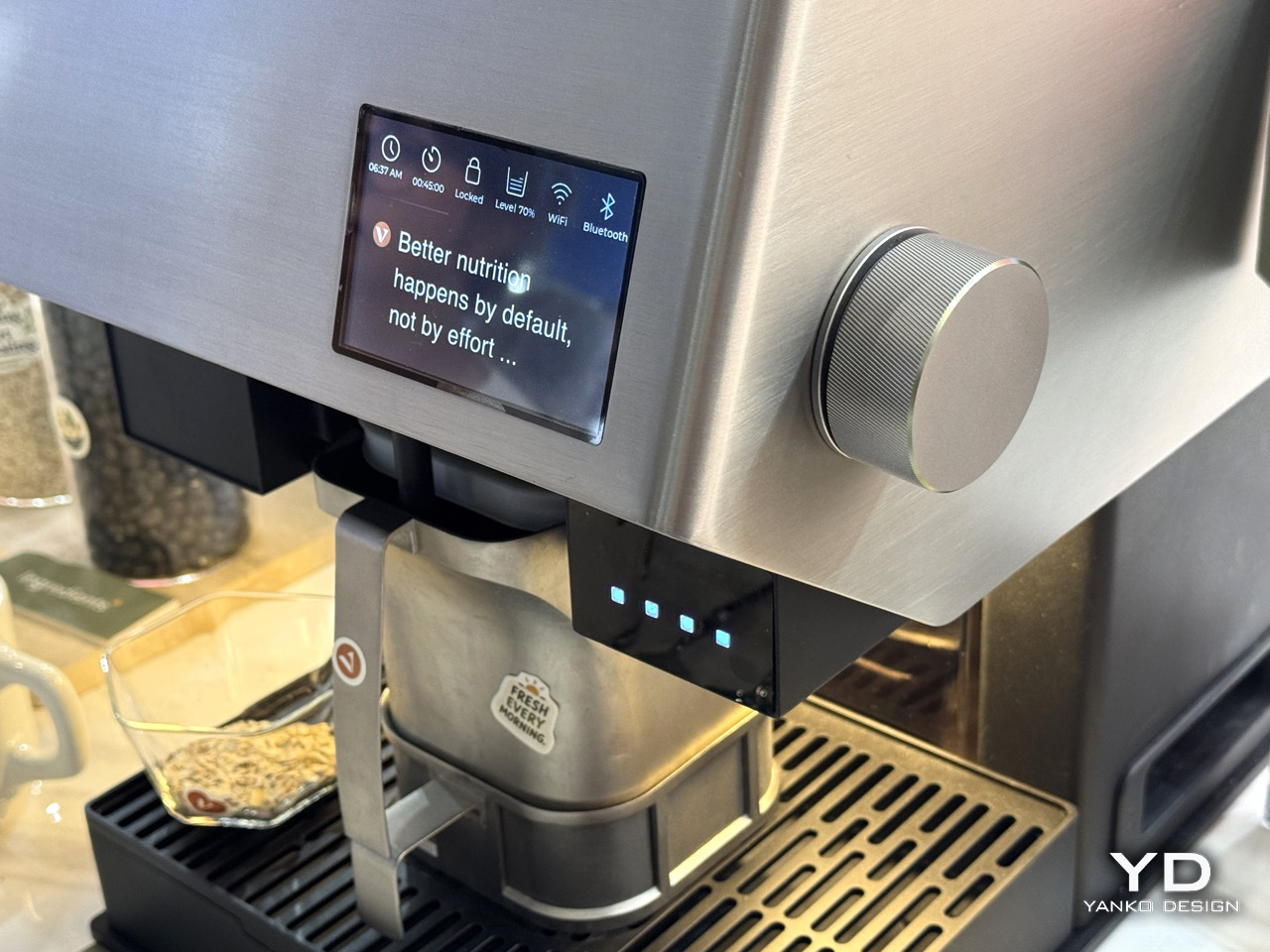
Where Chou got genuinely animated was flavor. He described testing a matcha batch and a ginger and berry version meant to be eaten as dessert, which tracks with how tofu already behaves across Asia, where silken curds get blended into smoothies and sweetened into douhua rather than treated as a meat substitute. That framing does more marketing work than anything else Nuvell said at the booth, since most Western buyers only know tofu as the bland cube used in stir fries and to make plant bacon. It’s only in the past few years that Food YouTubers have extolled the virtues of blending silken tofus to make low-carb high-protein pasta sauces or dessert mousses.
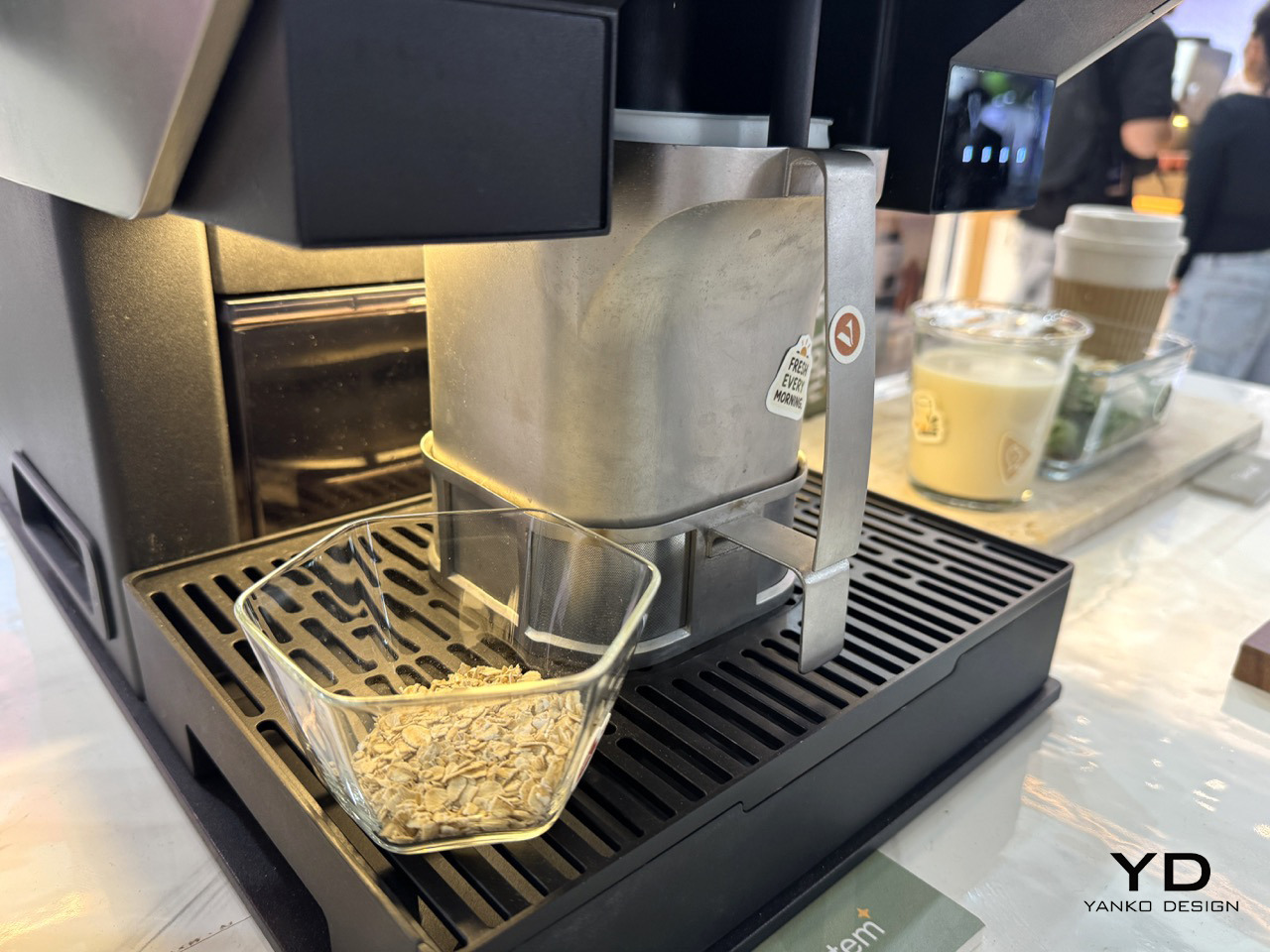
Fully automatic bean to block tofu machines already exist, they just live in commercial kitchens and food plants, built at fifty liter scale for canteens rather than countertops. What Nuvell is actually pulling off, and it is a genuinely new trick, is shrinking that whole process down into something that fits next to your coffee grinder. Pre-orders open at CES in Las Vegas this coming January, with units shipping around February, so the wait is short enough to actually stay excited for. If Chou’s numbers hold, forty minutes for warm tofu and twenty for plant milk turns a genuinely tedious kitchen chore into something you queue up before a shower. I am already thinking about what a matcha version tastes like on toast, and that is a very good sign for a machine that has not even shipped yet.
The post Fresh Plant Milk and Tofu From Scratch? Nuvell’s Tabletop Kitchen Appliance Does Both: Hands-on at IFA 2026 first appeared on Yanko Design.
Lighting has evolved beyond basic illumination and has become a flexible, interactive element in modern spaces. As interiors become more compact and multifunctional, designers are prioritizing lightweight, adaptive solutions that respond to changing needs and enhance usability and atmosphere without adding visual or physical heaviness.
For contemporary users, especially Gen Z, lighting is expected to be portable, customizable, and sustainable. This shift is encouraging innovation in materials and systems, allowing lighting to function as a practical necessity and a design feature that supports emotional comfort, spatial clarity, and a more conscious approach to everyday living.
Lighting design is increasingly focused on flexibility, with solutions that can be easily transported, installed, and reconfigured across different environments. Lightweight construction allows fixtures to adapt to spatial changes, making them suitable for compact homes, creative studios, and temporary setups where mobility and ease of use are essential.
Programmable features further enhance adaptability by enabling control over brightness, color, and ambiance. These systems allow users to tailor lighting to specific activities or moods, ensuring a personalized experience. The combination of physical flexibility and digital control reflects a shift toward responsive, user-centered lighting environments.
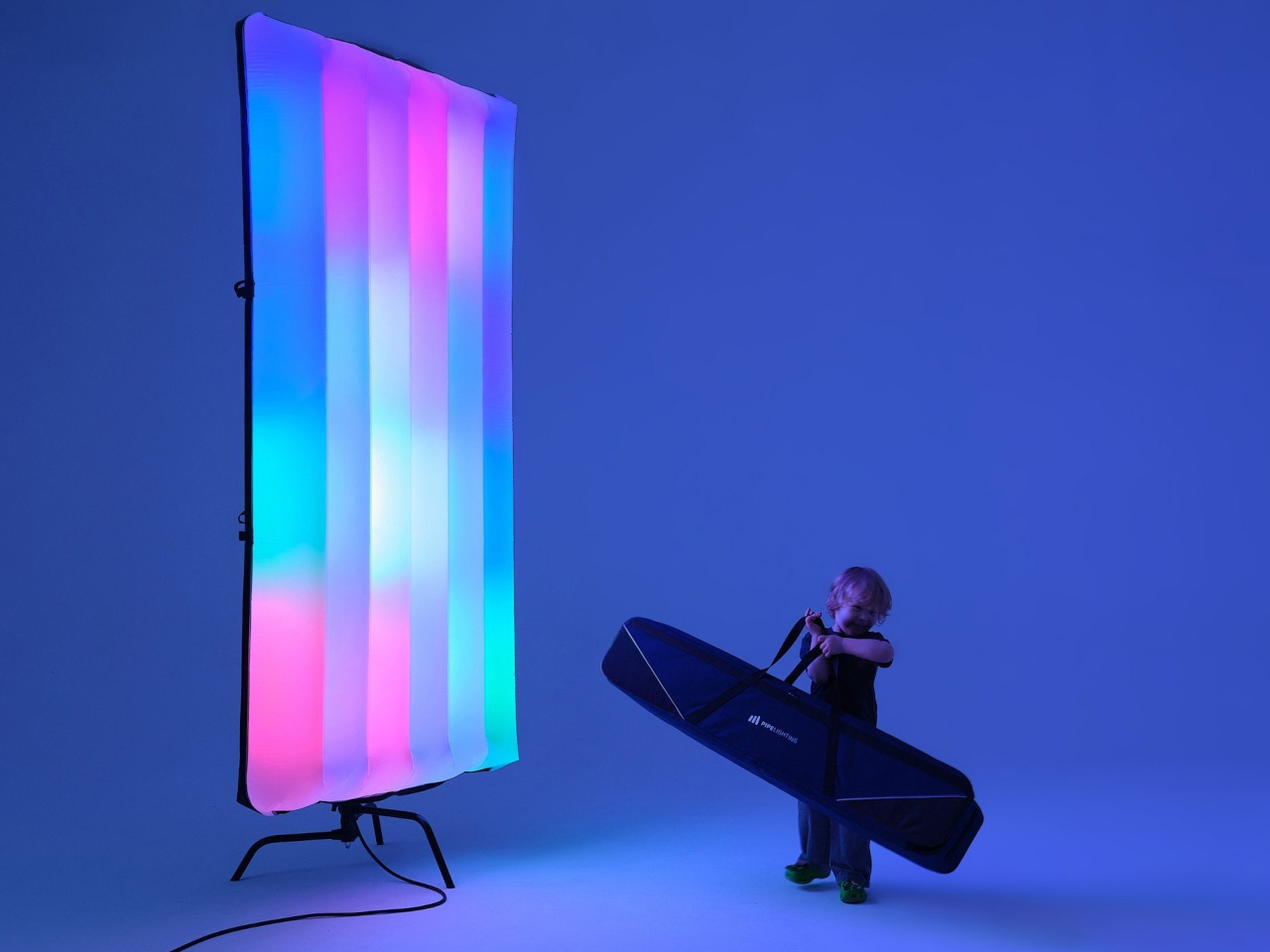
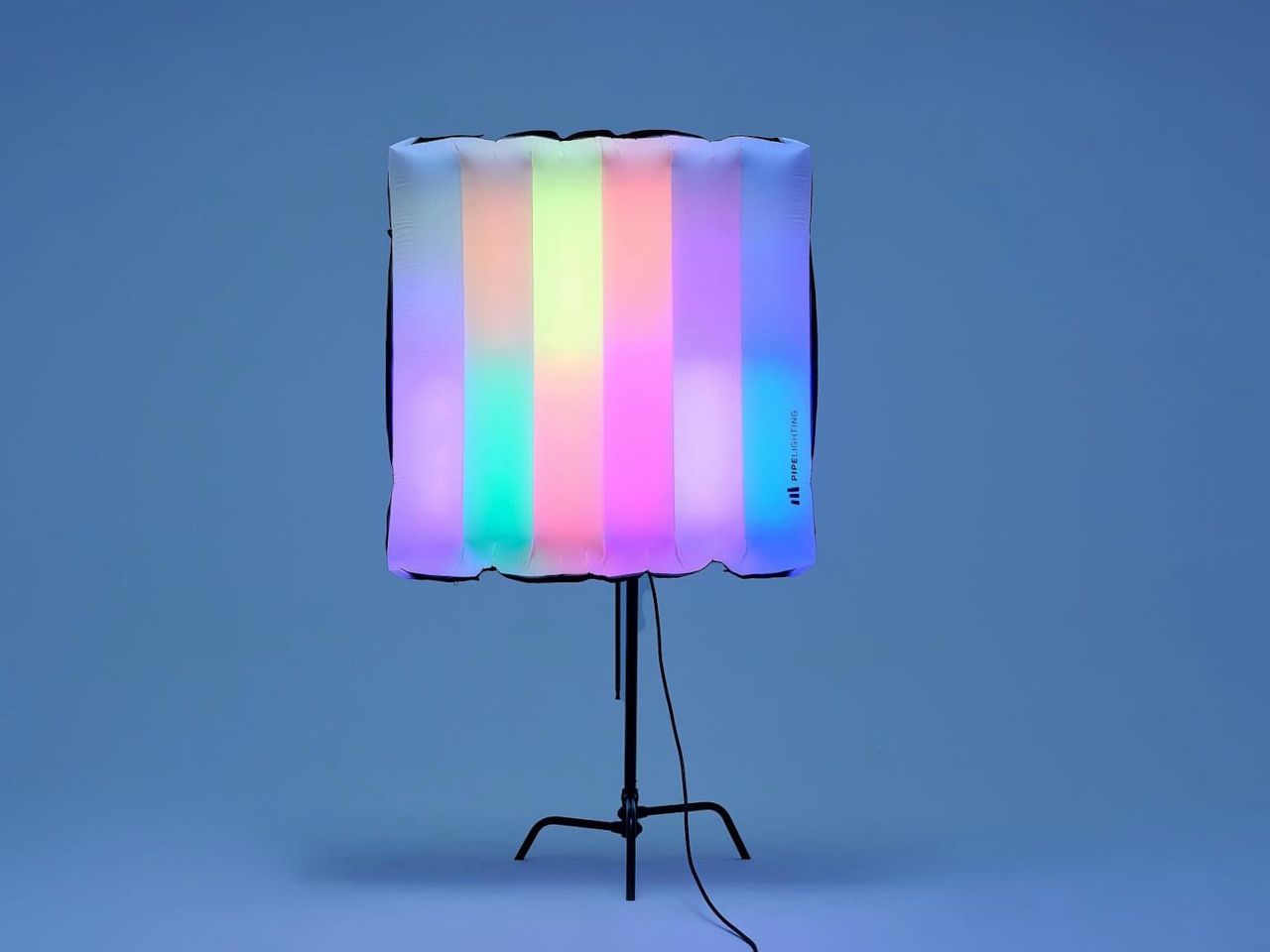
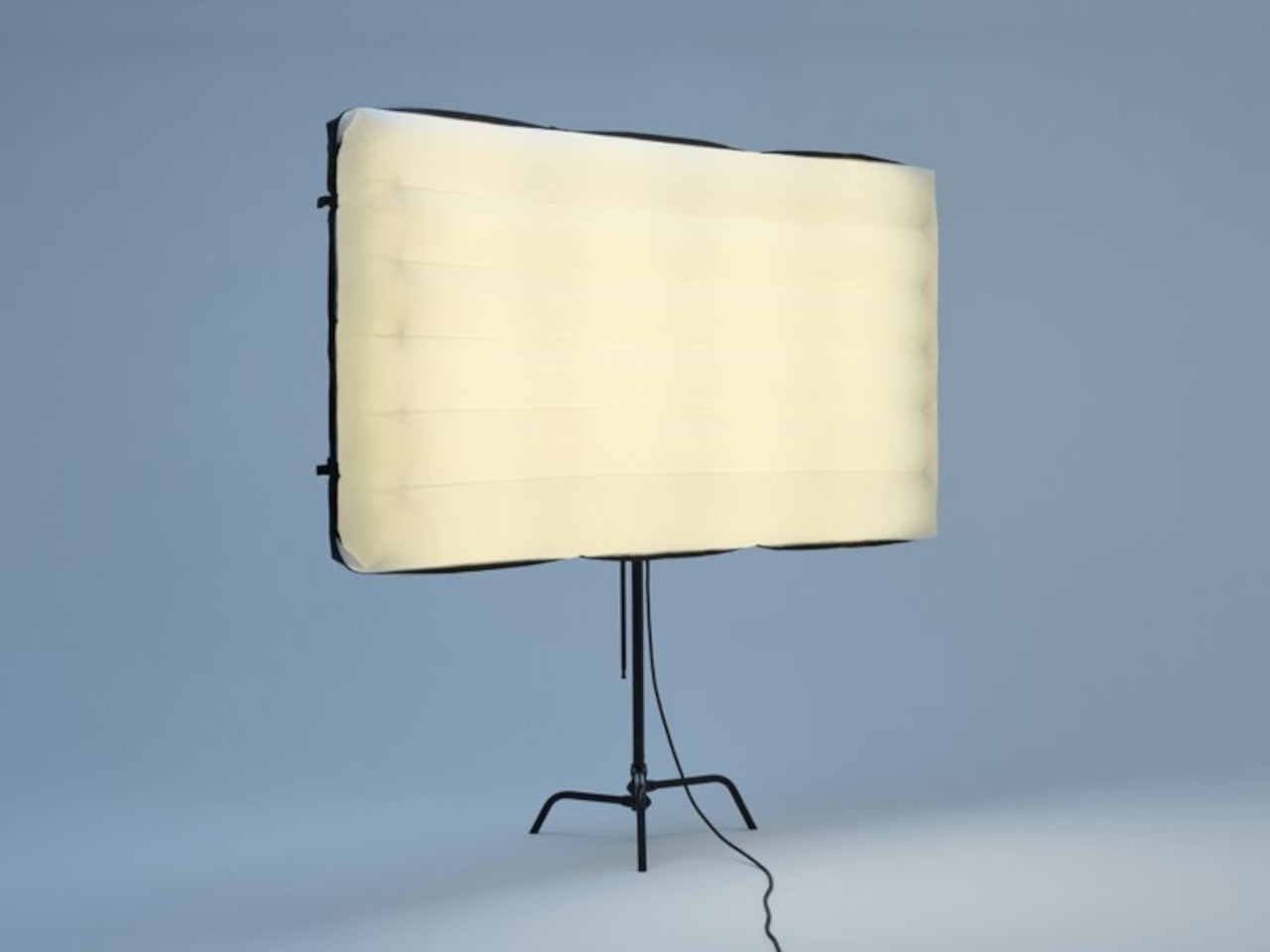
ColorPipes introduces a new approach to film lighting by combining lightweight construction with high-performance output. Designed for filmmakers and content creators, these inflatable lighting systems address common challenges associated with traditional setups, such as heavy equipment, complex installation, and limited mobility. Their compact, air-filled structure allows for easy transport and quick deployment, making them especially suitable for dynamic shooting environments and remote locations. Despite their minimal weight, they deliver strong, consistent illumination, enabling professional-quality results without the logistical burden typically associated with conventional lighting rigs.
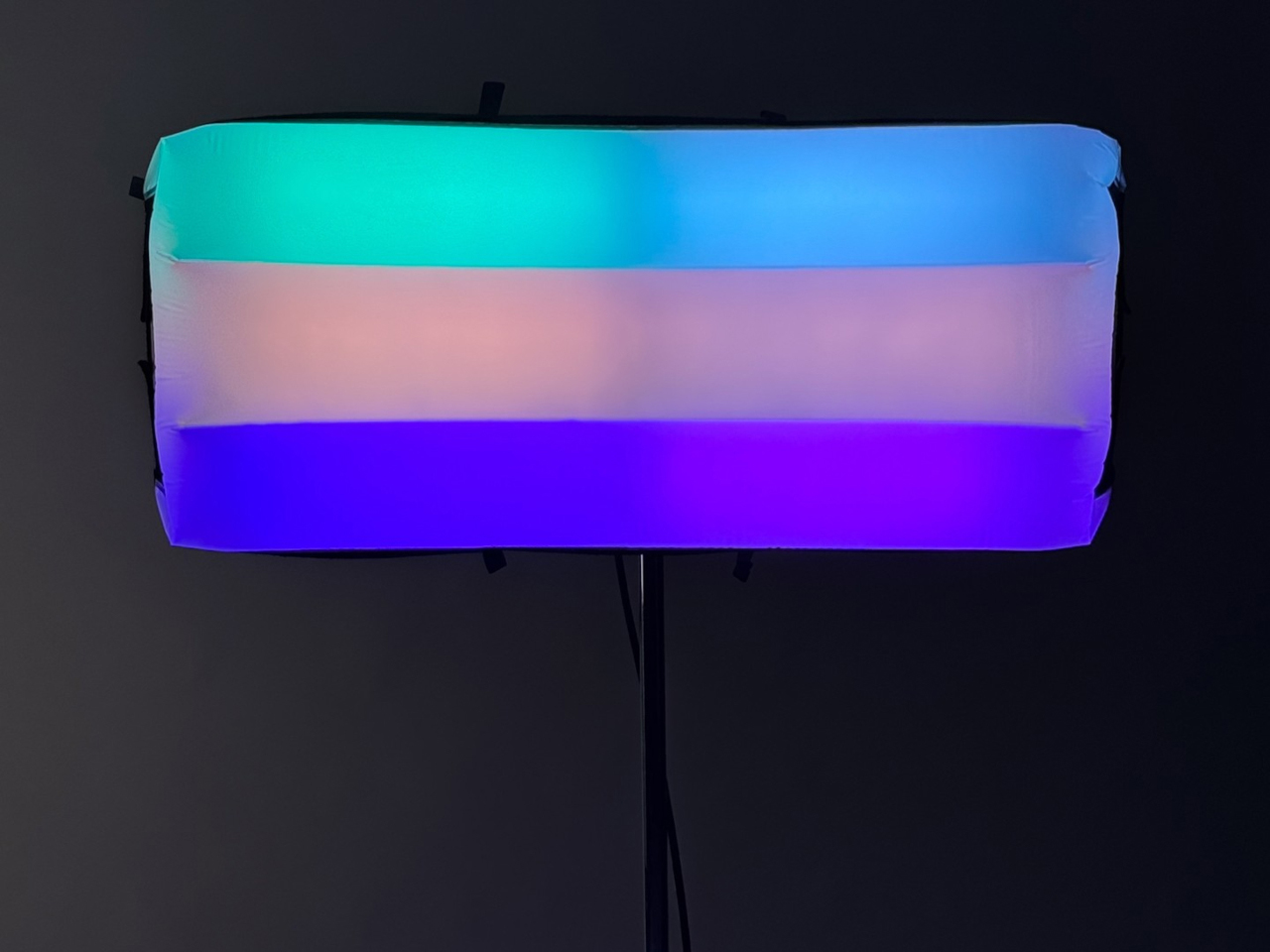
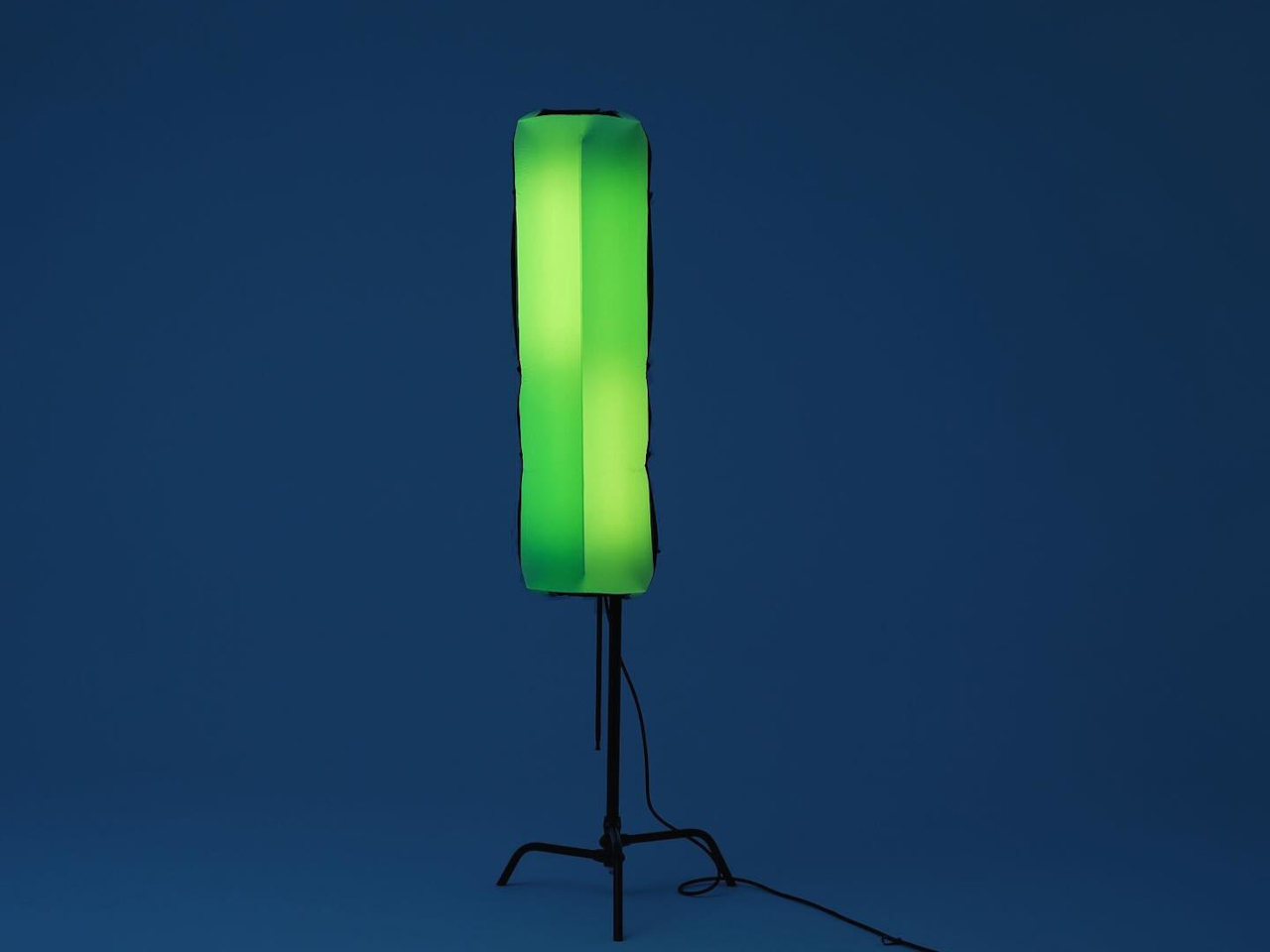
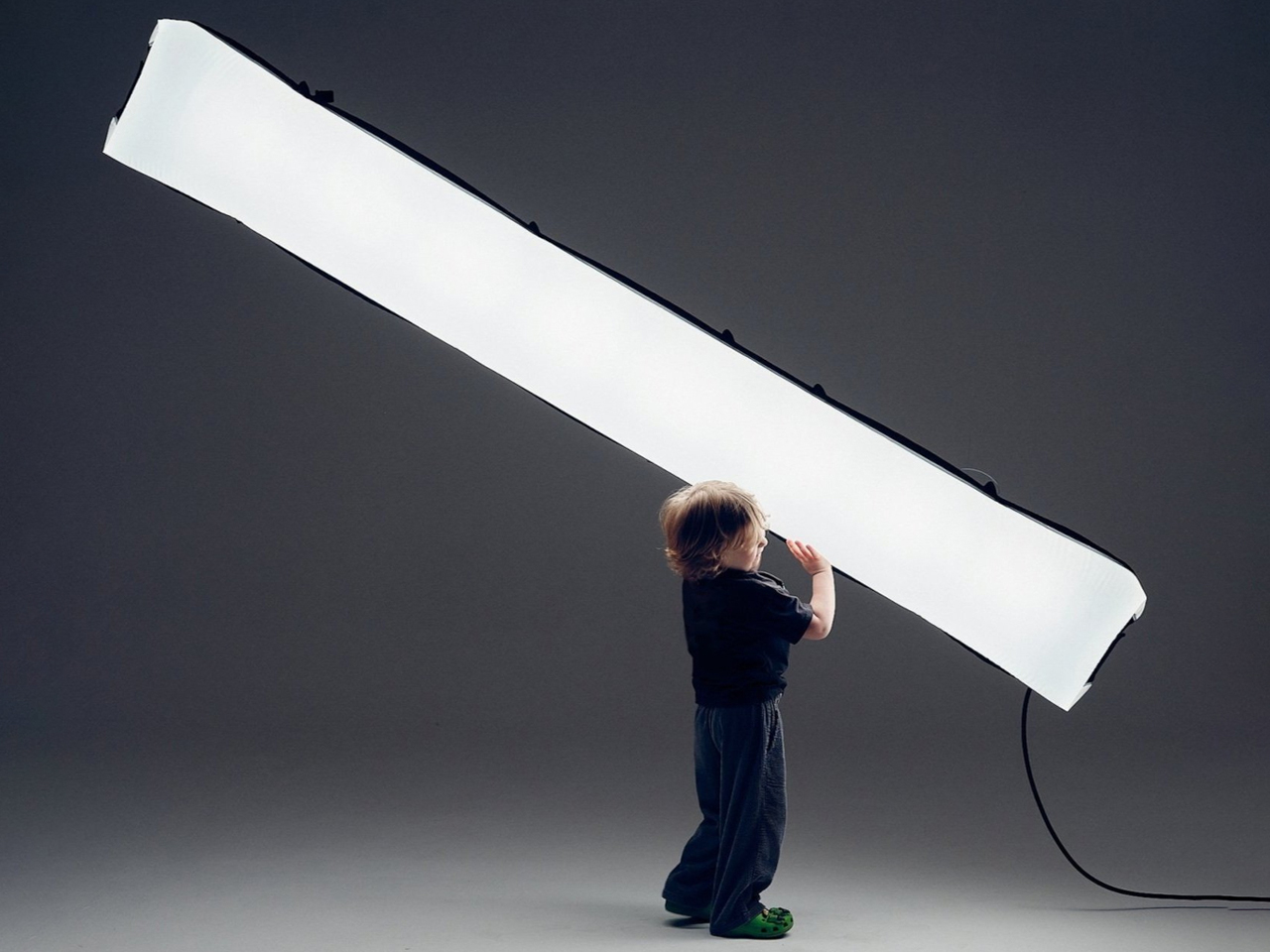
Equipped with advanced RGBWW technology, ColorPipes offers precise control over color and brightness, allowing creators to shift seamlessly between functional lighting and expressive visual effects. Their durable, waterproof construction ensures reliable performance across varied conditions, including outdoor and wet environments. Wireless control options further enhance usability, enabling real-time adjustments during shoots. With an efficient power-to-weight ratio and fast setup, these systems streamline production workflows while maintaining creative flexibility, redefining how lighting is used in modern visual storytelling.
Designers are exploring how natural forces such as gravity can influence the form of lighting objects, reducing reliance on rigid structures and excess materials. This approach allows materials to behave more freely, resulting in softer, more organic shapes that feel natural within contemporary interior environments.
By embracing material efficiency, these designs minimize waste while maintaining structural integrity and visual appeal. The outcome is lighting that feels intuitive and balanced, reflecting a broader movement toward sustainable design practices that prioritize resource optimization without compromising on aesthetic or functional quality.
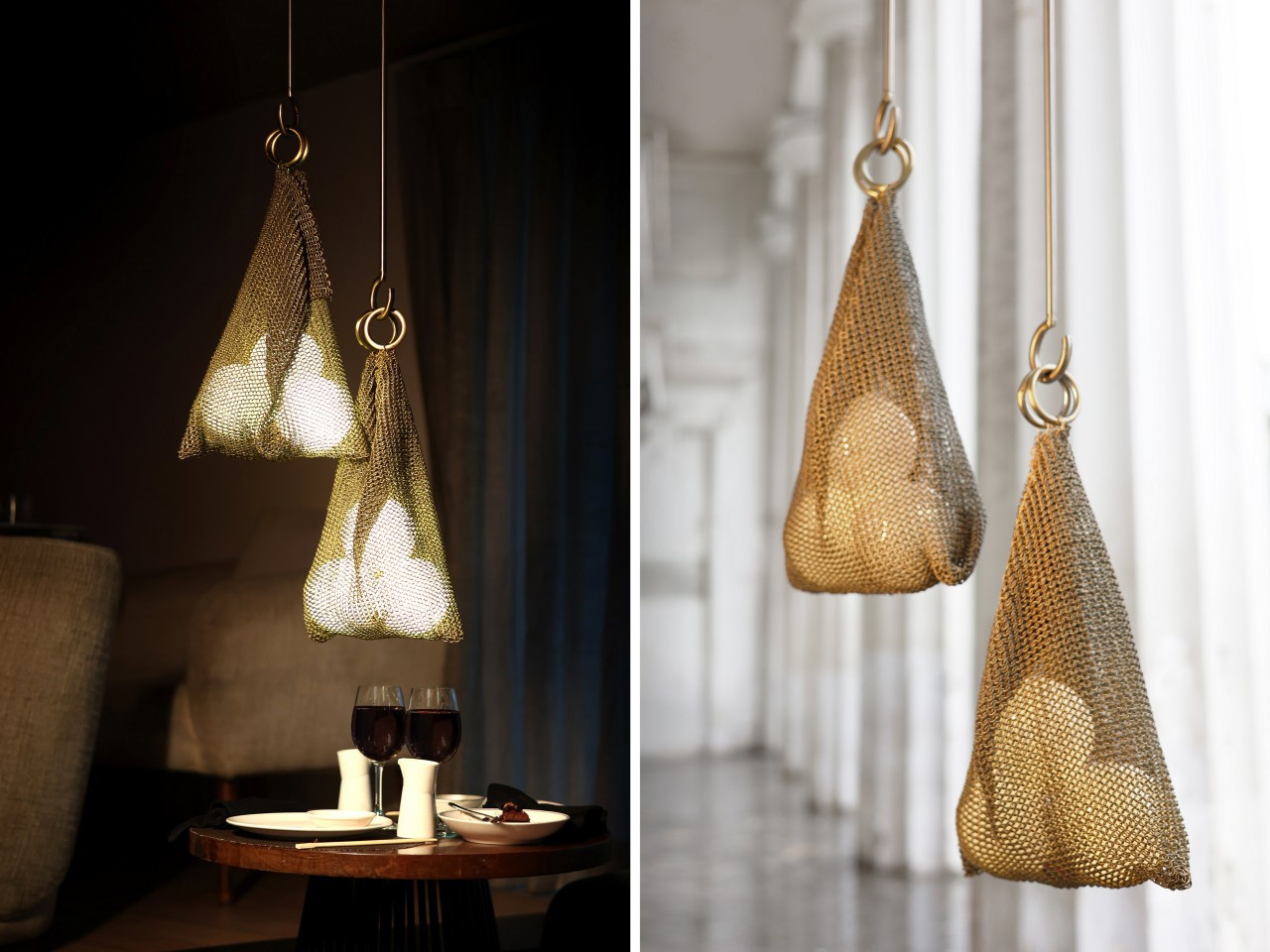
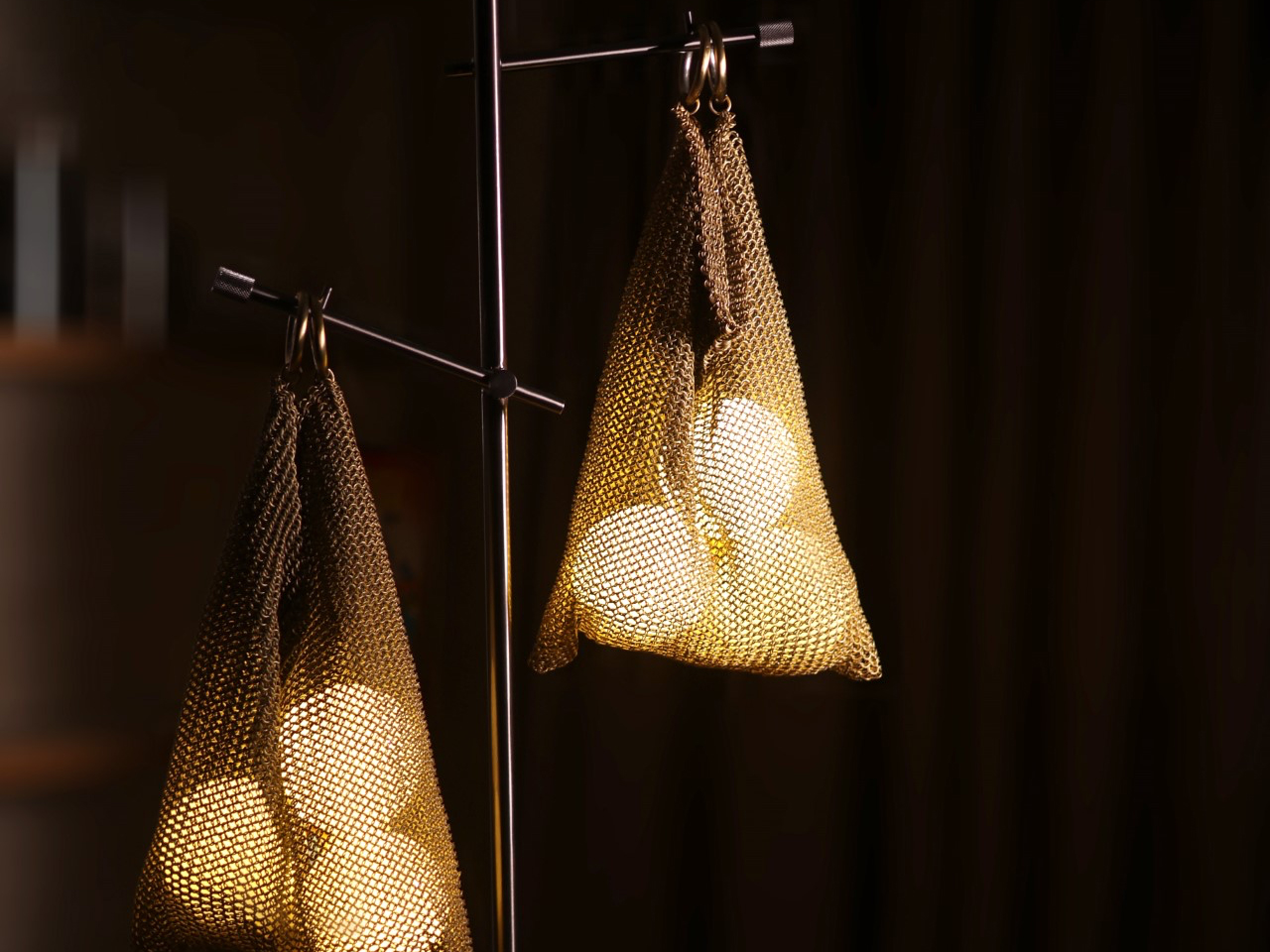
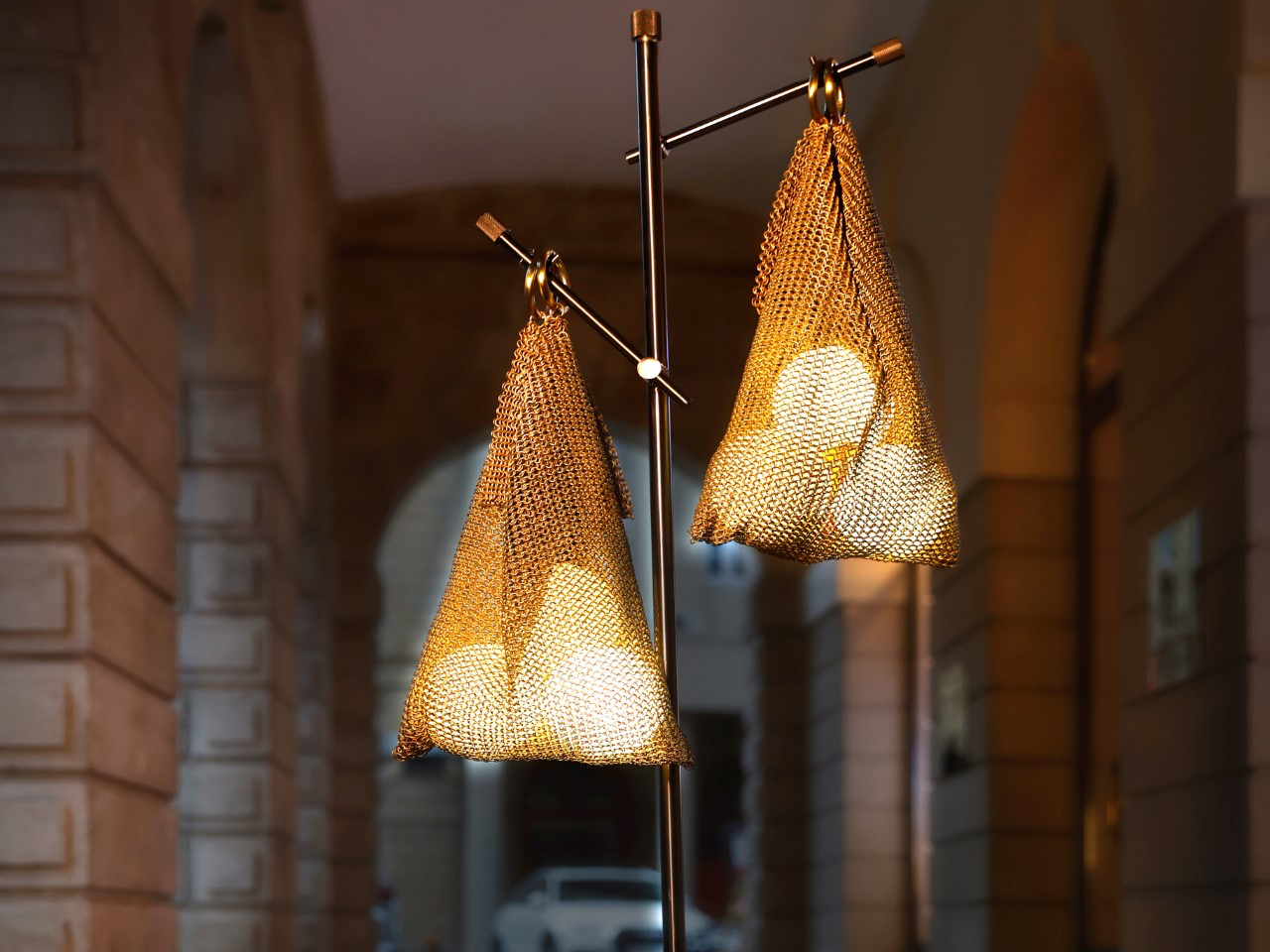
The Tote lighting piece, designed by Rhea Mehta, redefines how form and function interact in contemporary lighting design. The design allows gravity and internal elements to shape its appearance. A woven metal form encloses glowing glass orbs that both emit light and influence the structure’s fluid silhouette. This results in a dynamic object that feels soft and fabric-like, despite its metallic construction. The absence of visible industrial components such as exposed wires or fixtures enhances its sculptural quality, making the light appear seamless and almost illusory.
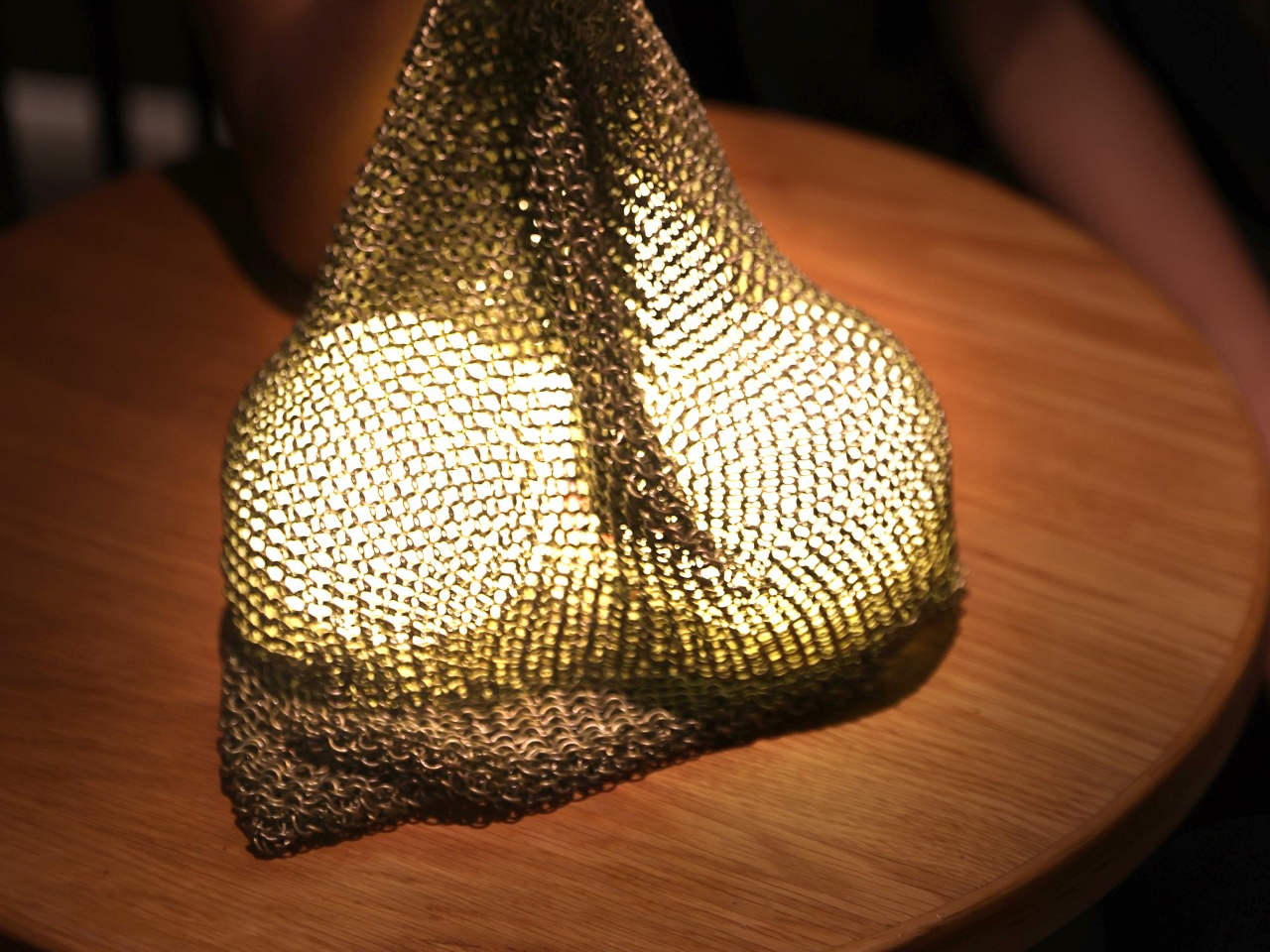

The design emphasizes craftsmanship and innovation through a concealed cable system that powers the orbs without disrupting the visual integrity. Each component, including the frame, the woven structure, and the glass elements, functions independently while forming a cohesive whole. The adaptable form allows the piece to shift between different lighting typologies, including pendant, table, or pedestal use. By combining high-quality materials with precise engineering, the design achieves aesthetic refinement and functional performance, presenting lighting as an expressive and evolving object rather than a static fixture.
Lighting systems are becoming more intelligent, incorporating sensors and smart technologies that allow them to respond to user presence and environmental changes. These systems adjust automatically, reducing the need for manual control and creating spaces that feel more intuitive and comfortable for everyday use.
This responsiveness enhances both convenience and energy efficiency, as lighting operates only when required and adapts in real time. Such systems transform lighting into an active participant within a space, improving functionality while supporting a seamless and effortless user experience.
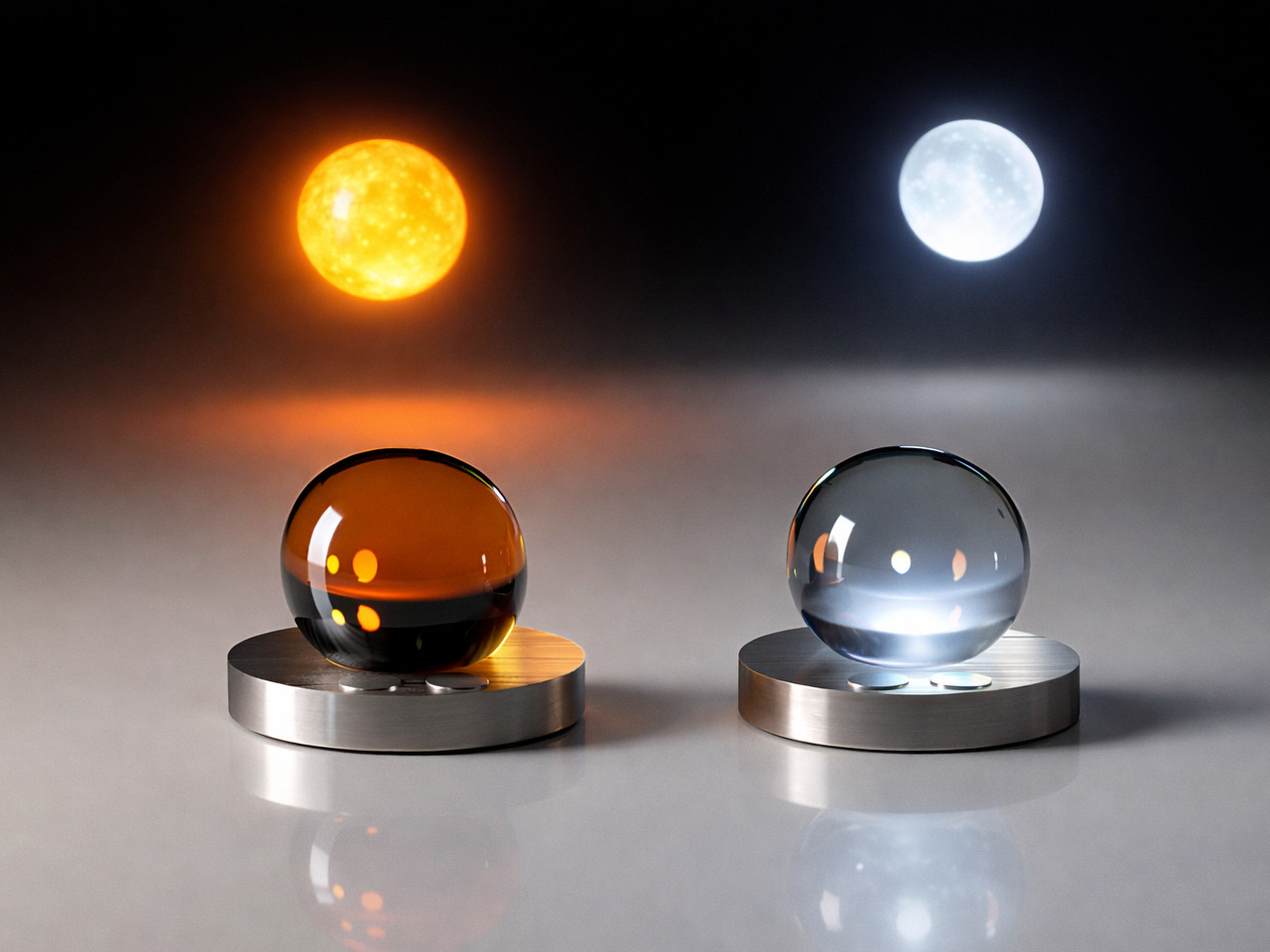
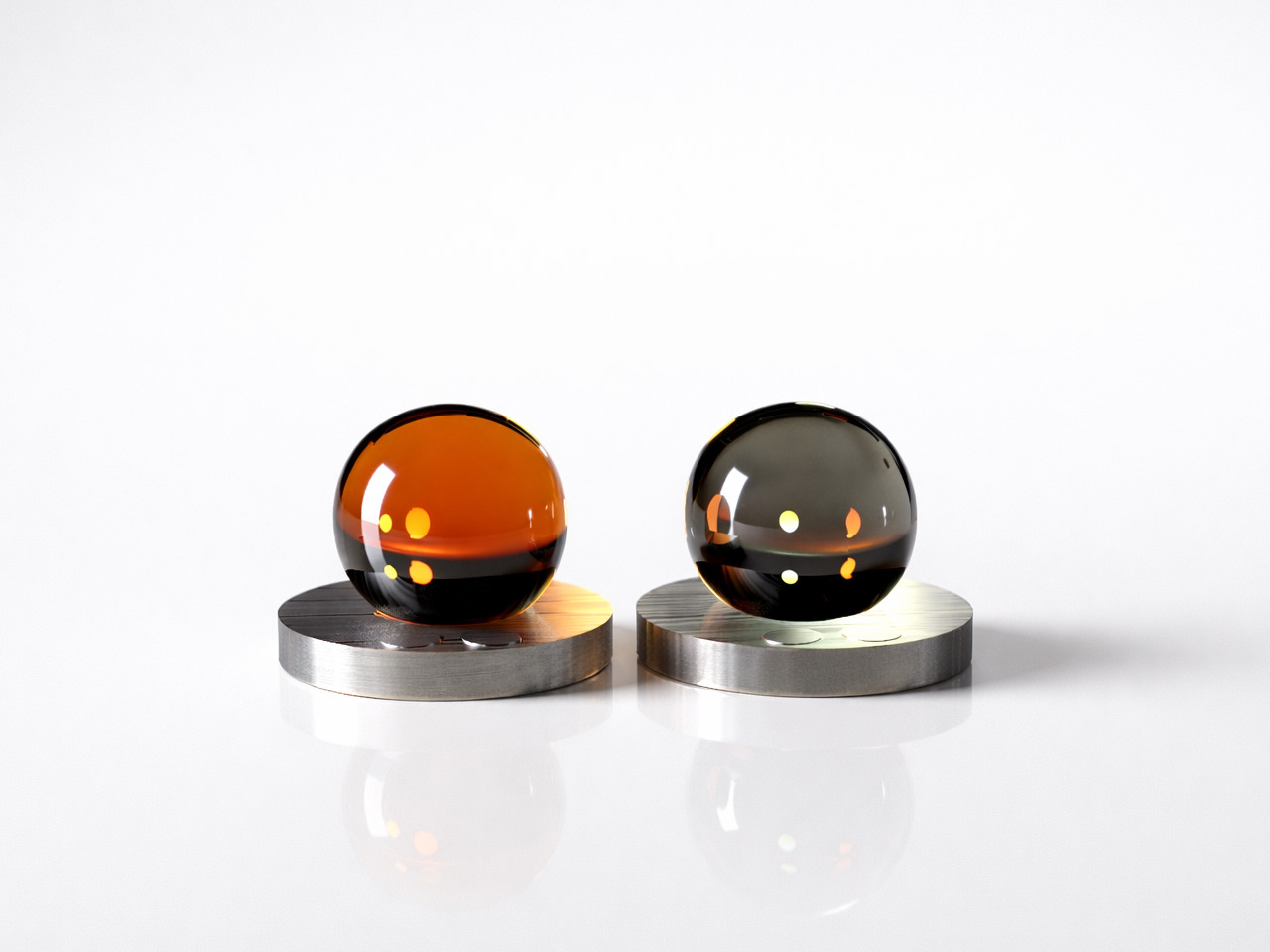
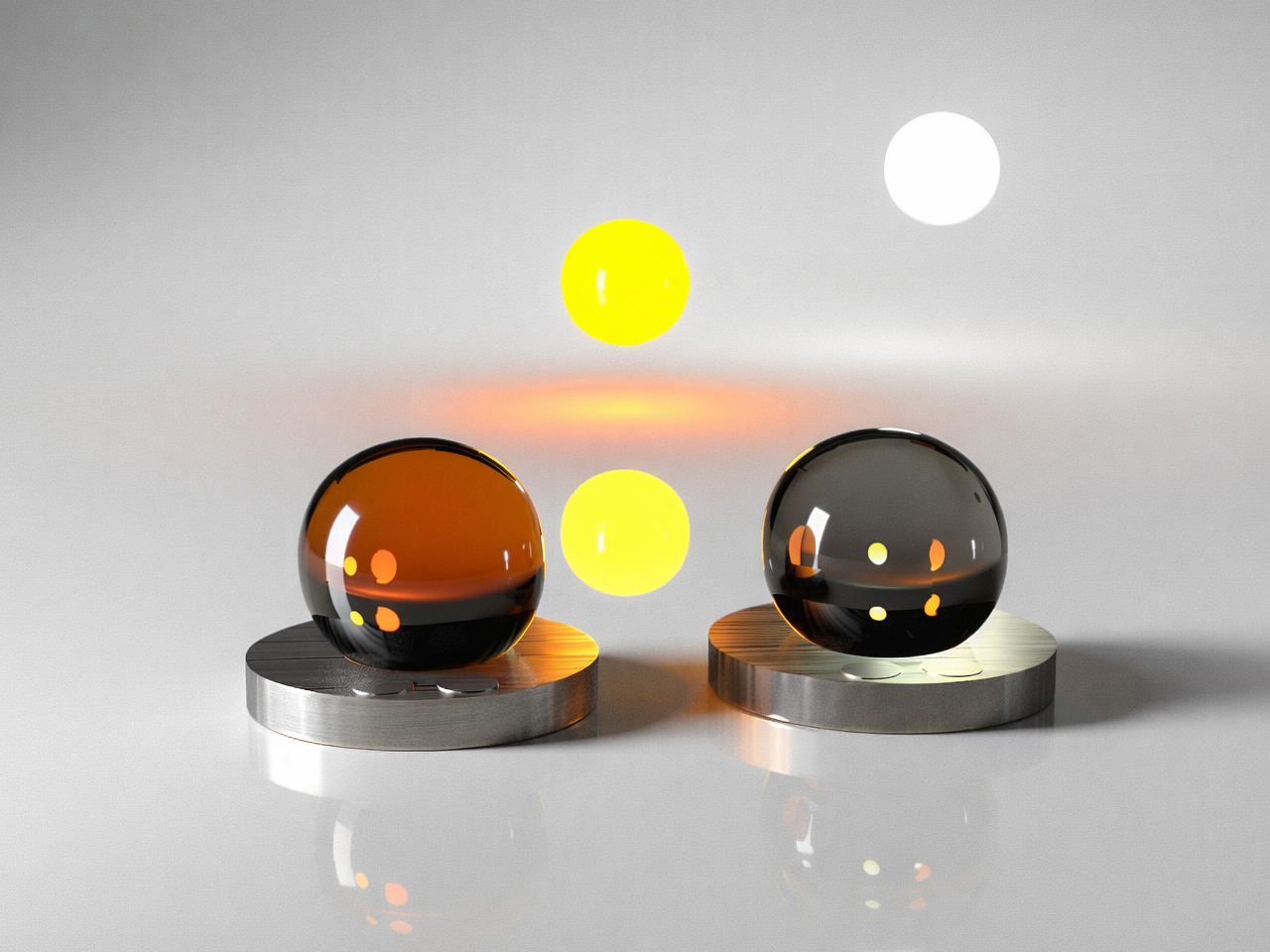
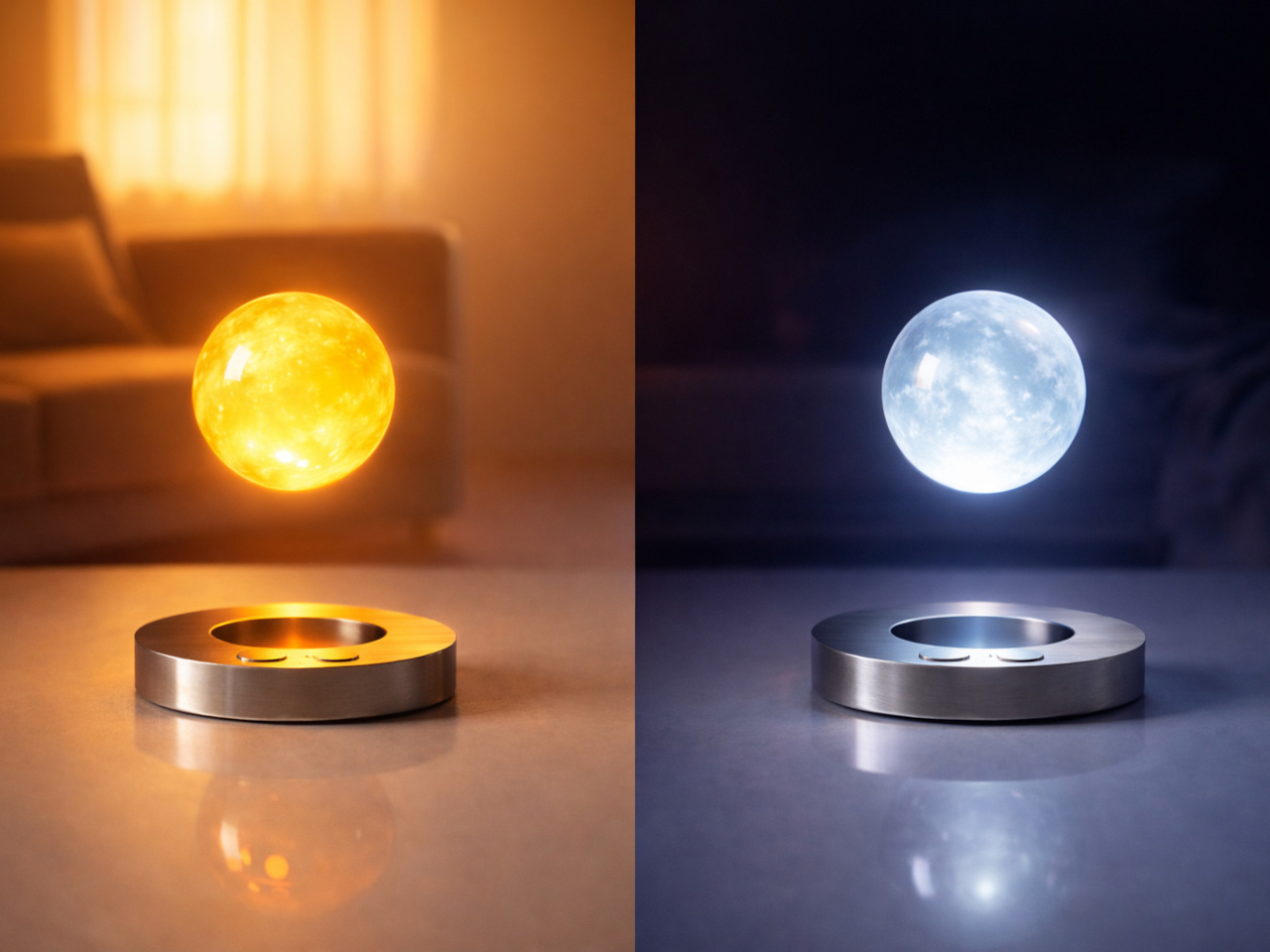
Artificial lighting has traditionally followed a fixed logic, installed in one place, requiring users to adapt around it. However, growing awareness of how light influences mood, sleep, and well-being is pushing designers to rethink its role. Ivana Nedeljkovska explores this shift through the conceptual Flying Moon & Sun, a lighting system that moves with the user rather than remaining static. Inspired by natural cycles, the design proposes a levitating, responsive light that adjusts its position and tone to suit human needs, offering a more intuitive and human-centered approach to illumination.
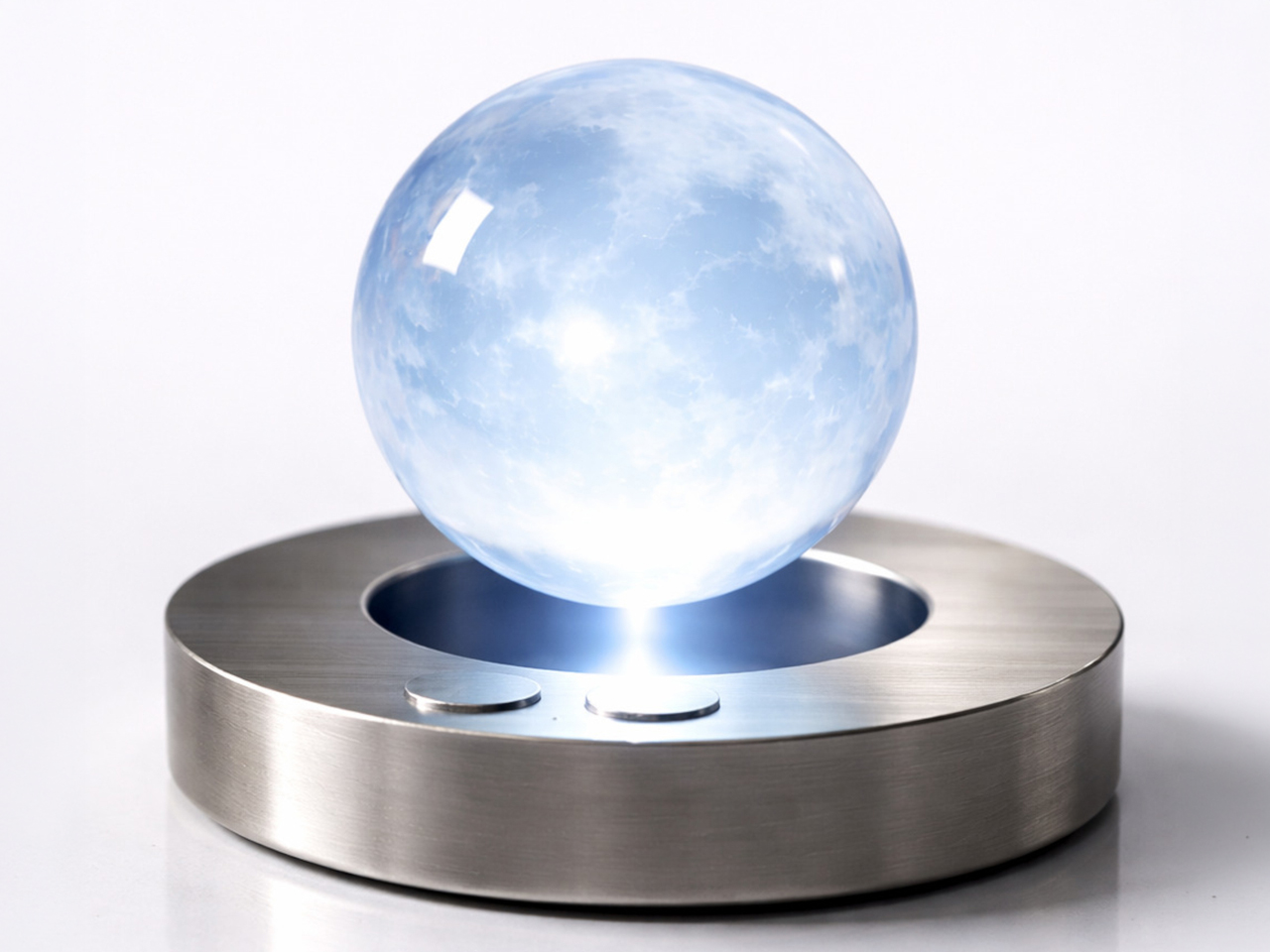
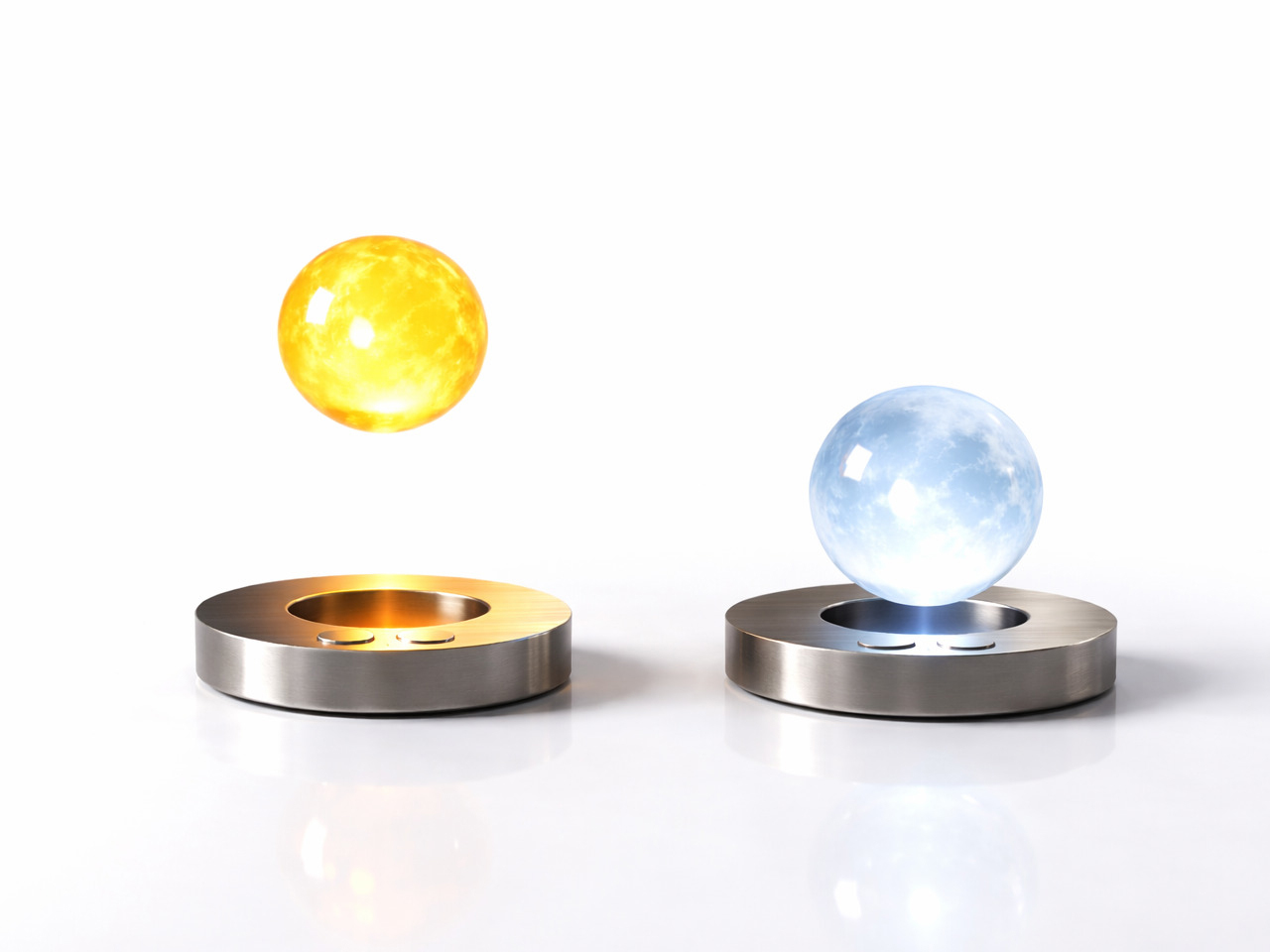
The concept features two floating glass orbs, one warm-toned and one cool, representing the sun and moon, each aligned with different phases of daily activity. Using magnetic levitation, the orbs hover above a base, reinforcing the idea of mobility and detachment from fixed placement. Designed to support circadian rhythms, the lighting transitions between energizing and calming effects. This adaptive movement also enhances accessibility, particularly for users who benefit from responsive environments. By removing controls and focusing on behavior, the design uses lighting as a supportive, almost natural presence within everyday life.
Lighting is increasingly being integrated into architectural components, moving beyond standalone fixtures. Walls, ceilings, and structural surfaces are designed to incorporate illumination, creating cohesive environments where light becomes an inherent part of the built form.
This integration enhances spatial depth and visual continuity, allowing designers to create cleaner and more unified interiors. By merging light with architecture, spaces achieve a refined aesthetic where illumination supports function and the overall design language without visual clutter.
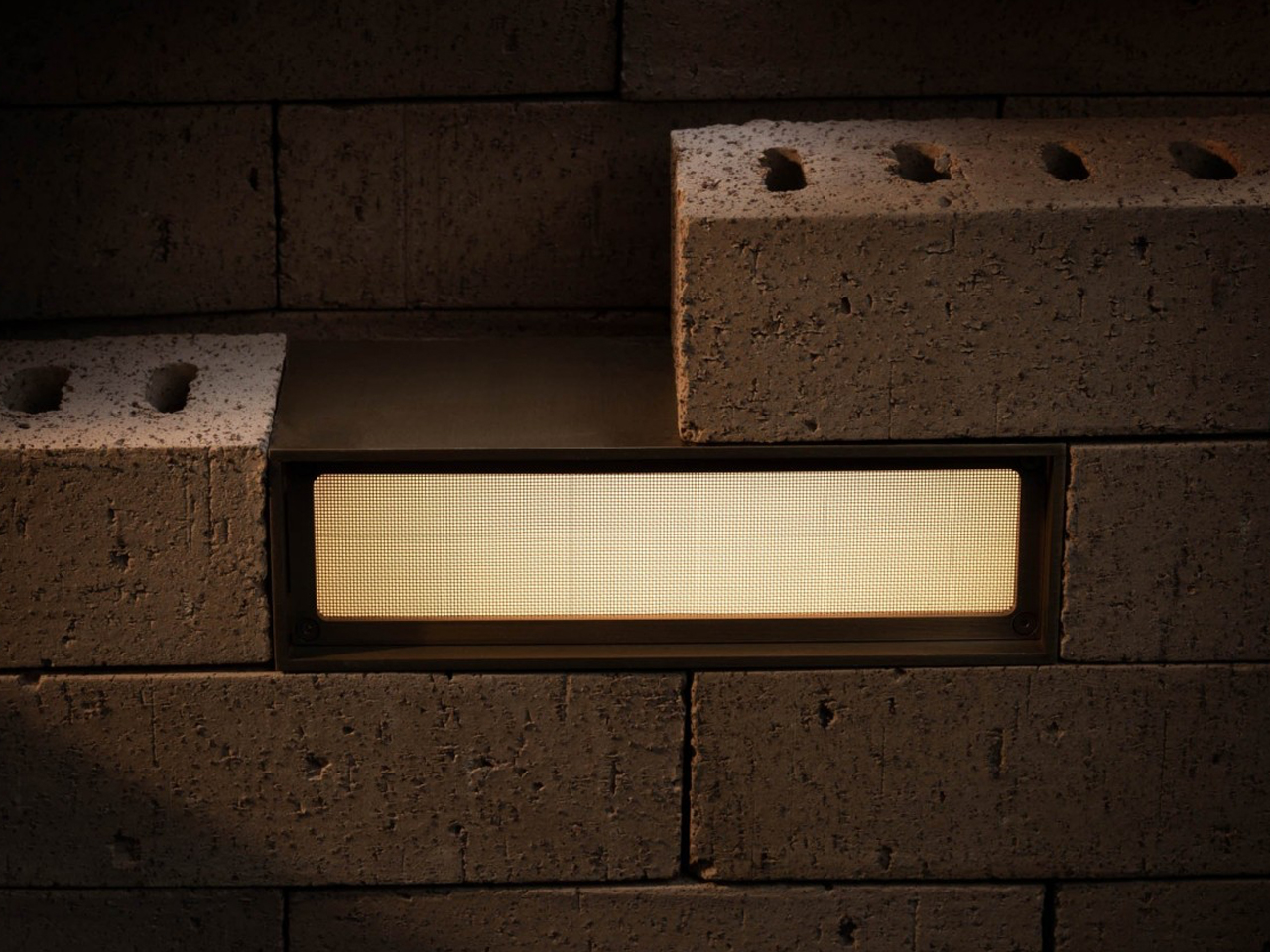
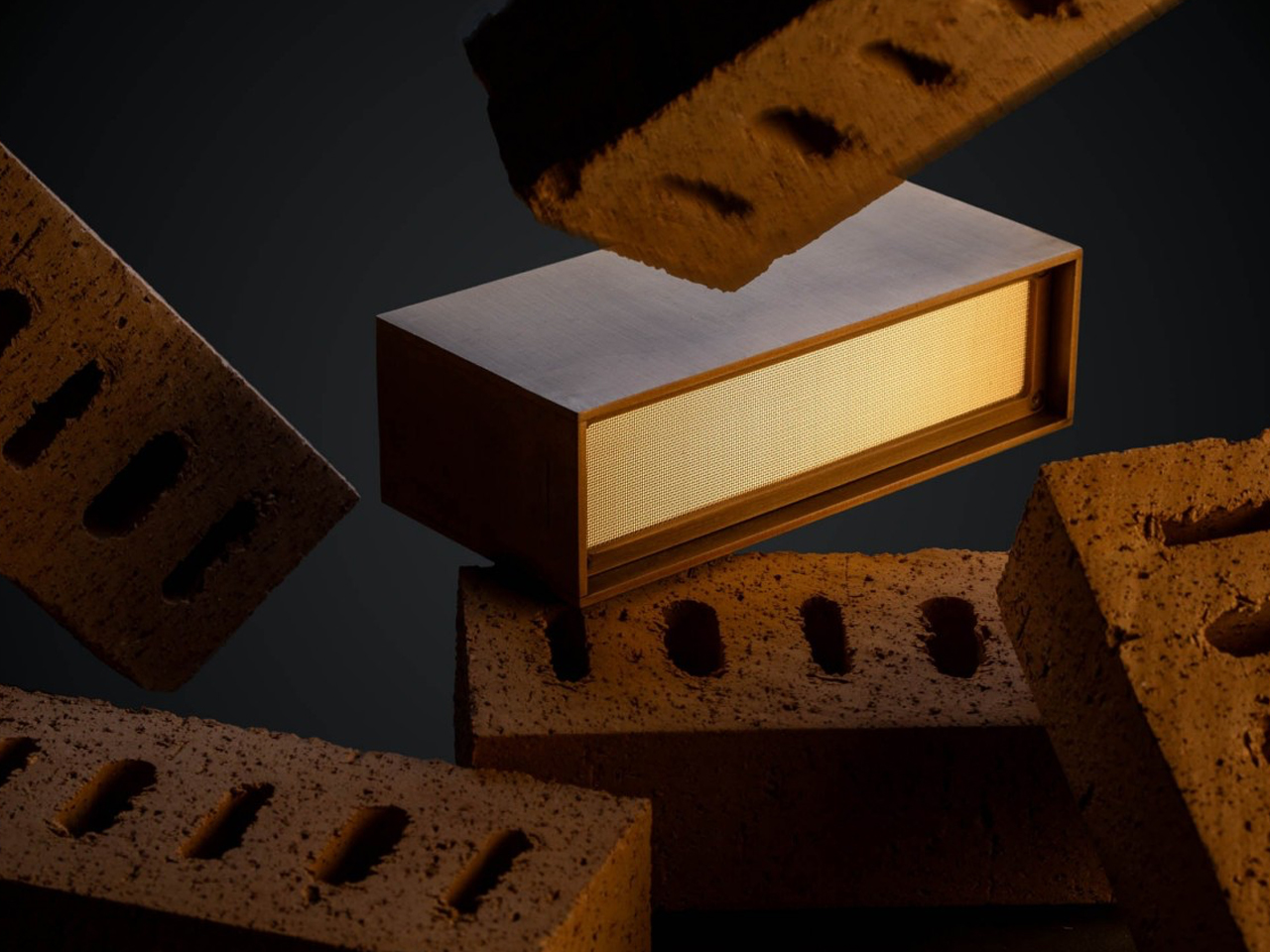
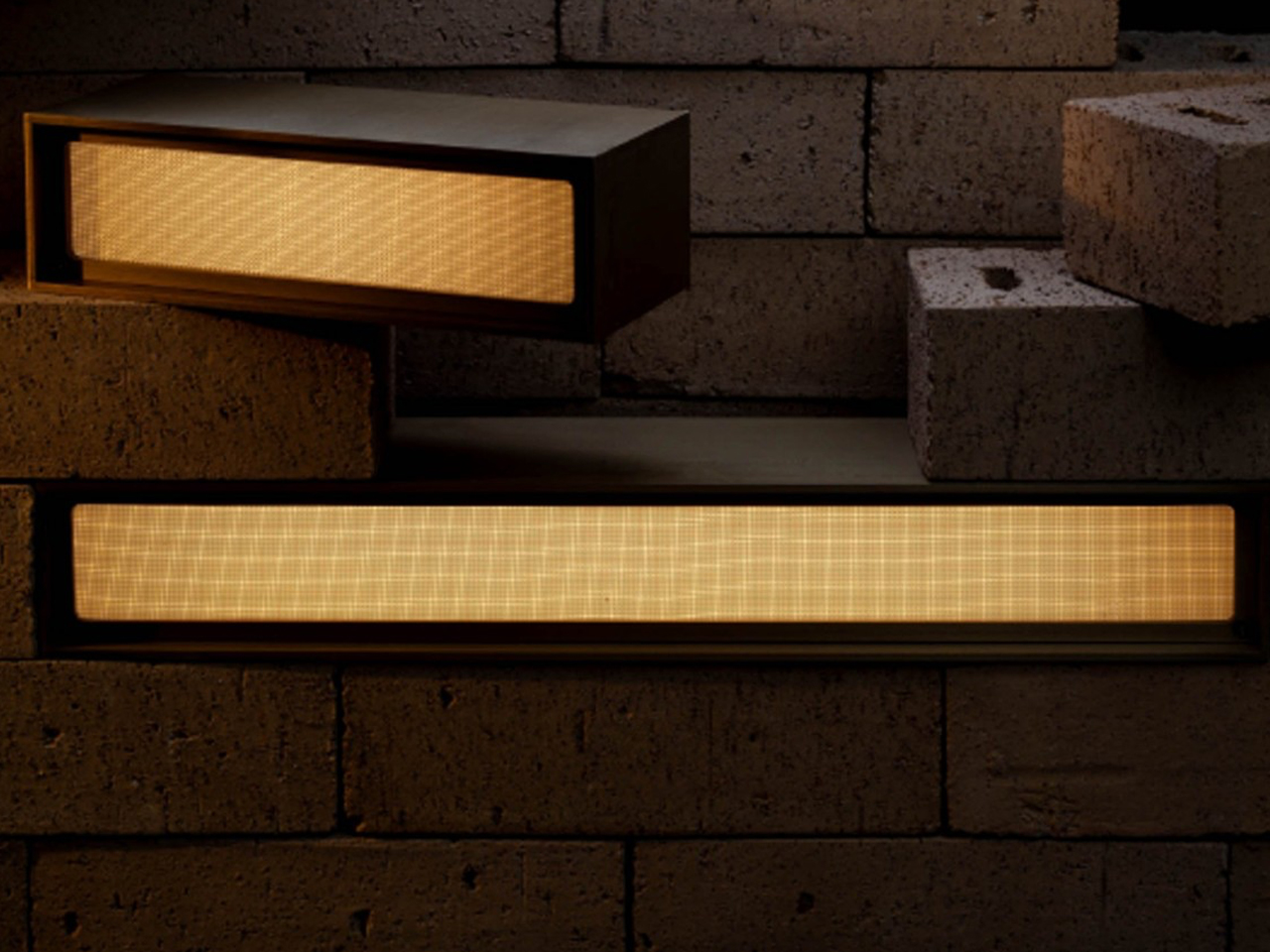
The illuminated brick system, developed by Omar Gandhi Architects in collaboration with Filo Timo and Aaline, reimagines the concept of wall-mounted lighting. These lights are embedded directly within masonry walls, becoming part of the structure itself. Designed to integrate seamlessly during construction, the units resemble standard bricks and blend into the wall when switched off. This approach eliminates the visual disconnect often seen with conventional wall lamps, creating a more cohesive and architectural lighting solution.
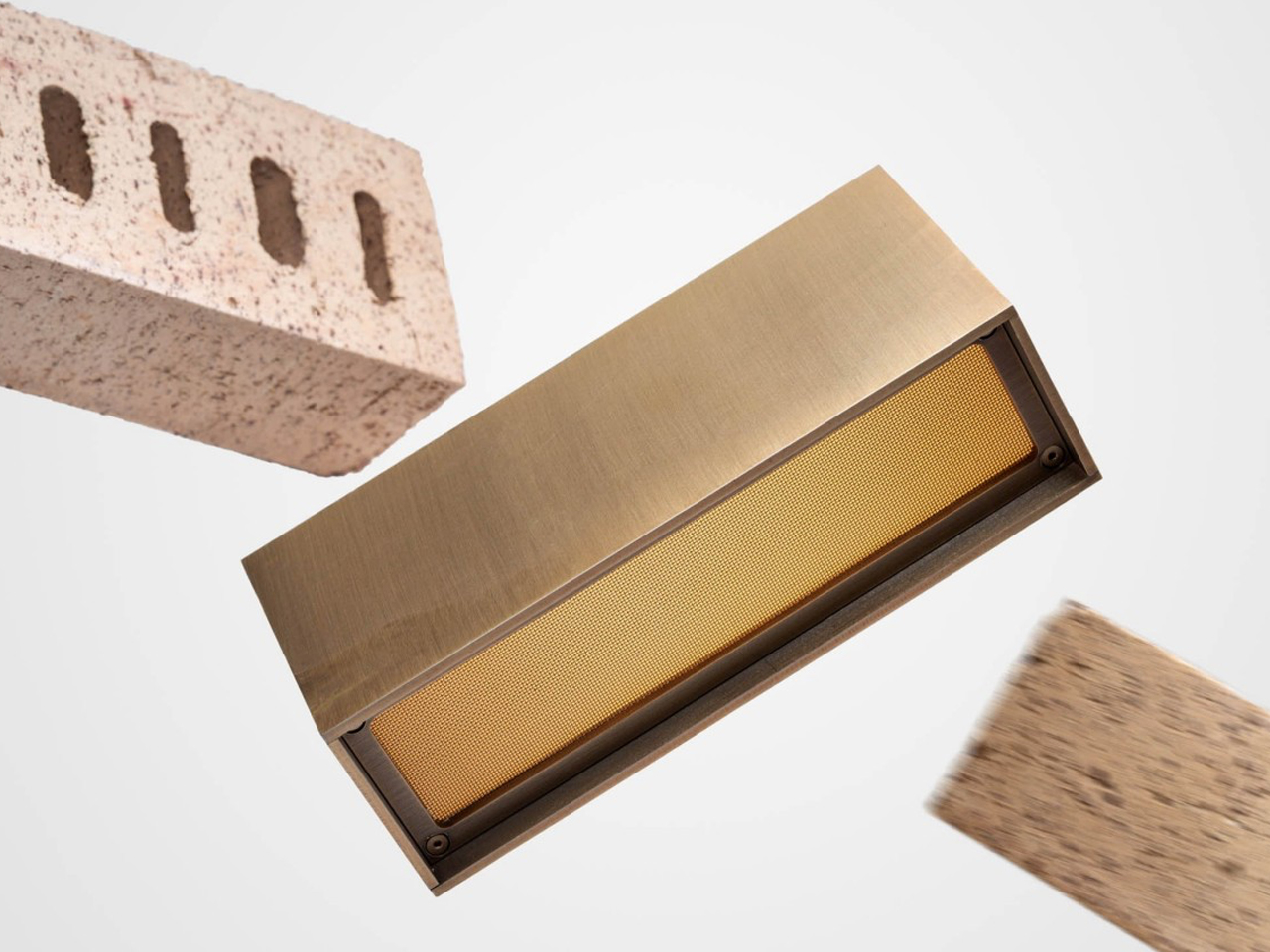
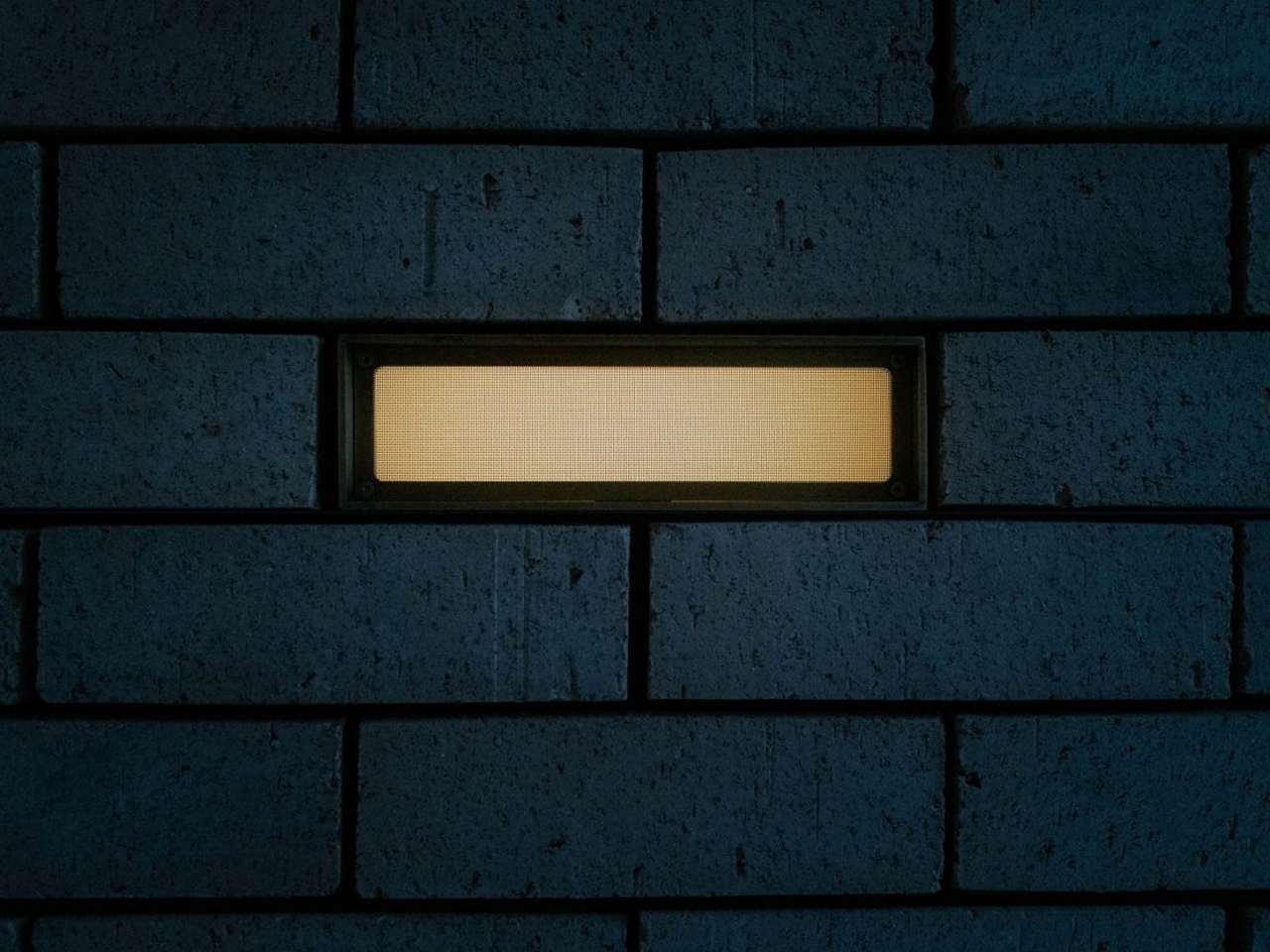
Constructed with a durable metal frame, the illuminated bricks are designed to support surrounding masonry while housing a concealed light source. A mesh covering diffuses the light, producing a soft, warm glow that subtly enhances the ambiance. Available in multiple finishes to match different wall tones, they can be used in interior and exterior settings.
The shift toward sustainability is driving the use of renewable and biodegradable materials in lighting design. These materials reduce environmental impact while supporting the development of products that align with circular design principles and long-term ecological responsibility.
By considering the entire lifecycle of lighting products, designers are creating solutions that are functional and environmentally conscious. This approach reflects a growing demand for sustainable living, where lighting contributes not only to comfort and usability but also to responsible resource management.
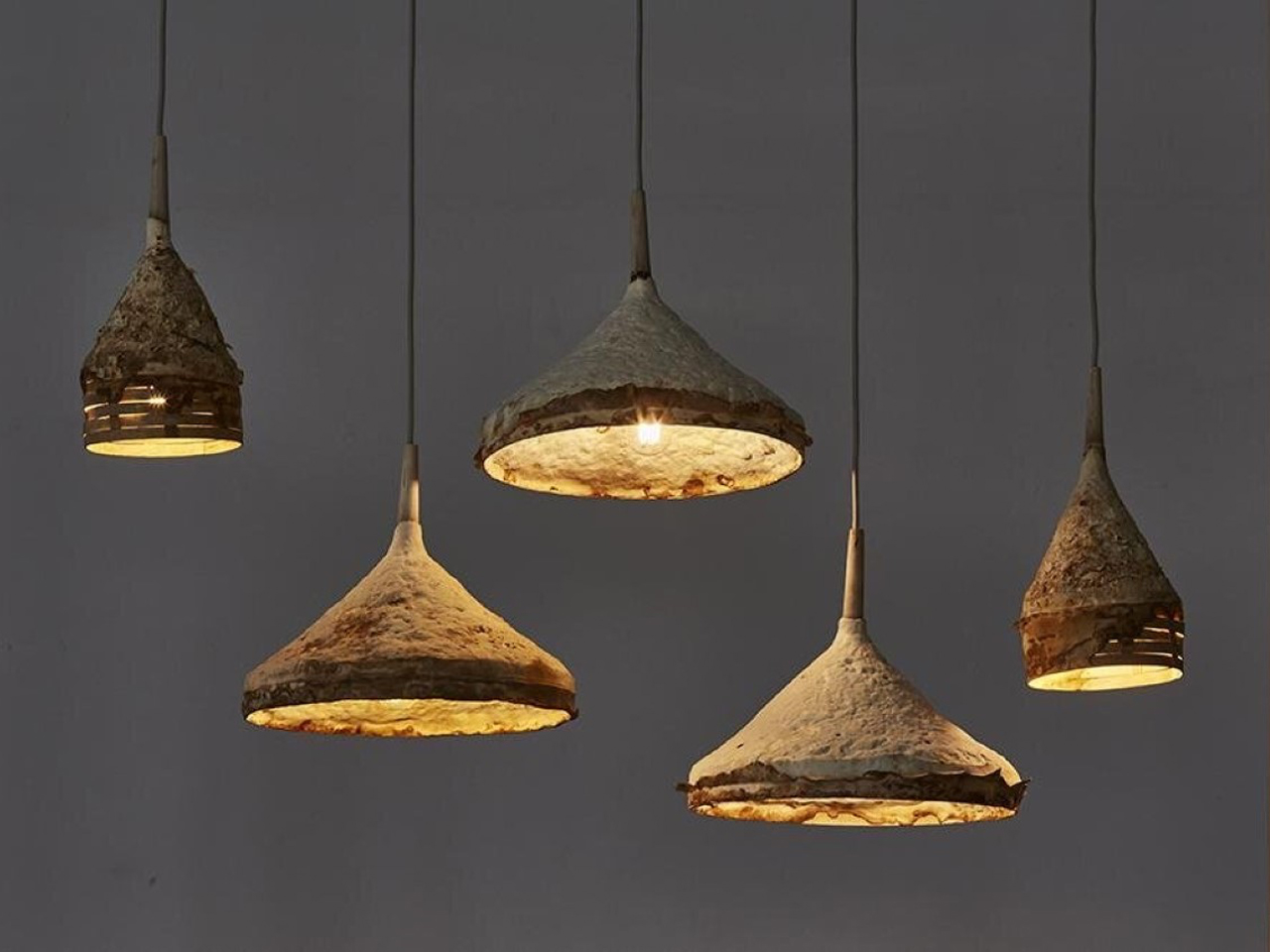
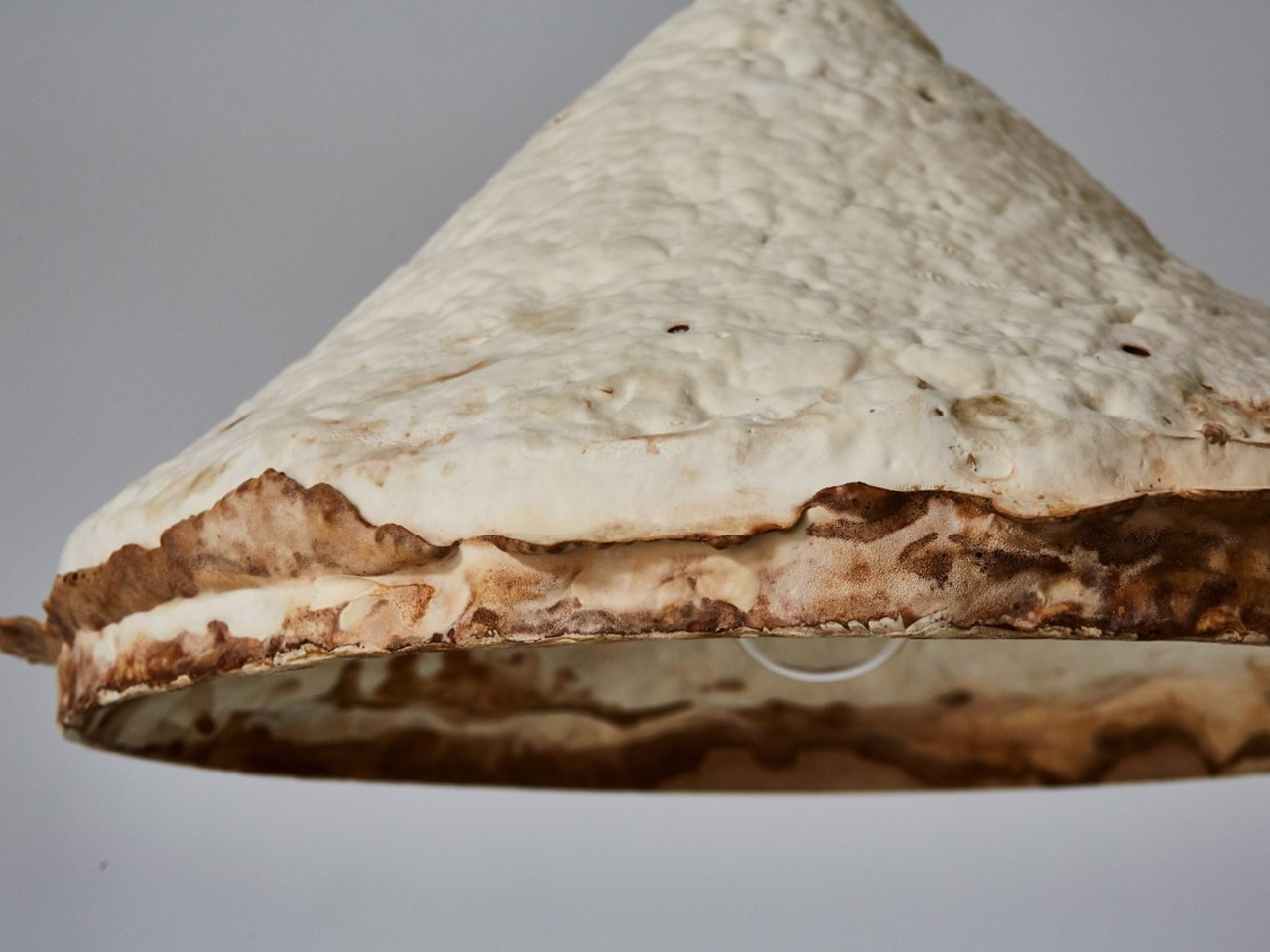
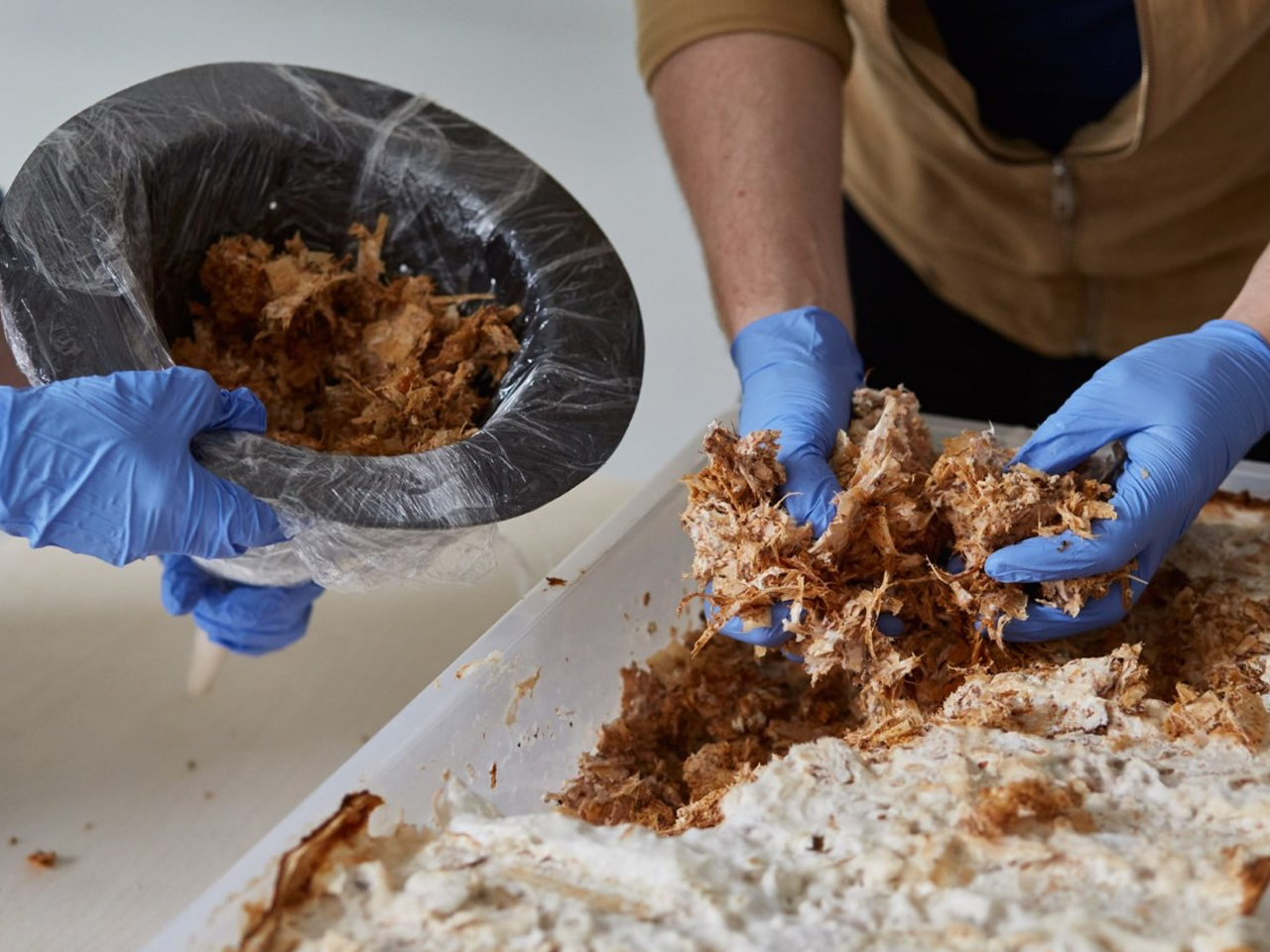
The Mycelium pendant lamps by Sebastian Cox, developed in collaboration with Ninela Ivanova, introduce a radically sustainable approach to lighting design. These lamps are grown using mycelium, the root-like structure of fungi, combined with willow wood. The process creates a natural composite material that is biodegradable, low-impact, and free from synthetic binders. Each lamp develops its own form and texture during growth, resulting in unique pieces that embrace irregularity and natural variation rather than uniformity.

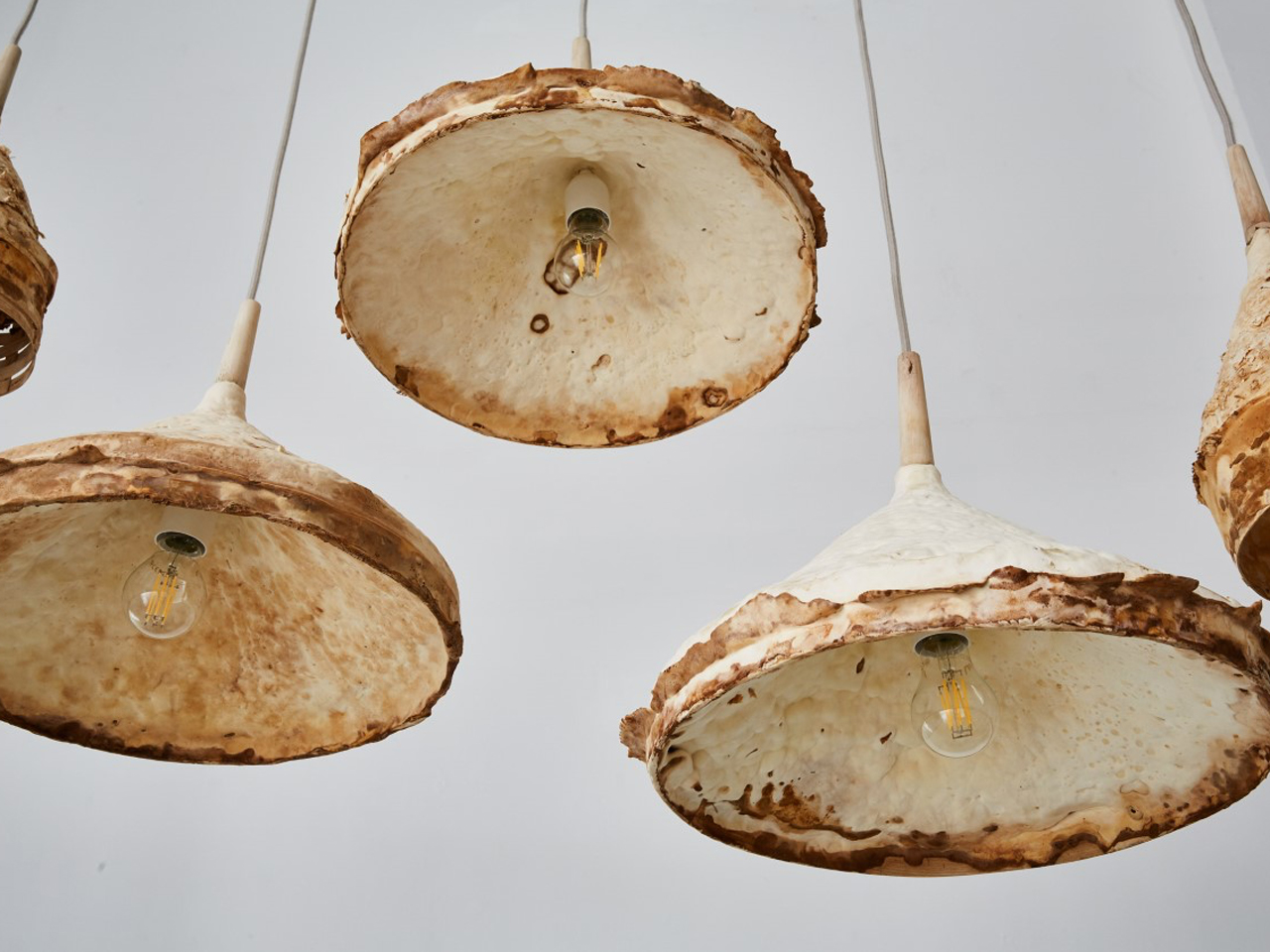
The production process involves weaving thin strips of willow into molds and introducing a specific fungus that binds the material over several weeks. As the mycelium grows, it fuses the wood into a stable structure, eliminating the need for glue or industrial processing. Once fully formed, the lamp is removed and fitted with minimal electrical components. This method highlights a shift toward regenerative design, where materials are cultivated and offer a fully compostable and environmentally responsible lighting solution.
As design continues to progress, lighting will play a more dynamic role within interiors. It will adapt to user needs, integrate seamlessly with architecture, and support sustainable practices, demonstrating how thoughtful innovation can transform even the most fundamental elements of design into meaningful experiences.
By combining flexibility, advanced technology, and sustainable materials, lighting systems are evolving into essential components that actively shape how spaces function and feel in everyday life.
The post 5 Lamps Designed for Homes That Don’t Have Room for a Regular Light Fixture first appeared on Yanko Design.