Honda UNI-ONE wheelchair finds innovative use in VR worlds as extended reality mobility experience

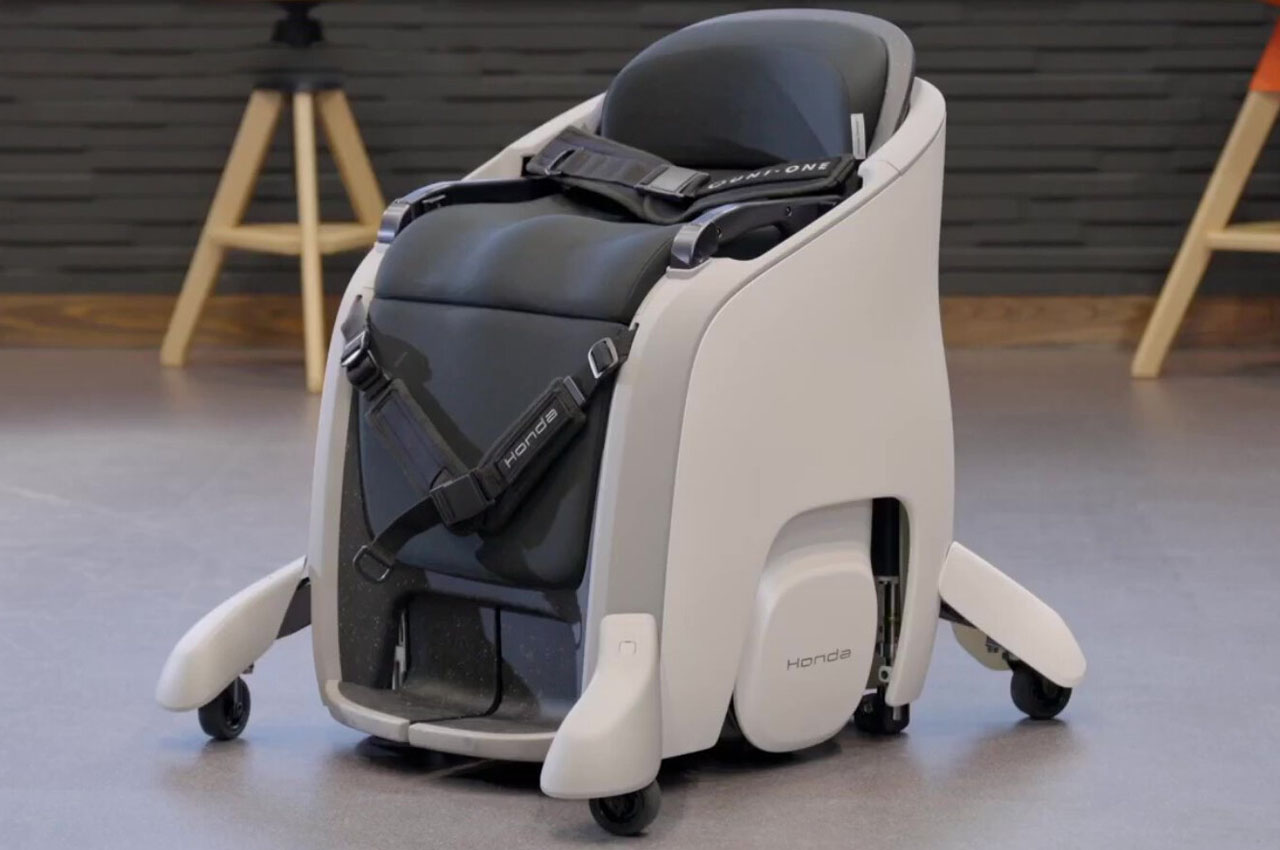
Honda introduced the UNI-ONE personal mobility chair for people with lower limb immobilization at the end of 2022. The Segway-like version for people who want an advanced electric wheelchair contraption with flexible movement capabilities will officially debut at South by Southwest (SXSW) in Austin, Texas, next month, with a VR application twist.

The Japanese automaker will leverage the self-balancing personal mobility device (mostly intended for the disabled) for a seamless virtual reality world, which they are calling the “Honda Extended Reality (XR)” experience. The idea of fusing the real-world riding on the UNI-ONE with the virtual world environment sounds like a winning proposition, and Honda doesn’t want to let go of the opportunity.

Designer: Honda

The SXSW attendees will get the opportunity to get first-hand exposure to this unique VR experience from 10-13 March at Honda’s booth #729 at the SXSW Creative Industries Expo at the Austin Convention Center. This amalgam of two different technologies is directed towards solving the hardware limitation of a comprehensive metaverse reality that is otherwise only limited to the visual input and confined to a limited space. According to Hirokazu Hara, vice president of New Business Development, at American Honda Motor this will expand the “joy and freedom of personal mobility into entertainment applications.”
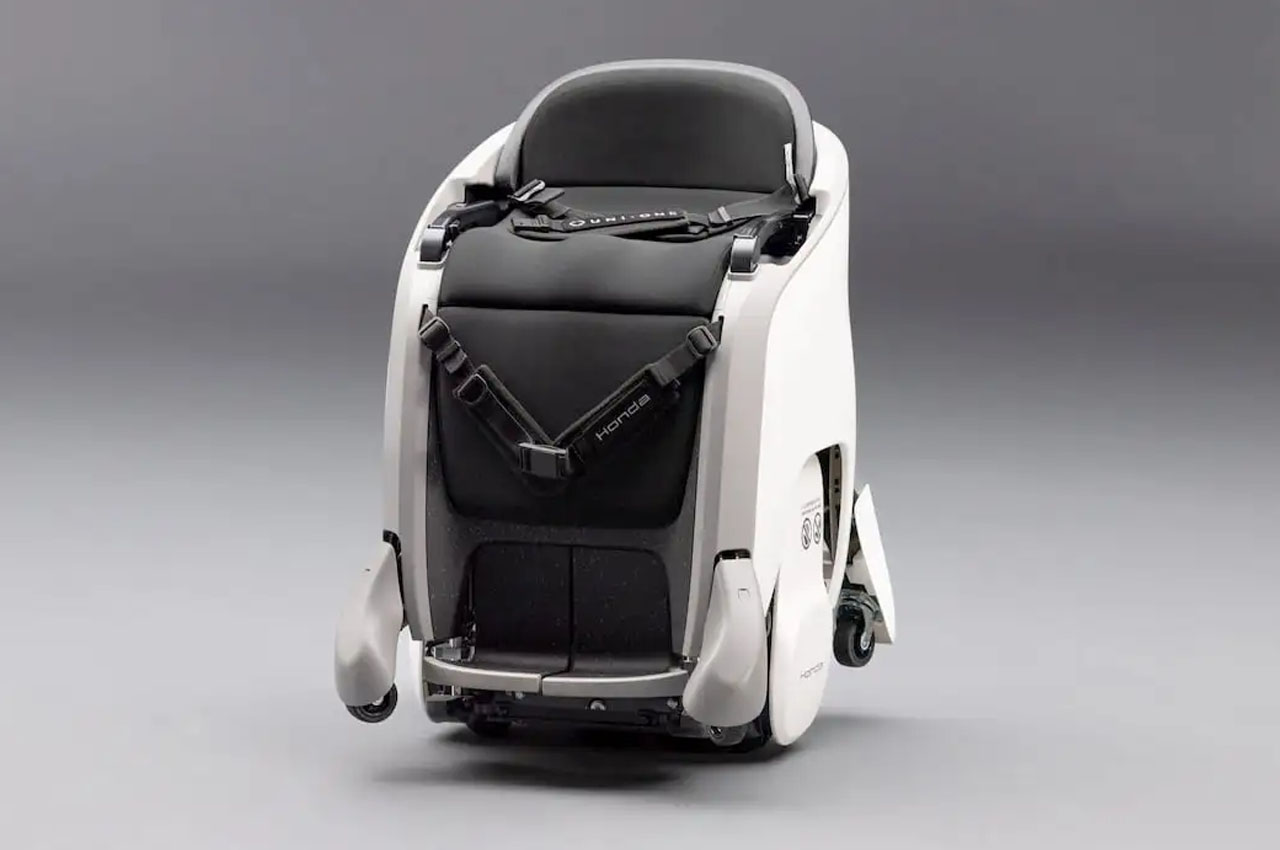
Hirokazu further added that the never-before thought of combination will elevate the multimodal immersive experience three-fold. The self-balancing tech dubbed Honda Omni Traction Drive System (HOT Drive System) and the advanced sensors on the 154 pounds UNI-ONE (permitting movement and tilt in any direction) will leverage a new VR and AR entertainment. This will shoot the extended reality technology and application development possibilities to another level, inducing the interest of early adopters more than ever before.
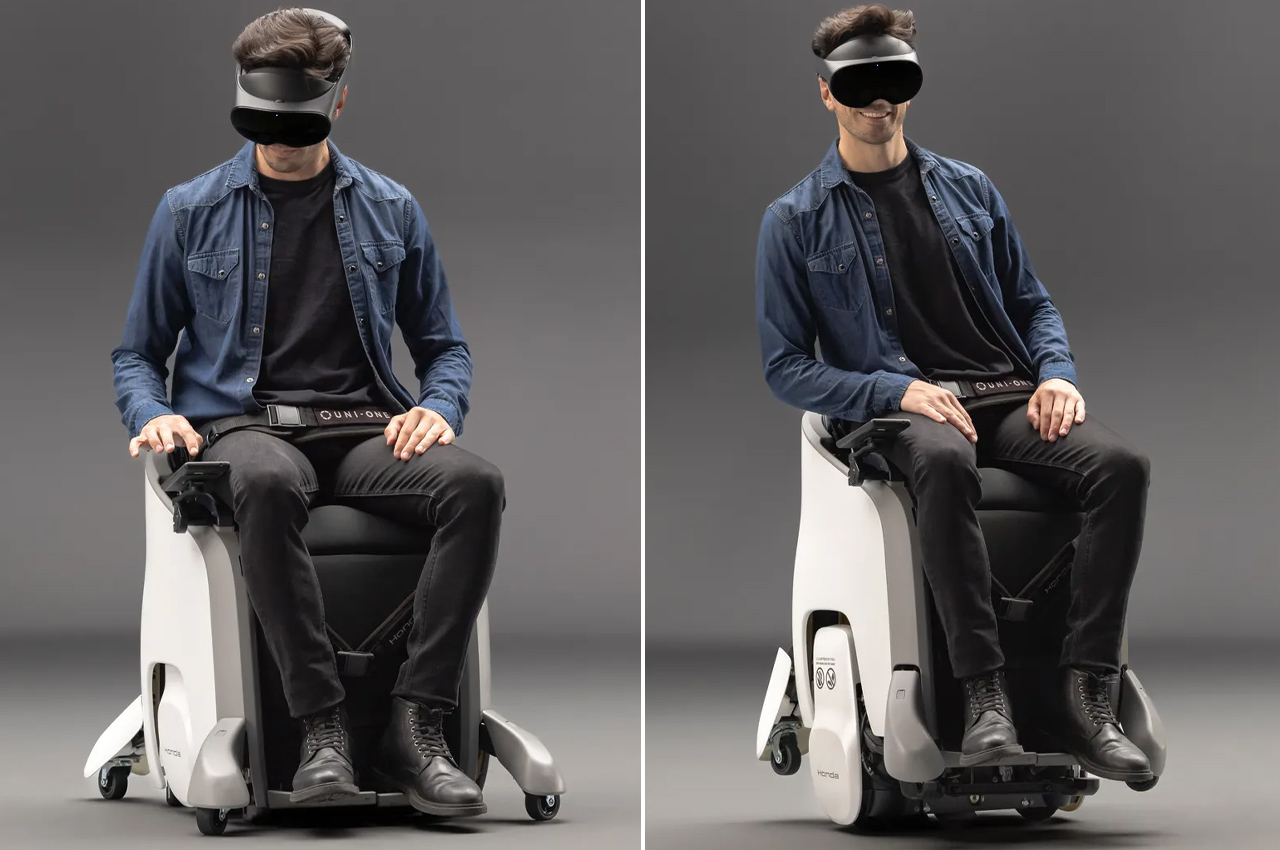
For instance, racing through a track on a virtual planet with lesser gravity than on Earth will be possible on a hands-free device capable of going at a top speed of 3.7 mph. The rig will combine the visual input from a VR headset and the freedom of movement to make the user feel as if racing on a real track in an alien landscape. The fact that Honda is vesting so much interest in this possibility with the UNI-ONE speaks a lot about how the future is going to pan out in the Metaverse world. According to Honda the extended reality (XR) technology will be perfect for malls, theme parks, or any other indoor or outdoor entertainment hubs with a lot of open space to move around.
The post Honda UNI-ONE wheelchair finds innovative use in VR worlds as extended reality mobility experience first appeared on Yanko Design.
Bose Sound Spin portable speaker is disguised as a miniature front-loading washing machine

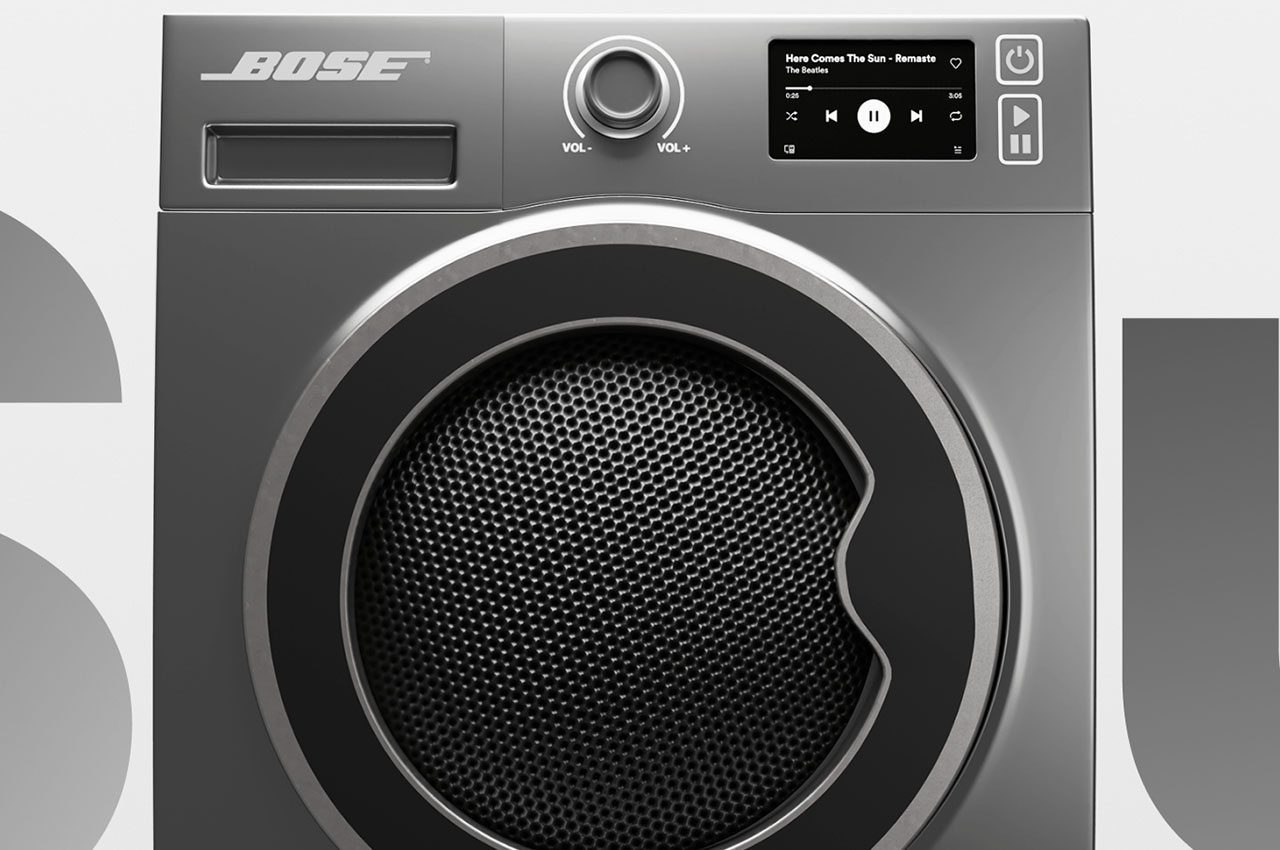
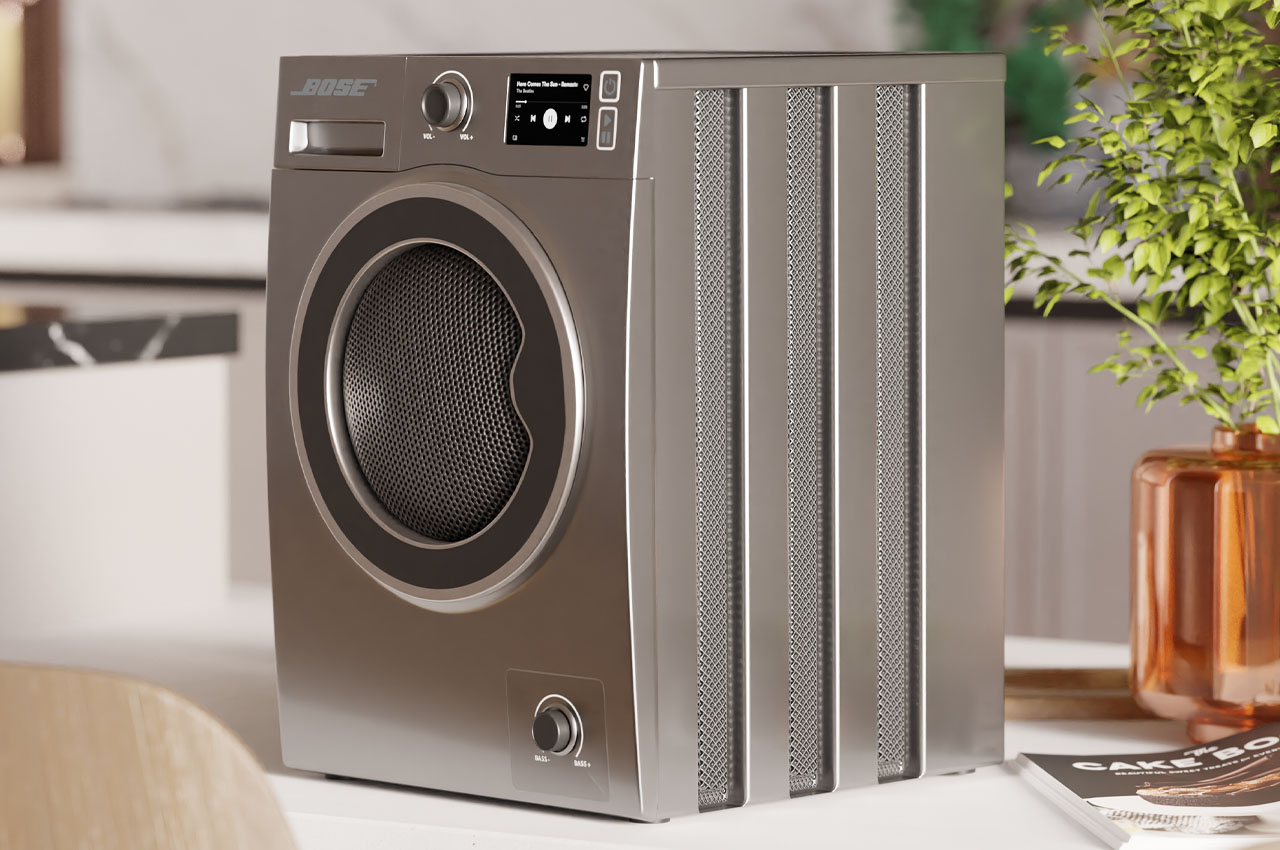
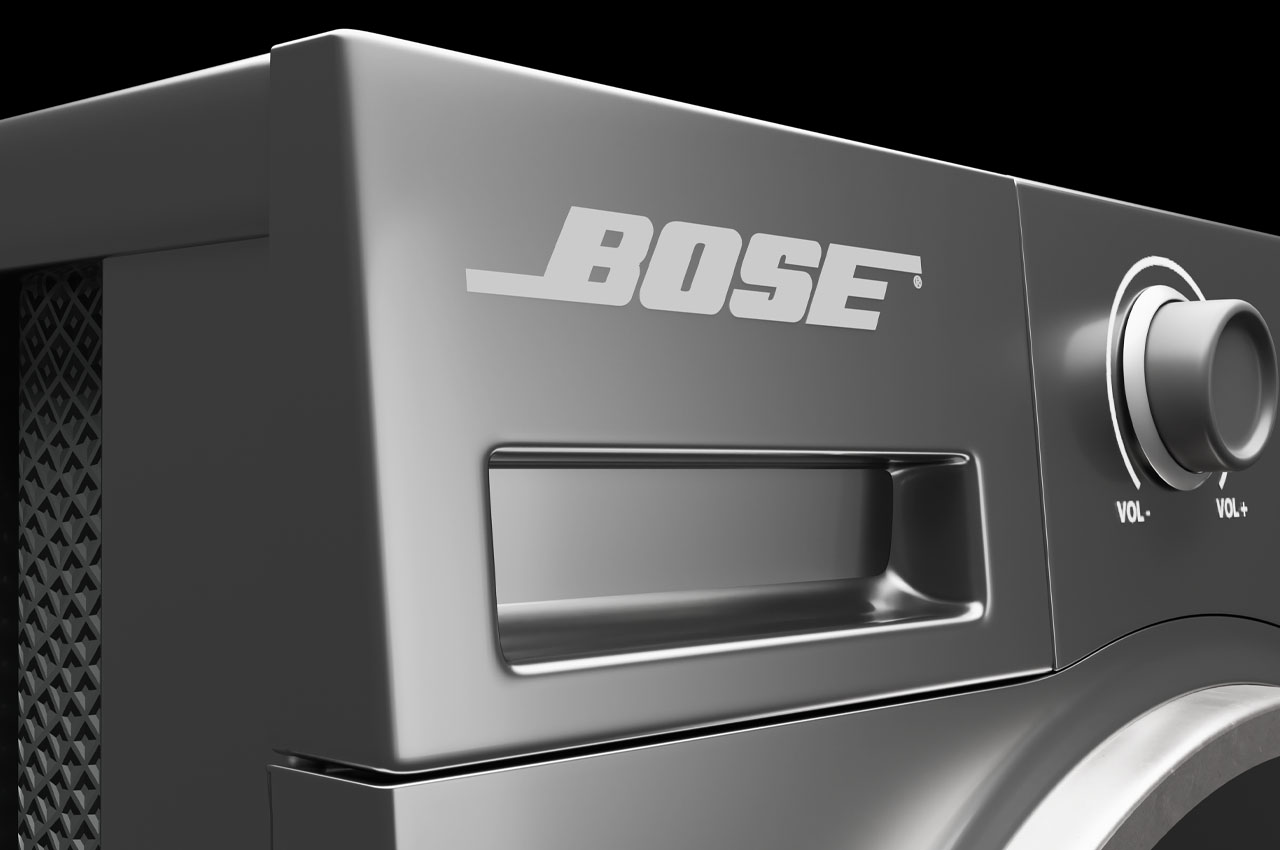
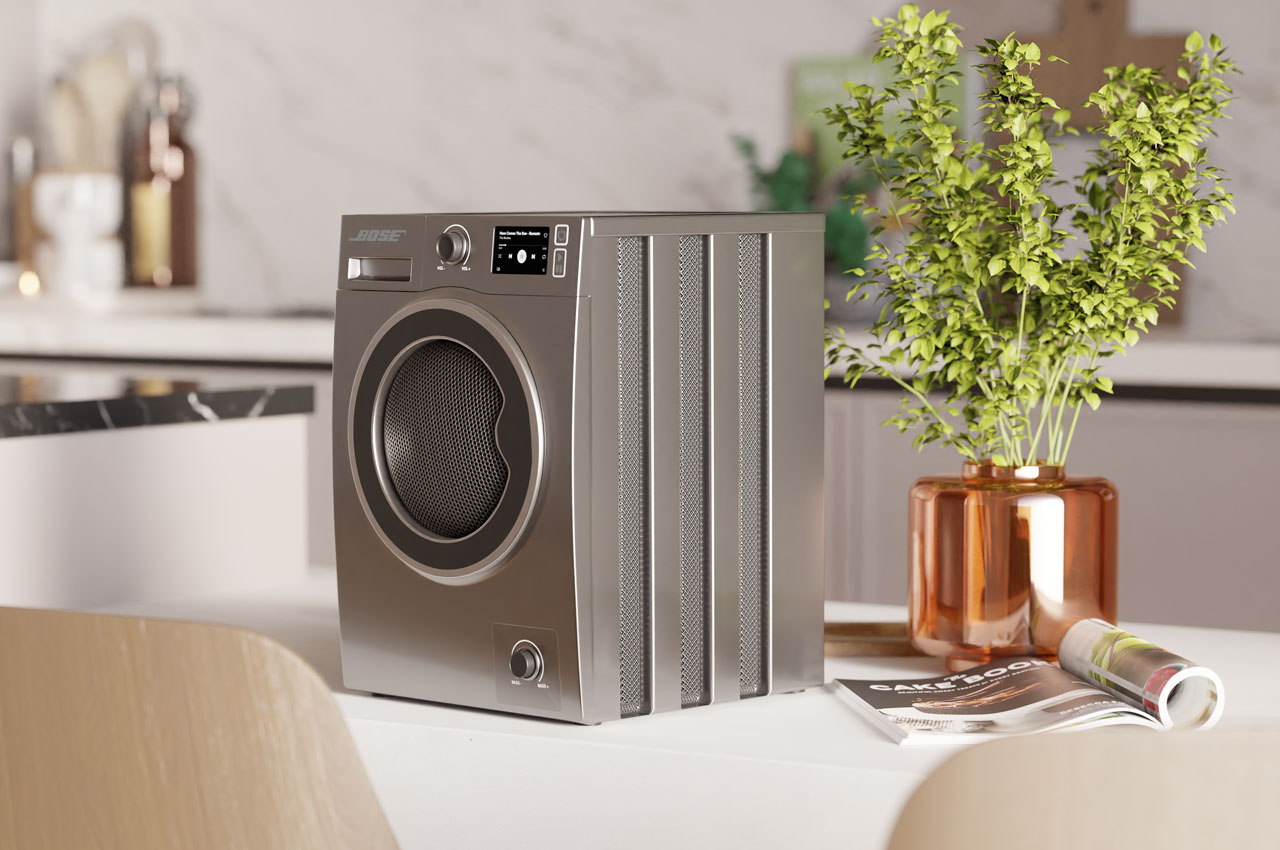
Portable speakers come in all types, sizes and themes but never before have I laid my eyes on one that looks like a front-loading washing machine. Only possible in the concept design world realm, this Bose branded portable speaker is a true conversation starter in any geeky den.

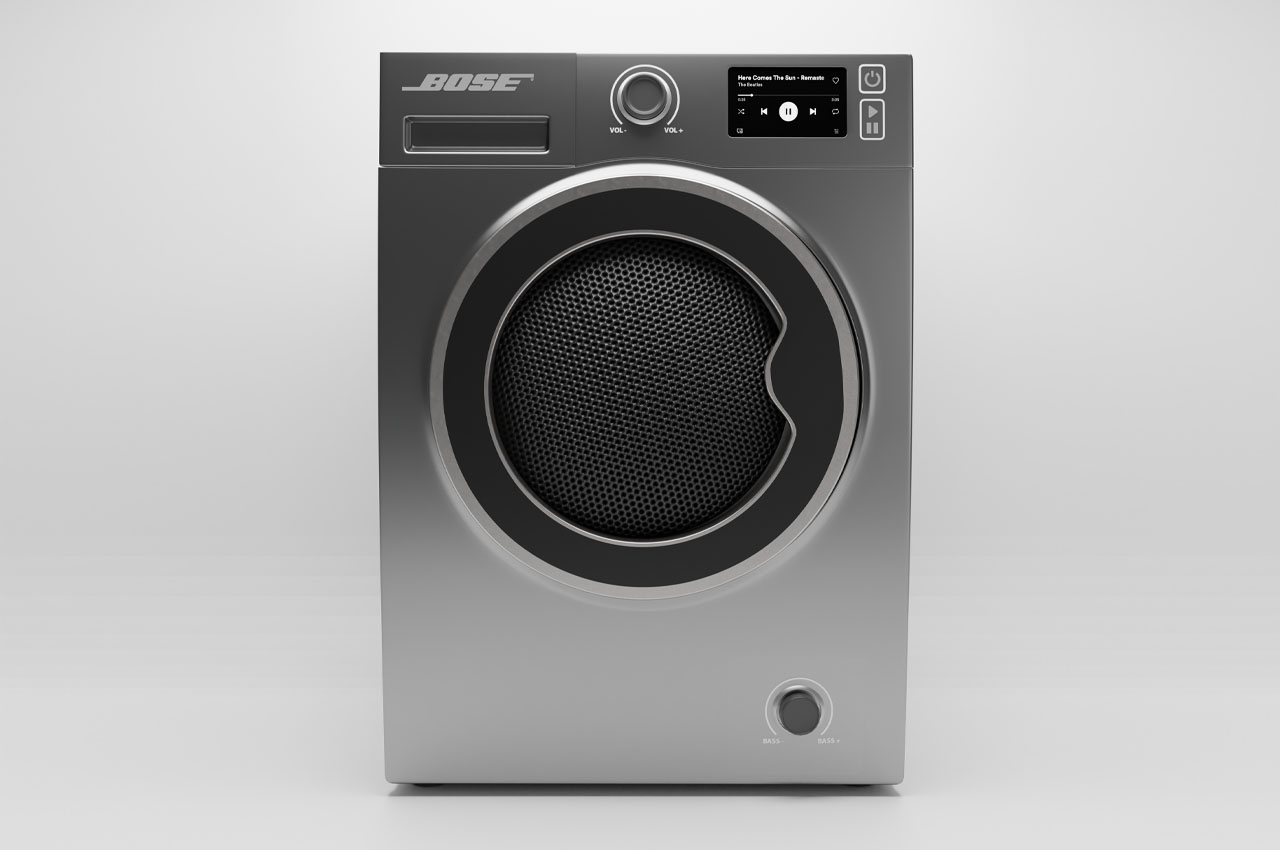
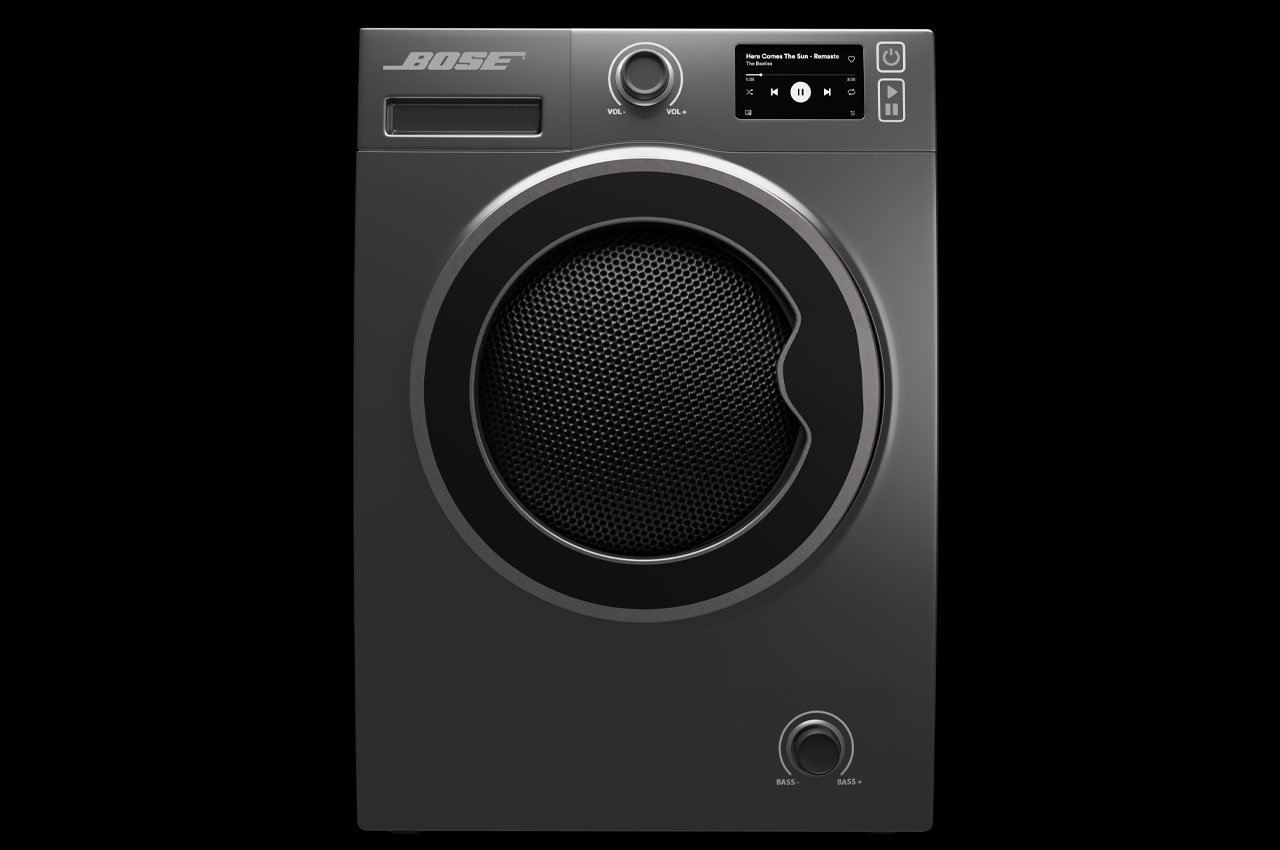
The intriguing design of this compact sound blaster tickles my fancy for its ingenuity in the placement of the different elements. Most definitely, you’ll start to see all those front-loading washing machines as a huge speaker once you lay your eyes on this concept. However, in reality all the button placements and speaker components are designed in a way that they seem like the perfect amalgam of portable audio equipment and a miniature washer for your undergarments.

Designer: Hari 3D

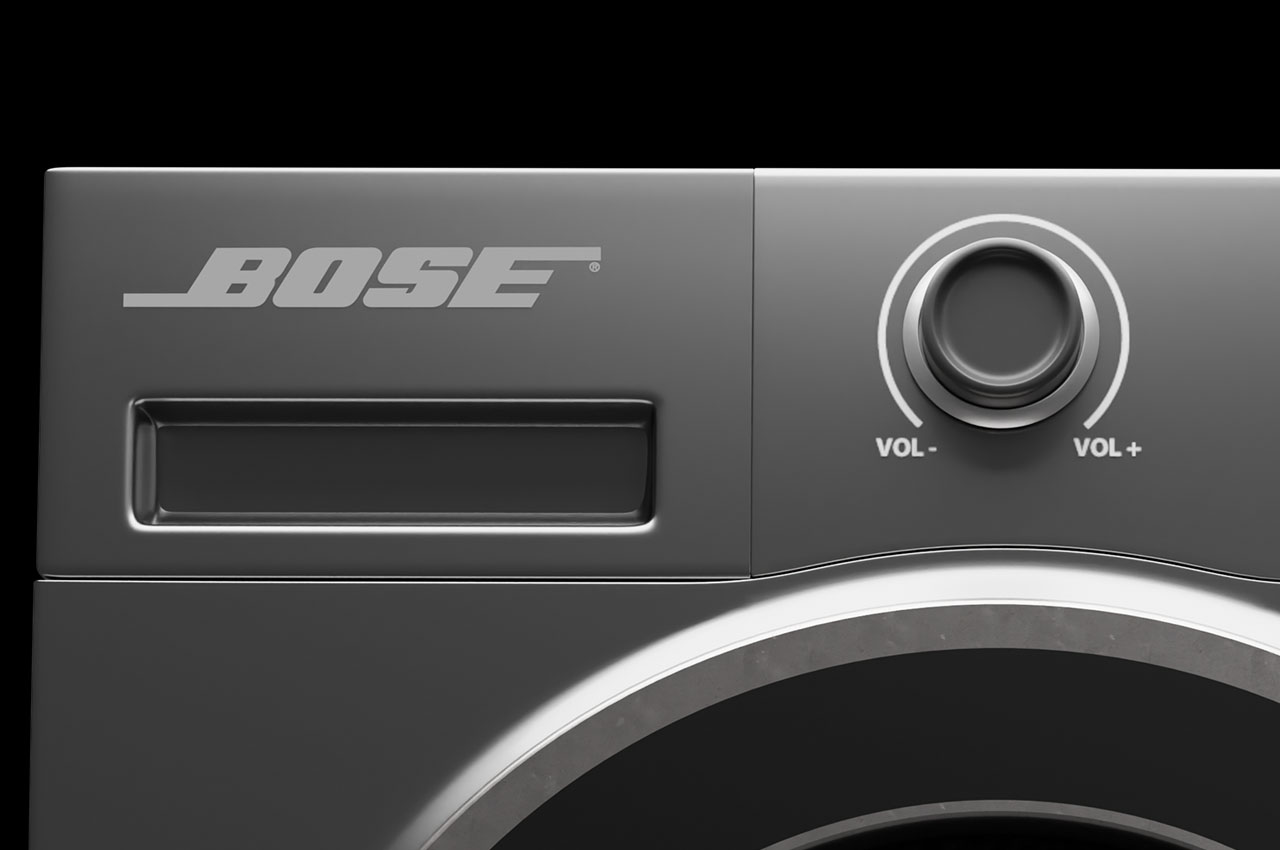
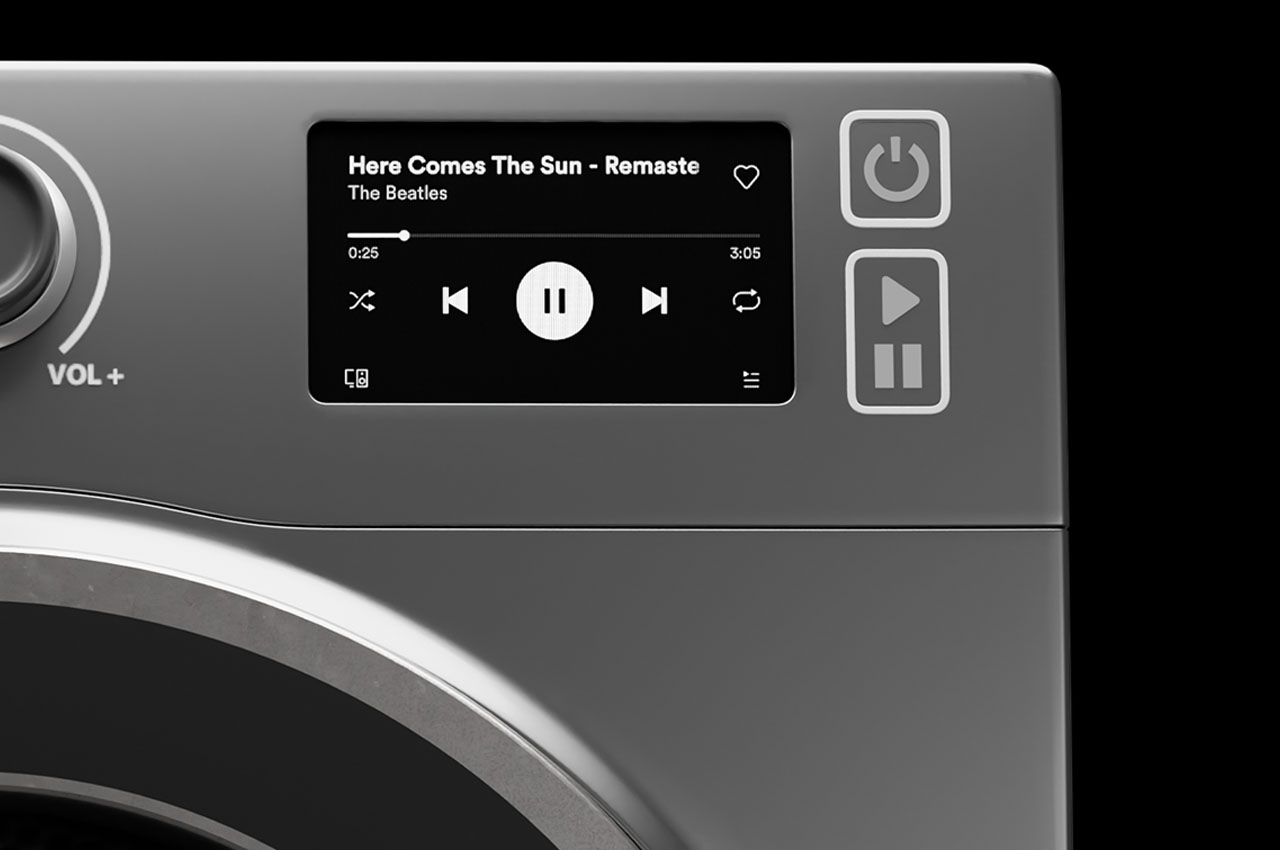
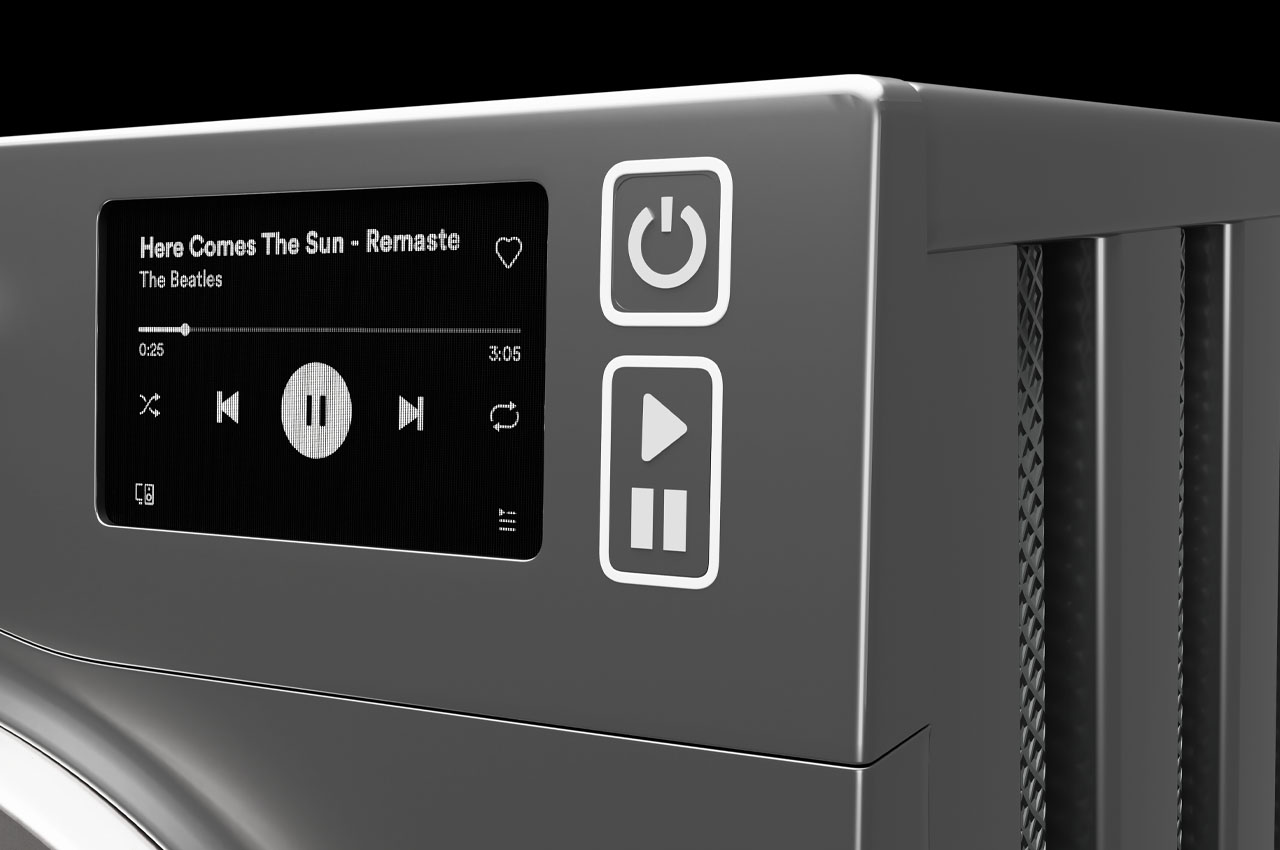
Although there is no detailed information about this concept’s development stage, there’s a picture at the end suggesting a prototype or a display model is indeed crafted by the designer. Dressed in a cool titanium grey finish, the portable speaker is a treat to watch if you are an audiophile who appreciates modern product design. The front of this cool gadget has all the audio telemetry to show the player controls on the touchscreen display along with the volume rocker knob, power button and play/pause buttons. On the left bottom side there’s the Bass actualizer knob.

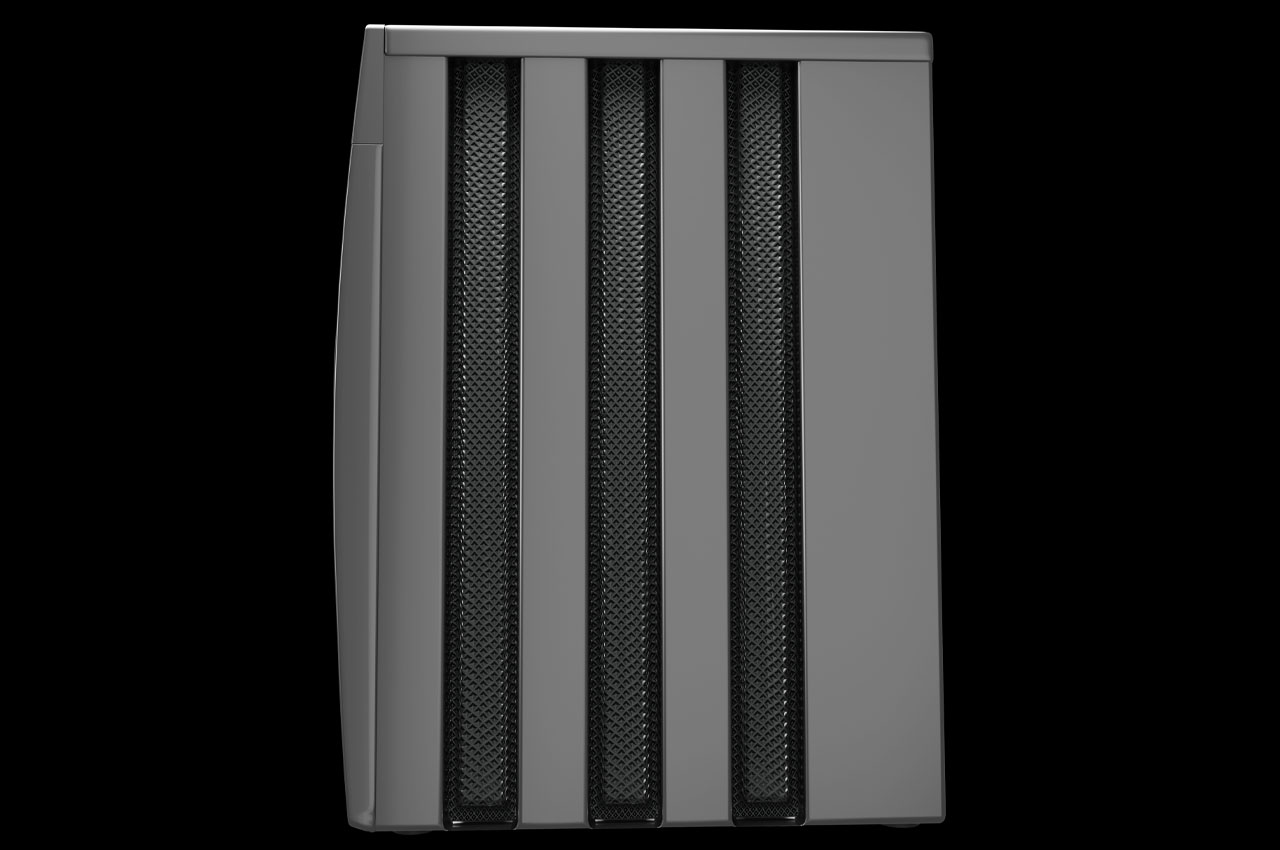
To the front lies the subwoofer and on each side are the stereo speakers to beam quality sound. Wireless connectivity should be a given on this one, since no one in 2024 would buy a portable speaker without that option. Frankly speaking, this portable speaker would rock your desk setup as well. Folks over at Bose would also be keenly viewing this design language if they want to add something on these lines to their existing line-up.

The post Bose Sound Spin portable speaker is disguised as a miniature front-loading washing machine first appeared on Yanko Design.
VW-inspired 10-ft towable camper pop-up roof increases standing headroom to 6 feet 4 inches

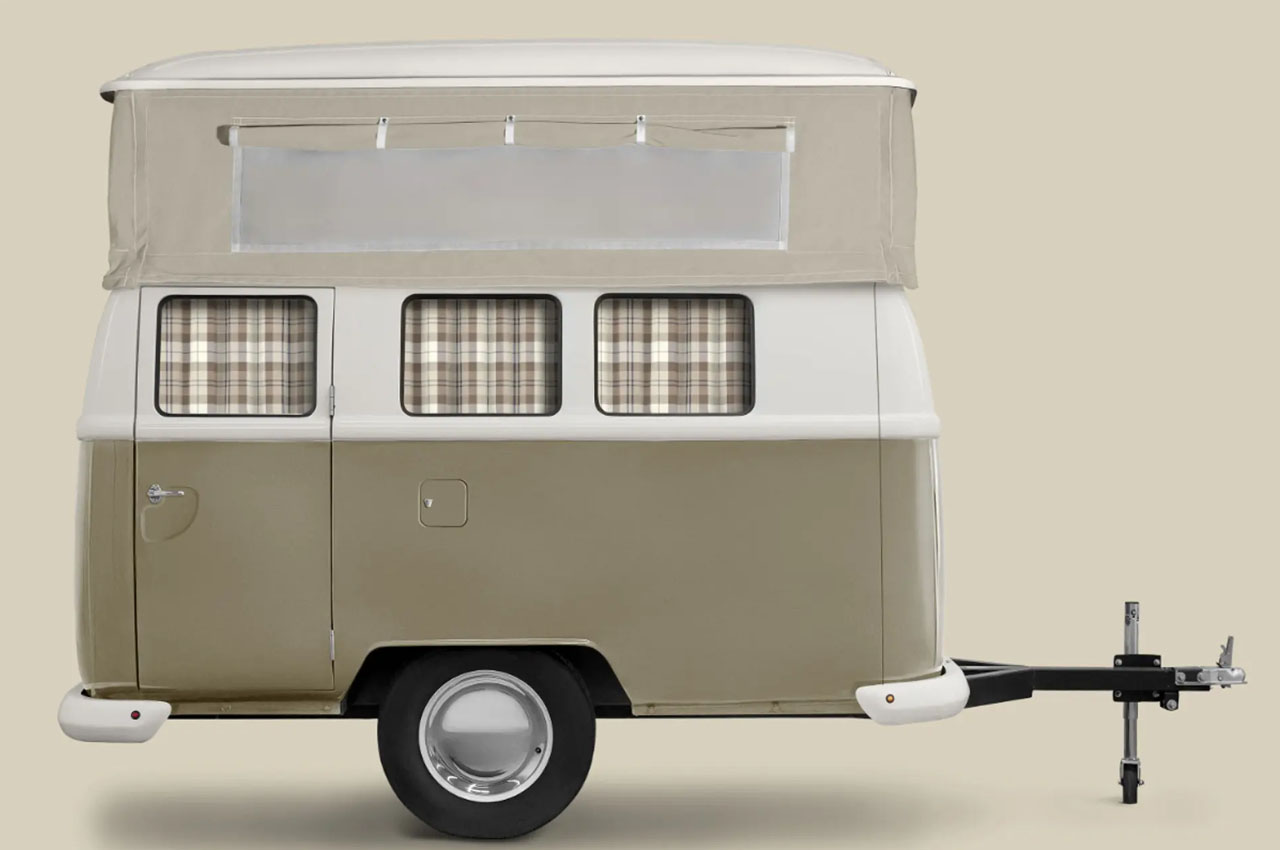
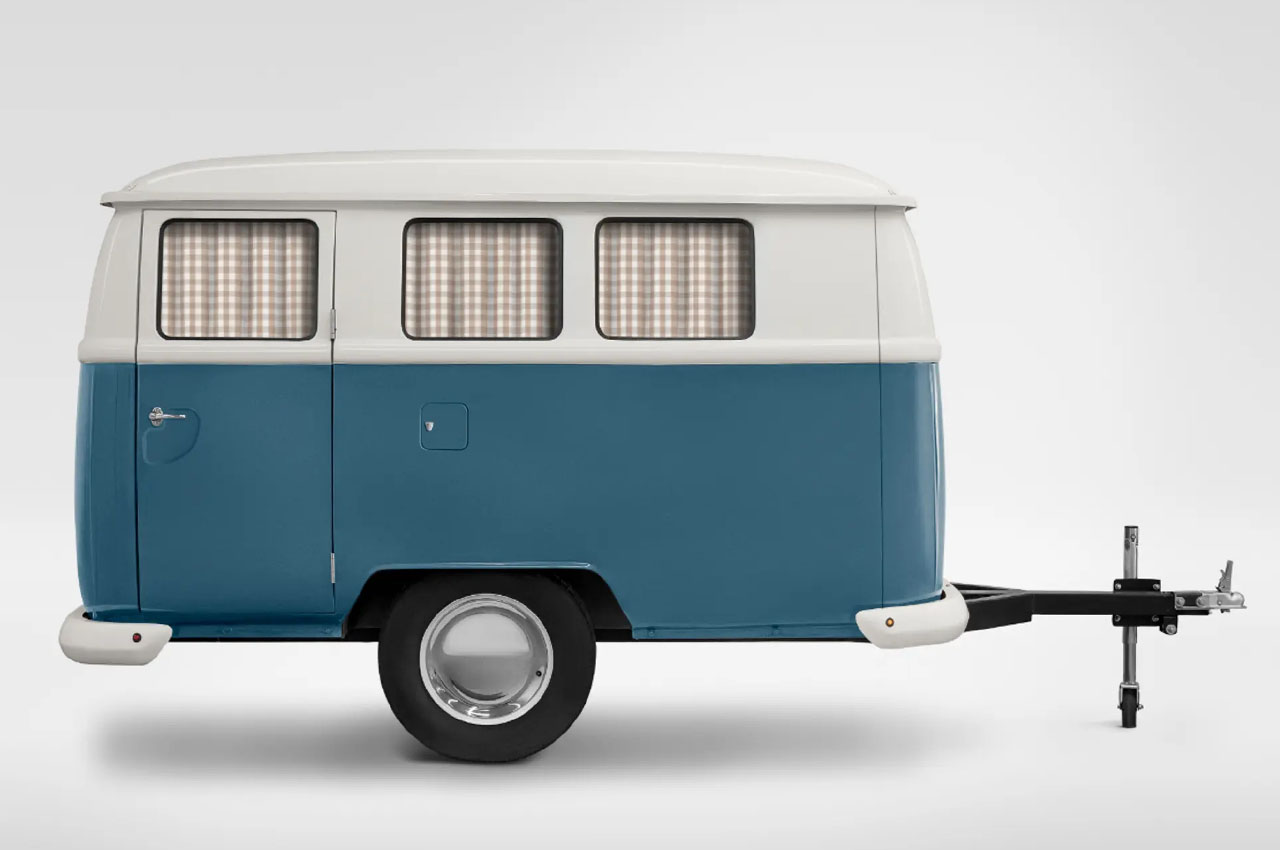
There are many hugely popular campervan base models around the world, but one that essentially overshadows them all, and has camping enthusiasts styling their own creations around it, is the Volkswagen van. VW-inspired campers have their takers in plenty thereof Type 2 founders, Hearth Gardella and Ryan Schassen, have created a VW-themed pop-up camping trailer from aircraft steel construction in a compact form factor that is faster to build.

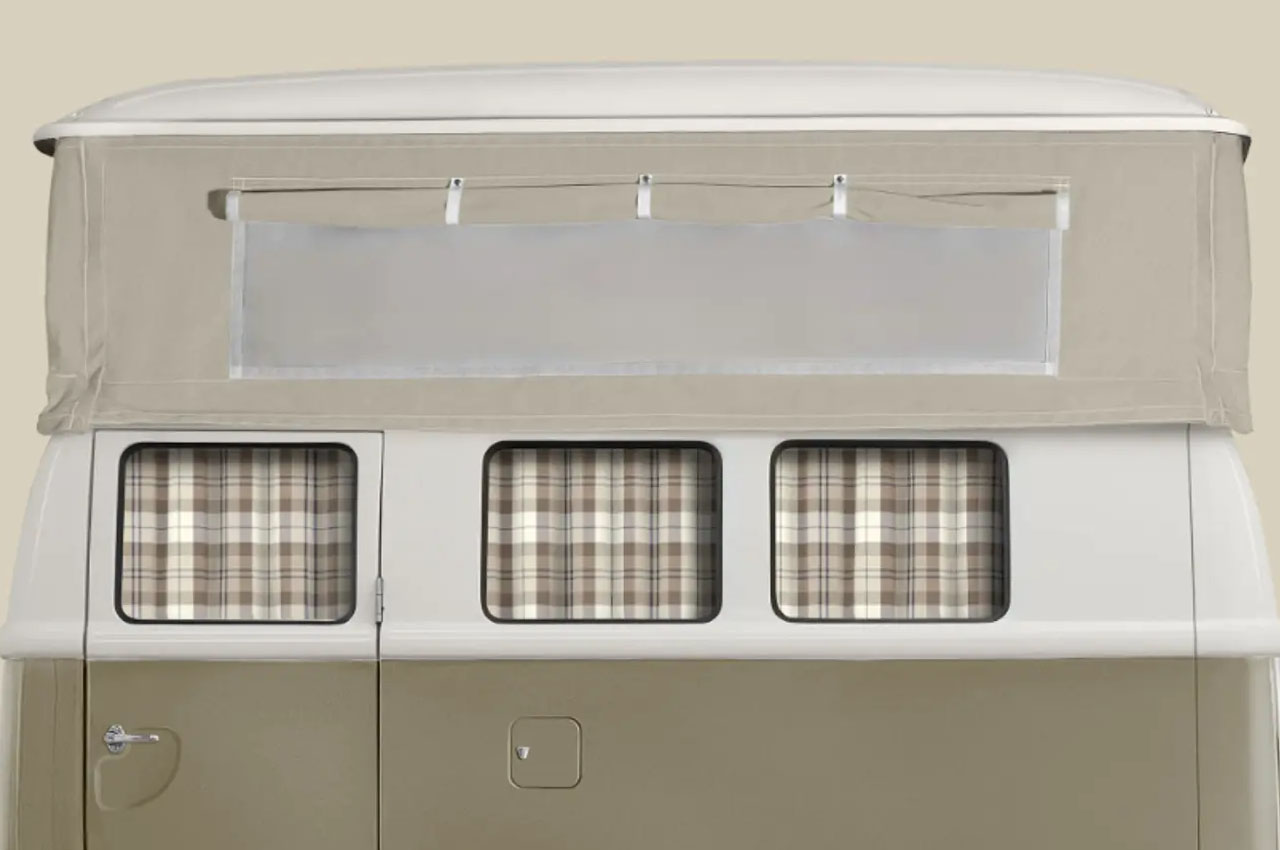
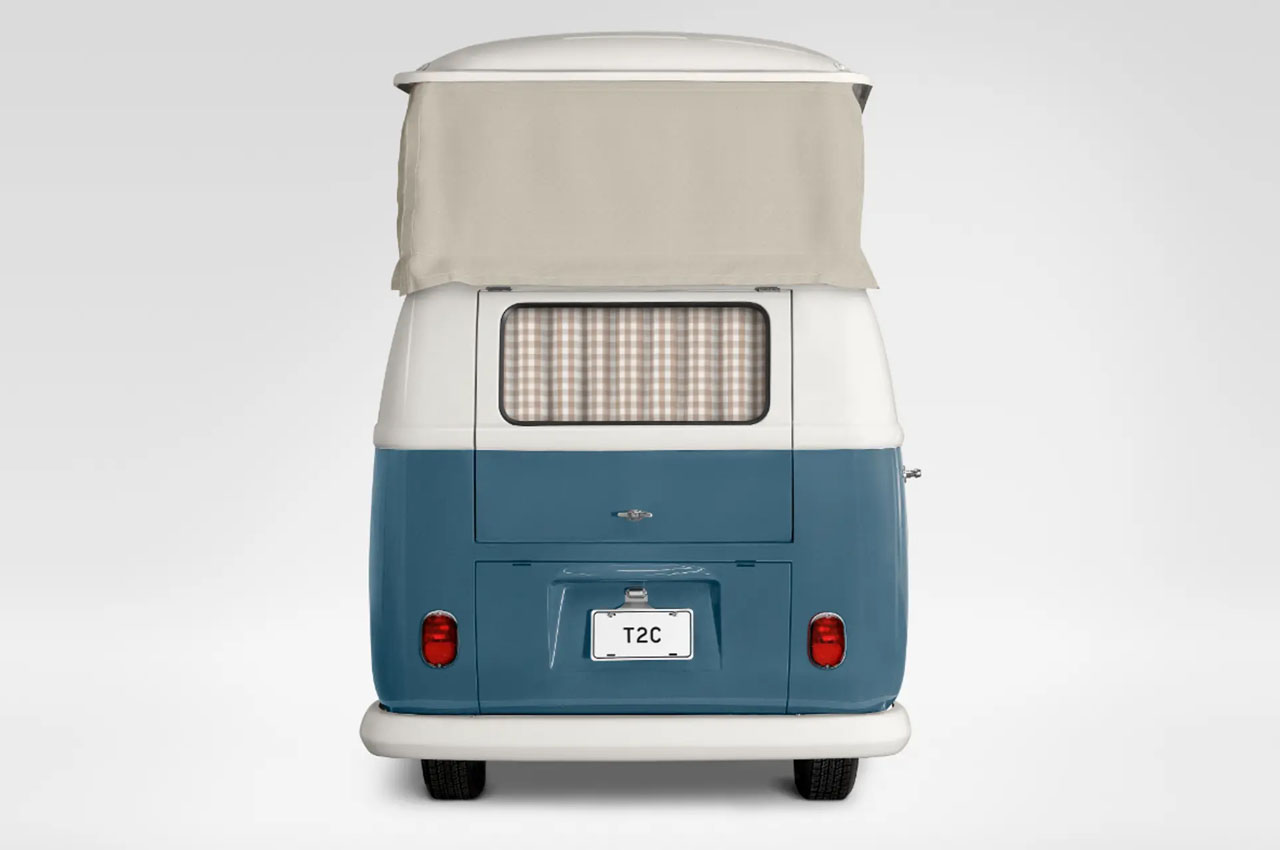
The RV builders based in Woodburn, Oregon, Type 2, is hoping to create a sizable inroad in the expensive and heavier tow-campers with their T2.3 which thrives on its “lightweight, affordable, and timeless design.” Currently available for preorder for a non-refundable $1,000 deposit, T2.3 comes in three different variants with one classic pop-up roof that enhances the internal standing headroom to 6 feet 4 inches.

Designer: Type 2

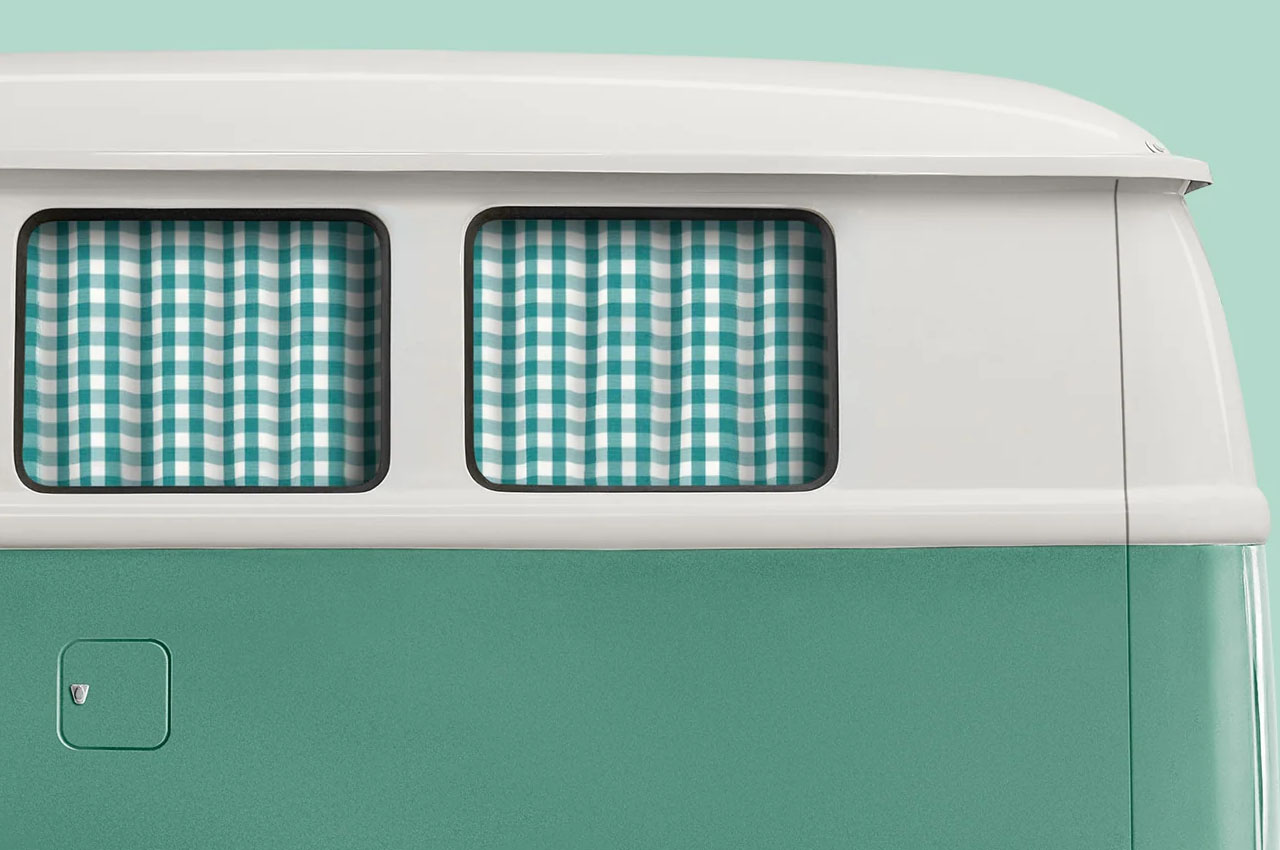
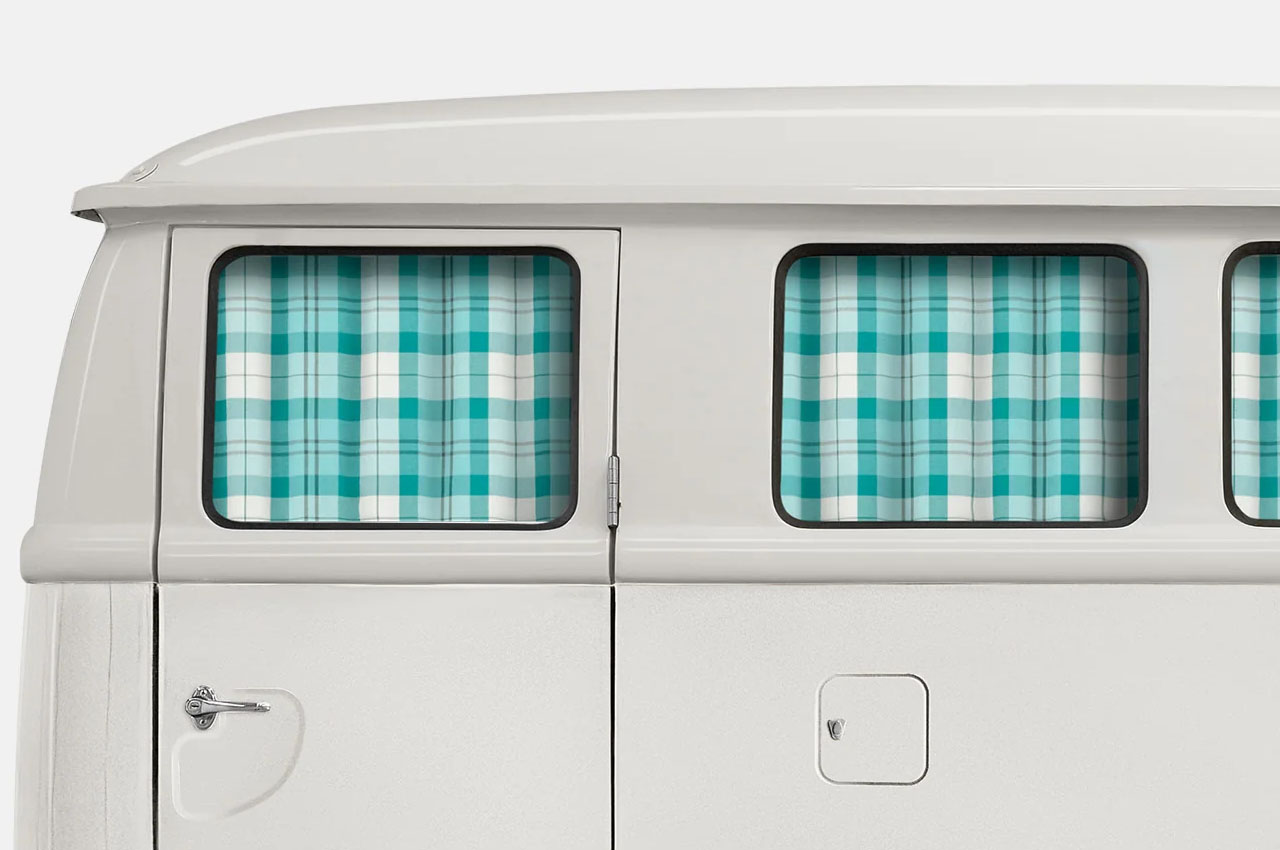
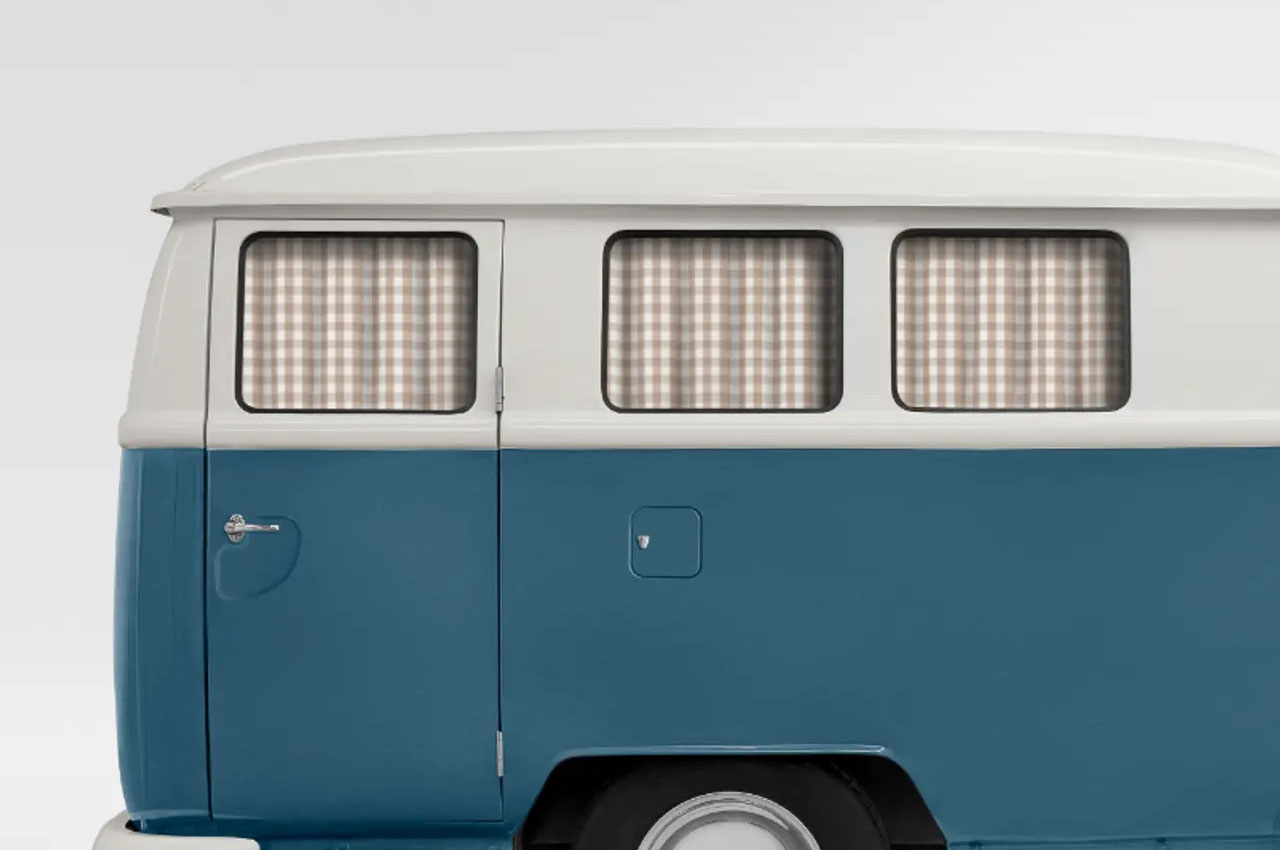
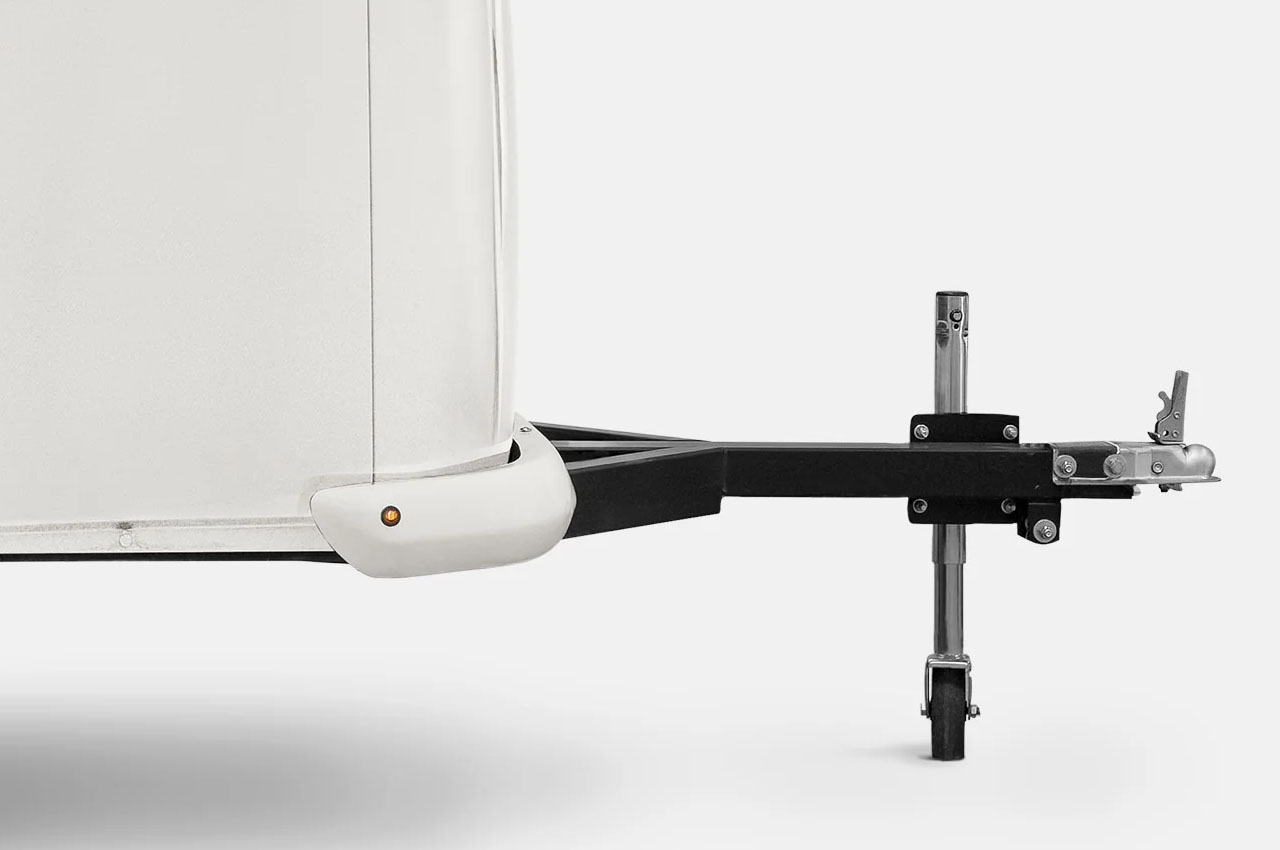
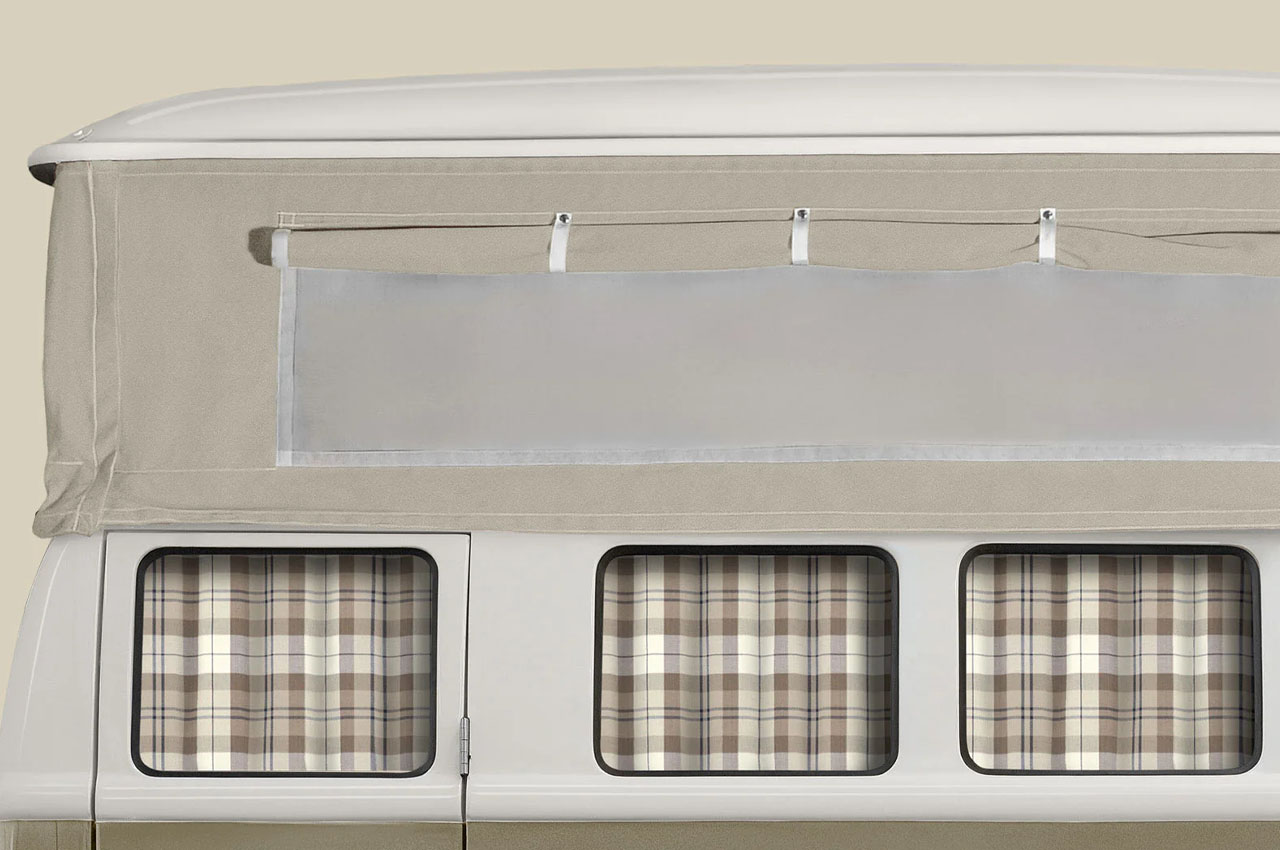
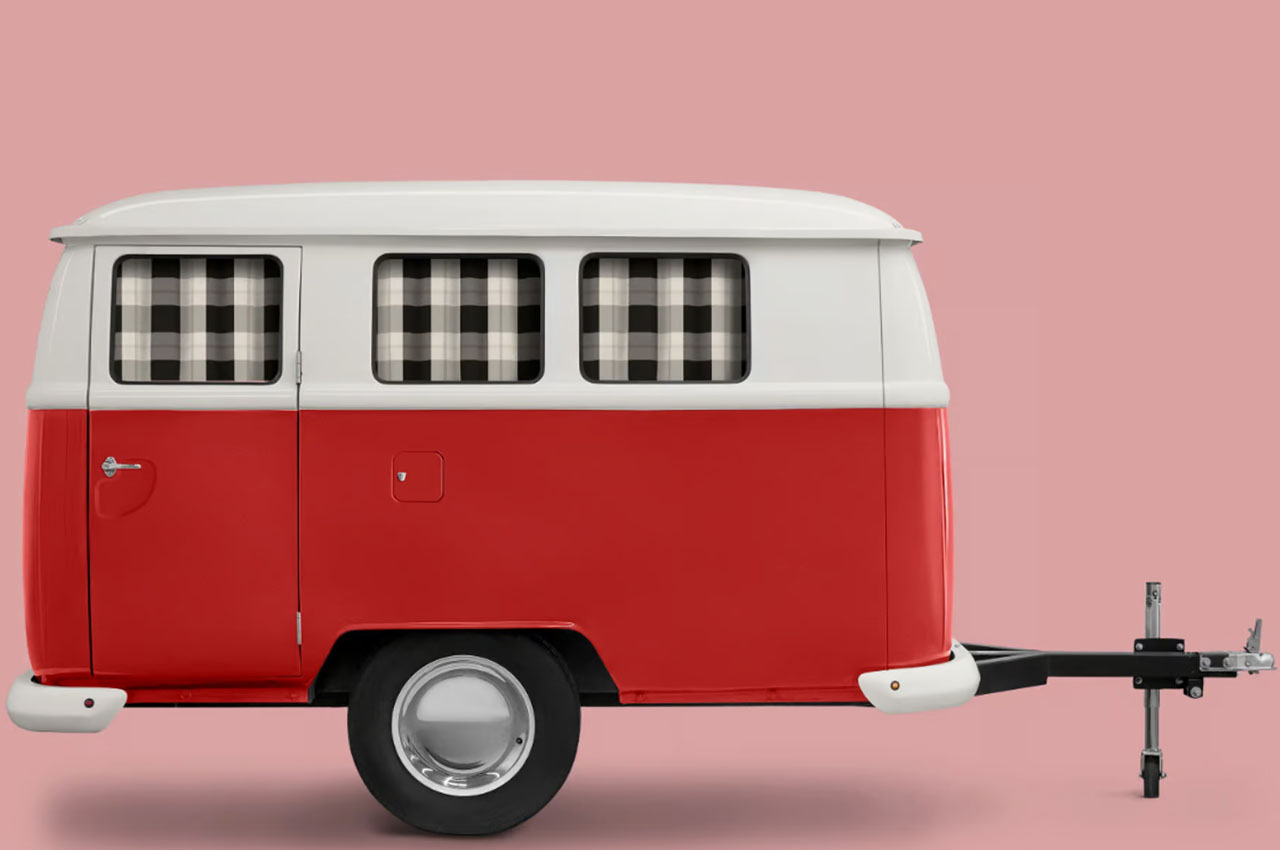
Modeled after the 1940s Volkswagen bus, the T2.3’s design replaces fiberglass construction with aero-grade steel panels. This keeps the camper lightweight and adds to its durability. With the use of steel panels, the camper with its pop-up roof is faster to manufacture and fairly easy to tow behind a small electric vehicle.

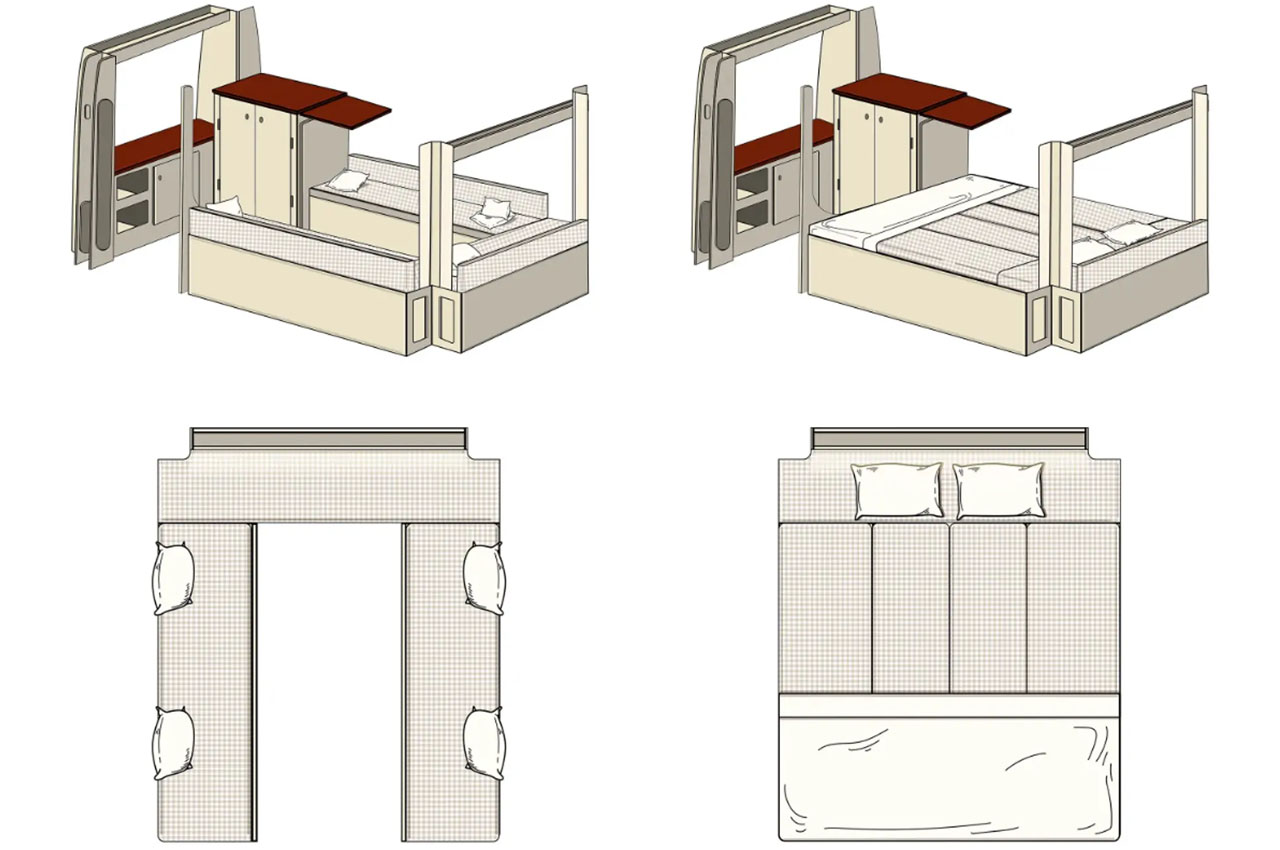
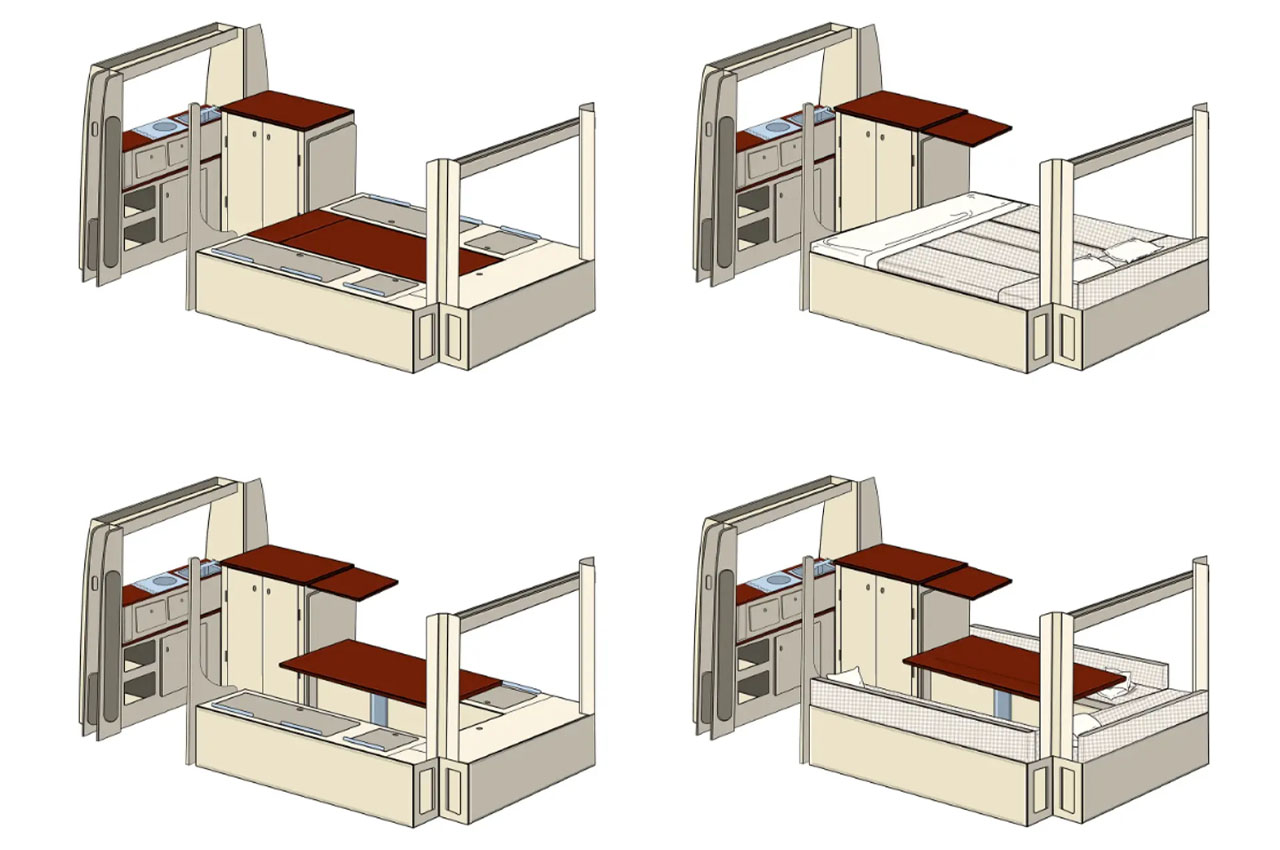
Measuring 9 feet 6 inches long and 5 feet wide, the camper weighs under 980 lbs in all three options (detailed below). Outfitted with three windows on each side, and a single door toward the back half, the camper has a liftgate hatch. For more space inside comprising a convertible U-shaped sofa, an expandable kitchen counter, and a rear window seat (in the entry-level Sleeper model), the T2.3’s entire roof rises above.

Adding an outdoor shower system and 1-gallon electric hot water heater to the Sleeper and we have the T2.3 Sleeper Plus. The most exciting option is the Kitchenette model. The rear window seat here is removed to accommodate a full L-shaped kitchen complete with a dining table, induction cooktop, and stainless-steel sink. Of course, the change in features makes for a change in the pricing structure as well. The Sleeper model starts at $29,950, the Sleeper Plus scales the figure to $35,000, while the one with a kitchenette will set you back $39,000.


The post VW-inspired 10-ft towable camper pop-up roof increases standing headroom to 6 feet 4 inches first appeared on Yanko Design.

LEGO version of Harry Potter’s Talking Sorting Hat with a sound box is for brick-lovers and Potterheads

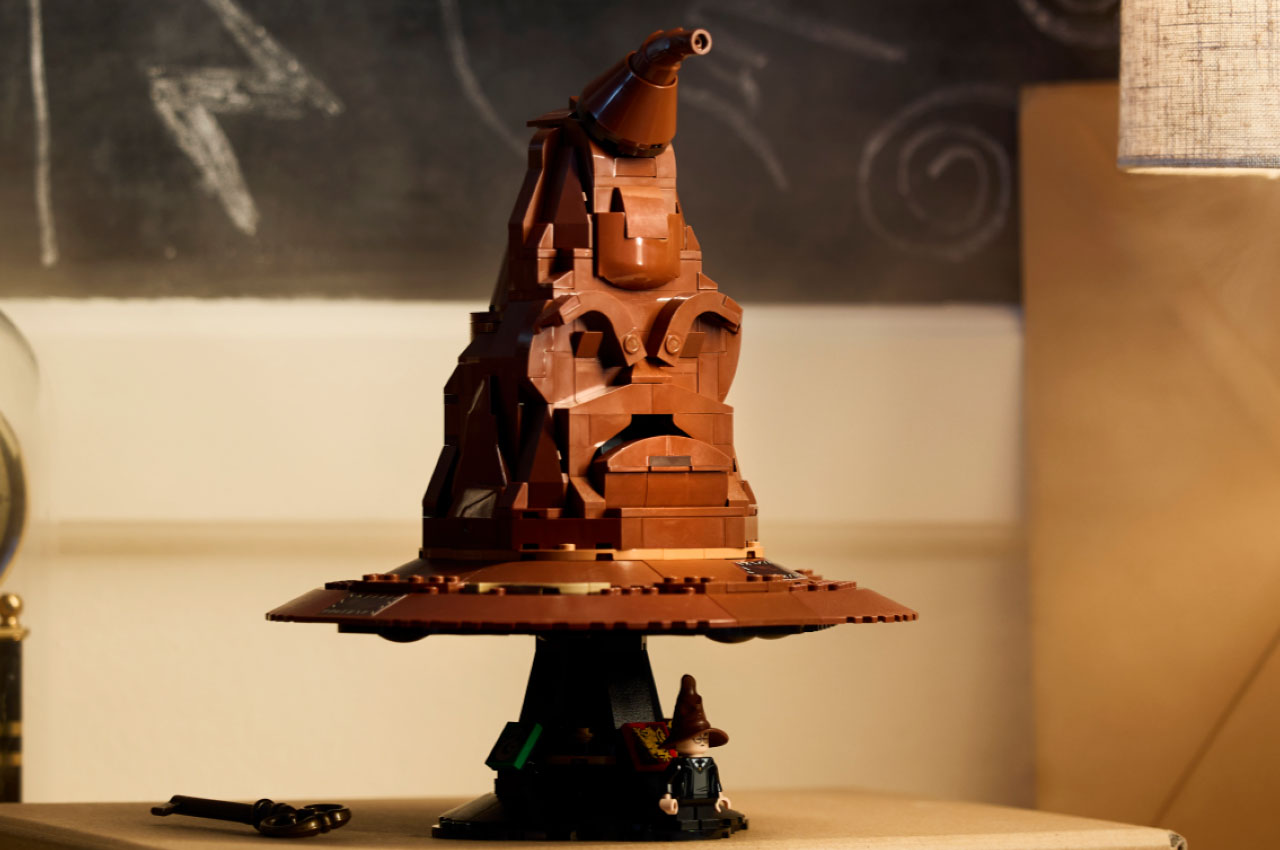
Harry Potter fans will have their mouths wide open for the next big set revealed by the LEGO Group. Yes, the Sorting Hat for choosing out of the four Hogwarts Houses (Gryffindor, Slytherin, Ravenclaw, Hufflepuff) that each of the students will go to, now gets a dedicated LEGO version.

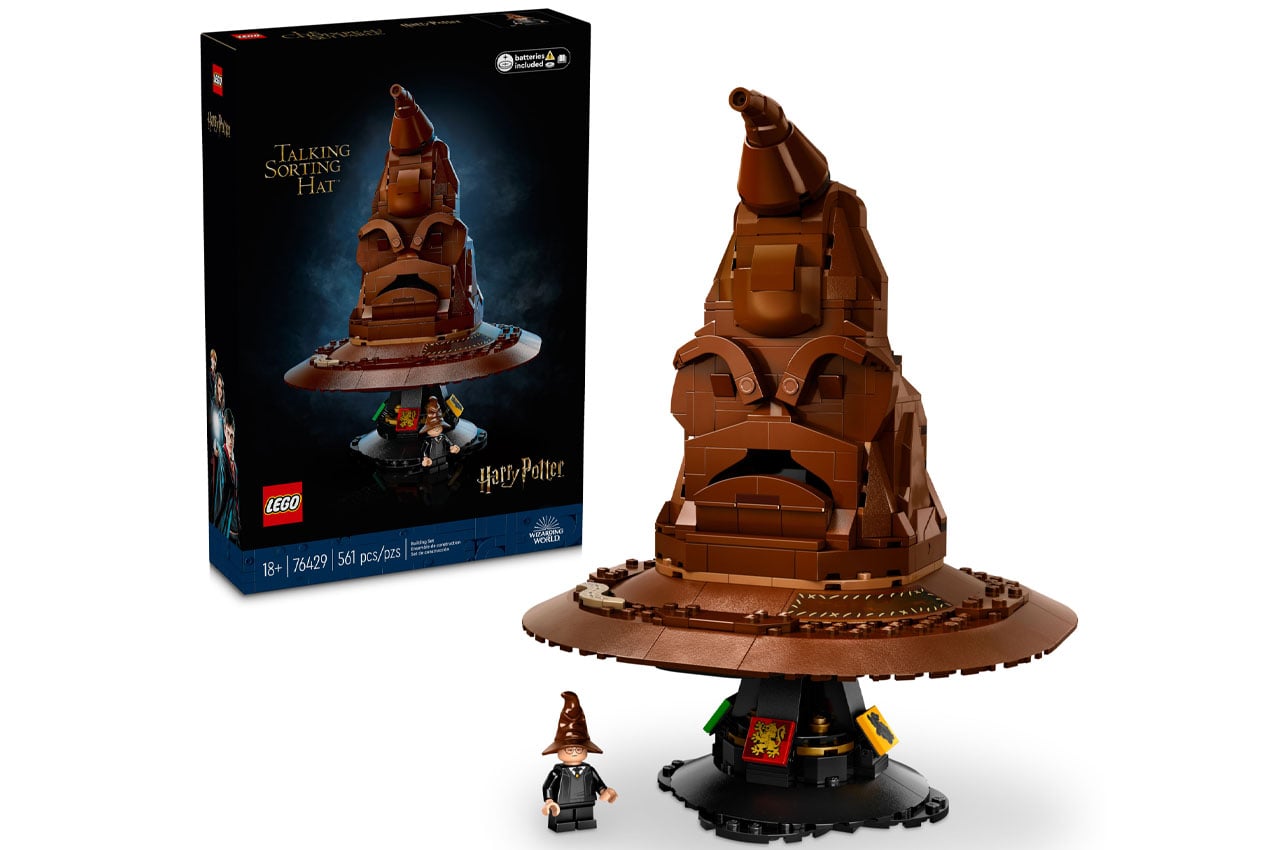
This detailed set slated for a March 1, 2024 release consists of 561 pieces in total, each one coming together to create the intricate build. It’s going to be the first time in more than a decade that LEGO has incorporated a sound box in one of its Harry Potter sets. The Talking Sorting Hat will carry a price tag of $100 when it is finally available to pick off the shelf. Eager Harry Potter fans can also pre-book it right away!

Designer: LEGO Group

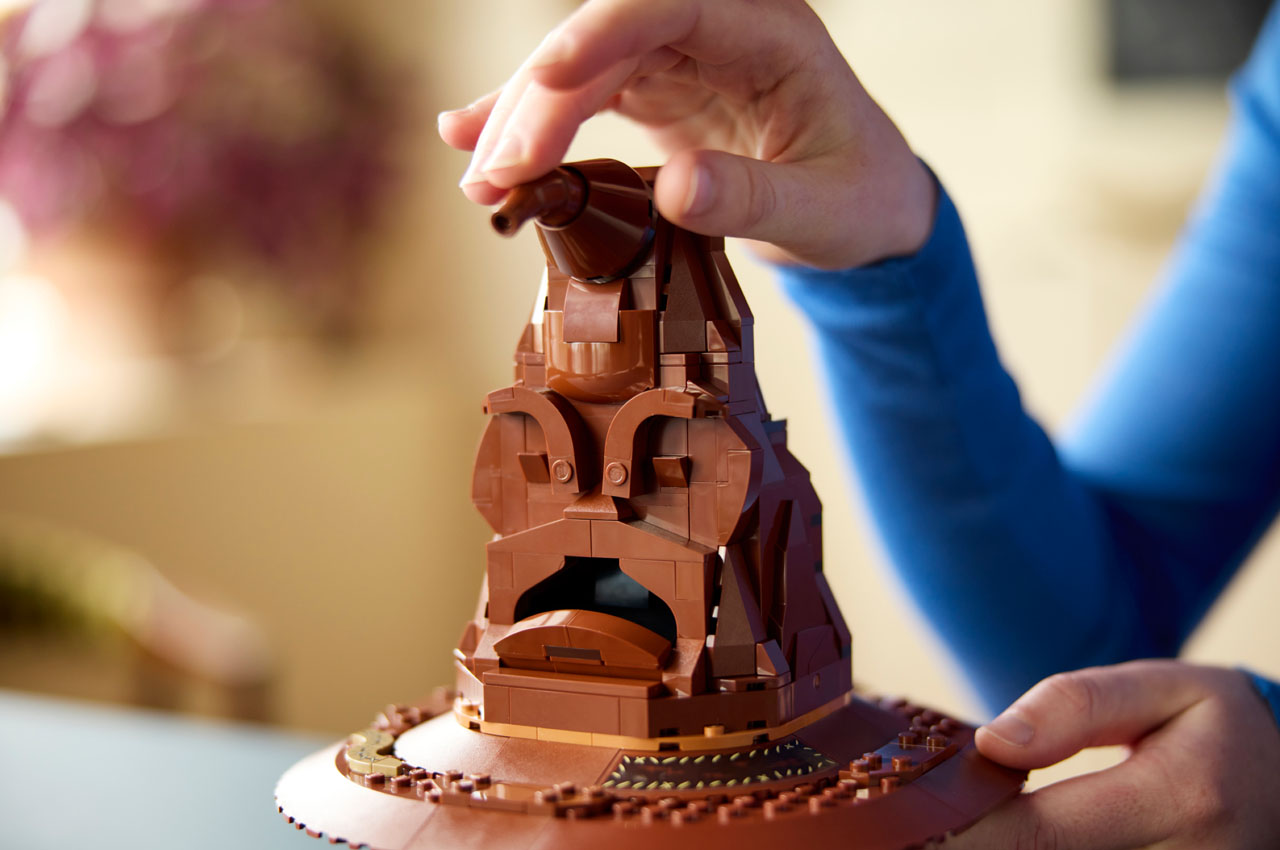
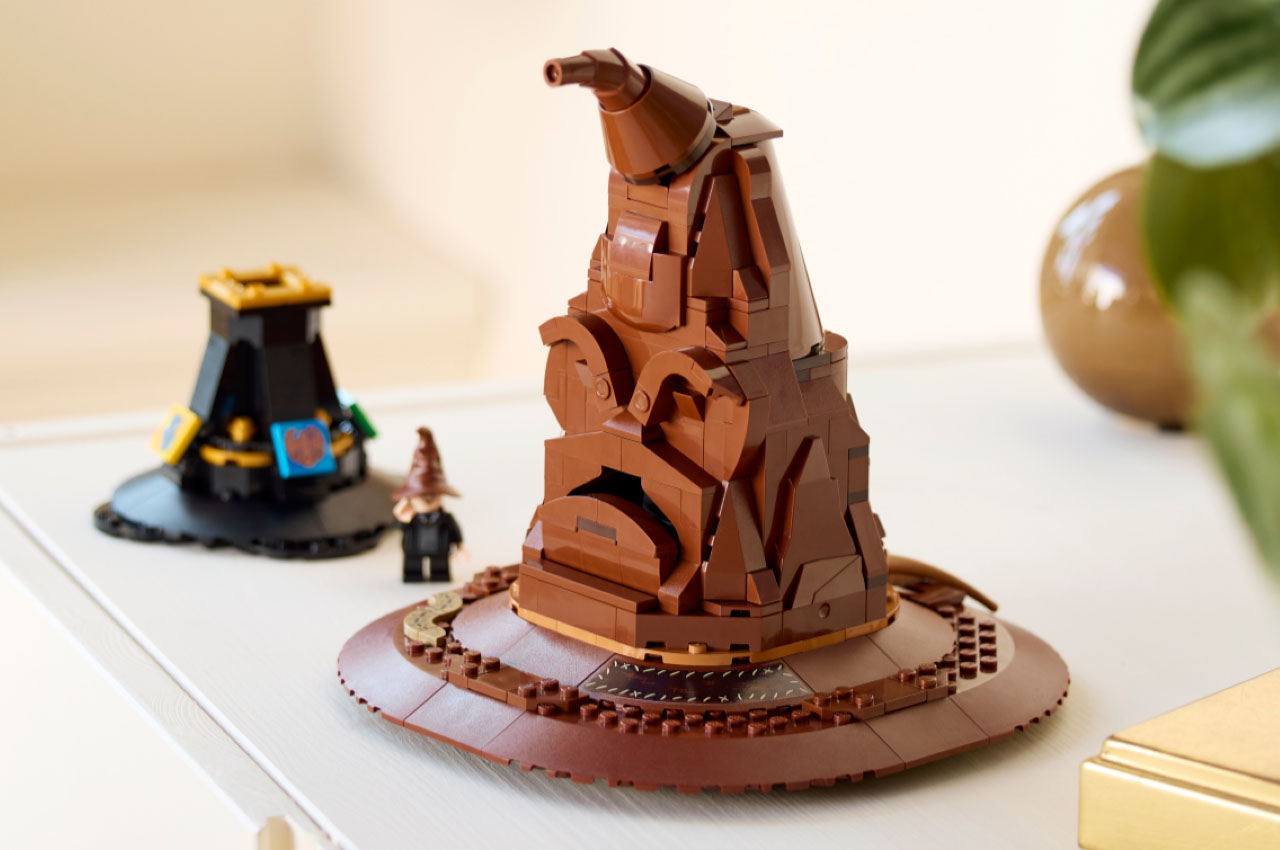
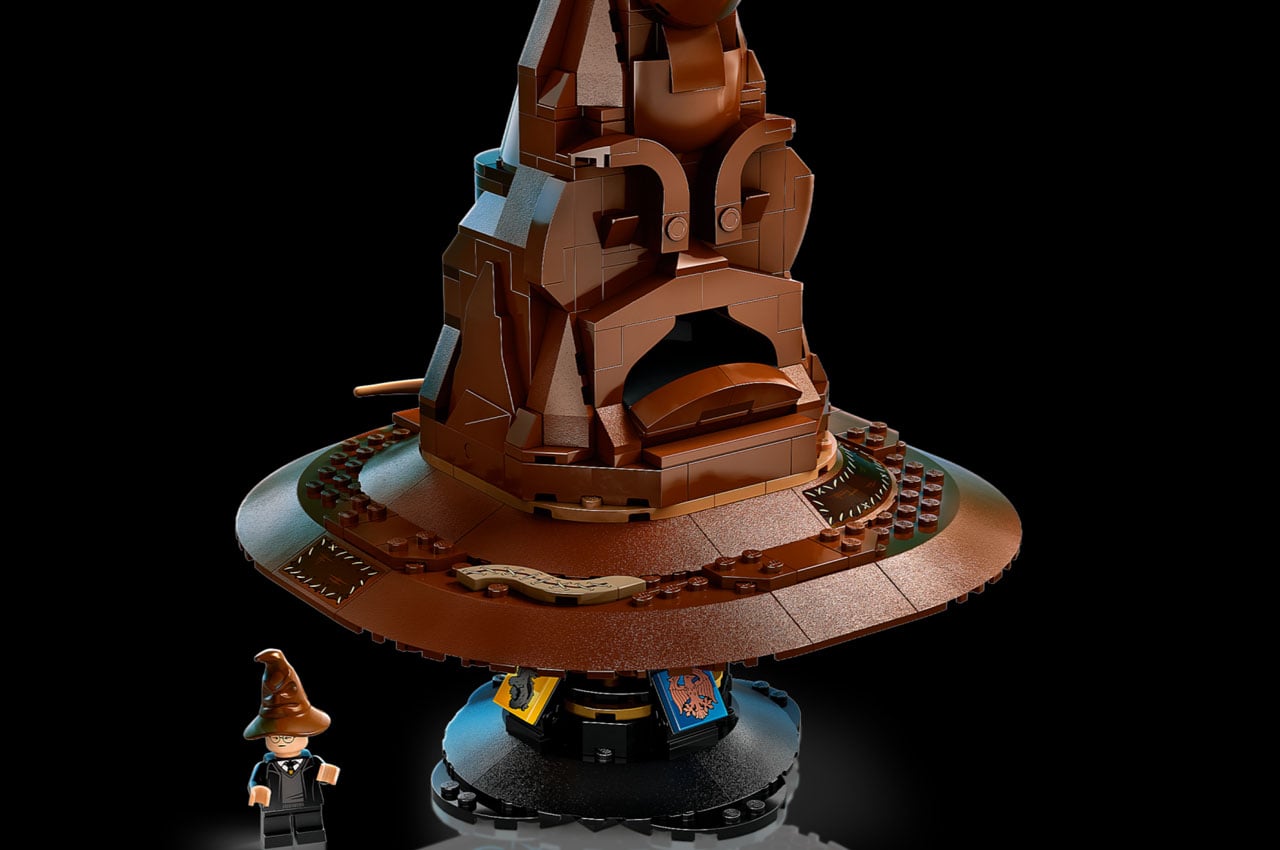
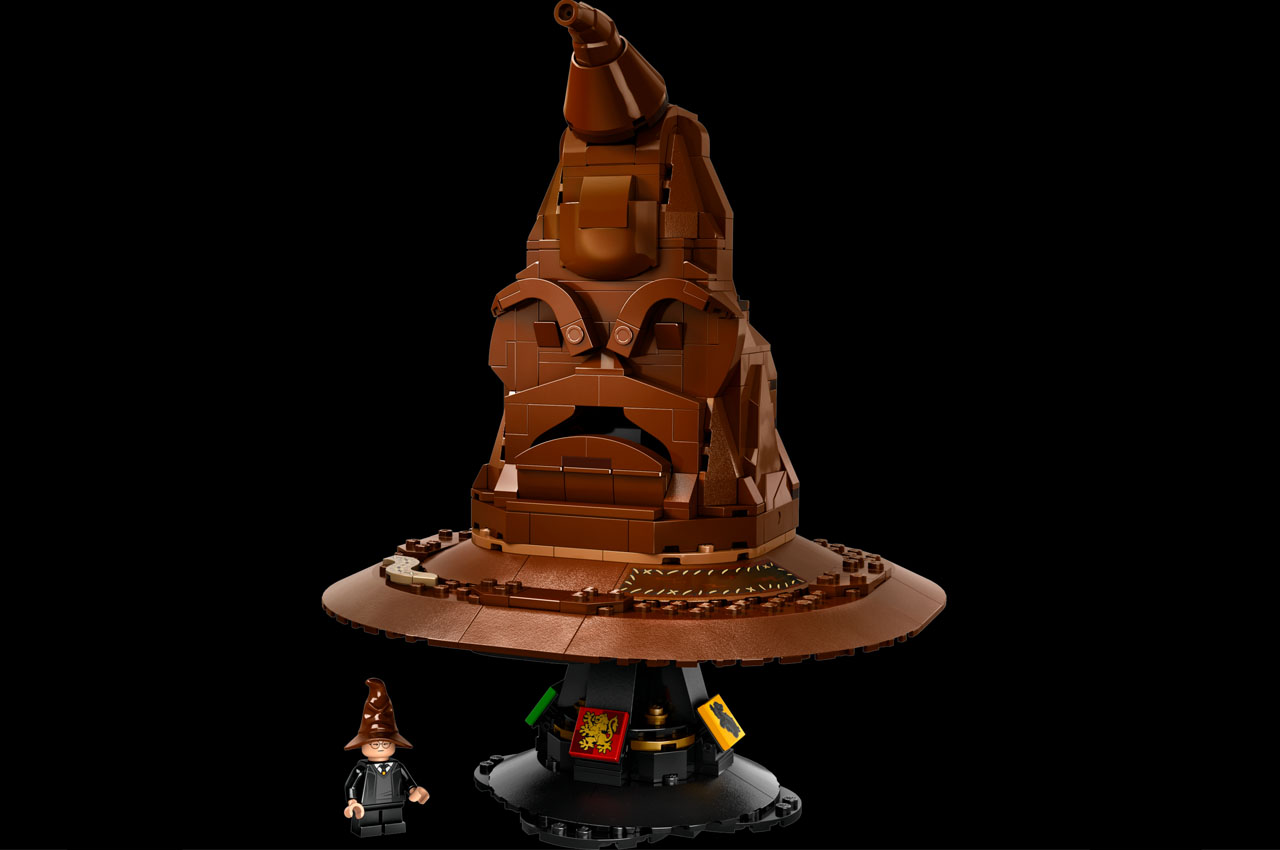
The hidden sound box says out loud randomized phrases in English, that we all are familiar with. Of course, these are from among one of the magical verses that assign the person (holding the tip or placing it on top of the head) to one of the four Hogwarts houses. When the 9.5 inches tall and 7.5 diameter LEGO set is fully assembled it can be adorned on a stand that has the Gryffindor, Slytherin, Hufflepuff and Ravenclaw house symbols all around. The tip of the hat and the eyebrows are both movable – in fact, pressing the hat’s tip opens the mouth, sways the eyebrows and plays the random phrase from the 31 available options.

As a generous bonus, the Talking Sorting Hat comes with an exclusive Harry Potter minifigure wearing the Sorting Hat miniature version and looking ever so cute. As already mentioned the set consists of printed bricks depicting each of the houses, the other patches are realized with the stickers.

The post LEGO version of Harry Potter’s Talking Sorting Hat with a sound box is for brick-lovers and Potterheads first appeared on Yanko Design.
Ventura Edge Dune Limited Edition drops straight out of “Dune Part: Two” fantasy onto your wrist

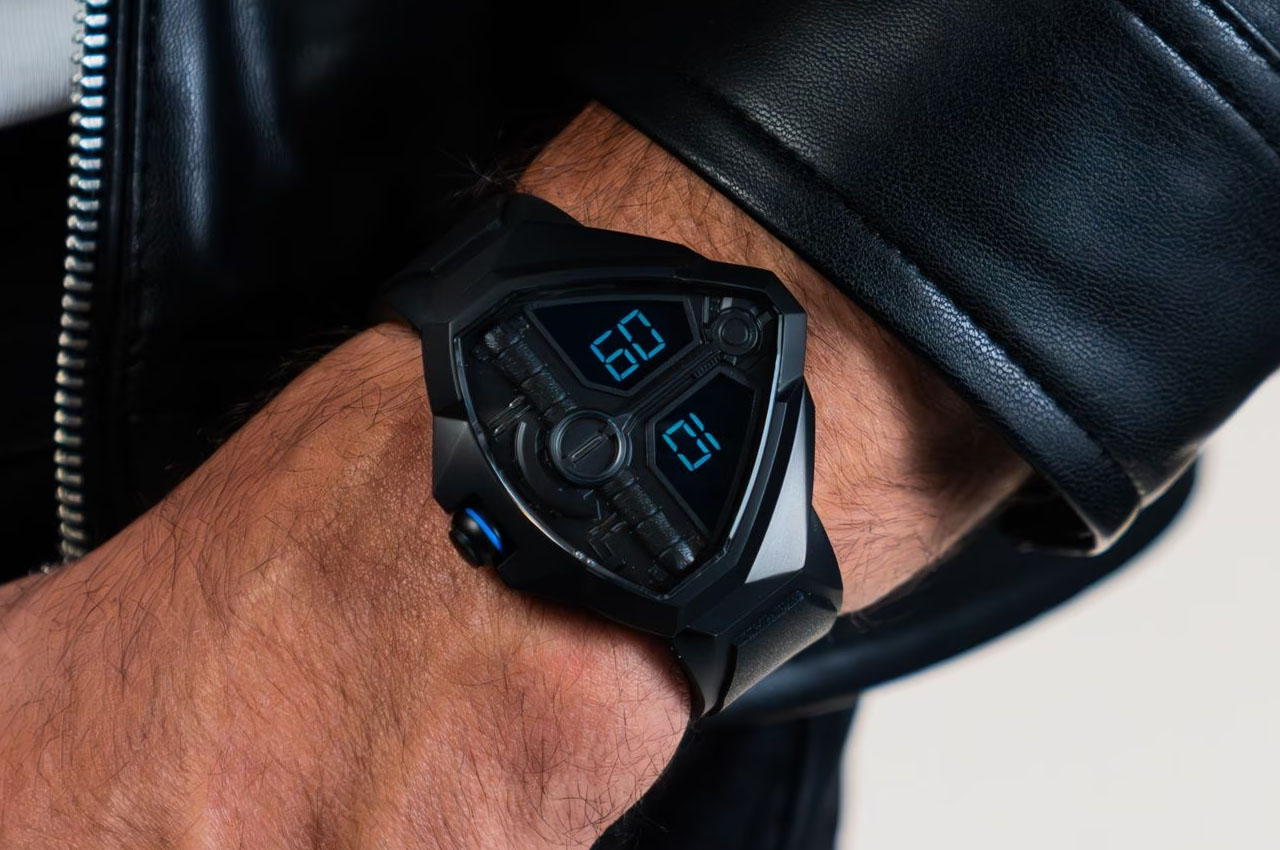
Denis Villeneuve’s upcoming movie Dune: Part Two is creating quite a buzz before its March 1 release in the US. Hamilton Watch with its stint of creating watches for more than 500 movies since 1930, wasn’t going to let this opportunity go. The result is a collaboration with Legendary Entertainment and Warner Bros to create a duo of exclusive Ventura timepieces inspired by the epic space opera movie’s prop watch. One of them is the Desert Watch carrying a minimalist charm while the Edge Dune Edition has a sci-fi character to it.

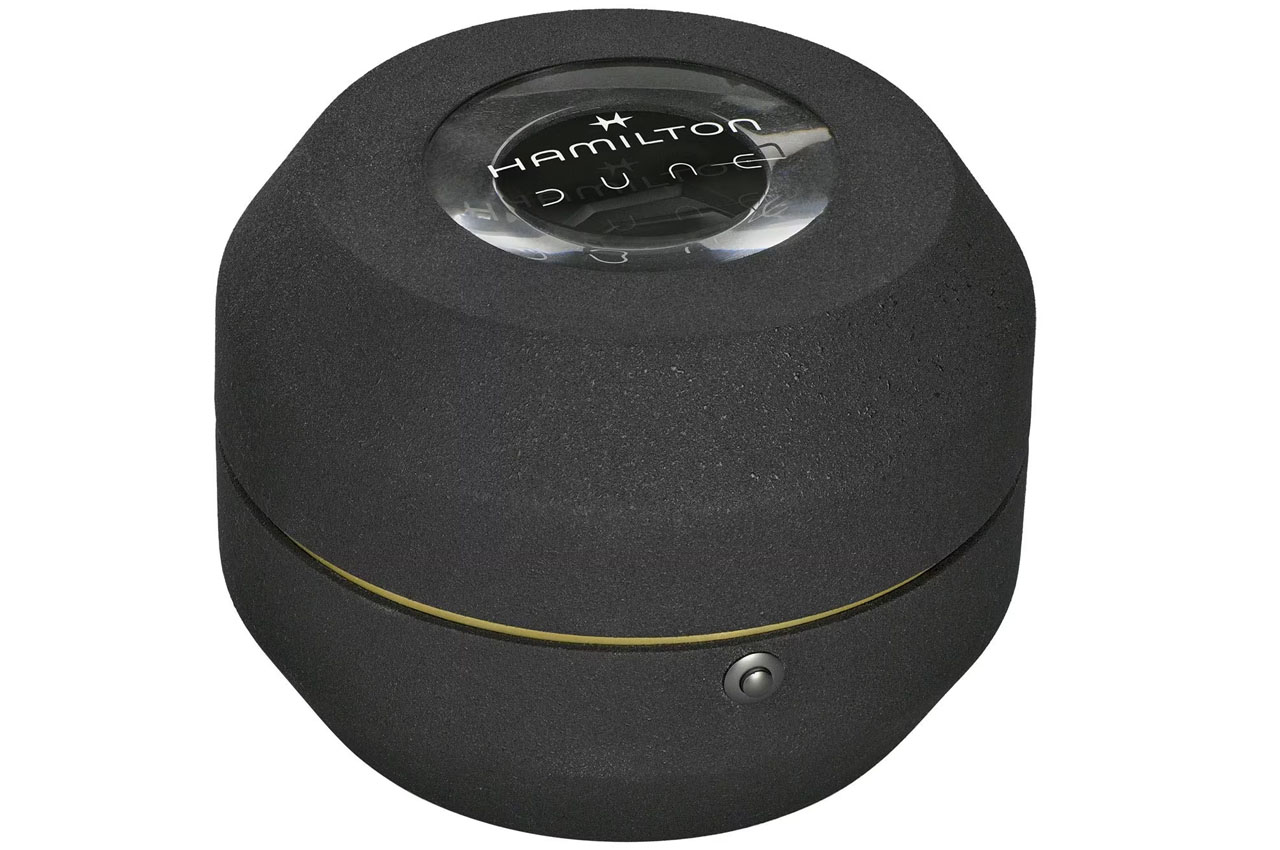
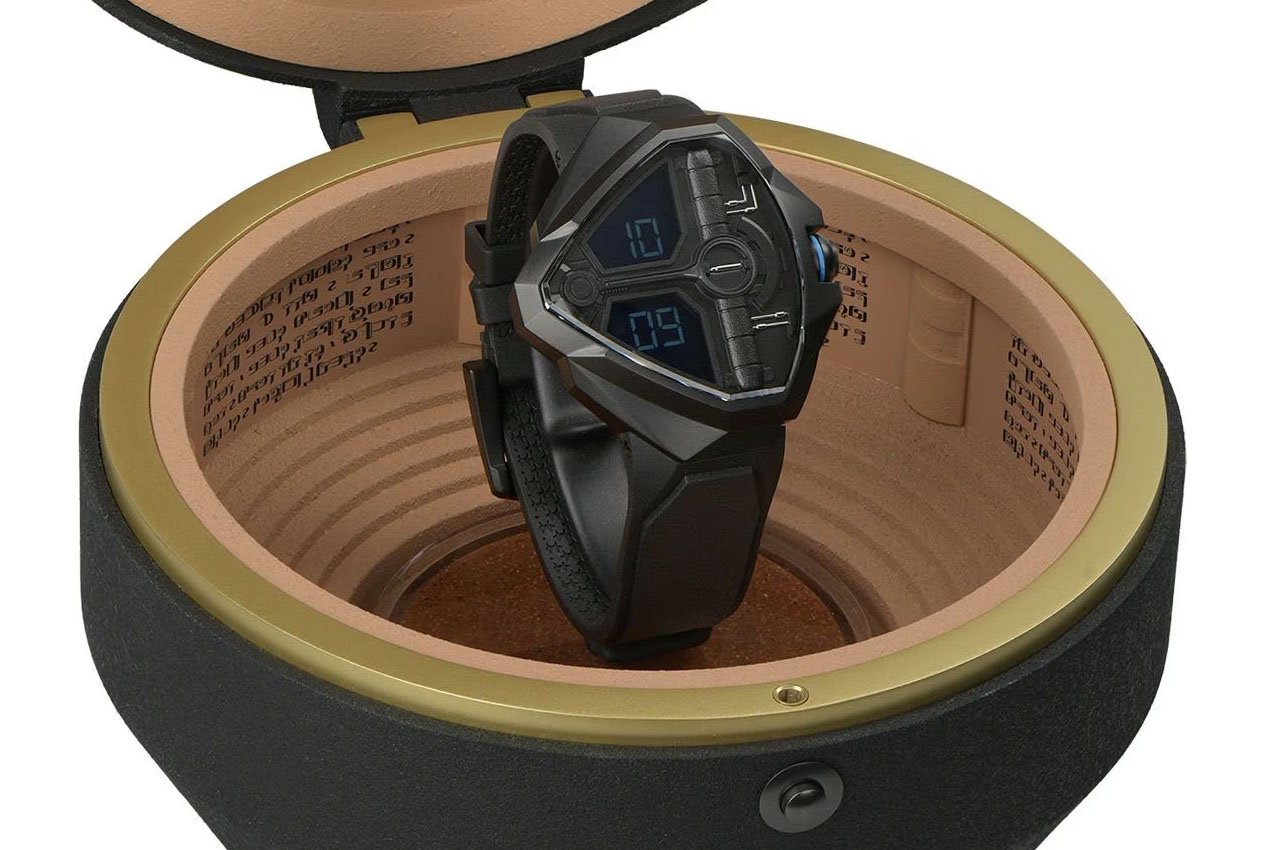
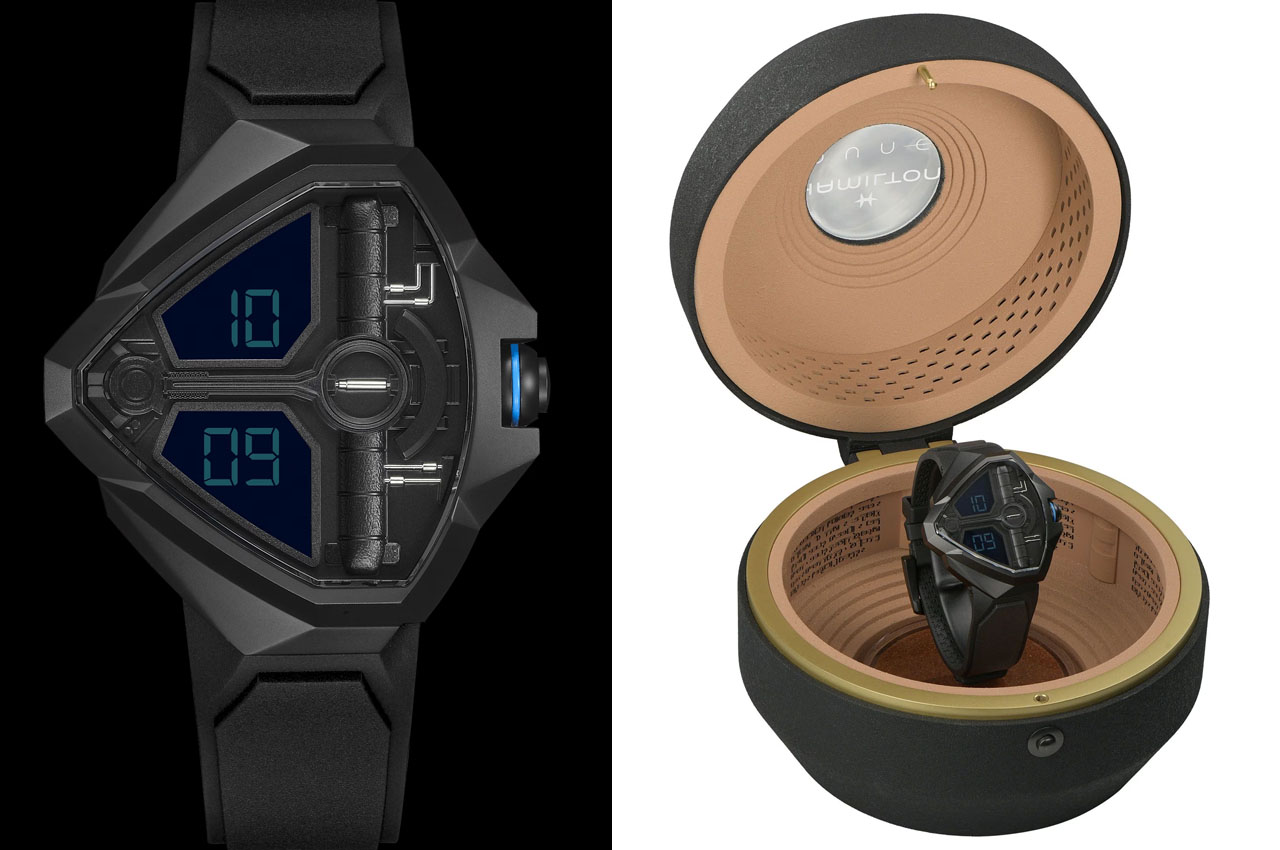
We found a fancy for the latter, so we’ll be talking about this sci-fi timepiece here. However, some things are common to both these watches including the commemorative ellipsoid packaging that represents the psychedelic drug in Melange and the water depicted by the blue section. On special request of Denis to create the timepiece in close association with the film’s prop master, Doug Harlocker, the watch turned out to be as unique as it gets. It defies the traditional watch norms resulting in a hardwearing wrist gadget well-suited for the Fremen.

Designer: Hamilton Watch

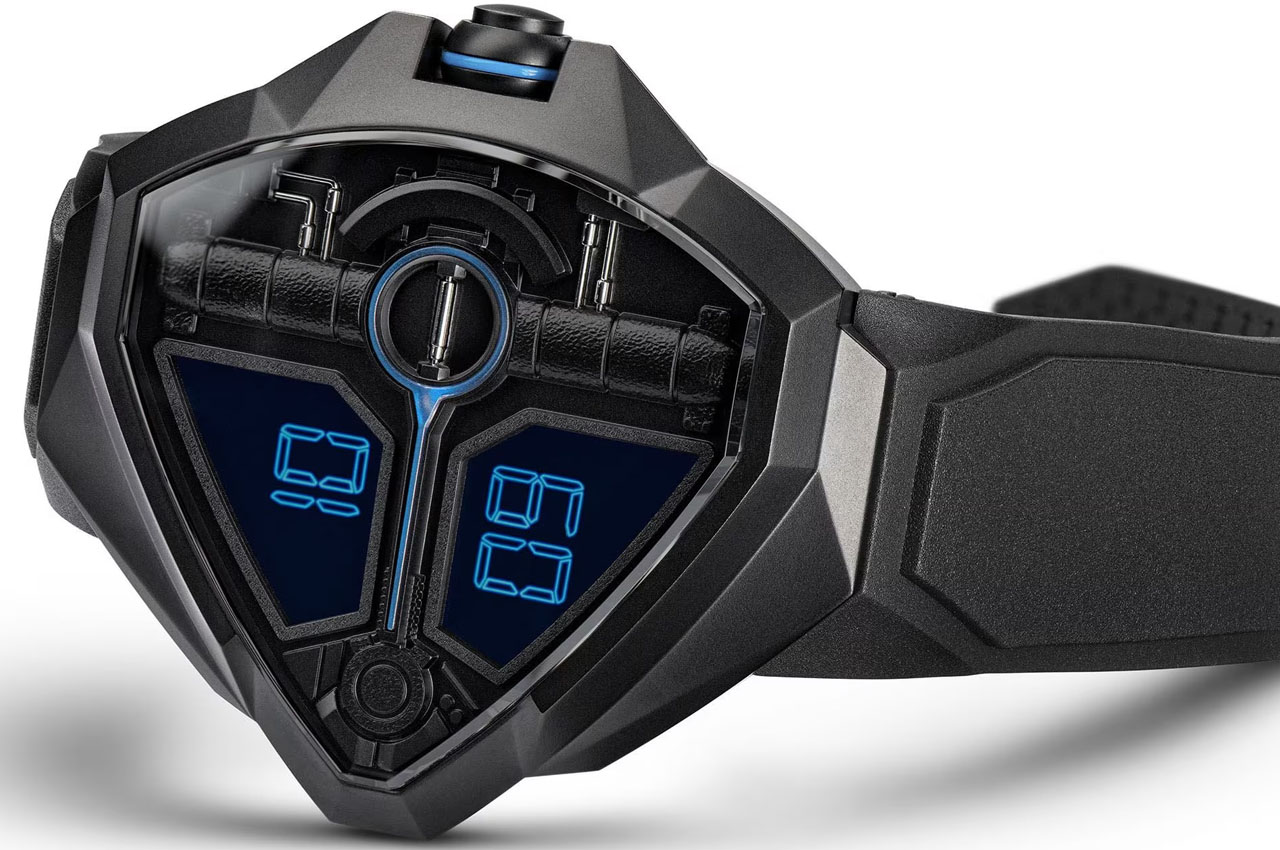
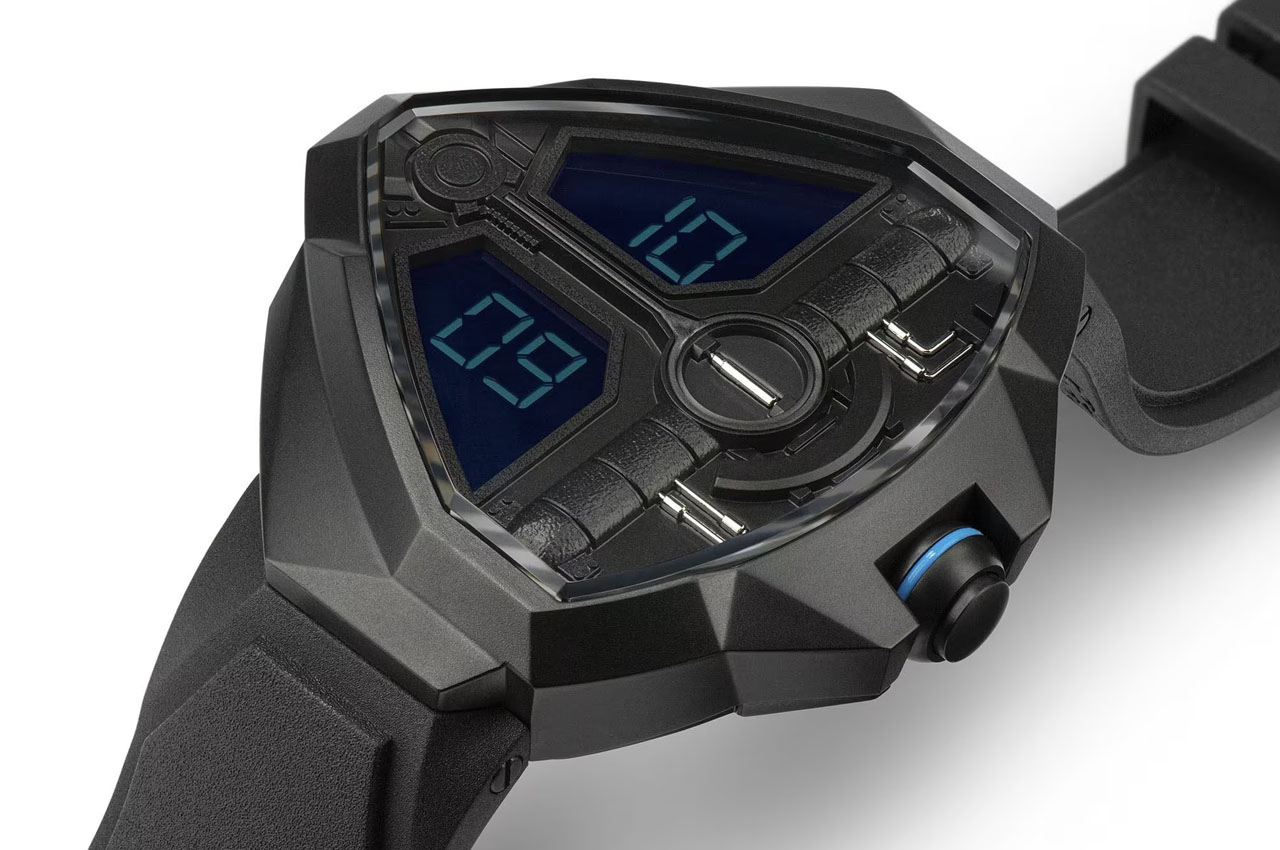
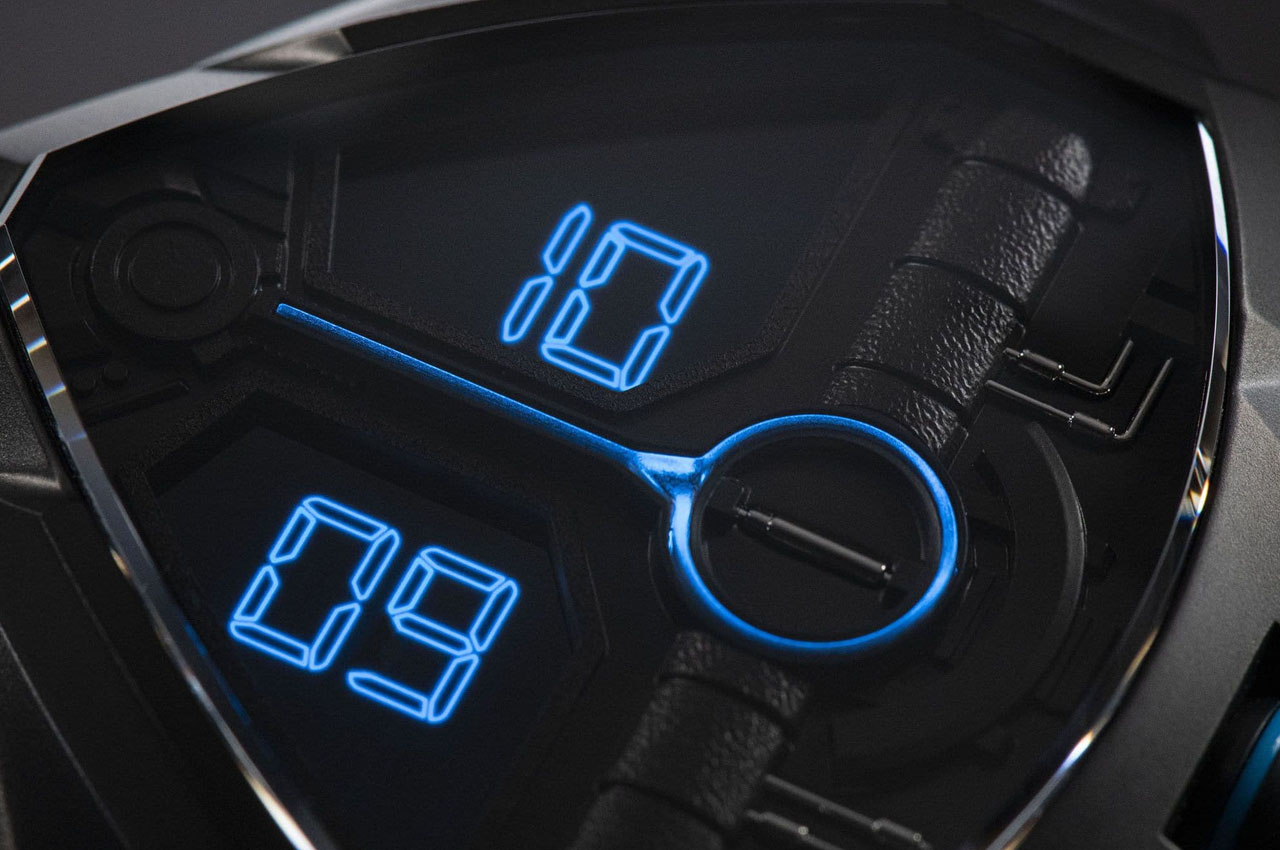
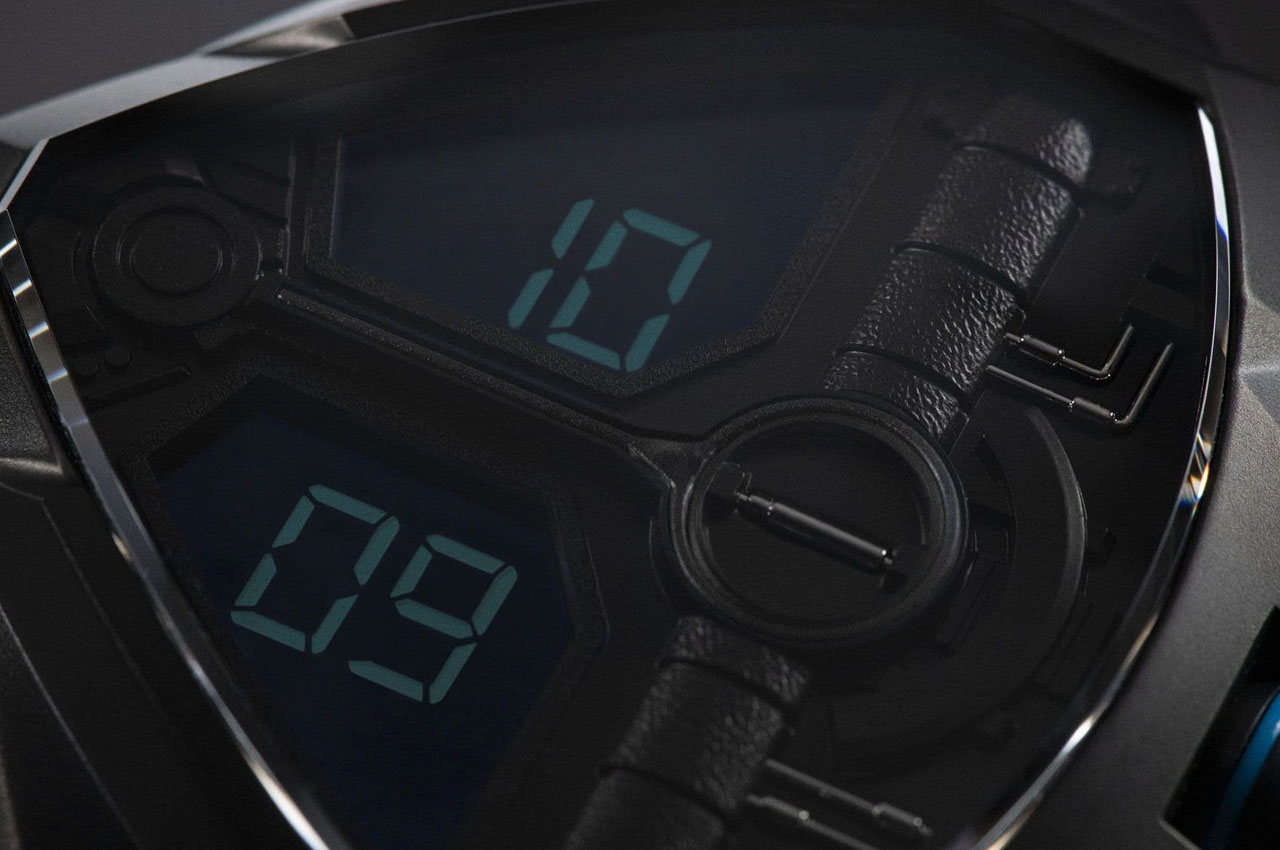
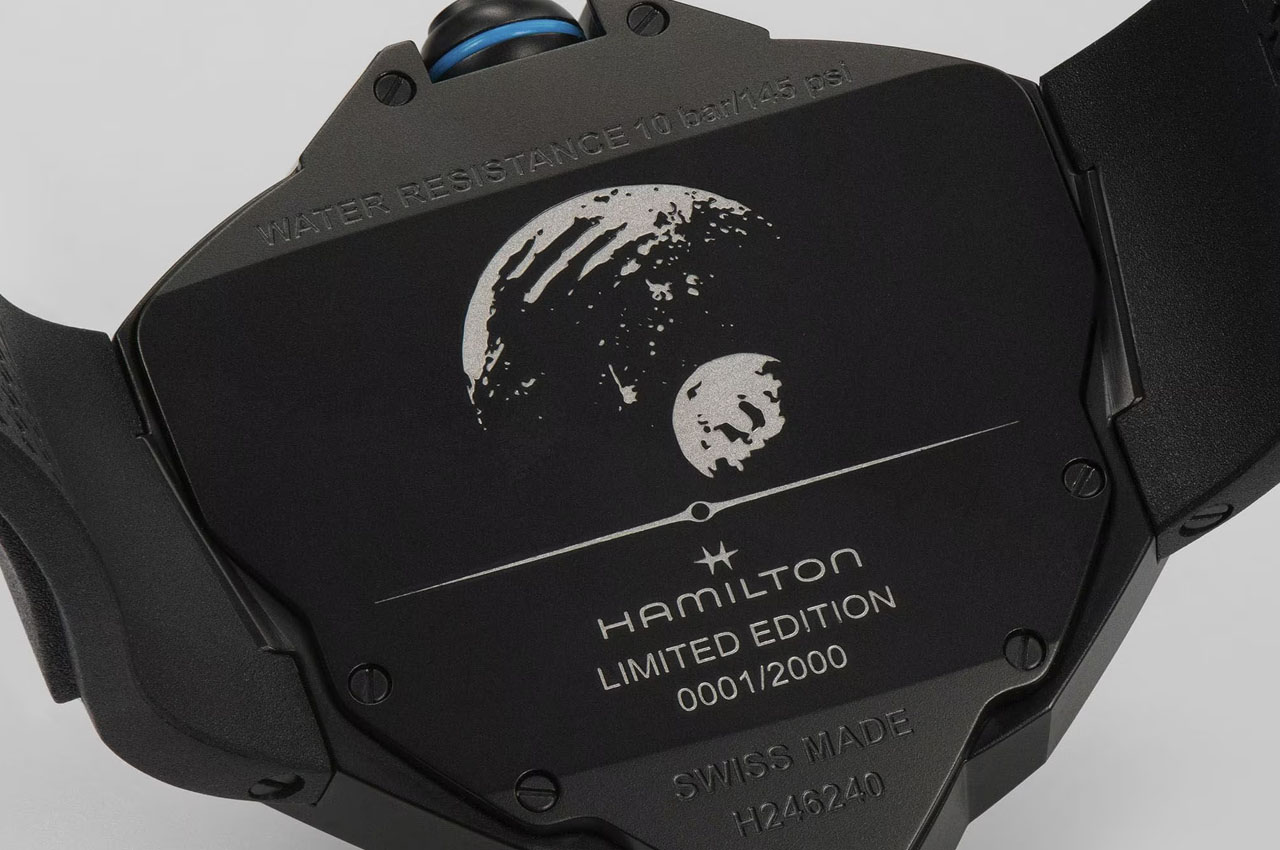
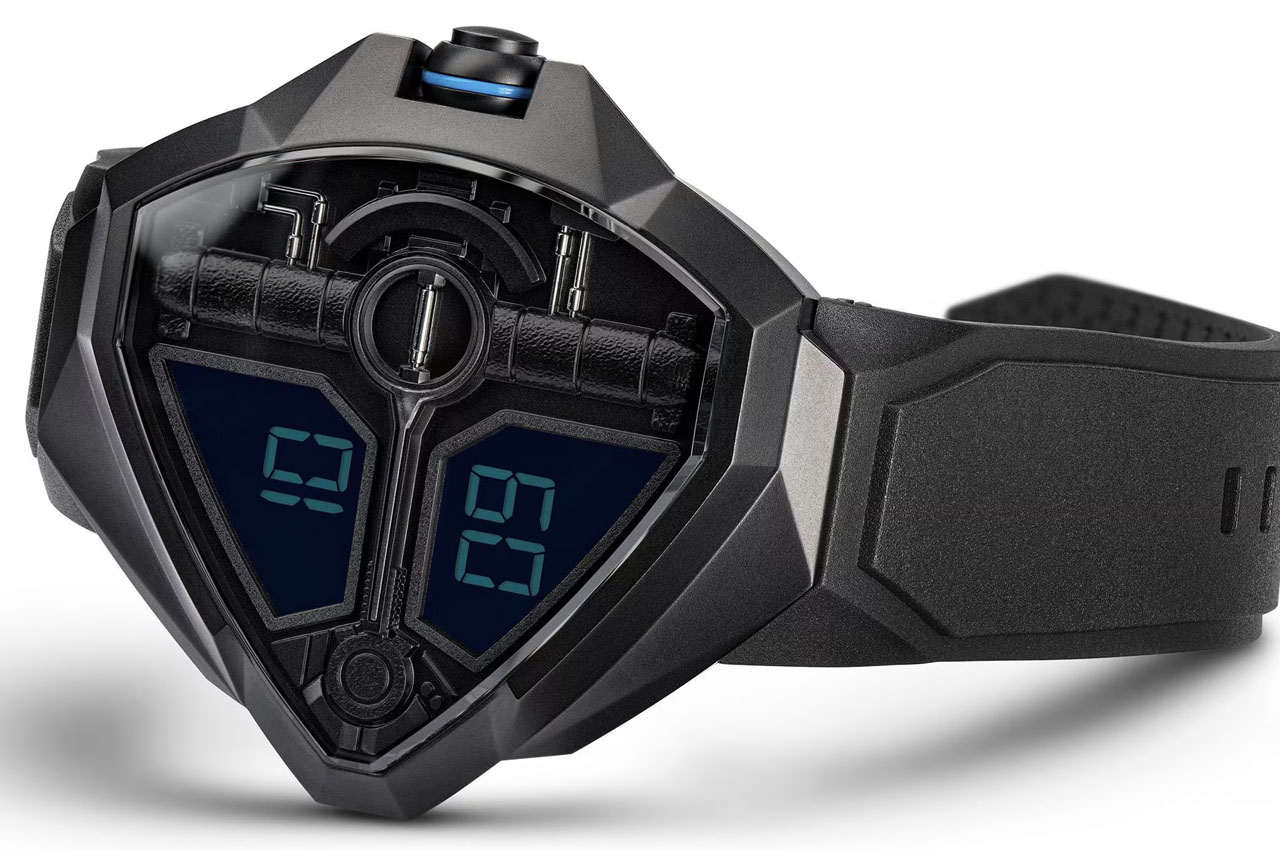
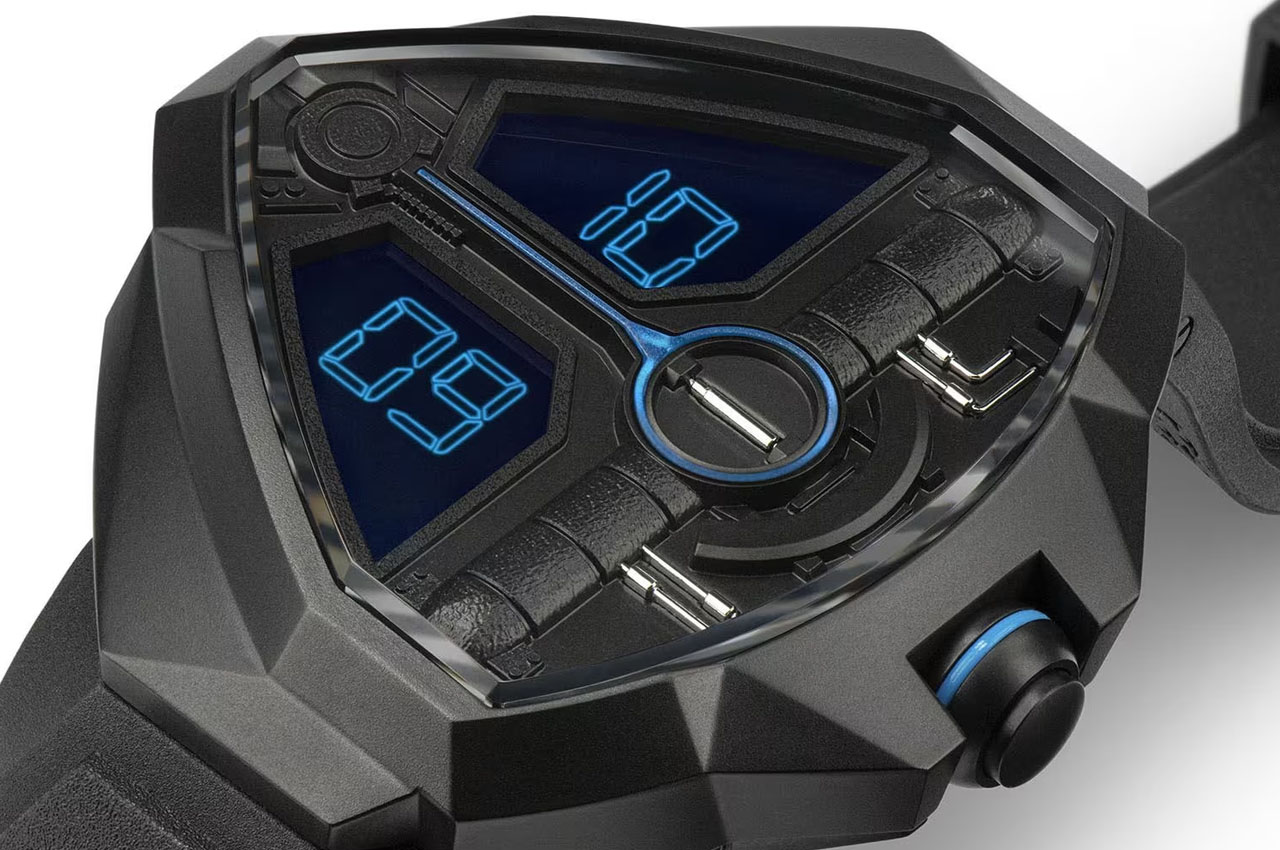
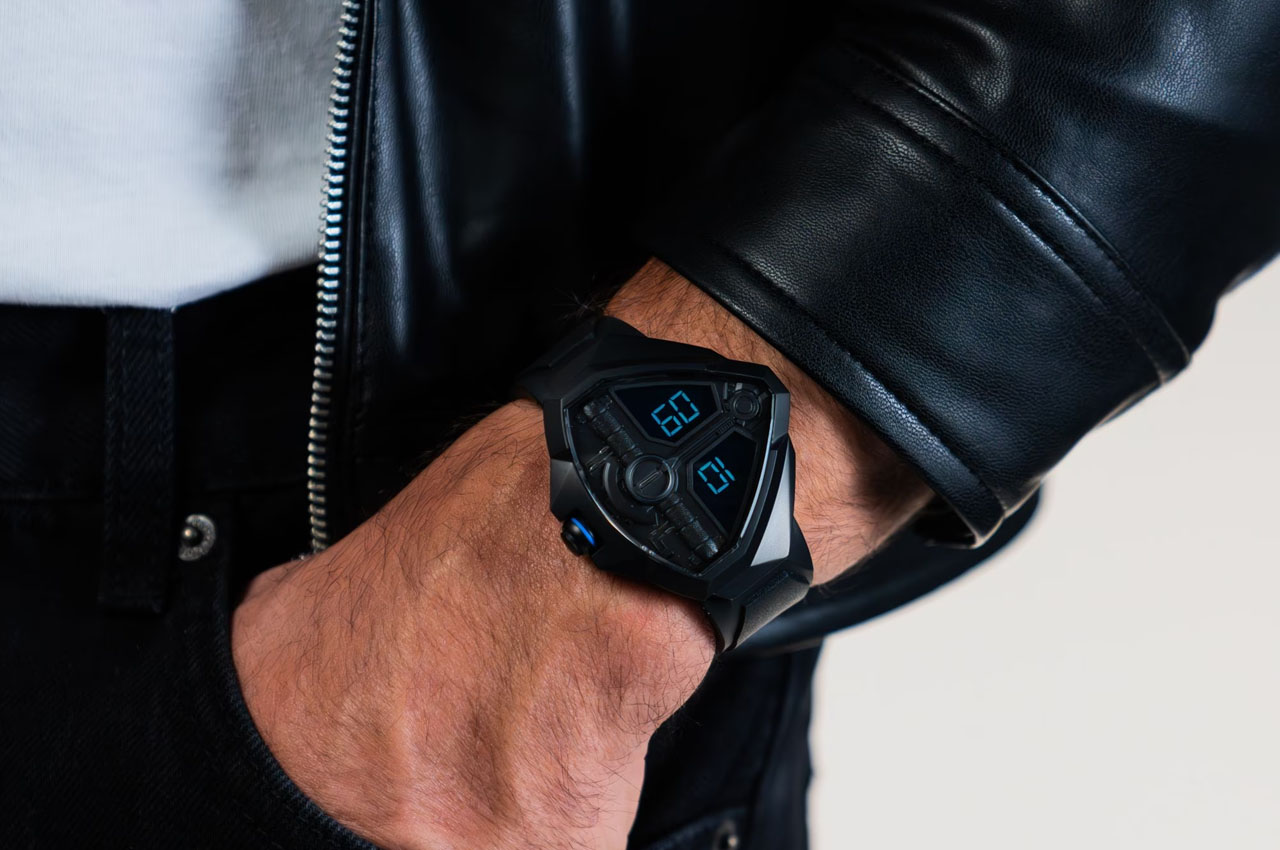
The Hamilton Ventura Edge Dune Limited Edition has a case made out of black PVD coating and measures 51mm x 47.2mm. The 100-meter water-resistant watch mimics the 3D relief elements present in the original timepiece depicted in the movie. I particularly like the intricate circuit board effect and the amazing texture complementing it.  On the face, it displays the time in cool blue digits and gets the quartz movement on the inside.

The time reading is done in a vertical formation, looking like a faint blue text that lights up at the push of a button. Also, the blue ring on the watch illuminates to complete the look. When the lights go out they go out with a slight brightness peak and fade into the dark, just like the original prop timepiece. The Hamilton Ventura Edge Dune watch will be limited to just 2,000 units and comes at a price tag of $2,500.

The post Ventura Edge Dune Limited Edition drops straight out of “Dune Part: Two” fantasy onto your wrist first appeared on Yanko Design.
A NYC studio reinterprets the perception of global time zones with a wristwatch that has its own travel-carry

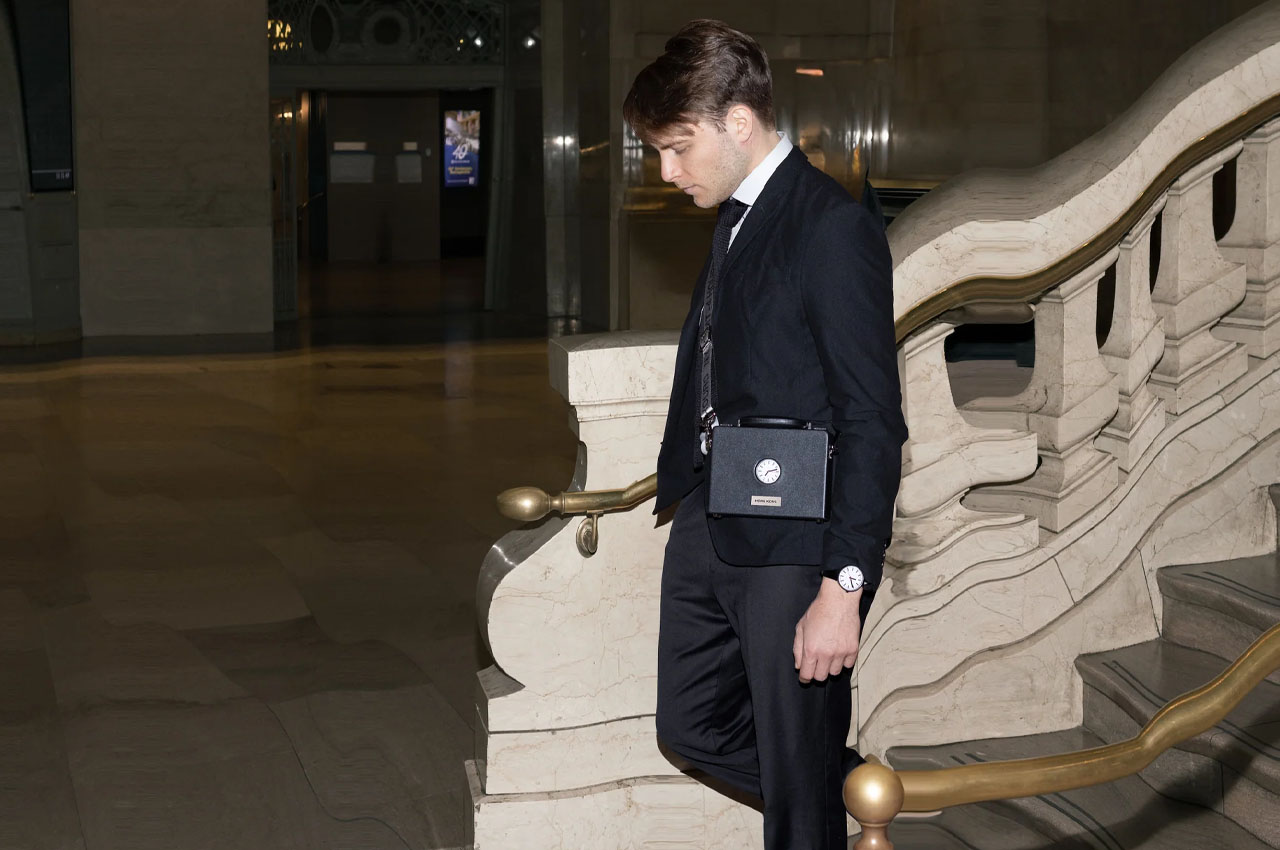
Not all watches are meant to have intriguing complications. A minimalistic watch with a black and white interface, accompanied by a briefcase is proving that right. Designed to let you navigate the world with time to your advantage, The Time Traveler Watch in discussion is created by Nik Bentel, a design-forward studio in New York City.

Nik Bentel Studio is a goal-oriented team of designers that thrives on releasing limited-edition performative objects, often through collaborative efforts. The Time Traveler is a watch that journeys from the wrist to a briefcase, as you travel between countries, has been created in close collaboration with Trio of Time (TTT) Watches by Anicorn.

Designer: Nik Bentel Studio and TTT Watches

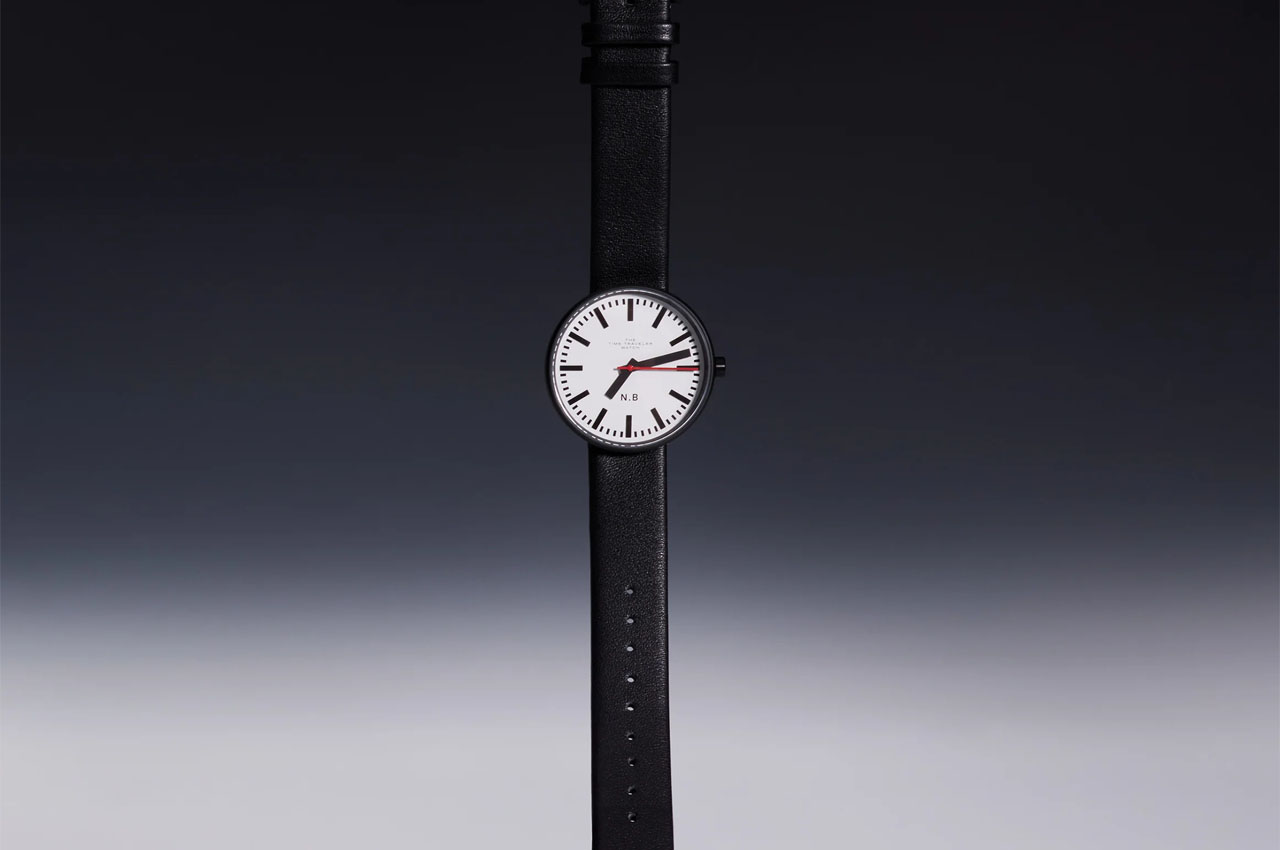
Time zone wall clocks found a pace after the global trade kicked off post-World War II. These clocks with a simple typeface, clean white aesthetics, and a straightforward design became a staple with travelers who trotted between time zones. The Time Traveler Watch revives this timeless design with a combination bag, creating a no-nonsense time-telling narrative for modern globe trotters.

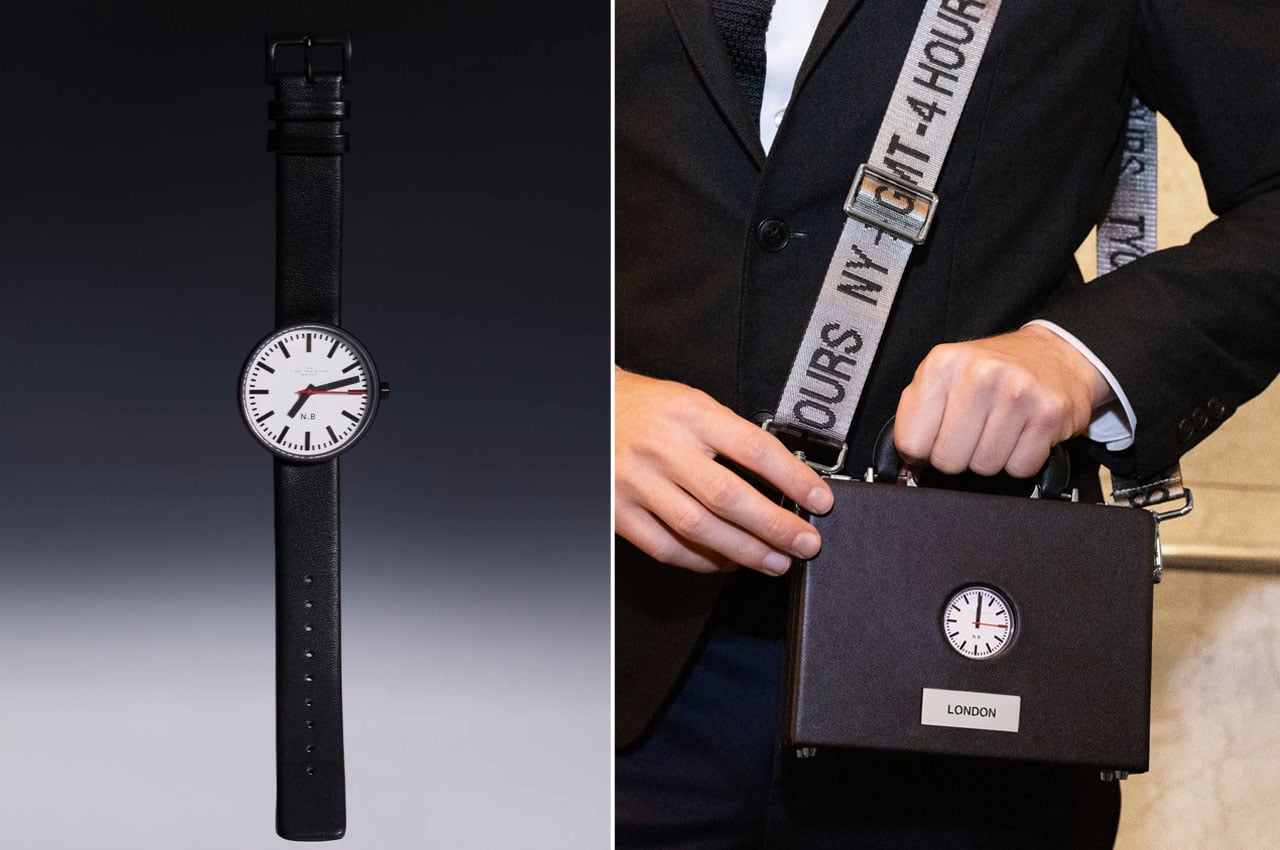
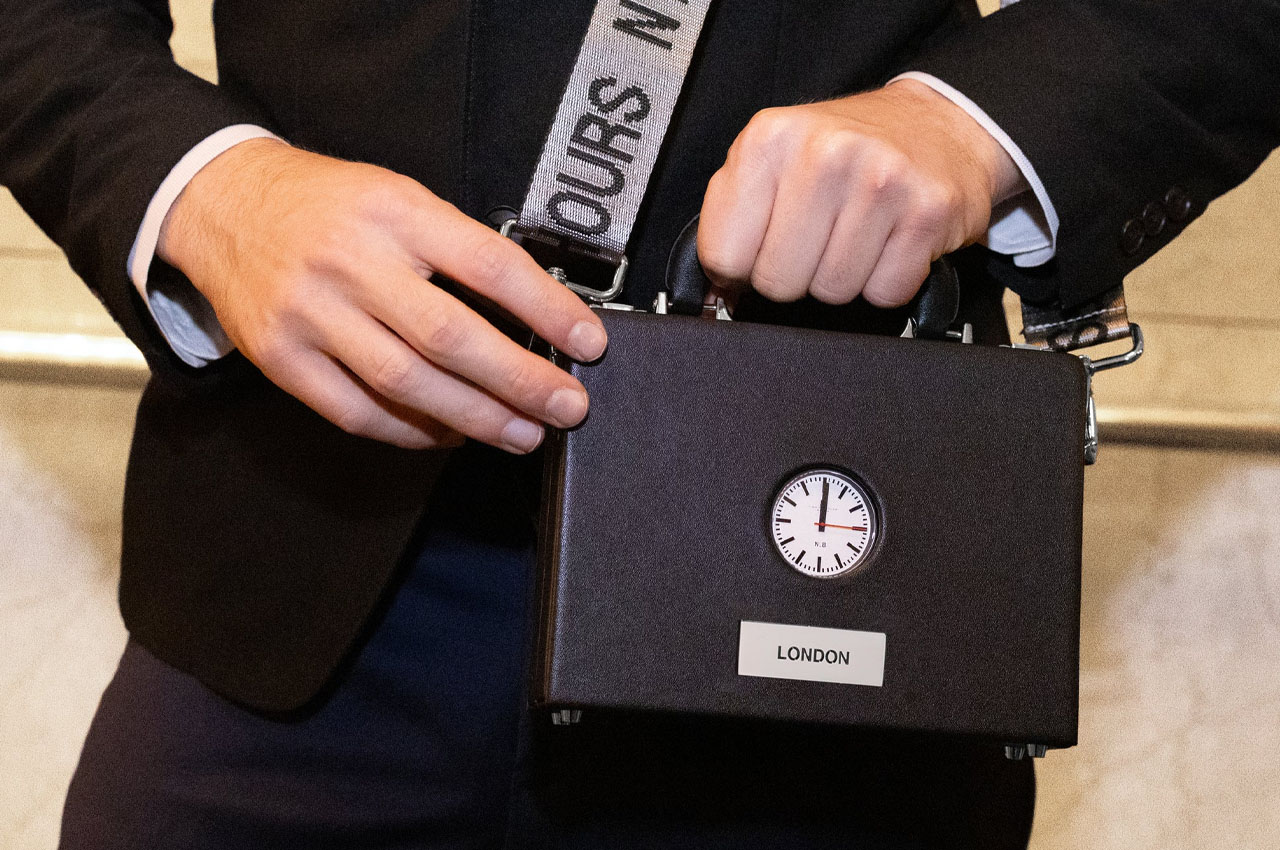
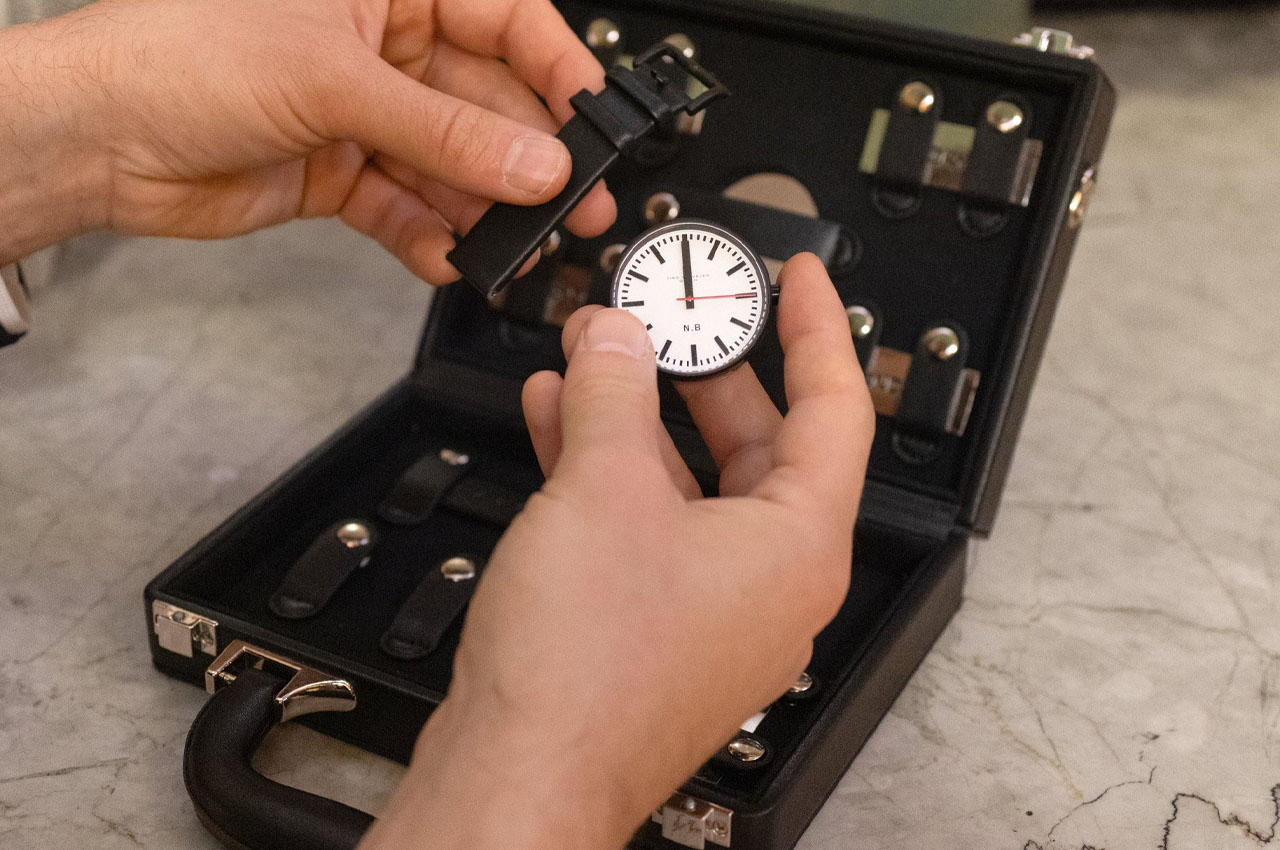
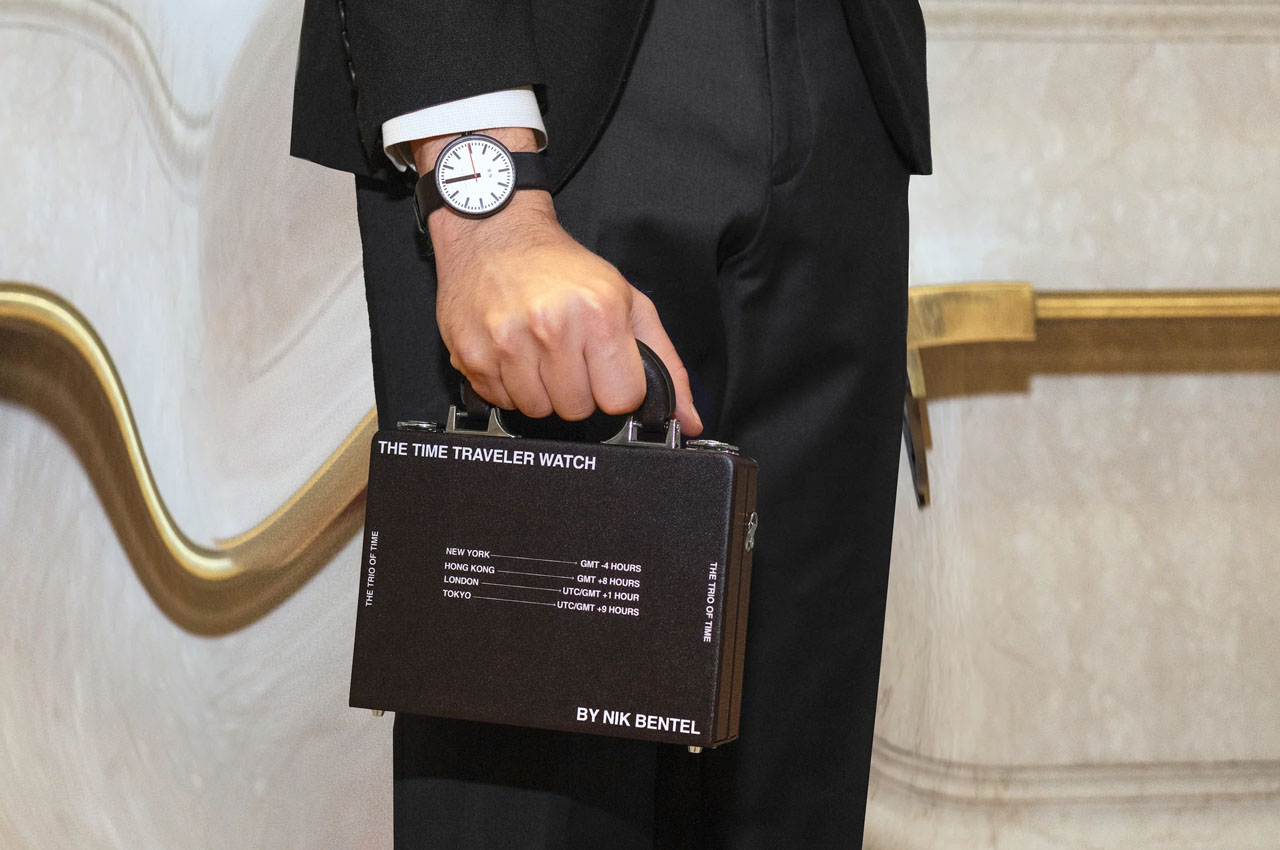
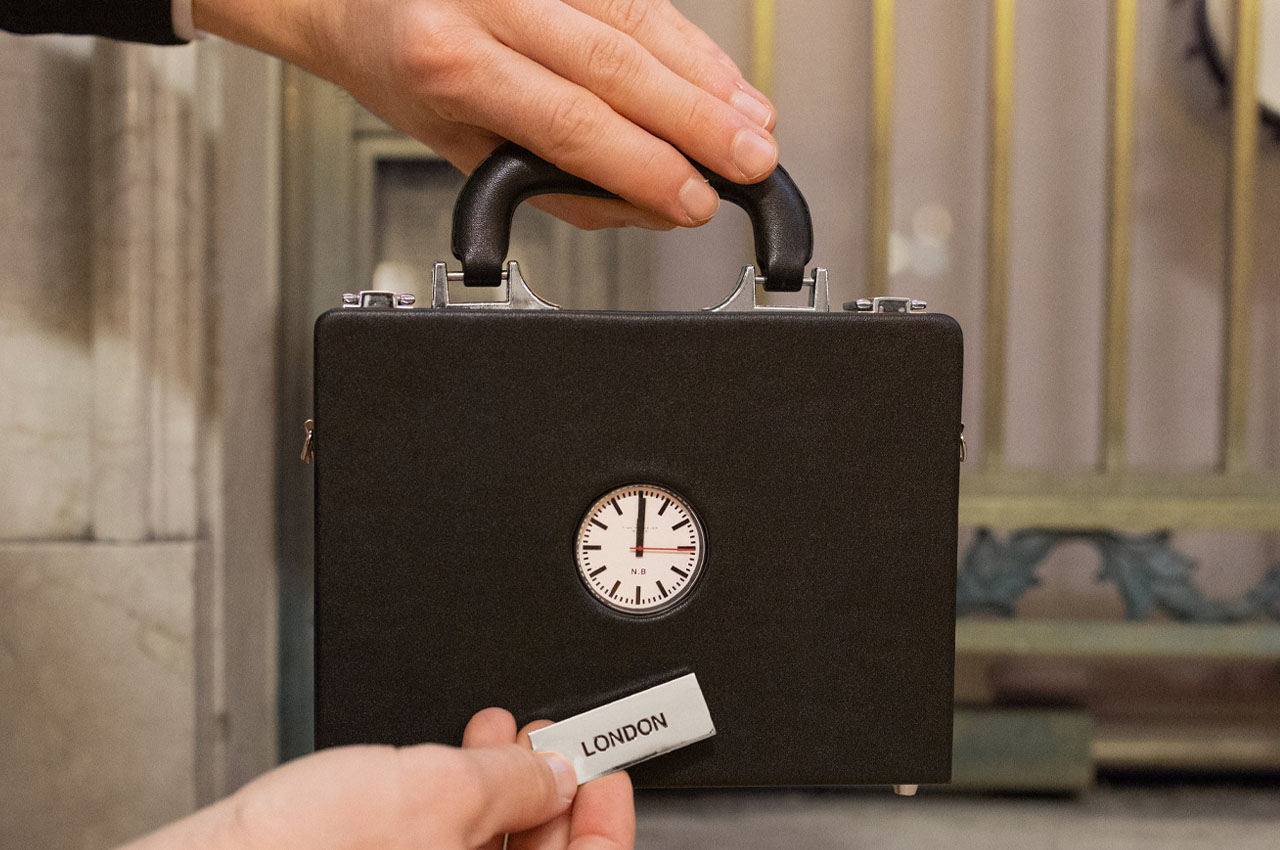
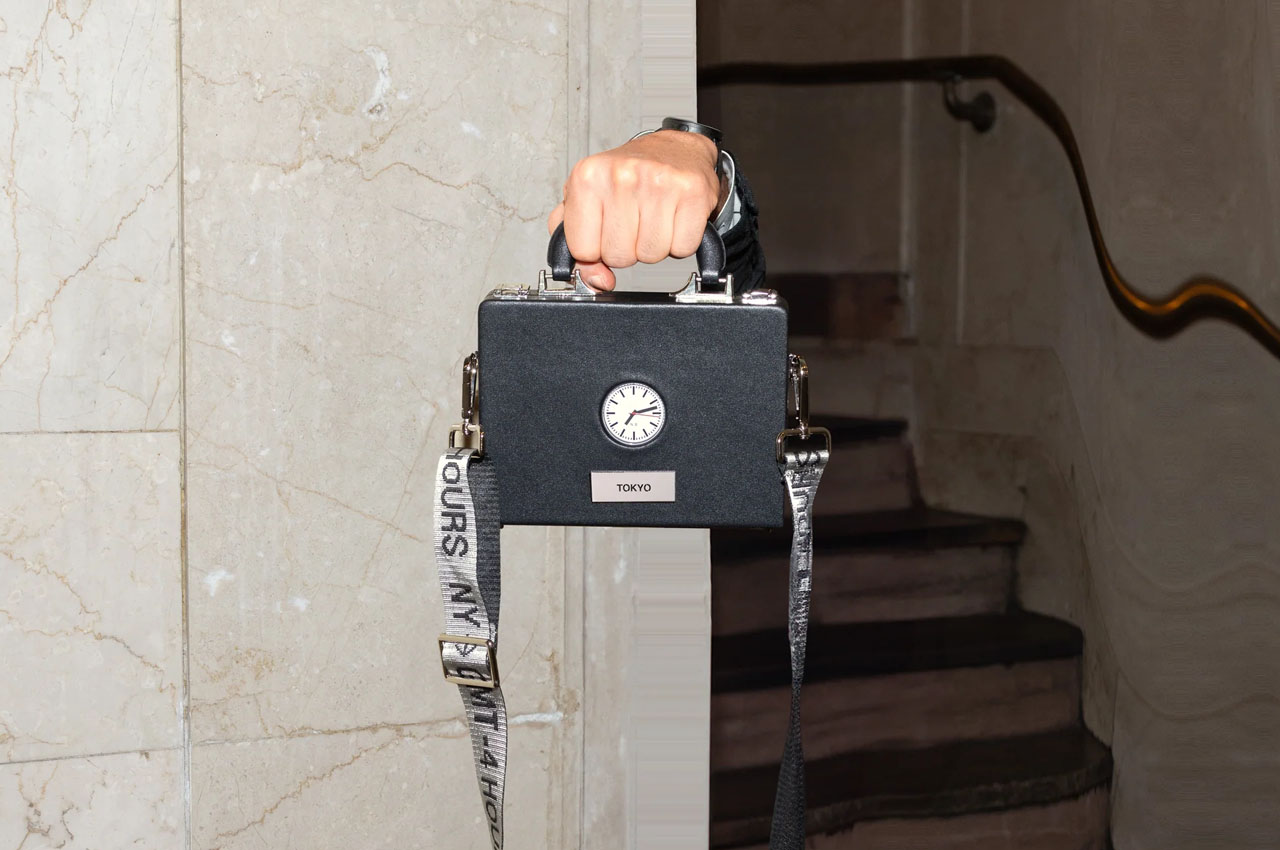
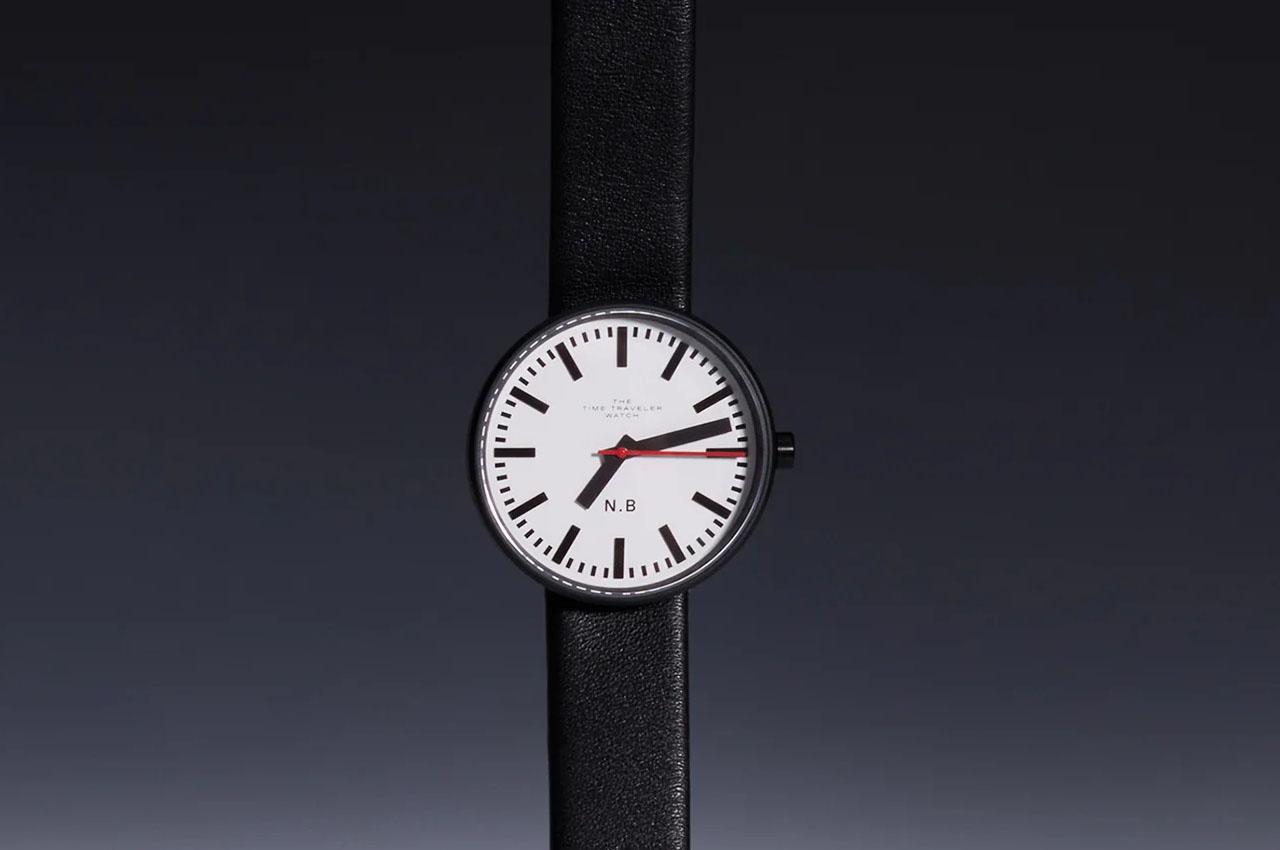
Rethinking how modern-day watches perceive global time; the Time Traveler, as previously iterated, is a two-part time teller. One part is a 39mm diameter wristwatch paired with a removable leather strap. The design language is black, white, and straightforward. The second part is the briefcase that is wearable without the watch. Its true potential is however realized when the wristwatch is defragmented (the strap removed from the dial) and it is placed inside the designated section on the bag.

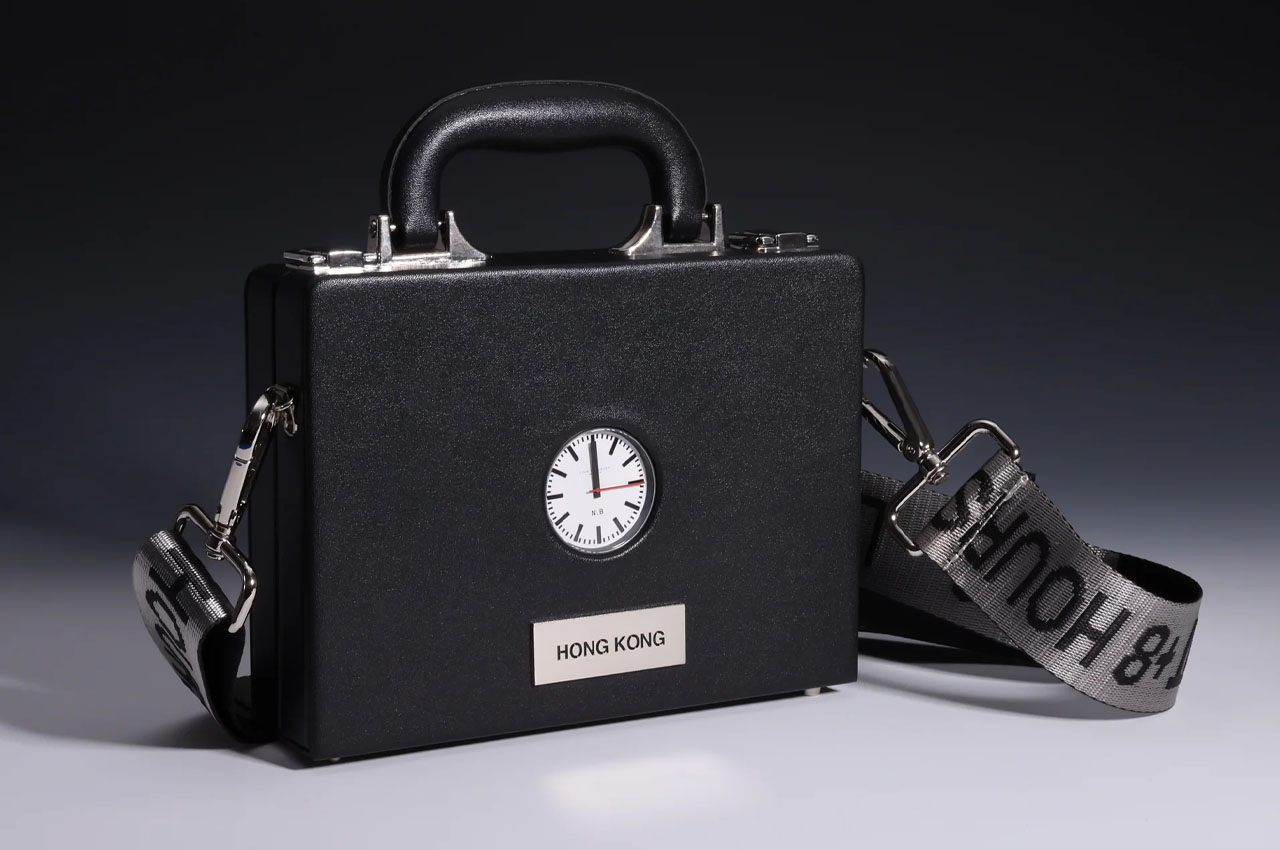
The bag with crossbody woven strap has interchangeable city plates – for London, New York, Tokyo, and Hong Kong – made of chromed silver right below the watch slot. You can interchange the plates (that hold up to the bag using a magnet) to match the time zone your watch is following at a given point in time.

For the inquisitive, the Time Traveler has a stainless steel casing and a Japanese Miyota 2035 Quartz movement powers it. The straightforward dial is protected under mineral glass, and the watch itself is 50 meters water resistant. Aiming to simplify time telling in global locations, The Time Traveler intends to reinterpret the perception of global time zones, and I think it has pulled that off well. The watch is available for $349 right away!

The post A NYC studio reinterprets the perception of global time zones with a wristwatch that has its own travel-carry first appeared on Yanko Design.

Forget Flip Phones, this Smartphone has a Flipping Side Button Panel for Regular, Gaming, and Camera Modes

When mobile phones began scaling up, they used physical buttons for navigation. Steadily touchscreen smartphones took over more rapidly than mobile phones to reach our pockets in the first place. This was because of two considerable reasons: larger display real estate and lighter and slimmer design. But what we had to forgo in this barter was the tactile feedback on the press of a button that good old mobiles offered.

It has been seen that mobile gamers and camera enthusiasts prefer the tactile feel of the phone and this has given surge to a new league of accessories that make this possible from an everyday smartphone. Now a designer believes there is a scope of adaptation for a smartphone with tactile buttons for camera and gaming mode, in addition to physical volume rockers and power button of the touchscreen phone.

Designer: Wayne Lu

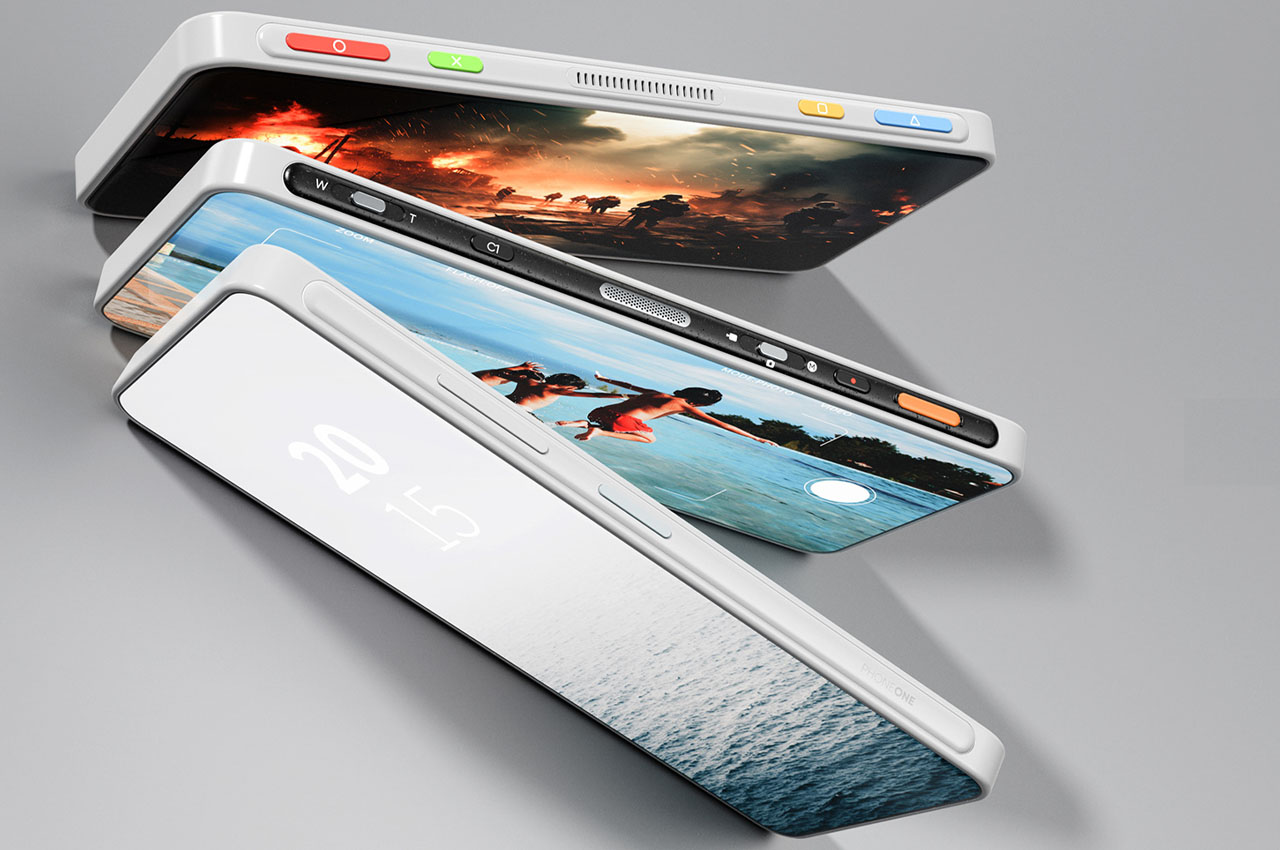
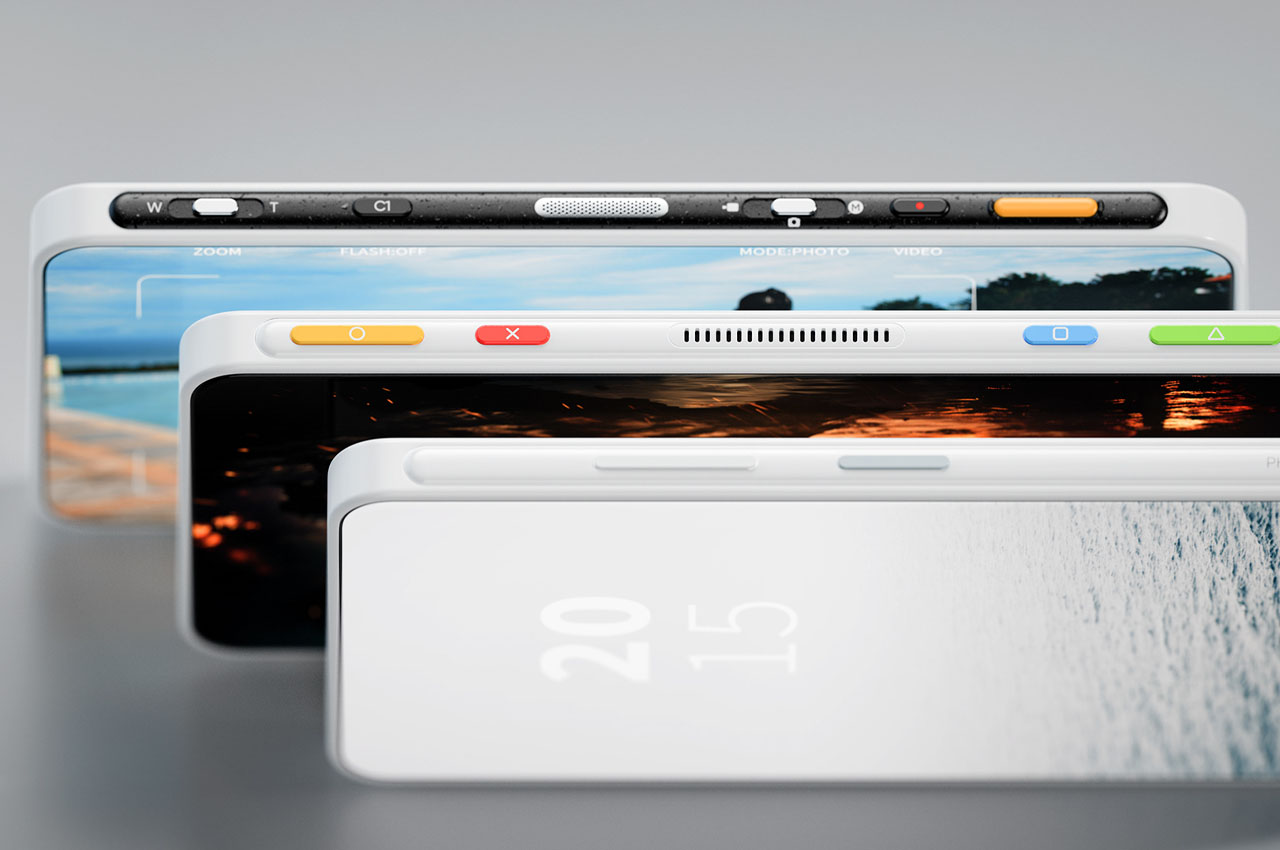
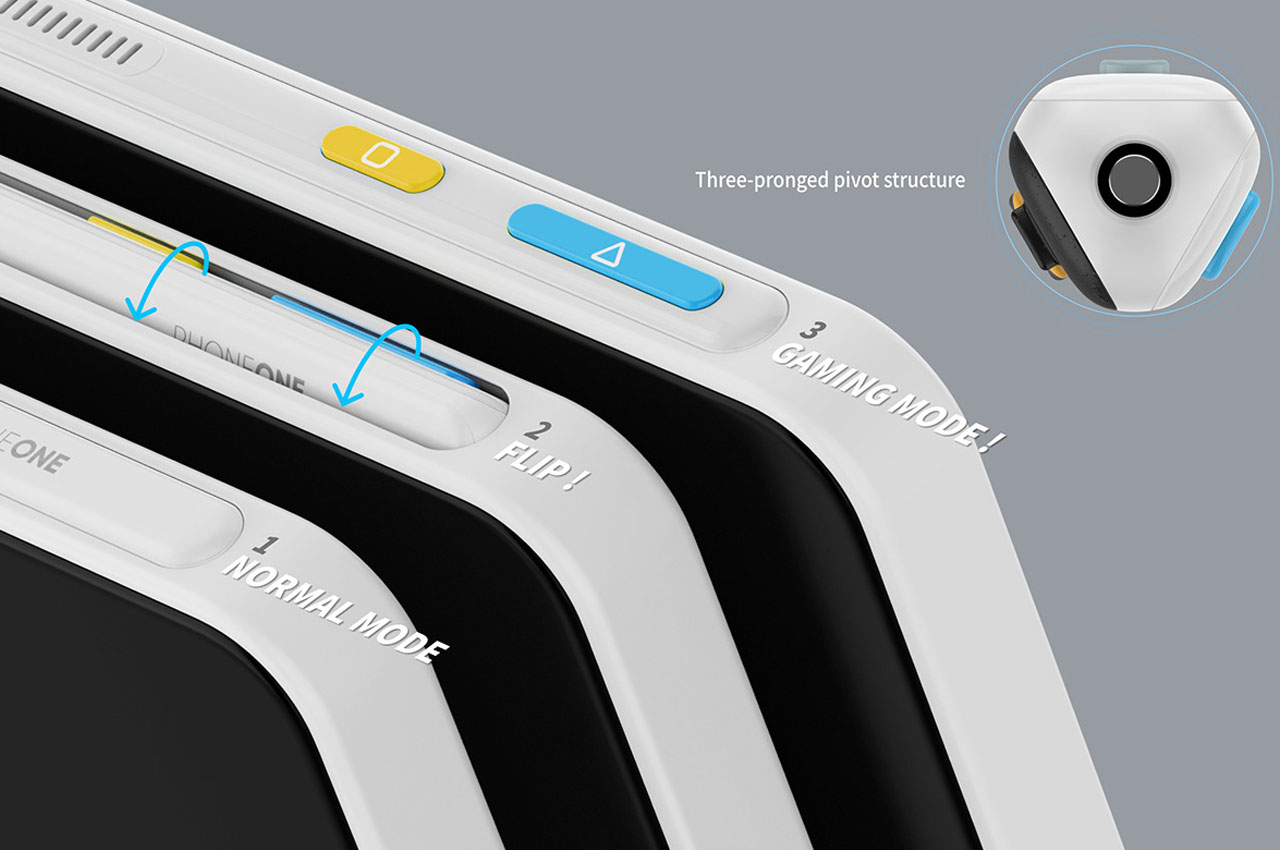
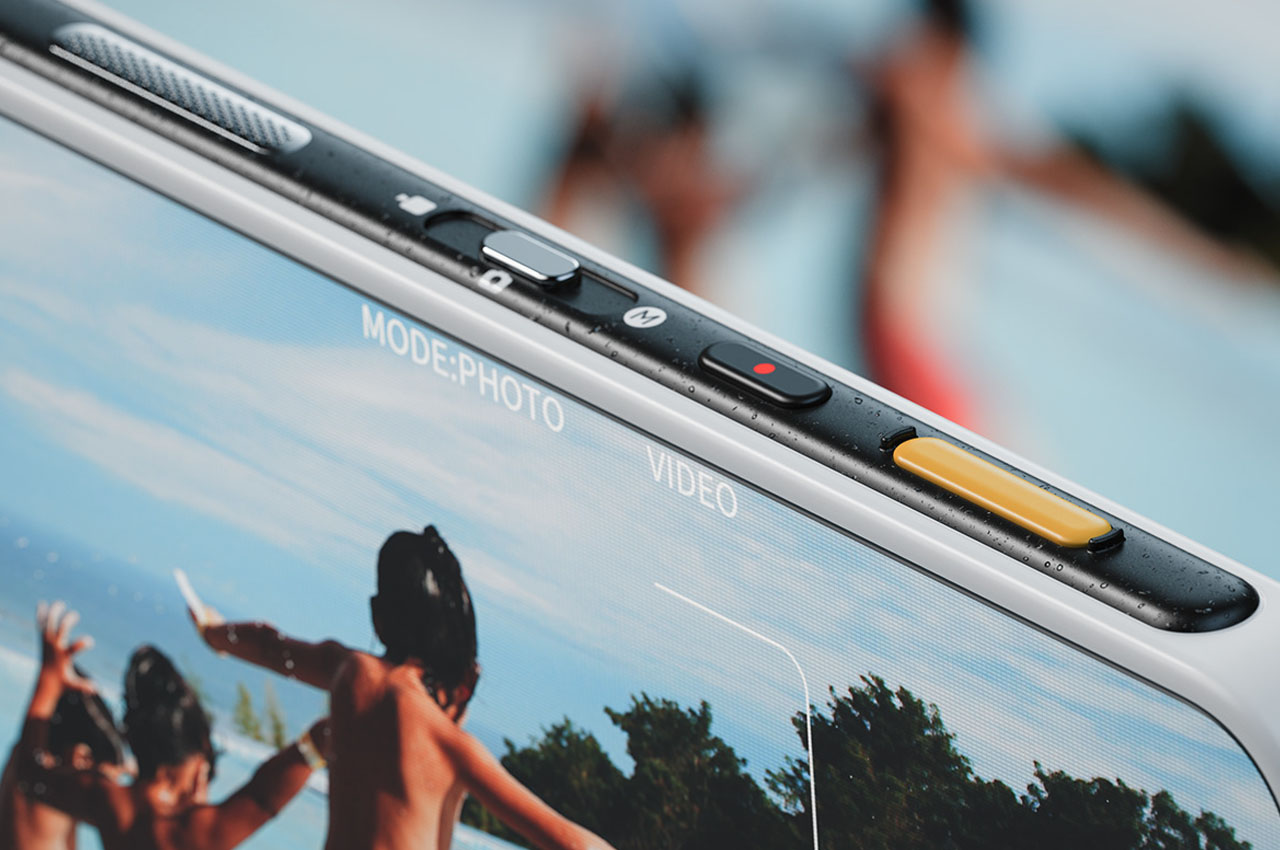
Appropriately christened the Phone One, this as the tagline suggests, is a multi-mode smartphone that revives the physical buttons for a tactile feel. The interesting aspect here is that these buttons do not take up the screen space but are provided in a uniquely designed three-pivot side panel of this smartphone.

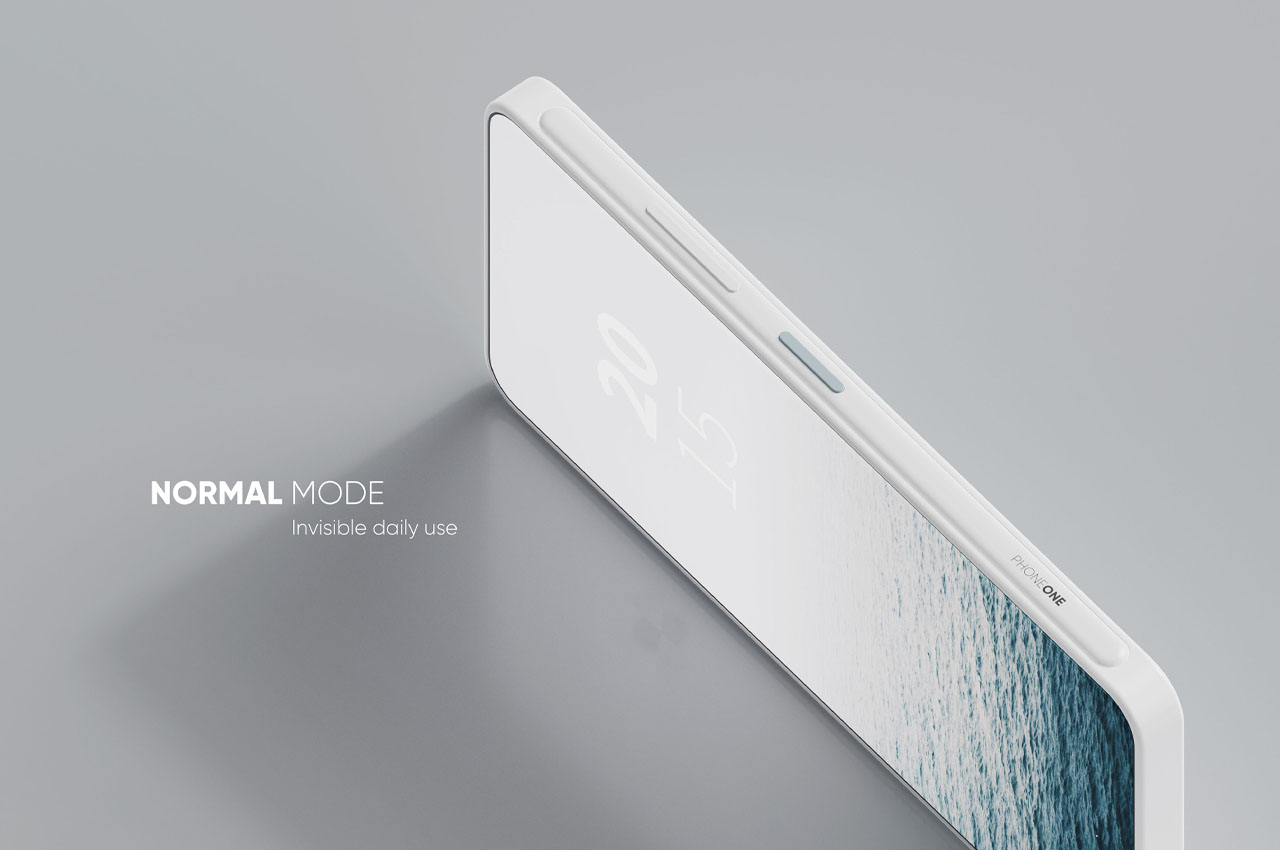
The pivot allows the right-side panel of the phone to rotate within the phone frame itself, transitioning from normal phone mode to gaming mode and further into camera mode and back to the phone mode. The normal mode with volume and power buttons ensures the Phone One looks as close to normal as possible for daily usage.

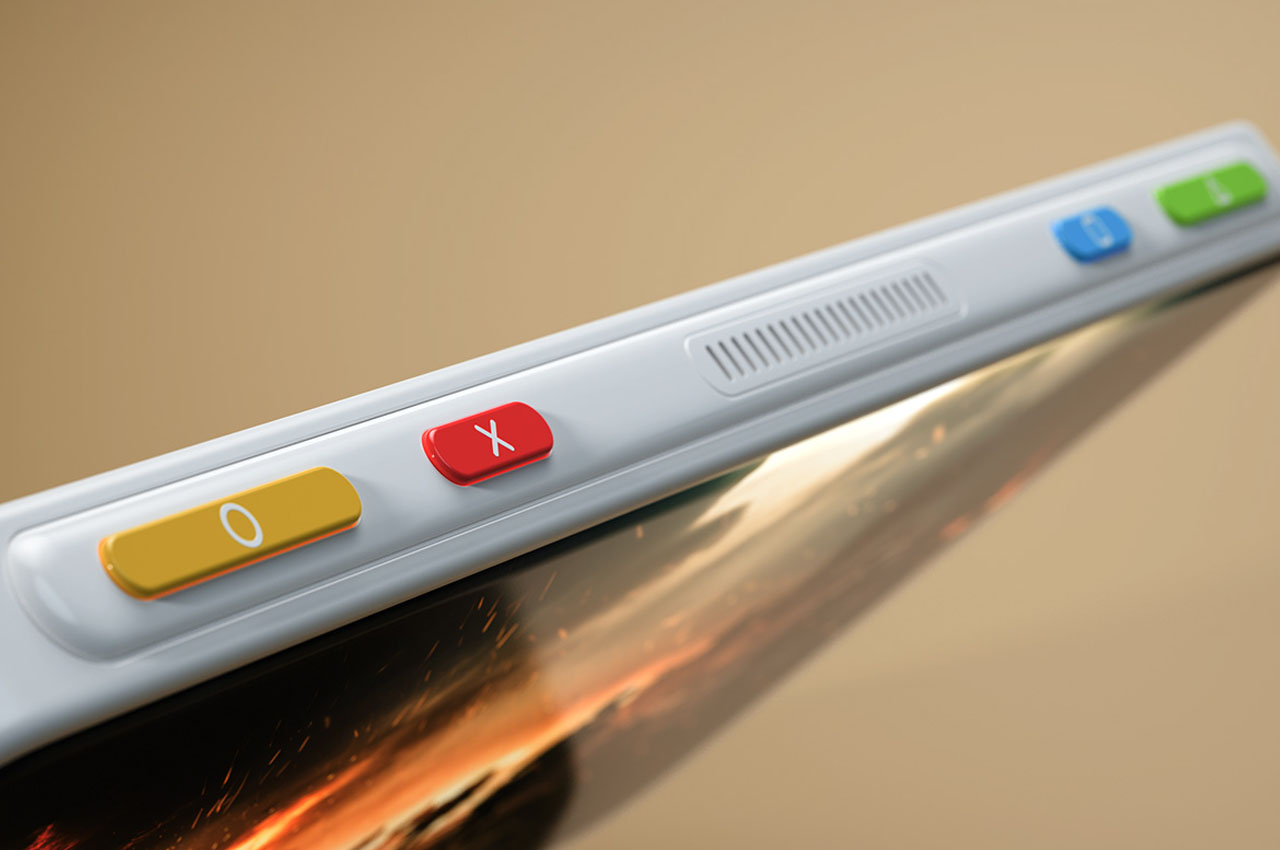
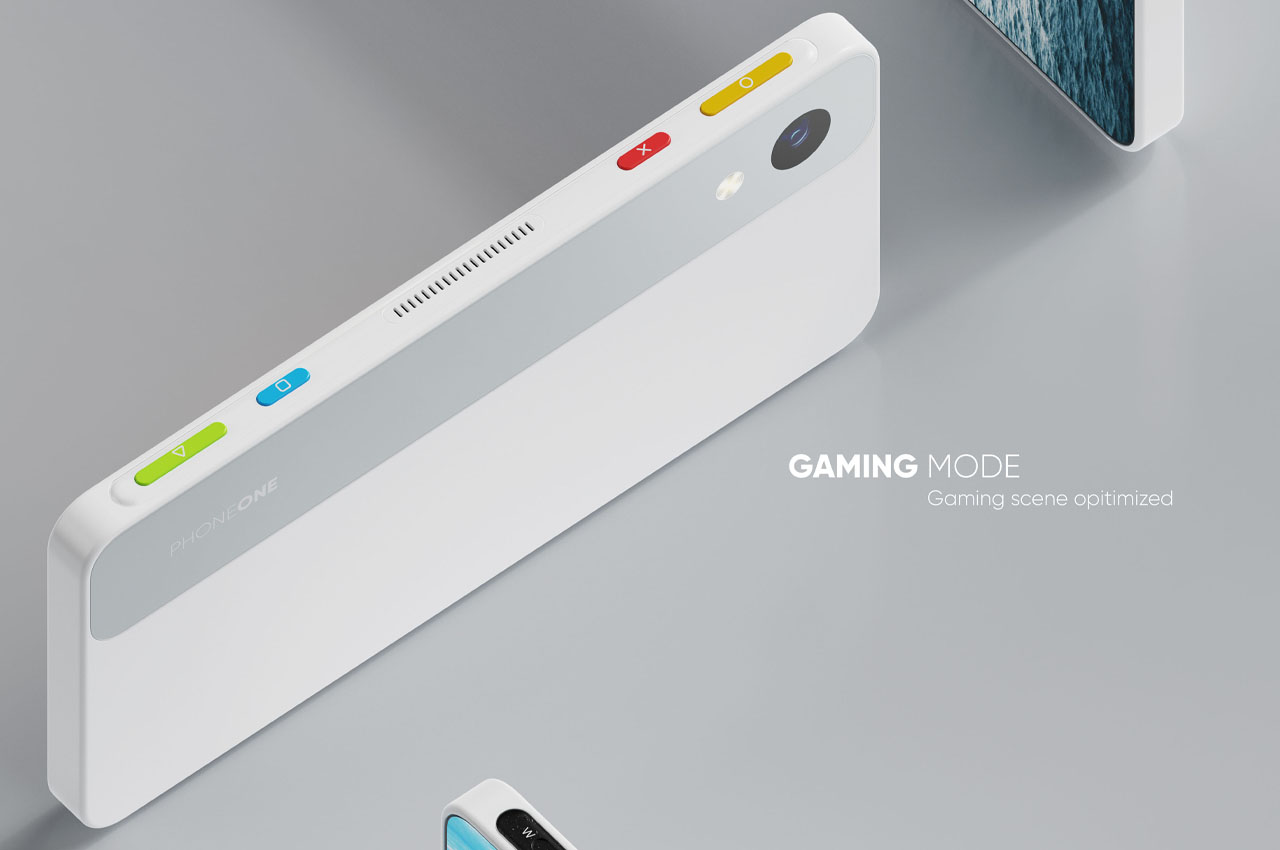
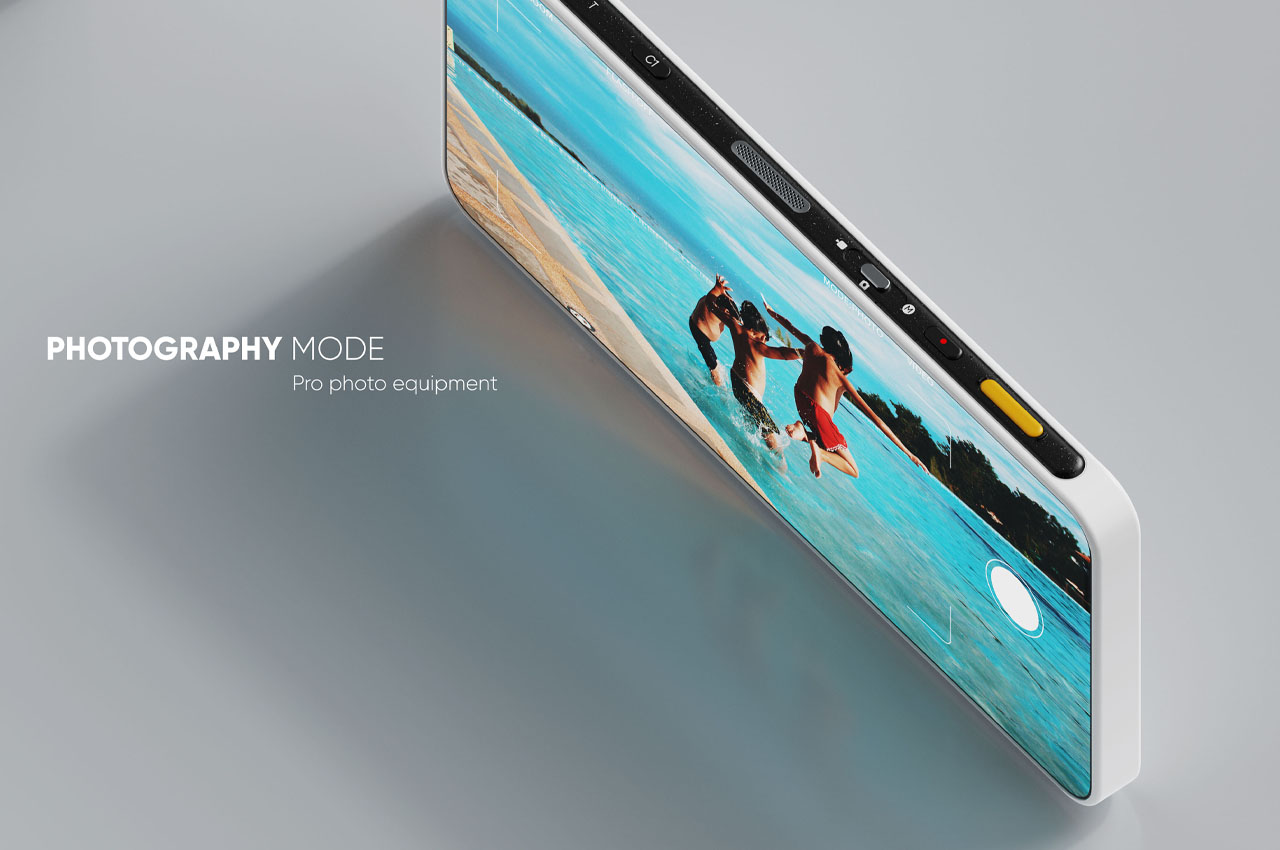
The magic starts on the first twist of the side panel that reveals the game mode. This shows up a speaker grill in the center and D pa- style four buttons in as many colors. Taking things further into the optics arena is the camera mode that appears on the next pivot of the side panel. This mode with all the physical buttons for recording, clicking, flash and more has a very camcorder-like appearance.

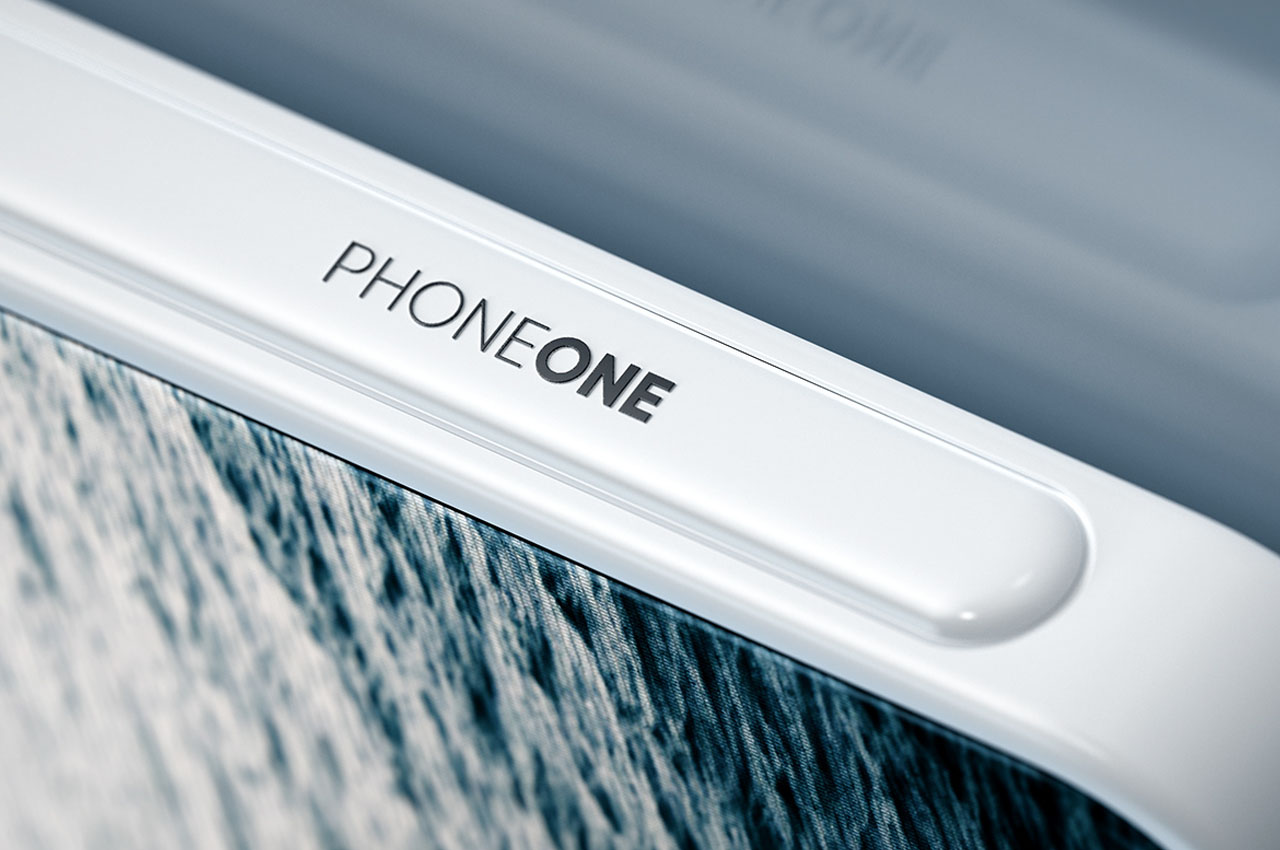
Besides the bespoke pivoting side panel, Phone One is a run-of-the-mill smartphone with an edge-to-edge HD display and a slim profile. It has a single camera cutout on the back and a plasticky white body with the Phone One branding on the pivoting side that protrudes slightly from the main body. Of course, we do not have details about the possible innards of the Phone One, but it is an interesting concept worthy of seeing the light of day.

The post Forget Flip Phones, this Smartphone has a Flipping Side Button Panel for Regular, Gaming, and Camera Modes first appeared on Yanko Design.
TAG Heuer and Malbon collaborate for a distinct Connected Calibre E4 Golf Edition watch

Golf is generally considered a game of the elite and a passion of the aged. This notion has remained put for a very long time, but with younger payers adopting the sport, it is transcending with time into a youthful recreation. Malbon Golf has been an early adapter in this changing scenario with some fascinating smartwatches that infuse an unexpected twist and playful spirit on and off the course.

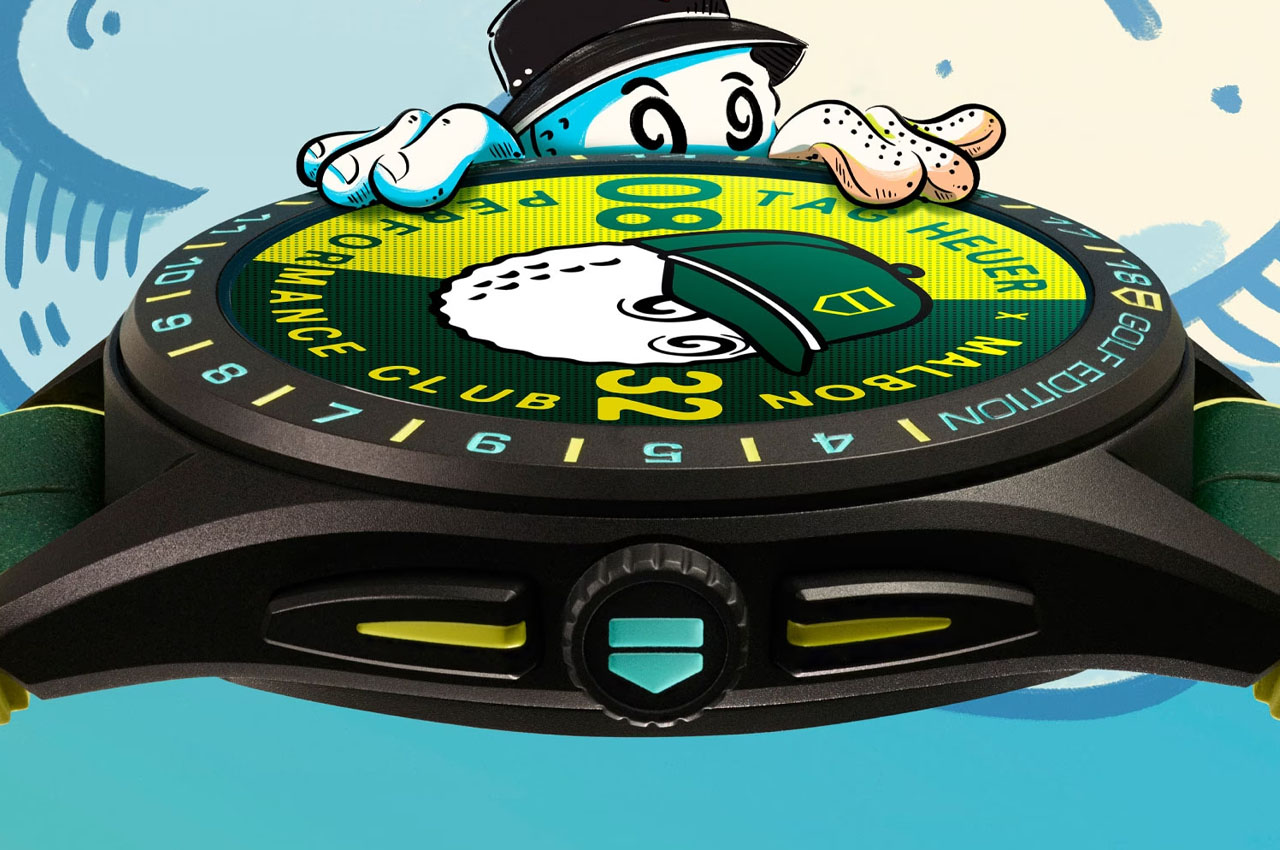
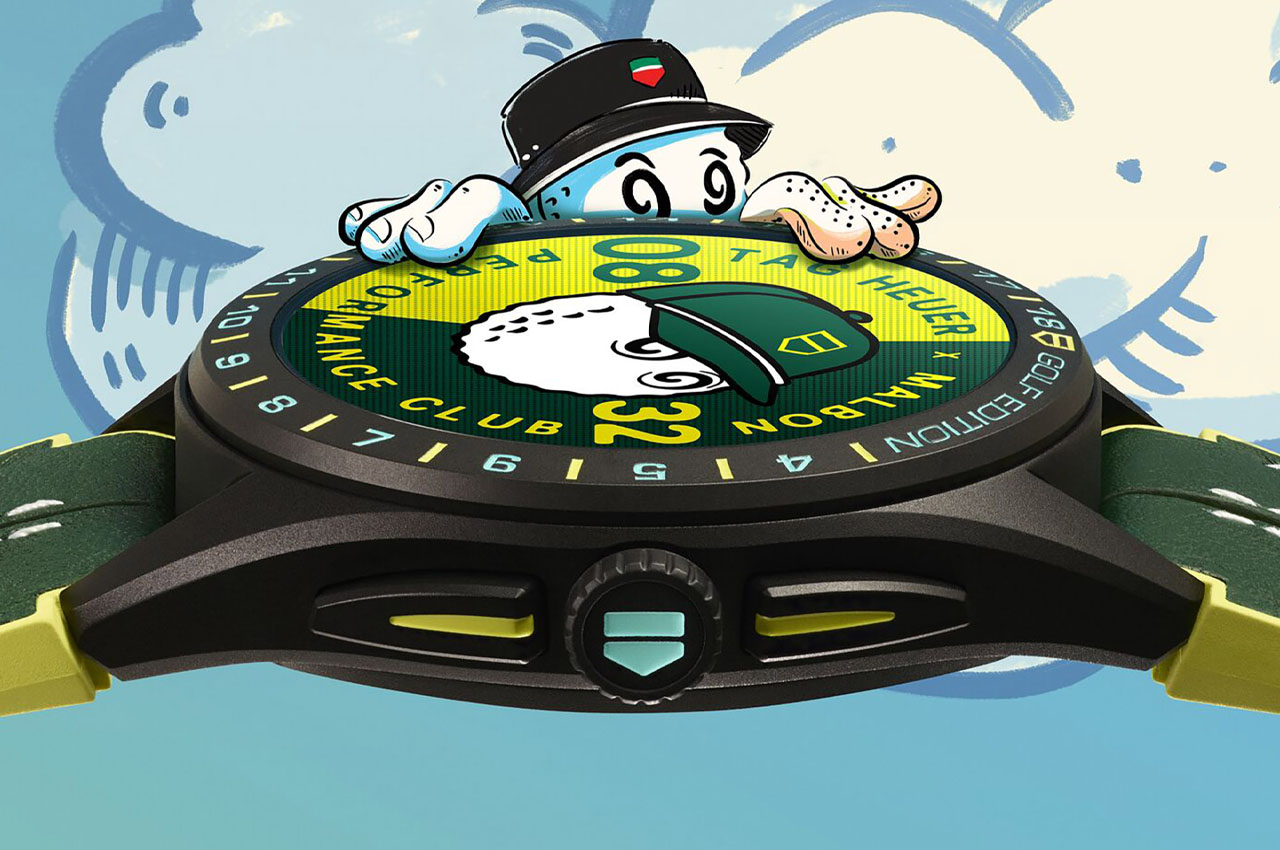
After giving the youth (and others who may fancy) a new perception of the game with streetwear-inspired watches, the brand has collaborated with TAG Heuer for a new interesting offering. The TAG Heuer Connected Calibre E4 45mm x Malbon Golf Edition is the latest smartwatch with a golf-focused approach that will have many heads turning not only for its looks and features but also for its considerably affordable price.

Designer: TAG Heuer x Malbon Golf

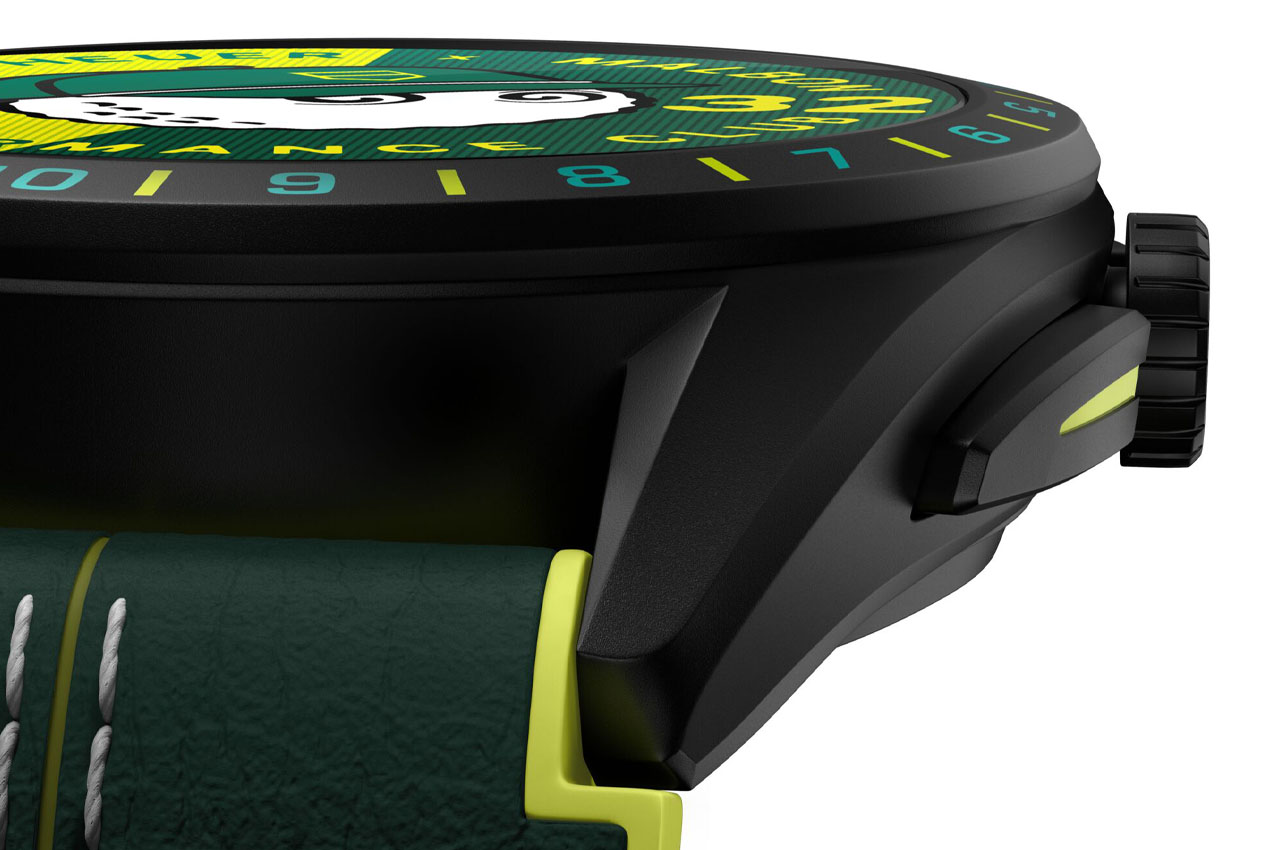
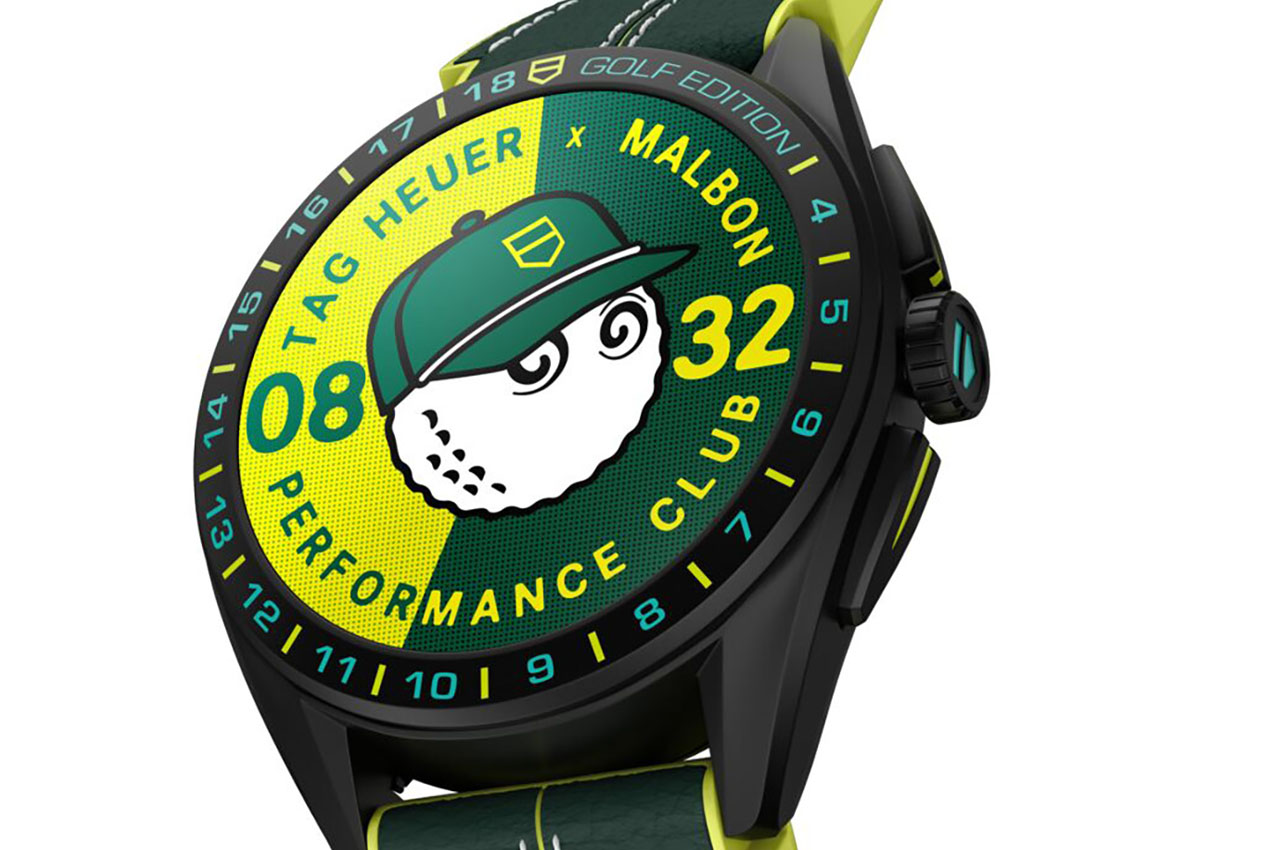
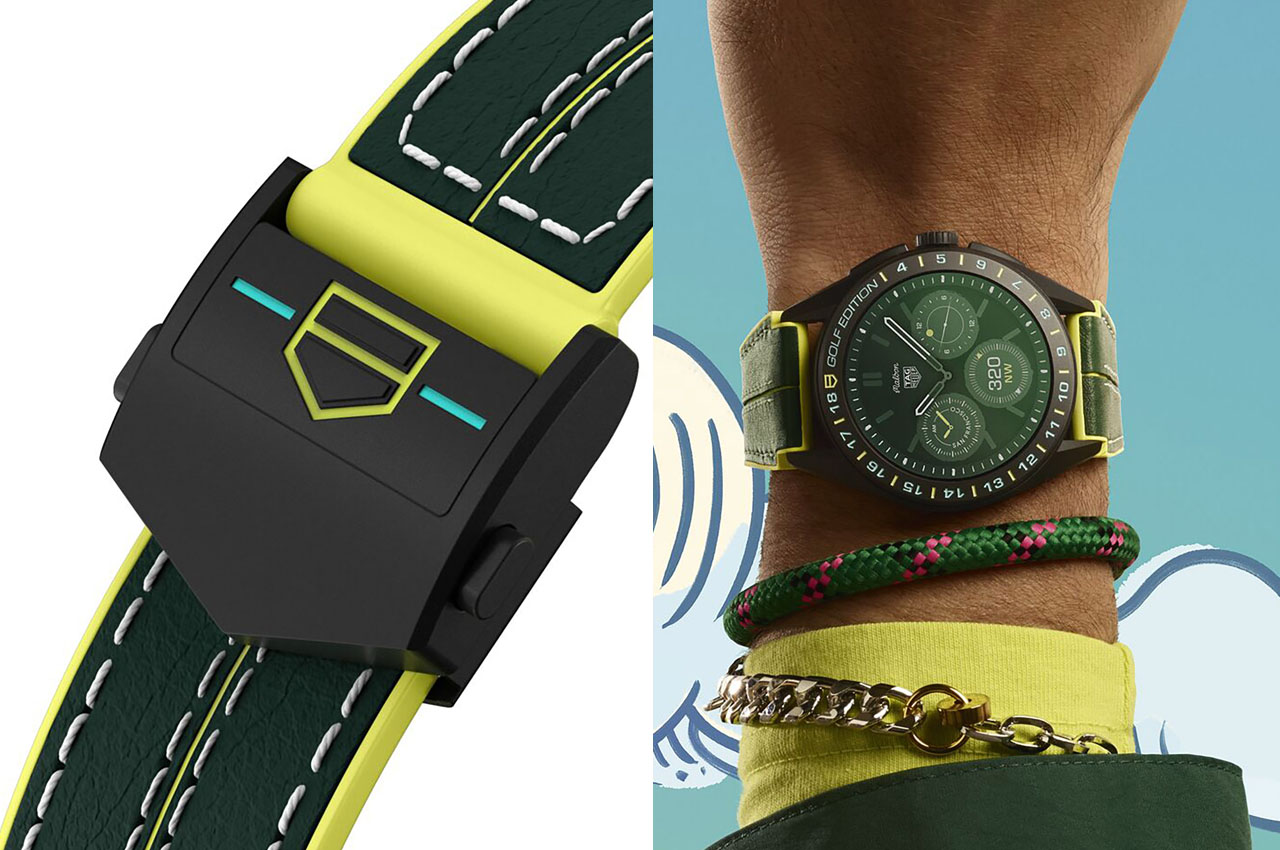
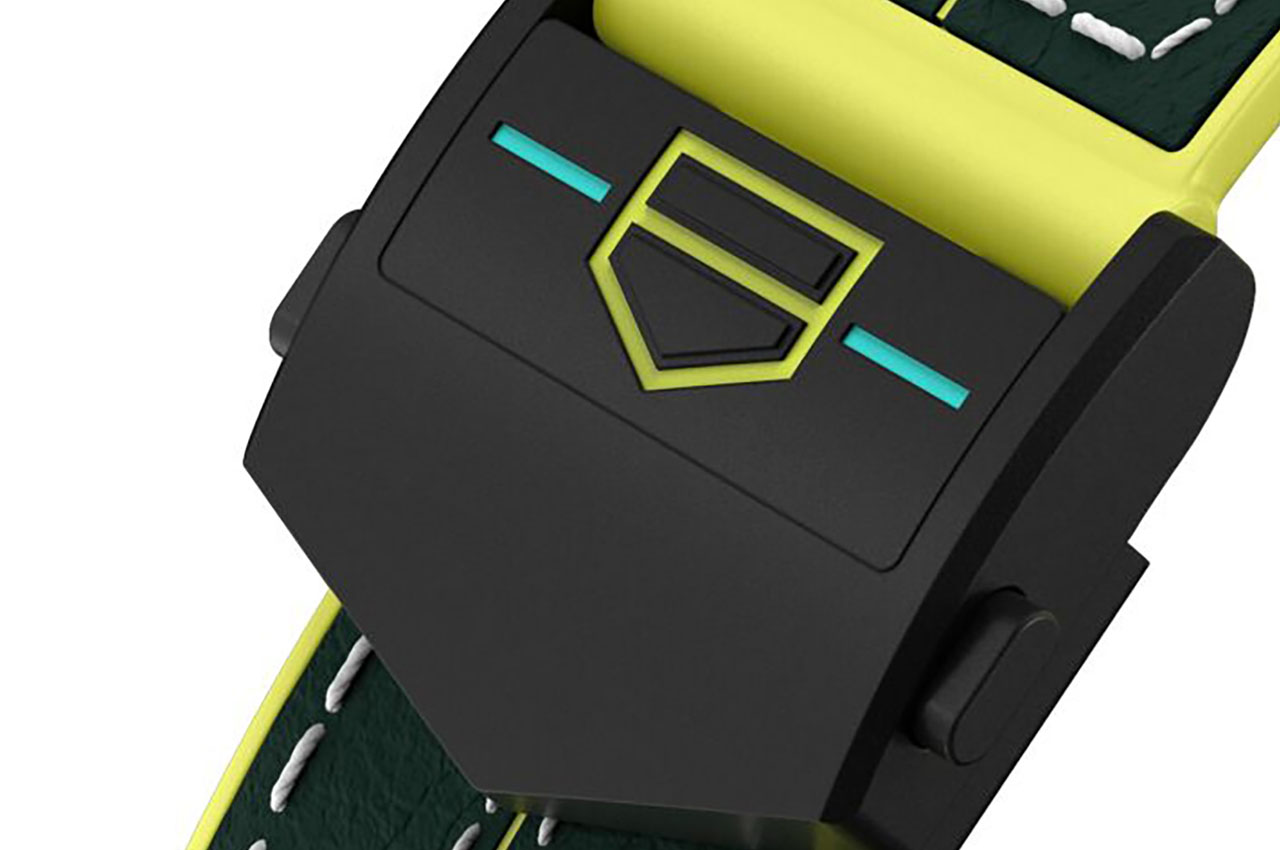
The new TAG Heuer Connected Calibre E4 x Malbon transcends the ordinary and brings a fashionable idea to embrace. This stands out in the choice of color combinations inspired by the golf course. Besides this, the watch is a robust companion for the players, and appreciators of the game, with a matte black DLC-coated titanium case that measures 45mm.

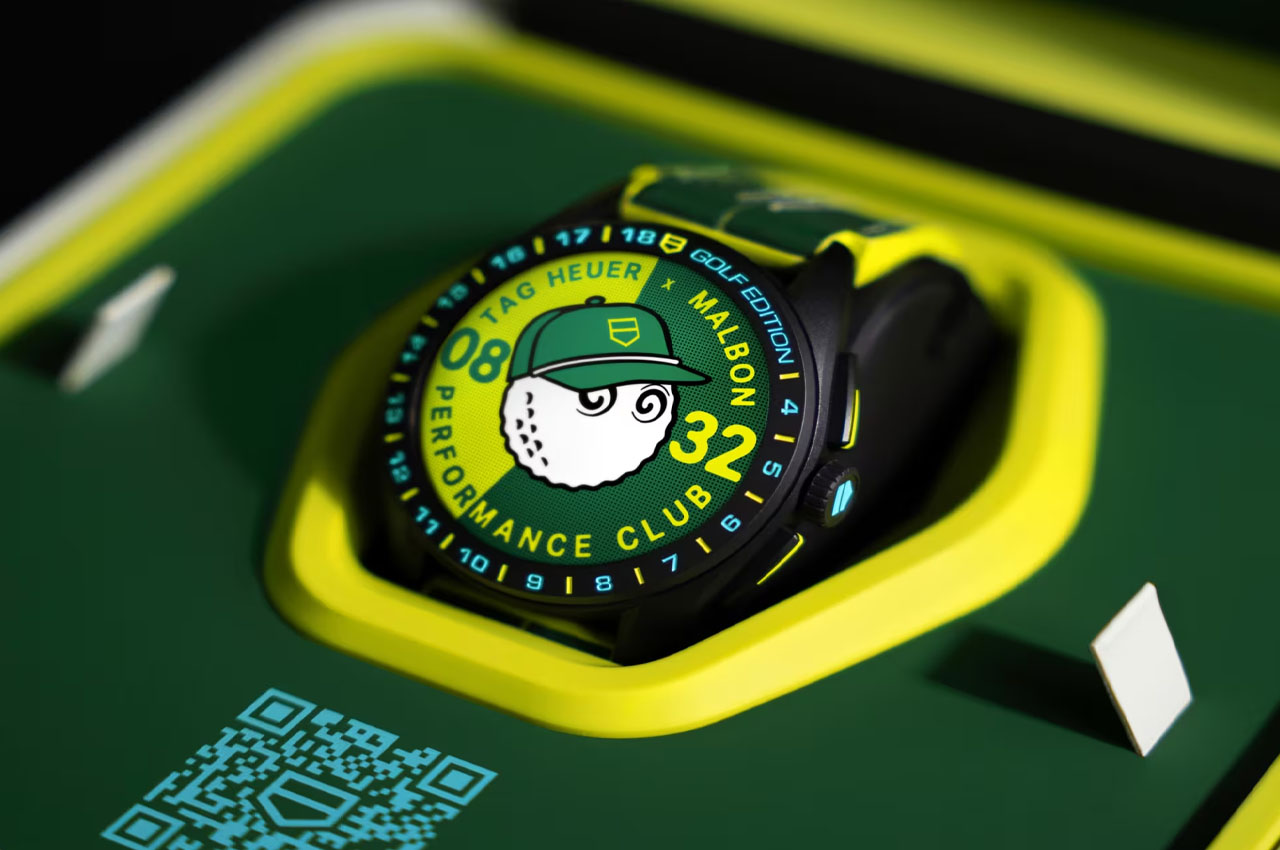
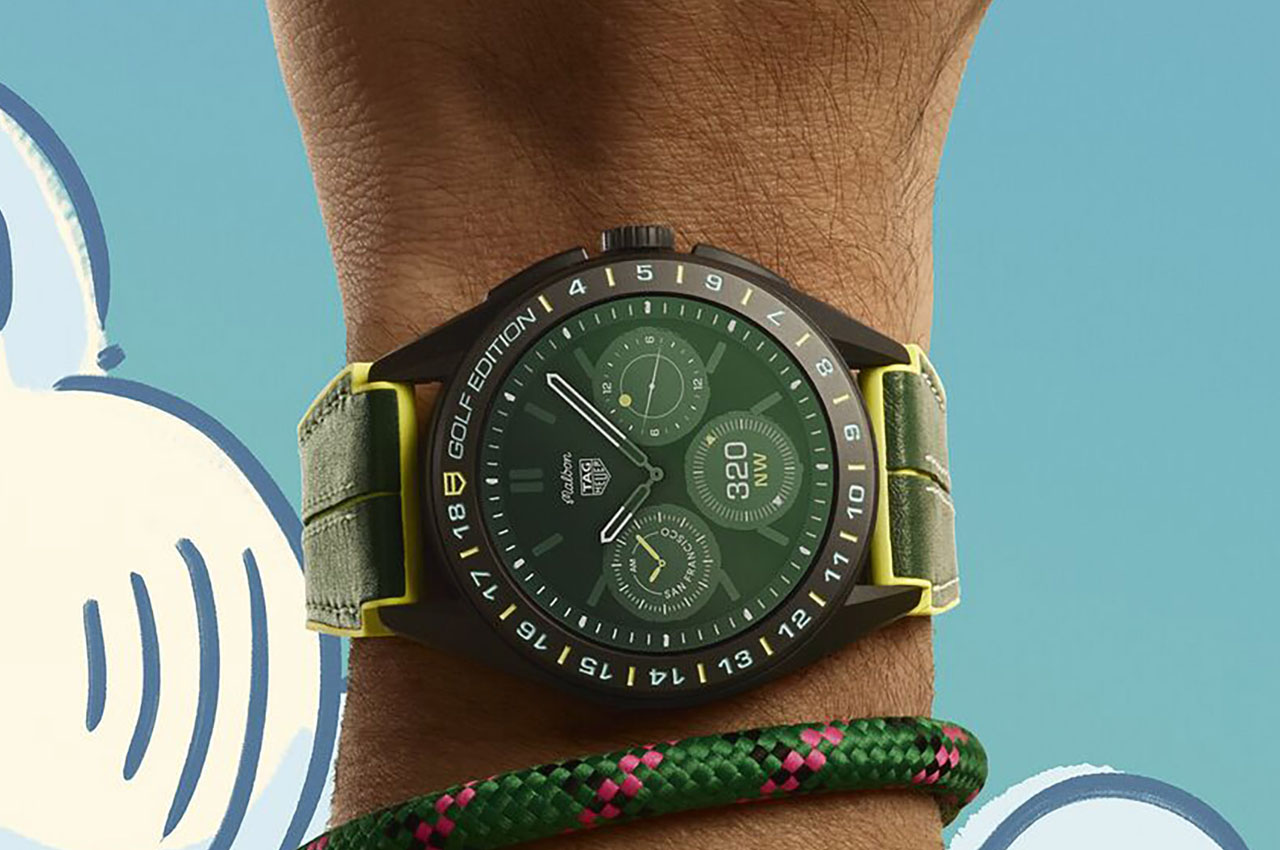
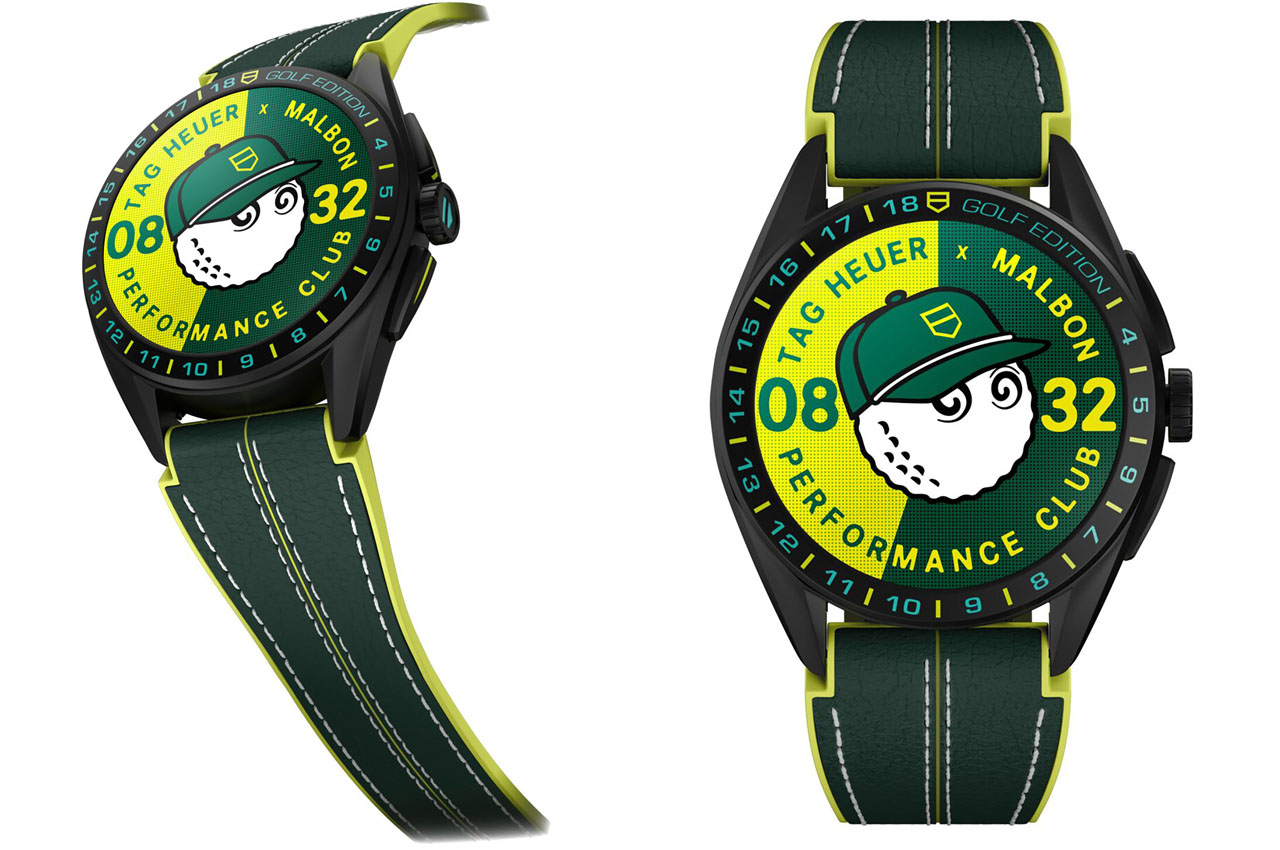
The sizable casing houses an OLED touchscreen dial with two new and interesting display options. The first watch face options put Malbon’s golf ball mascot in the center while yellow and dark green colors split in half occupying the 9 o’clock and 3 o’clock sides respectively. The highlight watch face, which is exclusive to this watch is the elegant dark green accompanied by three chronograph-style sub-dials.

The golf-inspired ceramic bezel has 18-hole indicators marked in Arabic numerals with the Golf Edition label completing the bezel interface. The dark green dial of the TAG Heuer Connected Calibre E4 x Malbon is embedded with the TAG Heuer shield emblem at 12 o’clock and comes included with sports and wellness apps facilitated by the Google Wear OS.

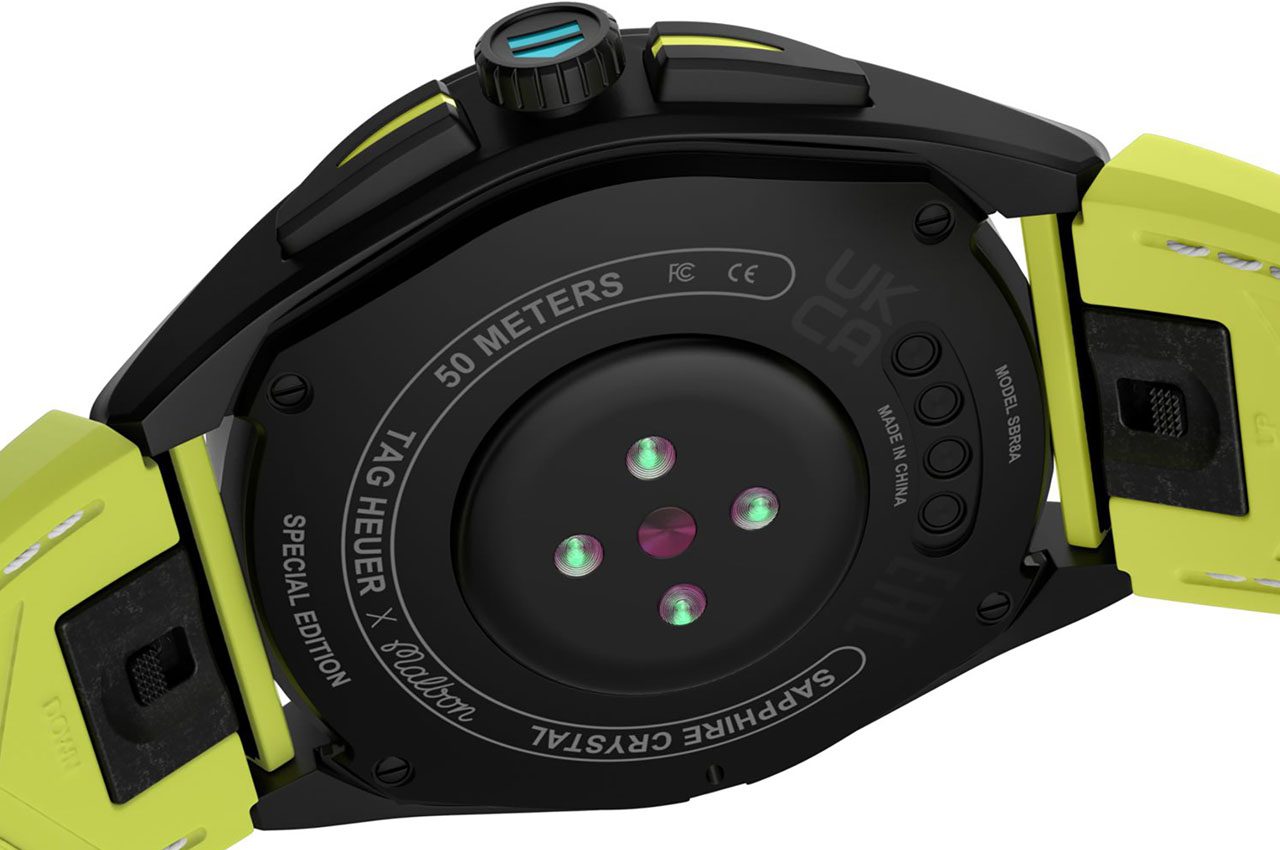
The most interesting part of the watch is reserved for its back where all the connected aspects of the watch – that give it the name – find space. The Connected Calibre E4 45mm x Malbon Golf Edition here has a suite of sensors for, a compass, accelerometer, gyroscope, barometer, and heart rate monitoring. It’s here that a built-in microphone also rests, transforming the watch function standalone of your phone.

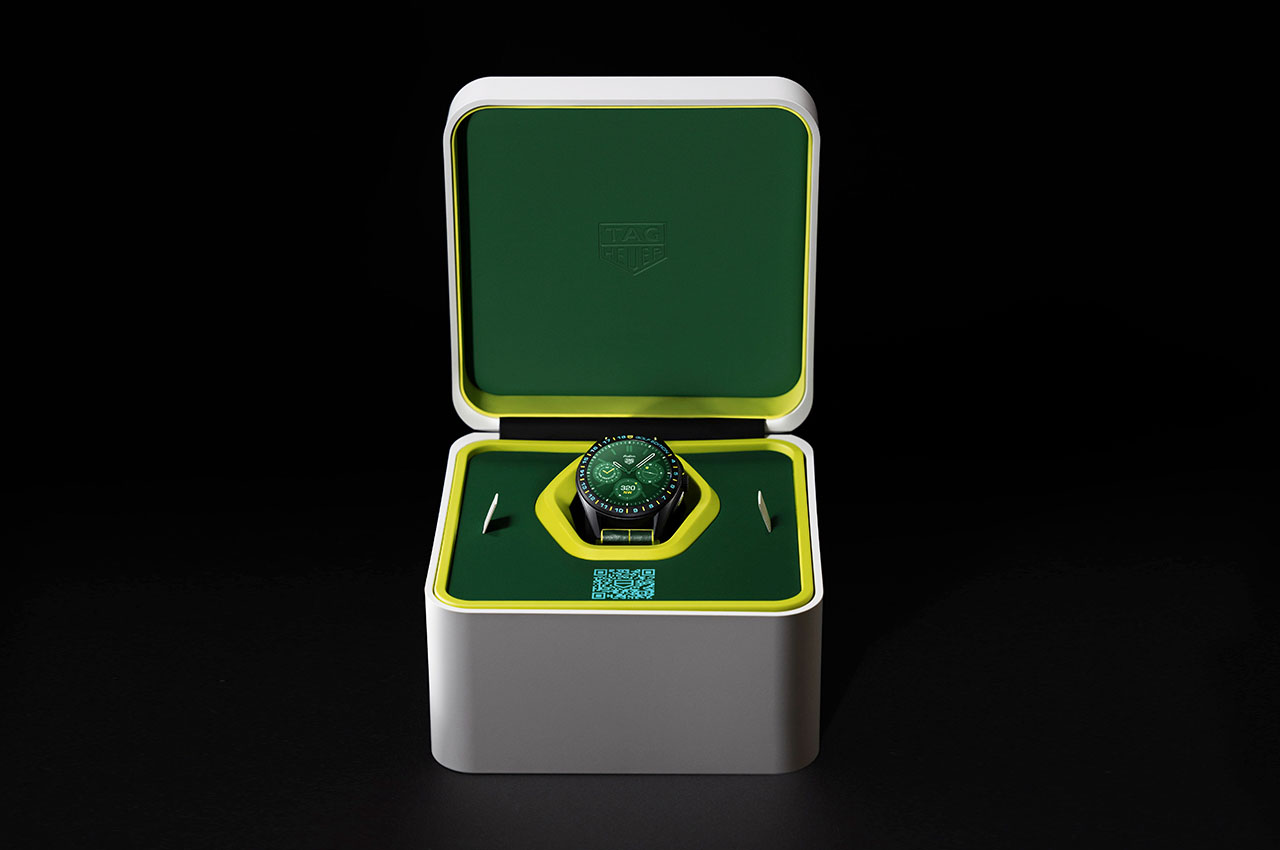
The TAG Heuer Connected Calibre E4 45mm x Malbon Golf Edition is powered by the Qualcomm Snapdragon 4100+ and features a battery that runs for a day after a 90-minute full charge, with all the apps and features running at full capacity. For the interesting match and color scheming, the 50-meter water-resistant watch comes with a choice of two straps. One is a dual-tone green and yellow and the other is a pure black rubber strap for a subtle look. With all its features, The TAG Heuer Connected Calibre E4 45mm x Malbon Golf Edition is available now for 2,300 CHF ($2,600).

The post TAG Heuer and Malbon collaborate for a distinct Connected Calibre E4 Golf Edition watch first appeared on Yanko Design.
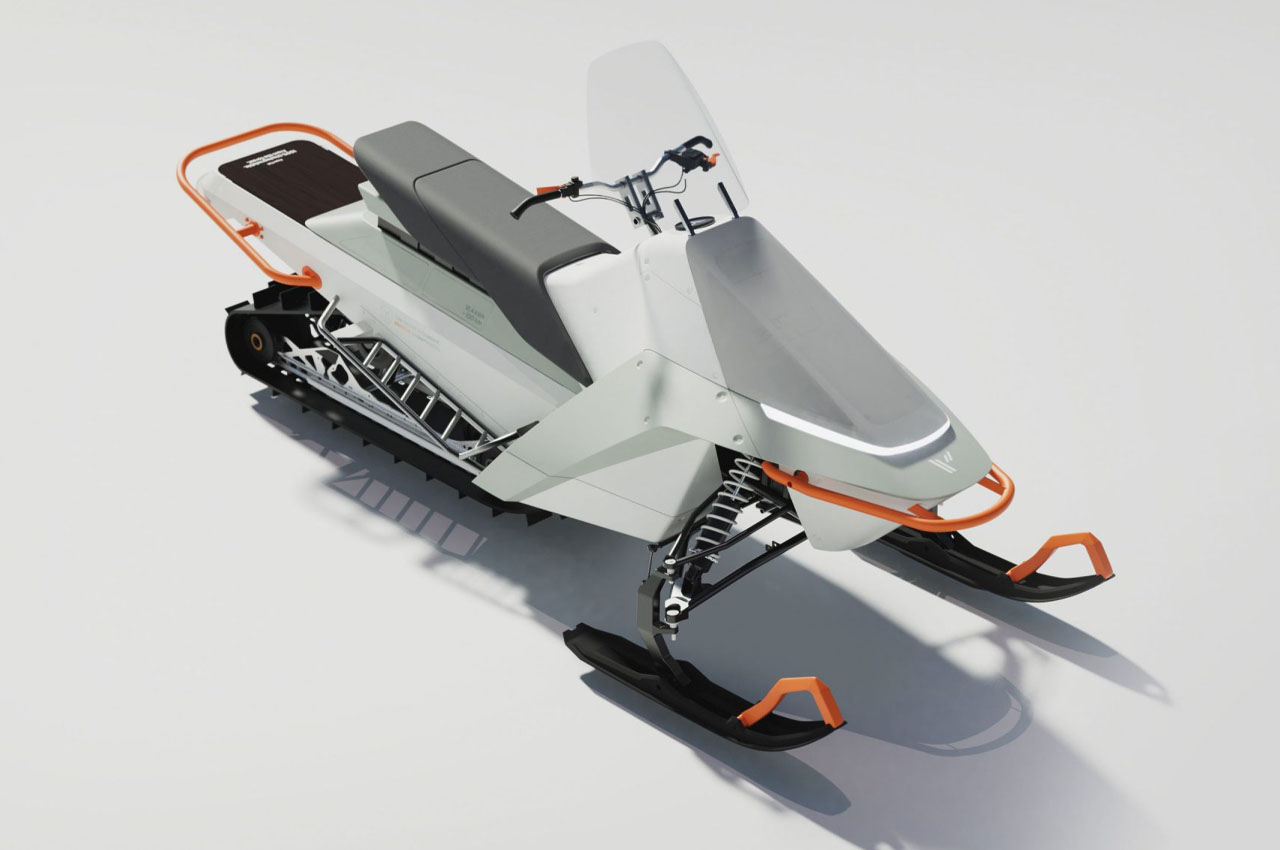
World’s Cleanest Electric Snowmobile launched this week in collaboration with Pininfarina

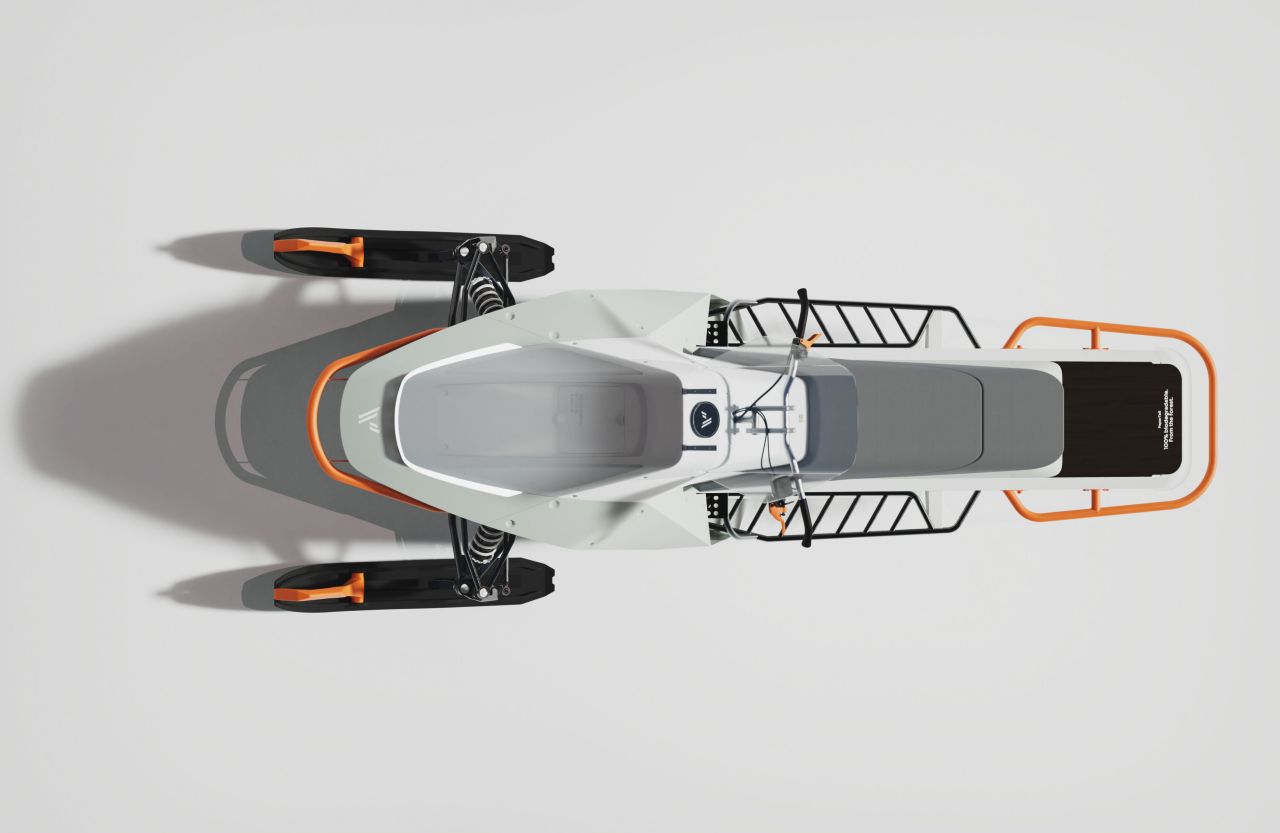
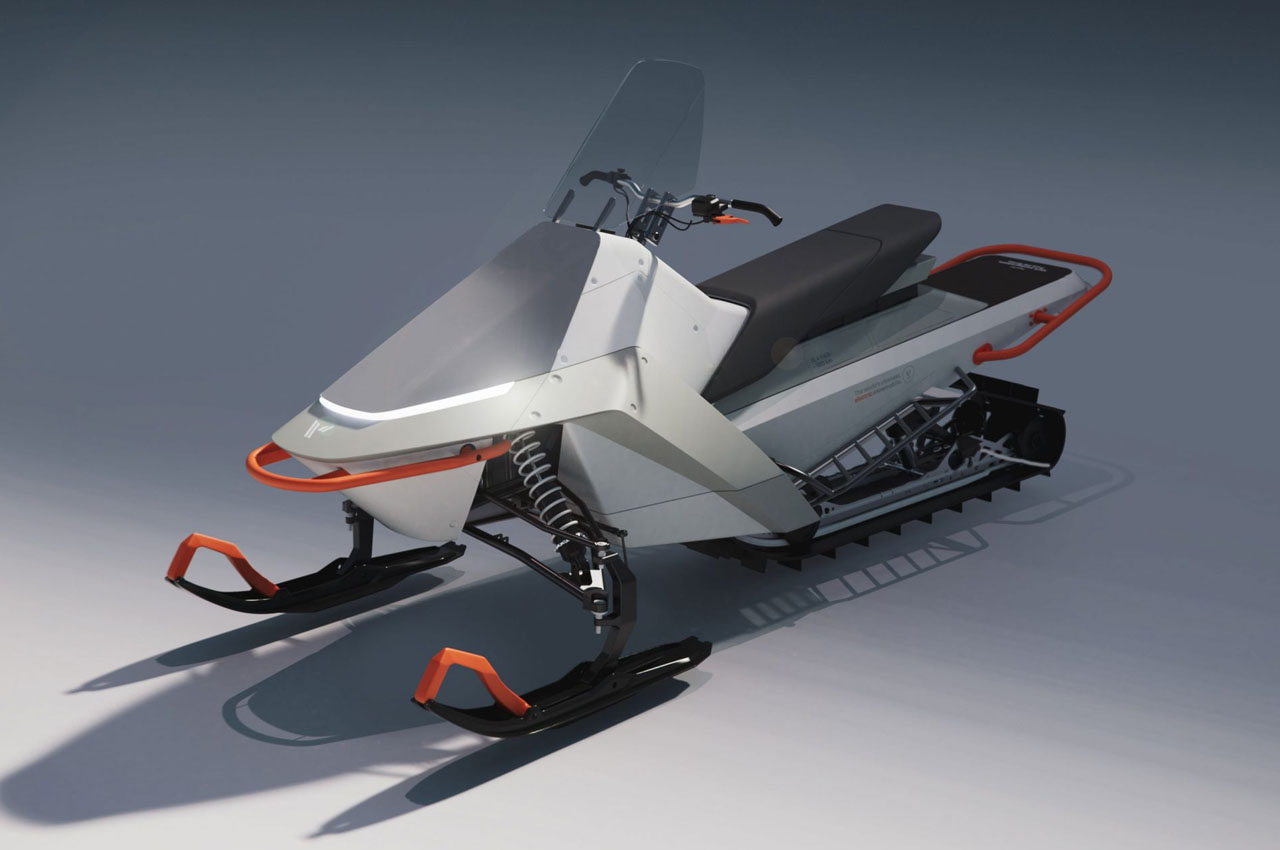
Traversing snowy terrains is now going to be even more fun and environmentally friendly with the Vidde Mobility electric snowmobile. Designed in collaboration with Pininfarina the vehicle makes minimal noise without compromising on the power delivery of a conventional gas-powered snowmobile.

According to Vidde founded by Christian Lystrup, the terrain vehicles around the globe create 30 megatons of CO2 every year. Out of which over “two-thirds of the total emissions produced by the entire country of Sweden.” The Vidde Alfa is deemed to solve this with an initial footprint of less than 100g co2/ km compared to the 550g co2/km of any gas-powered snowmobile. The vehicle is slated for a late 2024 release for a price tag with a wider production horizon planned for 2025. It was launched on February 18, 2024, at IceHotel in Swedish Lapland.

Designer: Vidde Mobility and Pininfarina

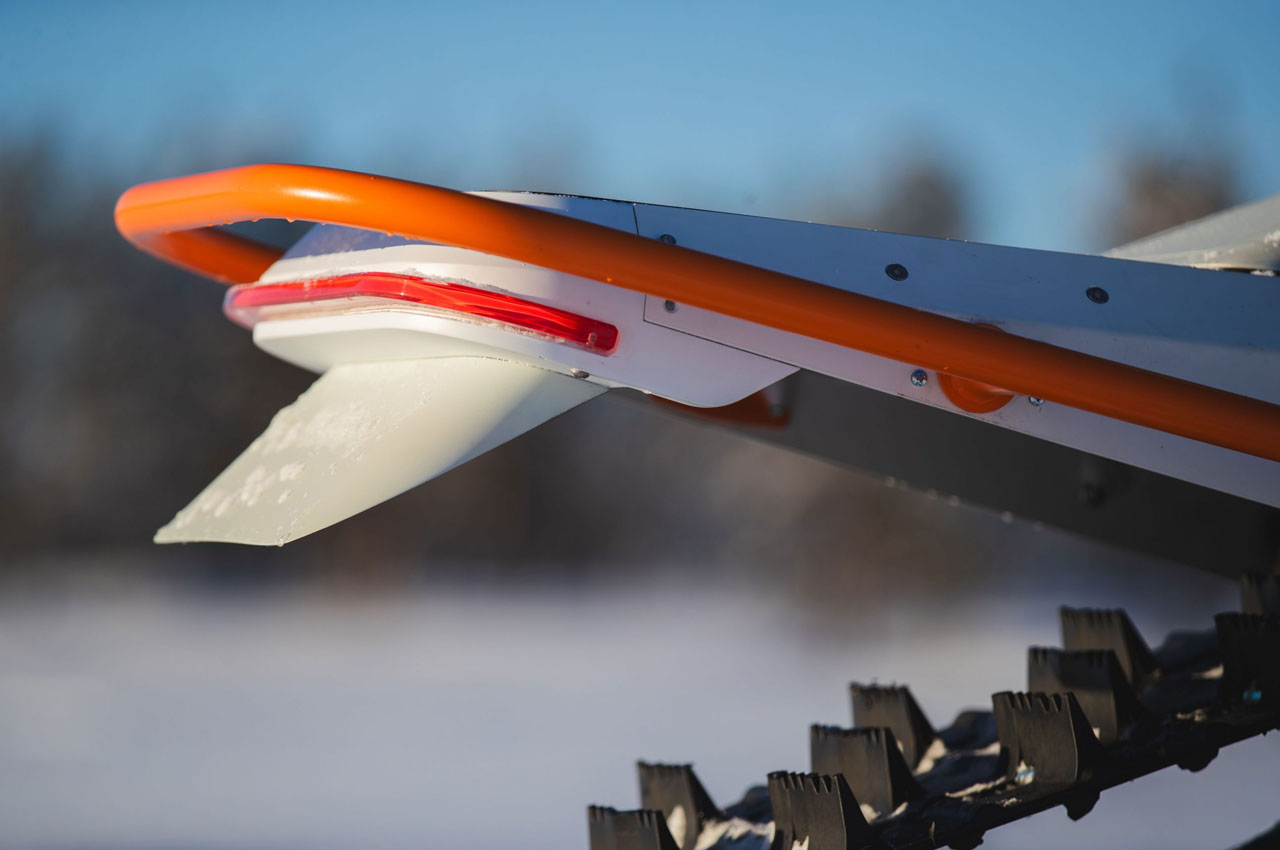
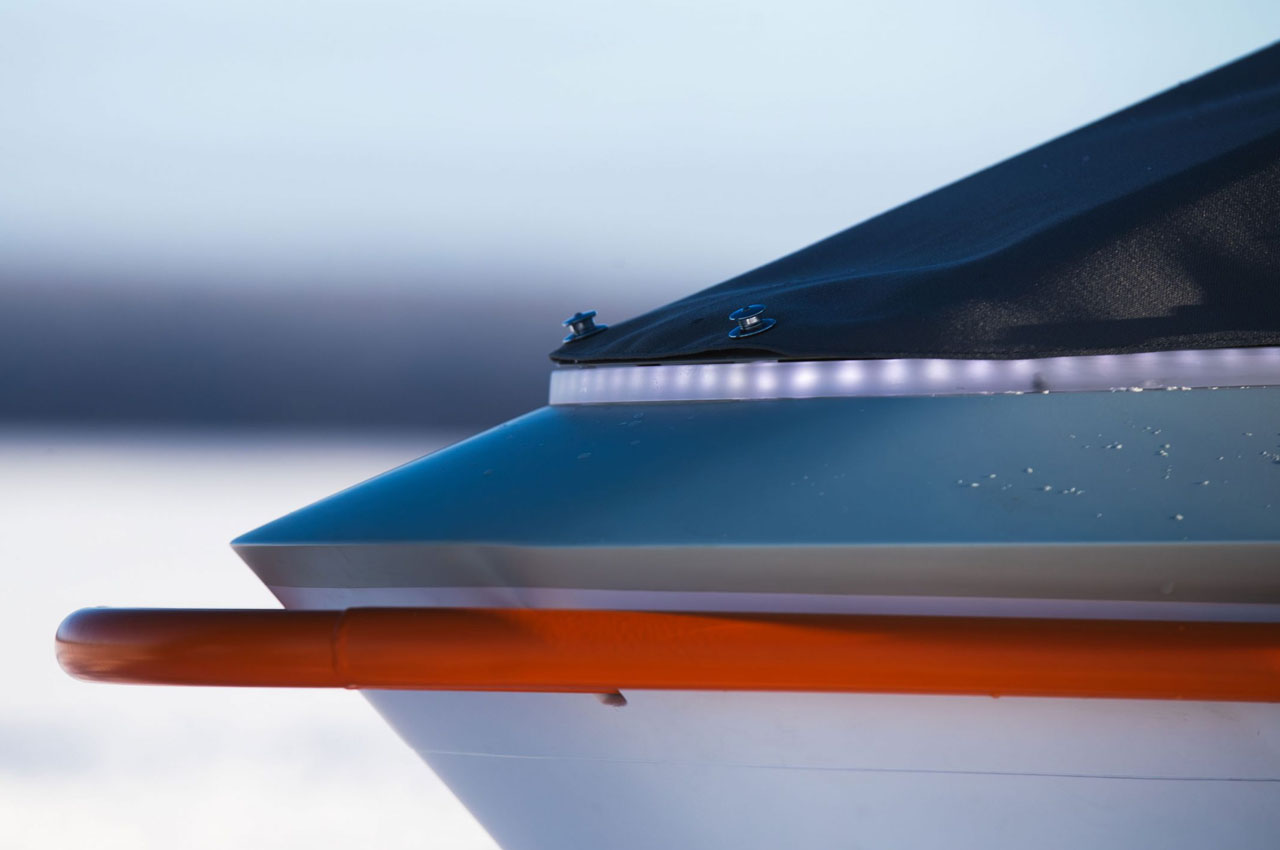
Standing out from the rest as a trailblazer of the snowmobile industry, this snowmobile is groundbreaking when it comes to eco-friendly performance. The electric snowmobile comes loaded with a battery heating system for operation at a low temperature of -39 degrees Celsius. For the looks, Pininfarina influence is apparent with a distinctive bold orange and white-hued theme on the sleek body shell placed on the runner and treads finished in industrial black.

The collaborative effort is focused on identifying a solution that elevates the pleasure of driving and making sure it is functional and attractive keeping in mind the longevity of use. This electric snowmobile will be tested at the vast expanse of Swedish Lapland by the Icehotel for the remainder of the season to get real-time data in real conditions. According to Christian, the first batch of units are signed up and there are some limited slots left to pre-book the Vidde snowmobile.

According to Annika Fredriksson CEO of Swedish Lapland Visitors Board, “During the winter a lot of people use snowmobiles for both personal and professional purposes. If we can turn all these snowmobiles into electrified versions it would have a hugely positive effect on nature and wildlife, both for the reduced CO2 emissions and sound disturbance. This fills us with hope and will play a part in reaching our sustainability goals for 2030.”

The post World’s Cleanest Electric Snowmobile launched this week in collaboration with Pininfarina first appeared on Yanko Design.
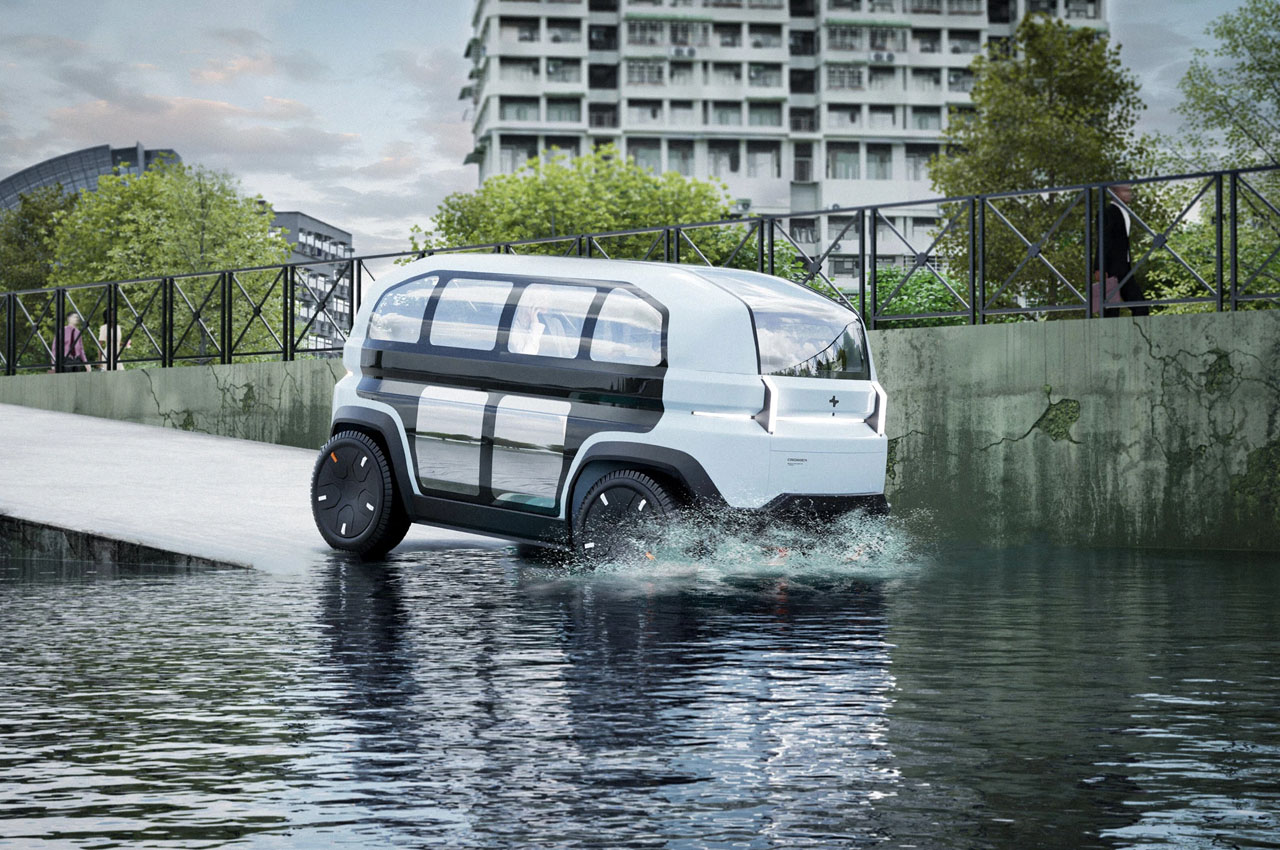
This amphibious electric vehicle has the smarts for practical urban mobility needs

Electric, Hydrogen and Hybrid vehicles are going to partly solve the environmental crisis, but the fact remains, the number of vehicles on the roads isn’t going to reduce. The battle for every inch of road space will intensify in the future, no matter how desperately the compact concept vehicles try to gain popularity.

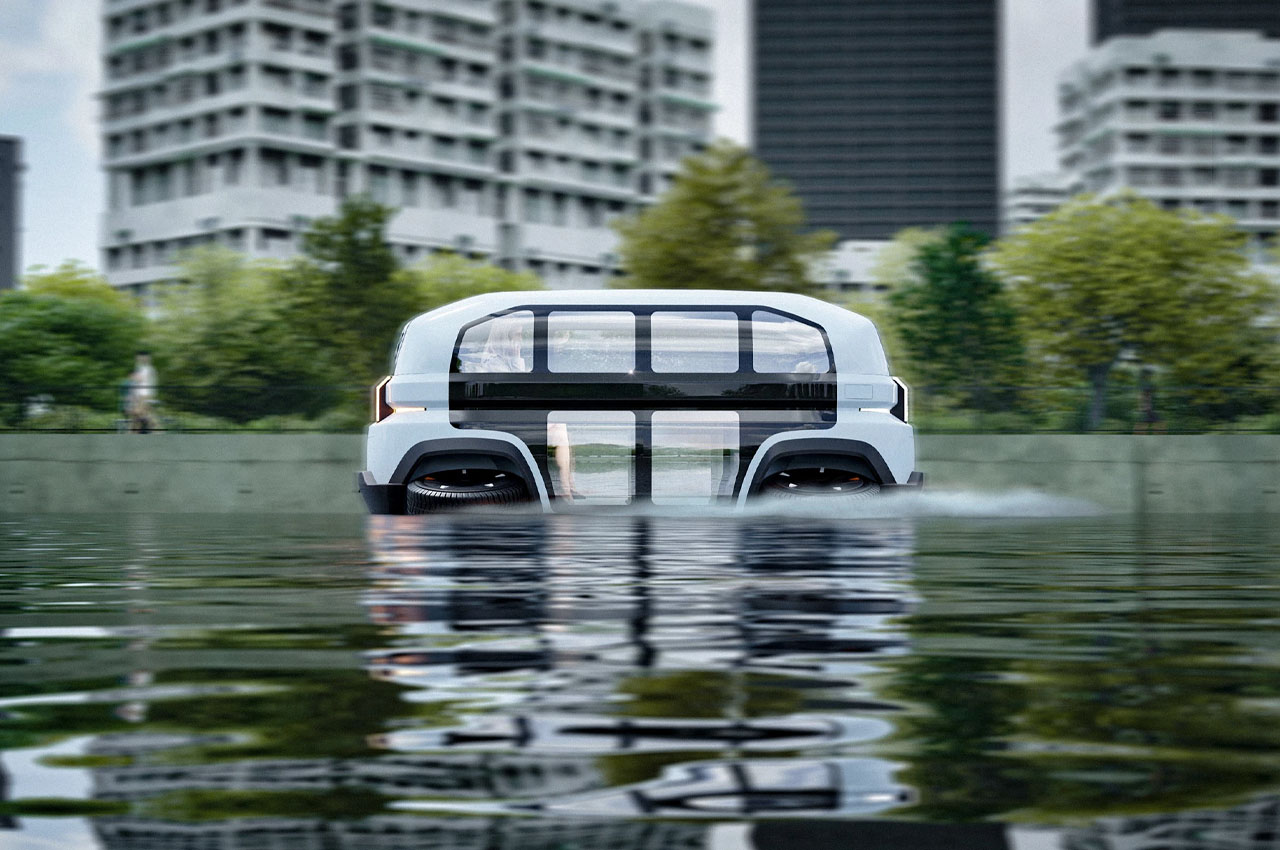
The only viable solution then left are the flying cars which I’m now a great fan of due to their mostly impractical approach to things in real-life conditions when air space is going to get crowded. One probable solution for tropical regions in particular is an amphibious vehicle that’ll bypass traffic congestions on freeways for timely travel schedules.

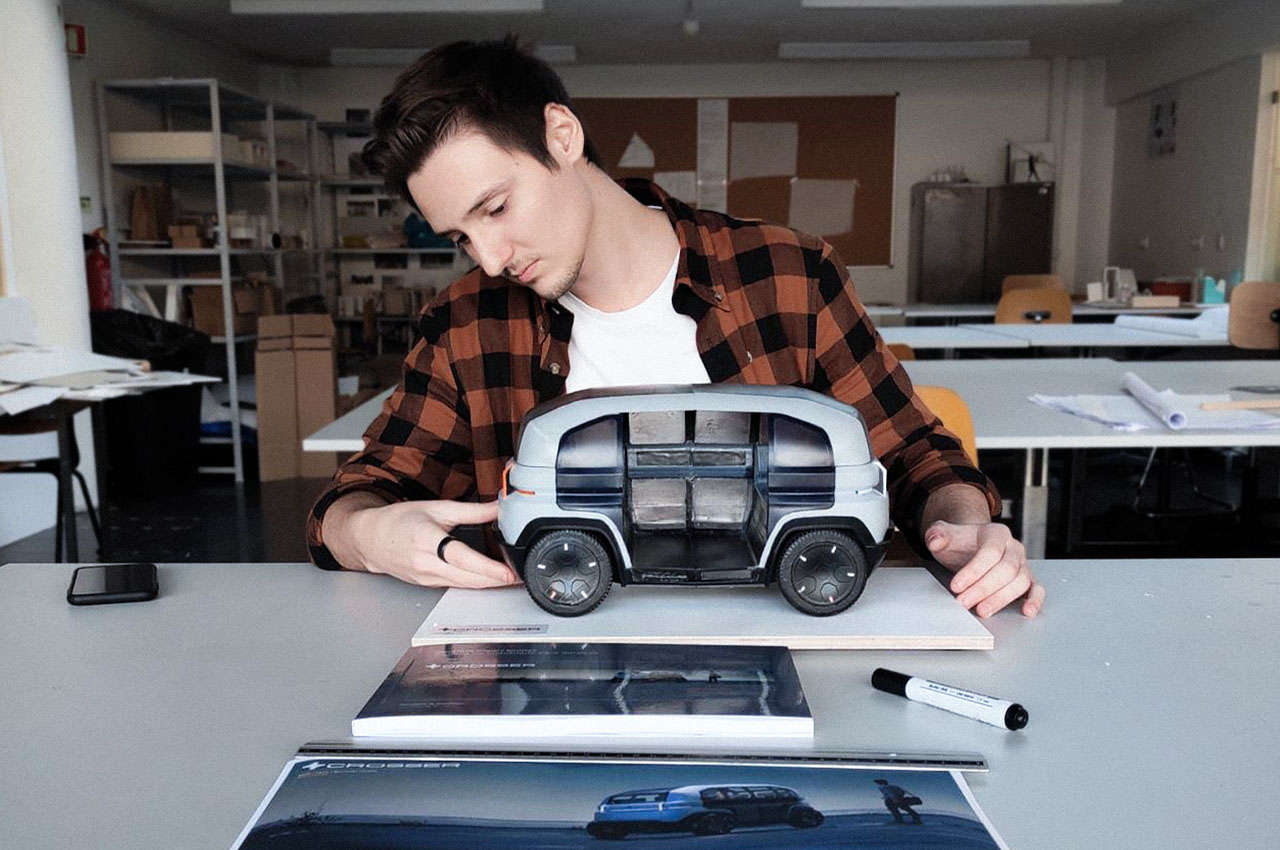
Designer: Bernardo Pereira

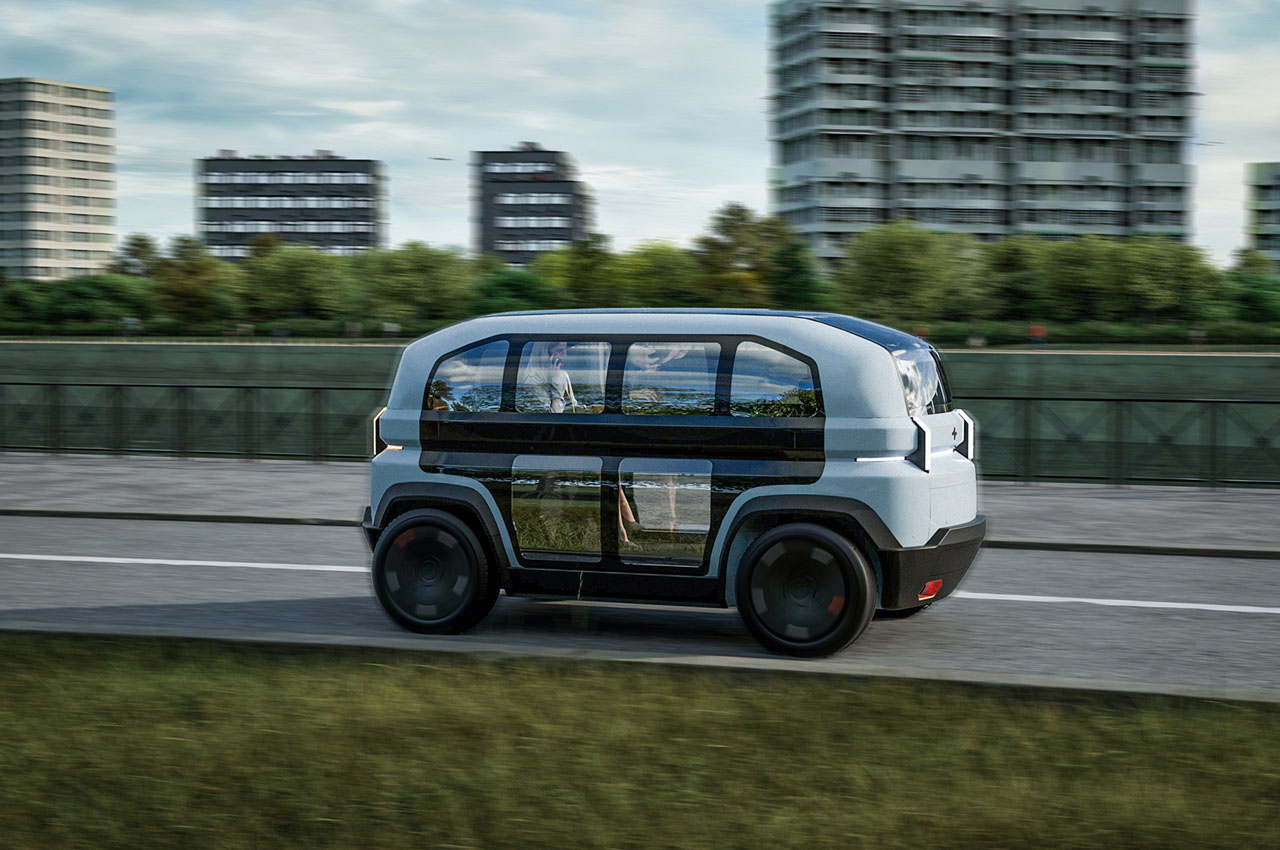
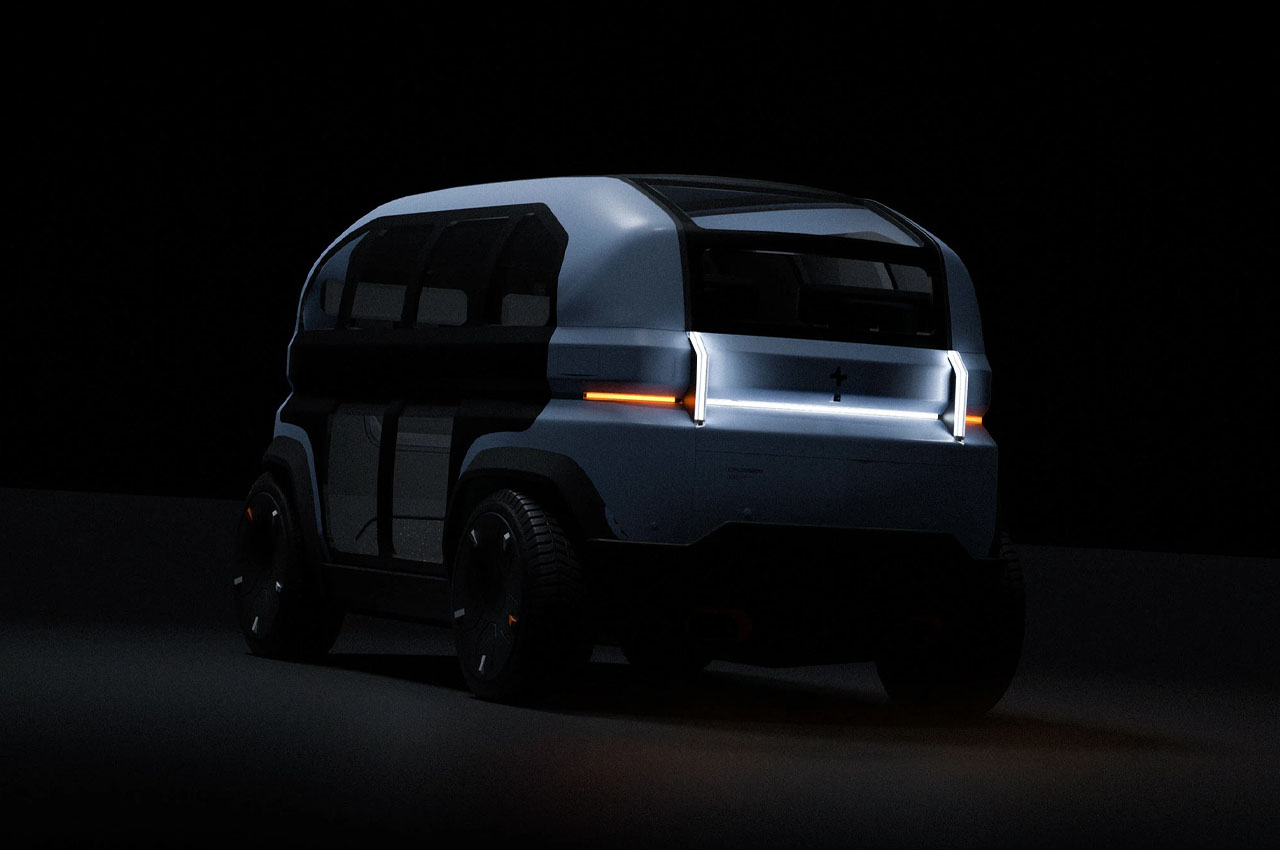
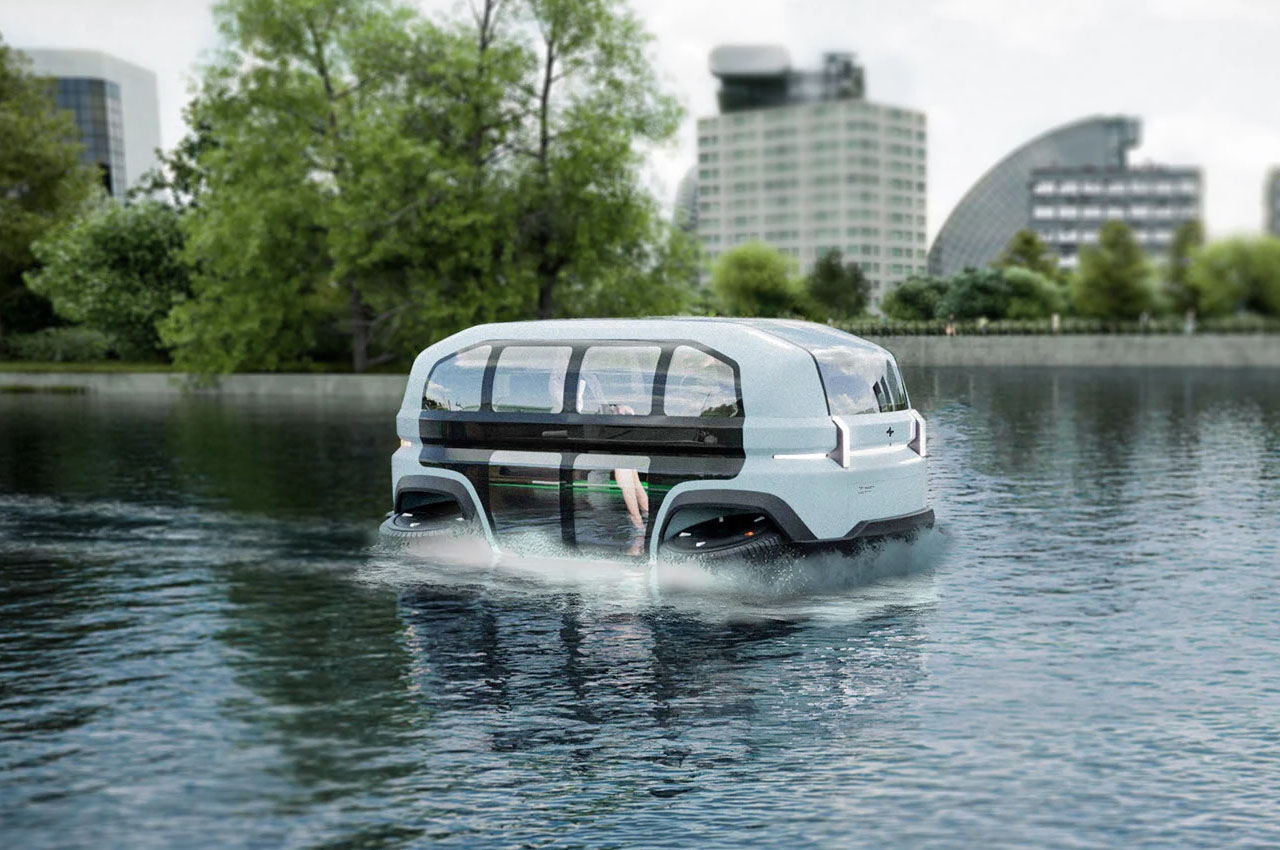
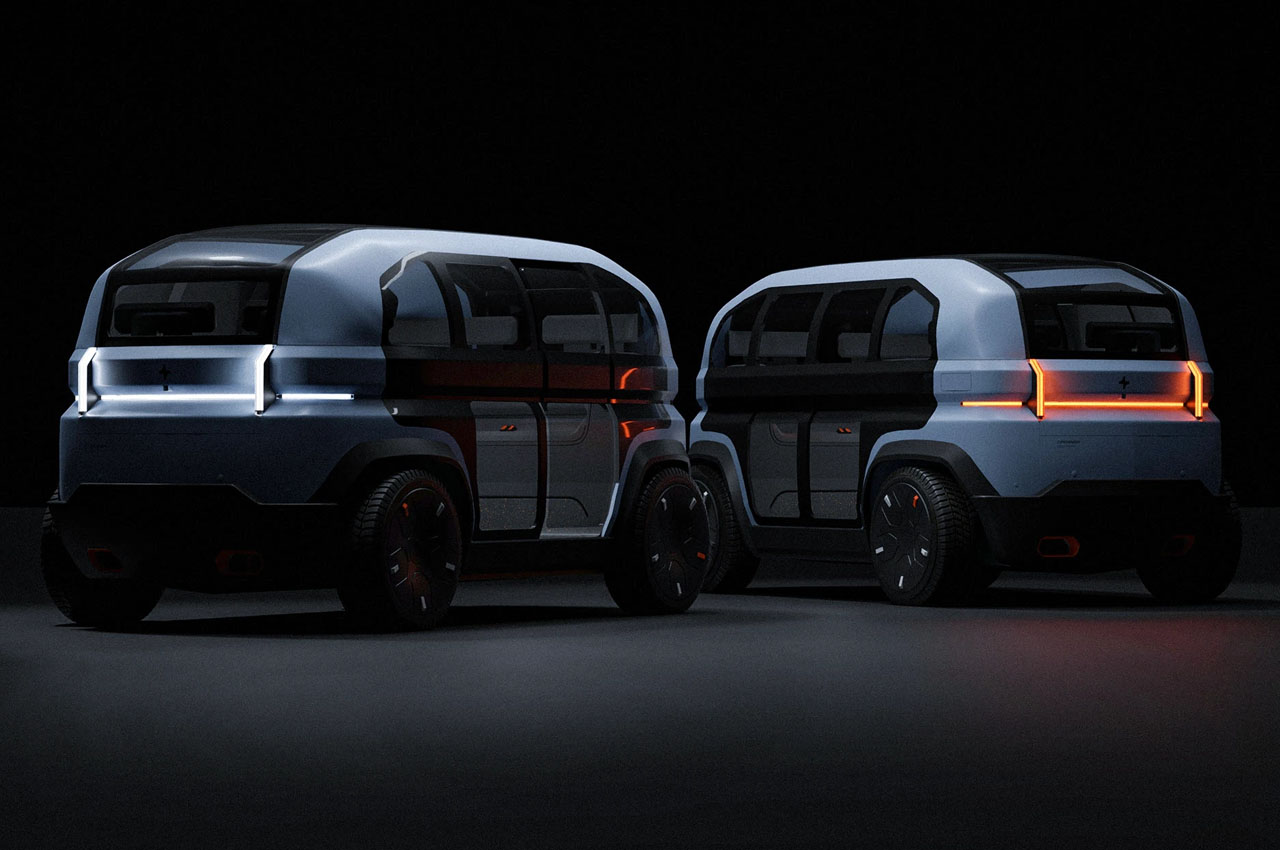
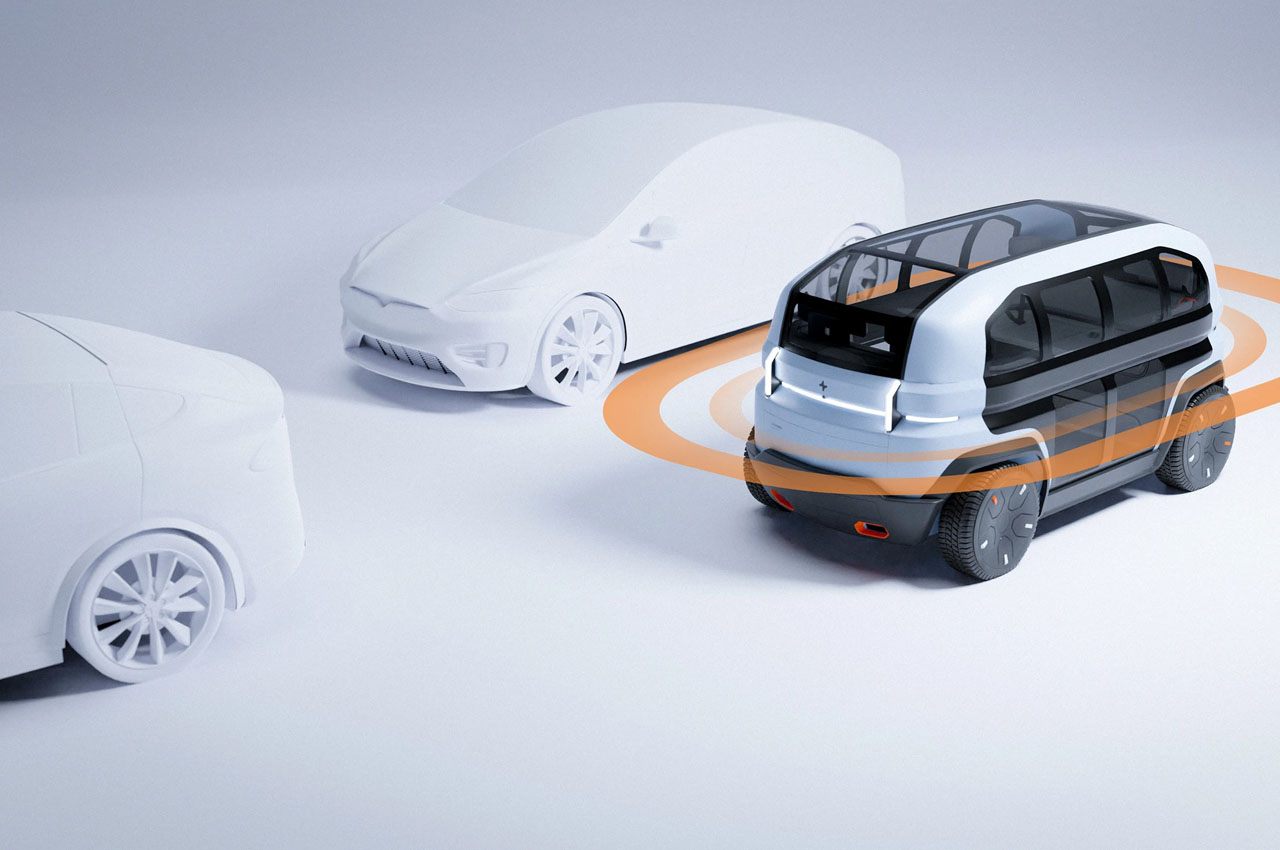
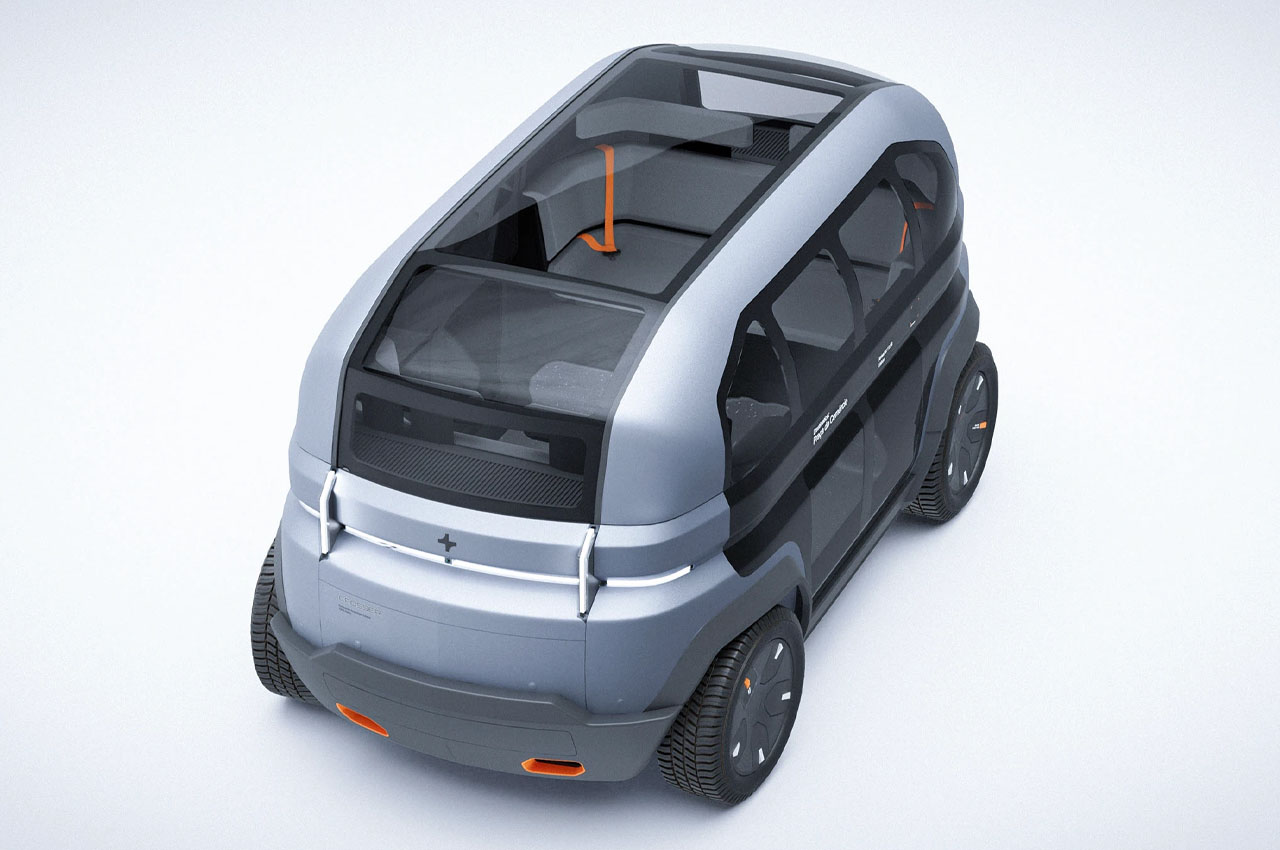
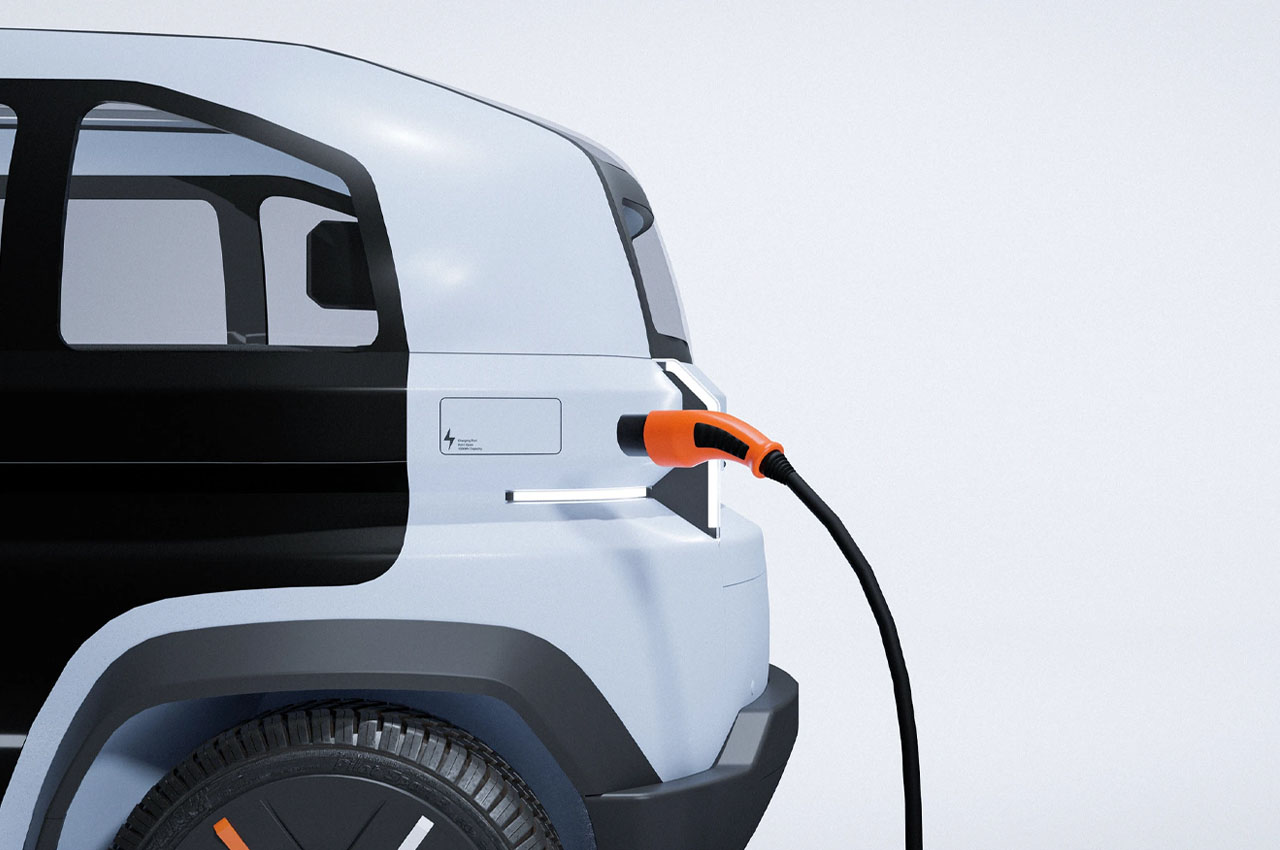
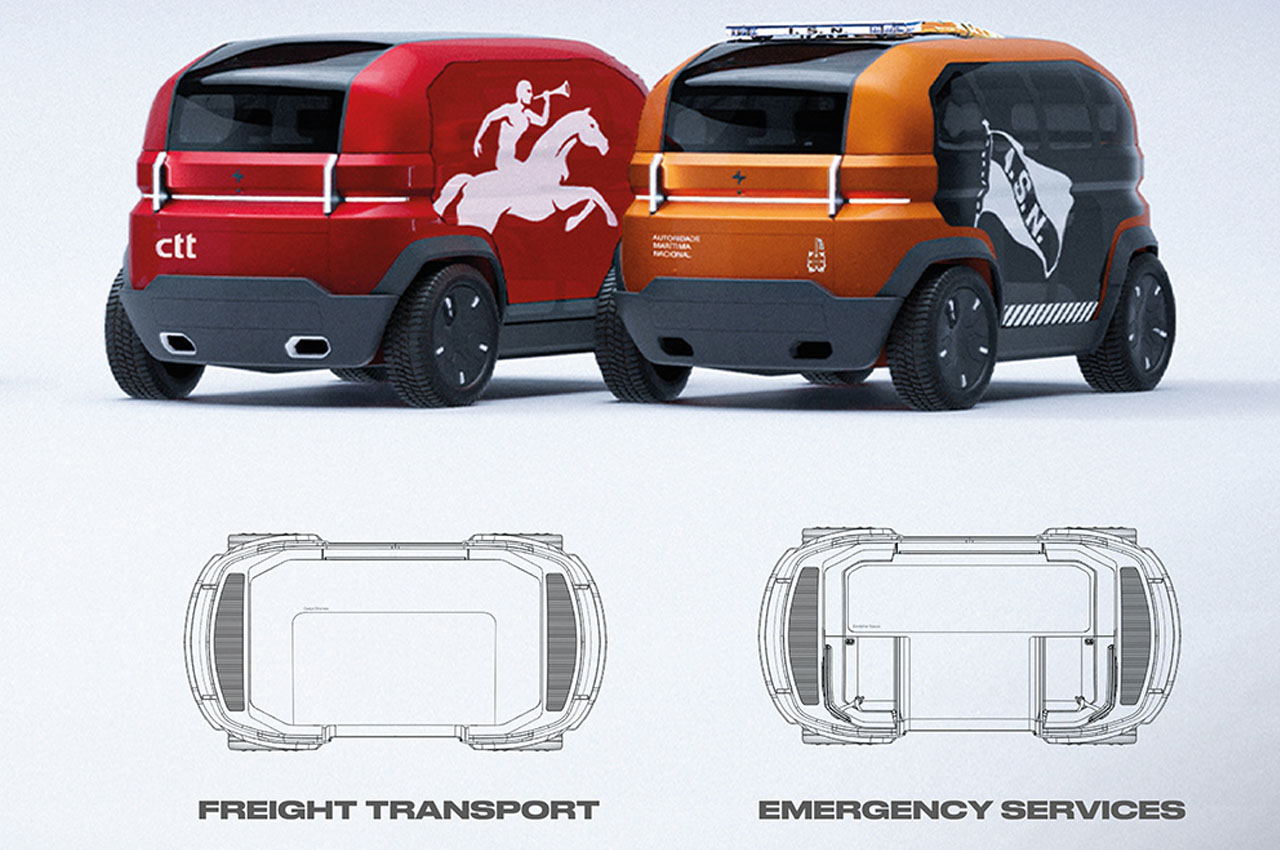
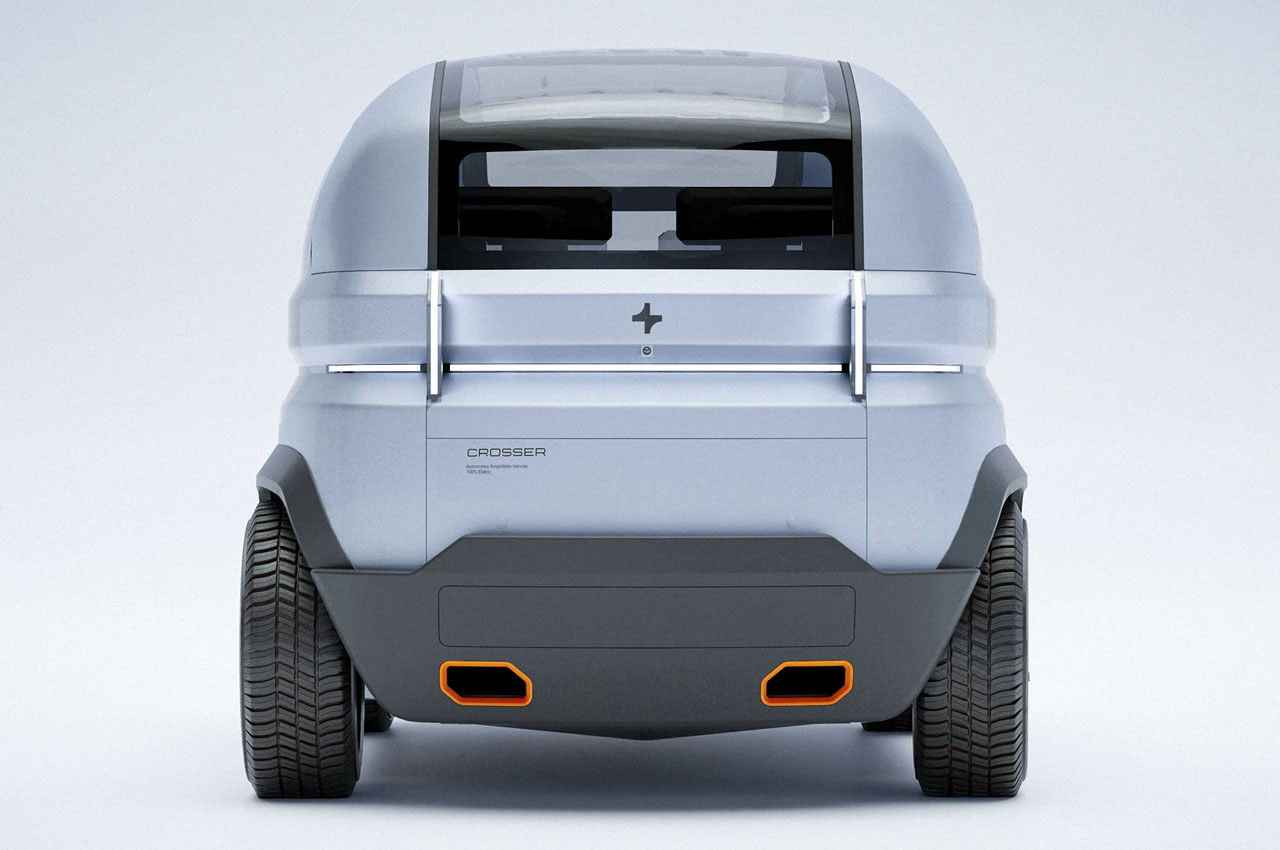
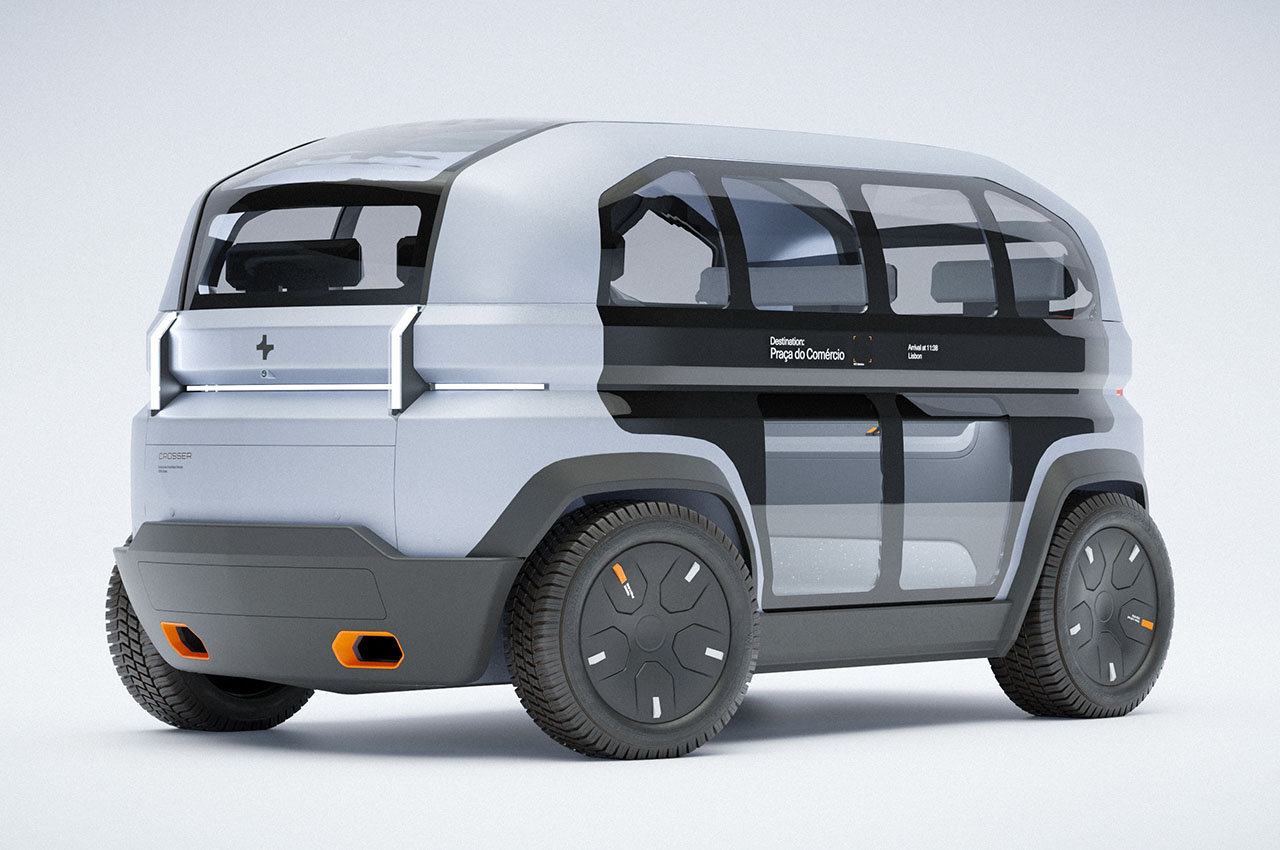
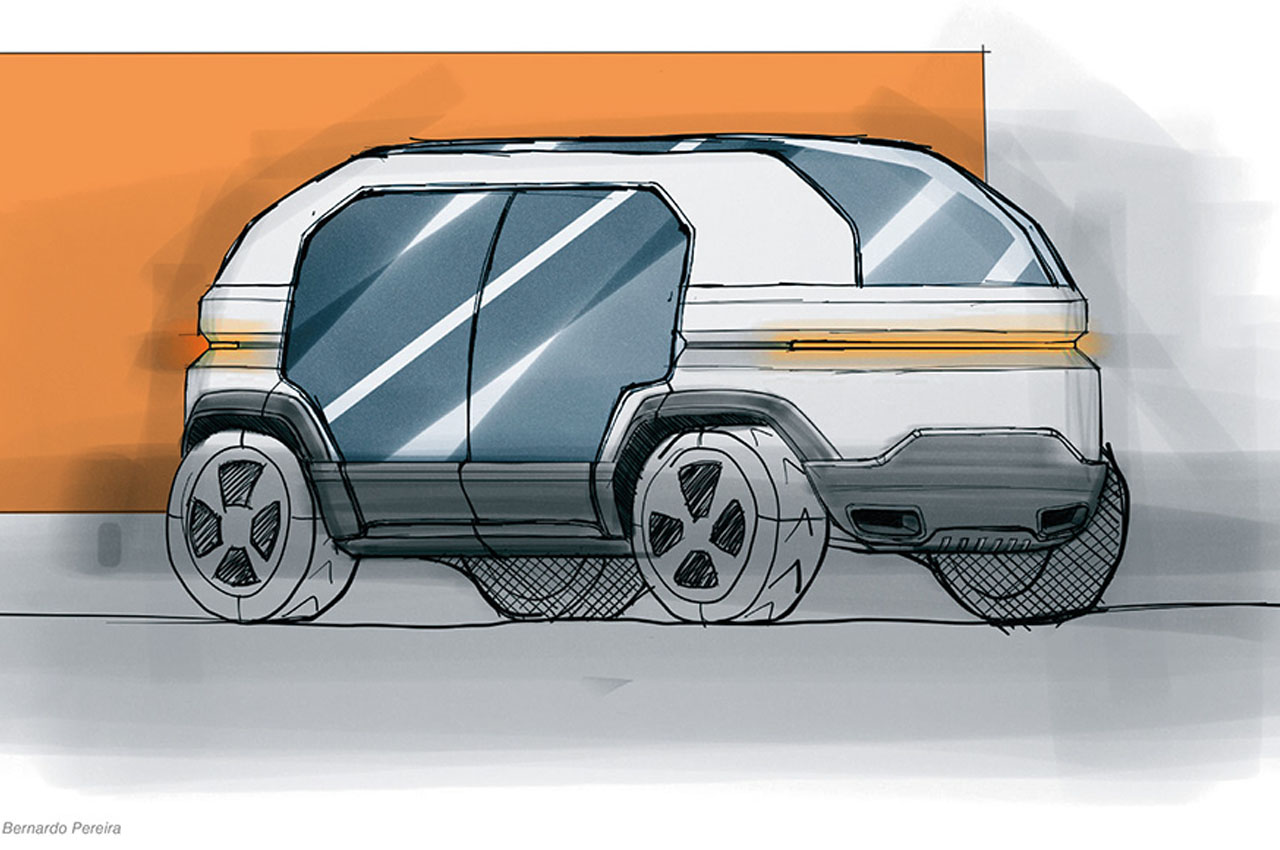
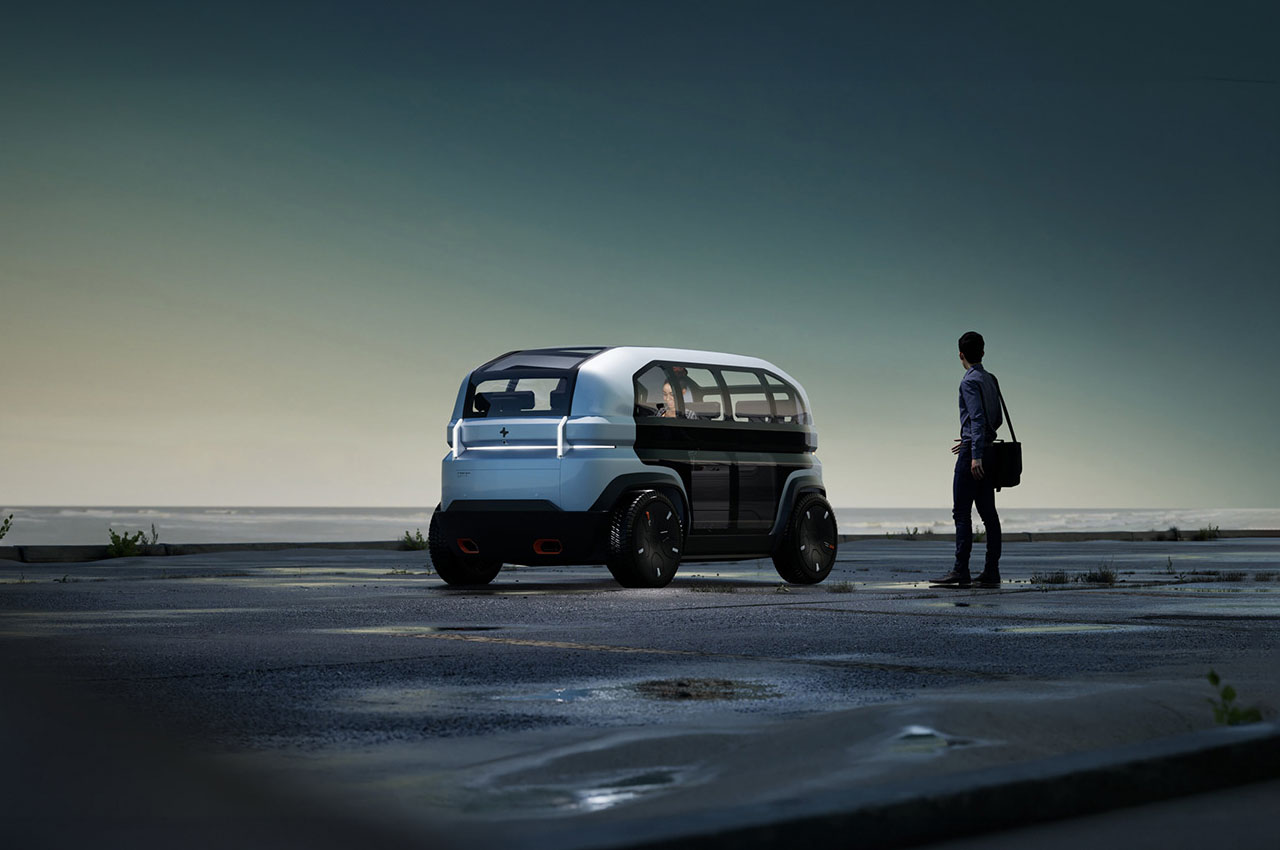
The CROSSER V1 is designed keeping in mind the commuting needs of coastal cities. The primary idea of this kind of transportation is to have flexibility of transportation in such regions for speedy commuting. The fact that this is an electric vehicle reduces the amount of noise created, and also the levels of pollution. The fleet of CROSSER vehicles creates a customized service for inhabitants of urban cities to meet the 24×7 hour needs of every kind of user.
According to the designer, the rise in sea level will eventually lead most of the world’s population to migrate to these regions and look for viable means of earning livelihood. This will lead to an increase in road congestion and pressurize the already overburdened mobility systems. Thus, leading to the dire need for new mobility solutions when owning a private vehicle will no longer be of interest to the majority of Populus.
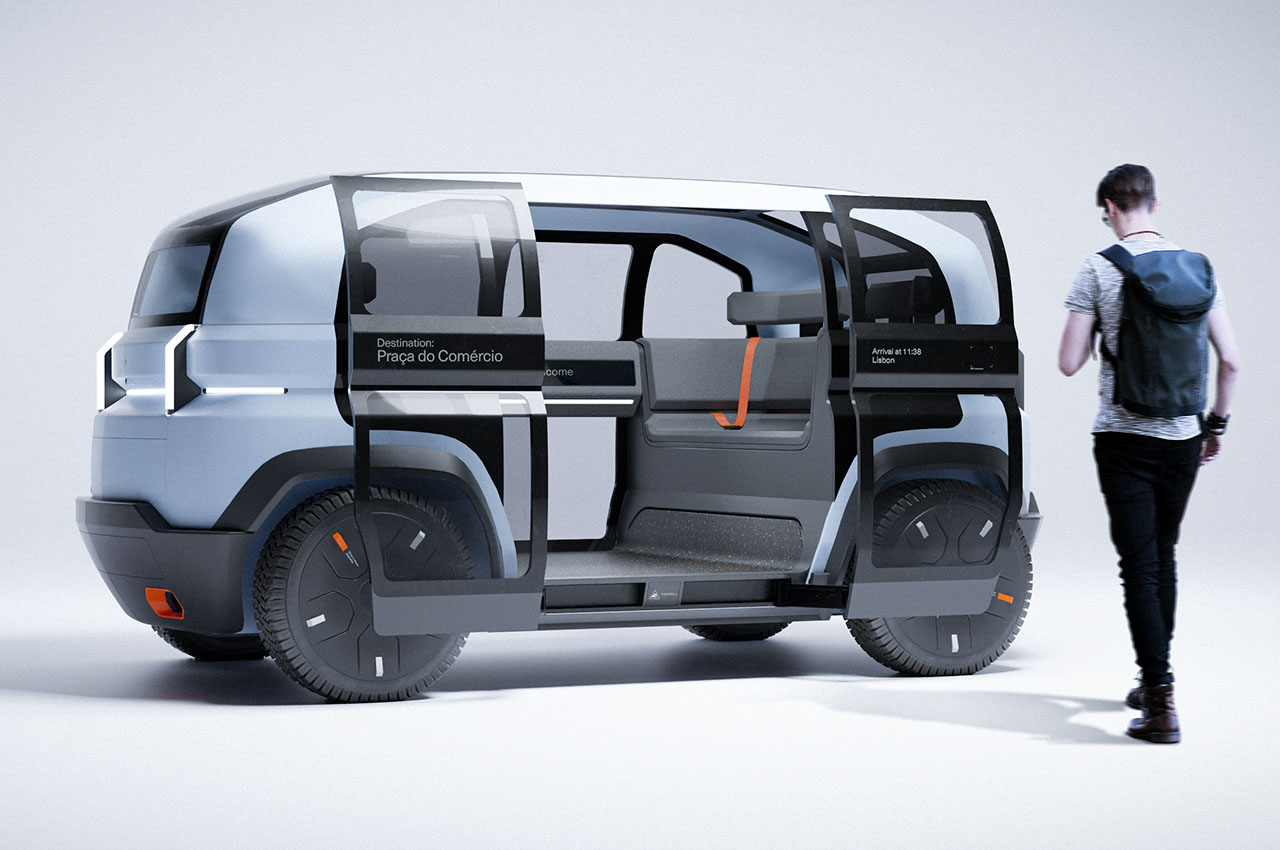
The future of mobility will be dominated by diverse needs that depend on the user’s travel intention, interaction and lifestyle. This leads to a transition that allows for interconnected mobility systems that are in line with sustainable practices and technologies. Bernardo initially created four different iterations for this concept and the final design is this amphibious transportation service that serves the users. The vehicle has an intelligent navigation system that takes the fastest route, either on land or water.

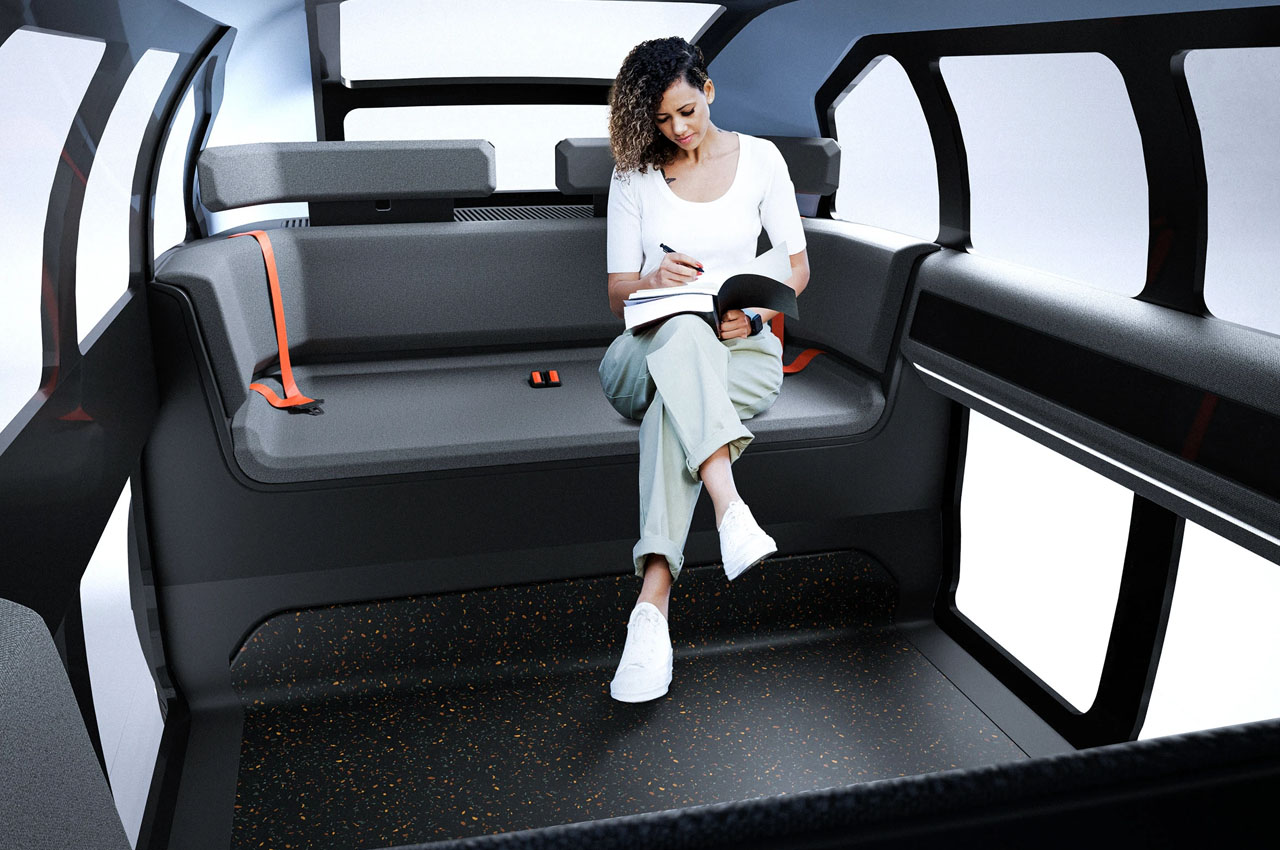
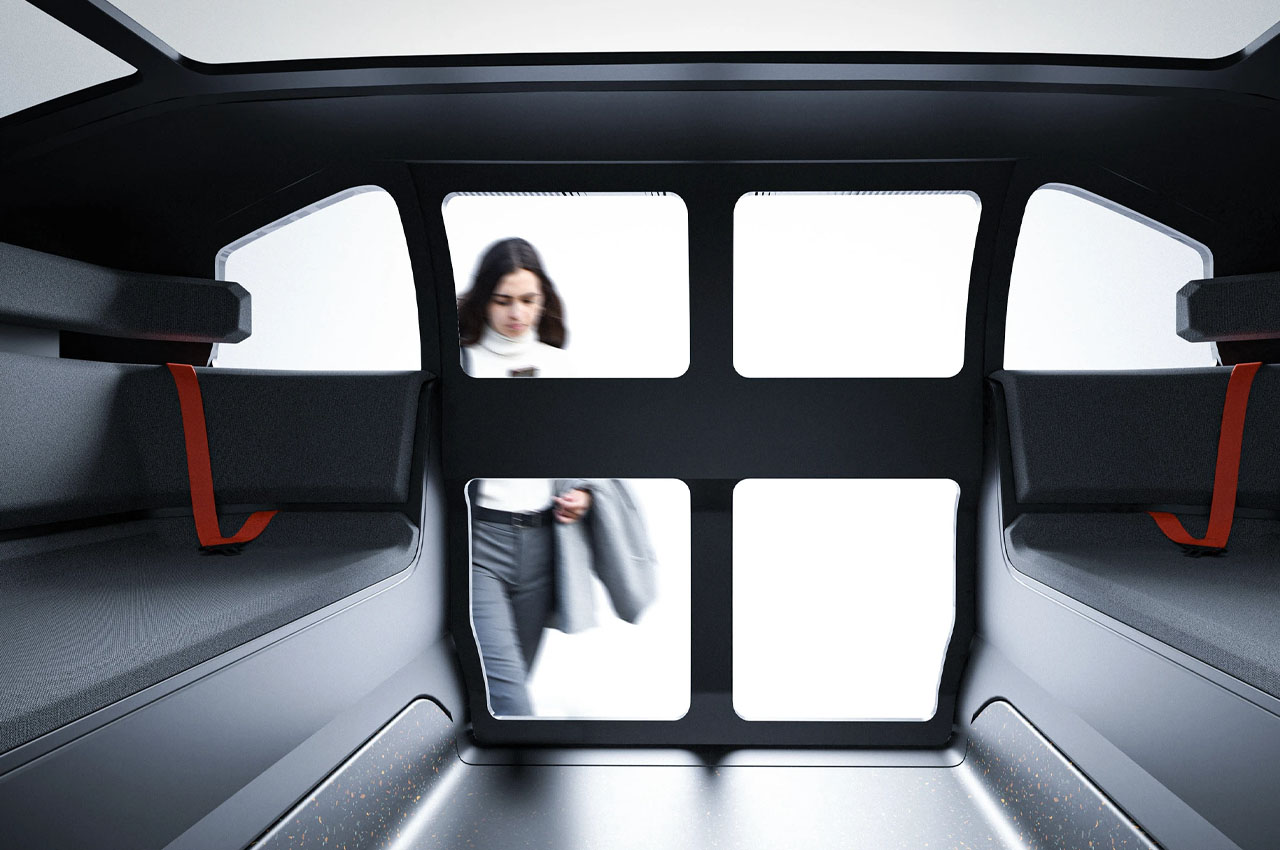
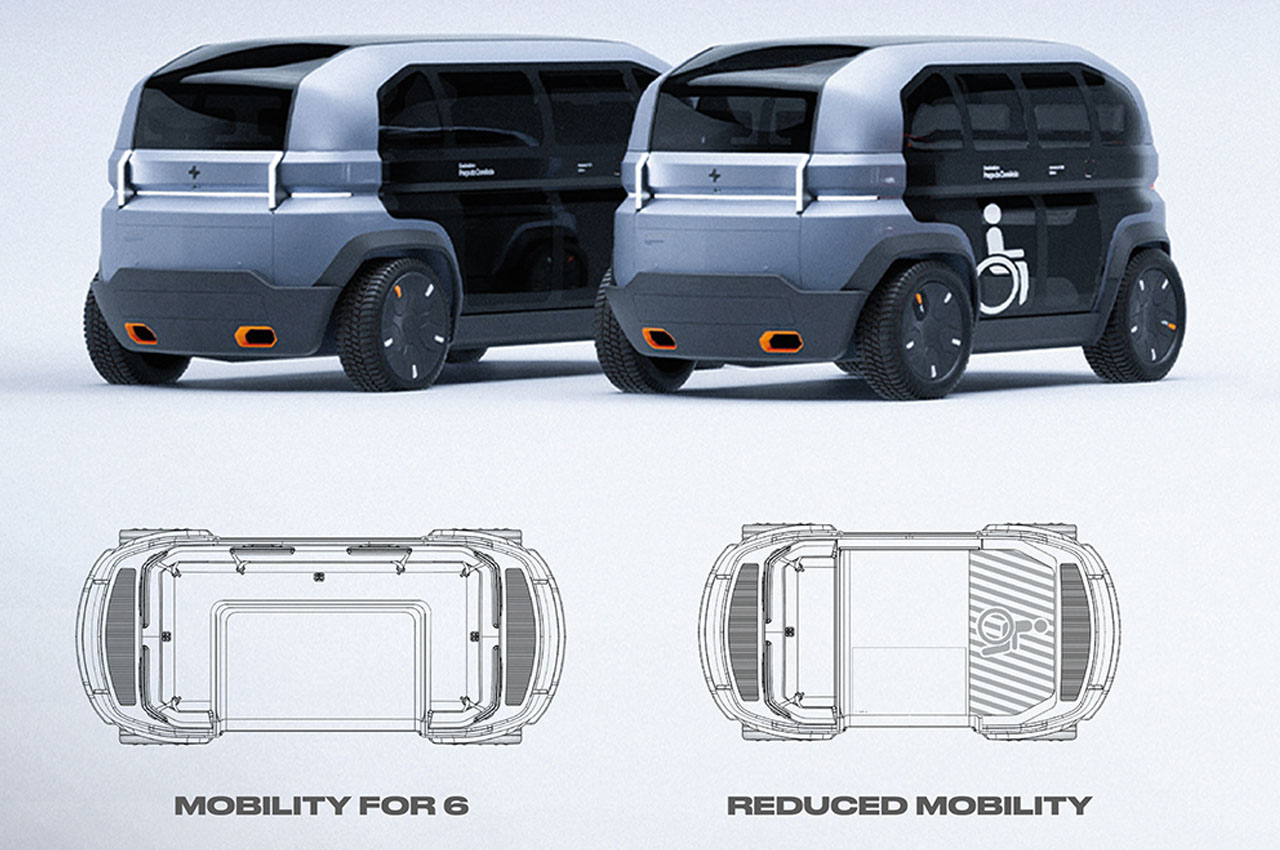
The CROSSER is developed to be an adaptable service that goes beyond passenger transportation and bears modular features for modifying the interiors depending on the needs of the user. By default, the vehicle comes with a four-seat configuration with a display to beam all the route information, weather and warnings. The vehicle boasting a panoramic view has seats with sensors and adjustable headrests.

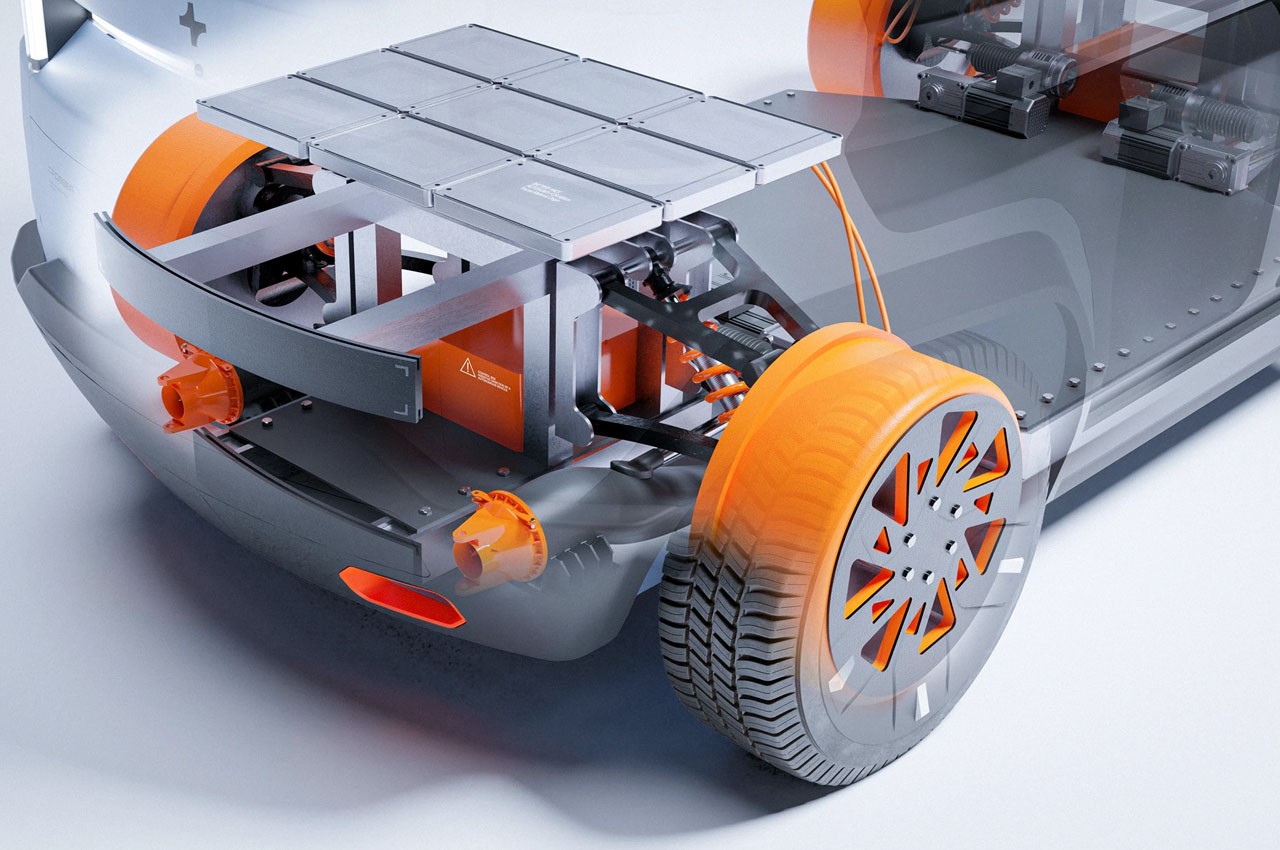
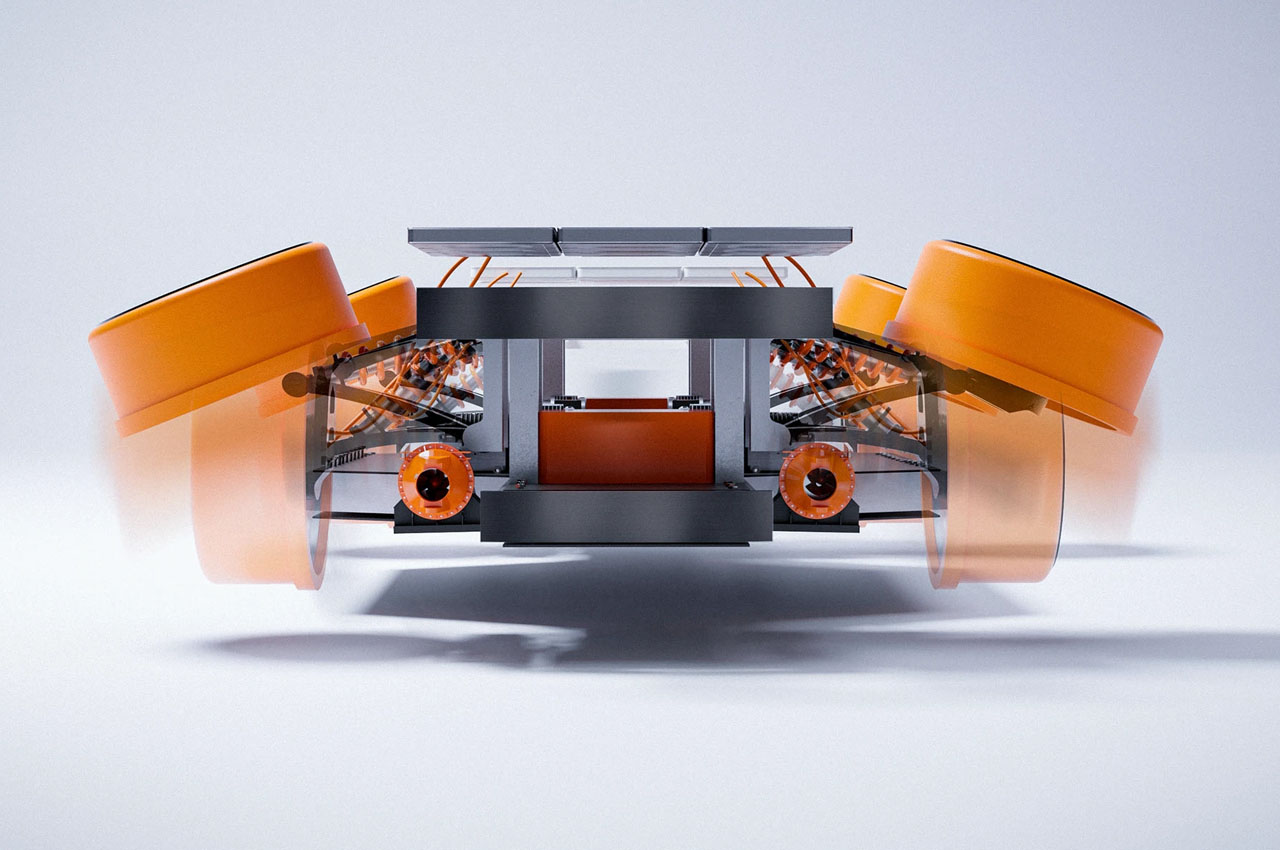
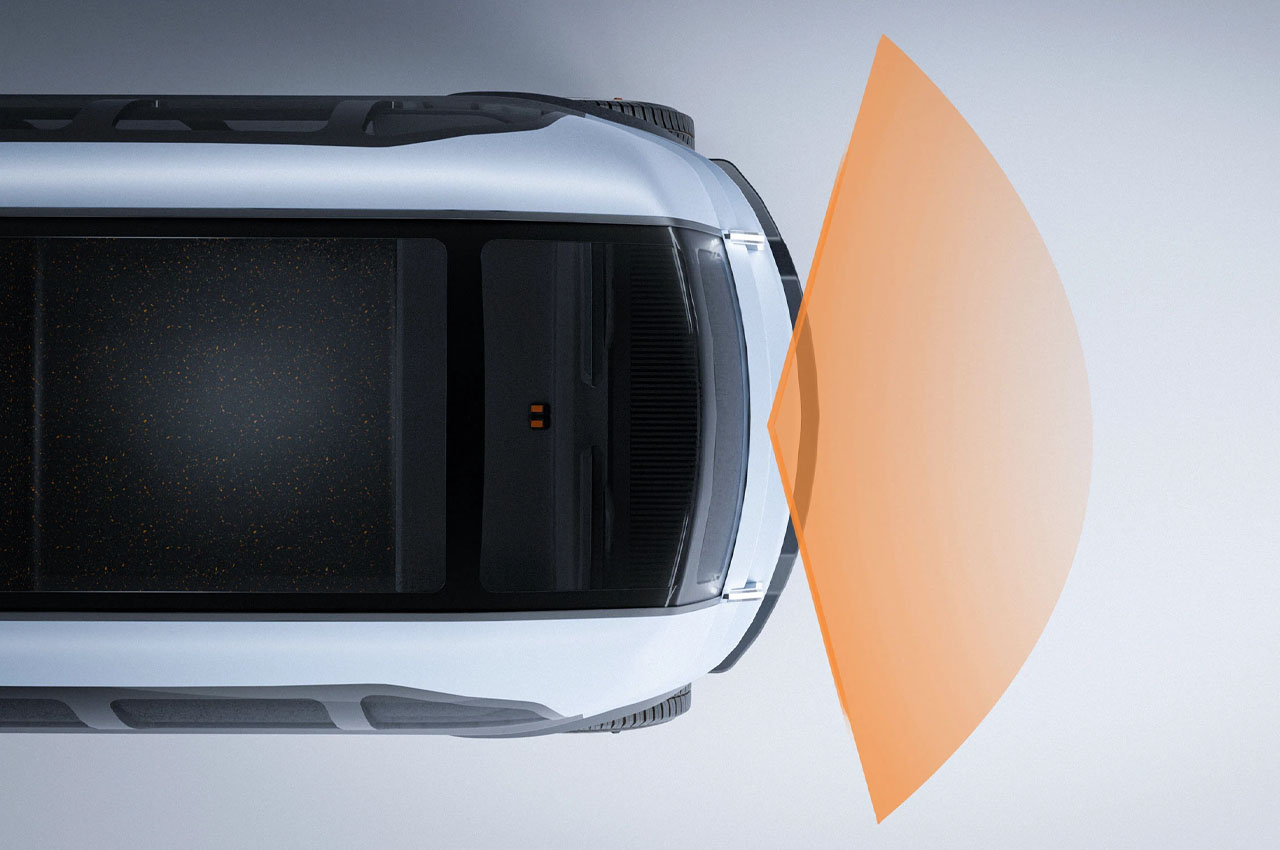
When it’s time to tread on the waters, the CROSSER V1 employs the suspension system to raise the maximum height angle by 90 degrees. Everything is done autonomously aided by the LiDAR and Radar sensors, without the need to stop the vehicle. The in-built dual cameras with a 150-degree viewing angle further add to the feed of the user’s display. This whole system not only aids in water travel but also identifies obstacles on land.

The post This amphibious electric vehicle has the smarts for practical urban mobility needs first appeared on Yanko Design.