Top 5 Reasons 3D-Printed Homes Are the Future of Affordable Housing

The growing fascination with 3D-printed homes stems from their remarkable potential to cut construction costs and drastically shorten building timelines. By embracing this cutting-edge technology, the housing sector is entering a transformative era where homeownership becomes more affordable, sustainable, and accessible. Traditional construction methods are gradually giving way to a streamlined, tech-driven approach that promises efficiency without compromising on quality.

This addresses global housing challenges, such as the construction of resilient, budget-friendly homes in developing regions, and highly personalized, eco-conscious designs. Here is how 3D printing enables the creation of smarter, functional, and visually striking homes for the future.

1. Reduces Construction Costs

One of the biggest advantages of 3D printed homes is their ability to sharply lower construction costs. Automated robotic systems print walls layer by layer, reducing the need for large on-site crews and expensive labor. By incorporating locally sourced, affordable materials, builders can further cut expenses, making homeownership more attainable.

This approach is not only faster but also highly precise. A machine can construct a home in days rather than months, using only the material required. The result is less waste, lower costs, and a more environmentally friendly building process, benefiting both your budget and the planet.
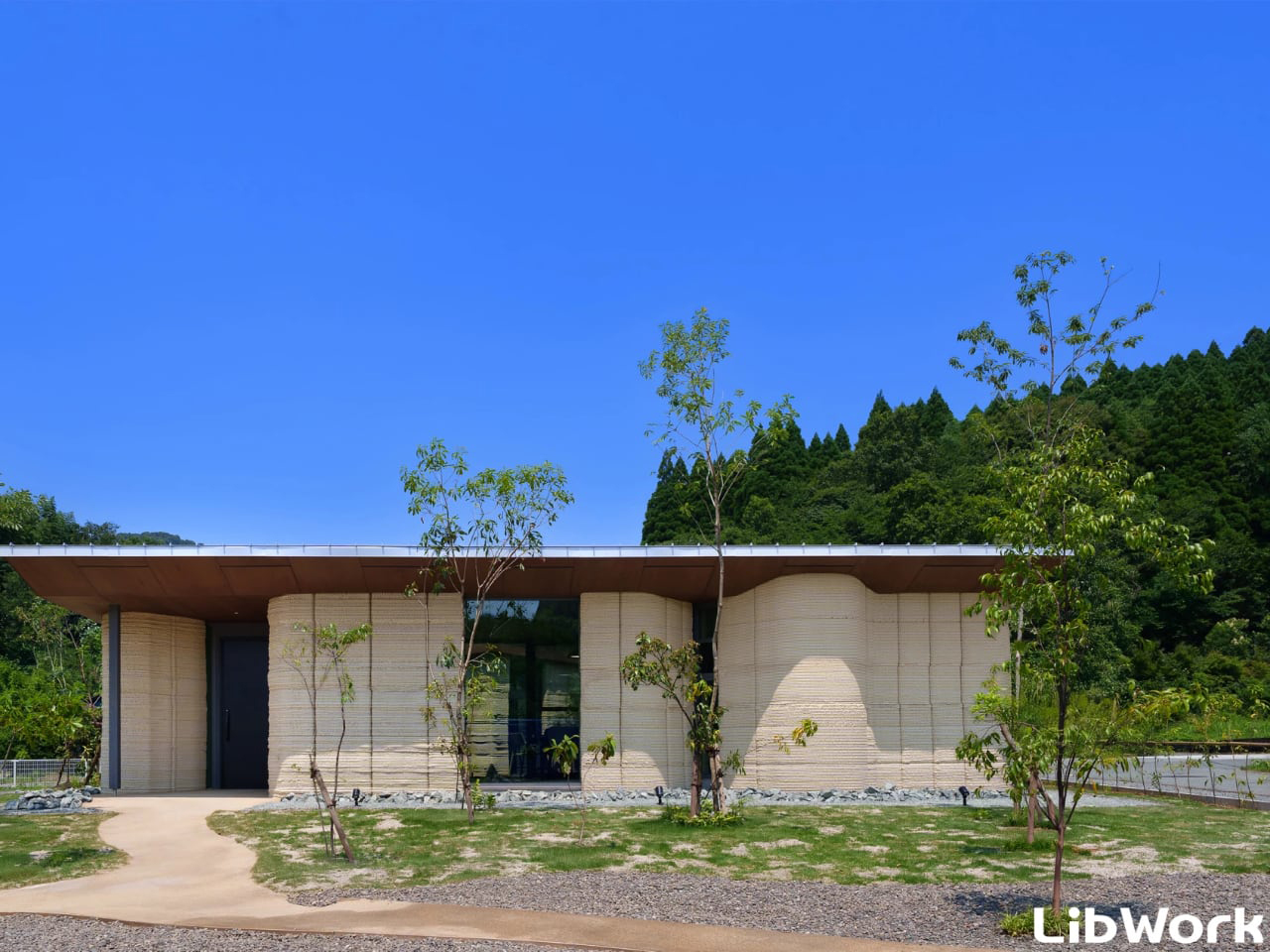
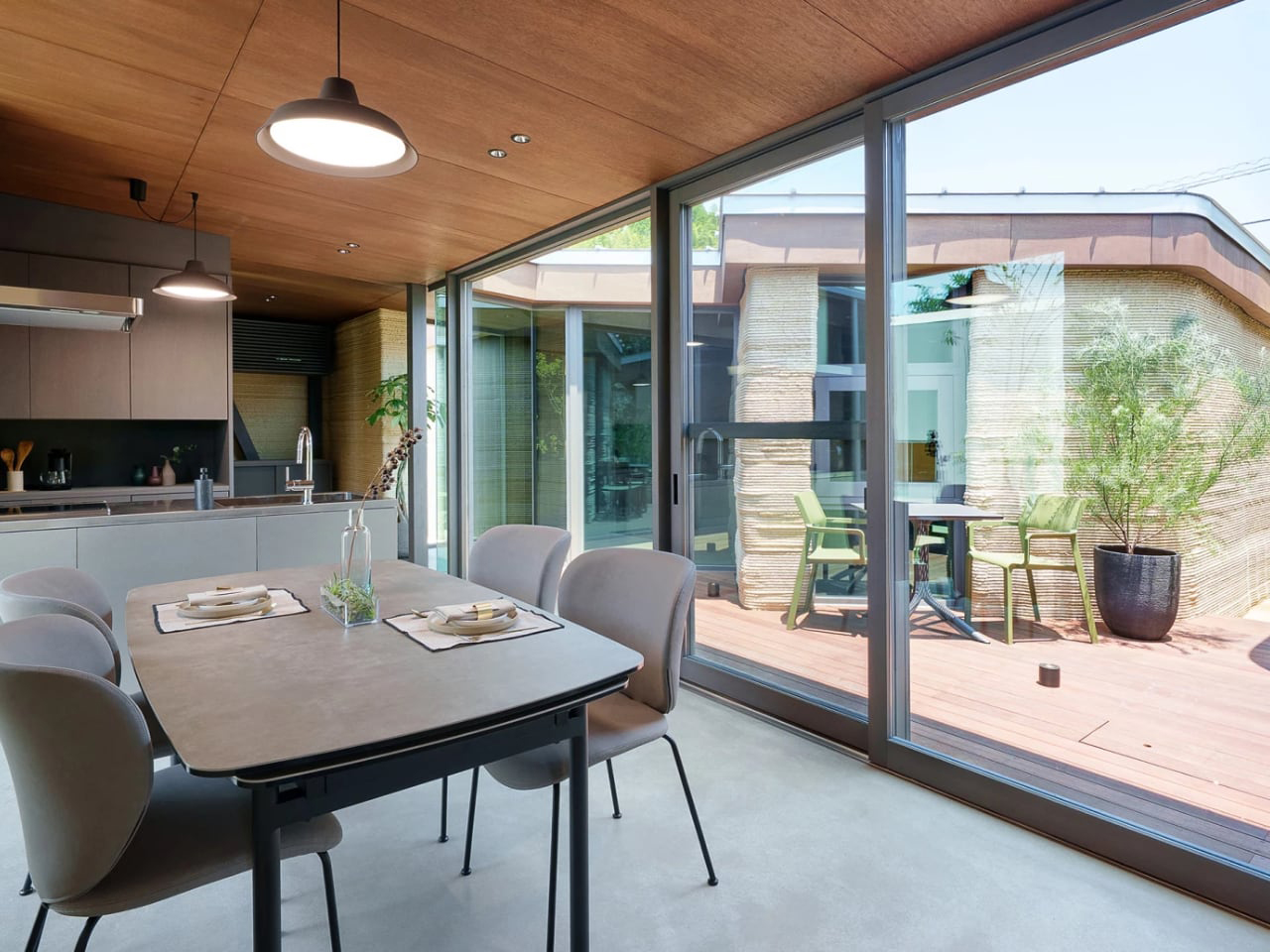
Japanese architecture studio Lib Work, in collaboration with Arup and WASP, has introduced the Lib Earth House Model B, a 1,076-square-foot residence 3D-printed primarily from soil. This single-story home in Kumamoto Prefecture demonstrates how ancient, locally sourced materials can be transformed through modern technology to create environmentally conscious architecture. With gently curved walls, ribbed textures, and a flat roof designed for solar panels and rainwater collection, the structure is subjected to natural constraints while offering a futuristic yet rooted aesthetic.
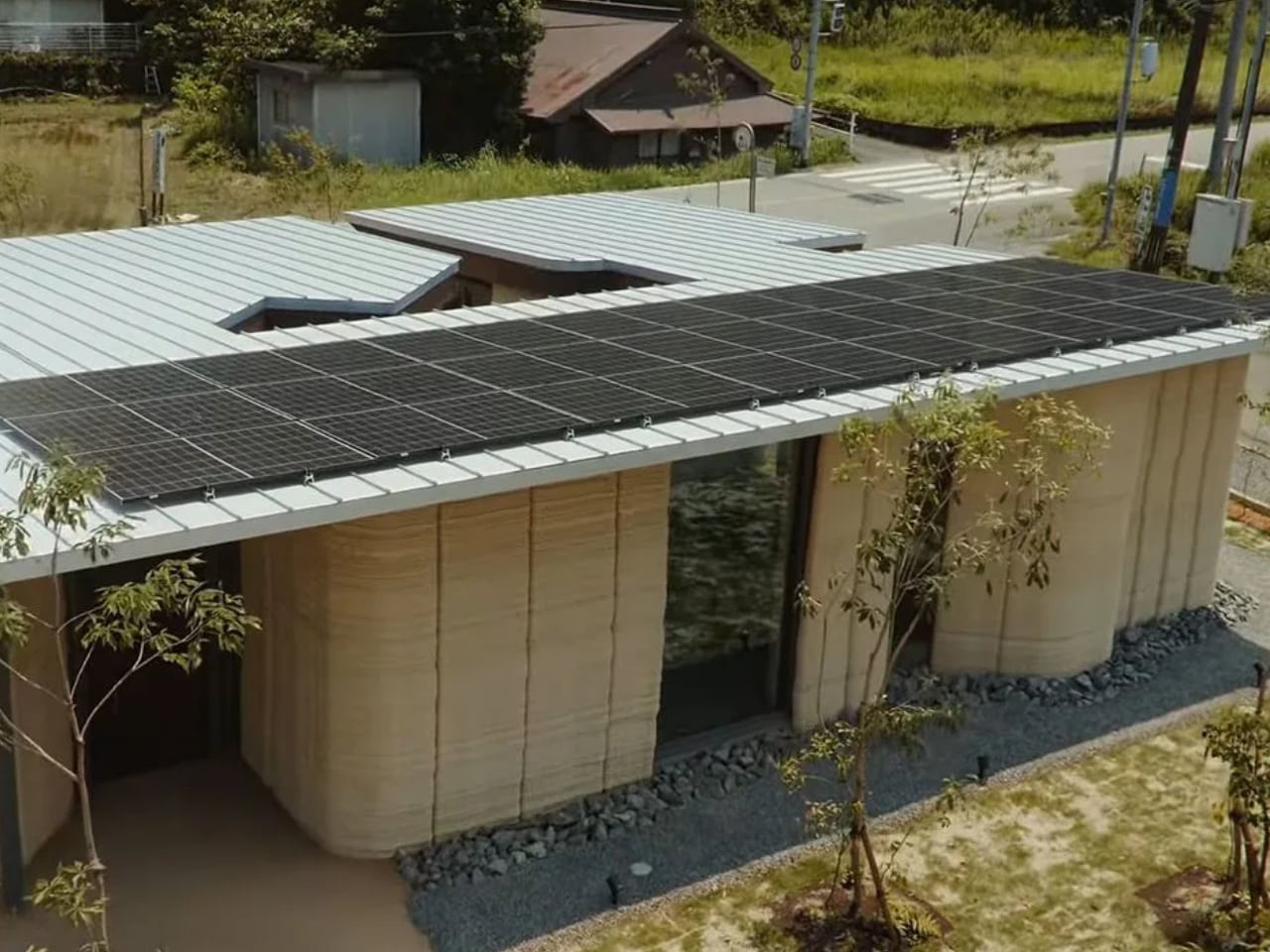
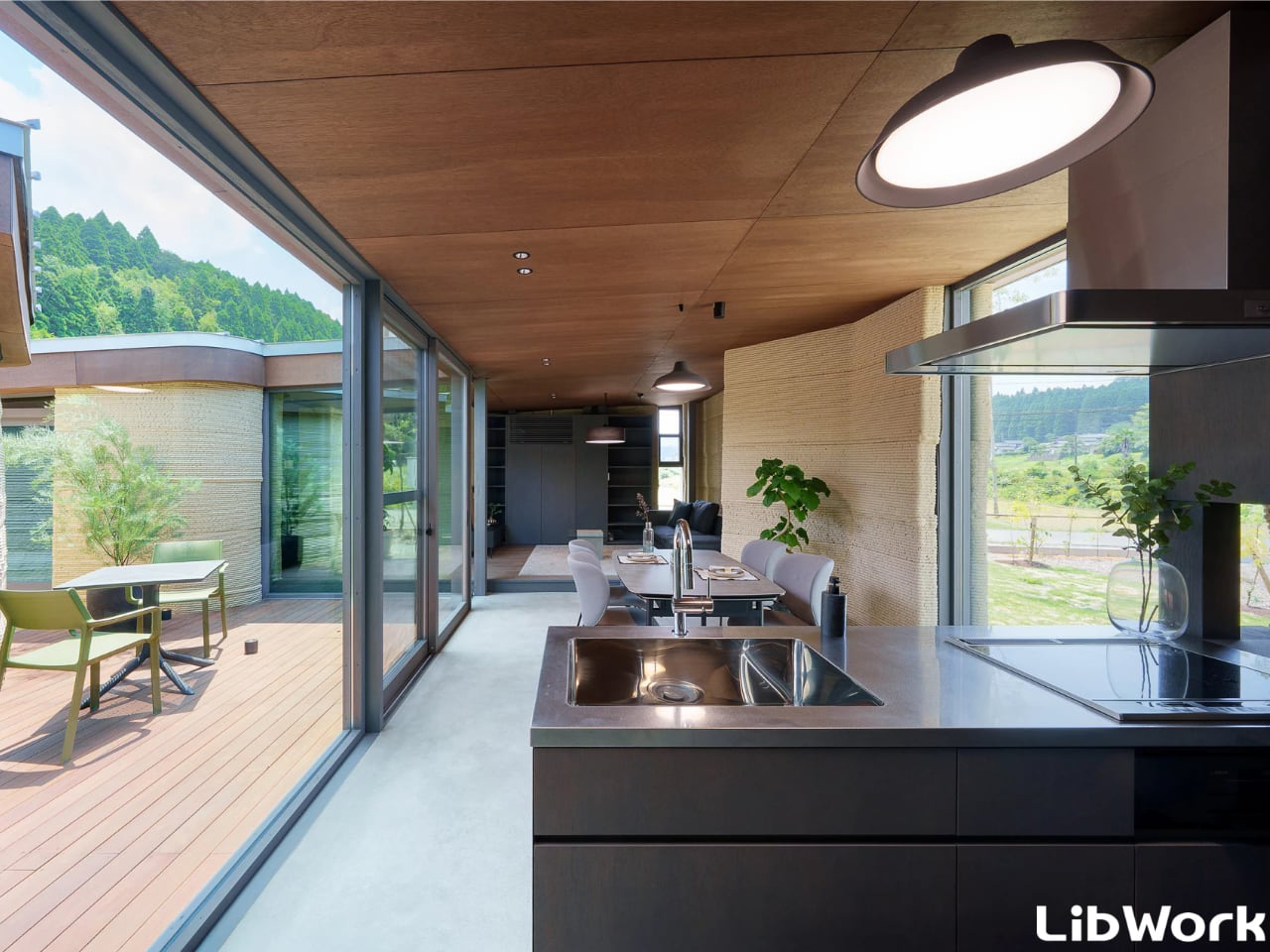
Built from a mix of soil, sand, lime, and natural fibers, the house celebrates imperfection through visible striations and organic textures that evolve beautifully over time. Inside, the design merges earthy warmth with modern comfort, featuring open-plan spaces, natural light, and climate-regulating walls. Discreet sensors monitor performance, ensuring durability and efficiency. The project redefines sustainable architecture, blending tradition, innovation, and adaptability into a living blueprint for eco-conscious design.

2. Faster Construction

3D-printed homes can be built at remarkable speed, setting them apart from traditional construction. Walls for a small house can be printed in just 24 to 48 hours, a task that would take conventional crews weeks or months. This rapid pace is especially crucial in areas with urgent housing needs, such as disaster-hit regions or communities facing shortages.

The faster building process allows homeowners to move in sooner and turns lengthy projects into efficient, streamlined undertakings. For developers, it means quicker returns and easier scaling. Accelerated construction makes quality, affordable housing more accessible to those who need it most.
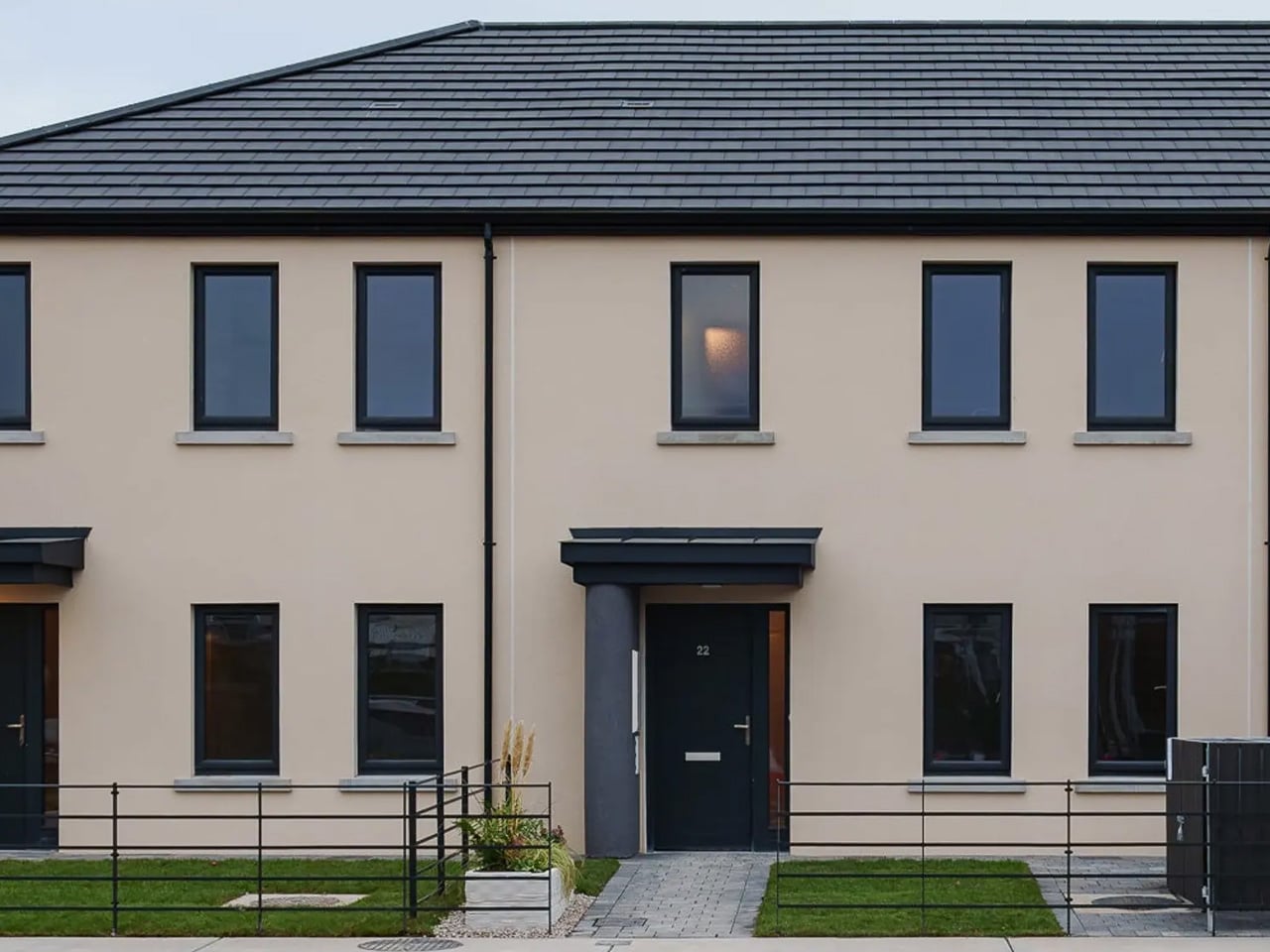
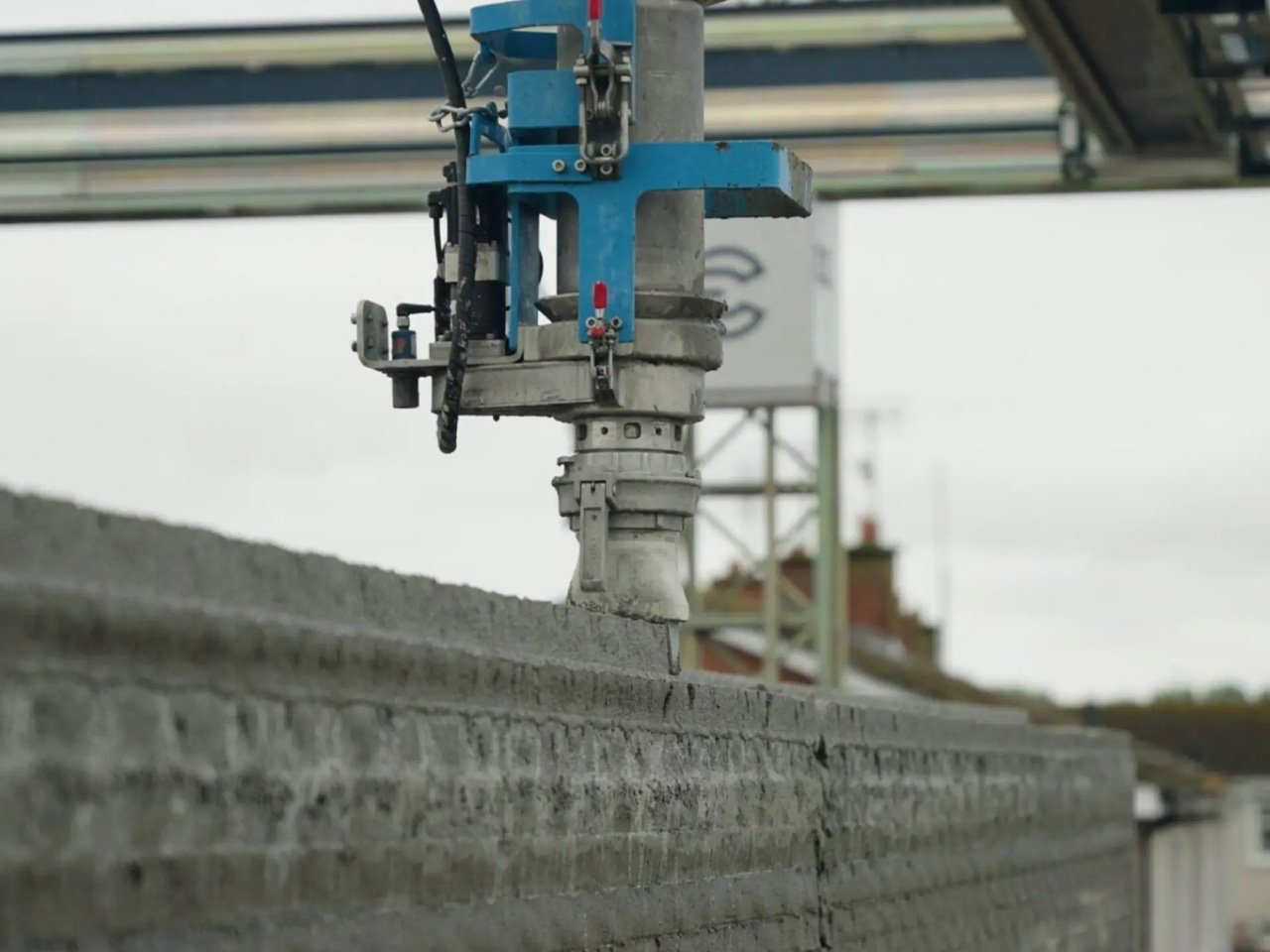
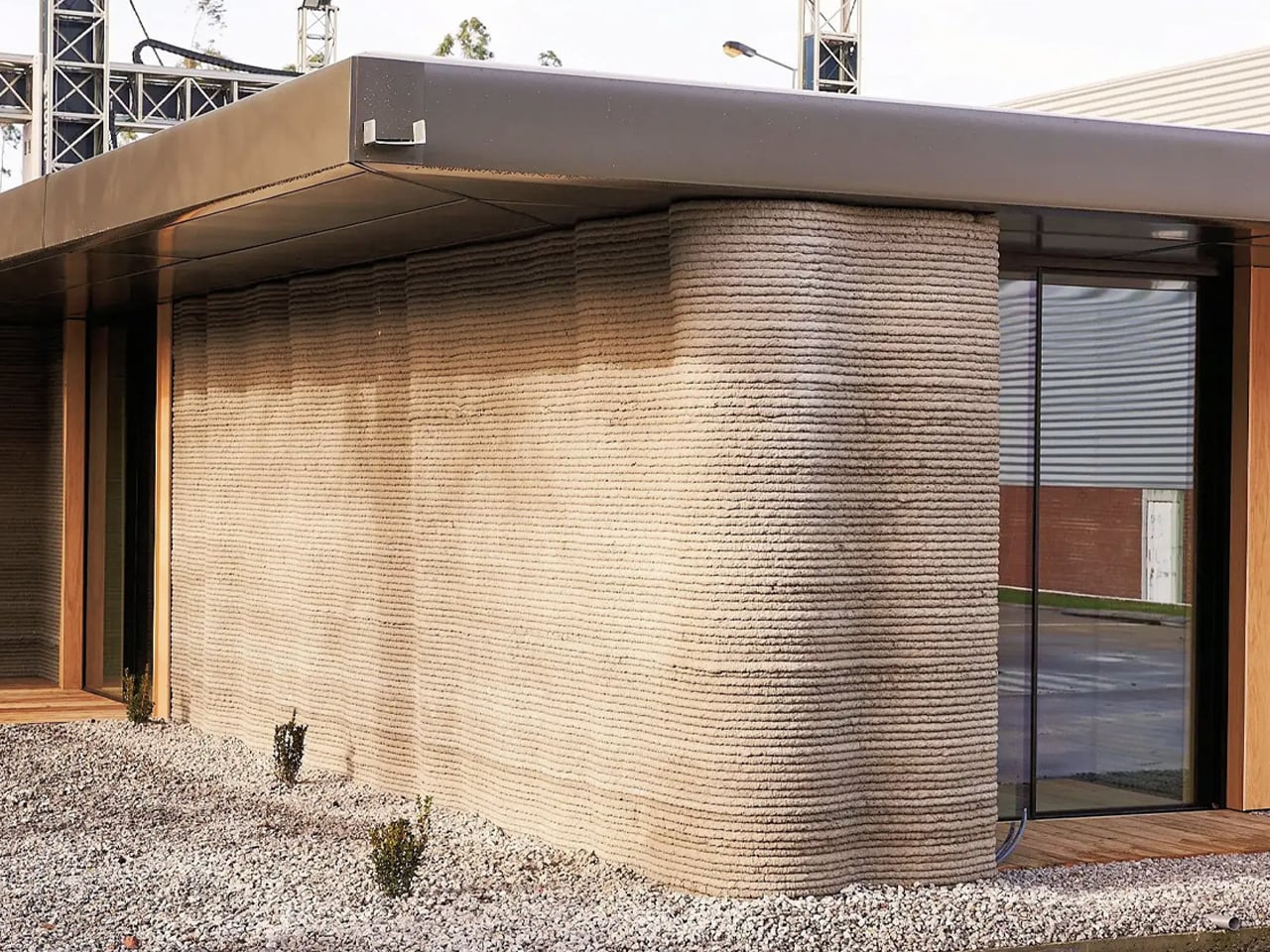
3D-printed architecture is moving beyond novelty to become a practical solution for affordable and sustainable housing. In Louth, eastern Ireland, HTL.tech has completed Grange Close, a three-unit terraced social housing project spanning 330 sq m (3,550 sq ft). Each home offers 110 sq m (1,184 sq ft) across two levels, constructed with COBOD’s BOD2 printer. The project was delivered in just 12 working days, from site preparation to handover, making it 35% quicker than conventional methods. Walls were printed using a cement-like mixture extruded layer by layer, while builders added roofing, electrical systems, and finishes.
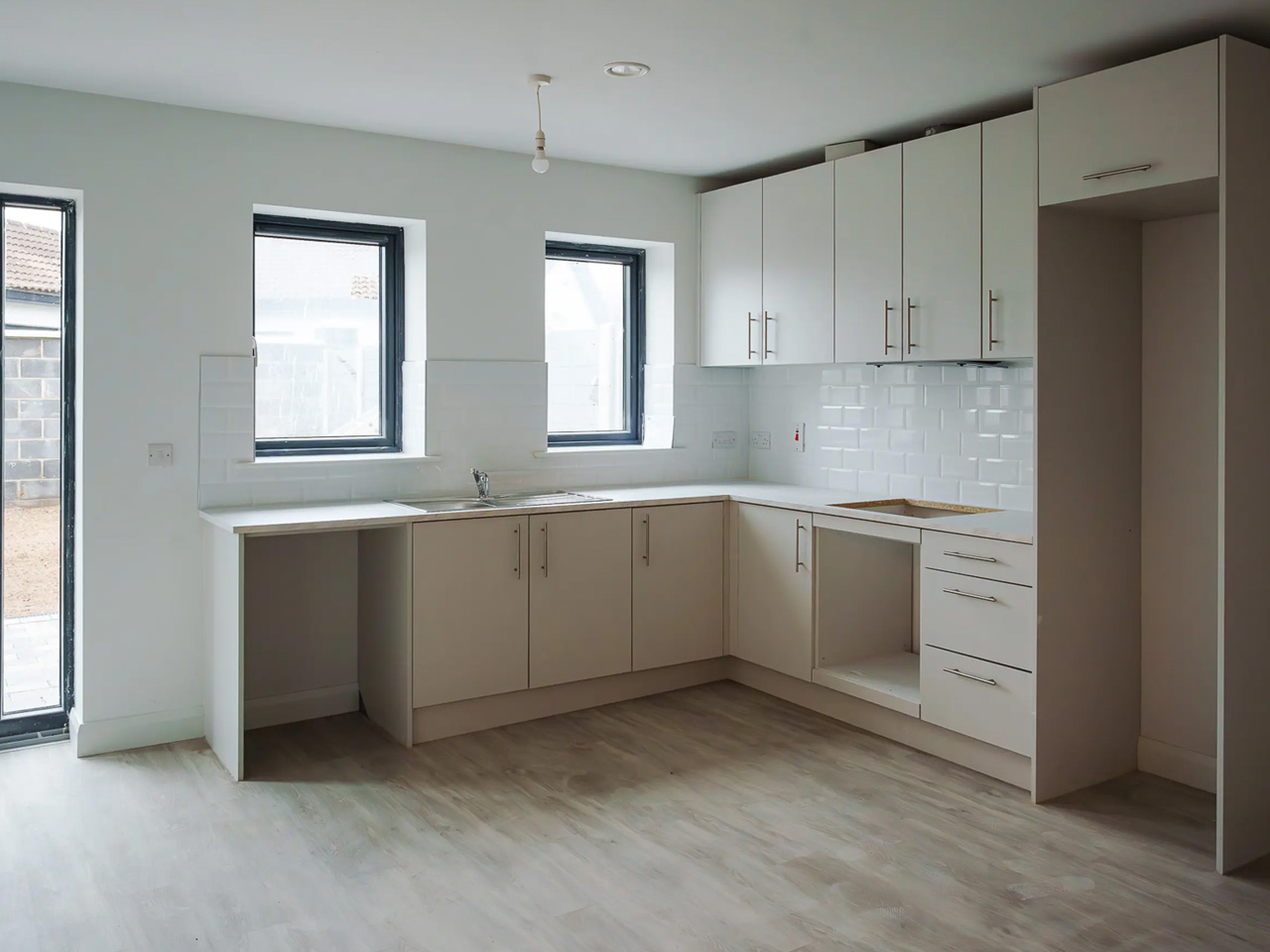
The homes blend seamlessly into modern housing design, avoiding the ribbed texture typically associated with 3D printing. This contemporary appearance ensures residents feel they are living in fully finished, high-quality dwellings. HTL.tech expects future builds to be completed in as little as nine days, signaling how 3D printing can revolutionize construction by providing faster, cost-effective, and sustainable homes.

3. Enhances Design Flexibility

3D printing gives architects design possibilities beyond traditional construction. Complex curves, unconventional shapes, and intricate details that are costly or impossible with wood or brick become achievable. This technology enables the creation of truly unique, personalized homes that break free from standard rectangular layouts.

From sweeping curved facades to detailed interior wall patterns, 3D printing makes full customization accessible. Homeowners can design spaces that reflect their personal style and lifestyle, turning houses into bespoke works of art. The possibilities are nearly limitless, empowering creativity and allowing each home to be as distinctive and individual as the people who live in it.
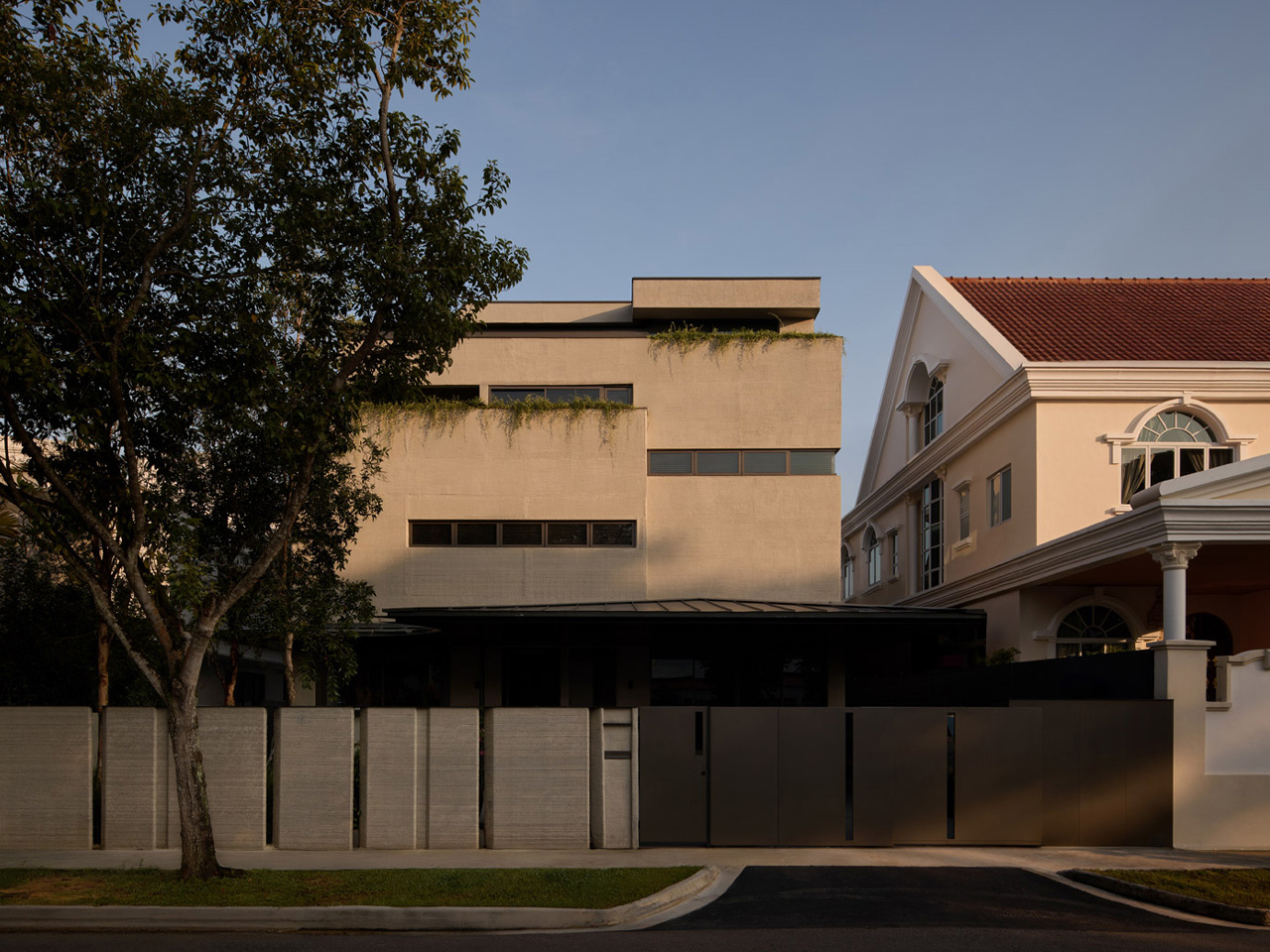
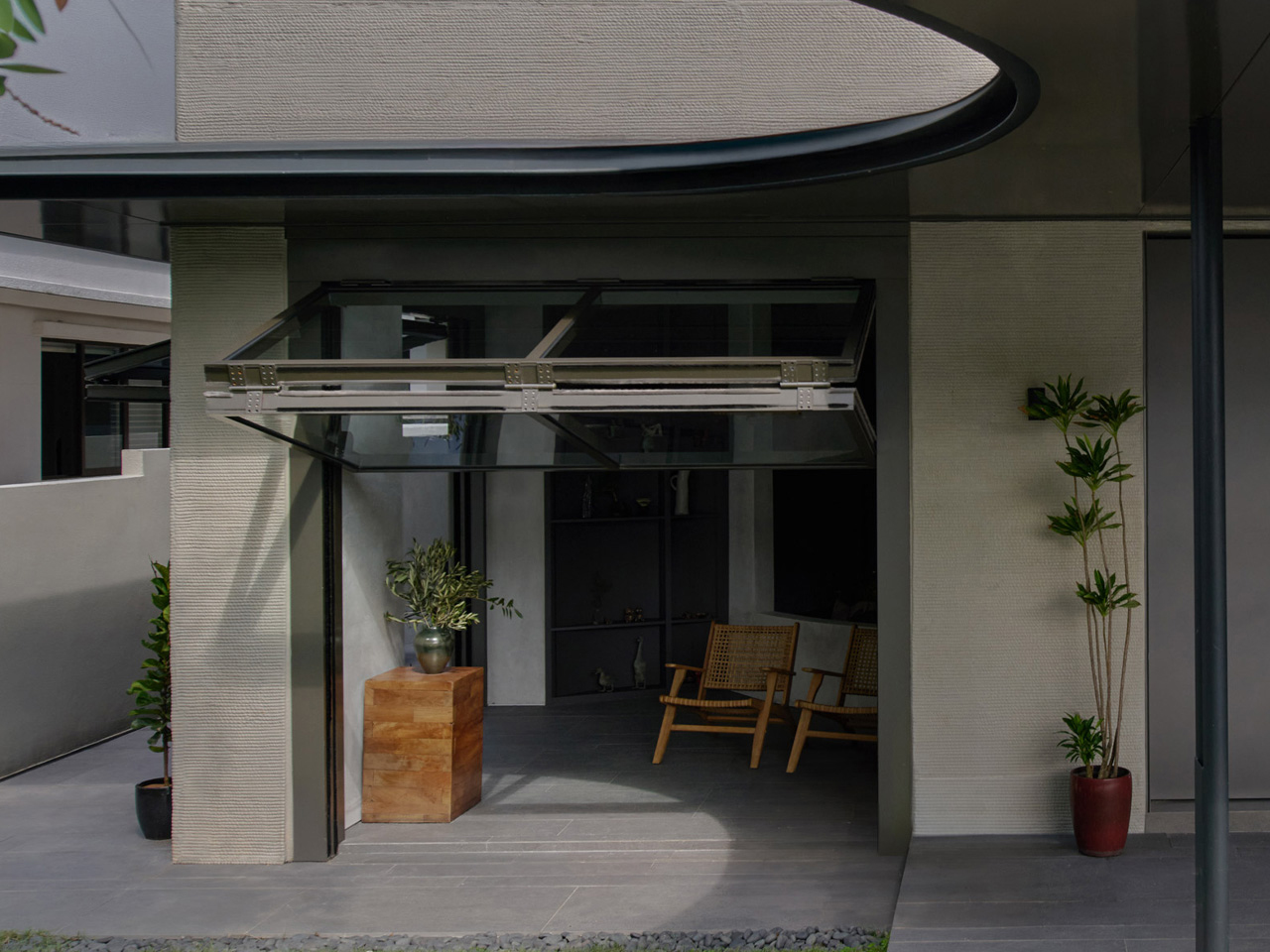
QR3D, designed by Park + Associates, is Singapore’s first multi-storey 3D-printed home and a striking vision of future domestic architecture. Rising four stories in Bukit Timah, the house explores how digital manufacturing can transform urban living in a city where space is scarce and innovation is essential. Its façade departs from convention with layered, grooved concrete that openly reveals its 3D-printed origins. With 97% of the walls printed on-site, the structure unites precision and
craft, using texture as both finish and framework while creating visual continuity that flows from exterior to interior.
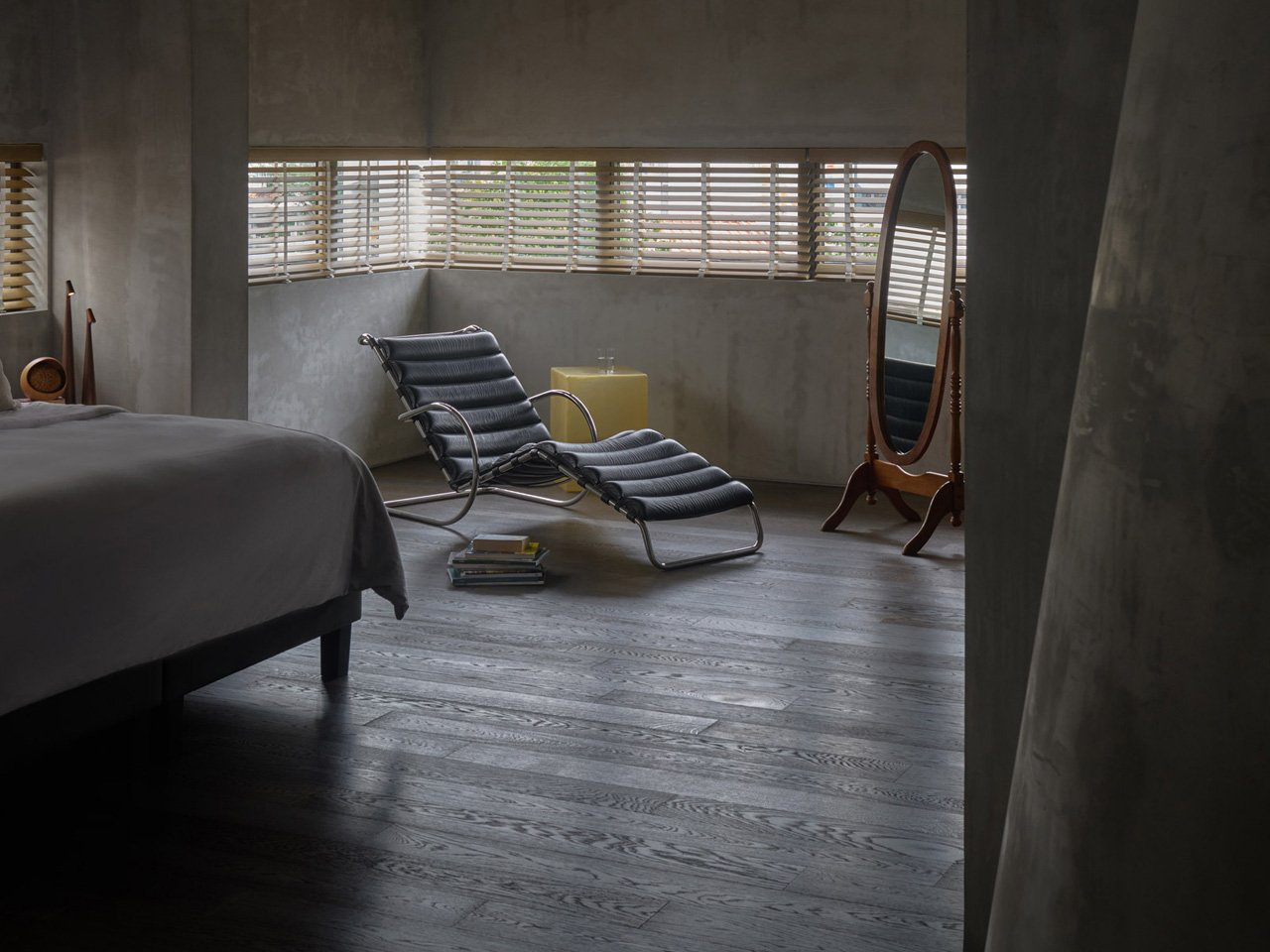
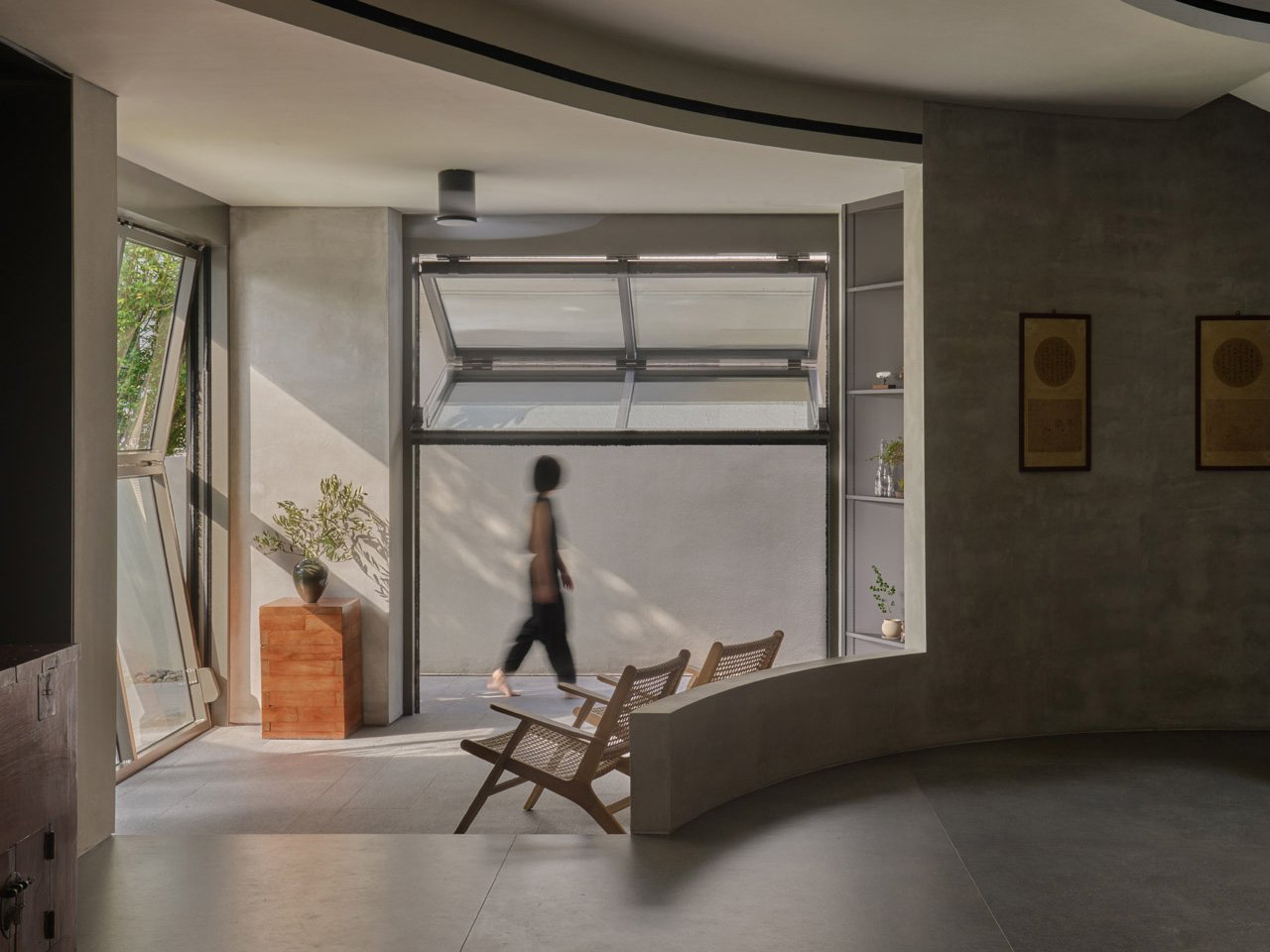
Inside, a dramatic central void ties the four levels together, bringing daylight and ventilation deep into the plan while amplifying spatial openness. Floating stairs and bridges soften the vertical expanse, turning the void into the home’s defining feature. Combining expressive form with functional efficiency, QR3D showcases how technology and design can converge to create sustainable, adaptable, and distinctly modern housing.

4. Enhancing Sustainability

Sustainability is a major advantage of 3D-printed construction. The process applies materials precisely where needed, producing far less waste than traditional methods. Many 3D printing materials are recycled or locally sourced, reducing transportation and environmental impact while lowering the project’s overall footprint.

Beyond efficiency, 3D-printed homes can incorporate durable, energy-saving features like improved insulation and optimized ventilation. By cutting waste and using eco-friendly materials, these homes support climate-conscious building practices. They benefit the planet while also offering homeowners long-term savings on energy costs, proving that sustainable design can be both practical and environmentally responsible.
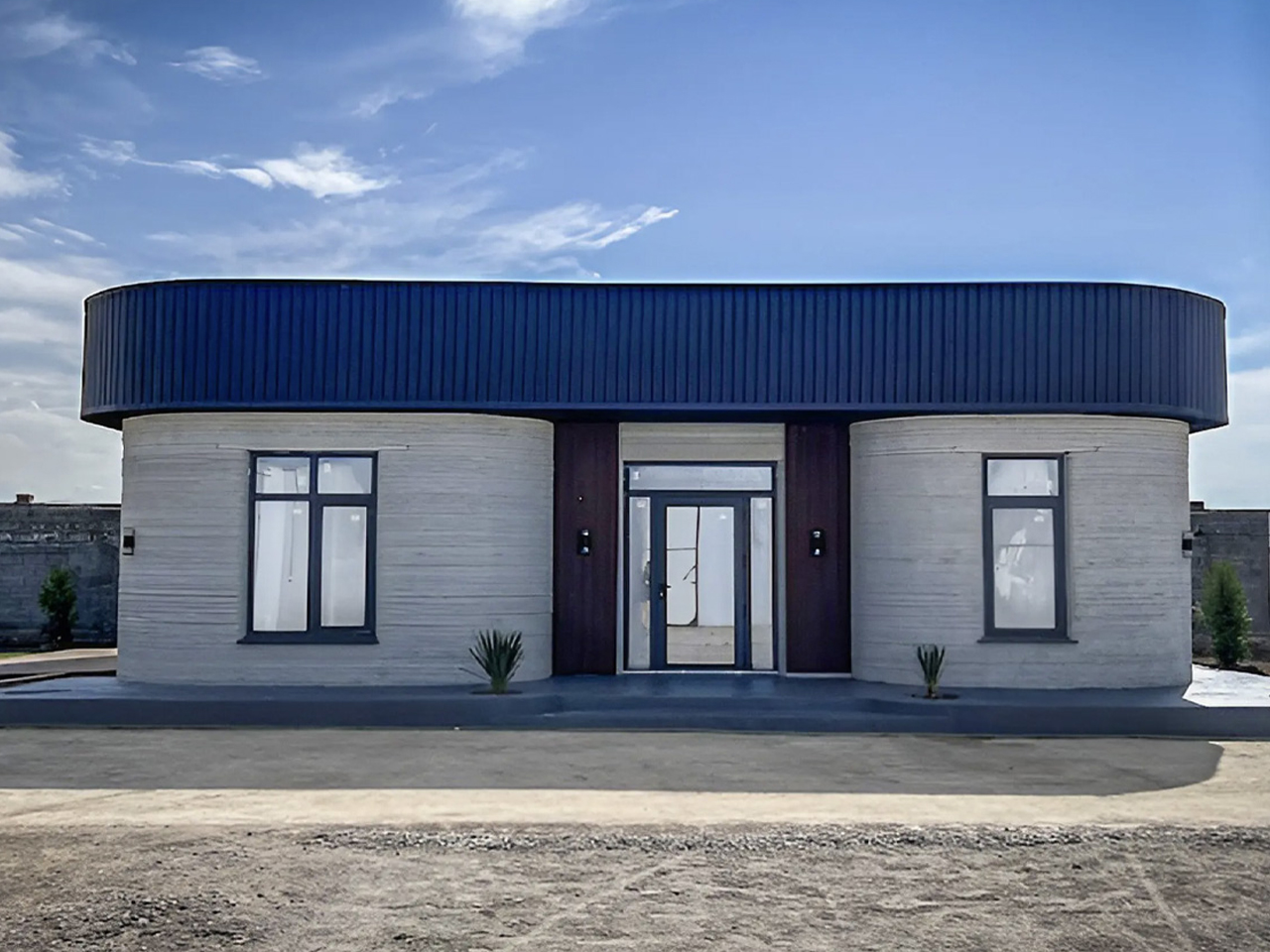
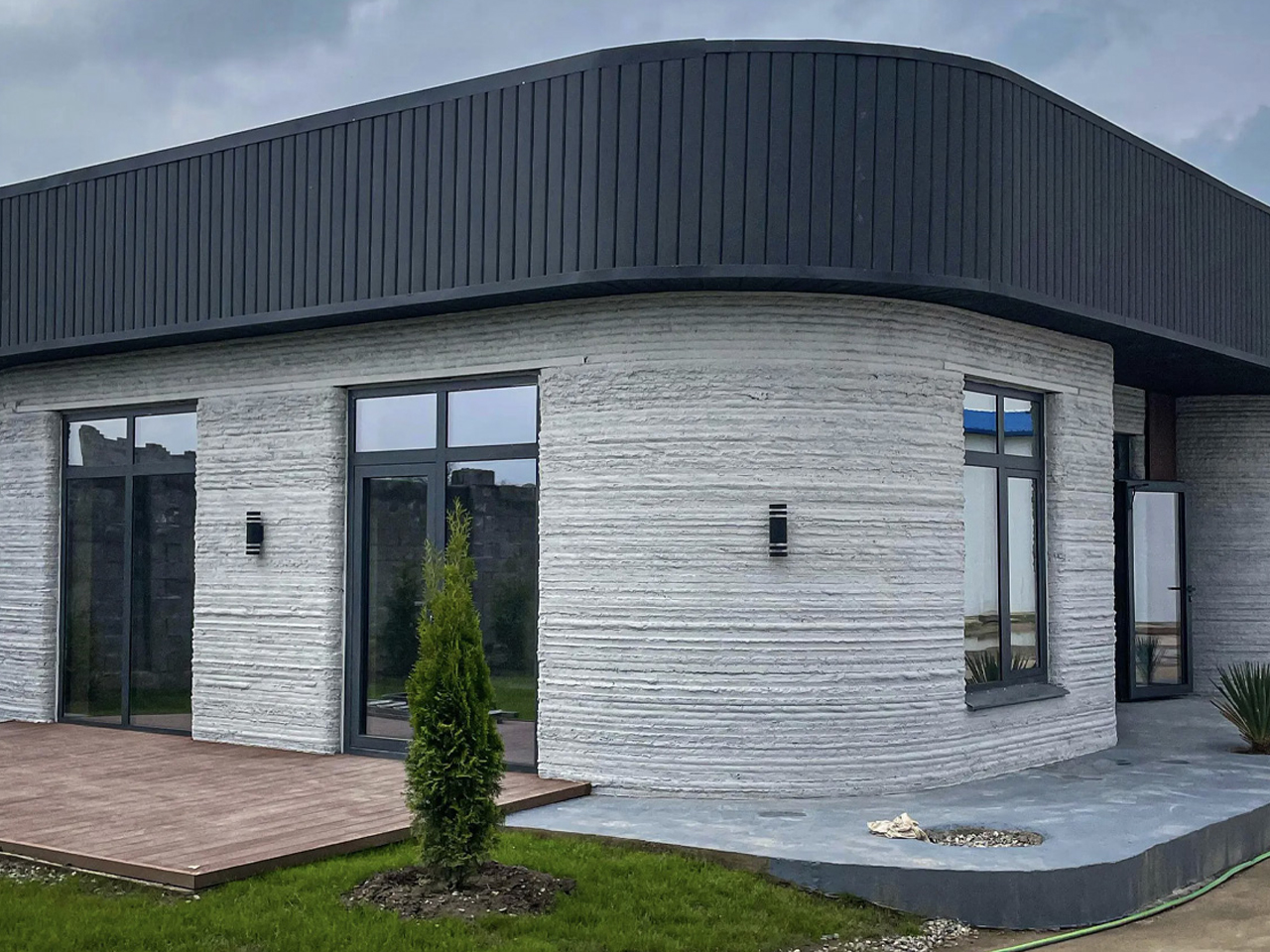
Designed by BM Partners and built with COBOD’s BOD2 printer, this residence in Almaty, Kazakhstan, stands as Central Asia’s first 3D-printed home. Created to endure seismic risks and extreme weather, it showcases the resilience of 3D construction. The walls were formed using a specially developed cement mix with a compression strength of nearly 60 MPa, which is much higher than conventional brick or stone, enabling it to withstand earthquakes up to magnitude 7.0. To address Kazakhstan’s harsh climate, insulation of expanded polystyrene concrete was incorporated, ensuring strong thermal and acoustic performance against temperatures ranging from –57°C to +49°C.
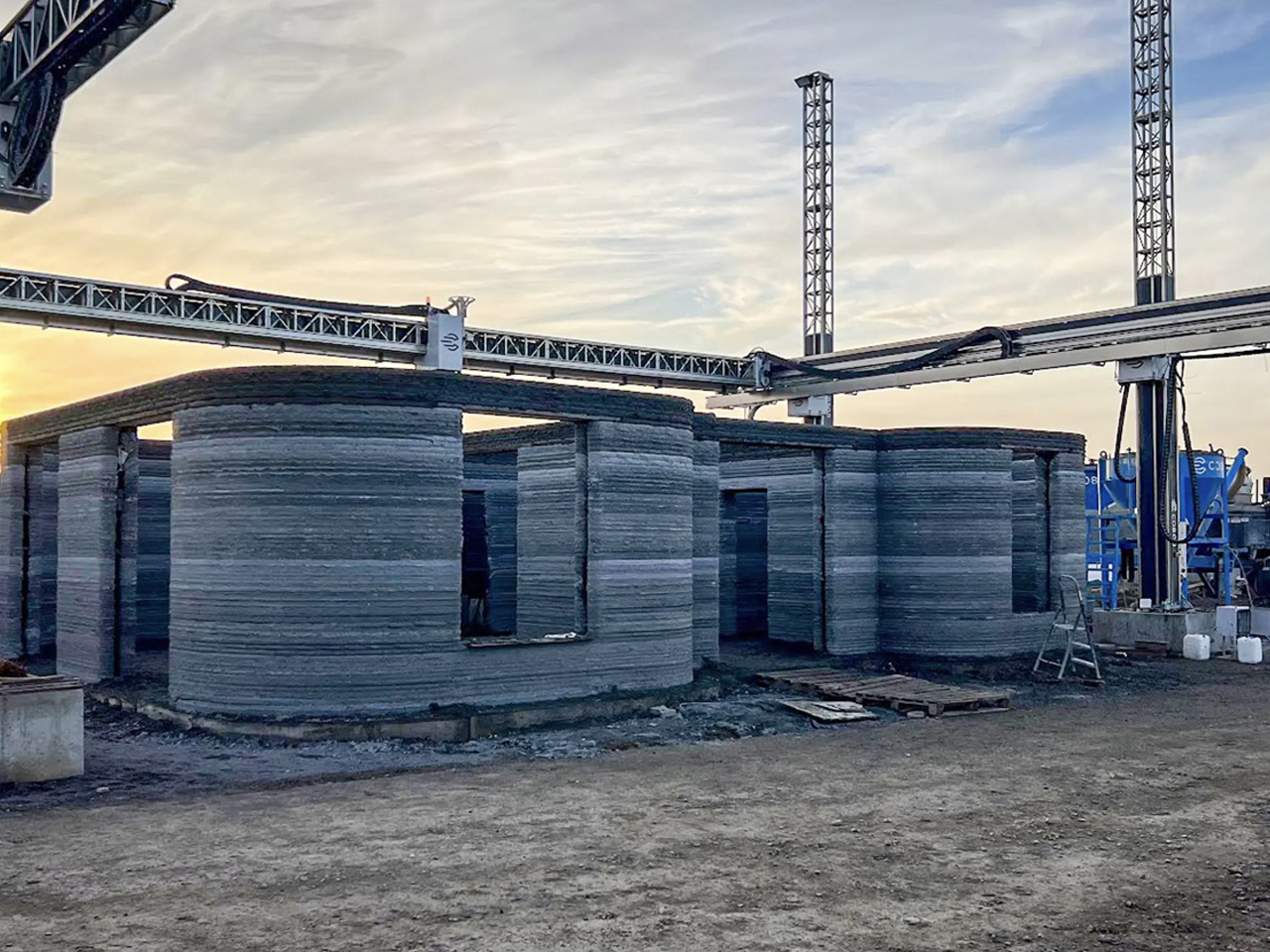
After the layered printing process, the structure was finished with doors, windows, and interiors using traditional techniques. The single-floor home spans 100 sq m, featuring a simple yet functional layout, generous glazing, and a bright living space. Completed within two months, it demonstrates the efficiency, durability, and design possibilities of modern 3D-printed construction.

5. Resilient and Accessible Housing

3D-printed homes offer exceptional strength, often exceeding that of traditional construction. Their continuous, monolithic walls have no weak points, making them highly resistant to extreme weather, earthquakes, and other natural disasters. This durability provides safety and peace of mind, especially in vulnerable regions.

Beyond resilience, 3D printing makes housing more accessible worldwide. Lower costs and faster construction allow organizations to deliver high-quality, permanent homes to disaster-affected areas and low-income communities. This technology serves as a powerful tool for social impact, providing secure, dignified housing and helping to address global housing challenges efficiently and effectively.
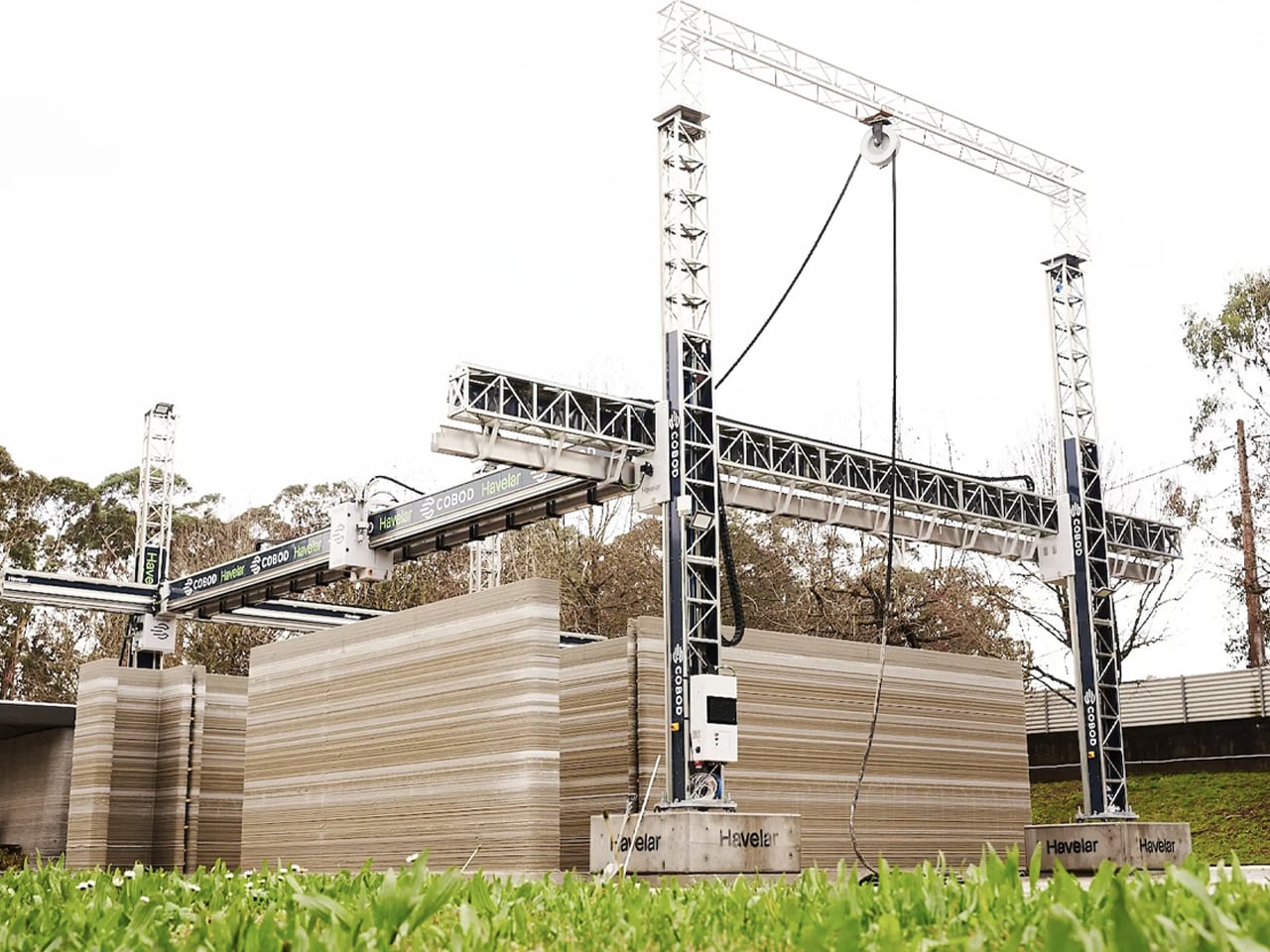
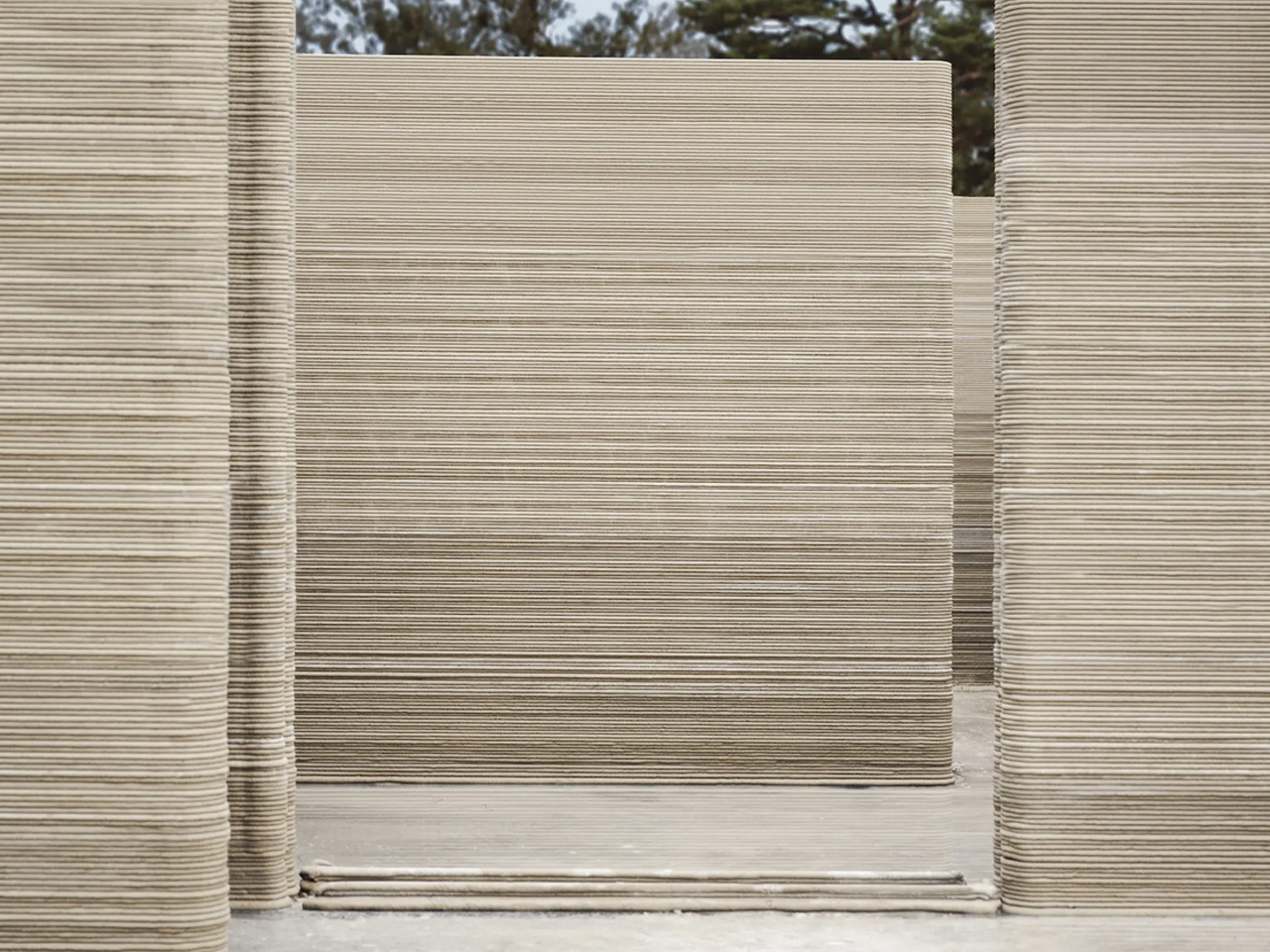
3D-printed architecture is proving to be a promising answer to housing accessibility, by Portugal-based Havelar. The single-storey home spans 80 sq m and was printed in just 18 hours using COBOD’s BOD2 printer. The process involved extruding a cement-like mixture in layers to form the structure, followed by traditional building work such as adding windows, doors, roofing, and other amenities, and the project was completed within two months.
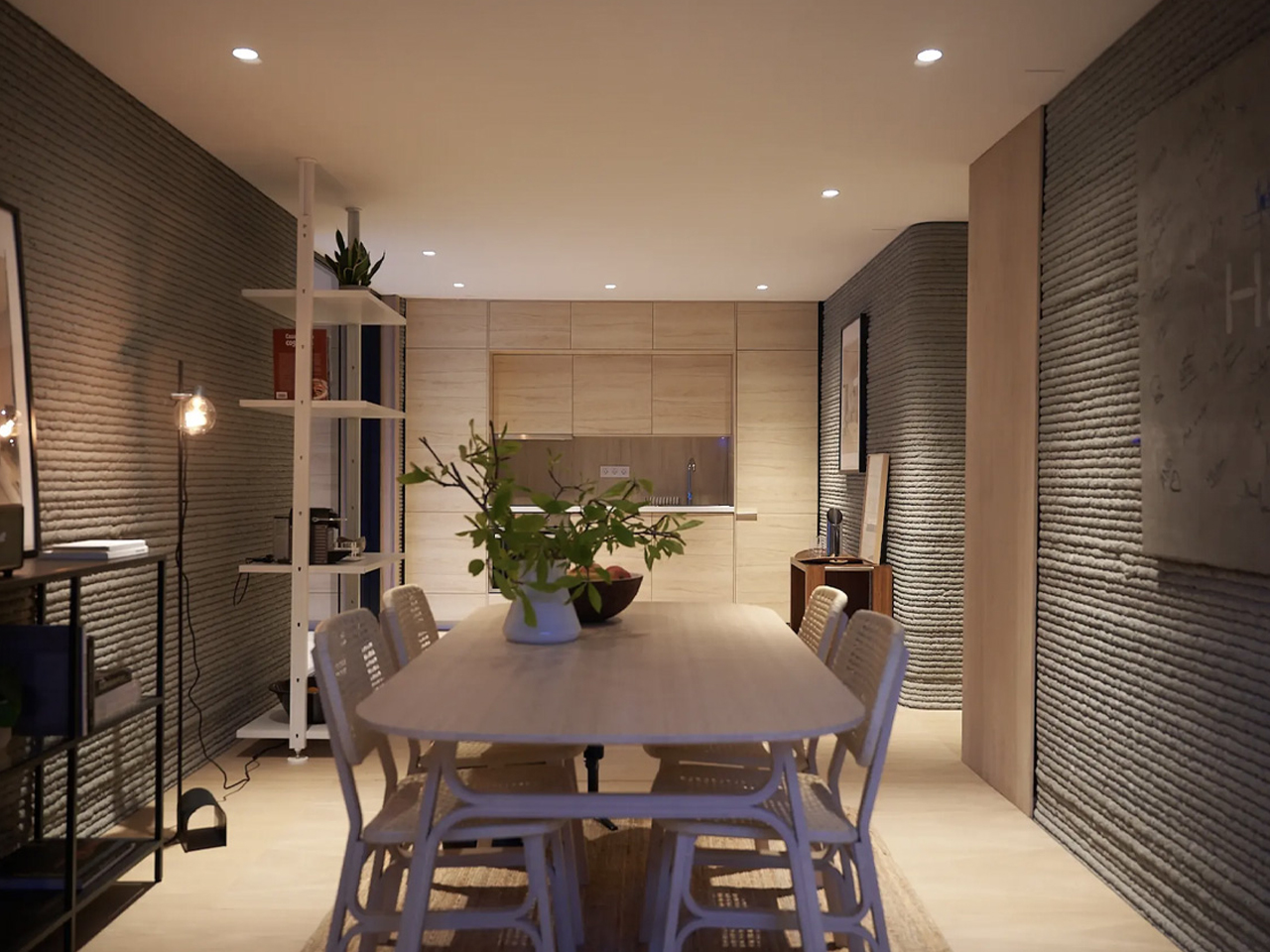
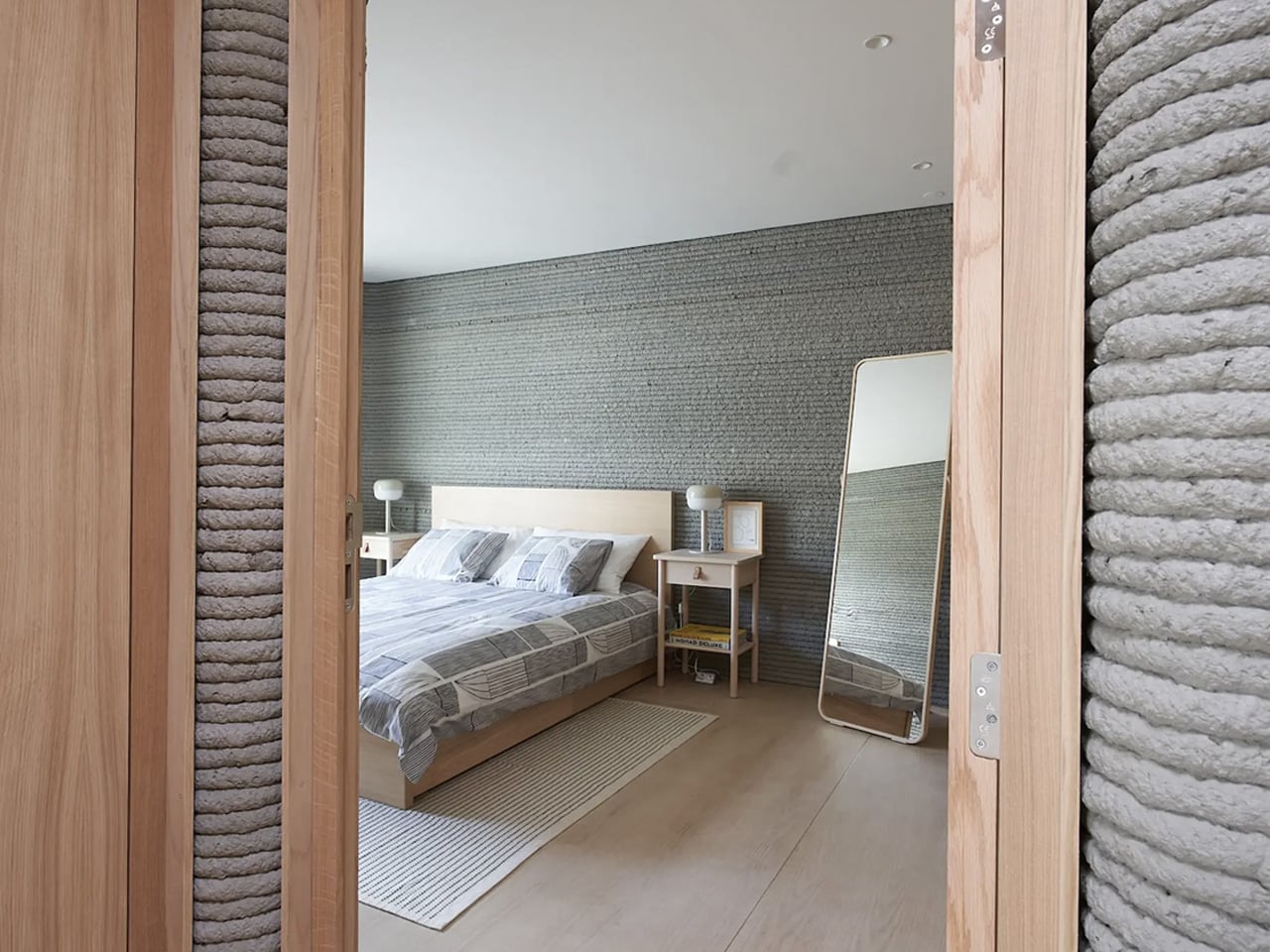
The residence features ribbed walls that reveal its 3D-printed origin, with a layout comprising a central kitchen and dining area, two bedrooms, a living room, and a bathroom. Though modest compared to luxury printed homes, it prioritizes practicality and efficiency.

3D-printed homes deliver remarkable durability, often surpassing traditional construction. Their seamless, monolithic walls eliminate weak points, making them highly resistant to extreme weather, earthquakes, and other natural hazards. This inherent strength ensures safety and peace of mind, particularly in areas prone to environmental risks.

The post Top 5 Reasons 3D-Printed Homes Are the Future of Affordable Housing first appeared on Yanko Design.
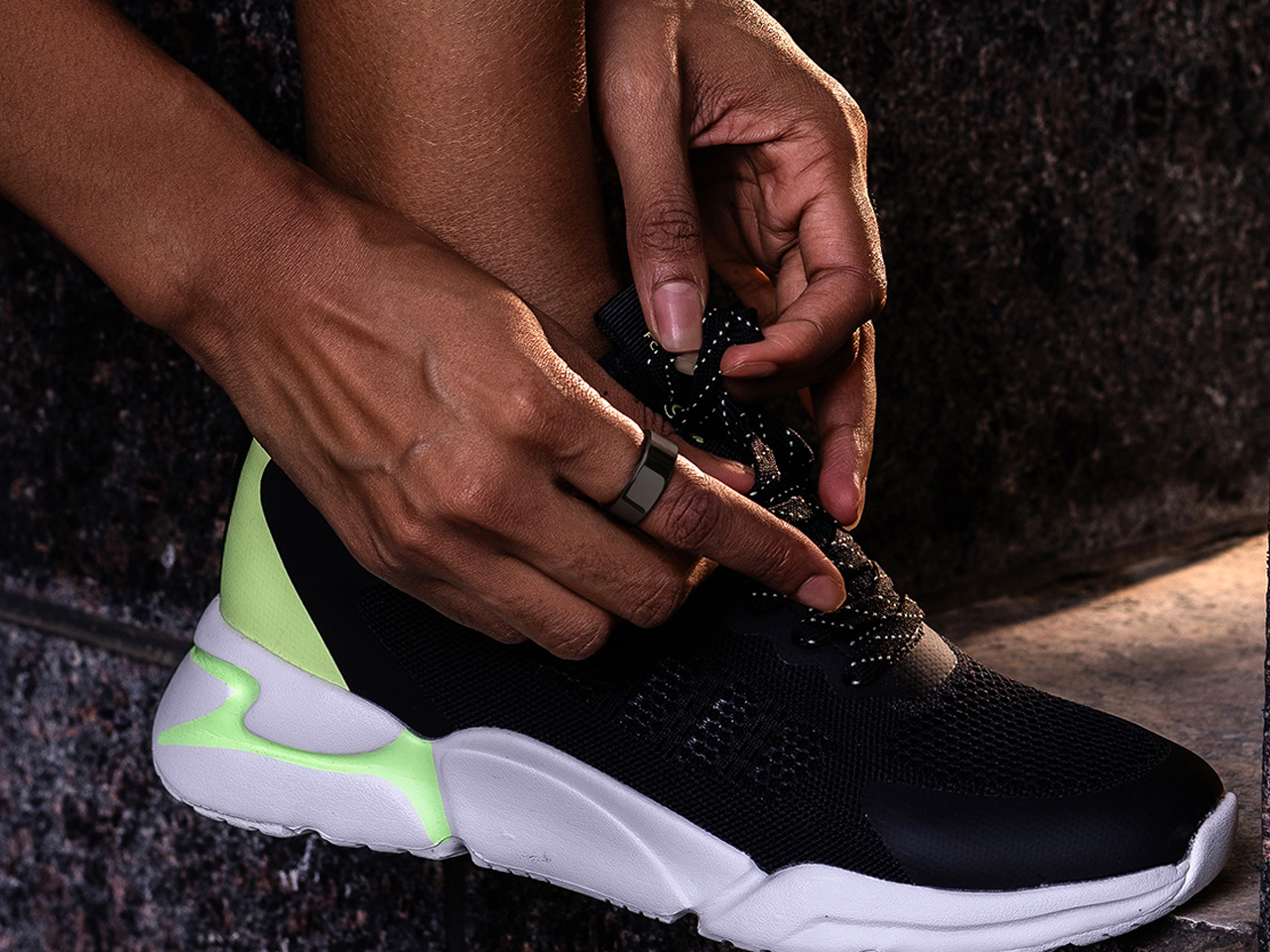
Why Smart Rings Track Your Health Better And Are Quietly Replacing Other Fitness Trackers

As technology evolves, new gadgets constantly emerge, and one such device that has seamlessly integrated into our daily lives is the fitness tracker. Over time, such devices have become essential in tracking our health and fitness goals. However, fitness trackers have now leaped forward, transforming into the smart ring. These sleek, electronic bands worn on the finger act as wearable devices, just like jewelry, but can monitor health metrics such as heart rate, sleep patterns, oxygen level, exercise monitoring, and more.

The global smart ring market was valued at USD 340.9 million in 2024 and is expected to expand from USD 416.9 million in 2025 to USD 2,525.5 million by 2032, reflecting a growth rate of 29.3% during the forecast period. Smart rings offer a more compact alternative to larger devices, yet provide powerful tracking capabilities and are often launched and backed by premium brands.

How does a smart ring work?

Smart rings are conventional rings that are equipped with different types of sensors and advanced technologies like Bluetooth and Near-Field Communication (NFC) used to monitor health and fitness metrics. Since the smart ring does not have screens, they sync wirelessly with smartphones or tablets, allowing users to access and analyze their health data in real time easily.

Many smart rings also feature haptic signals that vibrate the ring during a call or notification when the paired device is out of range, ensuring users stay connected. This combination of convenience and functionality makes smart rings an effortless way to track and manage health information on the go.

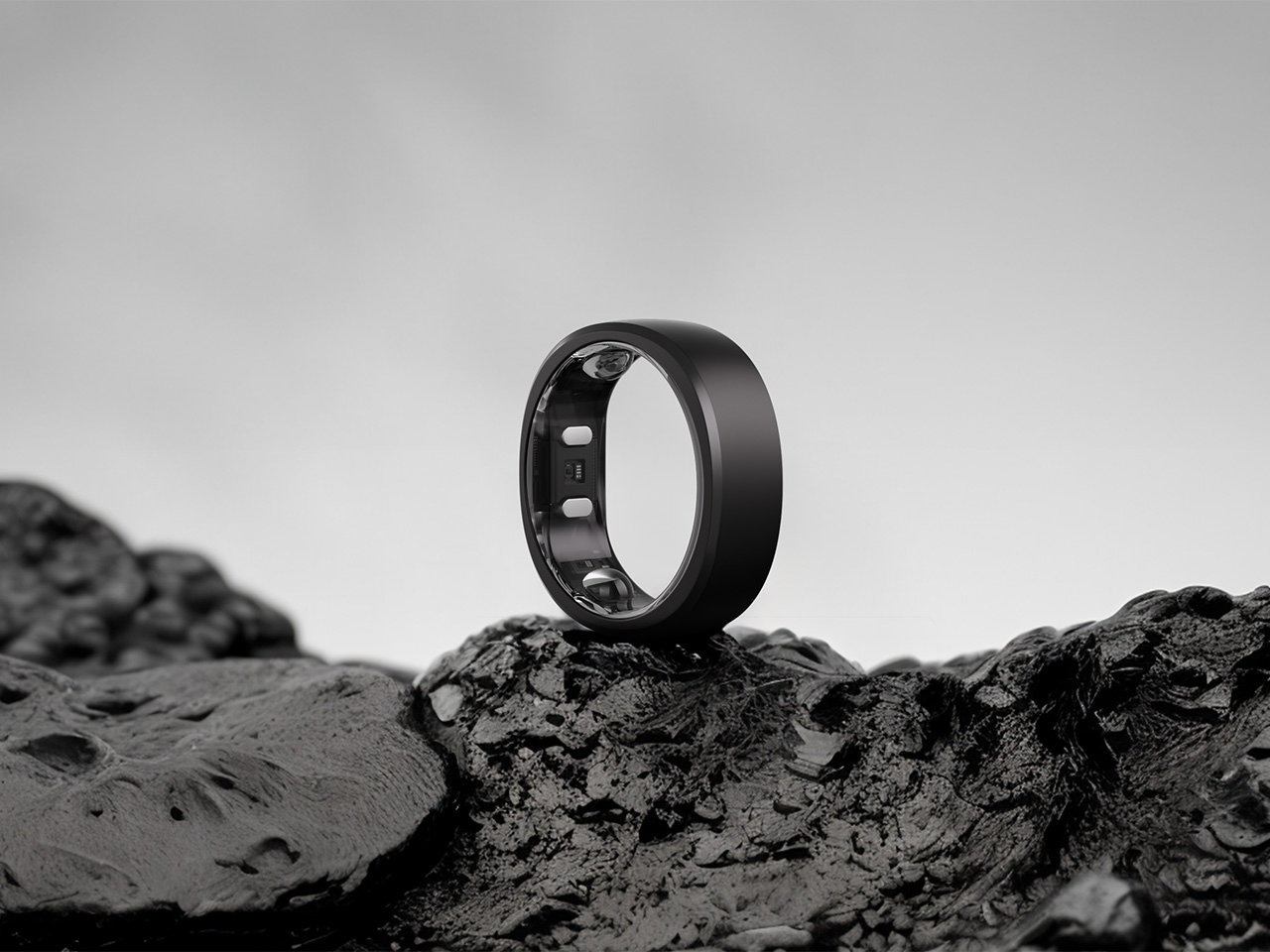
The RingConn Gen 2 is a smart ring that stands out with its sleek design, AI-powered health tracking, and impressive battery life. With a weight of just 2g and 2mm thick, it’s the lightest and thinnest smart ring on the market, providing precise health monitoring through sensors like 3D accelerometers, PPG (photoplethysmography), and temperature sensors. By tracking key metrics such as heart rate, heart rate variability, and blood oxygen levels, it offers a complete picture of your well-being.

The RingConn app syncs this data, including stress levels and sleep patterns, with no hidden subscription fees. One of its most notable features is AI-powered sleep tracking, which monitors breathing, sleep stages, and overall efficiency to help detect issues like sleep apnea. With up to 12 days of battery life and 150 days of use with its charging case, the RingConn Gen 2 delivers comprehensive health tracking, empowering you to live a healthier, more informed life.

What are the different types of sensors integrated into a smart ring?

  • The accelerometer and gyroscope sensor is a motion sensor that tracks body movement, such as steps taken, distance covered, and calories burned.
  • The SpO2 or Peripheral Oxygen Saturation sensor gauges the oxygen levels in the blood.
  • The Electrodermal Activity (EDA) sensor measures sweat production on the finger and provides insights into stress levels and emotional states.
  • NTC thermistor sensors monitor changes in body temperature.
  • Photoplethysmography (PPG) sensor uses LED lights on the skin to measure variations in blood flow. It analyses the reflected light to track variations in your heart rate and blood oxygen levels.

Together, these sensors work in tandem to offer comprehensive data for health and fitness tracking.

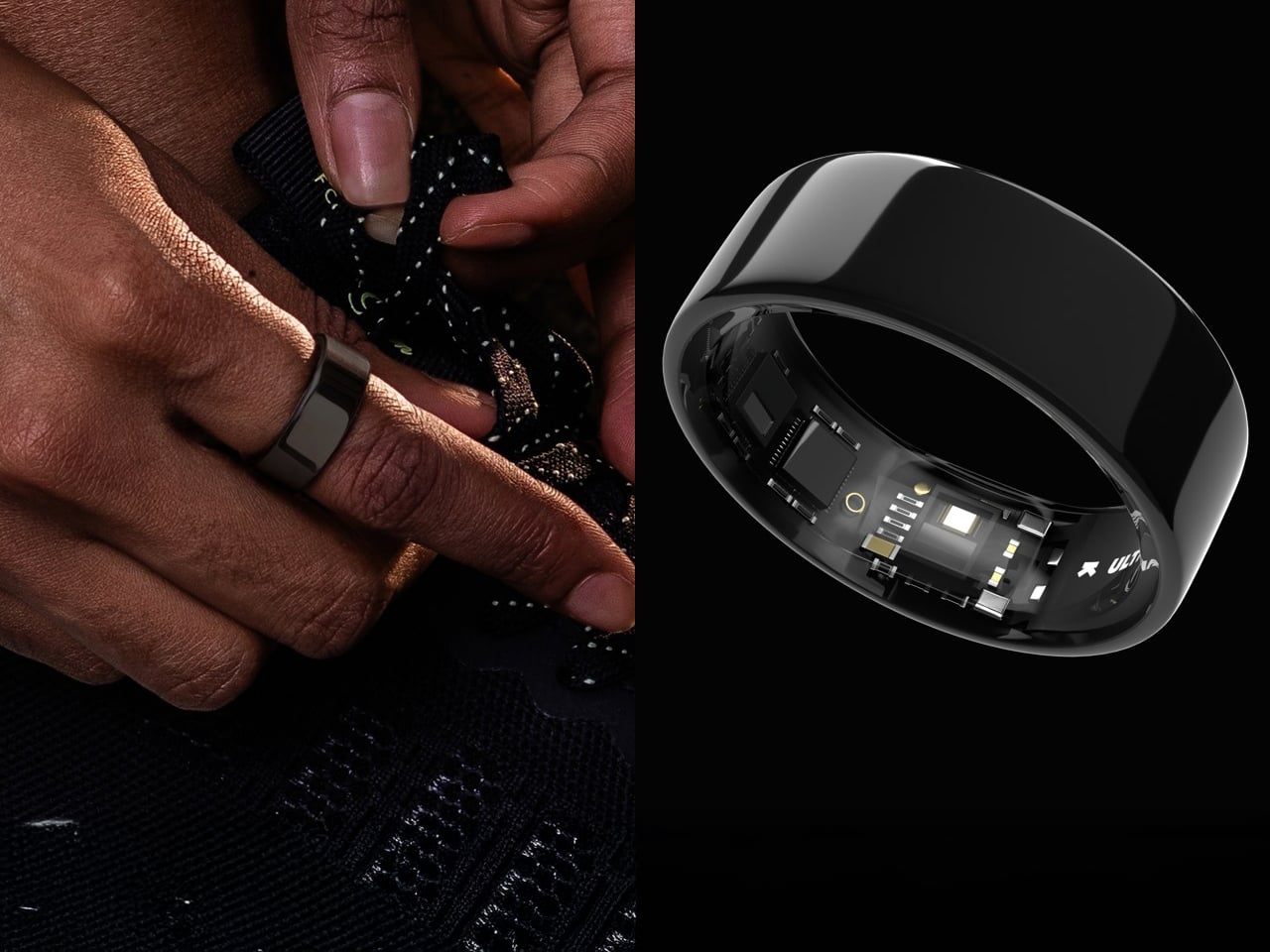
The Ultrahuman Ring combines sleek design with advanced health tracking, offering insights into your overall well-being. Unlike traditional wearables, it doesn’t just measure basic metrics like heart rate and steps—it interprets them into actionable insights. With features like the Movement Index, Sleep Index, and Recovery Score, it provides a deeper understanding of your daily energy expenditure, sleep quality, and stress levels, helping you make informed decisions for better health.

Crafted with durability and style in mind, the Ultrahuman Ring is made from a titanium outer shell and is coated with Tungsten carbide, and a hypoallergenic medical-grade interior for providing maximum comfort to the user. These rings are available in a variation of elegant colors, they are water-resistant and designed to withstand everyday activities. The Ultrahuman Ring offers a compact, fashionable way to monitor your health and improve your lifestyle without the bulk of traditional wearables.

Advantages of a Smart Ring

The smart ring is a convenient alternative to smartwatches, with the key advantage being its portability as it allows you to remain hands-free while wearing jewelry. You can wear the smart ring comfortably even while sleeping, as its compact size ensures it doesn’t cause any discomfort.

The smart ring is designed for optimal data collection, and many models are made from non-corrosive materials like zirconia or feature a Physical Vapor Deposition (PVD) coating. Additionally, the smart ring is purpose-driven as it removes the distractions of extra features typically found in smartwatches, making it perfect for those who need a device focused on specific tasks.

The Ring One represents a radical departure from bulky wrist-worn wearables, shrinking smartwatch functionality into an elegant piece of finger jewelry that’s 80% smaller yet delivers 99% of the features. This sleek titanium ring disguises powerful health-tracking technology beneath its minimalist exterior, monitoring your heart rate, HRV, SpO2, blood pressure, skin temperature, and all four sleep stages with research-grade optical PPG sensors. What makes it truly ingenious is the rotating Turn Wheel that replaces the traditional smartwatch crown—simply twist the ring’s bezel to cycle through workout tracking, sleep analysis, NFC payments, and even car unlocking modes. It’s the perfect solution for those who want comprehensive health insights without the screen-induced distraction or the wrist real estate commitment of traditional smartwatches.

Beyond its health-tracking prowess, the Ring One seamlessly integrates into your digital lifestyle with thoughtful features that extend its utility. The NFC functionality transforms it into a tap-to-pay device that stores all your cards and enables secure transactions at any POS terminal, while Digital Key 2.0 support lets you unlock compatible vehicles with a simple gesture. Despite packing accelerometers, gyroscopes, temperature sensors, and wireless connectivity into a hypoallergenic Grade-2 titanium shell that’s 10x lighter than a smartwatch, it still manages an impressive 7-day battery life with real-time data syncing. The proprietary wireless charging dock even includes a “find my ring” tweeter—because losing something this small and powerful would be a tragedy. Available in finishes from understated steel to luxe 18-carat gold, the Ring One proves that the future of wearables isn’t on your wrist—it’s on your finger.

Disadvantages of a Smart Ring

The main disadvantage of a smart ring is its limited functionality and lack of a screen, meaning it can’t fully replace a smartwatch or smartphone. Additionally, smart rings typically have small batteries, which can limit their usage time. When purchased online, the ring may not fit perfectly as it might not be tailored to your finger size.

High-quality smart rings can also be expensive due to the advanced technology required to pack so many features into such a compact device. They are exposed to water, dust, sweat, and food particles, so regular maintenance is necessary. Another factor is that these rings must be compatible with existing devices to get real-time data.

The Ultrahuman Ring AIR takes a more holistic approach and emphasizes the importance of sleep, recovery, stress management, and even factors like coffee consumption in our daily lives. Designed to be lightweight and comfortable, it provides a seamless experience, tracking vital metrics like sleep efficiency, restfulness, and consistency. The ring also measures stress levels through heart rate variability (HRV) and skin temperature, offering personalized recommendations to help you manage stress effectively improve your overall well-being, and live a healthier, more balanced life.

What sets the Ultrahuman Ring AIR apart is its range of advanced features, such as Circadian Phase Alignment, which optimizes your sleep-wake cycle, and the Stimulant Window Recommender to suggest the best times for coffee. With a durable titanium shell coated in tungsten carbide, the ring is built to last, with water resistance that allows you to wear it during swims or shallow dives. the Ultrahuman Ring AIR offers up to six days of battery life, ensures continuous health tracking, helps you make informed decisions to improve your overall well-being and live a healthier, more balanced life.

Smart ring technology is surely revolutionizing health monitoring by offering a discreet, compact, and efficient way to track vital health metrics. With advanced sensors and AI-powered insights, these rings empower users to monitor their heart rate, sleep patterns, and stress levels, promoting a healthier lifestyle with both convenience and style

The post Why Smart Rings Track Your Health Better And Are Quietly Replacing Other Fitness Trackers first appeared on Yanko Design.

5 Emotional Design Products Designed to Spark Joy Every Single Time You Use Them

The process of transforming everyday products from mere tools to cherished companions might seem like a grand challenge, but it is surely achievable through the magic of emotional design. Industrial product design shows that when emotion is infused into a product, it can go beyond its basic function. The primary goal of emotional design is to create an experience that resonates with users, making them feel understood, delighted, or even comforted.

Let’s explore how we can design products that truly speak to the heart, turning mundane interactions into memorable moments, making them not just functional but truly loved.

1. The Heart of the Matter: What is Emotional Design?

Emotional design isn’t just about making something look pretty but about crafting an experience that elicits a specific emotional response. Think about products you love, perhaps a sleek coffee maker that brings joy to your morning ritual, or a comfortable chair that offers a sense of calm after a long day. This isn’t accidental but is the deliberate result of designers considering how the product will make you feel. It’s about more than just utility and about evoking positive sentiments and building a connection, turning simple interactions into delightful moments.

This approach goes beyond ergonomics or material science, diving into psychology to understand human needs and desires. For industrial product designers, it means viewing the product not just as an object, but as a catalyst for emotion.

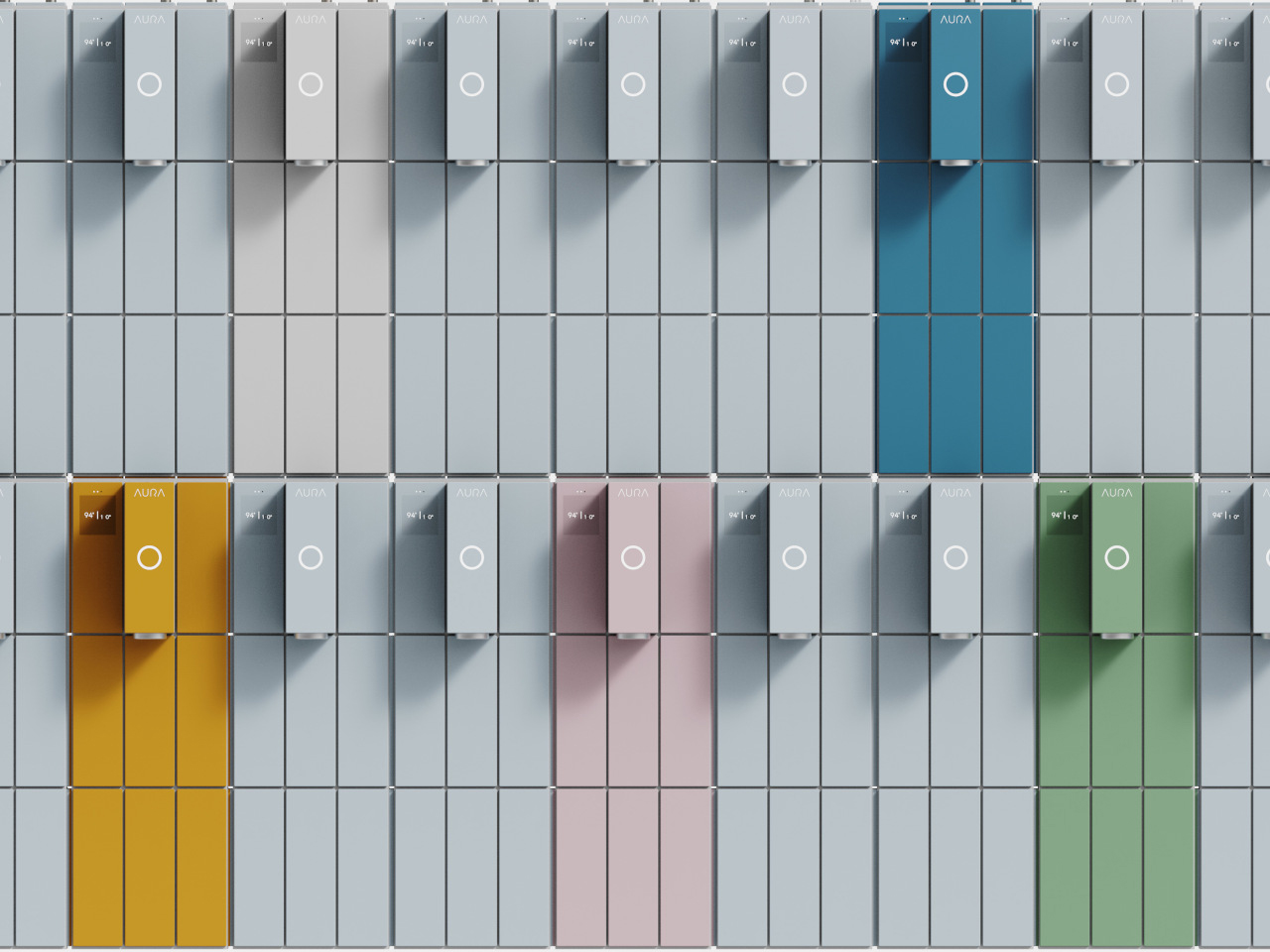
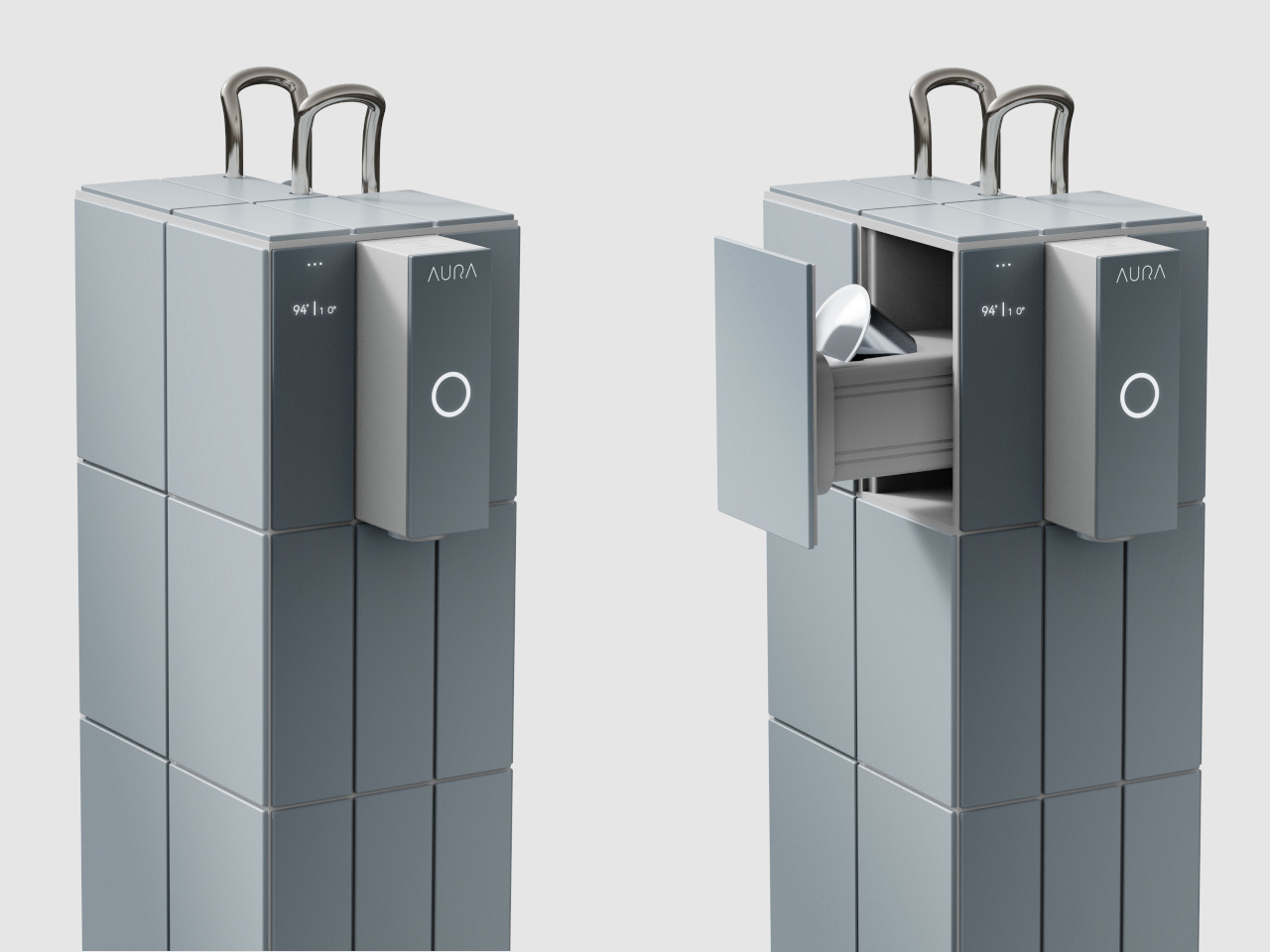
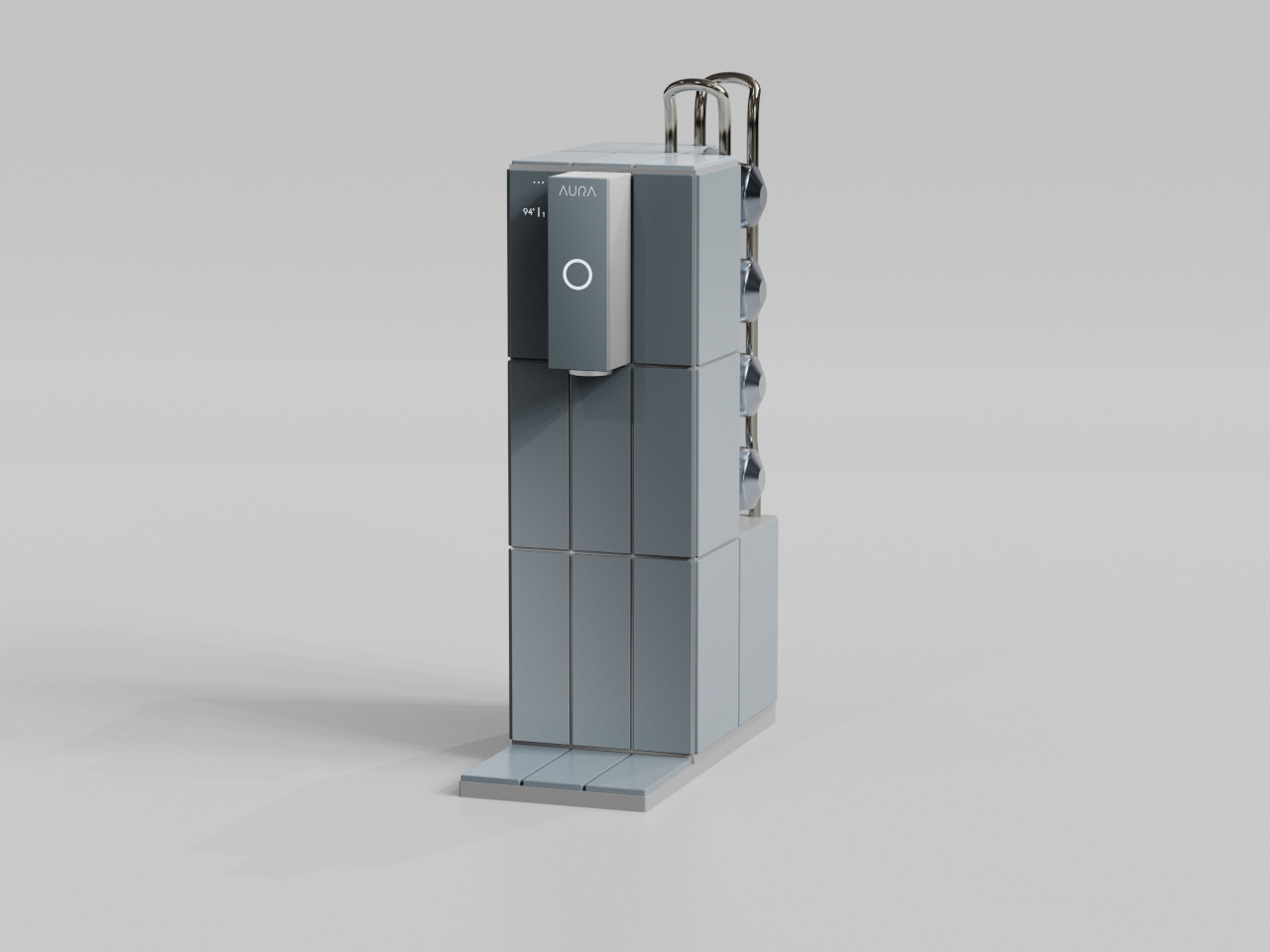
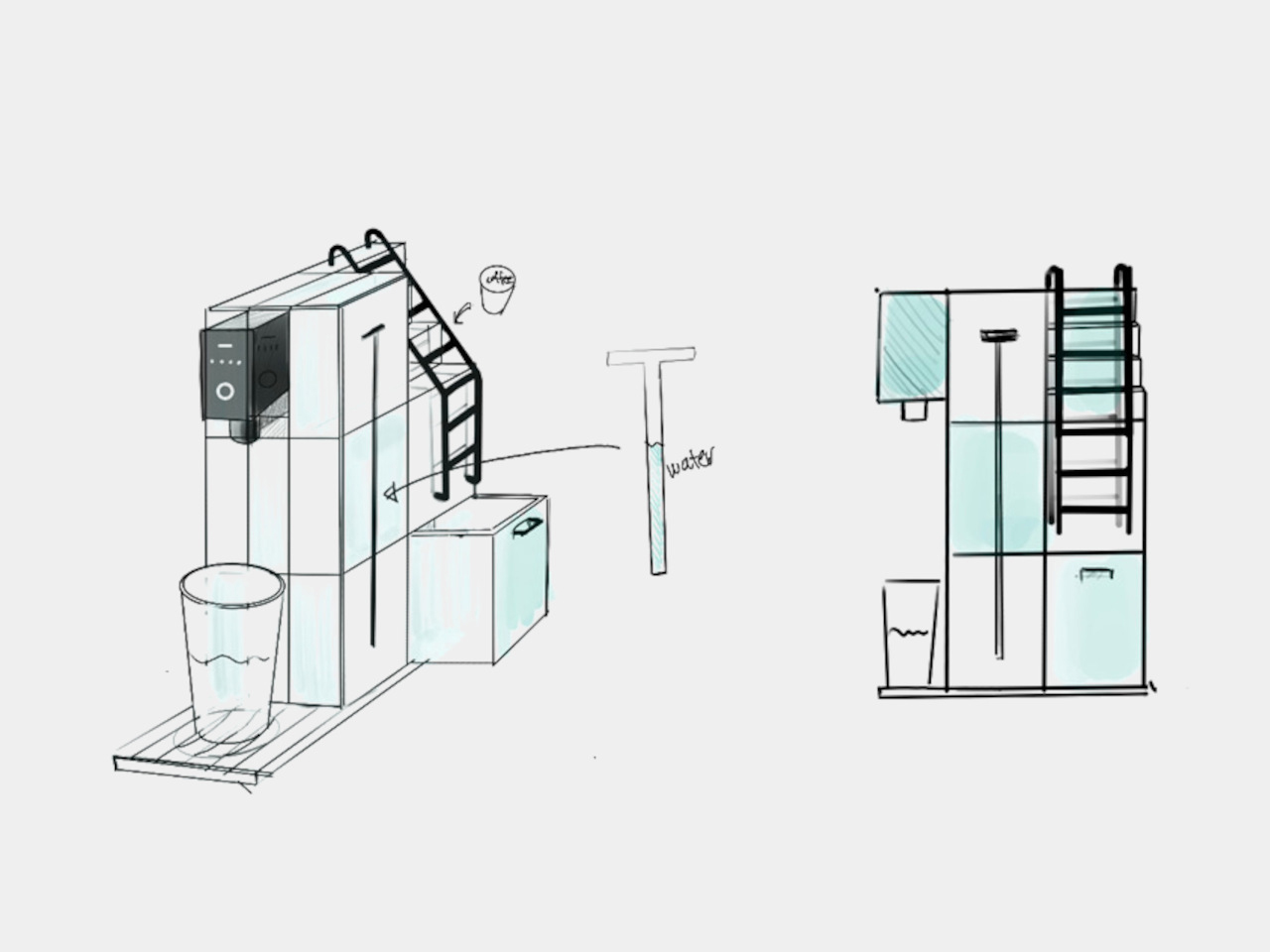
The AURA coffee machine concept reimagines your morning ritual by blending the invigorating experience of swimming with the comfort of coffee. Drawing inspiration from serene blue swimming pools, AURA transforms coffee-making into a sensory experience that awakens the body and mind. More than just a functional appliance, it celebrates the parallels between swimming and coffee, both moments of renewal that prepare you for the day ahead. With visual cues like tile patterns and clever ladder-like capsule holders, AURA brings a splash of joy to your countertop.

What makes AURA stand out is its seamless integration of form and function. The capsule holder, cleverly disguised as a miniature pool ladder, eliminates the need for extra accessories while reinforcing the playful concept. Functional components like the water tank are hidden within the tiled surface, preserving a clean, sculptural look. The result is a beautifully cohesive object that balances practicality with visual delight, turning routine into ritual.

2. Beyond Function: The Power of Form and Aesthetics

The visual appeal of a product is often the first point of emotional connection. Consider the elegant curves of a classic car or the satisfying click of a well-designed switch; these are not just functional features; they’re aesthetic choices that stir feelings of sophistication, reliability, or even playfulness.

Every detail, from color to contour, plays a role in shaping how users perceive and relate to a product. Product designers thoughtfully select shapes, finishes, and hues to communicate the intended personality and purpose. Soft, rounded edges may suggest warmth and approachability, while sharp, angular lines can convey precision, performance, or modernity.

The Paper Tube Chair redefines accessible design by transforming waste into function and form. Created by the Dhammada Collective and founded by Nipun Prabhakar, the chair pays homage to Pierre Jeanneret’s teak library chairs but replaces expensive wood with discarded cardboard tubes. Collected from local print shops, these tubes are cut and assembled using leftover vermilion rope in a figure-eight lashing pattern. This system not only holds the structure together but also allows for flexibility, comfort, and easy repair. The design embodies “joyful frugality,” making quality design available beyond urban centers.

Through trial and error, the team refined the structure by adding smaller tubes at joints and trusting rope tension over adhesives. A light varnish preserves the tubes’ original texture and markings, celebrating their past use. Open-source by intent, the chair requires only basic materials and skills to build—empowering local makers and encouraging replication across diverse contexts. It blends modernist aesthetics with vernacular craft, creating something that is rooted and contemporary.

3. Usability with a Soul: Intuitive and Delightful Interactions

Beyond looks, the way a product feels during use is equally important. An intuitive interface, a comfortable grip, or a seamless user journey can transform a mundane task into a delightful experience. When interaction feels effortless, it fosters a sense of empowerment and deep satisfaction.

For industrial product designers, this means meticulously planning every interaction point. When a product is not only functional but also a joy to operate, it reduces frustration and enhances the overall user experience. This sense of delight often turns users into advocates, eager to share their experiences and strengthen the product’s emotional appeal and a loyal following.

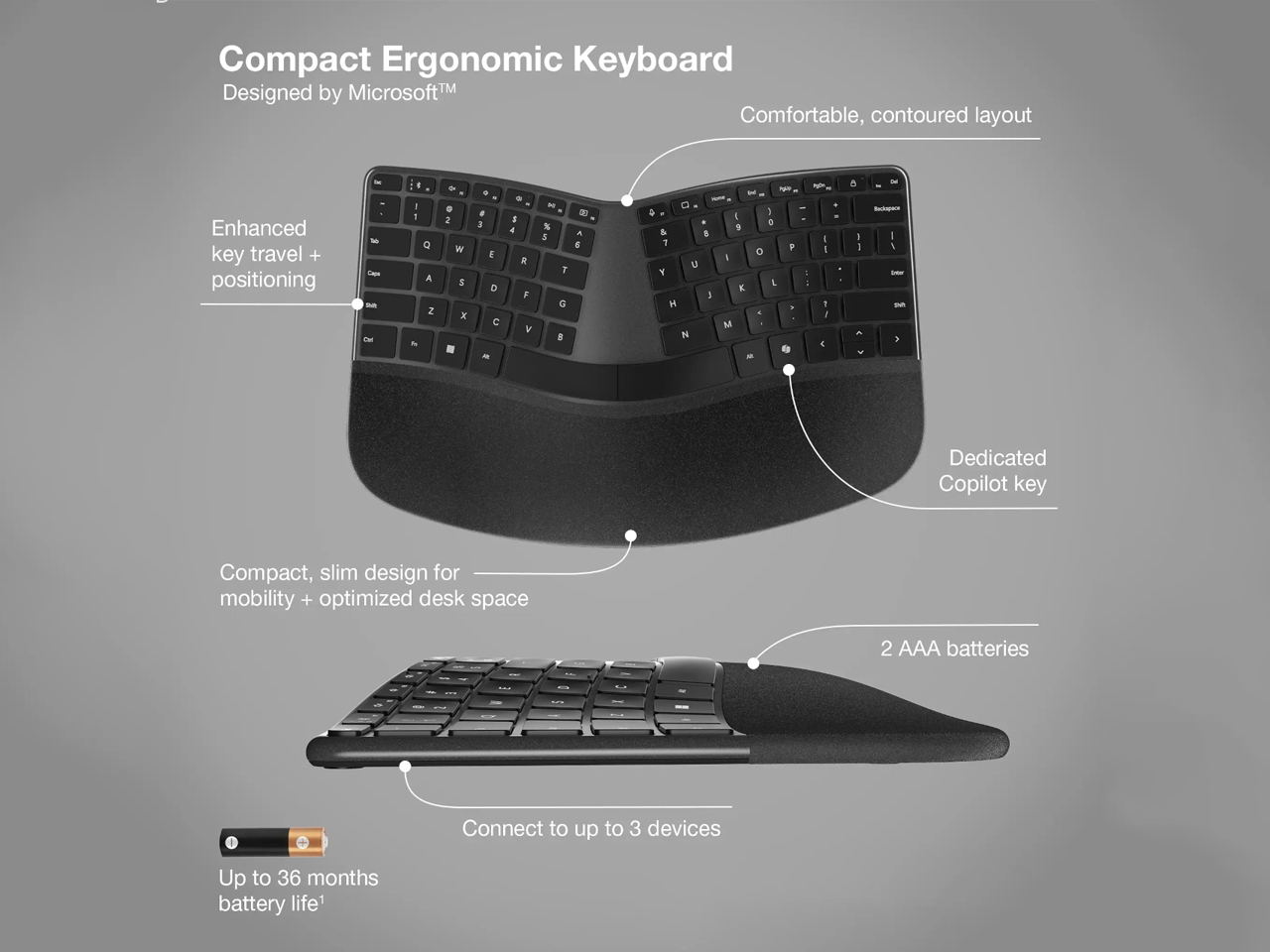
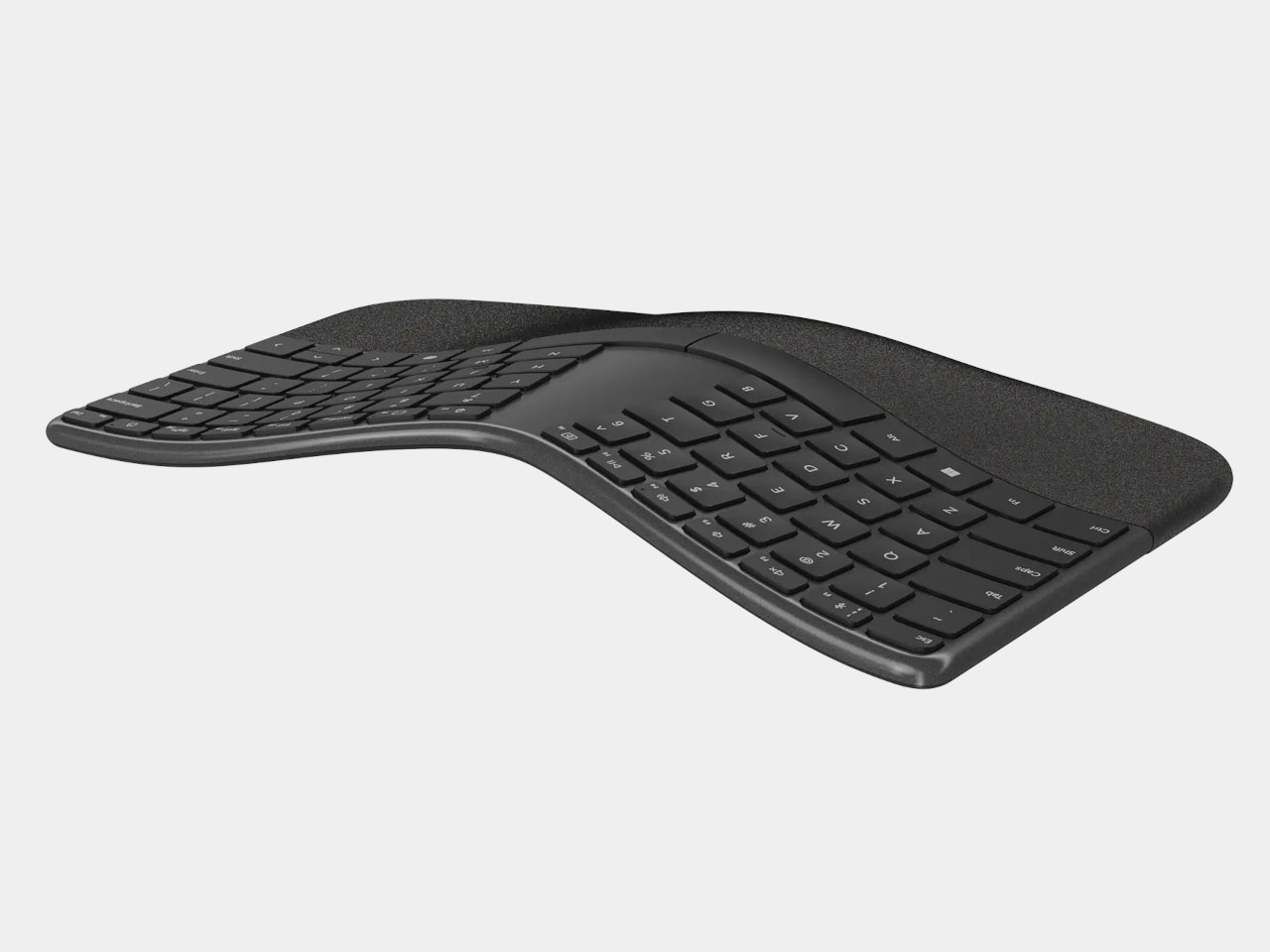
Ergonomic keyboards are a response to the growing need for comfort in long hours of computer use. Designed with a contoured, split layout, this Microsoft keyboards aim to reduce strain on the hands, wrists, and shoulders by promoting a more natural typing posture. The compact form factor of newer designs minimizes desk clutter while still providing essential ergonomic support. Integrated cushioned wrist rests add to the comfort, although their fixed placement means users need to account for extra desk space.

A key feature in many modern ergonomic keyboards is wireless connectivity, often supporting multiple device pairing via Bluetooth. Battery-powered options, such as those running on AAA cells, offer extended usage, sometimes up to 36 months without the need for charging ports or cables. This minimalist approach not only enhances aesthetics but also simplifies user interaction. Combining thoughtful ergonomics with sleek, functional design, these keyboards cater to writers, developers, and anyone seeking comfort and efficiency in daily computing tasks.

4. Storytelling Through Materials and Textures

The materials and textures of a product can tell a powerful story and evoke strong emotional responses. The cool, smooth feel of brushed aluminum might convey a sense of modern sophistication, while the warmth of natural wood can evoke feelings of comfort and authenticity. Even the weight of a product in your hand can communicate quality and durability. These tactile experiences are often subconscious but profoundly impact how we perceive and connect with a product.

In industrial product design, selecting materials isn’t just about performance; it’s about the sensory experience. A durable, robust texture for a piece of industrial equipment might inspire confidence in its strength, while a soft, inviting fabric on a piece of furniture invites relaxation.

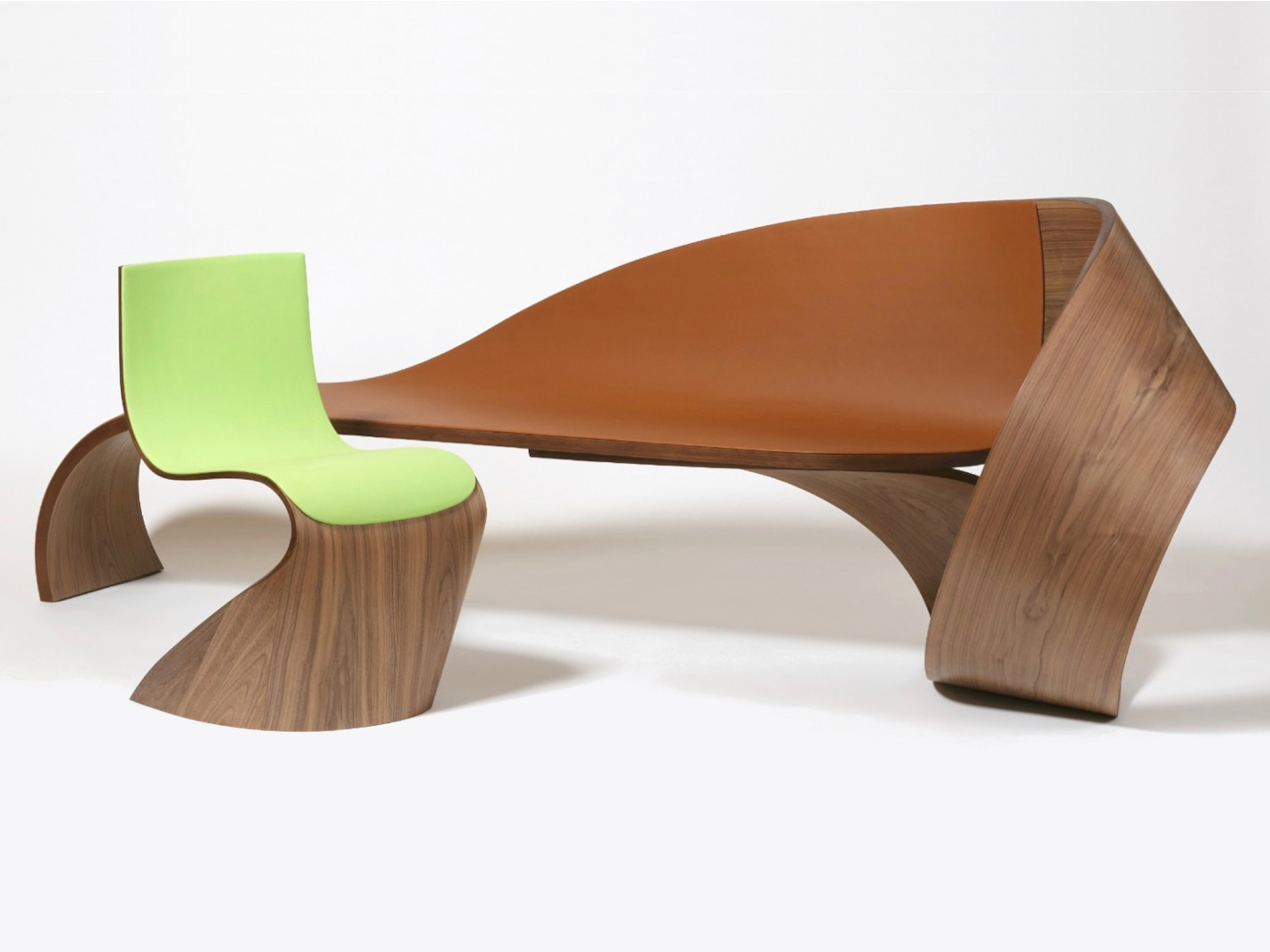
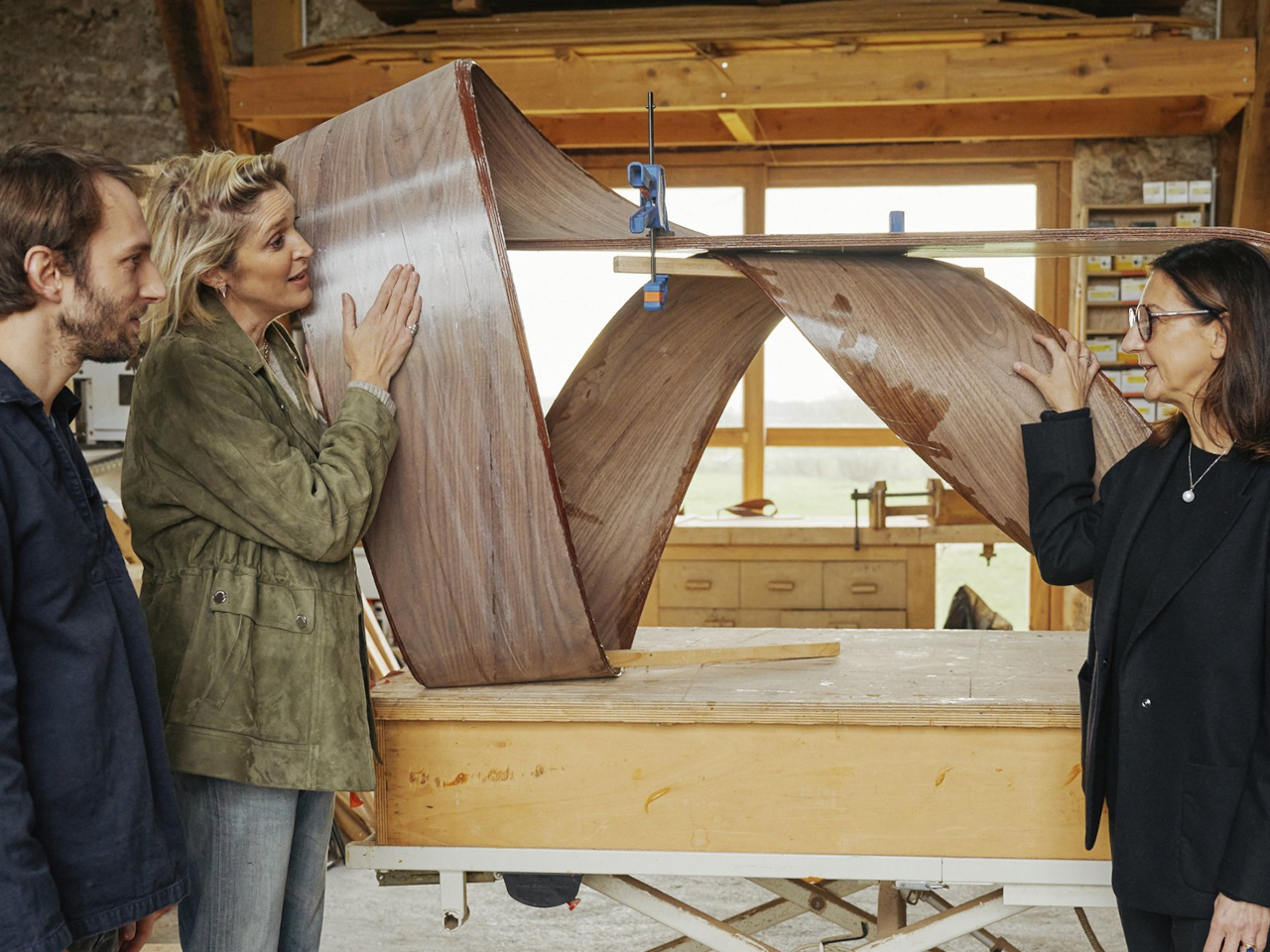
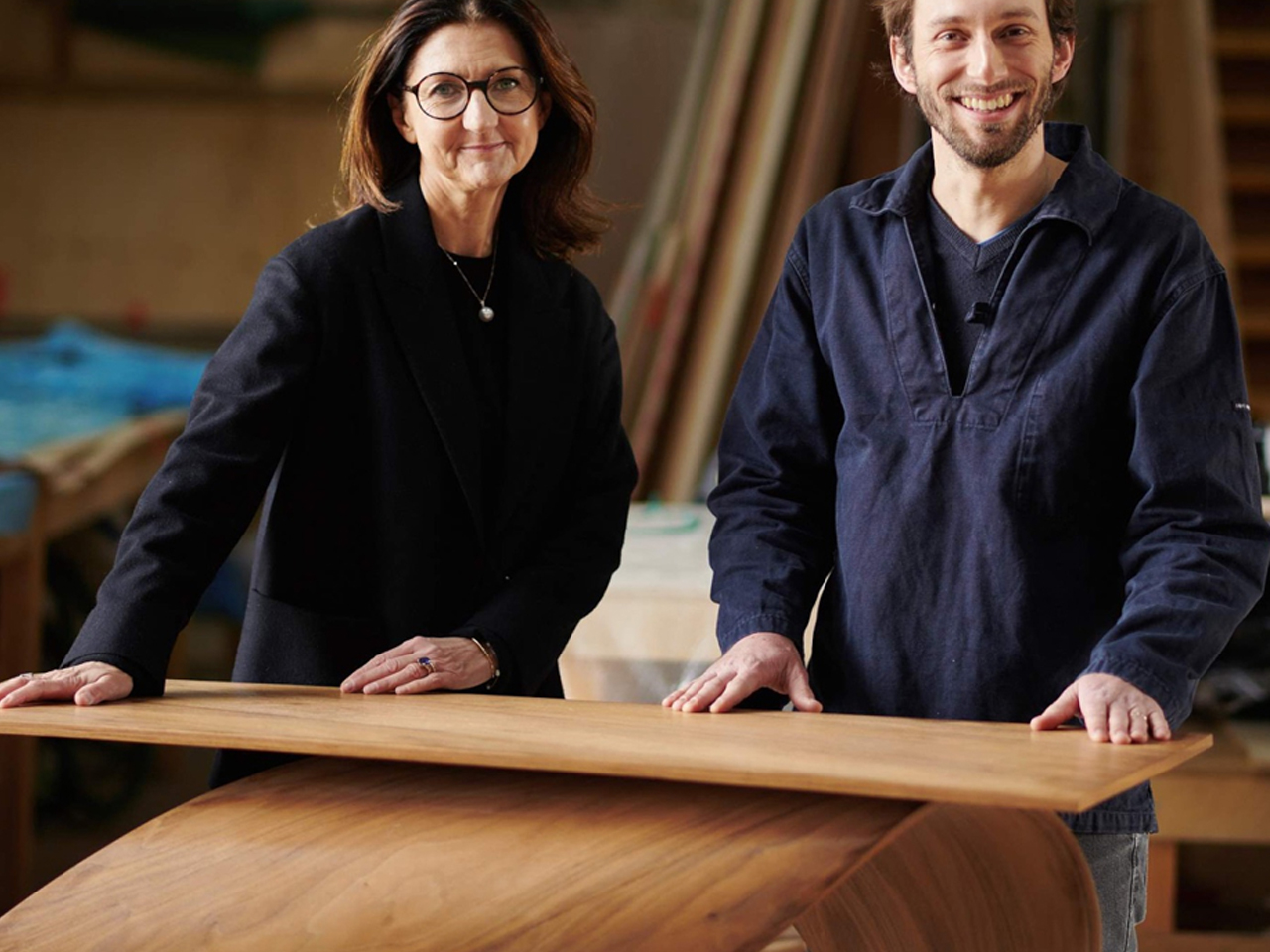
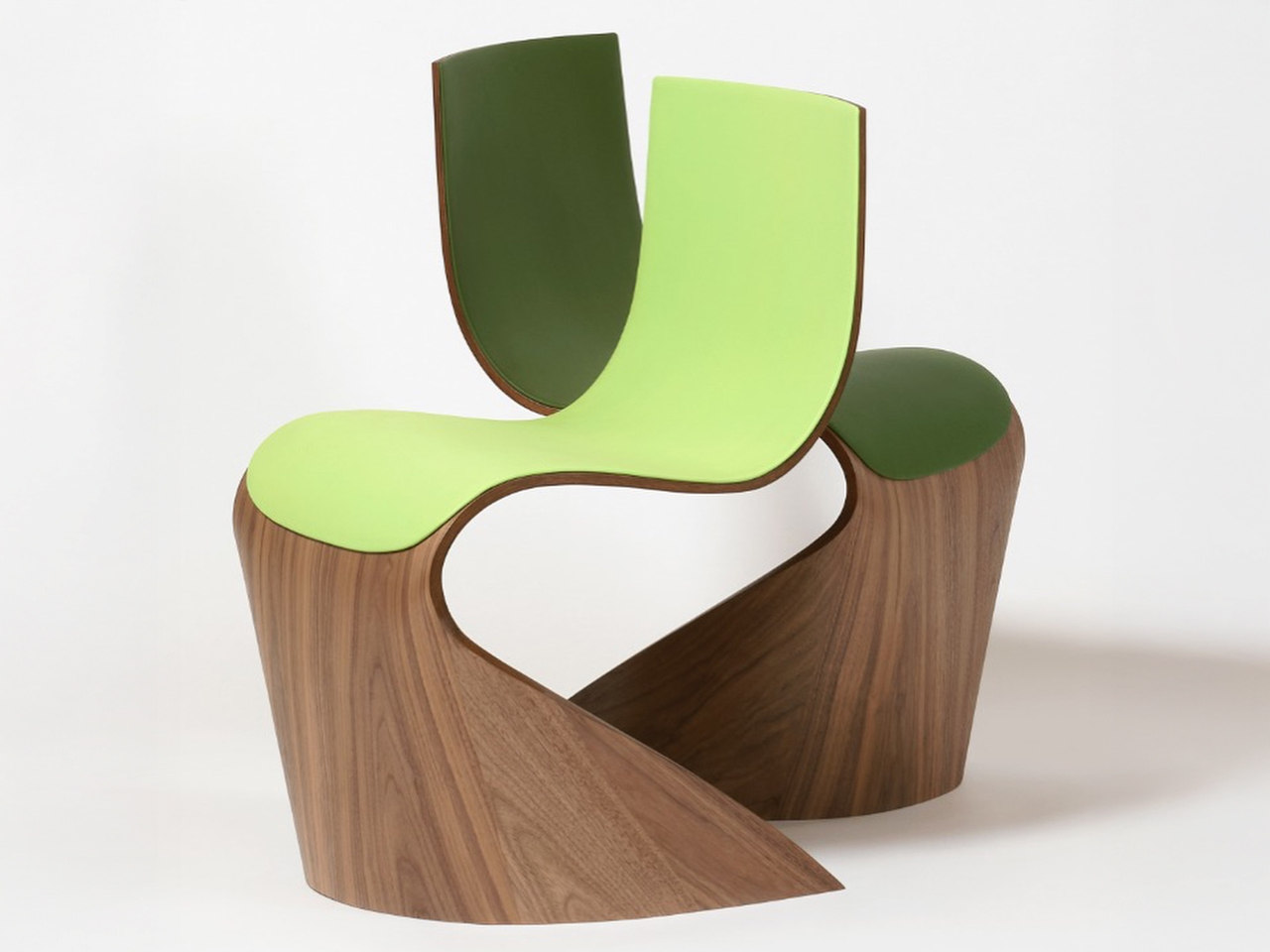
Longchamp collaborates with renowned designer Pierre Renart to bring its legacy of leather craftsmanship into the world of home design. The collection blends Longchamp’s refined aesthetic with Renart’s fluid woodworking techniques, resulting in sculptural pieces that appear to move despite their solid construction. This seamless transition from fashion to furniture reflects a shared philosophy that honours traditional craftsmanship while pushing creative boundaries.

The centerpiece, the Wave bench, is upholstered in supple cashew-toned leather and seems to float above its curved wooden base. Renart’s technique of layering thin wood sheets creates a ripple-like effect, evoking the softness of fabric in motion. Accompanying the bench are the Ruban chairs, featuring leather in eight shades, including Longchamp’s iconic greens, that add depth and rhythm to the design. Each piece stands as a testament to functional art, merging elegance with tactile storytelling.

5. The Long-Term Connection: Building Loyalty and Trust

Emotional design fosters a lasting relationship between the user and the product. When a product consistently delivers positive emotional experiences, it builds trust and loyalty. Think about a brand you consistently return to; it’s because their products consistently make you feel good, whether it’s through reliability, thoughtful features, or simply a sense of consistent quality.

A product that grows with its user and consistently delivers emotional value becomes an irreplaceable part of their life, moving from a mere possession to a trusted companion, fostering a deep and long-lasting connection.

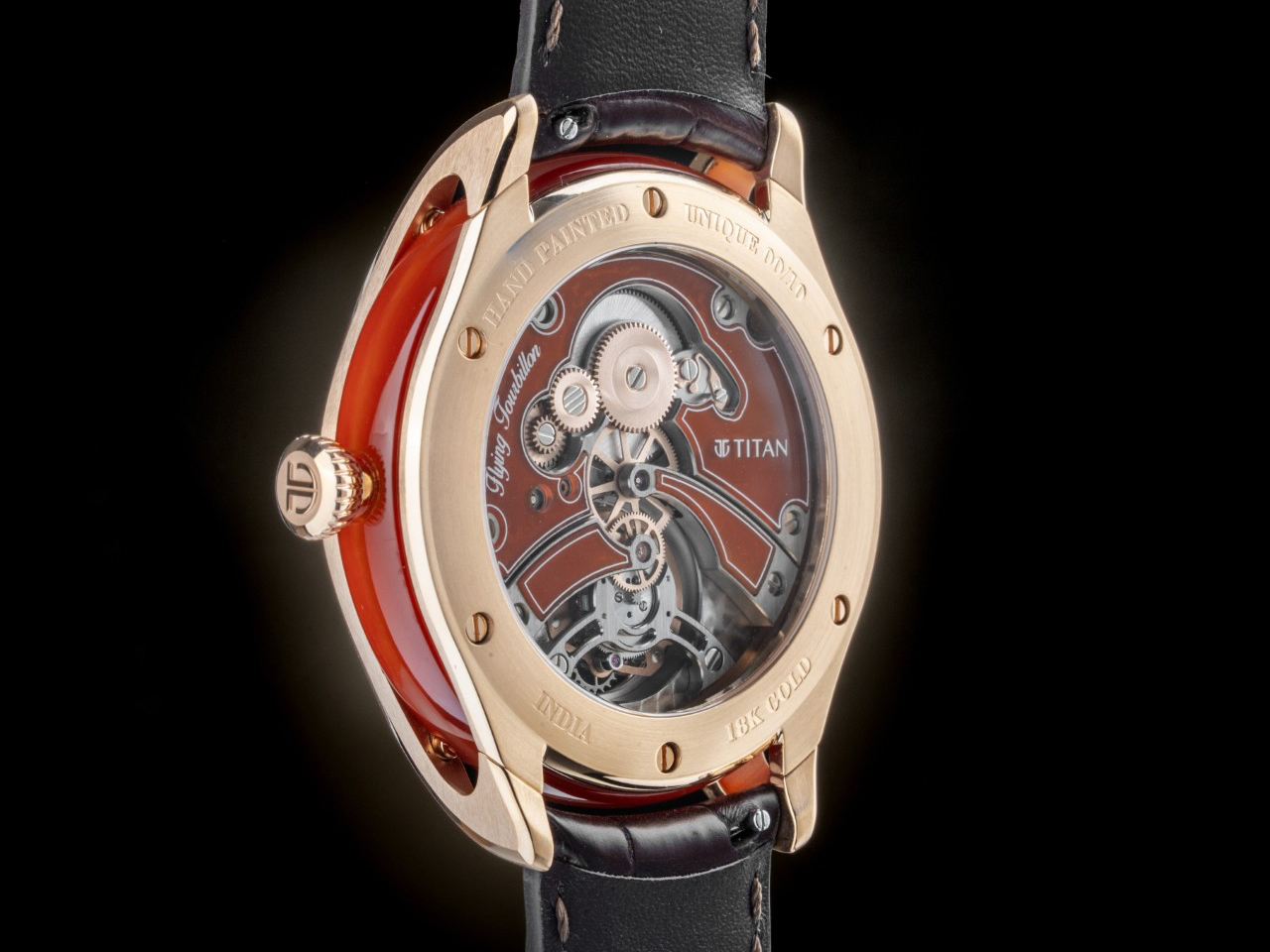
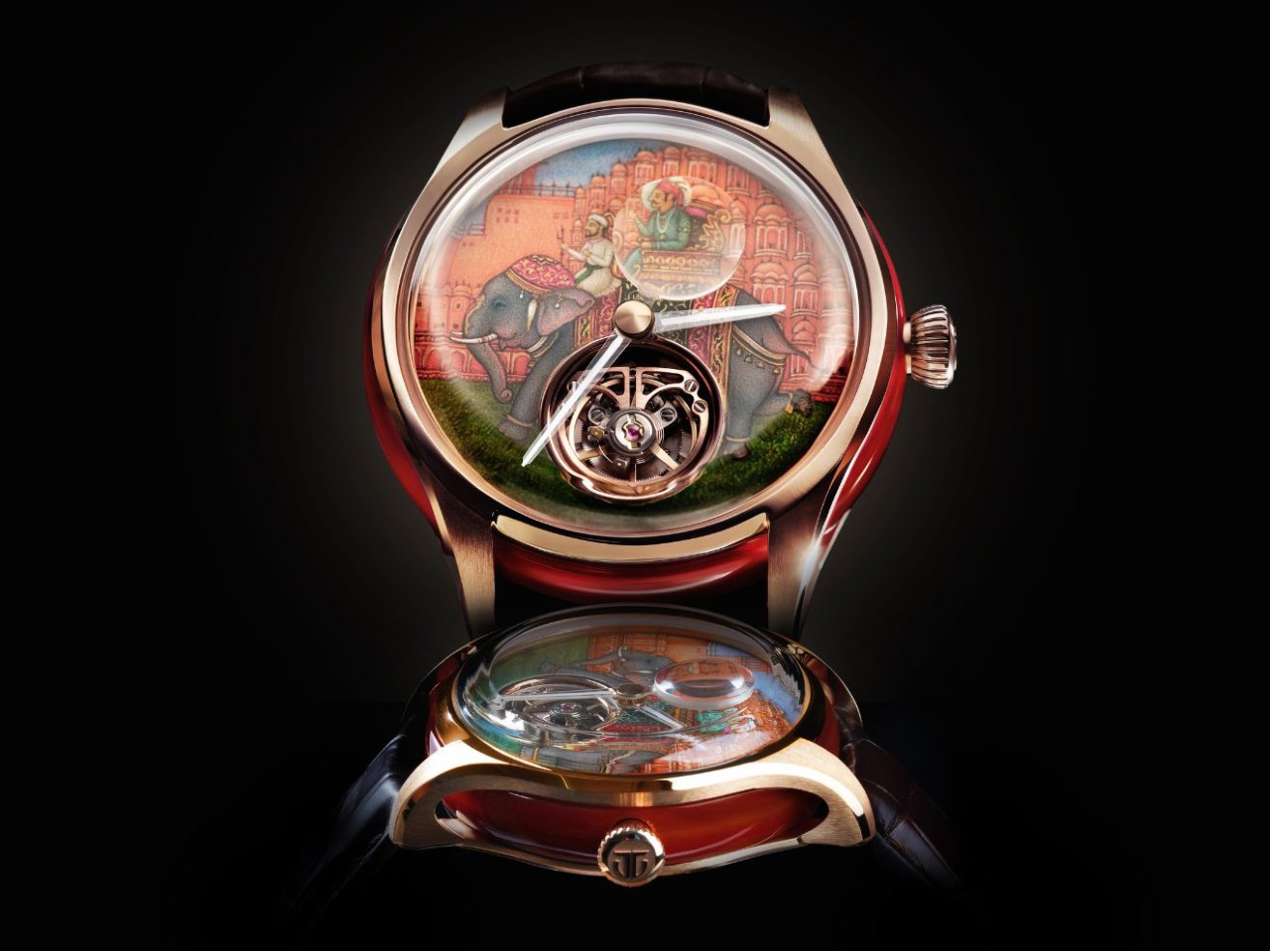
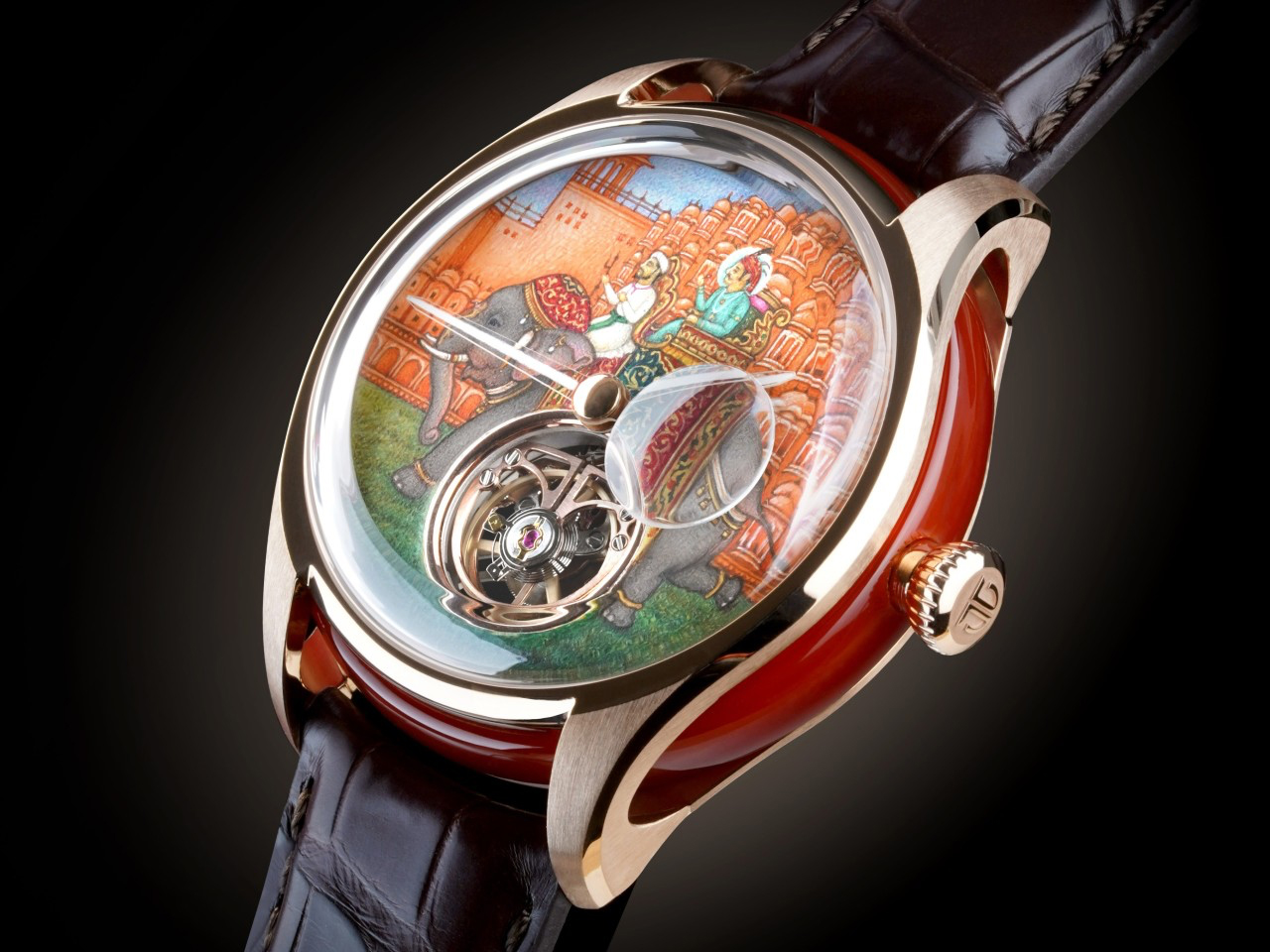
Titan’s Jalsa watch marks a bold leap into haute horlogerie, blending fine watchmaking with deep cultural storytelling. Instead of following Swiss conventions, Titan chose to honor 225 years of Jaipur’s architectural legacy through a hand-painted dial that captures the emotional richness of Indian heritage. Limited to just 10 pieces, Jalsa is India’s second flying tourbillon and the first to carry a miniature painting. More than a technical achievement, it offers a deeply personal connection to India’s artistic traditions, transforming timekeeping into an experience of pride and nostalgia.

Technically remarkable, the Jalsa houses a 144-component in-house flying tourbillon movement within a 43.5mm, 18K rose gold case. The marble dial, painted by Padma Shri Shakir Ali, features a royal procession before the Hawa Mahal, using natural pigments like turmeric, lac, and gold. Floating sapphire hands and red agate accents echo the design’s soul. Every detail invites emotional engagement, blending precision with cultural memory.

Designing products with emotional intelligence means creating more than just objects, as it means crafting experiences that enrich lives. By understanding and embracing the principles of emotional design, product designers can create products that are not just used, but truly loved, becoming indispensable parts of people’s daily lives and building lasting loyalty.

The post 5 Emotional Design Products Designed to Spark Joy Every Single Time You Use Them first appeared on Yanko Design.

5 Japanese-Scandinavian Homes and Furnitures To Inspire Your Own Zen Spaces

Have you ever walked into a space and instantly felt a sense of calm wash over you? That quiet elegance, a feeling of effortless beauty? If you are yearning for a home that embodies tranquility and timeless style, then it’s time to discover Japandi. This increasingly popular design aesthetic is a beautiful fusion of Japanese minimalism and Scandinavian warmth. It is more than just a trend, but a lifestyle choice.

While emerging in early 2017, Japandi’s popularity surged to become a major trend in 2019. Let’s explore how Japandi is not just decorating spaces, but genuinely redefining modern living by creating havens of peace and practical elegance.

1. Celebrates the Art of Mindful Minimalism

In our fast-paced world, the idea of having less has never felt so relevant. Japandi champions a mindful approach to minimalism, moving away from sterile, empty spaces towards ones that are uncluttered yet inviting. It is all about curating your belongings, keeping only what is essential and brings you joy or serves a purpose, thereby reducing visual noise and mental clutter.

This philosophy creates a serene backdrop for daily life, allowing you to focus on what truly matters. Imagine a living room where every object has its place, contributing to the overall sense of calm and order. It’s not about deprivation, about intentionality and choosing quality over quantity while creating a home that breathes.

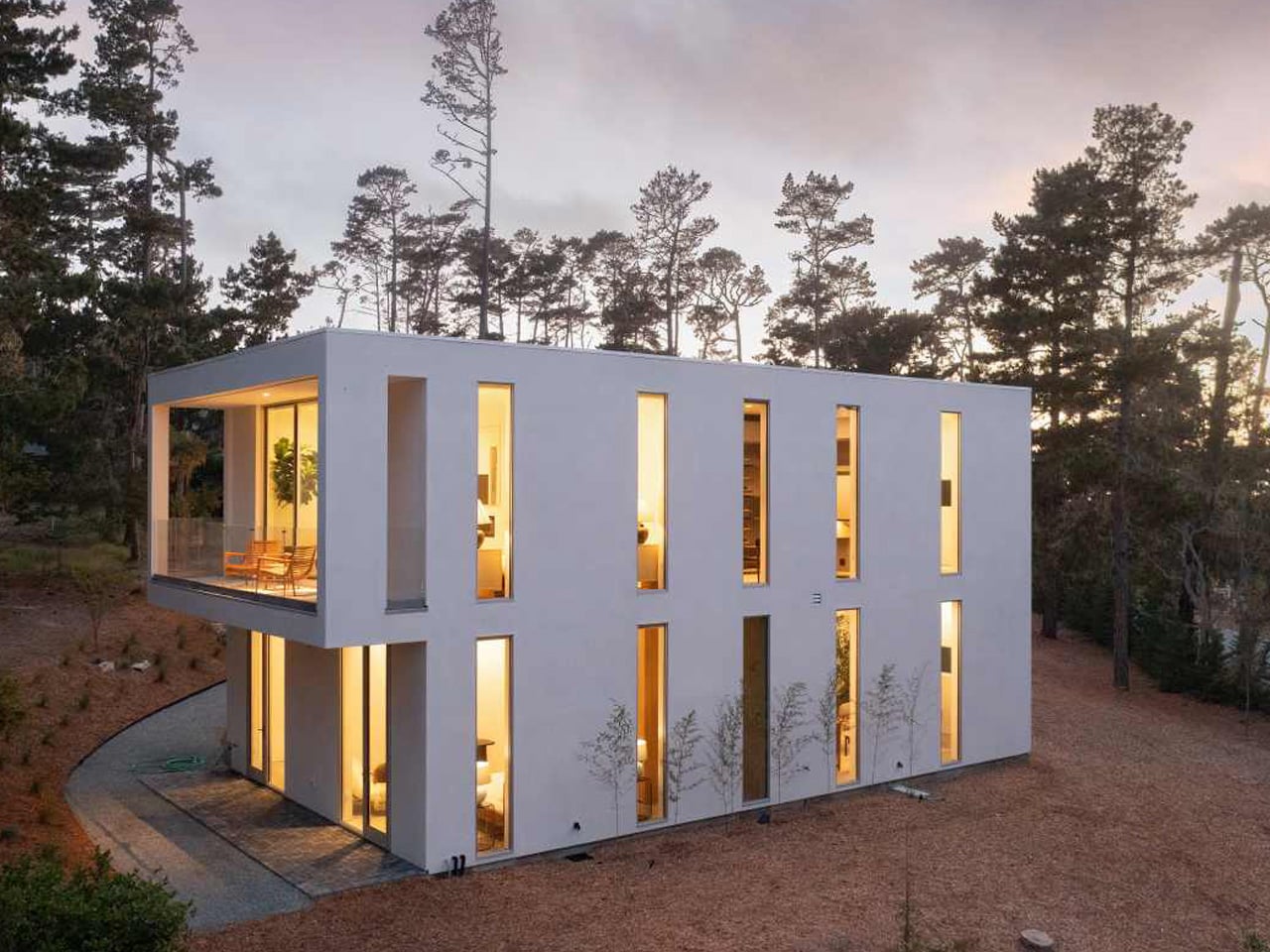
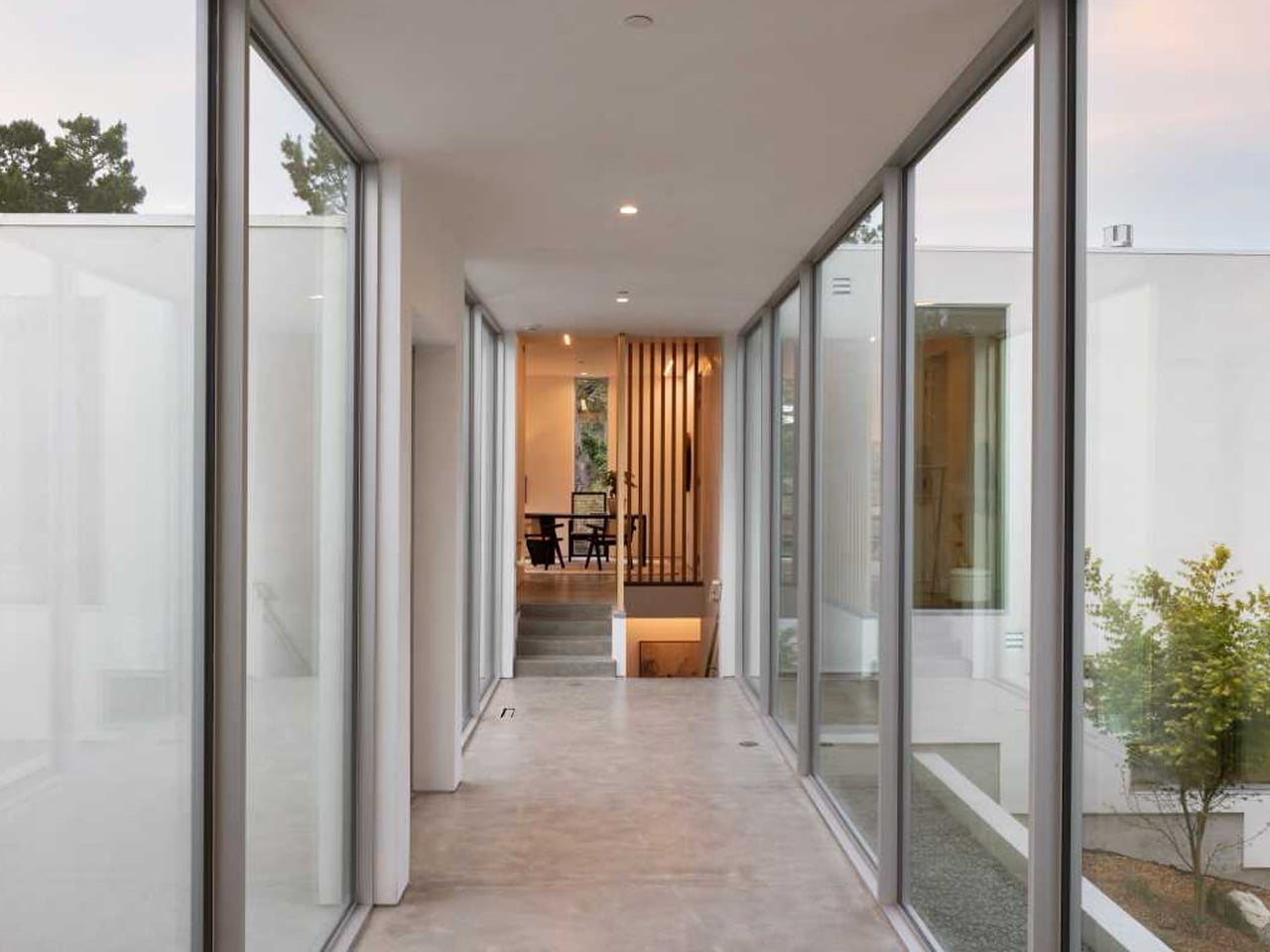
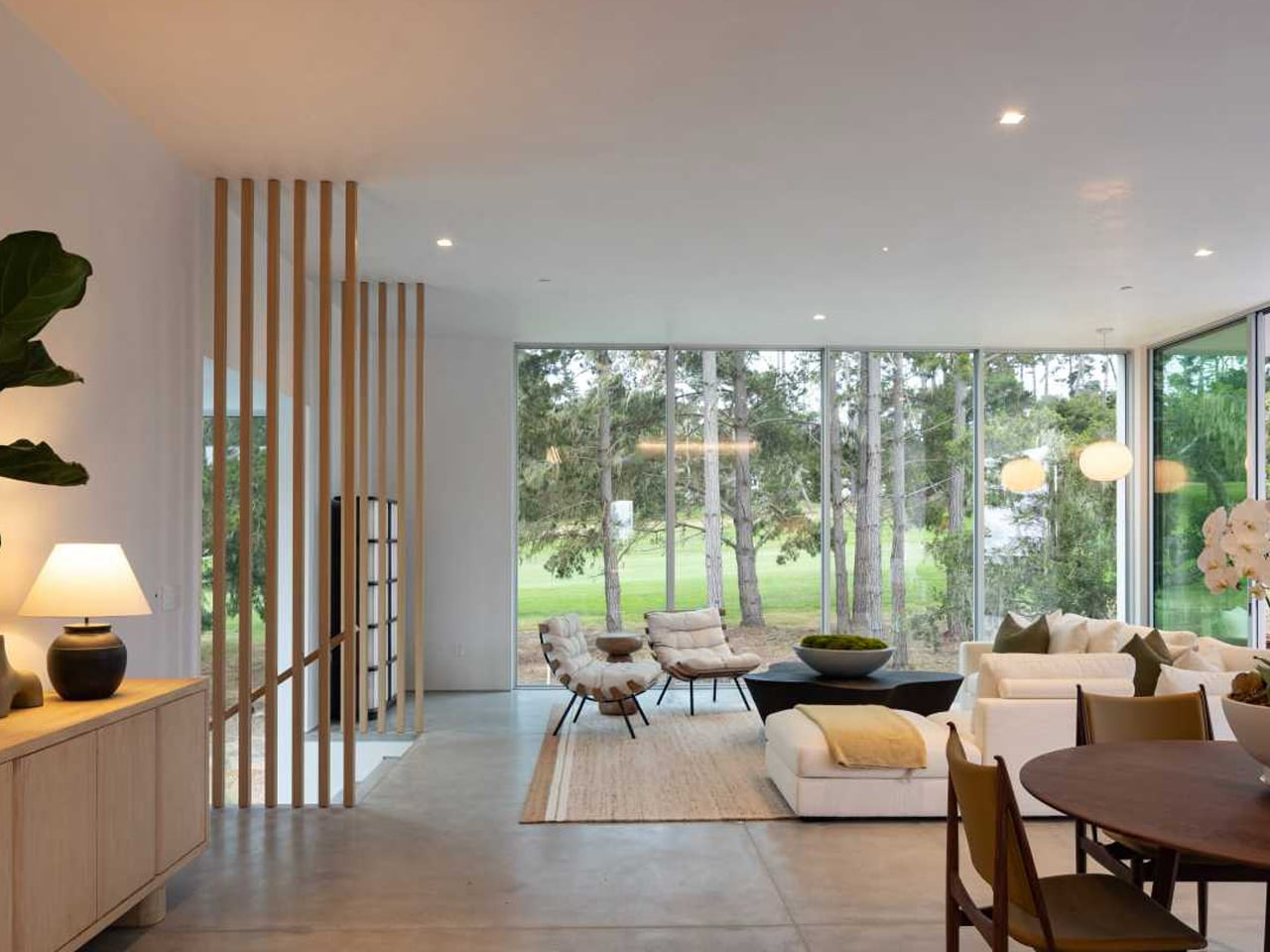
The Waterbridge House, nestled among Pebble Beach’s majestic pines, is a glass-clad haven and a testament to thoughtful architecture. Its design embodies the serene Japandi style, where the calm of Japanese aesthetics gracefully meets Scandinavian warmth infused with the relaxed vibe of the California coast.

From the moment you step onto the staggered concrete path, a sense of calm begins. The signature glass corridor, floating above a tranquil pool, isn’t just an entrance but functions as a threshold that connects two distinct wings. One wing offers vibrant, open-plan spaces for gathering, while the other provides a private retreat with an expansive primary suite. Every element, from the seamless indoor-outdoor flow created by vast sliding glass walls to the inspired floating tea house, is meticulously designed to foster a profound connection with nature, inviting the forest and light in at every turn.

2. Blends Textures and Tones

Japandi’s aesthetic appeal lies in its sophisticated color palette and rich textural interplay. Think warm neutrals like soft greys, muted greens, earthy browns, and the timeless elegance of white and black that is combined with natural wood tones, from light birch to darker walnuts. This harmonious blend creates a soothing visual narrative throughout your home.

Beyond color, the emphasis on natural materials is paramount. Picture the raw beauty of linen, the inviting warmth of wool, the subtle grain of unpolished wood, and the organic imperfections of ceramics. These elements add depth and a tactile richness to the space, inviting you to touch, feel, and truly connect with your surroundings while fostering a sense of comfort and authenticity.

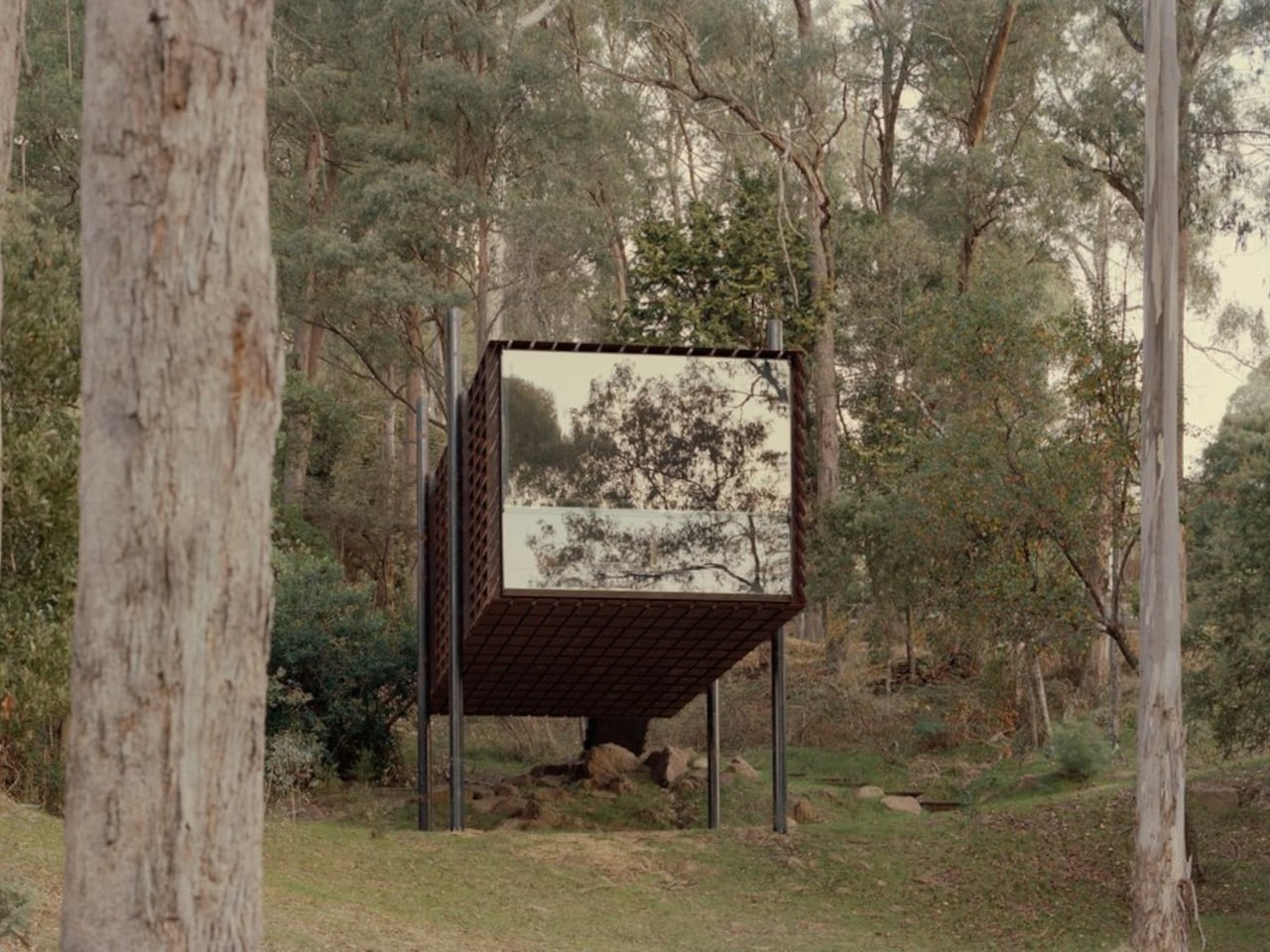
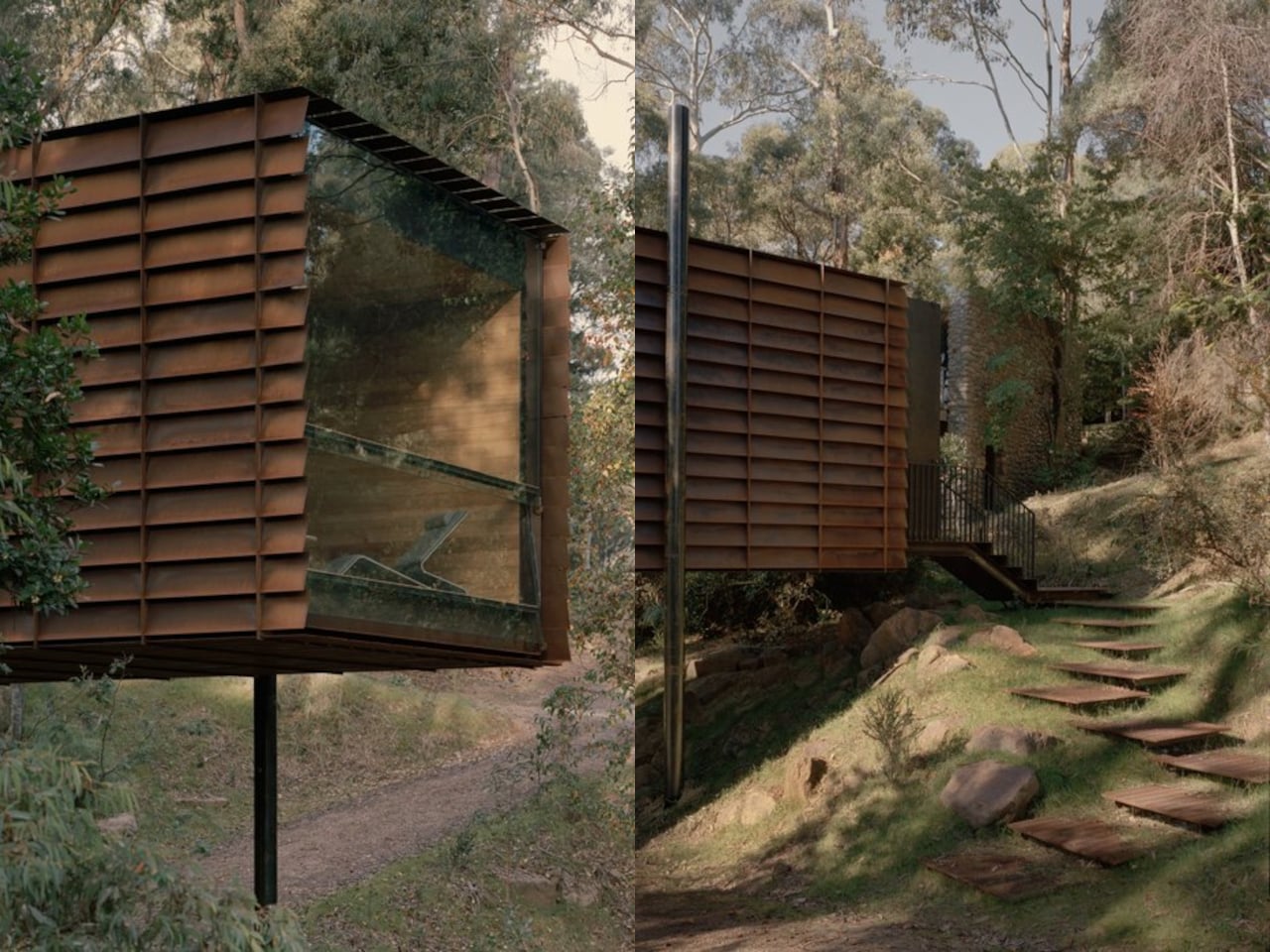
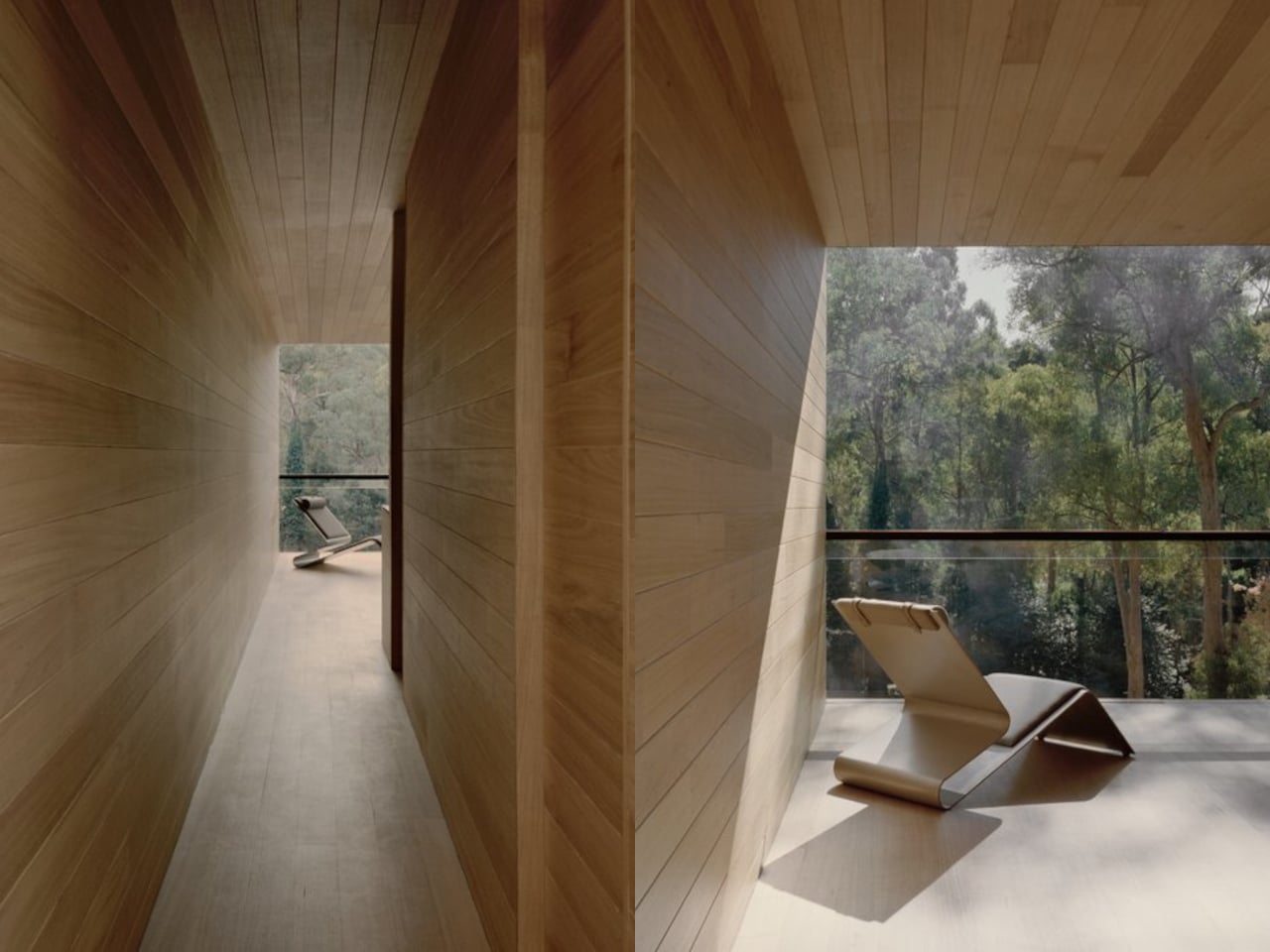
The Sawmill Treehouse is nestled amidst the serene alpine landscape at the base of Mt. Buller, Victoria. This architectural marvel isn’t just accommodation but is a profound invitation to reconnect with the natural world and rediscover your inner calm. Crafted in the beautiful Japandi style, this elevated sanctuary seamlessly blends Japanese minimalism with Scandinavian functionality. From the moment you ascend the rusted steel steps, you are enveloped in a sense of being among the trees, where the boundaries between cozy interiors and stunning forest views melt away.

Every detail, from the fire-resistant COR-TEN steel exterior that weathers beautifully to the warm Tasmanian oak interior, speaks of a deep respect for its surroundings. It is an inspiring example of how intentional design can create an unparalleled, immersive experience.

3. Connects with Nature’s Tranquil Beauty

Bringing the outdoors in is a cornerstone of Japandi design that fosters a deep connection with nature and its calming influence. This isn’t just about adding a few potted plants but is about integrating natural light, organic forms, and elemental materials into the very fabric of your home. Imagine large windows framing a view, or the subtle presence of natural stone.

The deliberate inclusion of carefully chosen plants, whether it’s a graceful fiddle leaf fig or a delicate orchid, adds life, purity, and a touch of serene vibrancy to the space. It is about creating an environment that feels fresh, airy, and deeply connected to the natural world while promoting a sense of well-being and peaceful introspection.

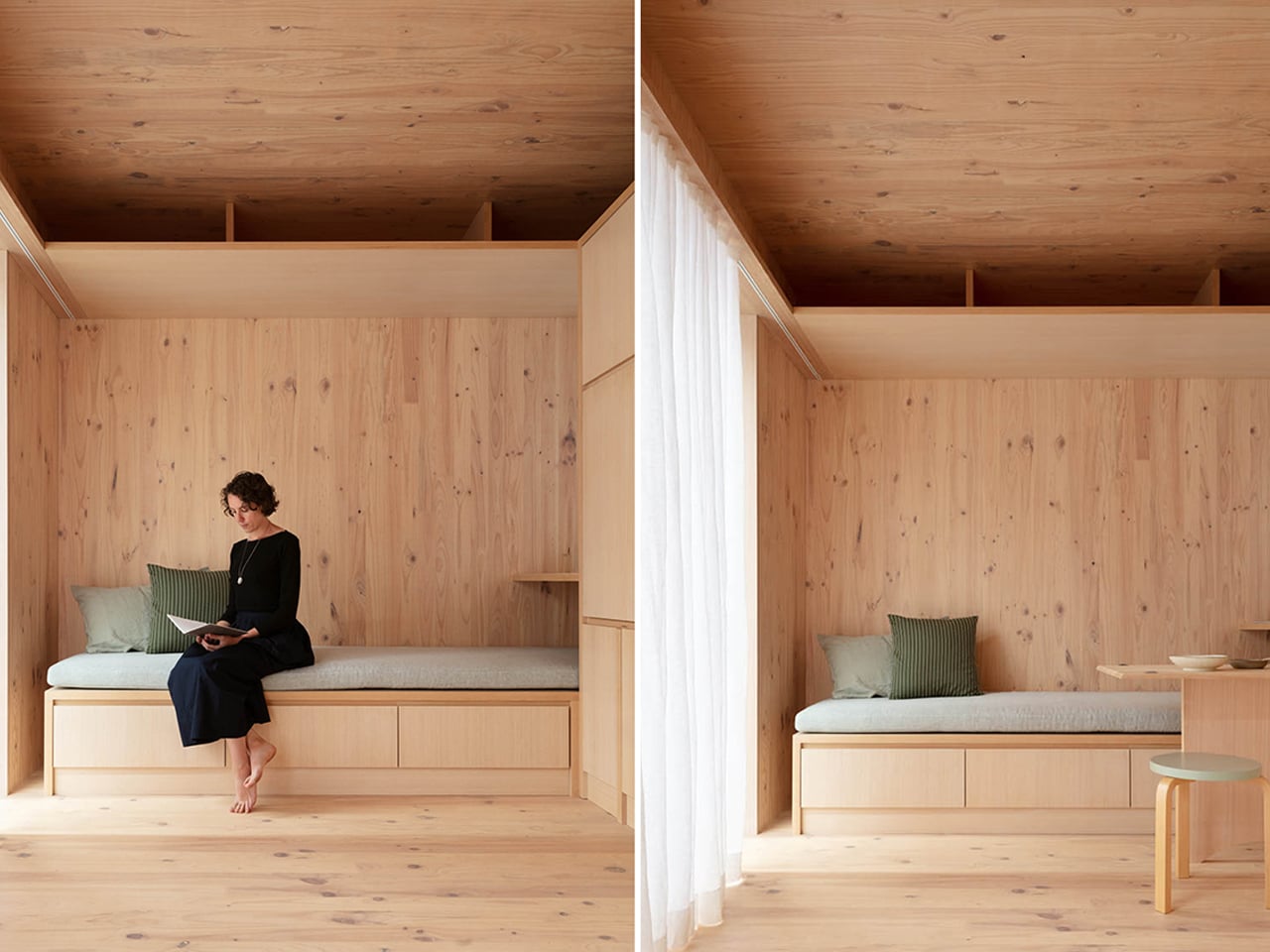
Minima is a compact 215-square-foot (20-square-meter) prefab module designed by Australian studio TRIAS in collaboration with FABPREFAB. This flexible unit serves perfectly as a standalone tiny home or an adaptable backyard addition, ideal for a home office or guest retreat. Its construction utilizes sustainable Cross-Laminated Timber (CLT), a material chosen to minimize environmental impact and reduce concrete emissions. It embodies a distinctly modern, Japandi-inspired aesthetic.

Minima’s minimalist exterior is clad in cypress battens with a steel roof, beautifully concealing its thoughtful interior. Hardwood-framed glass doors open to reveal a warm, human-centric space where Scandinavian and Japandi influences converge. What truly sets Minima apart is its innovative design beyond aesthetics, as it requires no concrete foundation, utilizing ground screws for easy relocation, thereby minimizing site disturbance. Furthermore, its modularity allows for expansion, creating accessible and affordable community opportunities.

4. Functionality Meets Form with Intent

One of the most appealing aspects of Japandi is its unwavering commitment to functionality without sacrificing an ounce of style. Every piece of furniture and decorative item serves a purpose. This design approach values clever storage solutions, versatile pieces, and ergonomic considerations, ensuring that your home not only looks beautiful but also works effortlessly for your everyday needs.

Japandi design includes clean lines, simple forms, and smart design that prioritizes usability. This means less clutter, more efficiency, and a home that supports your daily routines rather than hindering them. It is about creating a space where everything has its place and everything is easily accessible, making your life simpler and more streamlined.

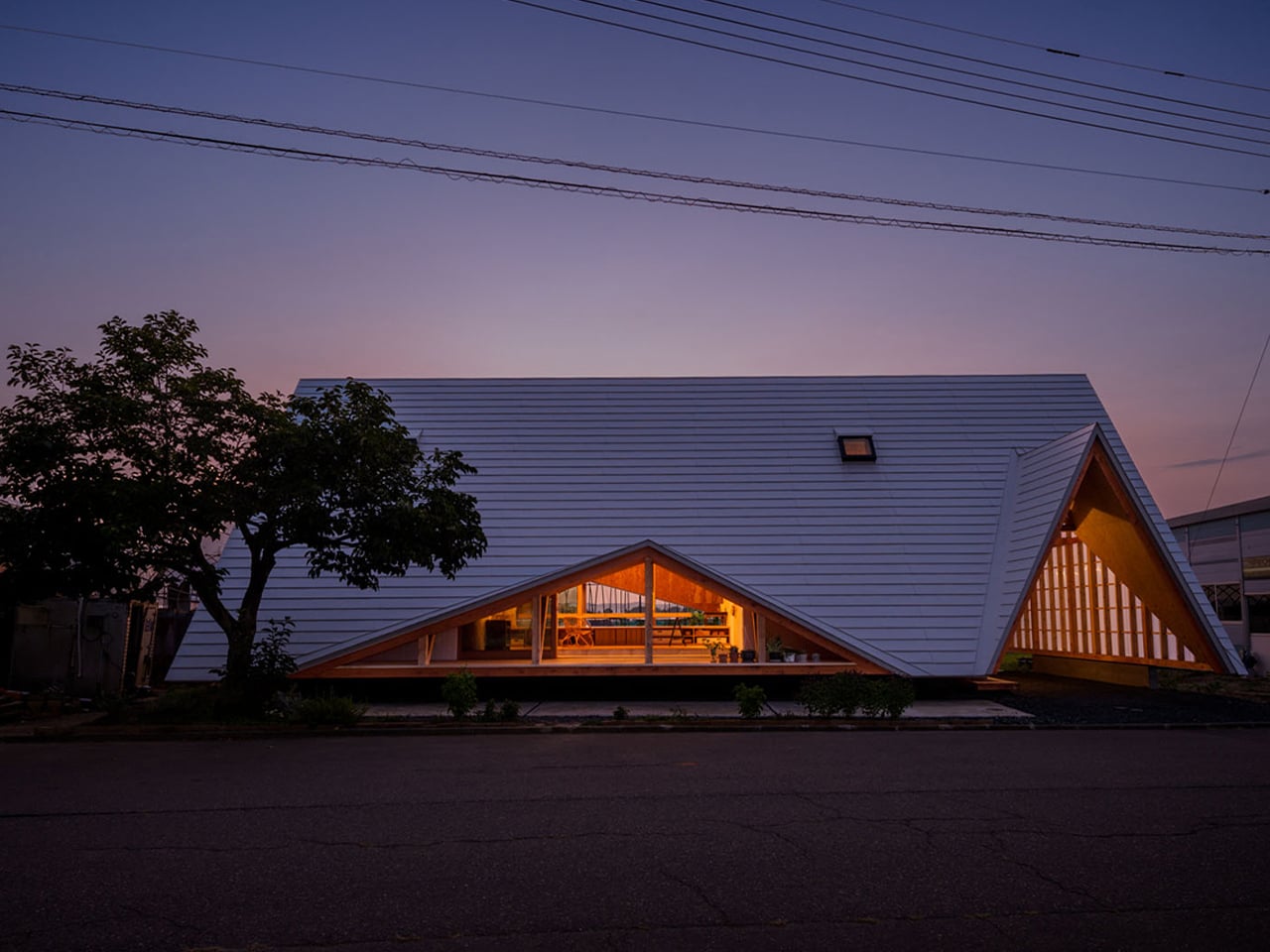
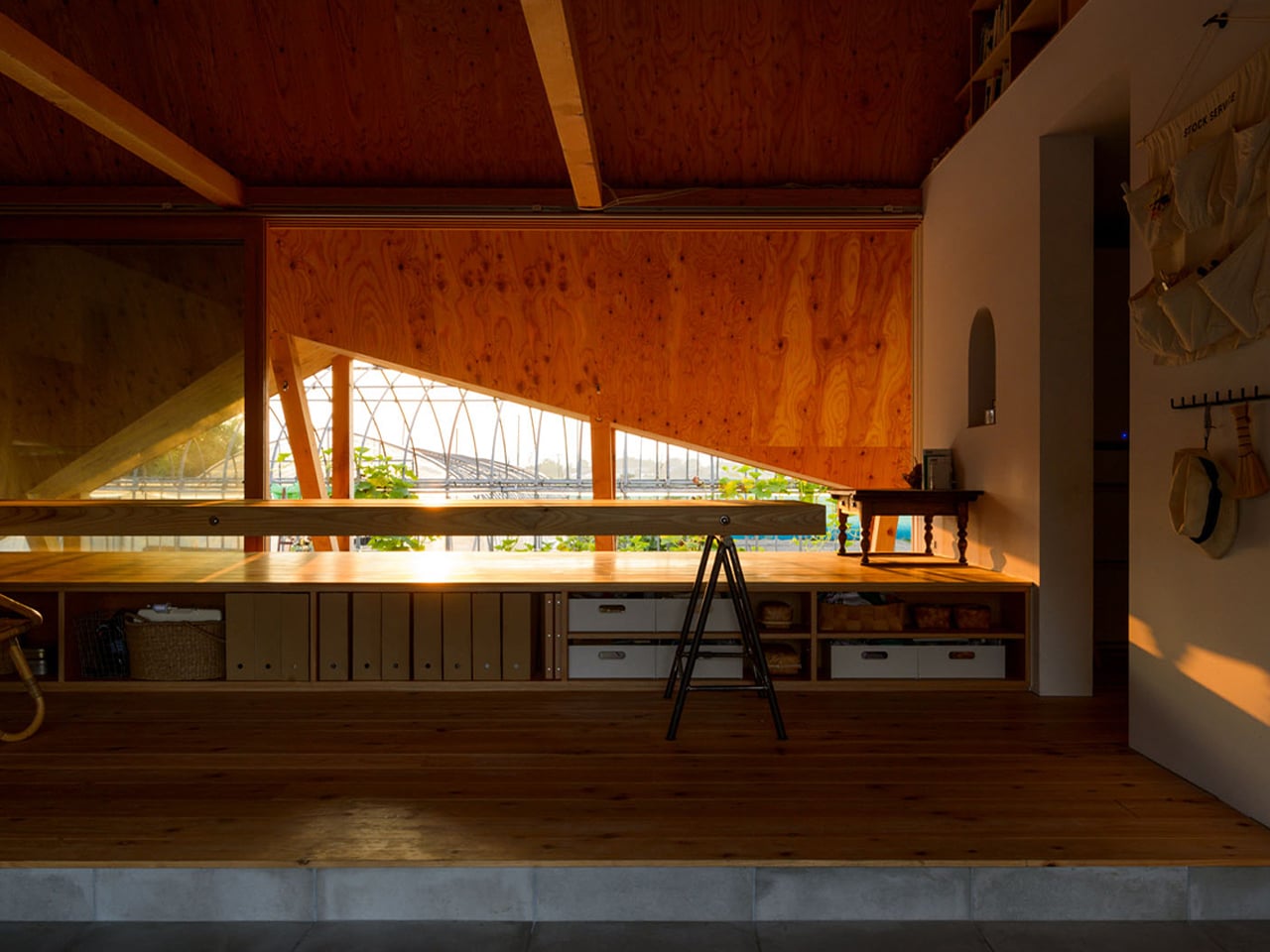
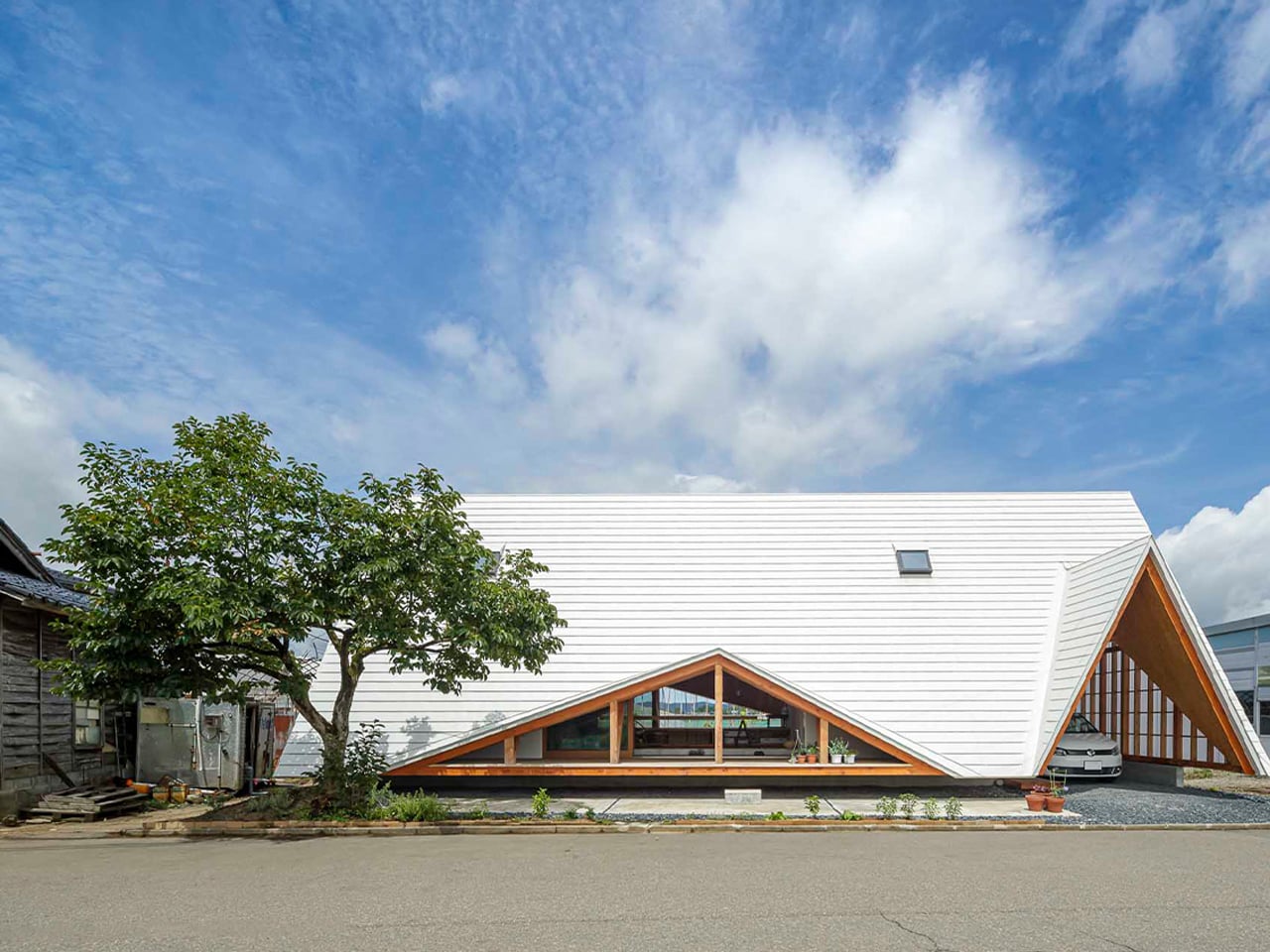
Hara House, situated in a small agricultural village north of Tokyo, stands as a testament to the profound connection between Japanese architecture, mindful living, and community. Designed for a young couple seeking to revitalize communal ties, this distinctive A-frame cabin embodies the core tenets of minimalism and warmth. Built with precisely spaced timber and topped with a white steel roof, its design thoughtfully balances private family areas with a semi-public, open-air living and dining space, showcasing efficiency and a minimal material footprint.

Architect Takayuki Shimada envisioned Hara House as an “incomplete” canvas, deliberately inviting villagers to utilize its spaces and become part of its evolving narrative. Parallel glass doors in the central living area promote cross-ventilation and fluid connection with the street, eschewing traditional self-reliance for communal engagement. This home, reminiscent of classic Japanese design and even Ghibli aesthetics, encourages workshops and gatherings to spill outdoors.

5. Promotes Well-being

Additionally, Japandi is an invitation to cultivate a more peaceful and balanced life. By stripping away the unnecessary and focusing on natural elements, thoughtful design, and a serene atmosphere, Japandi homes become true sanctuaries for well-being. They are spaces that encourage mindfulness, relaxation, and a deeper connection with oneself and loved ones.

Imagine coming home to a calm, uncluttered environment that immediately helps you de-stress and recharge. This focus on creating a supportive and restorative living space directly contributes to improved mental clarity, reduced stress, and an overall enhanced quality of life.

Japandi furniture promotes well-being through its thoughtful balance of form, function, and serenity. Characterized by clean lines, natural materials, and understated elegance, Japandi design merges the minimalist ethos of Japanese aesthetics with the warmth and practicality of Scandinavian style.

Crafted primarily from wood, Japandi furniture brings a sense of nature indoors and encourages a slower, more mindful way of living. Its minimalist yet warm presence transforms even the simplest spaces into havens of tranquility. By emphasizing simplicity, craftsmanship, and harmony, Japandi furniture fosters a peaceful atmosphere that is best suited for rest, reflection, and emotional wellness.

Ultimately, Japandi truly redefines modern living by prioritizing serenity, purpose, and natural connection. By inviting Japandi’s principles of minimalism and warmth into your space, you are cultivating a calming environment that supports a balanced and intentional life.

The post 5 Japanese-Scandinavian Homes and Furnitures To Inspire Your Own Zen Spaces first appeared on Yanko Design.

Only 7% of Materials Get Recycled – These 5 Products Were Designed to Fix That

The circular economy is a sustainable model of production and consumption that aims to reduce waste and extend the life of resources. Unlike the traditional linear system of “take-make-dispose,” it promotes a closed-loop approach where materials are reused, repaired, refurbished, and recycled. This model helps conserve natural resources, lowers environmental impact, and supports long-term economic resilience. A recent report indicates that only 6.9% of the 106 billion tonnes of materials used globally each year are recycled.

Despite growing awareness, the current rates of material reuse remain alarmingly low, highlighting the urgent need to rethink how products are designed and used. At its core, the circular economy focuses on keeping products and materials in use for as long as possible by rethinking how they are designed, used, and repurposed. It aims to eliminate waste and pollution from the start. Some core principles of the circular economy are outlined below:

1. Designing Products to Last and Adapt

Products should be designed with longevity in mind. This means using high-quality, durable materials that can withstand wear and tear over time. A well-made product reduces the need for frequent replacements, helping both the environment and the user’s wallet.

Equally important is making products easy to repair and update. Components should be simple to access, replace, or upgrade without specialized tools. Modular designs that allow users to adapt items for different uses add even more value. By thinking ahead during the design stage, products can stay useful longer and avoid ending up as waste.

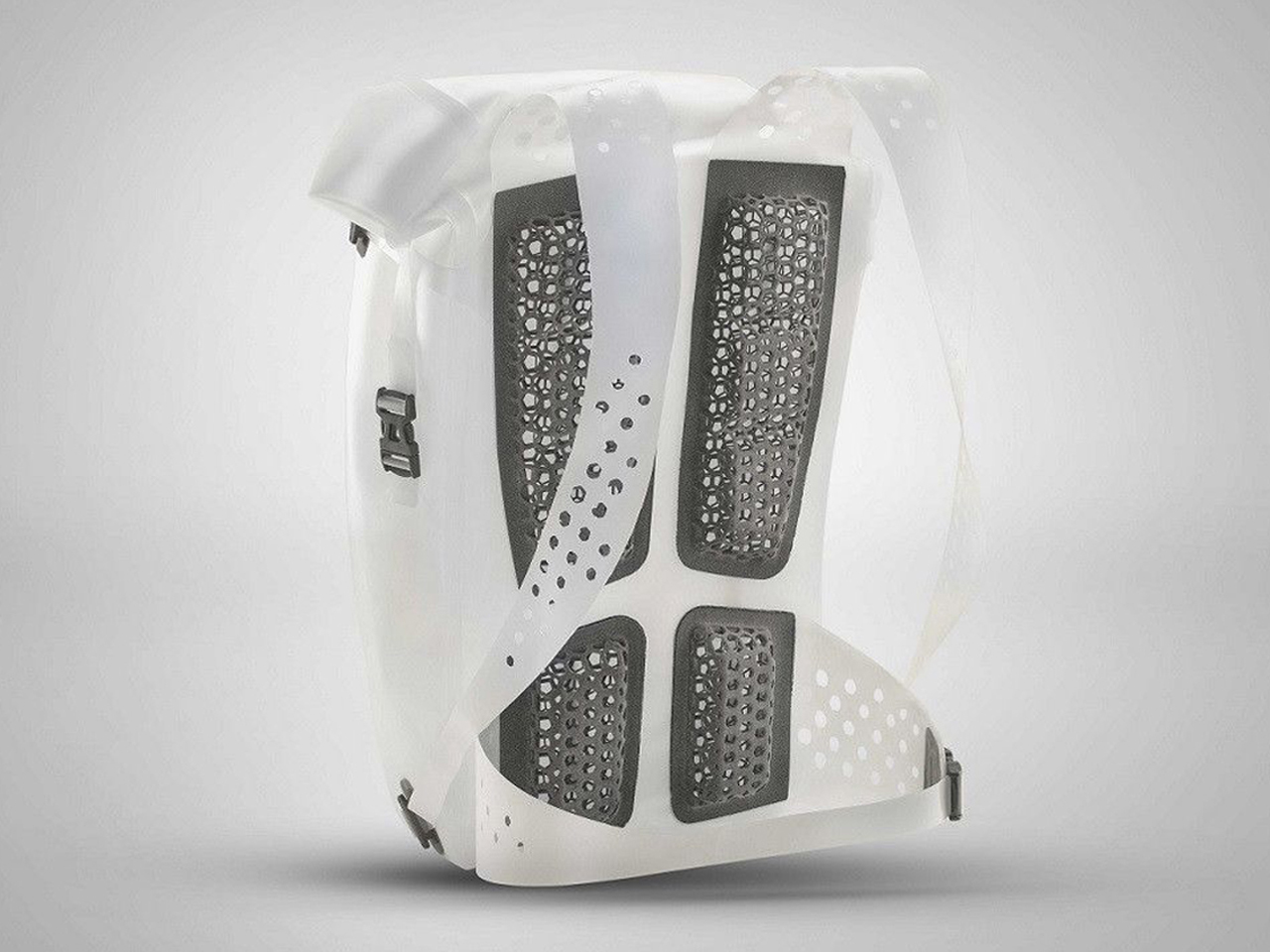
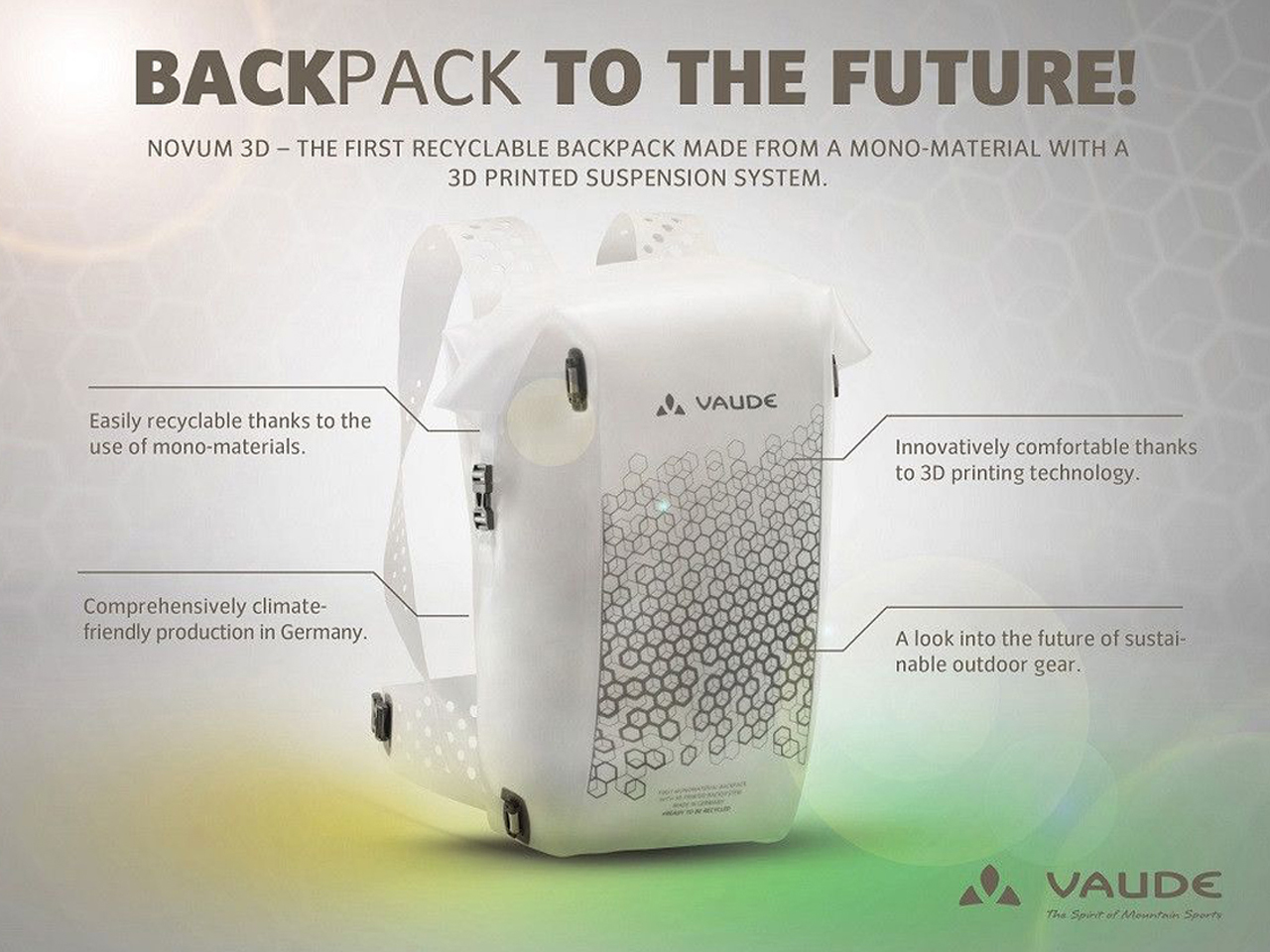
Novum 3D is a fully recyclable backpack developed by Vaude, a German outdoor brand committed to sustainability and circular design. Made entirely from thermoplastic polyurethane (TPU), the backpack is 3D-printed using a mono-material approach. This allows each part—from the straps and packsack to the honeycomb back pads to be easily disassembled and returned to the production cycle. By eliminating the use of mixed materials, Vaude addresses a major challenge in the textile industry and moves closer to true material circularity.

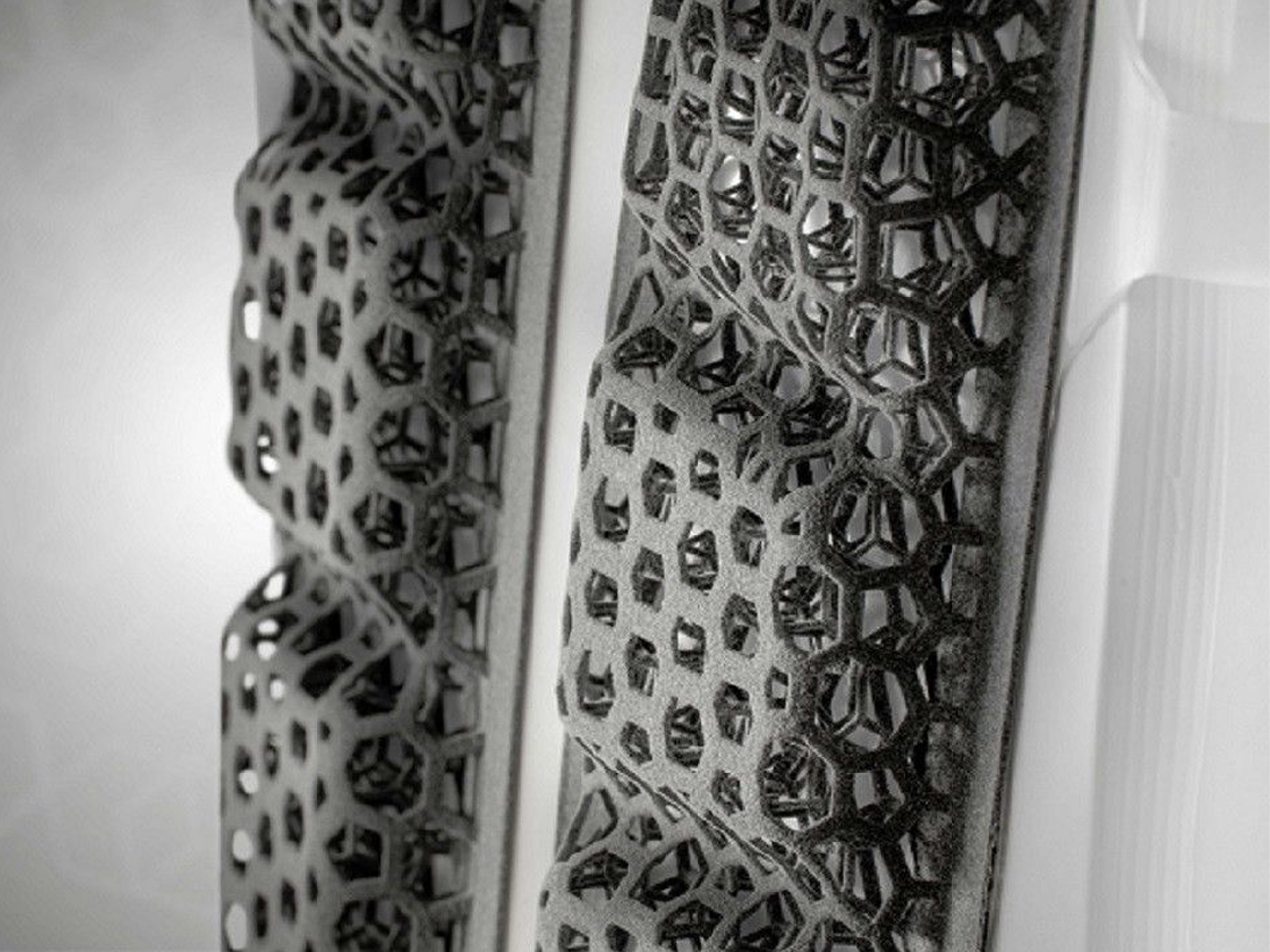
The backpack features a honeycomb construction inspired by one of nature’s most stable forms. This design offers high structural integrity with minimal material usage, while providing lightweight comfort and built-in ventilation. Varying degrees of hardness within the 3D-printed structure ensure balanced pressure distribution for ergonomic support. Novum 3D showcases Vaude’s dedication to innovation, proving that eco-conscious design can deliver both performance and comfort for the next generation of outdoor enthusiasts.

2. Designed to Be Recycled

Products should be designed with their end-of-life in mind, using materials that can be easily recycled. Consider choosing mono-materials where all parts are made from the same substance, as it helps avoid the need for complex sorting or separation during recycling.

Equally important is avoiding bonded or composite materials that are difficult to break down. Products should also be easy to disassemble, allowing different parts to be separated and recycled properly. This kind of thoughtful design supports a circular economy by keeping materials in use longer and reducing the amount that ends up as waste.

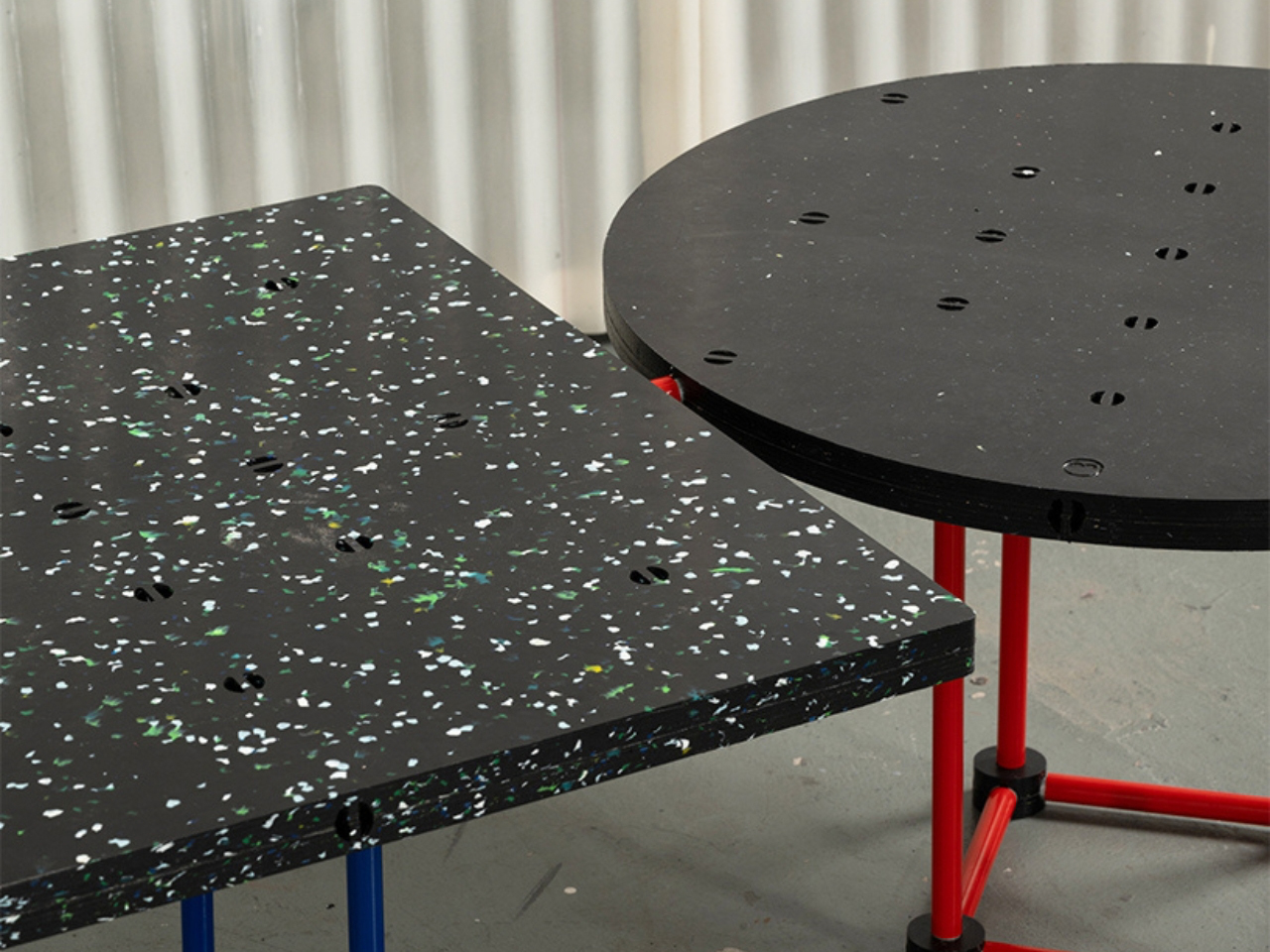
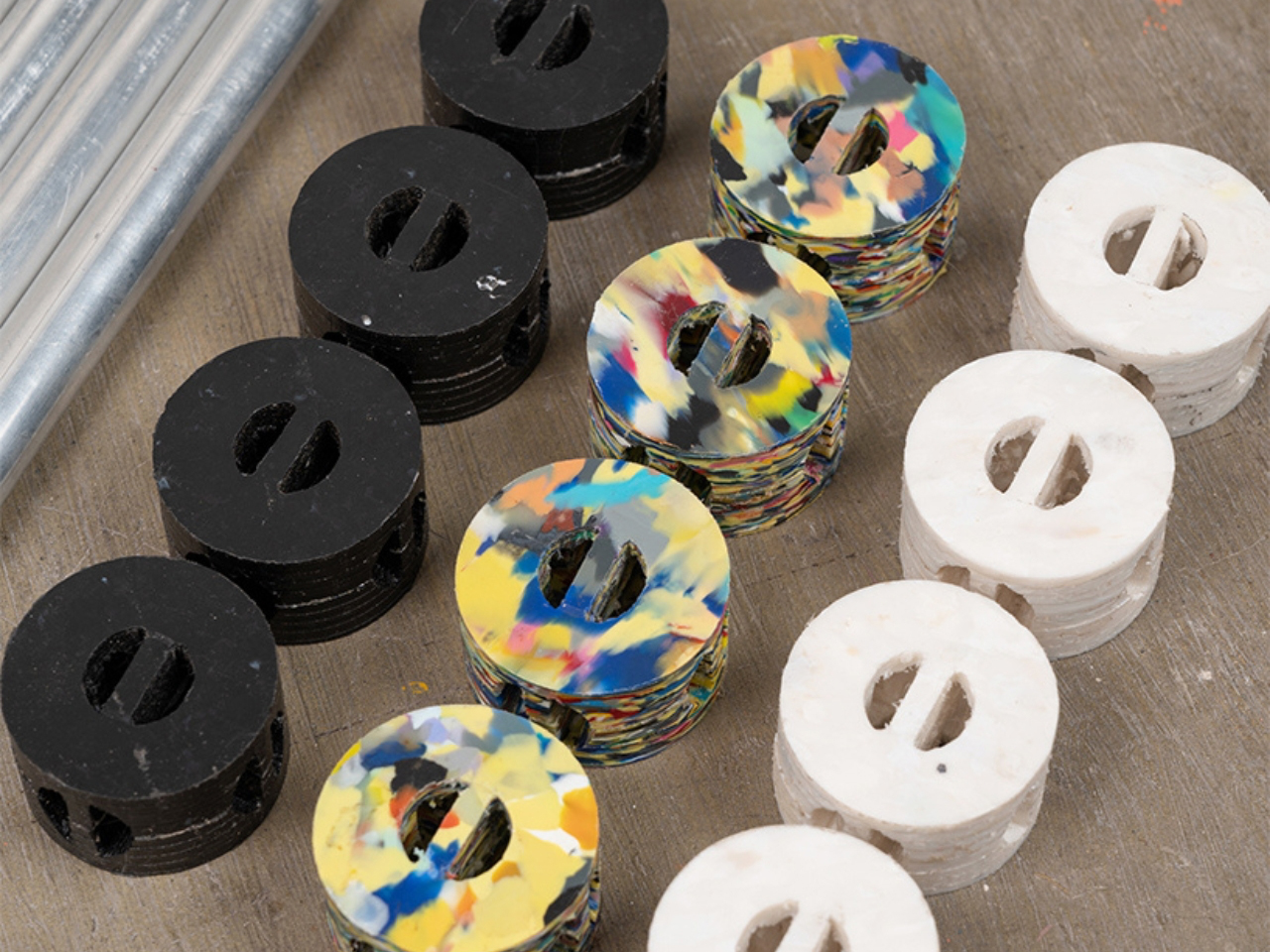
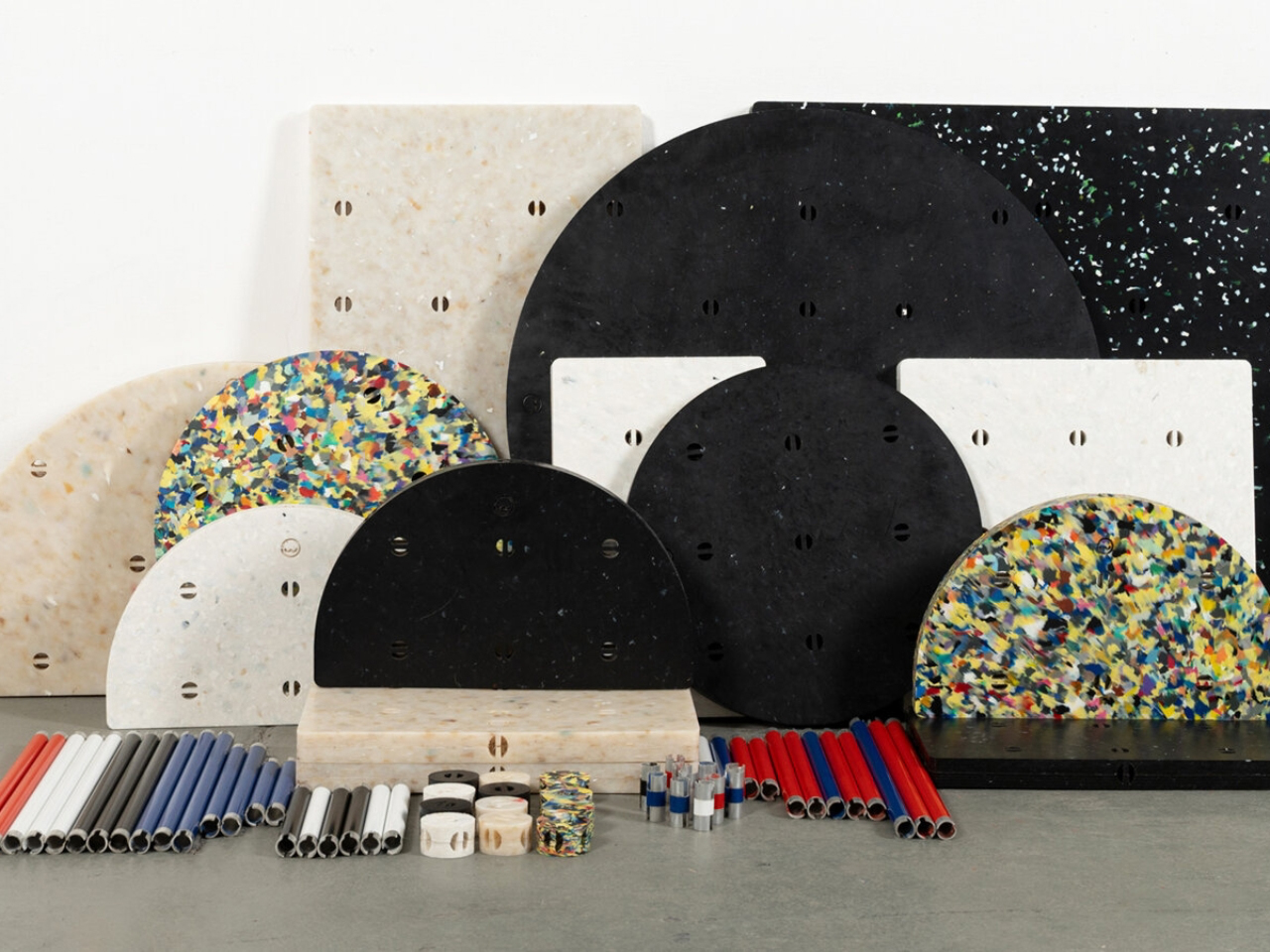
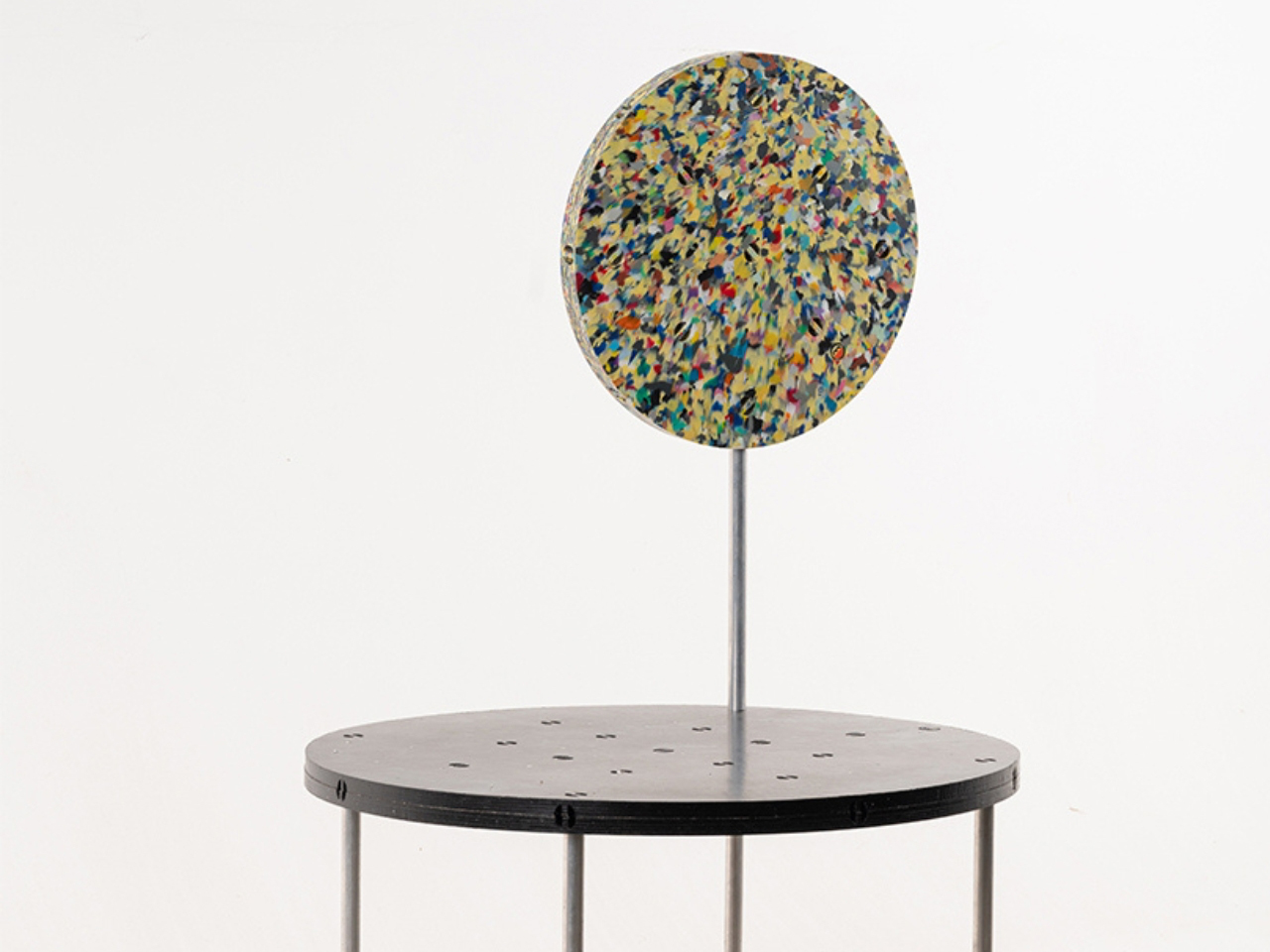
COSMOPLAST is a modular furniture system from Argentina, designed by Marcela Coppari and grounded in circular design principles—reuse, modularity, and sustainability. The system features geometric plates in various shapes and sizes, including circles, semicircles, squares, and rectangles. These components connect via aluminum tubes of varying heights and 5 cm-diameter connectors made from R-PEAD recycled plastic. Designed for adaptability, the structure supports both vertical and horizontal configurations, enabling users to create tables, shelves, and seating solutions tailored to diverse spatial needs.

Assembly is intuitive and tool-free, using a simple press-fit system and a rubber mallet. The perforated plates allow multidirectional expansion, enhancing design flexibility. Each COSMOPLAST kit includes plate modules, CNC-machined connectors, and laser-cut aluminum tubes finished with epoxy paint, all packaged in a compact textile bag and flat cardboard box. Handcrafted in Argentina, with plastic plates manufactured by Necológica in Necochea, COSMOPLAST offers a refined, sustainable approach to modern, customizable furniture.

3. Reduce Material Consumption

Businesses should focus on reducing their use of raw materials while still maintaining product quality and performance. This can be achieved through strategies like using alternative or recycled materials, designing lightweight products, and improving manufacturing processes to be more resource-efficient.

By cutting down on material consumption, companies not only help conserve natural resources but also lower production costs. These efforts lead to more sustainable products and a smaller environmental footprint. In the long run, this approach supports business success and environmental responsibility.

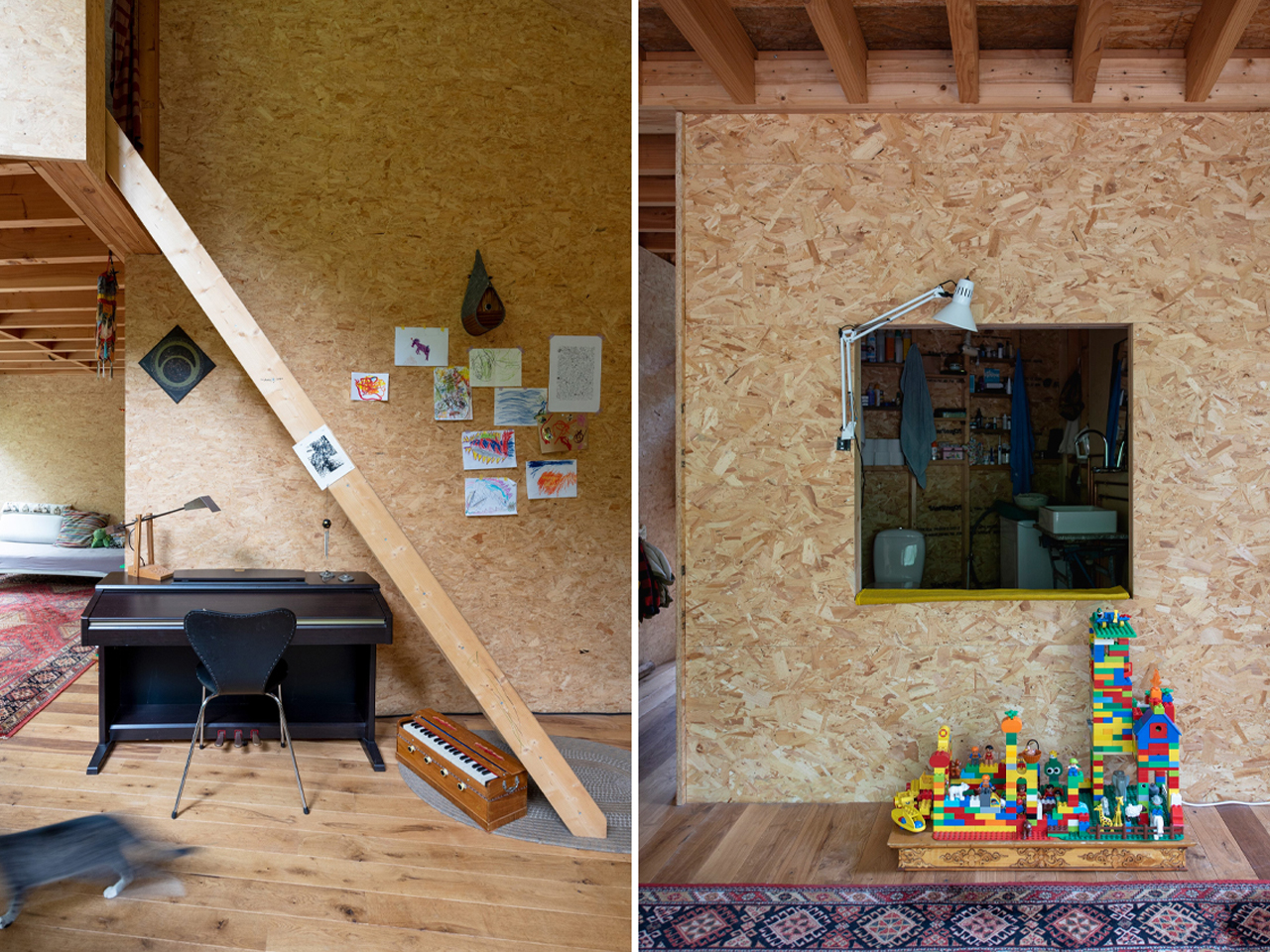
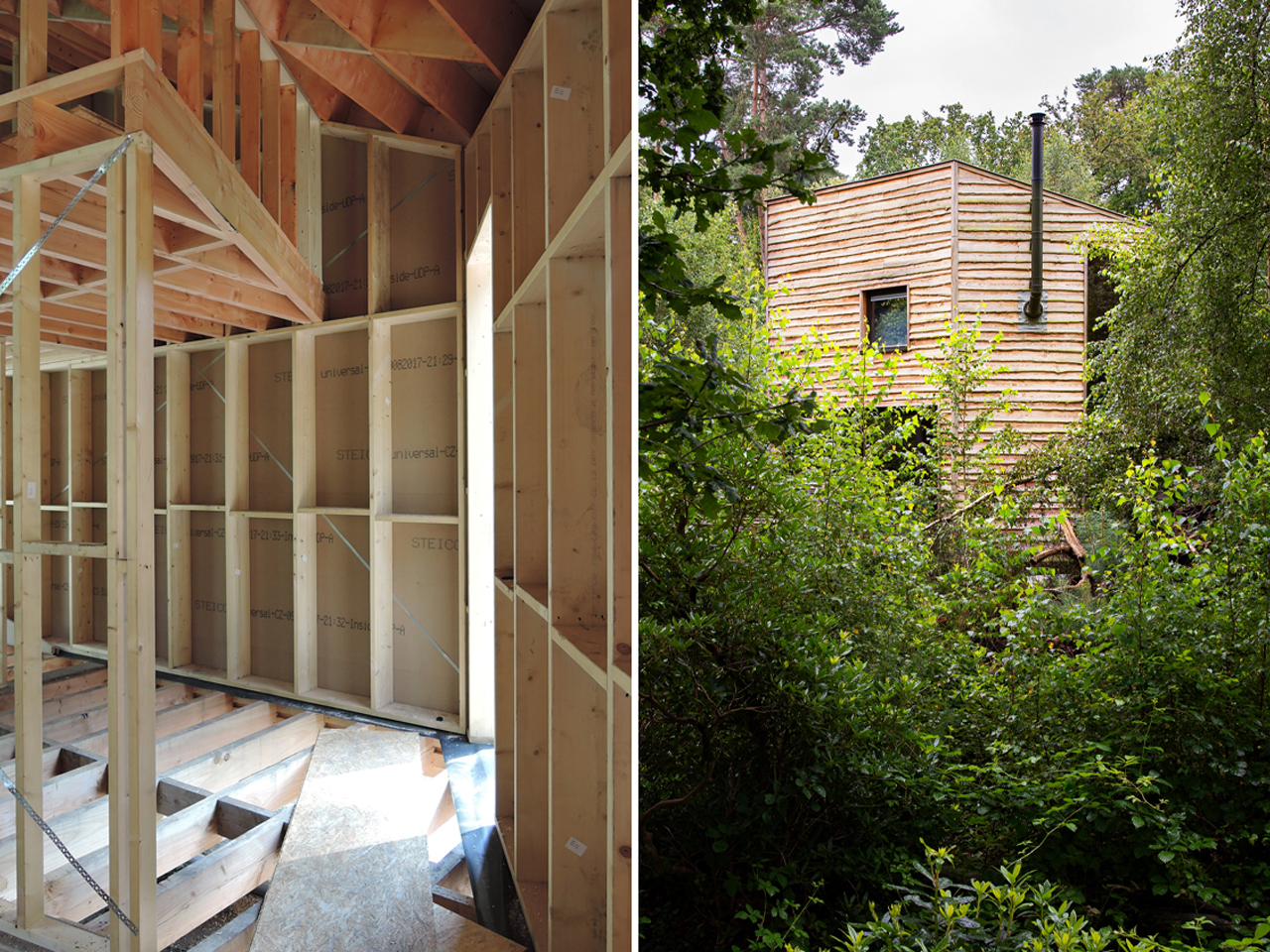
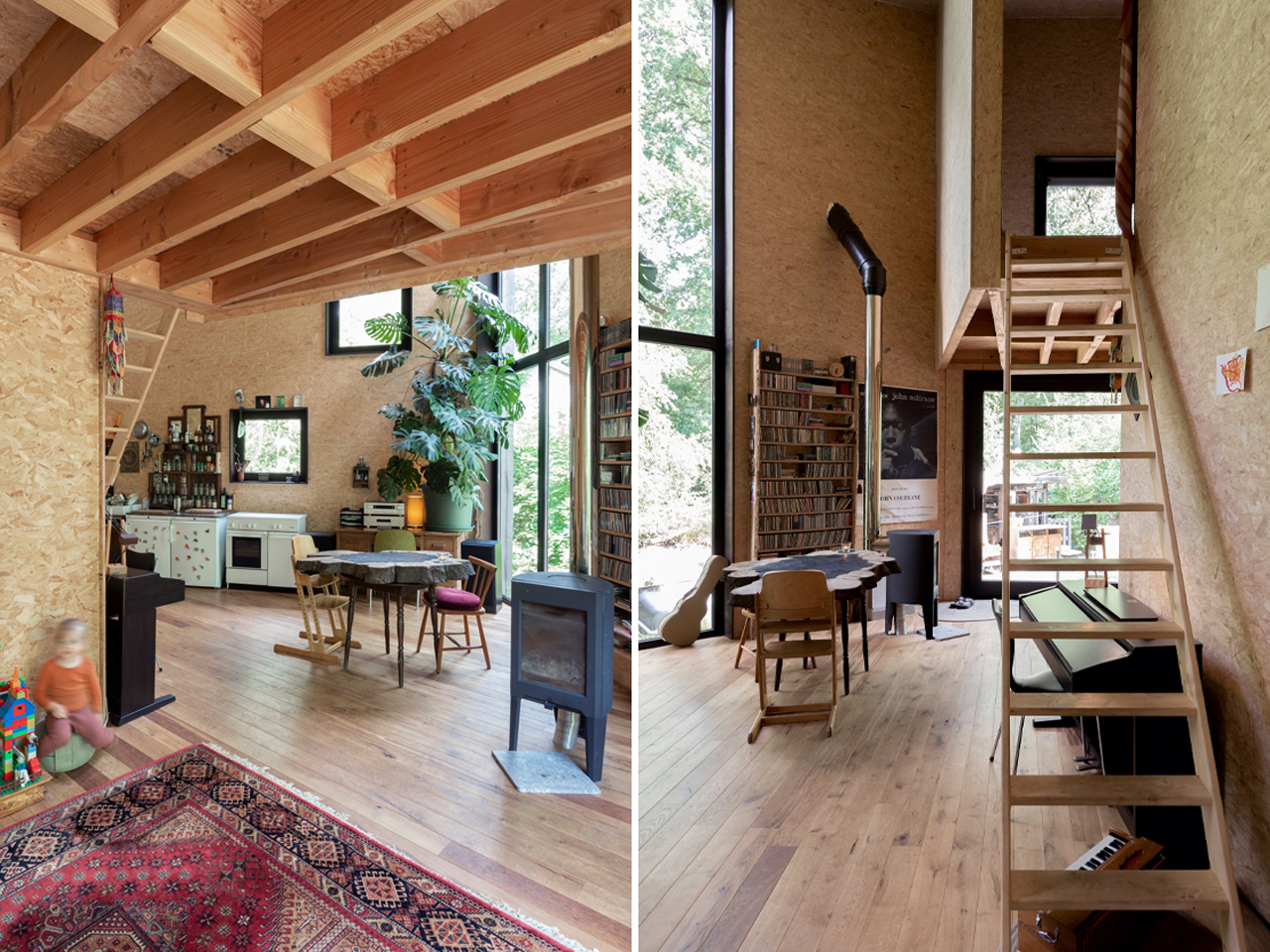
The Holiday Home in Brasschaat, Belgium, is a compact and sustainable residence designed by Polygoon Architectuur, employing circular construction and bio-ecological building methods. With a total area of 750 square feet, the structure features a unique pentagonal floor plan and a sloped roof that extends the ceiling height to 22 feet, creating a sense of spaciousness within a compact footprint. To minimize impact on the landscape, the home is elevated on eleven timber poles, serving as an alternative foundation system that enhances environmental harmony and mobility.

Constructed onsite in just five days, the home utilizes locally sourced coniferous wood for the frame, selected for its renewability, cost-efficiency, and hands-on suitability. The exterior is clad in bark planks for a vapor-open façade, while the interior is finished with oriented strand board (OSB) to support insulation. Spread over two levels, the layout includes living spaces, a kitchen, and bathroom on the ground floor, with sleeping areas and storage located above.

4. Designing for Zero Waste

Sustainability begins with smart design. Rather than dealing with waste and pollution after they occur, the focus should be on preventing them from the outset. This means rethinking how products are made and choosing materials and methods that avoid generating waste in the first place.

Designing with intention helps reduce emissions, limit harmful byproducts, and lower the risk of spills or environmental harm. By addressing these issues early in the process, companies can create cleaner, more efficient systems that support long-term environmental health and business responsibility. It’s a proactive step toward a more sustainable future.

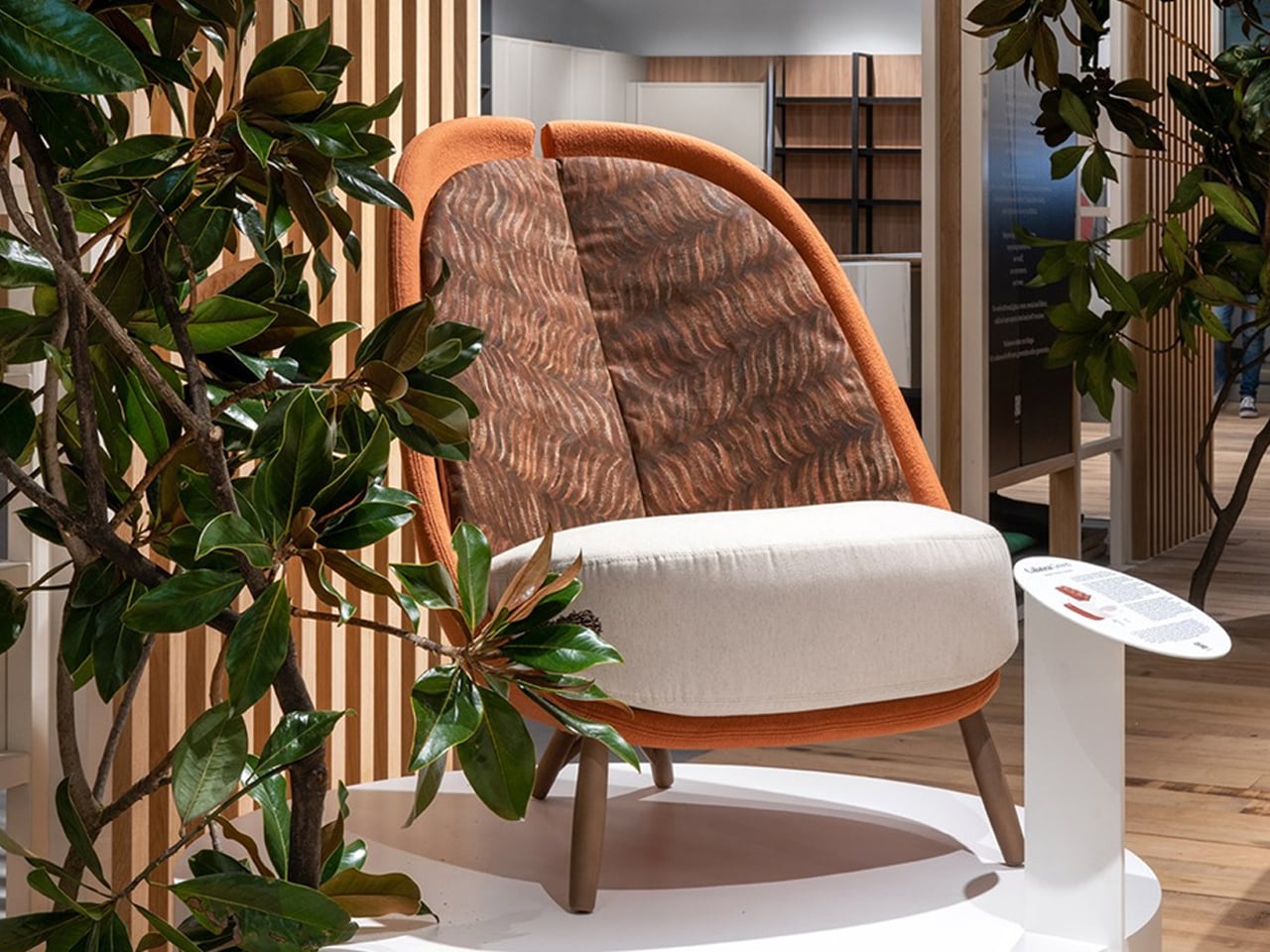
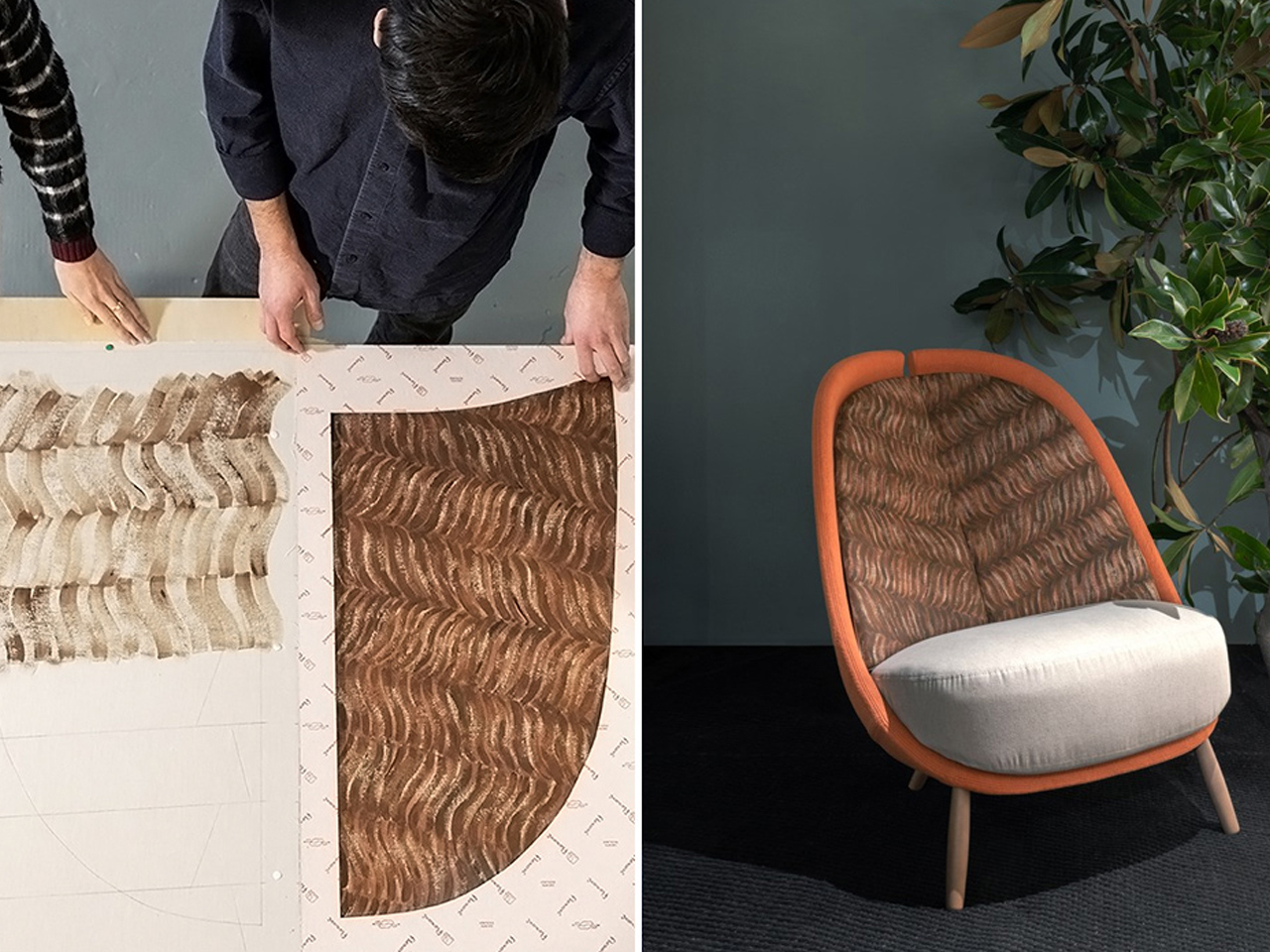
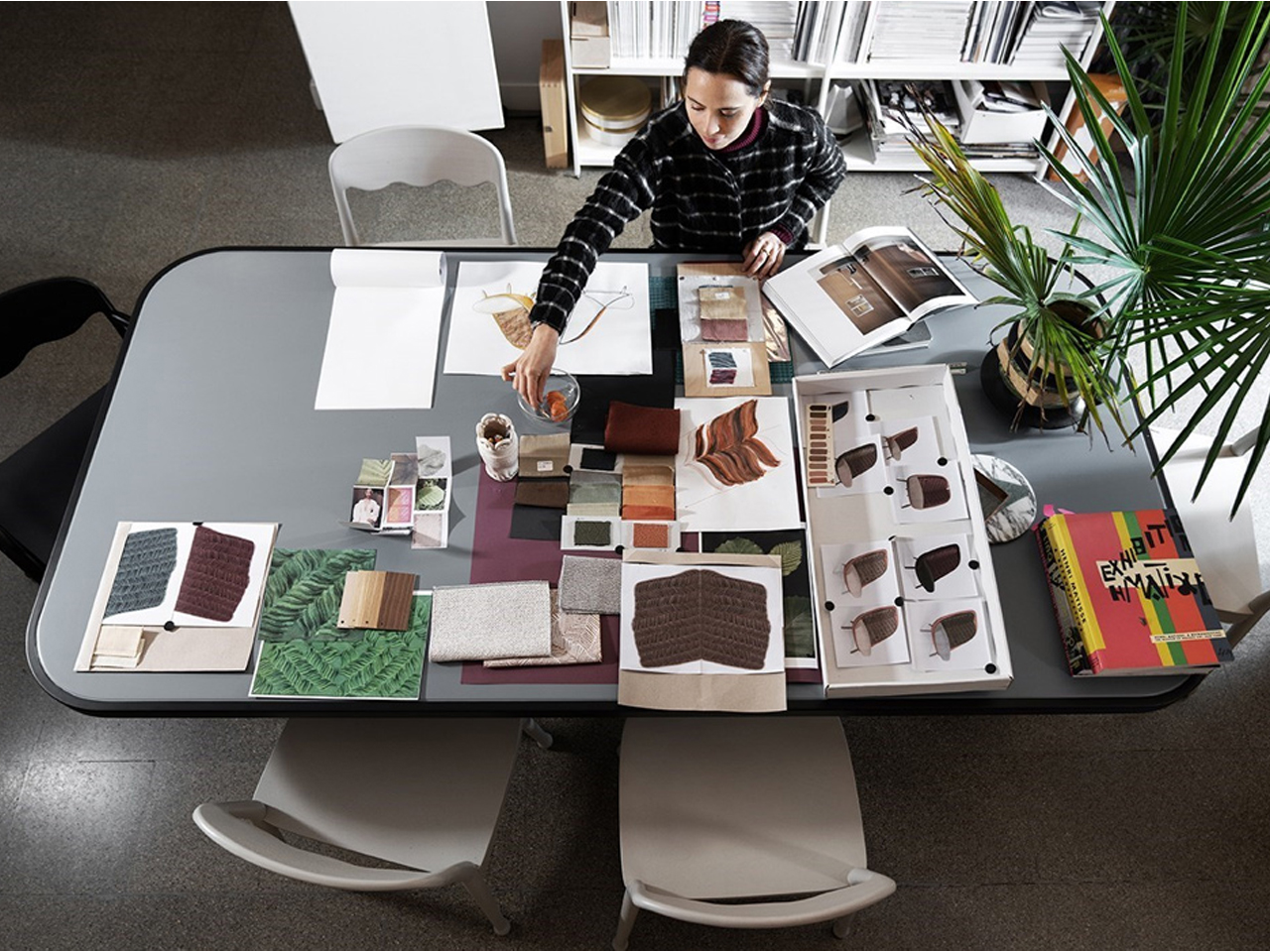
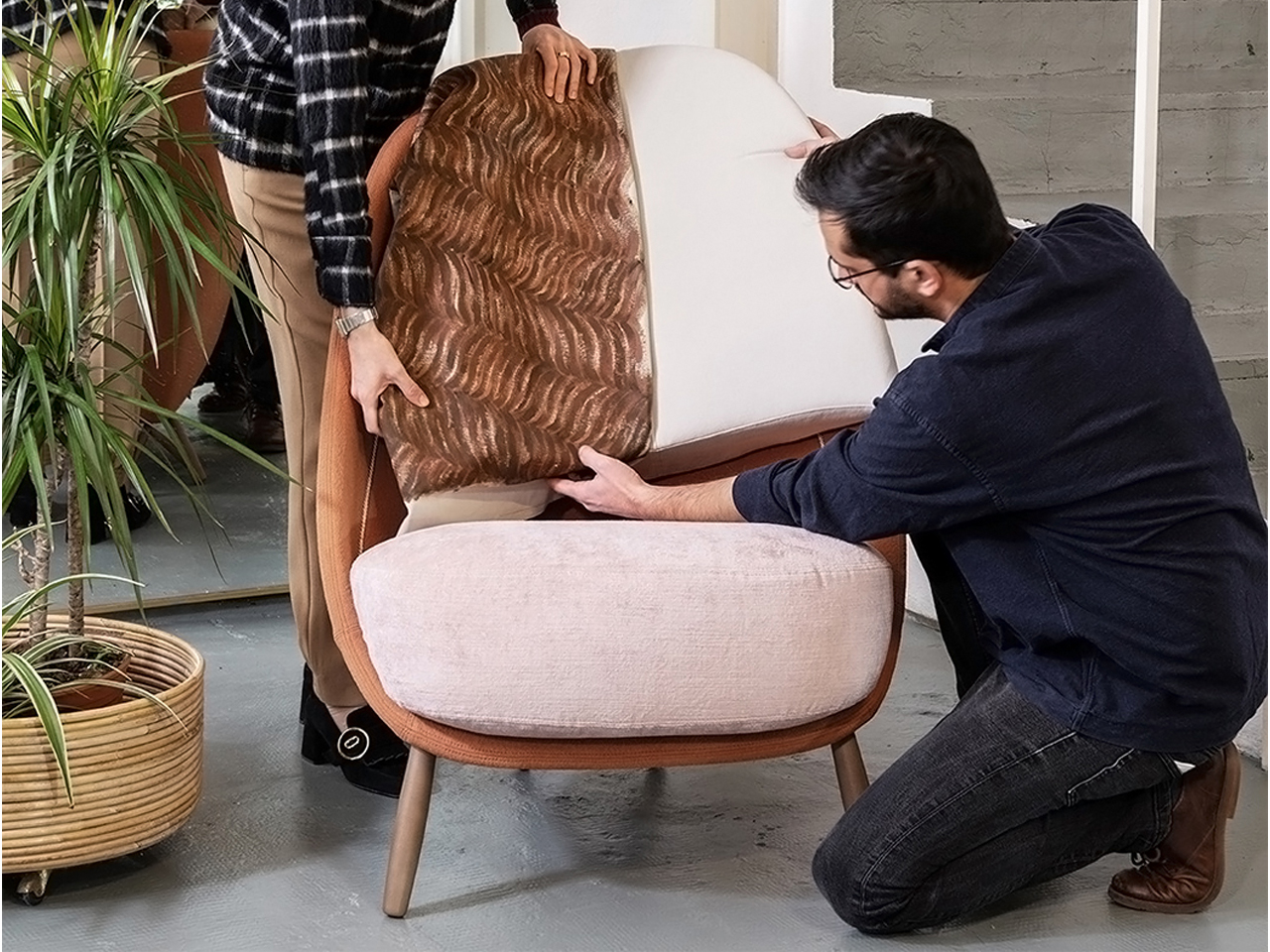
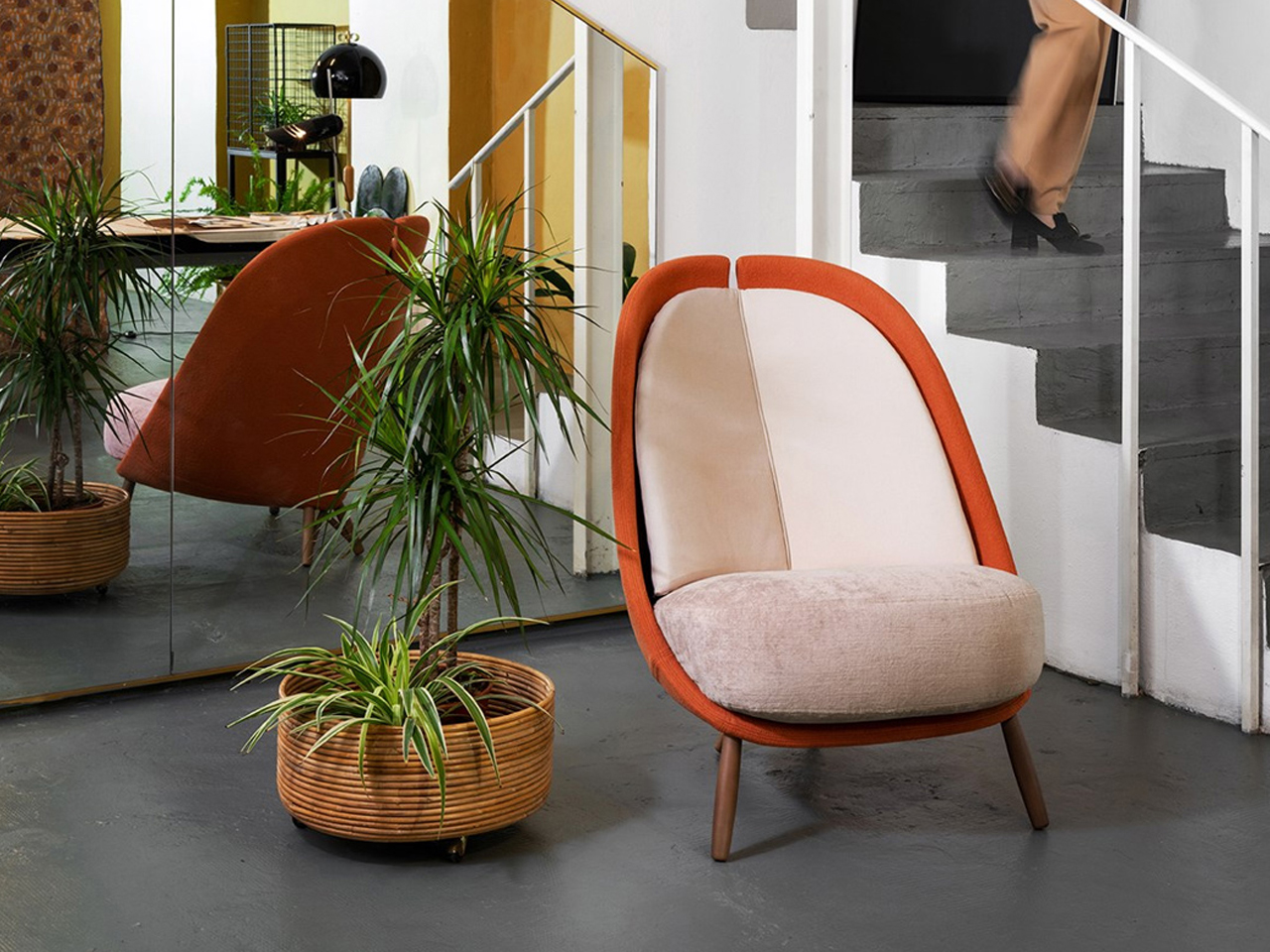
Calatea Green is a sustainable reimagining of the original Calatea chair by designer Cristina Celestino, created to mark the launch of Green Pea, Italy’s first green retail park. Guided by circular economy principles, Celestino redesigned each element with environmental impact in mind. The chair’s padding is made from recycled PET fabric sourced from plastic bottles that are recyclable and compostable. Its legs use FSC-certified ash wood from responsibly managed forests, while the upholstery is crafted from 100% recycled cotton yarn, certified by the Global Recycled Standard.

To align aesthetics with values, the original tropical Calathea motif has been replaced with a hand-painted design using non-toxic, water-based ink, inspired by Celestino’s roots in Friuli Venezia Giulia, a region known for its native alder tree. The project reflects Pianca’s broader sustainability ethos, which includes sourcing wood from certified forests, using 90% recycled packaging, and powering production entirely through a photovoltaic energy system.

5. Designing for Regeneration

The circular economy is not just about minimizing damage, but it is also about giving back to the environment. It focuses on restoring natural systems by using renewable energy, repairing degraded land, and promoting biodiversity. These actions go beyond sustainability, aiming to renew what has been lost.

By adopting regenerative practices, businesses can contribute to environmental recovery while building long-term resilience. The goal is to create an economy that improves the well-being of people and the planet, not just preserves it. This shift in mindset helps shape a future where nature and industry can thrive together.

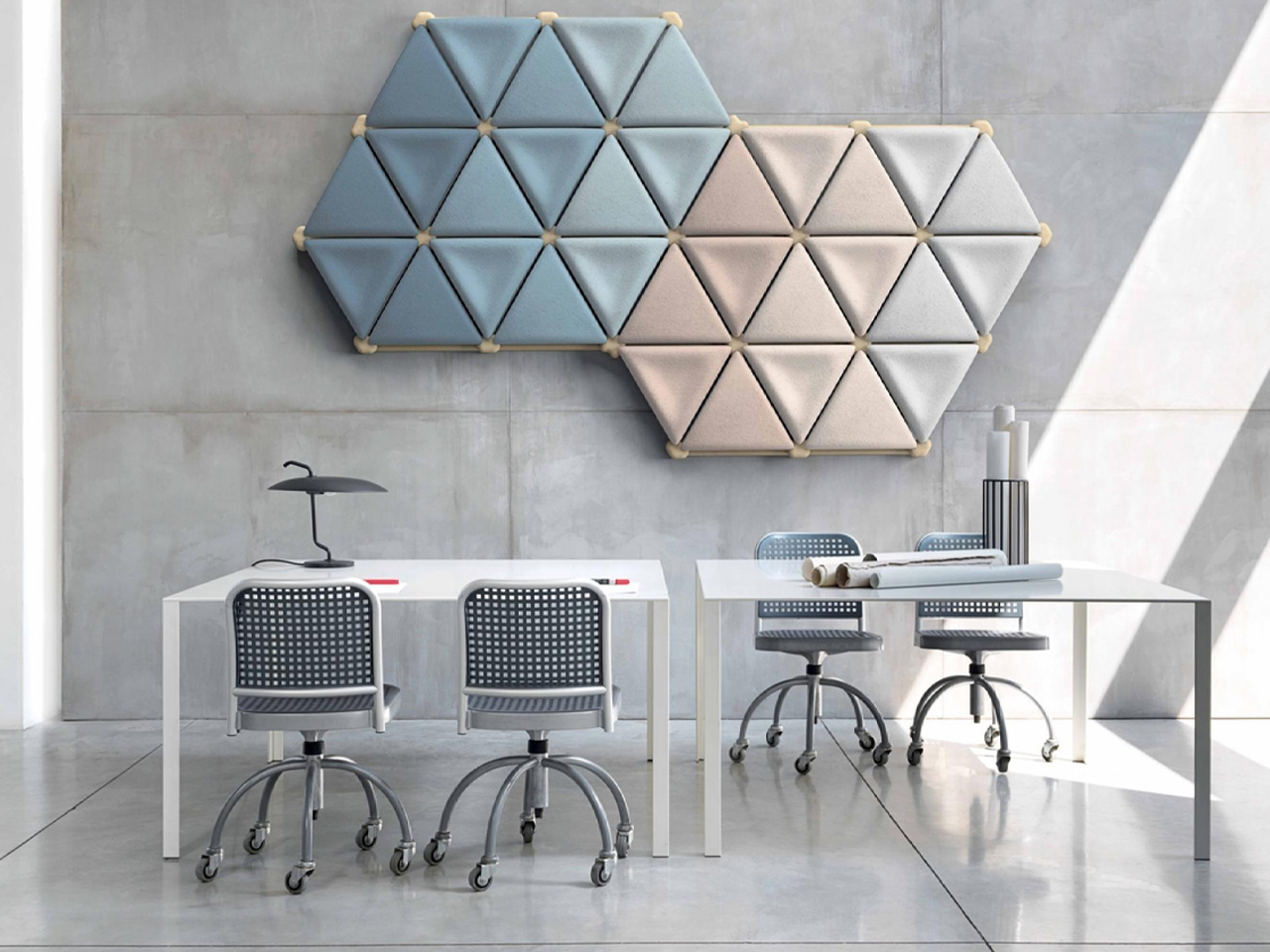
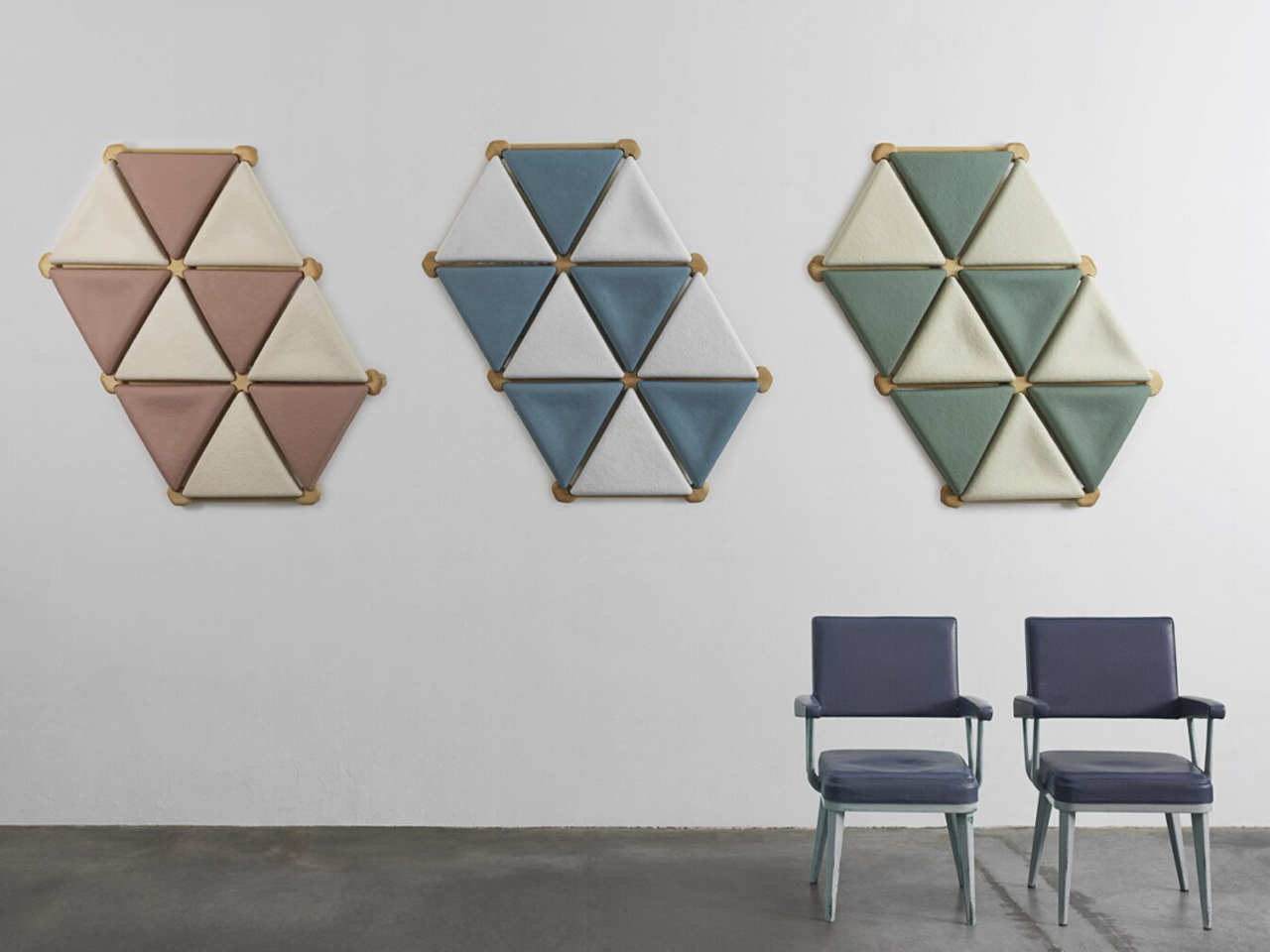
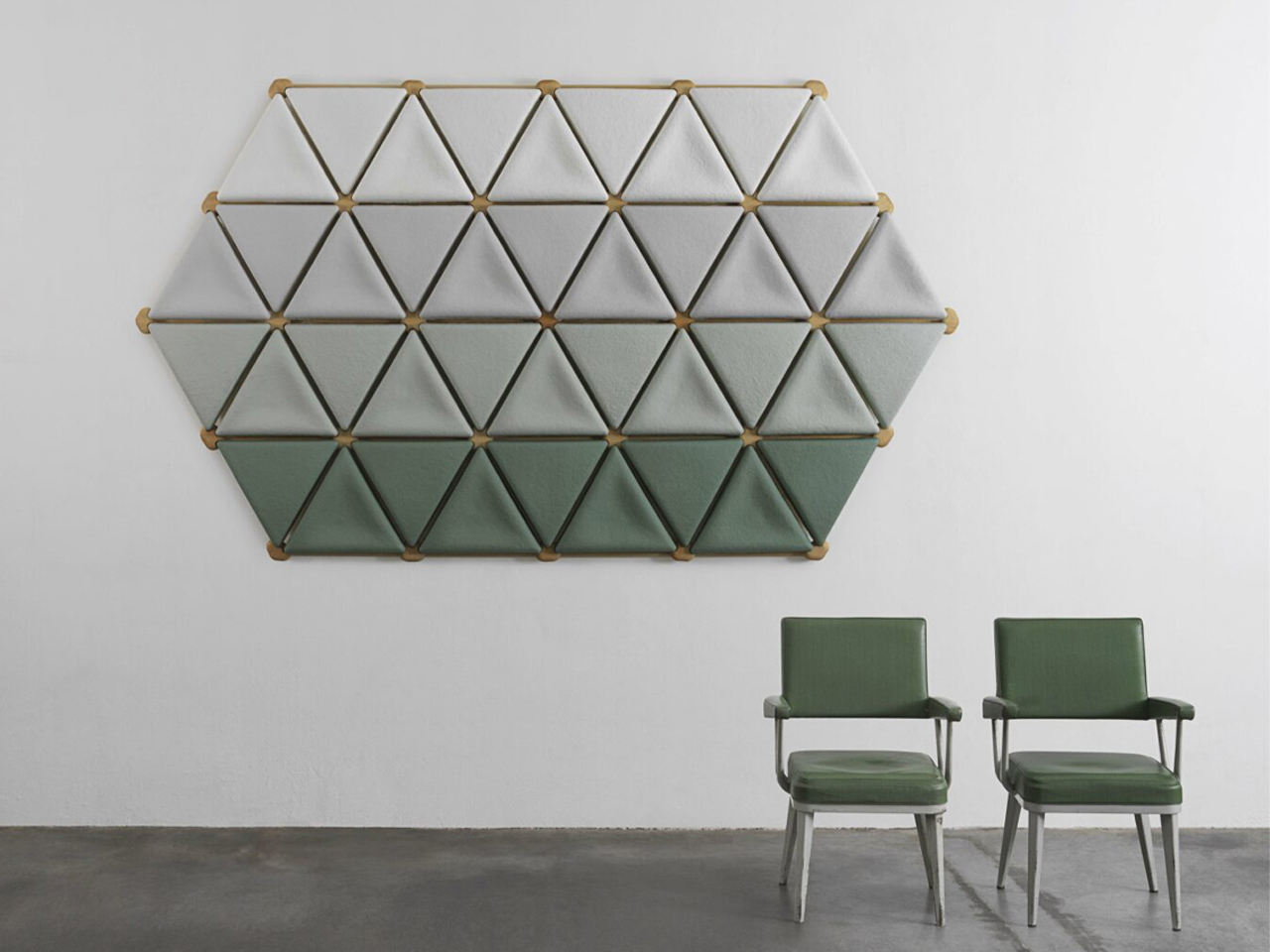
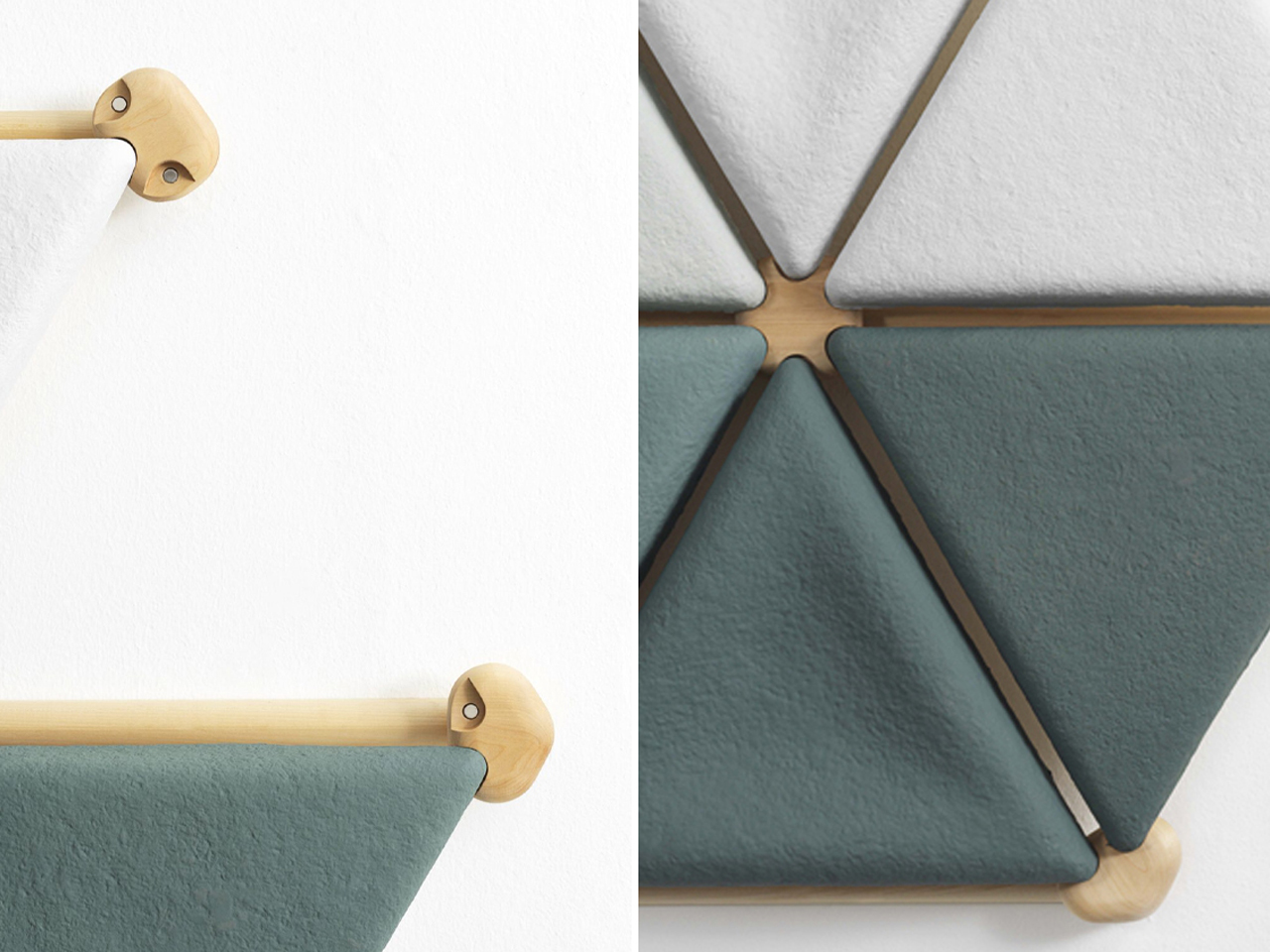
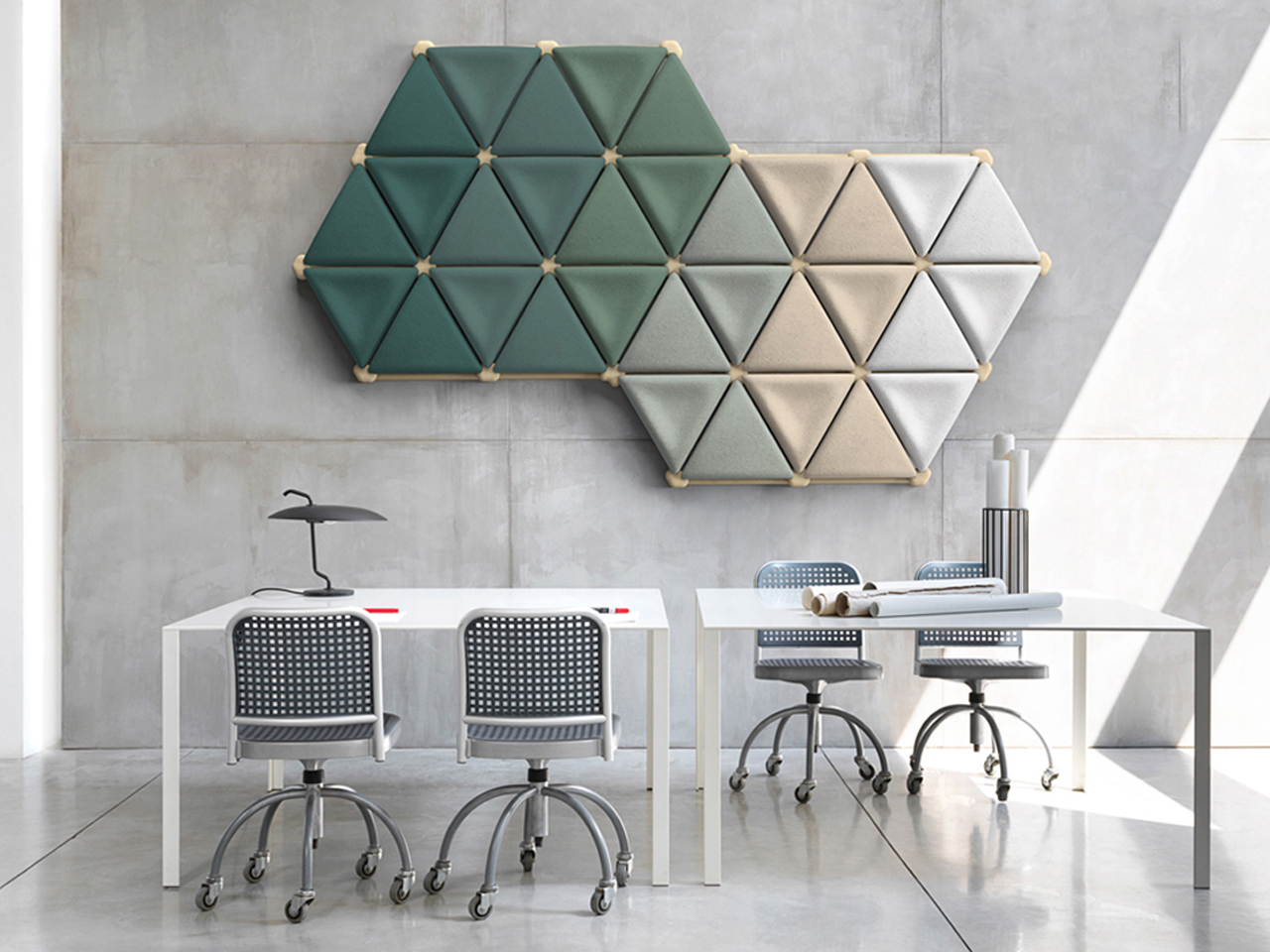
Foresta System is a modular acoustic panel system developed by Mogu, designed to combine sustainability with functional interior acoustics. Each panel is made from a unique blend of fungal mycelium and upcycled textile fibers, offering natural sound absorption while remaining lightweight and biodegradable. The panels are entirely free of synthetic materials, aligning with circular design principles. Their organic texture and composition make them ideal for reducing ambient noise in spaces such as offices, restaurants, and retail environments.

The system is supported by a timber frame constructed from wooden branches and modular nodes. These nodes contain integrated magnets, allowing the panels to be easily mounted, repositioned, or removed without the need for tools. This design enables flexibility in layout and ease of installation. Using advanced technologies such as parametric modeling and robotic manufacturing, the Foresta System merges refined wooden aesthetics with innovative biomaterials to create a sustainable and visually distinctive acoustic solution.

Circular design offers more than just sustainable solutions as it redefines how we create, use, and reuse materials. By designing with longevity, recyclability, and resource efficiency in mind, it helps close the loop on waste. As industries adopt these principles, circular design is not just shaping products but also shaping a more responsible and regenerative future for generations to come.

The post Only 7% of Materials Get Recycled – These 5 Products Were Designed to Fix That first appeared on Yanko Design.

Breathe Easy: 10 effective steps and products to purify your home’s indoor air

Indoor air pollution is a commonly overlooked issue, but it can significantly affect your health, especially if you live in a city where outdoor pollutants, cooking byproducts, and everyday household chemicals accumulate inside your home. Even if your home looks clean, invisible pollutants, allergens, and irritants could lurk in the air. Improving indoor air quality isn’t just about cleanliness; it’s essential for your health, especially given how much time we spend indoors. Here are ten practical steps, paired with innovative products, to help keep your indoor air fresh and clean.

1. Ventilation

Proper ventilation is crucial for maintaining good indoor air quality. Regularly opening windows, even briefly, allow fresh outdoor air to circulate and replace stale indoor air. This exchange helps dilute the accumulation of indoor pollutants like dust, pet dander, and chemicals from household products. In kitchens and bathrooms, using exhaust fans is especially important as these areas are prone to high moisture levels and airborne contaminants from cooking or bathing. Exhaust fans help vent out these pollutants directly, reducing humidity and preventing mold growth. For those living in areas where outdoor air quality is generally good, consistent natural ventilation can make a significant difference in keeping indoor spaces healthier and fresher.

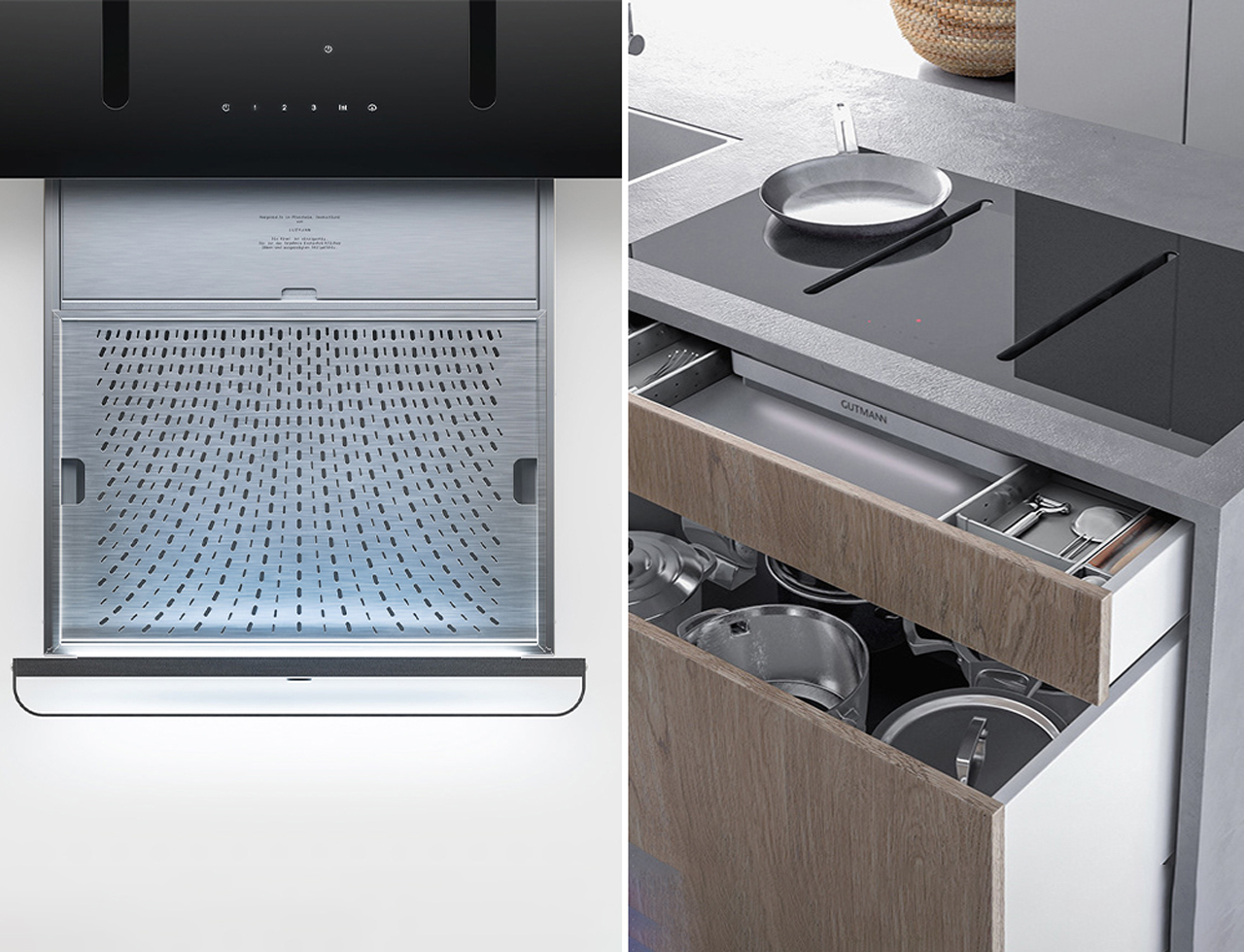
Gutmann’s no-chimney exhaust system offers an innovative solution for kitchens without traditional chimney ventilation. Its under-cabinet design efficiently clears smoke and odors, making it ideal for smaller spaces that require reliable airflow without permanent installations.

2. Air Purifiers

Air purifiers are essential to any home, especially in urban areas with more concentrated pollution. They effectively capture dust, pollen, pet dander, and other allergens. For maximum efficiency, it’s important to replace the filters regularly. Running an air purifier helps keep your home’s air free from harmful particles while reducing odours.

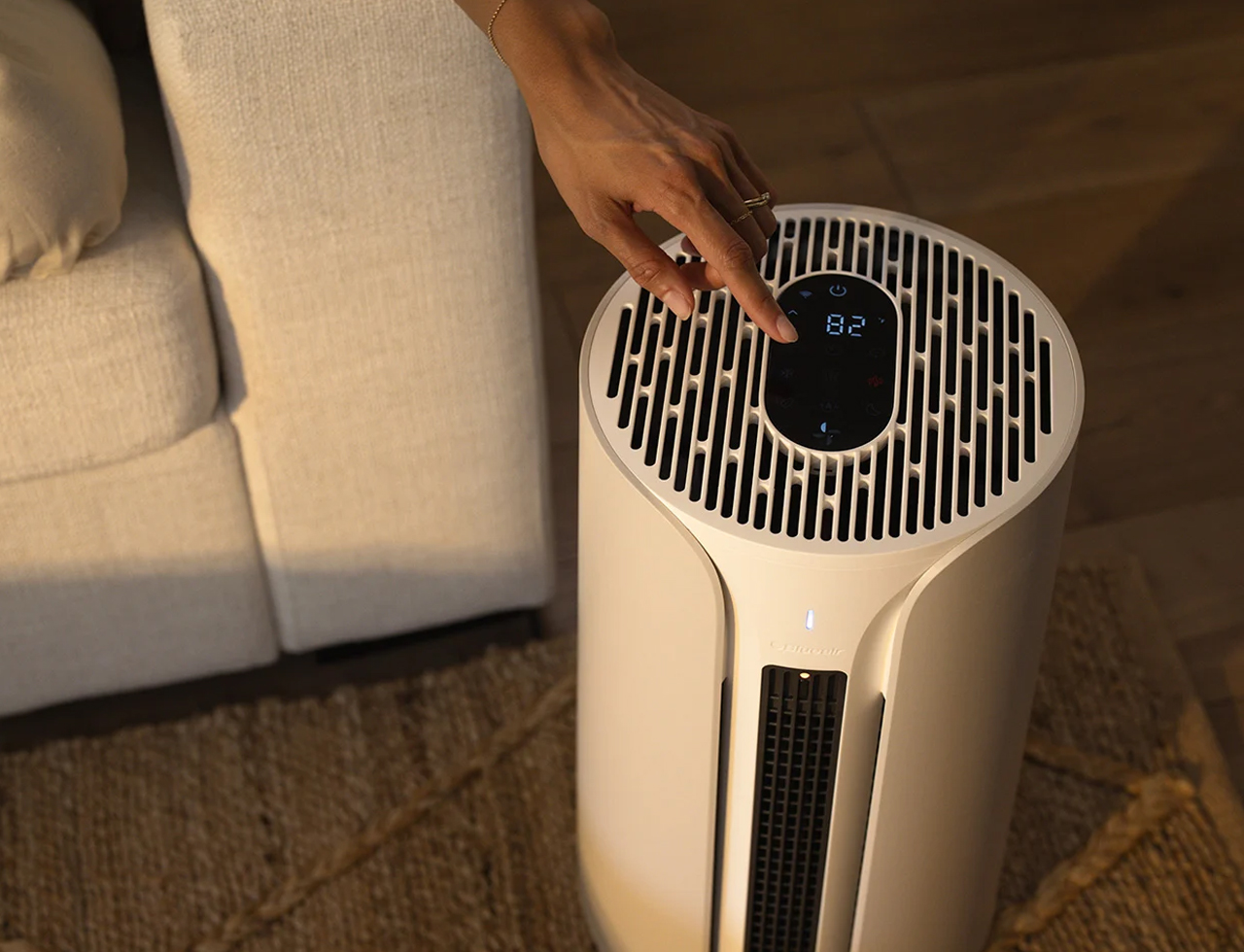
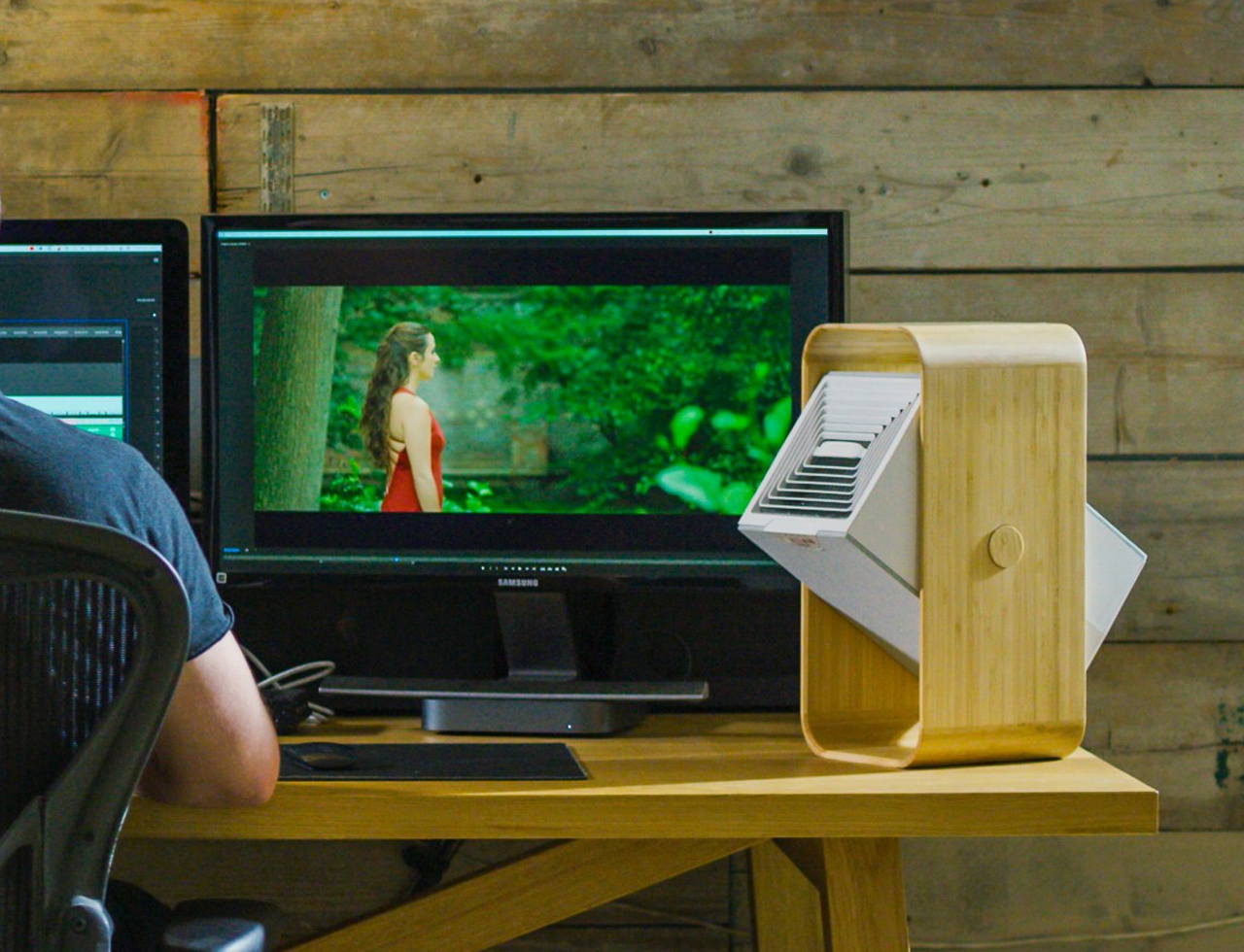
The ComfortPure™ combines air purification with heating and cooling. TripleFlow and HEPASilent technology captures 99.97% of airborne pollutants while offering a heating or cooling option, making it perfect for year-round use. It’s ideal for large spaces and operates quietly, adapting to pollution levels automatically for continuous comfort.

3. Air Conditioning

Air conditioners help regulate indoor temperature while also filtering airborne pollutants and allergens. To effectively improve air quality, replacing the filters regularly and cleaning the ducts is important. Proper maintenance ensures that your air conditioning system continues to provide clean, comfortable air throughout your living space.

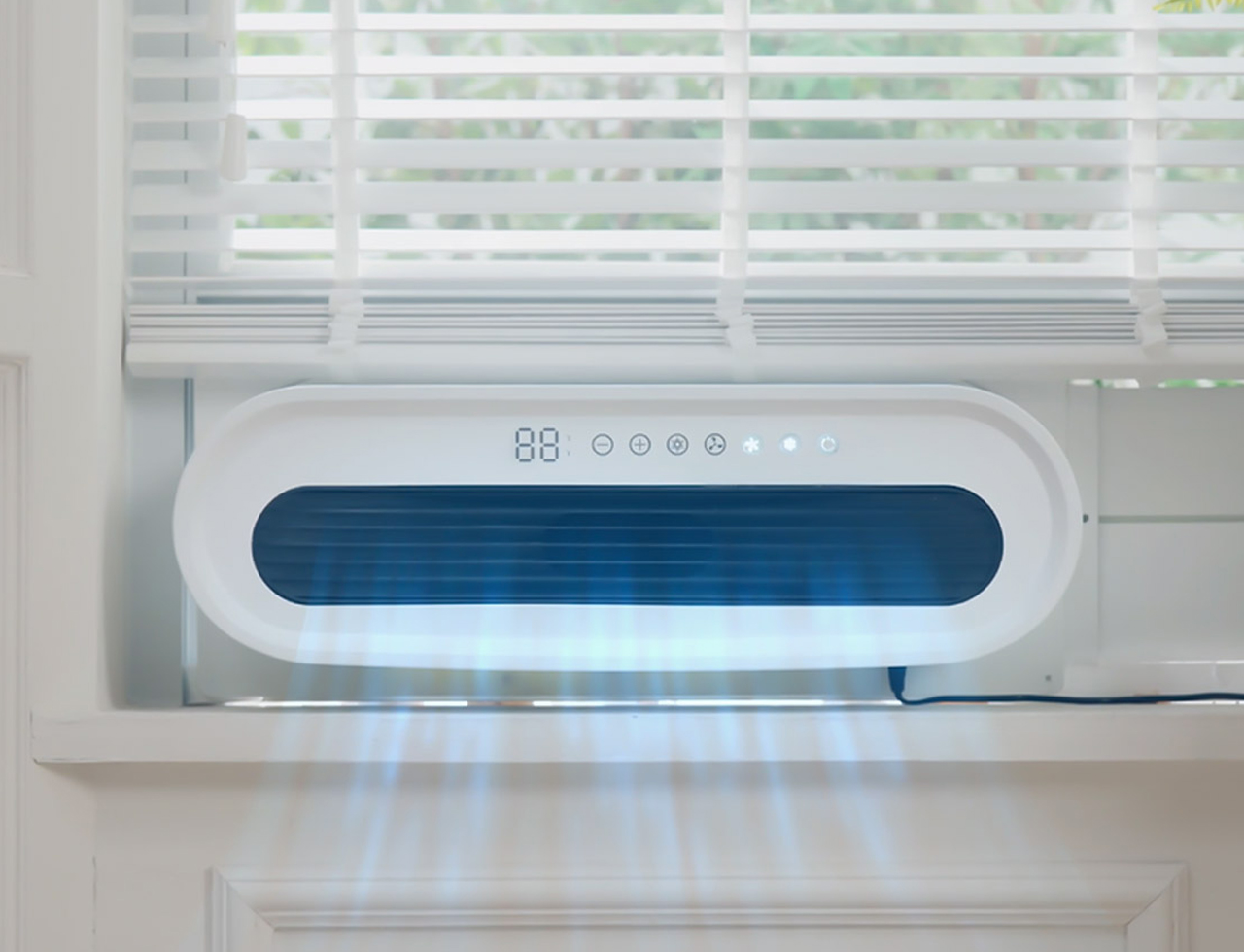
ComfyAir is specifically designed for tight city apartments. Its sleek design attaches easily to any window without causing damage. It’s highly effective at cooling and filtering the air while fitting into small spaces, making it a great solution for those wanting comfort without compromise.

4. HEPA Filters

HEPA filters are among the most efficient tools for capturing airborne pollutants and allergens. These filters trap particles as small as 0.3 microns, significantly reducing dust, pollen, and other allergens that degrade indoor air quality. Installing HEPA filters in air purifiers or HVAC systems can help keep your home’s air as clean as possible.

OneLife X utilizes cutting-edge plasma-field technology that captures even smaller particles than traditional HEPA filters, removing pollutants down to 0.01 micrometers. It is highly efficient and operates sustainably without needing constant filter replacements, making it both eco-friendly and economical.

5. Air Disinfectants

Consider using air disinfectants with UVC technology to kill bacteria, mold, and germs effectively. This approach is particularly useful in humid areas of your home where mold and germs tend to thrive. UVC lights target these microorganisms directly, providing an additional layer of air purification that complements standard filtration.

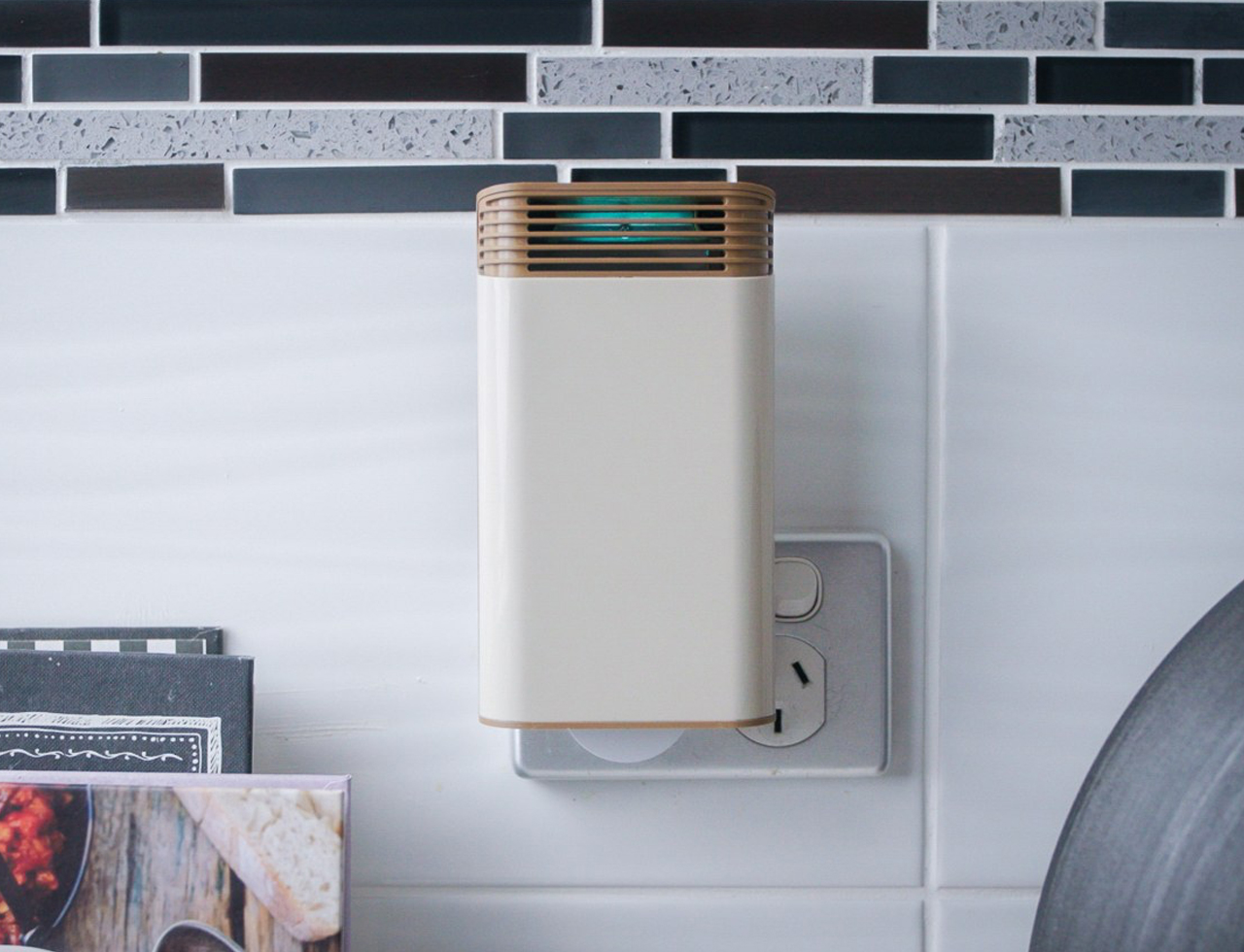
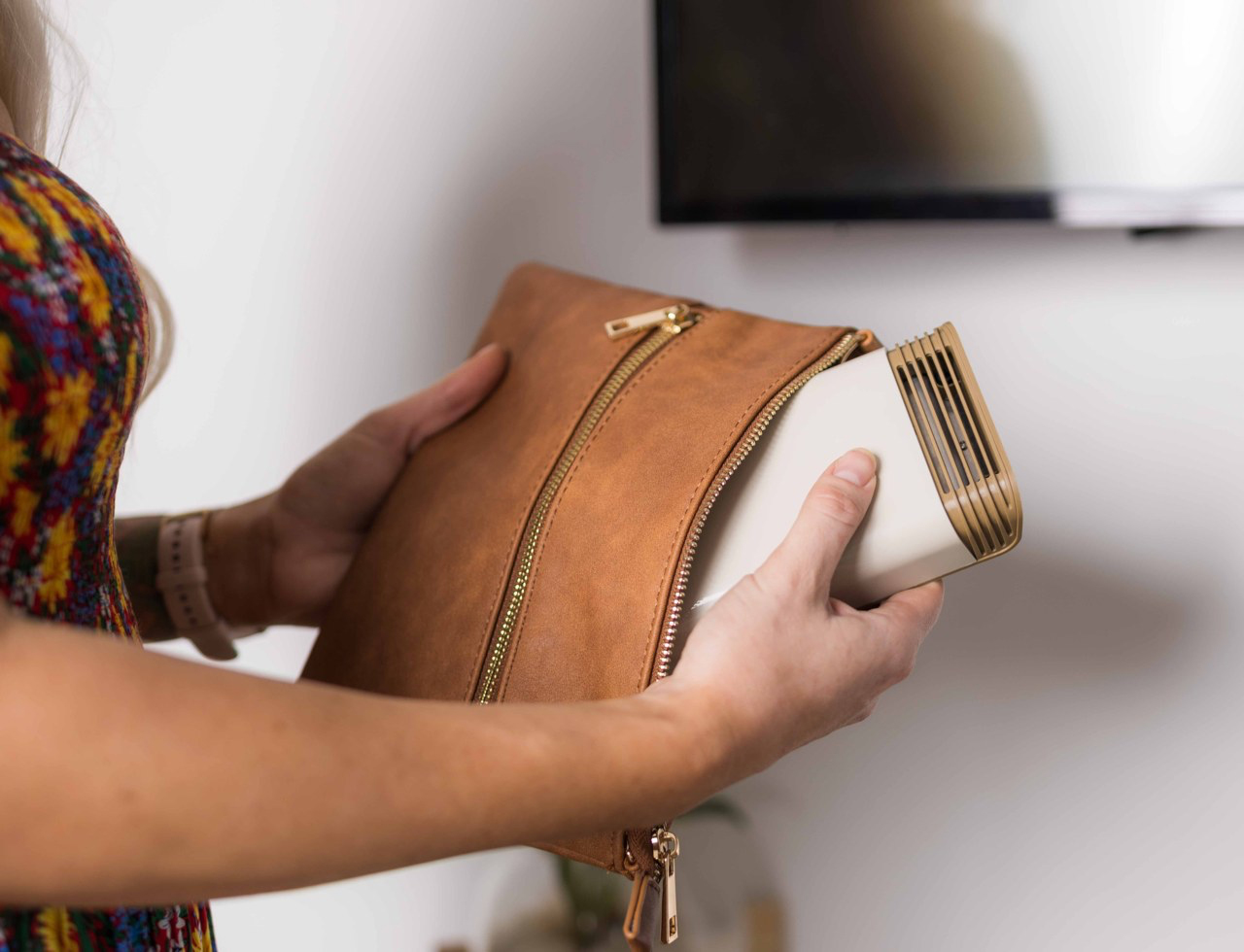
RAYCONO uses Hydroxyl and Plasma purification technology to neutralize bacteria and odors. Its compact size and maintenance-free operation make it perfect for small spaces and even travel, ensuring clean air wherever you are.

6. Indoor Plants

Plants like Spider Plants, Peace Lilies, Snake Plants, and Aloe Vera add aesthetic value to your home and naturally filter out harmful toxins. Studies, including those by NASA, show that these plants can remove common indoor pollutants such as benzene, formaldehyde, and trichloroethylene.

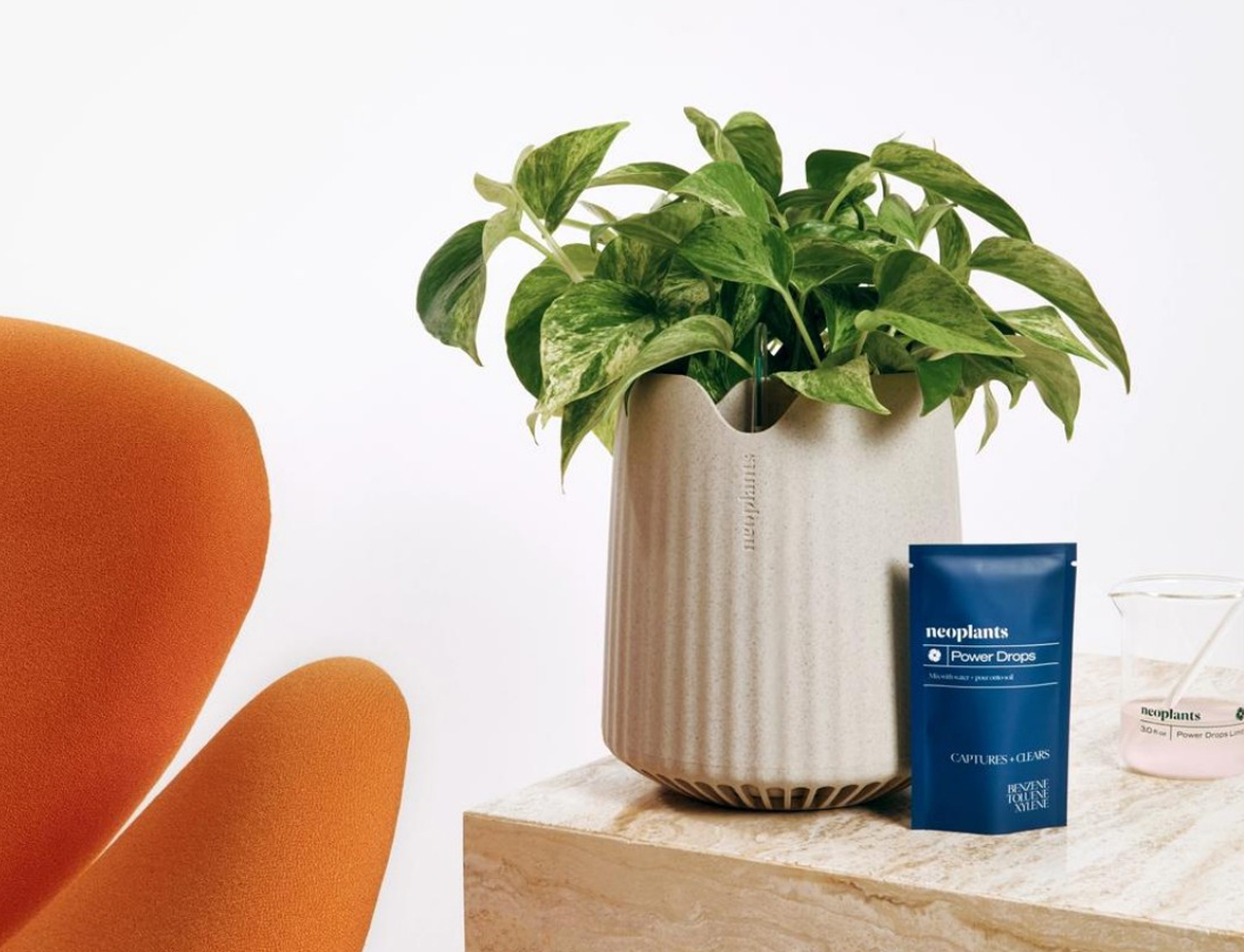
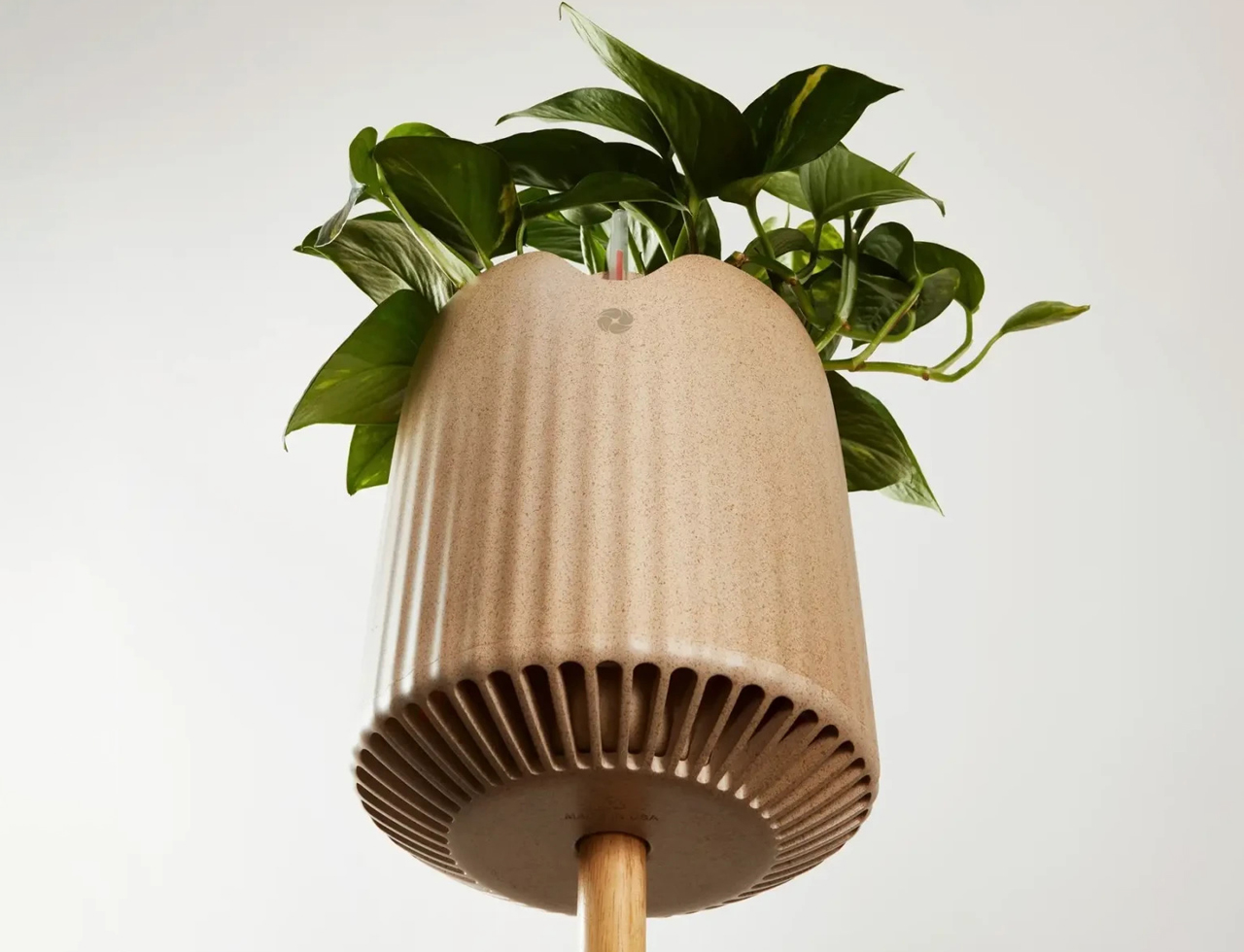
Neo PX combines Marble Queen Pothos with specialized bacteria that break down volatile organic compounds (VOCs). It features a self-watering pot, which makes maintaining these plants easy while they work to keep your air cleaner. Using biodegradable materials also makes this an eco-friendly addition to any room.

7. Low-VOC Cleaners

Volatile organic compounds (VOCs) found in many conventional household cleaners can significantly degrade indoor air quality. Instead, opt for low-VOC or eco-friendly cleaning products. These alternatives clean effectively without adding harmful chemicals to the air, allowing you to maintain a fresh environment.

Switching to these products is an easy way to maintain cleanliness and air quality, reducing unnecessary pollutants in your indoor space.

8. Reduce Dampness

Moisture control is vital for healthy indoor air. Excessive humidity can lead to mold growth, contributing to respiratory problems and allergies. Leaky pipes, poor ventilation, and condensation all contribute to excess dampness. Using dehumidifiers and fixing leaks can keep humidity levels in check and prevent mould growth.

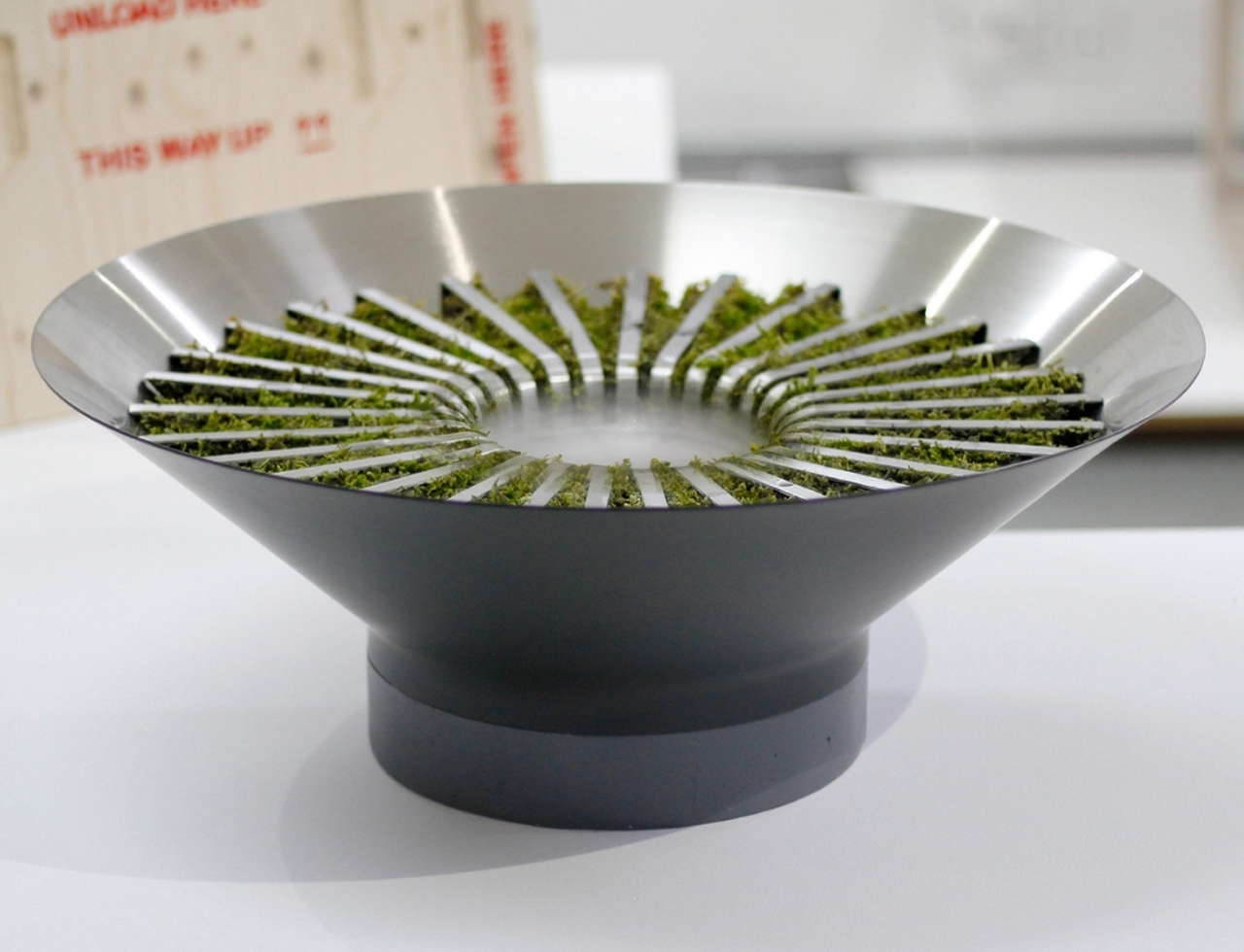
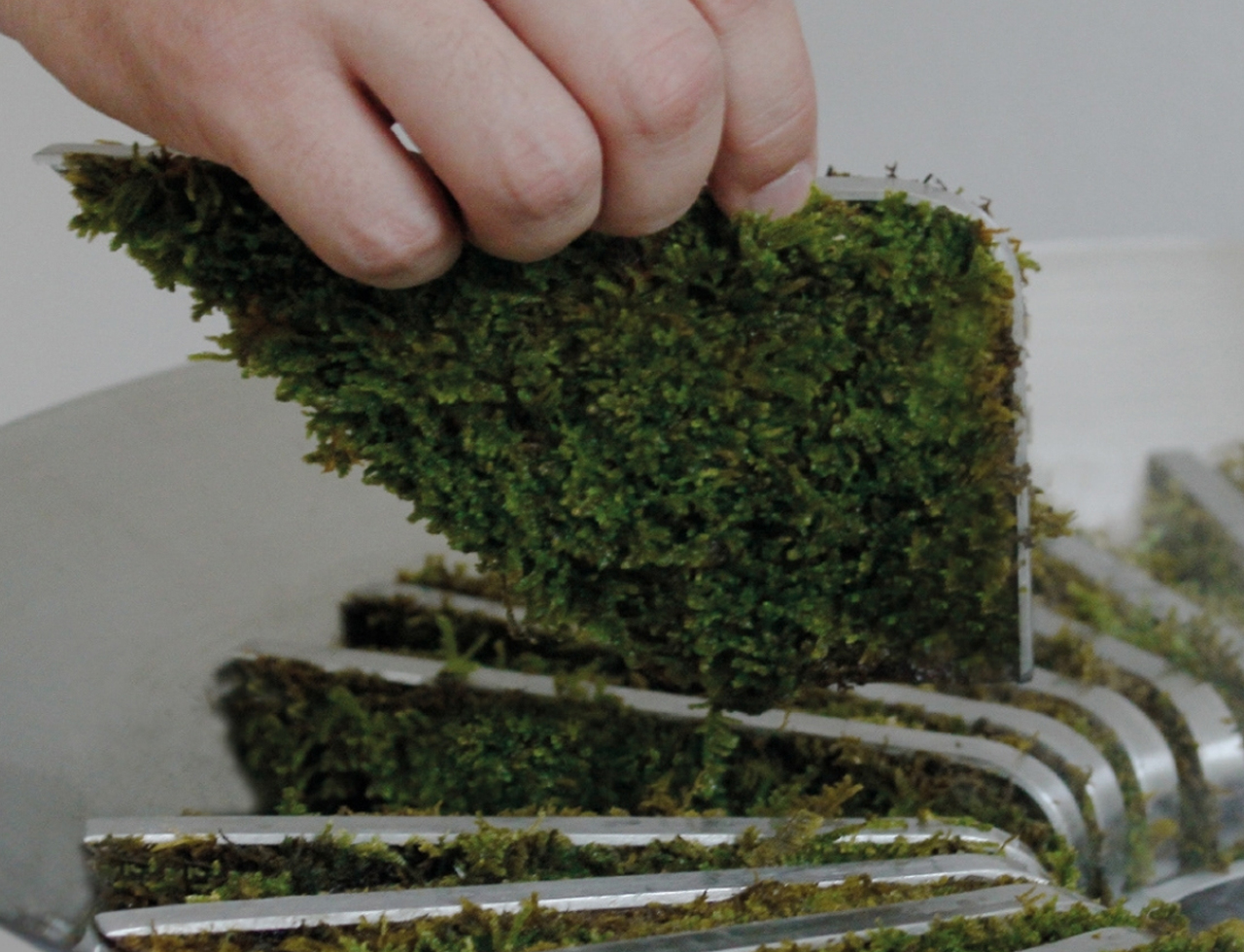
The Moss Humidifier combines the natural properties of moss with artificial humidification. The moss actively filters pollutants, while the integrated humidifier keeps moisture levels balanced. This eco-friendly solution helps maintain a healthy indoor environment without relying on chemicals.

9. Use a Kitchen Chimney

Cooking emits pollutants like carbon monoxide that can quickly fill your kitchen and home. Using a chimney or an exhaust hood helps to filter and remove these particles, reducing harmful gases and keeping your air fresh. Kitchen chimneys are crucial for removing smoke, grease, and cooking odors from your living space.

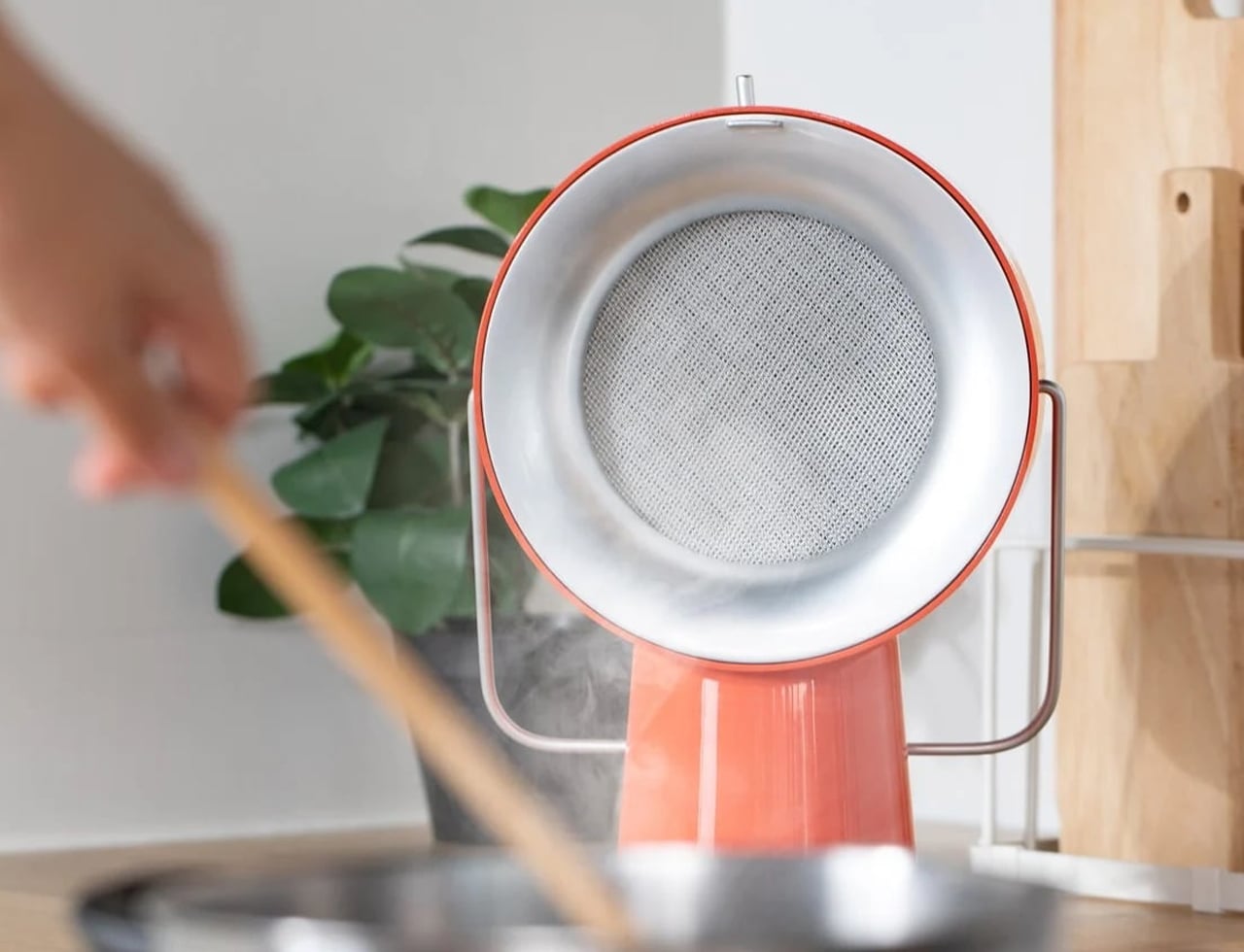
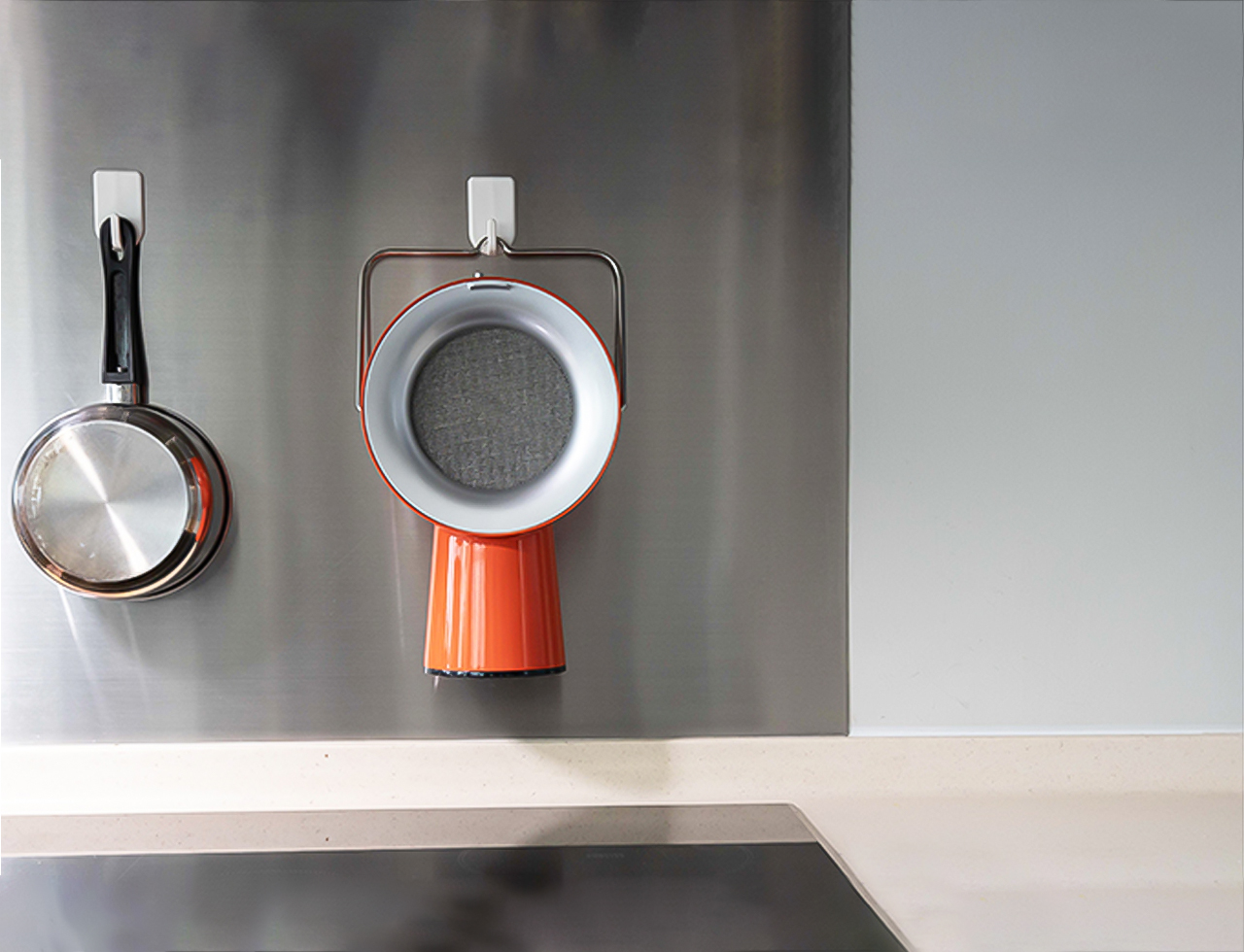
AirHood is an effective portable range hood with a powerful fan and charcoal filters for neutralizing odors and smoke. Its lightweight and flexible setup allows it to be moved wherever needed, making it ideal for kitchens without a built-in ventilation system.

10. Clean Rugs and Carpets

Rugs and carpets trap dust, dirt, and allergens, which can compromise indoor air quality if left unchecked. Regular vacuuming and deep cleaning can remove these harmful particles. High-quality vacuums, especially those with HEPA filters, can reduce allergens and improve the overall air quality.

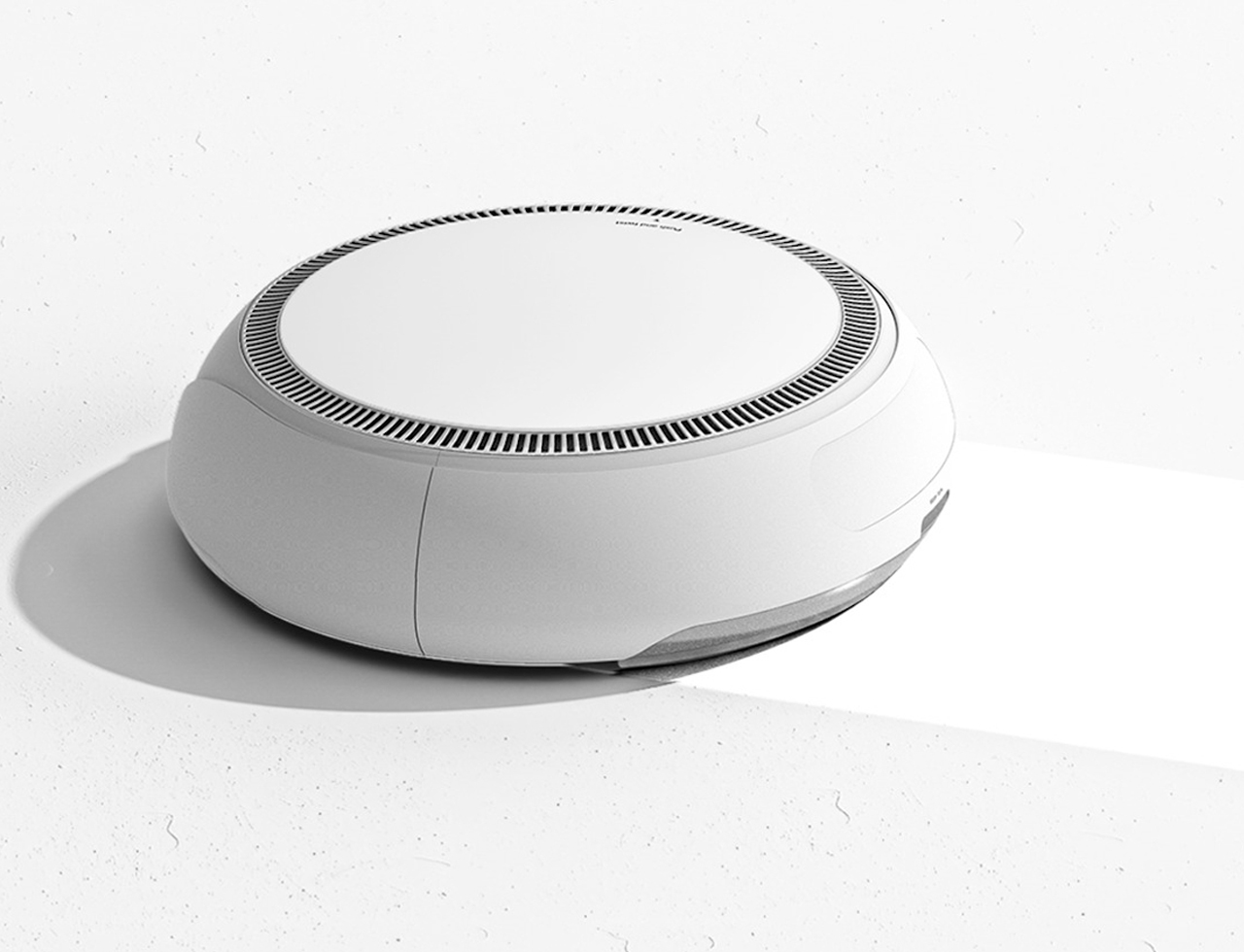
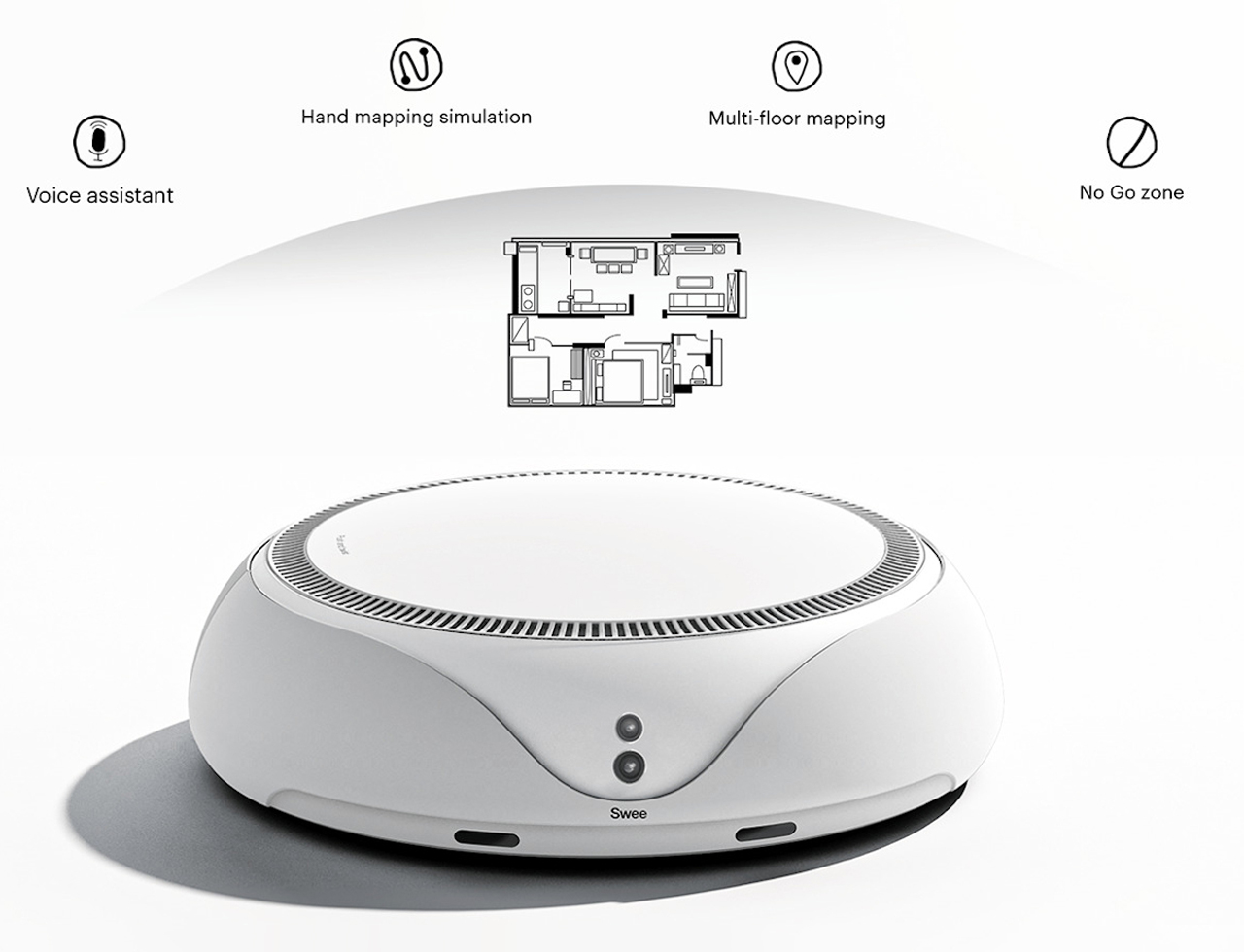
Swee is designed to keep carpets and rugs free from dust and dirt with minimal effort. Its tapered profile and powerful cleaning system help remove allergens, while its innovative design fits seamlessly into any modern living space.

The post Breathe Easy: 10 effective steps and products to purify your home’s indoor air first appeared on Yanko Design.

Top 10 Ways to Use Bamboo in Contemporary Design

With concerns rising about climate change and the demand for eco-friendly solutions, bamboo has become a top choice. The growing popularity of bamboo products is largely due to their positive environmental impact. Though bamboo is commonly found in furniture and flooring, it’s not considered wood but rather a grass with distinct composition and growth patterns compared to tree wood where its tightly packed fibers contribute to its durability and strength.

Those very properties, however, make it quite ideal for some designs, and there is a wide range of applications of bamboo in furniture, accessories, or even architecture. It is becoming a widely-used alternative to wood because of its faster growth rate and ubiquity, not to mention its unique properties and deep roots in antiquity. Here we explore not only the reasons why bamboo is such a popular choice but also the variety of uses it has in contemporary product design.

Designer: Deepak Dadheech

Why is Bamboo the best material for sustainable product design?

Just like regular wood, bamboo is a renewable resource for production materials. Unlike typical trees, however, it’s often easier to grow and take care of. With minimal chemical and water requirements, bamboo stands out as an eco-friendly material that absorbs more carbon dioxide than cotton or timber and releases oxygen to enhance air quality.

As a material, it also offers plenty of unique properties that make it suitable to replace not just hardwood or metal but even plastic or fabric. Here are some of the reasons why bamboo has become such a darling in the product design industry, especially compared to less sustainable options.

Image courtesy of: wirestock

  • Eco-Friendly Material – Bamboo’s self-regenerating nature and rapid growth with minimal care make it one of the most sustainable alternatives to plastic or metal.
  • Cost-Effective – Bamboo is an affordable material that allows designers to experiment with the material and integrate it into their designs.
  • Versatile Material – Bamboo is a versatile material that can be used to create various products like fabrics, towels, brushes, and furniture.
  • Highly Durable – Despite its lightweight, bamboo offers remarkable tensile strength, flexibility, and durability, making it resistant to wear and tear over time, unlike many other materials.
  • Strong yet Soft – Bamboo offers durability comparable to popular hardwoods, ensuring long-lasting beauty and functionality.
  • Grown Naturally without Chemicals – Bamboo is grown without pesticides or chemical fertilizers, and its 100% biodegradable fiber grows rapidly due to its grass-like nature
  • Aesthetically Appealing – Bamboo’s natural sheen and silk-like texture enhance the visual appeal of different products and provide a luxurious feel.

Image courtesy of: Lobachad

What are the trending uses of bamboo?

Given the versatility of bamboo, it’s no surprise that it has been used in a wide variety of product designs. It’s not just the usual furniture or accessories either, as some consumer electronics have even adopted this wonder material. Bamboo doesn’t just bring sustainability but also a touch of style to designs that use it.

Of course, not all products can simply use bamboo material willy-nilly, since the material is still wood. With some creative thinking, however, bamboo can be utilized for almost anything, including textile! Here are ten examples of bamboo being used in modern products to elevate their quality both from without and within.

1. Bamboo Furniture

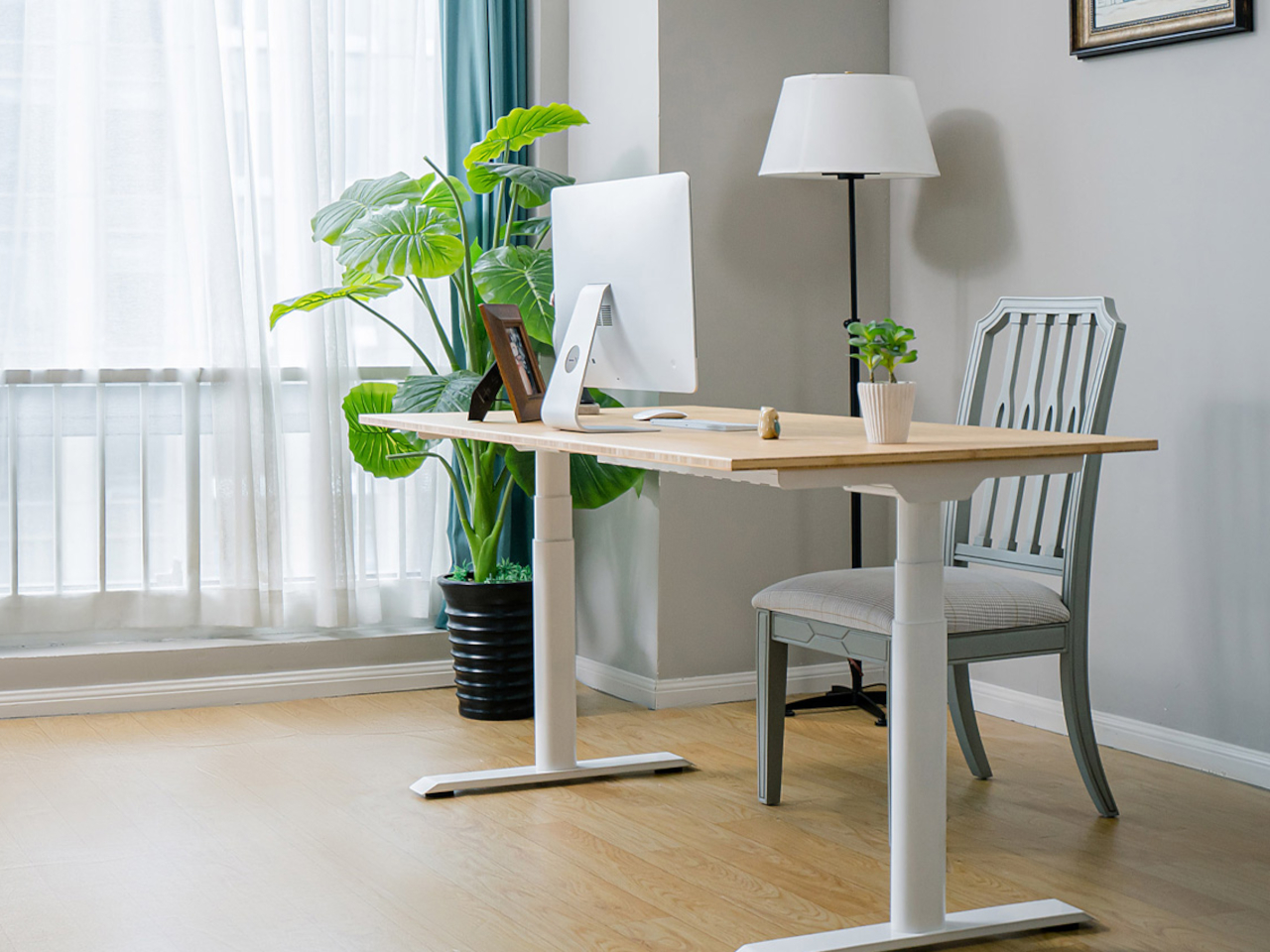
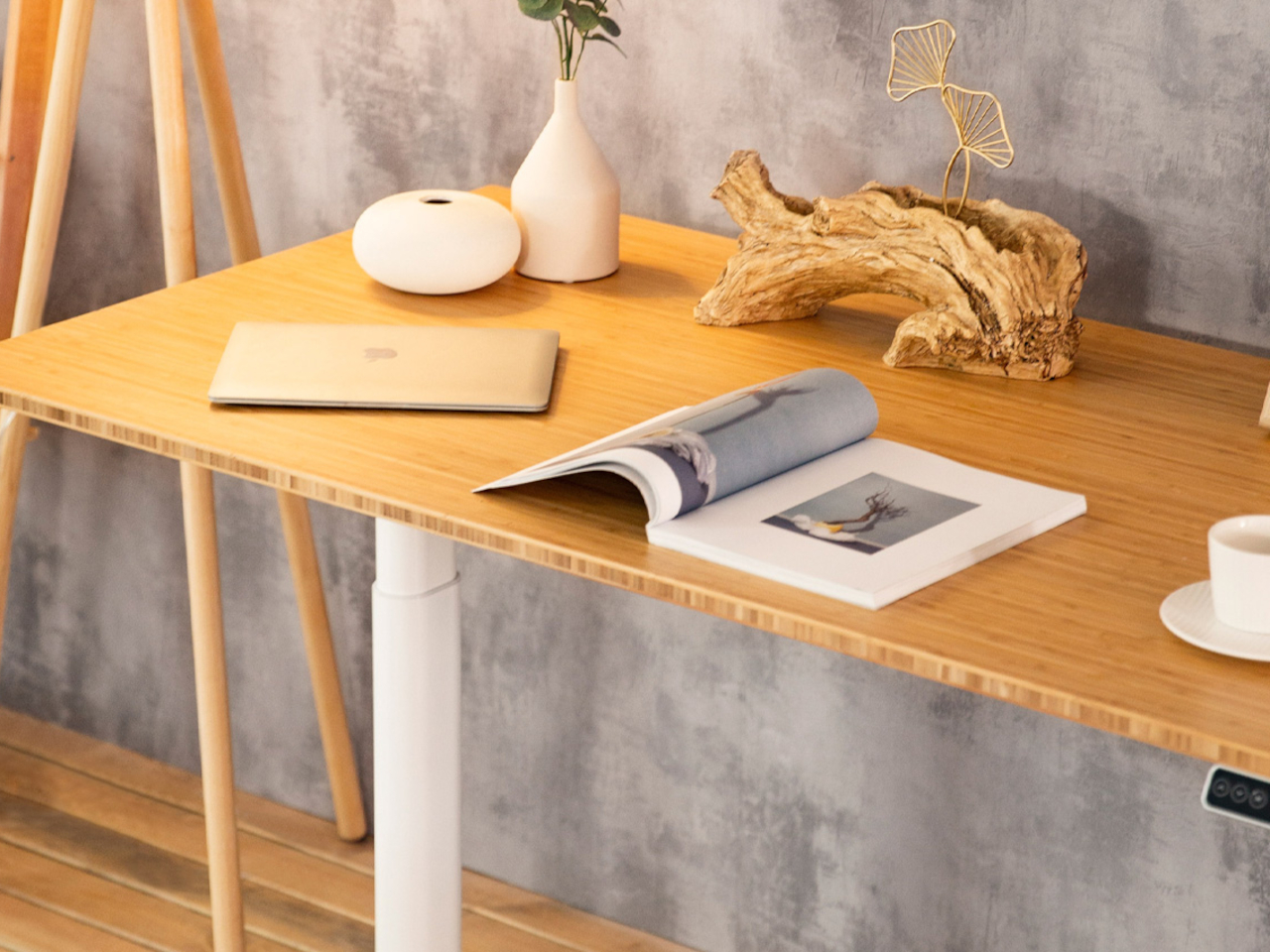
In the Kana Pro Bamboo Standing Desk by FlexiSpot, form meets function in a sustainable package. Crafted with a bamboo desktop that exudes warmth and durability, this desk elevates any home office aesthetic. With its dual-motor lifting system, one can adjust the desk’s height to one’s, ensuring ergonomic comfort. Safety features like anti-collision technology and a child lock alongside an integrated cable tray keep wires organized, while the additional lacquer coating enhances resistance to scratches, water, and insects.

Designer: FlexiSpot

The design is simple and doesn’t hide the wooden nature of the bamboo tabletop. Instead, it proudly displays the grain patterns unique to wood that give the slab its own character. It takes the elegance of natural bamboo strips and puts them on top of an ergonomic desk for a luxurious and comfortable working experience.

2. Electronic Devices

Using wood with electronics isn’t a popular design, especially ones that get exposed to moisture and the elements regularly. Used properly, however, it can turn a utilitarian product into a fashion statement, making a device an extension of one’s character and tastes.

Designer: Aakansh Chaturvedi

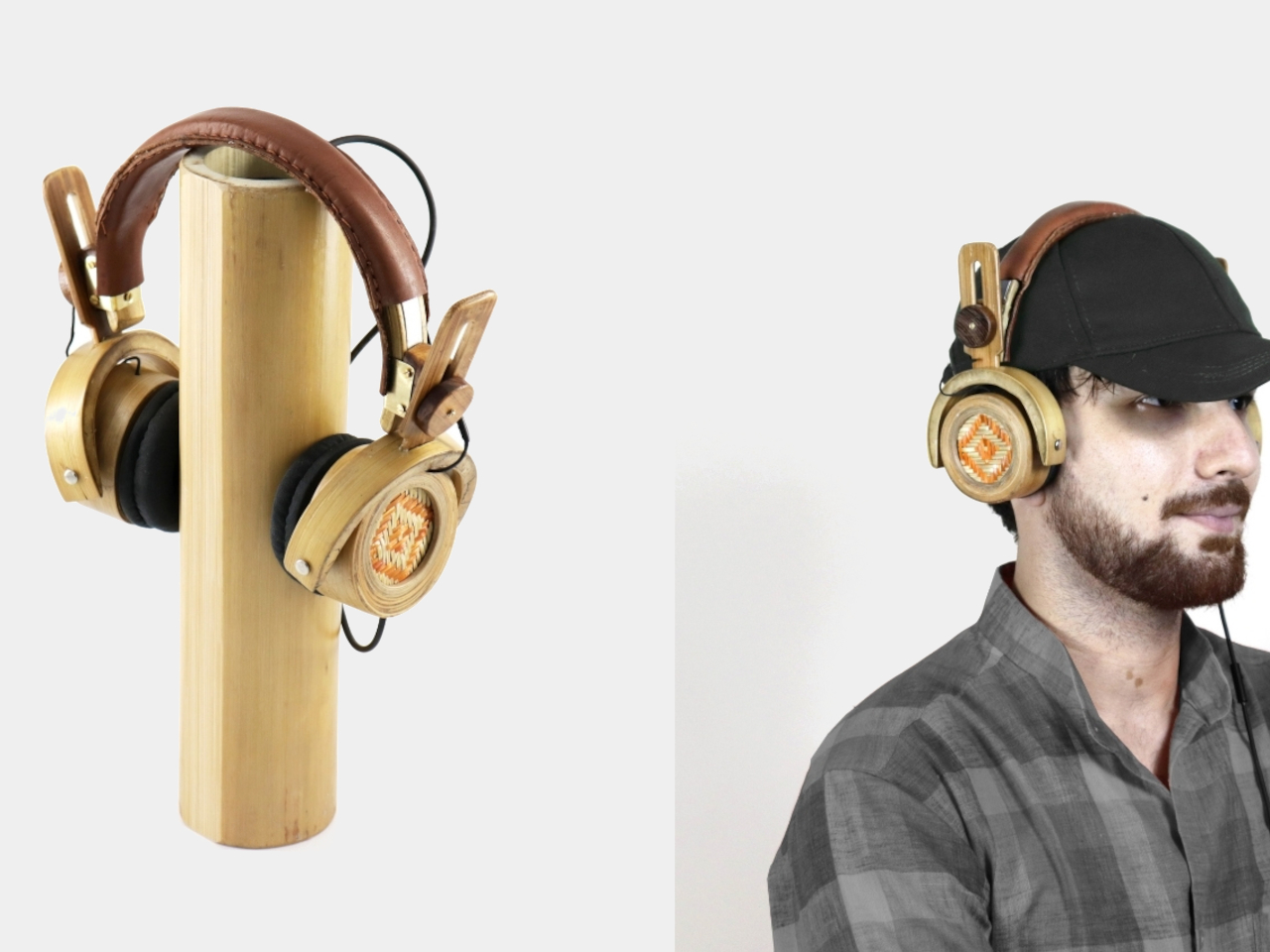
The Bambass headphones are a sustainable innovation that merges bamboo weaving with modern design. Crafted with eco-friendly materials like bamboo and vegan leather, these open-back headphones offer both style and functionality. The adjustable design ensures comfort, while the use of bamboo provides enhanced sound insulation. With a commitment to reducing e-waste, Bambass represents a step forward in eco-conscious electronic accessories.

3. Bamboo Towels

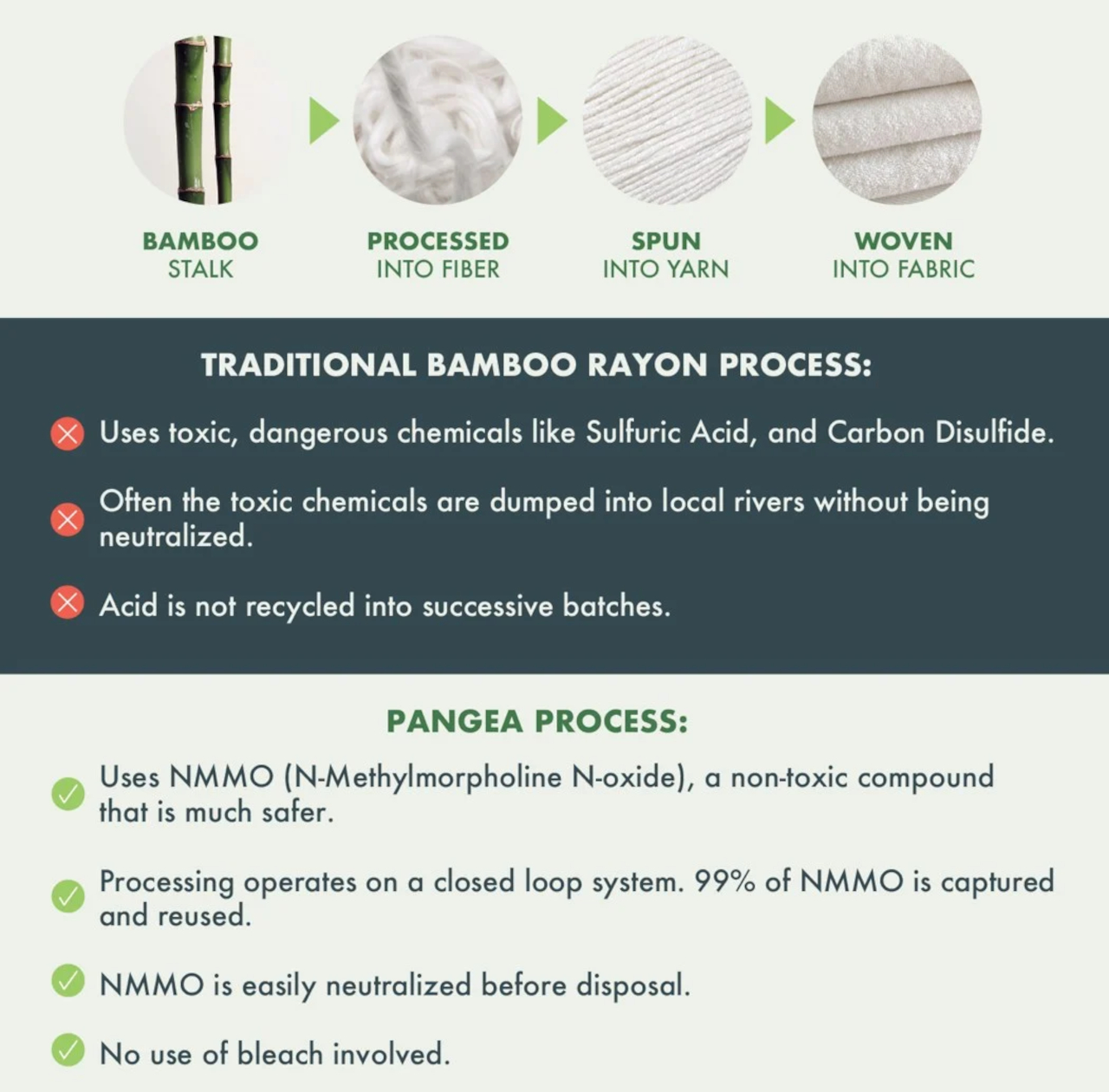
Bamboo is wood and wood is hard, so you’d presume that you can only use bamboo for similarly hard products. Unlike most trees, however, bamboo stalks are actually flexible and fibrous, making it possible to actually transform them into yarn and fabrics. What you get is textile that’s sustainable on many levels while still providing the basic properties of regular cloth.

Designers: Marcos Bulacio, William Di Ricco & Juan Sebastian Duque of Pangea Movement

PANGEA’s Bamboo Adventure Towel 2.0 is not just eco-friendly; it’s carbon-negative, actively removing more carbon from the atmosphere than it emits. Crafted entirely from 100% bamboo fibers, dyed with natural colors, and featuring a waffle pattern for enhanced absorption, it outperforms traditional microfiber towels. Designed for outdoor use, it’s naturally hypoallergenic, and antibacterial.

4. Bamboo Plates

Plates made of wood aren’t exactly new, especially in some cultures that emphasize a strong association with food and nature. Bamboo, however, opens up even more possibilities not only in terms of design but also sustainability. Reusing cutoffs, for example, helps reduce the need for raw materials even further, as demonstrated by this creative plate design.

Designer: KNORK

Knork’s Sustainable Eco Plates feature a unique shape that comfortably holds wine glasses, perfect for eco-conscious entertaining. Made from bamboo and sugarcane offcuts, they contribute to a zero-waste future. The plates’ intelligent design includes space for wine glasses and hanging Knork Eco utensils. Crafted from Astrik resin, they’re biodegradable, dishwasher-safe, and decompose into compost in two years. These durable, sustainable plates minimize environmental impact, setting the stage for eco-friendly parties.

5. Bamboo Inspired Aesthetics

gif1

Designer: Kim Minsu

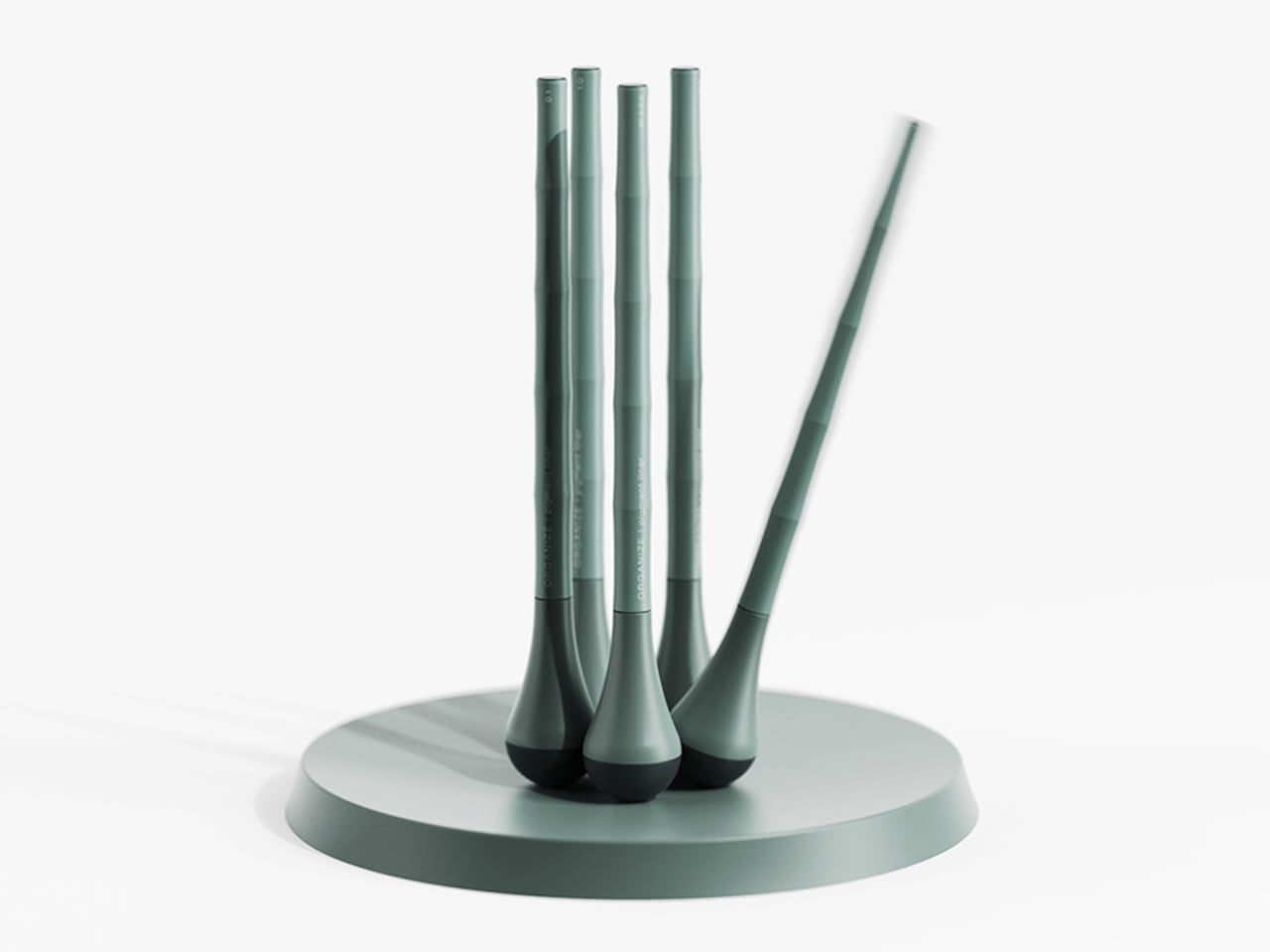
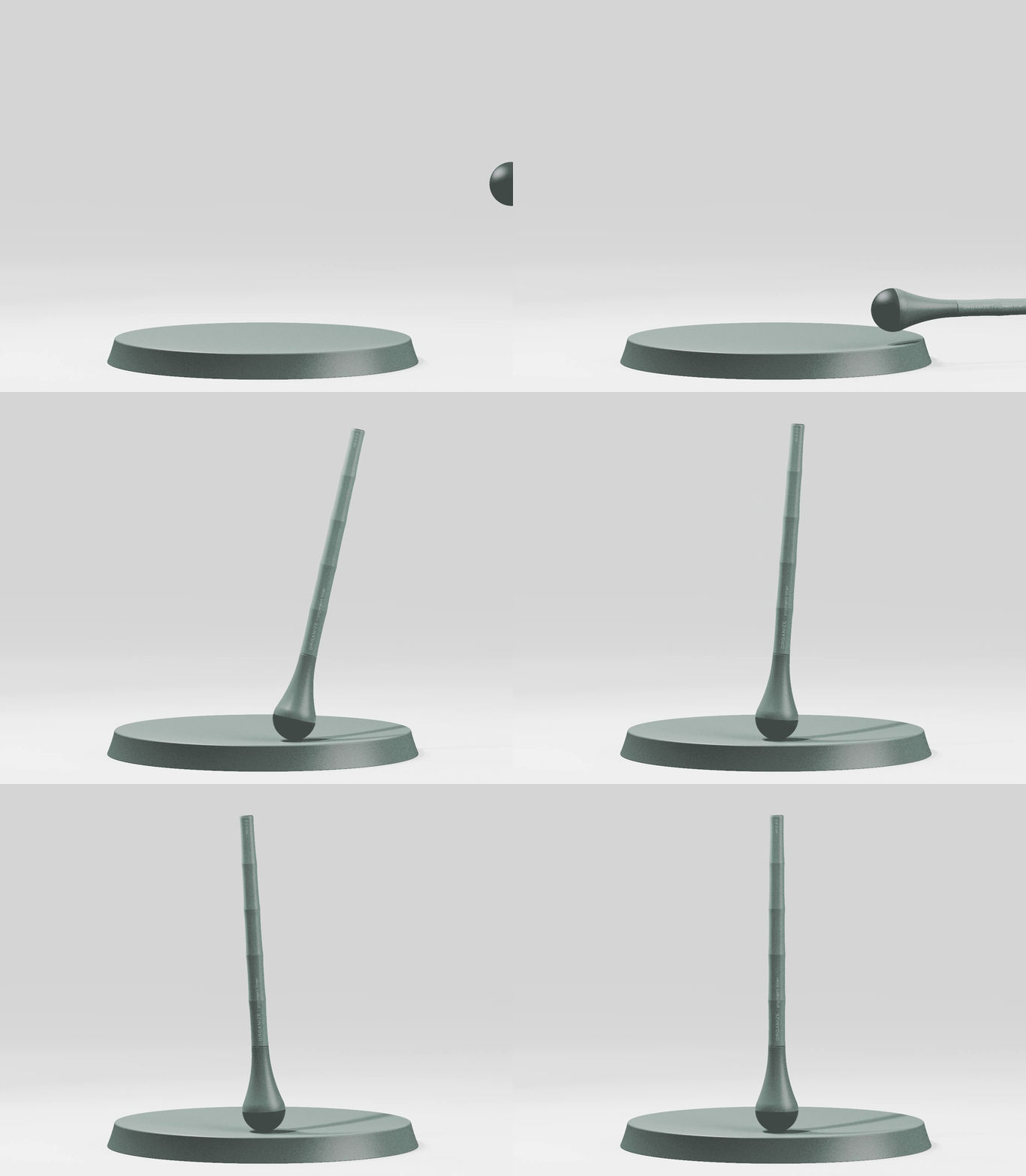
These minimal bamboo-inspired pens feature a magnetic base for self-organization. Designed by Kim Minsu, they resemble the aesthetic appeal of bamboo plants. The pens return to an upright position on the flat base, ensuring easy access whenever needed while adding a stylish touch to any workspace.

Designer: RONG Design

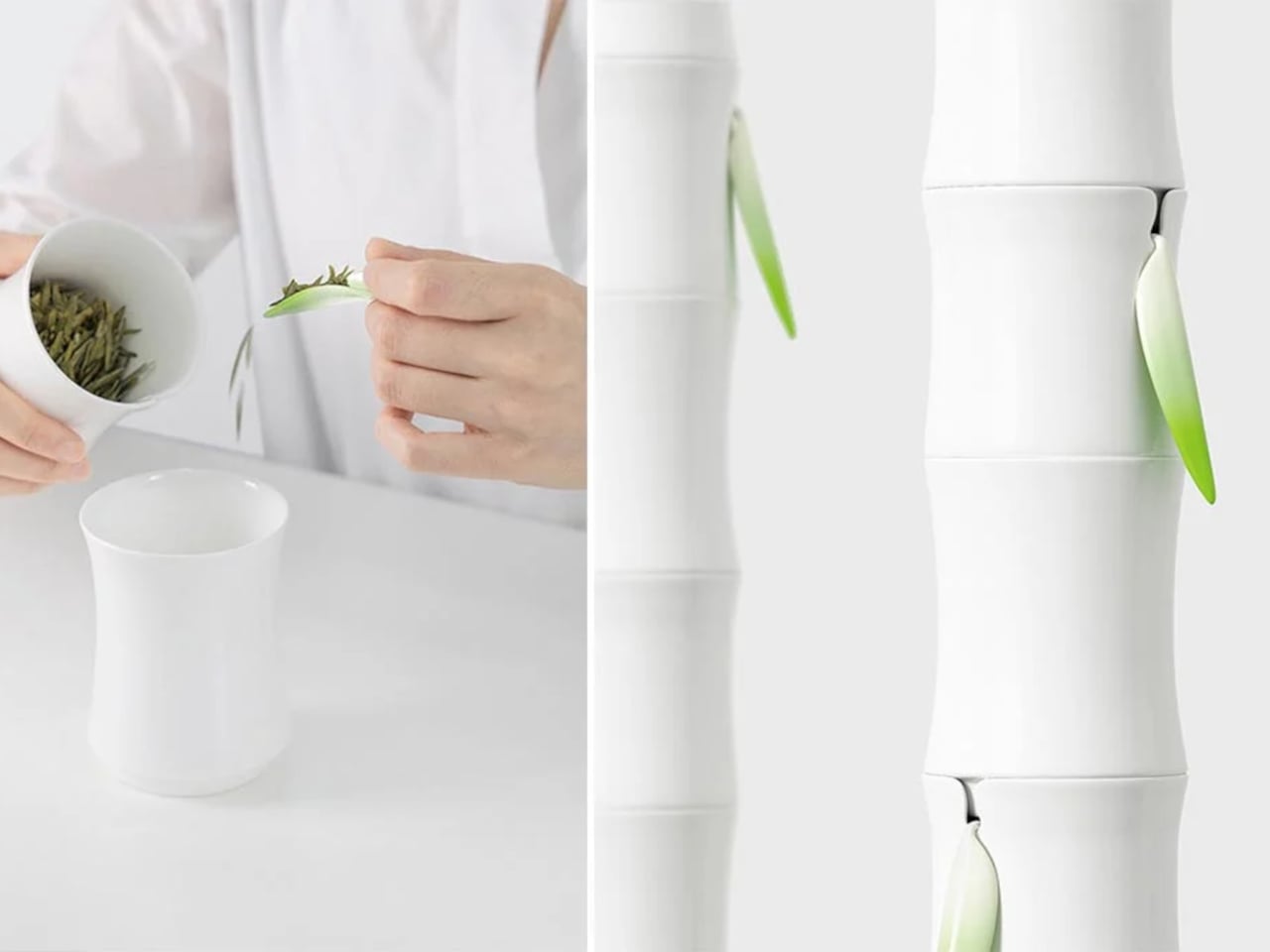
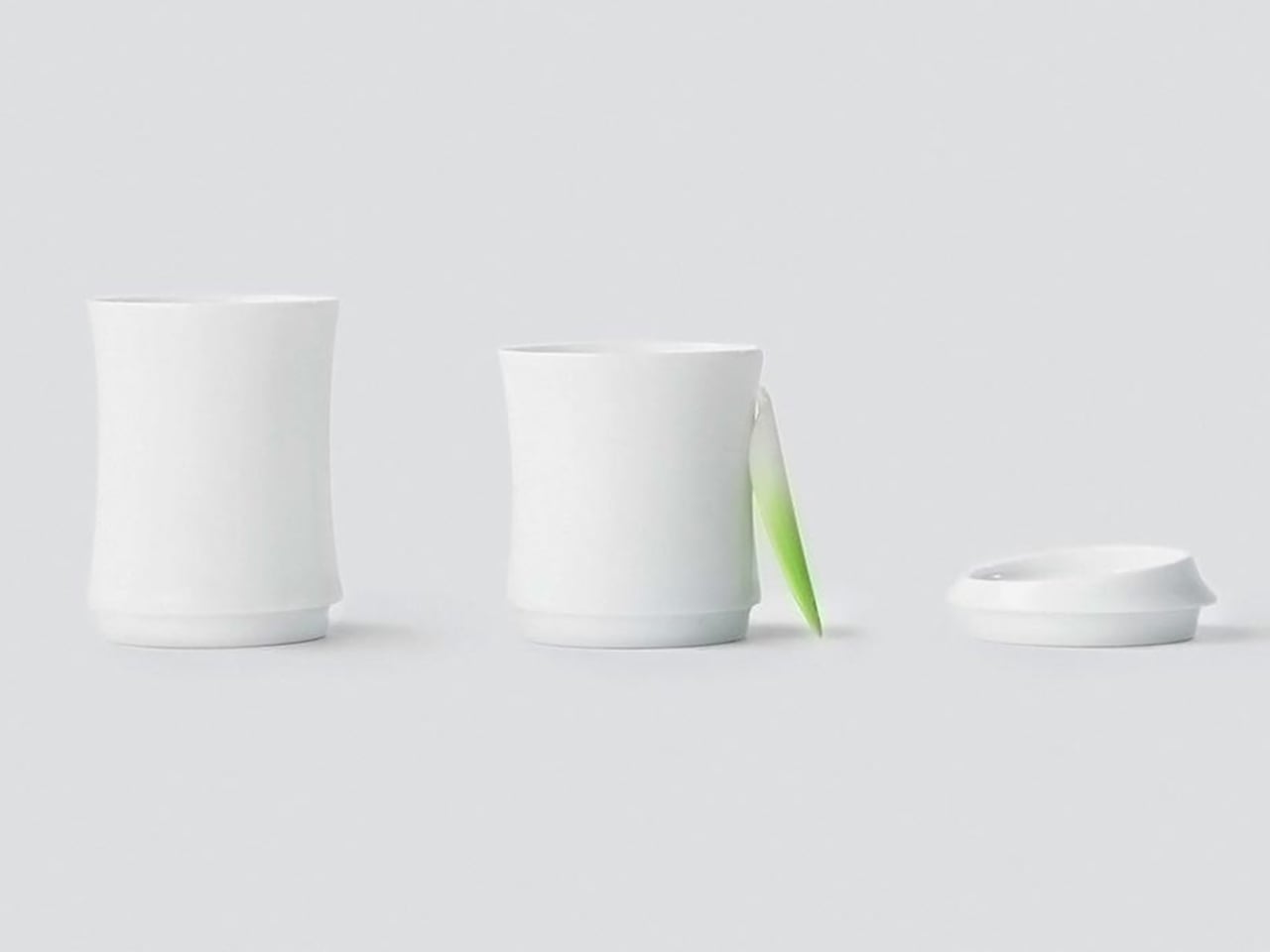
This minimalist tea set, designed for a luxury hotel brand in Jintan District, southern China, integrates the region’s renowned bamboo and high-grade green tea. The set, resembling bamboo, comprises a teacup, teapot, and tea spoon that stack to form a bamboo shape, symbolizing the traditional tea brewing process. This design seamlessly blends elegance with functionality, offering a serene addition to any kitchen.

6. Bamboo Toothbrush

There is so much plastic around us that we have become desensitized to their presence and effects on the environment. Even the toothbrushes we use to keep your teeth healthy is pretty much completely made of different kinds of plastic. Considering how often we replace these products, their accumulated numbers in landfills can be quite staggering.

Designer: NOS

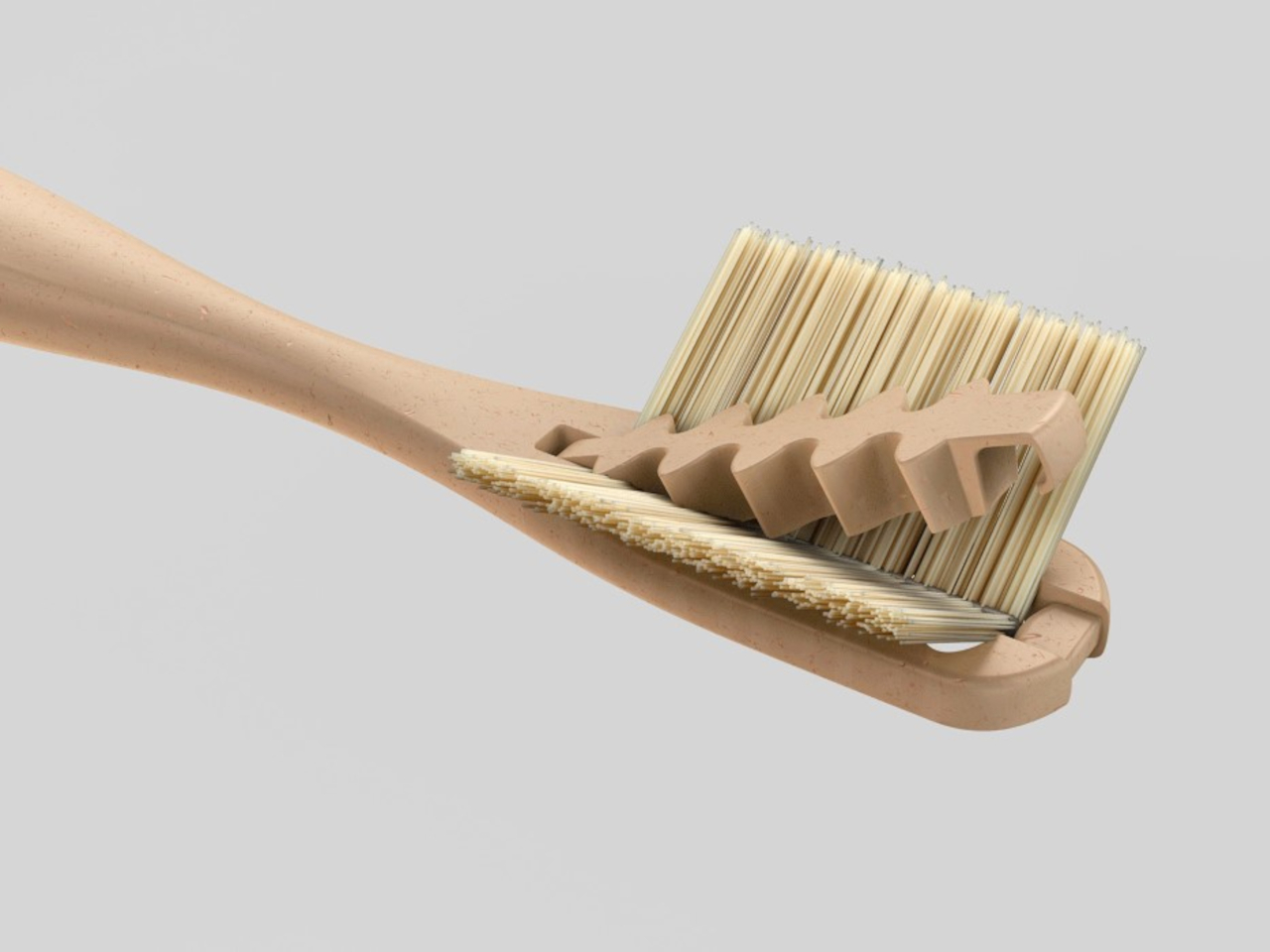
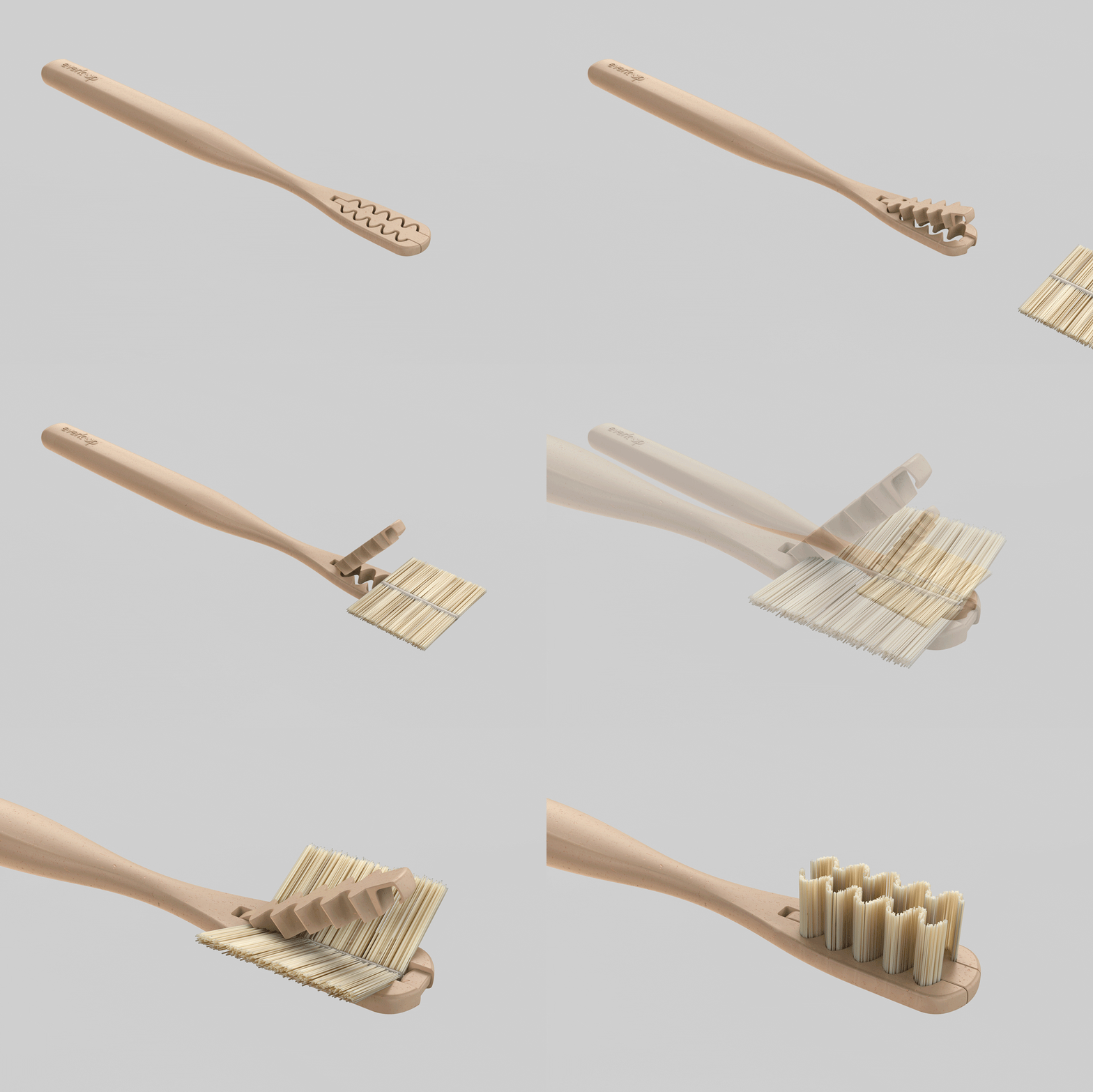
The Everloop Toothbrush features an innovative design that allows for the replacement of its bamboo bristles. Made by NOS, this toothbrush addresses the alarming issue of plastic waste, with billions of toothbrushes being discarded each year. Its handle is crafted from recycled toothbrushes, while a clamping mechanism enables the attachment of 100% natural bamboo bristles. The plastic handle can be retained and the bamboo bristles can be periodically replaced to ensure that minimal plastic waste enters the environment.

7. Bamboo Pet Furniture

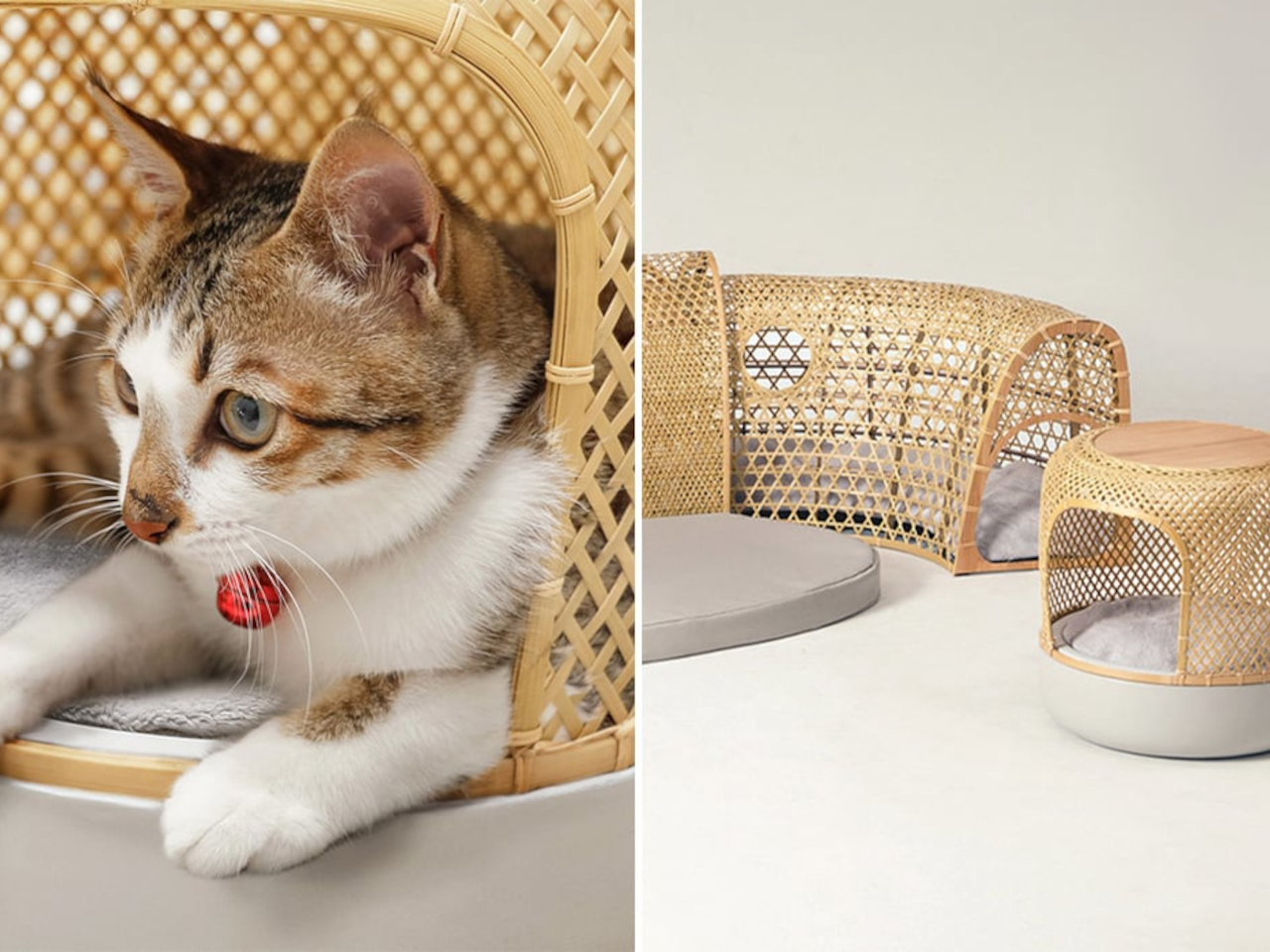
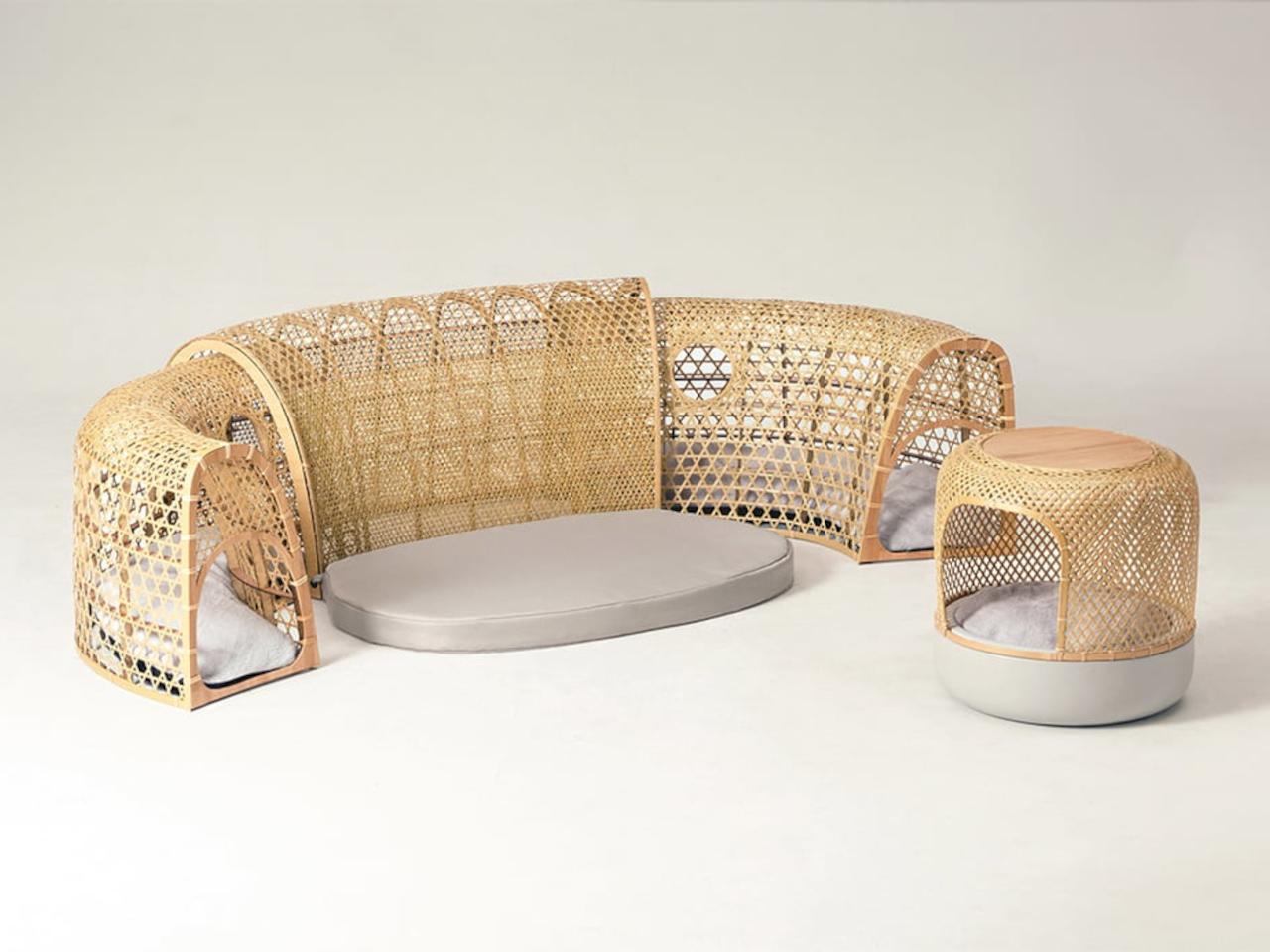
Humans aren’t the only ones who can enjoy bamboo-based products. With the rise in the number of pets in households, it’s only natural for pet furniture to also increase, most of which are made using plastic. Of course, not every piece or part of the pet furniture should be made of wood, but careful design can yield interesting results. CatYou in a Circle, for example, is an innovative modular cat furniture designed to serve as a lounge for both owners and pets. This set includes a floor sofa and coffee table, offering a relaxing space for cats and their owners.

Designer: Jack Dogson

Crafted with urban living in mind, it addresses common challenges faced by cat owners in compact spaces, providing hiding spots and play areas within the furniture. The woven bamboo design allows for visibility while maintaining boundaries, and adjustable armrests and washable cushions enhance comfort and versatility. CatYou in a Circle’s design balances functionality, style, and the behavioral needs of both pets and humans, making it an ideal solution for modern living spaces.

8. Bamboo Architecture

Designer: Thilina Liyanage

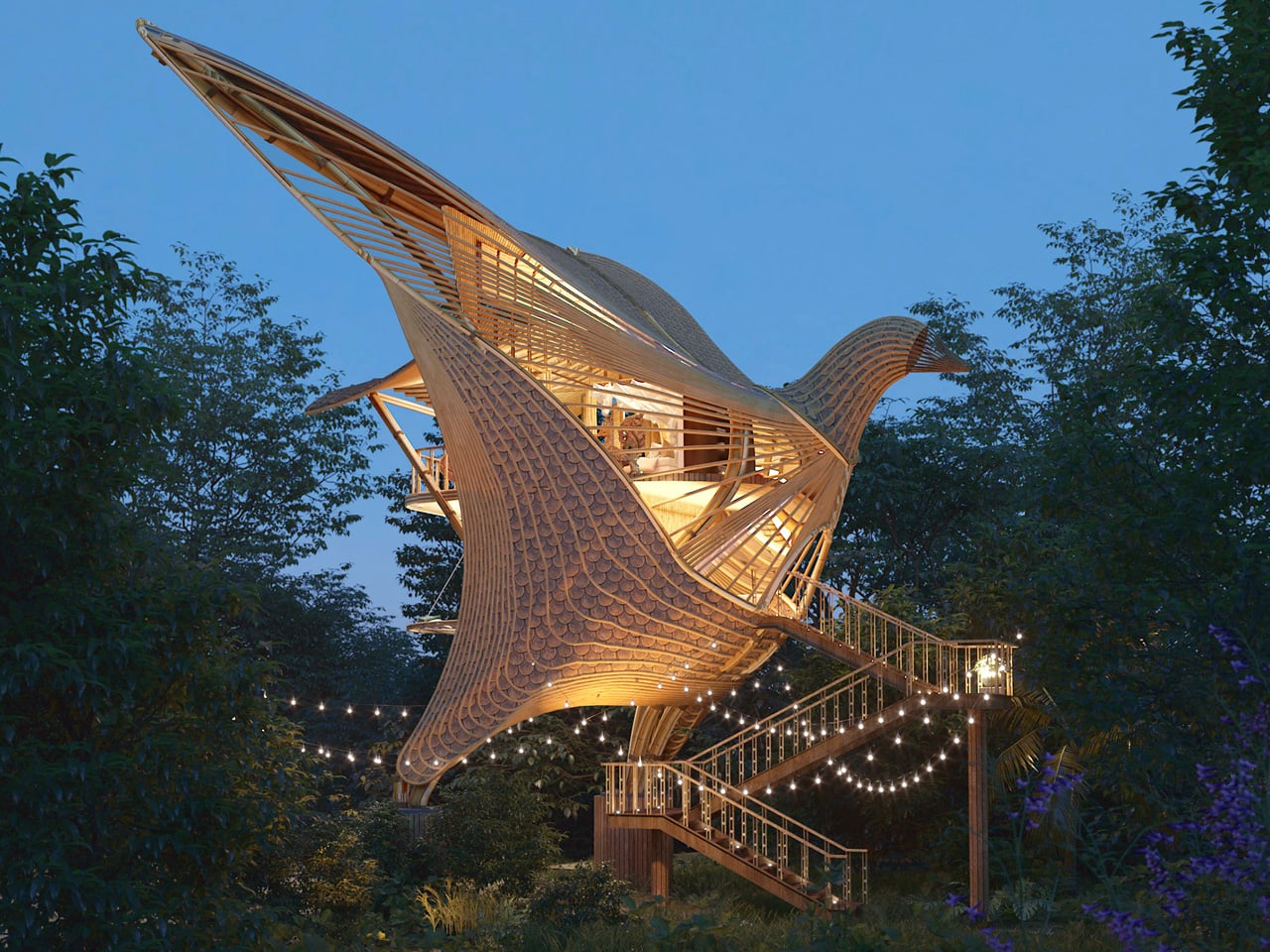
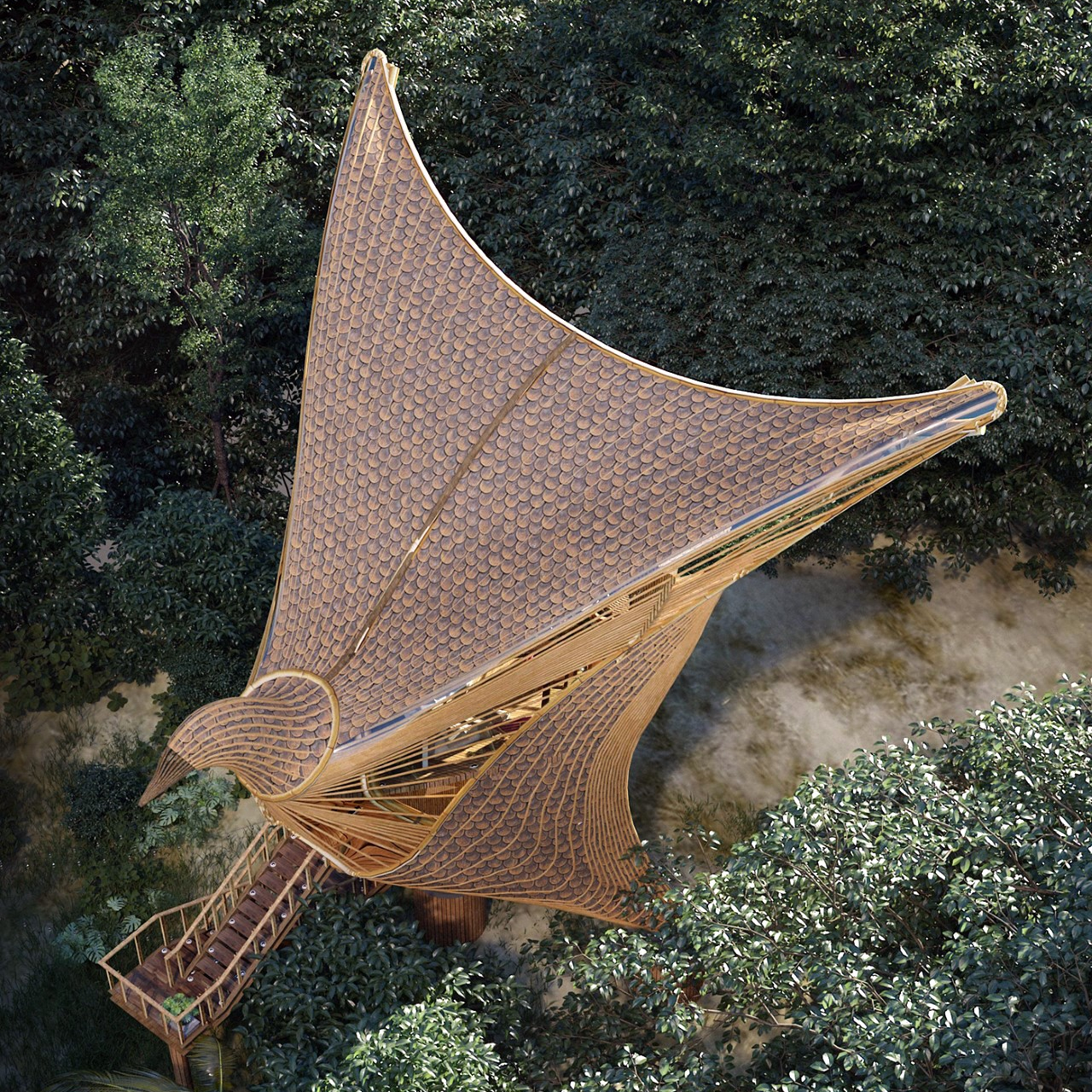
Thilina Liyanage’s “Birdie” is a picturesque bamboo glamping villa that resembles a majestic bird in flight. Located amidst a forest in Sri Lanka, this stunning creation showcases Liyanage’s talent for crafting nature-inspired structures using bamboo and wood. Elevated on stilts, Birdie offers occupants a serene view of the surrounding forest, with two levels providing ample space for a family of three. The upper level features a bedroom with a balcony, while the lower level includes a living space, a toilet, and a cantilever hammock for relaxation. With its bamboo, wood, and tile exterior, Birdie exudes the elegance of a swan about to take flight, creating an illusion of being suspended in the air. The spacious interior, cleverly integrated into the bird’s chest and wingspan, offers a comfortable retreat amidst nature.

Designer: Sarawoot Jansaeng-Aram from Dersyn Studio Co., Ltd.

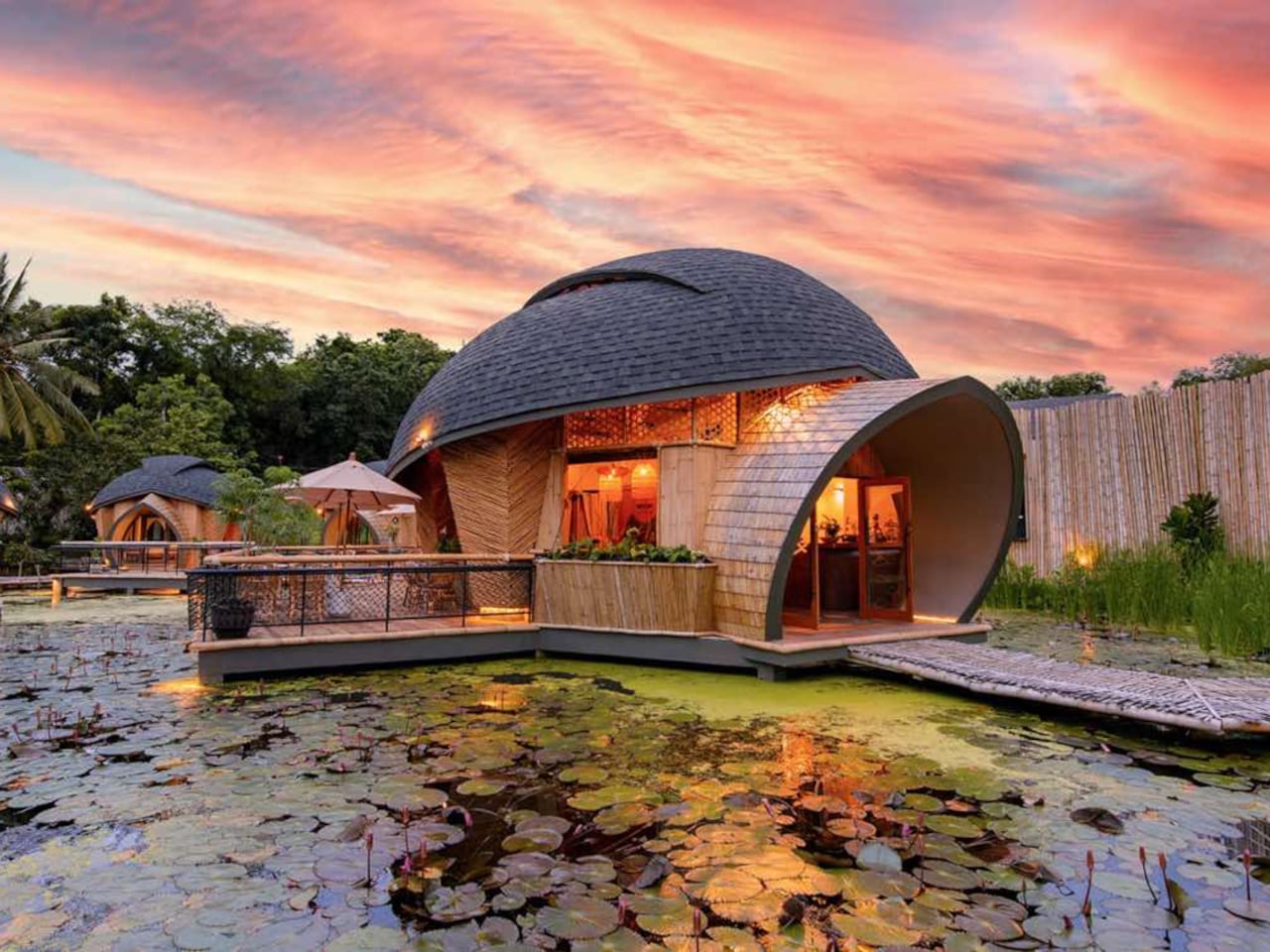
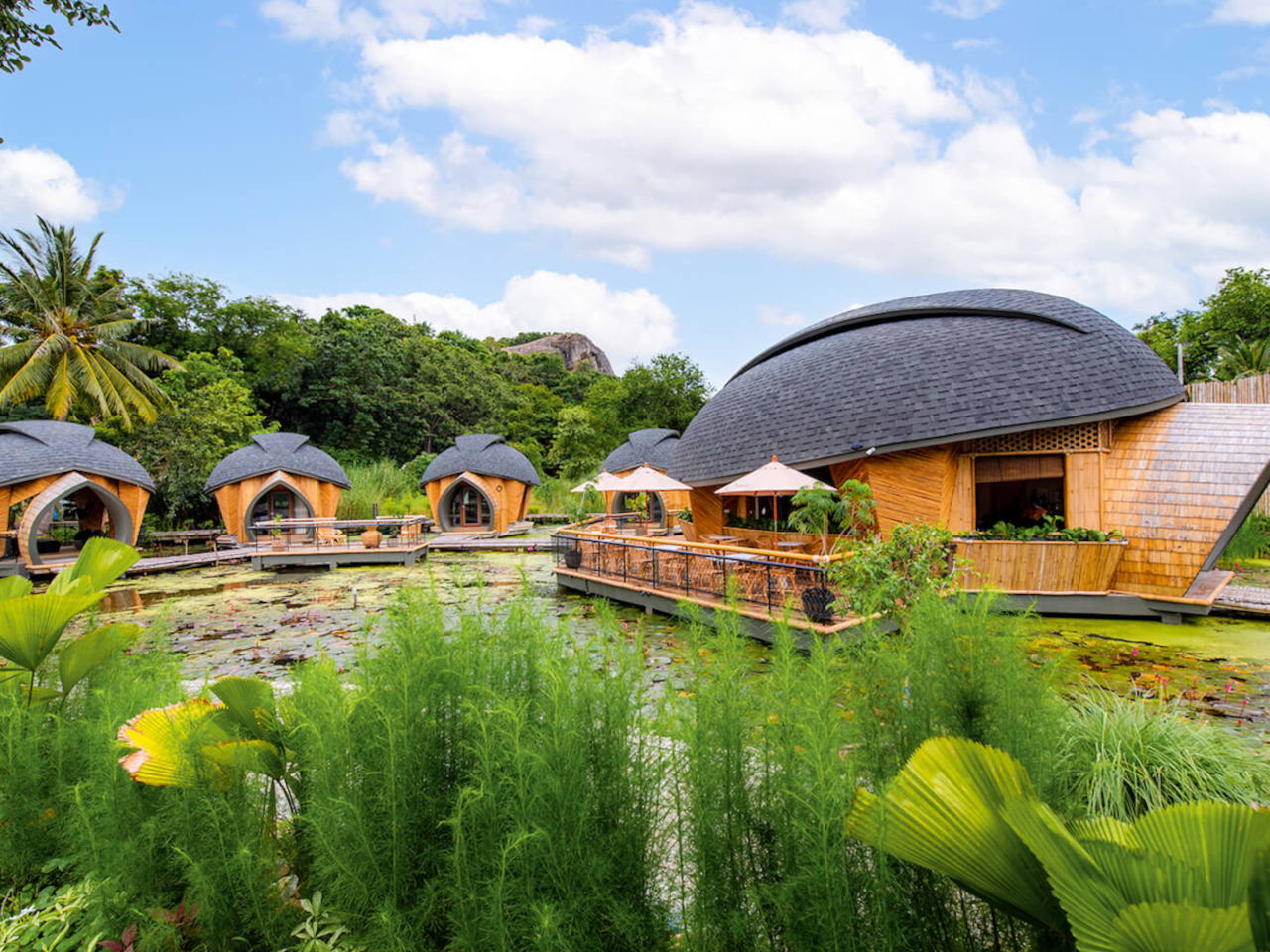
Turtle Bay, situated by Thailand’s Khao Tao Reservoir in Hua Hin, exemplifies eco-tourism through its sustainable design and use of local materials. Architect Sarawoot Jansaeng-Aram’s concept includes floating bungalows crafted to resemble bamboo turtles, featuring shingled roofs and locally sourced bamboo. Embracing the renowned “Poon Tum” technique, known for its natural ventilation and resilience, Turtle Bay showcases a commitment to preserving the ecosystem.

9. Bamboo Cleaning Brush

Just like with toothbrushes, household cleaning tools are mostly made of plastic. Though some brushes do have wooden handles, their bristles are still made of plastic. It’s possible to use different materials, but the usual plastic alternatives are often too expensive to produce.

Designer: NOS Design

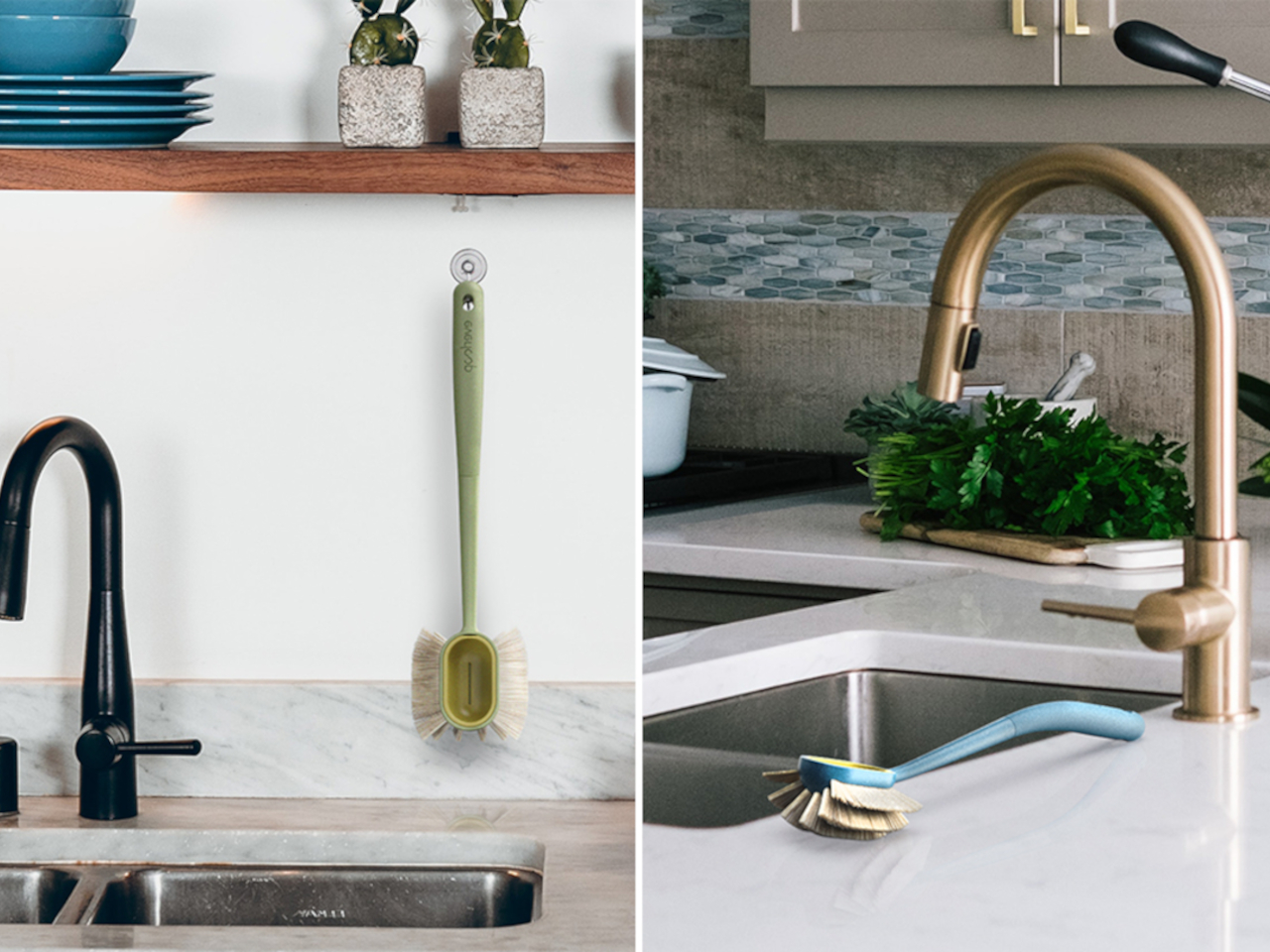
This sustainable dish brush features replaceable bamboo bristles, ensuring infinite reusability. Introduced by NOS, the creators of the successful Everloop Toothbrush, this innovation addresses the mounting plastic waste issue. The brush’s concave lid mechanism doubles as a soap container, while its replaceable bristles, made from natural fibers like bamboo and castor beans, are 100% compostable.

10. Bamboo Packaging

Although phone manufacturers have started removing plastic from their boxes, other products continue to ship packaging with plastic wrap or even plastic containers. Wood isn’t always a better choice for this purpose, but bamboo-based materials can actually help bridge the gaps between plastic, paper, and wood.

Designer: Sony

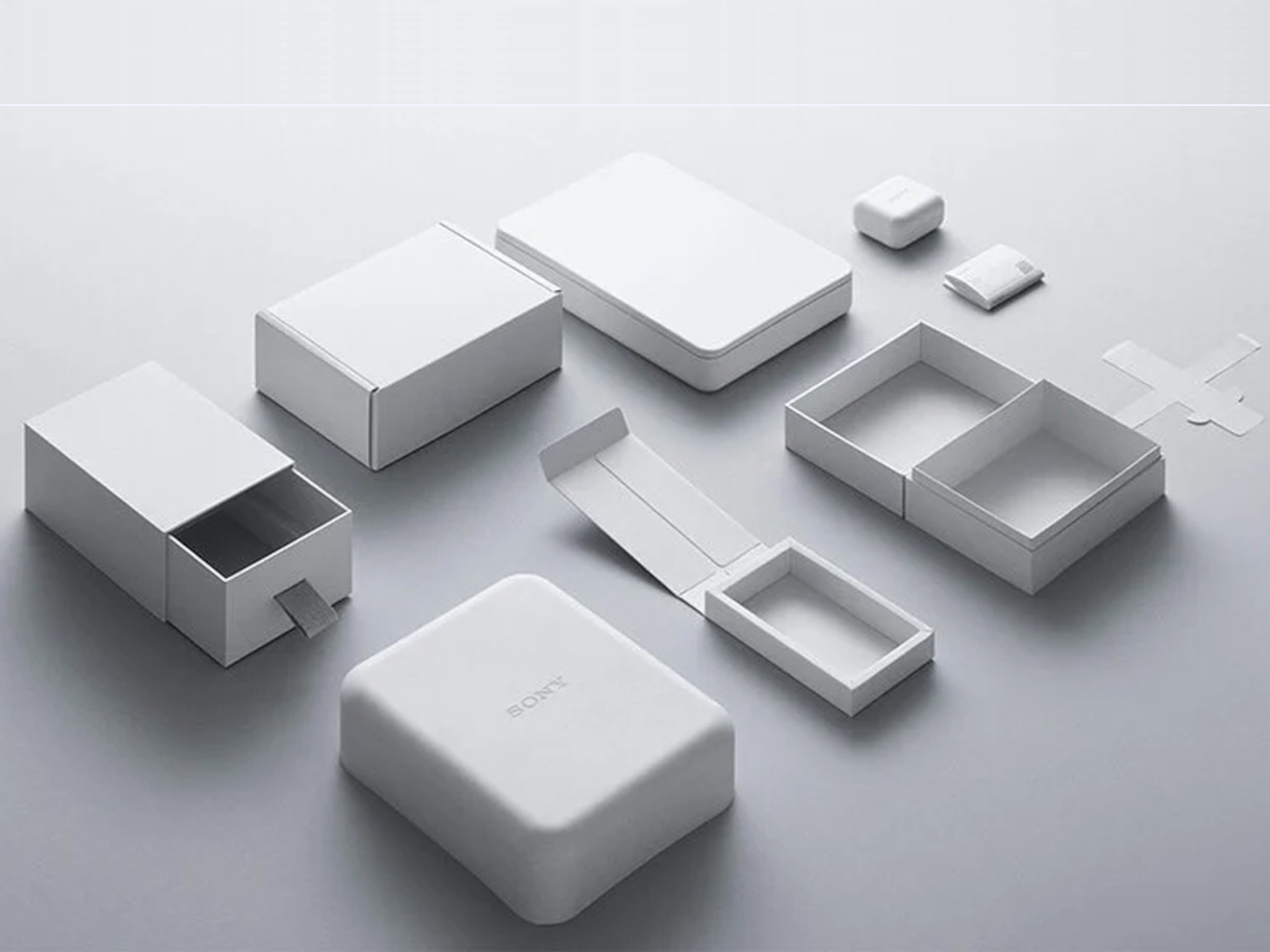
Global brands are increasingly prioritizing sustainability, with initiatives ranging from extending product lifecycles to sourcing eco-friendly materials for packaging. Sony, for instance, has launched its sustainability campaign by adopting recycled paper goods and locally sourced annuals for packaging. Their Original Blended Material, made from bamboo, sugarcane, and recycled paper, reduces CO2 emissions compared to traditional packaging materials sourced from mature trees. By sourcing materials locally and promoting sustainable practices, Sony aims to minimize environmental impact while delivering quality products.

The post Top 10 Ways to Use Bamboo in Contemporary Design first appeared on Yanko Design.

Mastering Innovation: The Essential Guide to Prototyping in Design Thinking

Product design and prototyping encompass the entire journey of turning an idea into a tangible product that users will love. This process starts with in-depth market research—understanding user needs, analyzing data, and identifying key challenges that need addressing. Once the groundwork is set, designers create solutions aimed at solving these challenges in a meaningful way. Prototyping comes in next, acting as a vital bridge between concept and execution. It allows for quick, cost-effective testing and iteration, giving designers the ability to refine ideas based on feedback and insights. This early-stage validation helps prevent costly late-stage revisions, ensuring that the final product is both effective and efficient, saving valuable time and resources.

Designer: Advanced Architecture of Catalonia

What are the advantages of prototyping in product design?

Prototyping is essential in the design process, turning abstract ideas into something tangible that everyone can visualize and understand. It helps align designers, stakeholders, and users on the product’s vision early on, fostering effective communication and collaboration. By identifying potential design flaws before full-scale development, prototyping saves time and resources while reducing risks.

This process also prioritizes user needs by allowing for feedback and adjustments throughout development. Prototypes ensure the product is functional and resonates with users, leading to better usability and overall satisfaction. Ultimately, prototyping accelerates time-to-market and streamlines the design process, resulting in a well-refined, user-focused product.

Enhances Visualization

Prototypes in product design bring concepts to life, allowing designers and stakeholders to interact with the product in a tangible way. This hands-on interaction transforms abstract ideas into something concrete, making it easier to assess how the product will look, feel, and function. By visualizing the product in its early form, teams can better understand the design intent, identify any misalignments with the original vision, and make informed decisions about its direction. This visual clarity also helps ensure that everyone involved—designers, developers, and even potential investors—shares a common understanding of the product, reducing misunderstandings and fostering more efficient collaboration throughout the development process.

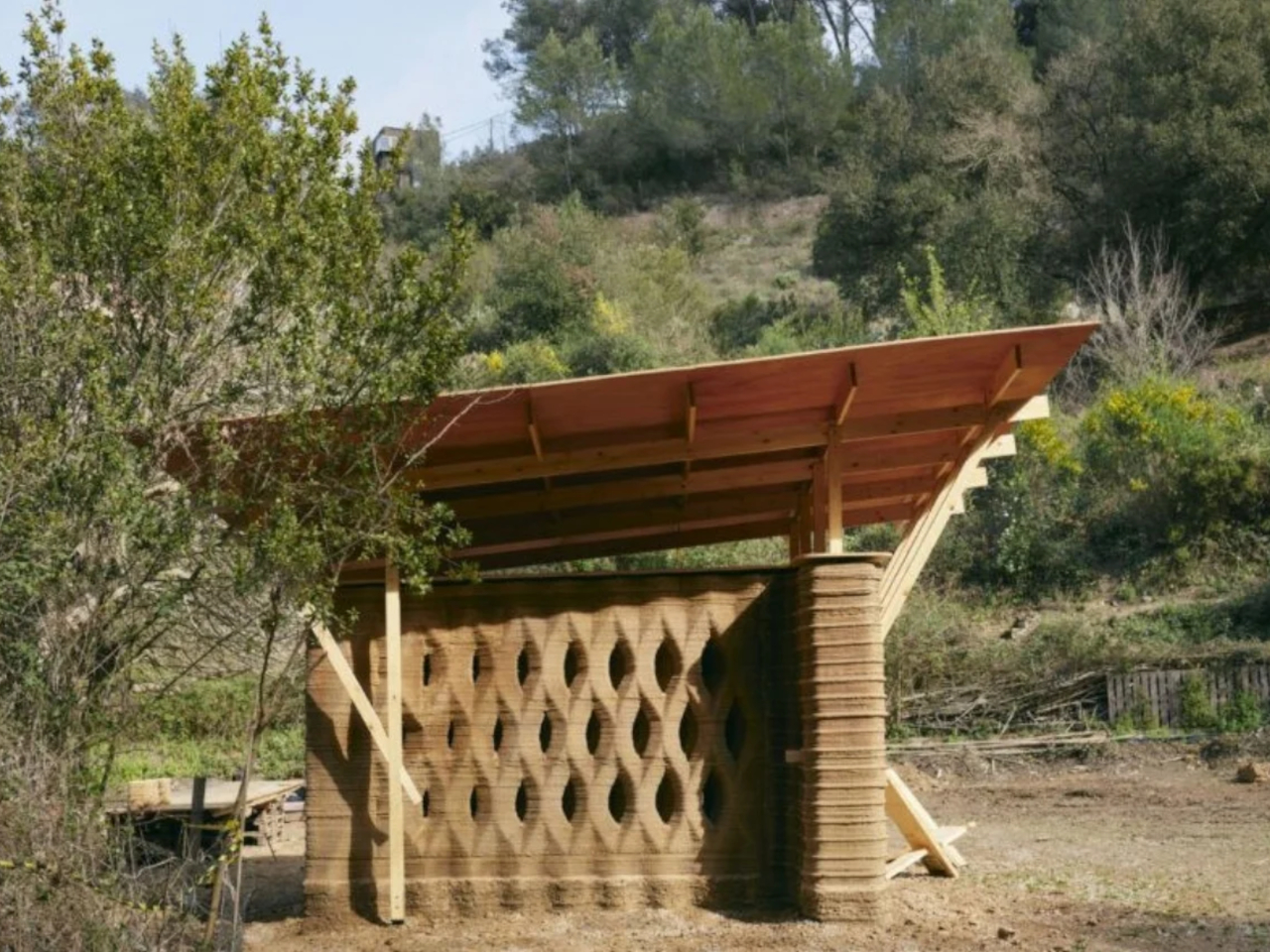
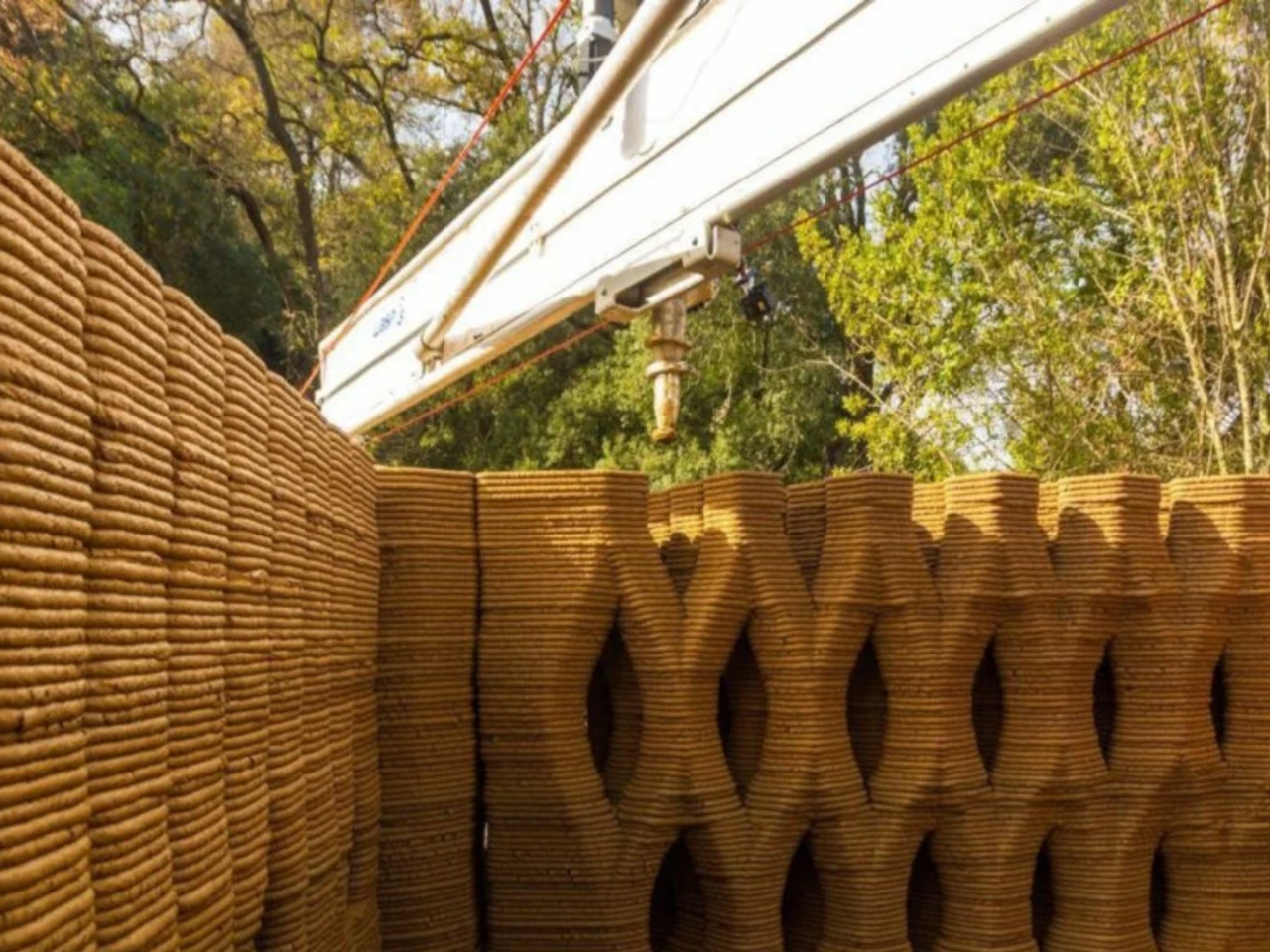
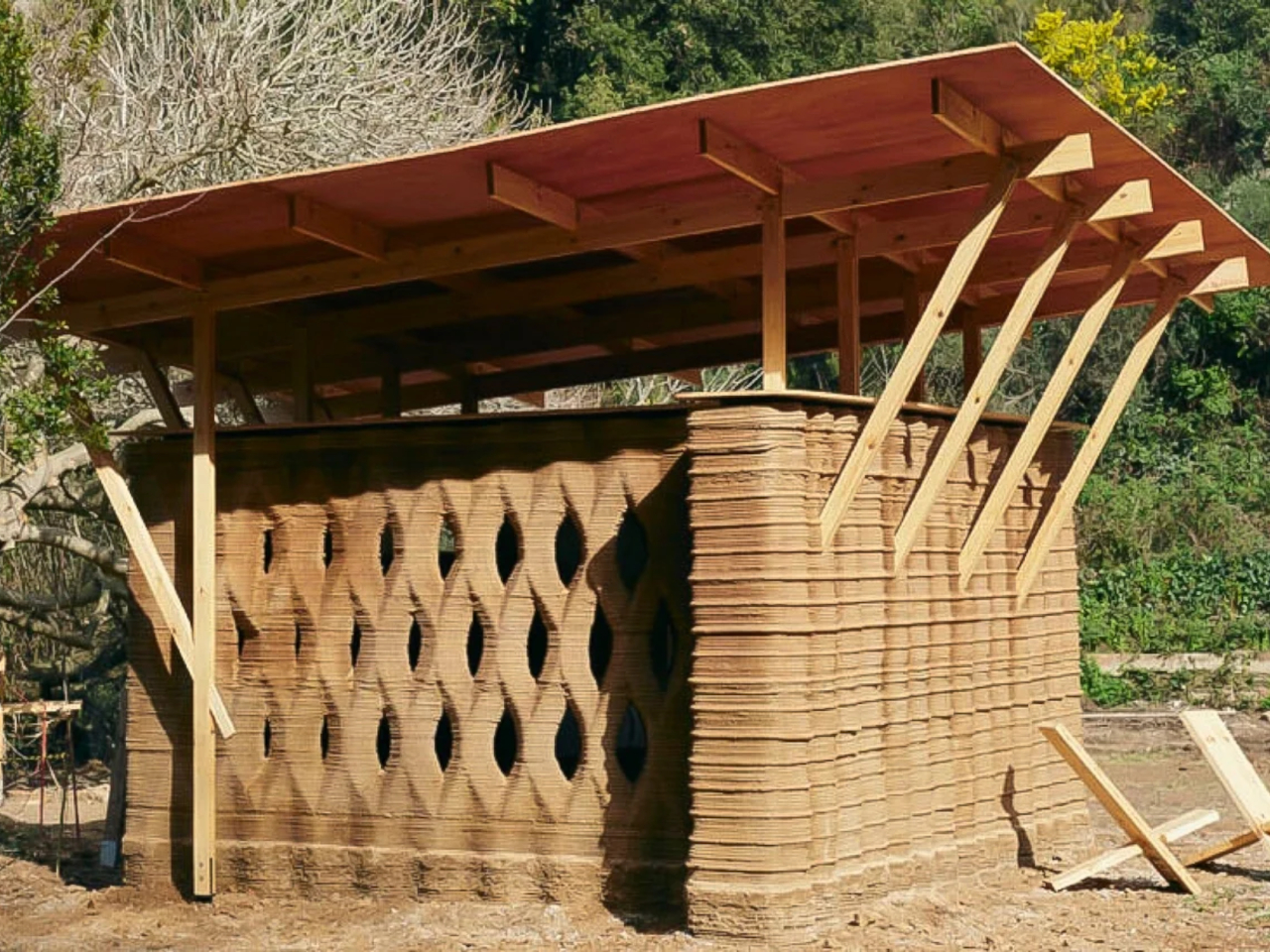
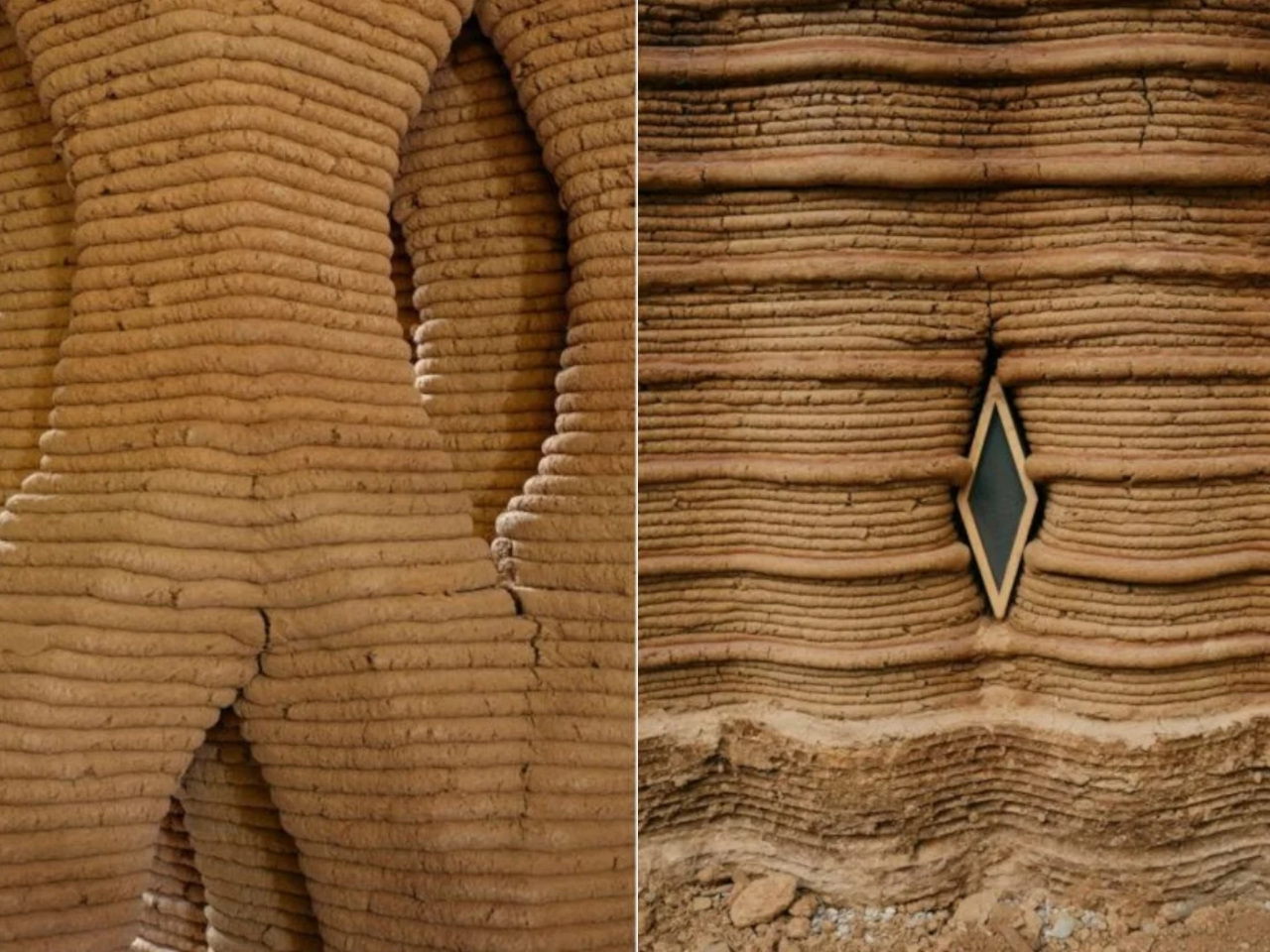
The latest trend in architecture and product development incorporates 3D printing, which, when combined with traditional clay, has been utilized by Spanish postgraduates to create TOVA, Spain’s first prototype habitat. This sustainable prototype features a simple, elegant design with a sloping roof for rainwater drainage, framed ceilings for temperature control, and natural light through windows, all surrounded by natural elements to blend seamlessly with its environment.

Risk and Cost Reduction, Customer Satisfaction

Prototyping finds design errors and usability issues early, cutting the risk of expensive mistakes later in production. It helps reduce error costs and increases manufacturing efficiency by allowing changes before full-scale production, optimizing resources, and streamlining the development process.

Also, product prototypes improve communication among team members, clients, and stakeholders, leading to constructive feedback and a refined final design. In the long run, this contributes to customer satisfaction by undergoing testing at various stages and incorporating feedback and improvements before market launch.

User Testing

Prototyping allows for user testing to gather insights and validate design assumptions, ensuring the product meets user needs and expectations.

Designer: Google (via Mishaal Rahman)

While rumors and expectations surrounded Google’s leap into the foldable phone market, the launch of the Pixel Fold marked a significant milestone despite Google’s historical indifference towards tablets, making its entry unexpected but popular due to its distinctive design. The prototype known as “jumbojack,” resembling Samsung’s Galaxy Z Fold 2, surfaced years ago, suggesting Google’s exploration of different foldable designs before finalizing a unique Pixel user experience tailored for foldable devices, diverging from Samsung’s established approach with a wider, more ergonomic design akin to the OPPO Find N.

Scope of Improvement

Prototyping supports iterative development, allowing design improvements based on feedback and testing. This enables the product to be launched and quickly gain traction in the market due to thorough testing.

Designer: Norman Foster

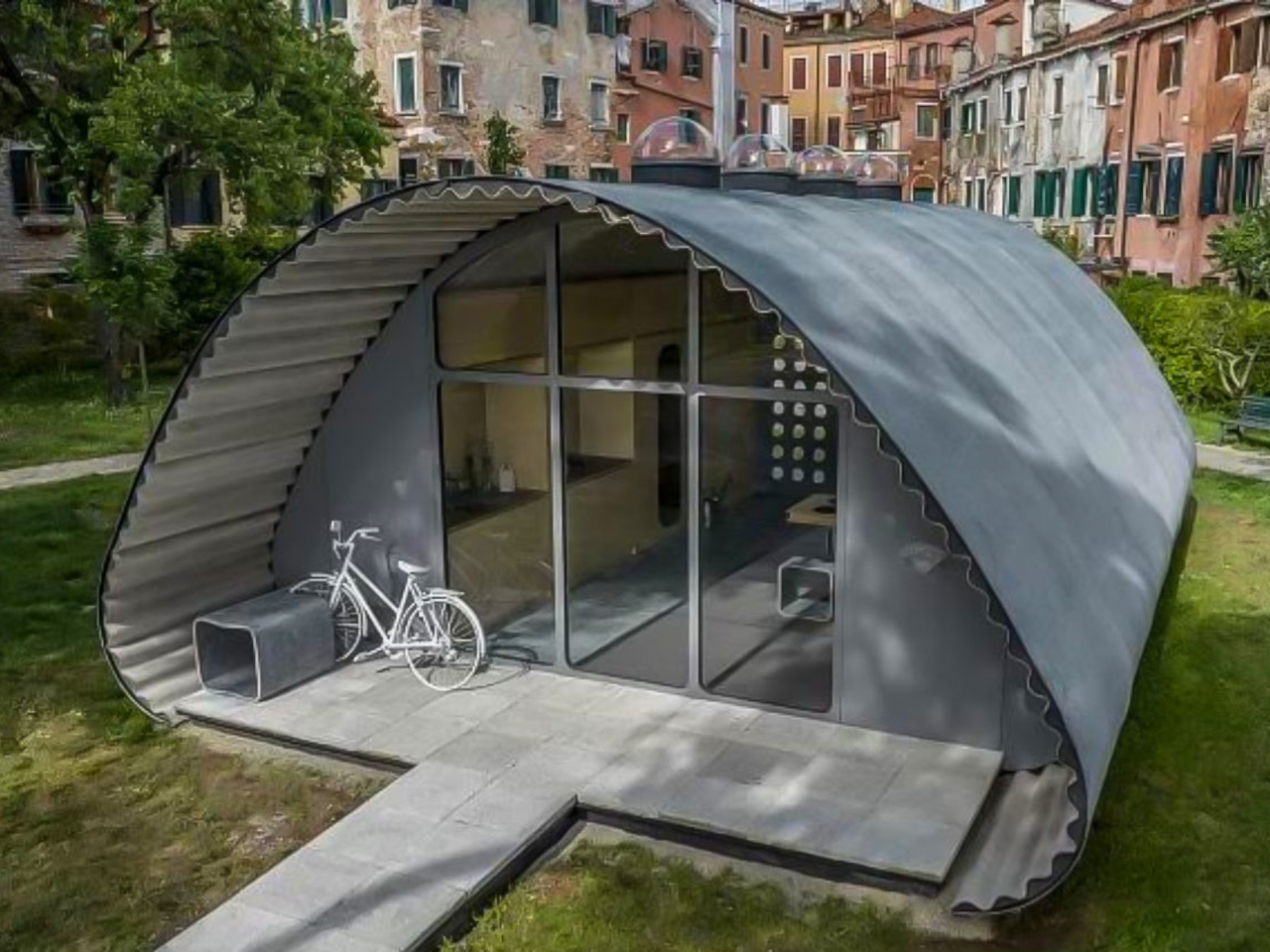
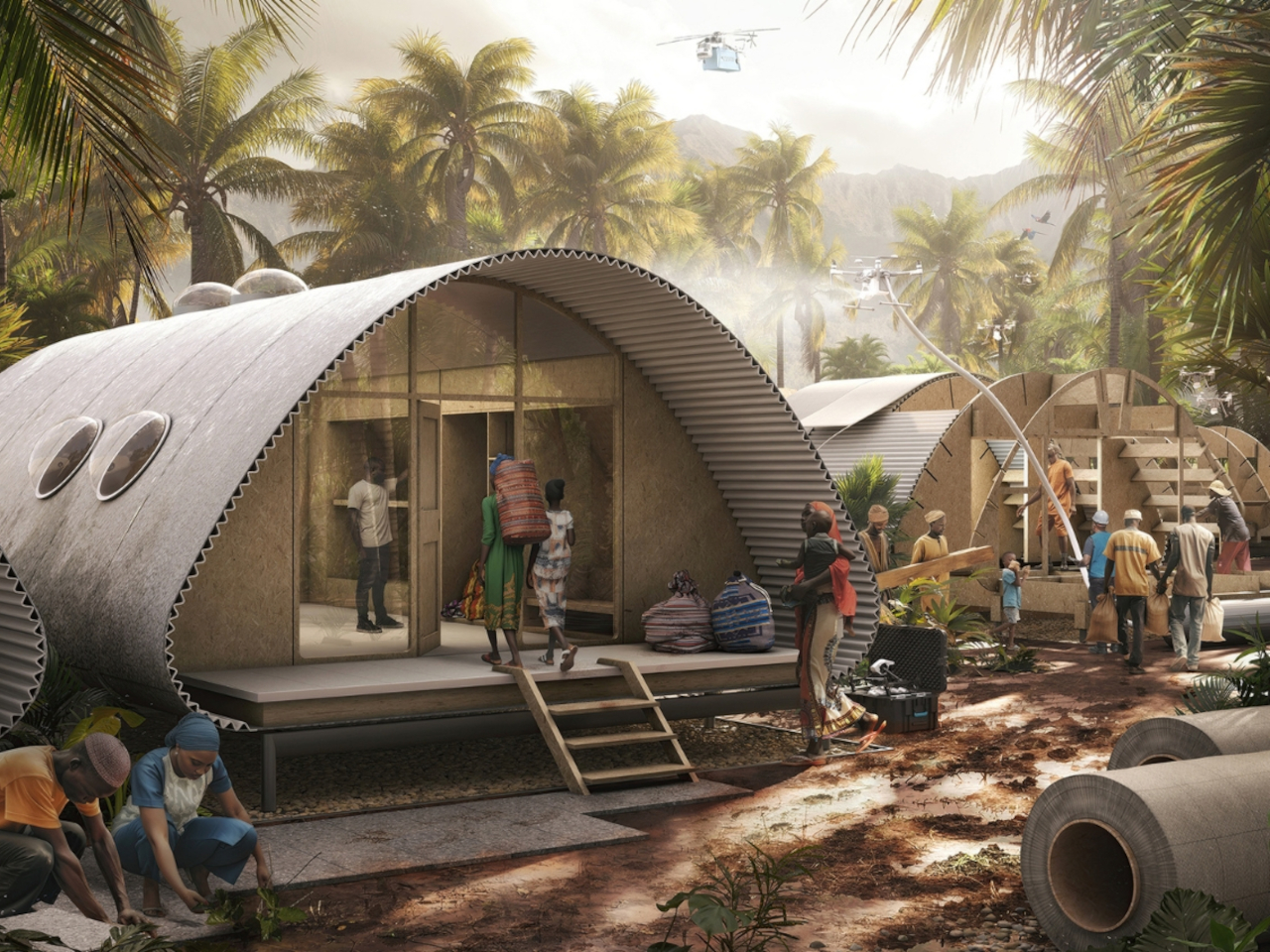
The prototype showcased at the Venice Architecture Biennale under the Essential Homes Research Project, developed by the Norman Foster Foundation and Holcim, introduces an innovative emergency shelter design. It is built with a rapid assembly system on-site using an arch-shaped framework and a rollable outer shell predominantly made from low-carbon concrete, the prototype ensures durability and quick deployment. The project is designed to withstand extreme weather conditions, featuring waterproofing and insulation for comfort, along with practical interior amenities such as bunk beds and shelves for a functional living environment.

Fosters Innovation

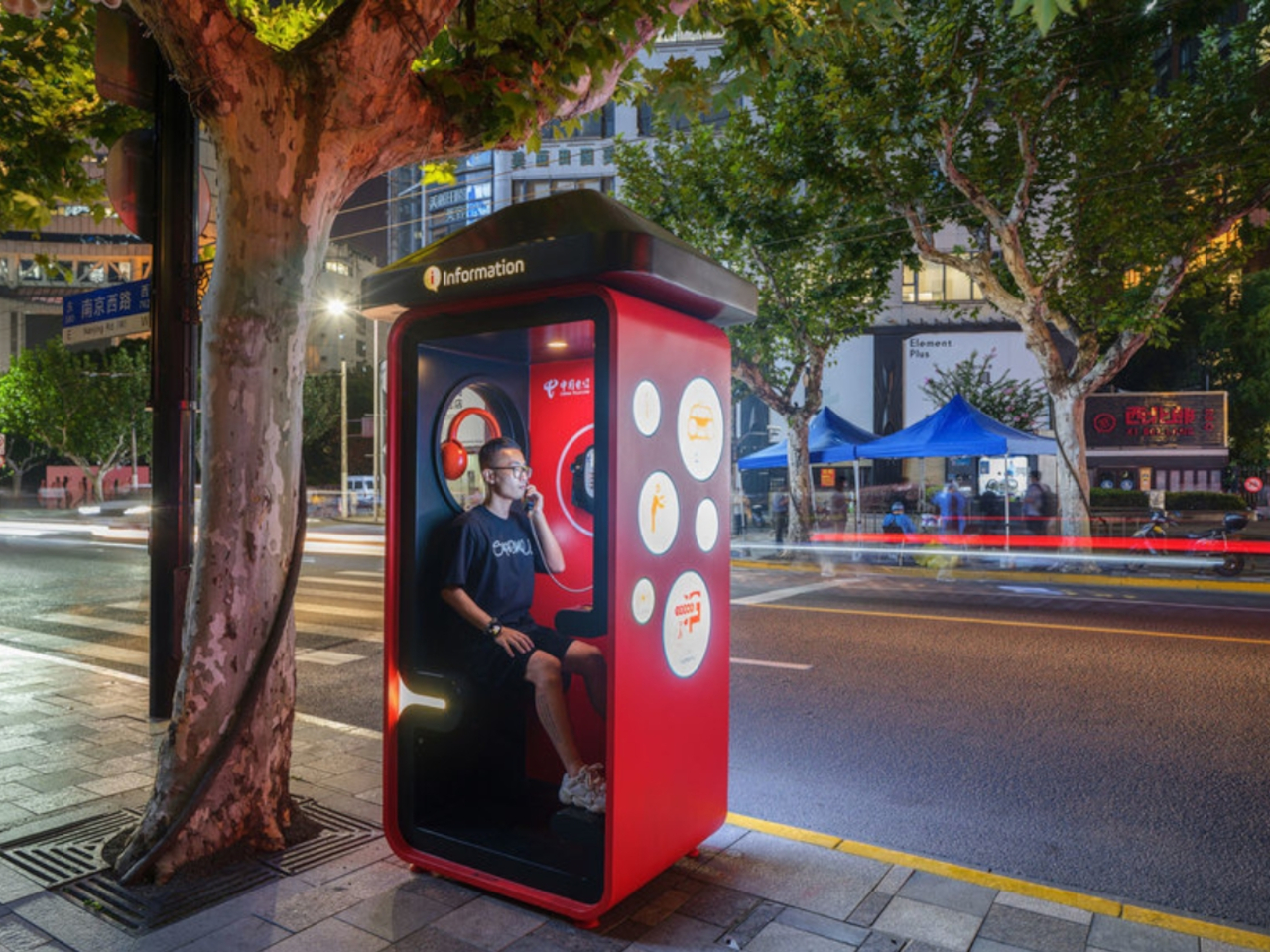
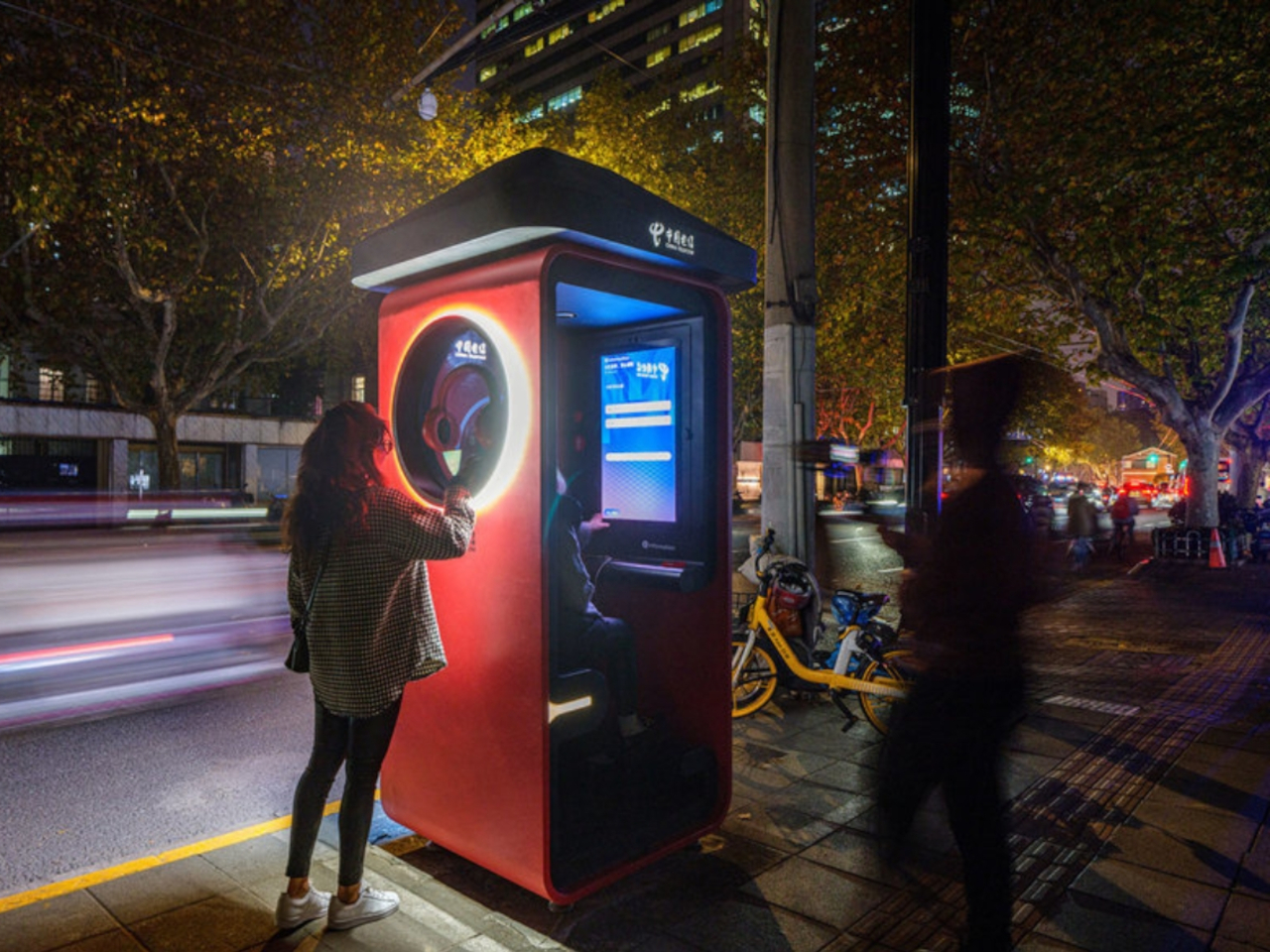
Another advantage is that prototyping enables experimentation and innovation without the need for extensive production of multiple items. Shanghai is creating a new prototype of telephone booths to replace the old ones. This prototype keeps the classic red color and boxy shape but adds modern features like solar panels, Wi-Fi, wireless charging, 5G internet, and touch screens with maps and emergency help. This update combines nostalgia with new technology, aiming to inspire similar changes around the world to meet modern needs while preserving the old style.

Designer: 100architects

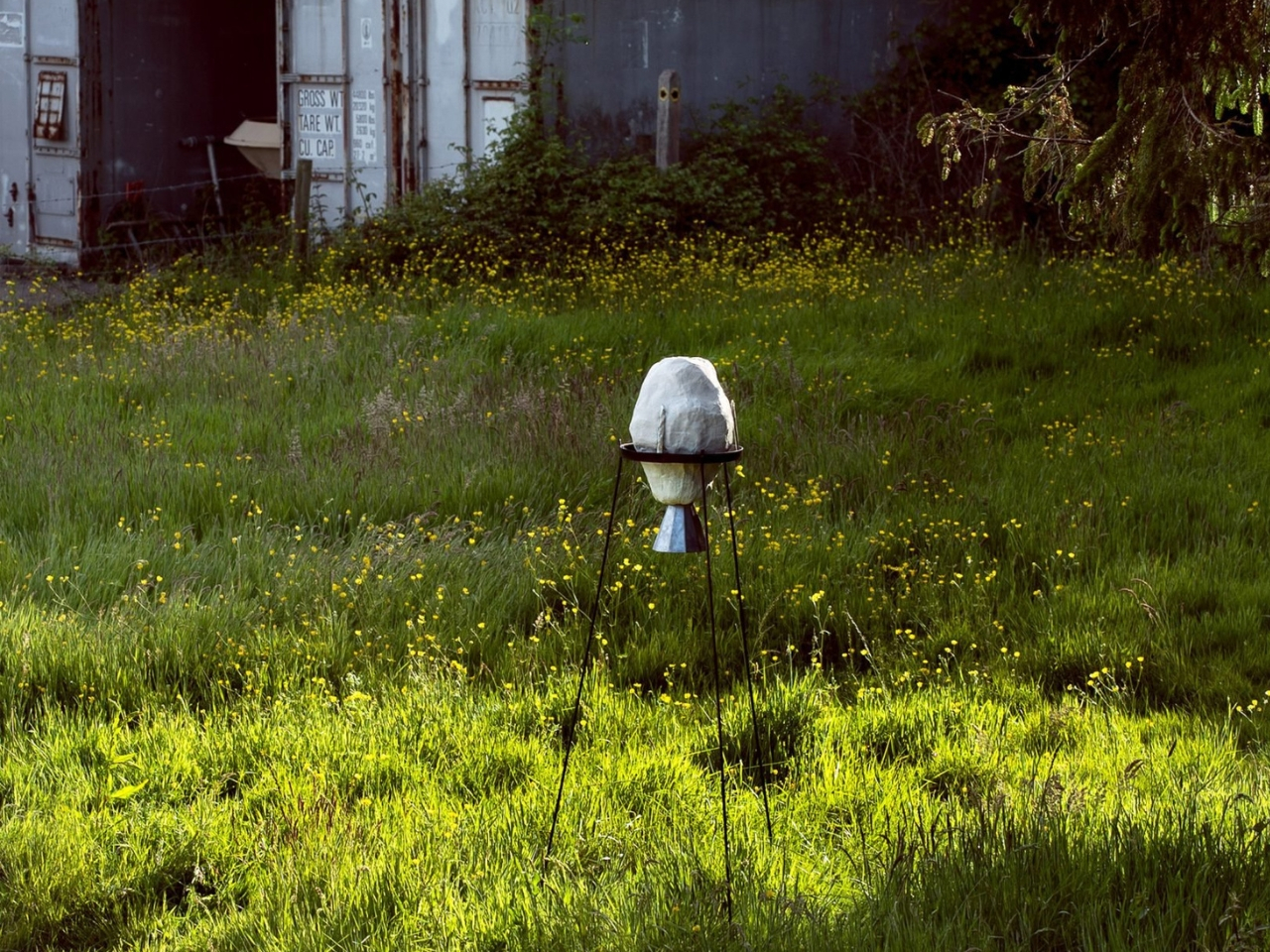
In areas prone to wildfires, residents not only face immediate dangers but also enduring challenges like pollution exacerbated by global warming, as seen with rising temperatures in unexpected places. Innovators are developing solutions such as the Living with Wildfire system, a prototype mycelium pod designed to withstand fire. Inside each pod are water and dormant oyster mushroom spores. During a wildfire, water evaporation increases pressure inside the sealed steel vessel until a cork is launched, dispersing spores that take root post-fire to reduce soil and air toxicity through mycoremediation.

Designer: Suzie McMurtry

Resembling a lamp on a stand, these pods must be strategically placed and feature a minimalist design inspired by fireproof seedpods in trees like the lodgepole pine and Australian banksia, with tags displaying the Latin names of mushroom spores. Constructed from quick-melting pewter, the pods release spores upon exposure to fire, even when branches and brush are piled underneath to hasten the process, serving also as a reminder of ongoing wildfire risks in the area.

What are the disadvantages of prototyping in product design?

MISSING PARAGRAPH

Cost Intensive

Creating prototypes can be costly due to the investment in materials, labor, and research involved. This often makes stakeholders consider reallocating resources more effectively within the project and reducing the waste from multiple prototypes.

Designer: Yamaha Design Laboratory

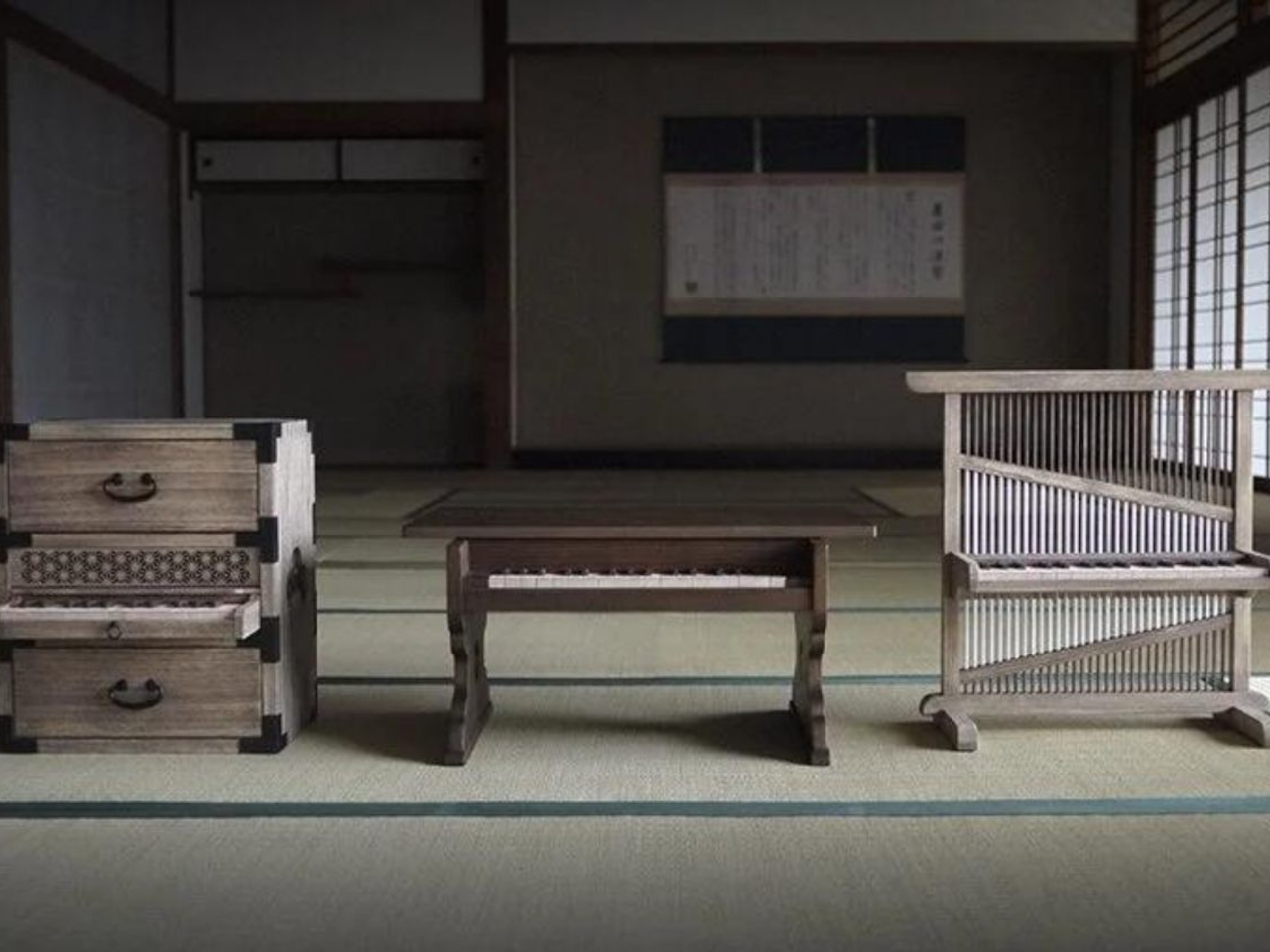
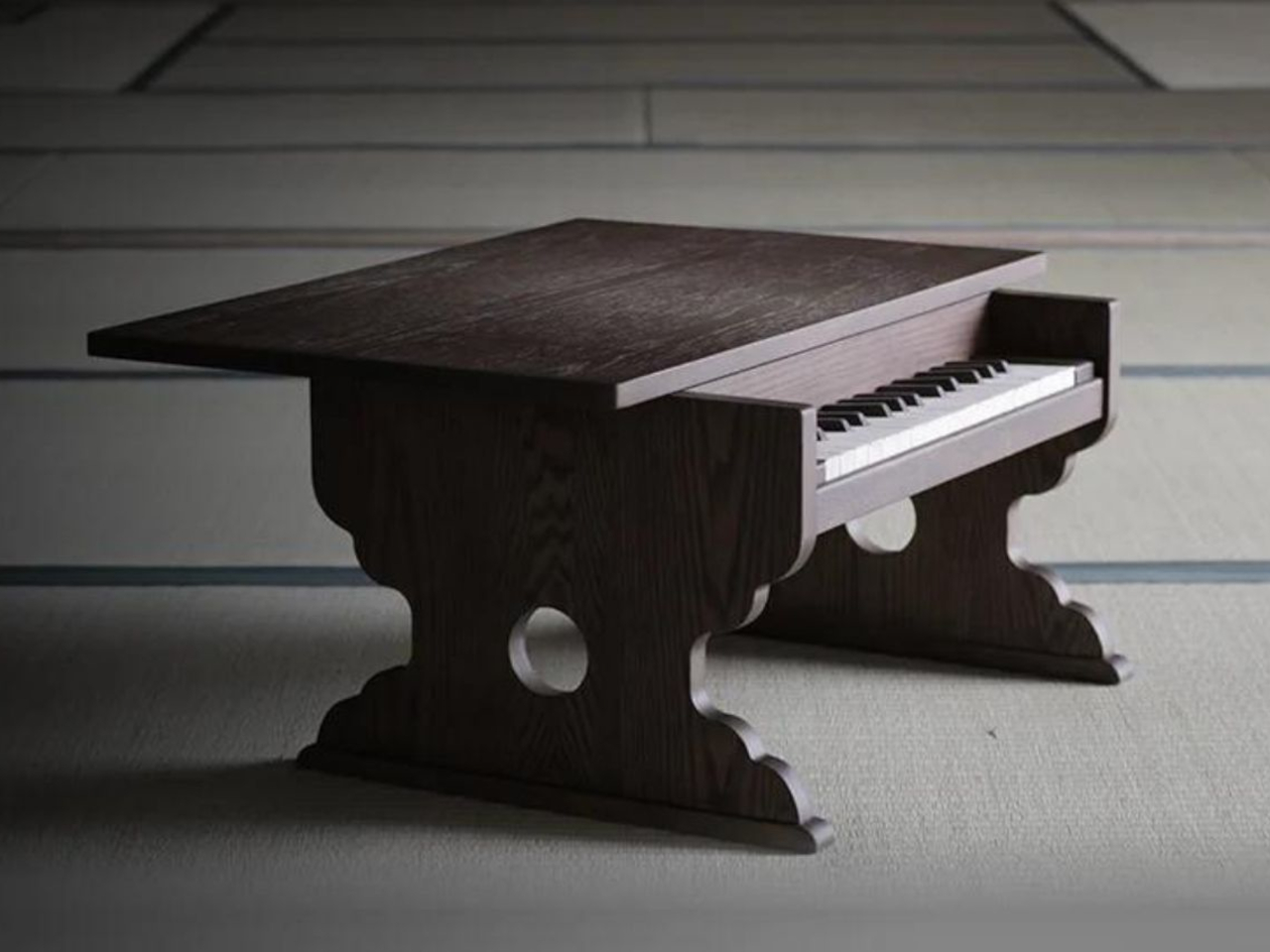
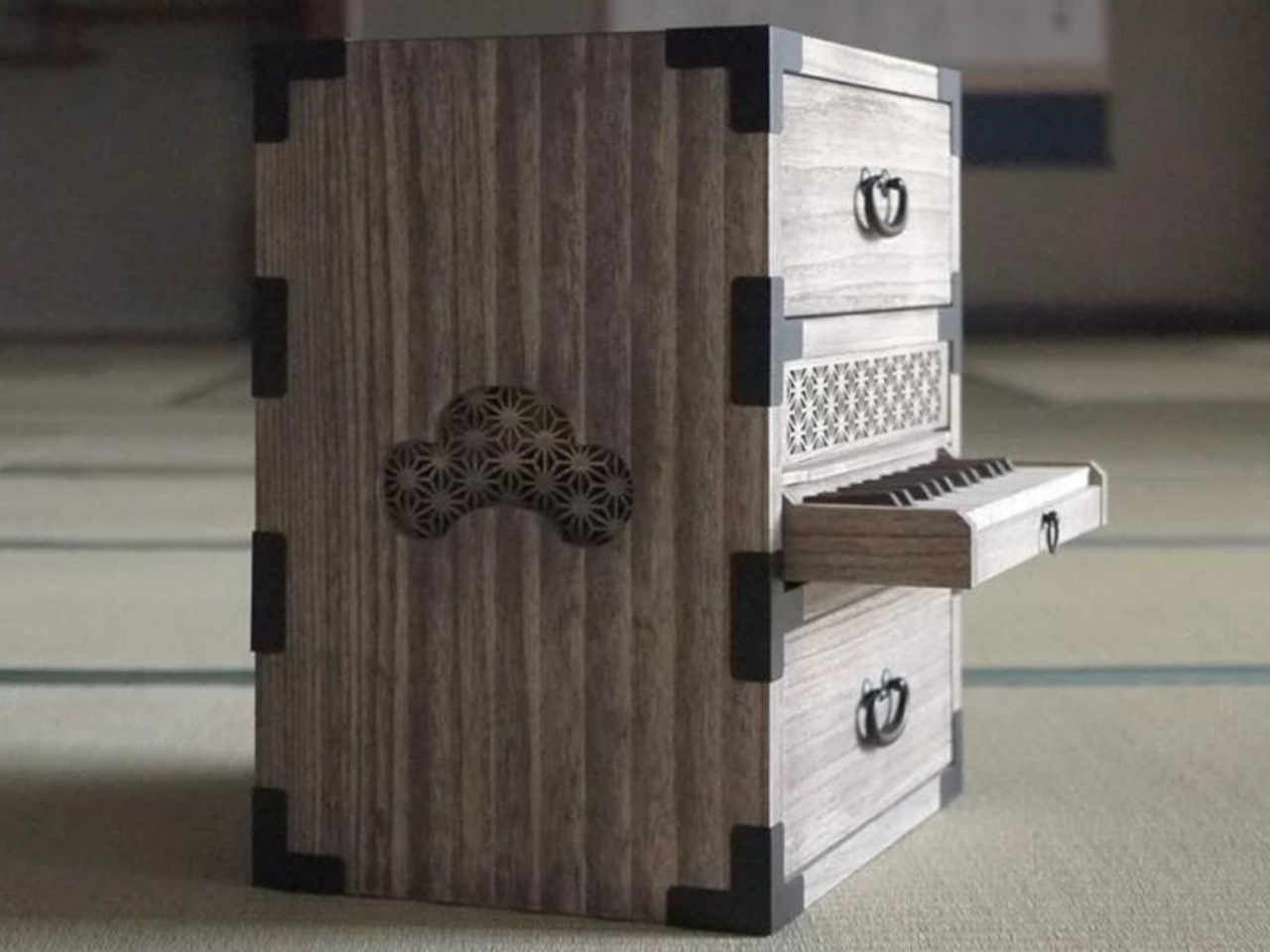
For those interested in pianos as instruments or decor, the Yamaha Design Laboratory and Chiba University’s Department of Design collaborated on Edo-era inspired piano designs styled as furniture. Displayed in an Edo-era piano store simulation, these prototypes include the SUKIMA, blending with Nagaya house wooden partitions for a harmonious blend of transparency and privacy; the OTO-TSUKUE, resembling traditional writing desks with a piano beneath the desktop; and the HIKI-TANSU, integrating piano features into gift chests symbolizing auspicious occasions, each adorned with distinctive etchings from the era.

Time Constraints

Developing and refining prototypes can be time-consuming, potentially delaying the project based on feedback. Moreover, tight schedules and deadlines for prototype creation can compromise the product design. Missed windows of opportunity, in turn, could lead to low sales, overstocking, and a general loss of revenue.

Designer: Fraunhofer Institute for Material Flow and Logistics

The evoBOT, currently in prototype stage, is an autonomous robot designed to assist in logistics and shipping by self-balancing and transporting goods alongside workers. Resembling a futuristic trolley, it’s still in development with details on maximum load capacity pending. The robot extends its arms to secure items, adjusts its stance for maneuvering, and can adopt a V-shaped posture for efficient transport. Equipped with sensors for object detection and capable of navigating varied terrains, including sloped surfaces common in warehouses, it’s lightweight and space-saving, using an innovative self-balancing design principle.

Confusion and Miscommunication

Another disadvantage of creating prototypes is that too many features can be added to the product based on feedback, potentially diluting its purpose and deviating from the original goals.

Users might confuse the prototype with the actual product, which can lead to disappointment and unrealistic expectations about its capabilities and quality. Additionally, implementing excessive changes based on feedback may not always result in substantial improvements.

Security Risks

The product being exposed to external testers and stakeholders can result in copying or theft, posing security concerns that need to be handled delicately during the prototyping process. It’s definitely a touchy subject, especially in the tech industry where leaks are rampant and sometimes even celebrated.

Designer: Moritz Putzier

Mikono is a rechargeable, modular table lamp that doubles as a handheld light. Mikono’s unique prototype design features a conical shape that emits light from all sides and can split into two parts for portability. The lamp charges wirelessly on its base, which includes a battery for cordless operation. Designed for simplicity, Mikono incorporates a translucent cone for diffused light, a metallic tip for housing electronics, and a loop strap for easy carrying. It serves as a versatile indoor and outdoor lighting solution, equipped with an adjustable intensity dimmer and a replaceable battery for long-term use.

The fast-paced world of design and production requires being able to pivot quickly to reduce costly errors down the road. There are some disadvantages to prototyping, of course, but the benefits far outweigh those. Therefore, prototyping is integral to product design, necessitating awareness of potential pitfalls for an efficient process that results in successful, user-centered products.

The post Mastering Innovation: The Essential Guide to Prototyping in Design Thinking first appeared on Yanko Design.
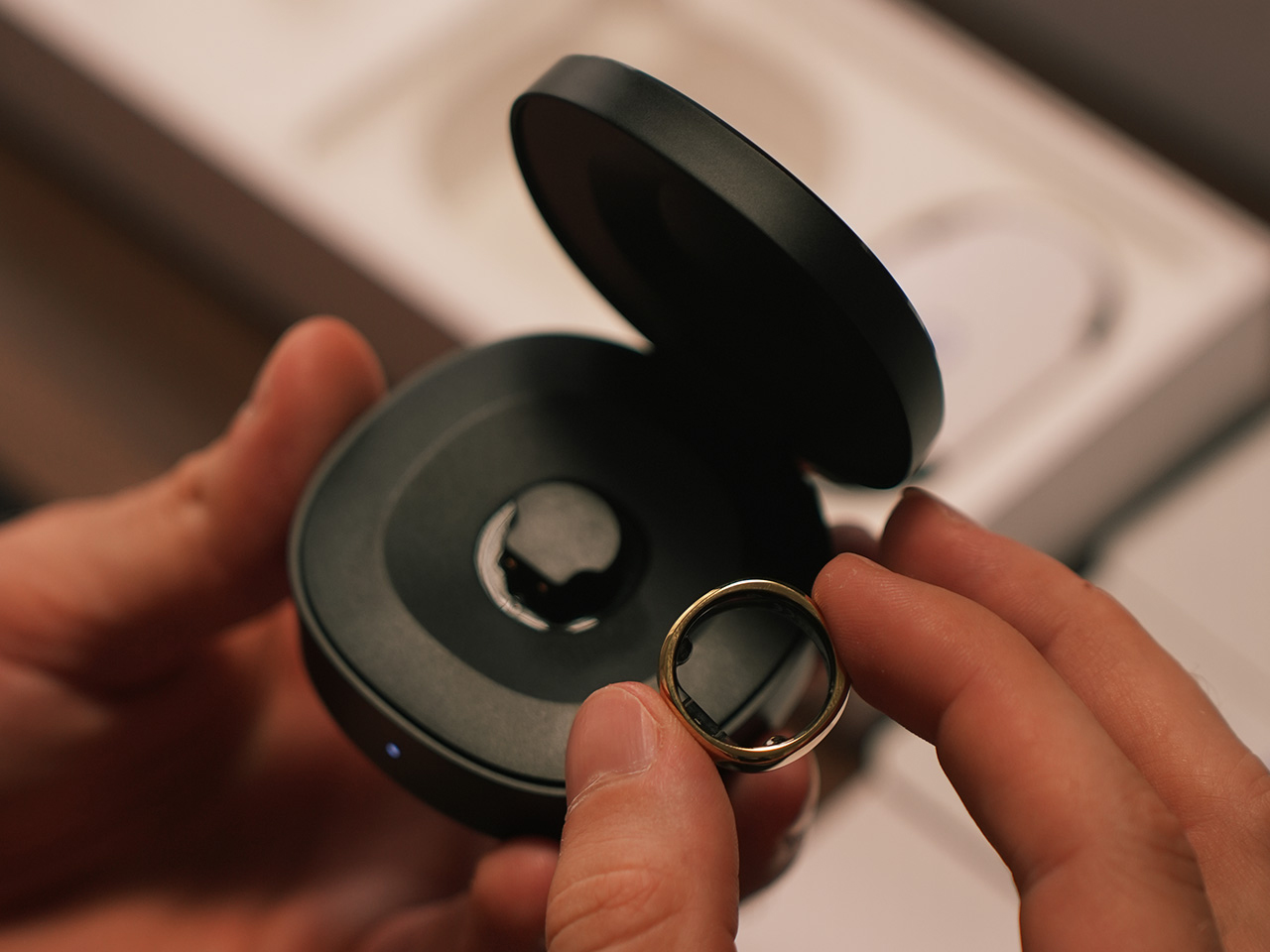
Organic Elegance: 10 Ways to Embrace the Organic Furniture and Décor Trend

The latest trend in interior design, known as ‘organic shapes,’ embraces soft, oversized curves and luxurious silhouettes, creating a welcoming ambiance in any space. This trend transforms furniture and décor, mirroring the fluidity of nature for a serene atmosphere. From curved sofas to asymmetrical curvaceous tables, it’s a common design feature that adds a touch of modern sophistication to interior spaces.

Organic shapes consist of flowing lines and sweeping curves inspired by nature, free from rigid structures, sleek lines, or sharp angles. These forms reflect the natural contours that are found in landscapes and greenery. Additionally, their soft shapes evoke feelings of comfort and calm. Here are the top 10 why organic shapes are a growing trend in interior design.

Designer: Superlife

1. Natural Elegance

Organic shapes are reminiscent of the natural world and offer a visually appealing and soothing effect. Our eyes are naturally drawn to these shapes and remind us of the innate beauty found in the world around us. And just like nature, this beauty doesn’t always come from complexity but from unexpected simplicity.

In this example, the Flow table collection harmonizes functionality with nature-inspired design, resembling the fluidity of water and organic cell structures. With varying heights and shapes, these tables offer both structural art and practical utility, evoking a serene yet lively ambiance reminiscent of nature’s harmony.

2. Infuses Calm

Organic shapes feature flowing lines that bring in a feeling of comfort and tranquillity, creating an inviting and relaxing ambiance. We see this in the contours of mountain peaks, the curves of the shoreline, or the colors of the seasons. Some cultures easily incorporate these themes in their designs, and Japan is one of the most popular examples of this kind of design philosophy.

Designer: Nendo for Paola Lenti

Paola Lenti’s collaboration with Japanese design firm Nendo for Milan Design Week unveils the Hanara-shi series. Inspired by Japanese cherry blossoms and samurai armor, this organic-shaped collection features suspended lamps, baskets, floor lamps, armchairs, and poufs. Crafted from recyclable, waterproof Maris mesh, the furniture showcases an innovative design with recovered cutoffs for upholstery, blending beauty and sustainability seamlessly.

3. Versatile Design

Organic shapes find their best fit in furniture, lighting, accessories, and various architectural details. Almost any object can benefit from incorporating organic shapes, but these objects sing a different tune when given such a facelift. From utilitarian tools to accent pieces, they take on a more human character just by having smooth-flowing surfaces and curved forms.

Designers: Wei Jingye, Song Kexin, Zheng Xiaolei and Zhou Haoyuan

The Wowo Multipurpose Furniture is a solution for homes with both kids and pets. This innovative collection offers versatile pieces designed to accommodate both human and furry family members. Crafted with comfort in mind, the hollow structures provide a cozy spot for pets to rest while kids enjoy comfortable seating. Made with high-quality materials including solid wood and utilizing advanced 3D-printing technology, Wowo furniture ensures durability and longevity.

4. Timeless Aesthetics

The organic shapes are a timeless design trend that will not go out of style for years to come. This distinctive rocking chair draws inspiration from the fascination with UFOs, featuring a bowl-shaped exterior crafted from fiberglass or carbon fiber for stability. Its regal design and ergonomic shape offer comfort and support, while luxurious Italian leather or fine fabrics adorn the upholstery. With its unique appearance and versatile design, this curvaceous chair serves as a captivating centerpiece, inviting users to experience an otherworldly seating experience reminiscent of floating on air.

Designer: Mavimatt

The “Balance” side table concept combines elegance and an organic shape with a precarious design, challenging expectations of stability. Crafted from terrazzo and recycled materials, it features interlocking mechanisms for security. Its dynamic appearance sparks conversation, blending aesthetics with sustainability.

Designer: Stuart Cole

5. Biophilic Design

The organic shape design trend is rooted in biophilic design principles, supporting well-being through a connection with natural elements and fostering a sense of harmony with the environment. In this case, the association with nature becomes a bit more evident, creating a stronger effect that resonates with the rest of the space.

Designer: Gokul Retheesh

The VersaRest Chaise Lounge is crafted with a wooden oak base and luxurious full-grain leather upholstery, it offers unparalleled comfort and style. This innovative sofa with a biophilic vibe integrates hidden storage drawers, adjustable tables, and integrated LED lighting. This thoughtful design combines convenience, luxury, and versatility in one elegant piece.

6. Enhances Creativity

The fluid lines of organic shapes allow for creativity, paving the way for unique aesthetics to emerge. It’s not easy to incorporate curves in a typically flat product, and it requires some outside-the-box thinking to pull off an organic shape that combines form and function in a harmonious way.

Designer: Mavimatt

Chairs often serve as impromptu shelves due to limited space. Imagine a chair seamlessly transforming into a shelf or table—a solution offered by Metamorfosi. Unlike conventional multifunctional furniture, it remains fixed, its hollow shape concealing three functions: chair, table, and bookcase. Handcrafted with dynamic organic shapes and glossy finishes, it blurs the line between furniture and art, offering elegance and versatility.

7. Softens the Interiors

The curvaceous shapes of organic furniture contrast with the sleek lines of straight walls, ceilings, and furniture, contributing to a sense of balance and harmonious design. Incorporating organic shapes into lighting fixtures, such as pendant lights with rounded shades or sconces with flowing lines, adds softness to the interiors.

Designer: Kosmos Architects

“The Dice” by Kosmos Architects is a versatile furniture piece inspired by dice markings. Crafted from oak wood using robotics technology, it transforms into a stool, coffee table, leg bench, and lamp with a frosted glass interior. Lightweight and portable, its organic silhouette serves functional and decorative purposes, making it ideal for small spaces or on-the-go lifestyles.

8. Adaptable Design

Another benefit of organic shapes is their ability to seamlessly blend with traditional, modern, and transitional design styles, making them a highly adaptable design element. The best part is that mixing and matching organic shapes with other decor styles can result in a distinctive and eclectic aesthetic.

Designer: Julian Topor

The KURVE furniture collection redefines space-saving design with minimalist plywood pieces. Each item boasts curved layers that offer both organic aesthetics and functionality, featuring a chair, couch, table, and nightstand. Crafted from a single sheet of plywood, the chair’s unique backless box design maximizes storage, while the couch includes a central console and compartments. The trapezoidal table and nightstand provide sleek storage solutions, perfect for small spaces.

9. Beautifies the Space

The natural curves in furniture and art can enhance spaces, bringing a positive vibe and elevating the overall atmosphere. A substantial piece of furniture or artwork featuring organic shapes offers an excellent opportunity to make a statement in your home.

Designer: Mauricio Coelho

The Oco chair concept blends simplicity and visual intrigue with its unconventional bowl-shaped design. Crafted from carbon steel and fiberglass, it offers structural stability with subtle material details. However, concerns about comfort arise due to the thick cushions potentially lacking adequate support for the back and exposed edges posing discomfort. Minor adjustments could enhance ergonomics without compromising its geometric elegance.

10. Organic Accents

Small organic accents, like a vase or bowl, can greatly alter the overall ambiance of your interiors. Opting for pieces made from natural materials such as wood, stone, or ceramic mirrors the curves of nature.

Designer: João Teixeira

Wave is a groundbreaking shelf concept that transforms your space. Not just for books, Wave doubles as a mirror, enhancing both functionality and style. While it may not offer a complete mirror reflection, its wavy shape adds a distinctive touch to any room. With around 4-5 parts, assembly is a breeze, ensuring versatility in placement. While it may not cater to those seeking a full-length mirror, Wave embodies a harmonious blend of form and function, making it an ideal addition to modern living spaces.

This Sculptural Bench Is The Thought-Provoking & Conversation-Starting Furniture You Need In Your Home

Crafted by Madrid-based designer Verónica Mar for Les Ateliers Courbet, the Soul Sculpture Bench embodies a minimalist yet spiritually sensitive design. Inspired by the universe’s intricate spiral patterns, it seamlessly merges nature with design, serving as a versatile piece for private or public spaces. More than seating, it sparks contemplation about the universe’s beauty and connections, inviting viewers to reflect and discuss.

Incorporating organic shapes into your decor doesn’t just add visual interest and dimension. It also creates a dynamic and visually stimulating environment that captures the imagination and inspires creativity. And it doesn’t need to be elaborate or extravagant, either, allowing more freedom in crafting products that stimulate the eyes and calm the mind.

The post Organic Elegance: 10 Ways to Embrace the Organic Furniture and Décor Trend first appeared on Yanko Design.

Living in the Box: All You Need to Know About Container Home Construction

In the world of diverse architectural styles available today, some homebuyers are fascinated by unique trends like repurposing shipping containers into residential spaces. Shipping container homes are gaining popularity for their affordability and sustainability. This innovative approach appeals to those seeking homes that match their functional needs, style preferences, and budget constraints. With the right tools and guidance, one can construct a shipping container home but before starting the project it is important to research the building codes, regulations, and permits required for such construction.
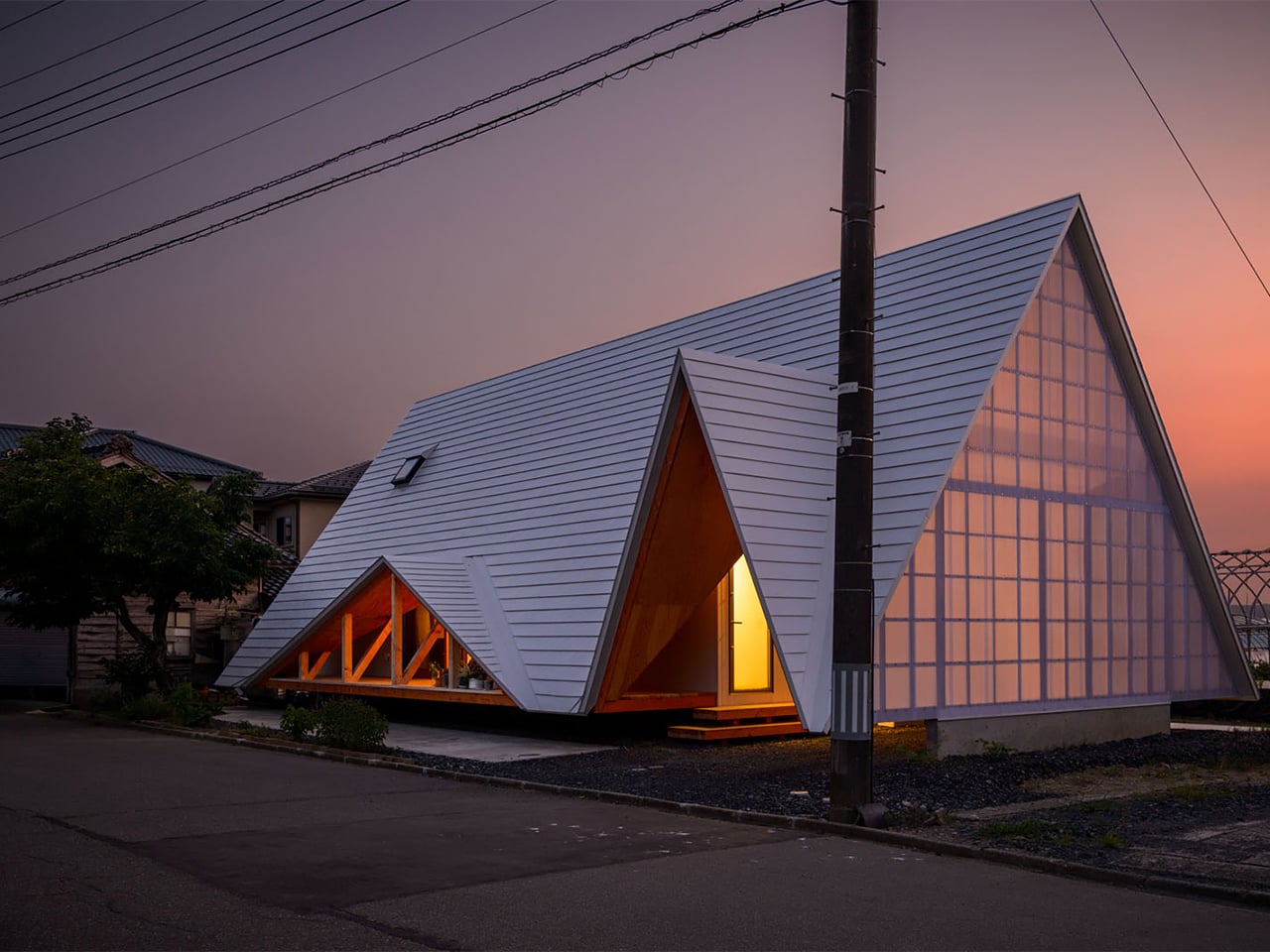
One must collaborate with architects and engineers to validate the structural integrity of the container house floor plan. However, before the construction begins, it is important to connect with professionals experienced in container construction to navigate its unique challenges and determine the number of containers needed based on the size and layout of the proposed house. Here is a step-by-step guide to get you going.
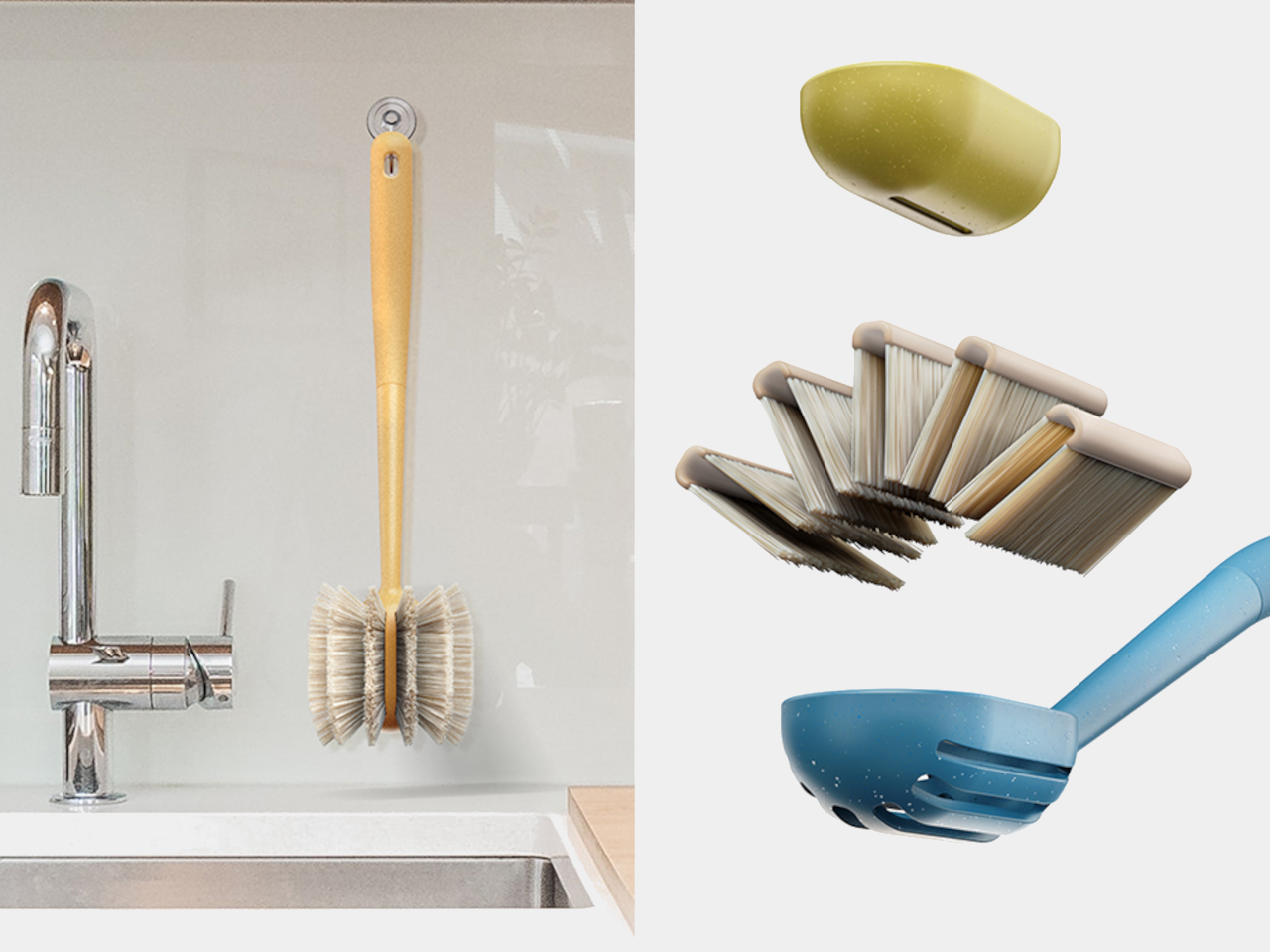
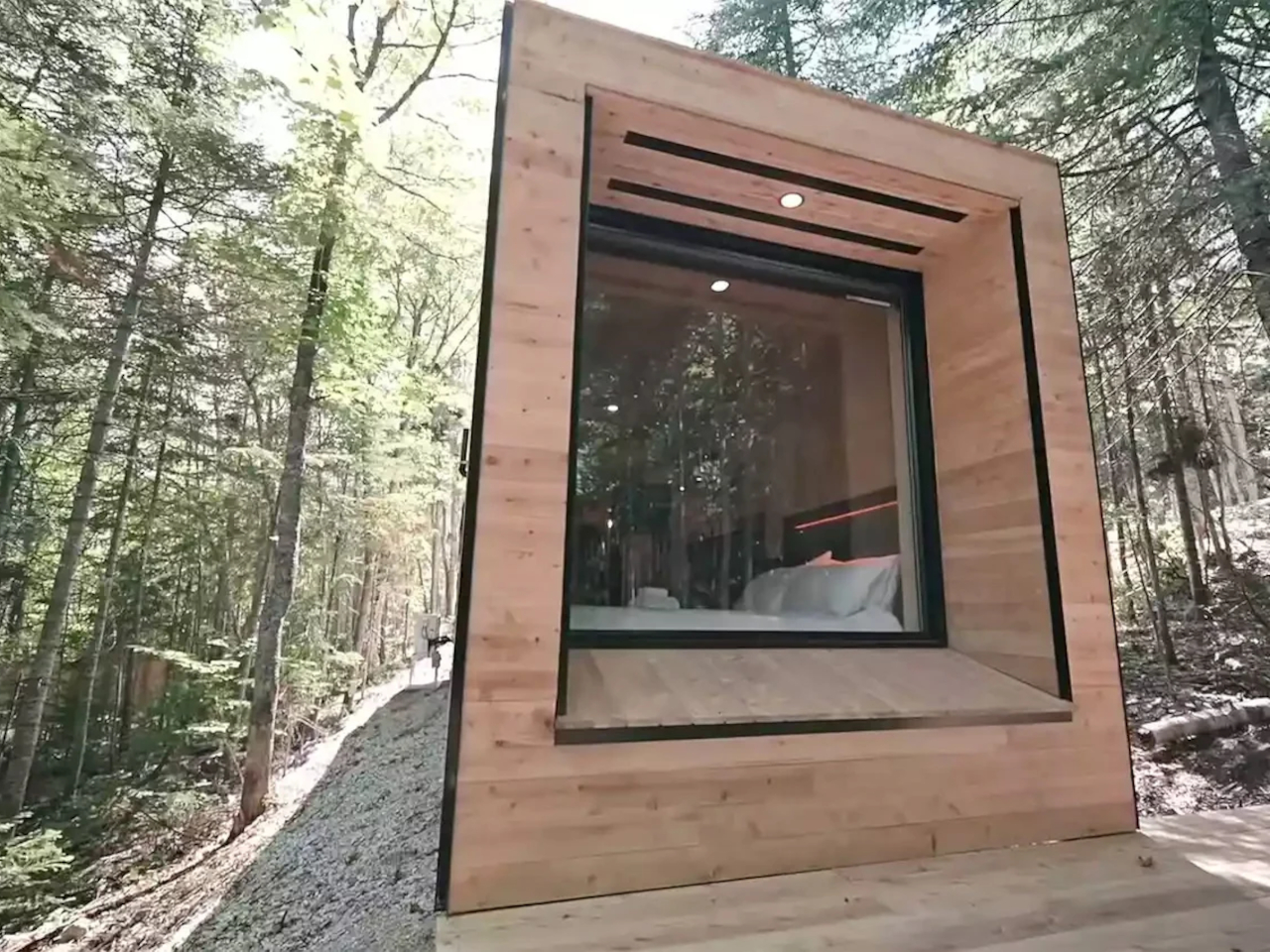
Designer: UnContained Dreams

How To Build Your Ideal Container Home

1. Purchase the Container. After obtaining the necessary building permissions, one can proceed to acquire the shipping containers, choosing the size based on your floor plans. Typically, containers are around 40 feet long and 8 feet wide, ideal for accommodating one bedroom, one bathroom, and a generous kitchen with a living area.

2. Prepare the Site. Before beginning construction, ensure the building site is secure for a stable foundation. Clear debris, and confirm level ground resistance to flooding. The foundation type should be based on the existing ground conditions. Level uneven ground with a shovel and lay the foundation using high-quality materials like concrete or metal girders Steel plates should be used for direct welding to the foundation.

3. Install the Containers. After completing the foundation, the process of installing the shipping containers begins. The most efficient methods for placing containers on the foundation involve a crane or delivery truck, offering ease, speed, and safety. If there is more than one container then join the containers either by welding or using a specialized joining system. Ensure secure connections without gaps if welding, or follow the manufacturer’s instructions for proper installation with a joining system.

Designer: Mark Derenthal

4. Build the Roof. After positioning and connecting the containers, proceed to construct the roof. Opt for either traditional roofing materials or a metal roofing system, ensuring resilience to weather conditions.

5. Complete the Interiors. The last step includes the installation of the shipping container home with doors, windows, and flooring, using steel studs for framing and ensuring a thermal break to prevent heat transfer. Plan for wiring, plumbing, and HVAC systems, and consider solar panels for electricity. Insulate the interior or exterior, and customize the surroundings with decking and landscaping.

What are the advantages of living in container homes?

• Affordable: Container homes offer greater affordability when compared to traditional homes due to their utilization of recycled materials and reduced labor costs.

Designer: Madeiguincho

Cargo, a tiny home by Madeiguincho in Portugal, creatively repurposes a standard shipping container into an inviting dwelling. Featuring a rooftop terrace and efficient interior layout, this wooden-finished abode offers insulation, operable windows, and a minimalist aesthetic. With a compact kitchen, cozy seating area, and small bathroom, Cargo provides all the essentials for simple living, making it an ideal short-term rental in the picturesque Algarve region.

• Efficiency: Container homes can be installed and erected with remarkable speed as constructing a traditional home takes more than a year but container homes can be constructed within a few months.

Designer: Tung Jai Ork Baab

Located amidst a former paddy field in Thailand, the Container Cabin is a unique retreat crafted from stacked shipping containers. Architect Tung Jai Ork Baab’s innovative design, part of the OOST Campville project, offers a serene getaway in Nakhon Nayok province. With an A-frame roof and steel plate louvres, the cabin blends modern aesthetics with natural surroundings. Prefabricated containers provide ease of assembly, while a small reservoir elevates the cabin to mitigate flooding risks. The interior features minimalist white tones and repurposed container doors for privacy. Offering ample space for relaxation, the cabin includes bedrooms, living areas, and a pool overlooking the deck.

• Highly Durable: Container homes are quite durable as they are constructed from steel and exhibit high resilience against harsh weather conditions.

Designer: Bob’s Containers

Tucked away on the expansive Desert Rose Ranch in Texas, this Airbnb shipping container home offers a cozy retreat between Fredericksburg and Austin. Featuring a bedroom, bathroom, and kitchenette, its standout feature is the rooftop deck with a hot tub and hammock. Designed by Bob’s Containers, this 40-foot x 8-foot container boasts a garage-style door for natural light and modern amenities inside. The rooftop terrace, accessed by a spiral staircase, provides panoramic views and a serene escape. Surrounded by nature, the cabin also offers a front yard fireplace for cozy evenings. With its compact size, it comfortably accommodates two people, making it an ideal getaway for couples or solo travelers seeking tranquility in the Texas wilderness.

• Sustainable: Container homes are eco-friendly as they are constructed from recycled materials.

Designer: Repère Boréal

This cozy woodland cabin, crafted from a repurposed shipping container, embodies modern architecture’s adaptability. Named Shiship Cabin by Repère Boréal, it’s nestled in Quebec, Canada, offering a contemporary take on wilderness living. Measuring 31 feet by 8 feet, it integrates custom space-saving furniture and smart features. Clad in cedar wood planks, its exterior exudes both durability and natural charm. Inside, an open-concept layout integrates kitchen, bed, bathroom, and living areas seamlessly.

What are the disadvantages of living in container homes?

• Climate Control: During summer, container homes lack insulation, causing them to heat up, and in winter, they conduct heat and become excessively cold. Temperature differences between the inside and outside cause condensation on steel walls, leading to mold growth and poorer air quality.

• Susceptible to Corrosion: Despite being manufactured for marine conditions; containers are prone to rust and corrosion. Despite protective coatings, they remain susceptible to rust, particularly in coastal areas due to the salt-laden air.

Designer: MUA Architecture & Placemaking

This shipping container has been transformed into a seaside retreat! Located by the Tbilisi Sea in Georgia, this MUA cabin serves as a rejuvenating space where design meets functionality. Measuring 40 feet in length, the cabin features a linear layout with rest areas, bathrooms, and storage at the ends, while the middle section houses a kitchen, work desk, and living room. Large sliding doors seamlessly connect the indoor and outdoor spaces, providing a panoramic sea view.

• Structural Challenges: Converting shipping containers into living spaces often requires modifications that compromise their structural integrity, like cutting openings for doors and windows, necessitating additional supports such as steel beams or wooden framing.

Designer: Plano Livre

Estúdio Lapinha, a vibrant tiny home in Belo Horizonte, Brazil, creatively combines two unused shipping containers, designed by Plano Livre. This modular marvel features one container for infrastructure and the other for living space, boasting colorful interiors and exteriors painted in subtle lime green. Inside, the bright walls, tiled floors, and natural wooden accents create a welcoming atmosphere, complemented by steel shelving units for storage. Expansive French doors and a matching green ceiling seamlessly blend indoor and outdoor living.

• Poor Acoustics: The steel construction of container homes can amplify internal and external noises, particularly in noisy urban settings, necessitating effective but costly sound insulation like dense foam or specialized panels, which can reduce interior space.

While building a shipping container home can be manageable and efficient, providing a sustainable, budget-friendly housing option, it’s crucial to consider the pros and cons to determine if living in container homes is suitable for you.

The post Living in the Box: All You Need to Know About Container Home Construction first appeared on Yanko Design.