A Picture-Perfect Tropical Getaway Inside A Dolphin Shaped Retreat

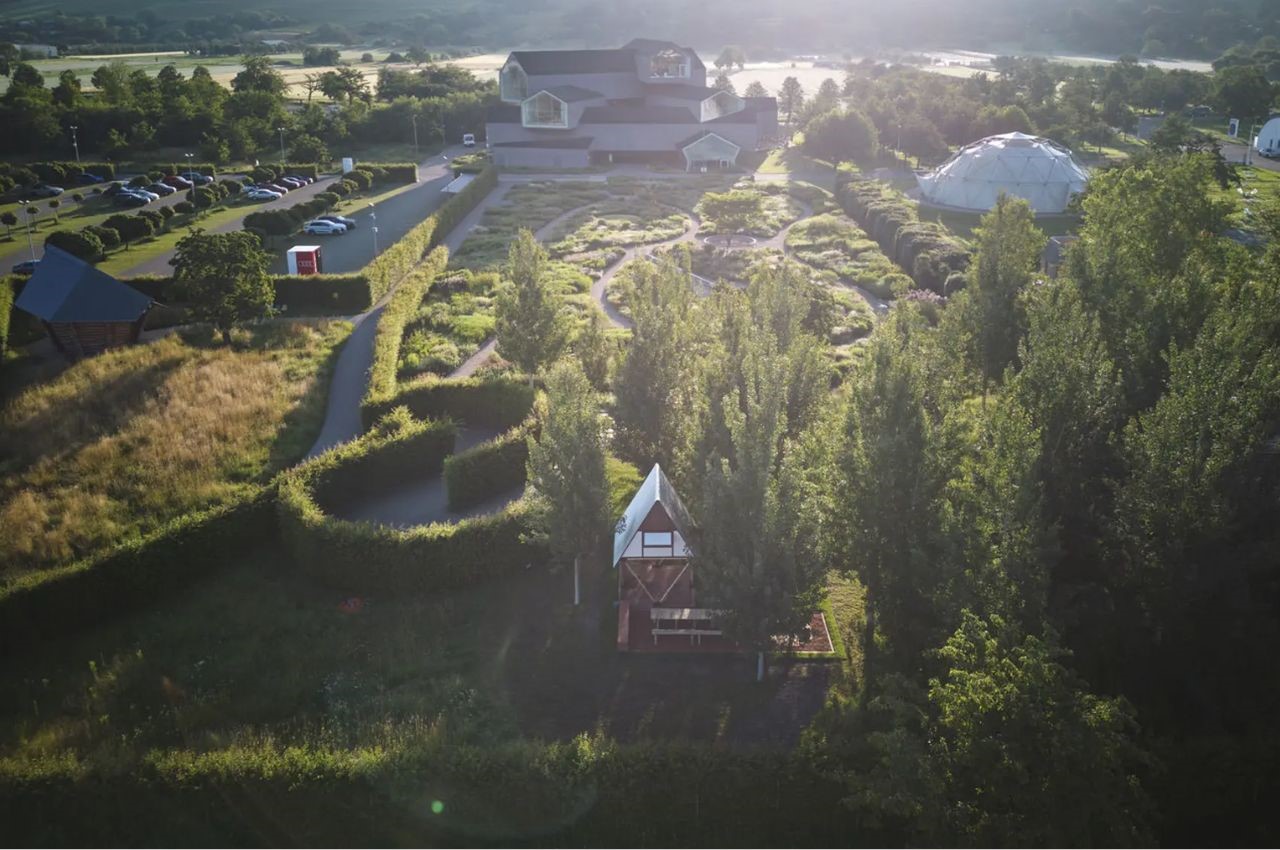
All of us have a phase in our lives when we just want to go on a picture-worthy holiday in the middle of the forest and just relax and take it all in, don’t we? This enchanting world of the Dolphin Villa is a dreamy retreat inspired by the graceful form of a dolphin, lodged by the side of a serene lake. Imagine a holiday where every corner is a photo opportunity, and relaxation takes center stage giving you the most immersive experience you could ask for.

Designer: Thilina Liyanage

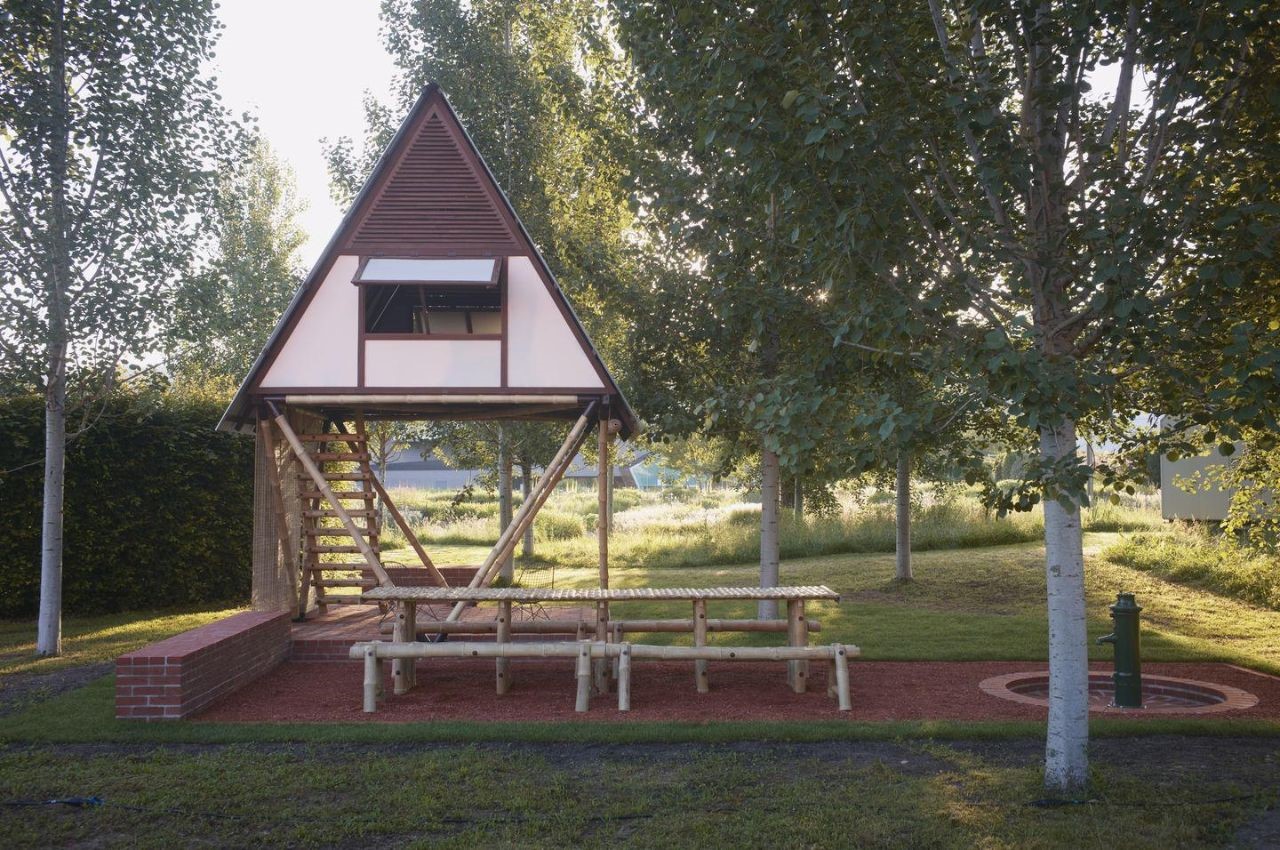
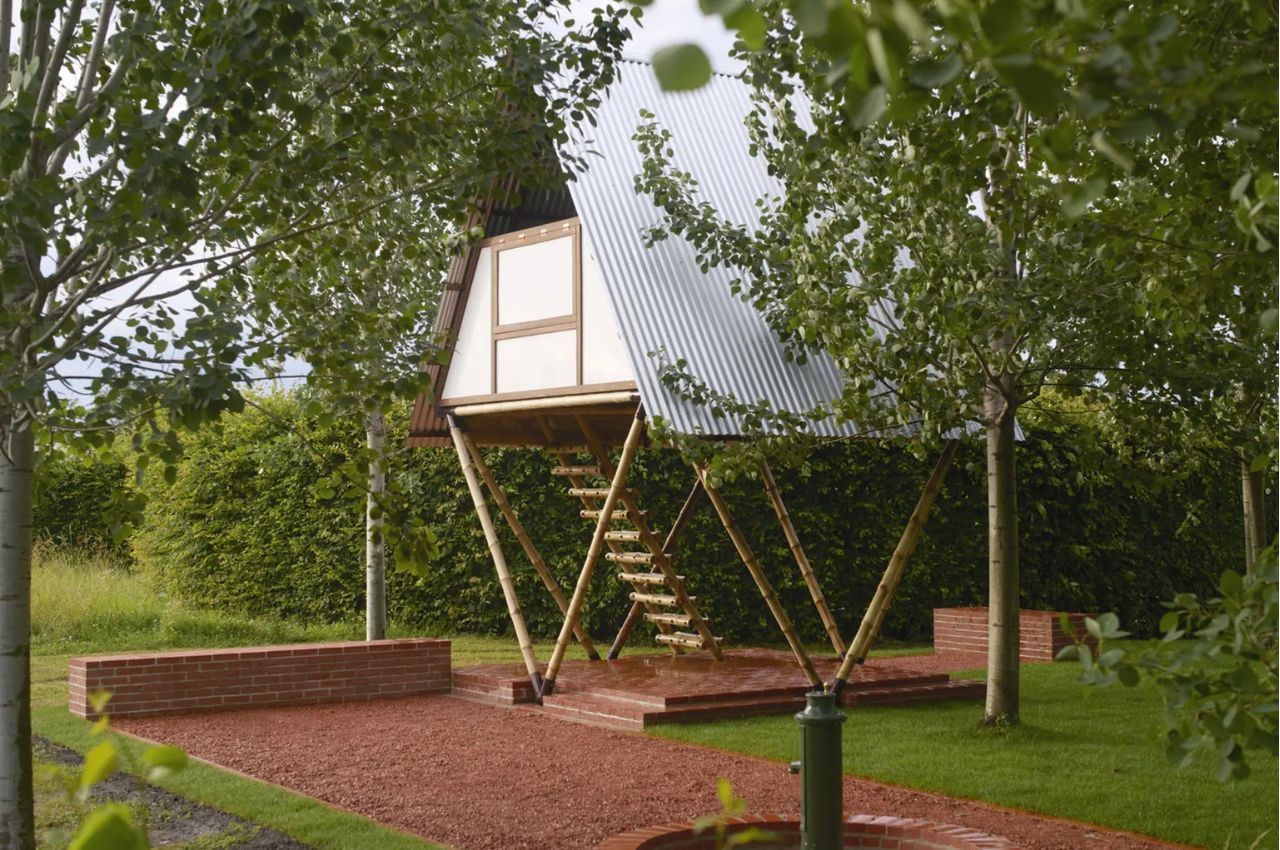
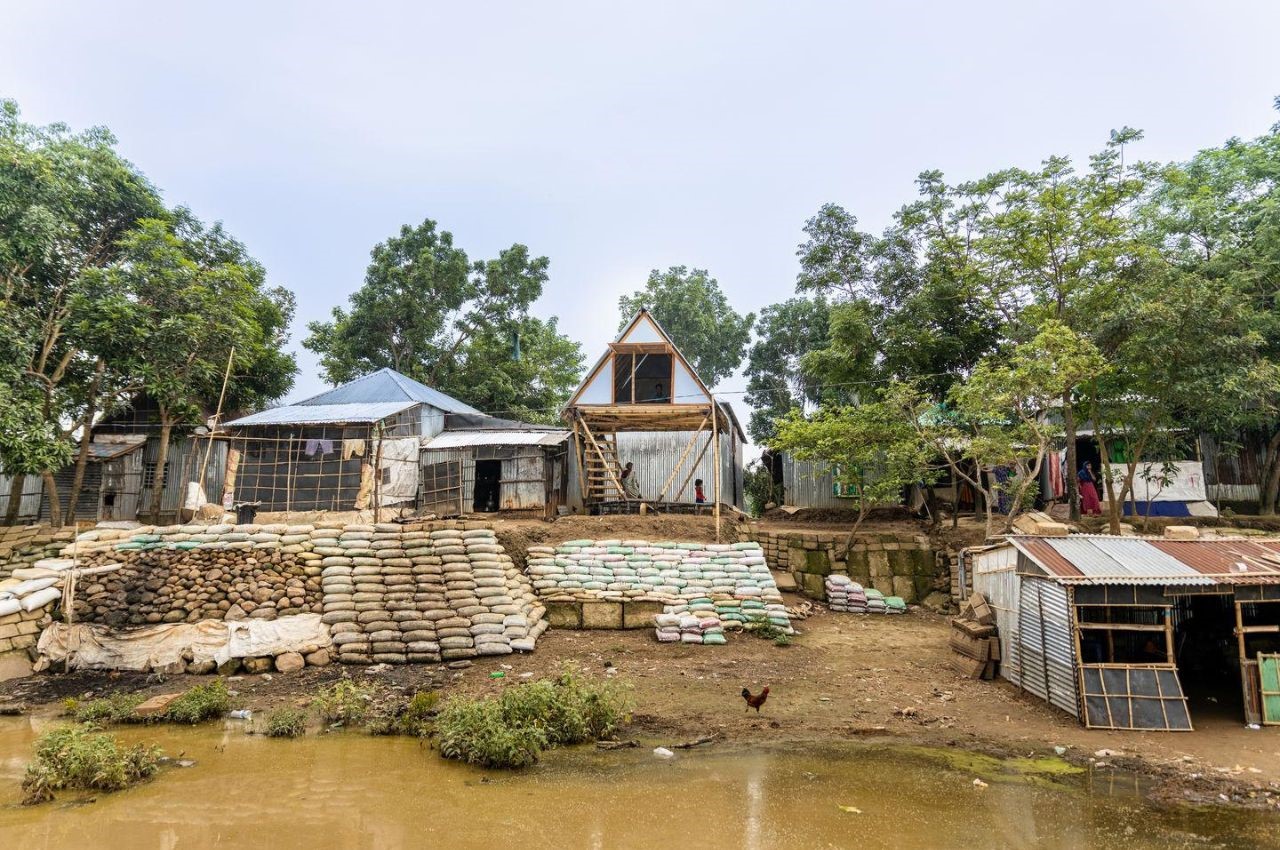
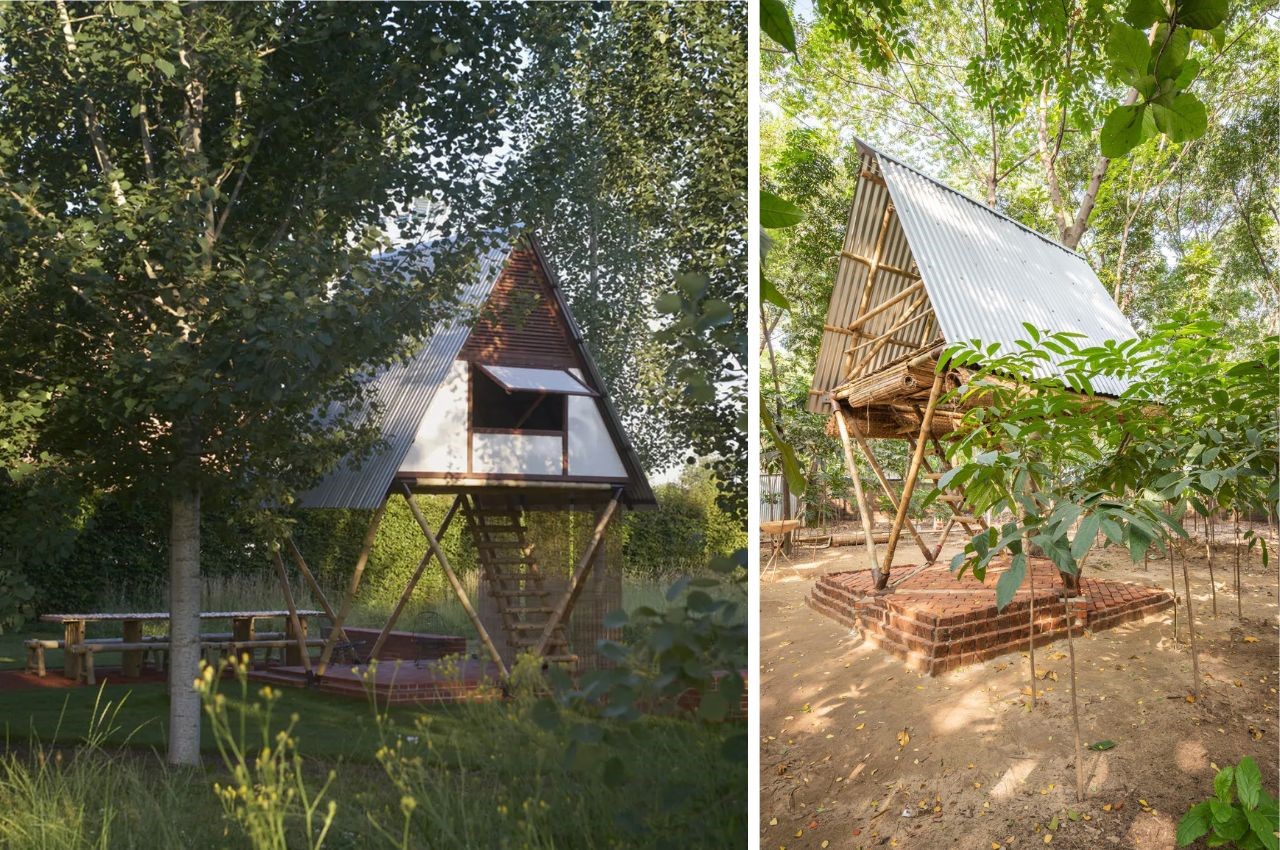
The first and most attractive feature of the Dolphin Villa lies in its design, mirroring the graceful shape of a dolphin. The villa stands elevated on speculative bamboo, creating a harmonious connection with the surrounding environment. Accessible via a charming stairway leading to a deck, the villa invites guests to immerse themselves in the tranquility of the forest.

As you approach the villa, you’re greeted by a whimsical stairway leading to an elevated bamboo platform. The journey begins with an outdoor bathtub at the tail of the dolphin, setting the tone for a unique and refreshing experience. Climb up the stairs, and you’ll discover a cozy bedroom with a kitchen cleverly nestled beneath the main fin. The kitchen is equipped with all the essentials, making it convenient for you to whip up a quick snack or a delightful meal. But the real charm lies in the outdoor suspended deck with net seating—a thrilling spot for the adventurous souls who trust the magic of a suspended net.

The villa offers various seating options strategically placed ensuring that you can find the perfect spot to revel in the forest views and embrace the ambiance of forest living. From cozy corners to the suspended net seating, every detail is thoughtfully designed to enhance the overall experience. For those seeking a refreshing dip, a mini elevated pool adds an extra touch of luxury to the retreat.

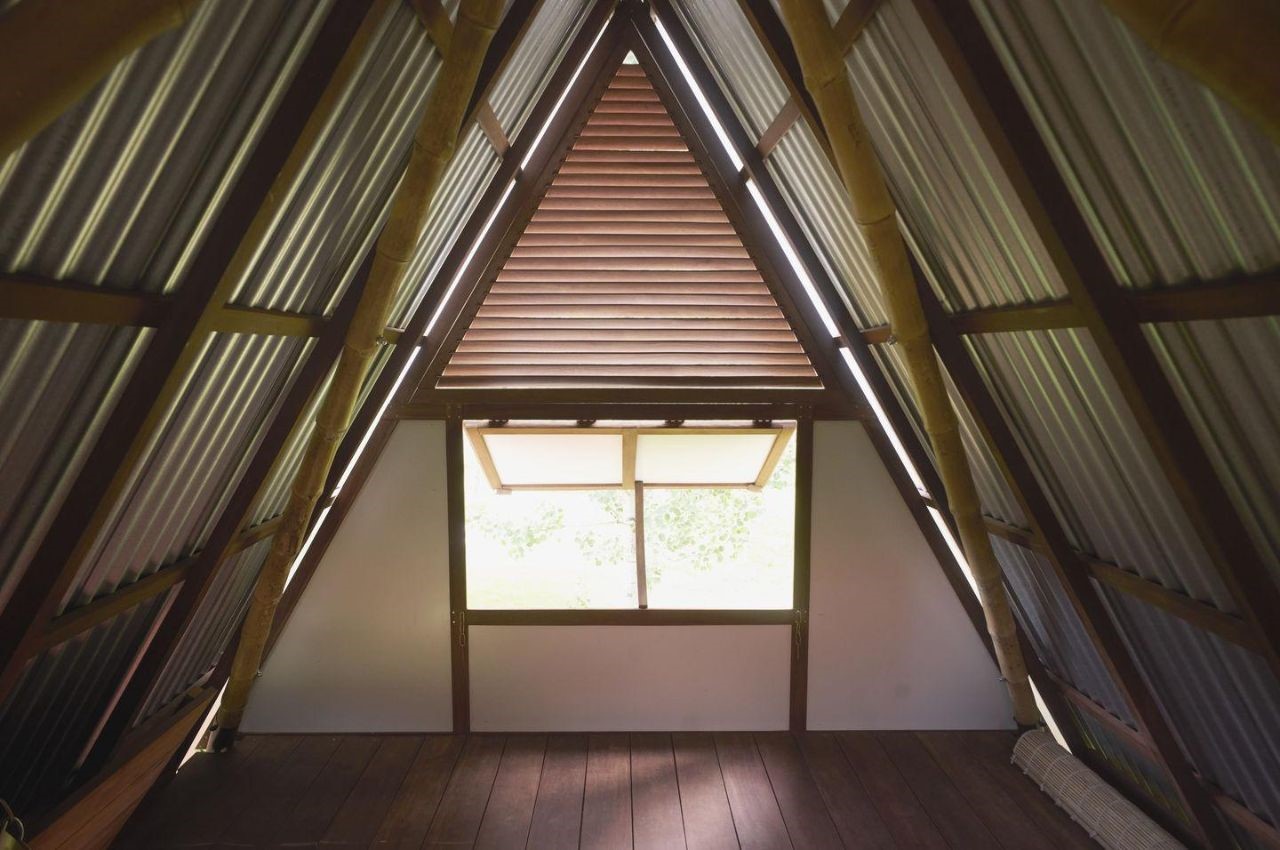
The villa is intelligently designed with ample ventilation, it embraces the open-air concept with circular windows on the covered side ensuring a constant flow of fresh air. Picture-perfect moments are not in short supply, but the highlight of the property is the vertical nest-like spot providing an unparalleled vantage point to soak in the views of the lake. This spot is not just a seating area but a visual feast, allowing guests to capture memories against the stunning backdrop of the lake—an ideal addition to any memory album.

Whether you’re planning a vacation with a small group of friends or a couple in search of a romantic retreat, Dolphin Villa offers the perfect setting. From the innovative design inspired by a dolphin’s form to the variety of unique features and breathtaking views, this villa offers an unforgettable experience that transcends the boundaries of traditional getaways.

The post A Picture-Perfect Tropical Getaway Inside A Dolphin Shaped Retreat first appeared on Yanko Design.
Dubai Solar-Powered Rail Bus System Will Bring Us a Marvel Once Again

Dubai, a city known for pushing the boundaries of innovation and technology, is set to redefine its transportation landscape with two groundbreaking projects. The Roads and Transport Authority (RTA) in Dubai has recently entered into partnerships with international experts to develop sustainable and futuristic transport solutions. The first memorandum focuses on the development of the Floc Duo Rail system, while the second aims to create a solar-powered rail bus system. These initiatives mark a significant leap forward in Dubai’s commitment to embracing advanced technologies, sustainability, and the future of urban mobility.

Designer: Urban-Mass Company and RAIL BUS Inc.

Over the past 15 years, Dubai has undergone a remarkable transformation, from the inauguration of the iconic Dubai metro in 2009 to the creation of architectural marvels such as the Burj Khalifa and Palm Jumeirah Islands. The UAE has truly made a mark on the map, quite literally with the man-made islands. Dubai has consistently demonstrated a commitment to pushing the boundaries of what is possible, blending luxury with technological advancements. With a conscious focus on sustainability, Dubai has established forums that encourage initiatives aimed at reducing environmental impact.

Floc Duo Rail System:

The Floc Duo Rail system, developed in collaboration with UK-based Urban-Mass Company, is set to revolutionize urban transportation. Comprising driverless, electric-powered pods moving on an elevated track, this innovative system eliminates the need for extensive earthworks, costly tunnels, and large stations. The double-track design enables swift and efficient movement within urban areas, with the added advantage of scalability. The system can be tailored from small local areas to city-wide networks, showcasing its adaptability to various urban environments.

yanko design images to size – Dubai_new_transport_03

Furthermore, the Floc Duo Rail system is characterized by its reliance on solar energy. Equipped with solar panels, the system generates the electricity needed for operation, aligning with Dubai’s commitment to sustainable practices. As a 21st-century mass transit solution, Floc Duo Rail is adaptable to various urban environments, scalable from small local links to extensive city-wide networks. The stations, ranging from ‘bus stops’ to large interchanges, are customized to meet rider demand. Platform lengths are flexible, allowing platoons to break up when entering and exiting stations. The driverless nature of the pods allows for smart-designed capacity adjustments, ensuring energy efficiency by using short units during low peak periods and long units during high peak periods.

Ricky Sandhu, the founder and CEO of Urban.Mass, emphasized the partnership’s significance, stating that it epitomizes the strong commitment of the UK and the UAE to combat climate change. The collaboration is poised to pave the way for sustainable mass transit solutions through innovative technology, reshaping urban mobility in the city.

Solar-Powered Rail Bus System:

In a parallel development, Dubai’s RTA has signed a memorandum with US-based Rail Bus Inc. to develop a solar-powered rail bus system. This system employs small, driverless electric vehicles that run on elevated tracks, emphasizing its lightweight and flexible nature. The adaptability of this system makes it suitable for retrofitting into various environments, offering an environmentally friendly and operationally efficient transportation solution. It’s mostly going to be a smaller size of a metro with an added layer of sustainability.

yanko design images to size – Dubai_new_transport_07

Dubai’s campaign into the future of transportation through the Floc Duo Rail system and the solar-powered rail bus system underscores the city’s commitment to adopting cutting-edge technologies and sustainable practices. As the world watches, Dubai continues to position itself as a pioneer in urban mobility, setting the stage for a greener and technologically advanced future. These initiatives not only enhance the city’s quality of life but also contribute to a global conversation about the possibilities and benefits of embracing innovative and sustainable transportation solutions.

The post Dubai Solar-Powered Rail Bus System Will Bring Us a Marvel Once Again first appeared on Yanko Design.
What would daily objects look like in outer space? This Designer reimagines a torch, speaker, and bottle

All of us have come across the various ideas floating around discussing traveling to Mars as a leisure activity. With space tourism becoming an upcoming concept, and humanity inching closer to the era of routine space travel and living, the need for products that adapt to zero-gravity environments becomes increasingly apparent. With such newer establishments, come the relevant new industries such as everyday space objects since the traditional objects developed for Earth’s gravity might pose challenges when used in the unique conditions of space. Addressing this concern, a groundbreaking collection of multi-functional products designed specifically for zero-gravity space living, including within spacecraft where gravity is absent.

Designers: Subin KimJagyeong Baek, and Jaeyeon Lee

In zero-gravity environments, the absence of a defined up or down poses a challenge to conventional products that are designed to function on a single surface. Cups, flashlights, and speakers, for instance, may not be as convenient when their functionality is limited to one side. The innovative Spatio collection addresses these challenges by introducing products with multi-functional capabilities that enhance usability in zero-gravity environments.

Lumina – Flashlight:

The flashlight that’s changing the game in space! Unlike regular flashlights that only shine in one direction, Lumina beams light in five ways. You can easily change where the light goes by turning the central wheel, making it perfect for lighting up different spots. Plus, Lumina has a smart design with a back-mounted battery, so it can shine its light anywhere in the vastness of space.

Sonus – Speaker:

The omnidirectional speaker looks like a moon and transforms your zero-gravity audio experience! Just press the top, and the speaker pops up, getting louder as more parts come out. It’s got a handy Type-C charging port and a hole to attach a rope, making it super convenient to handle even when things keep flying around. Sonus keeps the music playing even in zero gravity and is the perfect buddy for life in space.

Aqua – Water Bottle:

Thirsty in space? Aqua’s got you covered! This water bottle is a zero-gravity hydration hero. With a handle sticking out in four directions, you can grab a sip from any angle. The top is easy to twist on and off, sealing tight, and the sucking mechanism makes drinking a breeze. Taking inspiration from space food packaging, Aqua not only looks cool but is a must-have for space travelers who want to stay refreshed and hydrated.

The packaging of this line further exemplifies its commitment to innovation. Drawing inspiration from conventional space food packaging methods, the packaging is designed to complement the space-friendly functionality of the product, ensuring that every aspect of the Spatio collection aligns with the needs of zero-gravity living.

Spatio’s visionary collection of multi-functional products challenges the traditional norms of product design, catering specifically to the demands of zero-gravity space living. As we step into the future of space exploration and potential colonization, the Spatio range serves as a testament to human ingenuity, providing not only convenience but also a glimpse into the adaptability required for life beyond Earth’s gravitational pull.

The post What would daily objects look like in outer space? This Designer reimagines a torch, speaker, and bottle first appeared on Yanko Design.
Genius Multipurpose Crib Turns Into Two Armchairs After The Baby Grows Older

Welcoming a new member into the family is a special time full of excitement and happiness. Setting up a cozy space for a new baby is important, and the crib plays a major role in that. Most conventional cribs can be used until the baby turns 3 years old, depending on the size of it. Once outgrown, these cribs become obsolete and are often discarded. But what if a crib could be more than just a baby bed? Imagine a crib that doesn’t become useless after a few years but turns into cool chairs instead. This is a new kind of crib that goes beyond the usual, making it not just practical but also eco-friendly. This clever idea is changing the way we see cribs and making baby products better for the environment.

Designer: Zhipeng Qiu, Yufeng Lin

The traditional notion of cribs being a single-use item is challenged by a design that incorporates a thoughtful combination and disassembly feature. The crib can seamlessly transform into two stylish leisure chairs, offering a sustainable solution to the short-lived nature of conventional cribs. This design not only addresses the issue of limited functionality but also promotes responsible resource use and environmental consciousness.

The transformation from crib to chairs is made possible through an ingenious chute structure and plug-in mechanism. This ensures that the process is user-friendly and easily manageable for parents. The chairs maintain a balance in form and size, providing a comfortable and aesthetically pleasing addition to any home. The product embodies a gentle sense of wrapping and comfort, reminiscent of a mother’s care, ensuring the child’s well-being during the crucial developmental years.

One of the standout features of this innovative crib design is its commitment to environmental protection and sustainable development. By repurposing the crib into functional chairs, the design minimizes waste and contributes to a more circular economy. This approach aligns with the growing global emphasis on responsible consumption and reducing the environmental impact of consumer products.

Despite its environmentally conscious design, the product does not compromise on appearance, beauty, or comfort. The creators have successfully blended aesthetics and sustainability, offering a visually appealing and eco-friendly solution for families. This dual-purpose furniture piece serves as a testament to how thoughtful design can enhance the quality of public life by promoting longevity and minimizing waste.

This innovative crib design represents a significant step forward in the realm of baby products. By challenging the conventional notion of single-use cribs and introducing a sustainable and versatile approach, this design not only meets the needs of growing families but also contributes to a more eco-conscious society. As consumers increasingly prioritize sustainable choices, this innovative crib design sets a positive example for the industry, encouraging the creation of products that enhance both functionality and environmental responsibility.

The post Genius Multipurpose Crib Turns Into Two Armchairs After The Baby Grows Older first appeared on Yanko Design.
Mixed Reality Binoculars help Children see the World in a Different, More Creative Way

We all know how glued children are to screens lately. In such times where children are often immersed in the digital realm, it’s imperative to find innovative ways to encourage them to go outside in the real world and explore. The BINO mixed reality (MR) device emerges as a solution, seamlessly connecting the virtual and real worlds, empowering the ‘IPad kids’ to explore their surroundings with curiosity.

Designer: Joon-Yeol Bae

The increasing use of electronic devices from an early age has confined children’s worlds to screens. This digital immersion raises concerns about the limited physical activity vital for their holistic development. To address this challenge, BINO aims to redefine the concept of play by expanding children’s playgrounds beyond screens.

Curiosity serves as the driving force for children to explore and question the world around them. BINO is designed to engage and satisfy children’s curiosity actively, promoting physical activity as a natural byproduct of exploration. By igniting interest through playful activities, the device strives to contribute to healthier and more active lifestyles for children. It is a revolutionary MR device that serves as a companion for curious children, seamlessly connecting the virtual and real worlds. It features two lenses – a normal lens and a wide-angle lens – allowing children to observe close and distant subjects.

Features of BINO:

Photo & Video:

The device enables children to capture and preserve their exploration moments through photos and videos. It captures various moments encountered in nature or the city center, including plants, animals, transportation devices, and various objects, allowing them to cherish these memories and fostering a sense of connection with the real world while learning.

Built-in Projector:

BINO has a built-in projector, allowing children to share their recorded adventures and moments throughout the day with family without needing an additional display. It enhances the collaborative aspect of exploration.

AI Interaction:

BINO acts as a responsive companion, answering questions and explaining the world as children experience it as a blend of the real and virtual worlds. This AI interaction ensures that children maintain interest and curiosity throughout their adventures.

Constellation Exploration:

Through the MR device, the night sky comes to life with an illuminated display of numerous stars. This constellation feature enhances the immersive experience, making every exploration unique. I believe if we were taught constellations like this, I’d know them better!

BINO challenges the norms of traditional MR devices that require wearing hardware on the head or body. By seamlessly connecting virtual and real experiences in a flexible and natural way by eliminating the need for continuous wear, it breaks free from the limitations of confined spaces, enriching the stage of virtual and real interactions. This flexibility expands spatial experiences, allowing users to navigate both realms and the space where they converge.


Considering the target audience of children, the device prioritizes safety with soft mesh cushions and a detachable strap for easy portability. It also has a very visually cute form The design incorporates smooth curved surfaces to ensure a secure and enjoyable experience.

BINO emerges as a groundbreaking MR device designed to encourage outdoor exploration among children. By seamlessly connecting the virtual and real worlds, it not only satisfies children’s curiosity but also promotes physical, intellectual, and emotional growth. In a world increasingly dominated by screens, BINO is a beacon of innovation, bridging the gap between digital curiosity and real-world exploration for the next generation.

The post Mixed Reality Binoculars help Children see the World in a Different, More Creative Way first appeared on Yanko Design.
Mixed Reality Binoculars help Children see the World in a Different, More Creative Way

We all know how glued children are to screens lately. In such times where children are often immersed in the digital realm, it’s imperative to find innovative ways to encourage them to go outside in the real world and explore. The BINO mixed reality (MR) device emerges as a solution, seamlessly connecting the virtual and real worlds, empowering the ‘IPad kids’ to explore their surroundings with curiosity.

Designer: Joon-Yeol Bae

The increasing use of electronic devices from an early age has confined children’s worlds to screens. This digital immersion raises concerns about the limited physical activity vital for their holistic development. To address this challenge, BINO aims to redefine the concept of play by expanding children’s playgrounds beyond screens.

Curiosity serves as the driving force for children to explore and question the world around them. BINO is designed to engage and satisfy children’s curiosity actively, promoting physical activity as a natural byproduct of exploration. By igniting interest through playful activities, the device strives to contribute to healthier and more active lifestyles for children. It is a revolutionary MR device that serves as a companion for curious children, seamlessly connecting the virtual and real worlds. It features two lenses – a normal lens and a wide-angle lens – allowing children to observe close and distant subjects.

Features of BINO:

Photo & Video:

The device enables children to capture and preserve their exploration moments through photos and videos. It captures various moments encountered in nature or the city center, including plants, animals, transportation devices, and various objects, allowing them to cherish these memories and fostering a sense of connection with the real world while learning.

Built-in Projector:

BINO has a built-in projector, allowing children to share their recorded adventures and moments throughout the day with family without needing an additional display. It enhances the collaborative aspect of exploration.

AI Interaction:

BINO acts as a responsive companion, answering questions and explaining the world as children experience it as a blend of the real and virtual worlds. This AI interaction ensures that children maintain interest and curiosity throughout their adventures.

Constellation Exploration:

Through the MR device, the night sky comes to life with an illuminated display of numerous stars. This constellation feature enhances the immersive experience, making every exploration unique. I believe if we were taught constellations like this, I’d know them better!

BINO challenges the norms of traditional MR devices that require wearing hardware on the head or body. By seamlessly connecting virtual and real experiences in a flexible and natural way by eliminating the need for continuous wear, it breaks free from the limitations of confined spaces, enriching the stage of virtual and real interactions. This flexibility expands spatial experiences, allowing users to navigate both realms and the space where they converge.


Considering the target audience of children, the device prioritizes safety with soft mesh cushions and a detachable strap for easy portability. It also has a very visually cute form The design incorporates smooth curved surfaces to ensure a secure and enjoyable experience.

BINO emerges as a groundbreaking MR device designed to encourage outdoor exploration among children. By seamlessly connecting the virtual and real worlds, it not only satisfies children’s curiosity but also promotes physical, intellectual, and emotional growth. In a world increasingly dominated by screens, BINO is a beacon of innovation, bridging the gap between digital curiosity and real-world exploration for the next generation.

The post Mixed Reality Binoculars help Children see the World in a Different, More Creative Way first appeared on Yanko Design.
The panels on this crockery shelf are actually designer plates that you can remove and dine in!

A wonderful twist on how crockery gets stored in cabinets, the Gere Multifunctional Crockery Shelf turns your plates into decorative panels that contribute to the furniture’s aesthetic. The Gere Multifunctional Crockery Shelf looks like a gorgeous piece of furniture with abstract art on the front… but what appears to be art is, in fact, a series of partitioned plates for eating different food. Each plate has a uniquely different partition design, which not only contributes to the shelf’s eye-catching facade, but also makes eating a rather fun experience! Behind each plate lies a storage area for your other crockery, giving you a fun, yet functional shelf for your kitchen!

Designer: Florian Beser

The inspiration behind Gere stems from the growing trend of minimalism and the need to optimize small living spaces. The project focuses on addressing the issue of large shelves filled with round plates that result in wasted space. The goal is to create a crockery shelf that is compact yet caters to the storage needs of individuals in smaller households.

To achieve this goal, the design team employed a comprehensive research process that included surveys, market analysis, interviews with the target audience, and the creation of a user journey map. The insights gained from this research provided a deep understanding of kitchen storage preferences, structuring items in the kitchen, and interaction points with shelves and plates.

Gere seamlessly combines shelves and plates, utilizing the plates to form a relief-like front for the shelf. This unique design creates additional interior space that can be efficiently utilized to store more crockery, cups, glasses, and other kitchen essentials. The gridlike structure of Gere allows for scalability, enabling larger or smaller versions to cater to different household sizes.

Ideal for placement in kitchens or dining rooms, Gere can be hung on the wall. The individual rows of plates can be folded down, providing easy access to stored items or allowing the removal of a plate from the front. The plates themselves feature segments, enabling users to separate main courses and side dishes on a single plate for convenient transportation. In addition to the front storage, Gere offers additional shelf space for storing crockery, cups, glasses, and more, making it a modularly expandable crockery set.

The functionality of Gere relies on the careful consideration of material properties. The shelf is crafted from local oak wood, chosen for its sturdiness and resistance to water. The plates, conceptualized using 3D graphic software, are 3D printed, translated into plaster molds, and ultimately cast in porcelain.

Specifications for Gere include 240mm x 240mm x 20mm dimensions for the plates and a prototype shelf measuring 1200mm x 200mm x 1300mm. The customizable size of the shelf ensures that Gere can be tailored to the specific needs and preferences of different users.

Gere stands as a testament to the marriage of form and function in the realm of kitchen storage. Its innovative design not only maximizes space utilization but also brings an element of aesthetic appeal to the utilitarian aspect of crockery storage. As the demands of modern living continue to evolve, Gere offers a practical and elegant solution for those seeking to optimize their living spaces without compromising on style or functionality.

The post The panels on this crockery shelf are actually designer plates that you can remove and dine in! first appeared on Yanko Design.
A Headphone Stand To Bring In a Tale From Nature To Your Desk

In the realm of design, every product tells a story, weaving together elements of inspiration and functionality. The KIWI Headphone Stand is no exception, offering a unique blend of creativity and purpose that transcends the ordinary. As we delve into the backstory of this captivating creation, we find ourselves drawn into a narrative where nature, aspirations, and practicality converge.

Designers: Jeongjun Kim and Jinhyoung Choi

At the heart of the KIWI Headphone Stand’s conception lies the tale of a Kiwi bird with a desire for change. This peculiar bird, known for its short legs, yearned for the elegance and grace that came with longer limbs. Every day, it dreamt of standing tall alongside other magnificent birds, its imagination soaring with the possibilities of elongated legs.

One fateful day, the Kiwi bird awoke to a startling realization—its wish had come true. To its astonishment, the once stubby legs were now elongated, granting the bird a newfound stature. However, as reality often proves, ideals and wishes can have unintended consequences.

The Kiwi bird, now burdened with the challenges of its elongated legs, found itself in difficulty. The very feature it had longed for had become a hindrance. In a quest to revert to its original form, the Kiwi bird pondered creative solutions, leading to a unique association with everyday objects.

Taking inspiration from the Kiwi’s plight, the designer of the KIWI Headphone Stand ingeniously incorporated elements from various birds, including the Kiwi and the duck. The elongation of certain parts of these birds served as the foundation for a headphone stand that seamlessly merged functionality with aesthetic appeal.

To maintain a harmonious blend with nature, the designer opted for wood as the primary material for the KIWI Headphone Stand. This choice not only adds warmth and elegance to the product but also pays homage to the organic inspiration derived from the Kiwi bird and other avian counterparts.

In a stroke of brilliance, the designer introduced two similar design iterations, allowing the KIWI Headphone Stand to cradle not just one but possibly two headphones at a time or maybe use that as a hook for something else. This thoughtful addition enhances the product’s appeal, making it a practical and visually striking accessory for any workspace.

The KIWI Headphone Stand is more than just a functional accessory for your desk; it’s a testament to the symbiotic relationship between design and nature. By intertwining the story of the Kiwi bird with the practical needs of headphone storage, this product is a conversation piece that resonates with those who appreciate the artistry behind everyday objects.

The post A Headphone Stand To Bring In a Tale From Nature To Your Desk first appeared on Yanko Design.
Giant Turtle-shaped beach restaurant gives diners the epitome of nature-inspired and themed decor

Nestled along the coastline, the Turtle Restaurant emerges as an architectural and artistic marvel, paying homage to the ocean’s most graceful creature—the sea turtle. Crafted entirely from bamboo, this sustainable and awe-inspiring structure seamlessly blends with the beach vibe, creating a unique and harmonious dining experience.

Designer: Thilina Liyanage

The entire restaurant is like a puzzle of smaller geometric fragments, meticulously joined together to resemble a giant turtle. Bamboo, chosen as the primary construction material, not only reflects the local availability of this resource but also highlights its eco-friendly nature. Known for its sturdiness and biodegradability, bamboo aligns perfectly with the vision of sustainability, offering both strength and natural aesthetics.

The main entrance, located at the back of the turtle, seamlessly connects to the forest, creating a pathway that intertwines with nature. Additionally, two side entries welcome guests directly from the beach, providing a smooth transition between the restaurant and its coastal surroundings.

The turtle’s shell serves as the main space, sheltering the restaurant and evoking a sense of awe. The central portion of the shell is open, serving as a skylight that bathes the interior in natural light, creating an open and airy atmosphere. The shell extends into outdoor decks on the sides, offering patrons a complete outdoor experience and stunning views of the surrounding forest.

The bamboo arches play a dual role, serving as structural supports for the shell while also adding a touch of drama and privacy to different sections of the restaurant. Tilted arches on the sides create a perception of grandeur, enhancing the visual appeal and making the space appear larger than life.

To cater to varied preferences, the Turtle Restaurant offers three types of seating—lounge chairs, cane chairs, and regular cushioned wooden chairs. Guests can choose their preferred seating option based on comfort and the desired vibe, ensuring a personalized dining experience.

While the restaurant already boasts a captivating design, the addition of a stairway leading to the inside of the turtle’s head could offer a unique vantage point for patrons. This feature not only enhances the overall experience but also provides a photogenic spot for capturing the beauty of the beach from a different angle.

As the sun sets, the Turtle Restaurant transforms into a magical space with the help of recessed ground lights and pendant lights. The subtle illumination creates a warm and inviting ambiance, making it an ideal setting for a premium beach bar experience.

The post Giant Turtle-shaped beach restaurant gives diners the epitome of nature-inspired and themed decor first appeared on Yanko Design.
Introducing An Acoustical Material That Can Be Used Even For Outdoor Events

In the dynamic world of sustainable design, Jonas Edvard stands out with his innovative approach to integrating organic materials into functional and aesthetically pleasing objects. His latest creation, the Myx Sail / Floor, unveiled at the Mindcraft Project 2023, is a sound-absorbing panel that showcases the remarkable properties of mushroom mycelium, hemp, and willow. This 1m x 1m panel not only exemplifies the structural possibilities of composite biomaterials but also represents Edvard’s commitment to responsible design practices.

Designer: Jonas Edvard

The Myx Sail / Floor project is a testament to Jonas Edvard’s dedication to exploring the symbiotic relationship between design choices and their impact on nature. Collaborating with a living material – mushroom mycelium – throughout the design and production process, Edvard creates a flexible room divider within a pre-designed mold. As the mycelium gradually grows and bonds with a plant fiber mixture, the panel takes shape, marrying flexibility with rigidity.

The designer draws inspiration from the natural role of mushrooms as recycling agents, breaking down plant matter into soil. His design philosophy revolves around a deep respect for nature, evident in his exploration of the intricate relationship between raw materials and human life. The Myx Sail / Floor prototype serves as a modular design that aims to emphasize how organic materials like mycelium can seamlessly integrate into our living and working spaces.

Jonas Edvard’s broader research study, conducted in collaboration with Arup Engineers in Germany, delves into the sound-absorbing qualities of mycelium. The panels are meticulously designed to absorb frequencies between 200 and 2500 Hz – the standard range of human conversation and interaction (same as glass wool). Edvard envisions the potential for natural, organic materials to become integral components of our buildings and interior architecture, contributing to a more sustainable life cycle.

The design philosophy revolves around responsible design choices and their impact on nature. His open-minded approach to design leads to experiments that yield new materials and objects from local or organic sources, often embracing a circular and sustainable ethos. In his testing phase, Edvard explores various material combinations to understand the design, appearance, and functionality of mycelium-based sound-absorbing material.

The Myx Sail / Floor sound-absorbing panel invites people to touch and feel the natural qualities of mushroom mycelium, hemp, and willow. Edvard aims to create an immersive experience, allowing individuals to sense the porous, lightweight, and stiff characteristics of the materials. By reshaping these materials into functional forms, he hopes to spark conversations about the value and aesthetics of natural origins, encouraging a new understanding of how these materials can be incorporated into our homes and living areas. Now the acoustic installation won’t just be on the walls and ceilings conventionally, but the floors too!

The Myx Sail / Floor is more than just a sound-absorbing panel – it is a tangible embodiment of sustainable design principles and a testament to the possibilities that arise when designers collaborate with nature. As Edvard continues to push the boundaries of material innovation, his work inspires the integration of organic, natural materials into our built environment, fostering a harmonious relationship between design and the natural world.

The post Introducing An Acoustical Material That Can Be Used Even For Outdoor Events first appeared on Yanko Design.