Kia’s latest EV concepts go big on geometrics and cabin vibes

Kia's concept EVs often get more than the usual amount of attention because it tends to incorporate a lot of the ideas in the final production models — with the EV9 electric SUV being a good example of that. With that in mind, the company just unveiled the Concept EV3 and Concept EV4 representing its "Opposites Unite" design philosophy, with an emphasis on interior vibes, geometric shapes and sustainable materials. 

The smallish crossover Concept EV3 looks more production-ready, and Kia says it "offers the technology, practicality and design of [our] flagship SUV, the EV9." That may be true, but the EV3 carries a bold, futuristic design as well. Like the EV9 concept, it has distinct geometric patterns including octagonal wheel wells that flare out considerably from the body, and echoes those shapes in the side skirts and taillights. 

Kia's latest EV concepts emphasize 'cabin ambience,' geometric shapes
Kia

The windshield is pushed forward to open up interior space, while the glass roofline slopes front to back and appears to float thanks to the disconnected C pillar. "The unexpected treatment of volumes and graphics simultaneously interlock with each other, creating a logical yet emotional design," the company added in some top-tier concept car PR fluff. 

Kia's latest EV concepts emphasize 'cabin ambience,' geometric shapes
Kia

The interior is more fanciful, with a nearly button-free layout designed to emphasize the voluminous interior and create a "transformative cabin ambience," Kia said. It features a horizontal screen mounted on top that functions as both gauge cluster and infotainment system, along with an oval steering wheel and real mirrors. The wide center console "table" converts to four modes, including "focus, social, refreshing and storage." Meanwhile, the fiber weave materials and bioplastics make the cabin inviting and modern.

Kia's latest EV concepts emphasize 'cabin ambience,' geometric shapes
Kia

The Concept EV4 is a clean-sheet design with an emphasis on sportiness that also uses some strong geometric shapes. To that end, it has a low nose and long-tail silhouette with a wide stance, along with a "technical roof spoiler" — two small extensions on either side of the roof. Again, we're seeing bulgy fenders, lots of bold lines and creases, a sloping glass roof and geometric lighting front and back. 

HVAC user interface incorporates a control panel that can be neatly stored in the center console when not in use
Kia

The interior is broadly the same as the Concept EV3, but an "HVAC user interface incorporates a control panel that can be neatly stored in the center console when not in use," according to Kia. It incorporates handwoven fabrics in the vehicle's storage area and dashboard to create a 3D effect, and features natural dies and recycled cotton in the interior. 

Kia's latest EV concepts emphasize 'cabin ambience,' geometric shapes
Kia

Kia didn't get into the power, battery or other powertrain features of either car, and painted both as test cases to see what people think. "That’s why we came to Los Angeles and America’s savviest EV consumers, to gauge reaction to two potential opportunities within the Kia lineup," said Kia America's COO Steven Center. It looks like Kia has nailed these designs once again, so don't be surprised to see them appear in some form as real production vehicles. 

This article originally appeared on Engadget at https://www.engadget.com/kias-latest-ev-concepts-go-big-on-geometrics-and-cabin-vibes-190529735.html?src=rss

UK authorizes first gene therapy for treating sickle cell disease

In a landmark decision, the UK’s Medicines and Healthcare products Agency (MHRA) approved the use of a gene-editing therapy called Casgevy for patients with sickle cell disease and beta thalassemia — both of which are hereditary disorders related to genetic mutations of the red blood cells. The treatment, manufactured by Vertex, is the first-ever approved therapy that utilizes CRISPR-based gene editing technology to treat eligible patients.

The UK approval of the novel therapy is informed by two previous global clinical trials that indicated the treatment's efficacy. 97 percent of patients using Casgevy were relieved of severe pain associated with the blood disorders for at least 12 months after treatment during the trials. The results suggest that the gene editing treatment could replace the current standard for care. Stem cell therapy and bone marrow transplants are currently the only pathways to cure sickle cell disease and beta thalassemia, however, they involve a lot of risks.

Both sickle cell disease and beta thalassemia are blood disorders characterized by defective red blood cells that can’t carry oxygen, and require patients to get monthly blood transfusions that can be costly and time-consuming. Casgevy works by specifically targeting the genes in the bone marrow stem cells that produce faulty blood cells. For the treatment to work, a patient’s stem cells need to be extracted from their bone marrow, edited in a lab and then re-infused into the patient.

Despite its promising outlook, CRISPR-based therapies may not be easily available to the general public. Gene editing is an expensive endeavor. The Innovative Genomics Institute (IGI) estimates that the average CRISPR-based therapy will cost between $500,000 and $2 million per patient. The IGI has built out an ‘Affordability Task Force’ to tackle the issue of expanding access to these novel therapies.

Aside from costliness, gene editing therapies offer huge promise to innovate treatment pathways for rare conditions including neurodegenerative diseases, cancer and muscular atrophy. More importantly, this landmark approval for Casgevy “opens the door for further applications of CRISPR therapies in the future,” Prof Dame Kay Davies, a scientist from the University of Oxford, said. And new iterations of gene editing technologies may even surpass CRISPR in the future.

Casgevy is still being reviewed by regulatory agencies for safety standards in other countries, including the United States and Saudi Arabia. A marketing application, the first step towards approval for the therapy, was recently validated by the European Medicines Agency.

This article originally appeared on Engadget at https://www.engadget.com/uk-authorizes-first-gene-therapy-for-treating-sickle-cell-disease-184130989.html?src=rss

Apple will offer RCS support starting in 2024

The green bubble-blue bubble divide may be getting smaller soon. Apple has confirmed it will support the RCS messaging standard that it's long eschewed. That's not to say that messages from Android devices will no longer appear green on Apple's Messages app. It does mean that texts from iPhones to non-iOS devices will support the newer Rich Communication Services protocol, meaning they will not have to go through the aging SMS (and MMS) system. In a statement, Apple said "We believe RCS Universal Profile will offer a better interoperability experience when compared to SMS or MMS."

That support will "work alongside iMessage, which will continue to be the best and most secure messaging experience for Apple users." With new features like voice memo transcriptions and Check In that aren't available on RCS, iMessage could still outshine default text messaging apps on Android. It also means there might not be change to any of the colors of the conversation bubbles.

Google has long taken potshots at Apple for not supporting RCS, saying the texting experience between iPhones and non-iPhones is so outdated it might as well be using a pager. With RCS support, messages between Android and iOS devices will be more secure (than over SMS), while media can be shared at higher quality.

In a statement issued on Thursday, Google said that it was happy to see Apple support RCS. “We welcome Apple’s participation in our ongoing work with GSMA to evolve RCS and make messaging more equitable and secure, and look forward to working with them to implement this on iOS in a way that works well for everyone,” Google posted on X.

A GSMA spokesperson told Engadget earlier this year that the RCS Universal Profile (UP) "provides the industry with an open, consistent and global messaging service across networks and devices. It simplifies interoperability and enables OEMs and OS providers to achieve scale and give consumers a richer and more consistent messaging experience regardless of device or network."

It has not been entirely clear why Apple has resisted adopting RCS until now, though security and potential for spam are both possible factors. It took until August this year for Google to enable end-to-end encryption (E2EE) in all RCS group chats in its Messages app for Android and Wear, while E2EE has been available for individual conversations since 2021. Compare that to chats in WhatsApp and iMessage, which have been encrypted since the 2010s, and it's clear that RCS is fairly late to offer this security feature.

It's not yet evident exactly when Apple plans to enable support for RCS UP, though the statement said "later next year." Today's announcement just happens to fall on the date that's the deadline for companies to file challenges at the European Union's General Court. Apple is reportedly looking to challenge the EU's decision to put all of the App Store on a digital antitrust list under its Digital Markets Act. 

In September, Apple launched the iPhone 15 and 15 Pro, which are the company's first phones to come with USB-C charging ports in place of Lightning. This week, we also saw news about the release of the Qi 2 wireless charging standard with the new iPhones among the first available devices compatible with the updated protocols. 

Whether it was brought on by EU regulations or other motivations, it's clear Apple is opening up parts of its walled garden to play nice with other devices. And maybe, just maybe, you won't have to "buy your mom an iPhone."

Update, November 16, 2023, 7:00PM ET: This story was updated with a statement from Google. 

Update, November 17, 2023, 1:25PM ET: This story was updated with additional context around the availability of end-to-end encryption on RCS and other messaging platforms.

This article originally appeared on Engadget at https://www.engadget.com/apple-will-start-supporting-rcs-in-2024-182232923.html?src=rss

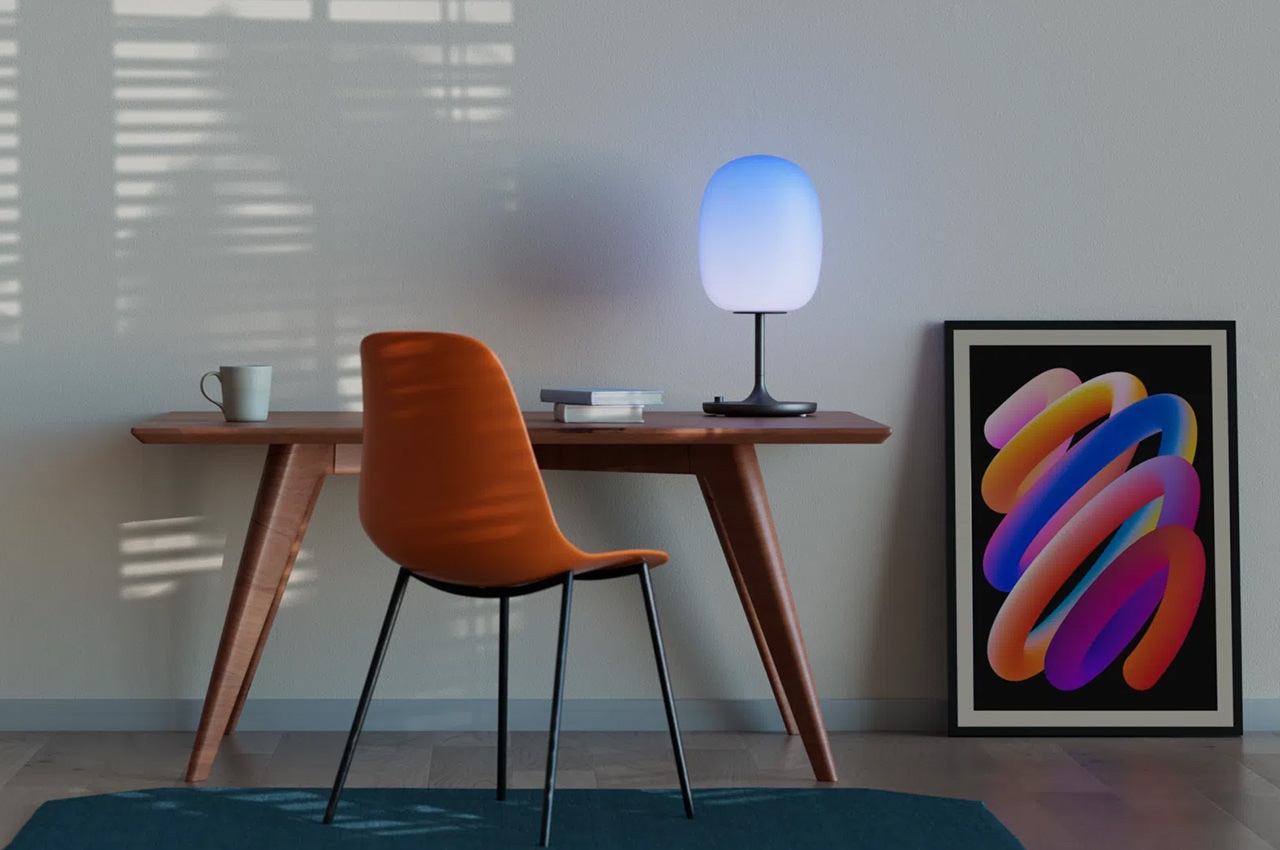
Lamps that Simulate Natural Sunlight to Help You Cope with Seasonal Affective Disorder

When you don’t spend a lot of time outdoors and therefore you don’t get enough natural light, there are times when this can affect your mood or your mental health in general. Especially during seasons when the days are short and the nights are long, people get affected with things like SAD (seasonal affective disorder) and other conditions affected by lack of natural light. Light therapy is one of the things suggested by professionals and there are some products out there that are the next best thing to natural light if you can’t get it.

Designer: Bios

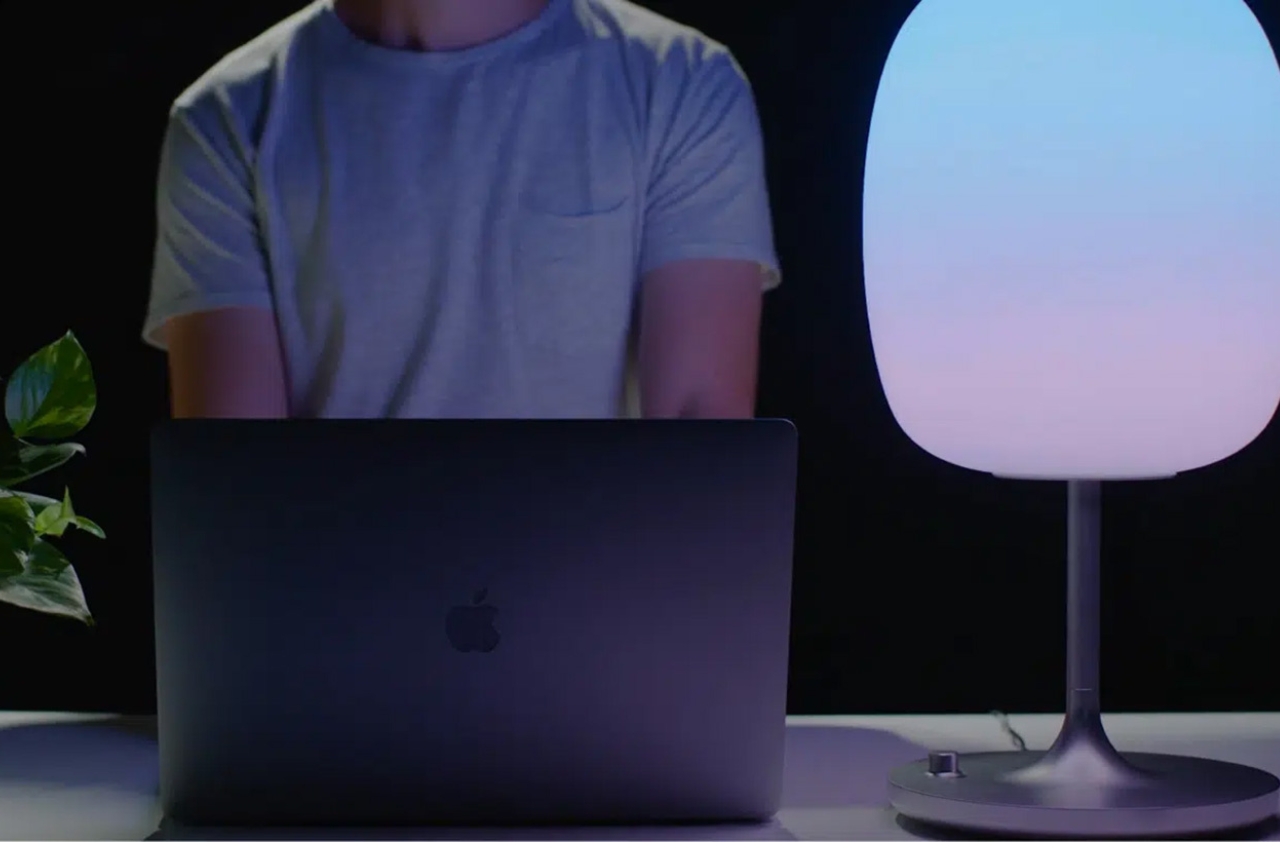
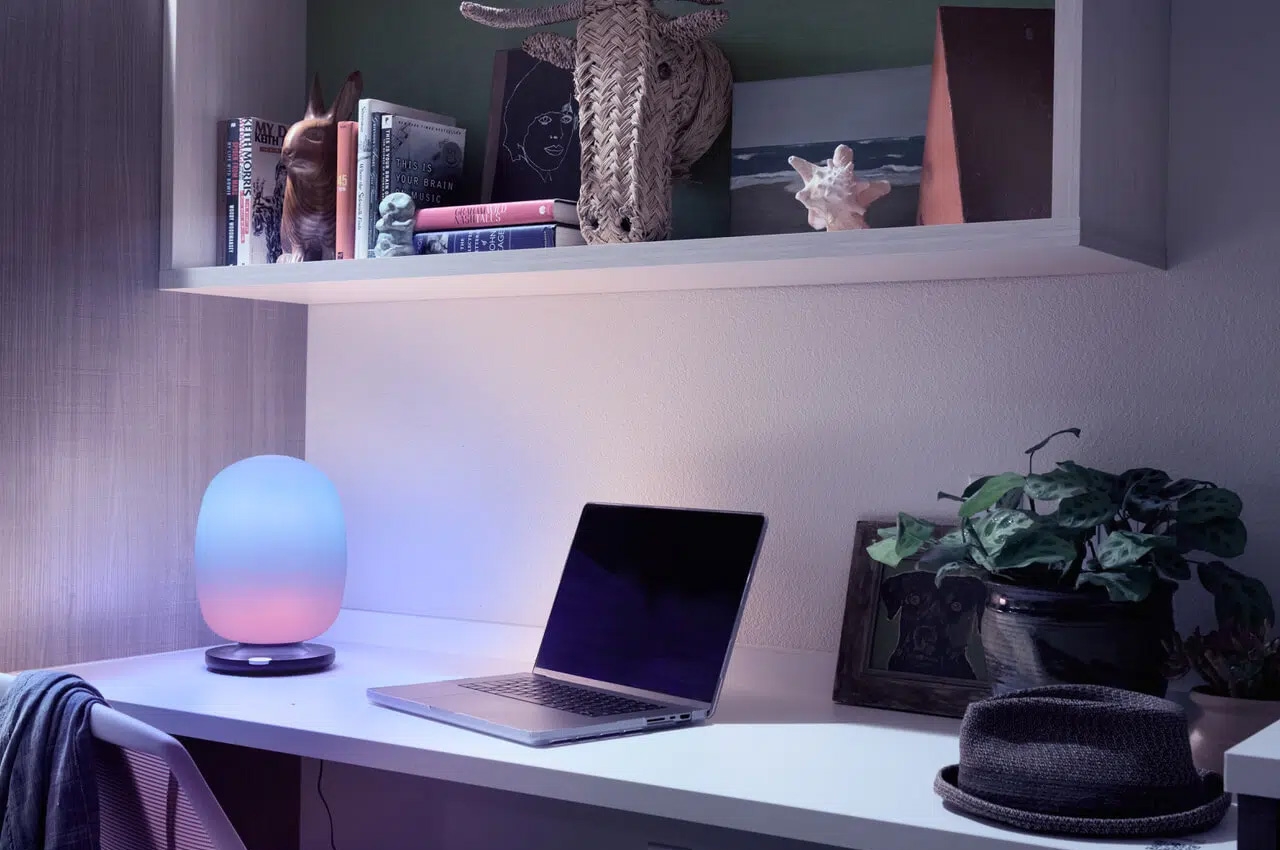
There are a couple of lamps out there called Skyview that can be used as part of your light therapy but are also aesthetically pleasing. Bios has designed these lamps according to “documented scientific research” which means it is able to simulate exposure to sunlight even when you’re just inside your home and the sun is not actually out. The way the lamps look are also more natural in a home setting so it doesn’t feel weird or out of place whether in your living room, bedroom, or your work area.

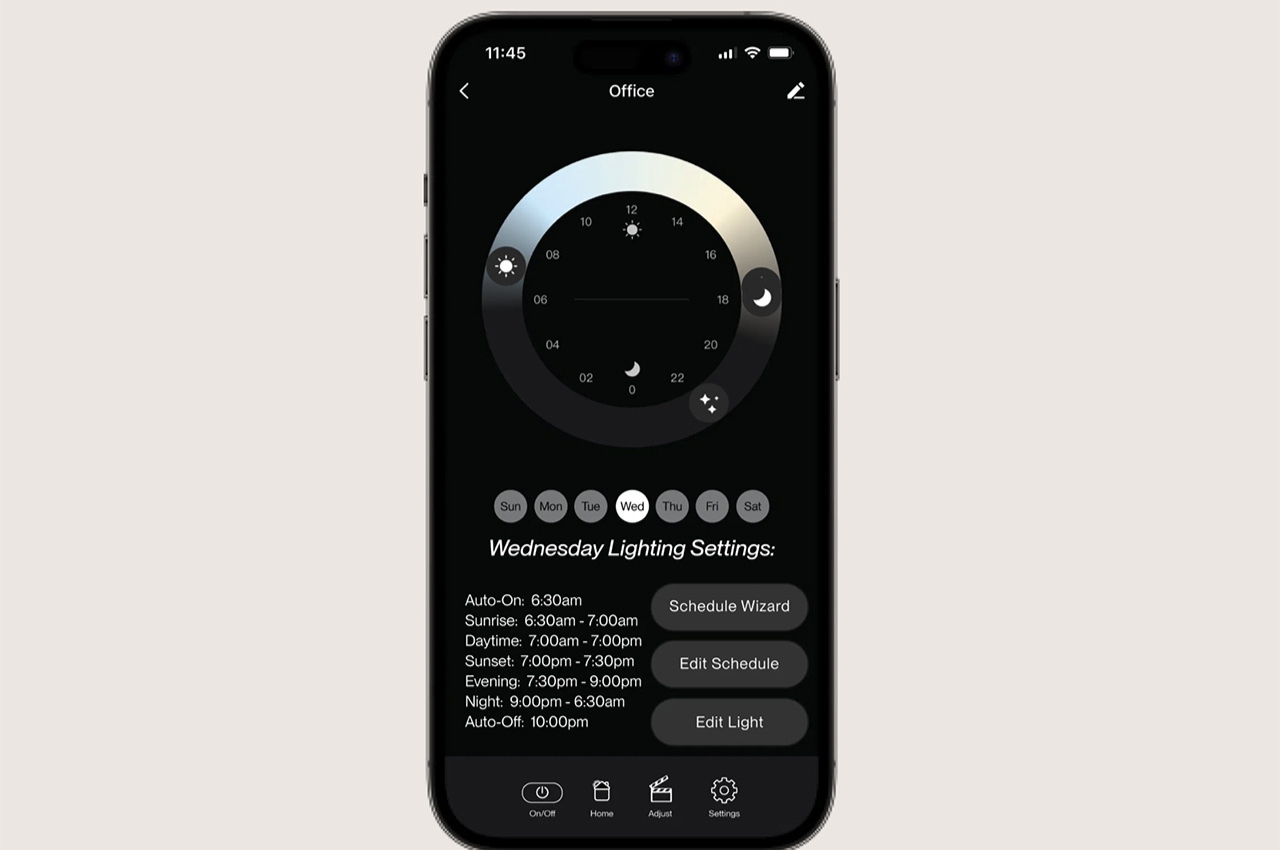
As the day progresses, the lamp can also be programmed to adjsut to the time of day and the natural light outside in terms of brightness and light temperature but at a more comfortable rate than when you’re actually outside under the glare of the sun. It is also able to adapt the spectrum of natural light with all its colors and even simulate the light when it shines above the horizon.

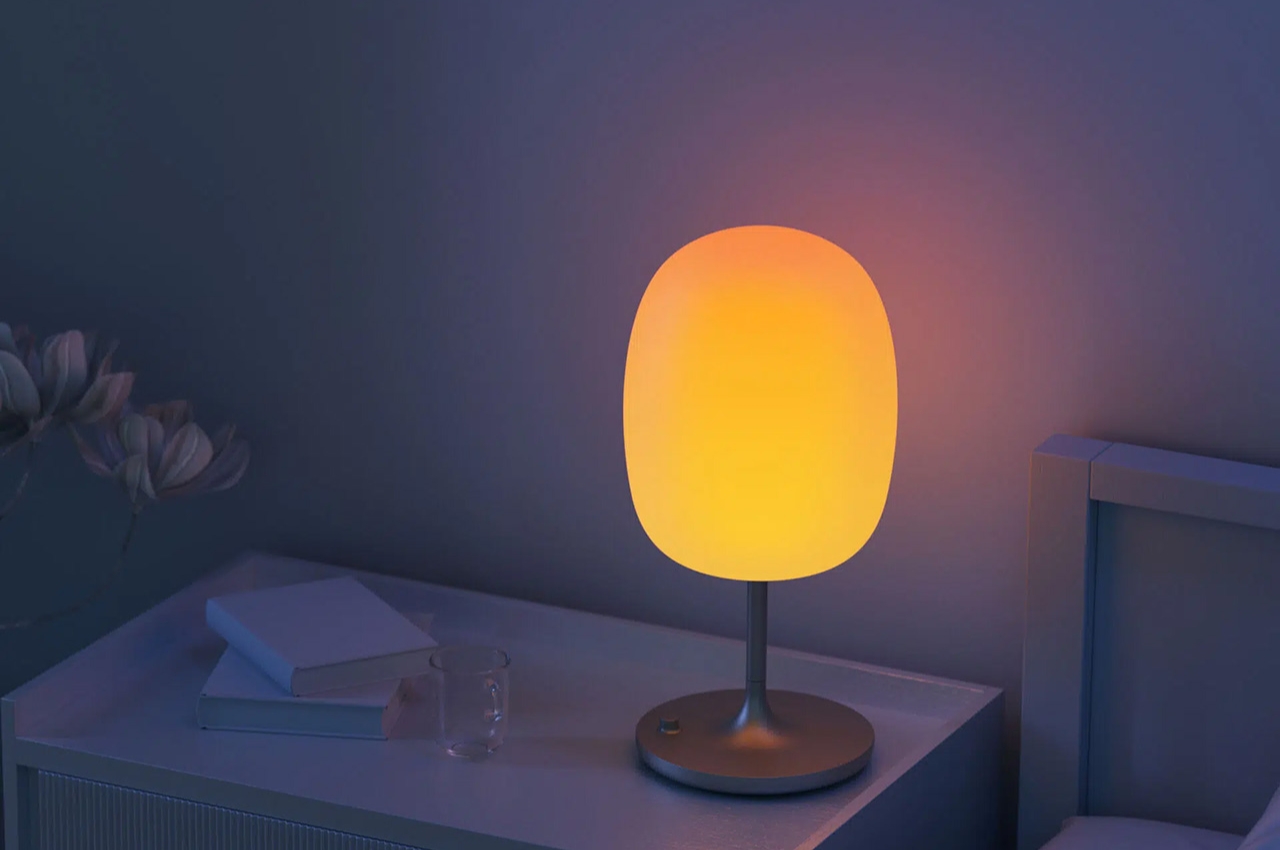
There are two models available for the Skyview lamps. One is a taller model at 20.7 inches and has a handblown glass globe while the smaller and cheaper one is at 11.6 inches and has a diffused polycarbonate globe design. Both have 1,302 lumens LED brightness and have a die-cast aluminum base. It is also able to have around 50,000 hours lifespan and has an 80 color rendering index score. The taller one or the Skyview 2 Pro is priced at $949 while the Skyview 2 model is available for $449.

The post Lamps that Simulate Natural Sunlight to Help You Cope with Seasonal Affective Disorder first appeared on Yanko Design.

Korg’s iconic ARP 2600 M synthesizer on sale for $1,150 via Reverb

If you’ve been wanting to splurge on a classic-ish synthesizer this holiday season, now just might be your time to shine. Reverb’s offering a massive discount on 2021’s Korg ARP 2600 M recreation. This deal brings the price down to $1,150 instead of $2,000, a savings of $850 or 42 percent. It’s worth noting that this sale is for brand-new models and not refurbished synthesizers, further sweetening the deal.

Korg’s ARP 2600 M reissue was 39 years in the making, as it recreates a synthesizer that stopped production all the way back in 1981, which is before E.T. even came out. This is a relatively faithful remake, though it’s much smaller and lighter than the original, which accounts for the “M” (mini) moniker.

You still get those three iconic oscillators and a dual-mode, self-oscillating low-pass filter that lets you peruse different sounds drawing from ARP’s storied history. There’s even a true spring reverb tank included and a pair of built-in speakers, which are great for hashing out ideas but shouldn’t be used for microphone recordings. For laying down tracks, use one of the TS style jacks, as this model lacks XLR audio outs.

It’s worth re-emphasizing how much the miniaturized and lightweight form factor streamlines the music-making process, despite the lack of a dedicated keyboard. This thing is half the size of the original and weighs just 13 pounds, making it easy to gig with or to move between studios. As a reference, the original ARP 2600 weighed nearly three times that. Also, snagging an original 1970s model can set you back as much as $13,000.

This is part of Reverb’s Dream Deals event that offers steep discounts on a wide range of products, from Focusrite audio interfaces to Fender guitars, and beyond. All of these deals end when the instruments and gadgets sell out.

Your Black Friday Shopping Guide: See all of Yahoo’s Black Friday coverage, here. Follow Engadget for Black Friday tech deals. Learn about Black Friday trends on In The Know. Hear from Autoblog’s experts on the best Black Friday deals for your car, garage, and home, and find Black Friday sales to shop on AOL, handpicked just for you.

This article originally appeared on Engadget at https://www.engadget.com/korgs-iconic-arp-2600-m-synthesizer-on-sale-for-1150-via-reverb-180839298.html?src=rss

Microsoft’s Copilot AI is officially coming to Windows 10

Microsoft's AI ambitions are moving a bit backwards: Today, the company has confirmed that it's bringing Copilot AI to Windows 10. At first, it'll be available to Windows Insider users in an upcoming Release Preview update, where Copilot will appear on the right side of the Task Bar. Once selected, you'll see the familiar Copilot interface, which you can use to ask the AI questions, manage Windows features or interact with documents. Microsoft says the Copilot window won't overlap with desktop content or block open windows.

If this all sounds familiar, it's because Windows Central reported that Windows 10 would be getting Copilot earlier this month. The move isn't exactly surprising. While Windows 11 is Microsoft's latest OS, it only accounts for 26 percent of Windows installations, according to GlobalStats. Windows 10, meanwhile, still holds 69 percent of the Windows market.

In 2020, Microsoft announced that Windows 10 reached 1 billion devices, and it still appears to be above that figure. Windows Central's reporting suggests that Windows 11 is on 400 million devices, in comparison. Just one look at those numbers and it makes sense why Microsoft is bringing its latest tech into an aging OS (its "end of service" date is still October 14, 2025). If the company was able to declare it brought Copilot's AI to 1.4 billion devices in 2023, this year of over-accelerated AI hype will have been worth it.

Windows 10's Copilot will be previewed in North America, as well as parts of Asia and South America over the next few months. For Windows Insiders who want to get in line for the update, Microsoft suggests installing today's November preview update. Additionally, they'll need to enable the "Get the latest updates as soon as they're available" feature in Windows Update.

This article originally appeared on Engadget at https://www.engadget.com/microsofts-copilot-ai-is-officially-coming-to-windows-10-180020032.html?src=rss

The Echo Dot drops to a record low of $23 in an Amazon Black Friday deal

Amazon is selling the diminutive Echo Dot smart speaker for just $23 as part of an early Black Friday deal. That’s a record low price for the gadget and represents a savings of more than 50 percent, as it typically costs $50. This deal is for the latest and greatest Echo Dot, and not a model from several generations ago.

The sale applies to various colorways, like gray, blue and black. The Echo Dot may be small in stature, but there’s a reason it made our list of the best smart speakers in 2023. This thing is actually pretty useful. The sound quality won’t blow you away when compared to its larger siblings, but the speaker gets plenty loud. It also features a temperature sensor and built-in Eero capabilities.

The globe-shape is pleasing, the colors are on point and set-up is simple, thanks to the affiliated Echo app. We liked this smart speaker at $50, so we certainly like it at $23. If you’ve been wanting to experiment with Alexa but were waiting for a good deal, this is it. If you buy this speaker, make sure to ask Alexa to sing the song about cats. Trust me.

Amazon’s sale extends beyond the company’s tiniest smart speaker. You can also nab the standard full-sized Echo speaker for $55, which represents a savings of $45. Additionally, the Echo Dot with Clock is on sale for $35 instead of $60. As the name suggests, this is the above Echo Dot, but with an LED clock. If you don’t want to spring for this version, you can always just ask Alexa to tell you the time.

Your Black Friday Shopping Guide: See all of Yahoo’s Black Friday coverage, here. Follow Engadget for Black Friday tech deals. Learn about Black Friday trends on In The Know. Hear from Autoblog’s experts on the best Black Friday deals for your car, garage, and home, and find Black Friday sales to shop on AOL, handpicked just for you.

This article originally appeared on Engadget at https://www.engadget.com/the-echo-dot-drops-to-a-record-low-of-23-in-an-amazon-black-friday-deal-174541440.html?src=rss

Instagram update adds new camera filters and video editing tools for content creators

Instagram is rolling out an app update that is surprisingly robust, bringing a whole bunch of new features to content creators. First and foremost, there’s finally some new camera filters, which should shake things up for a while. These filters range from “subtle color edits” to more expressive and stylized options.

There are some other minor Camera Roll improvements to make it easier to find what you need as you edit. These include updated previews, a refined search function and even the ability to zoom.

As for video editing, there’s a new undo/redo tool that lets you, surprise, undo actions and redo them with the press of a button. Instagram also says it's testing the ability to scale, crop and rotate individual clips as part of the editing process. The audio tools are also getting some love, as you can pull audio clips from a dedicated media hub to accompany a Reel. Followers can remix this content as they see it. If this sounds a lot like TikTok, well, that’s because it is.

To that end, there are 10 new English text-to-speech voices to choose from, though they are only available in select countries for now. Additionally, there are six new text fonts and styles available to caption up your Reels or Stories, in addition to bolded outlines that should really make your copy pop. Hopefully.

A doggo as a sticker.
Instagram

If you really want to make something weird, Instagram now allows you to pull any part of a photo or video and turn it into a custom sticker. This also works the other way around, so users can pull eligible content from a favorite creator and turn it into a sticker. This particular tool was aided in development by Meta’s custom Segment Anything AI.

Finally, there are some updated tools for creators to keep track of their slow and steady rise to viral fame. The Retention Chart will offer a moment-by-moment insight into how many people are watching your content, though it’s not rolling out for a couple of months. The rest of these tools are available today.

This article originally appeared on Engadget at https://www.engadget.com/instagram-update-adds-new-camera-filters-and-video-editing-tools-for-content-creators-171537564.html?src=rss

Researchers developed a gene-editing technology that reduces ‘bad’ cholesterol

In a trial run by Verve Therapeutics, a Cambridge–based biotech company, researchers discovered that a single infusion of a gene-editing treatment called VERVE-101 was able to reduce cholesterol levels in patients. This treatment was tested in individuals with hereditary conditions that made them susceptible to developing clogged arteries and heart attacks. Scientists were able to use CRISPR editing techniques to tweak liver gene cells. The researchers “turned off” a cholesterol-raising gene called PCSK9, which is found in the liver, in order to lower LDL-C — sometimes called "bad" cholesterol — which causes plaque to build up in arteries in the first place.

PCSK9 was lowered by as much as 84 percent in the cohorts that received higher infusion rates of the treatment. At those higher treatment doses, Verve scientists said that the reduction of those LDL-C-related proteins lasted 2.5 years in previous studies on primates.

VERVE-101 explained visual.
Verve Therapeutics

From a clinical standpoint, this gene editing therapy has the potential to disrupt the current standard treatment for high cholesterol. The current go-to's include prescription statins and PCSK9 inhibitors, but they require strict adherence and can have bad side effects like muscle pain and memory loss.

CRISPR, while seemingly miraculous, is a long way from replacing daily medications though. According to Nature, two of the 10 participants in the study suffered from a “cardiovascular event” that coincided with the infusion. Verve says one was not related to the treatment at all and the second was “potentially related to treatment due to proximity to dosing.” The use of a gene-editing technology will always carry some risk because the edits could occur elsewhere in the genome.

Before a single infusion therapy for high cholesterol can reach consumers, the FDA mandates that the treatment will need to be studied for up to 15 years. Verve recently received FDA clearance for an Investigational New Drug Application for VERVE-101, meaning that the company can begin to conduct trials in the US. The current trials in New Zealand and the United Kingdom will look for willing clinical trial participants to expand the study.

This article originally appeared on Engadget at https://www.engadget.com/researchers-developed-a-gene-editing-technology-that-reduces-bad-cholesterol-170040293.html?src=rss

Google’s Pixel Tablet is $100 off in an early Black Friday sale

Tablets are always going to be popular items during Black Friday sales. They make for great gifts, and it's as good a time as any to pick one up for yourself if you've been on the fence. Google's Pixel Tablet is a solid choice, especially if you lean more toward Android than iOS (or iPadOS).

The 128GB version of the 11-inch Pixel Tablet has dropped back down to its all-time-low price of $399 at Amazon ahead of Black Friday. That's $100 off the regular price. If you opt for the porcelain variant with 128GB of storage, you can get a case (which is normally $80) at no extra cost. Either way, the tablet comes with a charging dock. Meanwhile, the 256GB model is also $100 off at $499 — there's no SD card slot to expand the storage, unfortunately.

We gave the Pixel Tablet a score of 85 in our review in June. Being able to plop the tablet onto the dock (which has a built-in speaker) is a big selling point as that effectively turns the tablet into a smart display. In this mode, you can use the tablet to stream music and video, control and monitor smart home devices, display your favorite photos and more. Thanks to Google Assistant, you'll be able to do much of this hands free. That said, the dock perhaps doesn't position the tablet at the most flattering angle for video calls. The case that you can get for free with the 128GB model handily has a kickstand.

The performance is fairly snappy thanks to the Tensor G2 chipset, while the 2,560 x 1,600 LCD display is decent enough (although being limited to a 60Hz refresh rate is a drag). You should get a full day of use out of the tablet before you need to recharge the 5,000mAh battery. Google is also promising OS updates through at least June 2026 and security updates for two years beyond that at minimum.

On the downside, the lack of a headphone jack is galling. During our review period, we ran into a few software hiccups while the tablet was in Hub Mode as well. Overall, the Pixel Tablet isn't quite as compelling as the Samsung Galaxy Tab S9 series when it comes to our pick for the best Android tablet. However, it's still a strong choice for a more budget-friendly Android tablet. It's significantly less expensive than Samsung's models, especially during this sale.

Your Black Friday Shopping Guide: See all of Yahoo’s Black Friday coverage, here. Follow Engadget for Black Friday tech deals. Learn about Black Friday trends on In The Know. Hear from Autoblog’s experts on the best Black Friday deals for your car, garage, and home, and find Black Friday sales to shop on AOL, handpicked just for you.

This article originally appeared on Engadget at https://www.engadget.com/googles-pixel-tablet-is-100-off-in-early-black-friday-sale-164321754.html?src=rss