Samsung has announced that it is adding more devices to the Samsung Self-Repair Program, this will include more devices in South Korea and in Europe, and Samsung is now offering support for some of its foldable devices in the program. The new devices that have been added to the self-repair program include the Galaxy Z […]
Lexus has unveiled a new version of its UX, the 2025 Lexus UX 300h and the car comes with a range of upgrades including a new fifth-generation hybrid system that produces up to 1965 horsepower. The new Lexus UX 300h comes with a 12.3 inch multi-information display as standard on the Premium and F Sport […]
The current landscape of artificial intelligence is undergoing a rapid and transformative evolution, with the emergence of AI assistants like ChatGPT and Bard at the forefront of this technological revolution. These AI assistants, with their advanced linguistic capabilities, have the ability to create compelling narratives, translate languages with remarkable efficiency, and provide responses to intricate […]
The new Redmagic 9 Pro smartphone launched recently, the handset comes with some impressive specifications and now we get to find out how durable the device is in a new video from JerryRigEverything. The video below puts the Redmagic 9 Pro through a range of durability tests, including a scratch test and burn test for […]
When Apple introduced the Vision Pro mixed-reality headset, it had no clear release schedule and only said that the device will be available sometime early next year. According to a new report by Bloomberg’s Mark Gurman, “early next year” means as soon as February. Apple reportedly ramped up production of the headset in China over the past several weeks with the intention of getting the devices ready for consumers by the end of January. The plan is to make the Vision Pro available the month after that.
In addition to ramping up production, Apple has reportedly sent developers an email, notifying them to test their apps for the headset with the latest tools and to send their software to the company for feedback. Gurman says that’s another sign of the device’s impending release. In his report, Gurman also detailed the steps Apple is taking to launch a completely new product category. The last time the company introduced a brand new product was in 2015 when it started selling the Apple Watch, but the Vision Pro is a different beast that requires meticulous planning for its release.
Since the headset has multiple possible configurations and could be customized to meet each customers’ needs, Apple is apparently sending at least two staffers from each retail store to its headquarters for training in January. There, they’ll be taught how to attach the device’s headband and light seals, as well as how to fit prescription lenses. The Vision Pro will set customers back $3,499 when it goes on sale, but Gurman previously reported that Apple is working on a more affordable (and less powerful) version that will cost between $1,500 and $2,500.
This article originally appeared on Engadget at https://www.engadget.com/apples-vision-pro-mixed-reality-headset-could-be-available-by-february-2024-060156965.html?src=rss
Following the patent dispute over the blood oxygen sensor on the Apple Watch Series 9 and Apple Watch Ultra 2, the International Trade Commission (ITC) sided with medical technology company Masimo, and ordered to halt all sales of said wearables in the US — conveniently just in time for the holidays. Apple has since filed a motion to pause this ban until its appeal is done, but earlier today, the ITC denied this request, meaning the Apple Watch ban is going ahead, unless the President decides to veto.
"A Presidential Review Period is in progress regarding an order from the US International Trade Commission on a technical intellectual property dispute pertaining to Apple Watch devices containing the Blood Oxygen feature," Apple told Engadget in an earlier statement. "While the review period will not end until December 25, Apple is preemptively taking steps to comply should the ruling stand."
The Apple Watch models affected will stop being sold on Apple.com on December 21, then on December 24 at Apple's retail stores, and then until stocks run out for third-party retailers like Amazon and Best Buy — which could be pretty fast given the import ban on December 26. Other models like the Apple Watch SE that don't contain a blood oxygen sensor will continue to be sold.
Masimo filed its lawsuit against Apple in 2021 over alleged violations of patents related to light-based blood-oxygen monitoring. The case originally targeted the Apple Watch Series 6, but despite the sales ban, you can continue to use the blood oxygen feature on that and other previously purchased Apple Watch models. In retaliation, Apple filed two patent infringement suits against Masimo in October 2022, claiming that the latter's own smartwatch copied Apple Watch features.
This article originally appeared on Engadget at https://www.engadget.com/itc-denies-motion-to-pause-us-apple-watch-ban-until-appeal-is-over-041608763.html?src=rss
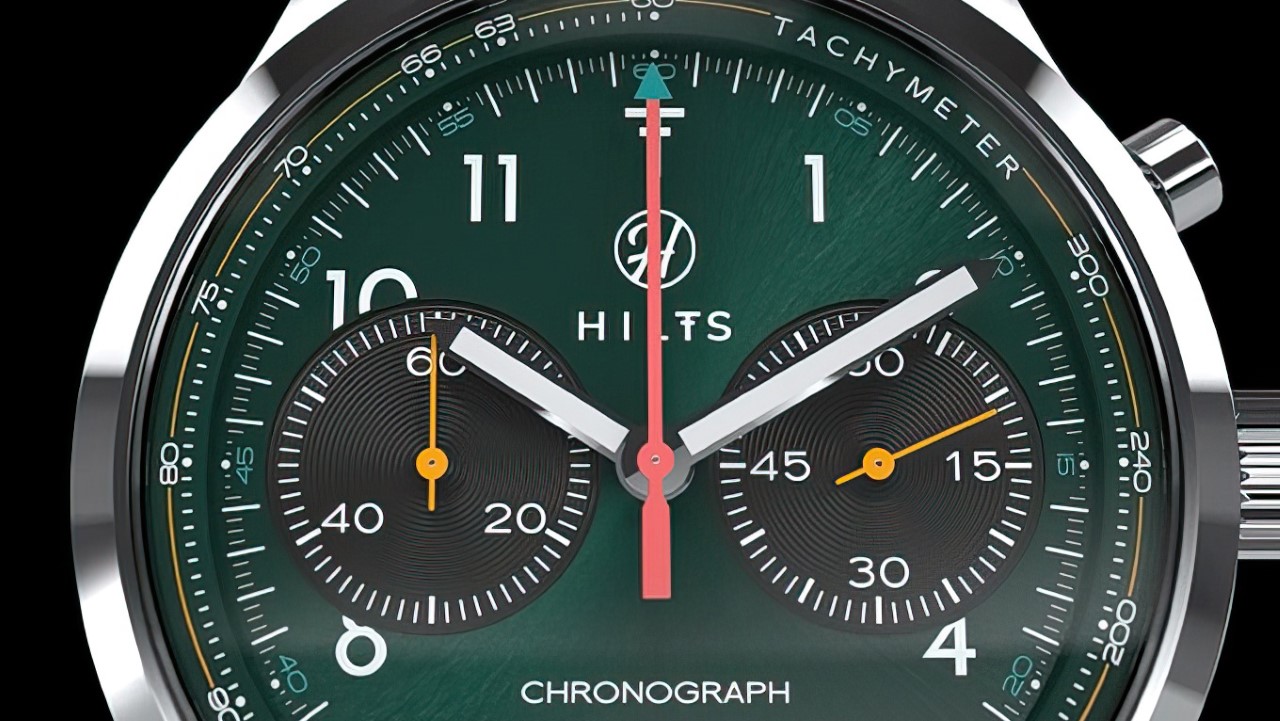
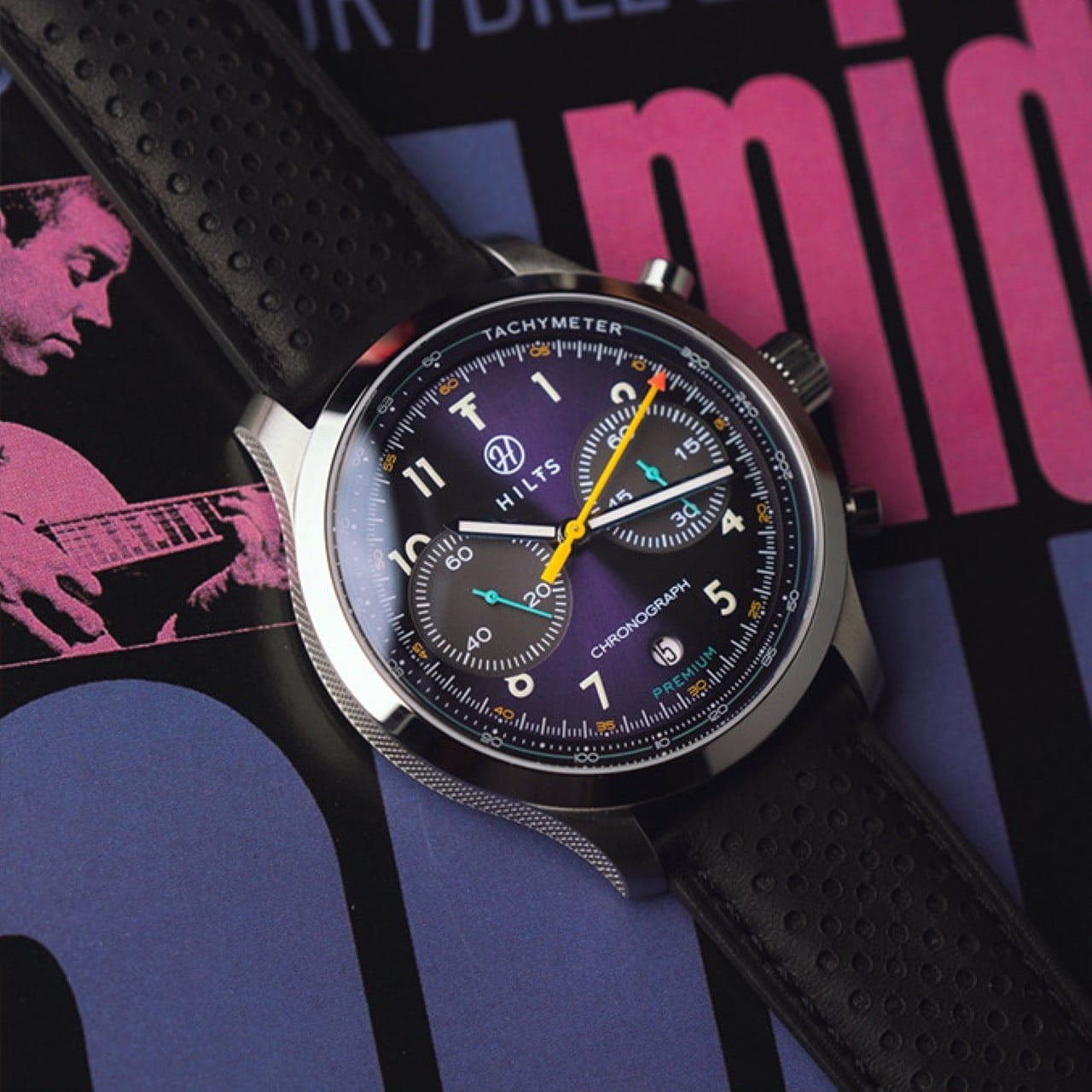
“In an era where conformity and generic designs dominate, something has been lost,” say the folks at Hilts Watches. “Charisma and sophistication have become rare, leaving a longing for those iconic styles of the past.” There’s definitely some truth to looking at the past through rose-tinted glasses, but then again, we’ll probably never get to relive an era with another Steve McQueen, another “Dickie” Atwood, or Dan Gurney. I remember reading about a 19-year-old who recently broke Arnold Schwarzenegger’s bodybuilding record and my instant gut reaction was to say, “There’s never going to be another Arnold”. Celebrating this glorious (some may say Golden) past, Hilts’ latest watches take inspiration from the modern-day kings who ruled our lives by ruling the tarmac and even the silver screen. With a gorgeously sporty design featuring two sub-dials and a retro aesthetic that stands out in today’s smartwatch-dominated world, Hilts’ chronographs are made in the good ol’ US of A using premium materials you’d find in haute Swiss timepieces.
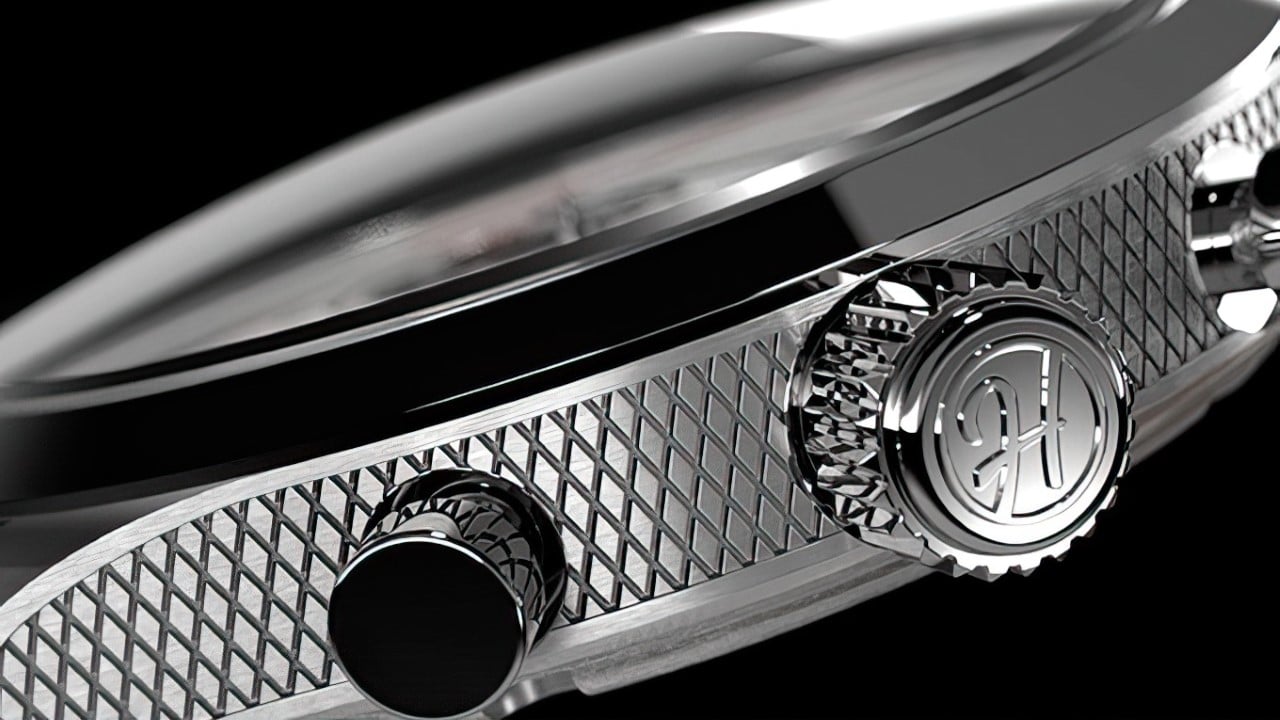
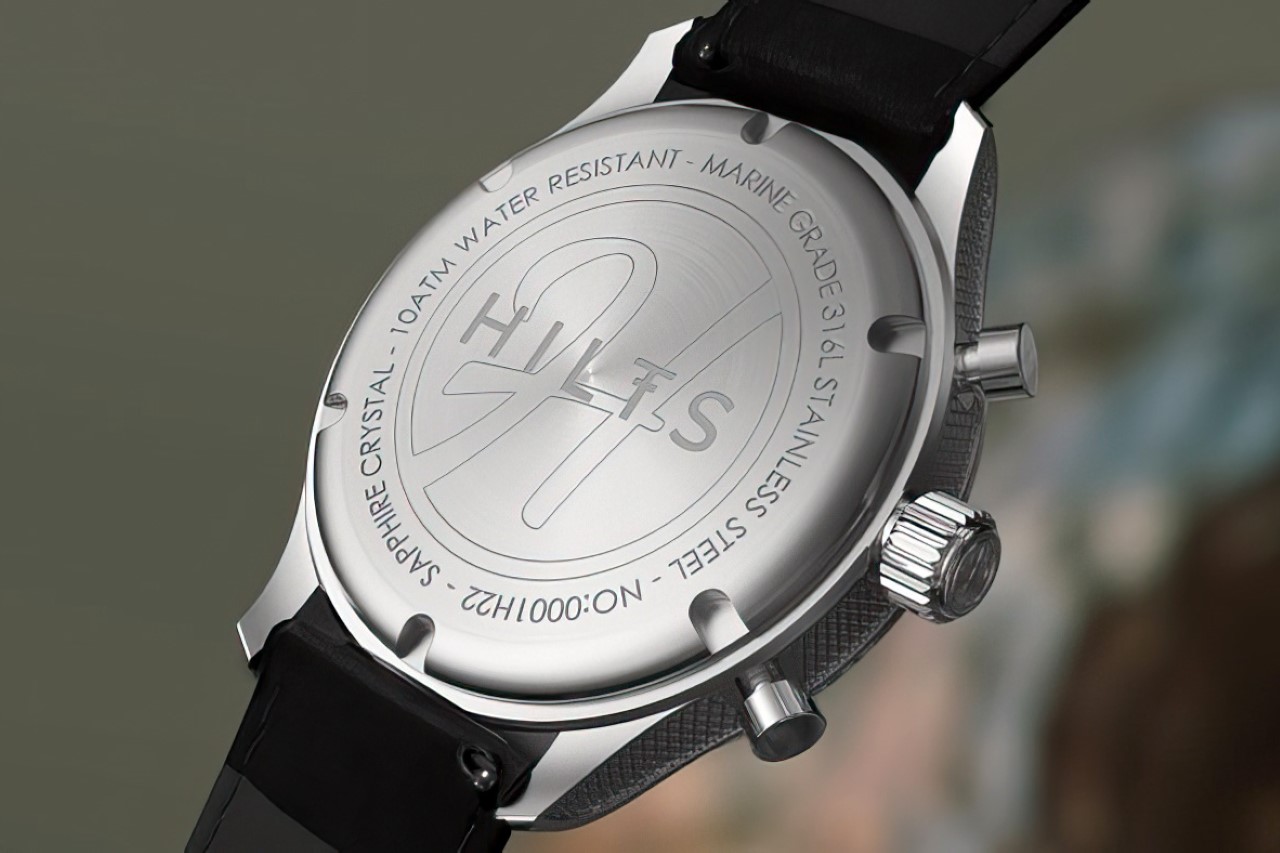
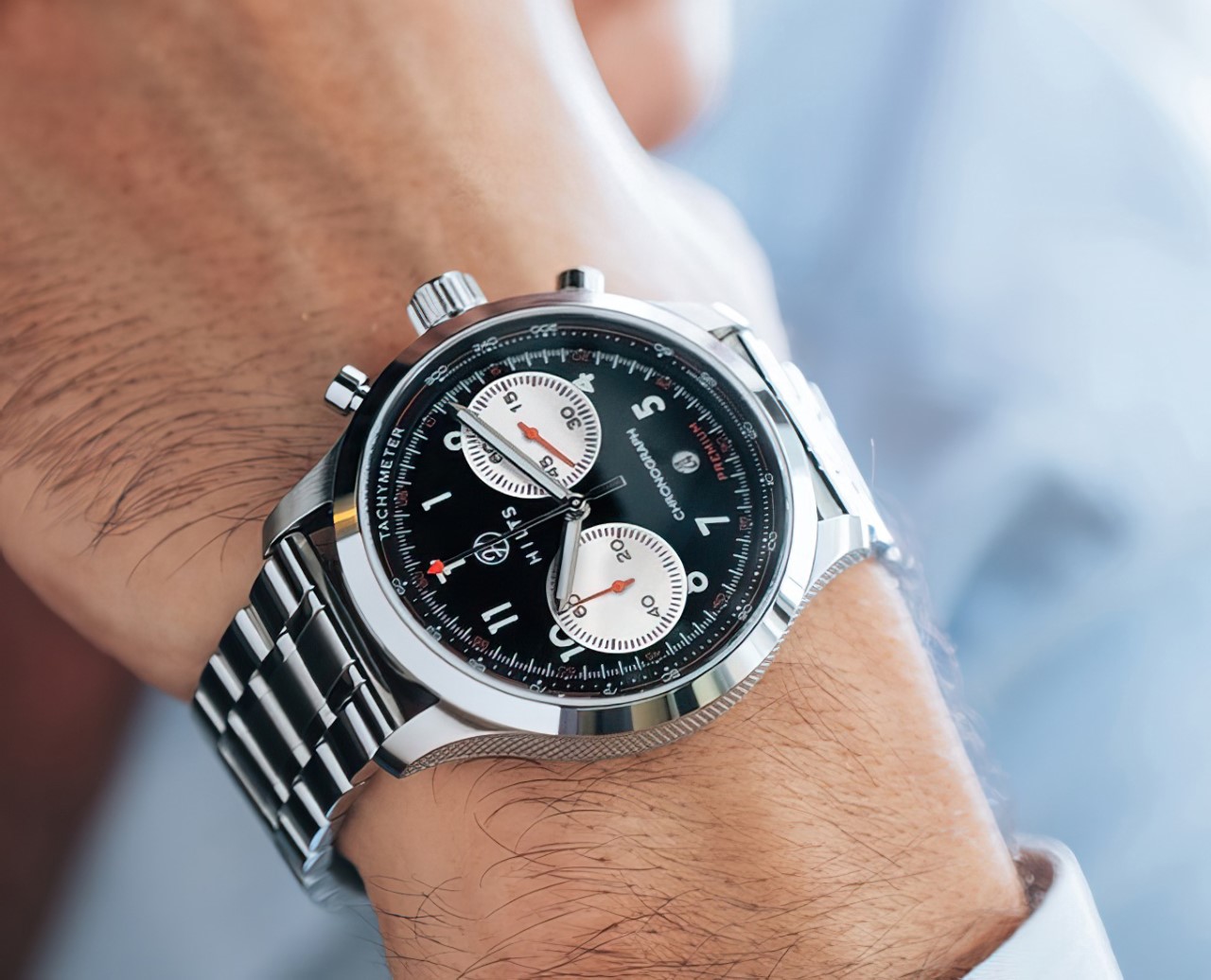
The Hilts Precision Chronograph has all the hallmarks of a good racing watch. With a speedometer-esque design featuring two sub-dials, a date-window, and even a tachymeter, the watch is an instant modern classic. The dial, complete with highly visible markings (coated in Swiss Superluminova no less) and a sporty arrow-shaped seconds hand, sits within a 316L stainless steel body, covered with scratch-resistant anti-reflective domed sapphire crystal. Two pushers sit on either side of the crown on the watch’s right side, while the left showcases a beautiful diamond engraving pattern. The inside features a Miyota Quartz movement encased within a screw-down case-back that gives the watch 100 meters (330 feet) of water resistance.
The diamond-textured side is accompanied by two pusher buttons and a Hilts logo-branded custom crown.
The watches come in four styles, named after iconic drivers and some of their most memorable races. The first watch, the Atwood, pays tribute to racer Richard Atwood who started out as an apprentice at Jaguar but carved his way into popular culture by winning the 1970 24-hour Le Mans and even acting in McQueen’s film by the same name. It sports a panda-themed colorway, with the judicious use of orange and blue, inspired by the the 917 seen in the Le Mans movie. The Speedway variant offers a reverse-panda aesthetic, named after, and inspired by the Indianapolis Motor Speedway, the former home of the USA Grand Prix and the current venue for the Indy 500.
The Gurney celebrates racing legend Dan Gurney, the first driver to win races in Sports Cars, Formula 1, NASCAR and IndyCar, with a rich midnight blue dial that borrows from his F1 Mk1 racecar’s paint-job. Fun fact, Gurney is credited with beginning the tradition of spraying champagne on the winner’s podium back in 1967, something that still happens to this day! The last Hilts variant takes us to Europe with the Monaco ’29 in British racing green. The racing green color dates back to the early 20th century when the speed limit was a staggering 12 mph! It traces its roots back to the Emerald Isle in Ireland, where the races were held by the Brits, and was first featured on the international stage at the Monaco GP of 1929.
The watches come with three strap options, ranging from a stainless steel bracelet to dotted bio-leather or even rubber (if you’re a sports and diving enthusiast). Limited to just 1000 pieces per model, each Hilts Precision Chronograph comes uniquely serial-marked, assembled in USA, and ships in a gorgeous hardwood box that gives it instant collector-status.
If you’re someone who wants to own an electric pickup truck, then you’ve probably been eyeing the Cybertruck since it was unveiled, and waiting for its launch. Electric pickup trucks are the epitome of function, form, and utility. They are ideal for work on the weekdays, and some off-roading on the weekends. They’ve been designed to maneuver all kinds of terrains. If you’re tired of waiting for the Cybertruck and want to have a look at other menacing electric pickups then you’ve reached the right spot. From an insane Hondo pickup truck concept to a compact Mini Cooper-sized pickup with the practicality of a Toyota Tacoma – these innovative pickup designs are trailblazers in the arena of EVs.
1. Honda Ridgeline EV
Dubbed the Ridgeline EV, this conceptual design by Rene Garcia was initially intended to be a Dakar rally truck, but slowly it transformed into a pickup truck for Honda. It can handle pretty much anything thrown at it!
Why is it noteworthy?
The conceptual EV features a winch hook on the front, a frunk at the back, and suicide-style rear doors that allow you to enter the car’s spacious and comfy interiors. It also boasts an expandable truck-bed on the back, that is equipped with tools and emergency medical kids.
What we like
The back of the car can be opened up, allowing the rear seats to flip 180° and face backward
What we dislike
Quite bulky to look at
2. Hyundai ECG
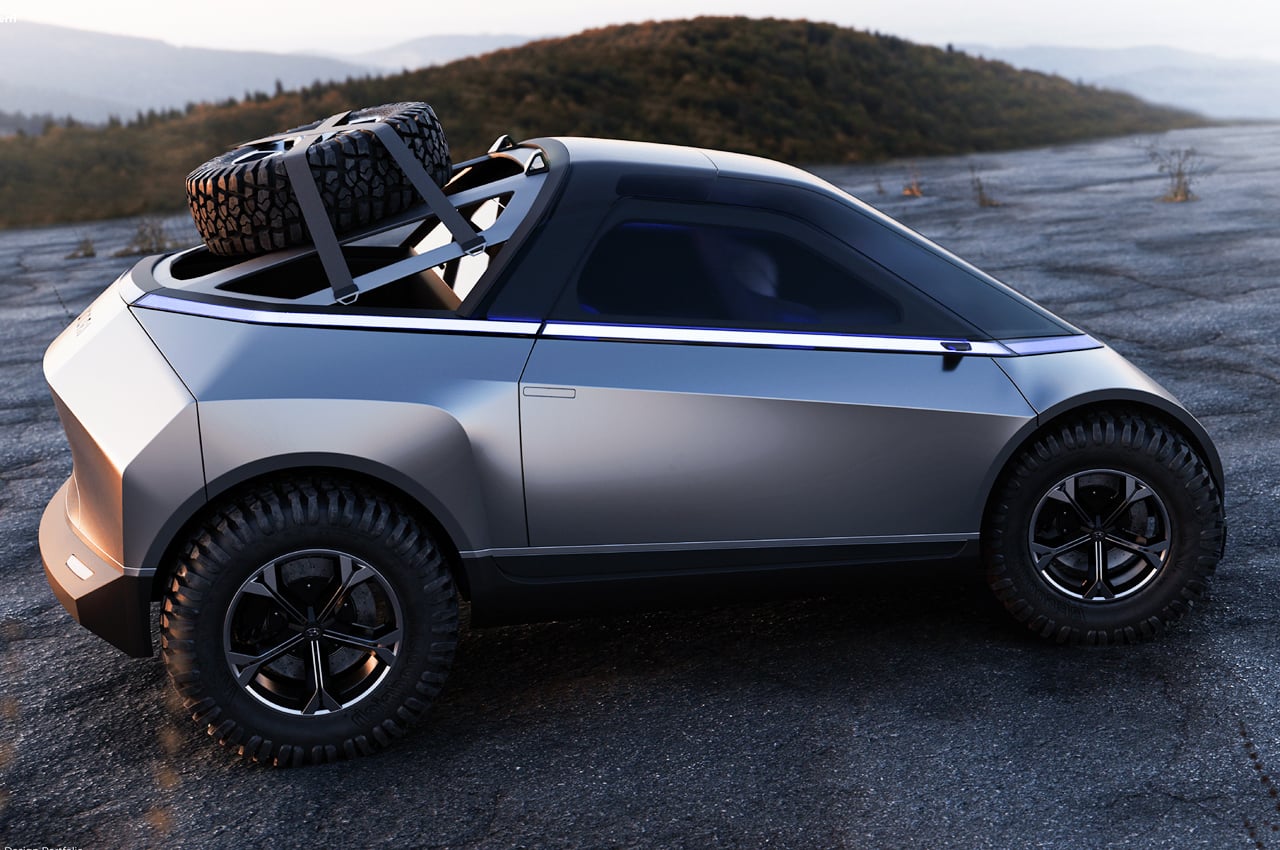
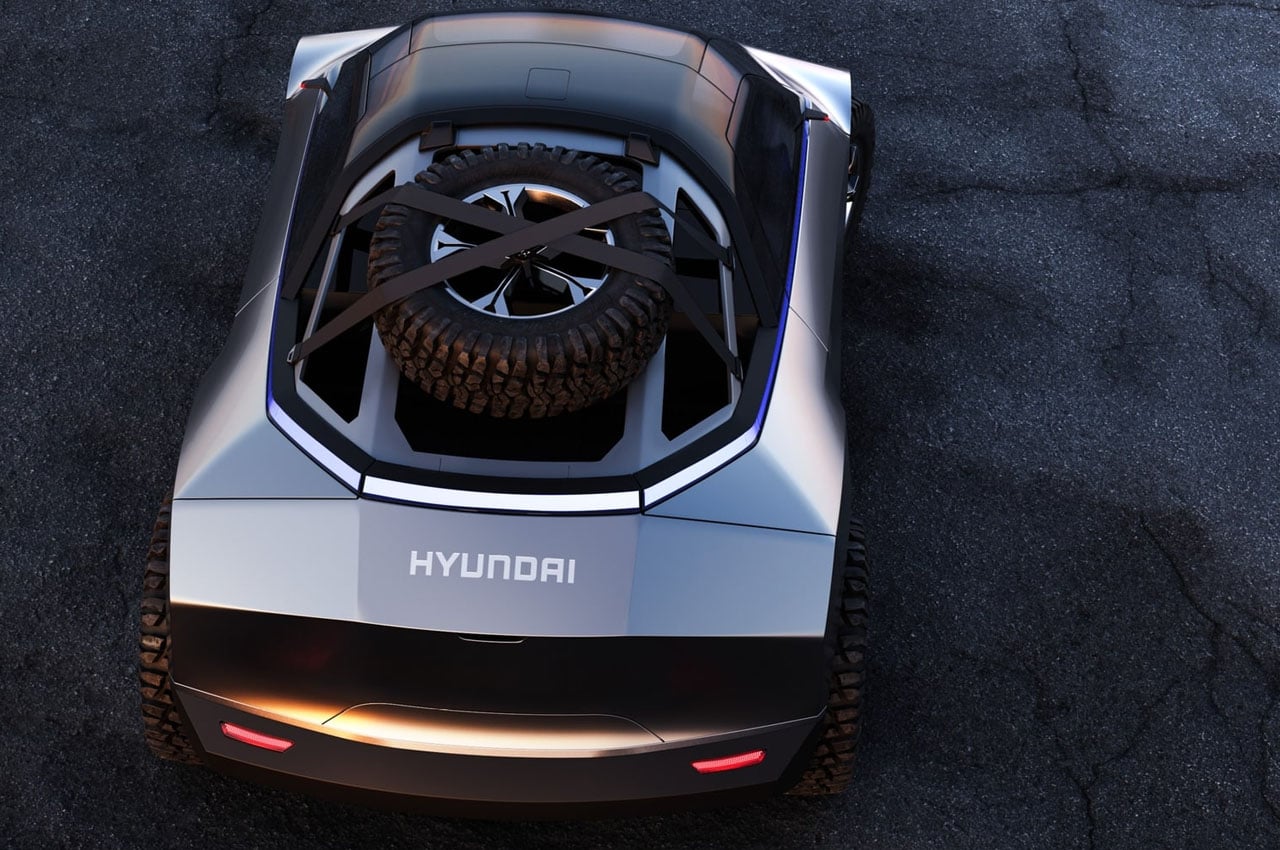
Called the Hyundai EGG, this compact off-roading automotive is a mixture of a buggy and a compact hatchback. It is a reliable electric mini pickup car that has great mileage even at higher speeds when traveling to another city.
Why is it noteworthy?
The EGG’s electric drivetrain is quite efficient, allowing the car to maintain a great range even when treading the off-roading trails. It features a 360-degree panoramic windshield to offer clear visibility for a safer drive.
What we like
The rear can hold a good amount of cargo for trips
What we dislike
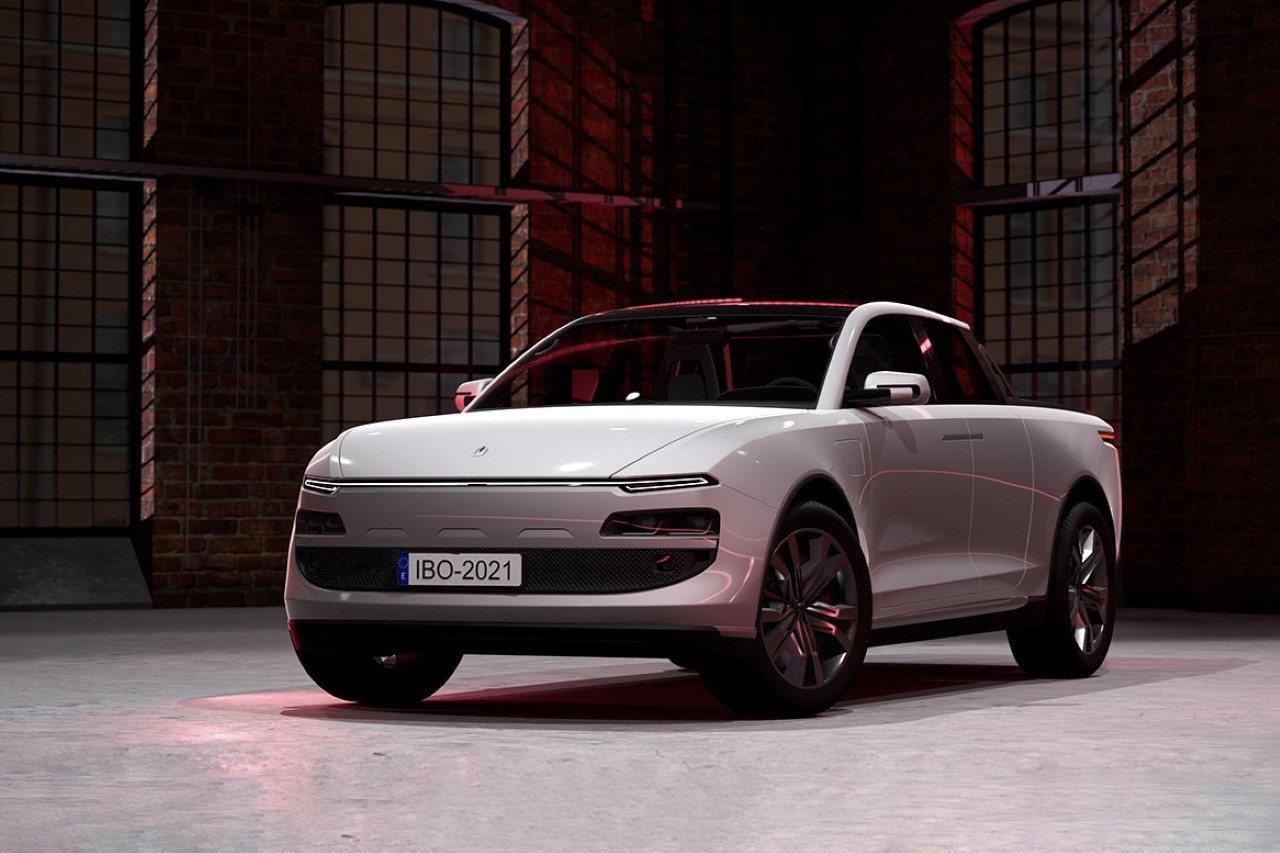
3. The IBO
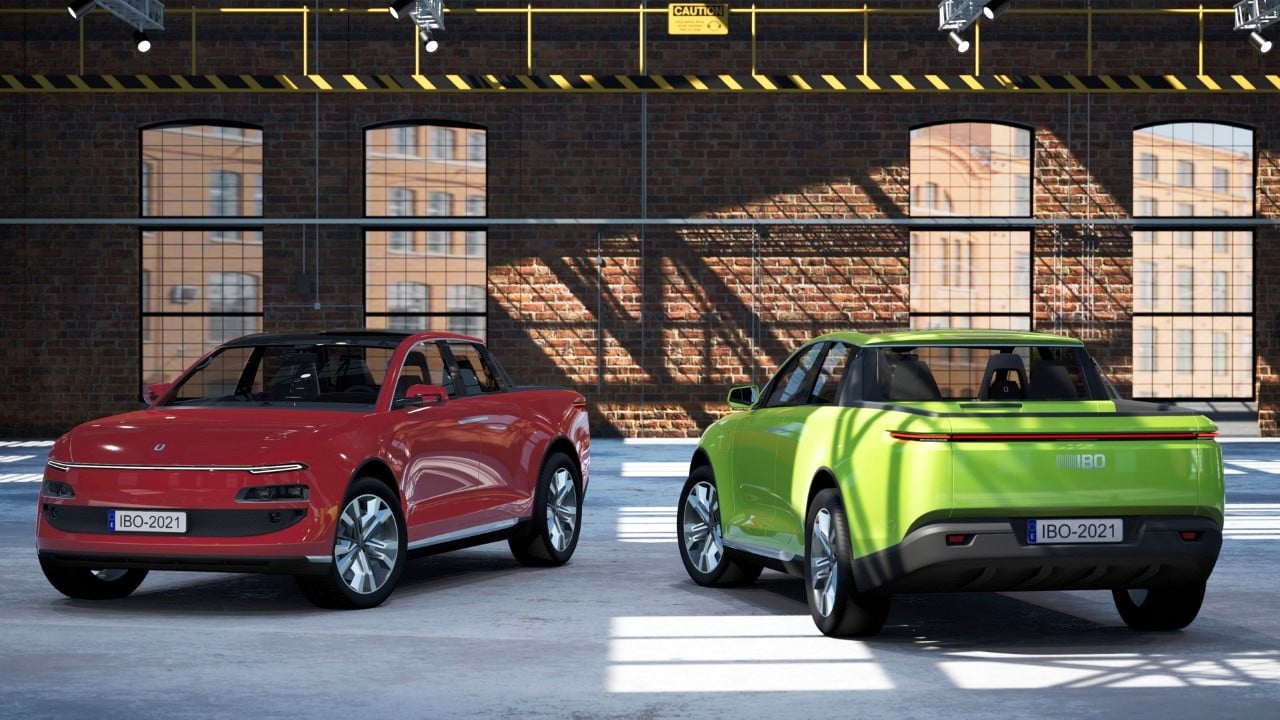
The IBO is inspired by the Avant-garde architecture of Frank Llyod Wright, specifically the Solomon R. Guggenheim Museum. It breaks down the perception that a great pickup should look edgy like a Cybertruck and instead adopt slick curved surfaces.
Why is it noteworthy?
The seats are adjustable, allowing the interiors to be flexible for a wide range of use cases. There’s also storage for a spare tire right under the bed’s surface.
What we like
Unique endearing aesthetics that are a good break from the typically seen edgy aesthetics of pickup trucks
What we dislike
The truck’s bed is on the shorter side, which may not be preferred by everyone
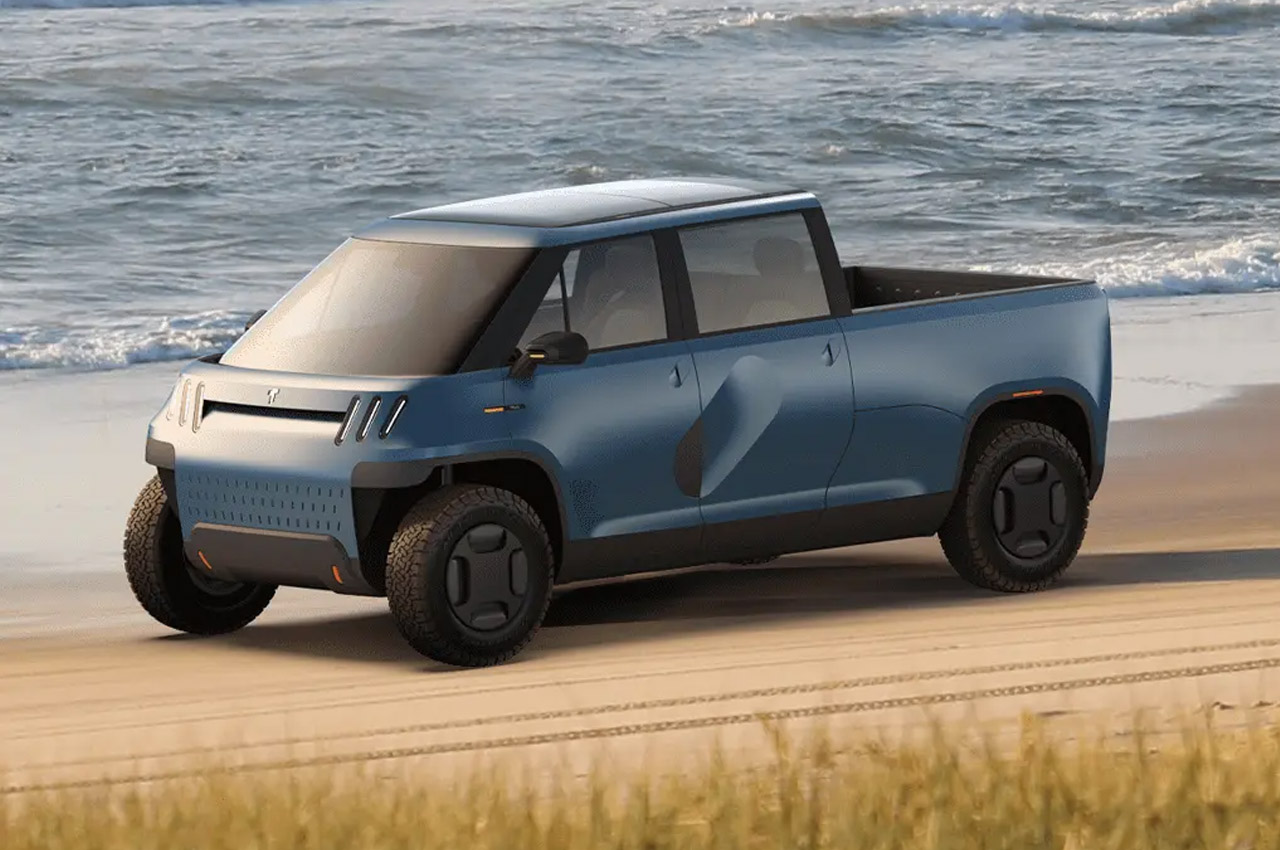
4. TELO
Designed by Yves Béhar and TELO, the TELO pickup truck is created for urban riders and combines the capabilities of a full-sized pickup truck and a compact size.
Why is it noteworthy?
The TELO is said to be as compact as the Mini Cooper but showcases the capabilities of a Toyota Tacoma. If you stash the 152-inch truck against the 231-inch Cybertruck, you know it’s going to be way more suited for the crowded city streets.
What we like
Features a sloping nose section to decrease the front profile without sacrificing interior space
What we dislike
Currently not available for sale, so we’re unsure whether the final design will live up to the renders
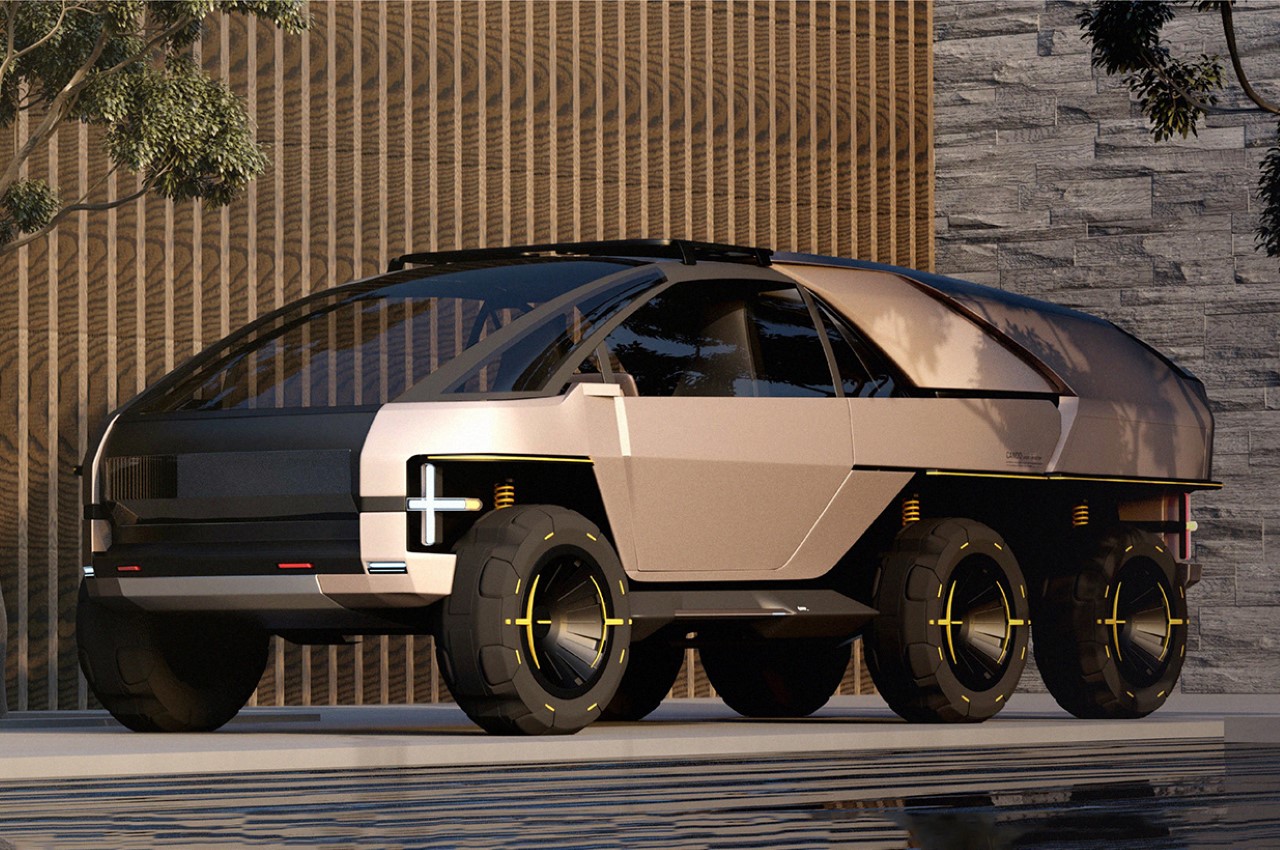
5. The Canoo Anyroad
The Canoo Anyroad is the perfect mix between a city car, a pickup, an ATV, and a recreational vehicle. It is the ideal vehicle for those living in a city apartment, suburban home, or even the great outdoors!
Why is it noteworthy?
It comes with an incredibly minimalist design (in signature Canoo style) and even boasts of those iconic shaped headlights and taillights. The automobile exists in two parts that separate into a car on the front, and a collapsible tent at the back.
What we like
Features modern aesthetics that are perfect for urban roads
What we dislike
The bed is much shorter than the ones found on traditional pickup trucks
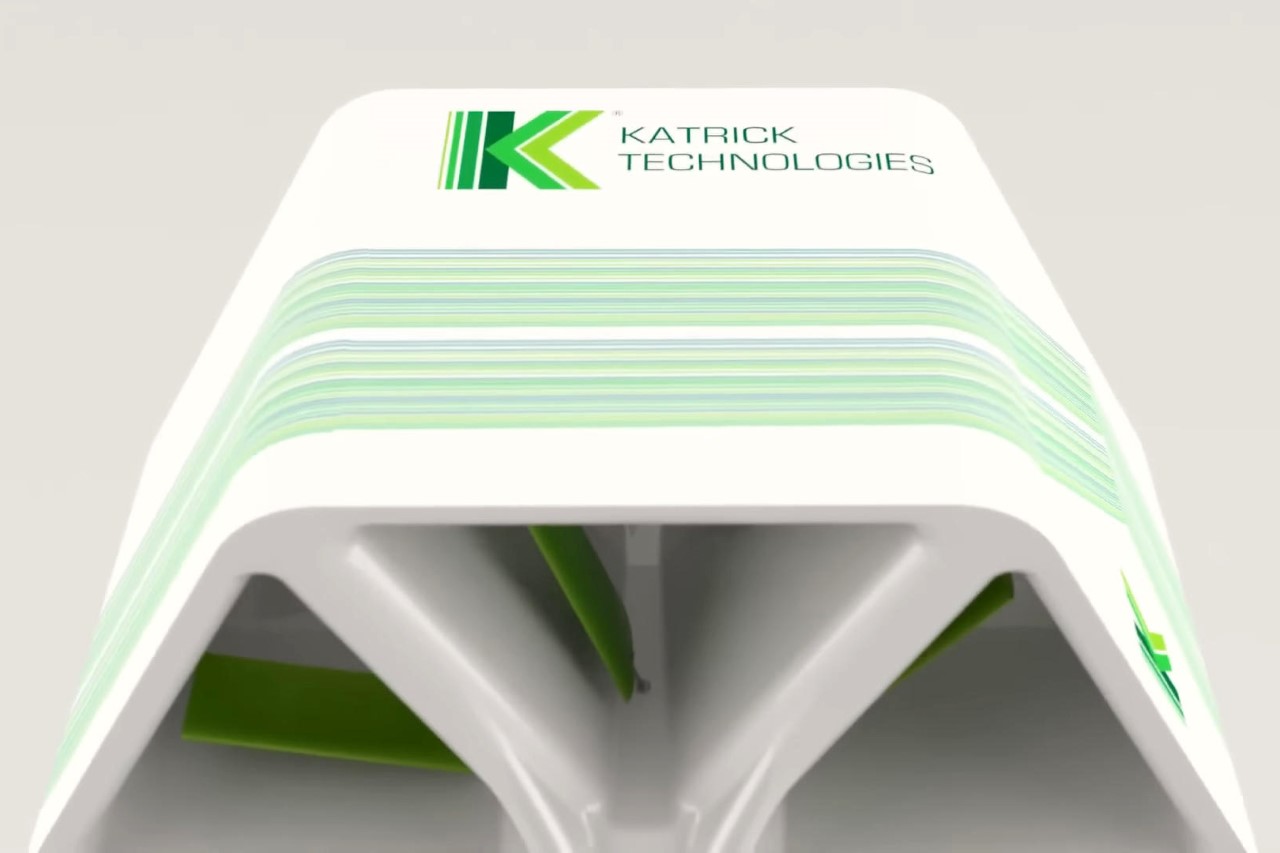
Imagine a wind turbine, but not as you know it. Instead of the familiar towering structures with rotating blades, picture a compact, hexagonal grid resembling a honeycomb, perched atop urban buildings or integrated into existing structures. This is the essence of Katrick’s design – a radical departure from traditional wind turbines, both in form and function. These turbines harness the power of wind through oscillating aerofoils, a far cry from the spinning blades we’re used to.
Designer: Katrick Technologies
As companies rush to figure out better and more effective solutions for harnessing sustainable energy (while the world grapples with the migration to these energies), the Glasgow-based startup, is making waves (or should I say, catching them?) with their innovative bladeless honeycomb wind turbines. Unlike the towering, rotary-blade turbines that dominate our landscapes, Katrick Technologies’ creation is a breath of fresh air in both design and functionality.
At the heart of this technology are the aerofoils, the unsung heroes of Katrick’s design. They work by capturing wind energy and converting it into mechanical oscillations. These oscillations are then transformed into electricity, providing a greener energy solution. This method not only captures lower levels of wind, making it more efficient in less windy conditions, but also makes the turbines more suited for urban environments, where space is at a premium and wind levels can be lower.
The design philosophy of Katrick Technologies is rooted in creating eco-friendly, innovative engineering solutions. While the firm is relatively new, it’s already carving a niche for itself in the renewable energy sector. Traditional wind turbines, with their considerable land and maintenance requirements, often pose logistical and financial challenges. In contrast, Katrick’s honeycomb turbines offer a more sustainable and cost-effective alternative, especially in urban landscapes where space is limited.
But it’s not all sunshine and breezes. Bladeless turbines, including Katrick’s design, have faced some skepticism. Critics, including those from the MIT Technology Review, have pointed out that despite their lower cost and environmental footprint, bladeless turbines might not be as efficient in energy generation as their traditional counterparts. However, Katrick’s innovative approach might just tip the scales. According to the company, just 1 kilometer of their roadside panels could charge a significant number of electric vehicles or power hundreds of homes annually.
Moreover, the design’s safety and environmental features can’t be overlooked. The slower-moving aerofoils in the honeycomb structure are likely less hazardous to birds than traditional turbines. Plus, their unobtrusive design, small footprint, and minimal environmental impact make them an attractive option for urban settings.
Katrick’s wind turbines being tested at Glasgow Airport.
A “Compliance Car” is a vehicle designed not to be sold in large quantities but to satisfy rules around range-wide consumption. For instance, makers of enormous, gas-belching trucks may have to offer a thrifty, gas-sipping ride to balance out the emissions numbers. One infamous example is Aston Martin’s Cygnet, a rebadged Toyota iQ with a luxury interior that sold for three times the iQ’s price. Now, imagine a company chose to make one of those vehicles intentionally. That’s the best way to describe Lexus’ new LBX, a small but luxurious, Europe-exclusive city car that you’ll love sitting in while waiting in traffic.
The LBX is a subcompact car based on the same underlying platform (GA-B) as Toyota’s Yaris Cross, its tiny crossover SUV. The Yaris Cross is a city runaround pretending to be an SUV, complete with flared wheel arches, high ride height and optional All Wheel Drive. Lexus is keen to point out that this isn’t a rebadge, and that the luxury automaker has refined every facet of its design. The wheelbase is longer and wider, the powertrain smaller and faster, with luxury kit everywhere you look. You can call this many things, but it’s not a lazy cash-grab, especially given how much of the early chatteraround this car talked about it diluting Lexus’ brand.
Photo by Daniel Cooper / Engadget
Inside, you’ll find a 1.5 liter, three-cylinder VVT-iE engine with a bi-polar Nickel Metal Hydride (NiMH) battery. That composition offers higher power density and faster response with a smaller footprint than Toyota’s own-brand hybrids, with a lighter weight which is key in such a small car. The combined total output is a restrained 136 DIN hp, which is fitting for a car designed to sit in traffic. But Lexus piqued my interest in this car by claiming that its new hybrid system offered “powerful acceleration like that of a battery electric vehicle.” Given the stately manner in which most small hybrids move, I was curious to put that claim to the test.
If you’re only accelerating to get off the line when the lights change, then you’ll find plenty to like here. It’s too much of a stretch to compare it to an EV but if you’re looking for a performant city car, it’s no slouch. It thrives in the cities, where its small-ish size, speed and driveability let you dart around corners and dive into tight spaces. But this power doesn’t run too far beyond the lights, and putting your foot down on the highway exposes this engine. No amount of sound dampening tech — and there’s a lot of it in this car — can mask the LBX’s anguished screams when you try to accelerate or put the power down going up hills.
Photo by Daniel Cooper / Engadget
Up front, it’s roomy with a comfortable driving position, while the rear bench seat is higher to offer the passengers a better view. I’m 5’ 11” and had enough headroom, but I doubt anyone taller than me would fancy riding in here for long. There’s not a huge amount of rear legroom either, so you wouldn’t want to do a long trip in one of these.
The Lexus LBX is a lot of car, too much for the role in your life that it’s intended to play, with a lot of frou-frou. Given this is a car designed for short journeys, I’m not sure it needs to have as much technology on board as it actually does. The model I tested had a digital instrument binnacle, a big central console and a heads-up display. Plus, flappy paddles so you can control your braking level and three USB-C ports in the central console. Oh, and a suite of safety tools that were so sensitive it’d erupt in a chorus of pings and bongs if I so much as glanced at the accelerator before the way in front of me was clear.
Photo by Daniel Cooper / Engadget
Lexus says the LBX is targeted at “younger, city-smart Europeans” rather than the company’s traditional, older base. The marketing is full of youths in red vinyl overcoats and Vitaly jewelry but I’m not sure that’s the demographic who’ll be interested. I’m not sure too many young, city smart Europeans could afford a car like this, or even know how to drive in the first place. Some of the recent stats have been skewed by COVID but the general trend of young people learning to drive has pointed down for a while. The company’s representatives did mention they thought another potential demographic would be empty nesters looking to downsize.
And then there’s the price, with the base model costing £29,995 (around $37,700) on the road in the UK while the fully-specced model is £40,545 (around $50,870). Nobody needs to be told if that’s a lot or not, especially given the various ways people buy new cars these days. But Lexus, knowing that it’s not going to undercut similarly high-spec city cars in the space, say that while the up-front price is higher, it’ll save drivers plenty with its fuel economy. I’m not sure how many people buy a luxury car because they’re keeping their eye on the dollars and cents.
Photo by Daniel Cooper / Engadget
Fundamentally, as much as I like the LBX, I’m unable to square its inherent contradictions as they pile up on top of one another. There are very few faults that I can pick at which are tied to just this vehicle, rather than the quirks inherent in the company’s range. But I just can’t see a world in which people would line up to buy a car that’s this over-equipped and over-specced given the environment in which it thrives.
This article originally appeared on Engadget at https://www.engadget.com/lexus-lbx-is-the-luxury-city-car-you-never-knew-you-didnt-need-230153698.html?src=rss