Audio Radar helps gamers with hearing loss ‘see’ sound effects instead

Audio cues can sometimes be crucial for success in games. Developers frequently design the sound environment for their experiences to be not only rich and immersive, but to also contain hints about approaching enemies or danger. Players who are hard of hearing can miss out on this, and it's not fair for them to be disadvantaged due to a disability. A product called Audio Radar launched at CES 2024 and it can help turn sound signals into visual cues, so that gamers with hearing loss can "see the sound," according to the company AirDrop Gaming LLC. 

The setup is fairly simple. A box plugs into a gaming console to interpret audio output and converts that data into lights. A series of RGB light bars surround the screen, and display different colors depending on the type of sound coming from the respective direction they represent. Put simply, it means that if you're walking around a Minecraft world, like I did at the company's booth on the show floor, you'll see lights of different colors appear on the different bars.

Red lights mean sounds from enemies are in the area adjacent to the corresponding light, while green is for neutral sounds. An onscreen legend also explains what the sounds mean, though that might just be for the modded Minecraft scenario on display at CES. 

A close-up of the bottom right corner of a monitor, with an onscreen legend showing the words
Photo by Cherlynn Low / Engadget

I walked around the scene briefly, and could see green lights hovering above a pen of farm animals, while purple lights fluttered in tandem with a dragon flying overhead. I did find it a little confusing, but that is probably due more to the fact that I know very little about Minecraft, and as someone with hearing I might not appreciate the added information as much as someone without.

With an SDK that the company launched at the show, developers will be able to customize the lights and visual feedback to elements in their game so that they have control over what their hard-of-hearing gamers see. In the meantime, Audio Radar is using its own software to detect stereo or surround sound signals to convert to feedback in lights and colors. 

Though the product may seem in its early stages, various major gaming companies have appeared to indicate interest in Audio Radar. AirDrop Gaming's CEO Tim Murphy told me that Logitech is "providing support as we further develop our product and design our go-to-market strategy." Also, Microsoft CEO Satya Nadella was spotted at the booth on opening day.

Audio Radar is beginning to ship on a wider level this year, and the company continues to develop products for gamers who are deaf and hard of hearing, among other things. The system works with Xbox, PlayStation and PC.

We're reporting live from CES 2024 in Las Vegas from January 6-12. Keep up with all the latest news from the show here.

This article originally appeared on Engadget at https://www.engadget.com/audio-radar-helps-gamers-with-hearing-loss-see-sound-effects-instead-195001226.html?src=rss

NASA confirms 2023 was the hottest year on record

Want some bad news as a lead up to the weekend? NASA just released its annual global temperature report and, lo and behold, 2023 was the hottest year on record since measurements began back in 1880. Global temperatures last year were approximately 2.1 degrees Fahrenheit (1.2 degrees Celsius) above the average for NASA’s baseline period of 1951 to 1980.

Compared to the 1880s, the planet was 2.5 degrees warmer in 2023. If you do the math, you’ll find that the vast majority of that increase occurred after NASA’s baseline period. In other words, the past several decades have been the worst of the worst. July of 2023 was the hottest month ever measured, which is a record nobody wanted or asked for but, well, here we are.

“NASA and NOAA’s global temperature report confirms what billions of people around the world experienced last year; we are facing a climate crisis,” said NASA Administrator Bill Nelson. “From extreme heat, to wildfires, to rising sea levels, we can see our Earth is changing.”

NASA’s not burying its head in the sand and pretending this is a natural phenomenon. We did this, with Gavin Schmidt, director at the Goddard Institute for Space Studies (GISS), saying the temperature shift was primarily caused by “our fossil fuel emissions.”

2023 was not an outlier. The past ten consecutive years have been the warmest on record. To that end, the U.S. National Oceanic and Atmospheric Administration (NOAA) recently reported that 2024 has a one-in-three chance of being even hotter. Yay.

It’s also worth noting that 2023 featured some cooling events that actually worked to lower temperatures a bit, including volcanic aerosols in the atmosphere due to the January 2022 eruption of the Hunga Tonga-Hunga Ha’apai underwater volcano. However, these events couldn’t keep up with constant greenhouse gas emissions and the heating effects of this year’s El Niño weather event.

“We will continue to break records as long as greenhouse gas emissions keep going up,” Schmidt said. “And, unfortunately, we just set a new record for greenhouse gas emissions again this past year.”

The Biden-Harris administration has done a few things to try to slow down our transformation into a Mad Max dystopia. The White House recently launched the U.S. Greenhouse Gas Center to make critical climate data readily available and last year’s Inflation Reduction Act set aside $369 billion for climate and clean energy programs. President Biden has also pledged to bring emission levels to at least 50 percent below what we experienced in 2005 by 2025. These are good incremental moves, of that there’s no doubt, but we seem to have sped past “f*ck around” and are careening wildly into “find out.” What was that curse again? Oh yeah. May you live in interesting times.

This article originally appeared on Engadget at https://www.engadget.com/nasa-confirms-2023-was-the-hottest-year-on-record-193626460.html?src=rss

The Aroma Shooter Wearable blasts scents while you watch videos

One of the missing pieces of puzzle for VR is scent, but at CES 2024 in Las Vegas, Japanese startup Aromajoin showed off a wearable that may be up to the task. Simply dubbed Aroma Shooter Wearable, this neckband houses six replaceable scent cartridges, and it's controlled by a mobile device or PC over Bluetooth, Wi-Fi or USB. The product is still in its early days, and the Kyoto-based company is targeting developers and business clients, who can pick from a library of "hundreds" of scents — or even custom scents from, say, fragrance brands — to suit their needs.

In Aromajoin's demo, a video player app was programmed to cycle through those six scents — lavender, blueberry, shampoo, caramel, smoke and fresh cut grass — to match the six scenes in the short clip. Even though I was watching what was otherwise a regular video on an iPad, the scent definitely boosted the immersion, and I can imagine this making an even bigger impact when paired with VR.

Aromajoin
Photo by Richard Lai / Engadget

For the purpose of CES, Aromajoin only had one demo on hand, but the app did show how one could program any video clip to trigger certain cartridges — yes, you can have multiple scents at any instance — at certain times. You can also adjust the intensity of each scent, which came in handy as I found the grass smell to be a bit too strong at first. As for the neckband itself, it weighs around 300 grams, but I didn't feel much burden thanks to its ergonomic shape around my collarbone area.

Aromajoin plans to launch its Aroma Shooter Wearable via crowdfunding this May, with shipment expected by the end of this year. Target price for the device is around $350, with each scent cartridge likely to cost around $30. Each cartridge should last for around 3,000 shots or up to three months, though this depends on the intensity and the nature of each mixture.

Aromajoin
Photo by Richard Lai / Engadget

Aromajoin also applied the same video demo to a larger setup dubbed Aroma Speaker 60, which is aimed at retailers, cinemas and VR arcades. As the model name implies, this pair of tower can be equipped with up to 60 scents, with each of the 10 magazines housing six scents, thus supporting a wider range of scenes or use cases. The Aroma Speaker 60 will also be launched via crowdfunding, but expect it to cost a lot more than its neckband counterpart.

We're reporting live from CES 2024 in Las Vegas from January 6-12. Keep up with all the latest news from the show here.

This article originally appeared on Engadget at https://www.engadget.com/the-aroma-shooter-wearable-blasts-scents-while-you-watch-videos-180006793.html?src=rss

The FDA has reportedly approved an AI product that predicts cognitive decline

The US government has reportedly approved AI-based memory loss prediction software for the first time. Darmiyan, a San Francisco-based brain imaging analytics company, says the FDA has granted De Novo approval for its product BrainSee. The software platform assigns “an objective score that predicts the likelihood of progression from aMCI to Alzheimer’s dementia within 5 years,” according to the medical company. Fierce Biotech first reported the announcement.

Darmiyan says BrainSee can predict memory loss progression using clinical brain MRIs and cognitive tests, which are already standard for patients worried about early signs of decline. After the program analyzes the imaging and cognitive assessments, it assigns a predictive score indicating the patient’s odds of memory deterioration within the following five years. At least in theory, that would lead to early treatment for some and peace of mind for others.

“This shifts the patient experience from prolonged anxiety to proactive management, which is crucial in an era of emerging Alzheimer’s treatments where accurate prognosis can help determine suitable treatment candidates,” Darmiyan wrote in a press release announcing the FDA approval. “The economic impact of BrainSee will be significant for all stakeholders in healthcare, promising to reduce the billions of dollars annually spent on Alzheimer’s care, through more effective management and treatment.”

The FDA’s “De Novo” designation means the product has no clear market predecessors but has proven its effectiveness and safety in clinical trials. BrainSee first received FDA “breakthrough” designation in 2021, an earlier stage of the approval path for a first-of-its-kind treatment. 

Darmiyan says BrainSee is fully automated and provides results on the same day the scans and cognitive test scores are entered. The company views the tech as shifting the treatment of mild / early cognitive decline from biomarker-based methods to “non-invasive and actionable forecasts of future improvement or progression.”

This article originally appeared on Engadget at https://www.engadget.com/the-fda-has-reportedly-approved-an-ai-product-that-predicts-cognitive-decline-184534034.html?src=rss

Sand Land, a game adaptation of Akira Toriyama’s manga, drops on April 26

Bandai Namco’s Sand Land finally has a release date of April 26. This is a video game adaptation of a classic manga by artist Akira Toriyama. That’s the same Akira Toriyama who created Dragon Ball, and also created the character designs for Chrono Trigger and many entries in the Dragon Quest series.

Sand Land is a manga dating back to the mystical year of 2000 and it follows the adventures of the literal Devil’s son, Beelzebub, as he explores a desert world accompanied by a human sheriff and a demon thief. Interestingly, the game seems like a beat-for-beat recreation of the anime, only in the form of a fast-paced action RPG.

There’s also a heavy emphasis on vehicle customization in the game, as the desert is vast and requires diverse transportation methods. This allows you to fuse different weaponry and components to improve performance or offer unique tactical advantages. However, your first vehicle will be a bare-bones golf cart, another nod to the source material.

Sand Land releases for PlayStation 5, PlayStation 4, Xbox Series X|S and PC, with pre-orders available now. There’s a number of different versions available for collectors. The Standard Edition includes just the base game, while the Deluxe Edition comes with various digital add-ons, along with decals. The Collector’s Edition comes with everything listed above, plus postcards and Steelbook packaging.

This article originally appeared on Engadget at https://www.engadget.com/sand-land-a-game-adaptation-of-akira-toriyamas-manga-drops-on-april-26-184008528.html?src=rss

Infinix brought wireless charging tech to CES that can juice up your devices from eight inches away

It's been a while since we saw over-the-air wireless charging demos from the likes of Oppo and Xiaomi, so CES 2024 caught us by surprise when we came across a new one from another Chinese mobile brand, Infinix. This "AirCharge" tech uses low-frequency magnetic resonance to deliver up to 7.5W of power wirelessly, and this works across a distance of up to 20cm (7.87 inches) — doubling that of Oppo's previous demo — and at angles of up to 60 degrees. To be specific, you get somewhere between 1W and 5W over a distance of 10cm (3.94 inches) to 20cm for a single device.

Infinix believes that this use case is ideal for users who want to keep their phones charged while gaming or watching videos, without having a cable getting in the way of either hand. With this improved charging distance, you can also install the AirCharge pad to underneath a table, and then you'll have yourself a stealthy charging area. Before that, though, Infinix will need to figure out a way to avoid accidentally heating up metallic objects nearby. There are foreign object detection methods for existing "2D" wireless charging solutions, but it's more complex when the charging space goes from "2D" to "3D."

Another safety measure to keep in mind is for the case of a sudden drop in distance between the phone and the charging pad — it's not good to abruptly crank up the voltage on a device like that. As such, Infinix has already implemented (and patented) an over-voltage protection circuit on both ends of the chain. The company doesn't have a time frame for launching AirCharge on a mass production device just yet, but it hopes to eventually use this tech to push for an industrial standard on over-the-air wireless charging.

Infinix E-Color Shift
Photo by Richard Lai / Engadget

Infinix also showed off its "E-Color Shift Technology," which uses E Ink's Prism 3 to let you change the color patterns on the back of your phone. This feature supports eight basic colors, which are then expanded by multiple levels of shades, and this can be implemented onto a pattern with over 100 customizable areas. As is the case with conventional E Ink displays, once this Prism 3 panel has been refreshed, the new color pattern remains without consuming power.

Once the company figures out how to tackle the challenges related to thermal performance and thickness, it hopes to bring this funky feature to consumer devices within a year or two. By which point, you'll be able to customize the color pattern through an app — which we didn't get to see, as our demo used dummy phones instead. Even Lenovo is considering this display tech for decorating its laptop lids.

Last but not least, Infinix teased its "Extreme-Temp Battery" tech for users who have to brave the cold. While conventional lithium ion batteries will have their capacities drastically reduced or even get damaged in low temperatures, Infinix's solid state battery will continue to operate even at a temperature as low as -40°C or -40°F. Similarly, when measured at -20°C or -4°F, Infinix's solution will apparently have a 50- to 300-percent boost in endurance time compared to others. We may see this battery tech on an Infinix phone as soon as the second half of 2025.

Update, January 14 2024, 3:46AM ET: This story has been updated with the correct power output of AirCharge.

We're reporting live from CES 2024 in Las Vegas from January 6-12. Keep up with all the latest news from the show here.

This article originally appeared on Engadget at https://www.engadget.com/infinix-brought-wireless-charging-tech-to-ces-that-can-juice-up-your-devices-from-eight-inches-away-183059546.html?src=rss

The Morning After: Introducing the Best of CES 2024

It’s the end of our CES coverage, wrapping up the week with more deep dives from the tech show and introducing our Best of CES 2024 winners.

This year, rather than award specific category prizes, possibly in categories lacking competition (or anything good enough), we’ve announced a group of winners across multiple categories. We still attempted to see as many products and devices as possible, whether it was laptops, mobile devices and smart home gear or cars and accessibility innovations.

You should check out the full slate of winners, but our Best of Show went to GE Profile’s Smart Indoor Smoker. I know: CES is more typically a TV show or car show, but sometimes it’s niche products that win us over.

TMA
GE Profile

The Smart Indoor Smoker is a countertop device that makes proper barbecue in your kitchen without filling your home with smoke. It moves air around the food to impart maximum smokiness, without letting airflow out. When your brisket, chicken or whatever is done, a filtration and catalyst system draws the smoke down, eventually expelling it as warm air. It’s not small, but it’s stylish and simple to use, with a low barrier to entry for anyone tempted to try smoking their own food. The device could also impart an impressive level of smokiness in only a few hours.

Make sure you check out all the winners right here. Expect a few more stories from the team today and over the weekend, but for me, it’s time to leave Las Vegas. Until next year!

— Mat Smith

​​You can get these reports delivered daily direct to your inbox. Subscribe right here!

​​

The biggest stories you might have missed

CES 2024: The Pebble Flow is an all-electric trailer for the EV age

Apple Vision Pro pre-orders require a FaceID scan with an iPhone or iPad

Formula E 2024 preview

The year of the passkey is still far away

Engadget Podcast: AI steals the show at CES 2024

The weirdest tech and gadgets at CES 2024

They can't all be winners.

TMA
Engadget

A little secret: I love the strange gadgets, services and concepts we unearth at CES, more so than all the premium TVs, car tech and beefed-up laptops. There are thousands of exhibitors peddling their wares, trying to find a market for things no one has dreamed up before. Here are a few favorites from CES 2024. Weird doesn’t mean bad. It just means weird.

Continue reading.

Touring LG’s high-tech camping trailer at CES 2024

LG’s greatest hits, vacuum packed into a trailer.

TMA
Engadget

The LG Bon Voyage concept trailer packs so many of LG’s CES greatest hits, retooled and restyled for near-future camping that’s both incredibly comfortable and… unlikely. LG Labs’ inexplicable capsule coffee machine, the Duobo, which looks like a moon lander, nestles inside the trailer, alongside a microwave. The fridge, however, you get into from the outside. A pull-out table, on the other side of the door, has a built-in inductive burner. There’s a giant OLED screen above another pull-out surface, and at the rear of the trailer, there’s a portable karaoke set, with two wireless mics and a speaker. Oh, and cocktail accouterments on either side. Do I have to repeat myself? Glamping.

Continue reading.

It’s a great time to buy a solar generator

CES 2024 showed how the tech is finally getting there.

This year’s CES has shown that the solar power industry has moved beyond its old limitations. Cost for solar panels and batteries has fallen dramatically in the last few years, making it an easier sell.

The new EcoFlow Delta Pro Ultra, the company’s flagship whole-home backup, can pump out 7,200W. The company claims the unit is strong enough to power a three-ton central air unit, one of the most demanding appliances in the home. Plus, because it’s modular, you can add up to three units to the same home for a cumulative output of 21.6kW — and, with enough batteries, a total storage capacity of 90kWh.

Solix, Anker’s big battery division, showed off its new F3800 portable power station, which can pump out a peak of 6,000W — enough to juice an EV.

Continue reading.

This article originally appeared on Engadget at https://www.engadget.com/the-morning-after-introducing-the-best-of-ces-2024-182306415.html?src=rss

Rabbit r1, co-designed with Teenage Engineering, is a cute pocket AI assistant

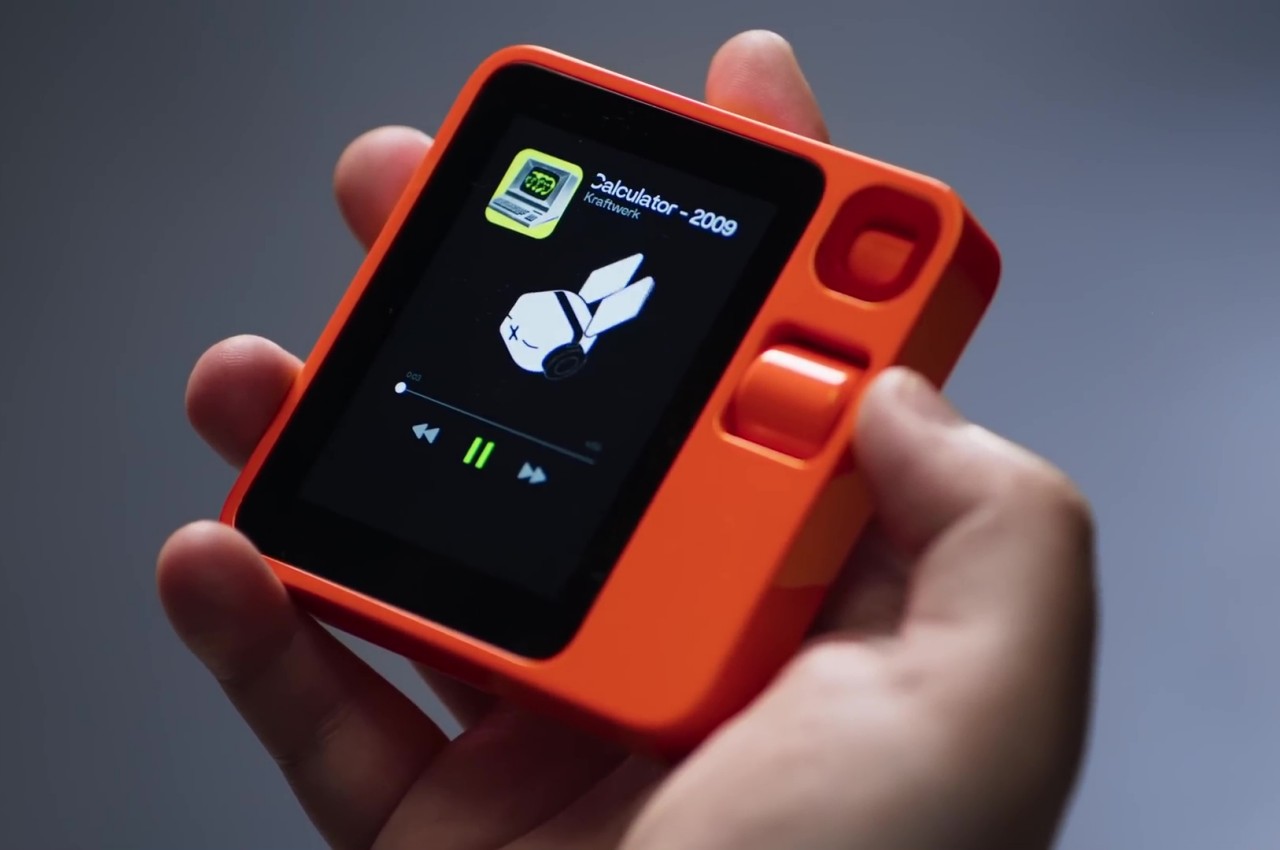
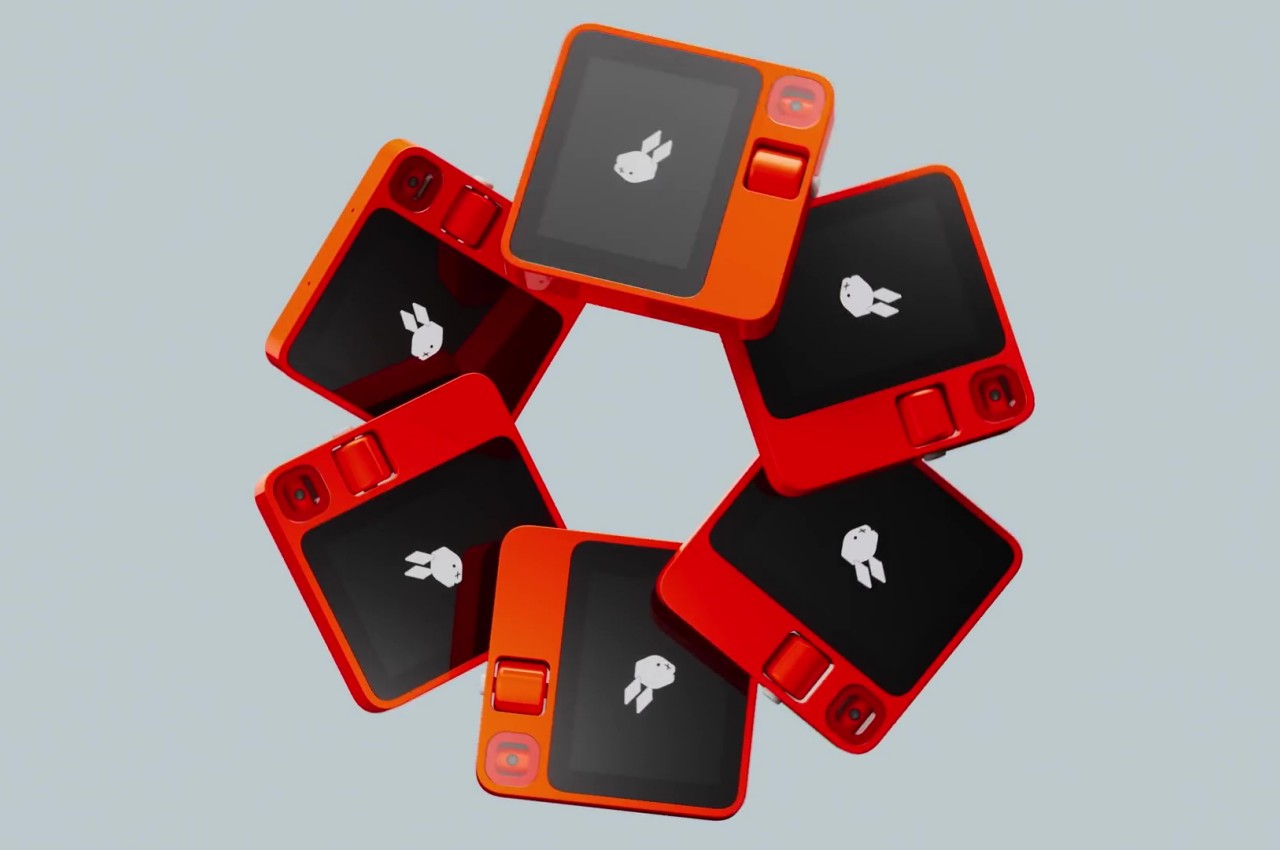
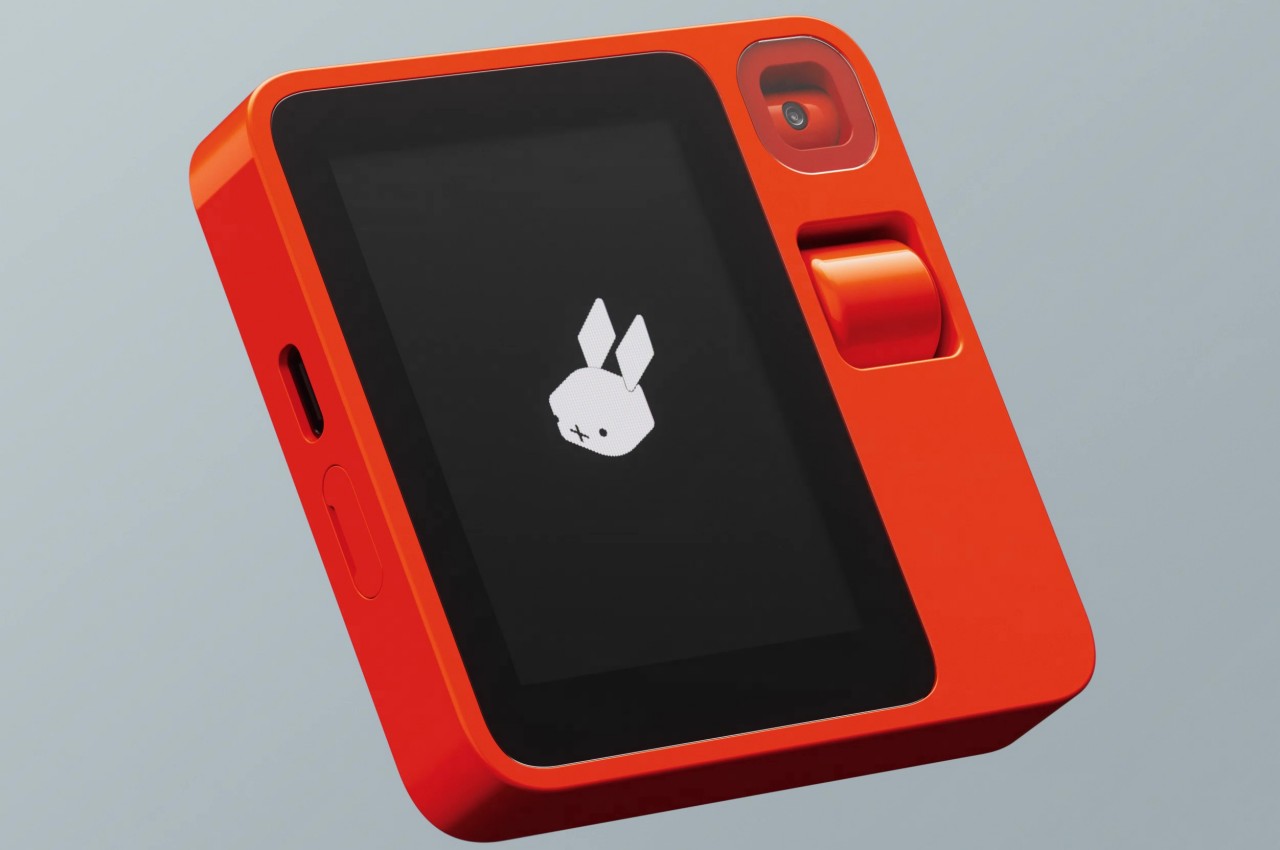
Before the current craze of ChatGPT, image generators, and AI-powered services, the world was obsessed with personal assistants like Siri, Alexa, and Google Assistant. That fad has died down a bit, though mostly because these voice-controlled disembodied voices have become so common and so ubiquitous in many smart home devices these days. That said, most personal AI assistants can only be accessed either from a stationary device at home, such as a smart speaker or TV or from your smartphone, which means you can’t call on your digital friend when you’re outside and can’t pull your phone out. That’s the problem that the Rabbit r1 aims to solve by putting a smart, AI-powered personal assistant in a cute little gadget that feels like a Tamagotchi made for serious purposes.

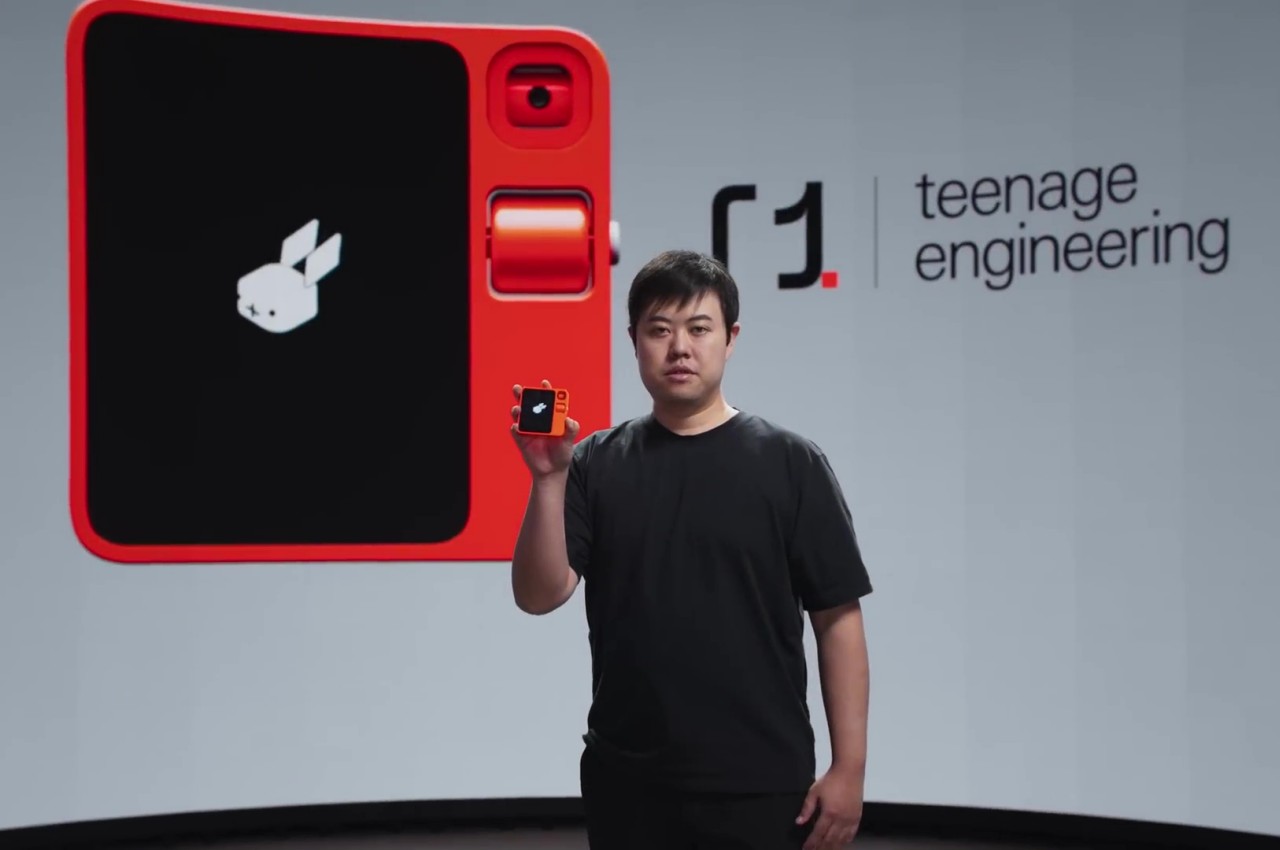
Designers: Rabbit x Teenage Engineering

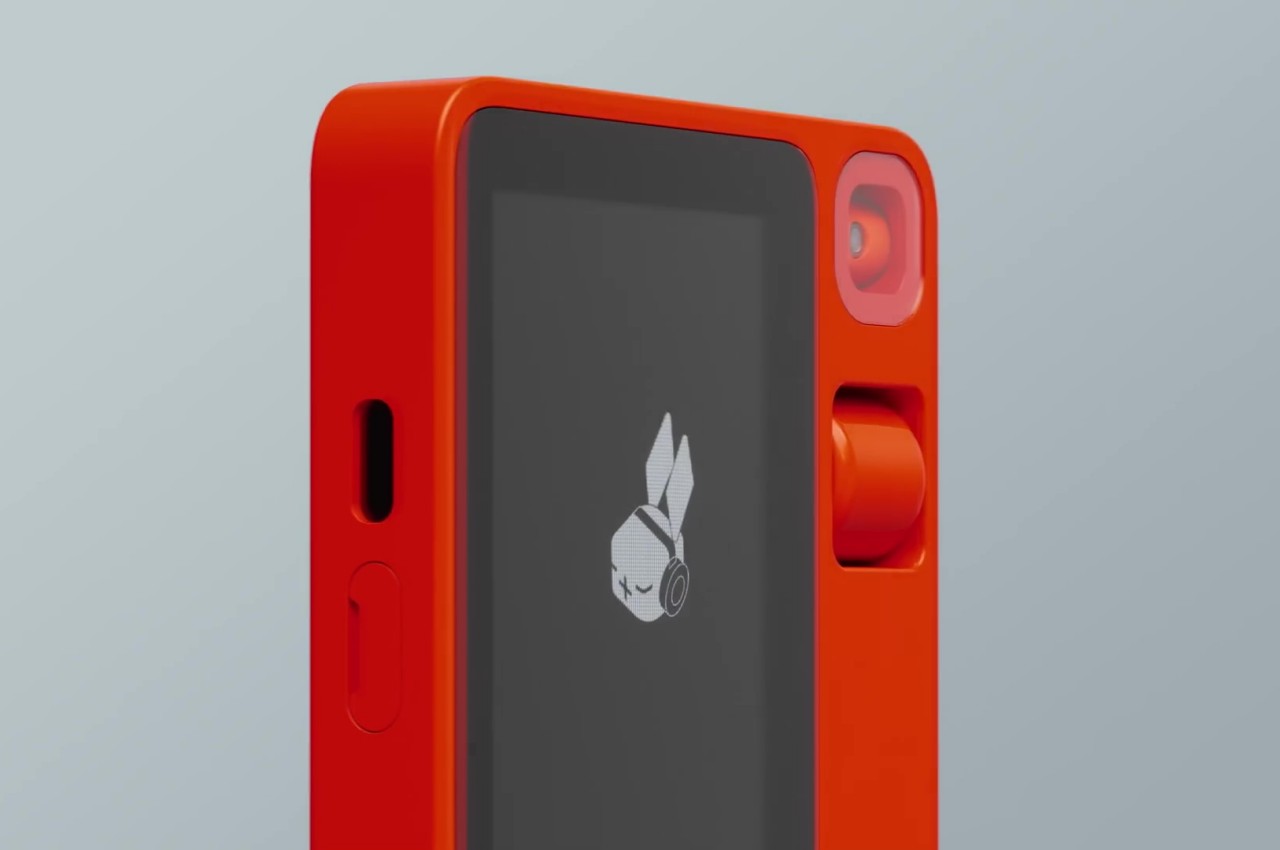
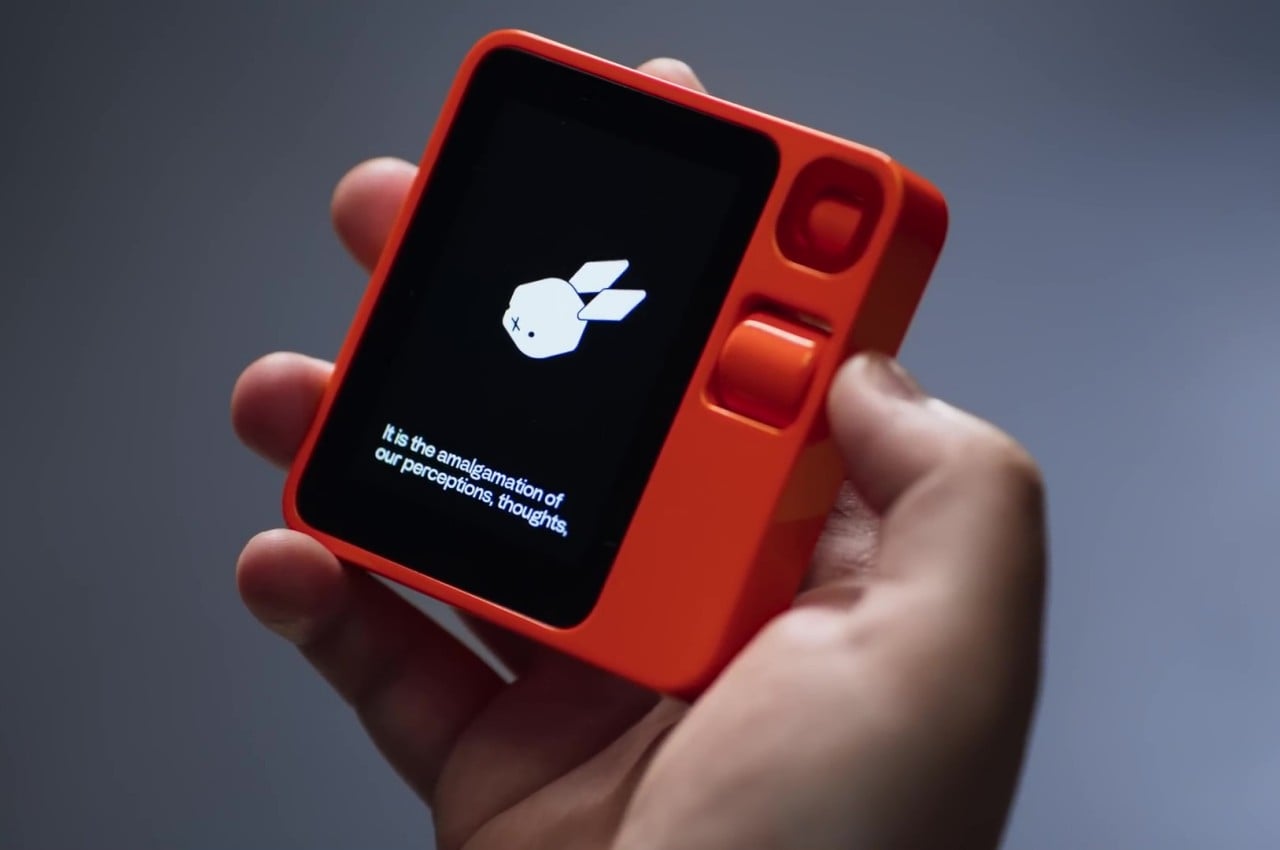
You wouldn’t immediately associate the Rabbit r1 with AI when you first see it. It initially looks like a simple toy with a pixelated rabbit that’s actually just a blocky head with long ears in a square orange device that fits in your hand nicely. That this rabbit head can show some expressions, blink, wink, or even wear headphones further cements its image as a toy, but it’s actually the face, or rather the head, of what may be the cutest AI assistant to grace the market.

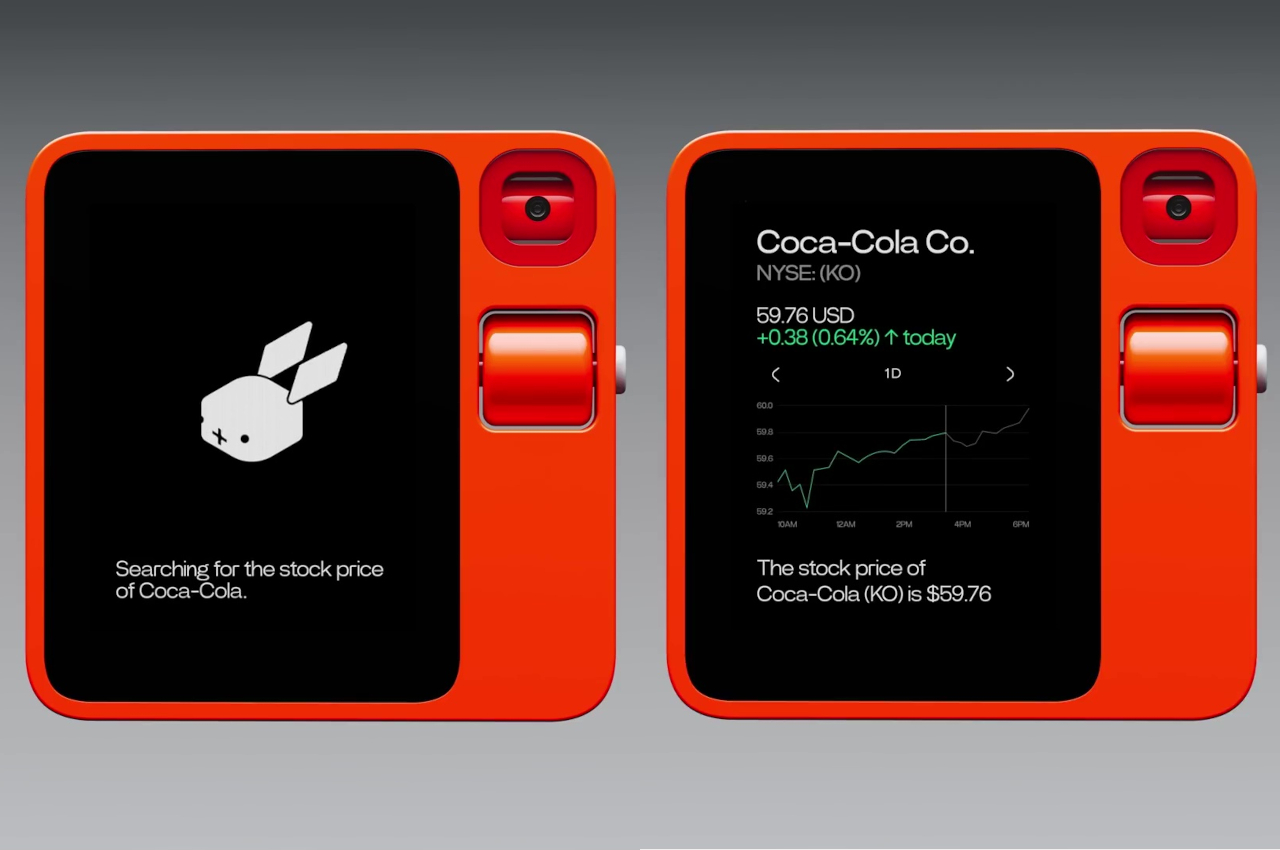
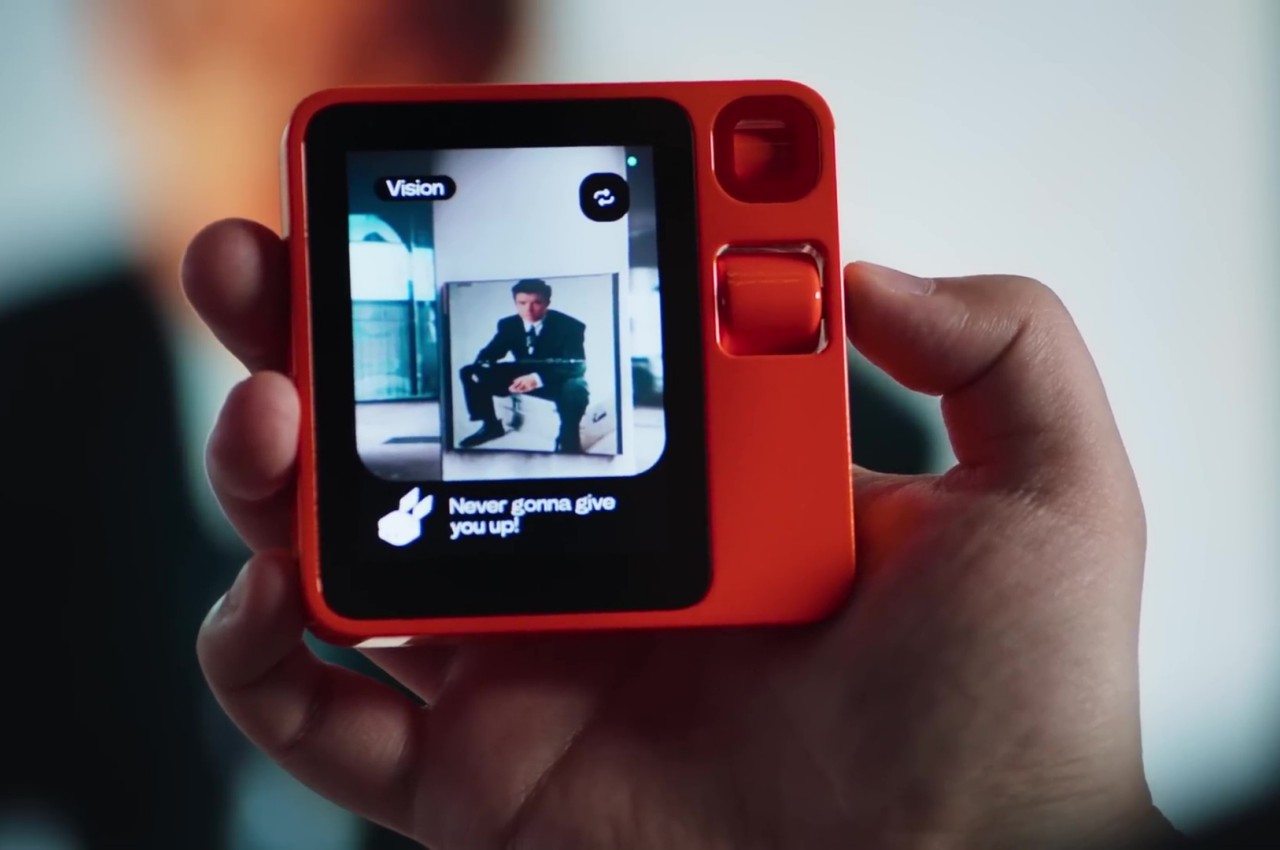
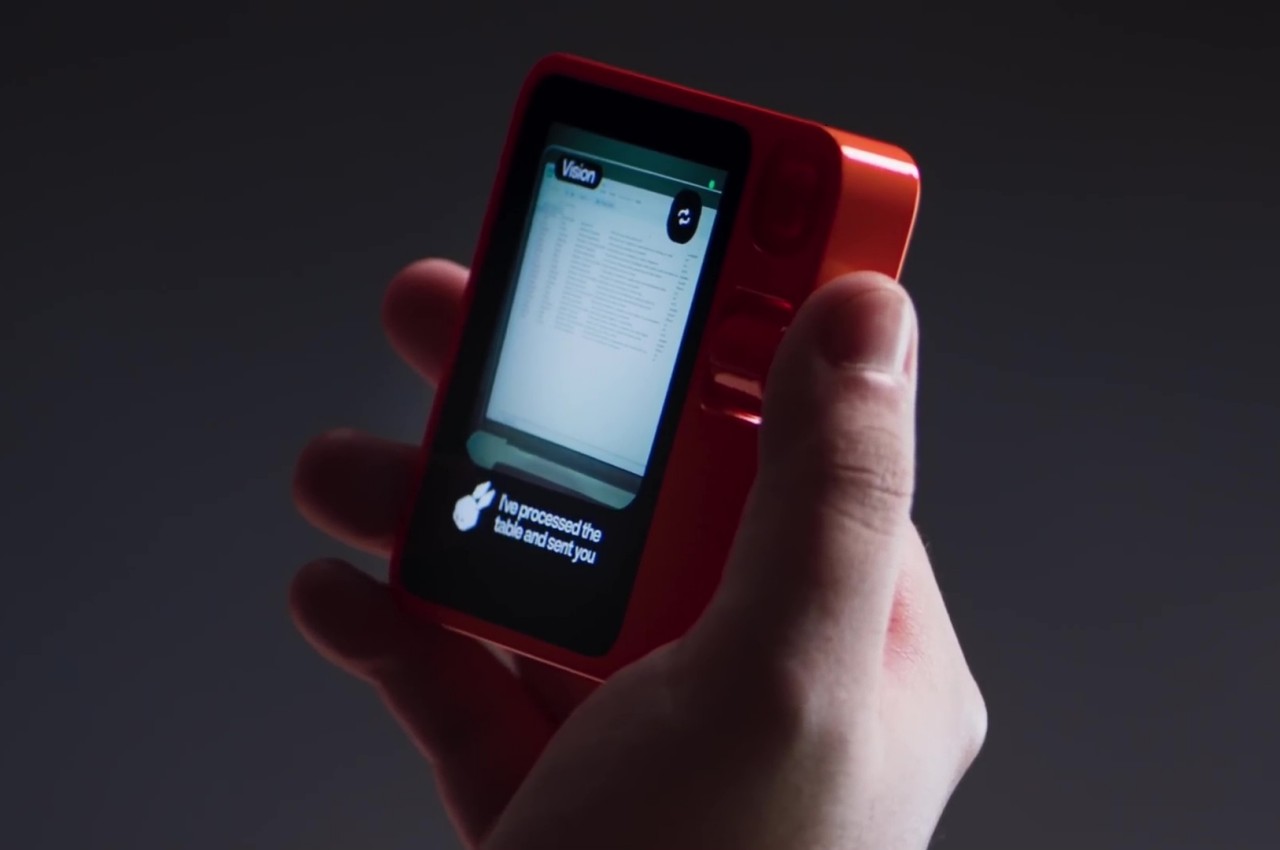
The Rabbit r1 is basically a dedicated AI-powered assistant, formally marketed as “your pocket companion,” that makes the usual AI features more accessible by divorcing them from your phone or home speaker. The idea is that you’d simply pull this less conspicuous (if not for its bright orange color) device out of your pocket or bag, push and hold down a button to talk to the rabbit, and then wait for its response both on the screen as well as via audio. Rabbit OS, as the software platform is being called, seems plenty capable and can answer almost any question, and the rotating camera even does image recognition so you can identify viral personalities or get a suggestion on what to cook based on what you have in your fridge.

If the r1’s aesthetic looks familiar, then you might have recognized Teenage Engineering’s design DNA in it. The Swedish company is best known for its distinctive music-creation devices, and it is indeed the creative genius behind this pocket AI device’s equally distinctive design. Suffice it to say, you won’t be embarrassed to be seen in public using this device, especially in places where a smartphone would be even more impolite or impossible.

The Rabbit r1 is designed to be super simple to use, which is why it only has a single push button and an analog scroll wheel, though the screen is, of course, touch-enabled. In addition to the usual queries, Rabbit OS will also be able to connect with the same apps and services as typical AI assistants, though it’s still a work in progress. It seems that the concept and the design have resounded with many people and the initial batch of 10,000 pre-orders for this $199 sold out on the first day. Whether it will be able to deliver on its promise, we’ll have to wait for initial reviews to see, and hear.

The post Rabbit r1, co-designed with Teenage Engineering, is a cute pocket AI assistant first appeared on Yanko Design.

How to watch the Awesome Games Done Quick 2024 speedrun marathon

It's once again that time of year when a bunch of dedicated gamers gather in a conference room to play through their favorite titles as quickly as possible in the name of charity. This year's Awesome Games Done Quick (AGDQ) speedrunning marathon starts on Sunday, January 14. The week-long event is slated to last until the early hours of January 21. You can watch it live below and catch up on any runs you missed over on the Games Done Quick (GDQ) YouTube channel.

The event will kick off with a sprint through Tunic (maybe don't tune in for that one if you haven't yet played and don't want to be spoiled on the secrets). It will close out with a speedrun of Final Fantasy V Pixel Remaster. In between, you'll get to see runners push classics like Donkey Kong Country, Batman: Arkham City and Hades to their limits. Several big games from last year will be making their first appearance at AGDQ, including Super Mario Bros. Wonder, Cocoon, Pikmin 4, Armored Core VI: Fires of Rubicon, Viewfinder and Baldur's Gate 3.

I'm particularly looking forward to a glitch showcase of Super Mario Maker 2 and finding out the latest The Legend of Zelda: Tears of the Kingdom strats (people are beating that mammoth game in under an hour!). There's one run in particular that looks to be unmissable: a dog-assisted sprint through Gyromite, in which a Shina Ibu named Peanut Butter will help his owner beat the NES game.

AGDQ is once again raising funds for Prevent Cancer Foundation. Over $2.6 million was raised for the cause at last year's AGDQ, and organizers will surely be hoping to best that total in 2024. You can donate through the GDQ website.

This article originally appeared on Engadget at https://www.engadget.com/how-to-watch-the-awesome-games-done-quick-2024-speedrun-marathon-181538649.html?src=rss

I can’t stop touching the new ASUS ROG Zephyrus G14

Call it love at first sight. Every year, I come across a handful of products that elicit instant joy, a sense of elation that's so strong I forget about the many ways the tech industry is actively making our world worse. As we wrap up CES 2024 in Las Vegas, I can't stop thinking about the new ASUS ROG Zephyrus G14, the latest edition of one of our favorite gaming laptops. 

As we covered in our initial hands-on, the Zephyrus G14 features the spec bumps you'd expect: new Ryzen 8000 CPUs and the return of NVIDIA's RTX 4070. But really, it's the all aluminum case and minimalist aesthetic that I've fallen for. When I touched it for the first time, it felt like I was holding a piece of high-grade scientific equipment. The case feels almost too good for a gaming laptop.

Couple that with the cleanest layout ever on an ASUS machine, and you have an evolutionary design leap for the company. (It's particularly shocking seeing it next to the new ASUS ZenBook 14 OLED, which looks practically ancient in comparison.) We've called Razer's Blade laptops the gaming equivalent of Apple's MacBook Pro for years — but now the torch may have been passed to ASUS. The Zephyrus G14 more closely resembles the boxier refreshed aesthetic from Apple's Pro machines. (If you’re looking for an even bigger screen, there’s also a new G16 with the same design and it can hold more powerful hardware, like NVIDIA’s RTX 4090.)

The G14 is more than just a design showpiece, it's also a far better gaming laptop than before. Its new keyboard, which sports 12 percent larger key caps, makes hours-long Halo Infinite matches feel far more comfortable since there's more room for my fingers to spread out. Just about everything shines on its new 3K 120Hz OLED screen, which makes colors pop perfectly. And I was even able to hear a decent amount of positional audio from its revamped speakers (20 percent larger than before) when I was too lazy to grab a pair of headphones.

ASUS ROG Zephyrus G14 looking at the keyboard from above.
Devindra Hardawar/Engadget

While I can't divulge any benchmarks from our RTX 4070-equipped preview unit, I can say that Halo Infinite, Cyberpunk 2077, Elden Ring and the new uber-stylish Metroidvania Cookie Cutter all played like a dream at the G14's native resolution with maxed out graphics quality. Cookie Cutter, with its fluid and expressive art style, was practically made to be shown off on OLED screens. And in Cyberpunk, the G14's HDR capability made the neon lights in Night City almost searingly bright.

The Zephyrus G14 also excelled at game streaming, something I like to test to stress a laptop's networking capabilities. I was able to hop into Forza Horizon 5 in around 30 seconds while I was sitting 20 feet and a floor away from my router. And once I hit the road, I was able to zoom through a few races without any noticeable video artifacts, tearing or slowdown. Anyone walking by might think I was playing the game locally.

ASUS ROG Zephyrus G14 side profile showing the Halo Infinite menus.
Devindra Hardawar/Engadget

Beyond gaming, the G14 just kept surprising and delighting me. Its larger keyboard feels great for typing, with more depth and responsiveness than before. Its touchpad is one of the smoothest I've used on a Windows laptop. And I can't help but love that it has all the ports I want: HDMI, mini-SD and both USB-C and Type A on both sides of the case. I was less enamored with ASUS' new power connector — it's a bit stiff, and a slight tug could easily send the G14 flying. It would have been nice to see a pure USB-C charging solution, but the company told our senior reporter Sam Rutherford that the cost and efficiency of using that port for high-powered charging still isn't good enough for wide deployment.

I'm looking forward to spending more time with the ROG Zephyrus G14 during our review. But until then, we’ll always have CES 2024.

We're reporting live from CES 2024 in Las Vegas from January 6-12. Keep up with all the latest news from the show here.

This article originally appeared on Engadget at https://www.engadget.com/asus-rog-zephyrus-g14-preview-180025962.html?src=rss