Everything You Need to Know About Creative Writing with Google Bard

Creative Writing

This guide is designed to show you how to get started with creative writing with the help of AI tools like Google bard. Have you ever dreamed of weaving captivating tales, crafting unforgettable characters, and building worlds that leave readers breathless? Then, welcome to the realm of creative writing, where imagination reigns and your pen […]

The post Everything You Need to Know About Creative Writing with Google Bard appeared first on Geeky Gadgets.

Posted in Uncategorized | Tagged

OPPO Find X7 Ultra with four main cameras challenges the status quo

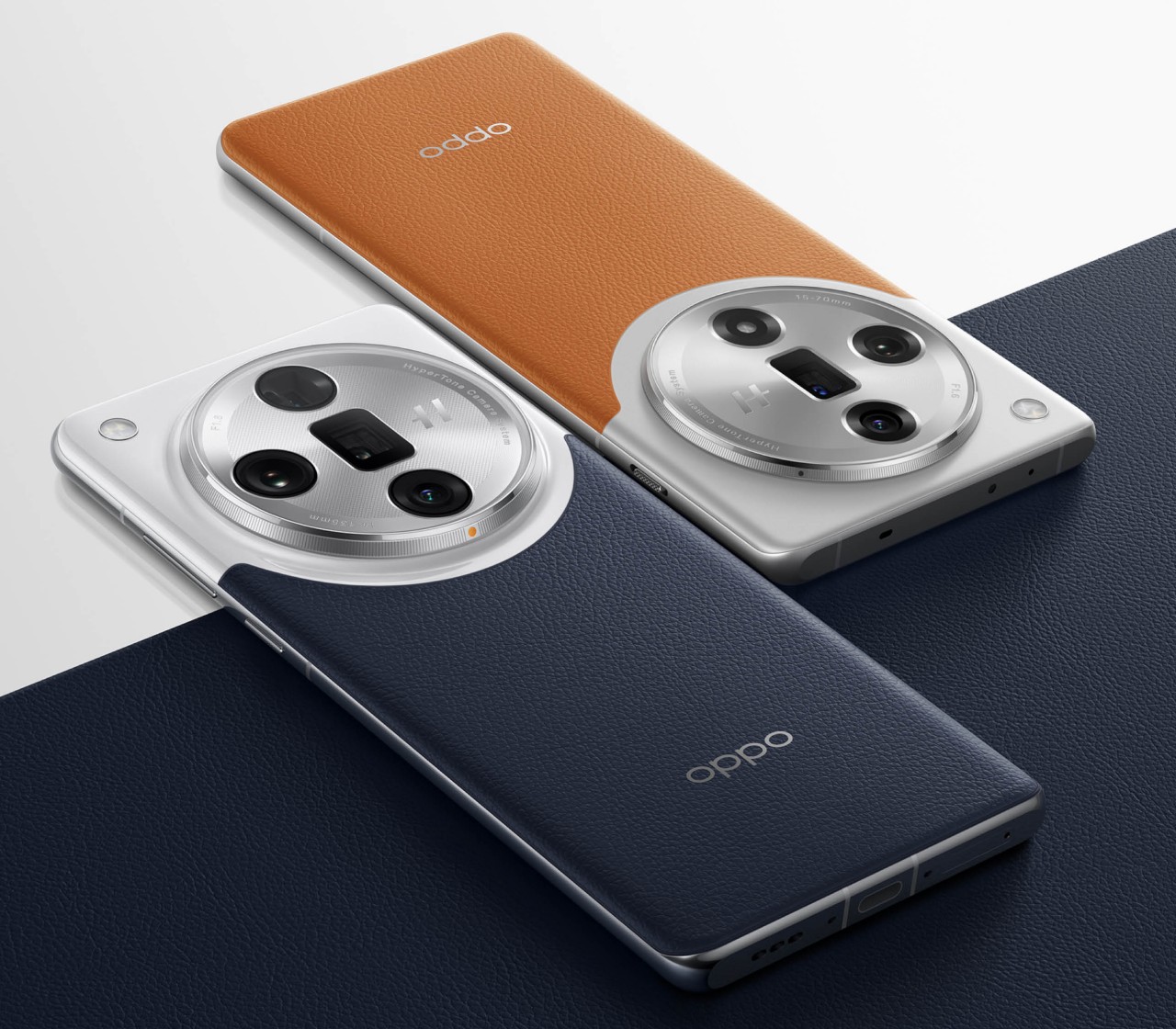
Smartphones have long been regarded to be ringing the death knell of digital cameras, but that has mostly been hyperbole. Sure, the old point-and-click cameras may have finally met their match, but professional-grade shooters like DSLRs will hardly feel threatened. While smartphones have quite a number of desirable features like advanced computational photography and filters, dedicated cameras win in the sheer raw power of their optics. That’s especially true since they can easily switch out lenses as they need to while keeping the same powerful sensor. Since that’s nearly impossible with smartphones, the OPPO Find X7 Ultra has made the bold decision to carry the world’s first Quad Main Camera system that’s poised to blow the competition out of the water and deliver stunning photos at every click.

Designer: OPPO

Smartphones have started using more than one camera to make up for the inability to switch lenses. Each camera used a different lens with a different focal point, but because of limitations in past technologies and design, phone manufacturers were forced to make do with different sizes of sensors to fit inside a smartphone’s cramped space. This meant that ultra-wide or telephoto cameras would have significantly different output qualities from the main camera, sometimes better, more often worse. Parity between these cameras is exactly what OPPO has been trying to deliver in the past generations, culminating in what is probably the most advanced smartphone camera system in the market to date.

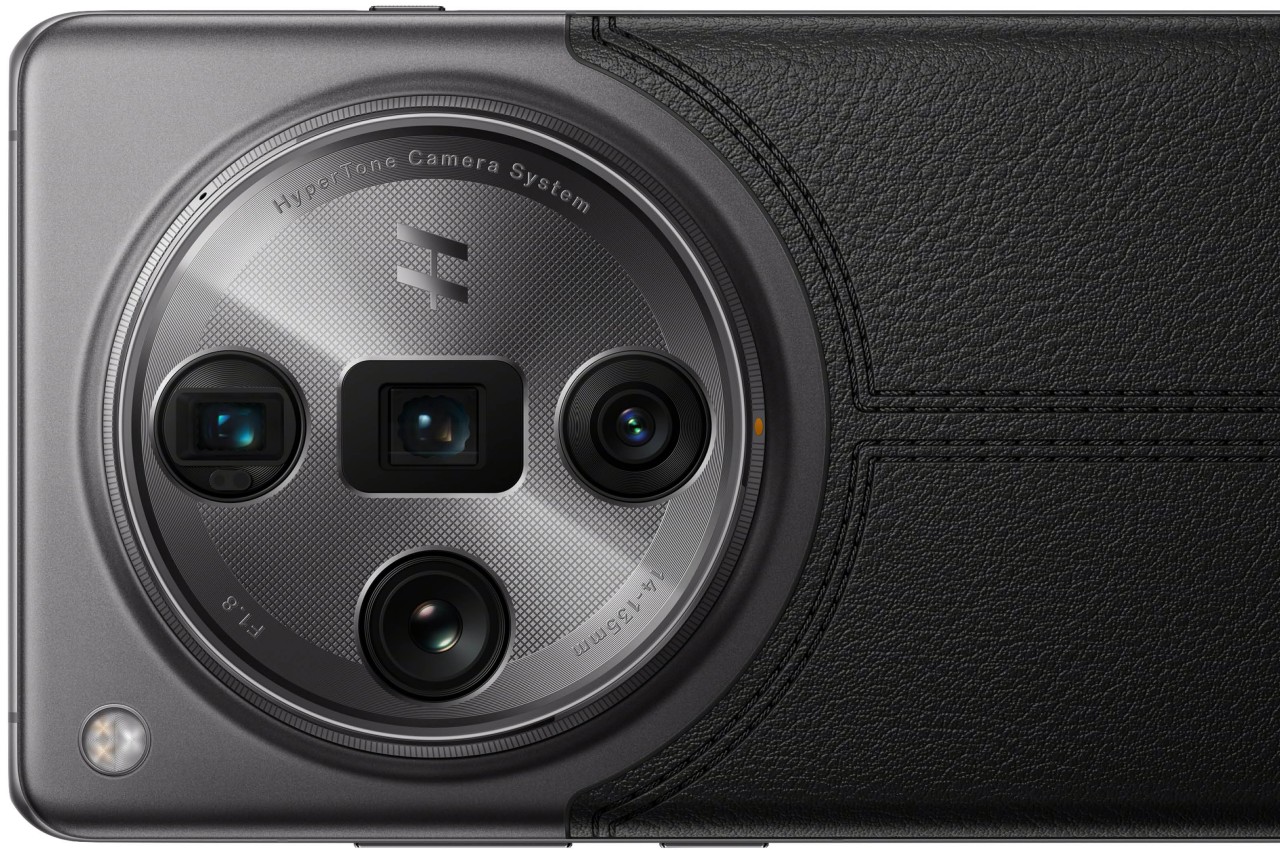
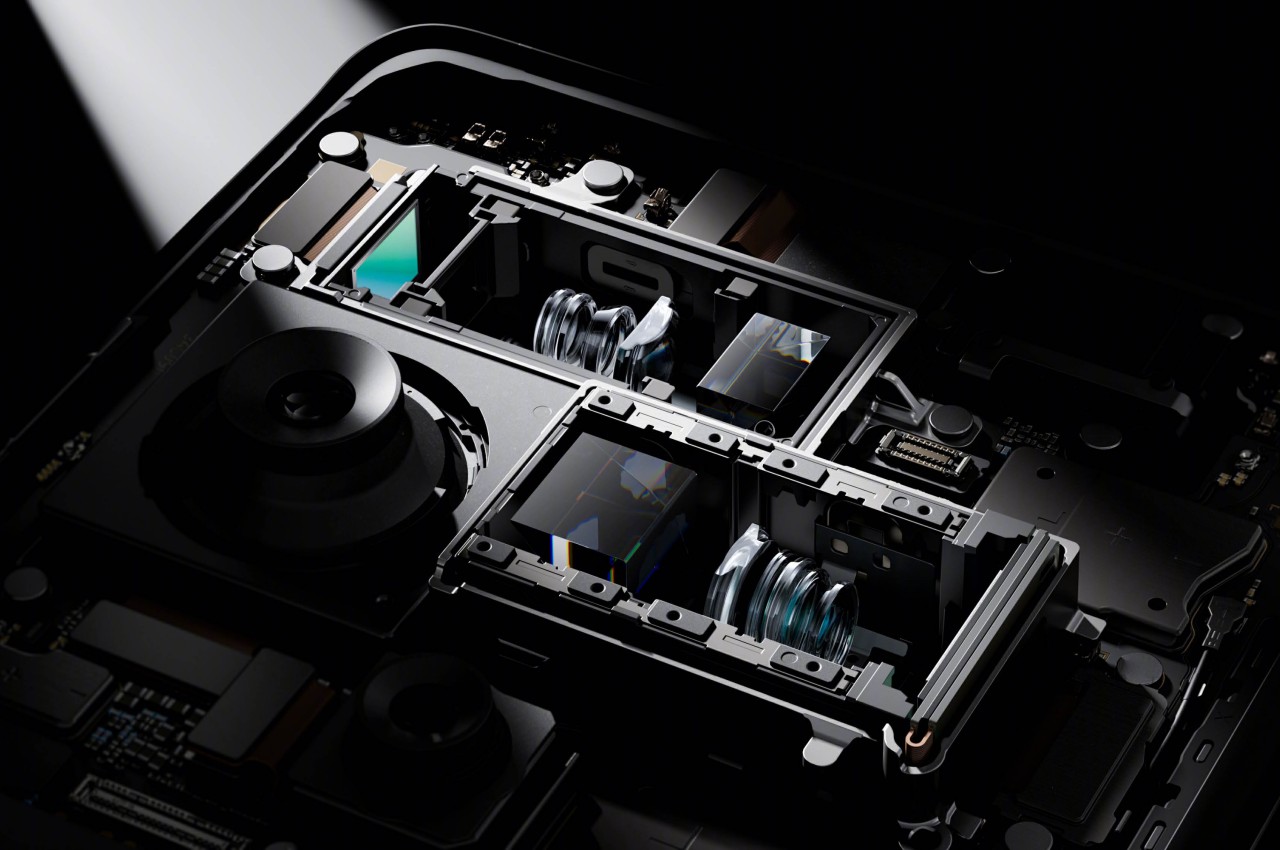
The OPPO Find X7 Ultra boasts not only a quad camera system but a Quad Main camera system. Although they differ slightly in terms of specific specs, all four use a 50MP sensor, lead by the new Sony LYT-900, the latest generation of that coveted 1-inch sensor. What this practically means is that there is no loss of quality and no disconcerting jitter when switching between wide, ultra-wide, 3x zoom, and 6x zoom cameras. And yes, the phone has two optical zoom telephoto cameras, both of them with periscope-style lenses. With this unprecedented combination, OPPO is able to seamlessly cover a wide range of focal points, from 14mm to 135mm to even 270mm as if it were changing DSLR lenses on the fly.

Combined with this impressive hardware is OPPO’s new HyperTone Image Engine, designed to combat the unnatural colors, exposure, and sharpening that most computation photography software produces on smartphones today. Along with the famed Hasselblad Portrait Mode that accurately emulates four iconic Hasselblad cameras, you are promised to get breath-taking and natural-looking images, as if they were taken with a professional DSLR or mirrorless camera. And if you’re the type to really get into the nitty-gritty of camera settings, the Hasselblad Master Mode upgrades the typical Pro Mode to add even more fine-grained control over image quality.

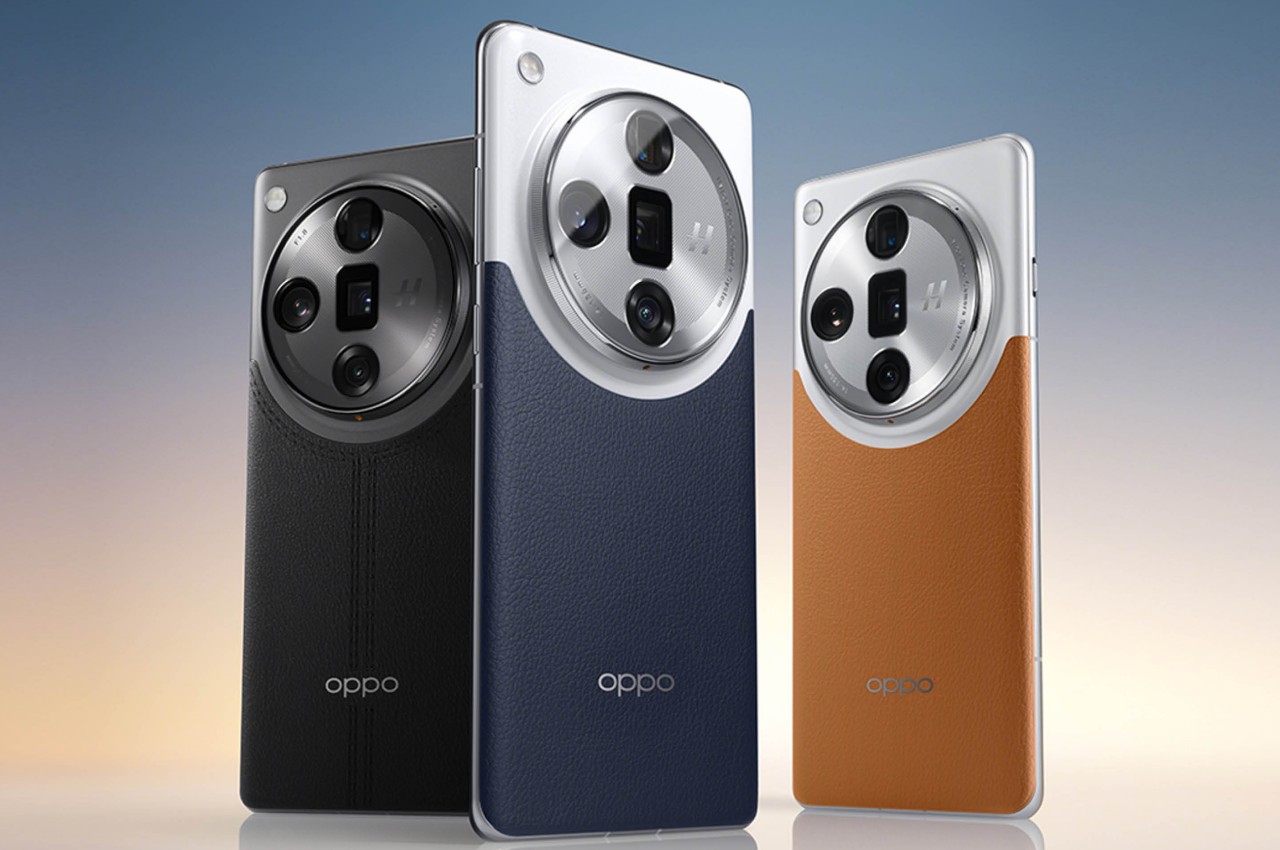
Despite all the camera hardware packed inside, not to mention the latest and greatest components available in the smartphone industry to date, the OPPO Find X7 Ultra remains slim, sleek, and stylish, belying its powerful capabilities. The two-tone design of the previous Find X6 generation returns with a bit more character this time, wrapping around the distinctive camera circle more loosely. Available in Ocean Blue, Sepia Brown, and Tailored Black, the OPPO Find X7 Ultra marries head-turning elegance and groundbreaking performance in a package that’s sure to give shutterbugs something to talk about.

The post OPPO Find X7 Ultra with four main cameras challenges the status quo first appeared on Yanko Design.

Apple’s iPhone System Services Explained (Video)

iPhone System Services

Navigating the myriad of system services on your iPhone can sometimes feel like a daunting task. But worry not! A recent video analysis from Payette Forward has delved deep into these services, offering a clear view on their impact on privacy, battery life, and data usage. This article will guide you through these revelations, helping […]

The post Apple’s iPhone System Services Explained (Video) appeared first on Geeky Gadgets.

LG brought the world’s first wireless transparent OLED TV to CES 2024

LG typically shows off a host of new TVs at CES each year, but they're usually the more traditional flat screens. This year in Las Vegas, the company is debuting something quite different in addition to M- and G-series updates. The OLED T is what the company calls the first wireless transparent OLED TV, with 4K resolution and LG's wireless transmission tech for audio and video. The unit also features a contrast screen that rolls down into a box at its base that you can raise or lower with the press of a button. 

The OLED T is powered by LG's new Alpha 11 AI processor with four times the performance of the previous-gen chip. The extra power offers 70 percent greater graphics performance and 30 percent faster processing speeds, according to the company. The OLED T model works with the company's Zero Connect Box that debuted on last year's M3 OLED that sends video and audio wirelessly to the TV. You connect all of your streaming devices and game consoles to that box rather than the television. 

The OLED T's base houses down-firing speakers, which sound surprisingly good, as well as some other components. There are backlights as well, but you can turn those on for a fully-transparent look. LG says the TV will come in standalone, against-the-wall and wall-mounted options. 

LG OLED T
Photo by Billy Steele/Engadget

At first, some of the visuals on the OLED T are a bit unsettling. A singer on the transparent display appeared to be actually in the room — in miniature form, of course. Things like a fish tank were a bit more pleasant to look at and movie clips were crisp and vivid. LG also put what it calls the T-Bar on the OLED T, adding chyron-like mix of news, weather, song titles and more along the bottom while the rest of the screen stays clear. 

Samsung also announced a transparent TV at CES 2024, but that version is Micro OLED. It too looks bright and sharp, but there's also no word on when it could be available or what it'll cost. LG isn't talking pricing either, but the company did say it plans to sell the OLED TV in 2024.

We're reporting live from CES 2024 in Las Vegas from January 6-12. Keep up with all the latest news from the show here.

This article originally appeared on Engadget at https://www.engadget.com/lg-brought-the-worlds-first-wireless-transparent-oled-tv-to-ces-2024-071151174.html?src=rss

Samsung debuts the world’s first transparent MicroLED screen at CES 2024

On Sunday night Samsung held its annual First Look event at CES 2024, where the company teased the world's first transparent MicroLED display. While there's still no word on how much it costs or when this tech will find its way into retail devices, Samsung showcased its transparent MicroLED display side-by-side next to transparent OLED and transparent LCD models to really highlight the differences between the tech. Compared to the others, not only was the MicroLED panel significantly brighter, it also featured a completely frameless design and a more transparent glass panel that made it easier to see objects behind it.

A side view of what Samsung is calling the world's first transparent micro LED display.
Photo by Sam Rutherford/Engadget

In person, the effect Samsung's transparent micro OLED displays have is hard to describe, as content almost looks like a hologram as it floats in mid-air. The demo unit was freestanding and measured only about a centimeter thick, which adds even more to the illusion of a floating screen. Additionally, because of micro LEDs high pixel density, images also looked incredibly sharp. So far Samsung has only uploaded a single vertical video overflowing with EDM, but hopefully it gives you some idea what we saw:

According to a Samsung spokesperson, because transparent MicroLED displays have higher brightness compared to transparent OLED panels, they are also less impacted by ambient light. 

The bad news is that with Samsung's current crop of non-transparent MicroLED TVs currently costing $150,000 for a 110-inch model, it's going to be a decently long time until these new displays become anything close to affordable.

Coincidentally, Samsung isn't the only Korean company showing off a big transparent display at CES this year. Its eternal rival LG debuted the OLED T, which, unlike Samsung's model, is actually going on sale this year. The OLED T is apparently the first wireless transparent OLED TV, with 4K resolution and LG's wireless transmission tech for audio and video. That's building on the company's (non-transparent) M3 model, which debuted at least year's CES. The OLED T also features a contrast screen that rolls down into a box at its base that you can raise or lower with the press of a button.

LG OLED T
The LG OLED T.
Photo by Billy Steele/Engadget

Update, January 9, 2PM ET: This story was updated after publishing to include details on the LG OLED T.

We're reporting live from CES 2024 in Las Vegas from January 6-12. Keep up with all the latest news from the show here.

This article originally appeared on Engadget at https://www.engadget.com/samsung-debuts-the-worlds-first-transparent-microled-screen-at-ces-2024-042634398.html?src=rss

The Flappie AI cat door stops your pet from gifting you dead mice

Finding weird pet-related technology is a CES tradition, and this year is no exception. Take Flappie, for example. The Swiss start-up is showing off an AI-powered cat door that automatically locks if your kitty tries to bring in prey it caught from the outside. 

On the side of the door facing the outside, you'll find a motion sensor and night-vision camera. Flappie says it has compiled a "unique and proprietary" dataset over the years, with a focus on diversity — this means getting lots of different kinds of cats as well as prey, filmed in a variety of different lighting conditions. The company says that its AI-powered detection system is accurate more than 90 percent of the time, which means your cat could still get a mouse inside. But hopefully that'll happen a lot less frequently. 

There are some manual switches on the inside of the door so you can lock and unlock it any time you want as well as turn off the prey-detection system. Eventually, Flappie says that pets are likely to be trained that they can't enter when carrying something, and when they drop the prey the door will promptly unlock so they can get inside. (One of Flappie's co-founders admitted that a smart cat might figure out to drop the mouse, get the door open, pick it back up and then run in. But no solution is foolproof, right?)

Flappie cat door
Photo by Nathan Ingraham / Engadget

Flappie also included chip detection in its cat door. So if your pet has been microchipped, you can make it so the cat door only opens for your specific pet. And, of course, there's an app so you can control the door from your phone. But if you're not inclined to hook the Flappie door up to the internet, it'll still work via the controls on the door itself. 

For starters, Flappie plans to launch its pet door in Switzerland and Germany later this spring, with plans to expand from there once it gets production scaled up. A US launch is part of the roadmap, but there's no word yet on when that'll happen, or how much the Flappie door might cost when it gets here. But a CES newsletter focused on Swiss tech companies says that Flappie will cost $399, or $199 with a two-year $8.90 monthly subscription to the app so you can see all the videos the door records of your pet.

Update, January 8, 2024 12:45 PM ET: We've added pricing details on the Flappie to this story.

We're reporting live from CES 2024 in Las Vegas from January 6-12. Keep up with all the latest news from the show here.

This article originally appeared on Engadget at https://www.engadget.com/the-flappie-ai-cat-door-stops-your-pet-from-gifting-you-dead-mice-033237654.html?src=rss

Someone made a Peloton-esque display for the world’s most ubiquitous rowing machine

It was at CES 2024, in a Las Vegas ballroom with a carpet so static I was getting an electric shock every few minutes, that I finally saw one of my longest-held dreams come true. You see, I own a Concept2 Model D rowing machine, hands down the best rowing machine on the market. But the company has always refused to build a display that doesn’t look like it comes from the early ‘80s. When the PM5 was launched, it looked dated, but in a world where Hydrow and Peloton can offer gorgeous touchscreen displays and live classes, it looked ancient. Which is why I’m so elated that I stumbled across Myrow and its 22-inch retrofit display for Concept2’s rowing machines.

The tablet attaches onto Concept2’s existing monitor stand by unscrewing a couple of bolts without damaging the existing hardware. You’ll still need the PM5, since Myrow connects to that to pull your rowing data, but it can sit flat in its storage position beside the fan. Then, you’ll be able to access on-demand rowing classes, custom workouts and, because everyone who has seen the product has asked, streaming video. This is more or less why I’ve tried any number of annoying third-party mounts to put some sort of video solution onto my rower. After all, the best motivator (for me) is to turn movie-watching time into a workout.

As well as the video classes, you’ll get better visualisation of your rowing data which is another frustrating experience with the PM5. You’ll even be able to share your data to Logbook automatically which, normally, can be frustrating experience.

Myrow is the brainchild of Gary Simpson, the founder of Transit Wireless which brings wireless signal to subway systems. He said he was opting wether to ride on his Peloton or row on his Concept2 during the period everyone was sheltering in place. And that the lack of live classes, or any added-value features, meant he defaulted to the bike far more than he liked. So, he decided to look and see if there were any available products out there and, when he didn’t find any, opted to build his own.

Myrow hopes to open pre-orders at some point in February with shipping expected to begin in April. It’ll cost $499 for the tablet and mount, with an additional $30 a month subscription to get the on-demand classes and everything else.

We're reporting live from CES 2024 in Las Vegas from January 6-12. Keep up with all the latest news from the show here.

This article originally appeared on Engadget at https://www.engadget.com/someone-made-a-peloton-esque-display-for-the-worlds-most-ubiquitous-rowing-machine-031001362.html?src=rss

Govee’s chatbot programs your smart lights for you

At CES 2024, Govee not only revealed an upgraded AI Sync Box Kit, Neon Rope Light 2 and, because it’s 2024, there’s even a dedicated chatbot. While it wasn't available for testing at CES Unveiled, the media preview event that takes place two days before the CES show floor opens, Govee’s AI Lighting Bot will eventually be bundled into the company’s smartphone app, where you’ll apparently be able to cajole it into generating using natural language inputs, a la ChatGPT.

As you can see in Govee’s concept video, it’ll apparently source lighting designs and transmit them to your Govee lights, whether they’re lighting spots, strips or anything else. In one example in Govee’s video, a user asked for a “Barbie Dreamhouse-inspired lighting effect” for their outdoor lights and spotlights, which then undulated between various shades of hot, powder and another-kind-of pink.

Of course, you’ll need even more lighting strips to accomplish grander smart lighting visions, and Govee is willing to oblige with its second-generation Neon Rope Light 2. A spokesperson explained that it will now offer smoother lighting transitions and upgraded bend clips and is made of an even more flexible material, which should be easier to shape around furniture, corners and even into shapes.

Govee lighting at CES 2024
Engadget

You’ll also be able to customize the lighting effects of the Neon Rope more easily too. Govee’s app can apply lighting effects through different segments using your smartphone camera and shape recognition, hopefully better evoking your smart lighting vision. The Neon Rope Light 2 will also be Matter-compatible when it launches in the first half of 2024.

Finally, the AI Sync Box Kit 2 will be HDMI 2.1 compatible and following feedback from its users on Govee’s first kit, will support resolutions up to 8K and output video (with matching light effects) at 4K at 120Hz. Govee says its new CogniGlow AI recognition tech will automatically activate tailored lighting effects for compatible games. One example is a blue healing ‘bloom’ when a character heals in Apex Legends. You’ll even be able to personalize these AI effects if you want more subtle lighting twists. A Matter-compatible update will also land on the sync box later this year.

We're reporting live from CES 2024 in Las Vegas from January 6-12. Keep up with all the latest news from the show here.

This article originally appeared on Engadget at https://www.engadget.com/govees-ai-chatbot-programs-your-smart-lights-for-you-030217383.html?src=rss

Samsung’s Q990D soundbar has the one thing the 2023 version didn’t: HDMI 2.1

When I reviewed Samsung's HW-Q990C last year, my main gripe with the flagship soundbar was the fact that it didn't offer HDMI 2.1. That meant that it didn't have the 4K/120 passthrough for things like gaming consoles and streaming devices the competition did. At CES 2024, the company is addressing that concern. With the HW-Q990D (note the one letter difference), HDMI 2.1 is onboard even though the overall design hasn't changed. Samsung's priciest soundbar once again supports wireless Dolby Atmos with an 11.1.4-channel sonic setup, making it the most robust option in the company's 2024 home theater lineup. 

Samsung packed in several new features for the Q990D. First, a Private Listening mode turns off all front-firing drivers and only uses the rear speakers so as not to disturb sleeping family or roommates. A new Party Play mode creates a balanced sound across the soundbar and rear speakers so that each element of the setup offers a solid mix. You won't just get the rear channels from those speakers at the back of the room, in other words. Other 2024 Q-Series soundbars will get these two new modes, including the Q910D, Q800D and Q730D. Plus, the entire Q-Series still works with Alexa and Google Assistant, in addition to Bixby, and support for Chromecast and AirPlay returns across the board. 

When connected to a compatible Samsung TV, the Q990D's sound can be analyzed by the display's NPU processor to smooth out sharp notes and bass tons for the ideal results. Q-Symphony is back as well, adding the speakers from a Samsung TV to the Q990D and some of the company's other soundbars to provide a more robust living room audio setup. The Q990D also supports Roon, a high-resolution music streaming service that allows you to beam music, including local files, to individual speakers or groups of devices. 

In addition to the Q-Series, Samsung has also updated its ultra-slim S-Series lineup. The key addition is a new 35-inch-wide S700D model that's designed to fit better with TVs sized 55 inches and smaller. The company promises the same "impressive sound quality" as the 46-inch S800D and S810D, which are also updated for 2024. All of these ultra-slim soundbars are meant to be used with low-profile displays, like The Frame, or in cases where customers don't want the imposing stature of something like the Q990D. More specifically, they're about a third of the depth of a typical soundbar. The S models still offer wireless Dolby Atmos, Q-Symphony, SpaceFit Sound Pro and other premium features, but they top out at 3.1.2-channel setups. What's more, the S800D now has HDMI eARC if you still prefer a wired option. 

Once again, there's no word on pricing or availability for the Q990D, or any of the other new models, just yet. But for reference, last year's Q990C arrived in the spring and was originally priced at $1,900. It included two wireless rear speakers and a wireless subwoofer. The top-of-the-line ultra-slim model, the S800B, was $900 at launch and included a wireless subwoofer. We're likely to get pricing info from Samsung closer to the shipping date for all of the 2024 items.

We're reporting live from CES 2024 in Las Vegas from January 6-12. Keep up with all the latest news from the show here.

This article originally appeared on Engadget at https://www.engadget.com/samsungs-q990d-soundbar-has-the-one-thing-the-2023-version-didnt-hdmi-21-030059753.html?src=rss

Samsung’s 2024 TV lineup at CES 2024 includes AI aplenty and a ‘glare-free’ OLED model

Samsung’s CES 2024 TV rollout is here. The company typically reserves finer product details (including pricing) for later, but it provided Engadget with a quick rundown of its new television lineup ahead of its press conference on Monday. Its new 8K TVs have new AI-powered features, including upscaling technology (to help with the scarcity of native 8K content), and it claims a “glare-free” OLED model looks equally clear in bright and dark rooms.

Samsung’s new quantum dot TVs have AI-powered upscaling tech the company hopes will nudge curious consumers into paying a premium for an 8K TV. With most content providers currently lacking native 8K streaming options, Samsung’s AI Upscaling Pro feature in its QN900D (65- to 85-inch) television can help by converting 4K content into 8K or HD / SD media into 4K.

The company says the QN900D is the “slimmest, most premium 8K TV to ever hit the market.” In addition to resolution upscaling, the television includes a trick to recognize when you’re watching sports and help track the game’s ball on the screen. Another algorithmic feature, Real Depth Enhancer Pro, helps boost contrast between the foreground and background, including in fast-paced content like car racing.

Samsung’s new QLED (8K and 4K) and OLED televisions also include Active Voice Amplifier Pro, a more advanced version of an existing feature that can boost dialog and “key sound effects” for more immersive audio. In addition, AI Customization Mode asks you to choose your “preferred picture” in a series of scenes when setting up the television; it will then use AI to detect the scene you’re watching and optimize the picture accordingly based on your preferences.

The company is also launching a (presumably cheaper) 8K QLED TV, the QN85D, that lacks the fancy AI conversion features. Meanwhile, the company’s 4K NEO QLED lineup includes the QN90D (43- to 98-inch) and QN85D (55- to 85-inch).

Lifestyle product shot of a Samsung OLED TV in a fancy modern living room. On the left shows simulated glare on a conventional TV. On the right, the lack of glare on the Samsung.
Samsung

Samsung also has new OLED models for 2024, including the S90D and S95D (both 55- to 77-inch). The latter includes the company’s “OLED Glare Free” tech, which it claims will let you “enjoy the best possible viewing experience across both bright and dark rooms.” Samsung says the feature doesn’t affect the picture’s viewing angles or contrast and can depict Pantone-validated standard colors. The S95D has a 4K 144Hz panel, and it measures just under 11mm thick.

The company’s 2024 offerings also include “more ultra-large screen options than ever,” including 98-inch models in its Neo QLED 8K and 4K, QLED 4K and Crystal UHD lineups. Yet another AI-powered feature will address the problem of pixels becoming more discernible as screen size increases. Samsung’s Supersize Picture Enhancer feature uses AI upscaling to enhance the perceived sharpness and reduce visible noise on each pixel to help offset the bigger TVs’ larger dots.

Engadget is on the floor at CES 2024 and will check out the hardware and software-based features in Samsung’s new televisions. You can also tune into the company’s press conference on Monday at 5PM ET.

We're reporting live from CES 2024 in Las Vegas from January 6-12. Keep up with all the latest news from the show here.

This article originally appeared on Engadget at https://www.engadget.com/samsungs-2024-tv-lineup-at-ces-2024-includes-ai-aplenty-and-a-glare-free-oled-model-030046720.html?src=rss