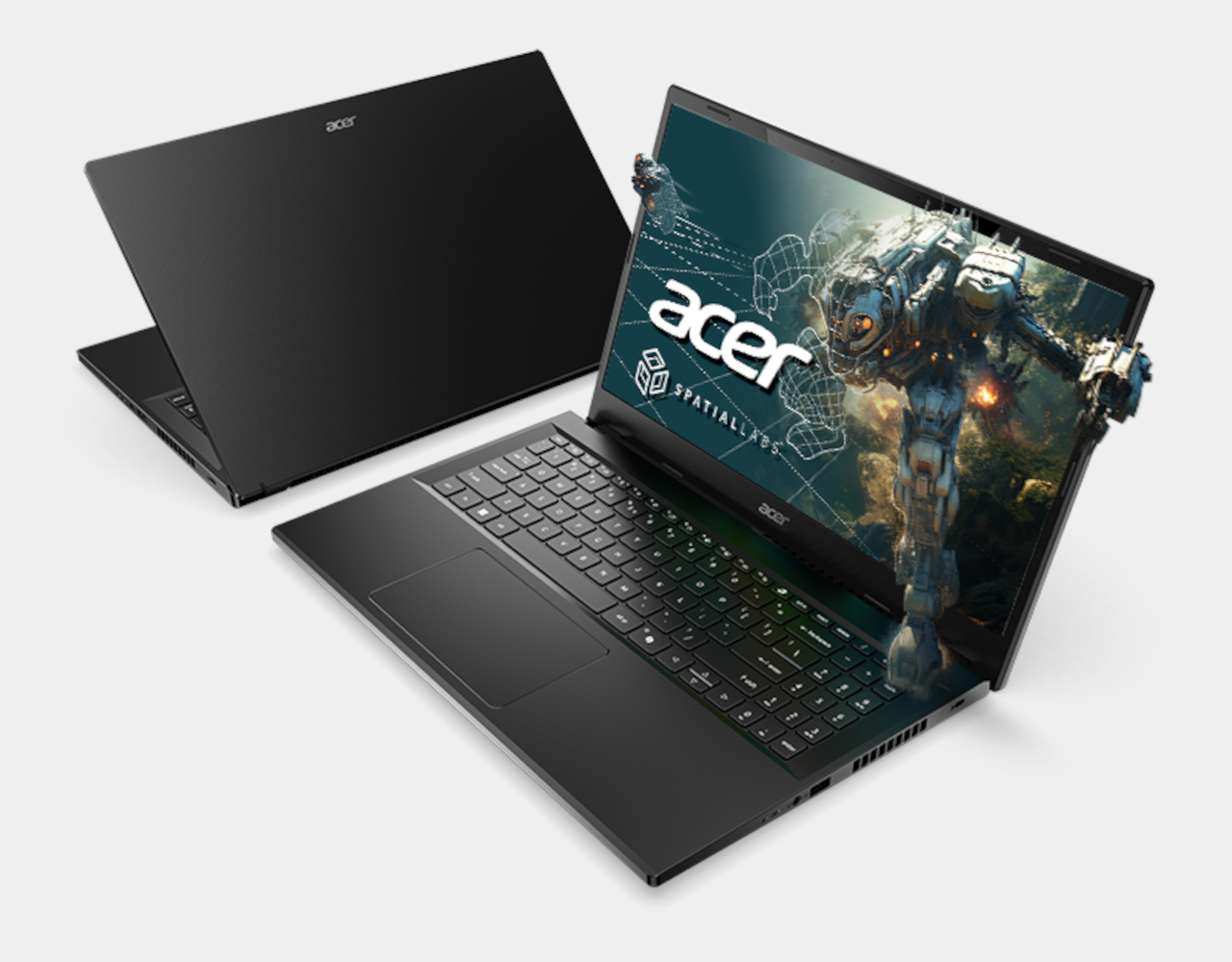
Acer Aspire and Swift laptops at CES 2024 double down on AI and sustainability

Technology has become ingrained in almost every aspect of our lives, especially the AI revolution that’s gripping all industries, including consumer electronics. While these technologies definitely allow us to enjoy modern comforts and conveniences, they also empower us to do more and create more by giving us the tools to shape this technology-centric world of ours. Documents, videos, images, 3D models, games, and virtual experiences don’t just pop out of thin air and someone has got to do the hard work of creating these digital artifacts. At CES 2024, Acer is revealing its latest fleet of laptops that showcase the latest tech innovations while also pushing for a more conscientious approach to creating the tools that we’ll be using to build a better tomorrow.

Designer: Acer

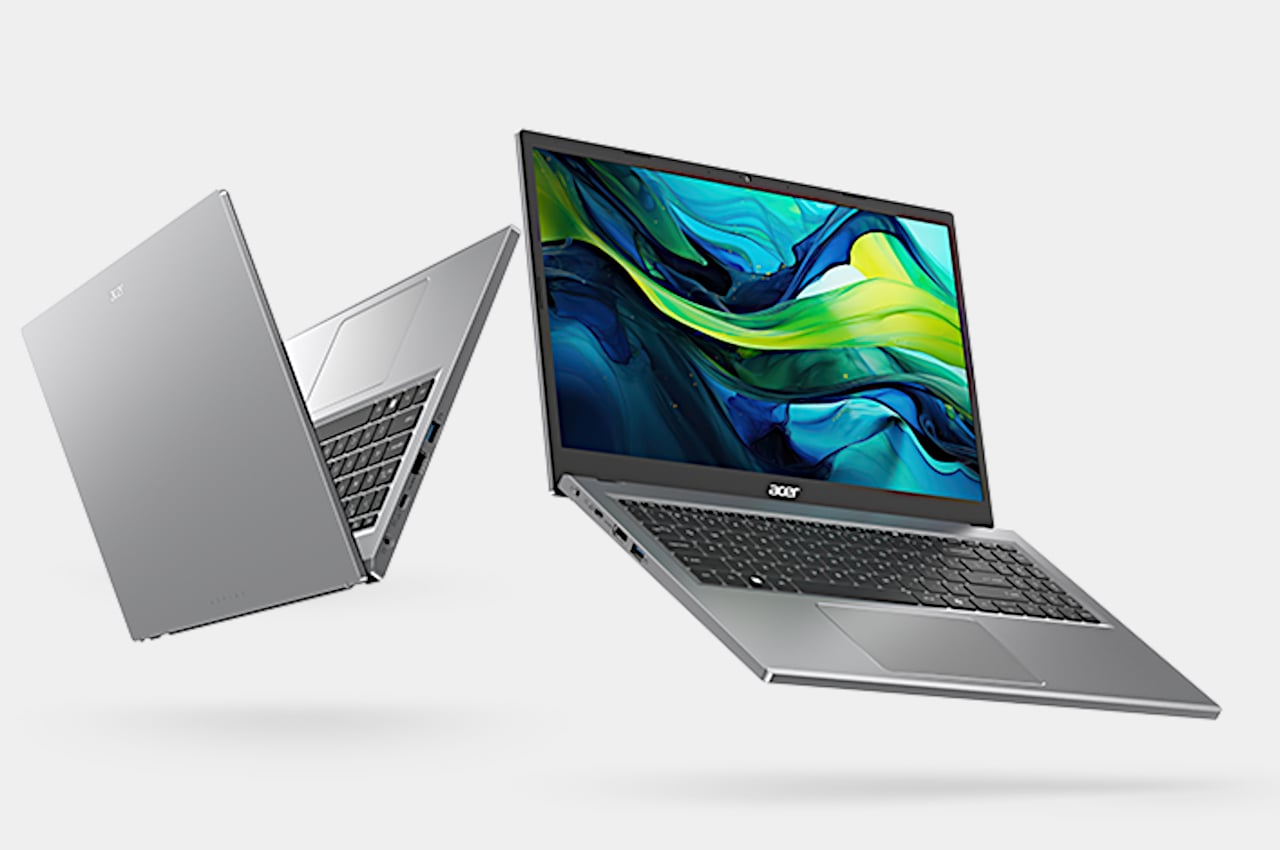
Acer Swift Go – AI in a Sleek Design

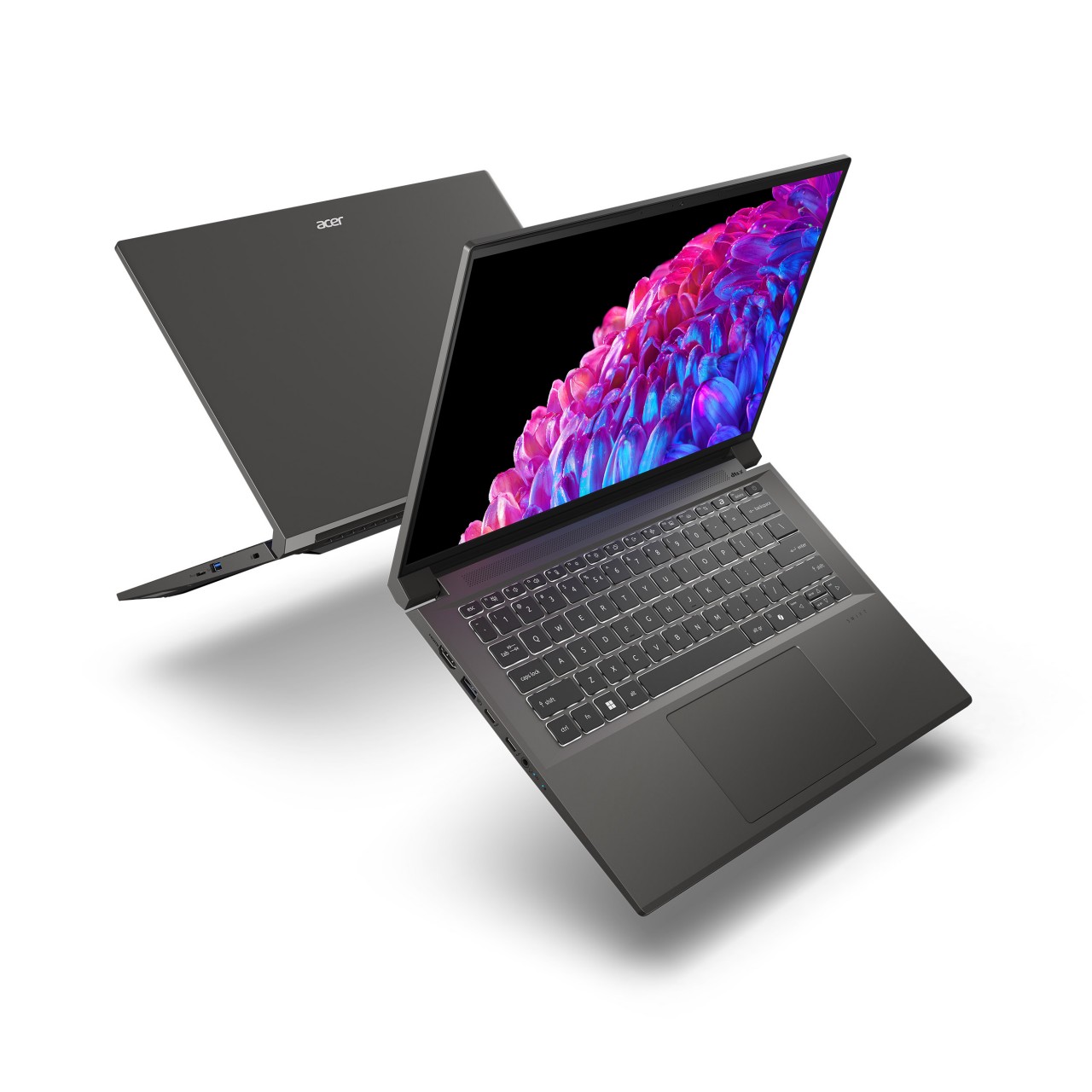
As the name implies, the Acer Swift line has always valued portability through thin and light bodies that allow people to take their work or entertainment wherever they go. Thanks to advancements in this space, that slim design no longer means having limited power. The new Acer Swift Go 14 and 16 are the embodiment of this duality, powered by the latest powerful Intel Core Ultra processors while still being certified with the Intel Evo mark that guarantees its lightweight and compact design.


Everything about the Acer Swift Go screams premium power in a svelte style. The thin, light, and sleek aluminum chassis gives the laptop an elegant flair while offering plenty of flexibility for productivity, like how it can open up to 180 degrees for maximum collaboration. The OceanGlass touchpad feels just as smooth as it looks, and the Acer Swift Go 14 even offers the option to add multi-control lighting so you can directly control media playback by tapping the highlighted icons.

Unsurprisingly, AI plays a critical role in this latest generation of Acer’s lightweight laptop family, particularly via the Acer PurifiedView AI-boosted conferencing features such as Background Blur, Automatic Framing, and Eye Contact. There’s also Acer PurifiedVoice 2.0 that utilizes AI to reduce background noise and ensure crisp and clear voices in every meeting. And to really drive home the AI message, these two are one of the first to have a dedicated Windows Copilot key that enables AI-powered optimizations.
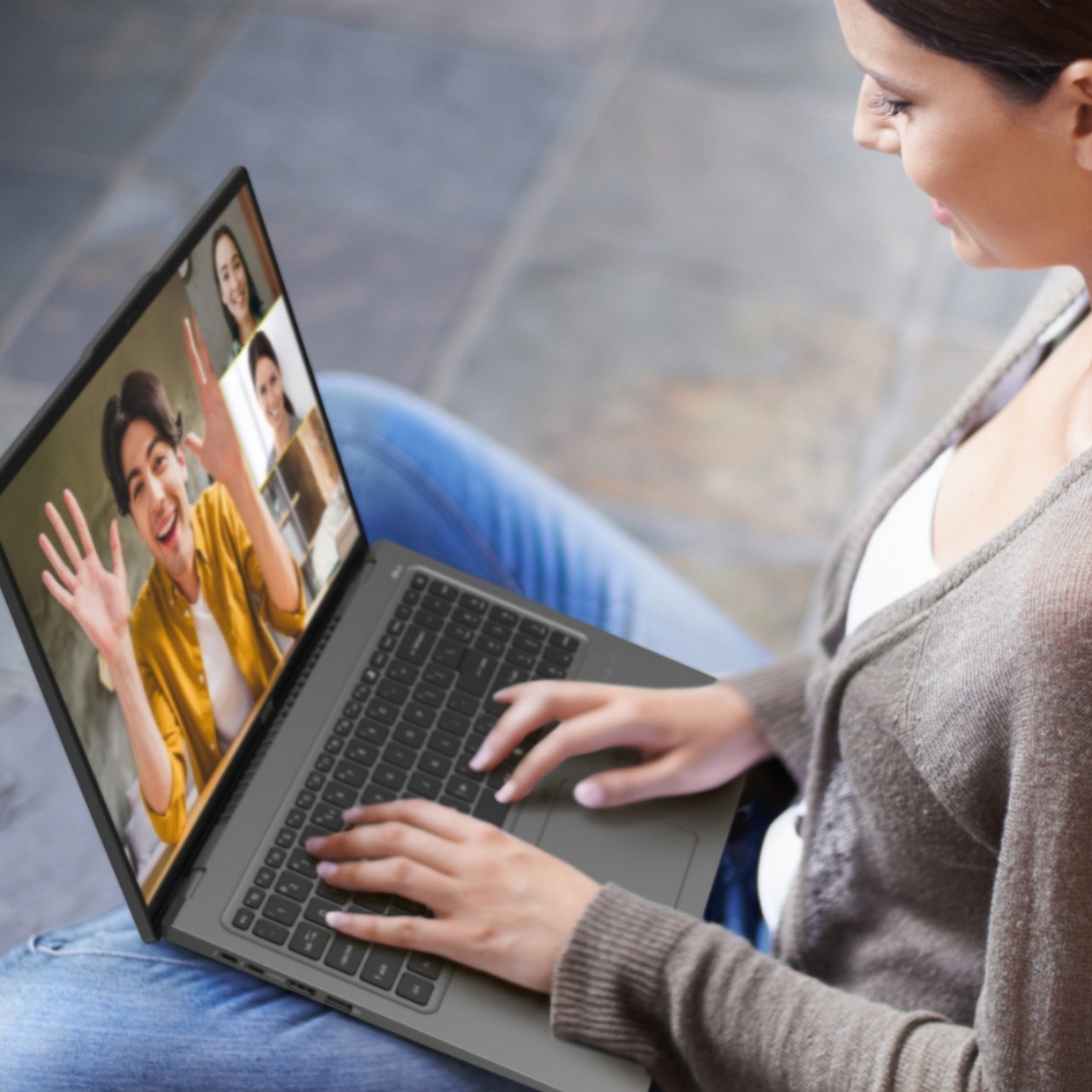

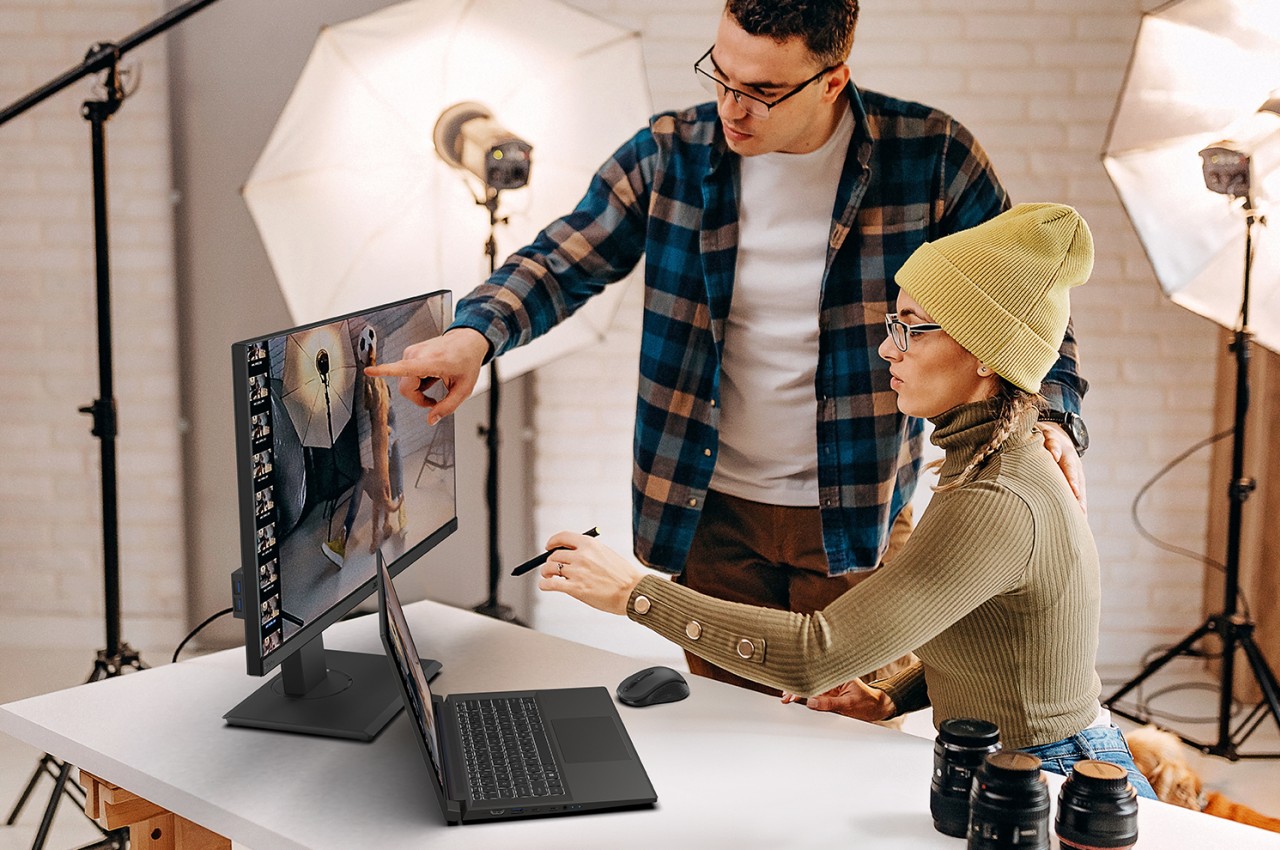
Acer is also announcing the Swift X 14, a similarly AI-empowered laptop that’s designed with the needs of students, designers, and creators in mind. The latest NVIDIA GeForce RTX 40 laptop graphics and a Calman-verified 2.8K OLED screen work together to deliver the power and fidelity that these users need in crafting the content that will fill digital worlds today and tomorrow.
Availability

  • Acer Swift Go 16 – March in North America, starting at $799.99
  • Acer Swift Go 14 – March in North America, starting at $749.99
  • Acer Swift X 14 – February in North America, starting at $1,399.99

Acer Aspire Vero 16 – Technology with a Heart

While the proliferation of laptops does mean that more people can have access to these powerful tools, it also means that the use of plastics, production of material waste, and e-waste output are also on the rise. Fortunately, the world’s biggest PC makers have taken note and are making huge strides in rectifying the situation. Acer’s Vero line of laptops has been carrying the sustainability torch since 2021, and the new Aspire Vero 16 brings its most powerful carbon-neutral AI PC yet.

The eco-chic design isn’t just for show and boasts a chassis made with 60% PCR (Post-Consumer Recyled) materials that significantly reduce its carbon dioxide emissions during production. The smoothened surface is finished with a distinctive Cobblestone gray that uses no volatile organic compounds (VOCs), paint, or additives. Inside, the Acer Aspire Vero 16 uses an OceanGlass trackpad made from recycled ocean-bound plastic, while the entire product is shipped in 100% recycled packaging. The laptop’s stylish body and tactile finish shatter misconceptions of what recycled materials or products would look like, offering a sustainable computer that looks great and works great as well.

The Aspire Vero 16’s power comes from the latest Intel Intel Core Ultra 7 processor whose performance is, of course, optimized with Windows Copilot. The laptop is also equipped with AI-enhanced productivity features, particularly those revolving around improving the video conferencing experience. It delivers enough power to meet user’s everyday computing needs while also helping to protect the planet that we live in.

Those looking for more budget-friendly options can look to the Acer Aspire Go 15 and Aspire Go 14. With an Intel Core i3 N-series processor and an AMD Ryzen 7000 option for the Aspire Go 14, these large laptops offer the basics while keeping the price point down to make it accessible to more people. Despite those factors, these two are still equipped with Windows Copilot and a variety of AI-powered features, allowing users to enjoy greater usability and assistance with a single click of a button.
Availability

  • Acer Aspire Vero 16 – April in North America, starting at $749.99
  • Acer Aspire Go 15 – February in North America, starting at $249.99
  • Acer Aspire Go 14 – March in North America, starting at $249.99 (Intel) and $379.99 (AMD)

The post Acer Aspire and Swift laptops at CES 2024 double down on AI and sustainability first appeared on Yanko Design.
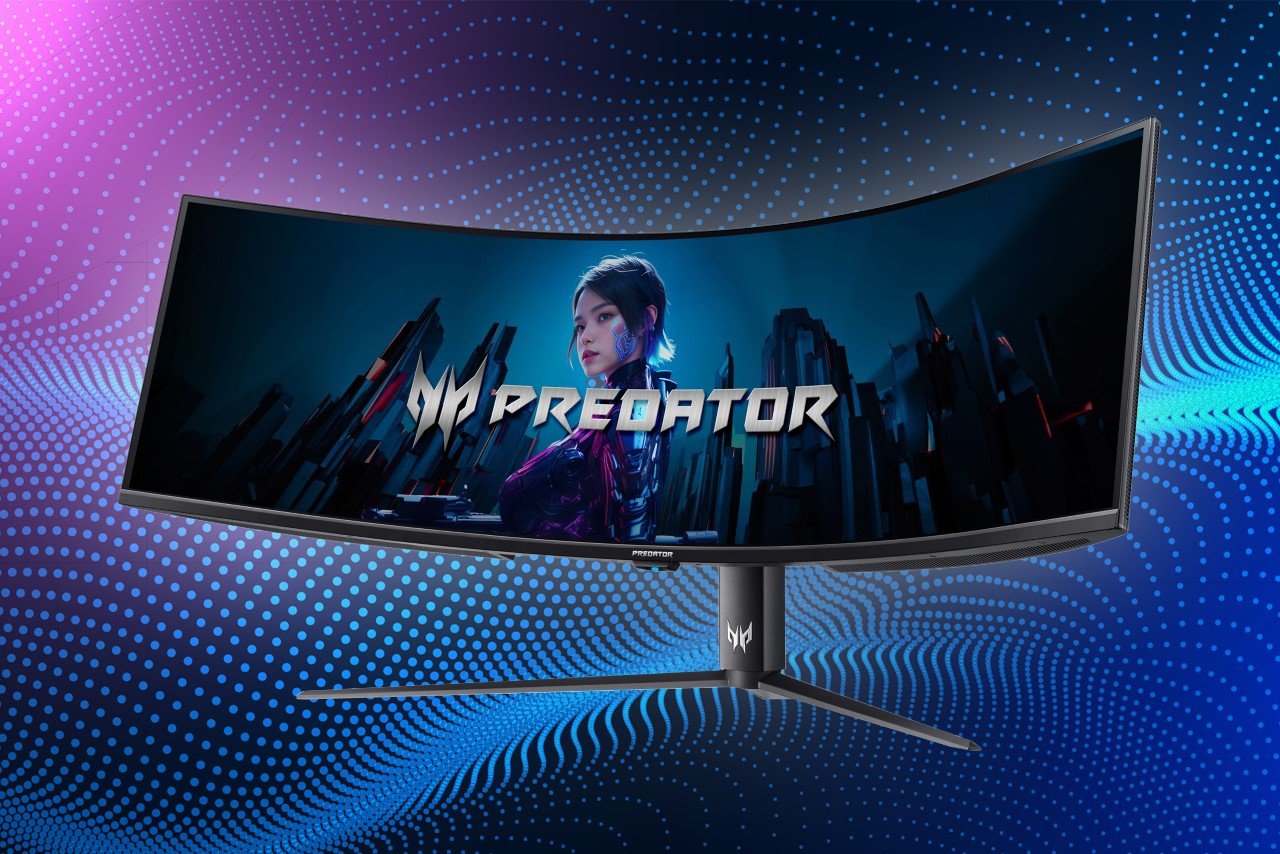
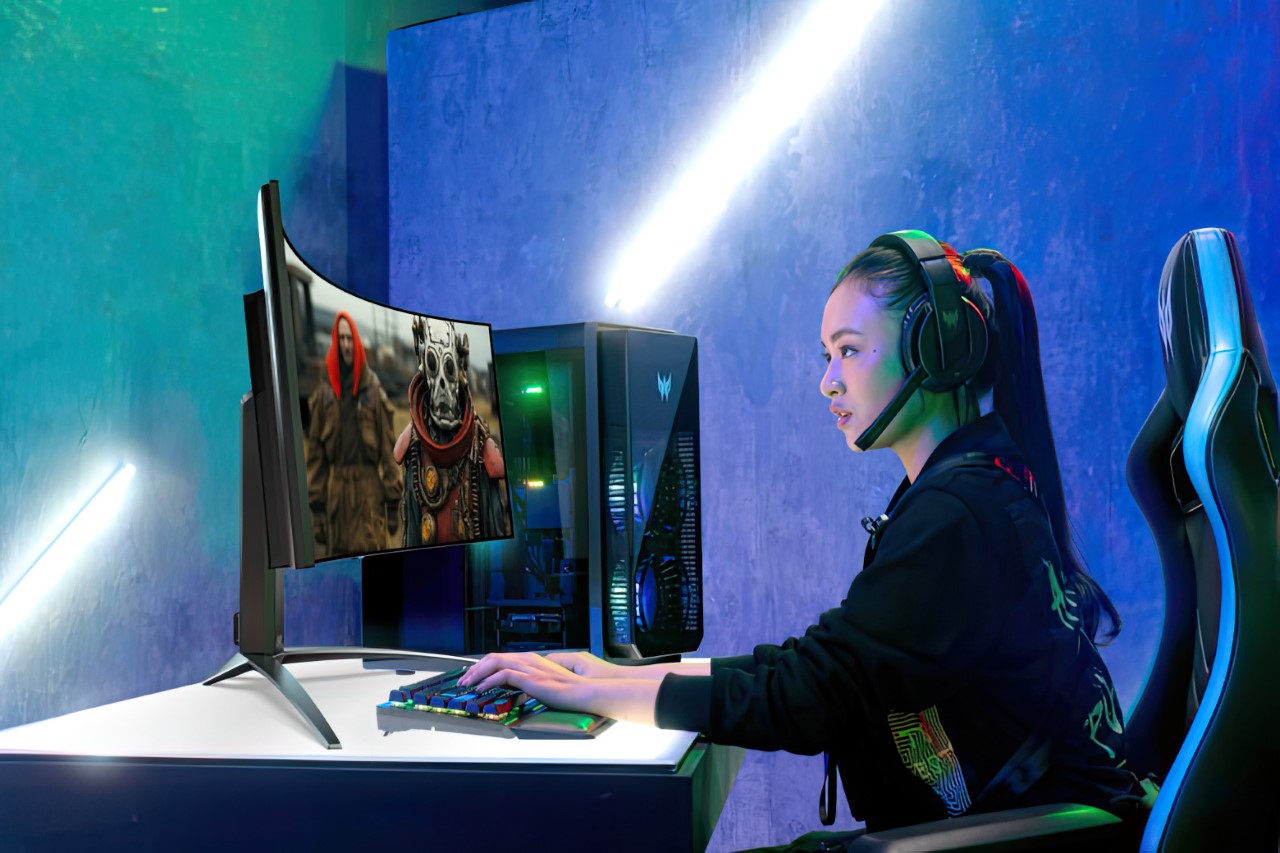
Acer’s Predator Monitor lineup for CES 2024 includes a GORGEOUS 57-inch curved MiniLED Display

Acer’s latest announcement at CES 2024 has quite a bit in store for gamers. From game-ready 5G Wi-fi 7 routers to some rather whopping displays (including even a 3D one), the company is making some significant strides forward. The unveiling of its new lineup of Predator gaming monitors introduces a series of models designed to cater to a diverse range of gamers’ needs, each combining innovative technology with high performance.

Designer: Acer

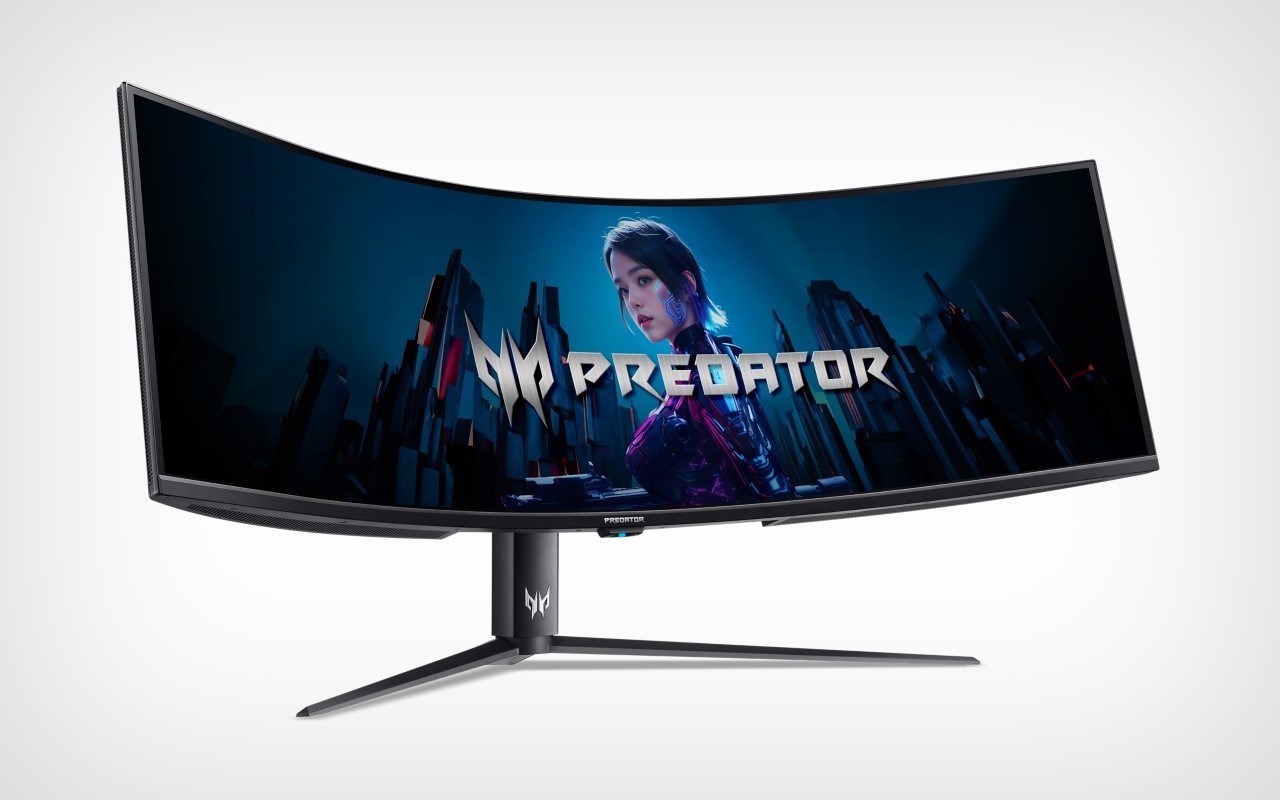
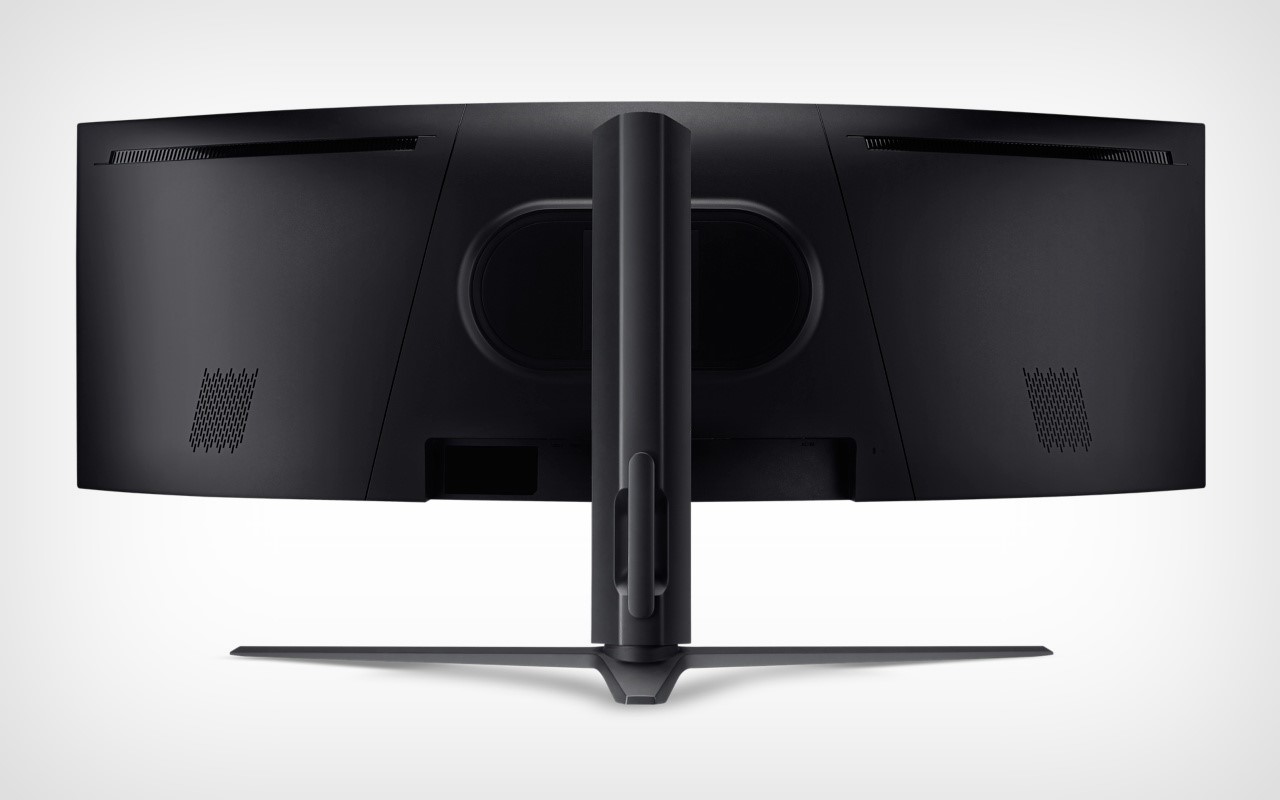
Acer Predator Z57

Let’s begin with the crown jewel, the Predator Z57 – a 57-inch behemoth, curved to wrap your vision in a MiniLED display. But Acer didn’t stop at size. They doubled down with a dual UHD resolution of 7680×2160 at a smooth 120 Hz. This colossus offers a 32:9 aspect ratio, making it feel like you’re not just observing the game; you’re part of it. With VESA DisplayHDR™ 1000, the colors and contrasts are so vivid they’ll make reality seem dull. And if the immersive experience isn’t enough, its 1000R curvature, picture-by-picture, and picture-in-picture modes ensure multitasking is as seamless as your gameplay.
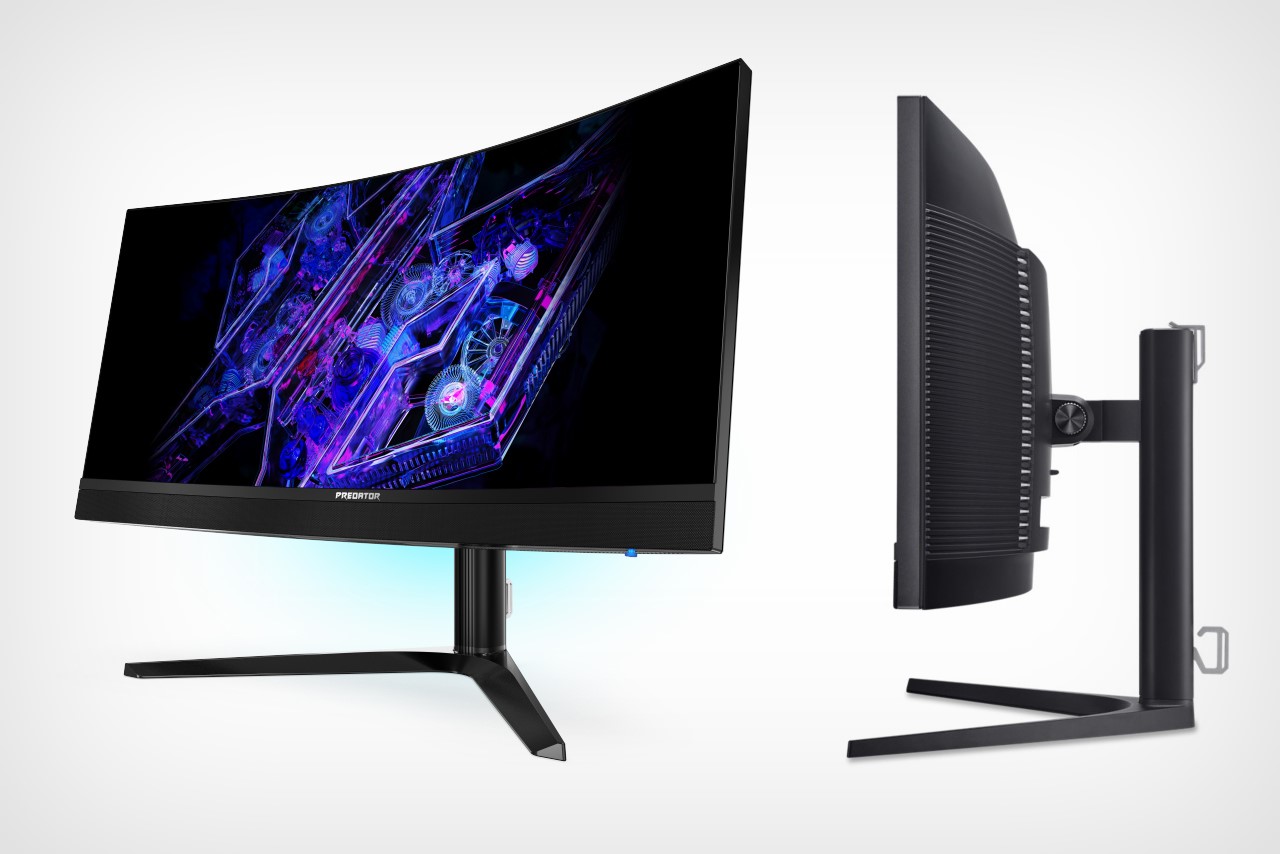

Acer Predator Z57

But perhaps you’re seeking something a bit more traditional, yet no less groundbreaking. Enter the Predator X34 V3. This 34-inch curved MiniLED display brings you an ultra-wide QHD resolution of 3440×1440. Its 1500R curvature is like a gentle embrace, ensuring no enemy lurks just out of sight. With a 180 Hz refresh rate and a 1 ms response time, every moment is a fluid transition, with no room for lag or ghosting. It’s not just about speed; it’s about experiencing every detail in a symphony of colors with its DCI-P3 94% color gamut and VESA DisplayHDR™ 1000.

Acer Predator X34 V3

Now, for those who live in the fast lane, Acer’s OLED models, the Predator X39 and Predator X34 X, are the perfect pick. These 39-inch and 34-inch titans offer UWQHD resolution at up to 240 Hz refresh rates. But it’s the 0.01 ms pixel response time that makes these monitors a dream for the fast and the furious gamer. Their 800R curvature and DCI-P3 99% color gamut deliver a visual feast, while the VESA DisplayHDR™ True Black 400 ensures the darkest blacks and brightest whites. And for the marathon gamers, they’re Eyesafe 2.0 Certified, so your eyes are protected even during those all-night campaigns.

Acer Predator X39

Across this lineup, Acer integrates features like AMD FreeSync Premium™ to address screen tearing and stuttering, ensuring smoother gameplay. The inclusion of a USB Type-C 90W PD port and a built-in KVM switch reflects a thoughtful design, aimed at providing convenience and flexibility to users.

Let’s talk brass tacks – pricing and availability. The Predator Z57, the flagship of this fleet, will start at USD 2499.99. For the OLED aficionados, the Predator X39 and Predator X34 X are priced at USD 1499.99 and USD 1299.99, respectively. And for those seeking that perfect balance of performance and price, the Predator X34 V3 is an enticing option at USD 899.99. These technological marvels will start gracing desks in North America and EMEA in Q2 2024, with China getting a head start in Q1 2024.

Acer Predator X34 X

The post Acer’s Predator Monitor lineup for CES 2024 includes a GORGEOUS 57-inch curved MiniLED Display first appeared on Yanko Design.

How to watch Hisense ‘unveil the future of display tech’ at CES 2024

CES 2024 is off and running, filling Las Vegas with more tech than a giant LED dome. Consumer electronics giant Hisense is holding its own press conference this year, starting on January 8 at 12PM ET. The company will be livestreaming on YouTube.

What we expect

What will Hisense discuss at the presser? The company says it’ll “showcase a range of groundbreaking innovations that redefine the way we interact with screens,” with the official tagline being "See. Connect. Experience." In other words, expect plenty of info regarding next-gen display technology.

To that end, Hisense says it’ll be unveiling a bunch of new products, teasing new laser TVs, ULED TVs and more. David Gold, President of Hisense Americas, is hosting the event and the company promises TVs that offer “unparalleled clarity and contrast, transforming living rooms into cinematic havens.” We could all use some more havens, cinematic or not.

The press conference won’t just be TVs, however, as Hisense is a multi-faceted company with a stake in many market segments. It also teased the reveal of new smart home products, offering a “myriad of options to get more done.” There’s also the possibility of a surprise reveal or two, as Hisense tech is present in everything from modern vehicle dashboards to ultrasound devices.

Last year, Hisense announced the gorgeous UX OLED smart TV. This 85-inch beast boasts 20,000 Mini LEDs, 5,000 local dimming zones and the industry’s first-ever 16-bit light control algorithm. It also represented the beginning of the ULED X line of televisions, so we'll likely get a new model or two this year. Reports indicate the company has been prepping a massive 110-inch ULED X TV, according to Sound & Vision.

We're reporting live from CES 2024 in Las Vegas from January 6-12. Keep up with all the latest news from the show here.

This article originally appeared on Engadget at https://www.engadget.com/how-to-watch-hisense-unveil-the-future-of-display-tech-at-ces-2024-170034199.html?src=rss

Acer refreshes its Swift and Aspire laptops with Intel Core Ultra and dedicated Copilot keys

Acer has debuted its latest laptops for its Aspire and Swift line of products at CES 2024 in Las Vegas. While the new devices each have their own features to offer, most of them have a couple of things in common: They're powered by Intel's new Core Ultra processors, the company's first chips with neural processing units that can accelerate AI tasks, and they come with dedicated keys that can summon Microsoft's Copilot AI assistant.

One of the models now powered by Intel Core Ultra 7 processors is the Acer Aspire Vero, which is partly made from recycled materials, such as ocean-bound plastic for its 16-inch 2,560 x 1,600 screen. It can last for up to 10.5 hours on a single charge, has Wi-Fi 7 compatibility and has two USB-C ports. The laptop ships with Windows 11 that comes integrated with Copilot, which can be quickly accessed with the device's dedicated key. The model will be available in North America in April with prices starting at $750, and in Europe by March for at least €1,199. 

The new Acer Aspire Go 15 and Aspire Go 14, on the other hand, now come with Intel Core i3 N-Series processors, though the latter can be equipped with AMD Ryzen 7000 Series chips instead. They both have the new dedicated Copilot keys and Wi-Fi 6 connectivity, though the smaller model has a WUXGA display, while the bigger one has an FHD screen. The 15-inch and the 14-inch laptops are coming out in February with prices starting at $250. 

Acer has also announced its updated Swift laptop line, starting with the new Swift Go 16 and Swift Go 14 models powered by Intel Core Ultra processors and Intel Arc built-in GPUs. Acer calls them "AI PCs" with dedicated Copilot keys and AI-boosted video conferencing features, such as background blur and automatic framing. The 16-inch model has a 3.2K OLED display, while the 14-inch Swift Go has a 2.8K OLED screen. They can both be opened up to 180 degrees and can support LPDDR5X memory up to 32GB in size and SSDs up to 2TB. The models are coming out in the North America in March and will set buyers back $750 and up. 

Finally, the Acer Swift X 14 now comes with Intel Core Ultra H-Series processors, NVIDIA GeForce RTX 40 Series GPUs, a 2.8K OLED display and, of course, a dedicated Copilot key. The model was designed for heavy tasks, including 3D rendering, video editing and high-quality live streaming. Similar to the Swift Go laptops, it has AI-augmented video conferencing features and supports memory up to 32GB in size, but users will have to make do with 1TB SSDs. It will be available starting in February for at least $1,400. 

We're reporting live from CES 2024 in Las Vegas from January 6-12. Keep up with all the latest news from the show here.

This article originally appeared on Engadget at https://www.engadget.com/acer-refreshes-its-swift-and-aspire-laptops-with-intel-core-ultra-and-dedicated-copilot-keys-170029734.html?src=rss

Acer and Qualcomm debut World’s First 5G Wi-Fi 7 Gaming Routers at CES 2024

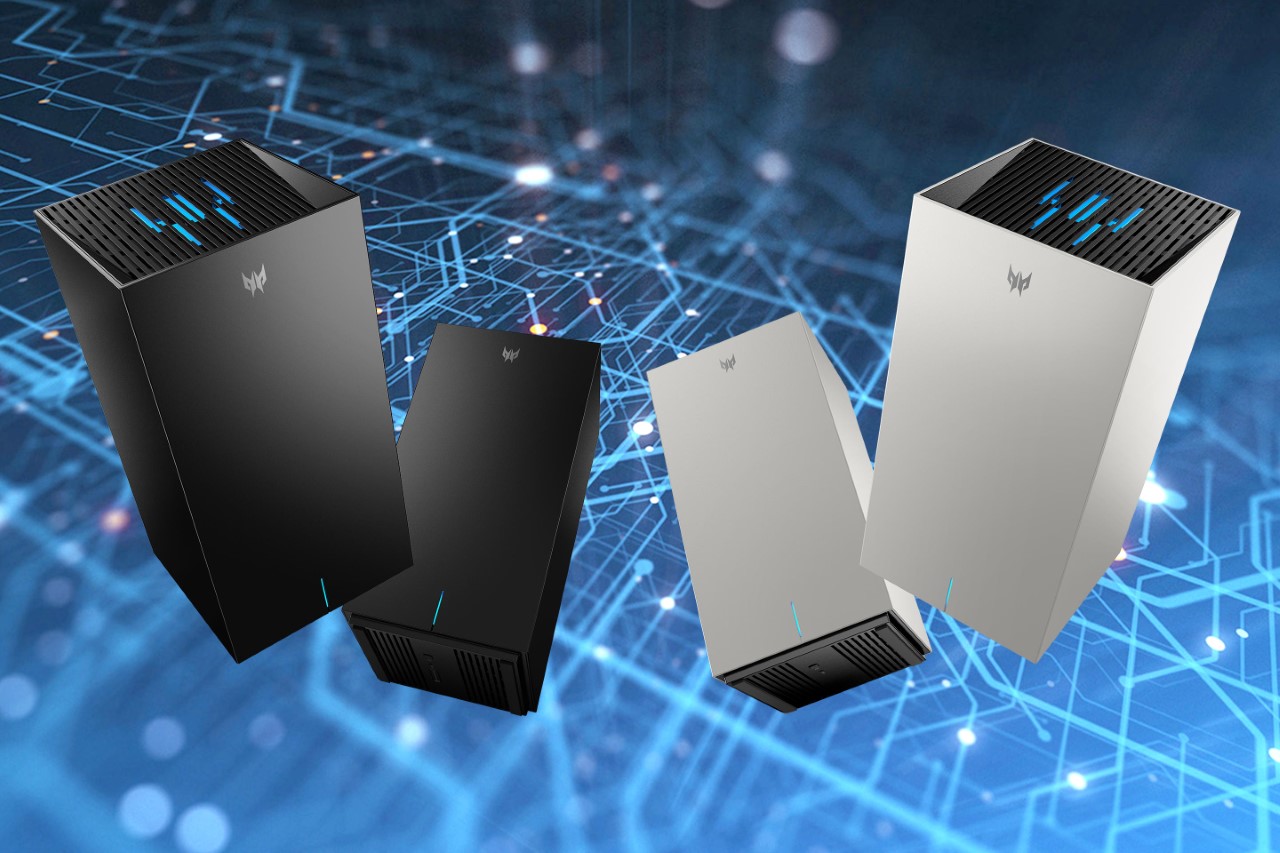
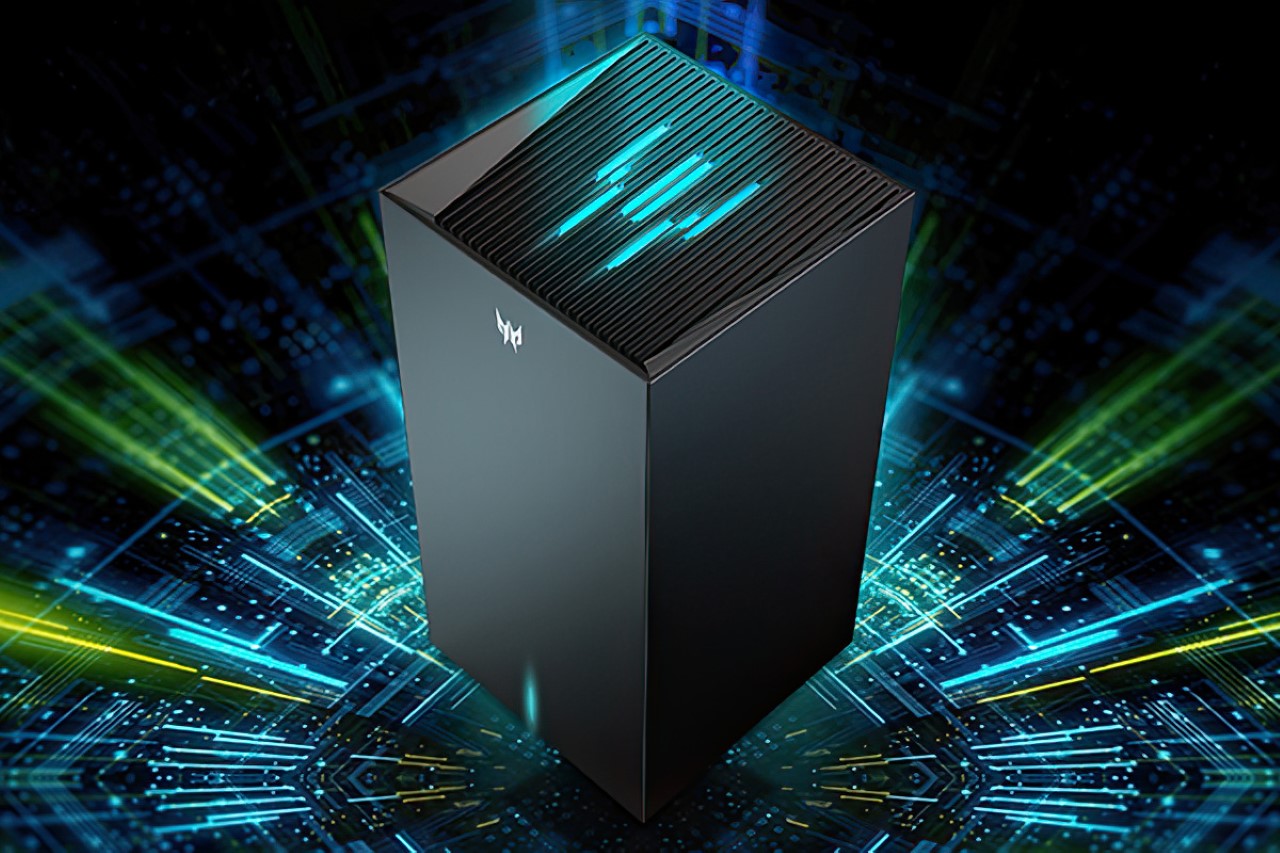
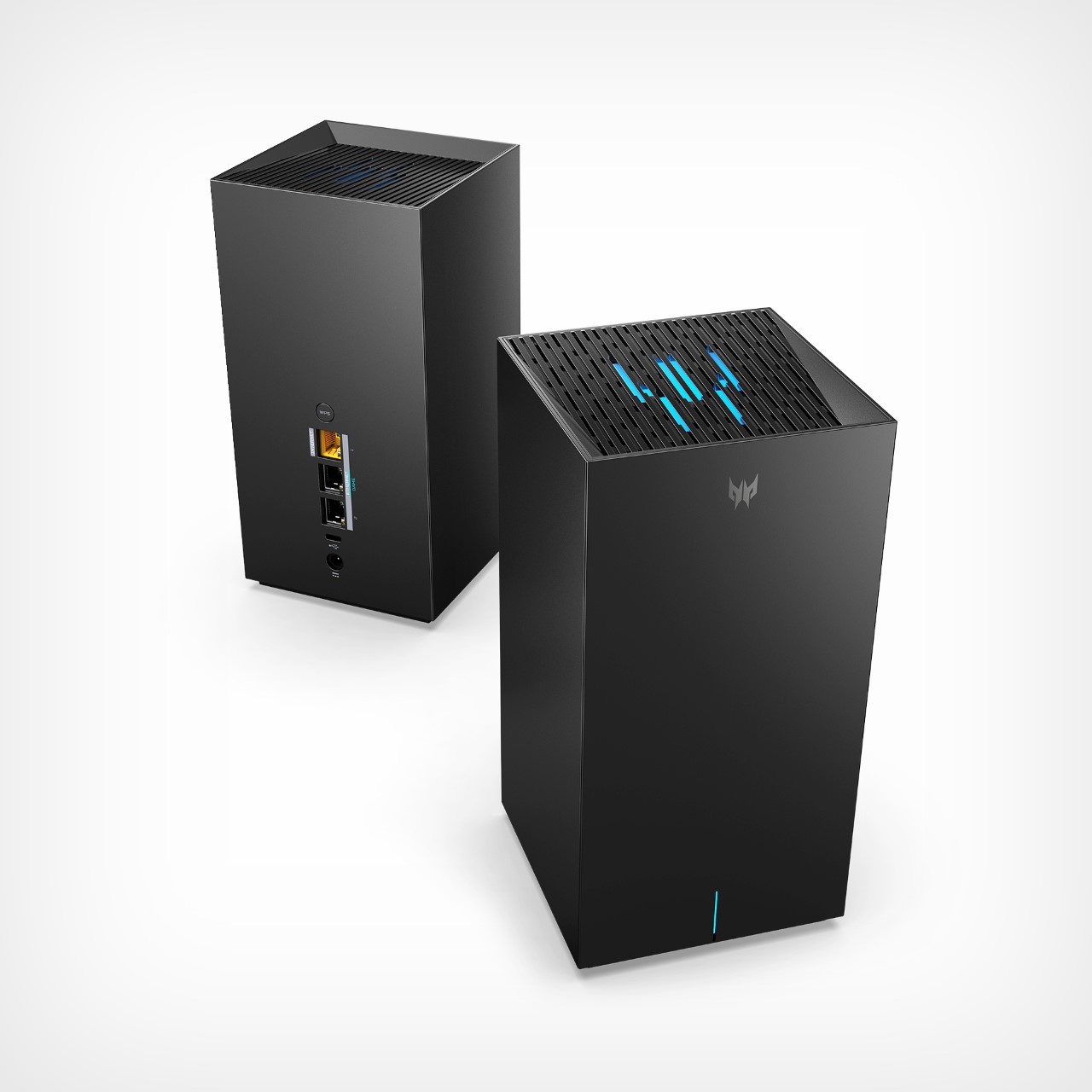
Putting themselves at the very forefront of high-speed, low-latency gaming, Acer has announced its latest foray into the world of networking hardware at CES 2024. The Predator Connect X7 5G CPE and the Predator Connect T7 Wi-Fi 7 Mesh Router are Acer’s bold statement in the high-stakes world of gaming infrastructure. These devices are engineered to provide the high-speed, low-latency connections that are essential for today’s immersive and competitive gaming environments.

Designer: Acer

The Predator Connect X7 5G CPE puts speed and low-latency at the very forefront, leveraging 5G as well as Wi-Fi 7 to do so. It features a sleek, angular design with customizable RGB lighting, appealing to gamers’ aesthetic preferences. The core of its performance lies in the incorporation of Qualcomm’s advanced quad-core processor, which drives the device’s ability to deliver extremely fast internet speeds of up to 3.5Gbps through the latest 5G networks. The X7 boasts latency as impressively low as 1 millisecond, crucial for competitive gaming and seamless streaming but also facilitates advanced features like Gaming Mode, which prioritizes gaming traffic to optimize online play. Additionally, AI-powered network optimization is used to continuously adjust settings and maintain peak performance, adapting to the dynamic nature of online gaming.

Acer Predator Connect X7 5G CPE

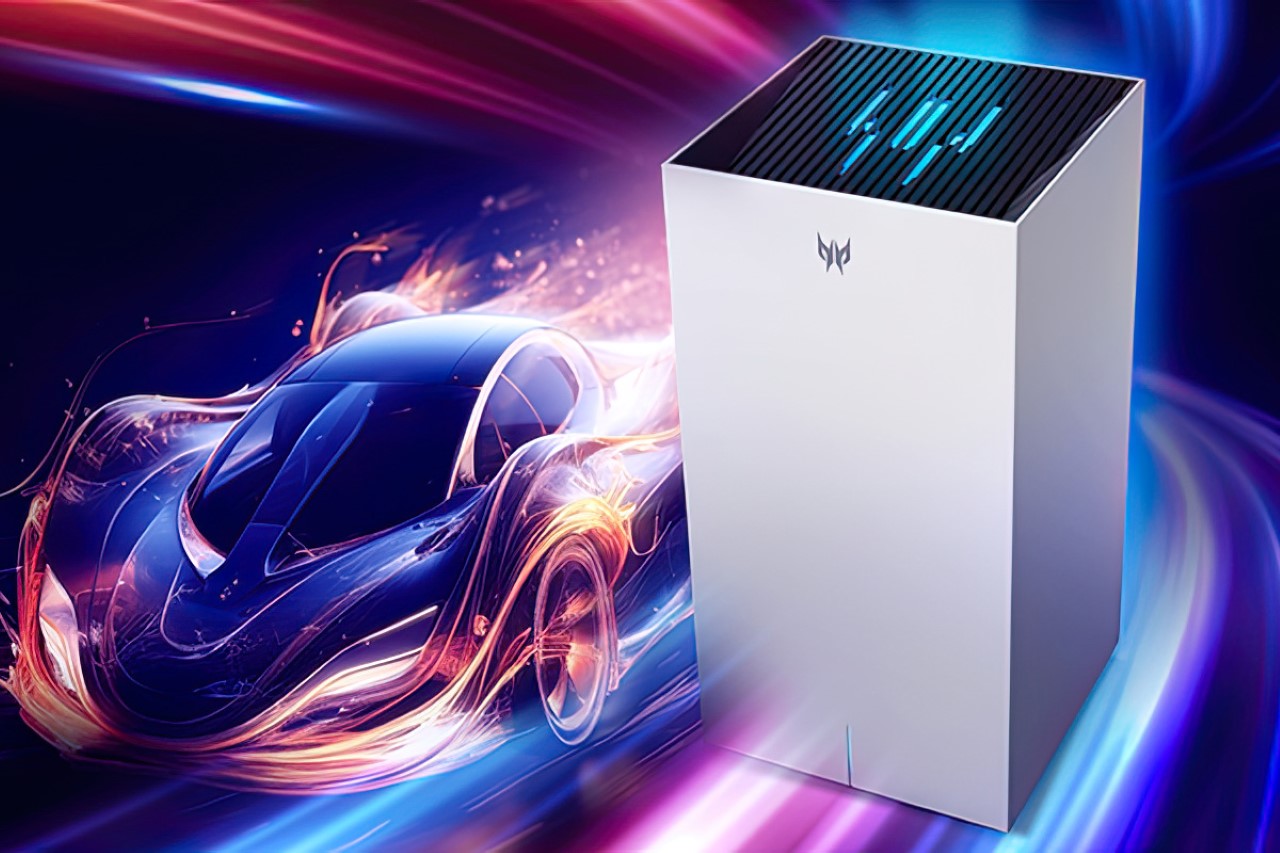
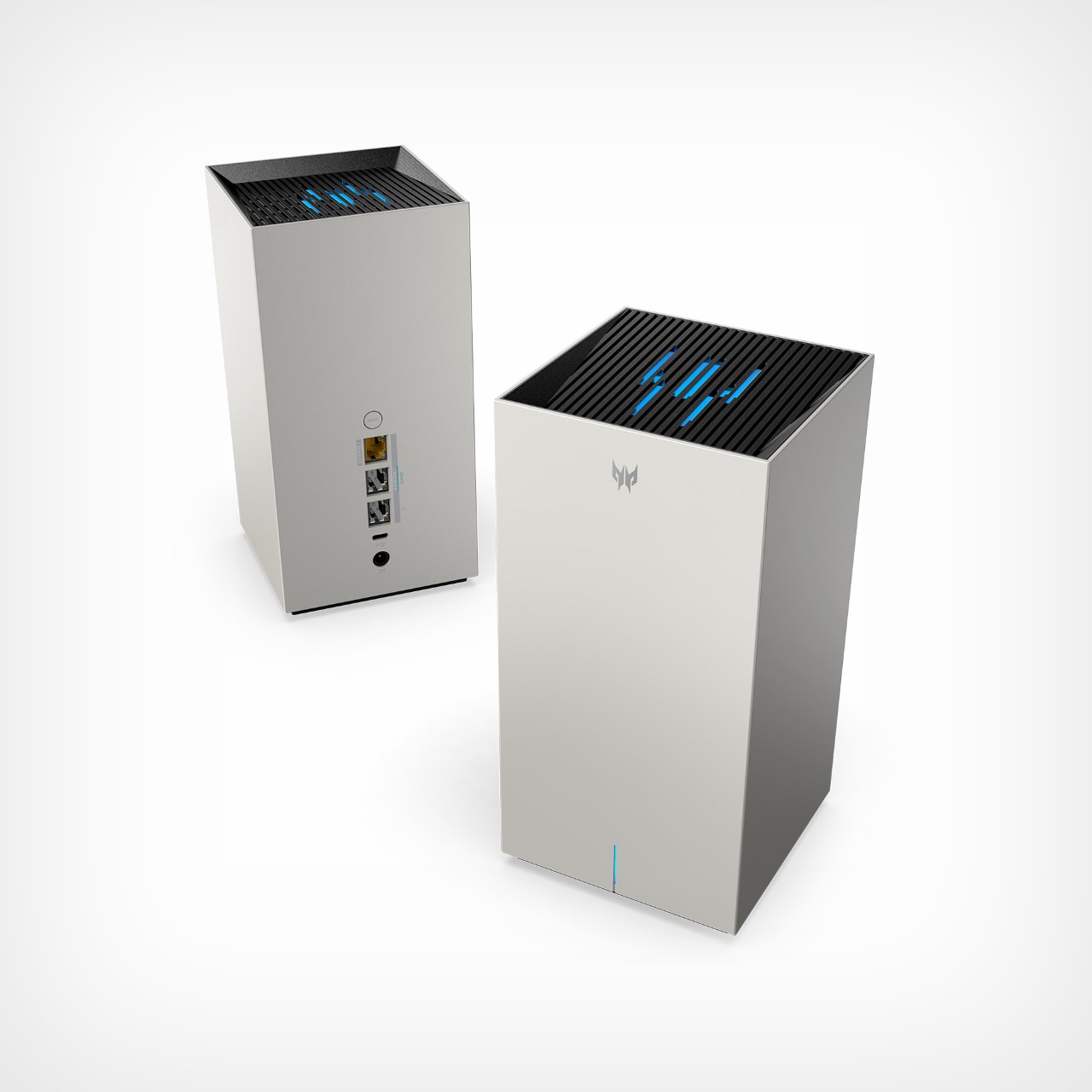
Meanwhile, the Predator Connect T7 Wi-Fi 7 Mesh Router focuses on providing expansive, reliable coverage throughout the home. Utilizing the latest Wi-Fi 7 technology, it ensures a stable connection in every corner, supporting both gaming and other bandwidth-intensive activities. Tri-Band technology and a dedicated gaming band work in concert to minimize interference and prioritize gaming traffic, respectively, enhancing the overall online experience.

When used together, the Predator Connect X7 and T7 create a robust, efficient network ecosystem. This synergy ensures that all devices in the home network, from gaming PCs to streaming devices, benefit from optimal performance and reliability. The integration of Qualcomm’s advanced quad-processor in both the X7 and T7 exemplifies the high-performance hardware that underpins this ecosystem, driving the speed and responsiveness that gamers demand.

Acer Predator Connect T7 Wi-Fi 7 Mesh Router

“We are excited to announce the latest Predator routers with 5G and Wi-Fi 7 connectivity options, empowering gamers to take their gameplay to new heights,” said Wayne Ma, General Manager, Connectivity, Acer Inc. “Thanks to Qualcomm’s Immersive Home Platform and quad-core processors, the new Predator routers bring next-level performance and speed output to a wider range of players and gaming environments.”

Gamers also stay in full control of the routers through the Acer Predator Connect utility app and can monitor network signal strength through the Predator logo’s multi-color lighting indicator located at the top enclosure. For an added layer of security, the devices are integrated with the Trend Micro Home Network Security engine built-in to keep networked devices protected against potential attacks and help examine network traffic. This comprehensive approach ensures that gamers not only enjoy a superior online experience but also maintain security and control over their network environment.

As Acer enters the competitive high-end gaming router market, these models stand out with their innovative features and strong gaming brand presence. They offer unique advantages over established offerings from companies like Asus, Netgear, and TP-Link, especially for consumers who prioritize the latest technological advancements.

The release of the Predator Connect X7 5G CPE and T7 Wi-Fi 7 Mesh Router underscores Acer’s dedication to advancing the gaming experience through enhanced networking solutions. By focusing on both speed and coverage, Acer aims to eliminate the common obstacles faced by gamers, such as lag and unstable connections. As these routers reach consumers, they promise to elevate gaming sessions with their advanced features and robust performance.

The post Acer and Qualcomm debut World’s First 5G Wi-Fi 7 Gaming Routers at CES 2024 first appeared on Yanko Design.

Acer Predator SpatialLabs View Pro at CES 2024 makes 3D really pop out

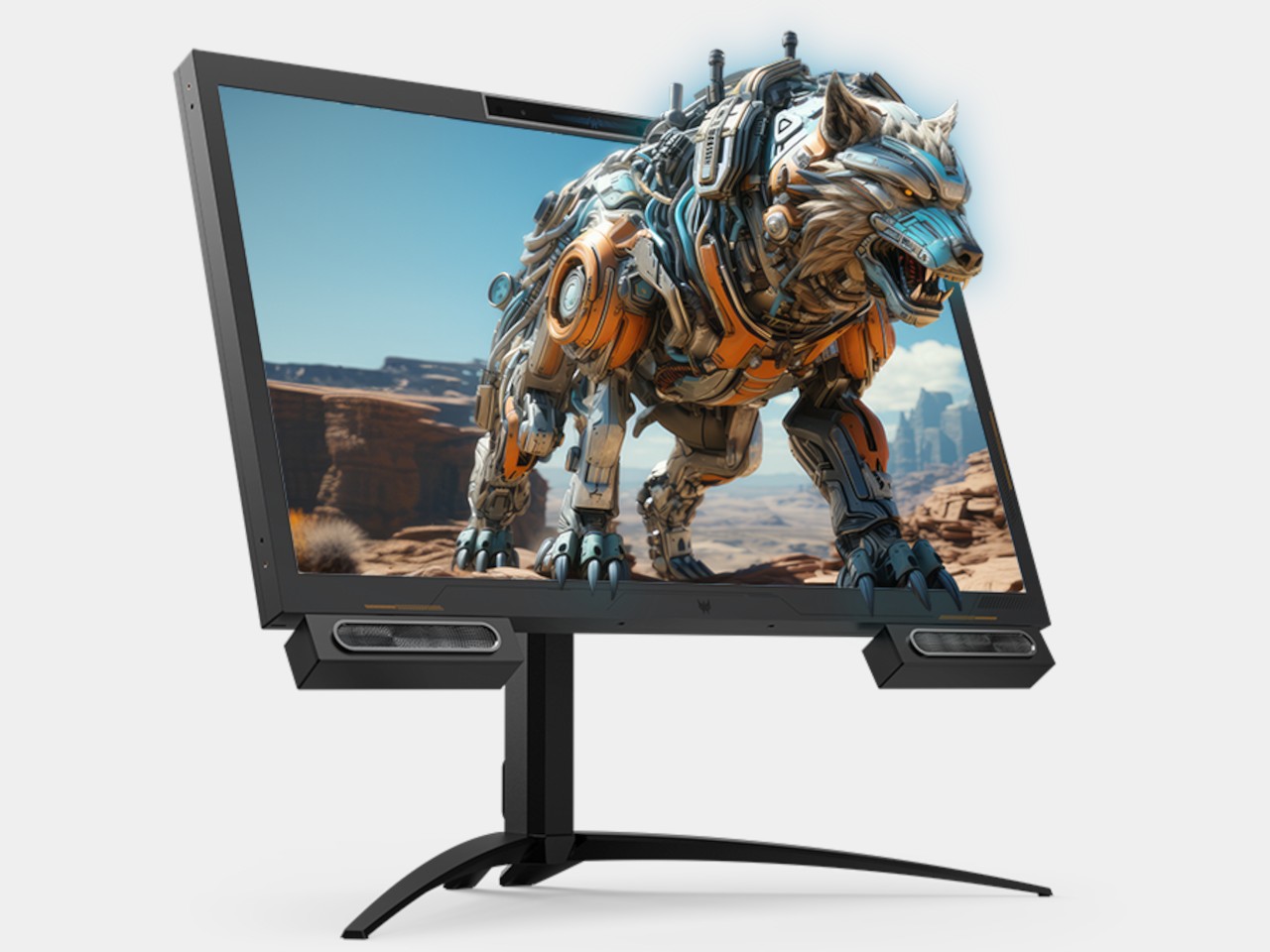
Mixed reality is a huge thing these days, especially with Apple finally throwing in its bet with the Vision Pro. But even without VR, AR, and everything in between, we’ve become used to and even dependent on 3D content, from games to interfaces to even NFTs. Even with the help of AI (which is quite controversial), creating this type of content is no easy task, especially because our computer screens are only capable of displaying flat 2D images. Whether it’s for appreciating 3D content or actually creating it, we need a better way to see in 3D without having to wear inconvenient glasses, which is exactly what Acer’s SpatialLabs Stereoscopic 3D products are bringing to the table at CES 2024.

Designer: Acer

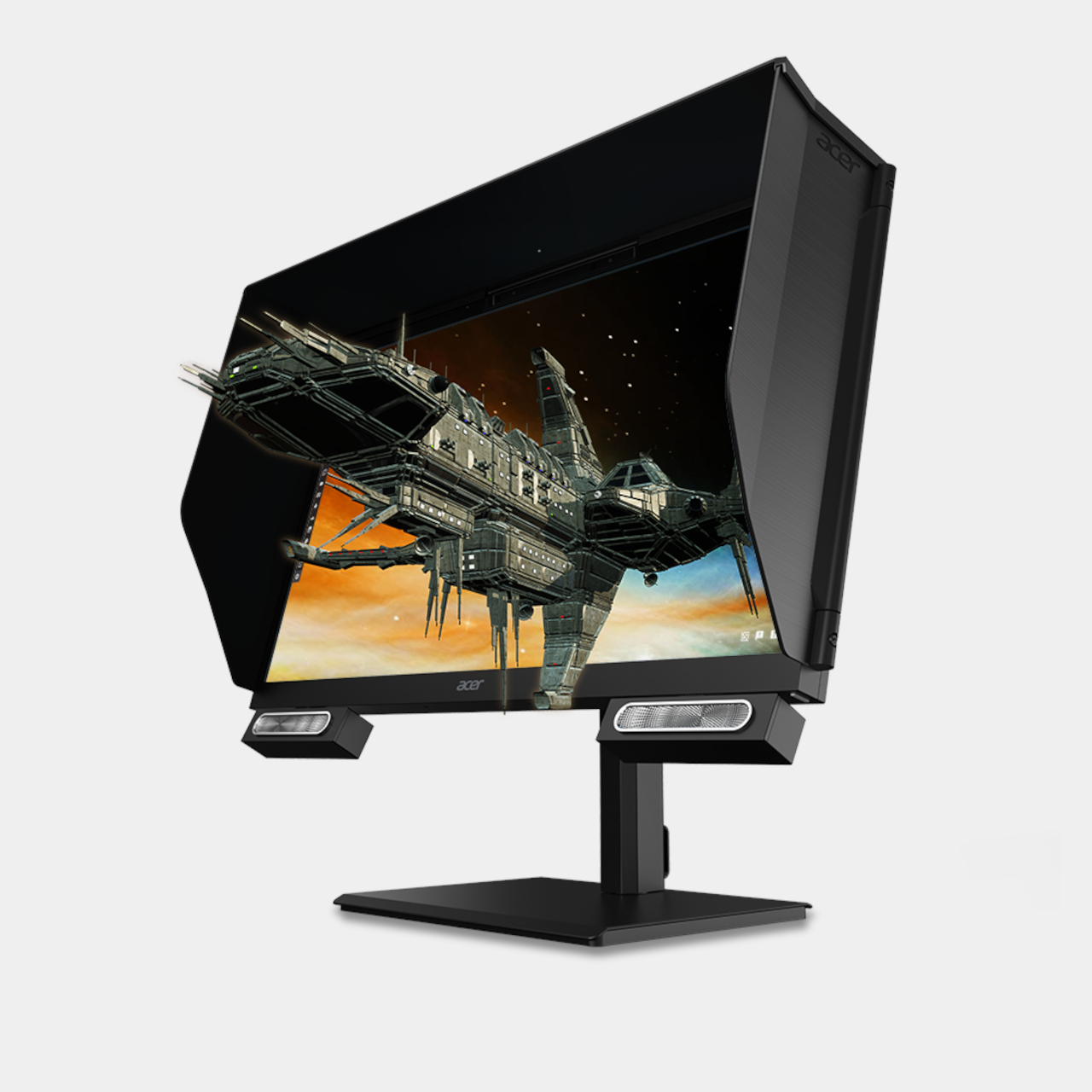
Most of us have probably experienced watching a film in “true” stereoscopic 3D and how convincing the effect can be. Of course, even the most advanced theater systems require you to wear specialized glasses to experience this, otherwise, you’ll only get disconcerting blurry images. That’s not exactly an ideal situation to be in, especially if you have to work for hours on crafting a 3D model. Thankfully, PC makers are developing technologies that can bring that same vision to desktops and laptops, and the new Acer Predator SpatialLabvs View Pro 27-inch 4K monitor is the latest tool to be added to creators’ arsenal.

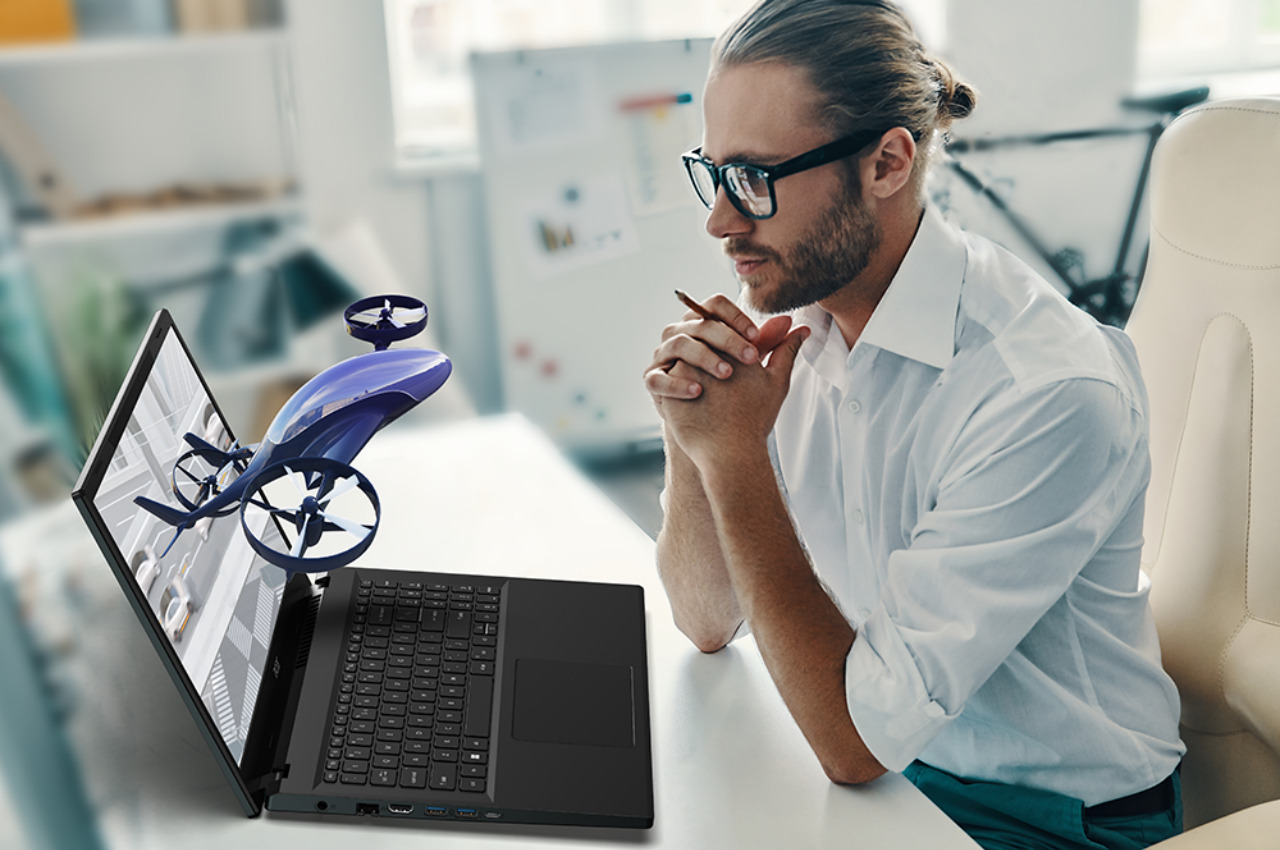
Thanks to special cameras, this kind of monitor can follow the viewer’s eyes and instantly adjust its display, creating a stereoscopic 3D image without having to put anything on your face. The new Predator SpatialLabs View Pro improves the experience with a second virtual camera, rendering 3D content as intended by designers and developers. Acer’s Immerse Audio complements these visuals with spatial sound technology, leveraging AI-driven beamforming and head-tracking to create the effect of surround-sound audio without wearing headphones as well. While these features directly benefit 3D games, they’re also useful in helping designers and creators craft a more convincing stereoscopic 3D experience since they’re able to see and hear it directly for themselves.

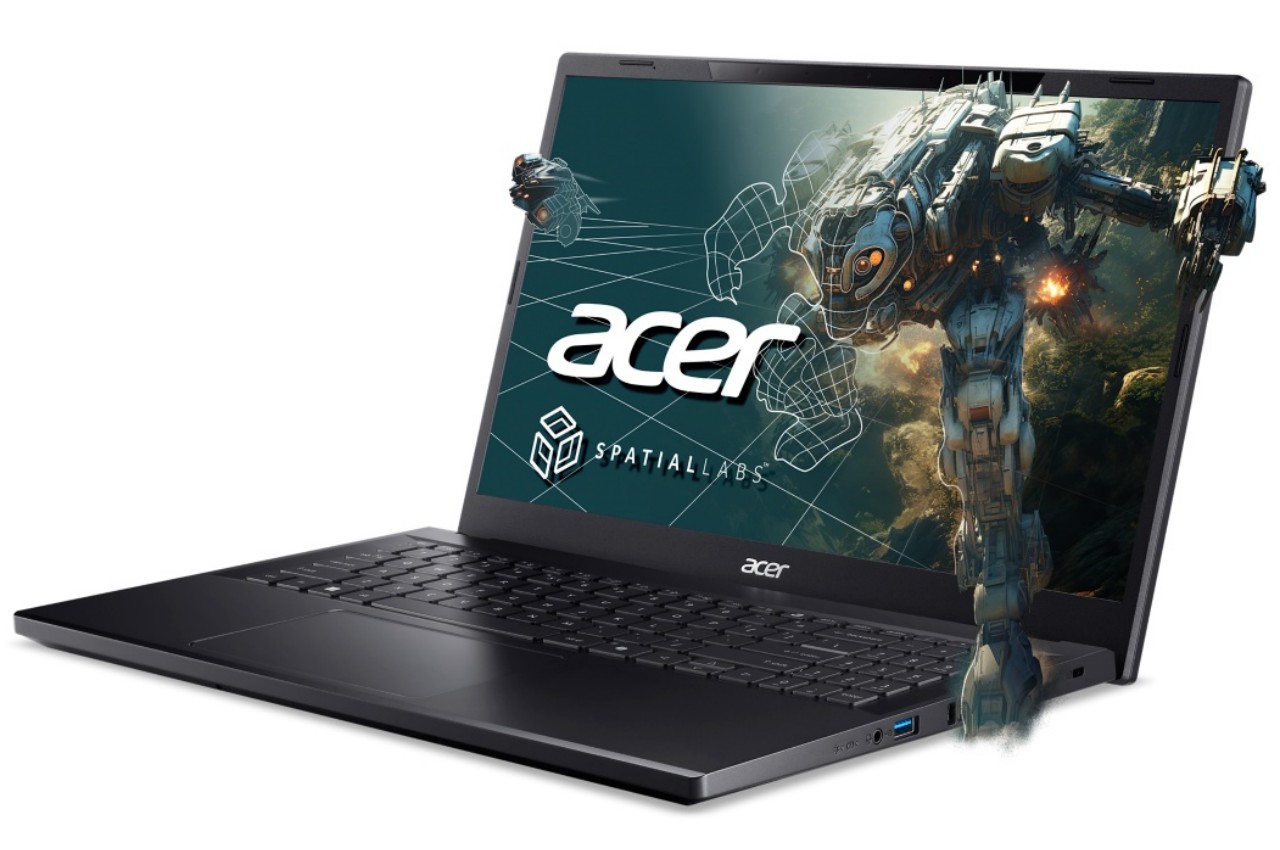
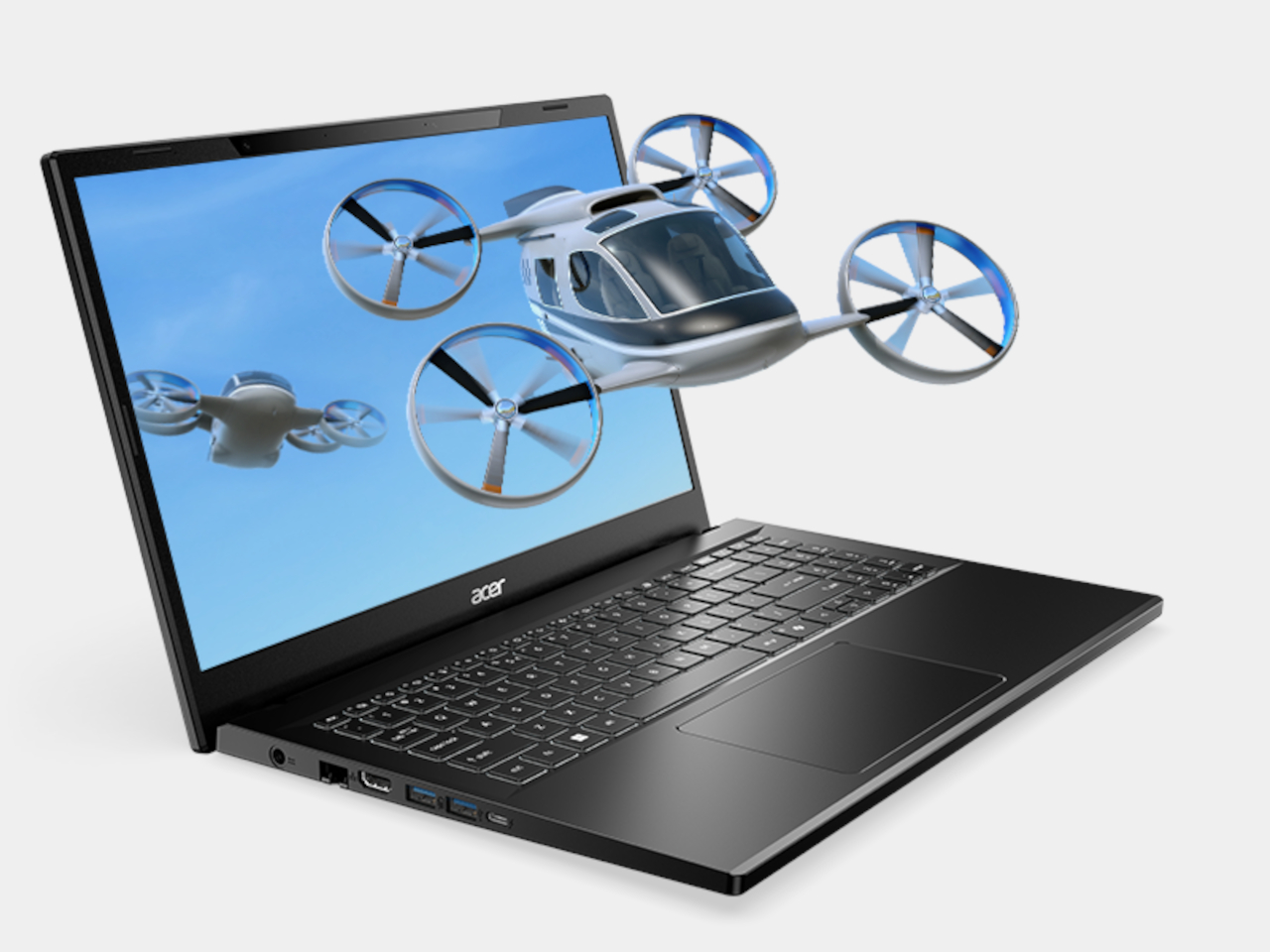
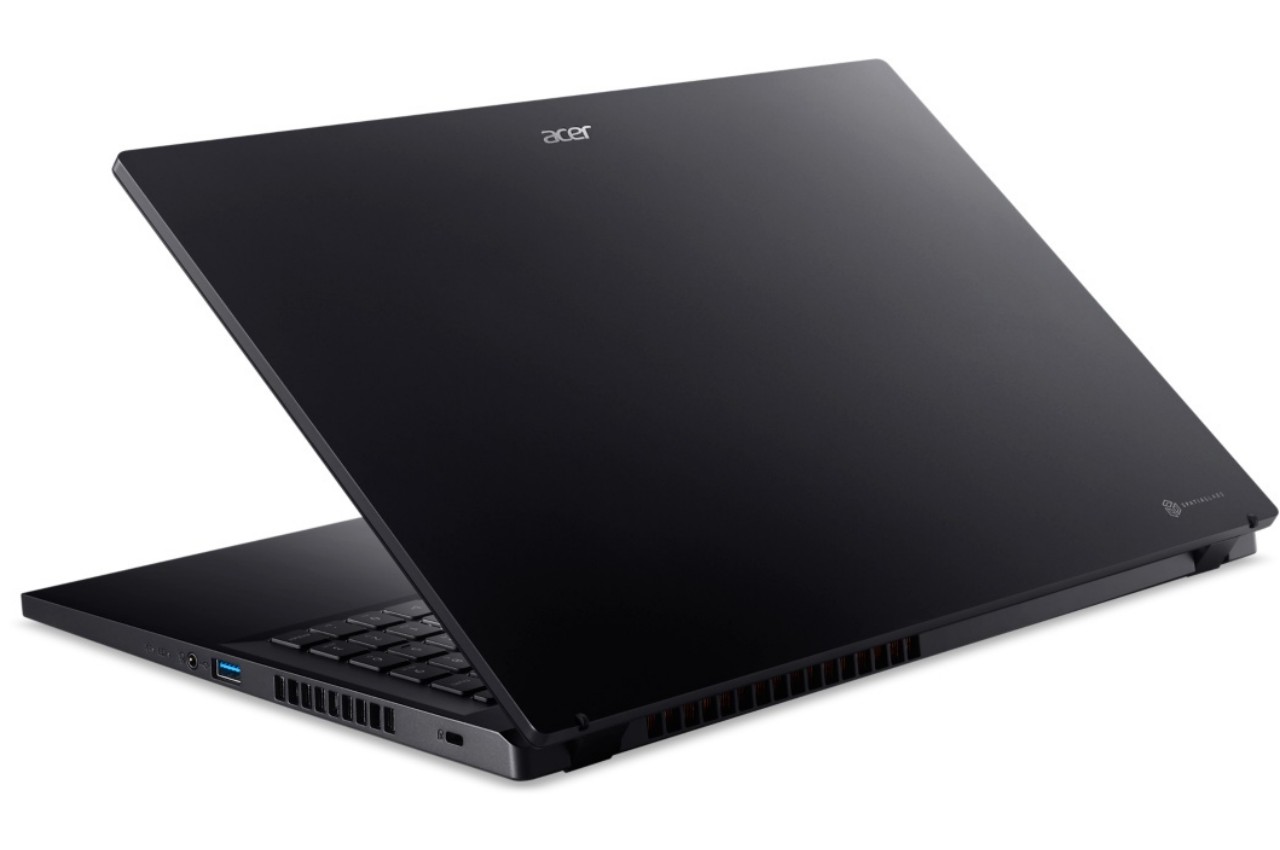
For creators on the go, the Acer Aspire 35 15 SpatialLabs Edition offers a more portable version of this same stereoscopic 3D magic. In addition to viewing 3D content as they were intended to be seen, Acer’s SpatialLabs Go software can even transform flat 2D content into mind-blowing 3D images instantly, thanks to some AI help, of course. With up to an Intel Core i7-13620H processor and NVIDIA RTX 4050 laptop graphics, this portable workstation is built to serve the needs not just of gamers but also of professionals who need to take their 3D craftsmanship to the next level.

Whether it’s for leisure or for work, Acer’s latest line of SpatialLabs stereoscopic 3D products will bring those 3D objects to life without burdening your eyes and your head with unnecessary peripherals. The Acer Predator SpatialLabs View Pro 27 will be available in North America in the second quarter of 2024 with a starting price of $1,999, while the Acer Aspire 3D 15 SpatialLabs Edition will land in North America next month and will start at $1,399.99.

The post Acer Predator SpatialLabs View Pro at CES 2024 makes 3D really pop out first appeared on Yanko Design.

Traveling with Canon’s entry-level EOS R8 and R100 mirrorless cameras

Two weeks ago I was thinking about how to test Canon’s entry-level EOS R8 and EOS R100 cameras in the miserable French weather when I had a thought: “Hey, why not take a vacation to a warmer place to test these models?” After Googling the nearest location with 75 degree-plus weather, I found myself in the balmy Canary Islands. It turned out to be a great spot to take photos as well, so everything came together perfectly.

Both cameras have far different price points, currently around $450 and $1,300, respectively. They’re still the company’s least expensive new full-frame and crop-sensor mirrorless cameras, though, and Canon markets them both as ideal for tourism and adventure — so I figured that this is a great way to test the capabilities of both.

Like any potential buyer, I wanted to see if they’re better than a smartphone for traveling — specifically if the larger sensors can counter a smartphone’s AI computational photography. I also looked at ease of use and automated operation, flexibility for sunny beaches or dark bars, vlogging and more. After trying them out at some of Gran Canaria’s most scenic spots, I found one of them to be a camera worth buying and one, not so much.

Smartphone computational photography

Before detailing my experience with these cameras, I want to talk about computational and AI photography. Most smartphones incorporate these tricks, like taking multiple photos in quick succession to get the best one or improve low-light shots. They often deliver better-exposed shots with superior white balance, too. There is a price to be paid though in terms of over-sharpening and other artifacts that can give photos an artificial look.

I tested this by taking a few shots with both a Pixel 7a and a camera in the auto settings, as many travel photographers do. As I suspected, at first glance the shots on the smartphone look better, but a closer look reveals superior photos from the camera in terms of detail, color accuracy, skin tones, true noise levels and more. I believe it’s important for buyers to understand this and have a basic idea of how to adjust images in post, or their new purchase could end up in a drawer.

Canon EOS R100

Canon EOS R100
Steve Dent for Engadget

The 24-megapixel APS-C EOS R100 seems like it should offer a lot for travelers. It’s small and light at 356 grams, so with a compact lens, it’s not a huge burden compared to a smartphone. At the same time, the larger sensor potentially offers superior quality and the flexibility of interchangeable lenses.

The small size comes with big compromises, though. Handling is mediocre and the settings aren’t super intuitive. I’d love to tell you could just control it on the screen instead, but the display isn’t touch sensitive and is nearly useless for vlogging as it’s fixed in place too. The electronic viewfinder has low magnification and is relatively dim, so it’s hard to use in the sun — especially with glasses on — unfortunate if you’re on the beach, for example.

It has just a single UHS-I card slot, so storage is relatively cheap but you won’t have a backup if the card glitches. You get a microHDMI jack to output to a TV, along with a mic input, but no headphone jack. The USB-C 2.0 port can only transfer files, not charge the camera or let you use it as a webcam.

It supports Canon’s smaller LP-E17 battery, but is rated for a decent 430 shots on a charge and many more in real life. One big benefit is a built-in flash with exposure compensation to dim it down – though settings are limited in the fully automatic mode most beginners will use.

EOS R100 performance and video

Traveling with Canon’s entry-level EOS R8 and R100 mirrorless cameras
Steve Dent for Engadget

The R100 has anemic performance, to put it mildly. It shoots and focuses at just 3.5 fps max, the slowest in its category. It feels sluggish when shooting RAW photos, even in single shot mode. Luckily, it’s much more reactive when shooting JPEGs.

The sensor has some of the worst rolling shutter I’ve seen in silent mode. Luckily, it does have a first-curtain mechanical shutter that eliminates that, and the silent mode setting is hidden away where many folks will never find it.

There’s eye-detection AF for people only, and it works well if your subject is close to the camera. That’s OK for family photos and the like, but not ideal for candid or street shots on your trip. The autofocus isn’t great in low light either, but is otherwise fairly reliable.

The R100 is OK for grabbing the odd travel video, but not suitable for content creators. Max resolution is 4K 24p, but that comes with a 1.5 times crop, or 2.2 times with electronic stabilization, killing the bokeh advantage of a large sensor. And there’s no option for log, 10-bit, or any other high-end video features. That said, 4K video is relatively sharp and colors are nice and accurate.

EOS R100 image quality

The bright spot of the EOS R100 is photo quality. As you’d expect from Canon, image quality is excellent with warm skin tones and accurate colors straight out of the camera. It can also handle low-light shooting well thanks to the large sensor, with little noise up to ISO 6400. All that will help you take great shots of mountains, the beach, nightlife and other typical vacation scenarios. The ability to shoot RAW, along with the mechanical shutter, is another good reason to get this model over most smartphones. And finally, the built-in flash is there to help you get nice looking images even in dark environments.

EOS 100 wrap-up

So would I recommend the EOS R100 for travel, particularly over a smartphone? Sorry Canon, but no. It’s too stripped down to replace a good smartphone, and while it does deliver better image quality, it’s too complicated. Instead, I’d suggest Canon’s older EOS M50 Mark II ($729), as it offers the same image quality but has a touchscreen, is smaller, and still offers good lens options. Sony’s A6100 ($848) has better autofocus and video options, and if you can afford a little more, Canon’s own R50 ($800) is the same size but far more capable.

EOS R8

Traveling with Canon’s entry-level EOS R8 and R100 mirrorless cameras
Steve Dent for Engadget

Like the EOS R100, Canon’s R8 is the company’s most stripped-down and cheapest new full-frame camera. It gives you the same sensor and image quality as the $2,000 EOS R6 II for $700 less, but takes away some of the speed, video features and more.

The main thing lacking in the R8 is in-body stabilization, so it relies on lens and electronic shake reduction – but that actually worked pretty well for me. It’s also missing a full mechanical shutter, but does have a front-curtain shutter that eliminates rolling shutter. The EVF is far more basic, with lower resolution and magnification.

On the plus side, it has the same flip-out display as the R6 II, meaning it can serve as a capable vlogging and selfie camera. It also has a decent range of manual controls, with dual dials for the main settings, a full range of manual and auto settings and a dedicated photo and video switch. It’s also smaller and considerably lighter than the R6 II, so it’s a better travel option.

It has both mic and headphone jacks, along with a microHDMI port. It captures photos at high speeds to a UHS-II card, but there’s only one slot. The biggest compromise is a battery that’s the same as the one in the R100. Given the extra power demands of the larger sensor, it delivers only 290 shots on a charge, max and under an hour of video shooting.

EOS R8 performance and video

Traveling with Canon’s entry-level EOS R8 and R100 mirrorless cameras
Steve Dent for Engadget

For a budget camera, the R8 is fast. It supports only 6 fps with the electronic curtain shutter, but can handle 40 fps bursts in electronic mode. There’s significant rolling shutter, though, so keep that in mind for action shots.

The R8 uses Canon’s latest AI subjection recognition tech, meaning it can track both animals and humans accurately. It also comes with an auto setting that lets the camera determine the subject and follow it accordingly.

I think autofocus is one of the most important features for travel photography, and the R8 delivers. It can locate and lock onto various subjects and track them rapidly around the frame. That makes it more capable than other recent models like the Sony’s A7 IV and the Nikon Z6 II. Focus can be selected via the touchscreen with your eye to the EVF, which works well, but be sure to enable the “touch and drag” setting in the menu.

It’s also a good video and content creation camera, with a few caveats. You can shoot uncropped video at up to 4K 60p, and it supports Canon’s C-Log 3 with 10-bit capture, along with HDR PQ. 120 fps ultra slow mo is available at 1080p. That said, 4K 60p has some pixel binning, so it’s less sharp than the 30p mode. The lack of in-body stabilization also makes it less useful for vlogging, because electronic stabilization adds a 1.25 times crop..

EOS R8 image quality

Image quality is a strong point with the R8 too, especially for tourists who want far more than a smartphone can offer. It’s a great people and scenery-shooting camera, with rich skin hues and accurate colors. At the same time, the full-frame 24-megapixel sensor is great in low light, delivers plenty of detail and offers beautiful background bokeh. Serious photographers can grab RAW photos and get the same level of detail found on more expensive cameras.

EOS R8 wrap-up

Canon’s entry-level full-frame R8 is definitely worth taking on your voyages. It offers impressive image quality and is great for content creators, too. The main drawback is the lack of stabilization and a small battery, but you’ll be fine if you carry an extra battery or two. Rival options include Nikon’s Z5 ($1,299), which has image quality on par but inferior autofocus and video, and if you’re more into vlogging, the Panasonic S5 ($2,099) is a better option for less money. If you’re looking for the best affordable hybrid full-frame camera, the Canon R8 is a great choice.

This article originally appeared on Engadget at https://www.engadget.com/traveling-with-canons-entry-level-eos-r8-and-r100-mirrorless-cameras-160054076.html?src=rss

Watch LG announce new TVs, laptops and soundbars at CES 2024 here

LG has always had a significant presence at CES, with its consumer electronics and appliances all considered fair game for the annual Las Vegas tech convention. Of particular interest to Engadget readers are the Korean company’s super-thin Gram laptops, OLED TVs and soundbars. You can see what LG has in store for CES 2024 right here on Monday at 11AM ET.

What to expect at LG's CES 2024 press conference

LG’s TV lineup from last year included the OLED M3, which won Engadget’s Best of CES in Home Theater. The 97-inch television uses the company’s proprietary Zero Connect wireless transmission tech, which LG claims can reach up to three times the speed of Wi-Fi 6. The wireless setup lets you mount the set in otherwise hard-to-reach places like above a fireplace.

Last year’s CES also debuted LG’s Gram Style, a $1,499 and up laptop with an exceptionally light glass design and a “disappearing” trackpad. In addition, it launched the Gram Ultraslim, the company’s thinnest notebook, and a spec bump update for the standard Gram laptop lineup.

LG’s soundbar lineup from the last annual event included the premium SC9 ($1,000) and the compact and more affordable ($300) SE6. The more expensive model reserved its best features for pairing with LG TVs, including Wow Orchestra (syncs the display’s speakers with the soundbar), Wow Interface (lets you control the soundbar’s settings from the TV), and Wowcast (connects to its TVs over Wi-Fi, ditching cables). Meanwhile, the cheaper model included Dolby Atmos sound, wrapped in a cloth-wrapped design with round edges.

LG's CES 2024 livestream

You can see what LG has in store for CES 2024 below at 11AM ET on Monday. Engadget is on the ground in Las Vegas and will have all the news and hands-on from this year’s extravaganza.

We're reporting live from CES 2024 in Las Vegas from January 6-12. Keep up with all the latest news from the show here.

This article originally appeared on Engadget at https://www.engadget.com/watch-lg-announce-new-tvs-laptops-and-soundbars-at-ces-2024-here-160052207.html?src=rss

What NVIDIA announced at its CES press conference

It’s that time of year again. The annual CES trade show in Las Vegas is upon us and NVIDIA is holding a major press conference that will offer details regarding “a spectrum of cutting-edge technologies.” It goes down on Monday, January 8, at 8AM PT / 11AM ET, the day before CES 2024 officially kicks off. You can watch it directly on NVIDIA’s website, or you can hit up the company’s YouTube page or Twitch channel.

What we expect

So what’s on the agenda for CES 2024? It’s the two most beloved letters in all of tech: AI. NVIDIA will be focusing primarily on “its latest advancements in artificial intelligence,” including generative AI. NVIDIA has been open about AI taking center stage at the event, but it’s been cagey regarding specific announcements. The company has become something of a juggernaut in the space these past couple of years, so there will likely be plenty of new information about its next-gen AI supercomputer chips.

There will also be announcements involving “consumer technologies and robotics", so AI won’t be the only star of the show. NVIDIA, after all, is a multi-tentacled behemoth of a company. It’s involved in industrial digitization, maintaining data centers and much more. Oh yeah. It also makes GPUs.

In addition to the primary press conference, NVIDIA will be maintaining a robust presence throughout CES 2024. The company says its tech will be the focus of 14 other conference sessions, with titles like “Reshaping Retail – AI Creating Opportunity” and “Cracking the Smart Car.” To that end, NVIDIA promises demos with a diverse lineup of companies, from Samsung to Mercedes-Benz.

NVIDIA spent a lot of time on AI during last year’s keynote, but the company also unveiled new hardware like its updated Geforce GPUs and a refreshed lineup of RTX 40 series laptops. It also went into more detail regarding new and improved cloud based productivity software, among other announcements. In other words, there will very likely be some hardware reveals hidden amongst all of that AI bluster. Engadget has a large team on the ground in Las Vegas covering the event — follow along for all of our coverage.

What NVIDIA announced

Now that the press conference is in the books, we have a sub-10-minute recap video live on our site. Key among the announcements: NVIDIA revealed its RTX 40 Super GPUs, including the $999 4080. The company also said it would offer streaming day passes to GeForce Now subscribers

We're reporting live from CES 2024 in Las Vegas from January 6-12. Keep up with all the latest news from the show here.

This article originally appeared on Engadget at https://www.engadget.com/how-to-watch-nvidias-ces-press-conference-130008106.html?src=rss

Your payments from Apple’s ‘batterygate’ settlement may finally be on the way

Some iPhone owners who filed claims in Apple’s $500 million class action settlement over battery throttling have reportedly started to receive their cuts of the payout. In 2020, Apple agreed to settle a 2017 lawsuit that accused the company of intentionally reducing older iPhones’ performance without properly disclosing to consumers that it was doing so. At the time of the settlement, it was estimated that iPhone owners would get payments of around $25 per claim. But, according to MacRumors and a direct deposit screenshot shared by one user, individual payments as high as $92 started arriving this weekend.

The settlement, which only applies to US iPhone owners, covers iPhone 6, 6 Plus, 6s, 6s Plus and SE as long as they ran iOS 10.2.1 or later before December 21, 2017, along with iPhone 7 or 7 Plus that ran iOS 11.2 or later by the same cutoff date. Claims had to be filed by October 2020. People who owned multiple models that meet these criteria were allowed to put in separate claims for each — meaning some will have a series of payments from Apple to look forward to.

If you haven’t received a payment yet, rest assured it’s probably coming soon. In a December update posted on the settlement website, it says payments should start dropping in January 2024, which lines up with reports that they’ve started to trickle in.

This article originally appeared on Engadget at https://www.engadget.com/your-payments-from-apples-batterygate-settlement-may-finally-be-on-the-way-153655660.html?src=rss