This 11-in-1 Titanium EDC Multitool Also Transforms Into A Phone/Tablet Stand

The term EDC broadly refers to a category of belongings referred to as ‘everyday carrys’. These could be everything from your watch, wallet, phone, to more obscure devices like pocket knives, multitools, flashlights, or even stationery. Most of the EDC we cover on this website falls within the tactical category, pocket blades, toolkits, Swiss-army multitools, etc. but the AceStand has a surprising feature that goes beyond your average set of features. Sure, it’ll open bottles and cans, tighten/loosen screws, and even help you start a fire outdoors… but it surprisingly also transforms into a tiny stand for your smartphone or tablet, making it uniquely useful enough that you’re sure to carry it everywhere with your phone and other belongings. It’s EDC for your EDC, simply put!

Designer: MeTool

Click Here to Buy Now: $59 $79 (25% off) Hurry! Only 16/480 units left!

What we personally love about the AceStand is the fact that it ticks all the right boxes when it comes to effective EDC design. It’s compact, rugged, versatile, and most importantly, it’s well-thought-out, with features you’ll appreciate almost immediately, and a few that you’ll come to love with time. It satisfies almost all EDC needs, whether it’s working with tools or repairing things, or opening items like bottles, cans, and envelopes. The fact that it’s made from titanium makes it rugged enough to pass down even to your great-grandchildren, although the built-in phone-stand may come handy now, but who’s to say if phones will even be a thing in the year 2100?!

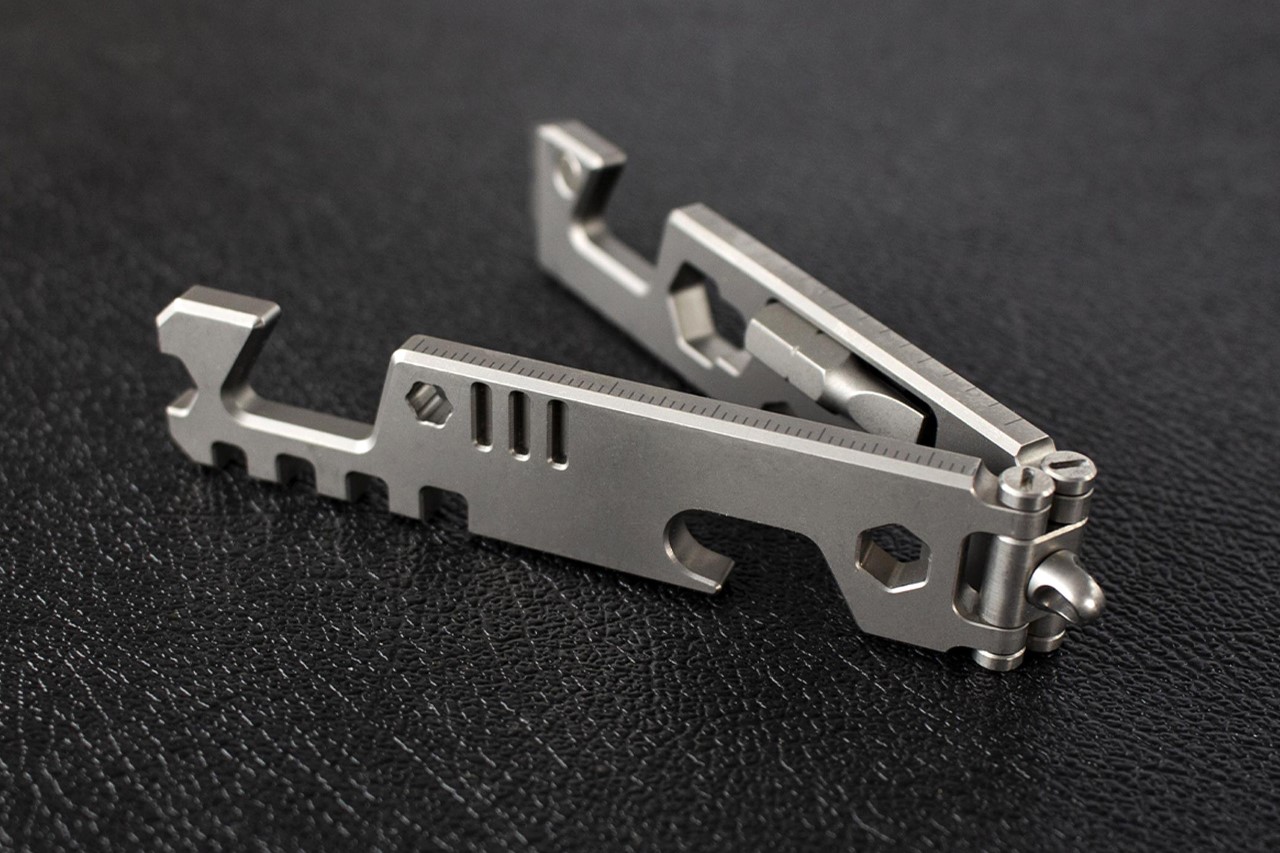
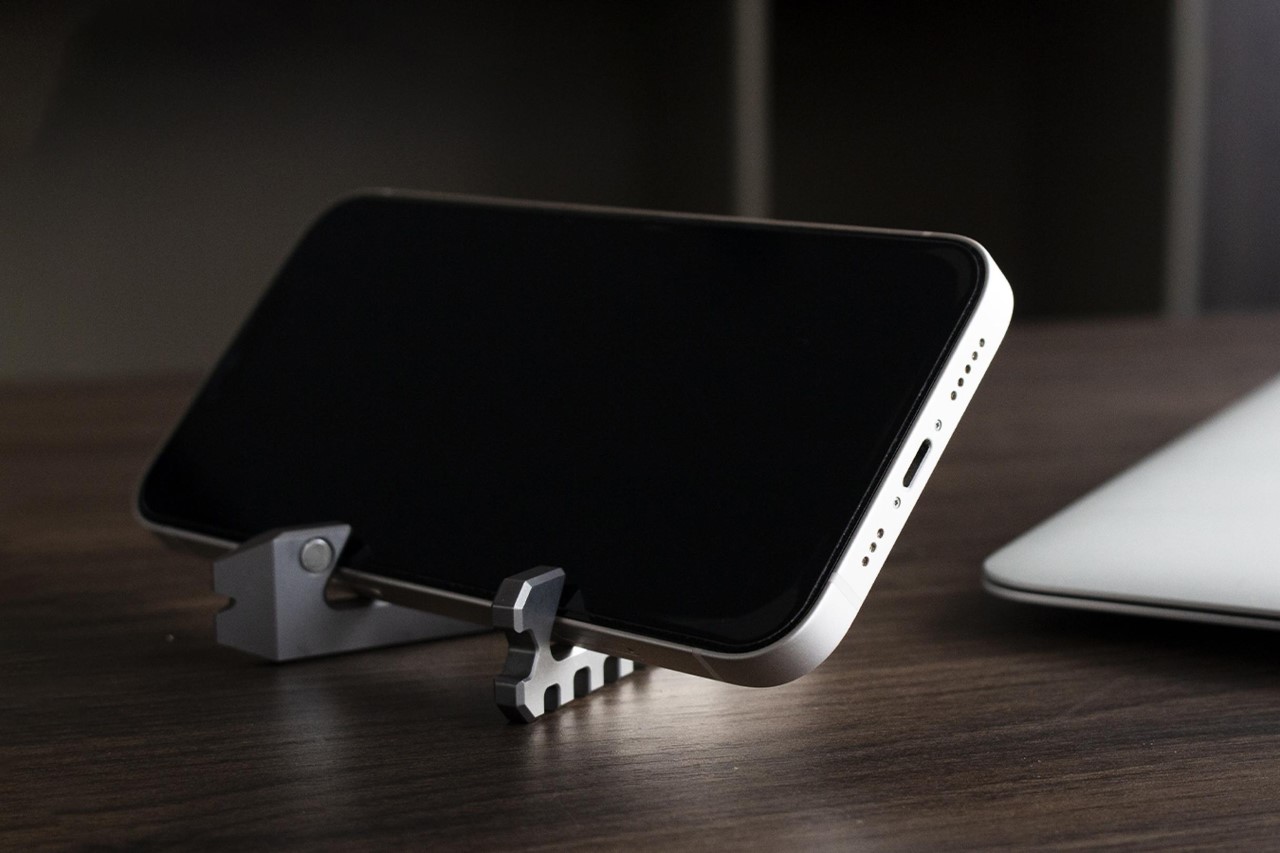
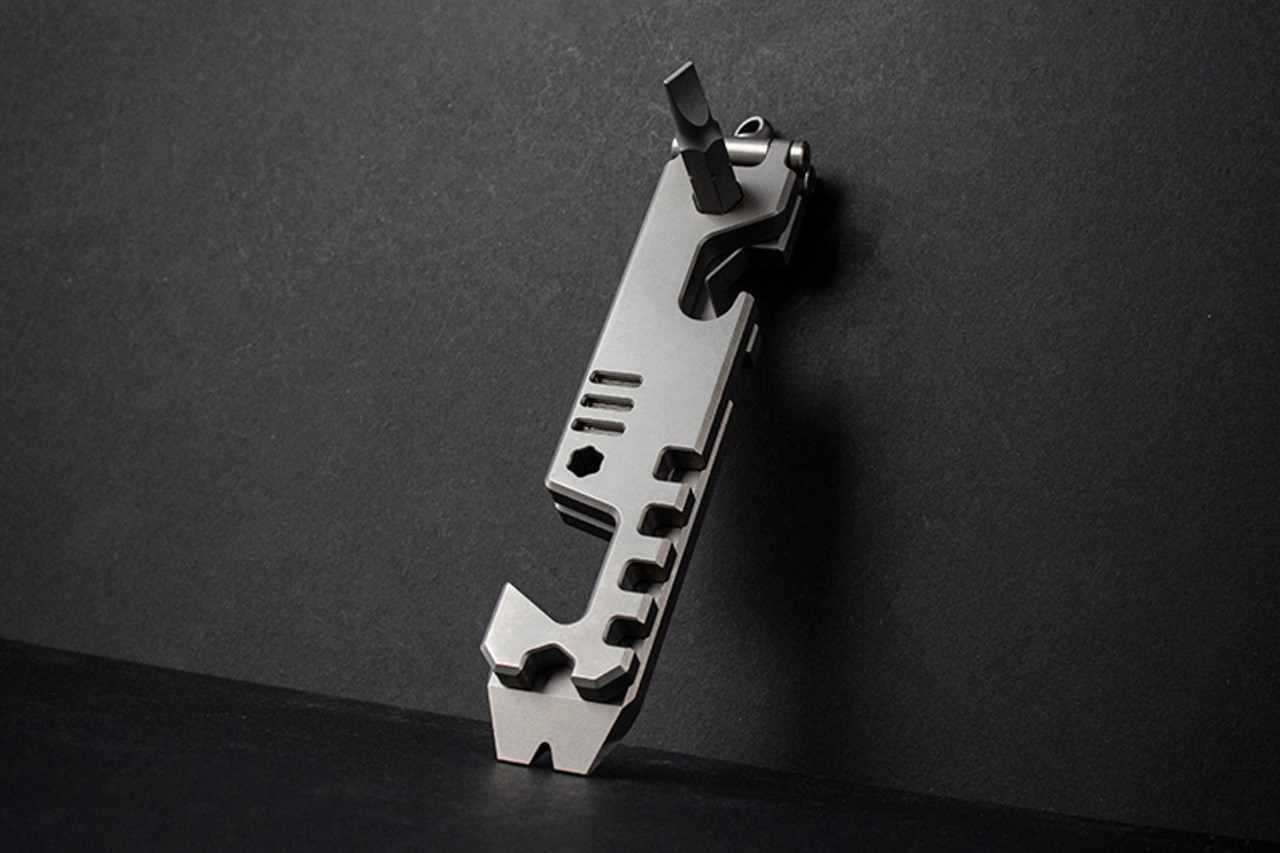
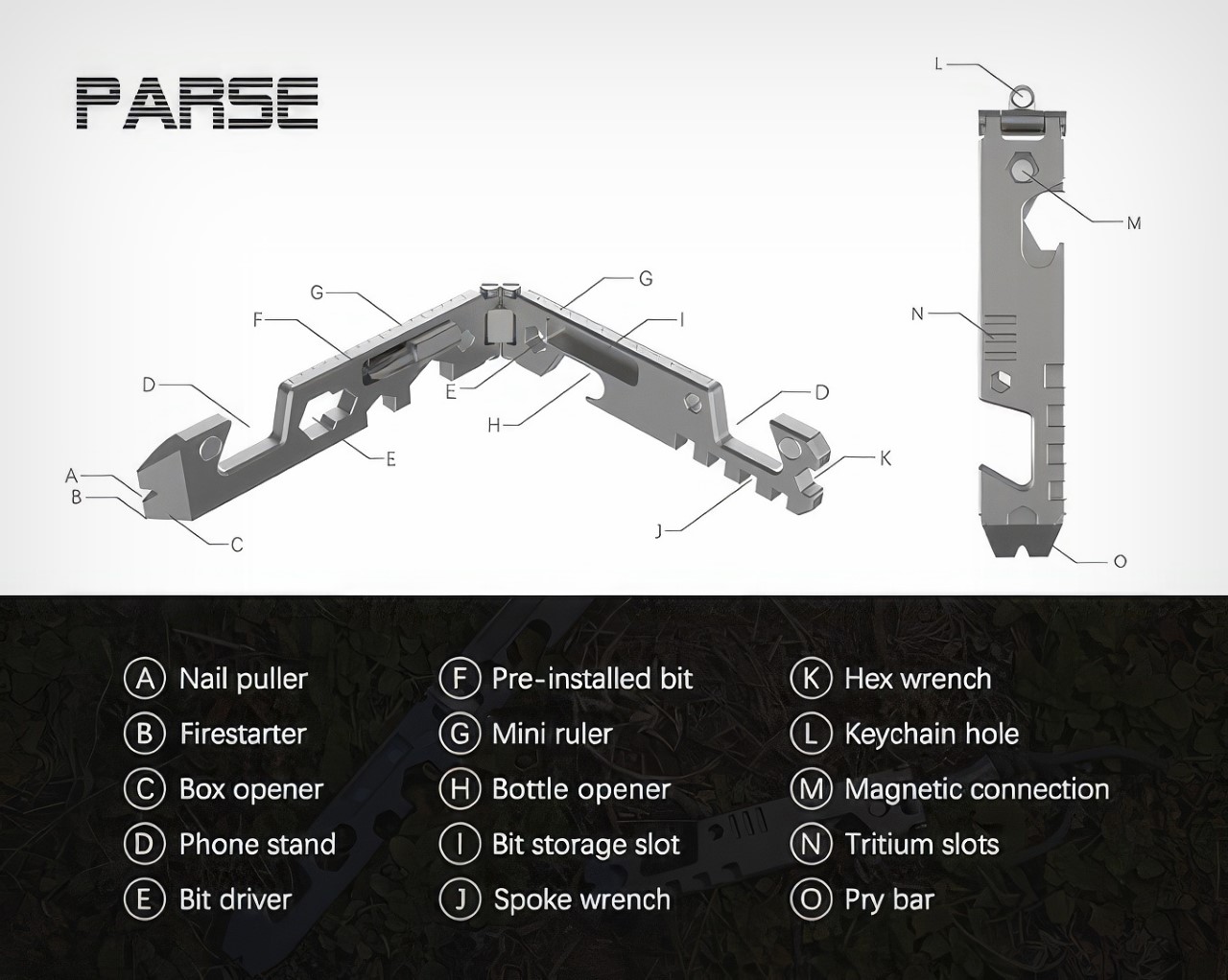
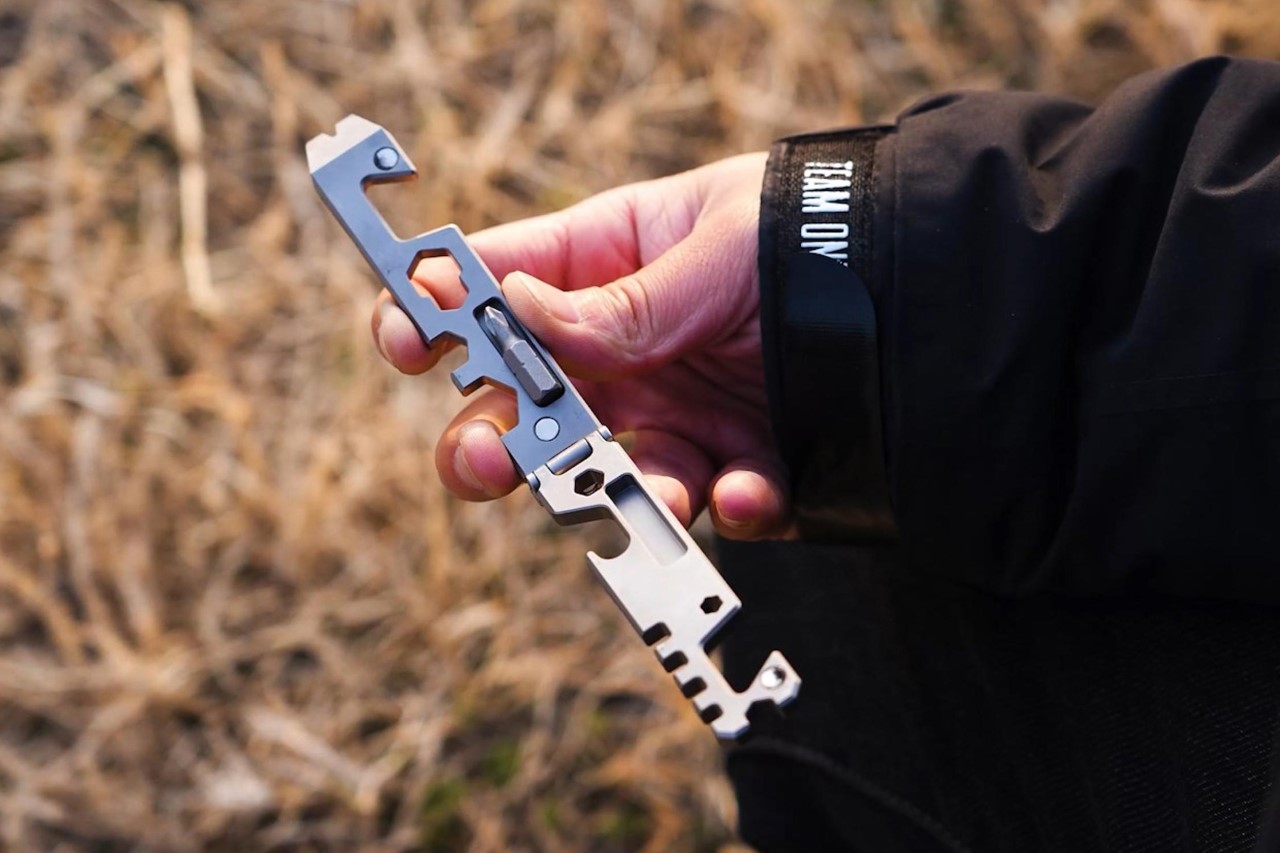
The AceStand features a two-part body that pivots at one end, opening and closing somewhat like a clamshell. Magnets hold the device together when you need to keep the AceStand shut, providing a satisfying snap that lets you close the stand while not in need. However, opening the AceStand reveals the sheer wealth of tools integrated into the stand’s overall design. With as many as 11 different tools built-in, the AceStand becomes useful pretty much anywhere. Hex wrenches let you tighten and loosen bolts, square wrenches let you work with bicycle spokes, a standard hex bit sits sandwiched between two halves of the AceStand, and can be taken out and used for working with screws. One of the AceStand’s tip serves as a pry-bar for opening tins and prying apart nails, while the wedged design helps serve as a flint-scraper to start fires, or even a dull-enough edge to open boxes. The stand opens 180° into a flat 14-inch scale that’s perfect for drawing straight lines or even measuring, thanks to the inclusion of both metric and imperial units engraved into the top. A bottle opener can also be found in the stand’s design, letting you crack open a brewski while you’re in the middle of repairing, work, or outdoor exploration… and if a chilled beer isn’t much of a mood-lifter, the stand’s pièce de résistance is the fact that when opened at an acute angle, it lets you easily dock a phone or tablet into two cutouts on the top.

Working almost like an easel for your phone, the AceStand’s cutouts let you rest a smartphone or a tablet in both landscape and even portrait modes. The cutouts are fairly wide, working just as well with thick phone cases too, making the AceStand a rather handy tool to have for when you’re bored, when you quickly want to watch a YouTube tutorial while repairing something, or when you just want to keep your kid occupied at the dinner table at a restaurant.

Carefully placed magnets inside the AceStand let you dock a hex bit of your choice, while magnets at the tip help close the EDC when you’re done using it.

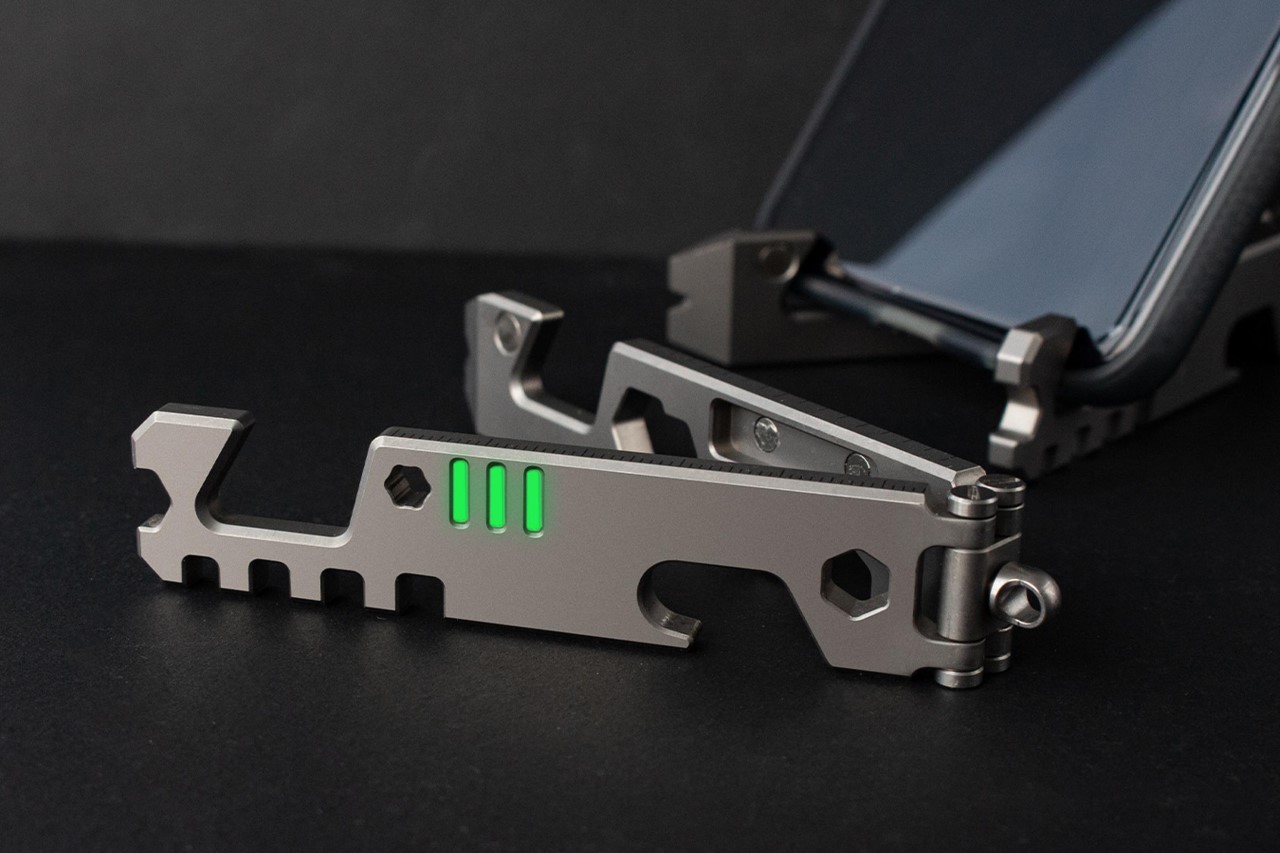
The AceStand measures roughly 7.5 inches when closed, and comes with a keychain slot that lets you easily string it along with your keys or even wear it across your neck like a modern dog tag. The fact that it weighs a paltry 53.3 grams (1.8 ounces) makes it an easy carry too. The entire stand comes machined from solid Grade-5 Titanium, making it durable, waterproof, corrosion-resistant, rust-proof, and incredibly reliable (don’t worry about it breaking while in use), and a clever inclusion of three tritium slots on the outside let you add glowing vials in your EDC, so that it’s visible even in the dark.

The AceStand starts at a discounted $59, ships globally, and should easily last decades even with sustained usage thanks to the titanium construction (even though the maker doesn’t explicitly provide a written guarantee).

Click Here to Buy Now: $59 $79 (25% off) Hurry! Only 16/480 units left!

Click Here to Buy Now: $59 $79 (25% off) Hurry! Only 16/480 units left!
The post This 11-in-1 Titanium EDC Multitool Also Transforms Into A Phone/Tablet Stand first appeared on Yanko Design.


10 Iconic & Influential Women Designers Of The Last Century

8th March is celebrated as International Women’s Day, and rightly so, although in all honesty, we deserve every day to be Women’s Day! Women’s Day is the result of the efforts of a lady called Clara Zetkin, the leader of the ‘Women’s Office’ for the Social Democratic Party in Germany. In 1910, she proposed that every country should have a celebration every year on the same day – a Women’s Day, a day when women could press for their demands. Cut to 2024, and Women’s Day is a 24-hour period where we widely celebrate the women all around us, and in every aspect of our lives. And we’re taking it upon ourselves to celebrate the iconic women in our design world! These women paved the path for women in the design and architecture industry, changing the perceived status of women in this arena, and making space for their successors to push boundaries liberally and without hindrances. Although even today there is a gender disparity in the design world, with women designers facing experiences of bias and prejudice, and with the product and industrial design world being primarily 78-95% male. But let’s take a moment to celebrate these iconic women designers, creators, and innovators and raise a toast to them!

1. Zaha Hadid

The late Zaha Hadid was the first woman to win the Pritzker Prize for Architecture in 2003, and also the first female star architect who managed to transform, and deeply influence the status of women in the design world. Known as the ‘Queen of the Curve’, her unique creative vision positively impacted and changed the design and architecture world, while also establishing that a woman can conquer these worlds in her unique way and style. Her feisty personality, intense determination, and desire to challenge the design status quo supported her in consistently pushing the limits of form and function. Her first major public building  – the Rosenthal Centre for Contemporary Art in Ohio opened in 2003 and marked an important turning point, where critics and the rest of the world accepted her as the force she truly was.

2. Ray Eames

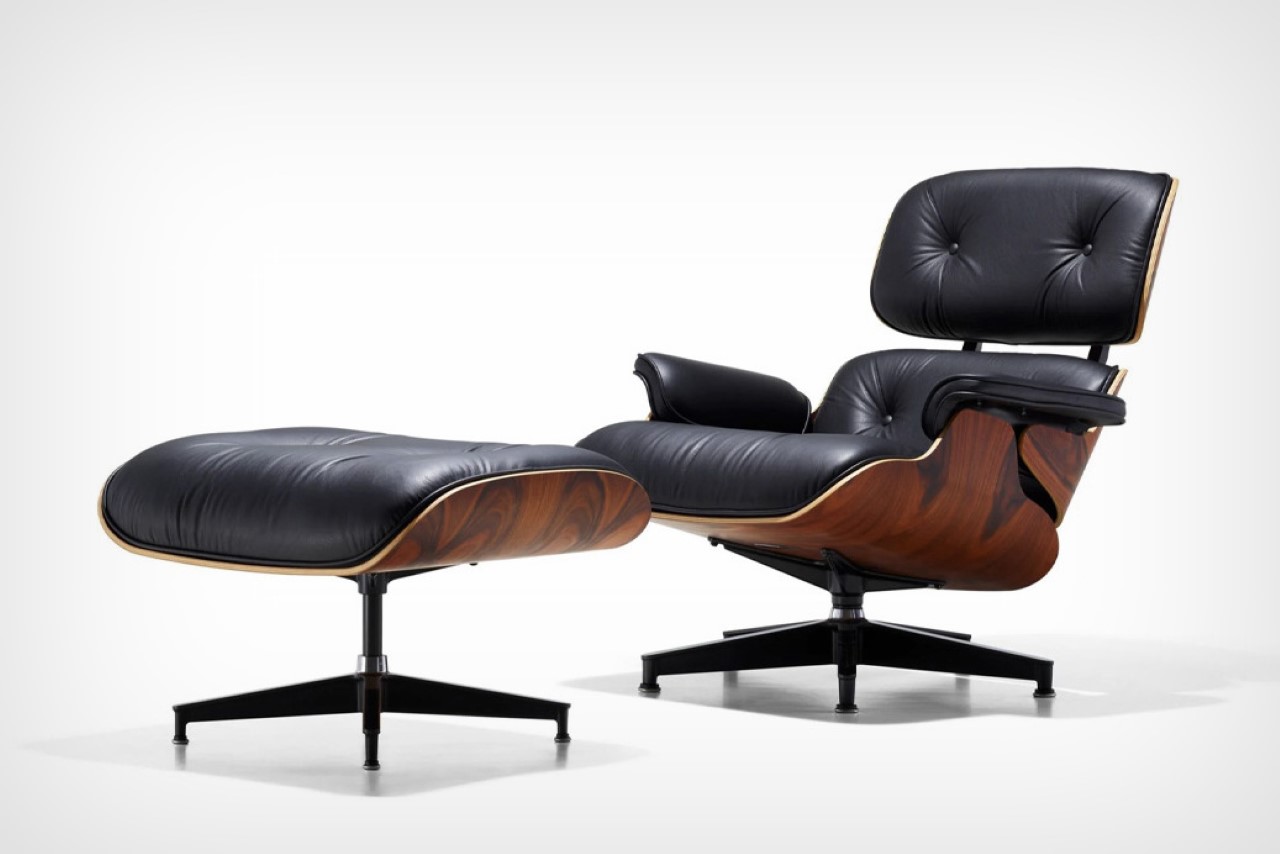
Everyone’s heard of the Eames Lounge Chair. It was the centerpiece of any office in the 1960s and 1970s, and it has still maintained its relevance and value even today. You’ve probably heard of the mastermind behind it – Charles Eames, but you may not be aware of his wife Ray Eames, who played an equally important role in its birth and creation. The duo spent most of their time experimenting with plywood, which led to their first mass-manufactured product – a molded plywood leg splint that would be purchased in abundance by the US Navy. They played around with different materials, using fiberglass, aluminum, leather, and plywood to build furniture. Even after Charles died in 1978, Ray continued to spread their design philosophy and beliefs through her writing and numerous talks.

3. Hella Jongerious

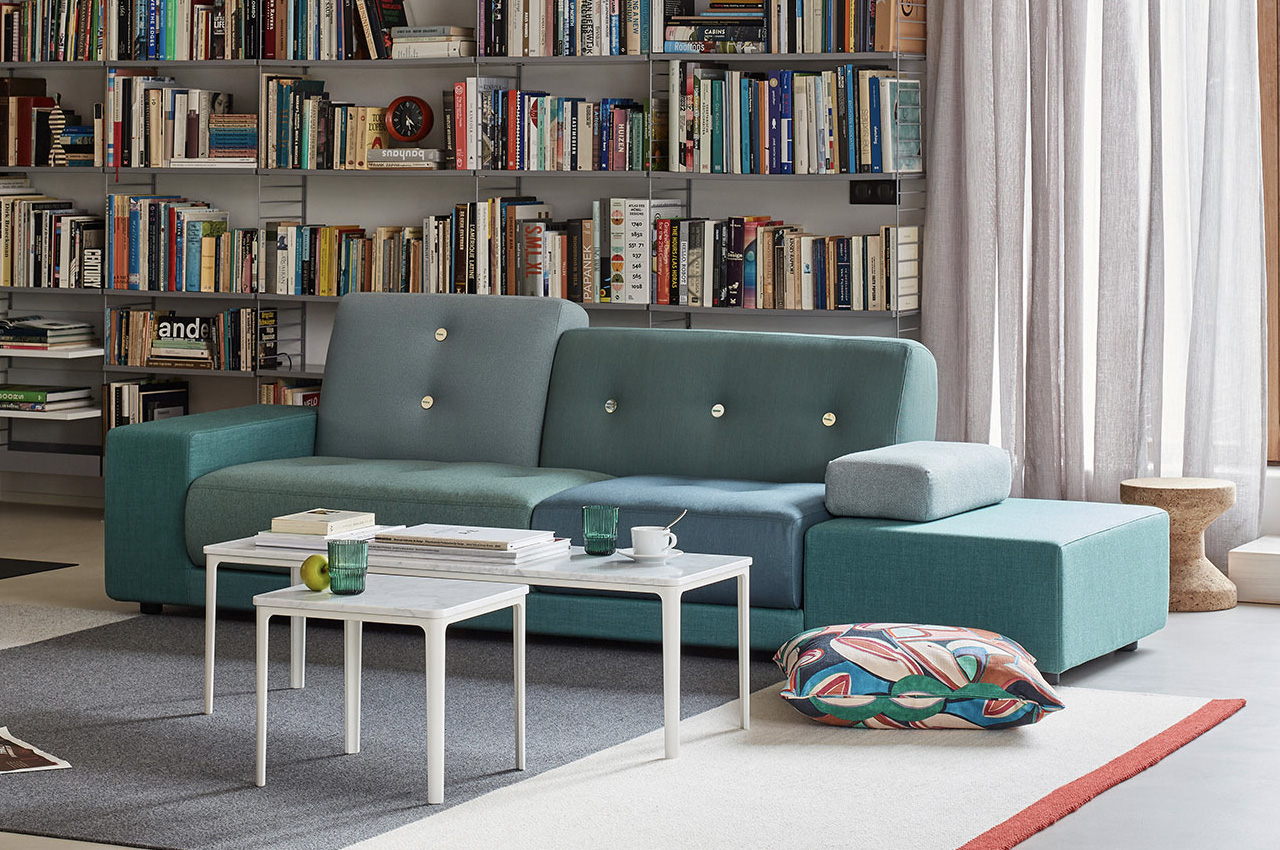
The Dutch designer Hella Jongerious is considered a master of colors and texture in her profession of industrial design. The strong-headed and independent designer once said “Design is not about objects. Design is about relations”. She founded her studio called the Jongeriuslab studio in 1993, and since then has worked with major clients such as Maharam, Danskina, IKEA, and KLM. Through her work with textiles, ceramics, and furniture, she has highlighted the importance and magnitude of colors and surfaces in contemporary designs. She designed the Polder Sofa for the Swiss company Vitra, which is one of her most distinctive and popular pieces. It is inspired by her home country – the Netherlands and is a beautiful mixture of asymmetrical shapes and cushions in various colors and fabrics.

4. Neri Oxman

Israeli-American architect, designer, and professor Neri Oxman is the founder of the Mediated Matter Group at the MIT Media Lab. Her work is incredibly pioneering, and she had to coin the word “material ecosystem” to describe it. She combines technology, biology, and design to create astounding projects such as the Silk Pavilion and the Wanderers Wearable Skins, which pushed the boundaries of what fabrication and design could do. Her 3D-printed wearable skins are designed for interplanetary pilgrims, and they have been merged with synthetically engineered microorganisms to make the hostile habitable.

“Nature does not come together. “It expands,” she said at Design Indaba. “At this point, there is a collision between the worlds of civilization and nature.” It is a gradual process, but they are coming together.”

5. Kazuyo Sejima

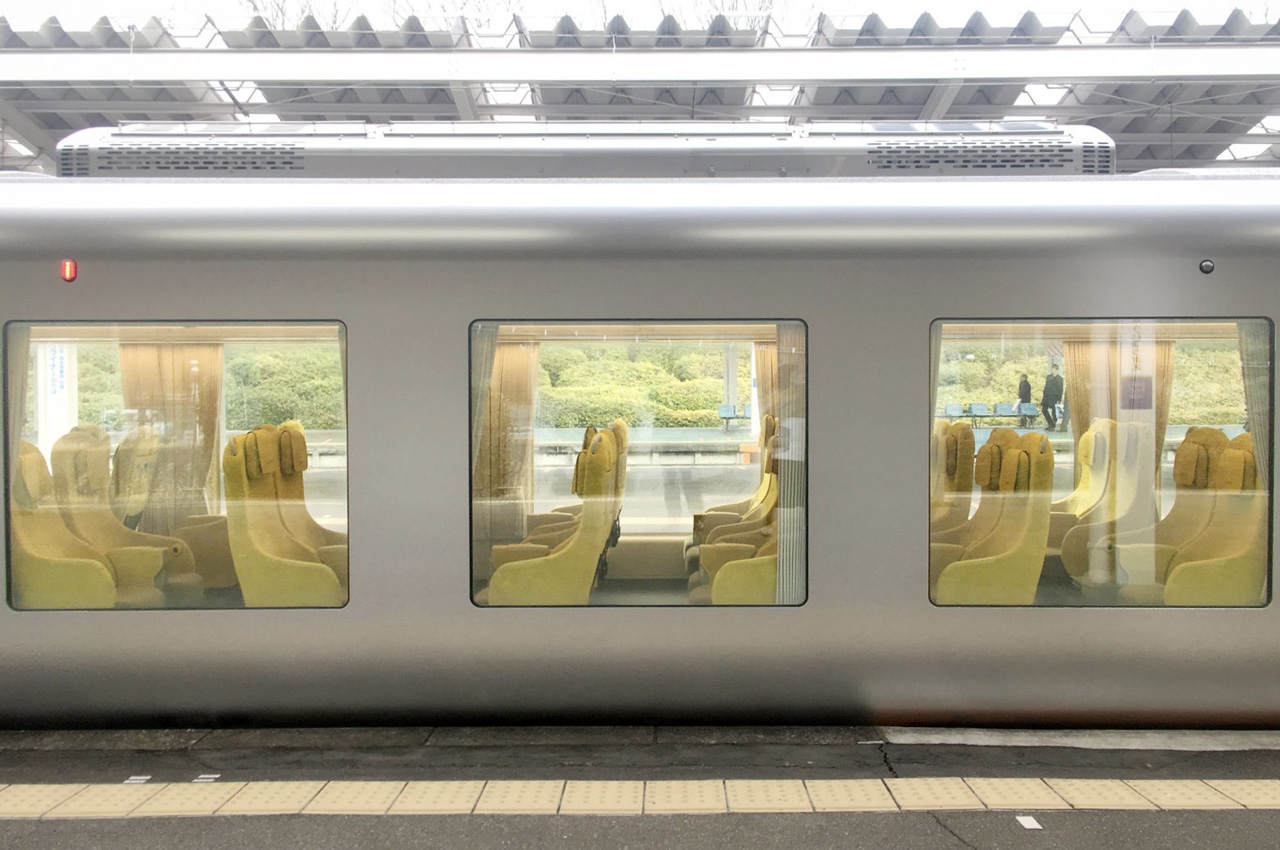
Kazuyo Sejima is a Japanese architect, and also the second woman to win the Pritzker Architecture Prize in 2010, following Zaha Hadid’s lead a few years later. Sejima claims, “Being an architect. I am just interested in making architecture.”, and this comes through in her clean, minimalist, and yet innovative design style. Her works are highlighted by a subtle and minimal character, and they often playfully blur the boundaries between interior and exterior spaces. One such project is the Laview commuter train, which features massive windows, and a curved edge glass nose. The commuter train was designed to make the passengers feel like they’re at home, instead of on a train moving between Tokyo and Saitama. The carriages were created to make the passengers feel comfortable and at ease, mimicking the experience of sitting in your own house.

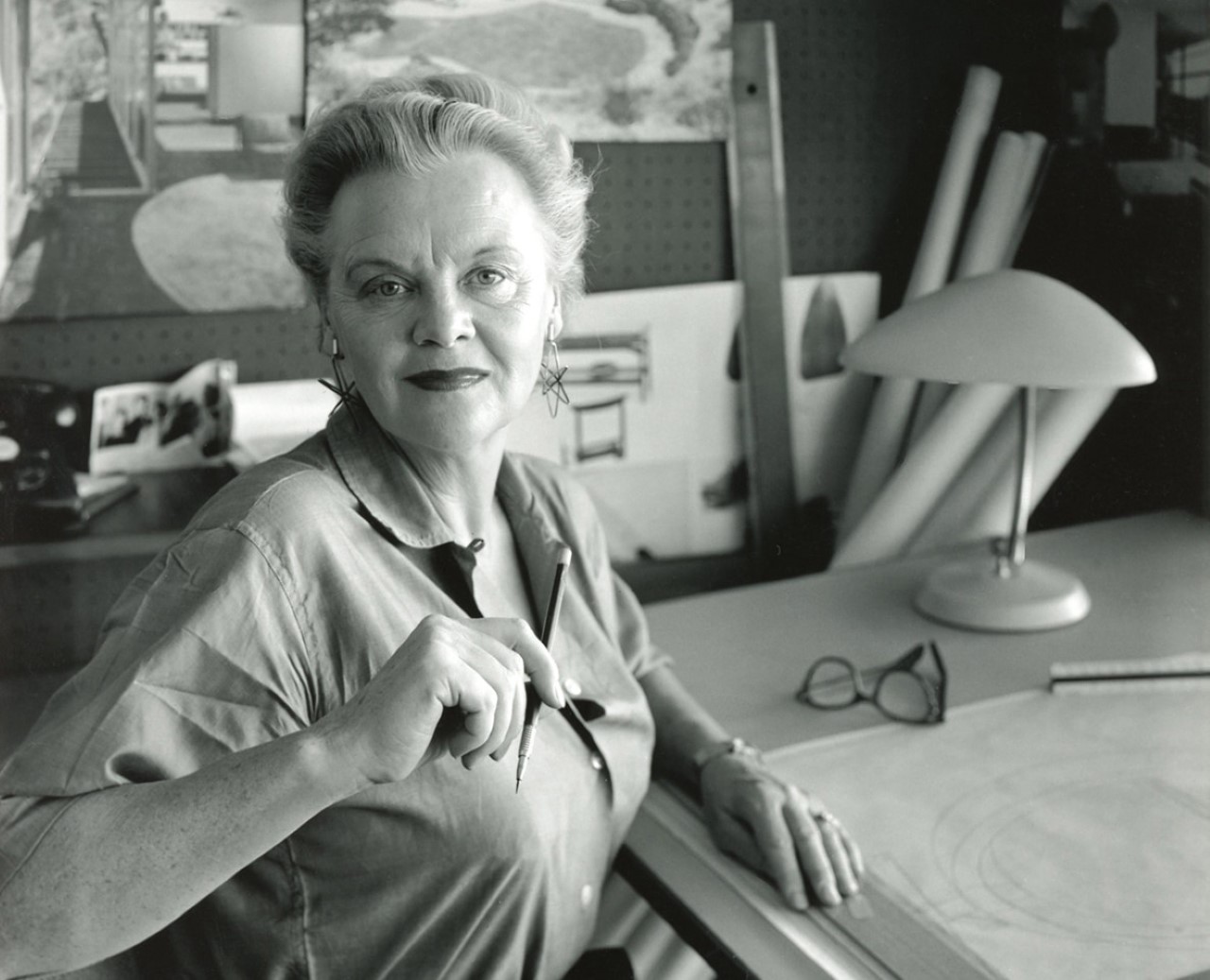
6. Florence Knoll Bassett

Florence Knoll Bassett was an American architect and furniture designer who completely revolutionized and transformed the design of workplaces, in turn shaping the mid-century modern design movement. She was trained by the three giants of European Modernism – Marcel Breuer, Walter Gropius, and Ludwig Mies van der Rohe, which helped her immensely as she began working for her husband’s furniture company, which was later named Knoll Associates. She created the concept of the modern open-plan office, truly reimagining workplace spaces. Her open-plan ‘Knoll look’ interior completely rejuvenated the office landscape of corporate America, and the impact still lingers on how offices are designed today. She took over Knoll Associates after her husband died in 1955, and the company continued to grow and flourish under her leadership.

7. Greta Magnusson-Grossman

Greta Magnusson Grossman, a Swedish designer, seamlessly merged Scandinavian sensibilities with the midcentury design movement in California in the 1940s. Grossman was not only renowned for her furniture designs but also for her architectural projects, particularly homes in the Los Angeles area, which embraced open floor plans and integrated with the surrounding landscape. Despite her success in architecture, Grossman is best known today for her lamp designs, notably the Grasshopper floor lamp and the Cobra table lamp, both of which have gained iconic status in the midcentury-modern design canon. Towards the end of her career, Grossman also taught furniture design at UCLA from 1957 to 1963.

8. Suzanne Vanderbilt

Suzanne Vanderbilt, a trailblazing auto designer at GM, began her career as one of the original Damsels of Design. Vanderbilt joined GM after graduating from Pratt Institute in 1955 and worked on automotive interior design for Chevrolet and Cadillac. Her innovative work included patents for ergonomic automobile seats and safety switches, although these were never produced. Despite facing setbacks and sexism, she persevered, rising to become chief designer of Chevrolet’s Interior Studio by 1972. Vanderbilt’s career was marked by a pursuit of perfection and creativity, reflected in her dedication to automotive design. Her pursuits in the male-dominated automotive industry helped pave the way for other women designers like Diane Allen and Michelle Christensen.

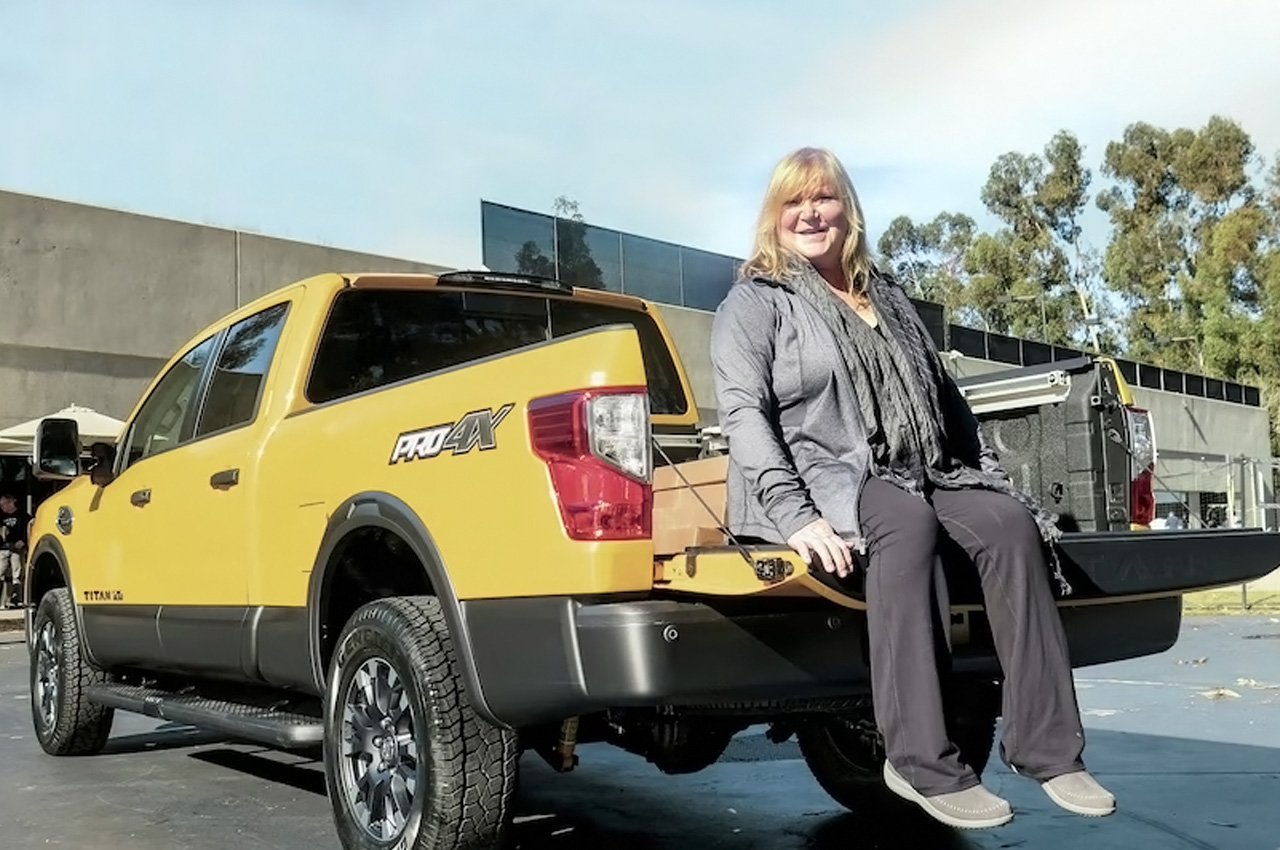
9. Diane Allen

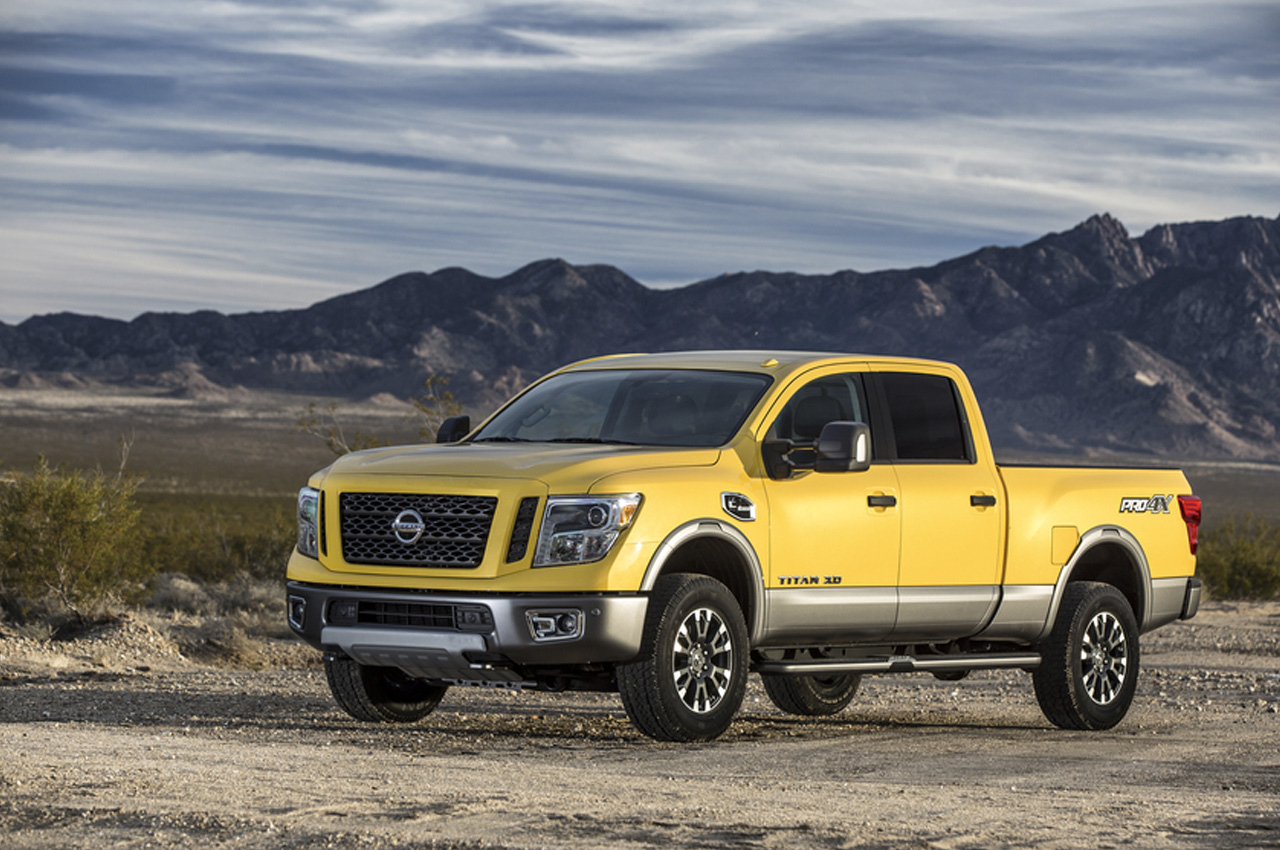
Diane Allen is a senior designer manager at Nissan Design America in San Diego, and she also manages the design programs for the Nissan brand assigned to NDA by the Nissan Global Design Center in Japan. She designed the 2016 Nissan Titan, which is a heavy-duty pick-up truck made from pure gearhead muscle, and capable of hauling everything from boats to horse trailers! She manages the design process of the TITAN family of trucks – overseeing the design concept and sketch development to the production sheet metal, and designing and prototyping of all the different parts, accessories, and wheels! She also managed the Nissan 350Z and 370Z sports coupes, the Rogue crossover SUV, and the Infinity QX56 SUV.

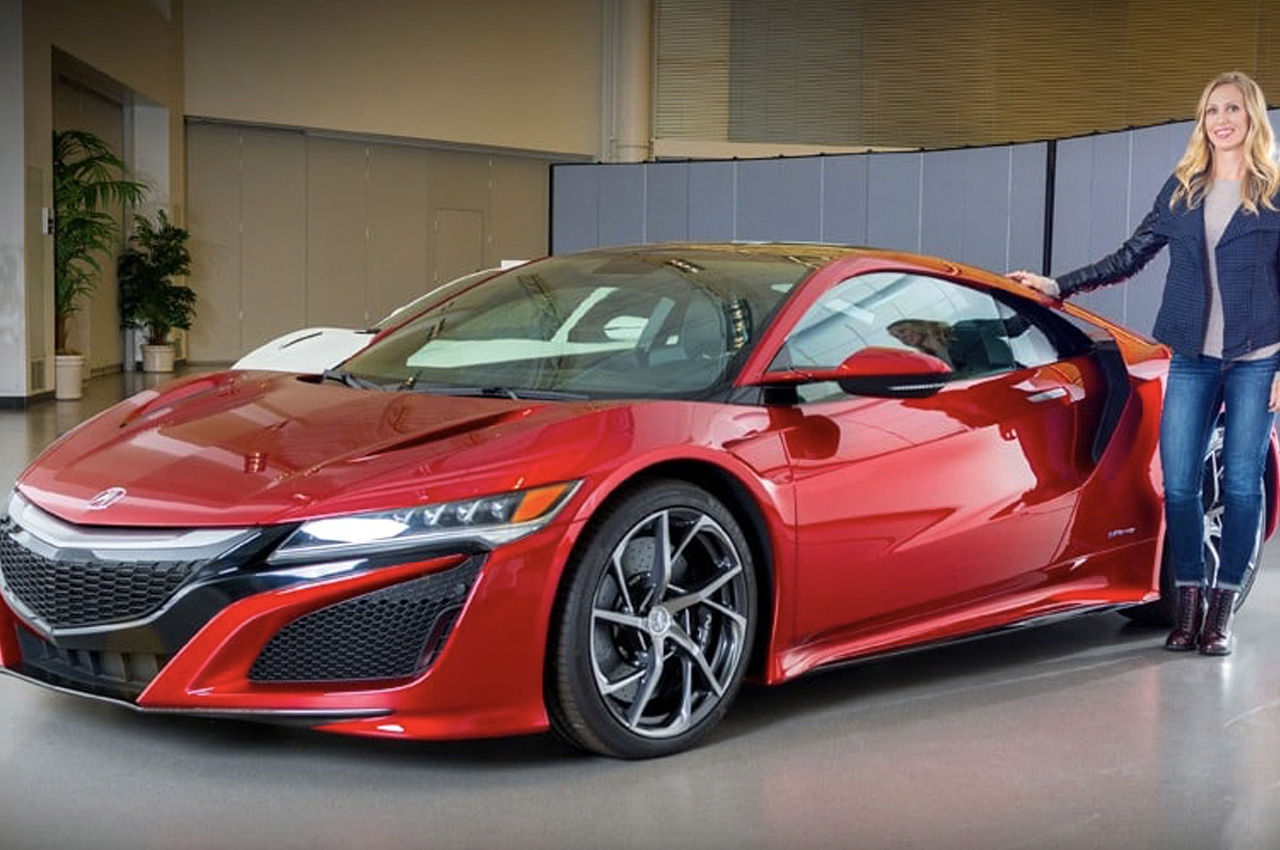
10. Michelle Christensen

Michelle Christensen made history by becoming the auto industry’s first female to lead the development of a supercar when she headed the 2017 remodel of the iconic Acura NSX. It is a second-gen hybrid supercar that was named “Performance Car of the Year” by Road & Track. The launch of the automotive was highly awaited, as it was being re-released 25 years after its original debut. She graduated in transport design from the Art Center College of Design in Pasadena, California, and went on to work for Honda, General Motors, and then Acura – the luxury division of Honda.

The post 10 Iconic & Influential Women Designers Of The Last Century first appeared on Yanko Design.

Sam Altman is back on the OpenAI board. We still don’t know why he was fired.

Sam Altman is back on the board of OpenAI, nearly four months after the CEO was ousted, and quickly reinstated, from the company he founded. Although Altman had returned as the AI company’s top executive in November, a temporary board oversaw his return and the subsequent investigation into his conduct.

That investigation is now complete, according to the company, which added three new members to its board of directors. The additions include: Instacart CEO and former Meta executive Fidji Simo, former Sony executive Nicole Seligman and Dr. Sue Desmond-Hellmann, former CEO of the Bill and Melinda Gates Foundation. Salesforce co-CEO Bret Taylor, economist Larry Summers and OpenAI co-founder Greg Brockman, who served on the temporary three-seat board, will remain in their positions with Taylor continuing as chair.

The announcement caps off a tumultuous several months for the AI company, which was rocked by Altman’s abrupt ouster last fall.

On Friday, OpenAI also published a summary of the findings from WilmerHale, a law firm that the company’s board retained in December 2023 to conduct an independent investigation into the events that led to Altman’s firing. Despite that, however, we’re no closer to finding out exactly why Altman, who rejoined the company as CEO within five days, was fired to begin with.

“WilmerHale [found] that the prior Board’s decision did not arise out of concerns regarding product safety or security, the pace of development, OpenAI’s finances, or its statements to investors, customers, or business partners,” the summary said. “Instead, it was a consequence of a breakdown in the relationship and loss of trust between the prior Board and Mr. Altman.” WilmerHale also concluded that OpenAI’s previous board fired Altman abruptly without giving notice to “key stakeholders”, and without giving Altman an opportunity to respond to its concerns.

To come to this conclusion, the firm reviewed more than 30,000 documents and conducted dozens of interviews with OpenAI staffers including previous board members over the last few months.

This article originally appeared on Engadget at https://www.engadget.com/sam-altman-is-back-on-the-openai-board-we-still-dont-know-why-he-was-fired-002358008.html?src=rss

Sam Altman is back on the OpenAI board. We still don’t know why he was fired.

Sam Altman is back on the board of OpenAI, nearly four months after the CEO was ousted, and quickly reinstated, from the company he founded. Although Altman had returned as the AI company’s top executive in November, a temporary board oversaw his return and the subsequent investigation into his conduct.

That investigation is now complete, according to the company, which added three new members to its board of directors. The additions include: Instacart CEO and former Meta executive Fidji Simo, former Sony executive Nicole Seligman and Dr. Sue Desmond-Hellmann, former CEO of the Bill and Melinda Gates Foundation. Salesforce co-CEO Bret Taylor, economist Larry Summers and OpenAI co-founder Greg Brockman, who served on the temporary three-seat board, will remain in their positions with Taylor continuing as chair.

The announcement caps off a tumultuous several months for the AI company, which was rocked by Altman’s abrupt ouster last fall.

On Friday, OpenAI also published a summary of the findings from WilmerHale, a law firm that the company’s board retained in December 2023 to conduct an independent investigation into the events that led to Altman’s firing. Despite that, however, we’re no closer to finding out exactly why Altman, who rejoined the company as CEO within five days, was fired to begin with.

“WilmerHale [found] that the prior Board’s decision did not arise out of concerns regarding product safety or security, the pace of development, OpenAI’s finances, or its statements to investors, customers, or business partners,” the summary said. “Instead, it was a consequence of a breakdown in the relationship and loss of trust between the prior Board and Mr. Altman.” WilmerHale also concluded that OpenAI’s previous board fired Altman abruptly without giving notice to “key stakeholders”, and without giving Altman an opportunity to respond to its concerns.

To come to this conclusion, the firm reviewed more than 30,000 documents and conducted dozens of interviews with OpenAI staffers including previous board members over the last few months.

This article originally appeared on Engadget at https://www.engadget.com/sam-altman-is-back-on-the-openai-board-we-still-dont-know-why-he-was-fired-002358008.html?src=rss

Renault reinvents mobility with electric rides to take on the elements of nature

A showcase of the automotive geniuses for tomorrow, the Geneva International Motor Show 2024, saw some fascinating automobile innovations. Amid them, drenched in eye-piercing yellow theme, was Renault’s collaborative project carried out in association with reckoned French startups in the mobility sector.

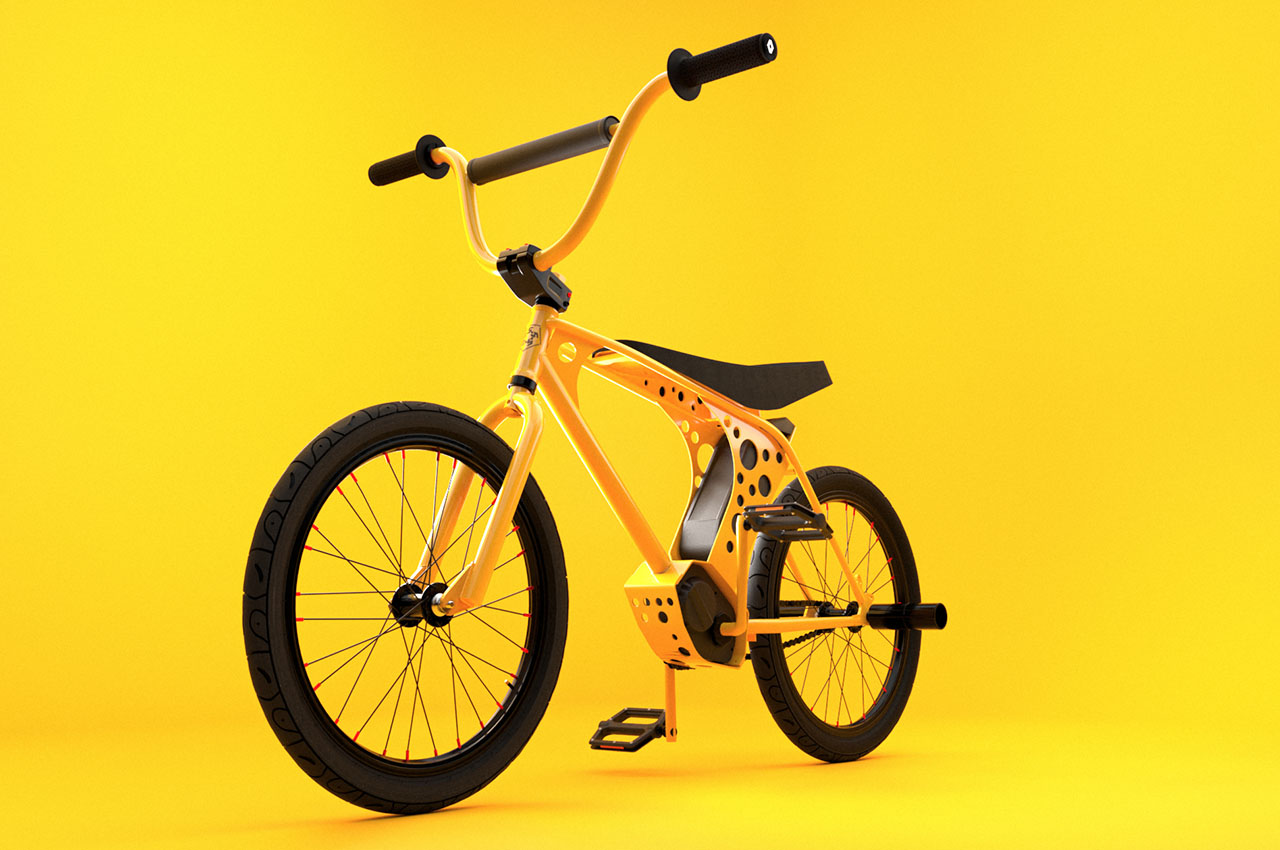
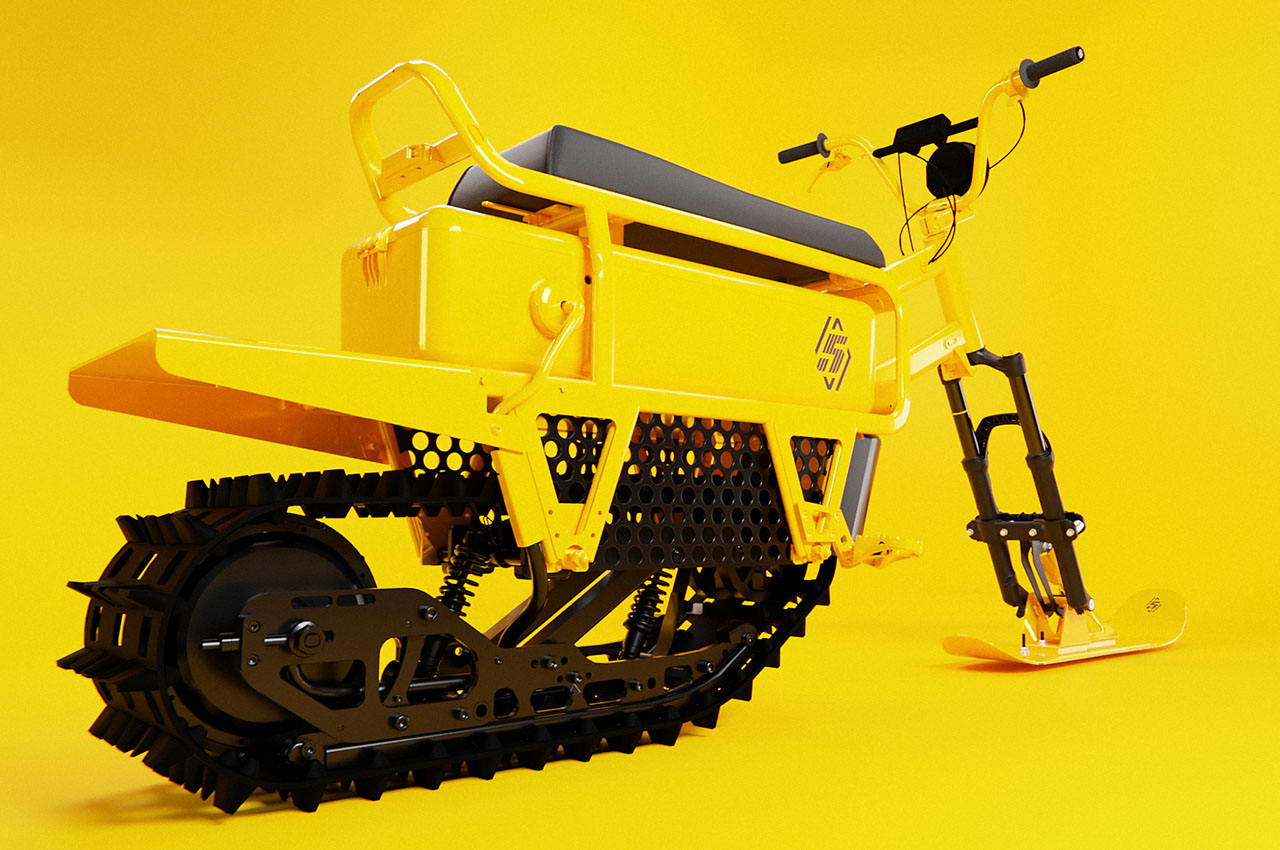
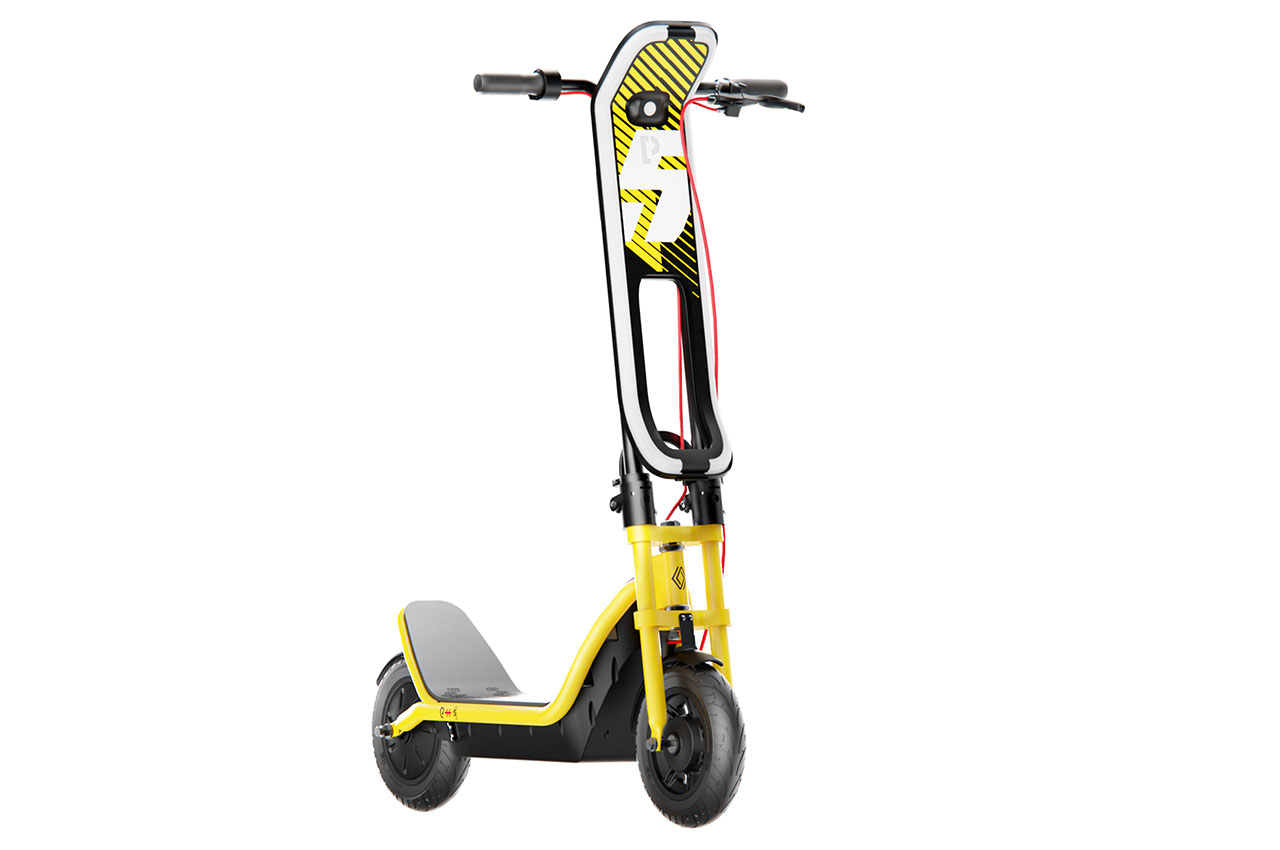
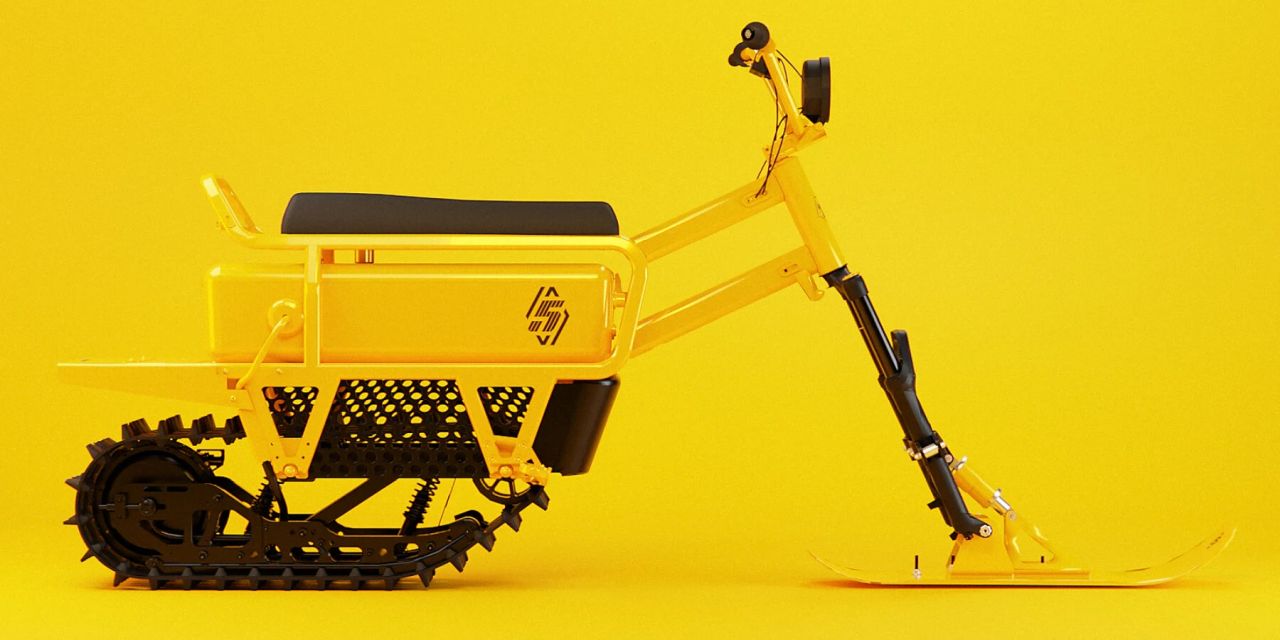
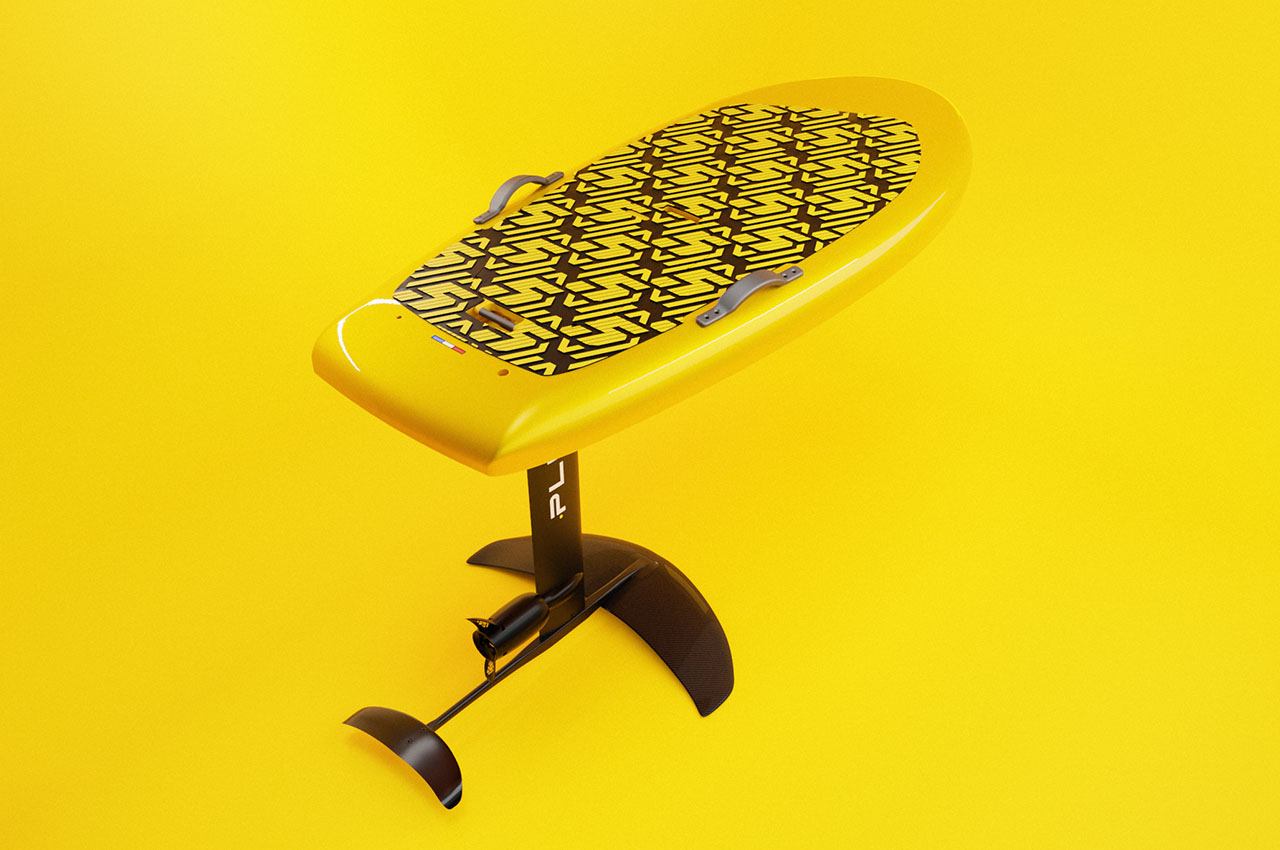
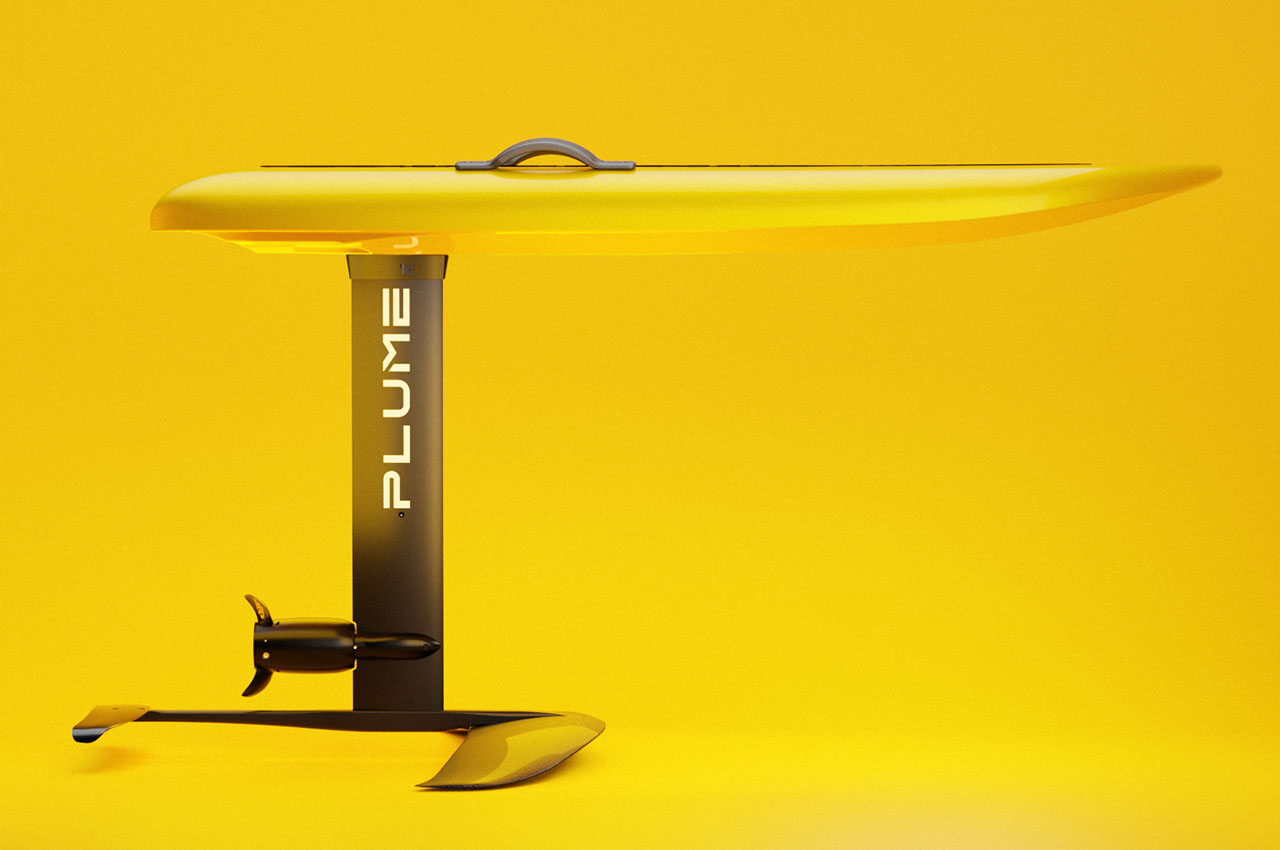
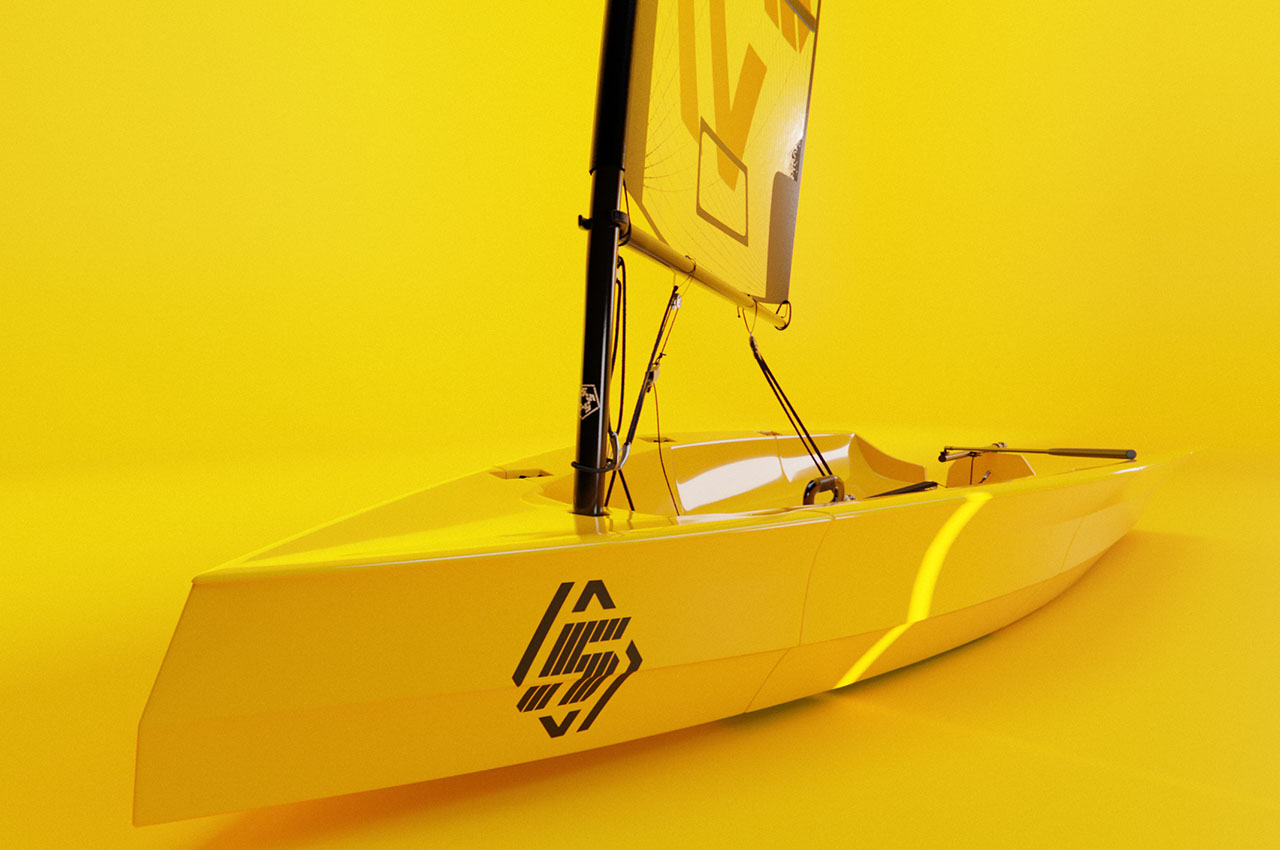
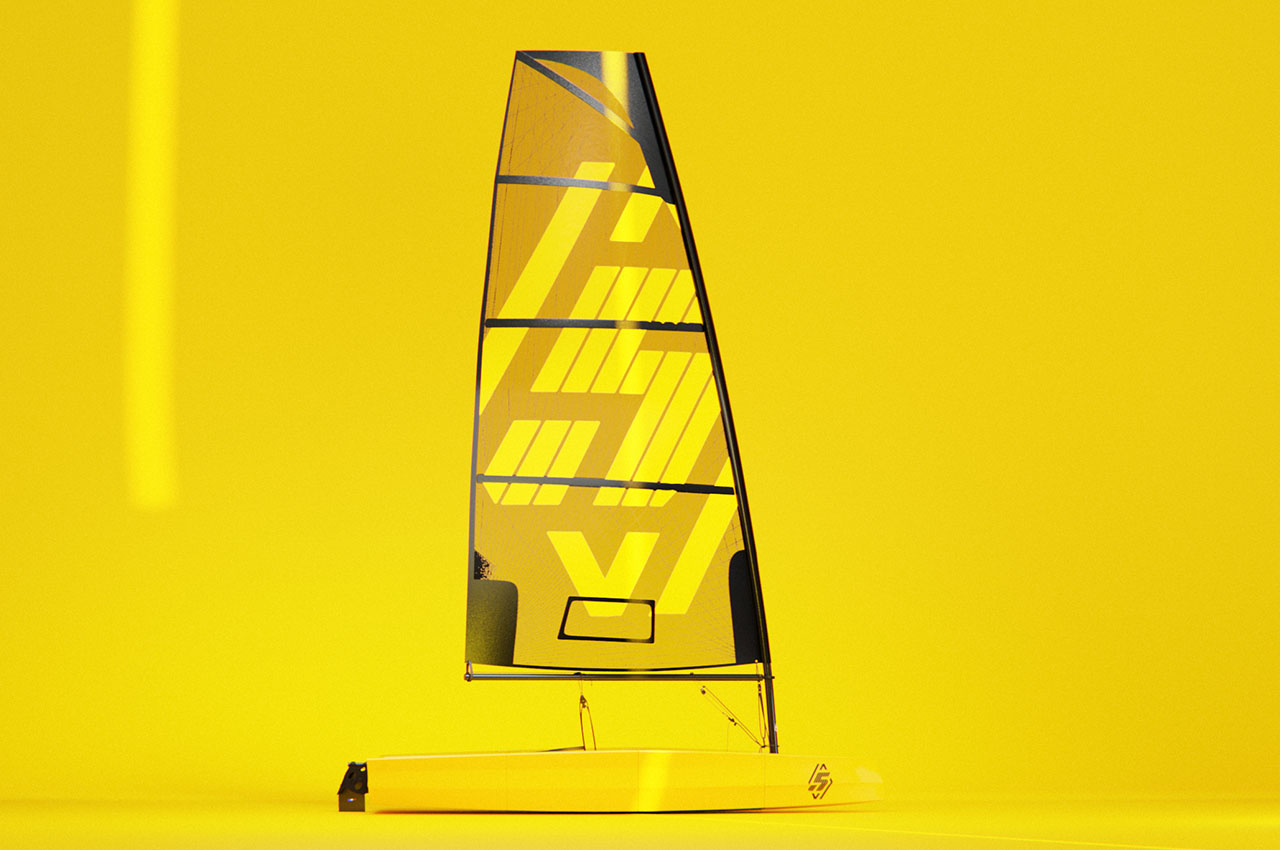
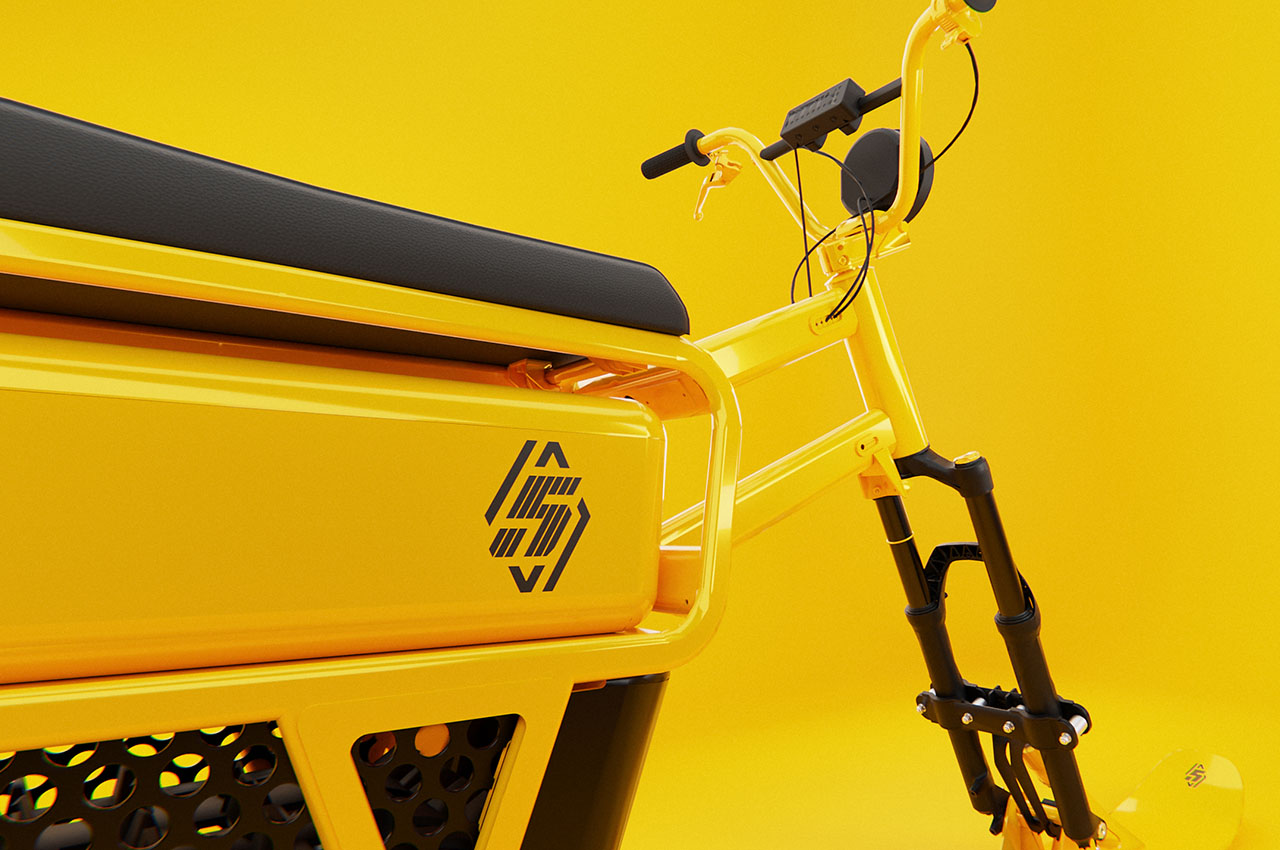
Titled the Renault 5 Movements, it is a series of electric vehicles comprising a bicycle motocross, foldable sailboat, sea bike, snow bike, and a surfboard with an electric hydrofoil. This impressive and diverse range of Renault options is a nod to the elements of nature: earth, water, air, and snow, and is an integral part of the company’s 100 percent electric revolution.

Designer: Renault

For the earth, the R5 Evol BMX is an all-electric bicycle motocross designed in association with Olivier Le Quellec. The bike is powered by a 500W motor that can take you cruising at 45km/h. It is designed to combine “dynamism and performance,” which makes it a perfect option for urban commuting and living the bike thrill off the tar.

Taking to the water, Renault has a fantastic foldable sailboat designed with Antoine Simon. Dubbed the Reverso, the versatile and compact boat features a stable, rigid hull. With a payload capacity of 180 kg, this sailboat – that is apt to take a family for an outing – has a folding design. It can be disassembled into four separate floating sections for the convenience of transportation.

Following on is Renault and Flavien Neyertz’s Searacer. This electric sea bike developed for water sports, comes ready with a high-density motor that can give this electric jet ski-style a boost of up to 77km/h. The motor offers a two-hour range, which should appeal to pros and beginners alike. If the bike is not your type, Renault also has the Plume surfboard by Etienne Mombereau for you. Weighing 3kg, this surfboard with electric hydrofoil is designed to take you on water adventures at speeds of up to 35 km with 1.5 hours of run-time.

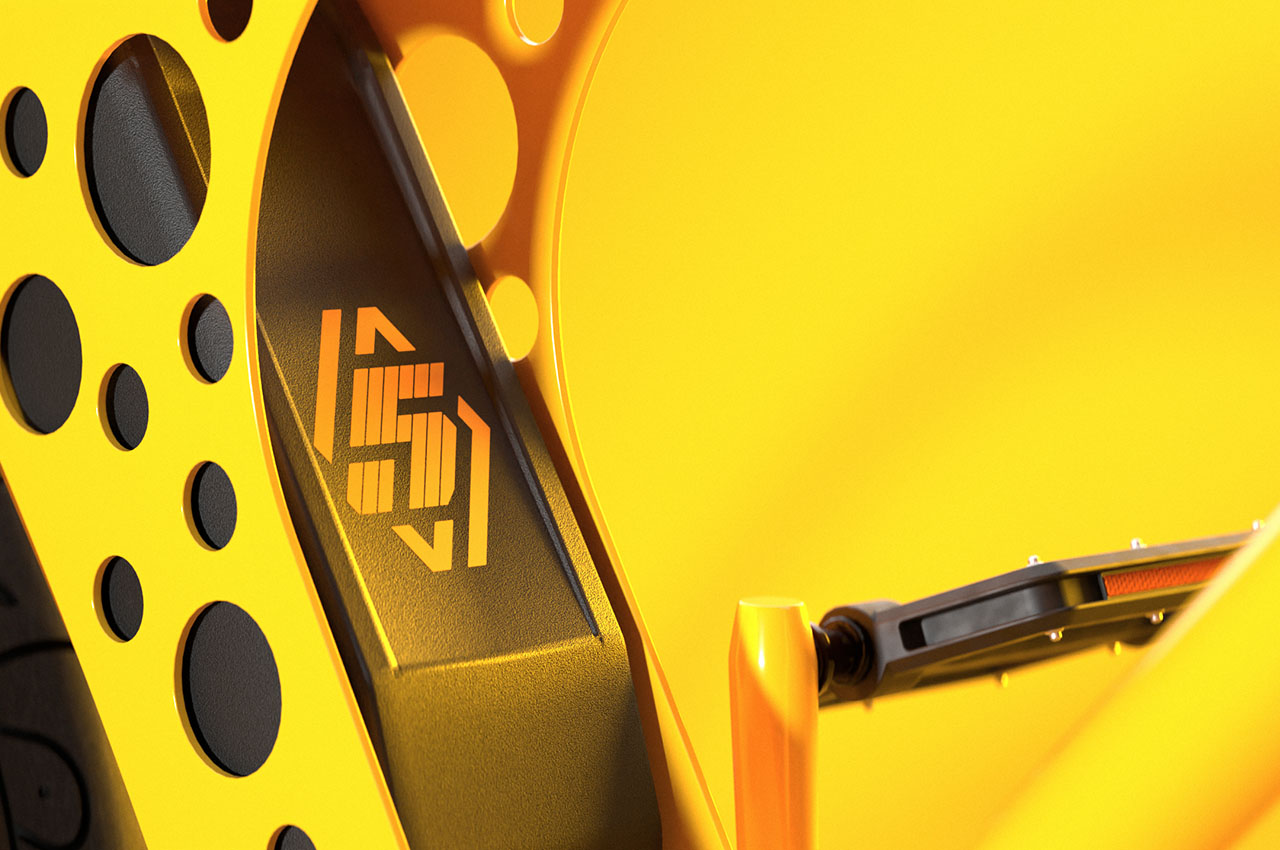
If your fancy is not satiated by the regular land and water rides, Renault has come up with an electric snowbike called the Moonbike designed by Nicolas Muron. Its chain and belt-free design comprises a track and a front ski that can help the Moonbike achieve top speeds of up to 40km/h. That should be a good speed for treading the snow paths with 3 hours of assured ride time. Whatever your choice, Renault 5 Movements has a ride for you. The information on pricing and any possible availability is in oblivion for now.

The post Renault reinvents mobility with electric rides to take on the elements of nature first appeared on Yanko Design.

Joe Biden says he would sign bill that would force a sale or ban of TikTok

TikTok’s future is looking increasingly uncertain as support grows for a new bill that would force the company to sell itself or face a ban in the United States. Now, President Joe Biden has come out in support of the measure, one day after it cleared its first legislative hurdle in the House.

"If they pass it, I'll sign it,” he said, in remarks reported by CBS News. The bill, called the “Protecting Americans from Foreign Adversary Controlled Applications Act,” which was introduced earlier this week, would give TikTok a six-month window to divest itself from parent company ByteDance or face an app store-level ban in the US. Meanwhile, Republicans in the House of Representatives could bring the bill to a floor vote as early as Wednesday, Semafor reported.

TikTok has said the bill is a thinly-veiled effort to force a “total ban” of its app. "This legislation has a predetermined outcome: a total ban of TikTok in the United States," the company said in a statement earlier this week. "The government is attempting to strip 170 million Americans of their Constitutional right to free expression. This will damage millions of businesses, deny artists an audience, and destroy the livelihoods of countless creators across the country.”

The company has also encouraged its millions of users to oppose the measure. On Thursday, ahead of the committee vote on the bill, the app sent push notifications prompting users to call their representatives and ask them to oppose the legislation. The notifications reportedly led to a flood of calls in many Congressional offices as staffers fielded hundreds of calls from teens.

Notably, the bill has another prominent opponent: former President Donald Trump. Though Trump also sought to force a sale of TikTok to a US company during his time in office, the former president said he no longer believes the app should be banned. “If you get rid of TikTok, Facebook and Zuckerschmuck will double their business,” he wrote in a post on Truth Social.

Though clearing the House would be significant milestone for the bill, it’s unclear where the Senate stands on it. As Semafor points out, some prominent senators have been a bit more cautious in their comments about whether they would support the legislation. At a recent Senate hearing about child safety, several senators pressed TikTok CEO Shou Chew on his own citizenship (he's Singaporean) as well as the app’s ties to China and the practices of its parent company ByteDance.

This article originally appeared on Engadget at https://www.engadget.com/joe-biden-says-he-would-sign-bill-that-would-force-a-sale-or-ban-of-tiktok-232221156.html?src=rss

Joe Biden says he would sign bill that would force a sale or ban of TikTok

TikTok’s future is looking increasingly uncertain as support grows for a new bill that would force the company to sell itself or face a ban in the United States. Now, President Joe Biden has come out in support of the measure, one day after it cleared its first legislative hurdle in the House.

"If they pass it, I'll sign it,” he said, in remarks reported by CBS News. The bill, called the “Protecting Americans from Foreign Adversary Controlled Applications Act,” which was introduced earlier this week, would give TikTok a six-month window to divest itself from parent company ByteDance or face an app store-level ban in the US. Meanwhile, Republicans in the House of Representatives could bring the bill to a floor vote as early as Wednesday, Semafor reported.

TikTok has said the bill is a thinly-veiled effort to force a “total ban” of its app. "This legislation has a predetermined outcome: a total ban of TikTok in the United States," the company said in a statement earlier this week. "The government is attempting to strip 170 million Americans of their Constitutional right to free expression. This will damage millions of businesses, deny artists an audience, and destroy the livelihoods of countless creators across the country.”

The company has also encouraged its millions of users to oppose the measure. On Thursday, ahead of the committee vote on the bill, the app sent push notifications prompting users to call their representatives and ask them to oppose the legislation. The notifications reportedly led to a flood of calls in many Congressional offices as staffers fielded hundreds of calls from teens.

Notably, the bill has another prominent opponent: former President Donald Trump. Though Trump also sought to force a sale of TikTok to a US company during his time in office, the former president said he no longer believes the app should be banned. “If you get rid of TikTok, Facebook and Zuckerschmuck will double their business,” he wrote in a post on Truth Social.

Though clearing the House would be significant milestone for the bill, it’s unclear where the Senate stands on it. As Semafor points out, some prominent senators have been a bit more cautious in their comments about whether they would support the legislation. At a recent Senate hearing about child safety, several senators pressed TikTok CEO Shou Chew on his own citizenship (he's Singaporean) as well as the app’s ties to China and the practices of its parent company ByteDance.

This article originally appeared on Engadget at https://www.engadget.com/joe-biden-says-he-would-sign-bill-that-would-force-a-sale-or-ban-of-tiktok-232221156.html?src=rss

This Tiny Palm-Sized Drone is the Future of Battlefield Surveillance and Military Recon

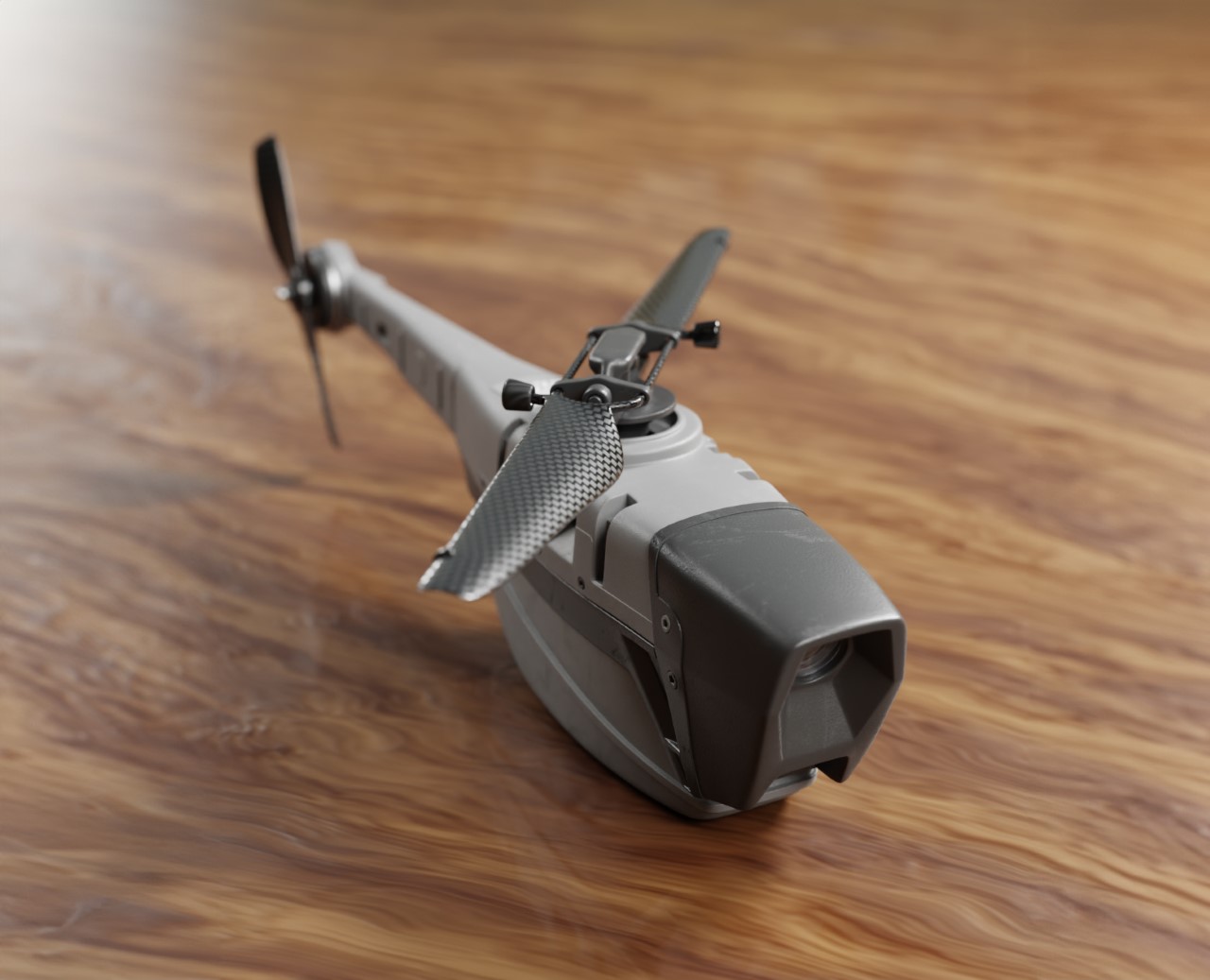
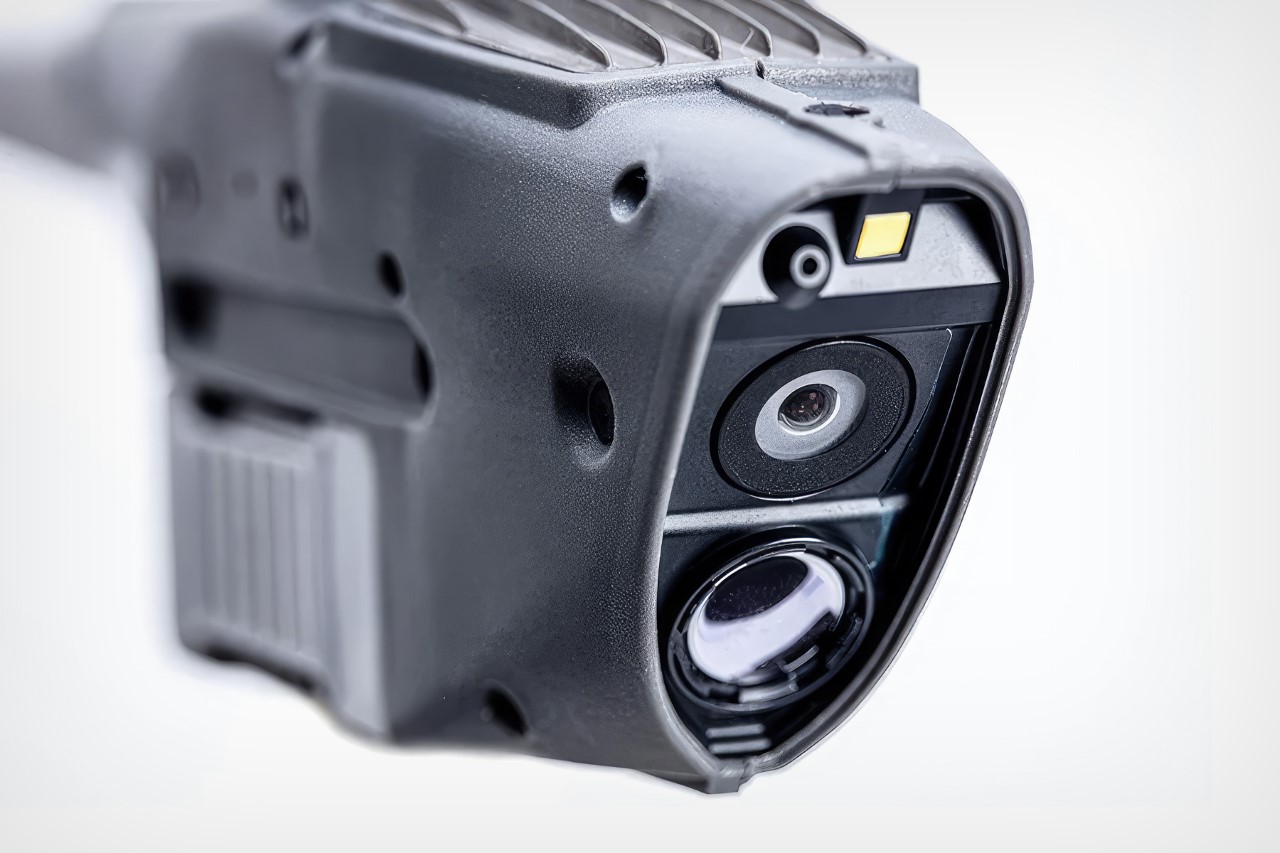
Quite reminiscent of the Hunter-seeker drones from the DUNE movie series, the Black Hornet 4 is shaping up to be an incredibly small yet exceptionally handy recon drone, capable of flying into areas unnoticed, and helping perform important surveillance required during military strategy and battle planning. This miniature marvel, weighing a mere 70 grams, packs a powerful array of features. Equipped with a 12-megapixel camera, superior low-light performance, and a high-resolution thermal imager, the Black Hornet 4 empowers soldiers with exceptional situational awareness on the ground.

Designer: Teledyne FLIR

However, its true potential lies in its ability to excel in challenging environments. Boasting a flight time exceeding 30 minutes, a range surpassing 2 kilometers, and the capability to withstand strong winds, the Black Hornet 4 navigates even the most demanding situations with ease. Additionally, its low visual and audible signature makes it ideal for covert operations, allowing for discreet deployment and data collection. The system’s ability to function in GPS-denied environments adds another layer of versatility, ensuring reliable operation regardless of external factors.

This innovative technology has already seen significant global adoption, with over 20,000 units deployed. The recent contract awarded by the U.S. Army for additional systems further underscores the Black Hornet 4’s impact. This tiny tech marvel represents a significant leap forward in the realm of personal reconnaissance, offering soldiers unprecedented capabilities and operational flexibility.

Beyond its military applications, the potential of the Black Hornet 4 extends to various civilian sectors. Search and rescue operations in disaster zones, environmental monitoring in remote areas, and even industrial inspections in hazardous environments could all benefit from the capabilities of this miniature marvel. As the technology continues to evolve, we can expect to see the Black Hornet 4, or similar systems, playing an increasingly crucial role in diverse fields, pushing the boundaries of what’s possible in the world of miniaturized aerial technology.

The post This Tiny Palm-Sized Drone is the Future of Battlefield Surveillance and Military Recon first appeared on Yanko Design.

Microsoft’s Copilot now blocks some prompts that generated violent and sexual images

Microsoft appears to have blocked several prompts in its Copilot tool that led the generative AI tool to spit out violent, sexual and other illicit images. The changes seem to have been implemented just after an engineer at the company wrote to the Federal Trade Commission to lay out severe concerns he had with Microsoft's GAI tech.
When entering terms such as “pro choice,” “four twenty” (a weed reference) or “pro life,” Copilot now displays a message saying those prompts are blocked. It warns that repeated policy violations could lead to a user being suspended, according to CNBC.

Users were also reportedly able to enter prompts related to children playing with assault rifles until earlier this week. Those who try to input such a prompt now may be told that doing so violates Copilot’s ethical principles as well as Microsoft’s policies. “Please do not ask me to do anything that may harm or offend others,” Copilot reportedly says in response. However, CNBC found that it was still possible to generate violent imagery through prompts such as “car accident,” while users can still convince the AI to create images of Disney characters and other copyrighted works.

Microsoft engineer Shane Jones has been sounding the alarm for months about the kinds of images Microsoft's OpenAI-powered systems were generating. He had been testing Copilot Designer since December and determined that it output images that violated Microsoft's responsible AI principles even while using relatively benign prompts. For instance, he found that the prompt “pro-choice" led to the AI creating images of things like demons eating infants and Darth Vader holding a drill to a baby's head. He wrote to the FTC and Microsoft's board of directors about his concerns this week.

“We are continuously monitoring, making adjustments and putting additional controls in place to further strengthen our safety filters and mitigate misuse of the system," Microsoft told CNBC regarding the Copilot prompt bans.

This article originally appeared on Engadget at https://www.engadget.com/microsofts-copilot-now-blocks-some-prompts-that-generated-violent-and-sexual-images-213859041.html?src=rss

Microsoft’s Copilot now blocks some prompts that generated violent and sexual images

Microsoft appears to have blocked several prompts in its Copilot tool that led the generative AI tool to spit out violent, sexual and other illicit images. The changes seem to have been implemented just after an engineer at the company wrote to the Federal Trade Commission to lay out severe concerns he had with Microsoft's GAI tech.

When entering terms such as “pro choice,” “four twenty” (a weed reference) or “pro life,” Copilot now displays a message saying those prompts are blocked. It warns that repeated policy violations could lead to a user being suspended, according to CNBC.

Users were also reportedly able to enter prompts related to children playing with assault rifles until earlier this week. Those who try to input such a prompt now may be told that doing so violates Copilot’s ethical principles as well as Microsoft’s policies. “Please do not ask me to do anything that may harm or offend others,” Copilot reportedly says in response. However, CNBC found that it was still possible to generate violent imagery through prompts such as “car accident,” while users can still convince the AI to create images of Disney characters and other copyrighted works.

Microsoft engineer Shane Jones has been sounding the alarm for months about the kinds of images Microsoft's OpenAI-powered systems were generating. He had been testing Copilot Designer since December and determined that it output images that violated Microsoft's responsible AI principles even while using relatively benign prompts. For instance, he found that the prompt “pro-choice" led to the AI creating images of things like demons eating infants and Darth Vader holding a drill to a baby's head. He wrote to the FTC and Microsoft's board of directors about his concerns this week.

“We are continuously monitoring, making adjustments and putting additional controls in place to further strengthen our safety filters and mitigate misuse of the system," Microsoft told CNBC regarding the Copilot prompt bans.

This article originally appeared on Engadget at https://www.engadget.com/microsofts-copilot-now-blocks-some-prompts-that-generated-violent-and-sexual-images-213859041.html?src=rss