This Off-Grid Eco-Cabin In The Woods Is An Exploration In Sustainable Building Practices

Designed by Architect Micheal Quirk, this quaint little micro-cabin is designed to display the efficiency of sustainable building practices. Dubbed the Magnolia Eco-Cabin, this dwelling is built using locally sourced and recycled materials. It runs off the grid using solar power. The cabin occupies 11 square meters and is located in a forest in Nederland, Colorado. The architect thought of the cabin while he was serving on the Colorado Green Building Guild Board.

Designer: Micheal Quirk

“The carbon-negative, eco tiny home was an idea that I came up with while on the Colorado Green Building Guild board, to highlight some of our members who are building material suppliers and also carbon negative/net zero energy building techniques,” said Quirk. “The cabin is successful in sequestering carbon through the organic nature of the materials used to build it.”

The Magnolia Eco-Cabin has a finishing of locally sourced birch plywood mixed with reused treated cedar shiplap siding, and pine wood siding. The mixture was charred using the Japanese technique Shou Sugi Ban to protect and preserve the exterior of the cabin. Metal panels are also incorporated, which were the leftovers from Quirk’s other architectural projects. In fact, the windows and doors are reused as well. The insulation comprises a mixture of hempcrete and hemp wool.

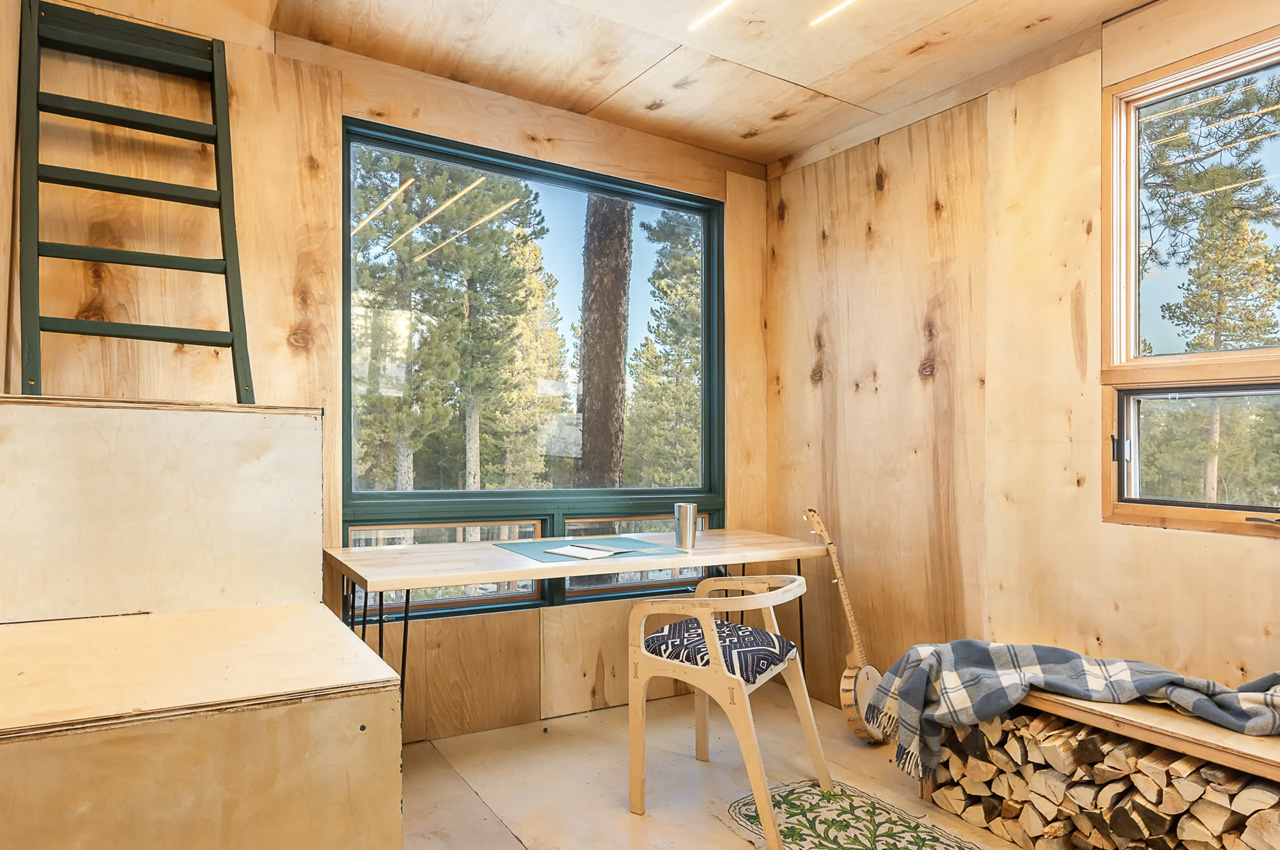
As you enter the cabin, you are welcomed by a space that is simple and basic. It includes two rooms which span over two floors. The ground level is occupied by a firewood storage area, a wood-burning stove, as well as a dining/work table with a chair. The table and chair are positioned next to a window, which offers a lovely view of the forest. Storage-integrated stairs and a small ladder lead you to the bedroom. The bedroom is like most typical tiny house bedrooms. It is equipped with a low ceiling, a double bed, and some glazing. The house seems quite comfortable and cozy, even though it is pretty simple.

The home also includes a roof-based solar panel array, which is attached to batteries, to power the home when the sun is not out. The cabin does have a few drawbacks as it doesn’t feature a bathroom or a kitchen. And it also lacks running water. So it is definitely an inconvenient space to stay in for longer than a day in my opinion.

The post This Off-Grid Eco-Cabin In The Woods Is An Exploration In Sustainable Building Practices first appeared on Yanko Design.

Remax Cassette Tape 10000mAh Power Bank

Shenzhen-based Remax has introduced a unique 10,000mAh power bank that mimics the design of a classic cassette tape. Available for $19.99 on AliExpress, this device offers fast charging capabilities up to 22.5W through USB-A and USB-C ports. Depending on the model, users can charge it via USB-C, micro-USB, or Apple Lightning cable.

Key Features:

  • Design: Retro cassette tape with transparent case
  • Capacity: 10,000mAh (rated at 5200mAh)
  • Output: 22.5W fast charging
  • Colors: Yellow, red, green (2023 model with built-in cables)

Despite its charming design, the power bank is larger than a traditional cassette and lacks moving parts. The new green model adds pull-out flexible 20W Type-C and Lightning cables, while removing the micro-USB input and LED flashlight. The product’s longevity might be a concern, with a rated capacity of 5200mAh and a lifespan of 300 charge cycles.

Overall, the Remax cassette power bank combines nostalgic design with modern functionality. For more details and to purchase, visit AliExpress.

The post Remax Cassette Tape 10000mAh Power Bank appeared first on OhGizmo!.

Unlocking New Possibilities: The Third Thumb’s Role in Modern Professional and Personal Tasks

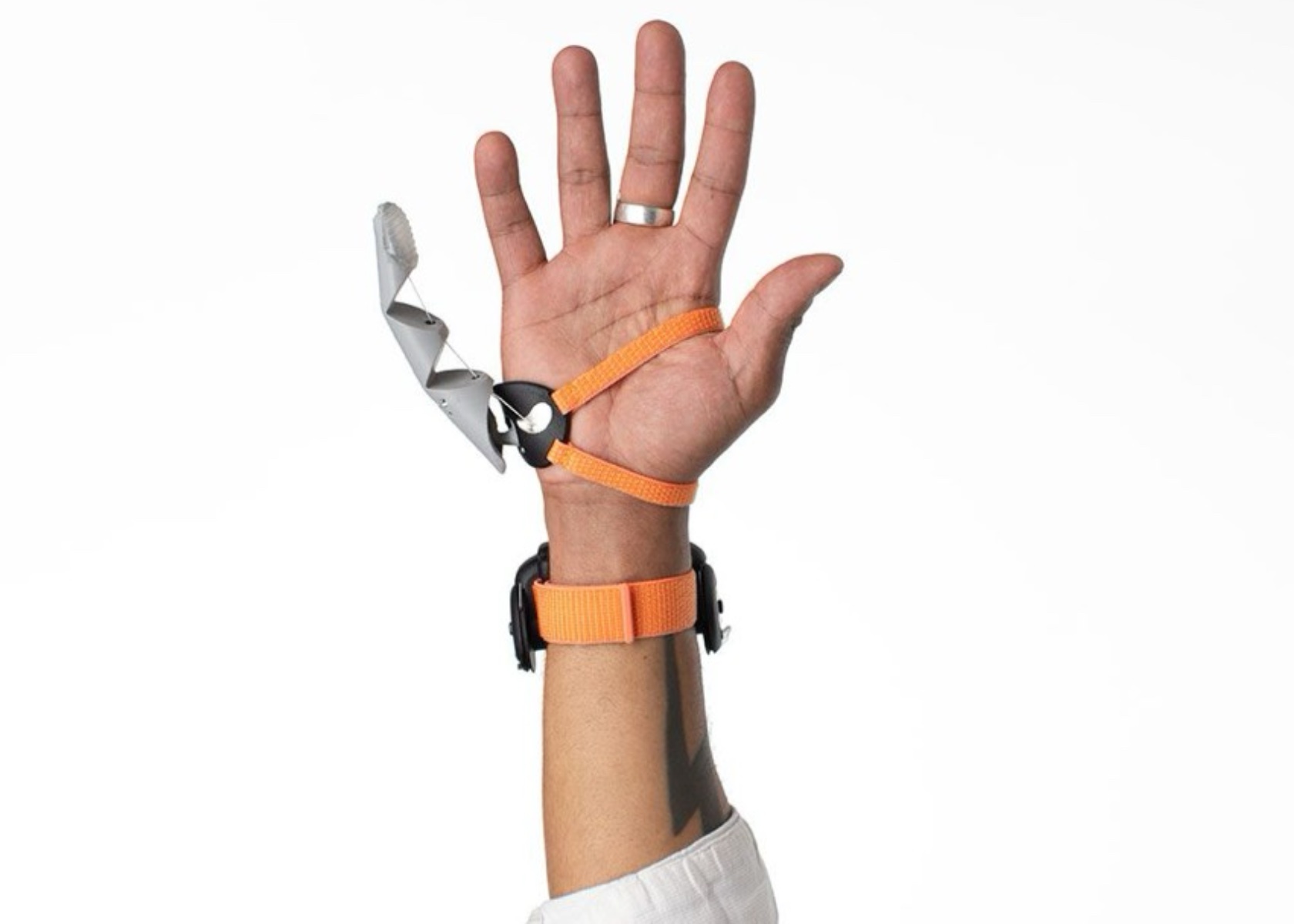
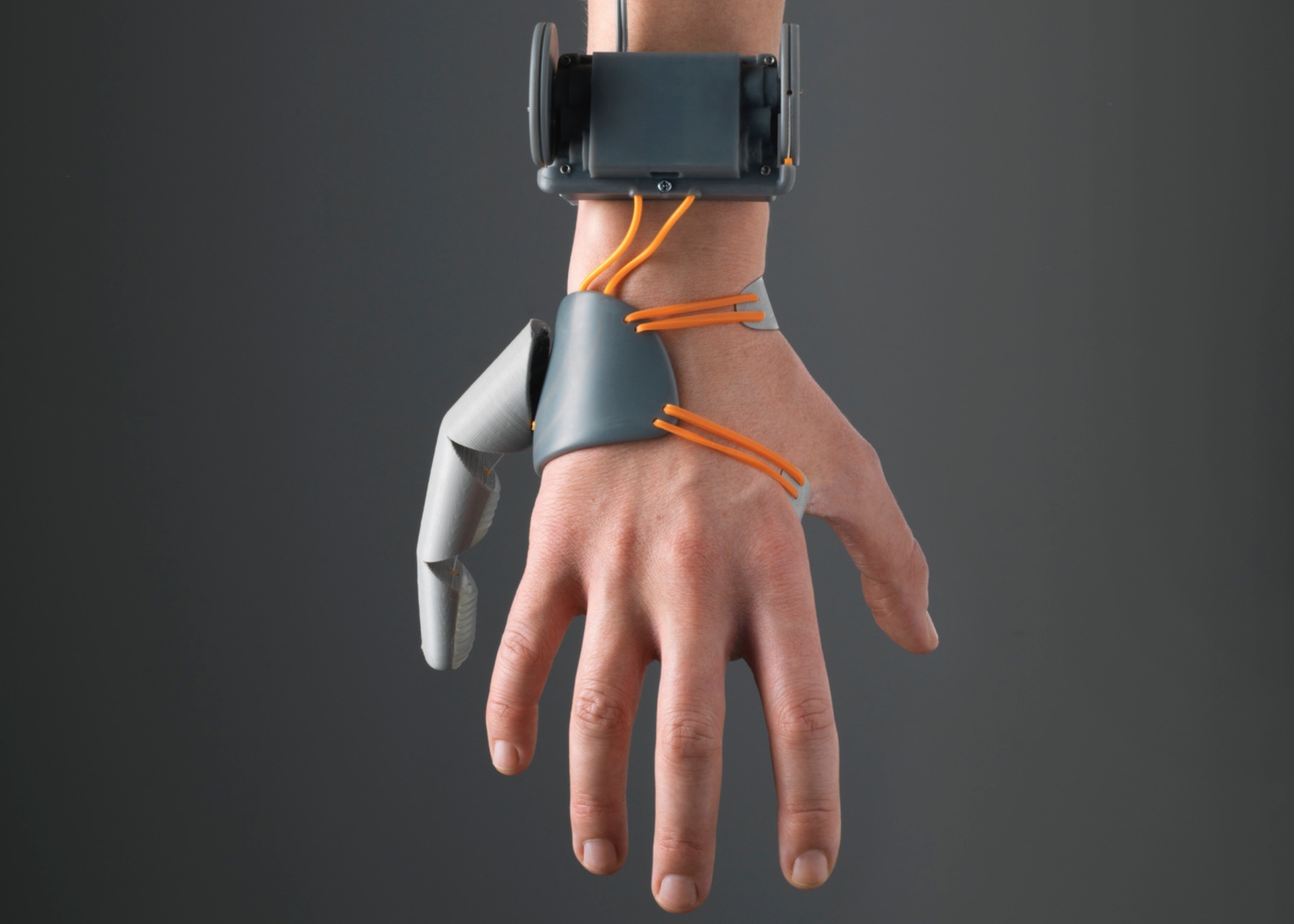
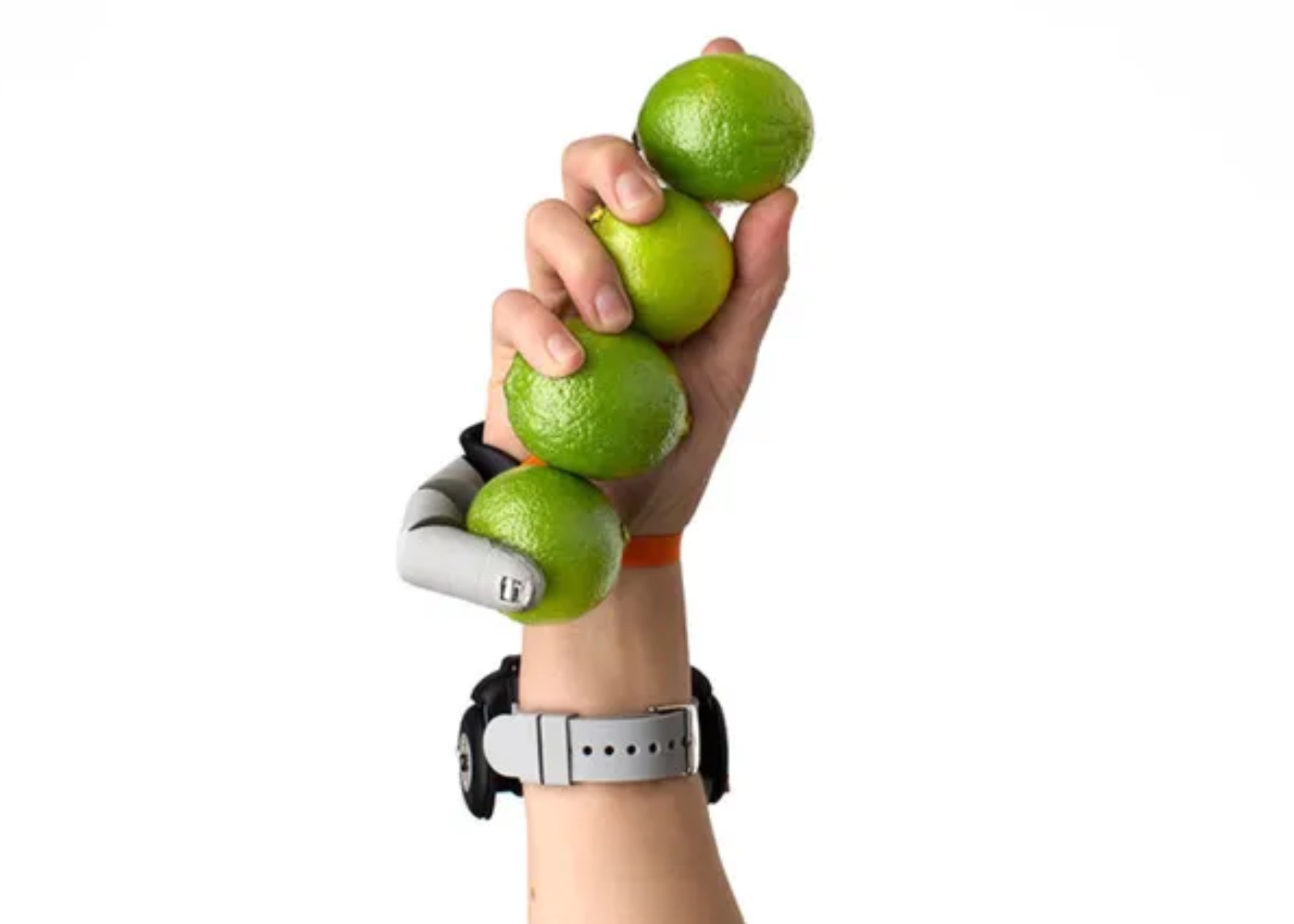
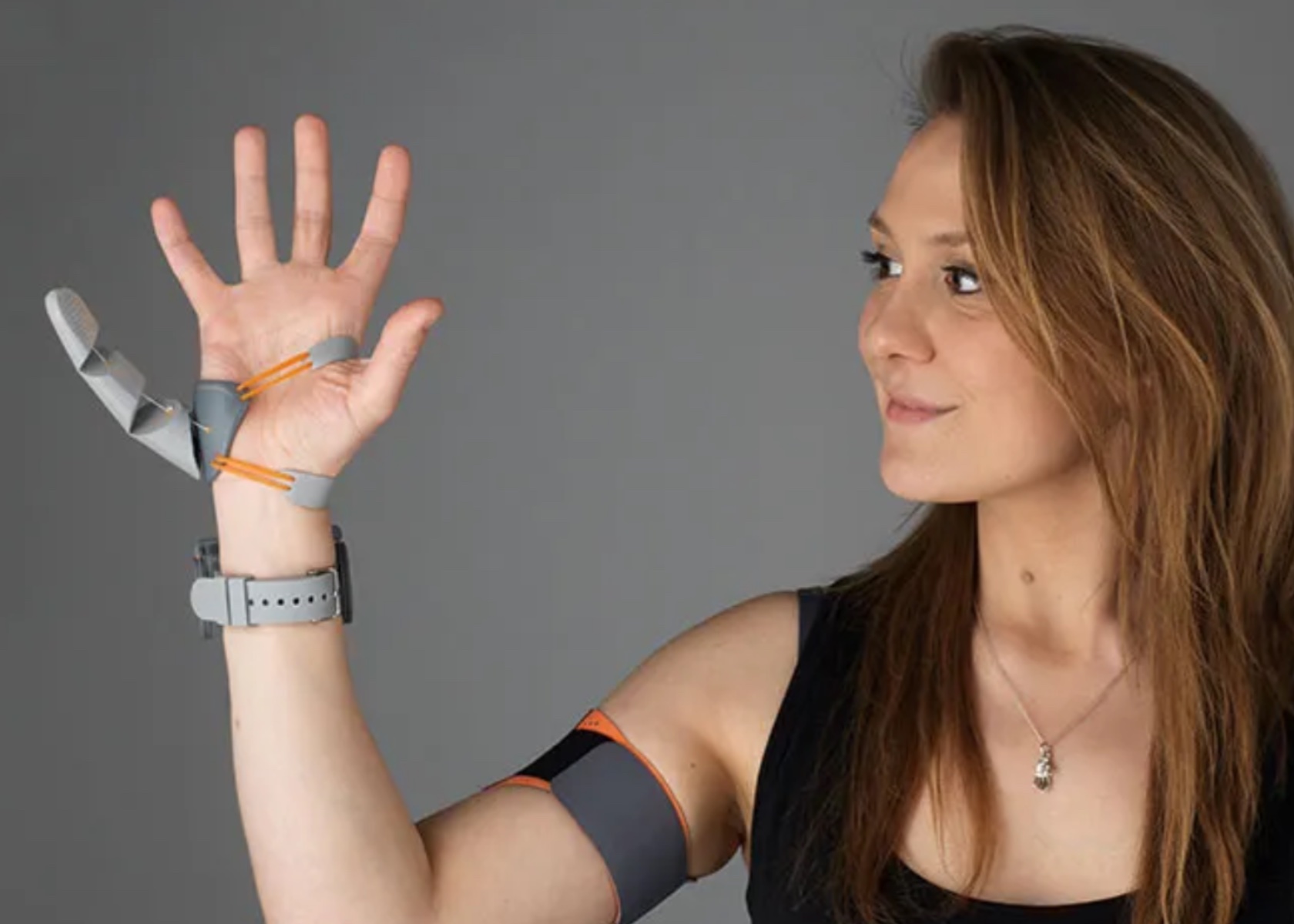
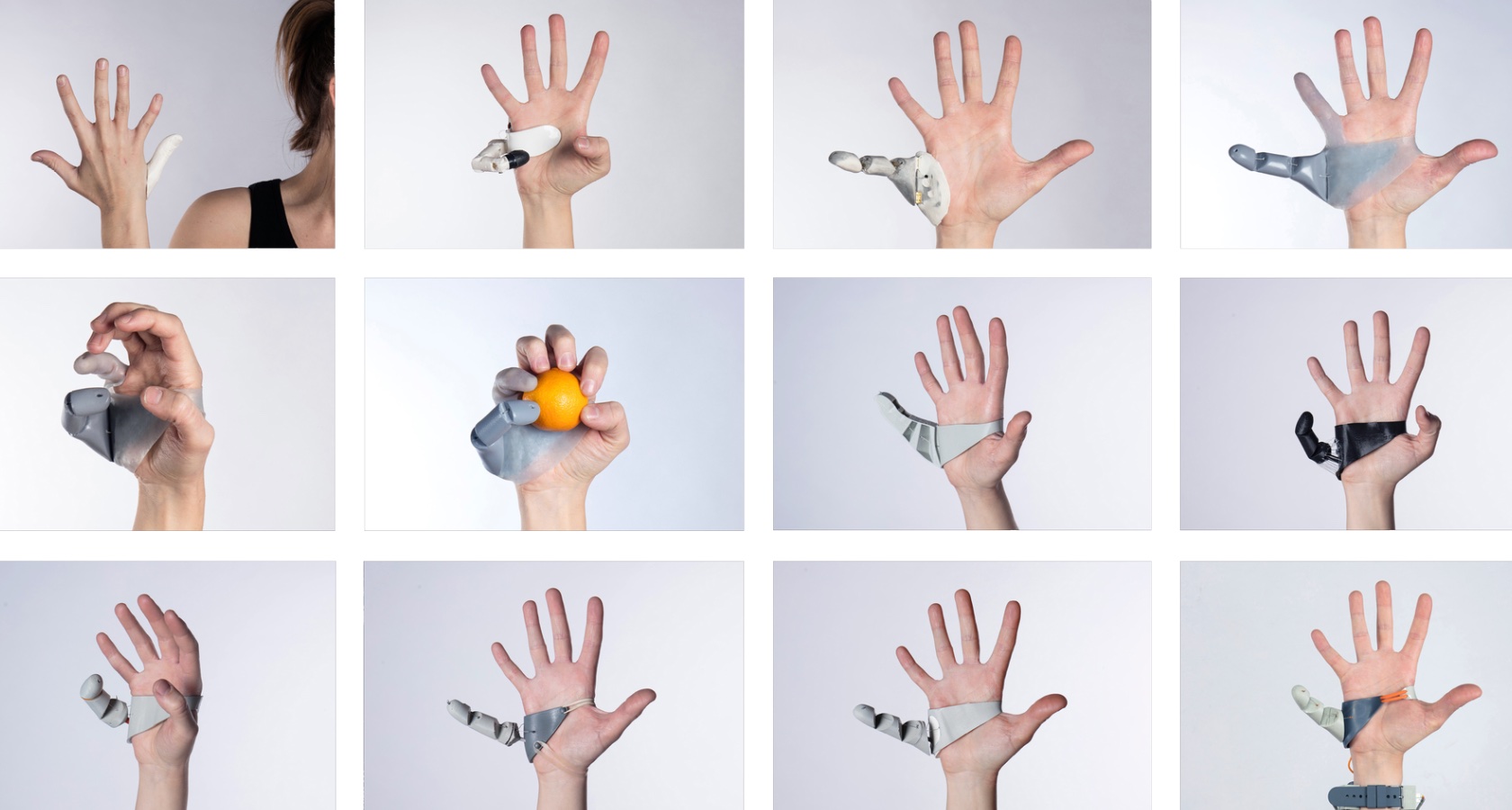
The Third Thumb is an extraordinary prosthetic innovation developed by Dani Clode and her team at University College London. Unlike traditional prosthetics that replace a lost limb, this device adds an extra thumb to the hand, significantly enhancing the human body’s capabilities. This 3D-printed, wearable thumb attaches opposite the biological thumb and is controlled by a unique system involving pressure sensors under the toes. These sensors communicate wirelessly with the thumb through a device worn around the ankles, allowing users to manipulate the thumb by applying pressure with their toes.

Designer: Dani ClodeDani Clode

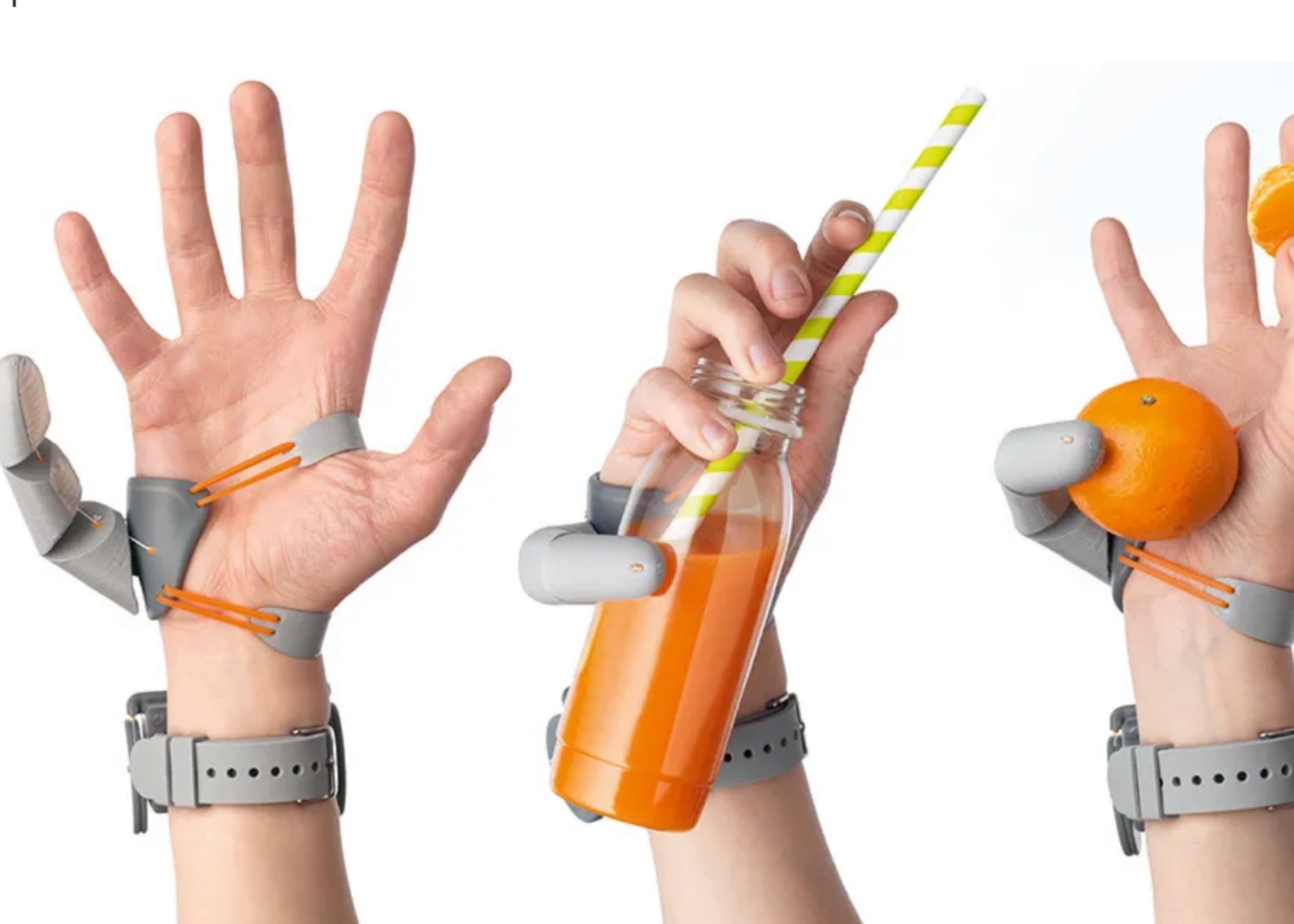
The potential uses for the Third Thumb span a range of everyday and specialized tasks. For instance, consider a busy parent juggling grocery bags, a phone, and keys. An extra thumb can make it easier to carry more items at once, reducing the number of trips back and forth to the car. It can hold a phone steady for video calls or scrolling through social media, freeing up the other hand for additional tasks. Cooking also becomes more manageable, as the extra thumb can hold food in place while cutting, providing better stability and precision.

In professional settings, the Third Thumb shows even more promise. Musicians, for example, can use the thumb to unlock new playing techniques and enhance their performance. Guitarists can reach additional notes and chords previously out of reach, while pianists might find new ways to tackle complex pieces. Drummers could use the thumb to hold additional drumsticks or percussion instruments, allowing for more dynamic and intricate rhythms.

Manual laborers and artisans can benefit from the Third Thumb’s ability to hold tools and materials. Imagine an electrician who needs to keep a wire in place while using both hands to operate tools. The extra thumb can securely grip the wire, making the task more efficient and safer. Carpenters and woodworkers can hold pieces of wood or nails in place, freeing up their hands to use saws, hammers, or drills with greater control and precision.

Surgeons and medical professionals are another group that could see significant advantages from using the Third Thumb. In surgeries requiring high dexterity and precision, an extra thumb can hold instruments or tissues, allowing the surgeon to perform delicate procedures with greater ease and stability. This could potentially reduce the time needed for certain operations and improve patient outcomes.

The device’s versatility extends beyond these specialized fields. Bartenders, for instance, can use the extra thumb to hold bottles and glasses, making it easier to prepare complex cocktails during busy shifts. Chefs benefit from the additional grip when handling multiple ingredients or plating dishes with intricate presentations. Even office workers find value in the Third Thumb, using it to hold a phone or notepad while typing or taking notes during meetings.

Students and teachers can leverage the Third Thumb to manage multiple tasks simultaneously in educational settings. Students can hold textbooks or tablets while taking notes, enhancing their ability to study and learn. Teachers can use the extra thumb to hold teaching materials, allowing them to interact with students more effectively and manage classroom activities with greater ease.

Despite its many potential benefits, the necessity of the Third Thumb for the general public remains a point of discussion. For most people, the traditional two-thumb setup has proven sufficient for daily tasks and activities. However, the device’s ability to enhance efficiency and multitasking could appeal to a broad audience, especially those who frequently manage multiple items or tasks simultaneously.

The ease of use and adaptability of the Third Thumb are key factors in its potential adoption. During trials, including demonstrations at the Royal Society Summer Science Exhibition, participants quickly adapted to the device with minimal training. Remarkably, 98 percent of participants could use the thumb immediately, demonstrating its intuitive design. The control mechanism involves pressure sensors under the toes, which communicate wirelessly with the thumb through a device worn around the ankles. Pressure from the right toe moves the thumb across the hand, while pressure from the left toe moves it toward the fingers. This intuitive setup allowed users to quickly understand and manipulate the extra thumb, making it suitable for seamless integration into daily routines.

As with any new technology, bringing the Third Thumb to a larger audience will be challenging. Manufacturing, marketing, and distribution will be crucial in determining its success. Additionally, the device’s affordability and accessibility will be important considerations for widespread adoption.

The post Unlocking New Possibilities: The Third Thumb’s Role in Modern Professional and Personal Tasks first appeared on Yanko Design.

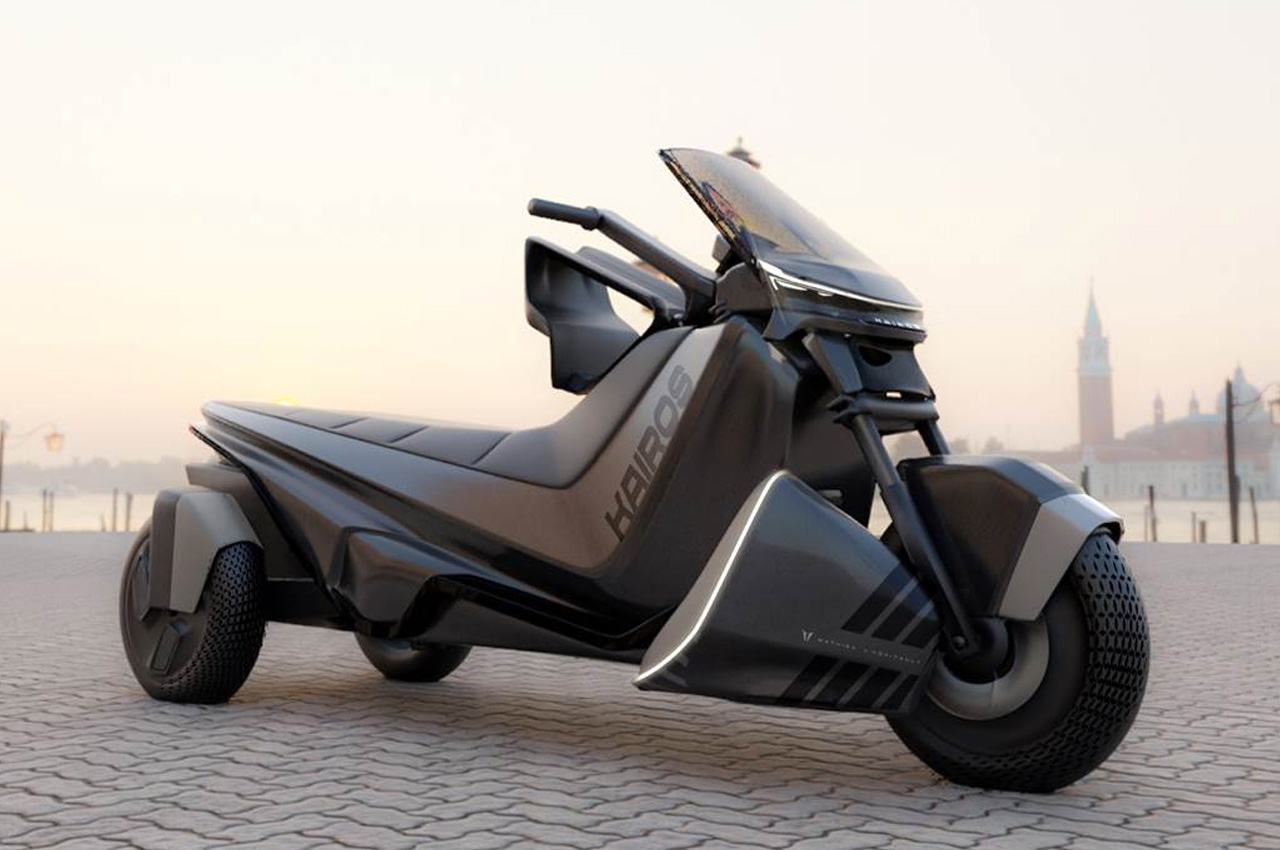
This handsome three-wheeled EV boasts advanced tilting tech to keep it from toppling over

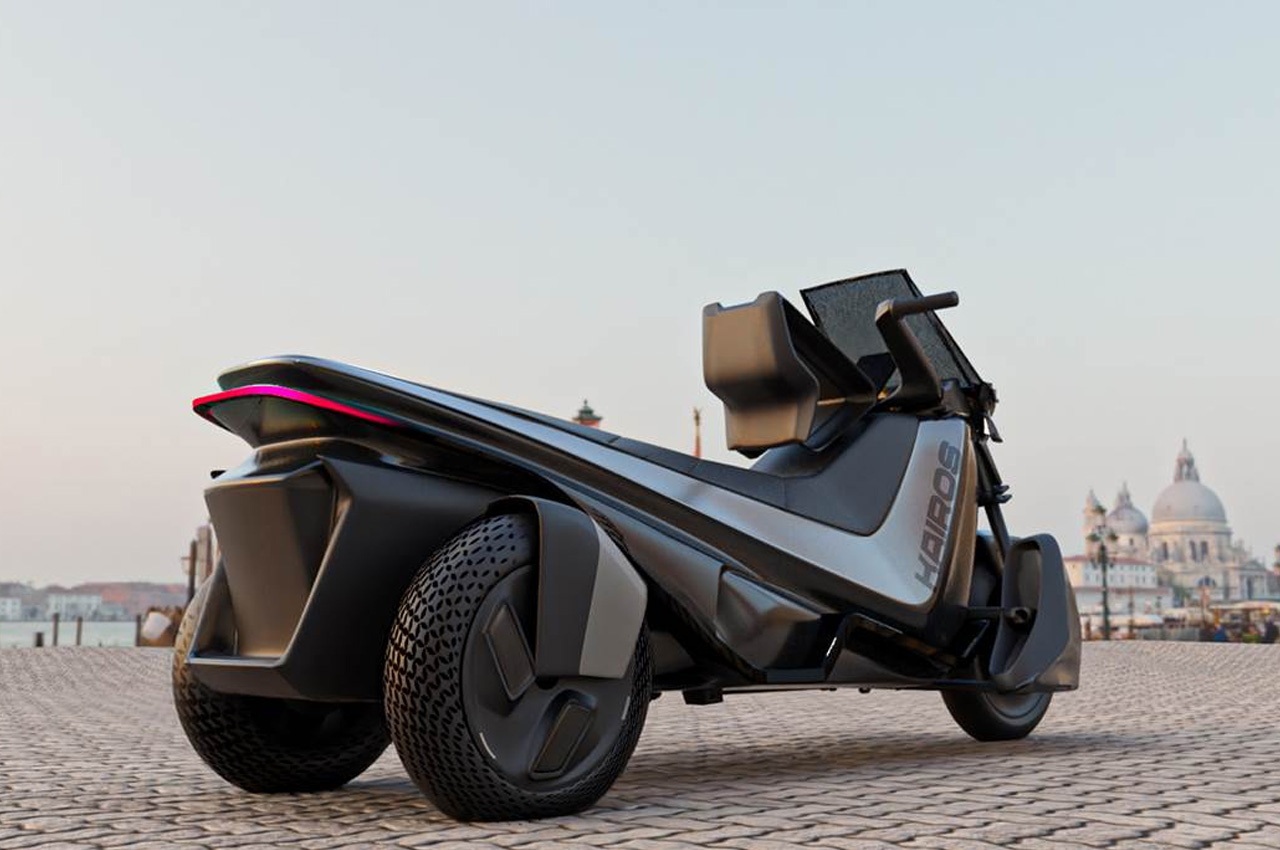
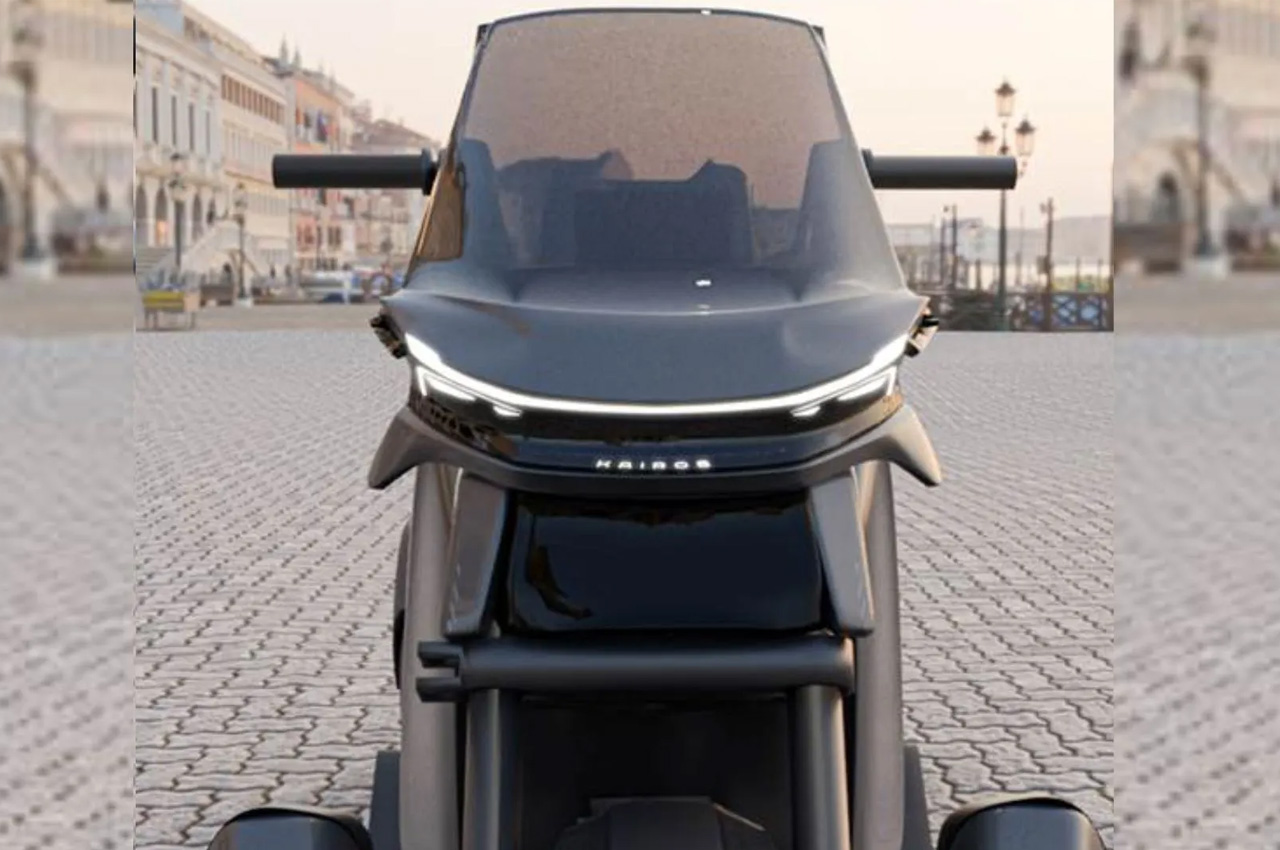
Three-wheeled electric vehicles mostly targeted for city driving are a practical option instead of four-wheelers and a safer bet than exposed two-wheelers. There’s a downside when compared to cars though, they are not as safe as you would expect them to be, since they can topple over if driven rashly.

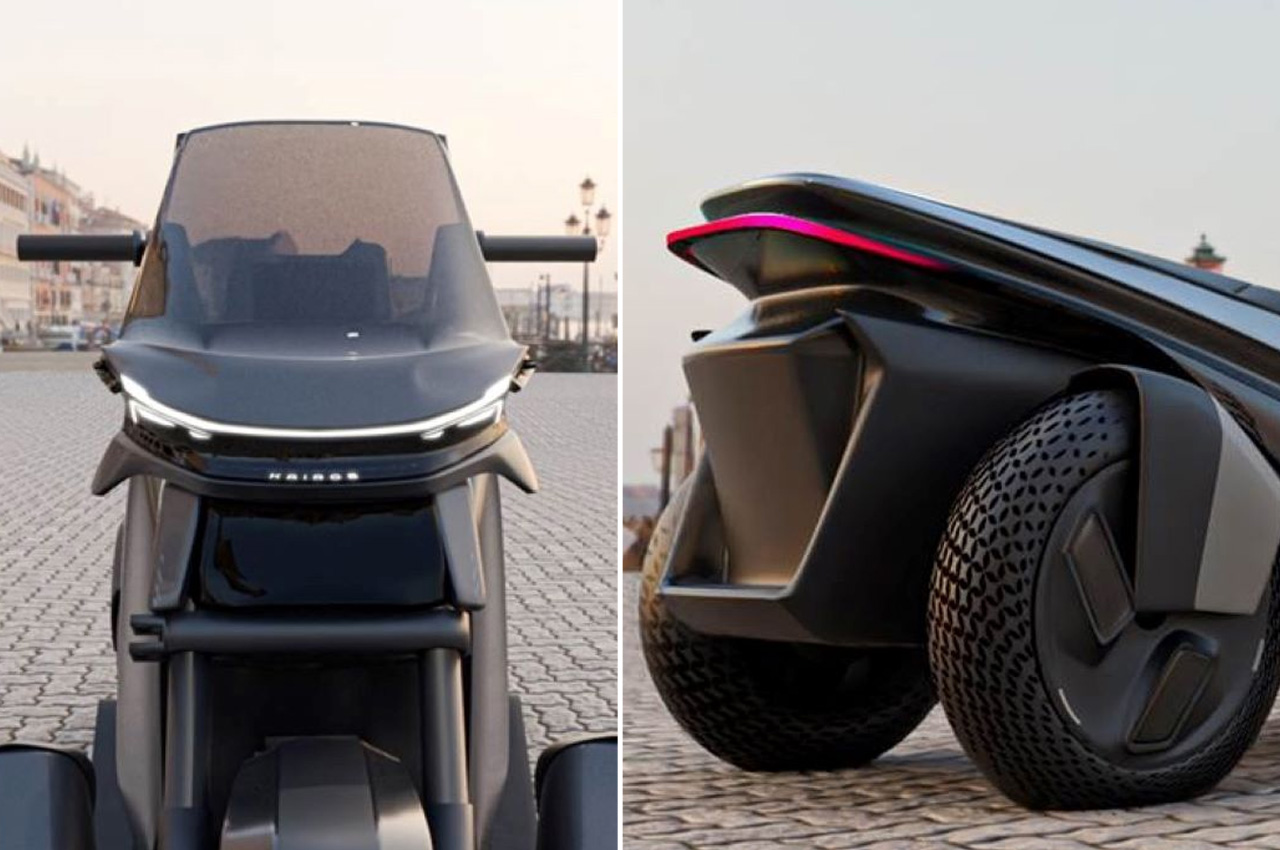
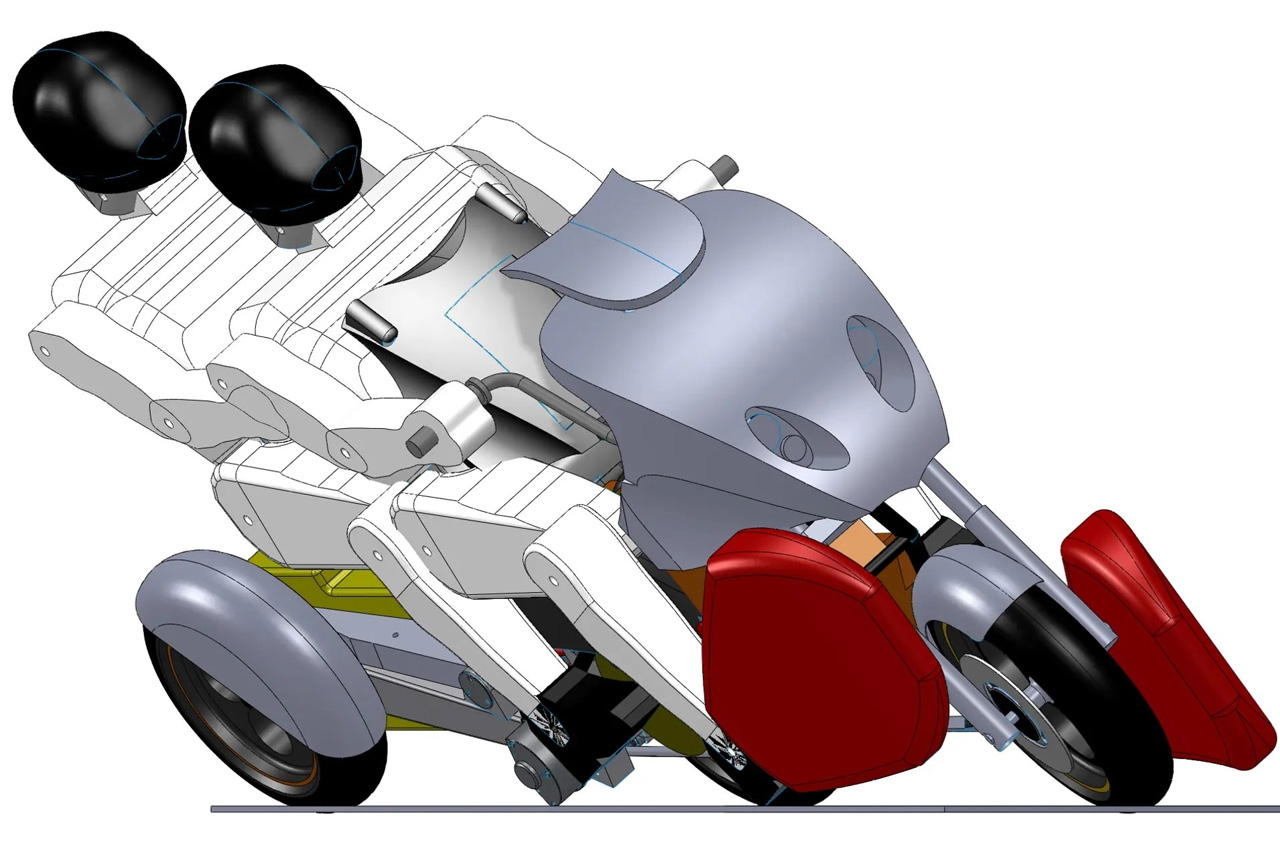
This was the main focus for the French nonprofit electric mobility group, SIREMS Association, who’s developed one of the safest three-wheeled electric vehicles with advanced safety features to prevent accidents. The placement of the two wheels on the rear delivers more traction and the shift of center of gravity with the semi-reclined feet forward positioning helps produce more torque.

Designer: SIREMS Association

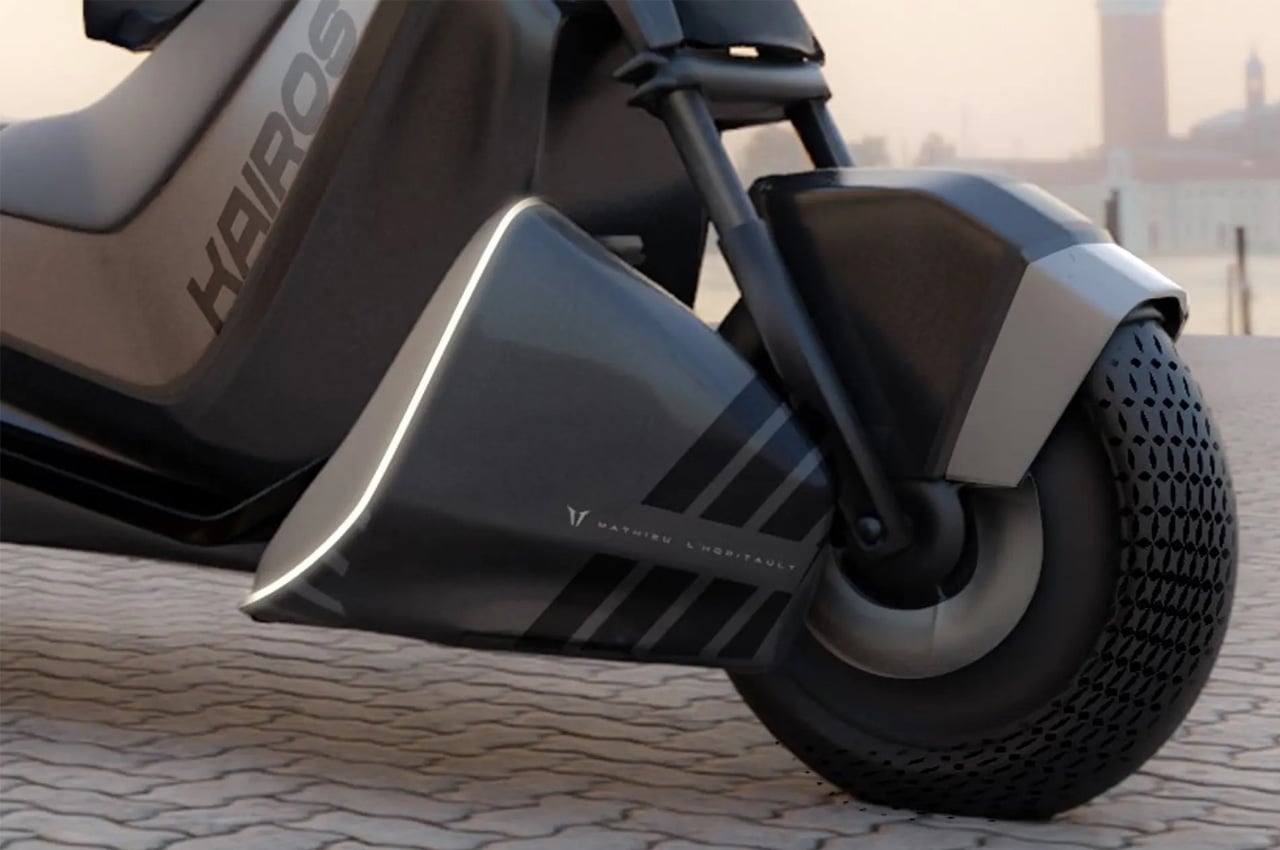
So that the rider is confident of cornering at high speeds, the rear wheels tilt depending on the tilt of the body. The maker has developed Mobile Lateral Elements (MLEs) which are a pair of advanced doo-hickeys on each side of the front wheel to eliminate any chance of toppling over. They act like a counterbalance to prevent the inside from hitting the road and outside MLEs to keep the EV from going off balance. Just in case the speed is too high and the toppling over action cannot be prevented (laws of physics remember), these MLEs force the vehicle to prop up.

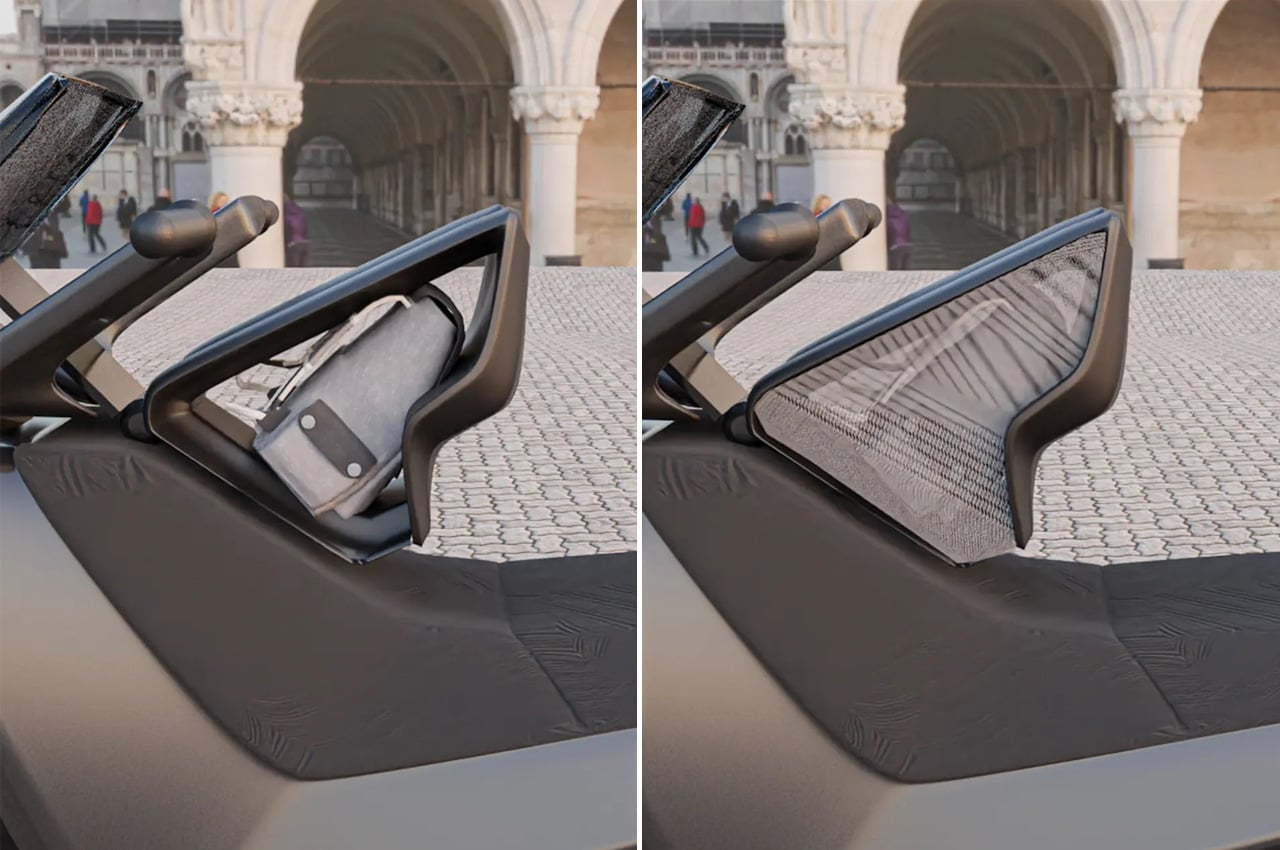
Collisions are also a probability, so these MLEs help absorb a frontal impact. There’s a triangle-shaped structure called Programmed Restraint Device (PRD) just behind the cockpit that dissipates the energy of the collision and also keeps the rider from going over the handlebar. The crumble zones of the vehicle act as a cargo storage space which is as added benefit. In case of a rear impact, the wheels detach and the frame disintegrates to prevent the driver from being crushed if the vehicle flips over.

For now, founder Philippe Girardi plans to have the finished prototype ready for testing by the end of 2024. The vehicle will hit the roads in 2028 at a speculated price of $32,500.


The post This handsome three-wheeled EV boasts advanced tilting tech to keep it from toppling over first appeared on Yanko Design.

Twitch is raising US subscription prices for the first time

Twitch is joining Spotify, Max, Peacock, Crunchyroll, EA and other content services in everyone’s favorite corporate trend of raising subscription prices (almost as fun as the parallel trend of Big Tech layoffs). The Amazon-owned company said on Tuesday that Twitch Tier 1 subscriptions in the US will increase from $4.99 to $5.99 on July 11. This is the first time the monthly cost has gone up for American subscribers.

“As part of our efforts to help creators build and grow their communities worldwide, the following countries received subscription price adjustments as a part of Local Subscription Pricing,” the company wrote in a support article.

In a separate X reply, the company clarified that streamers will still earn the same 50 to 70 percent through Twitch’s revenue-sharing program, so they will earn more per subscription (likely the rationalization for the questionable “It’s for the creators!” framing). However, streamers’ earning extra revenue depends on Twitch’s subscriber numbers staying the same or increasing. An unpopular price hike could lead to a loss of paying subscribers if enough people shirk the increase.

Twitch had warned this day would come. When the company raised subscription prices in Canada, Australia, Turkey and the UK in February, Chief Monetization Officer Mike Minton added that a US subscription increase would “probably” arrive sometime this year. And here we are.

The company has had a rough 2024, and we aren’t even at the halfway point. Twitch laid off a reported 500 employees in January to “cut costs” and “build a more sustainable business” as CEO Dan Clancy admitted the company wasn’t profitable. For good measure, it cut how much creators earn from Prime subscriptions. Then, late last month, it removed every member of its Safety Advisory Council, replacing them with “Twitch Ambassadors,” which sounds an awful lot like community volunteers.

This article originally appeared on Engadget at https://www.engadget.com/twitch-is-raising-us-subscription-prices-for-the-first-time-193204538.html?src=rss

Is the HMD Skyline the Nokia Lumia Revival We’ve Been Waiting For?

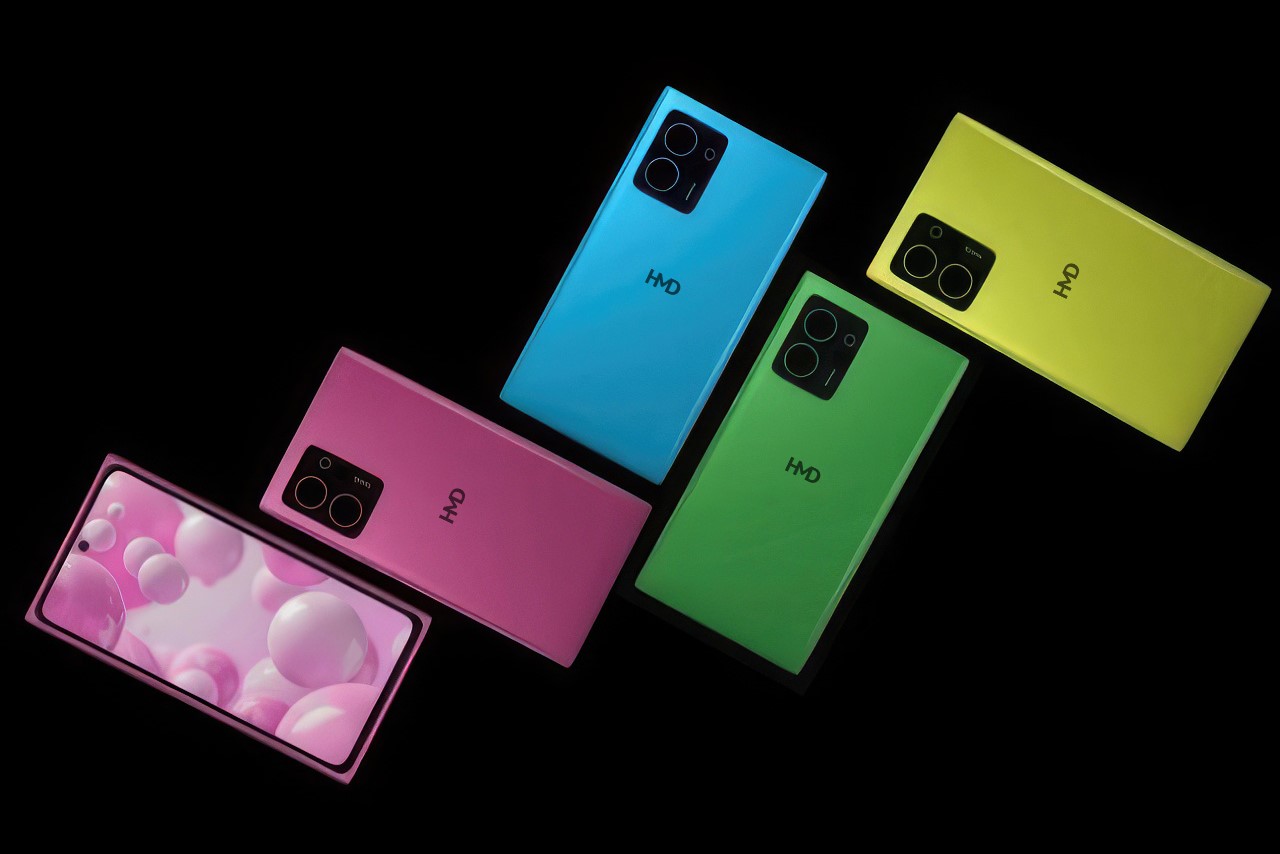
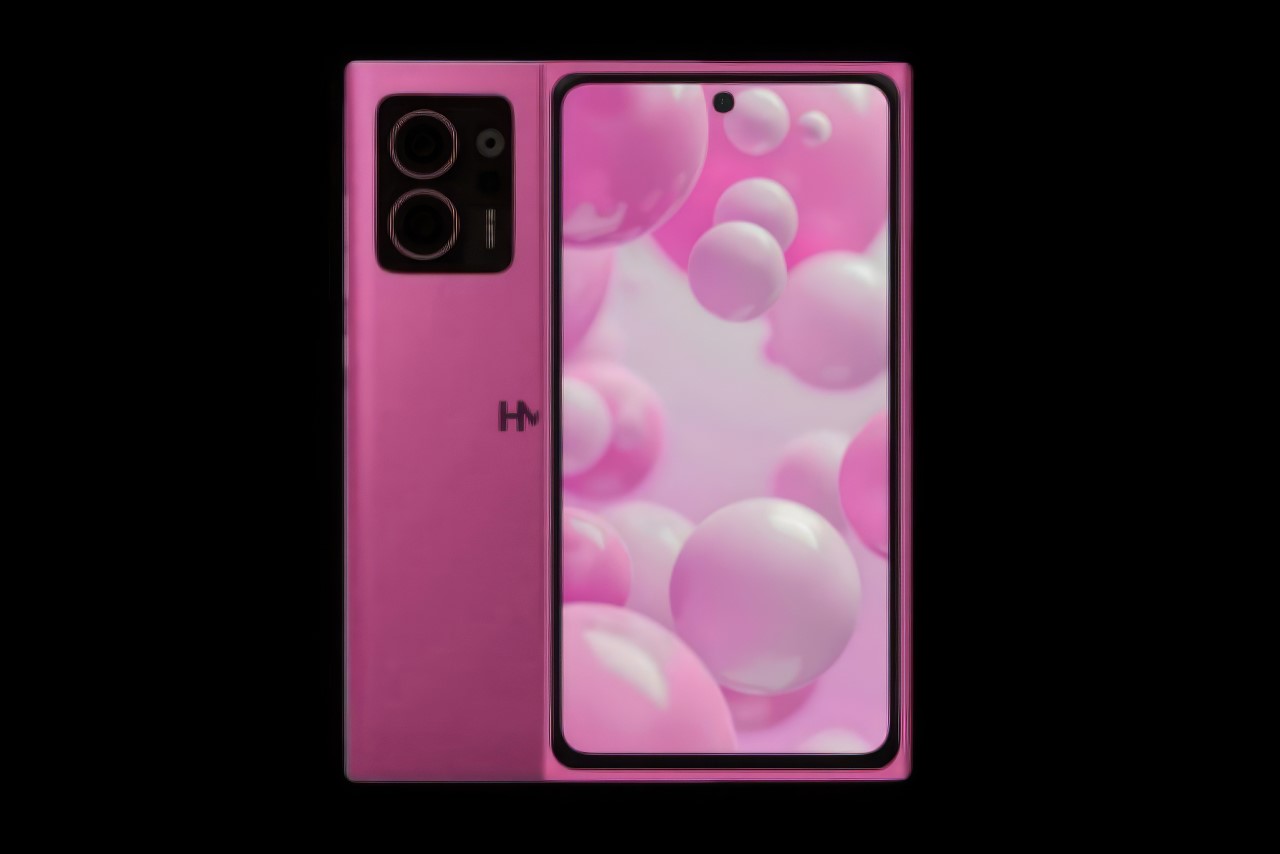
The rumor mill is churning for HMD, the company behind the Nokia brand of smartphones. Their upcoming phone, codenamed Tomcat and now seemingly confirmed as the HMD Skyline, is generating excitement with its feature set and targeted price range. Slated for a July release, the Skyline is shaping up to be a mid-range contender with high-end features. Leaks suggest a €520 ($565 USD) price tag, positioning it above HMD’s recent offerings. It will boast 8GB of RAM and 256GB of storage, but most notably, leaks show a design language that’s highly reminiscent of Nokia’s Lumia range. The phones boast sharp corners and colorful bodies that hark back to Nokia’s Windows Phone days.

Designer: HMD Skyline

The display is rumored to be a highlight, with a FHD+ OLED touchscreen featuring a smooth 120Hz refresh rate. Powering the device will likely be the Qualcomm Snapdragon 7s Gen 2 SoC, a capable chip for everyday tasks and even some gaming. Camera enthusiasts will have a triple-lens setup on the back to play with, rumored to consist of a 108MP main sensor, an 8MP ultrawide sensor (likely), and a 2MP macro or depth sensor. Selfies will be handled by a 32MP front-facing camera.

Keeping the phone juiced is expected to be a 4,900mAh battery with support for 33W fast charging. Durability is also addressed with IP67 certification for dust and water resistance. The Skyline is also said to run the latest Android 14 operating system out of the box and will have an under-display fingerprint sensor for added security. Stereo speakers round out the package for an immersive entertainment experience.

Although HMD hasn’t officially released any images, these blurry leaks are proof that the Nokia brand language is alive and well. The company’s Lumia series captured many hearts back in Nokia’s heyday, and even though Satya Nadella (who shut Nokia’s mobile division down) said that the Windows Phone was a mistake, their catchy design language clearly wasn’t. The Skyline will allegedly be available in four gorgeous colors – pink, blue, green, and yellow. A sub-600 price tag and fairly impressive specs make it a great snag for anyone bitten by the nostalgia bug.

The post Is the HMD Skyline the Nokia Lumia Revival We’ve Been Waiting For? first appeared on Yanko Design.

These Sony ANC headphones are even better for $98

The Sony WH-CH720N ANC headphones are on sale for $98 via Amazon. That’s a discount of 35 percent, which is nothing to sneeze at. We loved these headphones at the original price of $150, so we most definitely recommend them now.

In other words, the features here are stellar for the price. This is no surprise, as Sony has a fantastic track record when it comes to budget-friendly cans. The WH-CH720N headphones offer great sound quality, capable ANC, decent battery life and a comfortable fit. What else is there?

Specifically, the battery lasts around 35 hours per charge, which is a decent metric. It’s a pretty huge bummer to be in the middle of a walk, totally lost in a jam, when you hear that annoying “battery low” warning immediately followed by a shutdown. There are some physical controls, including a power/pairing button, volume buttons and a noise canceling button that cycles between ANC and transparency modes. These headphones also work with all of the major voice assistants.

We were especially impressed with the comfort and fit, saying that we could easily wear them for “hours at a time," thanks to ample cushioning in the ear pads. The overall sound quality is, however, the standout feature. The bass is on-point and there’s great clarity in the other frequency ranges. It just sounds good.

On the downside, the plastic exterior isn’t going to be winning any design awards and it’s missing some of the advanced features found with pricier Sony headphones. There’s no automatic pausing when you take them off or when you start talking. Other than that, though, these are some dang good headphones.

Follow @EngadgetDeals on Twitter and subscribe to the Engadget Deals newsletter for the latest tech deals and buying advice.

This article originally appeared on Engadget at https://www.engadget.com/these-sony-anc-headphones-are-even-better-for-98-185146475.html?src=rss

AI workers demand stronger whistleblower protections in open letter

A group of current and former employees from leading AI companies like OpenAI, Google DeepMind and Anthropic has signed an open letter asking for greater transparency and protection from retaliation for those who speak out about the potential concerns of AI. “So long as there is no effective government oversight of these corporations, current and former employees are among the few people who can hold them accountable to the public,” the letter, which was published on Tuesday, says. “Yet broad confidentiality agreements block us from voicing our concerns, except to the very companies that may be failing to address these issues.”

The letter comes just a couple of weeks after a Vox investigation revealed OpenAI had attempted to muzzle recently departing employees by forcing them to chose between signing an aggressive non-disparagement agreement, or risk losing their vested equity in the company. After the report, OpenAI CEO Sam Altman said that he had been genuinely embarrassed" by the provision and claimed it has been removed from recent exit documentation, though it's unclear if it remains in force for some employees. After this story was published, nn OpenAI spokesperson told Engadget that the company had removed a non-disparagement clause from its standard departure paperwork and released all former employees from their non-disparagement agreements.

The 13 signatories include former OpenAI employees Jacob Hinton, William Saunders and Daniel Kokotajlo. Kokotajlo said that he resigned from the company after losing confidence that it would responsibly build artificial general intelligence, a term for AI systems that is as smart or smarter than humans. The letter — which was endorsed by prominent AI experts Geoffrey Hinton, Yoshua Bengio and Stuart Russell — expresses grave concerns over the lack of effective government oversight for AI and the financial incentives driving tech giants to invest in the technology. The authors warn that the unchecked pursuit of powerful AI systems could lead to the spread of misinformation, exacerbation of inequality and even the loss of human control over autonomous systems, potentially resulting in human extinction.

“There is a lot we don’t understand about how these systems work and whether they will remain aligned to human interests as they get smarter and possibly surpass human-level intelligence in all areas,” wrote Kokotajlo on X. “Meanwhile, there is little to no oversight over this technology. Instead, we rely on the companies building them to self-govern, even as profit motives and excitement about the technology push them to ‘move fast and break things.’ Silencing researchers and making them afraid of retaliation is dangerous when we are currently some of the only people in a position to warn the public.”

In a statement shared with Engadget, an OpenAI spokesperson said: “We’re proud of our track record providing the most capable and safest AI systems and believe in our scientific approach to addressing risk. We agree that rigorous debate is crucial given the significance of this technology and we'll continue to engage with governments, civil society and other communities around the world.” They added: “This is also why we have avenues for employees to express their concerns including an anonymous integrity hotline and a Safety and Security Committee led by members of our board and safety leaders from the company.”

Google and Anthropic did not respond to request for comment from Engadget. In a statement sent to Bloomberg, an OpenAI spokesperson said the company is proud of its “track record providing the most capable and safest AI systems" and it believes in its "scientific approach to addressing risk.” It added: “We agree that rigorous debate is crucial given the significance of this technology and we'll continue to engage with governments, civil society and other communities around the world.”

The signatories are calling on AI companies to commit to four key principles:

  • Refraining from retaliating against employees who voice safety concerns

  • Supporting an anonymous system for whistleblowers to alert the public and regulators about risks

  • Allowing a culture of open criticism

  • And avoiding non-disparagement or non-disclosure agreements that restrict employees from speaking out

The letter comes amid growing scrutiny of OpenAI's practices, including the disbandment of its "superalignment" safety team and the departure of key figures like co-founder Ilya Sutskever and Jan Leike, who criticized the company's prioritization of "shiny products" over safety.

Update, June 05 2024, 11:51AM ET: This story has been updated to include statements from OpenAI.

This article originally appeared on Engadget at https://www.engadget.com/former-openai-google-and-anthropic-workers-are-asking-ai-companies-for-more-whistleblower-protections-175916744.html?src=rss

Malicious code has allegedly compromised TikTok accounts belonging to CNN and Paris Hilton

There’s a new exploit making its way through TikTok and it has already compromised the official accounts of Paris Hilton, CNN and others, as reported by Forbes. It’s spread via direct message and doesn’t require a download, click or any form of response, beyond opening the chat. It’s currently unclear how many accounts have been affected.

Even weirder? The hacked accounts aren’t really doing anything. A source within TikTok told Forbes that these impacted accounts “do not appear to be posting content”. TikTok issued a statement to The Verge, saying that it is "aware of a potential exploit targeting a number of brand and celebrity accounts." The social media giant is "working directly with affected account owners to restore access." 

Semafor recently reported that CNN’s TikTok had been hacked, which forced the network to disable the account. It’s unclear if this is the very same hack that has gone on to infect other big-time accounts. The news organization said that it was “working with TikTok on the backend on additional security measures.” 

CNN staffers told Semafor that the news entity had “grown lax” regarding digital safety practices, with one employee noting that dozens of colleagues had access to the official TikTok account. However, another network source suggested that the breach wasn’t the result of someone gaining access from CNN’s end. That’s about all we know for now. We’ll update this post when more news comes in.

Of course, this isn’t the first big TikTok hack. Back in 2023, the company acknowledged that around 700,000 accounts in Turkey had been compromised due to insecure SMS channels involved with its two-factor authentication. Researchers at Microsoft discovered a vulnerability in 2022 that allowed hackers to overtake accounts with just a single click. Later that same year, an alleged security breach allegedly impacted more than a billion users.

This article originally appeared on Engadget at https://www.engadget.com/malicious-code-has-allegedly-compromised-tiktok-accounts-belonging-to-cnn-and-paris-hilton-174000353.html?src=rss

Eco-Friendly Design Concepts at NeoCon 2024: Transforming Workspaces

NeoCon 2024 is just around the corner, and this year’s event is set to significantly impact the world of commercial interior design. Taking place June 10-12 at The Mart in Chicago, this 55th edition is expected to attract around 50,000 attendees who will explore the latest trends and innovations in shared spaces. Let’s dive into what to expect, focusing on the themes of design, well-being and sustainability.

Design: Creating Spaces That Connect Us

Design is at the heart of NeoCon, and this year’s event is about creating environments that foster community and collaboration. Gone are the days of bland, cubicle-filled offices. Today, it’s all about spaces that spark spontaneous interactions and genuine connections. Imagine walking into an office that feels more like a dynamic, buzzing café than a traditional workspace.

For instance, products like GRVT by Ghent and KI’s Sonrisa Lounge Furniture offer mobile, flexible solutions that can transform any environment into a collaborative hub at a moment’s notice. These designs cater to the ever-changing needs of modern workspaces. Spacestor’s Portals Huddle, with its easy-to-relocate collaboration spaces, exemplifies how versatile and responsive workplace design has become.

The overall layout also plays a huge role. Gensler’s Design Forecast for 2024 highlights the importance of human-centric workplaces that inspire purpose and reflect organizational values. This means creating spaces where people can casually bump into each other, sparking creativity and camaraderie. These little moments can make a big difference in fostering a positive company culture.

Well-Being: The Science of Feeling Good

One of the most fascinating trends at NeoCon 2024 is the rise of neuroaesthetics—designing spaces that make you feel good based on how your brain reacts to certain elements. Think colors, sounds and even the art on the walls. It’s all about creating environments that boost your mood, productivity and overall well-being.

The Immersive Biophilic Garden by Garden on the Wall, for example, features indoor preserved gardens and moss walls that elevate moods and stimulate minds. Similarly, Egan Visual’s Sculpt Walls blend art with acoustics to create a sensory-rich experience, and CECOCECO’s ArtMorph panels use lighting and textures to soothe and captivate.

Colors play a significant part too. Studies show that natural patterns and shapes are easier for our brains to process, leading to a sense of calm and clarity. Shaw Contract’s Arctic Escape collection and Bernhardt’s Ice Collection of cobalt blue tables are designed to evoke specific emotional responses. Warm colors like Pantone’s color of the year, Peach Fuzz, and cool blues highlighted in ASID’s 2024 Trends Outlook also contribute to environments that make us feel good.

Unexpected pops of color, engaging textures and artful patterns can act as positive distractions in stressful environments. Designtex’s Joy Collection, with its vibrant colors and stimulating designs, brings a sense of clarity and delight, especially to healthcare settings. Collaborations like Stylex and Carole Baijings’ new color palette show how creative use of color can enrich our daily experiences.

Sustainability: Designing for the Future

Sustainability has shifted from a trend to a non-negotiable element of modern design. With the built environment contributing significantly to global CO2 emissions, there’s a pressing need for eco-friendly practices. NeoCon 2024 showcases the leaders in sustainable design, highlighting materials and solutions that reduce environmental impact without sacrificing style or functionality.

Haworth’s DesignLab emphasizes circular design—considering sustainability at every stage of a product’s life cycle. Andreu World’s Circular Design Challenge encourages industry professionals to embrace greener practices like eco-design, zero waste management and carbon neutrality.

Biophilic design, which integrates natural elements like plants and natural light into spaces, is also gaining traction. This approach reduces stress and fosters a deeper connection to nature. Scandinavian Spaces’ Tinnef, made from 100% recycled plastic, and Davis Furniture’s X50 collection, featuring components made of pre-consumer recycled content, are leading the charge in this space.

Noteworthy sustainable innovations include Ultrafabrics’ Volar Bio, which features a mix of recycled and bio-based content, and Turf’s Stone Textures, which emulate natural stone using eco-friendly materials. Slalom’s Bloom product emphasizes acoustic wellness using bio-based materials, while C.F. Stinson’s Sea Change textiles are crafted from post-consumer recycled polyester. Nienkamper’s Vox Tambour, using the eco-material Eelgrass, demonstrates how sustainable materials can offer excellent acoustic and thermal regulation properties.

NeoCon 2024 is set to showcase how thoughtful design can create environments that are functional, beautiful and supportive of human connections and environmental stewardship. As we look forward to the innovations on display, it’s clear that the future of design lies in creating spaces that are as good for people as they are for the planet. This holistic approach makes NeoCon 2024 an unmissable event for anyone interested in the future of our shared spaces.

The post Eco-Friendly Design Concepts at NeoCon 2024: Transforming Workspaces first appeared on Yanko Design.