The newest Apple Watch is down to one of the best prices we’ve seen it go for yet, so if you’ve been thinking about upgrading, now would be the perfect time to do so. The 41mm Apple Watch Series 9 (GPS only) is $100 off on Amazon, bringing the price down to $299. There’s also a deal on the larger version (45mm), which is down to $360 from its usual price of $430. The full discounts apply to Series 9 in Midnight and Starlight, but there are varying deals on the other colors as well.
The Series 9 Apple Watch is the best Apple Watch you can get today, and our favorite smartwatch in general. It comes with some new features made possible by the S9 system-in-package (SiP) processor. With this model, Apple introduced the Double Tap gesture that allows you to carry out certain actions on the watch without touching the screen, like pausing your music. It also has on-device Siri and an improved version of “Raise to Speak” to more easily activate the assistant.
As with the other Apple Watch models, the Series 9 is water resistant and great for fitness and health tracking, though it currently doesn’t offer the blood oxygen monitoring feature that was initially touted, thanks to a patent dispute. It has an always on display with a peak brightness rating double that of the previous model, and twice the internal storage capacity.
You can get Apple’s third-generation AirPods for under $150 right now. In a deal on Amazon, the AirPods are back down to their record-low price of $140, a 17 percent discount. This model normally costs $170. The third-generation AirPods were released in 2021 and brought some big improvements over the previous version, with a more compact and comfortable design, and much better sound quality.
The third-generation AirPods earned a score of 88 in our review and marked a notable upgrade over their predecessors in the line of regular AirPods. They feature a shorter stem and more angled earbud placement that’s meant to give the sound a more direct path into your ear, on top of fitting more comfortably. They also brought an IPX4 rating to the regular AirPods, making the earbuds and the charging case sweat and water resistant.
This model is powered by Apple’s H1 chip, which allows for features like always-on Siri and one-touch fast pairing. The chip also enables some more advanced features in the sound department like Adaptive EQ, spatial audio and dynamic head tracking. Audio quality got a big boost in the third-generation AirPods. Engadget’s Billy Steele found that “the sound is bigger and more immersive” than with the earlier AirPods, which by comparison offer sound that seems “compressed and downright boring.”
The third-generation AirPods have pretty good battery life too, lasting about six hours on their own and up to 30 with the charging case. They also support quick charging with the case, which allows for about an hour of additional use after just five minutes in the case.
Uploading files to ChatGPT is a straightforward process that can significantly enhance your ability to interact with and analyze your documents. Whether you’re working with PDFs, Word documents, Excel sheets, or CSV files, ChatGPT provides a seamless experience for uploading and processing your files. This comprehensive guide will walk you through the process step by […]
Improving your data analysis and result presentation skills is essential for making data-driven decisions and effectively communicating insights. Mastering these skills involves a systematic approach to the data analysis process and honing your ability to present findings in a clear and impactful manner. Here’s a comprehensive guide on how to enhance your data analysis and […]
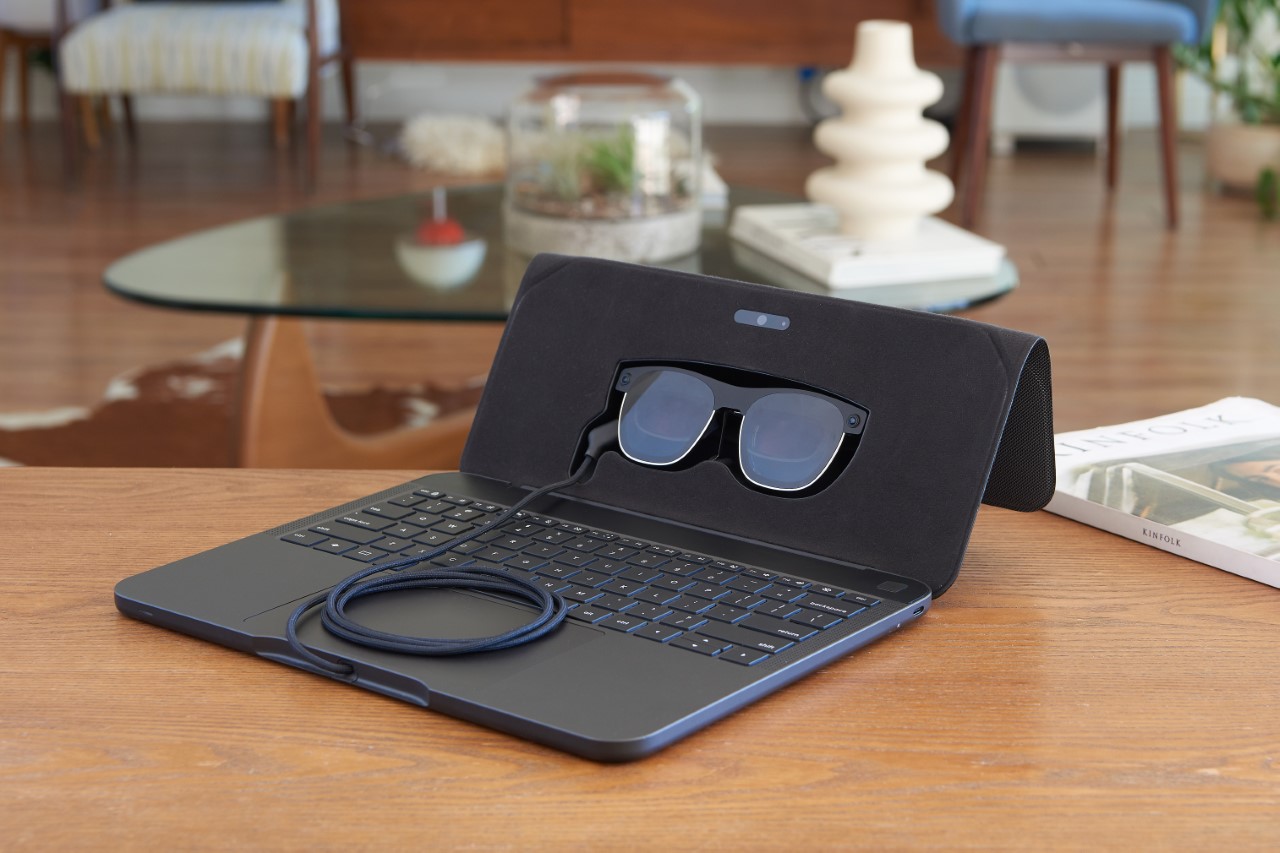
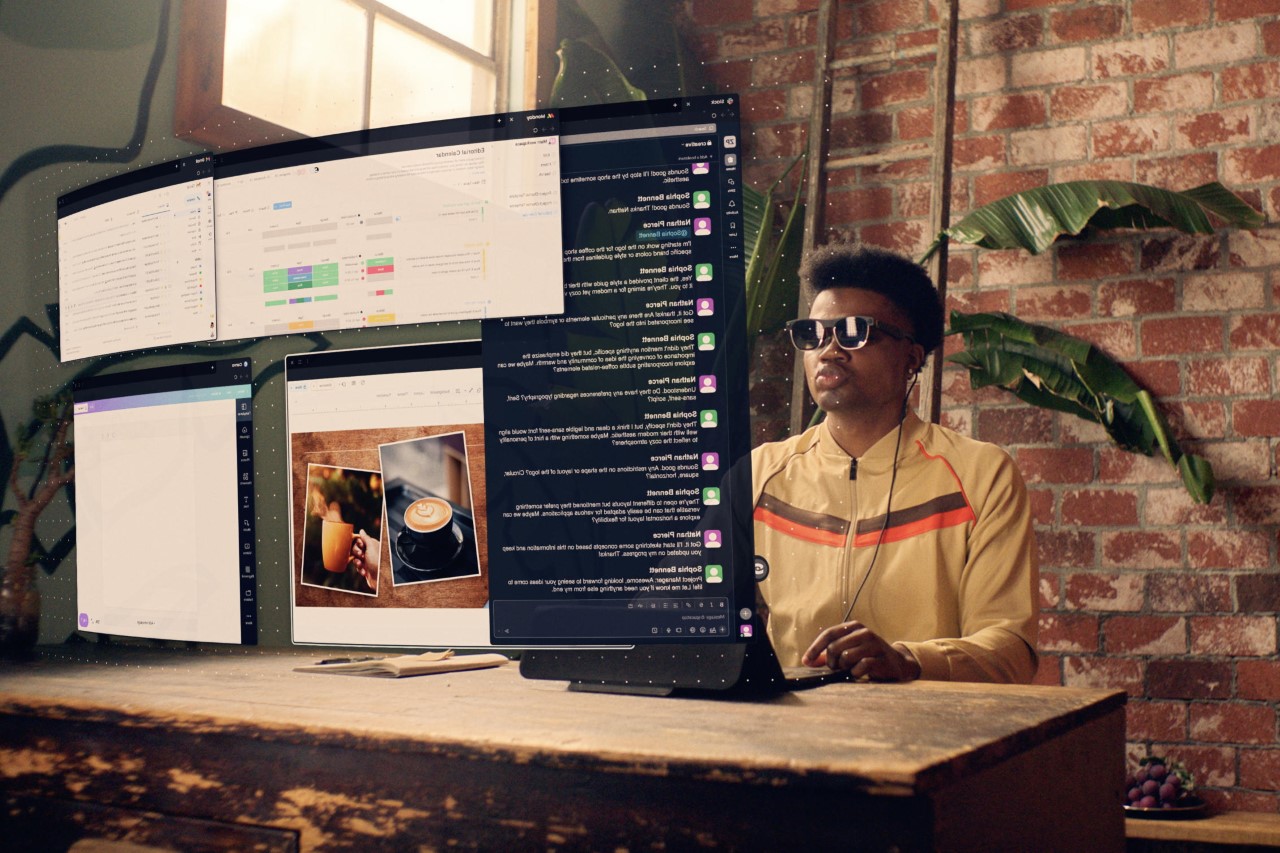
The problem with the Vision Pro, aside from its shocking price tag, is it claims to replace the laptop – a device that has been perfected over decades to be the perfect productivity machine for on-the-go workers. Laptops didn’t need replacing (nobody I know has had a complaint that their laptop wasn’t spatial enough), and honestly, they’re the perfect form factor for the job they do, which is why the Vision Pro may not be the ideal device to replace them… but that doesn’t mean a spatial laptop isn’t a good idea. Meet the Spacetop, a hybrid ‘laptop’ that fills the gap between the conventional Laptop and the Vision Pro. It’s slim, light, affordable, and gives you a traditional laptop experience with an augmented reality twist.
Designer: Sightful
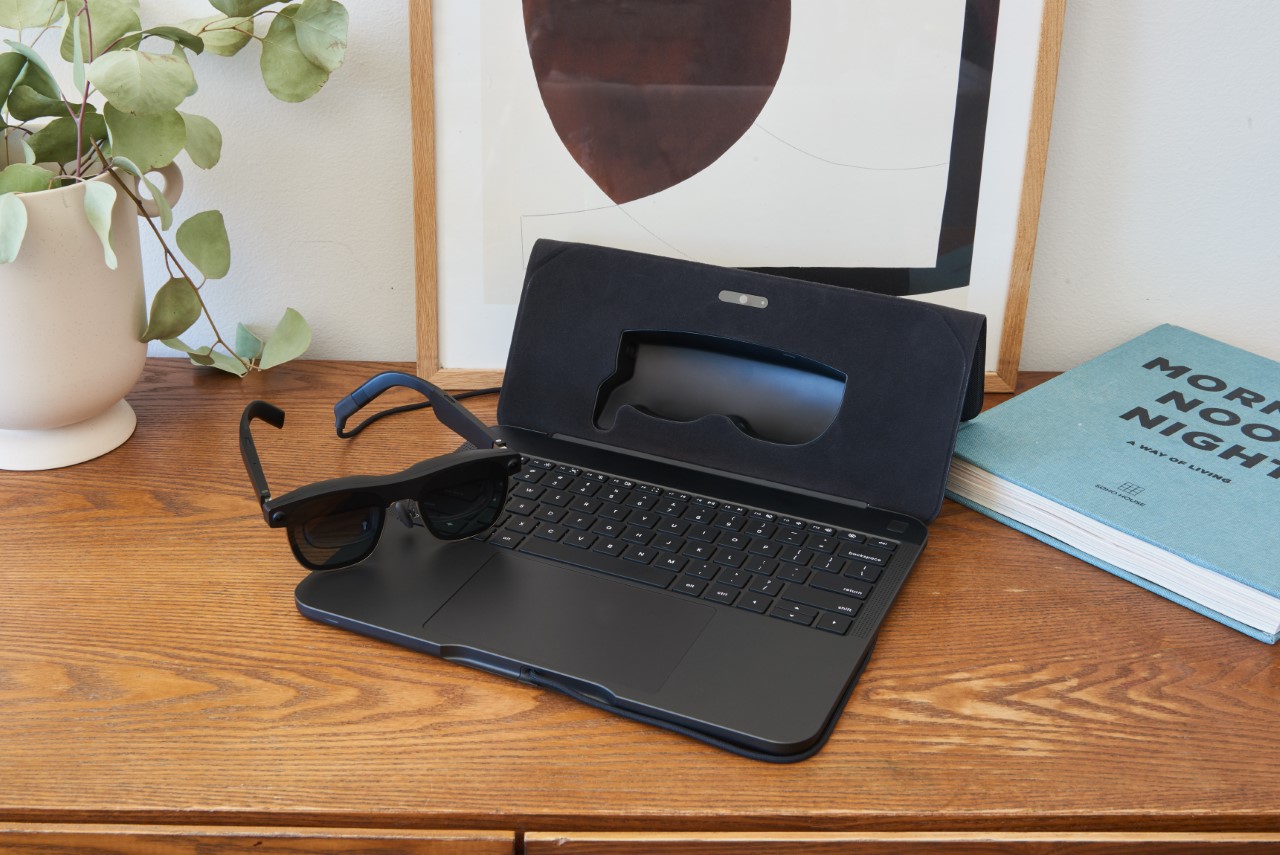
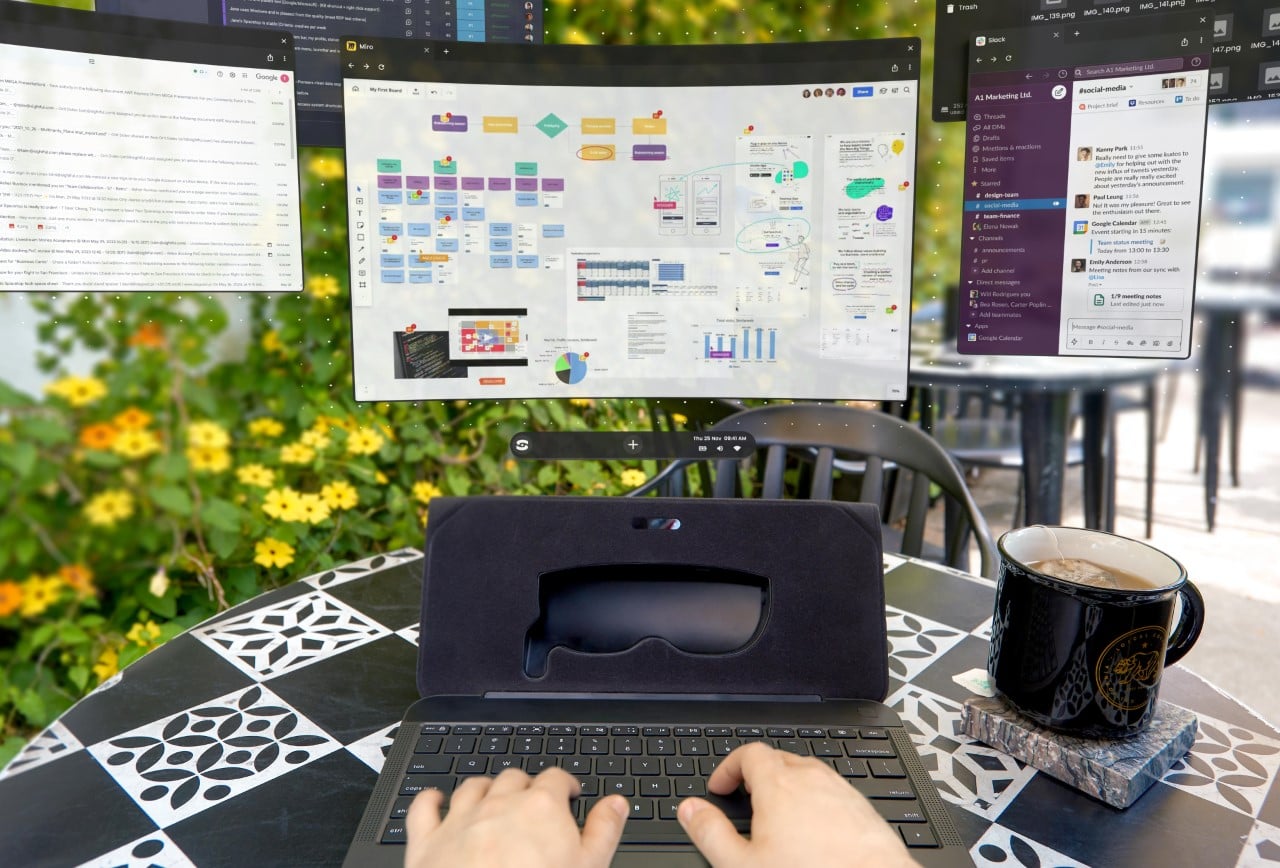
The Spacetop G1 comes from the minds of the folks at Sightful, who believe AR/VR may be the future of work, but current headsets aren’t. The Spacetop G1 is a unique AR laptop that ditches the display for a set of AR glasses. Pop them in and you’ve got yourself a screen that’s wider than your FoV, and the fact that the Spacetop G1 still packs a keyboard and a trackpad means being able to work on a laptop, but just in AR.
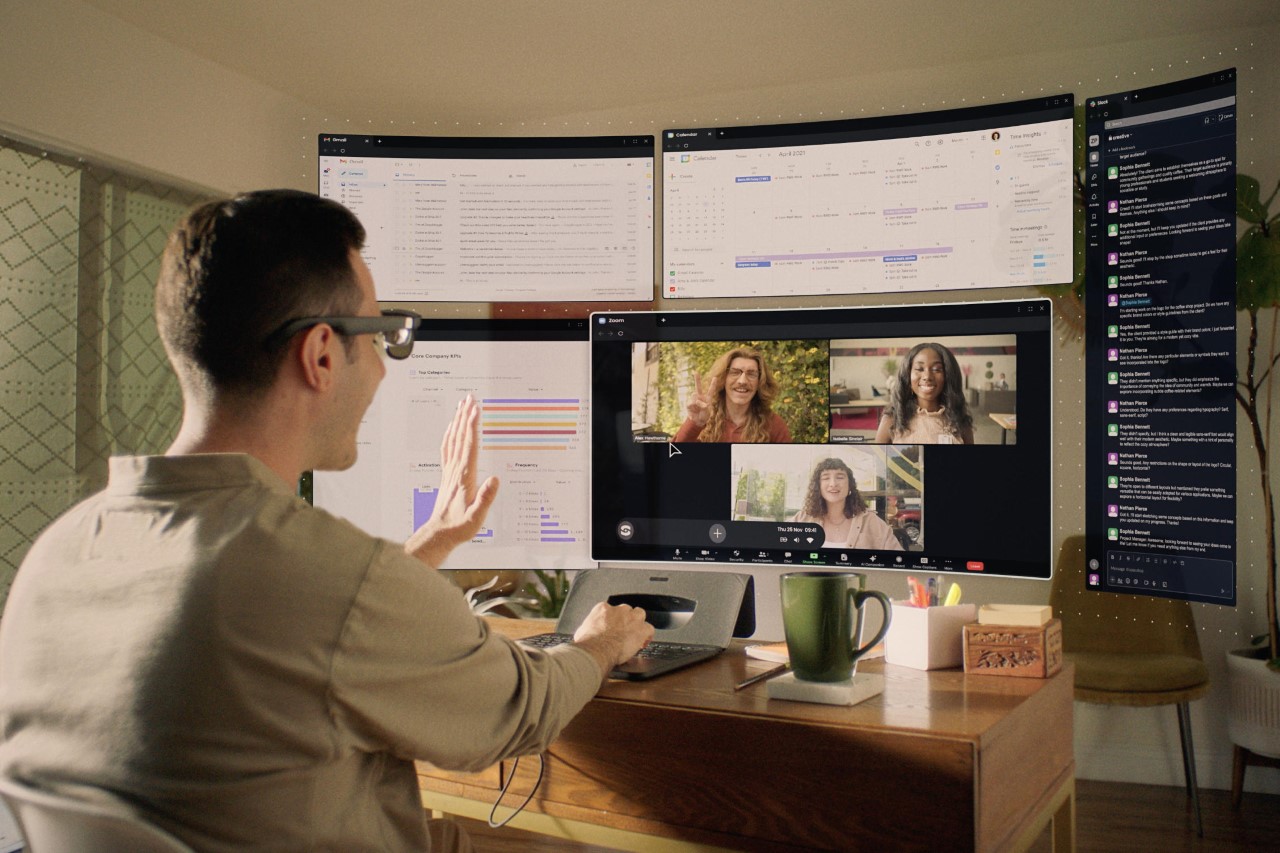
The format is very unique, but isn’t surprising. Most AR/VR headsets come with remotes, and are targeted towards entertainment and immersion. The fact that the Spacetop G1 opts for a close-to-laptop-style format means there’s less of a learning curve. Pop the glasses in, have multiple virtual screens unfold in front of you, and begin working. The Spacetop G1 boasts a massive 100-inch virtual workspace, shattering the limitations of traditional laptops. Imagine working on documents, browsing the web, or editing videos on a virtual canvas that feels like a home theater screen. This expansive workspace allows for effortless multitasking and a truly immersive computing experience.
Given its spiritual closeness to a laptop, the Spacetop G1 is designed to be slim enough to fit right into backpacks without any problem. The keyboard and trackpad are as thin as the kind you’d find on most conventional laptops, while the ‘lid’ houses a pair of AR glasses that fold down to a slick format. They aren’t as bulky and cumbersome as the Vision Pro, Hololens, or any of Meta’s headsets, making it less clunky to wear and making you less awkward around other people. Your eyes still perceive the environment around you too, so you’re not completely blocked out of the outer world.
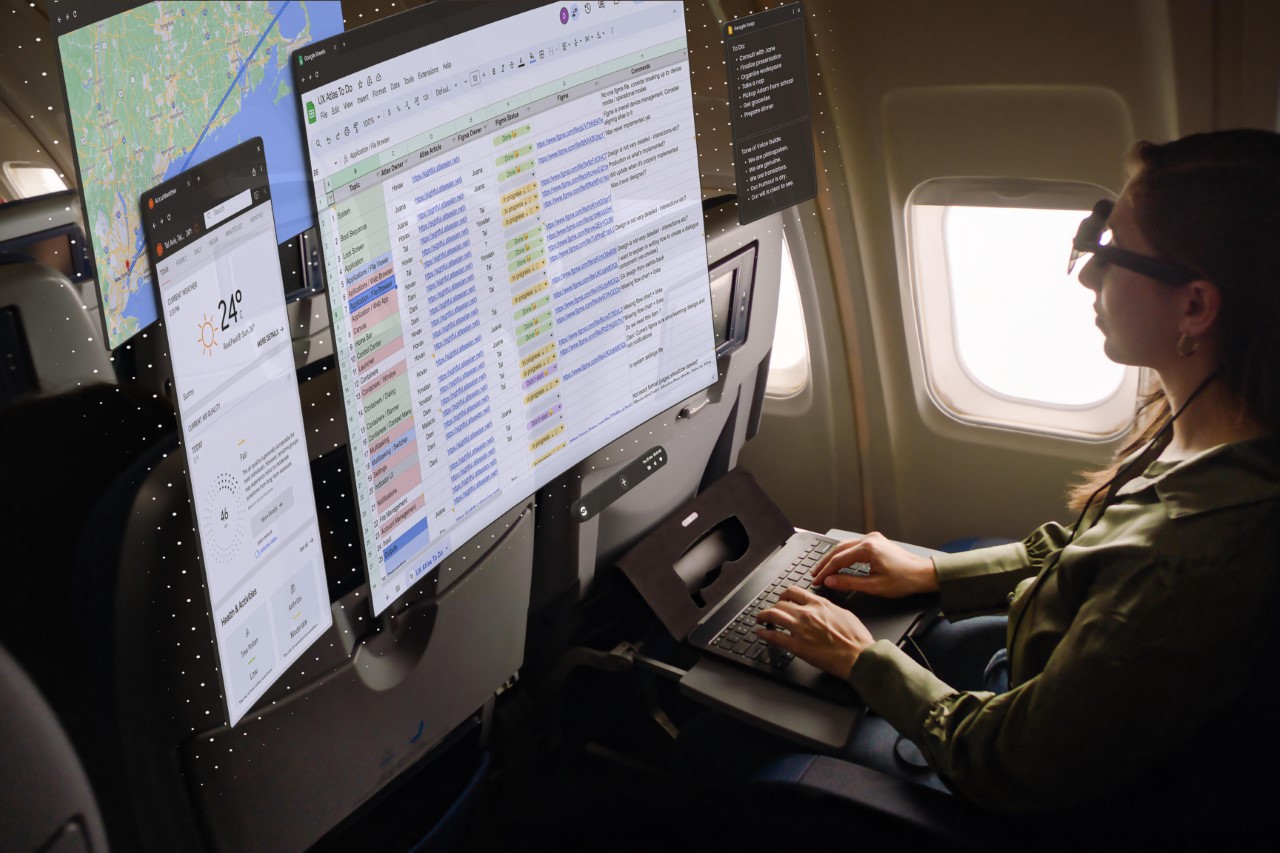
Under the hood, the Spacetop G1 packs a powerful punch. A Qualcomm chipset delivers a 70% performance boost over previous models, ensuring smooth operation even with demanding tasks. With a commendable 8-hour battery life, you can work uninterrupted throughout your workday, or even work in AR while on a train or flight without missing your multi-display setup. The 90Hz refresh rate of the optics translates to crisp and responsive visuals, further enhancing the user experience.
The presence of a 100-inch workspace just means being able to do more with less. You can multitask effortlessly, having various windows within your periphery that you can move around, bring forward, or push backward. Important tasks can occupy the center of your attention. Other windows can lounge in the back or in the corners, still letting you see them if/when you need them.
That being said, the AR laptop doesn’t come cheap. It’s available for pre-order at $1900, which is significantly higher than your conventional laptop, but factoring in the AR aspect makes the price more palatable. After all, you’d spend a lot more on a laptop along with a widescreen/multiscreen layout. The fact that the Vision Pro costs a whopping $3499 is also something that makes the case for the Spacetop G1. Shipments of the Spacetop G1 start as soon as October 2024. Early adopters can secure their unit with a $100 reservation.
Apple’s highly anticipated iOS 18 update is poised to revolutionize the way users interact with their iPhones. With a strong focus on artificial intelligence (AI) and accessibility, this release aims to deliver a more intuitive, efficient, and personalized user experience across the Apple ecosystem. iOS 18 promises to bring significant advancements in Siri capabilities, on-device […]
Sam Altman, the CEO of OpenAI, recently shared his insights on the future of artificial intelligence at the AI for Good Global Summit. He delved into a wide range of topics, including upcoming AI models, the impact of AI on productivity, cybersecurity concerns, the role of synthetic data, AI governance, and the broader societal implications […]
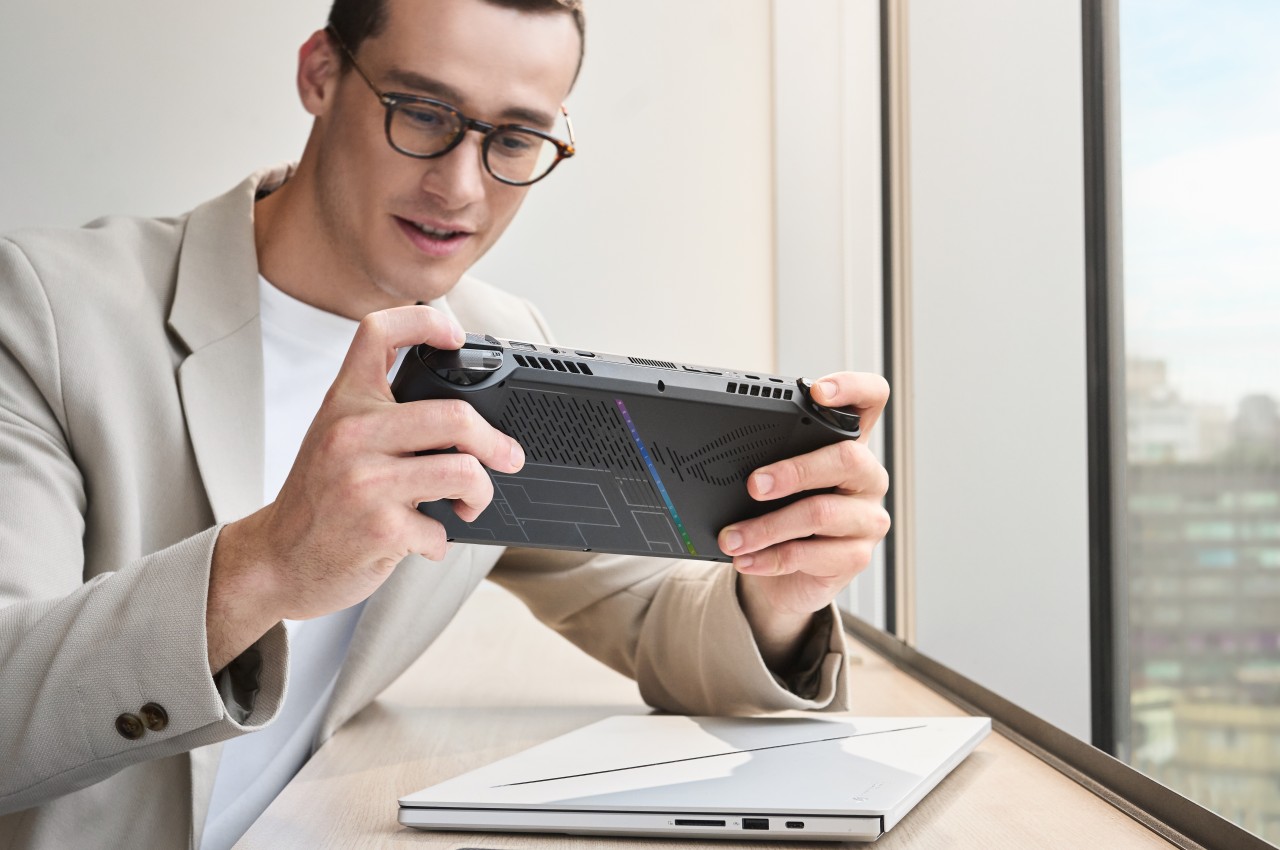
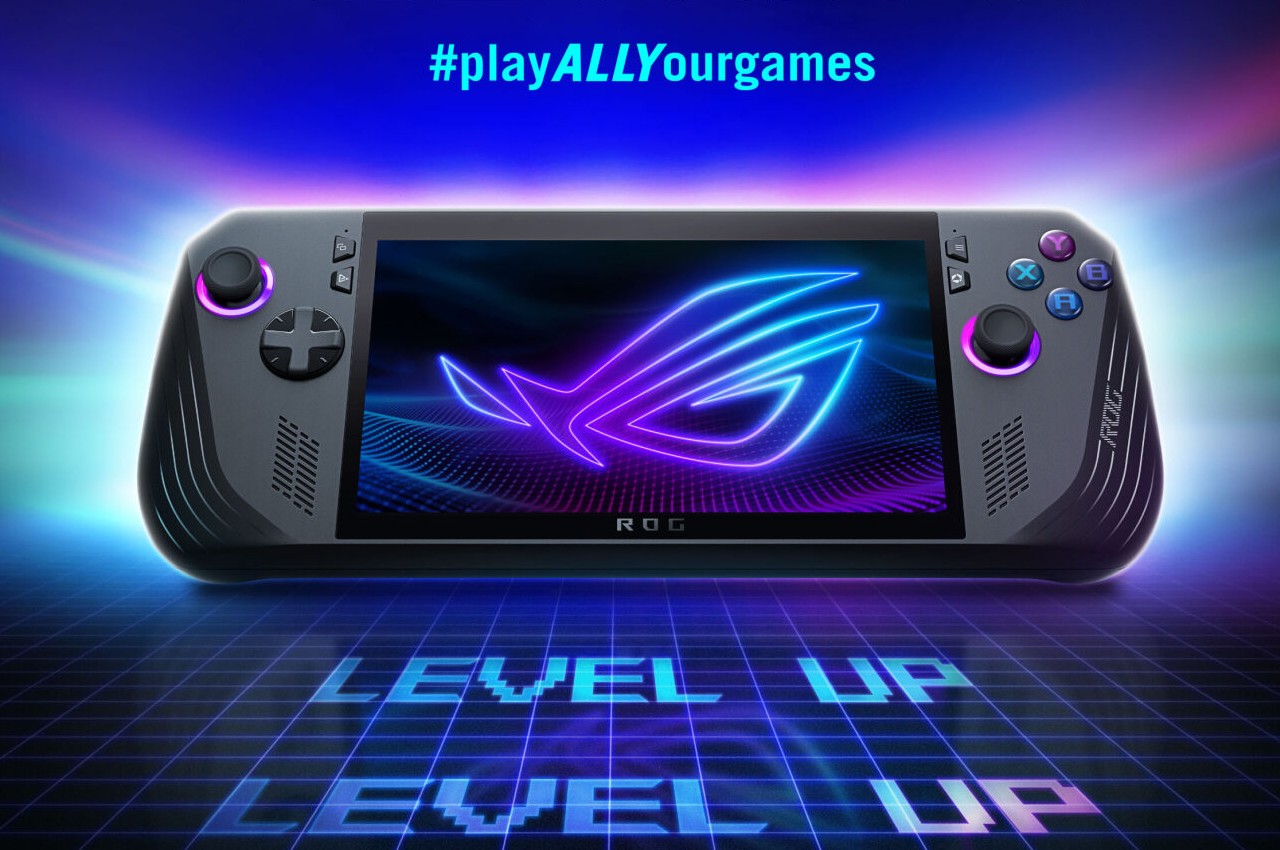
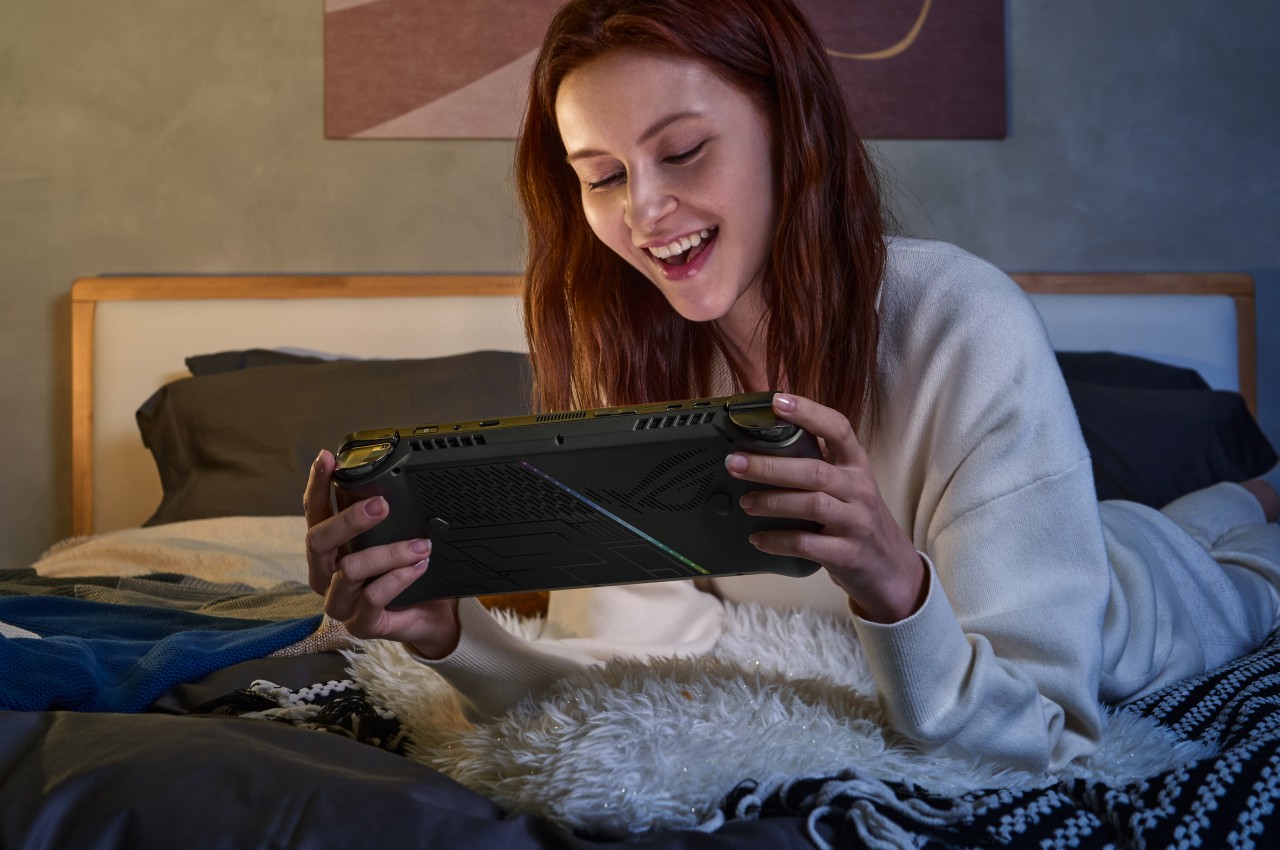
After numerous leaks and rumors, the cat is finally out of the bag. The next ASUS Republic of Gamers handheld PC isn’t the Ally 2 but the ROG Ally X as expected. While some might see it as simply splitting hairs, the naming does make a difference. It still has the beating heart of the first ROG Ally, but with a few extras that respond to the criticisms and requests of the gaming community who embraced this more portable form factor right off the bat. From some perspectives, those extras are really small and subtle, especially if looking at it from the outside. But with enough of those changes working together, the ROG Ally X is positioning itself to be a more powerful companion that will let you play more games longer.
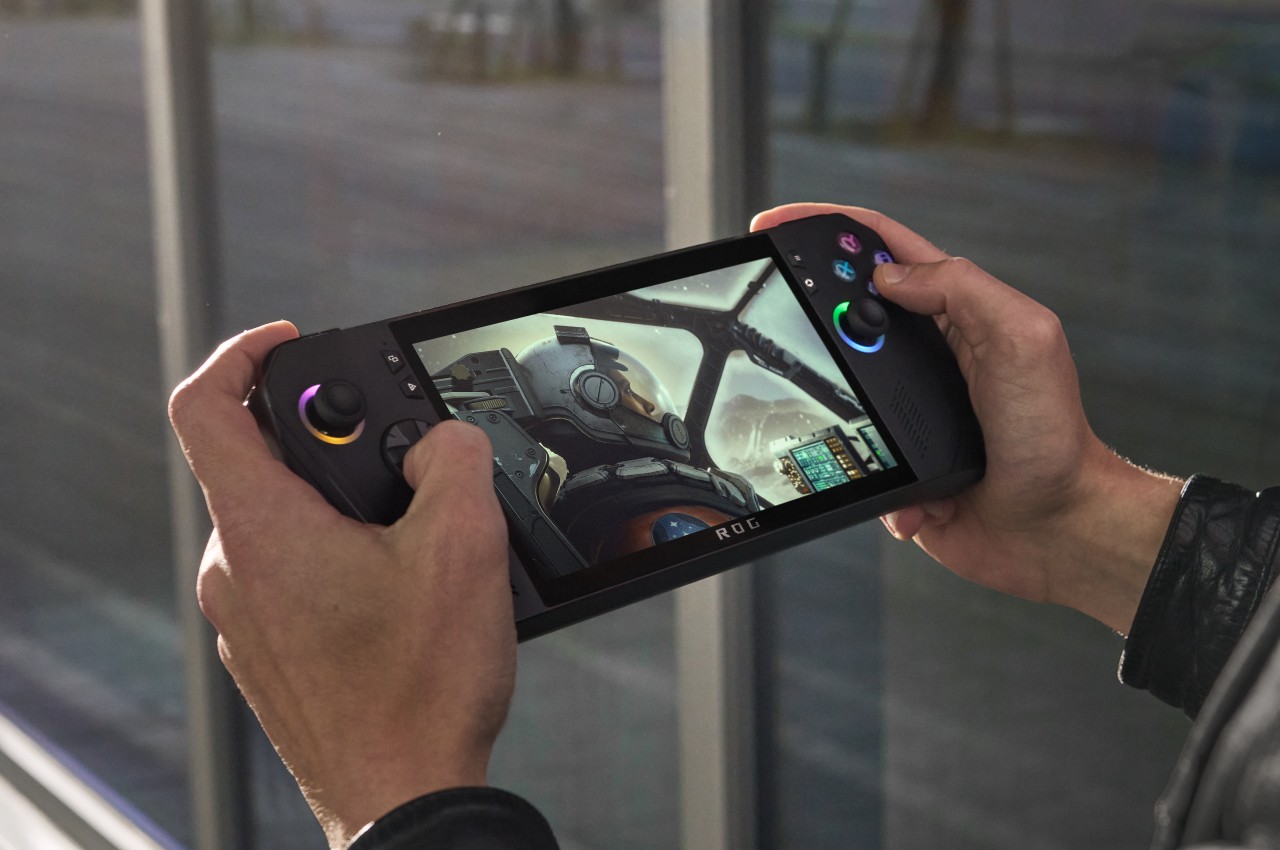
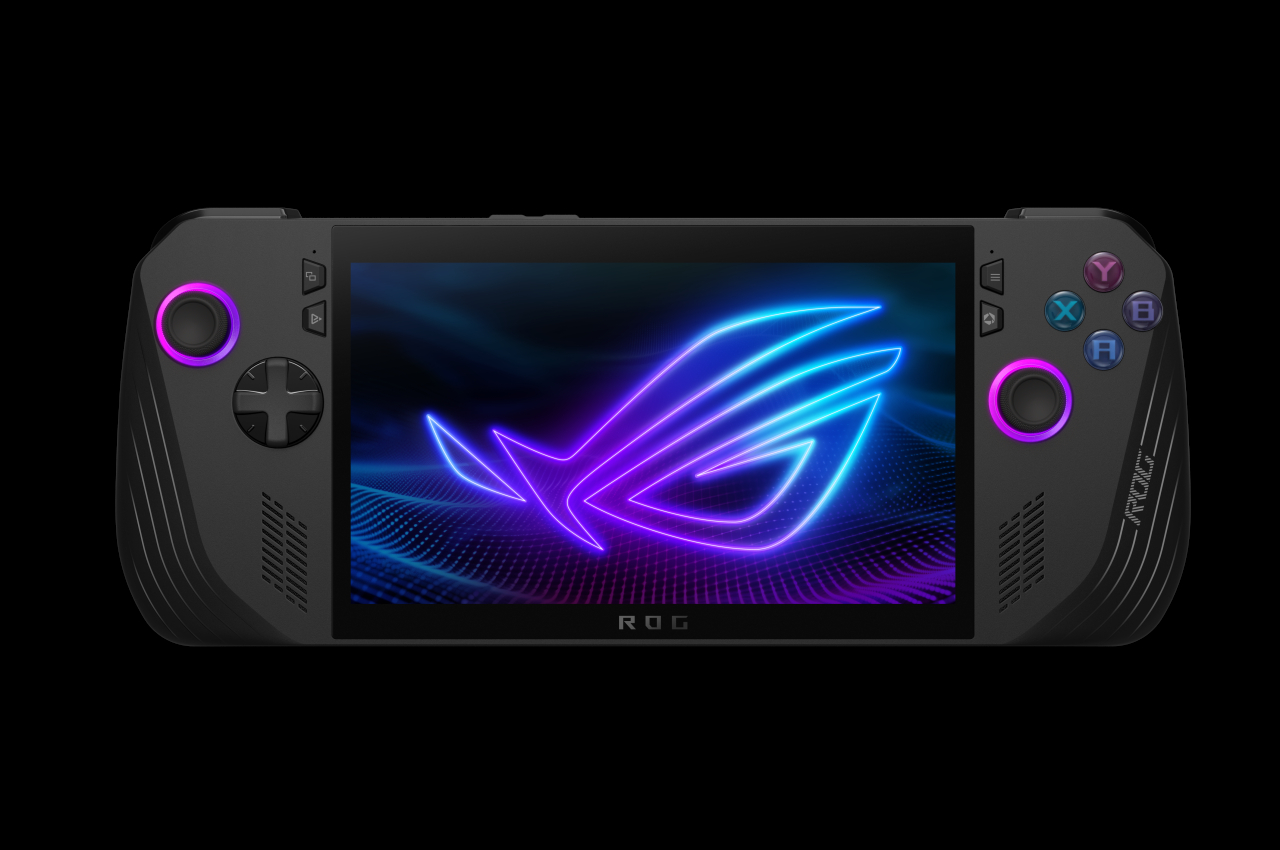
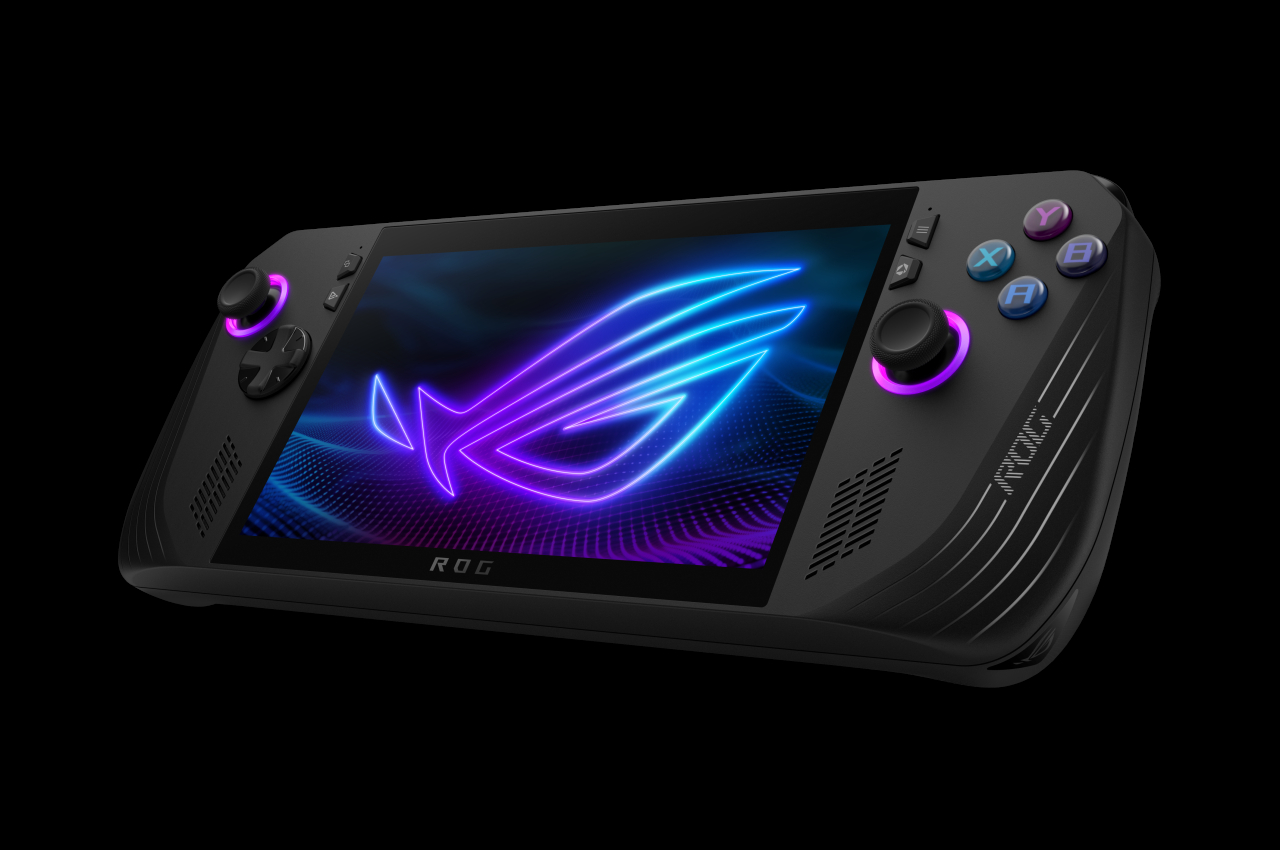
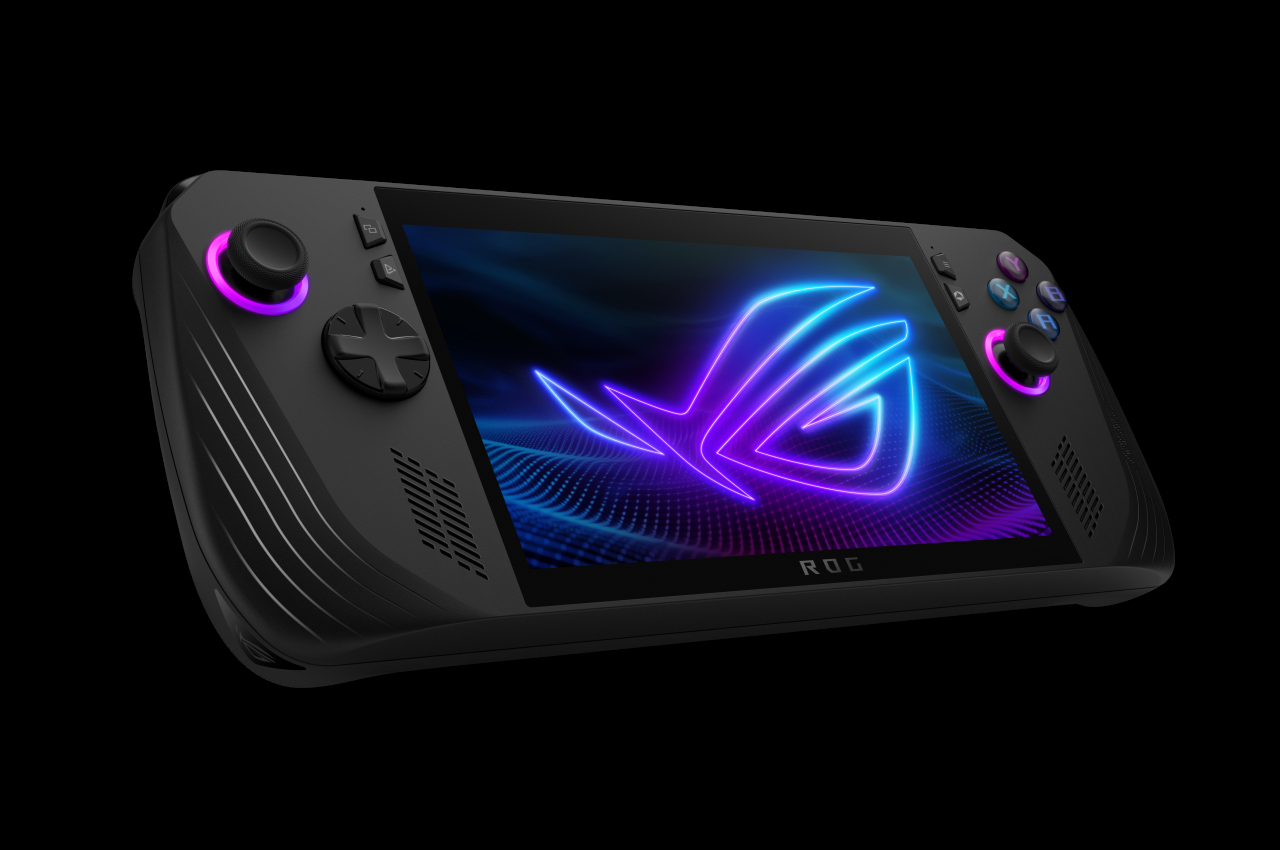
Just from a glance, you might not be able to tell that this is in any way different from the OG ROG Ally, at least except for its new all-black motif. It still boggles the mind why ASUS chose white for its first iteration, a color that’s almost alien to gamers’ palettes, though it did help the ROG Ally stand out from its rivals. If you look more closely, however, and hold the device in your hands, you might notice how things are somewhat different, hopefully for the better.
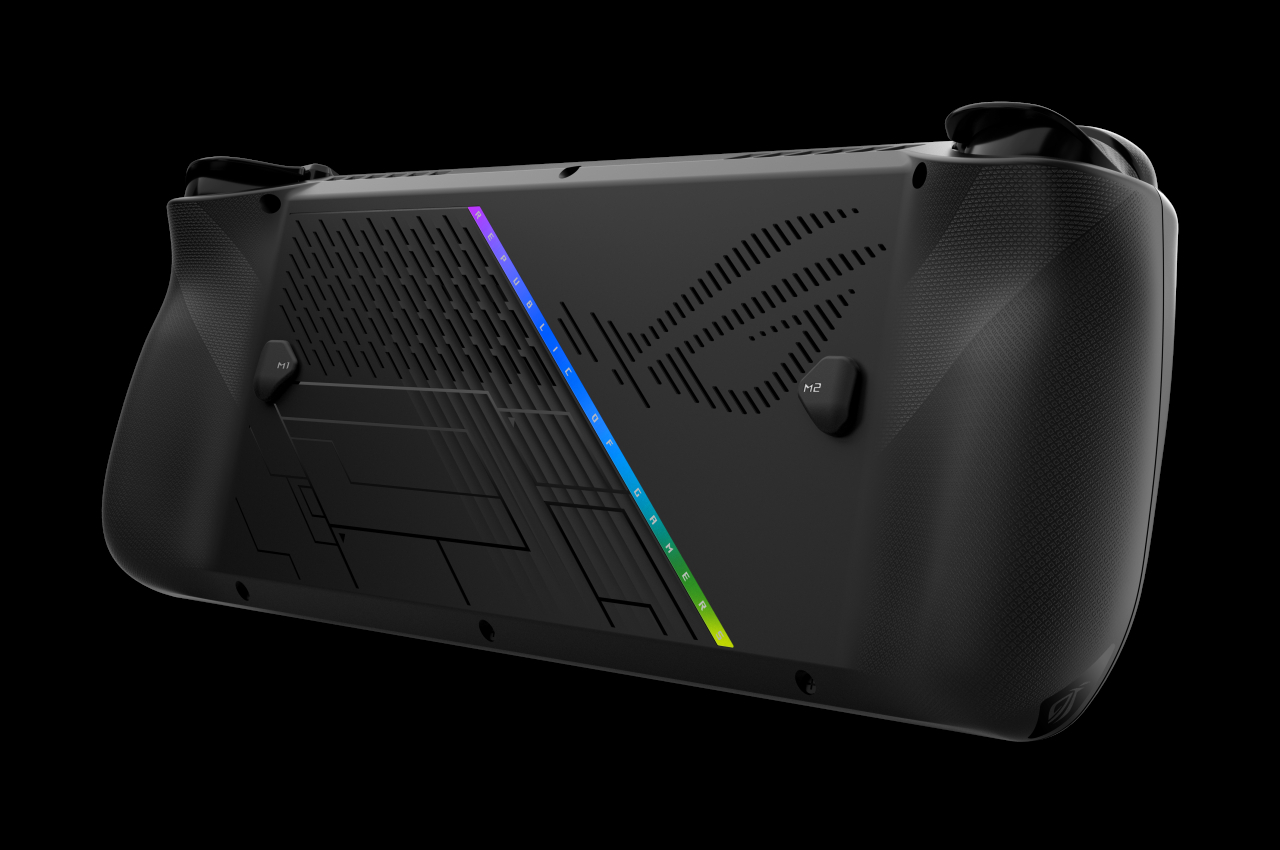
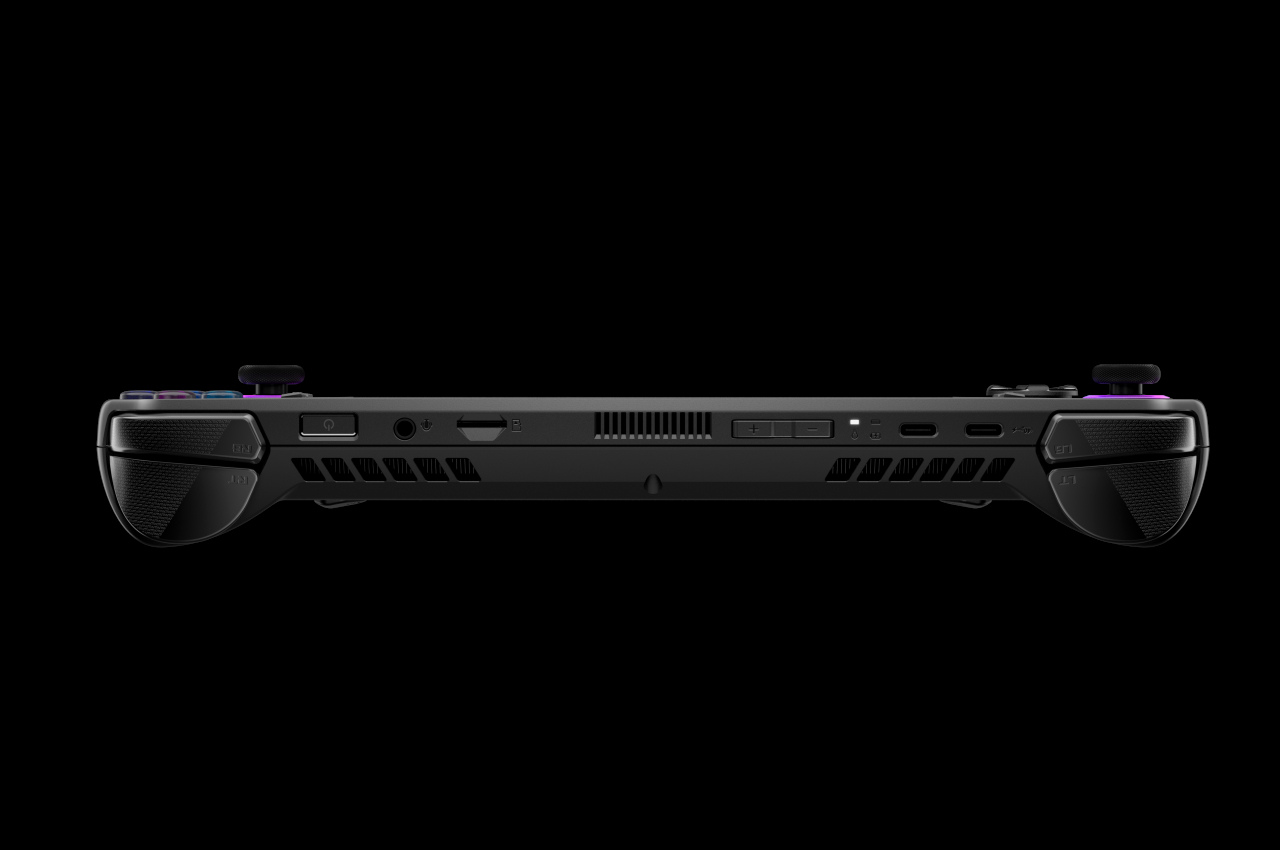
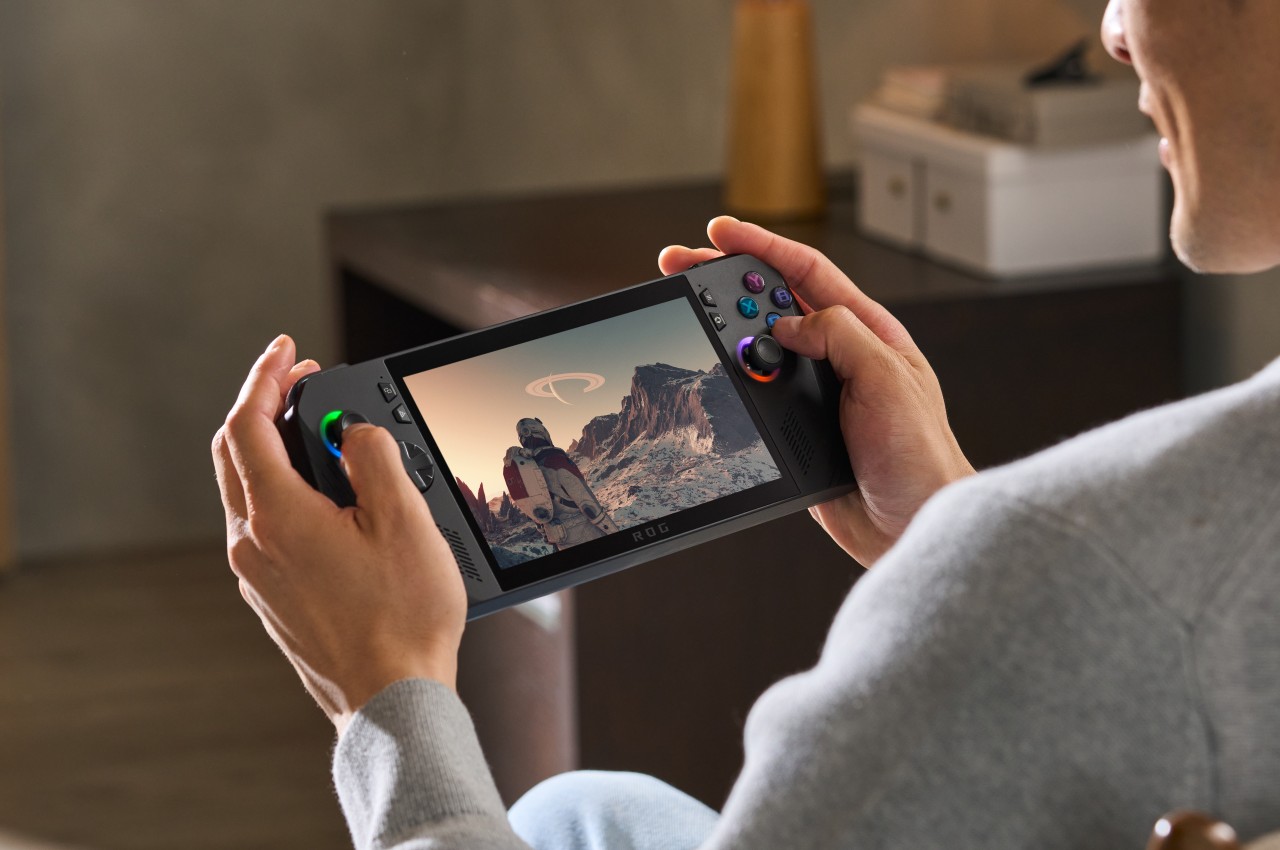
The handles, for example, are rounder now, which helps improve the grip that’s critical to a handheld device. The back triggers now come at an angle for better ergonomics, while the joystick and D-pad have been improved to be more durable and more precise. The biggest changes, however, are on the inside, where every little thing counts if it’s meant to improve the gaming experience.
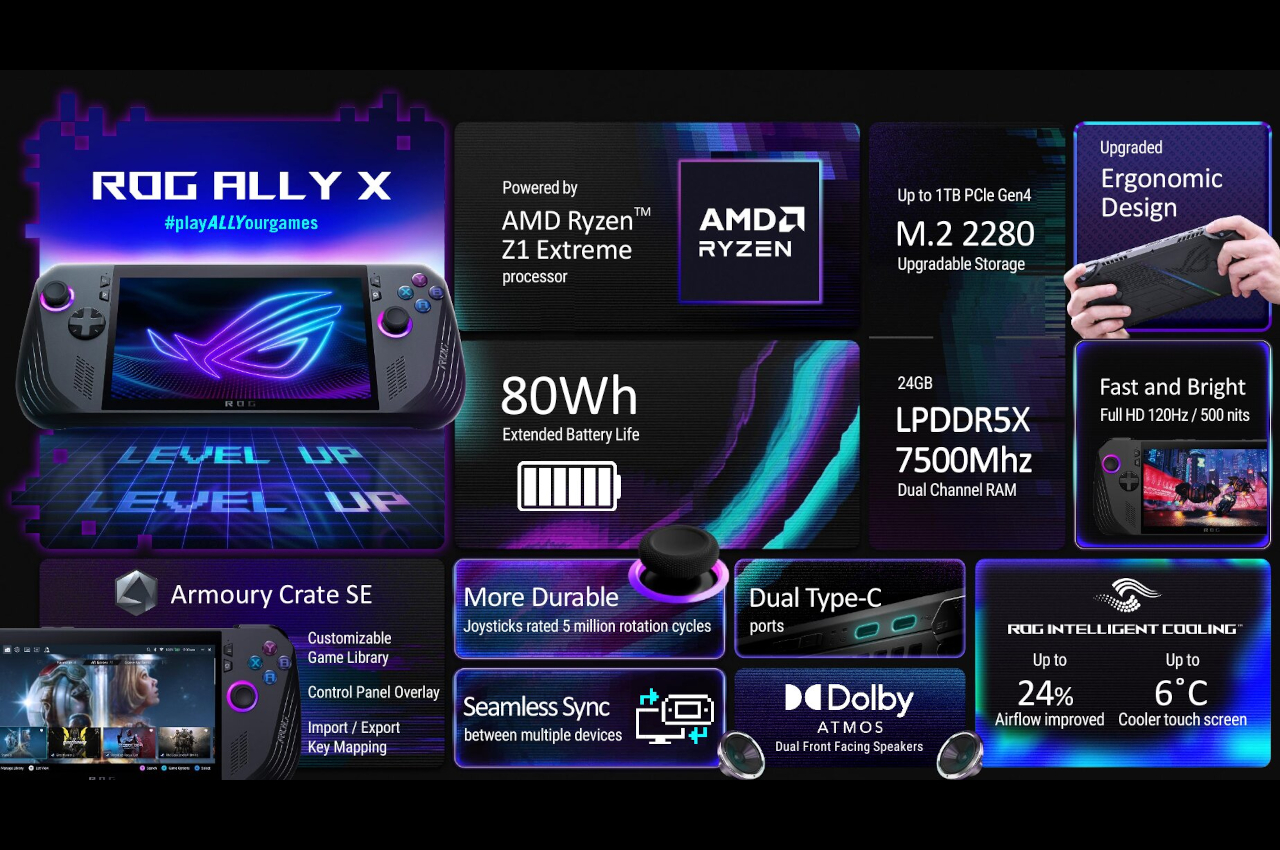
It’s still the same AMD Ryzen Z1 Extreme as the original ROG Ally, but that mobile gaming processor is now paired with 24GB of DDR-7500 RAM, up from 16GB in the first iteration. The storage capacity has been doubled to up to 1TB, but the bigger surprise is that ASUS is making it easier to upgrade it. The battery has also been doubled to 80Wh, which means you’ll have more time playing before you need to plug the little monster in. To compensate for this newfound power, ASUS ROG promises an improved thermal cooling solution so you won’t burn your hand while you play.
There is at least one change that some might consider a downgrade, depending on how attached they’ve become to ASUS’ proprietary XG external graphics port. In its place, the ROG Ally X uses a more standard Thunderbolt-compatible USB-C port that could still work with external GPUs but also with a lot more devices as well. Given all these changes, it’s no surprise that the ASUS ROG Ally X will cost more than its predecessor at $799.99. Then again, this version is squarely aimed at power gamers, and those who can live with the bare minimum can still get the older model, at least for now.
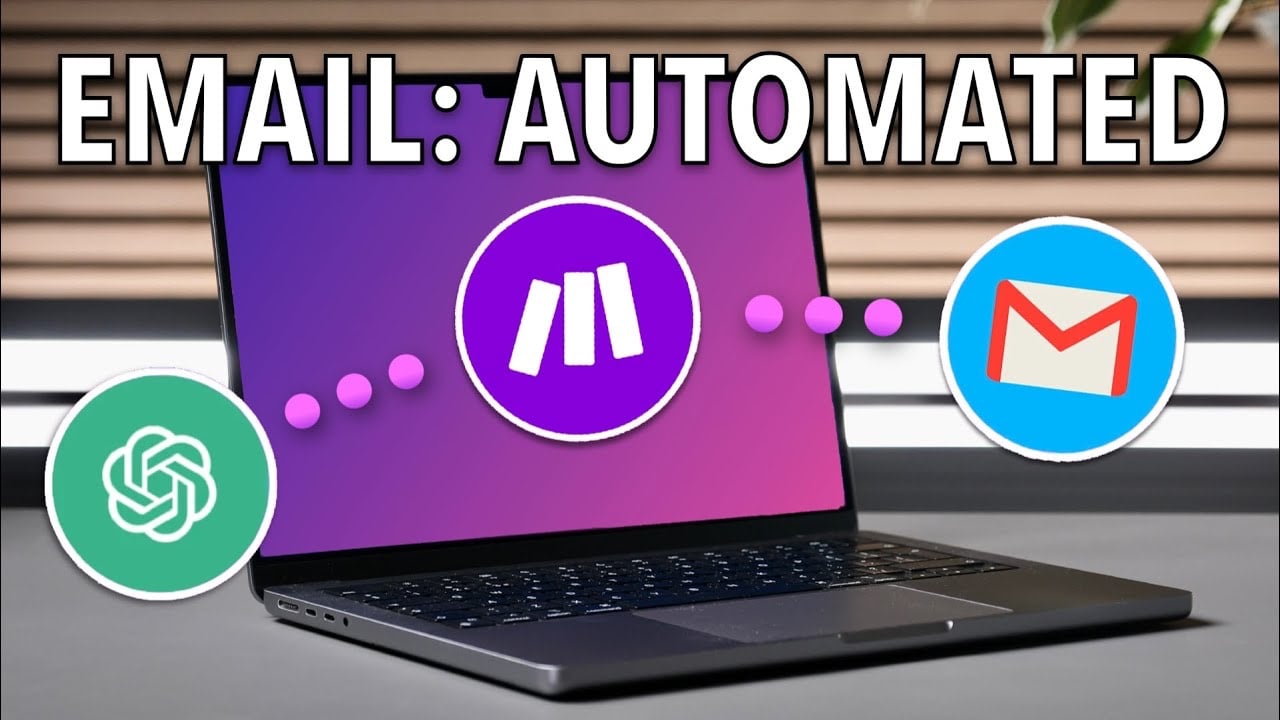
In today’s fast-paced business environment, managing the ever-growing volume of emails can be a daunting task. As your business expands, so does the number of emails you receive, leading to potential inefficiencies and decreased productivity. To tackle this challenge, you can create a custom AI email assistant powered by ChatGPT and the no-code automation tool […]
ASUS was the first major PC maker to try its hand at making a gaming handheld. And despite a few issues like a wonky microSD card reader, the ROG Ally succeeded at giving people a powerful way to take their games on the go. But after about a year on the market, ASUS’ portable is getting a major revamp and it feels like it’s becoming the device we wanted all along.
Now just to be clear, the Ally X isn’t a true sequel to the original, it’s more of a mid-cycle refresh similar to what Nintendo did for the Switch back in 2019. Except I’d argue ASUS has done more to boost the new model’s capabilities. That’s because while the Ally X has the same Ryzen Z1 Extreme chip and 7-inch 120Hz LCD screen used in its predecessor, nearly everything else on the system has been tweaked or improved in some way.
Inside, ASUS doubled the size of the Ally X’s battery to a whopping 80Wh, up from 40Wh on the old model. Same goes for storage, with the handheld featuring a 1TB M.2 SSD (up from 512GB). Unlike before, it’s a full-size 2280 module, so anyone planning on adding a larger drive later on will have lots of options for third-party add-ons. Even its memory is getting a big bump up to 24GB (up from 16GB) of faster LPDDR5X 75000 RAM. And to keep everything cooled properly, ASUS installed a new fan system that the company says is 23 percent smaller while delivering 24 percent better airflow.
Sam Rutherford for Engadget
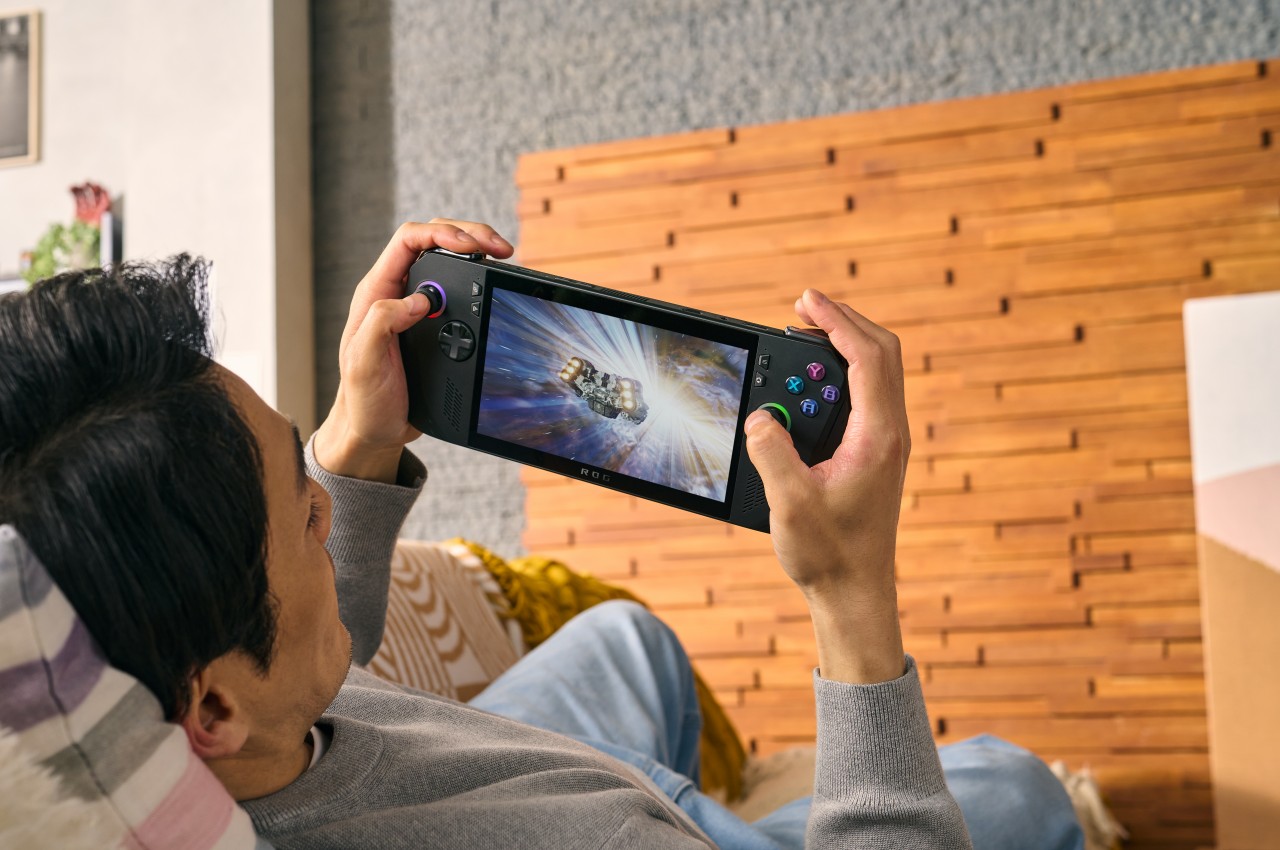
Now all this would be a more-than-welcome change, especially when it comes to performance and battery life. But ASUS didn’t stop there. The Ally X also features a new black exterior and it’s a touch thicker than before, which allows for more pronounced grips and a slightly more ergonomic button layout. There’s also a new precision D-Pad, which is something I’m happy to see as the previous one felt a bit numb and spongy. And while ASUS didn’t opt for Hall Effect joysticks, the company says it switched to stiffer springs, which should increase durability and make them feel more responsive.
Finally, around back, the Ally X features smaller rear paddles that should be harder to press by accident. However, one of my favorite changes is that in addition to a new third vent on top, ASUS also ditched its proprietary XG mobile connector in favor of a second USB-C port. And because this one supports both USB 4 and Thunderbolt 4, it’s fast enough to use with an external GPU (if you’re into that kind of thing) while leaving the other jack open for charging or other wired accessories.
In a lot of ways, it feels like ASUS has finally made the Ally X the handheld I wanted all along. The bigger battery solves one of the main issues with the previous model, which often conked out after a little more than an hour when playing modern games. Then there’s the addition of a second USB-C port, which makes the system a lot more versatile and better equipped to pull double duty as a pseudo desktop in a pinch. And I can’t say enough about the larger grips. That’s because even though the X is only a few millimeters thicker than before, it’s way more comfortable, which is obviously super important for any handheld device.
Sam Rutherford for Engadget
But potentially the biggest impact of all this is that ASUS is turning its first mover's advantage into an even bigger lead. Because while rivals like the Legion Go are still on their first model (not to mention others like the MSI Claw that arrived way late to the party, stayed tuned for my review coming coon), ASUS is already iterating on its handheld. And that’s coming from a device with a solid foundation. For anyone who has been as enamored with the recent wave of gaming handhelds as I have, it’s really encouraging to see these devices mature so quickly. Plus, starting at $800, which is just $100 more than the original Ally, the Ally X feels very reasonably priced.
The ROG Ally X is available for pre-order today from Best Buy, with official sales set to begin sometime in July.
This article originally appeared on Engadget at https://www.engadget.com/the-asus-rog-ally-x-improves-on-the-original-in-all-the-right-ways-090008278.html?src=rss