Amazon’s Kindle Scribe drops to a record low of $240

You folks out there who have been waiting for a good deal before picking up Amazon’s Kindle Scribe, the company’s first Kindle with stylus support, now may be your time. The device has dropped to an all-time low price of $240. That’s 29 percent off the regular price for the base model with the Basic Pen and 16 GB of storage. In addition, there’s an option you can plump for that includes three months of Kindle Unlimited. That bundle costs the same price, but remember to cancel Kindle Unlimited before the three months are up if you don't want to keep using it (the service typically costs $12 per month).

One important thing to bear in mind here is that Amazon Prime Day is slated to take place in July. That mega sale always includes steep discounts on Amazon’s own products. While $240 is the best offer we’ve seen for the Kindle Scribe, there’s the possibility that the price will drop even lower for a couple of days in July.

That said, a discount of $100 is nothing to sniff at for our pick for the best e-reader E Ink tablet around. The 10.2-inch touchscreen has auto-adjusting front lights to make it easy to use in a variety of lighting conditions. The stylus and tablet combine to deliver a low-latency writing experience, which makes writing on the device by hand feel more natural. You can create multiple notebooks too, adding pages as you see fit.

The Kindle Scribe's battery can power the device for months between charges as E Ink screens are incredibly efficient. You can, of course, read e-books from Amazon and Amazon Unlimited. You can also listen to audiobooks thanks to Audible and Bluetooth support.

On the downside, we found it somewhat frustrating that it's not possible to write notes in the margins of most books. For the time being, that function is limited to a selection that's made up of journals and puzzle books such as crosswords and sudoku ones. In fiction and non-fiction books, you'll need to hold the stylus against the screen to highlight a word or phrase and add notes there. If that's not an issue for you, we reckon you can't go too far wrong with the Kindle Scribe.

Follow @EngadgetDeals on Twitter and subscribe to the Engadget Deals newsletter for the latest tech deals and buying advice.

This article originally appeared on Engadget at https://www.engadget.com/amazons-kindle-scribe-drops-to-a-record-low-of-240-143801159.html?src=rss

Even More Hidden iOS 18 Features Revealed

iOS 18

iOS 18 introduces a suite of new features that enhance customization, security, and functionality. These updates, not spotlighted during Apple’s keynote, include: New wallpapers Widget customization App locking with Face ID or Touch ID Charging optimization options A revamped calculator app Dynamic Island UI enhancements Home screen icon customization While these features may not have […]

The post Even More Hidden iOS 18 Features Revealed appeared first on Geeky Gadgets.

Self-driving taxi for one concept is perfect for solo commuters

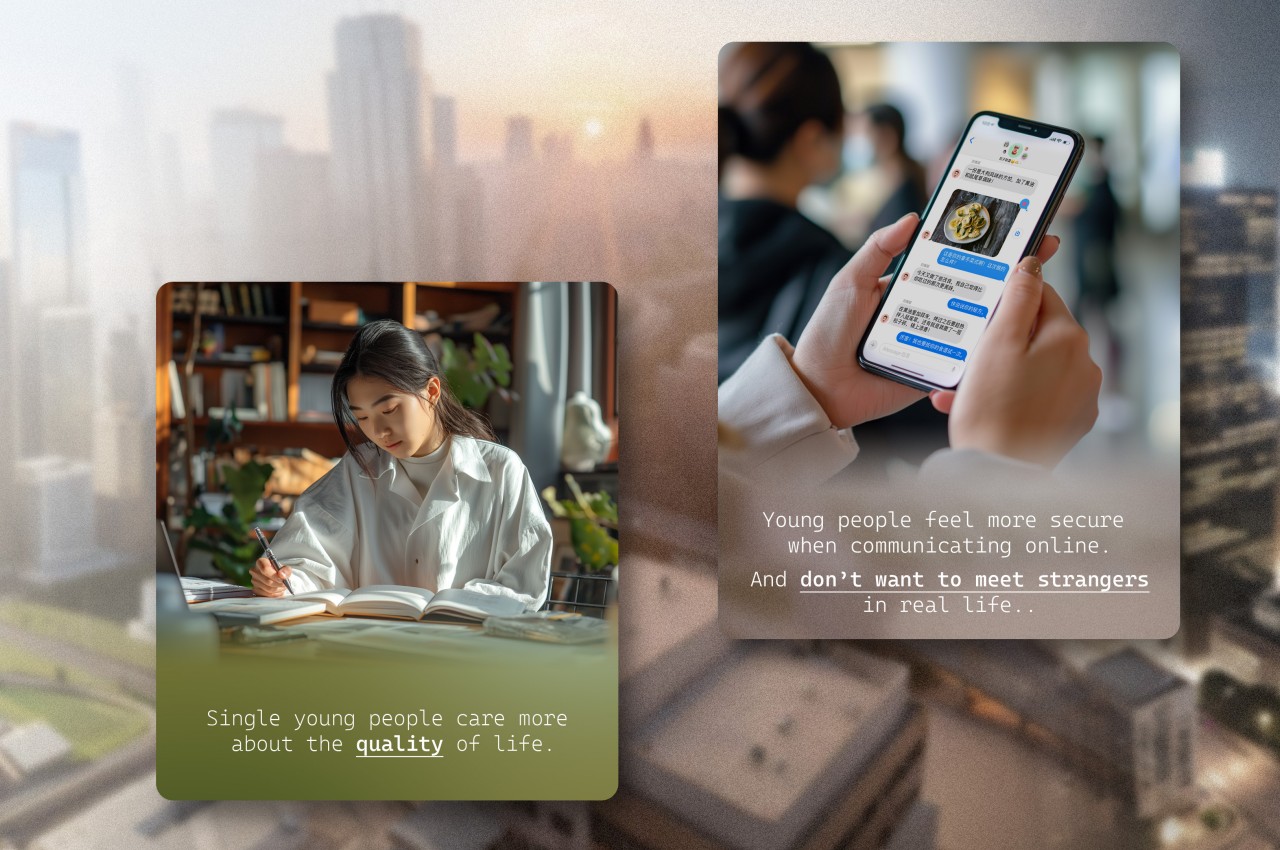
The majority of self-driving car concepts envision a future where family and friends take advantage of the freedom these vehicles offer. Even strangers, however, can also benefit from autonomous vehicles by making mass transit more efficient. Not all commuters, however, are comfortable traveling with strangers, and even self-driving sedans could be a waste of space and energy for these people. If self-driving vehicles are supposed to make traveling more efficient and, therefore, more environment-friendly, then they should also take into account the needs of solo commuters, which is exactly what this concept for a single-person autonomous taxi tries to do.

Designer: Tony Ma

To be fair, not having to worry about driving while interacting with other people in the vehicle is one of the biggest pulls of the concept, but it’s not the most fundamental benefit. What autonomous cars offer is the freedom to do more important things other than almost mindless driving, whether it’s socializing, preparing for your next meeting, or even resting. Spending some alone time is not exactly easy if you’re traveling with others, whether they’re strangers or not, and having a four-passenger car all to yourself every day is a wasteful use of resources.

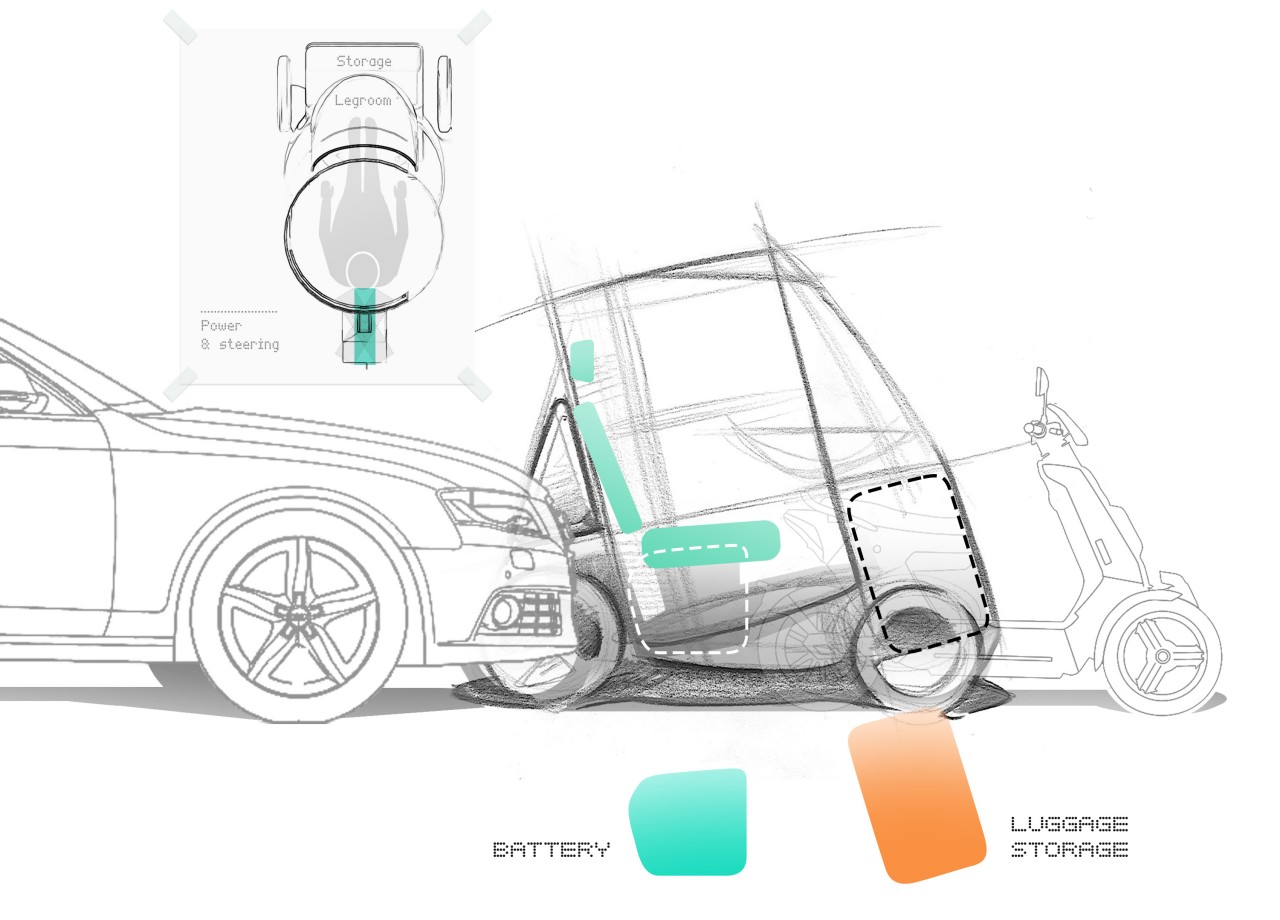
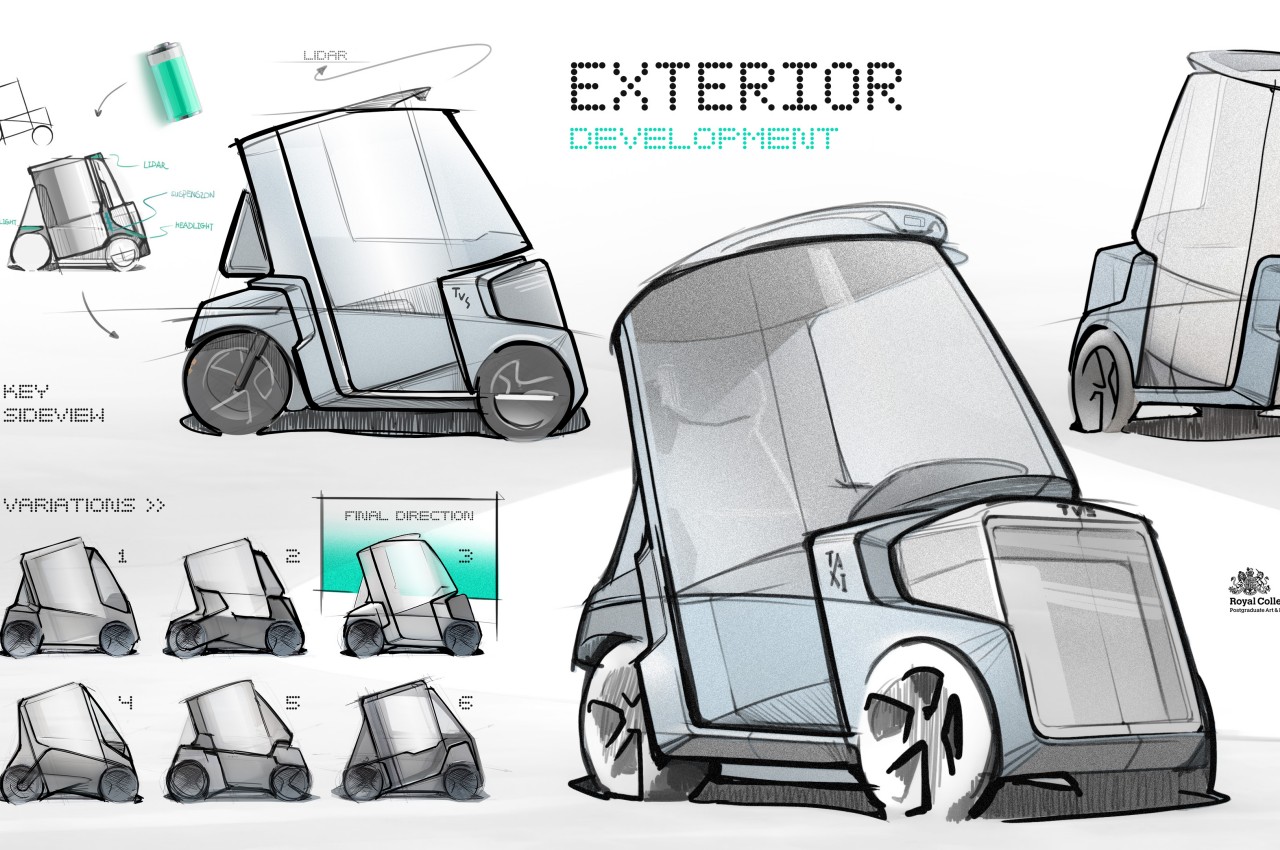
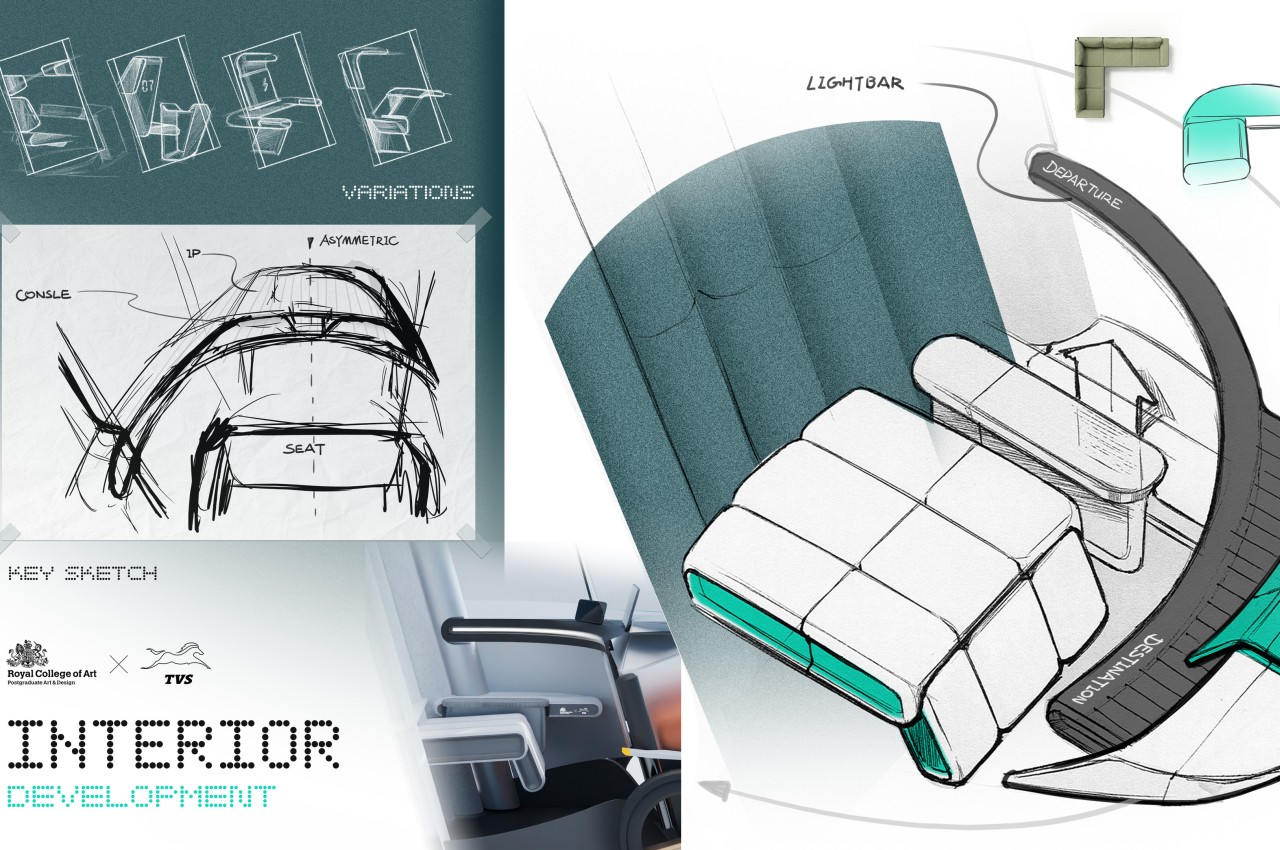
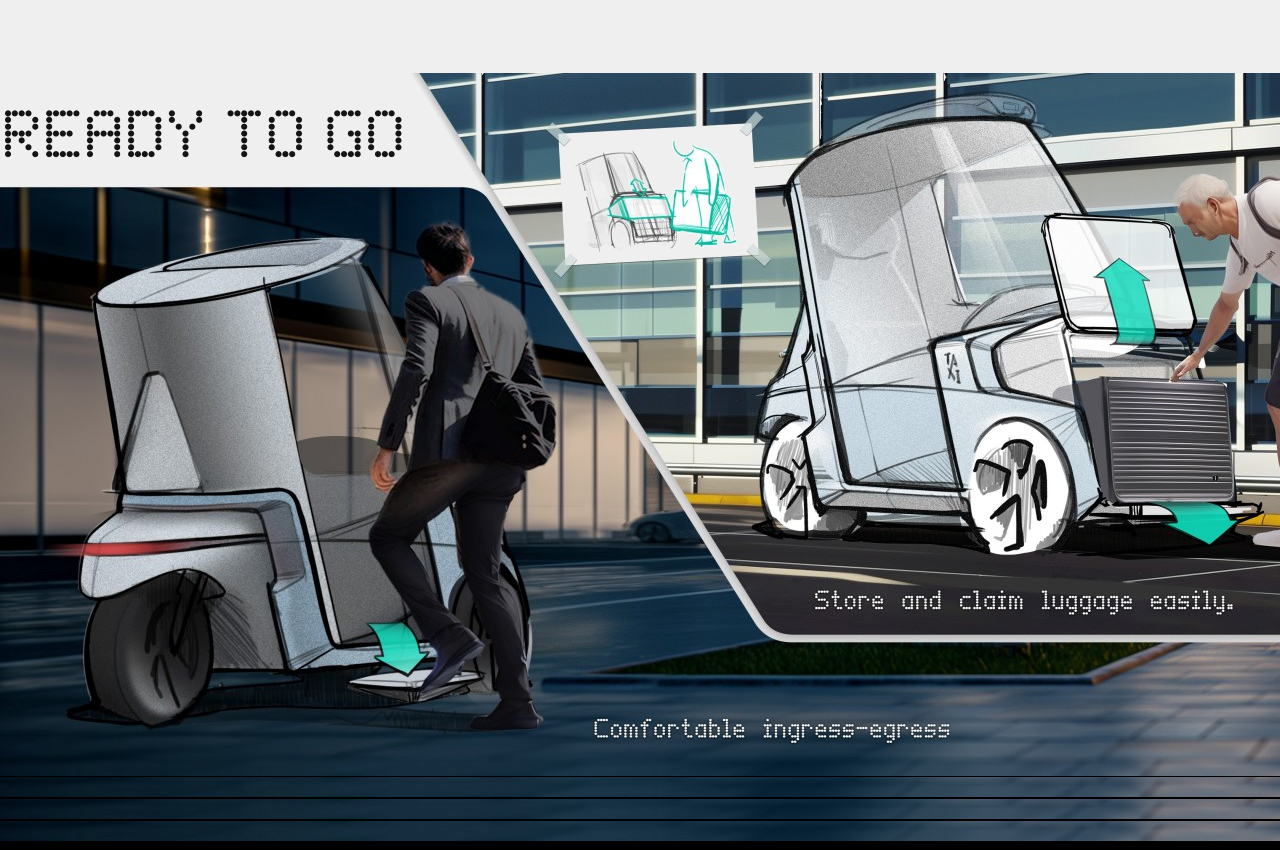
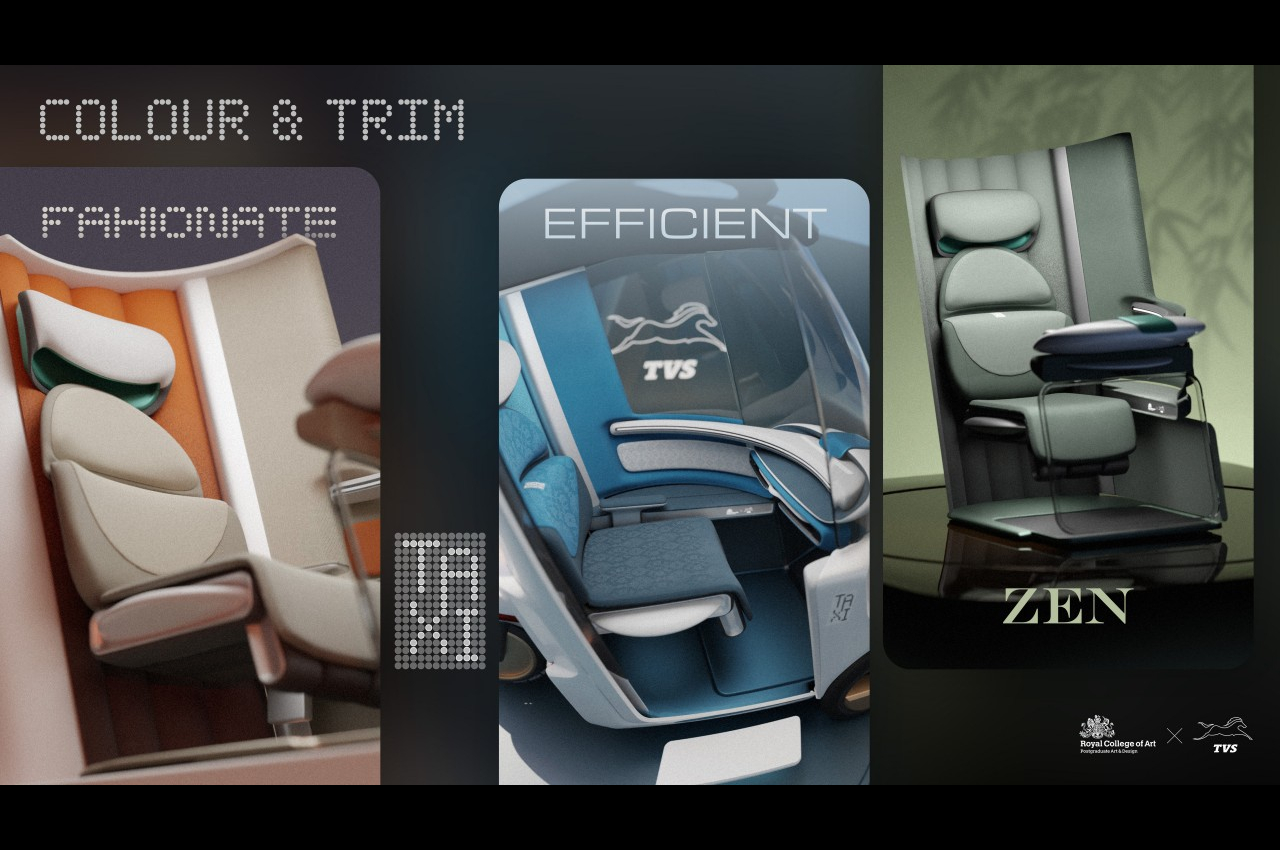
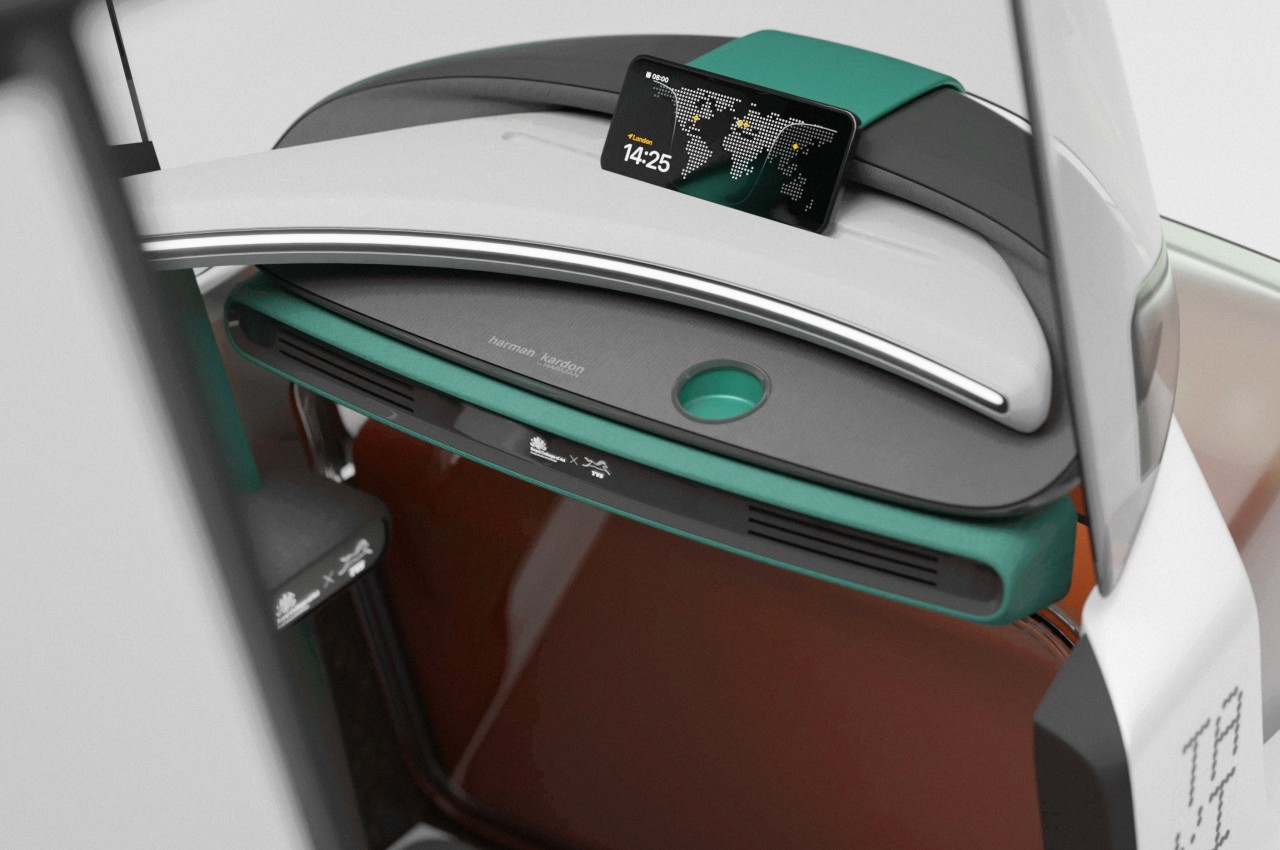
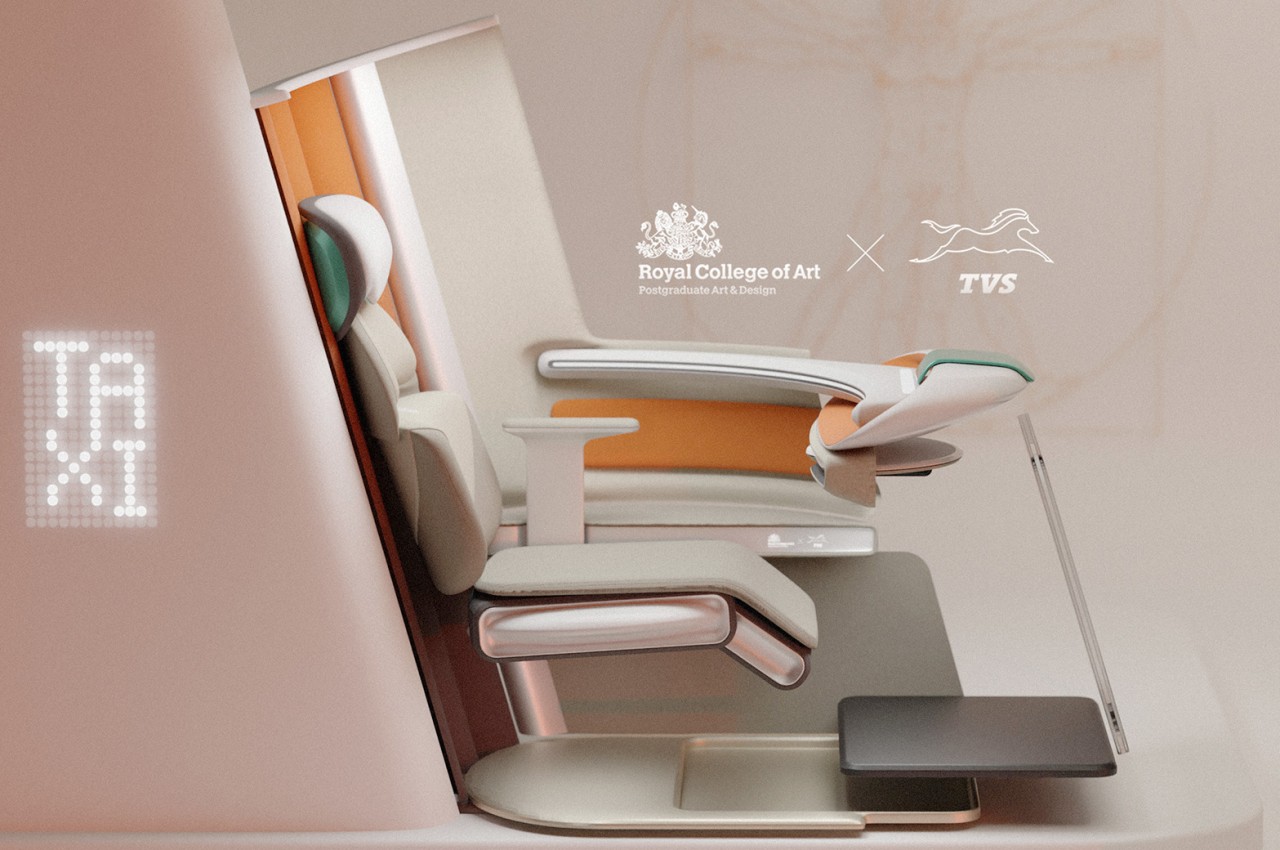
TAXI for one is a design concept whose name says it all. Instead of a car, it looks more like a mini golf cart split in half to fit only one person inside. And since it’s a self-driving vehicle, that person is the one and only passenger, with no other people to potentially disturb you or make you feel less secure. It’s perfect for people who, for whatever reason, prefer to travel solo and have very few things to carry with them, like going to and from the office.

The key design requirement for such a single-passenger autonomous vehicle would be the compactness of space while still providing comfort and room for storage. The latter goes into a compartment in front of the vehicle rather than at the back like a traditional trunk. This makes loading and unloading easy because the storage is near the vehicle’s door rather than forcing riders to go around first.

In exchange for the more compact form, however, the TAXI for one has very little room for reclining the seat and stretching your legs. As such, it isn’t exactly designed for longer periods of travel and is better suited for inter-city commutes only. That is probably fine for future workers who just want to get to the office and back home without much fuss, fanfare, or dealing with random people.

The post Self-driving taxi for one concept is perfect for solo commuters first appeared on Yanko Design.

News on social media is a fractured mess, Pew study indicates

Pew Research and the Knight Foundation just put out a pair of lengthy reports on how Americans are experiencing news and politics on social media. There are a number of noteworthy stats in the research but, for me, it mostly underscores that news distribution is kind of a mess.

It’s not that news has disappeared from X, TikTok, Facebook and Instagram, but the way that most users are encountering news content is vastly different from platform to platform. And much of what people say they are seeing is not coming from journalists and media organizations but influencers other unconnected accounts.

Perhaps unsurprisingly, the researchers found that most people aren’t on social media to follow news. A minority of TikTok (41 percent), Instagram (33 percent) and Facebook (37 percent) users reported that “getting news” was a “major or minor” reason they used the platform. X, as Pew points out, was a notable exception, with 65 percent of people reporting news as a reason they use the service.

That may not be especially surprising, given Twitter’s long-running reputation as a news source and Meta’s more recent shift away from the media industry. And even though majorities of Facebook, Instagram and TikTok said they didn’t seek out news, most people reported that they see some kind of news-related content on the platforms.

But when you dig into the kind of news participants say they see, the top categories were opinions and “funny posts” about current events. Look at the breakdown below: opinions and funny posts were significantly more prevalent than news articles or “information about a breaking news event” on every platform. (Again, the only exception was X, where people said they see articles at roughly the same rate as “funny posts” about the news.)

Most of the news-related content people see is opinions and funny posts.
Pew research

It’s also striking to consider the sources for news-related posts reported by the study's participants. On every platform except X, the top source of news and news-related content is not journalists or media orgs. On Facebook and Instagram, it’s friends and family, and on TikTok it’s “other people.” The “other people” category is also quite high for X, with 75 percent saying they see news from these accounts. This suggests that much of the news content people see on X and TikTok is being driven by those platforms’ recommendation algorithms.

News sources looks very different on each platform.
Pew Research

While Pew typically repeats the same sorts of studies at regular intervals, allowing readers to extrapolate trends over time, this study is brand new, so unfortunately, we don’t have historical data to compare all these stats to. But they do broadly reflect what many in the media industry have been experiencing over the last few years. Publishers are getting far less traffic from social media, and news is increasingly filtered through influencers, meme creators and random algorithmically-surfaced accounts. It’s also worth noting that for every platform, most people said that at least “sometimes” they see inaccurate news. And for X, which had the biggest share of news consumers and people seeing journalistic content, 86 percent of participants reported seeing news that “seems inaccurate.”

The report’s authors don’t draw a conclusion about what this all means in general, let alone in an election year when there is increasing anxiety about the spread of AI-fueled misinformation. But the report suggests that finding reliable and accurate news on social media is far from straightforward.

This article originally appeared on Engadget at https://www.engadget.com/news-on-social-media-is-a-fractured-mess-pew-study-indicates-140001507.html?src=rss

New Mini Cooper 5 Door Gets Official

Mini Cooper 5 Door

The highly anticipated Mini Cooper 5 Door has finally been unveiled, and it is set to redefine the compact car segment with its perfect blend of style and functionality. This latest iteration of the iconic MINI Cooper promises to deliver the brand’s signature driving excitement and nimble handling while offering a spacious interior that comfortably […]

The post New Mini Cooper 5 Door Gets Official appeared first on Geeky Gadgets.

Bacterial melanin clothes may protect us from UV rays in the future

I live in a country where it’s always hot most of the year (except when it’s raining). It’s a 15-minute walk under the scorching sun from my house to my workplace and it’s something I’ve gotten used to already (albeit with a lot of complaining). I am aware of all the UV rays that I’m absorbing every day although there’s no clear manifestation of it unless I check my weather app. But it’s a very real problem that our constant exposure to UV rays will eventually bring harm to our skin.

Designer: Maca Barrera

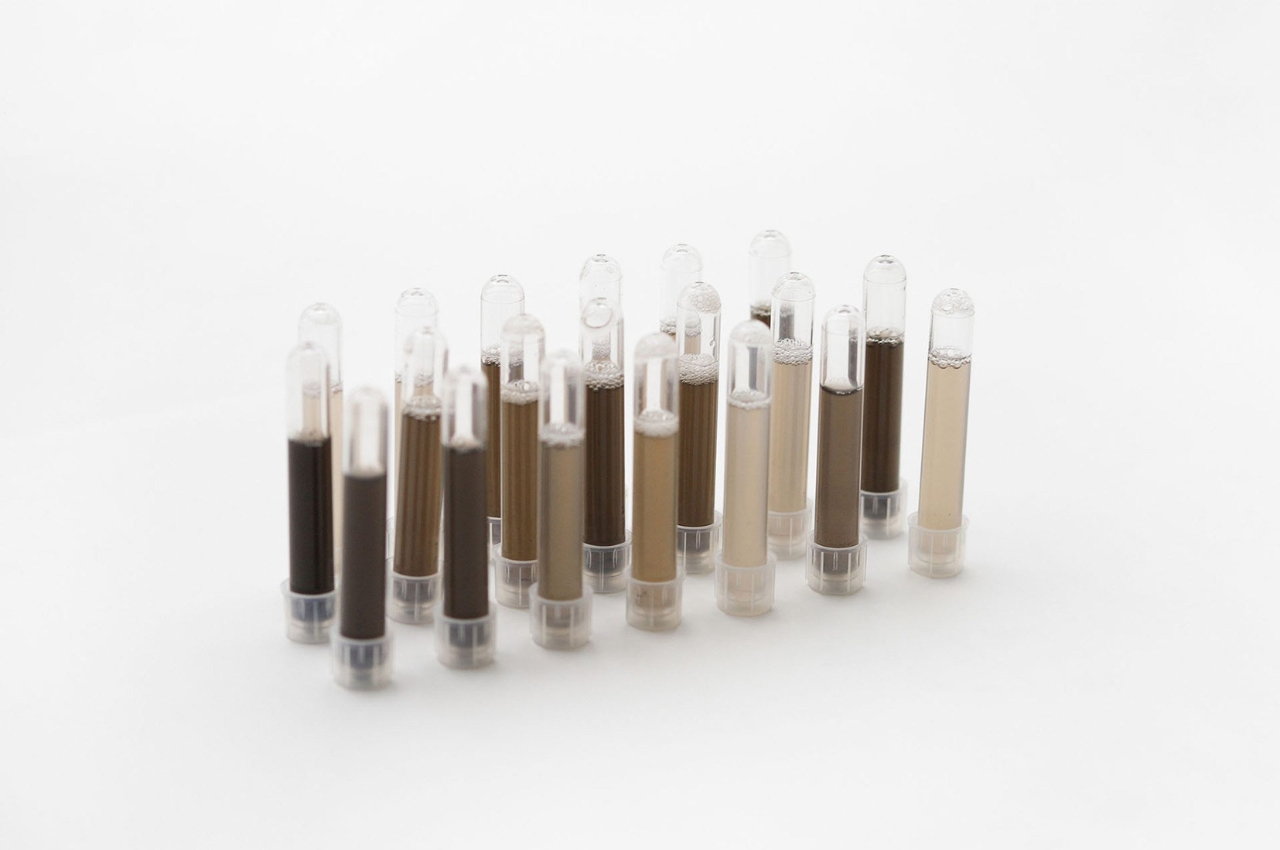
A speculative biofabrication project by Central Saint Martins graduate Maca Barrera called Melwear project tries to imagine clothes that are made from skin pigment melanin. They can actually become a form of sun and UV protection for us and even let us know what level of UV exposure we’re getting. This project actually uses two different technologies: the creation of melanin-produce bacteria and extracting the pigment from it and the bioprinting of artificial tissues with living cells.

The idea is to use bacterial melanin as sunscreen to shield our bodies from UV radiation since it has UV absorbance and antioxidant properties. The speculative membrane with encapsulated melanin will supposedly become darker the more the wearer is exposed to UV rays. Basically it’s supposed to become a second skin that will protect the user and also react with the environment so they become more aware that we need protection from the sun and to prevent skin cancer as well.

This is still very much a speculative project so there’s no functional prototype yet other than the production of the bacterial melanin and the testing of the bioprinting technology. It’s an interesting idea that can hopefully be explored more, although thinking about wearing something that’s made from melanin doesn’t necessarily bring visions of fashionable outfits.

The post Bacterial melanin clothes may protect us from UV rays in the future first appeared on Yanko Design.

How to Upload & Share Files on Google Drive

Upload Google Drive

Google Drive is a powerful cloud-based storage and collaboration platform that simplifies file management and sharing. With its user-friendly interface and robust features, Google Drive enables you to efficiently store, organize, and access your files from anywhere, at any time. The videos below from Hopwfinity will walk us through the essential steps to leverage Google […]

The post How to Upload & Share Files on Google Drive appeared first on Geeky Gadgets.

Posted in Uncategorized | Tagged

Chinese EV makers face additional tariffs of up to 38 percent in the EU

The European Union is going impose additional tariffs of up to 38 percent on Chinese-made electric vehicles in an effort to protect the region's manufacturers from unfair competition, according to The New York Times and the Financial Times. The European Commission has already warned Chinese carmakers about the additional taxes, which will go on top of the existing 10 percent tariff on their EVs and will be different for each manufacturer. BYD's and Geely's vehicles will be hit by tariffs between 17.4 and 20 percent, while SAIC will face an additional 38 percent in taxes. 

Rates for other carmakers vary, depending on whether they've cooperated with an ongoing EU investigation into the Chinese government's subsidies for its EV manufacturers. Because of those subsidies, China-made EVs can be sold at much lower prices than their European competitors'. The Chinese carmakers that have cooperated with the probe will be subjected to an additional tariff of 21 percent, while those who didn't will get an extra 38 percent. The Financial Times says European Commission's Margaritis Schinas has reached out to Chinese authorities to "explore possible ways to resolve" the issue. The new tariffs will be enforced on July 4 if they fail to reach an agreement. 

While the EU said that it's introducing additional taxes on Chinese EVs to protect the bloc's manufacturers, some authorities and European automakers oppose the move out of concern that it could lead to retaliation from China. They're specifically worried that China's response would make EVs more expensive in general, which in turn could drive away customers, especially those who are still not wholly convinced that they should switch to electric. 

The EU's announcement comes a month after the US quadrupled the import tariff for Chinese EVs. It was part of a bigger move by the US government to quash China's influence on its economy, along with imposing additional taxes on Chinese-made semiconductors, solar cells, batteries and medical products. 

This article originally appeared on Engadget at https://www.engadget.com/chinese-ev-makers-face-additional-tariffs-of-up-to-38-percent-in-the-eu-130046170.html?src=rss

NETGEAR Nighthawk RS300 Router and Orbi 770 Tri-band wireless mesh

Orbi 770 Tri-band wireless mesh

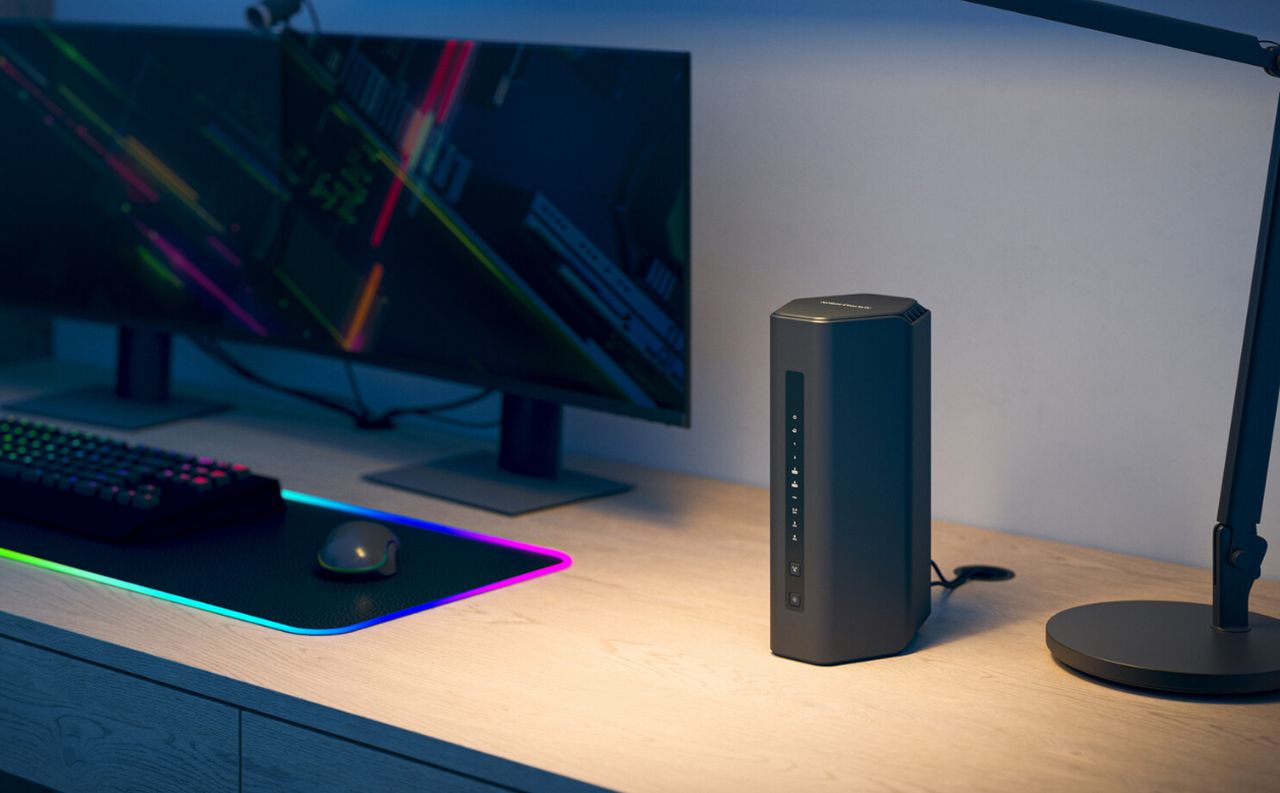
NETGEAR has expanded its WiFi 7 lineup with the introduction of the Orbi 770 Tri-band Mesh System and the Nighthawk RS300 Router. These new products promise to deliver powerful WiFi performance and secure connectivity at an affordable price point, making next-generation internet speeds accessible to a wider audience. Key Takeaways Orbi 770 Tri-band Mesh System […]

The post NETGEAR Nighthawk RS300 Router and Orbi 770 Tri-band wireless mesh appeared first on Geeky Gadgets.

Posted in Uncategorized | Tagged

Jabra Elite 8 Active and Elite 10 second-generation wireless earbuds

Jabra Elite 8 Active and Elite 10 wireless earbuds

Jabra has unveiled its latest innovations: the Elite 8 Active Gen 2 and Elite 10 Gen 2 wireless earbuds. These next-generation earbuds build upon the success of their predecessors, offering enhanced features that elevate the audio experience to new heights. Key Takeaways Elite 8 Active Gen 2: LE Audio smart case for streaming spatial sound […]

The post Jabra Elite 8 Active and Elite 10 second-generation wireless earbuds appeared first on Geeky Gadgets.