China’s BYD is catching up with Tesla in sales

China’s leading EV manufacturer, BYD, is catching up with Tesla in sales, according to sales figures published by Reuters. The company posted a 21 percent increase in electric vehicle sales throughout the second quarter. This totals 426,039 EVs from April to June, which is just 12,000 fewer vehicles than Tesla’s estimated deliveries for the same time period. This places BYD in a good position to become the world’s leading vendor.

Tesla just reported a five percent drop in deliveries for the most recent quarter, which is the first time the company has ever experienced two straight quarters of decline. It produced 410,831 units and delivered 443,956 EVs in Q2. Production decreased by over 20,000 units compared to quarter one. Analysts like Barclays predicted an even steeper drop, so this is (sort of) good news for the company. 

There are a lot of factors playing into Tesla’s decline, but the biggest one is likely the fact that it seems to have abandoned budget-friendly models in favor of robotaxis and dystopian stainless steel beasts. BYD’s cars are fantastically cheap, with the recently-released Seagull starting at just $10,000. Of course, the company doesn’t have much of a presence in the US yet and tariffs on imported Chinese vehicles hope to keep it that way. The EU has taken a similar approach to curb the influx of inexpensive Chinese EVs.

BYD is part of China’s industrial strategy to topple US carmakers, though there’s one sure-fire way to stem the tide. Automakers should manufacture cheaper electric vehicles. BYD is becoming a global phenomenon because it makes budget-friendly EVs that aren’t pieces of junk. Some manufacturers have taken note. Look at the Nissan Leaf, for instance, or the Hyundai Kona. One company that seems to have ignored the memo entirely? Tesla.

This article originally appeared on Engadget at https://www.engadget.com/chinas-byd-is-catching-up-with-tesla-in-sales-153900131.html?src=rss
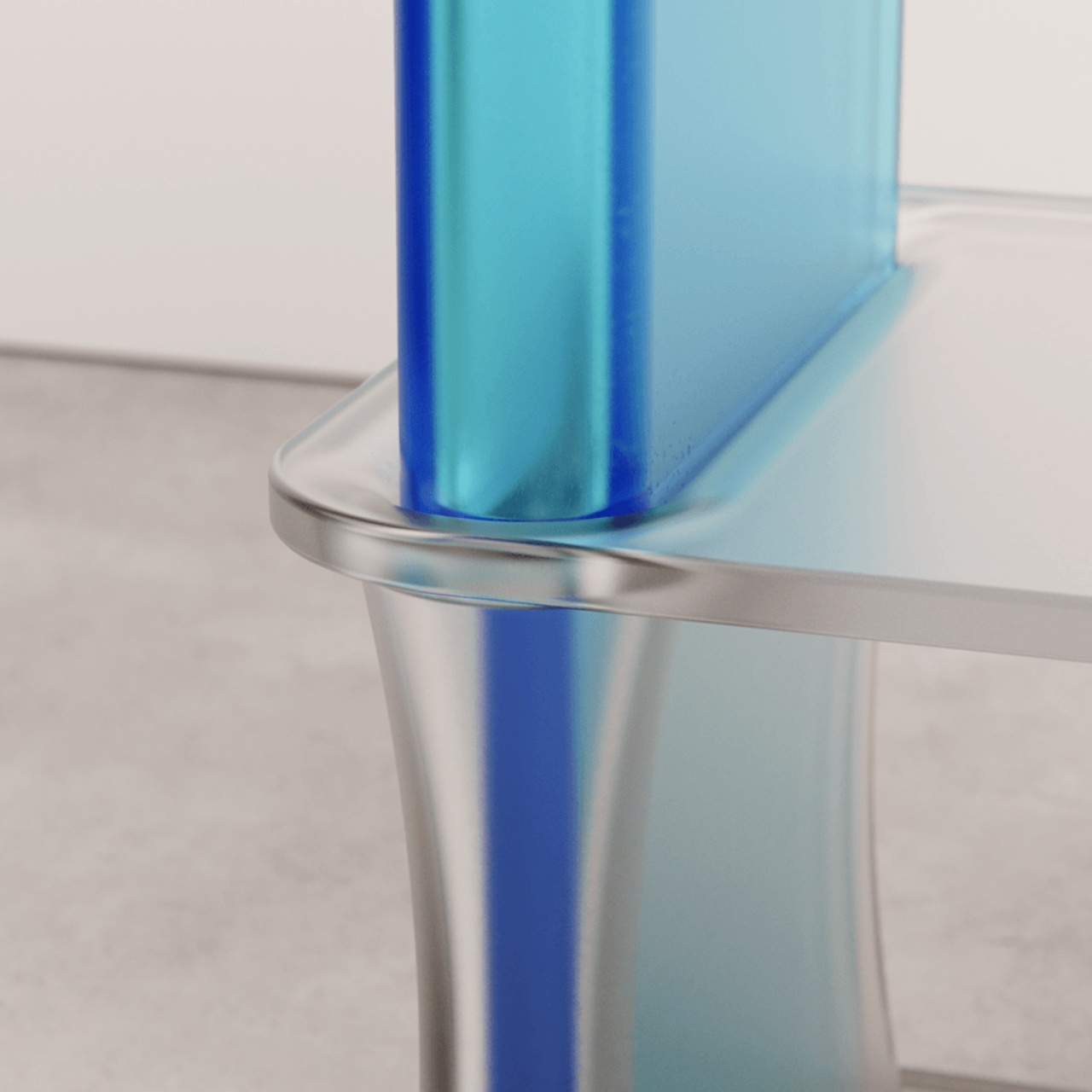
Polycarbonate plastic chair can be turned into side table

People have different tastes when it comes to furniture, even something as functional as chairs. There are those that look for comfort while there are those that just want something they can sit on when working. There are people who look for highly aesthetic chairs that can fit into their space while there are those that like to look for more experimental kind of chairs.

Designer Name: Liam de la Beyodere

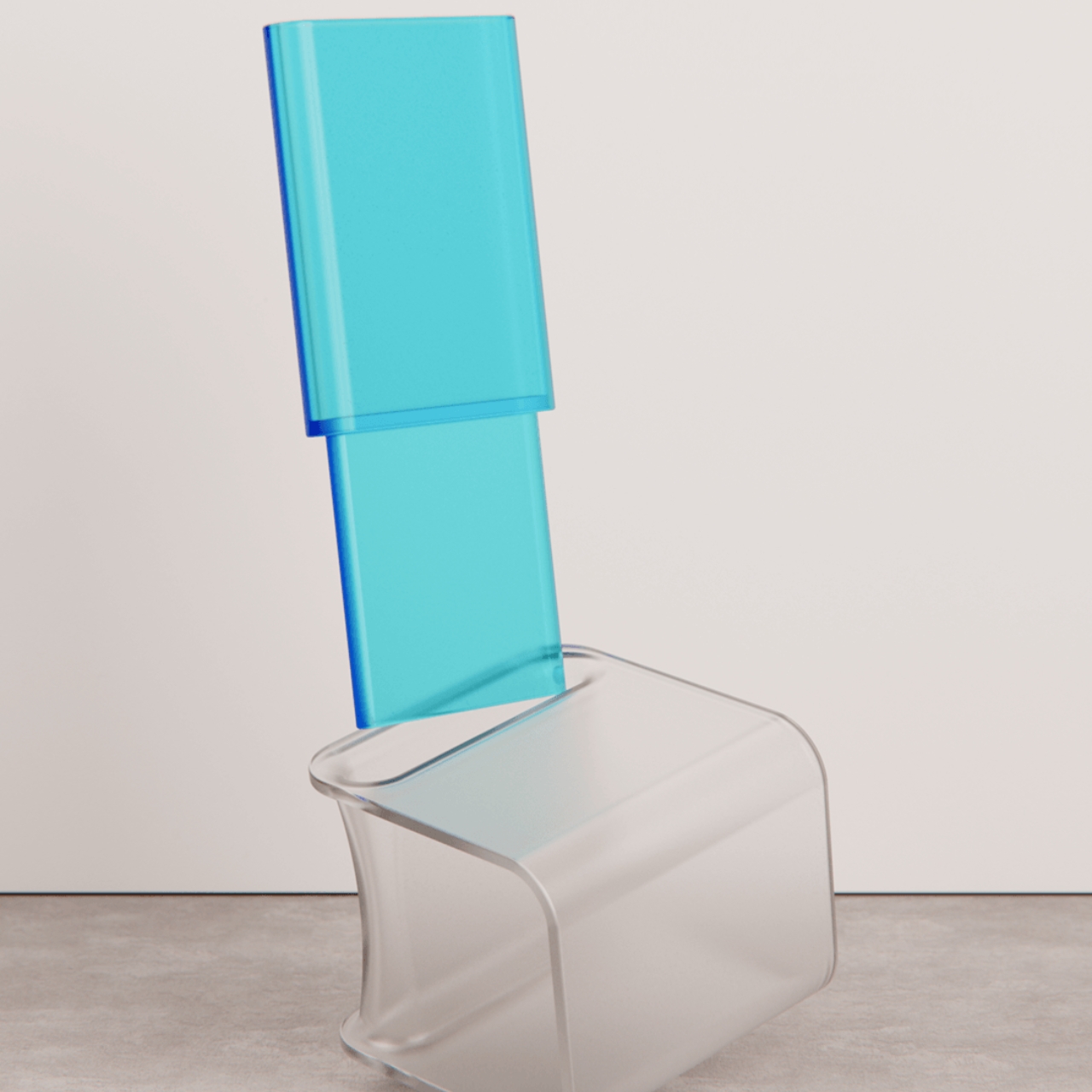
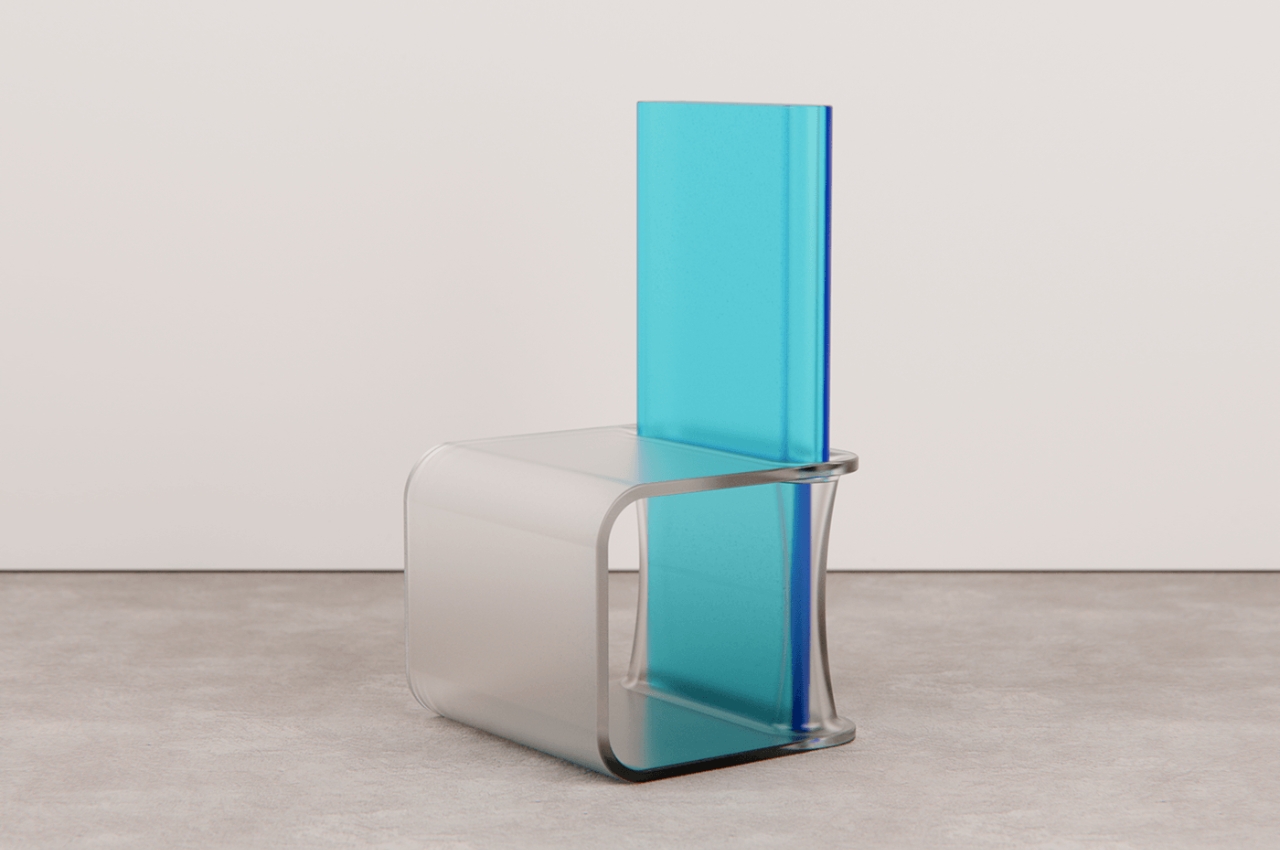
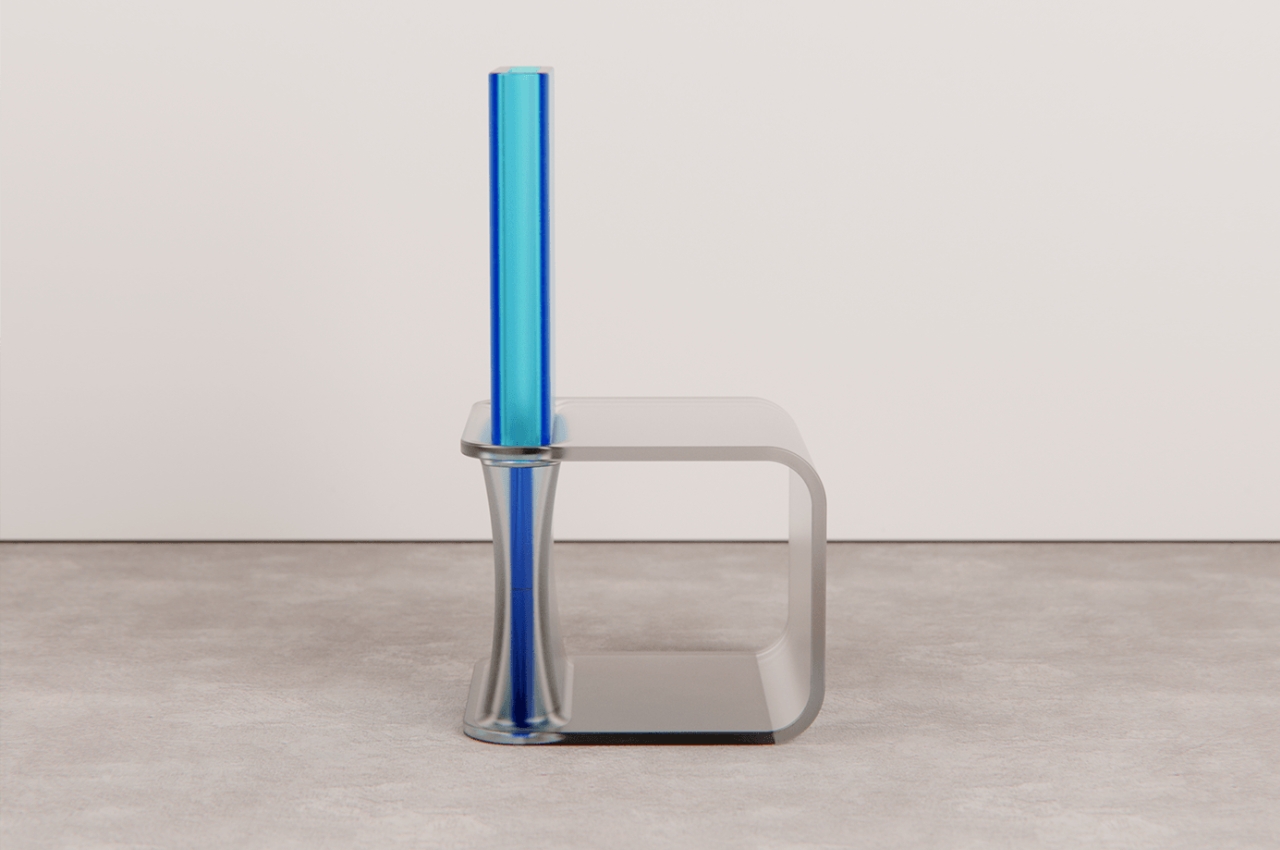
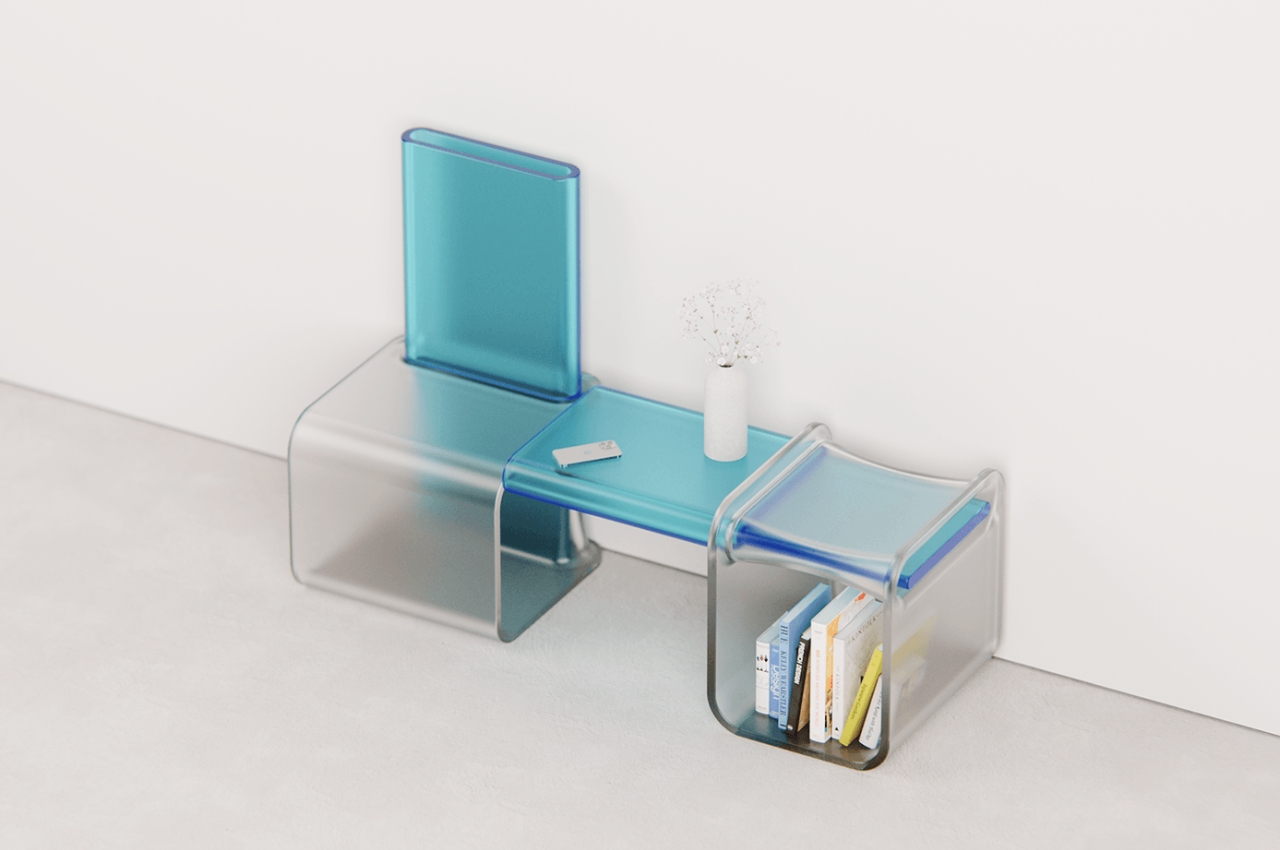
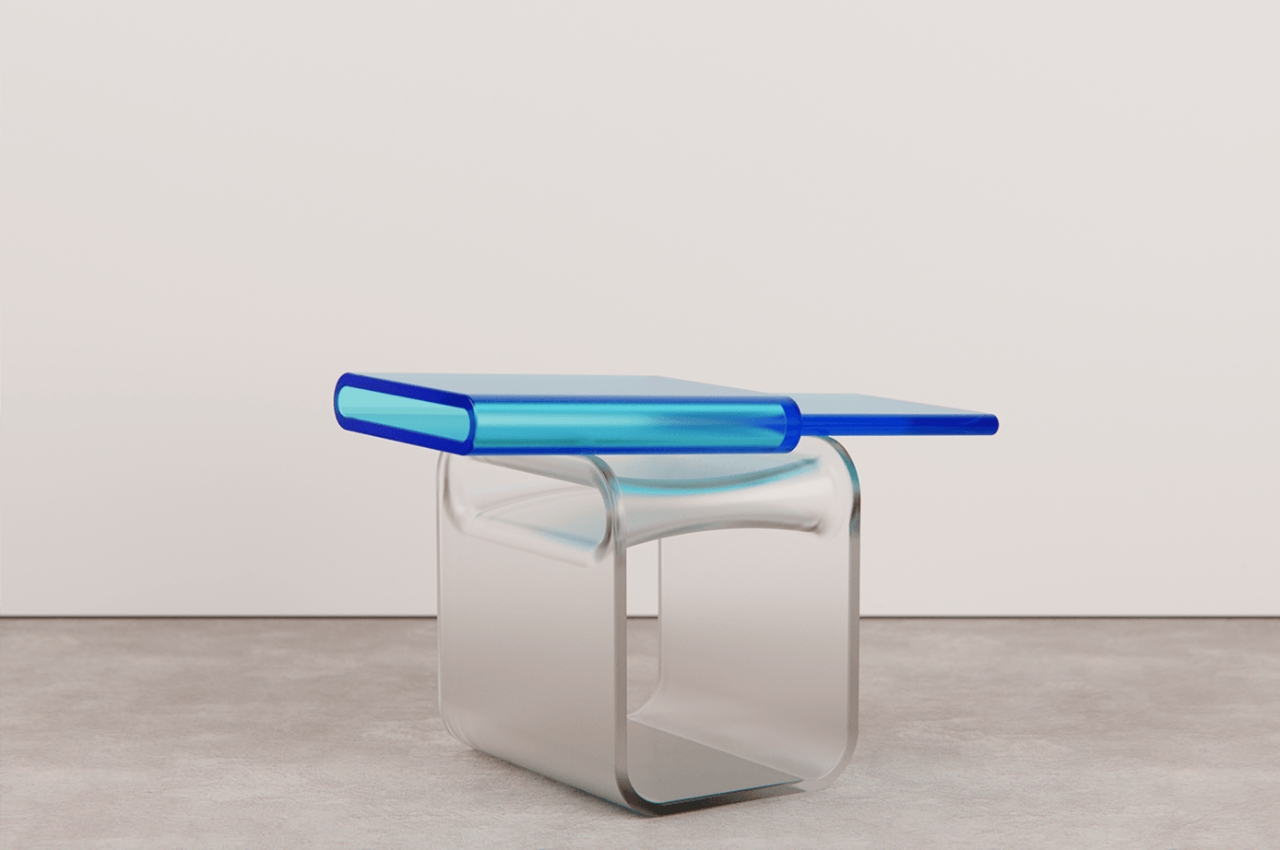
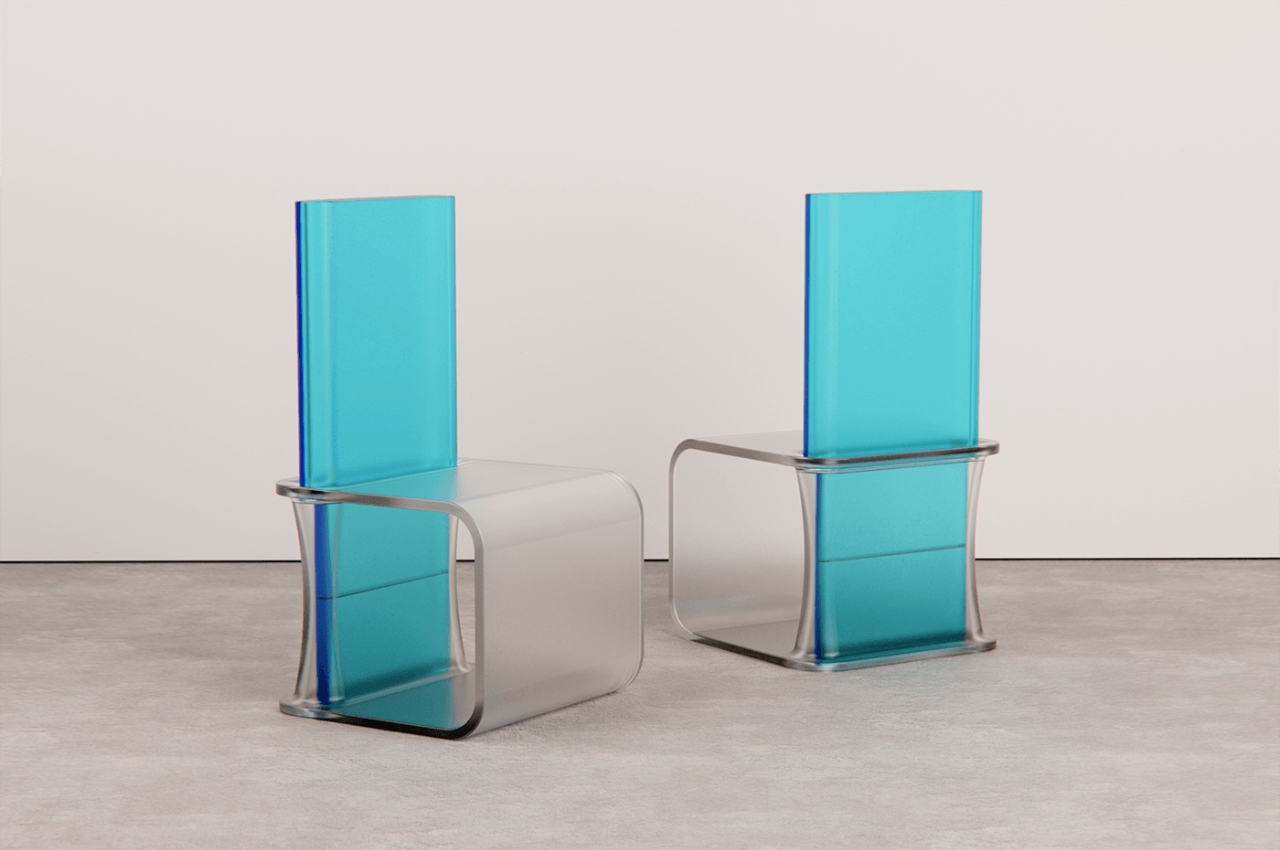
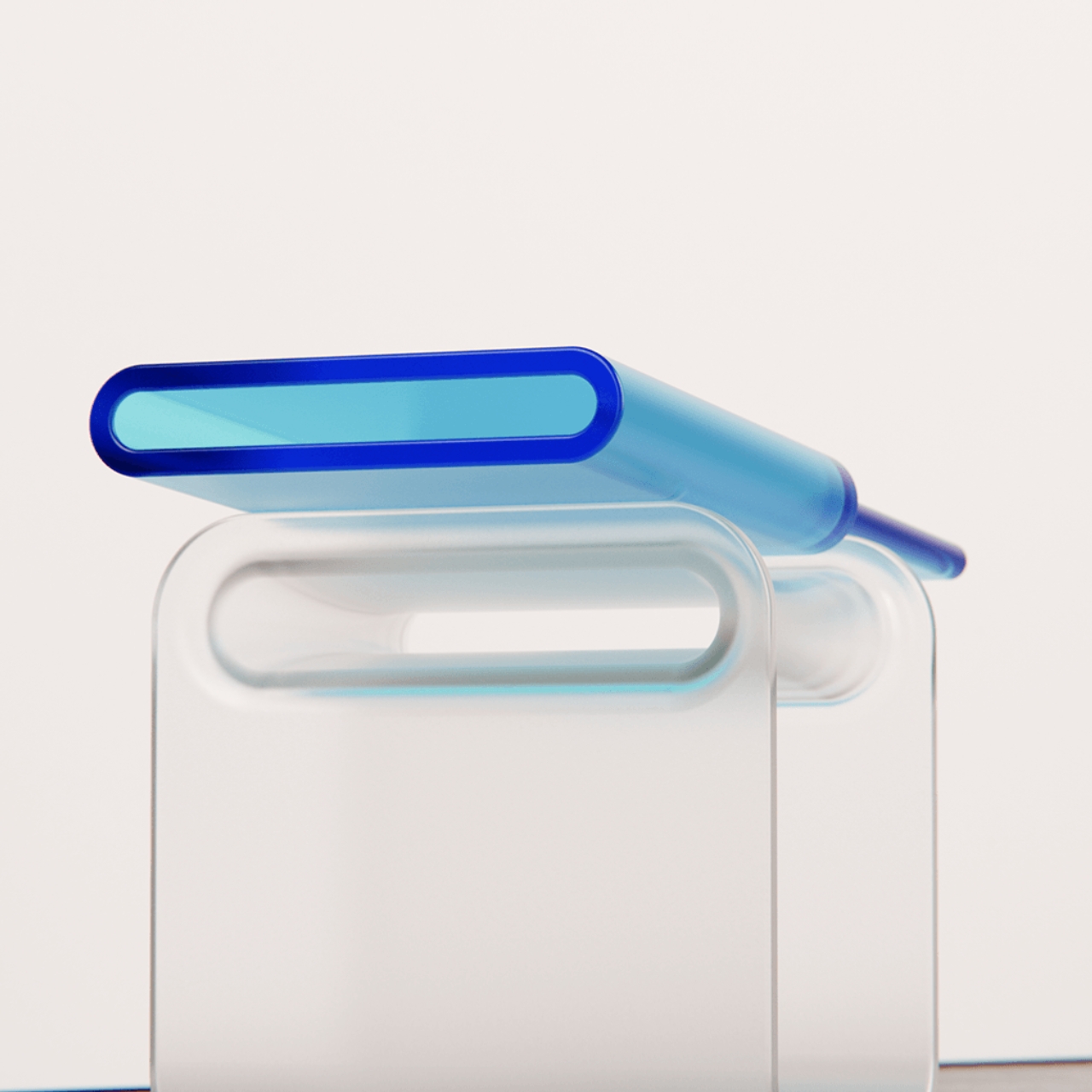
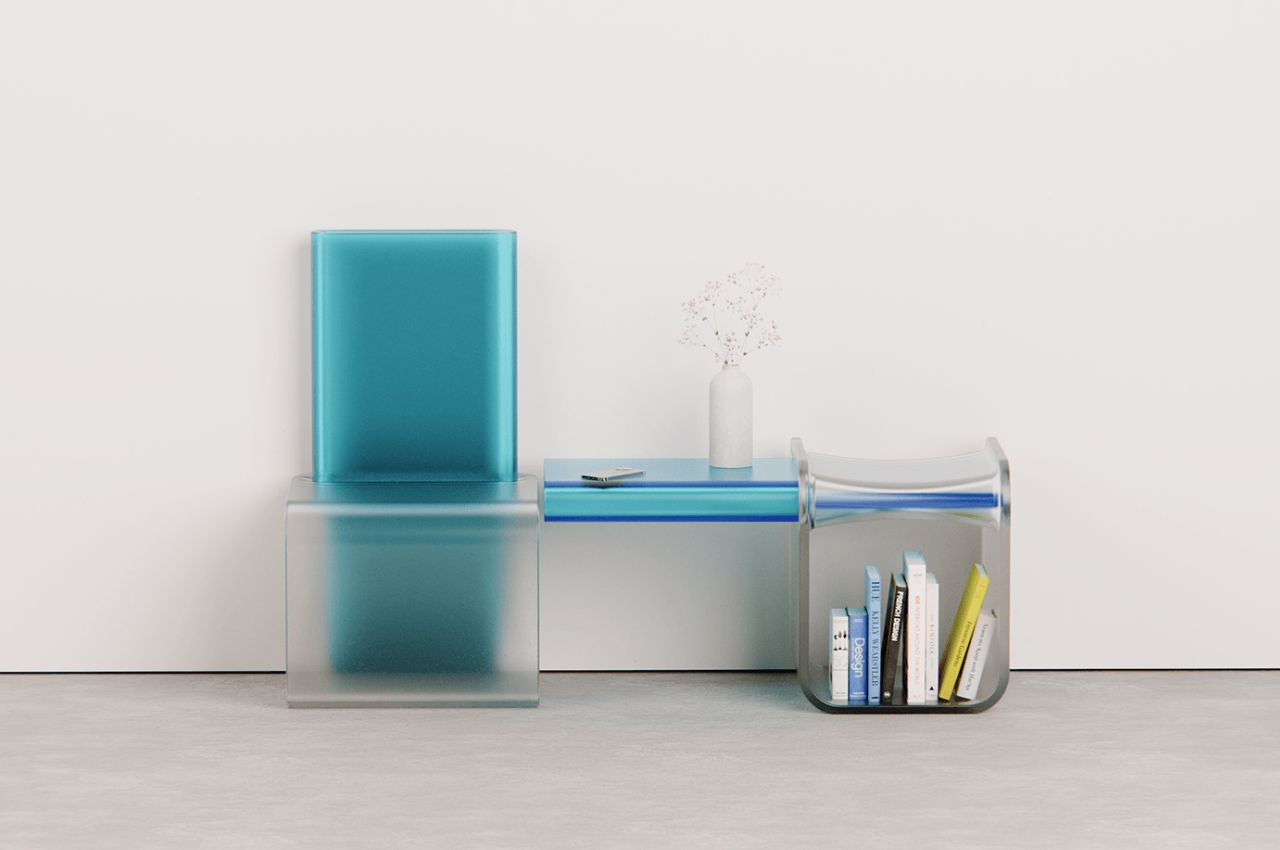
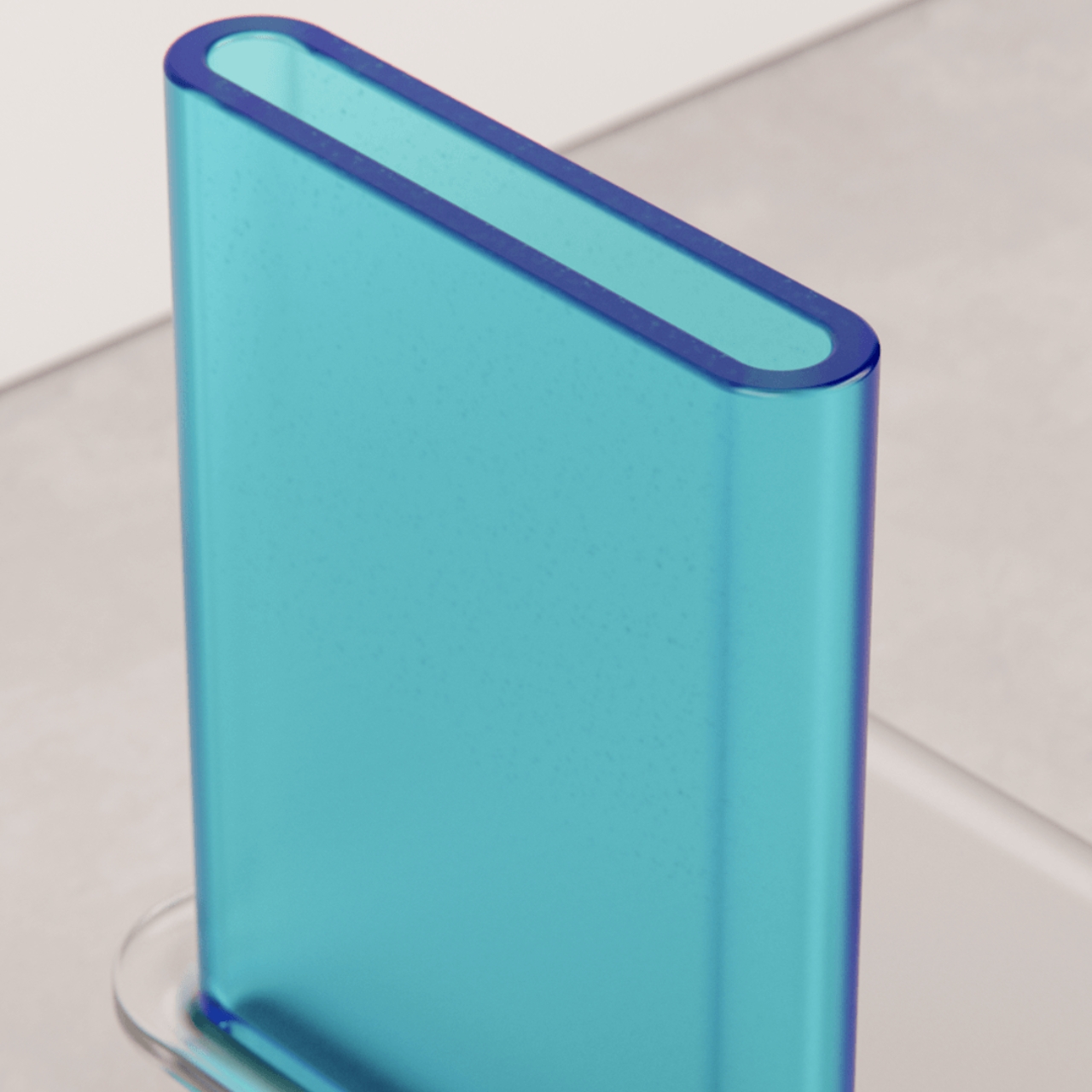
If you’re the last kind of person, this chair concept might be right up your alley. The Push Fit Chair uses frosted injection-moulded polycarbonate plastic for its parts. When you push them together and assemble it, you get a chair that sports a crystal-clear aesthetic. The idea is for light and colors to flow through the chair and lets it cast different patterns and shapes on nearby surfaces.

You can also remove the backrest part of the chair if you want to just have a stool type of furniture. You can also put the backrest on the side so you get a side table along with your chair. There is also space under where you can store items like books and knick knacks. If you put the full chair with the chair/side table together, then you have a more complete set.

Chairs made from polycarbonate plastic may not seem the most comfortable but based on the renders, you get something really pleasing to the eyes. And of course, we love multi-functional and modular things here, so that’s another bonus fro the Push Fit Chair.

The post Polycarbonate plastic chair can be turned into side table first appeared on Yanko Design.

Polycarbonate plastic chair can be turned into side table

People have different tastes when it comes to furniture, even something as functional as chairs. There are those that look for comfort while there are those that just want something they can sit on when working. There are people who look for highly aesthetic chairs that can fit into their space while there are those that like to look for more experimental kind of chairs.

Designer Name: Liam de la Beyodere

If you’re the last kind of person, this chair concept might be right up your alley. The Push Fit Chair uses frosted injection-moulded polycarbonate plastic for its parts. When you push them together and assemble it, you get a chair that sports a crystal-clear aesthetic. The idea is for light and colors to flow through the chair and lets it cast different patterns and shapes on nearby surfaces.

You can also remove the backrest part of the chair if you want to just have a stool type of furniture. You can also put the backrest on the side so you get a side table along with your chair. There is also space under where you can store items like books and knick knacks. If you put the full chair with the chair/side table together, then you have a more complete set.

Chairs made from polycarbonate plastic may not seem the most comfortable but based on the renders, you get something really pleasing to the eyes. And of course, we love multi-functional and modular things here, so that’s another bonus fro the Push Fit Chair.

The post Polycarbonate plastic chair can be turned into side table first appeared on Yanko Design.

Tesla’s year-over-year deliveries decreased for the second quarter in a row

Tesla has announced its second quarter figures, with the company producing 410,831 and delivering 443,956 EVs in Q2. Production decreased by a little over 20,000 units compared to quarter one, but deliveries increased by nearly 15 percent. However, its distribution numbers are 4.8 percent lower than the same period in 2023. Tesla notes it "deployed 9.4 GWh of energy storage products in Q2, the highest quarterly deployment yet."

The car manufacturer's first quarter of 2024 was the first time since 2020 that the company reported a year-over-year sales drop. The car manufacturer blamed the decrease partly on "the early phase of the production ramp of the updated Model 3 at our Fremont factory and factory shutdowns resulting from shipping diversions caused by the Red Sea conflict and an arson attack at Gigafactory Berlin." A group of people called "Volcano Group" claimed responsibility for cutting the power to Tesla's factory outside Berlin. The plant is Tesla's only one in Europe and had to close for a week while power was restored.

Notably, on April 1 Tesla increased the price of every Model Y in the US by $1,000, but we'll have to wait until July 23 to see if it impacted the company's Q2 financial results. Earlier this year, Tesla CEO Elon Musk announced that a lower-cost EV should arrive in the second half of 2025, but that its production might lower sales growth this year. 

This article originally appeared on Engadget at https://www.engadget.com/teslas-year-over-year-deliveries-decreased-for-the-second-quarter-in-a-row-144057024.html?src=rss

Tesla’s year-over-year deliveries decreased for the second quarter in a row

Tesla has announced its second quarter figures, with the company producing 410,831 and delivering 443,956 EVs in Q2. Production decreased by a little over 20,000 units compared to quarter one, but deliveries increased by nearly 15 percent. However, its distribution numbers are 4.8 percent lower than the same period in 2023. Tesla notes it "deployed 9.4 GWh of energy storage products in Q2, the highest quarterly deployment yet."

The car manufacturer's first quarter of 2024 was the first time since 2020 that the company reported a year-over-year sales drop. The car manufacturer blamed the decrease partly on "the early phase of the production ramp of the updated Model 3 at our Fremont factory and factory shutdowns resulting from shipping diversions caused by the Red Sea conflict and an arson attack at Gigafactory Berlin." A group of people called "Volcano Group" claimed responsibility for cutting the power to Tesla's factory outside Berlin. The plant is Tesla's only one in Europe and had to close for a week while power was restored.

Notably, on April 1 Tesla increased the price of every Model Y in the US by $1,000, but we'll have to wait until July 23 to see if it impacted the company's Q2 financial results. Earlier this year, Tesla CEO Elon Musk announced that a lower-cost EV should arrive in the second half of 2025, but that its production might lower sales growth this year. 

This article originally appeared on Engadget at https://www.engadget.com/teslas-year-over-year-deliveries-decreased-for-the-second-quarter-in-a-row-144057024.html?src=rss

Apple says Vision Pro will allow alternate payment methods in the EU

The European Commission designated Apple as a gatekeeper under the Digital Markets Act for its iOS and iPadOS platforms, as well as its App Store and its Safari browser. VisionOS is nowhere in that list, but Apple is getting ahead of the commission this time and has announced that apps for the headset distributed on the App Store in the EU can offer alternative payment options. As 9to5Mac notes, Apple made the announcement just before the Vision Pro is released in the region — the headset will be available in France and Germany starting on July 12. 

For developers to be able to offer alternative payment methods outside of the App Store, visionOS version 1.2 is required. Developers can already offer alternative payment solutions on Apple's other platforms in the EU, and in those cases, users are redirected to a third-party provider or a website to pay for their purchase or subscription. Chances are, that's also how it's going to work for the headset. 

A few days ago, European Union officials said Apple breached DMA rules because there was nothing in its updated terms that allows developers to tell users how much less they could pay if they choose to use the alternative payment options they offer. Authorities started investigating Apple over its potential violation of the DMA's anti-steering rules back in March. The results they released were merely preliminary findings, but if Apple is found guilty, the company may have to pay a fine worth up to 10 percent of its global annual revenue, or tens of billions of dollars. 

This article originally appeared on Engadget at https://www.engadget.com/apple-says-vision-pro-will-allow-alternate-payment-methods-in-the-eu-143038469.html?src=rss

Smartphone enclosure concept helps develop good relaxation habits

As powerful and as useful as our smartphones might be, they can also be stumbling blocks not only for productivity but also for mental health. Incessant notifications and the fear of missing out (FOMO) add to the stress and anxiety of the modern world. Of course, ditching your smartphone is no longer an option these days, which is why several designs try to meet the problem halfway, many utilizing minimalist interfaces or drab gray screens to limit our smartphone interaction. Those, however, only solve one part of the problem, leaving many people still unused to taking breaks or relaxing. This concept design for a smartphone accessory tries to do exactly that, keeping your phone safely away from your reach while also helping you get into the habit of taking good breaks from time to time.

Designer: Jeongmin Ham

The most basic strategy people use to avoid distractions from their phones is to put it away, either at a distance or inside a drawer, creating some friction or obstacle to getting the phone instantly. While it can be an effective strategy for some, it’s also a missed opportunity for the smartphone to do something, well, smart. Short of using it as a timer, which can also lead to temptations, it can perhaps be utilized for some other function while keeping its normal distracting features at bay.

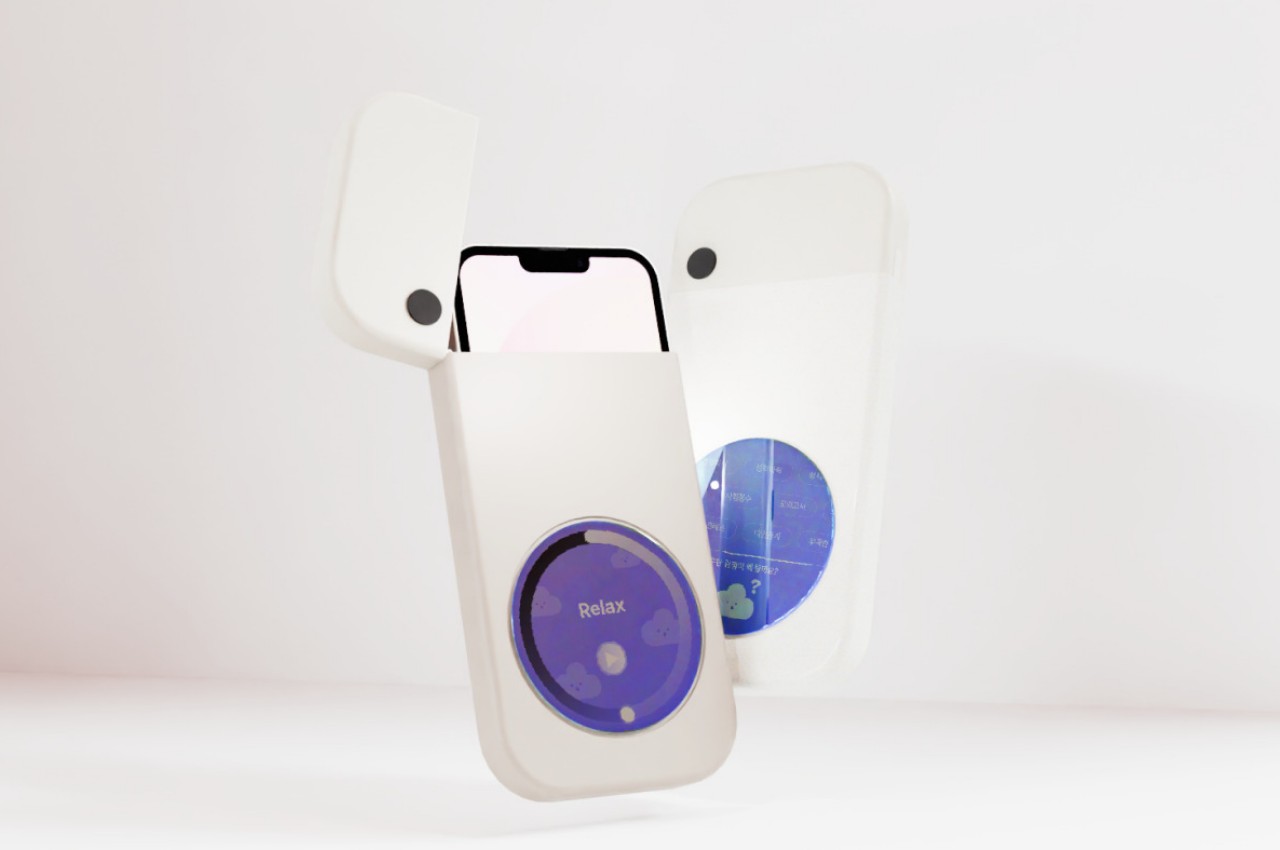
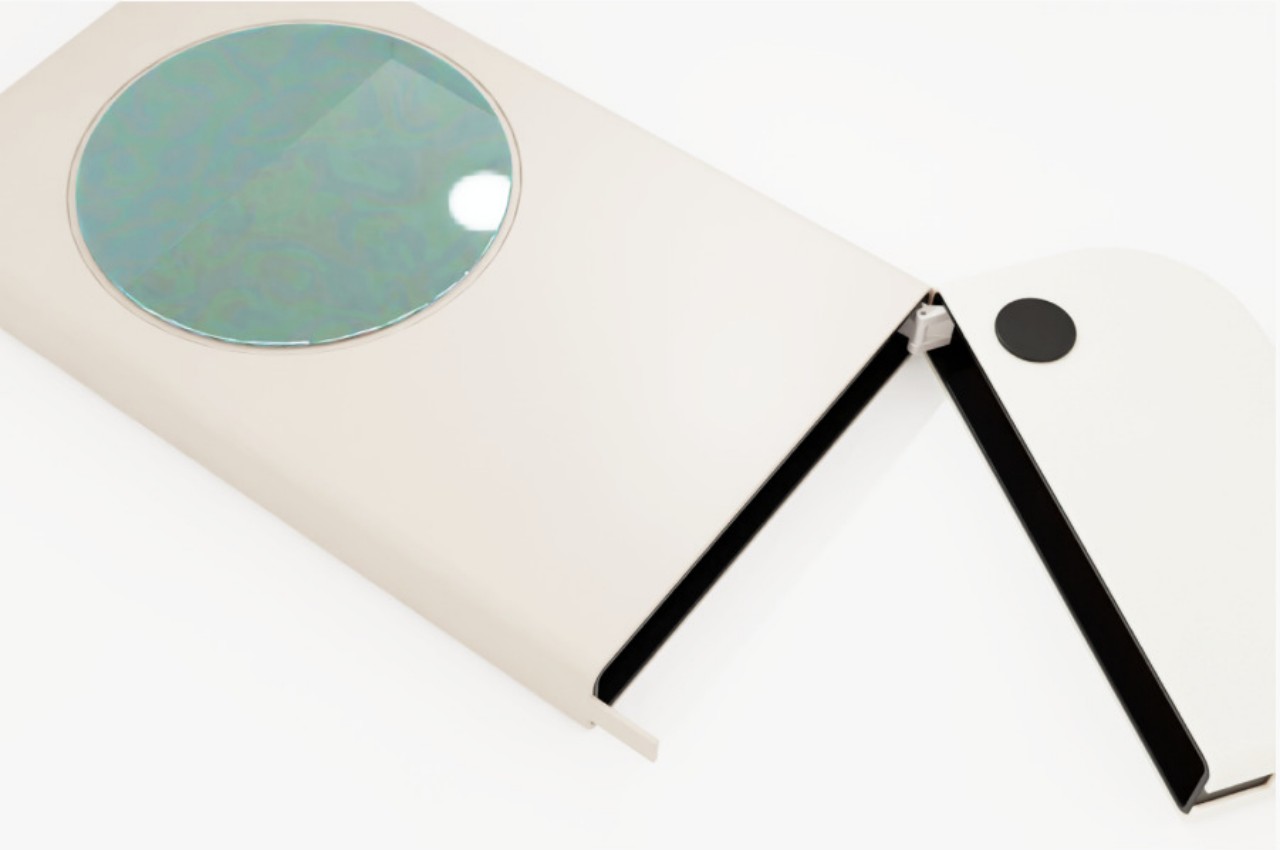
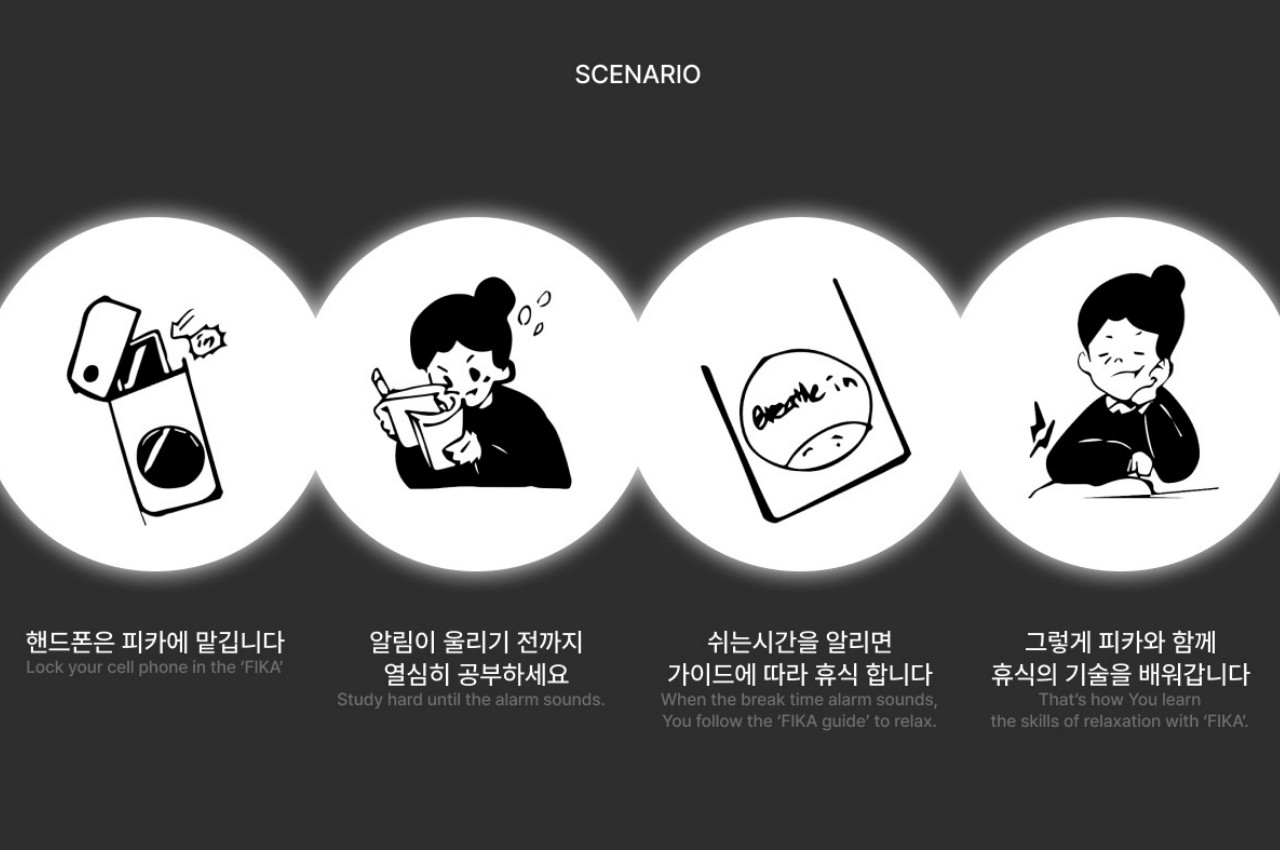
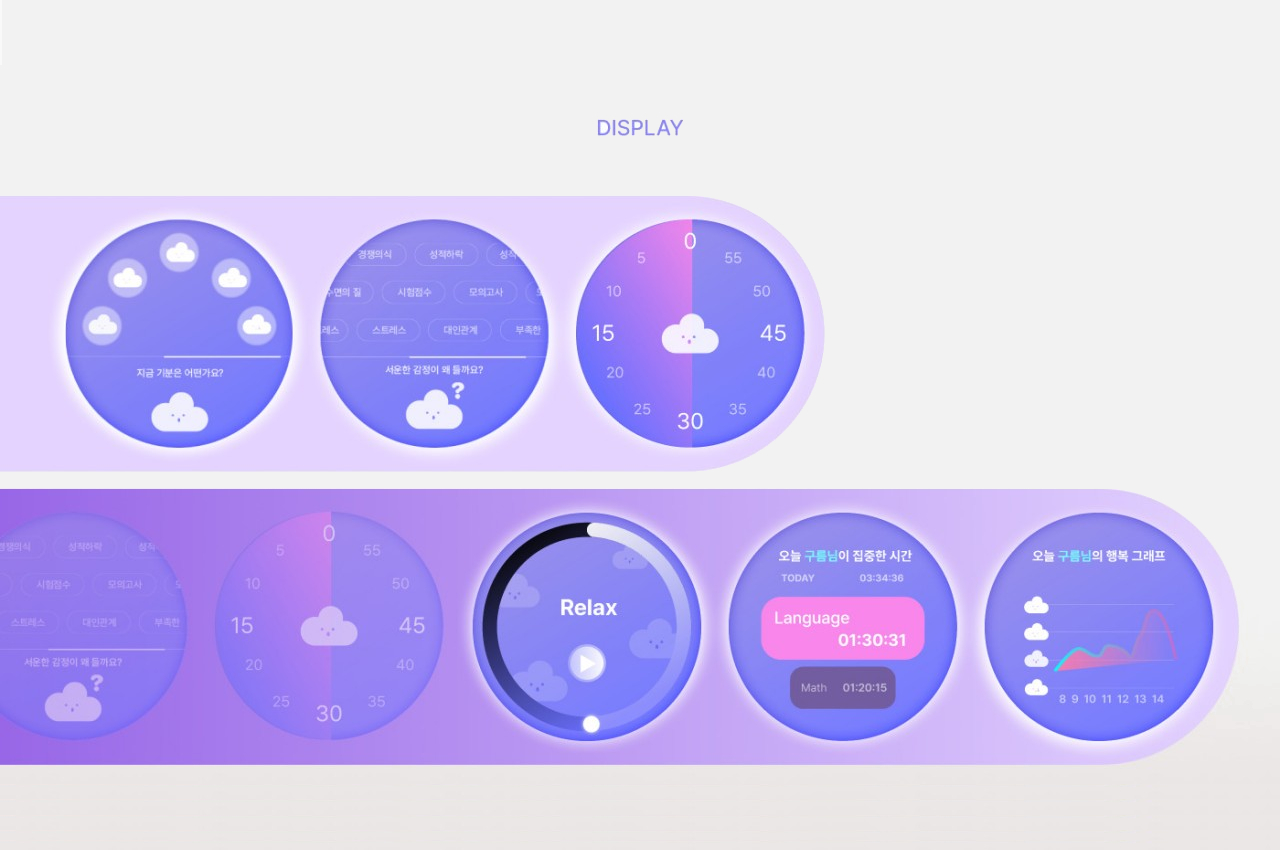
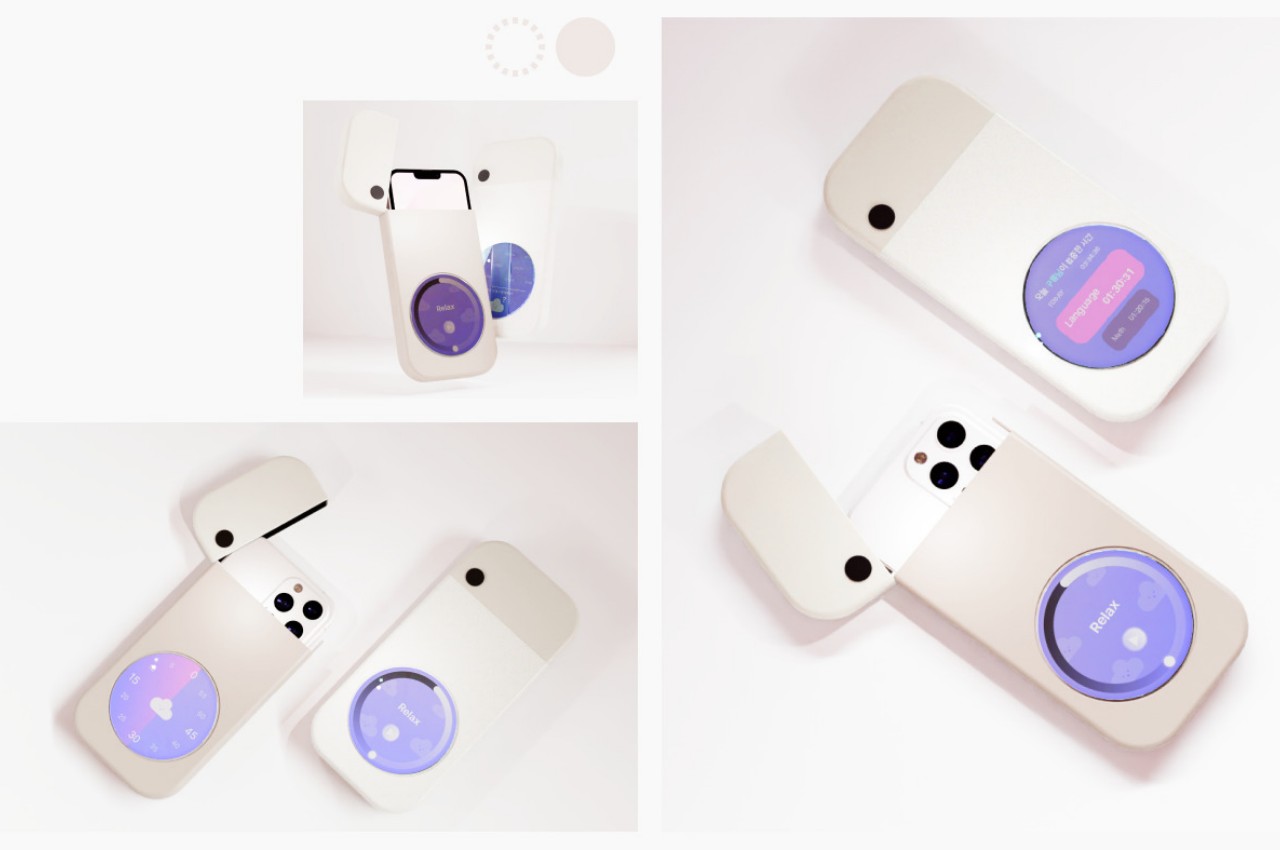
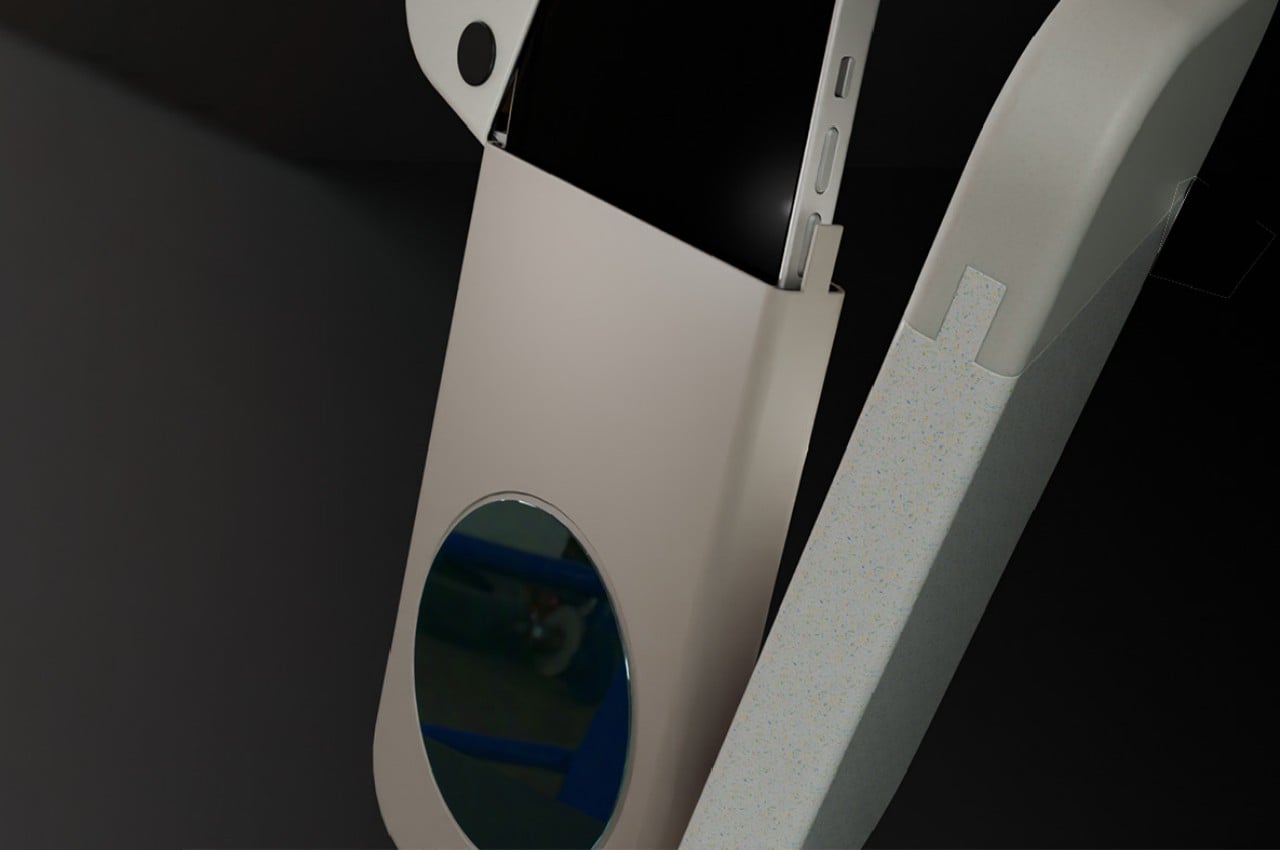
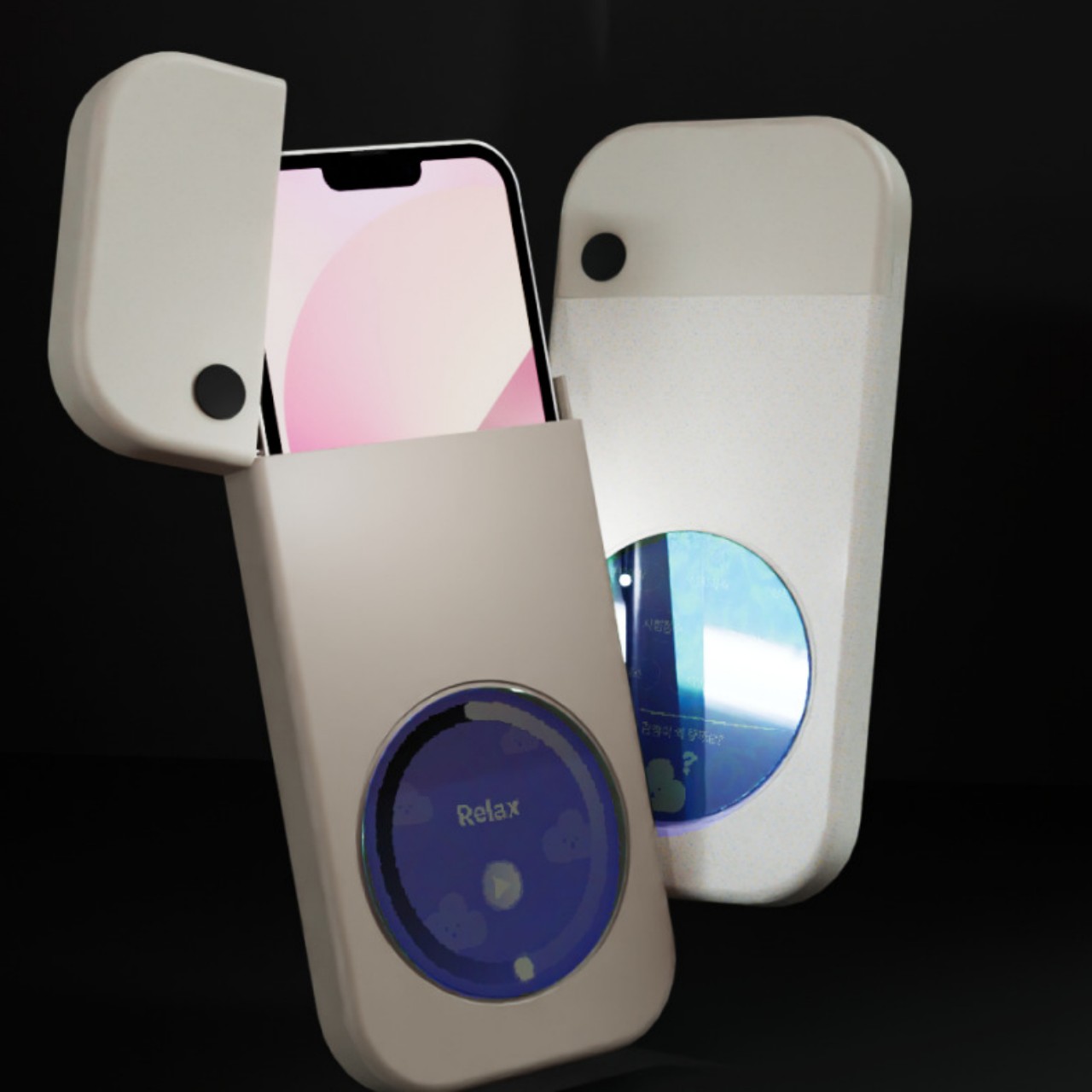
FIKA is a concept design for an accessory that does exactly that, keeping your smartphone from distracting you but also putting it to good use in training you to take breaks and use those breaks wisely. It is pretty much a cage or enclosure where you put the phone in, blocking complete use of the device except for a small circular window to a part of the screen. This is the only place where you’ll be able to see the phone’s guidance on how to take a break properly, somewhat like guided meditation apps that have become quite popular these days.

The idea for FIKA is to not just simply put your phone away to avoid distractions but also to develop good habits of taking breaks. And while different people take breaks differently, not everyone has an idea of how to do so properly, so FIKA can suggest certain actions like breathing exercises. Over time, the reminders and the case might not even be needed anymore, as you would have developed the habit and willpower to do it on your own.

The concept design sadly leaves a lot of questions unanswered, like how one will be prevented from just fishing out the phone without some locking mechanism. It also doesn’t mention how the circular window actually works, whether it is just a hole that leaves a part of the phone’s screen exposed or if it’s a touch-sensitive surface that “passes” touches through to the phone inside. Still, the core idea is interesting enough to warrant further thought, especially in an age where people’s mental and physical health has been in decline due to smartphones and overworking.

The post Smartphone enclosure concept helps develop good relaxation habits first appeared on Yanko Design.

Smartphone enclosure concept helps develop good relaxation habits

As powerful and as useful as our smartphones might be, they can also be stumbling blocks not only for productivity but also for mental health. Incessant notifications and the fear of missing out (FOMO) add to the stress and anxiety of the modern world. Of course, ditching your smartphone is no longer an option these days, which is why several designs try to meet the problem halfway, many utilizing minimalist interfaces or drab gray screens to limit our smartphone interaction. Those, however, only solve one part of the problem, leaving many people still unused to taking breaks or relaxing. This concept design for a smartphone accessory tries to do exactly that, keeping your phone safely away from your reach while also helping you get into the habit of taking good breaks from time to time.

Designer: Jeongmin Ham

The most basic strategy people use to avoid distractions from their phones is to put it away, either at a distance or inside a drawer, creating some friction or obstacle to getting the phone instantly. While it can be an effective strategy for some, it’s also a missed opportunity for the smartphone to do something, well, smart. Short of using it as a timer, which can also lead to temptations, it can perhaps be utilized for some other function while keeping its normal distracting features at bay.

FIKA is a concept design for an accessory that does exactly that, keeping your smartphone from distracting you but also putting it to good use in training you to take breaks and use those breaks wisely. It is pretty much a cage or enclosure where you put the phone in, blocking complete use of the device except for a small circular window to a part of the screen. This is the only place where you’ll be able to see the phone’s guidance on how to take a break properly, somewhat like guided meditation apps that have become quite popular these days.

The idea for FIKA is to not just simply put your phone away to avoid distractions but also to develop good habits of taking breaks. And while different people take breaks differently, not everyone has an idea of how to do so properly, so FIKA can suggest certain actions like breathing exercises. Over time, the reminders and the case might not even be needed anymore, as you would have developed the habit and willpower to do it on your own.

The concept design sadly leaves a lot of questions unanswered, like how one will be prevented from just fishing out the phone without some locking mechanism. It also doesn’t mention how the circular window actually works, whether it is just a hole that leaves a part of the phone’s screen exposed or if it’s a touch-sensitive surface that “passes” touches through to the phone inside. Still, the core idea is interesting enough to warrant further thought, especially in an age where people’s mental and physical health has been in decline due to smartphones and overworking.

The post Smartphone enclosure concept helps develop good relaxation habits first appeared on Yanko Design.

Beyond To-Do Lists: 5 Apps That Revolutionize Productivity

Productivity Apps

In today’s fast-paced and increasingly digital world, productivity apps have become essential tools for managing tasks, setting goals, organizing notes, and streamlining workflows. With countless options available, it can be challenging to find the right app that caters to your specific needs and preferences. The video below from Shu Omi explores five innovative productivity apps […]

The post Beyond To-Do Lists: 5 Apps That Revolutionize Productivity appeared first on Geeky Gadgets.