SAG-AFTRA strikes against League of Legends over voiceover company actions

SAG-AFTRA has called a strike against the video game League of Legends. Under this action, any union voice actors must cease working on the popular MOBA from Riot Games. The union said it has also filed a charge of unfair labor practice against Formosa Interactive, which provides voiceover services for League, with the National Labor Relations Board.

Formosa Interactive was one of several high-profile video game companies named in a strike by voice acting talent earlier this year. SAG-AFTRA is working to negotiate with those developers for protections against AI replicas of its members, including those who perform in games.

Today, the union alleged that Formosa attempted to “cancel” a game that was included in the strike. "When they were told that was not possible, they secretly transferred the game to a shell company and sent out casting notices for “non-union” talent only," according to the press statement. "SAG-AFTRA charges that these serious actions are egregious violations of core tenets of labor law – that employers cannot interfere with performers’ rights to form or join a union and they cannot discriminate against union performers."

League of Legends is just one of the titles where Formosa Interactive provides services. In addition to voiceover work, Formosa Interactive also offers services such as facial capture, sound design and mixing. It has credits on games including God of War Ragnarok, Apex Legends, Genshin Impact, The Legend of Zelda: Breath of the Wild and Microsoft Flight Simulator.

Riot Games has issued the following statement about the strike: "League of Legends has nothing to do with the complaint mentioned in SAG-AFTRA’s press release. We want to be clear: Since becoming a union project five years ago, League of Legends has only asked Formosa to engage with Union performers in the US and has never once suggested doing otherwise. In addition, we’ve never asked Formosa to cancel a game that we’ve registered. All of the allegations in SAG-AFTRA’s press release relating to canceling a game or hiring non-union talent relate to a non-Riot game, and have nothing to do with League or any of our games."

Update, September 24, 2024, 5:47PM ET: Updated to include statement from Riot Games.

This article originally appeared on Engadget at https://www.engadget.com/gaming/sag-aftra-strikes-against-league-of-legends-over-voiceover-company-actions-212839780.html?src=rss

SAG-AFTRA strikes against League of Legends over voiceover company actions

SAG-AFTRA has called a strike against the video game League of Legends. Under this action, any union voice actors must cease working on the popular MOBA from Riot Games. The union said it has also filed a charge of unfair labor practice against Formosa Interactive, which provides voiceover services for League, with the National Labor Relations Board.

Formosa Interactive was one of several high-profile video game companies named in a strike by voice acting talent earlier this year. SAG-AFTRA is working to negotiate with those developers for protections against AI replicas of its members, including those who perform in games.

Today, the union alleged that Formosa attempted to “cancel” a game that was included in the strike. "When they were told that was not possible, they secretly transferred the game to a shell company and sent out casting notices for “non-union” talent only," according to the press statement. "SAG-AFTRA charges that these serious actions are egregious violations of core tenets of labor law – that employers cannot interfere with performers’ rights to form or join a union and they cannot discriminate against union performers."

League of Legends is just one of the titles where Formosa Interactive provides services. In addition to voiceover work, Formosa Interactive also offers services such as facial capture, sound design and mixing. It has credits on games including God of War Ragnarok, Apex Legends, Genshin Impact, The Legend of Zelda: Breath of the Wild and Microsoft Flight Simulator.

Riot Games has issued the following statement about the strike: "League of Legends has nothing to do with the complaint mentioned in SAG-AFTRA’s press release. We want to be clear: Since becoming a union project five years ago, League of Legends has only asked Formosa to engage with Union performers in the US and has never once suggested doing otherwise. In addition, we’ve never asked Formosa to cancel a game that we’ve registered. All of the allegations in SAG-AFTRA’s press release relating to canceling a game or hiring non-union talent relate to a non-Riot game, and have nothing to do with League or any of our games."

Update, September 24, 2024, 5:47PM ET: Updated to include statement from Riot Games.

This article originally appeared on Engadget at https://www.engadget.com/gaming/sag-aftra-strikes-against-league-of-legends-over-voiceover-company-actions-212839780.html?src=rss
Visa slapped with a DOJ antitrust lawsuit

The Department of Justice (DOJ) filed an antitrust lawsuit against Visa. The lawsuit alleges that the financial firm holds a monopoly over debit network markets allowing it to charge banks and markets with exorbitant fees that get passed onto consumers and keep rival companies like PayPal and Square from competing on their level.

Bloomberg first reported on Monday that the DOJ planned to file an antitrust suit against Visa following a multiyear investigation into Visa’s business practices starting in 2020. Visa attempted to acquire the fintech startup Plaid with a $5.3 billion bid but the DOJ filed a lawsuit blocking the deal claiming the acquisition would eliminate a competitive threat that challenged Visa’s powerful control of debit markets.

Visa dropped the bid a year later to avoid any further legal entanglements but the DOJ continued investigating Visa’s business practices.

The DOJ alleges in its latest lawsuit that Visa’s “web of exclusionary agreements” with banks and businesses helped strengthen its market dominance and “smother” any potential competitors. Attorney General Merrick Garland said in a statement that Visa “unlawfully amassed the power to extract fees that far exceed what it could charge in a competitive market.

“Merchants and banks pass along those costs to customers, either by raising prices or reducing quality or service,” the statement reads. “As a result, Visa’s unlawful conduct affects not just the price of one thing — but the price of nearly everything.”

Visa's General Counsel Julie Rottenberg told Engadget in an emailed statement that the DOJ's lawsuit is "meritless" and that they plan to vigorously defend themselves in court. 

"Today's lawsuit ignores the reality that Visa is just one of many competitors in a debit space that is growing, with entrants who are thriving," Rottenberg said by email. "When businesses and consumers choose Visa, it is because of our secure and reliable network, world-class fraud protection, and the value we provide. We are proud of the payments network we have built, the innovation we advance, and the economic opportunity we enable."

This article originally appeared on Engadget at https://www.engadget.com/big-tech/visa-slapped-with-a-doj-antitrust-lawsuit-204710873.html?src=rss

Visa slapped with a DOJ antitrust lawsuit

The Department of Justice (DOJ) filed an antitrust lawsuit against Visa. The lawsuit alleges that the financial firm holds a monopoly over debit network markets allowing it to charge banks and markets with exorbitant fees that get passed onto consumers and keep rival companies like PayPal and Square from competing on their level.

Bloomberg first reported on Monday that the DOJ planned to file an antitrust suit against Visa following a multiyear investigation into Visa’s business practices starting in 2020. Visa attempted to acquire the fintech startup Plaid with a $5.3 billion bid but the DOJ filed a lawsuit blocking the deal claiming the acquisition would eliminate a competitive threat that challenged Visa’s powerful control of debit markets.

Visa dropped the bid a year later to avoid any further legal entanglements but the DOJ continued investigating Visa’s business practices.

The DOJ alleges in its latest lawsuit that Visa’s “web of exclusionary agreements” with banks and businesses helped strengthen its market dominance and “smother” any potential competitors. Attorney General Merrick Garland said in a statement that Visa “unlawfully amassed the power to extract fees that far exceed what it could charge in a competitive market.

“Merchants and banks pass along those costs to customers, either by raising prices or reducing quality or service,” the statement reads. “As a result, Visa’s unlawful conduct affects not just the price of one thing — but the price of nearly everything.”

Visa's General Counsel Julie Rottenberg told Engadget in an emailed statement that the DOJ's lawsuit is "meritless" and that they plan to vigorously defend themselves in court. 

"Today's lawsuit ignores the reality that Visa is just one of many competitors in a debit space that is growing, with entrants who are thriving," Rottenberg said by email. "When businesses and consumers choose Visa, it is because of our secure and reliable network, world-class fraud protection, and the value we provide. We are proud of the payments network we have built, the innovation we advance, and the economic opportunity we enable."

This article originally appeared on Engadget at https://www.engadget.com/big-tech/visa-slapped-with-a-doj-antitrust-lawsuit-204710873.html?src=rss

DAB Motors unveils Transparent E-bike inspired by Retro Gaming Consoles like the Nintendo 64

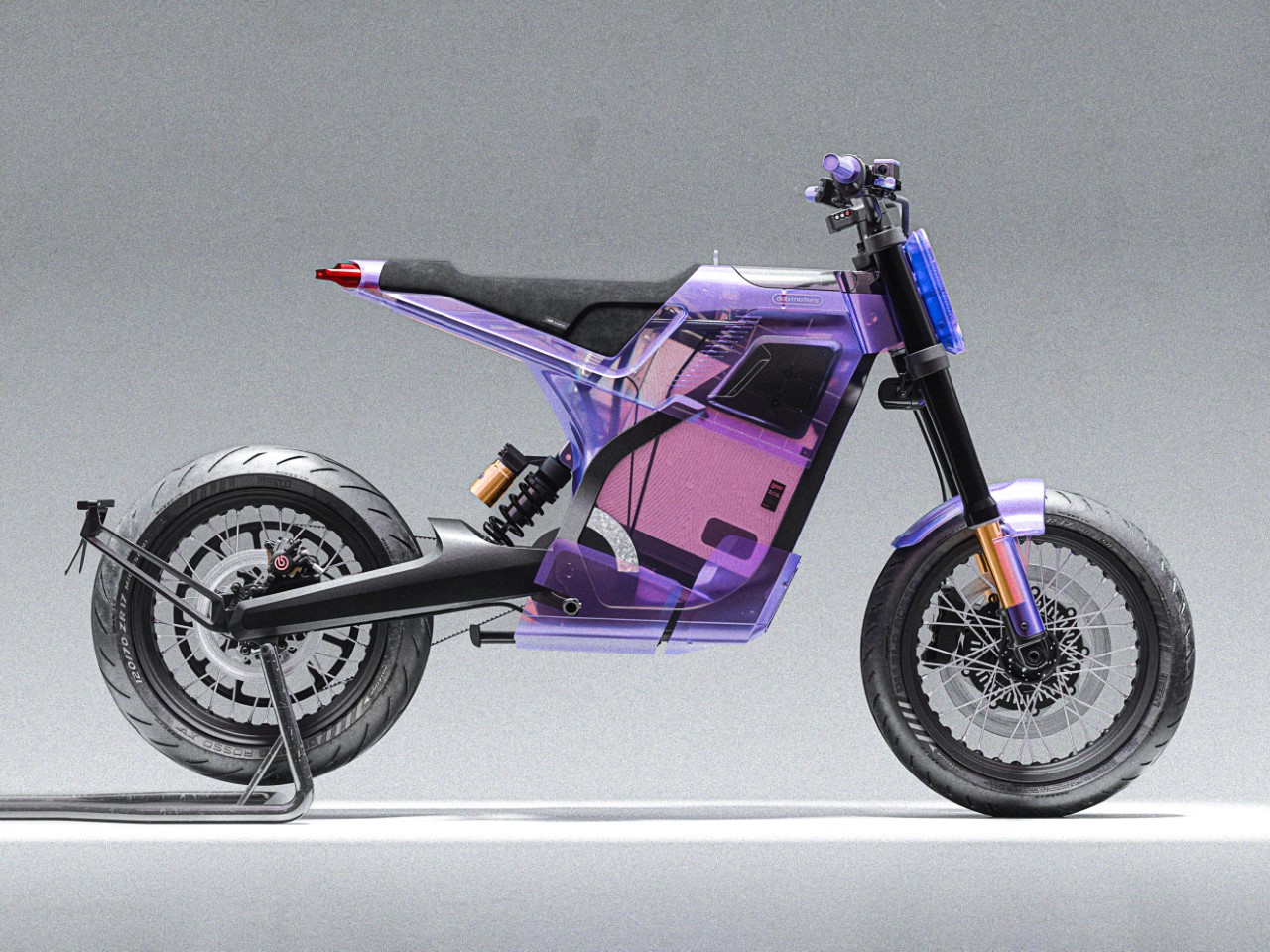
Back in the ’90s, transparency became a cool trend in tech, particularly with gaming consoles. Anyone remember the clear plastic of the Nintendo 64 controllers or the transparent Game Boy Color and Advance? Those see-through designs let you peek into the gadget’s inner workings, blending functionality with a futuristic aesthetic, and paving the way for Apple’s gorgeous iMacs and MacBooks, followed by Nothing’s transparent tech that has revisited the retro trend in its own unique way. Fast forward to today, and the French electric motorcycle maker DAB Motors (a Peugeot sub-brand) has captured that retro spirit in its stunning DAB 1α Transparent Edition. This motorcycle, though a far cry from gaming consoles, channels that same nostalgic vibe with modern elegance. It feels like it could have come straight out of an arcade racing game—if those games had ever been this sleek.

Designer: DAB Motors

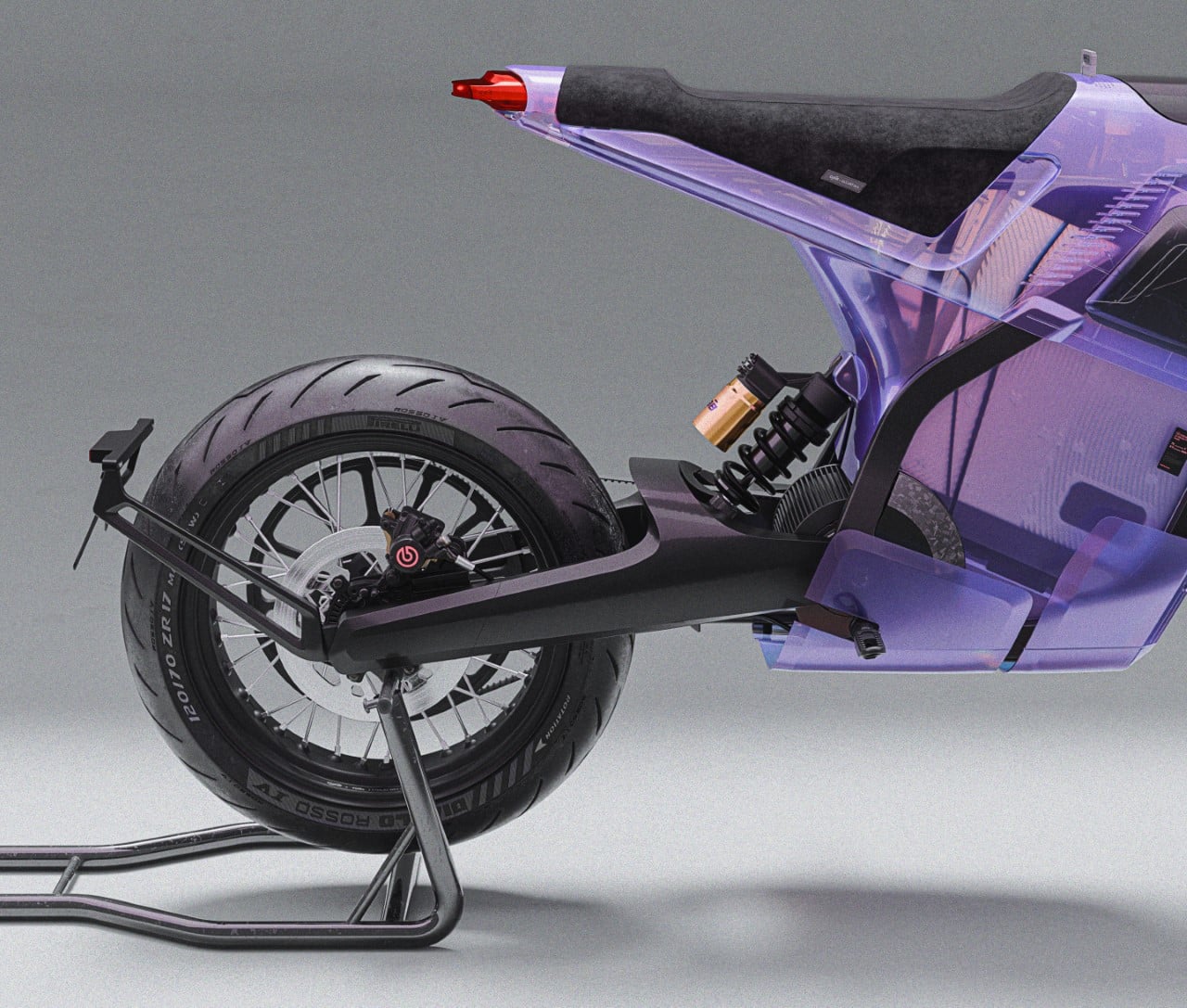
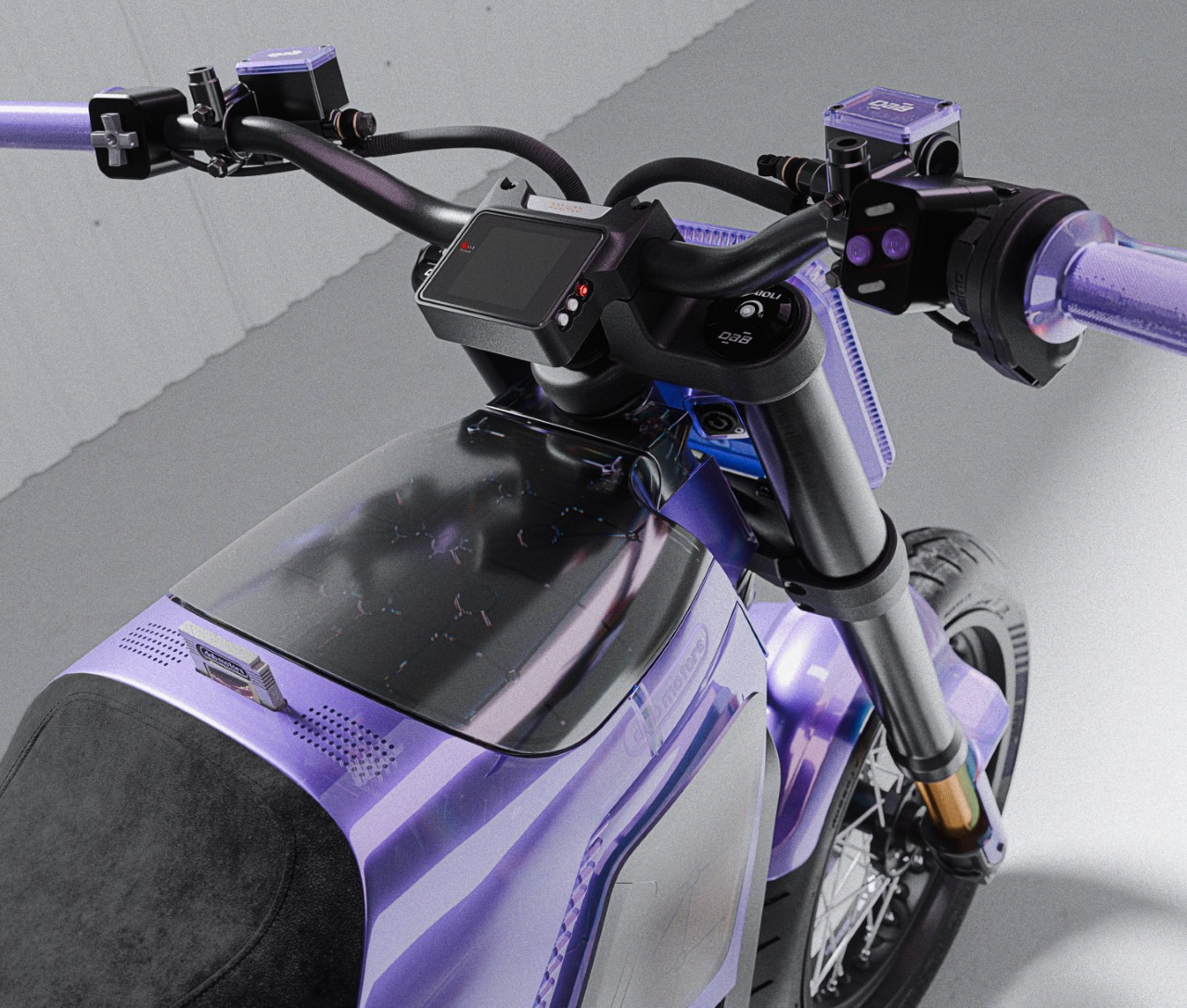
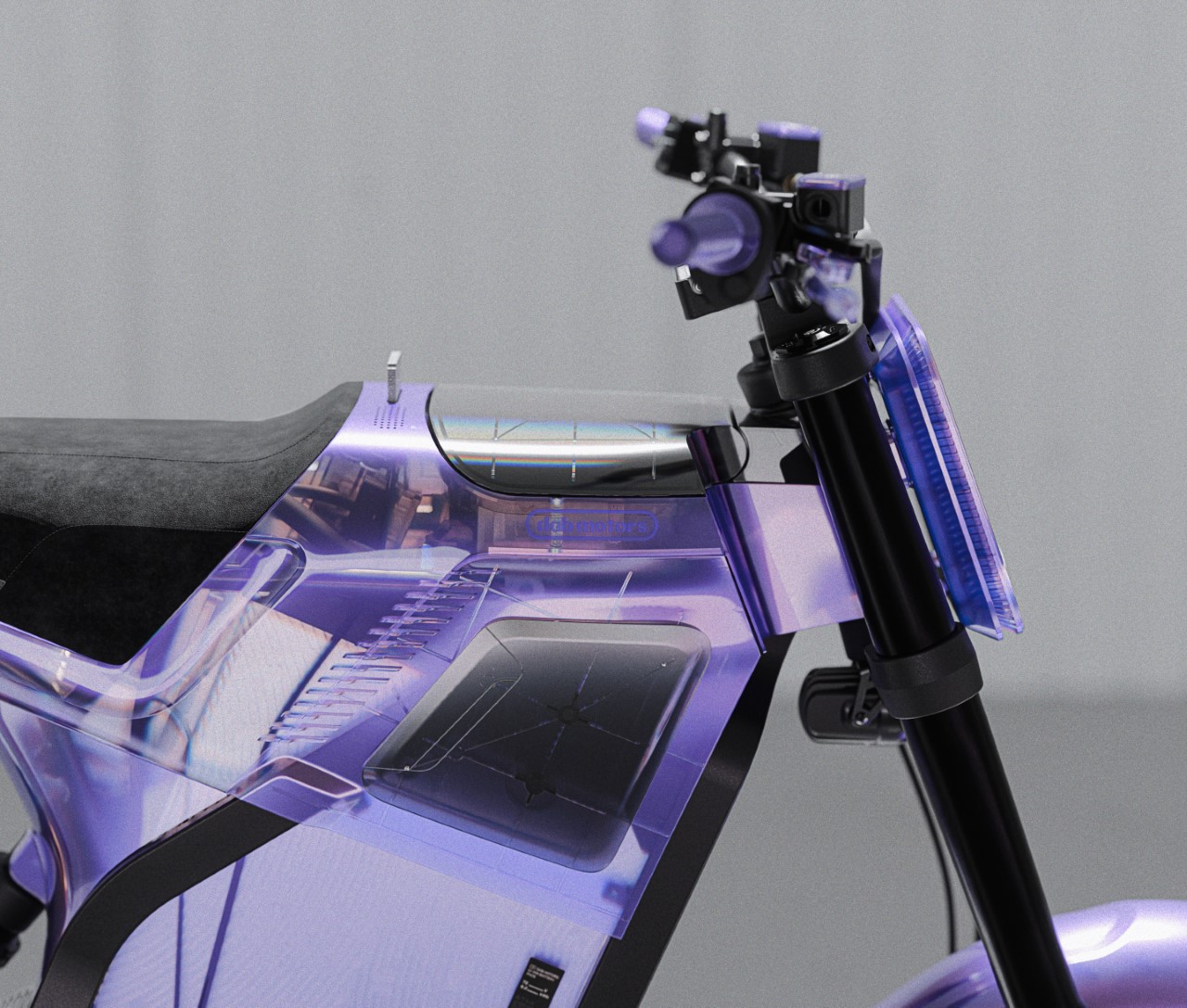
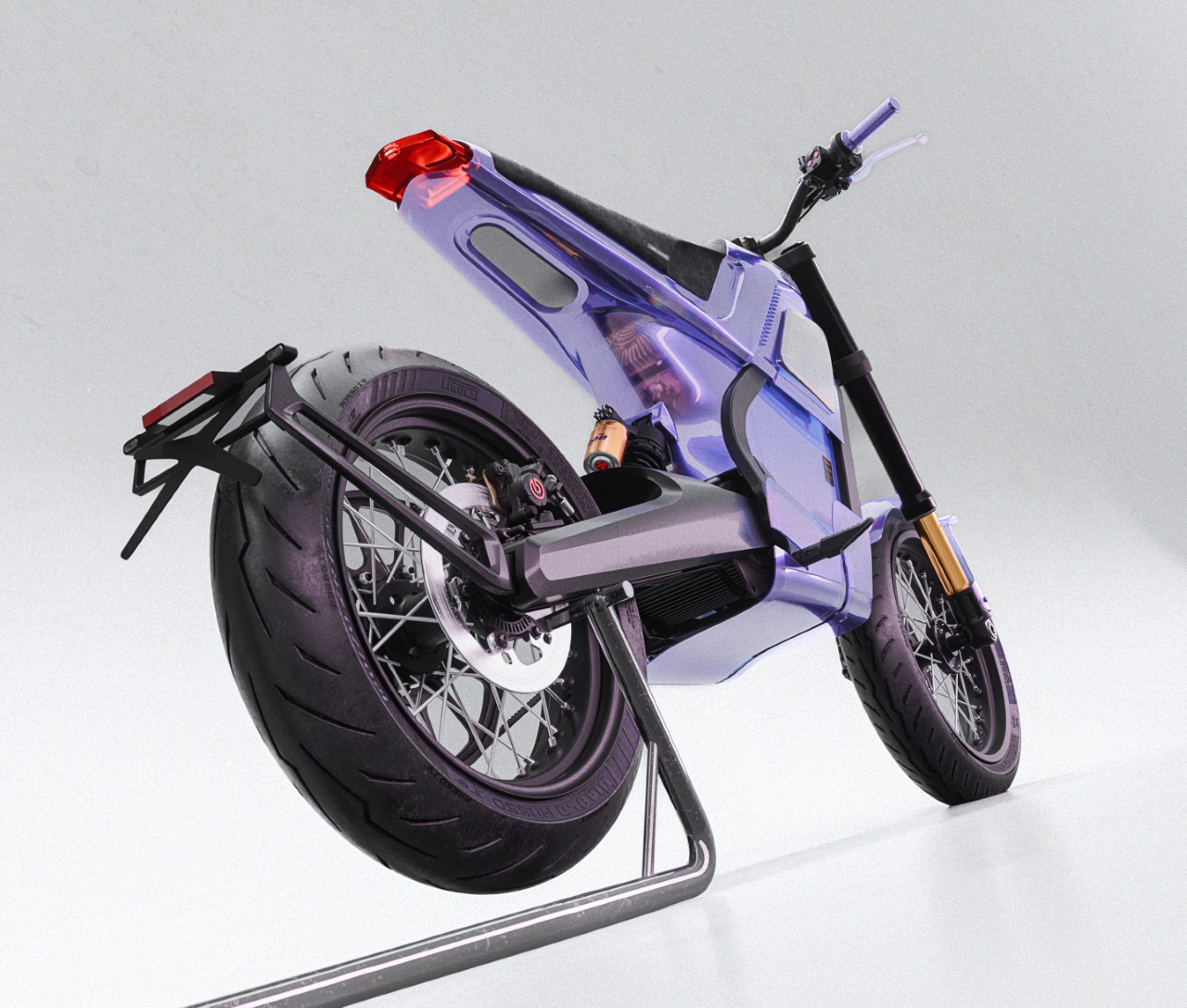
DAB Motors’ 1α Transparent Edition is all about turning heads, and its translucent bodywork is the ultimate conversation starter. The bike’s frame and design are partially see-through, offering a glimpse at its high-tech components—reminiscent of those old gaming consoles where you could see the wires, circuits, and chips. This visual transparency gives the bike a light, almost futuristic vibe that pairs beautifully with the carbon fiber parts made from repurposed Airbus materials. Yes, you read that right—Airbus.

Beyond the cool see-through aspects, the 1α stays grounded with modern touches, like an Alcantara saddle for comfort and a sharp monobloc LED tail light that’s both translucent and futuristic. The front-end design isn’t shy either, featuring a 2.8-inch integrated LCD dashboard and a lenticular headlight that’ll look right at home whether you’re cruising through city streets or zooming down a highway.

Under the clear, see-through hood, a 25.5 kW brushless DC motor powers this electric motorcycle, allowing it to reach a top speed of 130 km/h (81 mph). With a torque output of 395 Nm at the wheel, this machine has more pull than many electric cars. The 150 km range is powered by a 72V Li-Ion battery that’s designed to be both repairable and recyclable.

DAB didn’t skimp on convenience either. The bike comes with an onboard charger that works with both home sockets and Type 2 charging stations, offering a full charge in just 3 hours. That’s right—no lengthy overnight charging sessions here. In terms of customization, the DAB 1α offers four ride modes: Eco, Standard, Sport, and a fun Nitrous Boost mode for when you really want to feel the power surge. It even has a reverse mode to help with tight parking situations, which can come in handy, especially for urban riders.

The steel double cradle frame ensures that the bike remains both sturdy and lightweight, tipping the scales at just 125 kg. For suspension, DAB teamed up with Paioli to equip the bike with a 46mm adjustable USD fork at the front and a spring preload adjustable rear—both offering a smooth, responsive ride. And let’s not forget those Brembo radial brakes with dual ABS for stopping power that inspires confidence whether you’re riding in the rain or dry conditions. The wheels on this transparent beauty are custom-made by DAB x FABA, paired with Pirelli Diablo Rosso 4 tires that are designed for performance and grip. Whether you’re navigating tight city streets or open highways, the wheels (17-inch front and rear) ensure excellent control and stability.

For all this innovation and style, the DAB 1α Transparent Edition starts at €14,900 ($16,651 USD) – and only 400 units will be made. If you’re already daydreaming about pulling up to your local café on this retro-inspired machine, you might want to act fast. Financing options are available, but once these limited editions are gone, they’re gone. And with worldwide delivery, it doesn’t matter where you are—you can still channel your inner gamer while cruising through the streets on this eye-catching piece of machinery.

The post DAB Motors unveils Transparent E-bike inspired by Retro Gaming Consoles like the Nintendo 64 first appeared on Yanko Design.

Google is bringing Watch OS 5 to the Pixel Watch and Pixel Watch 2

Google announced today that the Pixel Watch and Pixel Watch 2 will be getting the new Watch OS 5. The latest operating system will roll out to Pixel Watches currently running Watch OS 3.5 and Watch OS 4 beginning today. Users will see a notification on their device as the update becomes available to them over the next week.

The Watch OS 5 update will bring improved camera controls to the older versions of the smartwatch hardware, in addition to adding support for Pixel Recorder and the grid-view app launcher. While early reports said that Watch OS 5 would also be improving battery life, Google didn't specify whether the new operating system will provide a boost to how long these older devices can go before they need a recharge.

Google recently released the Pixel Watch 3, which did impress us with its solid battery performance and other upgrades from last year's Pixel Watch 2. It was the first Pixel smartwatch to boast Watch OS 5 after the operating system debuted on the Galaxy Watch 7 and Watch Ultra from Samsung.

This article originally appeared on Engadget at https://www.engadget.com/wearables/google-is-bringing-watch-os-5-to-the-pixel-watch-and-pixel-watch-2-200042070.html?src=rss

Modular camera concept keeps you focused on the magic of the moment

Smartphones have become very powerful and convenient tools for recording precious memories and sharing them with loved ones, but they can also be sources of stress, distractions, and dissatisfaction. The Instagram generation has many people snapping up photos or short video clips and then losing themselves in a sea of notifications and social media posts just as they try to quickly share those moments. It is quite ironic that these devices that connect us with others also disconnect us from the world around us and, more importantly, from ourselves because of those incessant distractions. A dedicated digital camera, even one with Wi-Fi, is a solution but an inconvenient one at that because of its bulk and complicated features. A better answer might be the evolution of the point-and-shoot camera, but one with a flexible design that can scale to people’s ever-changing needs and situations.

Designers: Mason Fetter, Alejandra Giron, Grant Huntsman, Cooper Phelps, Summer Glenn

Point-and-shoot digital cameras were the first to be obsoleted by the rise of smartphones, unable to keep up with the growing number of connectivity features and fun filters that these mobile devices offered. At the same time, however, it is exactly those lack of features that now gives the design its appeal, as people using Polaroid-style instant cameras have discovered. Their simplicity allowed people to simply have fun and enjoy the moment, without having to worry about instantly applying filters or even immediately uploading photos and videos.

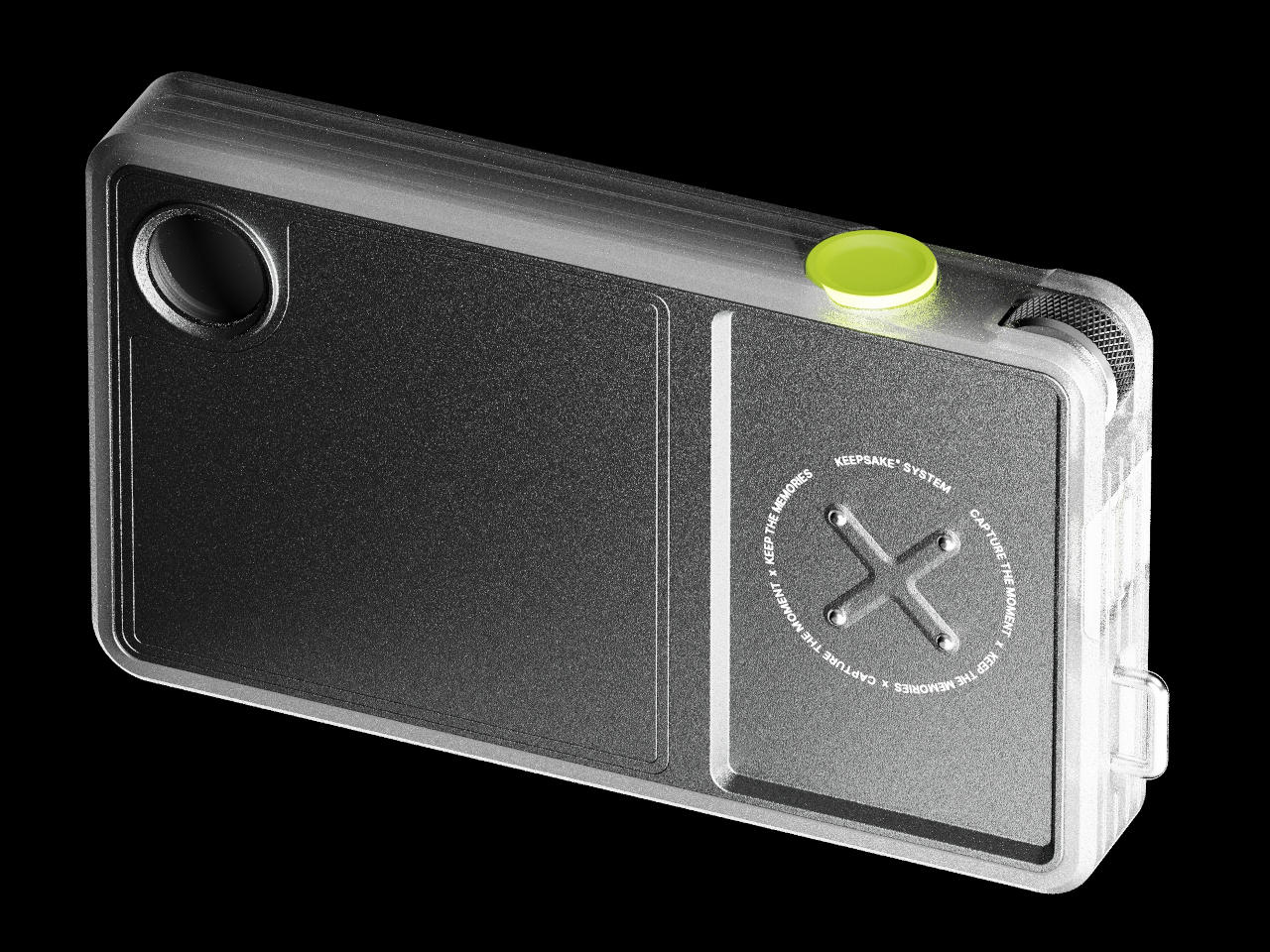
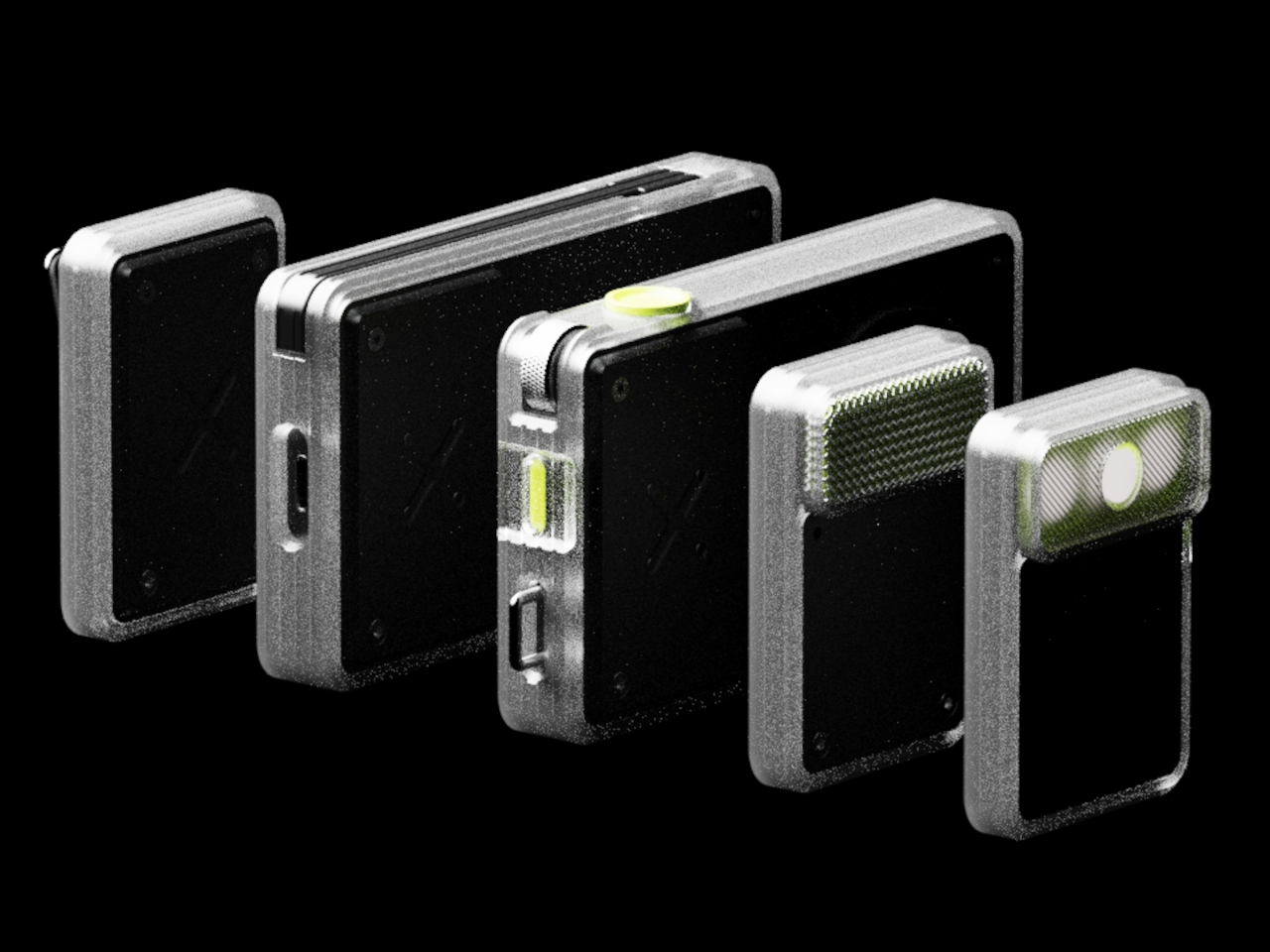
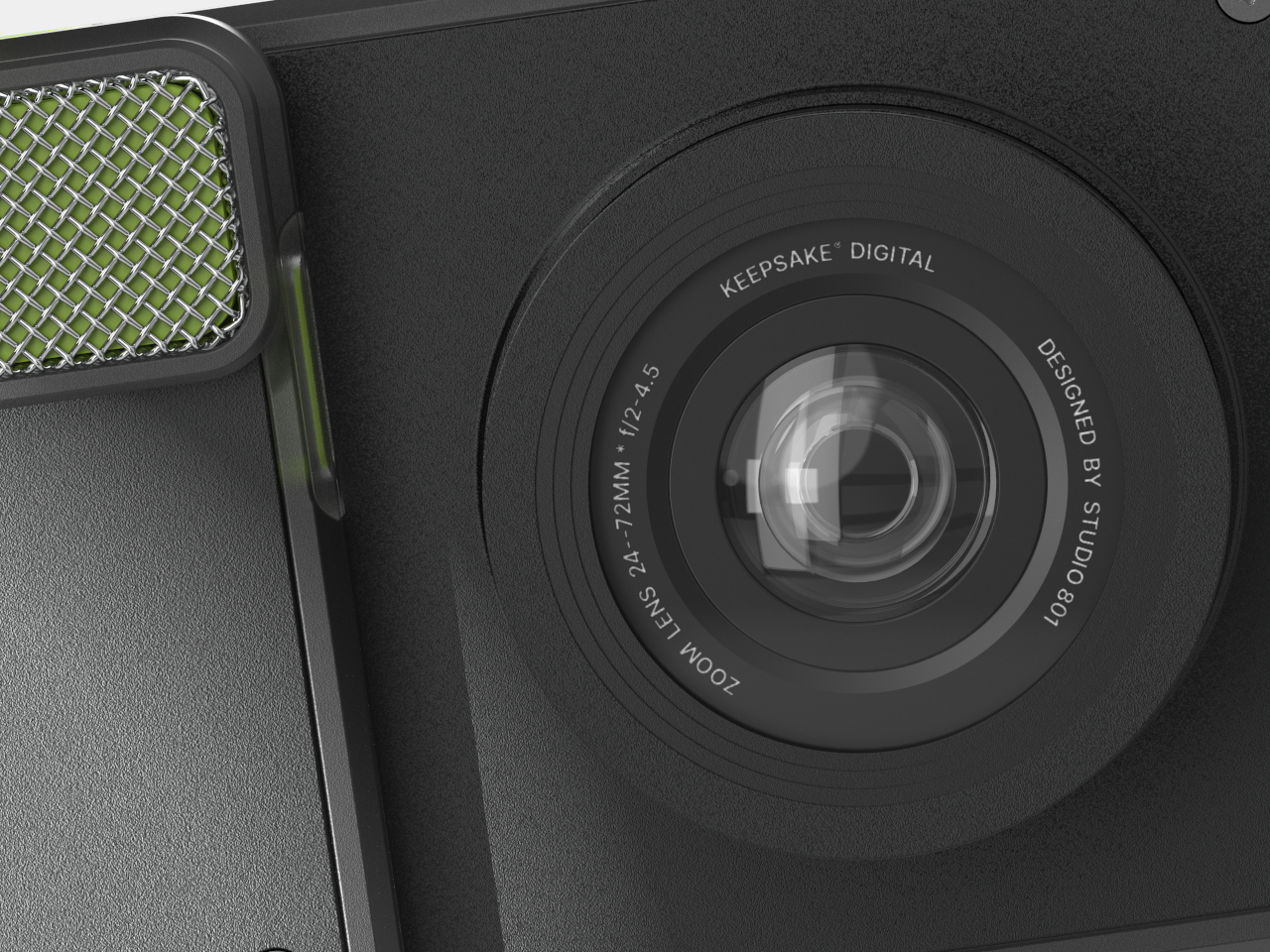
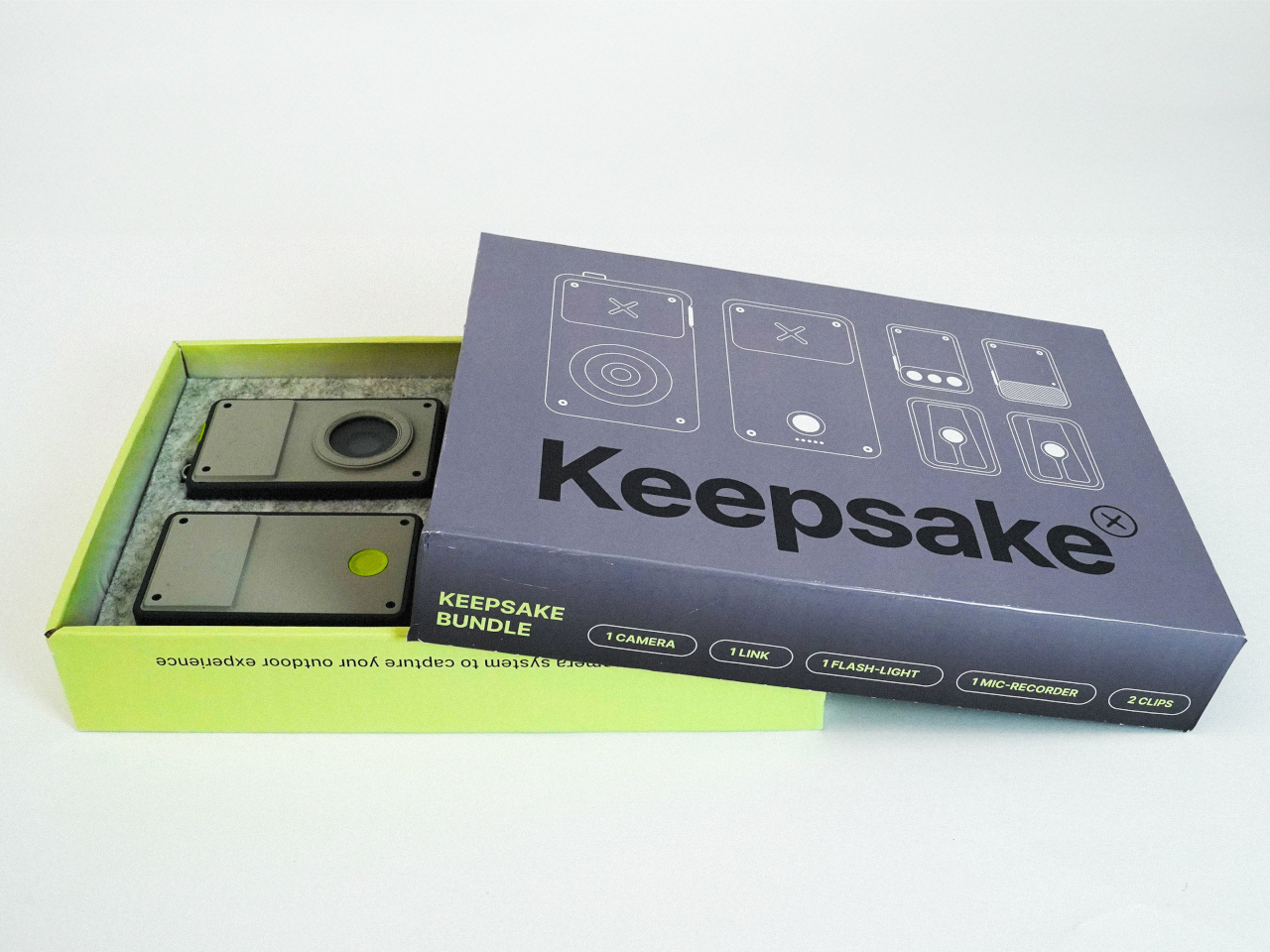
Keepsake is a concept design that embraces that simplicity but with an added twist. Unlike those very basic cameras, it can actually expand to add features needed by users. Best of all, it can also go back to that basic functionality once those extra tasks are done. In other words, it has a modular system that keeps it agile and flexible in ways that even a smartphone might have problems keeping up with.

1

1

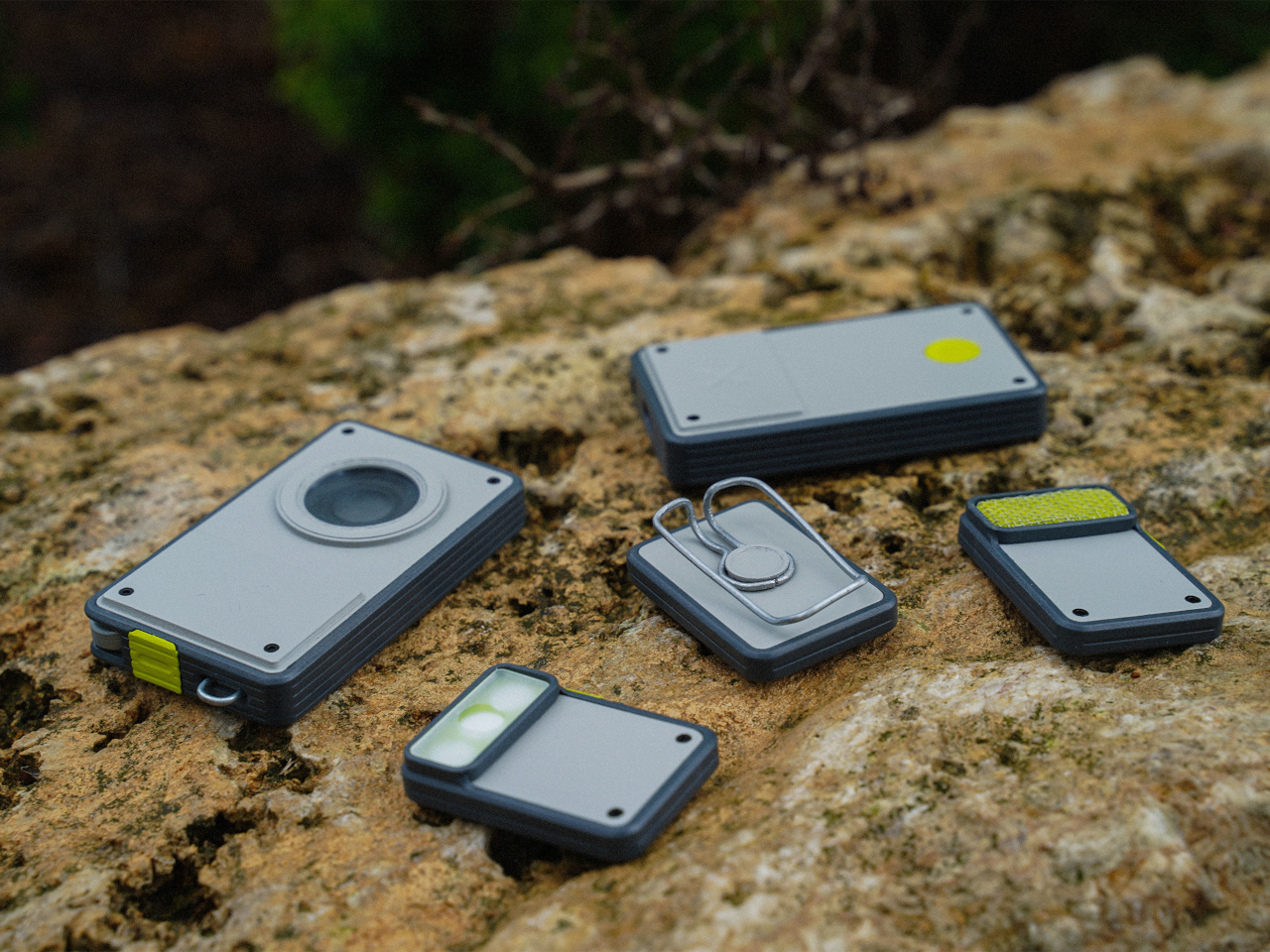
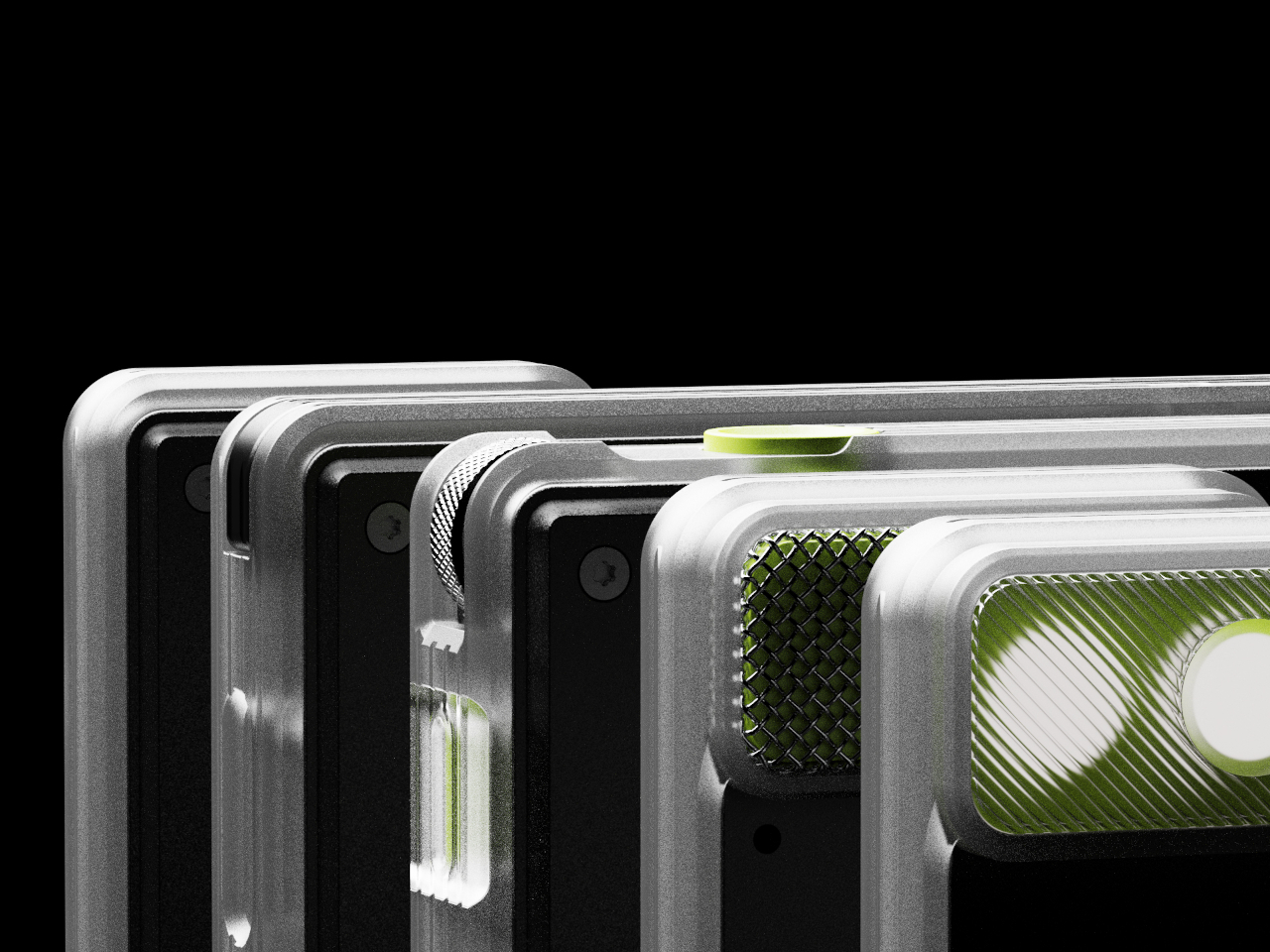
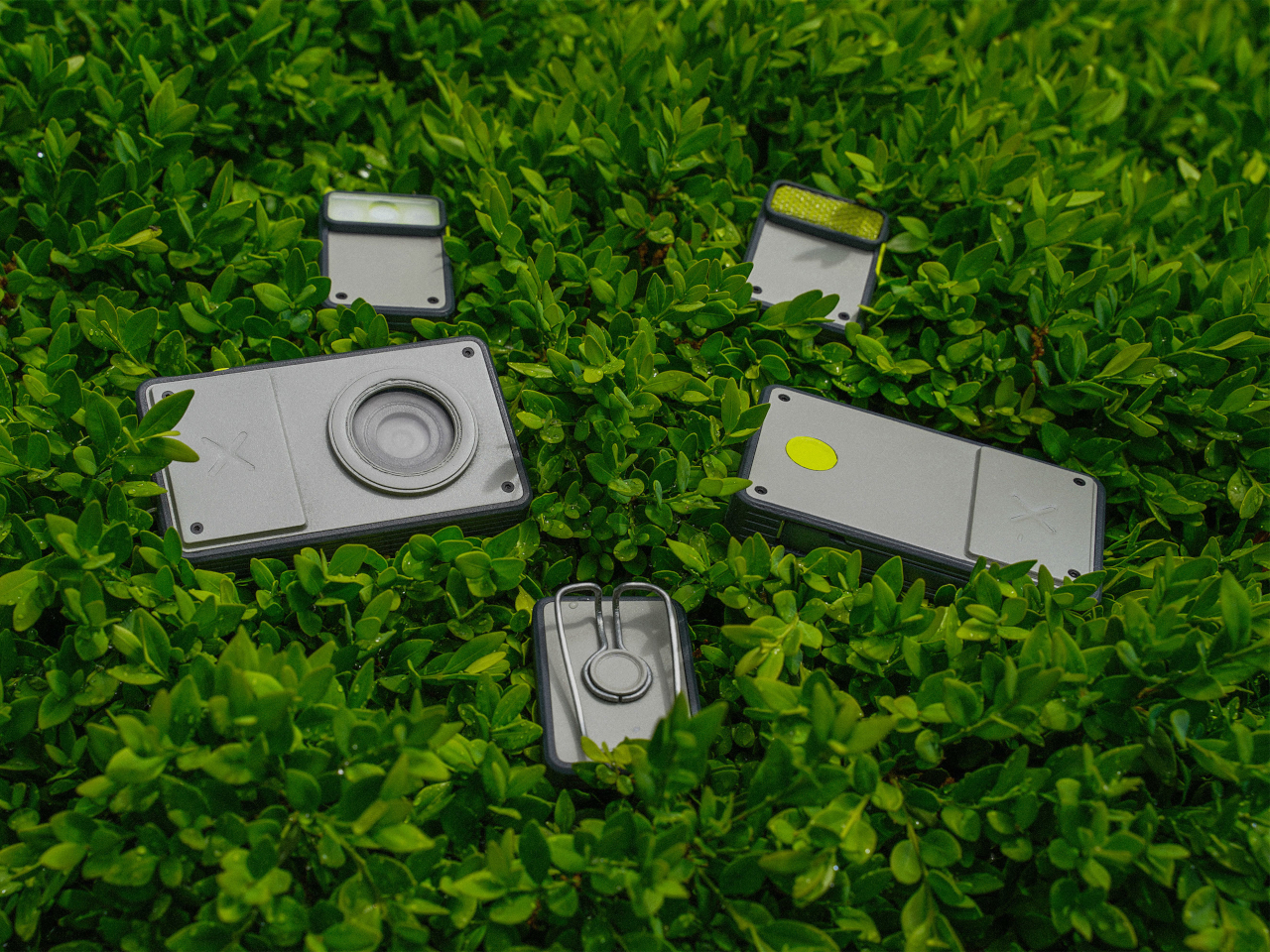
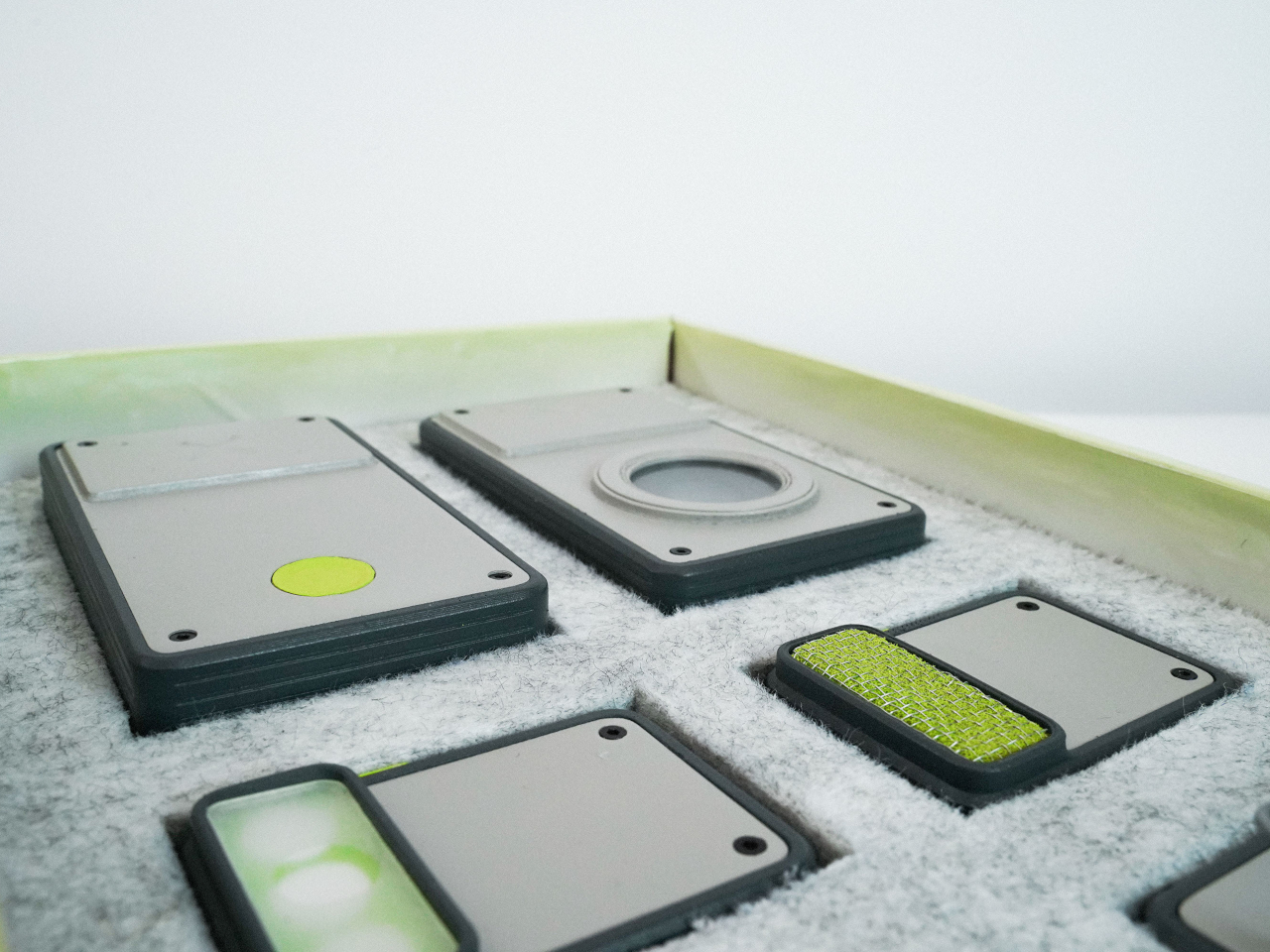
At the heart of the Keepsake design is the screenless digital camera itself and four basic modules which include a mic recording and flash that stick to the front of the camera, as well as a MagSafe clip and a wide charging hub that connects to the back. With this kit, shutterbugs have most of what they need to have an enjoyable disconnected experience that simply focuses on the world around them. At the same time, it keeps the doors open to even more possibilities with future add-ons.

Of course, Keepsake also connects and syncs with a mobile app so you can still share your photos when you want to. It gives users the freedom and control to put their phones away and just immerse themselves in the moment but still gives them the power to enjoy the conveniences of the Internet afterward. And with the modular design, they can take only what they need with them and hold a compact device, unlike a powerful yet bulky and heavy camera.

The post Modular camera concept keeps you focused on the magic of the moment first appeared on Yanko Design.

Apple Store employees in Oklahoma City ratify their first union contract

Employees at an Apple Store in Oklahoma City's Penn Square Mall have voted to ratify their first collectively-bargained contract. The store's workers are part of the Communications Workers of America, operating as Apple Retail Union-CWA Local 6016. The employees' three-year agreement with Apple includes the following, according to a press release from CWA:

  • "Wage increases of up to 11.5% over the next three years."

  • "Worker involvement in scheduling and guaranteed paid time off to vote."

  • "A safer and more democratic workplace with a grievance and arbitration process and the establishment of joint Safety and Health and Working Relations committees."

  • "Job protection in the event of a store closure or relocation and severance pay."

  • "Guaranteed paid time off, health and other benefits."

It's worth pointing out that though the CWA press release says the wage increases are "of up to 11.5 percent over the next three years," Apple has said that this number is actually an average 10 percent increase over three years instead.

An Apple spokesperson said “At Apple, we work hard to provide an excellent experience for our team members and our customers. We have always paid our retail teams in the top tier of the market and we provide exceptional benefits for all full- and part-time employees. Throughout this process, we have bargained in good faith and this agreement allows Penn Square team members to enjoy similar performance-based wage increases this year as last year, along with the same medical and time away benefits our U.S. retail employees currently receive.”

Apple also shared more details around compensation and wages like how the tentative agreement provides an average 10 percent increase over 3 years. Penn Square Mall employees will also be able to participate in the scheduling options that were provided to all other US stores in 2022, and held to the same availability guidelines as the rest of the fleet with no exceptions. PSQ members will receive the same medical and time off benefits as all US team members, and subject to the same documented coaching, discipline and misconduct practices that apply across all of Apple's US stores.

Apple's spokesperson also said the agreement includes the creation of a safety committee at the PSQ location, like the one at all its other stores. A working relations committee, made up of two representatives from the union and two from the company, will meet twice a year.

Today's news caps off years of preparation to unionize and secure a contract for the Penn Square Mall Apple Store, which began organizing in early 2022. The parties reached a tentative agreement in early September after a unanimous strike authorization vote in August and a store picket.

The Oklahoma City employees are the second group of Apple retail workers to reach a contract through their union. An Apple Store in Maryland was the first of the tech company's retail stores to unionize, joining the International Association of Machinists and Aerospace Workers in June 2022.

Update, September 25 2024, 4:55PM ET: This story has been updated to include Apple's statement as well as details the company's spokesperson shared. We also clarified that there's a discrepancy between what the CWA press release says is the percentage for wage increase over the next three years and what Apple says it is.

This article originally appeared on Engadget at https://www.engadget.com/big-tech/apple-store-employees-in-oklahoma-city-ratify-their-first-union-contract-190218680.html?src=rss

The Google Photos video editor is getting AI, because of course it is

Google added some new features and updates to the video editor in Google Photos for Android and iOS users, according to the app's support page.

The biggest update brings new “AI-powered video presets” to both versions of the app. These new presets automatically trim the length of videos, adjust the lighting, change the speed and apply new effects with just a few clicks. Some of the AI-powered effects allow motion tracking, automatic zoom and slow-motion. The new “presets” tab is located underneath the video timeline.

This isn’t the first AI feature added to the Google Photos app. Last May, Google added its “Ask Photos” feature, a Gemini-powered AI chatbot that allowed for more detailed and conversational photo searches for US users.

Google also tweaked and added some Android-specific features. The new trim tool has improved controls for more precise cuts. There’s also a new “auto enhance” feature that can automatically improve the colors and stabilize videos, and a new “speed” tool that can ramp up or slow down the action.

The new features start rolling out today.

This article originally appeared on Engadget at https://www.engadget.com/mobile/the-google-photos-video-editor-is-getting-ai-because-of-course-it-is-180958935.html?src=rss