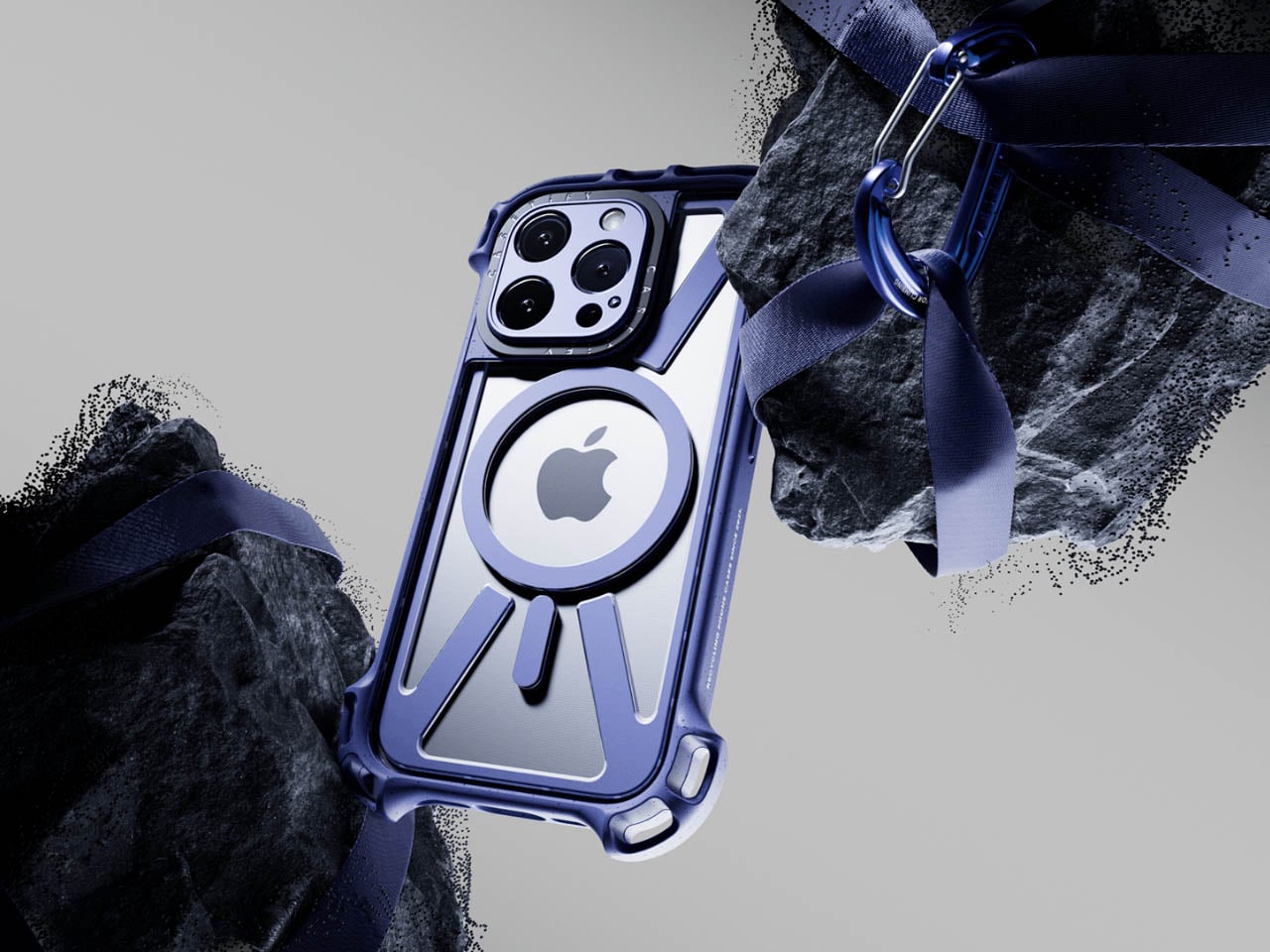
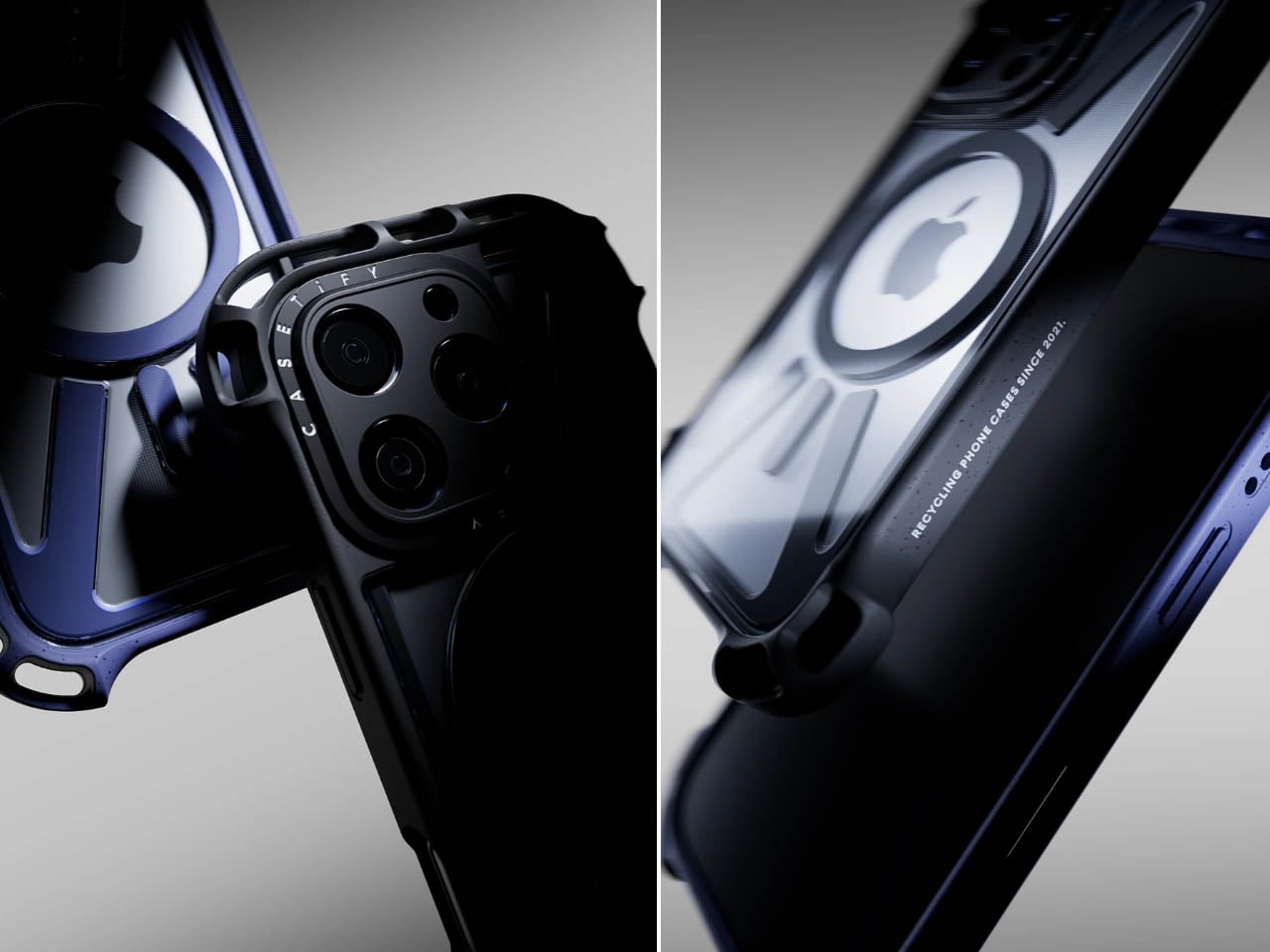
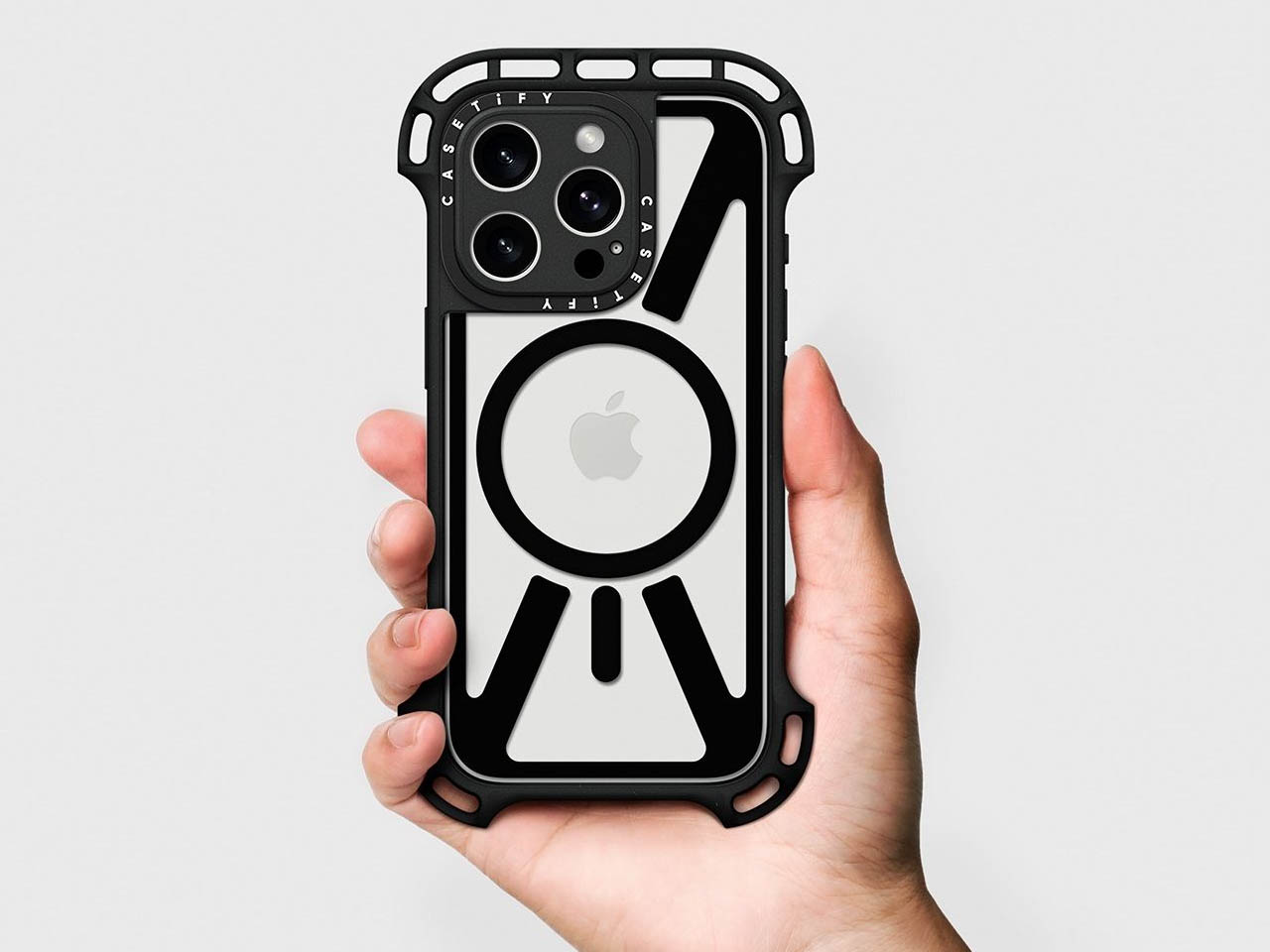
I’m not a big fan of fancy smartphone cases. A simple protective silicone cover does the job for me. But when it comes to a device from the iPhone 16 series per se, you want a cover that protects the guts of your prized possession with military grade standard. Who would know this better than the nerds at CASETiFY, who design iPhone cases with style, functionality, durability, and sustainability in mind?
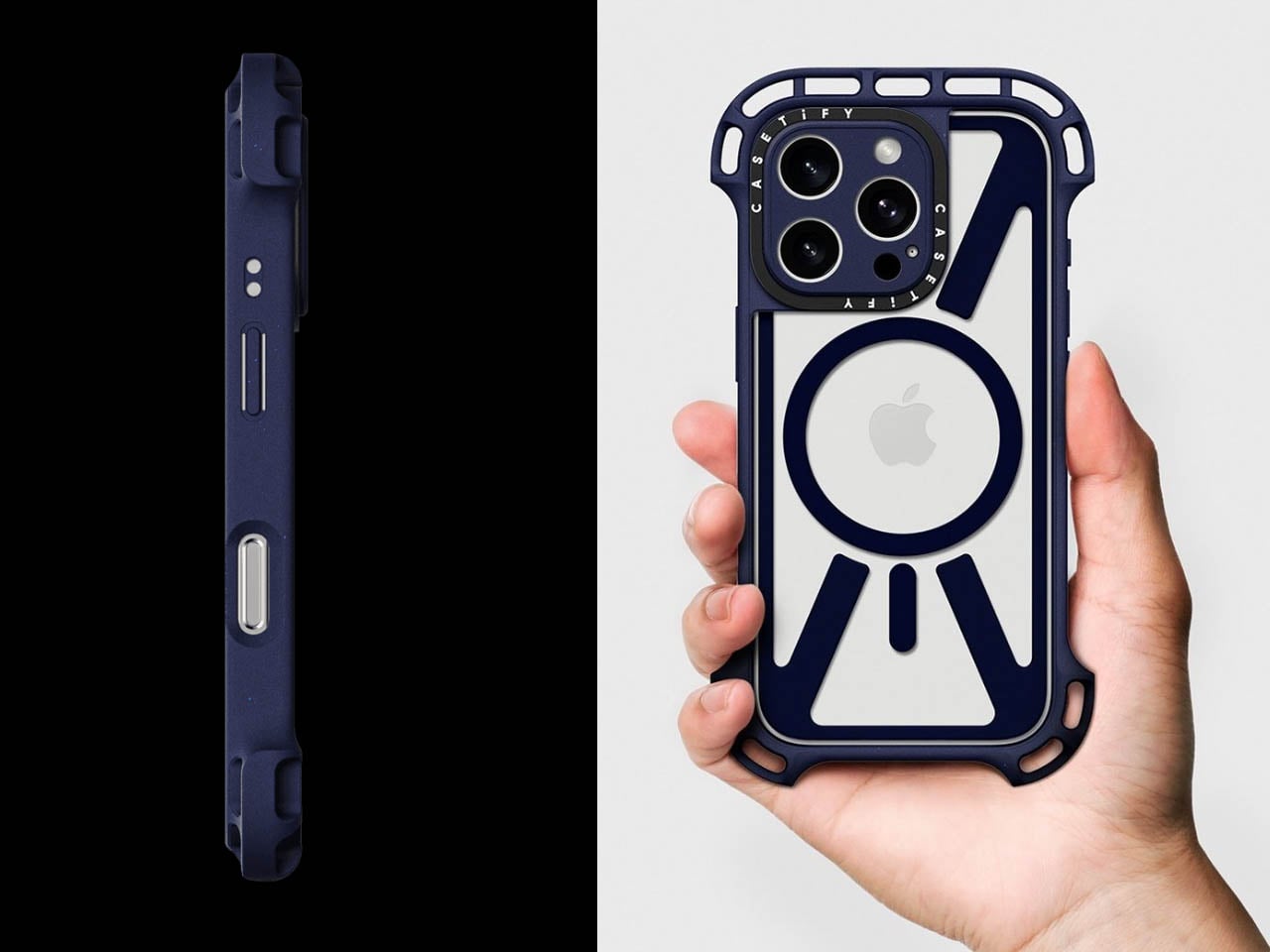
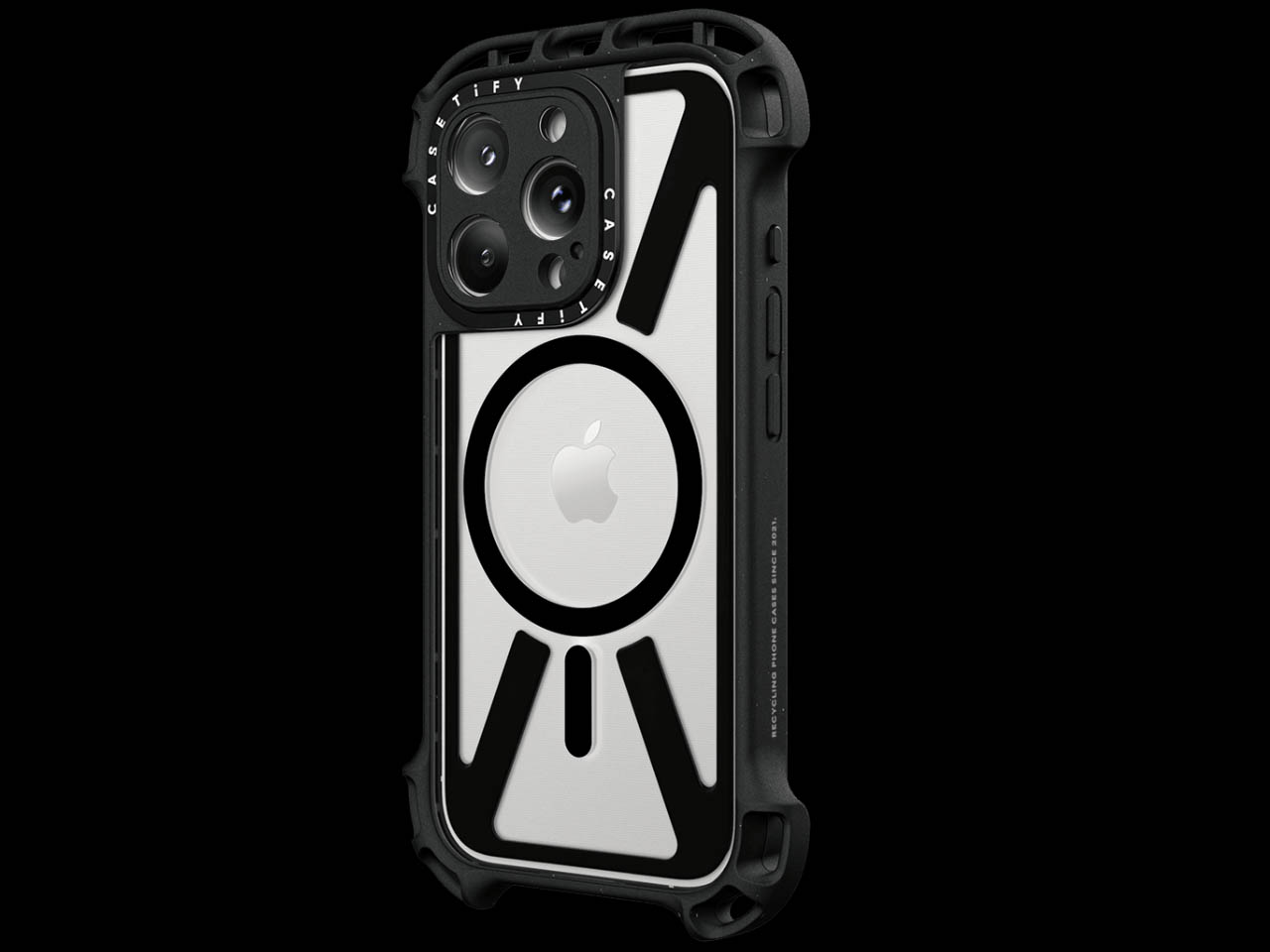
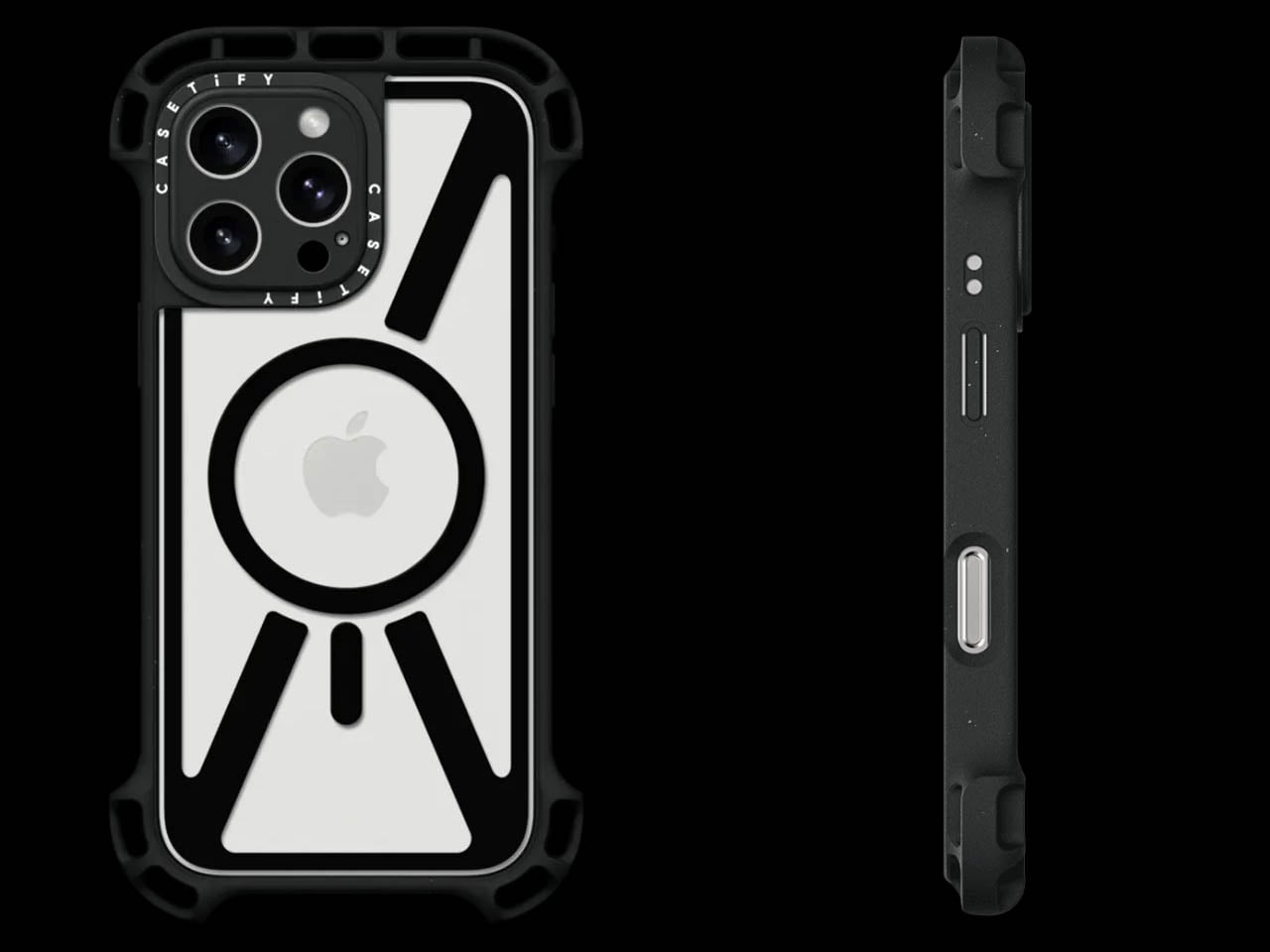
CASETiFY Ultra Bounce for the iPhone 16 is the extension of the Bounce series cases from the outfit. These cases, as the name would suggest, do not bounce around in ecstasy of hugging the iPhone, but share their moniker with the idea of shock-absorbing properties of the material they are made from. For instance, the MagSafe-compatible Ultra Bounce is made from a mix of recycled phone cases and plant-based materials.
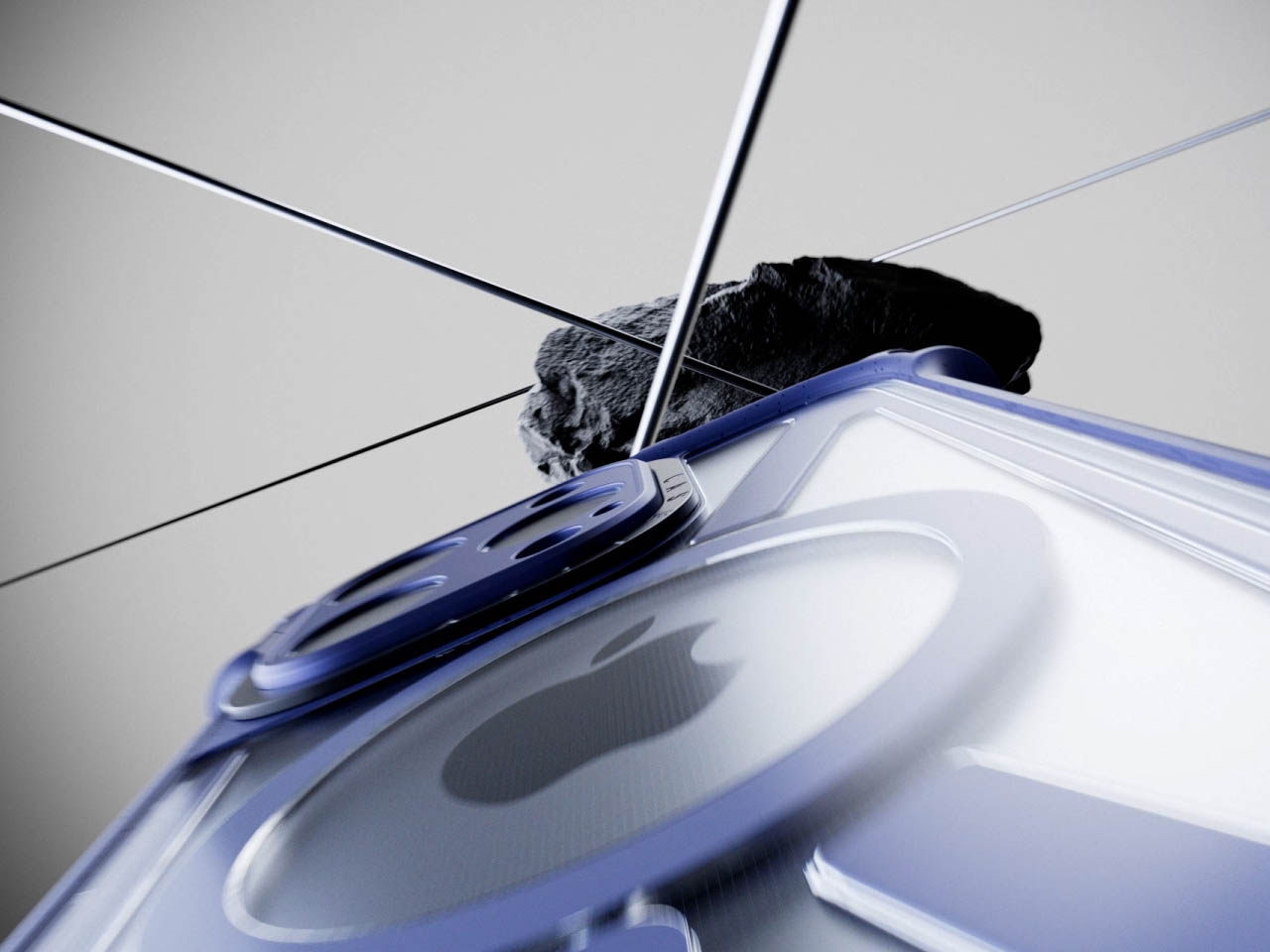
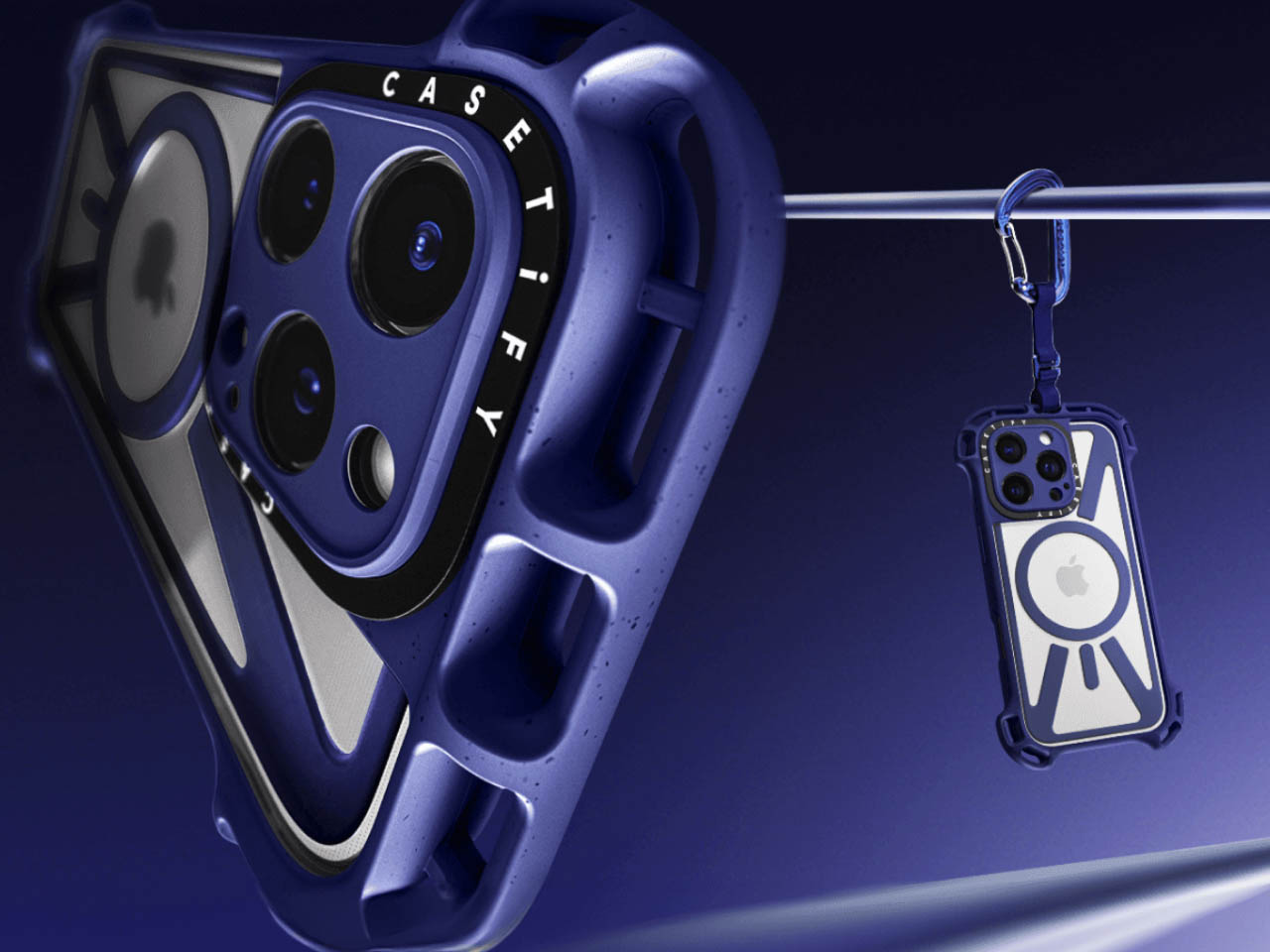
The efficiency of durable construction and premium finish of the Ultra Bounce is a given considering the company’s excessive focus on it over the years. But to display that in a new light, using different camera angles and soft backgrounds, designer Zelig Sound and Tektura Studio showcase how the case design merges style and protection along with engrossing elements that reinforce the case’s durability features.
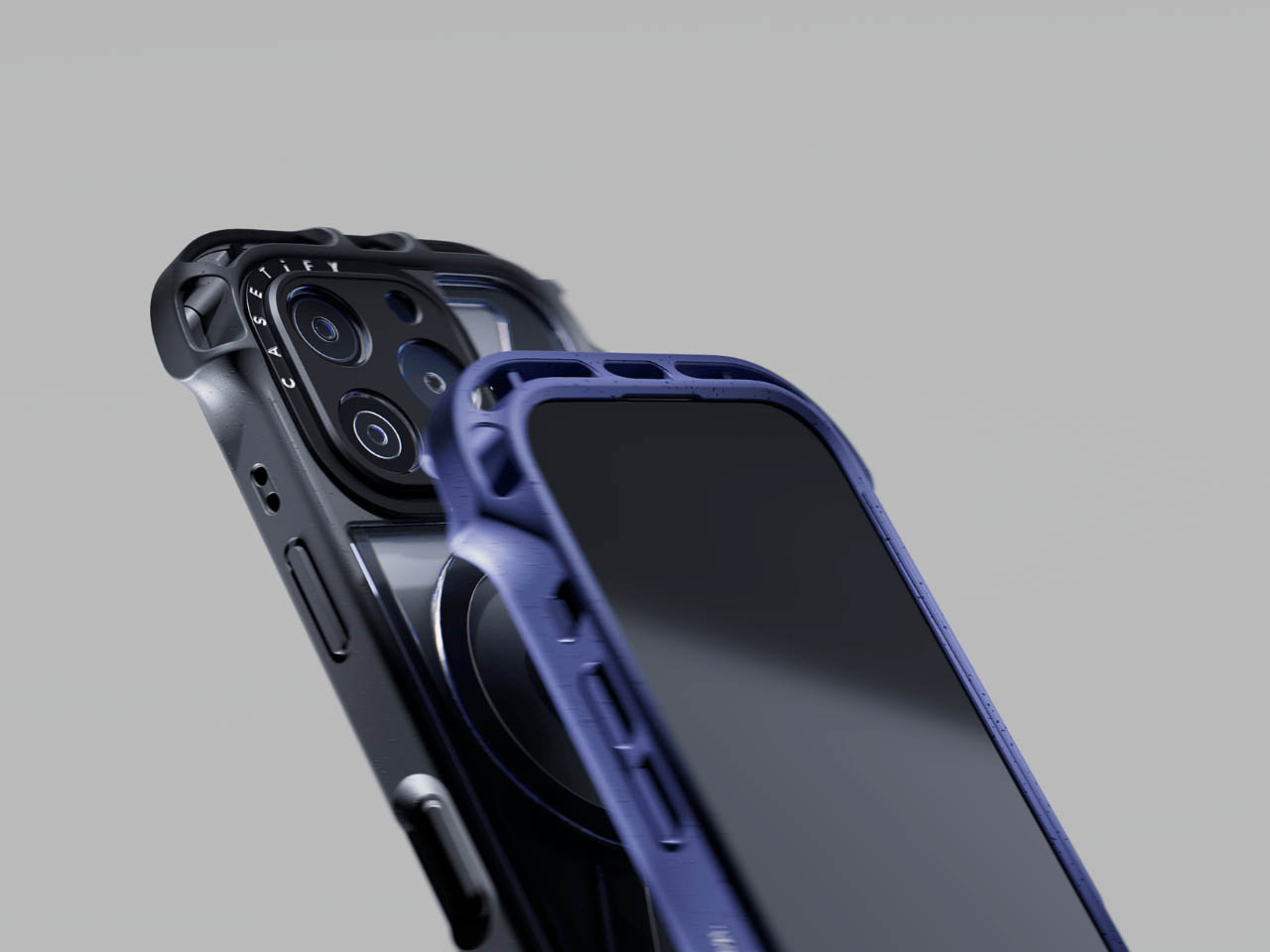
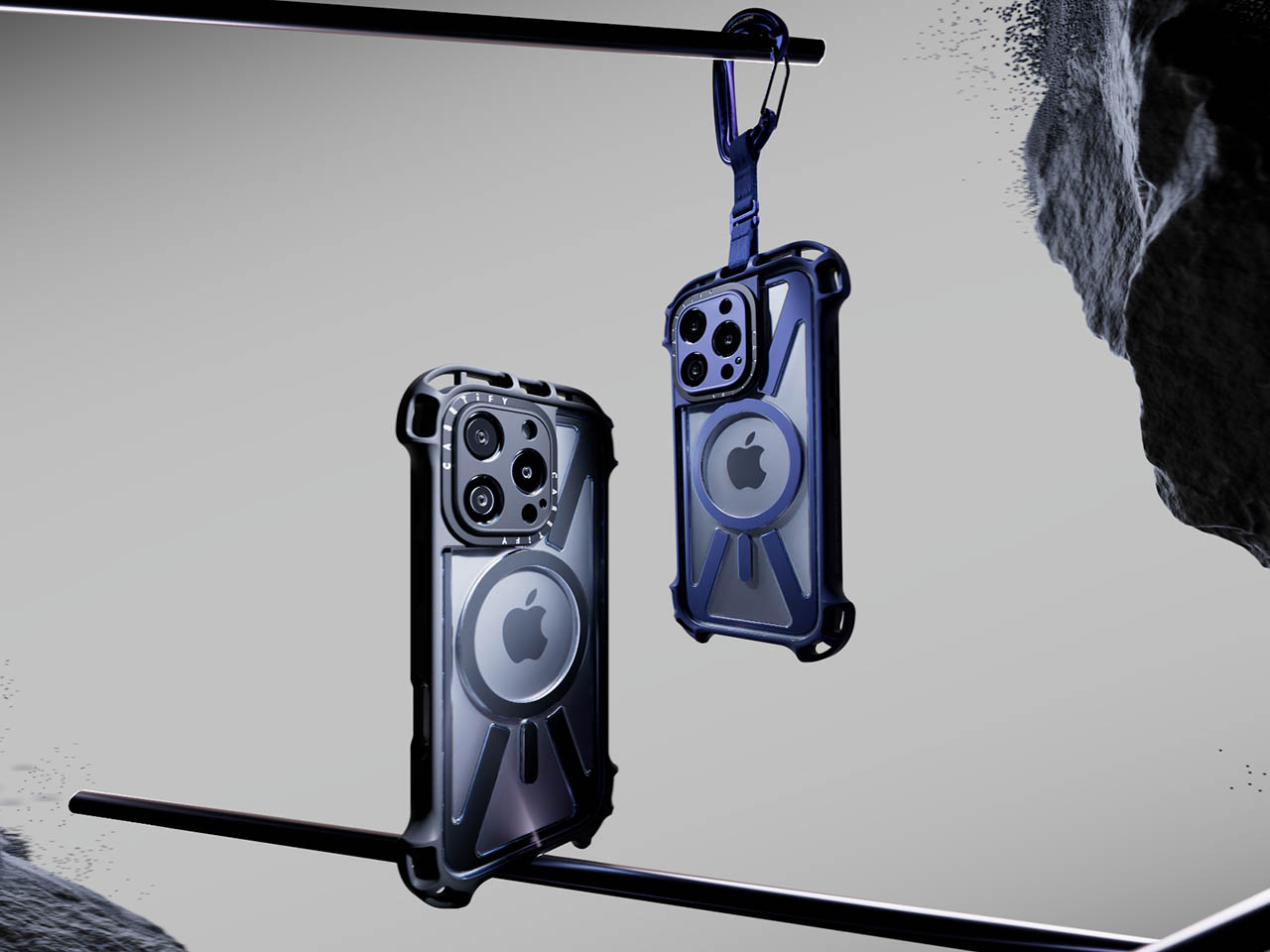
The goal well achieved puts the case through everyday adventures and depicts what the record-breaking 10x military-grade standard and up to 32.8 ft drop protection, that Ultra Bounce cases are certified with, would mean when confronted with difficult scenarios. The phone – at all times – remains cushioned from all sides and angles and ensure it remins protected from shock and scratch at all times.
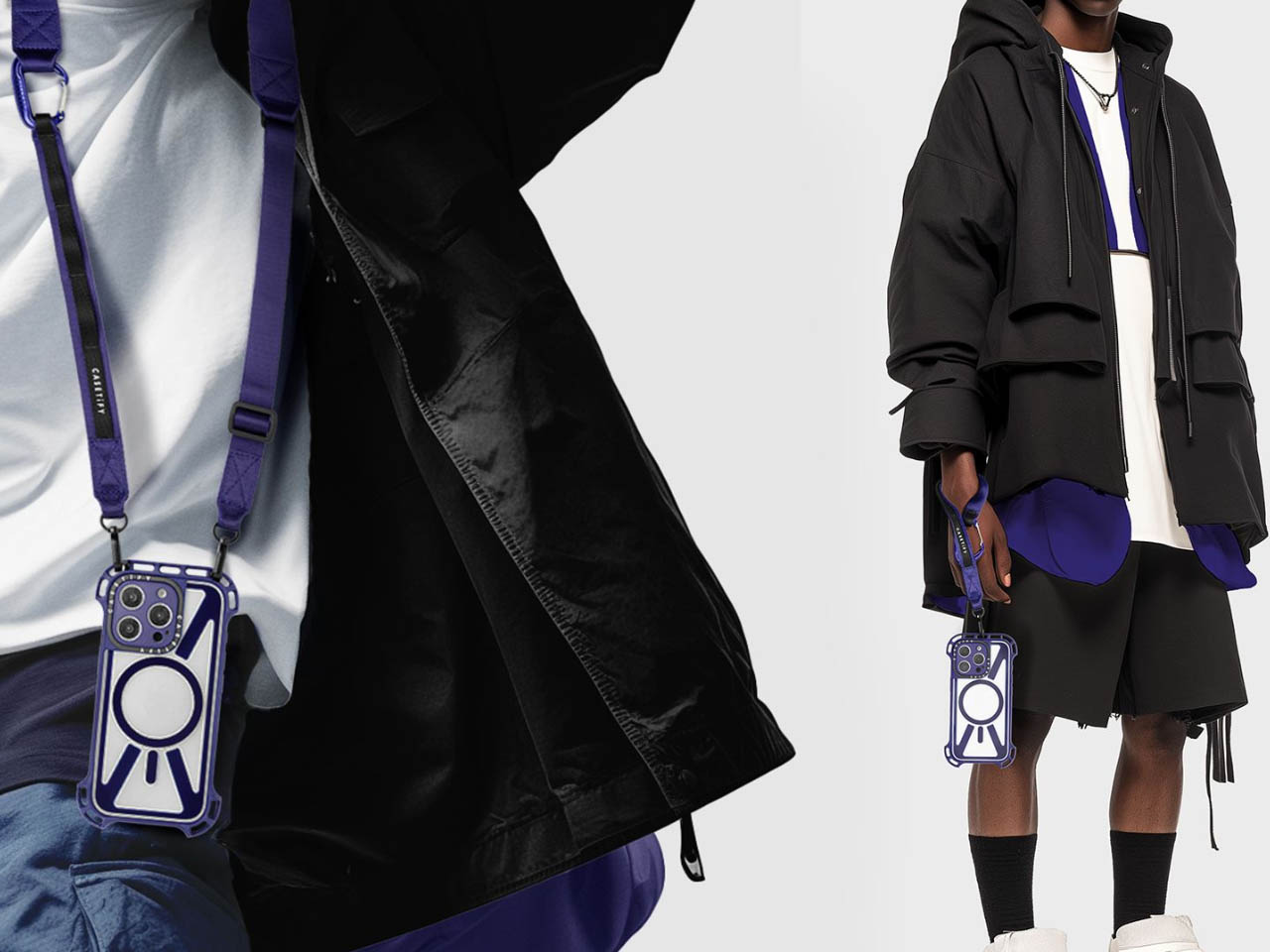
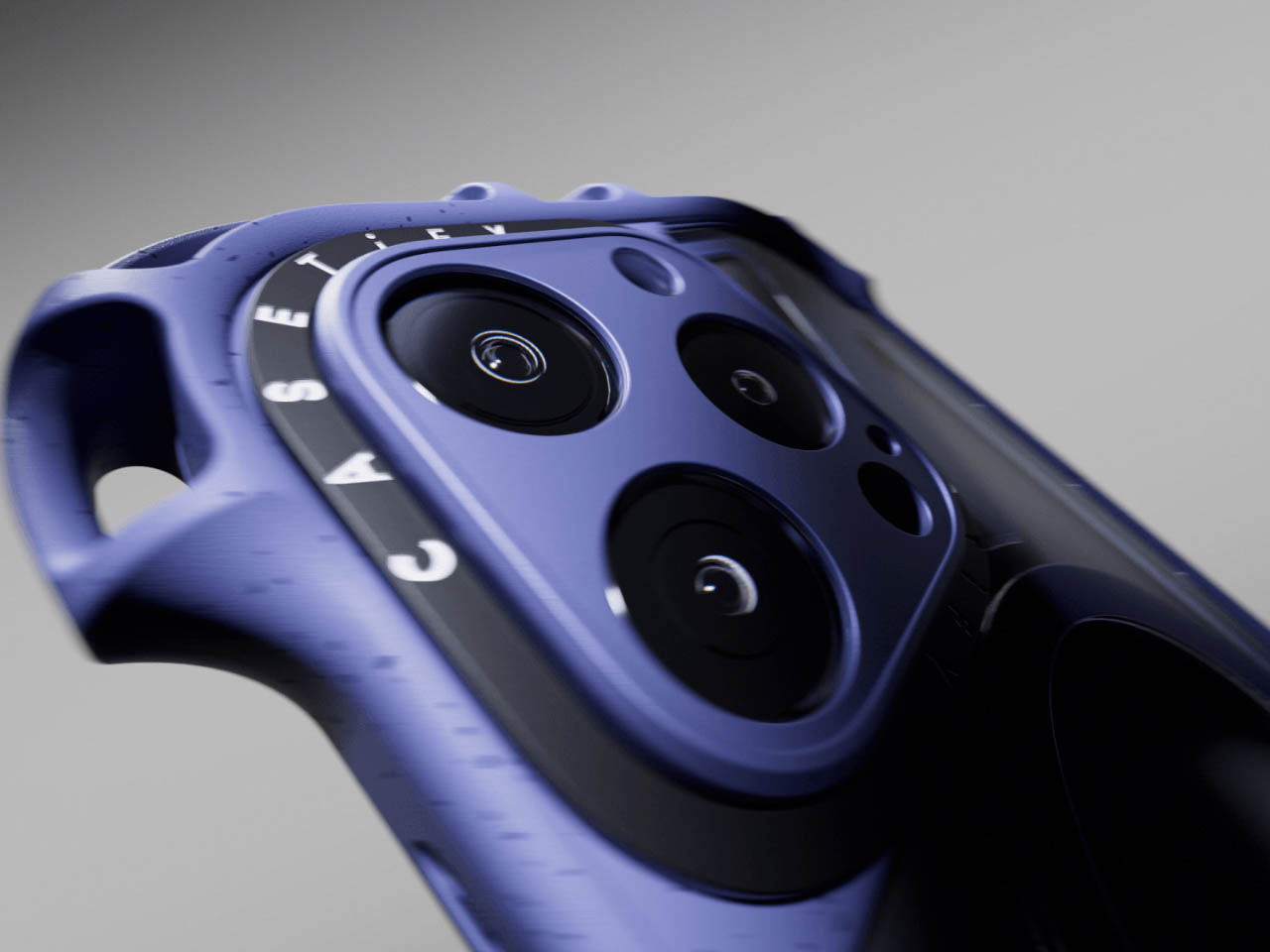
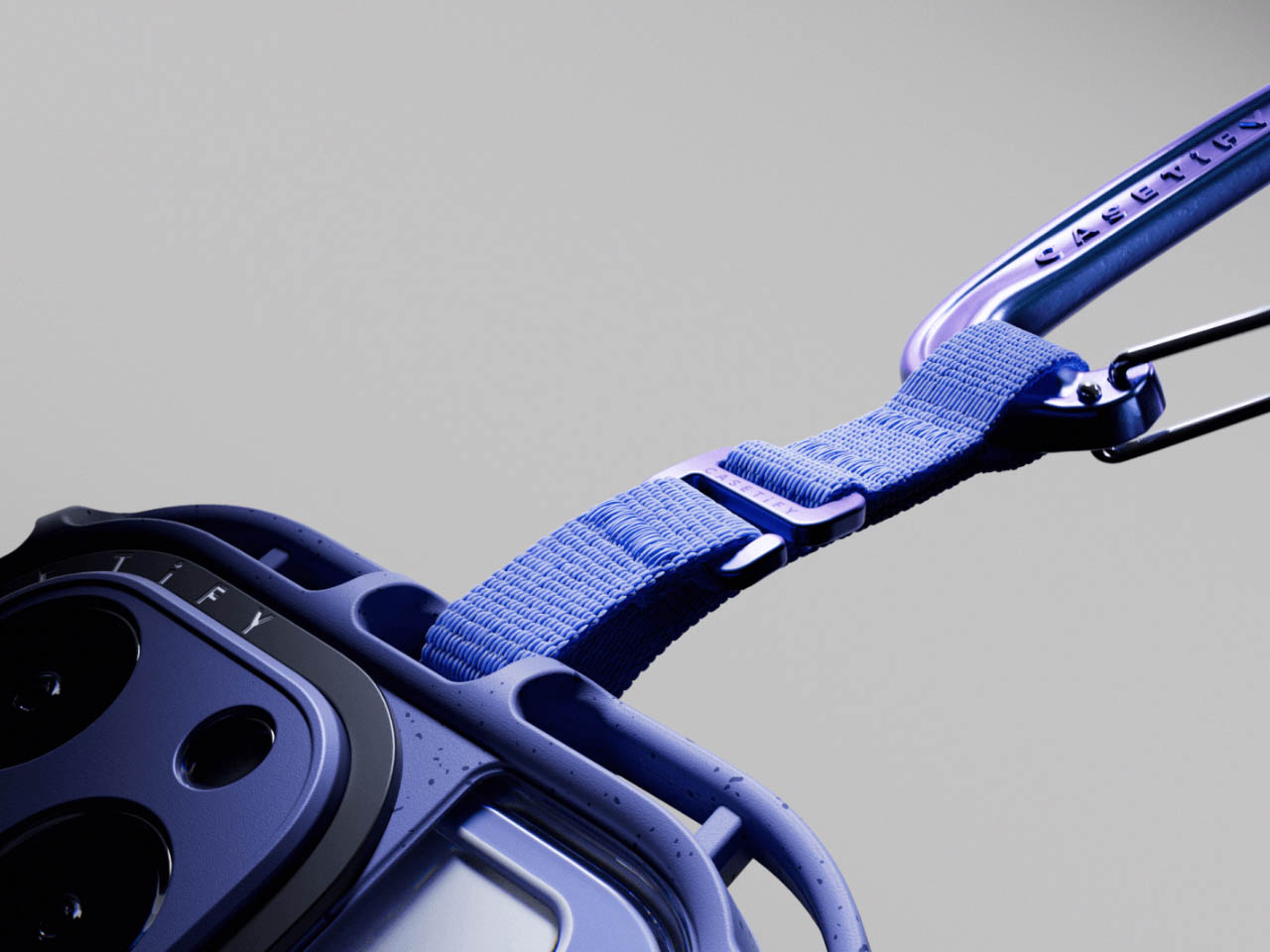
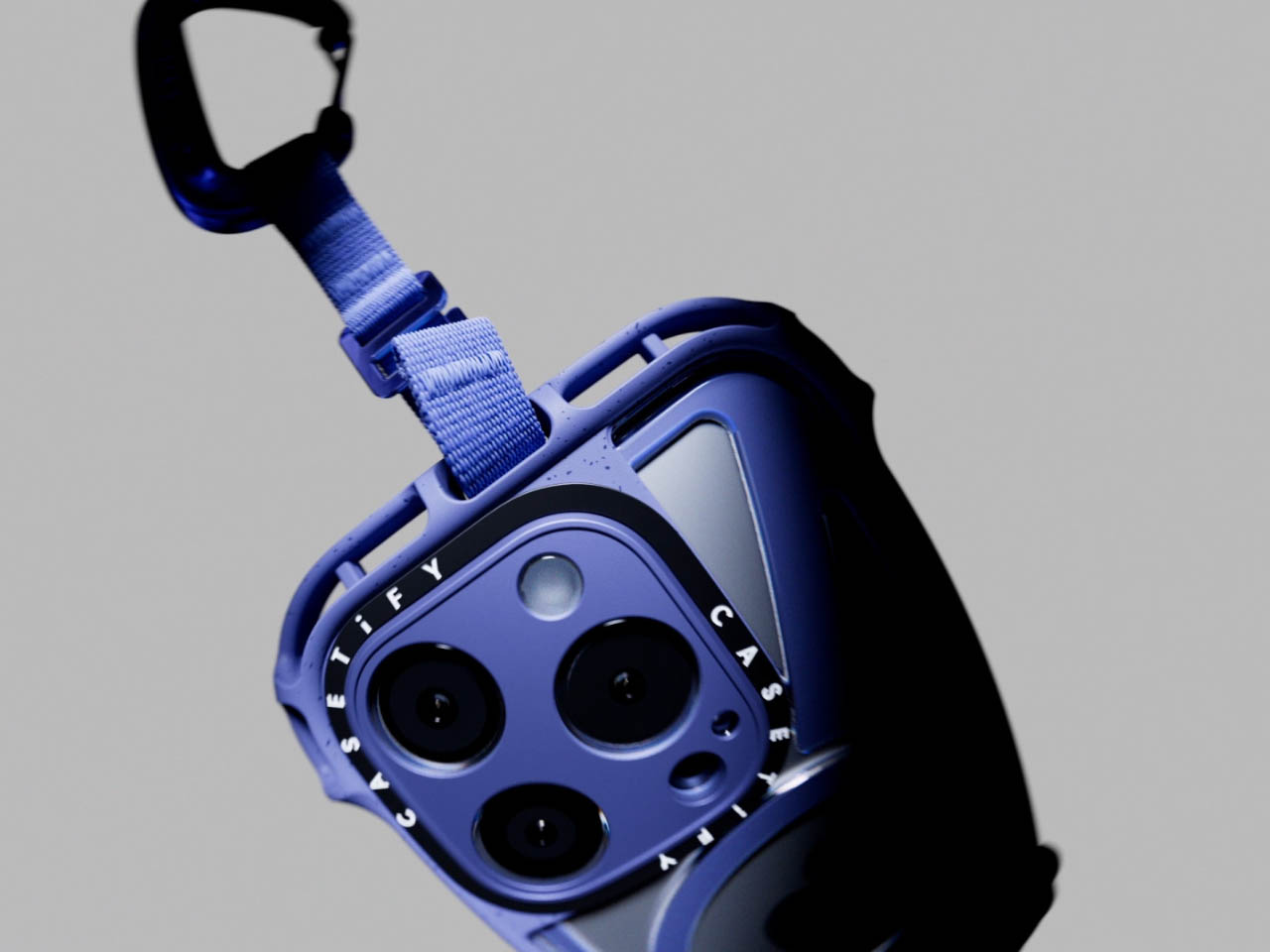
The Ultra Bounce has a raised camera lens protection to ensure scraping the camera lens on day-to-day usage and rendering maximum shock absorption when the phone is to land camera first on the ground. Adding to the unconditional safety and protection of the iPhone 16 series is the range of hands-free functionalities the $100 Ultra Bounce design brings to the table. You can clip the case anywhere using a carabiner or carry it around in a lanyard.
So far, Bose has delivered two versions of its "regular" QuietComfort Earbuds: one in 2020 and another in 2022. The company followed up last year with the QuietComfort Ultra Earbuds, debuting its take on spatial audio that doesn't rely on carefully recorded content. Now, Bose is jumping back to that "regular" model with a new version of the QuietComfort Earbuds. While it's actually the company's fourth set noise-canceling wireless buds, the new QC Earbuds will offer an entry-level option that's much more affordable than the premium Ultra.
For the new QuietComfort Earbuds, Bose says the design is meant for "everyday use." There's a collection of ear tips and stability bands to help you find the perfect fit, and the IPX4 rating should be enough to withstand sweaty workouts. The shape of the outer panel has been refined, looking more like older Bose earbud models than its recent efforts.
The company says you can expect its "best-in-class" active noise cancellation (ANC) to be on display here, as well as "satisfyingly rich" sound. Each earbud is equipped with three microphones for both ANC and voice pickup, so the latest QuietComfort model should be a decent option for calls. Bluetooth 5.3 with multipoint connectivity is also on the spec sheet, where Bose is promising up to 30 feet of wireless range.
Bose
Bose increased the battery life from the QC Earbuds II from six to eight and a half hours on this new version. Plus, the case holds another two and a half charges. You can get three hours of use in 20 minutes and a full charge takes 90 minutes.
The QuietComfort Earbuds will work with the Bose QC Earbuds app for features and customization. Here, you can reconfigure the onboard tap controls on each earbud, with the ability to switch ANC settings between Quiet, Aware (transparency mode) and off right on the buds. A Voice ID tool can fine-tune the QC Earbuds for "performance and accuracy" while a five-band adjustable EQ offers some flexibility with the tuning. Bose has also included a Remote Selfie feature that allows you to use the earbuds as a remote camera trigger. Additionally, there's a low-latency audio mode for gaming and a Battery Prediction tool to track power consumption.
The new QuietComfort Earbuds are available today for $179 in black, white and purple color options. That's $100 less the previous two QC Earbuds models and $120 less than the QC Ultra Earbuds. This new model isn't exactly a budget option, but the price is much more attractive than the company's current $299 flagship set.
This article originally appeared on Engadget at https://www.engadget.com/audio/headphones/boses-new-noise-canceling-quietcomfort-earbuds-are-more-affordable-at-179-130046607.html?src=rss
Apple has released its latest macOS software, macOS Sequoia, which brings a wealth of new features and enhancements to elevate your computing experience. With over 75 updates and improvements, macOS Sequoia focuses on boosting productivity, refining user interface elements, and introducing innovative functionalities across various native applications. The video below from Brandon Butch provides an […]
Bose has a new soundbar for the fall shopping season, and it includes a few neat tricks for owners of the company’s clip-on earbuds. The Bose Smart Soundbar is a “small, sleek” model with AI Dialogue Mode and a Personal Surround feature for owners of the Ultra Open Earbuds.
The Bose Smart Soundbar has five transducers, including two side-firing (racetrack-shaped) ones, a center tweeter and two up-firing transducers. This arrangement helps with Dolby Atmos content, with the side-facing ones focused on horizontally positioned audio and the upward-facing ones bouncing sound off the ceiling for an overhead illusion. The center tweeter handles dialog.
If your content doesn’t support Dolby Atmos for a spatial surround experience, the soundbar’s TrueSpace feature can mix them in real time to create a faux surround effect. Bose claims the process produces sound “just as effectively” as Dolby Atmos “with similar spaciousness.”
Bose
Owners of Bose’s Ultra Open Earbuds — the $299 clip-on doodads that leave your ears uncovered — the soundbar can deliver a more personalized surround experience for one person. Designed to add dimension to content, the feature uses the earbuds as rear surround speakers. Unlike most earbuds, the Ultra Open model doesn’t obstruct your ears, allowing you to still hear the soundbar’s audio. Bose describes the combined effect as a “sonic experience of sound all around you.”
The Personal Surround Sound feature launches with this model but will arrive on the (more expensive) Bose Smart Ultra Soundbar later this fall.
The soundbar also supports the AI Dialogue Mode from the company’s Smart Ultra Soundbar. The feature uses AI to automatically adjust the audio mix in real time when it detects speech, making voices easier to hear “without losing any impact of immersive sound effects.”
The Smart Soundbar is 27 inches long, 2.2 inches high and 4.1 inches deep. It has a black matte body with a wraparound metal grille. On the connection front, it supports HDMI eARC (required for Dolby Atmos) and standard optical cables. You can set it up to work with Google Assistant and Alexa, and it works with other Bose smart speakers (including bass modules) for enhanced living room or multi-room setups.
The Bose Smart Soundbar is available on Wednesday for $499. You can order it on Bose’s website.
This article originally appeared on Engadget at https://www.engadget.com/audio/speakers/boses-latest-soundbar-can-use-the-ultra-open-earbuds-as-rear-speakers-130002782.html?src=rss
The amount of fines Google has to pay in Europe may have become just a bit smaller. It has successfully convinced the European Union's General Court to annul the €1.5 billion ($1.7 billion) penalty levied against it back in 2019 for what the European Commission described as "abusive practices in online advertising." According to the Financial Times, the General Court agreed with the commission's assessment that Google did block rival advertisers from its platform. However, it argued that the commission failed to take into account "all the relevant circumstances" when it assessed how long the company had implemented anti-competitive practices.
The commission, under competition chief Margrethe Vestager, found back in 2019 that Google had prohibited publishers from placing search adverts from competitors on its search results pages from 2006 until 2009. It changed its rules slightly in 2009, but it wasn't until 2016 that it removed the clause pertaining to the restriction in its contracts. The fine for this particular case was larger than expected, because the commission said it took into account "the duration and gravity of the infringement."
"This case is about a very narrow subset of text-only search ads placed on a limited number of publishers' websites," Google said in a statement to the Financial Times. "We made changes to our contracts in 2016 to remove the relevant provisions, even before the commission’s decision. We are pleased that the court has recognized errors in the original decision and annulled the fine. We will review the full decision closely." Meanwhile, the commission told the publication that it "will carefully study the judgment and reflect on possible next steps." It could still appeal the court's decision.
This is just one of the multiple antitrust fines the European Commission has slapped against Google over the past years. Earlier this month, EU's highest court upheld a different $2.7 billion penalty against the company. The commission imposed that fine on Google back in 2017, because it found that the company, as Vestager explained, "abused its market dominance as a search engine by promoting its own comparison shopping service in its search results, and demoting those of competitors."
Vestager is stepping down from her role as the European Union's commissioner for competition within the next few weeks. She has been tough on big tech companies throughout her run, and the market abuse cases she has filed over the years led to the creation of the Digital Markets Act (DMA), a regulation meant to prevent the largest players in the industry from abusing their market power.
This article originally appeared on Engadget at https://www.engadget.com/big-tech/google-wins-appeal-against-17-billion-eu-fine-for-abusive-advertising-practices-123006698.html?src=rss
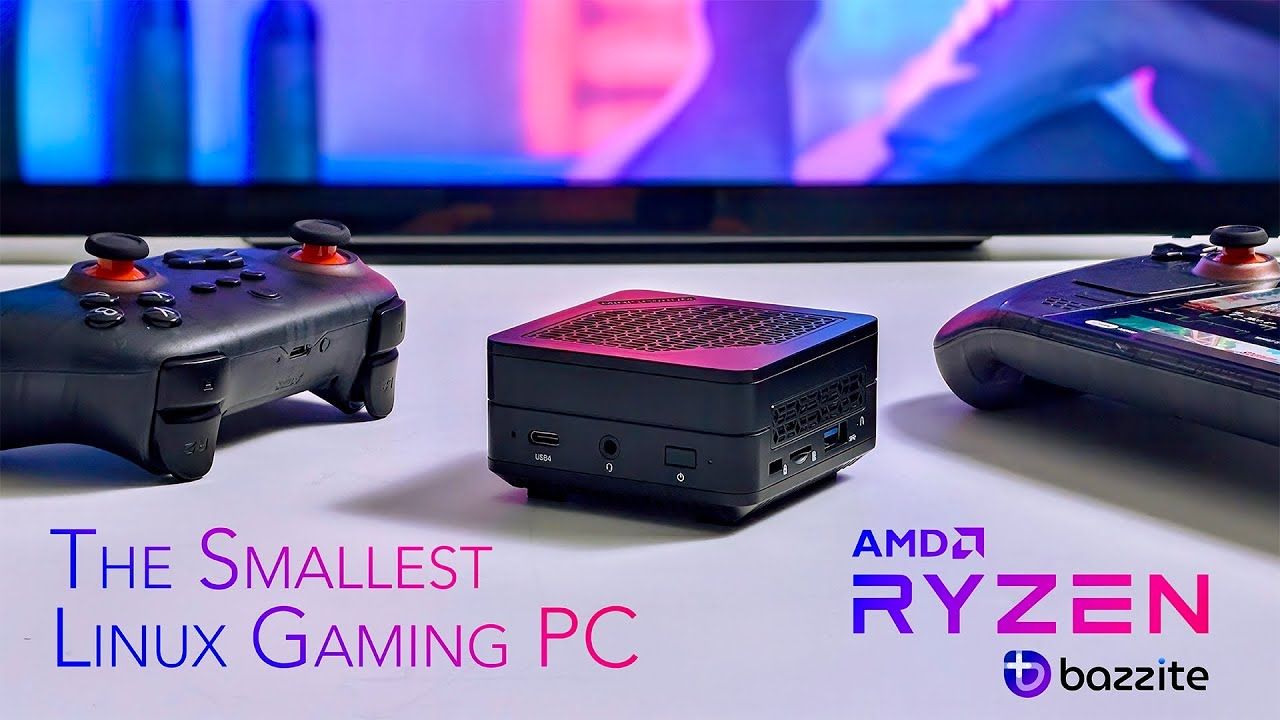
The MinisForum EM 780 is a remarkable compact Linux gaming PC that delivers impressive performance in a small form factor. This article takes a deep dive into the specifications, performance, and user experience of the EM 780, highlighting its capabilities and comparing it to the popular Steam Deck. At the heart of the EM 780 […]
The latest update to Claude Dev, a powerful VS Code extension, introduces significant enhancements to its autonomous coding capabilities, aiming to transform the way you generate, edit, and manage applications within your development environment. This update focuses on improving workflow efficiency, providing greater control, and seamlessly integrating with your existing tools and processes. Autonomous Coding […]
Apple has slowly been making its devices easier to fix, but the iPhone 15 fell short in a couple of key areas, according to the repairability site iFixit. Namely, the battery was hard to remove and the device suffered from a "parts pairing" issue that meant you couldn't easily replace the LiDAR sensor with one from another phone. With those two problems, iFixit gave the iPhone 15 a relatively low 4/10 repairability score.
Apple has now released new updates on iPhone 16 repairability and appears to have addressed both those issues and a bunch more. Saying it tries to strike a balance between durability and repairability, it focused particularly on the "repairability" aspect with its latest devices.
There's now an entirely new way to remove the battery that's supposed to make it easier. By running a low voltage electrical current through the new ionic liquid battery adhesive (using a 9V cell, for instance), the battery will release itself from the enclosure. This makes removal faster and safer compared to previous stretch release adhesives, according to the company.
At the same time, Apple made changes to the Face ID sensor hardware starting with the iPhone 16 and iPhone 16 Pro. Now, the TrueDepth Camera can be swapped from one unit to another without compromising security or privacy. Before, only Apple was able to do that type of repair.
Another big change is the new Repair Assistant, designed to address parts pairing issues. That lets customers and repair professionals configure both new and used Apple parts directly on the device, with no need to contact Apple personnel. Repair shops previously needed to order official components directly from Apple and get on the phone with an employee before iOS would accept individual parts replacements.
Apple added newly repairable modules too, saying the TrueDepth Camera can now be configured on-device for iPhone 12 and later, eliminating the need for a tethered Mac. In addition, the LiDAR scanner on iPhone Pro models is now serviceable with the rear camera model.
Another big change is on-device access to diagnostics. Starting with iOS 18, Apple diagnostics for repair will be available on device, so customers can determine which parts need to be replaced without the need for a second device.
Finally, the company announced new support for third-party and used Apple parts. If a third-party part can't be calibrated on Apple's cloud-based servers, the iPhone or other device will try to activate the part and operate it to its full capability, while showing the repair history within settings. Used Apple parts can soon be calibrated and will appear as a "used" part in the device's repair history. Another future update will enable True Tone for third-party displays and battery health for third-party batteries. In addition, the LiDAR Scanner and front camera will still work when the module is replaced and left unconfigured.
All told, the iPhone 16 series looks to have one of the biggest jumps in repairability yet, with improvements in physical access, parts compatibility and parts pairing. We'll soon see if that's reflected in iFixit's impending repairability score.
This article originally appeared on Engadget at https://www.engadget.com/mobile/smartphones/apple-reveals-how-its-made-the-iphone-16-series-much-easier-to-repair-120055256.html?src=rss
iOS 18 brings a wealth of new features and enhancements designed to elevate your iPhone experience to new heights. From enhanced security measures to extensive customization options, this update offers a range of functionalities that aim to make your device more secure, personalized, and user-friendly than ever before. The video below from iReviews gives us […]
HTC Vive is following up its intriguing, yet expensive, XR Elite headset with something that's still quite pricey, the $999 Focus Vision. Built on the same platform as the standalone Vive Focus 3, the upgraded model adds a slew of new features like built-in eye tracking, 16MP stereo color front-facing cameras for mixed reality and automatic IPD adjustment (which makes it easier to share). And with the additional $149 DisplayPort wired streaming kit, gamers can also hook the Focus Vision up to their PCs for more intensive VR experiences.
Judging from the price and features alone, the Focus Vision isn't much of a mainstream consumer play from HTC Vive. But that's to be expected. While Meta has poured tens of billions into making its Quest headsets cheaper and more accessible, without any need to worry about profitability, HTC Vive has leaned towards making more expensive headsets better suited for business and government work. The Focus 3, for example, made its way to the International Space Station to help astronauts exercise and relax.
While the Vive XR Elite looked almost like a pair of over-sized glasses, the Focus Vision doesn't look much different than the Focus 3. It's clearly a standard VR headset, albeit one a step above the Meta Quest 3, a device mostly made of cheaper plastic and other low-grade materials. There's plenty of cushioning along the front headset and rear head strap, and there's more than enough room to fit large glasses.
Under the hood, the Vive Focus Vision features a 5K LCD display, delivering a 2.5K resolution per eye, a 90Hz refresh rate and a wide 120-degree field of view. (HTC says it'll gain 120Hz support over DisplayPort later this year.) In addition to the two 16MP front-facing cameras, which are positioned like human eyes for distortion-free mixed reality, there's also an infra-red flood light for hand tracking in low light, four external tracking cameras and the usual depth sensor.
Once again, HTC has stuck a removable battery pack in the headset's rear strap, butnow there's also a small built-in battery offering an additional 20 minutes of standby charge. That means you can swap battery packs without shutting down the headset and leaving your VR immersion. That feature alone could be compelling to organizations where employees will have to wear the Focus Vision for hours on end. HTC claims the headset can last for two hours of continuous use.
HTC Vive
With the Vive Focus Vision, HTC is also making a play for high-end VR gaming. While Meta's Quest headsets can connect to gaming PCs wirelessly and with USB-C cables, they're essentially delivering a compressed video feed of VR experiences from those system. The Focus Vision's DisplayPort kit functions more like a standard PC VR headset: It gives you a direct connection to your computer's video card. You shouldn't see any of the lag or compression artifacts that you occasionally do with Meta Quest to PC connections.
As I expected, the Focus Vision feels very similar to the Focus 3. It's easy to put on adjust, there's more than enough room for my glasses to fit, and the front and rear cushioning helps it rest comfortably on my noggin. Thanks to the rear battery pack, the headset also feels well-balanced on my head. Other headsets, even Apple's Vision Pro, can feel front-heavy and place pressure on your nose and eyes.
HTC Vive
When it comes to the actual VR experience, the Focus Vision delivers what I'd expect from an expensive HTC Vive headset. The 5K display is sharp enough to read small text, and its large field of view makes wandering around locations in Nature Treks VR feel genuinely immersive. I haven't had much of a chance to try PC gaming just yet, but I'm looking forward to delving into that for our review.
I'm still disappointed by the limited selection of apps in the VivePort store, but once again this isn't a device that needs to cater much to general VR users. Companies relying on the Focus Vision will either use existing enterprise apps or build something for themselves. And gamers likely won't spend much time outside of the wired DisplayPort connection, where they can access the full bounty of their SteamVR libraries.
The Vive Focus Vision is available for pre-order today for $999 ($1,299 for businesses with an additional warranty) until October 17. HTC will also throw in the DisplayPort kit free for early adopters, and there are also three game bundles to choose from.
Update 9/18 10:55PM: HTC Vive has extended the pre-order window from September 30 to October 17. We've updated the post to reflect that.
This article originally appeared on Engadget at https://www.engadget.com/ar-vr/htc-vives-focus-vision-is-a-999-stab-at-high-end-vr-and-mixed-reality-120054049.html?src=rss