Atari 50: The Anniversary Celebrationis a fascinating journey through the history of Atari, but that timeline couldn't be truly rounded without the inclusion of some Namco classics like Pac-Man and Galaga. To remedy that, Atari and developer Digital Eclipse are releasing another paid expansion for the retro collection. It’s called The Namco Legendary Pack and it will be available on November 13 on PS4, PS5, Xbox One, Xbox Series X/S, Nintendo Switch and Steam for $8.
The DLC adds a new interactive timeline that will take you through the history of Namco games on Atari systems, with the help of video interviews with developers and archival materials including photos and other documents. The expansion features versions of Pac-Man for Atari 2600, Atari 5200 and Atari 8-bit. Pac-Man was the best-selling game on Atari 2600, but it's safe to say that version doesn't exactly hold up.
The Namco Legendary Pack also includes the US arcade versions of Dig Dug and Xevius. In addition, you’ll get home console versions of those two games, Galaga and Galaxian.
The DLC will make Atari 50 even more of a comprehensive overview of the company's history. An expansion that arrived last November charted the rivalry between Atari and Intellivision, aka the first console war. Atari finally brought that to a decisive end when it bought the Intellivision brand last year.
This article originally appeared on Engadget at https://www.engadget.com/gaming/pac-man-and-other-namco-games-are-coming-to-atari-50-as-part-of-a-paid-expansion-on-november-13-175131686.html?src=rss
The Motion Picture Association doesn’t share Meta’s view that the content people under the age of 18 might encounter on an Instagram Teen Account is comparable to what you might find in a PG-13 movie. The MPA has reportedly hit Mark Zuckerberg’s company with a cease-and-desist letter that objects to Meta’s use of the term "PG-13."
To rewind, Meta revamped its teen-specific accounts — which were first introduced last year — last month, claiming that going forward the account content would be guided by PG-13 movie ratings. In a blog post explaining the change, it said: "Just like you might see some suggestive content or hear some strong language in a PG-13 movie, teens may occasionally see something like that on Instagram — but we’re going to keep doing all we can to keep those instances as rare as possible."
As Engadget’s Karissa Bell pointed out at the time, while Meta openly acknowledged that no system is without its flaws, the analogy is a bit vague and confusing, especially as the company has tightened up some of its rules so that teens are no longer supposed to see any "sexually suggestive" content on the app. This is despite content of that nature often being present in a PG-13 movie.
In the cease-and-desist letter that The Wall Street Journal claims to have seen, the MPA has called Meta’s use of its ratings system in describing how the new teen account restrictions work "literally false and highly misleading." It said that the established movie-ratings system is not comparable to Meta’s system, which it added appears to "rely heavily on artificial intelligence." It also warned that potential issues with Meta’s classification metrics would "inevitably cause the public to question the integrity of the MPA’s rating system."
Meta did also directly reference the PG-13 ratings system in its blog post when discussing its AI experiences, where it said that teens interacting with chatbots would not receive "age-inappropriate responses that would feel out of place in a PG-13 movie." Meta told the WSJ that the changes were intended to make it easier for parents to understand its content policies by measuring them against something familiar, and that it was aware that "social media isn’t the same as movies." Responding to the cease-and-desist letter, it said that it never tried to claim or imply any official PG-13 certification from the MPA.
This article originally appeared on Engadget at https://www.engadget.com/big-tech/the-mpa-tells-meta-to-stop-using-pg-13-to-describe-teen-accounts-174251843.html?src=rss
First of all, the entire exterior has been redesigned to make that reggae theme really pop. It's green and off-white, with fun fonts aplenty. The thing just screams "play me," much like the original KO II.
Perhaps the biggest internal feature is the addition of an actual synth engine called Supertone. The previous models in this series were just samplers. The company promises that this engine can deliver thick bass sounds and classic leads. It also offers access to a dub-inspired siren mode that's pressure sensitive. It oscillates faster the harder you press it.
The machine also boasts double the storage and an additional main effect. All told, there are seven main effects and 12 punch-in effects. These have all been inspired by reggae tunes. It comes pre-loaded with hundreds of samples which have also primarily been pulled from the genre.
This isn't just for reggae, as sounds are sounds and people can do whatever they want with them. Also, it's really easy to load your own samples into this machine via a web tool. I've used the tool often with the original KO II and it truly is drag-and-drop.
Teenage Engineering
There's one final fascinating element here. The sampler ships with something called the EP-2350 Ting microphone. This handheld mic resembles something out of a CB radio and is "lo-fi by design." It features four voice-changing effects, including one that combines echo and spring reverb. This is an essential effect for dub reggae vocals. In theory, this microphone could be used with other devices, but it's only available as a combo pack with the Riddim.
Everything else is in line with the KO II. It has a speaker that'll likely be pretty crappy, but also plenty of inputs and outputs. It operates via AA batteries and there are 12 buttons to trigger samples.
The Riddim is slightly more expensive than its counterparts, at $329. However, this does include the aforementioned Ting microphone. It's available right now for purchase.
This is the second off-kilter rebrand of the KO II. Teenage Engineering already released the EP-1320 Medieval, which is filled with samples of screaming peasants, flutes and Gregorian chants. The menus were also completely in Latin which, dear readers, made it very hard to use for this dumb American.
This article originally appeared on Engadget at https://www.engadget.com/audio/teenage-engineering-made-a-reggae-inspired-sampler-complete-with-a-weird-microphone-for-vocals-173812774.html?src=rss
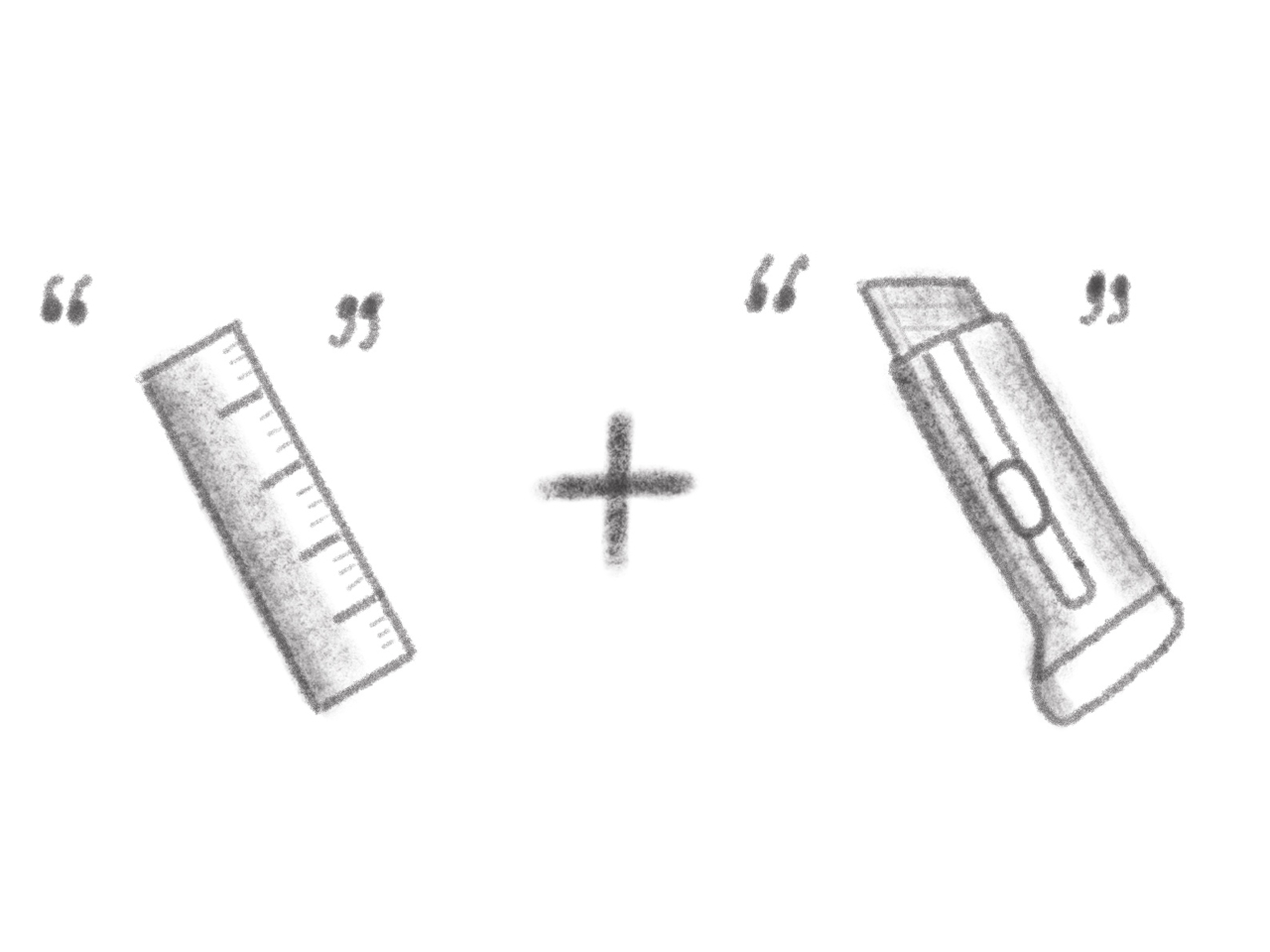
Cutting a straight line should be simple, but for anyone who’s ever measured, marked, and sliced the same piece of foam board or cardboard over and over, the process is anything but straightforward or efficient in practice. The classic “measure twice, cut once” mantra is great advice until you’re making dozens of identical cuts for a project, and the ruler starts to feel like a bottleneck slowing down your entire workflow and creative process.
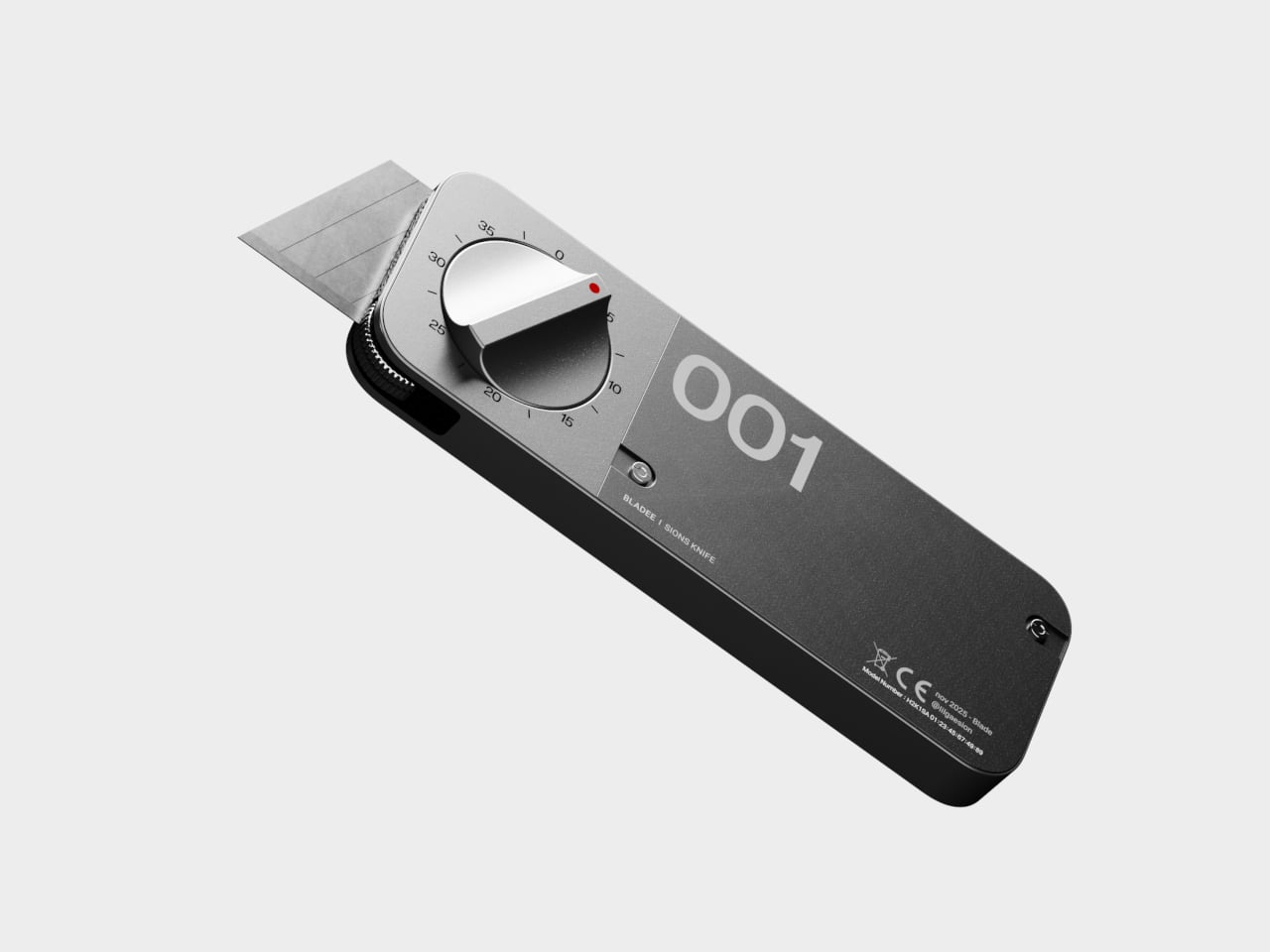
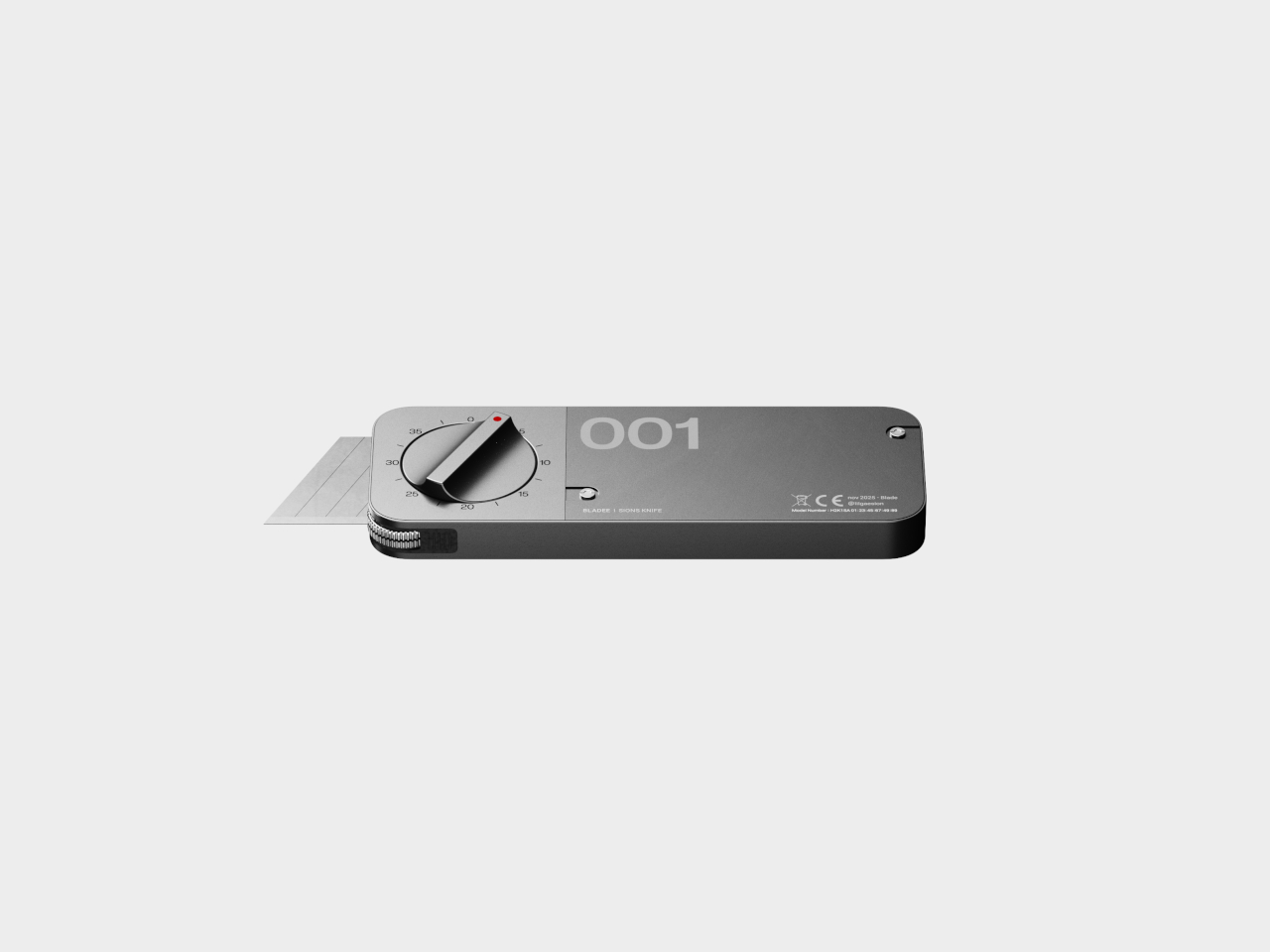
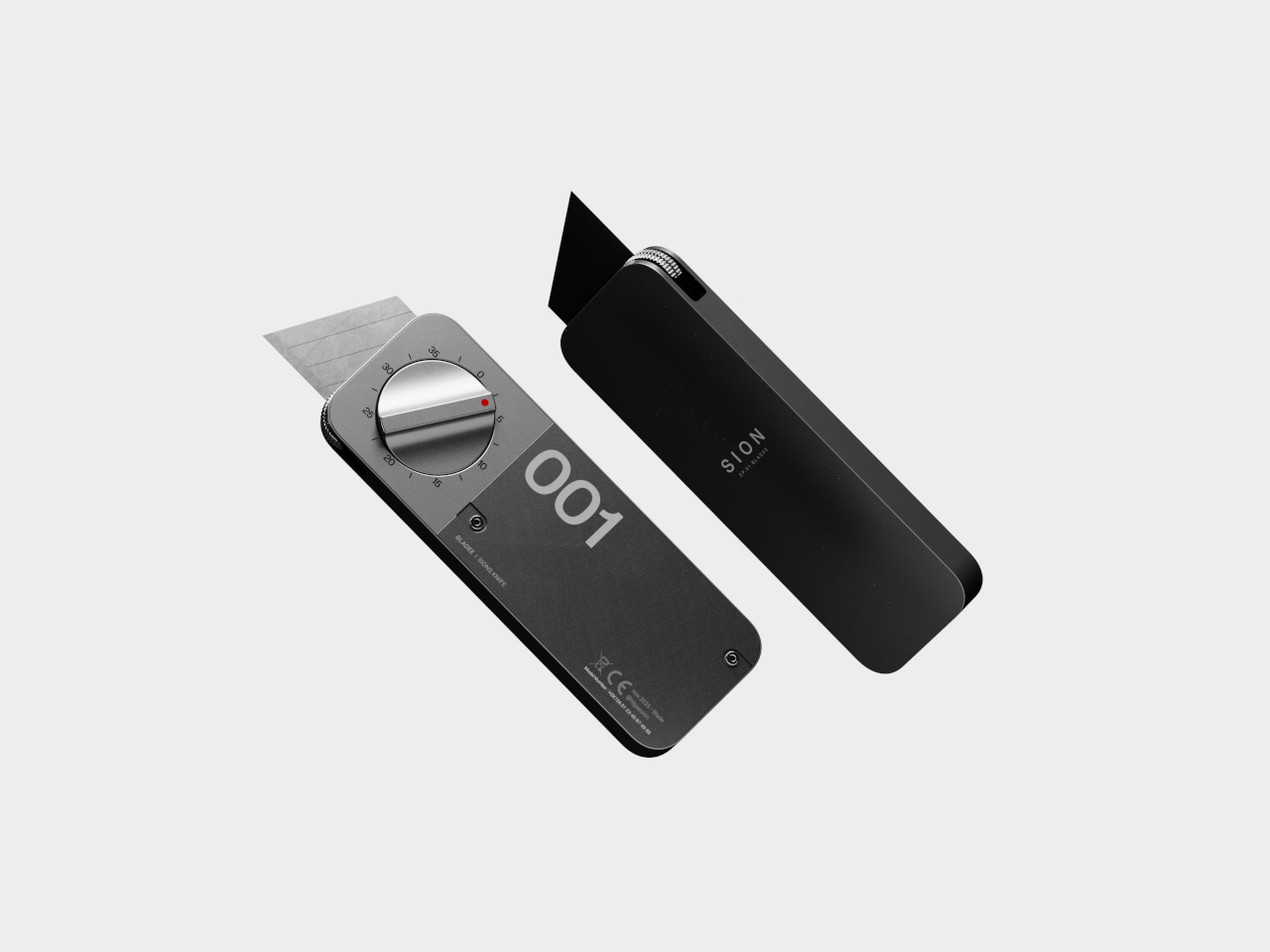
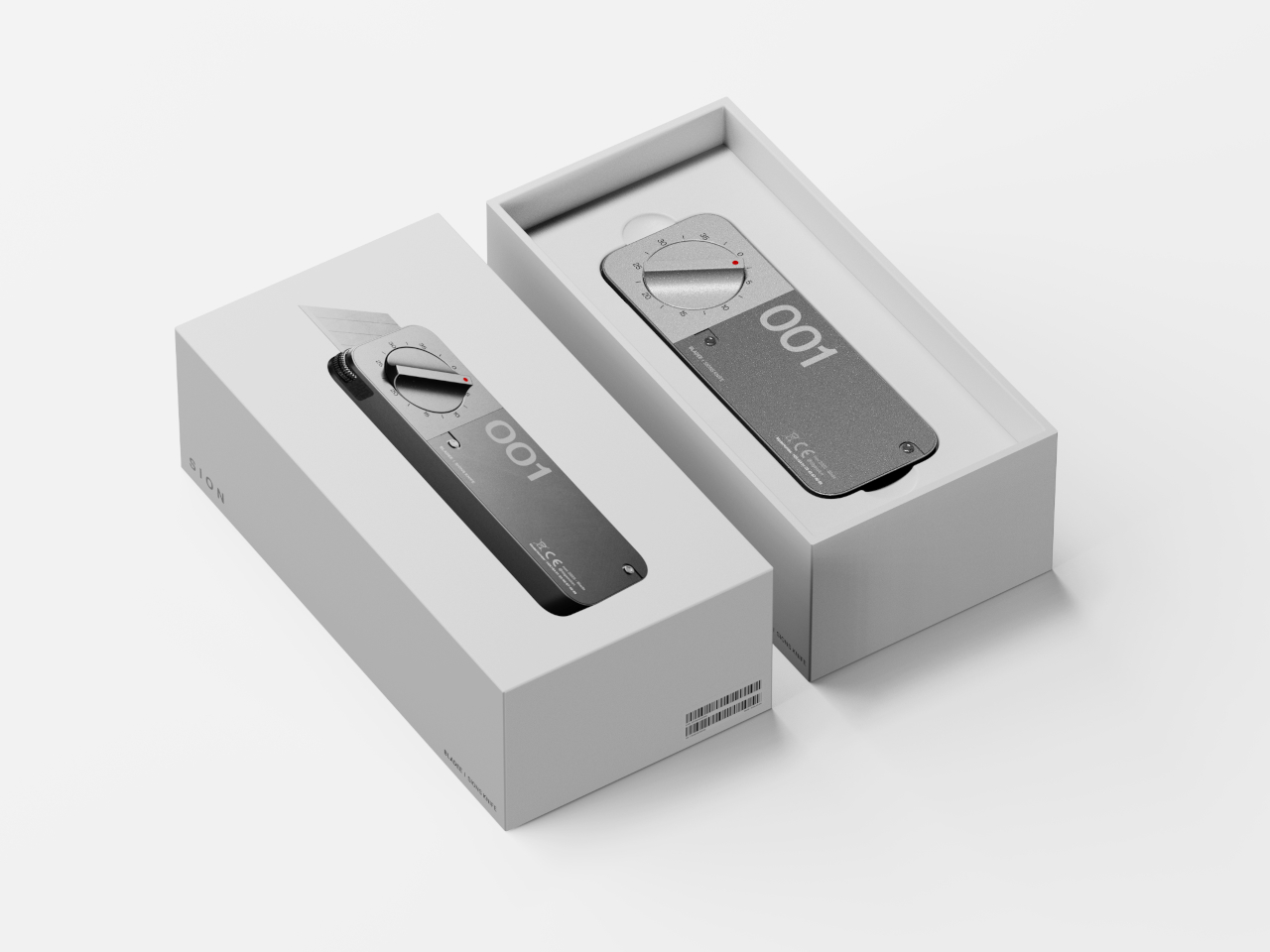
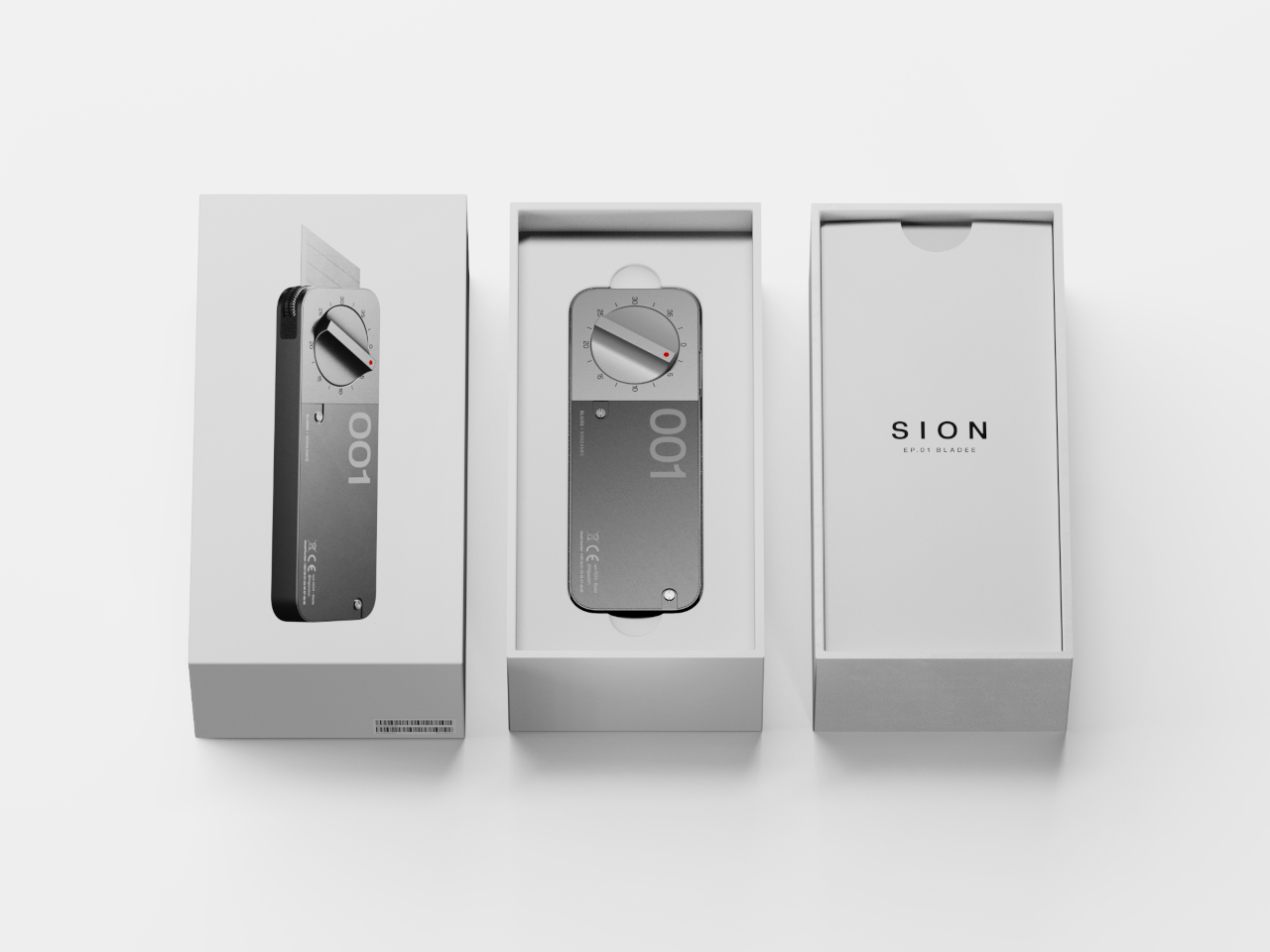
The BLADEE box cutter concept is a rethink of the humble utility knife designed for modern makers and professionals. By building measurement and precision into the tool itself through integrated mechanics and a dial system, it promises to make repeatable, accurate cuts faster and easier throughout your day without external measuring tools. No ruler needed, no marking required, and no guesswork involved when you’re deep into production work.
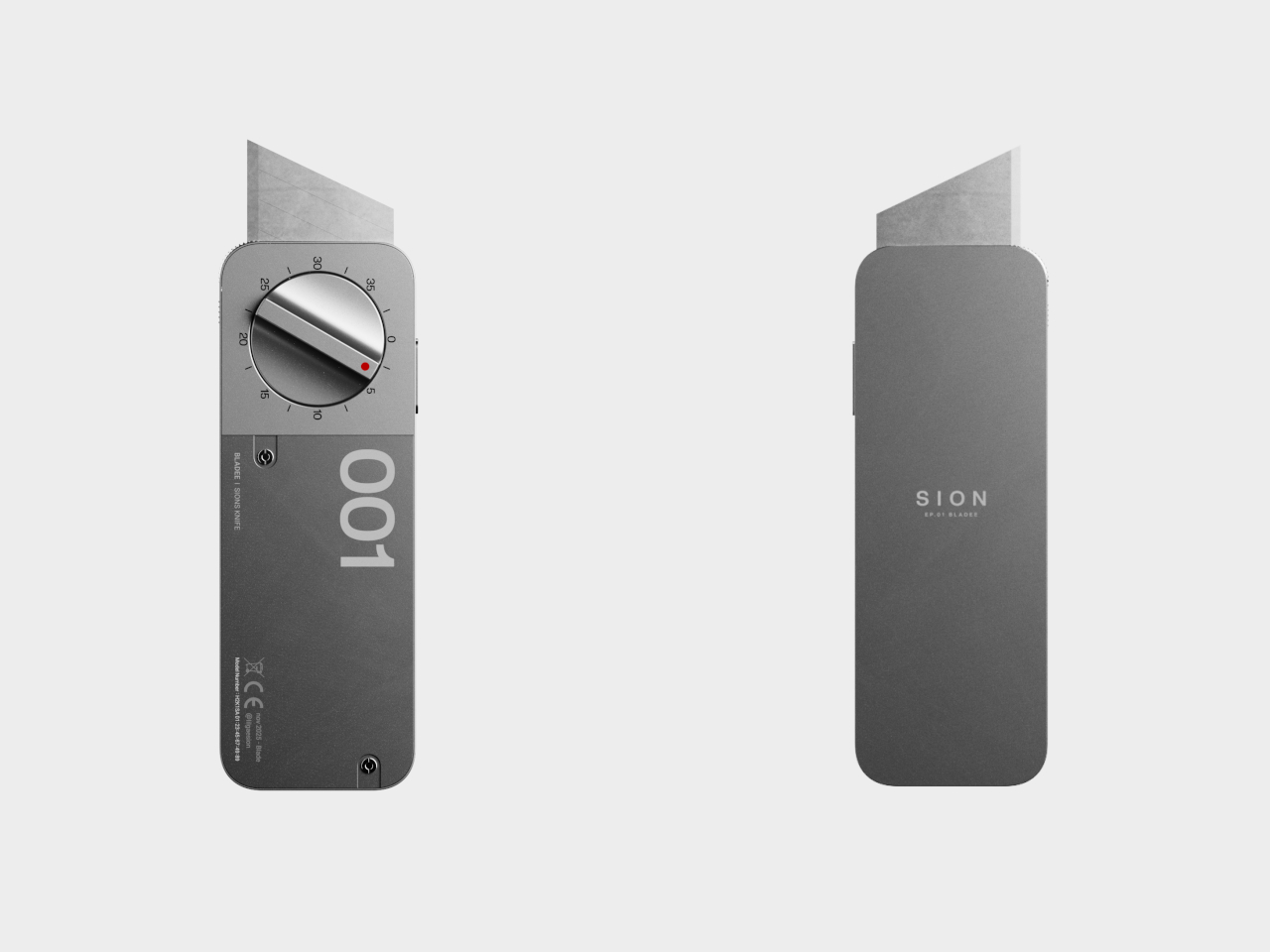
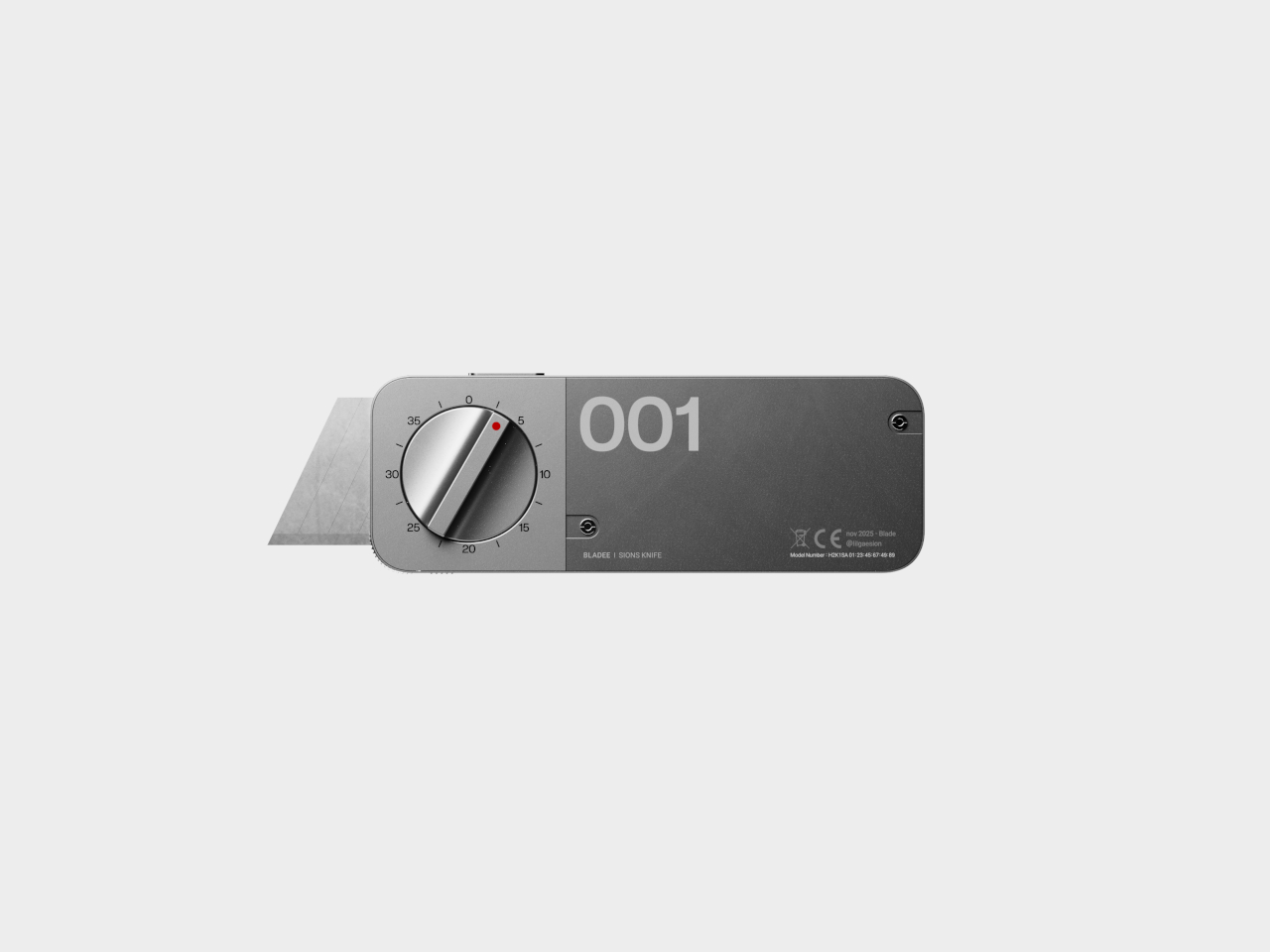
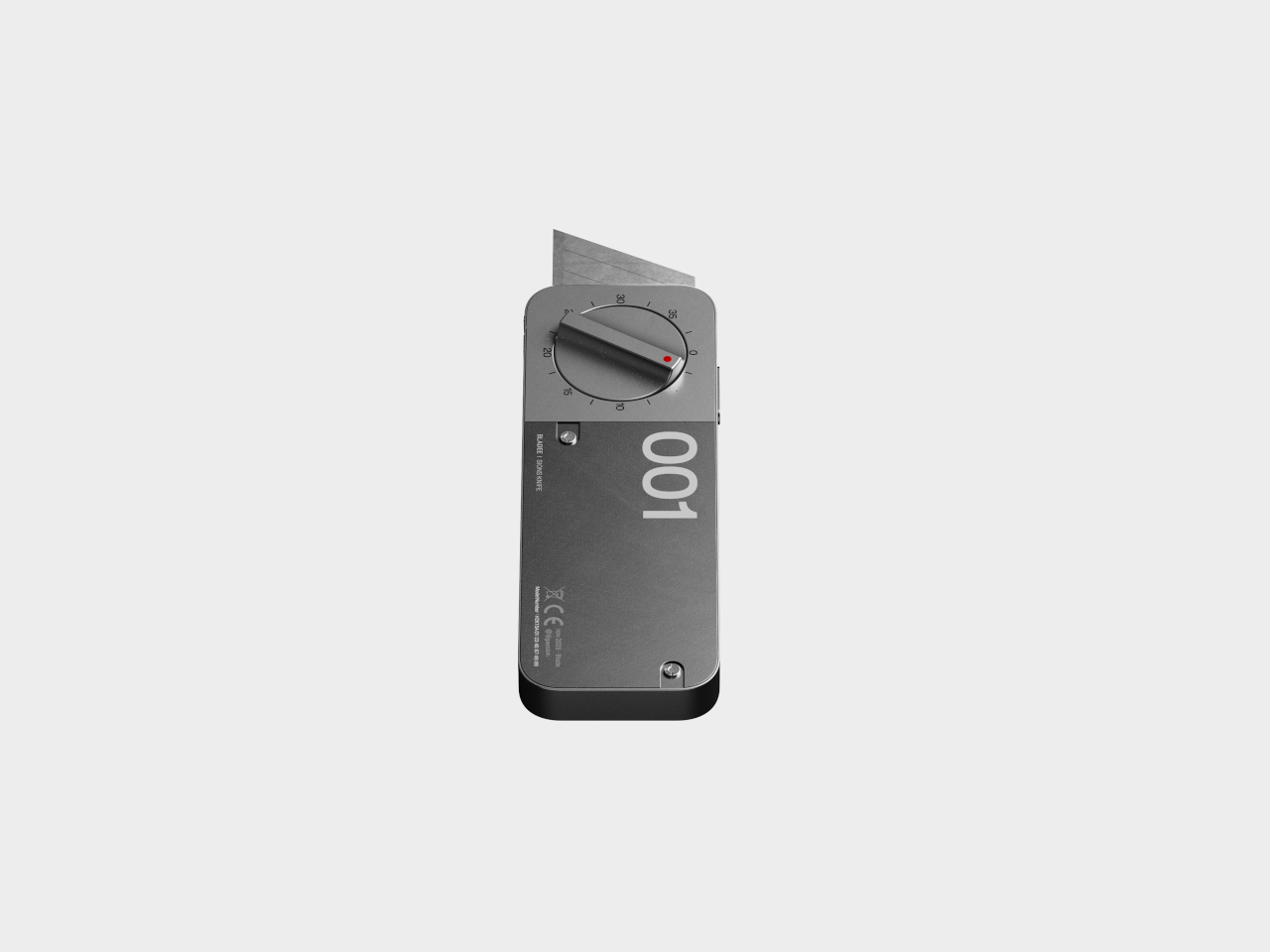
BLADEE’s minimalist, phone-sized body is all about clean lines, matte metal finishes, and a prominent dial that dominates the top surface for immediate visibility and control. The numbered dial lets you set your target cut length from 0 to 35 units, while a lower measurement wheel tracks your progress in real time as you slice through materials. As you approach the preset length, the blade gradually retracts automatically.
The blade always extends a fixed stroke for initial penetration, then withdraws at the set point to ensure every cut finishes smoothly and precisely at the same spot every time. The auto-lock at zero prevents accidental activation during transport or storage, and the dial only works when you press the side button for additional safety during use. This dual-safety system protects both the user and nearby materials.
The real magic is how BLADEE changes the workflow entirely for professional and hobbyist makers alike. No more juggling rulers, pencils, and knives across your workspace while trying to maintain precision and accuracy. Just set the dial to your desired measurement, cut with confidence, and repeat as many times as needed. Whether you’re prototyping packaging designs, building architectural scale models, or crafting at home, the tool eliminates tedious marking.
The right-hand cover is modular and swappable, letting you change colors, finishes, or even add project numbers or initials for organization and personalization. The measurement wheel rolls alongside the blade during cutting, counting travel with each pass and engaging the internal linkage for smooth, automatic retraction at the endpoint. This prevents over-cutting while reducing the risk of slips and accidents at the vulnerable end of each cut.
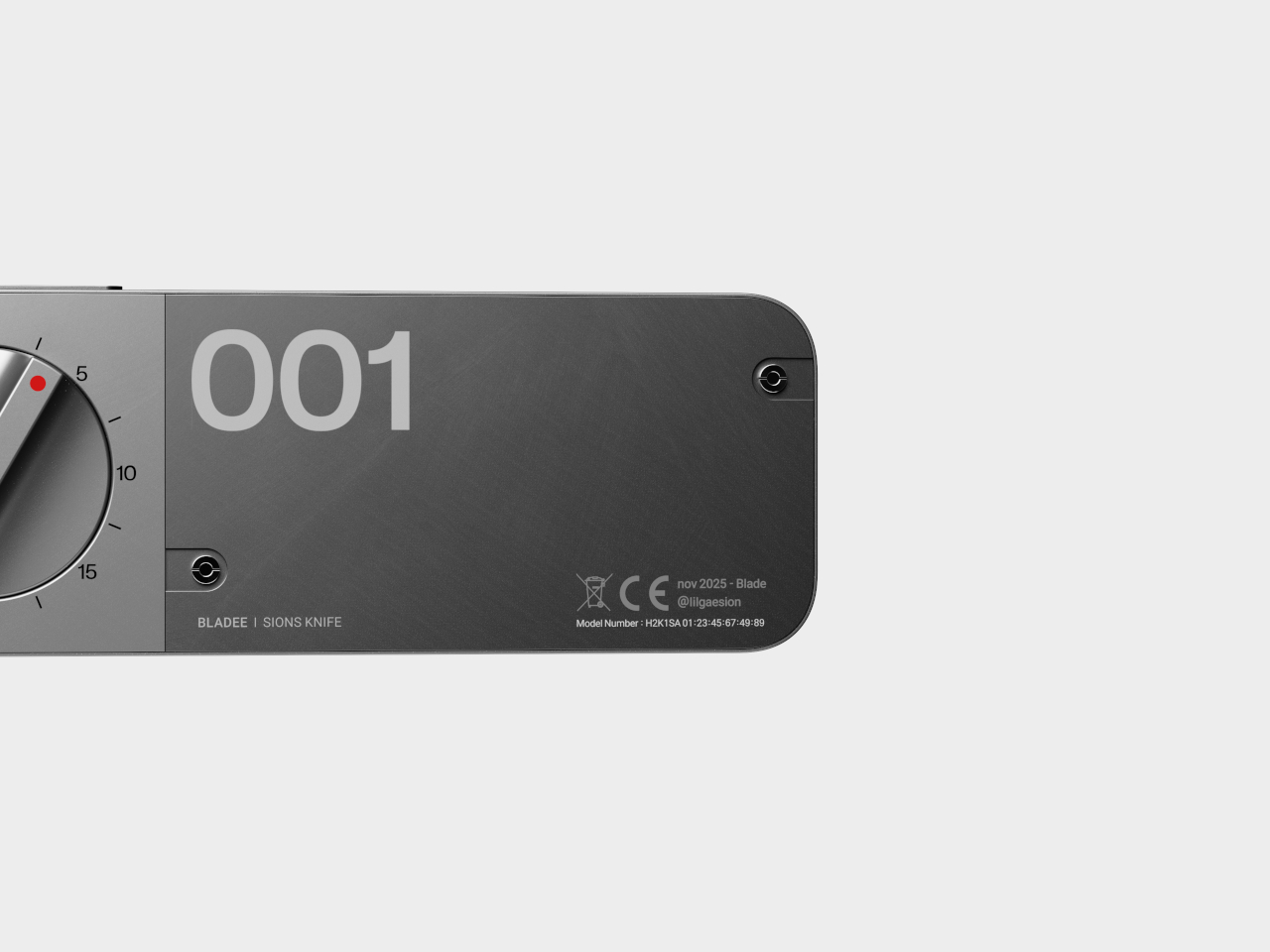
The robust metal construction, bold “001” graphics, and red pointer indicator give BLADEE a premium, professional feel that makes it as satisfying to use as it is to display prominently. For anyone who values accuracy and efficiency in their creative work, this concept offers a compelling reminder that even the most ordinary, everyday tools can be reimagined for modern workflows and contemporary creative needs when designers prioritize user experience and workflow efficiency.
Well, I suppose it was only a matter of time, but Google is making AI Mode harder to avoid. In the US, the company has begun rolling out an update for Chrome on Android and iOS that adds an AI Mode shortcut to the browser's new tab page. It's predominantly featured, appearing right below the browser's signature search bar.
"This will let you ask more complex, multi-part questions, and then dive even deeper into a topic with follow-up questions and relevant links," the company said of the update. In the near future, Google plans to bring the shortcut to 160 additional countries, with support for other languages — including Hindi, Indonesian, Japanese, Korean, Portuguese — on the way as well.
Google introduced AI Mode at the start of March when it previewed the feature through its Labs program. Since then, it has been aggressively rolling out AI Mode in nearly every market it operates, beginning this past May at I/O 2025 May when the company made the chatbot available to all US users.
This article originally appeared on Engadget at https://www.engadget.com/ai/google-adds-an-ai-mode-shortcut-to-chrome-on-mobile-170042622.html?src=rss
Discord has been trying to strike a balance between affording teen users their privacy and allowing for parental oversight. Over the next week, the platform is rolling out some updates for its Family Center with the aim of helping parents gain more understanding of what their teens are doing on Discord, while giving them the ability to manage certain settings.
Parents and guardians were already able to see an overview of some of their teens' Discord activity. Now, they'll be able to view all purchases for the previous seven days; exactly how long teens have spent in voice and video calls across direct messages, servers and group DMs; and the five users and servers that a teen has called and messaged most often over the last week.
Teens will have the option to notify a guardian when they report another user or a piece of content to Discord. The guardian will receive an email telling them that their teen filed a report but not the details. The idea behind that is to have a conversation about the report and for the guardian to lend their support.
In addition, Discord is adding guardian-managed settings to Family Center. These include the ability to determine who can DM a teen and if sensitive content filters are enabled. Guardians will have access to some data privacy controls too.
Discord said it designed the updates with teens in mind and to make sure they can maintain their independence while having the parental support they might need. Guardians can't see the content of messages that their teens send. Teens can also view the same information as their guardians in Family Center.
To use Family Center, guardians and teens need to link their accounts. They can do so by going to User Settings > Family Center in the Discord app.
As with other social platforms, Discord is under the spotlight when it comes to the safety of young users. Earlier this year, New Jersey's attorney general sued Discord, claiming that it "misled parents about the efficacy of its safety controls and obscured the risks children faced when using the application."
Update, November 5, 2025, 1:01PM ET: A previous version of this story indicated that Australia was considering banning under 16s from using Discord. This is not the case, as Discord will not be considered an age-restricted social media platform by Australian officials. We regret the error.
This article originally appeared on Engadget at https://www.engadget.com/apps/discord-gives-parents-more-insight-into-their-teens-activity-through-family-center-170000419.html?src=rss
Bang & Olufsen just announced a new luxury speaker that costs a pretty penny. The Beosound Premiere is a soundbar made from aluminum that's priced at $5,800.
It's visually striking, with the company referring to the soundbar as a "piece of art." The aluminum chassis looks to be seamless, with a gorgeous matte satin finish. The up-firing tweeter has been placed directly in the center to draw the eye and there are plenty of lights placed throughout. There are lots of little details here, including 1,925 bespoke perforations to pay tribute to the company's founding year.
"This is not merely a product; it is a curated experience," the company wrote. "Beosound Premiere redefines the category."
As for sound, there are ten custom-engineered drivers that assist with spatial audio by firing upwards. This allows "sound to unfold around the listener from all angles" and "enhances clarity in dialogue and delivers deep, powerful bass." It integrates with Dolby Atmos 7.1.4 and can be paired with additional Bang & Olufsen speakers via the company's proprietary Beolink Surround technology.
The soundbar also features a new patent-pending technology called Wide Stage. This uses a custom-designed algorithm to create the illusion of having additional speakers, making the "soundstage wider and taller than it is." All of this stuff combines for an immersive listening experience.
There's also some kind of special integration with LG OLED C and G series TVs, but the company didn't get into what that entails. We reached out to Bang & Olufsen for clarification. It's worth noting that the soundbar can work with any TV or audio source.
Bang & Olufsen
The Beosound Premiere is available in a trio of colorways, with the natural aluminum model releasing first in December. The gold one comes out in February, followed by a black soundbar in March. All models ship with a stand that enables both wall-mounting and tabletop placement. Again, the Premiere costs $5,800.
This article originally appeared on Engadget at https://www.engadget.com/audio/bang--olufsens-latest-speaker-is-a-5800-aluminum-soundbar-163524028.html?src=rss
When it was first announced, the PlayStation Portal was sort of a joke. The Nintendo Switch was a megahit, and many PlayStation fans had long hoped Sony would respond with a new handheld of its own. It did… in the form of a $200 peripheral that can only stream games over the internet and required you to already own a PlayStation 5. Instead of a successor to the beloved yet famously neglected PlayStation Vita, we got the PlayStation version of the Wii U GamePad.
My colleague Devindra Hardawar called it “baffling” in our PlayStation Portal review, and many of his criticisms still stand two years later. I was happy to ignore the Portal as a result. Besides, I already owned a bunch of devices that covered every way I wanted to play. The PS5 and PC were for the “pretty” games I want to sit and revel in on my monitor, while the Switch and Steam Deck were for playing away from my desk. This combination worked for me.
Then, a few months ago, my wife and I had our first child. She is wonderful, and we are happy. But life pre-kids is often incongruous with life post-kids. My old routines and any pretense of personal time are gone. And while this might be the single least important aspect of my life that’s changed since becoming a father, the whiplash of going from “mid-30s man who spends too much time thinking about video games” to “mid-30s man who wants to enjoy his hobby but is now responsible for raising a kid” has completely turned me around on the Portal, which my wife gifted to me a few months prior to our baby’s birth.
To be clear, I’m not here jonesing to play games all day instead of bonding with my daughter. But every parent needs a break sometimes, and whatever “free” time I get these days is inherently staggered. It’s not just the usual changing, feeding, tummy-time monitoring and diaper pail maintenance; it’s the 20-30 minutes of prep and clean-up that often comes with each of those. Topping up the formula dispenser here, running out for more wipes and baby laundry detergent there. Spending 10 minutes pedaling her legs so she can get a fart out.
Photo by Devindra Hardawar/Engadget
All of this has been much more fun than it sounds, but for gaming purposes, it means I’ve almost exclusively switched to things I can play in short bursts. It’s been a lot of Balatro, a lot of clearly timed multiplayer games like Rocket League, plus some slower, single-player games that let you save and quit at any time. These kinds of games have always been best suited to handhelds, and are thus the ones the Portal has helped me enjoy again when we get the baby to bed.
Yes, I could just use the Switch or Steam Deck. But I dropped $500 on this damn PS5 back in 2020. I have more games in my PlayStation library than any other platform. I want to (slowly) make my way through exclusives like Ghost of Yotei. I don’t want my fancy console to collect dust, and as silly as it sounds, finding the energy to sit at my desk and give my full attention to a game is difficult after a day of work and parenting. Most nights I’d prefer to unspool on the couch with my wife, and I need to be nearby to lend a hand or change a diaper. The Portal has allowed me to do this, and it’s kept my PlayStation from turning into a funky-looking paperweight in the process.
The Portal fills this niche mostly by just being a handheld device, but it has its own benefits. The controls are fantastic, essentially splitting a normal PS5 controller in half. They give everything an “official” feel that you just can’t replicate with a smartphone controller like a Backbone. I wish the 8-inch display had a more color-rich OLED panel, but it’s still good for an LCD, roomier than my phone’s screen and sharp enough at 1080p. I’m a wired headphone guy, so I can live with its lack of Bluetooth audio, as asinine as that is. And while I’m no longer paying $160 per year for PlayStation Plus Premium, those that do can now stream certain games directly from the cloud without having to boot up their console. That worked fine in the short time I tried it.
The back of the PlayStation Portal.
Photo by Devindra Hardawar/Engadget
My experience with the Portal is entirely predicated on the fact that I live in a modest apartment with decent Wi-Fi. It’s still a streaming device, so there’ve been some hiccups here and there. Using it for shooters or fighting gamesis just asking for frustration, and things start to destabilize if we have several streams going in the house at once. But under normal conditions, I’ve been able to play competitive multiplayer games like Rematch without ruinous lag, and I just haven’t had the crushing connection issues some folks have suffered through with single-player fare. As long as I keep the PS5 in rest mode, everything turns on and eventually works as it should.
It’s a weird one: I still wouldn’t recommend the Portal to most PS5 owners, nor would I change all that much about our initial review. Of course, receiving it as a gift skews my perspective. Yet it’s made it easier to fit some games into my new life all the same. Looking after an infant has been one of my greatest joys, but it’s undeniably exhausting. With the Portal, I can still enjoy a platform I’ve heavily invested in — provided I don’t pass out first.
This article originally appeared on Engadget at https://www.engadget.com/gaming/playstation/the-playstation-portal-is-still-flawed-but-ive-learned-to-love-it-as-a-new-dad-120000850.html?src=rss
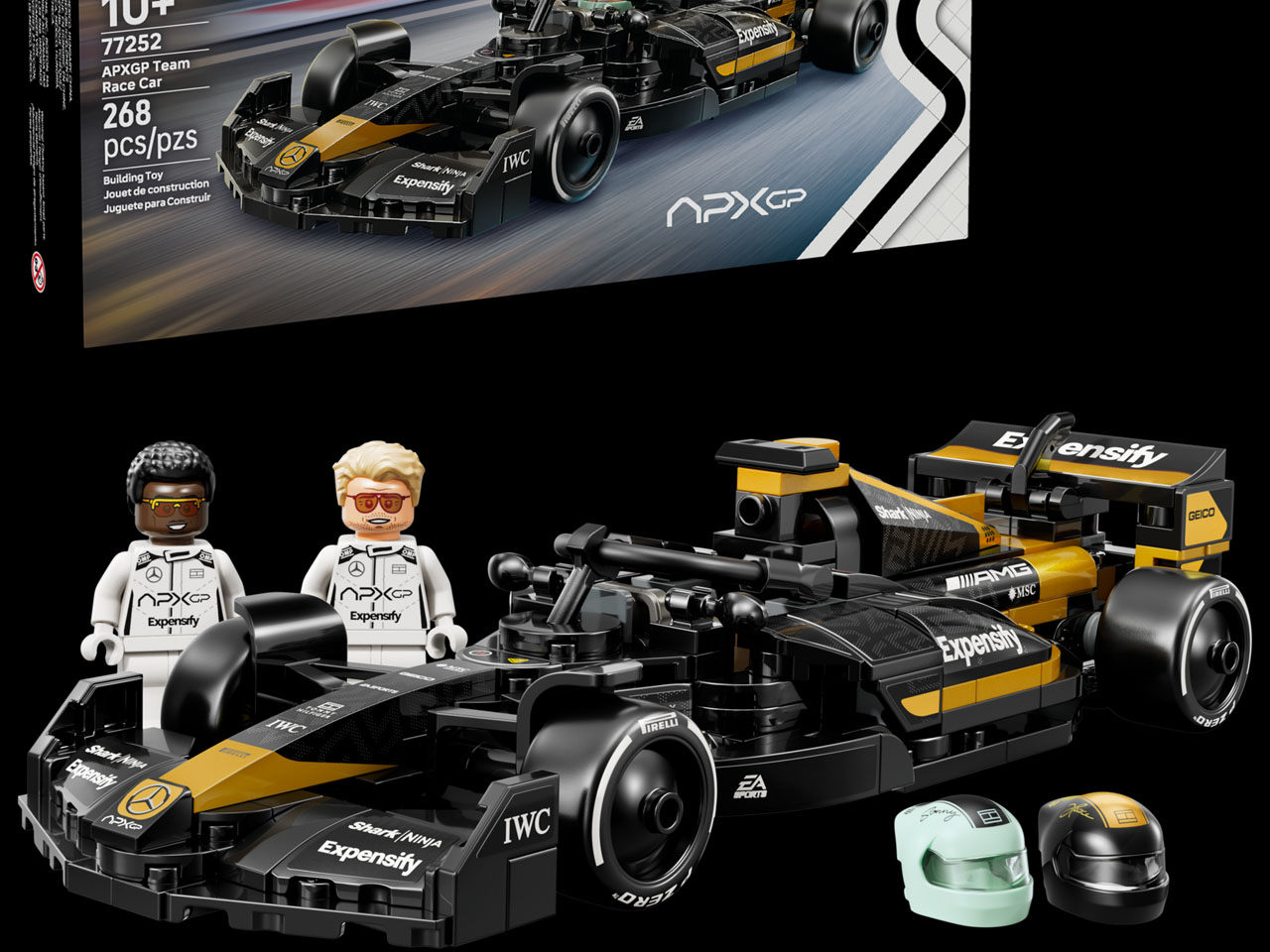
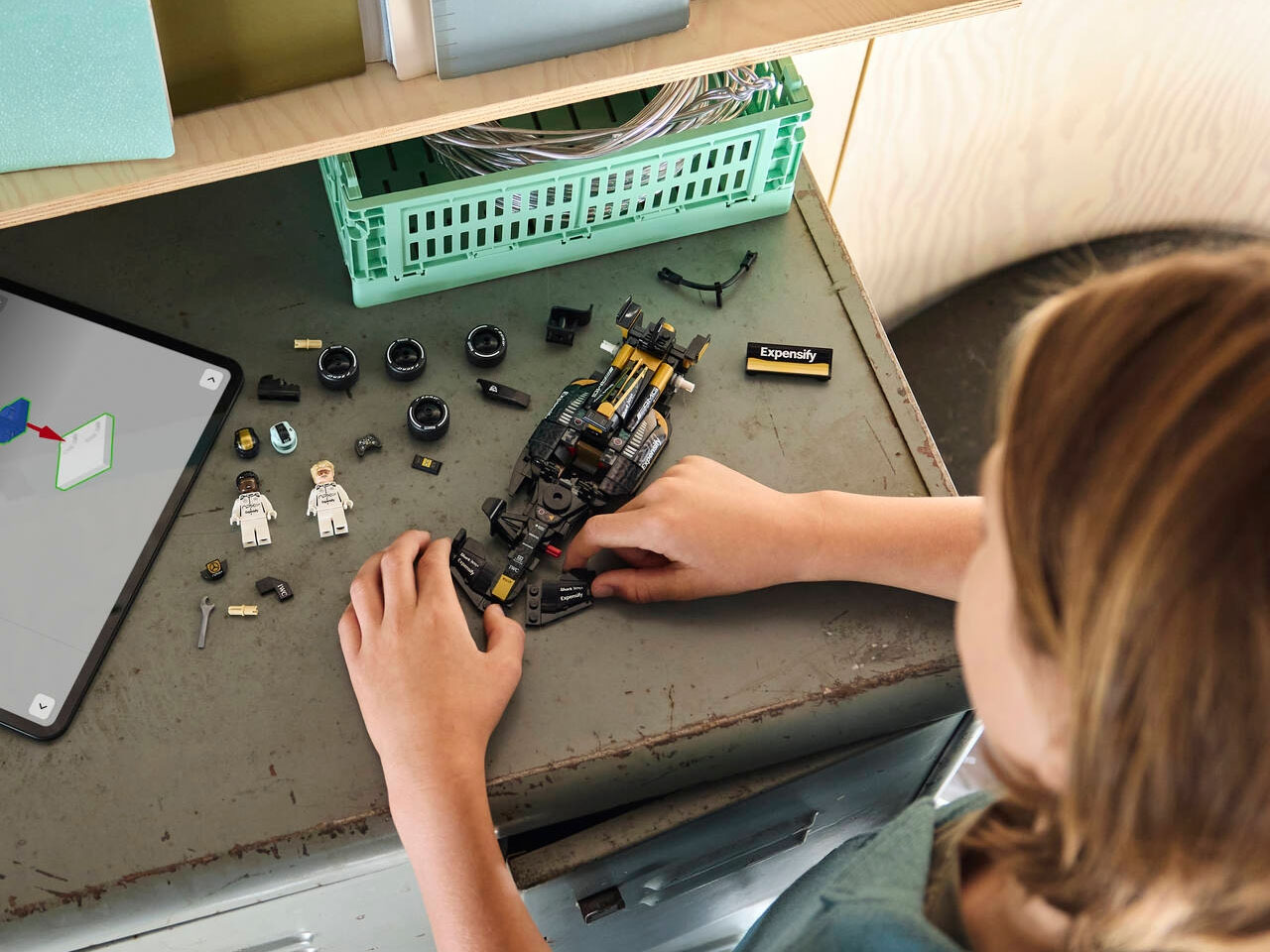
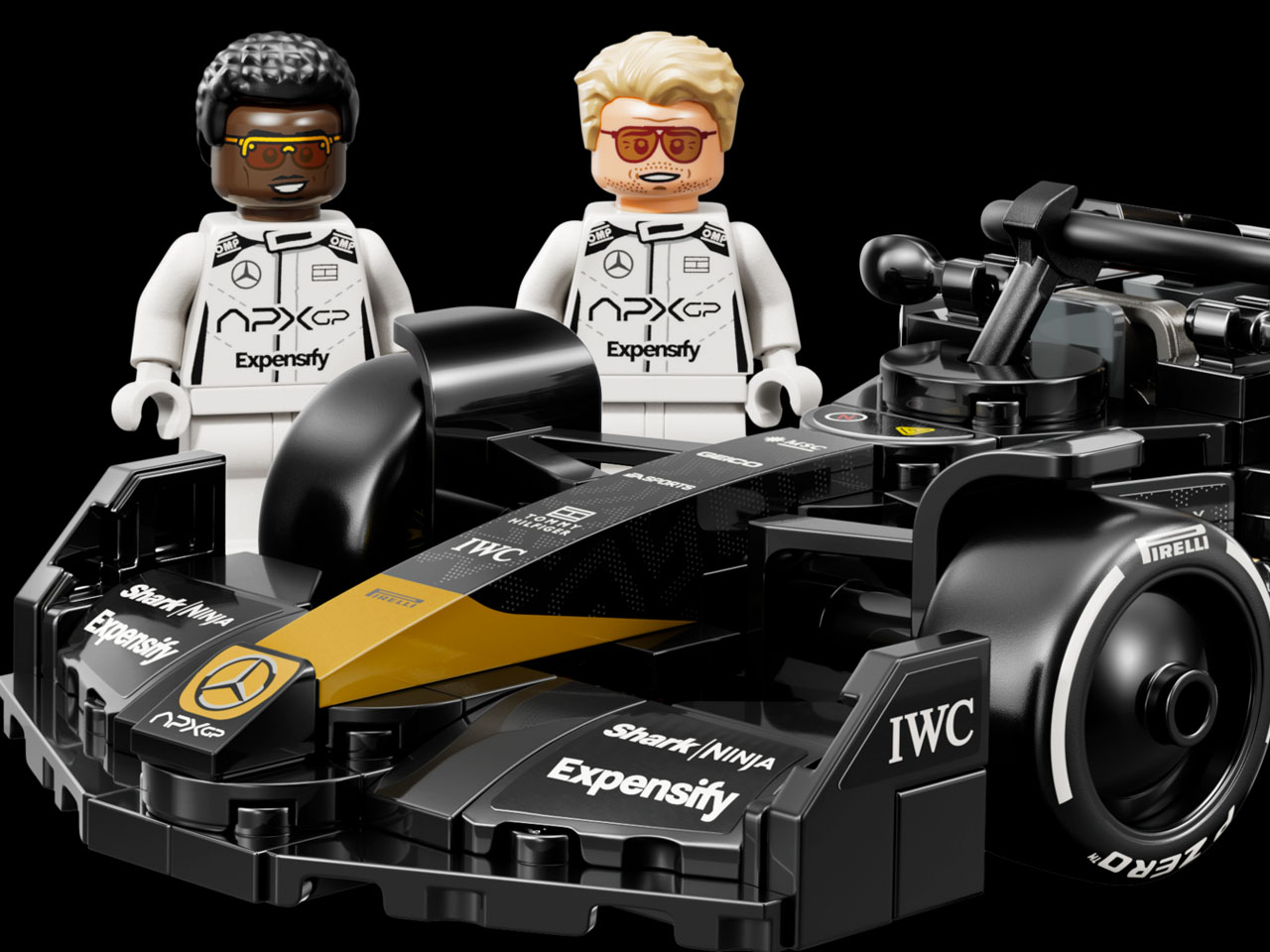
LEGO has been steadily expanding its Speed Champions lineup, catering to both car lovers and collectors alike. After the success of its Formula-1 Series set, the brand is now shifting gears with inspiration straight from Hollywood. The latest addition is the official LEGO Speed Champions APXGP Team Race Car, a detailed 268-piece set based on F1 The Movie, the highly anticipated racing film starring Brad Pitt as veteran driver Sonny Hayes.
Designed for both motorsport enthusiasts and movie fans, this new release captures the cinematic energy of the fictional APXGP team with remarkable authenticity. The model’s sleek black-and-gold livery mirrors the on-screen race car, accompanied by minifigures of Sonny Hayes and Joshua Pearce, who look impressively lifelike in their race suits and helmets. These tiny yet expressive details, like the reflective visors and printed sponsor logos, help the build feel genuinely tied to the film’s aesthetic.
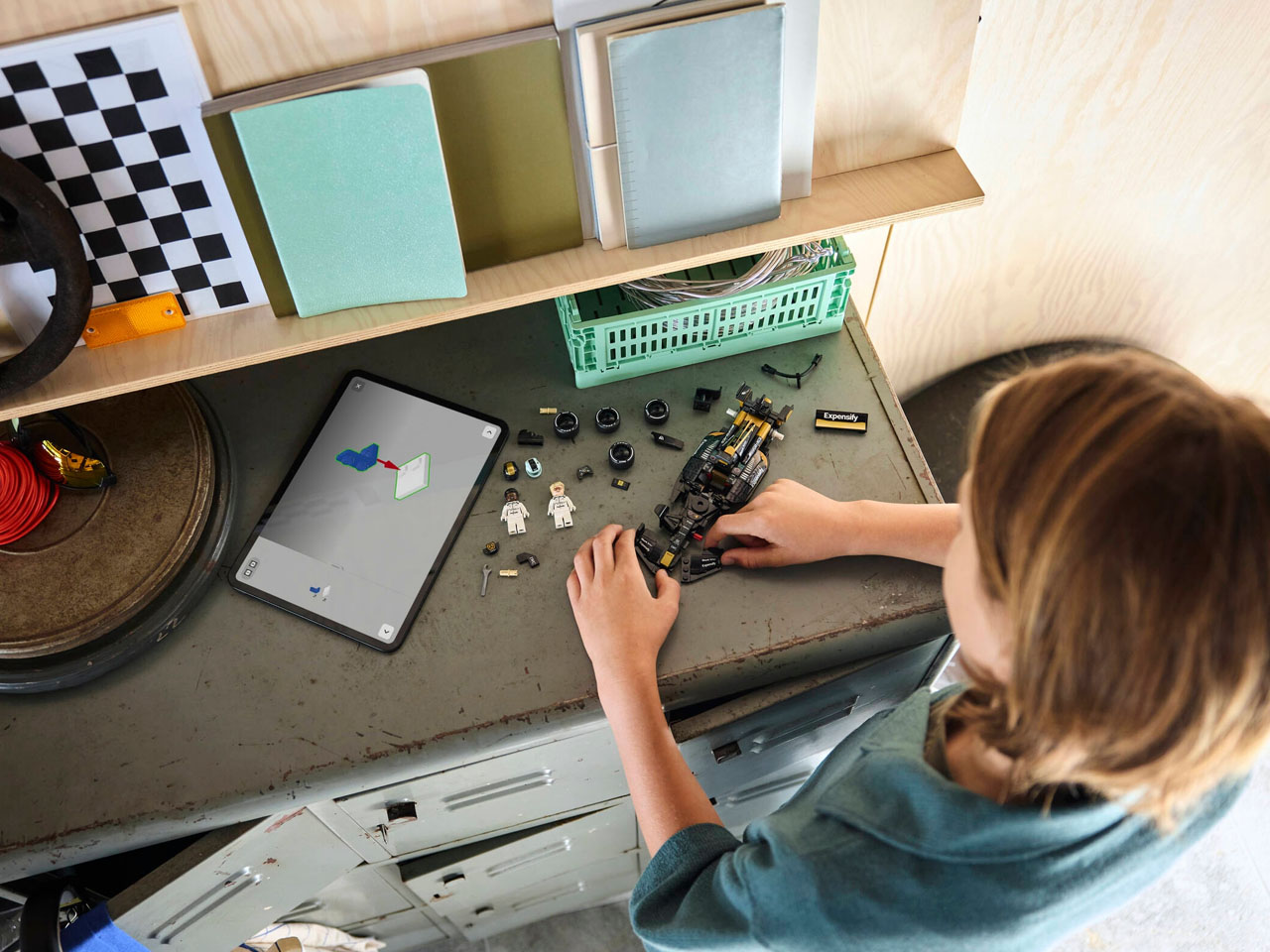
At first glance, the car may remind fans of previous Speed Champions Formula-1 builds, but the APXGP racer distinguishes itself with refined proportions, wide Pirelli-style tires, and custom decals that add visual depth. The attention to realism extends even to the accessories; builders will find a wrench and remote control, subtle nods to the engineering side of racing. The wrench, in particular, doubles as a handy tool for applying stickers or separating tight bricks—an understated but thoughtful inclusion.
The completed model measures over 8 inches in length, 3 inches in width, and 1.5 inches in height, making it perfectly sized to display on a desk or shelf. Compared to previous Speed Champions F1 releases, this one feels more streamlined and minimalistic, emphasizing aerodynamics and elegance over bulk. LEGO recommends the set for builders aged 10 and up, though it’s clear that adult fans will be among its most eager buyers.
Perhaps the most welcome upgrade here is the addition of the driver minifigures. Earlier Formula-1 Speed Champions sets often skipped them, something fans always found puzzling, given how central drivers are to the sport’s drama. Including Sonny Hayes and Joshua Pearce not only enhances the storytelling potential but also connects this model to the F1 movie universe in a tangible way. Perhaps LEGO will release more movie- and motorsports-inspired sets with minifigures, as was evident from the affordable DeLorean set released last month.
Set to launch in January 2026 for $28, the LEGO Speed Champions APXGP Team Race Car feels like a fitting tribute to the fusion of film and motorsport. It’s sleek, affordable, and full of character, and it’s a must-have collectible whether you’re a Speed Champions devotee, an F1 purist, or just someone who can’t resist a bit of cinematic speed on the shelf.
Cropping is a fundamental yet often underestimated tool in photo editing. It has the ability to refine an image by removing distractions, simplifying the frame, and emphasizing the subject. Whether you’re editing for social media, preparing prints, or working on personal projects, understanding how to crop effectively can elevate your photos to a professional standard. […]