European policymakers want to ease AI and privacy laws

European policymakers have proposed sweeping changes to the way the EU regulates the tech industry. In just the last few months, the likes of Meta and Google have questioned strict EU policies relating to privacy and AI expansion, but if the European Commission’s new package of proposals are passed, a number of big tech roadblocks will be removed. Or at least lifted up a bit. 

Changes to rules around AI, cybersecurity and data will, according to policymakers, generate growth for European businesses, while "promoting Europe’s highest standards of fundamental rights, data protection, safety and fairness." Among the proposals are amendments to the AI Act that Google has recently expressed concerns about, which would allow AI companies to access shared personal data for training models.

It also wants to simplify paperwork for smaller companies, and to make AI literacy a requirement for member states. AI oversight would also be centralized into the AI Office where general-purpose AI models are being used, a move intended to "reduce governance fragmentation." In addition, strict rules around the use of AI in areas deemed to be high-risk, which were expected to come in next summer, could be delayed until the Commission confirms that "the needed standards and support tools" are available to affected companies.

The infamous (and admittedly very annoying) cookie banners that are foundational to the EU’s General Data Protection Regulation (GDPR) will also be rethought under the Commission’s proposals. If approved, people would see these banners pop up with less regularity, give their consent with one click, and save their cookie preferences so they presumably could be automatically applied within a browser.

The European Commission’s "digital omnibus" now goes to the European Parliament for approval, where it could face serious opposition. While the proposals are likely to be welcomed by the rapidly-growing AI industry, sceptics could argue that watered down privacy and AI legislation is evidence of Europe bowing to pressure from big tech and Donald Trump, who has publicly criticized the EU’s digital regulation.

This would represent a marked turnaround from the EU’s long-standing reputation as the tech industry’s most stubborn adversary. Back in September, it rejected calls from Apple to repeal its Digital Markets Act (DMA), a legal framework that Apple has repeatedly been accused of violating by the EU. In the summer, Meta refused to sign the EU’s AI Code of Practice, with its global affairs officer, Joel Kaplan, calling the code an “over-reach.”

This article originally appeared on Engadget at https://www.engadget.com/big-tech/european-policymakers-want-to-ease-ai-and-privacy-laws-171118149.html?src=rss

Porsche has electrified the Cayenne and it’s a beast

Porsche just revealed the long-awaited Cayenne Electric luxury SUV, which is being called the "most powerful production Porsche of all time." The specs back this up, as the new Cayenne seems like an absolute beast.

It boasts up to 1,139hp of power, translating to 850kW. The vehicle can hit 162MPH and go from 0 to 60 miles per hour in just 2.4 seconds. The recently-released rear-wheel drive electric Taycan sedan takes 4.5 seconds to reach 60 miles per hour. Of course, these specs vary depending on several configuration options.

The EV Cayenne does include the company's "push to pass" button, which provides a ten second power boost. This adds approximately 173hp to let you squeeze past a slowpoke on the highway.

Porsche is also claiming that the Cayenne Electric is a towing powerhouse. The company says it can tow up to 3.5 tons, which works out to over 7,700 pounds, when properly equipped. That's an absolutely insane metric, as 3.5 tons is heavier than a modern pickup truck with all possible bells and whistles.

This is an EV so we gotta get into charging. Porsche says it features up to 400kW of charging power under ideal conditions, which should let it go from 10 to 80 percent in under 20 minutes. It's also the first electric Porsche to support inductive charging. The vehicle will come equipped with a Tesla Supercharger/NACS fast-charging port on the driver side and a CCS/AC port on the passenger side.

A car on a pad.
Porsche

It's also the first EV SUV to get the company's Active Ride technology. This is the hydraulic suspension system found on the Taycan and Panamera.

As for the interior, you can't miss the unique bending screen. This is called the Flow Display, and it's a vertically-installed screen in the center that curves toward the bottom. It's the largest display ever in a Porsche and will run on the company's brand-new OS. We don't have actual measurements for this display, but we do know that it's bookended by a separate 14.25-inch OLED instrument cluster. There's also an optional passenger display.

Some rich dude fiddling with a display.
Porsche

The OS includes a new AI-powered voice assistant. Porsche says this system can understand complex instructions and take actions accordingly. We'll have to see how that works out in the real world. Porsche says the assistant can adjust climate controls, seat heating and ambient lighting, while also taking stuff like traffic and local points of interest into account.

Now onto the bad news. This is a Porsche so the new Cayenne will absolutely demolish any and all bank accounts. The standard version starts at $111,000, while the Cayenne Turbo Electric starts at $165,350. Preorders are open right now, with customer deliveries expected in the summer.

This article originally appeared on Engadget at https://www.engadget.com/transportation/evs/porsche-has-electrified-the-cayenne-and-its-a-beast-163443958.html?src=rss

Vivo X300 Review: Compact, But No Compromise

PROS:


  • Compact, minimal design with a subtle camera module

  • Excellent ergonomics, light weight, and easy one-handed use

  • Versatile and powerful camera system

  • Large 6040mAh battery

CONS:


  • Camera system is a step down from the X300 Pro

  • Limited focus on sustainability and repairability

RATINGS:

AESTHETICS
ERGONOMICS
PERFORMANCE
SUSTAINABILITY / REPAIRABILITY
VALUE FOR MONEY

EDITOR'S QUOTE:

If you care most about a compact form factor, strong battery life, and one of the best camera setups in this size class, the Vivo X300 stands out clearly.

Vivo’s announcement of the X300 series brought a wave of excitement, especially around the powerhouse X300 Pro. Many in the tech world were eager to see how far Vivo could push flagship performance. But while the Pro model commands attention for its bleeding-edge specs, the X300 quietly carves out its own distinct appeal. 

This is not just a lesser sibling, though. The X300 emerges as a force in its own right, especially for those who appreciate a flagship phone that fits beautifully in the hand. Ergonomics meet modern design, with the X300 offering a balanced blend of style, substance, and everyday comfort. For anyone who wants top-tier features without the bulk, this device is ready to win hearts. In this review, we will see whether it truly delivers on that promise.

Aesthetics

The X300 embodies minimalistic beauty in every detail. Its frosted glass back panel exudes a soft, refined sheen, instantly presenting an air of quiet elegance. The camera bump stands out as a graceful, seamless circle, subtly rising from the surface without disrupting the panel’s smooth geometry. This camera design is noticeably more understated than the X300 Pro’s bold module, enhancing the X300’s visual harmony and contributing to its overall sense of balance.

Look closer, and the smaller design decisions start to stand out. The transition between the glass back and the frame is clean and controlled, with no harsh edges or visual clutter. The circular camera island sits perfectly centered within its own visual “halo,” making the back of the phone feel almost symmetrical even though it is not. Branding is minimal and tastefully placed, allowing the materials and shapes to take the lead instead of logos or text. It is the kind of design that does not shout for attention, but rewards you the longer you look at it.

Color choices further elevate the X300’s appeal. Vivo offers this flagship in four shades: Pink, Blue, Purple, and Black. The Pink variant, which arrived for my review, is especially enchanting. Its finish dances with light, revealing subtle undertones of purple, green, blue, and yellow depending on the angle. This shifting spectrum gives the phone a dynamic personality, catching the eye without crossing into excess. The result is a device that feels both modern and timeless, effortlessly fitting into a variety of styles and settings.

Ergonomics

Ergonomics often takes a back seat to camera prowess in flagship phones, but the X300 finds a sweet spot that deserves attention. While I’m usually unfazed by larger camera bumps if they promise outstanding photography, my experience with the X300 was a reminder of the joys of a truly compact device. Its proportions invite easy one-handed use, making daily interactions feel effortless and natural. 

Measuring just 7.95mm thick and weighing only 190 grams, the X300 offers a lightness that’s immediately noticeable. The slim profile means slipping it into a pocket is never a struggle, and extended use won’t leave your wrist or fingers feeling fatigued. Whether you’re navigating busy city streets, snapping photos on the move, or texting with a single thumb, the X300’s thoughtful design makes comfort a priority. This is a phone that proves you can have flagship features without sacrificing ease of use.

Unlike its big sibling, the X300 skips the customizable button on the left side, resulting in a cleaner and simpler design. However, it retains the convenient placement of the ultrasonic fingerprint sensor, located about one-third of the way up from the bottom edge of the display. This thoughtful positioning makes it easy for your thumb to reach and helps ensure that unlocking the phone and jumping into your daily tasks feels quick and natural. It’s a subtle detail that quietly enhances the overall user experience.

Performance

Performance on the X300 is delightfully robust, thanks to the MediaTek Dimensity 9500 chipset paired with 12GB or 16GB of RAM. Everyday tasks feel brisk and effortless, whether you’re juggling multiple apps, streaming high-definition video, or playing graphics-intensive games. The latest OriginOS 6, layered on top of Android 16, brings a modern, fluid interface with thoughtful touches that make navigation a pleasure. Animations are snappy, transitions are smooth, and the phone keeps up even when you push it hard.

The X300 features a 6.31-inch LTPO AMOLED panel with a super-smooth 120Hz refresh rate. Every scroll and swipe feels effortless, while colors remain punchy and vivid in any setting. Thanks to the 2160Hz PWM dimming, the screen is gentle on your eyes, even during late-night reading sessions or long stretches of use.

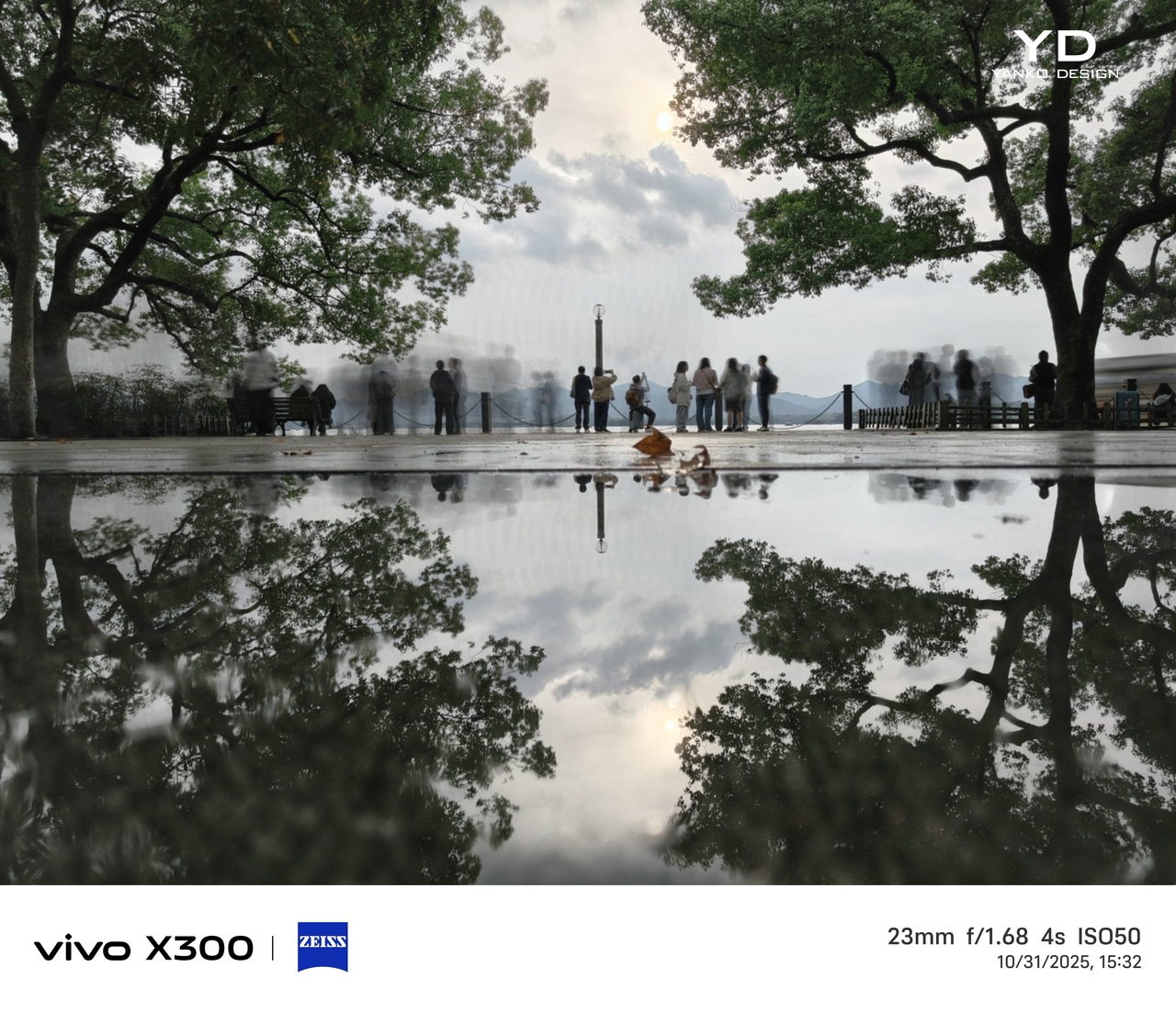
The X300’s camera system is a bit of a step down compared to the X300 Pro, but it is still very powerful. Its 200MP main camera uses a 1/1.4-inch Samsung HPB sensor with an f/1.68 aperture, the same sensor used in the X300 Pro’s telephoto, promising flagship-level clarity. Complementing this is a 50MP telephoto lens featuring a 1/1.95-inch Sony LYT-602 sensor and an f/2.57 aperture, delivering crisp zoomed images with solid detail.

Rounding out the trio, the 50MP ultra-wide camera uses a 1/2.76-inch Samsung JN1 sensor with an f/2.0 aperture. On the front, the X300 uses the same 50MP 1/2.76-inch Samsung JN1 sensor with an f/2.0 aperture. All cameras, including the front-facing camera, can record video up to 4K at 60FPS, while the main camera can go up to 4K at 120FPS.


The Vivo X300 packs a large 6040mAh battery in a compact body. It actually has a bigger battery than my region-specific European X300 Pro, which comes with 5440mAh. In real use, the battery life is strong, unlike my experience with that X300 Pro variant, and easily keeps up with a busy day and more. On top of that, 90W wired and 40W wireless charging mean you are never stuck near an outlet for long. Short top-ups quickly turn into meaningful charges.

Sustainability/Repairability

The X300 does not present itself as an eco-conscious statement piece, and Vivo’s messaging around the device leans far more toward performance and imaging than sustainability. Even so, some of its design choices naturally support longer-term use. Its IP68 and IP69 ratings for dust and water resistance give it a level of protection that many compact phones still lack. That extra durability means everyday mishaps are less likely to be fatal, which in turn can delay the need for a replacement.

From a software perspective, the X300 launches with Android 16 and OriginOS 6, backed by Vivo’s promise of up to five major Android upgrades and seven years of security patches. This is a meaningful commitment for anyone who keeps a phone for a number of years, and it helps the X300 stay secure and relevant over time. What you will not find, at least in the official materials, is much emphasis on recycled materials, modularity, or easy repair. In that sense, the X300 reflects the broader flagship market, where sustainability is still more of an added benefit than a core design driver, even when the hardware itself is built to last.

Value

Vivo X300 is available in several markets, including Europe. In Europe, the price starts at around 1050 euros (roughly $1,140) for the 12GB and 512GB configuration. Vivo hit the nail on the head with the X300, a flagship in a compact size that many people have been waiting for. Although the camera setup is a bit of a step down compared to the X300 Pro, the X300 itself does not feel like a compromise. It delivers serious imaging performance, strong battery life, and fast charging in a smaller body.

In the compact flagship space, “small” usually means sacrifice. iPhone 17, Pixel 10, and Samsung Galaxy S25 all have noticeably weaker camera systems compared to what Vivo offers here. Xiaomi 15 might be the closest rival in spirit, but even then, the X300’s combination of a 200MP main camera and a capable front-facing camera in this form factor gives it a clear edge.

Verdict

Vivo set out to build a compact flagship without obvious compromises, and the X300 comes impressively close. It combines a refined, minimal design with excellent ergonomics, a bright 120Hz LTPO display, and a camera system that is powerful even if it sits just below the X300 Pro. Add in the large 6040mAh battery, fast 90W wired and 40W wireless charging, and long-term software support, and you get a small phone that consistently behaves like a big flagship.

It is not a perfect fit for everyone, especially at a price that puts it against Apple, Samsung, and Google. You do not get the strongest ecosystem story or the longest software support. However, if you care most about a compact form factor, strong battery life, and one of the best camera setups in this size class, the X300 stands out clearly. It feels less like a cut-down Pro model and more like a confident compact flagship in its own right.

The post Vivo X300 Review: Compact, But No Compromise first appeared on Yanko Design.
Split View Unlocked: iPadOS 26.2 Beta 3 Brings Seamless Multitasking to iPad

Split View Unlocked: iPadOS 26.2 Beta 3 Brings Seamless Multitasking to iPad

Apple has reintroduced the Split View feature in iPadOS 26.2 beta 3, marking a significant step forward in improving multitasking capabilities on iPads. This update integrates Split View seamlessly with existing multitasking tools, creating a more unified and efficient experience for users. Currently available in the developer beta, the feature is expected to roll out […]

The post Split View Unlocked: iPadOS 26.2 Beta 3 Brings Seamless Multitasking to iPad appeared first on Geeky Gadgets.

Posted in Uncategorized

YouTuber custom-builds coffee table with functional star system around an exploding sun

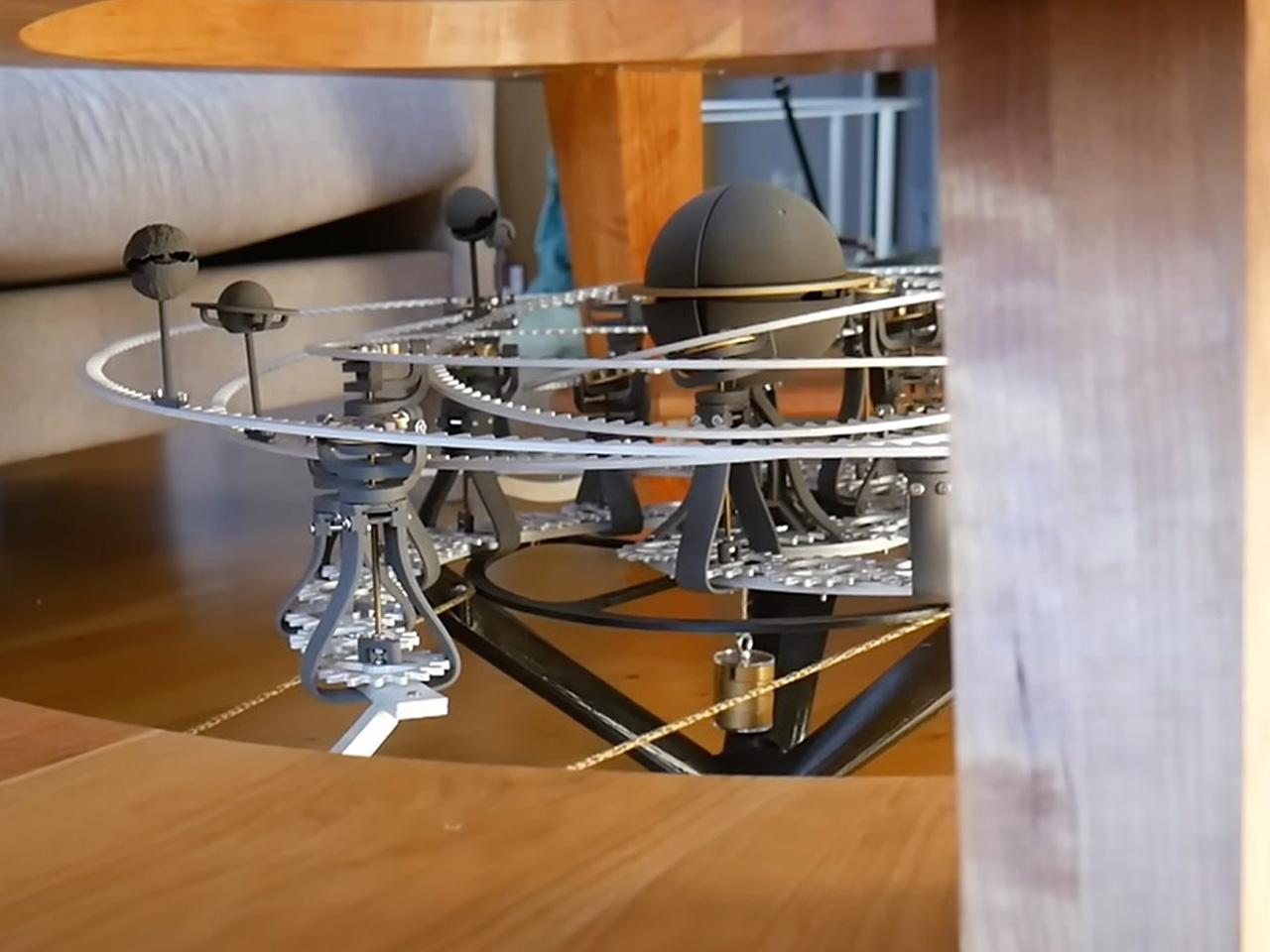
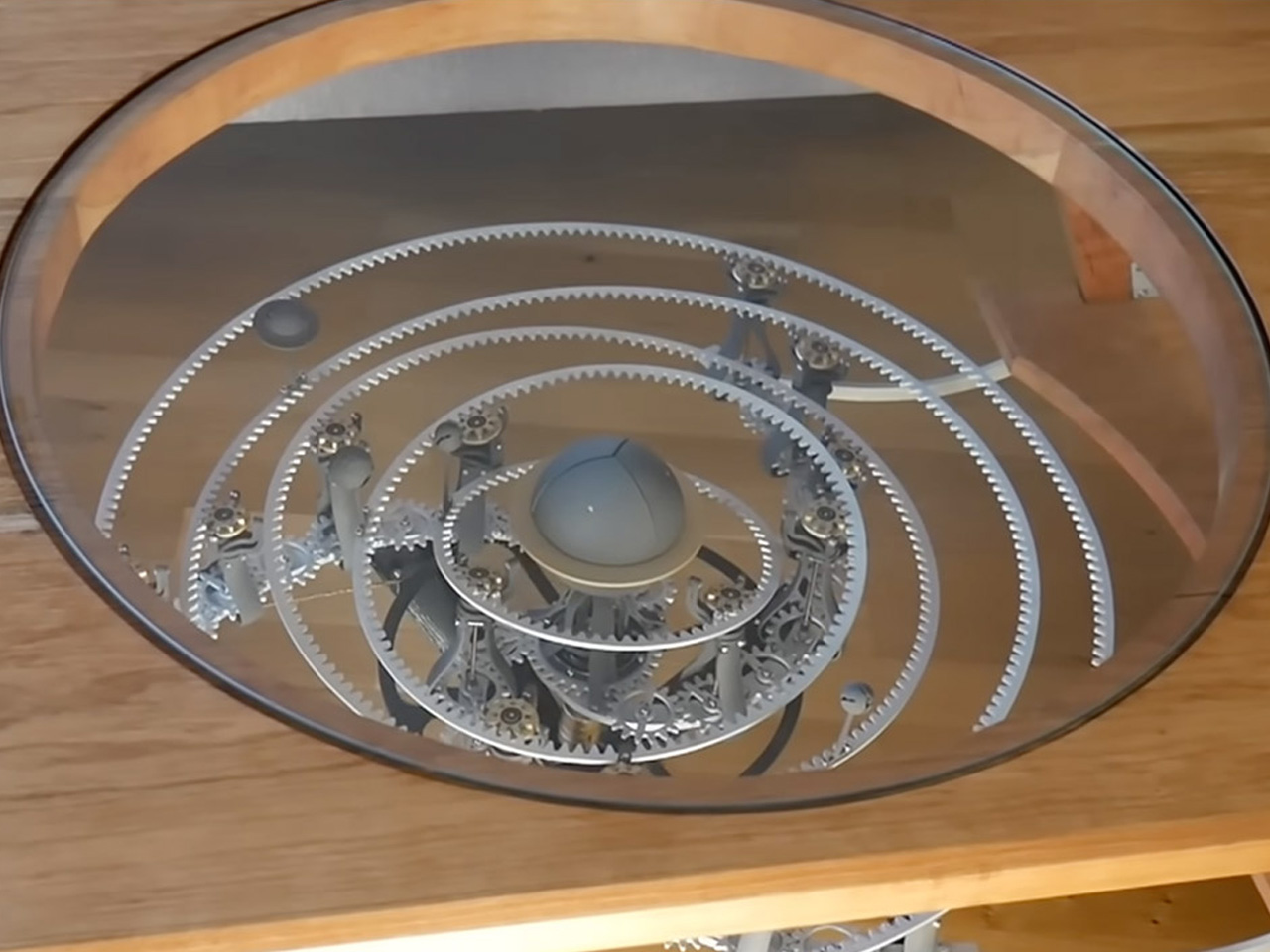
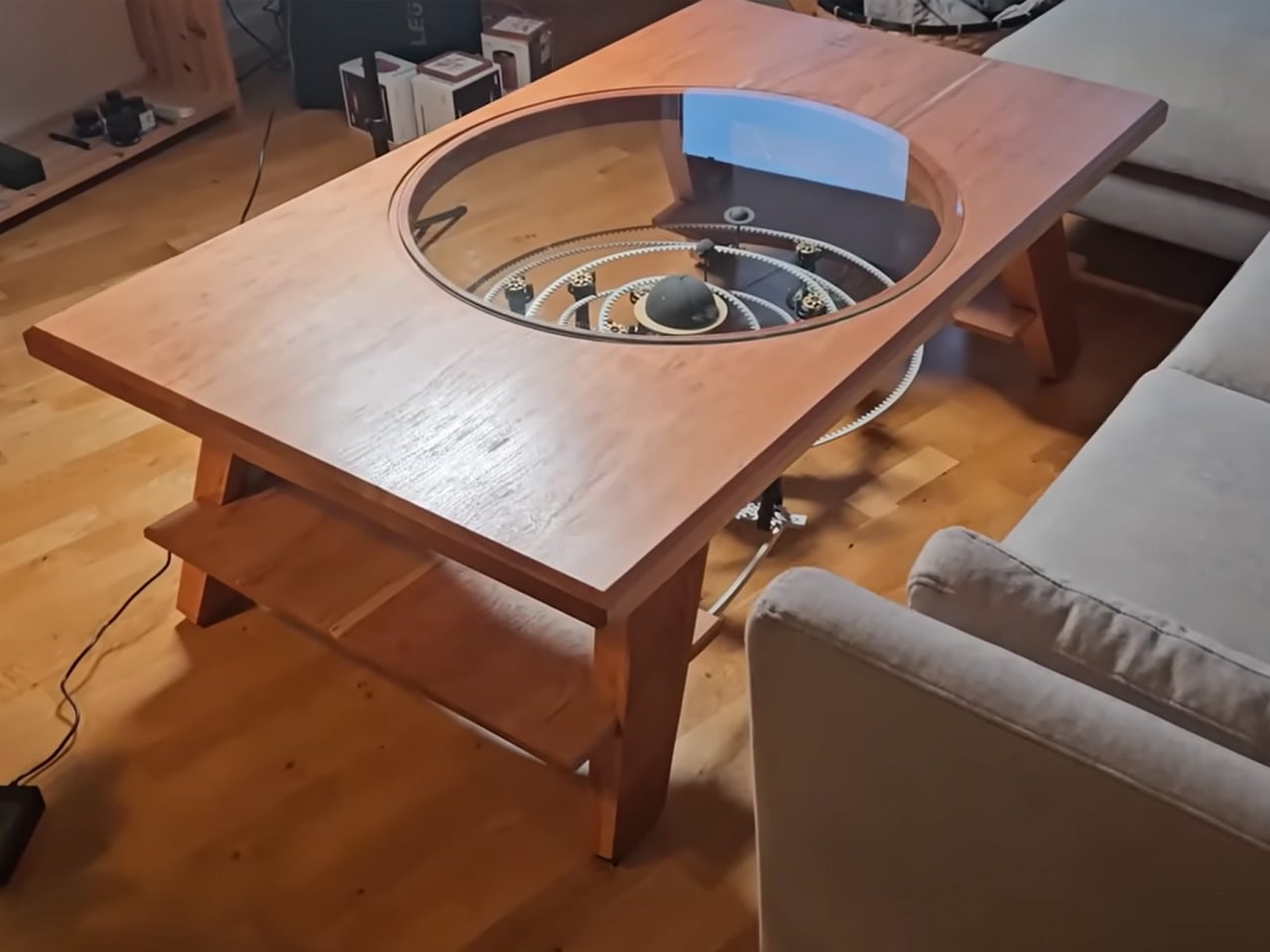
Have you ever dreamed of sitting around the solar system? Modder at The 5439 Workshop on YouTube may have just made it possible with this new kind of solar system inside a coffee table. This is a cherry wood and aluminum coffee table with a precision cutout in the middle where a “mechanical orrery with both tilting orbits and an exploding star” finds refuge under a glass cover.

The modder refrains from calling this contraption a “particularly practical one,” but I stand to disagree. At the first given chance, I would put this guy in my living room without a thought and flaunt the celestial magnificence it beholds to just about anyone walking inside the main entrance.

Designer: The 5439 Workshop

If you don’t know much about 5439, the Swedish modder doesn’t have a massive following, that’s why. With only three published videos and a modest 5.6K followers, he is just starting out with robotics, and this coffee table is perhaps the “most mechanically complicated” – in his own words – thing he has designed and built. Before we get to the details of the star system, let’s get the other details of the table out of the way.

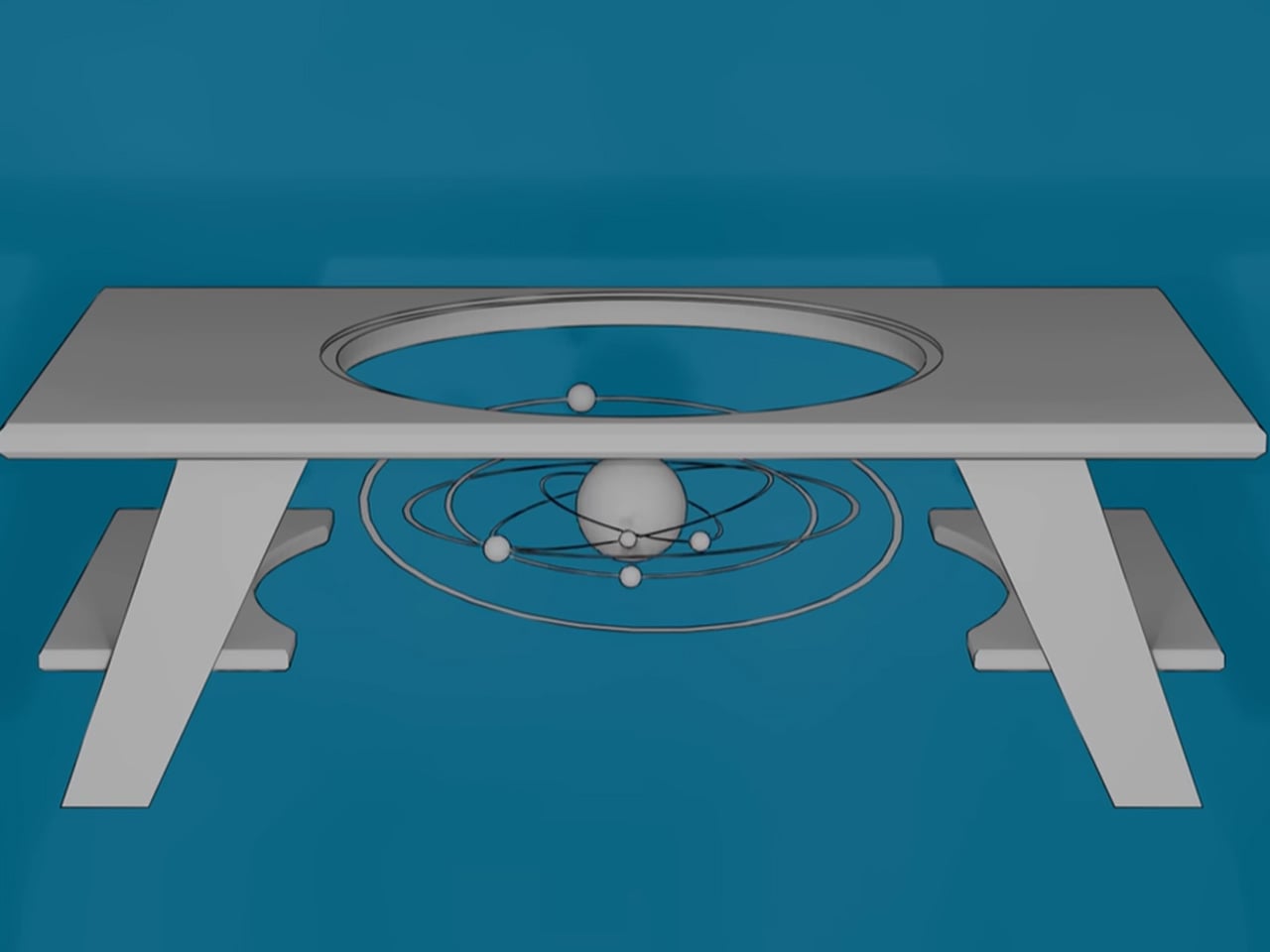
The table, as mentioned, is meticulously crafted from cherry wood. The wood is essentially chosen for its warm texture and its ability to reflect light at the right place. The two-layered table is nicely engineered by squaring the cherry wood planks – two of them, which are combined with three white boards to make up the tabletop. Once the top is created, a giant cutout is made in the middle, which, along with the glass top, creates a viewing window to the mechanical star system hidden below. The table sits on four robust pillars (legs) attached to a base frame.

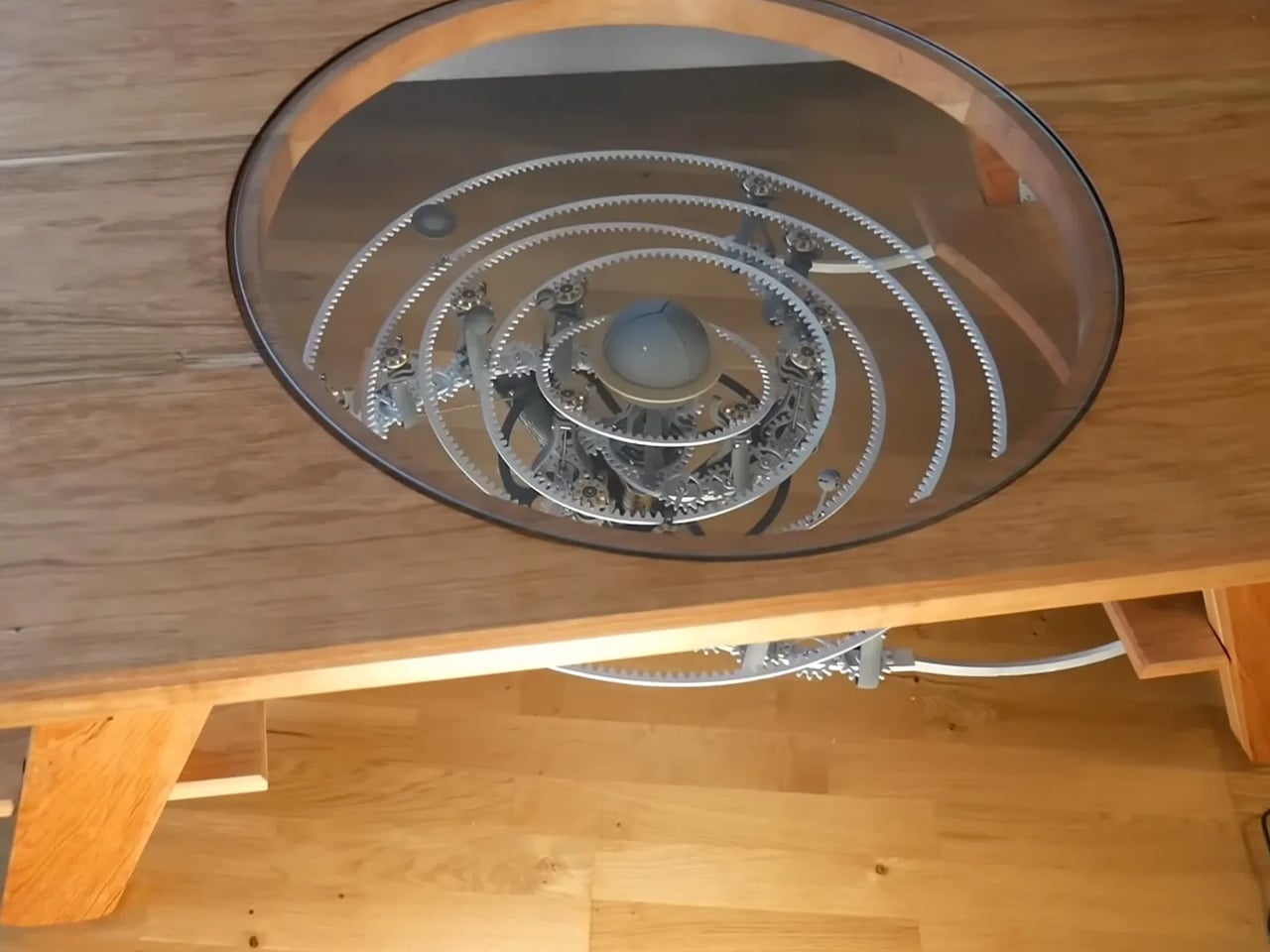
After sanding and smoothing all the blemishes (after the glueing) in the top and the rough parts of the center cutout, the modder gets to creating the covering of the center hole with the sheet of glass and then gets to the bottom of the t where the celestial goodness is built. Visible through the glass viewport, this mechanical model of the planets dancing around the sun is not short of a feat.

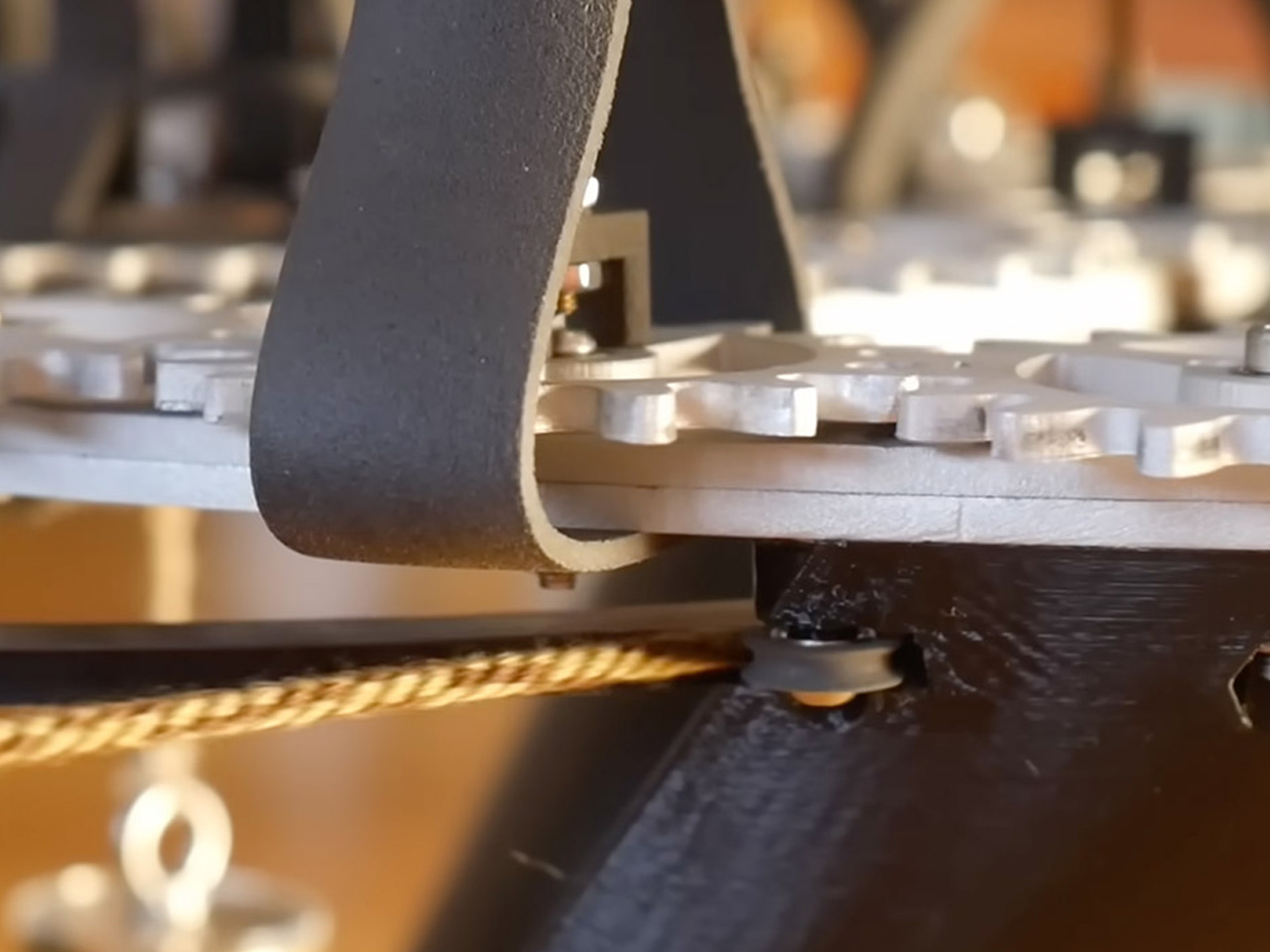
The entire contraption of gears, bearings and motors finds an exploding sun at its center with the planets (in their usual) revolving around, happily on their own axis that of course, are elliptical and tilting to mimic the universe. The sun is notably a fist-sized sphere, built layer-by-layer using a selective laser sintering (SLS) printer with nylon powder, which splits open like the flower petals when it explodes.

Made of anodized aluminum parts, the star system features rings tilting at unexpected angles, making the planets move up and down on a single plane with the power of a nearly silent motor tucked into the table frame. The YouTube community seems to like what they see in the video demonstration (embedded above). The comment section is filled with positive feedback, including ideas where one commenter “suggests walling off the sides,” while the other recommends adding a “black run” underneath “to really make the mechanism pop.” What do you think?


The post YouTuber custom-builds coffee table with functional star system around an exploding sun first appeared on Yanko Design.
A Ghost of Yōtei update will add a New Game+ mode, harder difficulties and more on November 24

Ghost of Yōtei is a lengthy game with tons of activities to do. But if you've beaten it and are already itching to jump back in, it might be best to wait until at least November 24 to do so. That's when developer Sucker Punch will release an update that will introduce a bunch of new features to the PS5 title, including a New Game+ mode. 

That means you'll be able to experience Atsu's mission for revenge from the beginning again with all of the weapons, abilities and armor sets you unlocked from your first playthrough. Those early-game enemies are about to feel the wrath of many a flaming kusarigama. 

You'll need to finish the main story before you can unlock New Game+, which includes tougher difficulty options and a pair of new trophies to snag. The free update will introduce extra upgrades for existing weapons and armor sets, along with a new ghost flowers currency that you can swap for fresh armor sets, weapon dyes and charms while playing New Game+.

There are a number of features coming to the base game as well (i.e. for all players, not just those who dip into New Game+). Directional button remapping is one of several new accessibility options. Photo Mode will gain new filters, a shutter speed tool and a composition grid. Also, after you've beaten the main story, you'll be able to replay missions and quests. With a new stats display, you'll be able to see how long it took you to win a given duel, for instance.  

Ghost of Yōtei isn't getting an expansion quite yet. We're crossing our dual katana for an Iki Island-style DLC for the game. In any case, Sucker Punch has already confirmed that Ghost of Yōtei Legends — which will be akin to the multiplayer mode in Ghost of Tsushima — is on the way in 2026.


This article originally appeared on Engadget at https://www.engadget.com/gaming/playstation/a-ghost-of-yotei-update-will-add-a-new-game-mode-harder-difficulties-and-more-on-november-24-150750632.html?src=rss

1,139 HP: The New Porsche Cayenne Electric is a Monster

1,139 HP: The New Porsche Cayenne Electric is a Monster

The Porsche Cayenne Electric represents a groundbreaking evolution in the luxury SUV market, seamlessly blending the brand’s iconic DNA with innovative electric technology. This all-electric SUV features an impressive 850 kW (1,156 PS) of power, allowing it to accelerate from 0-100 km/h in a mere 2.5 seconds. With a range of up to 642 kilometers, […]

The post 1,139 HP: The New Porsche Cayenne Electric is a Monster appeared first on Geeky Gadgets.

Posted in Uncategorized

DeepMind Gemini Coder 2 : Free AI Coding Tool With New Build Mode

DeepMind Gemini Coder 2 : Free AI Coding Tool With New Build Mode

What if you could build anything, yes, anything—with just a few clicks or even your voice? Imagine an AI so advanced it could not only write code but also debug, optimize, and adapt it to your specific needs, all while being completely free to use. Enter Gemini Build Mode, the latest innovation from Google DeepMind, […]

The post DeepMind Gemini Coder 2 : Free AI Coding Tool With New Build Mode appeared first on Geeky Gadgets.

Posted in Uncategorized

When a Neighborhood Reclaimed Its Lost Shore With 9,200 Face Masks

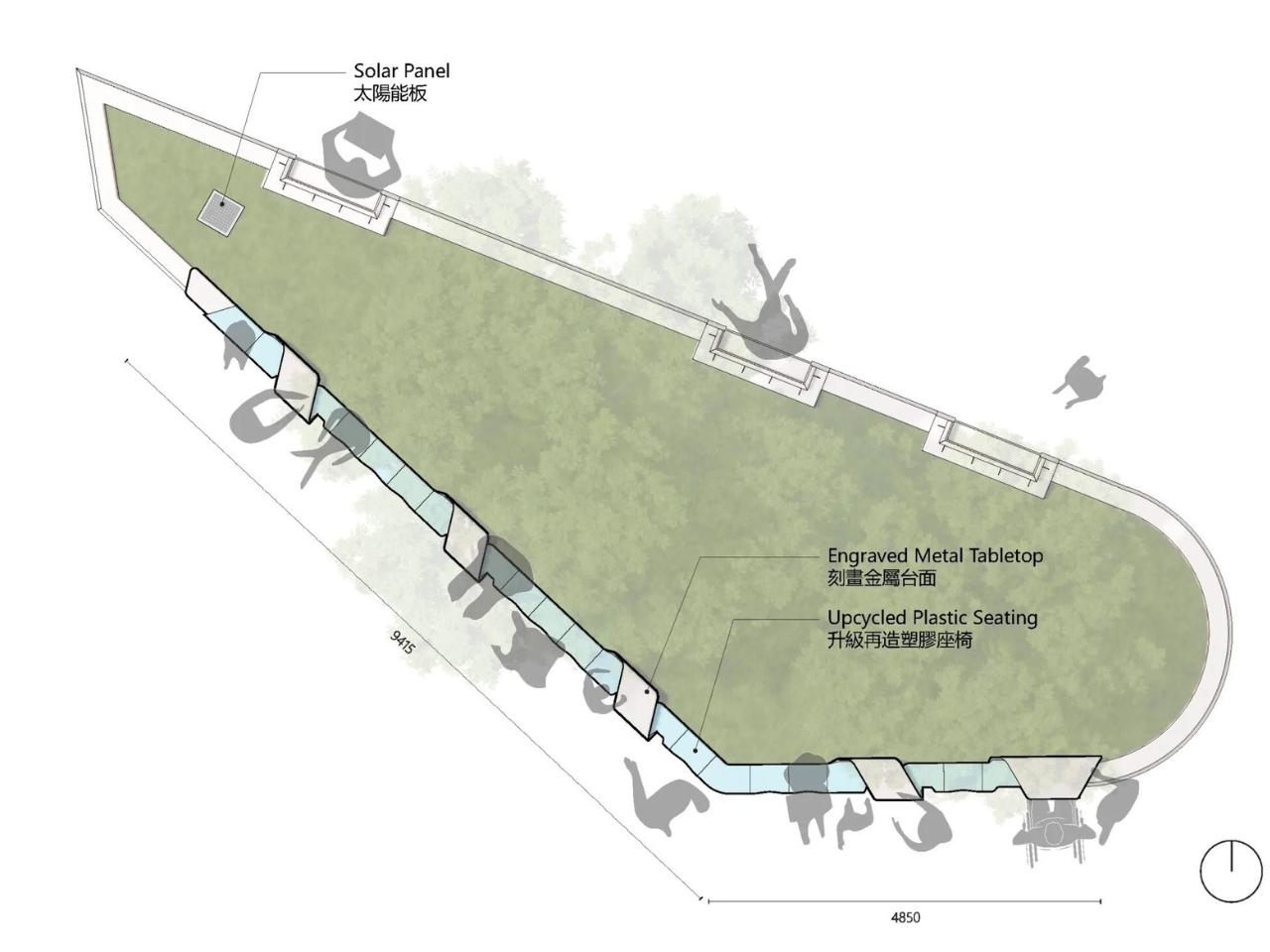
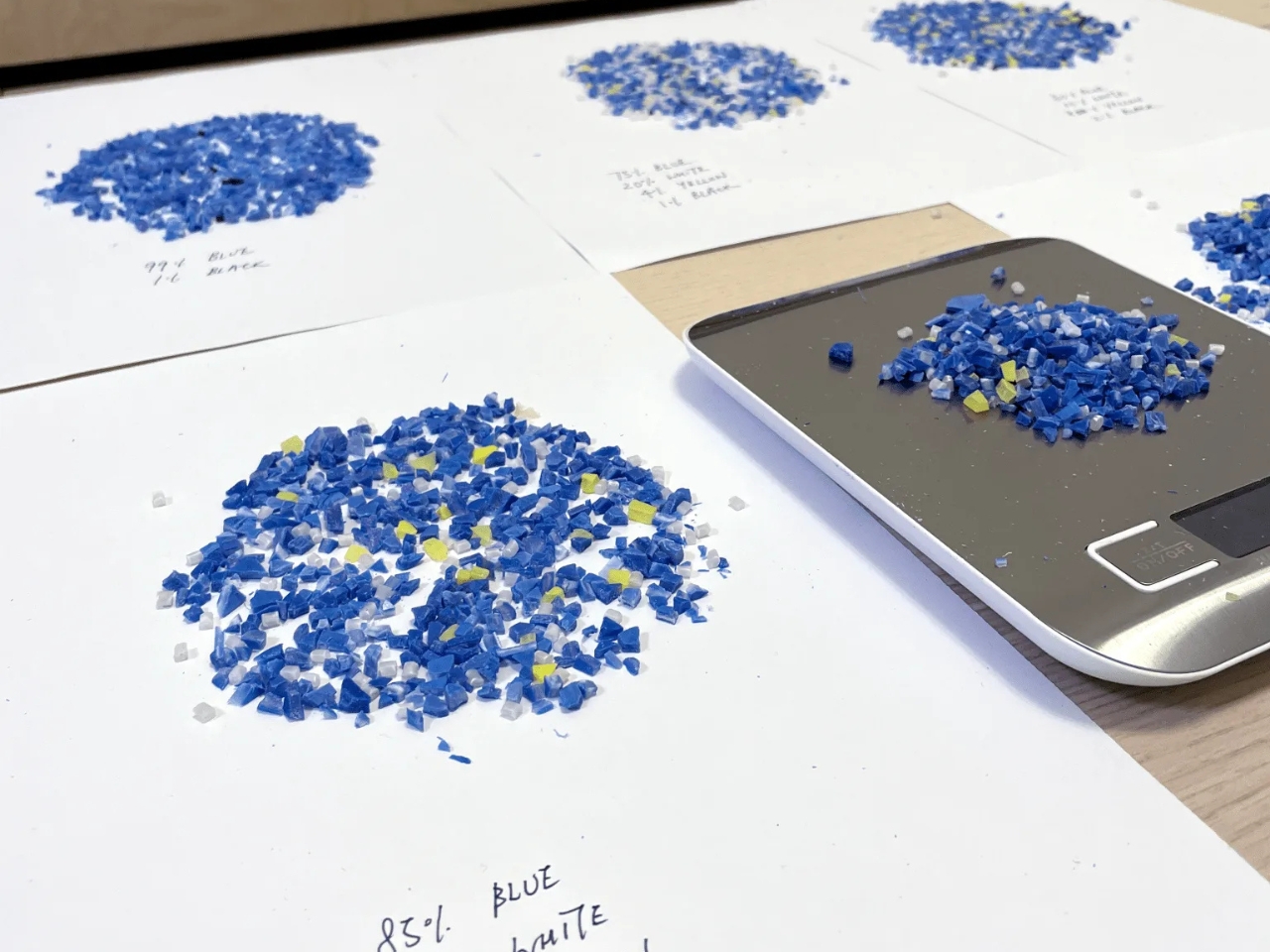
Here’s something you don’t expect to sit on: surgical masks. Nearly 10,000 of them, to be exact. But that’s exactly what Design PY created in Hong Kong’s Tai Kok Tsui neighborhood with Tidal Stories, a spiraling urban installation that quite literally traces where the ocean used to be.

The concept is brilliant in its simplicity. Tai Kok Tsui was once a coastal area, but over a century of land reclamation pushed the shoreline further and further away. Today, most people walking through this district have no idea they’re treading on what was once underwater. Design PY decided to make that invisible history visible again through a helical seating structure that maps the old coastline right onto the public space.

Designer: Design PY

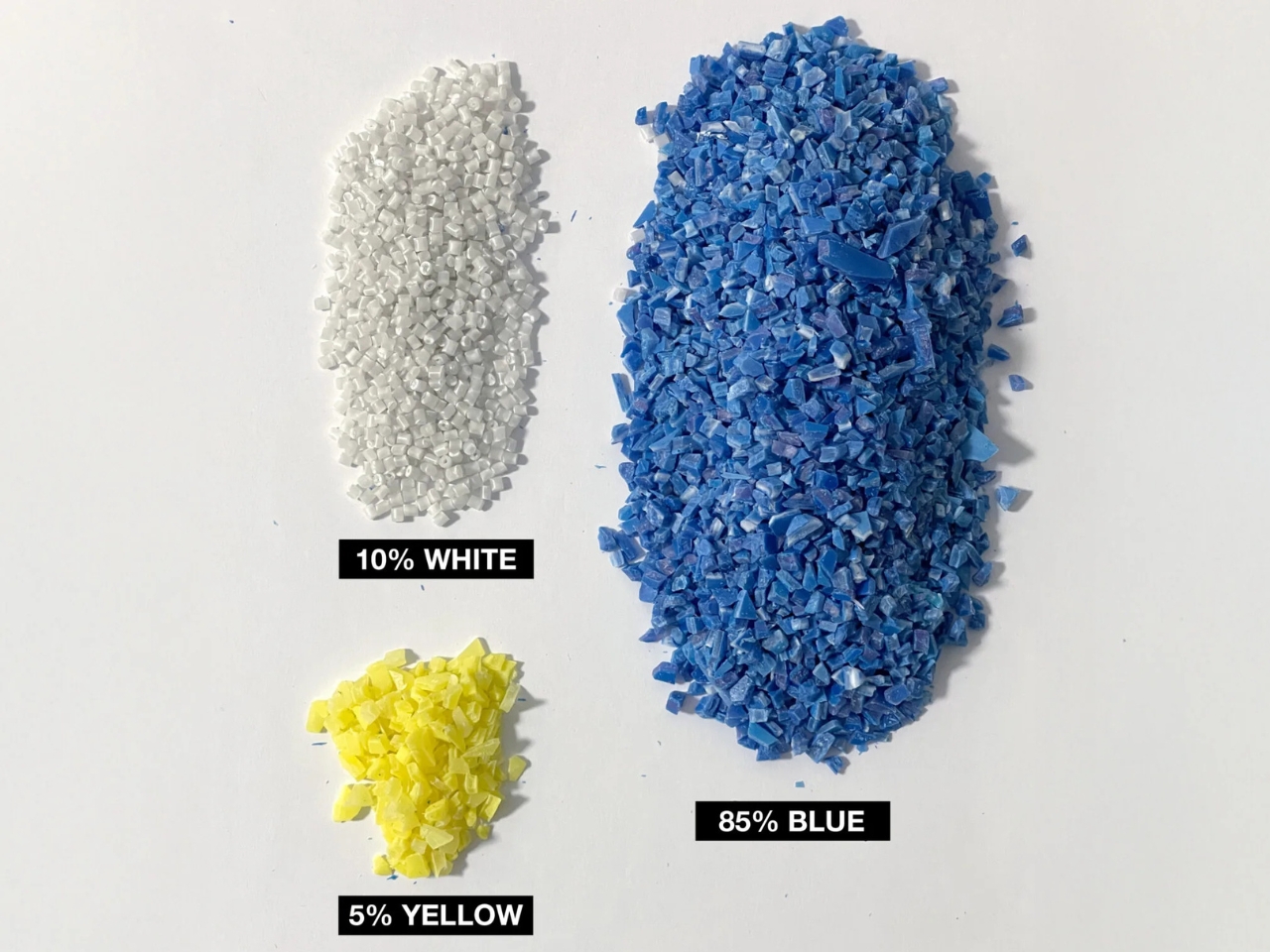
What makes this project especially clever is how it tackles two challenges at once. First, there’s the environmental angle. The pandemic left us with a staggering amount of medical waste, and those 9,200 upcycled surgical masks in the installation are just a tiny fraction of what ended up in landfills and oceans. By incorporating them into public furniture, Design PY transforms waste into something functional and meaningful. Second, there’s the cultural preservation piece. Urban development often erases neighborhood memory, but Tidal Stories brings it back in a form people can literally interact with every day.

The installation isn’t just about looking pretty or making a statement (though it does both). It’s actually being used. Elderly residents rest on the benches. Nearby workers grab lunch there. People passing through stop to sit and chat. The design reactivated what was basically a forgotten corner of the neighborhood and turned it into a gathering spot.

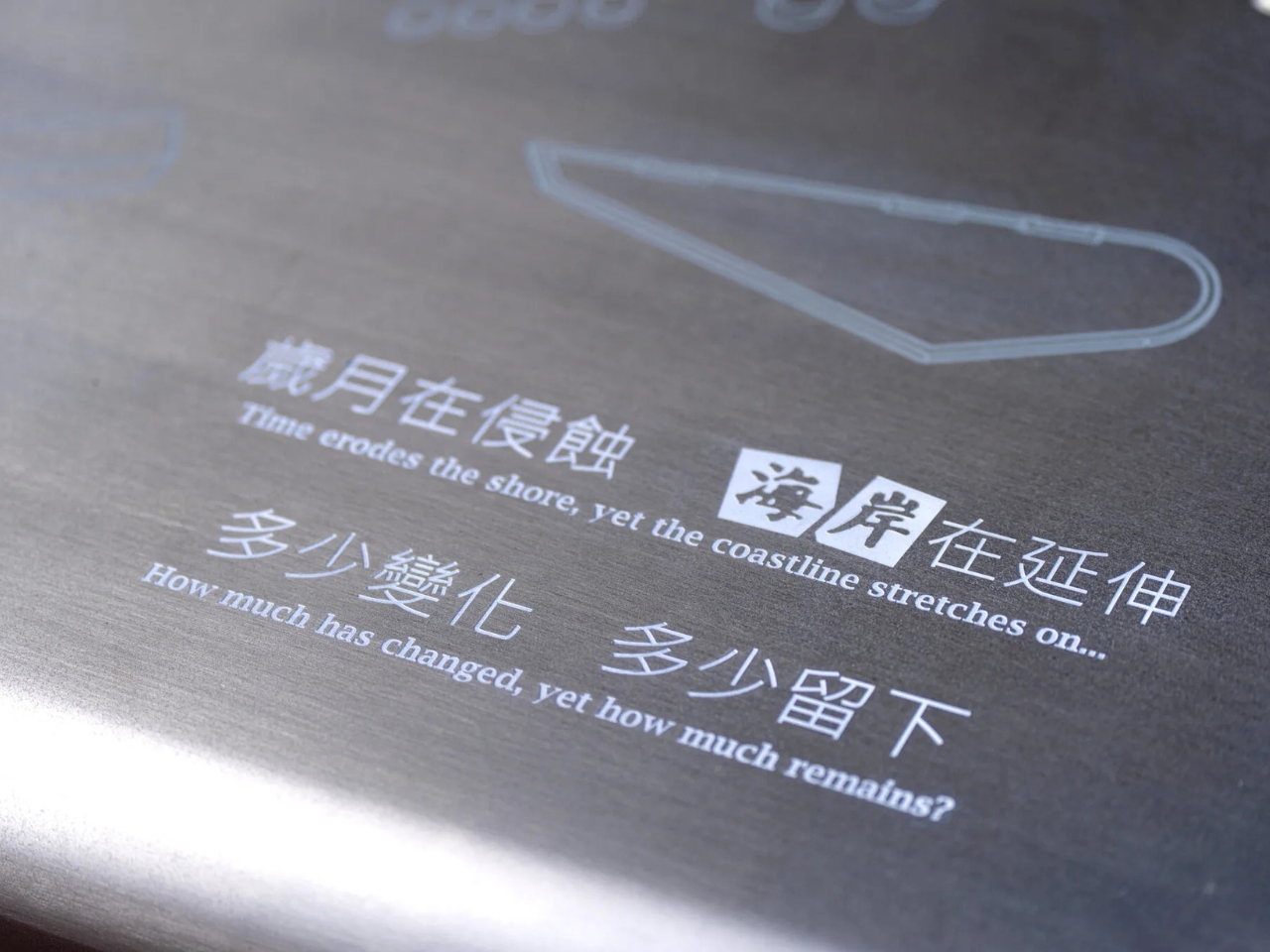
But here’s where it gets even more interesting. The metal tabletops aren’t just tables. They’re engraved with references to Tai Kok Tsui’s industrial and coastal past, functioning as both amenities and educational tools. The whole installation doubles as an informal museum, hosting architectural tours and community events that help people understand how their neighborhood evolved from fishing village to dense urban district.

This kind of design thinking feels especially relevant right now. We’re all grappling with questions about sustainability, about how to deal with waste we’ve created, about preserving cultural identity in rapidly changing cities. Tidal Stories doesn’t just answer these questions theoretically. It shows what’s possible when you combine circular design principles with community engagement and historical awareness.

The helical form itself is striking. It curves and spirals through the space, creating natural gathering points and visual interest without overwhelming the neighborhood’s existing character. You can see the installation from different angles as you approach, and each perspective tells a slightly different story about the relationship between past and present.

What’s refreshing about this project is that it doesn’t lecture. It invites. There’s no heavy-handed messaging about environmentalism or preservation. Instead, it creates an experience that lets people discover the layers of meaning on their own terms. Maybe you just want a place to sit. Maybe you’re curious about the unusual materials. Maybe you start reading the engravings and realize your neighborhood used to look completely different. All of these are valid ways to engage with the work.

The use of surgical masks as a primary material might seem gimmicky at first, but it makes perfect sense when you think about it. The pandemic was a collective experience that generated collective waste. Using that waste to create something that serves the collective good completes a kind of circle. Plus, it’s a reminder that design solutions don’t always require pristine new materials. Sometimes the most sustainable choice is working with what we already have too much of.

Tidal Stories proves that urban furniture can be so much more than benches and tables. It can be a history lesson, an environmental statement, a community hub, and a work of art all at once. That’s the kind of multifunctional thinking we need more of as cities continue to evolve.

The post When a Neighborhood Reclaimed Its Lost Shore With 9,200 Face Masks first appeared on Yanko Design.