The Most Underrated Design Skill in 2025: How To See Your Ideas Faster

Design Mindset, Yanko Design’s weekly podcast, treats the creative process as something you can actively shape rather than something that just happens to you. Each episode digs into the habits, mental models, and practical tools that move designers from tentative to decisive, from endlessly tweaking to actually shipping work. Now in its fourteenth episode, the show is starting to feel like a standing studio critique in audio form, where process and mindset get equal billing with aesthetics. Powered by KeyShot, the series keeps returning to a simple idea: when designers can see their ideas faster and more clearly, they make better choices and take bolder risks.

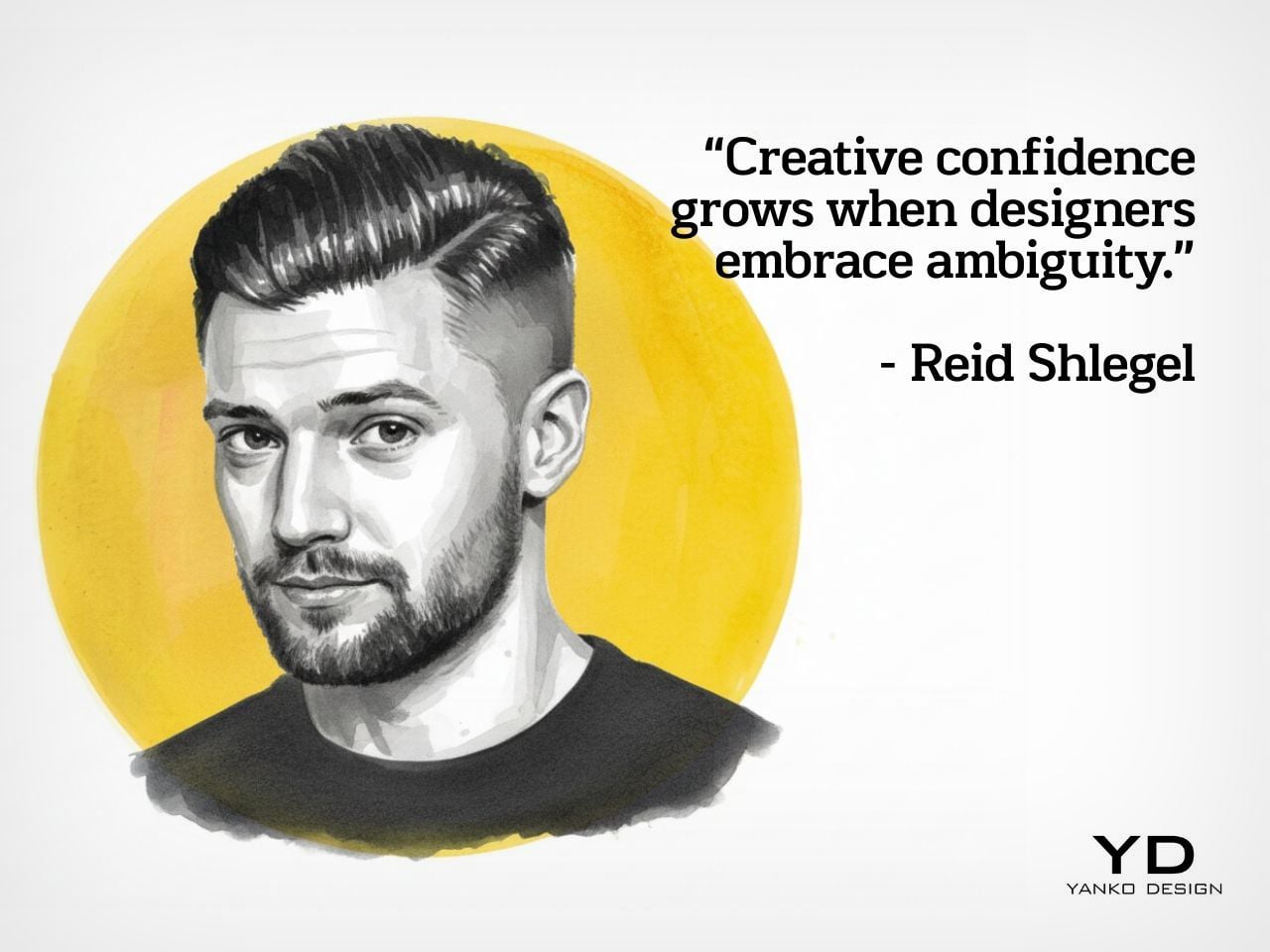
This week, host Radhika Seth speaks with Reid Schlegel, Design Director at RS.D and educator at Parsons School of Design, whose career spans consultancy work at Smart Design and collaborations with brands like OXO. Reid is fluent in everything from loose Sharpie sketches to VR, CAD, and photorealistic rendering, but what really defines his work is how he teaches others to use visualization as a confidence engine. Not the confidence to defend a final deck, but the quieter confidence to show rough, uncertain ideas early. In episode 6 of Design Mindset, he unpacks how rapid visualization, from napkin sketch to KeyShot render, can quietly become the most important skill in a modern design career.

Seeing ideas sooner, not better, builds real creative confidence

Reid starts with a pattern he sees constantly in classrooms and studios. Designers are not short on ideas, they are short on the courage to externalize them before they feel polished. He describes watching students stall out inside their own heads: “They’ll have a brilliant idea in their head but they’ll spend weeks perfecting it mentally before they ever put pen to paper or pixels to screen. By the time they finally externalize it, they’ve already talked themselves out of half the good ideas. The magic happens when you see your ideas sooner, messier, more honestly. Because creativity isn’t about having perfect ideas, it’s about having the confidence to iterate on imperfect ones.” That shift in mindset turns sketching and rendering into tools for thinking instead of tools for showing off.

Once ideas are visible, the conversation changes. A wall of fast, imperfect sketches or rough models invites questions like which direction has the most potential, which combination might unlock something new, and what should be pushed further. In professional settings, especially in consulting where Reid has spent most of his career, the ability to generate many legible options makes you a better collaborator and a more resilient designer. A high volume of rough concepts creates more material for the team to build on together, spreads risk across multiple directions, and keeps everyone less attached to any single idea. Creative confidence grows from that rhythm of trying, testing, and adjusting, not from waiting for one supposedly flawless concept.

A Batman tool belt beats a single perfect process

A lot of younger designers still believe in a clean, linear pipeline: research, sketch, model, render. Reid is quick to call that a myth. Real projects are messy, and the designers who thrive are the ones who treat their skills like a Batman tool belt. “It’s not about being good at just sketching and rendering. It’s about having a wider toolkit. I kind of use the analogy of like Batman’s tool belt, where there’s a lot of different things that need to be used at different times.” On some days, the right move is a page of thumbnails. On others, it might be a crude clay massing model, a hacked cardboard mockup from Amazon boxes, or a loose “sketch CAD” blockout. The metric is not beauty. The metric is how quickly you can get something tangible enough to react to.

Reid encourages designers to be comfortable sacrificing early quality for speed, because that is how you work through the weak ideas while the stakes are still low. He also treats switching mediums as a deliberate tactic. When a problem feels stuck in CAD, picking up a pen or building a quick physical mockup can unlock a “quick win” that restores momentum. That change of medium nudges your brain into a different mode of thinking and often reveals new angles on the same brief. Instead of obsessing over one polished workflow, Reid wants designers to ask, in each moment, which tool will get them to a useful insight fastest, then move on once that insight has been captured.

Paper sketching still feels like wizardry in a digital room

Despite his comfort with digital tools, Reid is unapologetically bullish on paper. Quick, low fidelity sketching on paper remains his go to for early ideation and for live sessions with clients. The reason is not nostalgia. It is transparency. When you sketch in front of someone, they can see the thinking appear in real time. That has a powerful effect on trust. As he puts it, “If you can do a sketch on the table in front of a client, they will look at you like you’re a wizard and you’ll instantly get their respect and they’ll trust you. If you’re the first person to show it to them, you’re like the gatekeeper that all of a sudden allowed them to level up. So quick sketching is super invaluable.”

In workshops or stakeholder reviews, a spread of loose paper sketches invites people to point, circle, and combine. The work feels approachable. No one worries about “ruining” a finished render with a suggestion. That is why Reid talks about early outputs as “sacrificial lambs.” Their job is to be tested, challenged, and discarded if needed, not to survive untouched. A handful of super polished digital images, by contrast, can freeze the room. Critique starts to feel like an attack on something that already looks finished. By keeping the fidelity low in the early stages, designers protect their own willingness to explore and their clients’ willingness to engage honestly.

From overnight renders to minutes fast feedback

The episode spends time on how rendering technology has changed the tempo of design work. Reid remembers starting out at Smart Design when rendering was slow and often an overnight task. That lag created friction. Teams hesitated to render too early because each pass cost so much time. Today, tools like KeyShot produce photorealistic versions of rough models in minutes, which means designers can use rendering as part of the exploratory phase rather than saving it for the end. When you can see a form in believable lighting and materials almost immediately, you can catch proportion issues, surface problems, or brand mismatches long before they become expensive.

Reid is careful to point out that this speed comes with a risk. When designers jump into CAD and high fidelity rendering too early, they tend to lock in too soon. Once a model has hours invested in it, it becomes harder to throw away, even if the core idea is weak. His answer is to treat early CAD and early KeyShot passes like any other sketching medium. They are temporary, disposable, and meant to be killed if they are not moving the project forward. Used in that spirit, fast rendering becomes a way to shorten feedback loops and ground decisions in visual truth, rather than a trap that turns every file into something too precious to question.
Career momentum from transparency and fast, flexible output

When Radhika asks how all of this translates into career success, Reid focuses on two themes: efficiency and openness. In consulting environments, timelines are tight and briefs evolve quickly. Designers who can flex across sketching, models, CAD, and rendering, and who can choose the right tool for each moment, simply handle more work without burning out. “It just means you’re an efficient team member. My entire career has been consulting and consulting is a rapid environment where you have to execute quickly or else you just won’t be able to keep up with the demand and the workload.” That kind of efficiency is not about cutting corners. It is about not over investing in fidelity before an idea has earned it.

On the human side, Reid urges junior designers to practice radical transparency instead of hiding their struggles. He points out that managers can usually see when someone is floundering, and that teams and clients are incentivized to help you succeed because your success is tied to the project’s outcome. Asking for help early allows leaders to design a development plan with you, rather than quietly losing confidence in your abilities. When things click, creative confidence feels, in his words, “empowering” and “warm inside.” It is the sense that your work was understood, that it resonated with the room, and that you are moving in the right direction. For a field built around solving problems and creating delight for others, that feeling is one of the most reliable rewards of the job.


Design Mindset, powered by KeyShot, returns every week with conversations like this, tracing the connection between how designers think, the tools they use, and the work they put into the world. Episode 6 with Reid Schlegel leaves you with a simple, practical challenge: see your ideas sooner, in more ways, and with less fear of being imperfect.

The post The Most Underrated Design Skill in 2025: How To See Your Ideas Faster first appeared on Yanko Design.

OpenAI’s head of ChatGPT says posts appearing to show in-app ads are ‘not real or not ads’

Those might not exactly be ads you're seeing on ChatGPT, at least according to OpenAI. Nick Turley, OpenAI's head of ChatGPT, clarified the confusion around potential ads appearing with the AI chatbot. In a post on X, Turley said "there are no live tests for ads" and that "any screenshots you've seen are either not real or not ads." The OpenAI exec's explanation comes after another post from former xAI employee Benjamin De Kraker on X that has gained traction, which featured a screenshot showing an option to shop at Target within a ChatGPT conversation.

OpenAI's Daniel McAuley responded to the post, arguing that it's not an ad but rather an example of app integration that the company announced in October. However, the company's chief research officer, Mark Chen, also replied on X that they "fell short" in this case, adding that "anything that feels like an ad needs to be handled with care."

"We’ve turned off this kind of suggestion while we improve the model’s precision," Chen wrote on X. "We’re also looking at better controls so you can dial this down or off if you don’t find it helpful."

There's still a lot of uncertainty about whether OpenAI will introduce ads to ChatGPT, but in November, someone discovered code in a beta version of the ChatGPT app on Android that made several mentions of ads. Even in Turley's post debunking the inclusion of live ads, the OpenAI exec added that "if we do pursue ads, we’ll take a thoughtful approach." Turley also posted that "people trust ChatGPT and anything we do will be designed to respect that."

This article originally appeared on Engadget at https://www.engadget.com/ai/openais-head-of-chatgpt-says-posts-appearing-to-show-in-app-ads-are-not-real-or-not-ads-190454584.html?src=rss

Hyundai debuts a fully autonomous, production-ready droid engineered to tackle real-world tasks

Hyundai Motor Group Robotics LAB has been working on wheeled autonomous robots for some years now, with a gradual development timeline. They revealed the vision of a metamobility bot at CES 2022, which would be better than Boston Dynamics’ Spot the dog robot. The idea was just in the concept stage at the time, and coming from the South Korean giant, we knew it would be substantial when it finally arrived.

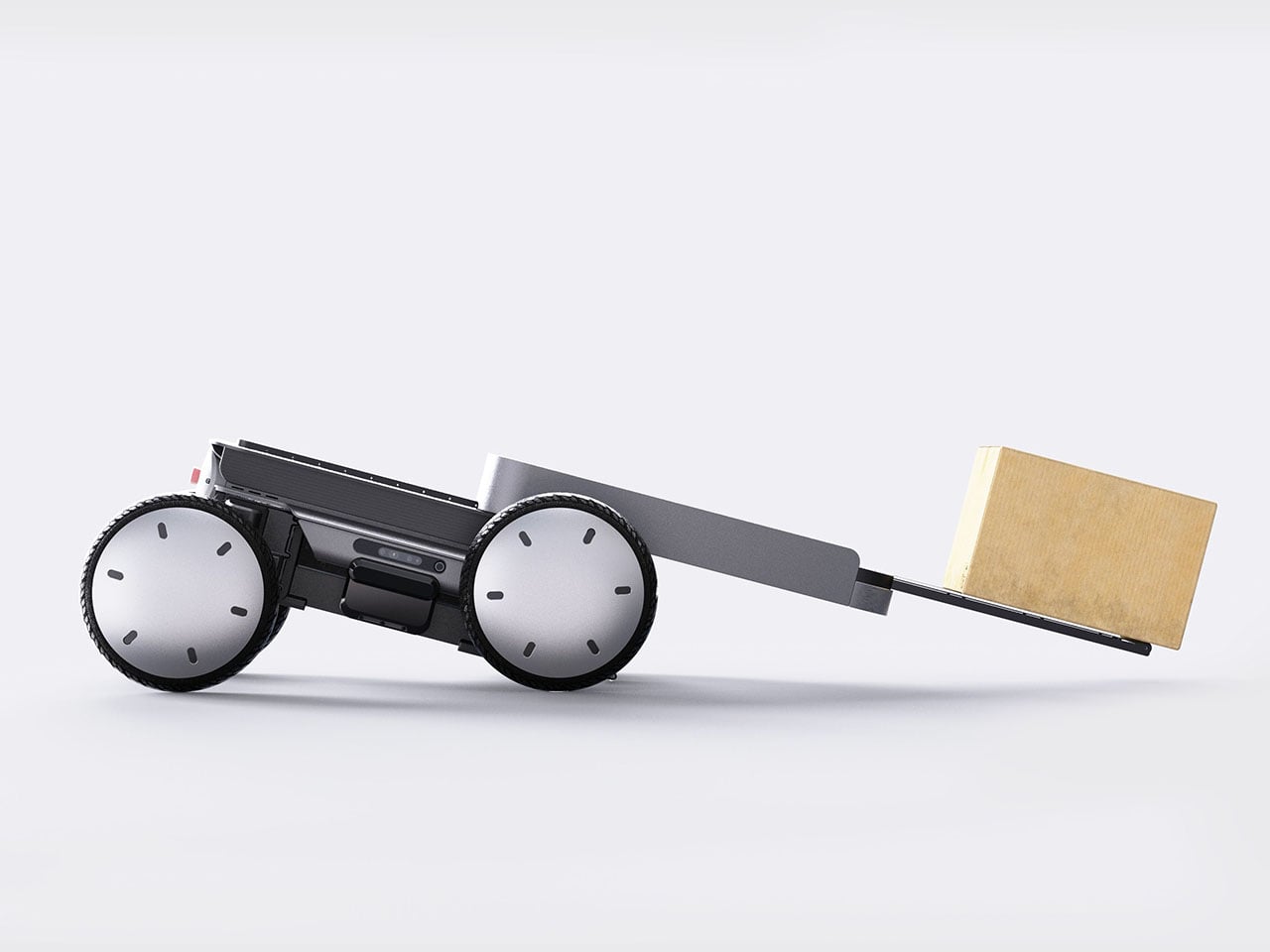
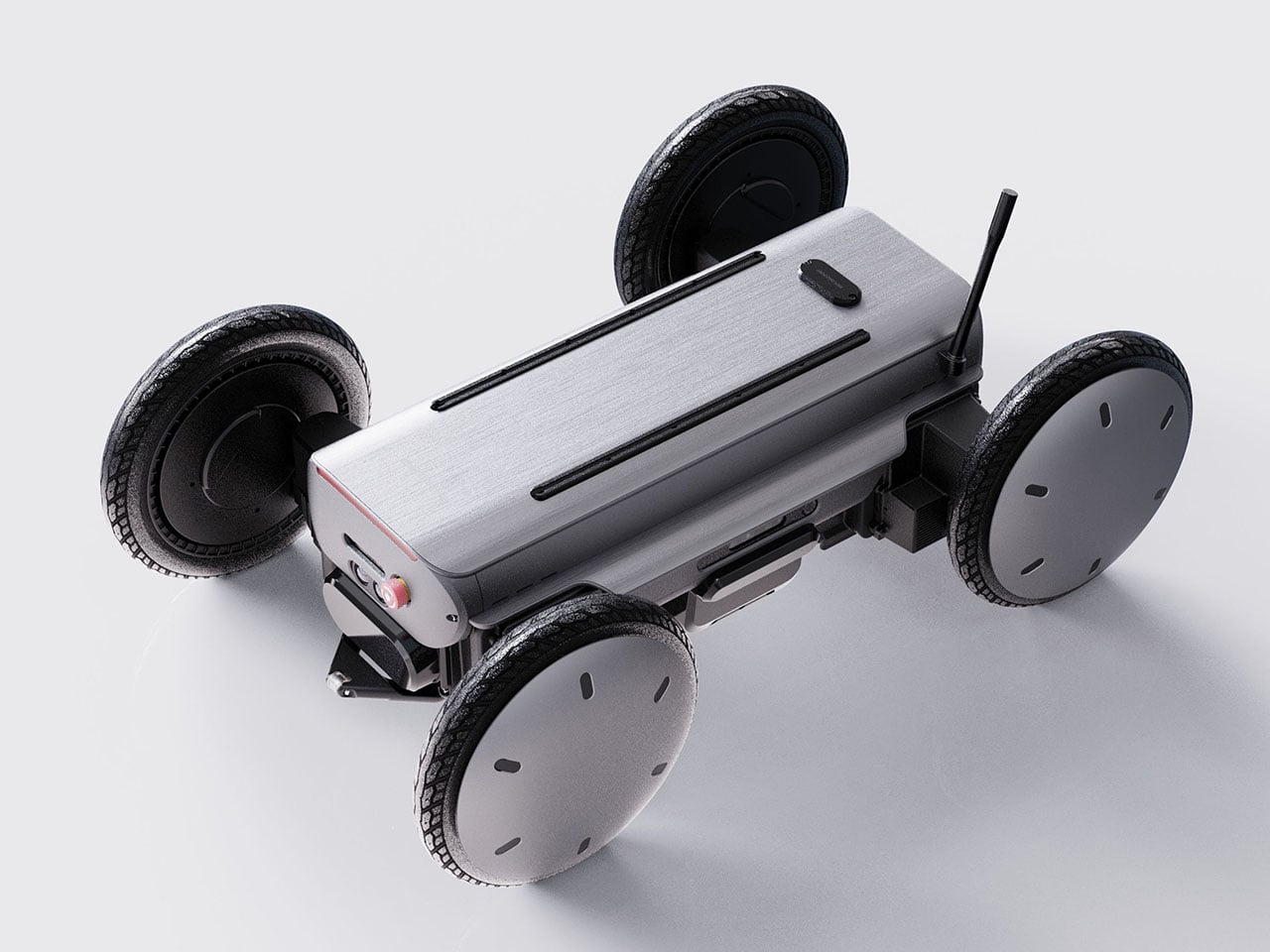
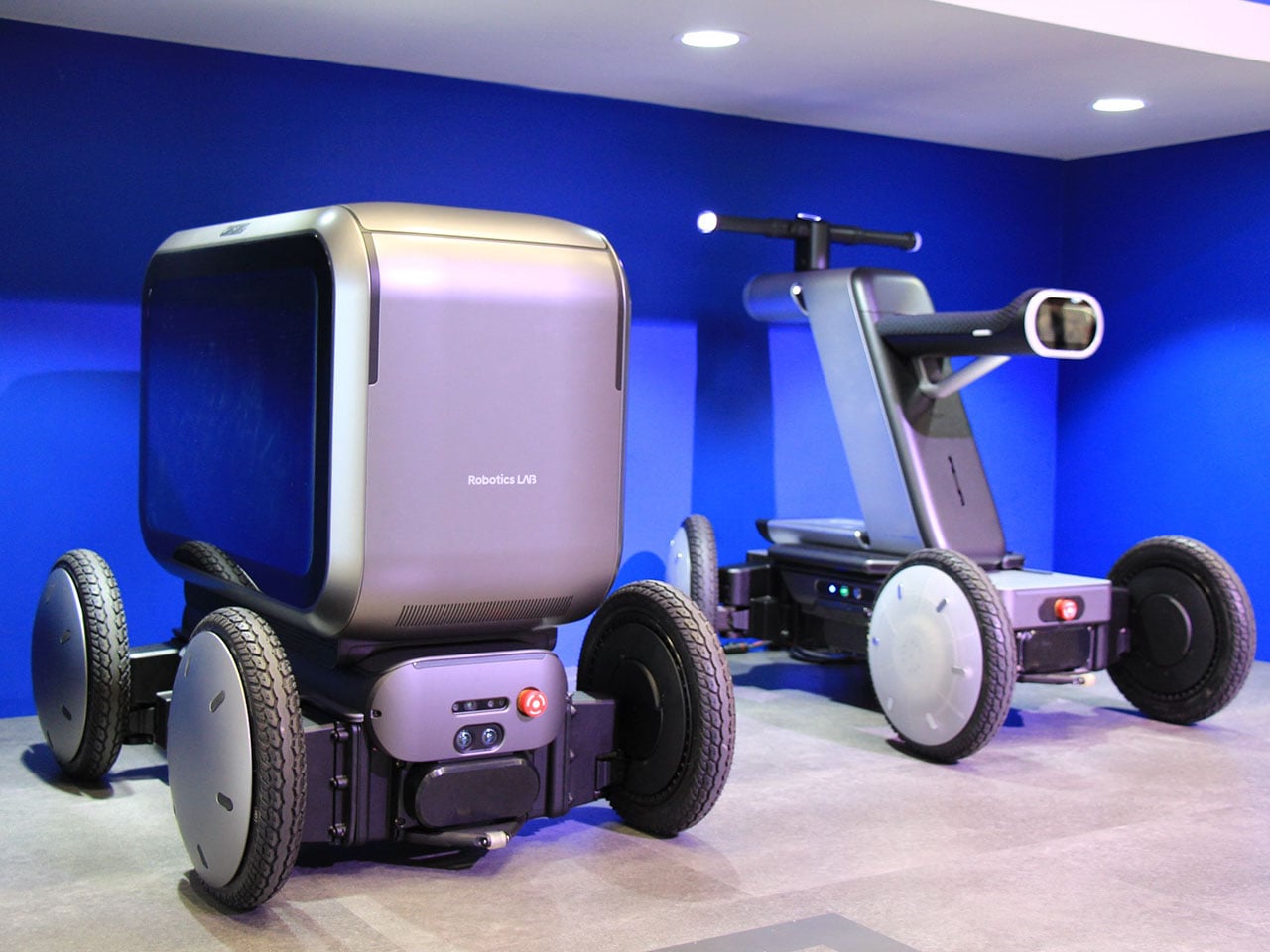
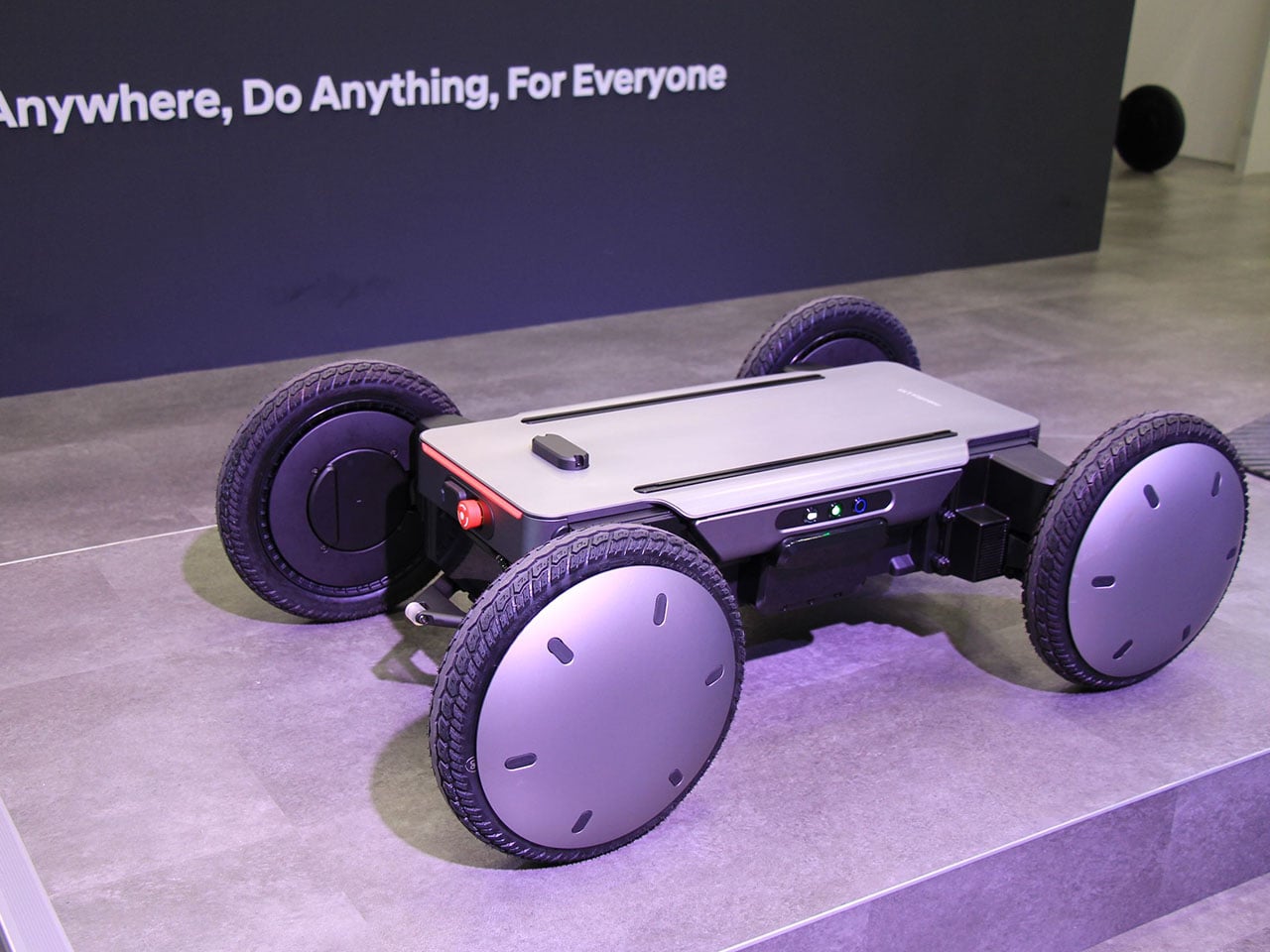
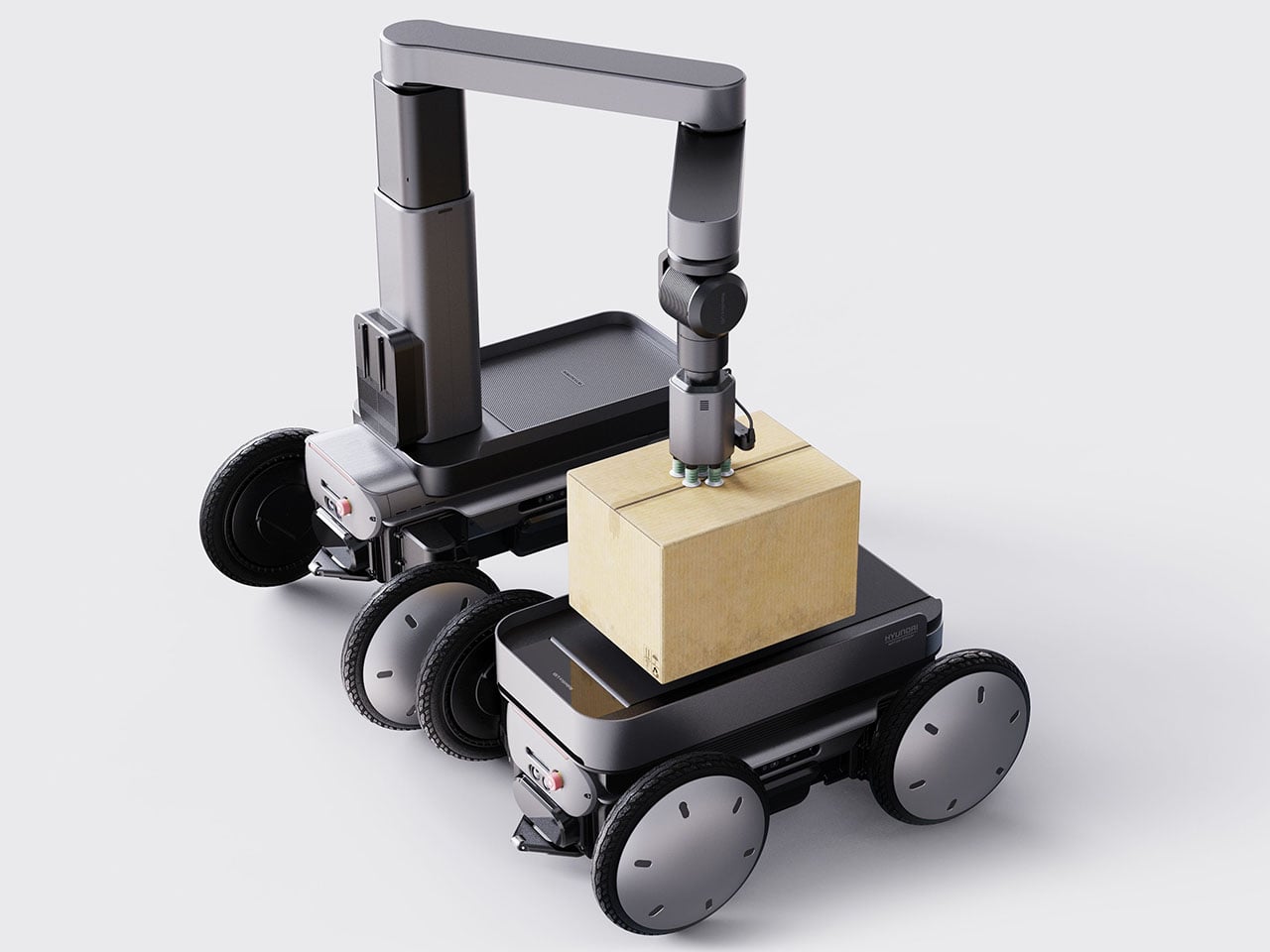
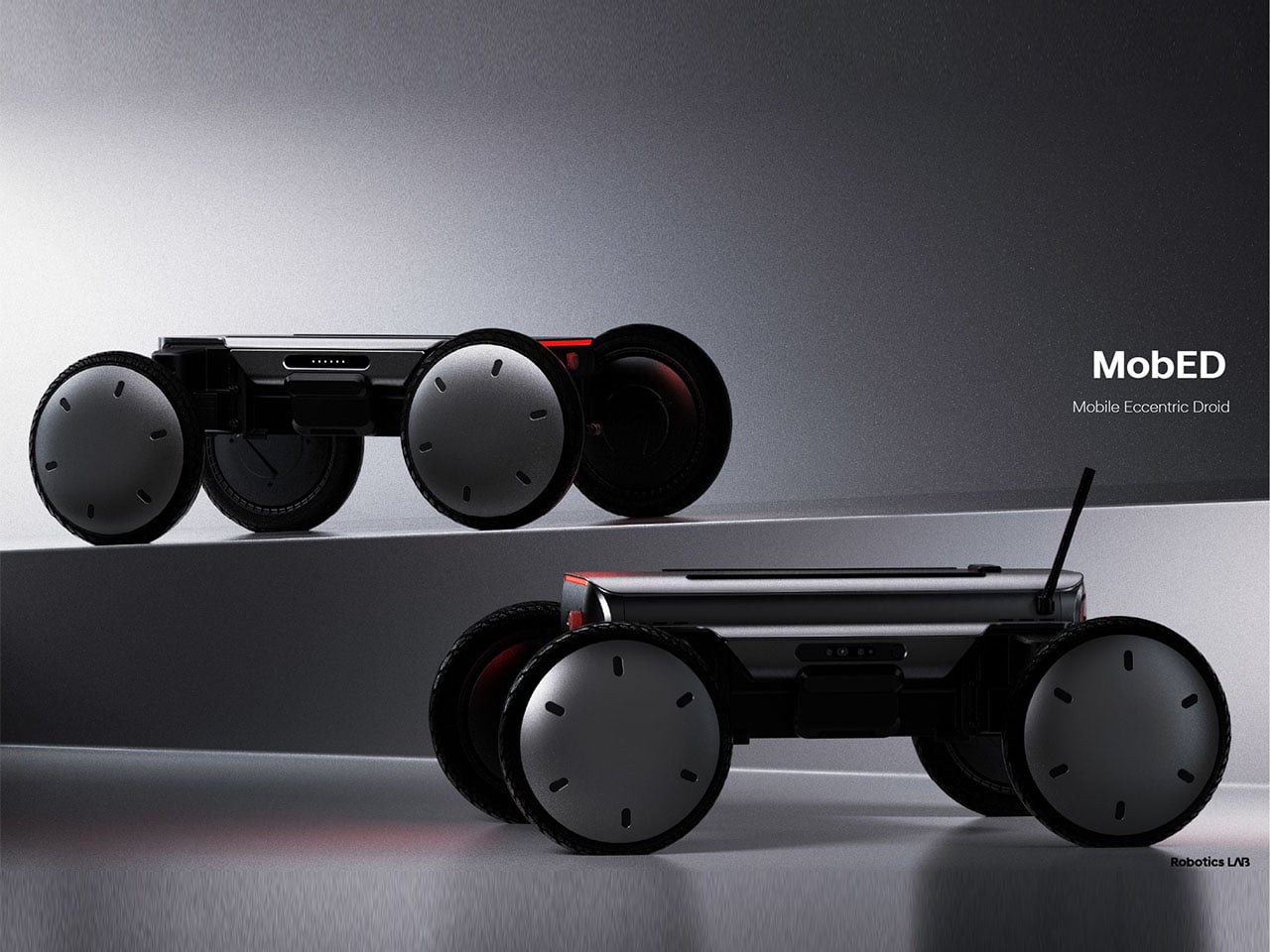
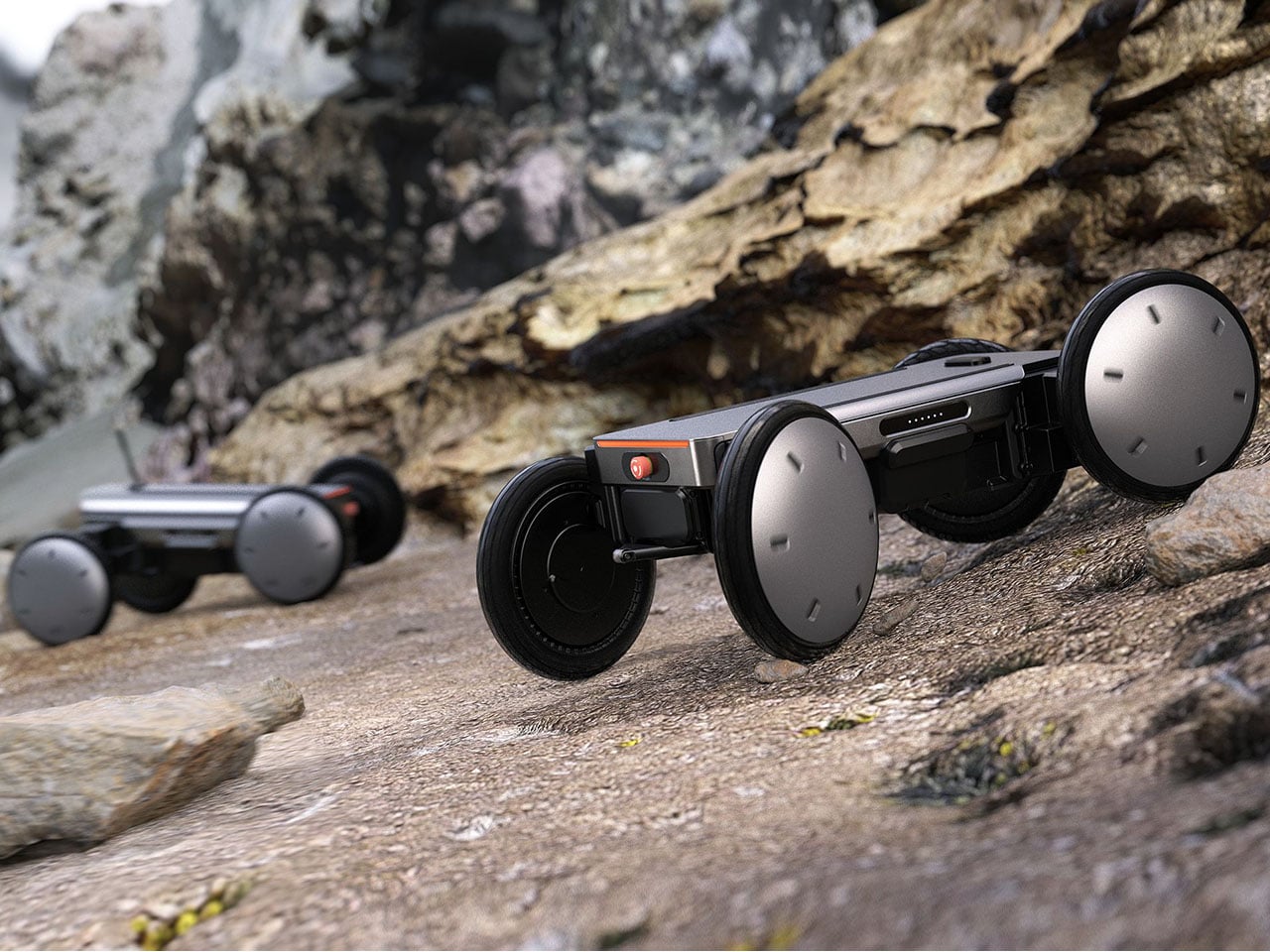
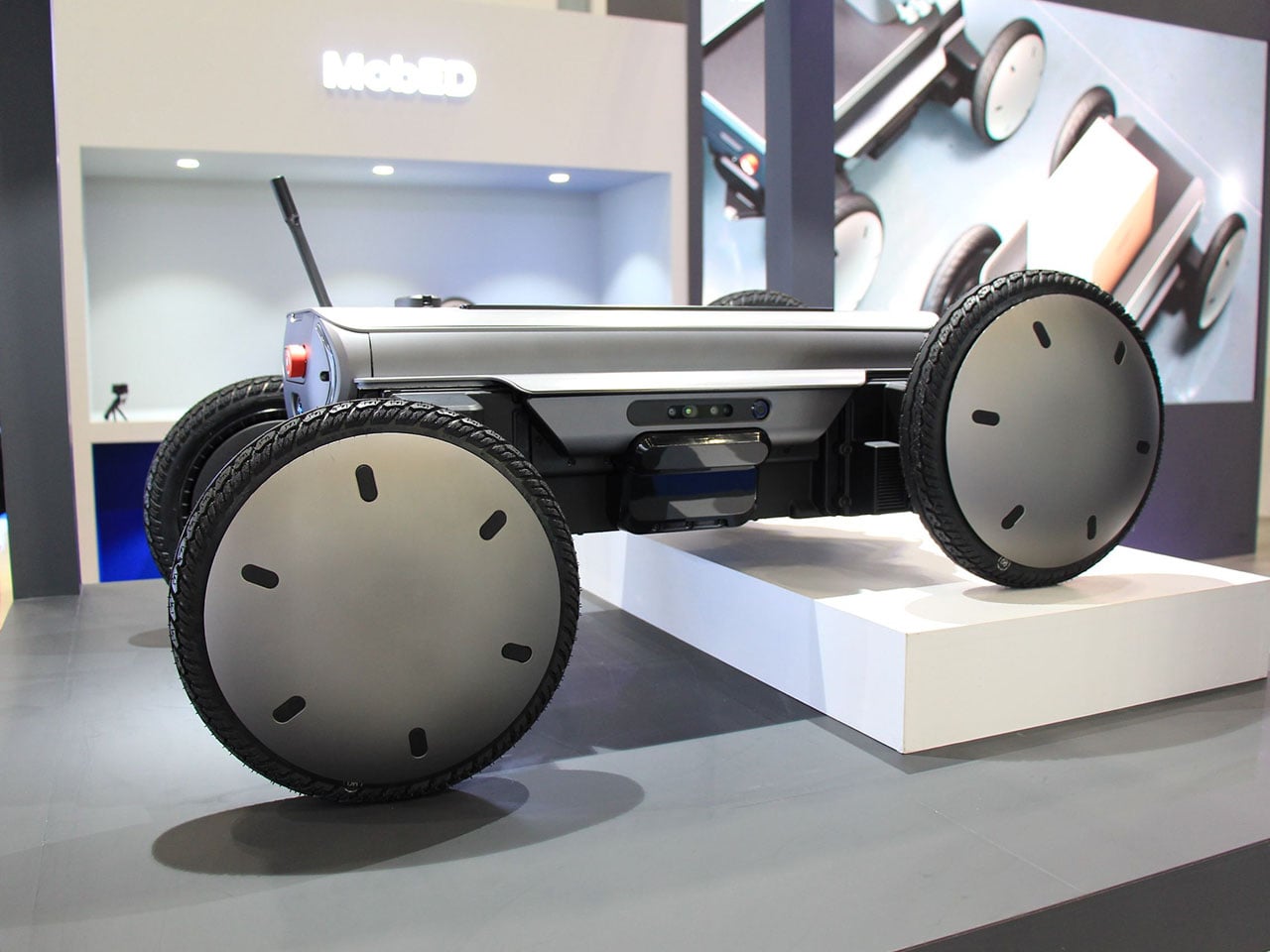
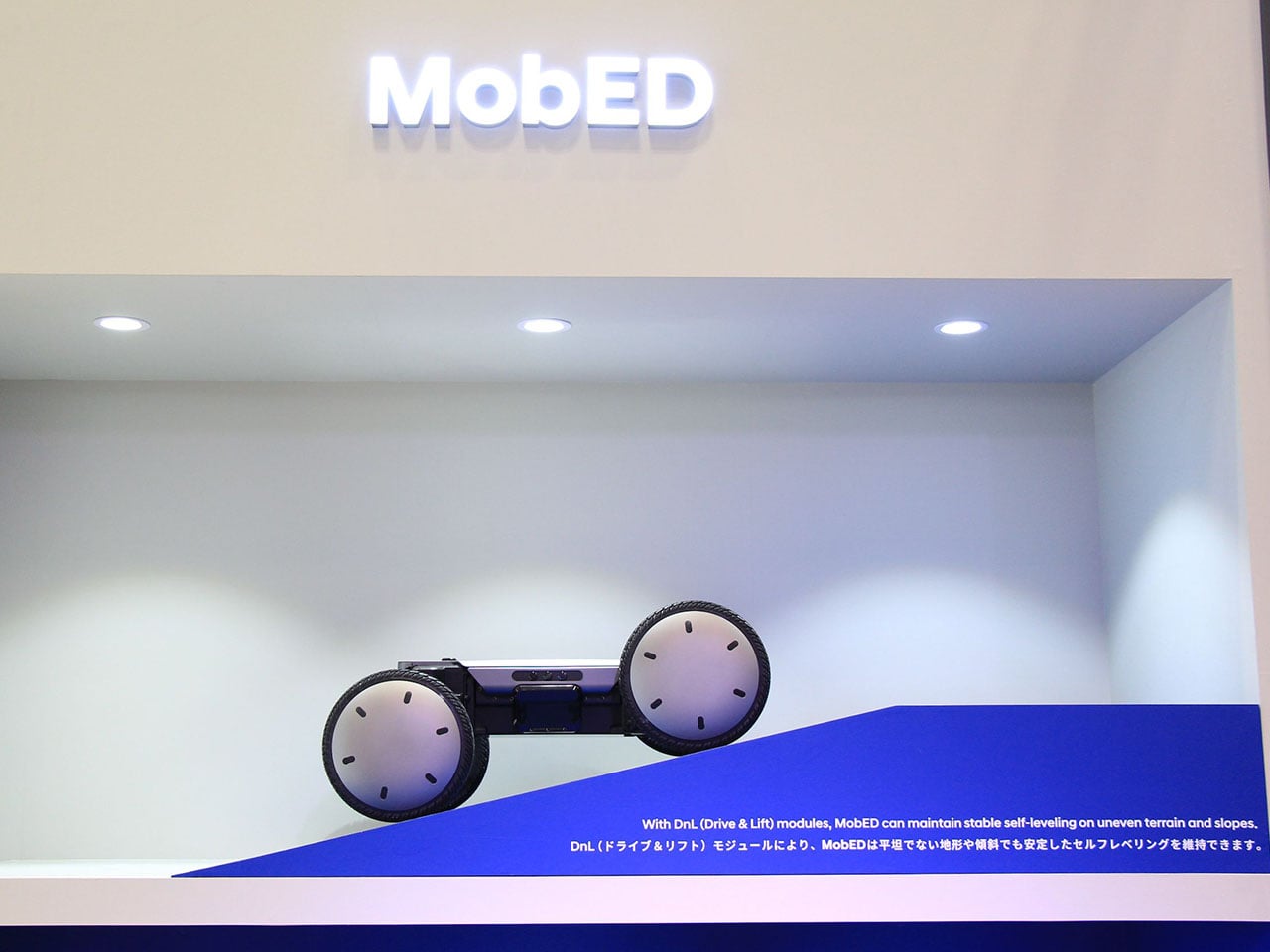
Finally, they’ve revealed the Mobile Eccentric Droid, a.k.a. MobED, a mobility robot platform tailored for a diverse range of industrial and everyday-use applications. The bot was shown off at the International Robot Exhibition 2025 (iREX 2025) in Tokyo. According to Dong Jin Hyun, Vice President and Head of Hyundai Motor Group Robotics LAB, the new robot will help “accelerate a future where humans and robots coexist.” The most exciting bit, it’ll be up for sale in the first half of 2026.

Designer: Hyundai

MobED thrives on three main pillars, which refresh our approach towards robotics. These are the Adaptive Mobility (hardware), Intuitive Autonomy (software), and Infinite Journey (applications). This makes the production-ready autonomous bot poised to reboot how robots move, navigate, and ultimately perform tasks in any setup, be it in an industrial location, unknown outdoor terrain, or narrow corridors of your home. Thereby making it perfect for a range of tasks, right from delivering your groceries and carrying gear up a mountain to acting as a golf caddy and being used for creative movie direction.

The wheeled workhorse is equipped with Hyundai’s drive-and-life (DnL) modules, which integrate steering, driving, and height adjustment into one portable unit. TI is integrated with adaptive motion technology, which eliminates any constraints that are environment-specific. All these innovations result in precise posture control to adapt to different terrains, performing difficult tasks in any kind of environment, and that too while carrying a heavy load. The modular nature of the platform makes it ultra-versatile and well worth investing in, compared to other robotics solutions that can do only a limited number of tasks owing to their form factor.

For starters, MobED will be offered in two versions: one will be a basic model that has the mobility capabilities of a current-generation bot, while the other comes with full AI autonomy and advanced navigation sensors. The latter is a pro version, and it is equipped with full AI autonomy, upgraded sensors, LiDAR, and a camera system. You’ll get a follow-me mode, so that the bot stays by your side when you are busy doing multiple tasks. Riding on four wheels doesn’t mean it is an autonomous vehicle of sorts, as it can swivel and articulate the wheels. Just like a four-legged personal bot, it can wave by cogging up its wheel. Fit on top a robotic arm, and the bot functions as warehouse personnel.

The robot is as easy to control as an RC car, since it’s equipped with a touchscreen controller. Hyundai’s robotic division has been quite serious about the future of its rolling droid development that’s been going on for quite a few years now, and the MobED Pro is now poised to change the dynamics of the robotics landscape in the near future.

The post Hyundai debuts a fully autonomous, production-ready droid engineered to tackle real-world tasks first appeared on Yanko Design.

X shuts down the European Commission’s ad account the day after major fine

Just a day after receiving a roughly $140 million fine, X has terminated the ad account of the European Commission. Nikita Bier, X's head of product, accused the European Commission of using an exploit to artificially boost the reach of its post announcing the major fine.

In the post, Bier said that the commission "logged into [their] dormant ad account to take advantage of an exploit in our Ad Composer" and posted "a link that deceives users into thinking it’s a video and to artificially increase its reach." Bier explained in a separate post that the exploit has "never been abused like this" and "is now patched." However, X still revoked the European Commission's ability to buy and track ads on its platform.

While X decided to remove the European Commission's ad account, it still needs to submit specific measures and an action plan to address the concerns associated with the $140 million fine. The European Commission's spokesperson for Tech Sovereignty, Defence, Space and Research, Thomas Regnier, said that this is the first-ever fine under the Digital Services Act. The European legislative body claimed that X has a deceptive system when it comes to verified accounts, lacks transparency with its advertising repository and doesn't provide effective data for researchers. In response, X's owner, Elon Musk, replied to the European Commission's post, calling it "bullshit."

This article originally appeared on Engadget at https://www.engadget.com/social-media/x-shuts-down-the-european-commissions-ad-account-the-day-after-major-fine-173553267.html?src=rss

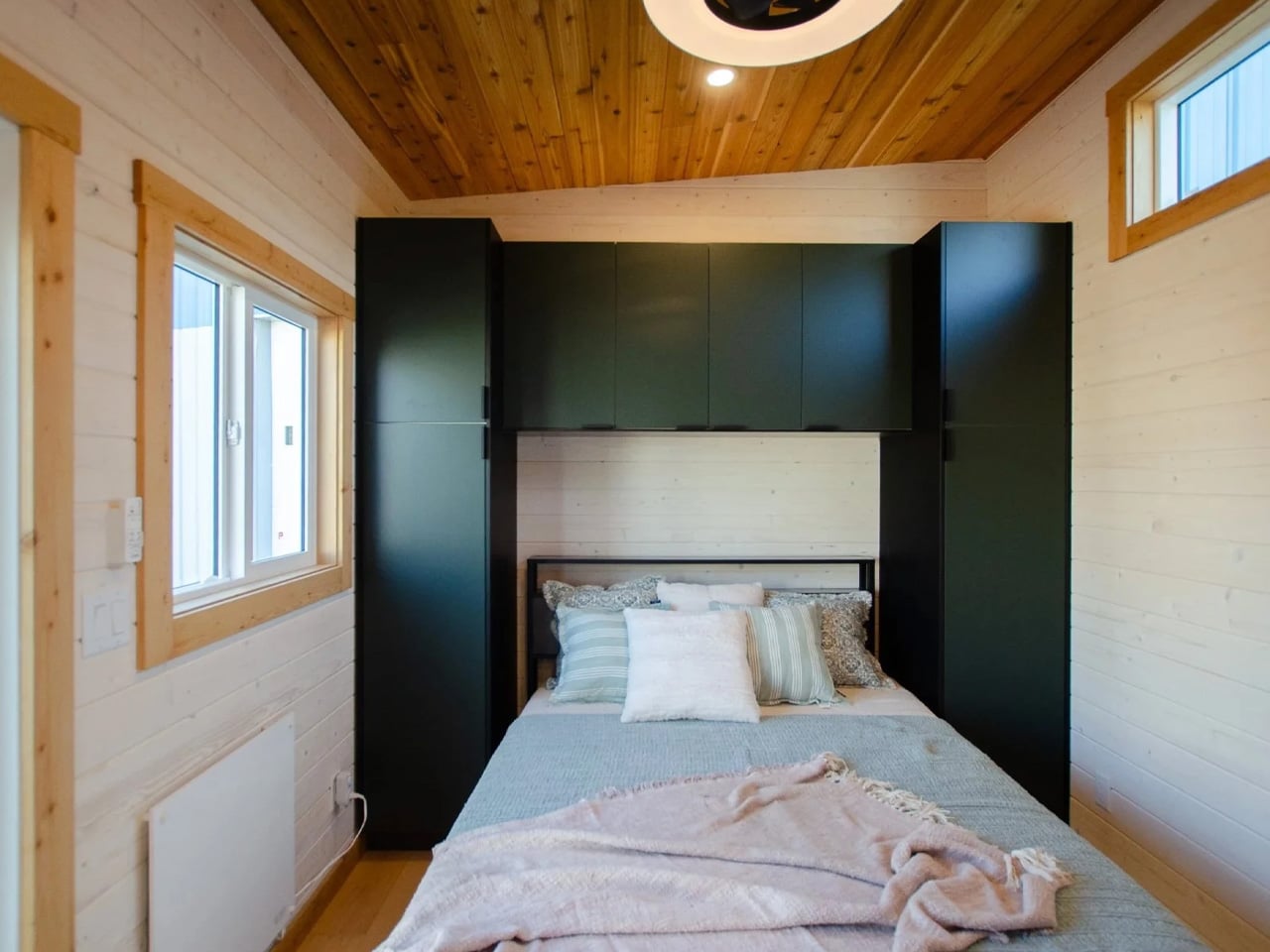
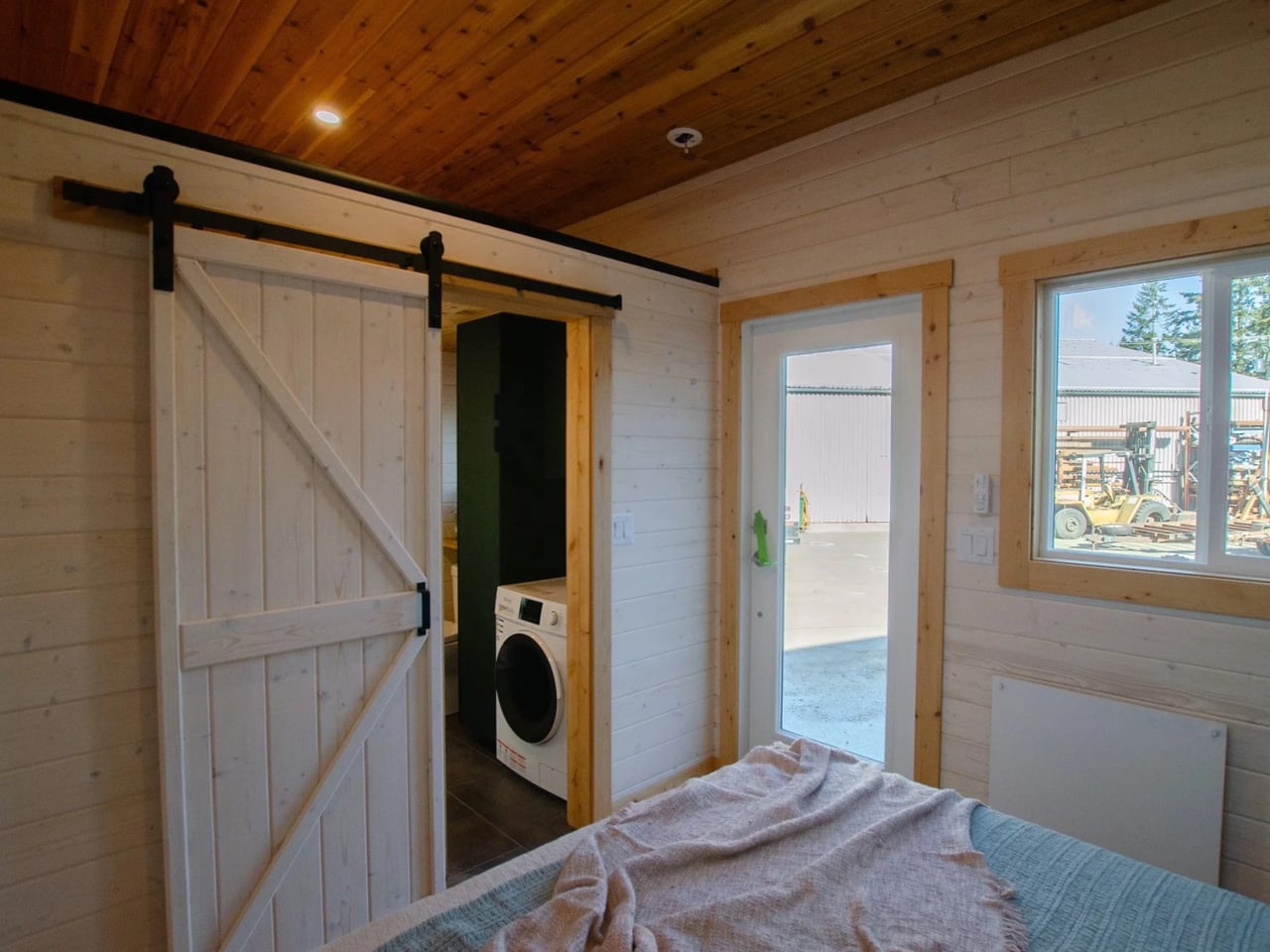
Rewild Homes Just Built the Sustainable House Eco-Buyers Always Wanted

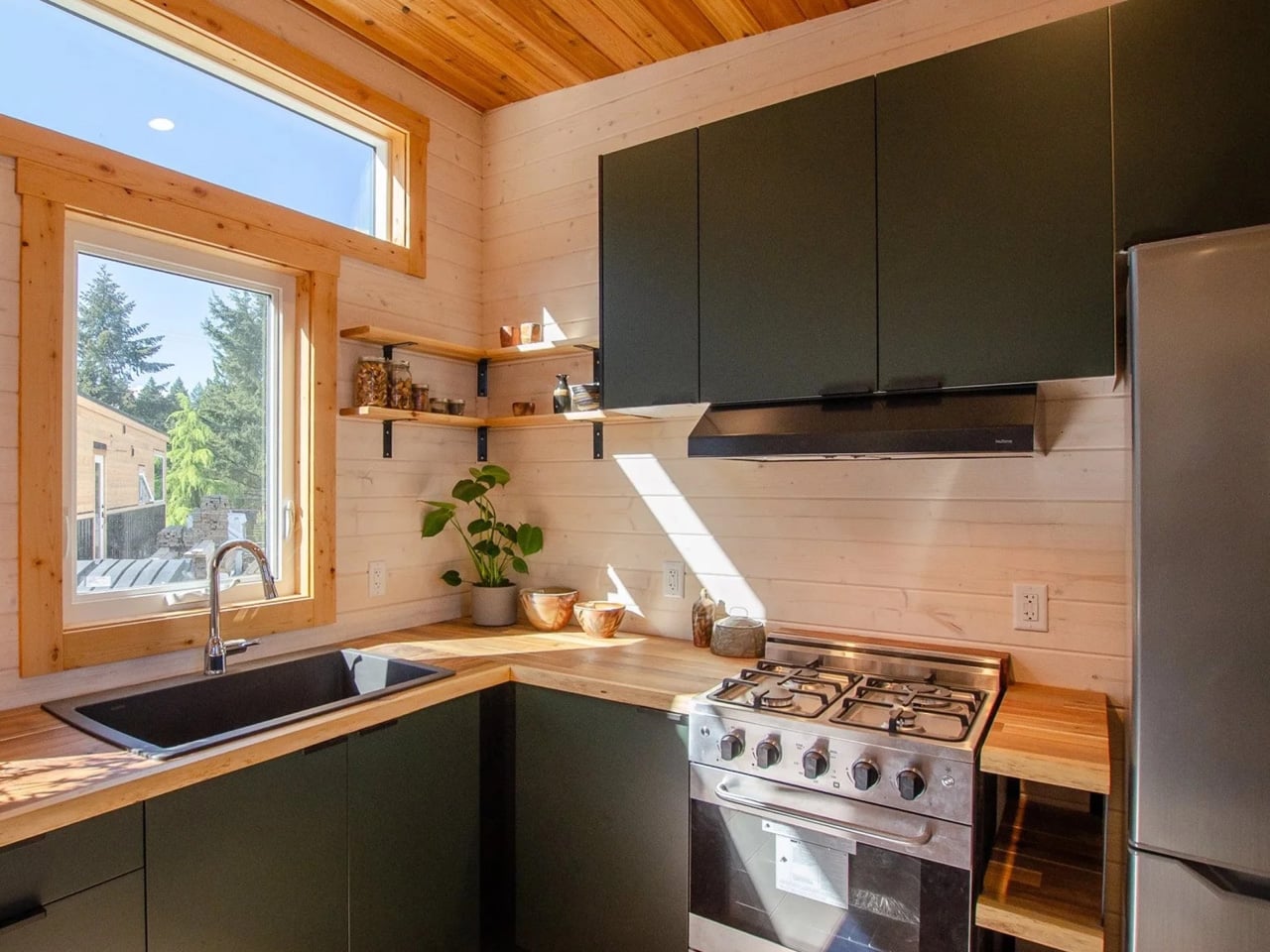
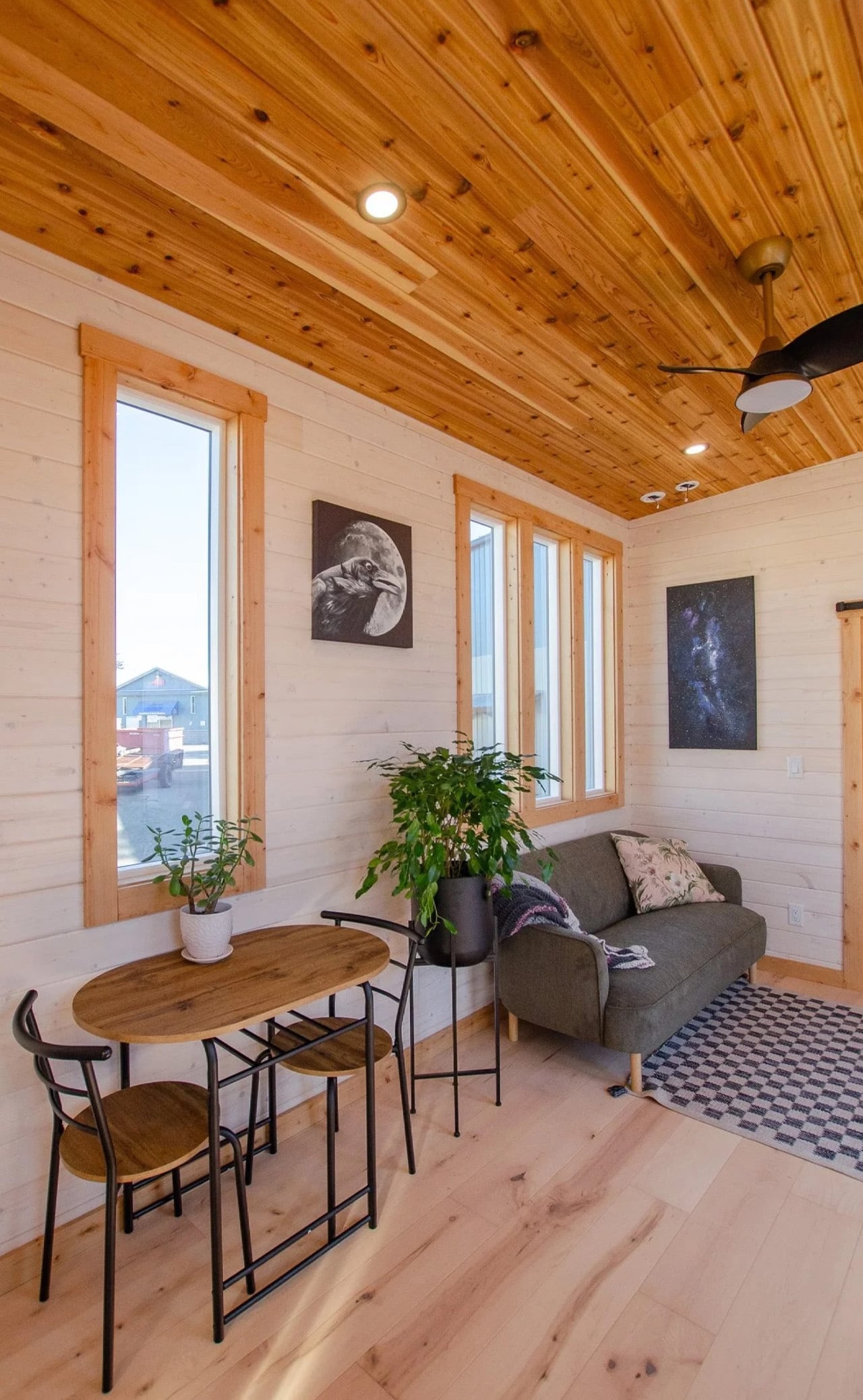
Nestled away in Priors Hall, Corby, The Thicket by Rewild Homes is doing something different with sustainable housing. This Northamptonshire development isn’t trying to be just another eco-project with a few solar panels slapped on the roof. The name itself comes from the woodland character that shaped the entire design, which tells you something about how seriously they’ve taken the environmental angle here. It’s part of a broader movement in the area, but The Thicket stands out for actually following through on its green promises.

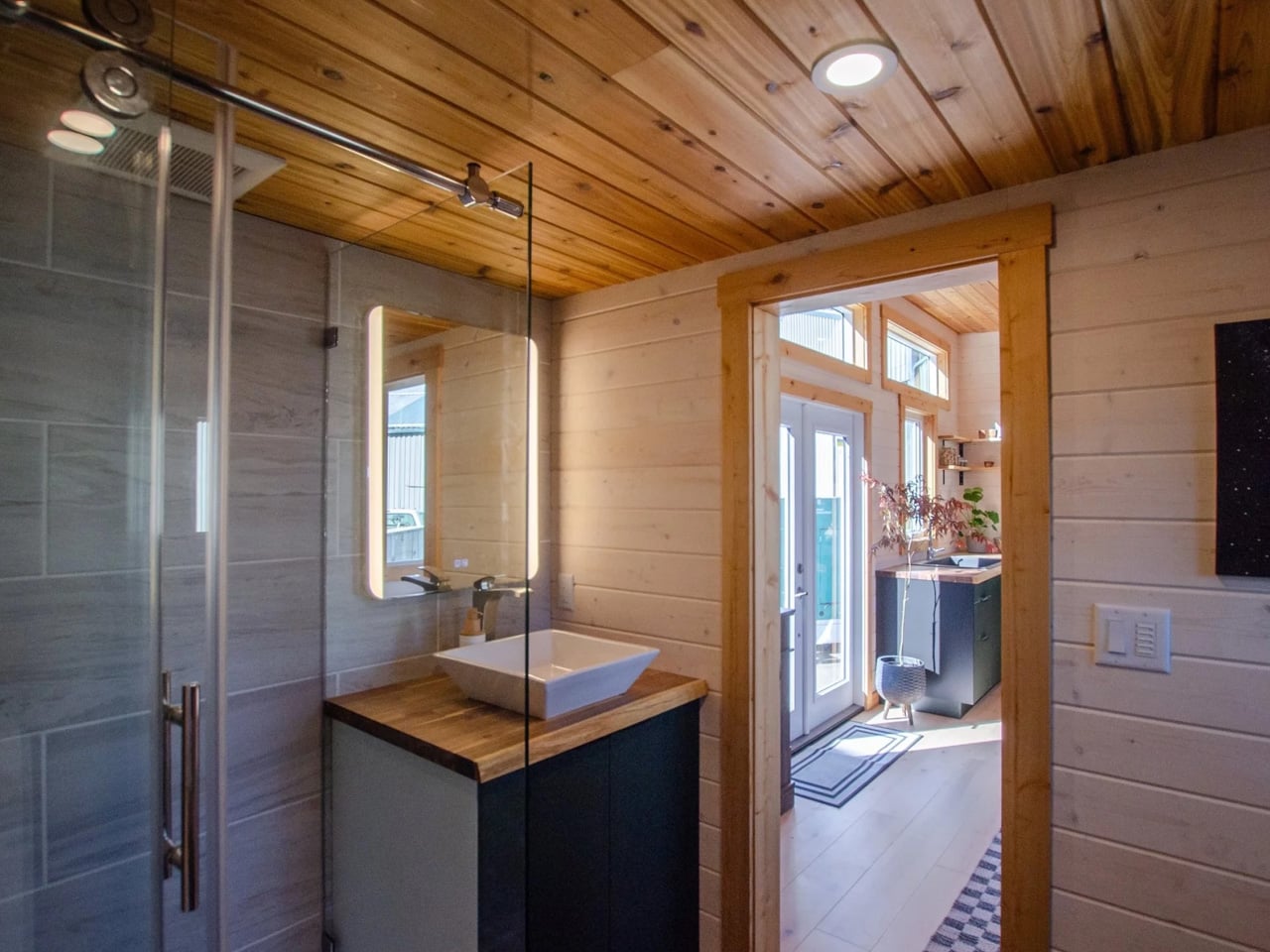
Rewild Homes has built its reputation on refusing to choose between sustainability and livability, and you can see that playing out across this development. The homes manage to be energy efficient and environmentally responsible without feeling like you’re camping indoors or sacrificing modern conveniences. They’ve used sustainable materials and construction methods throughout, but not in that performative way some developers do when they’re really just ticking boxes for marketing purposes. The approach here feels more genuine, like someone actually thought about how these choices would affect daily life.

Designer: Rewild Homes

The location in Priors Hall puts residents in the middle of a community that’s become something of an experiment in sustainable urban planning. Corby isn’t exactly where you’d expect to find cutting-edge green development, which makes The Thicket more interesting. The area gives you access to shops, schools, and everything else you need without bulldozing every tree in sight. There’s a balance here between practical living and maintaining the natural features that make the place feel less like a housing estate and more like somewhere you’d actually want to spend time.

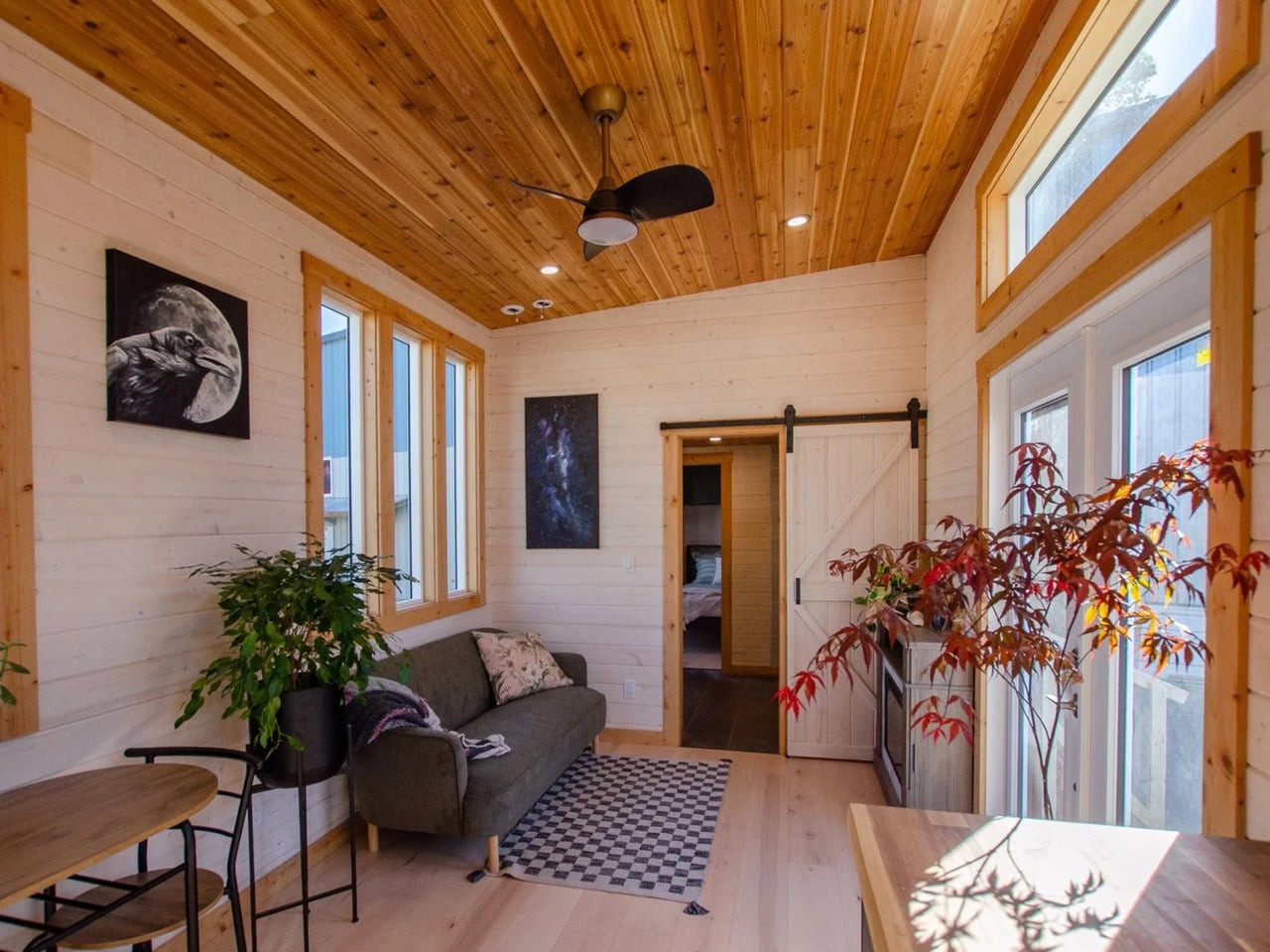
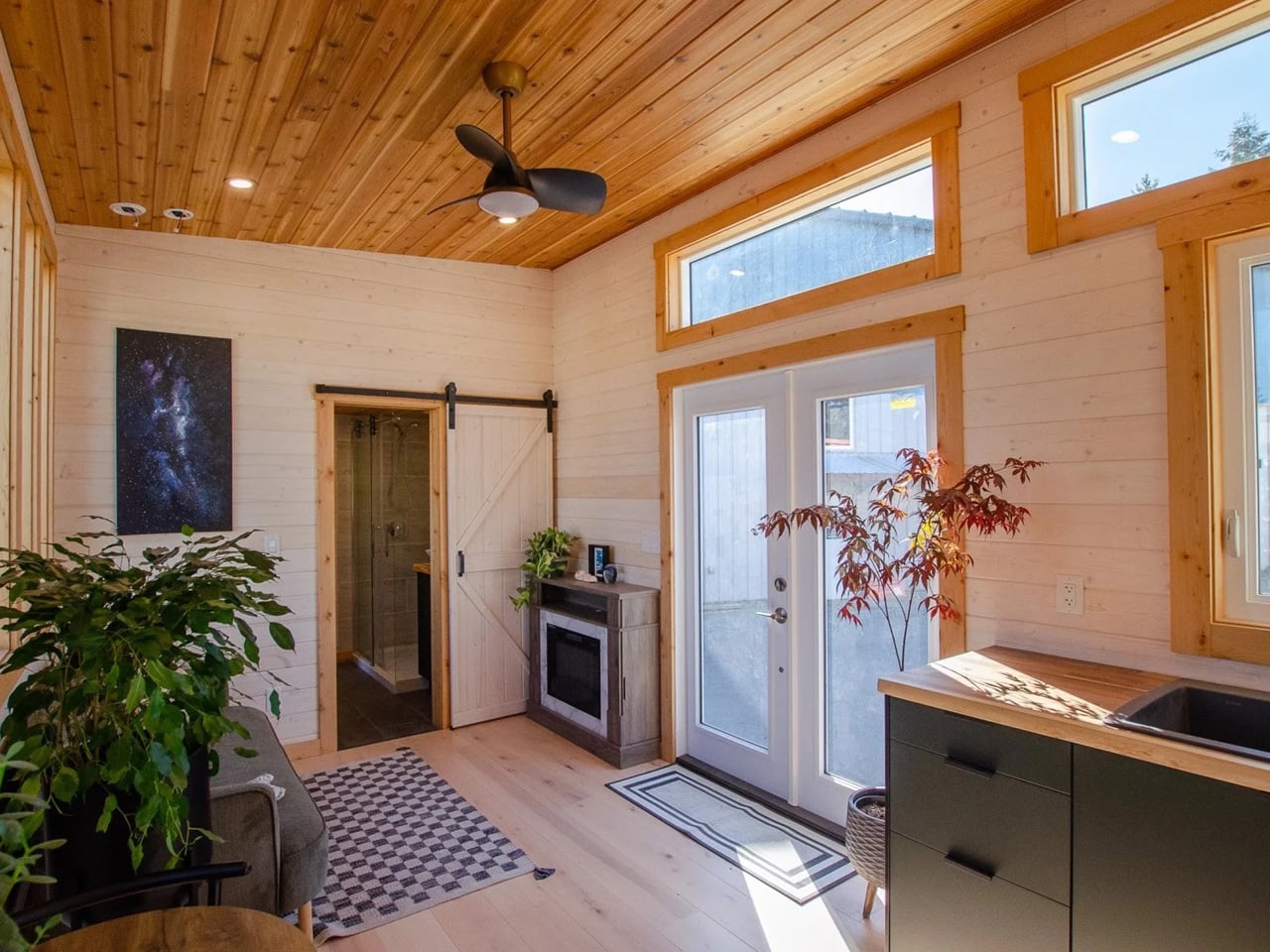
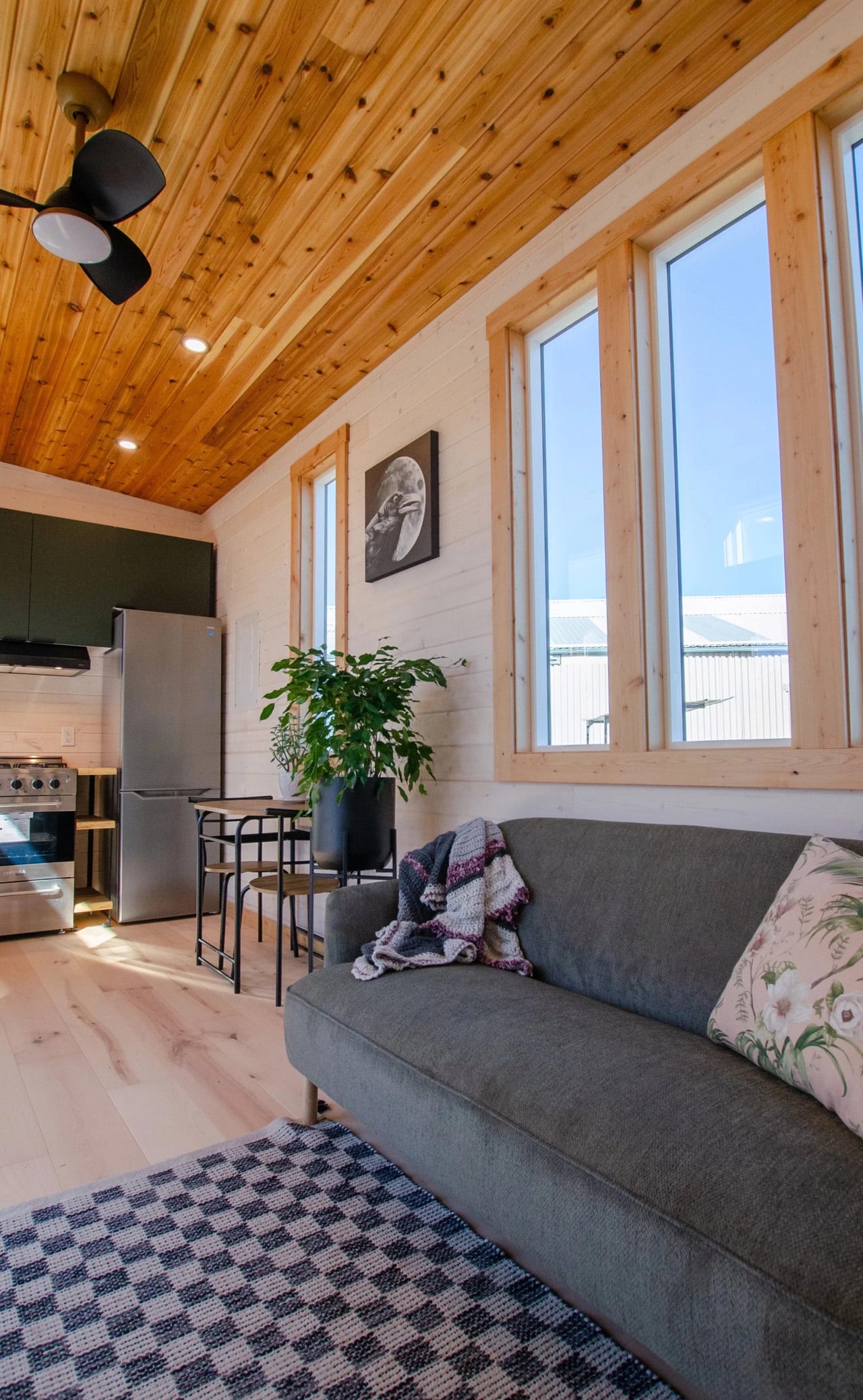
What makes The Thicket work is that sustainability isn’t an afterthought. Large windows bring in natural light so you’re not constantly flipping switches during the day. The homes are positioned to take advantage of natural heating and cooling instead of relying entirely on mechanical systems. Materials were chosen for durability and low environmental impact, creating spaces that look contemporary without feeling like they’ll be dated in five years. These aren’t revolutionary ideas individually, but together they add up to homes that function differently from standard new builds.

The woodland aesthetic goes beyond surface decoration. The designers preserved existing natural features and integrated them into the development instead of clearing everything and starting from scratch. This creates an actual connection to the surrounding landscape rather than the token green space most developments offer. Walking around The Thicket, you get the sense that someone understood sustainable living means more than reducing emissions—it’s about creating environments where people can live comfortably alongside nature instead of constantly working against it.

For buyers trying to square environmental concerns with practical housing needs, The Thicket offers a legitimate option. It’s aimed at people who want to make better choices but aren’t willing to compromise on quality of life to do it. As more homeowners factor climate impact into their decisions, developments like this prove there’s real demand for innovation beyond greenwashing. Rewild Homes has positioned itself to meet that demand, and The Thicket shows they understand how to deliver sustainable housing that people actually want to live in, not just admire from a distance.

The post Rewild Homes Just Built the Sustainable House Eco-Buyers Always Wanted first appeared on Yanko Design.
M5 MacBook Pro – First 23 Things To Do (Tips & Tricks)

M5 MacBook Pro – First 23 Things To Do (Tips & Tricks)

The M5 MacBook Pro represents a blend of innovative hardware and macOS advancements, designed to deliver a seamless and powerful computing experience. To make the most of its capabilities, it is essential to configure settings, optimize performance, and personalize features. The video below from Brandon Butch outlines 23 key steps to help you unlock the […]

The post M5 MacBook Pro – First 23 Things To Do (Tips & Tricks) appeared first on Geeky Gadgets.

Posted in Uncategorized

Antigravity A1 Drone Review : Under 249g, 8K 360 Recording, VR Flight & Auto-Shoot Tools for Creators

Antigravity A1 Drone Review : Under 249g, 8K 360 Recording, VR Flight & Auto-Shoot Tools for Creators

Imagine soaring through the skies, not just watching your drone’s flight from a screen, but feeling as though you’re inside it, gliding over breathtaking landscapes in ultra-high-definition. The Antigravity A1, the world’s first 8K 360 VR drone, is here to make that vision a reality. This new device doesn’t just set a new standard for […]

The post Antigravity A1 Drone Review : Under 249g, 8K 360 Recording, VR Flight & Auto-Shoot Tools for Creators appeared first on Geeky Gadgets.

Posted in Uncategorized

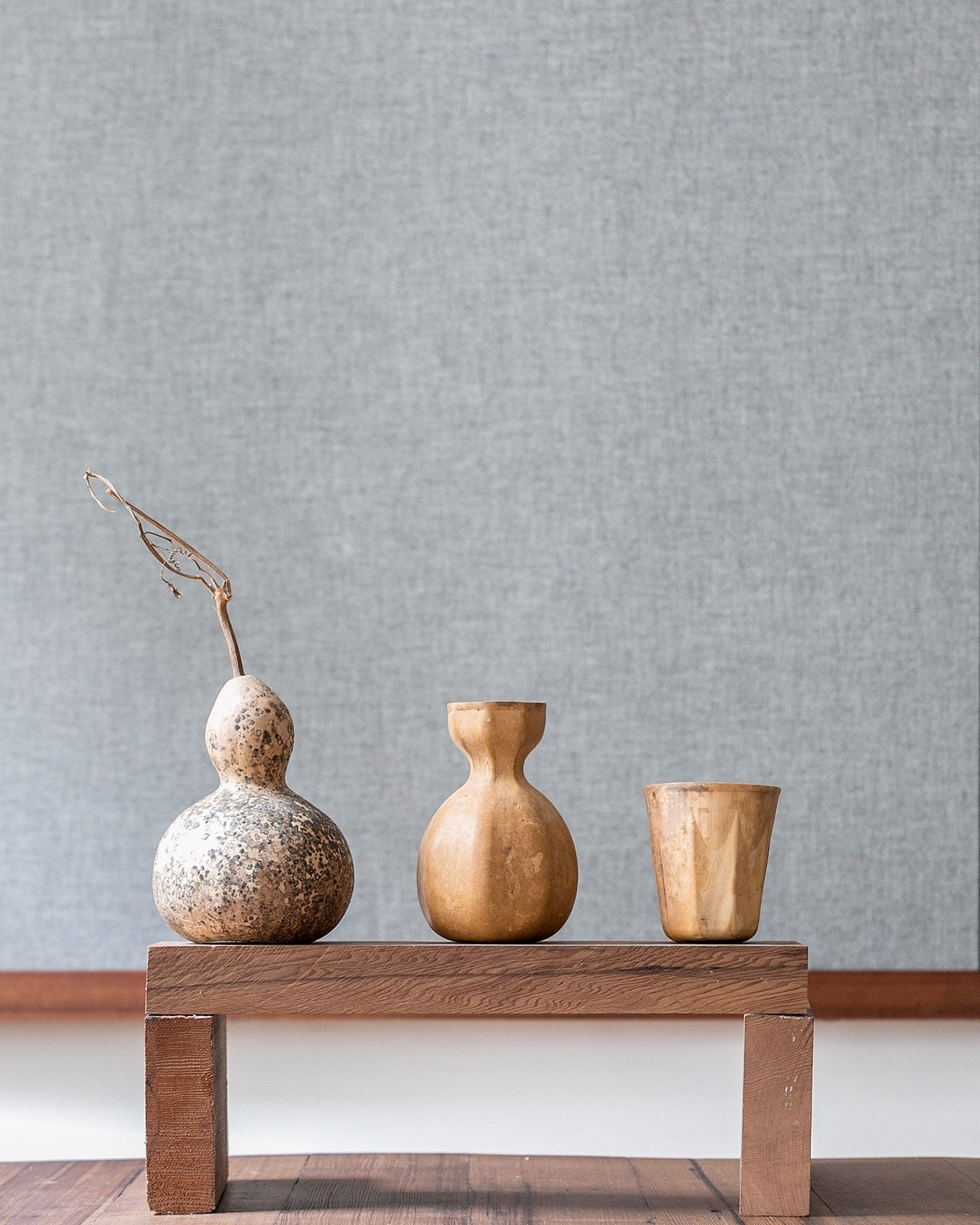
This Studio Grows Coffee Cups From Gourds

Picture this: instead of manufacturing your next coffee cup, what if you could just grow it? That’s the beautifully simple yet radical idea behind The Gourd Project, an ongoing exploration by Brooklyn-based CRÈME Architecture and Design that’s turning heads in the sustainable design world.

Here’s the problem they’re tackling. Back in 2006, Starbucks alone used 2.6 billion cups at their stores. Each paper cup produces 0.24 pounds of CO2 emissions during manufacturing, and here’s the kicker: only 0.25% actually get recycled after disposal. We’ve been stuck in this wasteful cycle for decades, bouncing between plastic, paper, and ceramic options that all come with their own environmental baggage. CRÈME decided to ask a different question entirely: what if nature didn’t just provide the material, but also handled the manufacturing process?

Designer: CRÈME Architecture and Design

Enter the humble gourd. These fast-growing plants have been cultivated by humans for thousands of years, prized for their robust fruits that develop strong outer skins and fibrous inner flesh. Once dried, gourds become naturally watertight, which is why our ancestors used them as cups and containers long before Tupperware was a thing. CRÈME, led by designer Jun Aizaki, looked at this ancient practice and thought: we can do something with this.

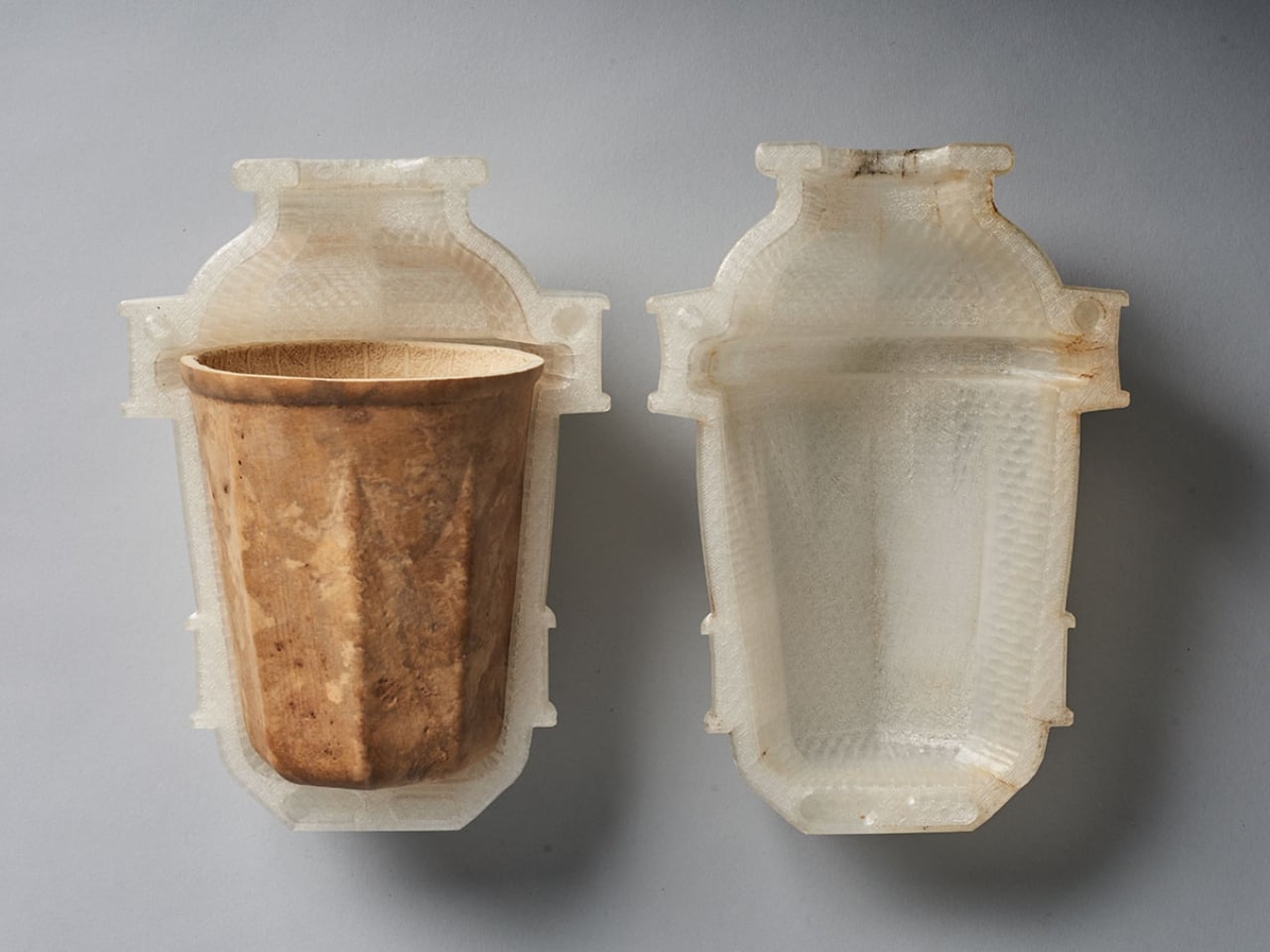
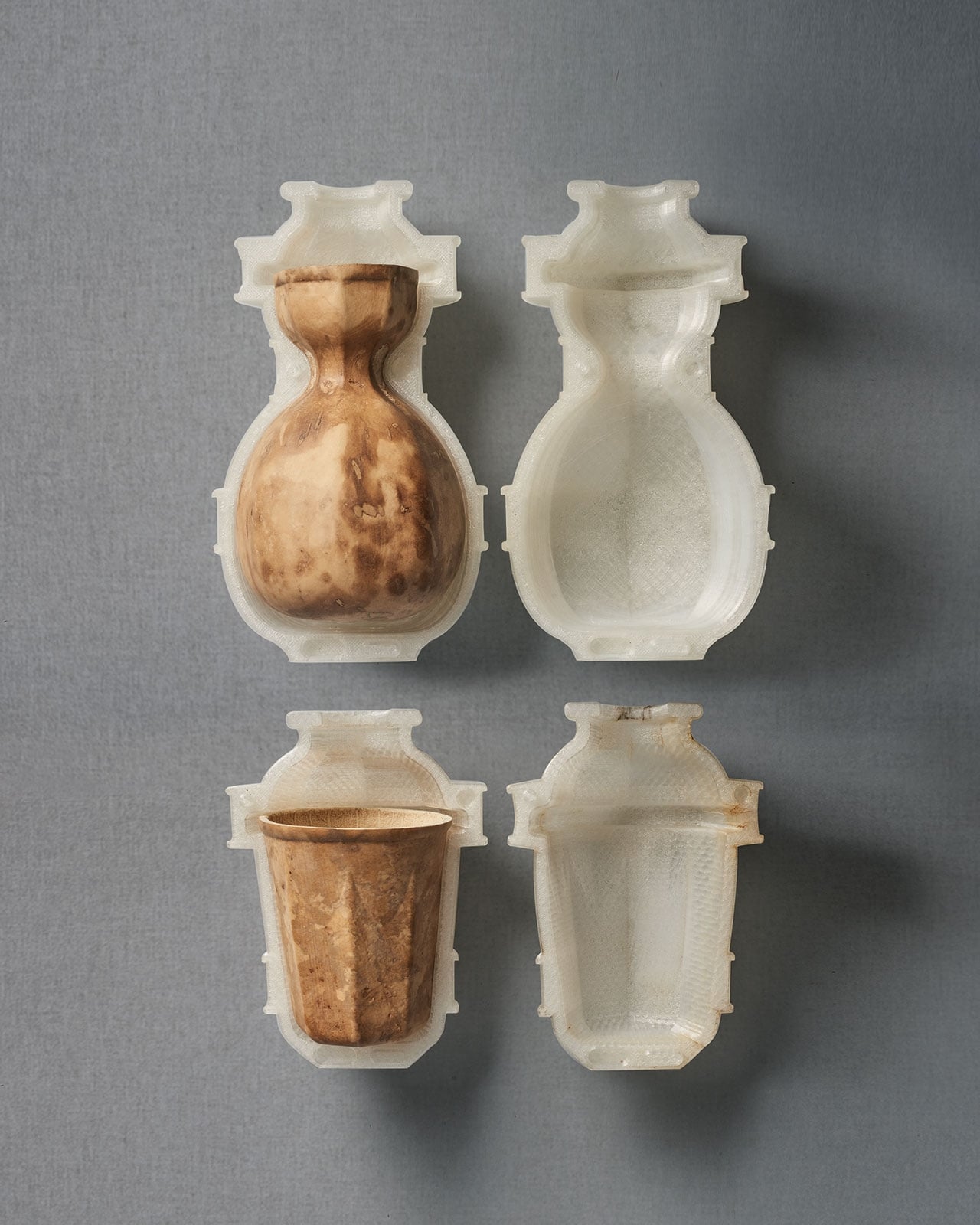
But here’s where it gets really cool. The studio isn’t just hollowing out gourds and calling it a day. They’re using 3D-printed molds to actually shape the gourds as they grow, training them into specific forms like cups and flasks. Think of it as botanical architecture. You place the mold around the young fruit, and nature does the rest, filling the shape while it grows on the vine. The result? Vessels that are 100% biodegradable, manufactured using only sun and water, and look genuinely striking sitting on your shelf.

The project started small, with a few gourds grown in a backyard. But CRÈME has since scaled up production to a farm, with plans to eventually move operations indoors to better control for variables like pests and weather conditions. The entire production cycle currently takes about six weeks, and while the team is working to streamline that timeline, it’s still remarkably efficient compared to traditional manufacturing processes that involve mining, refining, molding, and shipping materials around the globe.

Each gourd vessel can be reused between three to six times before it starts to break down. At that point, you’re not adding to a landfill or hoping it makes it to a recycling facility. You just toss it in with your food waste and let it compost naturally. It’s a genuine cradle-to-cradle approach, where the end of one cup’s life becomes the beginning of nutrients for the next season’s growth.

The design world has noticed. The Gourd Project earned a finalist mention at the NYCxDesign awards and has been featured in major publications like Dezeen, Fast Company, and NowThis News. It’s easy to see why. In an era where greenwashing is rampant and “sustainable” often just means “slightly less terrible,” here’s a project that actually reimagines the entire system from the ground up, literally.

What makes this particularly exciting is how it challenges our assumptions about design and manufacturing. We’re so conditioned to think of products as things we make, things we control from start to finish in factories. The Gourd Project flips that script. It asks us to collaborate with nature, to work with biological processes instead of against them. The designers provide the framework, the blueprint. The plant does the actual building.

Will we all be sipping our lattes from gourds next year? Probably not. CRÈME is still refining the process and working toward a consumer launch. But that’s almost beside the point. The Gourd Project proves that radical sustainability doesn’t have to mean sacrifice or hairshirt aesthetics. These vessels are genuinely beautiful, with organic variations that make each one unique. They represent a fundamentally different way of thinking about the objects we use every day.

The post This Studio Grows Coffee Cups From Gourds first appeared on Yanko Design.
Stop! Do This BEFORE Updating to iOS 26.2 RC

Stop! Do This BEFORE Updating to iOS 26.2 RC

Apple has officially rolled out the iOS 26.2 Release Candidate (RC), bypassing the fourth beta phase. This update brings a comprehensive set of bug fixes, performance optimizations, and new features aimed at enhancing your device’s overall functionality. With the public release expected as early as December 8, 2025, this RC version offers an opportunity to […]

The post Stop! Do This BEFORE Updating to iOS 26.2 RC appeared first on Geeky Gadgets.

Posted in Uncategorized

Minisforum MS-02 Ultra First Look : Modular Mini Desktop with a 24 core Chip & More

Minisforum MS-02 Ultra First Look : Modular Mini Desktop with a 24 core Chip & More

What if the power of a full-sized workstation could fit in the palm of your hand? The Minisforum MS02 Ultra dares to challenge the limits of what a mini PC can achieve, offering a combination of innovative performance and sleek, compact design that feels almost too good to be true. Whether you’re a gamer chasing […]

The post Minisforum MS-02 Ultra First Look : Modular Mini Desktop with a 24 core Chip & More appeared first on Geeky Gadgets.

Posted in Uncategorized