The Samsung Galaxy S26 Ultra has entered the market with a series of updates that, while notable, stop short of delivering the innovative advancements some had anticipated. From charging speeds to chip performance, the improvements are incremental, reflecting Samsung’s focus on refinement rather than reinvention. Meanwhile, questions surrounding the S26 Edge and the company’s dual-chip […]
Apple has officially rolled out iOS 26.3 Beta 2, introducing a range of updates across its ecosystem, including iPadOS, macOS, watchOS, tvOS, HomePod OS, and VisionOS. This release emphasizes incremental improvements, bug fixes, and performance enhancements while setting the stage for advancements in artificial intelligence (AI) and cross-platform compatibility. Below is a detailed look at […]
Selecting the right flagship smartphone can be a daunting task, especially with each device offering unique strengths tailored to different user needs. This comparison provide more insights into the performance of the iPhone 17 Pro Max, Samsung S25 Ultra, and Google Pixel 10 Pro XL across critical metrics such as boot-up speed, gaming capabilities, network […]
Sleepless nights do not all look the same. Sometimes it is a racing mind, sometimes it is waking at 3 a.m. and staring at the ceiling, sometimes it is jet lag or a room that never gets fully dark or quiet. The market has responded with a pile of separate gadgets, white-noise machines, sunrise lamps, breathing apps, meditation videos, each adding another thing to manage, charge, or remember to open before bed.
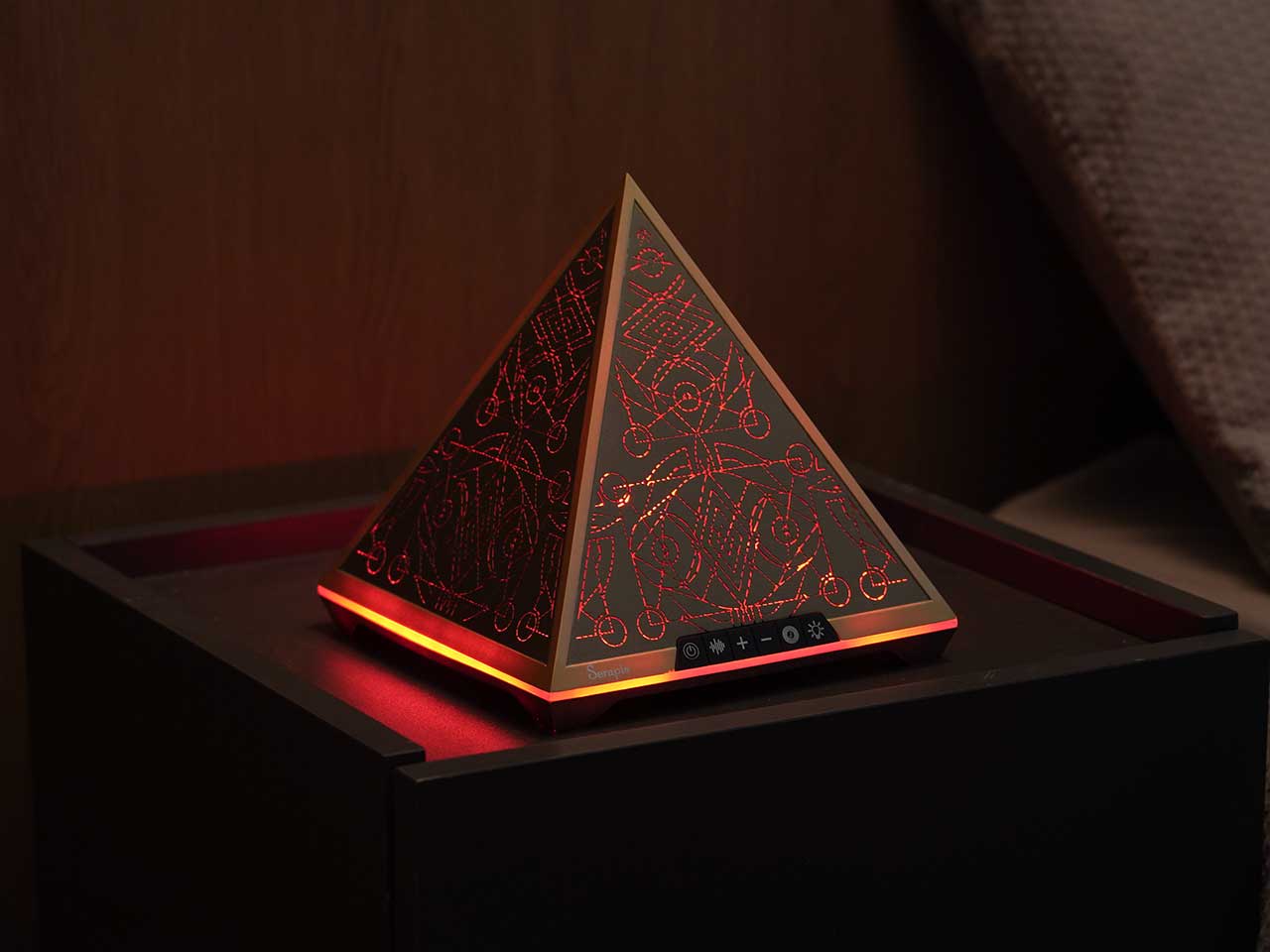
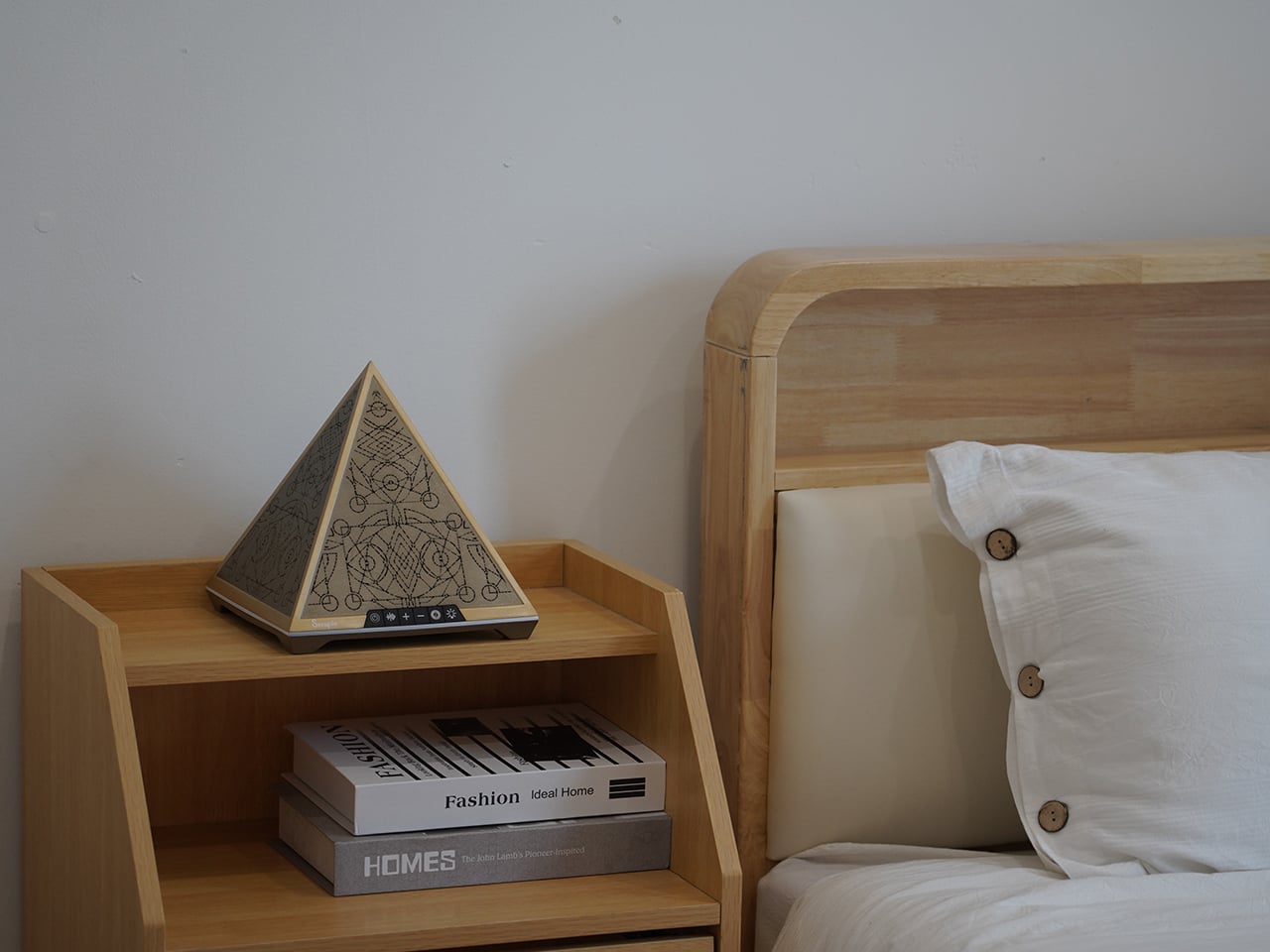
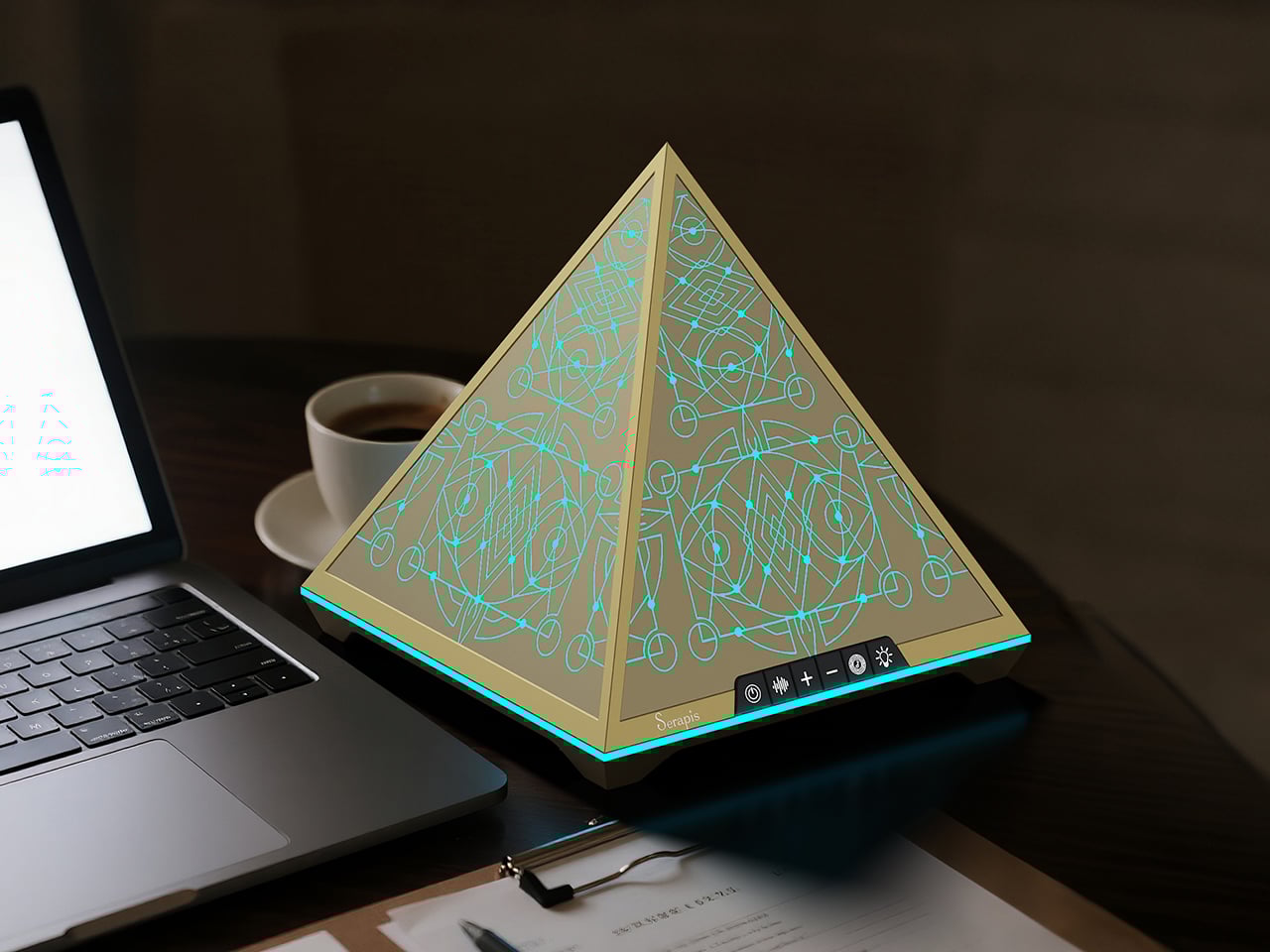
Serapis is an all-in-one sleep-aid system built into a pyramid-shaped bedside object. It combines layered white noise, breathing light, Somnofractal visuals, Schumann Resonance, and calming geometry into one device that sits by the bed and works without an app. The idea is to help the brain settle using sound, light, rhythm, and pattern, working quietly together instead of juggling multiple tools or staring at another glowing screen right before trying to sleep.
Not all sleepless nights have the same root, so Serapis uses a short, 2-minute sleep-type test to map people to patterns like overthinking, jet lag, sensitivity to noise or light, physical discomfort, emotional heaviness, or trouble falling asleep. The device offers modes tuned to those patterns, so an overthinker might get more visual guidance and gentle noise, while a light-sensitive sleeper leans more on sound and subtle breathing light that does not brighten the room.
The five-part tech stack works in sync. Schumann Resonance at 7.83Hz runs as a low-frequency backbone that quietly syncs with alpha waves. Layered white noise blends deep delta tones with soft pink noise to mask distractions. Breathing light pulses in 8 to 12 second cycles and seven color temperatures to nudge your own breathing slower. Somnofractal visuals give your eyes a predictable pattern to follow for a minute or two, and the pyramid geometry diffuses sound while acting as a visual anchor.
The nightly ritual is simple. You place Serapis on a bedside table, press a touch control to power on, choose between a preset duration of 30 or 60 minutes, and let the combination of sound, light, and pattern run while you lie down. There is no need to unlock a phone, open an app, or stare at a bright screen. The device is meant to be a quiet, science-inspired presence rather than another source of stimulation.
Serapis measures roughly 200 × 200 × 205 mm and has a net weight of around 1.2kg, giving it enough heft to feel like a real object. The pyramid form, etched with Somnofractal patterns, is designed to look intentional on a nightstand, and the internal hardware, speakers, and light modules are housed in metal and plastic with a 12 V input. The emphasis is on a minimalist, all-in-one experience that feels like part of the room instead of another gadget.
Serapis suggests a shift away from managing sleep problems piecemeal and toward letting a single object handle the transition from busy mind to rest. Instead of piecing together white noise from one place, breathing exercises from another, and a visualization from a third, you press a button and let a coordinated system of sound, light, rhythm, and pattern do its work. For people who want their bedroom to feel calmer rather than more connected, that kind of integrated, screen-free ritual is where a device like this quietly makes sense.
The concept world is strange and amusing at the same time. Some motorcycle concepts are outright genius designs that catch the eyeballs of established manufacturers who love the fresh approach of creative designers, while others lie in the pure bizarre domain that cannot see the light of day for their impractical design.
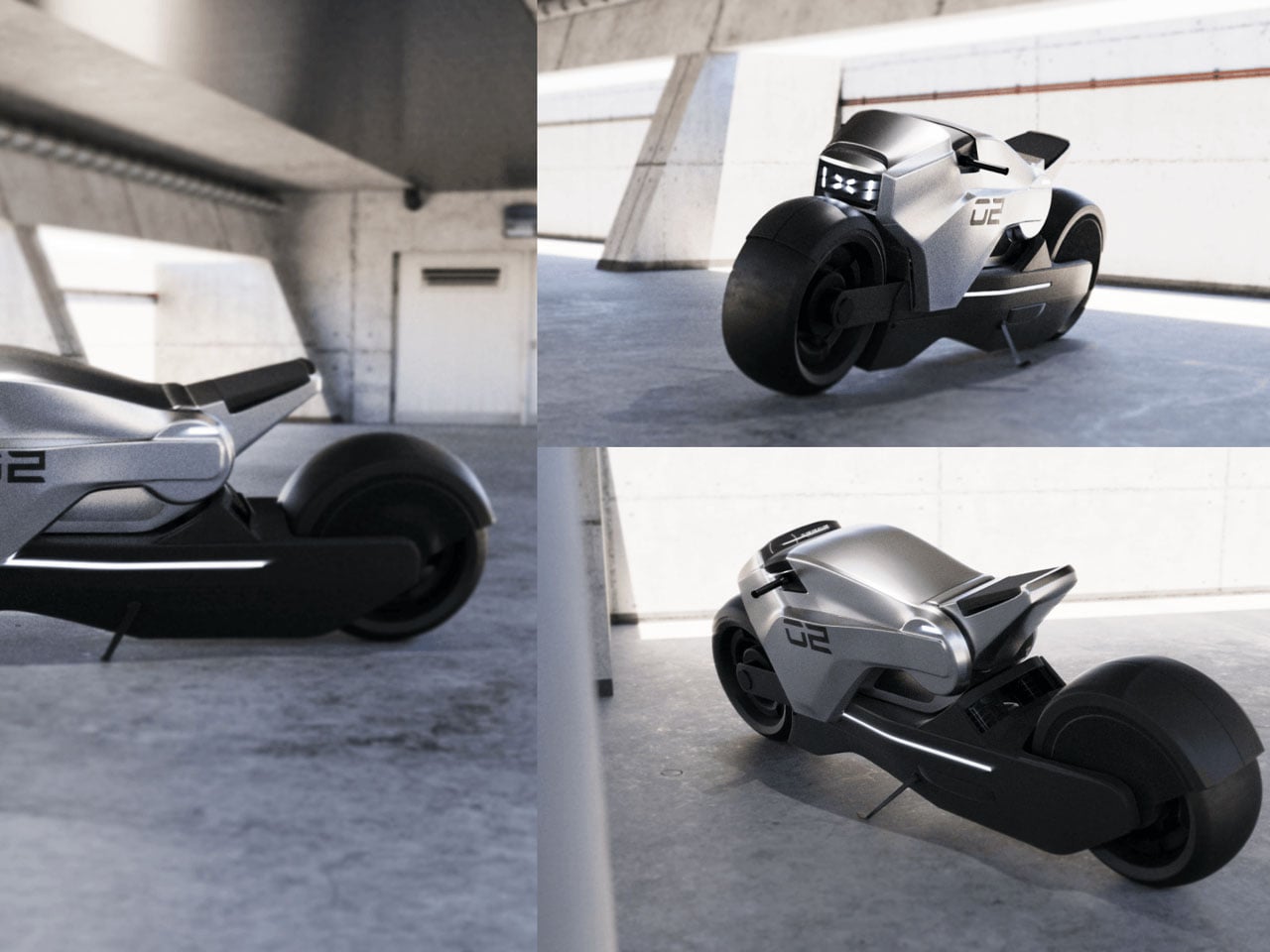
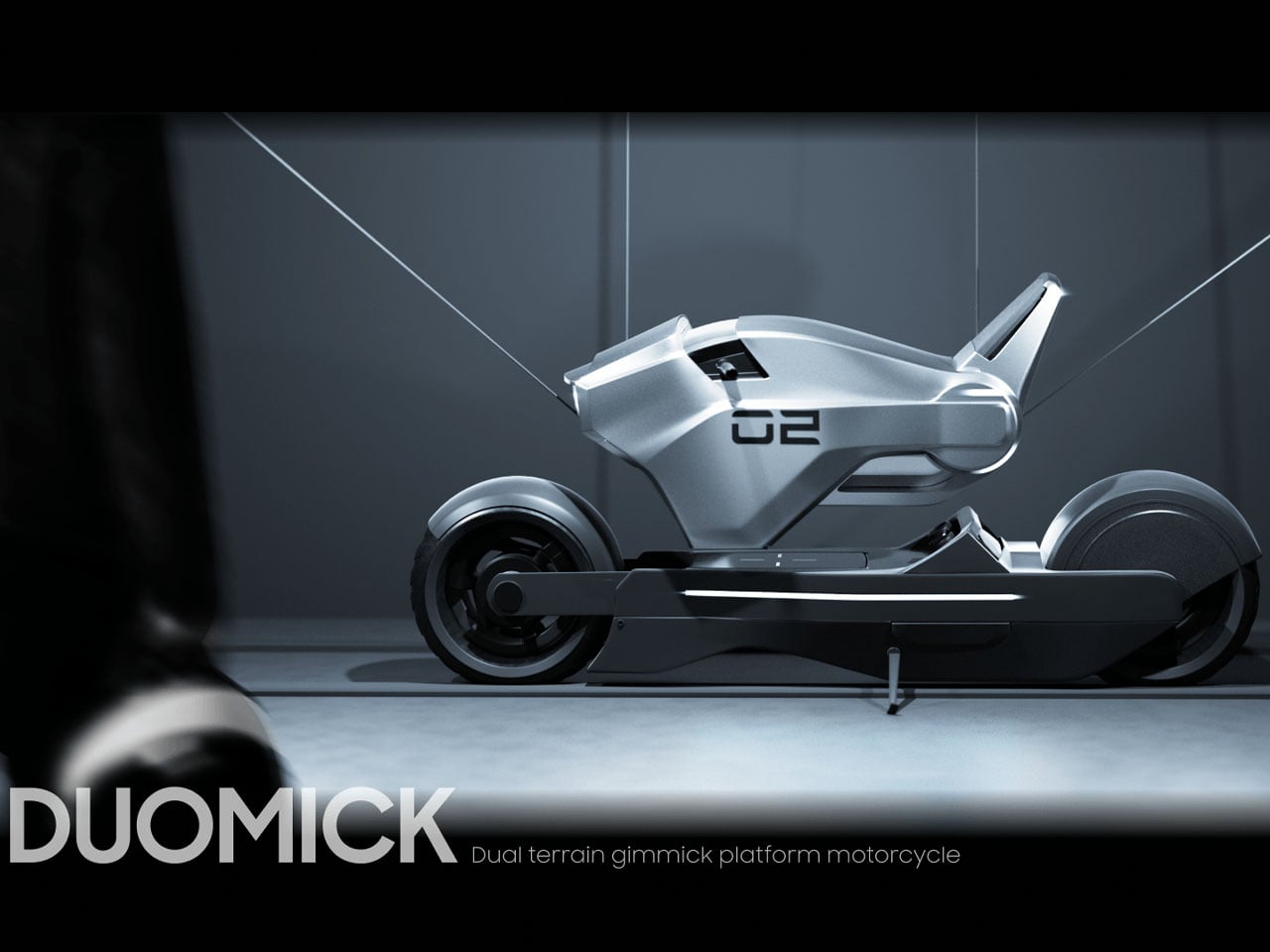
We tend to lean more towards the former category of concept bikes, so that a vision of future automotive trends could be gauged. The DUOMICK dual platform motorcycle is the latest one that impressed us. Based on a modular design inspiration, the bike is good both on solid land and on snowy terrain.
In the bike mode, the café racer-inspired two-wheeler gets a set of wheels for city rides, while the snowmobile mode has the snow track, skid, and skis. The transition is made by lifting the body frame and resting it on the respective drivetrains that presumably sit parked in the garage. Made out of unibody material, the main frame is universal and valid enough for both modes. The wishbone suspension system is of superior materials to withstand the tortures of rough terrain and the strains put on the bike while riding at high speeds.
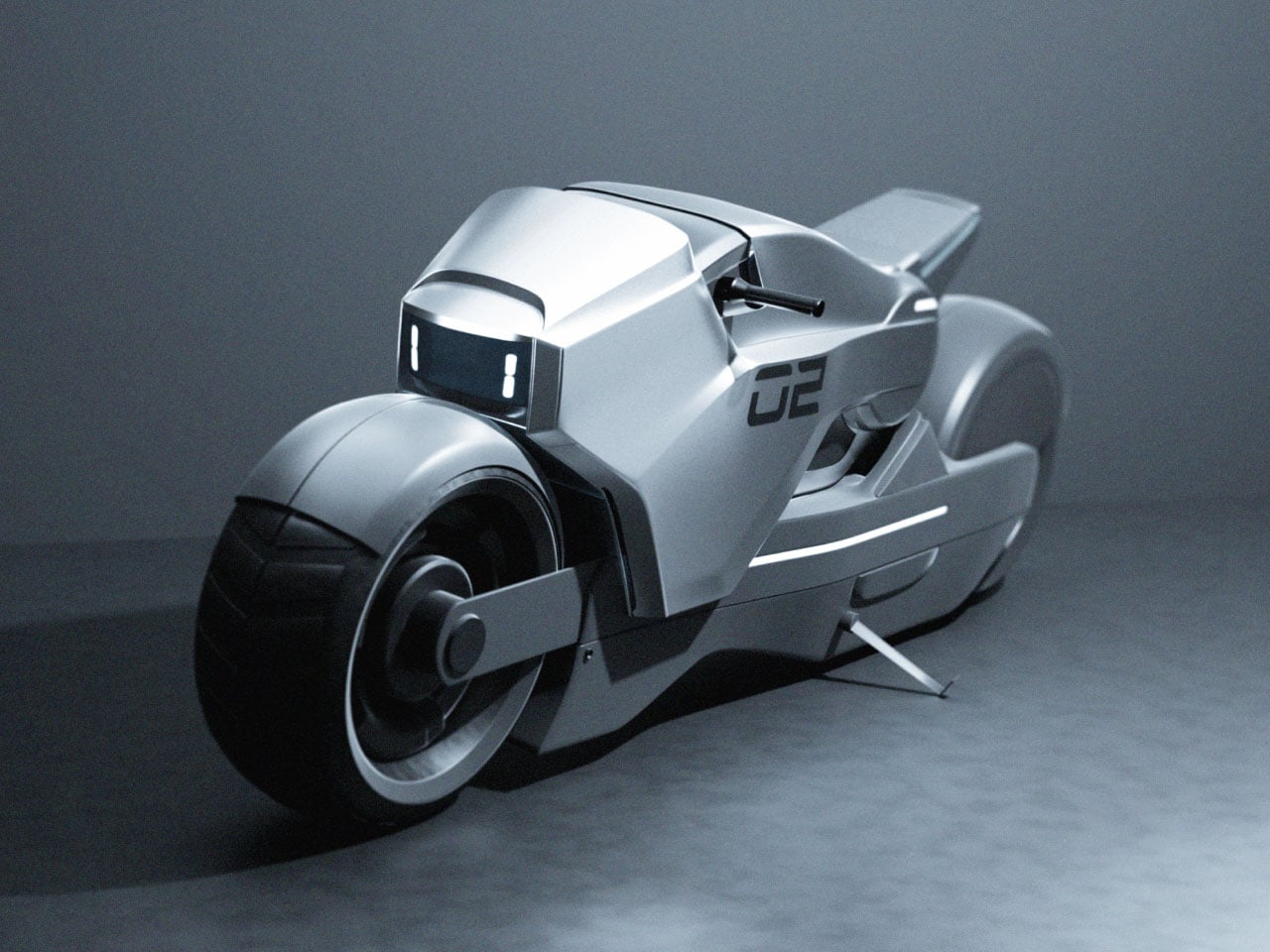
The saddle of the DUOMICK bike can be rotated depending on the seating position, based on the mode selected. In the bike mode, the sitting position is more low-slung, while the snowmobile mode has a more upright sitting position. Road presence of this concept is more towards a muscular appeal with chunky tires and a futuristic headlight gracing the silver-gray body. When it turns into a snowmobile, the aggressive stance is morphed into a classy form that’s fit for a Bond movie plot.
The idea of this concept is interesting, and in a real-world situation, making the shift from bike mode to snowmobile mode should require precision placement and care of the chassis. It’s just like fitting a steering wheel on the modern supercar (Aston Martin Valkyrie or Lamborghini Egoista), Motorsports racer, or Formula-1 beast.
Spigen keeps one foot planted firmly in Apple’s past. Their retro-inspired cases have become something of a signature move, from iMac G3 translucent homages to see-through AirPods cases that capture Jony Ive’s obsession with showing off internal components. The accessory maker has proven there’s a market for nostalgia you can actually use.
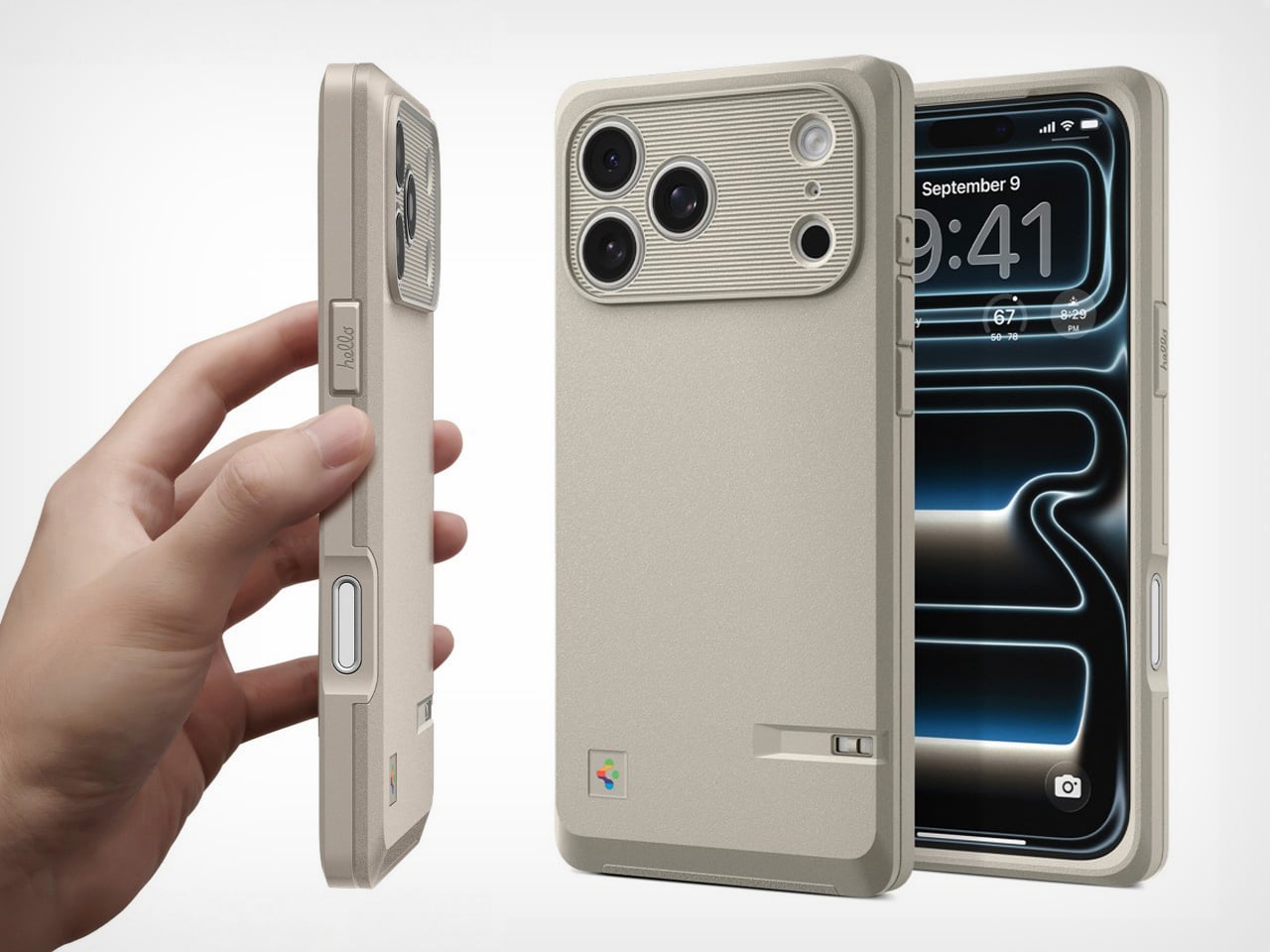
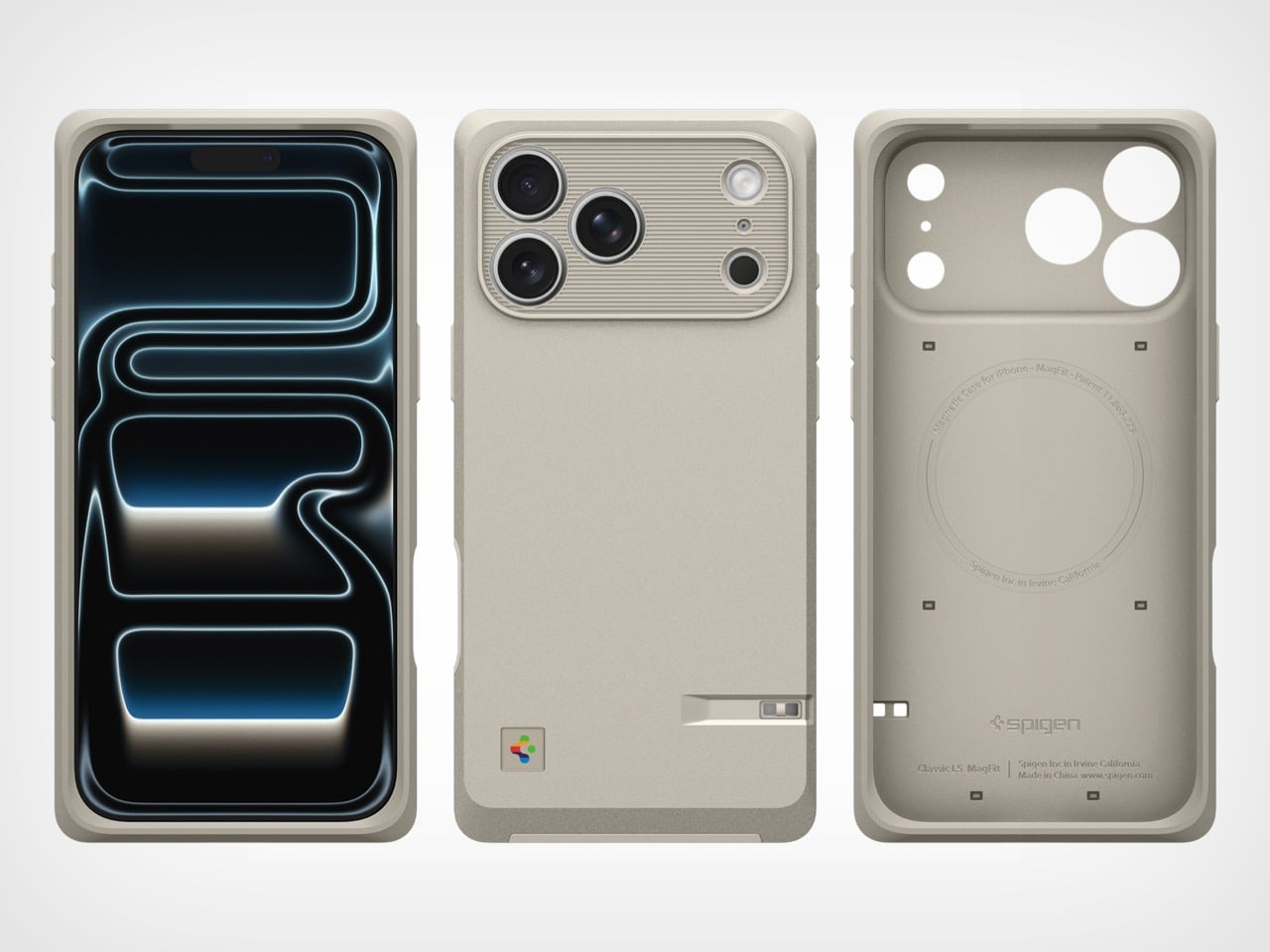
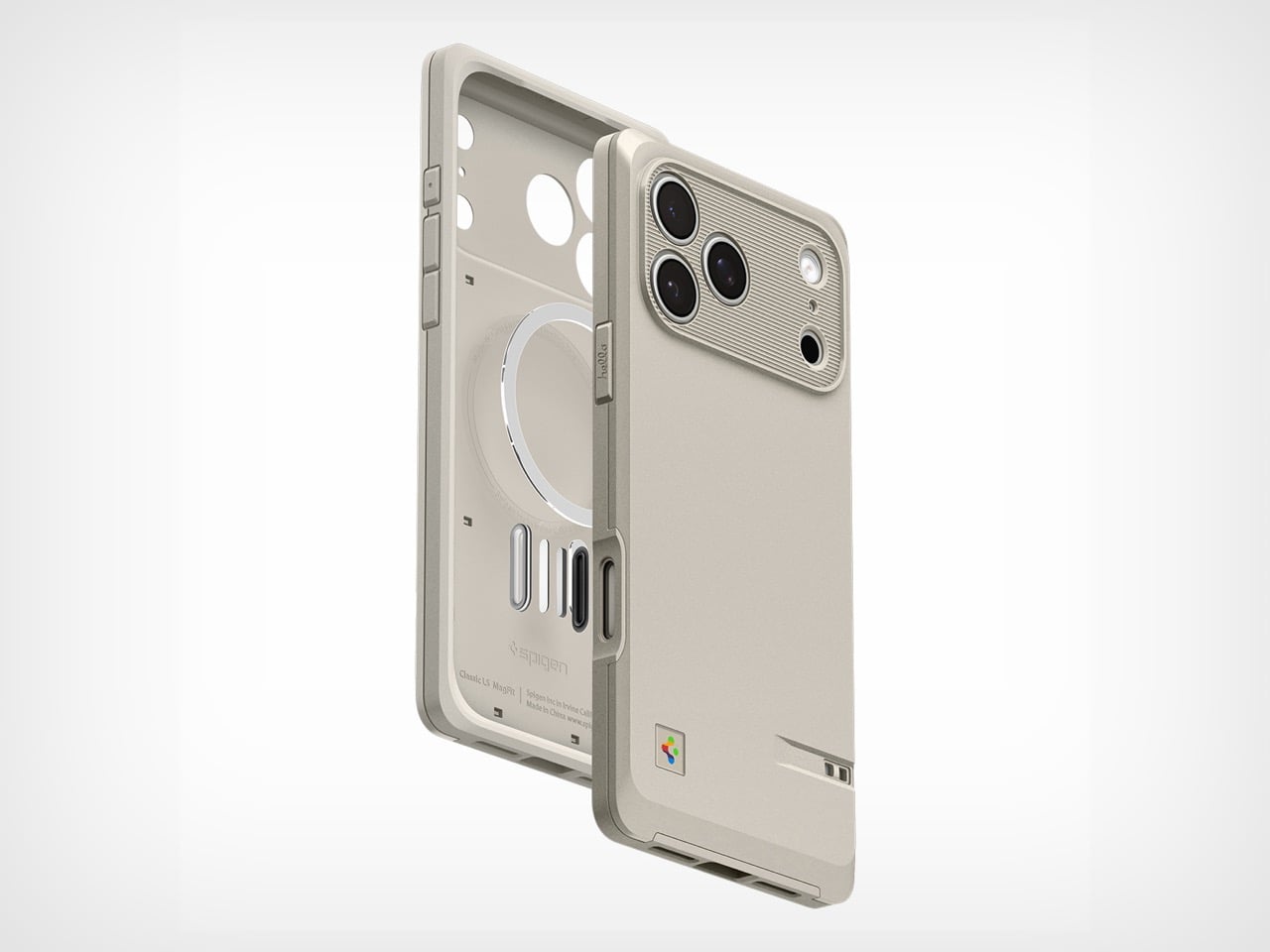
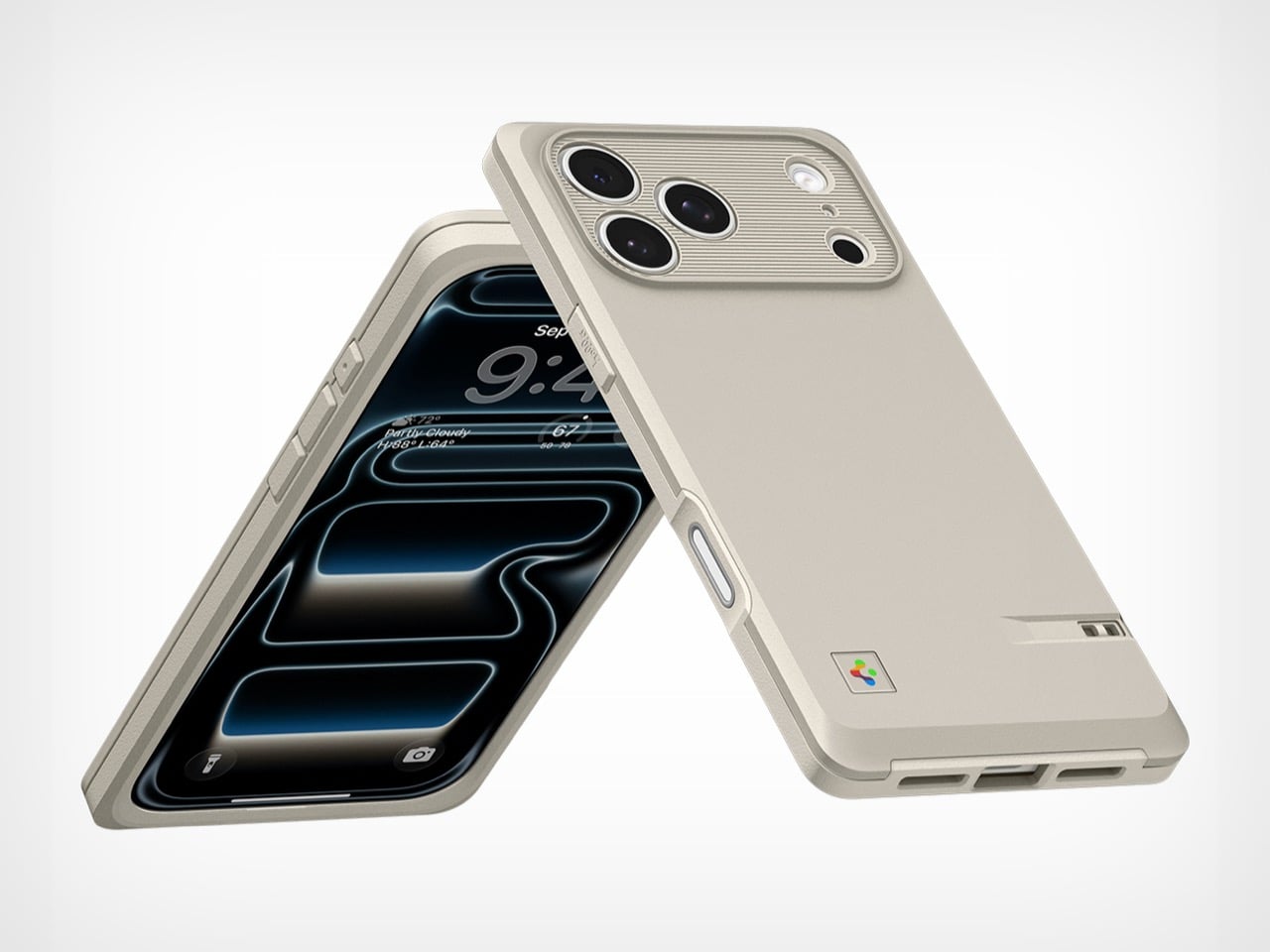
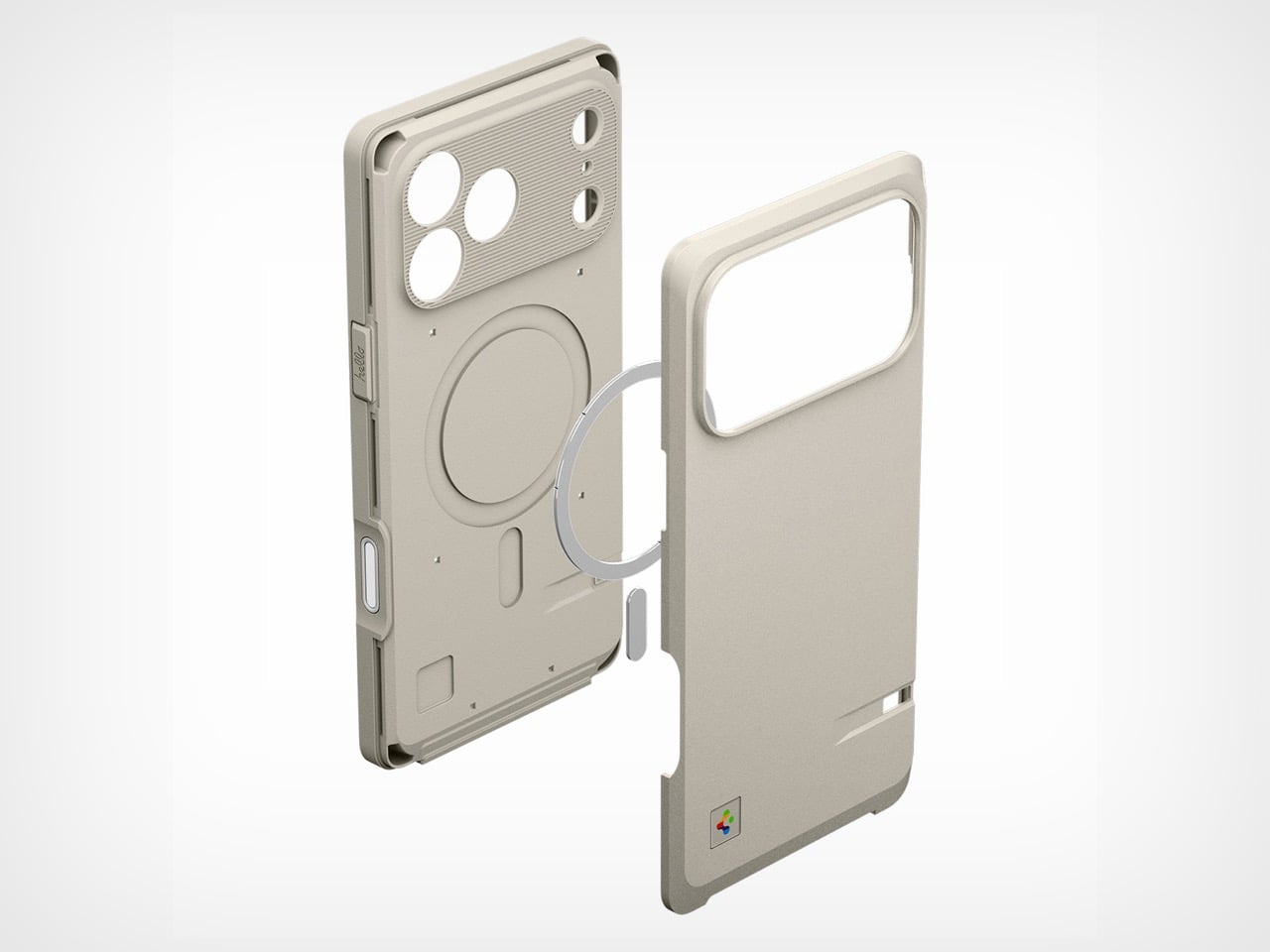
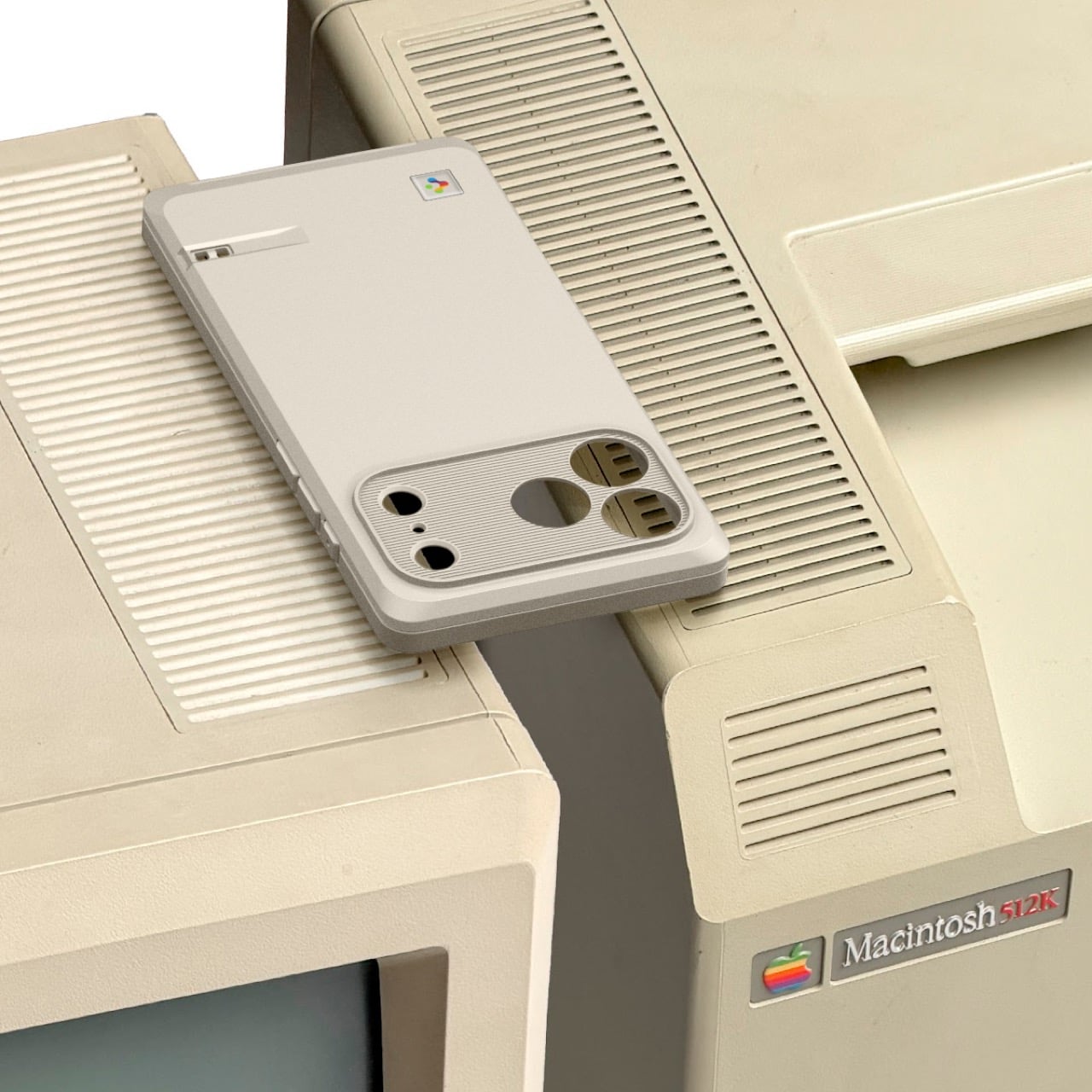
The Classic LS marks a pivot from colorful transparency to utilitarian elegance. Celebrating Apple’s 50th anniversary, this new case reaches back to the Macintosh 128k and Apple Lisa era, when computers came in beige enclosures and harbored revolutionary ambitions. The platinum-gray finish, ridged camera module, and rainbow logo placement all reference those iconic machines. Spigen has managed to honor the design legacy and vision Steve Jobs set in motion while keeping features like MagSafe and Camera Control Button functionality intact.
Pivoting to the 128k and Lisa is a deliberate, almost academic move compared to their previous work. The iMac G3 was about making computers seem fun and harmless; the Macintosh was about making them seem possible. This case captures that earlier, more serious ethos. The horizontal ridges around the camera module directly evoke the necessary ventilation slats of those CRT-era machines, and the case’s texture feels like a direct nod to the plastics of the time.
All this design reverence would be wasted if it didn’t work as an actual case for a 2026 flagship. Spigen is limiting this to the iPhone 17 Pro and Pro Max, with built-in support for the Camera Control Button (rather than a mere cutout). For $39.99, you get the expected MagSafe ring and a discrete lanyard cutout, so the aesthetic doesn’t compromise modern convenience. This is a piece of designed history that actually functions as a daily driver, not just a shelf-bound novelty item.
It’s just refreshing to see an accessory that has a real, informed opinion. The market is drowning in a sea of identical clear cases and minimalist leather folios that say absolutely nothing. The Classic LS, however, makes a statement. It’s for a different kind of Apple enthusiast, one who appreciates the foundational designs that made today’s devices possible. It wraps a sleek, modern slab of technology in something with texture, history, and a point of view. Spigen has managed to create a product that feels both nostalgic and completely current.
Computer brand Framework has hiked the prices on RAM for its Desktop systems and Mainframes in response to rising costs with its suppliers. Compared with when the Desktops were announced, the 32GB and 64GB options each cost $40 more, but its 128GB variation now costs an extra $460. The current pricing for machines is $1,139 for 32GB, $1,639 for 64GB or $2,459 for 128GB.
Since the company began altering its pricing structure last month, it committed to remaining transparent with customers about the changes happening to RAM prices. Framework also said it would reduce prices again once the market calms down. The original prices will be honored for any existing pre-orders.
One of the big takeaways from CES 2026 was that RAM is going to be an expensive commodity this year. The rising costs are largely in response to artificial intelligence projects, such as the rush to build data centers. As a result, buyers who take the modular approach may want to upgrade less costly components for better specs without making the increasingly hefty investment in memory.
This article originally appeared on Engadget at https://www.engadget.com/computing/framework-increases-desktop-prices-by-up-to-460-due-to-ram-crisis-234827145.html?src=rss
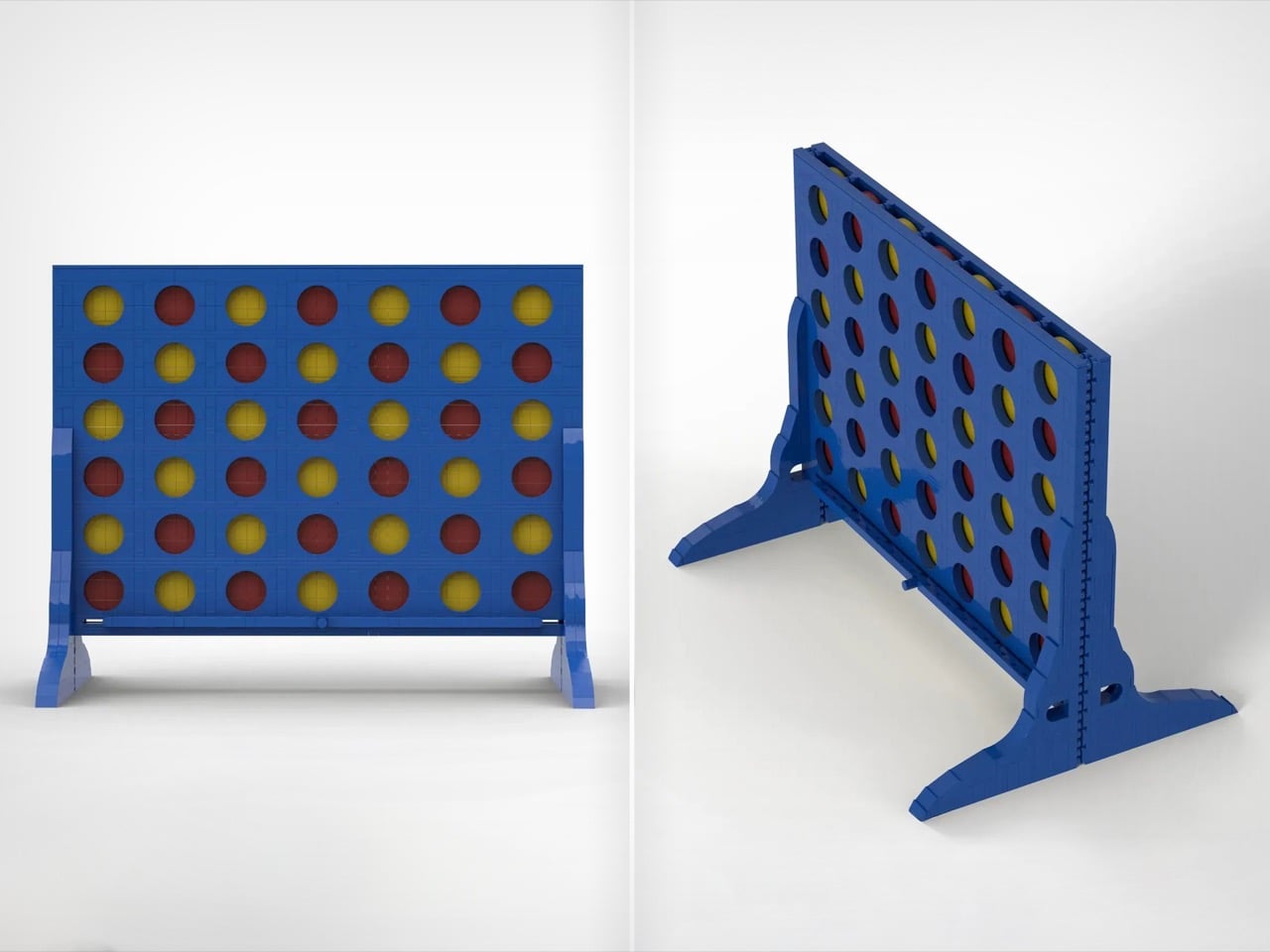
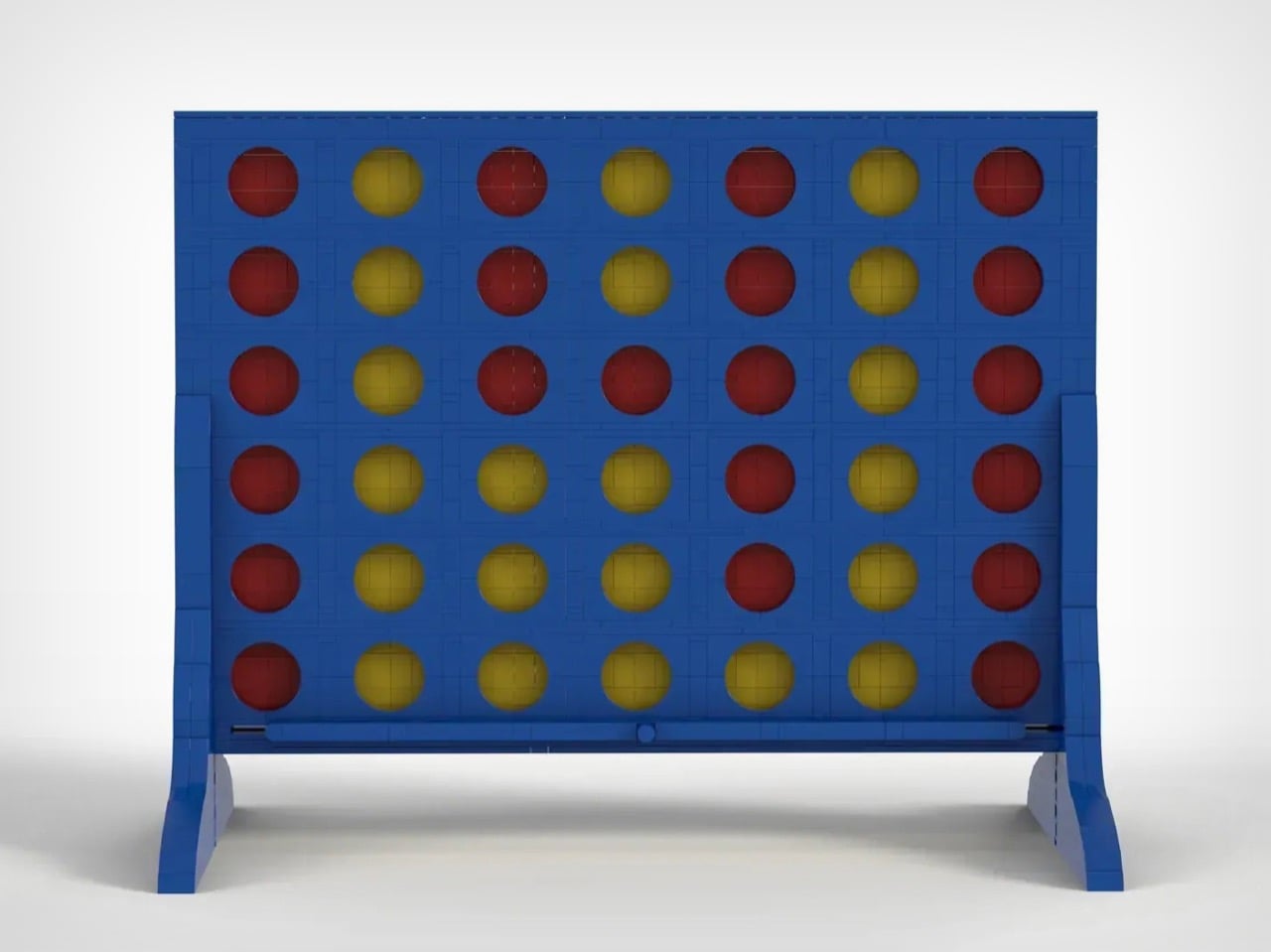
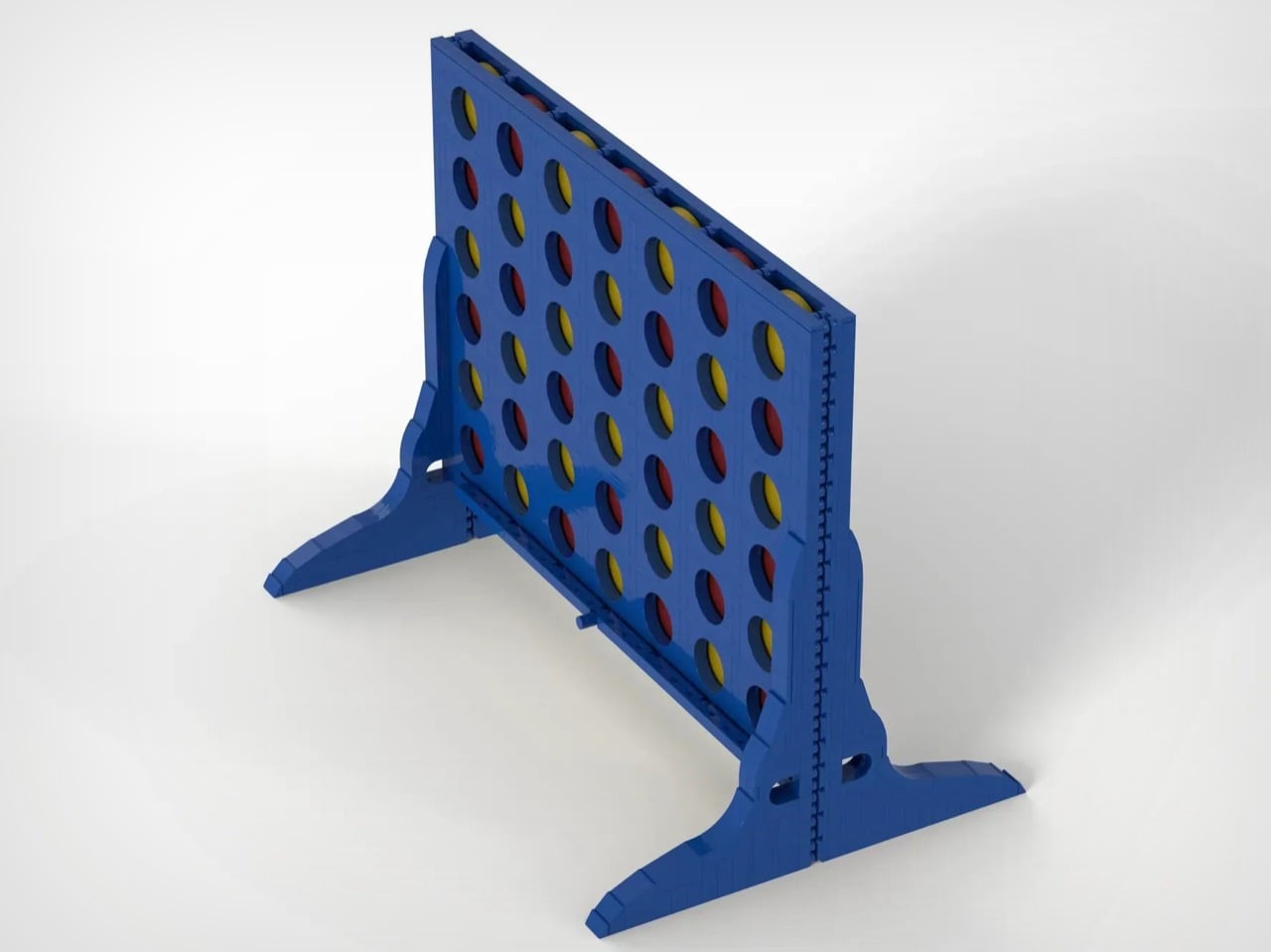
There aren’t many LEGO sets designed to played with once they’re built. A lot of them are envisioned as show-pieces, and yes, you can do imaginary play with them like you would holding a LEGO Millennium Falcon and whooshing around the house, but this MOC from HH Bricks captures a kind of LEGO playability that’s absolutely rare. Inspired by his daughters’ love for building and playing with LEGO, HH Bricks designed this playable version of one of the world’s most popular tabletop games.
For those uninitiated, Connect 4 is a simple game where you drop tokens down a vertical slot-board, trying to build a set of 4 tokens in a straight line. Your job is to simply build a straight line without being stopped, while also consistently breaking your opponent’s ability to build a solid 4 streak on their own. The game just celebrated 50 years since it was first invented in 1974 (and commercially sold in ’75), and this set recreates the game’s strategic magic, just using LEGO bricks.
Designer: HH Bricks
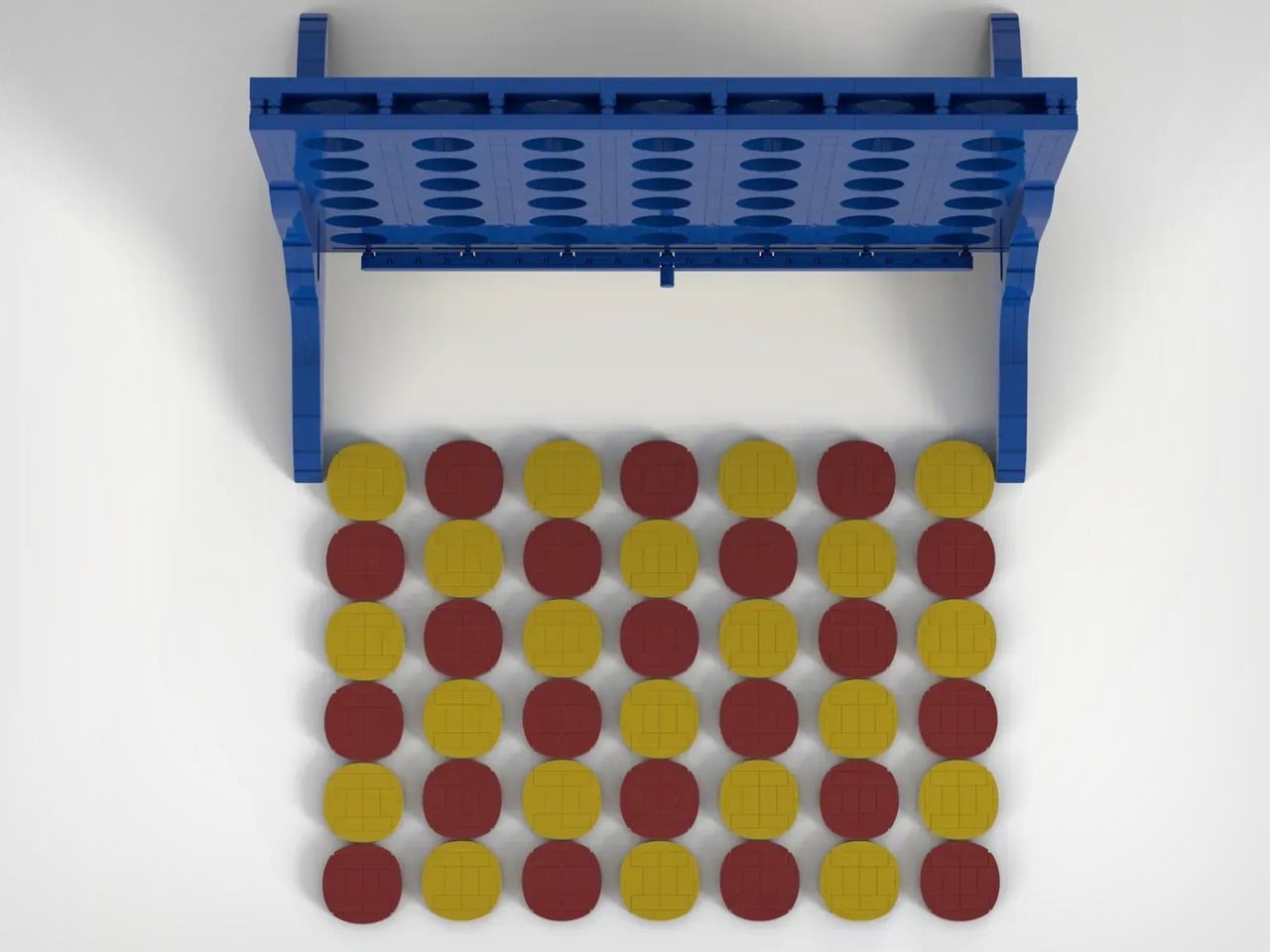
Although HH Bricks doesn’t specify how many pieces come together to build this set, one could venture it’s easily in the higher end of the spectrum, just because of how many tiny single or double-stud bricks were used to build the set’s flat panels and the 42 tokens that come along with the board. Flat surfaces are fairly complex in LEGO, not because of any visual complexity, but just the fact that they require a lot of bricks to build out.
The rules are ridiculously simple. Each player chooses a color and gets to work, dropping tokens into any slot they want. Beat your opponent by building a connection of 4 tokens in the same color in a straight line (horizontal, vertical, or diagonal). Some people even play a double-streak round, trying to hit two connections to eventually win the game. Once the game is over, simply pull out the bottom tray and all the tokens come crashing out, reseting the game for the next session.
If you’re here you’ve probably heard of LEGO Ideas – the online forum where LEGO fans and enthusiasts build, share, and vote for MOCs (or fan-made My Own Creations). This LEGO Connect 4 set is a part of the Ideas forum too, having racked up more than 2,800 votes as of writing this. The ultimate goal is to hit the 10k vote mark (which this MOC has 478 more days to reach), following which LEGO’s internal team reviews the build and turns it into a retail box set if everything goes well. The first step, however, is to hit that 10,000 vote mark, which you can help HH Bricks reach by voting for their MOC on the LEGO Ideas website here!
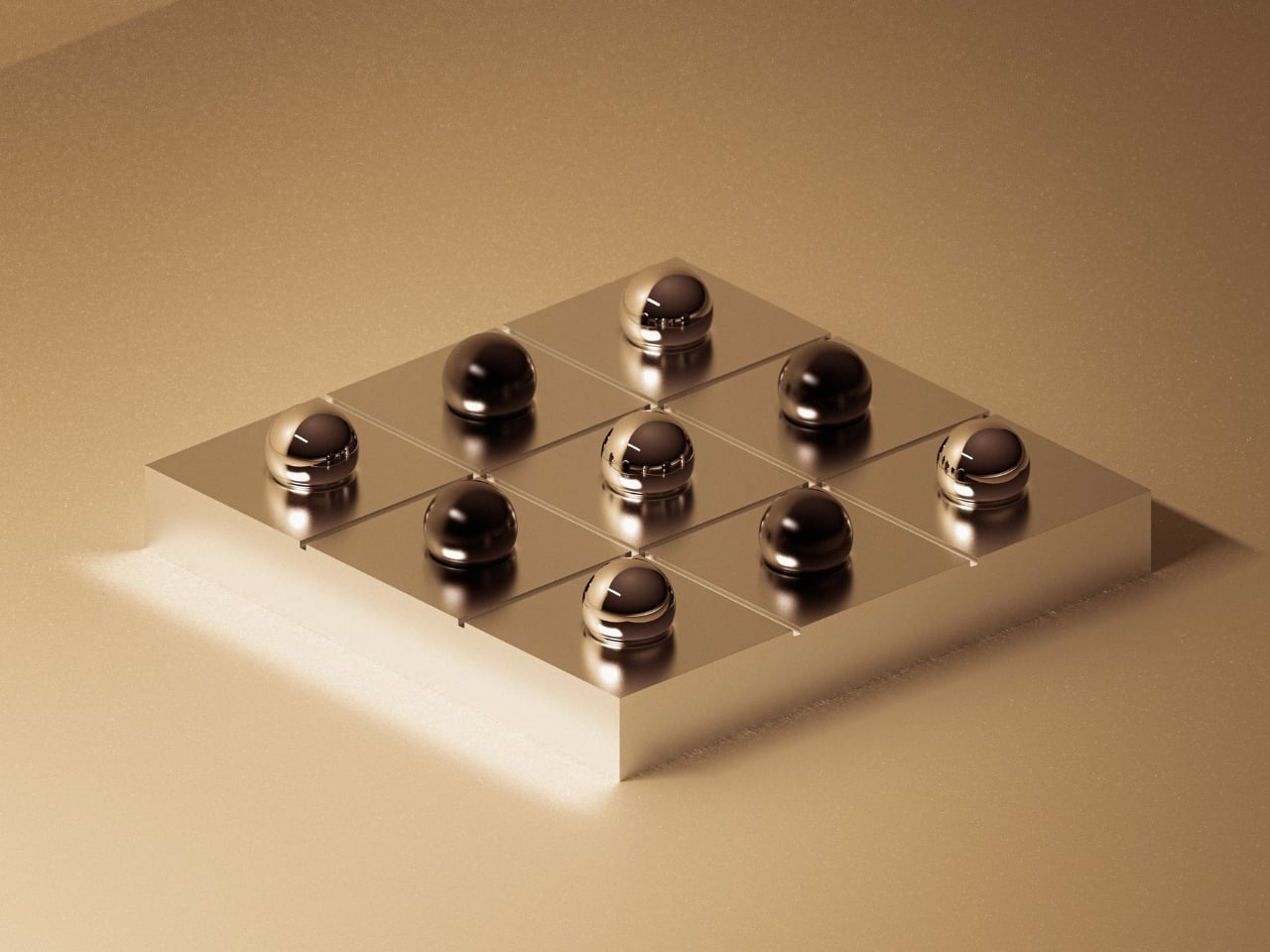
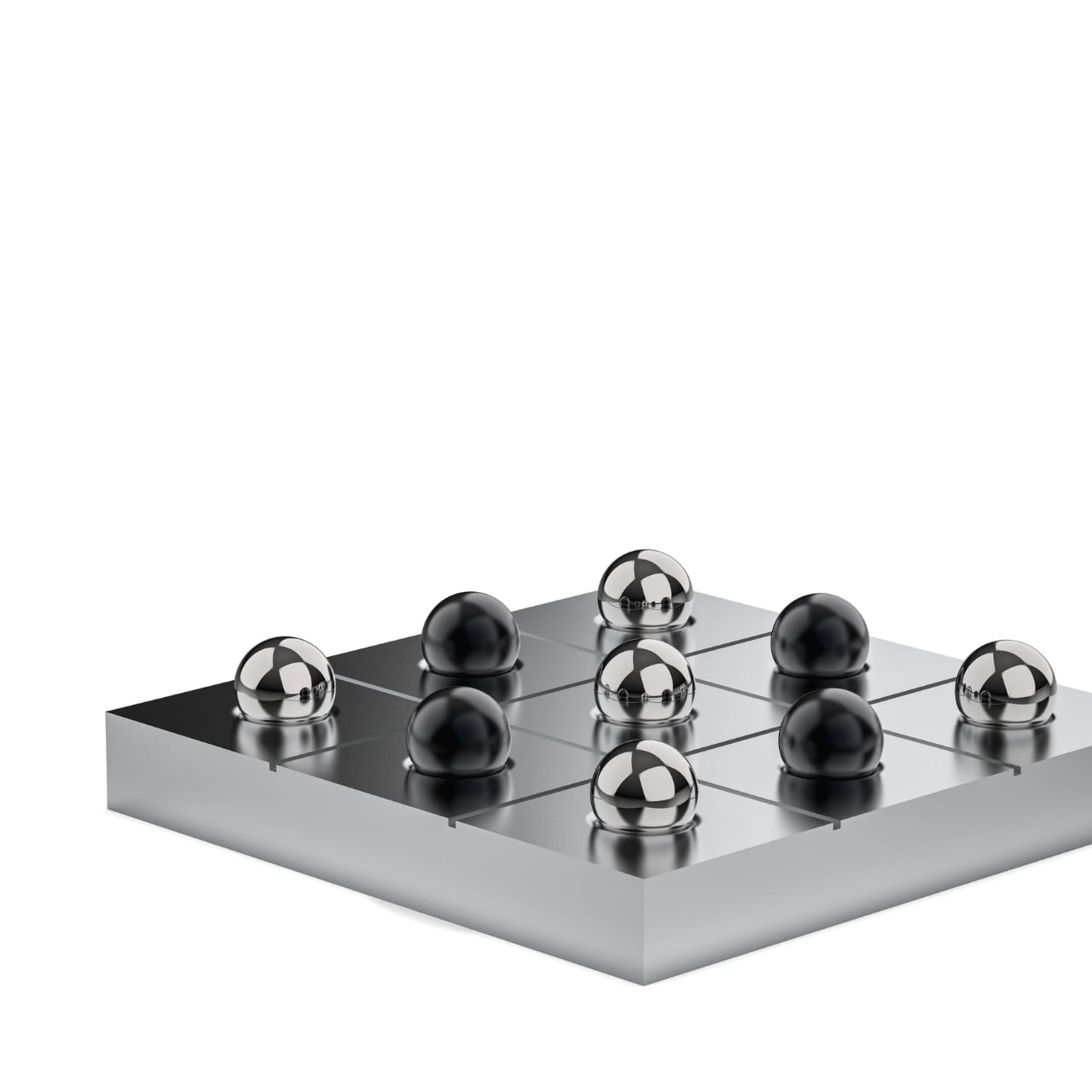
You know that feeling when you see something so beautiful and unnecessary that you immediately want it? That’s exactly what happened when I discovered Bionic’s Tic Tac Toe set. And before you ask, yes, it costs $600. Yes, it’s just Tic Tac Toe. And yes, I’m completely obsessed with it.
Paris-based design studio Bionic just dropped this made-to-order piece, and it’s causing quite the stir in design circles. Not because it reinvents the wheel or solves some massive problem, but because it does the opposite. It exists purely to make you pause, sit down, and actually be present for a moment. In a world where everything screams productivity and optimization, here’s a luxury object that says “hey, maybe just play a simple game for three minutes.”
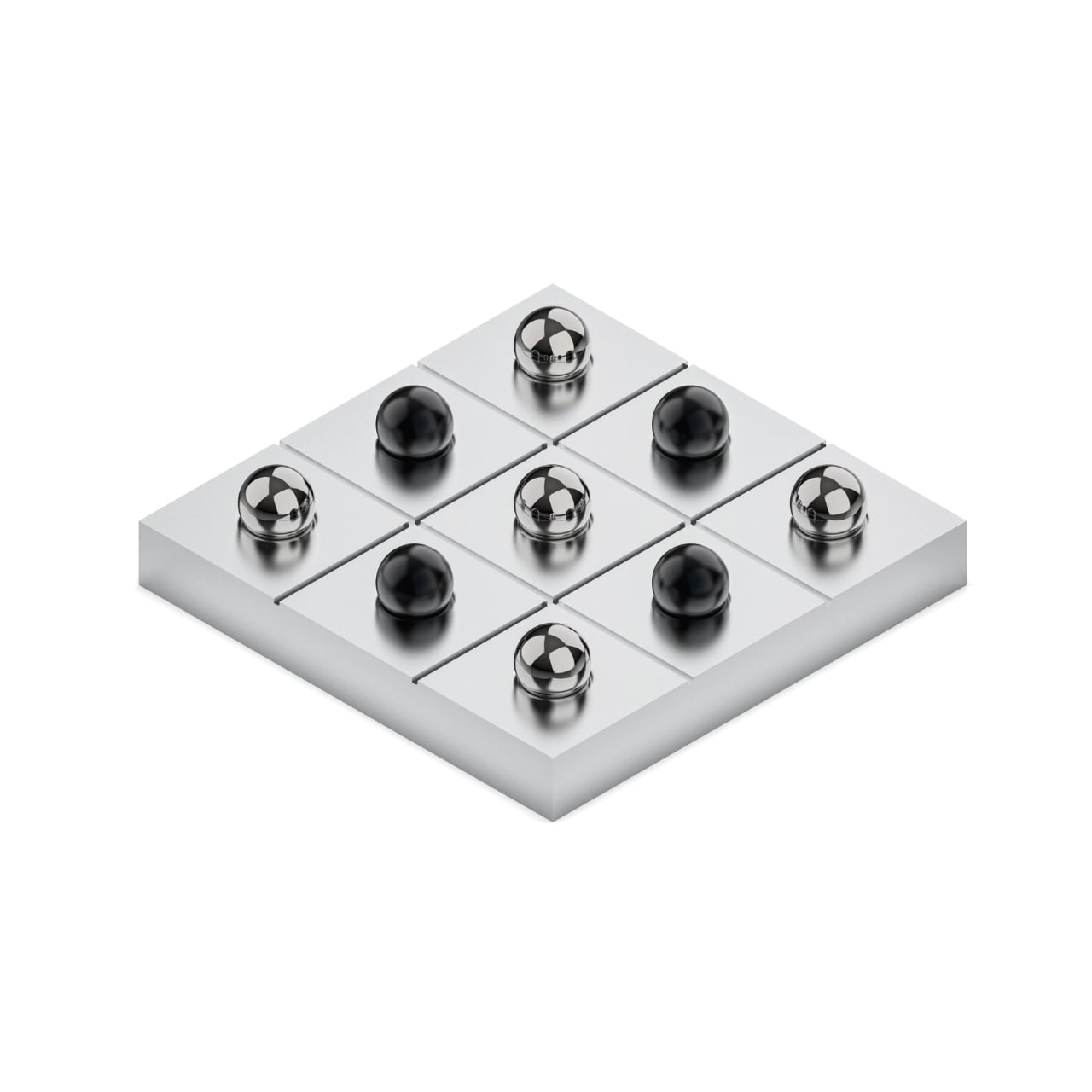
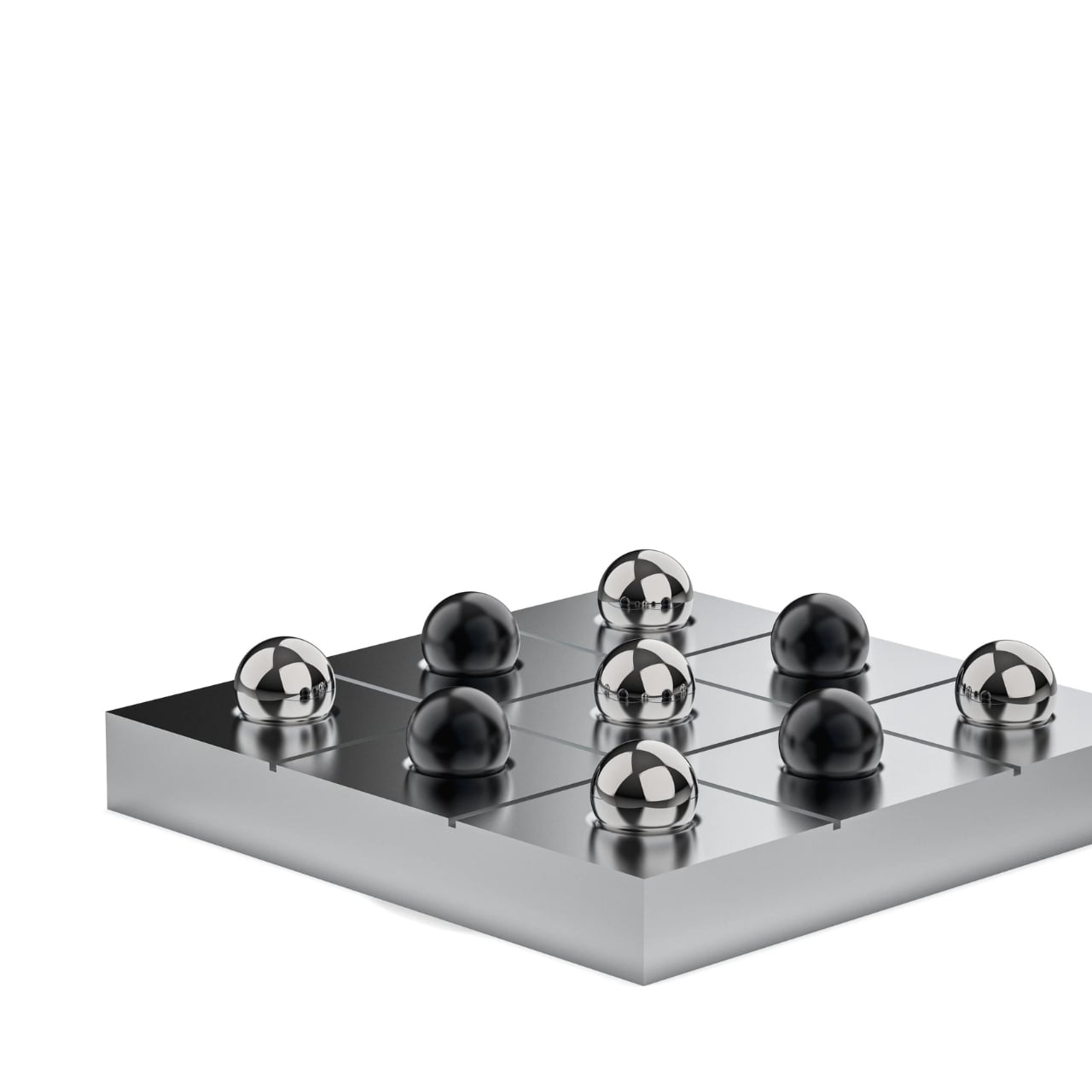
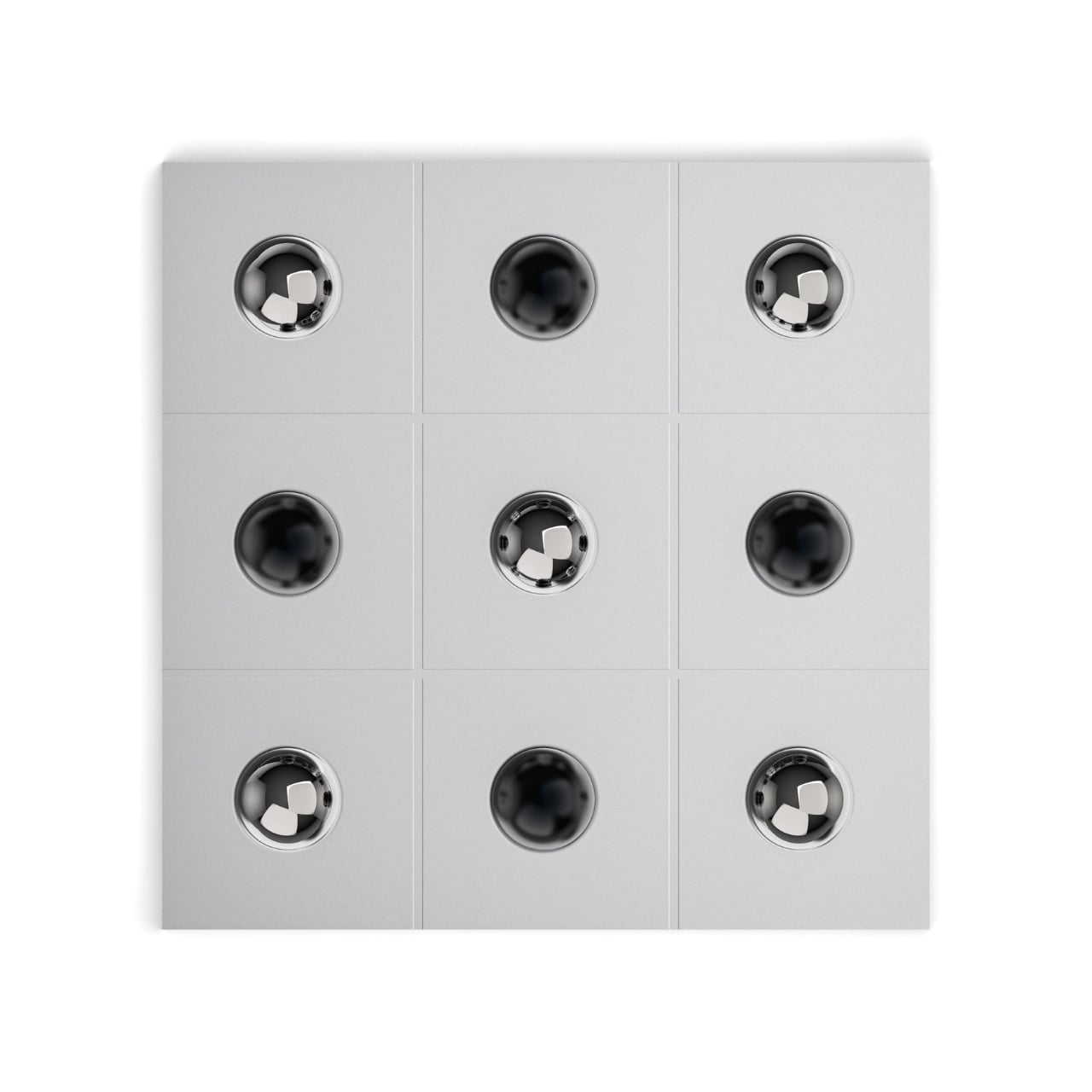
The base is machined from a single solid block of aluminum, which immediately tells you this isn’t your childhood travel game. It’s heavy, grounded, and precise in a way that makes you want to run your fingers along its edges. The grid isn’t painted or etched on after the fact. It’s formed through machining alone, no decorations, no unnecessary flourishes. Just clean lines and intention.
Then there are the playing pieces, and this is where things get really interesting. The O’s are five mirror-polished stainless steel pawns that catch the light beautifully. The X’s are five black anodized aluminum pawns, each individually CNC machined and finished. Bionic specifically designed them to feel distinct in your hand, because this isn’t about rushing through a game. It’s about the tactile experience, the weight of each piece, the contrast between materials.
I’ll be honest, when I first saw the price tag, I laughed. Six hundred dollars for Tic Tac Toe? But then I started thinking about what we’re actually willing to spend money on. We drop thousands on desks and chairs for productivity. We buy standing desks and ergonomic everything because we’re optimizing our workspace for maximum output. But what about objects that exist purely to give us a break from all that?
Bionic wrote something in their product description that really stuck with me: “Some objects exist to help us work faster. Others exist to give us a moment away from that rhythm.” This Tic Tac Toe set is firmly in the second category. It’s designed to live on your desk or coffee table as a reminder that not everything needs to justify itself through efficiency. And honestly? That feels kind of revolutionary right now. We’re so addicted to hustle culture and productivity hacks that an object designed specifically for pausing feels almost subversive. It’s a sculpture you can interact with, a conversation starter that actually starts conversations instead of just sitting there looking pretty.
The made-to-order aspect adds another layer. This isn’t mass-produced. You’re not going to see these everywhere. It’s exclusive in the truest sense, crafted specifically after you order it. For collectors and design enthusiasts, that matters. It’s the difference between owning furniture and owning a piece. Is it practical? Absolutely not. You could play Tic Tac Toe with literally anything. Pen and paper works just fine. But that’s missing the entire point. This is about elevating something simple and familiar into an experience. It’s about materials, craft, and intention. It’s about having an object in your space that exists purely because it’s beautiful and makes you smile.
Bionic specializes in precision-machined aluminum accessories and workspace tools, all crafted in Paris with that distinctly European sensibility where form and function aren’t at odds. Their whole philosophy is about creating beautiful, thoughtfully designed products that are tools for daily life. This Tic Tac Toe set might be their most purely playful creation yet. So will I spend $600 on this? Maybe not today. But I love that it exists. I love that someone looked at Tic Tac Toe and thought, “what if we made this as beautiful as humanly possible?”
You can easily spruce up your nightstand or desk by decluttering a bit, replacing some of those annoying charging cables with a good wireless charging setup. One of our favorites that can handle three devices at once is the UGREEN MagFlow Qi2 3-in-1 Charger Station 25W. Normally $140, it's on sale right now for $95; that's 32 percent off and only about $5 more than its record-low price.
This is our top pick for a 3-in-1 charging pad thanks to its versatility. The UGREEN can work equally well as a permanent fixture in your home or act as a portable charging station. It boasts a foldable design and has smart little design details to keep it feeling like a premium product.
The Qi2 25W charging works across a range of iPhone models and accessories, such as AirPods. There's also a dedicated part of the pad's design for an Apple Watch, which uses a proprietary charging standard, to power up too. Just note that you'll need a newer model of phone and the latest iOS 26 in order to take full advantage of the 25W charging capability. The wireless pad also comes with both a charging plug and a cable. We felt this UGREEN model was a great value at $140, so being able to snag one for a third of the usual price is an even better deal.
This article originally appeared on Engadget at https://www.engadget.com/deals/this-ugreen-3-in-1-wireless-charger-is-32-percent-off-right-now-214707378.html?src=rss