Meta has announced three new agreements to purchase nuclear power for its AI infrastructure as well as the Prometheus supercluster, a 1-gigawatt data center being built in Ohio. The social media giant is partnering with power companies Vistra, TerraPower and Oklo to deliver an expected 6.6 gigawatts of generation to its projects by 2035.
The company's agreement with TerraPower will fund the development of two new reactors capable of delivering up to 690 megawatts of power as early as 2032. The deal also gives Meta rights to energy from six other reactors that could deliver an additional 2.1 gigawatts by 2035. All this power would come from TerraPower's "Natrium" reactors, which use sodium instead of water as a coolant.
A partnership with Oklo will bring 1.2 gigawatts of nuclear power online as early as 2030. Meta says the agreement opens the door to the construction of multiple Oklo reactors, which it claims will create thousands of construction and long-term operations jobs in Ohio. OpenAI CEO Sam Altman is one of Oklo's largest investors, and owns just over 4 percent of the company.
Meta’s agreement with Vistra focuses on keeping existing nuclear plants running longer and boosting their output. Through new 20-year deals, Meta will buy more than 2.1 gigawatts of electricity from some of Vistra’s existing plants in Ohio, while also backing added capacity at those sites, plus another in Pennsylvania. Vistra expects the added capacity, totaling 433 megawatts, to come online in the early 2030s.
Big tech is increasingly turning to nuclear to power its AI ambitions. Meta signed a 20-year agreement with Constellation Energy for nuclear power last year. Meanwhile Microsoft is famously reopening Three Mile Island and will be the plant’s sole customer as part of a 20-year deal.
This article originally appeared on Engadget at https://www.engadget.com/ai/meta-announces-a-slew-of-nuclear-energy-agreements-165337159.html?src=rss
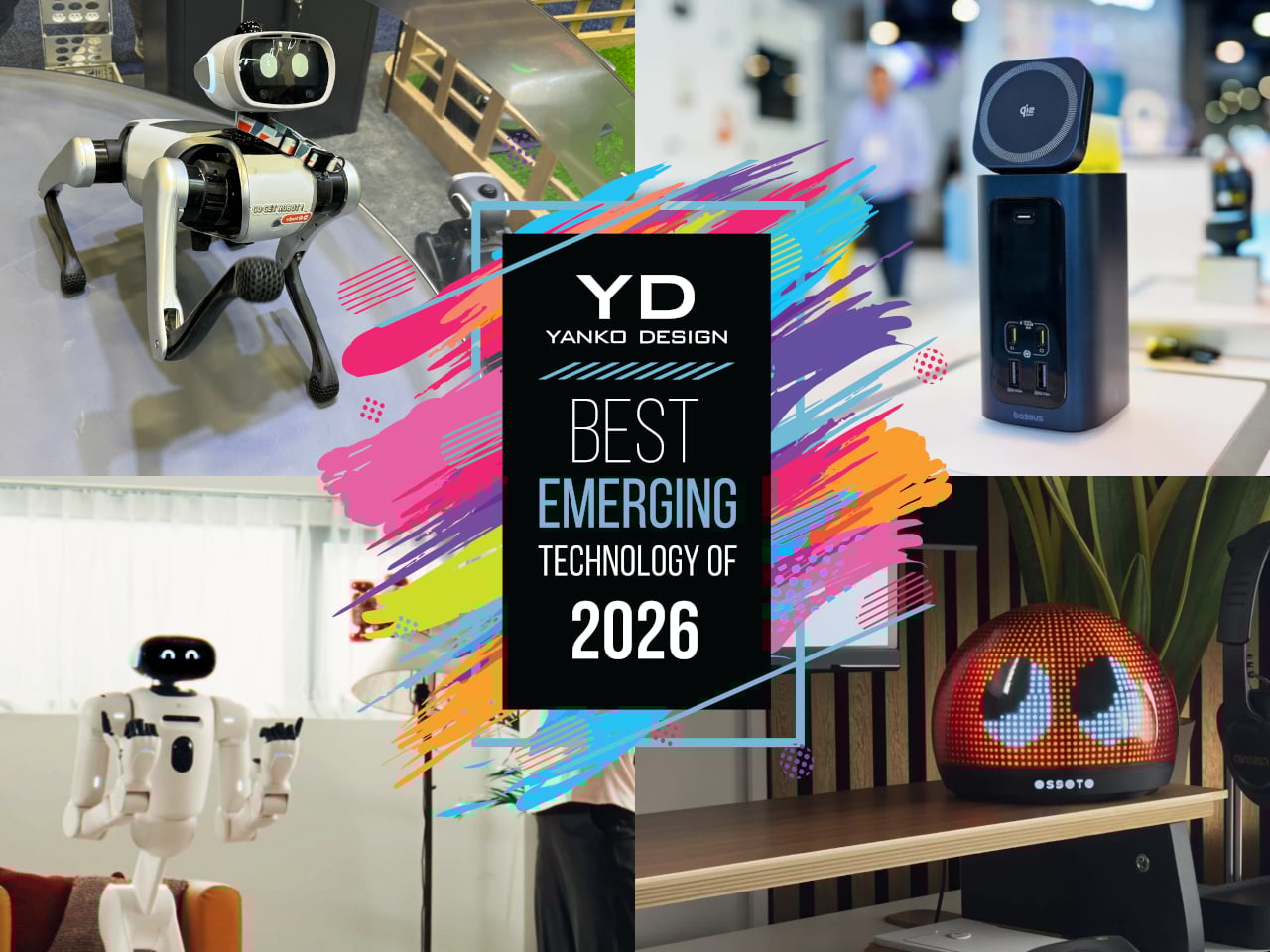
Every January, the Las Vegas Convention Center fills up with ideas that sit somewhere between prototype and inevitability. Some will vanish after a single news cycle, but a few feel like early drafts of how we will actually live with technology, once the spectacle wears off and the hardware shrinks into something you can forget about until you need it. Those are the ones worth bookmarking, the quiet experiments that hint at new categories rather than just new specs.
This year’s crop of emerging tech has a very particular flavor. Robots are edging closer to being housemates instead of stage acts, ambient objects are getting just enough AI to feel expressive rather than chatty, and work gear is evolving into compact appliances that reclaim space instead of stealing it. None of these ideas are mainstream yet, but they are all far enough along that you can imagine them in your home or on your desk, which is exactly what makes them so interesting to watch.
Vbot Companion Robotic Dog
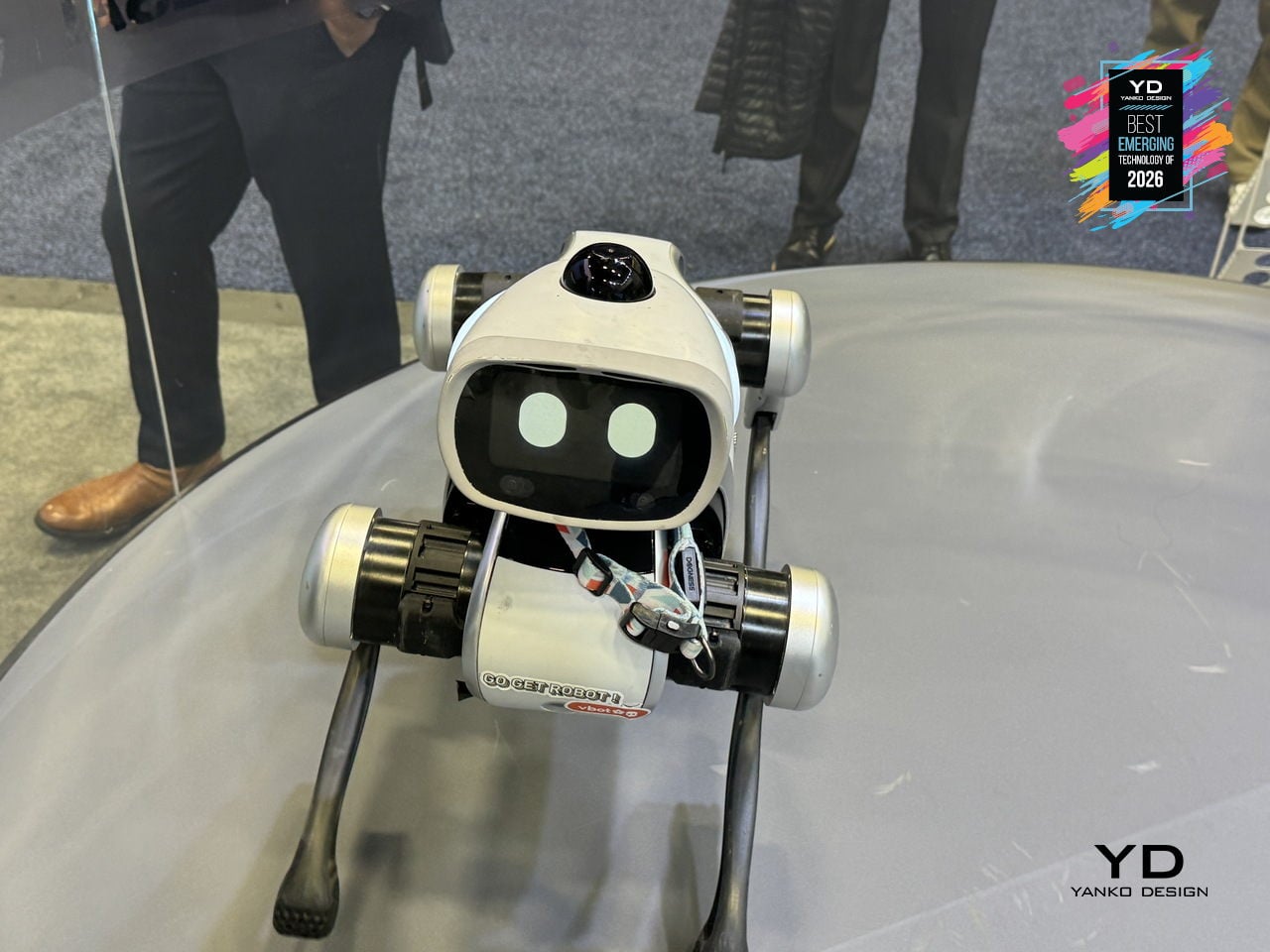
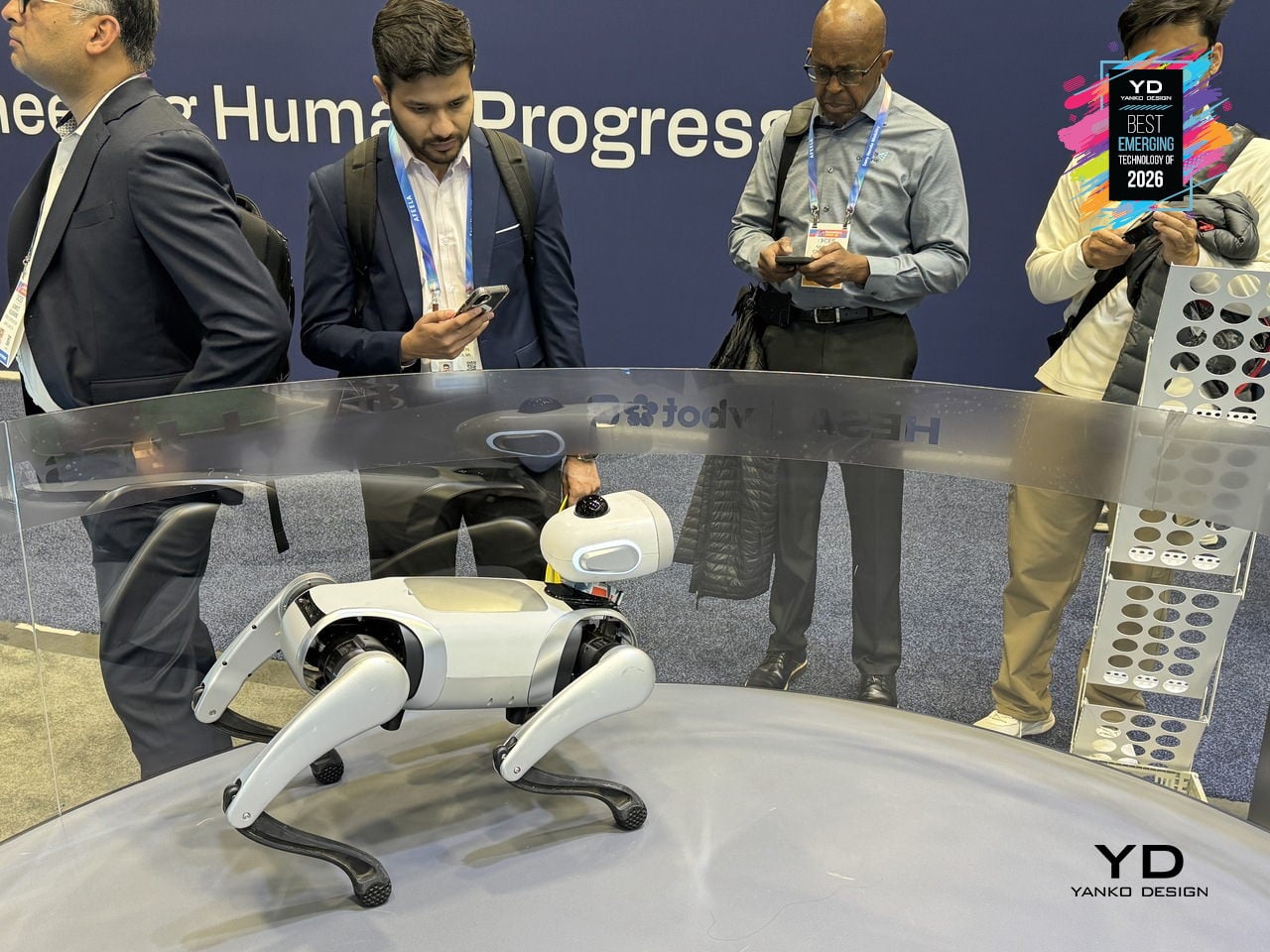
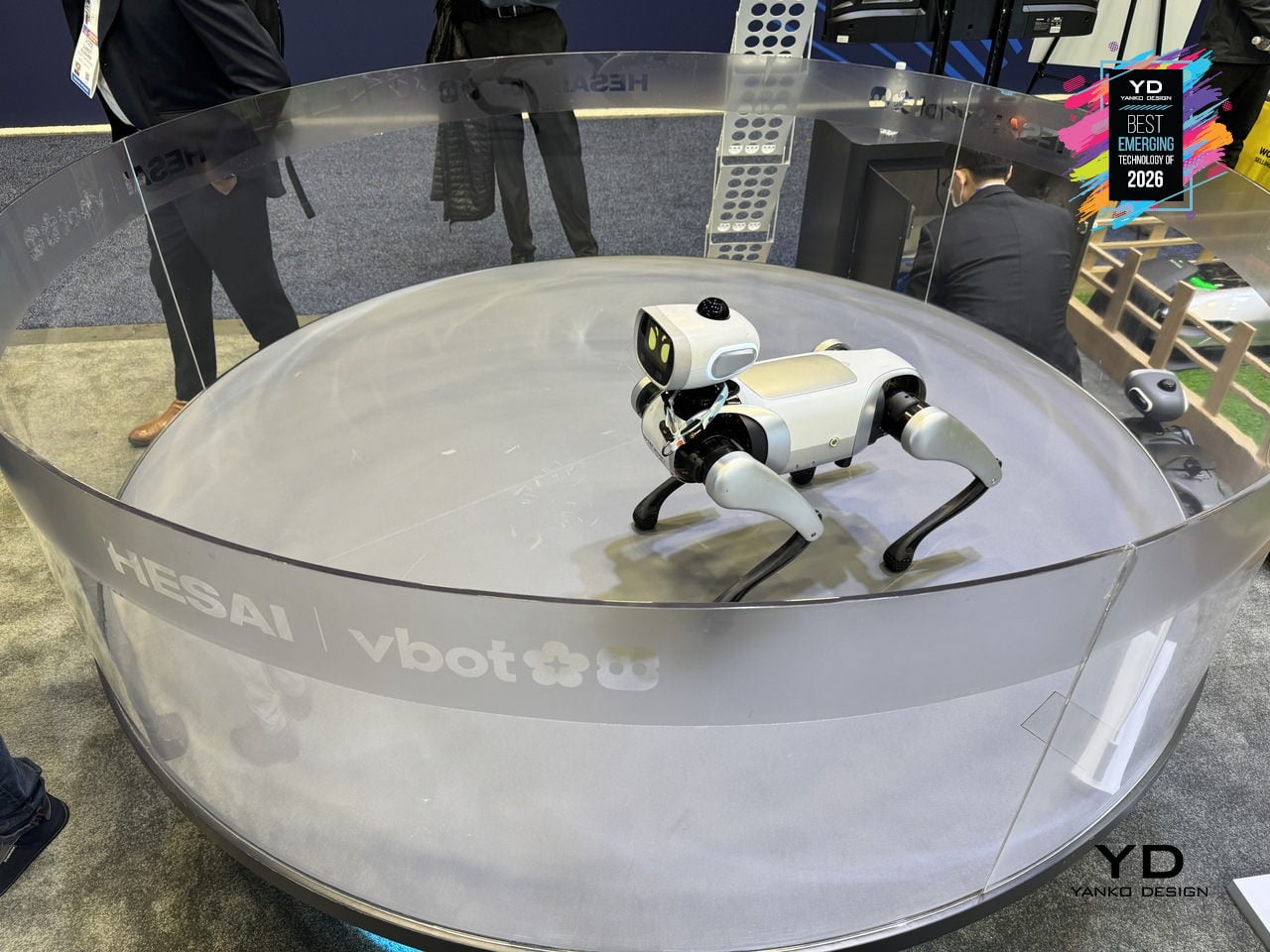
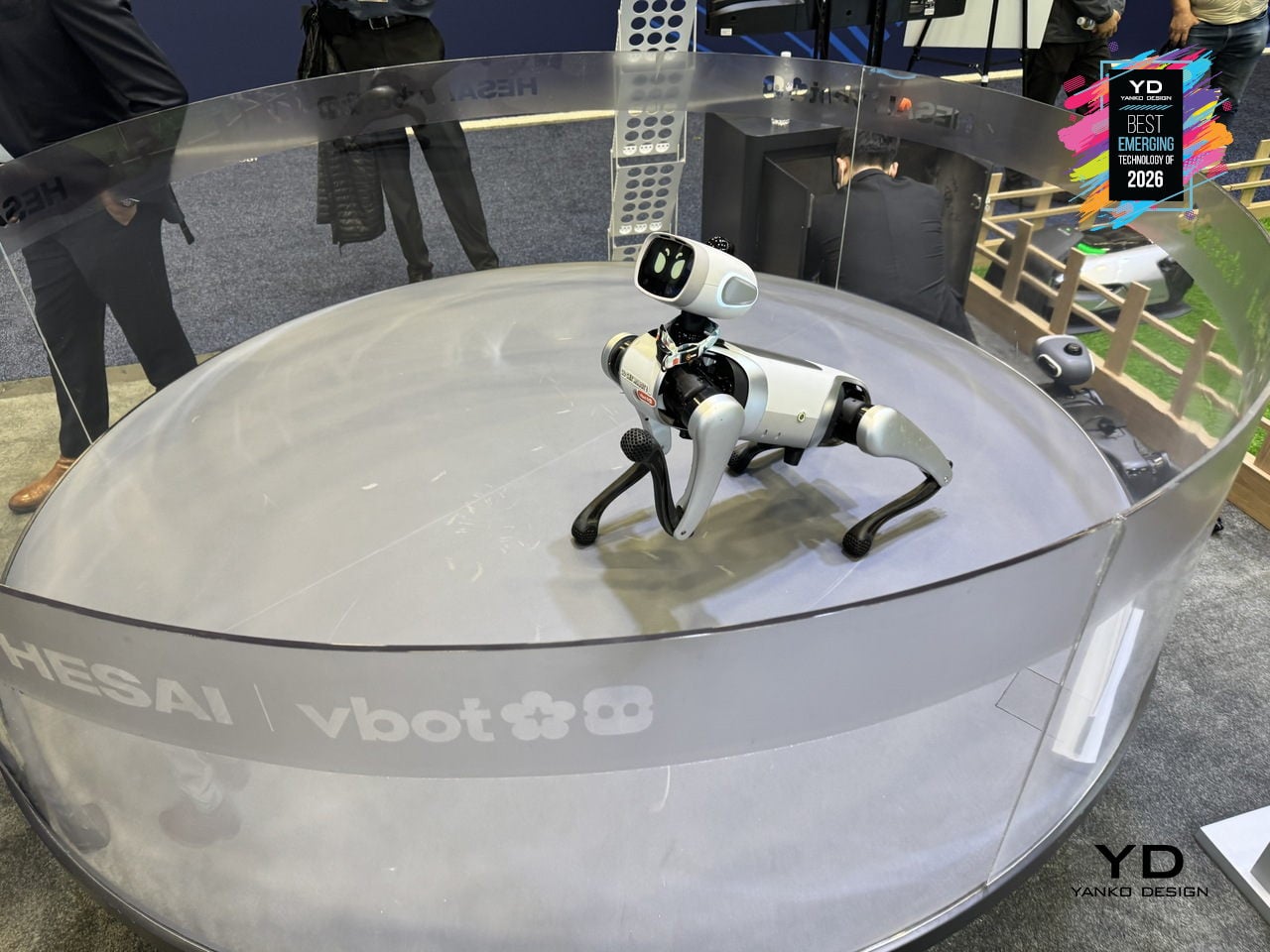
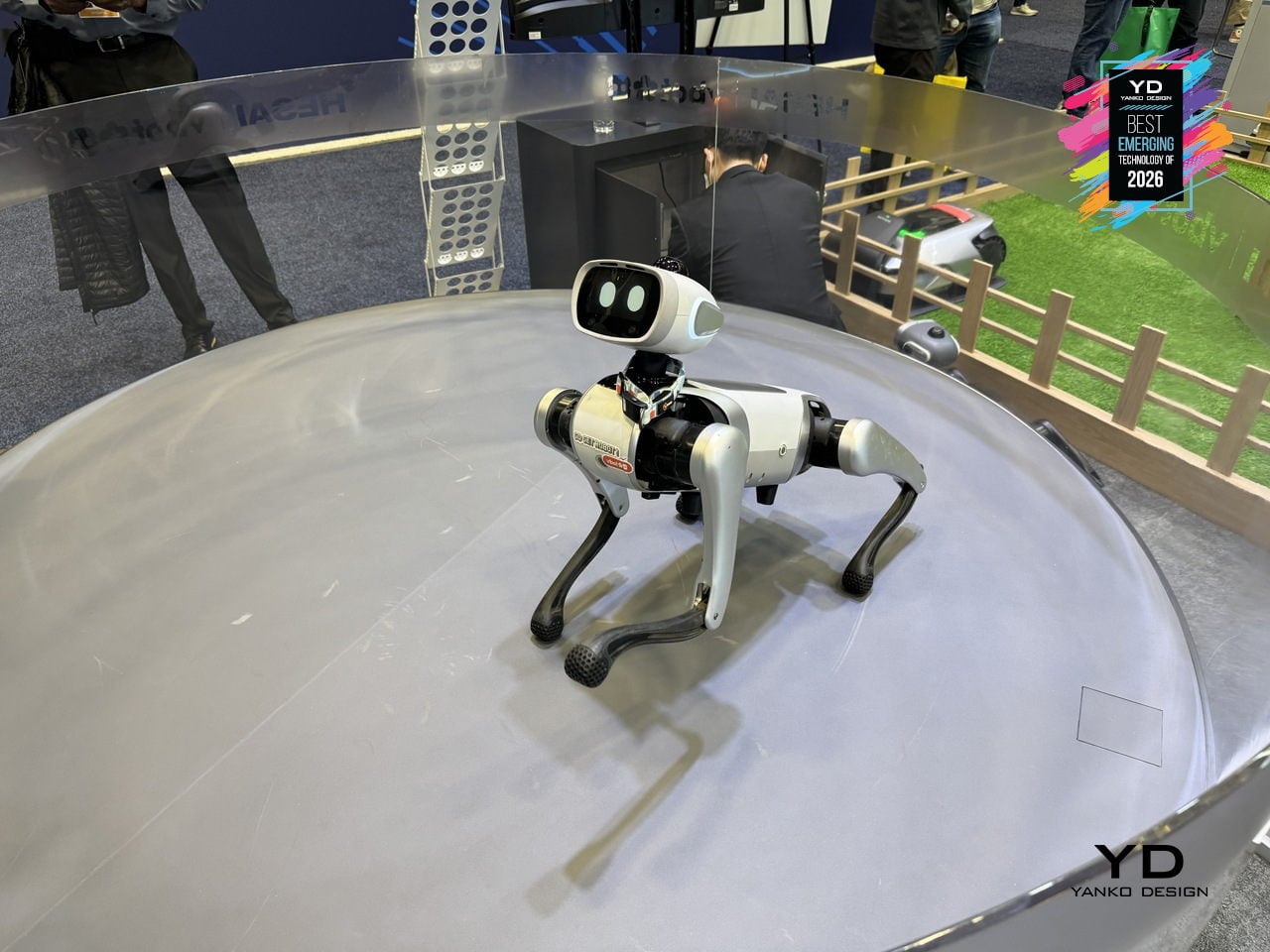
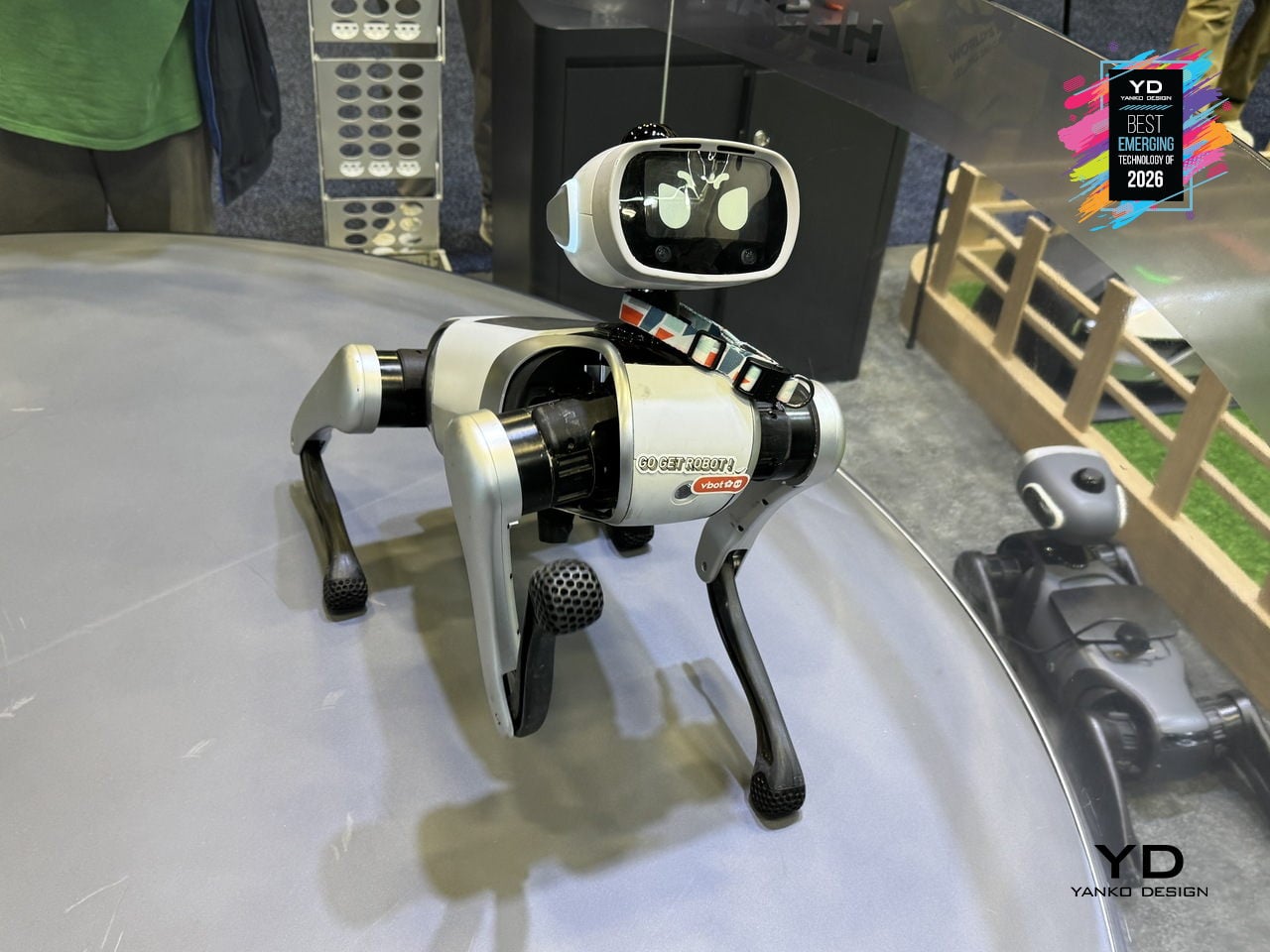
Most quadruped robots people have seen are either industrial, loud, or built for stage demos rather than living rooms. Vbot is a companion robotic dog engineered around a single principle, Made to Be Near, designed for safe, quiet, human-scale proximity. The rounded body has no sharp edges, pinch-free joints maintain 2.5cm safety gaps, and soft-touch mesh covers the mechanical core. Low-noise locomotion using 3D-printed shock-dampening feet and tuned motors makes it quiet enough to watch over a sleeping baby.
Vbot’s social intelligence turns that safe form into something that feels alive and helpful. It interprets natural-language commands through tone, context, and meaning, understanding verbs like bring, follow, lead, show, or find without a remote. Agent intelligence breaks down objectives into steps, guiding visitors, escorting someone along a route, or positioning itself as a camera buddy for hands-free filming. It matches walking pace and repositions for better engagement.
Under the skin, embodied and spatial intelligence allow Vbot to operate as a real physical agent. Its legs use 22cm segments proportioned to match 18-20cm stair standards, giving it leverage to climb steps where wheeled robots struggle. A proprietary N45 motor delivers more torque at 25% less weight, while a 594Wh battery supports more than five hours of outdoor operation. A perception system with 360-degree LiDAR and UWB positioning understands paths and obstacles without cloud latency.
Vbot signals an early consumer-grade physical AI category. Unlike robots adapted from industrial platforms, it is built from scratch around close human proximity, readable motion based on animation principles, reliable battery life, and modular interfaces for cargo baskets, cameras, and tow carts. Its three-layer intelligence, embodied, spatial, and agent, points toward robots that are sociable enough to join you outside, smart enough to anticipate intent, and gentle enough to belong in family spaces.
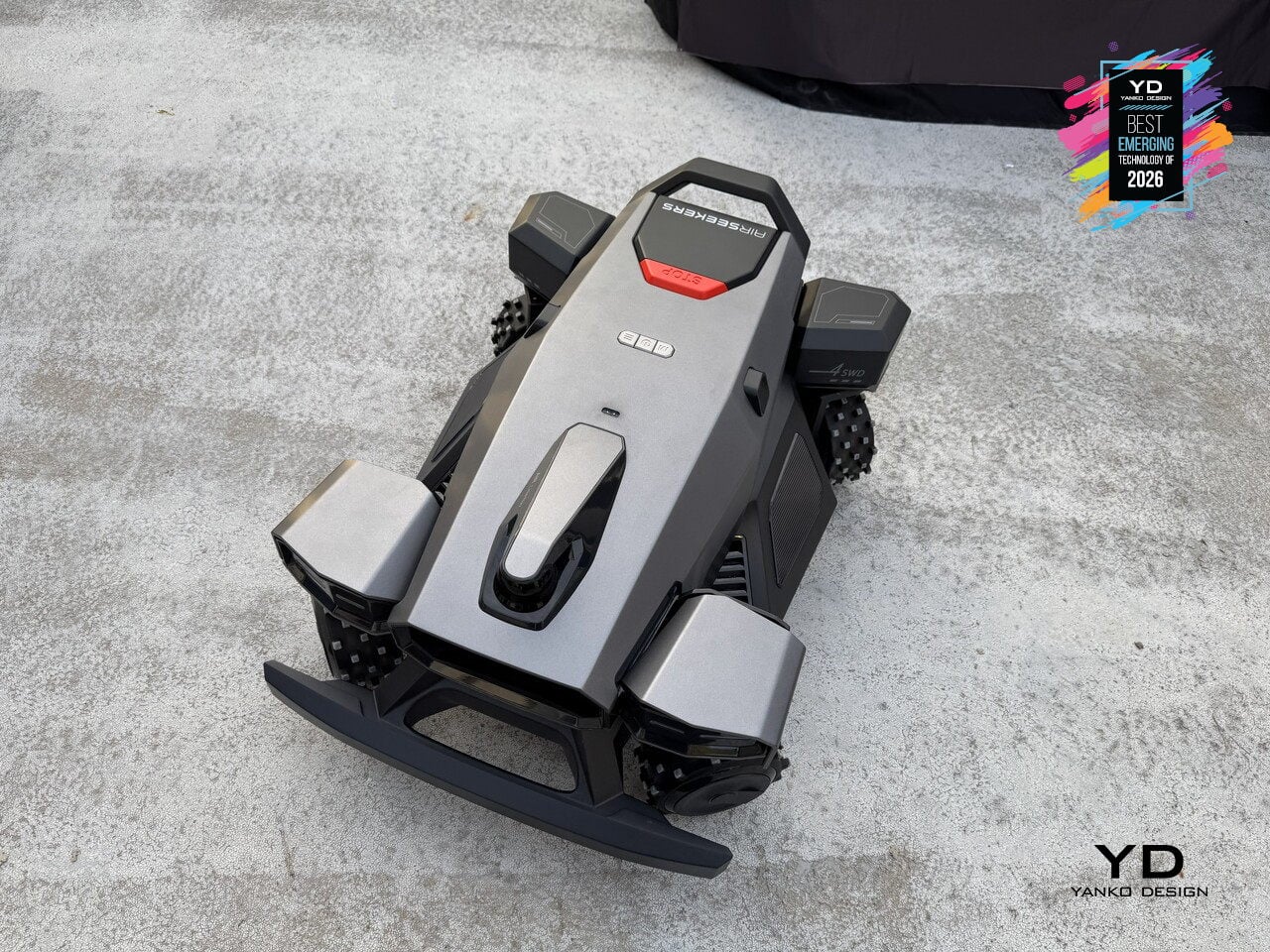
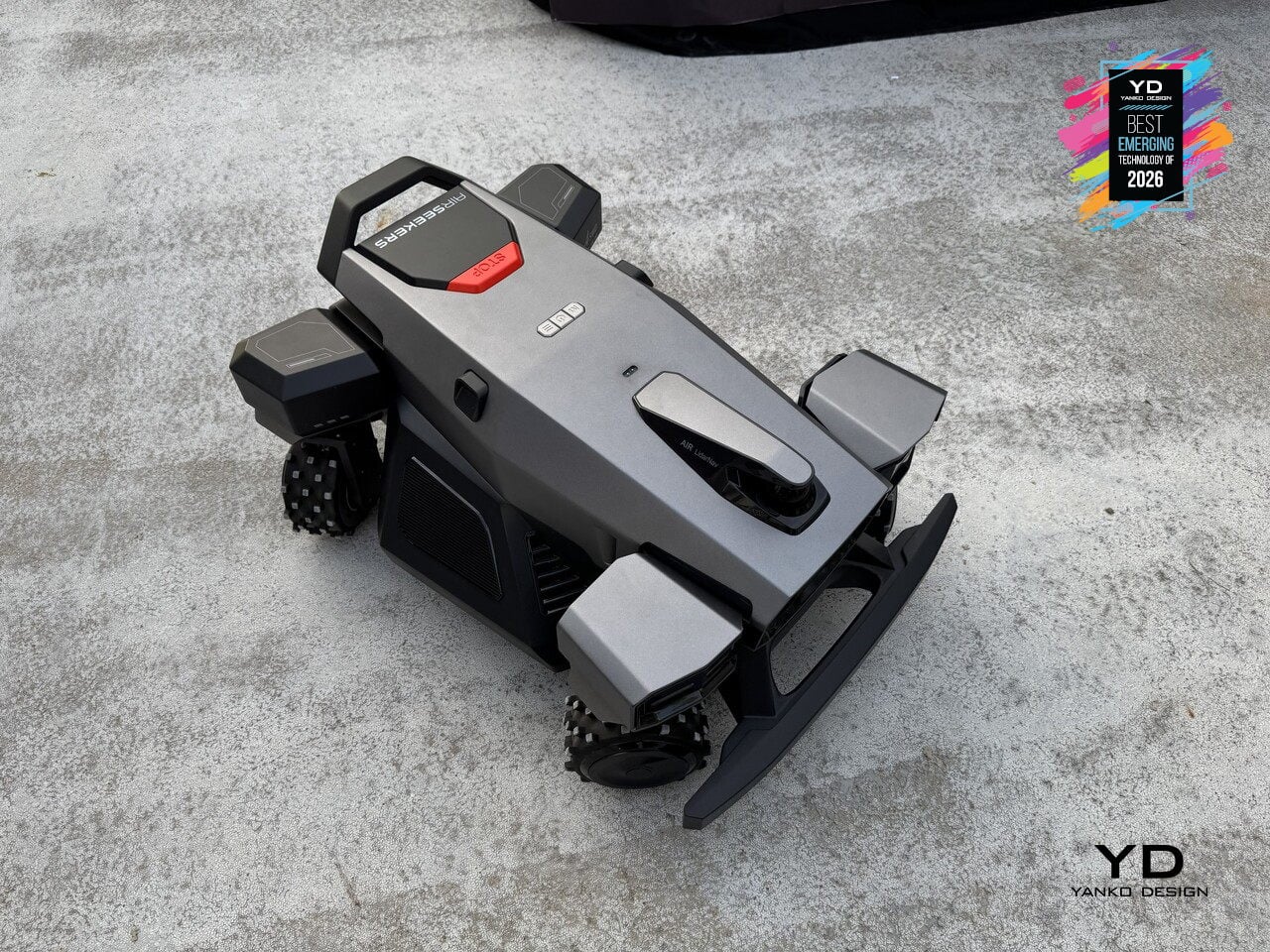
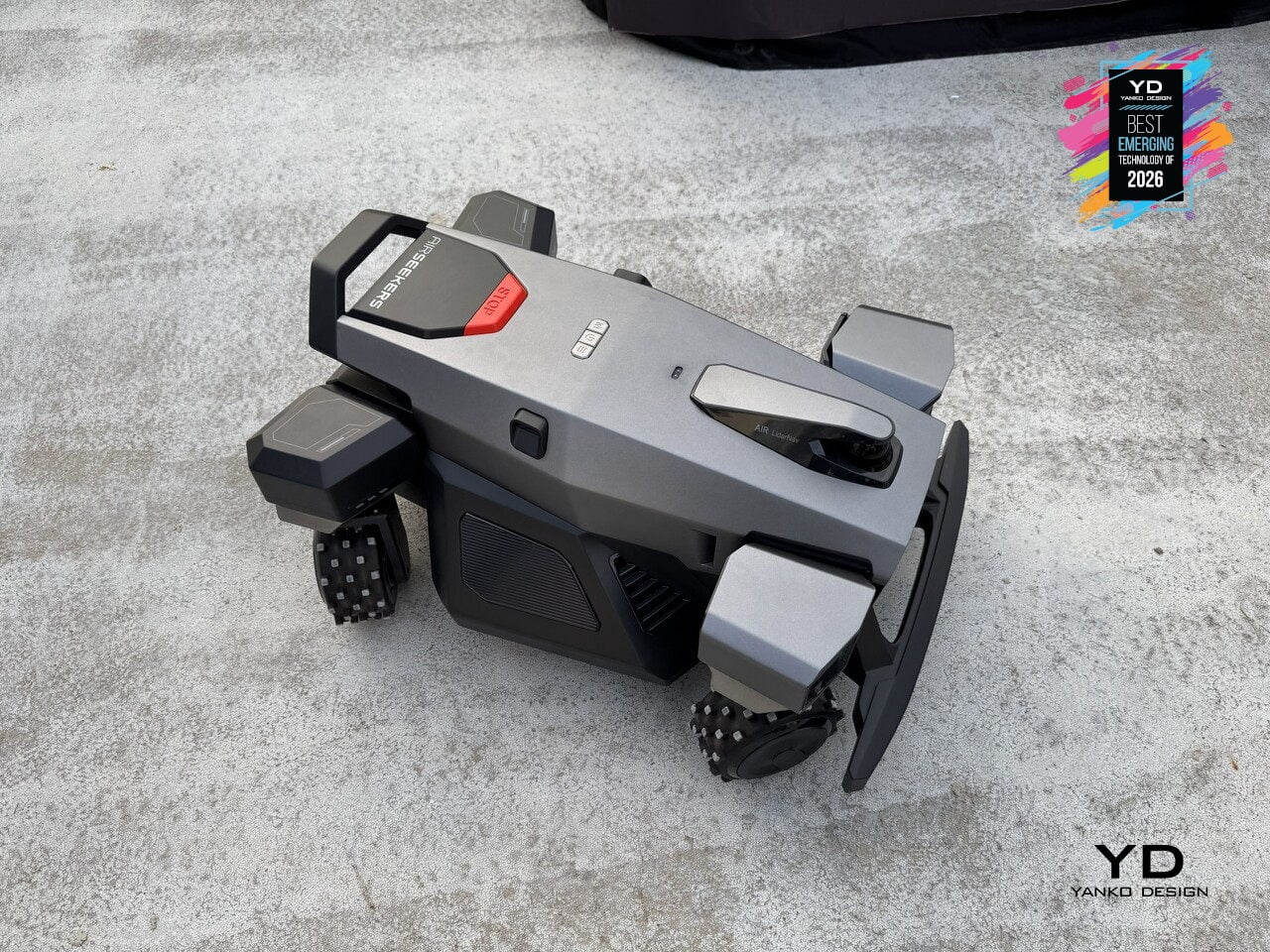
Airseekers Tron Ultra Robotic Lawn Mower
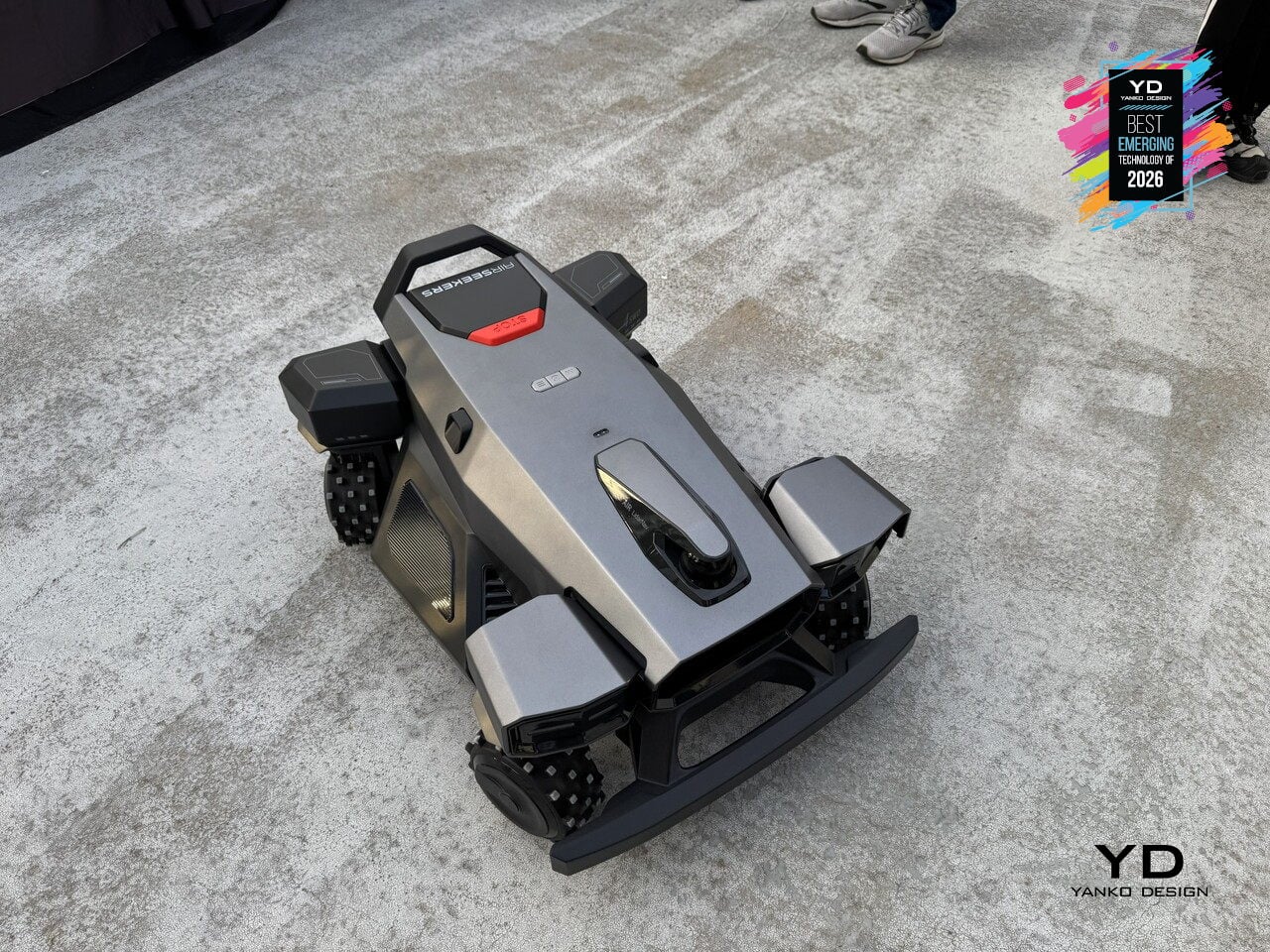
Robotic mowers have mostly relied on differential steering or front omni-wheels to navigate yards, which works for wide-open lawns but struggles with tight corners and complex obstacles. Airseekers Tron Ultra uses a 4SWD drive system with independent control of each wheel, allowing it to move in ways that feel closer to industrial robotics than consumer lawn care. The mower can rotate in place without a turning radius, shift laterally, horizontally, or even diagonally through narrow gaps between garden beds, and pivot around obstacles up to 2.36 inches tall without backing up. That four-corner independence changes how the mower approaches difficult terrain. Upgraded high-traction wheels give it the grip to climb inclines up to 85% grade and traverse wet grass without spinning out, while intelligent environmental detection adjusts power distribution per wheel to prevent soil compaction and turf damage.
Under the hood, Omni Navigation combines AI vision sensors, LiDAR, and VSLAM mapping with a 300° field of view to feed real-time data to the 4SWD controller, dynamically adjusting wheel speed and direction as terrain changes. A 594Wh swappable battery supports up to 0.49 acres per charge, with the mower autonomously returning to its dock and resuming exactly where it left off. Paired with 360° radar beacons that eliminate dead zones under trees and around structures, the Tron Ultra reduces manual intervention by over 50% compared to earlier models. It signals a shift from mowers that follow preset patterns to machines that move like outdoor robots, treating lawns as navigable environments rather than obstacle courses.
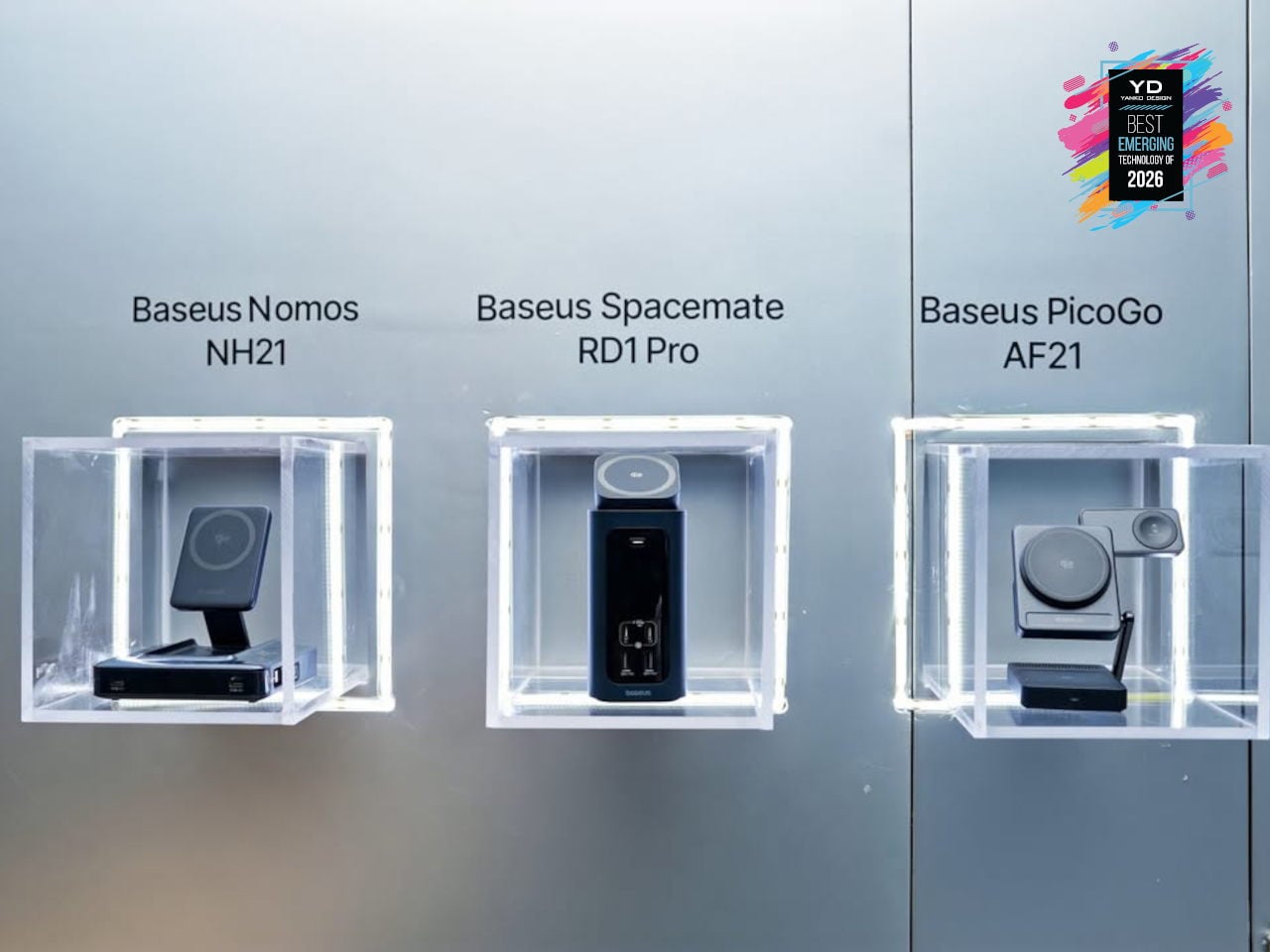
Baseus Spacemate RD1 Pro Desktop Dock
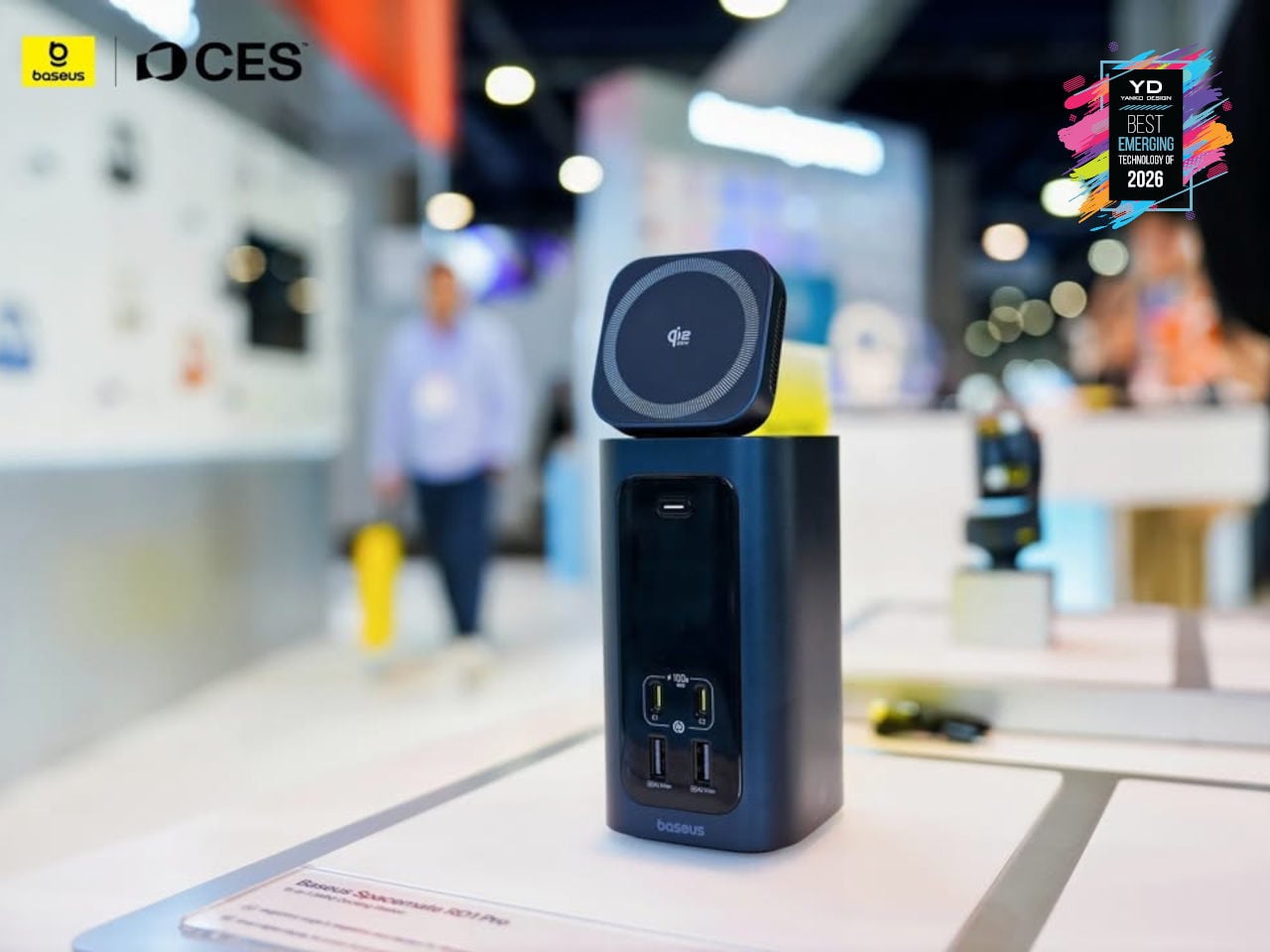
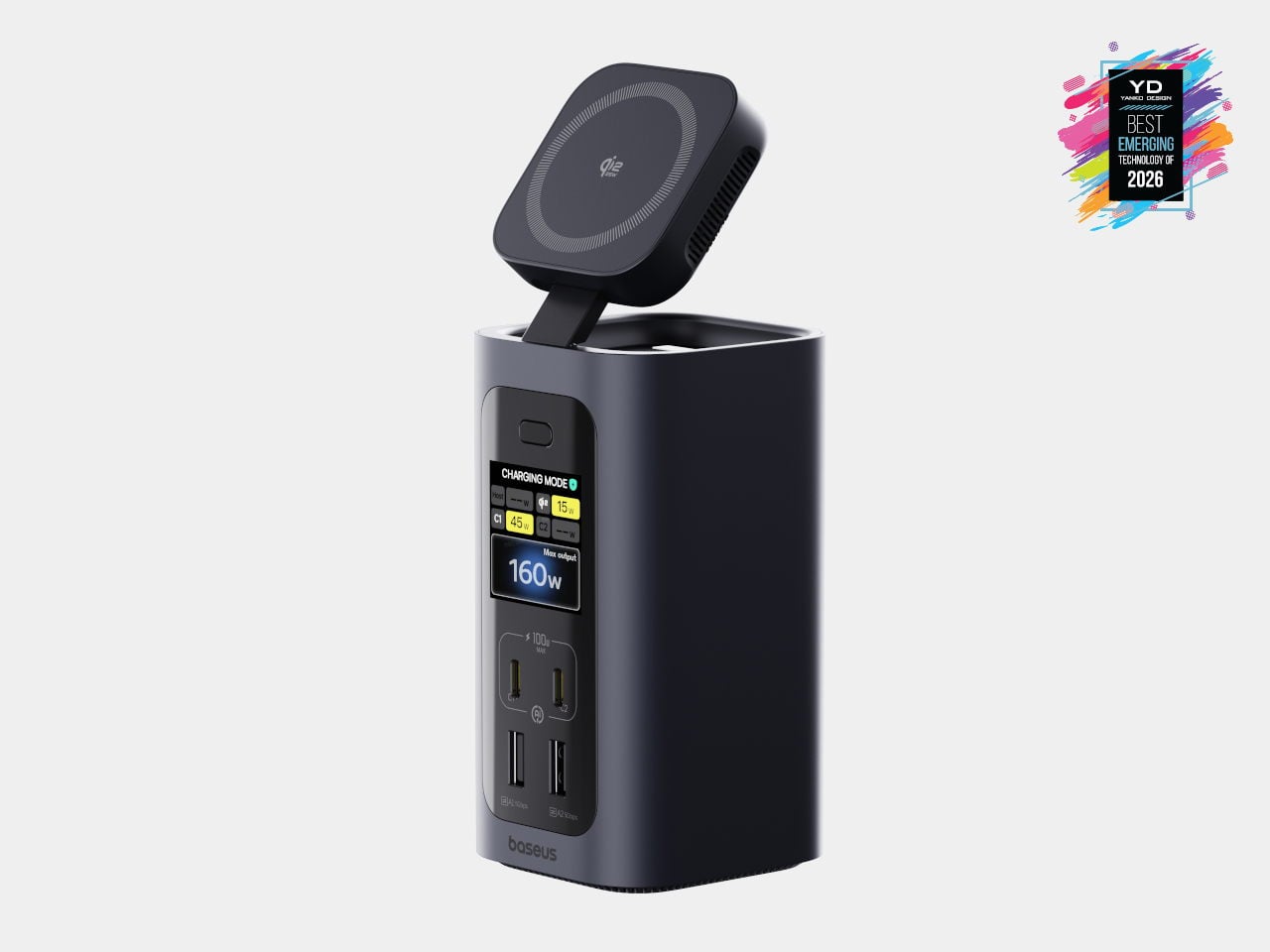
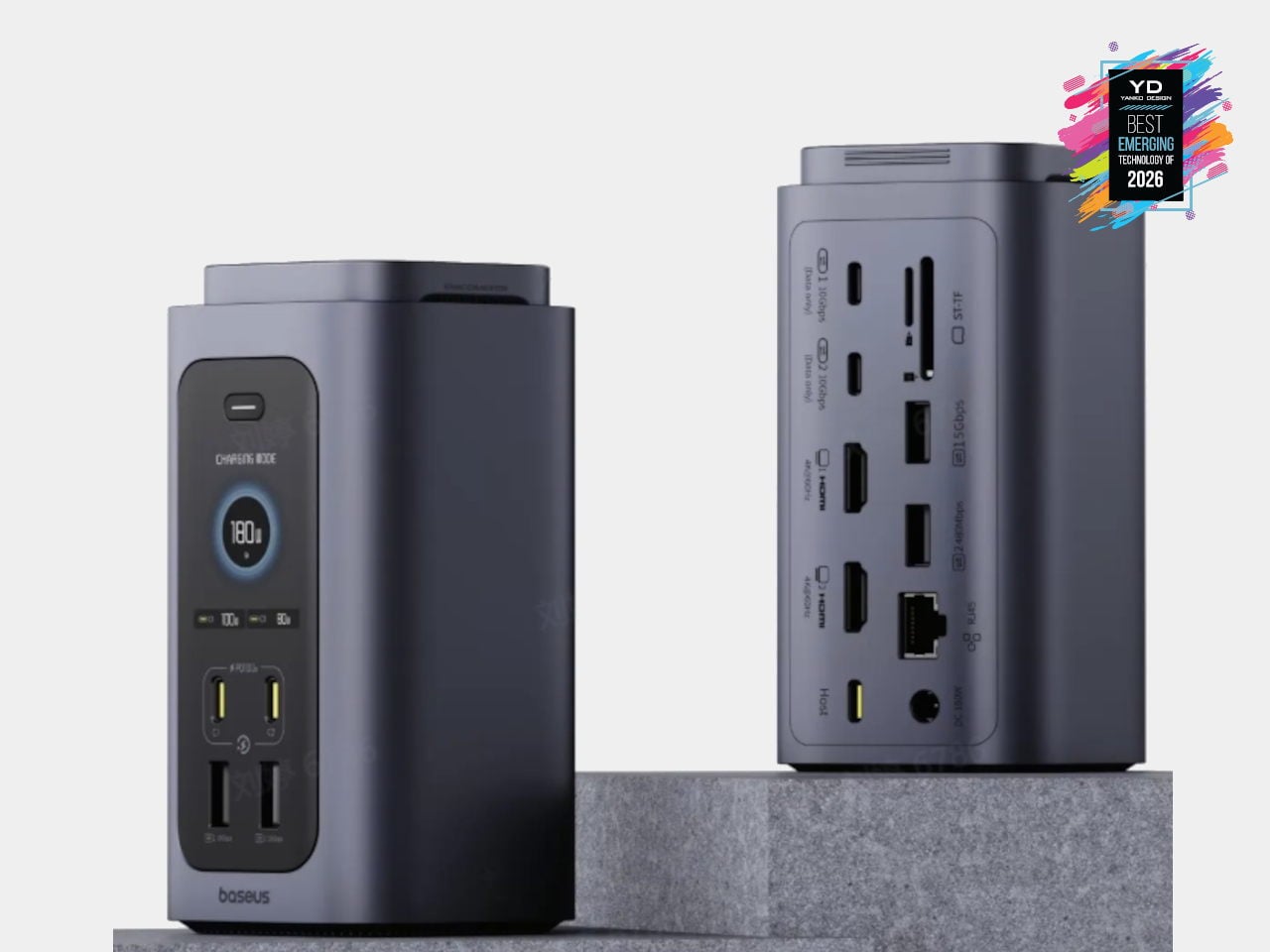
USB-C hubs and flat docks have become standard, but most still sprawl across the desk with cables radiating in every direction. Baseus Spacemate RD1 Pro is a vertical, 15-in-1 docking station that treats the dock as a compact desktop appliance instead of a dongle. A single USB-C cable links a Windows laptop to dual 4K monitors, 10 Gbps USB-C ports, SD and TF slots, and 1 Gbps Ethernet, while the tall, minimalist tower tucks ports on the back and keeps the footprint small.
The Spacemate RD1 Pro merges that connectivity with a serious GaN power stack. An included 180 W GaN adapter feeds up to 160W of total output, with 100W PD reserved for the laptop, dual USB-C 100W-capable fast-charging ports for accessories, and a retractable Qi2.2 25W magnetic wireless pad on top for phones or earbuds. Intelligent power management dynamically allocates power and surfaces status on a front LED display, showing per-port draw and alerts. It feels like an early example of vertical, multifunctional docks becoming central power-and-I/O blocks for increasingly dense, multi-device workspaces.
Switchbot OBBOTO
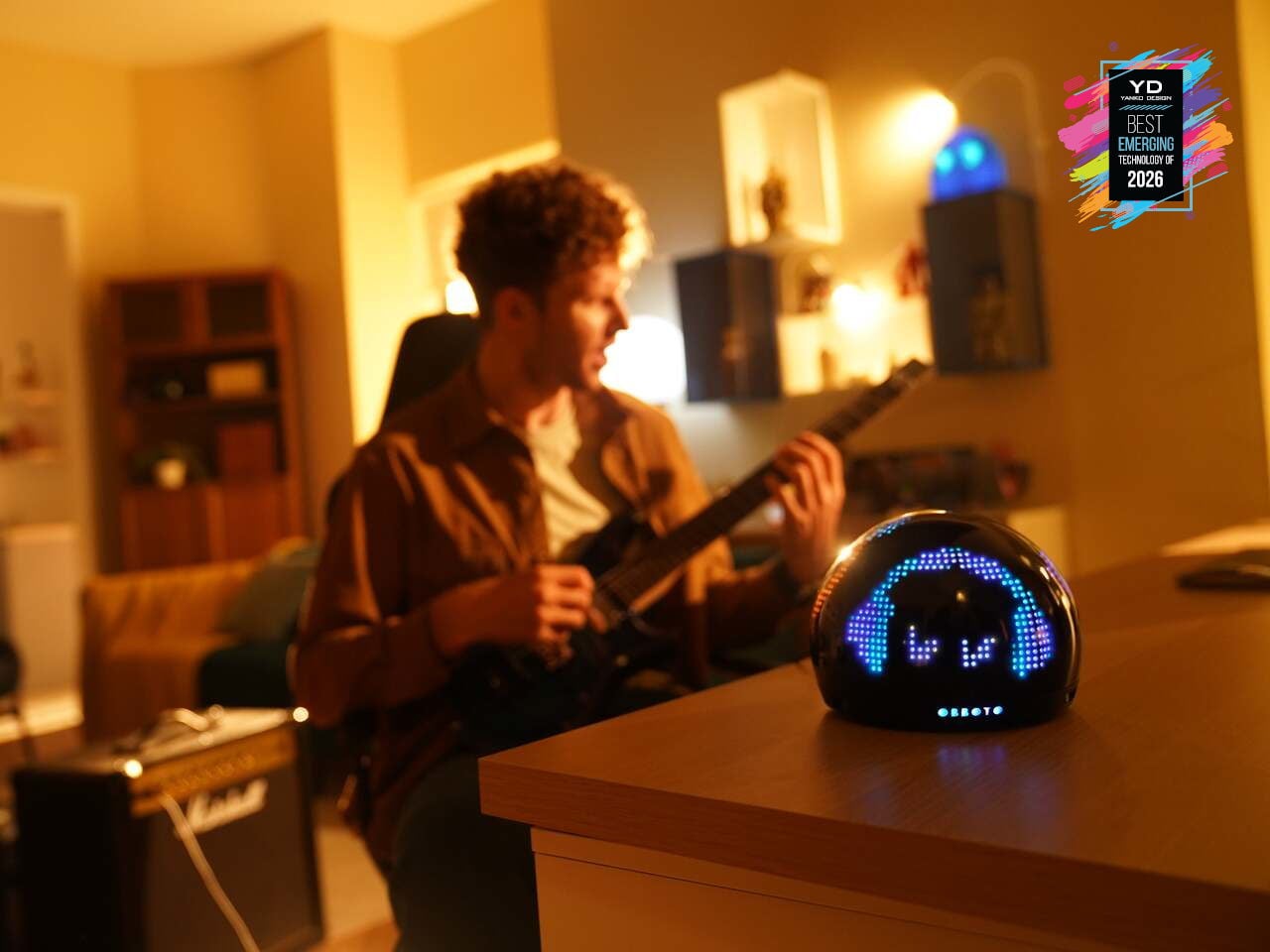
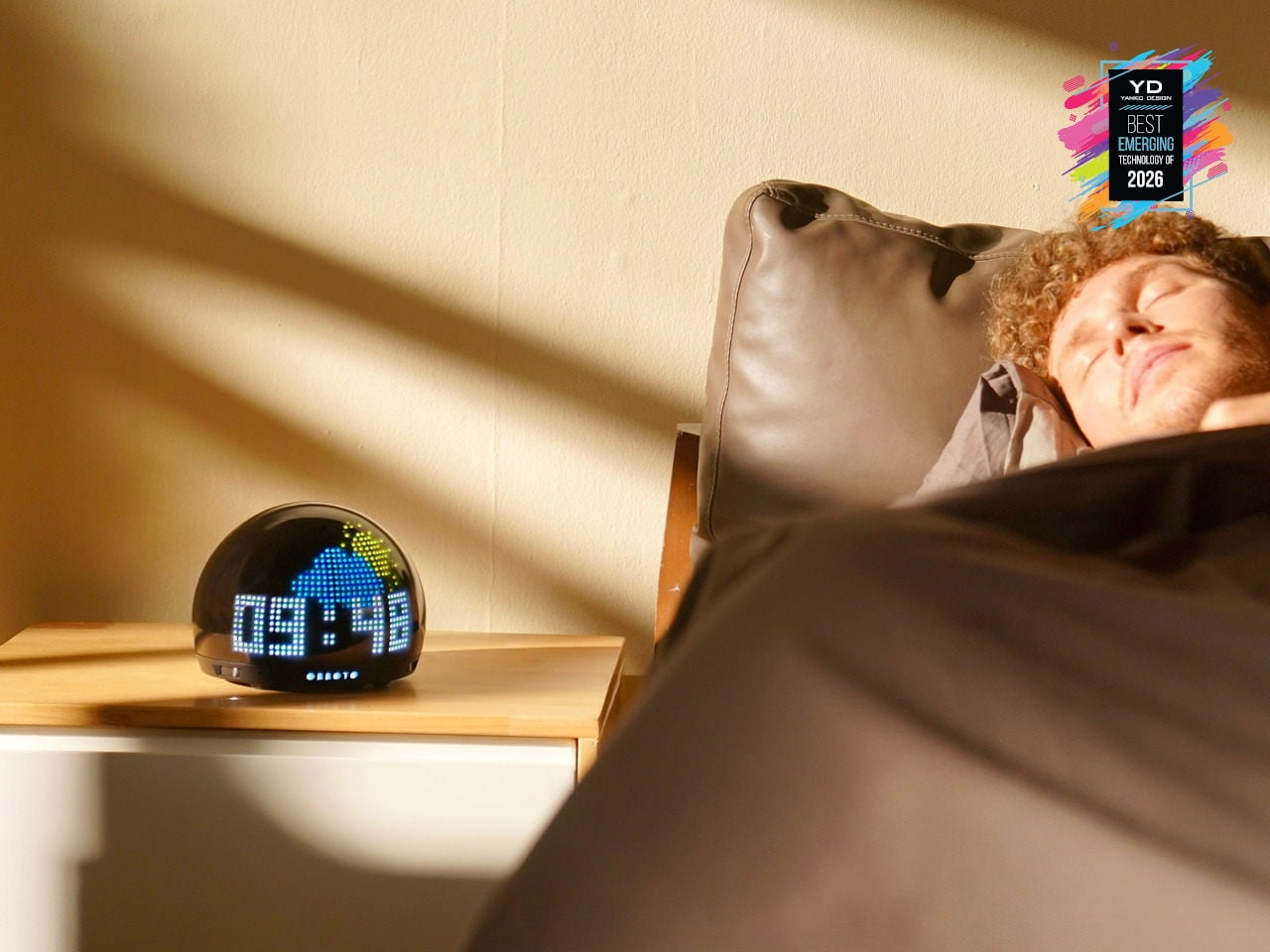
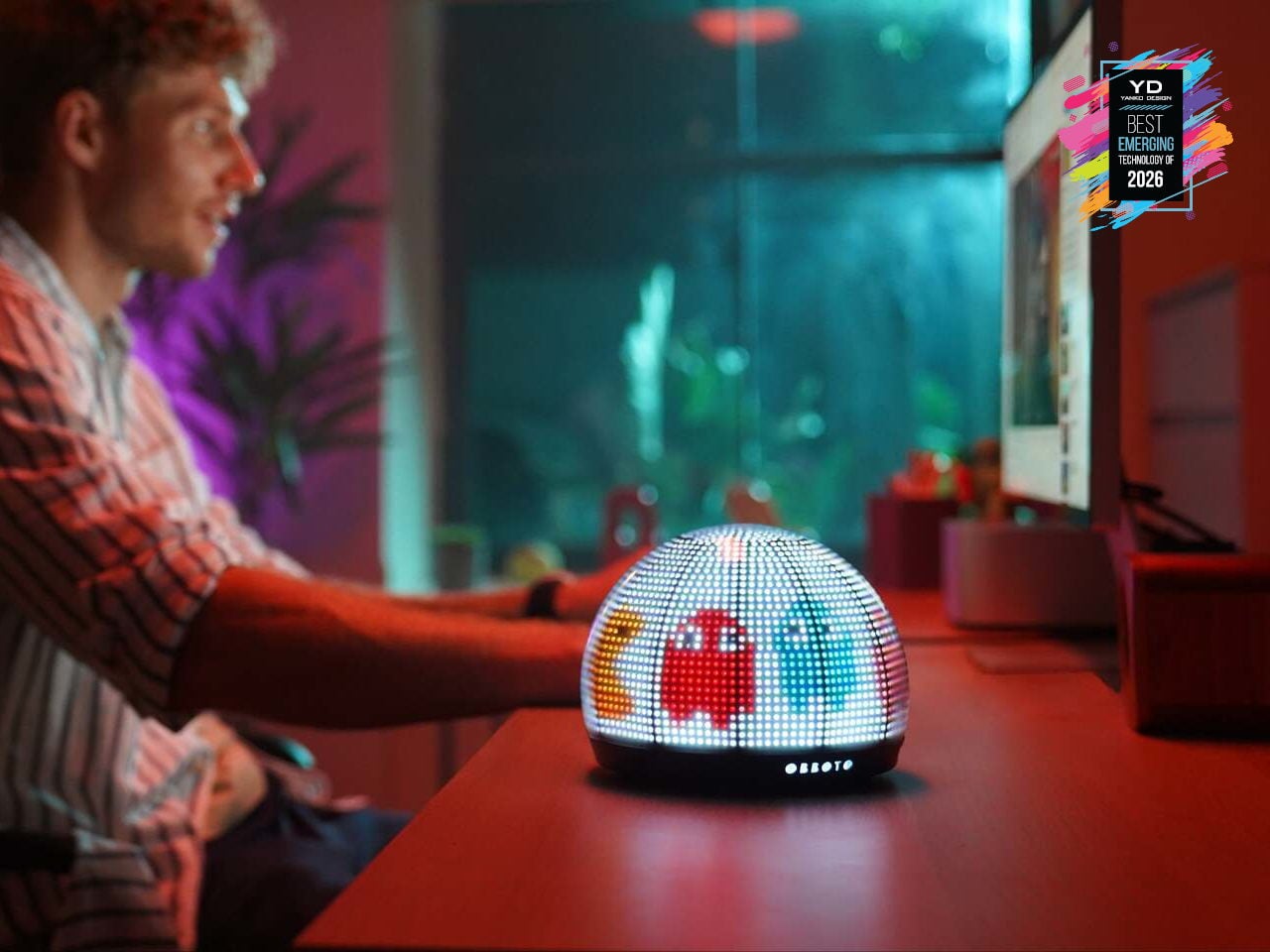
Desks and living rooms are filling up with smart lights and displays, but most still behave like obedient bulbs or tiny billboards. SwitchBot OBBOTO is a desk-sized pixel globe that tries to be something closer to a companion, using more than 2,900 RGB LEDs, motion sensing, and music visualization to turn light into an expressive presence. It can show time and weather as patterns, react when someone walks by, and sit alongside SwitchBot’s Comfort Tech lineup as the one that gives the room a bit of personality.
OBBOTO leans on AI-driven mood animations and ambiance modes to adjust to what someone is doing, shifting between sleep-friendly scenes, focus-oriented visuals, or relaxed, reactive patterns that move with music. Interactive pixel art and animations can be triggered or customized, making it as much a canvas as a lamp. It hints that tomorrow’s smart home might rely less on flat screens and more on small, characterful devices that quietly broadcast information and vibe at the same time.
OPSODIS 1 Compact 3D Audio Speaker
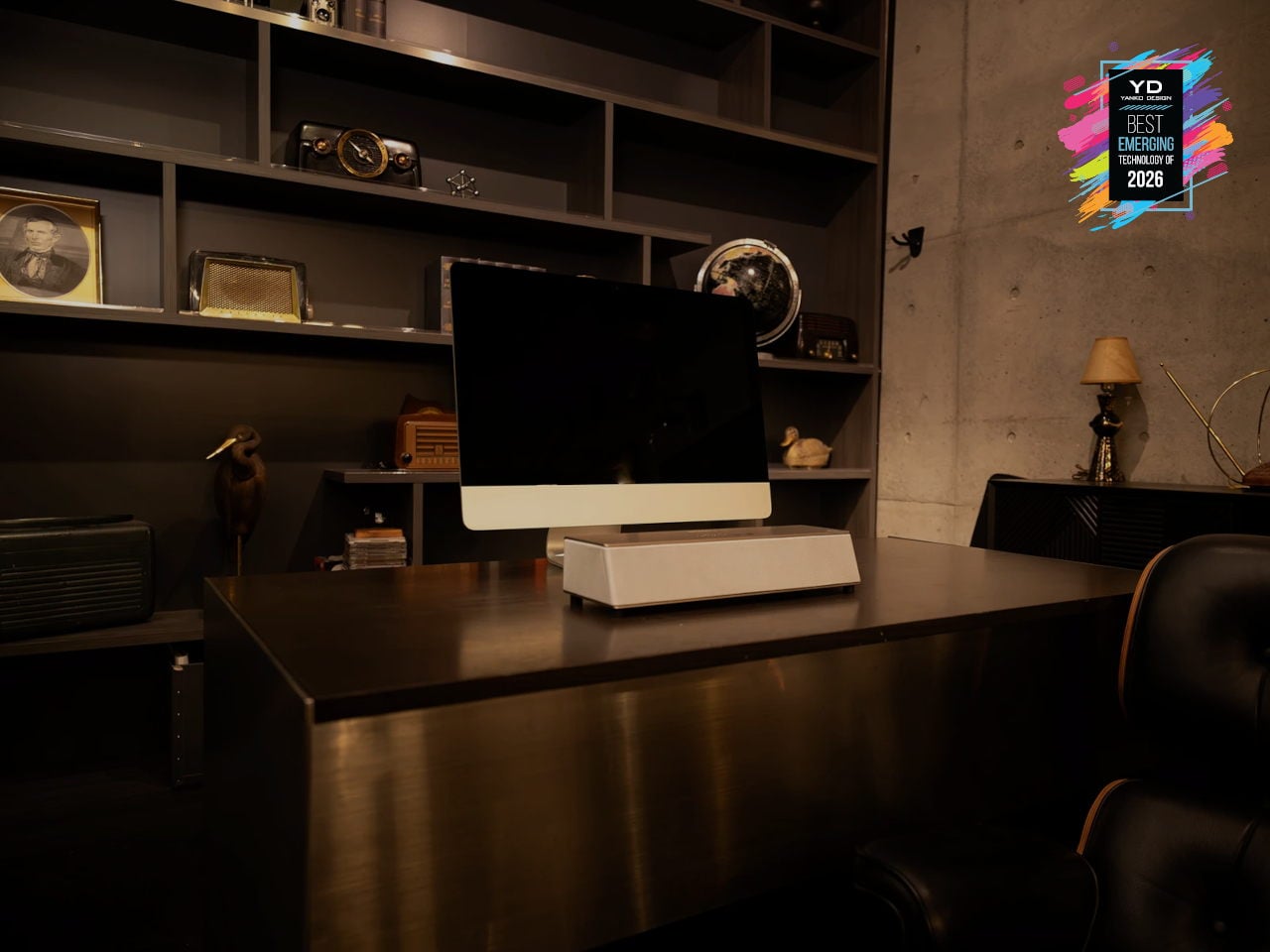
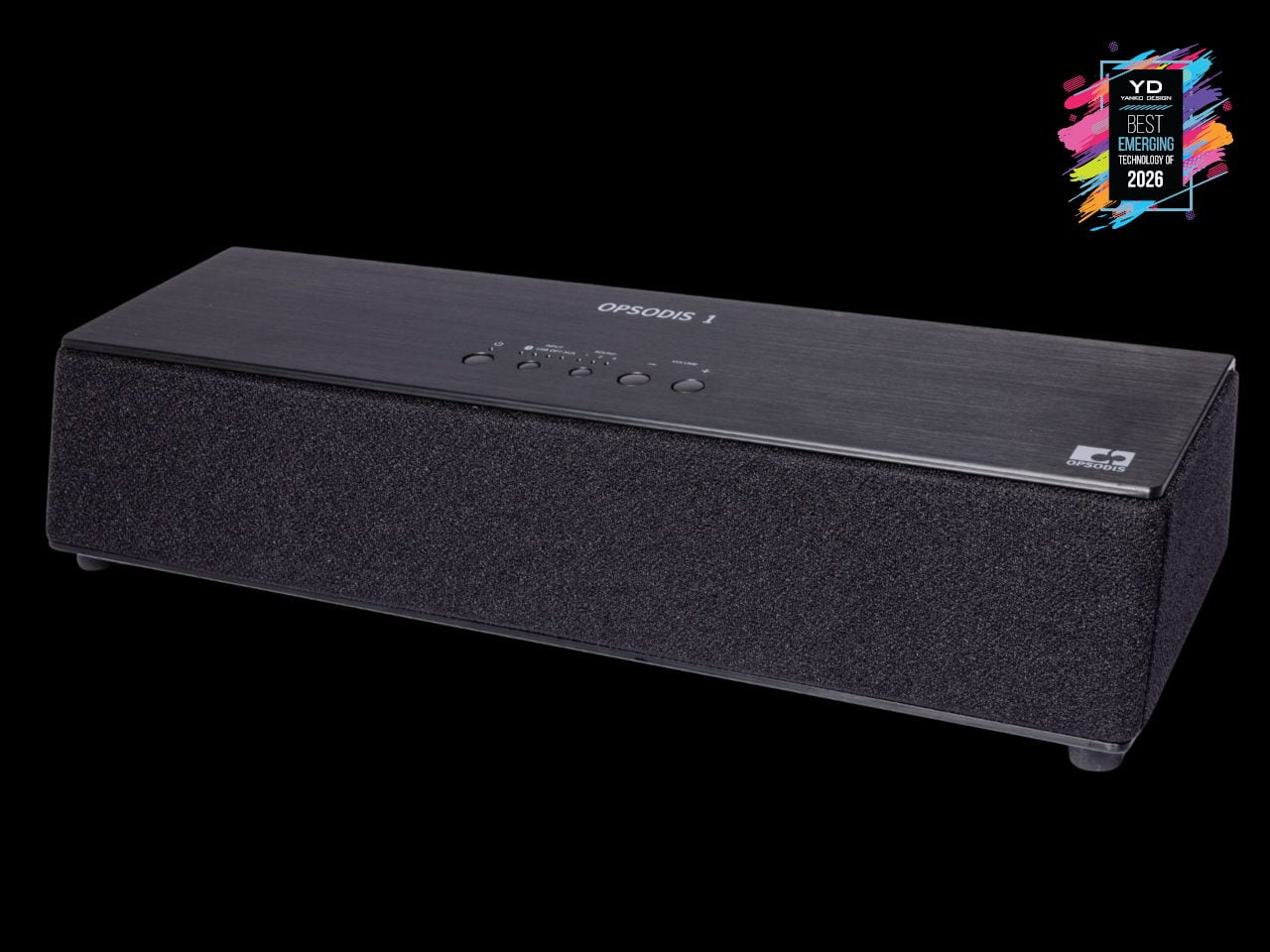
Surround sound has usually meant either a ring of speakers around the room, a big soundbar that leans on wall reflections, or headphones that lock you into a bubble. OPSODIS 1 is a compact desktop 3D audio speaker that tries a different route, using Kajima’s OPSODIS technology to project a 360-degree sound field from a single box. The 6-channel, 3-way, 6-driver array delivers natural spatial cues without depending on walls or ceilings, making it as at home on a desk as in a small living room.
OPSODIS, developed with the University of Southampton’s Institute of Sound and Vibration Research, uses optimal source distribution, crosstalk cancellation, and a symmetrical layout with high-frequency drivers near the center axis to send precise sound to your ears. Multiple inputs, from Bluetooth and USB-C to optical and 3.5 mm, plus listening modes like Narrow, Wide, and Simulated Stereo, adapt to different setups. It hints at a shift where immersive audio is moving beyond headphones and multi-box systems, toward single, research-driven speakers that create convincing 3D soundstages from one spot on your desk.
ASUS ROG NeoCore WiFi 8 Router
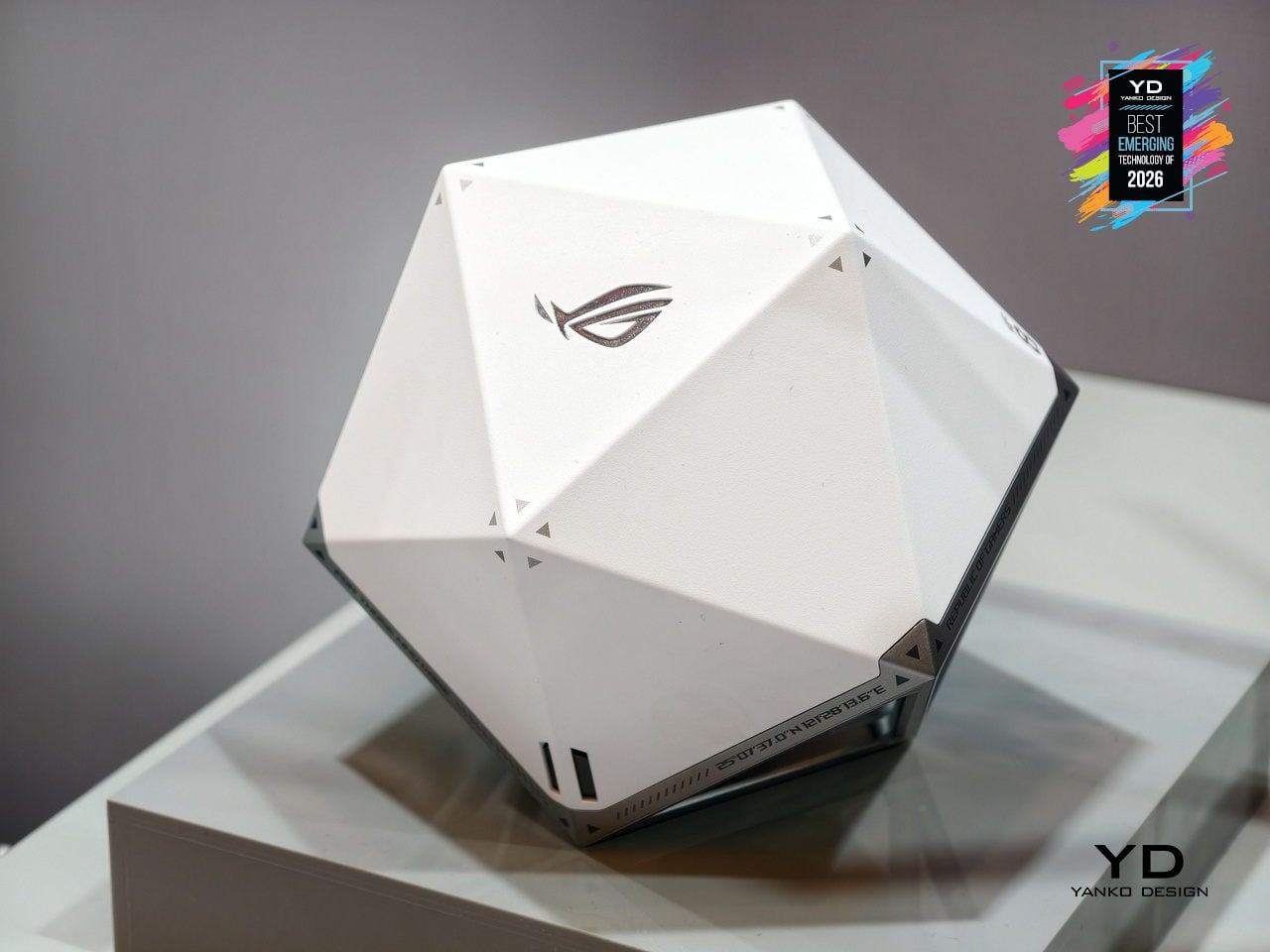
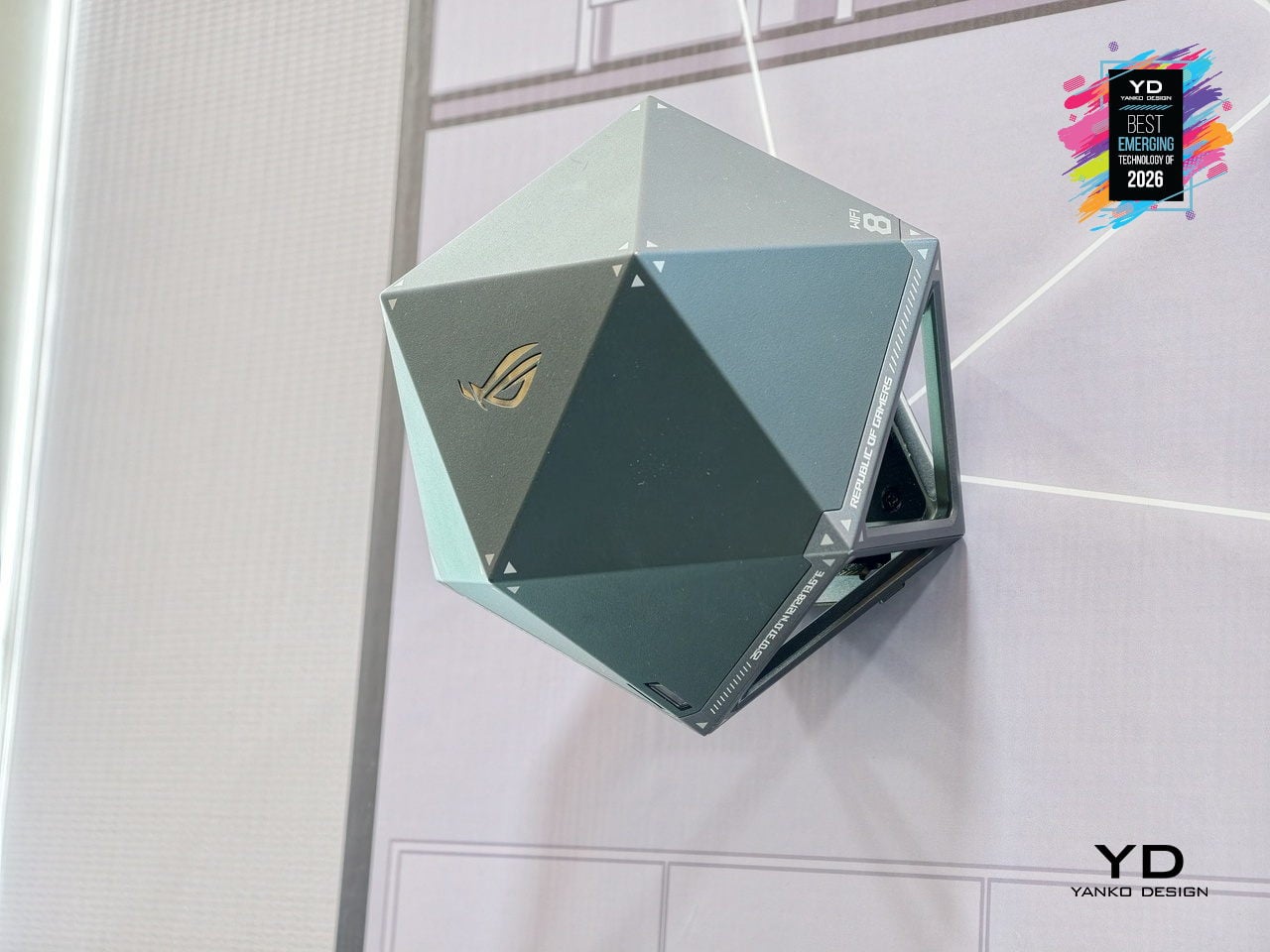
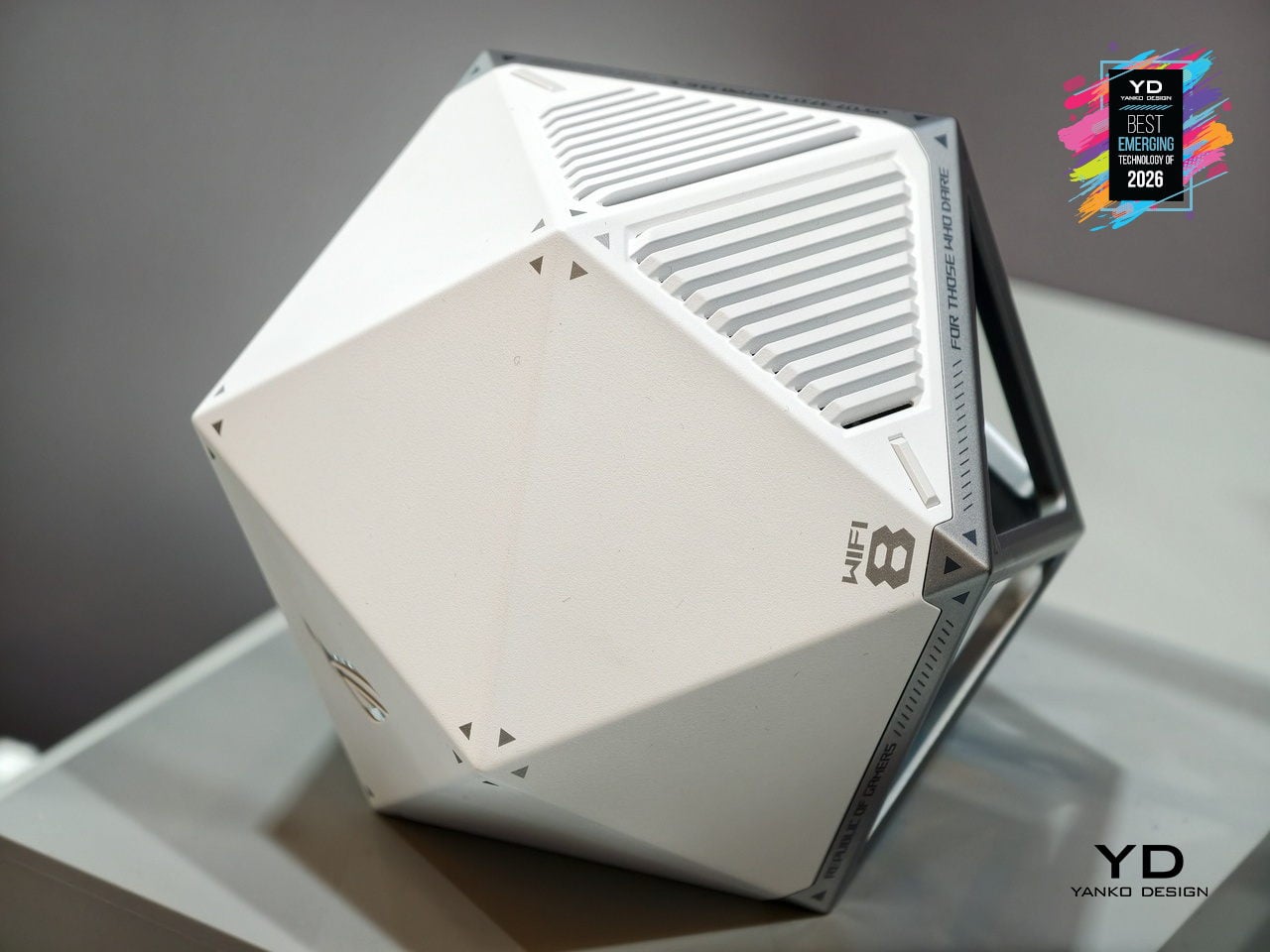
Most routers are still anonymous black slabs you hide behind a monitor or under a TV, even as they quietly run more and more of the home. ASUS ROG NeoCore takes the opposite approach, turning next‑gen Wi‑Fi 8 hardware into an object you actually want on the desk. The faceted polyhedral shell, somewhere between a gaming dice and a sci‑fi artifact, replaces the usual antenna farm with a sculptural form that can sit flat or be wall‑mounted without looking like infrastructure.
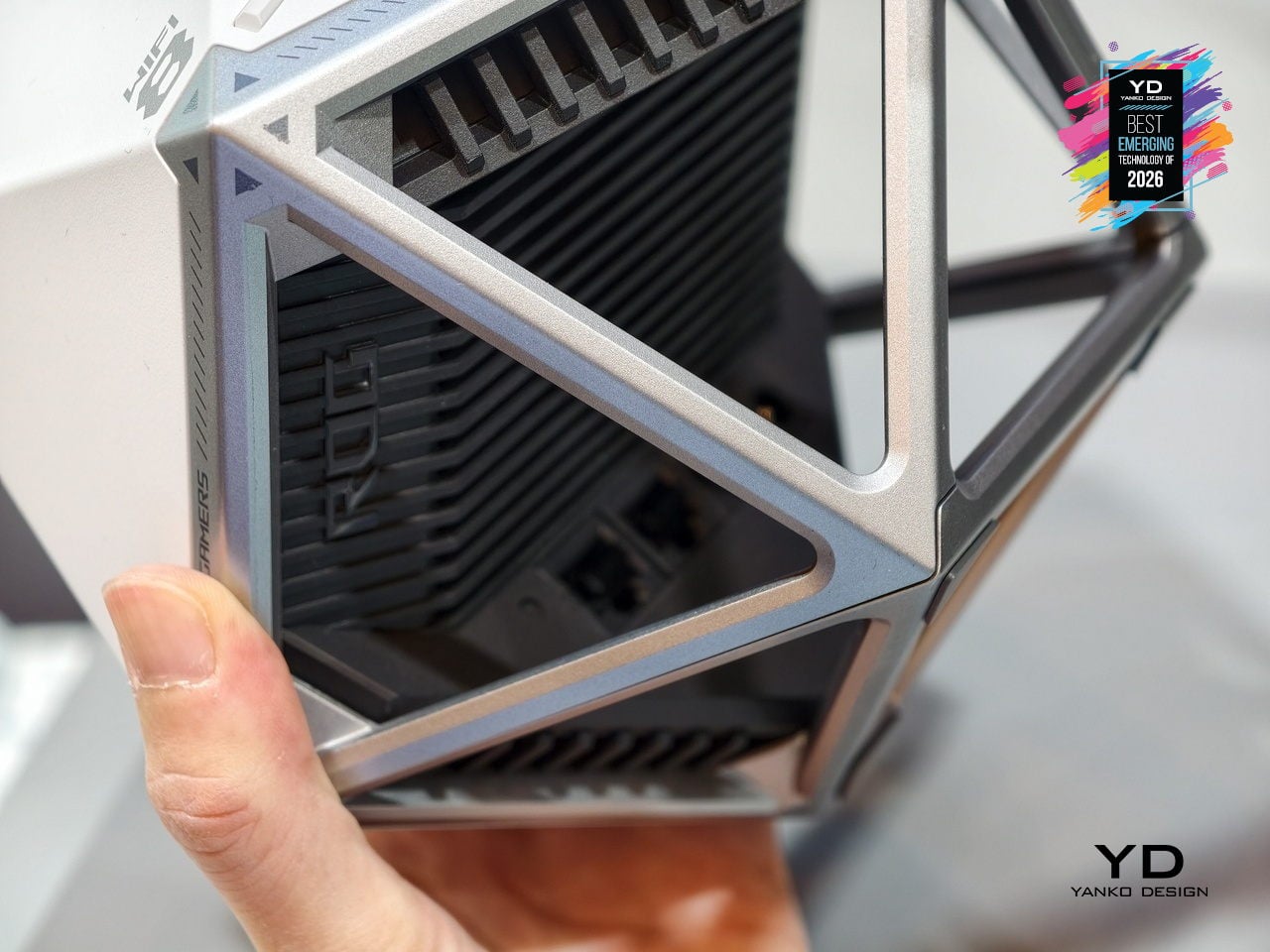
That shape is not just for show. A rigid exoskeleton frame wraps a ventilated inner core, giving the router plenty of airflow while keeping ports and heatsinks tucked into one face. The multifaceted body helps distribute antennas in three dimensions, supporting the tri‑band Wi‑Fi 8 radio stack that pushes more data, more efficiently, to many devices at once. NeoCore ends up feeling like an early glimpse of networking gear designed as part of a performance‑focused setup, where the box handling low‑latency gaming, 4K streaming, and dense device loads finally looks as intentional as the hardware it supports.
LEGO SMART Brick
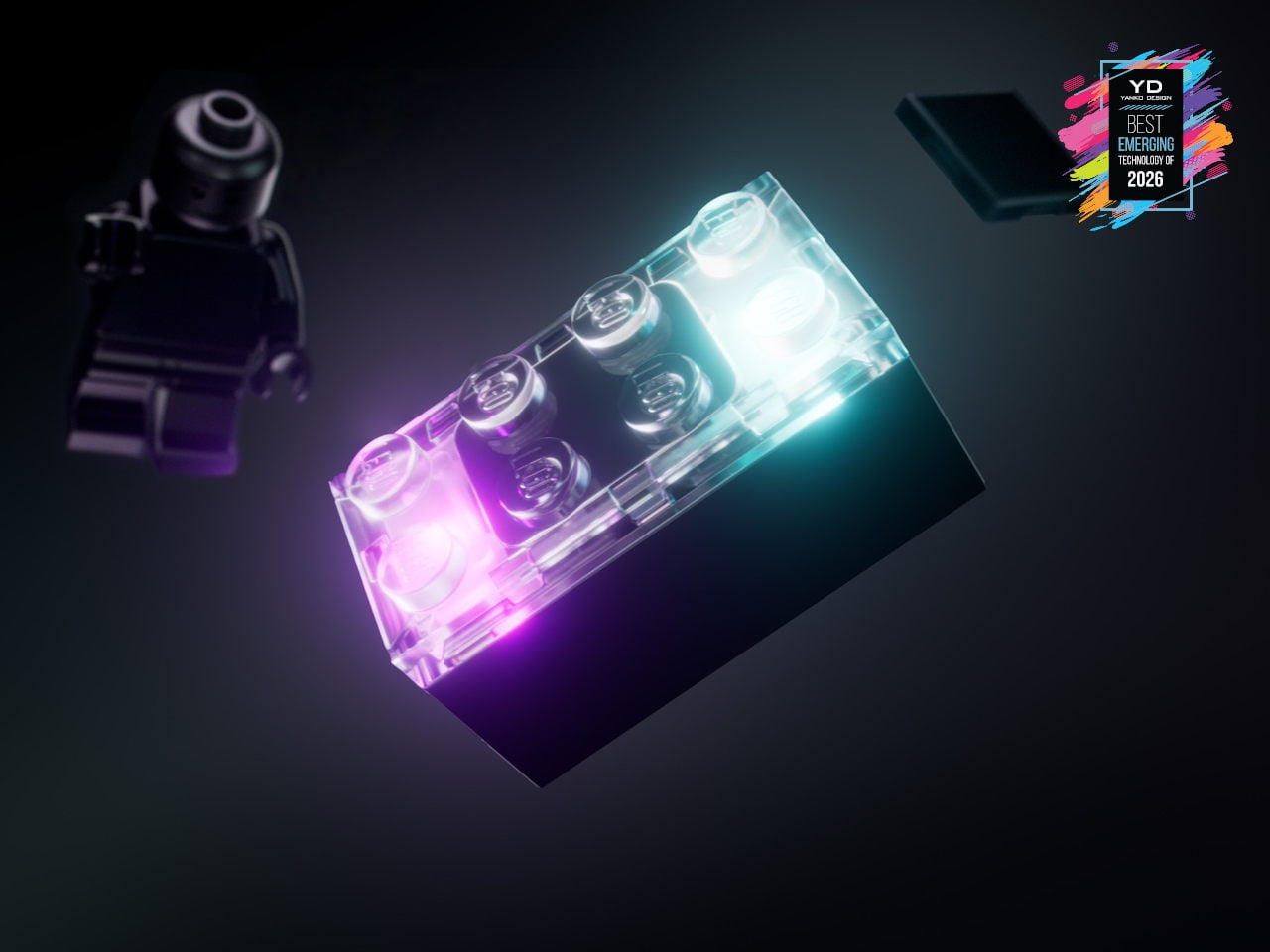
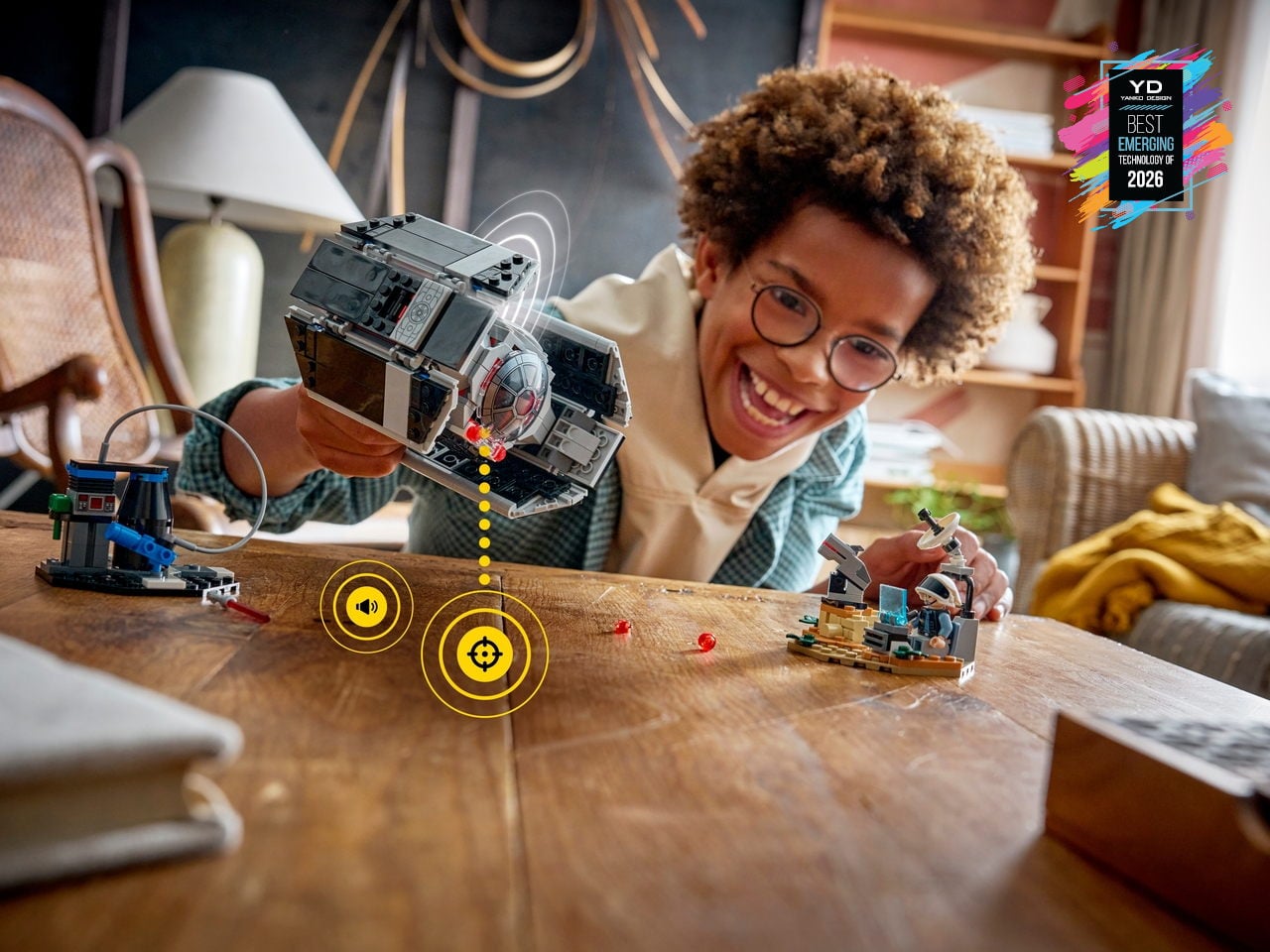
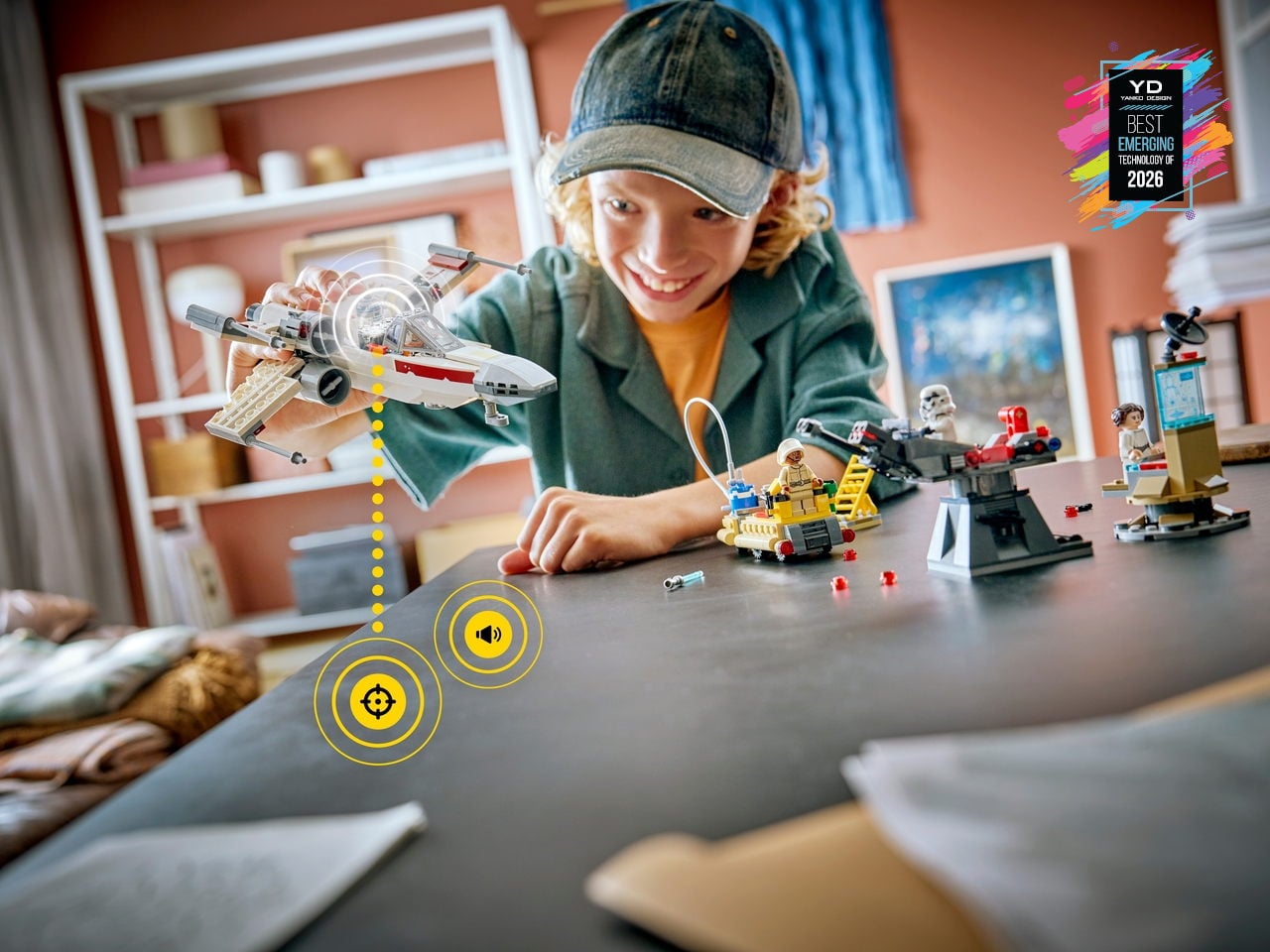
LEGO has flirted with electronics before, but usually in the form of obvious hubs or screen-tethered experiences. LEGO SMART Play shifts that by hiding a custom chip smaller than a stud inside the new SMART Brick, along with sensors, a sound engine, and wireless charging. Paired with SMART Tags and SMART Minifigures, it lets familiar builds react to swoops, crashes, and docking maneuvers with lights, motion-aware sounds, and contextual behaviors, while still feeling like pure, open-ended brick play on the table.
This platform quietly turns the entire LEGO System-in-Play into a canvas for responsive, screen-free interaction. Instead of asking kids to stare at a tablet, the SMART Brick listens through its sound sensor, feels through accelerometers, and responds through an onboard synthesizer, making ships, turrets, and throne rooms hum, fire, and react as they are moved. Because it is fully compatible with existing bricks and anchored in more than 20 patented world-first technologies, it feels like the early layer of a long-term platform that hints at everyday building blocks quietly carrying embedded intelligence.
LG CLOiD Home Robot
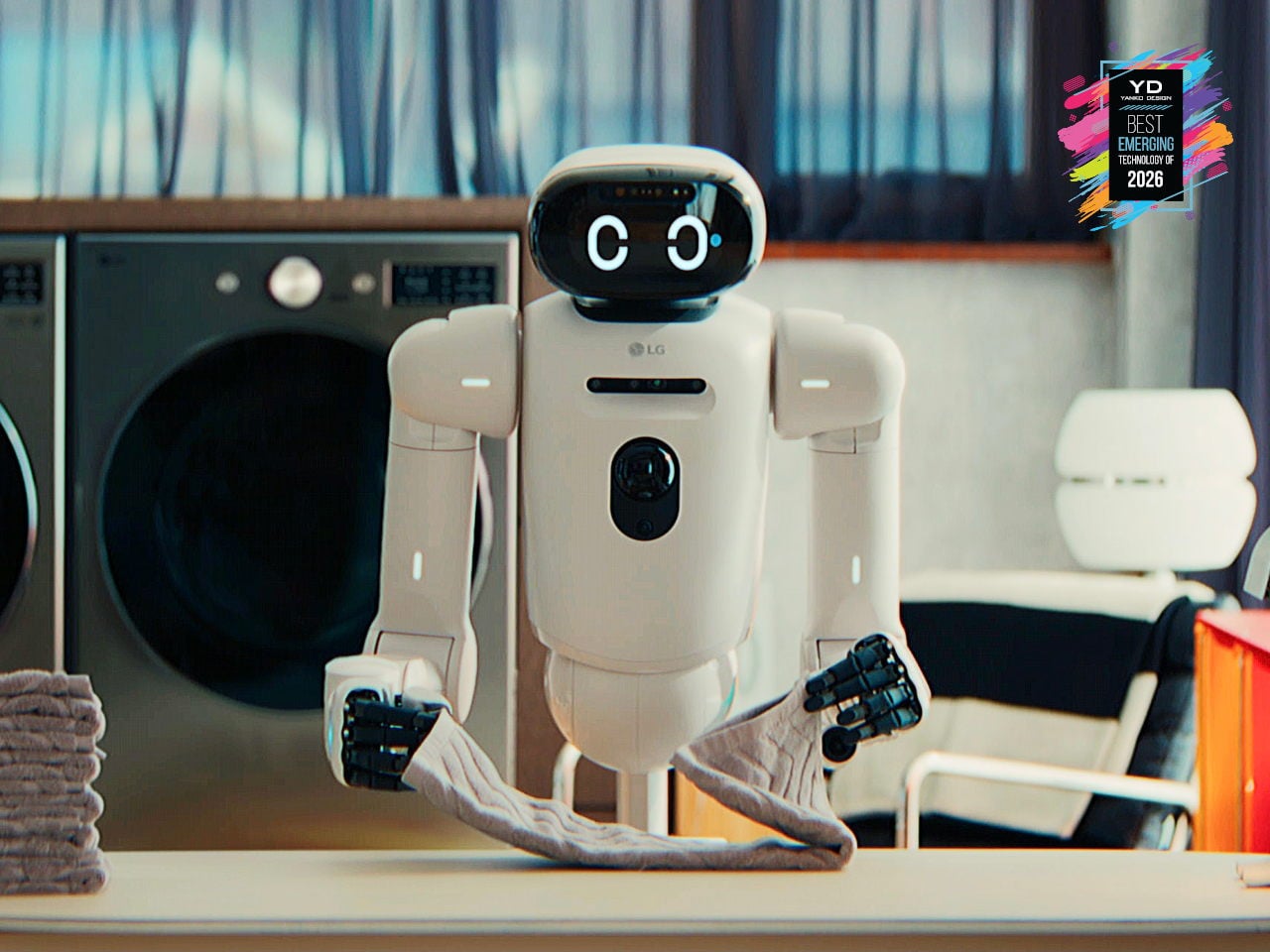
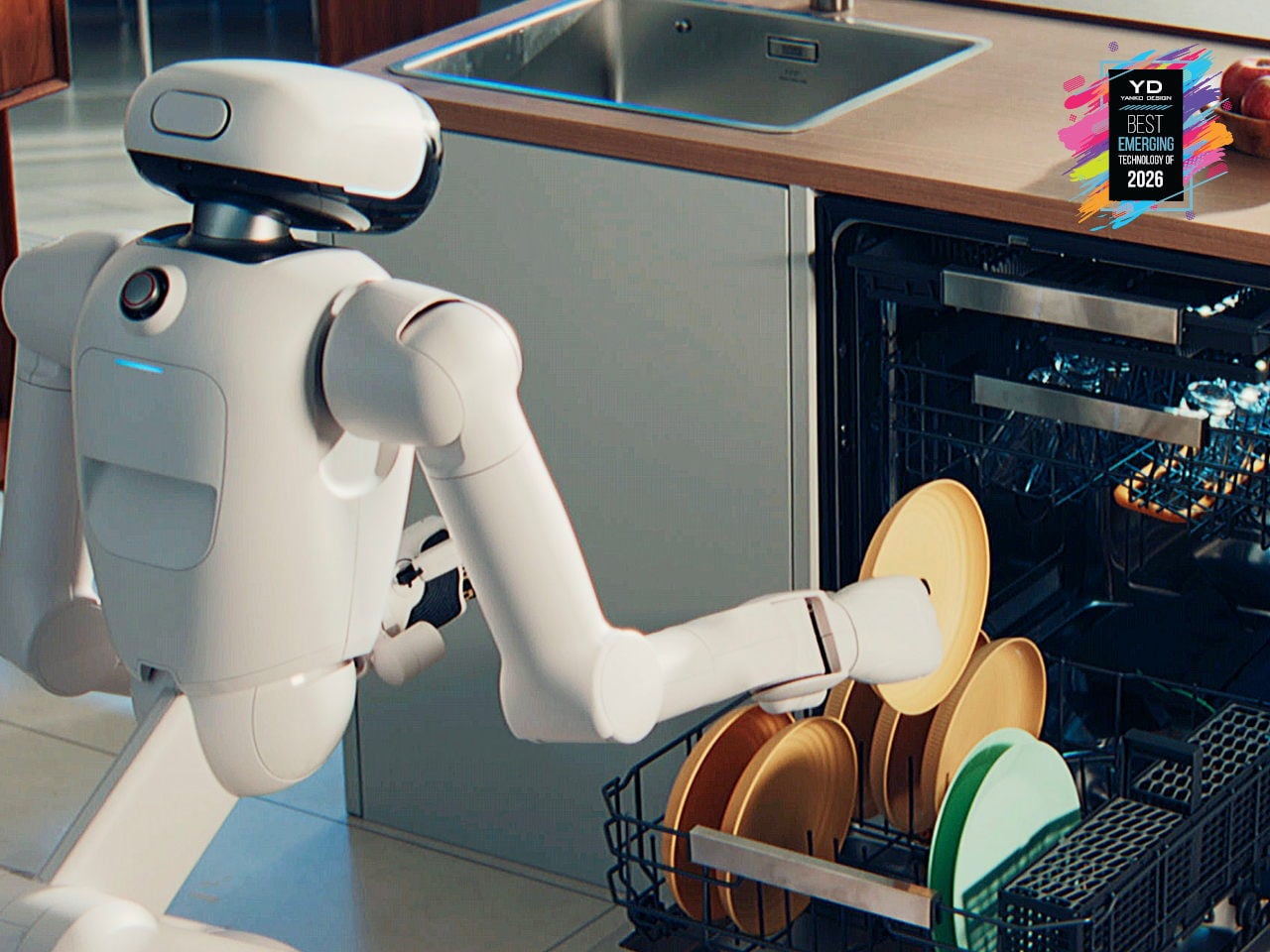
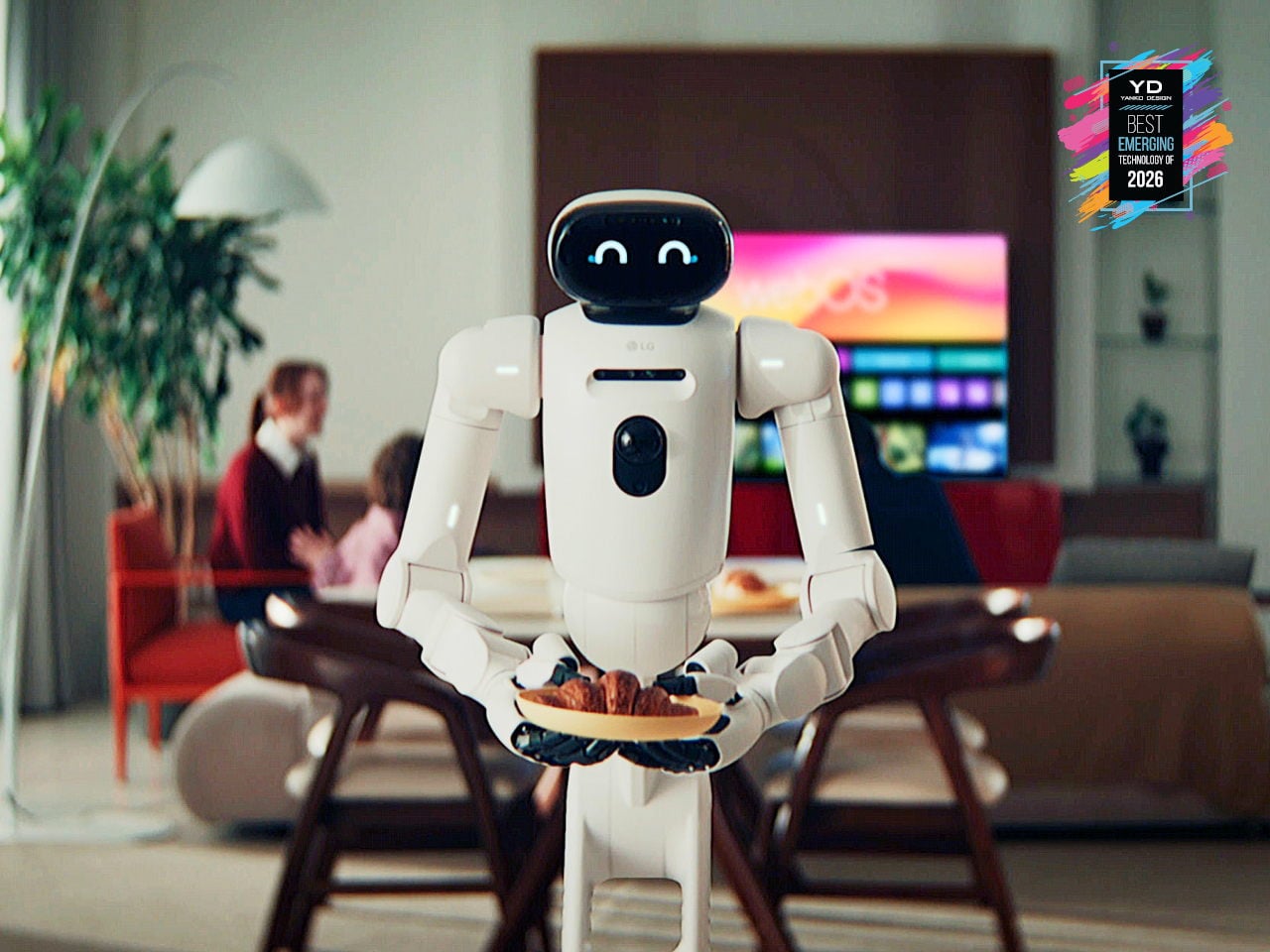
Home robots that can actually do chores are finally edging out of concept videos and into real homes. Robot vacuums are now background noise, and companies are quietly testing machines that can sort laundry or help in the kitchen instead of just answering questions from a speaker. LG’s CLOiD feels like the next step in that progression, a full-body home robot that does not just connect to appliances; it moves through the house and physically uses them.
CLOiD can take milk from the fridge, slide a croissant into the oven, start laundry cycles, and fold and stack clothes after drying. A tilting torso, two seven-degree-of-freedom arms, and five-finger hands ride on a wheeled base tuned for stability around kids and pets. LG’s AXIUM actuators give its joints compact, high-torque behavior, while a Vision Language Model and Vision Language Action system trained on tens of thousands of hours of household tasks lets it recognize appliances and coordinate with the ThinQ ecosystem, making housework automation feel less like science fiction.
iPolish Color-changing Press-on Acrylic Nails
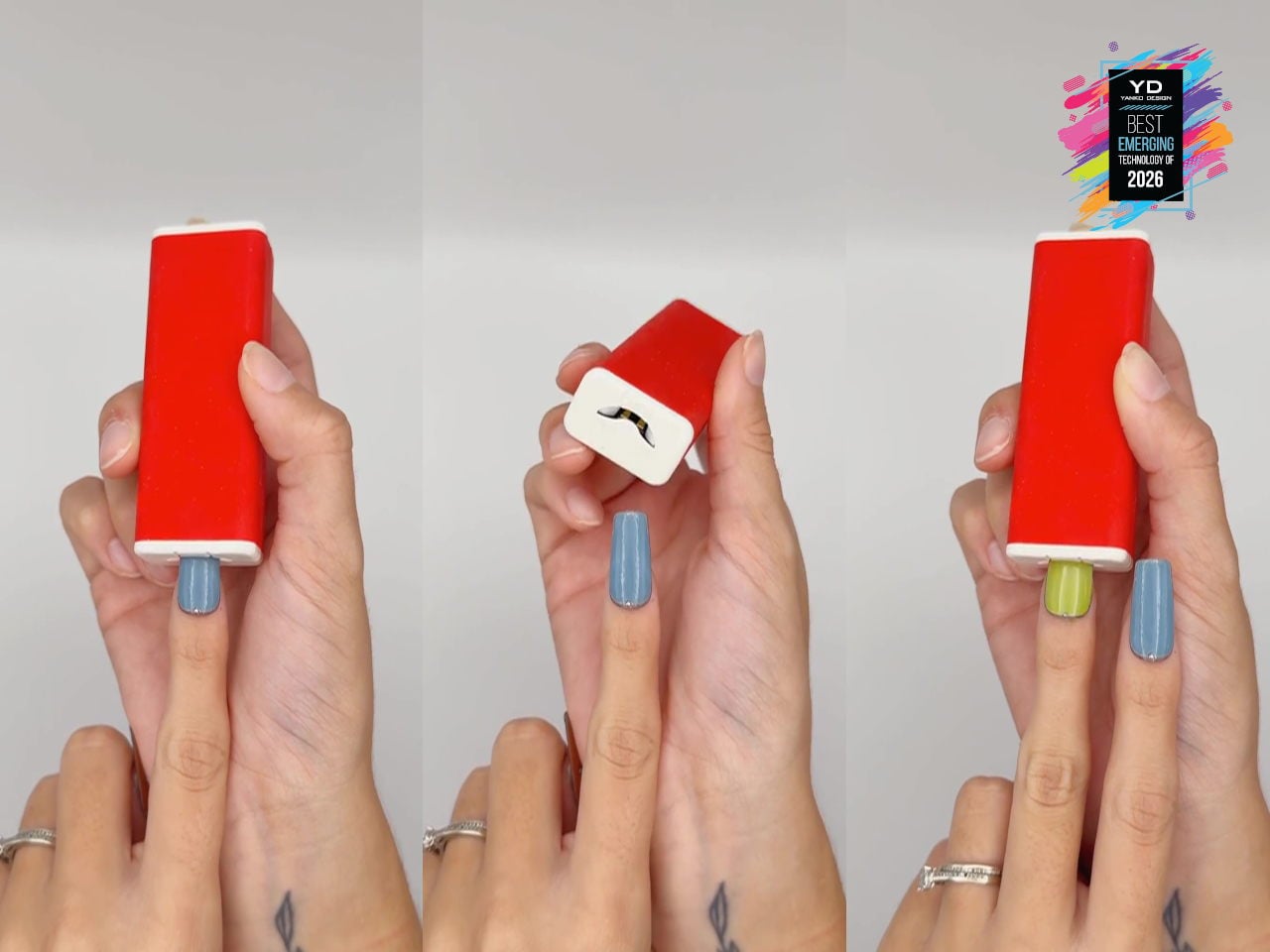
Fashion and beauty are quietly becoming the next frontier for consumer tech, from smart fabrics to LED-laced festival fits, but nails have mostly stayed analog. iPolish is a set of smartphone-driven digital press-on acrylics that behave like reprogrammable cosmetics, with wearable electronic nails that can display hundreds of rich colors on demand. You apply them like regular press-ons, then pair the iPolish app with the Magic Wand over Bluetooth to send your chosen palette, turning color changes into a quick gesture instead of a full removal and repaint.
The interaction is simple: you choose colors in the app, the Magic Wand stores them, and each nail cycles through options when inserted, pausing with a green blink at one of your selections so you can stop at the exact shade you want. Colors can last minutes, hours, or days, and if your outfit or mood changes, you just reselect and reinsert rather than soaking off layers of polish. Because the system works with accessories and fashionwear as well as nails, it feels like an early glimpse of where beauty tech is heading, where digital finishes become as swappable as makeup.
The Toyota GR Yaris MORIZO RR is a limited-edition performance car that embodies the pinnacle of engineering and motorsport-inspired design. Developed under the guidance of Akio Toyoda, also known as “Morizo,” this vehicle is a testament to Toyota Gazoo Racing’s dedication to pushing boundaries in motorsports. With only 200 units slated for production, this exclusive […]
LG opened CES 2026 by outlining its vision to reduce the physical effort and mental burden of life. Buy enough of the devices it’s presently working on and you’ll exist in an environment of “ambient care,” coddled by the machinery in your home. It sounds positively utopian: When the sensors in your bed know you’ve not slept well and are getting a cold, a robot will wake you with a glass of freshly squeezed orange juice. When you’re in a rush to get to work, the robot will make you a sandwich for you to eat on the go, sparing you the effort of making it yourself. The more I roamed the halls of the show after that, the more I couldn’t help feeling uneasy about what so many companies here were pitching. To me, the vision of the future on show here is equal parts solitary and infantilized.
There’s obvious reasons for this: AI swallowed the tech industry’s oxygen, sapping any chance of innovation in consumer hardware. The advent of Panther Lake is a win for Intel, but it’s not going to enable dramatic changes in how people work with their PCs on a daily basis. The US policy shift away from EVs and toward fossil fuel-powered vehicles, too, means that the big names in auto manufacture have similarly shied away from the show. That left CES full of various robotics startups offering early visions of humanoid robots designed to work on production lines, take care of your home and replace your pet. I saw more than a few stands where booth attendants were pretending to delight in teaching their wheeled robot pets to play fetch. At least, I hope they were pretending.
I’m painfully aware of how many devices felt like they were only a hop, skip and a jump away from the Sharper Image catalog. Gadgets that are designed to fill some perceived hole in your life that won’t actually make things better or easier in the long run. I’m leery about denigrating assistive technology that offers a vital lifeline to people with accessibility needs. I’m also leery about knocking devices that may enable people to keep working despite wrestling with long term injuries — I've got one eye on the raft of exoskeletons exhibited at the show which might help me work in the garden despite the weakness in my lower back. But I’m also not quite sold on how many toilet computers, massage chairs and scootcases we all need in our daily lives.
There’s also the elephant in the room that many of these innovations seem intent on acting as a replacement, substitute or supplement for real interaction. Robotic panda bears scuttling around your home to save you the effort of caring for a real flesh-and-blood pet. Holographic AI waifus that will obsequiously respond to whatever you ask of it with nothing but flattery and agreement. The sheer volume of AI Labubus operating as friend, enemy, companion or a combination of all the above. Cuddly home robots that are little more than a tablet on a moveable base that’ll keep your kids entertained so you don’t have to. Yes, I’m being unfair, but sometimes shows like this make me sound like someone’s grandpa angrily insisting you darn kids get off your screens.
I feel some of these gadgets are specifically designed to enable a degree of detachment from our own bodies. We’re spending so much time getting dopamine from our devices that we’re no longer able to pay attention to how our bodies are feeling. In LG’s vision of the future, moving around for ourselves and making our own food is a thing of the past, which will, surely, put a dent in our physical and mental health. We lose the ability to connect with the people around us because we’ve spent too long being flattered by our AI lackeys. We need a machine to monitor the food we eat and the crap we excrete because we’re not willing to pay attention to what we’re doing. Much in the same way that AI encourages us to take shortcuts rather than enjoy the process of being creative, the rest of the tech industry seemingly wants us to shortcut the fundamentals of life.
This article originally appeared on Engadget at https://www.engadget.com/ces-2026-offered-a-lonely-vision-of-the-future-160000993.html?src=rss
Samsung has introduced the R95H, the world’s first 130-inch Micro RGB TV, marking a significant milestone in home entertainment. Announced at CES 2026, this innovative display combines innovative technology with a refined artistic design, setting a new benchmark for modern televisions. With its emphasis on unparalleled picture quality, immersive sound, and a gallery-inspired aesthetic, the […]
What if you could access a high-quality text-to-speech system that rivals premium platforms like ElevenLabs, but without spending a dime? Below, Universe of AI takes you through how Chatterbox, an open source alternative, is reshaping the landscape of voice synthesis by offering a completely free, localized solution. Imagine generating expressive, multilingual audio in milliseconds, all […]
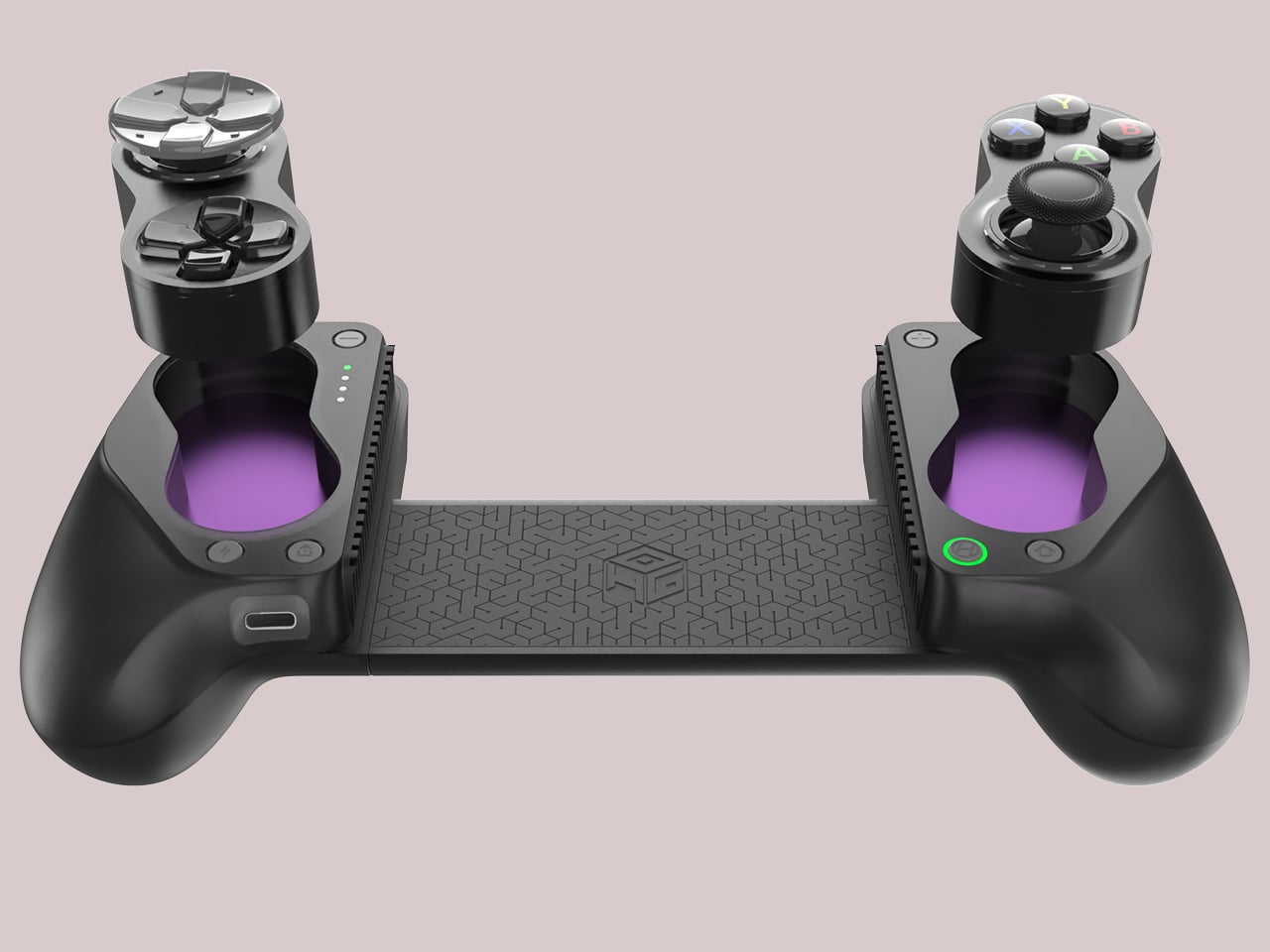
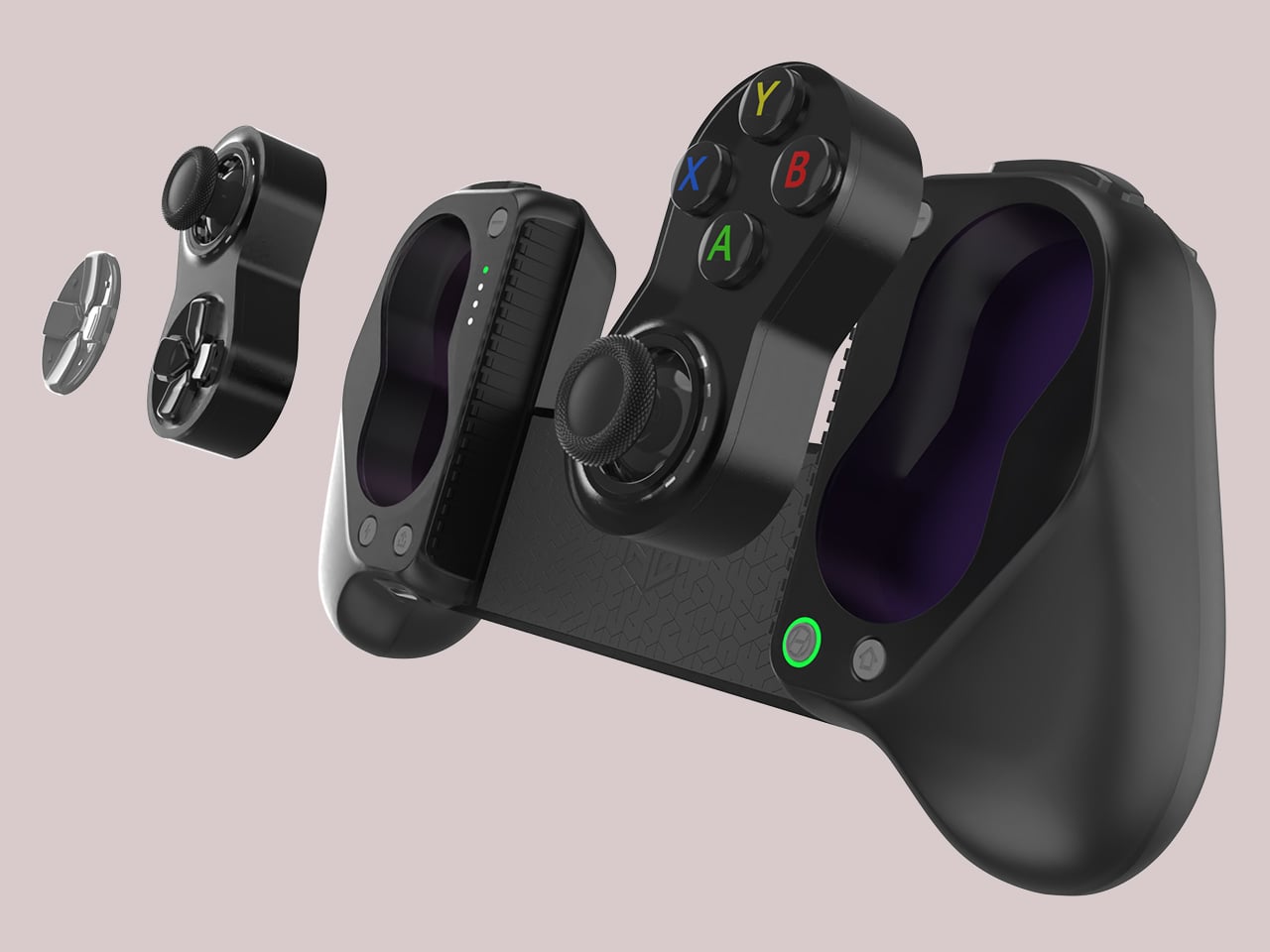
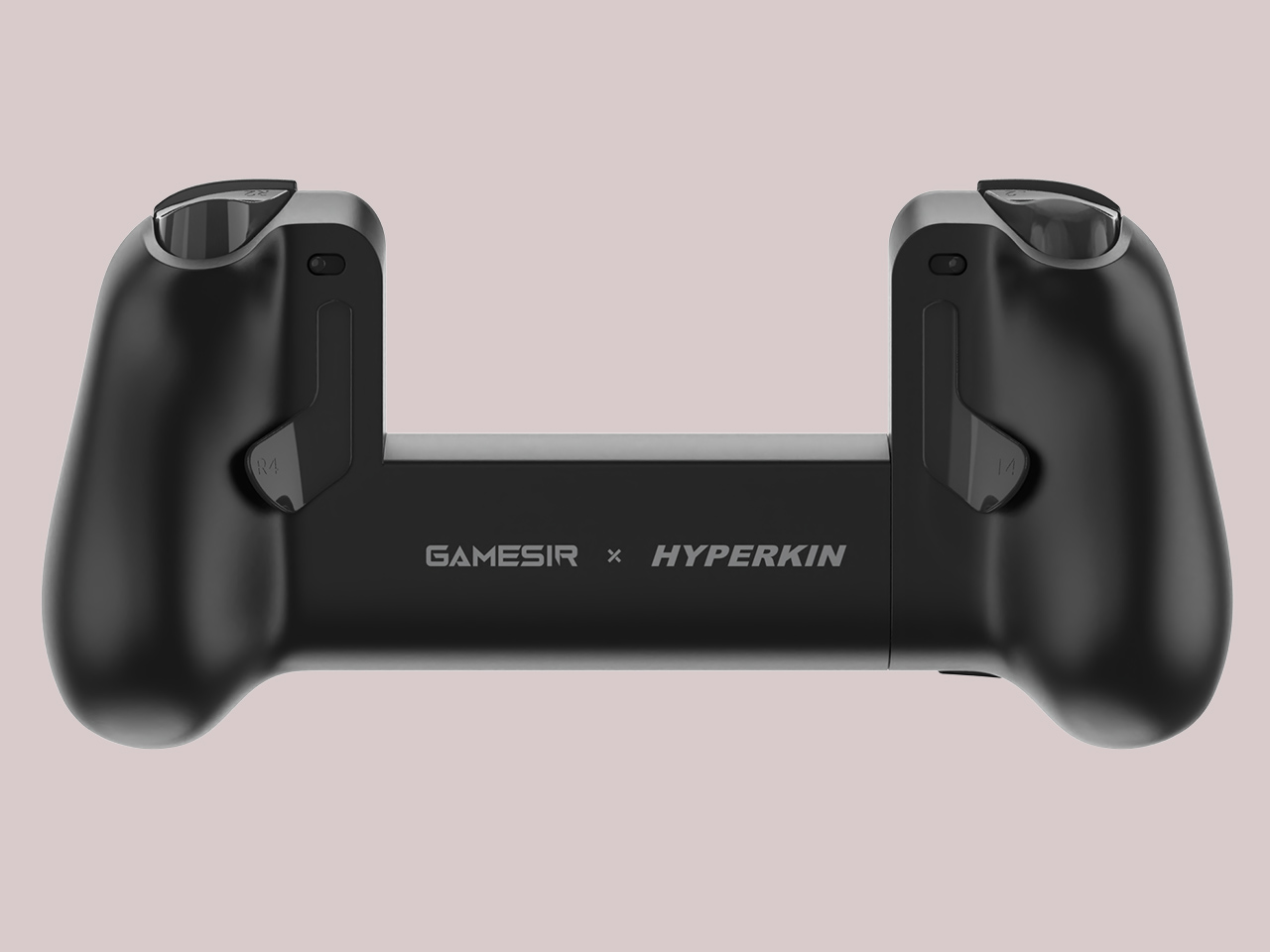
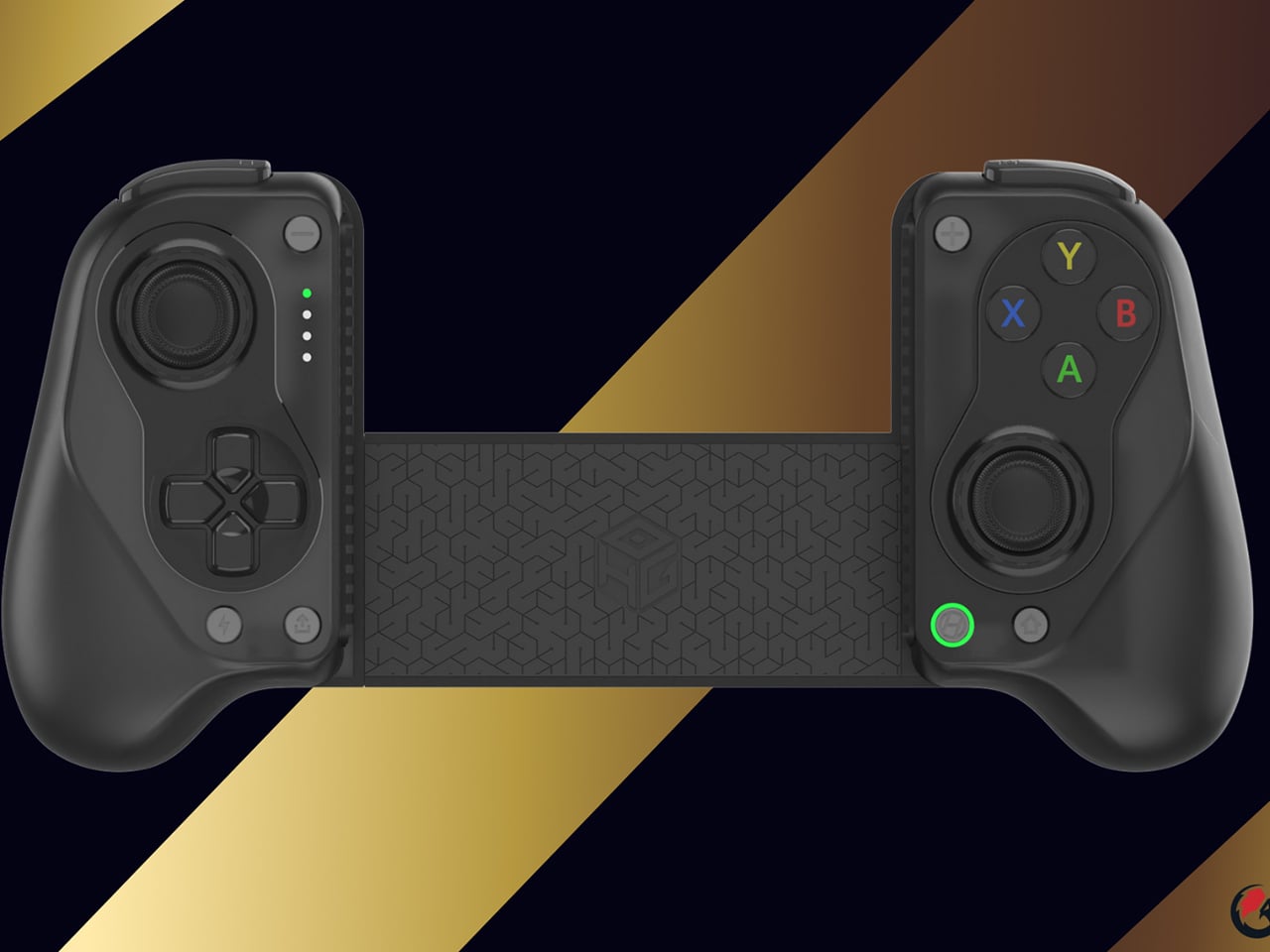
Hype around mobile gaming controllers is not going away any time soon. More people are gaming on mobile, and controllers that make it possible are in demand. GameSir very well understands the needs of gamers who play on multiple devices and platforms, and they’ve brought a transforming controller to CES 2026 in collaboration with Hyperkin, which will have you sold for good.
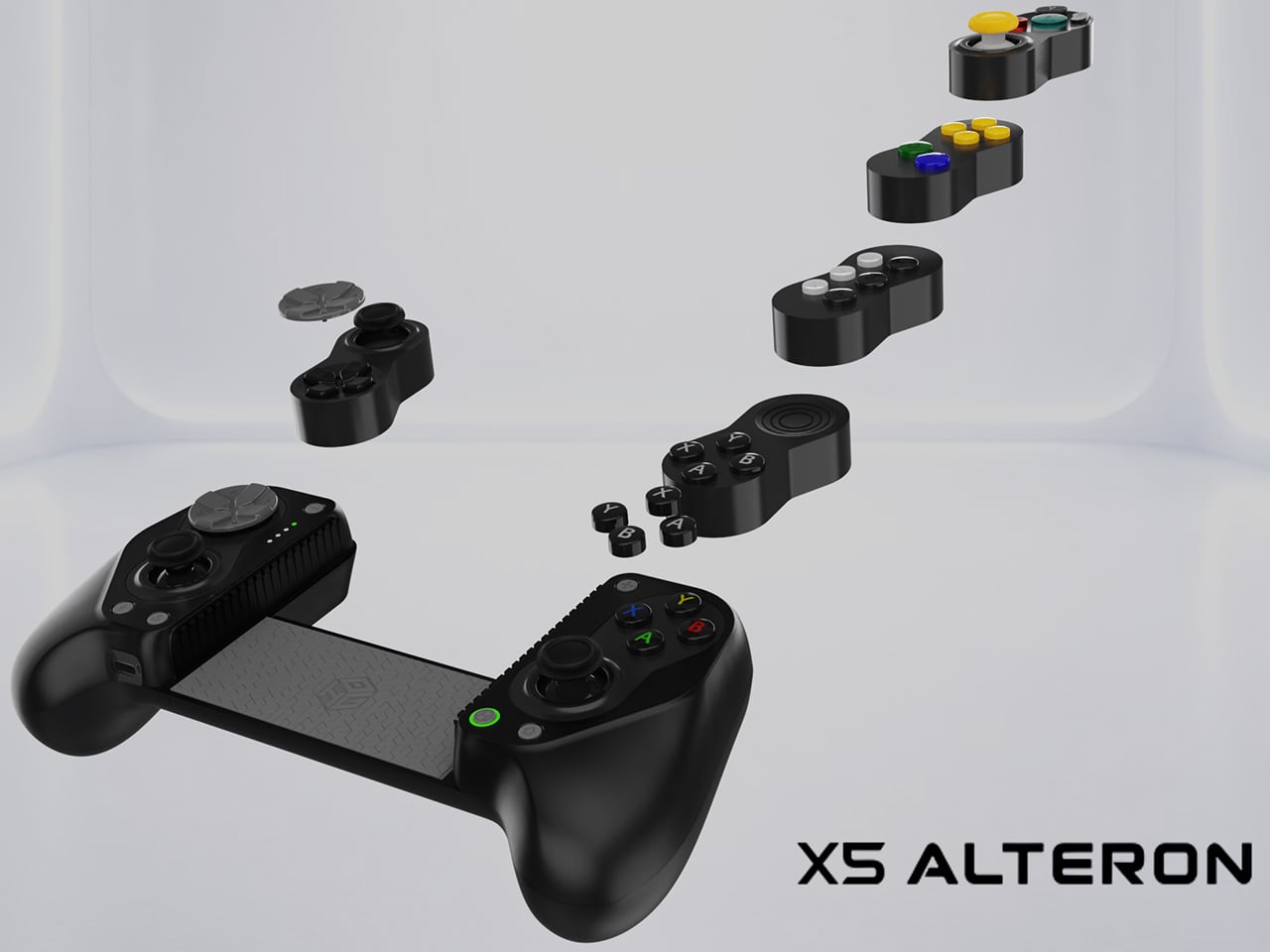
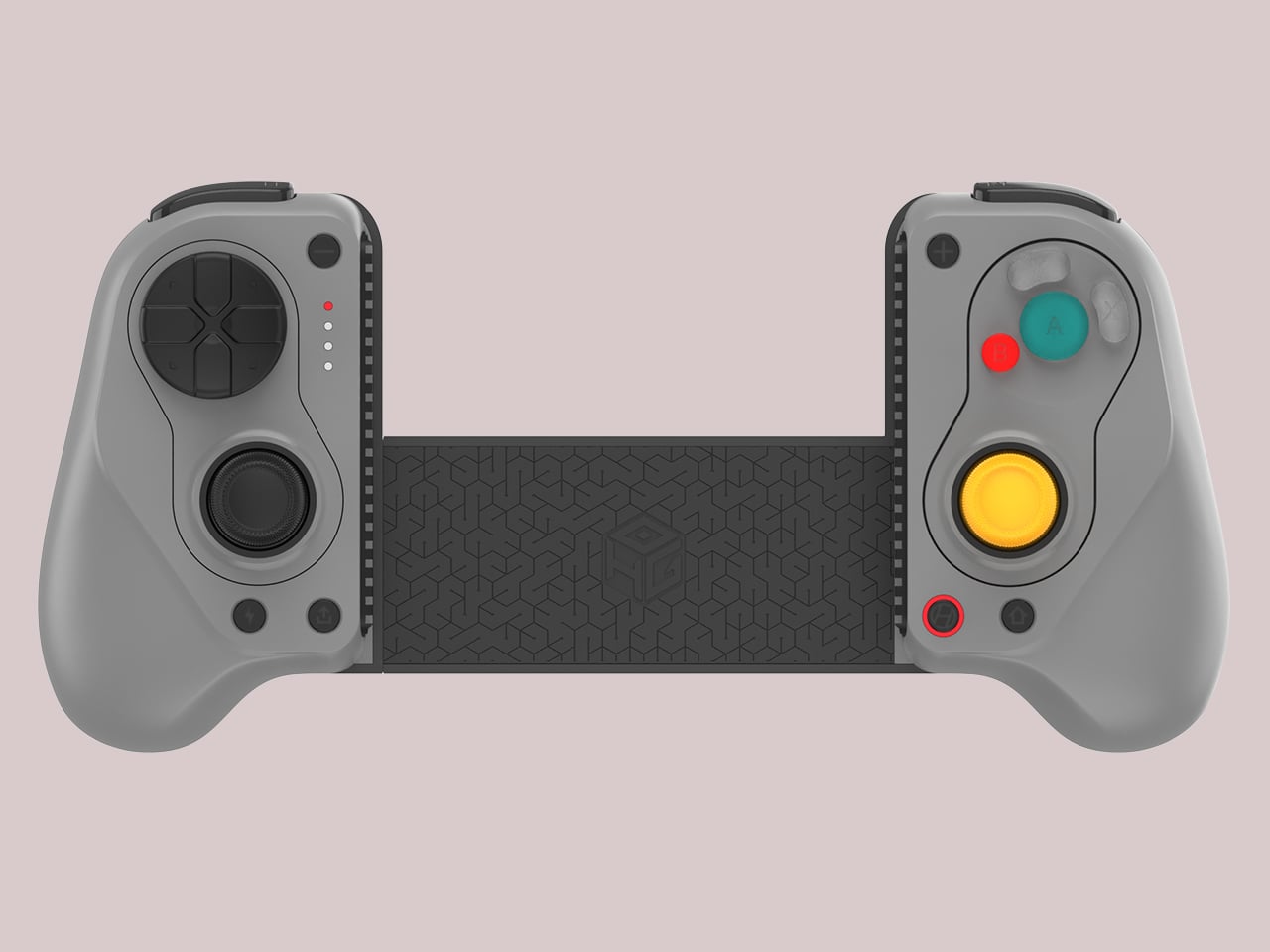
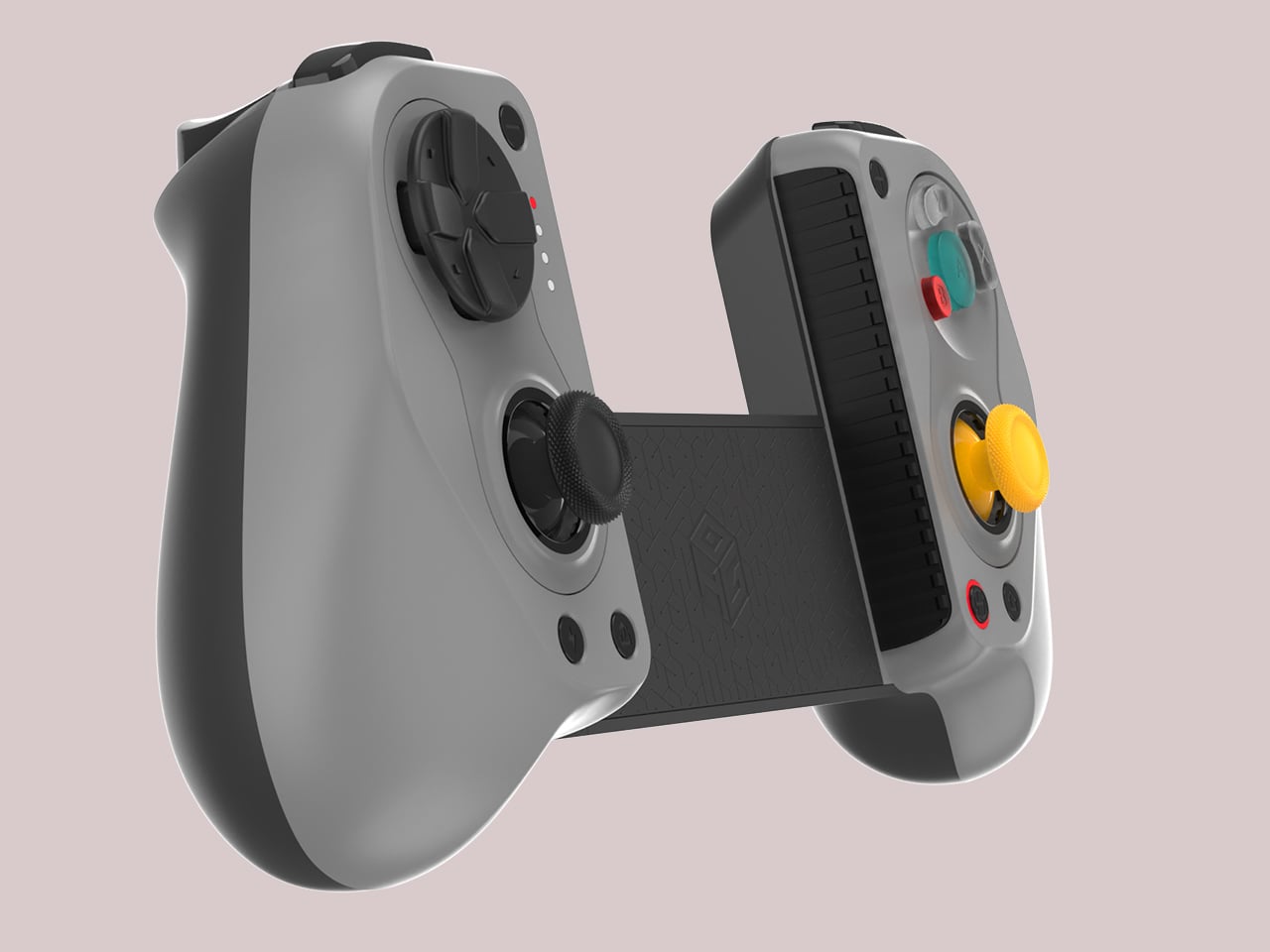
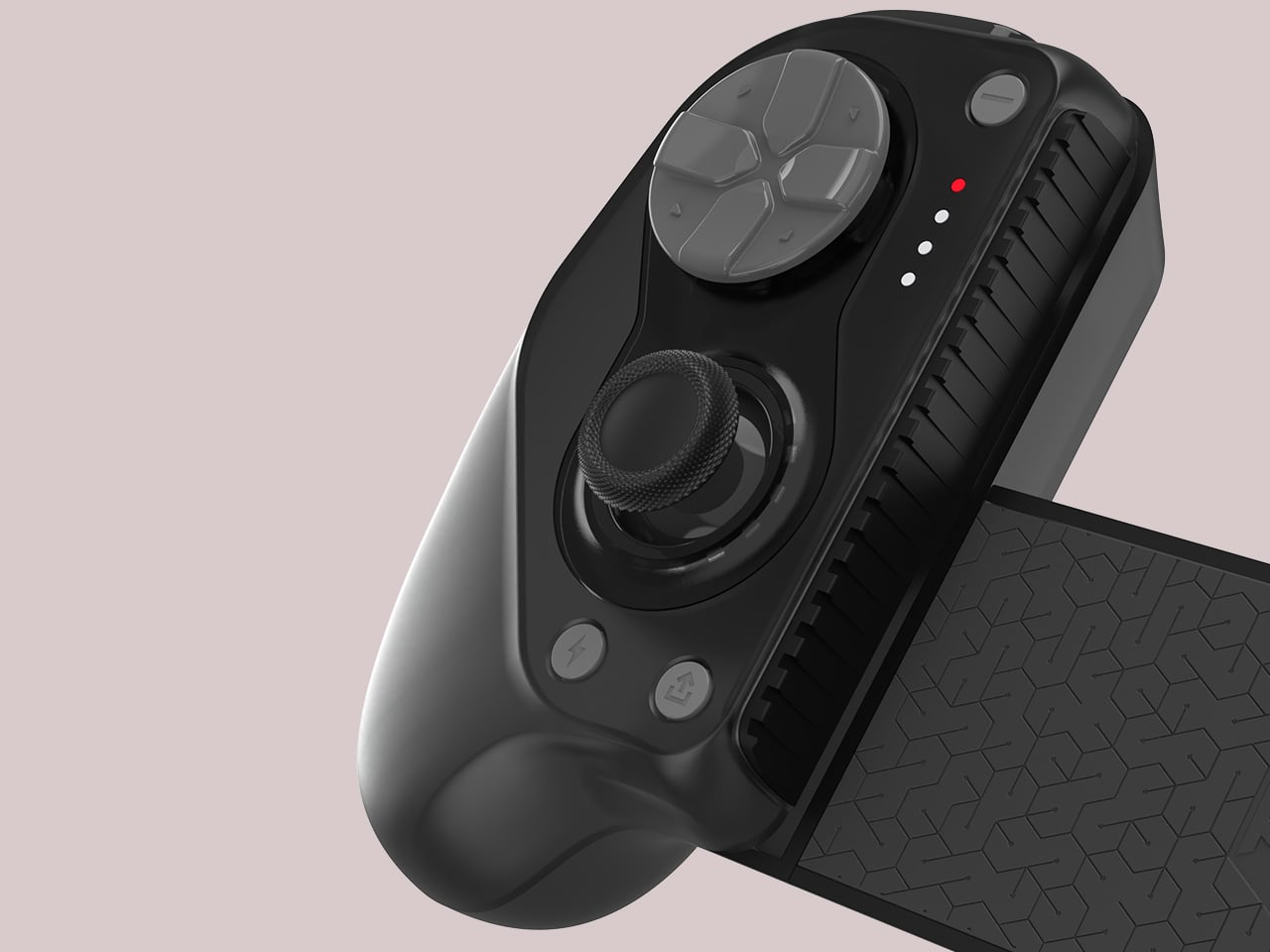
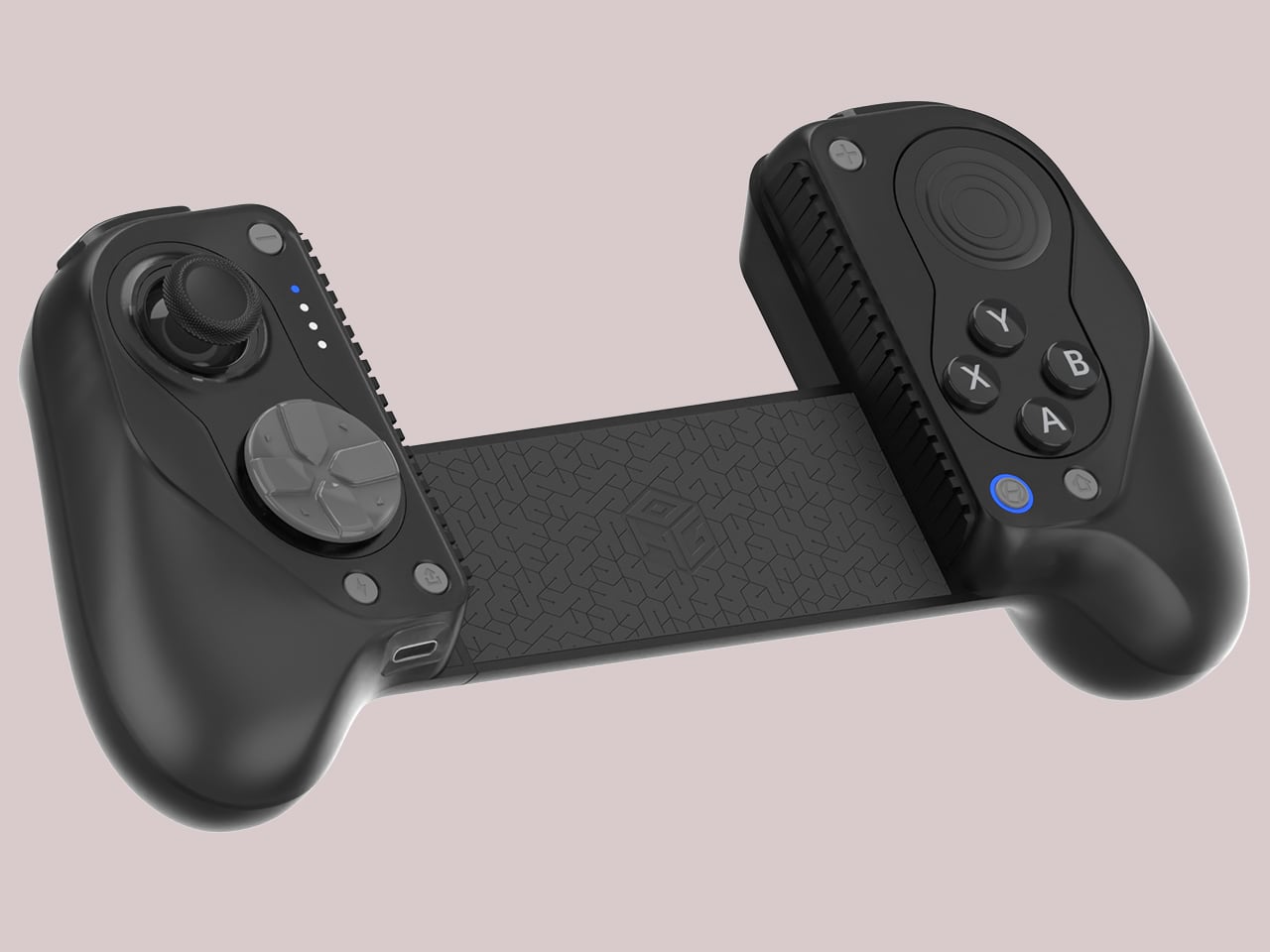
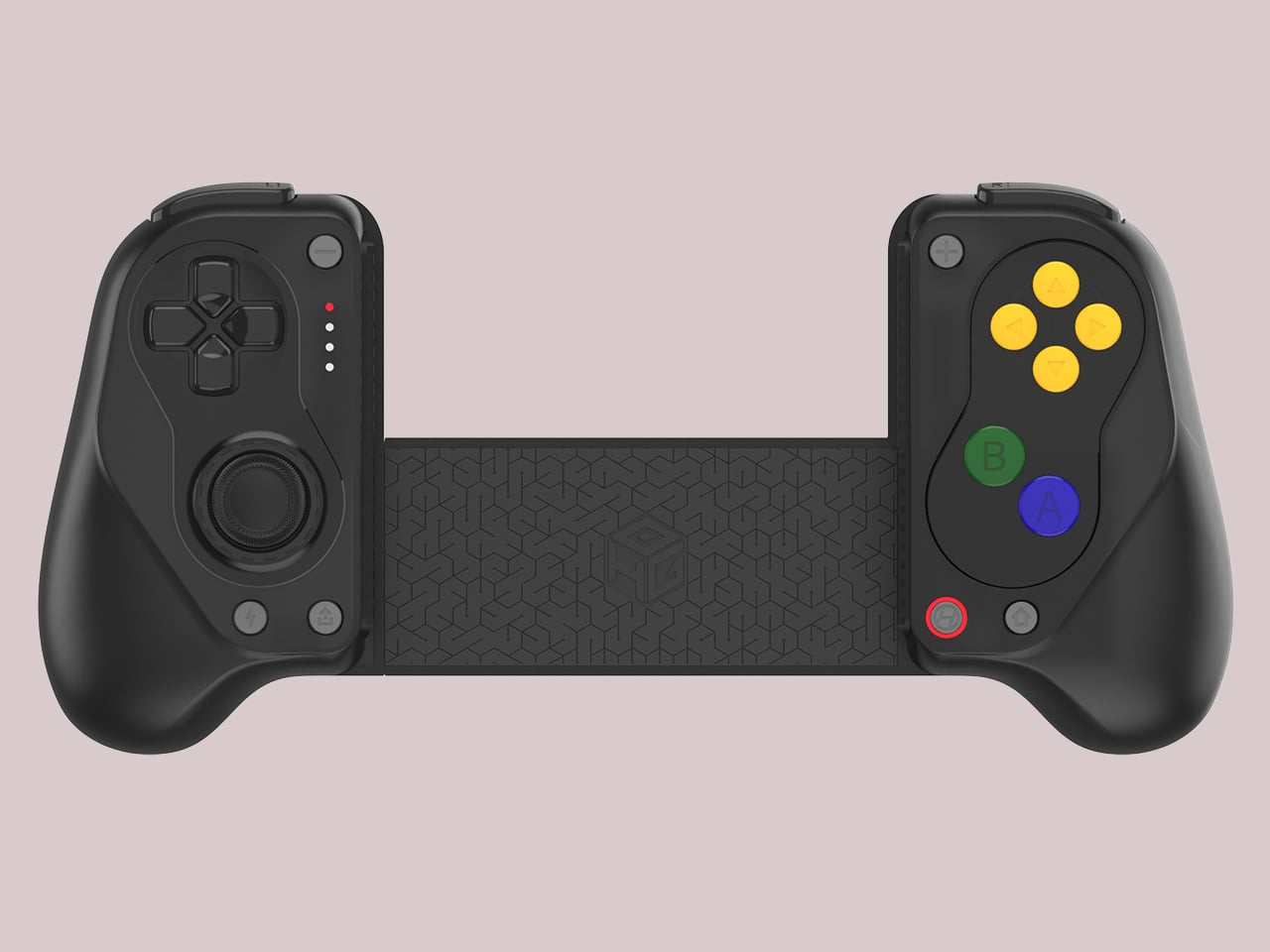
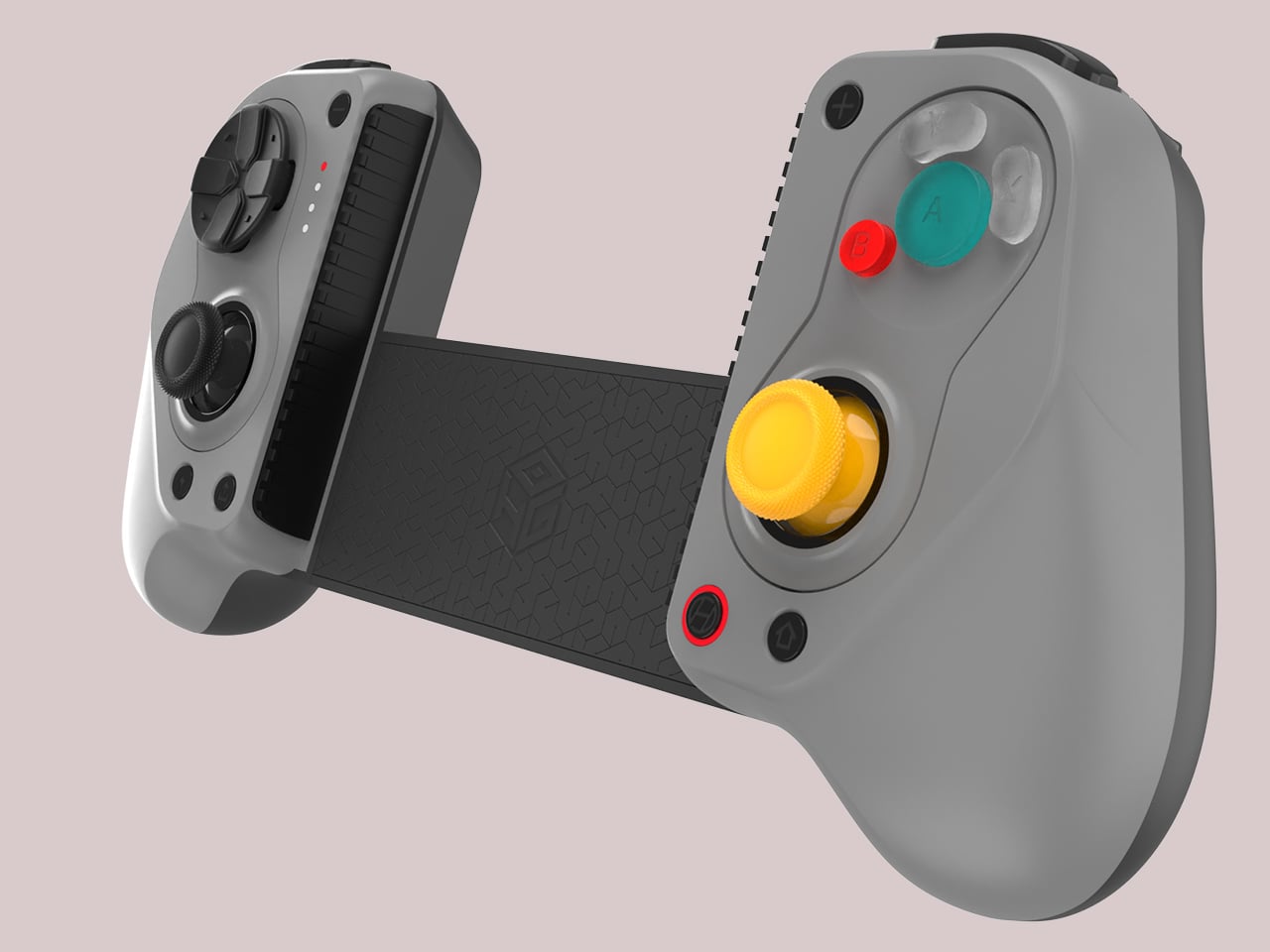
The X5 Alteron controller gets the best of both worlds: GameSir’s ergonomic engineering that makes it the first choice for gamers, and Hyperkin’s knack for designing retro controllers. What sets the modular controller apart is the swappable module system that allows gamers to completely change the layout from symmetrical to asymmetrical thumbsticks, to changing the D-pad and face buttons.
This level of customization gives mobile gamers the option to carry just one controller, whether playing on Switch, Android, PC, iPhone, or iPad. The ability to swap and replace buttons, or add the mouse-level precision trackpad (yes, this controller can do that), gives you tactical advantage in all genres of games like racing, strategy, RPGs, and, in particular, FPS titles. GameSir already impressed at CES with the Swift Drive controller, and the X5 Alteron is even better. The gamepad is a literal transformer of the gaming controllers world, as it changes shape, style, and size depending on what device you are playing it with.
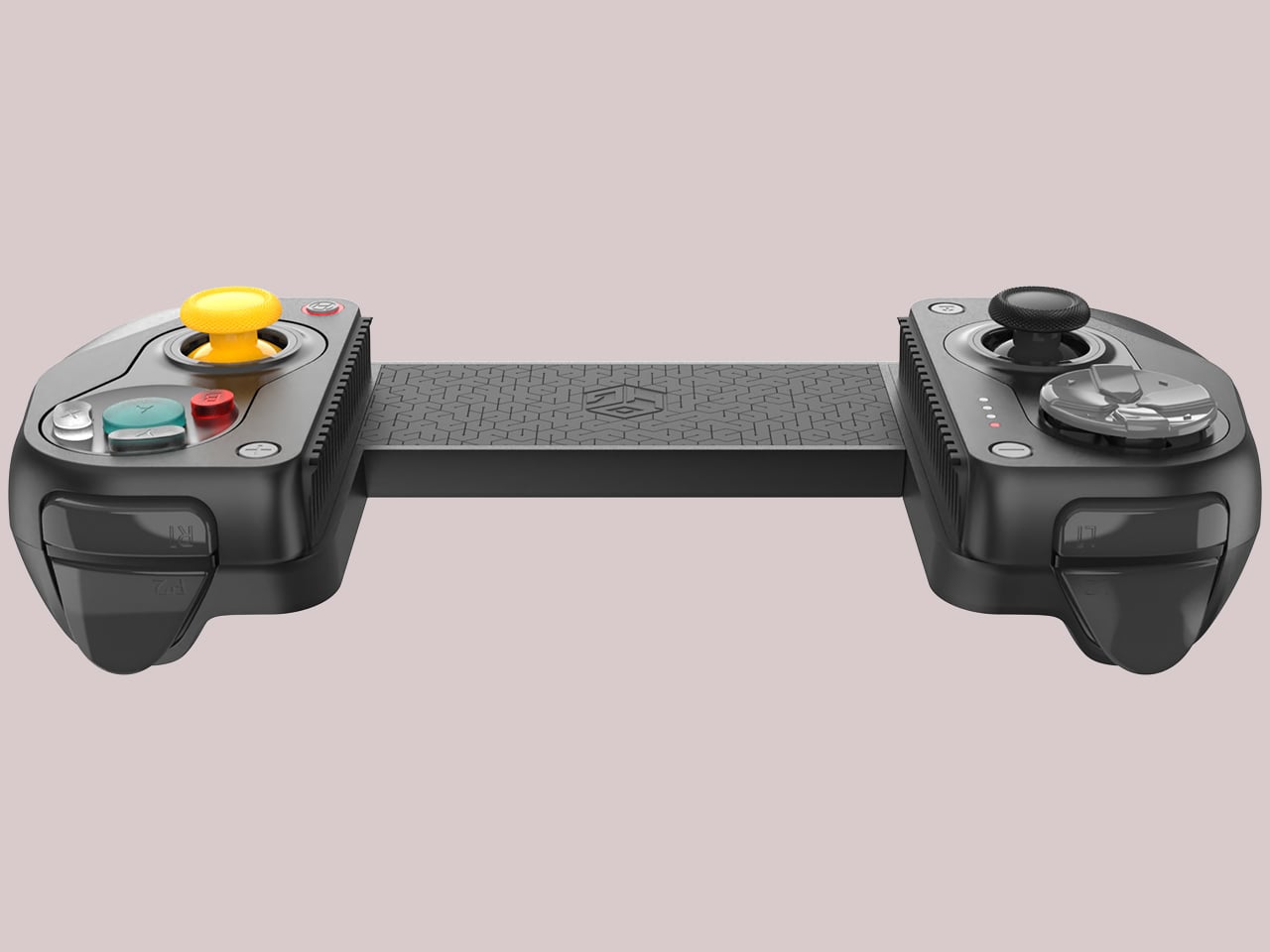
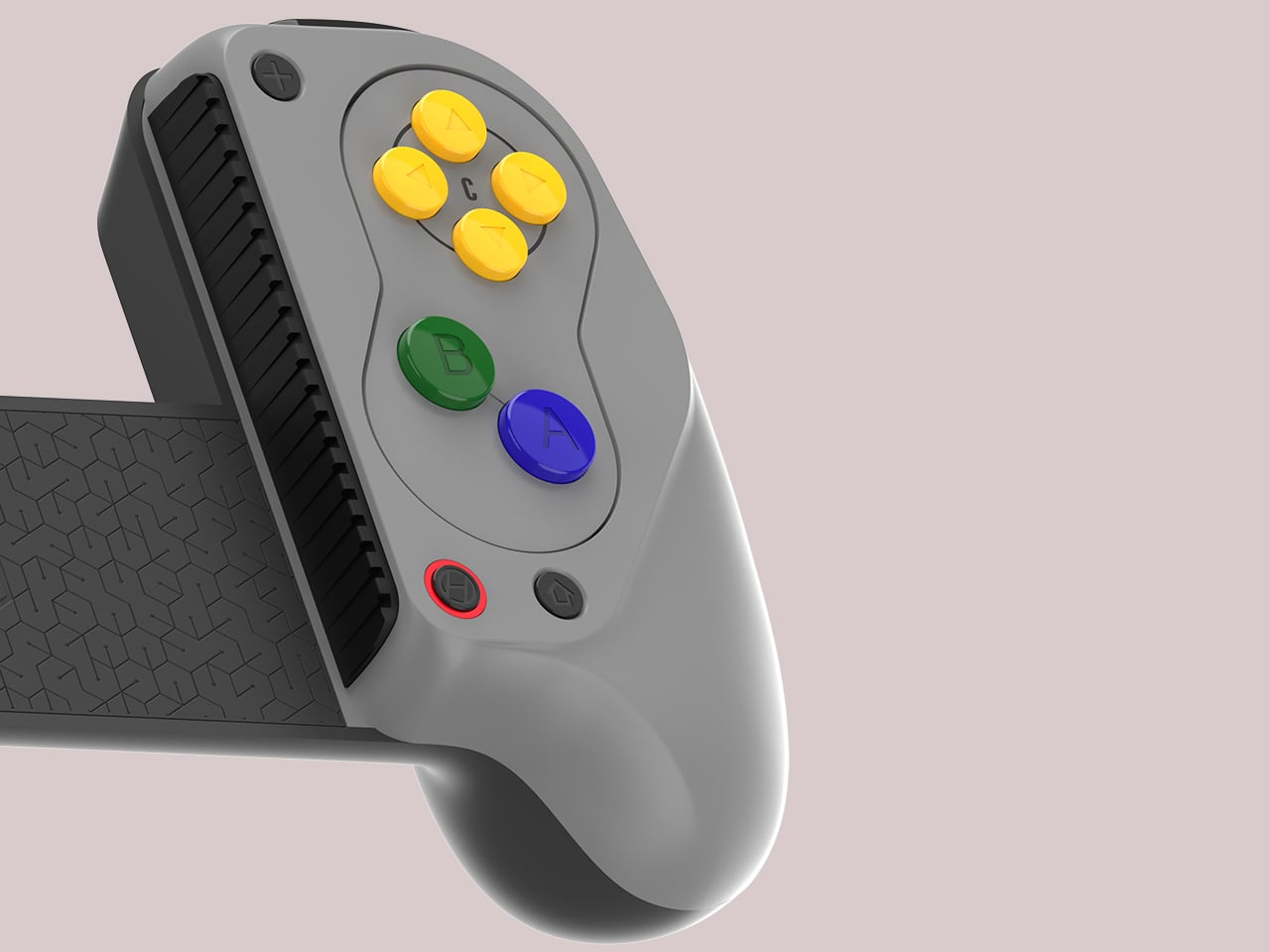
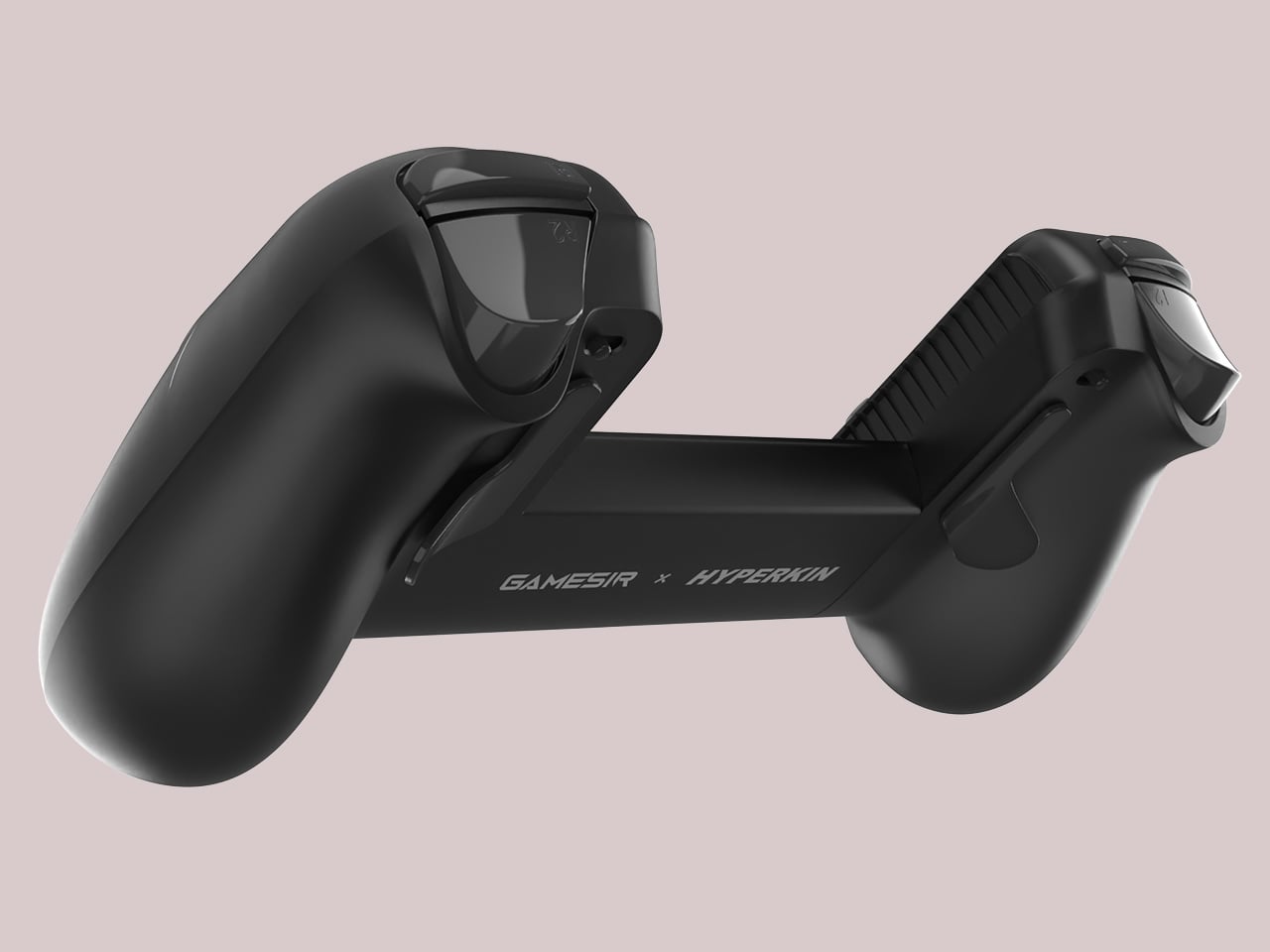
Want the Xbox-style layout, or the feel of the N64 controller setup? The modular controller makes quick work of that. It even has a module dedicated to fighting titles for maximum precision. The possibilities are endless as the controller sets a new yardstick for customizable gaming hardware. Of course, it has all the essentials of a gaming controller intact while doing this. There are Hall effect triggers and capacitive sticks for zero stick drift, mouse click, rumble motors, and hot swappable ABXY buttons. Transformable D-Pad and much more. Alteron can be extended to 213mm to fit all devices you throw at it.
The gaming accessory charges via USB-C port, and the connectivity with the devices is made via Bluetooth 5.2. Latency should not be a worry as GameSir and Hyperkin optimize their accessories very nicely. The GameSir x Hyperkin X5 Alteron controller will be released in the coming months, but there is no detail about pricing yet. Given how GameSir controllers are tactically priced, this one should be right there in the sweet zone. Could it replace all your controllers going forward for a one-stop solution? It pretty well can be the prime contender!
Hype around mobile gaming controllers is not going away any time soon. More people are gaming on mobile, and controllers that make it possible are in demand. GameSir very well understands the needs of gamers who play on multiple devices and platforms, and they’ve brought a transforming controller to CES 2026 in collaboration with Hyperkin, which will have you sold for good.
The X5 Alteron controller gets the best of both worlds: GameSir’s ergonomic engineering that makes it the first choice for gamers, and Hyperkin’s knack for designing retro controllers. What sets the modular controller apart is the swappable module system that allows gamers to completely change the layout from symmetrical to asymmetrical thumbsticks, to changing the D-pad and face buttons.
This level of customization gives mobile gamers the option to carry just one controller, whether playing on Switch, Android, PC, iPhone, or iPad. The ability to swap and replace buttons, or add the mouse-level precision trackpad (yes, this controller can do that), gives you tactical advantage in all genres of games like racing, strategy, RPGs, and, in particular, FPS titles. GameSir already impressed at CES with the Swift Drive controller, and the X5 Alteron is even better. The gamepad is a literal transformer of the gaming controllers world, as it changes shape, style, and size depending on what device you are playing it with.
Want the Xbox-style layout, or the feel of the N64 controller setup? The modular controller makes quick work of that. It even has a module dedicated to fighting titles for maximum precision. The possibilities are endless as the controller sets a new yardstick for customizable gaming hardware. Of course, it has all the essentials of a gaming controller intact while doing this. There are Hall effect triggers and capacitive sticks for zero stick drift, mouse click, rumble motors, and hot swappable ABXY buttons. Transformable D-Pad and much more. Alteron can be extended to 213mm to fit all devices you throw at it.
The gaming accessory charges via USB-C port, and the connectivity with the devices is made via Bluetooth 5.2. Latency should not be a worry as GameSir and Hyperkin optimize their accessories very nicely. The GameSir x Hyperkin X5 Alteron controller will be released in the coming months, but there is no detail about pricing yet. Given how GameSir controllers are tactically priced, this one should be right there in the sweet zone. Could it replace all your controllers going forward for a one-stop solution? It pretty well can be the prime contender!
Samsung is expected to launch the Galaxy S26 Ultra next month, with its launch date set for February 25, 2026. This flagship smartphone introduces a suite of advanced features, including an AI-powered privacy display, magnetic accessory compatibility, and innovative AI integration. These innovations aim to enhance the user experience while reinforcing Samsung’s position as a […]
There were no idle hands at Sharpa's CES booth. The company's humanoid may have been the busiest bot at show, autonomously playing ping-pong, dealing blackjack games and taking selfies with passersby. On display wasn't just the robot and its smarts, but also SharpaWave, a highly dexterous 1:1 scale human hand.
The hand has 22 active degrees of freedom, according to the company, allowing for precise and intricate finger movements. It mirrored my gestures as I wiggled my hand in front of its camera, getting everything mostly right, which was honestly pretty cool. Each fingertip contains a minicamera and over 1,000 tactile pixels so it can pick up objects with the appropriate amount of delicateness for the task at hand, like plucking a playing card from a deck and placing it gently on the table.
Sharpa's robot was a pretty good ping-pong player, too. We've seen ping-pong robots plenty of times before, but these typically come in the form of a disembodied robotic arm, not one that's humanoid from the waist up. The company's products are meant to be general-purpose, with the ability to handle a wide range of jobs, and its humanoid wore a lot of hats at CES to drive the point home.
This article originally appeared on Engadget at https://www.engadget.com/ai/sharpas-ping-pong-playing-blackjack-dealing-humanoid-is-working-overtime-at-ces-2026-150000488.html?src=rss