The Mile-High Tower That Grows Food, Harvests Clouds, and Heals Chicago

Imagine looking up at a city skyline and knowing that inside those towers, food is growing, water is being harvested from clouds, and entire communities are thriving in harmony with nature. The Eden Rise Vertical Eco Living Community is not just a building proposal. It is a bold reimagining of what a city can be when architecture becomes an ecosystem rather than an object.

The project tackles one of Chicago’s most urgent urban challenges: food deserts. In many neighborhoods, especially low-income ones, access to fresh and nutritious food is limited. Grocery stores are scarce, healthy options are expensive, and residents often rely on convenience stores or fast food. Eden Rise flips this reality by embedding vertical farms directly into a mile-high tower, allowing fresh produce to be grown where people live. Food no longer travels miles to reach a plate. It moves floors.

Designer: Yuhan Zhang and Dreama Simeng Lin
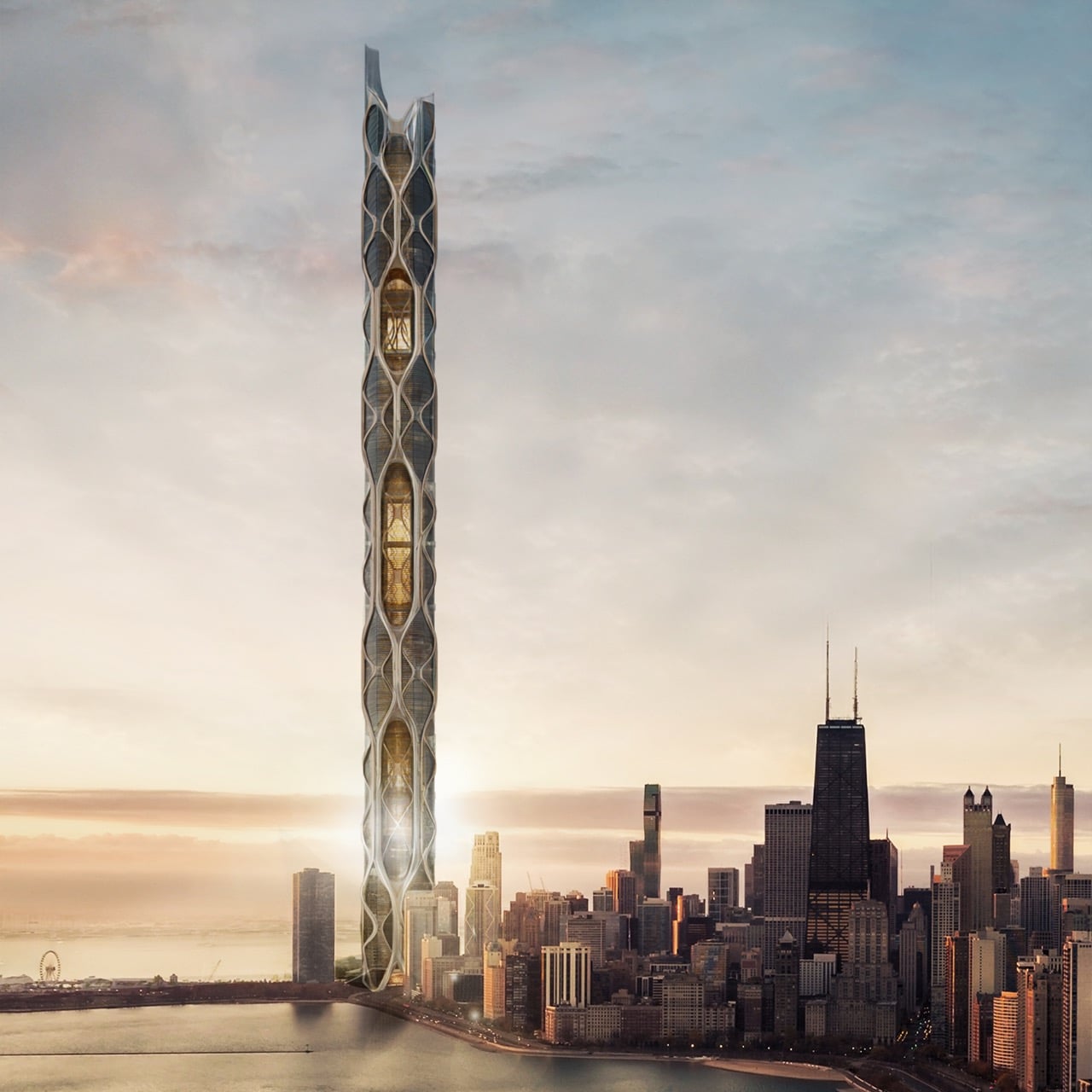
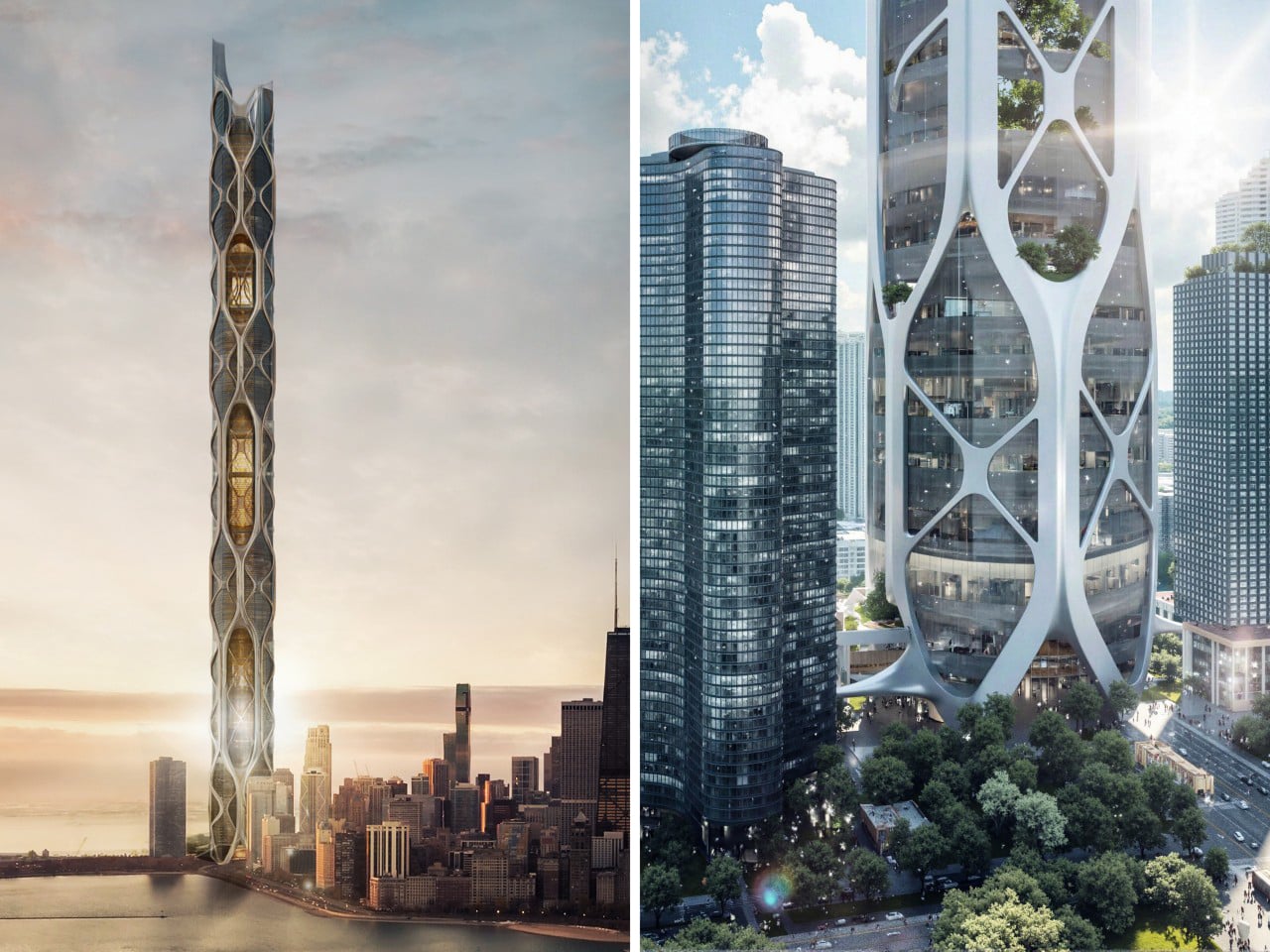
The tower’s design is as poetic as its purpose. Inspired by the fluid form of a water droplet, its organic silhouette reflects Chicago’s relationship with water while symbolizing life, renewal, and sustainability. This fusion of natural inspiration and urban ambition transforms the structure into a vertical extension of the city’s green belt, suggesting a future where skylines are defined not just by height but by ecological intelligence.
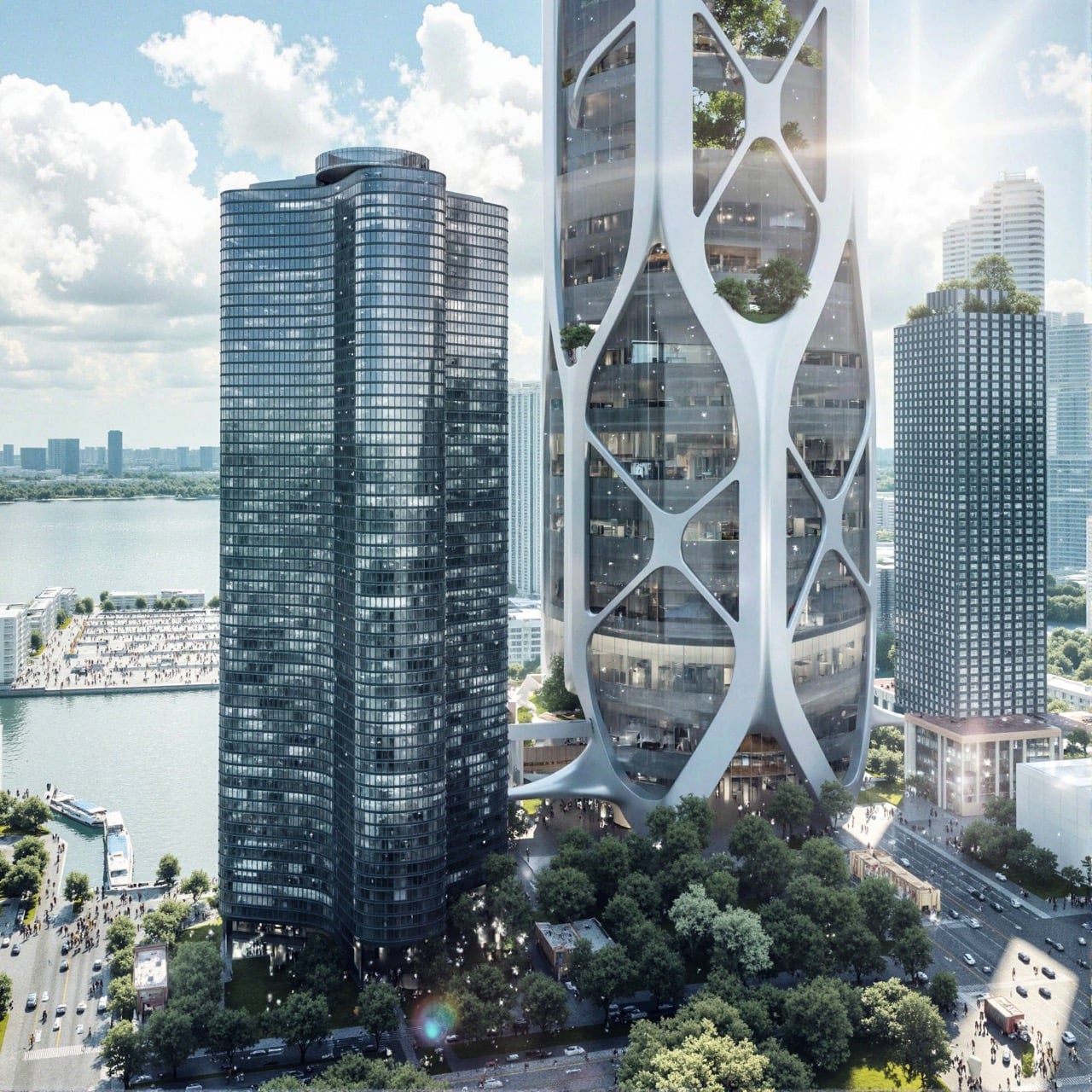
Inside, Eden Rise functions like a city stacked vertically. Homes sit alongside offices, hotels, schools, and recreational spaces, creating a complete lifestyle environment within a single structure. Residents can wake up, work, learn, relax, and socialize without ever needing to commute across town. Schools integrated throughout the tower ensure education is woven into everyday life, while hotels welcome visitors to experience this futuristic ecosystem from panoramic heights. It is urban life condensed, connected, and reimagined.

Scattered throughout the structure are sky terraces that act as elevated parks in the clouds. These lush communal spaces give residents places to gather, breathe, and reconnect with nature despite living in a dense vertical environment. They are not decorative add-ons but essential social and environmental anchors that support well-being and community interaction.
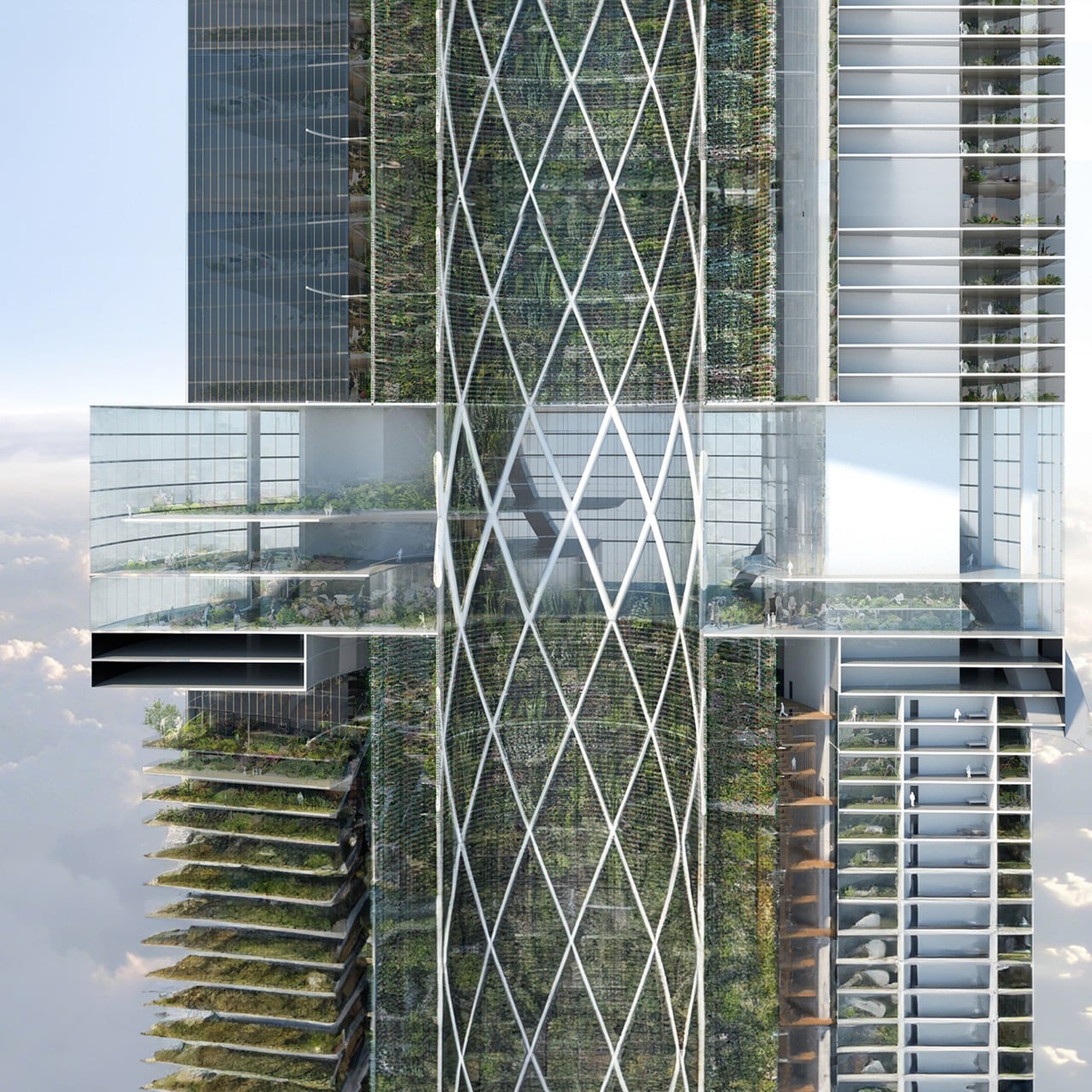
What truly sets Eden Rise apart is its seamless integration of advanced green technologies. Vertical farms in the core supply fresh food. Rainwater collection and cloud harvesting systems recycle water efficiently. Wind turbines built into the exoskeleton generate renewable energy. Natural ventilation and a breathable atrium maximize airflow and daylight, reducing energy use while improving indoor comfort. Each system works together like organs in a living body, turning the tower into a self-sustaining organism.

The engineering behind this vision is equally striking. Four conjoined towers are reinforced by layered bracing systems that provide structural depth and stability. A diagrid pattern spans multiple stories, weaving a network of structural lines that balance strength with elegance. Within this framework, an inner void allows light and air to travel deep into the building, ensuring that even its core feels open and alive.
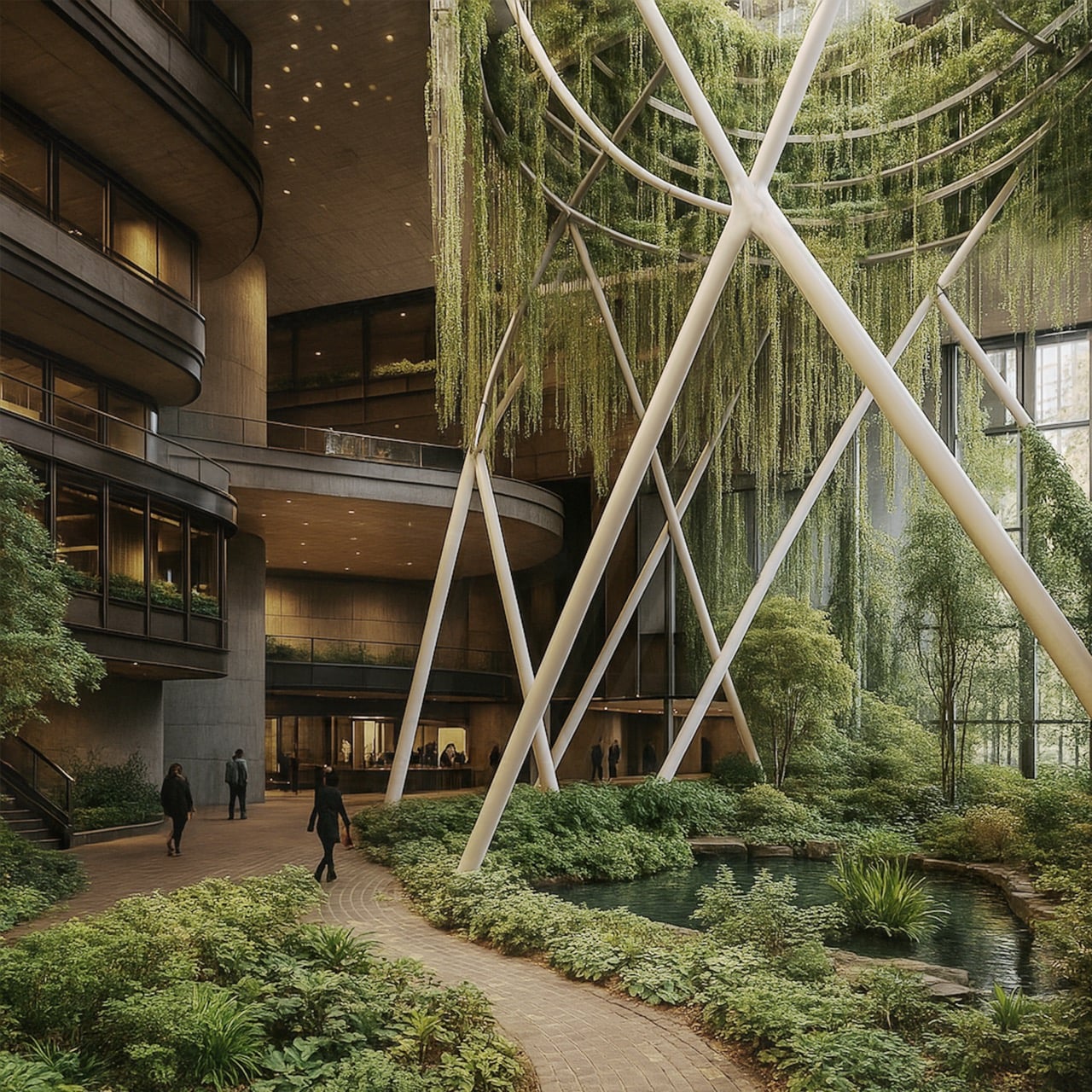
Eden Rise is more than an architectural proposal. It is a manifesto for the future of cities. It shows how design can confront inequality, reduce environmental impact, and restore the relationship between urban life and nature. In this vision, skyscrapers no longer dominate the landscape. They nourish it.

If realized, the Chicago skyline would no longer be just a symbol of economic power. It would become a symbol of sustainability, equity, and imagination rising together.
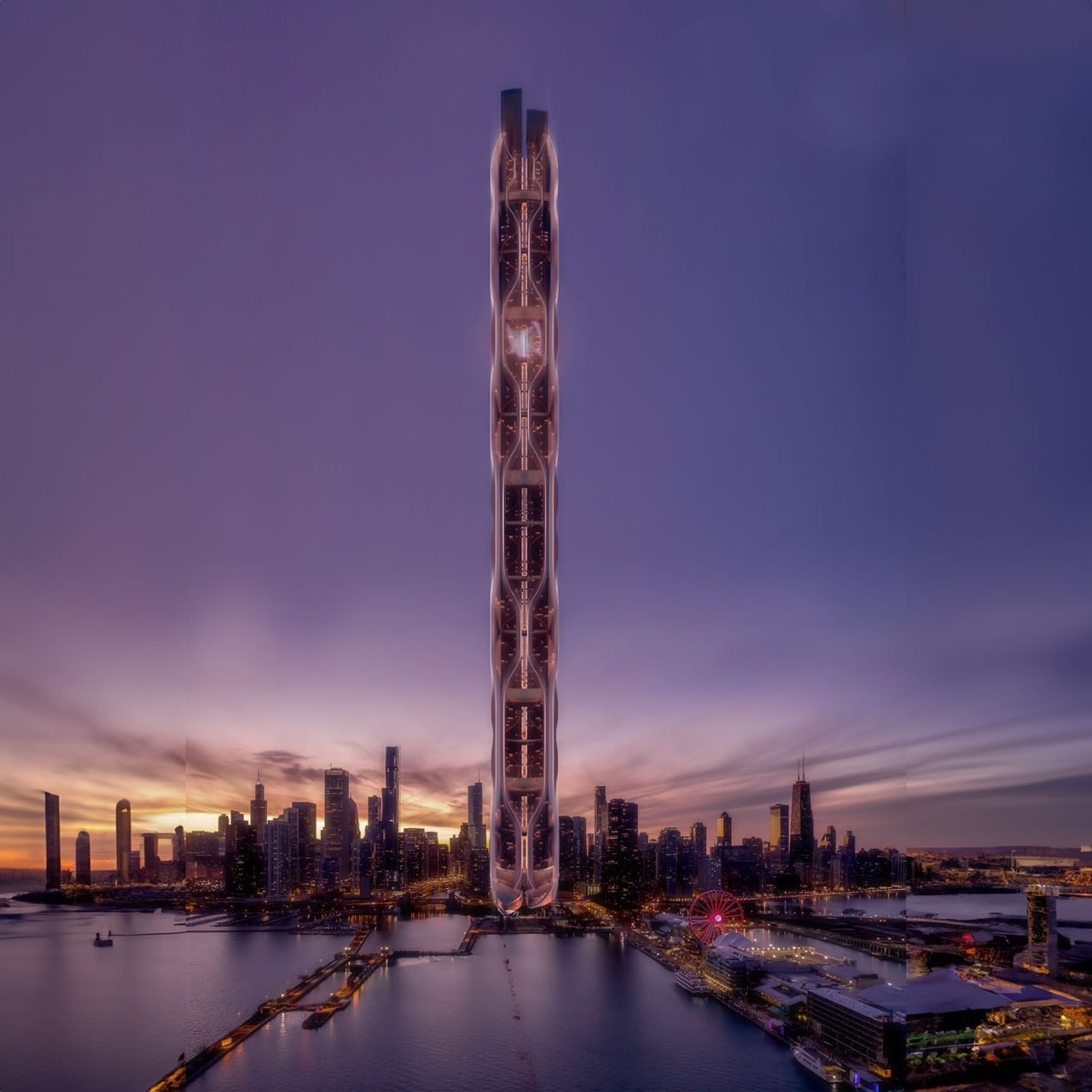
The post The Mile-High Tower That Grows Food, Harvests Clouds, and Heals Chicago first appeared on Yanko Design.
The Mile-High Tower That Grows Food, Harvests Clouds, and Heals Chicago

Imagine looking up at a city skyline and knowing that inside those towers, food is growing, water is being harvested from clouds, and entire communities are thriving in harmony with nature. The Eden Rise Vertical Eco Living Community is not just a building proposal. It is a bold reimagining of what a city can be when architecture becomes an ecosystem rather than an object.

The project tackles one of Chicago’s most urgent urban challenges: food deserts. In many neighborhoods, especially low-income ones, access to fresh and nutritious food is limited. Grocery stores are scarce, healthy options are expensive, and residents often rely on convenience stores or fast food. Eden Rise flips this reality by embedding vertical farms directly into a mile-high tower, allowing fresh produce to be grown where people live. Food no longer travels miles to reach a plate. It moves floors.

Designer: Yuhan Zhang and Dreama Simeng Lin

The tower’s design is as poetic as its purpose. Inspired by the fluid form of a water droplet, its organic silhouette reflects Chicago’s relationship with water while symbolizing life, renewal, and sustainability. This fusion of natural inspiration and urban ambition transforms the structure into a vertical extension of the city’s green belt, suggesting a future where skylines are defined not just by height but by ecological intelligence.

Inside, Eden Rise functions like a city stacked vertically. Homes sit alongside offices, hotels, schools, and recreational spaces, creating a complete lifestyle environment within a single structure. Residents can wake up, work, learn, relax, and socialize without ever needing to commute across town. Schools integrated throughout the tower ensure education is woven into everyday life, while hotels welcome visitors to experience this futuristic ecosystem from panoramic heights. It is urban life condensed, connected, and reimagined.

Scattered throughout the structure are sky terraces that act as elevated parks in the clouds. These lush communal spaces give residents places to gather, breathe, and reconnect with nature despite living in a dense vertical environment. They are not decorative add-ons but essential social and environmental anchors that support well-being and community interaction.

What truly sets Eden Rise apart is its seamless integration of advanced green technologies. Vertical farms in the core supply fresh food. Rainwater collection and cloud harvesting systems recycle water efficiently. Wind turbines built into the exoskeleton generate renewable energy. Natural ventilation and a breathable atrium maximize airflow and daylight, reducing energy use while improving indoor comfort. Each system works together like organs in a living body, turning the tower into a self-sustaining organism.

The engineering behind this vision is equally striking. Four conjoined towers are reinforced by layered bracing systems that provide structural depth and stability. A diagrid pattern spans multiple stories, weaving a network of structural lines that balance strength with elegance. Within this framework, an inner void allows light and air to travel deep into the building, ensuring that even its core feels open and alive.

Eden Rise is more than an architectural proposal. It is a manifesto for the future of cities. It shows how design can confront inequality, reduce environmental impact, and restore the relationship between urban life and nature. In this vision, skyscrapers no longer dominate the landscape. They nourish it.

If realized, the Chicago skyline would no longer be just a symbol of economic power. It would become a symbol of sustainability, equity, and imagination rising together.

The post The Mile-High Tower That Grows Food, Harvests Clouds, and Heals Chicago first appeared on Yanko Design.
This Bugle-Shaped Coat Rack Solves Your Tiny Entryway Problem

If you live in an apartment or a home with a narrow entryway, you know the struggle. Coats pile up on dining chairs. Umbrellas lean precariously against walls. Traditional coat racks with their sprawling arms take up precious floor space you simply don’t have. You need something that actually works without turning your entry into an obstacle course.

Enter The Bugle by Design by Joffey, a coat and umbrella stand that rethinks the entire concept by borrowing its form from an unlikely source: a brass musical instrument. This isn’t just clever design for the sake of being clever. It’s a genuinely smart solution to a problem that plagues anyone living in tight quarters.

Designer: Design by Joffey

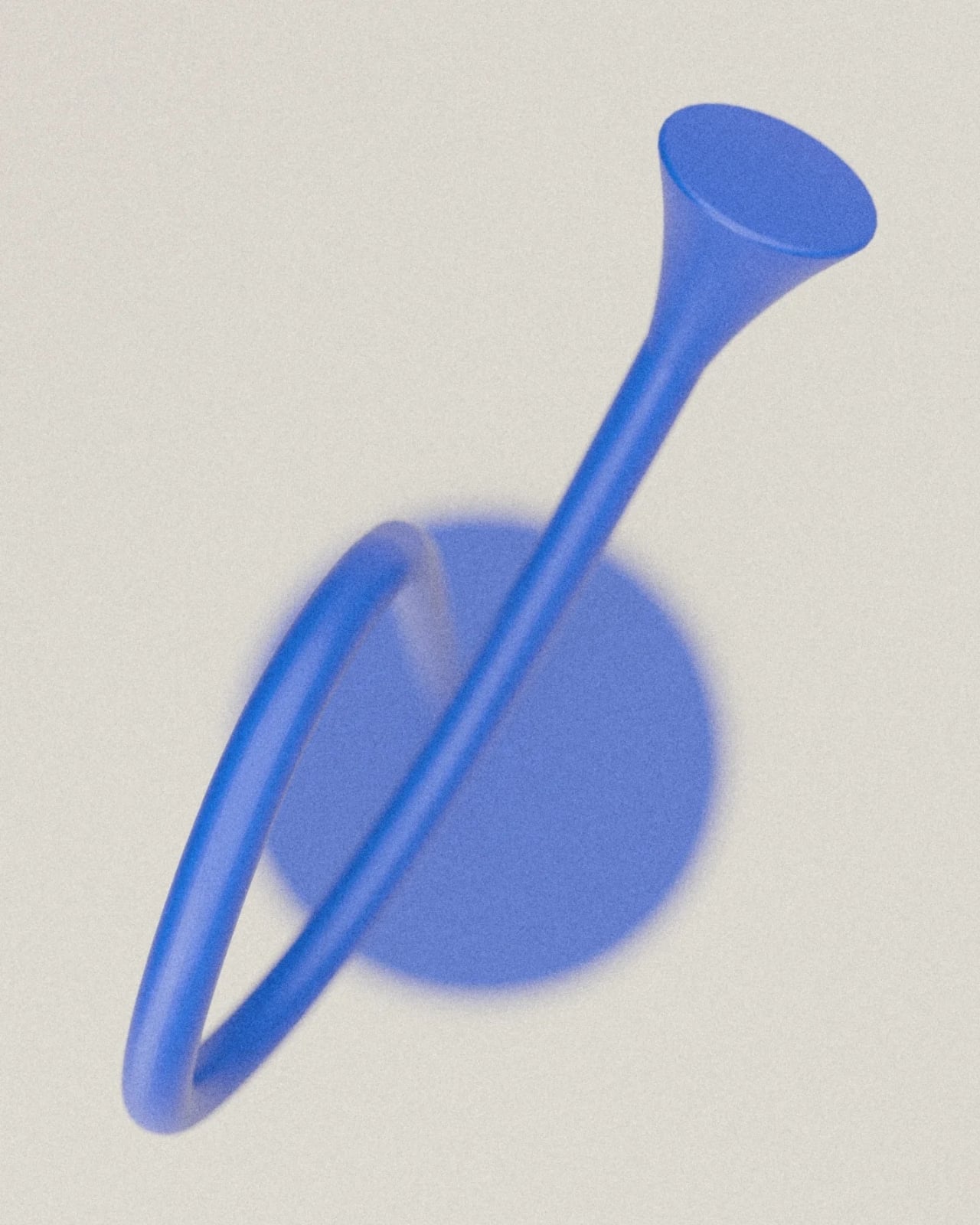
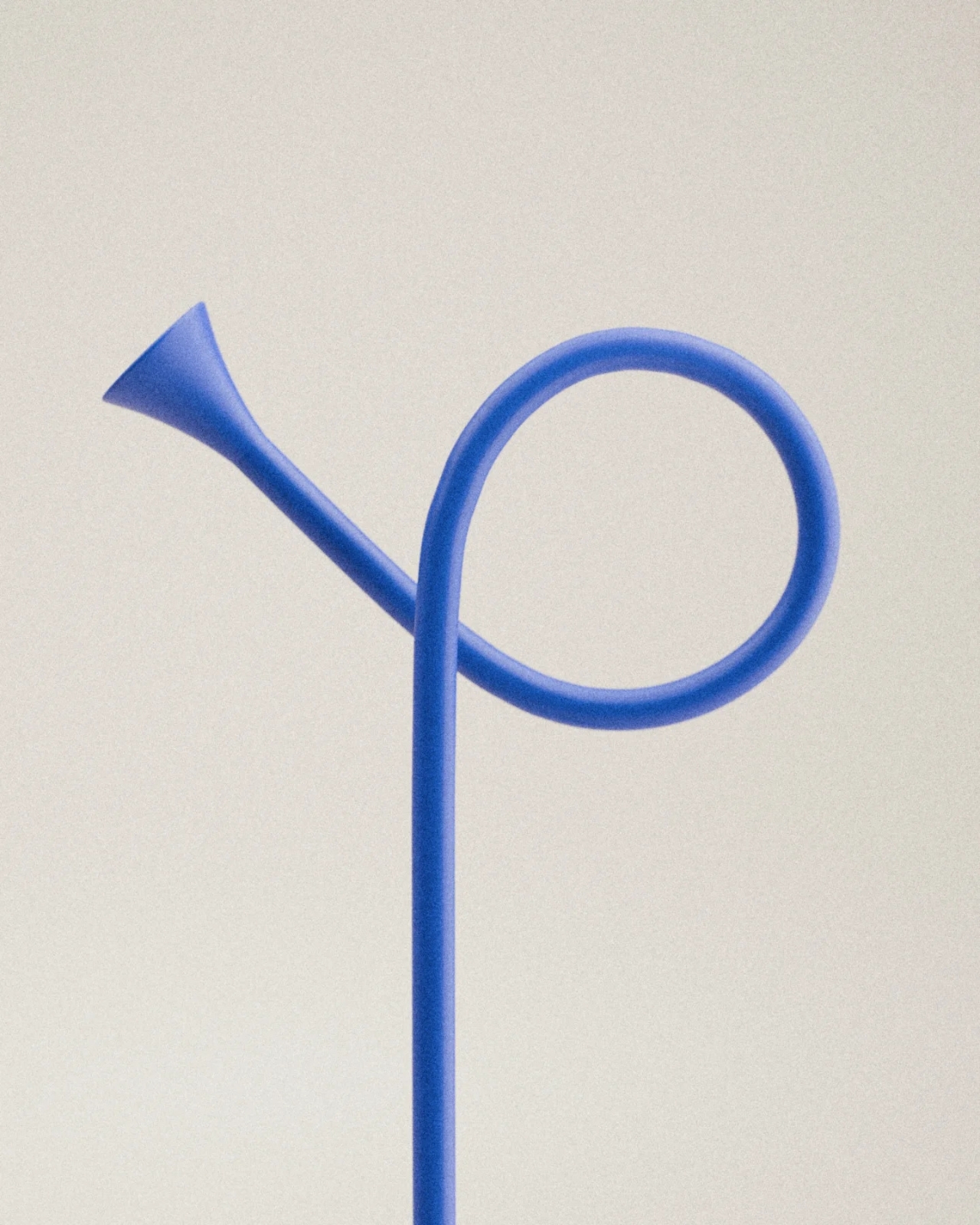
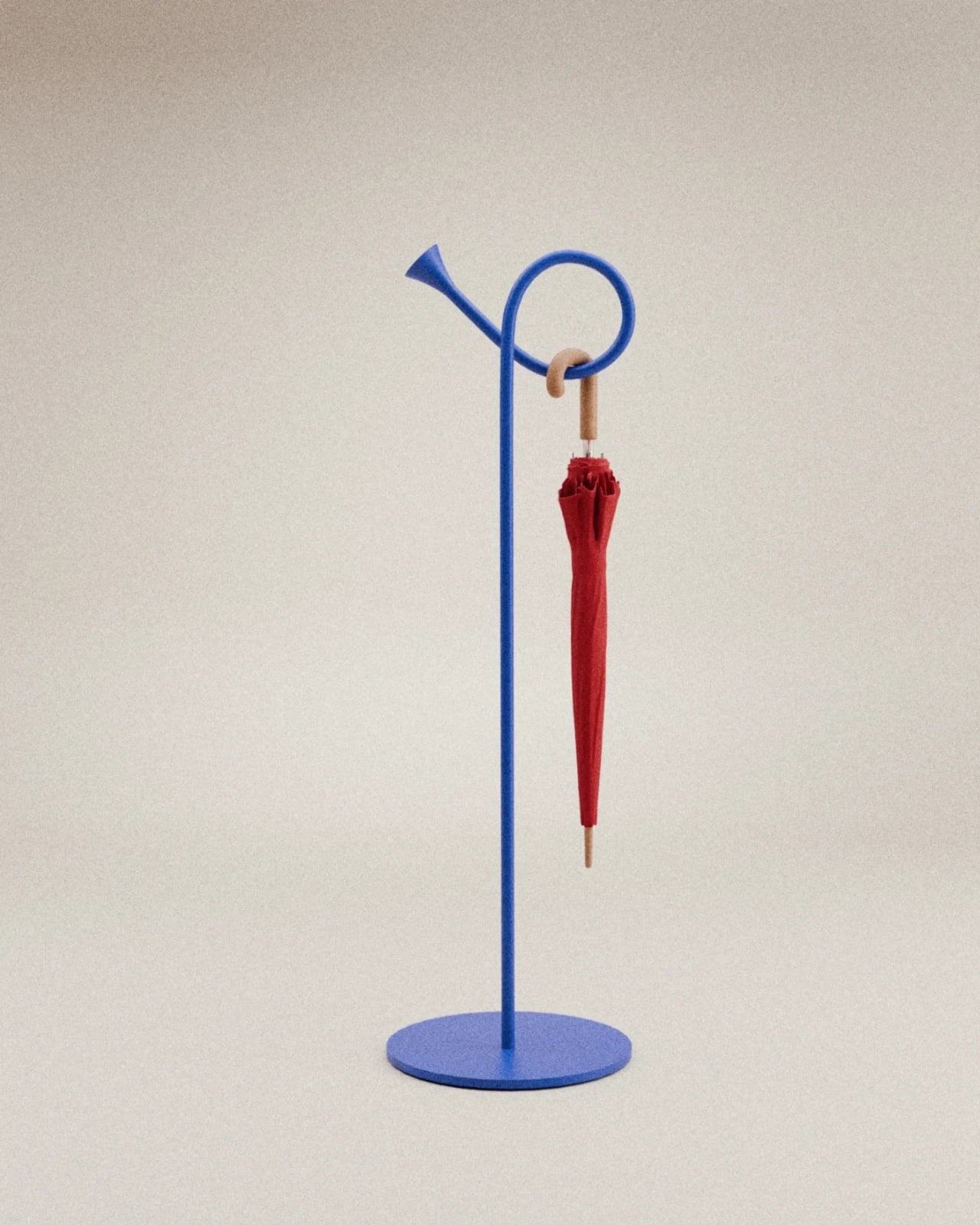
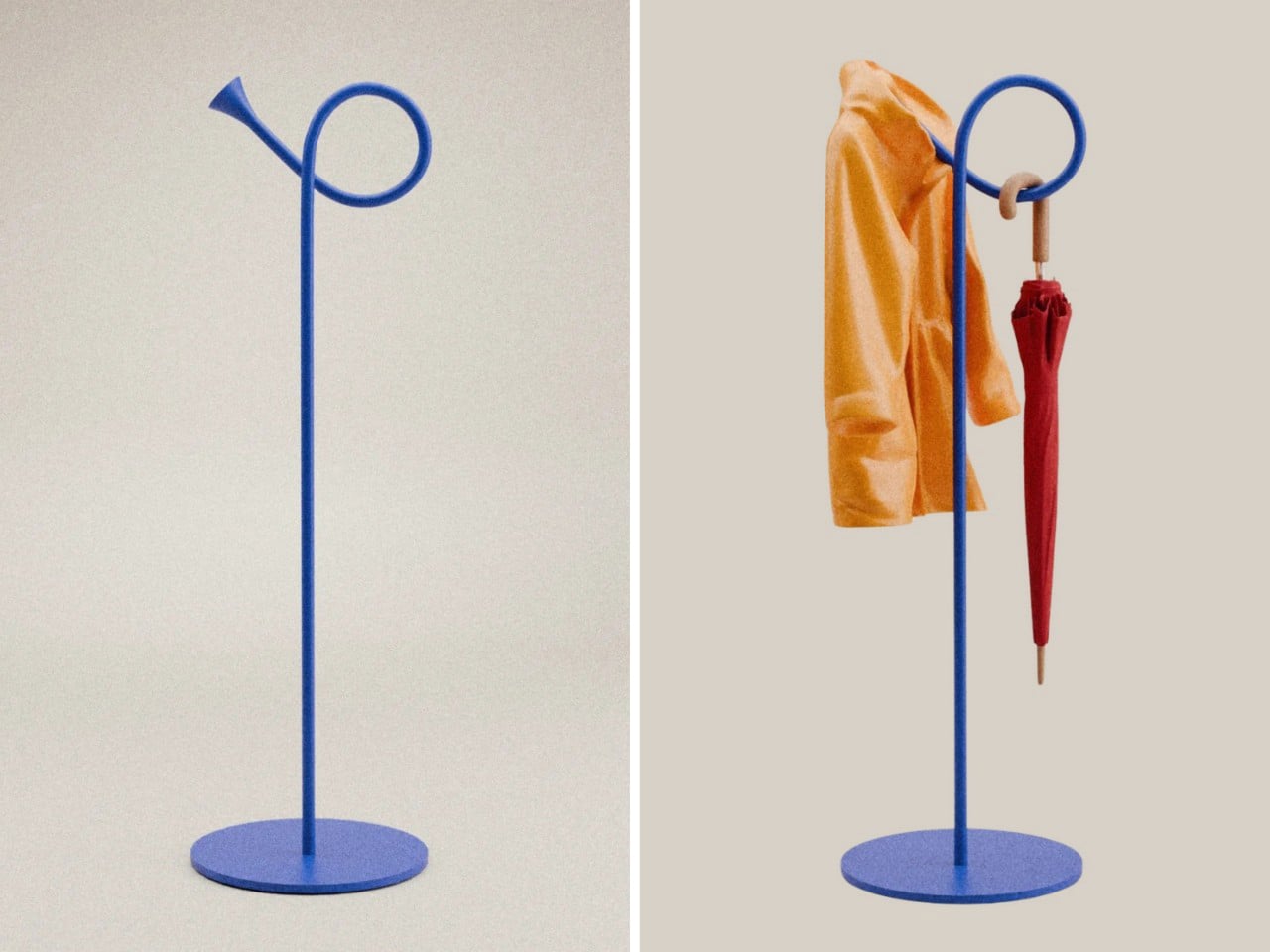
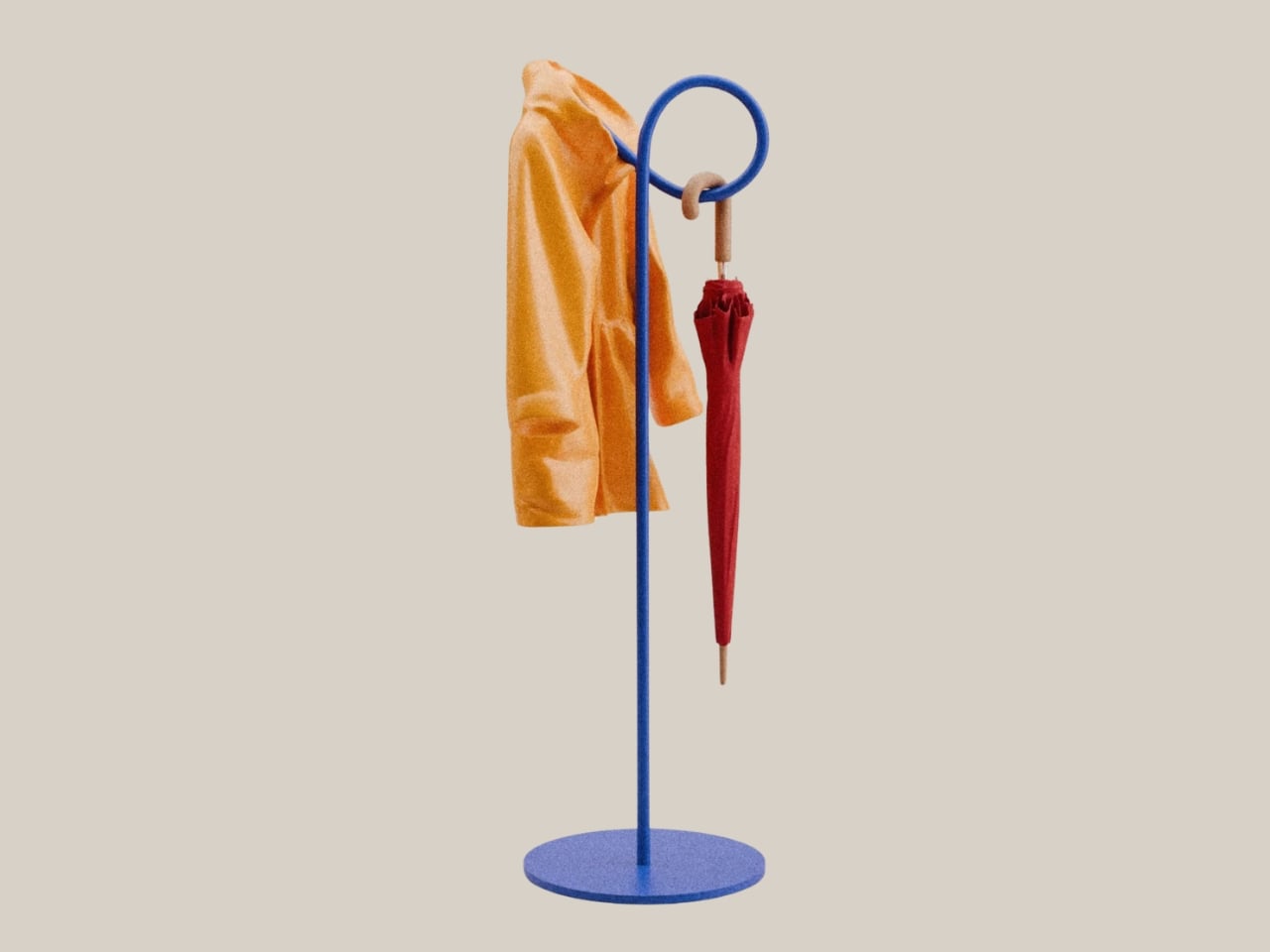
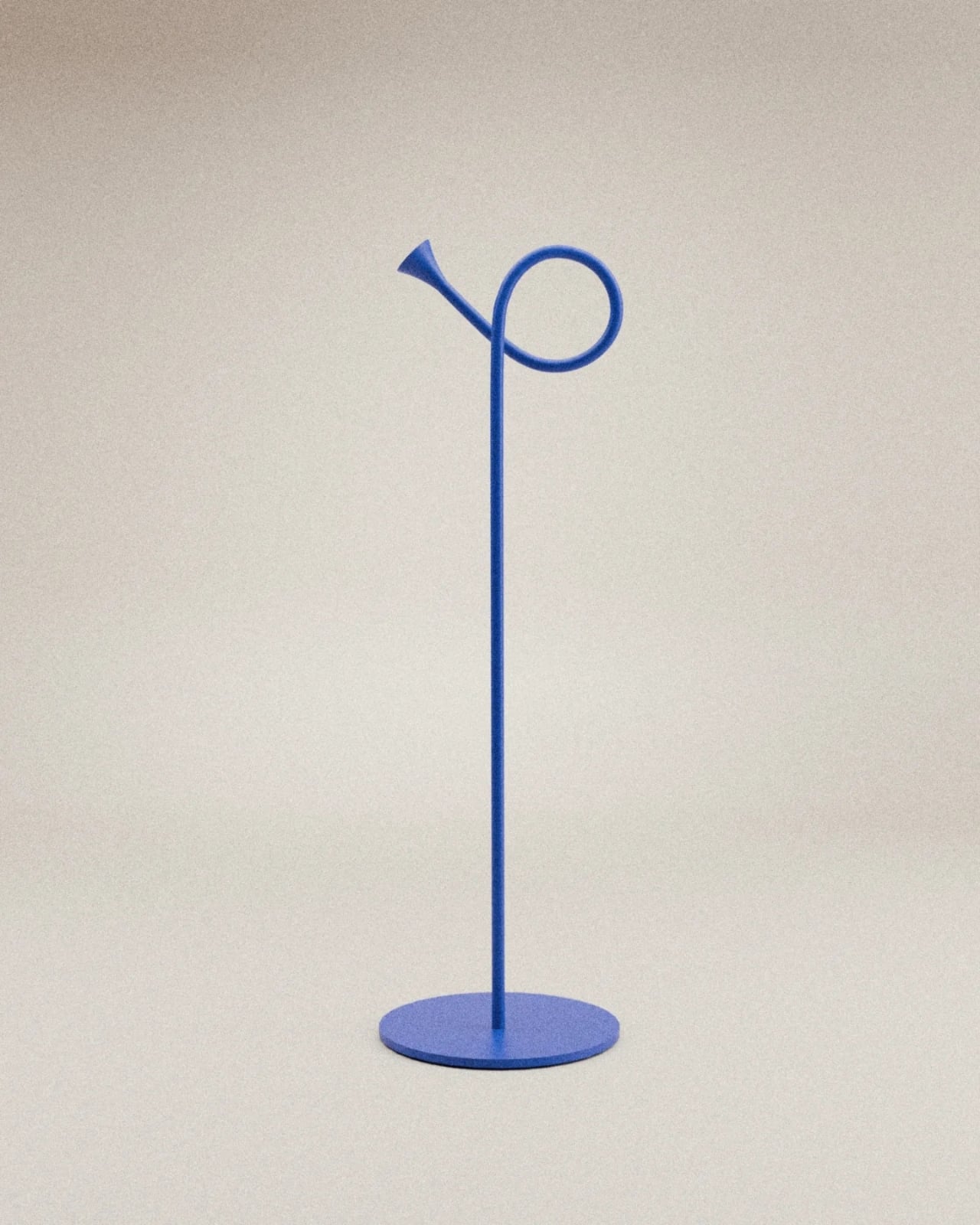
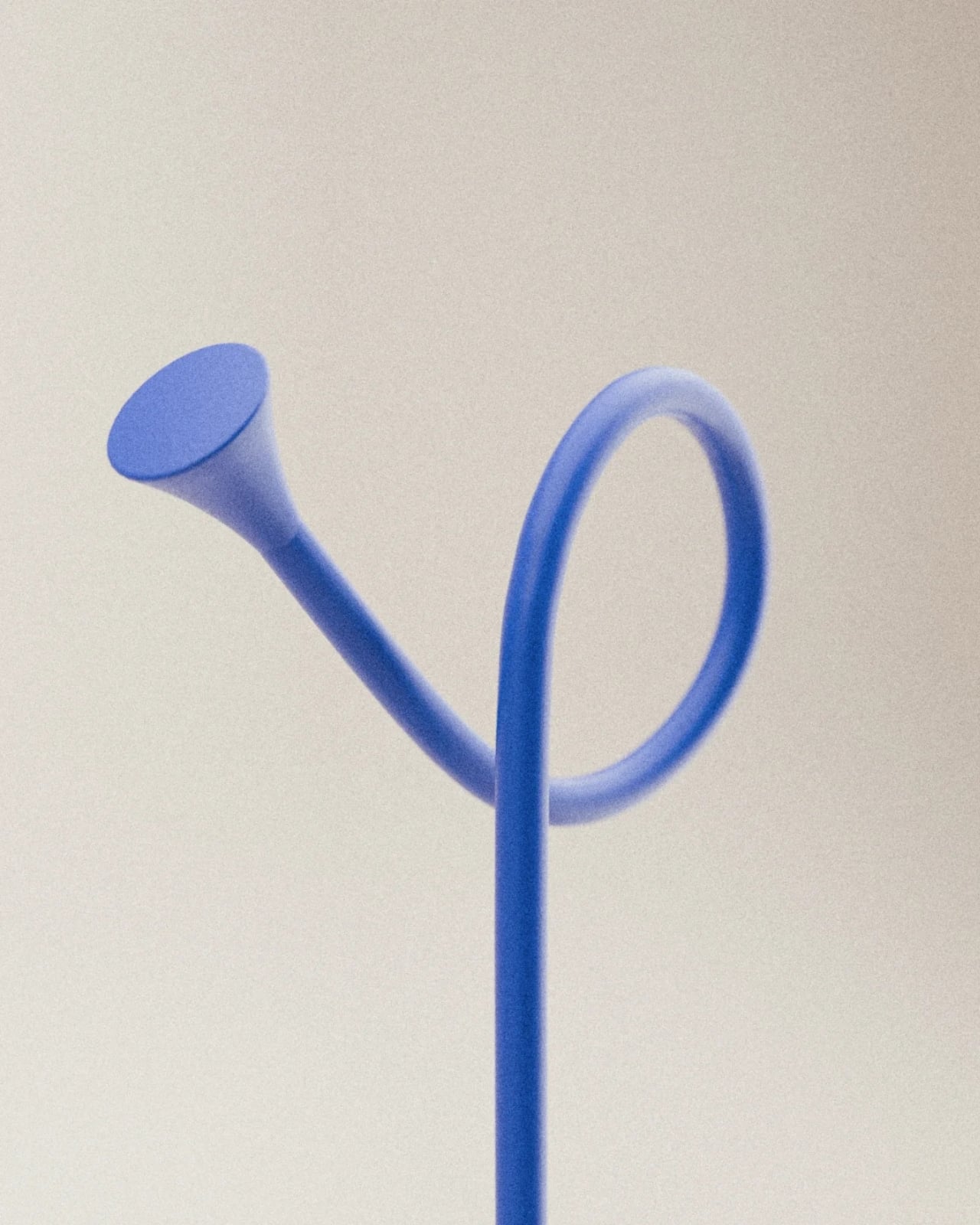
The beauty of this piece is in its vertical footprint. Where most coat stands spread outward with multiple arms jutting in different directions, The Bugle stays contained within a slim, elegant silhouette. A single curved loop rises from a slender pole, mimicking the distinctive shape of a bugle, complete with a flared bell detail at the top. Everything sits on a simple circular base that keeps it stable without hogging floor space.

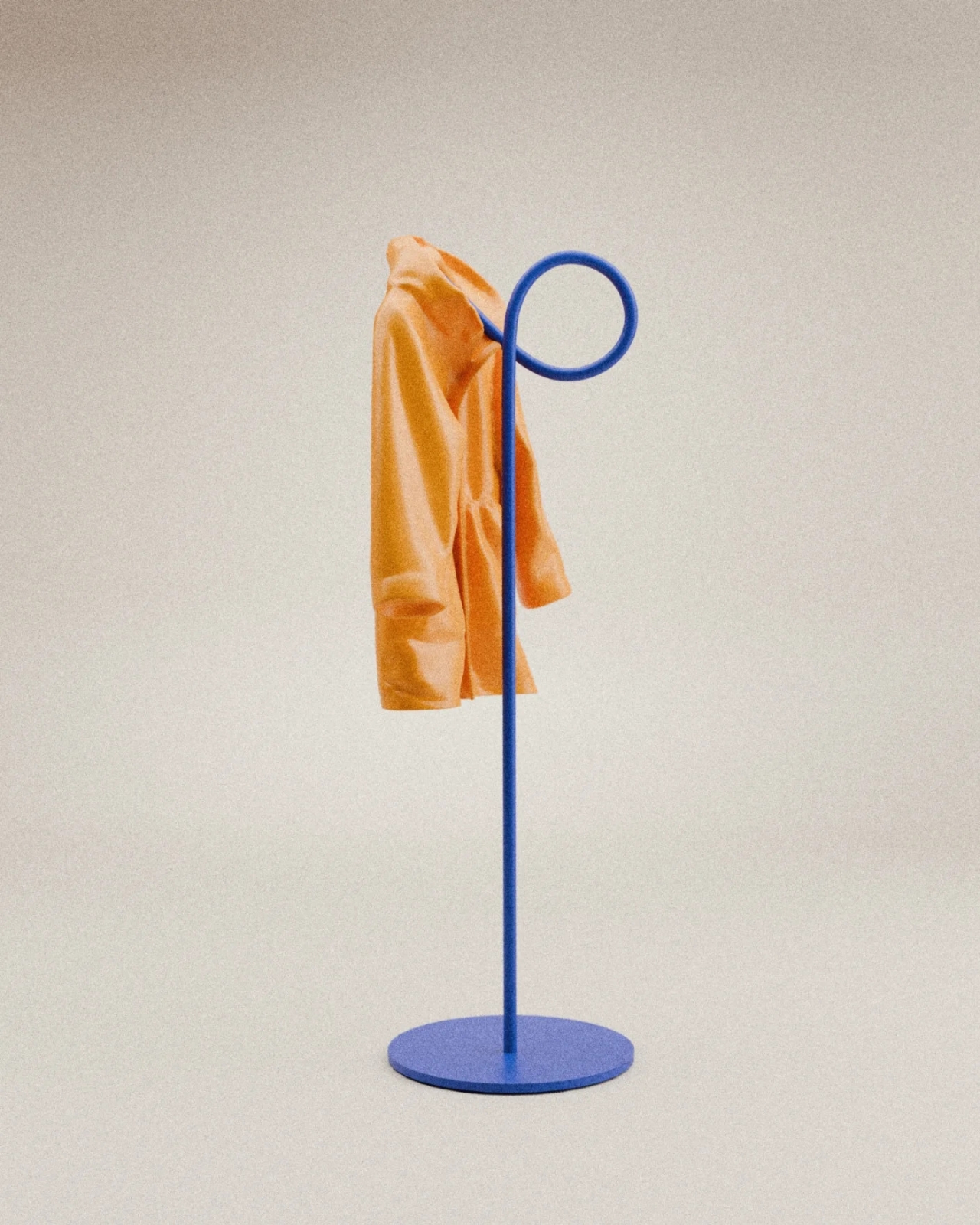
That curved loop is where the magic happens. It’s perfectly sized to drape a jacket or hang a scarf, while a smaller ring positioned within the larger curve holds umbrellas upright. Two storage solutions in one compact design, occupying roughly the same footprint as a single dining chair but infinitely more functional and better looking.

The proportions feel just right because they’re borrowed from something that was already thoughtfully designed. Musical instruments like bugles have curves that exist for acoustic and ergonomic reasons. Those shapes have been refined over centuries to feel balanced and purposeful. By translating that form into furniture, Joffey taps into proportions that our eyes instinctively recognize as harmonious.

What really sets The Bugle apart is its ability to be both functional and sculptural. In a small entryway, every object needs to pull double duty. This piece stores your essentials while also acting as a visual anchor that defines the space. The saturated periwinkle blue gives it presence without overwhelming the room. That matte finish adds a contemporary softness that works with almost any decorating style, from Scandinavian minimalism to eclectic maximalism.

There’s something playful about the design that makes coming home a bit more enjoyable. Instead of generic IKEA-standard furniture, you get a conversation starter. Guests notice it immediately. The bugle reference is clear enough to be charming but abstract enough to feel sophisticated. It nods to vintage Americana, summer camps, and military ceremonies without being literal or kitschy about it.

From a practical standpoint, the compact design means you can tuck it into corners or narrow spaces where a traditional coat rack would never fit. Got a skinny hallway? A weird alcove by the door? A studio apartment where every inch counts? This works. And because it stays vertical rather than horizontal, it doesn’t interfere with foot traffic or make your entryway feel cluttered.

The restraint in this design is what makes it successful. There are no unnecessary embellishments, no gimmicks, no trying-too-hard details. Just a pure, confident form that solves a real problem beautifully. In an era where product design often veers toward the overly complex, The Bugle proves that simple ideas executed well will always win.

What I love most is that it demonstrates how everyday objects can be better. Your coat rack doesn’t have to be an eyesore you tolerate. It can be something you actively enjoy looking at, something that makes your tiny entryway feel more intentional and curated rather than cramped and chaotic.

Design by Joffey gets it. Small spaces need smart solutions, and smart solutions can also be delightful. The Bugle delivers on both fronts, turning a mundane necessity into a little moment of joy every time you walk through your door. And in a tiny apartment, those moments matter more than you’d think.

The post This Bugle-Shaped Coat Rack Solves Your Tiny Entryway Problem first appeared on Yanko Design.
Hideki Sato, known as the father of Sega hardware, has reportedly died

Hideki Sato, who led the design of Sega's beloved consoles from the '80s and '90s, died on Friday, according to the Japanese gaming site Beep21. He was 77. Sato worked with Sega from 1971 until the early 2000s, but he's best known for his involvement in the development of the Sega arcade games and home consoles that defined many late Gen X and early millennial childhoods, starting with the SG-1000 to the Genesis, Saturn and Dreamcast.  

Sato went on to serve as Sega's president from 2001 to 2003. In the post announcing his death, Beep21, which interviewed Sato numerous times over the years, wrote (translated from Japanese), "He was truly a great figure who shaped Japanese gaming history and captivated Sega fans all around the world. The excitement and pioneering spirit of that era will remain forever in the hearts and memories of countless fans, for all eternity." Sato's passing comes just a few months after that of Sega co-founder David Rosen, who died in December at age 95. 

This article originally appeared on Engadget at https://www.engadget.com/gaming/hideki-sato-known-as-the-father-of-sega-hardware-has-reportedly-died-230634768.html?src=rss

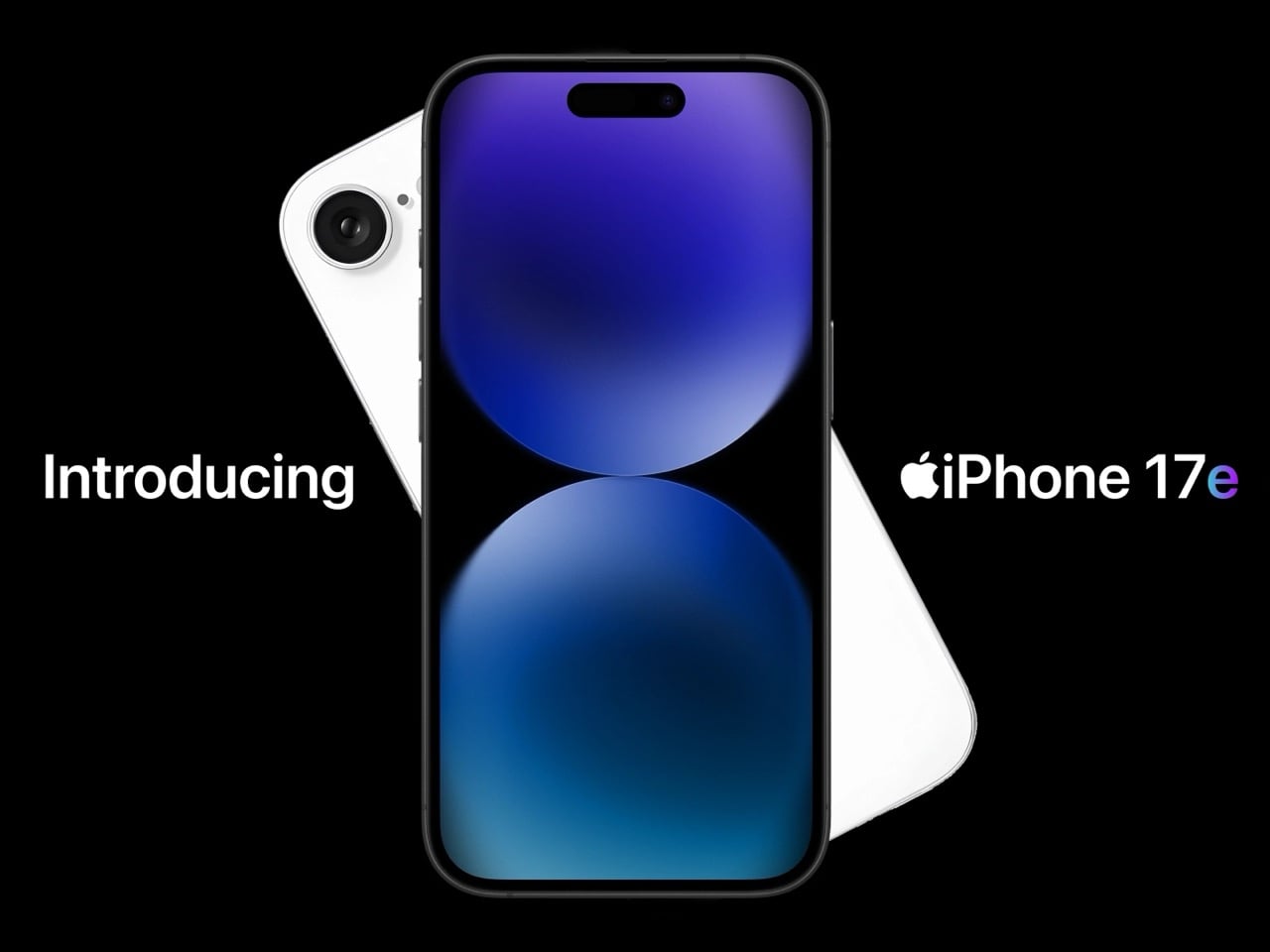
iPhone 17e Rumored for February 19 Launch With MagSafe, Dynamic Island, and a $599 Price Tag

Apple’s budget iPhone is getting less budget and more iPhone. The 17e, set to arrive later this month, is rumored to bring MagSafe charging and the Dynamic Island to the $599 price tier. For context, MagSafe has been available on iPhones since 2020, but only if you were willing to spend at least $799. Now it’s trickling down to the entry model, along with faster wireless charging speeds and compatibility with the full range of Apple’s magnetic accessories.

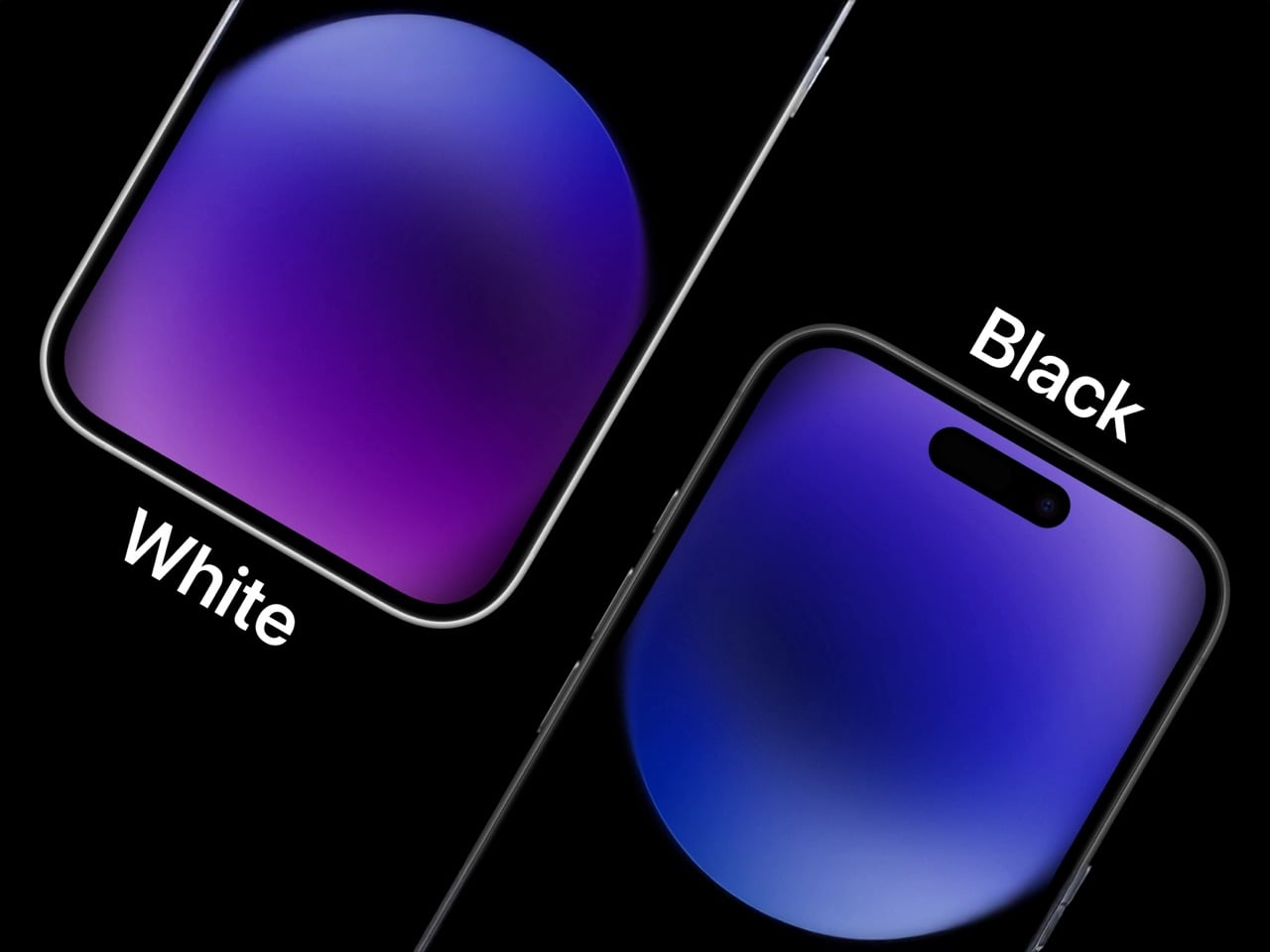
The Dynamic Island is the other headline addition. While earlier leaks suggested the notch would stick around, newer reports claim Apple is finally retiring it across the entire lineup. That would make the 17e the first budget iPhone to feature the pill-shaped cutout that handles notifications and live activities. The price is staying put at $599 despite industry-wide component shortages and inflation, which makes this one of the rare years where Apple is adding features without inflating the cost. It’s a smart play in a segment where Google and Samsung are both raising prices.

Designer: Volodymyr Lenard

Look, the 16e was fine. Competent even. But that 7.5W Qi charging was a joke, especially when every other iPhone in the lineup had been doing MagSafe since 2020. You’d slap your phone on a charging pad and hope it actually aligned properly, then wake up six hours later to find it at 60% because you were off by half a centimeter. The 17e fixes this with 20W to 25W magnetic charging, which is fast enough that you can actually top up meaningfully during the day. And yeah, you get access to the full MagSafe accessory catalog without feeling like you’re missing out on features you already paid for.

Apple’s probably sitting on a pile of iPhone 14 display panels, which is why everyone assumed the notch would stick around for another generation. Cheaper to use existing inventory than retool the production line for Dynamic Island cutouts. But multiple sources are now saying the pill-shaped design is coming to the 17e anyway, which means Apple decided it was worth eating the cost to kill the notch completely. The notch lasted nearly a decade. Watching it finally disappear from the budget tier feels like the end of an argument that stopped being interesting years ago.

Component shortages are driving prices up across the industry. RAM is expensive, display panels are expensive, everything is more expensive than it was two years ago. Google’s probably launching the Pixel 10a at $549 or higher. Samsung’s A-series keeps inching upward. Apple could have easily bumped the 17e to $649 and blamed supply chain issues, but they didn’t. Holding at $599 while adding MagSafe and an A19 chip is either aggressive margin compression or a bet that ecosystem lock-in is worth more than short-term profit per unit.

The post iPhone 17e Rumored for February 19 Launch With MagSafe, Dynamic Island, and a $599 Price Tag first appeared on Yanko Design.
Terminator Zero showrunner confirms the Netflix anime has been canceled after one season

If you've been wondering what's next for Netflix's Terminator Zero in the time since its first season, we finally have an update, and it's a bummer. Responding to a fan on social media, showrunner Mattson Tomlin said this weekend that the show has been canceled. Despite being generally well received, Tomlin noted that "at the end of the day not nearly enough people watched it."

Season one of Terminator Zero was released in August 2024 and focused on the events around Judgment Day — August 29, 1997, as established in Terminator 2 — and its aftermath, jumping forward to 2022, more than two decades into a war between humans and machines. In the post about the show's cancellation, Tomlin wrote, "I would’ve loved to deliver on the Future War I had planned in season’s 2 and 3, but I’m also very happy with how it feels contained as is."

Tomlin went on to praise the marketing team in additional replies for "trying to really make the show work," as well as the hundreds of people who worked on the show. Offering a bit of insight, Tomlin wrote, "Generally speaking, anime audiences skew younger. Terminator audiences skew older. Terminator Zero asked them to meet in the middle, and they didn’t in the way the corporation needed to justify the spend to continue. I’m extremely grateful to the people who have watched it."

This article originally appeared on Engadget at https://www.engadget.com/entertainment/streaming/terminator-zero-showrunner-confirms-the-netflix-anime-has-been-canceled-after-one-season-211656840.html?src=rss

The official Pokémon pinball machine has an animatronic Pikachu and a Master Ball plunger

At a staggering starting price of $6,999, you have a better chance of buying a bicycle in Cerulean City than getting your hands on the official Pokémon pinball machine. The collaboration between The Pokémon Company International and Stern Pinball is undoubtedly nostalgic, letting you battle with a team that includes Bulbasaur, Charmander, Squirtle and Pikachu, as well as catch up to 182 different Pokémon, mostly from the Kanto region, with more to be added.

Besides catching 'em all and tracking your growing Pokédex on Stern Pinball's dedicated app, you can do Gym Battles in four different biomes and eventually face off against Team Rocket. The pinball machine draws a lot of inspiration from the original cartoon, including a monitor that plays clips from the show, an animatronic Pikachu, and speakers that can play the iconic theme song.

Stern Pinball developed Pro, Premium and Limited Edition models, which can cost all the way up to $12,999. For the most expensive option, you'll get one of the 750 limited edition machines that include a Master Ball plunger, a numbered plaque and a signed certificate of authenticity. For Pokémon fans that can't afford to spend that much money on a pinball machine, you can soon find them at arcades and bowling alleys instead.

This article originally appeared on Engadget at https://www.engadget.com/gaming/nintendo/the-official-pokemon-pinball-machine-has-an-animatronic-pikachu-and-a-master-ball-plunger-204915013.html?src=rss

‘Scandinavian Sci-Fi’ Elliptical Machine Finally Looks Good Enough for any Modern Living Room

Look at high-end Scandinavian or minimalist Japanese interiors and you’ll notice a pattern: objects earn their presence through either pure utility or pure beauty, ideally both simultaneously. A Sori Yanagi kettle. An Artek stool. A Noguchi table. Each piece justifies its footprint by being excellent at its job while also contributing to the room’s visual composition.

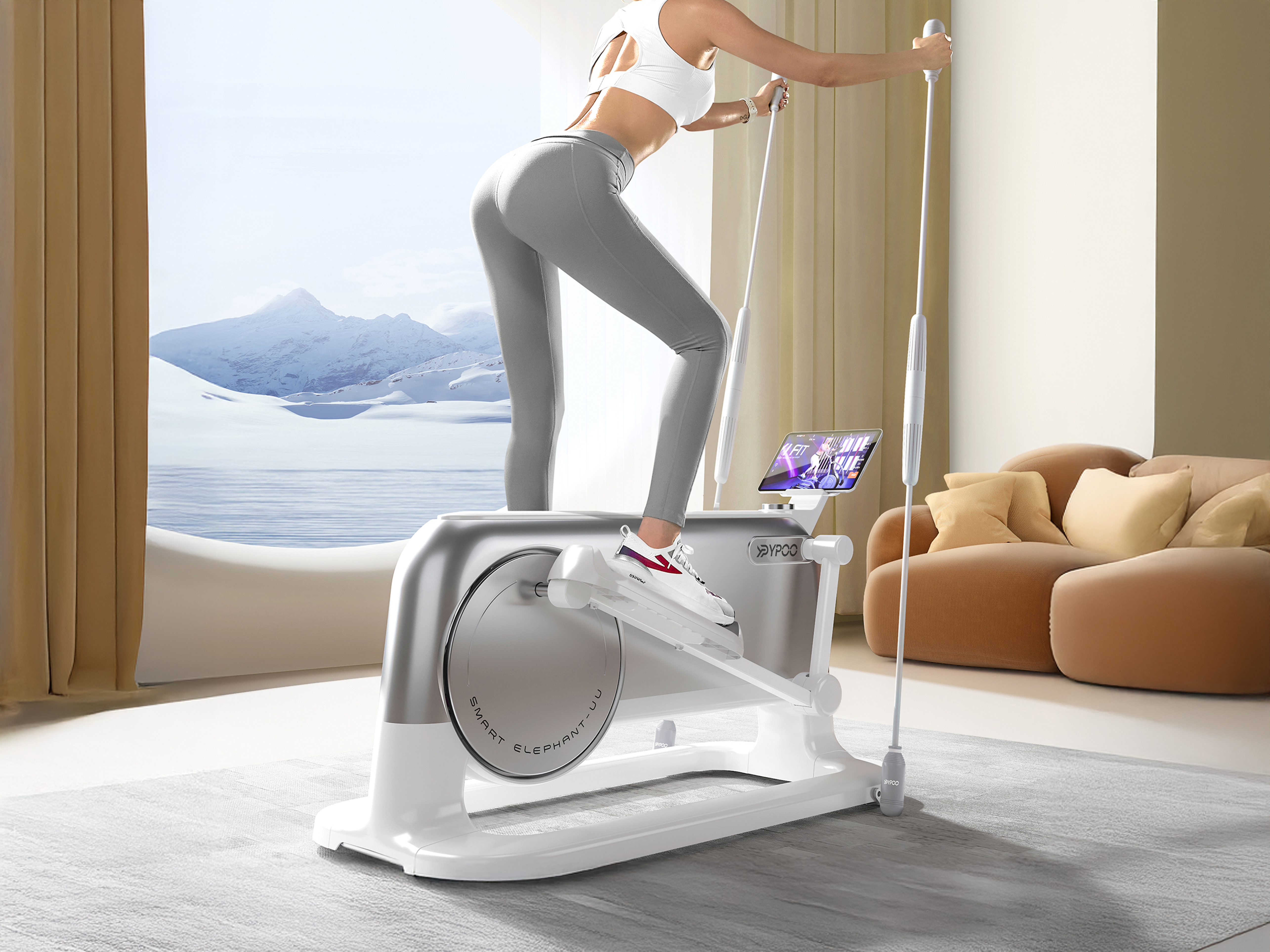
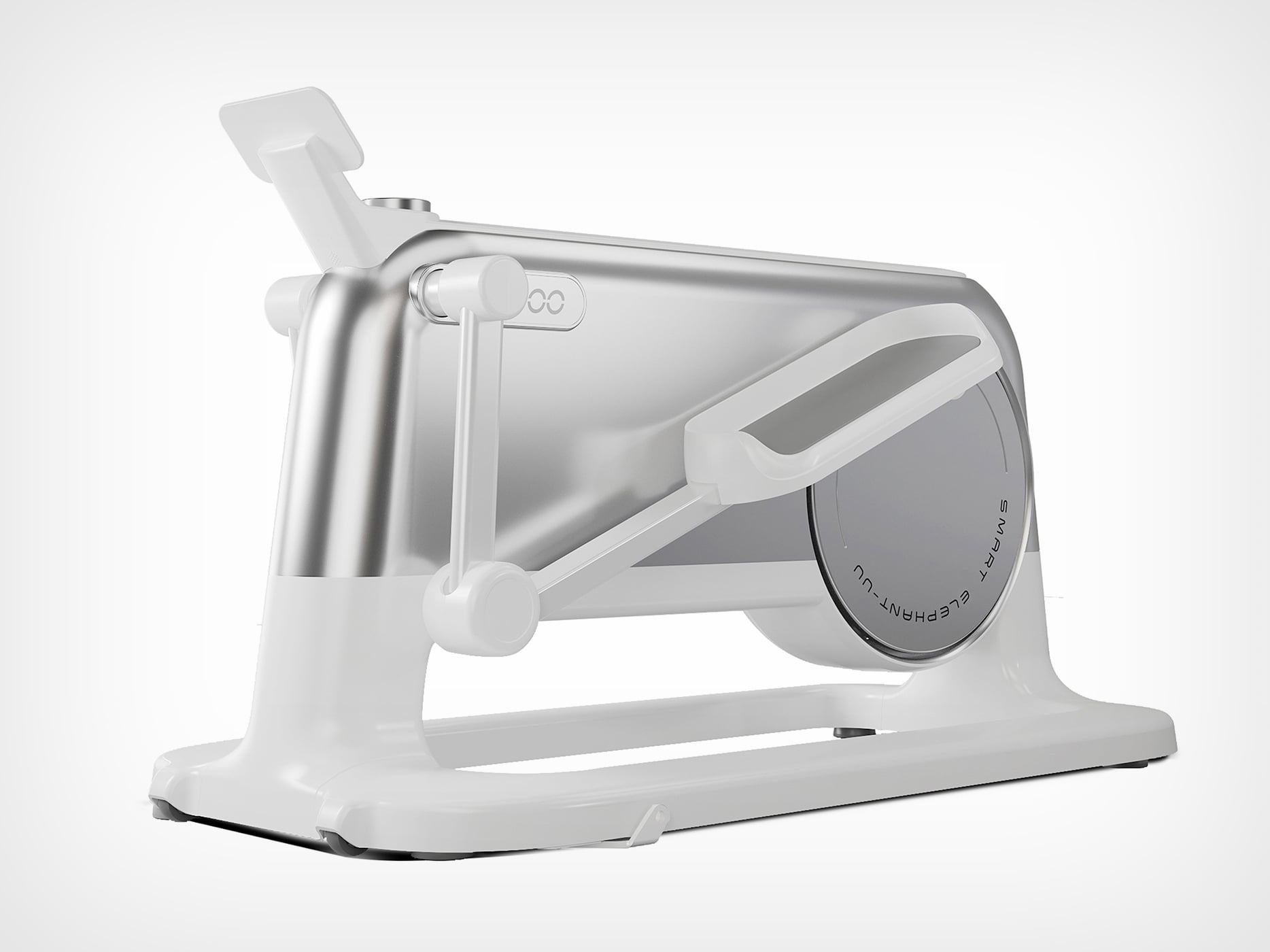
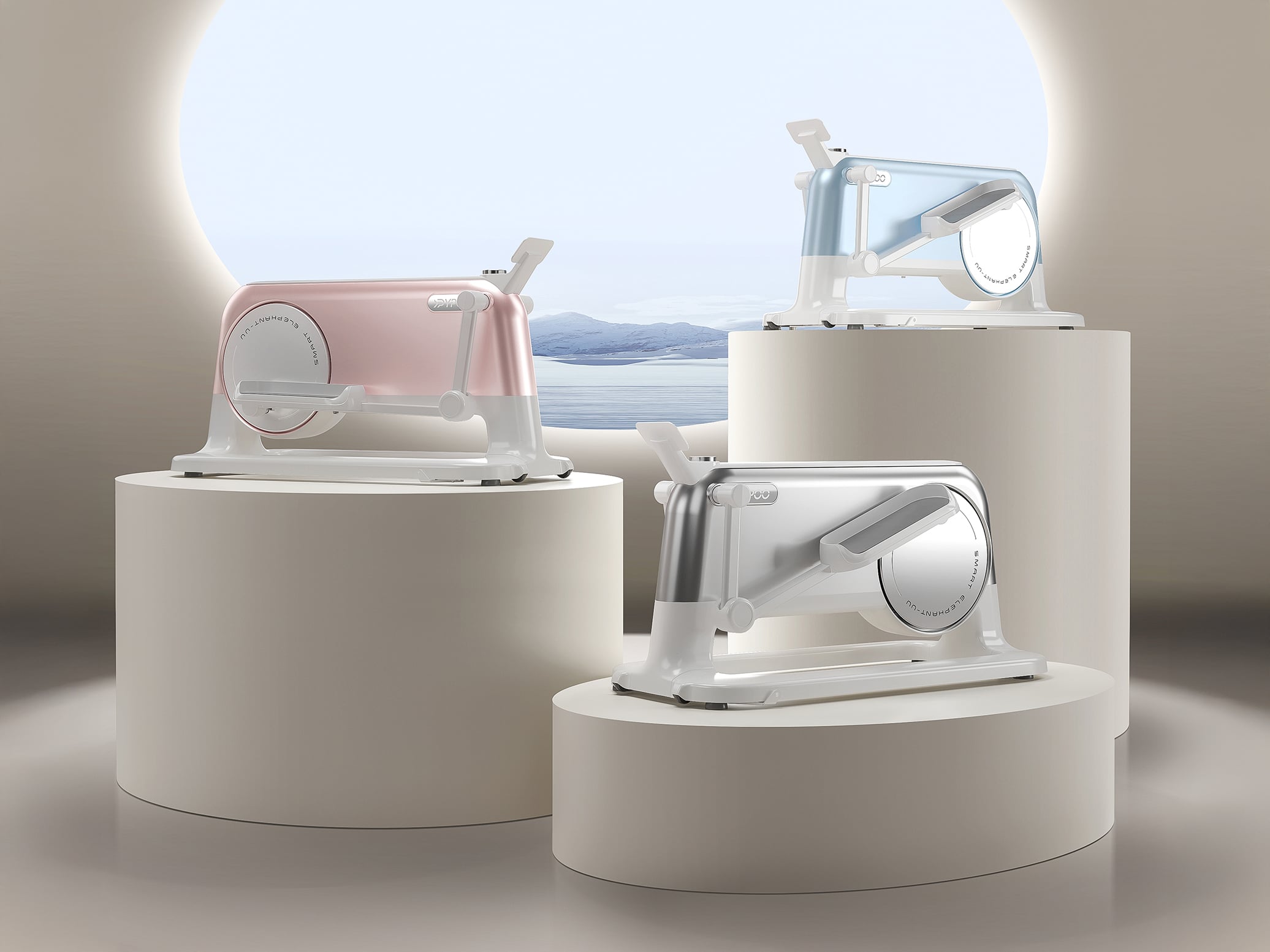
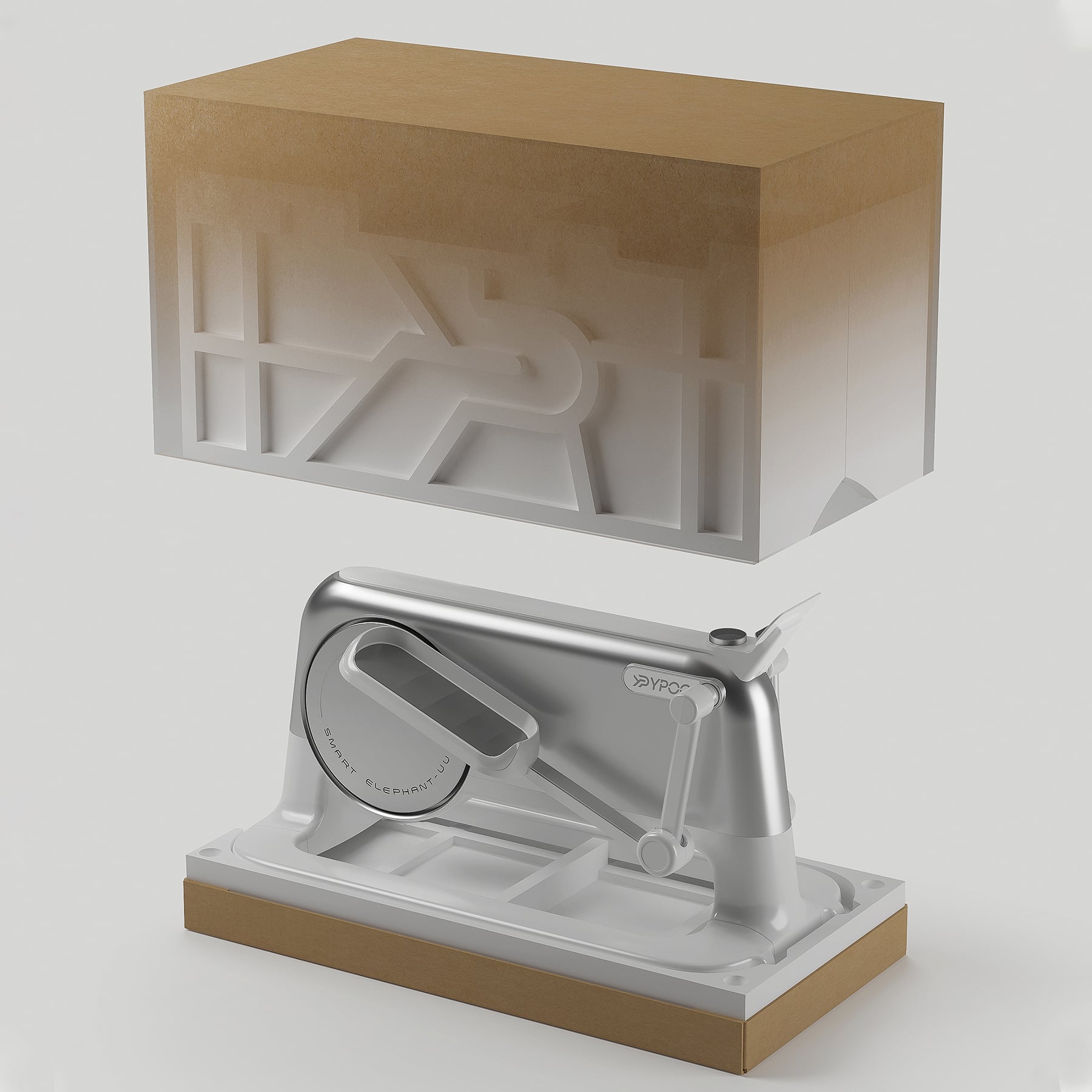
Fitness equipment rarely makes this cut. Even premium treadmills and bikes tend to occupy space through force rather than grace, their mechanical nature overwhelming any attempt at aesthetic integration. The Ypoo U U elliptical machine challenges this category assumption by treating the home as a gallery rather than a gym. The form is deliberately quiet: flowing white surfaces meet a single accent of brushed metal, creating visual interest through material contrast rather than sculptural complexity. That exposed circular flywheel housing becomes a focal point, the one moment where the machine admits its mechanical nature, but even this element feels considered, almost jewelry-like in its finish. The elastic resistance cords, rather than appearing as afterthought accessories, integrate into purposefully designed anchor points that read as intentional sculptural gestures.

Designer: Zhejiang Ypoo Health Technology Co Ltd

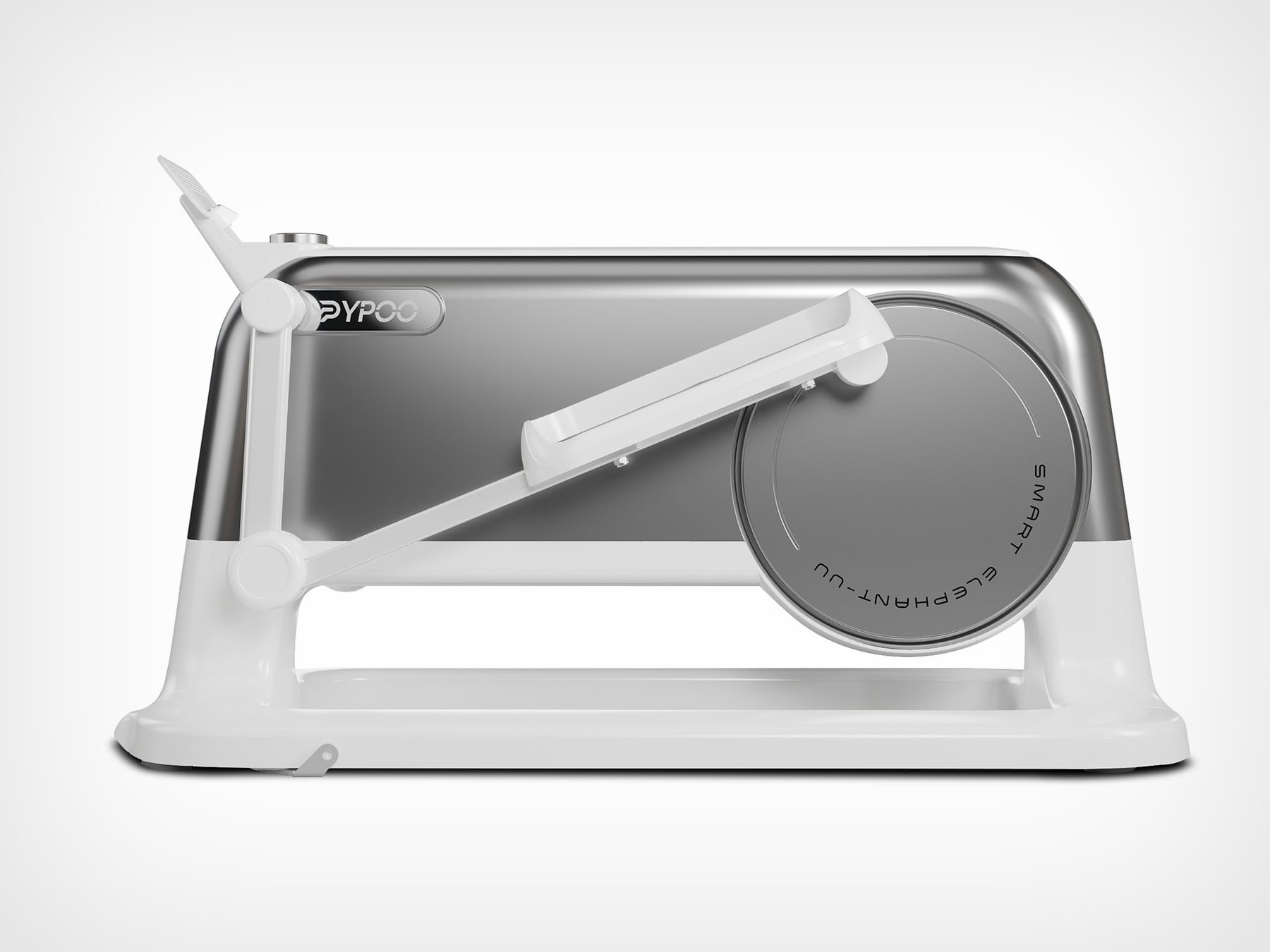
t 1030mm x 510mm x 620mm, the footprint clocks in at 0.6 square meters, roughly the size of a compact armchair. The height barely clears your knee, which means it lives below the typical sight line when you scan a room. Most ellipticals tower vertically, demanding attention through sheer mass. This one compresses its presence horizontally, spreading low and wide like a piece of modern furniture. The 31kg weight matters because it’s light enough to actually move around without recruiting help or planning an operation. Front-mounted wheels turn relocation into a casual decision rather than a semi-permanent commitment to a room’s layout.

The machine is entirely operated by self-generated kinetic energy. No power cord means no relationship with wall outlets, no visual clutter snaking across floors, no forced positioning based on electrical infrastructure. You generate the electricity through pedaling, which powers the display and resistance system. Zhejiang Ypoo claims 32 levels of magnetic resistance controlled through a visual dial, and the whole thing arrives 99 percent pre-assembled. The self-generation tech also keeps operation quiet since there’s no motor humming or fan whirring to compete with. That silence matters in open-plan spaces where sound travels freely and background noise accumulates into ambient chaos.

Matte white polymer dominates the structural elements, creating that clean, almost medical-grade aesthetic that works in contemporary interiors. The brushed metal flywheel cover provides the only material contrast, and it’s placed exactly where your eye naturally lands when approaching the machine. That’s careful composition, the kind of thinking you see in product photography but rarely in the actual product. The finish quality on the metal reads premium in photos, though I’d need hands-on time to verify if it holds up to the Dieter Rams standard it’s clearly channeling. The whole design borrows heavily from consumer electronics language, treating the elliptical like an oversized Braun appliance rather than gym equipment trying to be friendly.

Look at the side profile and you can see through the machine around the flywheel housing. That negative space keeps the form from reading as a solid mass claiming territory. Instead, it feels permeable, lighter than its actual weight suggests. Traditional ellipticals are opaque objects that divide rooms. This one allows sight lines to pass through, which psychologically reduces its presence even when it’s sitting in the middle of your living space. However, when you do end up glancing at it, it still manages to evoke less of a feeling of utility and more of an otherworldly appliance that adds a touch of minimal futurism to your house.

The post ‘Scandinavian Sci-Fi’ Elliptical Machine Finally Looks Good Enough for any Modern Living Room first appeared on Yanko Design.
Apple may be adding a splash of color to its upcoming budget-friendly MacBook

The hardest choice to make for building your next MacBook might be selecting a color. According to Bloomberg's Mark Gurman, Apple has tested colors including light yellow, light green, blue and pink for its next entry-level MacBook that's aimed at students and enterprise users.

Beyond the more vibrant colors, Gurman said that Apple has also trialed its classic silver and dark gray colorways for its cheaper laptop. Gurman added that not all of these six colors will make it to the final product, but Apple has recently shown it's not afraid to dip into flashier options. Apple refreshed the iMac in 2024 with a total of seven colors and swapped out the space gray option for sky blue for the latest MacBook Air.

Color choices aside, the latest rumors point to the upcoming MacBook having a price tag that's anywhere between $699 and $799. To achieve that lower price point, Apple is expected to port over its chips designed for iPhones, like the A18 Pro that we first saw with the iPhone 16 Pro Max. We're also anticipating Apple will compromise on specs, ports, or even the display, but Gurman reported that the company won't be skimping when it comes to the shell. According to Gurman, Apple will employ a new manufacturing process to craft aluminum shells for the affordable MacBook, instead of opting for a cheaper material like plastic to cut costs. We may not have to wait long to see the official colors of the budget MacBook, as Gurman reported that it will be announced during an event in March.

This article originally appeared on Engadget at https://www.engadget.com/computing/laptops/apple-may-be-adding-a-splash-of-color-to-its-upcoming-budget-friendly-macbook-192740002.html?src=rss

Asus ProArt Mouse MD301 Takes Aim at Logitech’s Productivity Throne with Swappable Switches

The productivity mouse market has been living in a single-player game for too long. Logitech’s MX Master has dominated professional desks from Silicon Valley to Singapore, becoming so ubiquitous that it’s practically the default recommendation in every buying guide. But monopolies create the perfect conditions for an underdog, and Asus has clearly been watching, waiting, and building something that aims to shatter the status quo.

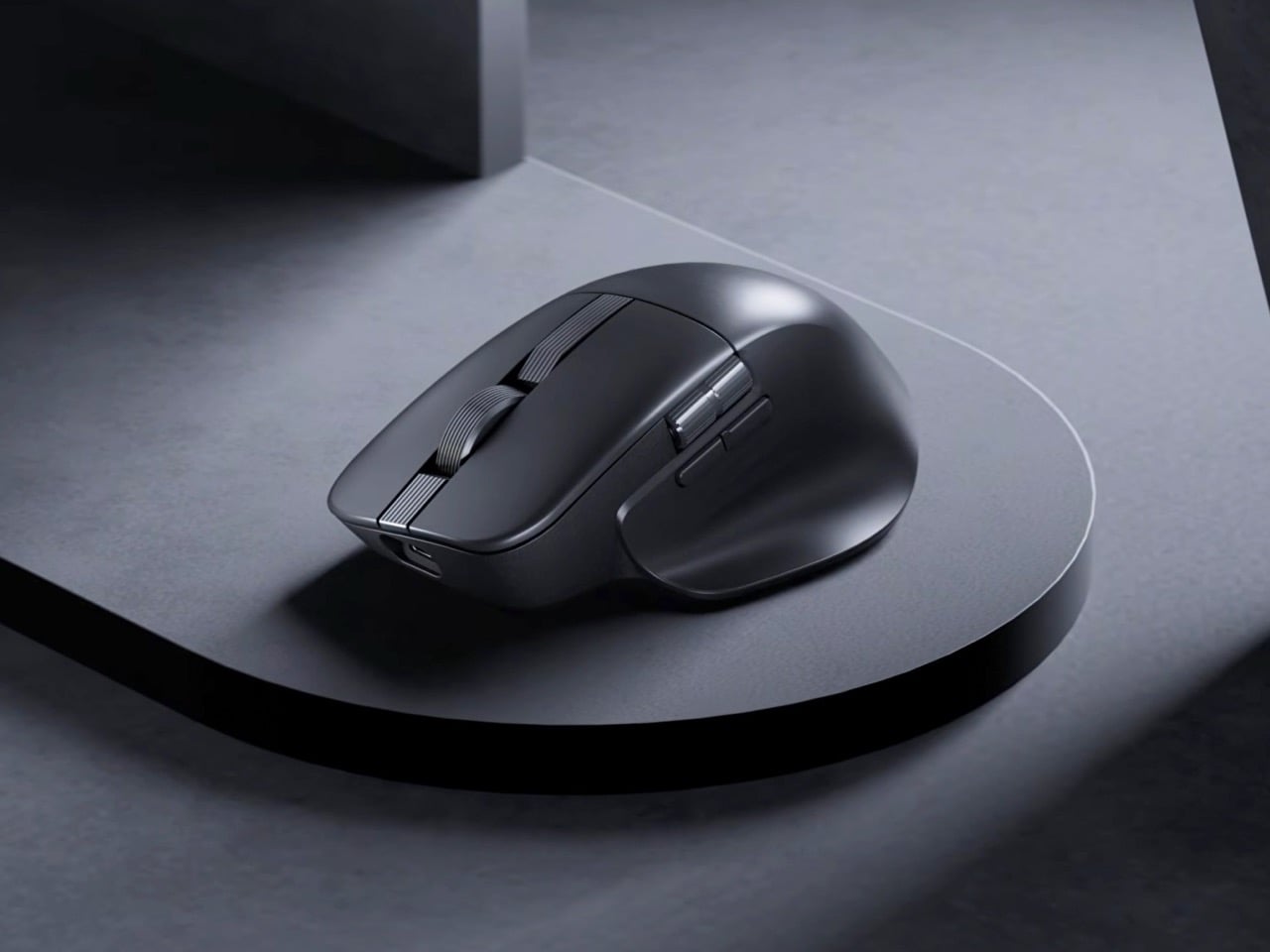
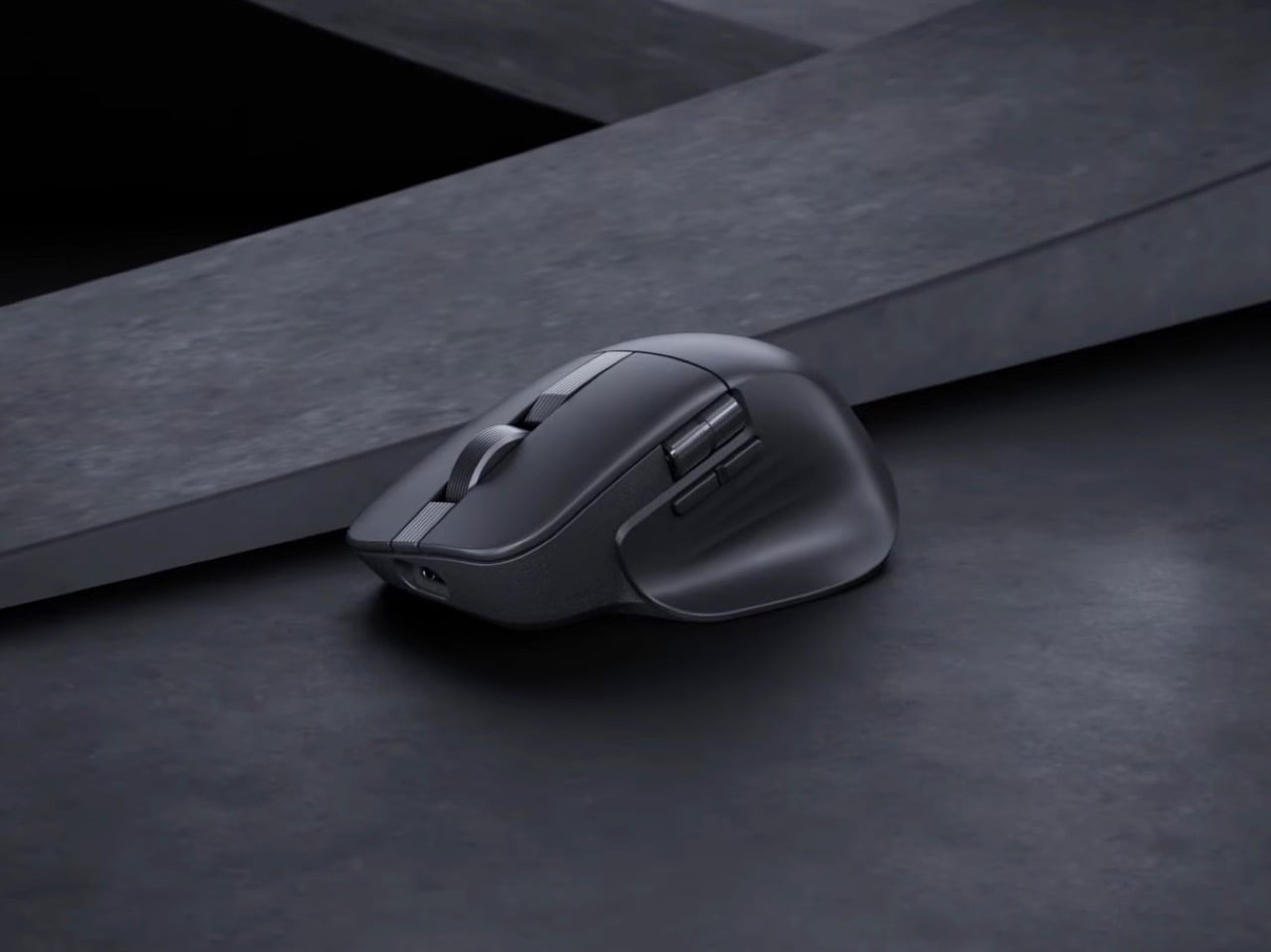
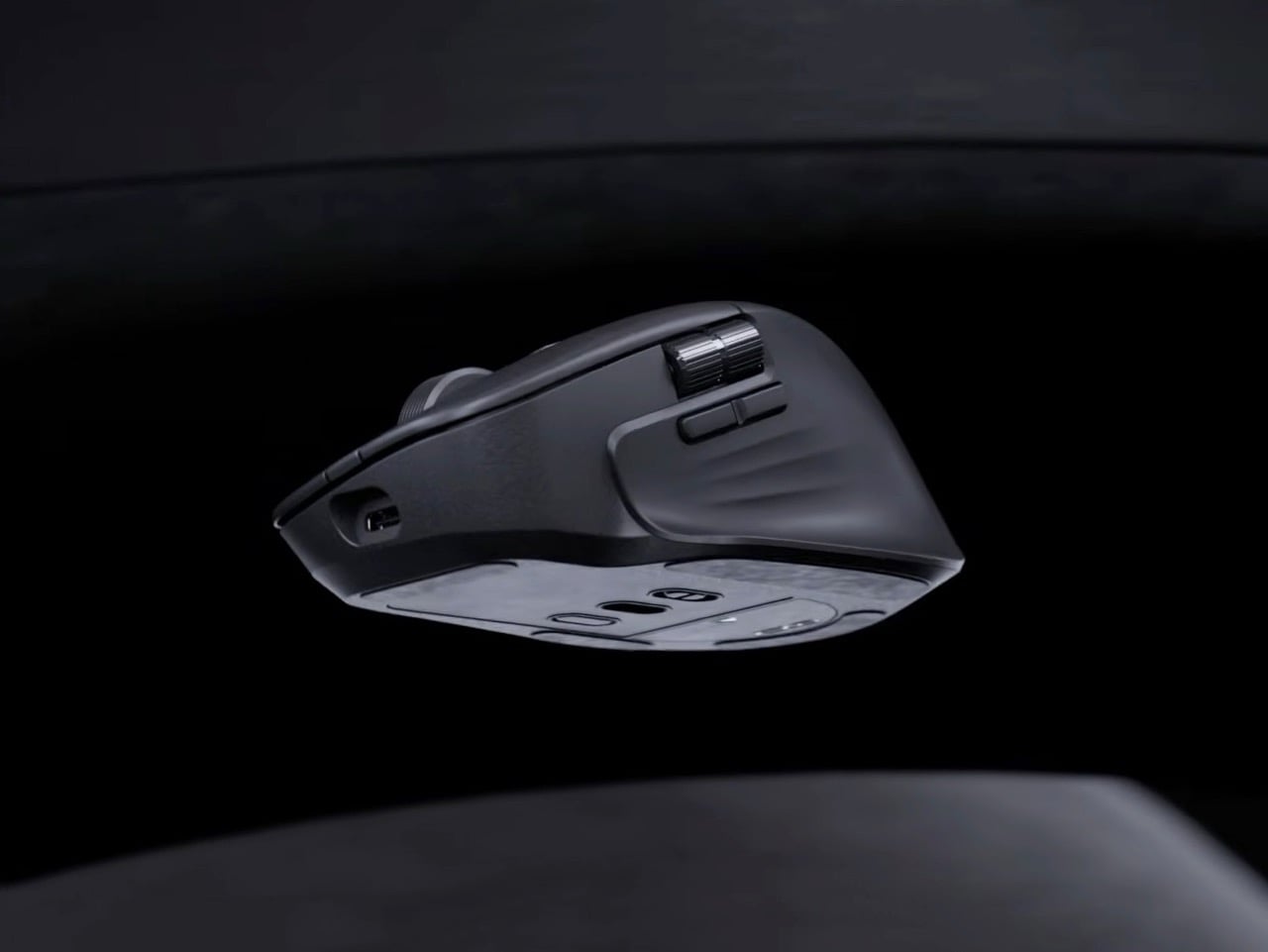
Enter the ProArt Mouse MD301, unveiled at CES 2026 with a feature list that reads like a direct response to every MX Master owner who has ever wished for something different. Swappable switches give users hardware-level customization that Logitech has never offered. A lighter 99.7-gram body addresses the wrist fatigue that marathon work sessions can bring. The SmartShift wheel matches its rival stride for stride, while six programmable buttons and an 8,000 DPI sensor deliver the precision that creative professionals demand. Asus is making a serious play for the premium productivity space.

Designer: ASUS

Most productivity mice treat their switches as permanent components, which becomes a problem after millions of clicks degrade the tactile feedback. Asus built the MD301 with user-replaceable switches for both left and right buttons, allowing a choice between optical or mechanical micro switches. Optical switches typically last longer and actuate faster with no physical contact points to wear down. Mechanical switches provide the tactile bump that some workflows demand. The ability to mix both types means asymmetric configurations where left clicks feel different from right clicks, though whether anyone actually wants that remains unclear. A switch puller tool ships in the box, suggesting Asus expects this feature to see actual use rather than existing purely for marketing differentiation.

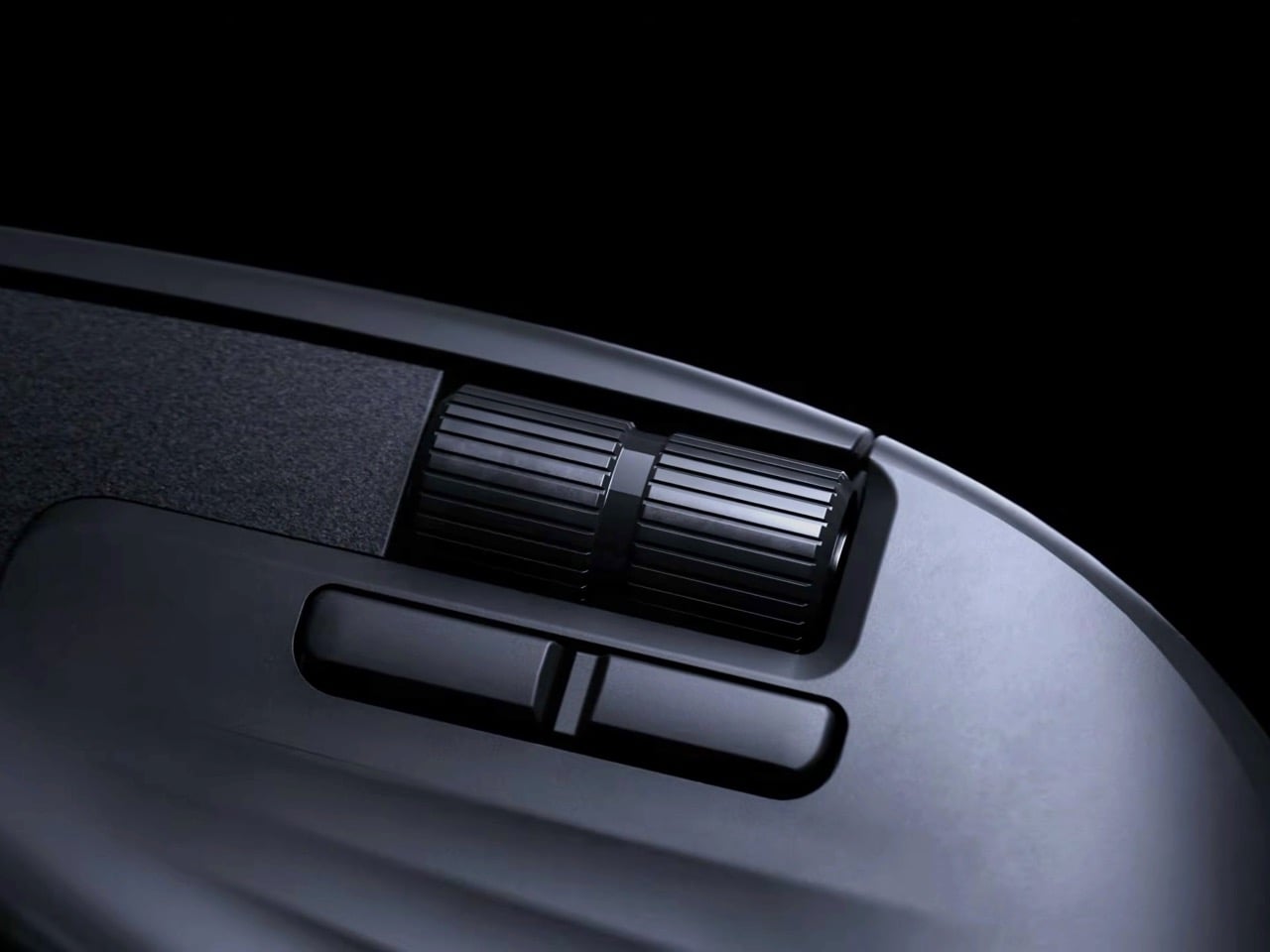
Logitech’s MagSpeed wheel technology gets directly challenged here under the SmartShift name, offering dual-mode scrolling between ratcheted line-by-line precision and momentum-based free-spin. This feature became non-negotiable for productivity mice after Logitech introduced it because working without it feels like regression. Navigating through 500-page documents or endless spreadsheets with standard scrolling wastes time that free-spin mode eliminates. Precision editing in Photoshop or Premiere needs the tactile feedback of ratcheted scrolling to land exactly on the right frame or layer. Asus recognized that competing without this capability would sink the MD301 before launch, so they matched it and focused innovation elsewhere.

Cutting weight to 99.7 grams puts the MD301 noticeably lighter than the MX Master 3S and most competitors in this category. Thirty grams might sound negligible until translated into thousands of mouse movements across a 32-inch display during marathon editing sessions. Repetitive strain injuries in creative professionals often start with seemingly minor factors that compound over weeks and months. Ergonomic shaping with wave-textured grip surfaces attempts to address comfort, though hand shapes vary enough that what works for one person irritates another. PTFE feet reduce surface friction during movement, which becomes apparent when switching between mice with and without them.

An 8,000 DPI sensor handles precision tracking across multiple surface types including glass, which used to be impossible for optical sensors but now qualifies as expected functionality. Polling rate hits 1,000 Hz through both wired USB and 2.4 GHz wireless modes, keeping cursor responsiveness high enough that latency becomes imperceptible during normal use. Bluetooth connectivity handles device switching across up to five devices, though Asus hasn’t published the polling rate for that protocol. Six programmable buttons accommodate workflow shortcuts across different software platforms, from Adobe Creative Suite to CAD applications to video editing tools.

Tri-mode connectivity covers wired USB, 2.4 GHz RF wireless via an 18.9mm dongle, and Bluetooth for multi-device setups. Switching between a desktop workstation, laptop, and tablet without physically swapping cables or dongles streamlines workflows that increasingly span multiple devices. The wireless dongle’s compact size means it can stay plugged into a laptop port without protruding awkwardly or risking damage during transport. A 190cm USB-C cable handles both wired connectivity and charging, eliminating the separate power adapter that some wireless mice still require.

Asus claims up to 180 days on a full charge, though that number assumes moderate daily usage rather than continuous 12-hour workdays. Fast charging provides three hours of heavy use from one minute of USB-C charging, or eight hours of lighter work. This becomes relevant when deadlines approach and charging got forgotten overnight. Long-term battery degradation over multiple charge cycles will determine whether the MD301 maintains this endurance after a year of daily use, but lithium-ion technology has improved enough that most modern wireless mice retain acceptable battery performance longer than their mechanical components last.

Pricing hasn’t been announced, which introduces uncertainty about how Asus positions this against the MX Master 4’s roughly $100 price point. Undercutting Logitech by $20 or $30 while delivering comparable features makes the MD301 an obvious recommendation. Matching or exceeding that price requires build quality and long-term reliability that Asus hasn’t yet proven in this product category. Swappable switches provide theoretical cost savings over replacing entire mice, but only if the base unit costs less than buying a new competitor model every few years. Launch window sits somewhere before mid-2026, giving Asus months to finalize production and distribution without committing to specific dates or regional availability.

The post Asus ProArt Mouse MD301 Takes Aim at Logitech’s Productivity Throne with Swappable Switches first appeared on Yanko Design.